Bonanza Lodge, Manu NP. 14.29.
Some days are red letter days. I should have known today would be one of those days when I woke up and it wasn’t raining.
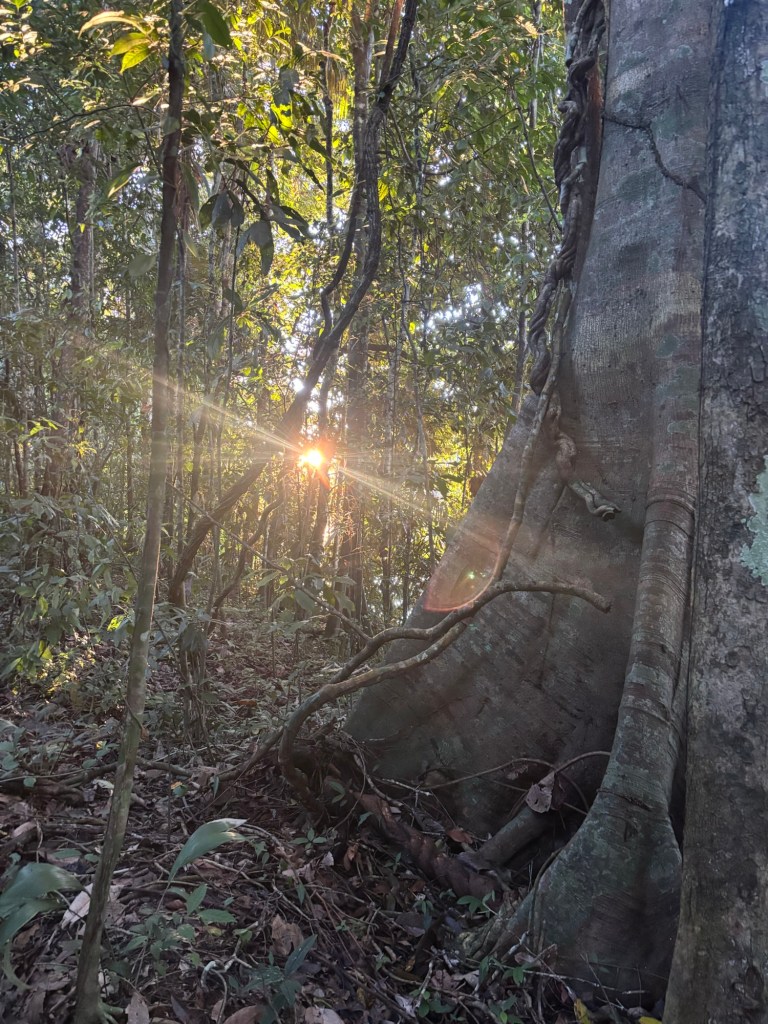
After three days and nearly sixty-six hours of on-and-off rain, the sun had returned. The forest looks so different in the sunlight. I had almost forgotten what being dry felt like.
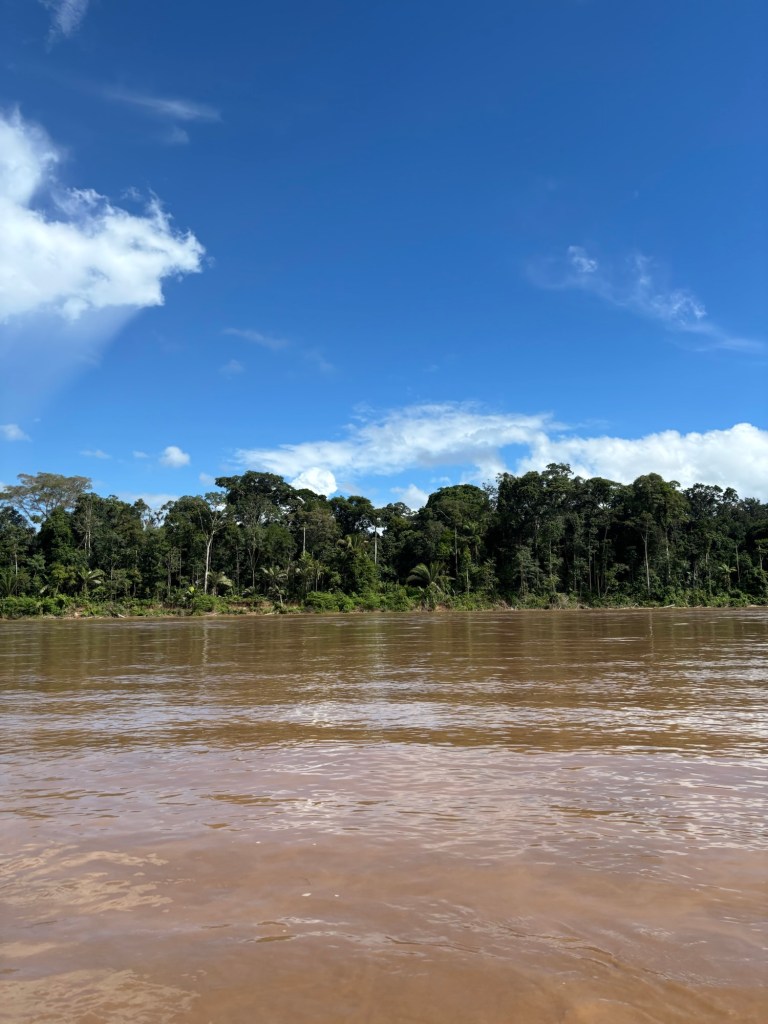
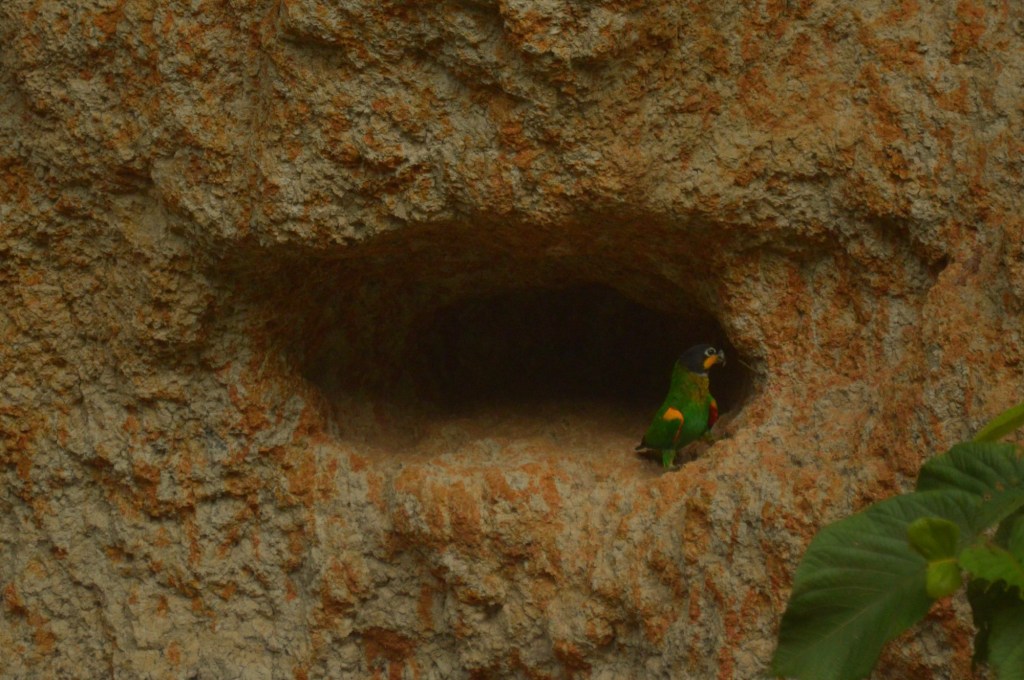
Our destination this morning was the macaw clay lick or collpa in search of parrots. Bernardino sent us off with a packed breakfast and Rive led us deep into the surrounding rainforest, with the caution that the macaws would not come in the numbers that they do in the dry season, owing to the abundance of fruit-bearing trees at this time of year. As such, I wasn’t expecting much – so I wasn’t overly disappointed when the only psitticaforme to put in an appearance (beyond the distant flyby pairs of macaws) was a couple of orange-cheeked parrots. They were adorable to watch, but they weren’t quite the spectacle that this place sees in the hotter months.
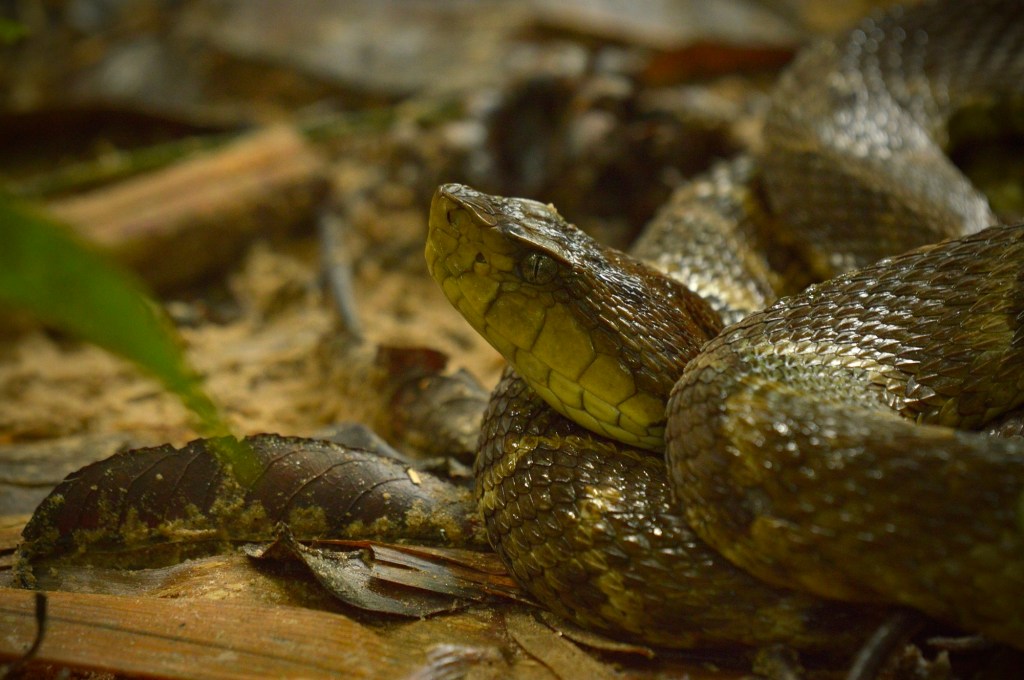
Eager to find us something to celebrate, Rive went out into the rainforest and came running back a half-hour later with the news that he had found a Fer-de-lance snake – the deadliest snake in South America and one of the most dangerous denizens of the Amazon – near the mammal clay lick a short distance away. Leaving our supplies in the macaw hide, we set out after him.
Sure enough, it was sitting right where Rive had found it: a beautiful and deadly viper, whose untreated bite is fatal. I didn’t need to worry about getting close enough for a good photo, as the lens was the perfect safeguard.
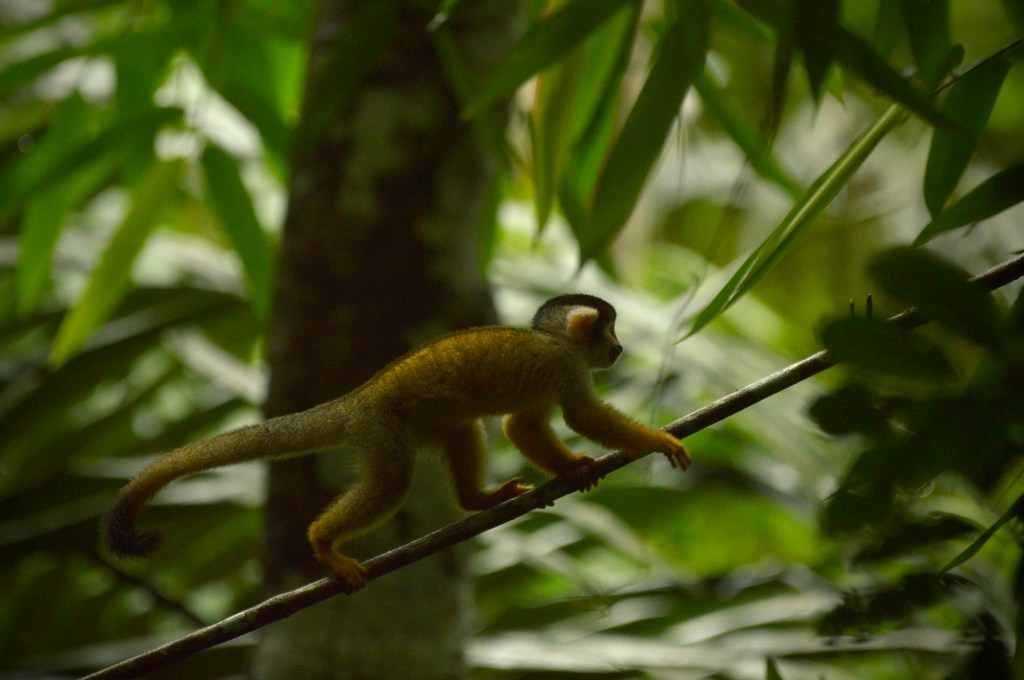
While we waited out the final hours, a troupe of squirrel monkeys and an accompanying pair of capuchins kept us company. I had been hoping for a close encounter with some of South America’s monkeys since we entered the park, and I wasn’t disappointed.
Back at the lodge, Rive called in a few favours and managed to secure us a couple of extra hours on the lagoon so that we could search for the otters again. Visits to the lake are strictly controlled by the rangers, but since we had laboured fruitlessly under a downpour the day before, Rive was given the green light to take us out again.
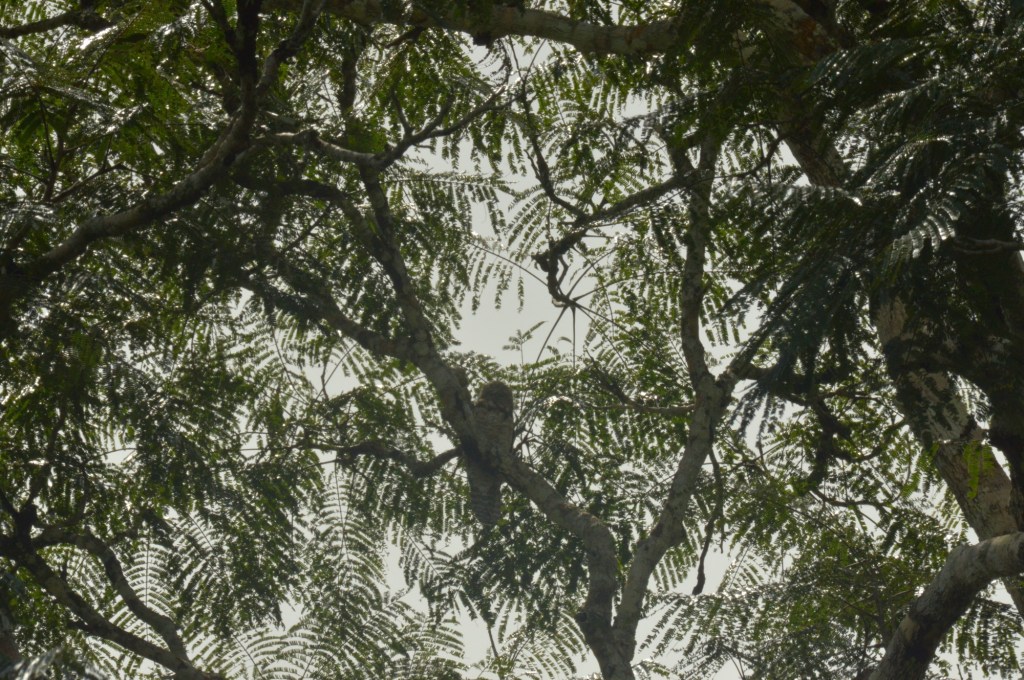
While the sun was shining (and the forest was suddenly absolutely sweltering) we rushed to wash and dry our clothes – they were, it must be said, a mass of damp and sweaty fabric by this point. While I was coming and going, one of the lodge groundskeepers approached with a smile and asked me something I didn’t at first understand: “¿quiere el gripotú?”. It was only when I realised that – just like our guide – he was saying a bird’s name in English that I gathered he was offering to show me a great pottoo. It was high up in the tallest tree, unmoving, looking for all the world like an extension of the branch upon which it was sitting, but this Leandro was able to point it out. I was very grateful – hard as they are to find, I was hoping to see one of these cryptic creatures out here.
After another incredible spread put on by our chef Bernadino, we set out. Hoping for a change of fortune, I doubled back and took my rosary this time. Maybe the Lady of the Marshes would give us the luck we needed to find the river wolves of the Cocha Salvador.
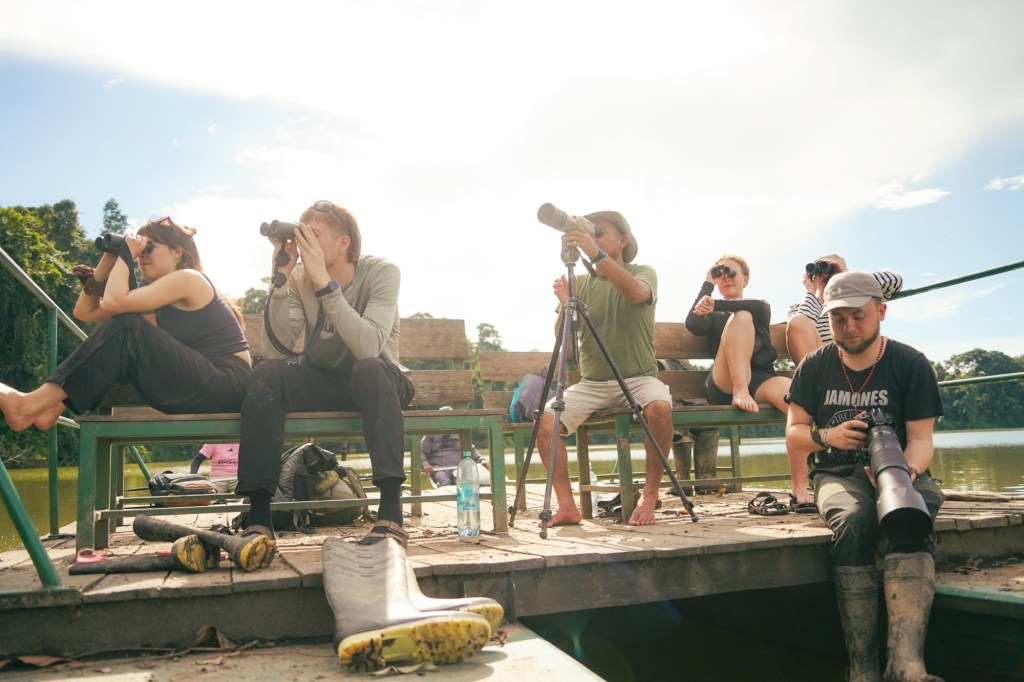
And she did. We had hardly been standing at the dock on the concha when our boatman called out “otter otter!”. We got into the catamaran and drifted out into the lake, but didn’t need to paddle the thing far – the otters came straight to us!
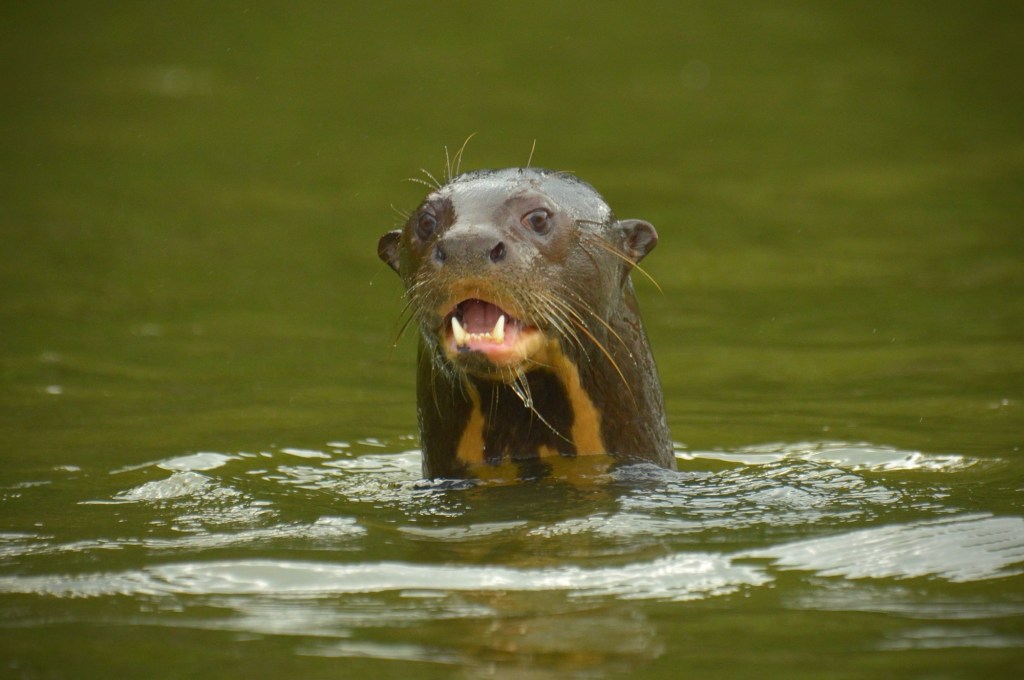
Giant otters are found only in South America. The largest of them – the dominant male and female of each family – can grow to an astounding two metres in length. They were hunted to near extinction a few decades ago when overfishing and the demand for otter fur purses led many wily Peruvians to export their pelts for great profit, but in places like Manu they have been able not only to survive but to thrive. Hundreds of otters are estimated to live in the conchas along the Manu river, with each family staking out a territory of their own.
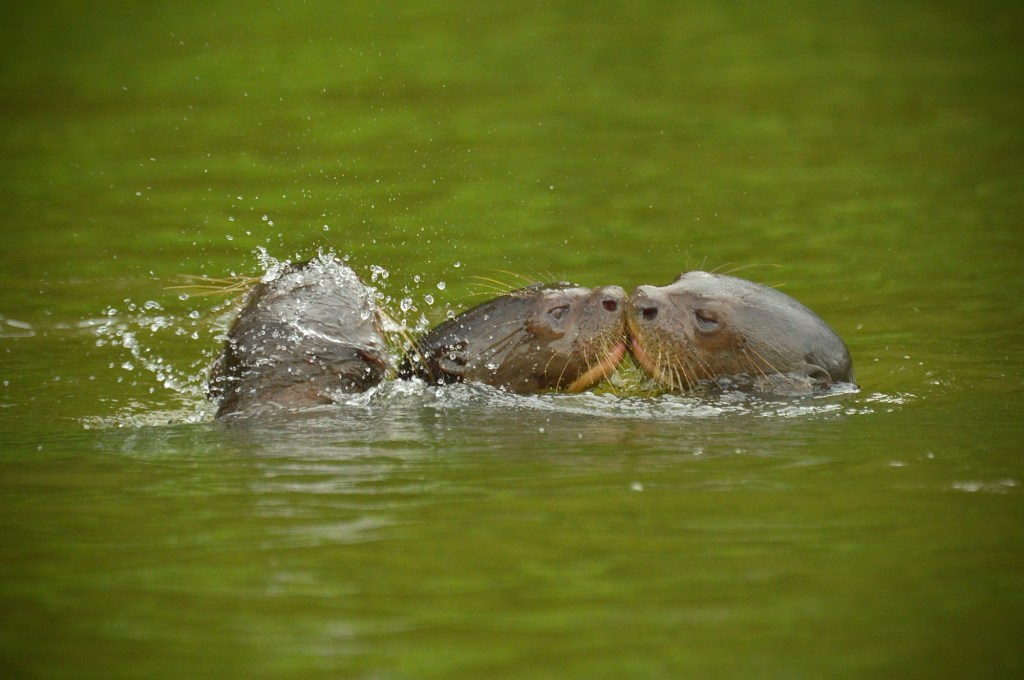
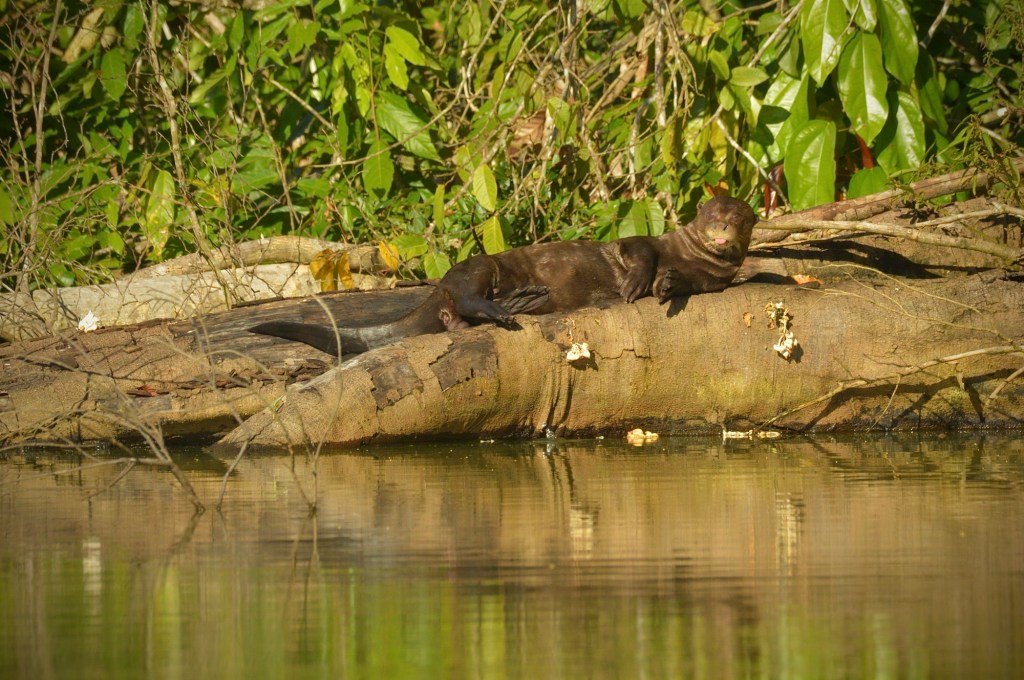
They’re very endearing to watch, whether they’re hunting, eating or just playing around. The locals call them lobos – wolves – rather than nutrias (the Spanish word for otter) on account of their habit of forming family packs around a dominant male and female, but when they’re hauled out of the water and rolling around looking for a comfy spot, they look a lot more like very long cats.
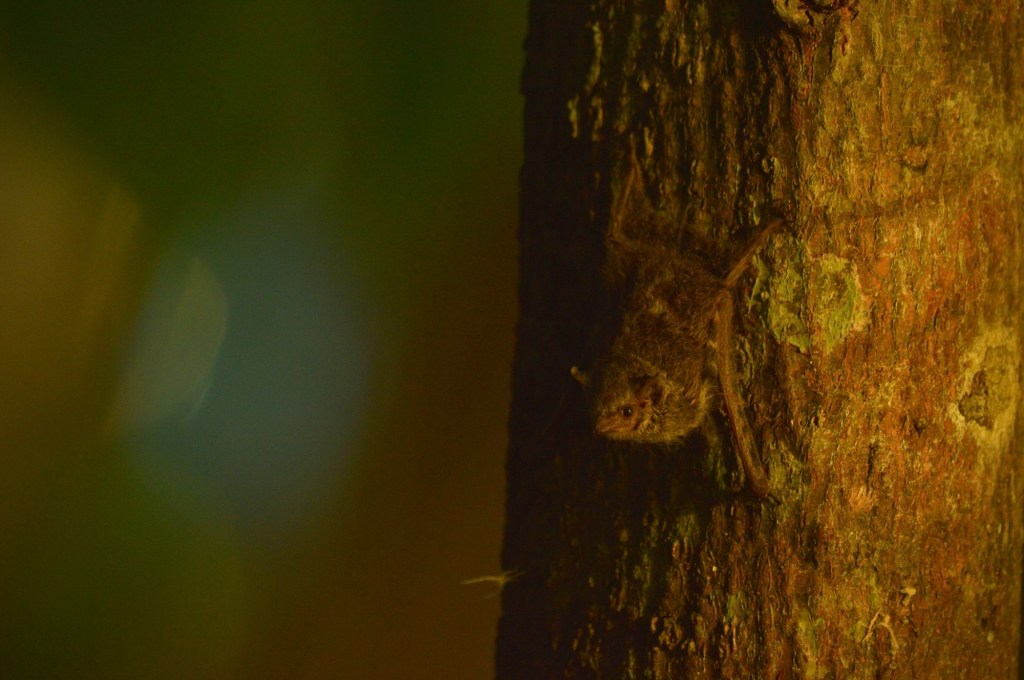
Another tour group was waiting for us to return with the catamaran, so we couldn’t hang out with the otters all afternoon – which is just as well, because my arms got absolutely mauled by the lake’s biting flies, which didn’t seem to be bothered by the DEET I had applied before setting out. My right arm in particular looks like a measles case. We were dropped off at the second of the lake’s two docks, putting a large roost of long-nosed bats to flight from under the jetty as we arrived. I hoped to catch one in flight, but I got luckier: one of them landed on a tree by the jetty and clung to the trunk, watching me from those tiny, beady eyes. It only took off when one of my companions returned from the forest and stepped out onto the jetty.
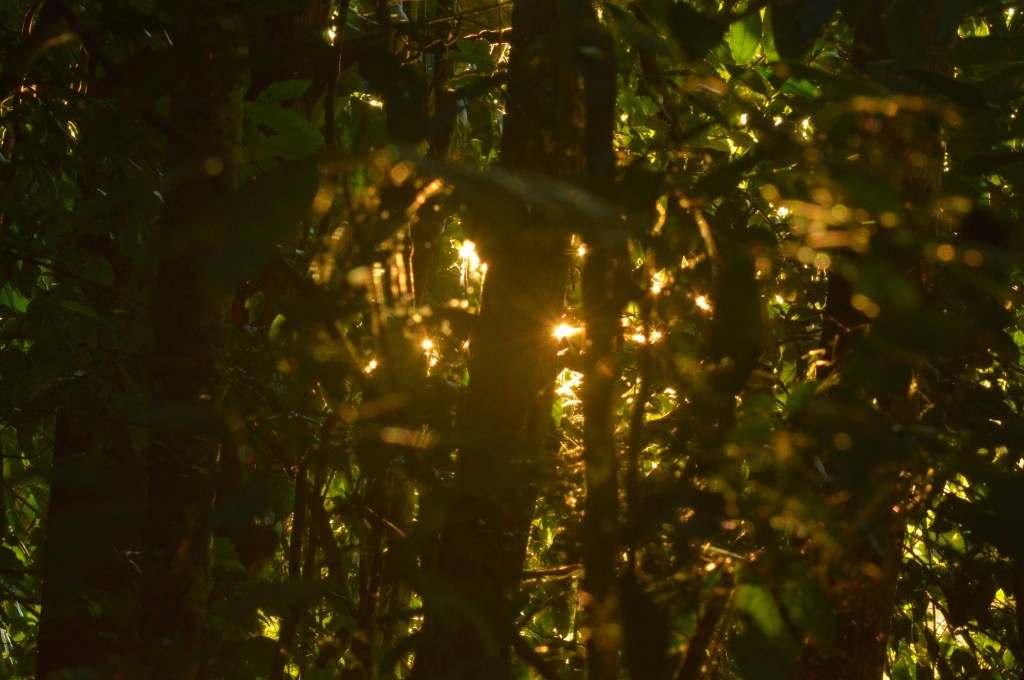
Before heading back to the lodge, Rive took us on a night walk through the forest. The rainforest is a magical place in the first half hour after sunset: a symphony of birds coming off shift and insects and amphibians taking their place. Tinamous whistling mournfully in the undergrowth and woodcreepers echoing their cries from the canopy. The descending hoot of a pygmy-owl, the beautifully sad song of the ant-thrush and the piping calls of poison frogs from the leaf litter. What an incredible place this is!
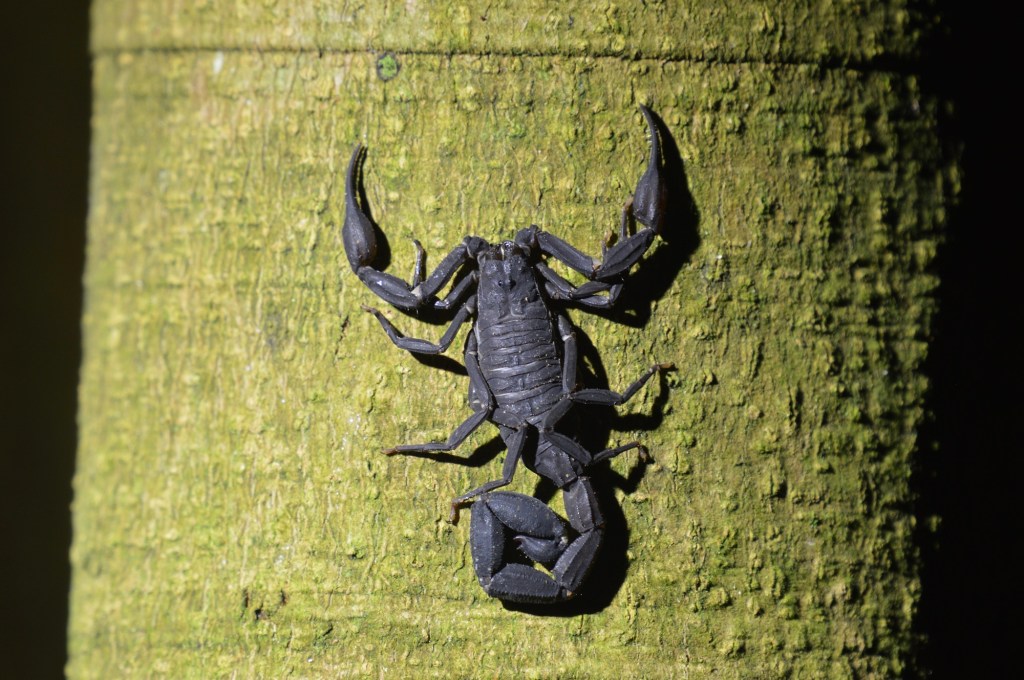
Incredible – and also incredibly dangerous. As if the poison frogs weren’t enough, we found an enormous cane toad, many tremendously large spiders and two scorpions, including this especially monstrous individual clinging to a tree trunk near the river. I’ve been checking my boots and shoes twice as carefully ever since!
Bernadino had prepared another incredible feast for dinner, which felt like a triumph after the day’s work. Rive was pleased: essentially, we had ticked every box so far but the jaguar, and that was always going to be a Herculean task during the rainy season, with the sandbars all submerged by the swollen river and the mornings much too rainy to encourage any of the great beasts out into the open.
Tomorrow we begin the twenty-hour trek back to Cusco. Eight hours in the boat as far as Bonanza and then another twelve from there. I am very happy with all that I have seen, and I am ready to return to civilisation, but I still want to come back. In my heart I know that I am not finished with Manu. It has been a very special place. Someday, I hope I will see this place again. It is already imprinted upon my heart like so many places: a lighting tree in Huelva, a porch in Boroboro, a smooth boulder on the cliff at Finisterre.
Someday, Manu. Someday. BB x