Puerto Baquerizo Moreno, Galápagos Islands. 18.55.
I could have sworn that it crossed my mind when I was packing for Chile that I might want to take my GoPro. It would have very easily fit inside my suitcase. It’s not as though I overpacked, by any stretch of the imagination. If anything, I almost certainly underpacked. Well, it can’t be helped – how was I to know that my last South American adventure of the summer would take me snorkelling, when Chile was (and still is) in the grip of winter?
Long story short, I really, really, really wish I’d had it on me today. But I didn’t. So I’ve done my best to make up for it with the trusty Nikon. I hope you enjoy!

Today’s expedition took me out to León Dormido, more commonly known as Kicker Rock. I’ll be honest, of all the Galápagos day tours available, this one was not on my list. It probably should have been, as it’s one of the most spectacular places in the world to go snorkeling, or so they say. Knowing what I know now – which is that the discount I had from my guide was considerable, compared to the other guests – I’m glad I signed on for a last minute slot.
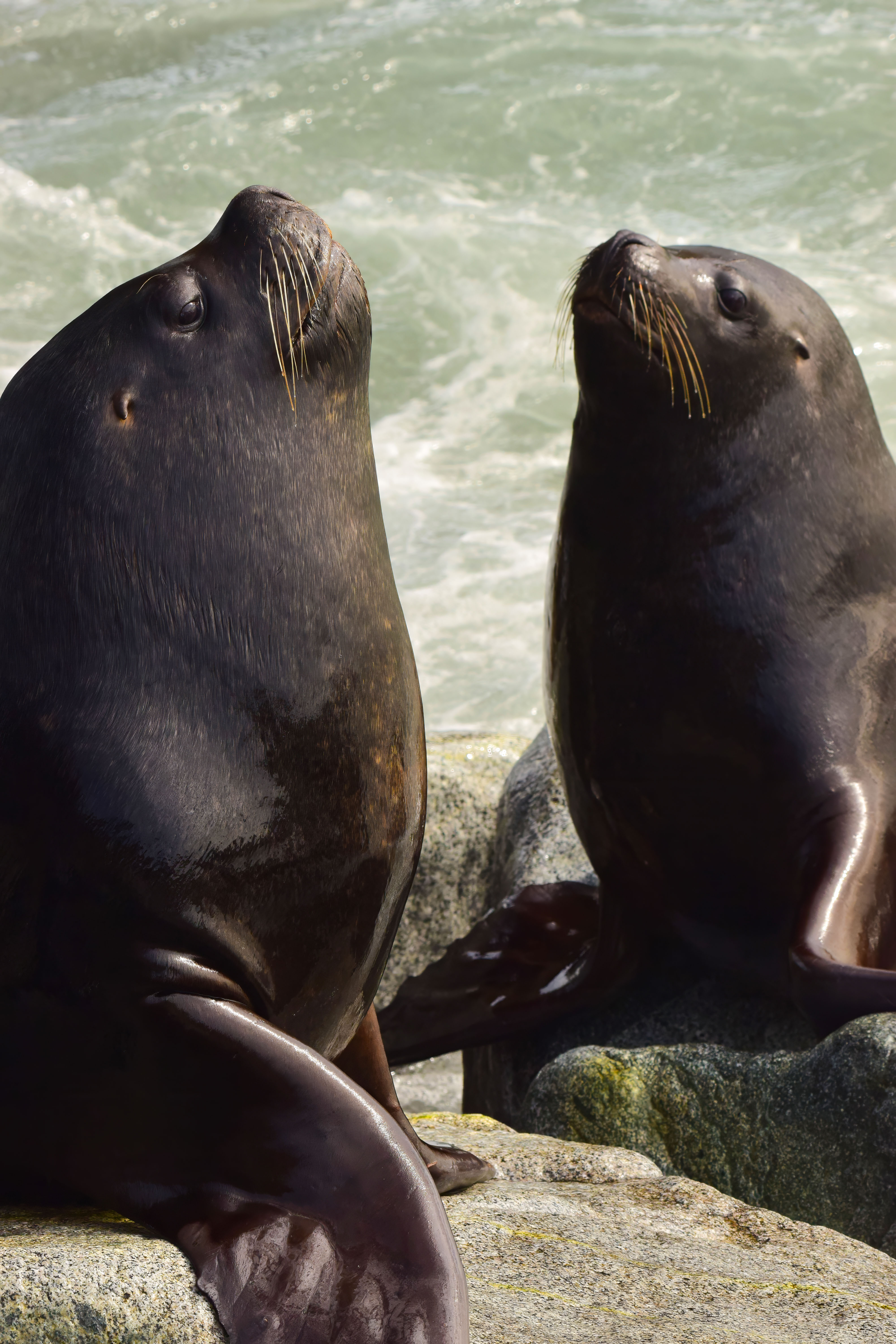
I rocked up early to the marina, as instructed, but sometimes I forget that this is South America. A 7.45am meet turned into a 9.15am departure, so I had plenty of time to photograph the sea lions, which never fail to disappoint, no matter how accustomed one becomes to their presence here.

We had an afternoon slot for León Dormido, so Samuel took us to a sanctuary beach within eyesight of the rock known as Playa El Manglecito. When we arrived, there was hardly any wind at all – just the waves lapping upon a white sand beach. The surface of the water was only broken once in the distance by a mobula ray leaping into the air and disappearing into the endless blue. With the possible exception of Finisterre, this is probably the first true white sand beach I’ve ever seen, and boy did it live up to the hype!

I considered snorkelling with the others, but it only took a few seconds in the water to realise that something was wrong. My mask filled with seawater almost immediately, stinging my eyes and forcing me to my feet early. A small tear where the straps met the rubber seal of the mask was the culprit – something I confess I hadn’t spotted when I checked the mask last night. So I shrugged, got back out and went for a walk along the beach.
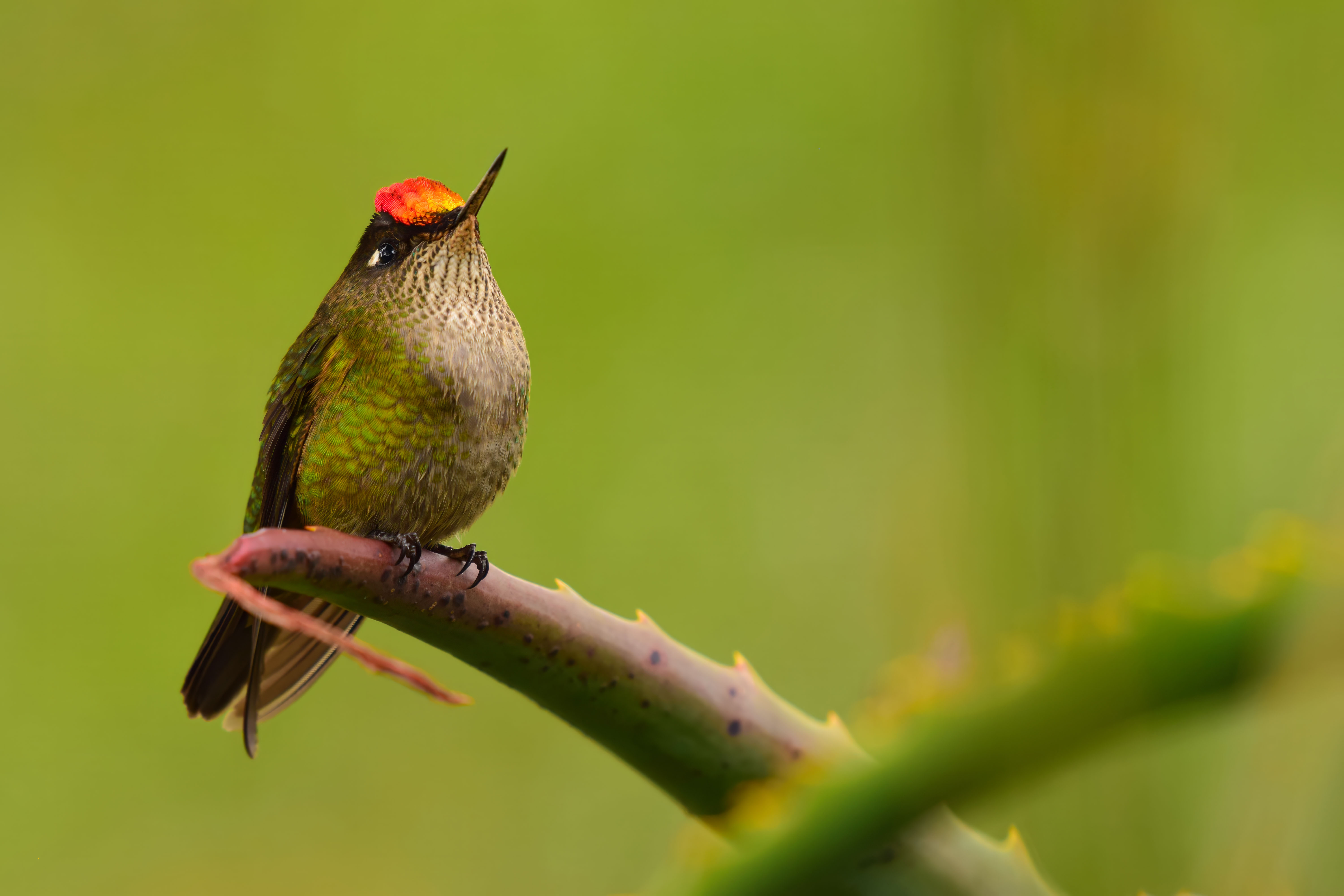
There was plenty to keep me occupied. The molten scrub beyond the shore was alive with little things: finches, warblers and colourful lava lizards. Of course, there’s always a sea lion about too, and since it was so curious about us, I couldn’t help but indulge it as well.


Indigo and her mother, a couple of experienced divers from the UK, told me I had to go back in the water: they had seen as many as fourteen turtles in the bay. I told them about my mask and Indigo lent me hers. I’m past the stage of my life where I’d awkwardly turn such an offer down out of affected politeness – and I really did want to see a turtle.
It took me a little while to find them. I swam across half the bay at first, thinking they might be sheltering on the far side, only to nearly collide with one of the giants as I returned to the shore.
Oh, if only I’d had the GoPro – the things I could have shown you! Green turtles are simply enormous. So much bigger than I expected. I think I assumed all turtles but the giant leatherbacks were around the size of an Olive Ridley, but these green turtles can grow to five feet in length. The largest of the turtles in the bay must have been that size or close to: he was busy gnawing algae from the rocks and paid me no attention whatsoever, though I can only have been a metre or so away when the waves hurled me in his direction.
I didn’t linger as I didn’t want to cause them any undue stress. They didn’t seem at all bothered by my presence, but turtles are endangered enough as it is, so I spent a few minutes in total awe, watching them feed and fly through the water on those evolutionarily perfect flippers, before pushing off back toward the shore.
Our divemaster Jesús called the three divers back to the boat, but the rest of us – me, a Brazilian-American and a mother and son from Austria – had another half hour to enjoy the beach. Naturally, I’d surrendered the working snorkel back to Indigo, but I figured I could at least have a go at capturing the turtles on camera, albeit from above.
The trouble with turtles is that they are perfectly adapted to life underwater, and do not need to come up for air as readily as other animals. When inactive, such as when they need to sleep, they can submerge for an astonishing seven hours without needing to breathe. Even when they’re awake, they can still hold their breath for thirty minutes or more if they need to – and when they do pop up for a breath, it only lasts a couple of seconds until they dive back down again.
All this is to say that photographing a turtle out of the water is a very difficult challenge. But I had half an hour and nothing better to do, so I took a stakeout. It was almost impossible at first, but when a couple of them decided to cross the bay and swim out of the dark reef and over the white sand, the job was suddenly made a lot easier. All I had to do was to track the shadows.

The calm sea that carried us gently into the bay had been whipped up into a fierce swell by the wind, which made the job even harder, but I managed a few half decent photos as the first one made its way across the bay.

Looking at a turtle is beholding one of the greatest survivors on Earth. These incredible reptiles have been around since the time of the earliest dinosaurs in the early Triassic, some 230 million years ago, and two mass extinctions, as well as a host of other destructive factors – including our depraved taste for their meat and shells – have not been able to rid the planet of these mighty success stories. It was a real privilege to see them so close.

I’ll be honest. After that incredible encounter, the snorkelling at León Dormido was… a bit of a letdown. Kicker Rock is a world-famous diving location, where entire schools of hammerhead sharks, eagle rays and even mantas can be seen. Naturally, snorkelling is a bit more restrictive, doubling your time but limiting your exploration to the surface. I was lucky that they had a spare mask, so I could see underwater without any difficulty this time.
We saw parrotfish, triggerfish and rainbow wrasse and a few impressive sea stars clinging to the wall of the rock, but beyond that, the most memorable encounter was the enormous salp swarm we found ourselves in. Every single movement of my hands was surrounded by a swirling cloud of reddish gelatinous organisms that looked like drawings of cells from my old biology textbooks. The sun must have drawn them all up to the surface from deeper, darker waters below, beyond the deep blue beneath my feet where the blades of sunlight fail to penetrate.

I’ve never snorkelled in open water before, so I think I was much more accustomed to being able to stop and breathe normally more often than I feasibly could with the seafloor more than 130 feet below. It took me a while to master breathing through the snorkel, and even once I’d lost my nerves about breathing through a tube, seawater still managed to get into my nose and up and into my oesophagus. After about twenty minutes it felt as though my throat was on fire with all the ingested salt, which probably didn’t help with my state of mind. It was only when I was distracted by the playful antics of the attendant sea lions or a particularly interesting fish that I didn’t think of the discomfort I was in.
The divers said they’d seen it all: reef sharks, hammerheads, eagle rays and barracuda and all the rest. They were all much, much lower down. I didn’t begrudge them for it – that’s what they trained for, after all. It was a good reminder, however, that my gut was right all along: snorkeling isn’t really my cup of tea, compared to, say, a two-hour hike. In that sense, I haven’t changed much since my school years: I know what I’m good at and I do it often enough to consider it mastered. I’m open to new experiences, but given the choice between snorkeling and hiking some other time, I might think again next time.
Unless, of course, I’ve got my GoPro on me. Or I’ve shaved (which may or may not have had an impact on the water getting into my nose).
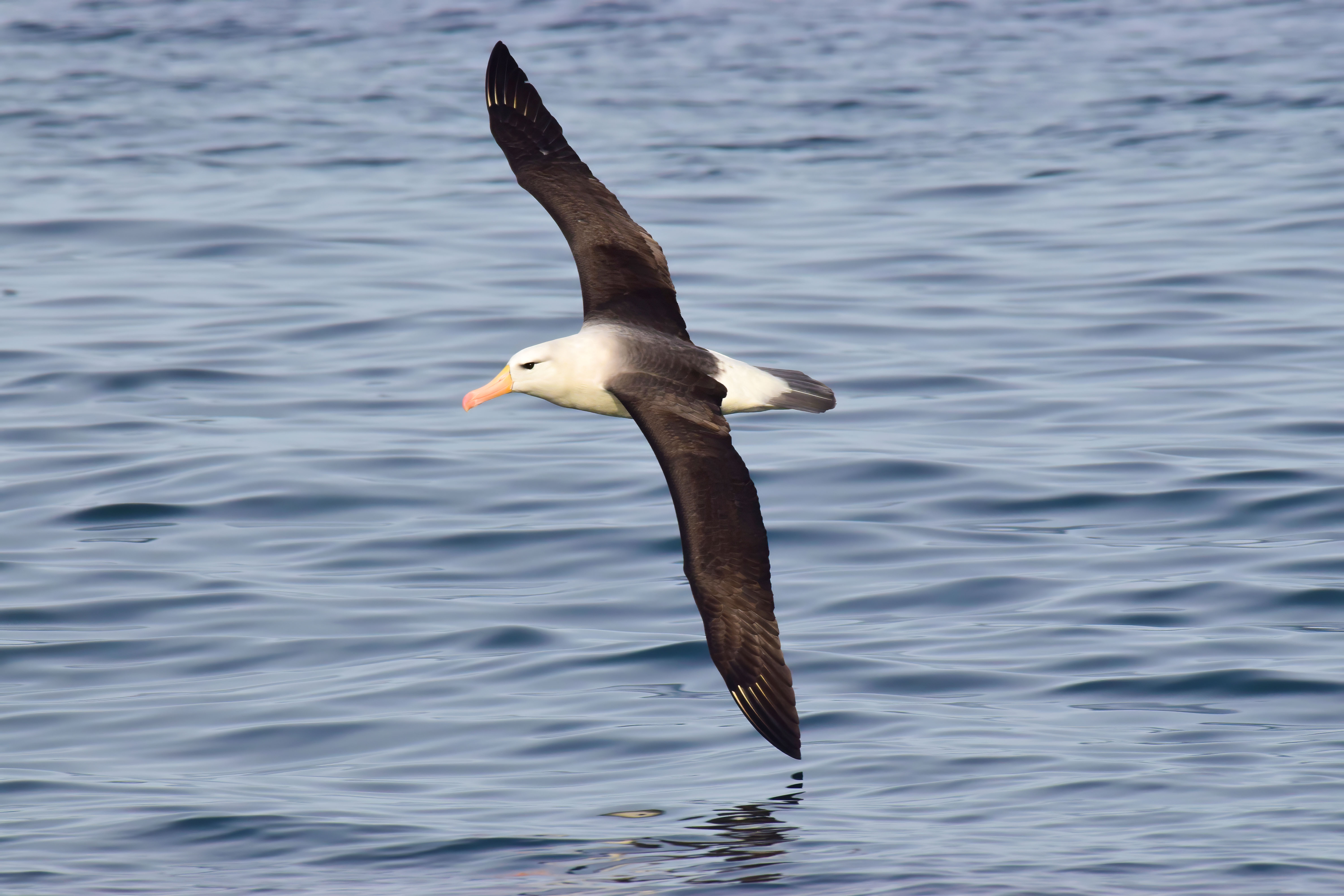
Fortunately, there was one resident of León Dormido which had eluded me so far, and it was a creature I’d been hoping to see since I got here: a tropicbird. These angelic creatures are shy seabirds, nesting deep within the cliffs in hard-to-reach places, and – at least here – usually fly in pairs. Bloody hell, but they’re hard to catch, moving tremendously fast in wide circles against a bright blue sky, but after much trial and effort I finally caught one.

The return journey was a very bumpy ride. We’d been sheltered from the wind and waves on the east side of Kicker Rock, but had to cross a raging sea to get back to port. In spite of myself, I caught myself dozing off, which you’d think would be hard in a boat that keeps landing with a jolt and a hard splash after cresting every wave, but there’s something about afternoon journeys after a long day’s expedition that renders you terribly susceptible to fatigue, whatever the circumstances. I wrapped the strap of my camera as tightly around my arms as it would allow, just in case.

Samuel’s contact did finally offer me a trip to Española, the Impossible Island, but for tomorrow. Sadly, I neither have the budget nor the time: Punta Pitt and Kicker Rock between them cost what Española would have been, and besides, I have an early departure tomorrow for Santa Cruz, the second of the two islands on my Galápagos adventure.
I’ve been on the islands for four days and I still haven’t seen the giant tortoises that they were named for. That will change on Santa Cruz. It’s time to bring this adventure to a close in style – and, hopefully, add a couple more species to the roster in the process. Santa Cruz, here we come! BB x