Newark Liberty International Airport, Newark, NJ. 17.27.
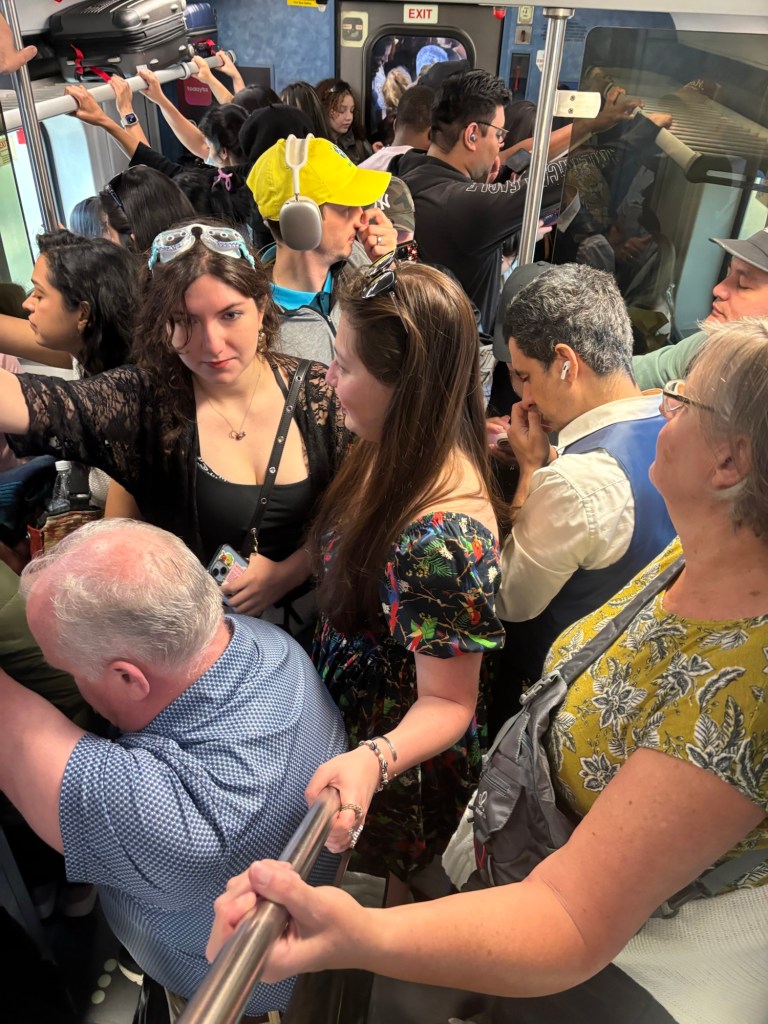
Good morning America! The sun is shining, my bag is re-checked and I’m off to see the city, standing on the steps of an absolutely rammed Amtrak train bound for Penn Station. I will never roll my eyes at the train from London to Taunton again. This is a whole other level of packed.
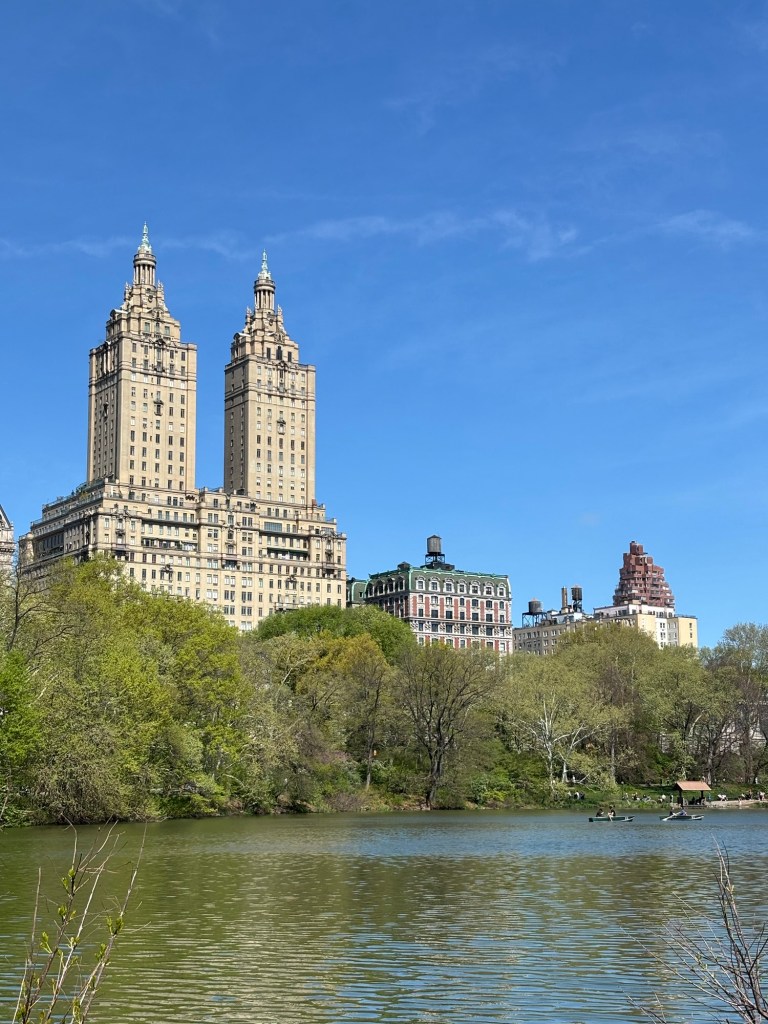
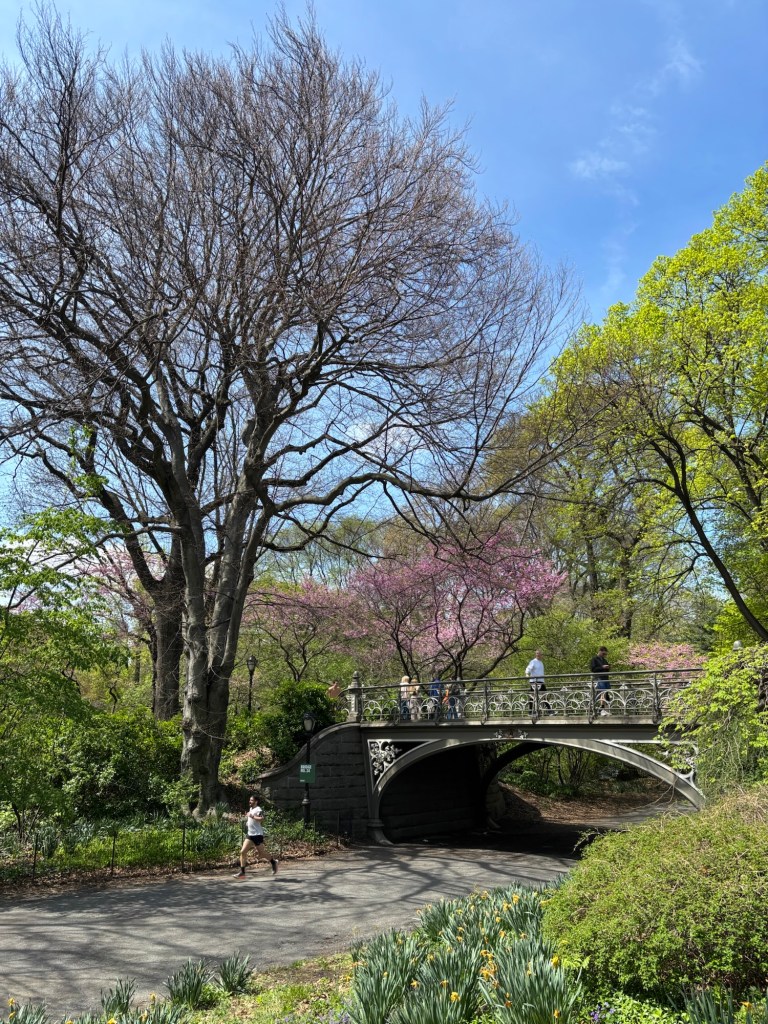
Two years ago, I promised myself I’d never come back to this country. I allowed a broken heart to derail what should have been a grand old adventure around the States and swore off America for good, having come to associate the place with gators, gumbo and the worst heartbreak I had ever known. And yet here I am, in Central Park no less, using the last couple of months left on my ESTA to explore New York City. Fate has a funny way of making us eat our words.
And boy, am I glad I did! What an exciting way to round off the Peruvian adventure!
People come to New York City for all sorts of reasons. Jazz, sports, food from every corner of the globe. World famous locations like the Empire State Building, Broadway, the Statue of Liberty, the Brooklyn Bridge, Trump Tower, Times Square and 110th Street… The list goes on and on. But me? I had only three hours to play with, so I spent almost all of them in Central Park.
Why? Because Central Park is a sanctuary for birds traveling up and down the east coast. Being the size it is, New York City and its adjoining suburbs make up an absolutely enormous area of developed land that has devoured what was once a vast stretch of virgin forest and marshland along the eastern seaboard. Central Park sits right at its heart, a large but contained green lung which many migrating species use as an important stopover on their journey home.
Which is apt, because that’s exactly what I was doing.
I have always wanted to see New York City. I wasn’t so fussed about staying here, though now that I’ve had a bite of the Big Apple I can’t help feeling I’d like to come back someday with a bit more than three hours to play with, which simply isn’t enough time to explore a metropolis like NYC.
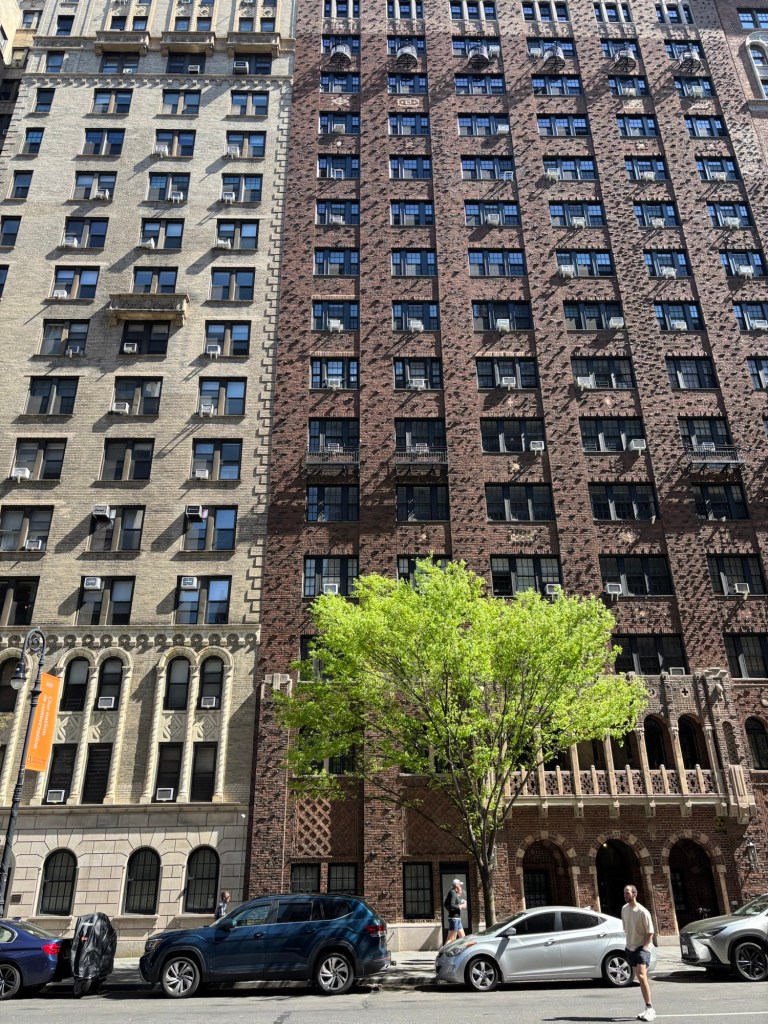
Everything here is exactly the way I pictured it: towering brown-brick buildings with iron steps winding up the sides. Yellow cabs and green street signs. And billboards – yes! Billboards! It’s a quirky thing to take a shine to, but they were such a memorable feature of my last visit to the US and I really have missed them!
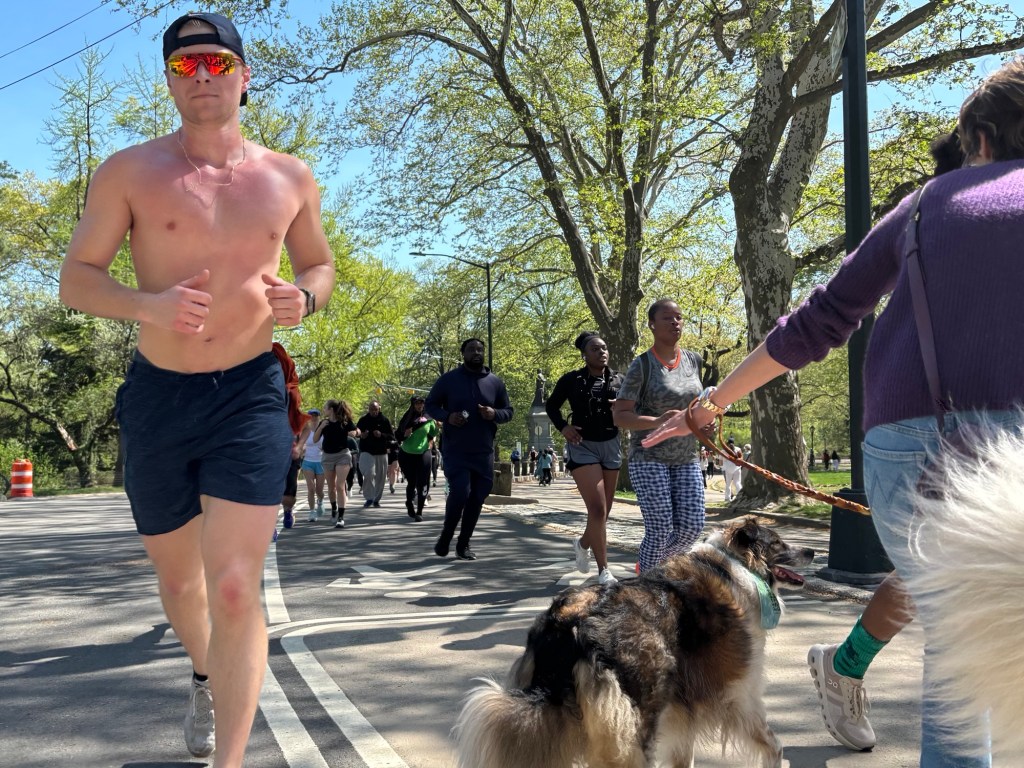
The glorious weekend sunshine had drawn thousands to Central Park, especially the city’s athletic youth, who were out in force on the largest park run I have ever seen. I don’t know what the Americans put in their food, but there’s something larger than life about the American twenty-something-or-other: they’re huge. We like to joke in the UK that the US has an obesity problem (a problem we often forget is shared) but take a casual stroll through Central Park on a Saturday and you might be forgiven for thinking the average American to be some sort of übermensch. Then again, this is the land that gave us Michael Phelps and breastaurant chains like Hooters, so perhaps that’s not altogether surprising.
Anyway. I didn’t come all this way to gawp like an awkward teenager at all the breasts and rippling pectorals. Not even close. I came here to see some birds that we just don’t get back home – at least, not unless the autumn winds blow them way off course, since many North American species wind up in the Scilly Isles every year.
Most of the birds I went hunting for today are common backyard species that the average American wouldn’t get overly excited about, but I didn’t really get the chance to go exploring the last time I was Stateside, so I was quite happy to marvel at some of the city’s more colourful residents.
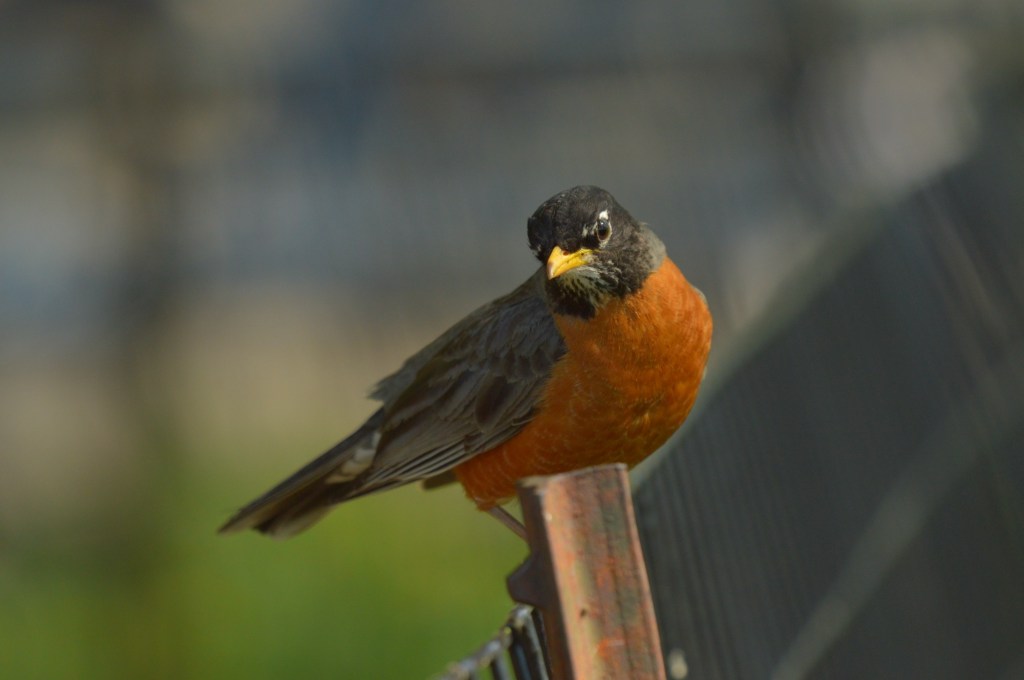
First up: the American robin, with his smart orange chest. These things are everywhere and pretty hard to miss. House sparrows and common starlings have invaded the Americas in recent years, and they’re arguably a lot more common, eking out a living even within the unforgiving human hive of New York’s streets, but the flashy American robin stands its ground in the leafy suburbs.
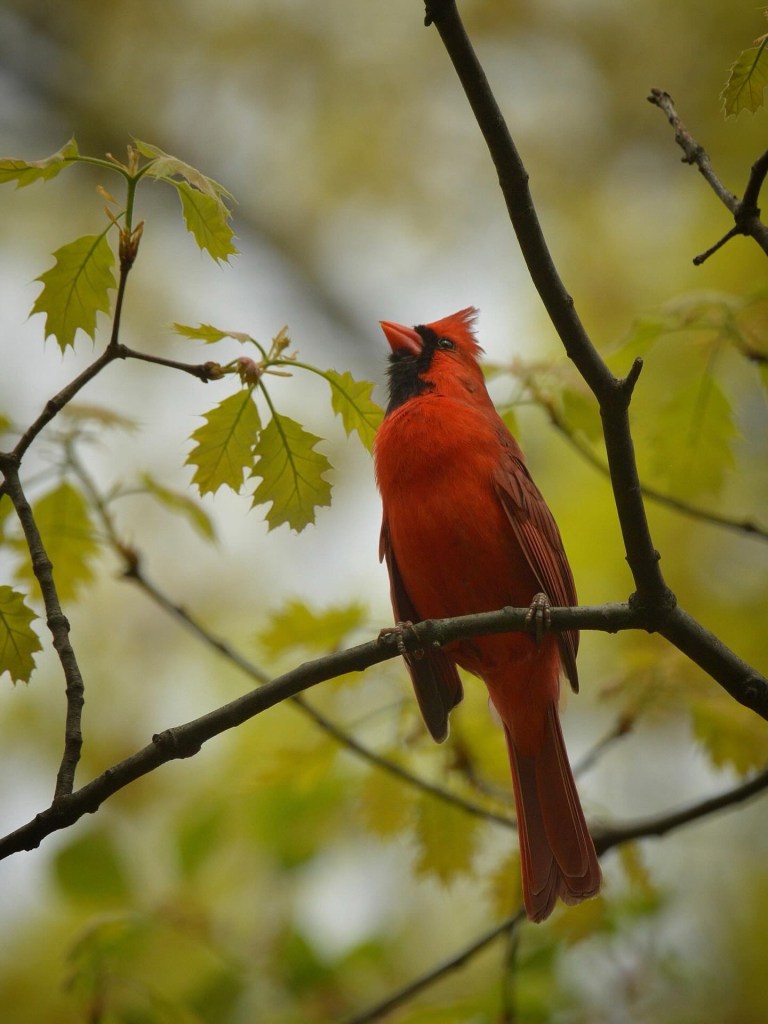
I saw two kinds of woodpecker and heard at least three, though I didn’t quite get as close as I did in Manu. One dashing bird that might have been more at home among the jewels of the Peruvian jungle was that spectacular American favourite, the northern cardinal. Not only are they beautiful birds, all decked out in red and black, but their song is – well, I was going to write sweet or musical, but the word I really want to say is homely. I can see why so many Americans are especially fond of them.
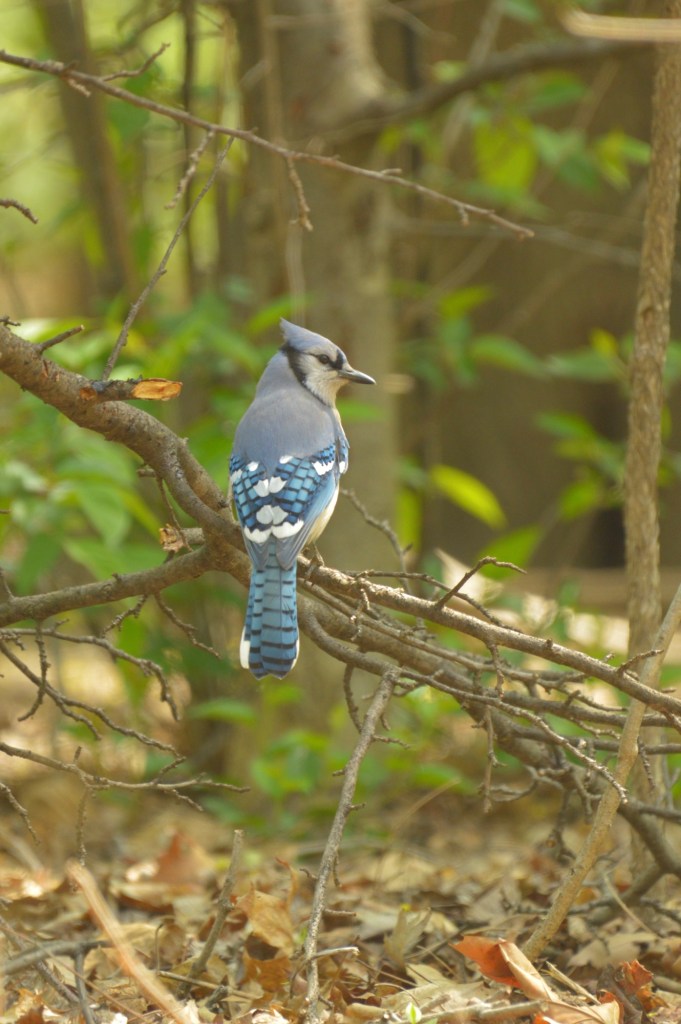
One more bird that I was really keen to see was an easy find throughout Central Park: the blue jay. I never get tired of seeing jays back home in England. Their electric blue feathers were among the most prized trophies for those of us who collected feathers as children, and the blue jay takes that dash of blue in the jay’s wardrobe and goes all in.
I wonder what the first settlers made of these birds? Of course, I’ve grown up seeing their pictures in books, so (unlike Peru) I knew exactly what I was looking for. But imagine those first travelers, confronted with birds that looked familiar and yet utterly, utterly different. Hence American robins – which are actually thrushes – named for their red breasts, and blue jays – which are in the crow family, though not exactly jays in the strictest sense – named for their striped blue feathers.
A lot of New World species have names that seem to have been coined in a hurry, unlike the birds we grew up with whose etymology is often a lot more complex. Sapsippers, seedeaters, sunbeams and puffbacks certainly seem a lot more user-friendly than mergansers, dunlins, ospreys and orioles. Americans seem a lot more prone to call things like they see them rather than spending years conjuring up a more esoteric or poetic name – such as the aubergine, which can be tracked in a perfect, unbroken line of evolution from its point of origin in the East until it crossed the Atlantic and became an eggplant.
On the subject of American approaches to birds, I was pleasantly surprised to find I was not the only one in Central Park who had come for the birds. I encountered at least three different parties out with their binoculars, all of them on the hunt for spring migrants, and all of them discussing their task in that wonderfully amicable way that Americans seem to specialise in.
One party by the reservoir pointed out a Bonaparte’s gull (or, in their terms, a “boney”) roosting among the ring-billed and American herring gulls. Another group were watching the blue jays I had seen earlier. A much larger party had gathered in the North Woods, seemingly following the news of a hooded warbler, a rare and colourful passage migrant in these parts.
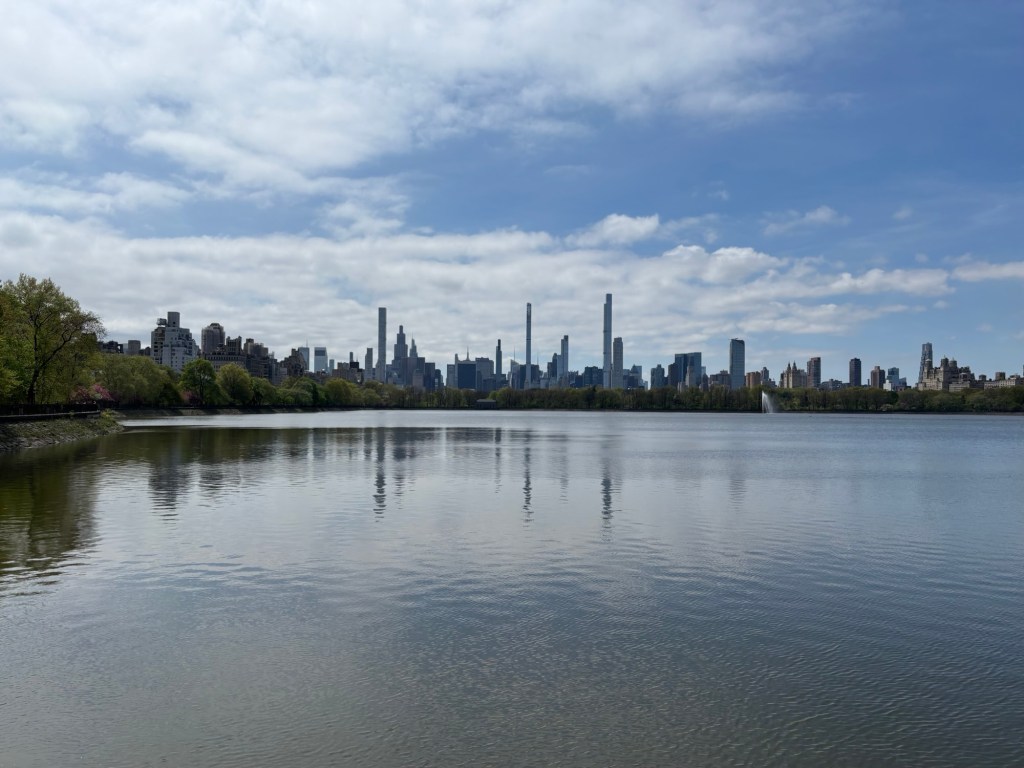
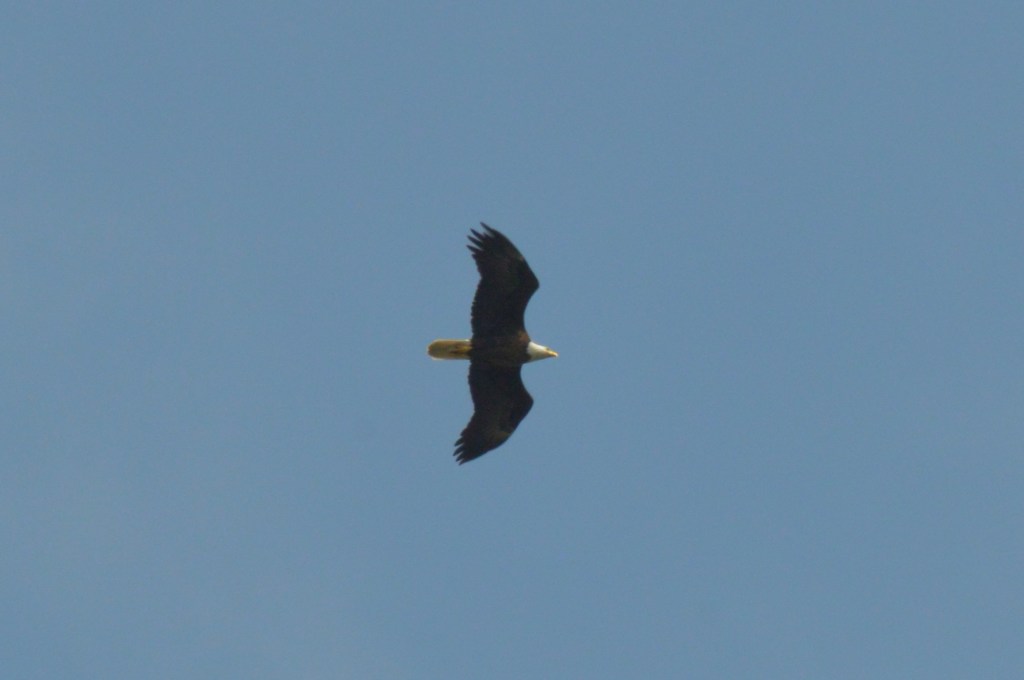
I didn’t see it, but I wasn’t that fussed. After all, merely moments before I’d struck gold when a familiar silhouette soaring high above the city turned out to be that all-American icon that I’d already seen woven into a hundred badges of homeland security officers this morning: a bald eagle.
I really wasn’t expecting to see something as spectacular as a bald eagle in New York City itself, but it just goes to show what a magnet Central Park can be at this time of year.
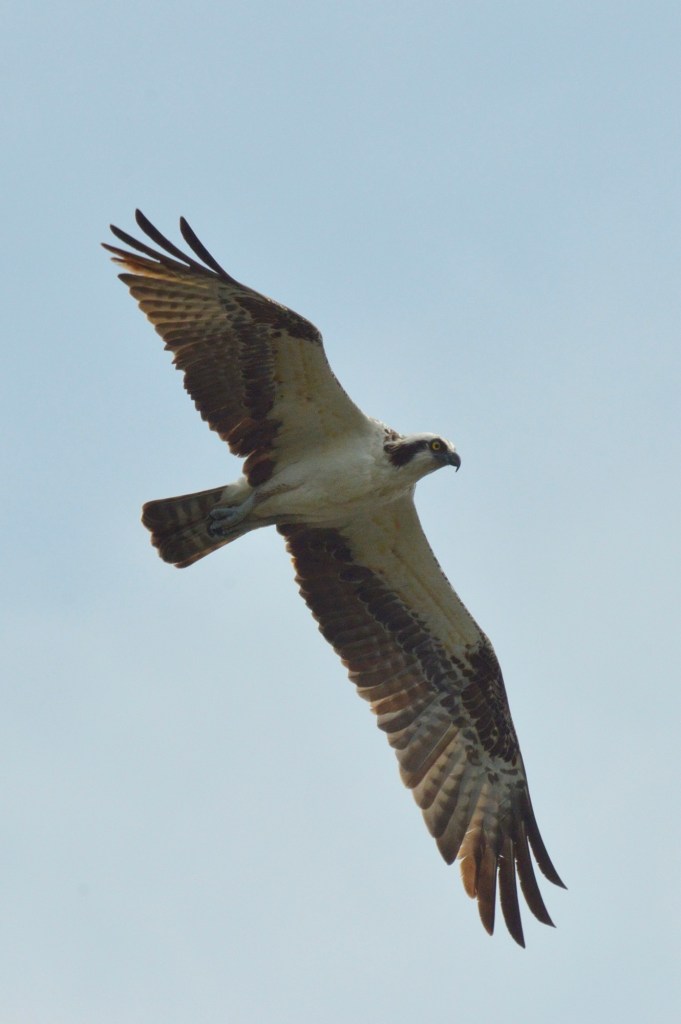
It wasn’t the only inner city eagle I encountered, either. I was just about to cross 110th Street (of Bobby Womack fame) when I saw a long-winged silhouette hawking over the Harlem Meer that I instantly recognised as that of an osprey. These awesome fish-eating eagles are an increasingly common sight in Central Park during the migration season. I had good views of them in the Louisiana bayou two summers ago, but to see one fishing at close range with the backdrop of Harlem behind it was a real treat.
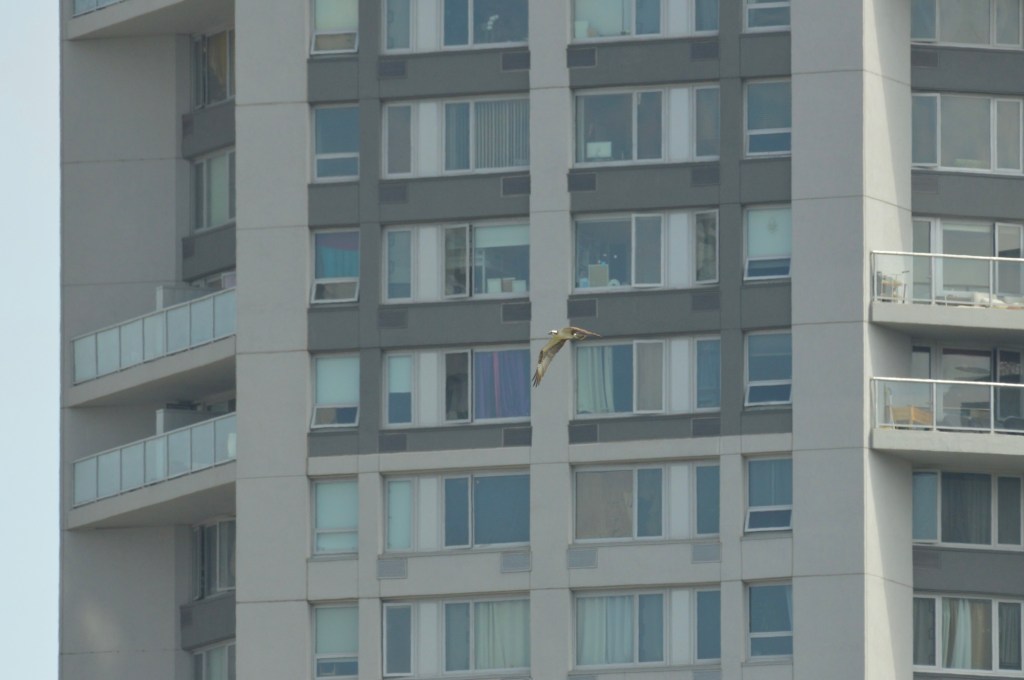
Up close, you can properly appreciate their owl-like eyes, which seem considerably larger than those of other birds of prey, and their rough, scaly talons, specifically evolved to snatch and hold on to large and slippery fish.
Sure, I was in Harlem, I could have used the opportunity to explore New York’s fascinating black history, and maybe even visited the homes of some of my favourite musicians. But I’m a naturalist first and everything else second, remember? So I ended up spending about fifteen or twenty minutes just sitting on the bank of the Harlem Meer watching it hunting, while a madwoman hurled abuse at passers-by in a heavy Bronx drawl and a black man in his forties played with two remote-controlled cars on the opposite bank.
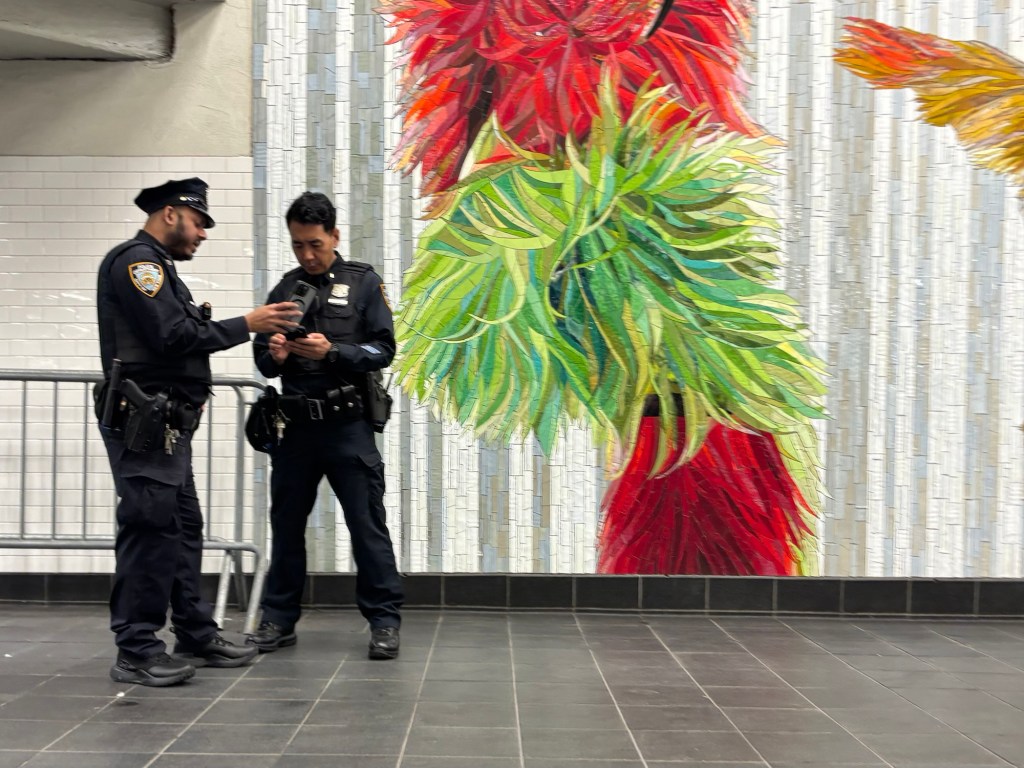
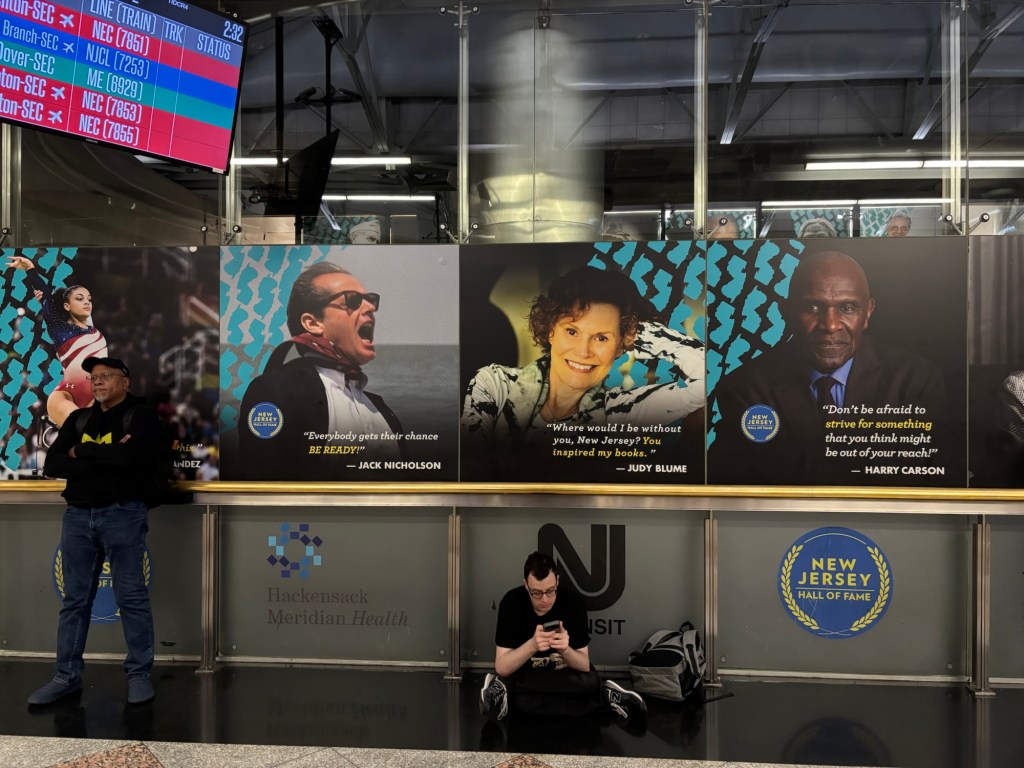
Eventually, I realised that time was catching up on me. I had to make sure I was back at the airport with at least an hour to spare, as I could not count on security at Newark being swift (and I was right – the queue took about forty minutes, with sniffer dogs tasked with inspecting all of us).
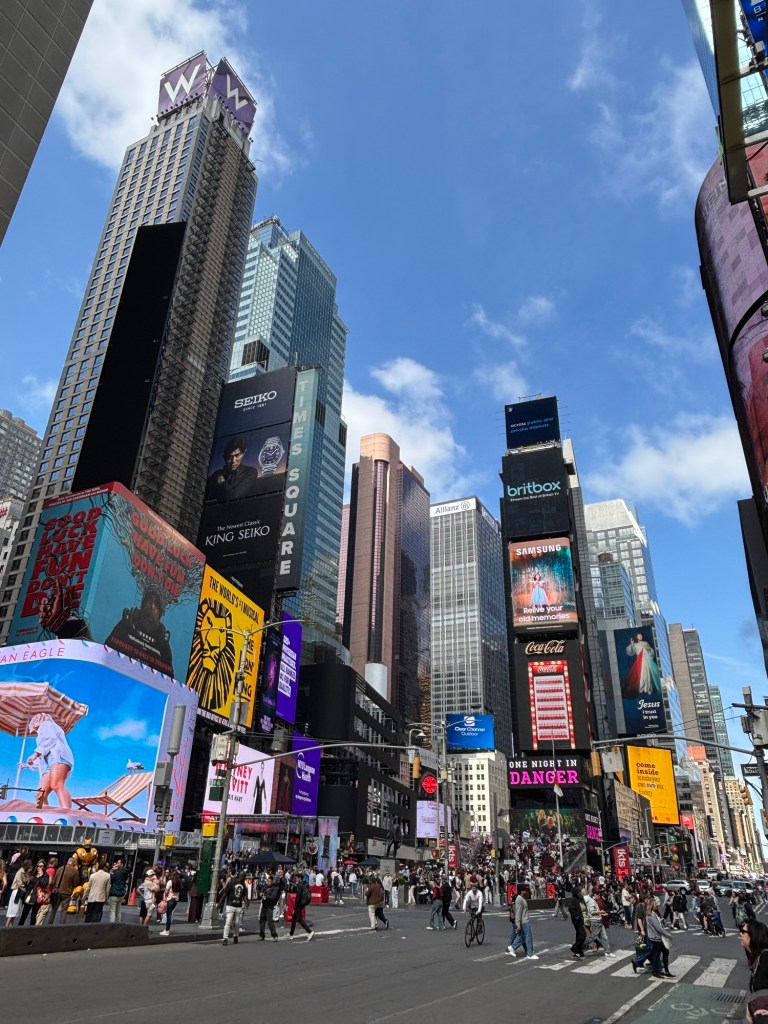
As such, I had to ditch my whimsical plan to see Trump Tower. That ludicrous golden folly isn’t going anywhere anytime soon. So in the time I had remaining, I packed up my camera for the last time on this adventure and took the Subway back downtown to Times Square – because I couldn’t come all this way to New York City and skip the human element altogether, right?
I suppose the ludicrous frenzy of New York’s most iconic street might have thrown me had I not just spent three weeks in South America, where crowded cities are par for the course. Compared to Lima, the only major difference was the colour: Times Square really is eye-wateringly garish. I only saw it during the day. I imagine at night it is a spectacle like nothing else on Earth.
Some other time, perhaps.
Well – that’s all, folks. I’ve made it safely onto the last flight of my adventure and I’m headed for home. The sun has already set behind us, but we’re racing forward in time over the Atlantic to meet it on the other side. Below me, Prince Edward Island is fading into the night and the shadowy island of Labrador – home of The Chrysalids and just about visible in the gloom – marks the last stretch of dry land in the Americas before this plane sets out across the lonely blue waters of the Atlantic and puts the New World behind us.
Thank you for coming with me on this latest and greatest adventure. I hope you have enjoyed reading about my travels as much as I have enjoyed writing about them. They’ll certainly keep me going through the next term ahead, which is always a busy one (though mercifully not quite as busy as the last two).
My adventures aren’t over yet. Spring is here and there’s plenty more for me to see and do back home. But it will be a little while until I have another adventure quite as grand as this one. A man’s got to work, after all!
Until then – hasta pronto, chavales! BB x

