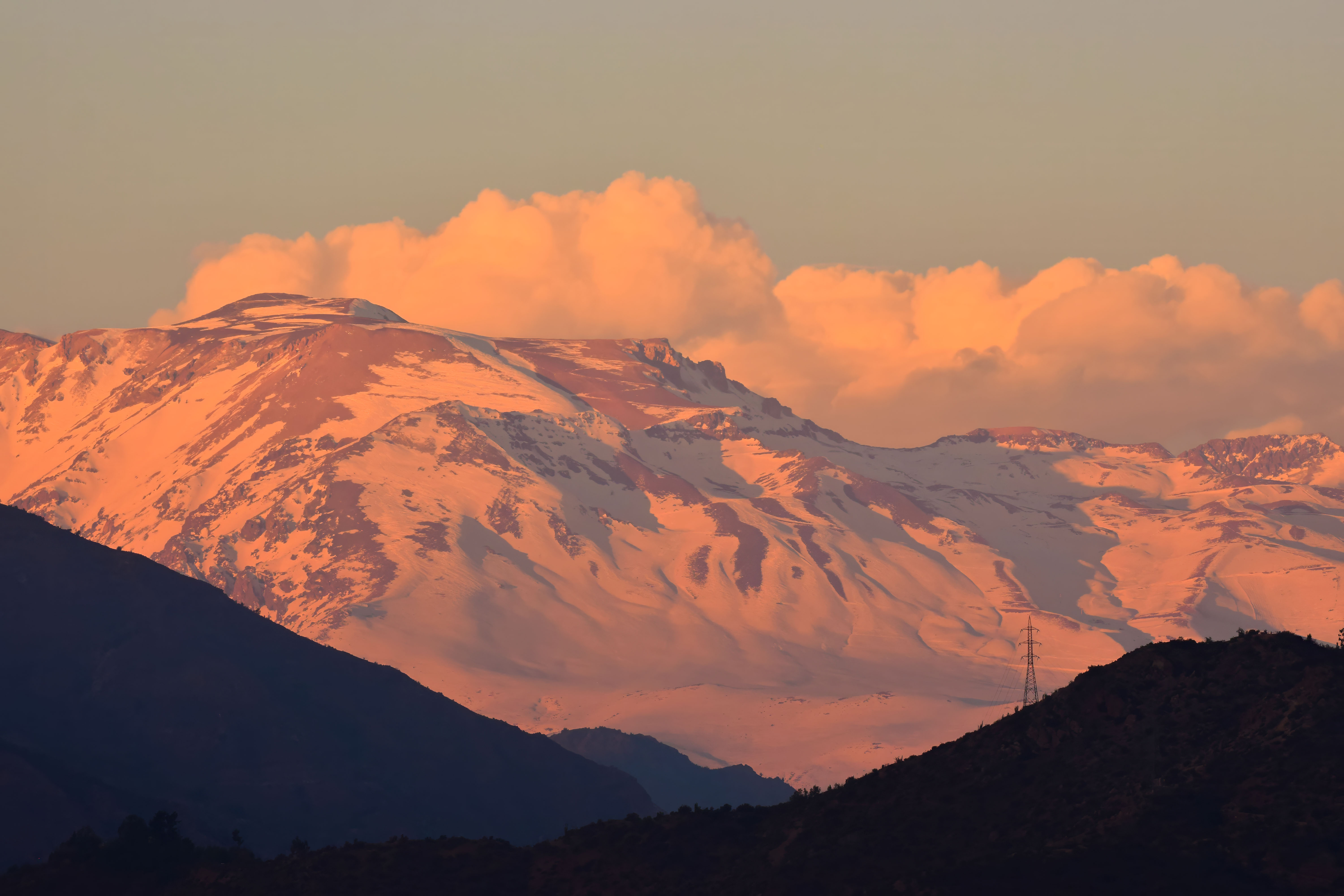
Chilean Memories #9: Snowy Sunset
Las Condes, Santiago de Chile. 17.28.
I’m getting better at sleeping on planes. I must have slept for at least half of the flight from Lima to Santiago, because I remember almost none of it – only the first half hour or so and then a period of ten minutes at some point around half past two in the morning when they served out the in-flight snacks. Even so, the Santiago side of things passed by in a zombie-like blur. I navigated customs and an Uber relatively easily, but after letting myself back into the flat around six in the morning and using the last of my reserves for a desperately needed shave, I tumbled into bed and didn’t wake up again until half past twelve.
I’d suggest that that’s the last time I try to tackle multiple flights across three countries, but that’s exactly what tomorrow’s journey home entails, and I know myself too well to accept that I’d eat my words sooner or later.
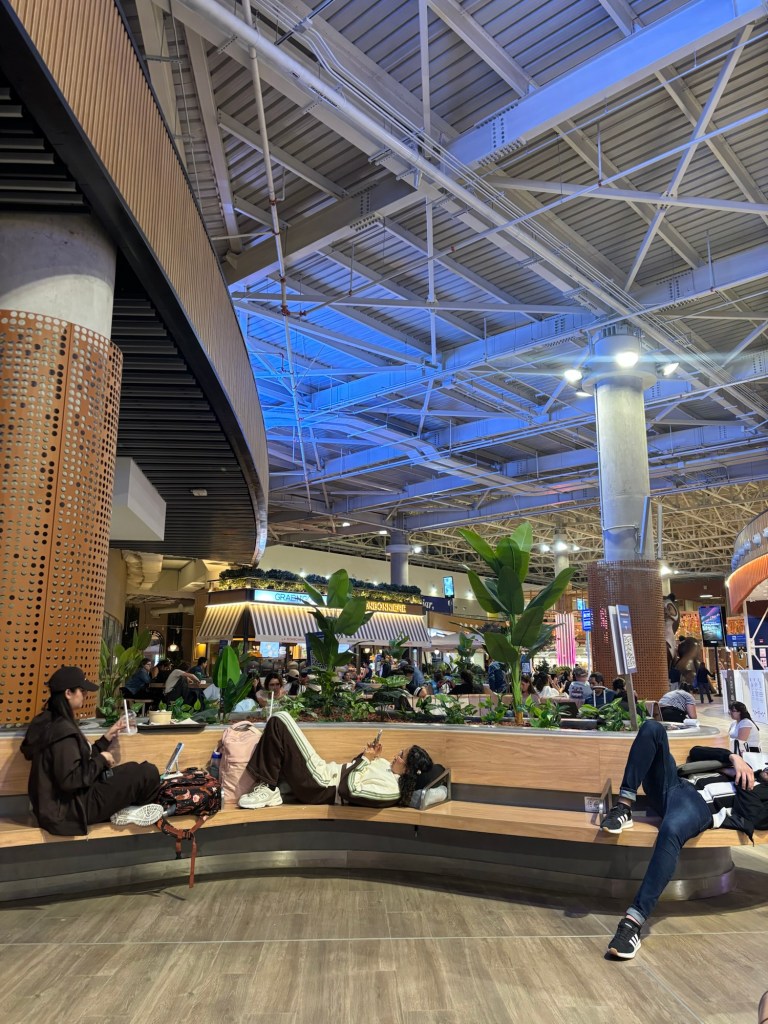
What a difference a year makes! South America has gone from being a location on a map that cropped up from time to time in texts we study in class to home in all but name for the last five weeks. By the time I leave tomorrow night, I’ll have totalled nearly six weeks here. That’s half a school term. In my book, four weeks is the cut-off point, beyond which a location stops feeling like a holiday and starts to take on the trappings of a place one can legitimately claim to have lived. While I haven’t spent all six weeks in the Central Valley, Santiago has definitely become as familiar a base as Amman and Tetouan once were, many years ago.
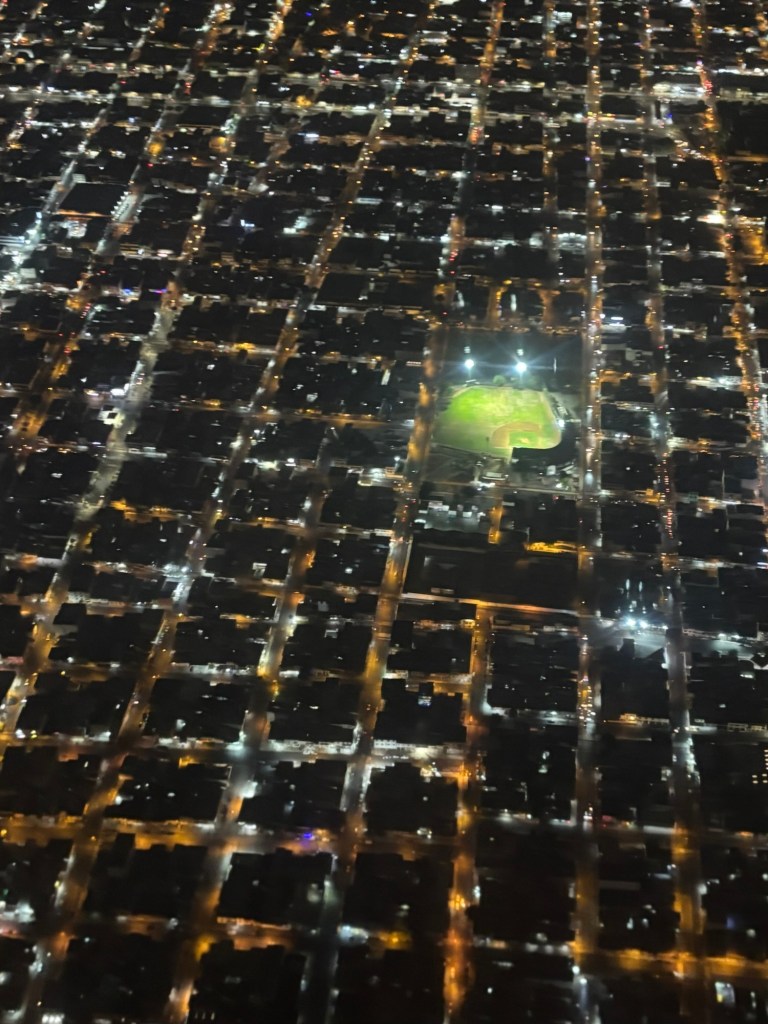
There are many aspects that are still alien. The distance. The exchange rate. The American-style grid system of South American towns. the national insistence on tacking cachai to the end of every single sentence, whether it needed confirmation or not. But I feel I’m getting the hang of the accent, the majority of the modismos (the extremely widespread Chilean slang) and what it might be like to live here for the locals. Lucky them!
It sure is chilly here, though. I haven’t missed the uncomfortable heat I left behind in England back in that first week of July (which, I believe, is still there, outstaying its welcome by well over two months) but I could do with being somewhere warmer for a while. Bouncing from 7°C in Santiago to 37°C in Athens on Friday will be a proper shock to the system, but I’ll have my hands full with this Greek wedding for the ages, so I suppose I’ll manage.
I want to remember this soundscape though. The pitter-patter of dog feet on the laminate flooring. The distant whine of one of Tomás’ sisters blowdrying their hair. The whirring radiator in my room, doing its best to heat up the place. The alarm call of an austral thrush. The faraway engine of one of the many micros plying Avenida Las Condes. Otherwise, the remarkable quiet of Chile’s capital city. Santiago is a very special place.
Popping back into school one last time tomorrow to say a few farewells I didn’t get the chance to make last Friday and to wrap things up with a neat little bow, insofar as I can. And then – home! I could do with a rest. BB x
Las Condes, Santiago de Chile. 17.40.
With strong winds and heavy rain forecast for much of central and southern Chile this weekend, I decided against any madcap travels beyond Santiago. It’s just as well, too: even my whimsical considerations of hopping over the border to tick Argentina off the list with a flying visit to Mendoza would have been impossible, after yesterday’s renewed snowfall blocked the mountain pass, closing the terrifyingly steep Ruta 60 for what is likely to be quite some time.
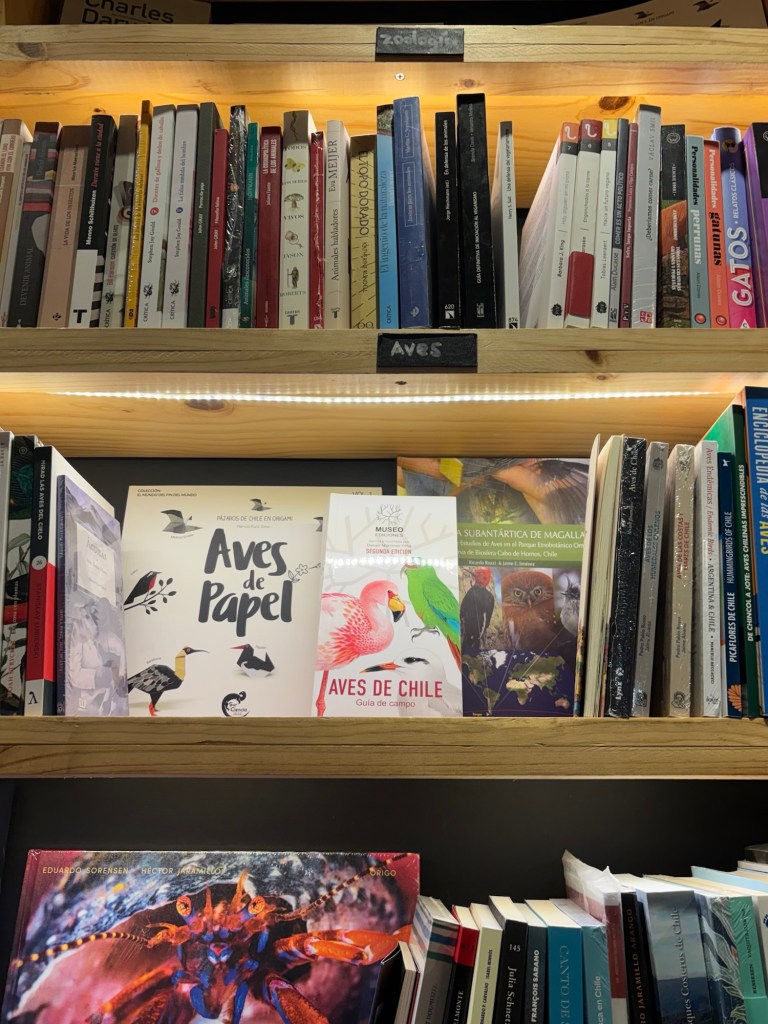
For once, I erred on the side of common sense and spent my Saturday in downtown Santiago, stocking up on a few important supplies for my final adventure in South America, now less than a week away. My main target was the sportswear giant Decathlon, but while I was hunting it down I stumbled upon a fabulous bookshop specialising in natural history in an underground mall at Tobalaba. I’ll simply have to come back here before I go – the selection of books on offer was incredibly tempting.
I still can’t get over how much birdwatching is a thing over here. I’m so used to Hispanics being generally disinterested in birds they can’t shoot out of the sky. It’s so heartwarming that that particular aspect of Hispanic culture is shifting, and that Latin Americans seem to be the driving force behind it.
With my Decathlon business concluded, I popped into Jumbo – Chile’s answer to Spain’s Mercadona – to grab a couple of snacks for the week ahead. Amazingly, the supermarket did me for lunch, too: they were giving out free samples of the seafood stew mix (which was amazing!) as well as free samples of strawberry yoghurt and pistachio ice cream. They weren’t exactly full-size dishes, but Tomás ordered far too much pizza last night, so I was quite happy with a couple of free nibbles for lunch.

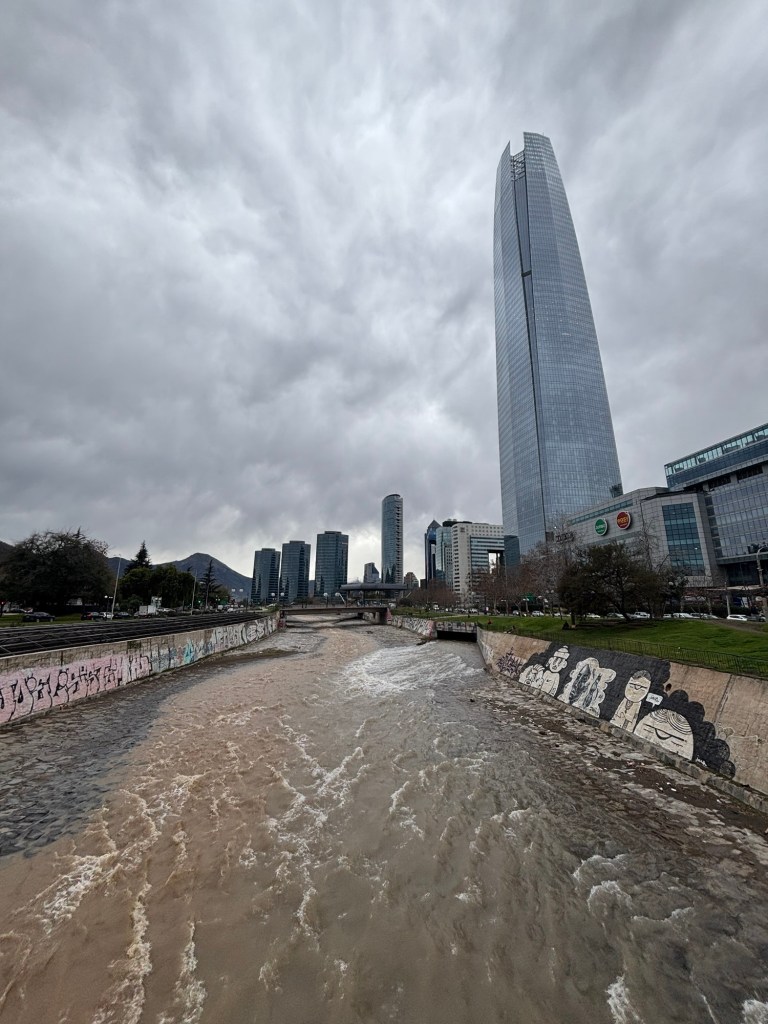
The heavy rains of the past couple of weeks have transformed the Mapocho River which runs through the city. When I arrived, it was little more than a steady flow in a largely dry canal. It’s now a roaring torrent that cuts above the din of the traffic when you’re close enough. Chile really is a country of extremes: when it rains here, people have to be prepared for property damage and flood control, even up here in the mountains.
By the time I reached the car park at the foot of Cerro San Cristobal, it was already half past one, and a lot of city folk had come to the same conclusion as me: that is, that it would be nicer to go for a walk today, rather than tomorrow, when the scheduled rains are due to come down hard. Parquemet was full of cyclists and runners, as it was on my last ascent now three weeks ago, but after a flying visit to the Japanese Garden – which was probably the noisiest zen garden in creation, thanks to it being located within a Hispanic capital city – I ducked off the road, following one of the many forest tracks intended for downhill mountain bikers. But for a lone jogger, I had this route to myself, which meant it was alive with wildlife.
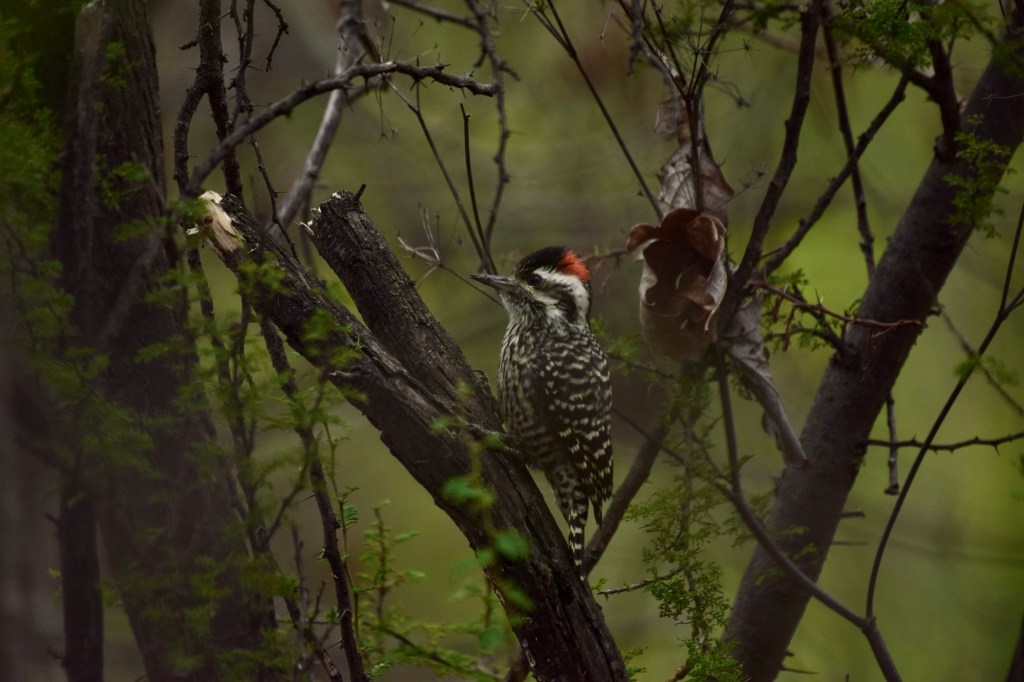
The first critter to show up was a woodpecker. I never did find the famous Magellanic woodpecker during my visit to Patagonia – a very good reason to come back someday – so this striped woodpecker or carpinterito is my first in Chile. Like most woodpeckers, it was a nightmare to capture on film, being in the darkest part of the forest, moving constantly and under a dark, overcast sky, but I just about managed a couple of shots before it disappeared among the trees.
A large flock of finches followed me along the spine of the cerro, feeding among the dead foliage at the side of the path. The siskins here look and sound a lot like the ones back home, but the sierra finches are really rather special. I saw some of these pretty birds in Cusco, but in Santiago they’re essentially garden birds.

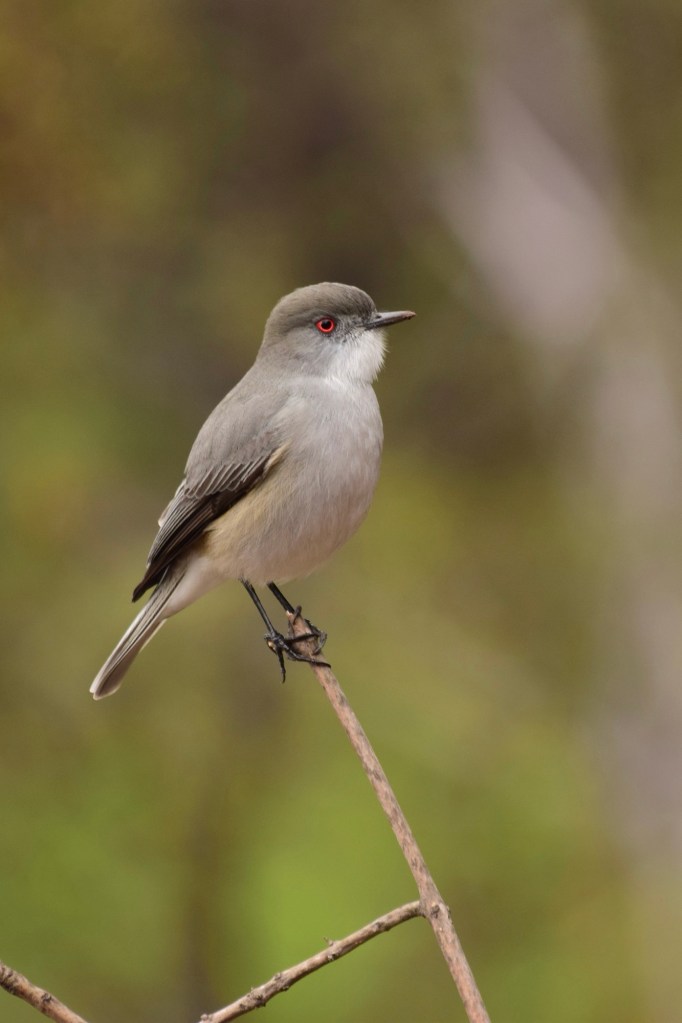
I hoped I might find some of the pretty diuca finches that are so common at school. There weren’t any on the cerro today, but I did keep running into diucons, their fiery red eyes even more obvious in the midday light than they were the other day, when I was shooting into the sun.
The best find of all, though, was a bird I’ve become very familiar with here in Santiago. I hear them every single day, and see them at least three days out of seven, whenever I should be near a poker plant. The green-backed firecrown is probably Chile’s most well-known hummingbird, since it seems to have a home on even the busiest streets in the city centre.

The last time I had a close encounter with one of these living gemstones, I didn’t have my camera on me. This time, I came prepared. Firecrowns are fearless little creatures, driven by an insatiable hunger that is a side-effect of their rapid metabolism – so, once again, I was able to sit quite close and watch, until the bird landed so close I could see its heartbeat and its tiny tongue tasting the air.
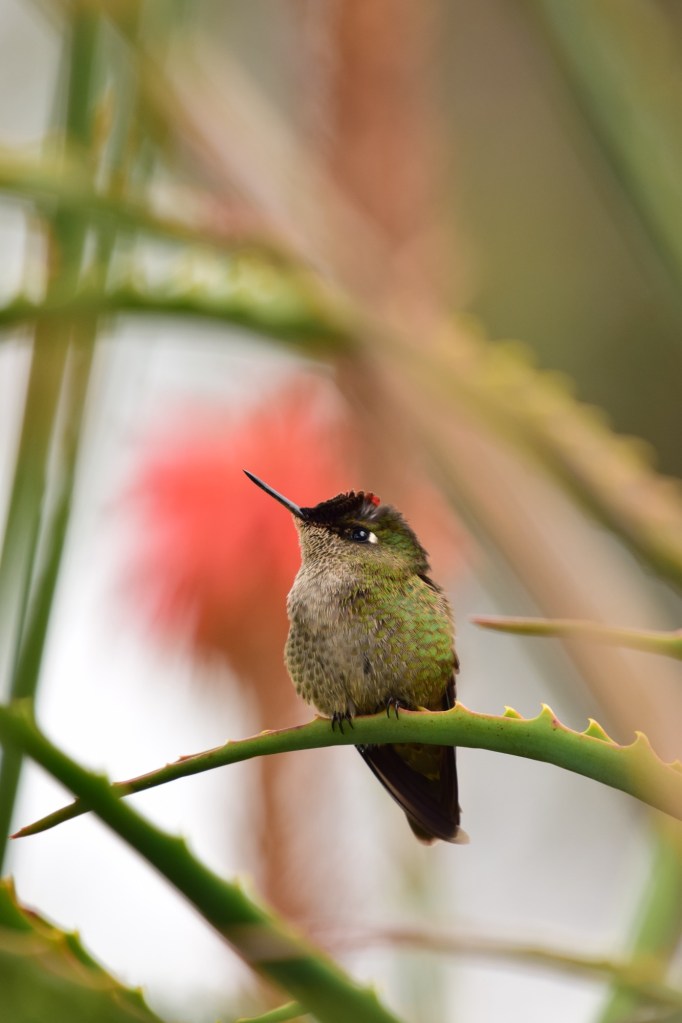
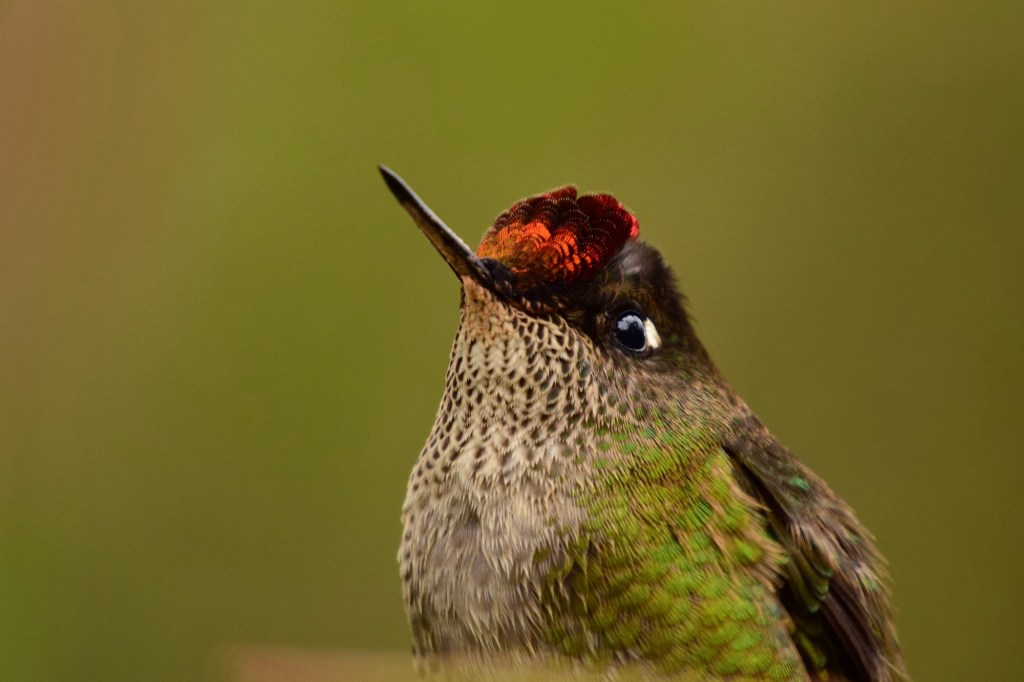
The firecrown gets its name from the male’s plumage, which really is quite something. Even with the naked eye, you can’t miss that sudden flash of scarlet when they alight upon a branch, just like hoopoes do with their crests when they land.
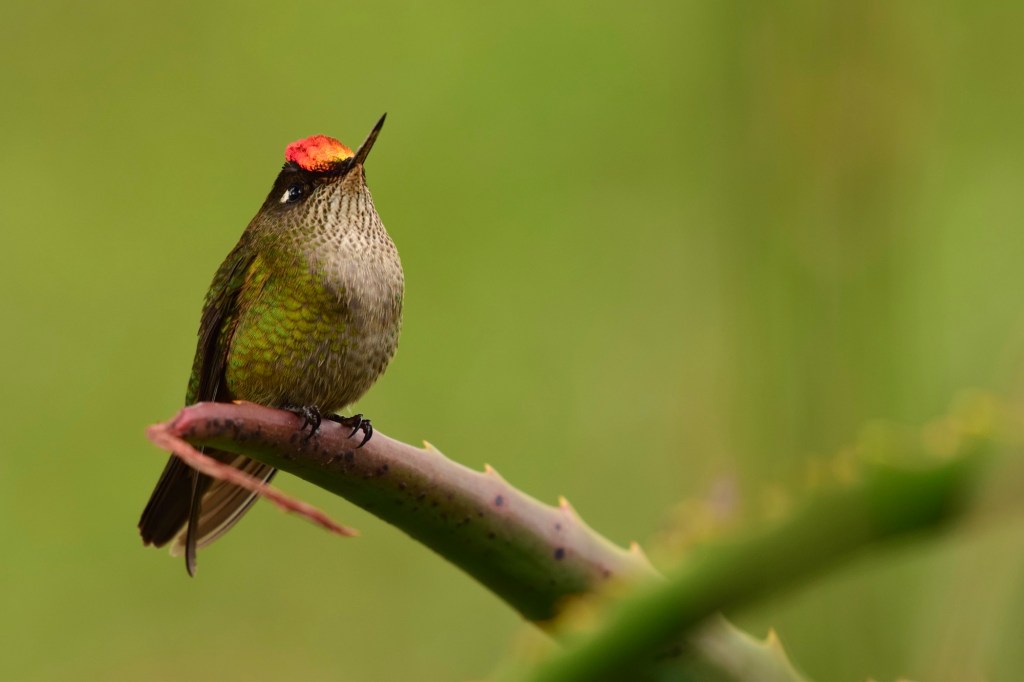
The secret is the iridescent sheen to its feathers, each one bending the light slightly differently depending on its position on the bird’s forehead. They can, of course, flatten and raise their crests at will, so I had to wait a little while before I was able to capture that ripple of red light.
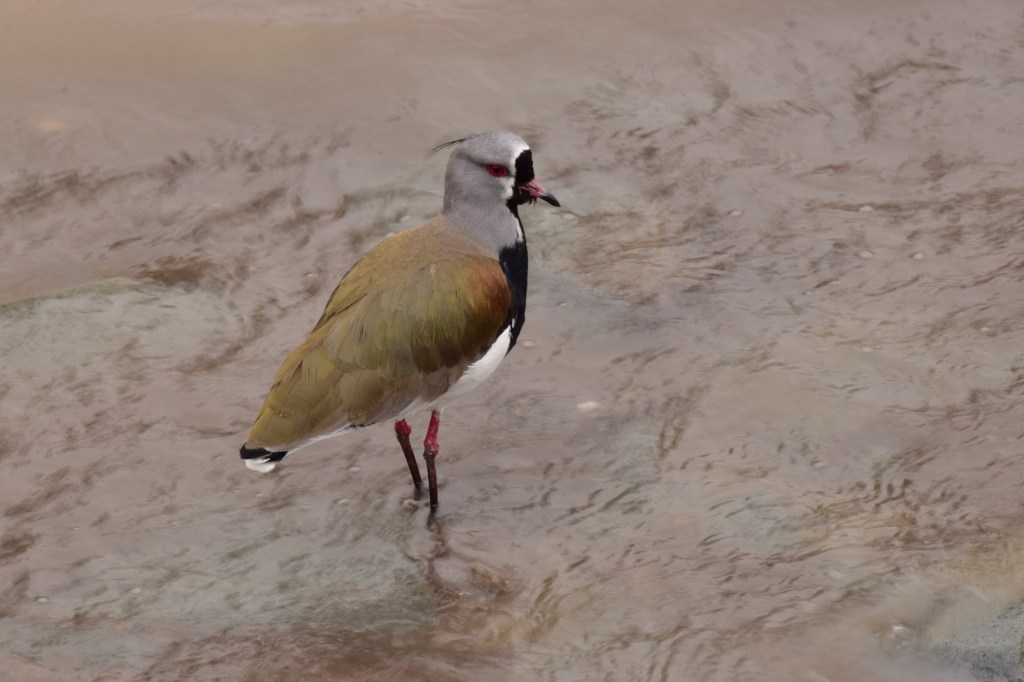
After spending a happy half hour or so with the firecrowns, I wound my way back down the cerro and used what little battery I had left on my phone to catch a bus back to Las Condes. I only stopped one more time, just before stepping on board the 409, to see a couple of Southern Lapwings that had flown in and gone down to the river. I see and hear these birds every day, too, as they’re a lot noisier than the firecrowns, but I haven’t yet had the chance to get a photo. They’re usually patrolling the rugby pitches in pairs, and they have a reputation for being ferocious with passers-by in the spring, when they have eggs or chicks near at hand.
Well, it’s getting dark outside. I didn’t expect to have such a good afternoon’s birdwatching on what was essentially an extended shopping trip, but sometimes, it’s the outings you don’t plan that turn out to be the best.
That said, I’ve done a lot of planning for next week’s mad adventure, so I hope that turns out for the best, too. It really is going to be rather special. BB x
Las Condes, Santiago de Chile. 19.50.
Week two started slow today. A couple of meetings and a non-starter quest for a functioning laptop meant that I spent the day working on my books, which was a lovely way to spend the day productively – as well as a reminder to myself that I am technically on holiday – albeit perhaps not as exchange-heavy as it could have been. I have bigger events coming up this week, though, and I suspect it will be the last week of my exchange when it really feels like I have a fully functioning timetable.
There are always so many birds around campus. The nest boxes the students have put up all over the school site for their CAS project obviously help, but it’s not just the charming little rufous-crowned sparrows that make the place feel so friendly. The mockingbirds are always perched somewhere, every time I look up I see a caracara of some description hanging in the air, and just before break this morning I know I saw the faraway silhouette of a condor circling the heights of Manquehue.
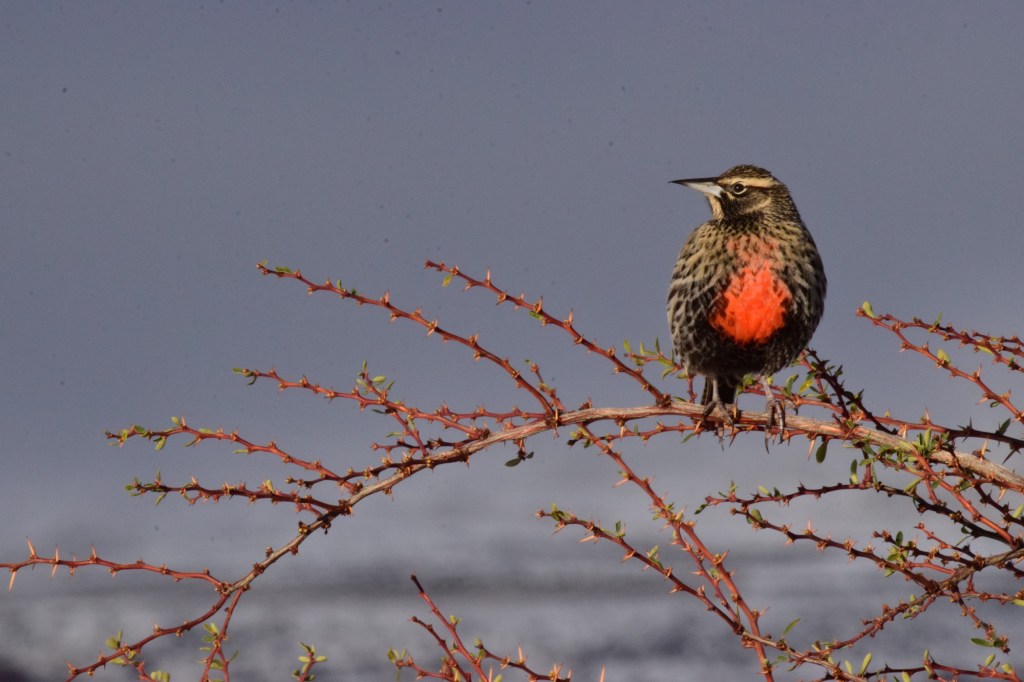
It’s the meadowlarks that are currently lending some extra charm to the place, if I had to choose a standout. I first got to know these characterful creatures in snowy Patagonia, but it turns out they’re just as common up here around Santiago, hopping about in the car park and sitting quite fearlessly on the school fence, singing their hearts out as the Year 7s play some kind of tag game just feet away.
My BIRDA app tells me my total count of species I’ve seen so far is up to 818 after this weekend’s exploits. Even I have to admit that’s getting to be a dizzying figure, and well over three hundred of that total are birds I have seen in the last five months. I’m not a professional lister like many seasoned birdwatchers, chasing a particular total on my life, year or patch list, but it’s fun having an app where you can log it all, and in so doing learn something about the sheer diversity of species you have found – and, consequently, discovering what is still left out there to see.
I probably could have seen more species if I’d paid through the nose for that Abra Málaga trip, but I wasn’t really after that kind of number-obsessive behaviour. One albatross would have been magical enough on yesterday’s boat trip, and I was blessed with four different kinds. It does not pay to go out into the wild with great expectations. Nature provides on its own terms.
Not too much to report for now, but keeping my writer’s block at bay with regular note taking. And it does seem to be working! BB x
Las Condes, Santiago de Chile. 18.27.
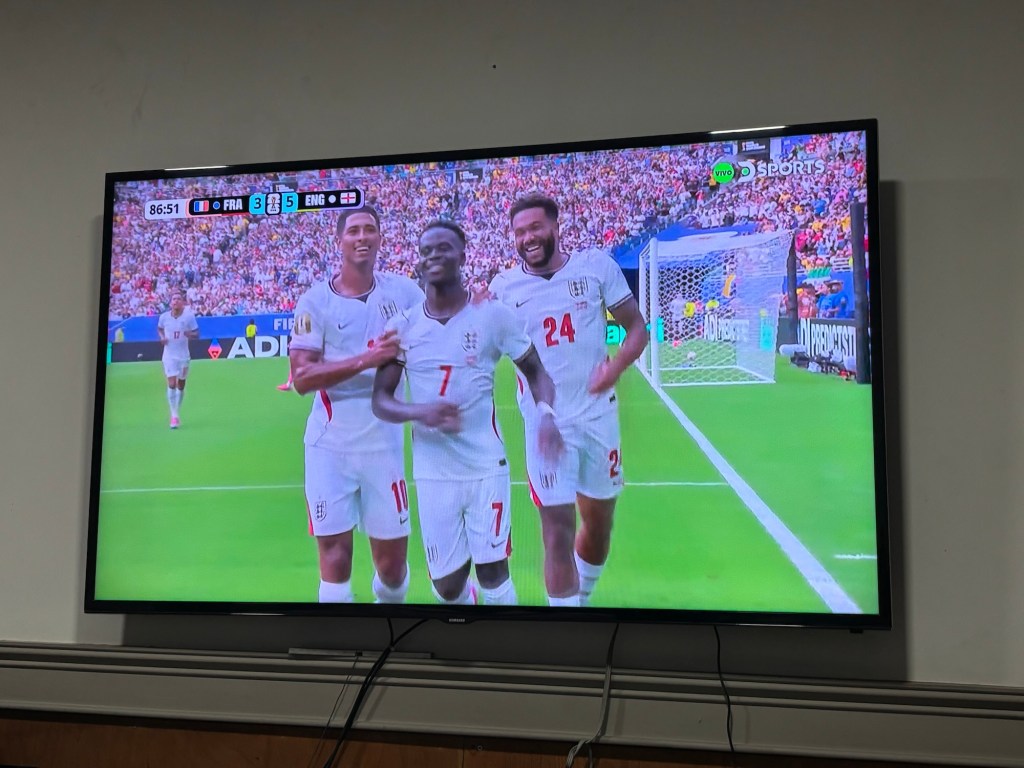
Well, that’s enough mad adventuring for one week. I’m back in Santiago and watching an extremely interesting third place playoff between England and France, which looked at first to be an unexpected humiliation but now it seems it could really swing either way. Vamos, futbolista no soy, but I can appreciate that it’s a very good game that’s being played, even if the news this morning was full of prideful disdain about the very idea of playing for third place.
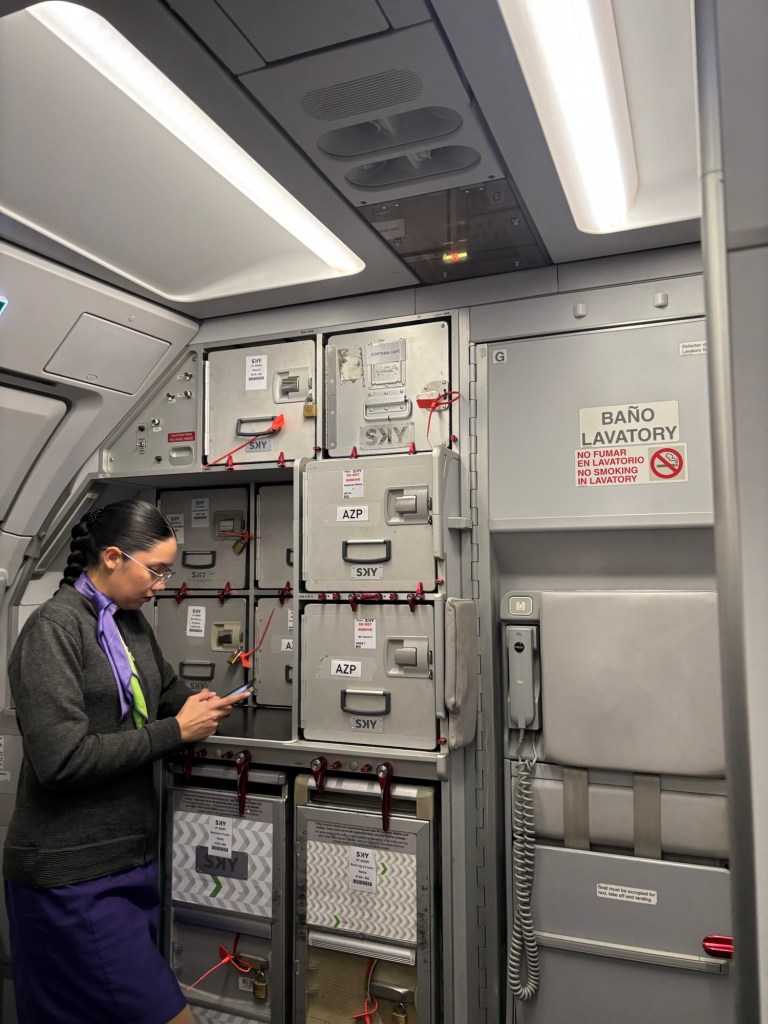
I checked my work emails for the first time since setting out for Patagonia this morning. I really hate doing so during the holidays – work is all-consuming enough during term-time as it is, without it eating into my holidays – but leaving it unread for more than a week is far, far worse. I’m absolutely the type that needs a clean inbox with no unread messages whatsoever, so it was reassuring that the only messages I’d had in that time were the daily reports about the boarders’ internet usage (which, as you might imagine, is utterly useless for the next eight weeks).
I had a proper rest this morning, relishing the fact that I didn’t need to go rushing off anywhere. One of my ears is still stuffy from the altitude, but with any luck it’ll go away in a few days or so.
In the meantime, Tomás has given me my own key to the house and took me to Jumbo, the largest supermarket in the area, to buy some Chilean snacks for me to try but also to pick up any supplies I might have missed (like razors, for example). After over a week without shaving, it does feel good to be moustache-less once again.
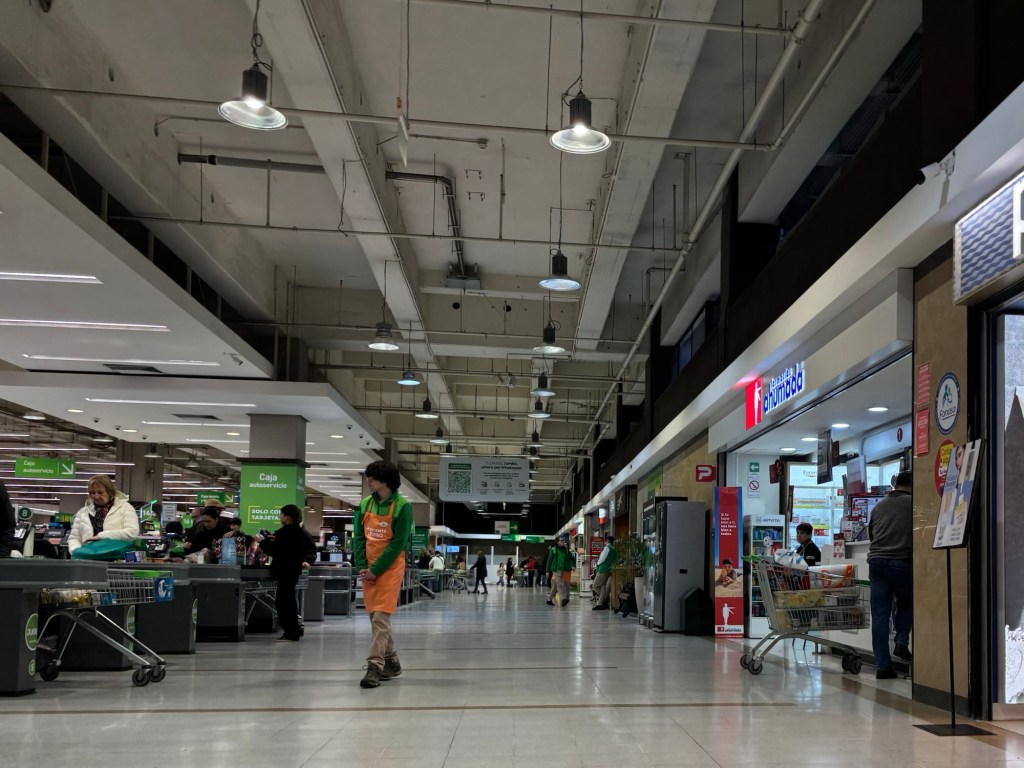
It’s always interesting exploring a supermarket in another country. Target is still up at the top of the most iconic supermarkets I’ve encountered, if only because it was just so effortlessly American – and, of course, I’d heard about it and seen it referred to in so much American media before.
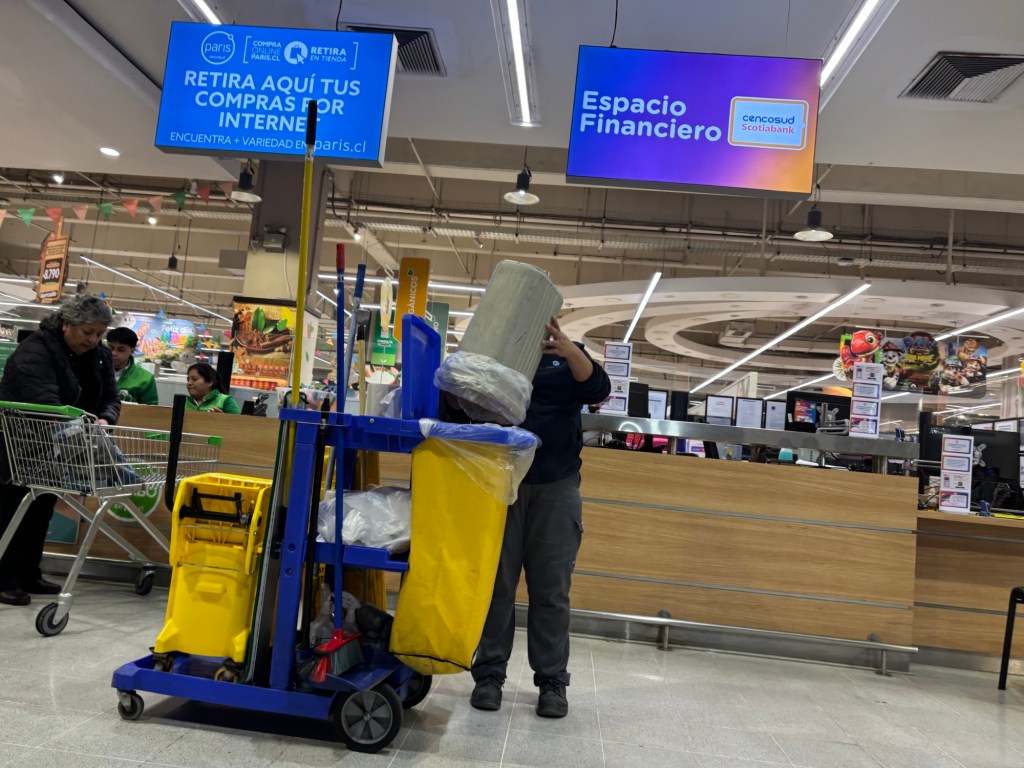
In its supermarkets – much like everything else – Chile feels altogether more European than, say, Peru. Self checkouts, online shopping pickup points… it’s all very familiar. There are some notable differences: namely, the bored guards watching the car park both below and outside from high seats that look more like misplaced lifeguard stations. Chile is often touted as one of the safest destinations in South America, but that might well have something to do with the expected level of security. Where I’m staying in leafy suburban Las Condes, so many of the properties are locked away behind electronic gates and door buzzers. Is it really safer, or are people here just a lot more cautious by nature?
It’s currently 3:4 to England. It really could go either way. Tomorrow’s game is the one that really matters, though, and it looks like nearly all of Chile will come out in support of their former coloniser, since the alternative is their much-hated neighbour. Though, by the looks of things, Saka is keeping France very much on their toes. 3:5! What a hero.
I’ll sign off here – no need to report more until I have more to report. BB x
Hostal Boutique Merced 88, Santiago de Chile. 16.15.
Now here’s a setup I really didn’t see coming. This time yesterday I was sitting in a living room in a comfy suburb of Santiago de Chile, some twelve thousand miles from home, knocking back a Corona Extra and watching Spain take on Belgium in their quarterfinal game. Twenty-four hours later, I’m in downtown Santiago, resting my feet for a moment after climbing up Cerro San Cristobal to see the Andes once again. If you’d asked me where I’d be and what I’d be doing at this stage of the summer back in December, it wouldn’t have been either of those scenarios, that’s for sure.
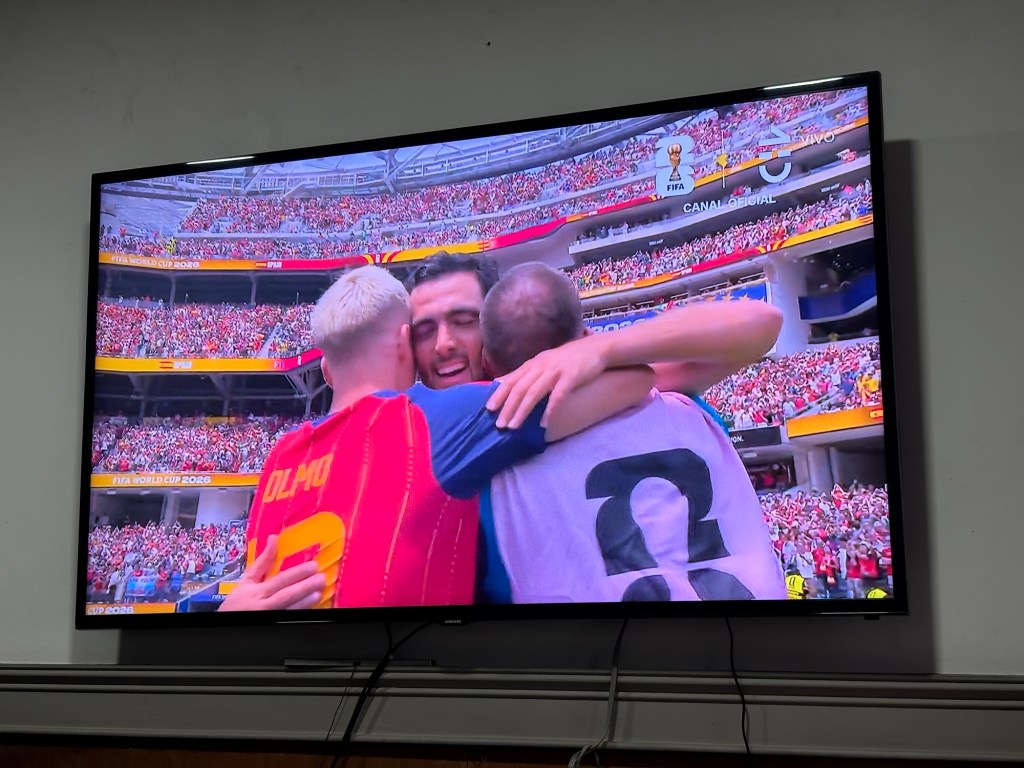
I must have been absolutely exhausted yesterday, because the last thing I remember is sitting down on my bunk bed and checking the time, which was about 18.50ish. The next thing I knew, it was dark outside, the numbers on my phone’s home screen had morphed to 03.10 and a man in the bunk above mine was snoring loud enough to rival an Amazonian thunderstorm. Maybe that was what woke me up. Either way, I couldn’t get back to sleep, so I whiled away a couple of hours trying to work out what to do with the last week.
Of course, I didn’t realise that my adaptor was too big for the sockets here until my phone was down to 3%. Fortunately, the giant in the bunk next to mine (seriously, he must have been at least 6’6”) had exactly the same charger as mine, so I sneakily put my phone to charge and waited for about an hour for it to juice up just enough to guide me to a ferretería in town.
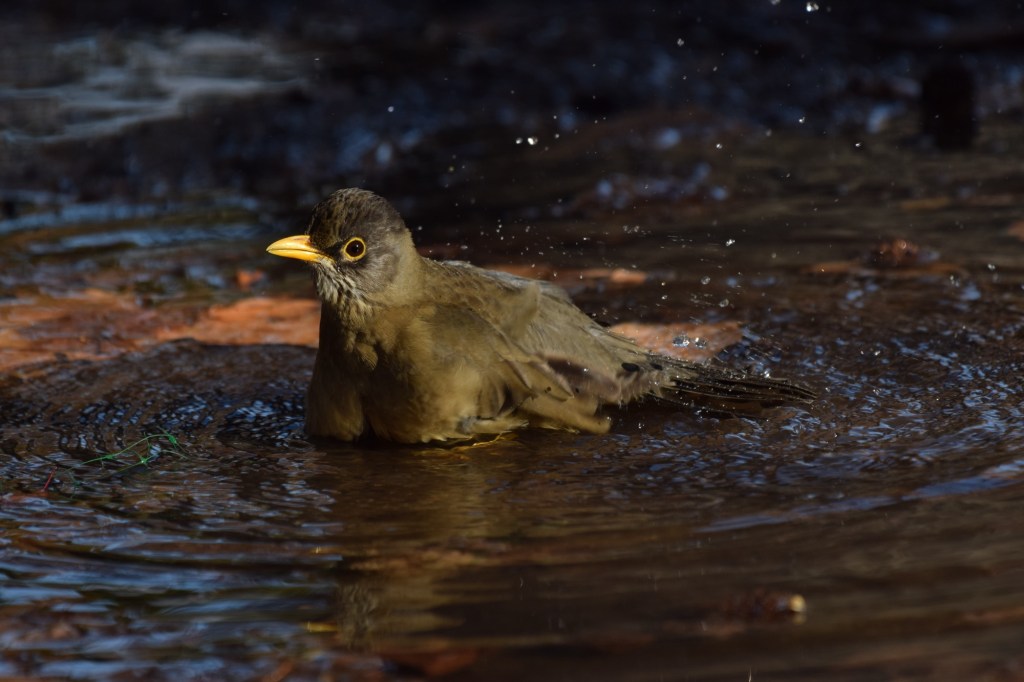
Thus armed (and breakfasted) I detoured back to the hostel via the Parque Forestal to see what I could see (after all, I did bring the lens with me). A couple of Harris hawks kept putting the local pigeons to flight with their noisy circling, and I tried and failed to catch one of the park’s firecrowns as it flitted from flower to flower at blinding speed, but the austral thrushes were absolutely everywhere – and they were much less camera-shy.
They look a lot like the Chiguanco thrushes that were all around Cusco. Come to think of it, they don’t look all that different from the American robins of Central Park, in the right light. They’re clearly a very Santiago kind of bird. I guess I’ll be seeing more of them over the next few weeks.
I hadn’t really planned what to do with my day in downtown Santiago. Honestly, I had expected this week to be spent exploring the Lake District to the south, saving Patagonia for the end of the trip, but the guide I have hired is only working July this year, so I had to change my plans.
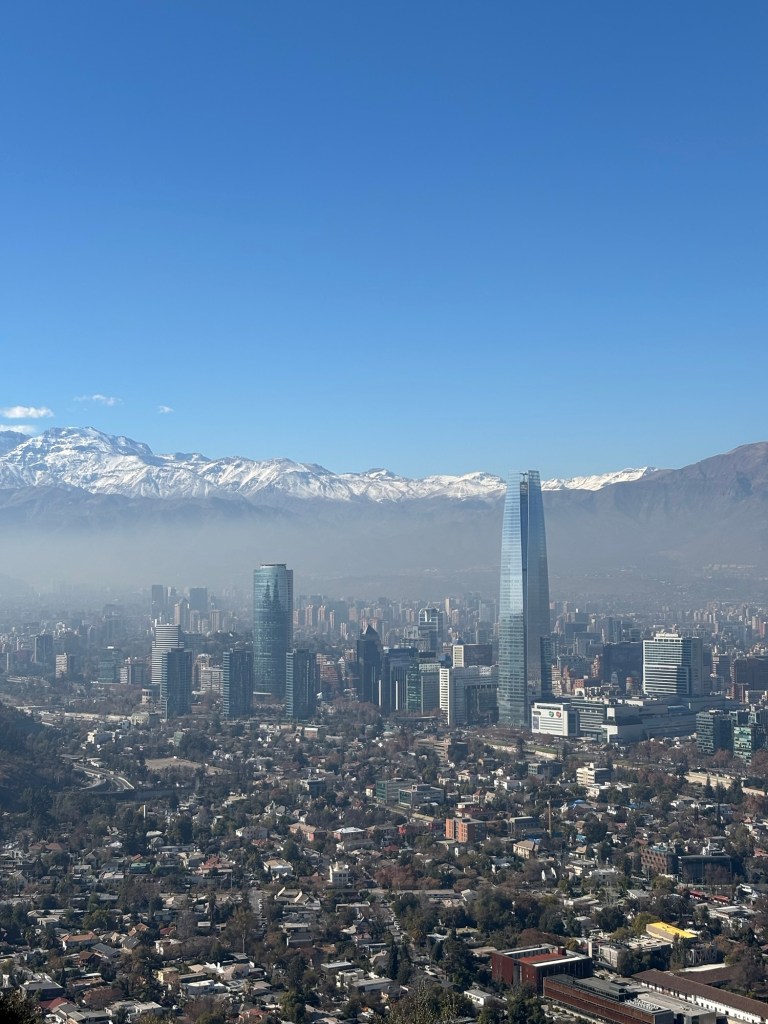
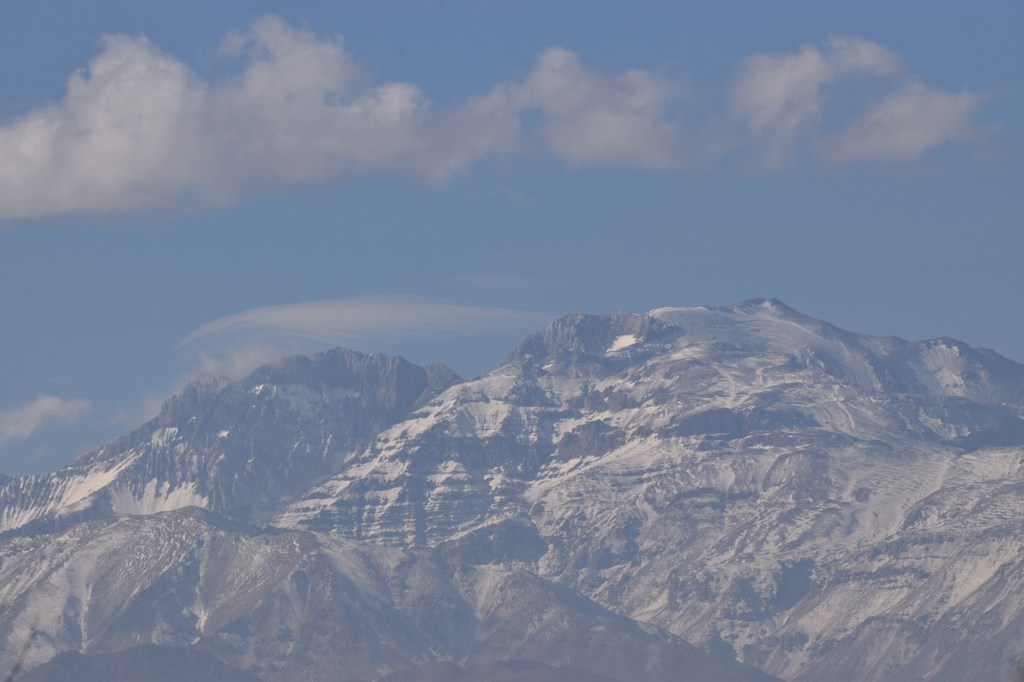
Santiago sits in a giant bowl, ringed on almost every side by the snow-capped peaks of the Andes. One finger of those lofty peaks stretches almost as far as Santiago’s heart. Crisscrossed by cycle paths and two very popular cable-car lines, the Cerro San Cristobal was just too great a temptation. As a rule, if there is a mountain nearby, I usually try to climb it. So that sorted out my plans for the day in one go!
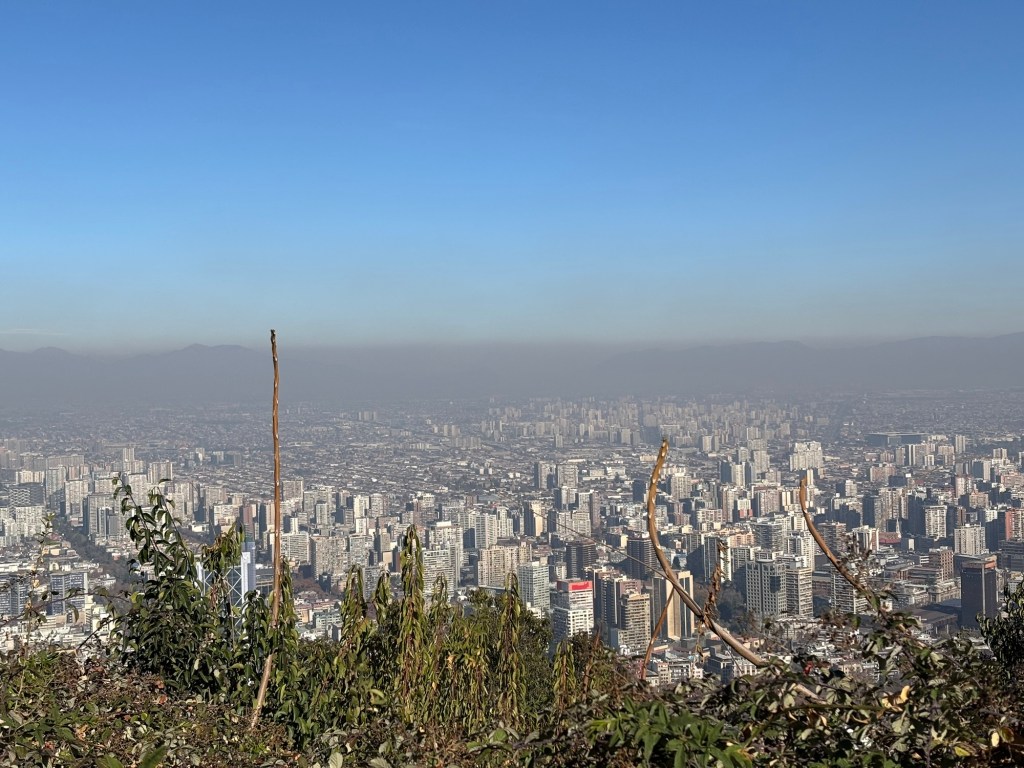
It’s quite a climb – about an hour and a half up the eastern slope – but it does offer tremendous views of the capital city and its famous skyscraper, the Gran Torre Costanera, the tallest building in South America.
You can also appreciate the smog, which is really quite something.
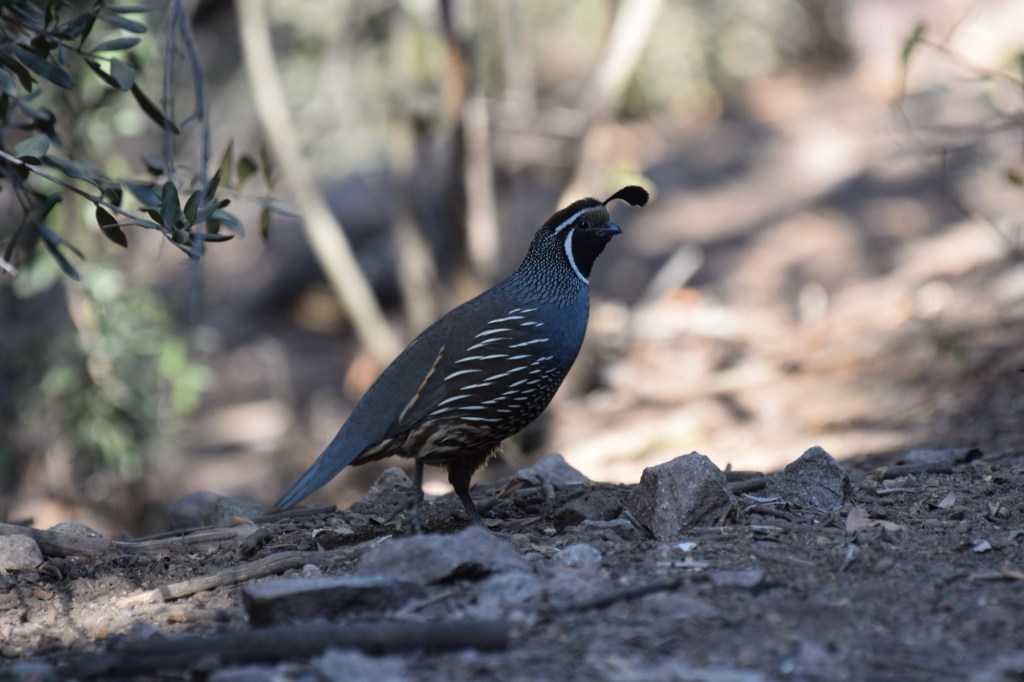
I’m still tuning into the soundscape here, but three weeks in Peru have made the job a lot easier. I know a hummingbird now when I hear one, so it was fairly easy to find firecrowns on the way up – though they were nigh-on impossible to photograph, as hummingbirds so often are. One sound I did not recognise, however, was a strange owl-like call coming from the scrub. Merlin came to the rescue: it was a California Quail. I have wanted to see one of these enigmatic little things since I first saw them in Bambi as a kid.
California quail just isn’t the right name, though. They’re clearly quaver quails. Just look at the musical note embedded in the head of this dashing young male. You tell me that this handsome fella doesn’t deserve a musical name for wearing such a showy headpiece!
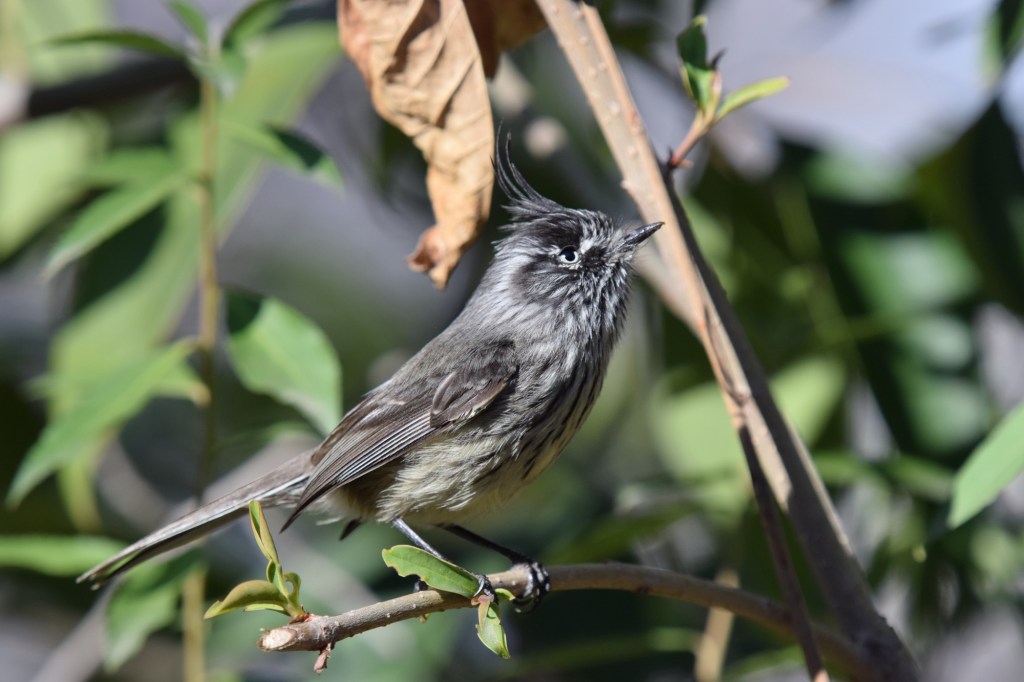
Speaking of showy headpieces, this tufted tit-tyrant was a nice find near the summit. For most of the morning, I could hear some kind of tyrant species high up in the trees, but this one came right down to eye-level and stuck around for a little while.
Santiago definitely looks better when you’re facing to the east. From the Cerro, the view out west is buried under a thick cloud of smog which seems perpetually fixed just above the horizon. The shape of the valley is part of the problem, trapping the exhaust fumes in a natural bowl, but it is something I’ve never seen the likes of before. I suppose I had better get used to it, as next year is likely to see me accompany some of my top public speakers to the world championships in Shanghai, and China is no stranger to smog.
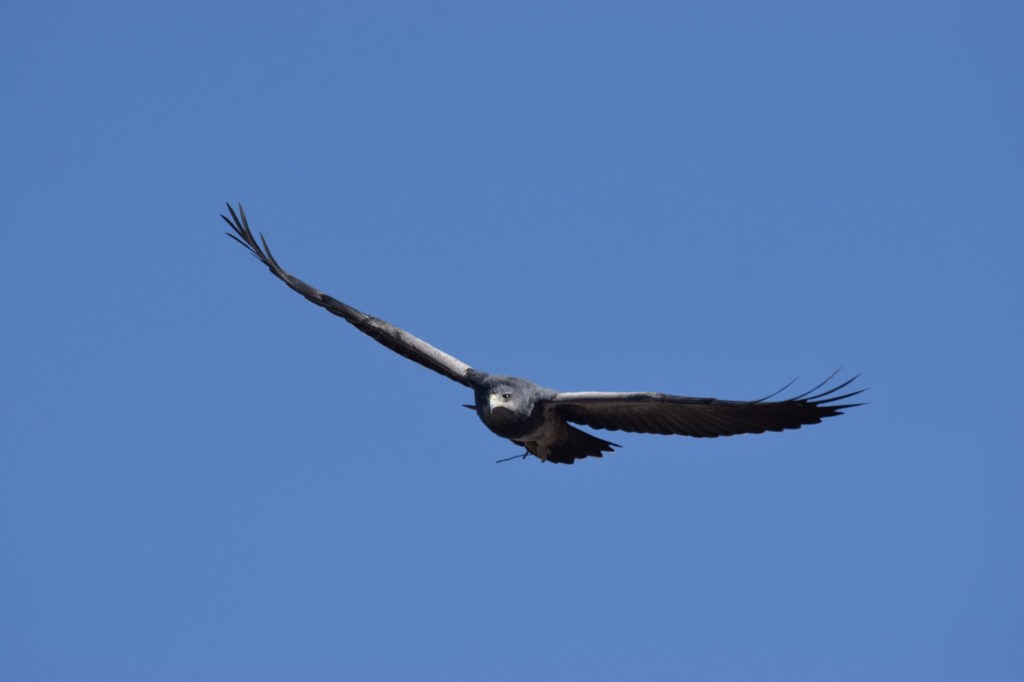
Right at the very top, there is an enormous white statue of La Virgen de la Inmaculada Concepción, and at her feet, a small sanctuary. This seems to be the spot the locals make for in the afternoon, presumably to catch the sunset, as it was getting very busy by the time I reached it. Most of them doubtless made the ascent by cable car, as the lines to get tickets back down were just as big as they had been at the bottom. Foolishly, I still had my camera set to low-light shooting after my run-in with the quails, so when a buzzard-eagle appeared out of nowhere, I was woefully underprepared. I got off a few clean shots, but as it was close enough to see the glint in its eye, it was one of those encounters best left to the naked eye.
It didn’t get the same reaction from the crowd of sightseers that the condors did back in Peru – but then, Andean condors are twice as big and five times as heavy, so they really do command one’s attention.
I’m no less impressed by the Andes than I was when first I laid eyes on them. They really are the most impressive mountains I have ever seen, dwarfing every peak I have had the fortune to behold until now. Imagine growing up in the shadow of these mighty walls of rock and ice… Little wonder the Inca thought themselves divine!
My phone is nearly charged back up. Looking at the time, I think England have just set out against Norway in their quarterfinal game. I can’t watch or even follow the game on the radio thanks to the BBC being regionally locked, so I’ll just have to go for a walk and see if I can find anywhere playing the game en route. Could be a good excuse to take myself out for dinner, though I doubt I’ll do more than grab an empanada from a stall somewhere.
This time tomorrow I’ll be in Puerto Natales. It looks like Patagonia had its first snowfall last night. I can’t wait to see the snow again. It’s been too long! BB x
14.02, The Flat.
In the blink of an eye, my second year at Taunton has come and gone. It’s been another hurricane season, I won’t deny that. A little easier than last year, perhaps – if only because of the repetitive nature of teaching the same course – but every bit as busy. Since September, I’ve taken my student Funk Band out to their first external gig, joined a band of my own, taken a team to the Oxford Schools Finals Day for the second year in a row and led a public speaking workshop in the form of a legal practice (which, of course, I am totally qualified for…). I have returned to Extremadura under iron skies, taken yet another school trip to Barcelona and travelled all the way to Peru in search of the Andean condor on one of the most amazing adventures of my life. I have not found Her – Somerset is proving a very dry place – but I have made some good friends at work, which is a positive. I haven’t exactly had much time to commit to the search, and I have also spent almost every day of my holidays on the road, which is terribly self-indulgent of me, but it is how I survive the manic 24/7 existence that is working in a boarding school.
True to form, my summer holidays are set to follow the same trend. After a few days’ reprieve – just about enough time to tidy the flat and pack – I will be traveling across the Atlantic again, bound this time for Chile, nearly 1,500km further south than where I left off in April. Please don’t get me wrong – this one isn’t a purely self-indulgent adventure. I’m off to work at a school out there in Chile’s capital, Santiago, for three weeks or so. As to what form that work may take, I am still completely in the dark. I imagine any rational human being might balk at the idea of being less than a week away from traveling to the other side of the planet at no small expense without so much as an address or even the vaguest idea of what to expect, but I’m at that stage of my life where I am entirely my own agent and any change is welcome. The alternative is a rather static Somerset summer, alternating between driving lessons and debilitating bouts of hayfever. With my timetable for the next academic year allowing some time for the former, I think I can allow myself to dodge the latter by switching seasons in a Spanish-speaking country.
I won’t be hiding under an austral snowstorm all summer. When my five weeks are up, I’ve a wedding to attend in Athens, which I have been looking forward to for a very long time. Once again, I’ve only planned the beginning. How I get home after four days in the Greek capital remains up in the air. Maybe I’ll find a quiet spot in Thessaloniki and soak up the Mediterranean sun while I work on my novel. Or maybe I’ll travel back home across Europe, seeing Romania like I planned years ago. I haven’t decided yet.
I really don’t know what the next two months will bring. At the very least, I hope they bring change, whatever that looks like. My boss would really like me to stop saying yes to everything. She means well, I know. But if I don’t say yes to things like this, my youth will slip through my fingers and I will find myself in the same job ten years from now, still hoping that She will appear. The apps don’t work – everyone is exhausted – so, like a good scientist, I have to go and do the fieldwork. I don’t expect to find Her in Chile (let’s be honest, at a distance of nearly twelve thousand kilometres, it would probably be better for me if I didn’t), but it can’t hurt to try – and along the way, it would be nice to make some new friends and learn something new. I have work to do, of course – this Spanish Language A: Literature course won’t write itself – but with several long flights on the cards, that shouldn’t be a problem. With one “buffer” week on either side of my placement, I should have plenty of time to explore.
In short, I don’t know how this ends. I don’t know how it middles either. But I do know how it starts. Since I’m going all the way to the far side of the world, I figured I could go a little further. Before my placement begins – the day after the FIFA World Cup Final – I will be indulging my inner Attenborough once again in the desolate wilds of Patagonia. After a little shopping around, I’ve found a respectable guide who will take me in search of one of Chile’s most magical creatures: the puma. I didn’t have any luck with the jaguars in Manu this Easter, so hopefully Patagonia will deliver.
I hadn’t planned on going back to South America so soon – but here we are. Life is full of u-turns, but they aren’t always as exciting as this. So here’s to the summer of ’26! BB x
London Heathrow Airport, Terminal 5. 19.45.
The Camino isn’t truly over until you’ve made it home, so here I am on the 19.50 from Heathrow’s Terminal 5. It wasn’t the best welcome back to England. Somebody pinched the flip-flops from my bag. They weren’t exactly in the best condition and frankly I could care less, but it’s the principle of it. Six weeks of relatively careless travel across two countries and the first item stolen from me is within minutes of landing back in the UK. Add to that the grey hellscape that is Heathrow, the cost of just about everything, and the facelessness of London…
No. I don’t want to think about that. Not right now. My nerves are shredded enough as it is. I want to think about where I’ve been. Who I’ve met. What I’ve learned.
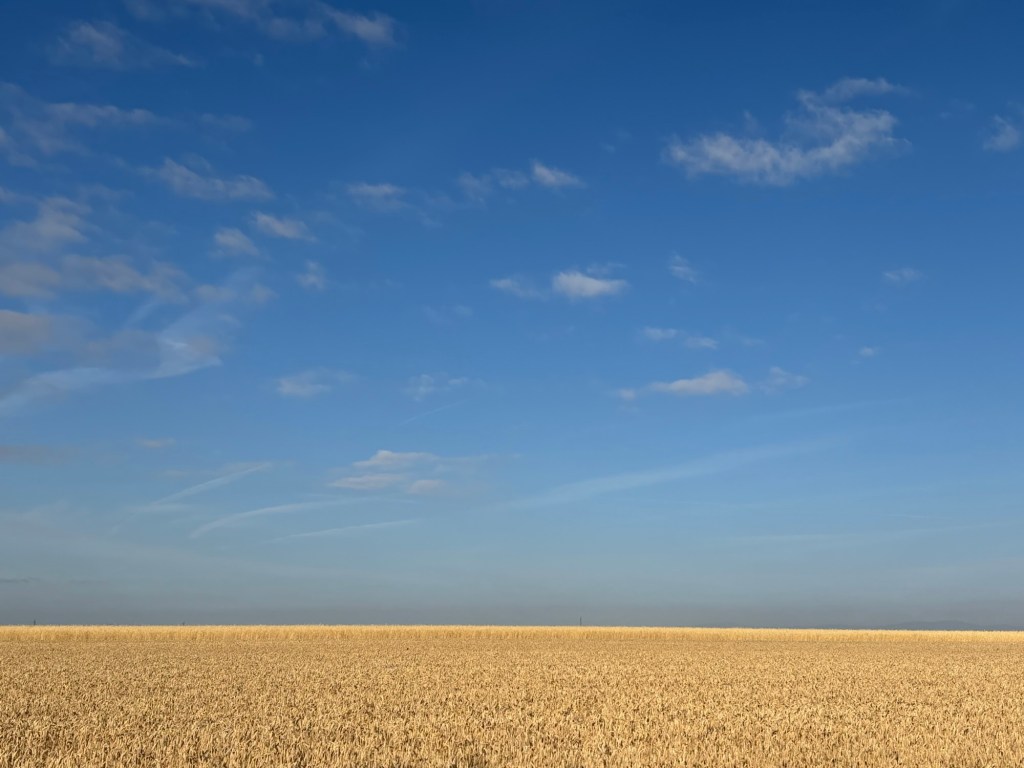
Nearly six weeks ago, I locked myself out of my flat, caught a late flight to Bordeaux and set out for the Spanish border with little but a few spare clothes and my journal. I did not know quite what to expect from such a last-minute decision: it had been a toss-up between the miserable money-sink of more driving lessons or a second Camino, and after a stressful year in a new school, the decision was just too easy.
My reasons for setting out upon the Camino this year were varied. I had an uncommonly wonderful holiday in Spain at Easter and wanted to say thank you. A dear friend lost her father and I promised to pray for him at every church I found. I needed some healing after last summer’s heartbreak, which was mostly healed in El Rocío, though this wound has proved difficult to recover from fully.
I also needed to get away for a while. Social media has been leering at me with a stream of weddings of old friends, and with each one, I am reminded of how much I have been forgotten – or rather, how much I have allowed myself to be forgotten by going radio silent and burying myself in my work for the last eight years. I am still coming to terms with what I am now fairly certain is my undiagnosed ADHD, which came to a head somewhat this year, and would go some way to explaining much of my behavioural quirks and communication issues. I ended the year on a major high with the triumph of my new funk band – something I’ve wanted back in my life for thirteen years – but I still needed a change.
I come into my own on the Camino. There’s no pressure to communicate, but so much reward for doing so. Fleeting but powerful friendships based on shared adventures and the sharing of stories. A chance to swap languages constantly, and to learn new things about myself and the world each day. A chance to be back in my grandfather’s country, and to feel his spirit at my side. To walk in the light of the Blanca Paloma and to see the wonders of her world. To patch up the wounds in my lonely heart with an alchemy of golden fields, griffons and the churring of nightjars. To sing, to write, to read, to tell stories, to laugh, to walk, to climb, to run, to swim and to be surrounded by the one thing in this world that has never let me down: nature.
In short: to walk the Camino is to be myself.
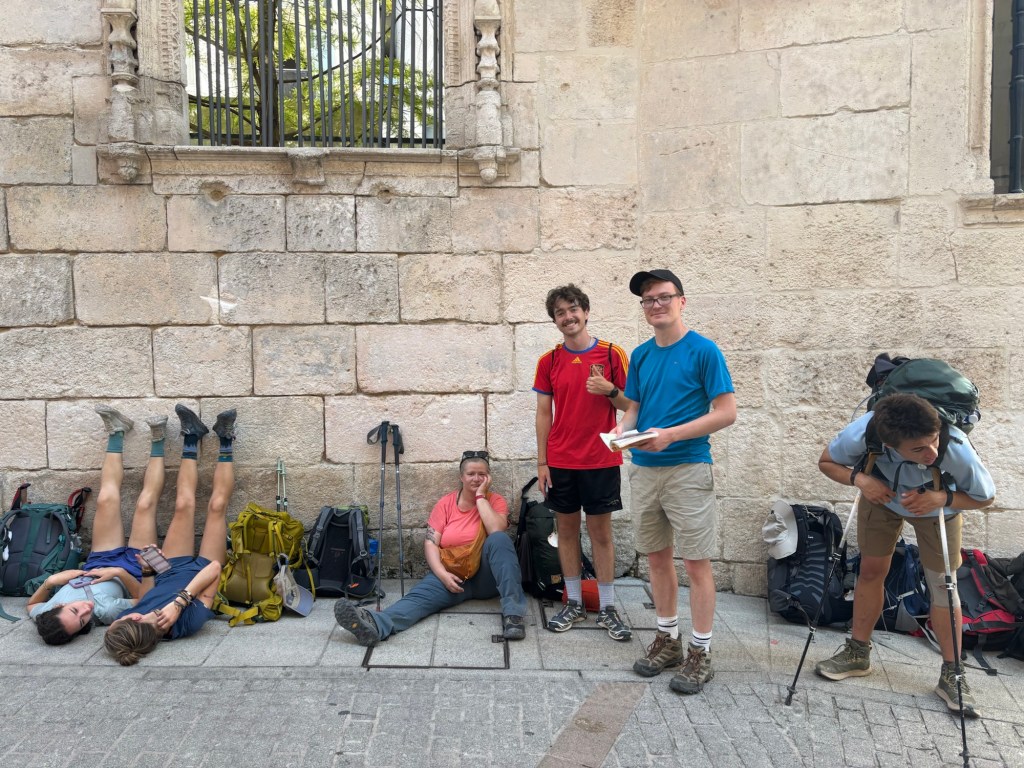
When Gust left this morning, I was the last of us left in Santiago. I have been incredibly fortunate this year with my companions, who have been the most wonderful company – even for this lonely wanderer who so often set off on his own to walk the road alone, for days or even weeks at a time.
Alex. The lawyer. My fellow countryman. Lost to us far too soon in Burgos. In many ways, the one who brought us all together. You set the pace – sometimes too fast for even me to catch up. You came to my defence against the Dutchman and his beer-fuelled football rant. I would have walked with you to the end.
Audrey. The marine biologist. The trooper. A seeker of solace and of silence, with a kind word for everyone and a pure heart. This was your Camino, I feel. The rest of us just fell into orbit. And who could resist the gravity of such a warm disposition? I hope you found the peace you were looking for in the shining Aegean Sea.
Talia. The neuroscientist. The brains of the operation and the questioner. Sage and sober and endlessly perceptive. You awoke in me an awareness of paths untraveled that I had long ignored, shining more light upon the road than any headtorch-wielding peregrino – which I, in my preference for the starlit dark, sorely needed.
Alonso. The diplomat. The wanderer with a thousand-yard smile. Powered by kudos and watermelon. Chasing the Sun across the horizon “for the bit”. Your wits were almost as fast as your Strava-fuelled sprints down hill and mountain, and you brought humour to every town and village we found. 100%. For you, the journey goes on.
Chip. The agent. The sunniest Salt Laker this side of the Atlantic. Friend to the saint, the sinner and the sandhill crane. Fountain of wisdom and wit and the only thing holding me back from being the eldest of the family (for which I was very grateful!). We never did get to say goodbye, so perhaps I will have the chance to say hello there again someday.
Gust. The drummer. The free-spirited Waldorf wayfarer. Blighted by blood blisters, broken sandals and Italian blessings and still one of the bravest of us all at seventeen years of age (or eighteen, if your credencial was to be believed). A chip off the old block who slept in a bus shelter to secure an earned Atlantic sunrise. You give me hope.
I’m already thinking ahead to my next Camino. I love the sociable side to the Camino Francés, but now that I have done it twice, I feel it may be time for a sea change. The Camino Mozárabe is calling to me, looping through the marbled hills of Andalusia and winding across the green fields of Extremadura. I don’t think I’d be likely to meet such an excellent and eclectic cast as the one with which I have shared the road for the last six weeks, but it would be another genuine adventure – as the Camino Aragonés, the Primitivo and the San Salvador were this summer.
Of course, for the same budget, I could probably have a week’s holiday somewhere really exciting: a tiger safari in India, chimp-tracking in Tanzania or an adventure around the deserts of northern Mexico. But would it make me as happy as another five or six weeks in Spain? Probably not. I know what makes me happy. Happiness has a name and her name is Spain.

Well, I’m back in England now. But the story isn’t over. Not yet. I’ll be back tomorrow to muse a little more. I just wanted to put some thoughts down while the memories are fresh in my mind. BB x
Albergue Seminario Menor, Santiago de Compostela. 22.00.
Santiago’s bells are ringing for ten o’clock. A smaller two-tone chime begins behind the echo, for just a few seconds… and then it’s gone. The city is quiet again and the world beyond is in darkness, broken by the slate-blue glow of the vanished sun and the twinkle of streetlights. It is a darkness that has become a fundamental part of my life for the last six weeks, and one that I will not know again until I set out on my next Camino, whenever and wherever that may be.
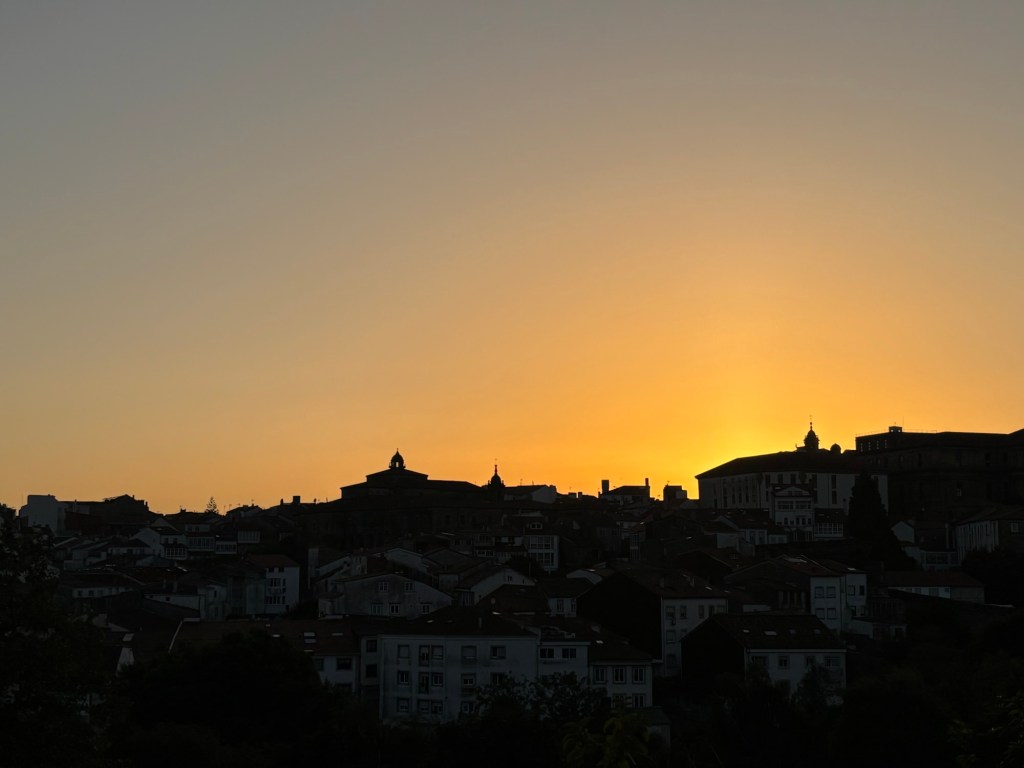
The breaking of the fellowship is nearly complete. Today I said farewell to Alonso, who sets out on the lonely road to Lisbon, walking the Camino Portugués in reverse. I suspect he was a little reluctant to leave, but to his great credit, he stuck to his plan. Gust and I accompanied him for a farewell breakfast of tortitas and huevos revueltos before parting ways in the Praza dos Obradoiros.
With Alonso gone and southward bound, Gust and I are now all that remains of a Camino family that, at its height, numbered around seven: Alex, Audrey, Talia, Alonso, Gust, Chip and myself. But for Gust and I, they have all departed the sacred city: some for home, some for the next adventure. There is always something sad about that. Gust and I are the lucky ones: with the last stragglers making it into Santiago today, we have been able to say a stoic farewell to pretty much everyone we knew.
Some small show of mercy, I think, for my decision to leave them behind for two weeks to pursue my own lonely trail over the mountains to Asturias.
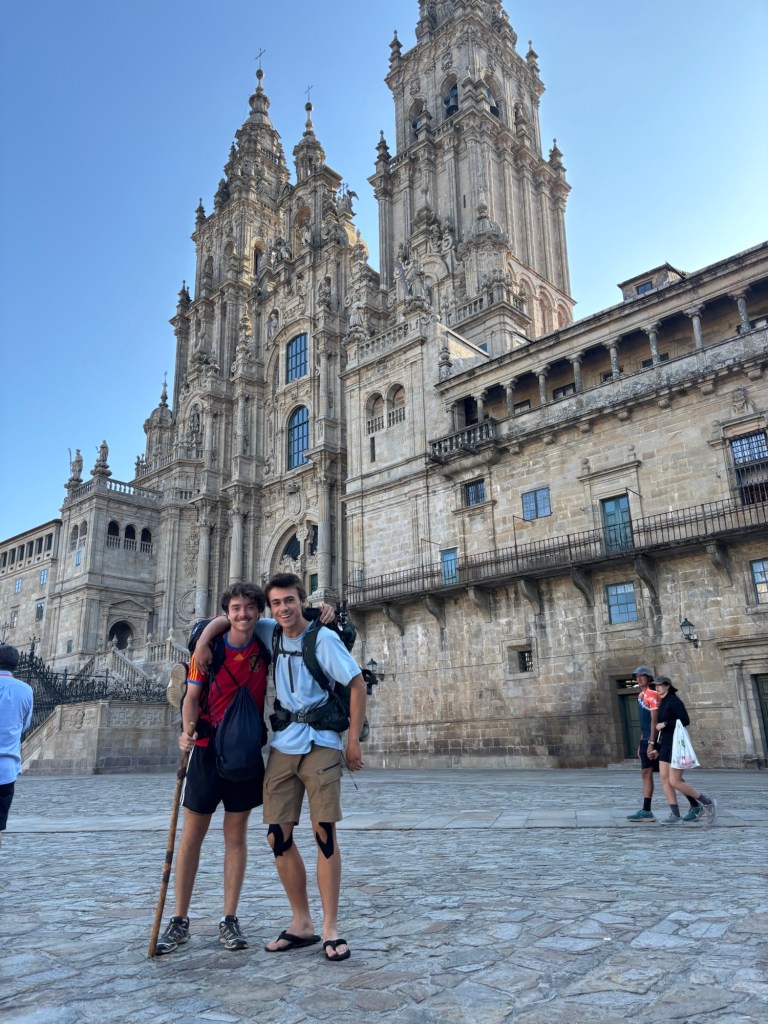
There were even more pilgrims marching into Santiago today than yesterday, their numbers swelled by several huge scout groups with their colourful scarfs and boisterous songs. Many of them had tears in their eyes as they embraced before the steps of the cathedral. It’s easy to raise an eyebrow at this overflow of emotion after a four (or, at most, five) day march when you’ve been on the road for nearly ten times that amount, but it’s easier still to forget that – in reality – walking 100km is no small feat. Well may they cry. They have earned those tears.
There’s a clear divide in the pilgrims from Sarria and the others in the square: the Sarria pilgrims crowd the plaza in great colourful throngs, while the more seasoned peregrinos (with the possible exception of the Italians) sit alone and in silence in the shade of the arches of the Pazo do Raxoi, eyes shut and faces drawn, contemplating the weight of their road and its inevitable end.
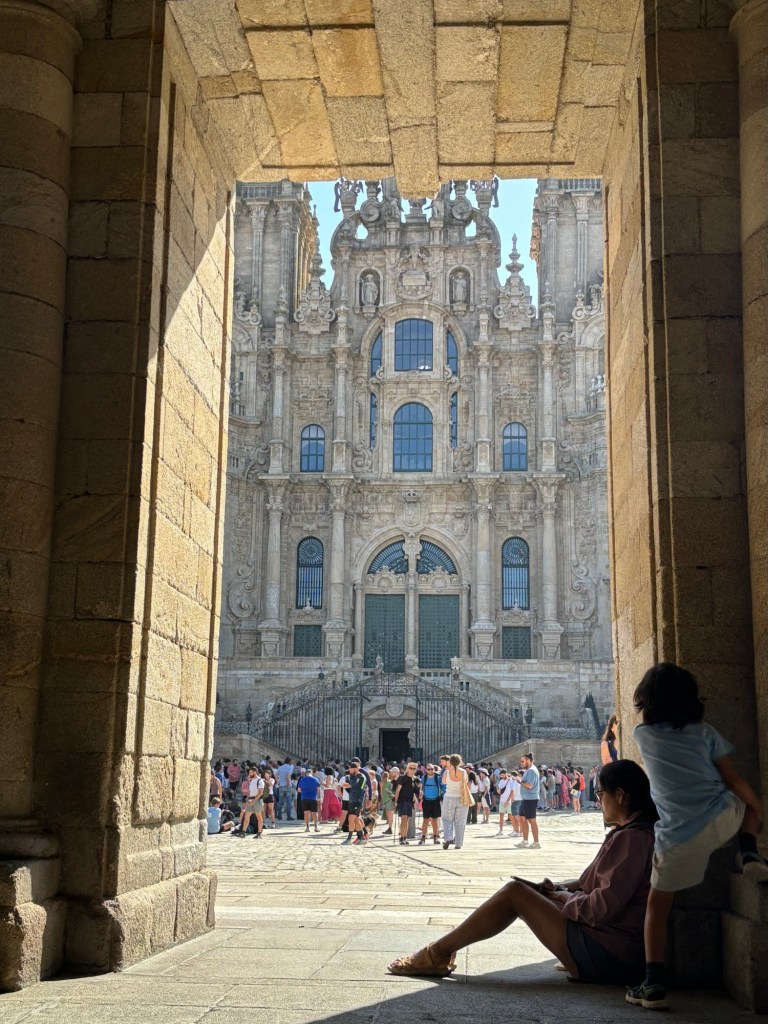
This is my third time in Santiago and yet the city is already so familiar I could navigate it in the dark. I had a look around the Faculty of Galician Studies in Santiago’s grand university building and tried to imagine myself as a Masters student here. It wasn’t easy. It wasn’t easy to imagine Santiago de Compostela as anything other than a pilgrim town, a never-ending terminus for a thousand-thousand emotional journeys. But outside the old city, there’s a modern sprawl with its own beating heart.
I had no map, as I have no more mobile data to guide me (and only just in time!), but my feet (and some scrap of memory) guided me to Casa del Libro in the new town. I only bought the one book, but I found a children’s encyclopaedia of Iberian mythological creatures and took notes in my journal. Not every book has to be possessed. To learn, sometimes, is enough.
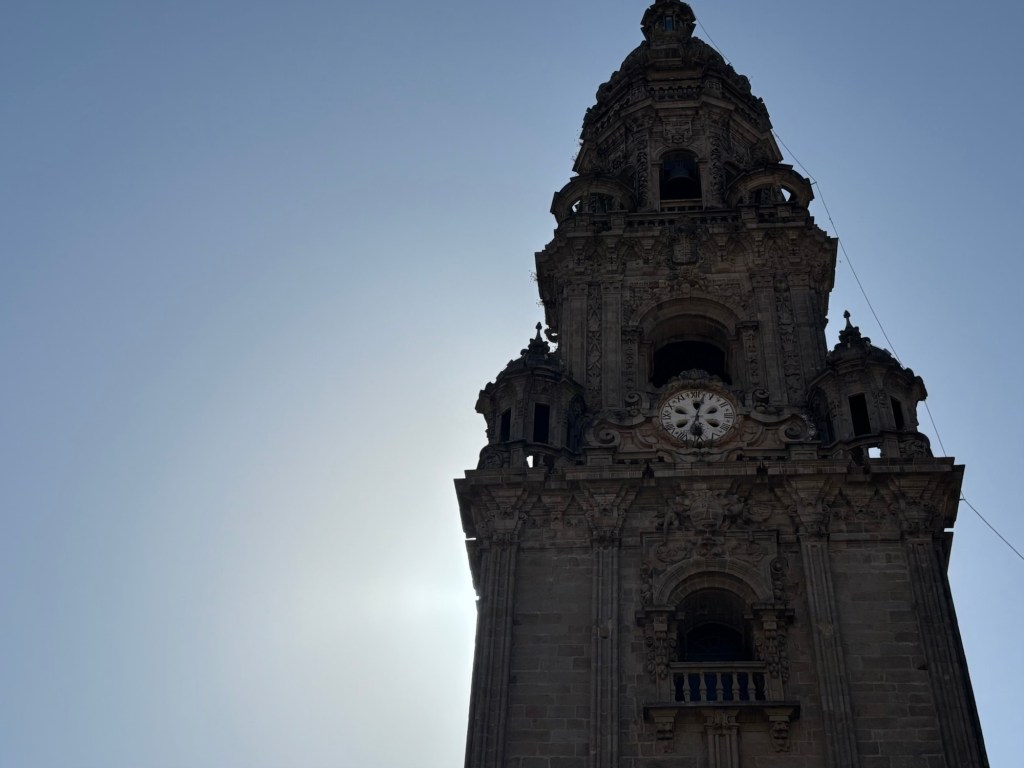
I’m falling asleep as I write. I should turn in. This time tomorrow, I will be back in England. My grand adventure will be over. It’s a bittersweet feeling, even if I have accomplished all I set out to do. The end of an adventure always is. BB x
Albergue Seminario Menor, Santiago de Compostela. 18.11.
Two years ago, when I walked into Santiago’s Praza do Obradoiro under a cool white cloud, I could not shake the feeling that I had not quite earned the triumph that the end of the Camino usually entails. I had walked in alone, in the early hours of the morning, after setting out from Burgos some twenty-one days prior. My credencial showed that I had walked all the way, but not all at once: my circuitous route had taken me four years, starting in the summer of 2019 and continuing in the spring and summer of 2023, after COVID and a number of other factors prevented me from walking further.
Not this time. Today felt like the finish you read about in books and in the films. Today, after walking over a thousand kilometres across France and Spain, to be welcomed like a hero by old friends in front of a crowd of thousands before a cathedral bathed in light… I was on the verge of tears this time.
Ribadiso was silent when I left at around a quarter to five this morning – the earliest I have set out along the entire trek. A few cows had wandered down to the river for a drink by the reflected light of a few lamps along the bridge, but I could hardly make out more than their silhouettes in the gloom. My phone did a much better job than my eyes could do.
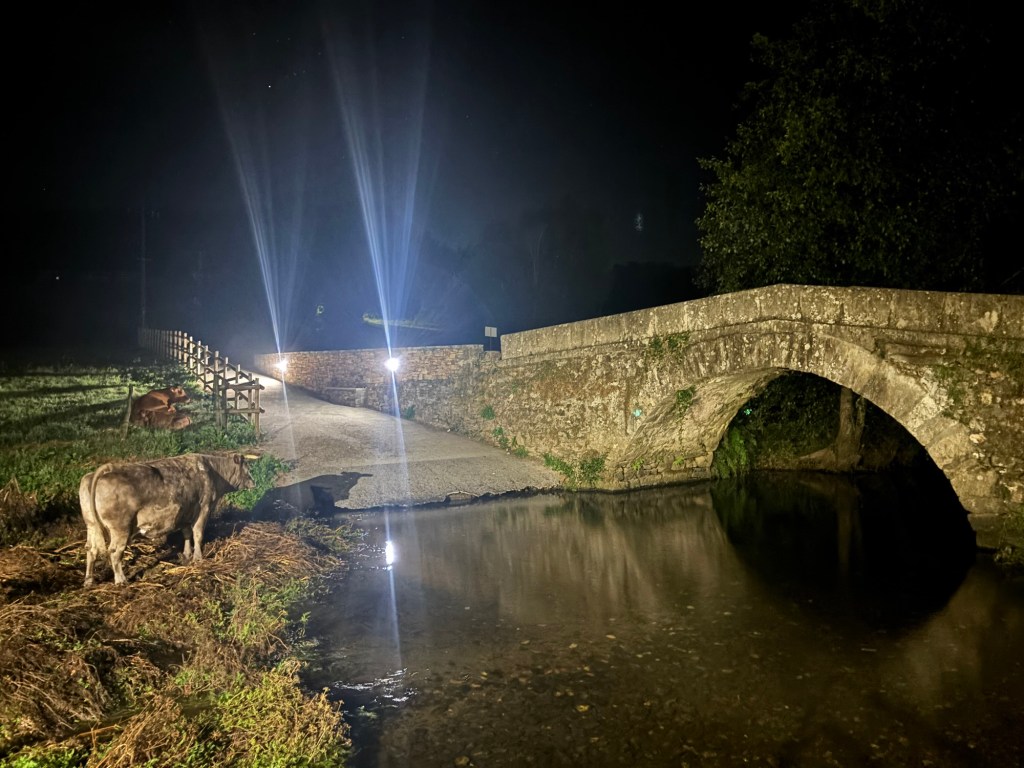
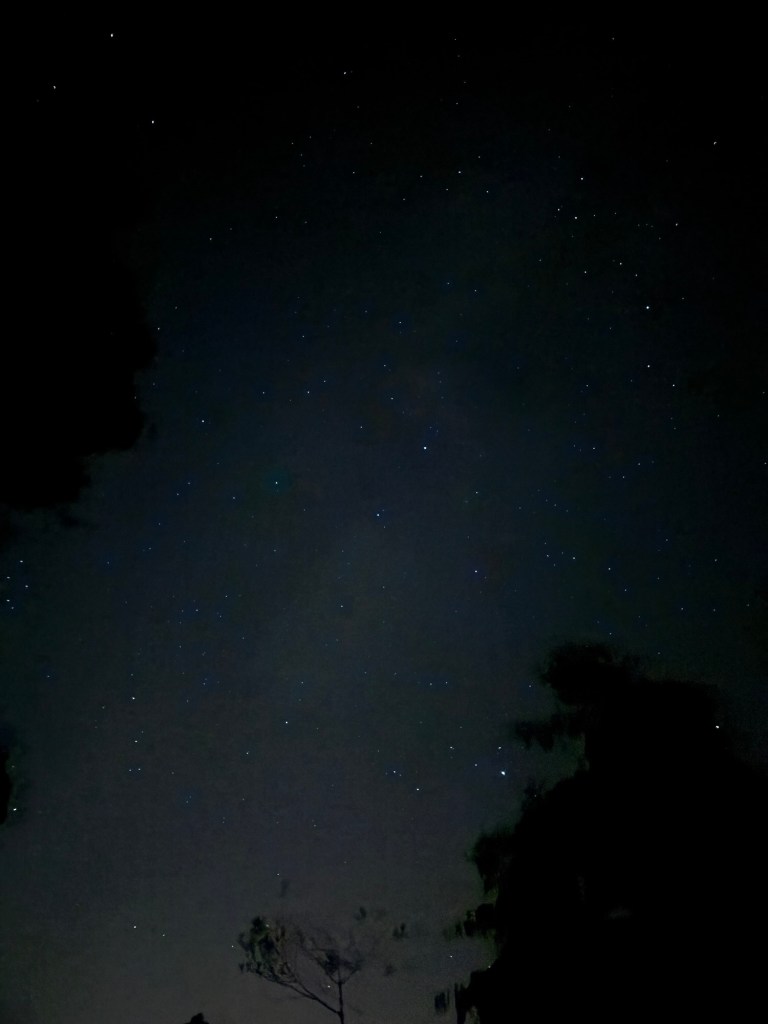
Darkness shrouded my steps until well after seven o’clock, so the first two and a half hours of my walk were made in the long shadows of night. As usual, I avoided using my phone’s torch as much as possible, navigating by starlight and the shadows of the trees against the sky, turning it on only to check I was not in any danger of leaving the trail. I passed a few pilgrims on the road who turned their glaring flashlights on me as I motored past, no doubt perplexed as to why I had decided not to light up the way in front of me.
I picked up considerable speed whenever I saw the dim moving light of a headtorch on the road ahead. I have not been a huge fan of headlamps and torches since two were trained on me like searchlights at two o’clock in the morning on a beach in Almería, during my mad trek across Spain at the age of eighteen. The fright that experience gave me has never really gone away, which may go some way to explaining my general disdain for the invasive, almost threatening white light of a handtorch. But there’s also my natural stubbornness, which I suspect has much more to do with it. You don’t really need a torch to navigate by night… not when your eyes grow accustomed to the gloom. So why bother?
I considered stopping for breakfast at a number of cafés once they started to open their doors after 7am, but every time I neared one, it looked packed to the gills, so I moved on. If I’d known that this would be the case all the way to Santiago and that I would not stop again until I reached the holy city, I might have shrugged off my pride and popped in for a tostada. But I didn’t, and when I accidentally took the forest route bypassing O Pedrouzo altogether – the usual staging post before the final push to Santiago – I decided to push on to the end on the power of a Bolycao and the last of my Nakd blueberry bars. It wasn’t much of a breakfast for a forty-three kilometre hike, I’ll admit, but it did the job.
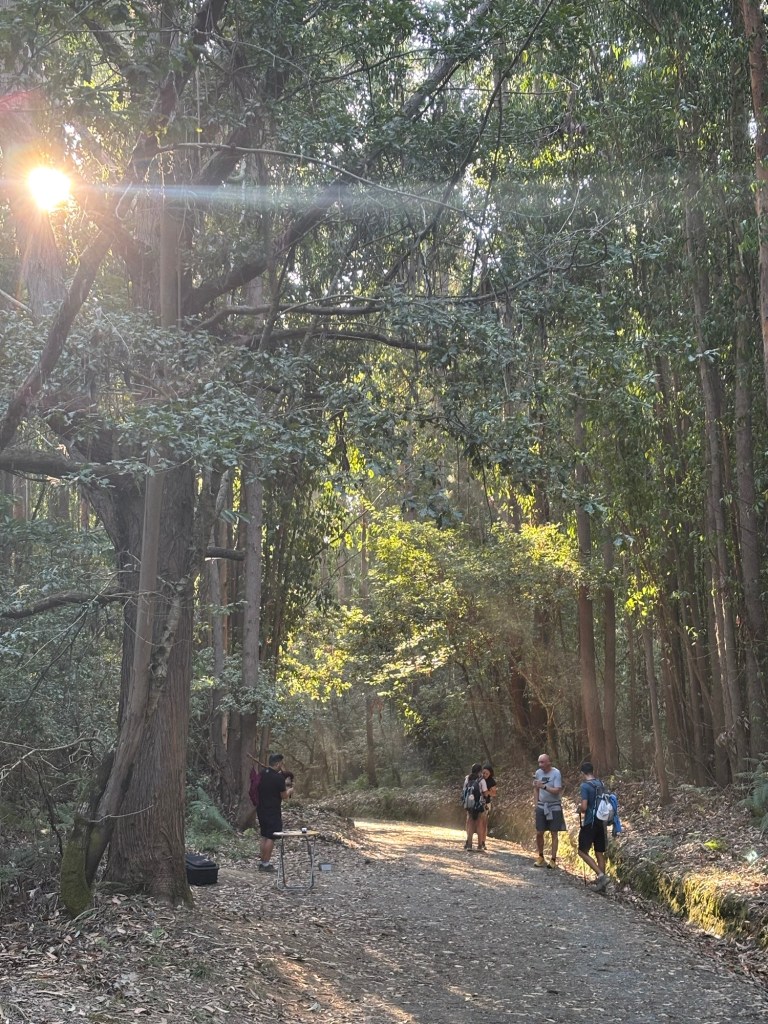
The road got quieter before O Pedrouzo after I had overtaken all of those pilgrims who had set out from Arzúa, only to ramp up again as I hit the back of the O Pedrouzo brigade. I met a few new characters as well as the first of a few old faces from the Camino Francés: Don Decibel, a raucous Spanish soldier whose phone call to his friends ten kilometres back hardly required the use of a phone at all (though I’m not sure I’d count the repeated phrases “oyé maricones” and “viva España putamadres” as a conversation); the Shadow, a French pilgrim who seemed to catch up to me constantly despite my attempts to race on ahead; Tim & Jackie, an Australian couple who fell behind us at Carrión de los Conded when Tim’s legs started to cause him trouble; and Edoardo, the charismatic Don Juan, who had slowed down to walk with a large group of Italian pilgrims.
And then there were the school and university groups. Hundreds of them. Well over a thousand, if I’d bothered to count them all. The ticker in the Pilgrim Office in Santiago showed that 847 had already made it to the city before I arrived at around twelve o’clock, so that number is not as much of a hyperbole as you might think.
The post-Sarria rush is real. It wasn’t quite as obvious two years ago as it is now, in the middle of August, when the crush is at its highest. I’d wager that I’d have seen even more if I’d left even a little later. They were all in very high spirits and many of them were draped in the colourful flags of their home regions: Andalucía, Valencia and Asturias were the most obvious. I looked for the black bars of the Extremaduran flag, but I didn’t see one.
I wondered, if I’d carried a flag, which one I would have the right to bear. Not Andalucía, surely, as I only lived there for a little under a year as a child (though it has forever marked my accent and identity), and not Extremadura either, since I have no familial connection to that earthly paradise whatsoever. La Mancha, perhaps, as that is where my cousins reside – but when my great-grandmother was born, that part of La Mancha was part of Murcia. My grandfather and his father, on the other hand, were from the Valencian province of Alicante.
In short, I have no claim to any of the regional flags. So I would have settled for the rojigualda instead.

I couldn’t find the famous pilgrim statues on Monte do Gozo – I wonder if they’ve been moved to a different location? Their pedestal was where Google Maps said it would be, but I could not find them. I did, however, see my destination for the first time, and that was motivation enough to proceed: the twin turrets of Santiago’s cathedral, between the gleaming white houses and the towering eucalyptus trees.
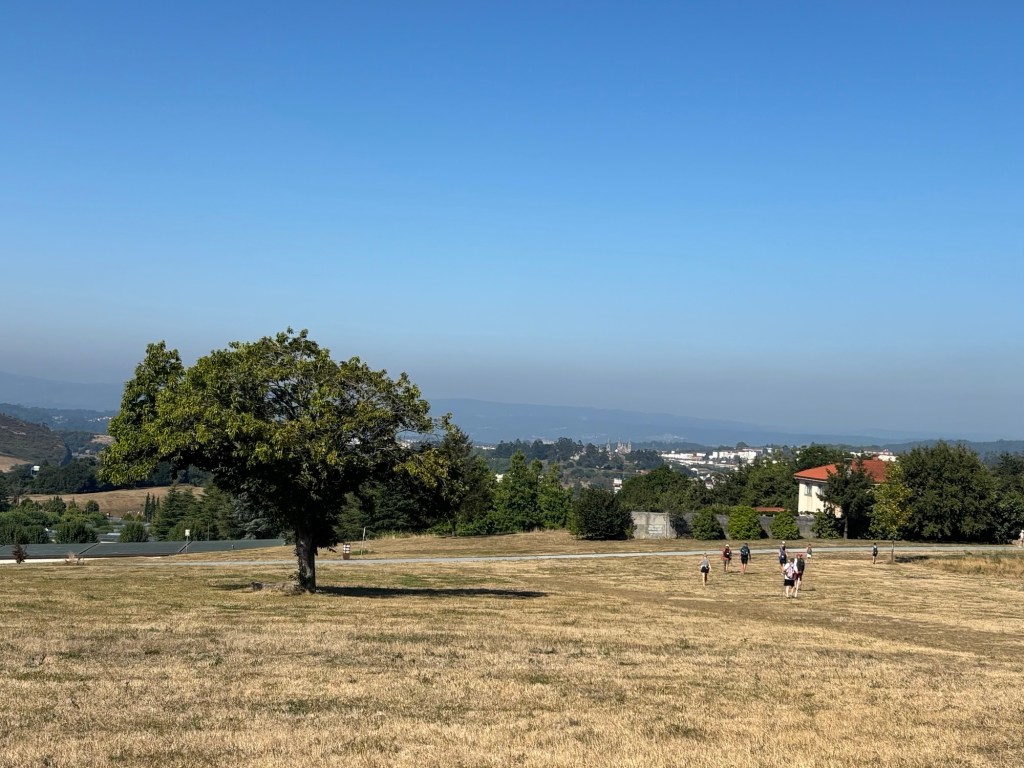
When I left Ribadiso this morning, Google Maps thought it would take me around nine hours to reach Santiago. It took me seven. I had some powerfully uptempo music to get me through the last ten kilometres, up to and including:
The last one was the killer. I get emotional listening to that track at the best of times, but the timing was absolutely perfect, reaching the triumphant crescendo finale just as I reached the back of the square and turned to face the cathedral. There really were tears in my eyes this time.
Let’s face the facts. I walked a bloody long way.
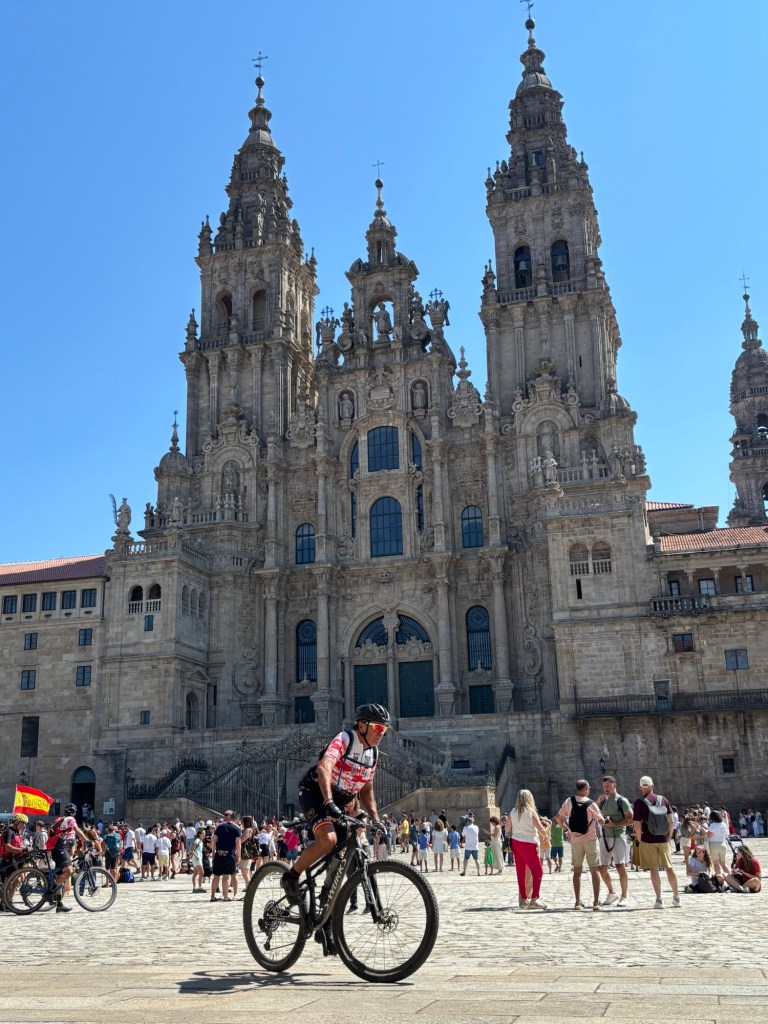
I had hardly arrived in the main square when I was jumped by three old friends: Juha the Finn, Max the Austrian and David the American. To be honest, I was not expecting to run into any of the old guard at all: my side quest over the San Salvador and along the Primitivo put me almost a week out of sync with the crew I had walked with, and even three double days wouldn’t have been enough to catch up to them all.
However, with the exception of Chip (who left for home several days ago) and Audrey and Talia (who I missed by a matter of hours), everyone else was here, including Alonso and Gust, the last remaining members of our little band of seven. I could not have hoped for a better welcome wagon.

Alonso, Gust and I are all at the Seminario – along with a good number of familiar faces – and we had a decent lunch (if a bit pricey for what it was) and a phenomenal Gujarati supper at Camino Curry, a brave new enterprise by a family from Birmingham that was both the most delicious and the friendliest meal I have had on the entire Camino. Given that the fellows had been advertising on my Facebook posts, I’d say they earned my custom.
We said farewell to Max and Juha for the last time on this Camino and returned to the albergue for a couple of rounds of Go Fish (instead of watching the 10pm screening of the Superman movie at the local cinema and risking the nine minute dash back to the seminario before lock-up). I’m normally averse to card games but I had a great time. It reminded me of those dark internet-free nights in Uganda long ago, with Teddy and Maddy and Mina. That feels like a lifetime ago.
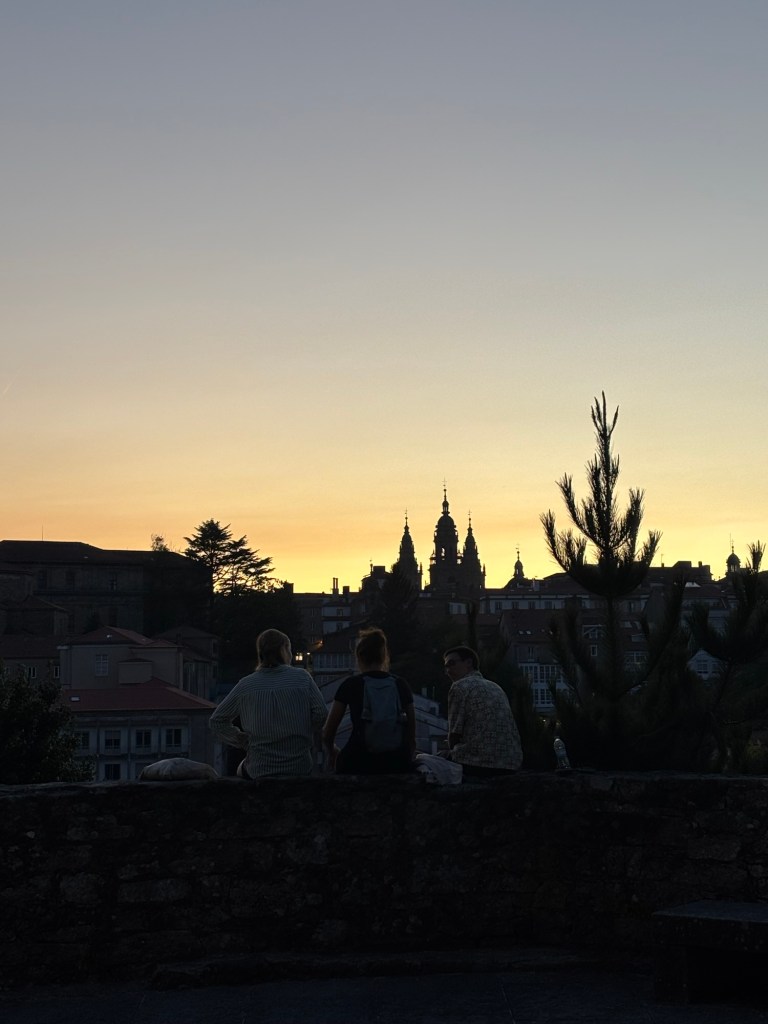
Well… tomorrow is another day. No more 5am starts. That’s something to look forward to! BB x
Notes, field guides and micro-memoirs
A Solo Travel and Literature Blog
All about trees
Barcelona · Spain · Food · Travel
A glimpse of the world through my lens
Synastry & Karmic Astrology
A Journey of Travels, Teachings, and Truths Told Plainly
Musings of a trekking author
Inspiration and Spirituality **Award Free**
Illustrations to make you smile, laugh, and sometimes make you see things from a different perspective 😉
a woman with wings travelling the world solo

