Change of Plan

Giens Peninsula, Hyères, Côte d’Azur. 9.56.

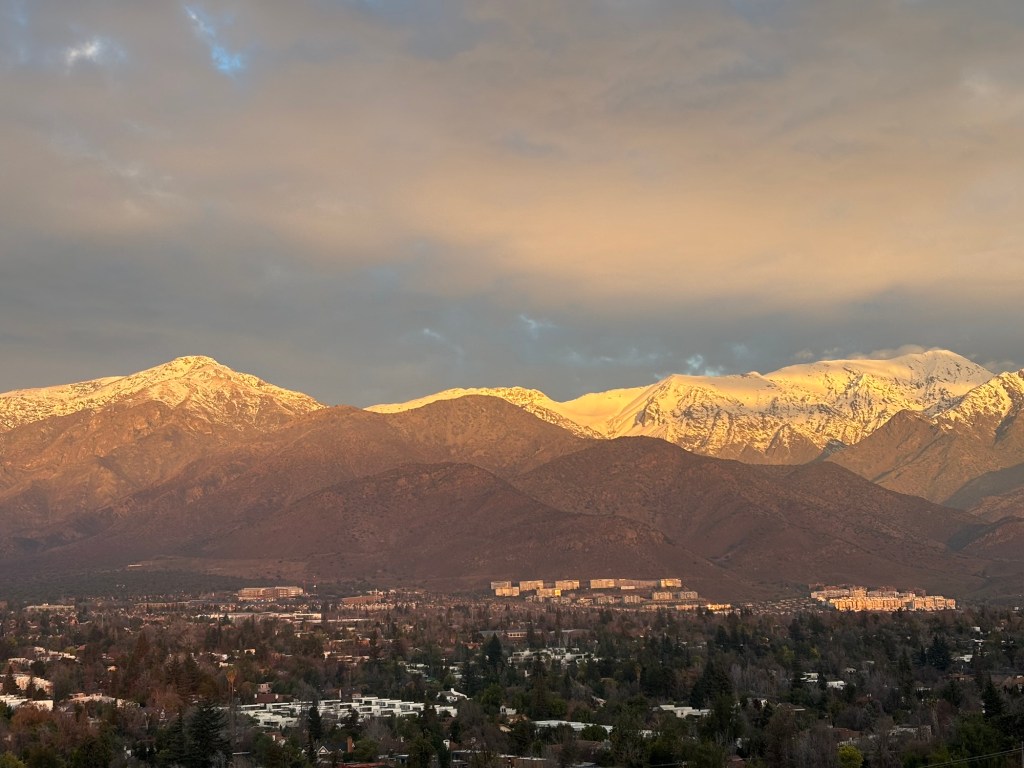
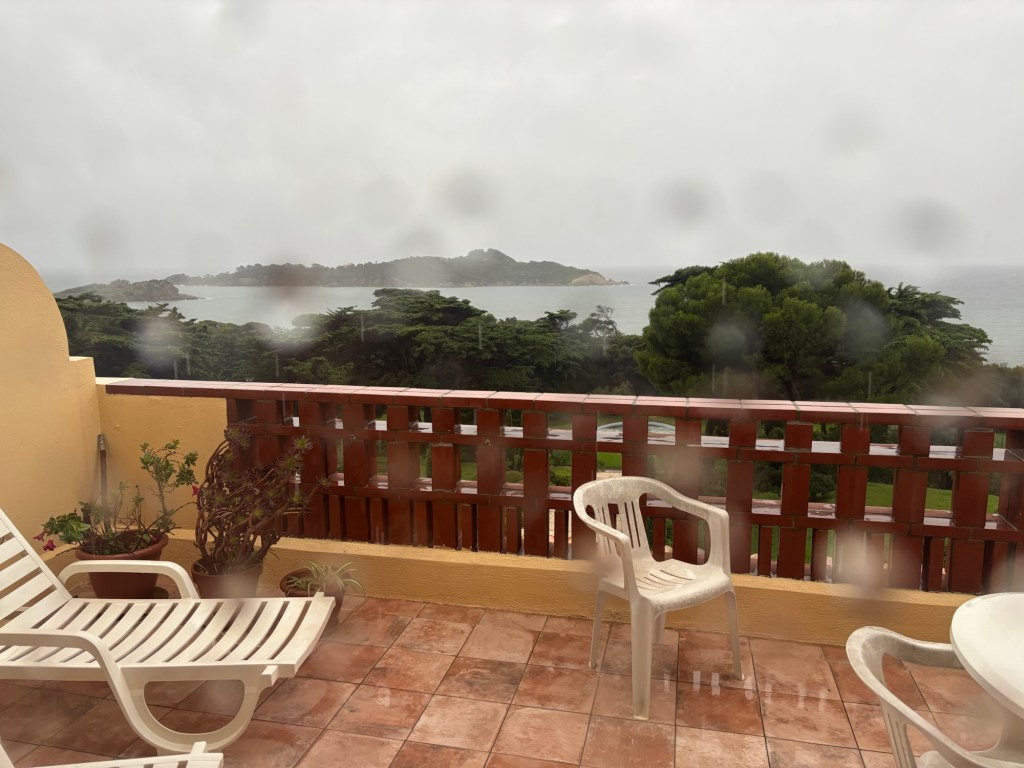
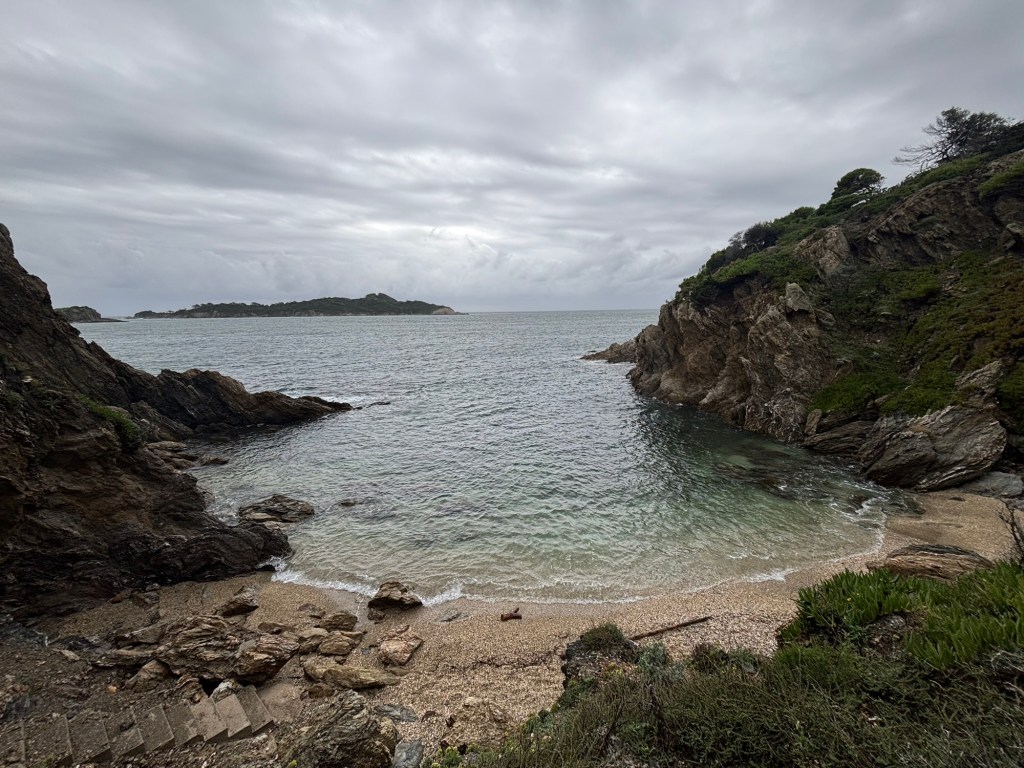
It’s raining outside. I turned off my alarms out of courtesy to my companions, but the dissonant blare of a flood alert woke us all up around 8am anyway. The Giens Peninsula is enveloped in a thick cover of white cloud, out of which the islands of Petit and Grand Ribeau seem to come and go. I haven’t got out to explore yet, thanks to the inclement weather. With the flood warnings threatening the thin strip of sand connecting us to the mainland, we could well be stuck here today. It feels very cut-off from the world.

Now seems as good a time as any to come clean. Five months remain until I turn my life upside down and leave the UK for good.

Over the summer, while I was working in Santiago, I was made an offer that was very hard to turn down: a permanent post as Teacher of English Literature in the school’s Senior Department (the equivalent of our Years 10-13 in the UK). That might seem like a complete u-turn on the last eight years of French and Spanish teaching experience over here, but in more ways than one, it’s the natural evolution of my career, which has already become extremely literature-heavy. This was always the plan: to teach MFL to the stage where I had mastered both French and Spanish to the point where I could capably deliver advanced literature in both, take an SEQ (Subject Enhancement Qualification) over the summer to add English to my roster, and then use all three as a sledgehammer to break into the Spanish education system. They can take away my ability to work across Europe as a citizen of the EU, but they can’t take away my will. You might call it my personal revenge against Brexit.

I hear you. Chile is a pretty big sidestep to reach that goal – over 8.000km to the side, to be precise. But let’s be realistic: just how often do opportunities like this come around? Here, at last, is a chance to bypass the additional expense of further training and (quite possibly) the need for a degree in English Literature. It’s the job I always wanted, and while it might not be in Spain, it is in a Spanish-speaking country. As the bandits of Skyrim would say, that’s close enough.

It’s not just the job. It’s the lifestyle. I’ve been living and working within the British boarding school system for the last eight years. I ran the calculations through AI this morning and was genuinely alarmed by just how much of my time I’ve given away over the years. Factoring in Wednesday and Friday nights, Saturday mornings and occasional Sunday duties, I’ve lost well over a year of my life to the boarding school world. That’s pretty humbling – and it might go some way to explaining how so many of my friends appear to have found the time to meet their partners, tie the knot and settle down already.

It’s not just the amount of time but the quality of it. I’m not working every hour I’m on call, but I can’t do anything or go anywhere. Little things like house assemblies and tutor time mean I can’t disappear on a Friday night, even if I have no lessons to teach on Saturday morning. Spontaneity – the freedom to improvise that I hold in dangerously high regard – is hard to exercise in such a world.

Moving to Chile means leaving that world behind. It means finding a place of my own to live, where I can live by my own rules. It means commuting to work (which, I’ll be honest, I have missed). It means losing an immediate community – and the additional incentive to go out there and find my own. It will be a more costly existence than the one I have known for the last eight years, but that is what the last eight years have been for: to make this change all the easier.

I will have to leave everything behind. I have five months to get rid of all the furniture I have acquired over the last ten years or so, as I can’t take any of it with me. I won’t be sad to see the back of it. I won’t be parted from my books, so I’ll have to find them a home until I know whether this move is for life. This is all a lot easier said than done, of course, but I can’t help feeling I’ll be a lot happier starting from scratch. As long as I have my journal, my camera and my health, I’ll be OK.

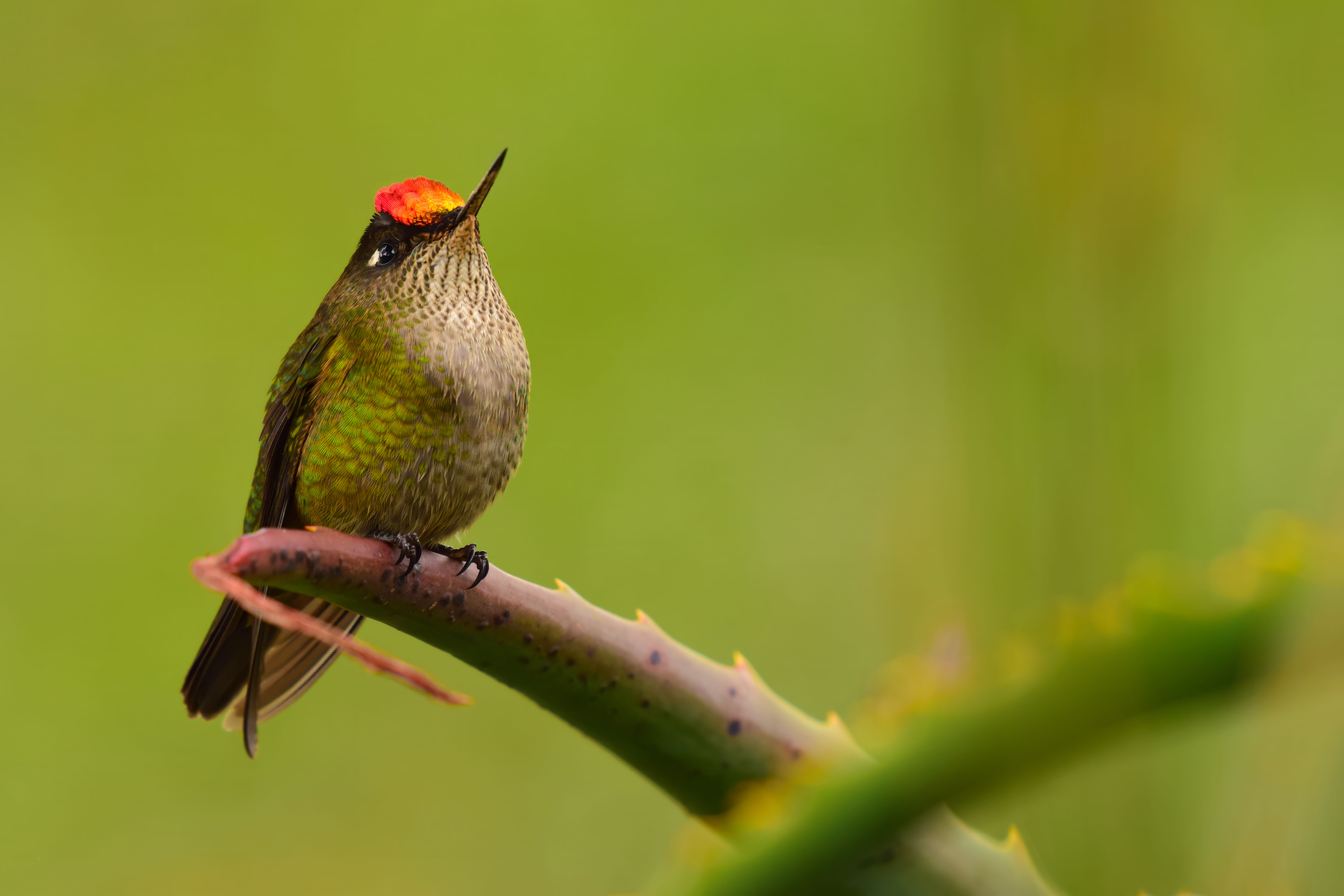
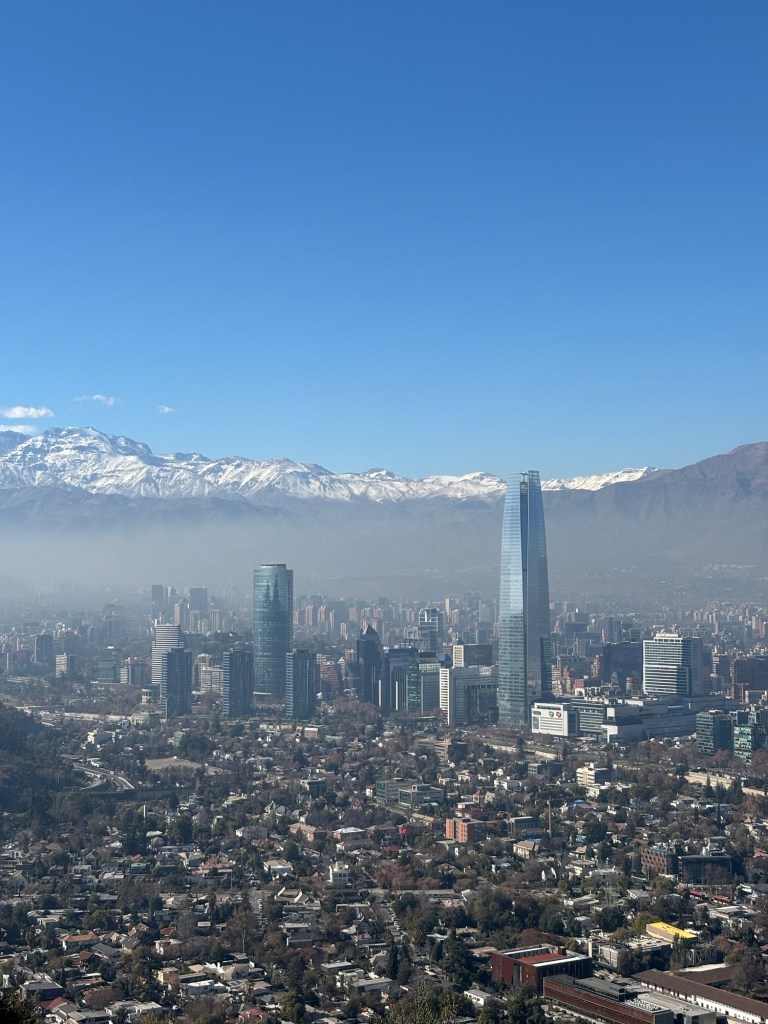
It goes without saying that my wildlife bonanza over the summer has played an enormous part in swaying my decision. The fact that I might be able to see condors from my office every week is surreal. The whole of South America will on my doorstep. Peru’s keys to the Amazon. Brazil’s Pantanal. Argentina’s great whale migration. Chile’s magnificent pumas. All of the little things: hummingbirds, mockingbirds, meadowlarks and caracaras. Having pelicans, albatrosses and enormous sea lions within a couple of hours’ reach at weekends. The summer just gone was without a doubt the happiest of my life, and I would dearly like to be that happy forever.

It’s no guarantee that She will be in Chile, but with such an incredible wealth of wildlife to see every day of the year, I don’t think I’ll have all that much time to contemplate. I’ll be much too busy seeking out pudus, kodkods and tucúqueres to care all that much. If I find Her along the way, I’ll consider it a bonus. All the same, it can’t hurt my chances: Santiago’s population of seven million is sure to be a better place to start than Taunton’s sixty-one thousand.
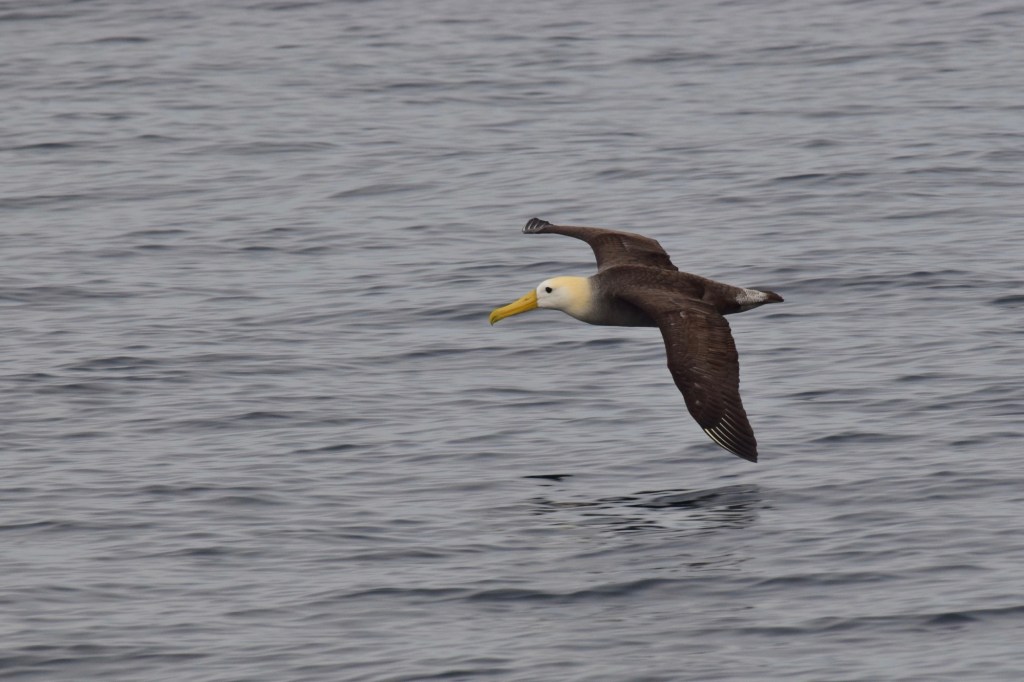

It will be quite easily the most dramatic move of my life so far. I’ve lived in a number of places – Uganda, Morocco, Jordan and Spain, of course – but most of them were very much intended to be temporary. This could be it. I will certainly treat it as such until I know otherwise.

I’m not relishing breaking the news to my students, but I’ll have to do so sooner or later. My job ad went up today, and with the interviews due to start shortly after we return, it will only be a matter of time until they put two and two together. That’s partly what this is all about – reasoning it out to myself before I have to spell it out to them. Knowing what to say. Hopefully they’ll understand.

The New World is calling. Like so many before me, I must leave my life behind and seek my destiny across the sea. Knowing what you know, having read what you have read, can you blame me? BB x
Coyote

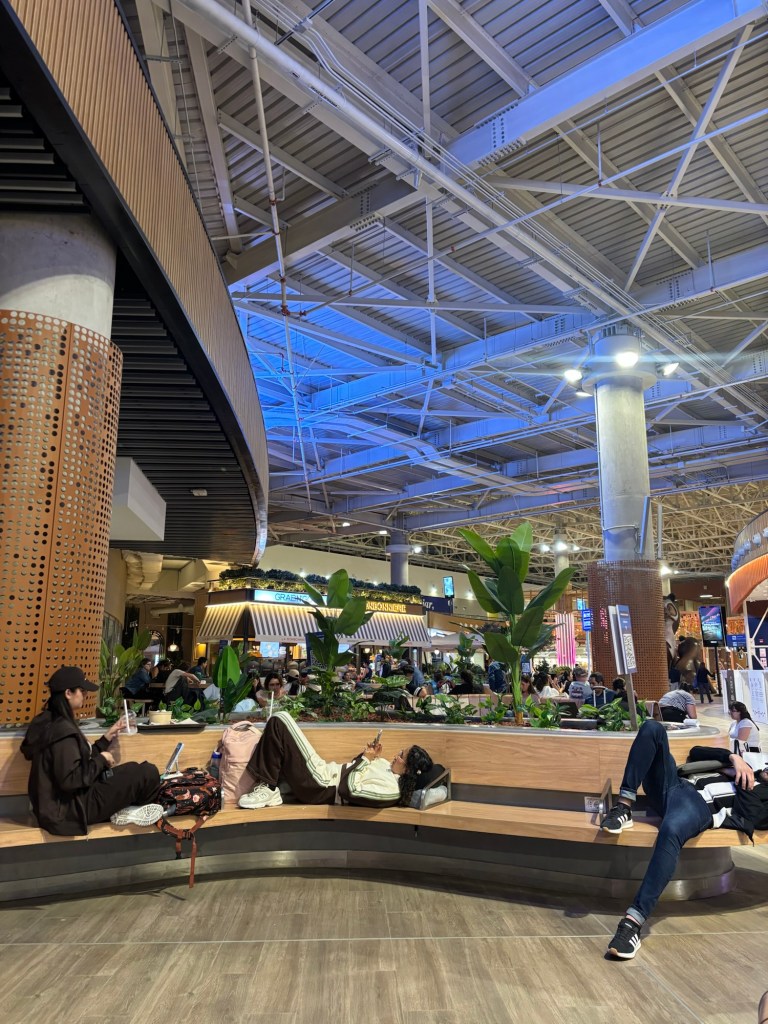
Aeropuerto Internacional Arturo Merino Benítez, Santiago de Chile. 18.40.

Farewells made. Suitcase packed. Rucksack slimmed down to my journal, my camera and a couple of charging devices. Now I’m just waiting in the long line to check in my hold luggage and then – after the inevitable hurdle over my exhaustive middle names – we’re good to go.


With such a late departure, I had time to say a few last goodbyes, so I accompanied Tomás to school for the last time on this trip and sought out Byron, the man behind this whole Chilean exchange idea. I’d managed to miss him on my last day, and I wasn’t about to leave the country without saying thank you to the man who made it all possible.

With that and a few other farewells taken care of, I was done by eleven, so rather than hanging around all day I decided to walk back to Las Condes. The sun was shining, I had my camera on me (just in case) and I thought I’d try to snap some of the birds I’ve seen every day at work but never managed to get on film. I’m pretty sure I want to come back and see Chile again someday, so it’s not the end of the world if I leave a few unfinished tasks, but I did want to seize the chance while the sun was shining. It’s been a rare sight during my stay!


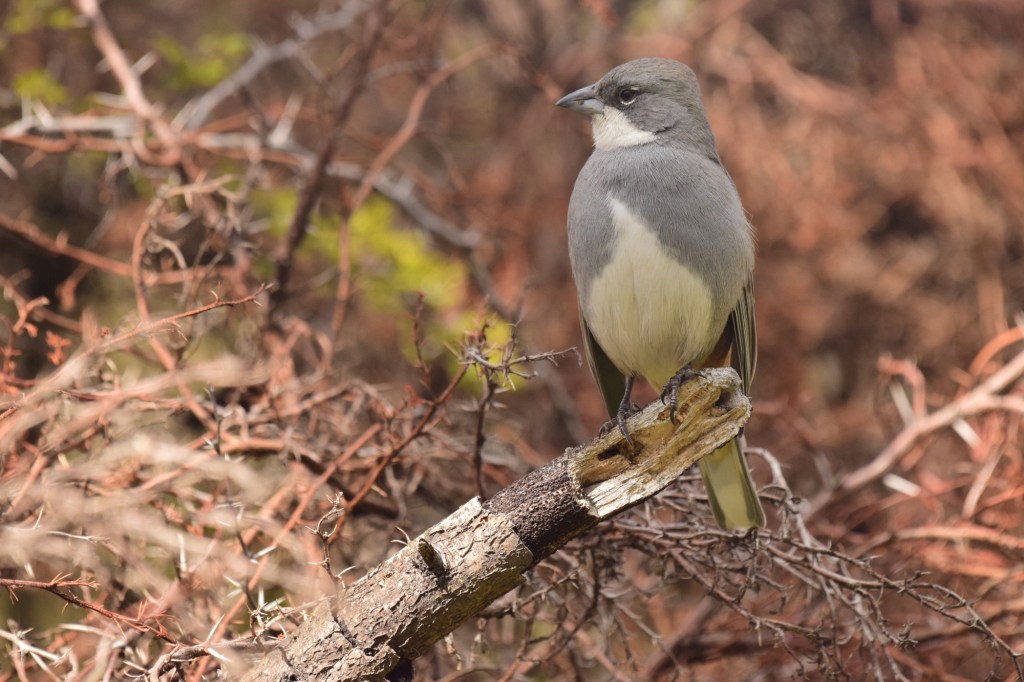
First up: the diuca! This charming slate-grey Chilean chaffinch substitute has been an ever-present companion at work but hard to find beyond the hills around Craighouse, so I’m really happy I managed to find one on the walk down from the school! It’s been bugging me that they’ve been at an arm’s length all the time at school but never when I had my camera on me.


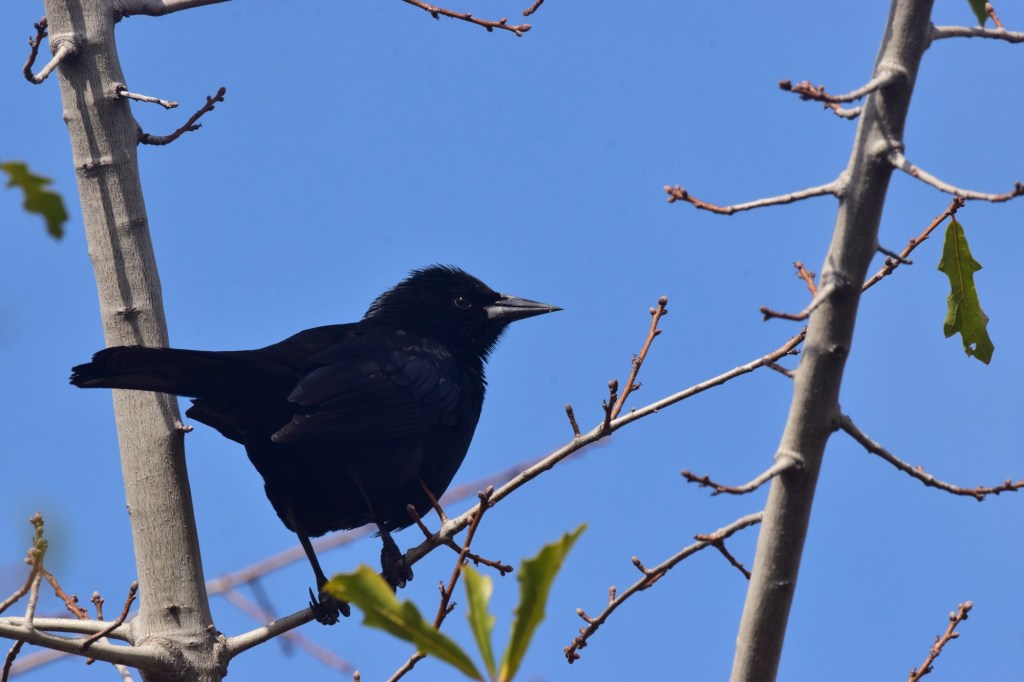
Also: the austral blackbird! No relation to the blackbirds of English parks and gardens, this tremendously noisy South American specialty has been, together with the austral thrush and the meadowlark, part of the soundscape of my morning commute to work.


I saw a few lapwings on the way through the fancier suburbs of Lo Barnechea, but too high up or too far to bother taking the lens out. They still remind me of enormous bats with their bouncy flight, but just like their cousins in England, they’re utterly fearless and will attack anything they perceive as a threat. I’ve even seen them take on buzzard-eagles, which are the second largest creatures of the Andean sky after the condor.

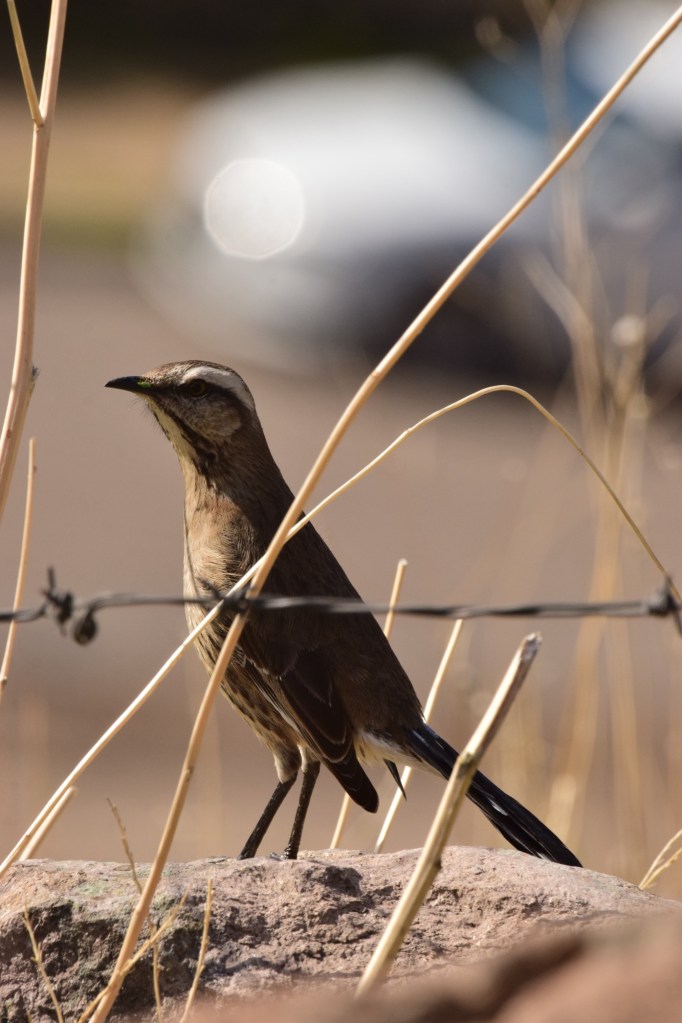
Of course, I couldn’t leave without saying goodbye to the mockingbirds. I’ve become especially fond of these extremely characterful creatures, who have been with me from Patagonia to Santiago and even as far as the Galápagos. If I had a house with a garden here in Santiago, I swear I’d try to tame one – and I don’t think it would take an awful lot of effort, either.


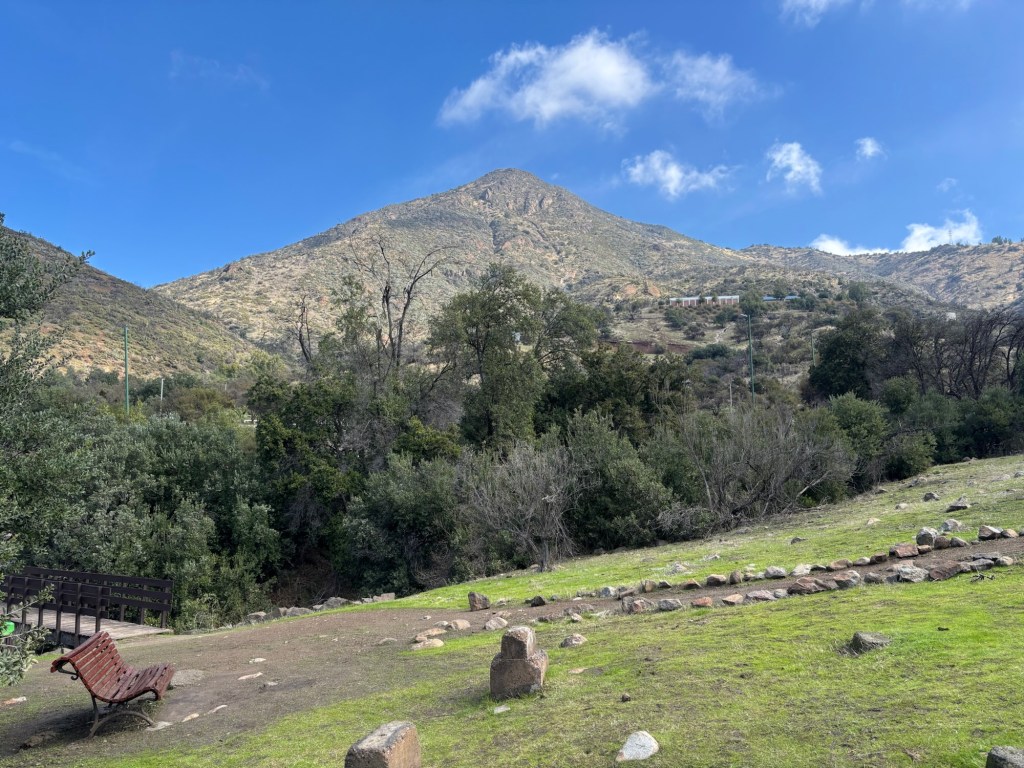
Equally, I wouldn’t dream of leaving Chile without saying goodbye to the Lord of the Andes. Fortunately, I didn’t have to. I took a short walk up the slope of Manquehue to see how far I could go, and as I neared the limit (there’s a fence cutting off the road), three condors came soaring into view over its summit. At times they were so close I could see the royal white flush on the upper parts of their mighty wings.

I didn’t take too many photos. I was just happy to watch them for a while.


I have to admit – and this will come as no surprise to anyone who has been following my adventures – this has been the happiest summer of my life. I can’t remember a time when I’ve felt so alive. That’s especially noteworthy because the seemingly endless summer holiday is usually one of the lowest points of the year for me, made tolerable only by dedicating as much of it as I can afford to walking the Camino de Santiago. For those outside the teaching profession, it might seem incredibly ungrateful to bemoan the concept of a nine-week holiday, but for me, it has always gone on far too long.

This summer has been different. Every day has been full of light and wonder, even when it kicked up a blizzard or sent down a thunderstorm. Many years of hard work and boarding school-induced savings have finally given me the chance to do what I could only dream of as a child: to see so much of South America and its incredible wildlife. Sometimes I think I have been mad to shut myself away in a seven-days-a-week job for almost all of my twenties, but if this is what it was building towards… it was worth every lost weekend. Every single one.


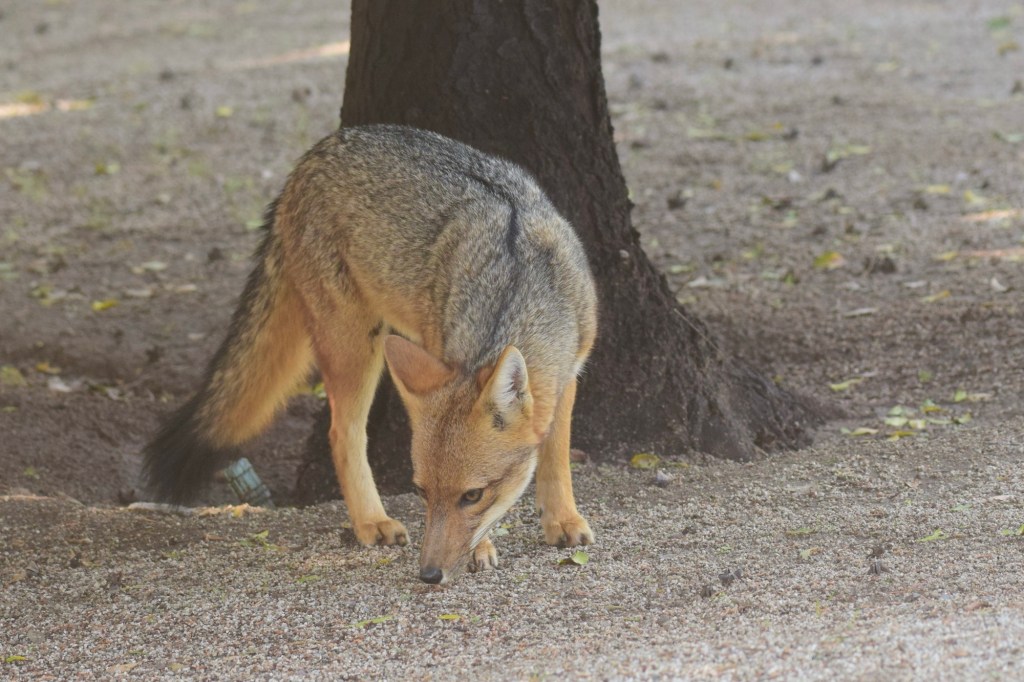
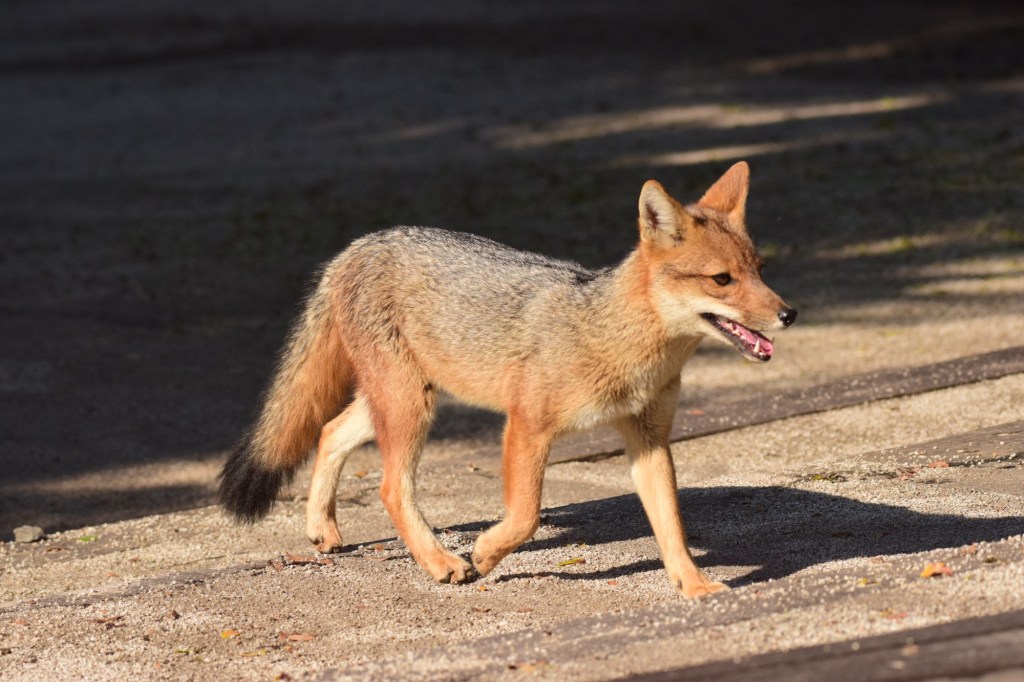
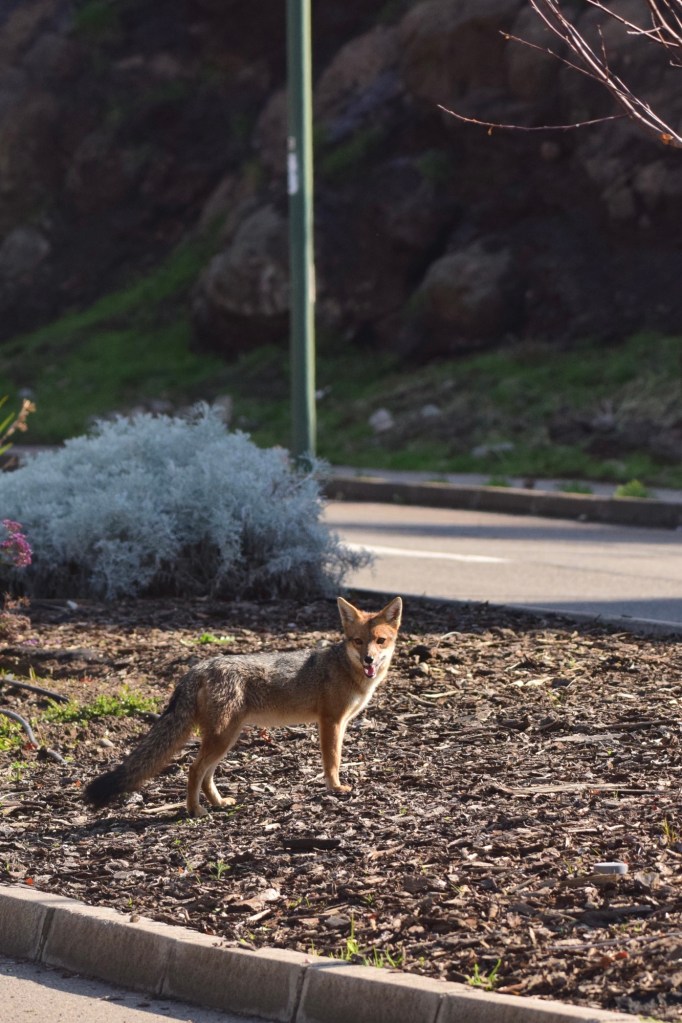
On my way back down from Manquehue I saw something coming up the road towards me that I had not expected to see at all: a culpeo. This South American relative of the coyote is only a little larger than a fox, but has something more of the wolf in its face than the bin-raiding reds of London.

And it was trotting up the pavement right towards me, in broad daylight, in a perfectly twee corner of suburban Santiago, without a care in the world.


After a whole week in the Galápagos, where mammals larger than rats are nonexistent, I wasn’t expecting my final South American animal encounter to be anything but the feathered kind. I certainly wasn’t expecting a miniature coyote.

I’ve been bewitched by wolves since my adventures in the frozen forest of Białowieza National Park in Poland two years ago. I’ve still got my eye on another wolf-tracking expedition – this time in Italy – but to see one of their relatives so incredibly close is just one more reminder of how spectacular even the everyday encounters with wildlife in this country can be.

Dammit, not just this country. This whole damn continent.


Traditionally, crossing paths with a fox was considered a bad omen in the Andes. But I don’t see it that way. I’m more inclined to agree with the Japanese, who once revered foxes as auspicious spirits and messengers of the fertility god Inari. In short, like a black cat, they can either be portents of good or ill luck, depending on your point of view.

Fur of gold and silver, eyes of honey brown and feet as silent as the night. How could such a spirit possibly be anything but a good omen?


I had 11.000 Chilean pesos in cash left over in my wallet, so I bought myself a fried chicken sandwich and a pain au chocolat to keep the wolf from the door. After all, in all of my minesweeping adventures around Manquehue today, I completely forgot to have lunch.

The way I see it, a man like me could fall in love with a country like this every single day and lose nothing in the repeated magic of that first infatuation.

I am decided. I have got to come back. I don’t know how, I don’t know when, but I will make it happen. I may need to save up again after the fauna fantasia of this summer, but when it comes around, I want to embrace it all over again.

Happiness like I haven’t known in years. More wildlife than I know what to do with. Mountains that make my heart soar. Condors that make my heart race. And speaking Spanish every day, which keeps my heart beating. Chile has done a number on me and I’m all for it. Honestly – can you blame me? BB x
Las Condes Again

Las Condes, Santiago de Chile. 17.28.

I’m getting better at sleeping on planes. I must have slept for at least half of the flight from Lima to Santiago, because I remember almost none of it – only the first half hour or so and then a period of ten minutes at some point around half past two in the morning when they served out the in-flight snacks. Even so, the Santiago side of things passed by in a zombie-like blur. I navigated customs and an Uber relatively easily, but after letting myself back into the flat around six in the morning and using the last of my reserves for a desperately needed shave, I tumbled into bed and didn’t wake up again until half past twelve.

I’d suggest that that’s the last time I try to tackle multiple flights across three countries, but that’s exactly what tomorrow’s journey home entails, and I know myself too well to accept that I’d eat my words sooner or later.


What a difference a year makes! South America has gone from being a location on a map that cropped up from time to time in texts we study in class to home in all but name for the last five weeks. By the time I leave tomorrow night, I’ll have totalled nearly six weeks here. That’s half a school term. In my book, four weeks is the cut-off point, beyond which a location stops feeling like a holiday and starts to take on the trappings of a place one can legitimately claim to have lived. While I haven’t spent all six weeks in the Central Valley, Santiago has definitely become as familiar a base as Amman and Tetouan once were, many years ago.

There are many aspects that are still alien. The distance. The exchange rate. The American-style grid system of South American towns. the national insistence on tacking cachai to the end of every single sentence, whether it needed confirmation or not. But I feel I’m getting the hang of the accent, the majority of the modismos (the extremely widespread Chilean slang) and what it might be like to live here for the locals. Lucky them!


It sure is chilly here, though. I haven’t missed the uncomfortable heat I left behind in England back in that first week of July (which, I believe, is still there, outstaying its welcome by well over two months) but I could do with being somewhere warmer for a while. Bouncing from 7°C in Santiago to 37°C in Athens on Friday will be a proper shock to the system, but I’ll have my hands full with this Greek wedding for the ages, so I suppose I’ll manage.

I want to remember this soundscape though. The pitter-patter of dog feet on the laminate flooring. The distant whine of one of Tomás’ sisters blowdrying their hair. The whirring radiator in my room, doing its best to heat up the place. The alarm call of an austral thrush. The faraway engine of one of the many micros plying Avenida Las Condes. Otherwise, the remarkable quiet of Chile’s capital city. Santiago is a very special place.

Popping back into school one last time tomorrow to say a few farewells I didn’t get the chance to make last Friday and to wrap things up with a neat little bow, insofar as I can. And then – home! I could do with a rest. BB x

Hasta la Vista, Mister

Aeropuerto Arturo Merino Benítez, Santiago de Chile. 23.23.

Three weeks at Craighouse School have come and gone in the blink of an eye. In that time I have seen and done all sorts of career-boosting things. I have observed Maths, English, Spanish and French classes, as well as a number of department meetings: sometimes in English, sometimes in Spanish. I have taught the basics of French conjugation with -ER verbs, folktales from England, the Basque Country and the Middle East for a middle school kamishibai project and Augustinian theology within an exploration of good and evil in Othello. I have moderated an extended essay, taken part in an MUN debate on the two state solution, discovered that what I have only dreamed of doing for years – teaching English Literature – is well within my capabilities… and I have made some friends for life out here.

I think one of the reasons I avoided anything and everything to do with Latin America at university was because I wasn’t ready yet. I should have known that, having lost my heart to an American once already, I would be drawn back across the Atlantic like a moth to a flame. It’s not the light – it’s the warmth. The warmth of the people here. I have barely begun to scratch the surface of this country.


First things first – my Othello lesson was a triumph. After dropping in on a couple of Y12 classes and offering my take on Carol Ann Duffy and the religious context behind Shakespeare’s work, I was told that the senior deputy head and former head of English wanted to see me teach. Teaching a forty-five minute French lesson that I’ve taught for years is one thing. Teaching a ninety minute class on hardcore morality ethics, Protestant ideology and social context within one of Shakespeare’s weightier plays is another matter entirely.

Lucky for me, I had a bloody good teacher back in my schooldays, and a quick refresher last week was enough to remind me that I had forgotten very little of what I was taught, even across a distance of fourteen years. I’ve also been gearing up to teach Othello myself as part of the Spanish Language A course, so I was not unprepared. Still. No pressure.

I’ve got to hand it to the kids. They might have only been a standard level class, but they handled the higher level material extremely well. When I circulated as they were practising a Paper 2-style comparative task, I had some really enlightening conversations. So many great questions, so many bright ideas. I was really proud of them. Ninety minutes seemed like a tall order when I turned in around eleven o’clock last night, but it was over far too soon.


I spent the afternoon wrapping up. Signing out of all my accounts on the school laptop. Handing back the IB Language books I’d borrowed. Switching out my teaching boots for hiking shoes. I dropped in on the middle school Lenguaje department to say goodbye and had it corrected to a see you soon. Hispanics don’t do goodbyes. Much too final.

One final and unexpected resident of the English department hung around to see me off: the mockingbird that has been hanging around the office for the last couple of weeks. Somebody had left the door open so it had popped inside to see if there was anything edible. After a small circuit I managed to guide it back outside. They’re extremely characterful creatures, mockingbirds. I hope to see more of them where I’m going next. It’s a place where they made history. Natural history, that is.


To close out my time here, Alfredo (the head of English) took me and a couple of colleagues out to dinner at Baco, a swish restaurant in upmarket Providencia. It felt like I’d been part of the team for a year, rather than a week. Chileans may have more in common with the Basques than the Andalusians, but they’re an incredibly warm and honest people.


I’d say that’s that, but I’ve got to come back to Santiago to pick up my suitcase and catch my flight home in nine days’ time, so I’m not quite done with Santiago yet. But now I’m sitting in the departures lounge of Santiago’s Arturo Merino Benítez airport, absolutely buzzing about the last great adventure on my South American odyssey. It’s been an amazing month so far, full of unforgettable wildlife encounters and exceptionally warm people. This will just put a seal on the whole thing.

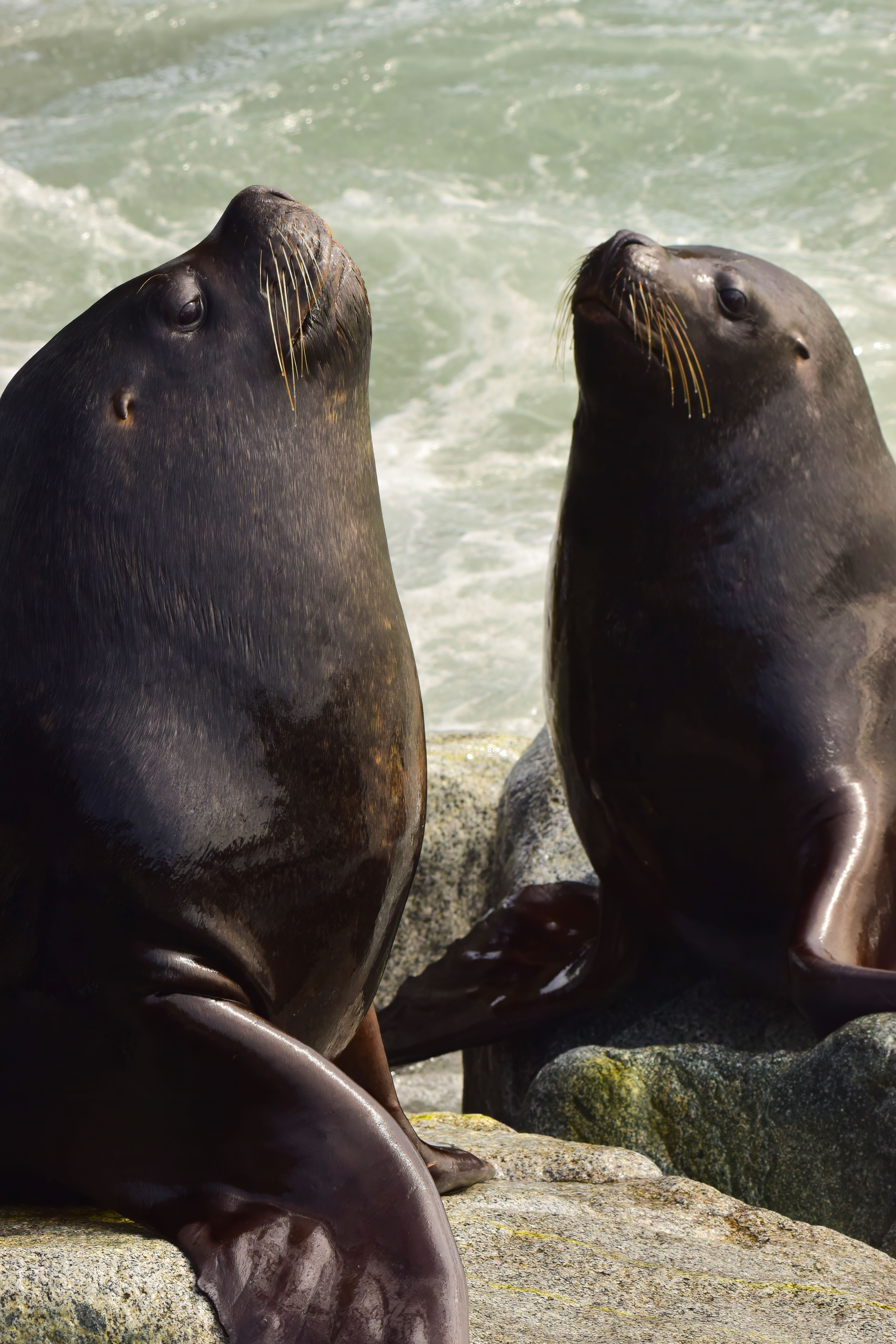
Or maybe even a sea lion… BB x

Anagnorisis

Las Condes, Santiago de Chile. 19.22.

How do I describe what I’m feeling right now? I’m not sure. So I’ll do my best to reason my thoughts as I write. That’s what this whole blog exercise is for, after all, right? To throw down all the scattered puzzle pieces in my head so that they make a lot more sense on paper. That’s the idea behind it, anyway.


It’s like this. I’ve spent the last ten years of my life teaching foreign languages: English, Spanish, French, Arabic and even Italian. I do it because it’s what my degree was all about, primarily, but also because I have a pretty good ear and, frankly, I’m pretty good at it. In the last five years – after I’d earned my stripes – I’ve started teaching more and more literature, first through the Spanish Language B section of the International Baccalaureate Diploma, then as a fundamental part of the A Level course for both French and Spanish. The further I get into my teaching career, the more I hunger for the literary side of the course, genuinely revelling in the exploration of theme, character, identity and authorial philosophy. I love teaching the little ones, too – it’s immensely entertaining to go from discussing the corruption of the soul in French to learning Spanish phonics with various animals within the space of an hour – but every year I feel myself drawn ever closer into the literature.

Here in Chile, for the first time since my schooldays, I’ve had the freedom to teach English Literature as though it were my alma mater. It feels as natural as breathing. It helps that I have being using the same skills for years now to deliver the literature aspects of the French and Spanish courses, but… there is something more to it. This feels… right, somehow. Like this is what I was meant to be doing all along. And I’m feeling very conflicted about this.

I shouldn’t. This was always the plan – to move back to Spain and teach English Literature, if I could. But it is never going to happen in the UK. Never. I wouldn’t be allowed to cross over because of a lack of subject expertise and experience, no matter how much I point to my long years teaching literary analysis in another language. Similarly, it’s tremendously unlikely I’d be hired as a Spanish Language and Literature teacher in Spain, for which I am arguably more qualified, because why on earth would you hire a foreigner who has acquired your language from scratch to teach it to children when there are so many native speakers who are far better equipped to do so?

In short, my qualifications and my intentions simply do not add up. I did Spanish at university because I wanted to move back to Spain, but because my profession is teaching – a career path from which I will not stray on principle – I find myself stuck, unable to break into the Spanish education system as easily as mother did with music. I know what I want to do, but the barriers are all around me.

It’s frustrating – and yet the impression I get out here, in a school built upon the IB core philosophy of the universality of thought, is that none of that matters. Where I came from, what credentials I hold, what language I use from day to day. The only thing that matters is a passion for literature and for inquiry, wherever that takes me.

We could learn a lot from this system. Rather, I could learn a lot from it. The only question is, does Spain have anywhere that follows the same philosophy? That really would be the dream, if I could only track it down.


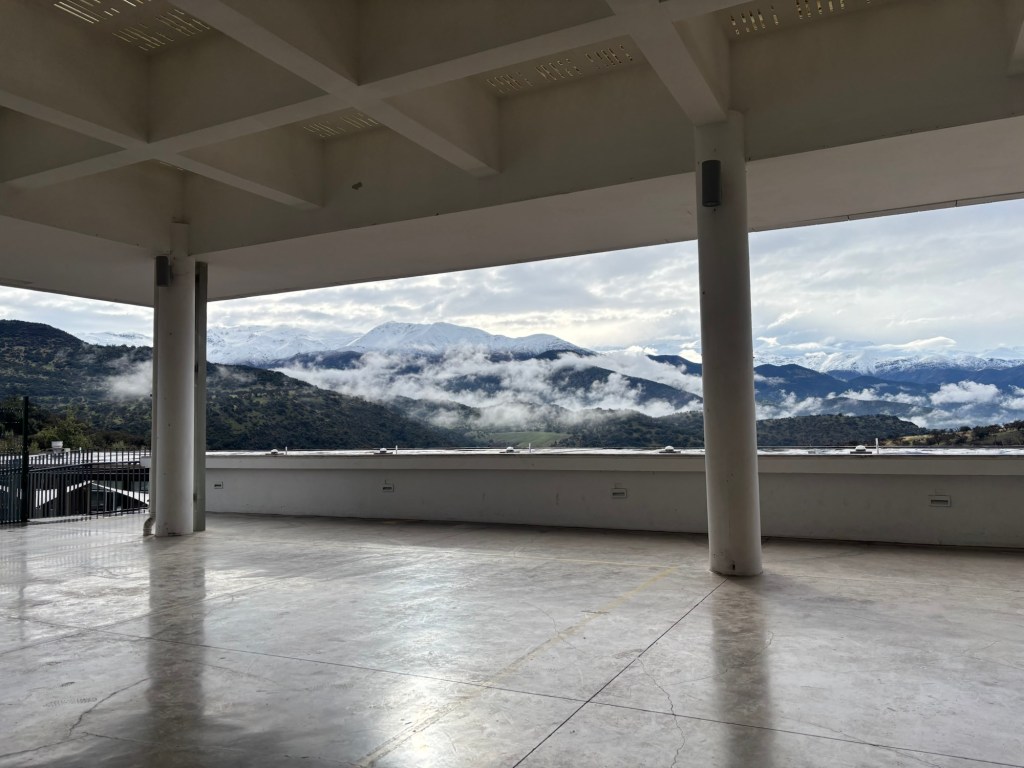
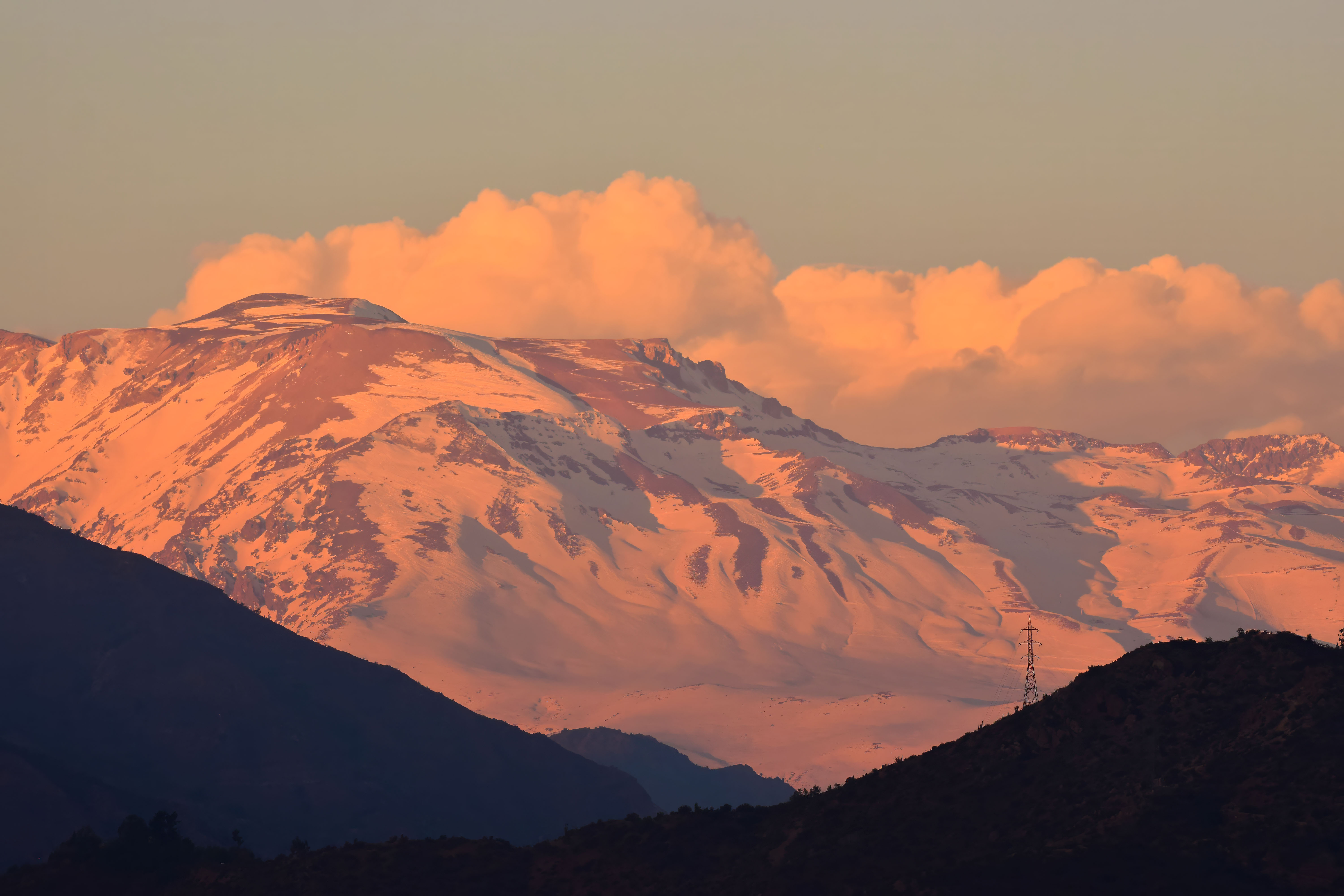
The sun has been out all day. Only now, in the last moments of the evening, has a thin carpet of cloud been pulled up as though to tuck it into bed. This would be only the third day of sunshine I have had since arriving in Chile, now four weeks ago to the day. So I have come up to the top of Observatory Hill to watch the sunset lay its Midas touch upon the Andes, perhaps for the last time, and think about the future.

Tomorrow, one last class of Othello – a proper hour and a half’s marathon on morality and ethics, Augustinian philosophy and Paper 2 preparation – and then it’s over. This strange exchange with Chile that was never on the cards until suddenly it was. I hope I leave a good impression.

And after that… somewhere completely different. Somewhere I have wanted to go since I was six years old. Somewhere… enchanted, even. BB x