Jötunheim

Puerto Ayora, Galápagos Islands. 18.55.

Coming all the way to the Galápagos Islands and leaving without seeing the giant tortoises would be like going to Jordan and skipping out on Petra, or bypassing any kind of safari whatsoever on a visit to Kenya or Tanzania. You could do it, but you’d be missing out on something truly special.

As luck would have it, you don’t have to go too far to find them. Though they may not be as numerous as they once were long ago (an astonishing 350,000 were carried off the islands by sailors and scientists as a source of food and oil), there are still thousands of them to be found even on the populated islands of San Cristóbal and Santa Cruz. The ranches in the interior will give you your best chance at seeing them, but don’t get it confused: they’re not open-air zoos built to accommodate the surviving giant tortoises. They’re functioning orchards and pastoral plots that happen to sit right on the tortoises’ migration route to and from the clouded highlands. The fact that they provide a ready supply of fruit is simply one of the reasons they can often be found lurching around the ranches.
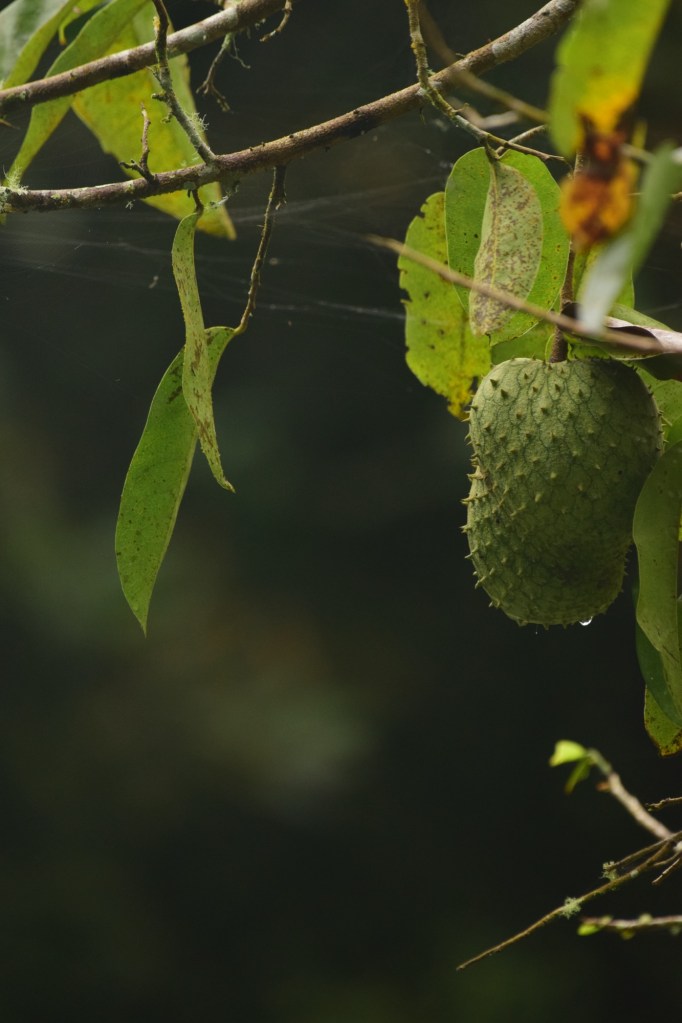

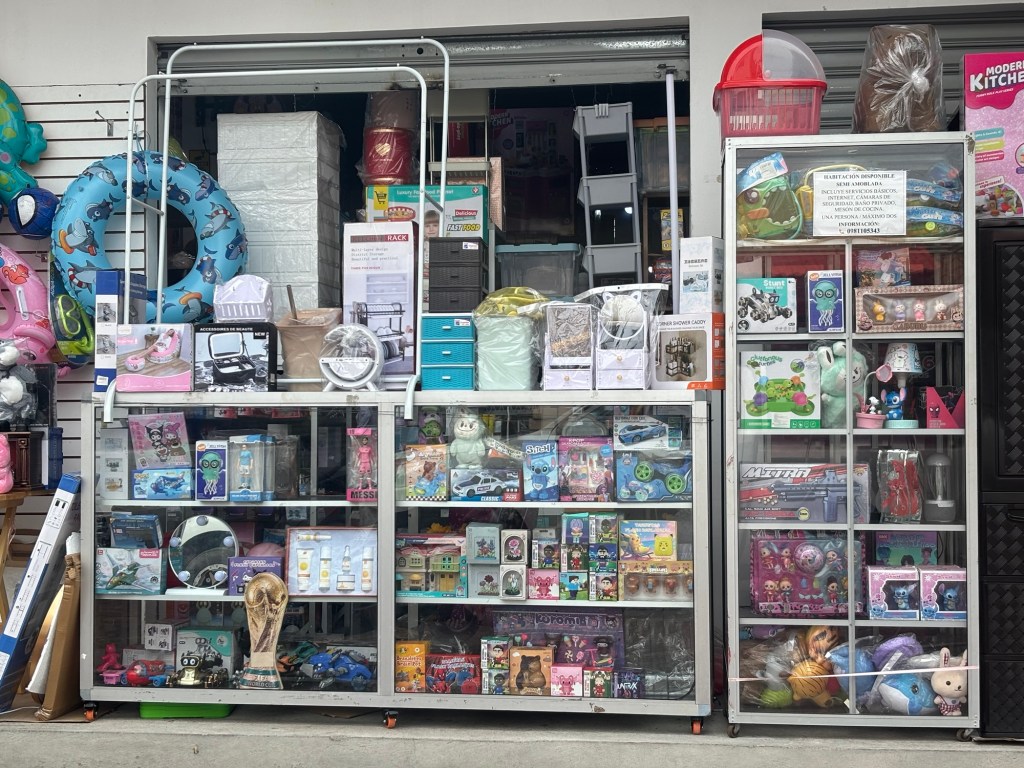
I was picked up from my hostal at about 8.42 by a slightly irascible taxi driver. On the way out of town, I couldn’t help noticing a dollar store selling all sorts of cheap plastic tat: brainrot bracelets, a K-Pop Demon Hunters make-up kit, imitation night goggles from Lilo and Stitch and a plastic figurine of Haaland. For an island that makes such a big deal about not importing single-use plastics, there’s a lot of single-use plastic junk on sale here for locals and tourists alike. I hope one day we learn to stop mass-producing stuff like this and give capitalism one almighty sock in the jaw, though I doubt that will happen in my lifetime.

My destination today was Galápagos Frontier, the closest accessible ranch to Puerto Ayora. I was going to walk there, but when the heavens opened shortly after seven o’clock, I decided to take up the ranch owner’s offer of a taxi shuttle and save myself the hour and a half’s hike. By the looks of things, it would have been a pretty straightforward route, as a separate cycle lane follows the highway right into the interior, but it did allow me to slow down and enjoy my breakfast, so I guess I was grateful.

The taxi driver dawdled a bit, so he made up for lost time by hurtling along the highway, narrowly missing a couple of chickens and a very fleeting glimpse of a pachay – the Galápagos crake, a rare and endemic cousin of the moorhen that came to these islands over a million years ago. It was some relief when he finally slowed down near the ranch gates, because I don’t like to think what would have happened if we’d met a giant tortoise around the bend.

Speaking of which, I counted at least three of the lumbering giants before we’d even arrived. At four feet tall by five feet across, they’re pretty hard to miss.

Our guide, Julio César (ave!), had a lot to tell us about the ranch and its flora and fauna, so he brought along a Canadian volunteer to translate for him, as the American mother and son on our trip didn’t speak any Spanish. We butted heads a bit over travel advice for Peru as the young American fella was headed there next. She recommended Paracas and Huacachina as her highlight. I told him I’d managed Paracas in a day and she said I was “fucking insane”, which seemed an odd sort of way to talk to a client, but… that’s North Americans for you. No filter. I gave them a wide berth for the rest of the tour and stuck close to Julio, bypassing the need to speak in English for the rest of the morning.

It’s only a small boundary of mine, but I don’t take kindly to being sworn at without uttermost provocation. Priggish, perhaps, but it’s a principle I try to stick to.

Anyway. I wasn’t here to hang out with tourists. I came up here to see the giant tortoises. And see them I did.
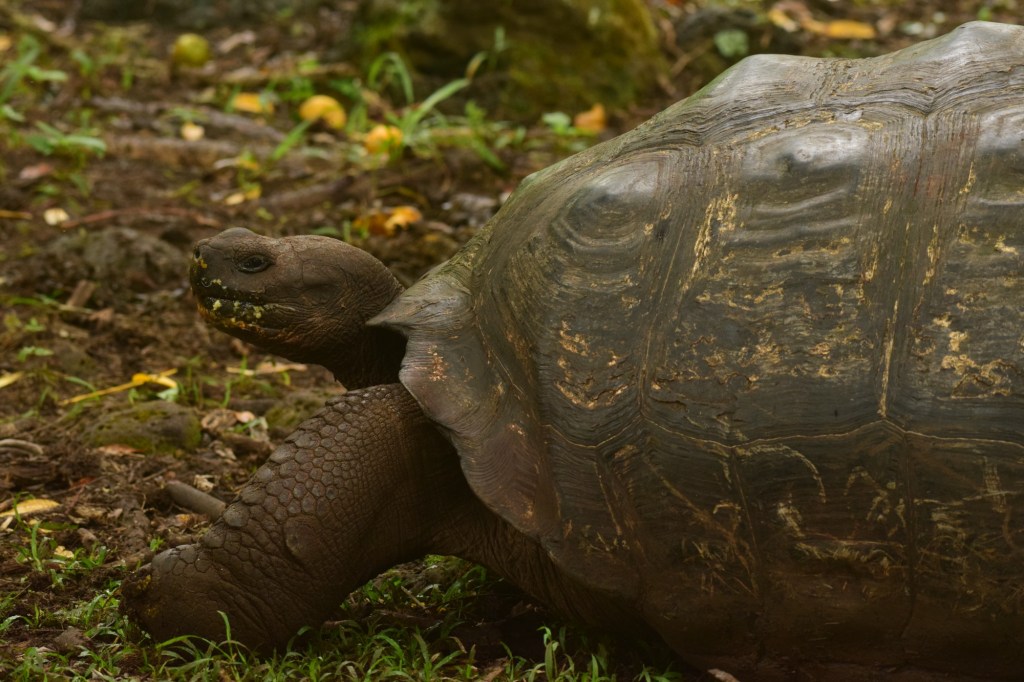

I’ve always known they’re incredibly long-lived creatures, but just how long has never really dawned on me. Some of these tortoises were well over a hundred years old, with at least one or two individuals over the one-hundred-and-fifty mark. Julio showed us the sun-bleached shell of a male he had found dead on the ranch at the start of the tour, adding that it was the only such cadaver he’d found in forty years working this corner of the island. That statistic alone hints at the ridiculous surviving power of these creatures, whose metabolism is so slow that they can go for as long as a year without food or drink.

Turtles may have been around since the Triassic in one form or another, but these giants really are reminiscent of the age of the dinosaurs in their almost miraculous longevity.
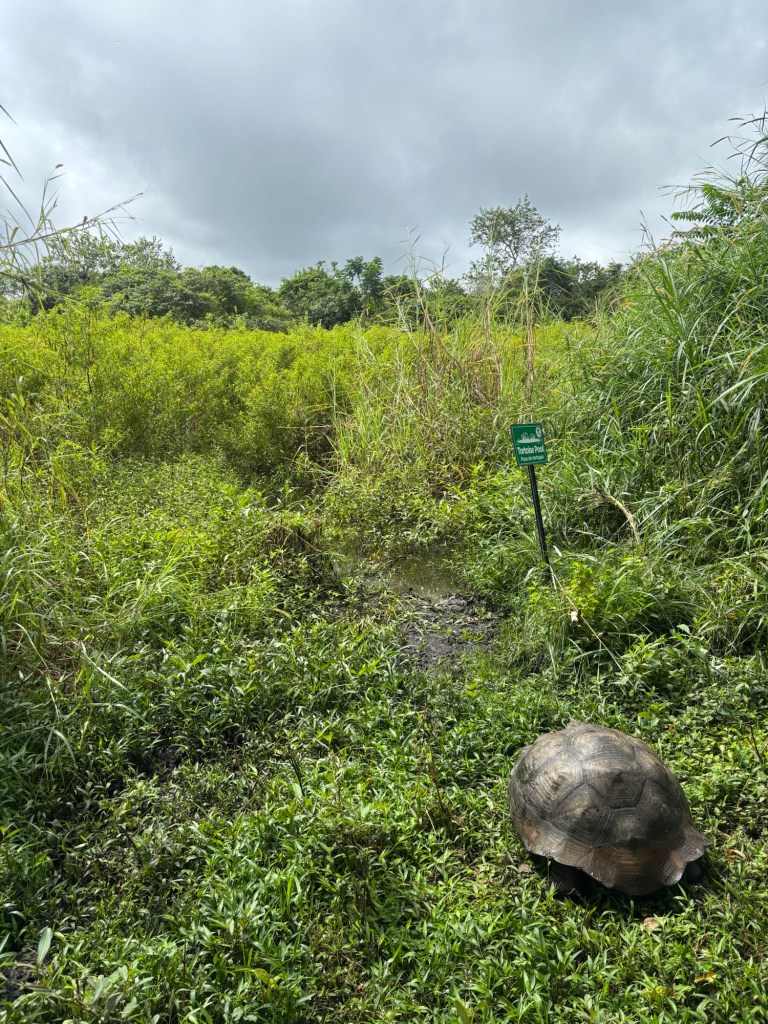

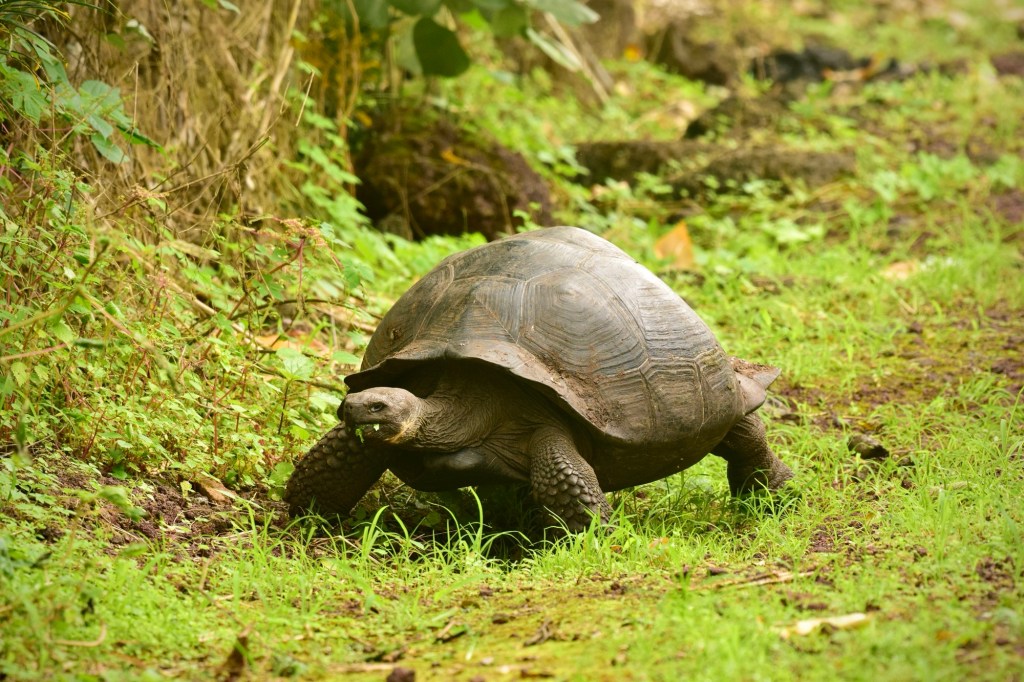
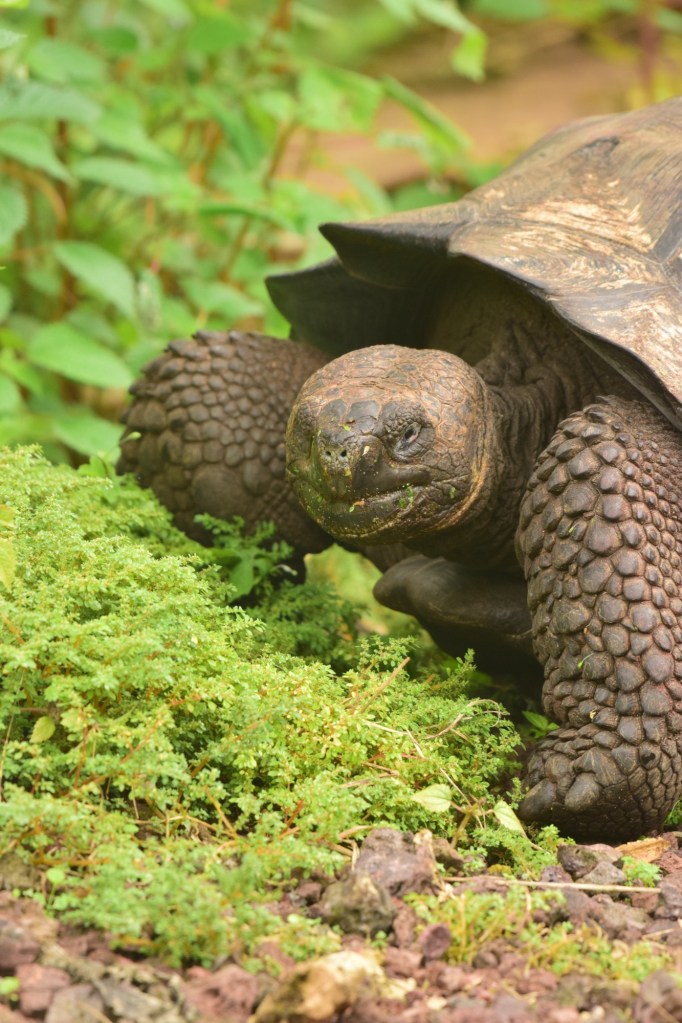
You can age a giant tortoise by their shells. Younger tortoises have more clearly defined grooves in their shells, which wear away with age. Ironically, the fewer the lines, the older they are. So it stands to reason that some of these tortoises individuals we saw – like the one below – were incredibly old. Old enough to have seen two world wars come and go. Old enough to remember a time before tourism on the islands. And with the record age in captivity pushing 174 years, it’s not beyond the realms of possibility that one or more tortoises on the islands remember a young Charles Darwin who came here in 1835.

I don’t know about you, but I found that absolutely mind-boggling.

Many of the tours on the ranches include a visit to the lava tunnels, a labyrinthine network of caves hollowed out of the mountain by ancient rivers of molten rock, long since cooled and emptied. Near the coast, these are the preferred burrows of the Galápagos penguin, but up here in the highlands, they’re more commonly used as roosts for barn owls and the three endemic bat species that call the islands home.
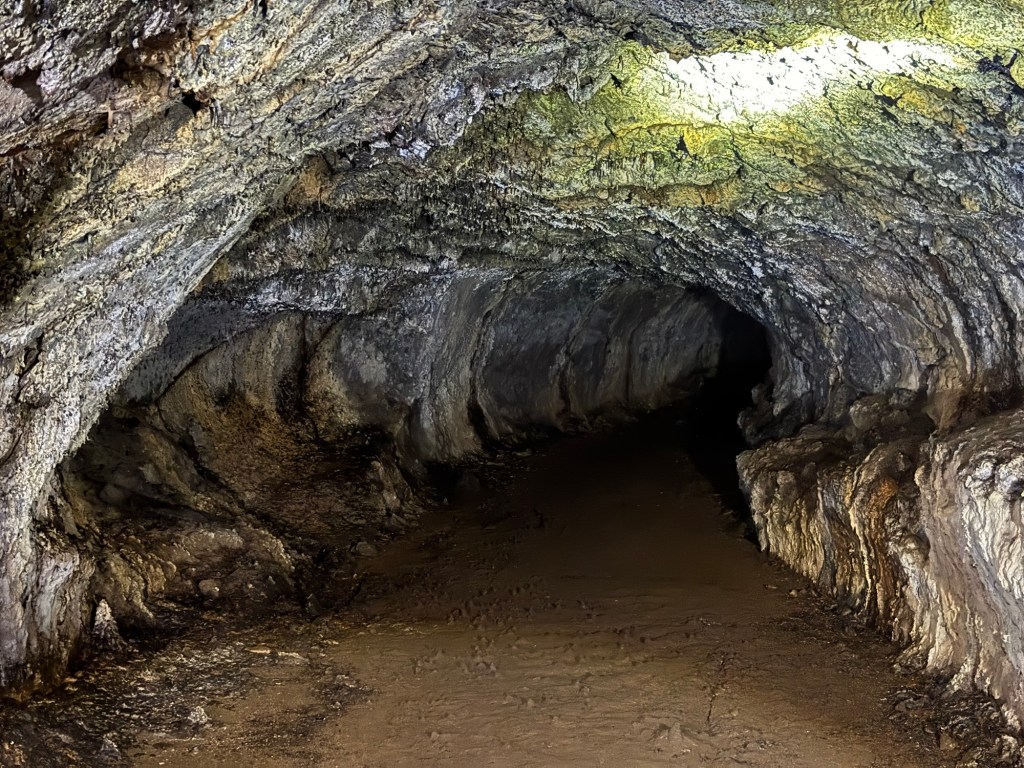

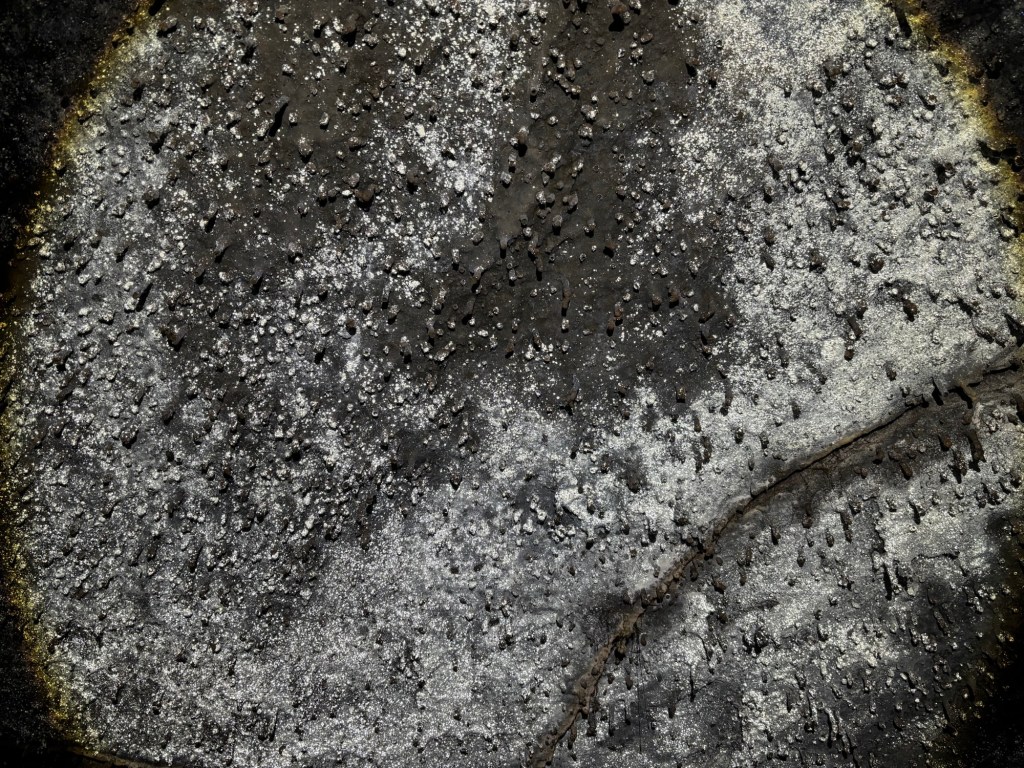
The most amazing thing about the lava tunnels – apart from the fact that they seem to go on forever – is the way their ceilings sparkle and gleam in the torchlight. Thousands of water droplets and bacteria scintillate in silver and gold, making the long dark of the tunnels alive with light.

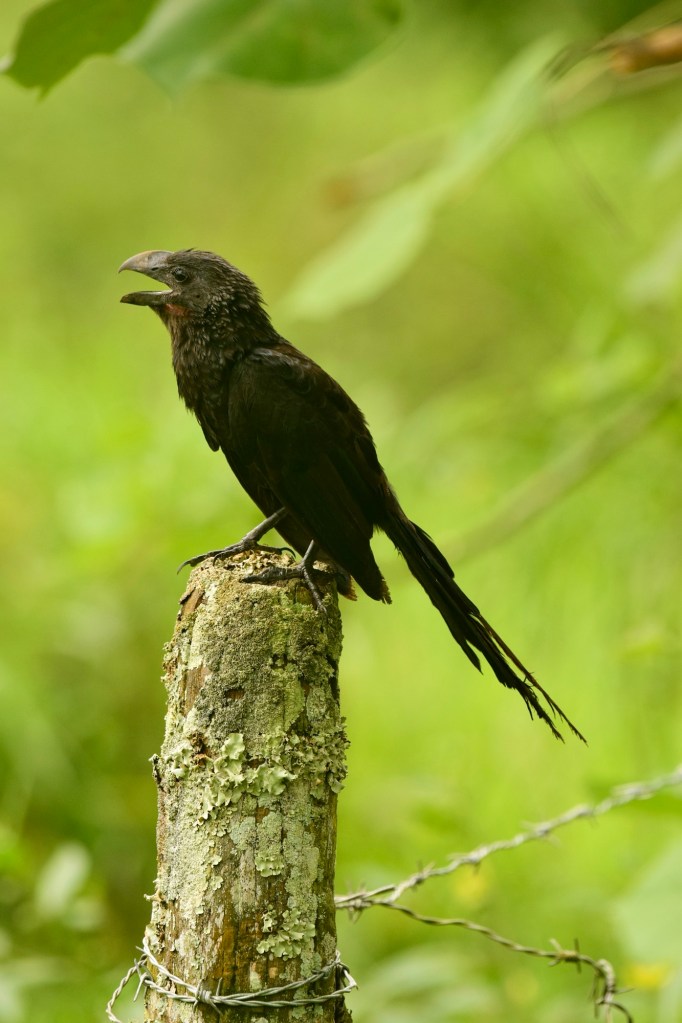
Back up and out in the light, we were tailed for a short distance by a flock of anis. These cuckoo/crow-like birds aren’t native to the Galapagos but were brought here from the mainland in the 70s to deal with the horsefly problem blighting the highland ranches. Now they’re everywhere, attacking much of the native wildlife, so every few years the local community organises a major cull of the species to keep their numbers in line.

It doesn’t help that they’re actually a very endearing kind of bird. This sort of job is much easier when the culprit is small, faceless and preferably creepy-crawly.

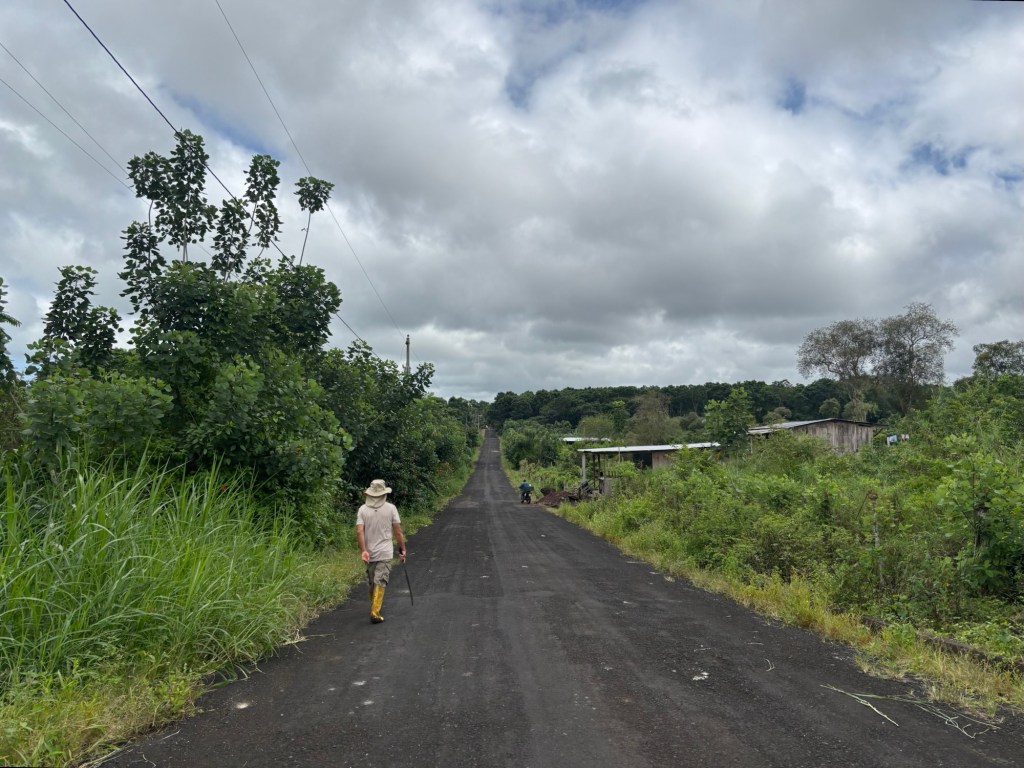
Living and working in Santiago this summer has, at times, felt decidedly European. You’re never under any allusion that you’re in an entirely different hemisphere, but all the same, the roads and the streets are very western, very cosmopolitan. Up in the highlands of the Galápagos, there’s something very… equatorial about the place. One-storey houses at the roadside with chalkboards selling fruit. Red earth roads leading into the distance with thick green vegetation on either side. Tarmac roads without pavements or bollards. It almost feels like being back in Uganda.

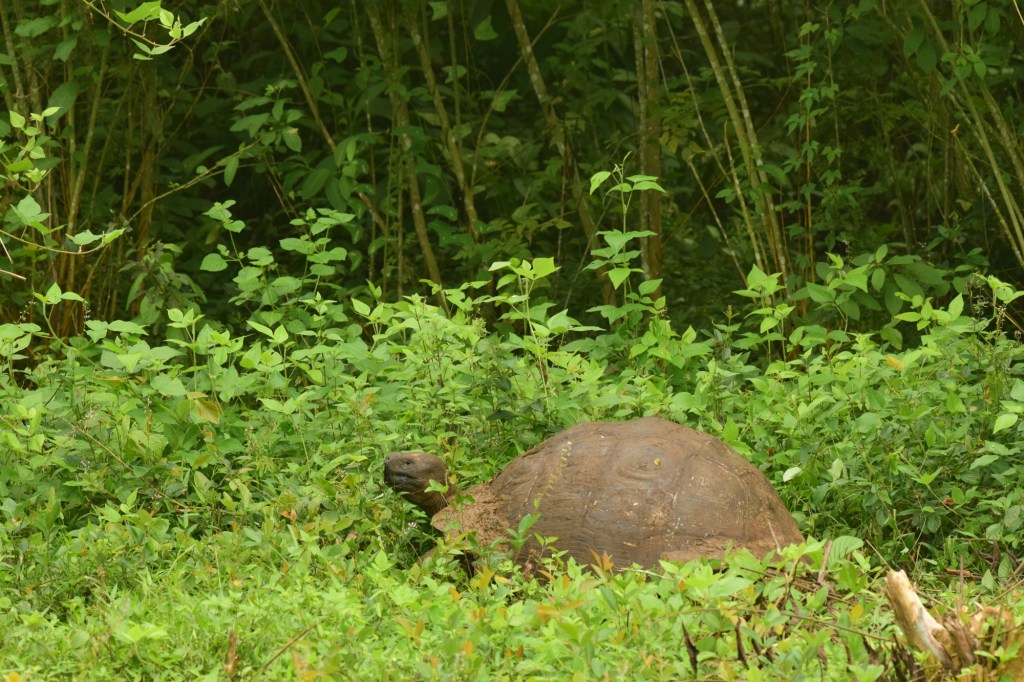
With the vegetation so high at this time of year (following the daily rains), it can be hard to encounter a giant tortoise that isn’t buried up to its neck in greenery. So I was glad to find at least one by the roadside that was wandering out in the open. It can be hard to gauge their size when they’re on their own, but if I told you that their shells can reach a man’s waist or even abdomen in the very largest specimens, that may give you an idea.

It’s been quite a wild ride, this summer, and spending the last few days with the giant tortoises of the Galápagos seems like a nice way to wind down what has been a total blur of events since I left the UK to burn under the unforgiving summer sun of July 2026. It’s still burning now. In South America we’ve had rain almost every day here since I arrived. If only I could send some of it back to Europe ahead of my return. Folk might welcome it there.

A week from today, I will be in Athens, on what really will be the last of my labours for the summer. I had originally planned to make my own way home across Europe after that, but then the Galapagos happened, so I’m going to save both money and time and come back to the UK when the wedding festivities are over to edit my photos and rest. Lord knows I could do with the comfort of my own bed and books again.

But before that, I have one final Galápagos adventure upon which I must embark: the frigatebird colony of North Seymour Island. I hope the weather is kind on this last expedition. BB x

To Guayaquil and Beyond

Aeropuerto de San Cristóbal, Puerto Baquerizo Moreno. 10.55.

When I was just a kid, there were a few things I already knew wanted to achieve in life. I wanted to fall in love and have a family, write stories and, one day, go to some of the places I used to see on wildlife documentaries like Blue Planet, Land of the Tiger and Natural World. All of those dreams are still with me, but today, one of them comes true.

One destination in particular was a prize beyond all others, especially considering I was much more into reptiles back then than any other creature. A destination so remote and so wild that the animals that live there have little to no fear of man, despite centuries of visitors and worldwide fame. A volcanic archipelago that inspired a certain British naturalist to design one of the most revolutionary scientific theories of all time. A chain of islands named for their iconic, lumbering residents, some of which patrol the same corner of their highland world since they hatched in the early 1900s.

I’m talking, of course, about the Galápagos Islands. Here I am at last, about to embark on an adventure twenty-four years in the making. Here I am – and here we go!


Now that the secret is out of the bag, I can stop speaking in riddles!

I slept for at least part of the flight from Santiago to Guayaquil. I must have done, at least, because I don’t remember it feeling like a five hour flight at all. I woke up here and there, usually at opportune times such as when the flight crew came down the aisle with water and an in-flight snack of diced fruit and chocolate, but after sleeping little the night before, I think my fatigue got the better of me – and just as well! I don’t think I’ll want to miss even a second of my time on the islands for something as trivial as sleep.


Ecuador is one of the birdwatching capitals of the world, but I’m no lister, so I don’t begrudge my brief pit stop being limited to the interior of Guayaquil Airport. All the same, there’s a lot to be seen from the ceiling-high windows on the south side, near the KFC. I’d seen tanagers, hummingbirds and kingbirds before, but the cuckoo-like anis that live in the palm grove beside the departures lounge are a lot of fun to observe, as are the long-tailed grackles with which they share the scrub.


Now – logistics. Traveling to the Galapagos with a tour company may mean a lot of the admin is done for you, but if you, like me, prefer to strike out alone and do it yourself – which really does keep the costs down – you’re going to want to do a couple of things before leaving Guayaquil.

  1. Make sure you have US dollars in hand – $200 at the very least for the island entry fee for foreign tourists, which must be paid in cash immediately upon arrival at the airport on the islands. If you have large denominations, now is the time to use them, as you’ll need smaller bills for day-to-day expenses around the Galapagos. There are ATMs in the major ports, but they have a reputation for running out, so having a float of ready cash is vital. There’s an ATM in the south corner of the terminal, between the KFC and the Salidas Nacionales door.
  2. Before going through security (via the Salidas Nacionales door on the south side of the airport), make sure you go to the check-in desk that says “Tourists traveling to Galápagos Islands”. You can’t miss it – it’s the one in the middle with the big queues of gringos. You’ll need to queue twice for two different mandatory pre-flight checks.
  3. Make sure you fill out the TCT (Tarjeta de control de tránsito), also known as the Tourist Transit Card, before you go through security. It costs $20, but there is a small surcharge for doing it online. Select “pay at airport”, use some of the dollars you’ve picked up and dodge the online fee.
  4. Once you have your TCT, you also need to fill out a separate form declaring you’re not bringing any illegal goods onto the island. Processed food and plants come under that bracket, so polish off any snacks before you leave. It’s the islands and their wildlife that are at stake if you don’t. When you have the form in hand (or on your phone), join the queue to run your bags through the scanner. Once you’re clear to go, that’s it for the checks.

August is the tail end of high season in the Galapagos, or so I’ve been lead to believe. However, the 9.17am flight to San Cristobal was one of the emptier flights I’ve taken on my travels in South America, so despite skimping on seat reservation and being assigned an aisle seat, there was nobody else on my row at all – or the two in front, come to that – so I landed a window spot after all. Result!


Given the magnitude of what’s coming, I’ll leave it there for today’s post and fall into line one day behind, which should give me the breathing room I need to write each day without racing against the clock. So come back tomorrow to find out about my first day on the island of San Cristóbal, easternmost of the Galápagos Islands! BB x

Heatwave

The Delayed 14.29 to Taunton, Reading. 14.51.

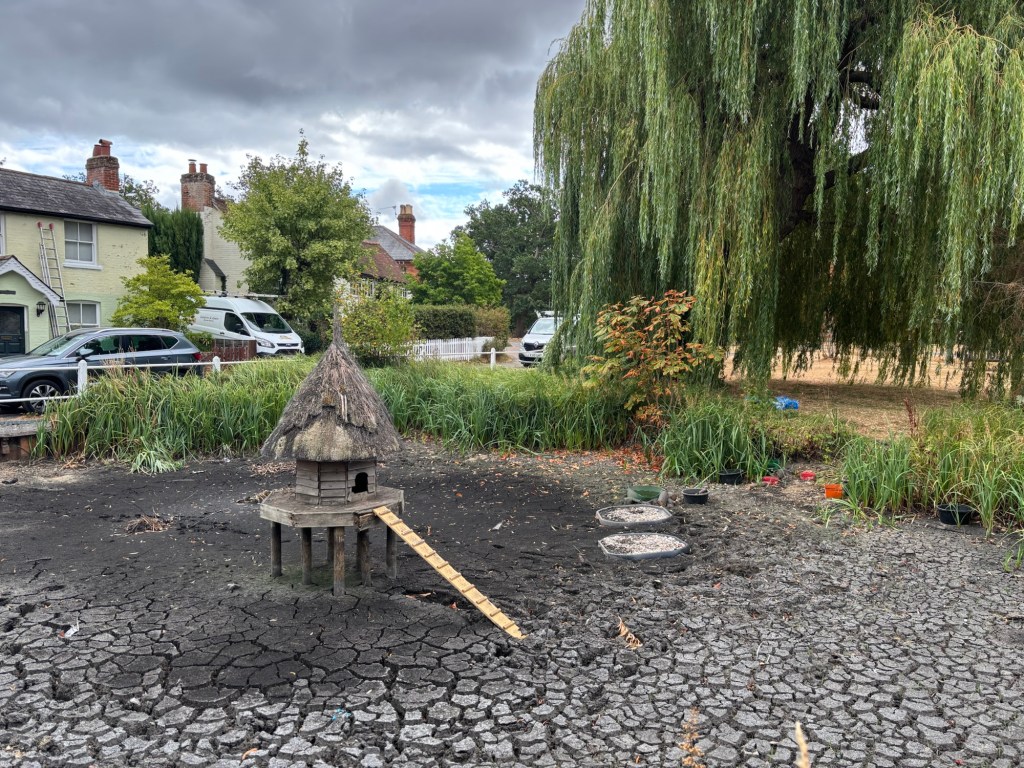
England swelters under the glare of an unseasonably ferocious sun. For the second day in a row, the temperature is pushing well into the thirties. It’s all the news can talk about. Trains are running slower due to speed restrictions, three children have “gotten into difficulties” while bathing (a tactful way of avoiding the potentially triggering d-words associated with fatal water incidents) and the whole of the South seems to have jumped into the car and carved out a four-square fiefdom on Bournemouth Beach.

I’ve hopped out east to pay my mother a visit, and in so doing stepped right into the hottest part of the country – bar London, of course, which is usually a couple of degrees warmer than the rest of the island. England is rather pretty in May, though she wears her best dress in the first two weeks of the month, when the flowers are still fresh and the wind is cool. Now, the early summer sun is at that particularly British angle where it’s high enough to burn but low enough to blind, and the heat feels more like the first week of August than the last week of May.

Retreating before the summer’s wrath, I have sought solace and shades along the banks of Hampshire’s rivers.


England is at its most beautiful wherever a river can be found. Crystal waters running over gravel, with shadowy trout and grayling darting from sunlight to shadow. Clumps of weeds and watercress wafting in the water as though in the wind. The trailing arms of a weeping willow gently tracing the water’s surface. Iridescent dragonflies of every shape and size – dragons, damsels and darters – hawking from bank to bank, playing a longer game than the mayflies, whose inert bodies drift downstream, their twenty-four hours spent. Chiffchaffs, wrens and blackcaps singing from the trees, the lazy purr of an overheated wood pigeon and, now and then, the explosive song of a Cetti’s warbler from deep within the darkest heart of a reedbed or thicket.

When I am traveling far from home, this is the image of England that I miss most of all.


Did you see the pike in that first picture? Don’t worry if you missed it – they are master ambush predators. Go back and see if you can spot it.

This corner of the River Alre passing through Alreston is supposed to have otters and kingfishers, but I was over the moon to see a pike. They were always my favourite fish when I was a lad, and it’s not hard to see the appeal for a young boy: fully grown, they’re huge, sinister, almost crocodilian monsters with soulless eyes and fins that move so slowly that their every twitch seems calculated. A perfect killing machine. Hardly surprising for a fish that outlived the dinosaurs, whose ancestors prowling Cretaceous rivers were not all that different from the river monsters that lurk in reedbeds outside Tescos and Sainsbury’s.

I can see why adventurous young lads might get a kick out of fishing up one of these ancient beasts, but I’m just as happy spotting one drifting between the weeds. It makes a change from chasing chiffchaffs through the branches of the tallest trees.


I’m racing home now, clearing the green fields of the Vale of Pewsey under a mercifully cloud-studded sky. I acquired a few books in a second-hand bookshop for a couple of pounds and a new sketchbook for a little more. I’ve been meaning to get my hands on the Horrible Histories books for a while, since they had an enormous impact on my art and my love for history and storytelling. Everyone seems to remember the enormously popular TV show (which, for my sins, I have never seen) but the books appear to have faded into collective oblivion. I dare say Martin Brown had more influence on my pen-and-line drawings than any other artist – besides the legendary Chris Riddell, of course.


Power’s running out. I’d better stop typing and leave enough juice on this thing to get me through the ticket barrier at Taunton station. See you around! BB x

Violetears and Metaltails

Casa Tunki, Cusco. 17.42.

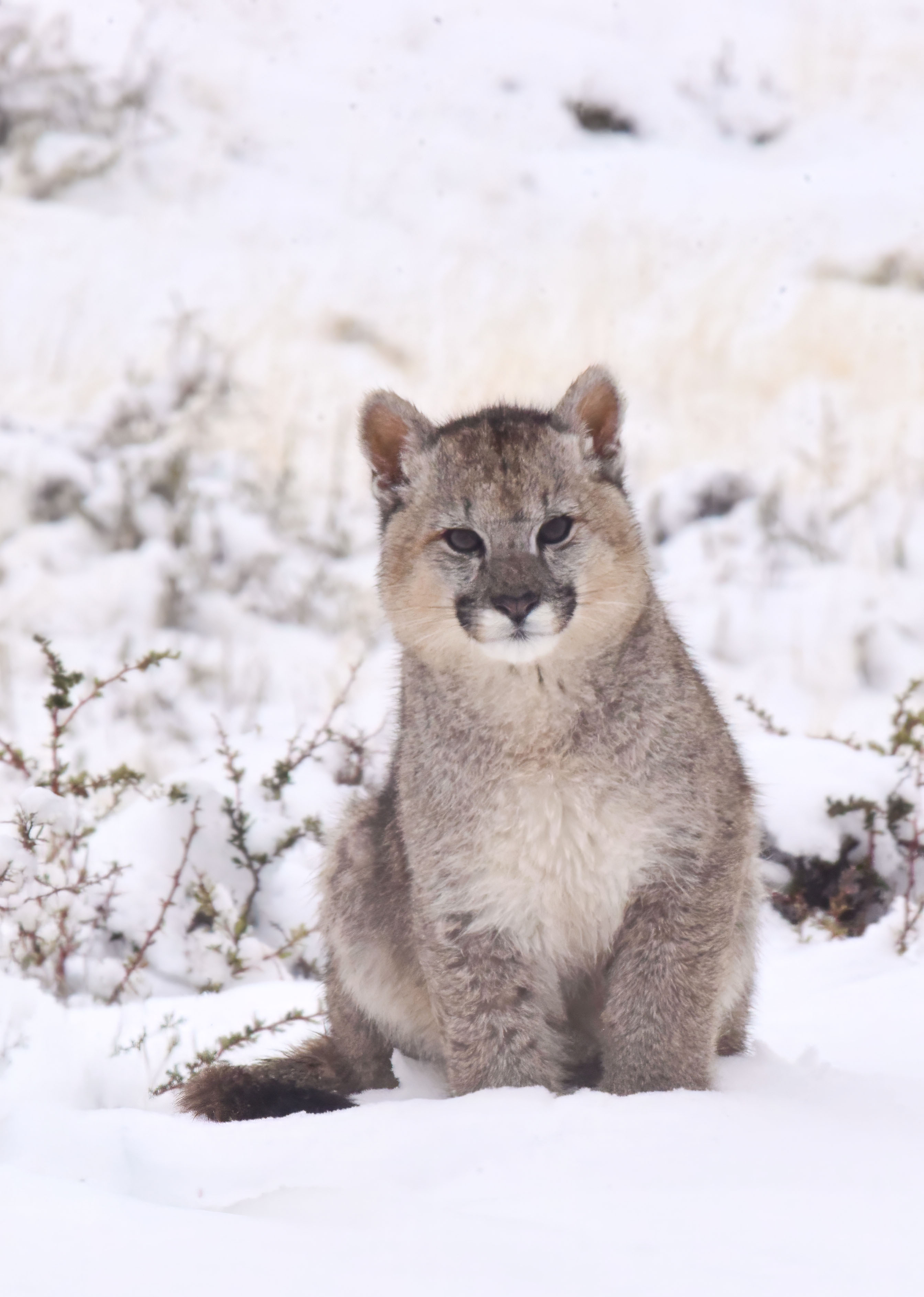
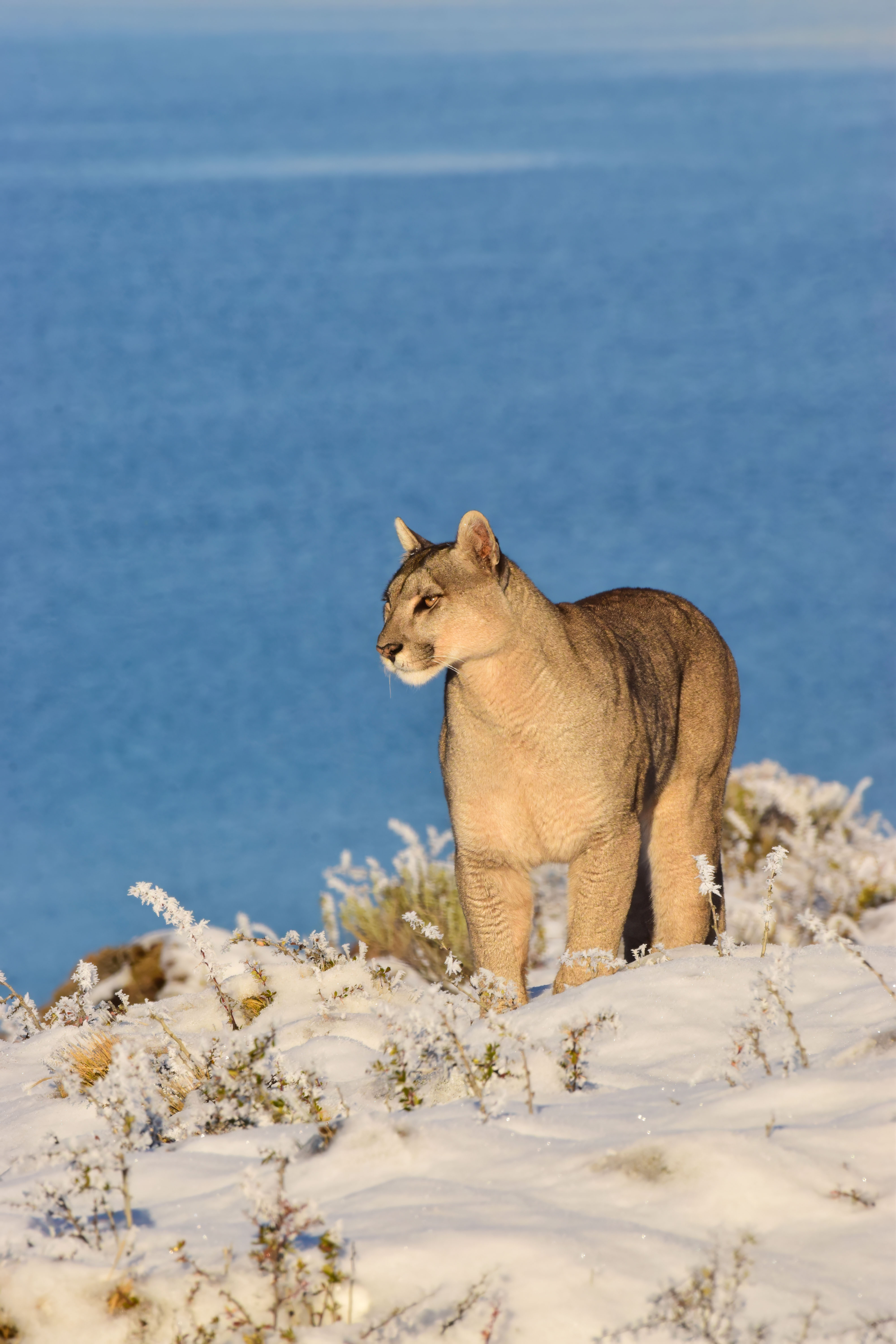
Six hundred years ago, under the vision of the Inca Pachacútec, a team of architects were tasked with turning an existing settlement in the Sacred Valley into the cultural nerve centre of an empire. For their inspiration, they chose one of the most powerful of all the animals with which they shared their world: the puma. The city of Cusco is believed to have been built in the shape of a resting puma, with the Tullumayo and Saphy rivers marking the outline of its body, the citadel of Sacsayhuamán as its head (ears and all) and the Huacaypata – the present-day Plaza de Armas – as its heart.

The puma was an incredibly important spiritual entity for the Inca. Legend gave it tremendous power: their spit was hail, the blink of their eyes thunderbolts, and their roar was the roll of thunder.

I’m writing this in Casa Tunki’s restaurant, with the heavy roll of thunder overhead. I have been exceptionally lucky with the weather thus far, but it’s still the rainy season out here, and the rain has finally caught up to me. It has spelled disaster for tomorrow’s expedition to Waqrapukara, which the operators have had to cancel due to landslides in the area. Luckily for me, I have three whole days after returning from Manu, so I am not too troubled. I could always try again when I return.


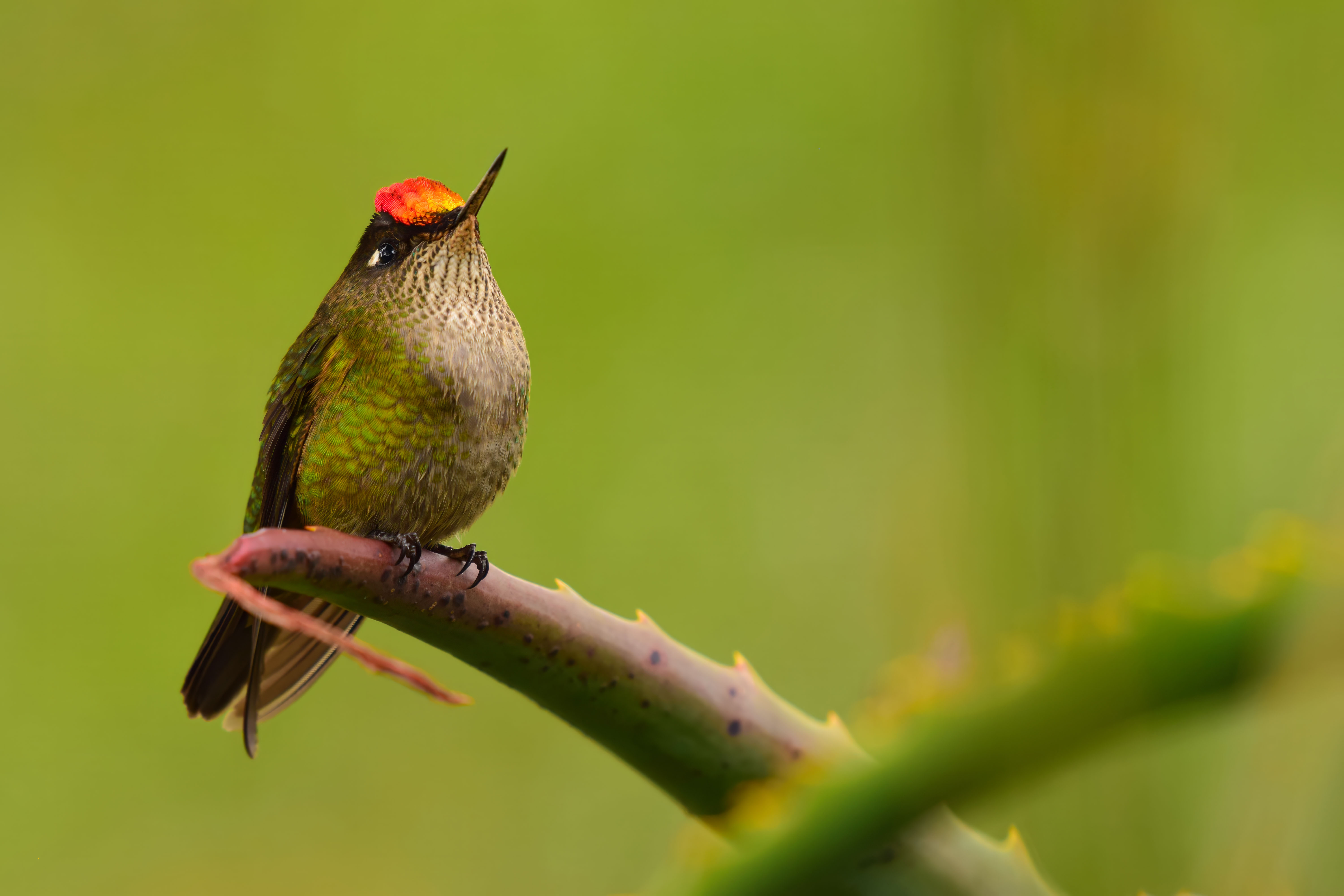
My wanderings today took me to a quiet corner of Cusco. Tucked away in the hills to the south of the suburb of San Jerónimo is a tiny hummingbird sanctuary, nestled on a forested slope off the 123 highway. If you didn’t know it was there, you’d never be able to find it.

My guide Benjamin picked me up from the hotel and, together with his companion and driver Jeremy, we set out. It was just me on this tour, so for the first time out here I had the chance for a proper conversation.

The sanctuary itself – titled the Pachacútec Bosque Andino – is a strange mix of what looks like a garden centre, a Zen garden and a hiking trail. At different times of year, different birds can be found here. I got the impression from my guide that other guests have come here seeking the Bearded Mountaineer, a Peruvian endemic. He seemed a little anxious at first that I might be pinning my hopes on finding one. I hope I gave him the impression that I wasn’t a lister. I was just happy to be out of the city and surrounded by nature again.

One of the sanctuary’s starlets, a young trainbearer, put in an early appearance. The adult males of this species have enormous tails that nearly double their length, but this one still has a fair bit of growing up to do.


The primary residents of the sanctuary – as in the hills around Cusco itself – are the violetears. They’re extremely territorial and will fight off just about anything that gets in their way, no matter the size. I saw them take on metaltails, thrushes, tanagers and even the giant hummingbird that was trying to use the feeders.

Yesterday, I found them by sound and movement. Today, I hardly needed to try. They didn’t seem to be bothered by us at all.


Whenever the violetears were busy fighting everything that came too close, a tiny metaltail popped out of the bushes to chance a quick feed at one of the flowers, before darting away the moment the mechanical clicks of the violetears announced they were on their way back.


I seem to remember reading somewhere that hummingbirds and flowers have evolved simultaneously, with some flowers only admitting a certain species of hummingbird to visit them. It explains why their Old World equivalent, the sunbirds, remain stranded east of the Atlantic, while hummingbirds can only be found in the west.


The largest hummingbird species, the giant hummingbird, was surprisingly shy – though that may have more to do with the aggressive violetears than any inherent skittishness in its nature. They’re considerably larger than their diminutive relatives, being about as large as a small thrush, and they sound a lot less like bees when they fly overhead, though they still move like the clappers.


Well now – now that I have a whole day free, I think I’ll take it easy tomorrow. I’ll try to make more use of my boleto turístico, the ten-day ticket that covers most of the historic sites and museums in Cusco.

I’ve finalised the arrangements for the Amazon, which is now only a little over twenty-four hours away. The two Americans in the hotel next to me are busy discussing which nautical themed tattoo they should get (as they’re considerably cheaper here than back home), but I will be putting all of this behind me for a week. I am quite looking forward it that.

Fingers crossed my luck holds out for some wholesome companions! BB x

Pit Stop

Hostal Alonso, Madrid. 20.56.

Of all the days to have for a twenty-four hour pitstop in Spain, I had to pick the one where the temperature dropped a full ten degrees. My light fleece couldn’t handle the Arctic chill of 11°C (a good warning for Peru). Tomorrow it’ll be back up to 24°C here – but this time tomorrow I’ll be far away, waiting for my connecting flight in Bogotá. I still can’t quite get my head around that.


After an exquisite dinner of rabo de toro at Las Brasas del Vulcano last night (easily one of the best if not the best that I have ever eaten), I managed a relatively early start this morning to catch the first bus to Toledo. I think I had it in my head that I’d see all sorts of wildlife along its riverbanks, but it was very windy today, and I had also promised myself I’d do Palm Sunday Mass – a much-needed blessing to give me luck in the weeks to come – so it wasn’t as busy on the nature front as I had imagined. All the same, I saw what I came all the way to see: a night-heron.

Seems a little foolhardy, no? After all, night-herons are one of the very few Old World species that you can also find on the other side of the Atlantic. However, night-herons have a special place in my heart because I can date my career as a birdwatcher to the day I first saw one of these handsome fellas in Córdoba in 2005, on the day Pope John Paul II died.


The last time I visited Toledo was in 2013, when I was backpacking across Spain on a budget of 200€. I was eighteen, my Spanish was passable and I was already dangerously underweight, on account of not really considering food and drink a necessary expense. Fortunately, I have grown up a lot since then, and learned that, of all things, food is the last thing that should be omitted from the budget.

On that mad adventure, I have a particularly distinct memory of treating myself to a sopa castellana – my first meal out in a week – and feeling like my whole body had been healed at a stroke. As such, to my mind, that simple peasant dish remains the sultan of soups. If it is on the menu, I will have nothing else.

I treated myself to an upmarket lunch as a Spanish sendoff at Restaurante Palencia y Lara – and what an incredible find it was! I can’t decide which of their sopa castellana, cordero lechal or tarta de queso was the standout.

Sopa castellana isn’t an extremely complicated dish. It only really consists of bread, egg, stock and a good few cloves of garlic. But it is a restorative like none other.


I will be traveling around a lot during Semana Santa, so while I will be in a country that also celebrates Easter properly – even if it is on the other side of the world – I will probably miss a lot of the festivities. That’s one of the reasons I insisted on seeing Toledo’s Domingo de Ramos procession, celebrated from its Catedral Primada de Santa María.

It’s been a while since the time I celebrated Palm Sunday in Rome with Pope Francis, so I’d forgotten how long the reading is (they relate the entire Passion). All in, the ceremony lasted just shy of two hours. But I have come away with a sprig of an olive branch, and I hope it will bring me luck on my travels around the Americas. I’d have brought my lucky vulture feather, but I’m a bit too attached to that to chance losing it along the way.


Toledo was stunning in the sunshine. I’m glad I came here for a pit stop, even if only for a day. It’s nice to be somewhere familiar and nostalgic before pitching myself headfirst into a world that is totally alien.


T minus ten hours. I’ve decided not to chance the first Metro of the day and booked an Uber for peace of mind. Once I make it to Barajas, I can relax a bit.

After that… well. It’s in God’s hands, I guess. See you on the other side! BB x

A Warren Buffet

The Flat, 21.57.

I’m slowly starting to rebuild the life I left behind me. It’ll take a little while, but it’s starting to feel very familiar: the long walks, the eyes on swivel-stalks, the weight-training involved in swapping the zoom lens from one arm to the other. In a way, it’s like I never stopped – though it has been about fifteen years since I last did this sort of thing on the regular.

One of the first things to establish is a “patch” – that is, somewhere nearby that I can visit easily and regularly for a quick nature fix throughout the year. I’m still in the market, but I think I’ve decided upon the stretch of the River Tone that runs along Longrun Meadow and into the Netherclay Community Wood. It’s within easy walking distance and there’s plenty to see, including otters – though I dare say I’d be exceptionally lucky to find them out on a weekend wander.

The egrets around here are pretty fearless, though. The flooded banks of the Tone must be harbouring a number of small fish, because I was able to watch this one hunting for quite some time, catching a couple of tiddlers and a small eel. I wonder why great egrets are more skittish than the little and cattle egrets that have colonised so many towns and cities? Is it genetic, perhaps – or is it the memory of that obsessive slaughter for their feathers that keeps them at bay?


I added a few new locals to my “patch list” – namely, teal and buzzard – but spent most of the walk learning how best to cradle the heavy lens over a long distance. I think I’ll need a strap for the lens itself, because I don’t want to chance the weight of it putting undue strain on the camera itself.

I was looking at a tied-down weekend this week, but thanks to a couple of necessary swaps and the support of my wonderful Debating team, I worked Friday night instead and got the weekend off. Suddenly, I had a free Sunday. Coupled with the knowledge that my Railcard expired at midnight, putting a definitive end to many years of affordable train fares, I decided to put the lens through its paces in a new environment: Dawlish Warren.


I came out here at the end of October, when the sun was still shining and the beach was still packed with holidaymakers. In my memory it felt like the end of summer, but it must have been autumn, because the brants had already arrived in great numbers. They were very much in evidence today, numbering well over a hundred, and more than likely the same birds I saw back then.


Brant geese are a seafaring species of goose that spend the winter around the coasts of the British Isles, returning to their breeding grounds in the Arctic circle at the beginning of spring. Most of our geese – the dark-bellied kind – come from northern Russia and Siberia, though the odd light-bellied individual is often to be found among them, straggling over from its North American range.


In ancient times, before their migration routes were known, the people of the British Isles had no answer to explain what happened to the thousands of “burnt geese” that flocked to the coasts, saltmarshes and estuaries, only to disappear without a trace with the spring. Together with the closely-related barnacle geese – who once pulled a similar disappearing trick – they were believed to hatch from goose barnacles, which shared their colour palette. As such, being “not of flesh”, they were permitted on Christian fast-days – a practical solution in desperate times, it must be said.

It’s hard to see how anyone could have believed that old yarn about birds born from barnacles, but then again, the same people believed that swallows slept at the bottom of ponds during the winter. Sometimes we make up the most fanciful nonsense to avoid having to face the obvious reality, even when it is staring us in the face.


Out in the bay, I saw a silhouette I recognised immediately, diving and resurfacing in a small channel between the shore and a shrinking sandbank. The most common diving seabird around here is the cormorant, but in winter, there are quite a few birds that might dive beneath the surface: shags, sawbill ducks, scoters, grebes and divers. Only one of those comes close in size to the cormorant, and that particular bird holds its head level, unlike the cormorant, who swims with his bill upturned.

I didn’t need binoculars to know I had found a great northern diver – the first I’ve seen since my schooldays – and I went tearing across the beach to get a closer look.


The last time I saw one of these impressive creatures, it was far out to sea and flying east along the British Channel. I haven’t had the luxury of seeing one so close before – close enough to appreciate its terrifying red eyes, an evolutionary trait shared with grebes that filters light and helps them to see underwater.

I watched it hunting in the bay for a few minutes, before it decided to run the gauntlet of the shrinking sandbar and scour the southern shore. I counted the seconds between each dive. This one averaged out at 40 seconds, but the diver has been known to stay submerged for up to five minutes. Pretty impressive for such a small and fast-moving creature.


I made it back to Dawlish Warren’s station in plenty of time for the hourly train, but the sun was still shining and I hadn’t yet had enough, so I set out along the Warren Road to the north. The railway hugs the coastline, so the roads meanders a bit on its way north from the Warren. Eventually, after about an hour’s jaunt through the countryside, I came to the ferry town of Starcross. I decided against pushing on to the Exminster Marshes and set up shop at the station, which looks out over the estuary. I was rewarded for my patience with a family of punk-rock red-breasted mergansers, as well as a number of familiar waders probing the mudflats below: turnstones, redshanks, greenshanks and a couple of curlews.


There will always be a special place in my heart for curlews. Their mournful bubbling call was the backdrop to many a childhood adventure around Romney Marsh and the mudflats of Sandwich Bay, and followed me up into the highlands of Scotland on a couple of hiking adventures in my twenties.

Apart from that, they’re remarkably beautiful creatures, with their cryptic feathering and dark, thoughtful eyes. I’ve been very lucky with the egrets around Taunton, but I hope I can continue to observe these magnificent creatures and do justice to them with my new gizmo.


I might not get so flexible a weekend for a while now, so I’ve cashed in my chips early. But I’ll be back with more nature news in the near future, so stay tuned! BB x

Egret

Little Egret (Egretta garzetta) – River Tone. 22/2/26

On my afternoon wander along the Tone yesterday I came across an egret fishing on the concrete steps of a flow measuring station. I’m so used to the snowy white shapes of these beautiful birds in and around the rivers and fields of the English countryside that it’s sometimes hard to remember a time when these were a very rare sight indeed.

When I was not yet ten, the presence of an egret in the area was something my family or friends found newsworthy. That’s not exactly surprising. Compared to our native (and undeniably stately) grey herons, they do have an exotic look about them. Maybe it’s the silky plumes (or aigrettes) of their breeding plumage, or maybe it’s the smart yellow galoshes they seem to wear on their feet. The speed of their colonisation of the British Isles gave the Roman Empire a run for its money: by the time I was fifteen, they were already such a feature of the Kentish wetlands and saltmarshes that they had somewhat lost their star appeal, if not their lustre. They no longer triggered a rare bird alert on twitchers’ pagers up and down the country, and their names no longer appeared in bold capital letters on the “Recent Sightings” blackboards at nature reserves.

But first, some myth-busting. It’s not as though the egret is an exotic immigrant to our shores. Far from it. Various species of egrets could be found in the British Isles throughout history, before a combination of over-hunting and the insatiable demand for egret feathers wiped them out. Such was the obsession for aigrettes – which once bedecked the headwear of noble lords and ladies alike – that the little egret and its cousin, the great white egret, were driven out of much of Western Europe as well, seeking sanctuary along the sheltered shores of the Mediterranean. It wasn’t until a pioneering group of Englishwomen came together in 1889 to form the Society for the Protection of Birds (the forerunner to the cherished RSPB) that the egret’s fortunes began to change, first by petitioning powerful high-society types to eschew feathers from their wardrobe, then lobbying the government to ban them outright. It clearly caught on, because the Americans set up a similar initiative of their own over in Oregon, where the native great and snowy egrets were suffering a similar fate. Gradually, with aigrette feathers off the market, the birds began to reappear in the fields and fenlands they had once called home. It would be another hundred years before they attempted to recolonise the British Isles, but once they did, they came back in droves.

I bought a magazine once in the late 2000s that predicted the arrival of the rest of Europe’s heron and egret species in the UK as global warming made these cold islands more favourable to birds more at home in southern Europe. It wasn’t wrong. Since then, both the cattle and great white egret have secured a foothold in Britain, with all three species present in the Avalon Marshes over in the Somerset Levels. If it weren’t for the fact that I work six days out of seven – and Sunday trains and buses are awful in this part of the world – I’d be over there like a shot. Somehow, I fear the open wilds of the Avalon Marshes will have to wait until I have wheels, because after a few sums, it would actually work out cheaper for me to fly to Europe and back than to spend a night or two in Glastonbury in order to visit the Levels. Mad how that works.

Not that I’d say not to being back in Europe, of course – though I am still waiting for my temporary ban to lift, as I hit the ninety day limit last year and would very much like to go back to my grandfather’s country without having to pay a fine. I always try to keep an open mind, but sometimes, Brexit, I really do wish you hadn’t screwed up my life quite so much.

Anyway. These papers won’t mark themselves. Just thought I’d muse a little on something uplifting before getting back to the grind. BB x

Cattle Egret (Ardea ibis) – Dehesa de Abajo, Spain. 26/4/10

The Sun Returns

Andén 13, Estación de Autobuses de Cáceres. 13.29.

That last post was a bit lacklustre. I can’t be at the top of my game all the time, but I’ll admit it is hard to write convincingly about my favourite topic – nature – when the rain kept me indoors for most of the day. I got out for a bit during the evening to have dinner at Mesón Troya, one of the restaurants in the square (usually a place to avoid in larger towns, but not so here), but beyond my short sortie beyond the castle walls, I didn’t get very far yesterday. Instead, I contented myself with watching the stars from the hilltop and counting the towns and villages twinkling in the darkness of the great plains beyond: Monroy, Santa Marta de Magasca, Madroñera, and the brilliant glow of faraway Cáceres.


Morning summoned a slow sunrise into a cloudless sky. If I had brought walking clothes, I would have set out across the llanos on foot – but Chelsea boots, a smart winter coat and bootcut Levi’s jeans don’t exactly make for the most comfortable long-distance fare, so I erred on the side of caution and took a stroll into the berrocal – the rocky hill country south of Trujillo.


Idly, I set my sights on a restored 17th century bridge some five kilometres or so from town, but I was quite happy to wander aimlessly if the path presented any interesting forks.

My working life is so full of tasks that require forethought and planning that it’s nothing short of liberation itself to have that kind of absolute freedom that I crave: the freedom to do or not do, to turn back or to push on, to take this road or that, without any thought as to the consequences (beyond the need to get back in time for the bus). A freedom that becomes maddening when it’s taken away from me, like it was in Jordan, all those years ago. It’s a hardwired philosophy that I’ve become increasingly aware of as I’ve grown older, bleeding into my views on speech, movement and identity – and massively at odds with most of my generation.

Perhaps it’s an inherited desire for freedom from my Spanish side: I do have family ties to Andalucía, a region that once made a surprisingly successful bid for anarchy, and my great-grandparents quite literally put their lives on the line to make a stand for freedom of thought under Franco’s fascist regime.

Or perhaps that’s just wishful thinking. Either way, it’s hard to deny just how important that sense of total freedom is to me. Maybe I’m more like the Americans than I thought.


I didn’t make it as far as the bridge. The full day of rain from the day before had done more than dampen the sandy soil and form puddles and pools in the road. It had also swollen the Arroyo Bajohondo to the size of a small river. It didn’t look particularly bajo or hondo, but I didn’t trust the stability of the soil underfoot and didn’t fancy making way to Mérida with soaking jeans up to my knees for the sake of a tiny bridge, so I turned about and returned the way I had come.


Without a car at my disposal, I couldn’t make it out onto the plains, home to Trujillo’s more emblematic species (bustards, sandgrouse and stone curlews), but the berrocal was teeming with wonders of its own. Hoopoes, shrikes and stonechats watched my coming and going from the rungs of rusting farming stations, while woodlarks and skylarks ran this way and that along the stone walls that marked the boundaries of cattle stalls along the way. A flock of Iberian magpies kept me company on the way back, their jaunty black caps almost shining in the sunlight, and I nearly missed a lonely lapwing sitting in one of the fields – a curiously English sight in far-flung Extremadura – before it took off on powerful, bouncing wingbeats.

Speaking of powerful wingbeats, I was practically clipped on my way down to the arroyo by three hulking shapes that flew overhead. I clocked one as a griffon – there are few silhouettes I know better – but I had a feeling the other two might have been black vultures – something about their colossal size and the heaviness of their beaks. They seemed to have disappeared by the time I turned the corner in pursuit, which is hard to imagine for creatures with a wingspan of around 270cm.

A change in perspective always helps, however. I found all three on my way back, sunning themselves on a granite boulder not too far from where I’d first seen them. I suppose I’d have had my back to them on the way down. And what an impressive sight they are! Hulking great things, even if they were some way off.


Even with the full day of rain, I’ve scarcely had a moment out here where I’ve felt lost or alone. Spain works an incredibly potent magic upon me, whether it comes in the form of the music of its native language, pan con aceite y tomate, the immense blue skies of Castilla or the spectacular sight of its vultures, forever and always my favourite sight in the whole world.

I conveyed this jokingly to an old lady from Villafranca on the bus. She gripped my arm with a talon that the vultures might have envied and told me in no uncertain terms to “búscate un trabajo aquí”. It does feel like the universe is trying to help me to set things right and come back. But I have to get it right. I need this to work this time. So – fingers crossed.

If I could spend the rest of my life in the passing shadow of the vultures, I’d die a happy man. BB x

Camino XXVII: Columbus Rides Again

Albergue de Peregrinos de Payares, Pajares. 19.30.

Shortly after one o’clock this afternoon, I crossed over into Asturias and crossed off the penultimate Spanish region on my list. After a flying visit to Tenerife earlier this year and a long march across Aragón at the start of the Camino, now only Murcia remains. Which is tremendously ironic, as my family are technically Murcian, since the borders of Spain’s autonomous communities were only redrawn in their present form in 1983, with both Albacete and Villarrobledo falling within the formerly extensive region of Murcia. But alas! It remains on my list as the very last region for me to visit. At least I won’t be short on options.


The other pilgrims were all up at 5am this morning, but I still managed to beat them out of the door and was on the road by 5.20. I still had the crazy idea of combining two days into one – crazy, not on account of the distance (38km is child’s play at this point) but the elevation, which was considerable. It was pretty chilly, so I kept my fleece on for the first couple of hours while I finished I, Claudius.

The young folks of Pola de Gordón were starting to head for home after a Saturday night out on the town (read: village) as I walked in around 7am, though there was still music playing in the town bar, Los Gatos Negros. The Dane overtook me as I was fixing the straps on my bag, but I passed him later on (I have a vicious pace when I get going) and did not see him again.

I have managed to acquire two more books: Spanish translations of the Hungarian author Laszlo Passuth’s Tlaloc Weeps over Mexico, bound in red leather. They were fading away in a book bank at the side of the road and, as I have been looking for this book for a while, I rescued them. I have now acquired six books since starting the Camino and jettisoned the one I came out with. They don’t add too much weight to my backpack, but they’re not as easy to fold away like my clothes… still. This leopard’s spots don’t change so easily, I suppose.

Before reaching Buiza, there’s a spooky silhouette on one of the rocky spurs that juts out of the mountains. We are very definitely in wolf country, and the Lobo de Buiza – a metal sculpture that watched the road into the mountains – would be very easy to mistake for the real thing if you didn’t know to look for it. It’s certainly big enough: my lasting memory of the wild wolves I saw in Poland this Christmas was their size, which little can prepare you for when you see one in the flesh (a true wolf can be taller at the shoulder than a mastiff).

Sadly, I didn’t see any wolves today, though I think I saw one of their tracks. Wolf and dog prints are very similar, but their gait is totally different: a dog walks with its front and hind legs splayed out in two lines, while a wolf trots in single file, like a fox. I did see a fox in the half-dark of the forest, shortly before daybreak.


Wolves aren’t the only large predators that dwell in this rugged corner of the peninsula. Somiedo Natural Park lies 50km to the west, beyond the formidable peaks of the Babia and Luna Mountains, and it is famous for being the final refuge of the Cantabrian Brown Bear. They were once widespread in Spain but can now only be found in the Cordillera Cantábrica, though recent sightings beyond Somiedo seem to suggest that they are starting to creep back into the fringes of their former range – and Pajares in right on their doorstep.

Thirty years ago, this Iberian offshoot of the European Brown Bear was on the verge of extinction, hunted without mercy by the Spanish (and the Romans before them). I remember visiting my friend Kate in Cabezón de la Sal and having dinner in a bar full of dead bears: mounted heads on the walls and black-and-white photographs of groups of hunters standing proudly about the carcass of a slain bear, as though the murder of such a beautiful creature were something to celebrate.

With both bears and wolves about, I was on full alert and so I nearly jumped out of my skin halfway up the mountain when something very large suddenly appeared on my left, crashing through the undergrowth. It was, of course, a cow, but it still gave me a fright. It’s a good thing its English was about as good as the local Asturians, so the torrent of expletives went right over its head.


The climb from Buiza was formidable, but it was only Round One. By day’s end, I think I had climbed and descended no fewer than nine separate ridges, tackling most of the San Salvador’s cumulative 3000m elevation in one day. Little wonder my feet were complaining by the end of the walk! I’d have been done for if not for the valiant effort of Pinta and Niña, my two trusty walking sticks. How the pilgrims of old attempted this path in a time before clean water and blister plasters is beyond me. Faith truly is a powerful thing.

If only it were powerful enough to open the doors of the churches along the way, which have all been locked up since I left León!


The scenery here is a world away from the meditative plains of the Meseta. It feels like I’ve stepped into a completely different country, and yet the Meseta is only a day’s walk to the south. The mighty cliffs of the Cordillera Cantábrica were always visible in the distance from the Camino Francés, but now I’m cutting a path straight through them, I can really appreciate their majesty. My soul will always belong to the stone pines and salt flats of Doñana, but my heart soars whenever I am in the mountains. It is an elixir like few others.


I had some fun counting contrails and trying to guess where the planes where going. Sometimes I’d look up and see a raptor in the blue: usually a kestrel, which are abundant up here, and sometimes a griffon, soaring silently through the ether; and just once, it was a hen harrier, wheeling about and beating its long wings like a child’s kite come to life.


After a rough descent into cow country and its attendant muddy tracks (I had more than my fair share of that in France), the Camino hits the road and climbs up to Puerto de Pajares – climbs being the perfect word, as the farmers have put up a fence across the road, so I had to vault it where the barbed wire was at its least intrusive. The former parador which perches upon the ridge is little more than an empty shell, and its stripped foyer is rather eerie, but the cafeteria is still in action, no doubt kept alive by the fact that its terrace commands a spectacular view of the mountains of Asturias beyond. Access to the terrace is strictly limited to paying customers, which is a master stroke as without it I should be surprised if the café would survive at all.

The photos don’t quite do the view justice. This must be one of the best views of all of the Camino routes, including sunset from Finisterre and sunrise from O Cebreiro. My presence at the café drew no small amount of interest: as popular as the route seems to be right now, I don’t imagine they get many foreign pilgrims passing through, especially as young as me.


The descent from Puerto de Pajares was the toughest yet, compounded by the fact that it was now gone half past one and I had been climbing mountains for nearly seven hours. The sun was also fierce and I have now officially run out of sun lotion, so my right arm got burned on the way down. I’m currently rocking the classic “Camino tan” that consists of very brown calves and right arm, due to the constant north and westward trajectory of the Camino.

I reached Pajares at around 2.45pm, without being eaten by any bears (as one of my students thought might happen to me), and practically fell into bed – after climbing into the only top bunk remaining. The room I’m in is full of Catalans in their late 40s, most of whom have an odd habit of talking to themselves. Not whispering, talking. I was woken up twice from my nap by their charlitas. The hush and stealth of the Camino Francés seems a long way away.


I won’t be doing another two days in one tomorrow, as I’m already technically doing so by bypassing Mieres the day after, so hopefully it will be an easier day. A belt of clouds have rolled in this evening, so I should probably prepare for rain – rain, and an earlier arrival time, just in case. Pola de Lena looks a bit more “happening” than Pajares, and it does have a supermarket, so I should be able to resupply before the final push to Oviedo. Here’s hoping! BB x

Camino XXIV: The Road Not Taken

Plaza Mayor, León. 21.03.

Tomorrow marks the end of one Camino and the beginning of another. And not a moment too soon. I fear my social battery is at maximum capacity. I got the jitters after showing up late to the dinner the others had arranged at the Royal Tandoori, to find a crowd of fourteen.

Maybe it was the sudden shift from the intimate setting of my haircut the hour before to a busy table of English and Americans holding court over an Indian meal; or maybe it was the location of my Siege Perilous as the final invitee, squashed into the corner; or the fact that they’d started without me.

Whatever it was, I know now that my decision to leave the Camino Francés is a wise one. It’s a little shameful to admit, but I could use a break. I’m not proud of the fact that these social settings continue to throw me every so often, but I am getting better at hitting the escape button before it escalates.


On the walk into León this morning, Talia asked me a question that has genuinely had me thinking all day. I think it was something like this:

When did you decide not to pursue a career in biology?

At first it seemed a pretty straightforward question. My grades in Biology were never all that great, the competition at my school was just too much and it never occurred to me even once to study Biology (or Natural Sciences) at university.

But with a little context, I can see why she asked me that out of the blue – and I’m frankly amazed how much I’ve suppressed what is nothing less than a core memory that might once have changed the course of my life.

Audrey was using an app to identify some of the birds we’d seen since leaving Mansilla de las Mulas – I think it was Seek. I pointed out a few things I could hear: serins in the branches of a nearby tree, a booted eagle circling in a field, the bee-eaters we’d heard the day before.

I guess it was that quickfire succession of names that prompted Talia’s question. My answer was fairly improvised, but I think it checks out.

When did I decide not to pursue a career in biology? When I realised that it was never going to be about zoology – not under the British education system, anyway. That, and my mathematical ability was (and is), quite frankly, dismal.


I have various interests. I’m a musician. A linguist. A writer, an occasional poet and a Hispanist. A mimic. A Catholic. But before all of these things, I am a naturalist. Before I found my fluency in Spanish and French, I could already understand the calls of every bird in the British Isles and could tell you what most of them meant: warning, alarm, hunger and mating calls. It was, I suppose, the first language I ever learned.

I was just as obsessive with my childhood interest in dinosaurs: I had to know them all. Where they were found, why they were called what they were called. It wasn’t enough to know the famous ones, like the T-Rex and velociraptors – I had to dig deeper. One such precocious example that comes to mind was my decision to bring along a Eustreptospondylus drawing to Show and Tell at primary school. Doubtless an elephant would have sufficed, but why would I ever have settled for something as basic as that?

I still have discarded exercise books that my parents gave me where I logged all the species mentioned in wildlife documentaries. I always put down the title and locations covered, and I sometimes wrote the date, too. Others I used as scrapbooks, taping in feathers and sketching footprints and writing about when and where I found them.

You’d have thought that these might have been the early indicators of a scientist. Certainly, I wanted nothing more than to be a palaeontologist when I was a kid (which can be gently excused by the fact that the BBC’s peerless Walking with Dinosaurs documentary series came out just in time to capitalise on my five-year-old dinosaur obsession.

When I was a little older, I genuinely considered a career in conservation. I entertained the idea of a degree in Ornithology, or something similar, to allow me to put my fiendishly good memory for birds and their calls to use.

And then, suddenly, that dream died.


It was probably the maths that killed it. All the natural science degrees I explored required a basic level of mathematical competence and at the time I was struggling to scrape even a passing grade at GCSE. Chemistry, too – a lot of Zoology degrees suggested chemistry as an A Level, and chemistry was far too mathematical for me. Without maths, my conservation aspirations were dead in the water. That was that.

But there was another factor that pushed an old dream out of the nest: the slow decay of a child’s interest as the subject closest to his heart never even materialised in the subject that should have concerned it most intimately.

My memories of Biology center on two things: plant cells and sourdough bread. I was so excited when food chains and food webs came up, until I realised that, within the British curriculum, that was the one and only time that animals would be mentioned. Everything else was so cold, so clinical. Palisade walls and mytochondria. Genomes and inheritance, though usually in plants. The fact that I knew the names of every animal and bird in the British Isles (and most of Europe, for that matter) gave me no advantage whatsoever.

My school was a specialist science school. Our Biology department was doing really exciting things with MS research, and it was one of my Biology teachers who was instrumental in sending me out to Uganda on my first ever teaching post. But somewhere along the way, my aspirations as a conservationist were slowly choked by the strangling vines of the British science curriculum. Zoology, palaeontology, anthropology, ornithology and even primatology were all areas I was desperate to explore, but as the years went by and Biology concerned itself less and less with the natural world and more and more with the minutiae of bacteria and cell structure, the less I cared for it.

It must have been around then that I first entertained the idea of becoming a teacher – once I realised I would never be good enough at two of my weakest subjects to survive to the point when Biology became Zoology. Fifteen years old and already carrying the shards of a shattered dream.


One way or another, I think I realised early on that there was little that a Zoology degree could teach me that I truly desired. I didn’t need to pursue a career in science to justify my greatest love. Knowing the names of every animal and bird gave me a sort of spiritual connection with each and every one of them – no scientific research could work a greater magic than that. Still, it’s interesting to think where my life could have gone if I’d really committed to that path.

Instead, here I am, gone thirty, walking the Camino with a head that twists so quickly when I see the silhouette of a kite or vulture that it’s a miracle I haven’t twisted my neck yet.

It’s hard to say what my experience would be like if I walked all the way to the end of the road with these wonderful people. I will never know, because I have made my choice. And I know it is the right choice. It will take me up into the mountains and back into the natural world, where I am and have always been at my happiest.

Here’s to that – to good health and happiness, and a significantly harder road ahead! BB x