Neocolonial

Highway 1S near Tambo de Mora. 9.09.

The sun is climbing toward its pinnacle in the enormous Peruvian sky. The UV warnings on the weather apps are off the charts, so I’m going to have to layer up properly with the sun cream before I leave the bus, or I’ll be fried out there. My destination today is Paracas, a coastal resort town some 256km to the south of Lima – more specifically, the Islas Ballestas and their seabird colonies.

First, however – a few observations about Peru. For one thing, my dating apps have exploded. Without even lifting a finger, I’ve got more hits in twenty four hours than I’ve had in four years, and that’s no exaggeration. I wonder what that says – about me and about this country. Is it because the odds of somebody finding me attractive have been boosted by the overwhelming numerical force of some ten million people? Am I simply more interesting to a Latin mindset than a European? Or – dare I say it – is it something more sinister?

Is it because I’m white?


Hear me out. Malinchismo is a concept we study at IB and A Level Spanish – that is, it’s a concept I always try to include in any syllabus I’m teaching that involves Latin America. In short, it’s a form of cultural “cringe”, an embarrassment of one’s own native culture in the presence of an outsider, which often manifests in the invisibilisation or even eradication of the affected community. The term itself is Mexican and comes from the problematic folk anti-heroine La Malinche, a teenage girl who served Hernán Cortés and his conquistadors as translator and thus played a major role in the toppling of the Aztec Empire.

It may be Latin American in concept, but it is a global phenomenon. It explains the demand for skin-whitening creams in Africa and Asia and the dominance of English as a trade language, even in corners of the world that don’t see many Brits. It has even sunk its claws into our own island, with RP and its bratty sibling Estuary English swallowing up most of the old accents and dialects.

Peru, like the US, is a billboard country. Commercial is king. And the face of those enormous commercials is very rarely Peruvian. Giant posters for everything from sportswear and energy drinks to doctors and dental practices all feature the same cast: lithe, beaming individuals, all handsome, all sporty, all white.


I’ll use the dating apps as a counterpoint. There are so many beautiful native faces and body types out there, and that’s just from a glance. But I’ve yet to see any of them represented on the billboards. It’s as though they’re all advertising some supernatural deity, removed from this world, above and beyond the reach of the average Peruvian.

Which, I suppose, isn’t all that far from the truth.

What do we do about it? By the looks of things, not that much. The hostel I’m staying in has a crowd of white tourists (including me), many of them on the next leg of a grand tour of South America. Very few of them speak any Spanish whatsoever.

In the hostel, they talk. Largely about things travelers always talk about – that is, home – and swap stories of nightmare experiences along the road. They talk of the continents they’ve ticked off. They talk of ayahuasca: two guys who can’t have meat or salt or sugar or sex for a month because a shaman put a plant spirit inside of them which – or so they were told – would react most fiercely if they broke their diet pact. Others talk blithely of Iguaçu Falls (“beyond the waterfall there’s not that much else to see”), Rio (“the party scene is decent”) and Patagonia (“it’s actually really expensive and full of couples”).


Most of the travelers I was with this morning have gone. It’s only a handful of stragglers who opted for the Paracas Reserve tour and the Hacienda San José slave tunnels. Everyone else has gone on to Huacachina, an oasis town famous for its sand dunes – which we venerate by driving all over them in petrol-belching dune buggies.

Say what you like, but it’s a strange way to appreciate another country. Imagine if the White Cliffs of Dover were turned into an enormous quad-bike park, charging wealthy Arab and Chinese holidaymakers a handsome sum to tear up one of our most beautiful landscapes. It’s not exactly an awkward comparison.

What saddens me more, I think, is the lack of genuine wonder. Maybe it’s a Western thing to avoid poetic adoration – at least out loud. Maybe we’re just too sanguine. It might come across as “gushing” or insincere. Either way, you hear a lot more about their “trips” than their trips. The whole of South America seems to pass them by in a psychedelic haze.

The whole thing smacks of colonialism. Not the naked, gun-point kind that subjugated the Americas long ago, but a more insidious march of cultural domination. When we holiday abroad and talk about home, and not about the places we see, we build up a temple to the West and its ways that is, quite frankly, underserved. By demanding adrenaline sport holidays and beach or ski resorts, we are only tightening the chokehold that Western culture has over the world. It doesn’t matter that it’s no longer fashionable to abuse the people when we’re quite happy to continue to tear up the land itself. That is colonialism – it just walks, talks and dresses like the very Western liberals who claim to despise it.


Tourism makes up for about 8% of Peru’s GDP. Many Peruvians rely on the tourist industry and the money it brings to make a living. The least we can do is to come here with an open heart and an open mind and tread softly.

This is not our world. We should be gentle in how we handle it. BB x

Vermilion City

Miraflores, Lima. 15.00.

Where do I begin? Where do I even begin?

I’ll start with Uber. Lima is absolutely enormous – a 2,672 square kilometre metropolis with over ten million inhabitants – and it’s pretty daunting to get even from Miraflores to the coast, and especially when you’re lugging around some pretty expensive gear.

Uber to the rescue! For little more than the price of a meal deal, I was able to get to my destination this morning: the Pántanos de Villa, a wetland reserve sheltered within the city itself.

I actually had cold feet about my plan this morning. Was I doing some ridiculous by striking out on my own to a corner of Lima well off the usual tourist trail?

Then again, if I didn’t, would I regret it? The answer was a resounding yes, so I hailed an Uber and set out. But not before seeing my first Peruvian bird of the trip: an eared dove which was kind enough to wake me up this morning.


Uber drivers aren’t a very talkative lot, but their choice of radio is always interesting. My first had YouTube on and was watching/listening to a bizarre Peruvian comedy show featuring two men with oversized prosthetic noses commenting on the imminent Paraguay/Brazil football game. Whatever they were saying was hard to follow beneath an overactive soundboard, rotating between all the classic meme sounds after almost every line. Soundboards seem to be a feature of modern mass media, but I confess myself surprised to find it already taking root out here.

The most obvious sound by far is car horns – which are technically banned in Miraflores, though that doesn’t stop them being part of the sinfonía limeña.


The Pántanos are a sanctuary within the hustle and bustle of Lima. Even if birds aren’t your thing, it’s good to come here for a bit of peace and quiet. I got there for 8.30am, which is when the website said the reserve opened its doors, but I was told very politely that the guides would be there at 9am, if I would be so kind as to wait.

I had no issues waiting – one of the thing I was most excited to see in Peru was already here. So many of them, in fact, that I lost count.

Introducing the black vulture, known in Peru as the gallinazo, which might be translated as “enormous chicken” – which fits quite nicely, I think.


They’re about the size of a turkey, and the only sound they make is a sort of grunted sneeze. My guide, a knowledgeable young tourism grad who was working her way toward a posting in Arequipa, pointed out how skittish and shy they can be – which was the only thing she said that made me raise an eyebrow, because it feels like nothing in this country fears the presence of man like they would in Europe. I’ve never been so close to so many species in a single day. I wonder why that is?


The Pántanos’ star resident is the Siete Colores de la Totora, a seven-coloured gem of a bird that is surprisingly hard to spot as it feeds among the stems of the reeds. Seeing one would, according to my guide, be a very “buen augurio” (good omen), but I made it plain that I wasn’t here to tick boxes – I just wanted to see any and all of the magic that Peru would offer. We got incredibly lucky and saw a wild cuy, a species of guinea pig that are native to the marshes, but it was much too quick for my camera.

I had more luck with one of the reserve’s most beautiful treasures: a vermilion flycatcher, surely one of the most spectacular birds to be found in Peru – and they’re quite literally everywhere!


I needn’t have worried about the Toledo night heron being so distant, because there was one sitting right next to the visitor’s centre. I’ve never had the chance to appreciate their bright red eyes from so close, an evolutionary adaptation to hunting by night – hence the name!


Not to be outdone by the vultures, a young Harris hawk swept in to investigate the cuy situation. These incredibly intelligent birds are a favourite of falconers – if you’ve been to a bird of prey show, you’ve almost certainly seen one – but they’re native to this part of the world. They’re also one of the few species here I knew on sight!


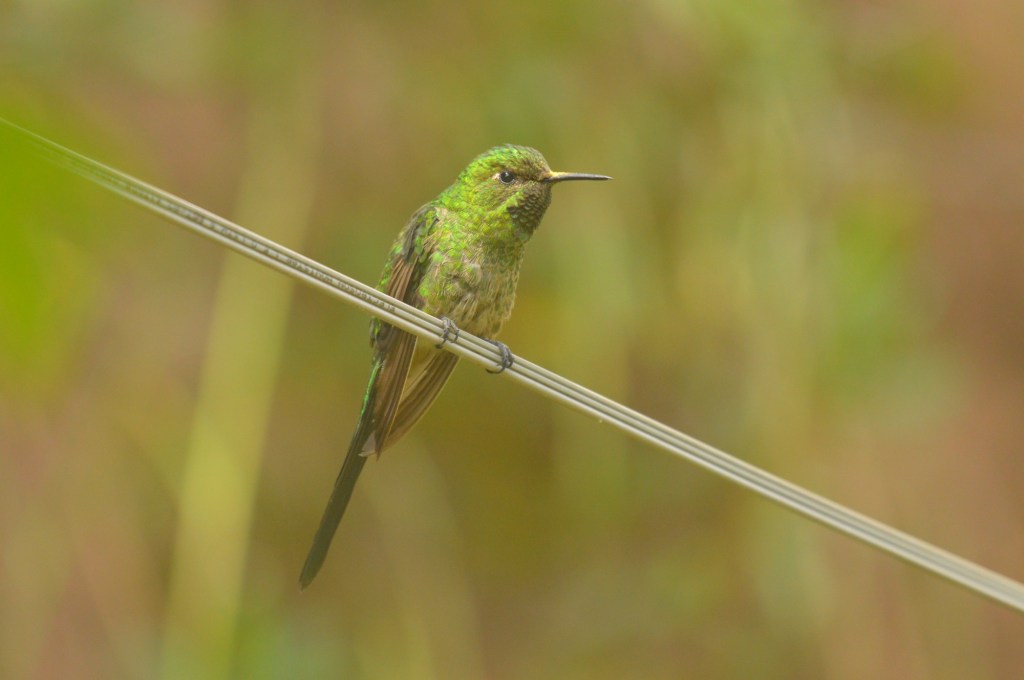
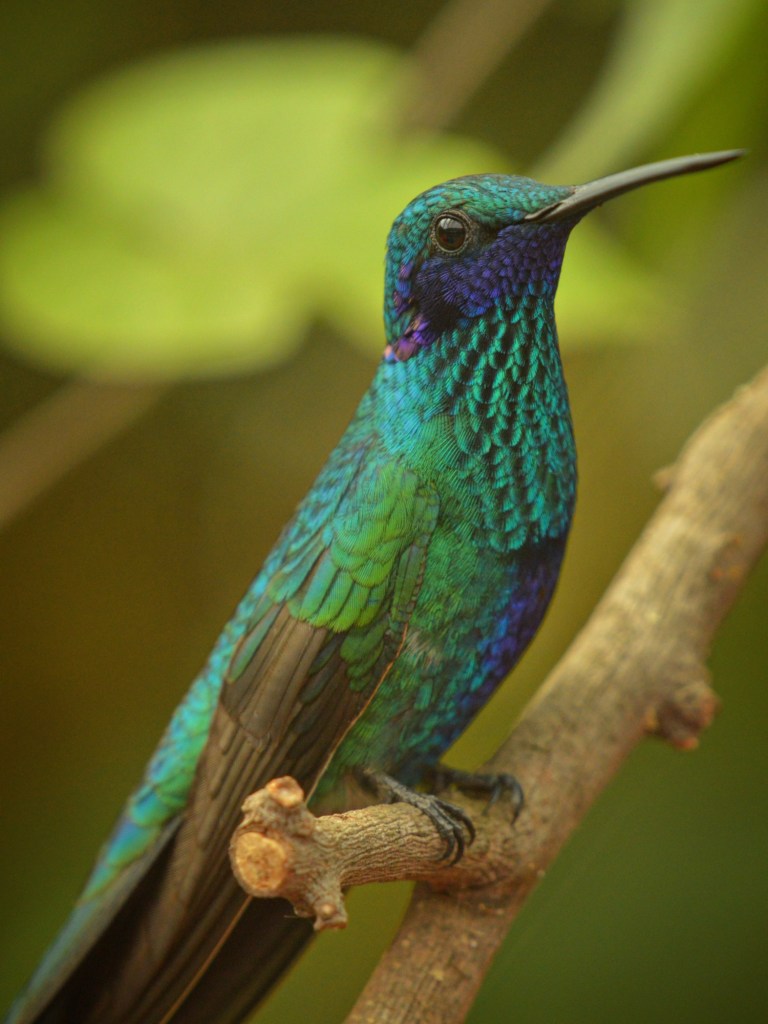
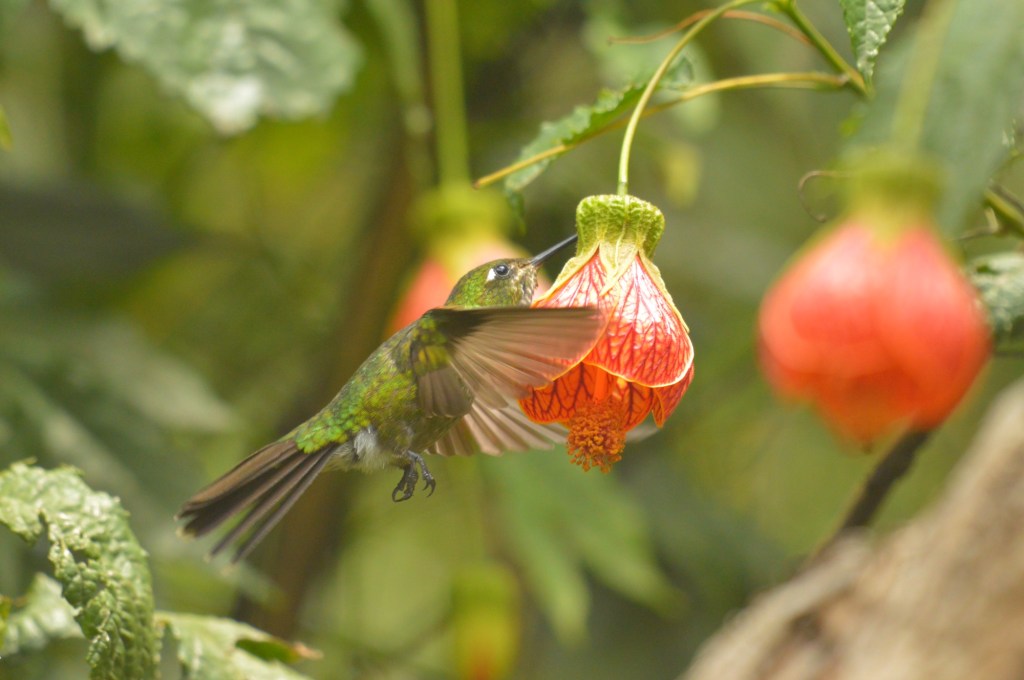
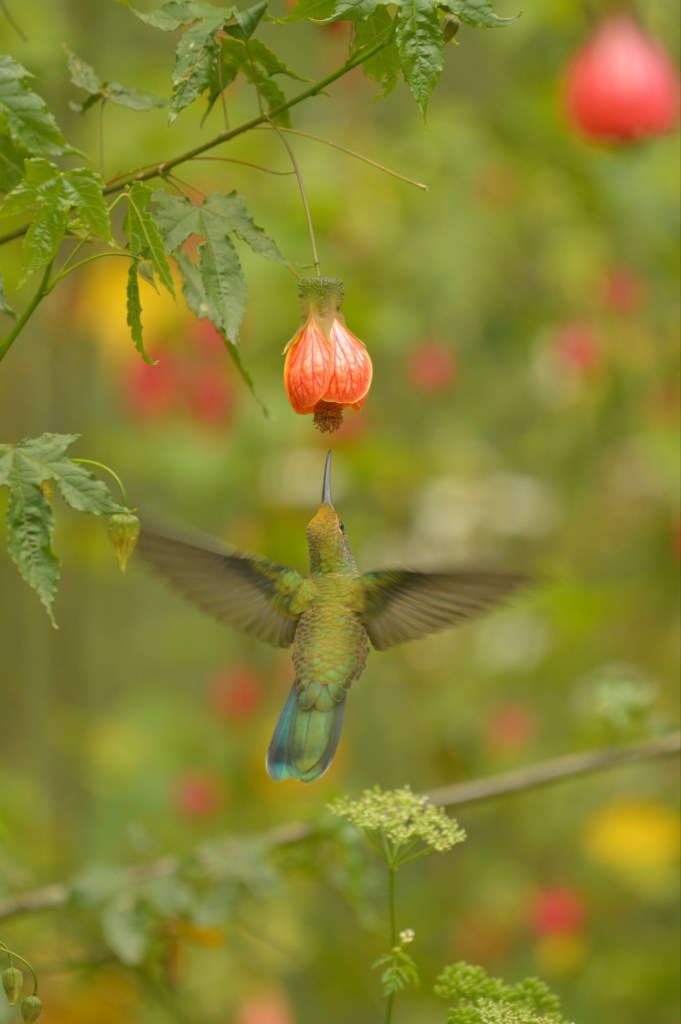
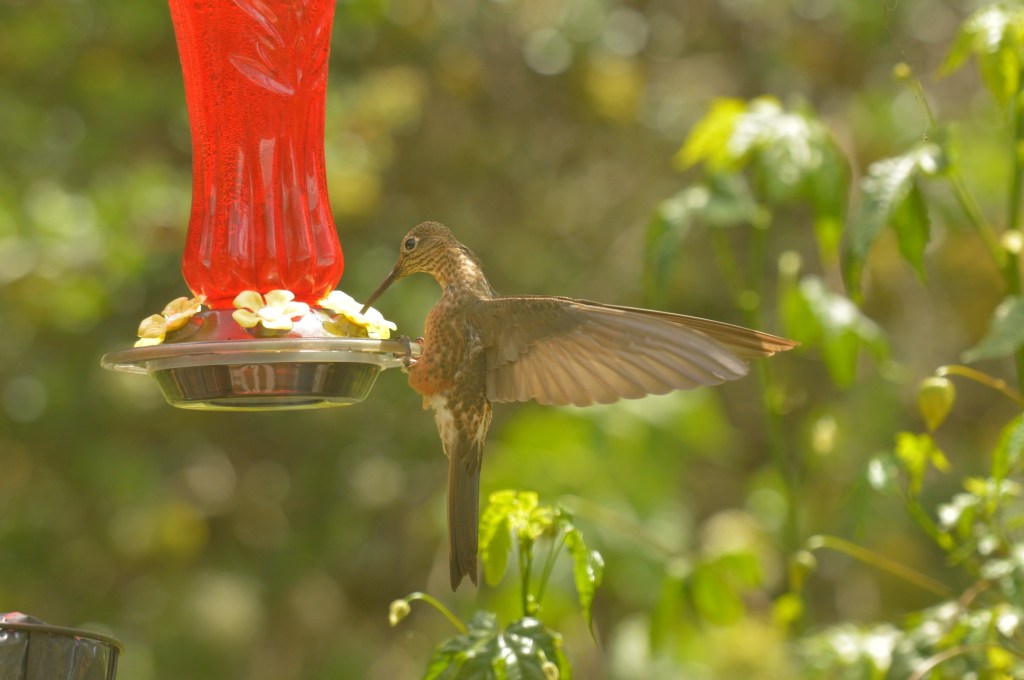
I saw my first hummingbird of the trip: an Amazilia, I think, though I haven’t gone through my sightings with a guidebook yet. They’re damned near impossible to photograph until they land, being about the size of a finger and moving with all the agility of a butterfly. I’m trying to snap everything I see so I can log them later, but at least I recognised this little fella: a striated heron, one of a number of familiar species that are shared between Peru and – of all places – Uganda.


To reach the last circuit of the Pántanos de Villa, you have to leave the wetlands and walk about ten minutes further along the road to the coast. The road passes through a private residential estate, but they’re quite used to naturalists from the Pántanos passing through, so I was waved through without any ceremony. I could have stopped a number of times in pursuit of an unfamiliar birdcall, but I didn’t particularly want to draw attention to myself by pointing my zoom lens into somebody’s garden, so I contented myself with the mockingbirds that followed me inquisitively for half of the journey.


Out past the condominium is the Circuito de Maravilla, which – at the right time of year – hosts an enormous flock of Franklin’s Gulls, which come all the way down to Peru from their breeding grounds in the prairie lakes of central Canada and the Dakotas.

This was obviously the right time of year.


Hundreds of them had gathered at the lagoon, making ready to begin their 15,000 kilometre migration to their nesting grounds. Some were already sporting the handsome salmon pink chests and black hoods. They were joined by a huge flock of skimmers, a bizarre bird whose lower mandible is longer than its upper, so that it can skim the surface of the water to catch its prey.


Beyond the lagoon, however, is a sight even more impressive than anything I’d seen thus far. The Pacific.

If I’m mentioning it a lot, it’s because I’m bewitched. I’ve never seen or heard an ocean quite like it. It booms just like I’ve read about in books. Not the slow, salty roar of the Atlantic, but a genuine boom like a distant cannon. It has to be heard to be believed.


I had to sit and watch it for a while. I wasn’t the only one with that idea, either: I was joined in my vigil for most of the morning by a local man with a baseball cap and a Disney princess carrier bag. He simply stared out to sea for the best part of half an hour.

So did I. It’s nice to know I’m not the only one who can lose time just staring at the beauty of nature.


The Humboldt current which flows up the South American coast from Antarctica keeps the water cold – and extremely productive. This is one of the richest seas in the world, and you won’t be allowed to forget it for even a moment. Gulls, terns, cormorants, boobies, pelicans and an attendant host of shorebirds are constantly in sight. I suspect I’ll have better results at Paracas tomorrow.


It wasn’t just birds, either. While I was scanning the open ocean from a washed-up palm stump, I saw something dark cresting the water, then another – and another. A whole family of dolphins were feeding just off the shore. They didn’t breach, but they stuck around long enough to count them: eight of them in all. And all because I stopped to watch the waves for a while.


The sun came out from behind the clouds around 12, at which point I thought it sensible to consider a retreat – the Peruvian sun can be a cruel god, and I hadn’t brought my sun lotion (I hadn’t expected to stay so long!). Some of the Franklin’s gulls came to say goodbye, looking even more smart in the sunlight.


I made it back to the shade of the Pántanos visitor centre and rested for a bit. I could have hailed an Uber there and then, but I wasn’t quite done with the wetlands, and when I saw a couple of visitors head into the reserve on their own, I followed suit.

No sign of the cuy, but while I was searching I saw something moving among the reeds. My buen augurio had come to see me off: a seven-coloured rush tyrant. It’s only a youngster, so it’s not as dashing as it will be in a year’s time, but that’s neither here nor there. Peruvians say they grant wishes. So I have made mine.


I could have included even more photos, but I’ll try to pace these posts – there’s simply too much to report, so I must be choosy!

I’m currently taking it easy back at the hostel. My camera definitely needs charging after a serious workout, as do my own batteries – and I could use a shower.

That’s enough work for the Nikon today, I think. I’ll switch things up tonight and explore the human side of Peru for a change! BB x

Destination Peru

Terminal 4S. 6.08.

“Nobody speaks English in this fucking airport,” says the miserable Brit sitting behind me over the phone. “You’d think in one of the busiest airports in the word they might have someone who can speak English.”

With that kind of attitude, it’s hardly surprising that flights to the UK are sequestered away in Madrid’s cut-off Terminal 4S, together with all the other non-European destinations: Bogotá, San Juan, Dallas and Chicago…

I know I can be a bit of a snob when it comes to Spanish, but it always gives me a knot in my stomach when I hear one of my countrymen speaking like that, as though the rest of the world should simply kowtow to the supremacy of the English and their language. That mindset should have perished with the Empire, long ago, but sadly it’s all too common – and probably on the rise, with the number of students studying languages continuing to plummet in the UK.

For the record, English is absolutely everywhere in Barajas. Most of the signage is in English first and Spanish second. You’d have to try pretty hard to be genuinely cut off from the English language out here these days. Sometimes I think the Spaniards just enjoy playing the “no hablo inglés” card when they encounter a grumpy fellow like the man behind me. It keeps us on our toes – and it’s one way to get back at us for the slap in the face that was Brexit.


12.192 feet above the Atlantic, Southwest of Corvo & Flores. 11.55.

They dimmed the lights in the cabin about two hours ago, shortly after serving breakfast. Most of the passengers are wrapped up in their blankets and fast asleep. I don’t know how much I have slept in that time, but I’d wager it’s not much – more like wakeful dozing. I don’t usually go to bed before one or two in the morning, so despite the five AM start I’m probably operating on a good deal more sleep than usual. I moved my trip to Paracas to Wednesday, which should give me time to get a good night’s sleep and acclimatise once I reach Lima.

There’s a nice father and daughter from La Rioja sitting next to me, off to visit a relative in Guatemala. Since we’ve established friendly relations, hopefully they’ll let me take a photo out of the window when we pass over the Caribbean in a few hours’ time. I’ve got the aisle seat, which is fine for legroom, but bad luck for both sleep and views.

I haven’t got my head around the boarding procedure for Avianca. I was in Group F out of A-G, so I assumed I’d be one of the last on, but they let F-G on before D-E. Unremarkable, maybe, but I’m in Group D on the next flight, so I hope that doesn’t mean I’m right at the back of the line. I guess it depends on how the Colombians order their alphabet.

The folks up in business class are all tucked away in their cabins. I could never justify paying that much to fly – and probably fail to sleep anyway – but it must be pretty snug.


43.000 feet above the Caribbean Sea. 16.10.

The lights have come back. I wonder if that means they’re serving lunch? They’ve got Superman on the film listing, but my earphones are of the lightning port variety, so I can’t get them to work. I’ve spent a couple of hours catching clips from those watching films around me. By the way they’re all watching with the subtitles on, I can’t help but wonder if they’re all in the same boat.

We flew over the Caribbean about an hour ago. I saw one island among the clouds through the tinted windows of the cabin while waiting for the bathroom to become available, but I’m not sure which one. Nassau, perhaps? The route map on the tele screen only gives its capital as St. Maarten, but my knowledge of Caribbean geography isn’t exactly watertight. It’s a first taste of how unfamiliar the world around me is about to be.

The wind is starting to pick up. The reefs and atolls of Aruba have appeared on the horizon, the vanguard of a mighty continent. Beyond that lies Venezuela. The enormity of South America is about to open up beneath me.


Aeropuerto Internacional El Dorado, Bogotá, Colombia. 12.28 (19.28 GMT+1).

¡Bienvenidos a Colombia! The weather forecast says thundery showers with a gentle breeze but the sun is shining brightly out there. I’m hoping that’s a sign of things to come.

El Dorado reminds me a lot of Dallas International, in that almost everybody here seems to be going somewhere else. The queue for passport control to leave the airport was barely in the double figures while the line for connecting flights stretched on down half the hallway. I was sorely tempted to strike out and explore Bogotá, but for once in my life I’ve erred on the side of caution. For one thing, I’m tired, and I’d definitely need my wits about me out there. For another, I haven’t planned this leg of the journey at all, so I really would be going it blind. Most importantly, my next flight boards at 4pm, so while I have around four hours to wait, that’s not really enough to risk a potentially unsafe pitstop on Colombian soil.

Some other time, Colombia. Let’s not derail this South American adventure before it’s even started.

The airport WiFi in Bogotá leaves much to be desired. It’s not free like Madrid, and after only a couple of prompts my phone won’t even take me to the airport website anymore, so I’ve resorted to data – I needed to get online to finalise my pick-up from Lima tonight. The hostel are sending a car for me. I’m normally averse to that sort of thing, but I’d rather play it safe in a place I don’t know.

At least to start with.


Puerta A6, Aeropuerto Internacional El Dorado, Bogotá, Colombia. 14.20.

Still a couple of hours to go until my connecting flight departs for Lima. When I’m done writing I’ll decamp to a charging station to give my phone some extra juice – I’ll need it to contact my driver once I land.

I’ll do some reading to while away the time. I’ve brought a book with me but it’s a bit florid. I find myself skipping entire pages just to advance the plot. I bought it years ago because the setup sounded exactly like my cup of tea (19th century intercultural romance set in a distant corner of the British Empire) but it’s a bit of a slow burn. It’s been a while since a book really grabbed me. I ought to make that my mission out here. I’ve downloaded the audiobook of Michelle Paver’s latest, Rainforest, if not for the valid thematic link to this adventure then because her books always strike gold.

Some observations of Colombia, you ask? Hm. It seems to be a land of strange trees and clouded mountains; of sleepy travellers and softly-spoken staff; of real coffee, fake boobs and handsome aquiline noses. A place where people haven’t forgotten the joy of having children. Where Dallas was a concrete desert, Bogotá at least has the decency to keep their largest transit hub a tree-lined haven. I bought some travel-sized toothpaste and a couple of snacks and the bill came back in Colombian pesos, though the till used the dollar symbol. Thank heavens my bank statement gave the true cost in pounds, or I might have just paid 45.000$ for a 22ml tube of Colgate Triple Action

There’s not that much to see on the wildlife front from the departures lounge. I clocked a couple of foreign-looking swallows flitting about outside and I’m almost certain I saw the silhouettes of three black vultures wheeling about over the residential district to the east, but other than that, the only obvious denizens of the runway are the cattle egrets that seem to follow the groundskeepers about like stray dogs. I’ll just have to wait a little longer for the party to really begin.


Somewhere over the Cordillera de Sumapaz, Colombia. 18.27.

A lonely light twinkles in the darkening world below: a single, blinking star in a forest as dark as the night. It is the only sign of civilisation for miles around. And then the light, the forest and all the earth beneath it are swallowed up by the clouds. The sprawl of Bogotá is a distant memory.

I paid 20$ for less than ten minutes’ worth of a view from the window, but I consider it money well spent. Like that first waterfall I saw in Ethiopia as we came down out of the clouds all those years ago, it is a sight I will not forget. The last homely house in Colombia. The Rivendell of the Rainforest.

A few stragglers from Madrid have made it onto the plane. The stately Peruvian gentleman with the cane who was the first onto the plane at both Madrid and Bogotá. A barmy looking gentleman in a puffer jacket and a wide-brimmed hat festooned with badges and his wife with the wine-red hair. No sign of the white man with the dreadlocks down to his waist – I suspect he has gone into Bogotá in search of an ayahuasca shaman. I suppose we all have our reasons for traveling this far. On reflection, are mine any less barmy?

A family of three were late and so the plane was held up by about twenty minutes. In that time I managed to finish Romesh Gunesekera’s Prisoners of Paradise (I don’t like leaving a job half done). It picked up in the second half, but I found myself skipping pages again toward the end. I wasn’t sure whether it was trying to be a Malabar Pride and Prejudice or a gritty historical account of colonial prejudice. Either way, I found the heroine jarring.

Time and again, one finds the narrative of the enemies to lovers trope in romance fiction.

Yuck.

I don’t think I’ve ever understood why romance that evolves out of people being fickle and mean to each other is so highly prized. Maybe it’s a condition peculiar to Western women. Give me the sincere and generous passion of the Latin any day.

I suspect that’s why I put The Far Pavilions on such a pedestal – it manages to stage a believable passionate romance that is neither coy nor mawkish. It’s certainly proved a very tough act to follow.


Hostal Pariwana, Miraflores, Lima, Peru. 21.36.

Te estamos vigilando.

Lima. The scenery has shifted dramatically. Between Jorge Chávez International Airport and downtown Lima sits Callao, a sprawling conurbation which must be crossed to enter the city, If you needed reminding that Peru isn’t all high-end tourist offerings after weeks of preparation and booking in advance, Callao provides an immediate antidote.

Enormous posters line the edge of the runway, advertising Ayacucho, Amazonas and Machu Picchu in brash, gaudy colours; across the street, row upon row of squat houses in varying states of completion, and all of them very much lived in. Wide dusty streets with pitfalls and potholes. Fried chicken shops every minute or so. Election posters promising a safer Callao, plastered in duplicate over every flat surface. Police tape – peligro, no pasar. Dollar stores everywhere – a mere talon of the claw of the American overlord. Graffiti on the walls: el mundo apesta (the world stinks).

And then, suddenly, Callao falls away and there it is. The Ocean. The mighty Pacific. I saw it from the plane, but this is something else. It’s too dark to appreciate it in all of its majesty, but I had a hint of its bounty by the sheer number of fishing ships out in the bay. They looked more like an armada readying for war.

Miraflores feels like a completely different city. Callao felt like the South America I’ve been reading about in history books. Miraflores is more like the one you find in Nat Geo Traveller or a copy of Lonely Planet. American twenty-somethings discussing the TSA, pipe dreams of owning their own airplanes and the relationships that other travellers have struck up along the way.

It’s ten past eleven here in Lima, but it’s ten past six in Madrid. Give or take a couple of hours’ sleep on the plane from Bogotá, I have been awake for almost twenty five hours. I had better turn in or tomorrow really will be a washout! BB x

Pit Stop

Hostal Alonso, Madrid. 20.56.

Of all the days to have for a twenty-four hour pitstop in Spain, I had to pick the one where the temperature dropped a full ten degrees. My light fleece couldn’t handle the Arctic chill of 11°C (a good warning for Peru). Tomorrow it’ll be back up to 24°C here – but this time tomorrow I’ll be far away, waiting for my connecting flight in Bogotá. I still can’t quite get my head around that.


After an exquisite dinner of rabo de toro at Las Brasas del Vulcano last night (easily one of the best if not the best that I have ever eaten), I managed a relatively early start this morning to catch the first bus to Toledo. I think I had it in my head that I’d see all sorts of wildlife along its riverbanks, but it was very windy today, and I had also promised myself I’d do Palm Sunday Mass – a much-needed blessing to give me luck in the weeks to come – so it wasn’t as busy on the nature front as I had imagined. All the same, I saw what I came all the way to see: a night-heron.

Seems a little foolhardy, no? After all, night-herons are one of the very few Old World species that you can also find on the other side of the Atlantic. However, night-herons have a special place in my heart because I can date my career as a birdwatcher to the day I first saw one of these handsome fellas in Córdoba in 2005, on the day Pope John Paul II died.


The last time I visited Toledo was in 2013, when I was backpacking across Spain on a budget of 200€. I was eighteen, my Spanish was passable and I was already dangerously underweight, on account of not really considering food and drink a necessary expense. Fortunately, I have grown up a lot since then, and learned that, of all things, food is the last thing that should be omitted from the budget.

On that mad adventure, I have a particularly distinct memory of treating myself to a sopa castellana – my first meal out in a week – and feeling like my whole body had been healed at a stroke. As such, to my mind, that simple peasant dish remains the sultan of soups. If it is on the menu, I will have nothing else.

I treated myself to an upmarket lunch as a Spanish sendoff at Restaurante Palencia y Lara – and what an incredible find it was! I can’t decide which of their sopa castellana, cordero lechal or tarta de queso was the standout.

Sopa castellana isn’t an extremely complicated dish. It only really consists of bread, egg, stock and a good few cloves of garlic. But it is a restorative like none other.


I will be traveling around a lot during Semana Santa, so while I will be in a country that also celebrates Easter properly – even if it is on the other side of the world – I will probably miss a lot of the festivities. That’s one of the reasons I insisted on seeing Toledo’s Domingo de Ramos procession, celebrated from its Catedral Primada de Santa María.

It’s been a while since the time I celebrated Palm Sunday in Rome with Pope Francis, so I’d forgotten how long the reading is (they relate the entire Passion). All in, the ceremony lasted just shy of two hours. But I have come away with a sprig of an olive branch, and I hope it will bring me luck on my travels around the Americas. I’d have brought my lucky vulture feather, but I’m a bit too attached to that to chance losing it along the way.


Toledo was stunning in the sunshine. I’m glad I came here for a pit stop, even if only for a day. It’s nice to be somewhere familiar and nostalgic before pitching myself headfirst into a world that is totally alien.


T minus ten hours. I’ve decided not to chance the first Metro of the day and booked an Uber for peace of mind. Once I make it to Barajas, I can relax a bit.

After that… well. It’s in God’s hands, I guess. See you on the other side! BB x

Collared

Metro 9, Dirección Nuevos Ministerios, Madrid. 20.47

Landfall. After a speedy and somewhat sleepless flight on Ryanair’s ridiculously good value £20 flight from Bristol, I’m back in Madrid. I fired off a couple of job applications to schools here after my last visit in December, but I’ve heard nothing. I suppose that would be disheartening if I weren’t perfectly comfortable at my current school. Besides, I could harbour no ill feeling toward Madrid. As capital cities go, she is both homely and stately.


The new European security protocols have started to take effect at Barajas. Separated from the Europeans – God’s chosen – by a luminous pink arrow and two security guards, I was shepherded into a large room with an array of digital fingerprint kiosks, where the COVID passes were checked years ago. Many of the machines were already out of order. I saw two cease to function after the same passenger tried to use them. Not for the first time, I found myself contemplating a new circle of Hell for the cabal that convinced an entire nation that being European wasn’t in our best interests.


As though on cue, perhaps, I was sent a visual reminder of one thing we Brits do generally take more seriously than our European counterparts. There weren’t many seats on the train, but one that was free was next to a couple of Frenchwomen. One of them was holding on tight to the leash of a muzzled dog, which was clearly in distress: it was evidently struggling to breathe with a heavy black face mask secured across its mouth, and it kept pawing frantically at it with its head to the ground in a desperate attempt to dislodge the thing every time its owner relaxed her grip on the leash.

She didn’t seem to have noticed. She seemed more engrossed in her conversation. She had a ring on every finger on both hands and they clicked when she gesticulated or tightened her grip on the leash. Even some of her nails had rings. Hell, I like a girl who isn’t afraid to go all out with the jewellery, but even that was a bit much.

The dog’s collar wasn’t much better: a proddy, pokey, cage-like device that was causing the poor thing almost as much discomfort as its muzzle, by the way the creature kept trying to scratch at it with its hind leg.

It was painful to watch. I changed carriages on the connecting train to get away from it.

In England, some busybody would have taken her to task. But this is Spain – we’re getting a lot better, but we’re still a long way off the land of the RSPCA.


The trains are – predictably – packed for Toledo tomorrow, so I’ve booked a bus instead. It means an early start, but that’s no bad thing. I’ve quite a few of them coming my way in Peru, so I’d better get used to them. BB x

Punt

21.56. The Flat.

I’ve done it again. I’ve signed myself up for another mad adventure. As whim decisions go, this one is definitely up there with swapping jobs for a change of scene and flying to the States for a third date.

There wasn’t even much of a build-up to it. I had a relatively quiet weekend not on duty. On Saturday morning I taught a couple of sixth form lessons, marked some speaking exams and wound down with a little Arkham City. By Sunday night I had a one-way ticket to Lima for the absurdly low price of £250. I still need to think about the return journey, but that’s a tomorrow problem.


Why now? Simply put I’ve been hankering for a proper adventure for a while now. Social media will do that to you, I suppose, though I’d be more inclined to believe that my full-on, six-days-a-week job played a larger role.

And why Peru? Well, there’s any number of reasons. The fact that it’s a Spanish-speaking country is the main one, and the crazy bargain price I snagged is another (seriously, I’ve never found flights that cheap and I’ve been looking on and off for years) – and then, of course, there’s the wildlife, probably the most understated incentive behind any of my adventures.

I’ve been considering India, Japan and South Africa for the best part of ten years, but each has its own complications. India requires all of the jabs, Japan is expensive both to get to and to get around (never mind the language barrier), and South Africa – or at least the parts I want to see – is downright dangerous.

There’s also the fact that I always feel I have to justify my holidays. As a Spanish teacher, exploring South America can only add to the sum of what I can pass on to the students under my aegis.

At least, that’s how I intend to justify gallivanting off to the land of the Incas for three weeks.


I read an article today about the fitness frenzy afflicting my generation (the millennials). Apparently we spend more on the gym, supplements and sportswear than we do on other social activities. I’m definitely not in that demographic, but I can believe that claim.

I’ve seen the shift before my very eyes in the time I’ve worked in boarding. I don’t remember the gym being much of a feature when I was at school, or protein powder, or supplements, or any of that nonsense. Omega 3 fish oil, maybe, but none of this “cut” and “bulk” insanity. These days it’s everywhere. The Underground train was full of garish posters selling the stuff two weeks ago, alongside a rosy ad for a fertility clinic. From PTs to PBs, designer shorts to designer bottles and all the weird chemistry-set-sounding stuff people ingest – and none of it cheap – fitness seems to have become the new luxury product on the market.

Perhaps that’s an inevitable outcome of a world where our work and most of our lives is so very (and depressingly) sedentary. I do worry about them, though. About how self-centred the world is becoming. About the mental health behind the physical wall.

I’m in no position to judge, of course. If I harbour any cynicism for this trend, it’s largely because I’m well aware I’m on the outside looking in. Fitness is clearly a social activity, and here I am writing my thoughts on the matter from the quiet of my living room, surrounded by the thousand or so books I’ve managed to accrue while most of my contemporaries have been out making friends and finding lovers – or pumping iron. Instead, I’ve been building a library. It’s what my great-grandfather Mateo always wanted. Would he have wanted it for me though, I wonder?

Honestly, I think I’ve been into a gym three times in my life, but since two of them were duty supervision shifts for work, I’m not sure they count. All I know about the gym is that a very dear friend of mine went into one years ago and never came back. It might be a poor excuse, but it’s a pretty major reason for my lifelong wariness of those places.


No. As usual, I’m fighting the current. Contrary to the rest of my generation, I’m prioritising my time, when and while I still have it, on the equally self-centred task of traveling solo, to learn as much about the world as I can. One day, if I should be so lucky, there may be a family in my life, and while I would trade away all the things that I do for even one day of that traditional idyll, I am conscious that I would miss my freedom.

So I’m taking a punt and getting out of the country for a bit – and this time, to somewhere other than Spain (though admittedly I am spending the weekend prior in Madrid, as it brought the flight costs down by a couple of hundred).

I’m not really a planner, but this will definitely require a fair amount of it. Peru may be Spanish-speaking, but it definitely isn’t Spain – it’s a little over two and a half times the size. I don’t intend to do Machu Picchu – like Petra, I fear the wonder of that vista from the Puerta del Sol has long been scourged by a horde of millennial photographers – so I will be seeking out some of the country’s other gems. It’s a work in progress, but for now, I’m thinking of:

  • The Nazca lines (from the air)
  • The Mummies of Chauchilla
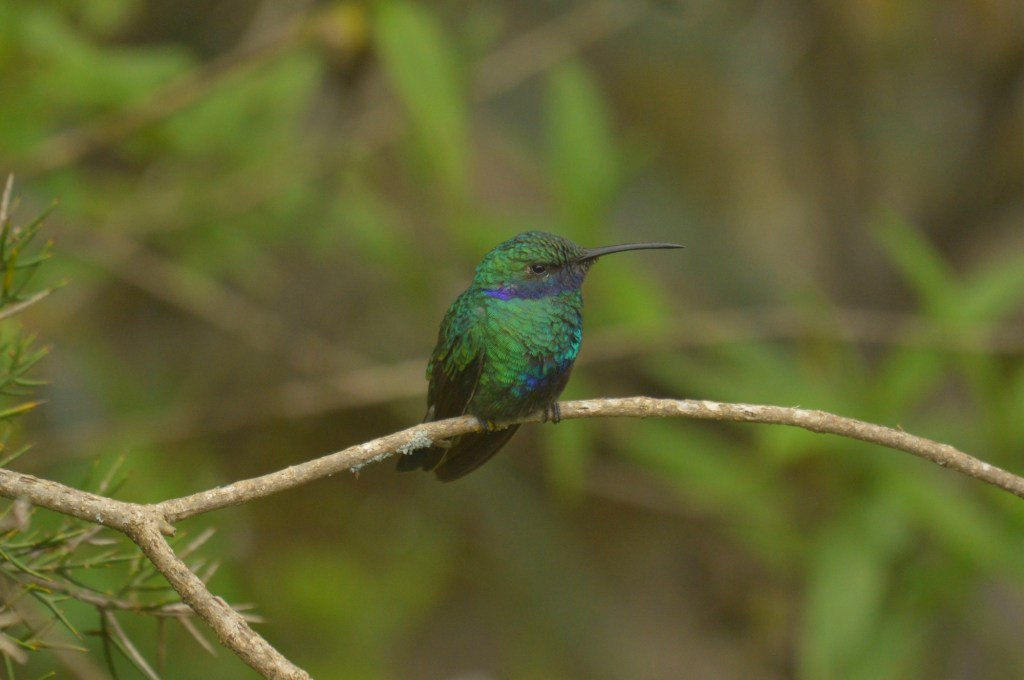
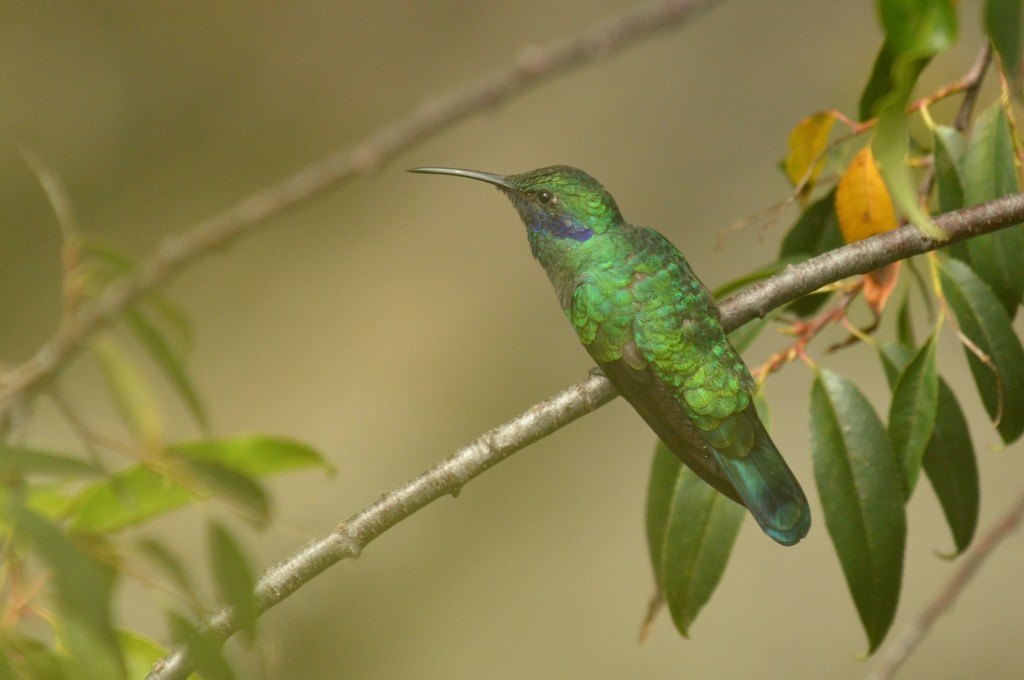
  • Hummingbirds (wherever they may be!)
  • Semana Santa in Cusco
  • The Palomino islands (penguins, pelicans and sea lions)
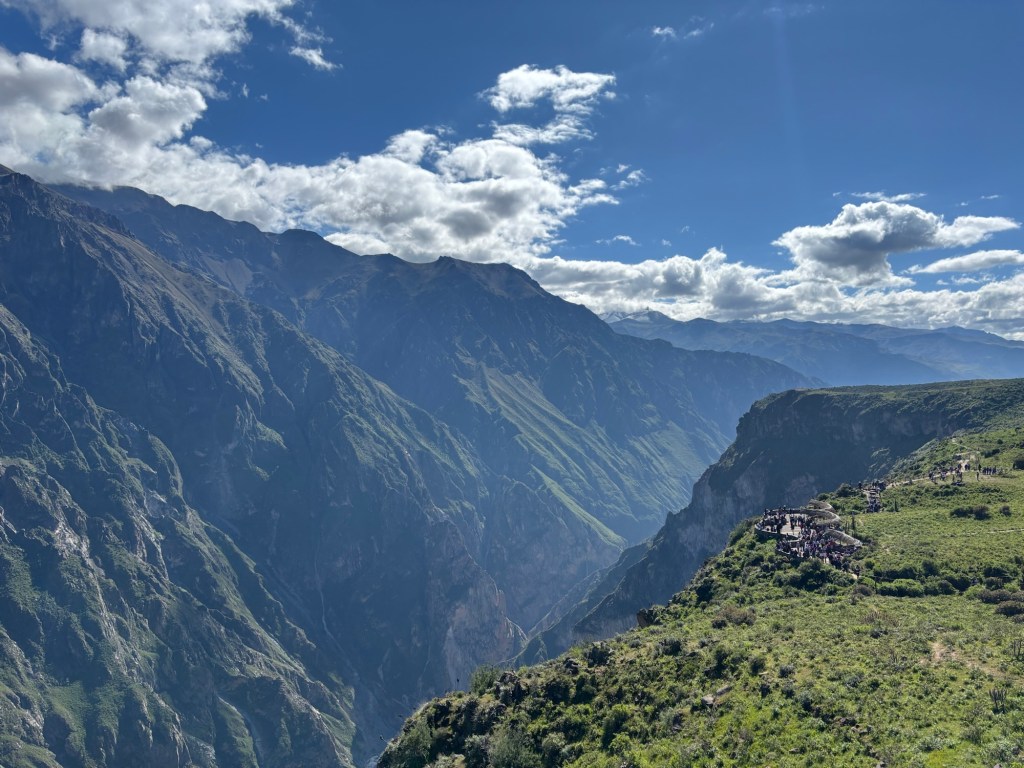
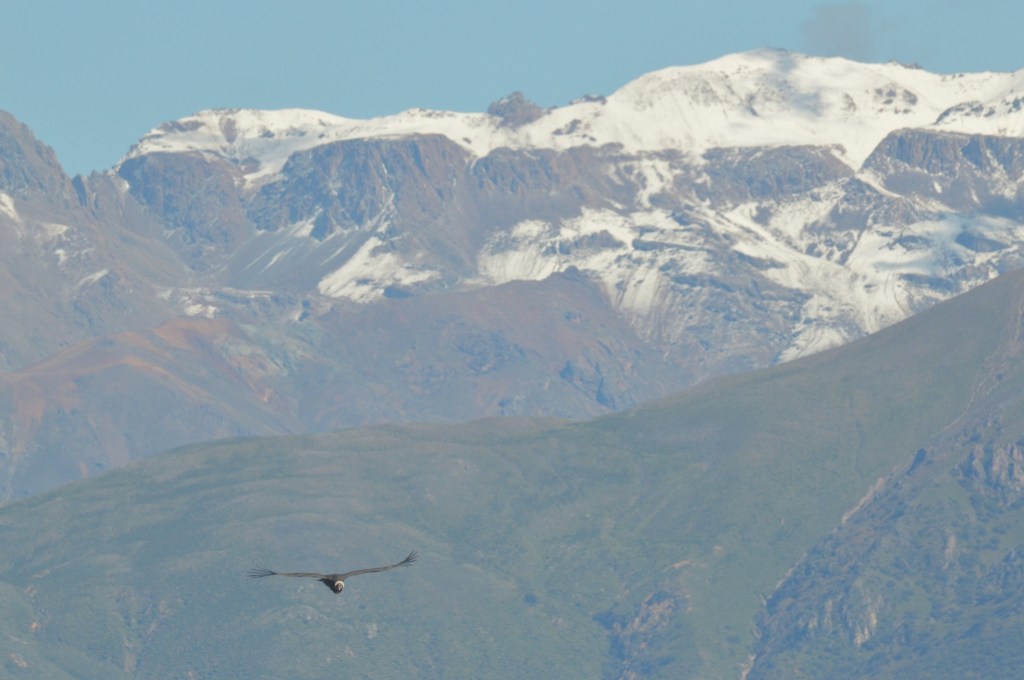
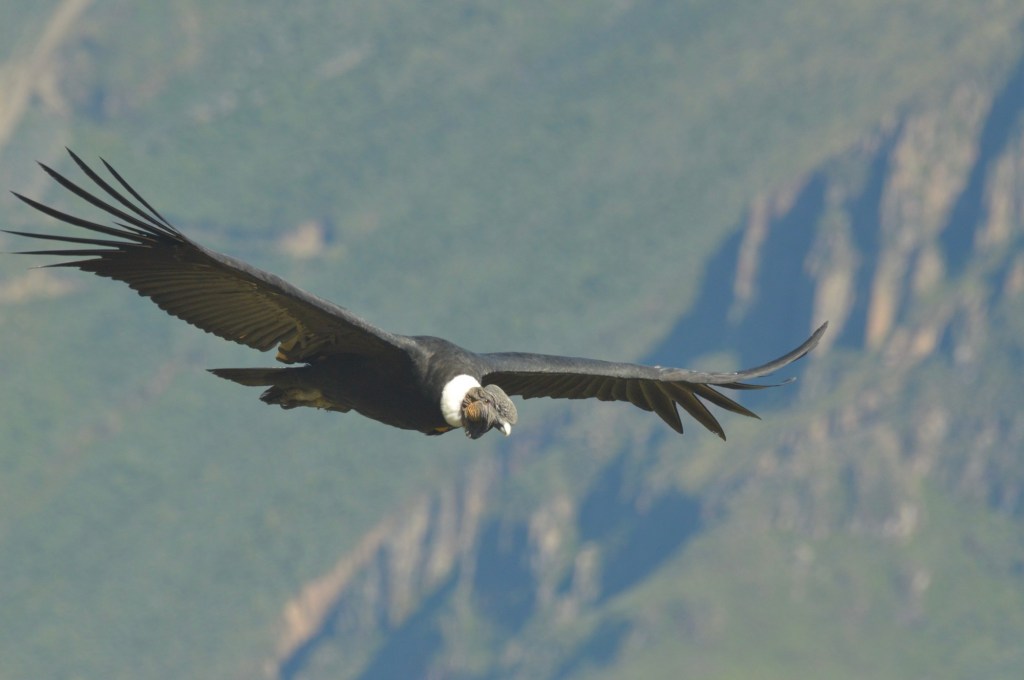
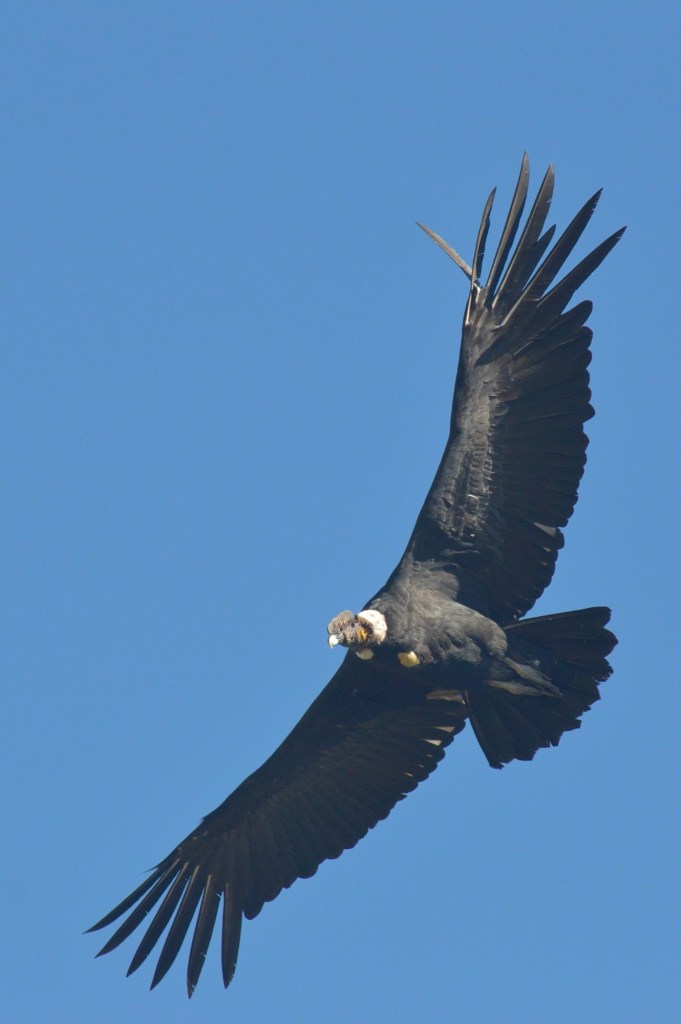
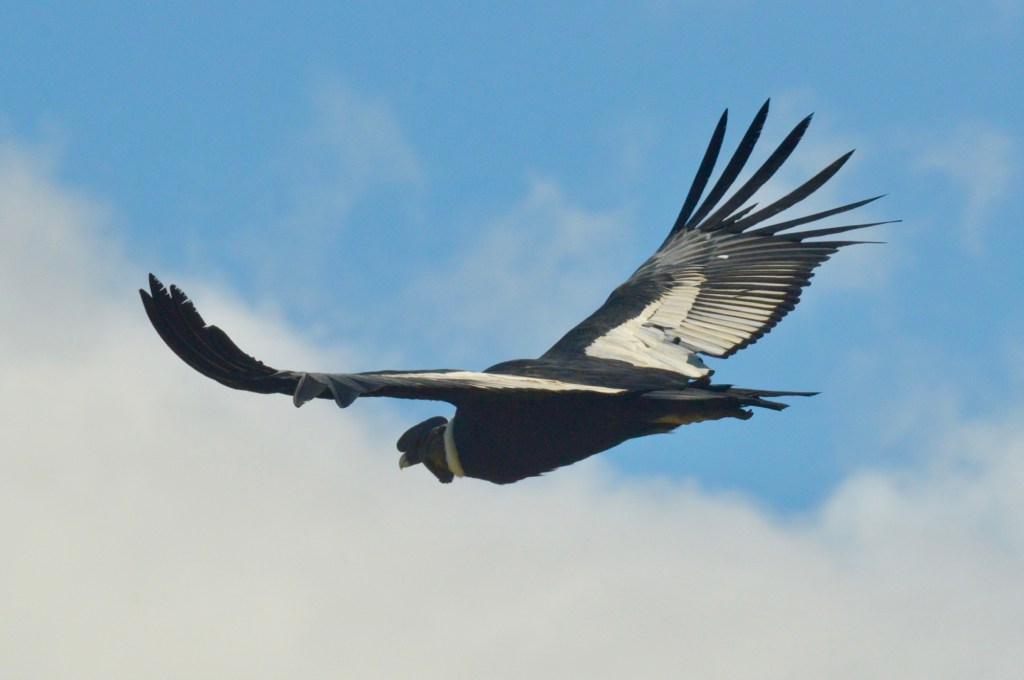
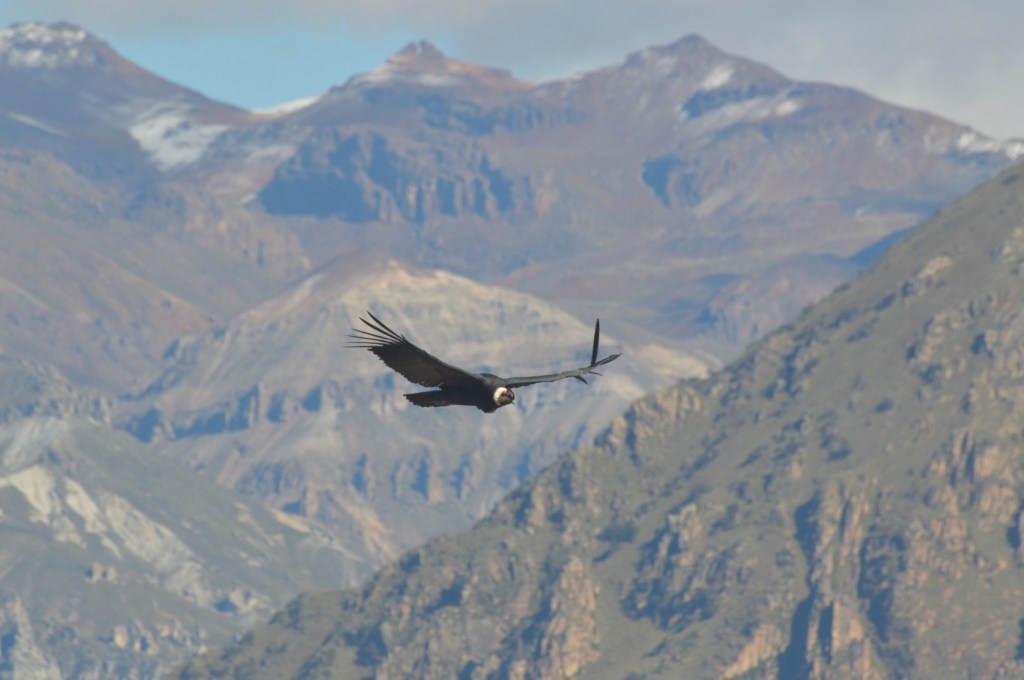
  • Apurímac Canyon (to find an Andean condor or two)
  • Parque Nacional del Manu (for monkeys, mainly, but also to see the Amazon Rainforest on the other side of the Andes)
  • Taquile and the floating islands of the boatmen of Uros, Lake Titicaca (partly because it’s come up in the same IB Language B past paper for seven years, but also because I read about them when I was seven and they fascinated me)
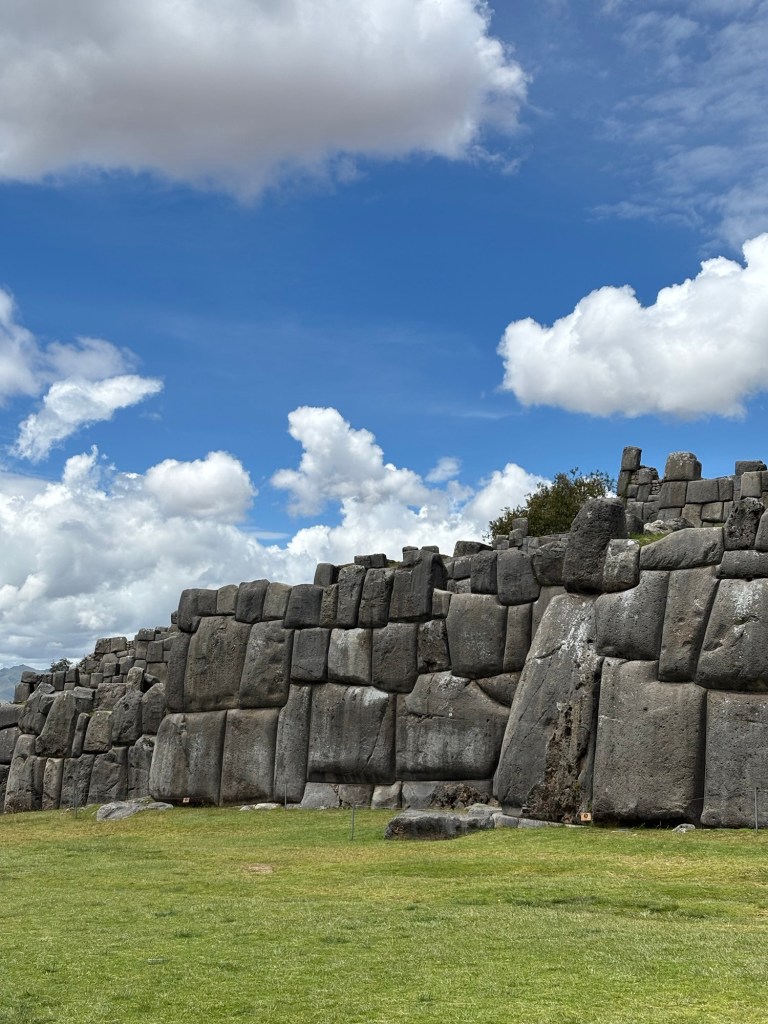
  • Sacsayhuaman (Inca ruins that aren’t always in the cover of Wanderlust magazine – and one of the best place names in the Americas, period)
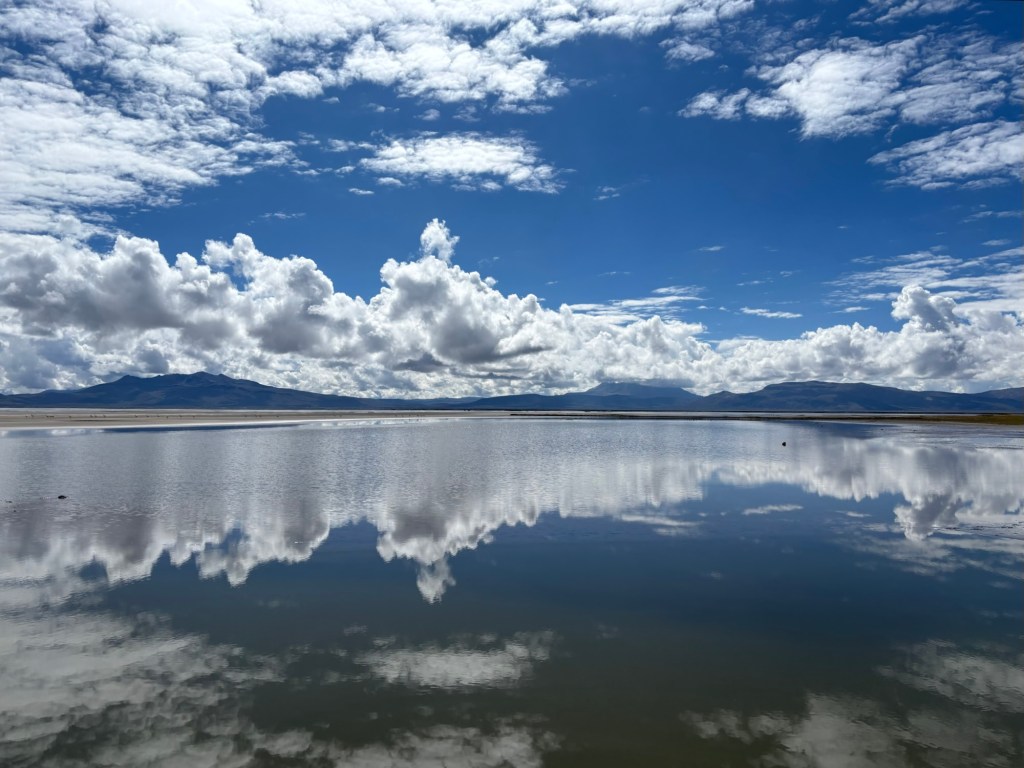
  • If time allows, possibly a mad jaunt over the border to La Paz and the Salar de Uyuni, the vast salt flats on the edge of the Atacama Desert that comprise the world’s largest natural sky-mirror

…and all of that within three weeks. I don’t much care for package tours, so I’m going to map out my own itinerary over the next month or so.

Catch me later when I’ve done a bit more reading. I’ll be less preachy and more teachy then, I hope. BB x

City of Memories

Hostal La Banda, Calle Dos de Mayo. Sevilla. 15.20.

The Americans have taken over. They’re sitting at a table behind me discussing the local culture of Sevilla that interests them so, like baseball, 7-Eleven and Jello shots. One of them asks the receptionist for a board game and they set to a game of Cards Against Humanity.

Outside, the rain comes down. When it comes to the weather, Luck has not necessarily been on my side during this holiday. Fortunately, I’ve been to all of these places before and seen the main sights before, so my heart isn’t bleeding over a few rain clouds. It’s actually quite relaxing, not having to dash off to this or that bit of sightseeing. It feels like living out here again. That was, I believe, the general idea.


Sevilla and I go way back. I’m not 100% certain, but I think came here for the first time in the summer of 2005, shortly after my parents bought the house in Olvera (that we still haven’t managed to sell off, twenty years on). I don’t remember much from that first visit beyond a flying visit to the Alcázar under a blazing sun, the noise and smell of the horses in the Plaza del Triunfo and a little blue notebook with a plastic cover where I kept a record of the animals I saw in my new country: black kites, bee-eaters, lesser kestrels and the city’s ubiquitous monk parakeets (which have only increased in number).

Since then, it has been the backdrop to a number of different episodes of my life.


Through my secondary school years, I made the odd pilgrimage to Doñana National Park with my mother. That was when Sevilla really started to become a fixture in my life. After Gatwick, it’s probably the airport I’ve used the most. Mum and I always had the same ritual upon arrival: before anything else could be achieved, we had to grab a zumo natural or café solo from one of the airport cafés. We never stayed in the city, but it was our regular conduit to and from the sanctuary town of El Rocío.

It was also where we learned of the eruption of Eyjafjallajökull in 2010, as we had no WiFi at our campsite in El Rocío, and this was before the advent of mobile data. You’d have thought there might have been something on TV, but all we saw on the night of the eruption which grounded all flights across Europe was a brief noticiero questioning whether Spaniards actually pay attention to STOP signs, given that they’re written in English – a question I still ask myself today, as I wander around Sevilla.


When I moved to Spain for my first British Council placement in 2015 – when this blog began – it was Sevilla to which I came, suitcase in hand, to sit beneath the shade of a fig tree on the east bank of the Guadalquivir and think about the future.

I came back to Sevilla again and again when I got back in touch with my former classmates from Olvera, particularly a childhood sweetheart (who led me up the garden path for several months before throwing up a wall during a memorably awkward visit to Madrid). Every visit to the pueblo required just under an hour’s commute across the city centre between Plaza de Armas and Prado de San Sebastián. By the third or fourth visit, I’d got the route down to twenty-five minutes, though I did once make the trip in under ten when I was in danger of missing the last bus home.

It was around then, during those frenzied trips between Sevilla’s bus stations, that I really fell in love with the Plazuela de Doña Elvira, sitting as it does in the labyrinthine heart of the old city. I’ve made a point of stopping by ever since.


Halfway through that year, I took a friend to the city to show her the majesty of Semana Santa. My experience of Spain’s Easter celebrations had previously been confined to Olvera, which was a highly unfair place to start – on everywhere else. Olvera’s penitentes, demonstrating a strength bordering on the Herculean, have to navigate the monstrously steep gradients of the town’s roads, constantly ducking and rising to avoid the low-hanging wires – all while carrying several tonnes of sacred wood and several hundred tapering candles within a precarious silk canopy. Caídas (falls) are not unheard of in Semana Santa, but I never saw the olvereños break so much as a sweat for their endeavour.

After that, I might be forgiven for having exceptionally high standards for Semana Santa. Sevilla met them. We were walled in by three simultaneous processions, but a friendly Guardia unintentionally gave us front row seats to the greatest show in town when he shoved us unceremoniously with his baton out of the road and in front of the lines that had been growing along the side of the street all morning. Málaga and La Mena may have raised my expectations even higher, but I’d like to go back and see Sevilla in its Easter glory again sometime.


By my mid-twenties, I could be pretty confident in saying that I knew few cities in the world better than Sevilla – including almost every city in my home country (with the possible exception of Canterbury). I do believe that I really could navigate this city blindfolded, if I had to. That was why I decided to take my second girlfriend there, less than a month after we started dating. I hoped that sharing the city with her would be like sharing my heart – since it had found its way in there a long time ago.

I took her to all my favourite places. Bar El Postiguillo. La Plazuela de Doña Elvira. La Plaza del Cabildo. El Real Alcázar and El Herbolario. She smiled sweetly and played the part of my muse around the city, but I don’t know if she felt the same way about the place as I did.

Later, when things started to fall apart, she told me I’d “missed the boat” for teaching her Spanish. It was the confirmation I’d long suspected that I was never going to be able to share my undying love for this country with her, and the chief reason why I broke things off with her in the end. A heart divided cannot love.

I have no desire to return to America after the intensity of last summer’s heartbreak. Sevilla, however, is immune. My heart could break a thousand times within its scented streets and still I would return.


In the last few years, I’ve led a couple of school trips here, too, playing the part of historian, quartermaster and tour guide. In this last capacity, Sevilla has sealed its place in my head as much as my heart, as I had to swot up on so much local history that I might as well have put on a red jacket and joined the city’s legion of guías turísticos.

And here I am again, as 2025 draws to a close. It’s been about twenty years since I first came here, and that’s around two thirds of my life. I don’t doubt I’ll be back again soon, drawn by some invisible magnetism to her cobbled streets, her orange-scented courtyards and the irresistible joy of her people and their merry accent.

The local hostalero gave me the highest possible praise last night. My accent, while occasionally inflected with English, is unmistakably andaluz. Coming from an Andalusian, that is praise indeed – I usually get told I sound sureño by northerners, but no de aquí by the southerners themselves, pointing to the east when I am in Cádiz and west when I am in Almería. That’s twice this year I’ve managed to blend in.

It’s about time I moved here. The stars are aligning. I only need the opportunity. BB x
Eulalia

Hotel Rambla Emérita, Mérida. 20.16.

It’s been raining all day again. I was out late with Tasha last night catching up on old times – neither of us could really believe that it’s been nearly eight years since I left – so I didn’t begrudge the downpour for a long and cosy morning in bed. You don’t have to be busy every day of the holidays, even when you’re abroad.

Luckily, I was all over Mérida yesterday with my conjunto histórico ticket, granting access to all the city’s Roman ruins, so the only thing I missed out on was the Alcazaba, which I might visit tomorrow with Tasha and her boyfriend Antonio, if he’s up and about. I don’t think I’ve seen the Alcazaba before – one tends to focus on Mérida’s Roman history rather than its Moorish past, and there are older and more impressive alcazabas (the Spanish rendering of the Arabic qasbah) in Andalucía: Sevilla, Córdoba and Granada, to name just the obvious ones.

Mérida isn’t unique in having a Roman amphitheatre either. There’s a pretty spectacular one (albeit less often seen) in Santiponce that I’ve often seen from the bus on the way in from the north. But there are a few more unique treasures to be found in Extremadura’s administrative capital, and I thought I’d tell you about one such gem below.

Let’s start with the lady of Mérida – because every Spanish city has its special lady. This one is Santa Eulalia.


Eulalia of Mérida stands tall above the other Christian saints of Spain, which is especially impressive as she only lived to around twelve years of age. A Roman Christian, she and her family were forbidden to worship God under the Persecution of Diocletian. Incensed, and unable to keep her faith to herself, Eulalia fled out of exile to the city of Emerita Augusta, where she openly challenged the local governor, Dacian, insulting the pagan gods whom she was commanded to worship. After a few desperate attempts to reason with her, Dacian had the girl beaten, tortured and burnt at the stake. According to legend, Eulalia is said to have mocked her tormentors until her dying breath, which came out in the form of a dove.

Eulalia was once a great deal more powerful than she is today. Before the rise of the cult of Santiago, it was Santa Eulalia de Mérida in whom the Christian soldiers placed their trust as they made war on the Muslims occupying the lands their ancestors had once held; and it was to her tomb in Mérida that thousands of pilgrims travelled during the Middle Ages, before Santiago Matamoros muscled her out of the picture.

At least one of my Protestant Christian friends has remarked at some point about the thin line between the Catholic Church’s veneration of saints and idol worship. Surely – they have reminded me – it is God and by proxy his son, Jesus Christ, to whom prayers should be made, not the pantheon of mortals who claim to be able to intercede on my behalf?

I can see the argument as plain as day. There are shops up and down this country selling nothing but saint souvenirs: votive candles, icons and fridge magnets, scented rosaries and car ornaments. I have a few myself – a family rosary from Villarrobledo and a more personal one from La Virgen del Rocío, which these days is on my person more often than not.

However, I don’t think it’s as simple as that. How frightfully urbane, to assume that the only true relationship with God is a detached and decidedly modern Western take on prayer. How tremendously big of us to assume that we can comprehend a force that it is, by its eternal nature, beyond our understanding. Community is a powerful agent – it seems only right that the spiritual world, Christian or no, has a network of pomps to streamline the neural network that binds us all together. On Earth as it is in Heaven, as they say.


Spain has a long history of wandering saints. Santiago journeyed beyond death to Galicia, sparking the most famous pilgrimage in Christendom. Guadalupe travelled from her mountain home to México to become one the most venerated Marian cults in the world. Eulalia was dug up and reinterred in Oviedo, where she became a figurehead of the Reconquista (I genuinely had no idea I was standing before her final resting place this summer). Teresa of Ávila’s body parts have travelled all over, most famously her Incorruptible Hand, which used to grace Francisco Franco’s desk.

Tomorrow, I make for Sevilla. Journey’s coming to an end. I’d better make sure I’m fully packed. BB x
The Sun Returns

Andén 13, Estación de Autobuses de Cáceres. 13.29.

That last post was a bit lacklustre. I can’t be at the top of my game all the time, but I’ll admit it is hard to write convincingly about my favourite topic – nature – when the rain kept me indoors for most of the day. I got out for a bit during the evening to have dinner at Mesón Troya, one of the restaurants in the square (usually a place to avoid in larger towns, but not so here), but beyond my short sortie beyond the castle walls, I didn’t get very far yesterday. Instead, I contented myself with watching the stars from the hilltop and counting the towns and villages twinkling in the darkness of the great plains beyond: Monroy, Santa Marta de Magasca, Madroñera, and the brilliant glow of faraway Cáceres.


Morning summoned a slow sunrise into a cloudless sky. If I had brought walking clothes, I would have set out across the llanos on foot – but Chelsea boots, a smart winter coat and bootcut Levi’s jeans don’t exactly make for the most comfortable long-distance fare, so I erred on the side of caution and took a stroll into the berrocal – the rocky hill country south of Trujillo.


Idly, I set my sights on a restored 17th century bridge some five kilometres or so from town, but I was quite happy to wander aimlessly if the path presented any interesting forks.

My working life is so full of tasks that require forethought and planning that it’s nothing short of liberation itself to have that kind of absolute freedom that I crave: the freedom to do or not do, to turn back or to push on, to take this road or that, without any thought as to the consequences (beyond the need to get back in time for the bus). A freedom that becomes maddening when it’s taken away from me, like it was in Jordan, all those years ago. It’s a hardwired philosophy that I’ve become increasingly aware of as I’ve grown older, bleeding into my views on speech, movement and identity – and massively at odds with most of my generation.

Perhaps it’s an inherited desire for freedom from my Spanish side: I do have family ties to Andalucía, a region that once made a surprisingly successful bid for anarchy, and my great-grandparents quite literally put their lives on the line to make a stand for freedom of thought under Franco’s fascist regime.

Or perhaps that’s just wishful thinking. Either way, it’s hard to deny just how important that sense of total freedom is to me. Maybe I’m more like the Americans than I thought.


I didn’t make it as far as the bridge. The full day of rain from the day before had done more than dampen the sandy soil and form puddles and pools in the road. It had also swollen the Arroyo Bajohondo to the size of a small river. It didn’t look particularly bajo or hondo, but I didn’t trust the stability of the soil underfoot and didn’t fancy making way to Mérida with soaking jeans up to my knees for the sake of a tiny bridge, so I turned about and returned the way I had come.


Without a car at my disposal, I couldn’t make it out onto the plains, home to Trujillo’s more emblematic species (bustards, sandgrouse and stone curlews), but the berrocal was teeming with wonders of its own. Hoopoes, shrikes and stonechats watched my coming and going from the rungs of rusting farming stations, while woodlarks and skylarks ran this way and that along the stone walls that marked the boundaries of cattle stalls along the way. A flock of Iberian magpies kept me company on the way back, their jaunty black caps almost shining in the sunlight, and I nearly missed a lonely lapwing sitting in one of the fields – a curiously English sight in far-flung Extremadura – before it took off on powerful, bouncing wingbeats.

Speaking of powerful wingbeats, I was practically clipped on my way down to the arroyo by three hulking shapes that flew overhead. I clocked one as a griffon – there are few silhouettes I know better – but I had a feeling the other two might have been black vultures – something about their colossal size and the heaviness of their beaks. They seemed to have disappeared by the time I turned the corner in pursuit, which is hard to imagine for creatures with a wingspan of around 270cm.

A change in perspective always helps, however. I found all three on my way back, sunning themselves on a granite boulder not too far from where I’d first seen them. I suppose I’d have had my back to them on the way down. And what an impressive sight they are! Hulking great things, even if they were some way off.


Even with the full day of rain, I’ve scarcely had a moment out here where I’ve felt lost or alone. Spain works an incredibly potent magic upon me, whether it comes in the form of the music of its native language, pan con aceite y tomate, the immense blue skies of Castilla or the spectacular sight of its vultures, forever and always my favourite sight in the whole world.

I conveyed this jokingly to an old lady from Villafranca on the bus. She gripped my arm with a talon that the vultures might have envied and told me in no uncertain terms to “búscate un trabajo aquí”. It does feel like the universe is trying to help me to set things right and come back. But I have to get it right. I need this to work this time. So – fingers crossed.

If I could spend the rest of my life in the passing shadow of the vultures, I’d die a happy man. BB x
Washout

Palacio Santa Marta, Trujillo. 19.04.

It turns out the rain in Spain does indeed fall mainly on the plain. And when it does, it does so with a Biblical vengeance. I made it to my hotel in Trujillo with just seconds to spare when the heavens opened. Any hopes I might have harboured of exploring the city’s surrounding countryside were swiftly washed away, as the rain came down all afternoon, all through the night and long into the following morning.

This would be a real downer if I’d had plans. But my itinerary is an open book and I’m always happy to improvise – it is my preferred method of travel. So I enjoyed a late morning, a proper breakfast and the blissful quiet of one of Spain’s most beautiful (if isolated) towns.


Trujillo sits atop a small granite ridge in a boulder-strewn corner of the Llanos de Cáceres, a vast and featureless steppe that stretches between the Sierra de San Pedro in the west and the Ibor Mountains to the east. There’s nothing like it in Western Europe. You’d have to go as far as the Puzsta in eastern Hungary to find anything close to its vastness. Lichen-covered granite boulders rise out of the earth like giant’s teeth and the odd tree stands alone in the fields, but beyond that, it’s like staring into the infinite.

Little wonder, then, that Hernán Cortés and Francisco Pizarro – both native sons of this part of the world – set their sights on nothing less than the horizon – they’d had no choice but to do so since the day they were born.


Extremadura can be a desolate place in winter. It can be pretty desolate in summer, too, but there is a virgin beauty in its isolation. By avoiding the grasping arms of the hordes of tourists who have strangled much that remained of Old Spain into submission, Extremadura has managed to hold on to the embers of an ancient fire which exists only in the memory of those living among the tower blocks of the southern coast.

Perhaps that’s why it’s often considered one of the main contenders for the Birdwatching Capital of Europe, since so many rare and otherwise elusive species still flock here in droves, taking advantage of our absence to go about their lives as their ancestors have done since before we came to this land.

You can see some of that without even leaving the motorway. Every winter, more than 75,000 common cranes travel from their breeding grounds in Northern Europe to this remote corner of the Iberian peninsula. They spend the colder months in the shade of the dehesas, feeding on acorns. They’re a rather common sight if you look beneath the trees, and at over a metre in height, they’re hard to miss.


When I first came to Trujillo in the spring of 2016, I promptly fell in love with the place. It wouldn’t be the first remote corner of Spain that’s stolen my heart – El Rocío and Hornachos are up there – and it won’t be the last. It’s found its way into my saga as the elected home of my hero, partly out of practicality and partly out of a sense of wish fulfilment on my part. Half of me wishes I’d been brave enough to flat out ask to be sent here for my second British Council placement back in 2017. It would have been a lottery, of course, but what would it have been like to live here, I wonder? Trujillo is a lot smaller than Villafranca de los Barros – and a lot more out of the way – but infinitely more scenic.


I managed a short reccie to the north of town, before the skies turned dark once again and I had to admit defeat and return to the hotel. The cobbled streets running down from the hilltop had become rivers in their own right. It wasn’t yet siesta time, but nobody else was out and about. And with good reason!


From my vantage point on the second floor of the hotel, I can see out across the plaza and the rest of town. There isn’t all that much to see, with the rain clouds obscuring most of the world from view, but when the sun is shining, you can see straight across to the pyramidal Sierra de Santa Cruz – and the town at its feet, curiously named Santa Cruz de la Sierra (I’m not altogether sure which came first).

If the weather had been kinder I’d have set out at first light and tried to reach the old Moorish settlement at its summit… but then, I haven’t exactly come dressed for a hike. Perhaps it’s for the best that I have had a day to take it easy in Trujillo.


Tomorrow is a new day. 0% chance of rain. I don’t need to rush off anywhere, so I might go for a stroll after breakfast and try to soak up the countryside while I’m here. BB x