Camino XXIX: Asturias

Albergue de Peregrinos, Grado. 21.40.

Confession. I was genuinely considering skipping Grado to gain a day this morning. I think I still hadn’t shaken the idea that, if I could only walk a little faster, I might catch up to my companions on the Camino Francés before they left for home. But the Camino, like an old god, is fickle. I’m not sure whose idea it was – Santiago, the Lady of El Rocío or the capricious spirit of the Camino itself – but I was waylaid at the albergue this morning by a retired Swedish woman who wanted company on the road out of town. The Camino leads straight to the train station, and I might have made it in time… but the Swedish woman pointed left and I followed without thinking.

I lost her about half an hour later when I picked up speed at the city’s outer limits, but I see now that it was a signal: no tricks this time. This Camino must be walked from beginning to end. There is something along this road that I am meant to do or see. The fatalist in me takes over on the Camino, and right now he is utterly convinced of that fact. So here we are.


Welcome to the Camino Primitivo. If you were expecting something similar to the Camino Francés, think again. It’s almost like stepping out of a bus and onto a boat: the same feeling of companionship, but an altogether different vehicle in an altogether different environment.

Asturias is, in a way, the grandfather of Spain. This green and clouded region, together with Cantabria and the Basque Country, was the final holdout of Iberia’s Christians during the Moorish invasion of 711, and it was from here – so the legends tell – that Don Pelayo established the Asturian monarchy, the earliest forerunner of the Spanish crown, and began the Christian reconquest of Spain – the Reconquista – which would take nearly eight hundred years to complete.

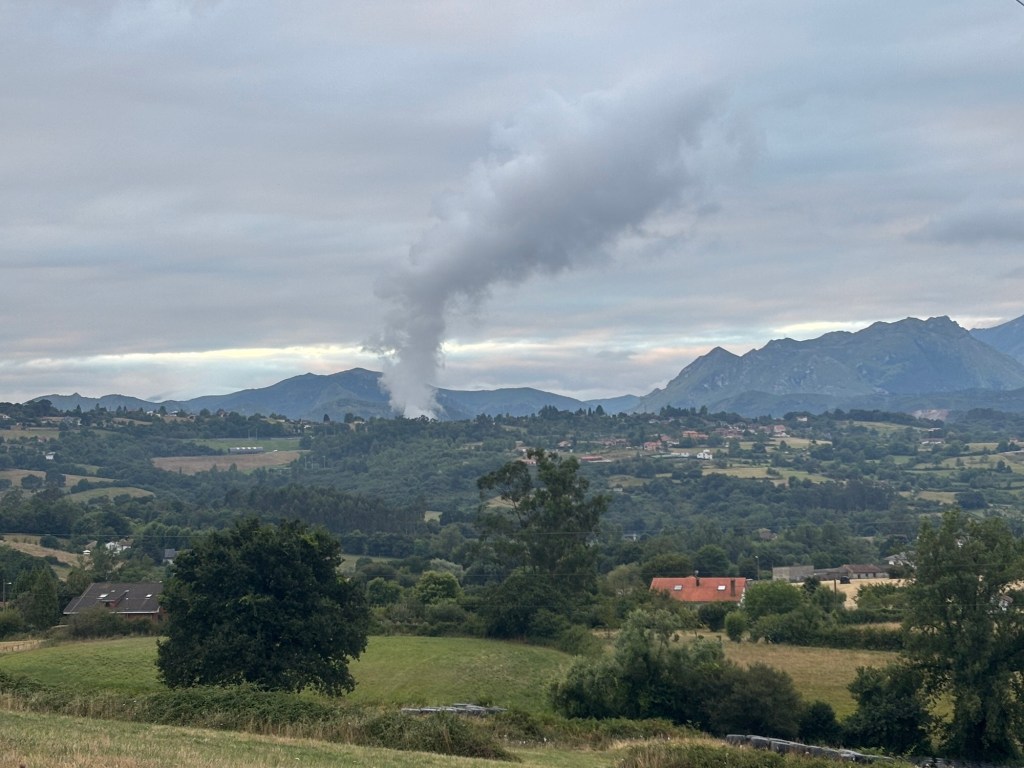
You might think such a place would be as Spanish as it gets. You would be mistaken. This is not a land of paella, flamenco and bull-fighting, or dark-skinned maidens flanked by guitar-wielding lotharios (a stereotype far more common among Italian pilgrims this year). This is a green and hilly country where the clouds descend as far as the tree-tops and sometimes beyond; where the rain rolls in off the sea in visible eddies and falls like mist on your face. Where the men are short but powerfully built, and the women breathtakingly pale. Where great clouds of smoke rise from the quarries and factories, and the air is thick with the constant ringing of cowbells. This is Asturias. It could hardly be more different to neighbouring León. It is a reminder – as though one were needed – that Spain is, in reality, a multinational state, where even the kingdom that started it all has its own distinct language and identity.


For the greater part of the morning, my road was cushioned by the clouds. Sometimes they moved with me, sometimes they moved against me. It rained for a half-hour or so, but it was not so much rain as a rain cloud that was so low to the ground that one could walk right through it. The Camino from Oviedo ducks and weaves through the hill country, sometimes following the asphalt roads, sometimes leading down dark trails into the tangled forests of oak and eucalyptus.

It’s very easy to see how this corner of Spain – behind the frontier of the Cordillera Cantábrica – shelters most of Spain’s lingering mythology. The forests are dark and watchful and the mist rolling through them plays tricks with your eyes. I heard something large kick up the leaves and dart into the deep at one point, but I never did see what it was. A deer, perhaps. There are plenty of them about.

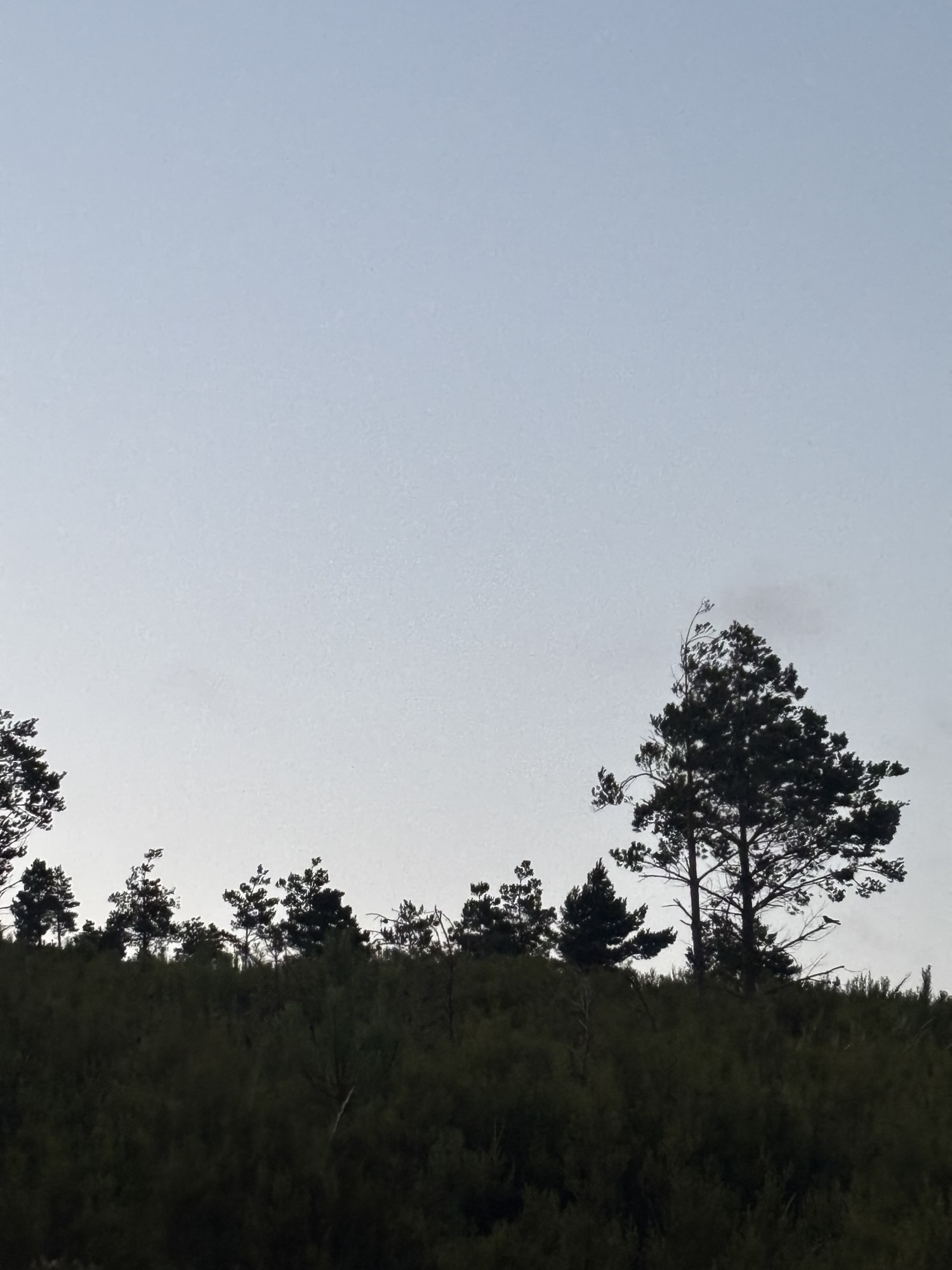
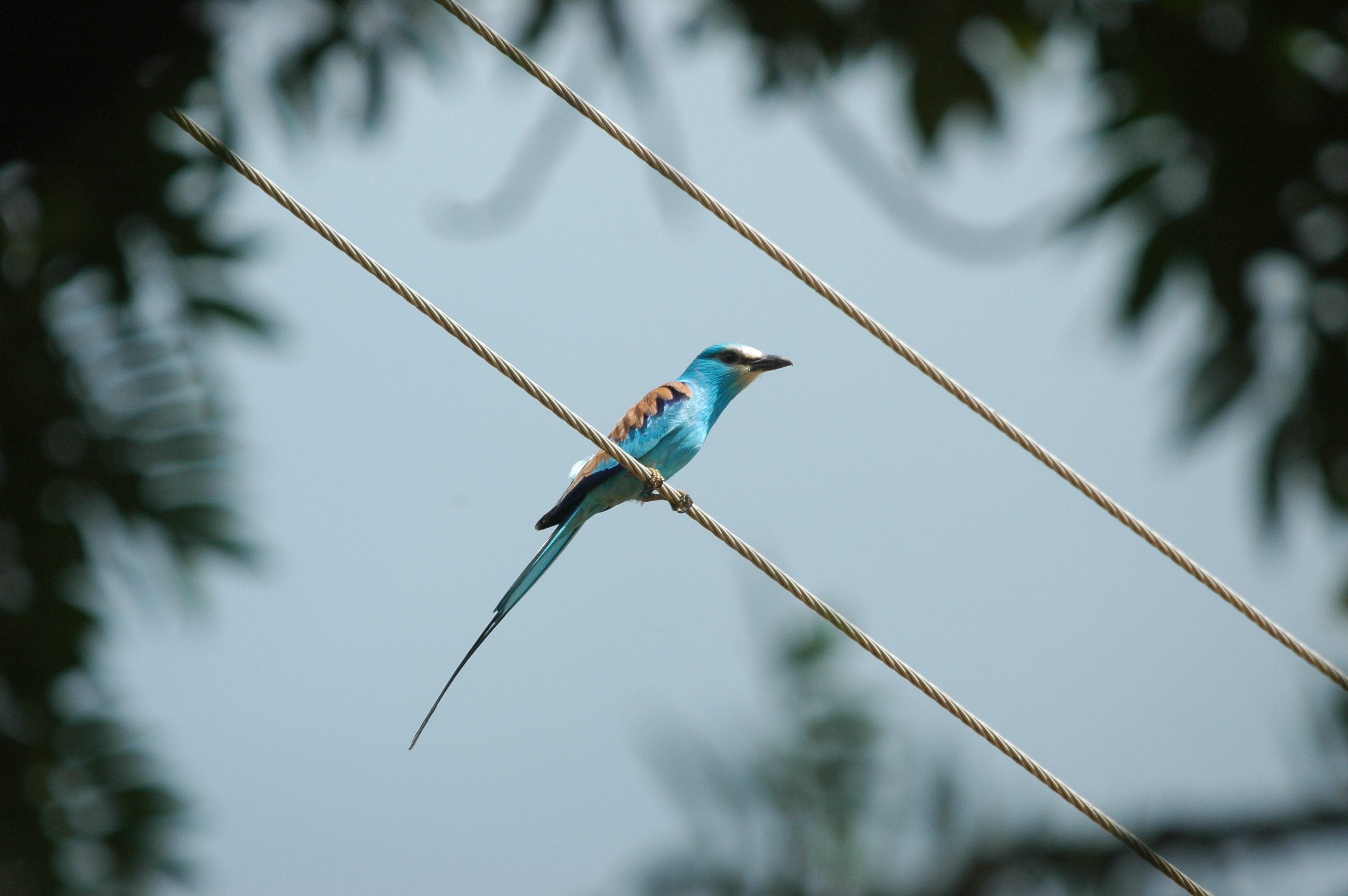
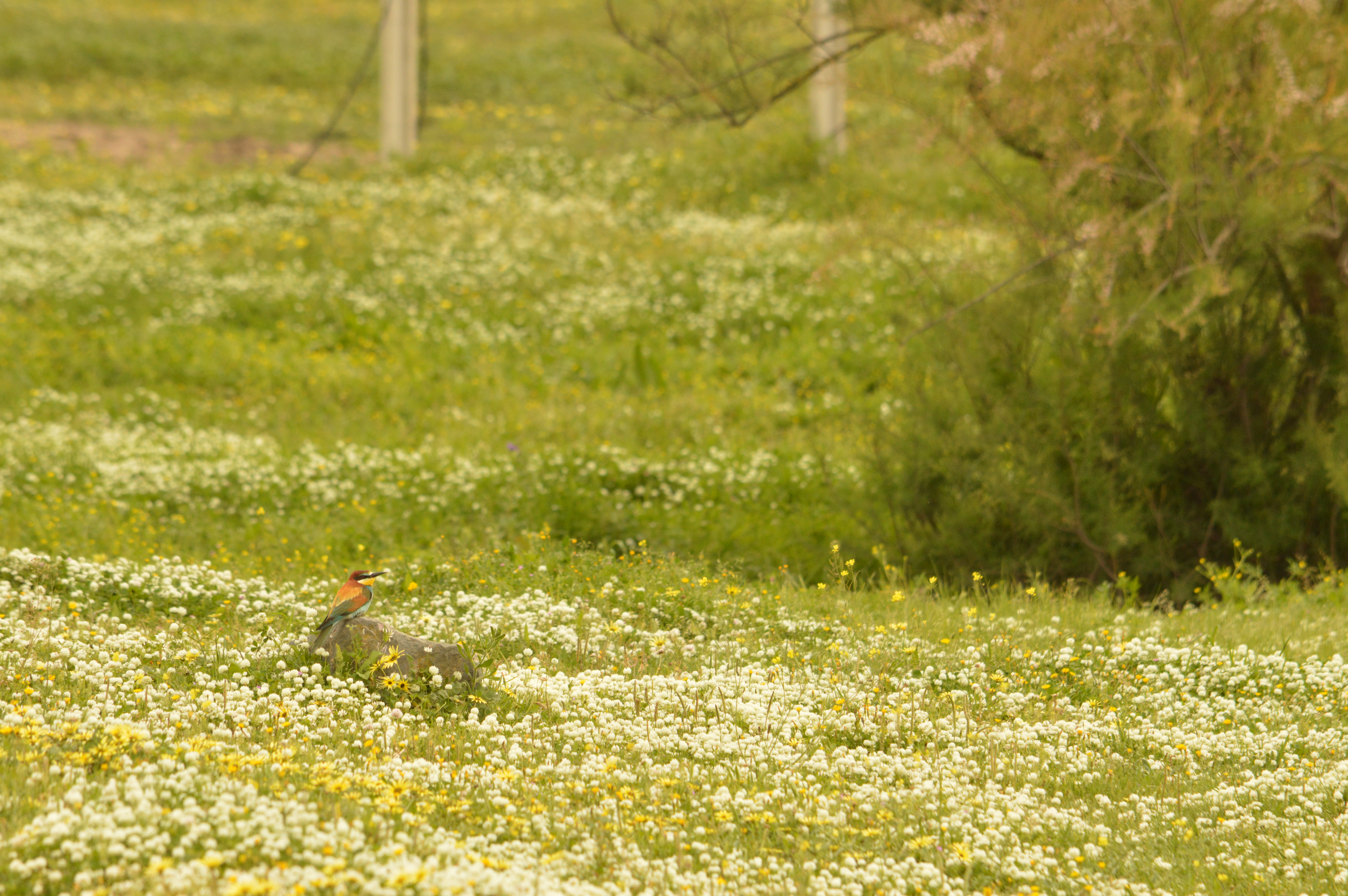
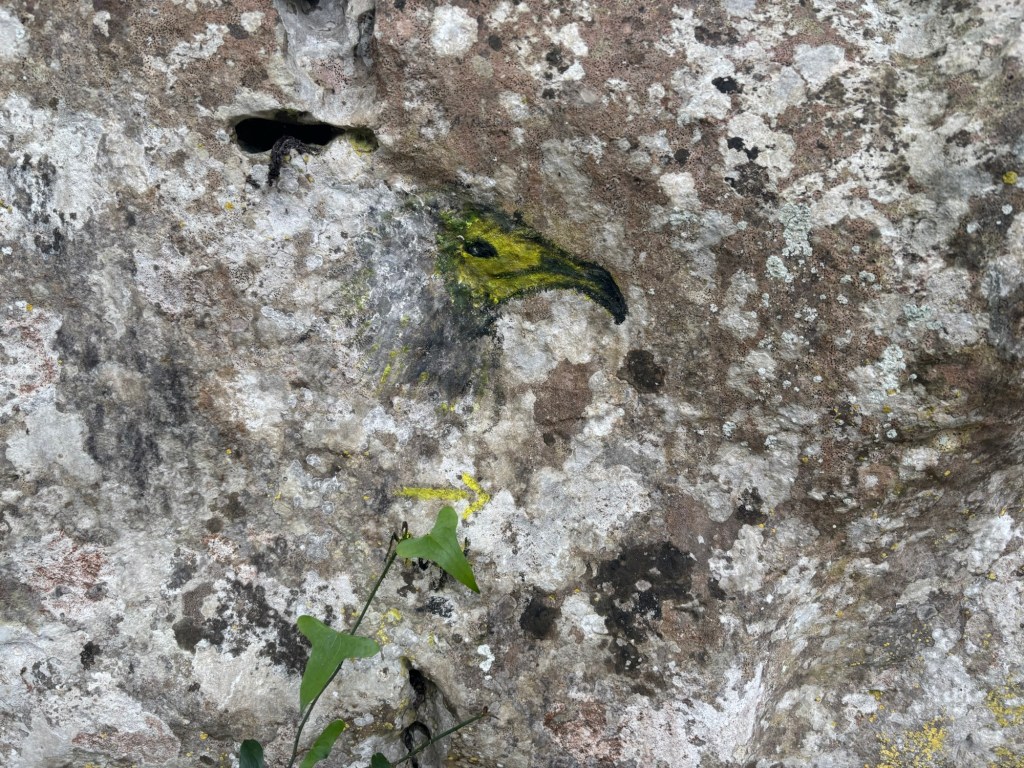
In one of the forested stretches, the Camino crosses a small clearing scarred with limestone teeth, like the bones of some ancient monster. A splash of colour on one of the rocks nearest to the road caught my eye and, on closer inspection, it was the head of one of the spirits the Lady of El Rocío sent to guide me yesterday: an Egyptian vulture.


Egyptian vultures are one of the oldest species of vulture still in existence. They are also the last of their kind, with their nearest relatives believed to have died out during the Miocene. They are incredibly intelligent creatures, being one of the few species to use not just one but two tools: using stones as hammers to break into eggs, and sticks as spools to gather wool or other nest-building materials.

They’re also amazing to look at, with their glam-rocker hairstyles and their black and white wings. I found myself wondering whether this bird was one of the inspirations for the Chozo, an ancient race of superintelligent avianoid aliens from the Metroid series. Their faces certainly match up to the earlier designs.

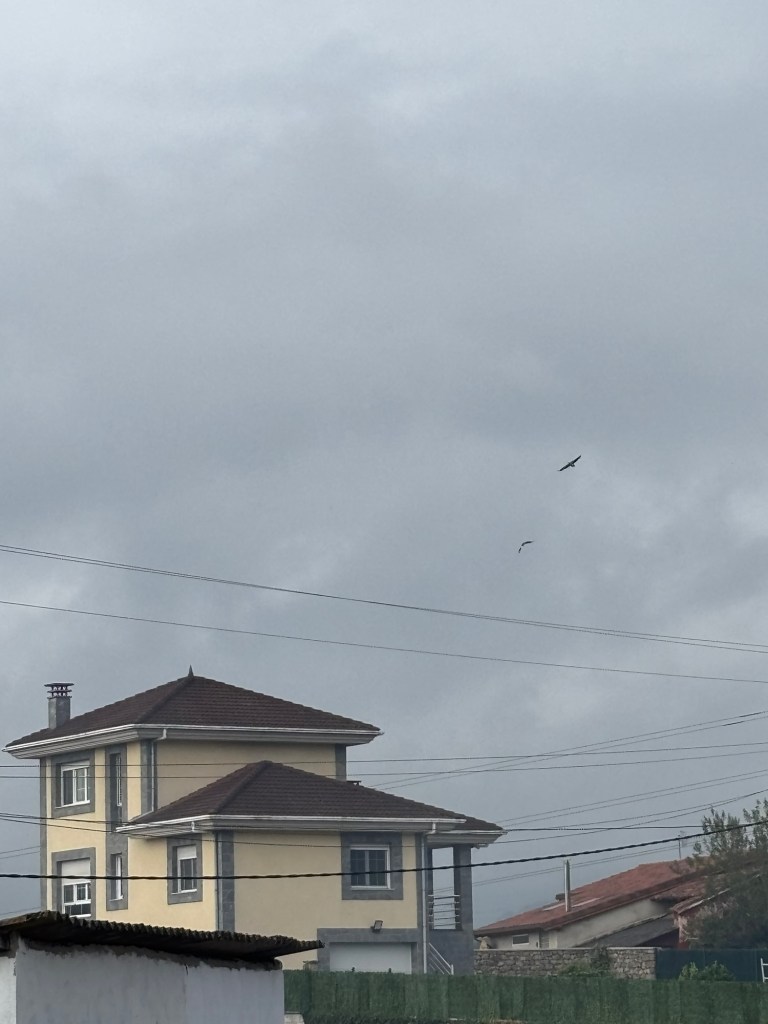
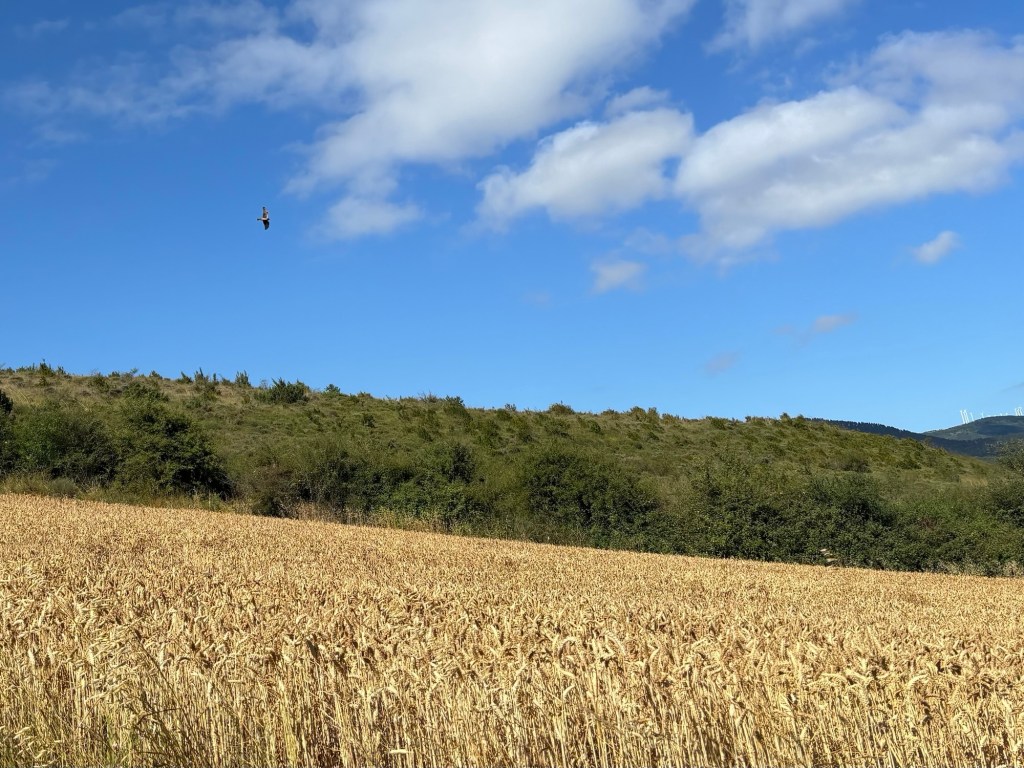
Well, while I had them on the brain, suddenly, there they were: a pair of them, circling low over a hamlet on the outskirts of Premoño. A local and his son were heaping refuse onto a small bonfire, which may be what drew them in, but before long they were riding the thermals high into the sky. It was enough to make me skip one breakfast stop just to chase after them and watch them ride higher and higher until I could no longer make out the diamond shape of their tailfeathers.


I tried to make amends on a breakfast stop in Valduno, but one of the waiters made frantic signs to be quiet as I opened the door: half the bar space had been given over to microphones and speakers, and they were in the middle of recording a podcast. I could get some water, they said, or wait in a corner. I felt I was intruding on something. I moved on.

I found a better spot in Paladín, where I had a nice long chat with the barman. He had some sort of alarm setup which sounded awfully close to Colours of the Wind from Disney’s Pocahontas, which went off whenever somebody walked through the gate – I guess that’s how he knew to appear the moment I arrived. He was keen to know how many pilgrims I had seen on the road. I told him only a handful, as I had been one of the first to leave Oviedo – which was true – but that there had been plenty at the albergue. He was quick to point out that not all of them would come this way, as the Camino Norte also runs through Oviedo, but seemed very appreciative to have a conversation with a peregrino. Spanish tourists bring money during the summer, he said, but they don’t bring much more than that: a place to eat and sleep and then they’re gone. He missed conversations with pilgrims and swapping tales from the road.

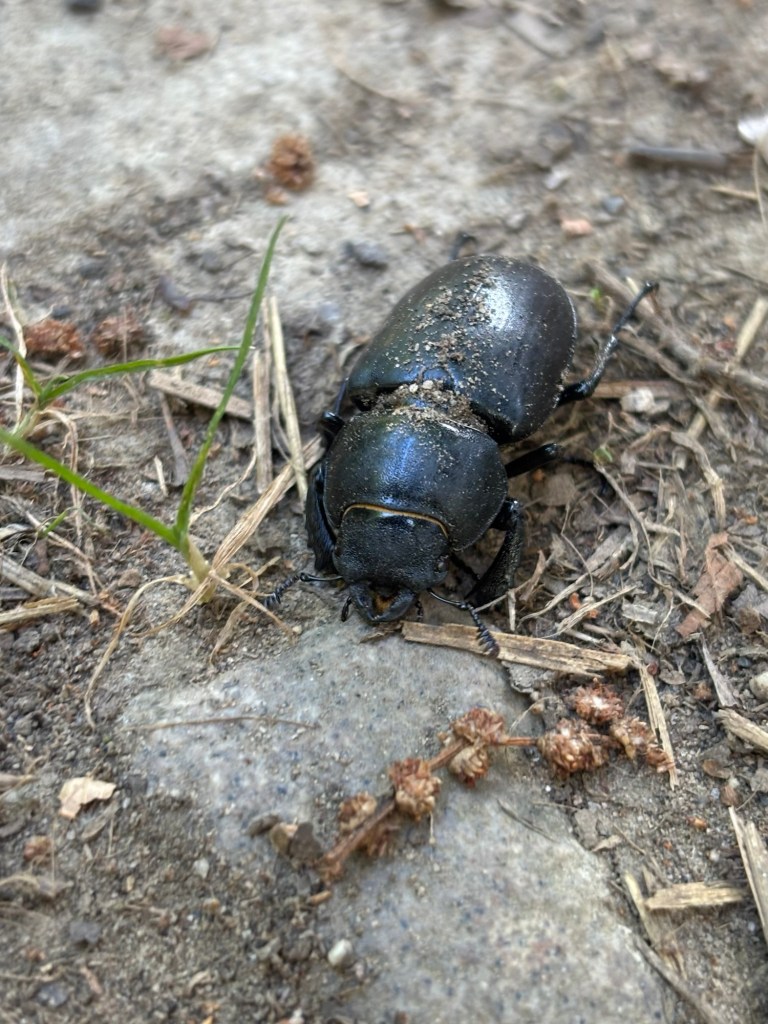
After Paladín, the Camino returns to the banks of the Nalón for a little while. I was so fixated on the beauty of the river that I almost stepped on a stag beetle. I have yet to see one of the impressive males, but the females seem to get about quite a bit during the day, as this is the sixth or seventh one I’ve seen along the Camino.


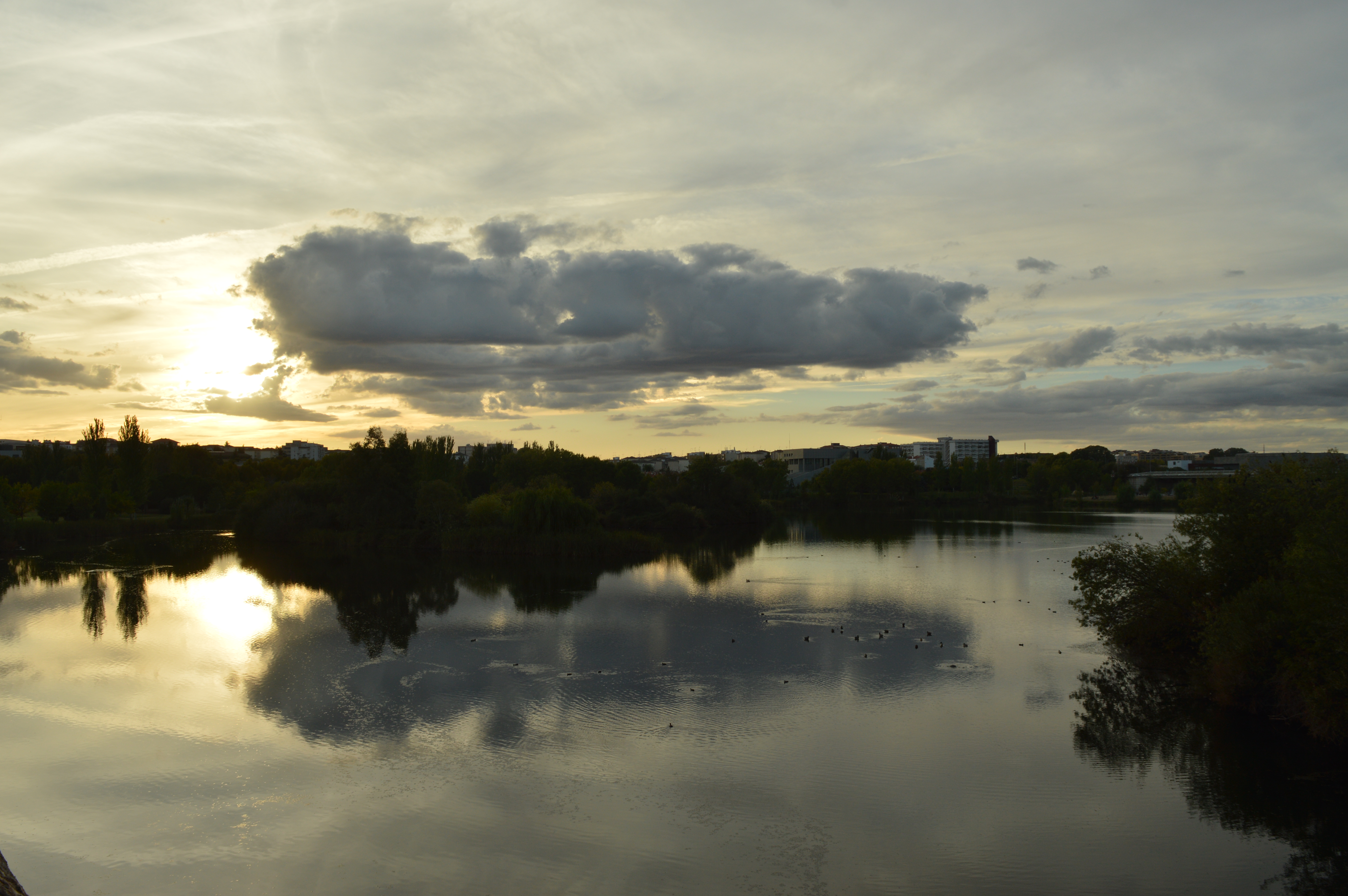
Like its sister, the Tajo, and a great number of other Spanish rivers and creeks, the Nalón cuts right through the craggy cliffs and sierras on its winding journey to the sea. The train from Oviedo seems to follow it, which must make for a spectacular journey. There’s a small bar at the foot of the Peñón de Peñaflor where you can stop for a drink, but I was much too busy drinking in the view. The old masters painted paradise as a garden with many mirrored lakes and fruit trees, but I think mine would be scarred with karstic crags just like these.


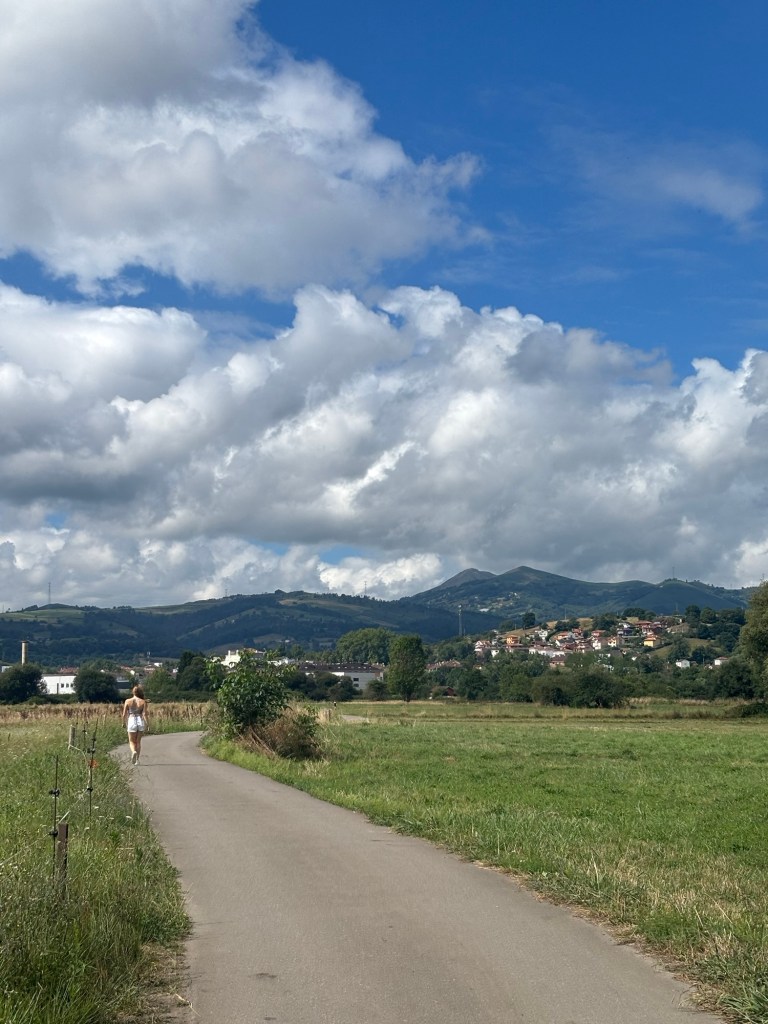
After crossing the river and the tiny settlement of Peñaflor – a small cluster of houses that seem to exist purely to justify the train station – the Camino cuts across the countryside toward the hill town of Grado. A local girl in white cut-off jeans stepped out into the road as I left town and sauntered on ahead with a jaunty, confident stride, toying with her hair over one shoulder and then the other, and then held up in one hand, as though she couldn’t quite make up her mind how she wanted it. It was about half an hour’s walk to Grado, where she finally disappeared into one of the apartment buildings. Spaniards aren’t known for being natural long-distance walkers, so I wonder what she was doing out here?


I reached the albergue a full two hours ahead of opening time, so I took off my sandals and zoned out for a bit. I’ve found a comfortable method in wearing my liner socks underneath the woolen socks (which may well be their original purpose). It’s not too hot and it meant no discomfort whatsoever from my blisters. Let’s see if it lasts.

Andrés, the cheery hospitalero from Badajoz (I’d recognise that accent anywhere) arrived just before 2pm and handled check-in, after which I had a good nap for two hours (that’s how I can justify still writing at this late hour, when all the other pilgrims have long since turned in). I considered going out to eat, but instead sorted out my flight home and popped out to a supermarket to get some supplies – namely, sun-tan lotion, as I’m all out and there are some long days ahead.

Back at the albergue, Andrés suggested making some wax stamps. This slowly brought all the pilgrims downstairs and got conversations flowing all around the room. Hospitaleros only typically work for around 15 days before moving on, but here was a master at work: friendly, accommodating, knowledgeable and unimposing. Just present.

He also had the spirit to call out a fellow Spaniard for a slightly tactless remark about how “easily” Moroccan migrants get Spanish citizenship. As a former civil servant, Andrés certainly knew his stuff – enough to put the man in his place with some hard facts about the reality of immigration policy in Spain.

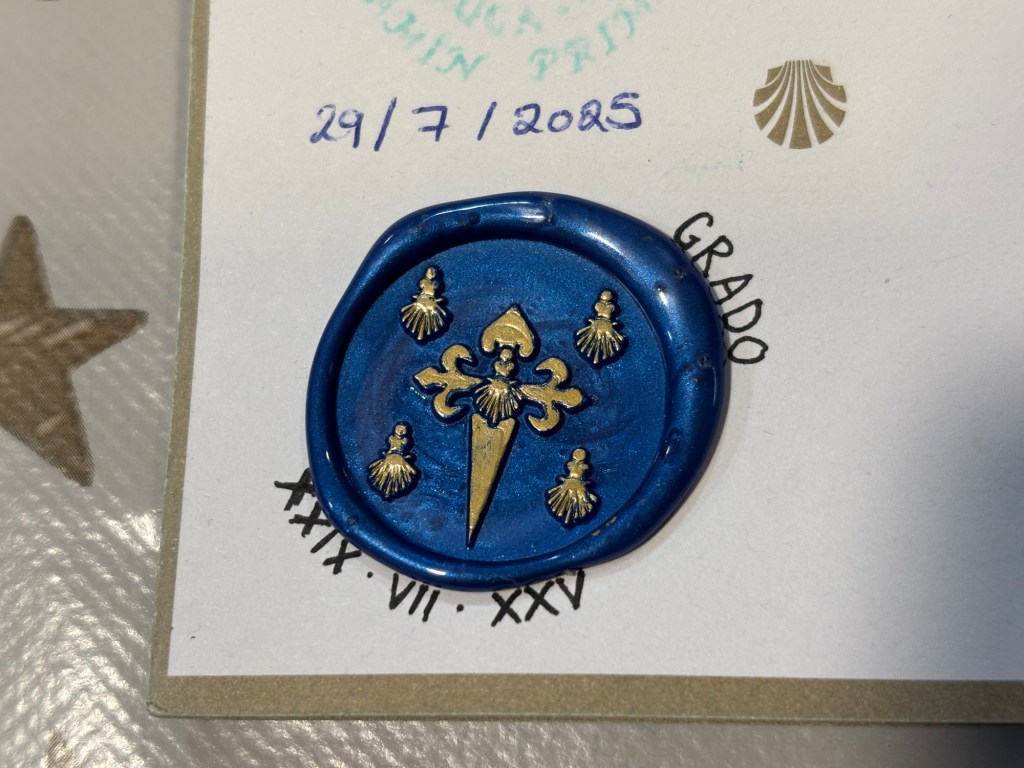
I feel I learned a lot today. I also got a shiny new wax stamp for the passport, which I painted gold in a nod to the Asturian flag. Now when I look at it, I’ll remember this place.


I don’t know if I’ll find a “Camino family” again like I did on the Francés – that road does facilitate the group dynamic like no other. But this feels right. I’m learning so much and seeing so much more.

Somebody stopped me from catching that train, and they had the right of it. Here’s to another week and a half of wonder. BB x

Camino VIII: A Hundred Eyes

Albergue de Peregrinos, Monreal. 15.10.

One of the best things about the Camino – at least, for somebody who does not particularly enjoy sticking to a strict plan – is its absolute freedom. You can aim for a particular destination at the end of the morning, but if you overshoot, or find a place you like along the way, you can always change your plan. And – it goes without saying – there is no “true” Camino. There never has been. There is simply your route to Santiago, wherever that may lead you.

Today, I decided to take a major detour through the Foz de Lumbier, deviating from the “official” Camino by some six kilometres, in search of one of the most striking landscapes to be seen on all of the routes to Santiago de Compostela.


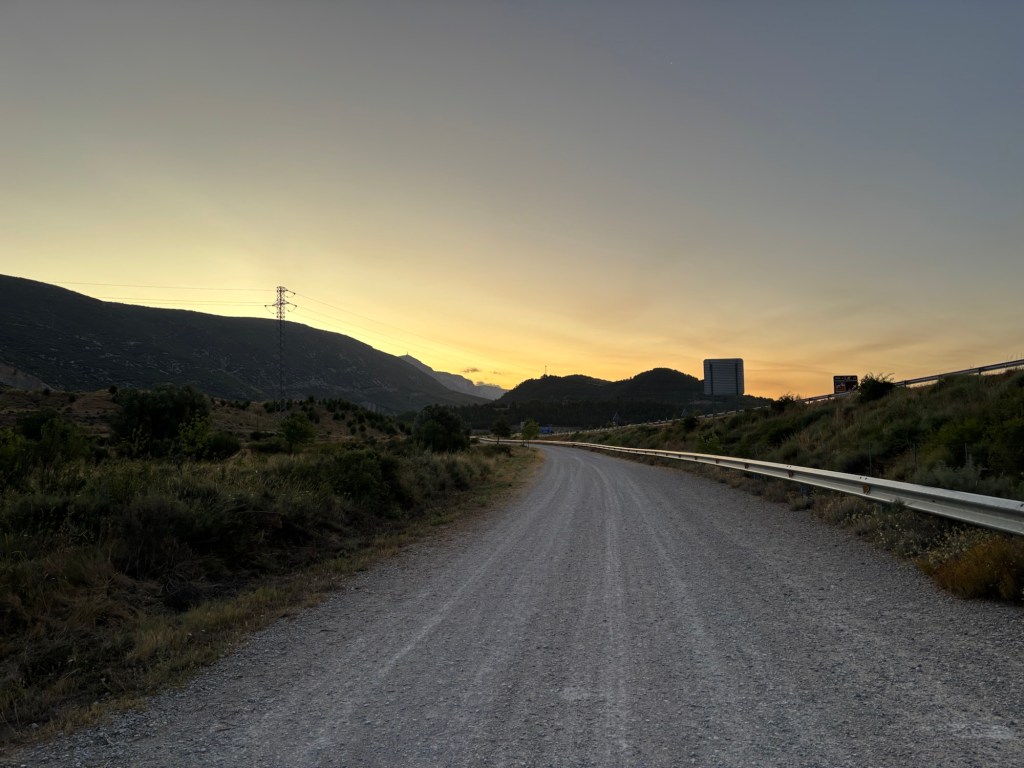
Google Maps suggested the detour would take around eight hours, so I set out early, leaving Sangüesa’s albergue at around 5.15am (5.20, technically, as I left my sticks behind and had to double-back to get them). The Camino turns off about half a kilometre north of Sangüesa, just before the Smurfit industrial complex, but I pushed on along the road towards Liédana. There was quite a bit of traffic at first, but it was mostly workers going to the factory: after leaving the complex behind, I hardly saw anyone on the road.


There were a few scattered yellow arrows west of Liédana, indicating that this must once have been one of the many Camino routes, if not perhaps one of the more commonly known alternatives. I had timed my arrival at La Foz for sunrise, knowing that any earlier would have been far too cold and dark and any later would risk a merciless march along the roads later on. Plus, in the first hour after dawn, it’s always possible you’ll find something unexpected, as the animals of the night make their final rounds before retreating into the dark places where they hide during the day.

I had not counted on the wind. A fierce north wind was blowing this morning, almost strong enough to knock the sunglasses off the top of my head, and easily powerful enough to make it impossible to listen to the audiobook I had on (Robert Harris’ Conclave – a little late to the party, I know).


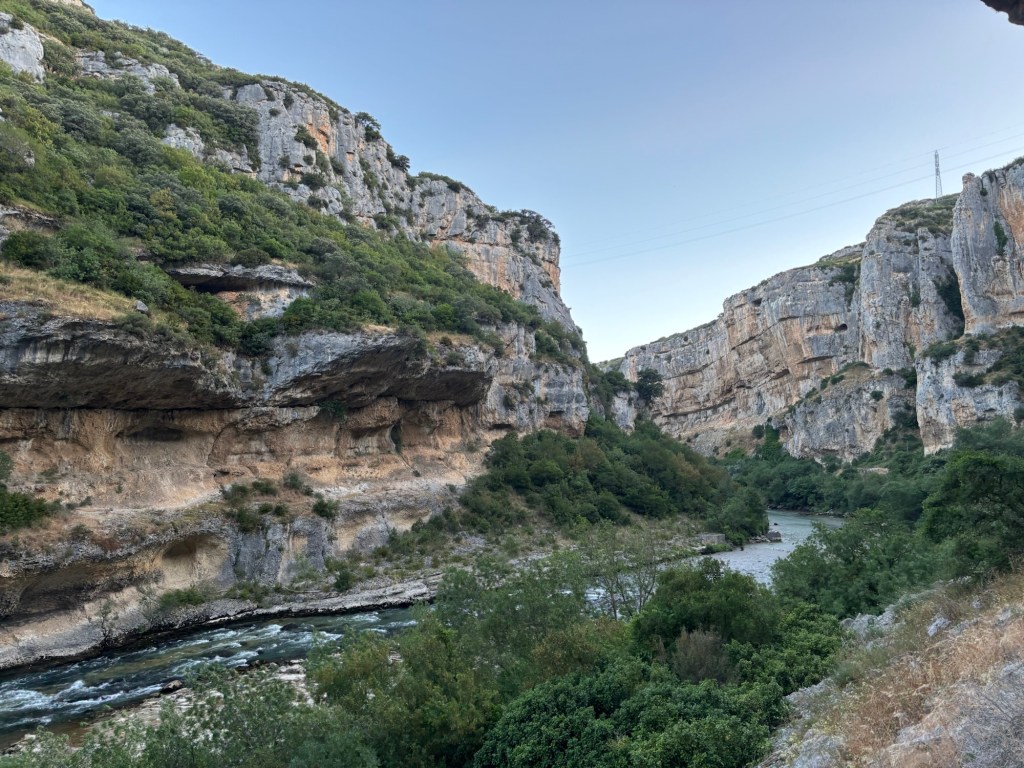
La Foz de Lumbier is one of two major canyons that can be found in the Sierra de Leyre, formed by the southwest passage of two rivers, the Irati and the Salazar. The other, La Foz de Arbaiun, is even grander still, but stands some twelve kilometres to the east of Lumbier, putting it well out of reach of even this overambitious pilgrim for today.

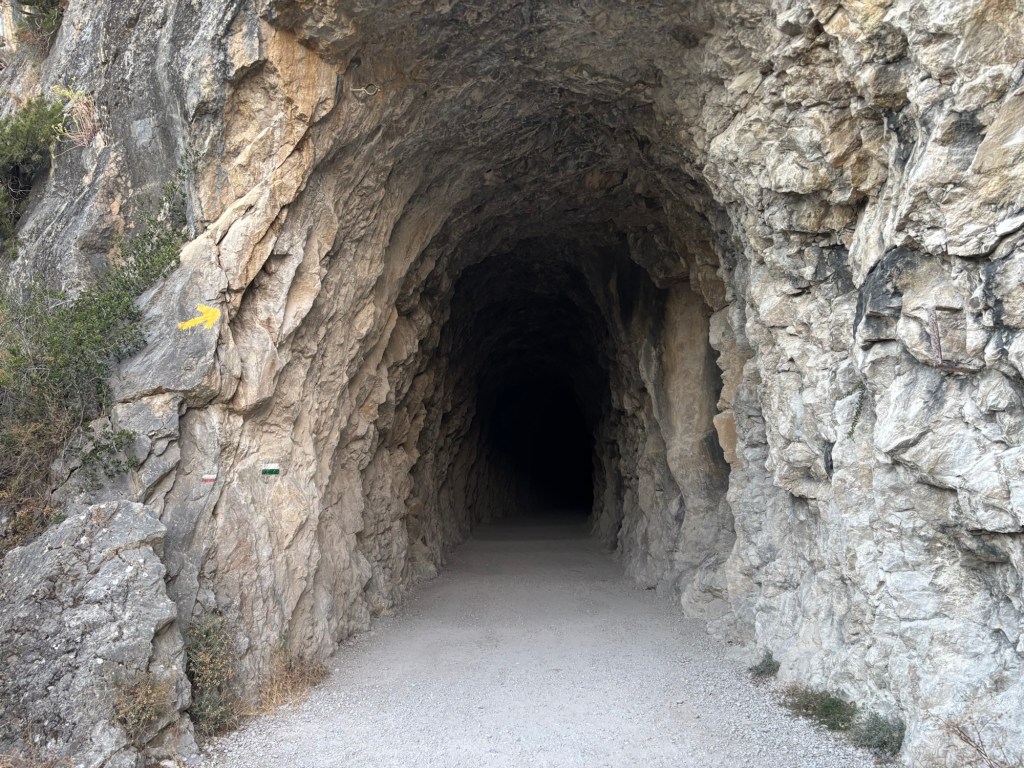
The north wind was still howling down the canyon when I arrived, which made the tunnel access all the spookier: the only way in and out of the canyon is via two long tunnels cut into the cliffs, neither of which are lit. The southern tunnel curves around to the right, pitching you into total darkness for half a minute or so.


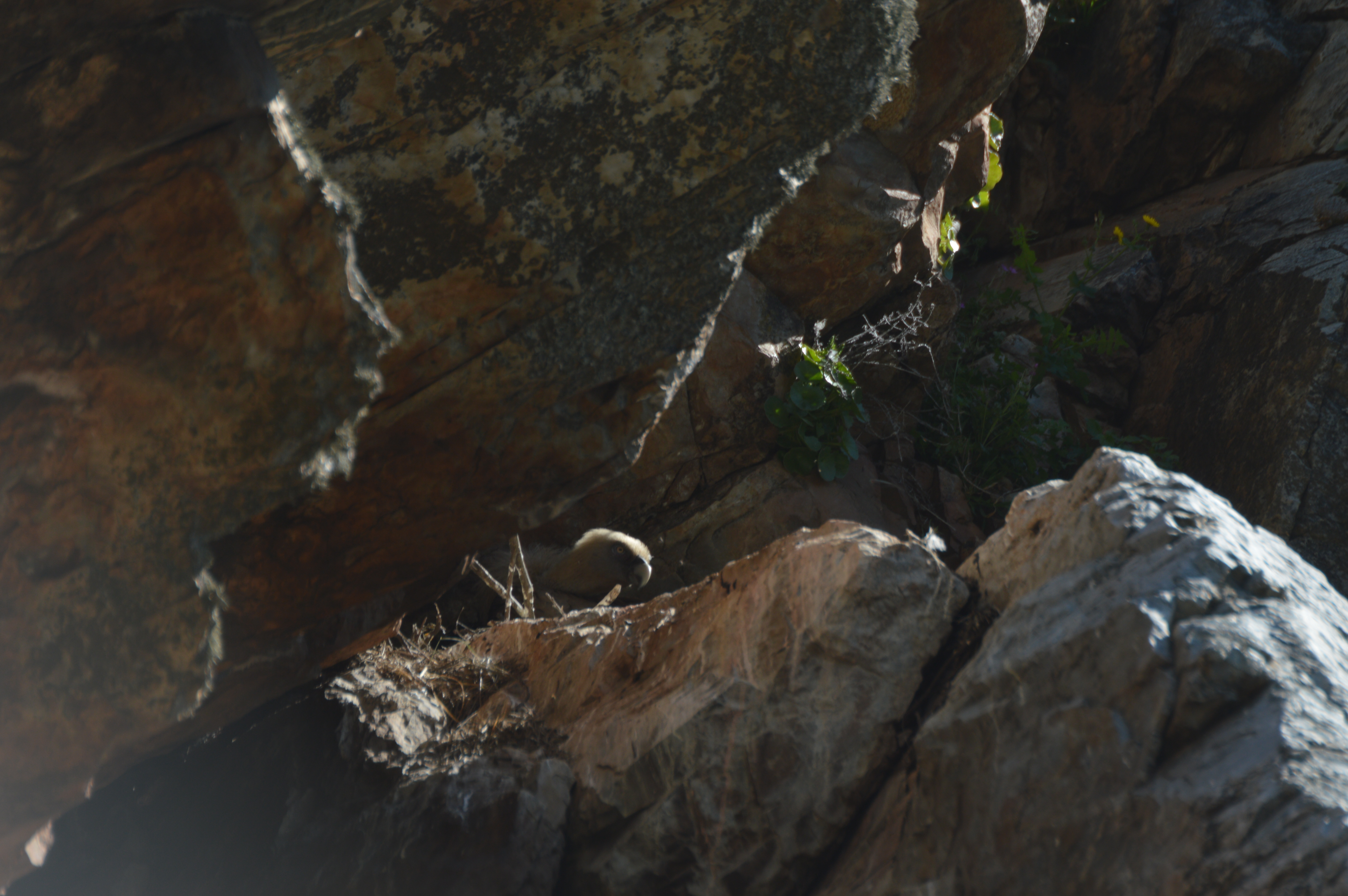
Once inside, a gravel track known as a Via Verde (a converted railway line) leads you along the gorge. Had I arrived later in the day, perhaps, I might have seen some of the canyon’s famous Egyptian Vultures: bizarre, chicken-faced creatures with white plumage and diamond-shaped tales that migrate to Spain from their winter quarters in Africa each year. However, they were nowhere to be seen this morning, presumably sitting on their nests deep in the many caves within the cliffs.

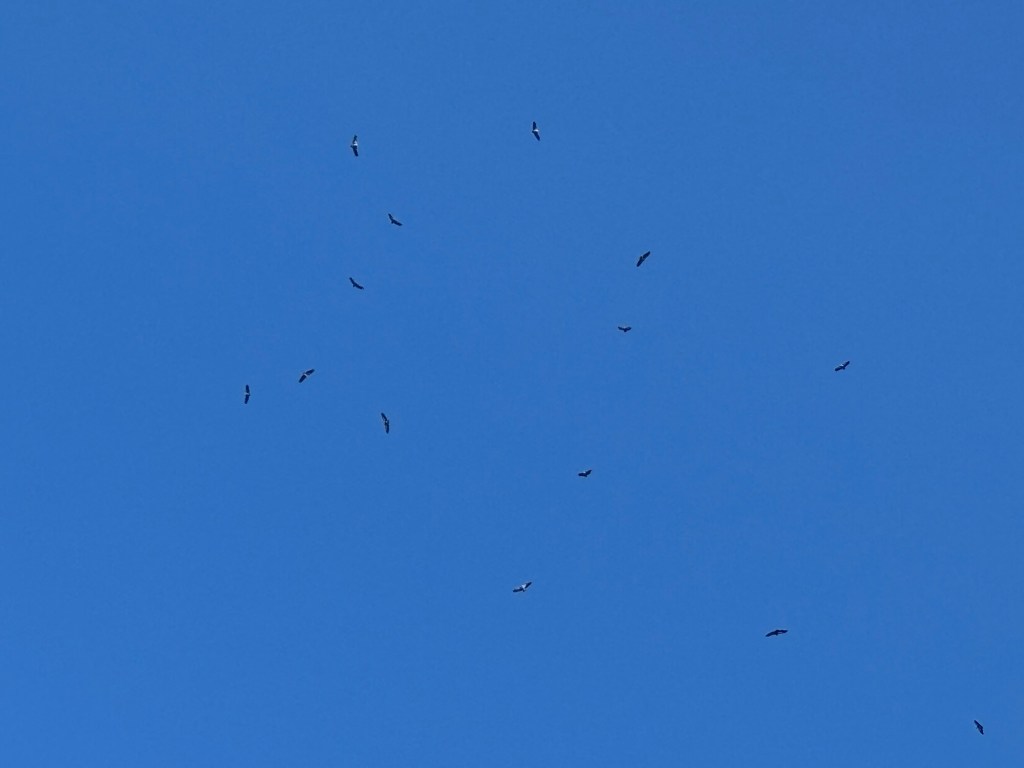
The gorge’s other resident vultures, however, were everywhere.


I couldn’t shake the feeling that my passage through the canyon was being very closely watched, as though hundreds of eyes were following me along the river. My guess wasn’t far off the mark: once my eyes adapted to the twilight of the canyon, I realised that many of the bushes atop the canyon walls were in fact a great host of griffons, staring down at me with bobbing movements of their snakelike necks.

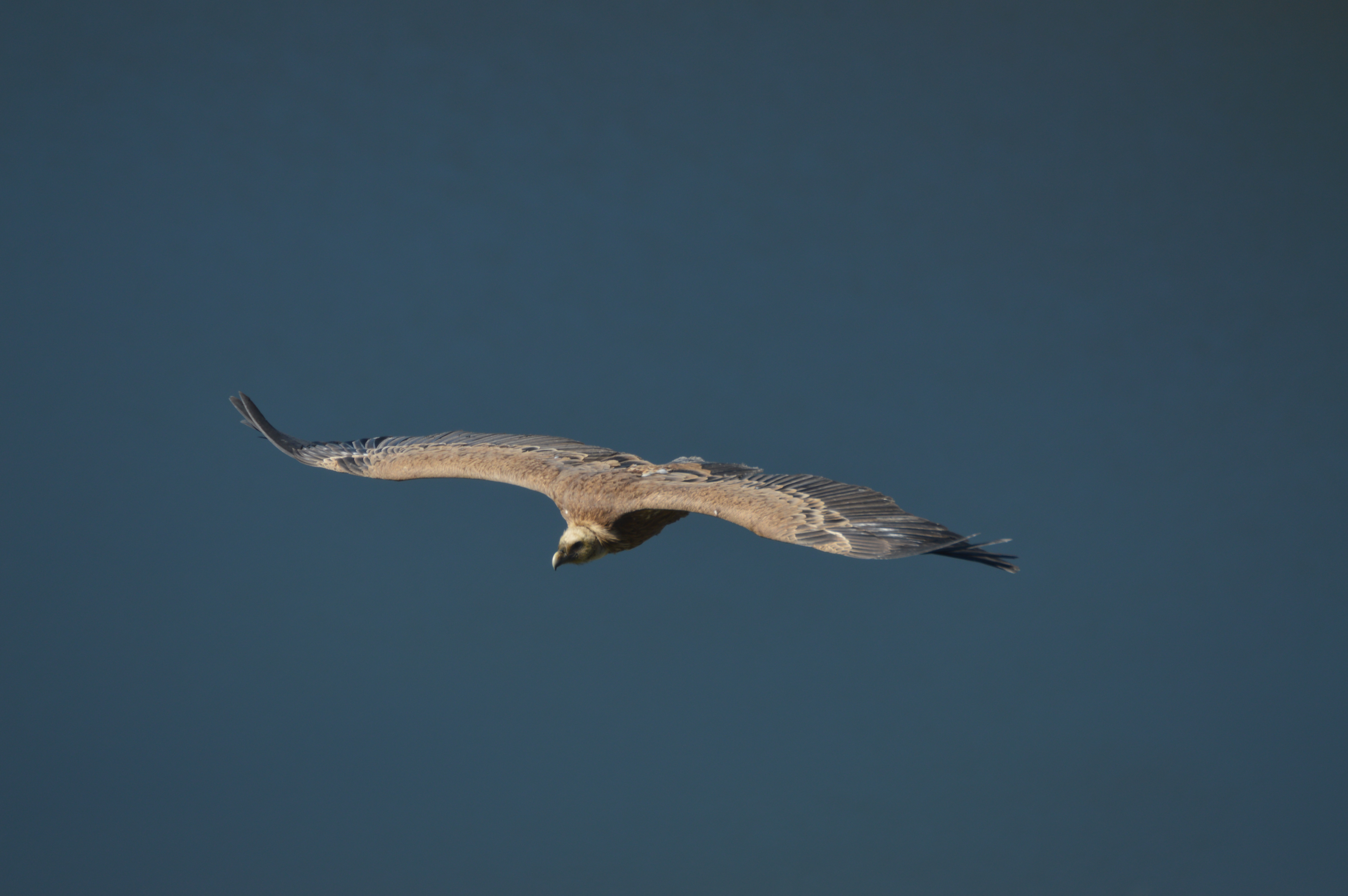
Every so often one or two of them would spread their monstrously huge wings and take off into the morning, before returning, feet dangling, to land on some other outcrop downriver, before turning their hulking shapes to see how much progress I had made.

I make no secret of my love for vultures. They are far and away my favourite animals on this planet, and especially griffons. I have never recovered from seeing one for the first time during that first trip to Spain: never accustomed to anything larger than a herring full, I was spellbound by the sheer size of the beasts, with their hulking shape, their silent circling flight and the long, trailing fingers on the end of each wing. That obsession only intensified when I came face to face with them during a solitary climb up the misty mountain of El Gastor, where I spent an incredible hour watching the giants appear suddenly out of the mist at eye level, merely feet away from my perch at the edge of the mountain.

So perhaps you’ll understand why I was so quick to slap an extra six kilometres onto today’s 27km hike, if only to spend some time in the presence of these magnificent creatures. They truly take my breath away.


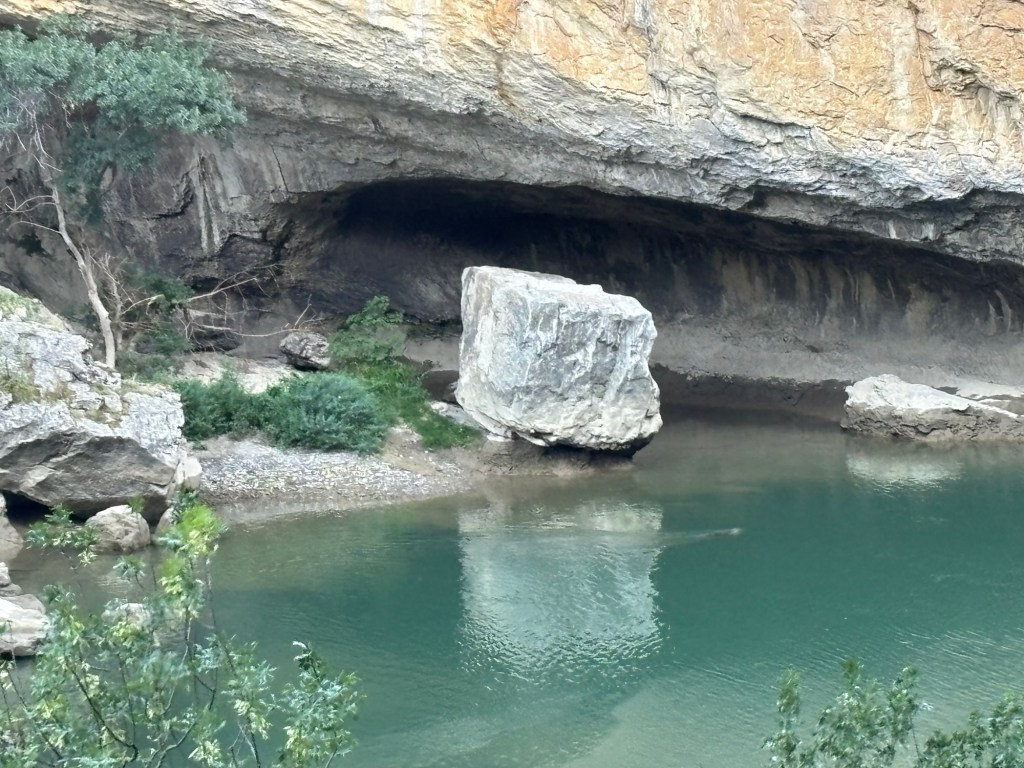
But Lumbier had more than just vultures to sling at me. Just before leaving the gorge, I noticed something moving in the water below. It might have been the wind, which had been making shapes across the surface of the river all morning, but this was moving slowly against the current. Something long, snake-like, with a white-whiskered face: an otter. Talk about a stroke of luck! Just like the lynx I encountered in Doñana earlier this year, this was a first: I have never seen an otter in the wild before, or at least, one that I could call with any degree of certainty. iPhone cameras are good, but they can’t zoom and they’re not brilliant at moving objects in low light, but if you look closely you can just about tell what you’re looking at!


Really, I ought to have hung around at the other side of the tunnel to see if it reappeared, but I wasn’t entirely sure how long it would take me to get back to the Camino, so I played it safe and left the otter to his morning swim. I certainly couldn’t have done an awful lot better with my phone camera even if it did return. I’ll just have to come back someday with the rest of my kit.

Instead, I skirted the town of Lumbier and made my way back to the Camino. This was easier said than done: the “official” route meanders through the turbine-topped hills on the other side of the roaring A-21. Getting back to it was no easy feat, so I followed the old concrete road to Jaca for about 8km.

Normally, road stretches along the Camino can be quite hairy, with grim or even challenging looks from drivers. A spate of pilgrim deaths on the “original” Camino, now overlaid with concrete highways, led to the move toward the current network of tracks and footpaths. However, thanks to the A-21, which runs parallel, there was hardly anyone on the road at all, which made for a very peaceful (if monotonous) walk.

The sun was well on its way to its throne in the Castilian sky by now, and with it, the vultures of La Foz de Lumbier came drifting out on the thermals, as though to see me off.


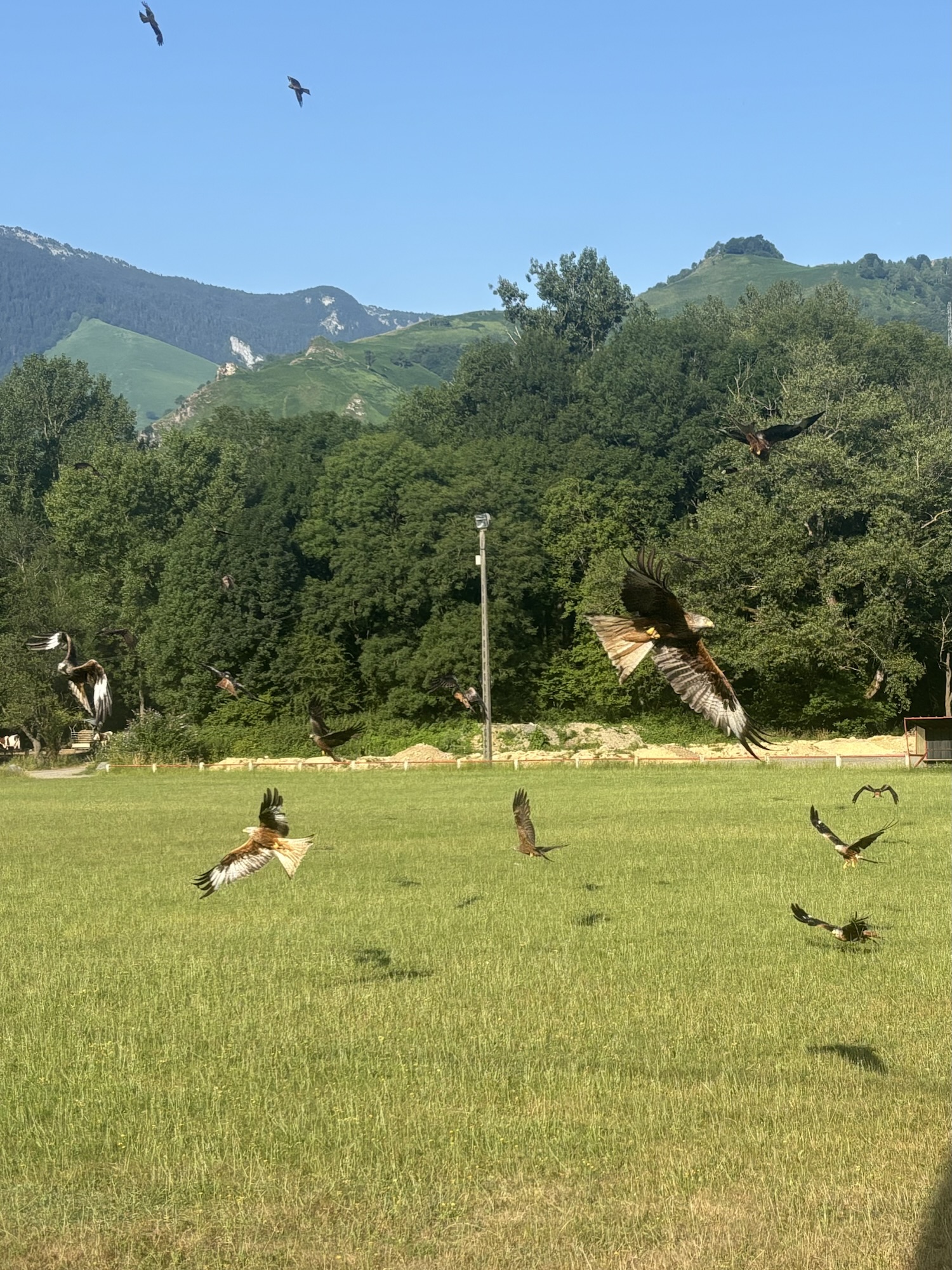
I had a veritable fleet of raptors to keep me company today. As well as the vultures, a few kestrels, buzzards and booted eagles were circling the hills around Izco, along with the usual red and black kites. Today added two new encounters to the mix: a pair of short-toed eagles – exceptional snake-hunters – and a young hen harrier, my first (and hopefully not last) of the Camino. I have an especial fondness for harriers, especially the ghostly grey males, whose long, tapering wings and bouncy flight always conjure up images of the endless meseta in my head.


The cattle-crowded foothills of the French Pyrenees seem like an age ago. We are now very much in crop country. It hasn’t had much of an impact on the flies, which are everywhere this summer (I suspect the two months of rain Spain had this spring has caused their numbers to explode this year), but it does make for considerably easier terrain.


Contrary to what the guidebooks say, Monreal does have a working bar/restaurante. The hospitalera should know – it’s her husband who runs it! So I will grab a pizza there tonight, before the last long march of the Camino Aragonés tomorrow toward Puente La Reina and the start of the next stage of my journey: the busier Camino Francés. At least, I hope it will be busier! There’s no guarantee in July, but it should at least have more than one pilgrim in the albergue from night to night! BB x

Old vs New

It’s been a mad week. Over the last week I’ve had to fret over dwindling career prospects, squeeze answers out of a class that don’t appear to have improved at all in two years, hurdle a new wave of needlessly ambiguous admin, wrangle with pushy internet dealers and, to top it all off, deal with a flatmate and a friend who could still disappear at any given moment should a better offer arise. It’s not been easy. The first few weeks of term are always an uphill struggle but I’ve never known one week quite this bad.

Five days of mental block were torture. None of my attempts at writing came to fruition. I needed a break. I had to get away from it all. And Fate, as she often does in such situations, came up with the goods. At the end of an afternoon spent filling in forms for Student Finace and the local Junta – and venting my hysteria through last week’s Have I Got News For You – an offer to join the other auxies for a Halloween Party came through. I ummed and ahhed and was on the verge of turning it down when I had one of my spontaneous urges and decided to go for it. I had no time to prepare an outfit, so I came as an un-ironed shirt. Perhaps that’s the least of the small-world horrors I’ve had to deal with this week, but it was easier to explain.

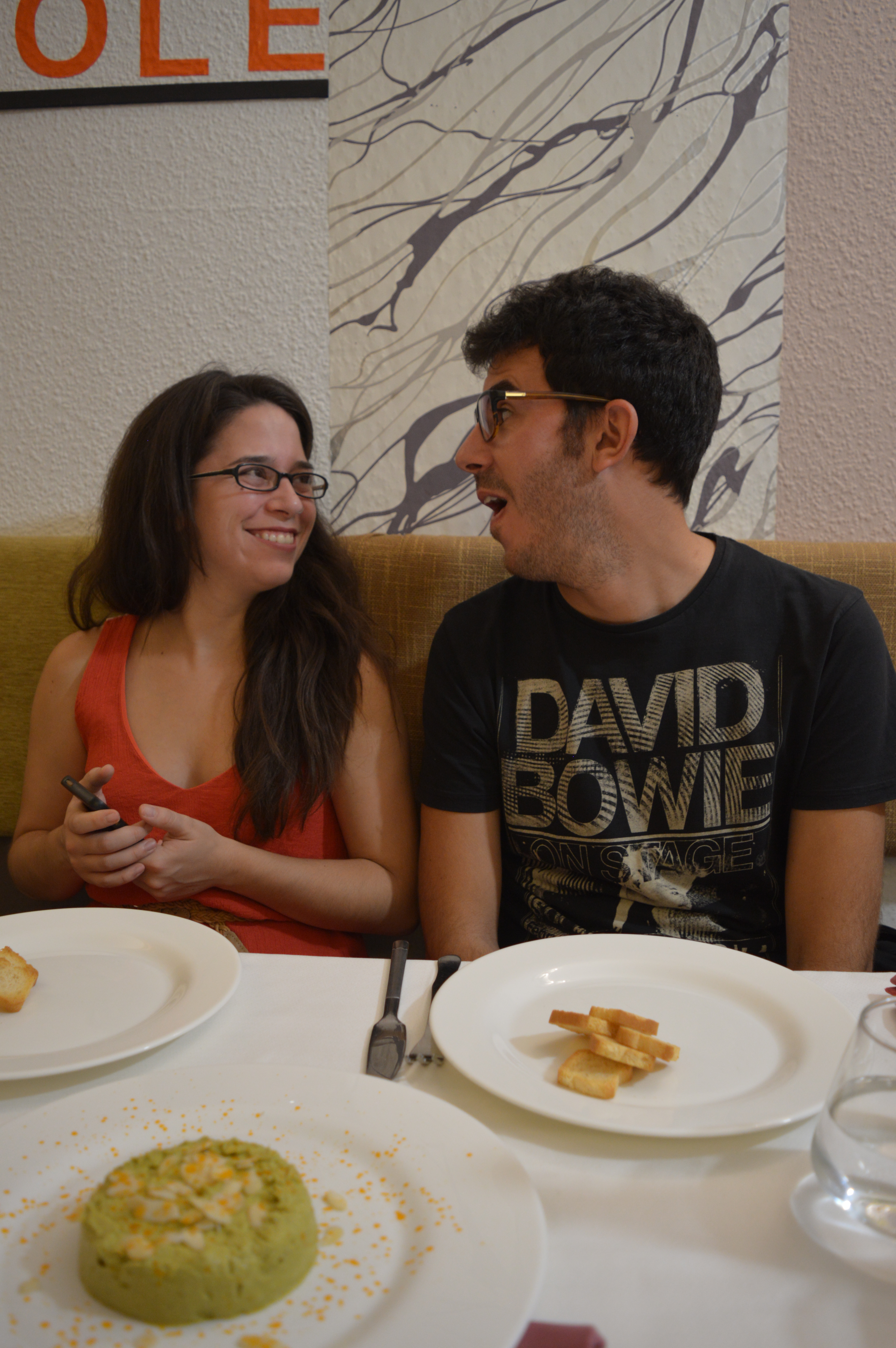
It was an enjoyable if tame night, for which I was truly grateful. I had the chance to discuss my music withdrawal issues with a kindred spirit, and to gather opinions from the new auxies on their new home. I also got to put my dancing shoes on at Concha when Billie Jean came on. I needed that. But most importantly of all, I got to spend some quality time with two of the brightest stars of the Tierra de Barros, Tasha and Miguel.

DSC_0807

If I needed a reaffirmation that I had made the right choice in coming back to Villafranca and not striking out somewhere new, this was it. These two are perhaps the greatest of all reasons for my return. Vultures, Hornachos and migas were waiting, but these two goofballs were a greater lure yet. And it isn’t often you can so easily allow yourself the luxury of moving your workplace to be near to your friends.

DSC_0889

We spent the day in Mérida, where Fate once again showed me a kind hand for my spur-of-the-moment decision. Because I spent time with Tasha, I learned that the Junta needs a stamp from the bank and a paper copy of our ICPC, which have to be mailed, not emailed. Even though I went to the Orientation days this year, that detail wasn’t spelled out, nor was it included in the emails. It’s a good thing I spent Friday morning hunting for envelopes and stamps, albeit for a different purpose. If the man at the estanco hasn’t been so dishearteningly begrudging at surrendering two rows of stamps rather than the twenty I was asking for, I might have used them all. Forewarned is forearmed.

She also demonstrated a knack for knowing my desires by meddling with Miguel’s car’s CD player. The Red Hot Chilli Peppers CD kept pausing, so he put on a Galician band who played the unmistakeable lullaby-dream of Erin Shore, albeit to the name of Romance de Novembro with Galician lyrics – this, after gallego has been so on my mind after my parents’ visit this week. Fate, or whatever it is that organises these things, sure knows what she’s doing. At twenty-three years old, I still cling to the storybook belief that everything that happens happens for a reason. It’s hard not to see the lines when you want to.

DSC_0811

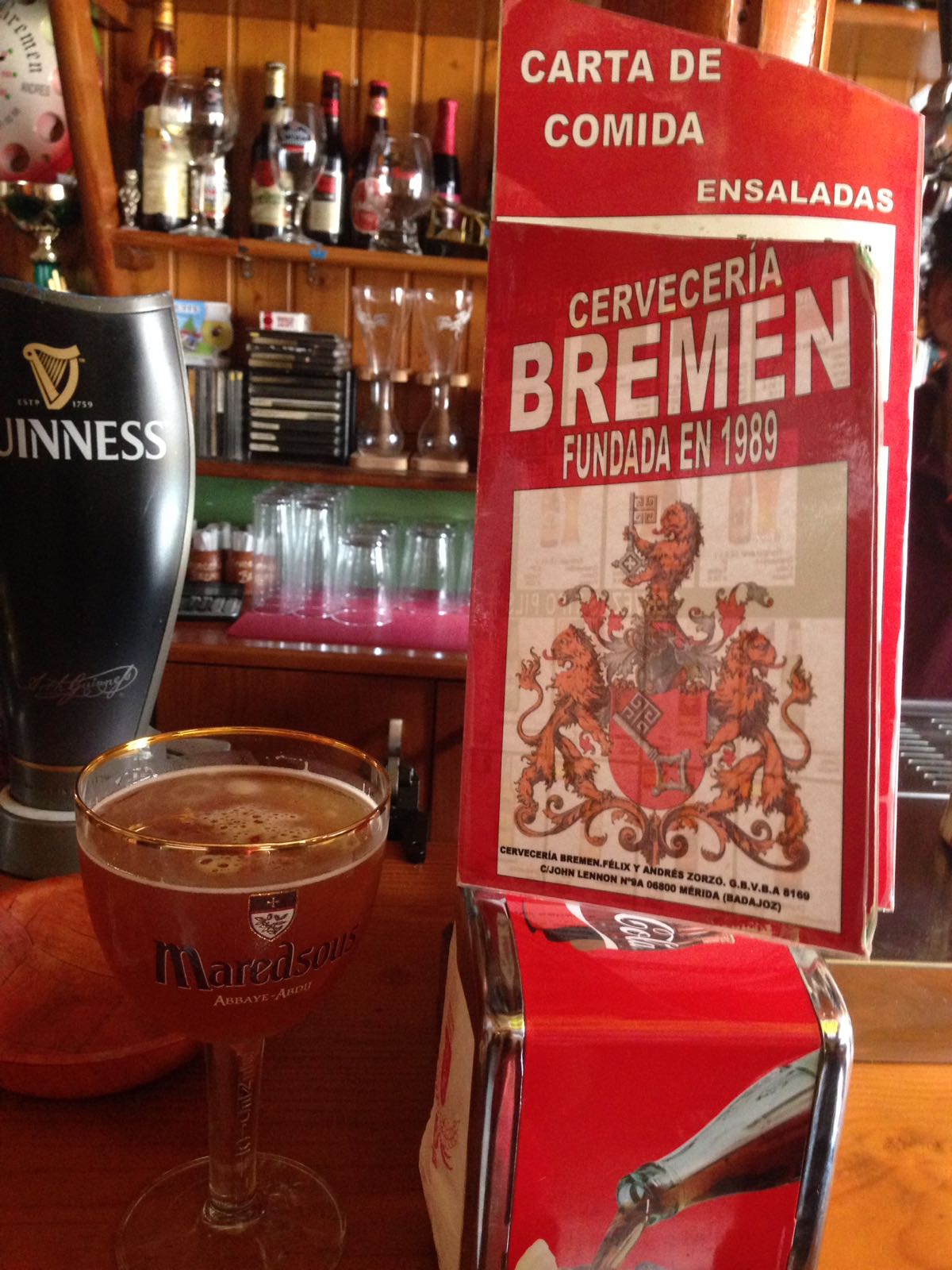
 We had a couple of beers in a Bremen-themed bar on the curiously named John Lennon Street, complete with memorabilia of the former Beatle plastered on the wall beside buxom stein-bearing belles and German insignia, whilst the bartender bemoaned the loss of jobs in the wake of Catalonia’s defiant pursuit of independence. Spanish flags still hang from balconies across the region a week and more after the Día de España celebrations, in solidarity with a nation that’s being pulled apart by old wounds. My beer tasted like strawberries and wasn’t unpalatable. I guess beer is like tea, coffee and sitcoms: unappealing at first, but you learn to appreciate it over time. Effort leads to endurance, eventually, enjoyment.

IMG-20171021-WA0013

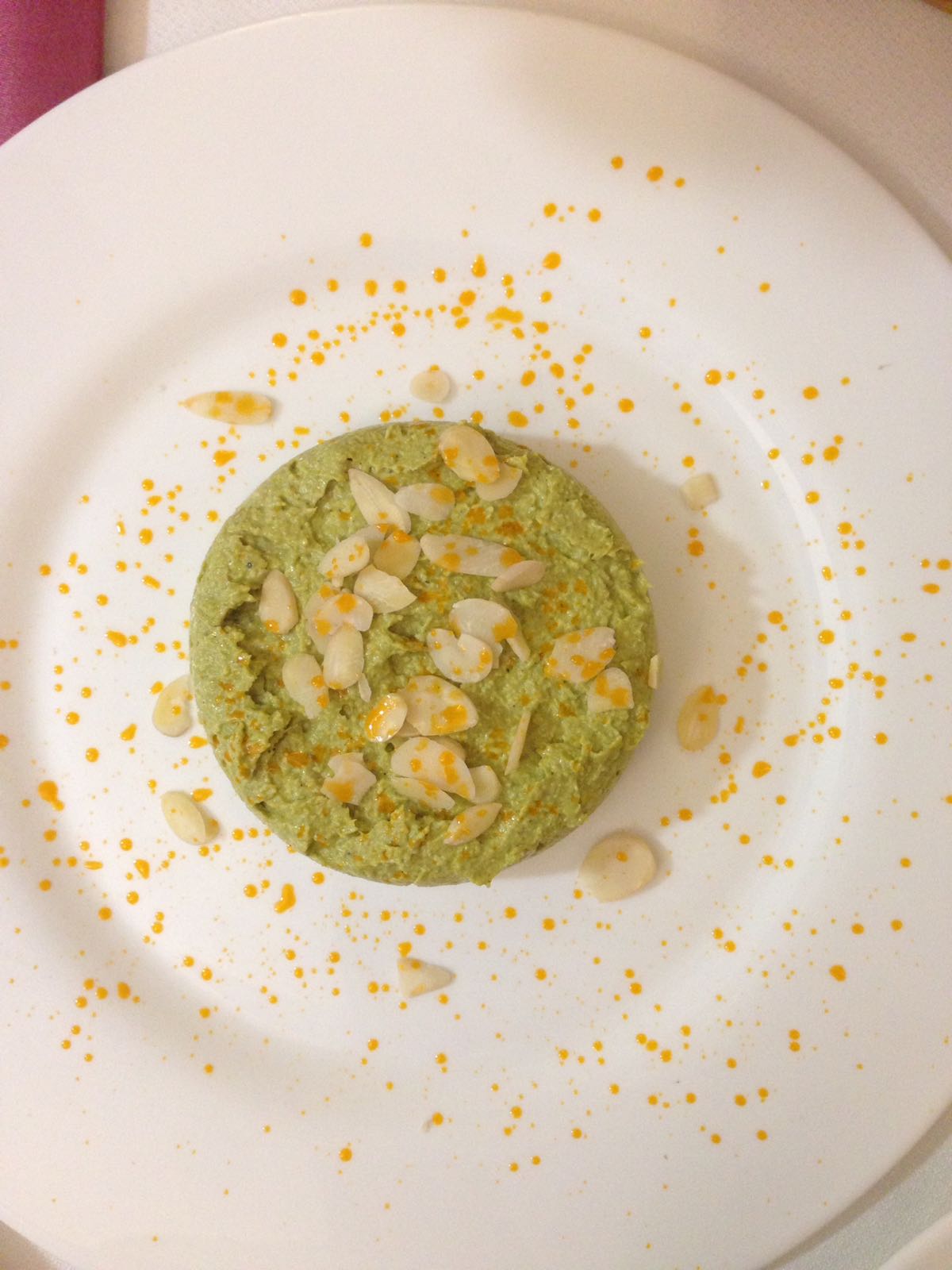
Lunch was superb. We visited La Taberna del Sole on the recommendation of a student of Tasha’s and we were not disappointed. Four courses (including a green asparagus and almond pâté and the ever-reliable croquetas de jamón) left us fit to bust, and at under twenty euros a head, it was a steal for a fancy lunch. The city is finally opening up to me.

IMG-20171021-WA0014

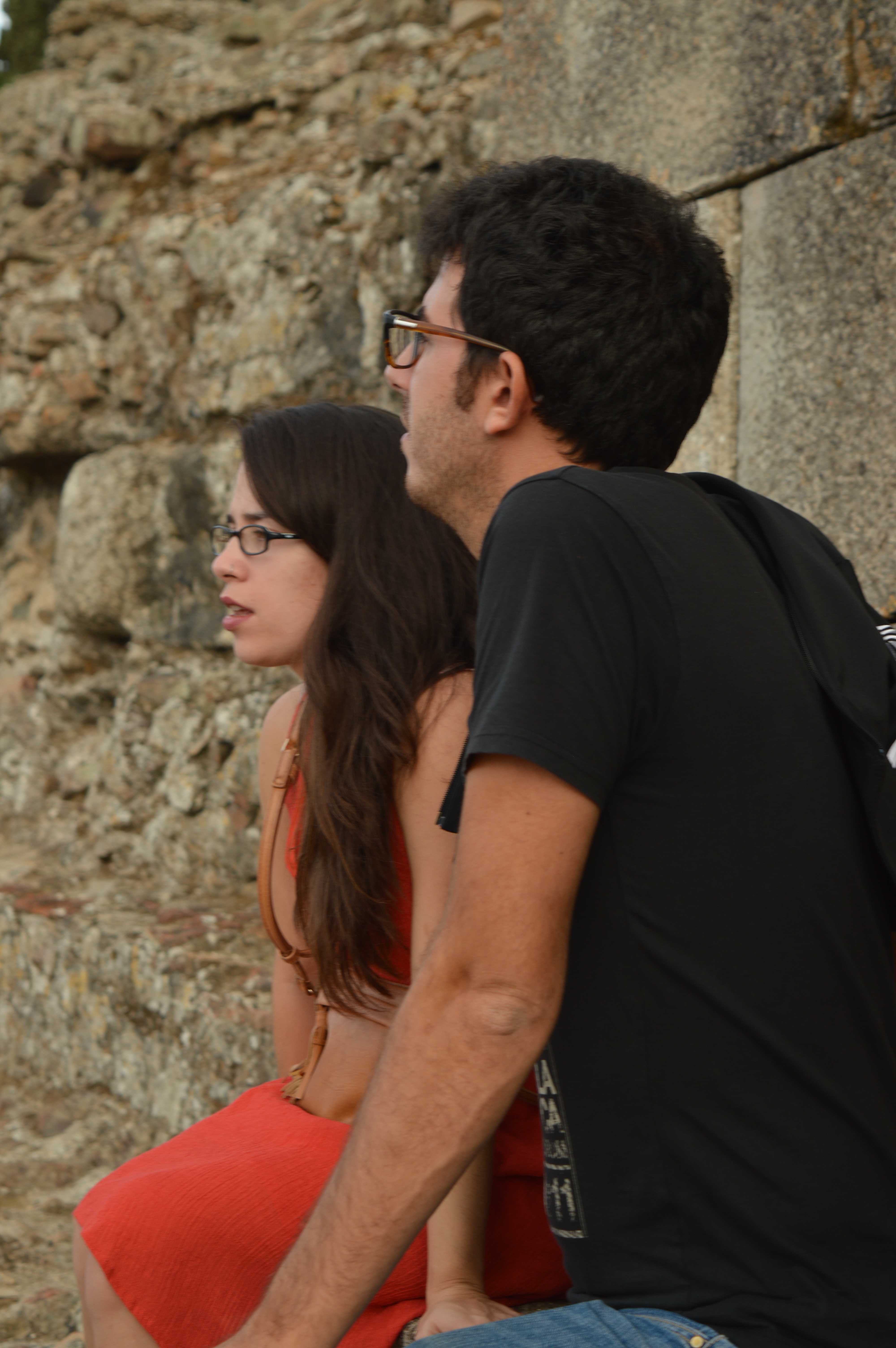
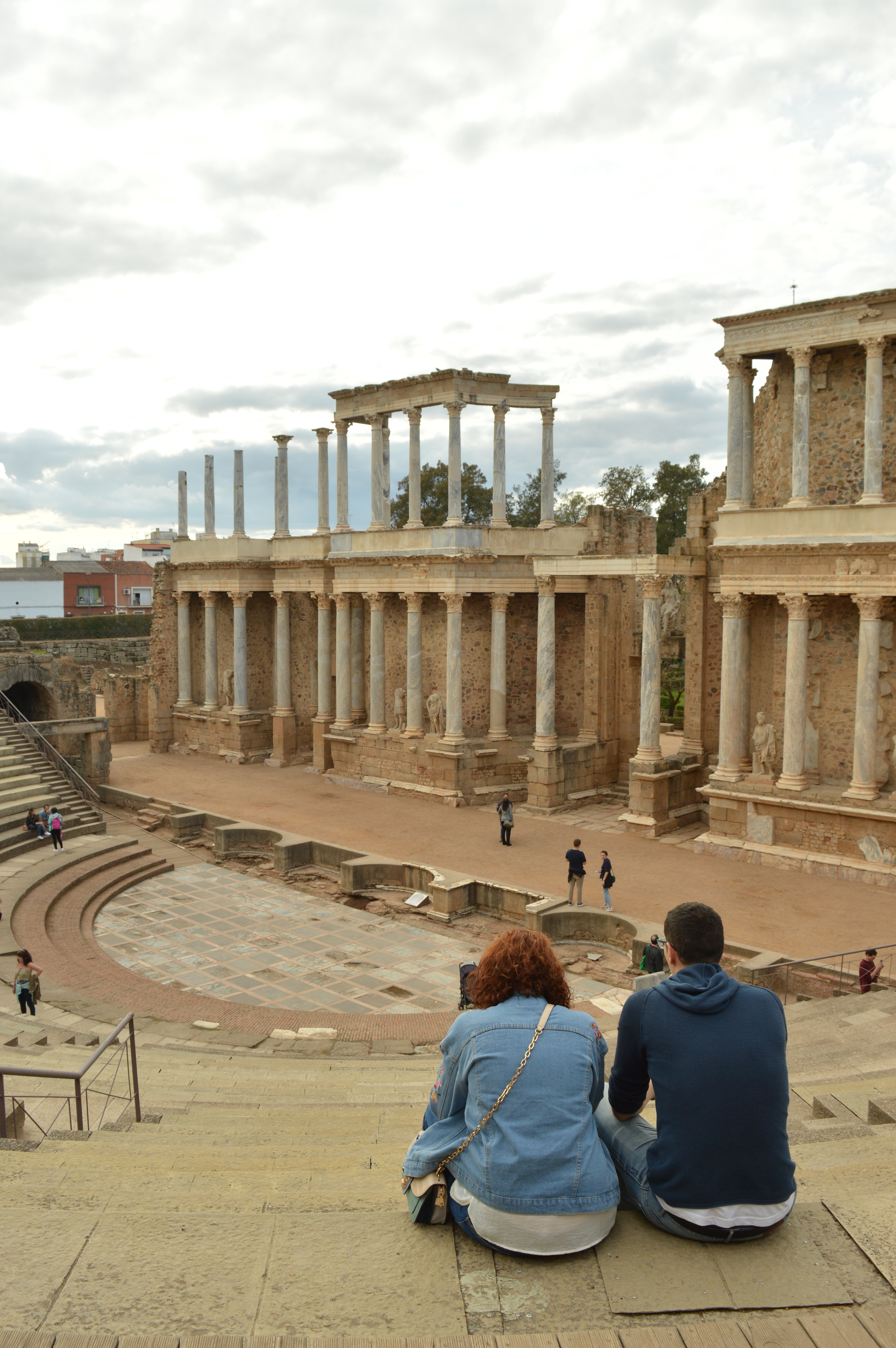
Despite having already lived here for a year, I never visited Mérida’s famous Roman theatre. Tasha and Miguel thought it was high time that was remedied. I guess I’m spoiled from having wandered the ancient beauty of Jerash and Petra, but Mérida’s reconstructed theatre complex is nothing to be scoffed at. It’s hard to believe it was all but underground a few decades ago, back when the city was confined to the north bank of the Guadiana and the Los Milagros aqueduct still marked the northern edge of town. Stradivarius and Burger King now adorn the old streets, rubbing shoulders with the Temple of Diana and Saint Eulalia’s basilica. Times are changing quickly here.

DSC_0873

The amphitheatre is equally impressive. Complete with a sunken arena that wouldn’t look out of place in an episode of Pokémon, the building is in remarkably good nick for its age. It’s always a little hard to tie the two together, the sophistication of the Roman Empire and the bloodlust of its citizens who paid to watch men and beasts kill each other. Man, the noblest of all beings, and the one who delights most in killing his own kind. In Rome we see man for what he truly is, perhaps. A vainglorious hypocrite.

DSC_0902

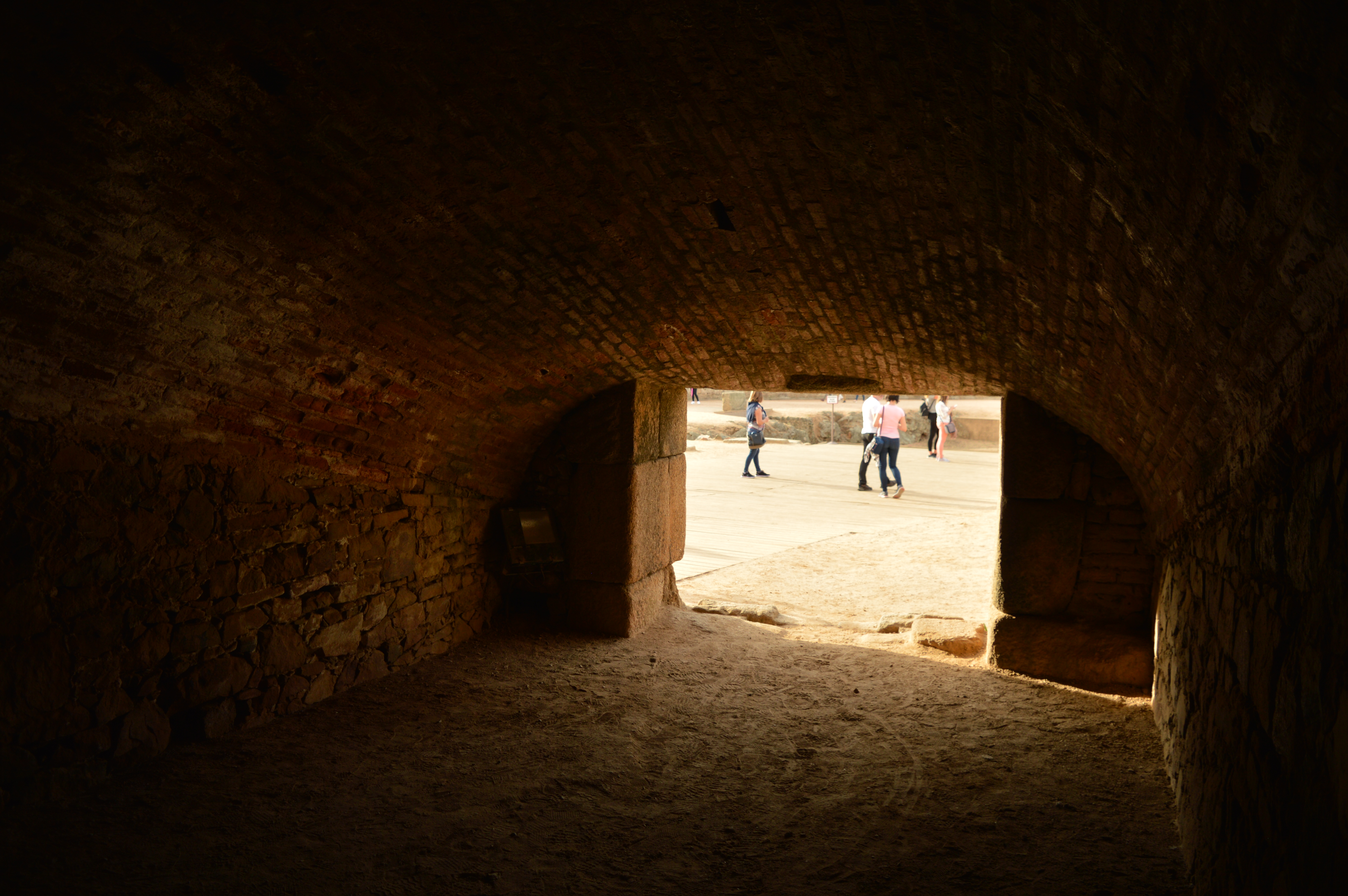
I entered via the dens where the wild beasts were kept for venato fights, ducking low so as not to bang my head on the way out like I had on the way in. I wonder what unwilling denizens of the Empire were caged here for the sport of a Roman carnival: boar from the surrounding hills, bears from the Cantabrian hills, lions from across the Strait… Maybe they even had aurochs here, mighty shadows of the toros bravos that still fight on in the Roman games of a land that saw fit to preserve them. I wonder how many beasts in all lost their lives in this arena.

DSC_0893

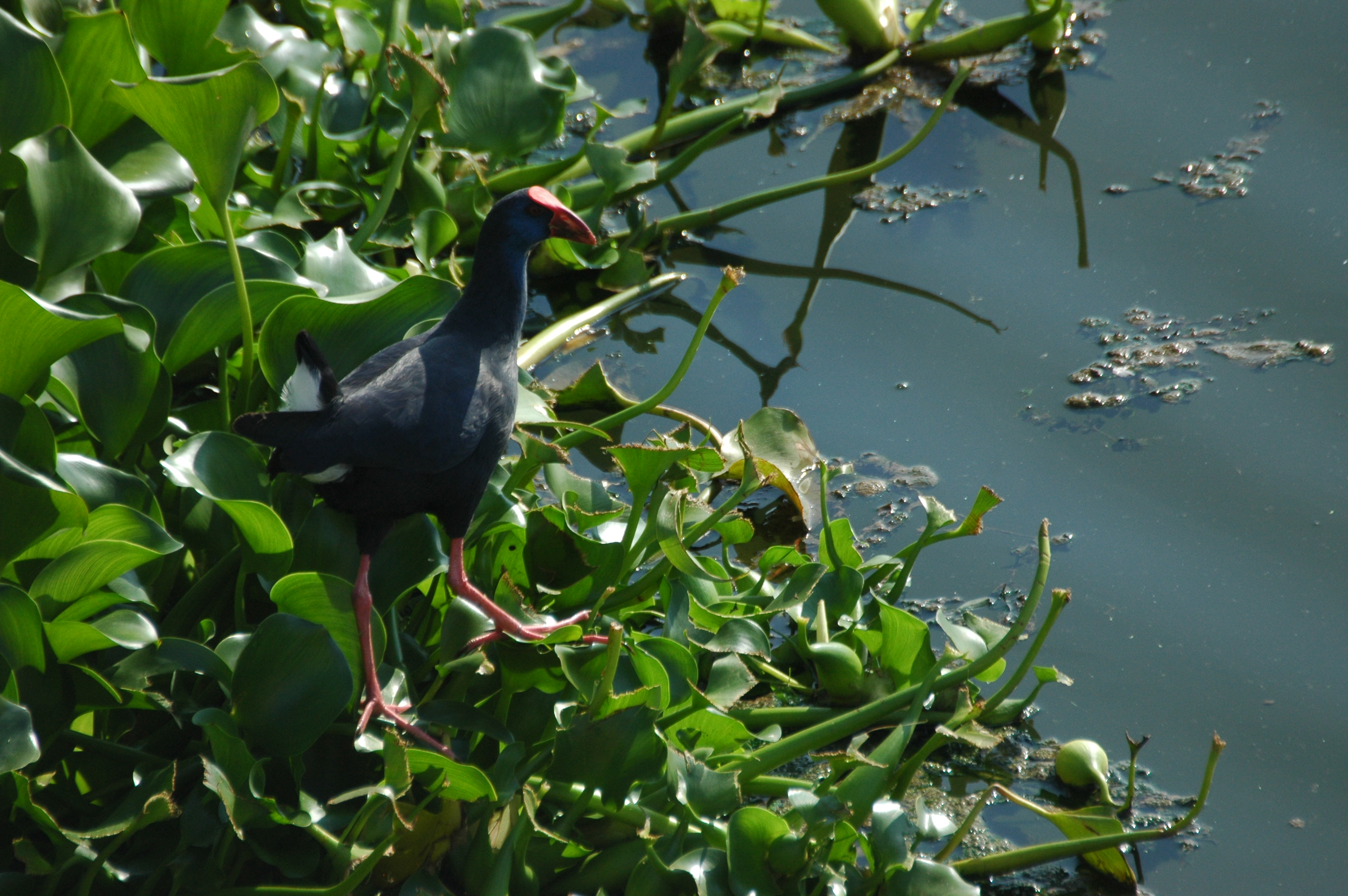
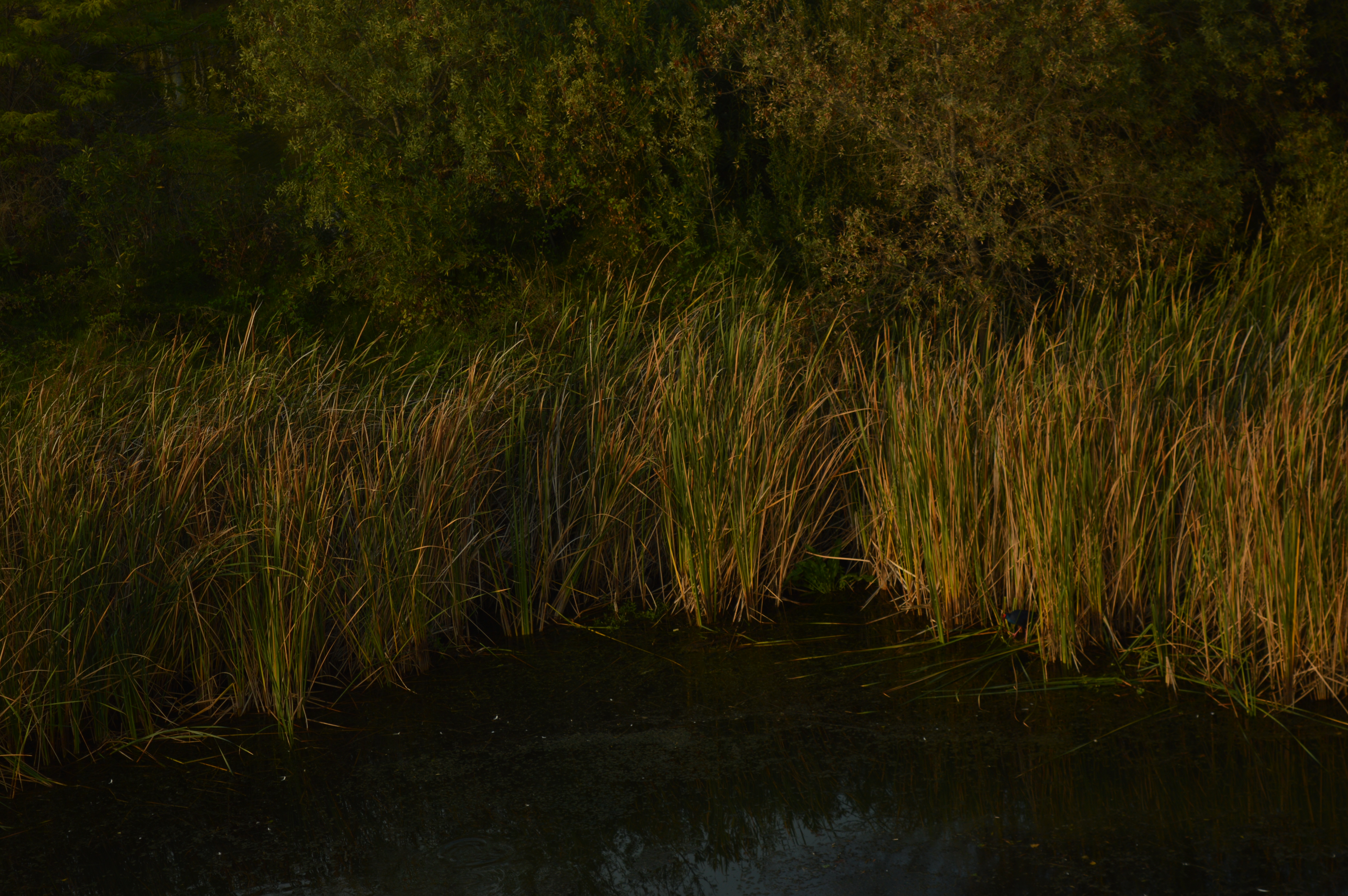
We crossed the Roman bridge on the way home. I looked, I listened and I spotted the swamphen that often haunts the reeds on the island, gnawing away at a reedstem clutched between its gangly toes. I wonder if it’s the same bird that I so often saw here two years ago? It always brings a smile to my face to see it, and it was a pleasure doubled to share it was my friends. Durham had its goosanders. Mérida has her curious calamón. Overhead, the impressive silhouette of a black vulture glided noiselessly to the west. For all the fury and doubt that the modern world brings in its wake, there is such beauty left in the old world.

DSC_0921

The storm has passed. The last of the rain fell during the night. I woke up this morning and opened the window to a cold breeze that had not been there before. I smiled. Everything seems better in the cold light of day. I can do this. Autumn has come at last. The long, dry Extremeño summer is over. BB x

DSC_0924

NB. It’s a pain when you have to write a blog post twice. This time it was because I wanted to italicise Have I Got News for You, erased it by accident, and, when Undo didn’t return them, rebooted to save the effort of writing those six words again. This will all be so much easier when WiFi finally comes to the flat in just under two weeks’ time…

Withdrawal

My school has a band, now. Secondary school or not, I have to admit I was a little excited when I found out. It consists of a piano, a guitar, a trombone, two saxophones, a drummer and a singer. Three guesses who that last one is. Better still, the music they thrust into my hands upon my return was by none other than Stevie Wonder. It’s For Once in my Life – in my opinion, not one of his best (I WishSuperstition and Uptight are in a godly league of their own), but better than a poke in the eye.

The first rehearsal was a bit touch-and-go. The drummer had an egg-shaker and I had to explain the concept of counting in.

The withdrawal is real. I’ve written two and a half arrangements for my old a cappella group in three days. I’ve had Marvin Gaye’s greatest hits on repeat and I threw myself at the Concha Velasco Band as their most avid supporter at their gig in Villafranca last night. I lost my voice from shouting the lyrics so much. That’s probably a good thing. My Romanian neighbours are spared another day of me wandering in and out of the house keeping my unused tenor voice exercised. Saturday morning means gym for a lot of folks here, time to work on their bodies. My voice isn’t getting the workout it used to. I have to keep practising.

This week, perhaps more than ever before, the blow of severing ties with the musical world has come down hard. Perhaps doubly so because almost all of my old Lights buddies will be back in Durham this weekend for a reunion gig of sorts. I made the decision not to go, even though it’s the Puente del Pilar this week and I haven’t been at work since two o’clock on Wednesday afternoon. It didn’t break my heart as it might once have done, but the aftermath hurts. We all have to make tough decisions, sometimes. It’s got a lot to do with growing up and moving on. The collegiate music scene, brimming with talented musicians from near and far, is behind me. I’m here now, in a country which a friend of mind once described as simply having no ‘afán’ (desire) for music for its own sake. Even my holdfast, the Concha Velasco Band, are set to disband soon. Real life, work and responsibilities have risen like the tide, and as is so often the case, it’s only the lead singer who’s pushing blindly for unity in the wake of disarray. It’s as much a reflection of how things could have been had I not let go of the group I loved the most. I needed that.

If I haven’t said it before, I’m saying it again now. Spain is not ideal for the musician. I laughed at the notion that it would get to me like it did to my parents, thinking that with twenty-odd years’ less immersion than them, I’d be alright. I was wrong. The lack of a music scene hurts. It hurts a lot. I think I’ve done more listening to music here in the last week than I did in an entire term at Durham, discounting the obligatory use of my essay-writing playlist. Granted, I’ve compounded my situation by living not just in Spain but in the sticks. But even so, music isn’t as much a part of this world as it is in England. In a class the other day we were discussing activities you might do at a youth club, and I genuinely had to spell it out that music was or could be an option. One of the brightest girls gave me a nonplussed look and said, very matter-of-factually, ‘music is only extracurricular’. Make of that what you will.

Flamenco is more than music. Flamenco is an art form which, like so many, has its masters and its endless amateurs. And so much of it is tied up with dance. The joy of making music for its own sake is lost here. As the son of two music teachers, it hurts. Having been in choirs, groups and bands my whole life, it cuts deep. I feel lost, and more than a little distant recently.

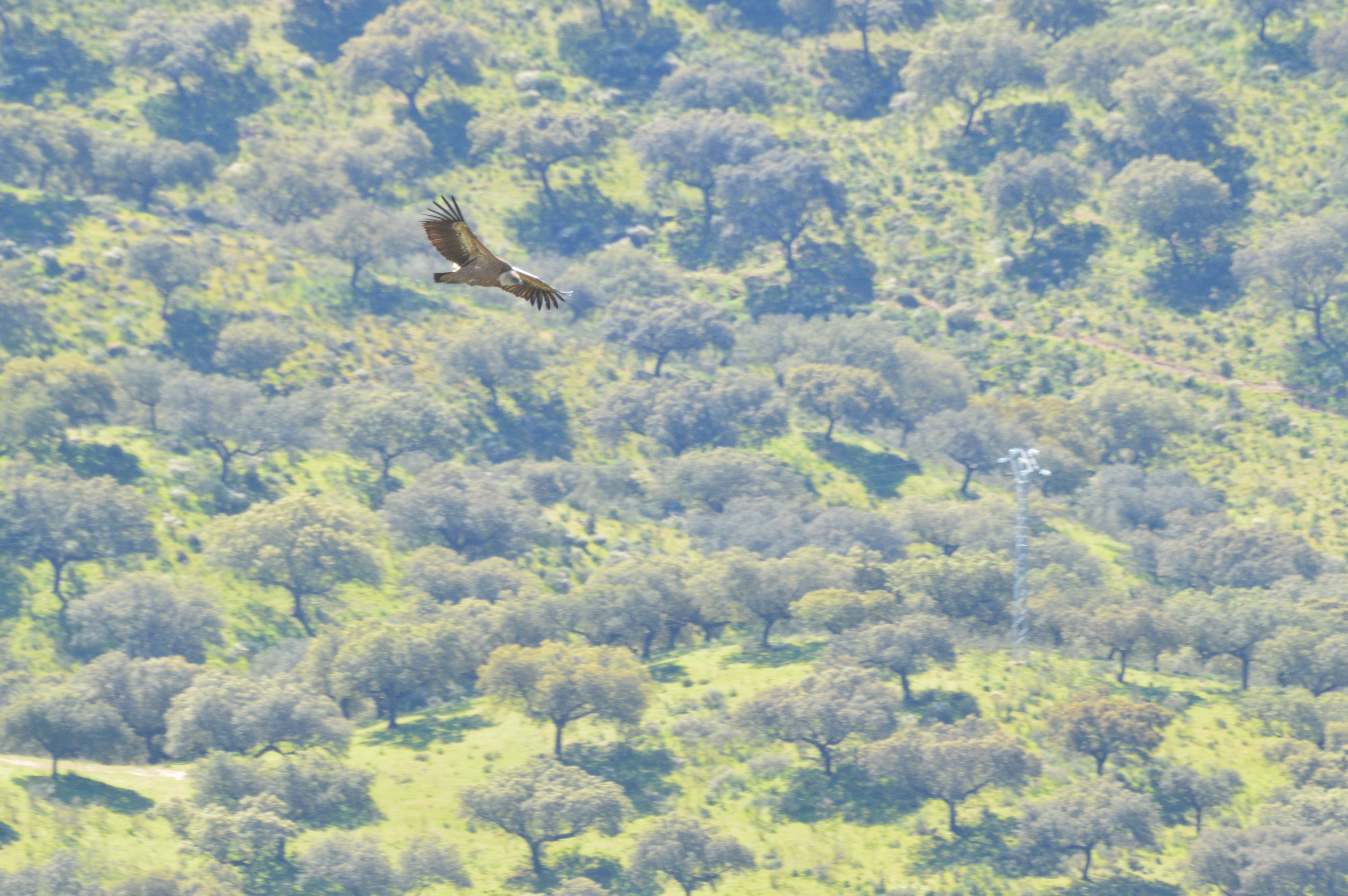
On the way back from the library, I saw something in the sky and I looked up. It was a vulture. I’d just been writing about them in my book, so I felt pretty fortunate to see my own material brought to life before my eyes. Riding the thermals on wings spread wide, with tapering fingers splayed in the current, it circled the park for a few minutes. Within a minute there was another one, closer. They rode higher and higher until, finally, they tucked their wings into that upside-down W shape and, like spinning disks, soared motionlessly from the top of their spiral to the west.

I could have cried. I love this country. I love it so much. I love the language, the people and the food, and I especially love the animals that live here. Especially the vultures. Music lifts me high, but nothing lifts me higher than being where I want to be, in a land where such magnificent creatures still roam the skies on your way to and from the supermarket. My heart bleeds a little. I had to give a queen to take the king. I may yet regret my decision. Or, I may find some new wellspring of energy in this country. I may not have my music, but I still have hope. That’s all I can ask for. BB x

Griffonheart

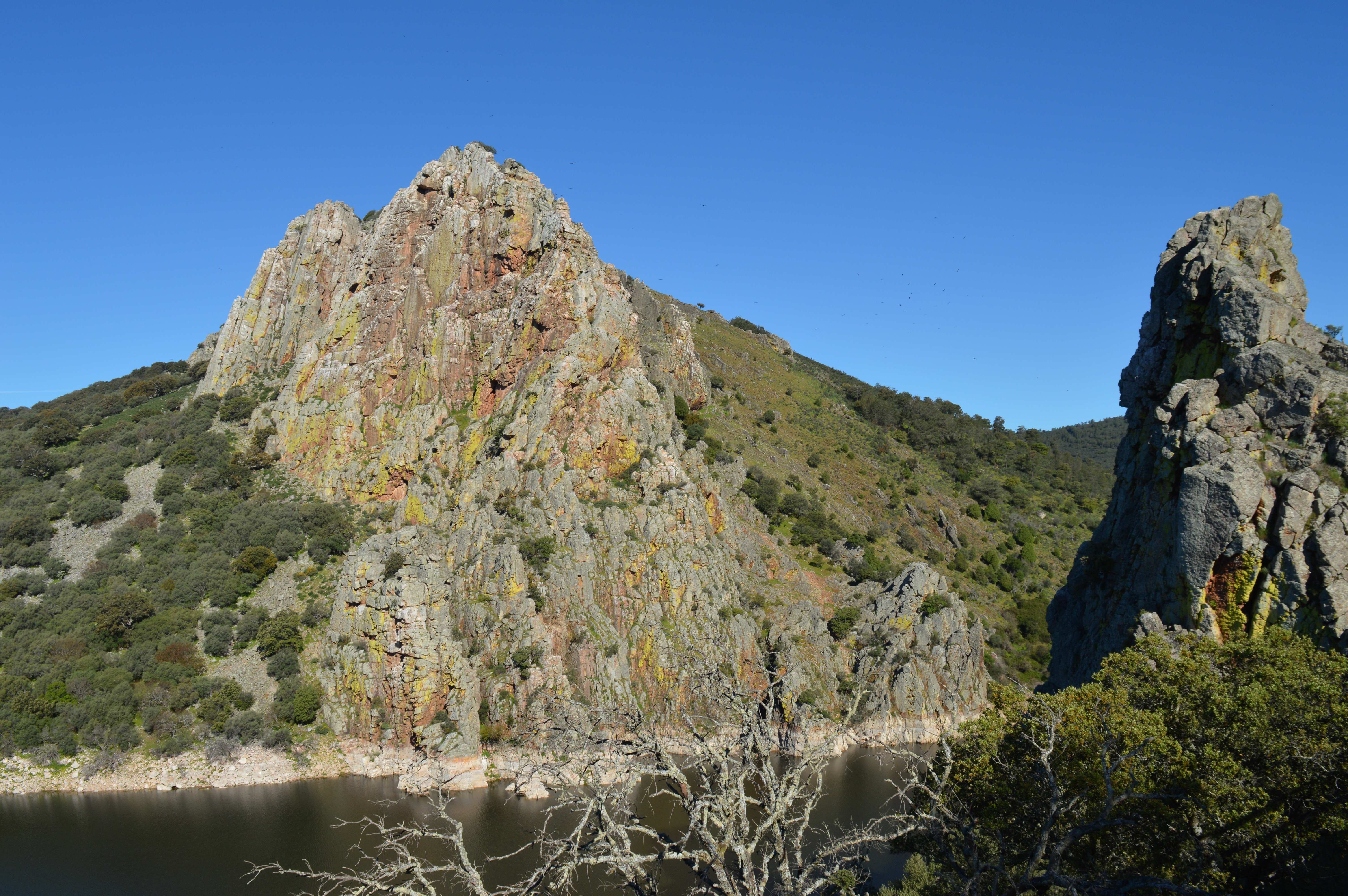
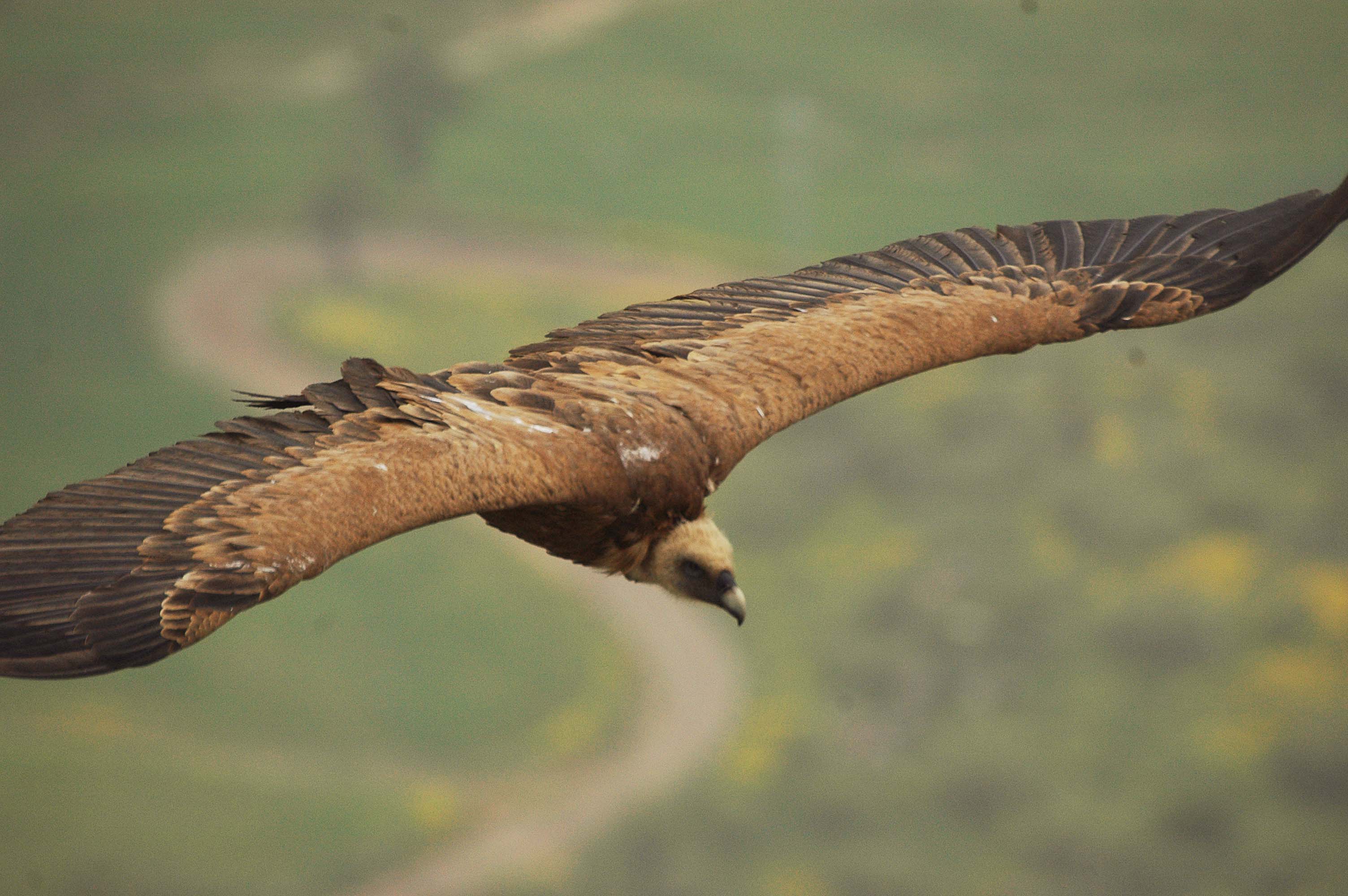
Sometimes, when a bird flies low over your head, you can hear the rush of wind through its wings. Swifts do that, from time to time. Swifts and pigeons. It’s a quiet, singing sound like a sudden release of breath, over and gone by the time you’ve worked out where it came from. Now try to picture the same scenario with a nine-foot wingspan. The result sounds something like a gale, a genuine roar of wind, every bit as impressive as those giant wings. This is Monfragüe and this is a griffon, truly one of the most spectacular creatures on the planet.

Griffon

I don’t really know what it is that attracts me to vultures so much. They’re not the most attractive creatures on the planet. Their heads are snake-like and feather-bare, their eyes are cold and sinister and they spend their entire lives feeding on dead things. If birds are supposed to sing, vultures sound like they have a bellyful of iron filings when they make a sound – and that isn’t often. But for some reason, I’m obsessed with the damned things, and always have been.

DSC_0610

Extremadura is a very special part of the world, but doubly so if you’re as much of a bird nut as I am. The immense blue skies are almost always dotted somewhere in the middle with a black speck wheeling round and round on the thermals: kite, eagle or vulture. I grew up in the south of England where the largest soaring bird you’re likely to see is a rook, and I still remember the sheer thrill of seeing my very first vulture when I was about nine years old. For me they represented Valmik Thapir’s India, of cliff-forts and desert kingdoms. To see them wheeling lazily about the Spanish sky was like something out of a dream. And so the love affair with the griffons began.

5385452975_2c3babecc1_o

Since then, they’ve got me stranded in the mountains, terrified my little brother, warned me of thunderstorms and – in quite possibly my favourite travel anecdote to date – they even got me arrested by the Spanish military police. I kid you not. Apparently photographing vultures isn’t a believable excuse for wandering about the countryside alone at fifteen without one’s passport…

4555278683_0c053028e4_o

(Not even for results like this…?)

If I’d had any idea what kind of scrapes my passion for vultures would get me into, I wonder whether I’d have had second thoughts. Somehow I doubt it. Something tells me I’d have found my way to the same spot sooner or later.

DSC_0761

There are four kinds of vultures in Europe, and all four of them can be found in Spain – if you know where to look. The griffons are the most obvious and by far the most numerous, nesting in colonies that can number as many as a thousand strong. The other resident is the far rarer black vulture, recognisable by its sheer size alone; fully-grown adults measure three metres from wingtip to wingtip, making them one of the largest birds in the world. The Egyptian vulture is a smaller summer visitor from Africa, where they eat ostrich eggs by smashing them open with stones. But it is the fourth and final that is the most famous: the lammergeyer, a golden-bodied, diamond-tailed king of the skies that feeds almost entirely on bones. I’ve only ever seen one once, at an incredible distance, whilst in the French Pyrenees some seven years ago. It remains one of my greatest dreams to go chasing after the legendary quebrantahuesos, ‘the one that breaks bones’.

Like I said, I’m hooked on the creatures.

DSC_0857

I have to admit, they do have some seriously menacing eyes…

Dad was in a grouchy mood and didn’t let us stay very long. Must be something to do with the distance from Villafranca to Monfragüe (which, I should point out, is as beautifully in the middle of absolutely nowhere as are all of my favourite destinations). I could happily have spent five hours and more just stood atop the castle with the vultures wheeling about all around me, or sitting under the cliff and watching them plummeting out of the sky and onto the rock in a fierce rush of thunder.

DSC_0725

Needless to say I will be back. Everyone has their vice. Some like their drink, some like their fast cars, others have difficulty sitting still. I have this peculiar fascination with vultures and I’m not even close to understanding them. Yet. BB x

The Griffon

‘Si te intereses a las aves, hay un buitre al otro lado del río. Hay mucha gente allí esperando que los bomberos lo remuevan. Por si lo sabes…’

The last thing on the hostel TV last night, after the late night showing of Colombiana, was a brief news report documenting the beginnings of a rise in interest in ornithology in Extremadura. I have to say I’m impressed; surprised and impressed. In my experience of living and working in Spain, the most interest the majority of ‘folk here take in birds is whether or not they go well with olive oil. Spain’s not unique in this regard. As my secondary school Physics teacher once said when I explained the risk the Bristol wind farm posed to migrating waterfowl, ‘if it won’t end up on my plate, I couldn’t give a monkey’s’. And that was in England, the biggest nation of bleeding hearts. Well, here’s a little proof that Spain at least is finally taking a turn for the better.

I’ve got a fairly long wait until the bus home, so I thought I’d take a walk along the Guadiana again whilst I’m here and look across the river to Portugal. The cormorants were out on the rocks with their wings spread wide after a morning’s hunting, so I got my camera out for a few shots with Respighi’s The Pines of Rome playing in my ears. And that’s when I got a tap on the shoulder and a friendly local pointed me in the direction of a grounded vulture on the east bank of the river.

DSC_0243

I haven’t power-walked so fast in years. A vulture? Here, in the middle of Badajoz? It sounded too ridiculous a notion to be a lie, so I packed up my gear and left the bridge and the sunning cormorants I was photographing behind in the dust. At first I thought he might have confused buitre with any other large bird – it wouldn’t be the first time – but this just must be my lucky weekend or something, because just a short distance before the second bridge…

DSC_0248

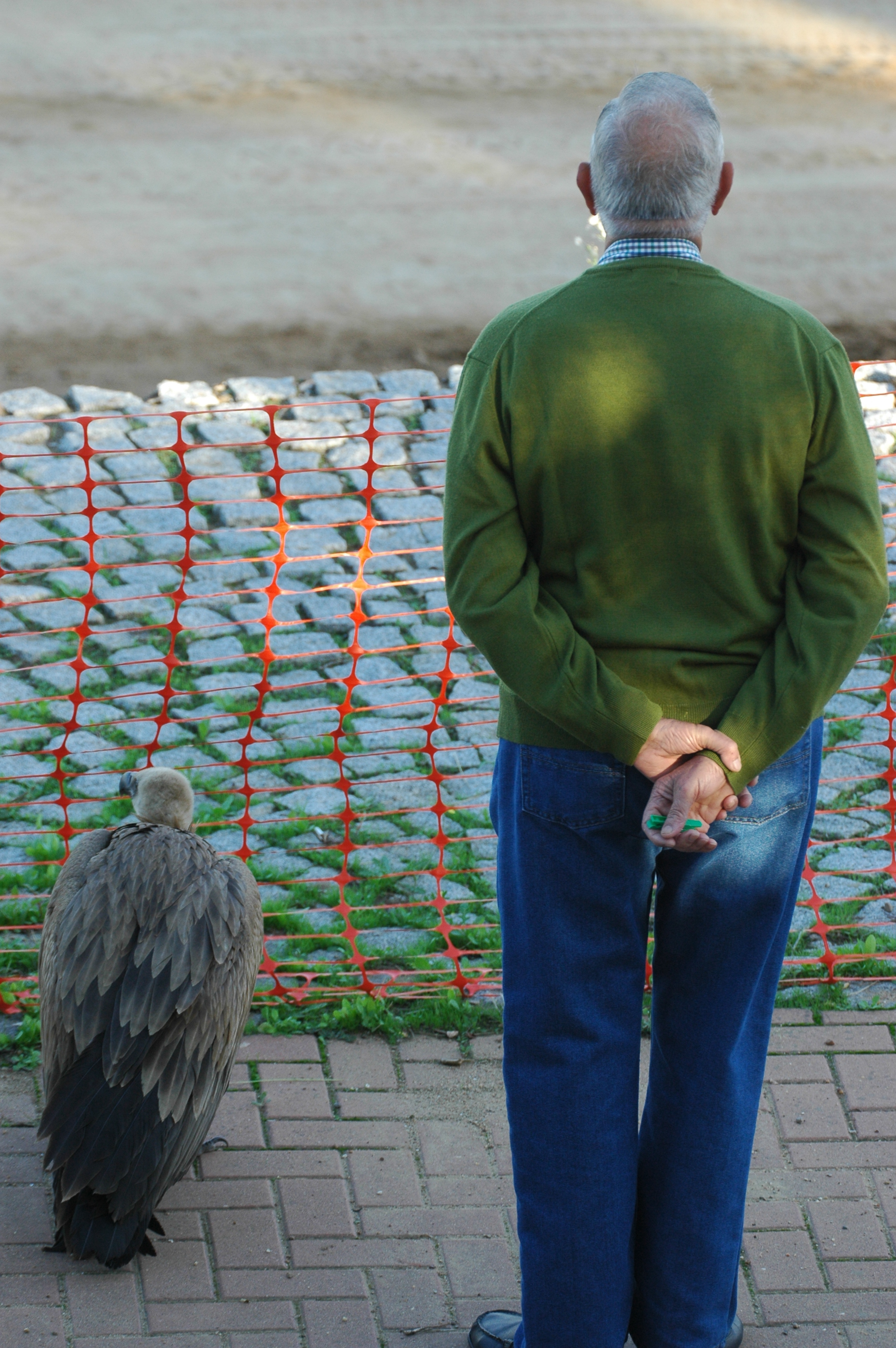
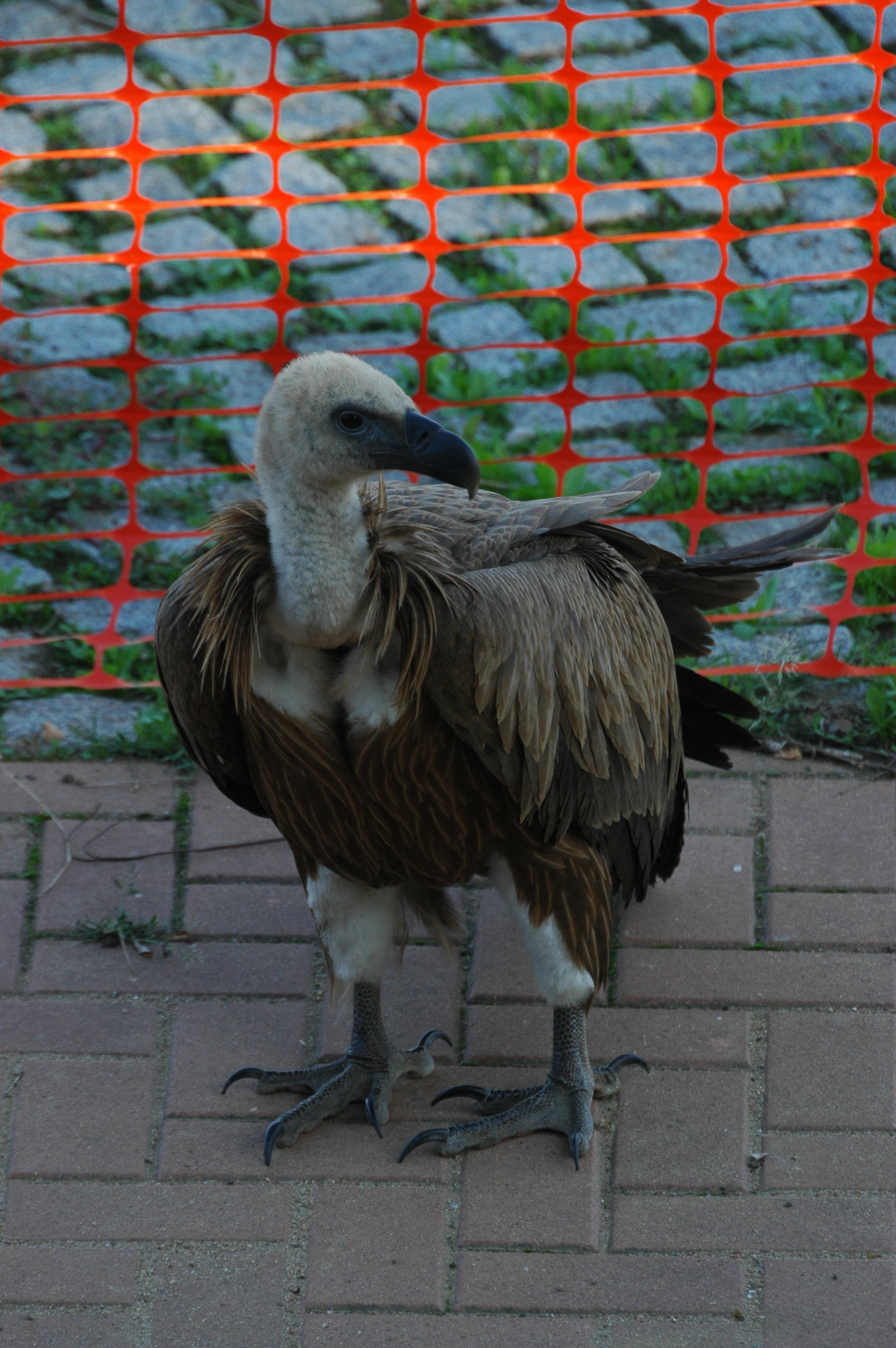
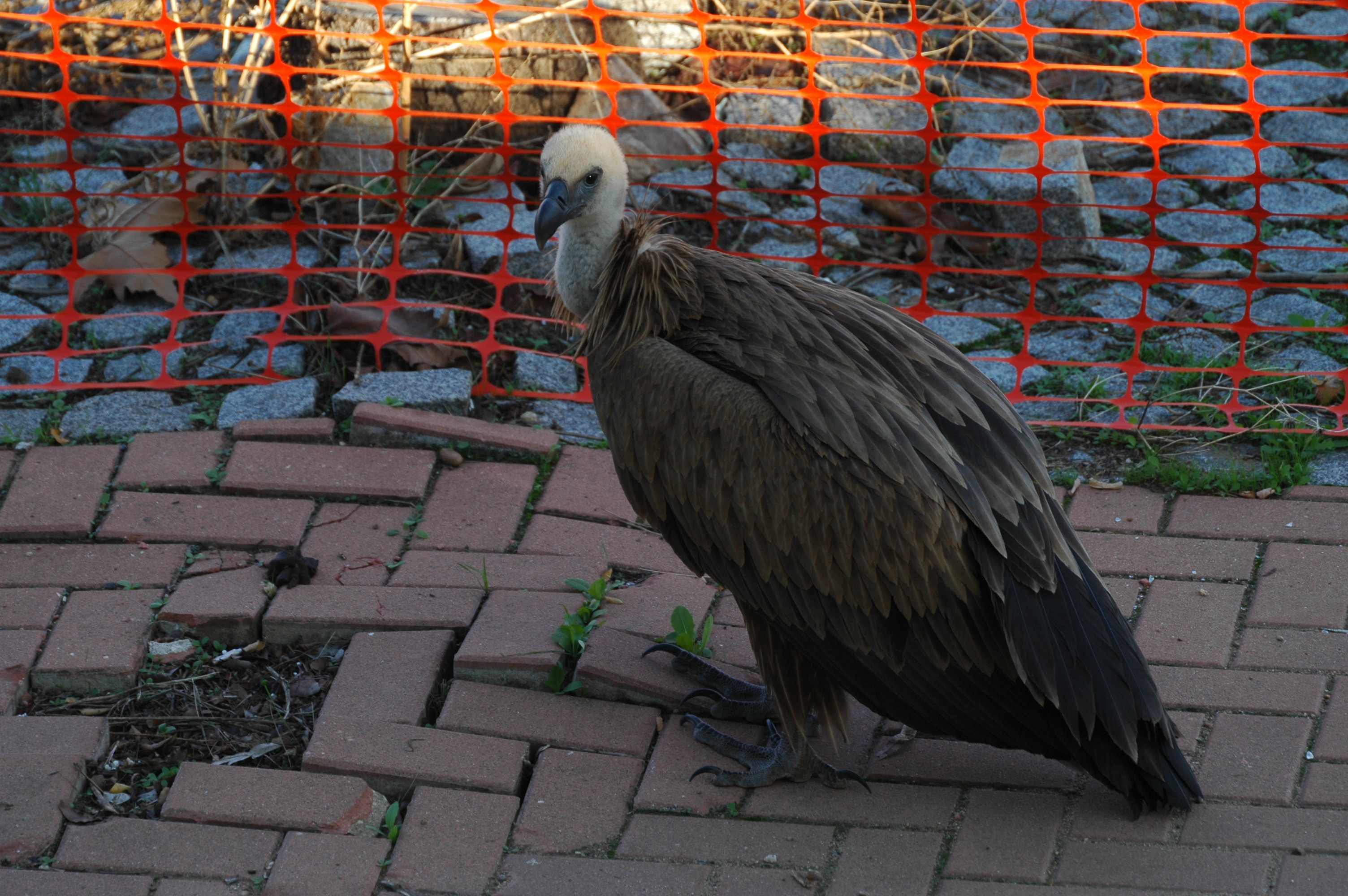
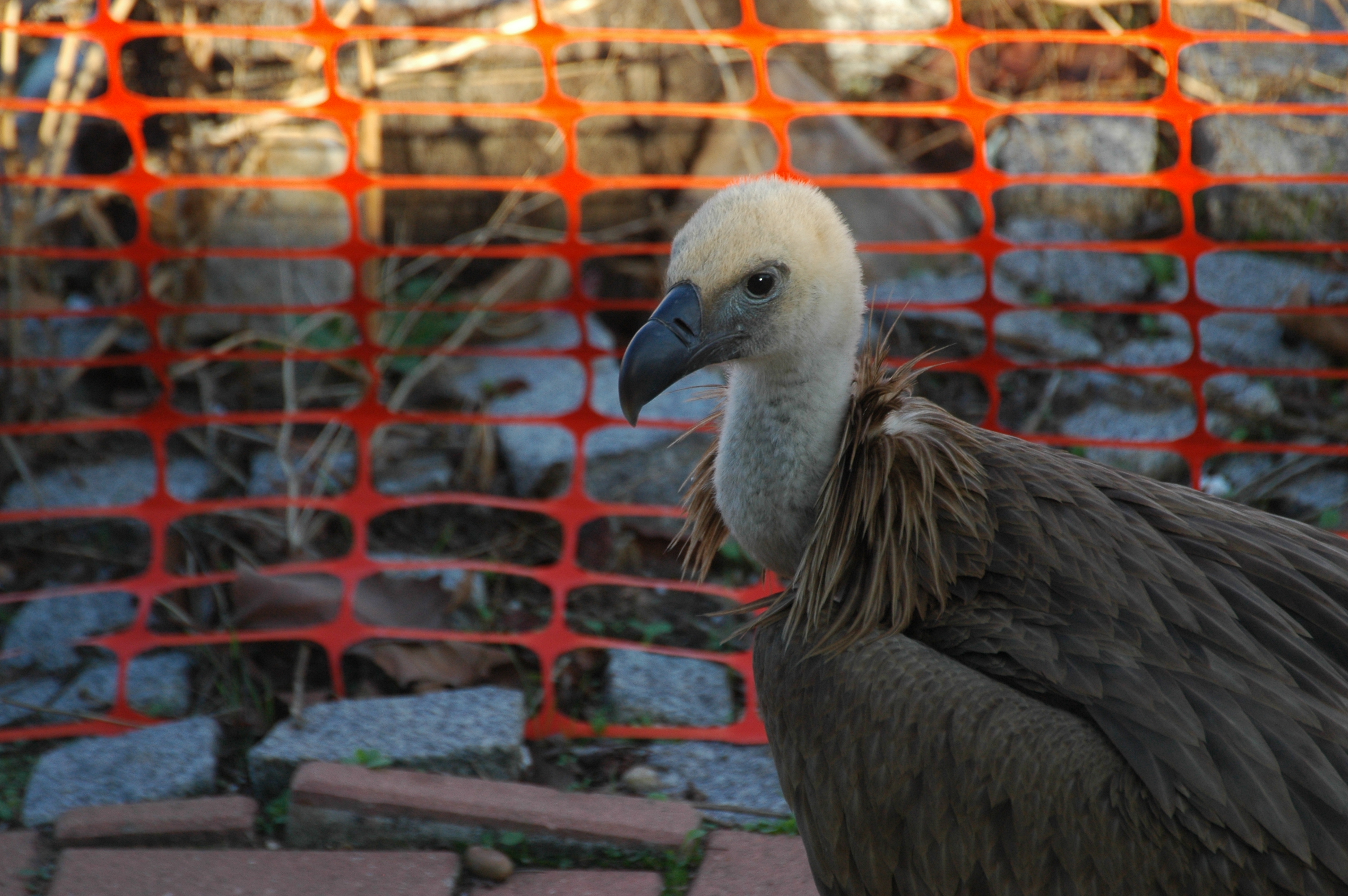
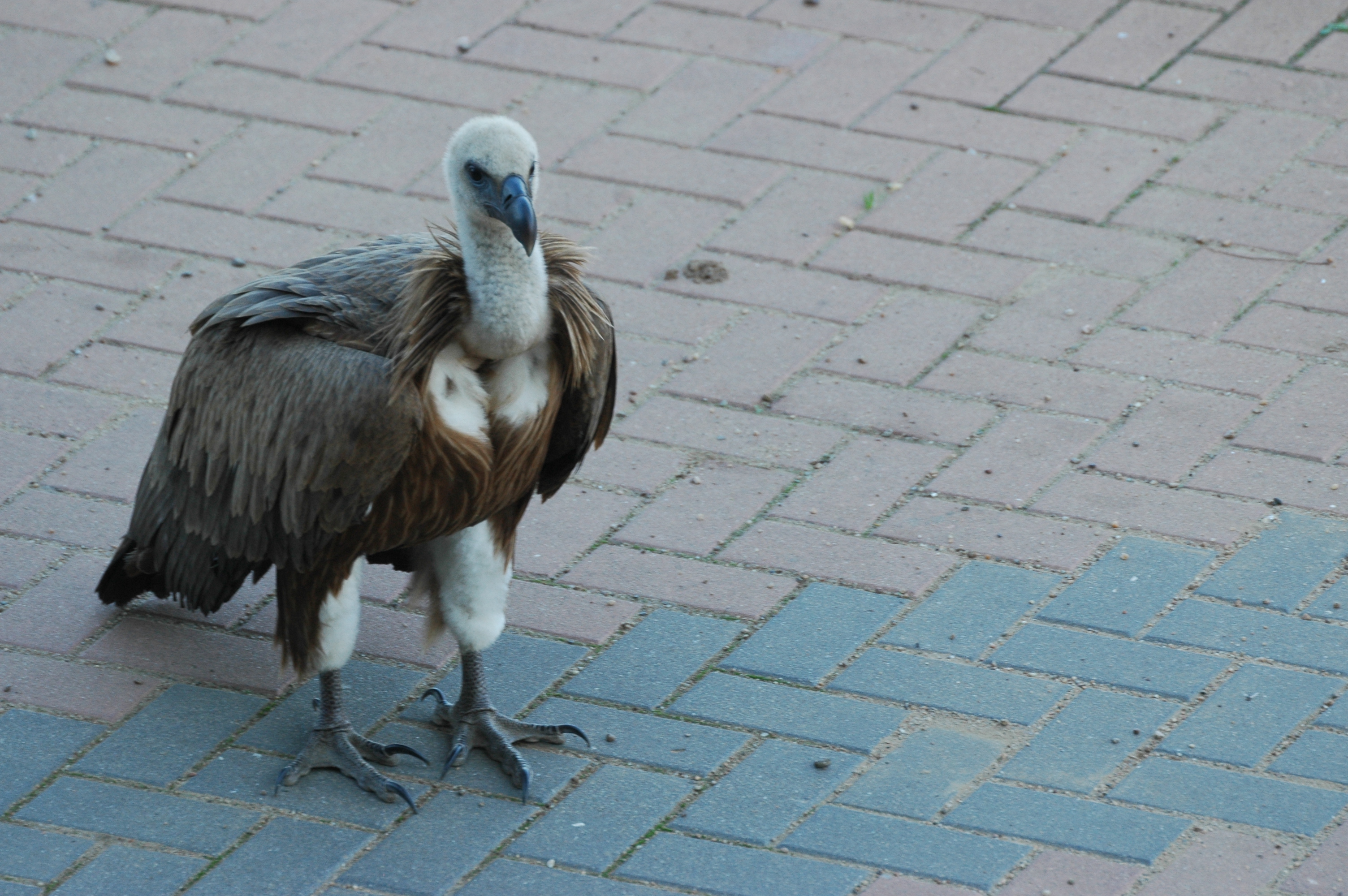
…boom. Sulking in the shade of the roadworks with a crowd of five or six startled onlookers. It could hardly be anything else: vultures are bloody huge, even youngsters like this one.

DSC_0257

I was worried that it might have a broken wing, as it didn’t seem particularly keen to get back into the air. What it was doing here, bang in the middle of the city, is anyone’s guess. Perhaps it was simply tired. At any rate, it wasn’t all too bothered by the two men who’d gone down to join it, both to have a closer look at something you normally only see high in the sky above, and to ward off any dog-walkers that might cause the bird any further distress. My heart goes out to those two.

DSC_0271

I have to admit, I probably won’t ever get a better viewing of a wild vulture than this. Not even in Monfragüe, which is the best place to see them in all of Spain. And here, in Badajoz, of all places! Bonkers.

DSC_0272

‘Watch out,’ said one of the onlookers as it came bouncing forward, ‘That thing’s got a beak that can bite through bone.’

DSC_0275

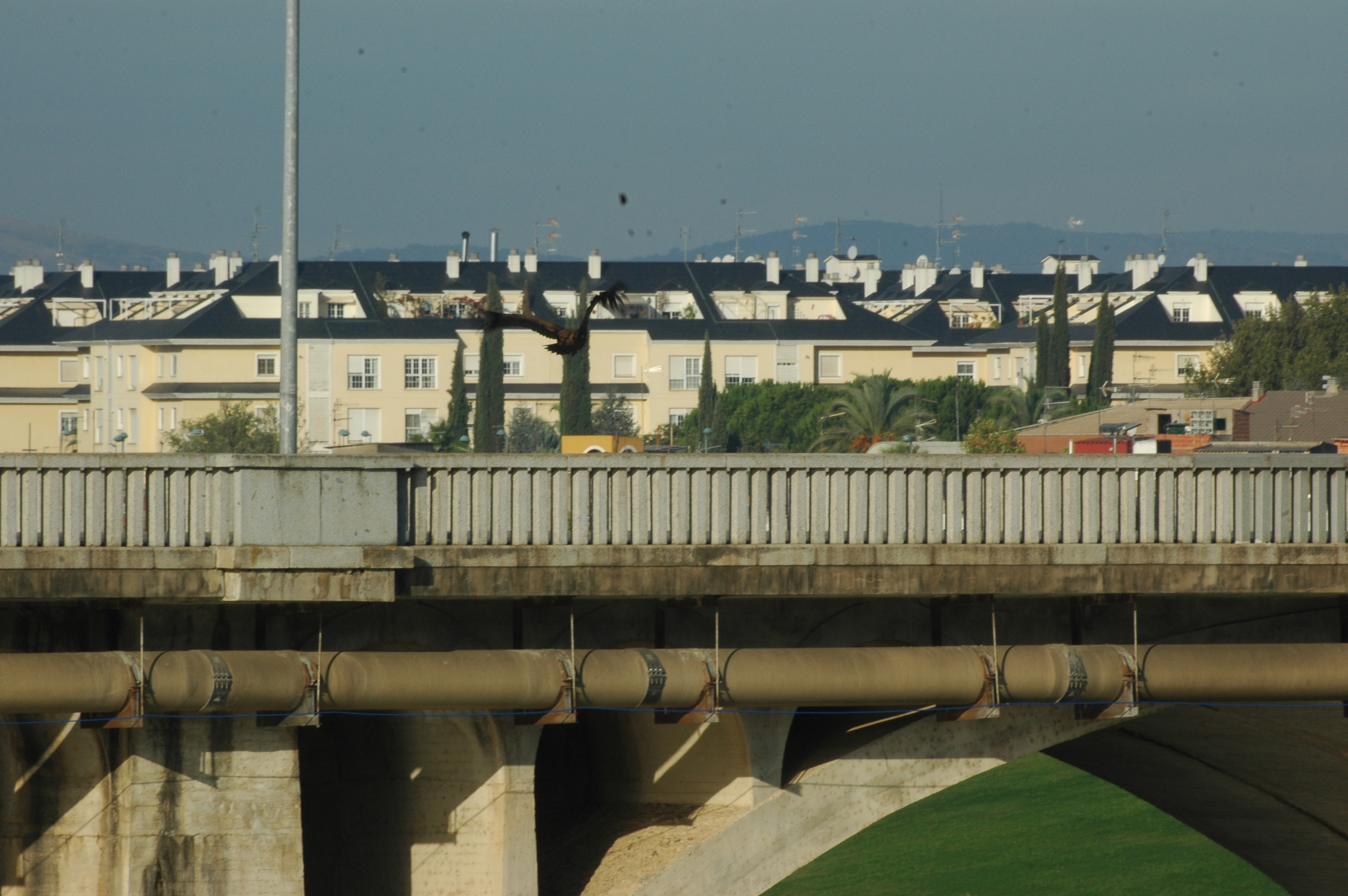
To everyone’s relief, there was nothing wrong with it in the end, because after some ten minutes it puffed up its feathers, made a few bounding leaps and took off into the air on two giant wings. It wheeled about over the river and almost flew headlong into the bridge, clearing it by little over a metre or so, and flew off in the direction of Portugal.

DSC_0280

Not something you see every day! And now I need to go in search of a USB cable or card reader of some description, because my memory card is chock-full. Well, gallinules, kingfishers, cranes and a griffon vulture, all in twenty-four hours of city-hopping! Now there’s a feathery micro-adventure for you. BB x