Sealife Safari

Giens Peninsula, Hyères, Côte d’Azur. 19.30.

The original plan for today was to spend a leisurely five or six hours biking around the island of Porquerolles, a short ferry ride from Tour Fondue. It was already a quarter to eleven when I realised we weren’t going to make it: one of our group of five wasn’t feeling up to it, and we’d already lost at least an hour of the best part of the day.

In the end, it’s no great loss. The ferry to Porqerolles alone would have cost us 35€ each, which is quite a lot for an island that you could swim to if you really wanted. For context, it costs less to cross the English Channel by boat… but then, I’m not surprised. Tour Fondue is nakedly expensive in relation to the rest of the area. 4.80€ for a bottle of Coca Cola…! What planet are they living on?

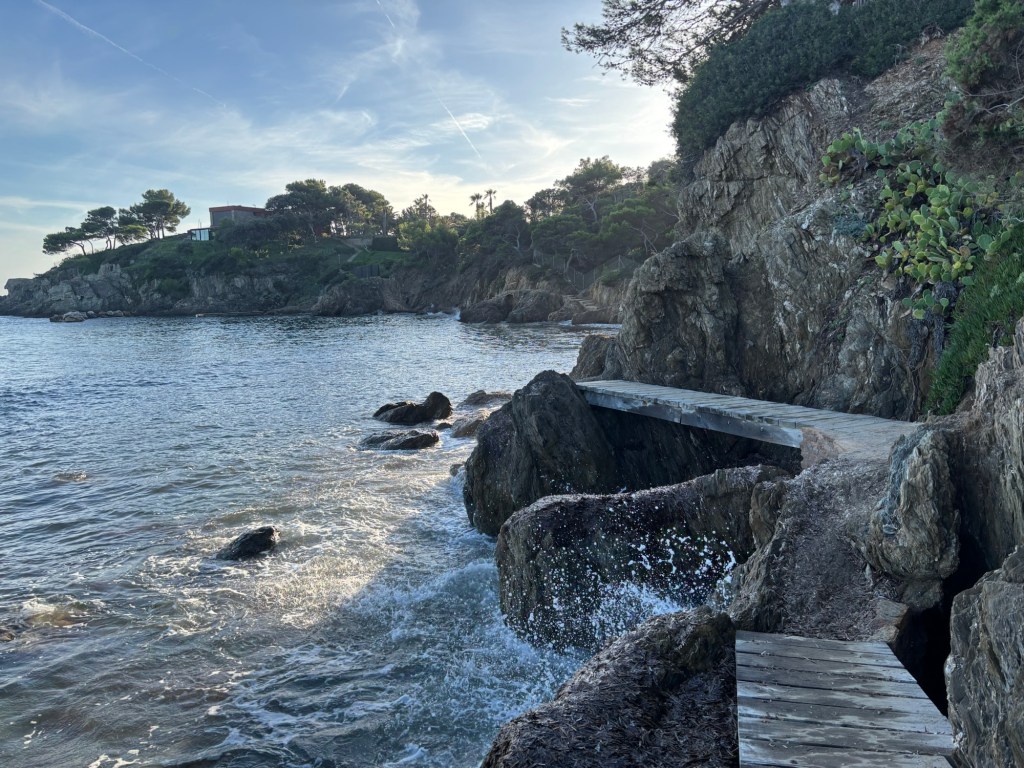
Anxious not to let the day go to waste, I went on a cliff top hike with Rafe and Harry.
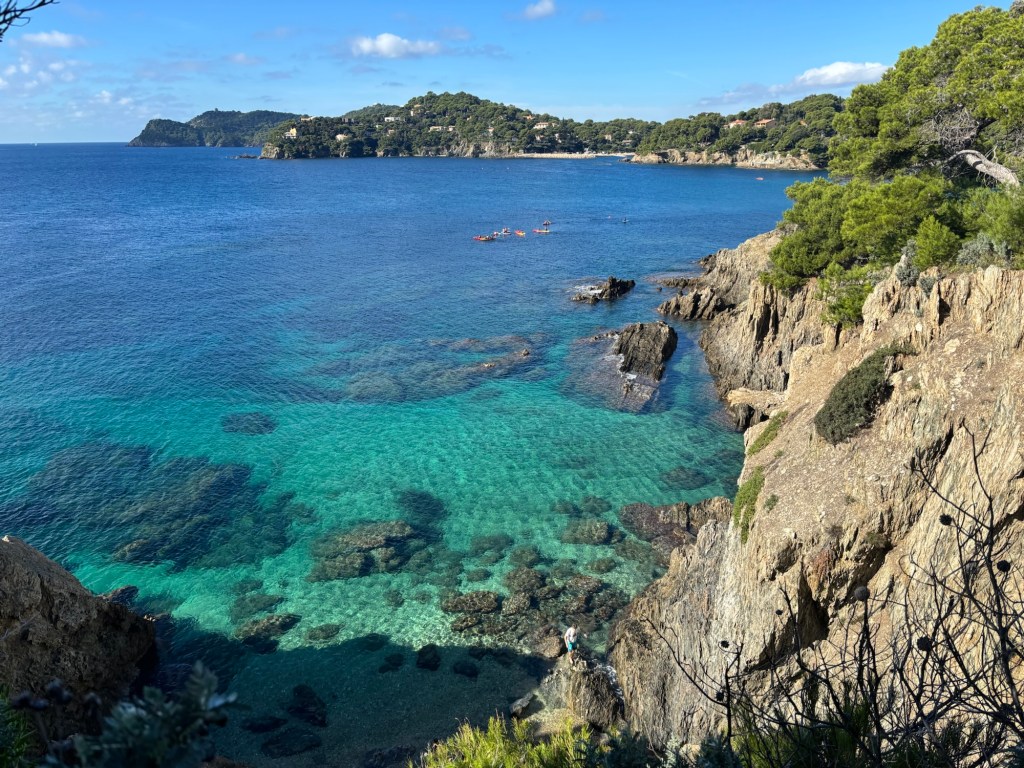

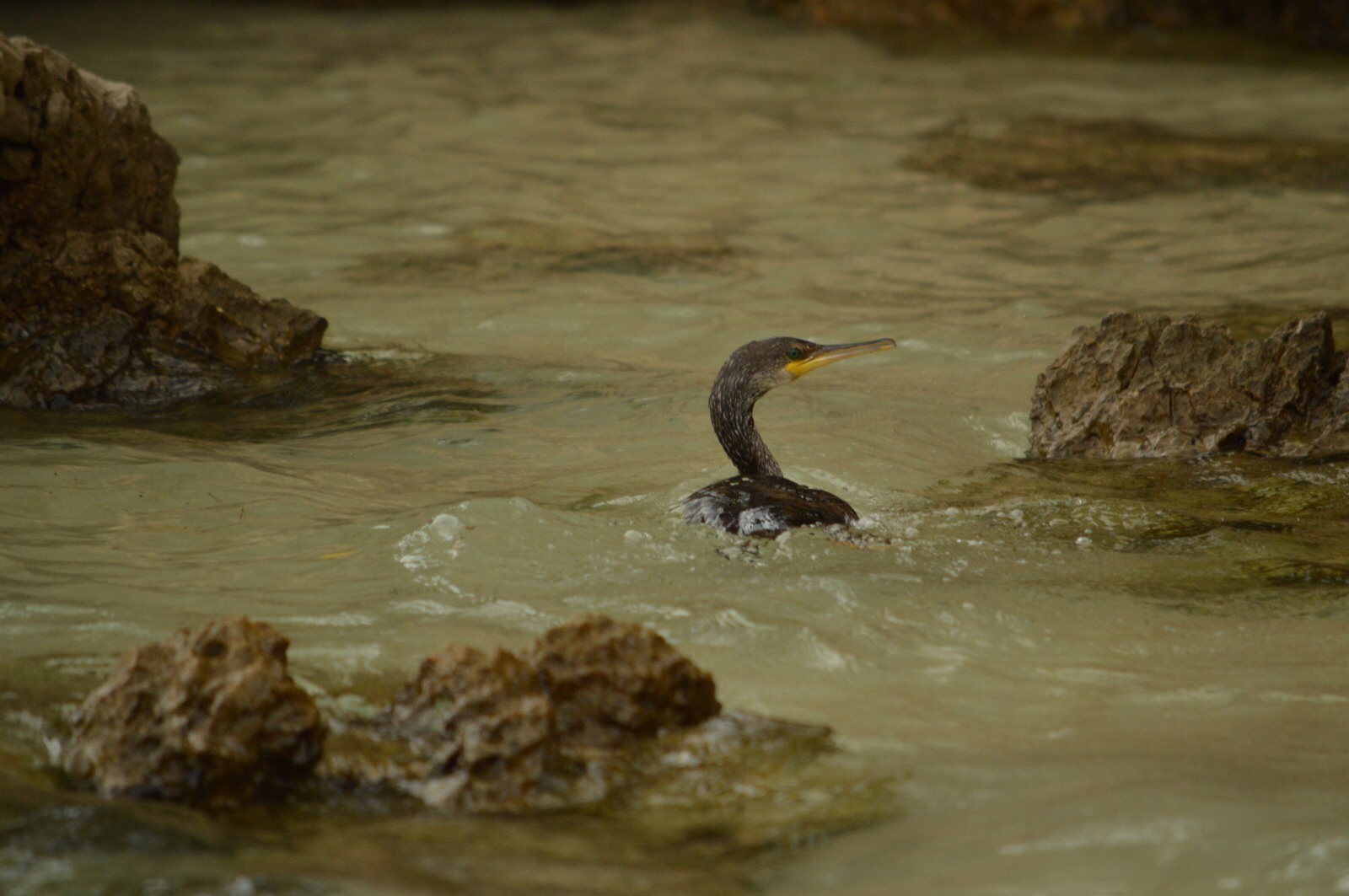
The Mediterranean has been pretty choppy since the day we arrived, so today’s clear waters and shimmering turquoise shoals were a sight worth waiting for. A few French families had found their way down to the various secret beaches for a morning swim. One of the local shags was fishing among the reefs of Baie du Niel, followed closely by three large mullets.
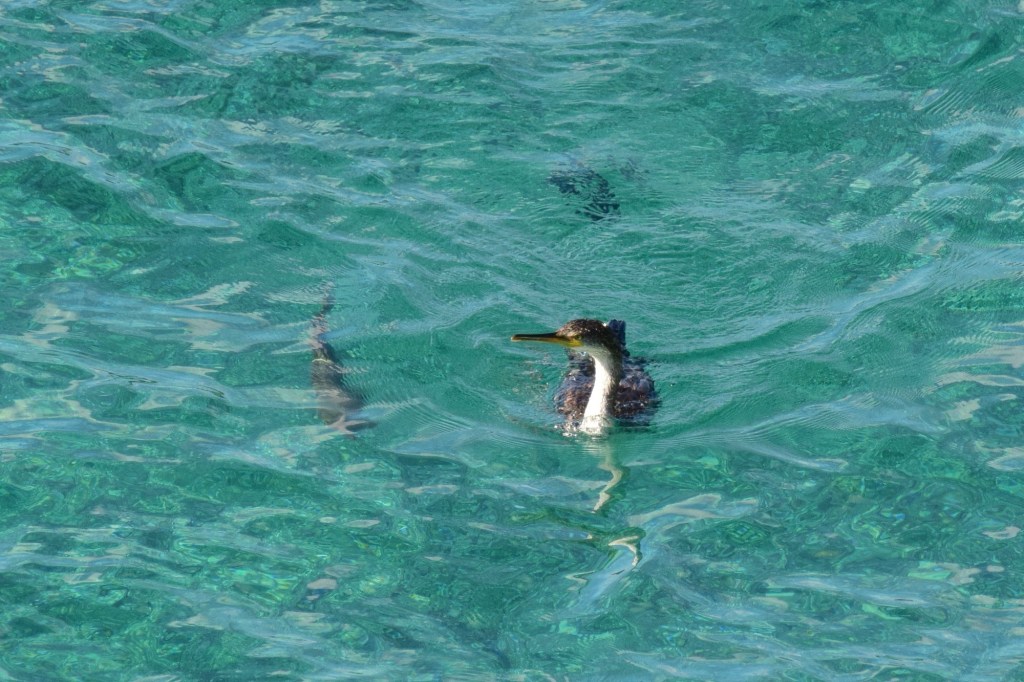

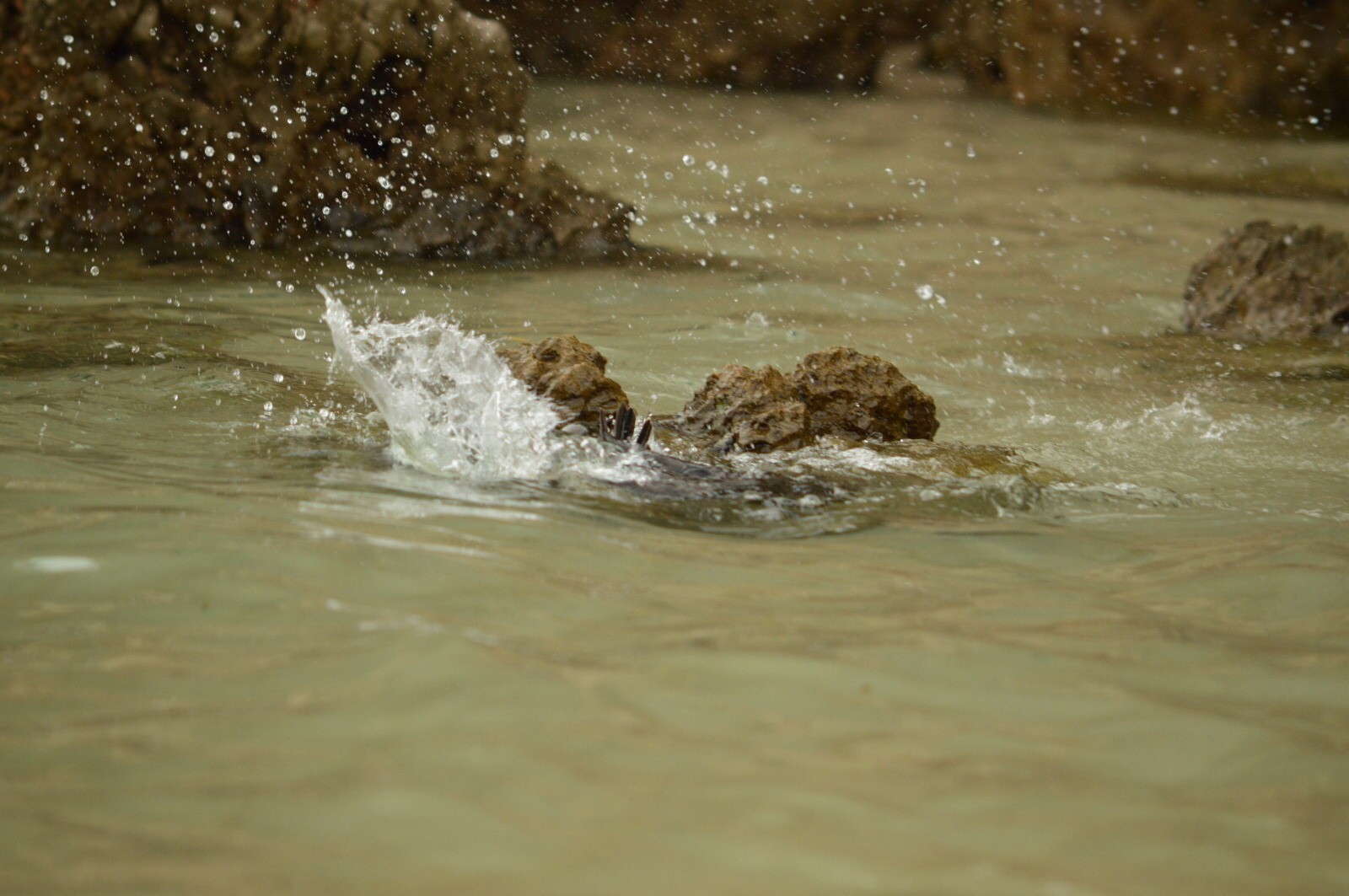
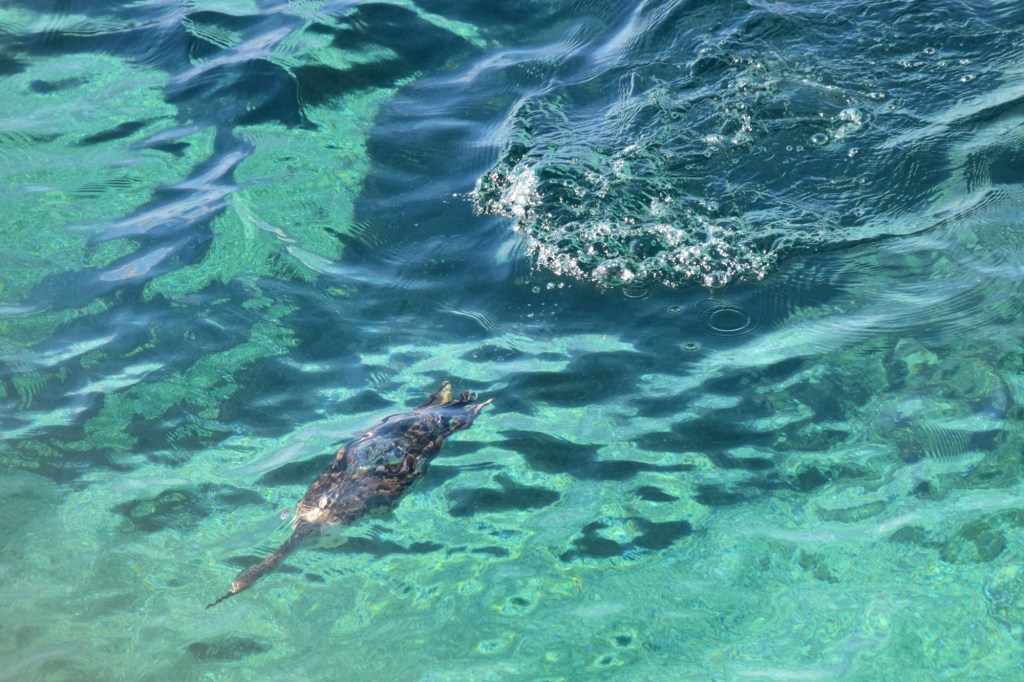
With the water so clear, it was very easy to follow the seabird as it powered through the water like a feathered harpoon. Every time it plunged below the surface, the mullets would accelerate to keep up, mirroring its pace and sharp turns. You don’t normally get to see their supreme aquatic acrobatics in England’s choppier seas, so I felt pretty lucky.

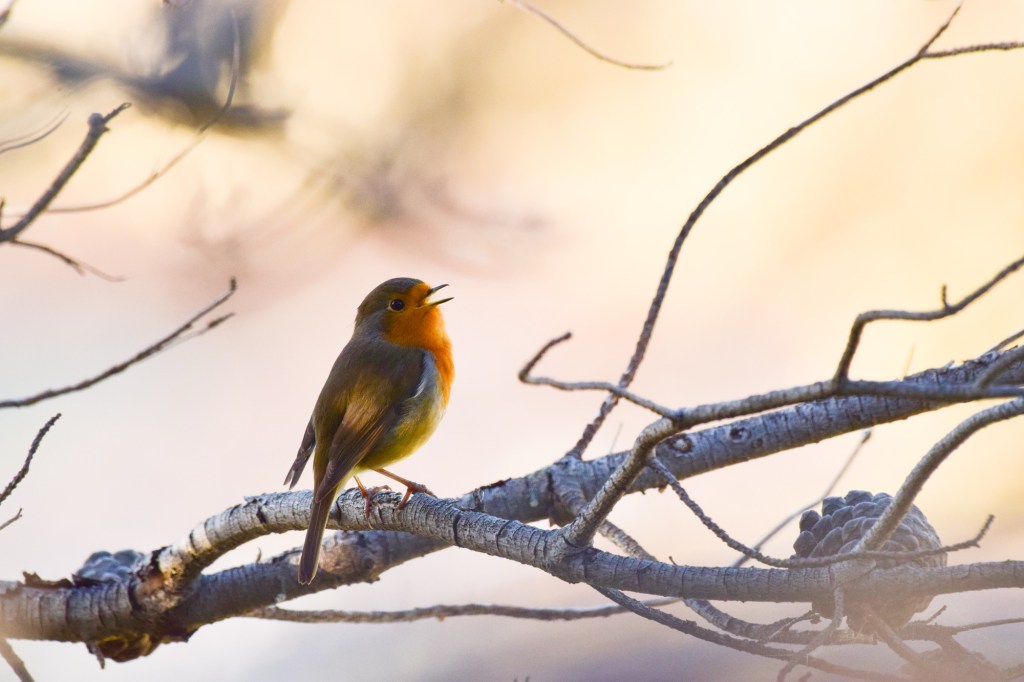
There were plenty of Sardinian warblers about, but they’ve been nigh-on impossible to capture on film, so I contented myself with one of the local robins singing his heart out by the cliffs.

Rafe suggested waiting out the midday sun before taking the kayak down to the beach. It took a little while to haul it out of the attic and pump it up, but we did stumble upon an Aladdin’s cave of supplies in the process: flippers, snorkels, life jackets and just about anything that might be useful for a seaside holiday.

Thank God I brought my GoPro. Today was a reminder that I made a huge blunder by not taking it with me to Chile (and, by proxy, the Galápagos), but at least it got some work!
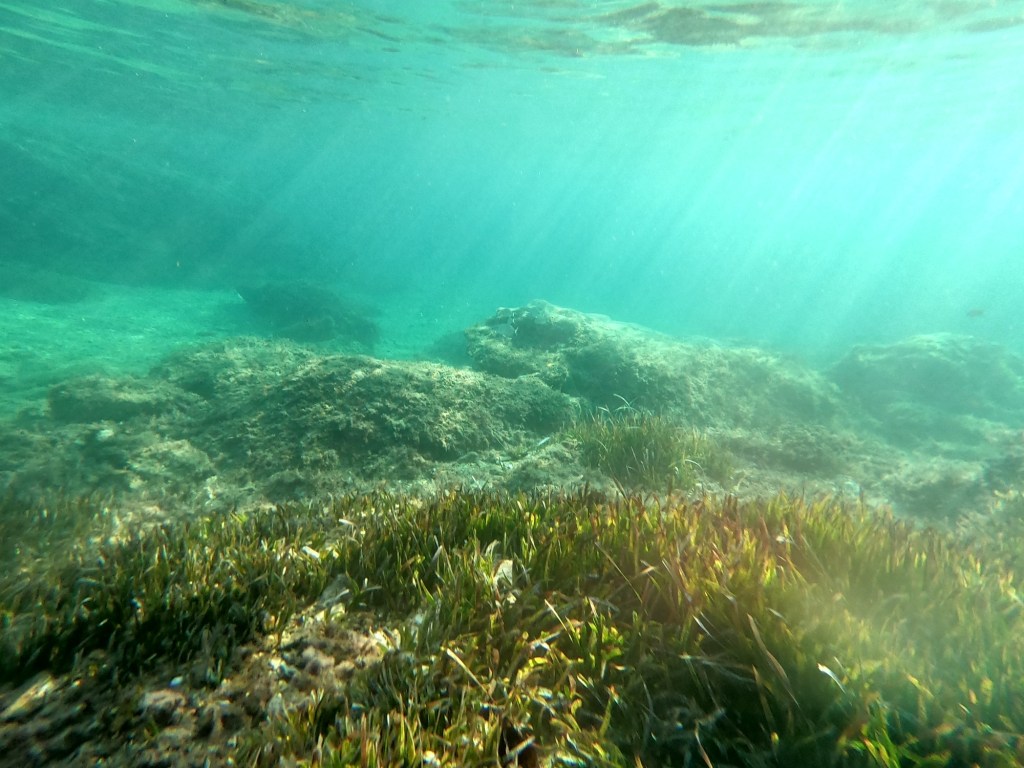

The Mediterranean is quite spectacular from any angle, but it really does come to life in a whole new way beneath the waves. Sunlight filtering down onto a world of perfect blue and shimmering fish. For once, all the variables were in place: my mask fit like a glove, my breathing tube was the right height and my flippers worked like a dream. Snorkelling was heavenly! Maybe I just haven’t had the right gear before…
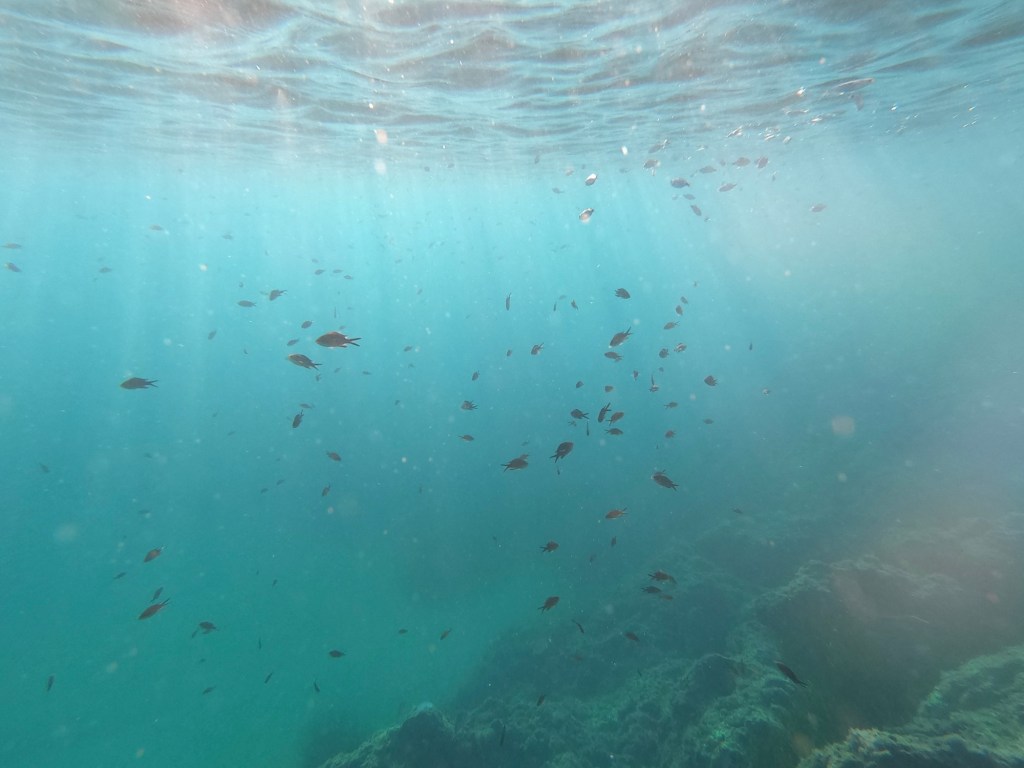

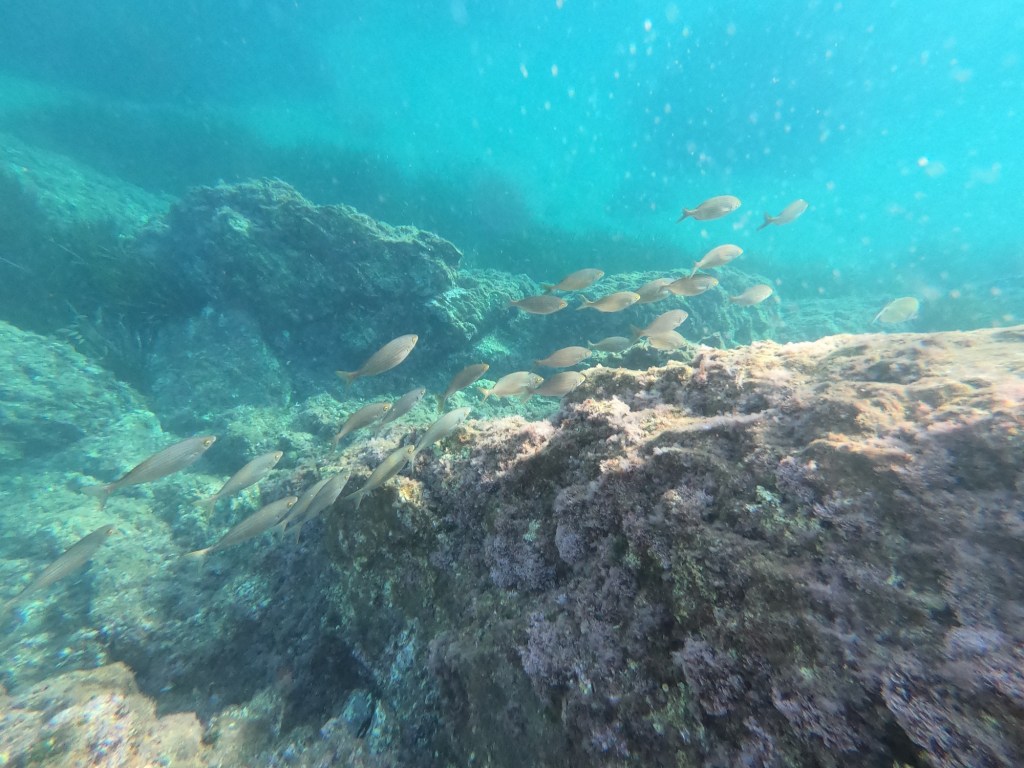
Wrasse, bream, combers, saupes and gobies darting across the rocks. Clouds of damselfish drifting in the sunlight. In some ways, it feels like being back in the Galapagos – a little less spectacular, perhaps, but every bit as enjoyable.

A whistle got my attention as I drifted across the bay. A Frenchwoman swimming over by the rocks asked me if I wanted to see un poulpe. I came paddling over. I confess I didn’t see it at first, despite her pointing to where it must have been. They are masters of disguise and can compress their bodies into even the tightest of crevices, so I swam off after a few minutes’ search turned up no sign.

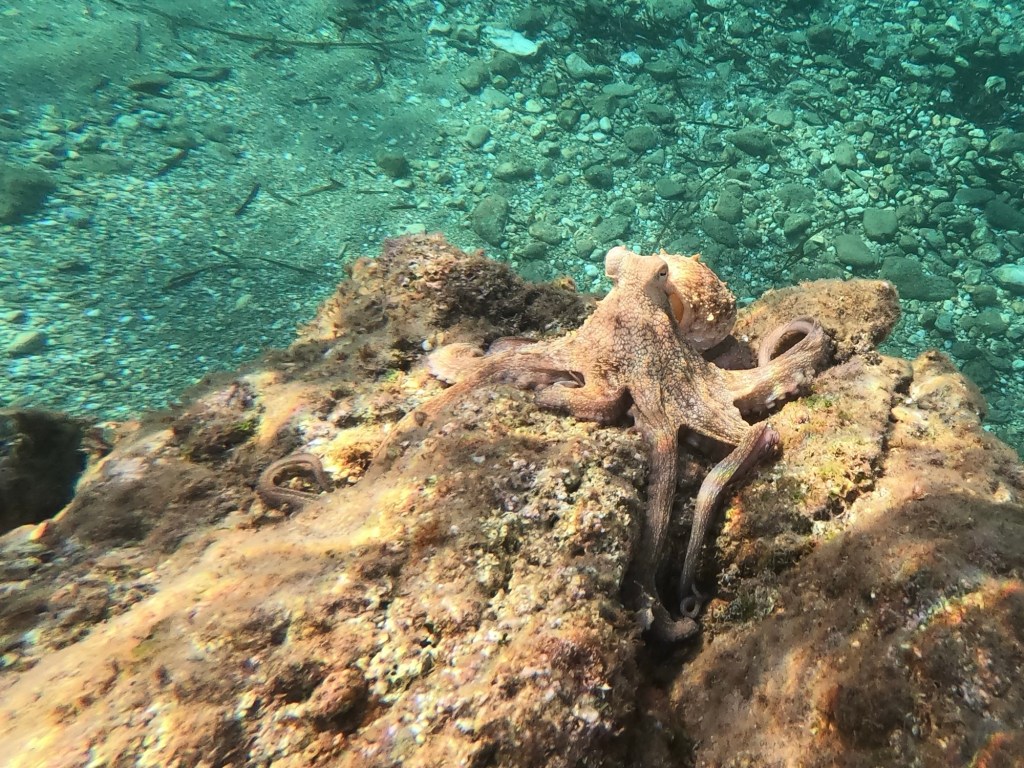
I returned the way I had come and thought I’d give the rock another try. Sure enough… there it was.
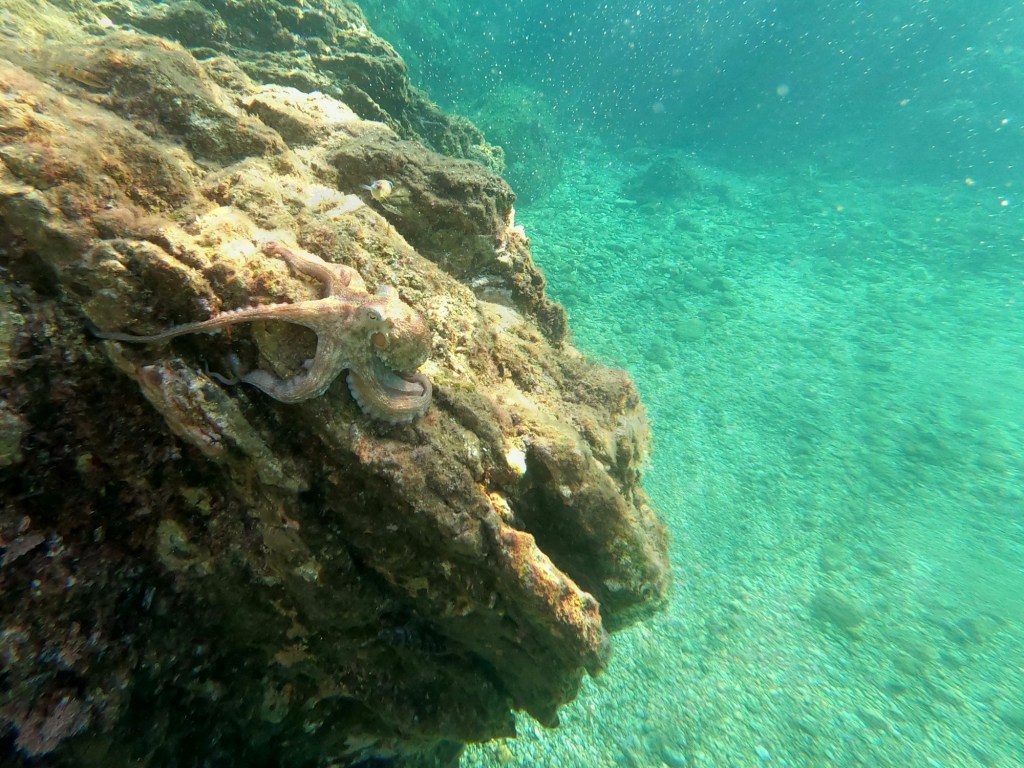

I’ve seen a tiny octopus before on a rockpooling adventure many, many years ago, but I’ve never had any luck tracking one down since. They’re fascinating creatures to observe, with their slowly pulsating heads, the siphons on either side acting like exhaust pumps and their eight legs moving as though each had a mind of its own. They’ve been patrolling the rocky coasts of this planet for over 150 million years, so it’s quite a privilege to see such an ancient creature in the wild, and so close, too.

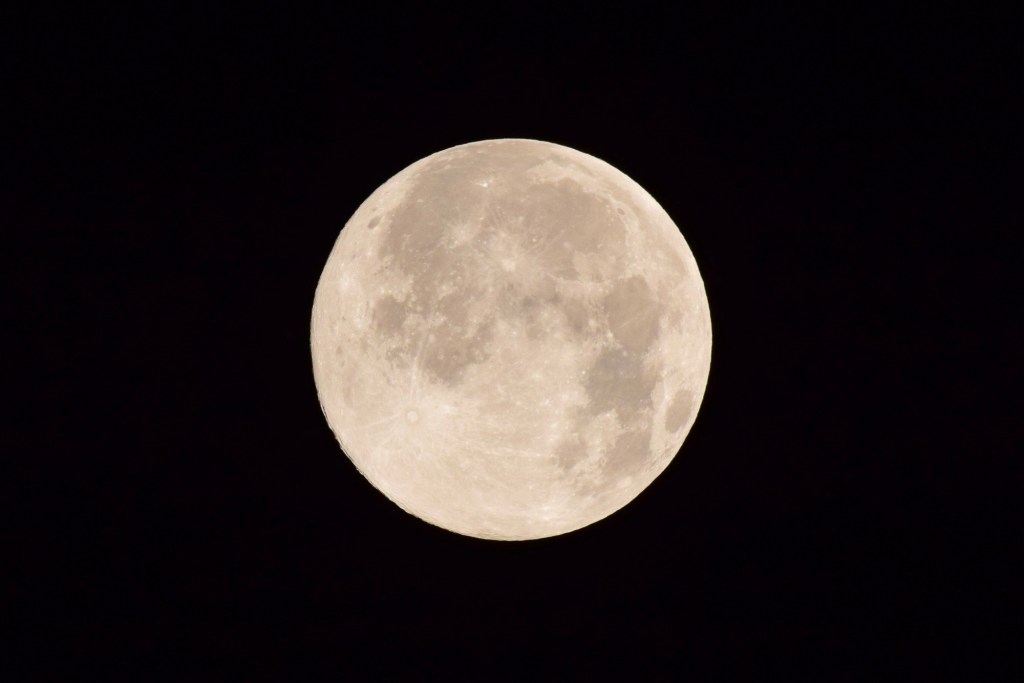
It feels good to have finally spent some time in the sea, especially when this place literally looks out across the Mediterranean. I also managed to track down my photos of the full moon from the other night, which really was a sight to remember.

Our last full day in France tomorrow. I believe crêpes are in order, but if the weather’s kind to us, I’ll try to get out early and see the flamingoes one more time before the others are up. Late risers as they are, that shouldn’t be too hard to achieve! BB x
Around the Cape

Giens Peninsula, Hyères, Côte d’Azur. 19.15.

Still no sign of the shearwaters. I suspect they’ve long since gone out into deeper waters. Still, a couple hours’ hike around Cap de l’Estérel and its crumbling WWII fortifications was a welcome change after another morning sheltering from the rain (though I did manage to pop down to the bakery before lunch to pick up some supplies).

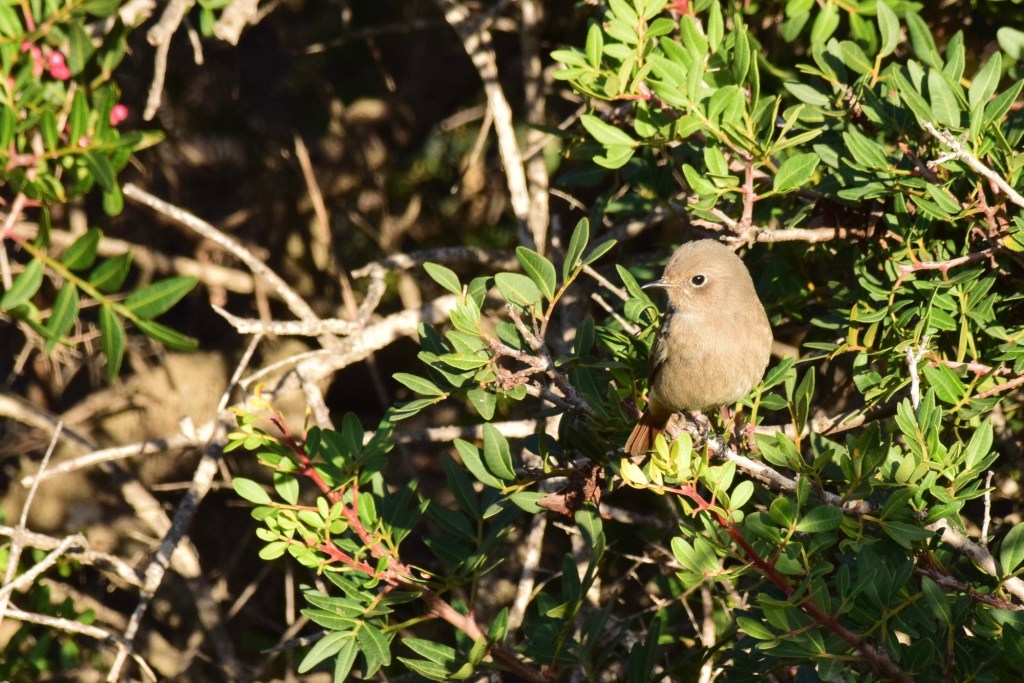
The Sardinian warblers are proving to be just as elusive as ever, but the black restarts that live on the peninsula are charming enough in their feverish movements among the bushes in search of food.


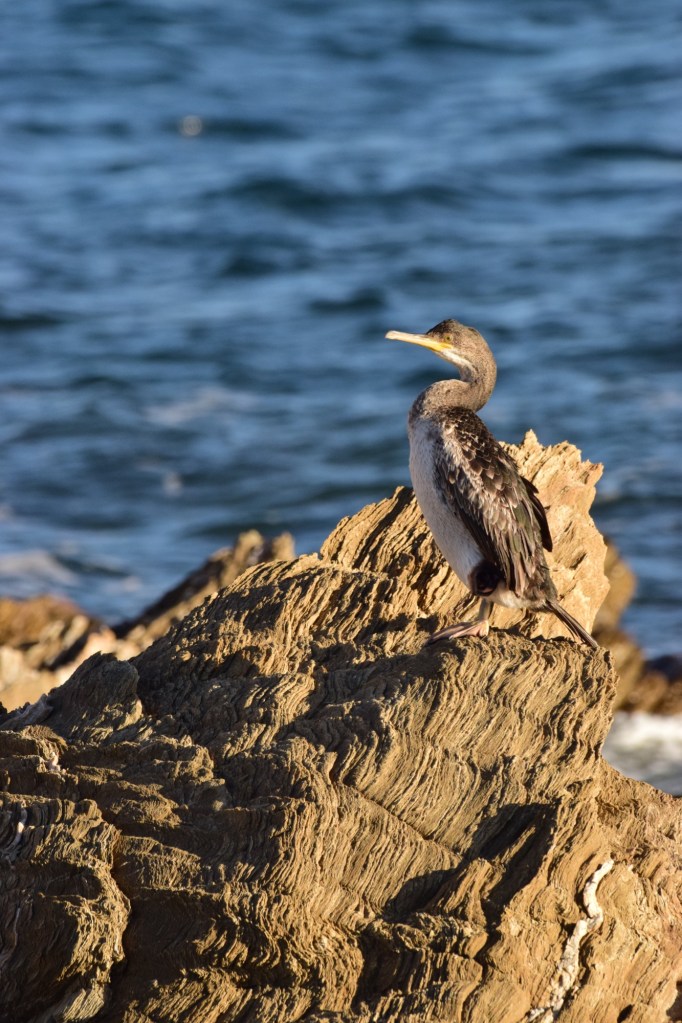
One seabird that stays on the coast throughout the year is the Mediterranean shag (phalacrocorax aristotelis desmarestii), a leaner, paler cousin of the bottle-green bird that we have back home. In the UK – discounting the Farne Islands – I’ve only ever seen these birds at a distance, but in the Mediterranean I’ve had quite a few close encounters.


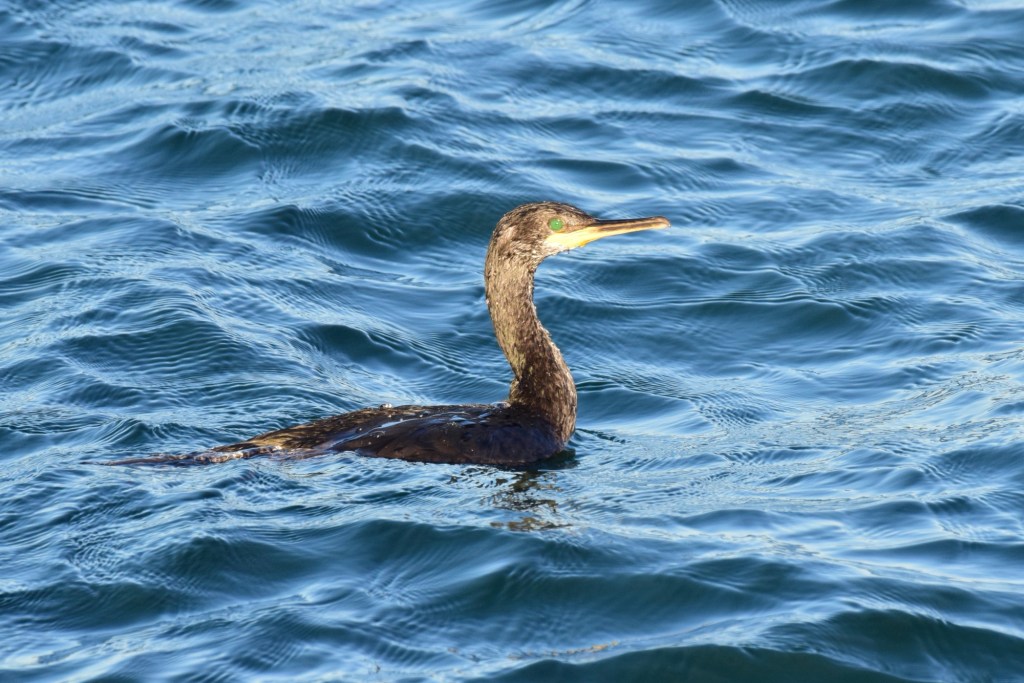
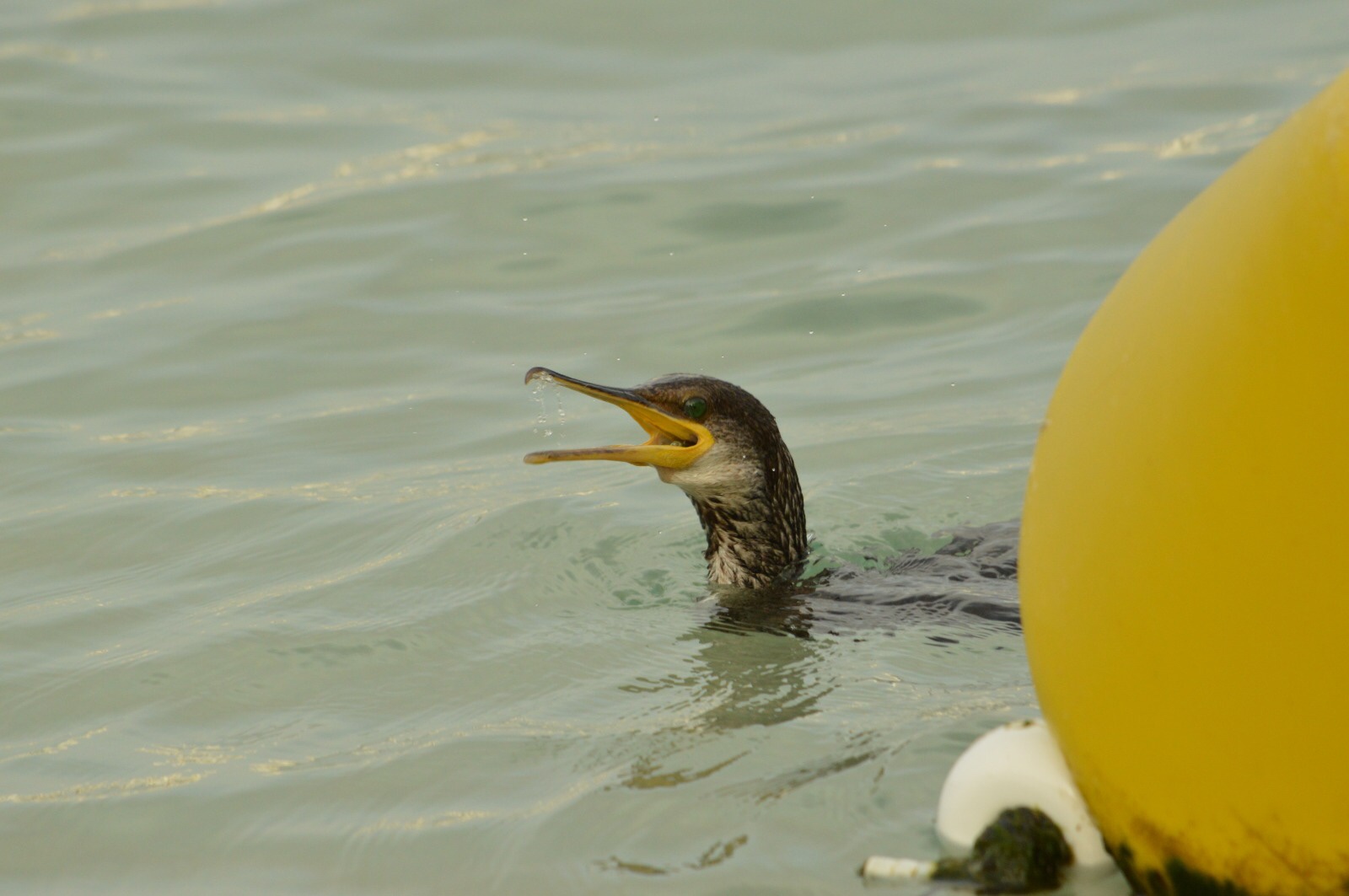
I’ve always been really struck by how fiercely green their eyes are. So many Pacific seabirds I encountered in Peru and Chile had strikingly red eyes, which I believe is an evolutionary adaptation that helps them to see better in the murky waters of the Humboldt current. I think the vivid green eyes of cormorants and shags share a similar function, but they’re no less impressive for the colour swap.


The sentier littoral (coastal path) that rounds the cape was a lot easier to follow than the one that supposedly laps the lagoon. I imagine it’s a lot busier in the summer months, but I still ran into a few French families and joggers along the way.


The weather is proving to be quite erratic here. The forecast rarely matches the reality: today was supposed to be a washout, but the rain all came down within the space of twenty minutes this morning. With any luck, it’ll be warm enough to go for a sea swim tomorrow. It won’t be quite as warm as the Aegean back in August, but it’d be nice to get a bit of sea swimming in before we go. BB x

Hesperornis

At around eight o’clock in the morning, the sun isn’t quite all the way up yet and the beaches around Arenal d’en Castell are, for the most part, empty of swimmers. A few Speedo-wearing junkies hug the shoreline, and the running girl is back on the boardwalk as she was yesterday, same time, same place. Other than that, the beach is empty – except for one unexpected bather out for a morning swim.

The Mediterranean Shag – perhaps more appropriately dubbed in Spanish as the tufted cormorant – is a diving bird that one normally associates with the rugged cliffs and seabird colonies of the north. The last time I saw these odd-looking snake-necked seabirds I was standing atop the windswept cliffs of Inner Farne, where the birds had built their messy nests mere inches from the footpath. The Farne Islands are magical in their own right with their denizens so fearless and so close at hand, so I suppose I assumed the Farne birds to be a braver sort. In most other parts of the world, birds (and other animals for that matter) know well enough to steer clear of the capricious hand of man. The Great Auk didn’t – and is consequently no longer with us.

Before the tourism industry boomed in the Mediterranean, sea turtles and monk seals swam into the sandy coves to give birth and plovers nested on the shorelines. The human demand for a place in the sun has pushed many of these creatures to local extinction – the Mediterranean monk seal is now one of the rarest mammals on the planet – but some species have decided the only way to cope with the summer surge of noisy humanity is to simply go about their business as though nothing had changed. The shags of Arenal d’en Castell do not appear to mind the presence of their human neighbours in the slightest. The waters of the bay are still teeming with fish, and for this master fisherman, the presence of a few hardy toe-dippers is no obstacle to a morning’s hunting.

There are at least three shags in the bay, not counting those that haunt the rocky cliffs of the headland to the northeast. Like many “urban” animals, they lack the lustre of their wild counterparts. The shining bottle-green feathers of the Farne birds are absent here: Phalacrocorax aristotelis desmarestii dons a more humble suit, with a touch of the sandy-grey “pardel” colour that flecks the coats of all Spain’s beasts, from its mice and rabbits to its bears and wolves.

Or at least, this bunch of townies do.

They really are masterful swimmers. This youngster did an entire length of the bay in a matter of minutes, displaying incredible agility as it darted through the shallows, oftentimes passing within a few feet of the day’s first paddlers, and avoiding what obstacles it encountered with incredible dexterity – with one exception. Perhaps age will bring wisdom.

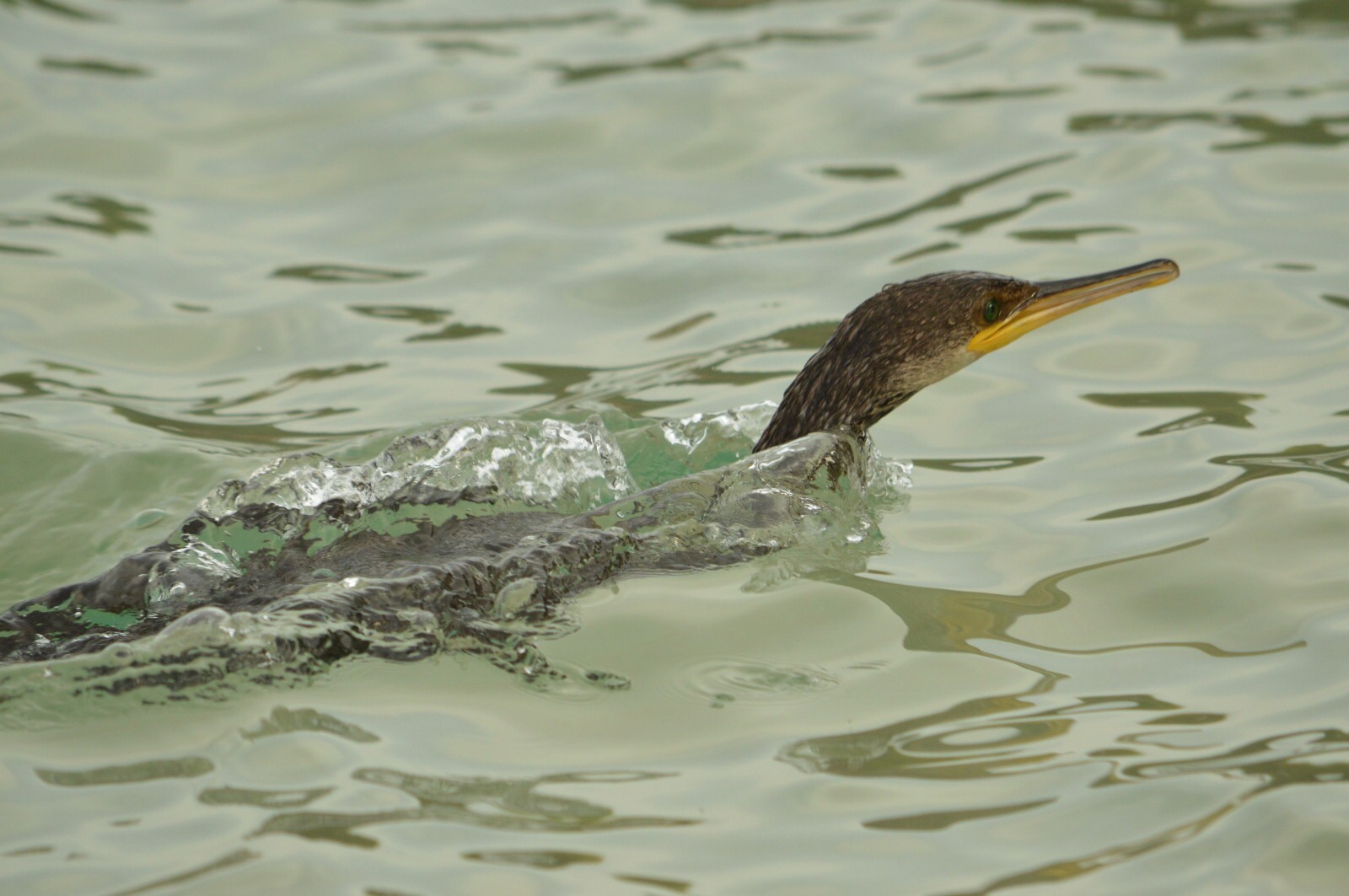
Every once in a while, nature, that ancient mechanic, finds a form it likes and seems to say to itself ‘yes, that’ll do – no need for further adjustments’. Sharks and sponges and jellyfish have filled an ecological niche since time immemorial, and there is much in the shag that harks back to some of the earliest birds, not least of all the fearsome Hesperornis, a seagoing avian dinosaur with sharp teeth on its beak. There are no teeth on its descendant, but as it floats along the surface of the water, snorkelling often and propelling itself along by its back legs, it seems an ancient creature; and when it finds what it was looking for, it kicks with its powerful legs and dives. And if it looked a capable swimmer on the surface, that is nothing compared to what it can achieve below the waves.

Would that I had an underwater camera and could show you just what I mean! Swimming around the headland this afternoon, I ran into the bird again, paddling only a few metres away without a care in the world. When it dived, I went under and followed it on its underwater hunt. Such speed! The bird moves like a torpedo through the water, powering ahead with powerful kicks of its bright yellow feet. I could only keep up for as long as it allowed; when it had enough of the lumbering tag-along, it kicked harder and took off through the depths. Were the sea calmer I might have watched it go, but the high winds stirred up the sand on the seabed and within seconds it disappeared into the gloom.

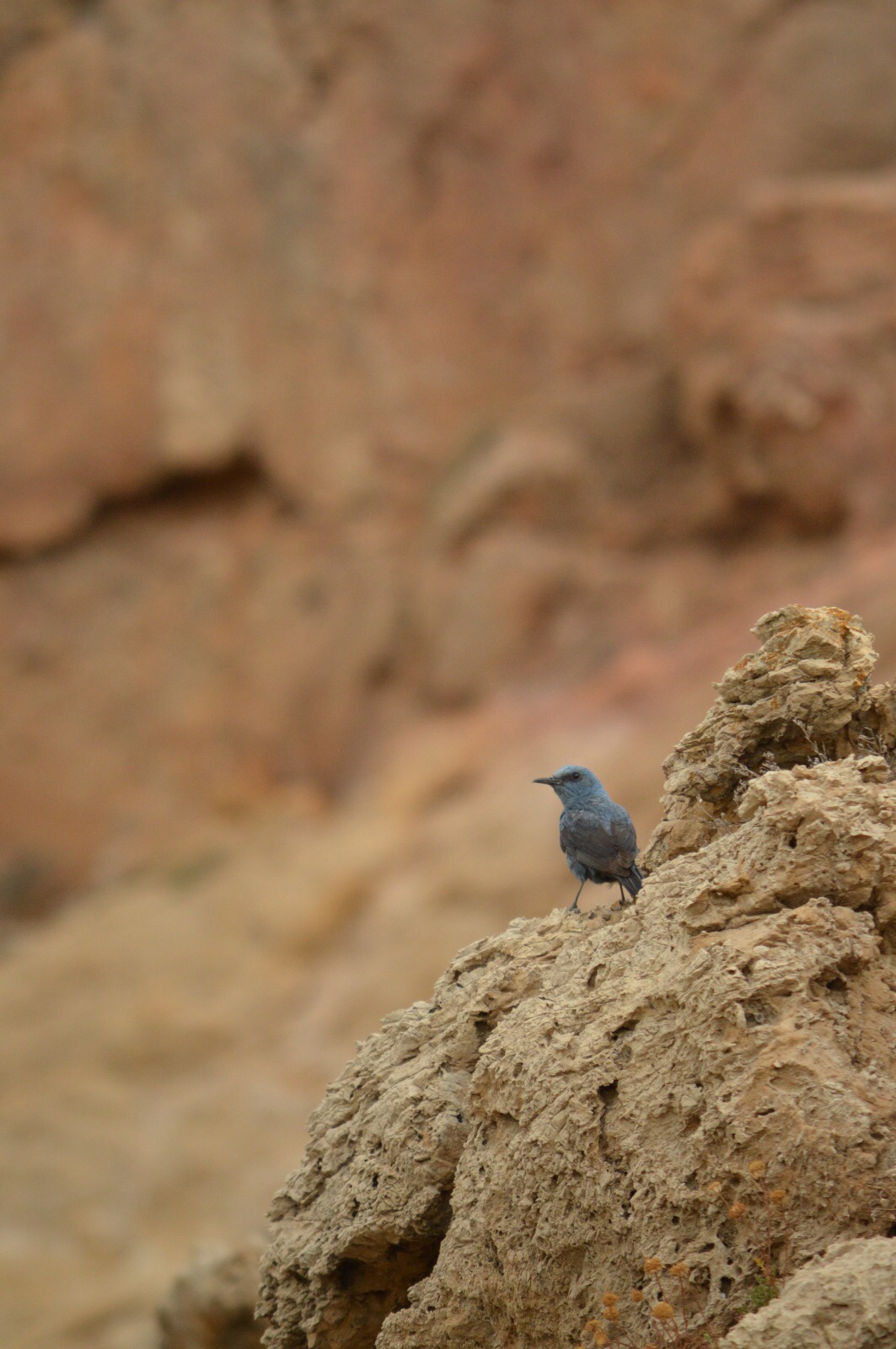
It’s moments like this that I wake up for. The flycatchers hawking around the climbing frame in the garden. The hummingbird hawkmoth that visits the hedge every day, the turtle doves that purr from the Aleppo pines, and the blue rock thrushes that warble from the cliffs of every rocky cove – and all of this within five minutes of the flat. Menorca is wild and, for the nature lover for whom a casual swim is simply not enough, it is a truly beautiful place to explore.

The high winds of the last few days are finally on the wane; the waves are not crashing upon the headland as they were this morning. Tomorrow I make for Fornells to explore the reefs on the northernmost cape of the island. I hear there are moray eels to be seen, though I should consider myself more fortunate if I should have the chance to swim with the shags once again. It was a real RSPB moment, up there with the vultures in the mist and the saltpan harrier, and I shall treasure it for years to come. BB x