Back in Time

The Flat. 20.34.

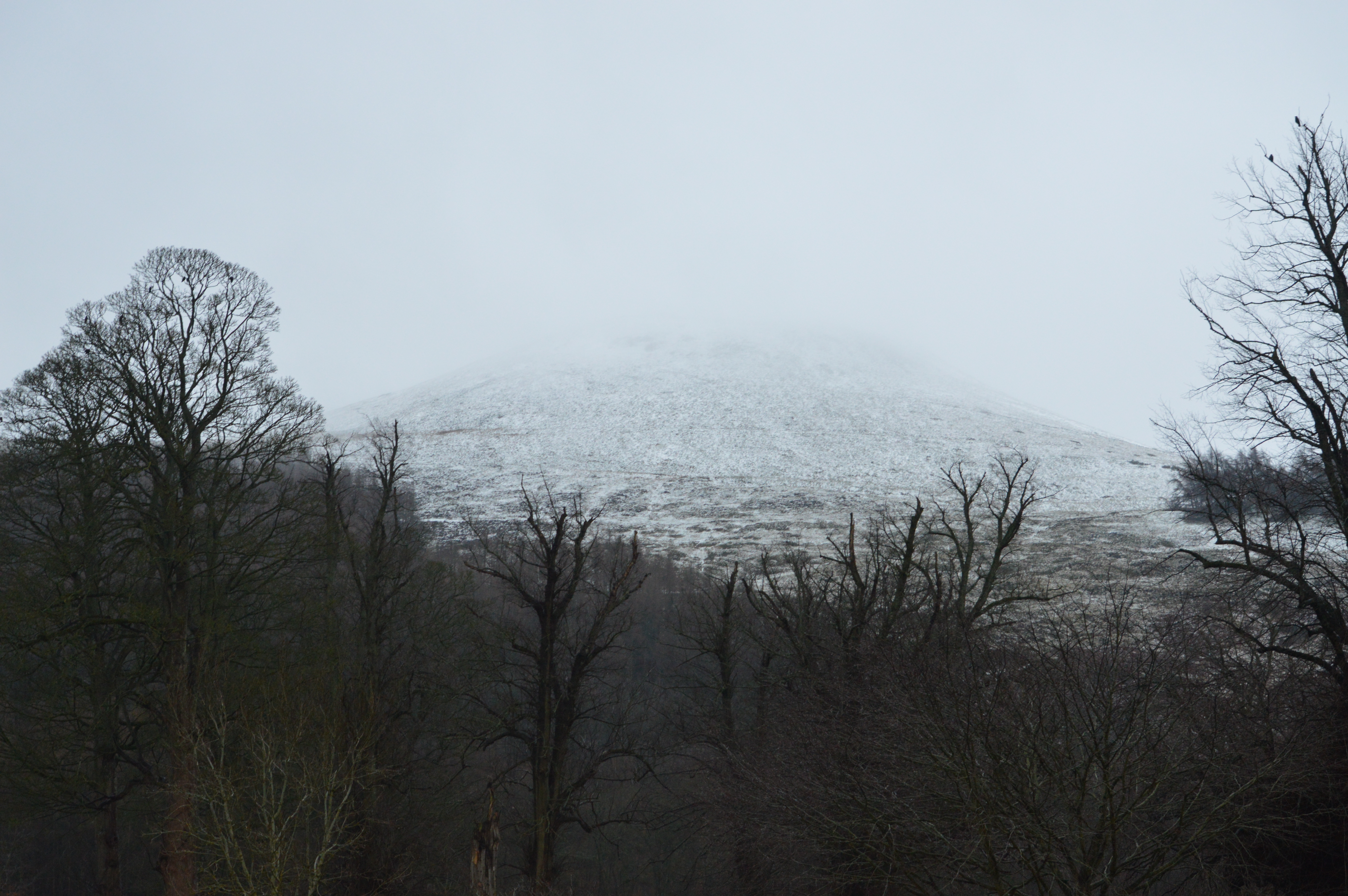
I’ve just come back from a wonderful five days in Scotland with some very dear friends. Apart from being a much-needed social fix, it was as good an excuse as any for a change of scenery. Unlike the rest of the UK, where it has so far managed to rain every single day since the new year began, Scotland and its particular brand of Celtic magic has contrived to turn some of that endless precipitation into flurries of snow, which still frosted the distant highlands beyond the Firth of Forth as my southbound train whisked me around the coast at Berwick. I ended up going north one day sooner than planned to tag along to a family hike in the Lomond Hills around Falkland, for which I was woefully overdressed. We popped in to Andy and Babette’s church first, so I had my Sunday best on, which wasn’t exactly the right fare for carrying a pushchair through ankle-deep mud and melted snow. Still – there’s got to be a first time for everything, right?

God – but Edinburgh is such a beautiful city. I don’t say that all that often about cities, but Edinburgh is special. If Spain doesn’t work out – and I am still holding out that it will – Edinburgh wouldn’t be a bad fallback. What a place to raise a child!

With my Peruvian adventure now just over a month away, I have started to get serious in my preparations. I have booked my first accommodation option in Cuzco, using the only dates of which I can be sure, and started to map out the various bus routes I will be taking. I have nineteen days, which isn’t nearly enough to see all that Peru has to offer, but I’ll give it a damned good try.

As I can’t be sure if I’ll return to Peru anytime soon, it occurred to me a few weeks ago that now might be the right time to invest in an upgrade to my trusty 75-300mm telephoto lens. The reliable little Nikkor lens has done a fine job for the last ten years – almost to the day – but in a country teeming with sights I have never seen before, a little more reach would be a very handy thing to have.

When I was starting out as a wildlife photographer, I used a second-hand Nikon D70 and 75-300mm lens and so I grew very accustomed to shooting with that focal length, but when I was around fourteen, my mother bought me a Sigma 150-500mm. I don’t want to think about how much it must have cost her back then (when we weren’t exactly in clover after our ruinous attempt to move to Spain), but it was one hell of an investment. Once I got the hang of the behemoth and its various quirks (notably its optimal range of 400mm, as it tended to blur beyond that range), it became nothing short of my right arm.

Goodness knows I had enough practice. Weekly sorties became routine. My homework diaries from Year 10 and 11 have a clearer record of my weekend plans than they do of any homework I might have been set. My usual haunts were scattered across East Kent: Stodmarsh, Sandwich Bay, Margate and my local patch at the Undercliff where the White Cliffs of Dover began; and sometimes further afield, to the lonely wetlands of Dungeness and the Elmley Marshes. I still find it ironic that I didn’t really get bit by the birdwatching bug until my last week living in Spain, by which point it was almost too late to appreciate what I had out there. Still, Kent was a wonderful place to learn that trade, and I even made something of a name for myself as the Young Kent Birder for the Kent Ornithological Society. That was also my first foray into blogging, as it happens – this particular endeavour is merely the successor to a record-keeping exercise that I have been working on since I was fourteen years old.

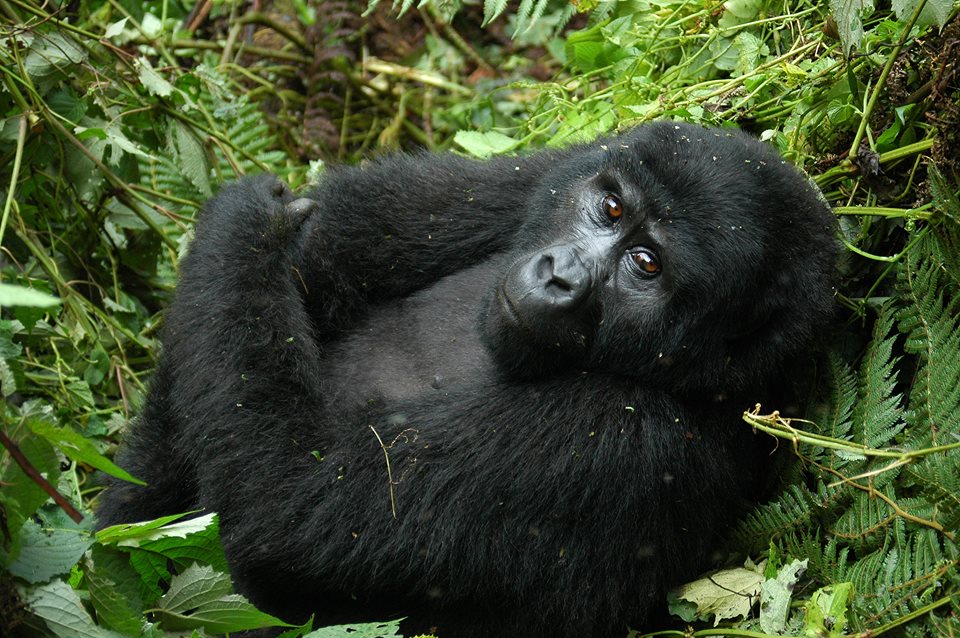
The Sigma lens came with me on many adventures, but it was absolutely invaluable when I went to work in Uganda during the first three months of my gap year. I honestly don’t know what I’d have done without it. I certainly wouldn’t have had nearly as much luck with the fish eagles, crowned cranes, tree-climbing lions and mountain gorillas as I did with the Sigma lens at my side.

Sadly, we leave some of our most cherished things behind when we grow up. When I became a man, I put away childish things, and for some reason, the Sigma lens – and the birdwatching world it had opened to me – was one of those “childish things” I put away when I left for university. Maybe I was only trying to fit in. Maybe all the time I would have spent out and about in nature was reassigned to making time for friends and rehearsals. One way or another, I sort of let go of something that had been a fundamental part of my childhood – and, if I’m being honest, my soul. I regret that, I guess.

The naturalist in me never went away. I distinctly recall keeping a quiet list of the birds I saw in a notebook while traveling around Morocco with some friends from my Arabic course. I remember also taking an unfettered delight in the sight of a sparrowhawk when it struck down a pigeon in my garden and proceeded to disembowel it in front of the kitchen window. And there was always an enormous grin on my face if and when I encountered the pair of goosanders that lived on the River Wear en route to a seminar in the morning. I think I even altered my route most days to try to see them.

After a few months in Spain during my year abroad, I used some of my Erasmus grant to buy myself a new camera. The new model – the D3200 that I have used ever since – was a budget model and thus did not come with an in-built focus motor. When I remembered the faithful Sigma and tried it out with my new kit, I realised that its days as a wildlife zoom lens were over. Let’s just say that tracking a 15cm kingfisher flying at 40kmph across the surface of a rushing river is hard enough with an autofocus-ready lens, and damned near impossible when you’re trying to catch it manually. Several years of neglect had also left it in a rusty state. While still perfectly functional, web-like fungus had grown across its inner rings, doubtless the result of its final foray in the cloud forests of Bwindi Impenetrable National Park.

Since then, I have done a decent job with my 75-300mm, but the glory days of wielding a mighty telephoto like a flanged mace felt like a distant memory. Until yesterday, when I bit the bullet and ordered a proper upgrade: introducing the Nikon 200-500mm AF-S. It’s not exactly the latest model – the lens went on the market in 2015, shortly before I bought the D3200 – but it is a huge step forward in terms of what I can do with my wildlife photography. I’m not really at the stage in my career where I feel I can justify splashing out on one of those titanic cannon-esque superzooms that the other Kentish birdwatchers used to lug around, but I am at the stage in my life when I want something to live for. Lady Luck is proving hard to find, so until she turns up, I’ve decided to step back in time and blow the dust off a hobby that used to have me grinning from ear to ear from week to week.

Some people find their joy in the gym or in park run. But for me, the answer is and has always been nature. Now that I am fully-armed once again – for the first time in nearly fourteen years – it’s time to get back out there and enjoy a hobby again.
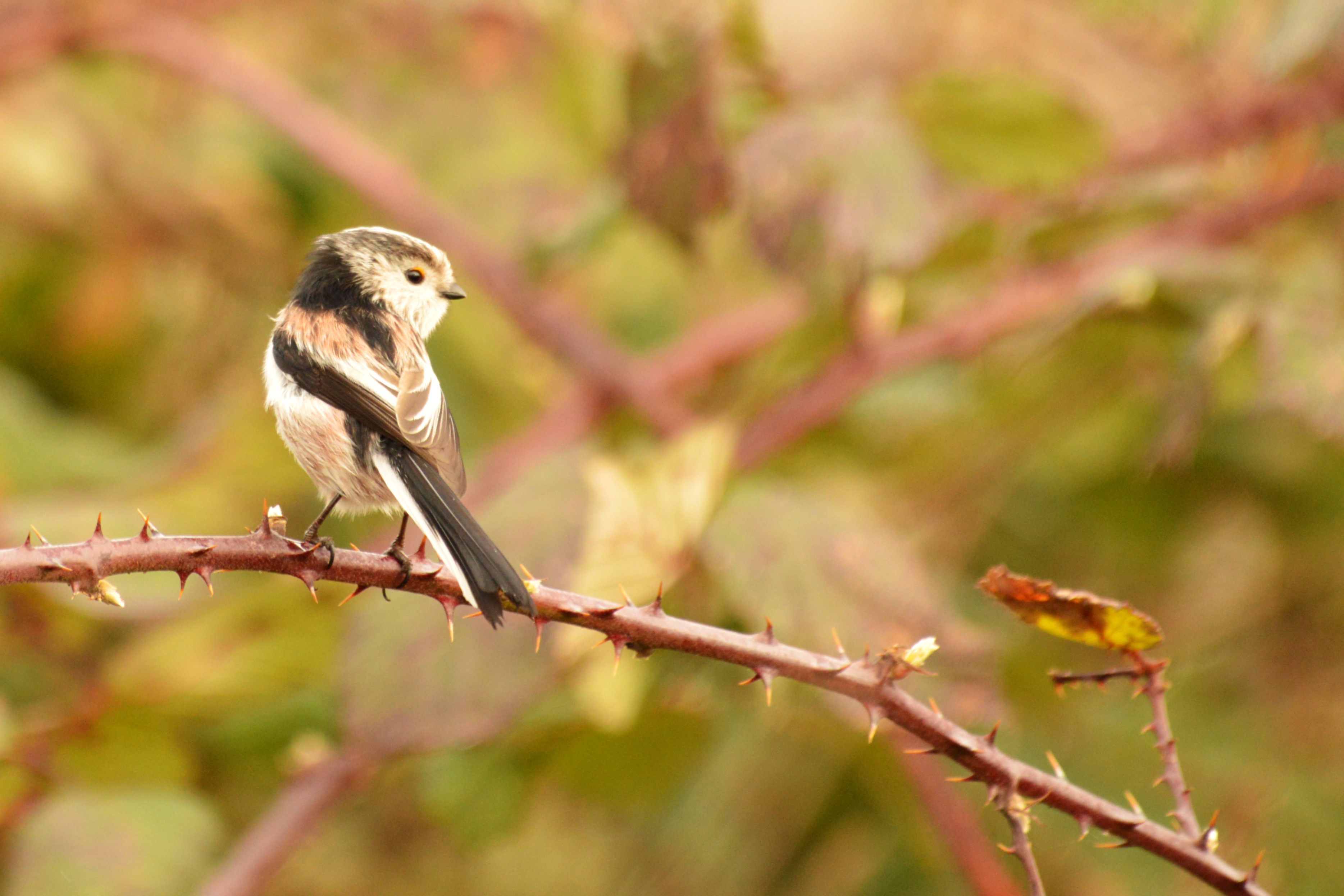
Long-tailed Tit (Aegithalos caudatus), River Tone.

I still don’t have wheels of my own, so my forays will be limited until such a time as I get my hands on a driver’s license, but for now, I intend to explore my immediate area. There’s plenty to see in the corner of Somerset where I live, and the local bus and train network is pretty handy. With the forecast looking none too promising (the rain continues), I thought I’d start with a wander up and down the River Tone, so that I could dash home in case the heavens opened. Fortunately, the worst I got was a gentle mist for the first five minutes, after which I had a very dry (if muddy) two hours’ walk.

The Nikon 200-500mm is about the same length as the old Sigma, but it is both chunkier and heavier, so I found myself using the tripod grip as a handle. It also requires two spins of the barrel to extend to its full focal length (back in the day, I could wind out the Sigma to its precise maximum of 400mm in a single move), but in a major improvement on the Sigma, it loses none of its visual acuity at its full extension, so in a very real sense, I am working with a longer telephoto than I have ever operated before. I had plenty of opportunities to put it through its paces this morning with the roving flocks of passerines that were feeding along the river, and it did not disappoint, tracking the nimble movements of treecreepers, siskins, goldcrests and long-tailed tits as they hopped about between the leafless branches.

I’m a firm believer that it takes more than just an expensive camera or lens to make a decent wildlife photographer. What it really requires is a solid understanding of your subject and their fickle nature. Fortunately, I have spent most of my thirty-two years on this planet observing the world around me, so while I still can’t keep pace with the rest of my generation in many respects, I do know what I’m doing in the field of wildlife photography. I’m no professional, nor would I ever consider making this hobby into a side-hustle, but it does bring me immense joy.
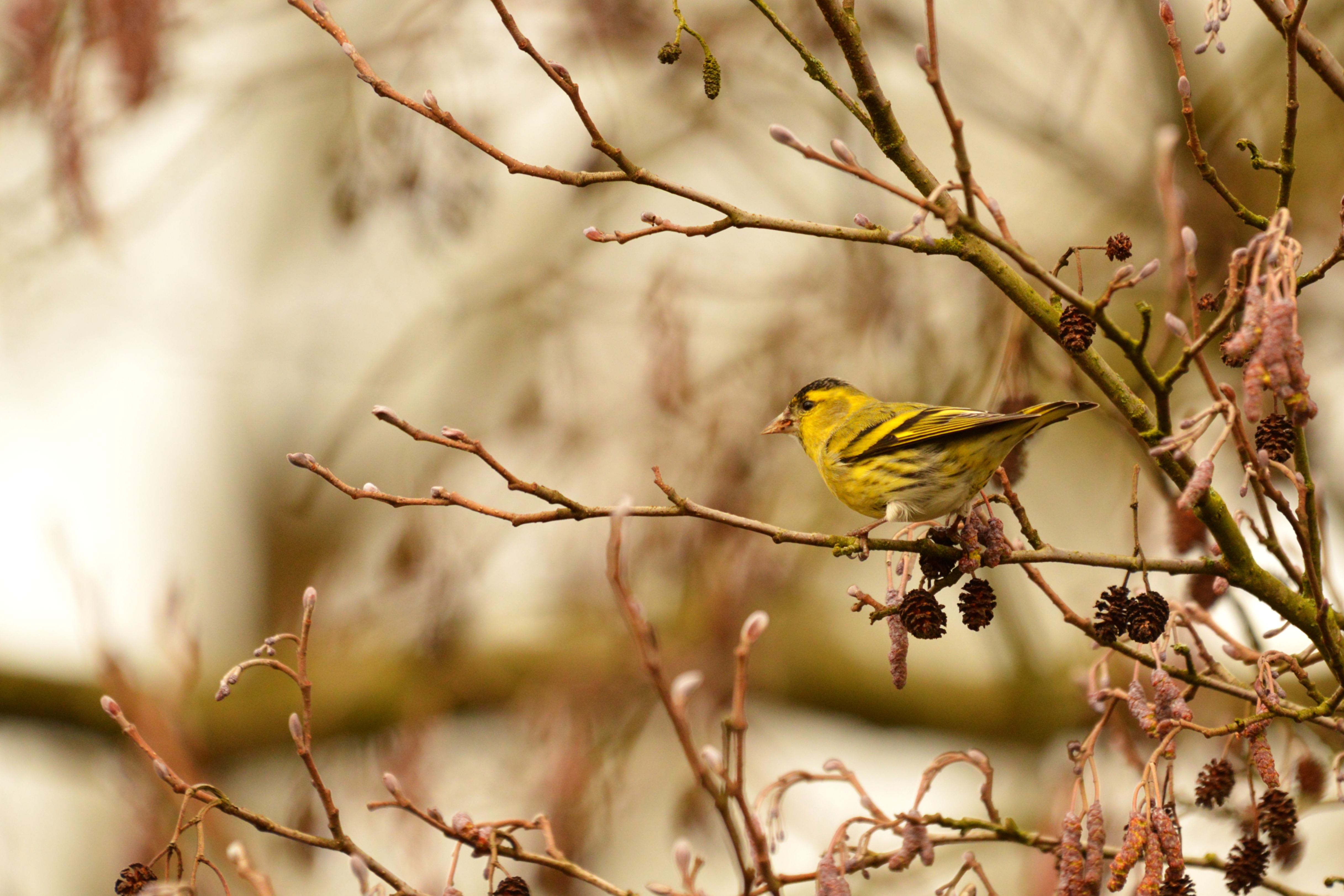
Eurasian Siskin (Spinus spinus), River Tone.

It’s so good to be back. My arm is complete again. Let’s make this a year to remember! BB x
Adventures in Cow Country

Good morning Cantabria!

DSC_0069

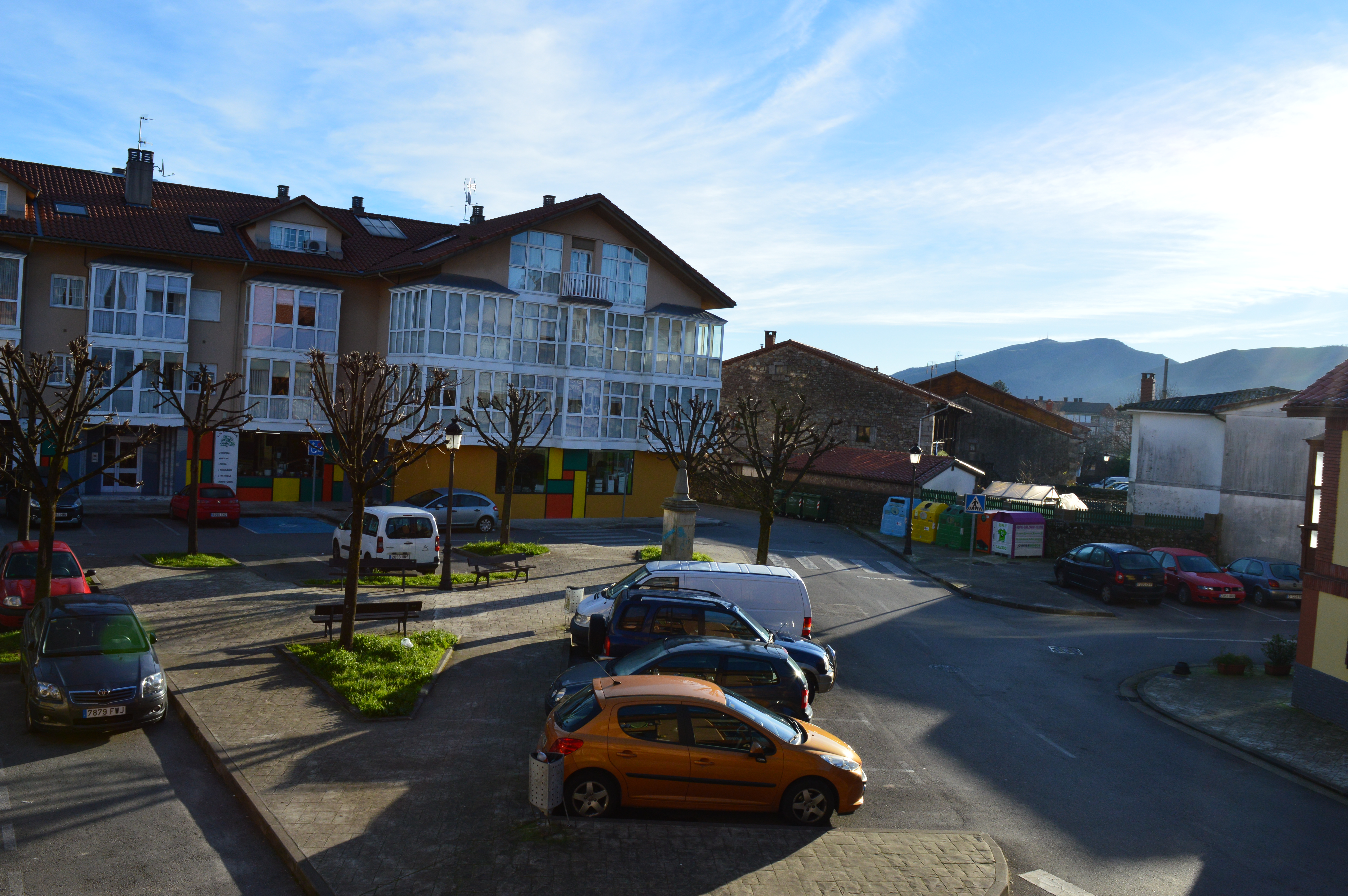
Cabezón de la Sal is a simply gorgeous mountain village sat in a cleft between the hills of Santillana and the Escudo de Cabuérniga, a mighty ridge stretching in a straight line all the way to the Asturian border. What makes it so immediately different from the south is the layout of the town: if anything, it’s more English than Spanish. Where small two-story flats hold the monopoly in the town centre, semidetached houses dominate almost everywhere else. Long gone are the snake-like rows of white houses with barred windows and marble porches; the Cantabrian norm is stone-brick dwellings with wooden roofs and quaint, upper-storey balconies. It’s charming, if a little alien to a habituated southerner like me.

DSC_0292

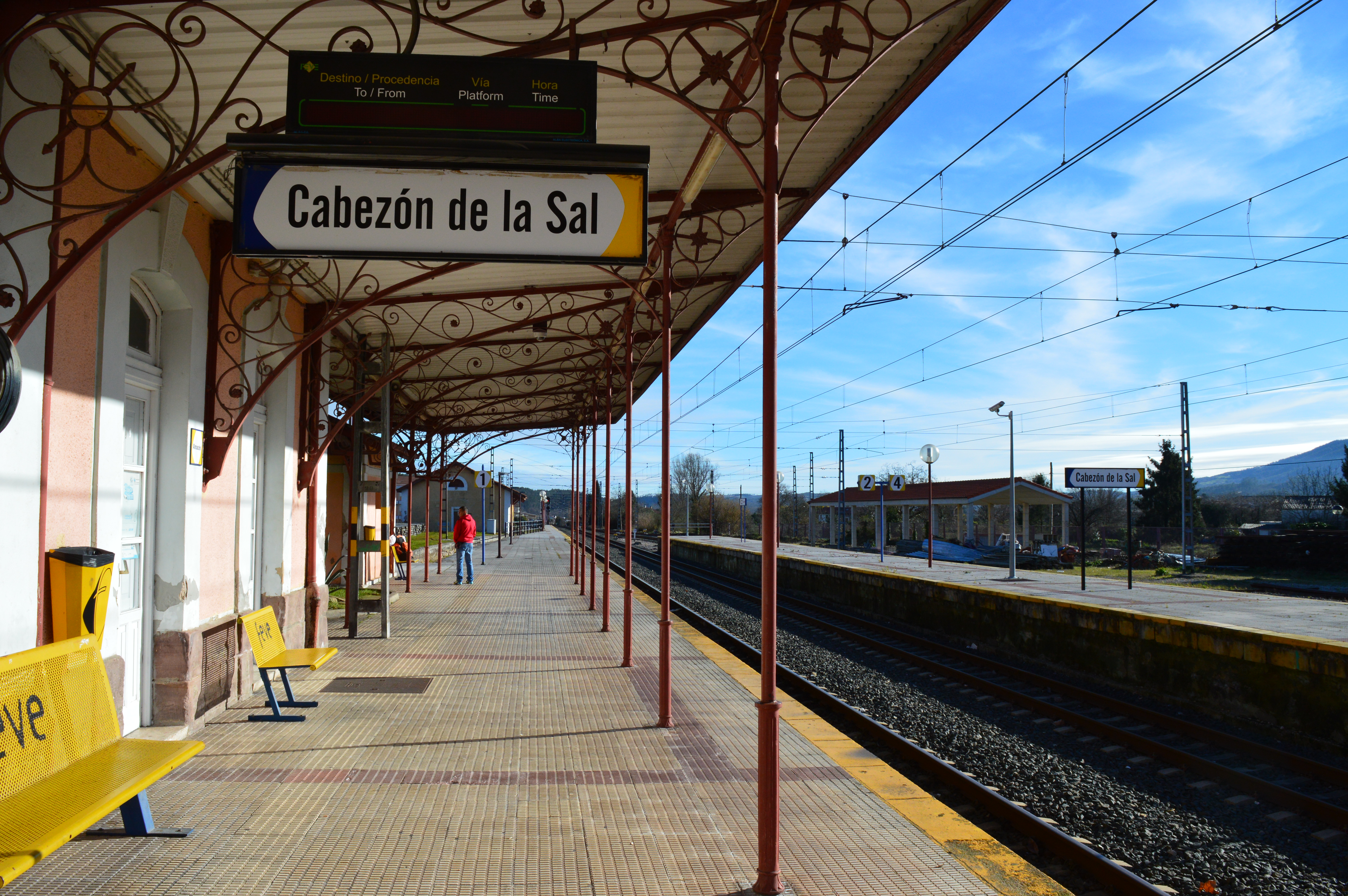
There are buses – apparently – but it’s the local train service that holds sway here. Quiet, comfortable and cheap at the price, Cantabria’s FEVE provides a reliable alternative to Extremadura’s LEDA – provided you arrive in town before ten to nine at night, that is.

DSC_0080

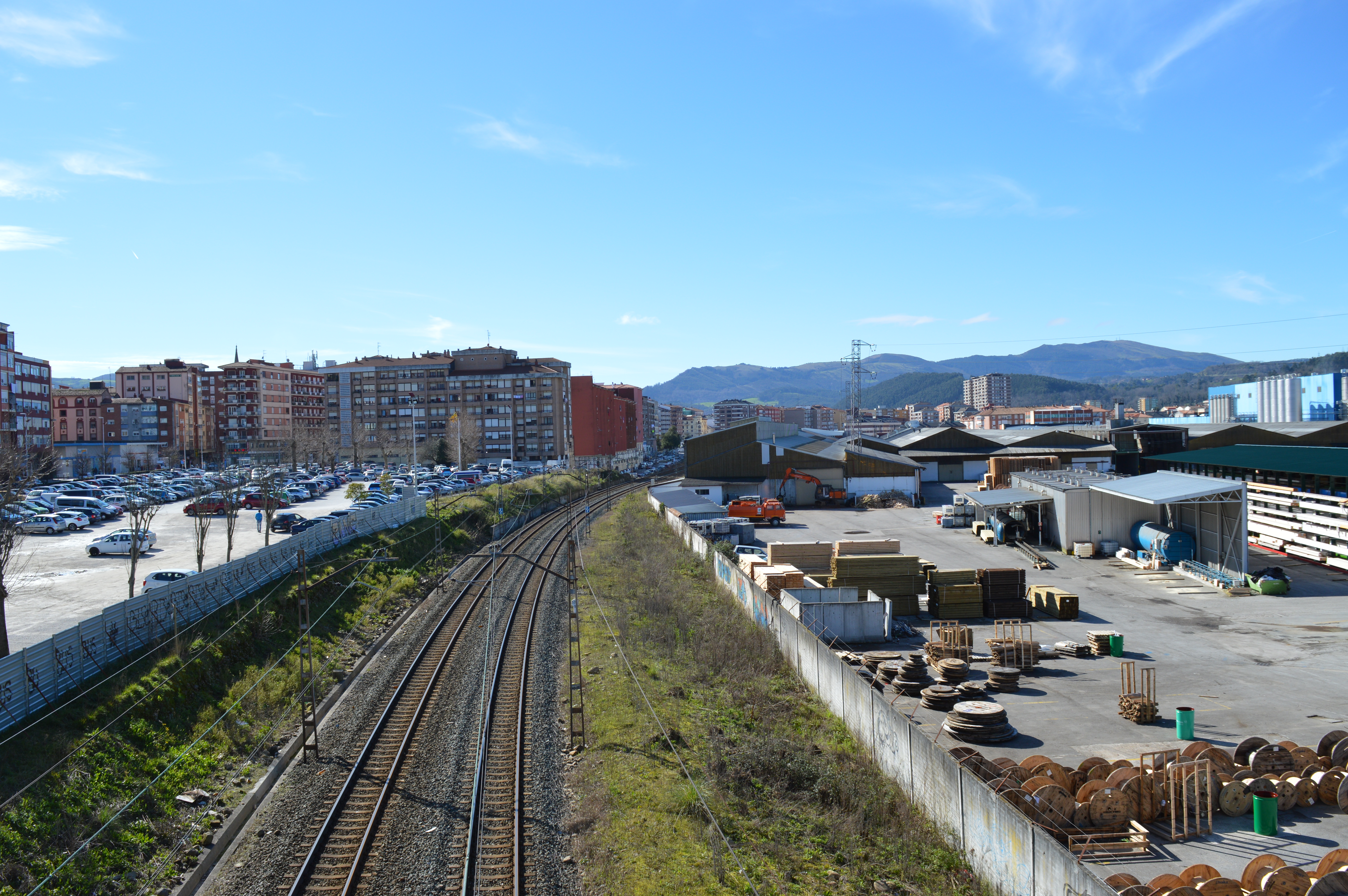
‘Let’s go to Potes,’ says Kate, ‘for a little walk.’ So off we went to Torrelavega, that city of burgeoning factories and towering flat-blocks that I passed through twice four years ago in the early days of my trans-Iberian adventure. In the sunlight, Torrelavega looks…

DSC_0089

…well, I’ll not beat about the bush. Torrelavega is not exactly Paris. If Cabezón is a more rustic version of Villafranca, Torre is the Almendralejo equivalent in Kate’s neck-o’-the-woods. But like Almendralejo, it’s got its own charms. One of them goes by the name of red velvet sponge-cake.

DSC_0087

We arrived in Torrelavega looking for the bus to Potes, but the bus station proved singularly unhelpful, and a quick browse of the internet told us that the bus we were looking for left not from the bus station, but from the Palomera office by the train station we’d just left behind. In a scene which echoed the night before (albeit in slow motion), we half-ran back to the station… but there was absolutely no sign of the bus. Or any bus. Or even a bus stop, for that matter. Unless the Potes bus is a mystical bus which flies through the air and receives its passengers from the balcony of the Palomera offices on the second floor, I declare that bus stop to be an enigma. The city of Atlantis and the fabled kingdom of Shangri-La have captivated the imagination of man for centuries. Now I shall brazenly add the Palomera bus stop to that box of unsolved mysteries.

DSC_0088

Thinking on our feet, we dabbled with the idea of catching the train into Asturias in search of the equally mysterious inland bay of Gulpiyuri, but after all of that faffing around with the Potes bus we’d just missed the only practical train to Llanes by five minutes. As though calling out from a memory, Santillana del Mar came to mind and I decided we would grab the next train back to Cabezón and strike out for the coast via the Town of Three Lies. Public transport has as its advantages, but as a species, we should never forget that it was learning to walk on our own two feet that got us where we are today. And so off we went.

DSC_0096

The strangest thing about this last-minute change of plan was that it meant retracing my steps almost pace for pace from that ridiculous adventure, now some four years ago, right down to getting off at the very station where the driving rain turned me back to the shelter of Santillana del Mar. But for a few forks in the road, I had the entire route embedded in my mind as though I’d walked it ten times over rather than once. Perhaps that’s fate. She’s been playing a long game with me.

DSC_0119

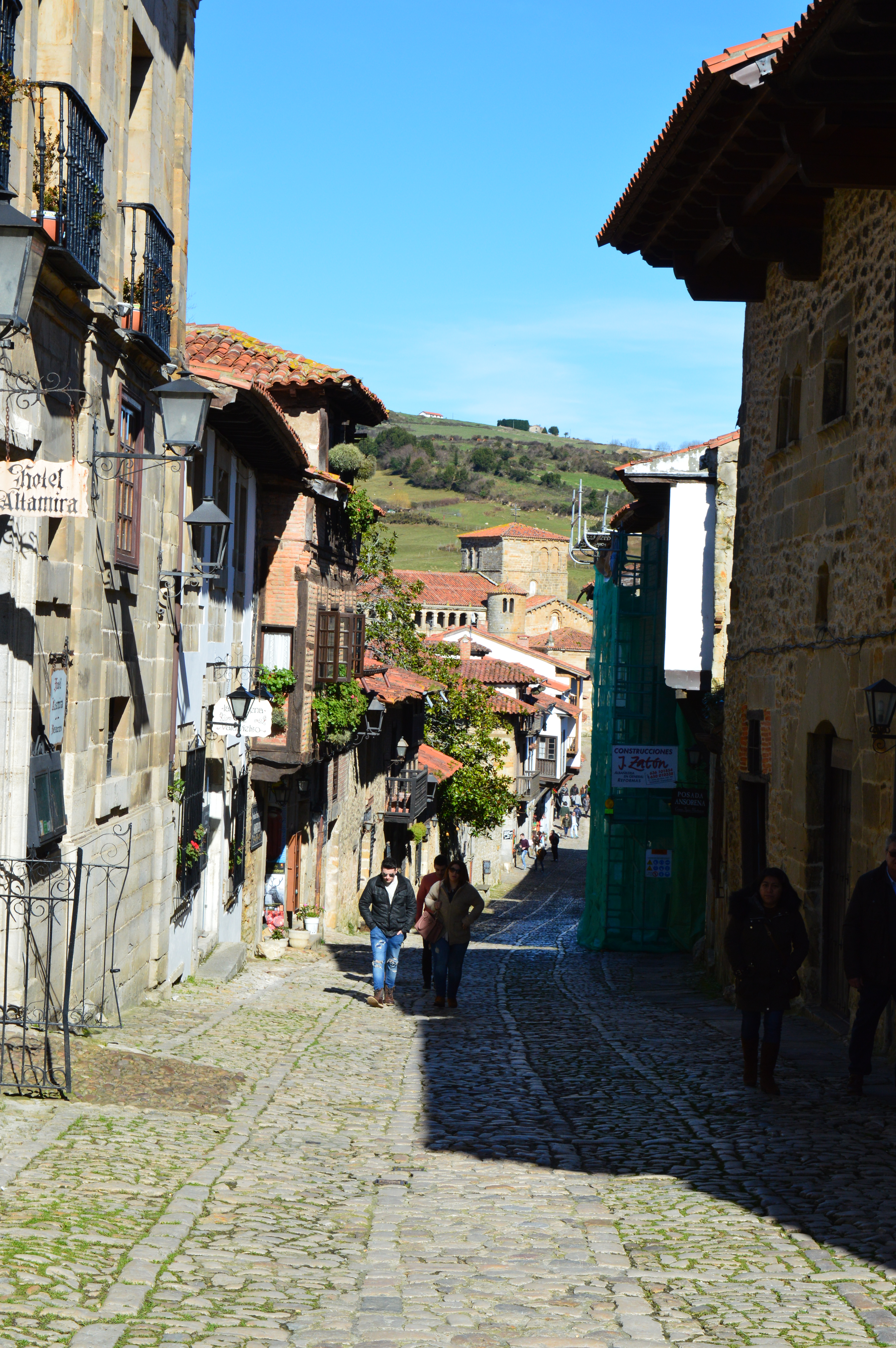
It felt decidedly weird coming down out of the hills into the cobbled streets of Santillana all over again. As Spanish villages go, Santillana has got to be amongst the very prettiest. It’s known as the town of three lies – being neither holy, flat, nor by the sea – but if that is so, then it’s a damned beautiful liar. As I so often find myself doing, I made sure to revisit all of the places I’d been before: the same church, the same quesada shop, the same Savage Culture boutique that I still don’t fully understand. I can’t explain it, but something about this town keeps pulling me back.

DSC_0130

We had a picnic lunch of peanut butter sandwiches on the steps of the Colegiata de Santa Juliana and basked in the afternoon sun. 15 degrees Celsius… not bad for Cantabria. In all the bad weather Spain’s north coast has been having of late, I must confess I think myself bloody lucky to have landed a whole twenty-four hours of glorious sunshine in the one day I had to explore the place. I could hardly have asked for better: better weather, or better countryside, or better company.

DSC_0160

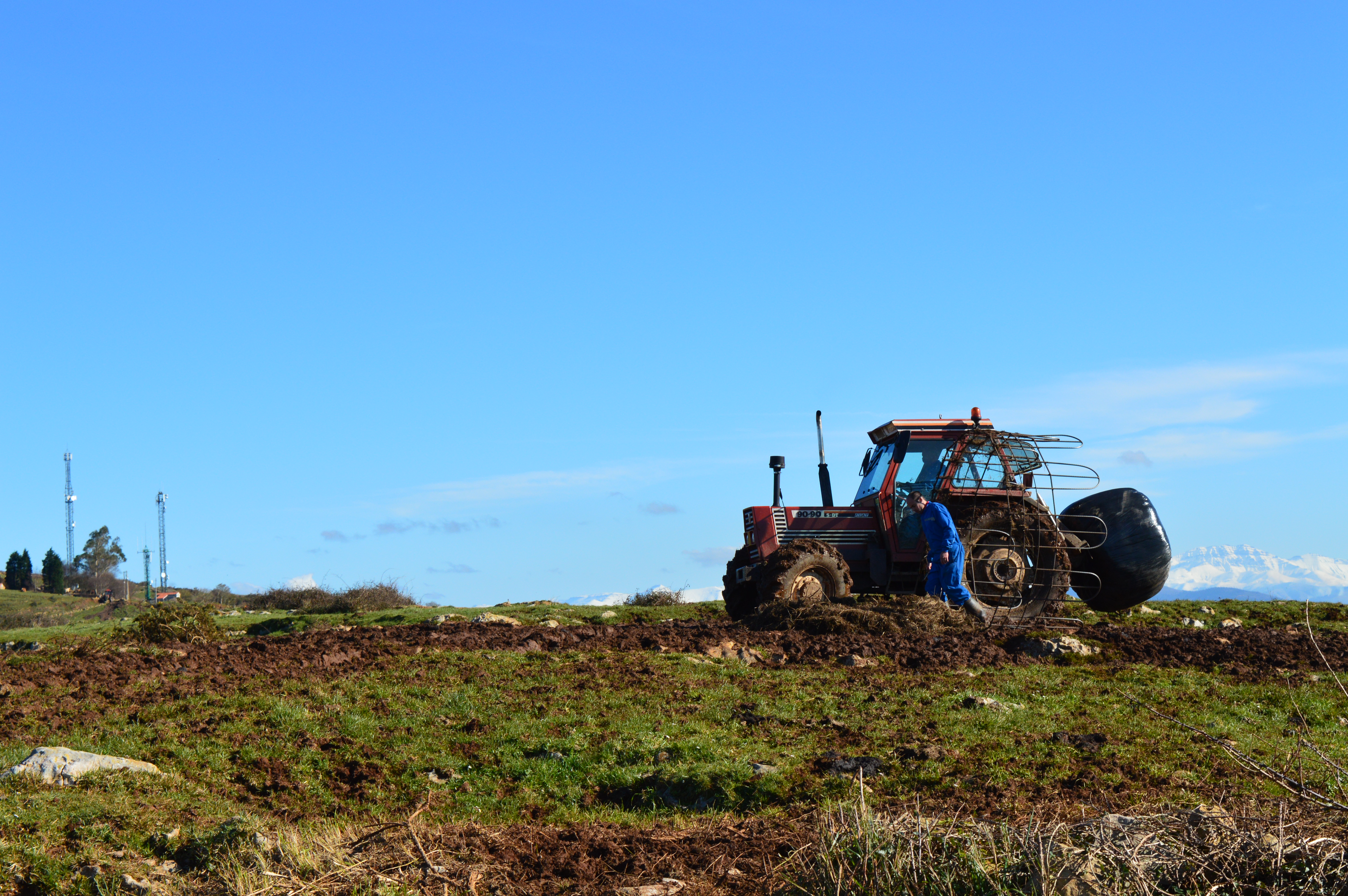
Leaving Santillana behind, we climbed steadily northwards across the rolling hills to the coast. Along the way we were misled by the Arch-Deceiver that is HERE Maps, which tried to convince us that what looked suspiciously like an overgrown stream was actually a main road, and we were caught up in a high-speed chase with a tractor, like an extremely low-budget Cantabrian version of Need for Speed. The stereotype lives: Cantabria truly is a land of green hills, of cows and of tractors.

DSC_0146

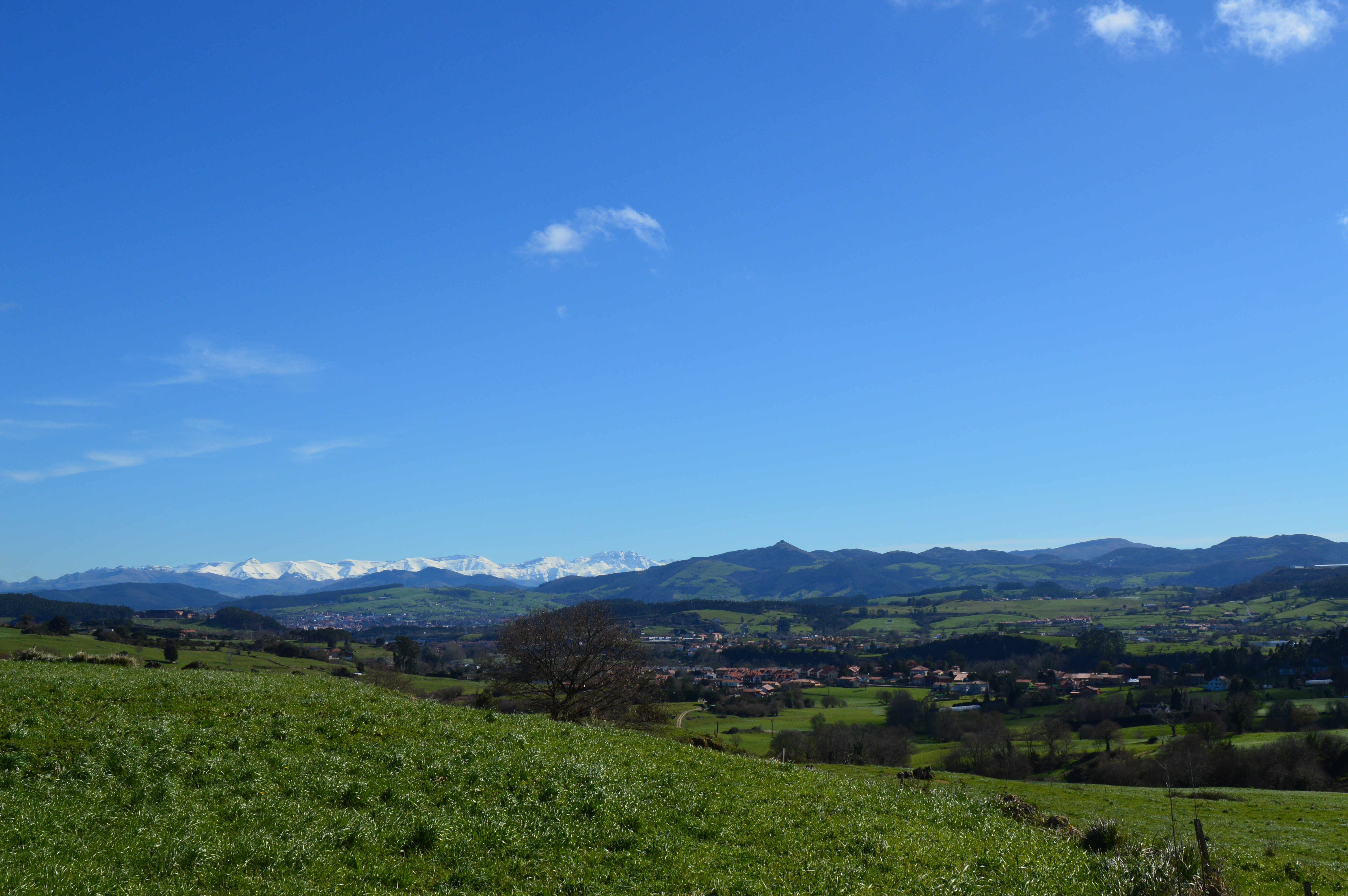
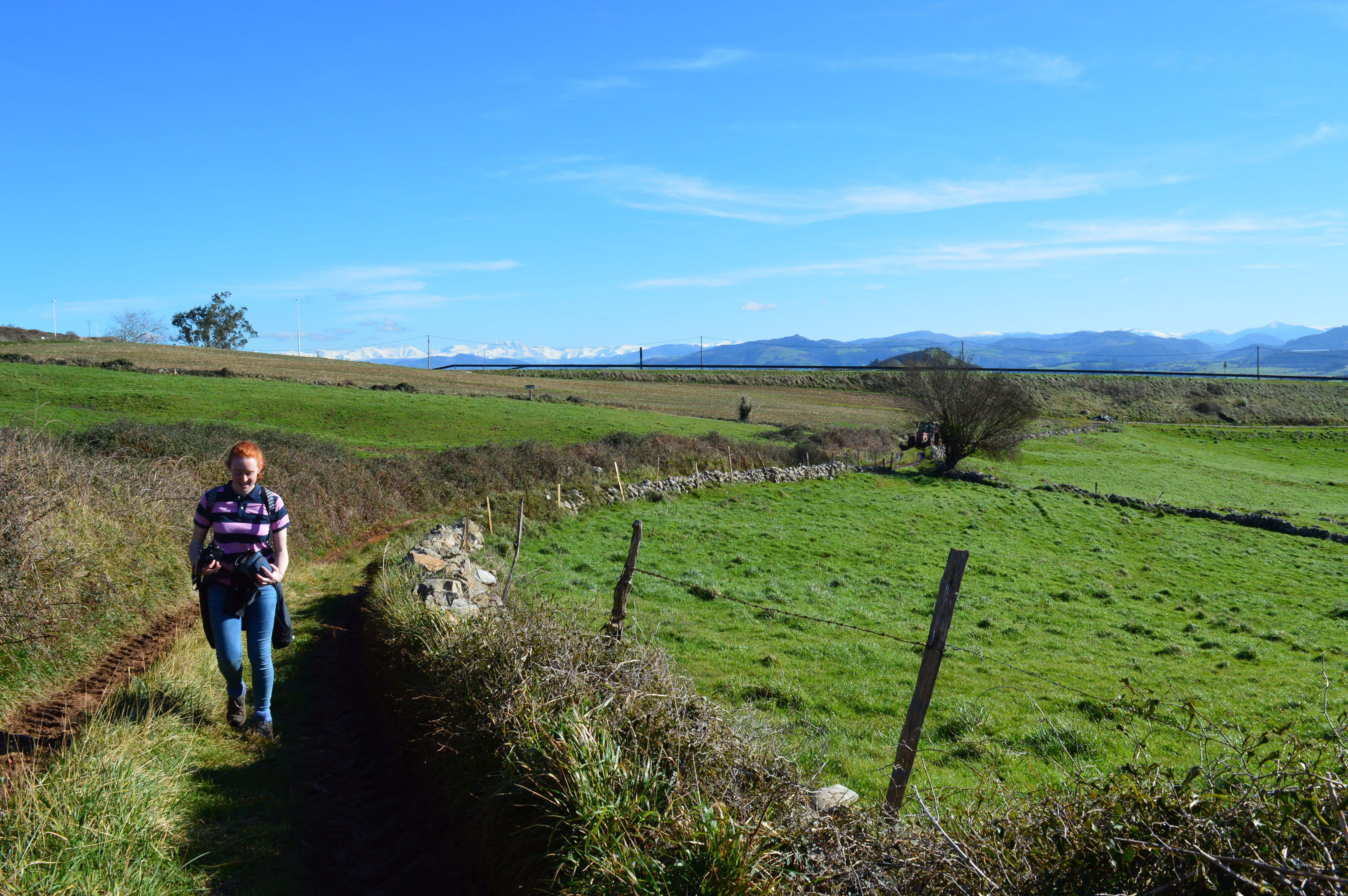
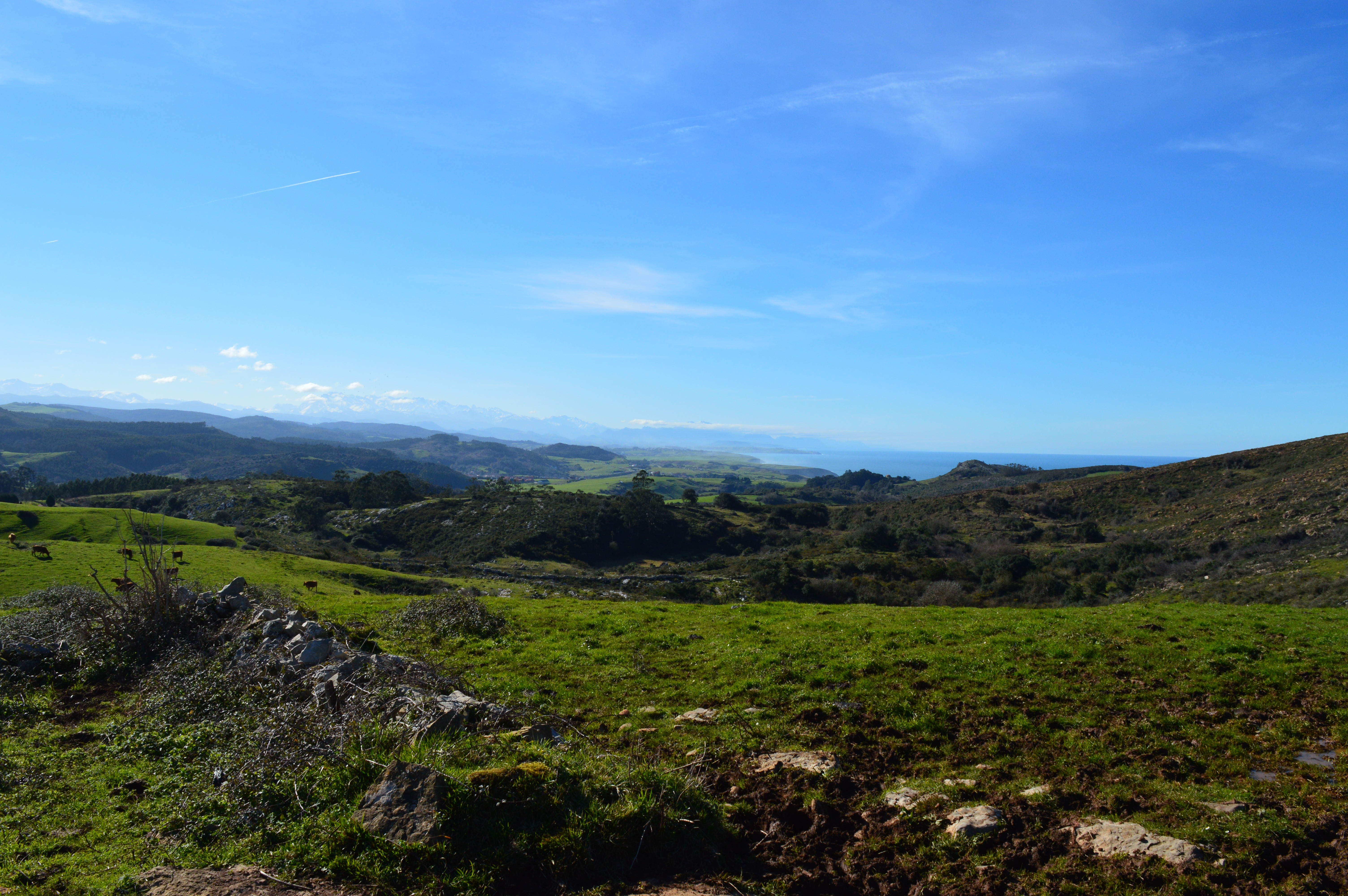
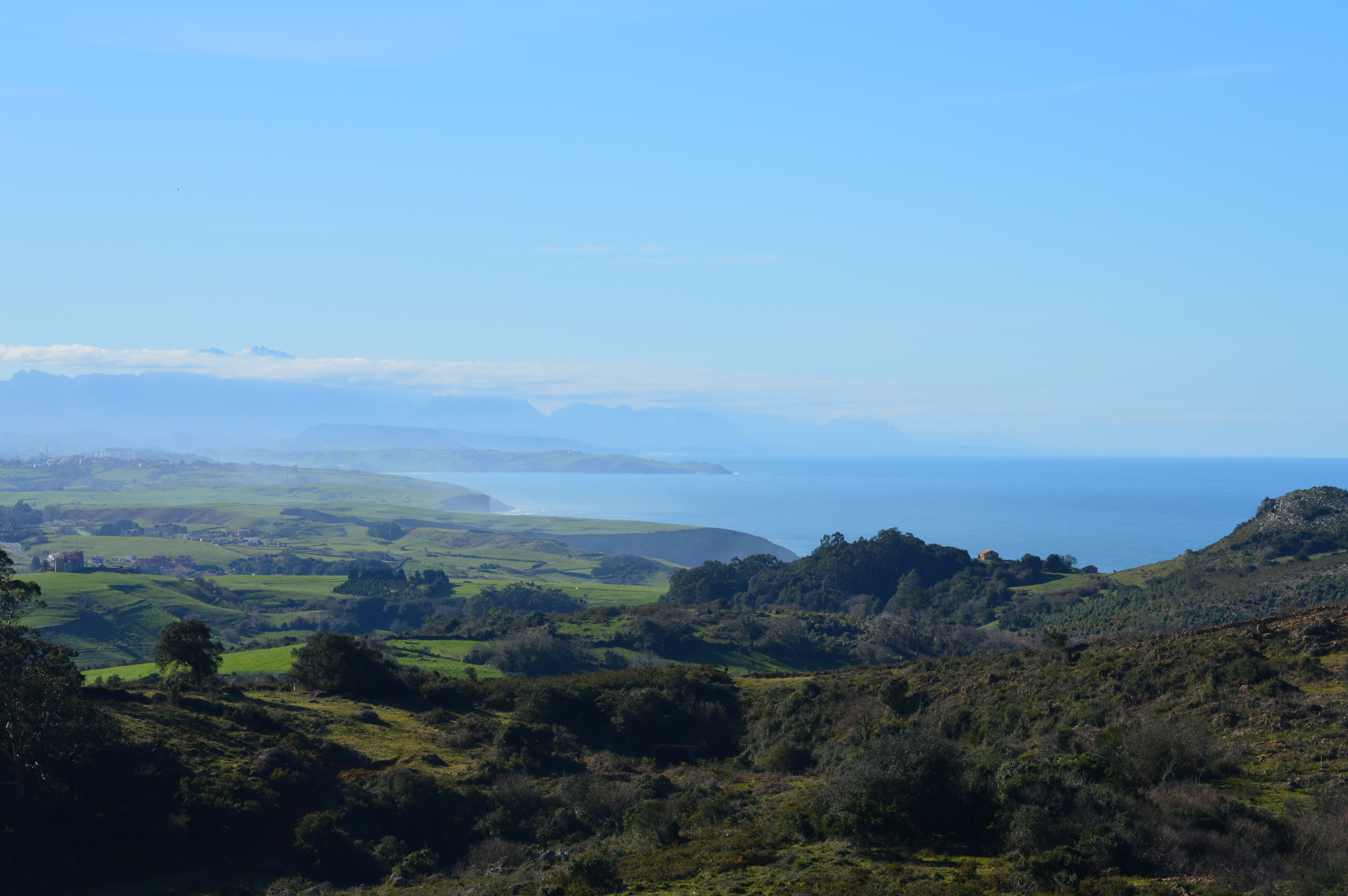
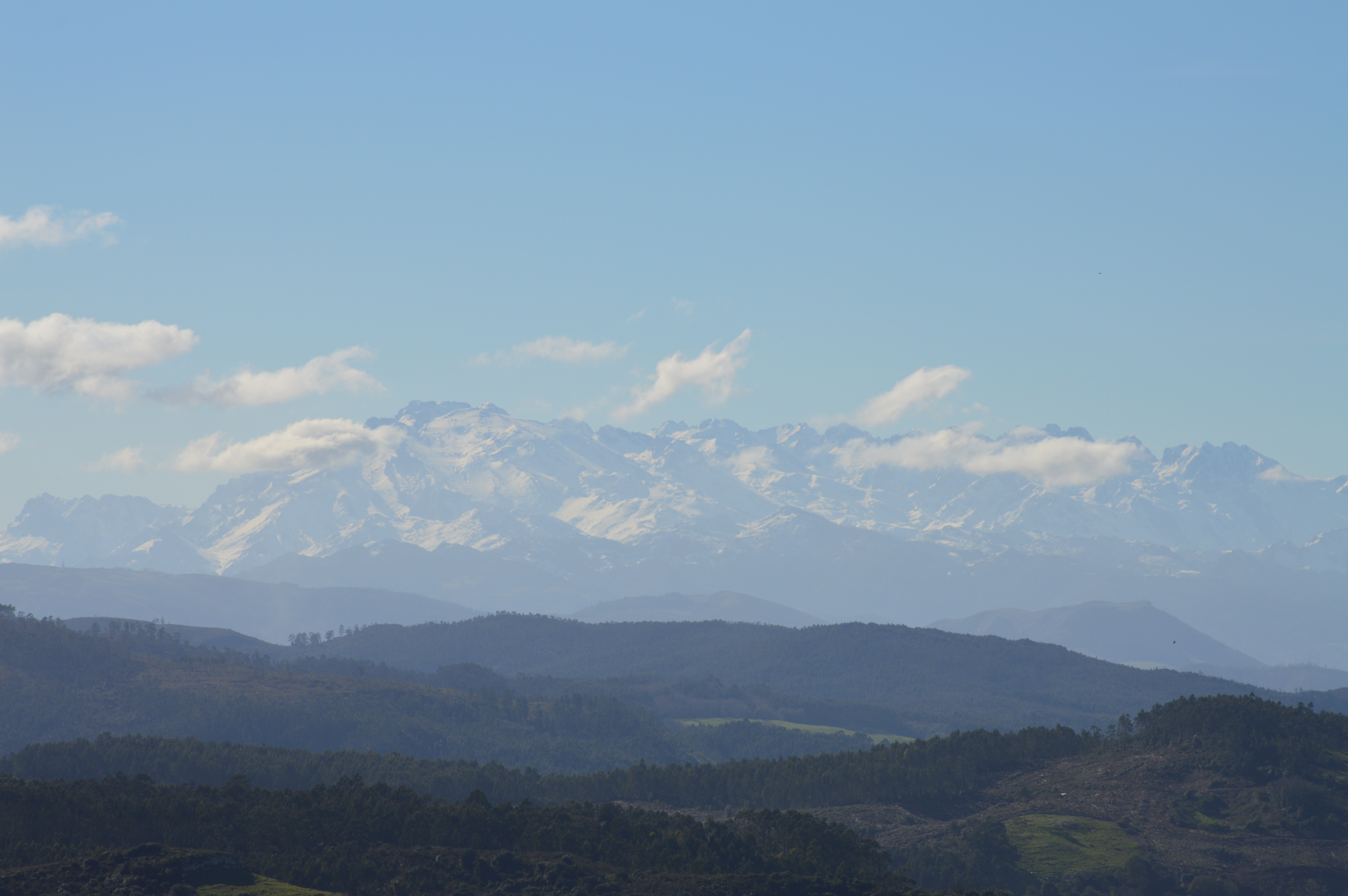
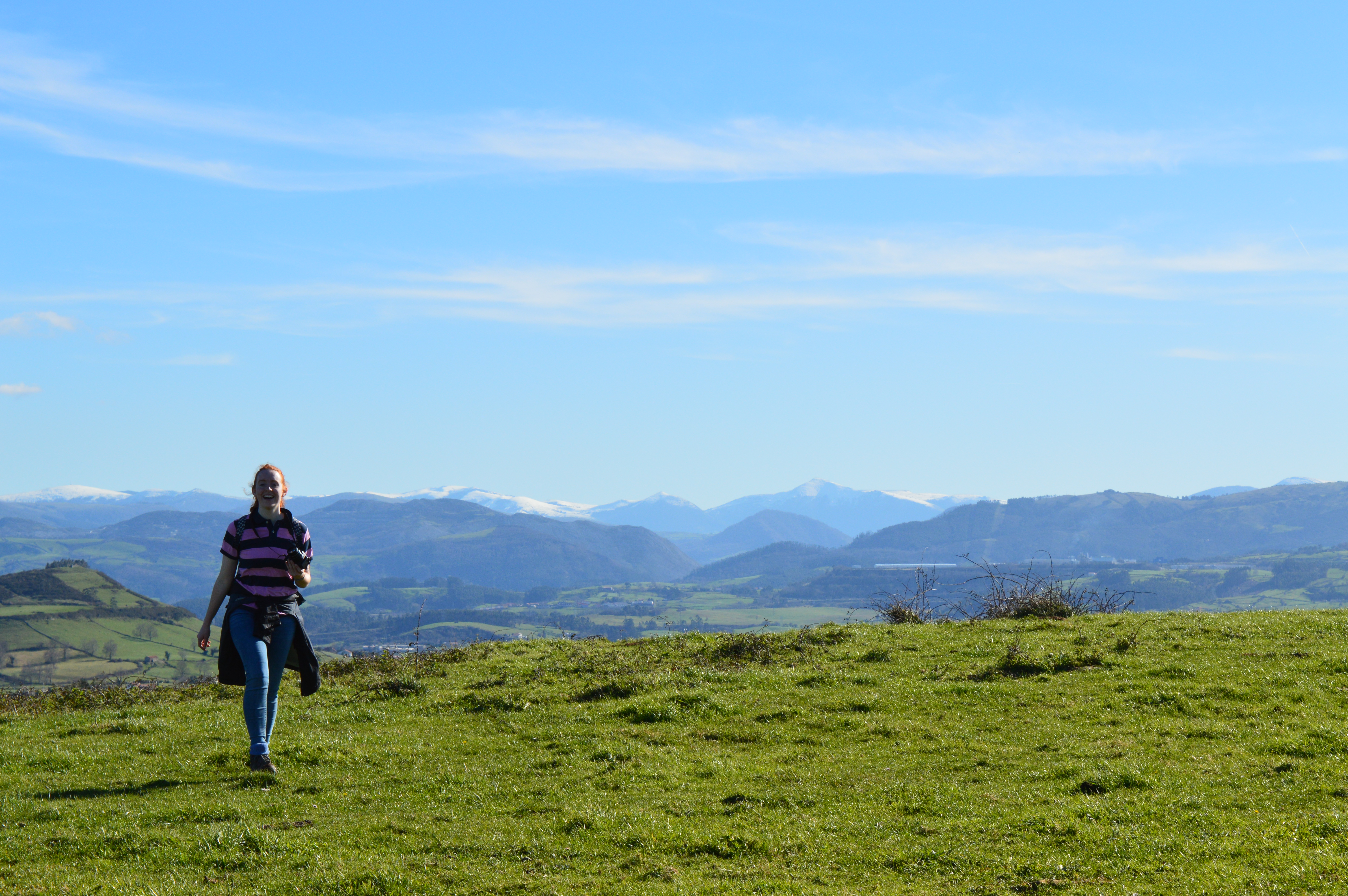
The last time I wandered these hills, the skies were iron-grey and I could only see as far as the next range of hills for the glowering rainclouds. I can’t have known it at the time, but I was seriously missing out. After abandoning the path and freelancing our way up a hill, Watership Down fashion, we were treated to what must be the most awe-inspiring landscape I’ve seen since I first stepped onto the plains of Caceres.

For once, I had the full works on me, so you can enjoy the view three times over, with the wide-angle 18mm…

DSC_0150

…and the macro 200mm…

DSC_0153

…and the telephoto 500mm.

DSC_0154

Sadly, the Nikon-compatible Sigma 500mm doesn’t come with an in-built autofocus motor, so it won’t be the powerhouse it has always been for rapid-fire avian photography, but at least I got some use out of it this weekend.

It was a beautiful view and all of that, but it was an equally beautiful dead end, so we had to climb back down the hill, cross the cow-fields and roll under a possibly electrified fence in order to get back to the road down to the sea (we didn’t check to find out – not when we were so close to our goal). After a very long and very winding road down one last hill, we made it – at last – to the sea.

DSC_0237

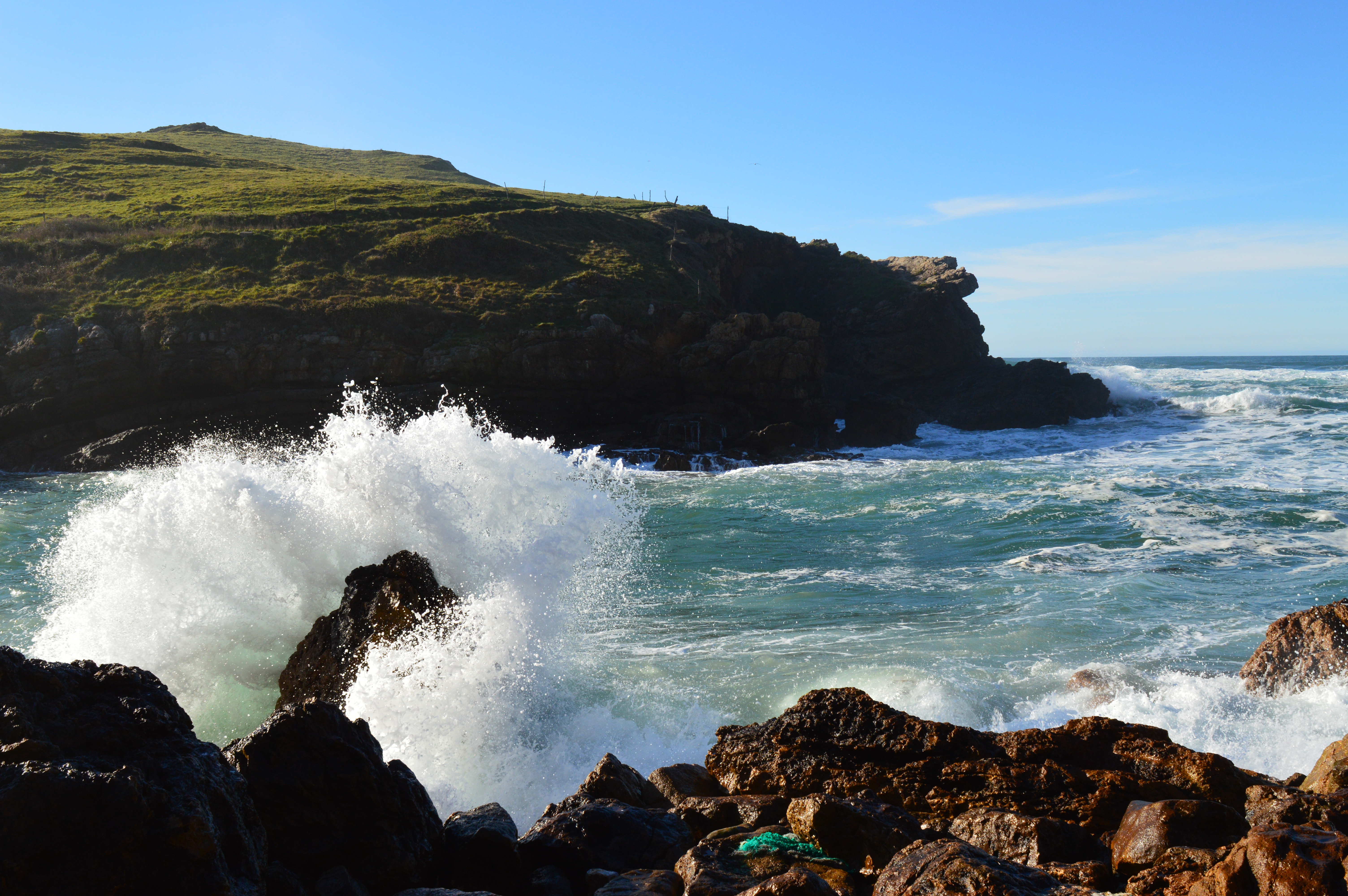
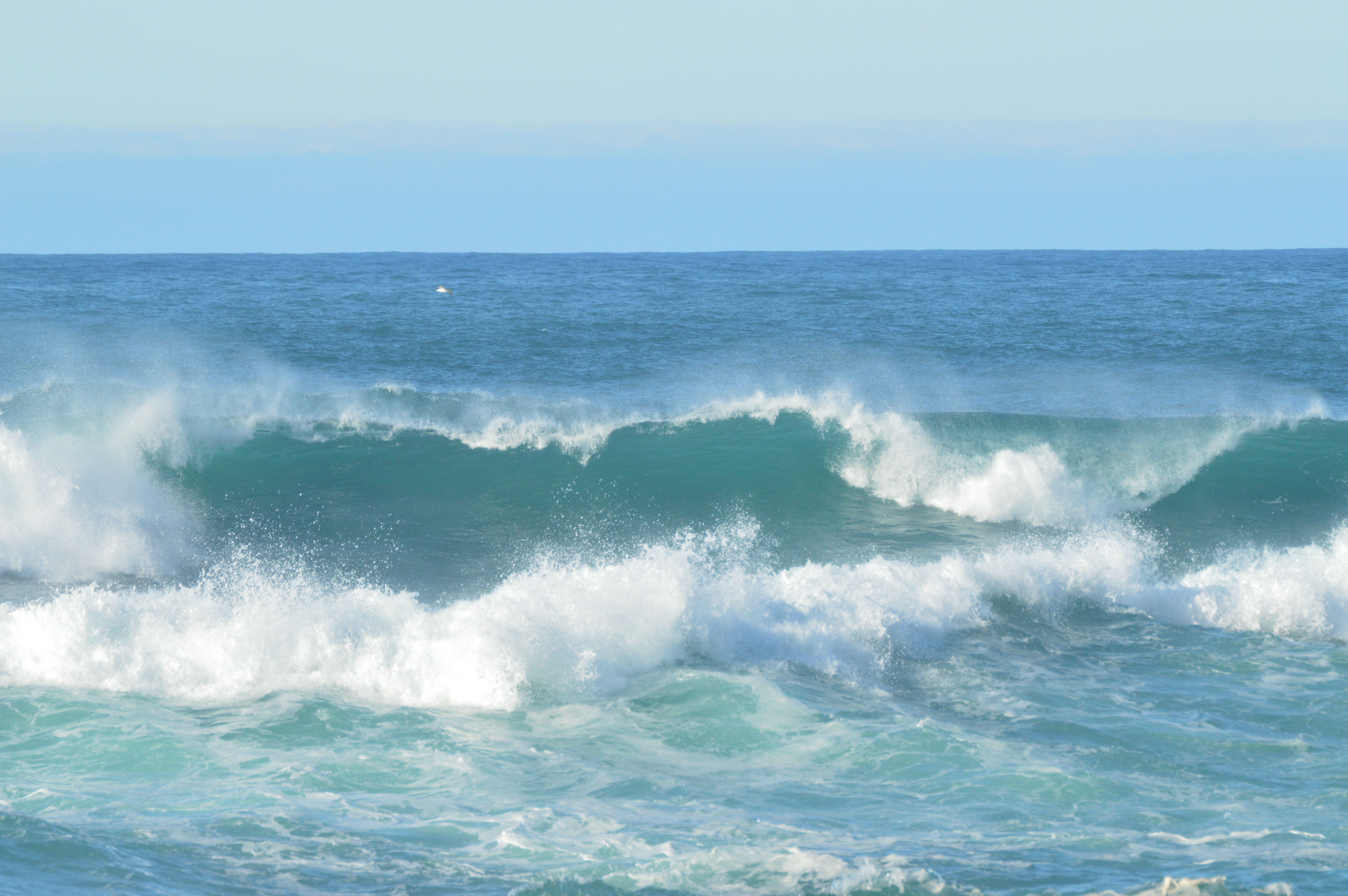
Extremadura has so much to offer, but there’s one thing it really lacks: the sea. You don’t notice until you think about it. Discounting Uganda, I’ve never lived more than an hour from the sea (much less in the UK) so Extremadura is the most inland location I’ve ever had to deal with. To see the Atlantic in all its cold fury once again was a real sight for sore eyes. The storm-force winds and murderous waves of the previous week are gone, but the waves still put on a formidable display for us.

DSC_0188

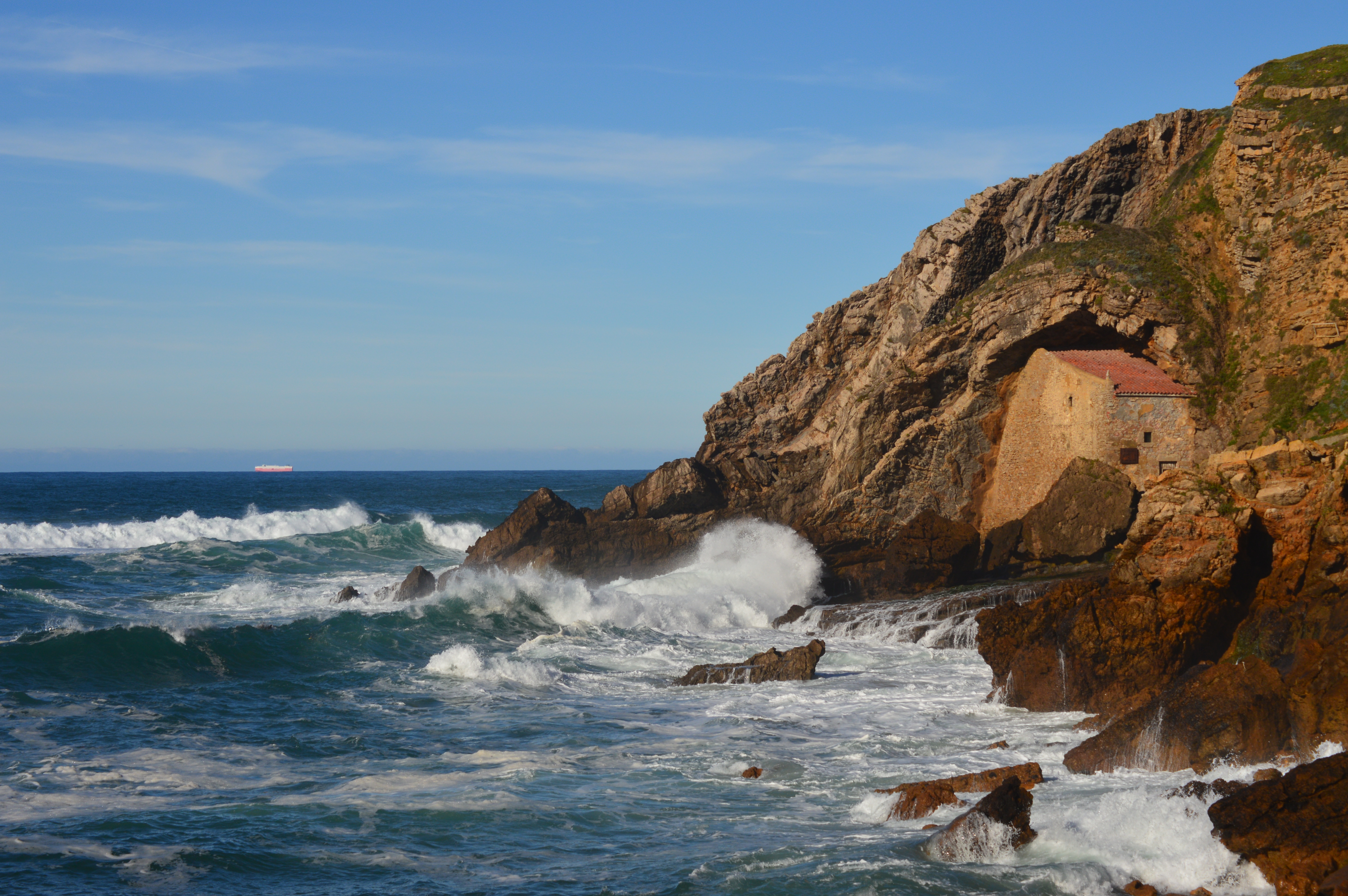
We spent about an hour by the sea, Kate and I, watching the waves pounding the shore and snacking on Cantabria’s finest delicacy, quesada pasiega. Yum yum. There’s a little ermita built into a cave in the cliffs which we didn’t get the time to visit, but I doubt it would have looked any more impressive up close than from afar. Imagine living in a place like that, with the sound of the Atlantic roaring all about you, twenty-four hours a day. The focus you would have to have – or learn to have – borders on the superhuman. Little wonder, then, that it is what it is. I wonder how an estate agent might describe it?

DSC_0201

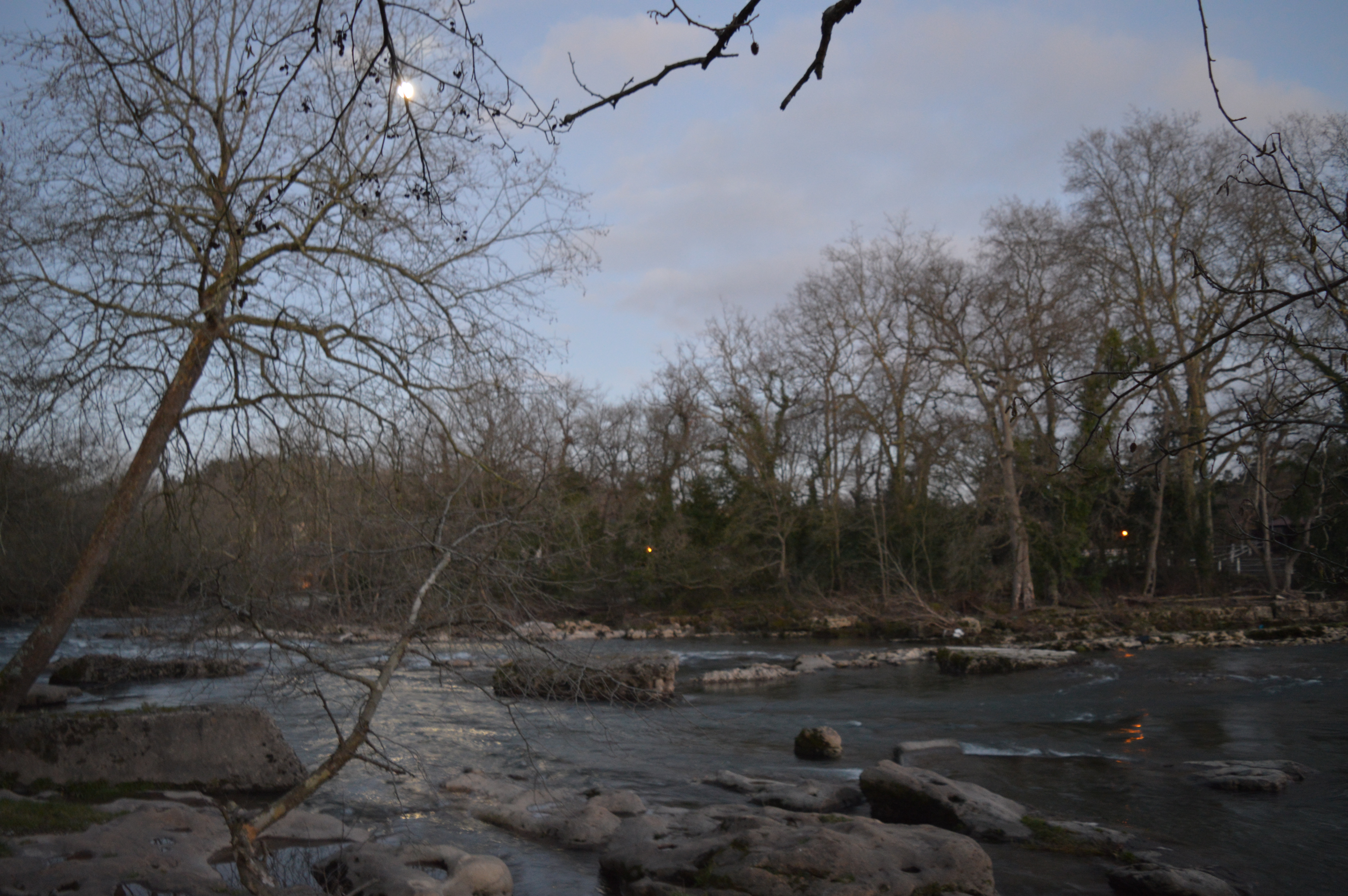
It’s getting to that time of year when the sun starts to set later, but sunset was already fast approaching as we turned back for Santillana at about six o’clock. In the gloom of the oncoming night, we finished off the quesada on the banks of the Saja river by moonlight and killed time by making for Rudagüera, the next stop along the Cabezón line… and then legging it back the way we came when it became apparent that it was a little further than we’d thought (one last flick of the claw from HERE Maps) and that we’d probably miss the next train.

DSC_0261

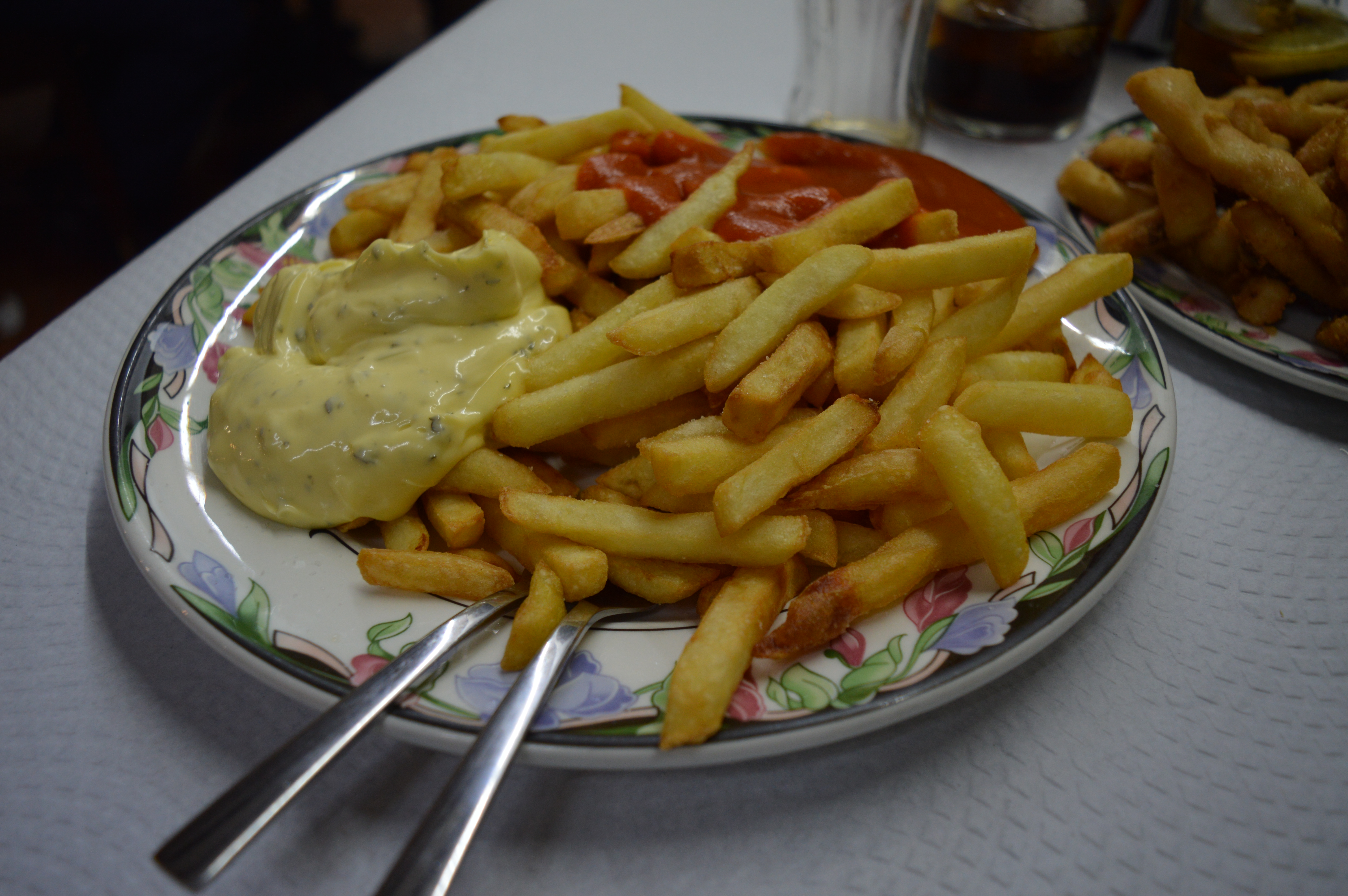
Back in Cabezón, after a drink at a local hunters’ bar, complete with mounted boar heads and numerous black-and-white stills of hunting men of old stood proudly over the carcasses of Cantabria’s once widespread brown bears, Kate took me to visit one of her favourite eateries, El Paraíso. At 2,45€, I thought a ración of patatas bravas would be enough to fill a corner after so much walking (we crammed in about thirty kilometres today, all in all), but I forgot…

DSC_0276

We’re in the north. In my experience, northerners in any country seem to have a much better idea as to what constitutes a decent portion size. Maybe it’s the climate. Who knows? In my earlier traveling days, food was the last thing I was prepared to fork out for. How things have changed since then! Coming back from that Spain trek dangerously underweight four years ago has left a profound mark, and these days food is the one luxury I’m prepared to spend on, and spend well. A long day’s walking deserves a long night’s eating, and I think I did pretty well on both fronts.

So, all in all, it was a very successful trip, albeit a very brief one! I was lucky enough to get a BlaBlaCar on the way back that didn’t mess me around. Better yet, he was no more and no less than a gaditano. Oh, to hear that accent again after twenty-four hours and more of people pronouncing their s’s…! You have no idea how happy it made me.

DSC_0323

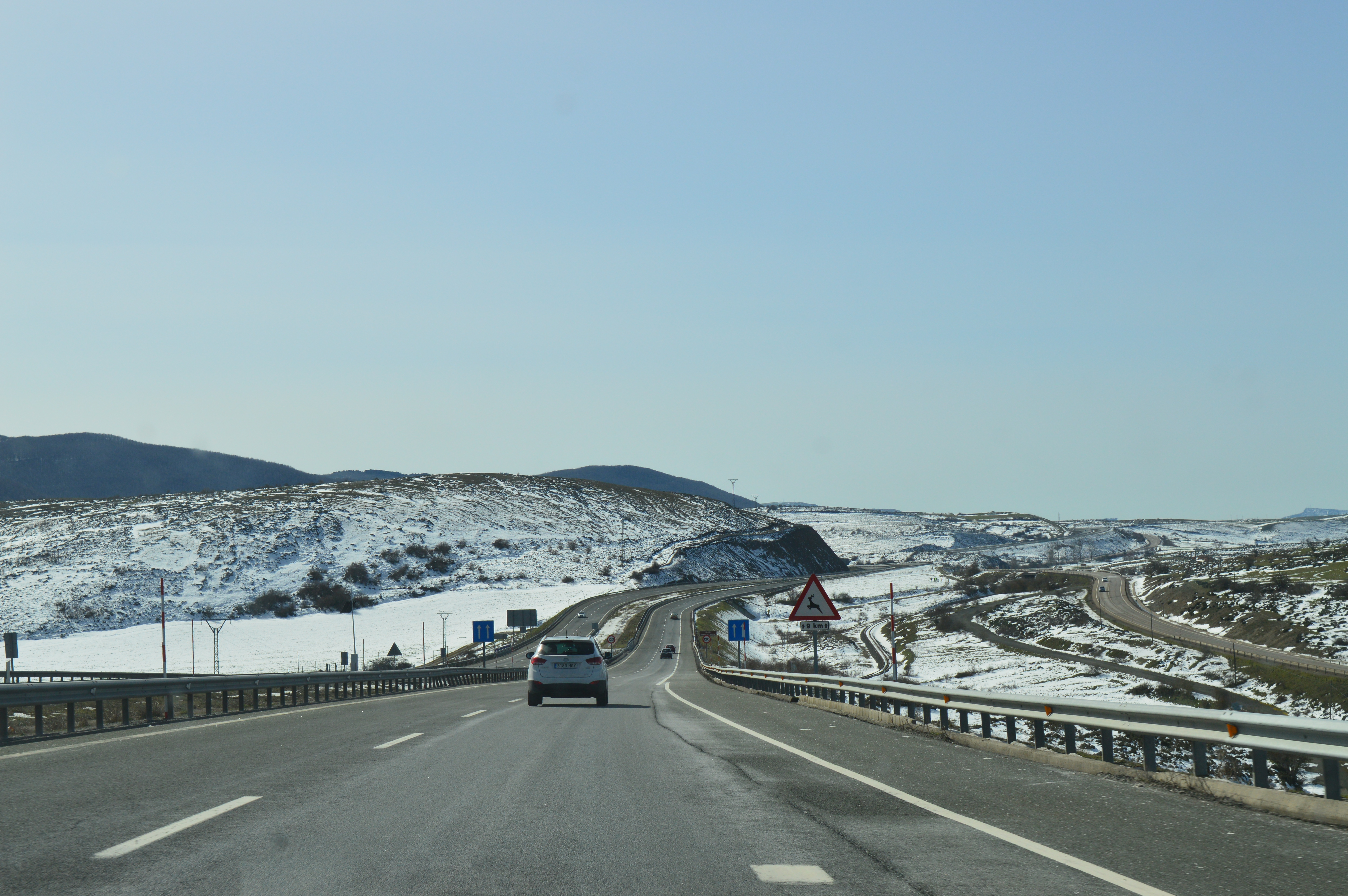
Cabezón de la Sal to Villafranca is still a bloody long way to go, but where the bus took all of nine hours, Rafa made it for me in six. In those six hours, taking in the windswept, snowy heights of Reinosa, I was treated to the finest conversation BlaBla can offer, up to and including:

  • Franco’s suppression of the education system
  • The legacy of al-Andalus
  • An anthropological history of Cadiz
  • The true nature of corruption in Spain
  • The Spanish Civil War
  • Gibraltan Spanglish
  • The rationality of England’s outside stance on the EU
  • Podemos and the total absence of a government at the moment
  • Why and how dubbing came to be one of Spain’s biggest businesses (and blights)
  • Piracy in the Old Mediterranean
  • The Growth of the Spanish film industry

I could go on. There were at least five or six hours of it. And all of it in Spanish, and in the very finest gaditano. Talk about a workout… and politics! The eighteen year-old me would never have believed a word of it.

Needless to say, my faith in BlaBlaCar is restored and I’ll be bound for Cadiz proper at some point to make good on that drink I’ve been offered. If I am to live up to the title of ‘Él que va conociendo al mundo’ that I’ve been given, BlaBlaCar is a damned good way of going about it.

DSC_0164

But last of all, I’d like to air high-five my good friend Kate for putting me up (and putting up with me) for two nights and a day in Cantabria. Yours truly is not the most pleasant company in a city, but in the countryside where he belongs, he’s just as insufferable, if only on the other side of the positive/negative spectrum. Kate’s seen me at my lowest in Amman and probably at my highest – quite literally – in the life-giving paradise that is Cantabria. Thank you, Kate, and I hope to return the favour when you’re down in the south! The adventure never ends. Not really. Not ever. BB x
PS. You can read about her side of things here. It’s a lot more tongue-in-cheek than mine.

Back in Action

It’s been a while!

I kept my word, it seems. It’s been about two weeks since my last post. Probably more. In that time I’ve not honestly been up to much at all, hence the dearth of posts, though that probably has more to do with a real need to take some serious time-out; last term was pretty hectic, especially towards the finishing line.

Coming home for Christmas was never part of the original plan, but I’m glad I did. England at this time of year is pretty magical, with the mist, the frost and the rain in the pine woods about the house. Doubly so this year, as it’s been all of three months since the last time I saw rain in Spain. Apparently global warming is to blame. Whoever the culprit may be, it’s impressed upon me just how much I like rain. I don’t know whether that’s ineffably English or the reverse. I don’t really mind either way. I wasn’t really complaining about the gorgeous blue skies and twenty-two degree heat right up until my last day in the country (the twenty-second of December, in fact). All I hope is that it keeps for one week longer at least, so that it doesn’t put a damper on my stay in Madrid next week… more on that later.

That said, I haven’t sung a single Christmas carol this year, and that makes me feel more than a little wierd. Not even Silent Night. That must be the first time in my life where I haven’t. Next year had better make up for that.

I haven’t made anywhere near as much progress on the grand drawing as I’d have liked. Nor have I finished my series of 2015 doodles. What I have achieved over the last two weeks, however, is a new camera. The trusty old Nikon D70 has done me wonders over the last ten years, but… ten years is a long time. Especially in the fast-moving world of digital photography. I got my comeuppance for my loyalty when I went into Extremadura’s biggest camera store and was roundly told by the head clerk that nowhere stocked the ‘gigantic’ CompactFlash memory cards that the D70 runs off anymore. Time, perhaps, to move on.

Fortunately, I’ve been working two jobs and several private lessons over the last three months, so I’ve enough set aside for such adventures.

Introducing the Nikon D3200. In all its 24 megapixel glory.

DSC_0007

Tech that can crack out magazine quality prints on AUTO mode is worth the investment. Sadly, most of my lenses are a little out of date too, and the autofocus doesn’t work, so it’s been an ordeal learning to use manual (finally). A necessary one, but an ordeal nonetheless. Manual and nuthatches simply don’t mix.

To put it through its paces, I took it to Deal for a final coffee with the family before I jet off back to Spain for the unforeseeable future. Even on manual mode alone, it did a fine job.

The phrase ‘a kid at Christmas’ springs to mind; but then, I am a kid at heart, and this is technically still the Christmas season, so there you have it. I’m waiting on baited breath for my kit lens and the ol’ telephoto to have a functional autofocus (I haven’t been able to check thus far as I left them in Spain), but in the meantime, I’ll just keep practising with manual.

DSC_0039

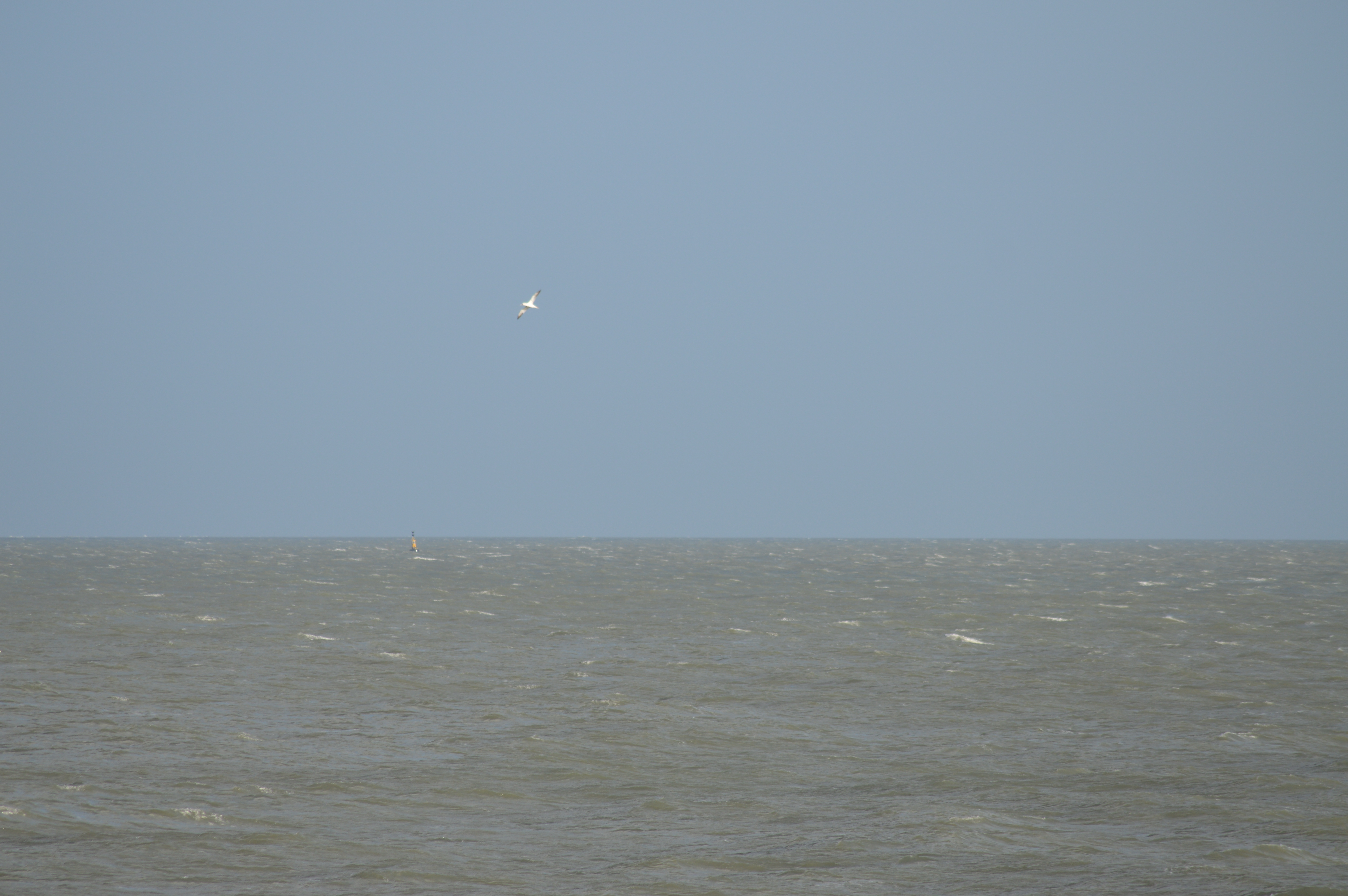
A gannet far out to sea (Sigma 500mm, where are you when I need you?)

Apart from getting back into some serious camera hijinks, it was worth coming home for a reunion with two very special friends, and a whole panoply of others close to my heart. That’s what Christmas time is for; being with your nearest and dearest. A phrase I heard bandied about a lot this Christmas was that people had learned to distance themselves from those they ‘simply no longer really had time for’. I guess that’s a good ethos, and a strong marker of that over-the-hill feeling that is turning twenty-two. The first winnowing of friendships that were once so strong, and at the same time the moment when you see clearly, perhaps for the first time, who the people are that you will fight to keep in touch with. Having always had it in mind to leave these rainy shores to chase my dreams in Spain, I’ve never allowed myself to grow too attached to anybody here in England, but for two shining lights I would return home anytime and oft, and you know I would. You know who you are. Thank you.

DSC_0032

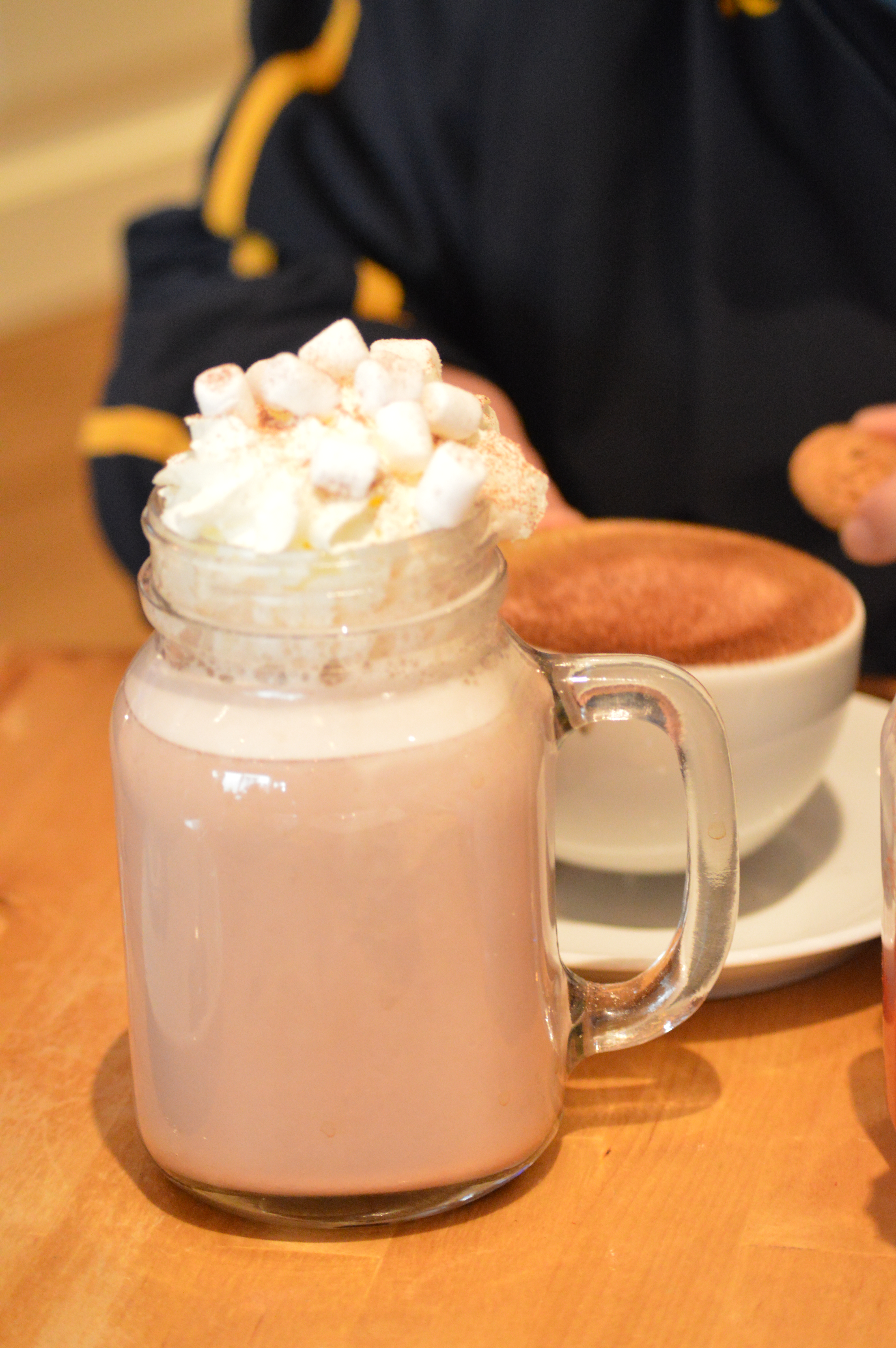
Things you’d be hard-pressed to find in Spain: a tankard of whipped-cream-topped hot chocolate

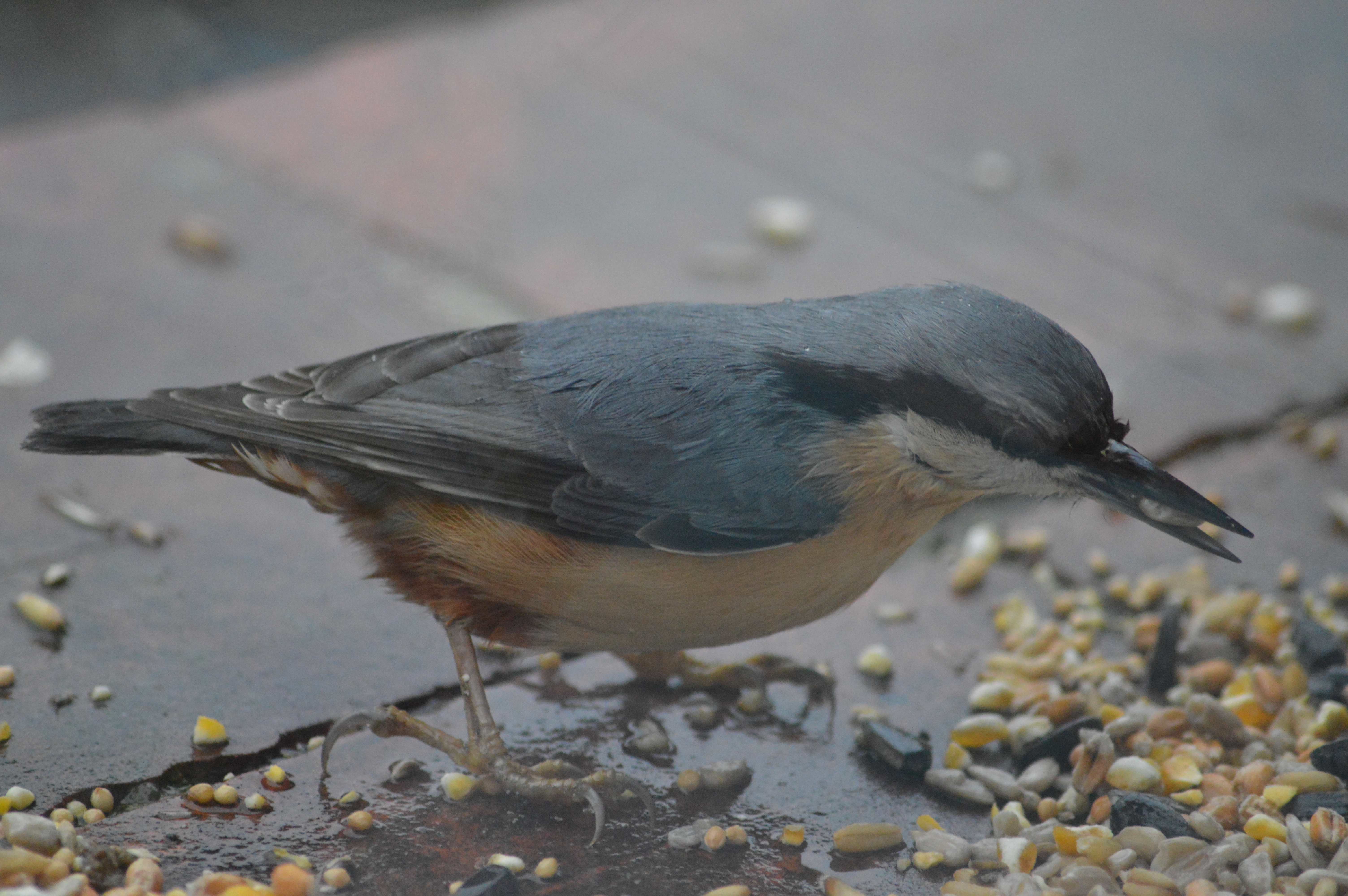
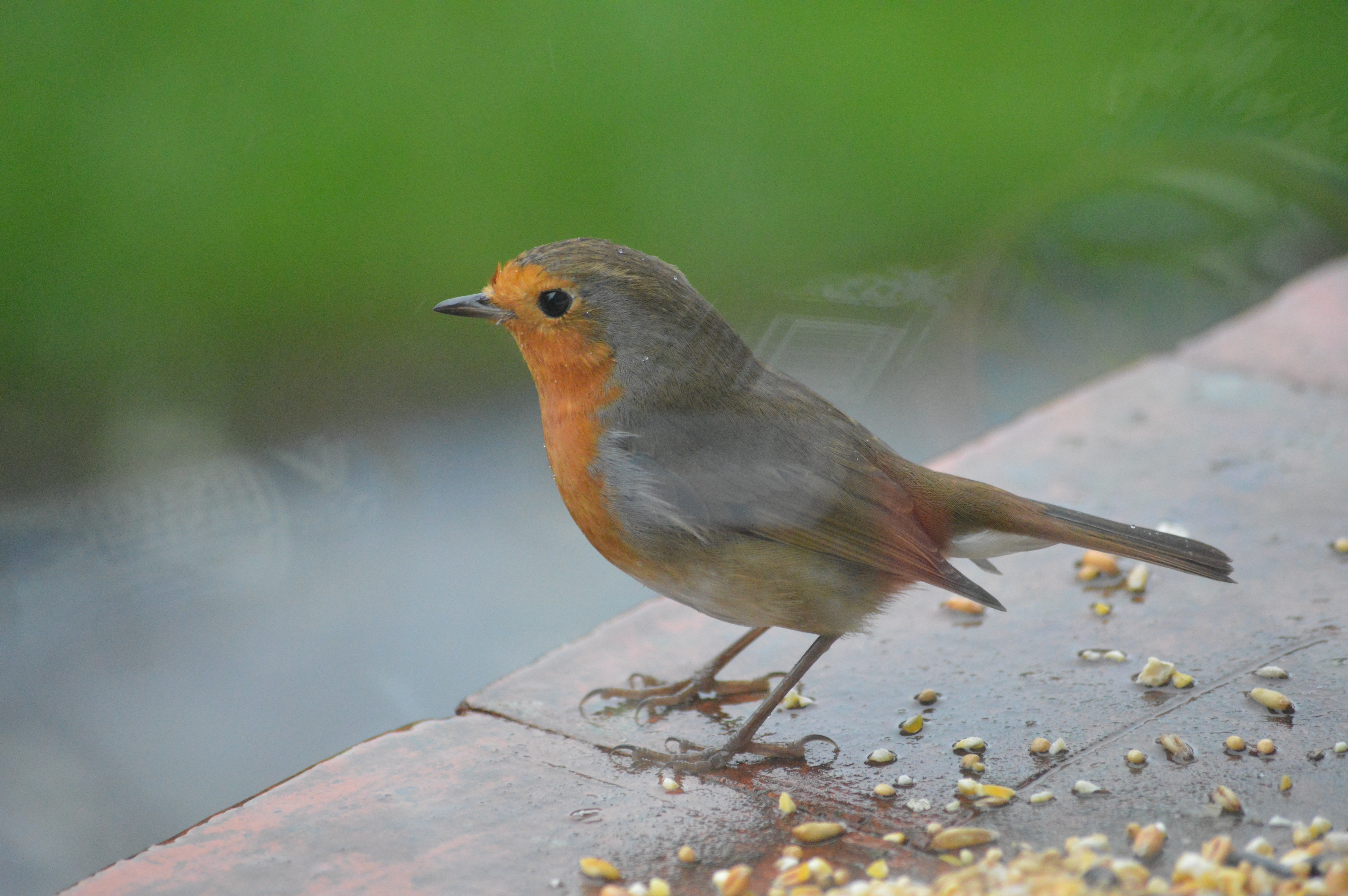
Well, Kent is behind me now, I’m back in West Sussex – where the rain and the darkness has not ceased for several days – and counting down the hours until my plane whisks me back to Seville and home. But for the wind, the place is as silent as the grave. That hasn’t stopped the birds from letting me know that they have not appreciated my absence, so I made sure to throw out some New Years’ seed for them. They’ve got to be so tame now that I hardly need to freeze when the camera’s out.

DSC_0055DSC_0064

Such is the power of that camera that neither of those have been zoomed in or edited whatsoever. Oh, but we’re going to have some serious fun with this thing.

Well, I’ll keep you posted. My next insert will probably be from Spain, but whether that will be pre- or post-Madrid depends entirely on whether the Bar Atalaya WiFi is in operation. In any case, hasta pronto, amigos. The rain in Spain falls mainly on England x

The Griffon

‘Si te intereses a las aves, hay un buitre al otro lado del río. Hay mucha gente allí esperando que los bomberos lo remuevan. Por si lo sabes…’

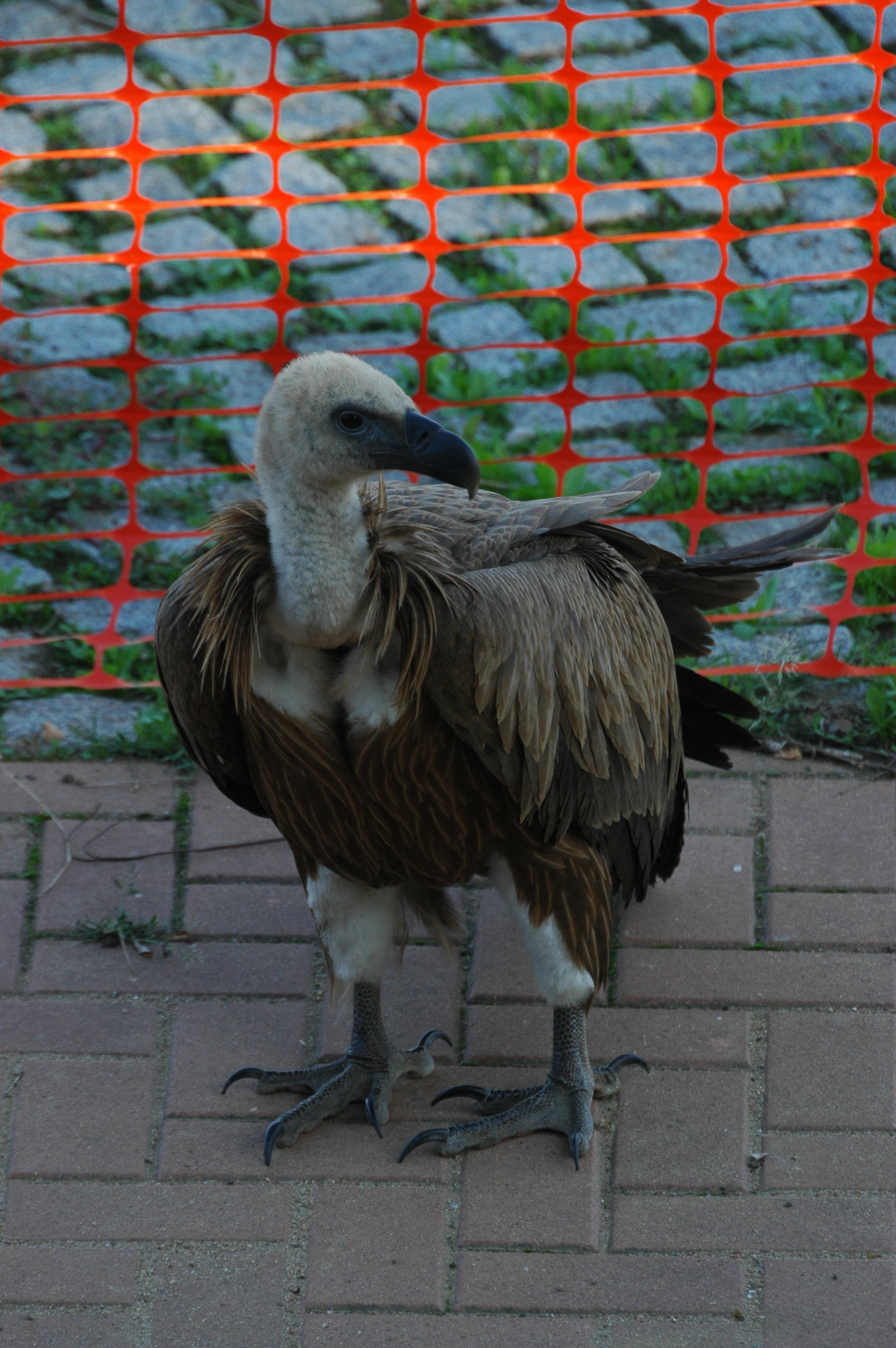
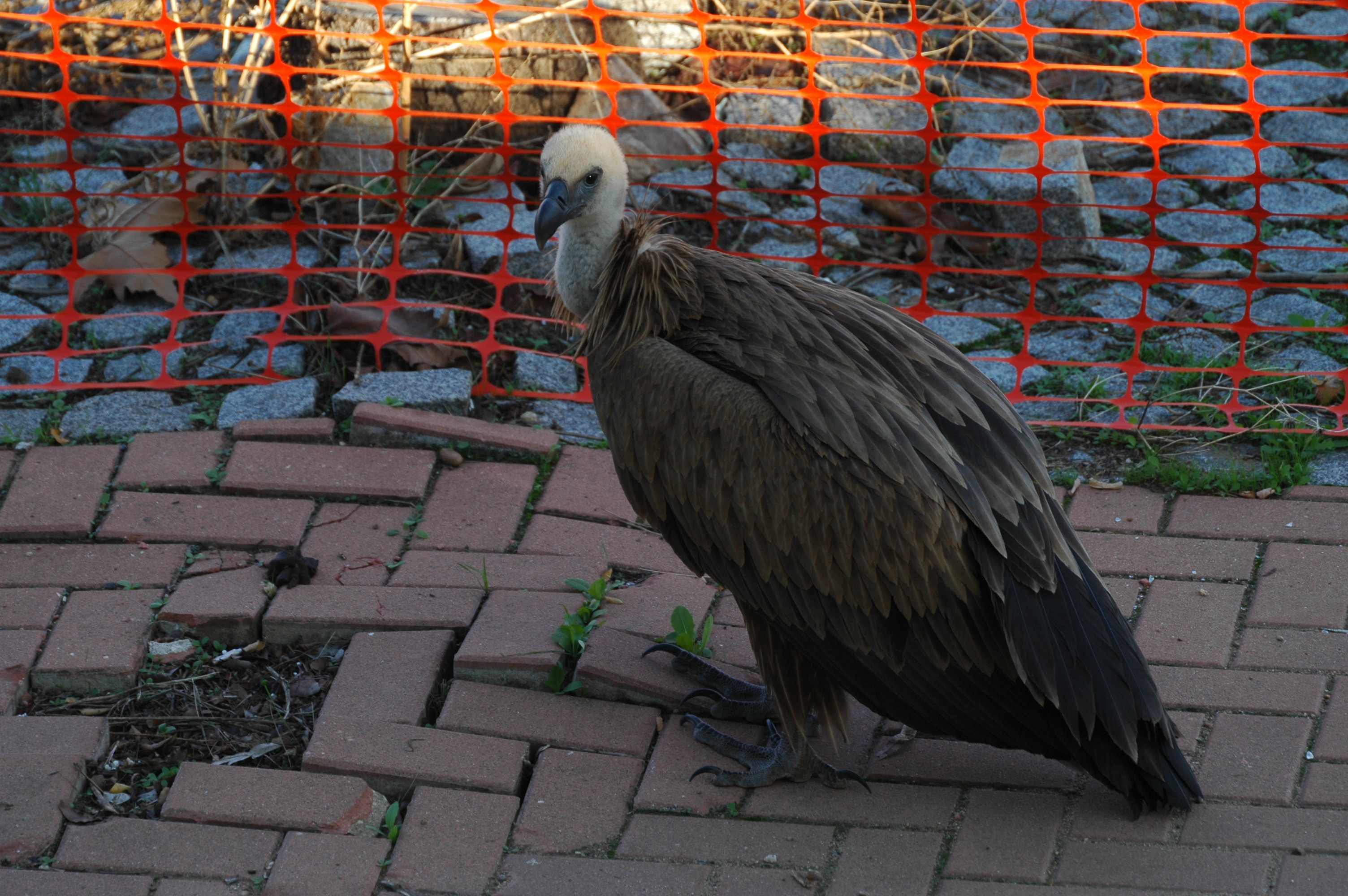
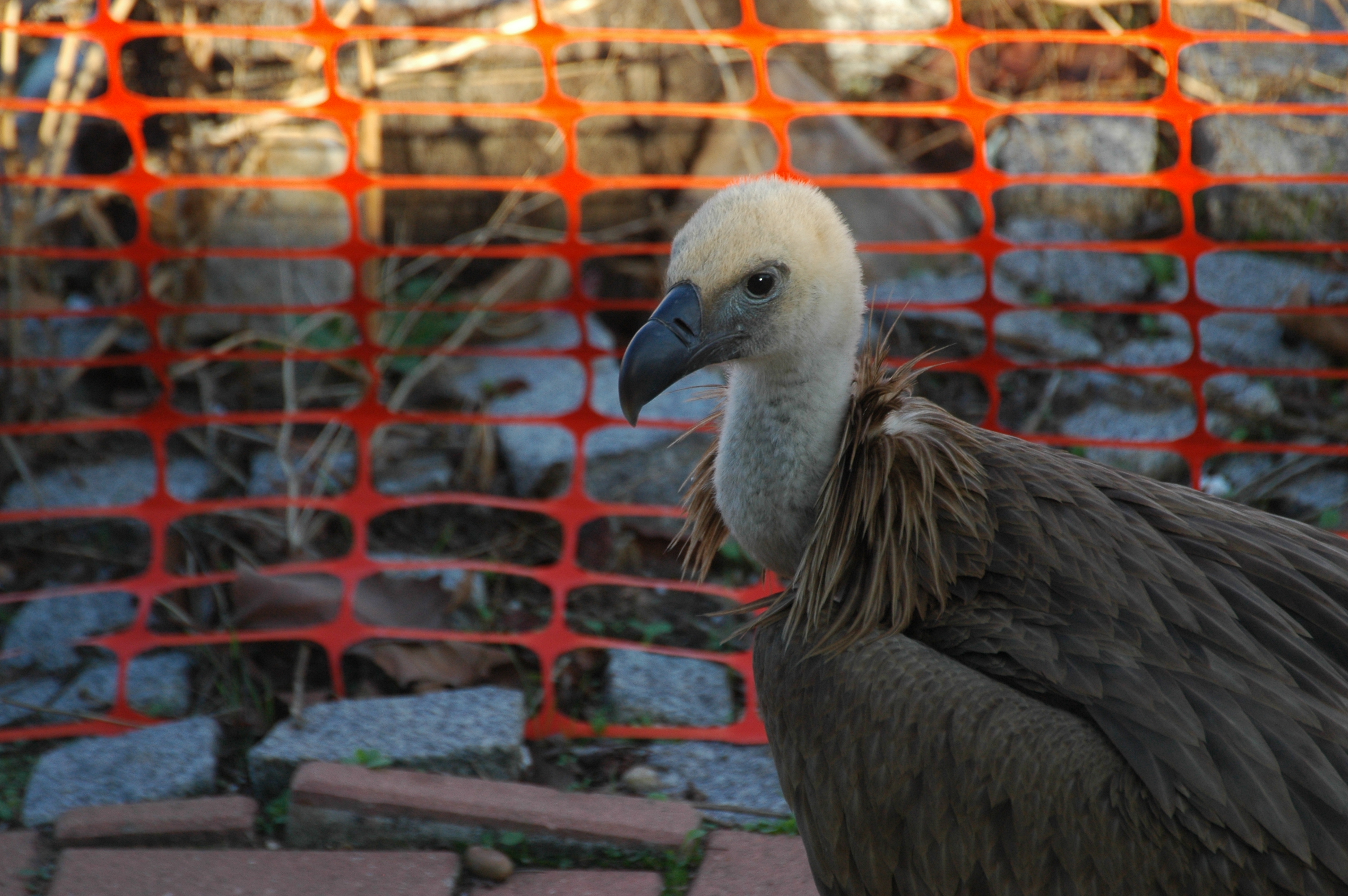
The last thing on the hostel TV last night, after the late night showing of Colombiana, was a brief news report documenting the beginnings of a rise in interest in ornithology in Extremadura. I have to say I’m impressed; surprised and impressed. In my experience of living and working in Spain, the most interest the majority of ‘folk here take in birds is whether or not they go well with olive oil. Spain’s not unique in this regard. As my secondary school Physics teacher once said when I explained the risk the Bristol wind farm posed to migrating waterfowl, ‘if it won’t end up on my plate, I couldn’t give a monkey’s’. And that was in England, the biggest nation of bleeding hearts. Well, here’s a little proof that Spain at least is finally taking a turn for the better.

I’ve got a fairly long wait until the bus home, so I thought I’d take a walk along the Guadiana again whilst I’m here and look across the river to Portugal. The cormorants were out on the rocks with their wings spread wide after a morning’s hunting, so I got my camera out for a few shots with Respighi’s The Pines of Rome playing in my ears. And that’s when I got a tap on the shoulder and a friendly local pointed me in the direction of a grounded vulture on the east bank of the river.

DSC_0243

I haven’t power-walked so fast in years. A vulture? Here, in the middle of Badajoz? It sounded too ridiculous a notion to be a lie, so I packed up my gear and left the bridge and the sunning cormorants I was photographing behind in the dust. At first I thought he might have confused buitre with any other large bird – it wouldn’t be the first time – but this just must be my lucky weekend or something, because just a short distance before the second bridge…

DSC_0248

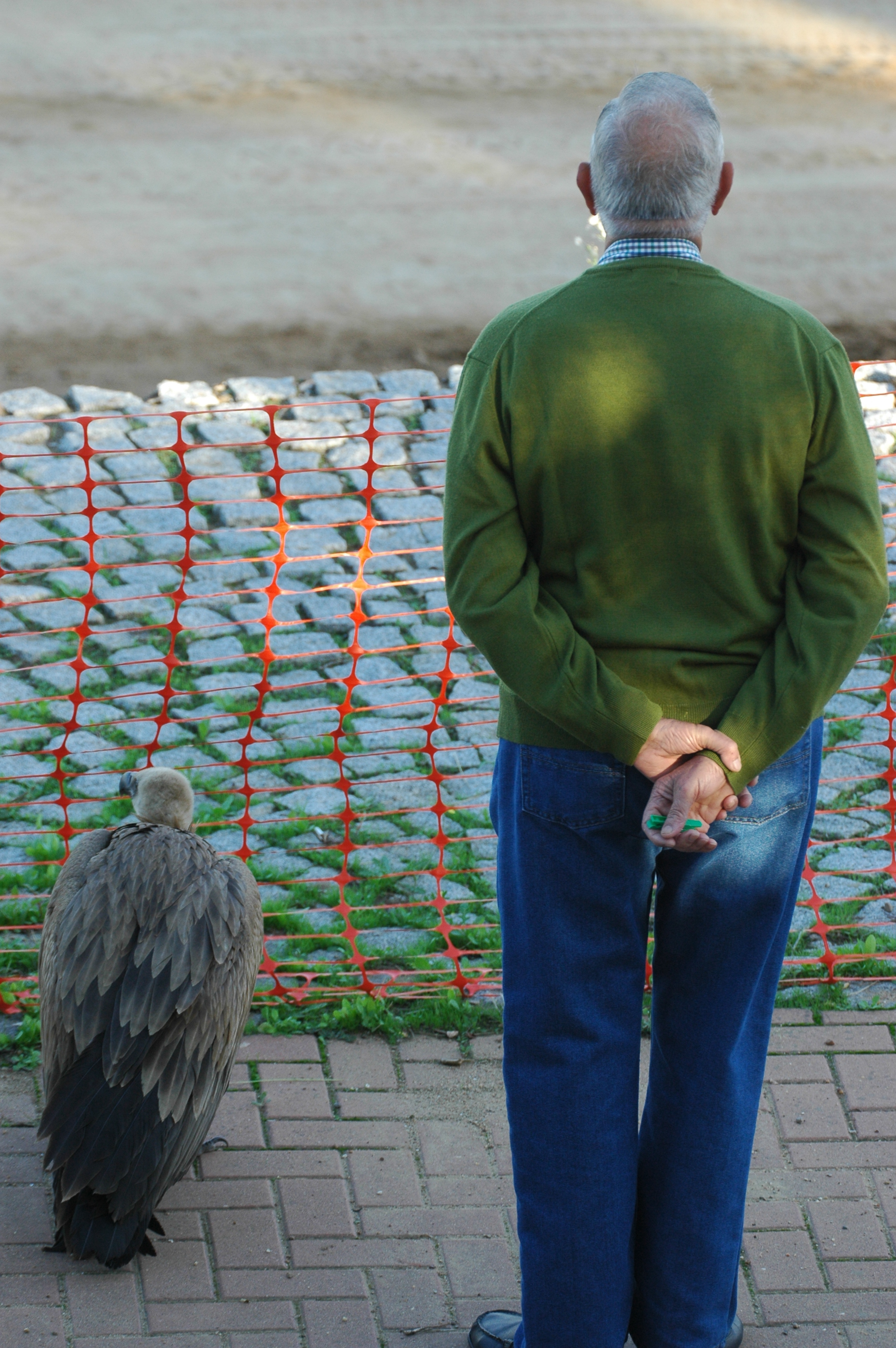
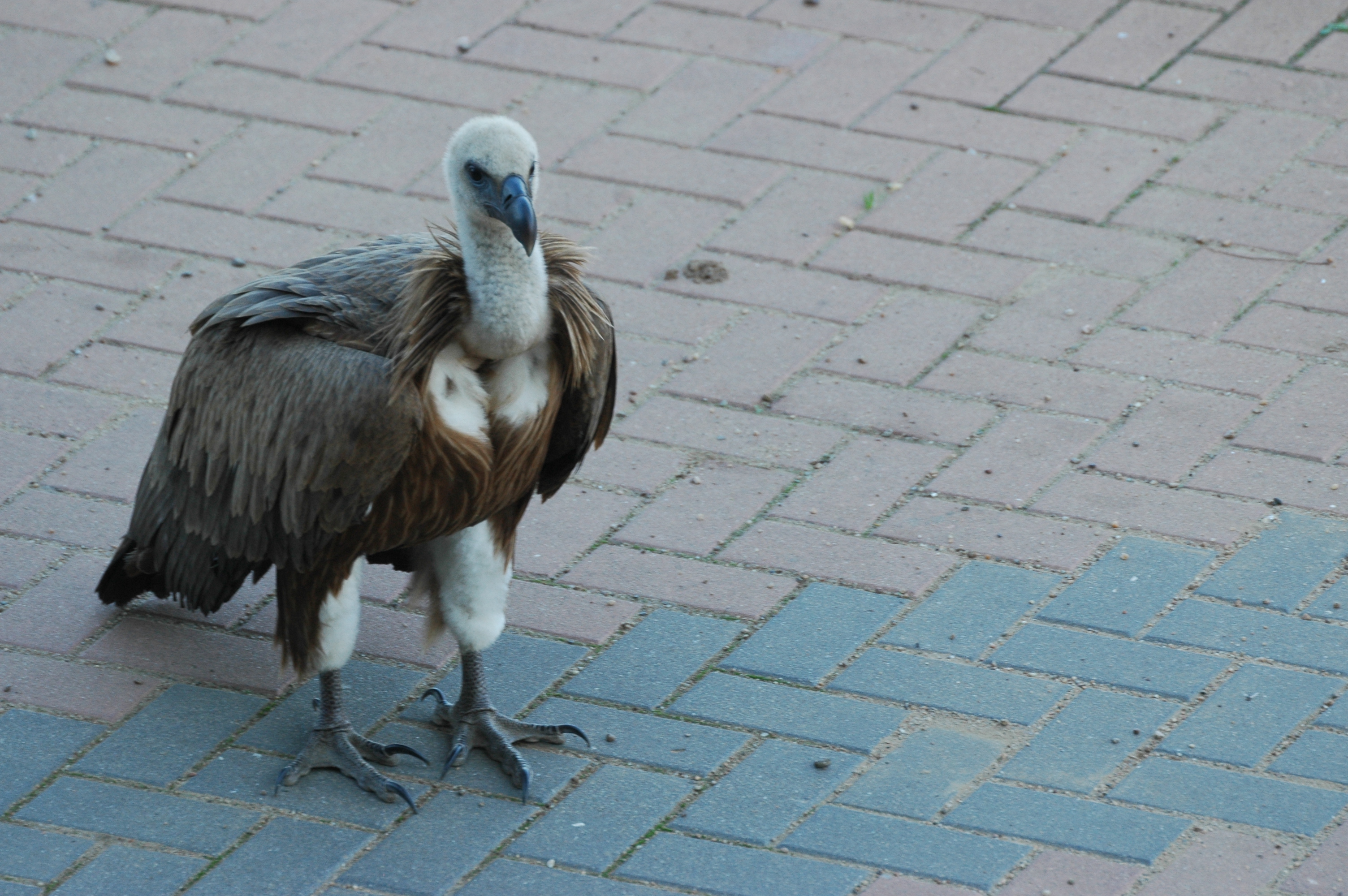
…boom. Sulking in the shade of the roadworks with a crowd of five or six startled onlookers. It could hardly be anything else: vultures are bloody huge, even youngsters like this one.

DSC_0257

I was worried that it might have a broken wing, as it didn’t seem particularly keen to get back into the air. What it was doing here, bang in the middle of the city, is anyone’s guess. Perhaps it was simply tired. At any rate, it wasn’t all too bothered by the two men who’d gone down to join it, both to have a closer look at something you normally only see high in the sky above, and to ward off any dog-walkers that might cause the bird any further distress. My heart goes out to those two.

DSC_0271

I have to admit, I probably won’t ever get a better viewing of a wild vulture than this. Not even in Monfragüe, which is the best place to see them in all of Spain. And here, in Badajoz, of all places! Bonkers.

DSC_0272

‘Watch out,’ said one of the onlookers as it came bouncing forward, ‘That thing’s got a beak that can bite through bone.’

DSC_0275

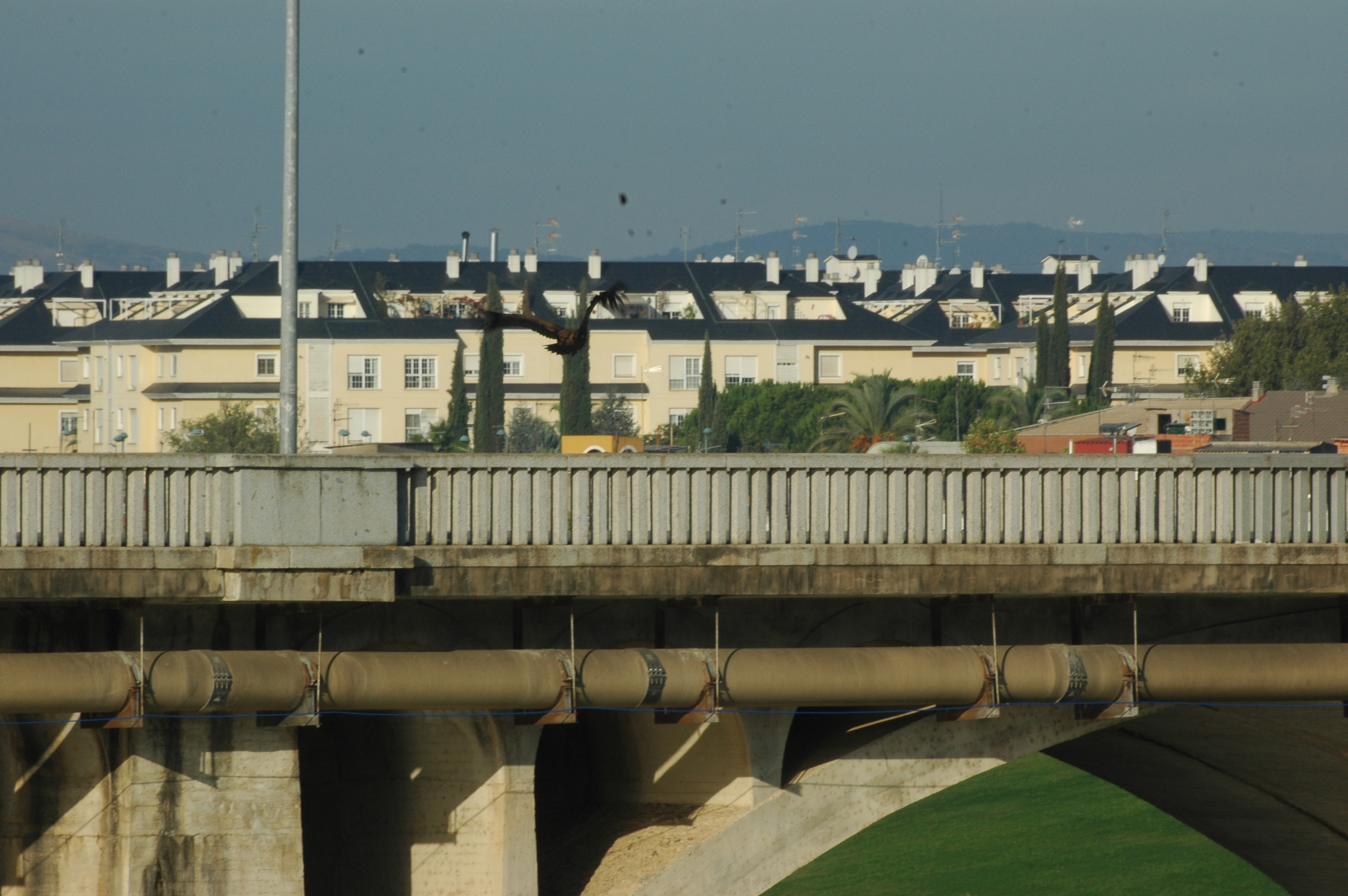
To everyone’s relief, there was nothing wrong with it in the end, because after some ten minutes it puffed up its feathers, made a few bounding leaps and took off into the air on two giant wings. It wheeled about over the river and almost flew headlong into the bridge, clearing it by little over a metre or so, and flew off in the direction of Portugal.

DSC_0280

Not something you see every day! And now I need to go in search of a USB cable or card reader of some description, because my memory card is chock-full. Well, gallinules, kingfishers, cranes and a griffon vulture, all in twenty-four hours of city-hopping! Now there’s a feathery micro-adventure for you. BB x
And the Manacles are Off

It’s over, at last! After almost a month of to-and-froing between school, the ayuntamiento and the Almendralejo police station, I have a Spanish bank account and the admin period is finally at an end. Alright, so there’s still some confusion over whether I really need a Spanish social security number and I’m not entirely sure how to top up my phone since it isn’t compatible with its own network app, but the most important stage (and one that, by the sounds of things, the other assistants accomplished weeks ago) is done and dusted.

So what better way to celebrate than with a little travel?

You see, I adore traveling. I’m sure I didn’t need to tell you that, but I feel like in the three weeks I’ve been here I’ve never had the chance to get out. Not for want of opportunity, of course, but I told myself right at the beginning that I wasn’t to go traveling until I’d finished all the paperwork. That was supposed to be before my (abortive) training course in Cáceres on 1st October. Well, now it’s the 16th. But that’s ok. Villafranca feels like home now, I’ve christened it with my first stupidly long walk, and I have to say I’m quite enjoying being ‘El Inglés’. But I’ve waited long enough, and now here I am in the Plaza Alta in Badajoz, enjoying a ración of some seriously high-quality croquetas as the city wakes up for the night.

A paltry three and a half euros took me all the way to Mérida, the regional capital of Extremadura. It’s also minuscule compared to Badajoz and Cáceres, for which the two provinces of Extremadura are named, which means you can get around the place in a couple of hours. I didn’t plan on staying long, since I only intended to use the city as a launch-pad for getting to Badajoz – there’s only one bus direct from Villafranca and it leaves at nine in the morning – but, as is so often the way of things, Mérida turned out to be a whole lot more than a collection of pristine Roman ruins.

DSC_0051

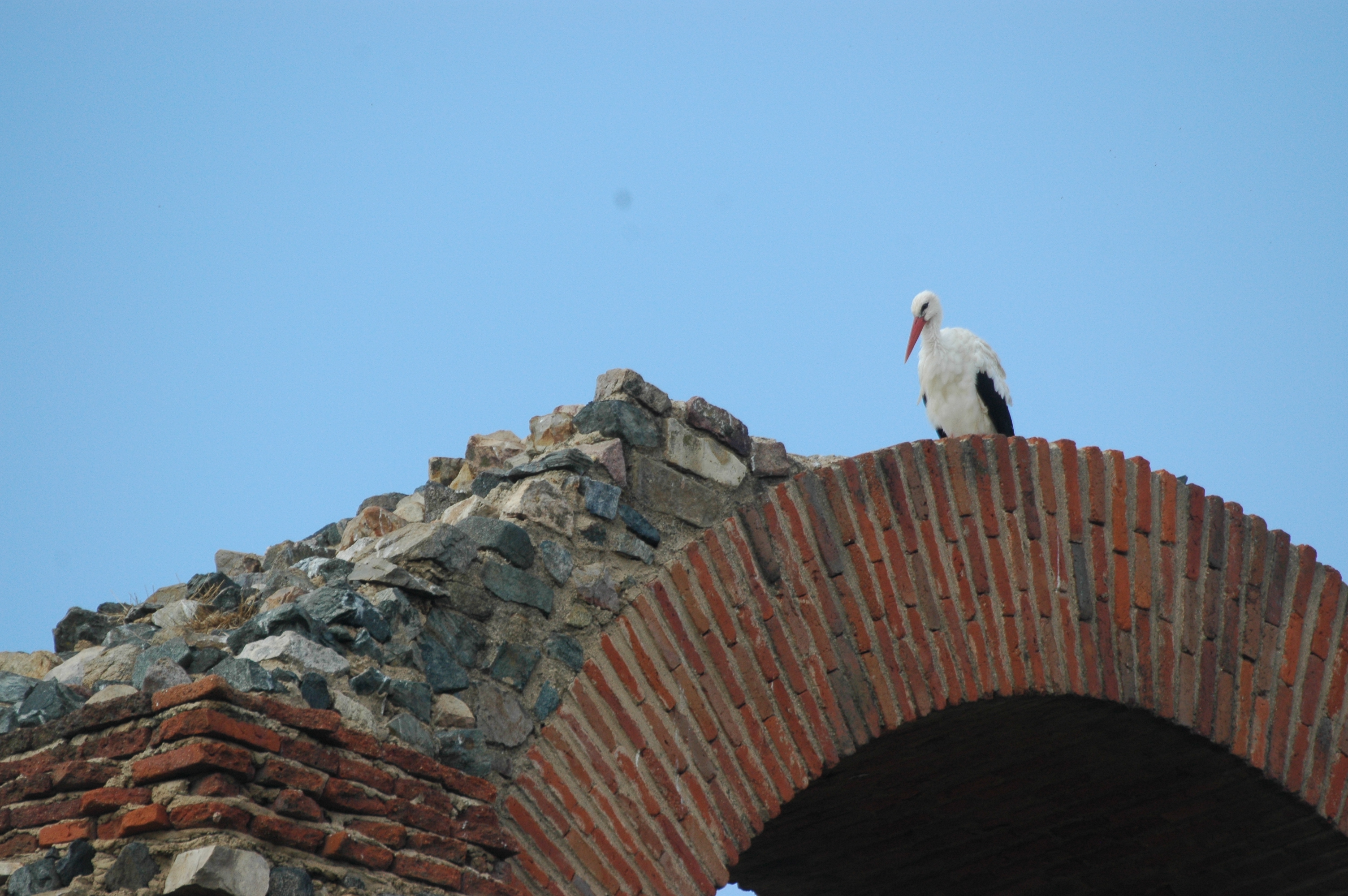
At first glance it looks a lot like Córdoba, with the Roman bridge and the great big river splitting the old town from the new. But then, so does Badajoz. It’s missing the beauty of the mosque, of course, but then, Córdoba is and always will be in a league of its own. What it does have is a spectacular aqueduct on the north side of town. If you see any photos of Mérida, it’s bound to feature in more than one of them. Unlike the one in Segovia the city gave it breathing space and there’s a park around it now, but that hasn’t stopped the storks from taking advantage of all those convenient flat-topped towers.

DSC_0196

Ah, but I can do better than that. It took me almost half an hour to cross the Roman bridge over the Guadiana this morning, not because of its length – you can span it in five minutes or less at a stride – but because I was held up by two of my favourite little riverside friends, both of them easy to spot because of all the noise they were making.

I haven’t been to Doñana National Park almost every year for the last seven years for nothing, and when I heard a distinctly disgruntled grunting cutting over the babble of an approaching horde of school kids, I was hanging over the side of the bridge and scanning the reeds in a flash; and sure enough, there he was. Old Longshanks himself.

DSC_0072

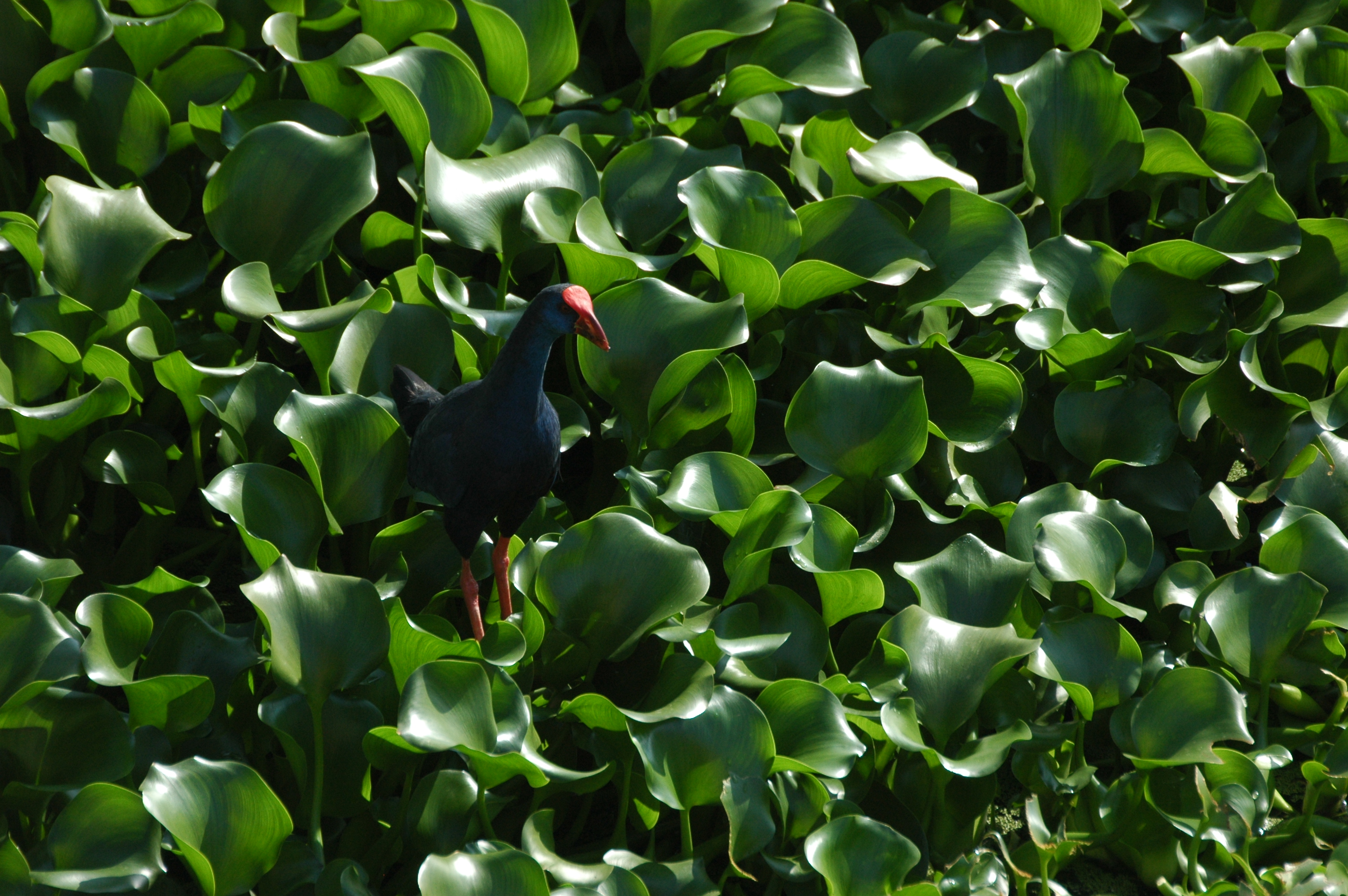
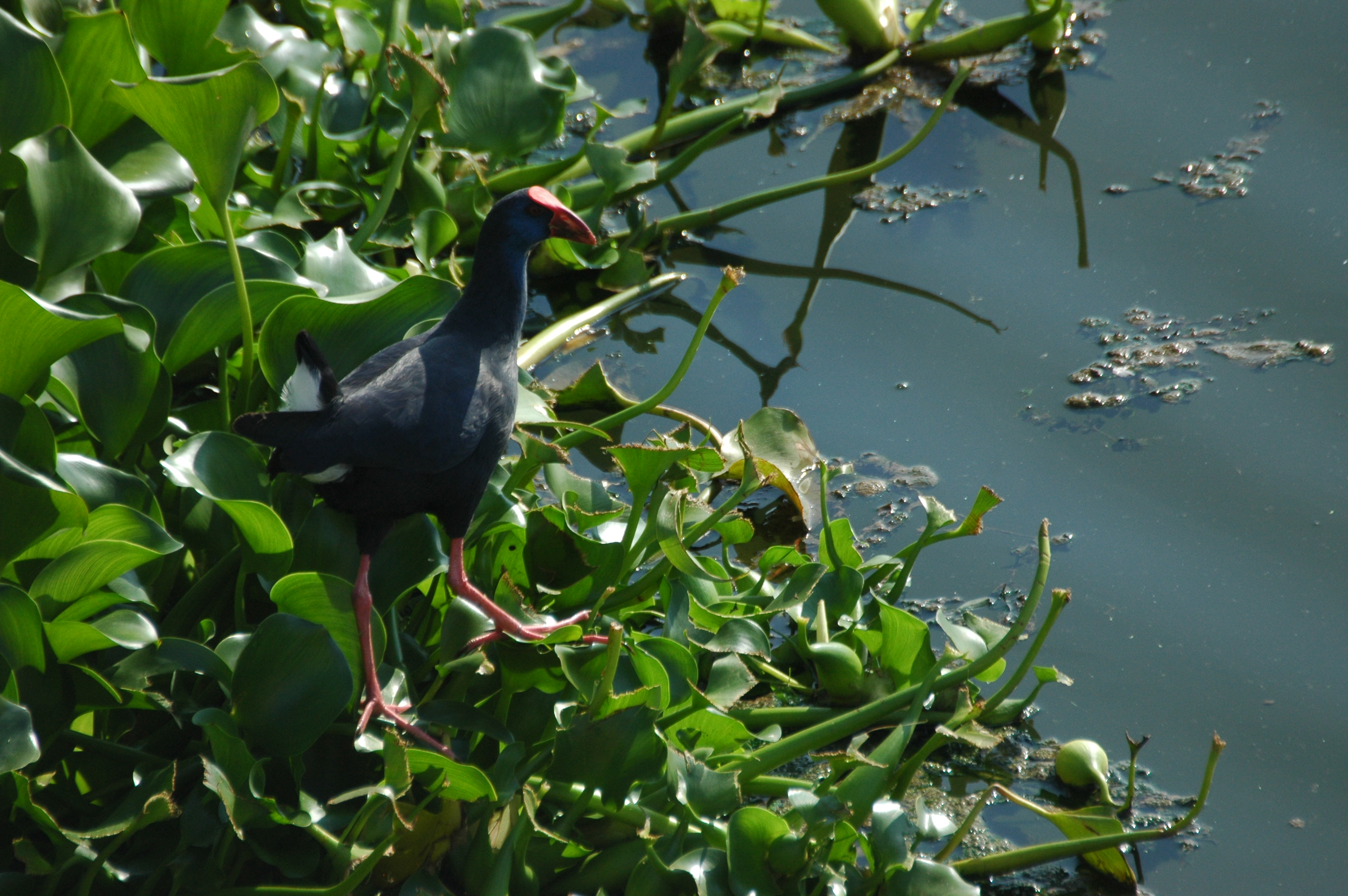
What can I say? Gallinules. Love ’em. Loved the ridiculous things since I first saw a picture of one in a book. The name’s daft enough – Purple Swamp-Hen, in full – but the feet are something else.

DSC_0081

I don’t know why I make such a big deal about gallinules over anything else, but they’ve always been the ultimate Doñana bird for me. Perhaps it’s because it’s basically a giant purple chicken. Mm, close enough.

DSC_0088

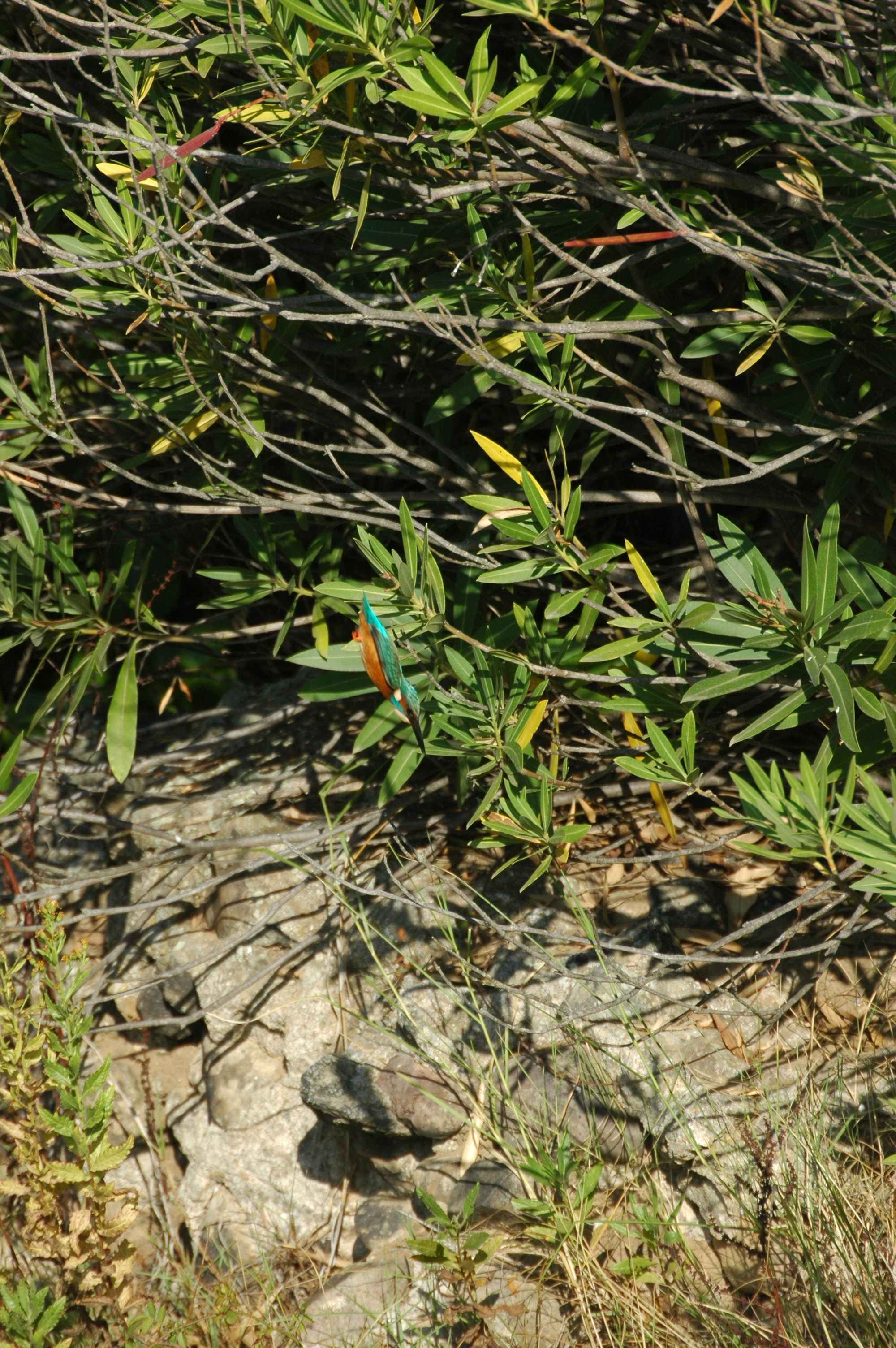
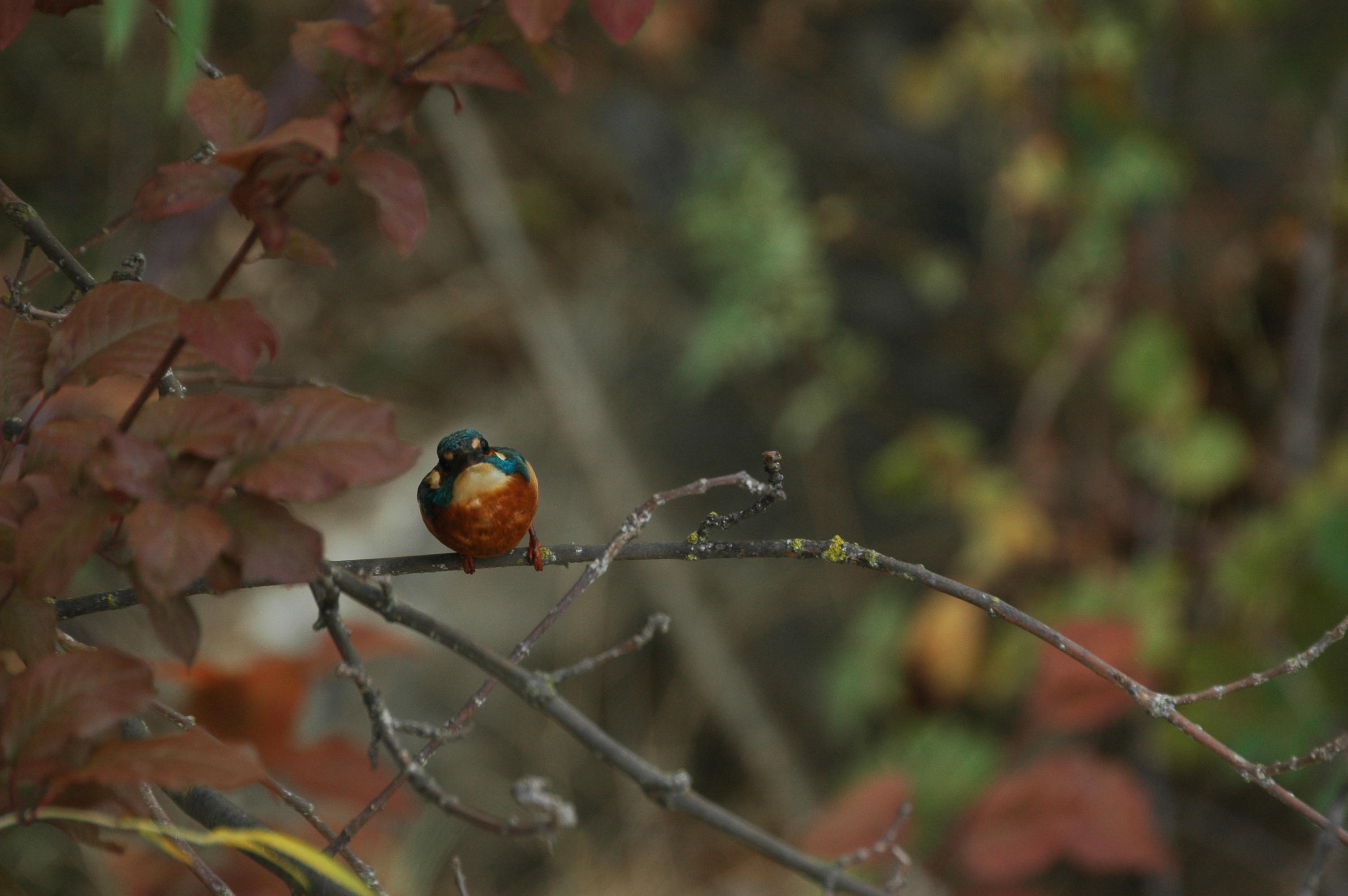
Feathered friend number two should be a lot more familiar to most of you. He’s also rather colourful, but a heck of a lot smaller and shinier to boot. And once you know what they sound like, you’ll see a lot more of them. It’s a kingfisher, of course!

DSC_0112

At least, I hope you know what a kingfisher is. Nobody here does. Not even if I give them the equally impressive Spanish name of martin pescador.

DSC_0127

I’m still waiting on that perfect kingfisher photo. The one everyone wants: wings spread wide, water droplets falling from a dive, fish in beak etc. but until that moment, they’re always a pleasure to watch.

DSC_0172

Everybody else was walking on by and doubtless wondering who that young loony was in the maroon hoodie-and-chinos combo with the ridiculous lens, hanging half over the bridge, but hey, I was having a good time. That’s my idea of a morning well spent, anyway.

Sheesh, long post. My travelogues usually are. Badajoz is rather beautiful, and if my right thigh weren’t still punishing me for that 45km cross-country hike last weekend, I’d probably be enjoying it more. I could do with a rest. It’s a lot bigger than Mérida and I had to double the distance when it turned out that the albergue I had in mind was a school groups affair. I was accosted outside by three young girls who asked me if I wanted a blowjob and called out ‘oyé, feo’ and ‘mochila verde’ after me when I ignored them. Then I tried taking a shortcut through the park into the Alcazaba, but shortcuts do tend to make long delays, and in this case the road came to a sudden and unexpected end. The door was there alright, but the road… wasn’t.

The adventures never end! Left the restaurant to soak up the night in the square and a wandering troupe of musicians asked me for directions to the ayuntamiento. I pointed them in the right direction, but their leader deduced that I clearly wasn’t from Badajoz. Back atcha, tío; ‘I’m from Villafranca de los Barros’. ‘Villafranca?! Hombre, somos de Ribera!’ (the next town along from VdB). It’s a small world. And I’ve just noticed that I missed a major performance from the best gypsy musicians of Badajoz at the theatre tonight. Only two doors down from the hostel, as well. Rats. I’ll be back.

I’d better call it a night there and head on back to the hostel. I might try for sunrise over the Guadiana after this evening’s gorgeous Portuguese sunset. On a final note, I had the happiest moment of the month on the road to Badajoz when I saw, in the distance, a giant V-flock of some one hundred and twenty cranes on their way south. It’s only the very moment I’ve been waiting for, the first true sign of winter in Extremadura. I was practically jumping out of my seat, I was so happy.

The photo hardly does it justice, so I’ll go hunting for them some other time when I’m not stuck on a bus. But that’s an adventure for another day. BB, which may or may not stand for Bird-Brain amongst other things, signing out x