Longhorns and Lightning

Tomorrow is the first day of a new life. After a long summer of alternating adventures, up-and-down driving lessons and watching the clock, it’s back to school for this bleeding heart. I’m determined to make a success of it. Once again, I find myself thinking back to my first teaching post in Uganda, nearly twelve years ago – where it all began. Did I know it then? I must have had an inkling – that was partly why I went, to see if teaching was for me – but I suspect I was blinded by the lure of seeing Africa with my own eyes. My lanyard is hanging from the door, my notebook is on my bedside table and the pen pot on my desk – a gift in the shape of a Dia de los Muertos mug – is stuffed with fully-loaded board markers. It’s nearly time to get started. But for now, let’s dive back into the realm of memories; to a remote farmstead on the banks of the White Nile…


9th October 2012
Ugandan Independence Day (50th Anniversary)

One month into our stay in Boroboro in northern Uganda, Luke Ojungu came trundling into the driveway of the Bishop’s compound in his enormous four-by-four. With Uganda on the brink of celebrating the fiftieth anniversary of its independence from Britain, we had an unexpected holiday on our hands and the former headmaster had offered to take us to stay at his farm in the Apac region to the southwest. The bishop said a prayer to bless our journey and send us on our way with God’s protection, though Luke’s impressive 6’5″ stature might well have been all the protection we needed. His plan? To show us a corner of Uganda we might not see otherwise, and to put us to work herding his cattle.

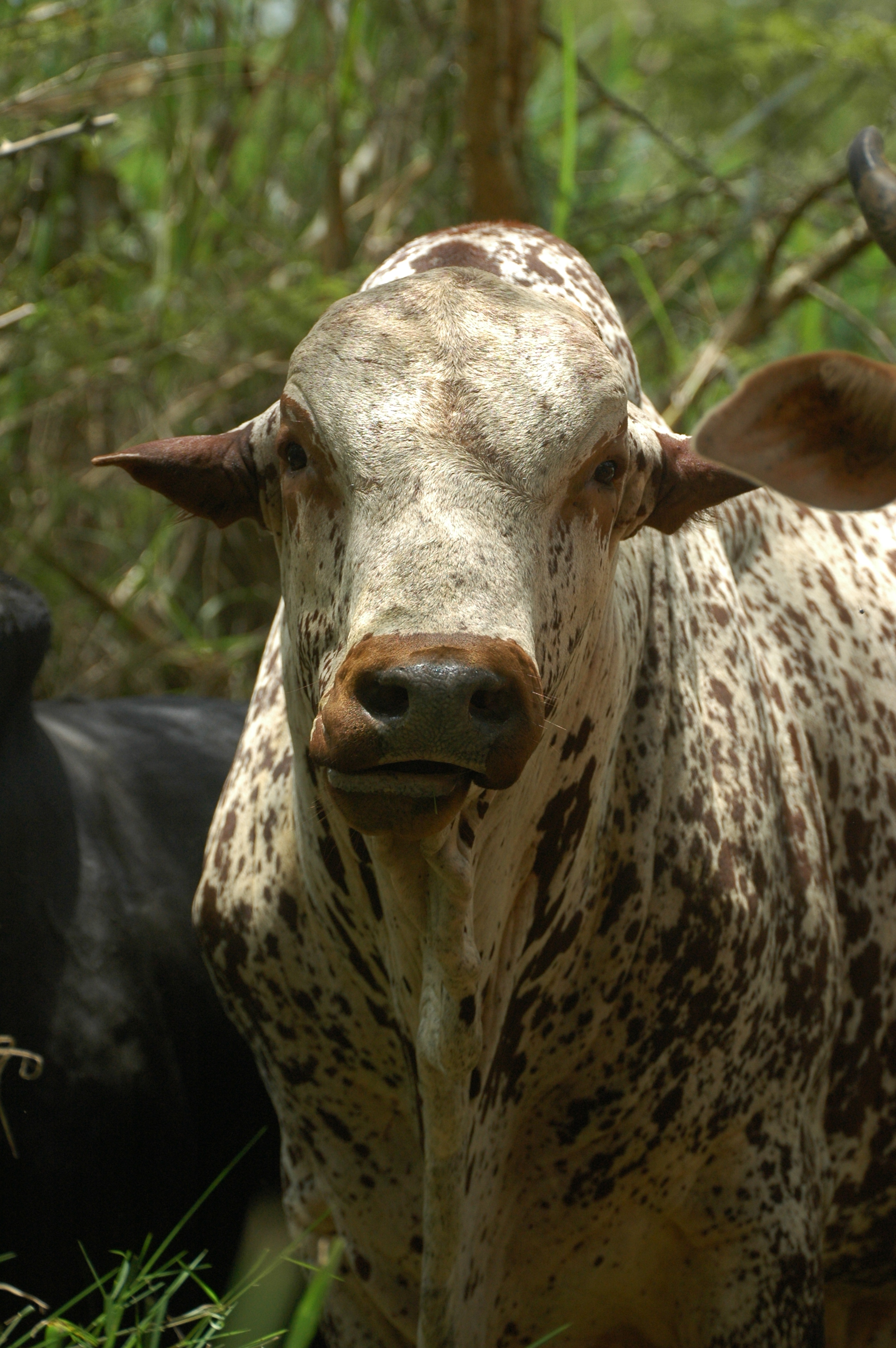
No visitor to Uganda who makes it out of the capital can possibly miss the famous Ankole cattle. For one thing, they’re everywhere, and for another, their enormous horns make them easy to spot over a great distance. I wonder if that was an intentional bit of genetic wizardry on the part of the cattlemen, so that they could keep stock of their herds from far away?
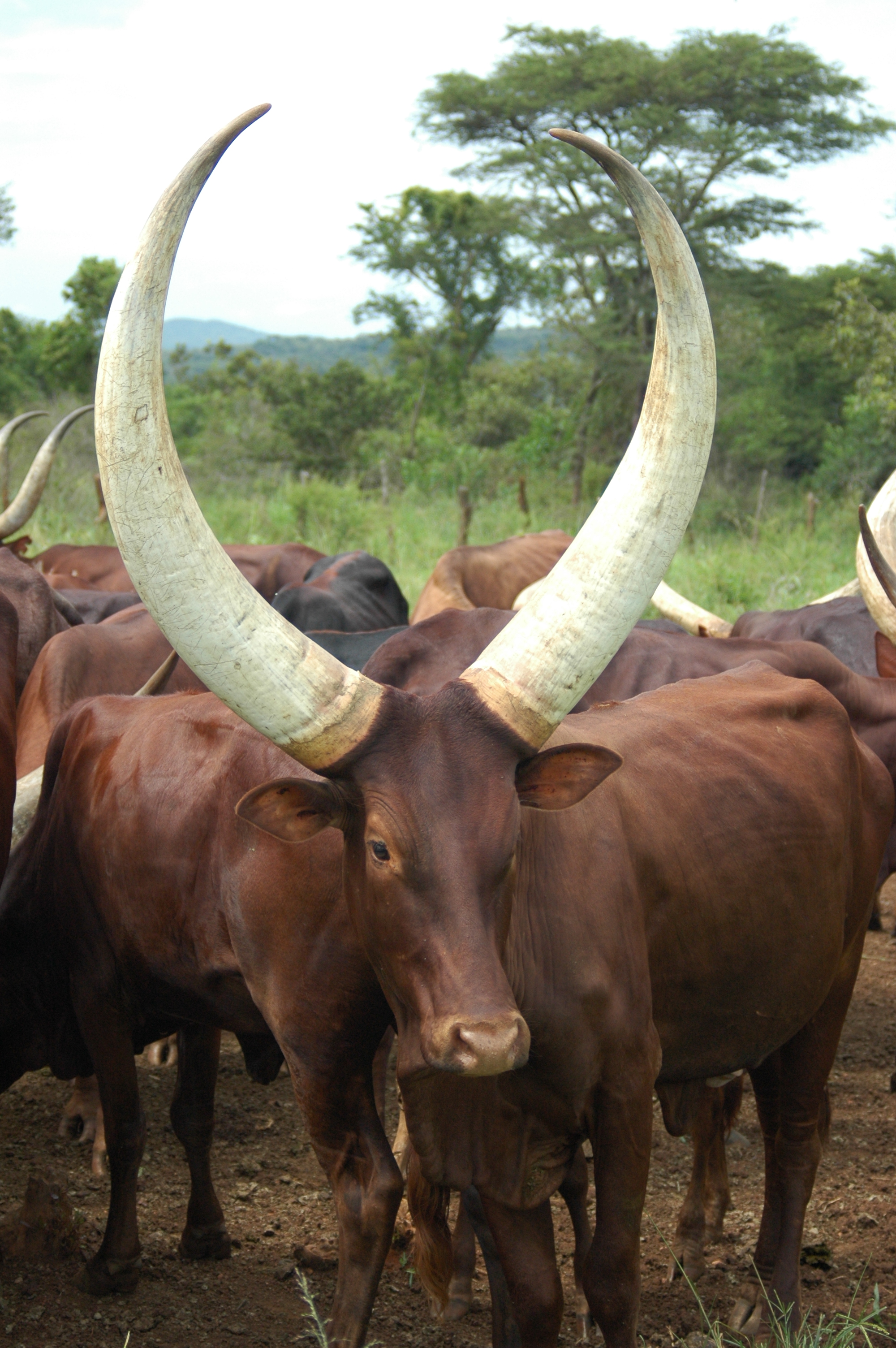

Luke had several hundred longhorn cattle spread across his lands south of the river, along with a large number of goats and chickens back on the home farm, which by Ugandan standards (or any standards, for that matter) made him a rather wealthy landowner. He was very keen to point out Matthew, the hornless bull he had named after the headmaster of our school back in England. It was hard to tell whether it was an affectionate gesture or somewhat tongue-in-cheek, choosing the one longhorn bull without horns for such an honour, but we had a laugh all the same. A running in-joke was born and Matthew “the most indie cow in the world” and his distaste for anything mainstream kept the four of us amused all weekend.
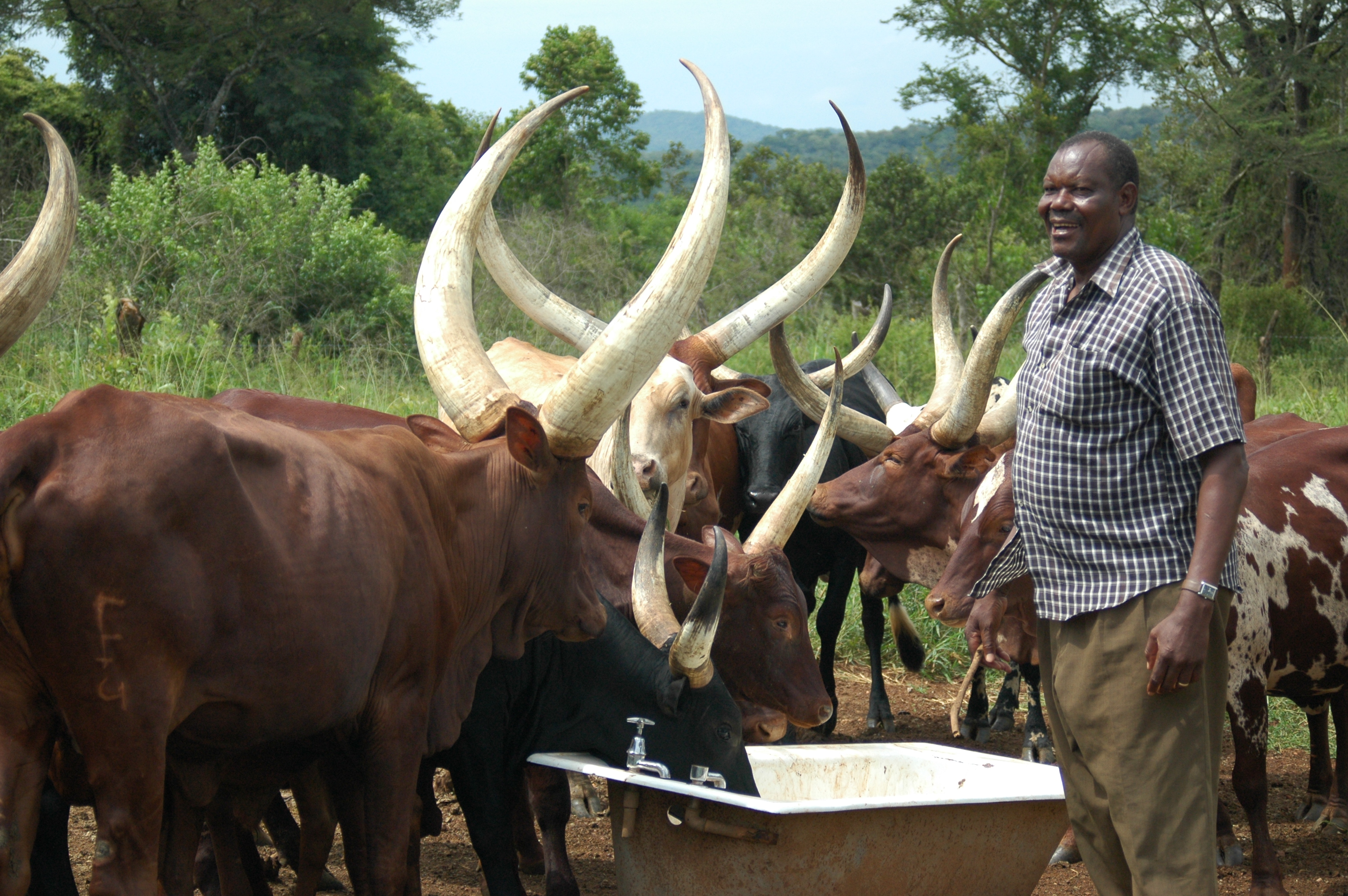

We arrived in time to help with administering the inoculations, which had already taken a couple of days, what with the herds spread out across the forested hills. Maddie, the team scientist, took the lead on this one, seeing a chance to do a little fieldwork ahead of the Biology degree ahead of her. Several years ahead of the rest of us in maturity and wisdom, if not in age, she was always out in front and seizing any and all opportunities that came floating our way, whether we joined her or not. It was Maddie’s idea to go to Uganda in person to snag a better deal on the national park permits. It was Maddie’s idea to spend all night dancing with locals down the road from our tumbledown hotel in Bwindi Impenetrable National Park. I should have followed her lead more often.

Mind you, it was also Maddie’s idea to ride along with the staff to a remote village in the north to the funeral of a colleague we’d never met, even though the service was conducted entirely in Lango (of which we understood perhaps four words between the four of us) and the return journey had me sandwiched between quite possibly the two largest women in Uganda.
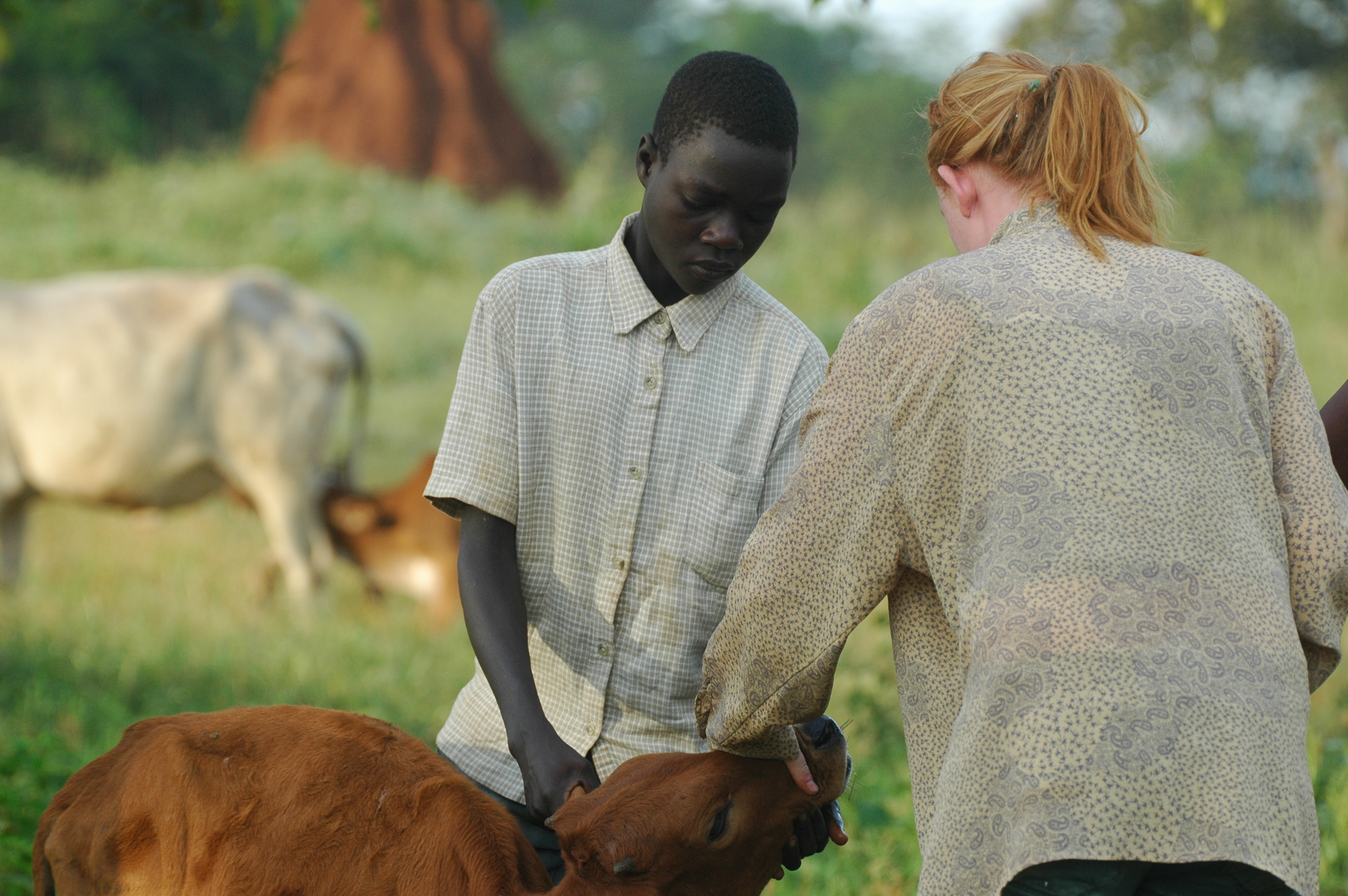

With jabs administered, Luke left us in the care of two of his cattlemen, Alphonse and Gideon (I definitely misheard Gideon as Geryon the first time around, since that’s what I wrote in my journal, though that would have been a very fitting name for a cattle herder!). Out in the bush, I got my wish: to explore a proper African wilderness. True, it was grazed by Luke’s hundred-strong herd of cattle, but there were wild things everywhere: drongos, hornbills, cuckoos, parrots and forest kingfishers. Overhead, the awkward silhouette of a pair of bateleurs kept us company across the open marches. In the course of a single cattle drive I counted at least forty species I’d never seen before, jotting down details of what I’d seen and sketching while the memory was fresh.

In short, I’d make a decent Darwin, but a useless cowherd.
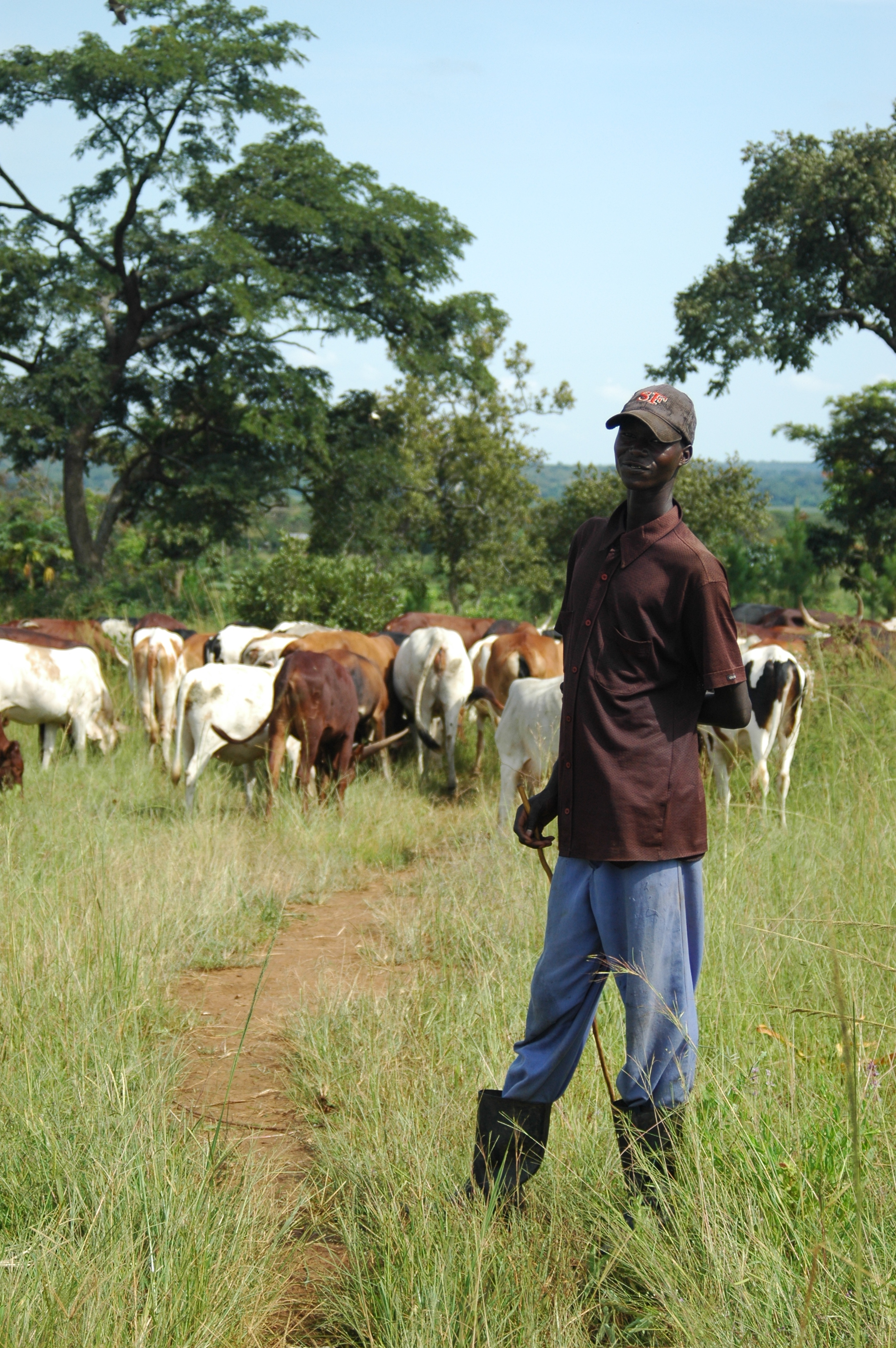

The drive took us deep into the forest, which swallowed up the herd quite capably. The going was a little hard, with thorny acacia branches poking in all directions, and we got to wondering whether we were being watched by other, more sinister residents of the forest as we cut a path through the trees: our encounter with a troop of baboons at the crossing at Karuma the day before had left me with a deep-seated awe (and justified terror) of the things, and I couldn’t shake the idea that they might be hiding in the trees, watching us from evil, sunken eyes.

I needn’t have bothered: the great herd of longhorns drove most of the forest creatures before it like a scourge. But it’s funny what gets into your head.
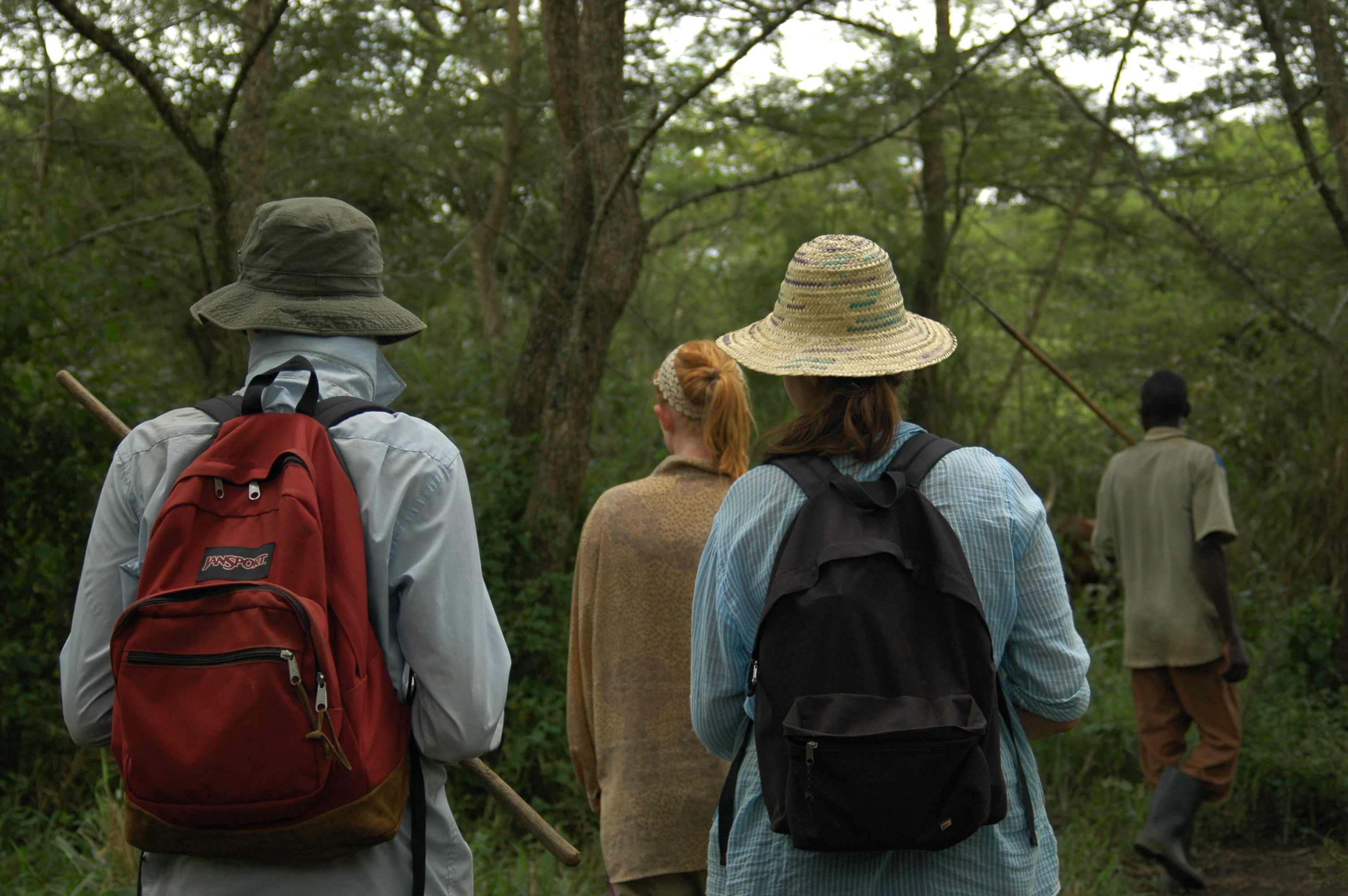

What was waiting for us, however, was a tropical storm. We had reached the heart of the forest, where the bush was at its thickest, when Alphonse brought us to a stop at the sound of a heavy drumroll from the north. Gideon went on ahead to divert the herd, but we had gone no further than a hundred metres when the heavens opened. It did not happen gradually, as rainstorms do in the British Isles, but in an instant: one minute the sky was grey with promise, the next it was sheet-white and bucketing it down. It was as though somebody had turned on an almighty showerhead, the way it just came down all of a sudden, and it went on for the best part of an hour. At Alphonse’s suggestion we sheltered beneath the scant cover of the trees, holding the herd at a standstill while we waited for the worst of it to pass. The waterproof hiking boots which had endured similar conditions in the Lake District were waterlogged within minutes, and we were all of us soaked to the skin – it was hard to imagine that only moments before it had been a balmy thirty degrees and we had been bemoaning having run out of sun lotion. I don’t think I have ever been so utterly drenched. If I remember correctly, I was quite miserable. We all were.
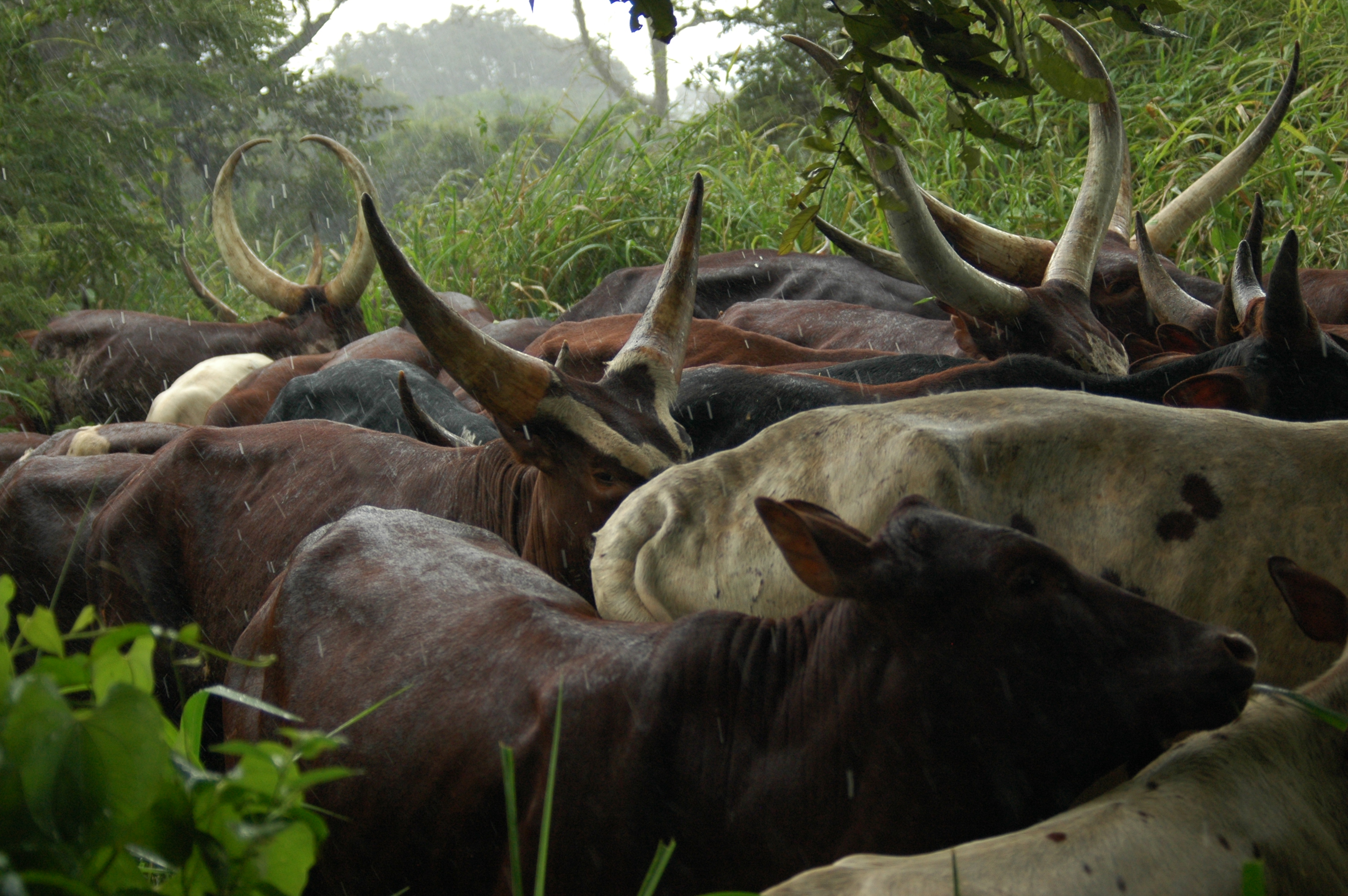

Luke came to the rescue around midday, picking us up from the side of the road when we finally broke free of the forest and saw the Nile, our intended destination, winding across the valley ahead. Regardless of the conditions, it would still have been another couple of hours’ march to the river, and Luke was quite anxious that we would not catch our death of cold on his watch, so we were whisked back to the farm for a warm cup of tea and fresh clothes. Alphonse and Gideon bade us farewell and pushed on toward the river, even as the clouds threatened a second deluge with flash and thunder.

We conceded defeat before these incredibly hardy cattlemen and their herd, and returned to teaching the following week with a renewed sense of purpose: we had a lot more to offer in passing on what we had learned than in wandering blindly through the bush in the wake of men who had been herding cattle since they were children.

I said I was miserable – which, according to my diary, is a fact – but like most things that get me down, I’d do it all again in a heartbeat, if only to see the rain come down as ferociously as it did that day, and to feel that shudder in my heart when the first drumroll of the rainy season came thundering in. Matthew wouldn’t have thought all that much of it. After all, there’s all manner of cliches when one gets to talking of a thunderstorm, and Matthew is far too indie for any of that nonsense. BB x
The Devil’s Cauldron

The white IKEA bookcase in the corner of my bedroom holds my most treasured memories: cherished books from my childhood, photo albums fit to bursting and hand-written diaries that stretch back as far as 2012. One of these last, spineless and soft around the edges, features a Van der Grinten map of the world: an eighteenth birthday present from a friend. It contains the tales of my adventures in Uganda, the first teaching post I ever held. As I open it, a handful of photos fall out: a vulture, a much younger me in Kyambura Gorge and the misty mountains of Bwindi Impenetrable Forest. Memories come flooding back. Come with me down memory lane, and I’ll take you on one of the most breath-taking adventures I ever made.


19th September 2012

According to my diary, it was an early start. My alarm clock woke me up at 3am, and while I was dressed and ready to go, my companions were a little slower on the uptake. Can you blame them? I sat on the concrete porch of the little house in the garden of the Bishop’s residence, watching the stars. There is no night quite like the African night. It is a deeper black than you can possibly imagine in the West: enlightenment has left our world overlit. Without streetlights to pollute the sky, the heavens sparkle with an ethereal light that has not been seen in most of Europe for over a century. I counted more than twenty shooting stars before our driver arrived and whisked us away into the dawn.

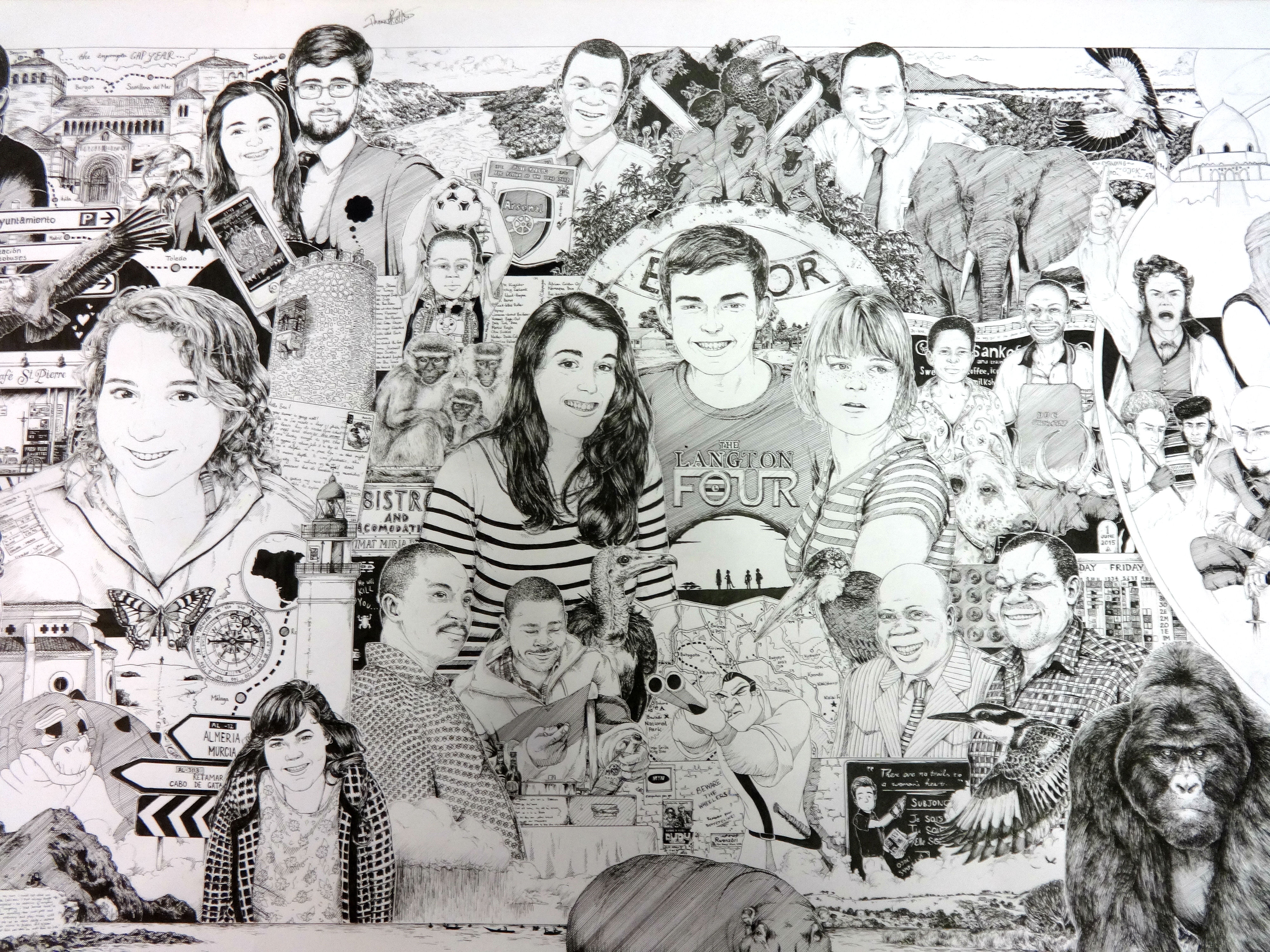
The Langton Four – that was what they called us. We were the first student representatives to visit our partner school in Boroboro in the once troubled north of Uganda. There had been staff exchanges in the past, but with the Lord’s Resistance Army waging a private war in the region for the last two decades, the idea of any kind of student involvement was limited to non-uniform days until my final year at school. When the opportunity suddenly presented itself, I practically bit their arm off. I read the required BBC article on David Cameron’s threat to withdraw aid to Uganda over and over again, and I turned up to my interview with a portfolio of printed photographs (which I still have). I suppose I was hoping to angle my way in as the team journalist. The team was chosen on the night of the interviews and my name was among the four. I still think of it as one of the happiest nights of my life.

The sky began to glow red around 6.40am, and the sun was up moments later. African sunrises really are like the opening to Disney’s The Lion King – that is, visibly quick. Maddie got out for a run in the morning light – we had been on the road for two hours already – before we reached the town of Purongo, a collection of red-walled houses and small businesses on the northern edge of Murchison Falls National Park. This was our Ugandan “welcome wagon”, as it were: a trip to Uganda’s first national park at the end of our first week at the school. Getting in was complicated by the print-date of my US dollars – the Uganda Wildlife Authority (UWA) had taken the decision to refuse any dollars printed before 1981 – but on this occasion they let it slide. We were joined by Robert, one of the park rangers, which brought the total in the car up to seven. I drew the short straw and ended up on the left-side of the middle row, landing a window seat that looked straight into the rising sun.

We learned within the first half-hour of our safari that it was wiser to keep the windows closed: the tsetse flies that share a home with Africa’s megafauna have a taste for human blood, when they can get it. Forget the harmless bluebottles that hurl themselves at your window: tsetse flies are another beast entirely. They’re loud, they have a bite like a needle, and they’re very hard to kill once they get into the car, despite their size, which is considerable. They clung to the glass like remoras for most of the morning, just waiting for somebody to wind down the window for air.

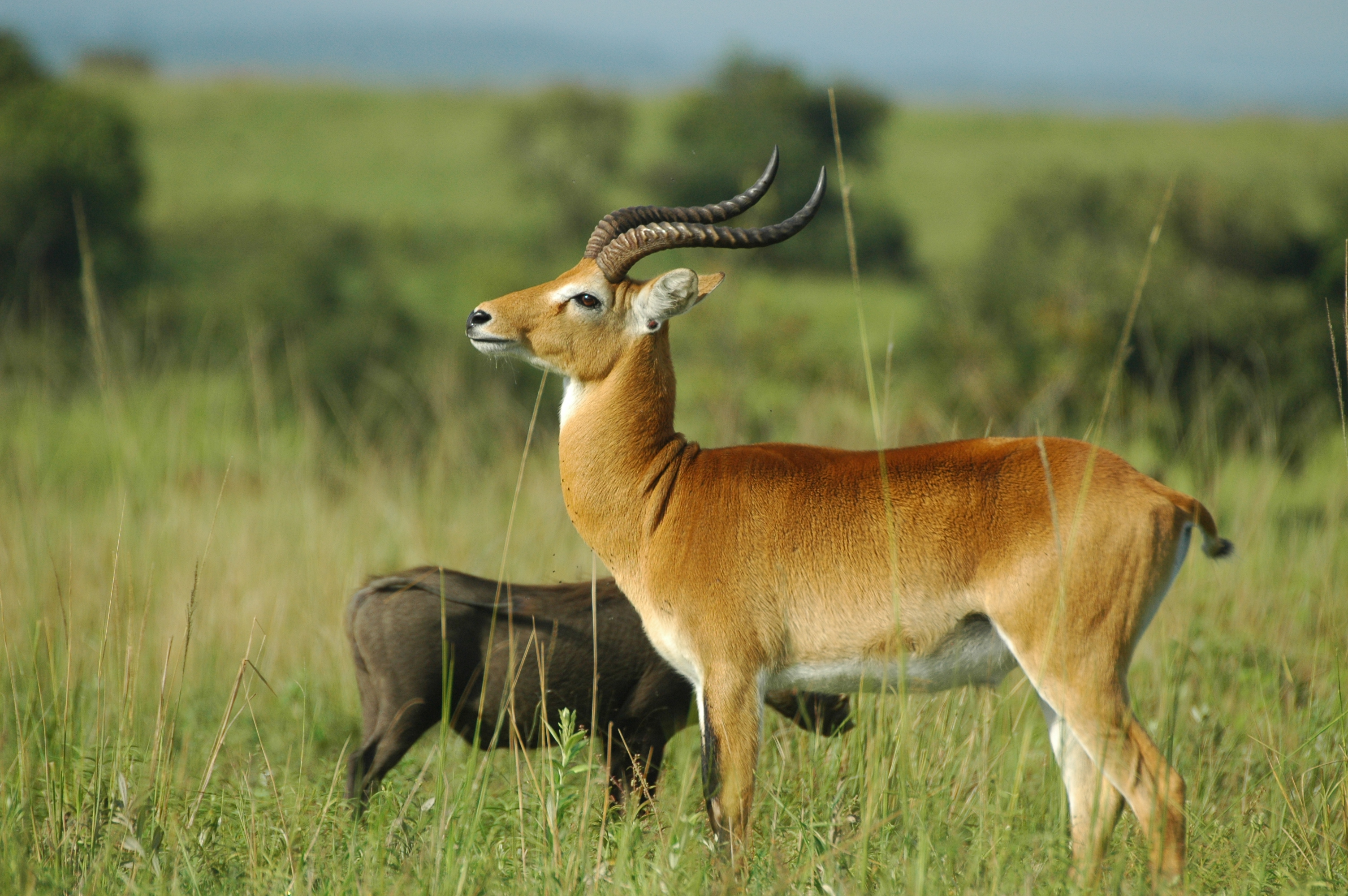
The first of the park’s larger inhabitants came into view just beyond the gates in the form of a herd of Ugandan kob, a stocky antelope that with the crowned crane forms one half of the Ugandan coat of arms. It was a modest start to the safari, and I was a lot more interested in the bizarre-looking hartebeest standing in their midst. With a head that might have given birth to the expression ‘why the long face?’, they look too warped to be real, like a badly stretched photo on a student PowerPoint. It spooked when the car came to a stop and bolted. They seem more skittish than other antelope species: though I saw several of the strange beasts during my time in Uganda, I never did get a good photo of one.


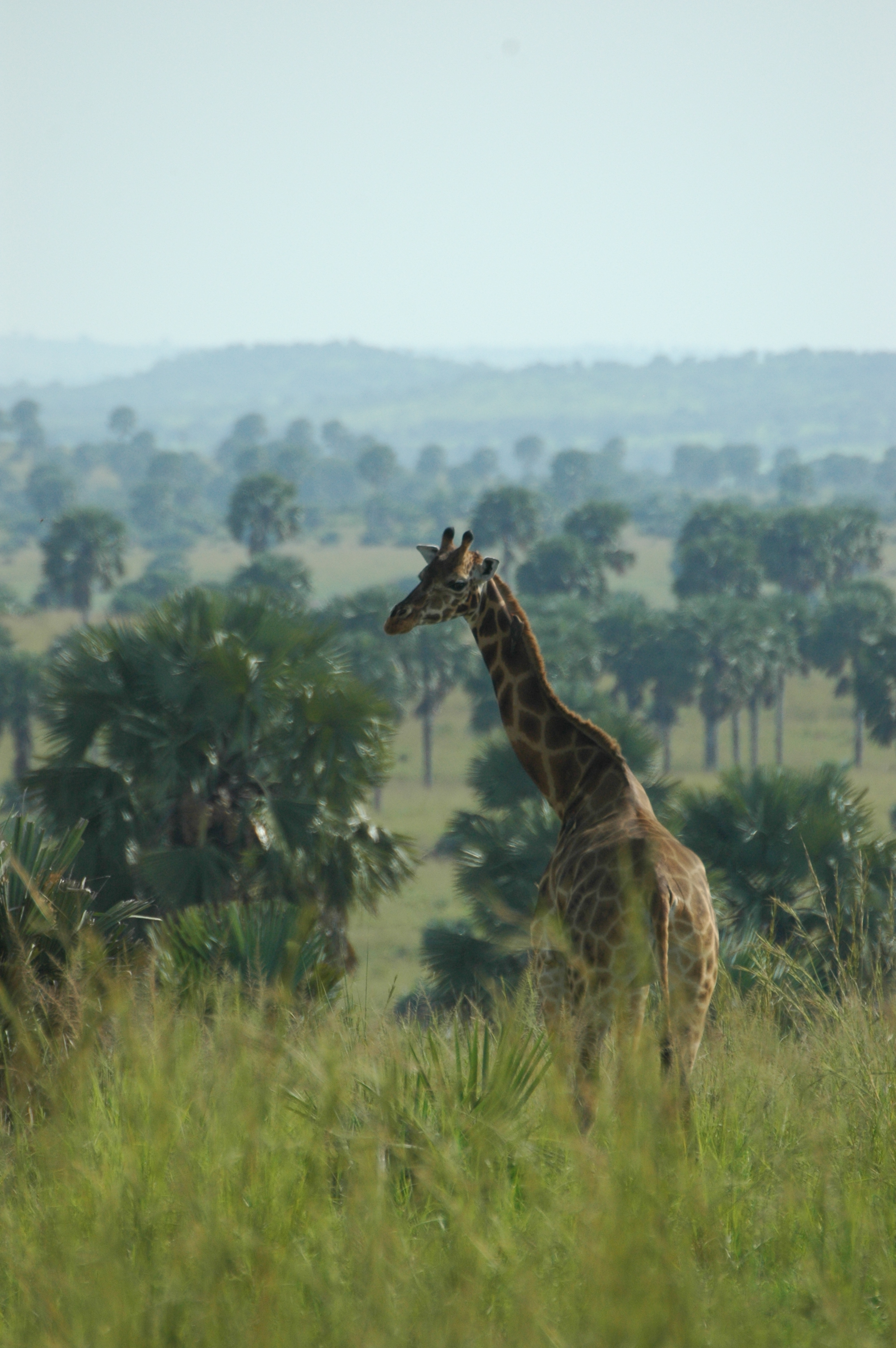
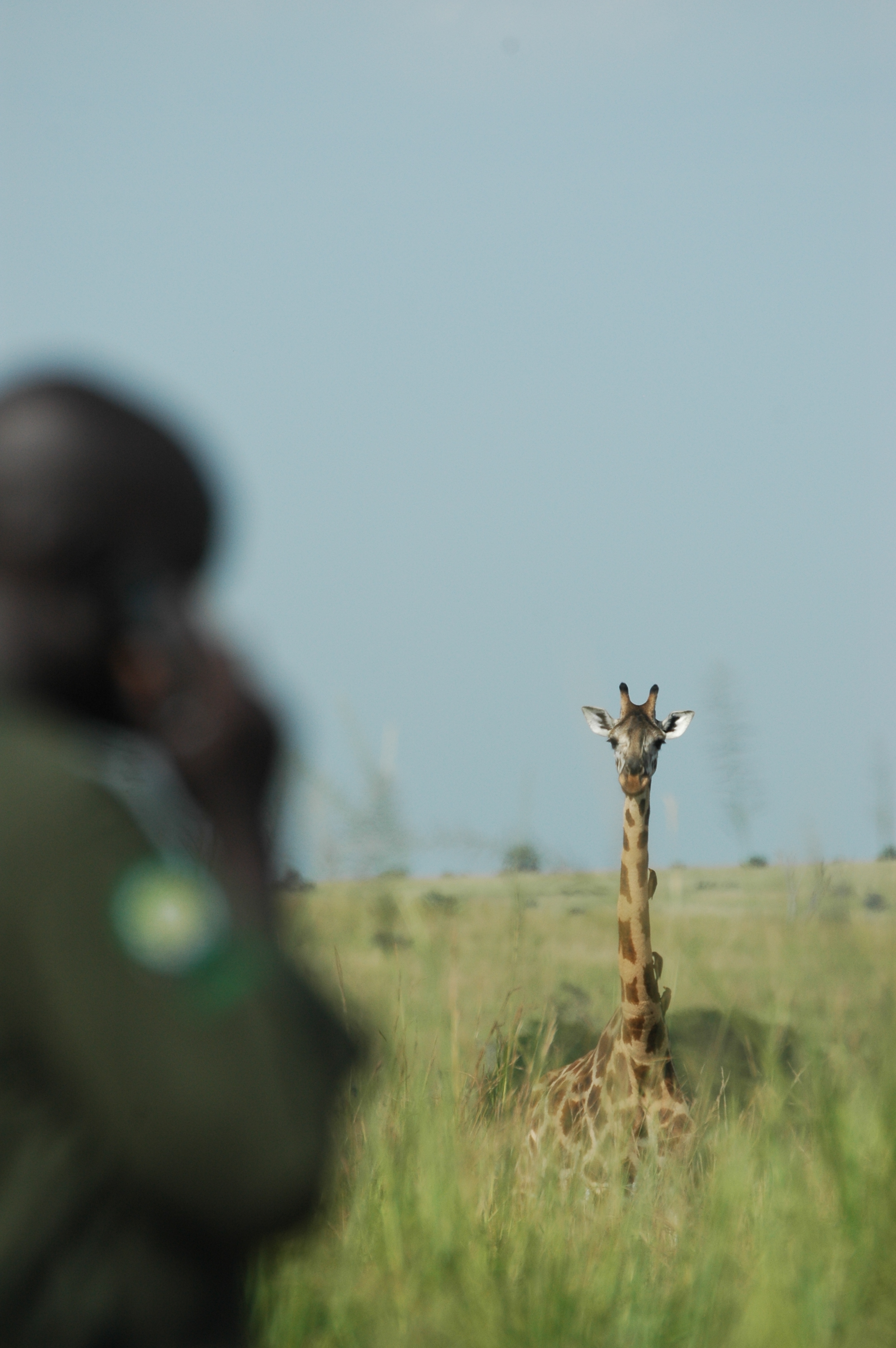
We didn’t have to go much deeper into the park before the park ranger pointed out a giraffe. He needn’t have bothered: at over five metres tall, they aren’t exactly hard to spot. Murchison Falls NP was one of the last holdouts of the giraffe in Uganda, after war and poaching drastically reduced their numbers in the last century. The giraffes that can be seen in Uganda are the nominate species, known as Nubian giraffes, and could once be found as far north as Egypt. Back in 2012, they were still known as Rothschild’s giraffes – they were reclassified in 2016 – so it looks as though they have been “decolonised”, dropping the name of a wealthy British banker and zoologist in favour of a name that conjures up their former homeland. Murchison Falls itself was similarly renamed under the Ugandan dictator, Idi Amin Dada, though the fact that he was the brains behind the switch may account for the fact that the park formerly known as Kabalega Falls has since reverted to its old colonial title, for better or for worse.


We reached Paraa around midday, where the Victoria Nile cuts right through the hearts of the national park. We missed the ferry by minutes so we parked up on the riverbank and waited for it to return under a thick cover of cloud. My friends had to stop me from getting too close to the water, as a large pod of hippos were dozing just metres from the bank. Some estimates hold that hippos are responsible for around 500 deaths a year, making them one of the more dangerous creatures on the continent – though not as dangerous as Africa’s snakes, which claim thousands of victims every year. I think I was actually more interested in the gangling jacana that was bobbing around at the water’s edge, but that’s by the by. Just like me to miss the wood for the trees.

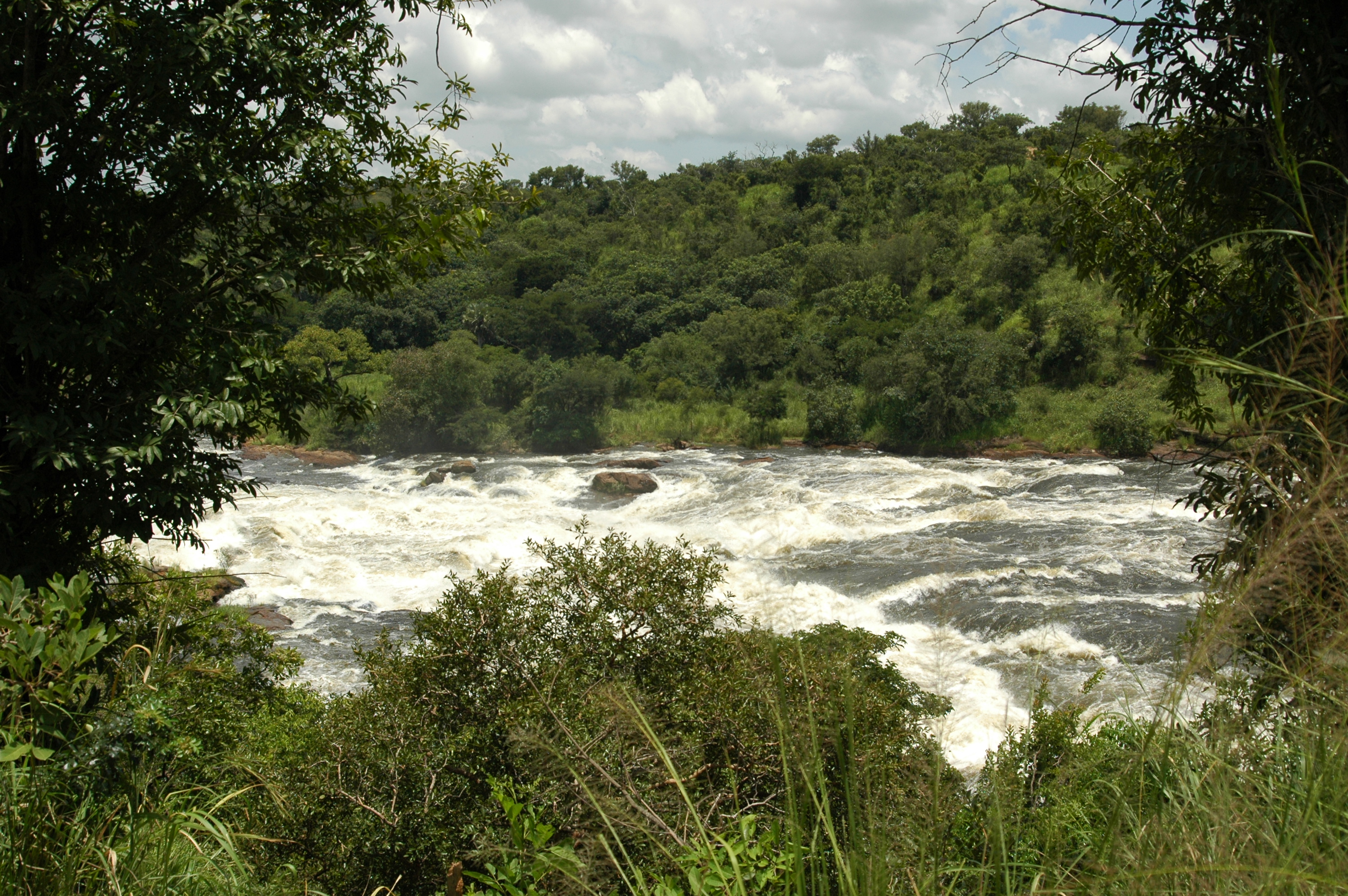
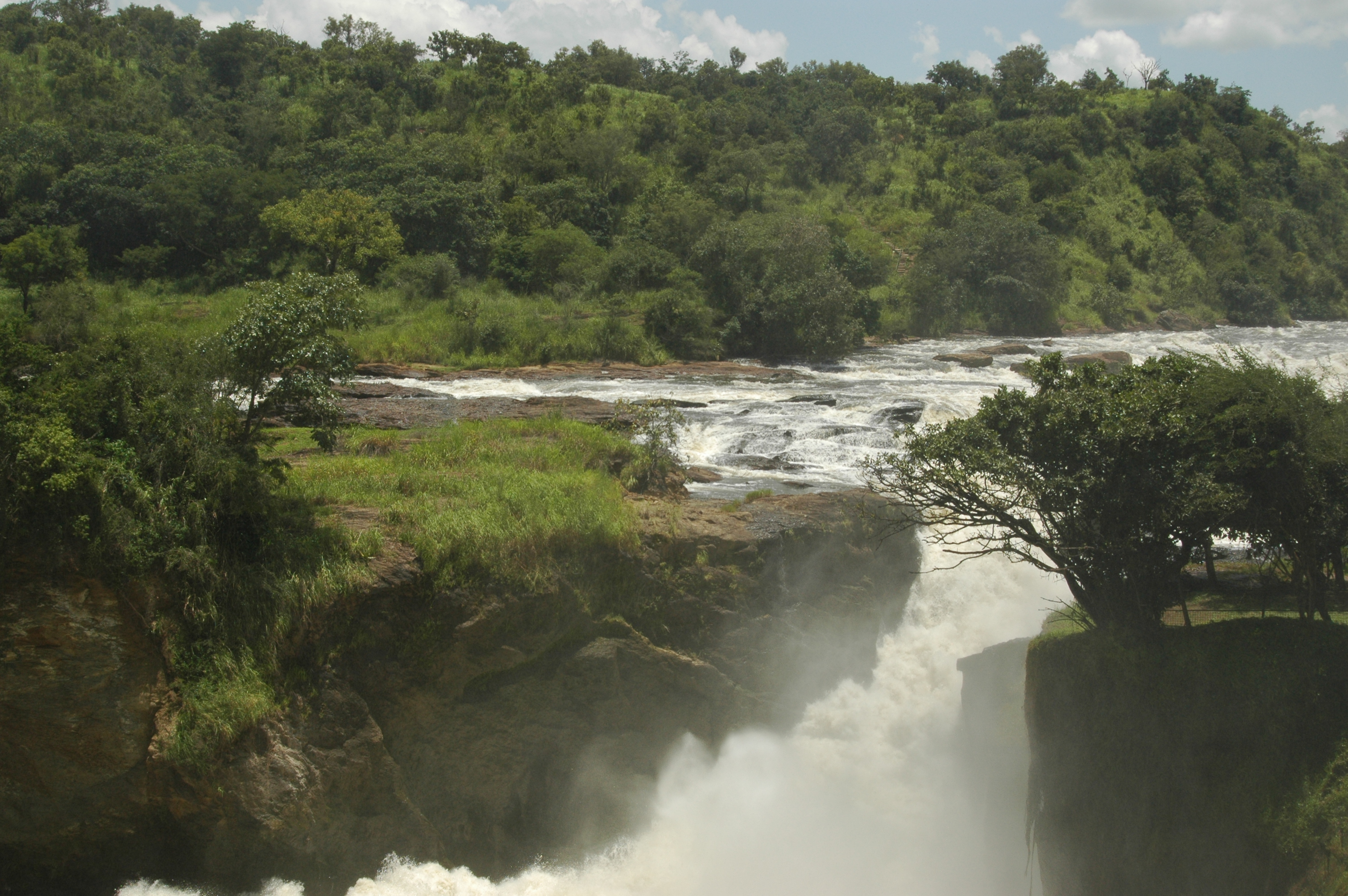
From Paraa, it’s a bumpy ride to the falls for which the park is named. I’ve described them in my journal as “royal”. Kabalega – Amin’s preferred name for the falls – comes from Chwa Kabalega II, King of the Bunyoro people who call this corner of Uganda home, so it’s not a poor choice of an adjective. Hailed by the UWA as “the world’s most powerful waterfall”, the Nile is forced through an eight-metre chokepoint, creating a thunderous spectacle as the full force of the world’s longest river is hurled into an abyss known as the Devil’s Cauldron. It really does have to be seen to be believed.


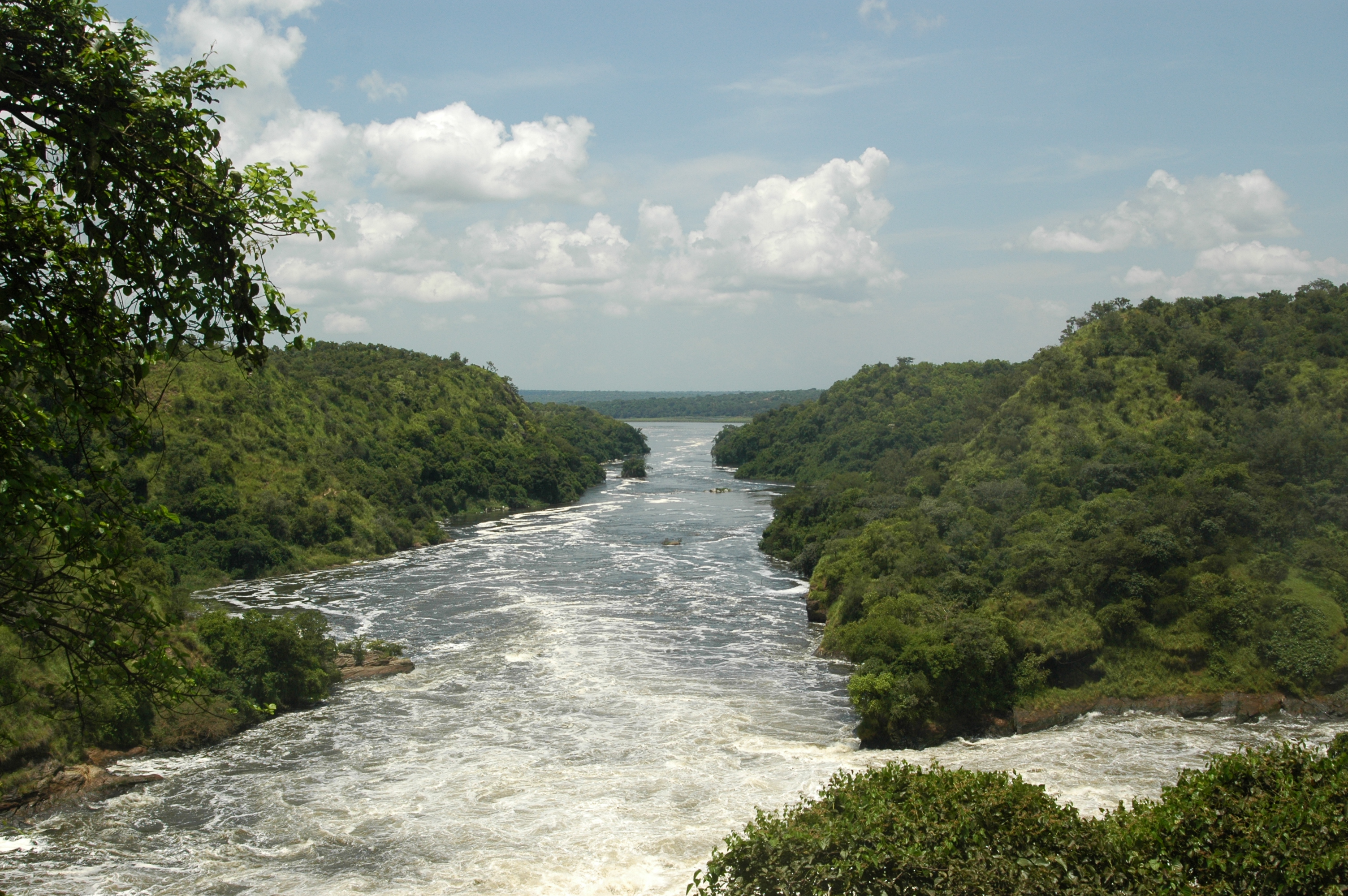
It’s incredible to think that this mighty river winds its way all the way up to the Mediterranean. For centuries, the origins of the Nile were a mystery to the Western World. The Banyoro knew of the great river, of course, but they would have been just as surprised to know that the river that thundered through their kingdom watered the deltas of the pharaohs, some two thousand miles to the north. It might seem strange that the source of such a historically important river remained a mystery well into the nineteenth century, but as the early explorers discovered, the Nile is a treacherous creature that holds onto its secrets with a jealous force almost as strong as its flow: once you reach Sudan, the river becomes heavily overgrown, making navigating by boat near impossible, and stands of reeds and papyrus hug the banks so densely that, in some parts of its course, it obscures the river entirely from view.

The Ancient Romans had a saying, Nili caput quaerere, “to seek the head of the Nile”, which meant to attempt the impossible. It’s possible the saying originated with the Emperor Nero who did just that, tasking a small expeditionary force of his Praetorian Guard to find the legendary source in the first century AD. The historical accounts claim they made it as far as Southern Sudan before finding their passage blocked, but some claim they may have made it as far as the thundering waterfalls of northern Uganda. It’s a strange thought, to picture the Praetorian Guard standing here, staring in awe at the falls in the same spot that shadowed Winston Churchill, Ernest Hemingway, Humphrey Bogart and, much later, myself.


What the photos don’t show is the spectacular double rainbow that forms over the Devil’s Cauldron as the Nile thunders through the gorge. We saw the falls shortly after a brief spell of heavy rain, so the force of the flow was especially ferocious. Two weeks later, when the full force of the wet season came down, it would have been near impossible to get as close to the falls as we got without being blasted with the spray. Apparently, these can sometimes be seen at night, when the moonlight is exceptionally strong: these are called “moonbows”, and have been spotted by birdwatchers who come here looking for the bizarre pennant-winged nightjars that nest in the surrounding forest. We didn’t stay long enough to find out, but I’m sure it must be a beautiful sight to behold.

The first thing I ever saw in Africa was a waterfall. The connecting flight from Heathrow to Addis Ababa rode the clouds for most of the journey, but shortly after waking up on that first morning, the clouds parted for just a moment, revealing a jaw-droppingly beautiful mountainscape, with a silver river launching itself over the edge of a high cliff the colour of bronze. Victoria Falls is the one that comes to mind for most, but for me, it’s a toss-up between Murchison Falls and that nameless cascade that first stopped my heart all those years ago. Maybe I should go in search of more waterfalls!


Honestly, I’m getting the travel bug just writing this. I think it’s time I blew the dust off the travel section in my library and started cooking up a plan. I know I’ve had a grand adventure this year to the States, and I’m grateful, but after a slightly abortive early finish, I feel like I haven’t quite sated the travel bug this time around. Let’s see… if I can pass my driving test, I think I will reward myself with another grand adventure – only next time, I will do it for me. It certainly makes for fun writing! BB x

On the Road Again

I’ve got my third driving lesson of the summer this afternoon. They’re not going too badly, considering I had a three month hiatus after my last instructor was rushed to hospital, forcing me to cancel just two weeks shy of my test. I wouldn’t say I’m test ready, by any stretch of the imagination, but it’s becoming more natural behind the wheel, and I’m hopeful that I will be on the road in wheels of my own before the end of my thirtieth year. That’s the goal, anyway.

Cruising around the unfamiliar roads of Somerset had me thinking about the freedom I will have with a car of my own. It’s the thing people tend to point out time and again when the subject of getting my driver’s licence comes up in conversation, but it’s honestly not something I think about all that often. Which is absurd, because when I do have the chance to get out and explore, I know I’ll be out most weekends if I can, especially in this wild and sometimes desolate corner of the British Isles. With Exmoor, Dartmoor and the Jurassic Coast on my doorstep, I’d be a fool not to.

I’ve been on a number of grand road trips over the course of my travels, and I thought I’d use some old photos as a launch to reminisce about a few of them: snapshots, if you will, of great adventures.

1. The Badia, Jordan. 3rd July 2015: 10:56am


At the end of my first week living in Jordan back in that sweltering summer of 2015, a couple of Dutch students from my language school, Bern and Marco, hired a van and offered to take a group of us out into the Eastern Desert, also known as the Badia, on a Jordanian road trip. It was a bit of a squeeze, fitting ten of us and our supplies into the damned thing, but it allowed us to see more of the country than the public transport system ever could.

Something that strikes you immediately about the Badia is how empty it is. The desert itself is vast, covering more than 72,000km. That’s larger than the Republic of Ireland, and it’s actually only a fraction of the greater Syrian Desert. Highway 40, the road that connects the oasis city of Azraq to the capital Amman, is a largely featureless drive across the edge of the Harrat as-Sham, often translated as the Black Desert. It is no misnomer. Forget your childish images of rolling sand dunes and palm trees. The Black Desert is an immense expanse of flat, black rock, stretching as far as the eye can see in all directions. The silence is almost as oppressive as the heat. One of my American friends, the enigmatic Washingtonian Mackenzie, used to play a game on the road, Camel or Human, every time something larger than a boulder appeared on the horizon. Usually it was a camel, but just every so often we’d pass a wanderer on the road, miles away from everything and everyone. Not exactly a forgiving place to break down.

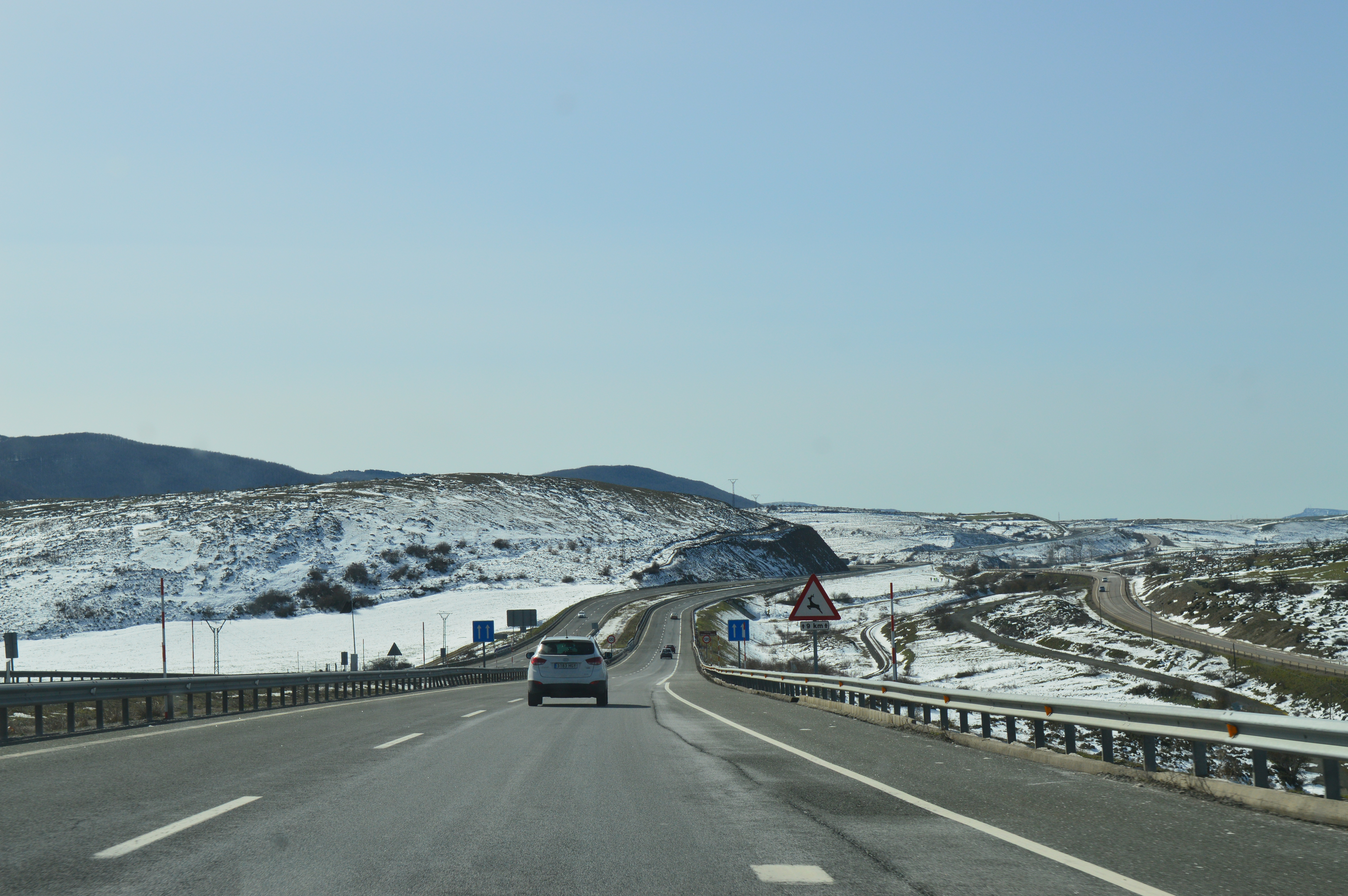
2. Reinosa, Spain. 21st February 2016: 11.46am


I used a variety of methods to travel around Spain when I lived out there: the carshare app BlaBlaCar, the short-distance Extremadura bus firm LEDA and, latterly, the superb train network RENFE. For the longest journeys I leaned heavily on ALSA, Spain’s answer to National Express. Cheap and efficient, provided you had time to spare, they serve most of Spain’s larger cities and provided a very reliable means of getting around. I took the bus one wintry weekend to see my friend Kate up in Cantabria. It was a ten-hour journey – not for those who get bored or travel-sick – but it does take you through some of Spain’s most breath-taking natural beauty: the wild steppe of Cáceres, the cherry-blossom valleys of Plasencia, the high meseta of Old Castile and the snow-covered mountains of the Cordillera Cantábrica. Driving from south to north across Spain, you really do feel as though you have arrived in a totally different country when you step out of the car at the end of the day.

I hitched a ride south to get home with a friendly student who was heading back to Algeciras after visiting family in Santander. At over 1,000km, it’s probably one of the longest drives you can do in the country. Luckily for me, Villafranca de los Barros was on his way home. In a year where I hardly saw any snow – and where Durham got some of its best in a decade – it was spellbinding to see the northern reaches of Castile covered in a heavy blanket of snow and ice. I’ll have to come back and explore someday.

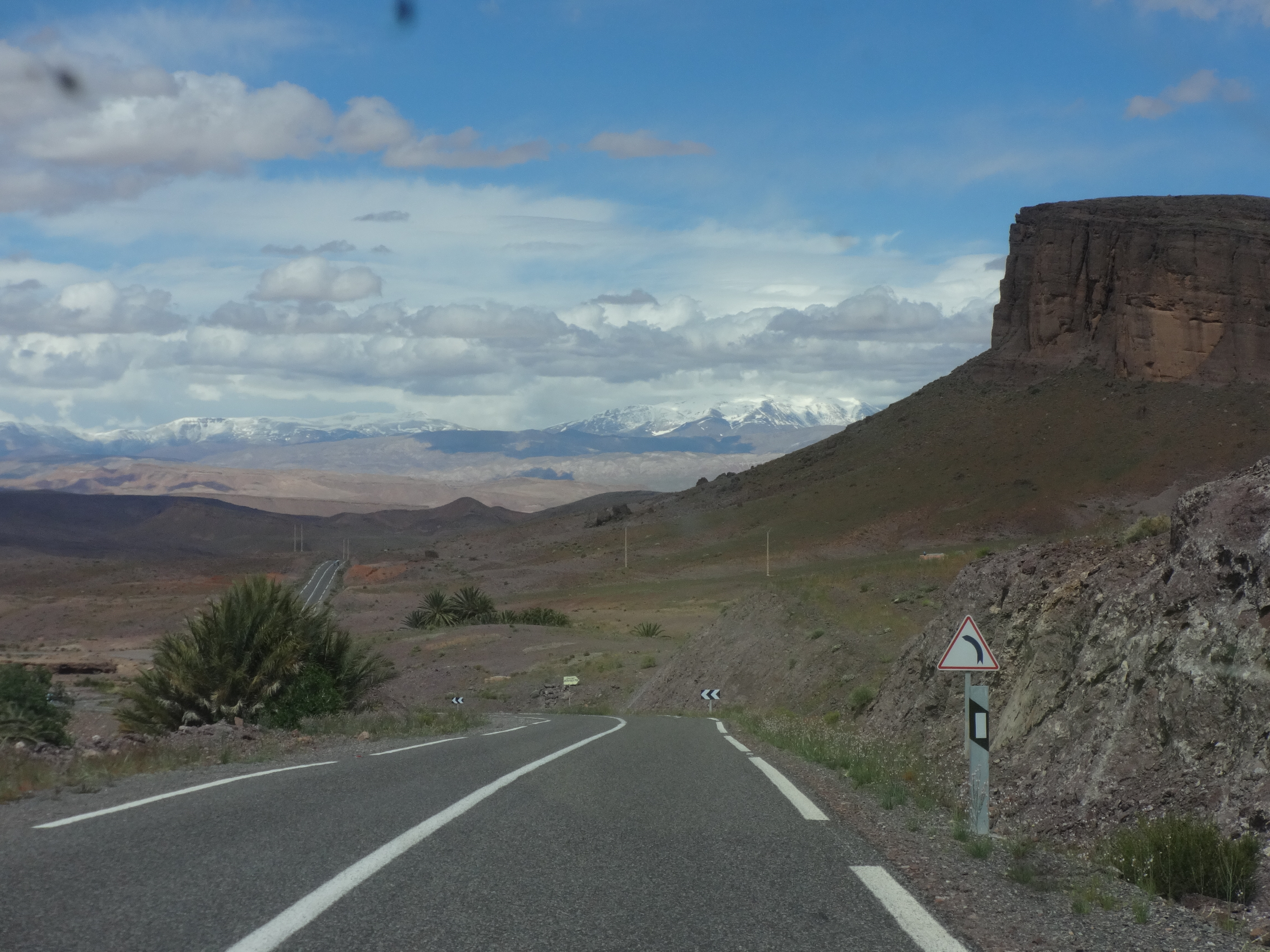
3. Piste 1507, Morocco. 20th March 2015. 11.45am


Another marathon road trip, and one of the most bizarre. My friend Archie and I hailed a grand taxi in Oulad Berhil for Ouarzazate, a desert town famous for being the location of choice for a number of movie studios who require a desert theme in a relatively safe location (including blockbusters like The Mummy and Gladitator). Our taxi driver, Ibrahim – whose name I only discerned from the badge on his windshield – was quite possibly the grouchiest, least sociable character I have ever encountered on my travels. Over the course of a three-and-a-half-hour drive across the rugged mountain valleys of Drâa-Tafilalet, he never said a word, despite our intermittent attempts to engage him in conversation. Perhaps he found us tiresome, or perhaps he was cooking up the plan he would later carry out to quintuple the price we had agreed back in Oulad Berhil, safe in the knowledge that Archie’s rucksack (and passport) was locked up in the boot of his car. I’ll never know. Archie fell asleep for much of the trek, but I spent the greater part of it with my eyes glued to the window, watching the world beyond sail past. I love road trips for that. I don’t think I could ever get tired of seeing the world.

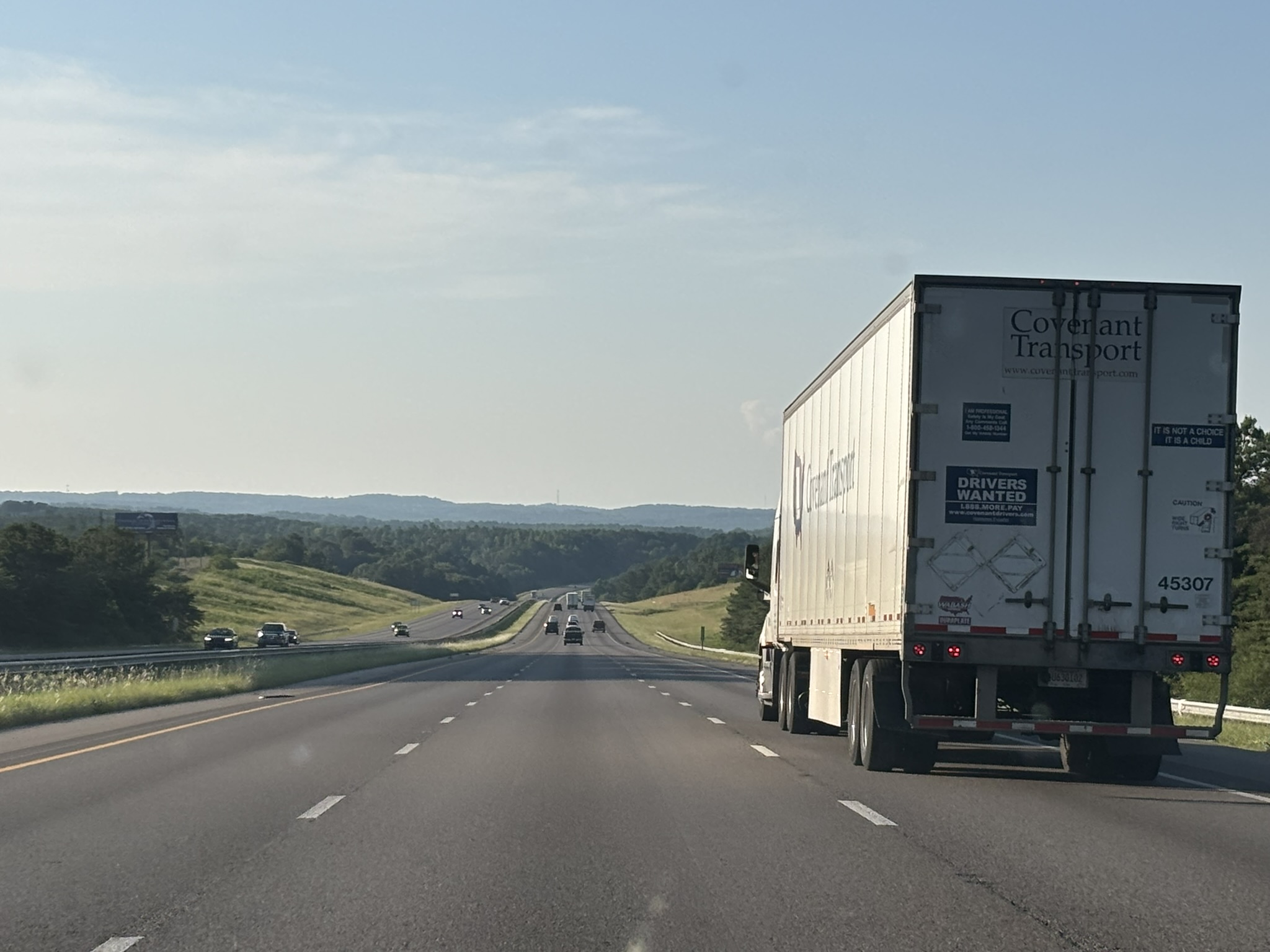
4. Interstate 65, Alabama, 3rd July 2024. 7.40pm


It’s one number shy of Route 66, but it was a phenomenal introduction to the American road trip. The highway in question travels north from Mobile on the south coast of Alabama all the way up to the shores of Lake Michigan in Gary, Indiana. I was only on the road for a fraction of it, from Birmingham up to Huntsville, but it was enough to make my eyes pop. Squashed armadillos, discarded tyre tracks and billboards were features I had anticipated to some degree, but the forests… I don’t think I was aware at all of just how forested North America truly was. The history books and the movies give the impression that most of the great tracts of forest were cut down, but in the American South – especially in the foothills of Appalachians – they go on for mile after mile, stretching across the land like an immense green carpet. The highways just cut right through them, dynamiting their way through hill and mountain as though they were merely molehills.

If I’d known how painful the destination would prove, would I have still made that journey?

Absolutely. Without a second’s hesitation. Some things are worth burning for. Some things are worth traveling all around the world to see, even if only for a moment in your life.

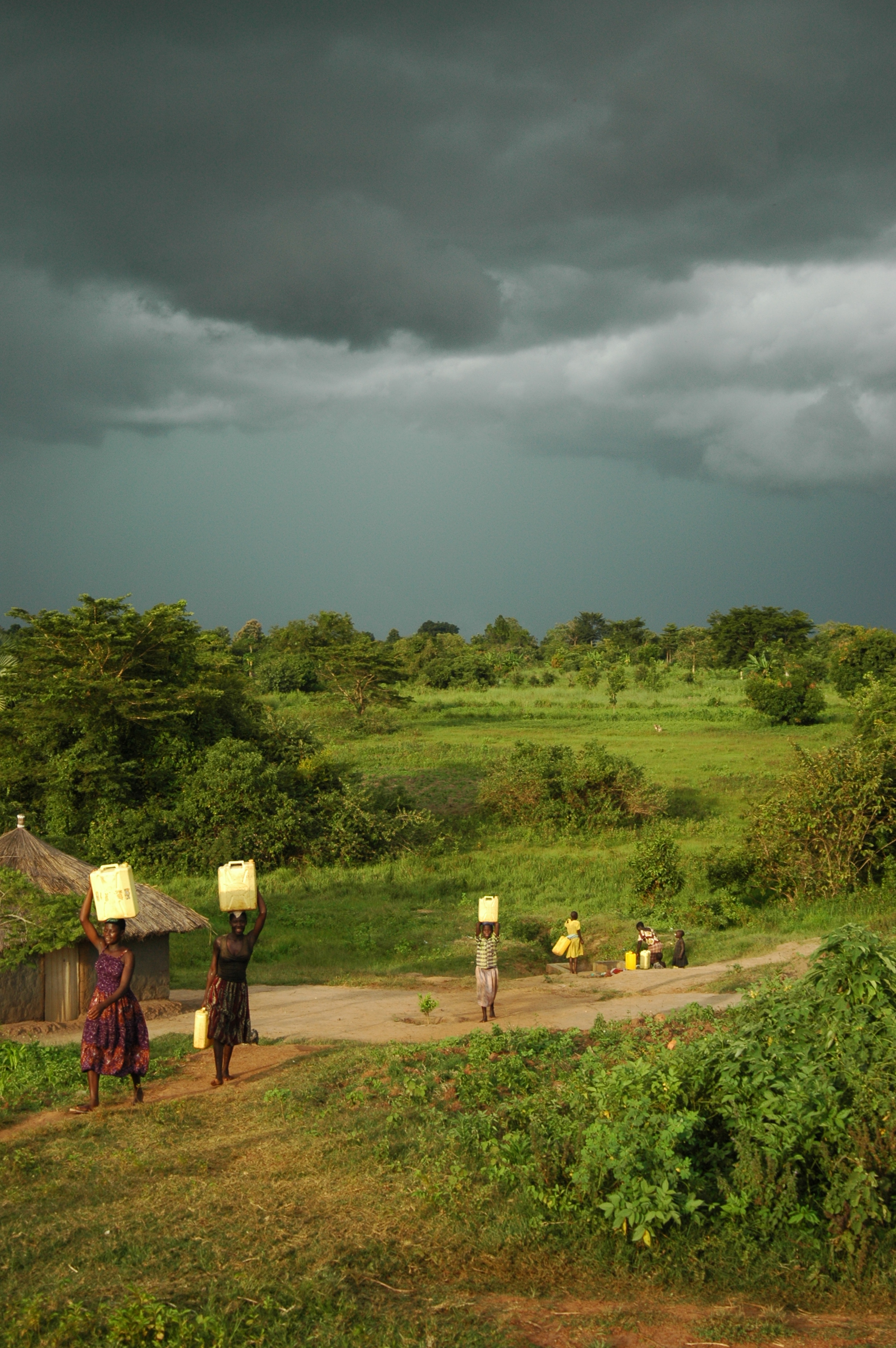
5. Boroboro, Uganda, 11th October 2012. 5.06pm


I thought I’d end this post with what is probably the best photo I’ve ever taken, and one that has a real story behind it.

One month into my first teaching post in northern Uganda, I was invited to visit the former headmaster, Mr Ojungu Hudson Luke, on his farm on the banks of the White Nile. It was an incredible experience, herding Uganda’s famous longhorn cattle through the forests and the driving rain, with one of the world’s greatest rivers thundering away in the background, and perhaps I’ll tell you that story and more as the summer draws to a close. On the way home, after three days without access to electricity, my camera was out of charge, bringing my frenetic documentary spree to a standstill. Uganda’s roads can be treacherous and breakdowns are common, and when they do happen, they can be final: I will always remember the graveyard of trucks and lorries between Boroboro and Lira, rotting at the side of the road where they collapsed. Luckily, we made it back to Lira with little trouble, just in time to meet a tropical storm riding in on dark clouds.

The lighting was spectacular: brilliant evening sunshine, heavy, dark clouds, vivid colours all around. Red African soil and a thousand shades of green. Not for the first time in my life, I gave the finger to the sunburn on my skin and rode the last hour of the journey in the back of the truck so that I could see the world with my own eyes. Determined to capture the moment, I took the battery out of my camera and tried to breathe new life into it by rubbing it between my hands and – well – breathing on it. The first roll of thunder came rumbling down just as I pushed the battery back in and bought myself a couple of seconds. With Luke Ojungu still hurtling up the road at quite a pace, I grabbed two shots of the passing countryside from the back of the truck before the camera died.

We were a hundred metres or so from home when a lightning bolt struck a tree just ahead of us, bringing half the trunk down across the telegraph wires, which exploded in a shower of brilliant sparks. We were lucky to avoid any harm, but we soon found out we would be without power for the best part of a week until the electricians came around to fix the problem. It was only after that, with power restored, that I was able to charge my camera and see what I had managed to capture: a beautifully evocative shot of the countryside around Boroboro, lined up almost as though on command. I have it framed in my living room beneath a matching frame of Kanyonyi, the silverback of the mountain gorilla troupe we tracked on that same expedition.

Do stay tuned – I think it might be fun to relive my Ugandan adventures with you, since they predated the blog by some three years! BB x

Two Men Skilled in Climbing Mountains

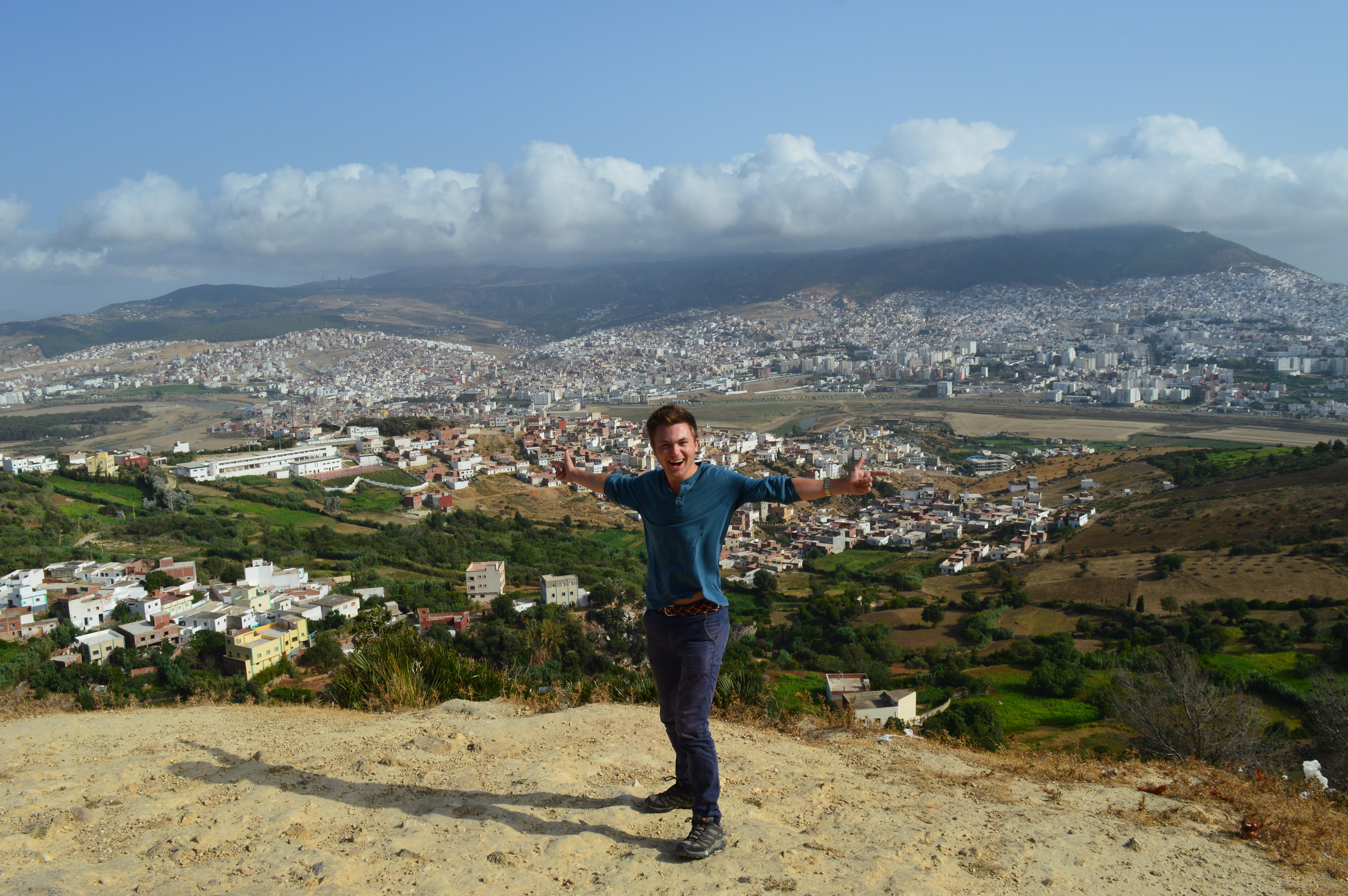
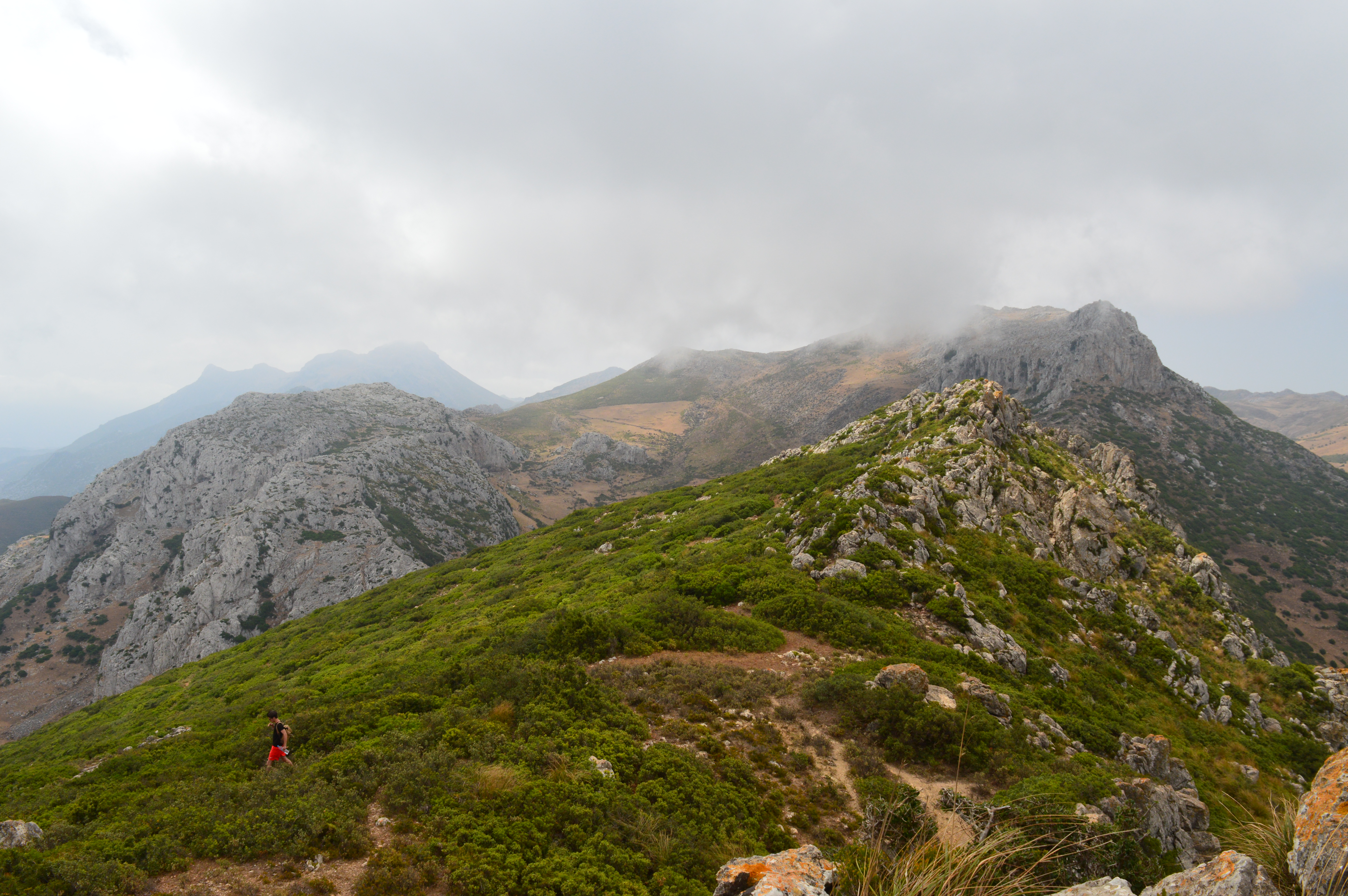
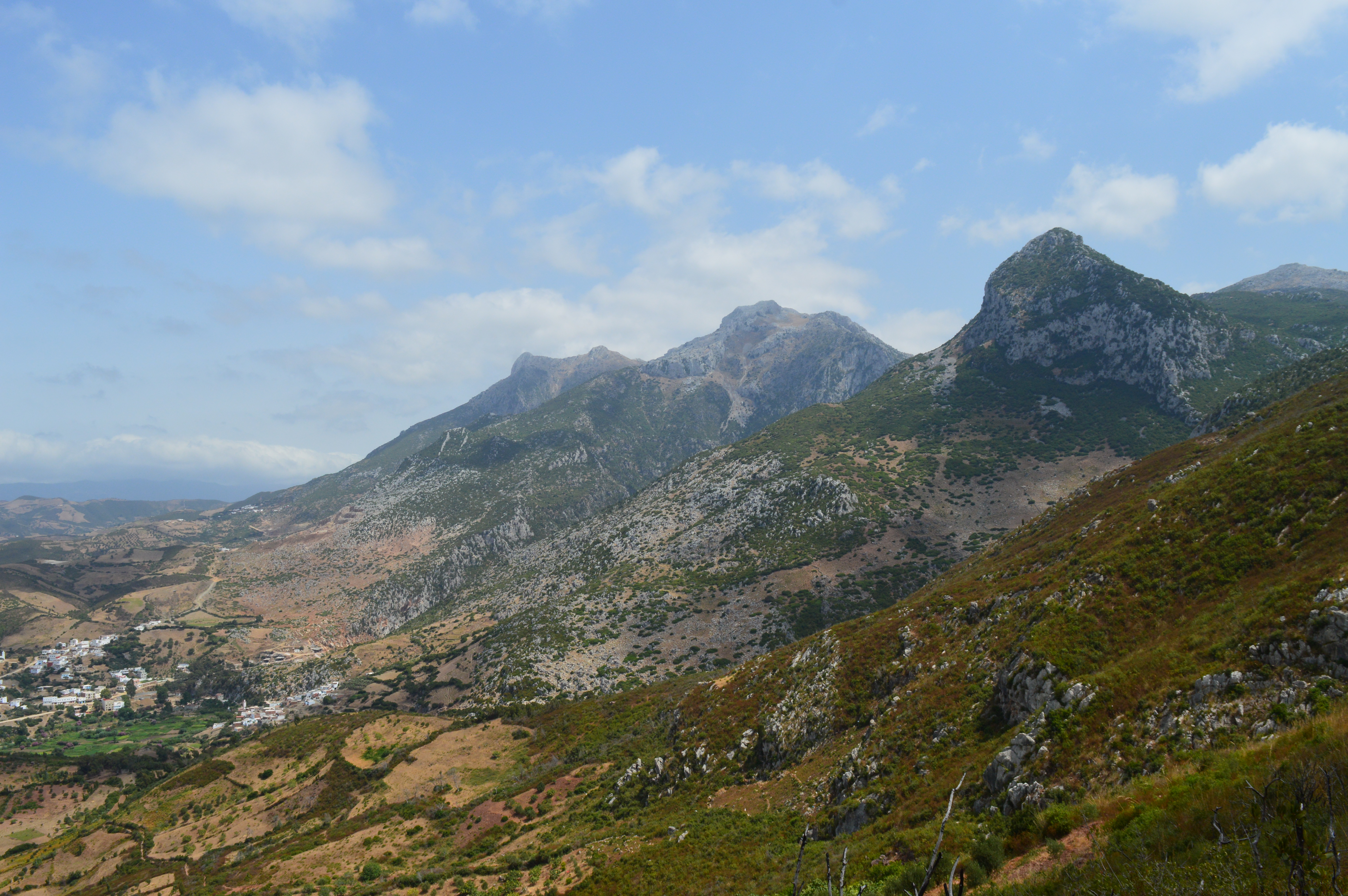
We did it. We conquered Ghorghez. It’s been staring us in the face for all of six weeks but now I can put my hand on my heart and say with all honesty that the beast has been vanquished. Call it the human desire to tame the wild in me, but I could never have left Tetouan with my head held high if I’d never managed to tackle that mountain.

Fortunately, Alex was of a similar opinion, so at nine o’clock this morning we hailed a cab and off we went.

DSC_0256

King of Tetouan (or that obligatory tourist photo)

We didn’t have the best of starts. My host father very kindly gave me the use of his topographic map and took me up to the roof to explain the route we could take; he would have come with us, if his wife was not still hospitalized from the accident. But when he asked how many of us were going, I had to lie and say five. If I’d told him the truth – that Alex and I alone were going – he’d probably have tried to stop us. The last time he went on a fossil-hunting excursion up in the mountains, he was attacked by a group of thugs and severely injured.

In that knowledge, Alex and I arrived at Ain Bou Anane and set off on our journey.

DSC_0263

Don’t be fooled… It wasn’t anywhere near as easy it looks

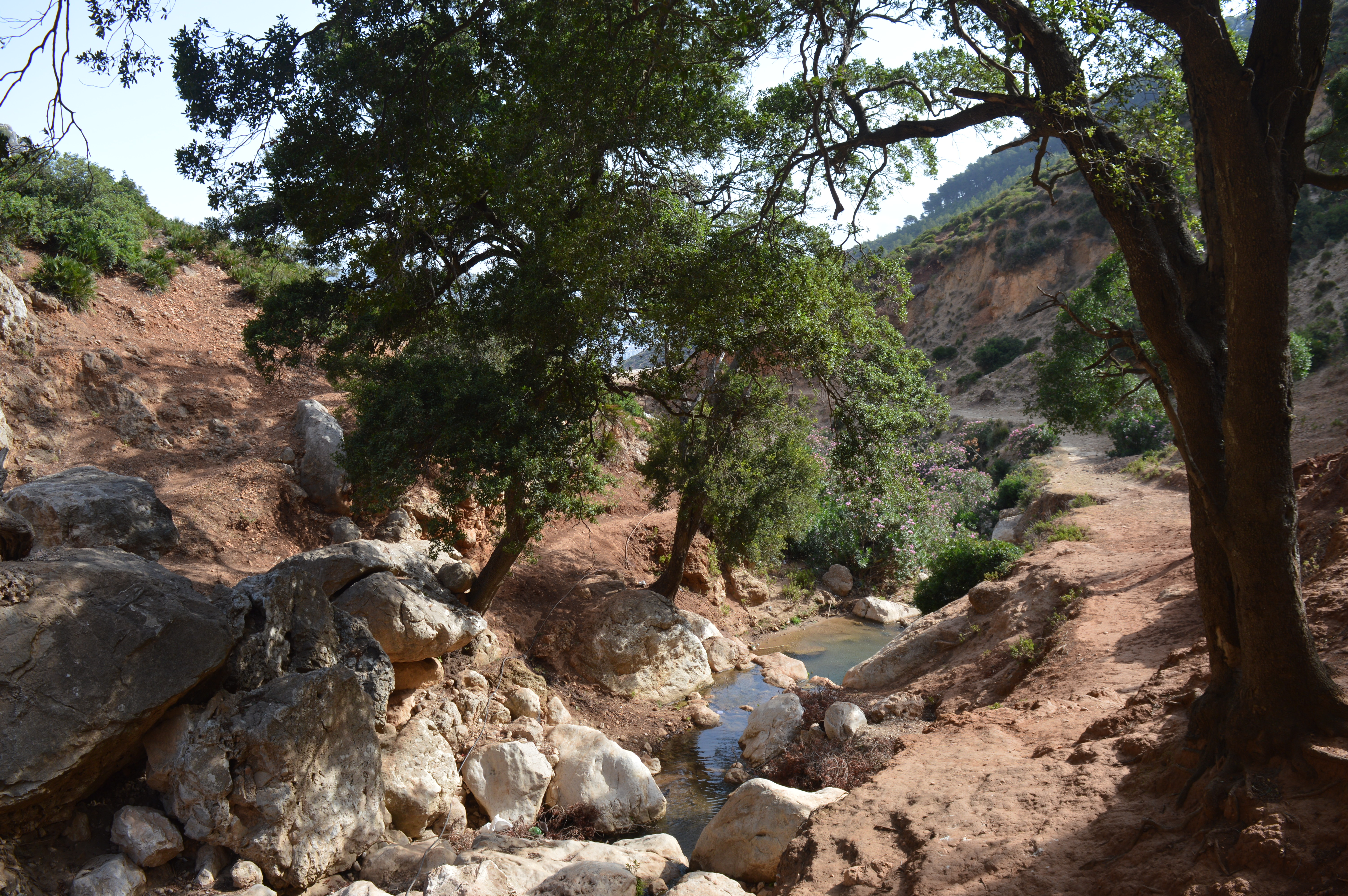
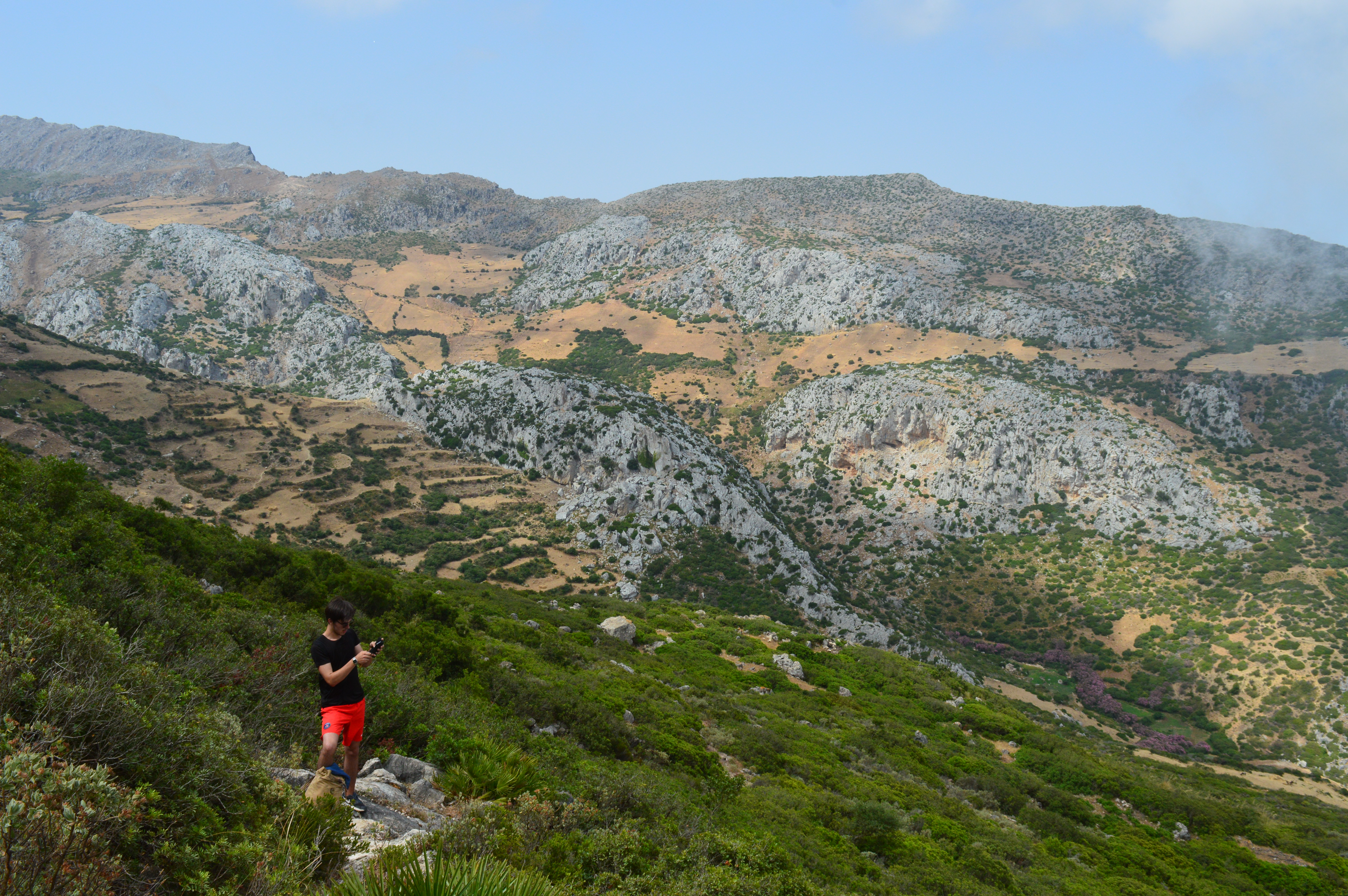
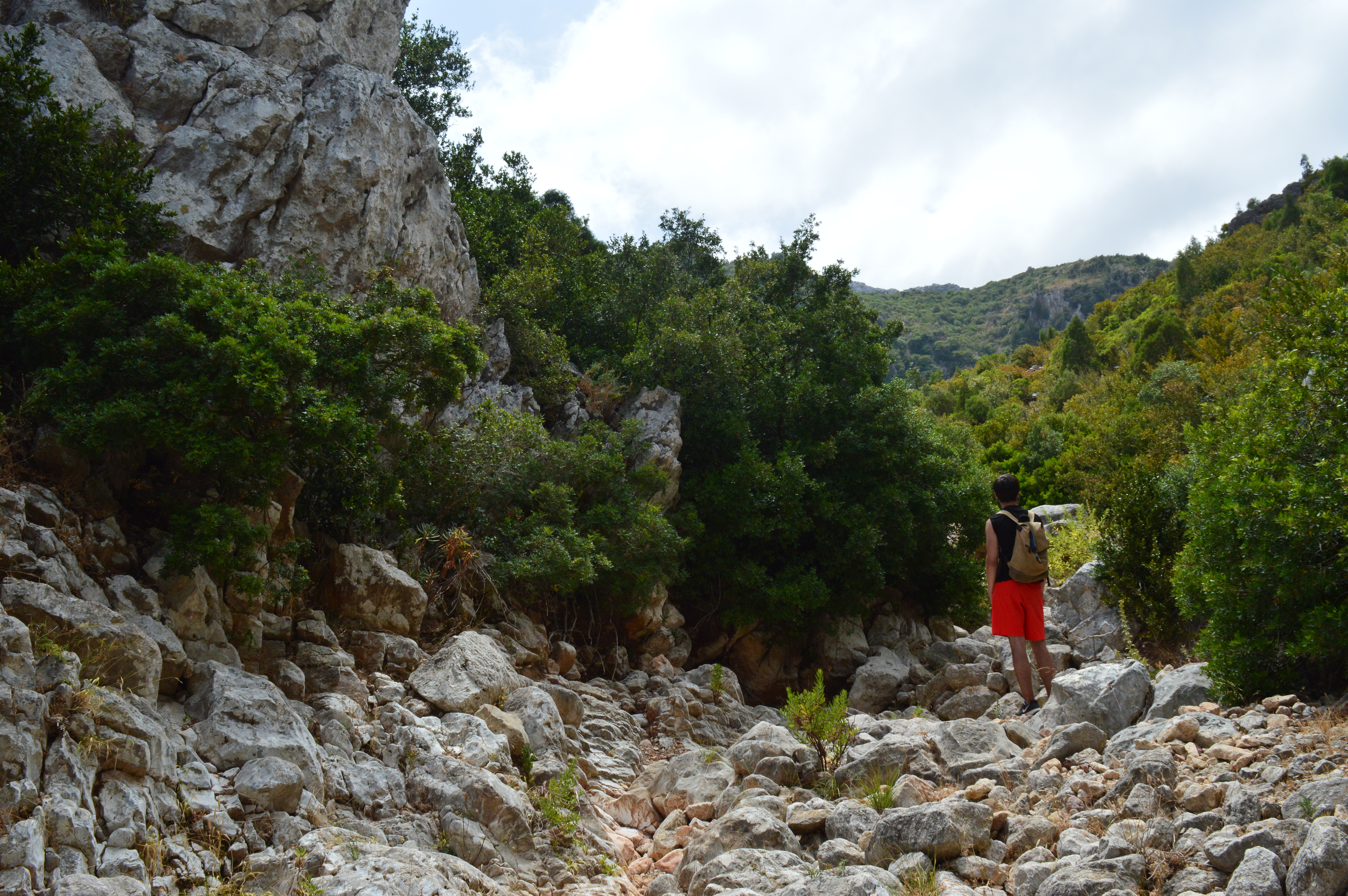
For the first ascent we had it easy, as there was a reliable, well-trodden path to begin with. Emphasis on ‘begin with’; after a hundred metres or so it vanished into the sea of thorns and scrub that covers most of Ghorghez and we were forced to resort to free-navigating the mountainside, cutting from goat track to goat track with the occasional wayward boulder as a bridge between the paths. And just as well: the tracks often vanished into thin air like fireflies in the night, leaving us stranded in the scrub.

The mountain wasn’t entirely wild. What I took at first for bird calls turned out to be the Ghorghez shepherds out on the slopes with their flocks. I’d quite forgotten how far sound travels in the mountains. More than once I thought we’d been followed, only to see the source of the noise sitting atop a boulder watching over his goats on the far side of the valley. I must admit, due to my host father’s tales, I was more wary than usual around these hill-folk. Seeing their silhoettes appearing and disappearing between the rocks set my teeth on edge. More than once I let slip that we might have to make a break for it if they ‘came back with reinforcements’.

But they didn’t, and Alex smiled and waved at them, and some of them waved back. I think we could all do with a reminder from time to time that, at the end of the day, everybody’s human. A smile and a wave could change everything.

DSC_0266

Now that’s what I call a hike!

As for their fences… Seriously. Fuck fences. The amount of backtracking we had to do to find a way around the vast sections of the mountainside that had been cordoned off was unfair, unhelpful and unnecessary. Who even builds fences on a mountain anyway? I guess they’re for the few cows we saw munching through the scrub, but what kind of a sadistic individual drives their cattle up into the mountains and then fences them in with barbed wire and brambles? Fuck those fences.

DSC_0274

You’ve got to hand it to Maroc Telecom. Fully functional 3G up in the mountains is impressive

Delaying our hike by one day was one of my better decisions. Not only was Alex fully recovered from his late late Friday night, but the weather couldn’t have been better. The sun shone out from behind the clouds all morning, and the wind, though strong, was cool and refreshing. Compared to the Azla trek, it was a much easier ascent. Which is jammy, for double the height.

DSC_0284

Ghorghez’ summit in the clouds

Alex had a run-in with a rather large snake on the way down. I know because one minute I was powering ahead with my trusty bamboo cane, and the next he was racing past, raving about snakes and putting about as much distance as he could between the cliff and himself. ‘I don’t like snakes. No one likes snakes. There isn’t a culture in the works that likes snakes. There’s just some things that nobody likes. Donald Trump, snakes… Oh, it was more than a metre long, easily.’ Ladies and gentlemen, Indiana Jones. ‘We don’t even have any antidote’. True, when I was packing this morning, I didn’t really think about preparing for a snake attack. I was too busy filling up five water bottles.

Five. I’d like to emphasize that five. Ben’s clearly learned his lesson from last year’s Dana disaster (you can read about that here).

DSC_0303

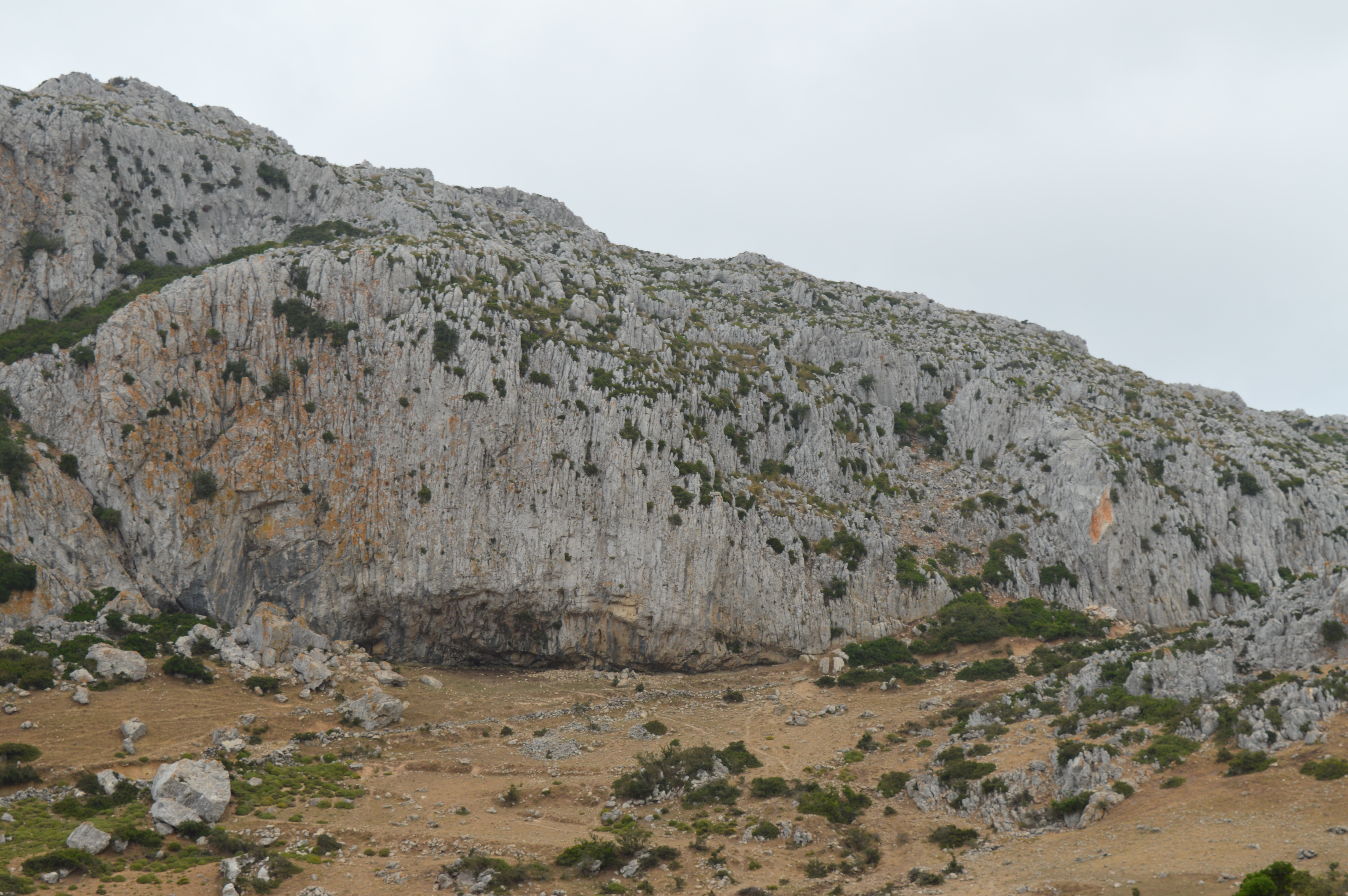
The coolest overhang in geology (or possibly the Wall from Game of Thrones)

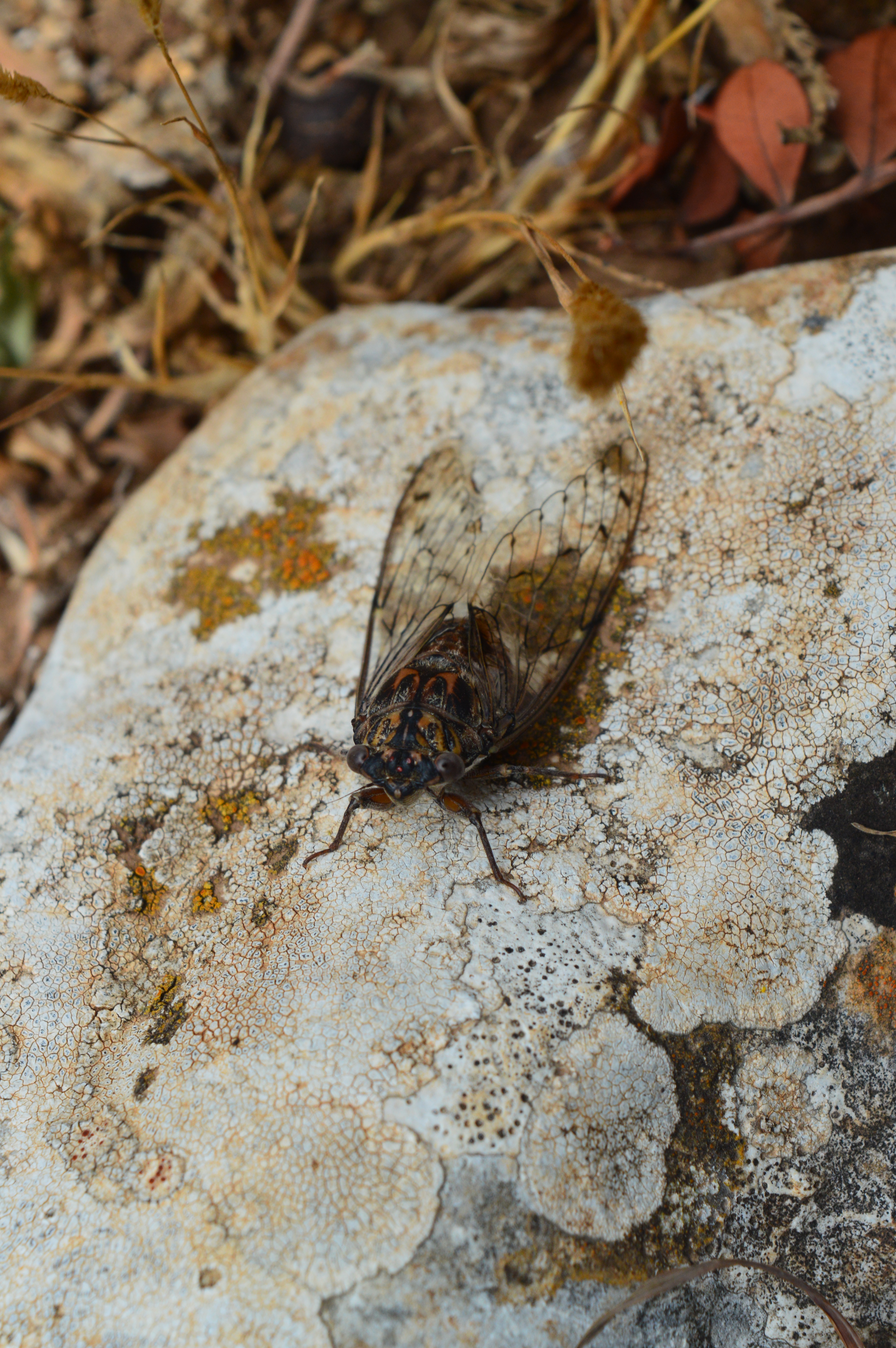
Not sure about the snakes, but the cicadas were absolutely massive. Blood-dripping-from-their-fangs massive, as my parents would put it.

DSC_0311

Who needs Pokémon Go? I found a Ninjask without my mobile, thank-you-very-much

Besides the creepy crawlies, the mountain was spectacular for wildlife. That’s probably my favourite thing about mountains: the wonderful creatures it brings you into contact with. Mountains are some of the last truly wild bastions on the earth. Especially for birds, and birds of prey in particular. For a city, Tetouan’s got its fair share of wildlife, namely the local kestrels and cattle egret colonies, as well as the flyover storks and kites, but if you want a really wild experience, you have to go out into the sticks. I watched a pair of booted eagles wheeling and diving and whistling overhead from the summit, as well as clocking a flyby peregrine, a couple of kestrels, a few buzzards, five or six kites, ten ravens and an Isengard-level swarm of choughs. Saruman the White couldn’t summon such a flock.

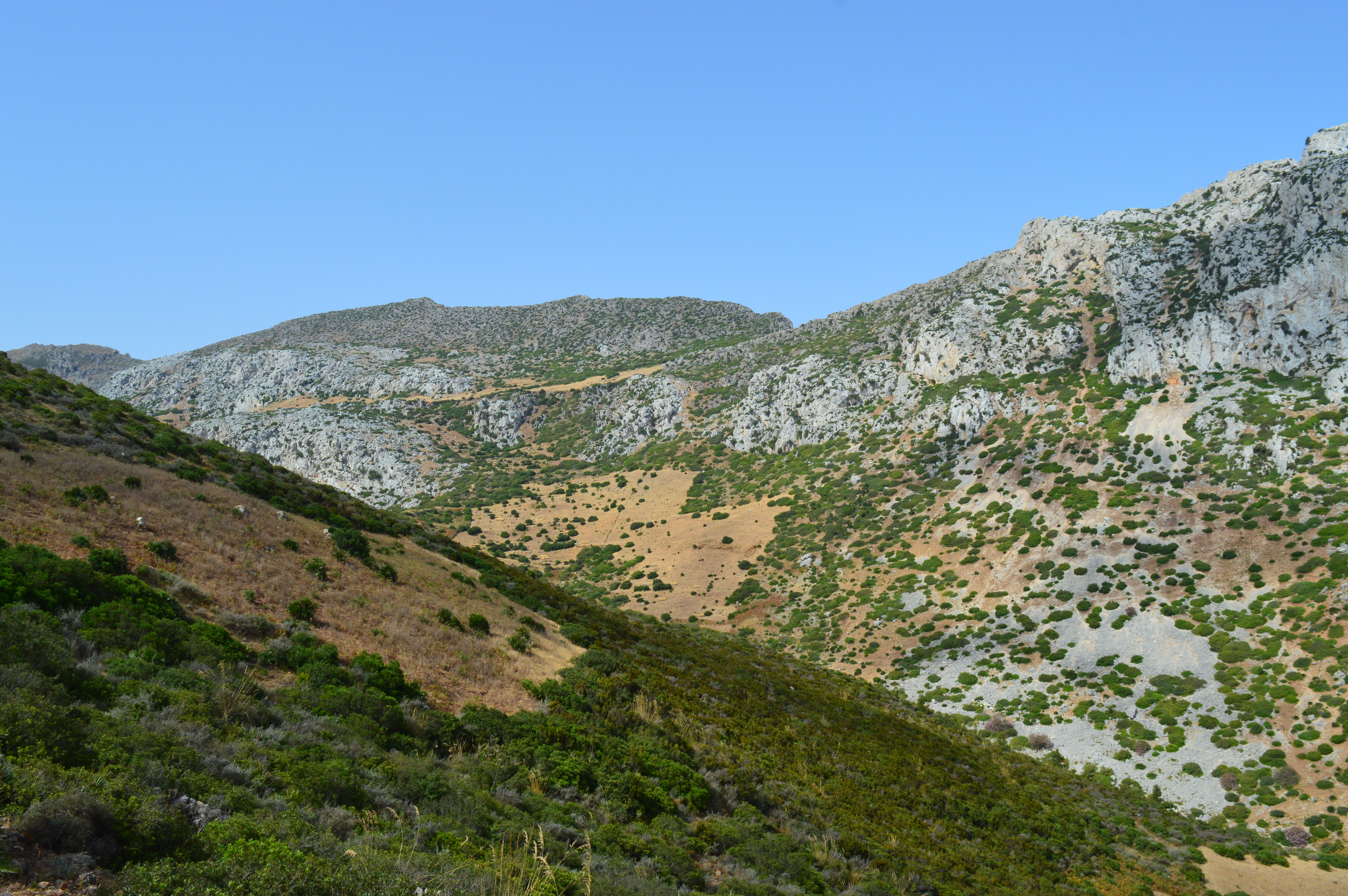
The scenery up at the top might have been taken from that very scene from The Fellowship of the Ring, strewn with jagged rocks and sparse bushes. But if Saruman was indeed watching our passage south, he must have tired of his vigil before long and gone for a coffee break because, as is the way with mountaineering, coming down was three times harder than going up.

DSC_0312

‘Let’s not throw ourselves to our deaths just yet.’

Finding our way up the mountain had been easy enough, since the next crest was always in sight. You’d think that the same might be said for the descent, but mountains are fickle. Not only do they play with sound, they also throw your perspective off frequently. More than once we followed the latest road/path/goat-track/dry river to its end only to find ourselves staring into abyss as it plunged fifty feet down over the edge of a cliff we’d never seen coming.

The resulting backtracking led us back into bramble country, which didn’t bother me and my long sleeves too much, but it ripped Alex’s exposed limbs to shreds. By the time we made it to open country again he looked as though he’d been mauled by a particularly savage beast. We couldn’t even use the wild boar we’d seen as an excuse, as it took off into the scrub as soon as it heard us coming. Nope, that’s just the bush at work.

DSC_0314

Ain Zarqa at the feet of the Great Pyramid and Saddle Mountain

Seven hours since setting out from Ain Bou Anane we found our way back down the mountain to the village of Wargane, completing the arc that had taken us around most of the Ghorghez ridge. I left my trusty bamboo cane at the side of the road (again) and Alex flagged down a cab to take us back to Tetouan. Three mountains in one. All in a day’s work.

Ghorghez is down. Mission accomplished. BB x

When ‘No’ is a Cultural/Moral Faux-Pas 

Of all the misadventures on this earth, I didn’t expect to wind up in the cardio ward of a general hospital during my stint in Morocco.

No, don’t worry. It’s not me. It’s the mother of my host family; there was an accident involving a police car and now she’s hospitalized. I’m just sitting here to show face, typing this up on the old iPad (and, if I might be so selfish, feeling very hungry). The entire family were here a couple of hours ago, but they’ve all filtered out and left one by one. It’s just the old guard, now. The old guard and me.

And of course, it’s Dārija on all sides. My posts from Jordan from last year imply that within two weeks I’d tuned unto 3mia. Not so with Dārija. It’s just too different a sound. Some of the words are the same but the accent is just too strong. I guess it’d be like studying the Queen’s English and then being exposed to Cajun. 

The trouble is, I was asked if I wanted to come along. I certainly could have stayed at home and got some more of that essay done, but what was I supposed to say? No, thank you, I’ve actually got a lot of work to do? How soulless is that?

But then, this is exactly how I’ve ended up in these scrapes before. I went to a funeral in Uganda once, for a family member of a former member of staff. We’d never met her, but one of my companions got it into her head that it would be kind of us to go along. That meant a five-hour drive out into deep country, far away from the English-speaking hub of Lira, to attend a lengthy service in a language none of us understood a word of for a woman none of us had ever met. That I spent the entire journey there and back wedged between the two fattest women in Africa didn’t help matters.

The trouble is, I guess, that I’m just very bad at saying no. I think a lot of Englishmen are. Maybe that’s why we have the word awkward and so many other languages don’t: we need it. What does that say about us as a nation? I’m just throwing ideas about here. Anything to take my mind off this Dārija.

Everyone’s off now, except the father, of course. One of the family took the car with them, which means I’m stuck here, I guess. Stuck in the general hospital with no power in my phone and a missing pen. For how long, I don’t know. We’ll just have to wait and see.

The good news is that the mother seems to be recovering. Also, food has arrived in the form of biscuits and a Danone yoghurt drink. I’m even feeling a little guilty for venting like that back there, I guess that’s what hunger does to you. Thank goodness Ramadan’s over. In a while, crocodile. Let’s hope it’s not all night. BB x

Time Lords and Holy Water

Two seasons of Doctor Who in as many weeks. That’s getting dangerously close to an addiction. Fortunately, it was as much a memory run as it was a time-filler; the buck stops with the last of the Tennant episodes. For some reason I never got into the Matt Smith series. Maybe I grew up.

Yeah. Like that’s ever going to happen.

If my last post made it sound like Eid was one long endurance test in the kitchen, this one ought to shed some light on the matter. If the truth be told, I spent both Eid itself and the following day very much out and about, purposefully burning off any and all calories gained over the weekend. With all those sugary Ramadan sweets, I had plenty of energy to burn.

True to form, I messed up. The calories got burned, well and truly, but so did my back, my neck and my legs. Talk about splash damage. But when splash damage comes in the form of an entire day on the shores of the Mediterranean, who’s really complaining?

I confess, beach days are not really my idea of a day well spent, but for once it was nice just to kick back and relax by the sea, happy in the knowledge that last week’s conundrum was, finally, resolved.

DSC_0065

Spot the Italians (hint: it’s got something to do with the Sun)

The Dar Loughat team has exploded from six to eighteen over the last week. The result is that the gatherings have got louder, cheaper and perhaps a little less personal. And perhaps for that reason I’ve been pulling away a bit this week, loner that I am. Curiously enough, that led me to spend the day after Eid with the Host. I didn’t have much of an idea as to what, where or why. The father simply knocked on my door in the morning and asked if I was coming with them. He didn’t say where. But aren’t they the very best of plans: the one that you have no idea about?

DSC_0027

Hello Africa!

The destination, as it turned out, was Moulay Abdessalam, a holy site and place of pilgrimage for the Sufis of Morocco, sat high atop a mountain in the Bouhachem range. If I hadn’t twigged that I was in Africa yet, I certainly did when I saw the shrine. At the top of a flight of rock-cut steps, the shrine – a small white building with a green door cut into the side – seemed to grow out of the rock, sheltering a huge cork-oak sprouting from its centre. The floor, too holy for human feet, was nailed down with smooth cork-oak bark, and men walked to and fro across it barefoot, chanting and praying and bowing before the tree. It was mystical enough a spectacle, but add to that the swirling mists, sometimes thick enough to obscure everything ten metres away and more from sight, and it was almost otherworldly.

DSC_0059

Mea culpa, mea culpa, mea maxima culpa

I suppose cameras aren’t particularly acceptable in such situations – I’m still stinging from that run-in with a couple of camera-fearing Chaouenis back in May – so I contented myself with a distant shot and resorted to sketching it instead, though how that is a less offensive practise than photography continues to escape me.

Continue up the mountainside a little way and you come to a telegraph mast, from which one of the locals willingly leads you to a metre-long fissure in the rock. According to local tradition, the rock is a test: those who can pass through the fissure will be blessed, and those who cannot will be cursed. Something like that, anyway. The words bendito and maldito were clear enough. As for the test itself, it revolves more around technique than skill: the nature of the fissure is such that there is a way to get through, though it requires keen observation and no small amount of manoeuvring.

DSC_0131

Claustrophobes beware

Yours truly made the cut in less than a minute. I put that down to a staunch refusal to grow fat on Moroccan cuisine than any skilful footwork on my part, though I have to say it seems a rather sexist challenge: I just about managed to squeeze through with the rocks grazing my back and chest. Any amount of gym, good eating or femininity and you’d have no hope in hell. I’m blessed, then – but at what cost, I wonder?

DSC_0116

Scarce Swallowtail – GOTCHA

We stopped on the way back to fill up on fresh water from for a sacred spring. To dispel any myths there, we were filling up industrial-sized plastic water bottles by the bootload, although I did suffer to drink straight from the well by means of a smoothed-out bark ‘cup’, as Moses and his followers might have done in the stories of old. Pretentious, much, but I was loving every second of it.

DSC_0149

How to drink, oldie-worldie style

We took a late lunch in the misty forests. I was in one of my strange, quiet moods and contented myself with watching the mists swirling through the trees. It was a pretty magical sight. This time last year I was dodging traffic, crawling into a hole with Henry Rider Haggard and steadily losing my mind in the dusty streets of 40ºC Amman. To think that at the same time of year I could be standing in a cold, misty forest with the wind in my hair and the sound of birdsong… It’s everything I wanted and more. Morocco, you’ve done me such wonders. Thank you.

DSC_0154

Africa, forest, mists, but no gorillas (there might be some macaques about, though)

Everybody’s heading out today; half for the mountains, half for the beach. As for me, I’ll be staying right here. Our Fes plans fell through due to illness, which isn’t so bad a thing, as I have a lot of work to do today. Essays – the bane of our lives. The sooner I’ve got some more of this work done, the sooner I can get back to enjoying my time out here. A target language research project is all well and good for assessing one’s advancement in a language, but it doesn’t half cast a shadow over your enjoyment of the year abroad. Just a thought, and not even mine, but one I adhere to. Katie certainly had the right idea there.

Well, three weeks remain. This time in three weeks I’ll be on a plane bound for Madrid, and then for home. But whilst it’s the end of the story for me, the story is just beginning for so many others (ugh, how crass a line is that). So, whilst you’re here, don’t forget to see how things are going on with fellow bloggers Alice Abroad and the dream-team at Langlesby Travels. Doesn’t everybody need a breath of fresh air from time to time? Blogging can seem a pretty solitary activity, but in actual fact it brings you so much closer to people by opening a window on a world you might never have seen before. It also keeps your writing muscles very well flexed. As an exercise, I couldn’t recommend it more highly. Which is odd, really, because I don’t go in for recommending exercise as a rule.

Until the next time, I’ll try to keep you posted as often as I can. The end is so near I can taste it, but I’m not about to lose sight of the goal with the final line in sight. Let’s smash these last three weeks, ya3ni. Positive attitude, that’s what it’s all about. That’s what it’s always about. BB x

Volver

‘What is he saying?’
‘It’s closed.’
‘Wakha. Fermé. No ferry.’
‘Closed? Why?’
‘I think he said there’s a strike… Huelga? Uh… grève? Est-ce qu’ils ne travaillent pas aujourd-hui?’
‘Ah! No lanchan ferry! Wakha, sadiqii, wakha!’
‘Pero, en serio Ben, tu te has enterado?’
‘A mí me gustaría mucho enterarme…’

You know what I was saying a couple of posts back about loving the multilingual melange that is Tangier? Well, I guess I got my comeuppance this afternoon. After a long shopping trip in the medina, loaded down with suitcases and food for the return journey, we hailed down a grand taxi for the harbour. But for the photography hiccup in Chaouen (and Booking.com refusing to refund me for a bungled payment), our four-day trip to Morocco had gone without a hitch.

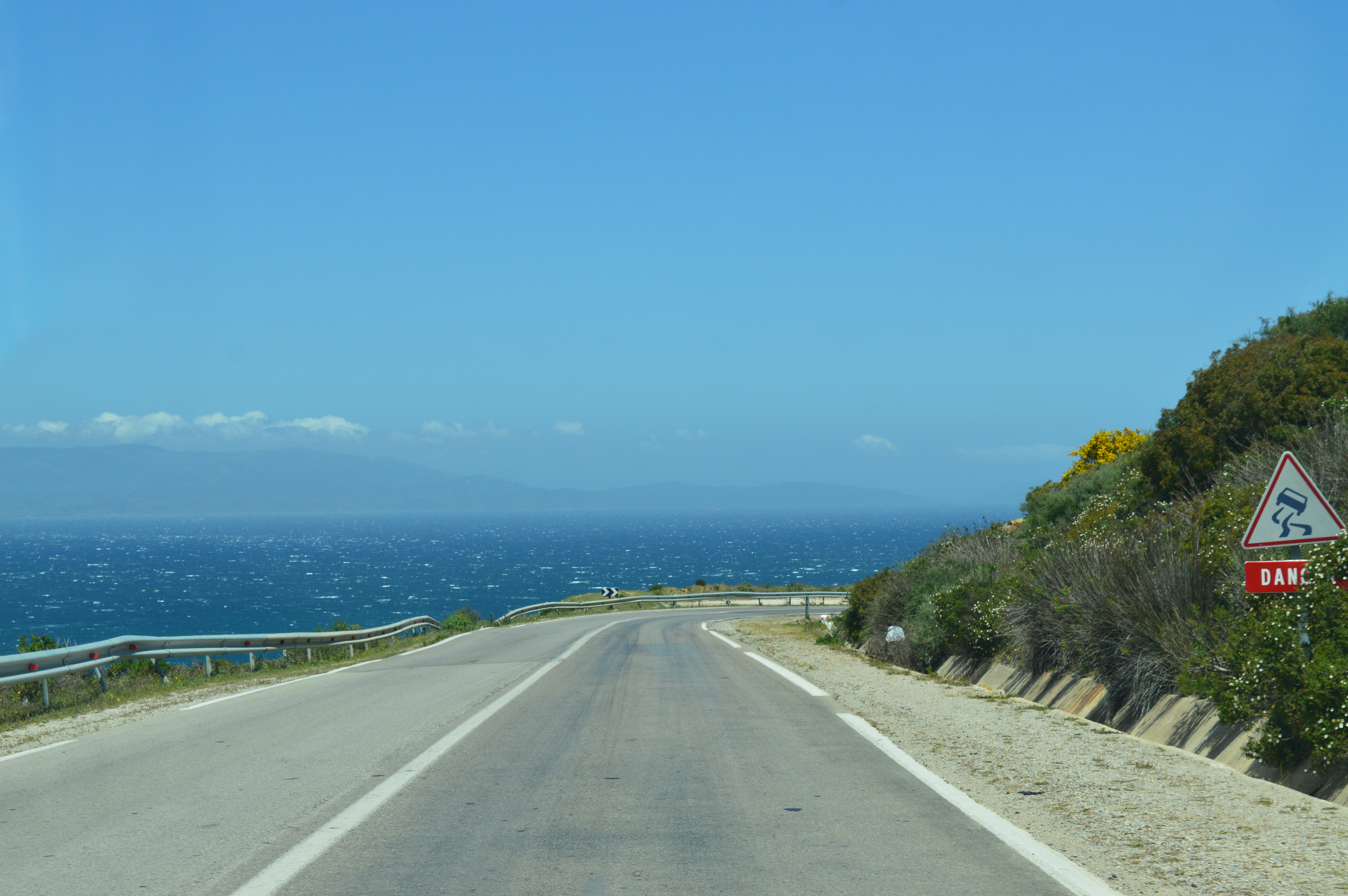
So it’s only natural that the taxi driver would leave it until we got to the harbour to tell us that, due to exceptionally strong winds, the port was closed. This was swiftly backed up by both the police and the FRS office, as if we weren’t already doing a bad job of playing the trust card. If we wanted to get home, there was only really one viable option: we’d have to catch the big FRS ferry from Tanger Med near Ksar Es-Seghir, some forty kilometres up the coast.

DSC_0610

We should have seen this coming just looking out from the hotel, really…

That’s how I found myself still in the same taxi some twenty minutes later, rounding the bends of the twisting coast road for the port and trying to make one intelligible sentence out of the five-language jumble of our taxi driver. His Classical Arabic, French, Spanish and English were all perfectly reasonable, but his mixing-up of all four of them mid-sentence with his native Dārija made it nigh-on impossible to understand a word of what he was saying. Speaking four languages is one thing, but trying to make sense of them all at once is a step too far for me.

DSC_0608

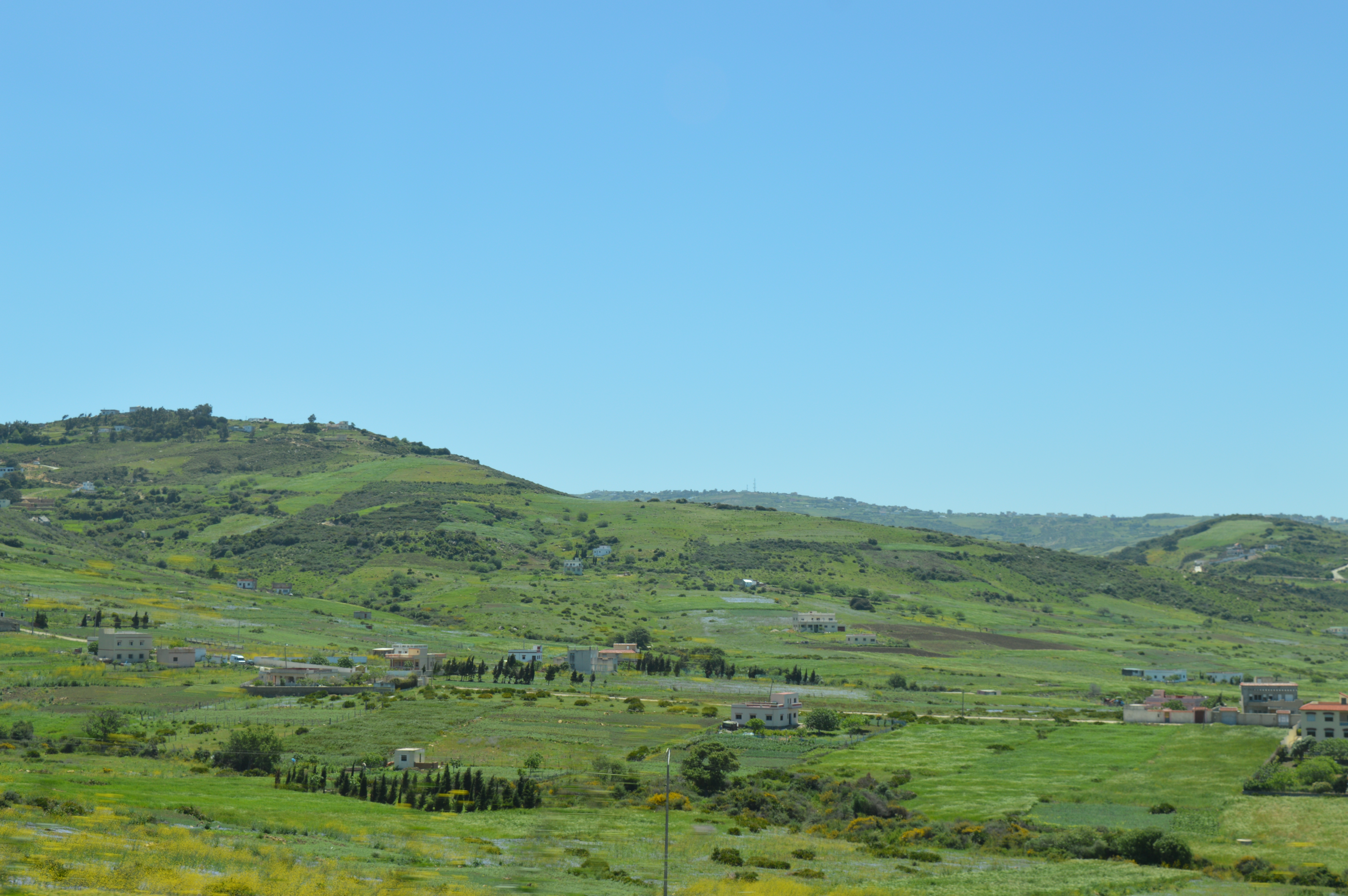
So green – but how much longer will it last?

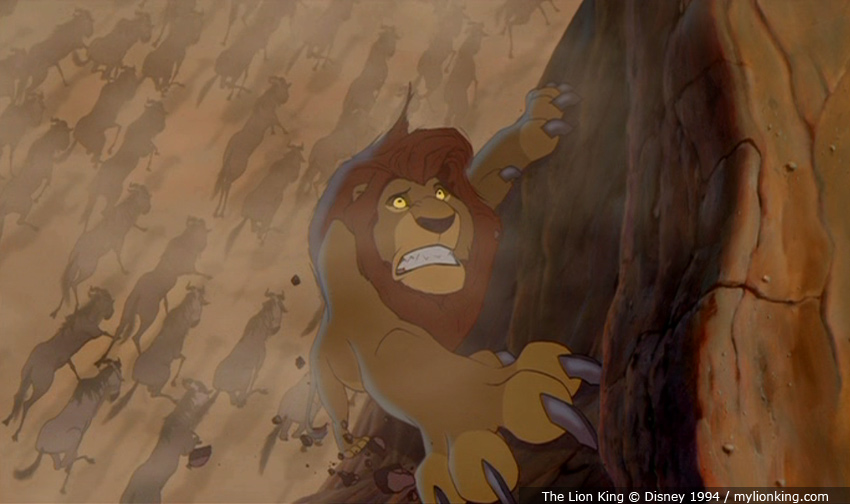
By some streak of luck we made it to the docks in time, and for a fair price, too; 180MAD for the car from Tangier, for the record, and not quite the 2500MAD that was his first offer (trumping even the villainous Oulad Berhil cabbie in greed). Predictably enough, we weren’t the only ones caught with our pants down by the closure of the Tangier port: at least two other boatloads turned up for the 14.00h, which was necessarily shunted back to 15.00h, and then 16.00h. Passport control was, for the once, the least of our concerns; a succession of connecting buses came and went, none of them bound for the FRS service. I don’t suppose I minded too much. I spent the last hour playing Peep-O and making silly faces at a little girl who seemed only too pleased at the diversion. By the time the FRS shuttle pulled in it was coming on to five minutes to four and tempers were running short. Mufasa would have been all too familiar with the stampede that followed.

a

God, I’m so evil

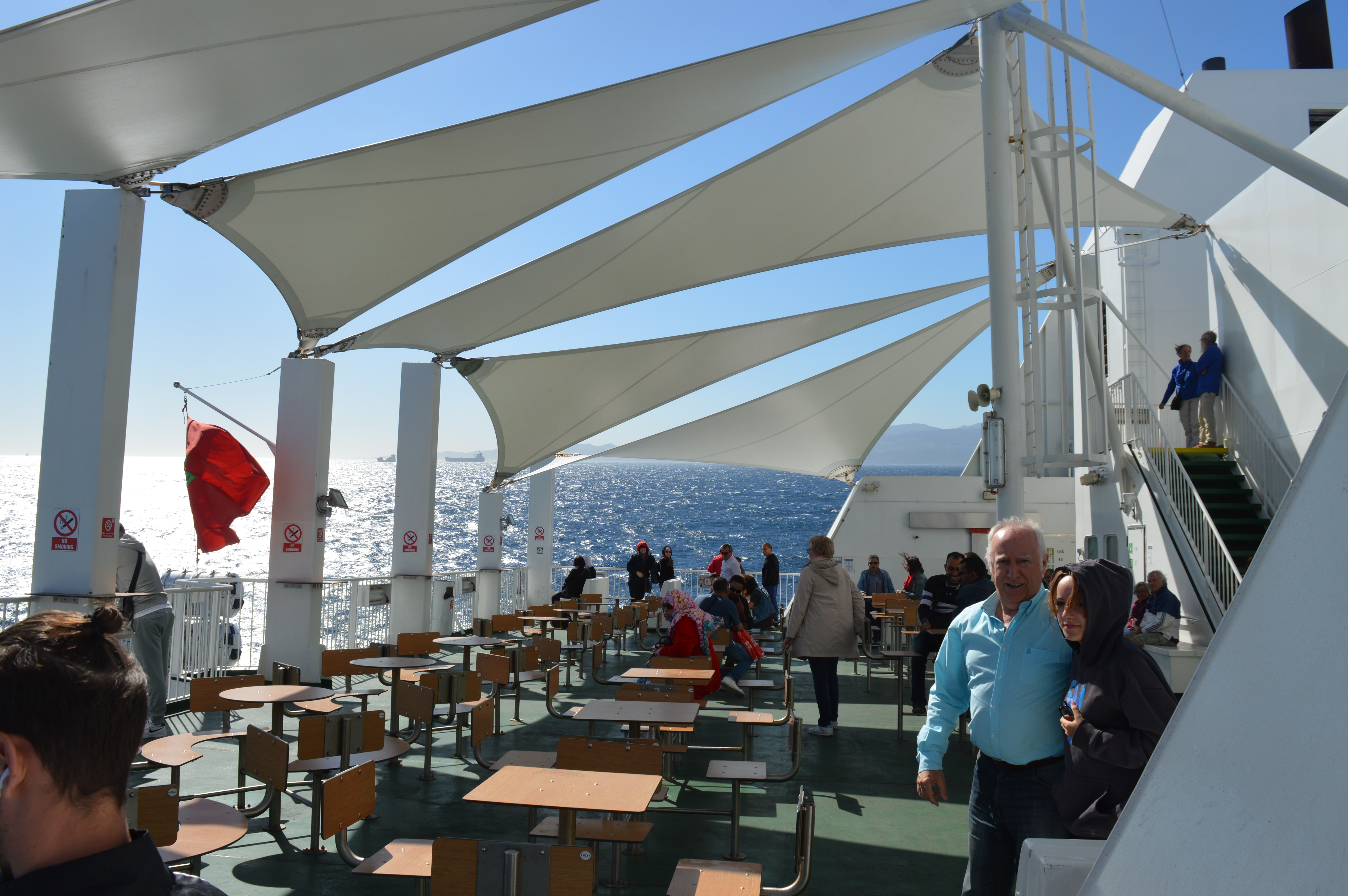
Despite repeated warnings from the bridge, I spent almost the entire journey out on deck in the hopes of seeing a shearwater (I’d seen a few dusky shapes in the gloom on the way out, but I needed to be sure). The Strait is also a very good place to look for whales and dolphins, so I had an eye out for them, too… whenever it wasn’t shut tight in a wince in the game-force winds, that is. The sea was choppier than I’ve ever seen it, making whale-watching a no-go and rendering photography difficult. At its worst, the ferry was tilting at a twenty-five degree angle from side to side, giving spectacular views down the deck into the ocean or the open sky at any given moment.

DSC_0683

Not the healthiest angle for a ferry

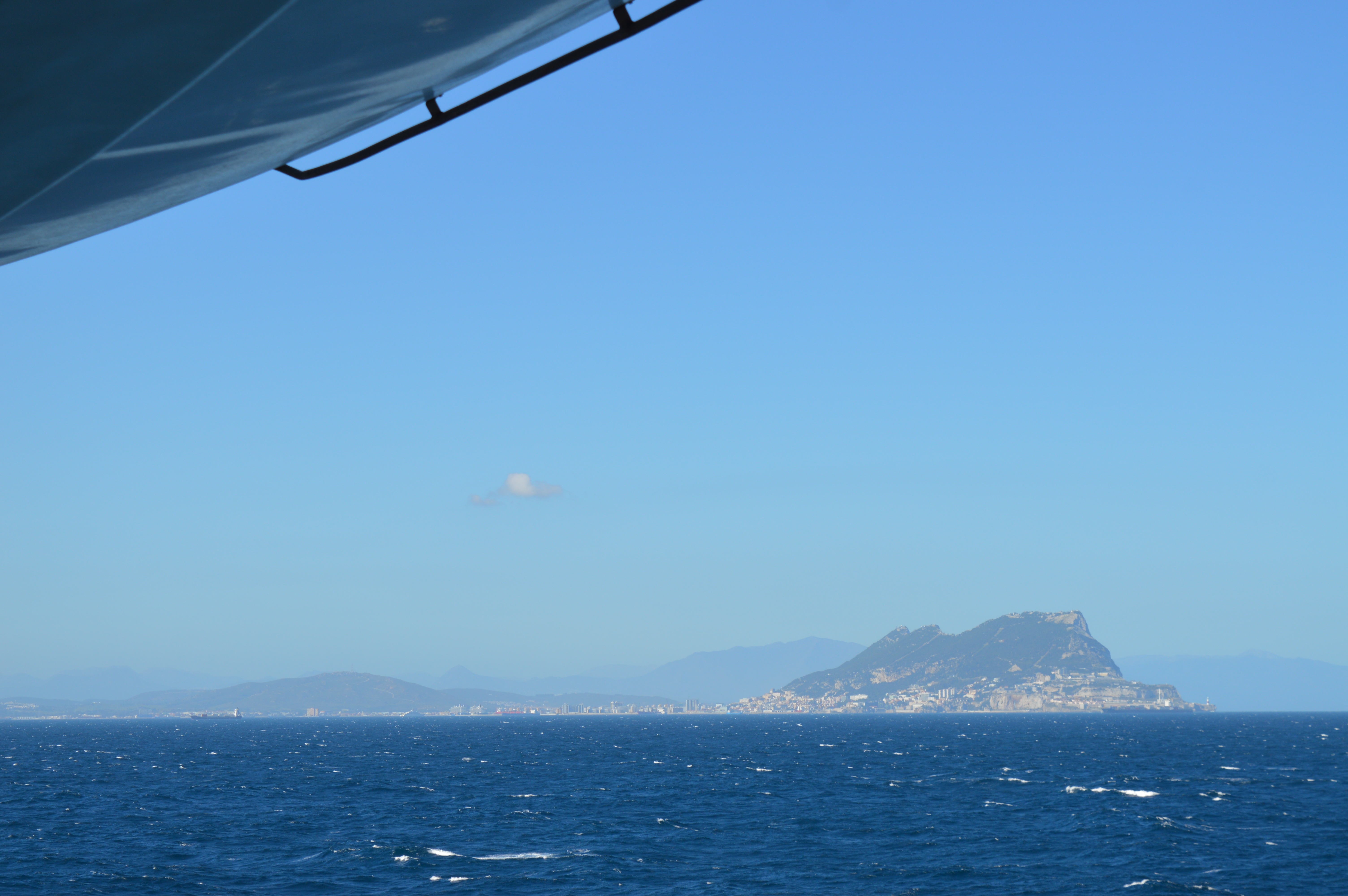
A sensible mind would have given up the ghost and retreated. But I’m not all that sensible, and I was rewarded for my obstinacy just short of the bay of Gibraltar by a single, chocolate-coloured seabird gliding effortlessly between the waves and a far-off but recognisable vertical jet of steam. Stubbornness has its rewards.

DSC_0689

The Bay of Gibraltar (plus very distant shearwaters)

Let’s just take a step back for a moment. This is now the third extracurricular adventure I’ve had with my colleagues, following Andorra and the Romanian exchange. Before Meléndez Valdés I’d never imagined life as a teacher to be anything like this. I’m completely and utterly sold on this way of life. This is my life, opening up before me: traveling Extremadura as a qualified English teacher until I have enough experience under my belt to settle for good. The oposiciones sound tough, but my colleagues here are encouraging me to come back and go for it, which makes it all the more worthwhile. Spain, you just keep winning me over. How I love you with all of my heart and more…

It’s coming up to ten o’clock, Spanish time. The sun set an hour or so ago. Eight o’clock start tomorrow morning. Ive had worse. On the whole it’s been a very good weekend, and my appetite for the summer is more than whetted. Only next time, I think I’ll catch the plane. BB x

Polo’s Bastards

With my summer plans in a near-constant state of flux, I thought it about time to set a few things straight. This time last year I still wasn’t sure what I’d be doing for the summer of 2016. By all rights, I figured I was still lumped with another two months in Jordan. Since then, it’s bottled about through three weeks in South Africa, chilling out at Olvera’s August feria, hiking the Sultan’s trail from Bucharest to Istanbul, crossing the Pyrenees from the Atlantic to the Mediterranean, ten days in Romania, another ten in Egypt and, somewhere, completing my four month minimum in Tetouan, Morocco.

Understandably, my brain is a bit of a clusterfuck at the moment. It’s partly because of that that I accidentally booked a hotel for the wrong night in Chefchaouen and had to pay an obscene 95€ just to cancel, it being less than fifteen days until our visit now. (This is why I prefer to stay in cheap-o hostels, people…) And it’s unnecessary expenses like that that make me reconsider.

So this is me, reconsidering. Let this exploration of yours truly’s very own version of Polo’s Bastards stand testament to any further meanderings. The following ten countries, in ascending order, are the top ten on my hit-list. And they aren’t exactly the easiest. (Spain, for various reasons, is not included – call me easily pleased, but it’d invariably take the top spot).

Southern Morocco

10

Tafraoute, Morocco

This one’s on the list despite the fact that I’ve already been because I was only there for five days or so, and it’s worth an adventure in its own right. Morocco’s south is famous for the Sahara, for Erg Chebbi and the reasonably easily-accessible camel treks that set out into the dunes from Merzouga. Morocco is such a diverse country, and merits proper exploration of each of its three zones – the Rif, the High Atlas and the Anti-Atlas – independently. It’s the south that bowled me over, not least of all Taroudant, by far the most charming city I encountered when I trekked from Agadir to Fes. It’s also the home of Abderraman Rajji, the kind old Berber who offered his house to Archie and I. Tafraoute in particular has been calling out to me ever since. The way things are going, I might even consider exploring the south some more in September…

Yemen

The Republic of Yemen

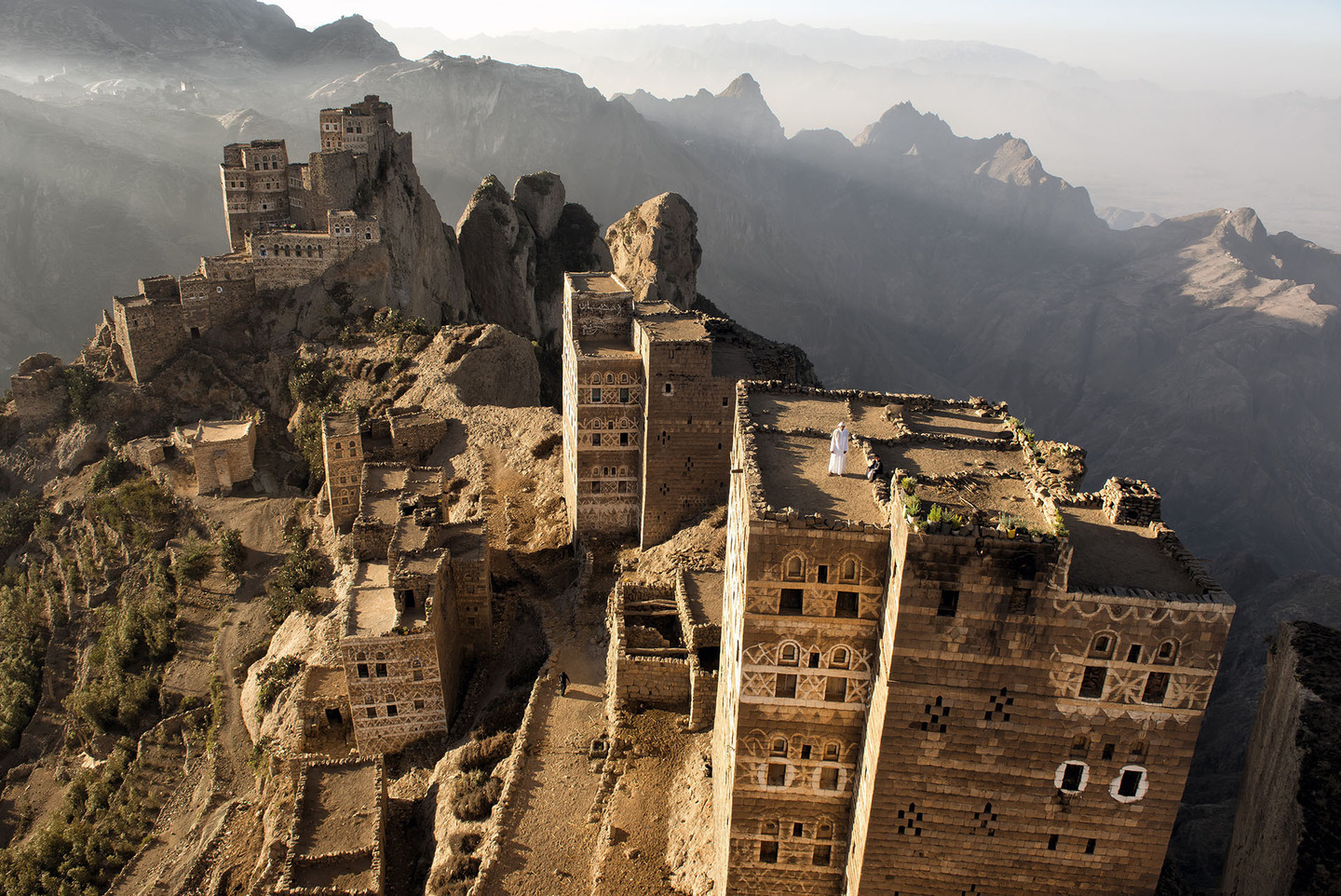
Jebel Shugruf, Yemen

You’re mad. No, seriously, you’re insane. But Yemen has been my top Arabic destination since the very get-go, being one of the contenders for both Sheba and the most beautiful country in the world in my books (it may or may not have something to do with having so much in common with the country in the top spot on my list). Since it’s been a war-zone for so very long and many parts are still tribal – the two may or may not go hand in hand – much of the country has been spared the glass-and-cement arm that has scarred so much of the Gulf. Not to mention the gorgeous, Ali Baba-esque mountaintop towns. Wallahi.

Democratic Republic of Congo

Mount Nyiragongo  tourism destinations

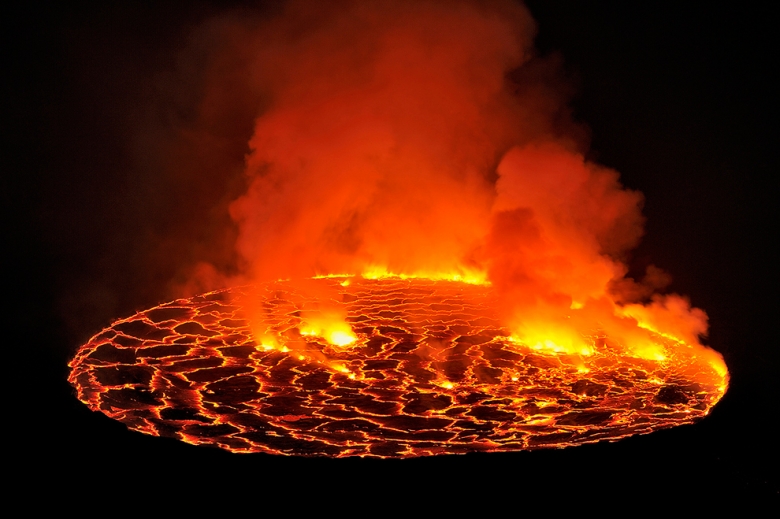
Mount Nyiragongo, Democratic Republic of Congo

I’ve been within a stone’s throw of the DRC twice. On both occasions I had this mad urge to throw caution to the wind and cross the border. Fortunately, a crocodile-infested river stopped me the first time and a hundred miles of unchecked jungle stopped me the second. Needless to say, my appetite is whetted. This is the true African stereotype, Conrad’s dark zone, peppered with active volcanoes glowing red in the night – and at the risk of further destroying any faith you had in my sanity, it’s the danger of the place that attracts me so. Doesn’t the name alone sound so powerful?

Argentina

7

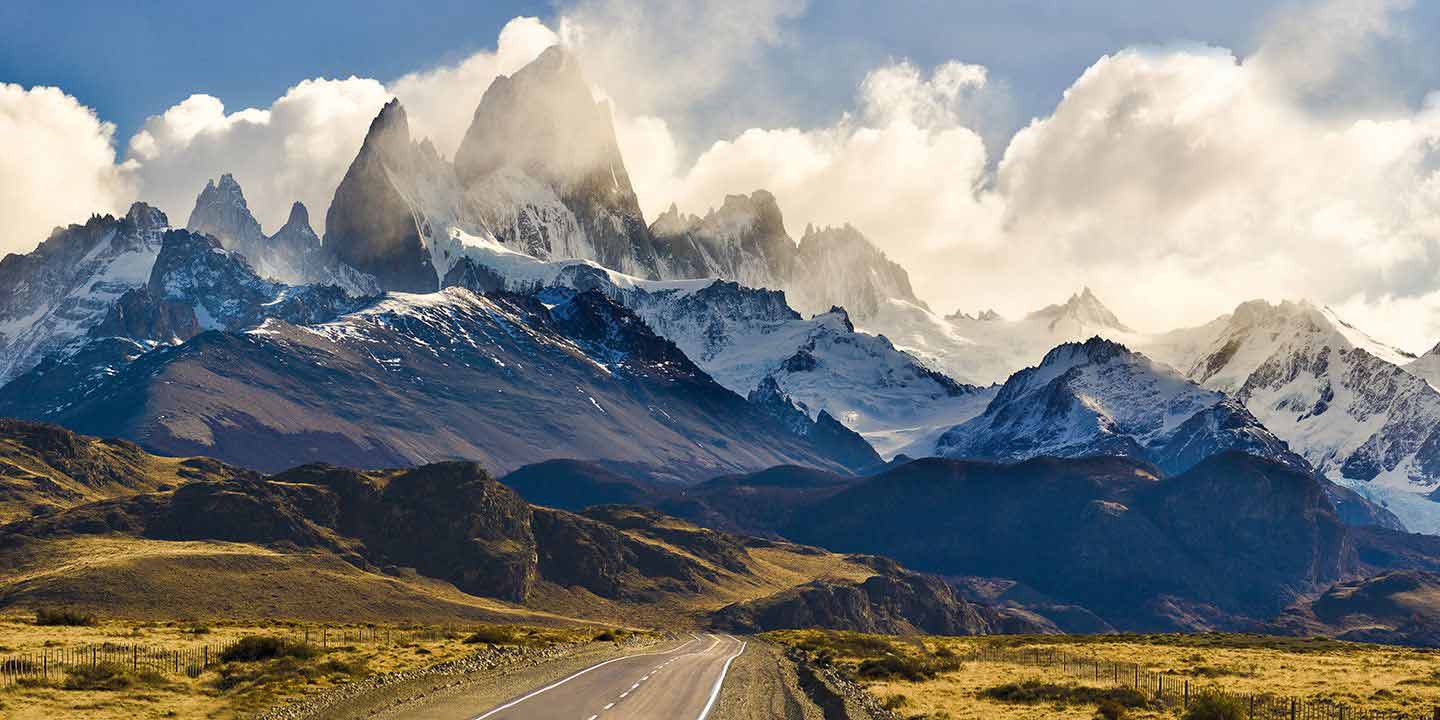
Tierra del Fuego, Argentina

A curiously mainstream addition to the list, I’ve had just about enough of seeing the same mountain range on the front of Lonely Planet, National Geographic and Wanderlust magazine – and have therefore decided that it must feature on this list. Patagonia looks so very crumpled and torn apart that it’s almost unnatural. I’ve been in love with mountains my whole life, and Argentina’ Tierra del Fuego represents possibly one of the most perfect mountain ranges in the world, picture-perfect in every way. And hey – they speak Spanish!

Egypt

6

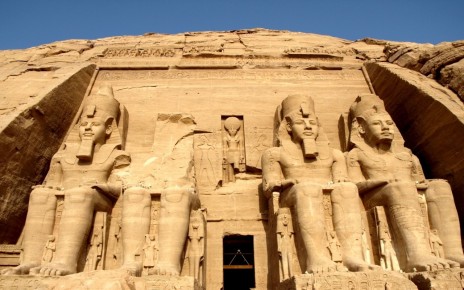
Abu Simbel, Egypt

Let’s face it, who doesn’t want to see the Pyramids? Or the Sphinx? Or the Valley of the Kings? Egypt was my fall-back for Arabic until the Arab Spring ruined everything… now it’s been relegated to the dust of lost dreams, which is rather fitting, though it’s resurfaced from the sand of late in light of the summer flux. My only issue with Egypt is the package-y nature of it. If I could go, I’d rather backpack it – and that is the first leg of Cairo to Cape Town. That really would be an adventure and a half!

India

5

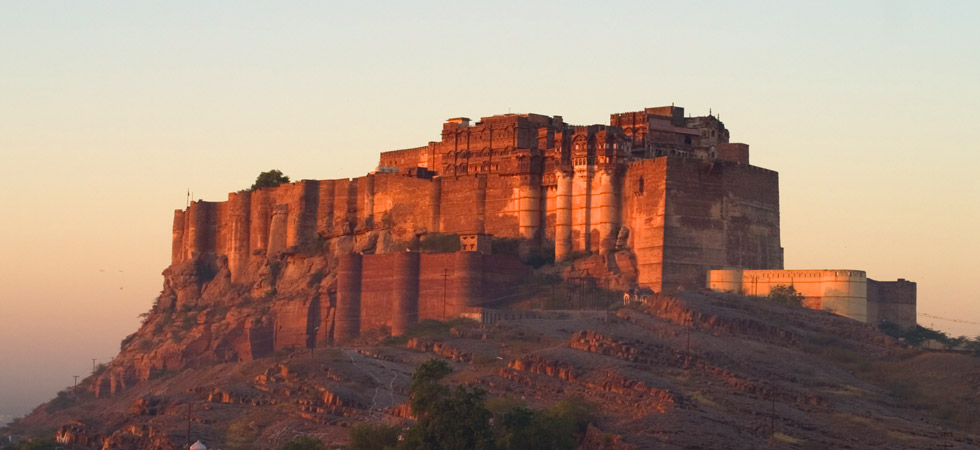
Mehrangarh Fort, Rajasthan

One word: Rajasthan. Land of desert forts, of rose sunsets, of dark-eyed mysteries. It’s the realm of the Far Pavilions‘ Bhithor (I think) and of Valmik Thapar’s Desert Kingdoms episode of Land of the Tiger. Southeast Asia may be the flavour of the month for most backpackers, but I’d eschew the Thailand-Cambodia-Vietnam trail for a month in Rajasthan alone anyday. India’s so massive and so diverse that you’d need more than three months to fully appreciate the place. And some day, I intend to do just that.

Ireland

4

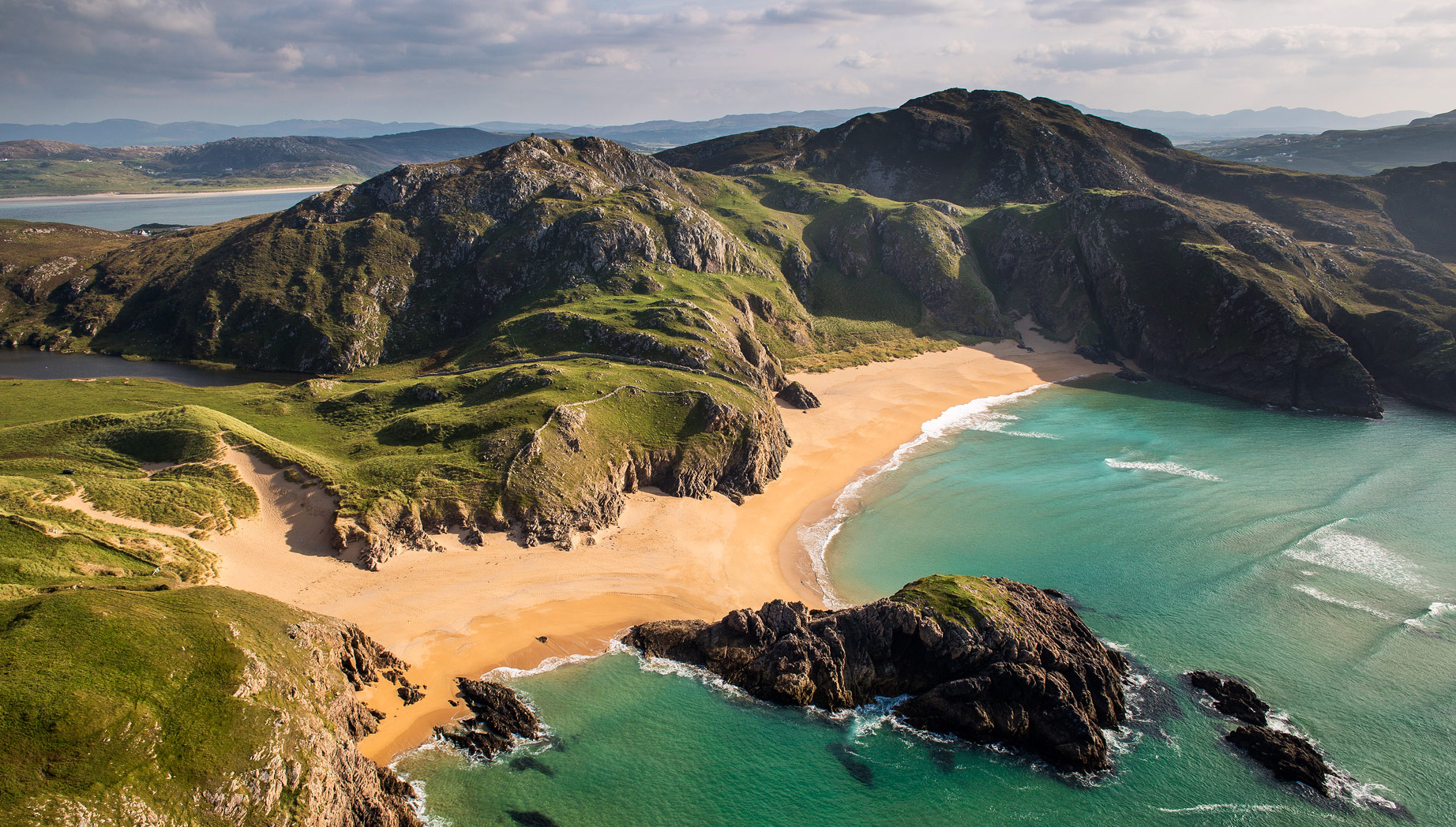
Murder Hole, Donegal

I have absolutely no idea why or how County Donegal made it onto this list. One day it simply seized my brain and became the country of origin of my princess. I guess it all spun out from there; that, and that damned gorgeous accent they have up there in Ulster. Ireland’s a damned sight closer than any of the countries on this list (and is also, consequentially, the only European entry), but the only thing holding me back is the expense of traveling around; a fair hike compared to the others. Even so, I doubt it’ll be long before I’m drawn out to the Emerald Isle.

Cameroon

img_3316

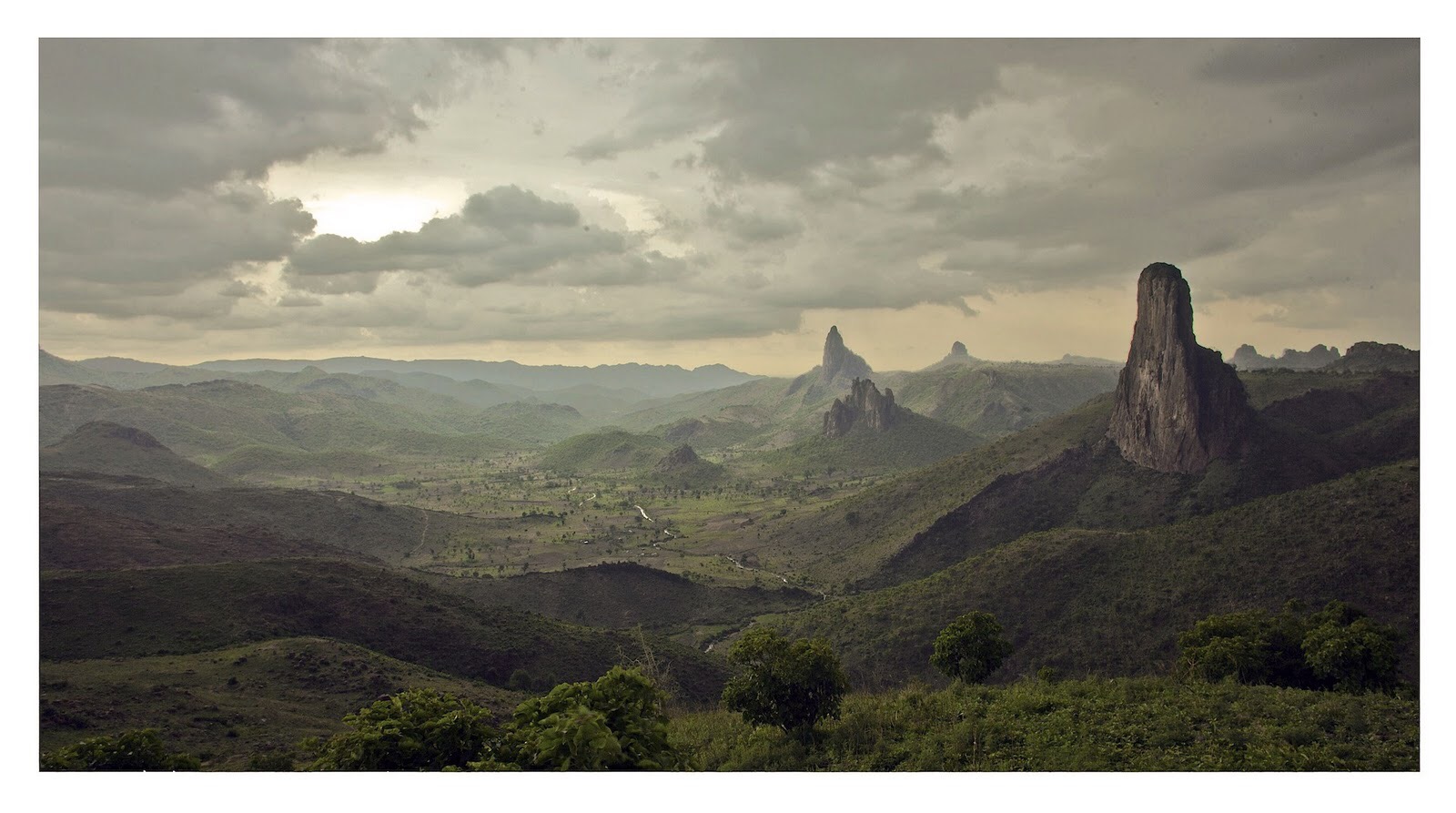
Rhumsiki, Cameroon

As well as my madcap desires concerning Cairo to Cape Town, I have this less ambitious but no less adventurous urge to visit each of Africa’s four corners: North, South, East and West. Having seen central Africa already, I’m chomping at the bit to see the rest of it. It’s first on the list of countries I’d consider volunteering in, since I reckon it would really merit getting to know on a more human basis than backpacking could ever provide. It also has a serious bushmeat trade problem that I feel strongly about. On top of that, Cameroon has all that I love about Africa: fantastic food, spectacular countryside, great apes and a dark history. It’s also a necessary stopping point since one of my novels takes place here. Let’s just call it ‘essential research’.

South Africa

3

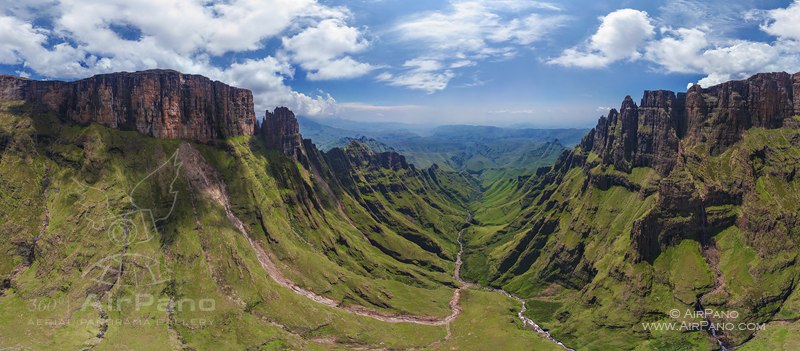
The Drakensberg, Kwa-Zulu Natal

Words cannot describe my love for this country that I’ve never been to. I’ve waxed lyrical enough about the land of Quatermain, of P.K., my ex-girlfriend and the Zulus before, so I won’t go on about it. What I will say is that I came with a hair’s breadth of going this year, barred only because my bank wouldn’t let me pay for both my flights and my brother’s in one go. Taking it as a message from above, I backed down. But only for a run-up. I’m not even close to the door yet.

Ethiopia

1

Gelada Baboon in the Simien Mountains, Ethiopia

Truly, Ethopia must be the King of Africa. It’s Africa with castles, with Gods-in-the-flesh and sulphur fields. The people are – in my humble opinion – probably the most beautiful in the whole world, being a striking blend of Arab and African. I had a three-hour layover in Addis en route to Uganda four years ago and I guess it started there – there, or a few hours before, when our plane came down out of the clouds and I saw Africa for the very first time, a paradise of rolling plains that gave way to spectacular waterfalls and blood-red cliffs. The Simien Mountains also top the list for me in terms of beautiful mountain ranges… and I haven’t even got onto Harar’s hyena-men. Then there’s Erta Ale, Gondar, Addis Ababa herself, the Omo Valley… Ethiopia simply has everything – and less tourists than the other African giants. Perfection. All I’m waiting for here is another like-minded adventurer to join me and I’m there. Just you wait, Ethiopia. Just you wait.

There. When you’re struggling for an idea as to where to go next in a couple of weeks, or months, or a year, return here. These are my top ten. And one day, come Hell or high water, I’ll have seen them all. BB x
A Dearth of Music

I have to confess, the absence of YouTube in my life is doing me wonders. But it comes with a cost: the main reason I use it, for browsing music old and new, is sorely missed. Villafranca de los Barros is supposedly the ‘City of Music’. In all honesty, you’ll find more music variety in Lloyds’ Durham on a Wednesday night.

Ever since the sequence of events in February 2015 that saw my iPod disappear and reappear a month later, my laptop give out and the arrival of this highly portable but sadly much-desiring Chromebook – which is too feeble to support either my music library or even an iTunes account in the first place – my iPod’s music selection has been stuck on the stuff I had loaded onto it from January this year. All the music I’ve discovered since, from the Moroccan beach-town hostels to my music-concert escapades in Jordan, has to be consigned to memory instead. Which is fine, but as music is such an important part of my life, it’s a little tragic. I’m not umbilically attached to my iPod by any means, but on Mondays and Wednesdays when I’m faced with an hour of mutinous six-year old Spaniards, it really is an essential piece of my arsenal to go in armed with at least five minutes’ listening to my Africa playlist, or my Super-Hyper-Motivator playlist, or what-have-you. It keeps me smiling. It’s like a more short-range and portable form of meditation.

But I’m limited to what I knew in January 2015 – which is obviously the bulk of my music, that’s a given, but music’s a transitive thing; more often than not, it’s the more recent tunes that I want in my ears, and not the old classics – though they surprise me anew and anon with Shuffle on. The Rite of Spring came up this morning and I listened to the whole thing from start to finish for the first time in a while. I’d quite forgotten how masterful the whole thing is – personal prejudice from growing up with Fantasia aside.

But it’s not just the listening I miss. It’s the performing. Bowing to the occasional whims of my students as a performing monkey isn’t the same. I miss singing and I miss the stage. Teaching is always on a kind of stage with all the spotlights on you, and so’s the dancing I tend to go in for, but it’s not the same. And that’s where my personal vendetta against ukuleles and guitarists comes in. You guys have it far too easy, and open mics are the ultimate test of proof. Unaccompanied singing just doesn’t work. I’m a singer before anything else (we’ll forget that I wandered away from Grade Six violin several years ago for now) but singing alone is more of a shower affair than a stand-up thing. Armed with a uke in hand or a guitar across your lap, you’re good to go. Me, I just feel like a fish out of water without the backing of a band or a chorus.

As such, I’ve only ever done one open mic. Shake Your Tailfeather a cappella. Never again.

There’s a Christmas concert coming up in a couple of weeks (in November… go figure) for which the music teacher and a small group of girls have asked me to help conduct/choreograph All I Want for Christmas Is You… Predictable, much. It’s the best I’m going to get for a while so I’m throwing myself into it, naturally, but just you wait until the bilingual schools’ intercambio here in February, for which we’re supposed to put on a show. I’ll be pulling out all the stops with some classics then, for sure. The only question is, do I go with Northern Lights or do I throw them some easier African numbers? Either way, I win. And either way, I’m going to end up tear-stained, as I dearly miss both my old gang and the feeling I used to get in every African Singing and Drumming performance. Jimminy Christmas, but I miss having music in my life. It’s the only killer of living in Spain. They’re big on their reggaeton, and of course there’s flamenco, but they just don’t get music in the same way. Or maybe that’s just me growing up in a family where both my parents were music teachers, and thus spending almost all twenty-two years of my life involved in one way or another in choirs, bands, musicals and orchestras of all descriptions.

On a positive note I’ve just been paid by one of my two jobs, which is a welcome relief in a time when the rest of the world (myself including) is still waiting on the all-important paycheck from the Ministry of Education, which may or may not be with us in arrears until Christmas, or so the horror stories go. I’m currently dreaming of where to go with both the time and money next August, as I’m not used to having both at the same time. Having the latter at all is a novelty, but together with time is a very new thing for me. The painful memories of the longest gap year with no job, no desire to obtain one and consequently barely a penny to my name are still vivid in my mind.

Magnum Opus_GYAH (1)

Hooked on Africa

I’m currently hooked on the idea of backpacking in South Africa, which I’ve been toying with on-and-off for years. The first girl I ever dated was half-Afrikaner, which I suppose is where the obsession began in earnest, but it’s the music that’s the real draw. My mum and dad are of the opinion that I would be better served waiting for the Soweto Gospel Choir to tour a little closer to home if it’s the music I’m after, but I don’t see it that way. I miss the joy of the open road, the terror of nor knowing where I’m going to end up, the awkward encounters and the divine, and the host of colourful characters you meet along the way. In short, I miss a decent bit of travelling. All I have to do before August 2016 is to find somebody bonkers enough to want to come with. Not that I wouldn’t go alone, but it’d be a lot more fun with a friend. If you’re reading, dear companions, give it some thought!

I’ll leave you with the latest pox upon my heart, which is (of course) a Soweto number. I tell you, if it weren’t for my job, my degree and a certain gaditana, I’d up sticks right away and go straight to South Africa every time I hear this. Yours truly really is a bleeding heart, and if I’m not careful, it’ll be more than just my heart bleeding one day. BB x
https://www.youtube.com/watch?v=dnFipFkWLgI