Aeropuerto Teniente Julio Gallardo, Puerto Natales. 15.42.
My mad jaunt down to Patagonia is coming to an end. It has been easily one of the most amazing wildlife experiences of my life, thanks in a large part to my excellent guide Fabián, but also to the exceptional quality of the encounters I have had with the local wildlife, much of it within Puerto Natales itself. It has left me with an insatiable hunger for more adventures of this kind and a fierce desire to see more places like this: there is a haunting beauty to the polar regions of the world that I have ignored for far too long.
I am already considering a new adventure for the last week of the Chilean exchange, but that, for now, must wait. I do have a job to do, after all.
Check-out from my cosy B&B was at ten this morning, so I made the most of having a warm bed right up to the last minute before setting out to find something to do to kill some time before my 16.45 flight back to Santiago.
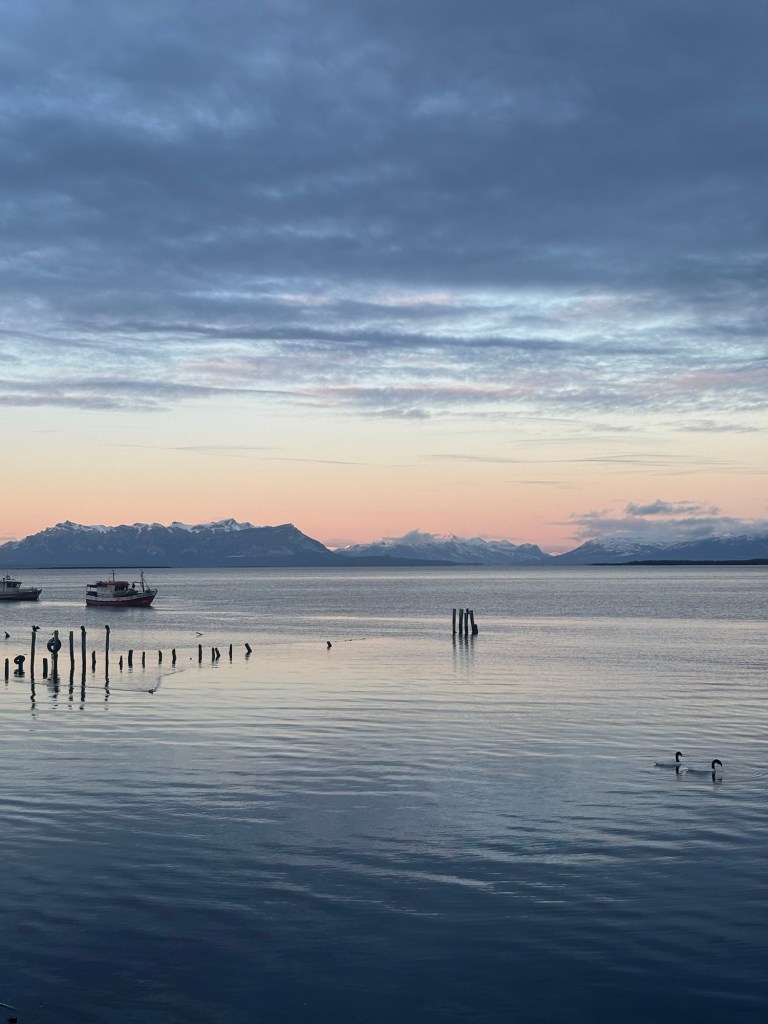
Predictably, I found my feet marching me straight back to the shore. A great carpet of cloud kept most of Puerto Natales in the dark, but away to the south, the sky was a spectacularly wintry salmon pink. A few estancias and the hamlet of Dinibor are the only settlements between here and Antarctica, if you were to head in a straight line to the south – a privilege only the birds know.
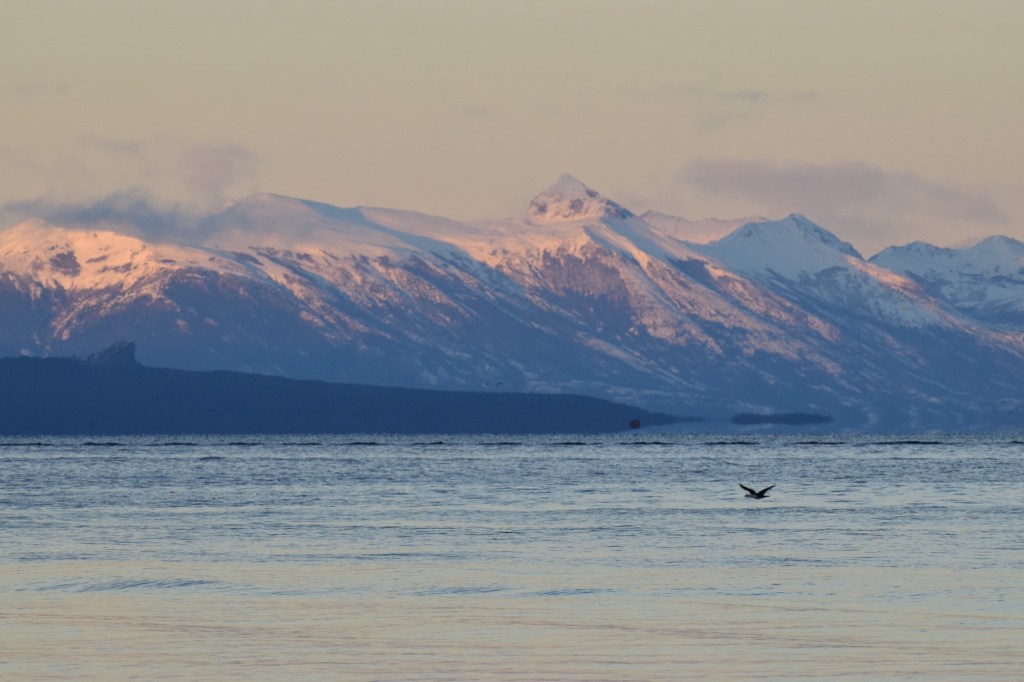
The vast network of fjords that criss-cross the mountains between Puerto Natales and the coast were once home to the Kawésqar, a nomadic people naturally stunted by their lifestyle, which saw them travel the fjords in search of food in their boats. Like the other native Patagonians – among them the Aonikenk, the Yagan and the Selk’nam – they suffered terribly at the hands of the European settlers. Many died of exposure when they were forced to trade their water-repellent sealskin clothing for Western dress, which could not protect them from the cold and the damp.
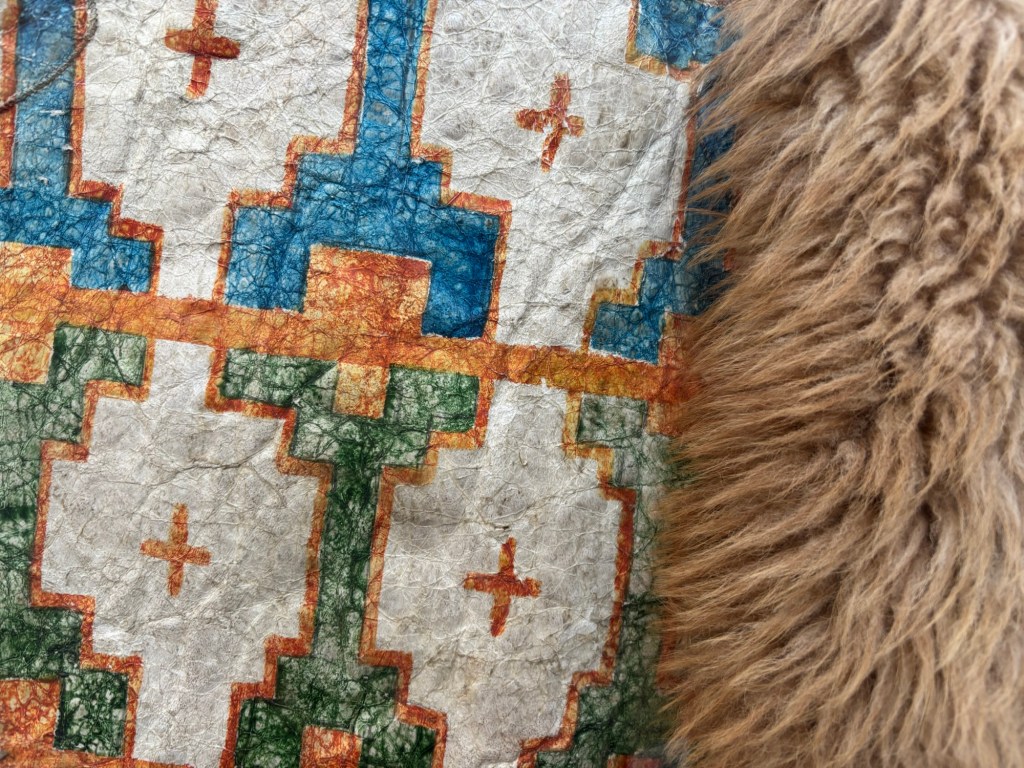
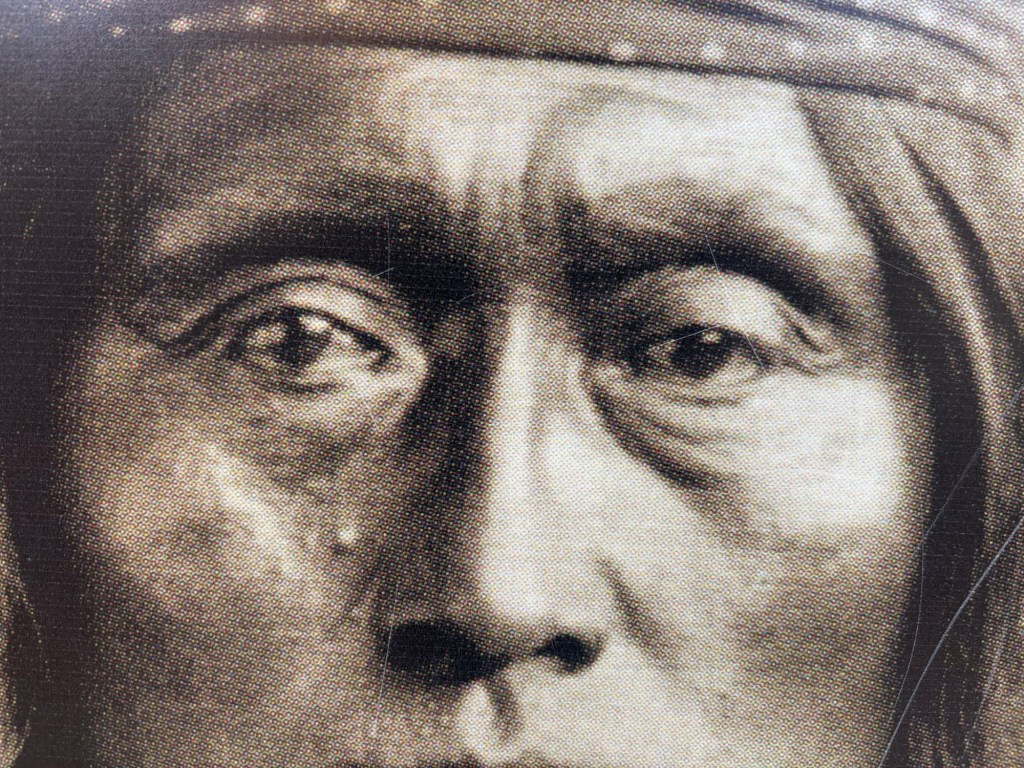
Others were wiped out by foreign diseases or brought low by the new vices of alcohol and tobacco. A great many were systematically wiped out by foreign mercenaries in organised Indian hunts, paid for by the ranchers, in an attempt to stamp out any perceived opposition to their dominion over these territories. Most heinously of all, entire families were kidnapped and shipped off to North America and Europe where they were displayed as evidence of human evolution in human zoos. Setting aside the painful matter of their obvious humiliation and fear, very few ever made it home: there are several cases of gross ignorance on the part of their buyers who, once the tour was complete, shipped the survivors back to a completely different part of Patagonia, where they were seen as outsiders by both the European settlers and the other natives.
It is nothing less than the bleak and bloodthirsty story of humanity, but it loses nothing in the retelling. It would do us a lot of good to remember what we are capable of at our very worst, if only so that we can strive to rise above the darkest heart of our nature.
My fingers were freezing up after a long walk along the seafront, even beneath two layers of gloves, so I stopped for a hot chocolate and a sandwich in a friendly café. The waitress was really cute and the chocolate was superb. I couldn’t help eavesdropping on the pair of Australasian backpackers when one of the waiters engaged them in conversation. They were here for the skiing, by the sound of things, which seems an odd thing to come out here for. The waiter was telling them how expensive it is to import oat-milk way out here in Chilean Patagonia, but how marketable it is to the tourist trade (it was literally the first thing the taller of the two New Zealanders asked upon entering the café).
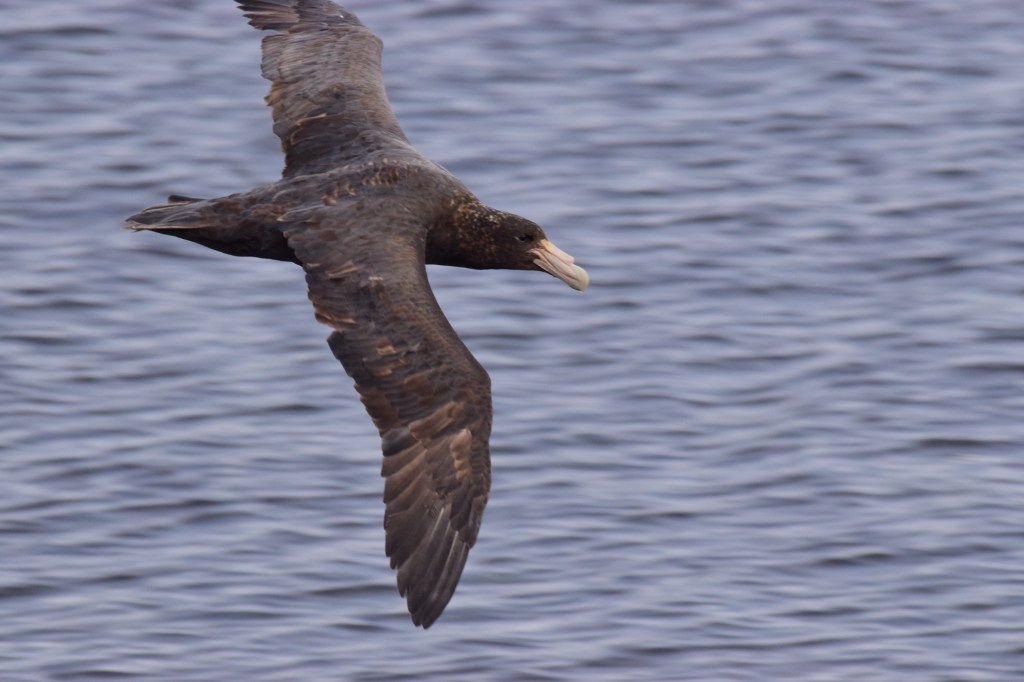
I wonder what the Kawésqar would make of wanderers like us and our bizarre motives: be it the girls who have traveled across the ocean to race down the mountains on a pair of skis, or the equally odd chap in the felt hat who has flown across three continents to see the puma, the ñandú and the great black seabird that races up and down the fjords. I suppose they would be every bit as baffled by us now as they were then.
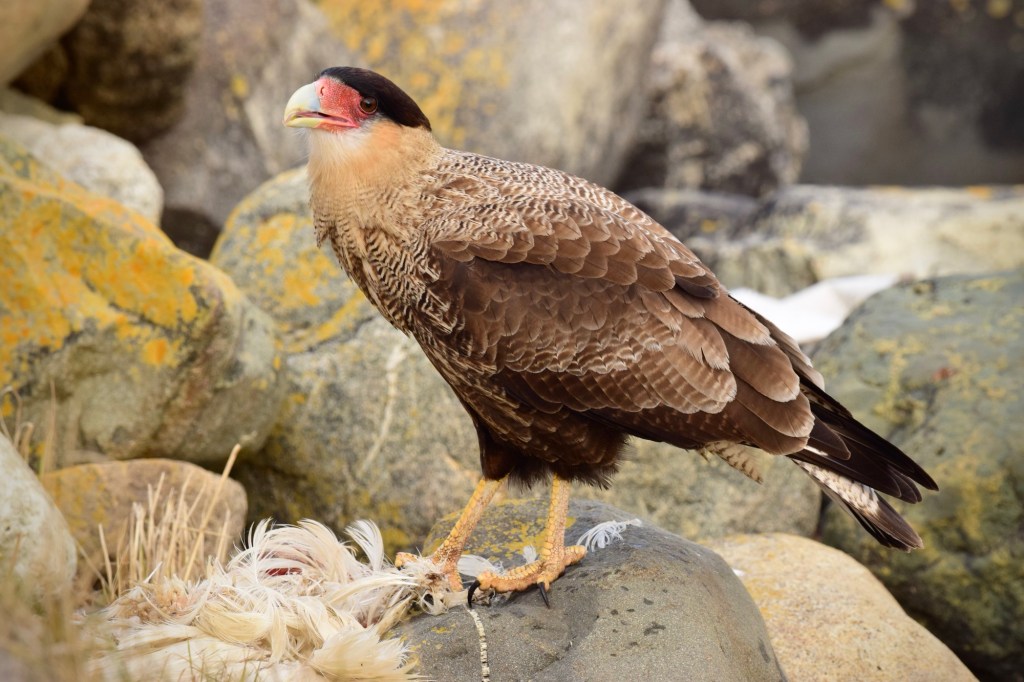
As if to say goodbye, a handsome crested caracara came down to the beach to pick at the coscoroba carcass under the sea wall. These intelligent hawks are favourites at bird of prey centres in the UK, where they perform fly-overs to the oohs and ahhs of parents and children alike. Bird shows are all well and good, but it’s nothing short of wonderful to see them here in the wild, where they belong.
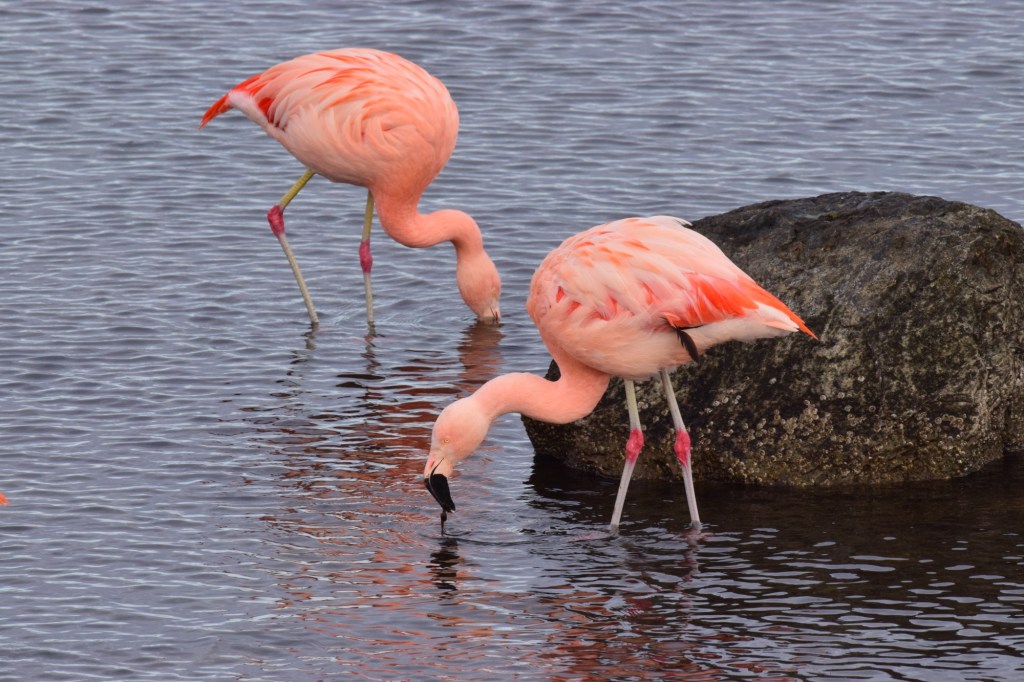
The flamingos were back in the spot they had been on the day I arrived. These Chilean flamingos – easily identifiable by the pink joints on their otherwise grey legs – are the kind I only saw at a great distance during my travels in the Peruvian altiplano, so it’s nice to appreciate their magnificence at such close quarters. They’re very popular with the locals, too, who were always stopping to photograph them or watch them for a while.
It’s hard to single out a special memory from this trip – it has been a series of miracles from start to finish – though I suspect the trophy does go to the pumas by default, as that’s what I came here for, and I did have some absolutely incredible encounters over the course of three days’ tracking. Timing my arrival with the first snow of winter was a master stroke of luck, I won’t deny that. It could just as easily have been a washout, as the rest of Chile has been experiencing torrential rain for most of the last week. You’d never know it here: beyond the intermittent cloud cover, it’s been sun, snow and crystal clear waters down here in Patagonia.
As always, thank you for joining me on another adventure. The Patagonian expedition may be at an end but this particular story is not finished yet, so stay tuned for more Chilean observations and adventures. Valparaiso is very definitely on my weekend list, and the placement itself should be something to write home about. Villafranca always was.
Until the next time, Patagonia – it has been a living dream, every minute of it. BB x

