Three days in and I’m already a day behind. I guess that’s a good thing, as it means I not only had a packed day yesterday, I also had a busy sociable evening swapping stories with fellow travellers. It’s travelling done right, and all I ask is your patience, dear readers – such days make for good writing.
Wednesday was another make-it-up-as-you-go kind of day. I had it in mind to visit the smaller islands out in the lagoon – namely Murano and Burano – but as the vaporetto rolled up to Fondamente Nove, I suddenly decided to take a chance on mysterious Torcello, Venice’s predecessor. Most of the guidebooks pointed out it was almost deserted with very little to see other than an ancient church – the oldest in the lagoon – but if you’ve been reading for a while, you’ll know that’s one big fat tick in the box for me.
The lagoon feels truly vast once you’re out on it and Venice is behind you. Wooden struts stacked in threes mark what can only be described as water highways, giving the lagoon the appearance of a race course – until you realise it’s not mere practicality but also a safety measure for sailors, as there are multiple areas of the lagoon that are considerably shallower than they seem. Here and there, large expanses of mudflats rise out of the water, giving the lagoon’s waterbirds a place to retreat from the noise of the city.
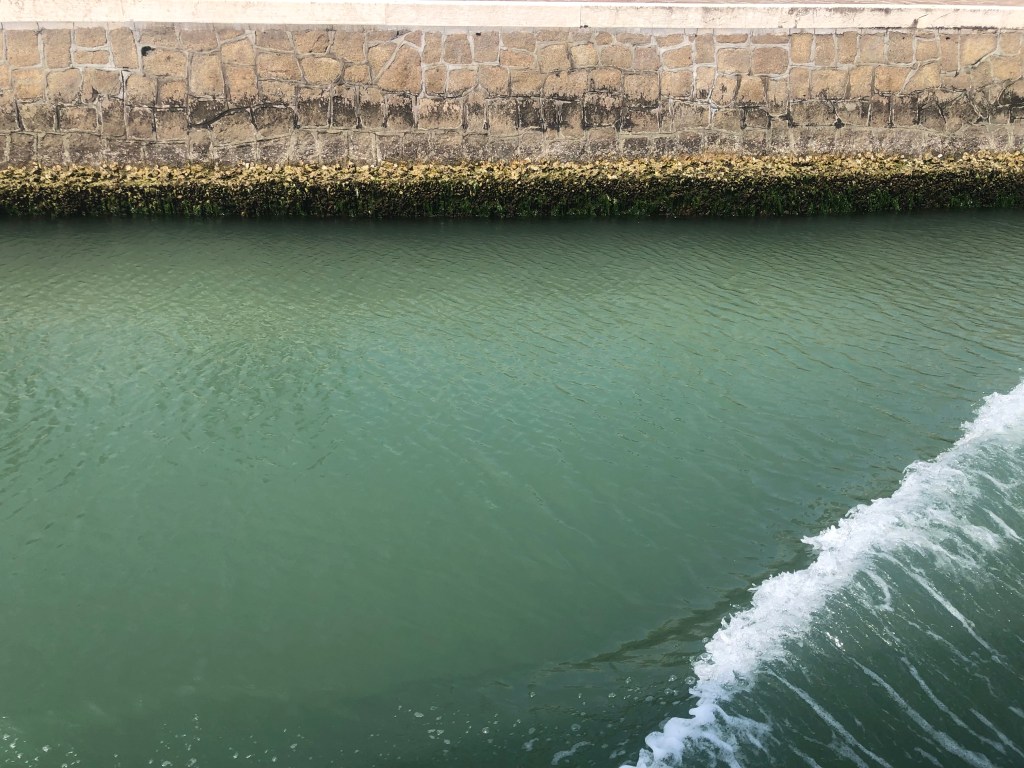
The vaporetto chugged into Murano, city of glass, and then Burano in turn, city of lace and paintbox streets, but I spurned both of these for the diamond in the rough that is Torcello, risking a stranding for a chance to see one of the lagoon’s hidden gems. (In hindsight, I needn’t be so melodramatic – Torcello is surprisingly well serviced by the vaporetti, with a boat every fifteen minutes from neighbouring Burano).
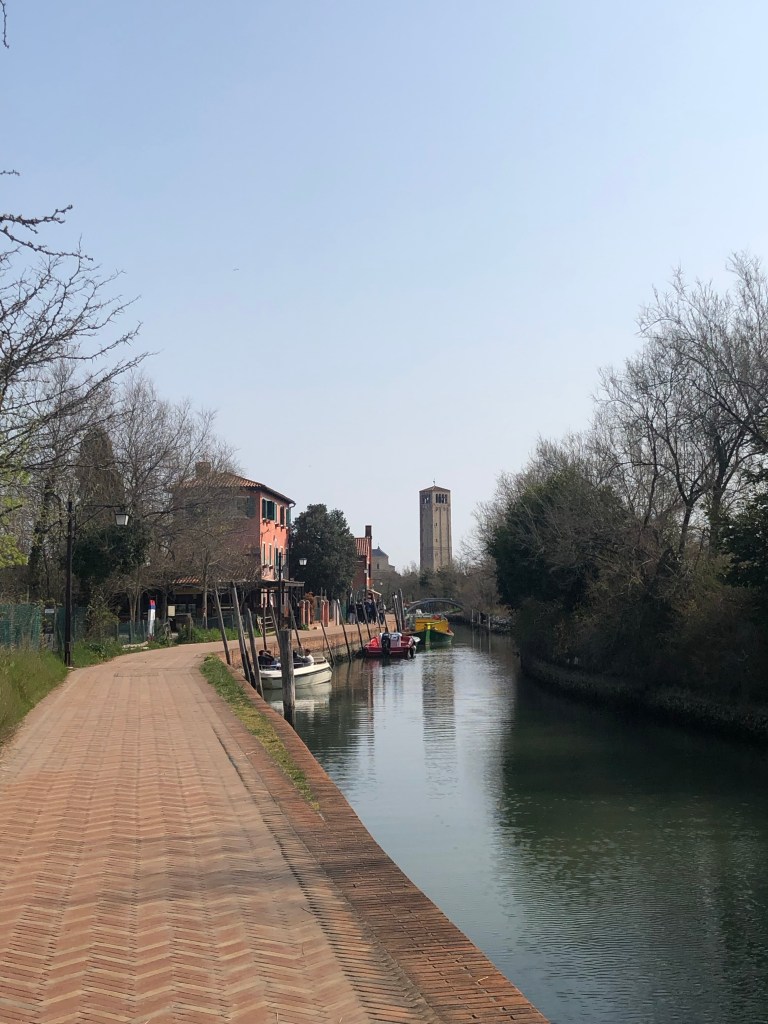
Why come way out here? Easy. Torcello is nothing less than Venice’s ancestor, home of the first Venetians who arrived in these islands around the year 422 fleeing the forces of Attila and his Huns as the Western Roman Empire fell beneath fire and the sword. Guided by the visions of their priest, the refugees escaped into the lagoon, believing the great water would hide them from the Huns. They named their new home Torcello, meaning “Tower and Sky” – which is eerily apt today, as that’s almost all that’s left of what was once a thriving city.
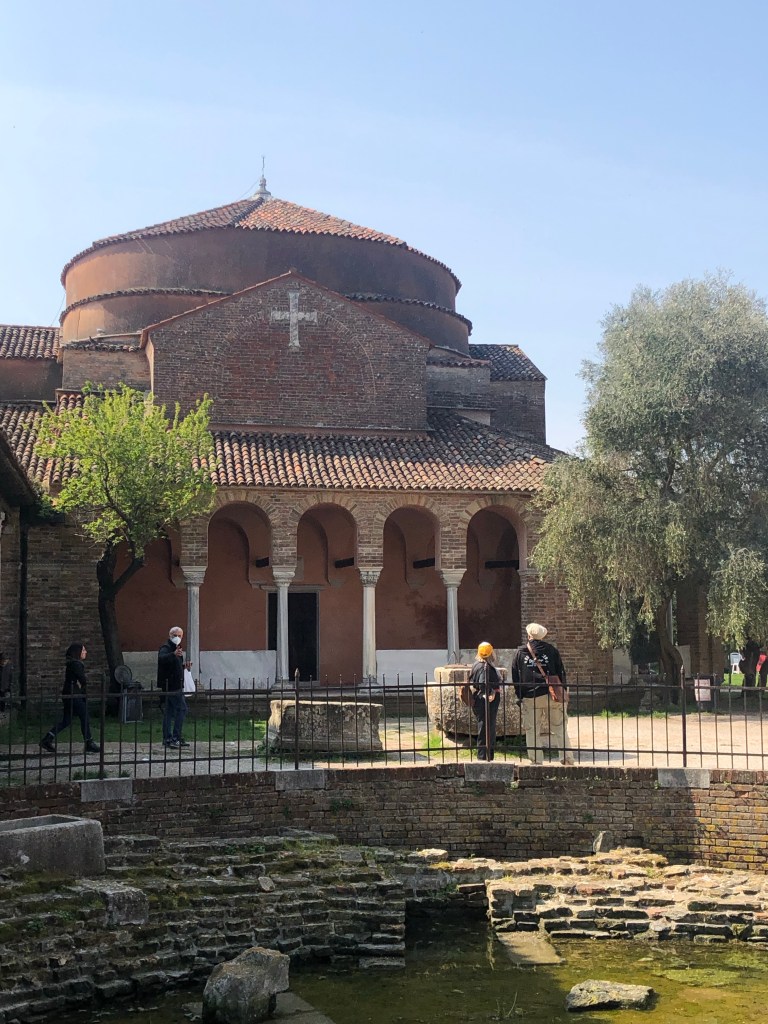
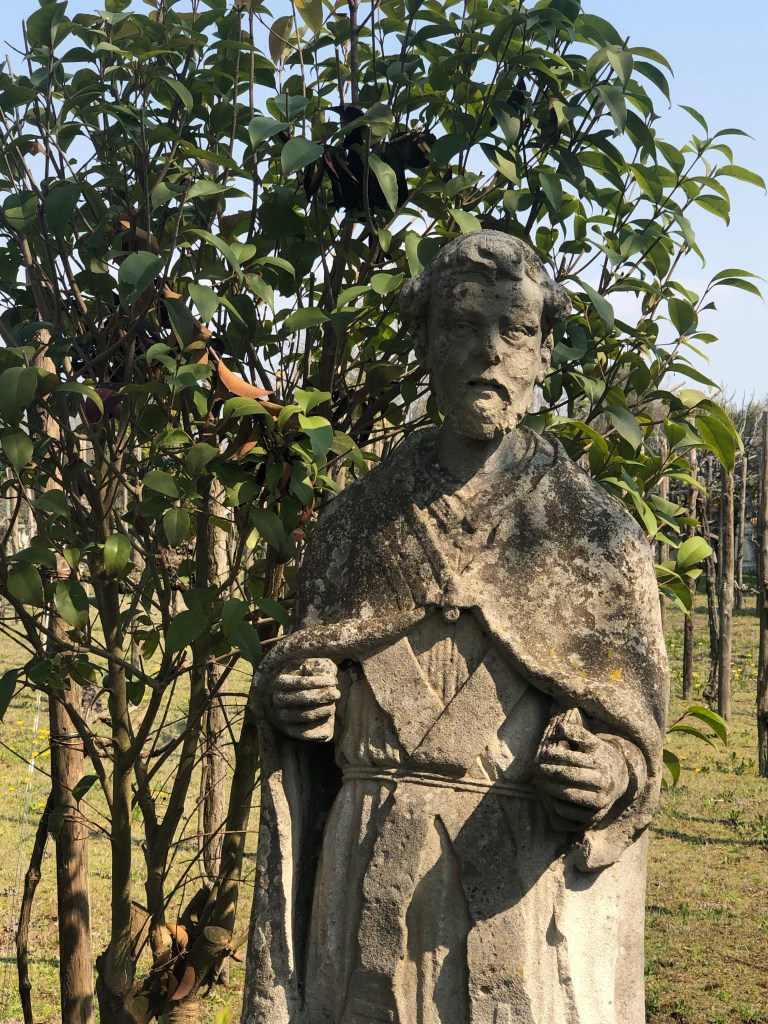
In its heyday, some twenty thousand people called this island home, and it punched well above its weight as a centre of commerce and tolerance until at least the tenth century, though you’d never guess to look at it today. All that remains are some twenty residents, a few houses, some scattered allotments, a collection of Romanesque statues abandoned to time and an old church in the Roman-Byzantine style, whose bell-tower still dominates the landscape – the “Sky Tower” that gave the town its name. On a clear day you can just about see it from Venice itself, staring jealously across the lagoon.
Several factors brought about Torcello’s decline, not least of all the lagoon itself. Just as she did during the first COVID lockdown, Nature showed how quickly she can regain control when she wants to. Over time the island began to sink back beneath the water, swallowing up the villages and turning the once prosperous salt-flats into malaria-ridden marshes. Torcello’s disciples fled in the wake of the tide, seeking refuge on the other islands.
And then, of course, there was Venice herself. What was originally an offshoot of Torcello quickly took advantage of its father’s plight, absorbing its fugitives into its own ranks. Eventually, the son far outshone the father, and as more and more citizens abandoned their former home to its fate, the glory of Torcello faded into memory. The many thousands who once called this island home simply disappeared.

I had my lunch on a jetty east of the Roman church with four ducks paddling hopefully in attendance below. Venice is quiet, but Torcello is something else. Sure, maybe not so much that afternoon, as one of the locals had his radio on full blast as he scoured his fishing boat upriver, but I can imagine this place is as silent as the desert most days.
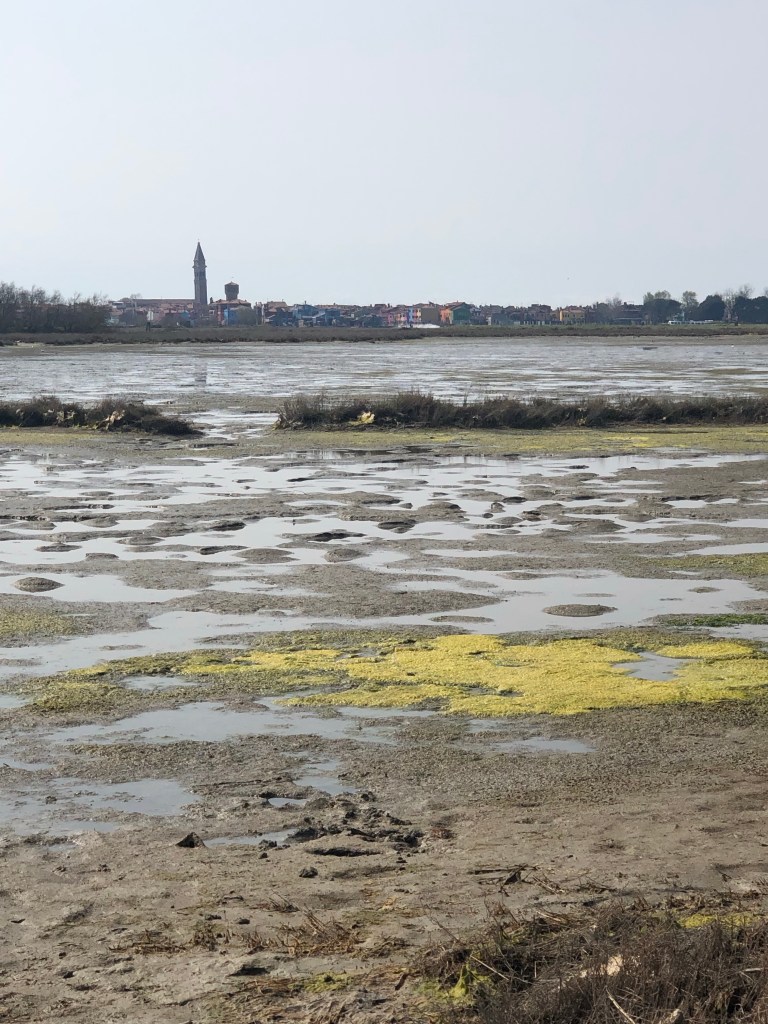
I’ve always been attracted to the desolate corners of the world. A childhood spent exploring Dungeness, Stodmarsh, Elmley and Doñana National Park has left me with a voracious appetite for marshlands that has never really gone away. So when I look out across the mudflats and listen to the cries of the shorebirds, my heart falls into step and I feel calm and content. But marshes are lonely places. I can think of few places in the world with a lonelier atmosphere. The mournful cries of plovers and sandpipers out on the flats give the place an eerie sadness. The gulls almost sound as though they’re laughing at you for losing yourself here. Solitary herons and egrets prowl the canals like watchmen. And of course there’s the mournful curlew, whose bubbling trill is possibly one of the most haunting sounds in nature. What unholy terror drove the first Venetians to such a lonely place? Their fear of the Huns must have been great indeed to seek to build a home out here in the lonely marshes.
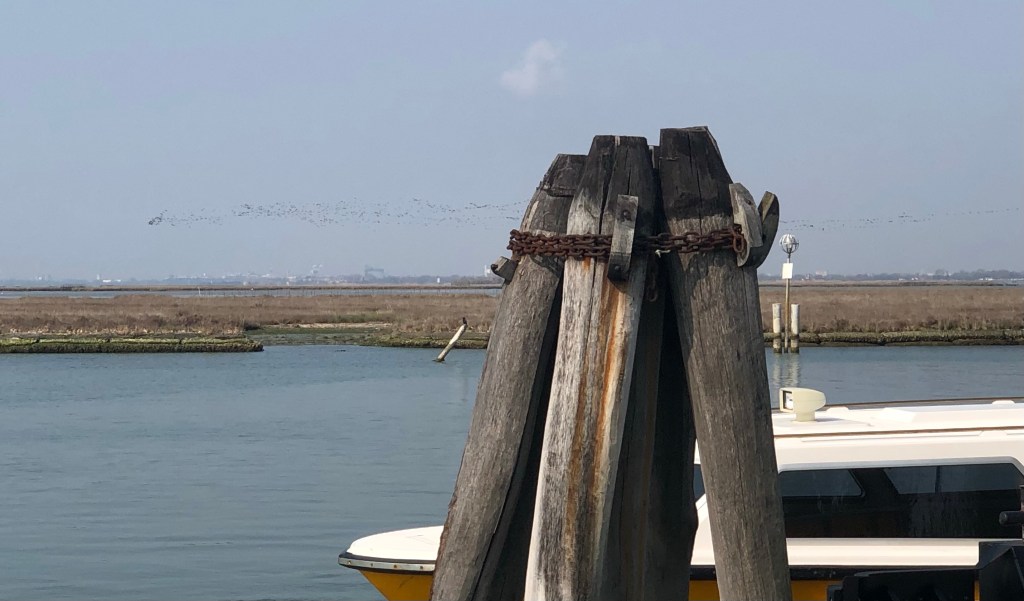
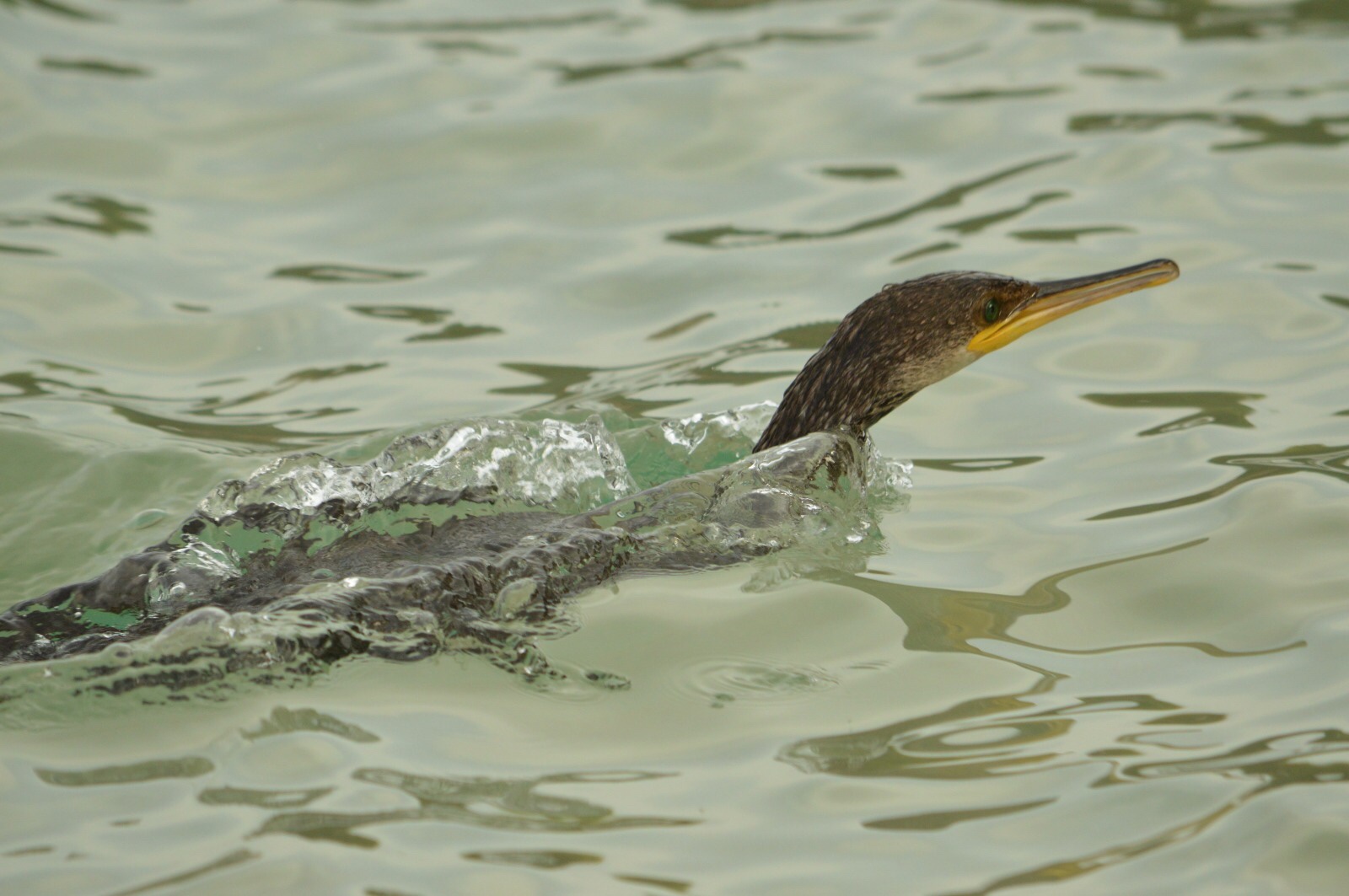
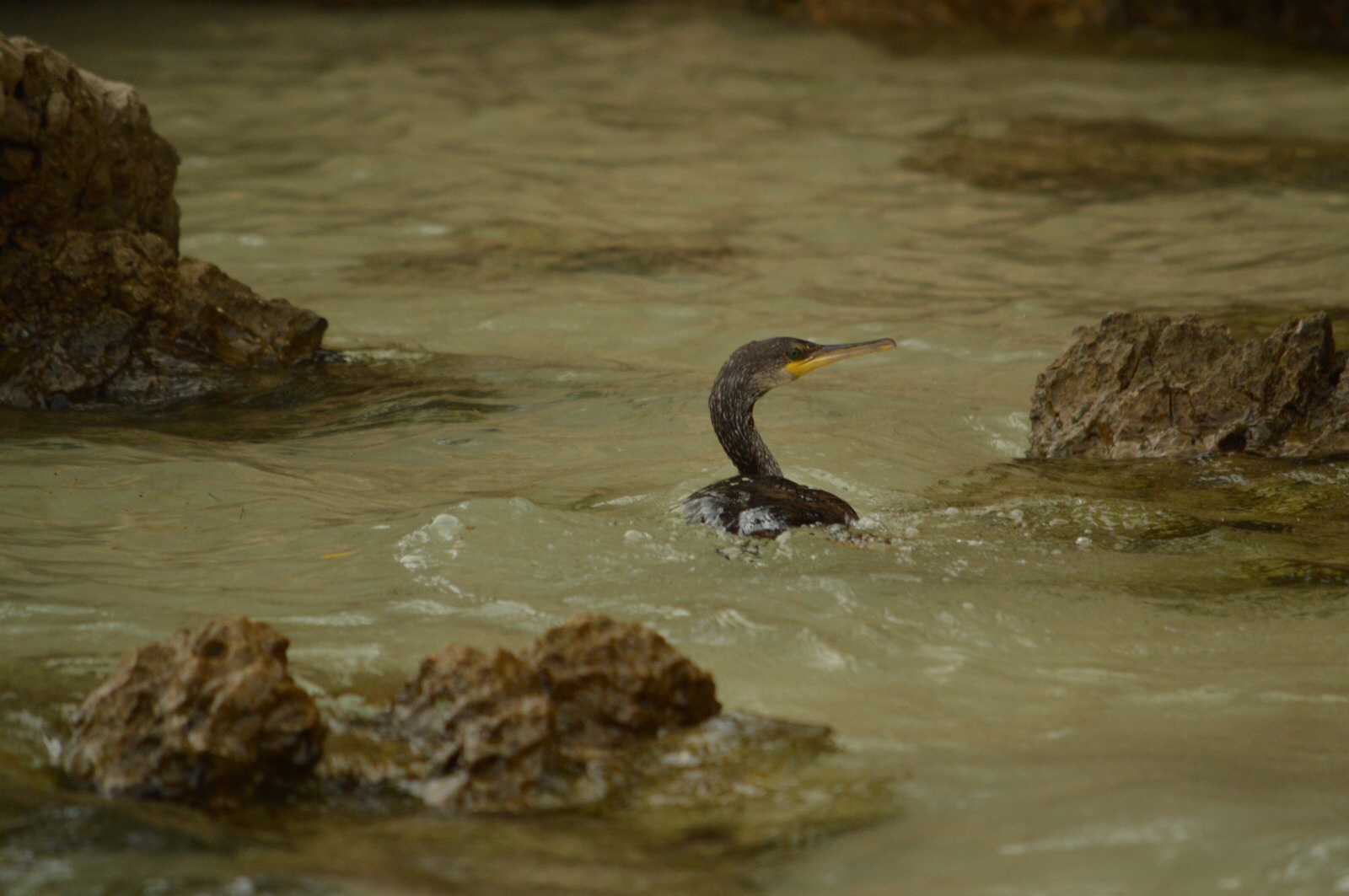
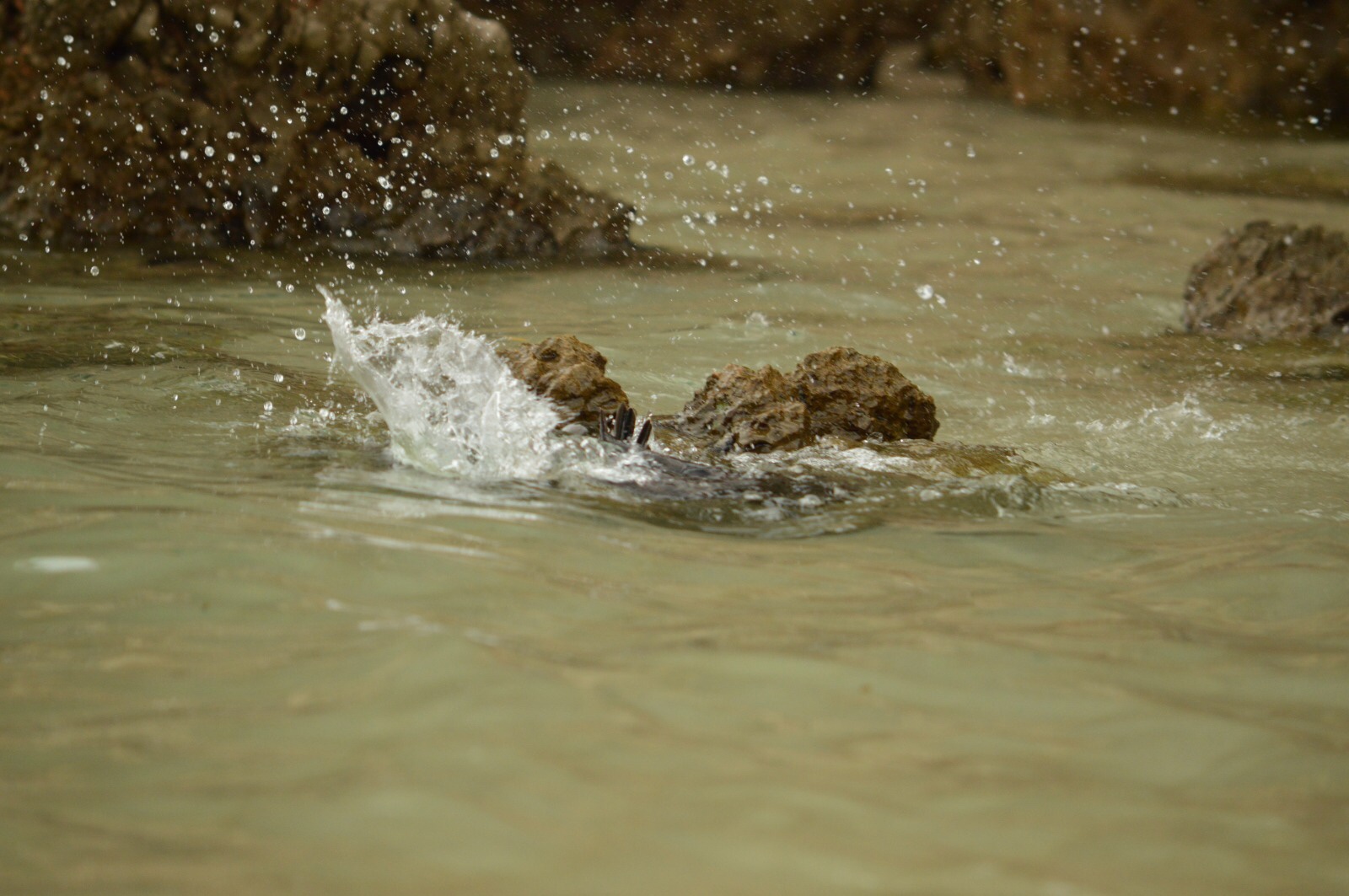
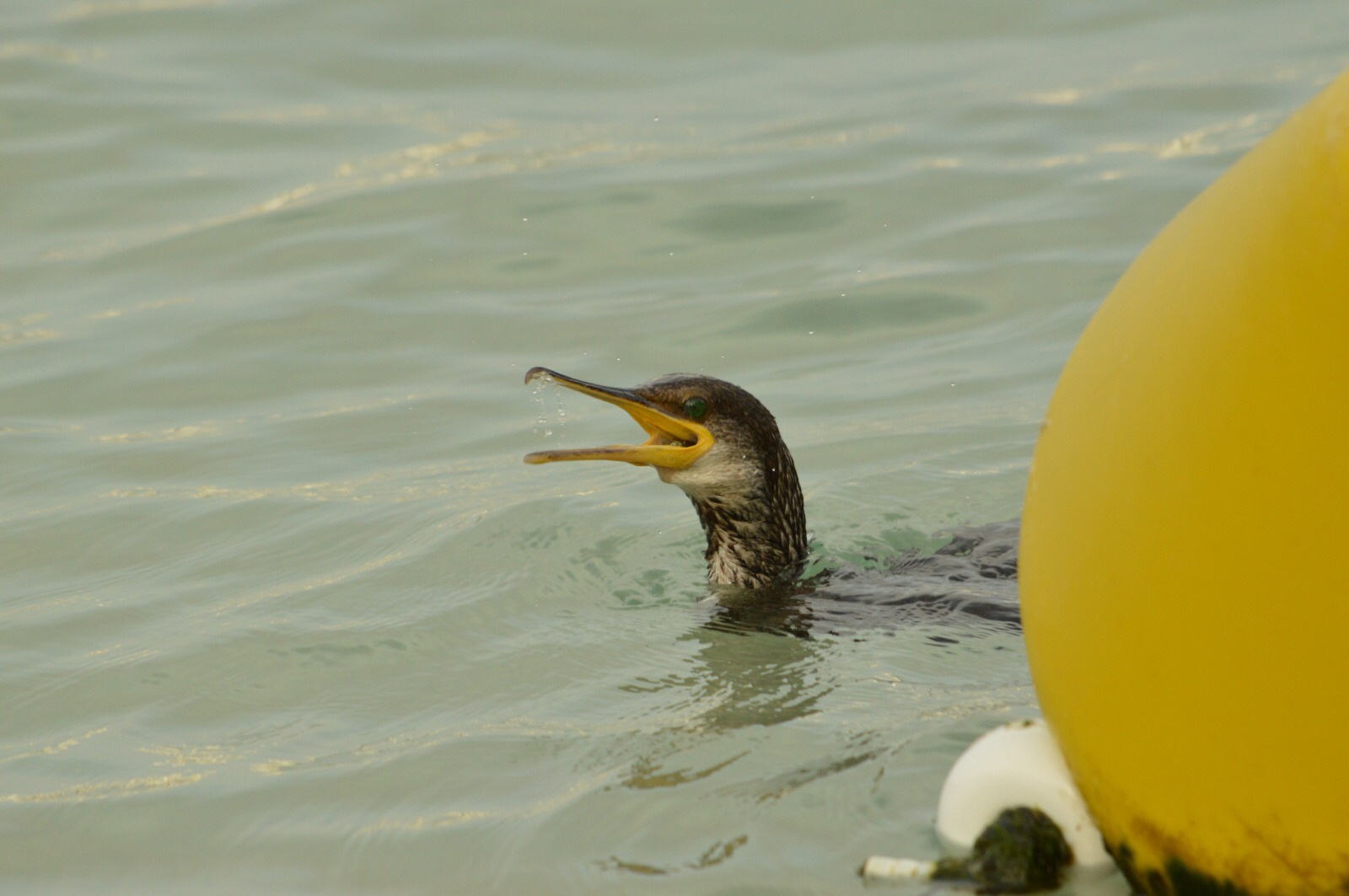
As I leave the island, a thin dark cloud appears on the horizon, moving fast toward Burano. As it draws near, I see it is no cloud at all but a raft of pygmy cormorants, thousands of them, flying in a loose formation that surely stretches for half a kilometre in length. Like oversized starlings, they sail over the marshes, moving deeper into the lagoon.
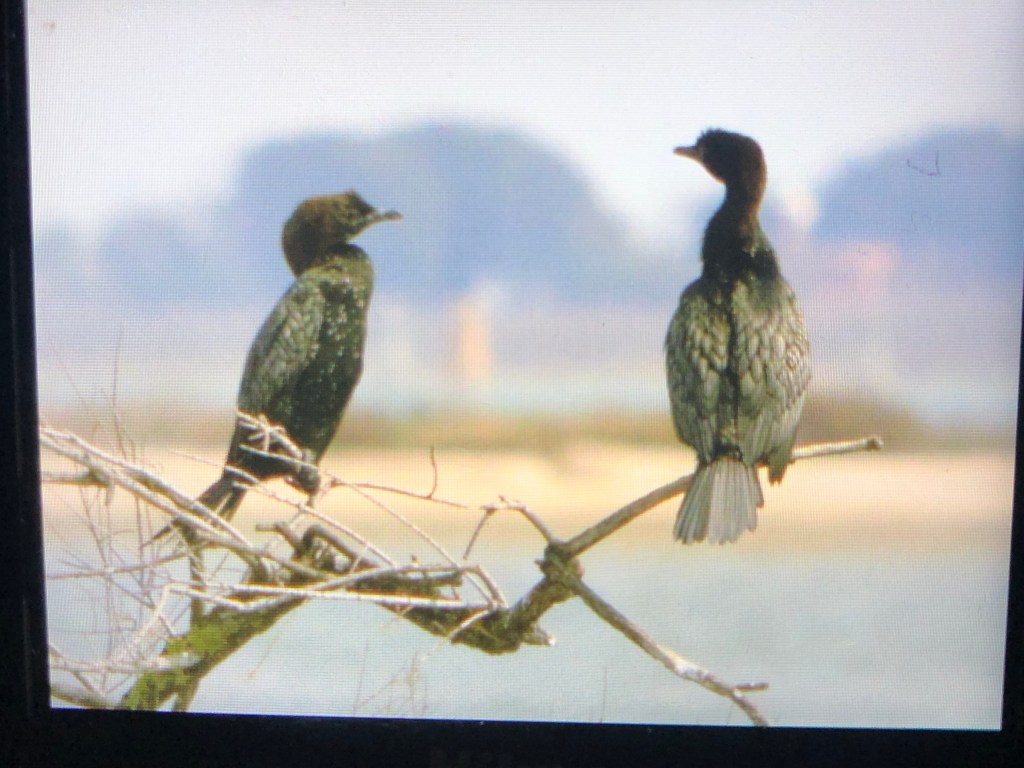
Perhaps these little sea-crows are the perfect metaphor for the Venetians themselves. A creature of the land that took to the water, making himself a master fisherman, building his nest out on the lagoon. I’m not the first to jump to that conclusion either. A sixth century Roman official wrote of the denizens of Torcello thus:
You live like sea-birds, with your homes dispersed, like the Cyclades, across the surface of the water.
Cassiodorus, 523 AD
Standing on the forgotten shore of Torcello, it’s easy to imagine that the thousands of cormorants passing by really are the spirits of those first Venetians, making the same exodus from land to lagoon every morning for generation after generation, like the denouement to a tragic Greek myth: some cruel trick of the old gods, granting the refugees an eternal escape from their would-be oppressors. That such creatures should choose to haunt Torcello, the forgotten ancestral home of the Venetians, only adds to that mythos.
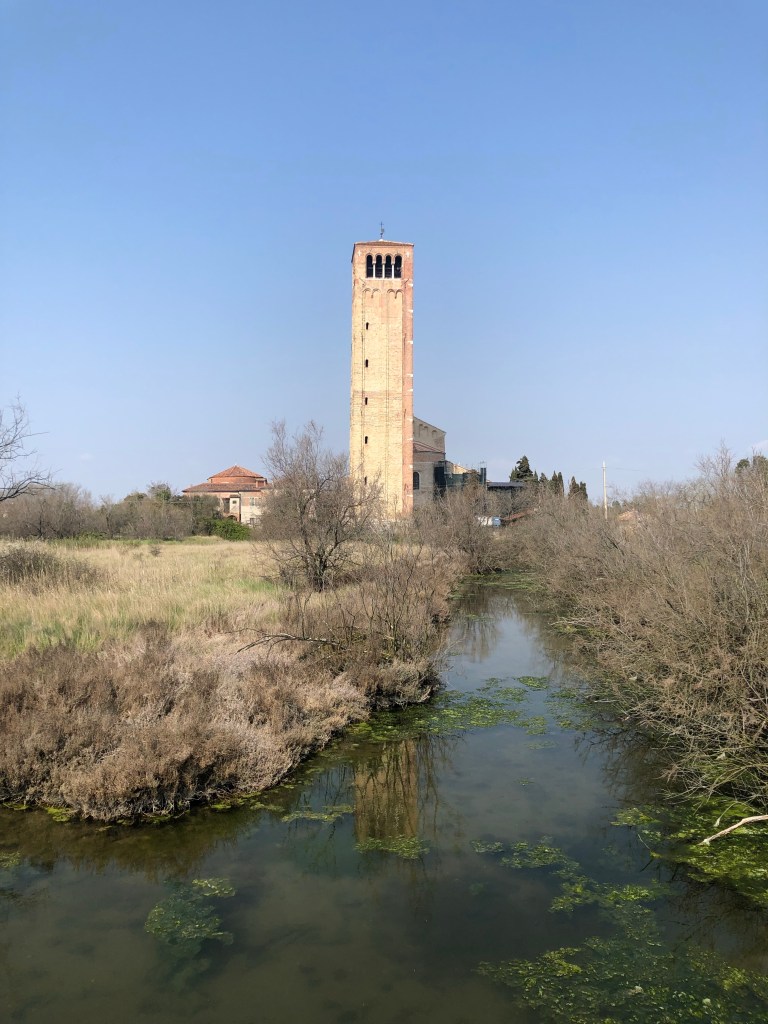
The outlying marshlands of the Venetian lagoon are full of such spirits, if you’re prepared to leave the bustle of Venice and its glass-blowing cousins behind for a couple of hours. If you truly want to see what Venice might have looked like before its canals become cloudy and green from all the water traffic, come to Torcello, whose ancient canals are clear as daylight, revealing a colourful array of sea grasses, seaweed and scuttling crabs on the silt below. And listen, just for a moment, to the ghosts out on the mudflats, knowing you’re hearing the same haunting sounds that the first Venetians defied to make their home here, over a thousand years ago. BB x



 The Book of Barnabas