All Change

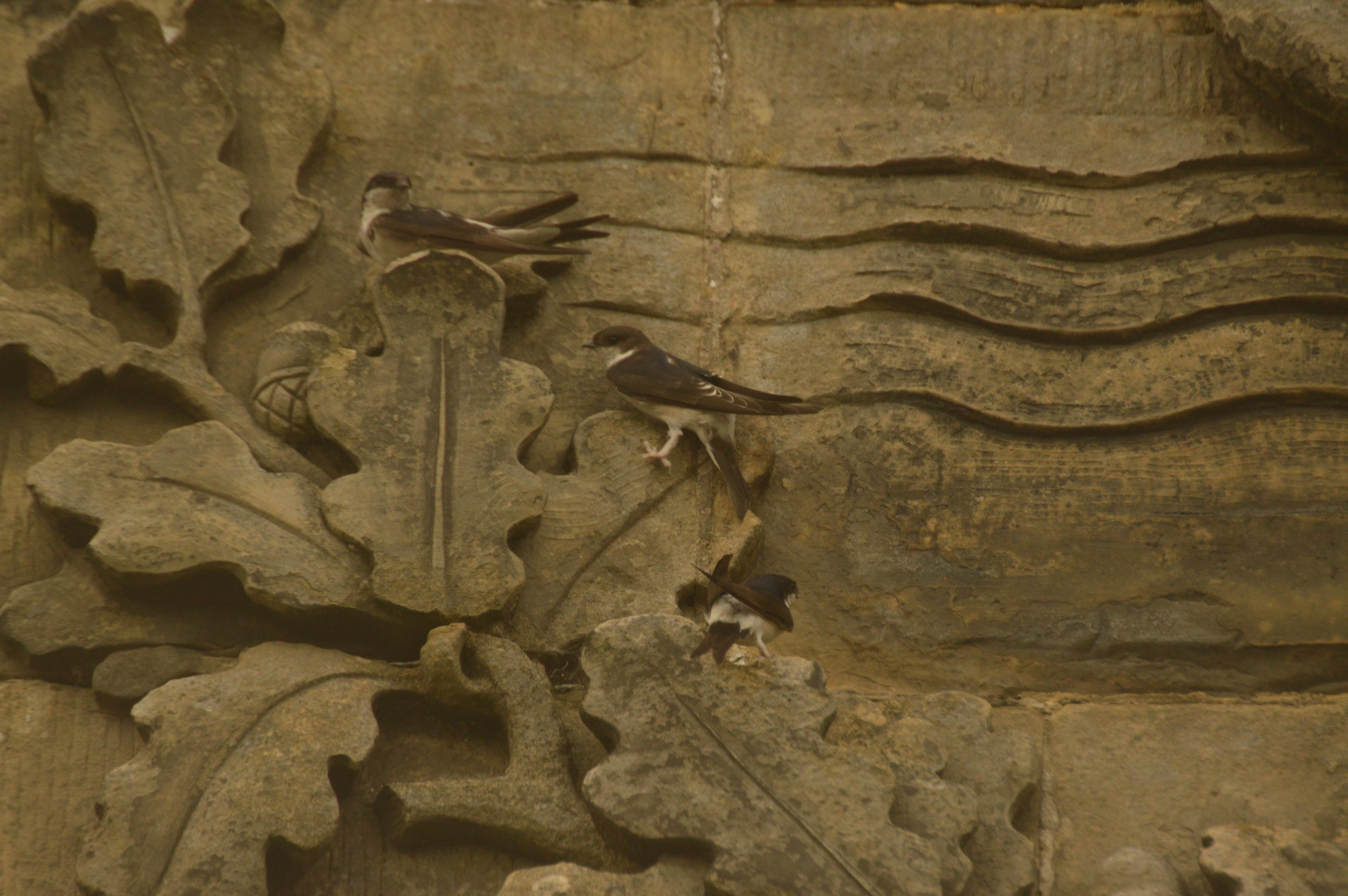
Autumn has come early this year. Following in the wake of the fierce heat of the hottest summer on record in the British Isles, many of the trees have started to shed their leaves almost two weeks earlier than usual. Two weeks does seem to be the number: the forest is thick with the musty air of fungus, and the colony of house martins that nest in the school have already started to muster on the roof as though they mean to depart any day now, though they are usually with us well into September. We’re in for a long winter when it comes.

The zenith of the summer stargazing season is behind us now. It’s one of the things I most look forward to about the summer, living where I do: despite the eternal glow from London to the north, the stars and the planets are surprisingly clear. Some of the summer nights this year were so hot it was possible to go out stargazing well after midnight without catching a chill, and I refamiliarised myself with the constellations: the twinkling ‘W’ of Cassiopeia; the Northern Cross; the winding enormity of Draco; and arrayed along the horizon, the bright lights of three planets: Jupiter, Saturn and Mars. It was so bright at the peak of the heatwave that I didn’t even need a torch to find my way around, thanks to the unfriendly glare of the hunter’s moon. While I couldn’t catch the planets with my camera, the Moon was easy enough.

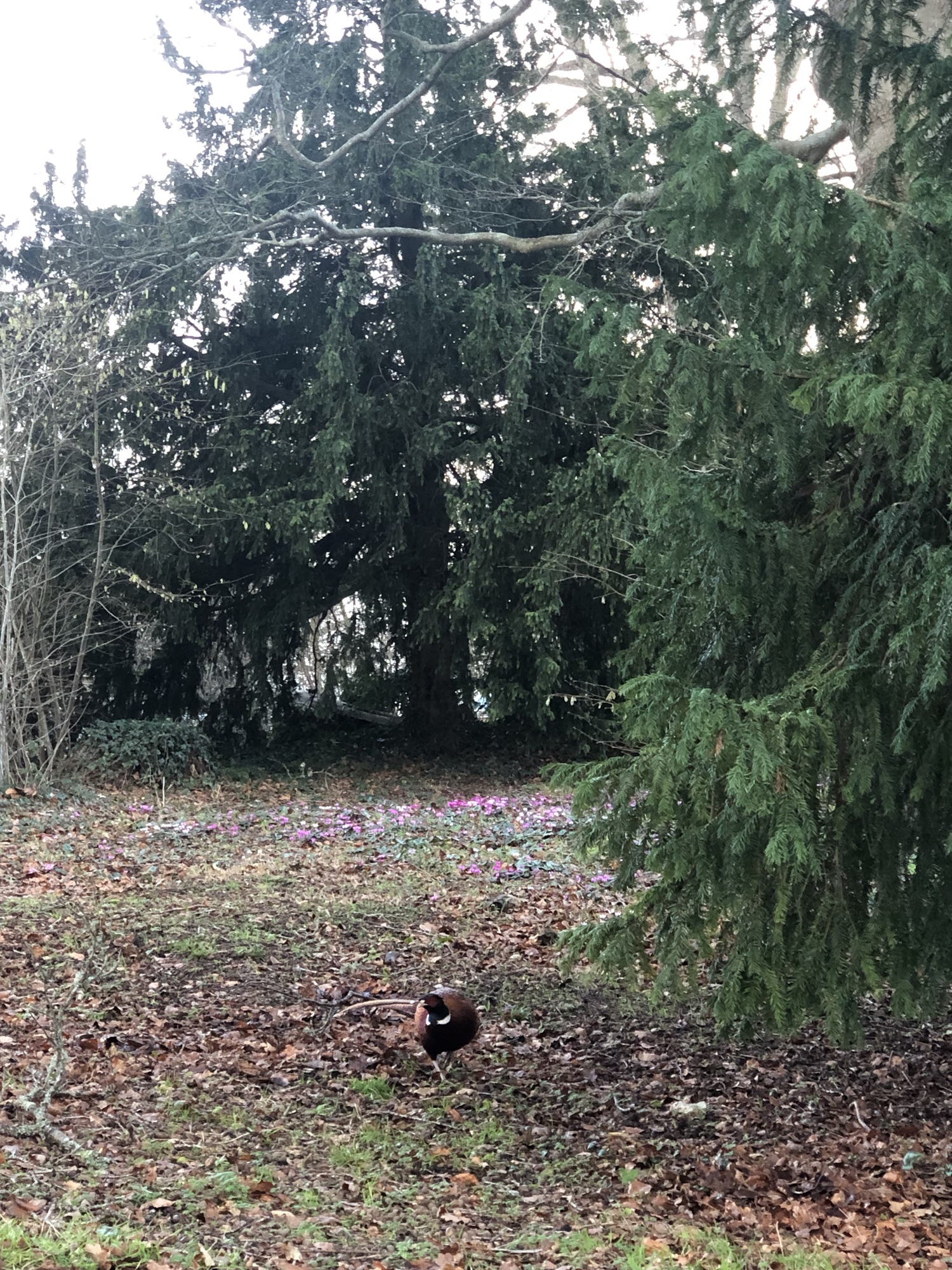
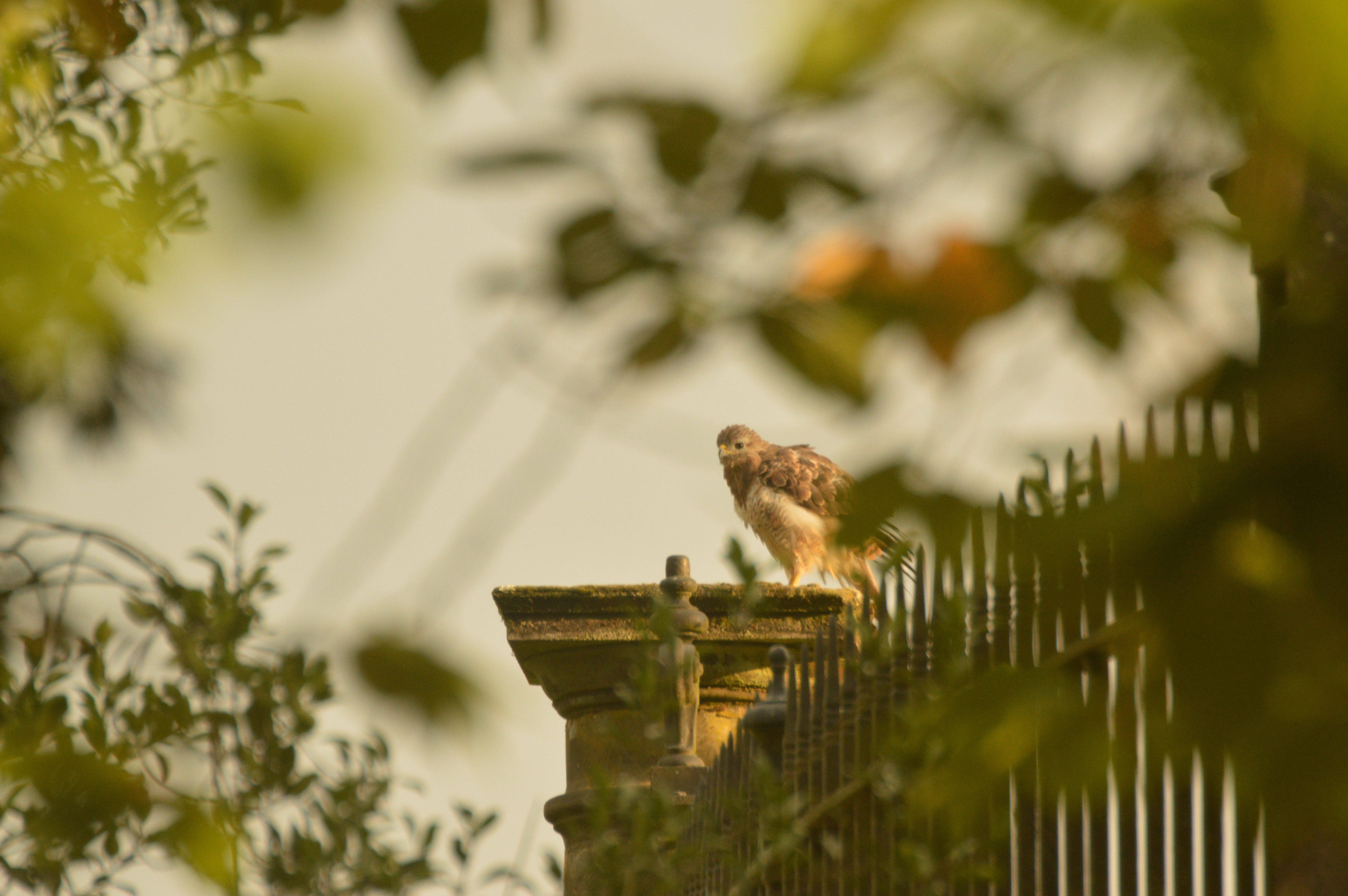
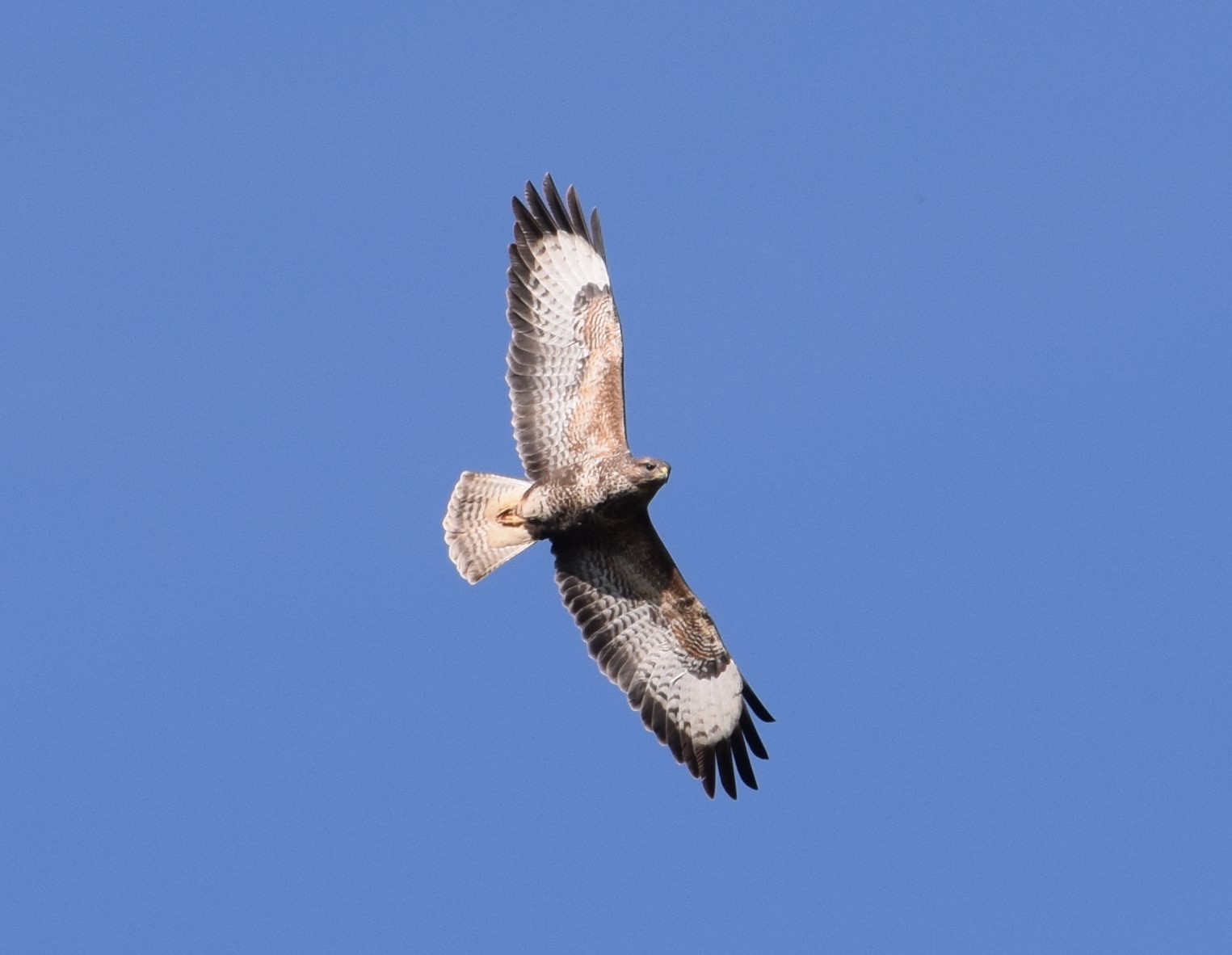
There’s a buzzard that lives in the forest which sometimes quarters the school grounds. A few days ago I saw her from the kitchen while I was having breakfast one morning, and on a childish whim I set out with my camera in hand. I used to be rather good at stalking for a good shot, but I’m a good number of years out of practice. I did manage to get close enough to see the hawk’s eyes with my own, which was the standard I always used to hold myself to back when I was a schoolboy, before it took off over the woods.


Words can’t describe how good it feels to be back at work. Usually, the two days of staff training can feel like a gut punch from the backstage crew as the curtain is yanked back – a kind of ‘playtime’s over, now get out there and earn a crust’. But this year, after eight weeks of on-and-off isolation, it could hardly be more welcome. I’ve been chomping at the bit to get back in the classroom since the end of July at least, and finally, it’s come around again. Only the bank holiday stands between the last few hours of the summer and blissful occupation.

I popped up to London yesterday and bought myself a new suit and shoes in a hollow attempt to pave the road to success this year, but also to treat myself after the success of my first ever GCSE cohort to sit exams came out shining. But will they detract from the beard? I find that doubtful.

Sir has been known to radically change his appearance before. I shaved my head once two years back and braved the raised eyebrows of my kids for months as it took its sweet time growing back. I’ve not cultivated a beard (or a ’tache, for that matter) since my time in Jordan, now seven years ago, and despite my initial apprehensions, I have to admit it’s starting to grow on me – faster than it’s growing in, anyway. I’ve accepted the fact that it’s going to leave me looking more like one of Leif Ericsson’s men than one of Hernán Cortés’ conquistadores – I am three-quarters English, after all, and what Spanish blood I have is more than a little rubio. Still, change is good. One can get too comfortable.


I tidied the flat a bit this morning. Took some clothes to a recycling centre. Did one last shopping trip before the portcullis comes down on Tuesday and ordered a grooming kit to keep this new project under control. The writing bug bit earlier this week, as it always does just before work begins. I guess I need to be busy to be productive.

As the clock runs down, I’m enjoying a warm mug of Cola Cao (courtesy of Garcia’s on Portobello Road) and leafing through one of the oldest books in my collection: a 138-year old copy of Washington Irving’s Life of Mahomet & Tales of the Alhambra. The writing is wonderfully poetic, and it even smells historical. One of my students is writing a project on the Alhambra, having fallen under the same spell that I did at his age – the same magic that ensnared Irving and countless other devotees long before us. It would do me a world of good to clue up on that old obsession once again.

It’s going to be a very busy year, but I’ll write as often as I can – it’s been really therapeutic, getting back into the writing game after a long hiatus. Until the next time, dear readers! BB x

A Taste of Adventure

One of the very best things about my job is my role as the middle school Gifted and Talented Co-Ordinator. As one of the few not on the G&T list in my grammar school days you might jump to the conclusion that there’s a chip on my shoulder there, but that’s not quite right. A more likely excuse is that in my sixth form days I was involved with my school’s Arts and Humanities Society, a pre-university lecture/seminar group run by my history teachers, and it was so pivotal in my development as an academic that I have spent the last few years wanting to set up a society of my own here. The simple fact of the matter is that, four years into my teaching career, I’ve found the niche that allows me to do what I’ve always wanted to do: explore learning for its own sake.

So far, what that has entailed is two after school lectures, one every half term, on subjects that my students might otherwise not encounter in the classroom. I got the ball rolling last term with a talk on the Aztec, where we went on a whirlwind tour of the history of the Mexica, the geography of Mexico and the fierce deities of the Aztec pantheon – as well as the tale of Cortes, la Malinche and the fall of Tenochtitlan. Since I’d much rather the sessions were seminars rather than dialogues, I make a real point of taking questions and posing some of my own as I go so that these talks are more of a journey together than a lesson with me at the front. In the best of all possible worlds – the world I’m trying to create in a Monday afternoon classroom – I’d like to come out of the hour knowing that I haven’t added to their knowledge so much as given them new avenues to explore. That’s why I conclude each session by asking my students what they’d be interested in learning about next time. Today, there were a lot of requests for Chinese history: the Tang Dynasty, the Civil War and the Opium Wars. Perhaps that’s because we took a ride with Zheng He and his treasure fleet this afternoon.

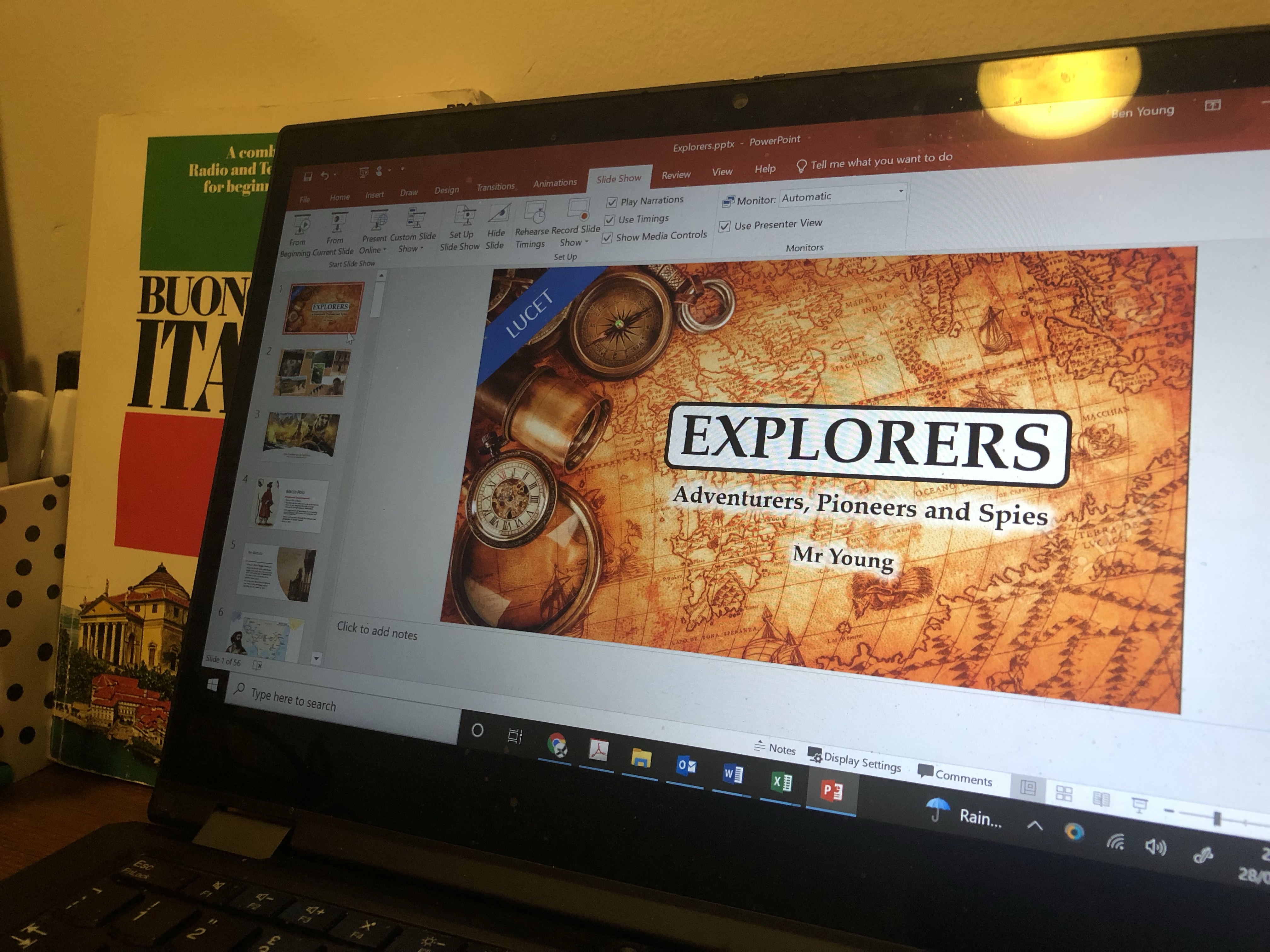
Today’s talk was on Explorers, after one of my students requested a lecture on adventurers like Cook and Lewis & Clark. It was so much fun to research, not least of all because I have been lucky enough to do no small amount of exploring myself in my twenty-eight years on this Earth. I started off with the graphic below and, after we’d agreed Mr Young really doesn’t suit a beard, I picked my students’ brains about the locations in each one. Using the clues of this man’s local dress, and the mountain gorilla, and the facade of the rose city, and the scallop shell, they smashed every single one. Proud teacher moment.

I get a lot of satisfaction from seeing my kids go from strength to strength in the language classroom. But I’d call myself a seeker of knowledge for its own sake long before I call myself a linguist, and this is where somebody like me is in his element. Seeing the electric enthusiasm of my students sparkling like Saint Elmo’s fire from their outstretched fingers as they vie to share their collected wisdom with their peers, answering questions I haven’t yet posed four slides in advance because they read this book here or their parents showed them that thing there… There’s few things like it. It’s one of those “this is why I teach” moments, and the best thing about it is that you’re not having to do an awful lot of teaching. The knowledge is there. All you have to do is open a few doors.

This afternoon, over the space of an hour, we traveled the world. We sailed around China, Africa and the Indian ocean with Marco Polo, Ibn Battuta and Zheng He. We crossed the Atlantic with Leif Eriksson and the Basques and wondered what took Christopher Columbus so long. We learned to navigate by the stars and explored the constellations. We met mild-mannered mountain men, meddling missionaries and bloodthirsty bandeirantes. We searched for Amelia Earhart’s final resting place, climbed the Matterhorn (and fell down the other side) and, saving the best until last, we sat down and had a difficult conversation with that most impressive of adventurers, and one of the greatest linguists (or even, in the opinion of this author, Britons) of all time: Sir Richard Francis Burton. Somehow I managed to cram it all into the space of an hour.

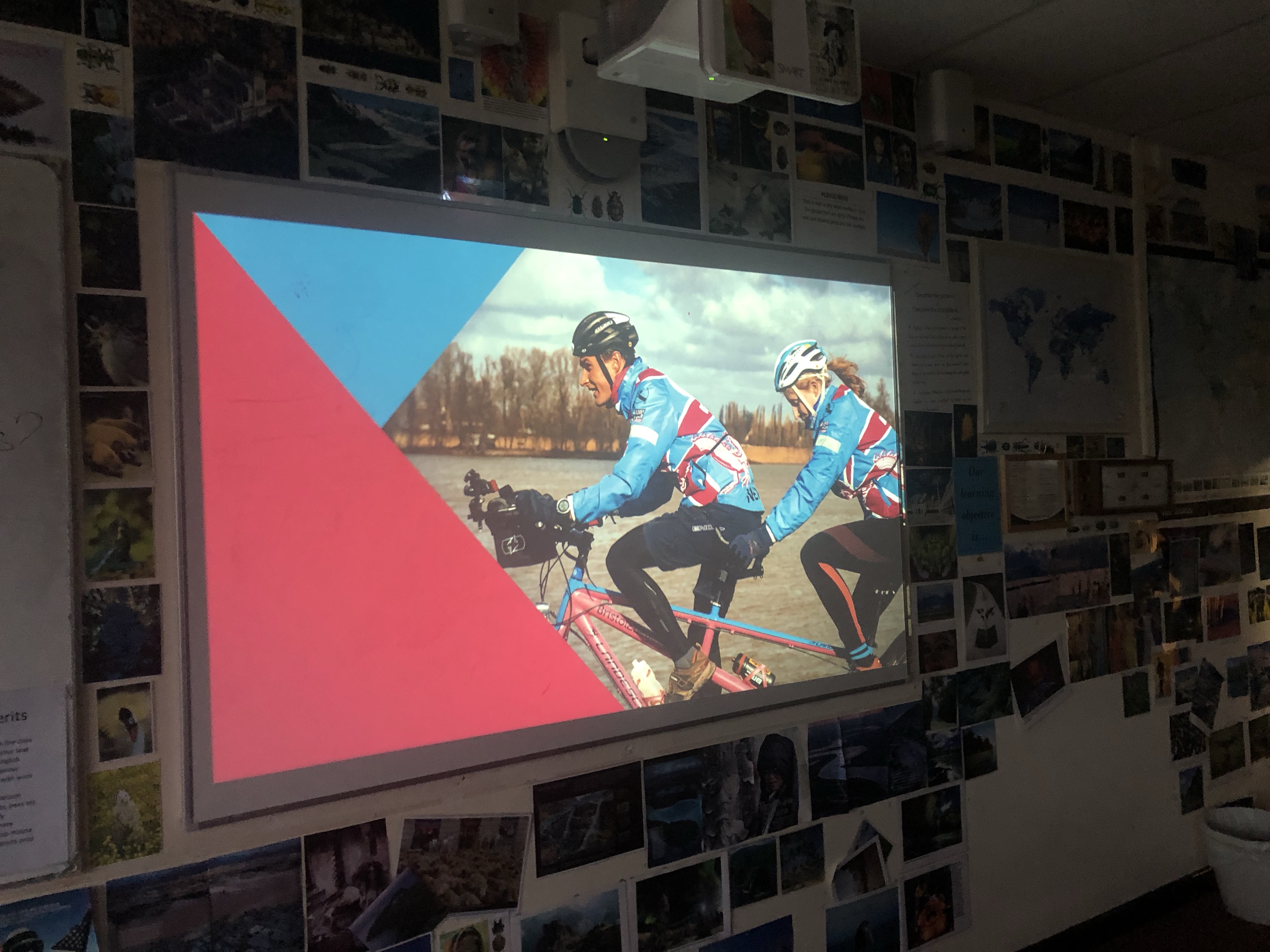
Well. Almost. We ran overtime by about five minutes, but not a single one of my kids reached for their phone, or started to pack up and leave. And that may well have to do with the fact that I chose to end the talk with the personal story of a friend of mine who gives us all a reason to believe in hope again: Luke Grenfell-Shaw, triathlete, fellow Arabist and CanLiver, and champion of the Bristol2Beijing tandem ride across the world. The best thing about that? Once again, I wasn’t even adding to their knowledge. Two of my students lit up at the image alone. They knew this man. They had heard of him.

I can’t tell his story. I won’t. Read about him for yourself – there are few men in this world like Luke. And though I poured my heart and soul into this evening’s talk, I’d like to think that it will be Luke’s story that my kids take home tonight. The world is vast, and explorers and adventurers have already been over so much of it and documented everything. But that doesn’t mean the age of adventure is over. People like Luke are living proof that adventure lies within, in our hearts and in what we choose to do with the world around us.

Godspeed, Luke. We’re rooting for you here.

https://www.bristol2beijing.org/

In the meantime, I’d better find myself an expert on Chinese history! BB x

Half Time

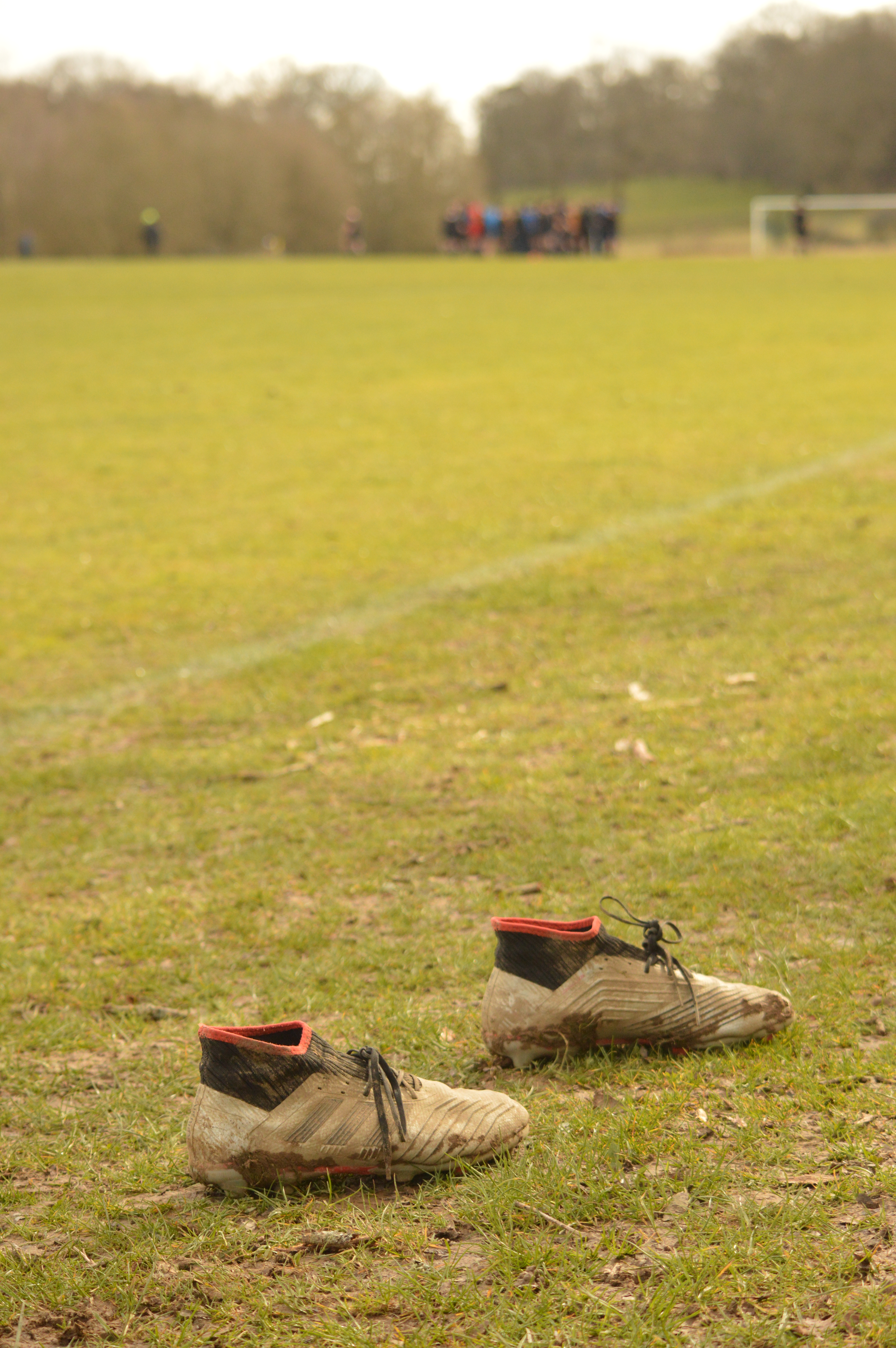
Saturday afternoon finds me out on the side lines, camera in hand, supporting the boys. We put up a valiant fight and place third, thanks to a surprise goal and some seriously impressive goalkeeping. The ball comes my way at some point and I aim to block it, but apparently the ball was way over there and my leg was somewhere else. One of the boys saw fit to rib me about it in house later. I can laugh it off now as I did then. Football has never been my forte, or any other sport for that matter.

Working in a boarding school has got me more invested in sports than I ever was at school. There’s something magnetic about watching your charges do themselves and their team proud, whether they win or lose, that I never really felt when I was obliged to play the game. It’s not that my parents didn’t try to get me into sports when I was younger – goodness knows they tried their best – it’s just that then, as ever, it wasn’t in my interest. Which is why I’m here, not far off the age of thirty, and I still couldn’t name you more than about ten footballers at best. Somewhere along the line it seemed a great deal more important to consign to memory the sight and sound of every single feathered animal in the UK. I guess my excuse for stretching myself thin with the things I do – making music, speaking five languages, writing books and knowing my way around the natural world – might be construed as compensating for the fact that I could never do the one thing that comes naturally to most boys… that is, kicking a ball.

I can’t really remember a great deal about my sports lessons at school. If the truth be told, I’m pretty sure I used what cunning I had back then to wangle my way out of sports for good by the time I was sixteen. I think it was along the lines of “rehearsals for a musical” that I managed to stretch over two years. At least in my first year at school I was given an excuse when an angry sixth former stoved in a few lockers, including mine, with my sports kit trapped blissfully inside. Two memories alone remain: being made to play on through a blizzard in woefully short football kit, and the humiliation of being made to keep attempting the high jump until I was finally able to clear it – by which point it was almost level with the mat. And while I’d normally pull a face at using the same verb twice in succession, “being made to…” sums up my sporting experience pretty well. Understandably, this air-headed naturalist wasn’t ever really at home on the sports pitch.

Which is why it’s all the more surprising to me that I get such a kick out of supporting my boys in their games at the weekend.

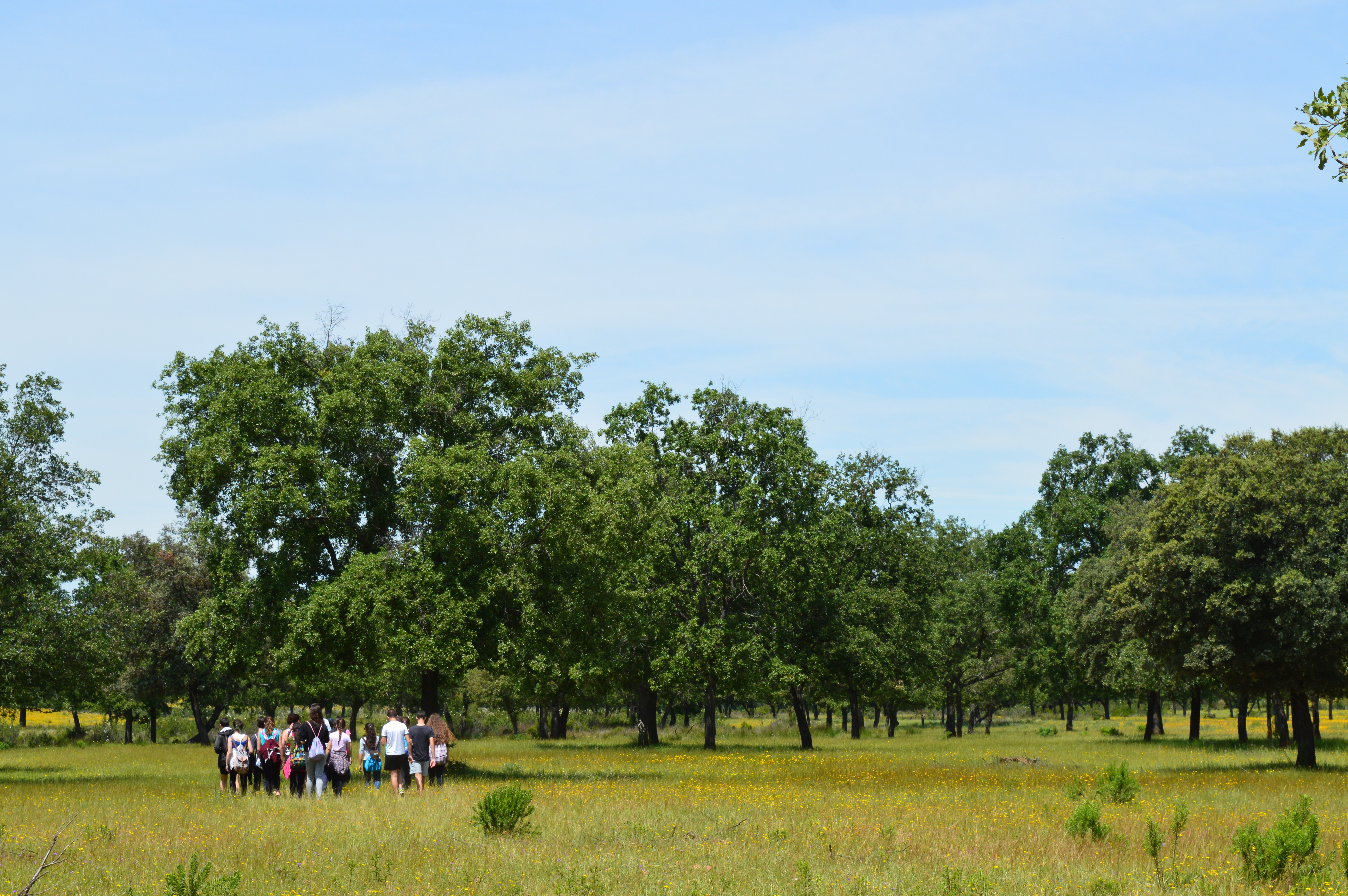
Because leopards never change their spots, I turned my camera skywards a couple of times on the buzzards that came drifting over the pitch, as I once did during the summer fixtures a decade ago. Spring is here and the birds are pairing off already. There’s a part of me that sighs, but a sunnier, more hopeful side that smiles, and I cross my fingers and I hope theirs is a successful pairing. Successful being the appropriate word, since happiness seems out of sorts. We still don’t know for sure whether birds feel emotions like we do, but I’d like to think they have something close to it. You see hints every so often that they might: a swallow mourning beside its partner’s tiny body, crows sliding down snow-bound rooves, choughs hurling themselves from great heights seemingly for the sheer thrill of it.

It’s uplifting seeing the smiles on my boys’ faces during a game, and I find myself wondering whether that’s the same electric feeling you get after a concert, or from sighting one of our island’s most beautiful creatures riding the spring thermals. And now the sun is out again, I might just go for another heart-healing walk in the Weald. The forest weaves a magic that never dies. BB x

Athene noctua

The students have gone home for half term. Silence hangs over the school. The corridors of the boarding house are dark, and a little cold, too. The floorboards creak under my foot with the kind of volume that only darkness can amplify. The dull glow from the torch on my phone casts long shadows. A friend of mine once explored an abandoned hospital on a dare. I did not go with him then, out of some primordial fear of the darkness within. And yet, here I am, haunting the empty corridors of this old house by night, the last man standing. Filling up a water bottle from the cooler on the Year 10 corridor becomes a quest in its own right.

I’ve had a lot of time to think lately. I guess coming out of a long term relationship will do that for you. One of the things I thought I might be able to recover was the fierce reading streak I had on my year abroad, but I just can’t find my mojo for that right now. Time just seems to slip through my fingers when I’m not at work. I wonder what the world does when it’s not working? I guess that’s what television is for, or Netflix, or whatever streaming service is in right now. But then, I’ve never been good at sitting down to movies or TV shows. My brain wants to be involved. There’s a precious few I’d happily watch over and over and over again, but it’s rare that I find a new picture out there that sinks in.

There’s not a day goes by where I don’t feel a genuine fulfilment in my line of work. Teaching is in my blood, a duty that my ancestors have carried out for generations. Knowing that I am the torch-bearer for my generation gives me a sense of purpose that is utterly unshakeable. And it’s not as though that purpose hasn’t been tested over the years. It’s just that, whenever something comes up to shake its fist in my direction, I know instinctively that there’s a greater mission behind it all, and that’s reason enough to persevere – even when my core beliefs are thrown into disarray. I wonder if my great-grandparents, Mateo and Mercedes, ever had such doubts?

There’s a little owl calling outside. It’s been piping away from the upper branches of the Atlas cedar in the drive for half an hour now. The foxes have been quiet for a week or so now. I suppose their noisy January antics in the front quad are over for the year. Three buzzards were soaring over the grounds the other day during morning break, but none of the students seemed to notice. The redwings and the fieldfares have moved on and the snowdrops are out. The daffodils will be on their heels soon enough. I escaped to Richmond Park a few weekends back, just as the first blooms were sprouting. It was good to see the wide world again, even if only through my own eyes.

No photo description available.

The meltwater of the long Covid winter is starting to run. Just like the birdsong and the subtle shift in the light over the last couple of days, change is in the air. Piece by piece, the last fragments of the old world are coming back. At the request of one of my students, I blew the dust off my long-neglected violin and rocked up to orchestra this week. I’m about as good on the thing as I ever was – that is, haphazard at best – but I’d forgotten how much fun it used to be. It’s one of those things that simply slipped through my fingers over the last couple of years.

I think I’ll take up the guitar this half term. A zealous diet of sevillanas have powered me through the darkness of the winter months this year, and I’m done with being able to sing along but never sing alone. At the very least it will give me something to do until my provisional arrives and I finally confront the long-delayed challenge of learning to drive, which I have put off for far too long.

I’m done with playing games. It’s high time I went on another adventure. The Easter holidays aren’t far off, and I could do with some more writing fuel. And spring is always such a hopeful time of year. BB x

Tzompantli: An Ode to Extremadura

On Monday, I kick off my new role as the middle school gifted and talented programme coordinator with a lecture on the Aztecs. It wasn’t the obvious choice, as Mexico is a country I have neither visited nor researched nearly as extensively as my grandfather’s country. As a matter of fact I made a conscious effort to steer well clear of Latin American affairs at university, cleaving to the Iberian modules even when it meant the pickings would be slim. If Durham’s only Cervantes specialist hadn’t been on maternity leave in my final year, I could have stayed quite happily in my fairy-tale world of knights and princesses and Moorish warlords and binged on ballads, and I wouldn’t have had to go anywhere near strap-on wielding Catalans and metaphysical Madrilenians. Oh Quijote, en mala hora me abandonaste!

Ordinarily, for such a school project I would have stuck to my guns and wheeled out some Moorish magic with a talk about Islamic Spain, something that is close to my heart; or El Cid, a man whose legend (and whose 1961 movie) is embedded, thorn-like, a couple of inches deeper. I even briefly considered whipping up something about pirates, but I haven’t read nearly enough to do that one justice. Not yet.

I landed upon the Aztecs for a couple of reasons. One, because the book I have chosen to read with my IB students is Laura Esquivel’s Malinche. Two, because my school – or rather, the people whose money built the house in which I now live and work – has a long history with Mexico, a connection that is plainly carved into the stone in several places.

But I think the main reason I wanted to explore the Mexica was because it ties me back, through the ruthless conquistadors, to a place that is still very dear to me: Extremadura.

My first contact with Spain was with Andalusia, with her jagged crags and whitewashed mountain villages. If I wasn’t spellbound there and then, my mum and dad must have been, because they made the crazy decision to up sticks and move us there in 2006… right on the eve of the financial crisis that was already driving many of Spain’s expats out. It might not have been the wisest move for three out of the four of us, but after a year of weekend hikes in the surrounding sierras, gecko-hunts in the streets by night, Holy Week spectaculars and vulture-chasing in the misty heights of El Gastor, I was absolutely hooked. Andalusia was my polestar for many years to follow, and her light shone brightest on the paradise of the tierras rocieras of Doñana National Park.

(The author, blinded by the light since ’05)

Over the years I braved her jealousy and flirted with her sisters: a school trip took me from Barcelona and the magical Mediterranean town of Tossa de Mar up and into the clouded dales of Cantabria and the foothills of austere Asturias. Legends of the Cid led me to Burgos and the empty plains of Old Castile, the guiding light of my ancestry led me home to la Mancha, and in recent years I’ve swum in the crystal waters of Mallorca and Menorca. Throw in flying visits to Aragon, Alicante, La Rioja and the Basque Country and it’s getting to the stage where there’s hardly a corner of the country I haven’t explored.

But I don’t think I could ever have anticipated the rawness of my obsession with Extremadura. From the moment I set foot on her soil I was lost. It honestly felt like falling in love for the first time. Not the high school crush kind of falling in love, but that kind of mature depth of feeling, that gut-wrenching, iron-tasting jolt in your upper body that tells you something’s starting functioning inside that was only dormant before.

Oh, cut the poetry already, BB. If you’ve been reading this blog as long as I’ve been writing it, you’ll know I didn’t actually talk like that when I arrived in Villafranca de los Barros on that hot September afternoon seven years ago. But hindsight is a wonderful thing, and any corner of the Earth that could convince me to jettison my plans for taking my teaching game over to South America for a second (and very almost a third) time must have an awesome power.

When Hernan Cortes and his men entered Tenochtitlan, one of the greatest cities of the world at the time, one of the things that shocked them most of all were the dreadful tzompantli, wooden scaffolds nearly two metres in height that carried between them the many thousands of impaled skulls of the sacrificial victims of the Aztecs. They came back to Spain telling wild tales of eagle warriors and war priests with matted hair and bleeding knives, and when one reads of the savagery wielded in the name of Castile upon the Mexica, it isn’t hard to understand why it’s been so popular until recently to discount the stories of tzompantli as a myth invented by the conquistadors to justify their actions. Until 2015, the year I moved to their homeland, when the bases of the huey tzompantli were uncovered in Mexico City, complete with row upon row of human skulls, laid out like so many candy calaveras on Dia de los Muertos. The conquistadors, for all their sins, must have had stories worth telling, if only people would listen.

Extremadura is one of those places I will probably write about again and again for the rest of my life. If Andalusia was my first crush, Extremadura was the lady who captured my heart for good. Not even the knowledge I have now that ties my bloodline more closely to Valencia than la Mancha can put a stain (no pun intended) on my devotion to her. Hers is a story I would tell and tell and tell until my tongue split in two.

Tzompantli: an image which struck no small amount of awe and fear. The presence of a God or Gods unknown (and a word that first threatened to split my tongue in two, but is now so satisfying to say that I have rather awkwardly made it the title of this post).

That is my Extremadura. Unknown. Disconnected. Hard to say. Trainless. Abandoned. The conquistadors couldn’t get out fast enough. Malaria festered in her hidden valleys long after it had been extirpated everywhere else, and the Mesta virtually enslaved her very earth to their will, subjecting her people to centuries of poverty. But it is precisely because of these fascinating tales – coupled with her unparalleled natural beauty – that I do believe Extremadura to be the jewel in Spain’s crown.

And oh, look – I started writing about Mexico and here we are, back in Spain. I’m nothing if not predictable. Some of us spend our lives traveling in search of that “something” that is just beyond our reach. I count myself amongst the lucky ones who found what I was looking for and need look no further – at least, no further than the light that shines on Spain’s shores. I can only hope Doña Extremadura forgives my curiosity.

Did Rodrigo, last of the Visigoth kings, truly disappear in her mountains after the fall of Merida? Did an army of ants reduce one of her villages to rubble? Were there really hordes of dwarves in Las Hurdes who descended into the valleys by night to terrify the locals? And what made Carlos, supreme ruler of the Spains, the Americas and all the Hapsburg Empire decide to spend the last years of his life in her wooded hills?

You will only find out if you go. Don’t hold on too tightly to your heart. BB x

P.S. Thinking about sharing some more stories from this part of the world… watch this space.

Waldmusik

Monday night. Five weeks in. The first load of reports are due soon. I close my inbox, tired of leafing through the daily barrage of emails in my windowless office, and open my eyes. Packs of SureSan wipes on every shelf. Seven empty bottles of water from last week’s packed lunches, amassed in quiet protest. The number for the IT department scrawled in pink highlighter on a piece of paper folded and blue-tacked to the wall. A wall planner that hasn’t been updated since lockdown began. A chewed-up biro, an oak leaf and a buzzard feather. Karl Jenkins on Spotify. The ventilator roars overhead.

Tomorrow will be seven months to the day since the music died. Seven months since a final lucky fling at a friend’s wedding, which might as well have been a paean to the love of music itself. In retrospect I suppose “elegy” might be the better word. Rome burning and all that. COVID robbed the world of so much, and in the panic over its impact on work, health and the daily grind, music slipped quietly over the edge into silence.

I can’t think of a point in my life when music hasn’t been a constant. Having two music teachers for parents afforded me an incredibly privileged upbringing with regards to my musical education. I wanted for nothing, except perhaps an escape from Classic FM. Scarlatti and the Spice Girls. Klezmer, Raga and Jazz. The Stranglers, The Bee Gees and The Corrs. By the age of ten I had amassed a real symphony of diversity from all the CDs in the house, with an early preference for folk music and anything from the 1970s.Primary school, secondary school and university were a seamless pageant of choirs, bands and orchestras, with the occasional assignment as a reminder that education was happening somewhere within. Whether in a church or a school hall or a smoking stage, I was always singing.

The ventilator continues to growl. It’s about as close as I get to music without Spotify in here. The government directive against singing felled the school choir, the chamber choir and my gospel choir in a single axe stroke. Christmas waits at the end of the tunnel that is the Michaelmas term, but without the usual musical beacons to light the way, it simply doesn’t feel like it.

The last time I felt like this was half a lifetime ago, during my family’s earnest but ultimately unsuccessful attempt at a move to Spain. Then, too, the years of emerging into the frosty night after choir practice with carols ringing in your head melted away like snow in the sunshine. Spain has many beautiful musical traditions, but the buzz of advent – or, at least, the advent I had always known – isn’t one of them.

“Vosotros los ingleses, os flipáis con la música. No hay ese mismo afán por la música aquí, ¿sabes?”

Do I agree with her? The girl who told me that once? I do not know if I do. Years on, I’m still mulling it over.

Without the music, the days are long. They blur, one into the next. Web players and Bluetooth speakers are a poor imitation, like listening to the sound of the ocean in a seashell. There is nothing – nothing – like the exhilaration that comes from making music. It’s the difference between seeing and doing. Watching a cyclist and feeling the wind in your hair. The gulf is immeasurable. It’s the third half of my brain, the fifth chamber of my heart.

COVID cases continue to rise. Whole areas of the country are retreating back into lockdown. People stagger out of pubs at closing time and complain blindly at the loss of their freedom – or so the pictures in the Press seem to scream. Schools remain defiantly open as children come and go into and out of isolation. How long can it last, the question on everybody’s lips. In the music hall, silence hangs like mist.

I put on my hat and coat and set out into the evening. Music was always my tonic of choice, but if one elixir is out of stock, the other at least is deathless. It waits out there in the dying light, eternal. Autumn chill is in the air and the martins are long gone. Soon the hedges will be alive with the cackle and chatter of fieldfares, and the liquid sound of redwings traveling by night will follow me home from duty. For now, the old guard plays the same music it has always played in the forest beyond the fields. Blackbirds chatter down in the gully. The staccato of a wren breaking through the hedgerow. And, perched on the exposed branch of a dead tree, cock robin sings his heart out.

The song of the robin is, I think, the most beautiful music that England has ever known. Gentle, melodic, like water – it cannot be put into words. Not by an unqualified amateur such as myself, anyway. The robin for me is a symbol of hope. Maybe it’s his boldness, his charming friendly nature; his defiance of the cold on a January morning, as if to let the world know the darkness cannot last forever. He pays no heed to government directives or social distancing measures. He sings as his ancestors have sung for generations, since the world was cold and dark and unforgiving. Hearing his voice now, at a low ebb, it lifts my spirits again.

Half past nine. Directionless text books. Vocab tests, marked and unmarked. Me and the tuneless ventilator, and the memory of the robin’s song. I think I’ll call it a night.

Double-Edge

The Christmas holidays have come and gone. I’m back in Durham once again for what is beginning to feel increasingly like the last tilt of sand in the hourglass. Last term went by like a bullet as I found myself thrown headlong into a heavy workload once again, but yours truly must have learned his lesson over the last year or two, because I can’t think of a day when I let it get me down. The troubles and traumas of the first two years of academia and extra-curricular pressures wanted and unwanted were very much absent from last term; if they were there, they were buried deep beneath a veneer of simple satisfaction. Satisfaction with my course, satisfaction with my extra-curricular commitments, satisfaction with the direction my life is taking me.

That’s not to say I’ve got it all figured out. I don’t. I’m still waiting on a crucial reference to secure my post next year – without it I could end up in hot water. I’m surrounded by people who are powering ahead with their dissertations at a remarkable rate, whilst I content myself with reading leisurely around the subject before I even think about the process of putting pen to paper. The Lights are also taking me forward at considerable speed, and it is this last which is eating into my timetable more than anything else at the moment. After three entire days of pitch-punching and choreo workshops, it’s easy to forget that university is a place for the pursuit of knowledge.

That’s something I’ve been thinking about recently: what does a university mean?

Over the last few years I’ve met a lot of people from different walks of life who have very different attitudes to university. There are many for whom it is simply the next stage in their studies, a means to an end, an expensive-but-necessary qualification to hack into the job market. I find it a little heartbreaking that this is what university has become for so many, the semi-obligatory next step in the road and one that we are all too often pushed into without even thinking. University should be open to everybody, of course, but does that necessarily mean that everybody needs to go to university? I’m not so sure.

Then there are those who accept that first notion and proceed to enjoy their time at university with their eventual degree very much subsidiary to their overall experience. They’re the ones who couldn’t care less if they land a 2:2 at the end of three years of lectures and under-prepared seminars, just as long as they had an amazing time and met some life-changing people along the way. Granted, it’s a point of view that suits the wingers and the daddy’s-boys more than most, but it’s not too uncommon. And at the end of the day, you can’t criticise the stance too harshly: it’s a very good example of making the best of a bad situation.

What else can a university degree offer? Networking, for one. It’s a fantastic way to meet new people and, by default, make important contacts in the outside world. It’s a good way to hone the skills you learned at secondary school to perfection, or to stay immersed in a subject you enjoyed. Some just don’t like to leave the school environment behind: the routine, the structure and the linear timetabling make for a familiar existence (and I include myself shamelessly in that bracket).

There is, of course, another important reason people decide to go to university: in pursuit of raw knowledge. That, for me, is the very essence of university. It’s what it’s all about: seeking new truths, dispelling old beliefs and walking into new worlds. What saddens me most is that this is so rarely the primary motivation. I wonder whether it’s more than a little big-headed of me to say such a thing, but I guess I expected to find more people with this kind of attitude when I rocked up a fresh-faced, idealistic fresher a few years back. I wasn’t exactly popular, and with an attitude like that, it’s really not hard to see why. Since then I’ve mellowed a bit, but I still feel a little happier than I should when I encounter somebody else who has nothing but unbridled passion for their degree. Perhaps that’s just the nature of an undergraduate degree; the Masters students all seem to be wholly absorbed in their studies. I guess I’ll just have to return to this world a few years down the line.

Perhaps it’s because I want to be a writer that the simple pursuit of knowledge for its own sake is so important to me. How can you profess to write for people if you don’t read? It’s little banal thoughts like that that kicked me back into reading fiction two years back. The effect that reading fiction has had on my overall enjoyment of academic research is surprising, to say the least. I wonder whether the two were supposed to go hand-in-hand from the very beginning.

More and more these days my degree leads me and my stories into worlds and places I could never have found on my own, and likewise the years of research I have carried out for my books gives me insight into my degree that features nowhere in my course. I have been torn from Spain, from the land that bled life into my tales like veins to a beating heart, but with a little hard work, I have found a survival mechanism in the university effect. Whatever one’s motivation for going to university may be, the result is a hot-pad of intellectuals of all walks of life. It is a place for bringing together great minds for the bettering of the nation, in pursuit of new truths and new ideas. Just the vibe alone of such an environment is reason enough to throw oneself into academia. That, I think, is the real purpose of university.

If only the UK could follow the Scandinavian example and make a university degree a realistic option for all, with no respect for money or background. The way things are going, such an aspiration is little more than a pipe-dream at the moment, but if we might try to take a step in the right direction, I’d implore the powers that be to rethink the idea that everybody in this country should be going for a university degree by necessity. University should be encouraged, of course, but no more than an apprenticeship, an equally admirable path by all respects. Higher education should be for everybody, but’s it’s not. An option, not a necessity.

I may be little more than another one of those liberal, meritocratic millennials, but I’m not alone. I think there’s something very wrong with the way we’re monopolising higher education, when it should be nothing more than that: an education.

To make good on my words and dispel a few old beliefs. A university degree is not meant to be the three best years of your life. It’s not meant to be a government-sponsored ride of wild parties and last-minute essays. And it’s not meant to be a long slug of soulless study either. But it can be immensely worthwhile and should not be abused.

But what do I know? Students are, after all, noisy creatures that are happy to live in hovels and live in close-knit cliques of their own. What do I know about the world? x

The Notebook Kid

My parents used to tell me it was exceptionally bad manners to carry my drawing book around with me. Something along the lines of attention-seeking, they said. In my defence, the idea behind was quite the opposite. As a kid I was simply looking for just about any means of avoiding conversation. That it usually backfired and had people asking me about my drawings was beside the point. It was a defence mechanism and a habit I never really grew out of, as proved by the fact that even today, in my job as a teaching assistant, I still give classes with a sketchbook on my person at all times.

The hardest thing for me to do in any language is to explain my novel, for no other reason than that I have difficulty summing it up in English. It’s one of those books that requires a fair amount of backtracking, it being historical fiction. Until the day I find a means of summing it up succinctly in English, attempting to do so in Spanish or even Arabic should be beyond me. But that doesn’t stop me from trying. And as carrying the sketchbook around with me practically guarantees that somebody will ask after the subject, I put myself in the firing line on an almost daily basis. It’s a real bastard of a task, but I do have a knack for constantly setting myself up for challenges that are very almost beyond me. You’ve got to keep yourself on your toes, after all. There’s no use in securing the moat when besieging the keep is the perfect practice.

In two weeks’ time it will all be over and I’ll be at home, enjoying the second half of a forty-eight hour respite between shifts before I’m needed in Tetouan. But let’s not talk about that. It hurts.

Villafranca isn’t half rolling out the party parade for my final week. I’ve got a two day trip to the countryside coming up with my 3° ESO class, which will largely consist of forty-eight hours of birdwatching, hiking and singing campfire songs. And, of course, speaking the most beautiful language on God’s earth. Then it’s two more days with the Carmelitas, and a whole bunch of farewells there – especially to my seniors, who I will miss terribly when they’re gone. It was the Day of Santa Joaquina yesterday and the school took the day off to celebrate in style. Touchingly, the lower sixth put on a celebration last night for the upper sixth; a fifteen-minute sequence of dance from the entire year group, ranging from classical dance to salsa – at which almost all of them were reasonably professional. Something you wouldn’t expect in an English school.

For some reason I don’t get much contact with the upper sixth in either school. There’s just a handful of leavers in my Cambridge FIRST class, and the others know me only because they usually stop to wave and scream at me when they’re going past one of my classes on a Thursday afternoon. Kids. Last night I went to watch the show (under orders from lower sixth to photograph the event) and the leavers seized upon the chance to grab a conversation last night. Two on-the-go portraits and several photoshoots later, I was enjoying a decent conversation with two of the girls, who I’d met – apparently – on a night out in Alemdralejo once. I should show face to these of events more often.

It’s only recently occurred to me that I no longer need that warm-up period to get into the driving seat as far as Spanish is concerned. These days it’s simply a case of jumping in and off we go. I thought I’d settle any lingering doubts by taking that CEFR Spanish Language Assessment that’s been hanging over me for some time. When I left, it graded me at B2 level, which stung a little. I had high standards.

This time it came back C2.

So, officially, I’ve done it. Fluent. I already knew I could handle myself in just about any situation in Spanish now, but it takes something like an official grading to drive the point home. It’s easy to overlook how far you’ve got until you’re out of the native country. I recall feeling like I was failing massively when I left Olvera, only to find myself half-fluent when I got home. It’s all a matter of perspective.

Must dash – the upper sixth are graduating today and I do believe I’m expected. And tonight, the final gathering of the guiris in Almendralejo. It promises to be a grand finale. BB x
Bebida 10

It’s a Wednesday afternoon. I’m back in the staff room as per, not doing anything particularly noteworthy, other than watching Armstrong and Miller and catching up on old Have I Got News for You episodes over a 60c cup of chocolate más espeso. For some reason it’s almost always bebida number ten; it’s as though the man upstairs is reminding me that it’s become too rigid a routine, and that sooner or later things have got to change.

Wednesday in particular is a very routine day. It starts late, with a lie-in and a little reading before my 10.05 class, the first of two hours of 2º ESO. The first class is large and potentially rowdy, but rarely causes a headache – and, if I’m using the whiteboard (something I’ve learned to rely on less and less), has me returning to the computer every thirty seconds to cancel an automatic shutdown that seems to have plagued the model for the last two months. The following class usually has me on my own for the first twenty or thirty minutes, which results in absolute chaos; I do declare that the thirteen/fourteen threshold is quite possibly the very worst stage of adolescence (though that’s nothing ground-breaking in itself). Worse is that at least three of the students are always desperately trying to silence the rest, proving that this particular subaltern does have a loyal following even when I’m left in charge of the ship.

I then have half an hour before my next class, over at the private school, with the tinies of lower primaria. Whilst they can be just as destructive as their Monday peers, there’s a far greater chance of them doing something like work in my weekly session with them. And they’re absolutely adorable. The first five minutes are basically me trying to wade to my desk through a sea of hugs.

Which makes the following fifty-five minutes of crowd control a little easier.

The last two classes of the day, the upper tiers of the private school Cambridge English course, are an endurance course of a different breed – that is, holding back laughter. They’re an uproarious lot. The First group are one step away from speaking like native English speakers, I swear, so an hour with them (or forty minutes, since they’re twenty minutes late without fail every week… ‘went home for lunch’ is the excuse) is more akin to a conversation at school with a group of kids four years below you. It has its fair share of jokers, as does the following class, which is usually a little more low-key… though it has its moments. Today’s golden crown goes to ‘motor-water’, because jet ski ‘didn’t sound very nice’.

And then I’m here. The Meléndez Valdés staff room. With an empty plastic cup and my novelling notebook, planning my surprise entry into a class I’ve been given back after a three-month absence. You know you love your job too much when you are offered the chance to work one hour less for the same pay and you kick up a fuss about it for three months.

I can only hope they take their lesson on time travel as well as the others have. Beginning the lesson with Hitler phones goats turns out to have been a good idea after all. BB x
Shakespeare and a Pigeon with a Death Wish

Summer has arrived in Spain. It’s been pleasantly cool up until now, but yesterday somebody upstairs decided to crank up the thermostat. Two months ago it was finally warm enough to ditch the thermals by night, and now it’s shirt season. Which, for anyone who knows me, suits me just fine.

I haven’t done a random regular update in a while. I guess that with all of the to-and-froing after Semana Santa I’ve hardly had the time: in less than a month I’ve been to El Rocio, Sevilla, Cordoba, Barcelona, Andorra, Calatayud, Monfrague and Jerez de los Caballeros, not to mention taken part in a Romanian art school exchange and worked a weekend at an English immersion event. It’s been pretty non-stop since the 23rd of March. But life goes on, and as I try to make clear on this blog, life is not one massive series of amazing year abroad adventures – unless you count the everyday as an adventure in itself, and I wouldn’t blame you if you did. It’s full of trials and tribulations of its own.

Well, what’s to say? Here I am in the staffroom at my afternoon private school, waiting for my Upper Sixth class to arrive for a catch-up class (I’m still making up for those hours I lost by being in Barcelona, one month later – take note, future me!). It’s hard work but rewarding, teaching Upper Sixth… They don’t all take part as they should, but those that do do so with a spectacularly high level of English. The others are just as good, if only they’d speak more (an eternal problem with teenagers). I look back to the honeymoon period when I’d first arrived and it was a barrage of questions from all sides… but even if they aren’t as proactive with familiarity, at least being settled pays off. And at least I know their names. It hardly needs saying, but that’s crucial to good relations.

Teaching at the public school this morning was uncharacteristically problematic. For the first time this year I forgot to set my alarm, with the result that I only woke up at the sound of my flatmate leaving, some fifteen minutes before my first class. In my haste to leave I startled a recently fledged pigeon that had been sitting on the doorstep of the block of flats which, as Fate would have it, flew straight under the wheels of a car. In that dark mood I went on to teach two Lower Sixth classes about the End of the World, painfully aware that the biggest challenge – trying to teach Shakespeare – was still around the corner. Even so, I’d prepared a nifty presentation for the job, which would do the trick.

Provided the computers were working. Which they weren’t.

For the second week in a row my premier class had to suffer an off-the-cuff lesson where all the visual prompts and gags had to be done manually. I’ve got to say it; if my mother hadn’t gotten me into drawing, I don’t know what I’d do in such situations. Drawing skills are a genuine lifesaver in teaching. No PowerPoint? Whip out the chalk. Trouble explaining a word? Draw it. Need to motivate the kids? Get scribbling. It’s a defibrillator that never runs out of juice. I owe my parents, my friends and my art teachers so very much for encouraging me on that front. I don’t know where I’d be without a pencil in my hand and an image in my head.

It’s 15.30. My Upper Sixth class should be here in a couple of minutes, but if they play their usual ‘I went home for lunch’ card, I’ve got at least another twenty minutes until they turn up. In the meantime, I’ll get prepping their mock exam. Let it never be said that a language assistant is a cushy job. You land a job as good as this, you’d better earn it. BB x