Stolen Land

Aeropuerto Teniente Julio Gallardo, Puerto Natales. 15.42.

My mad jaunt down to Patagonia is coming to an end. It has been easily one of the most amazing wildlife experiences of my life, thanks in a large part to my excellent guide Fabián, but also to the exceptional quality of the encounters I have had with the local wildlife, much of it within Puerto Natales itself. It has left me with an insatiable hunger for more adventures of this kind and a fierce desire to see more places like this: there is a haunting beauty to the polar regions of the world that I have ignored for far too long.

I am already considering a new adventure for the last week of the Chilean exchange, but that, for now, must wait. I do have a job to do, after all.

Check-out from my cosy B&B was at ten this morning, so I made the most of having a warm bed right up to the last minute before setting out to find something to do to kill some time before my 16.45 flight back to Santiago.

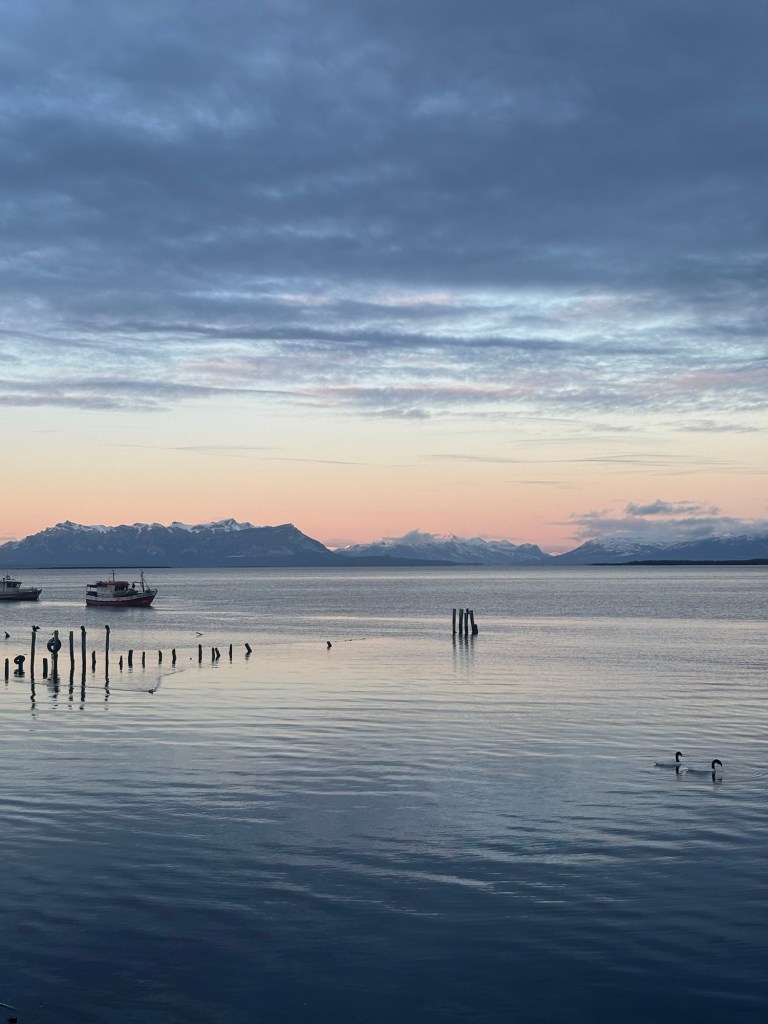
Predictably, I found my feet marching me straight back to the shore. A great carpet of cloud kept most of Puerto Natales in the dark, but away to the south, the sky was a spectacularly wintry salmon pink. A few estancias and the hamlet of Dinibor are the only settlements between here and Antarctica, if you were to head in a straight line to the south – a privilege only the birds know.
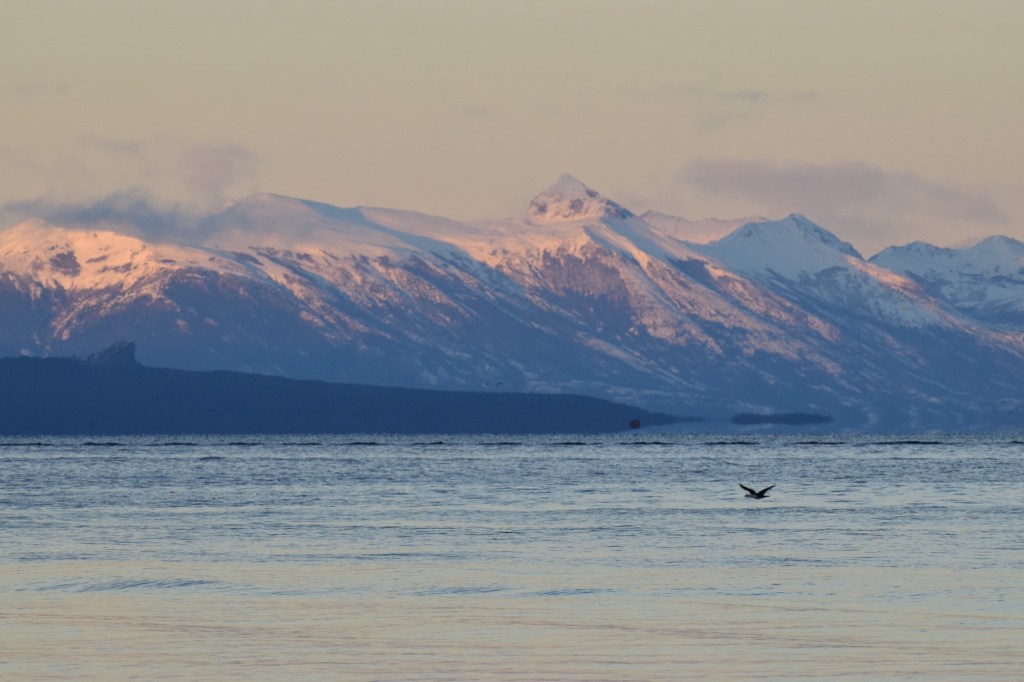

The vast network of fjords that criss-cross the mountains between Puerto Natales and the coast were once home to the Kawésqar, a nomadic people naturally stunted by their lifestyle, which saw them travel the fjords in search of food in their boats. Like the other native Patagonians – among them the Aonikenk, the Yagan and the Selk’nam – they suffered terribly at the hands of the European settlers. Many died of exposure when they were forced to trade their water-repellent sealskin clothing for Western dress, which could not protect them from the cold and the damp.
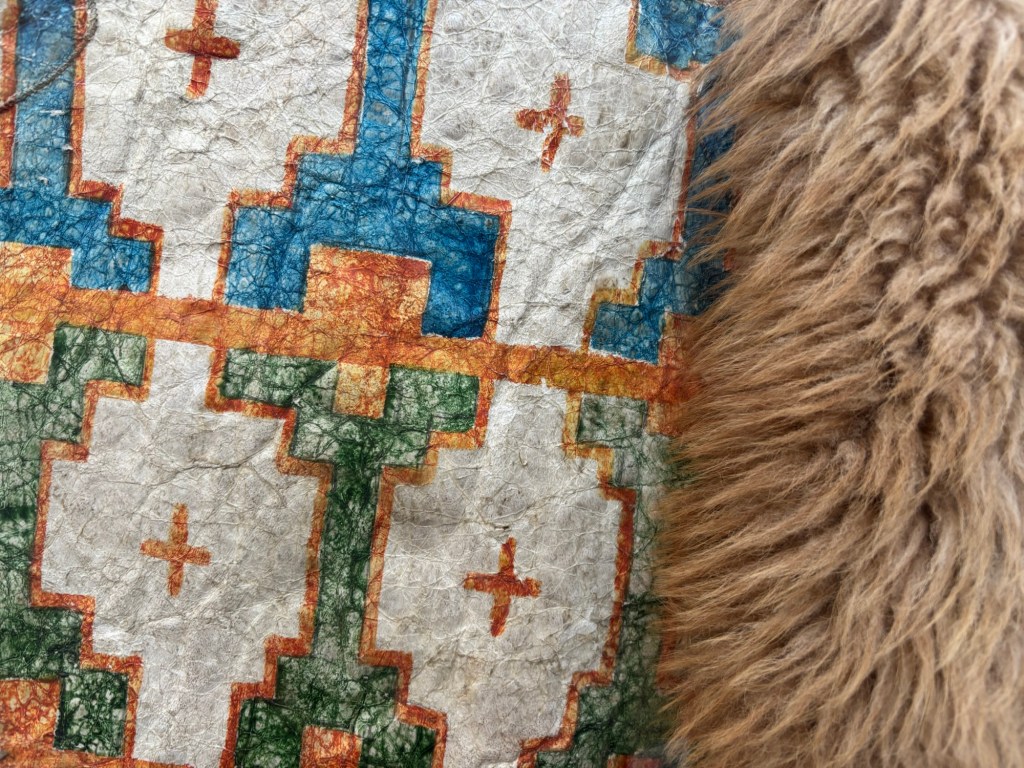

Others were wiped out by foreign diseases or brought low by the new vices of alcohol and tobacco. A great many were systematically wiped out by foreign mercenaries in organised Indian hunts, paid for by the ranchers, in an attempt to stamp out any perceived opposition to their dominion over these territories. Most heinously of all, entire families were kidnapped and shipped off to North America and Europe where they were displayed as evidence of human evolution in human zoos. Setting aside the painful matter of their obvious humiliation and fear, very few ever made it home: there are several cases of gross ignorance on the part of their buyers who, once the tour was complete, shipped the survivors back to a completely different part of Patagonia, where they were seen as outsiders by both the European settlers and the other natives.

It is nothing less than the bleak and bloodthirsty story of humanity, but it loses nothing in the retelling. It would do us a lot of good to remember what we are capable of at our very worst, if only so that we can strive to rise above the darkest heart of our nature.
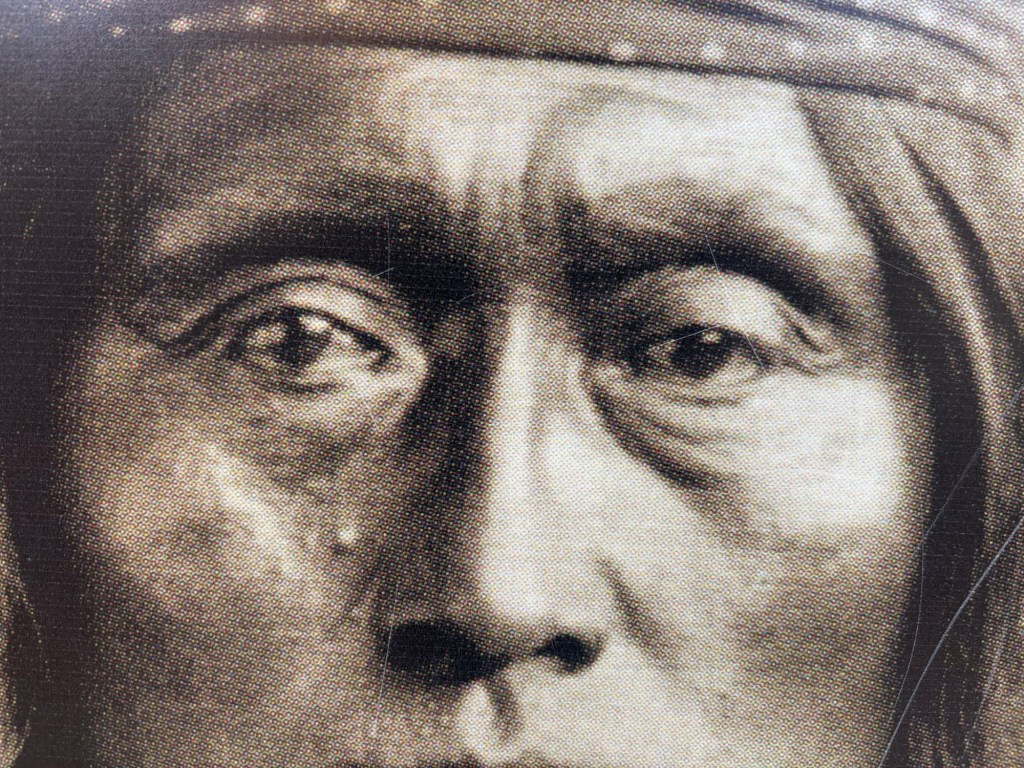

My fingers were freezing up after a long walk along the seafront, even beneath two layers of gloves, so I stopped for a hot chocolate and a sandwich in a friendly café. The waitress was really cute and the chocolate was superb. I couldn’t help eavesdropping on the pair of Australasian backpackers when one of the waiters engaged them in conversation. They were here for the skiing, by the sound of things, which seems an odd thing to come out here for. The waiter was telling them how expensive it is to import oat-milk way out here in Chilean Patagonia, but how marketable it is to the tourist trade (it was literally the first thing the taller of the two New Zealanders asked upon entering the café).

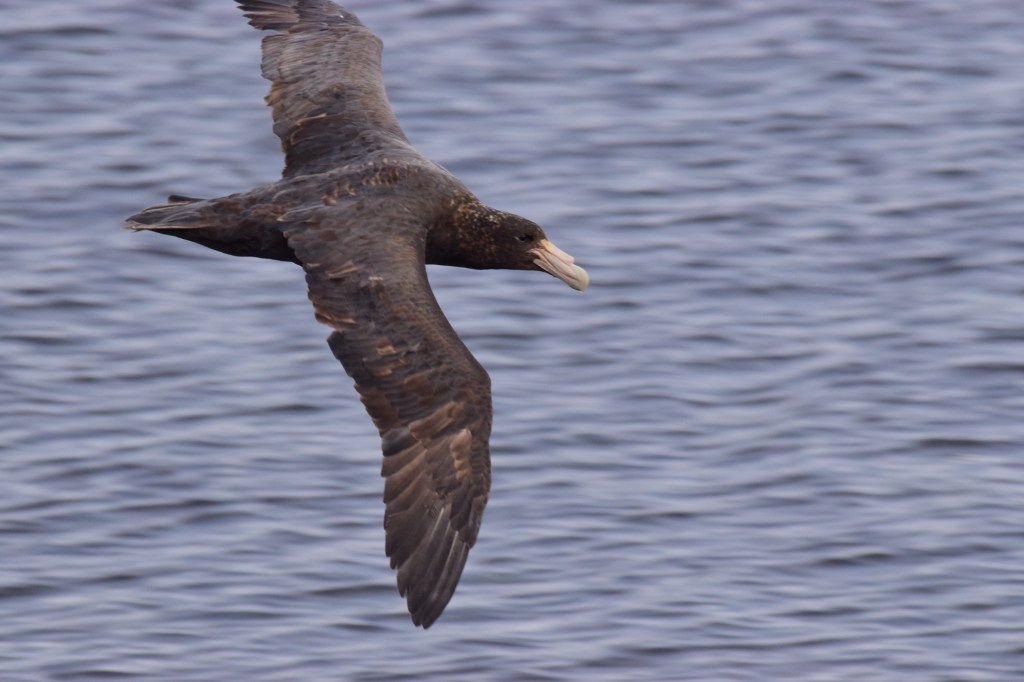
I wonder what the Kawésqar would make of wanderers like us and our bizarre motives: be it the girls who have traveled across the ocean to race down the mountains on a pair of skis, or the equally odd chap in the felt hat who has flown across three continents to see the puma, the ñandú and the great black seabird that races up and down the fjords. I suppose they would be every bit as baffled by us now as they were then.

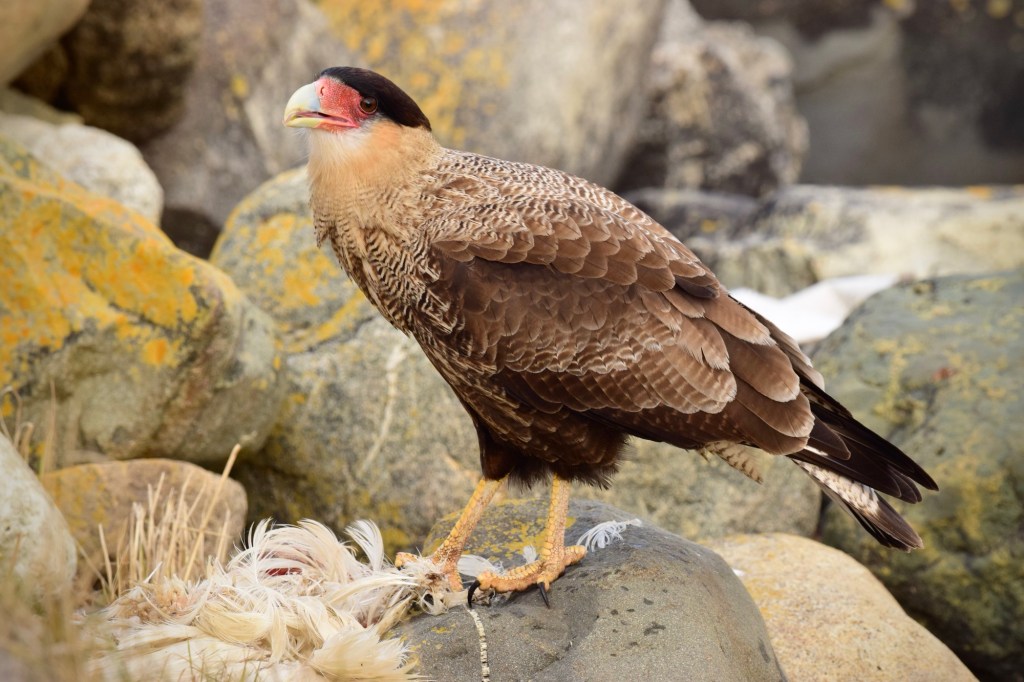
As if to say goodbye, a handsome crested caracara came down to the beach to pick at the coscoroba carcass under the sea wall. These intelligent hawks are favourites at bird of prey centres in the UK, where they perform fly-overs to the oohs and ahhs of parents and children alike. Bird shows are all well and good, but it’s nothing short of wonderful to see them here in the wild, where they belong.

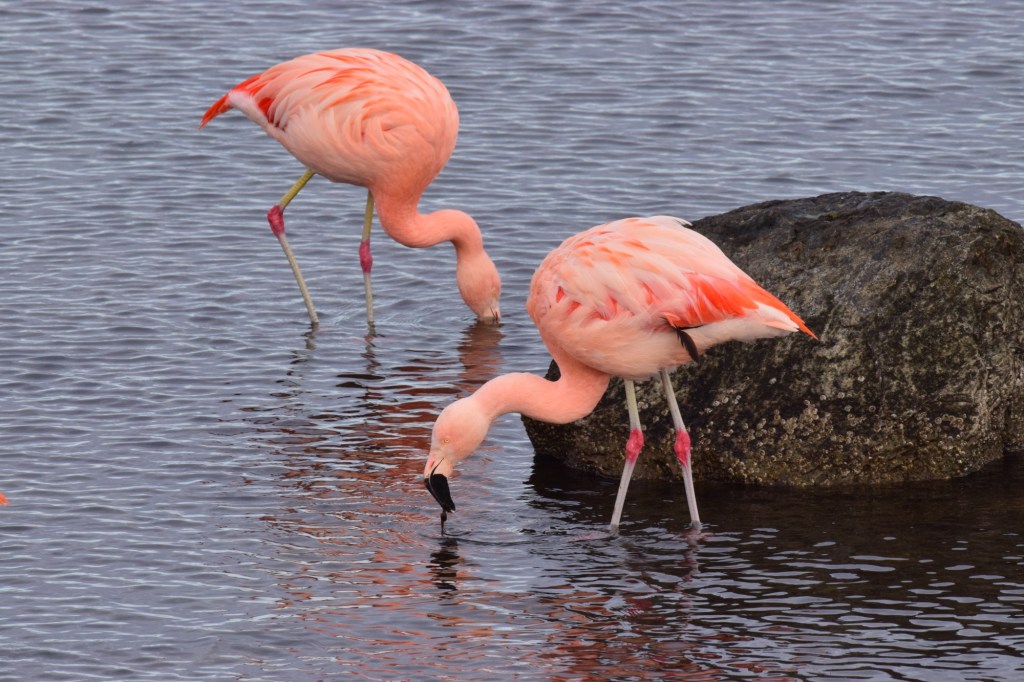
The flamingos were back in the spot they had been on the day I arrived. These Chilean flamingos – easily identifiable by the pink joints on their otherwise grey legs – are the kind I only saw at a great distance during my travels in the Peruvian altiplano, so it’s nice to appreciate their magnificence at such close quarters. They’re very popular with the locals, too, who were always stopping to photograph them or watch them for a while.

It’s hard to single out a special memory from this trip – it has been a series of miracles from start to finish – though I suspect the trophy does go to the pumas by default, as that’s what I came here for, and I did have some absolutely incredible encounters over the course of three days’ tracking. Timing my arrival with the first snow of winter was a master stroke of luck, I won’t deny that. It could just as easily have been a washout, as the rest of Chile has been experiencing torrential rain for most of the last week. You’d never know it here: beyond the intermittent cloud cover, it’s been sun, snow and crystal clear waters down here in Patagonia.

As always, thank you for joining me on another adventure. The Patagonian expedition may be at an end but this particular story is not finished yet, so stay tuned for more Chilean observations and adventures. Valparaiso is very definitely on my weekend list, and the placement itself should be something to write home about. Villafranca always was.

Until the next time, Patagonia – it has been a living dream, every minute of it. BB x
Strangers in the Forest

Bonanza Lodge, 20.13.

The great Amazonian adventure is almost over. Like the macaws flying in shrieking groups across the river, I too will soon be traveling away from here. I am starting to get cold feet about leaving this place. I don’t have a choice, as I’m with an organised tour, and getting here without one would be next to impossible, but I can’t help feeling greatly attached to this place. There is something eternal about forests that pulls you in. Maybe it’s an inherited memory from years ago, before our ancestors left the shelter of the trees and walked out into the world.

Which is a very fitting image for what happened today.


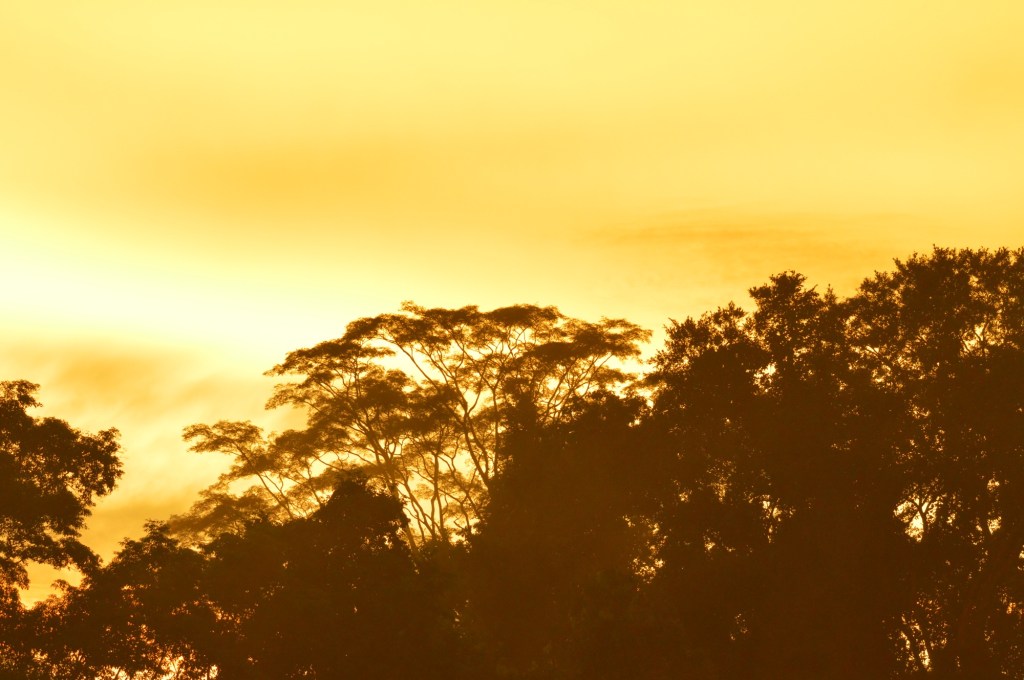
Dawn breached like a golden whale through the clouded sky, bathing the forest in its hopeful glow. I haven’t had as many Amazonian sunrises as I’d have liked due to the inclement weather, but this morning made up for it.

We stopped off at the ranger station to sign out and fill out a couple of surveys. The posters in there about the pet trade stabbed at my heart like they did the first time – and, just like then, I seriously wondered what I was doing teaching when I could be out here, fighting for what I believe in. If I hadn’t pinned all my hopes on finding Her and raising a family, this is where I would be. Somewhere like this, anyway.

Flights of fancy aside, we set out for the river confluence we forded the other day, only this time we sailed downriver for a kilometre or so to reach Boca Manu, Rive’s hometown, so that he could vote in the presidential election.

I had almost forgotten that the rest of the world was still turning within the timeless shelter of these mighty kapok trees. Here, life goes on as it has done for millions of years. The sun rises over a misty canopy and sets to the shriek of macaws and the chirping of a thousand crickets. Politics feels so petty in a place like this.


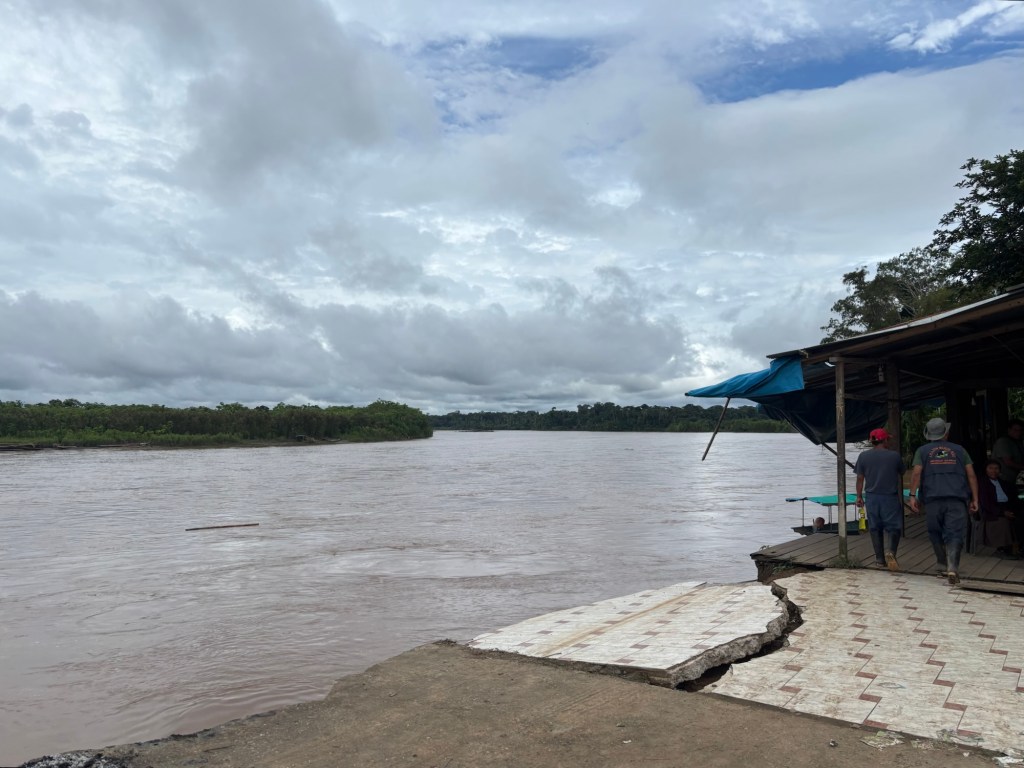
Boca Manu is a world away from Cusco. This largely native community sits on the edge of the national park, where the Manu river meets the mighty Madre de Dios. So fierce is the flow of the combined rivers that the town is steadily retreating into the forest. The jetty is a few slabs of wood fastened to several oil drums with a plank bridge leading up to a tiled section of the riverbank that was once a couple of houses, long since lost to the river. Only the scaffold of a single wall remains, and it has been converted into an advertising post for the local ferrymen.


My companions set out for a walk into town while Rive went to cast his vote for one of the thirty-six contenders for Peru’s next president. I followed, albeit at a distance. From the way people stared, I don’t think Boca Manu gets many visitors. It’s certainly wouldn’t be on the itinerary if not for today being election day.


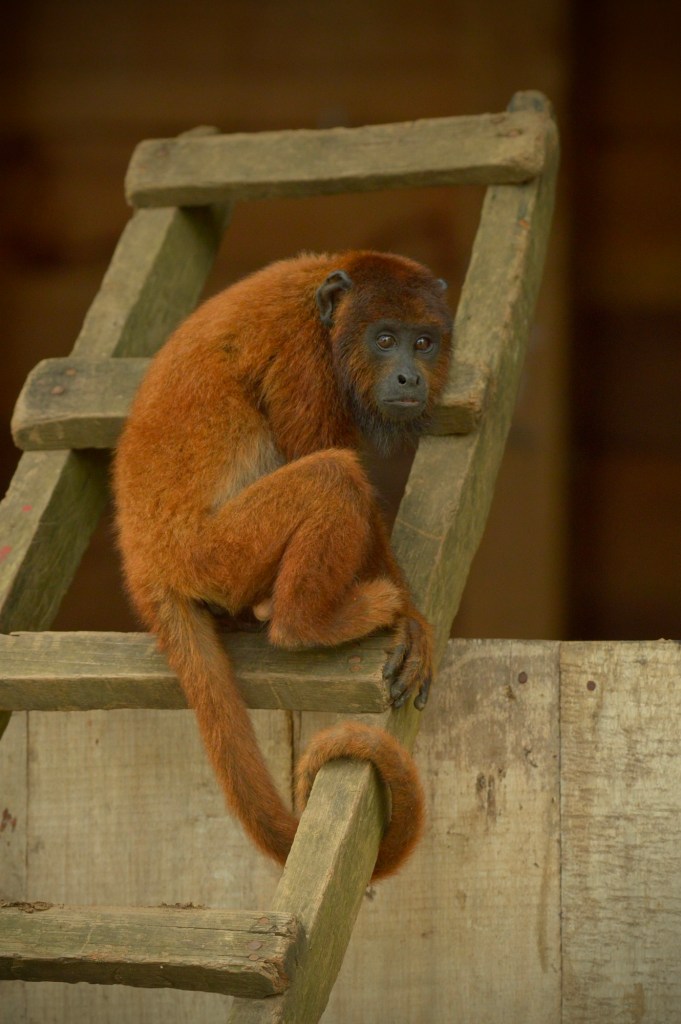
For the second time on this trip, I saw a case of jungle domestication. If I hadn’t met the resident macaw at Bonanza, I might have been more startled when a red howler monkey suddenly appeared out of nowhere, slipping through a farm gate and into a kitchen window, before the monkey’s owner, a small boy not much taller than the monkey itself, came back out with the howler wrapped protectable around his back.

It would be so easy to judge with a European eye, and yet I am sure these animals mean more to the locals here because they can name them. In our rush to become civilised, we have become worryingly nature-blind in the West. If I should be so lucky as to have children of my own one day, I will try to teach them what I know. When you a put a name to something (or even someone), it suddenly matters a whole lot more than it did before.


I dozed off on the boat, but was stirred back out of my reverie by a slightly cautious word from Rive: “Native people, on the bank of the river”.

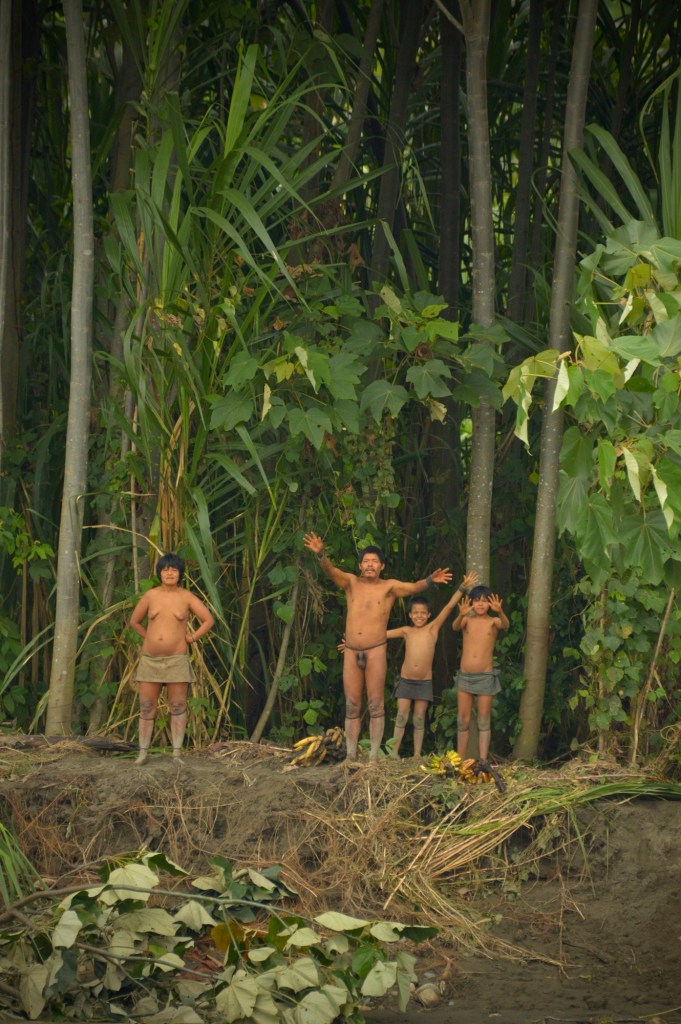
I looked with my eyes first. Sure enough, there they were: brown figures at the forest’s edge, watching us. A man and woman, dressed in little but string and strips of cloth, flanked by a couple of grinning children. They stared at us at first, and then waved enthusiastically in our direction. A fifth child watched from the shadow of the trees, one finger in his mouth, unflinching.


I counted five, but Rive assured us that there would be a great deal more hidden away in the trees who would appear if we got too close. We respected the law of the land and moved on, feeling the curiosity of their eyes burning into our backs as we sailed on up the river.

Manu National Park is home to an unknown number of indigenous uncontacted tribes, some of the last people on Earth to remain beyond the reach of civilisation. Some were driven into these protected forests by conflict with farmers and miners over the Brazilian border. Others have been here since long before the borders of the park were drawn.

A Proto-Arawak people, the uncontacted tribes are divided into family groups throughout the vast area of forest stretching west from the river to the cloud forests at the foot of the Andes. They are only very rarely encountered on visits to Manu, which is all to the good, as their interactions with us in the past have not always been friendly. Camera traps around the lakes show that they have been known to trail visiting tourists on their walks through the forest, running silently through the trees and making their presence known only by their splayed footprints in the mud and, sometimes, bows, arrows and woven baskets left behind in a panic.

It’s dark out there now. I wonder what that family is called. What hopes and ambitions those young children have. The tribes are known to fight and each other over each other’s women – an important economic force in these communities, since more women means more babies, and more babies means a stronger community. Another side note that we have chosen to ignore in the West.


Back at Bonanza, the weather continued to be exceptionally kind – an apology, perhaps, for all those days of rain.

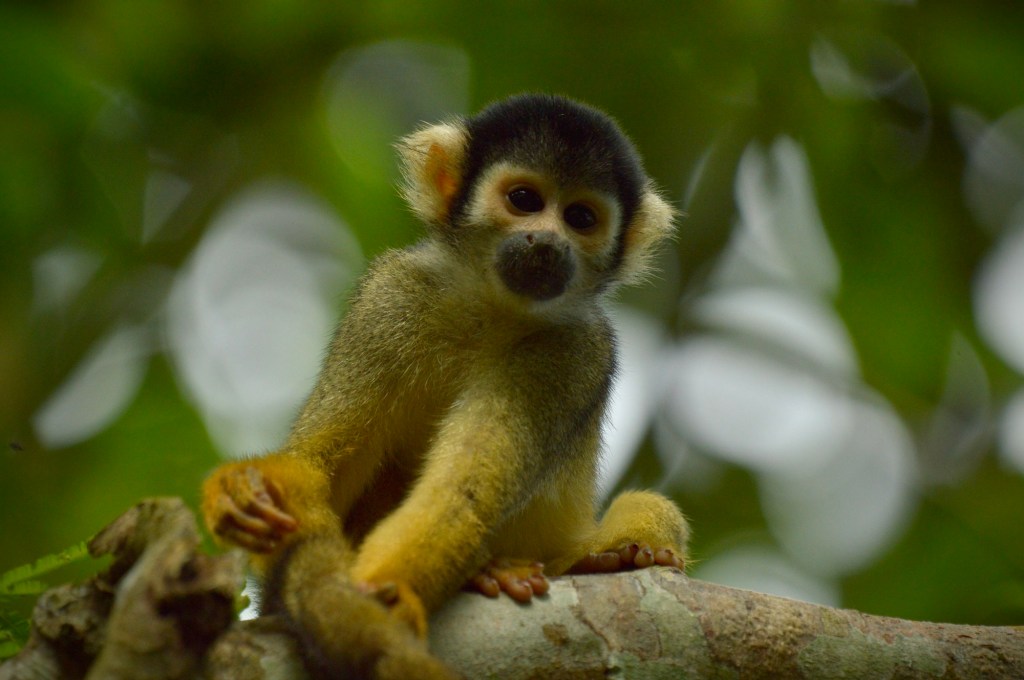
We had two hours to rest. I spent them exploring the grounds, chasing after a sunbittern that was lurking around the flooded ditch by the lodge and watching an adorable troop of squirrel monkeys feeding in the trees just behind my cabin. I’d forgotten how hard they can be to photograph as they move numbly through the canopy, especially once they’ve become used to your presence and no longer stop to stare at you out of curiosity.

I wonder – do they look at us the same way we looked looked at those native people at the edge of the forest?


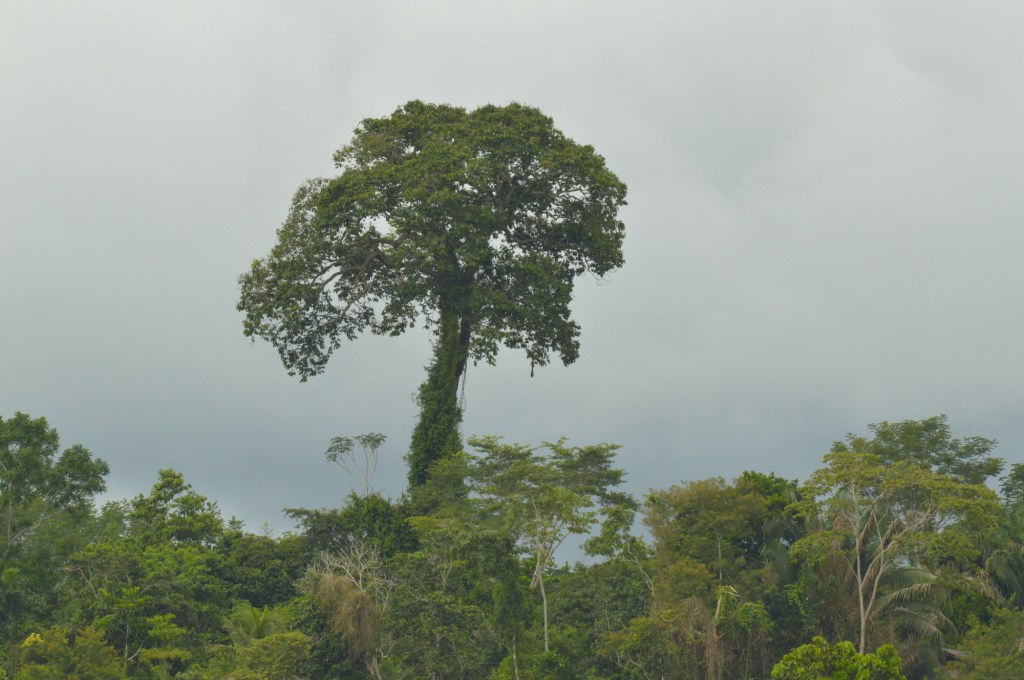
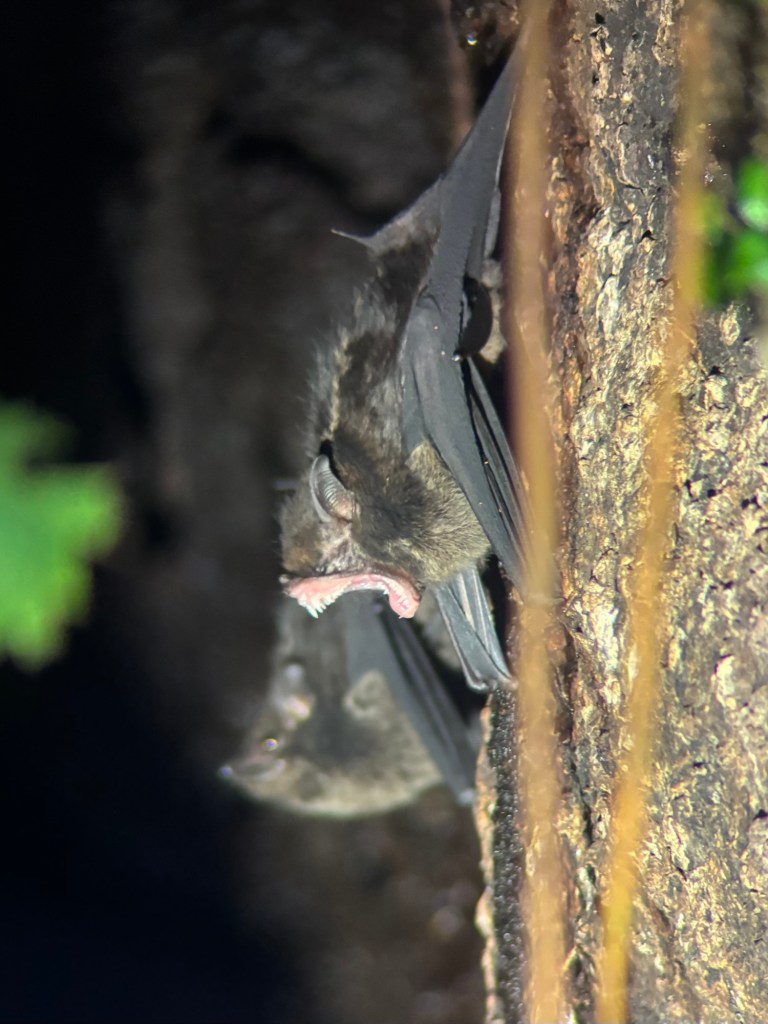
After a chat with Rive about the natives over a bowl of Bernadino’s homemade snacks, we went into the forest to look for bats roosting in the great kapok tree. The flooded creek was still nearly waist high in parts, so we couldn’t reach the observation tower to watch the parrots flying in to roost at sunset, which was a shame. Seeing a different kind of bat made up for it though.


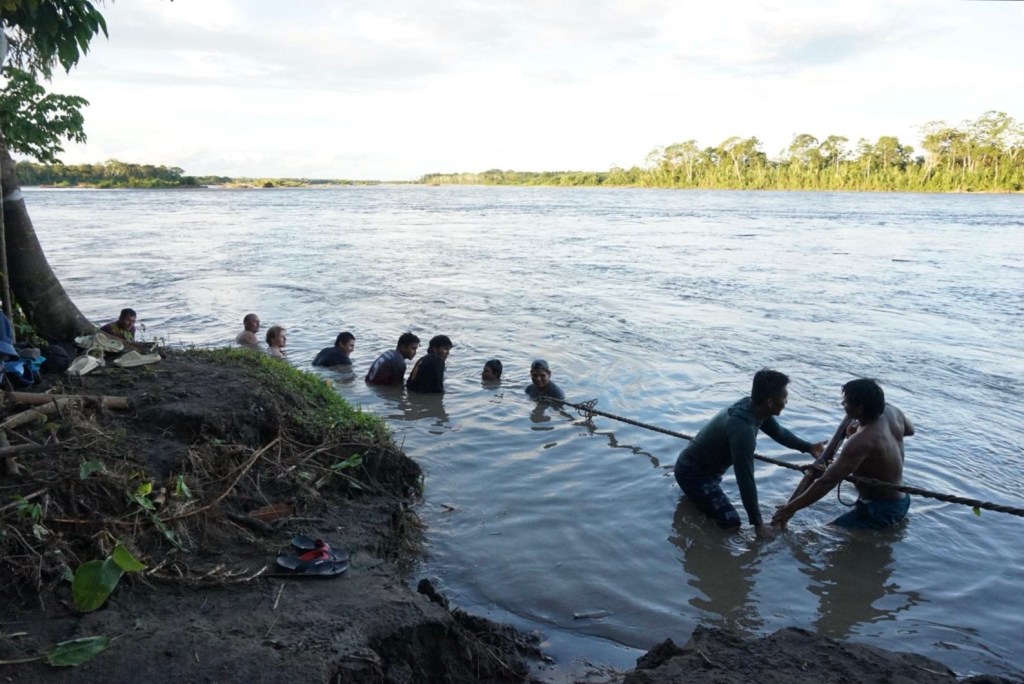
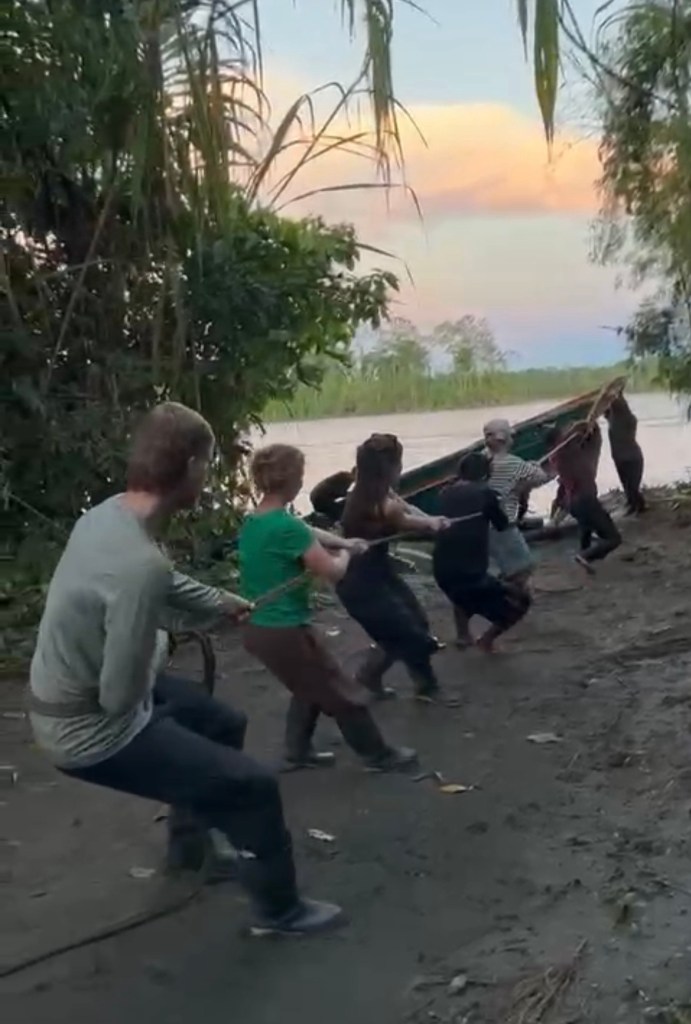
Instead, Rive suggested going to help the lodge’s boys retrieve their sunken fishing boat from the river’s edge. We had noticed it on the day we arrived, visible only by its prow sticking out of the water. Weighed down with the sheer volume of rain the night before we arrived, it had tipped over and the river had done the rest, filling it with silt and stones.


I was delayed because I had set out into the forest to try to track down a tinamou that was calling just metres from the forest path. They’re exceptionally hard to locate, though, being cryptically camouflaged and calling from the shelter of the thickest parts of the undergrowth. To make up for my lateness, I stripped down to my shorts once I got there and got into the river up to my neck with the rest of the men.

It took a team of twelve men in the water and another support team of gringos on the rope up on dry land the best part of half an hour (and no shortage of pivoting and digging) to get the job done. Led by our captain, a burly native man from Atalaya who engineered a makeshift tourniquet using logs and thick rope to drag the skiff closer to the shore, we eventually managed to haul the fishing boat up and out of the mud. It felt good to be helpful, rather than just coming and going through Manu like any other passive tourist.


I also learned at first hand why the uncontacted tribes have remained so, with civilisation so close at hand. Swimming from one side of the sunken skiff to the other, I found myself more than a metre from the riverbank. It dropped steeply all of sudden, deeper than I could reach, and the force of the current dragged me downriver. The only reason I didn’t get carried far was because I wasn’t that far out and I had the boat to hold on to.

I’m not the most powerful swimmer, but I don’t think even the strongest swimmer could fight a current that strong. In the dry season, the river isn’t quite as high, but it still flows with the cumulative force of hundreds of miles of rainwater, and the ground here is sloped as it climbs up into the cloud forests and becomes the Andes once again, adding to its momentum. I don’t think I’ve ever seen a river where the water wasn’t level before today. I’ve certainly never been in one that was quite so strong.

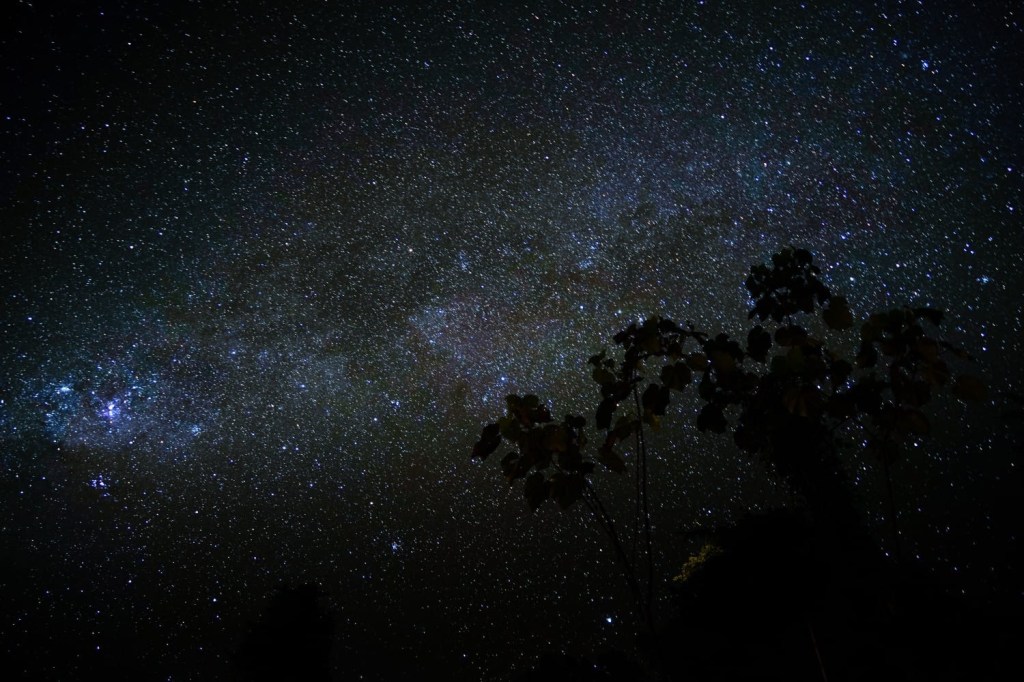
Dinner felt earned after that – as did the cold shower immediately afterwards. I stuck around outside for a while before heading back into my lodge to sleep, as the night sky was too good to miss. Accompanied by the eerie flash of fireflies below the skyline, an enormous arm of the Milky Way cut right overhead, flanked by strange new constellations that I’ve only ever read about in books, like the Southern Cross. I might have seen it briefly in Uganda, too, but I was only south of the Equator for a few days. And anyway, that was a very long time ago.


I don’t know when I’ll see a sky this clear again. The only light here comes from the dim lamps in one or two of the lodges, and the nearest town, Boca Manu, is many miles away to the north. So here, deep in the Amazon rainforest, you can see the night sky as it was always intended to be: immense, magical and unspoiled, like the rainforest all around me.

I don’t want to go. My clothes would really appreciate being somewhere higher and drier (especially after my dip in the river), but this place has got into my heart like nowhere else in Peru – and I’ve adored pretty much every part of this country that I have seen.

But going is tomorrow’s business, not tonight’s. I should get some sleep – we have an early start and a long journey tomorrow. I’ll let the rainforest sing me go sleep one last time. BB x