Camino XV: Shaman

León is already a distant memory. I’m sitting in the shade of an awning in the garden of the albergue parroquial, having just spent a blissful twenty minutes with my feet in the foot-bath. The meseta stage is almost over and the foothills of the Montes de León are but a day’s walk away. Change is coming!


I slept very well last night, though perhaps because I wasn’t one of the Italians who tried to have dinner at the hostel ten minutes after lights out, incurring the wrath of the hostalera. All the nearby sockets were in use, so I had to leave my phone to charge down the hallway, which deprived me of an alarm for the morning… but, if the last few days are anything to go by, you hardly need an alarm on the Camino. You might just as well use the fifteen others that go off around the same time.

I was out the door by 6am and racing back to Plaza Santo Domingo – and with good reason. After yesterday’s mindless urban trudge into the city, I found a way to circumvent León’s even more extensive westward sprawl: the A1 city bus to La Virgen del Camino, on the very edge of the city outskirts. Thirty years ago I might not have bothered, but I couldn’t quite face an hour and a half’s march through characterless modern development, so I was more than happy to stump up the 1.60€ fare and rub shoulders with the orange-tee brigade of SOLTRA workers headed for their 7am shift in La Virgen. Two other pilgrims were in on the secret, but I lost them a short distance out of town when they stopped to check their bags. From then on out, I barely saw another pilgrim for the rest of the trek.


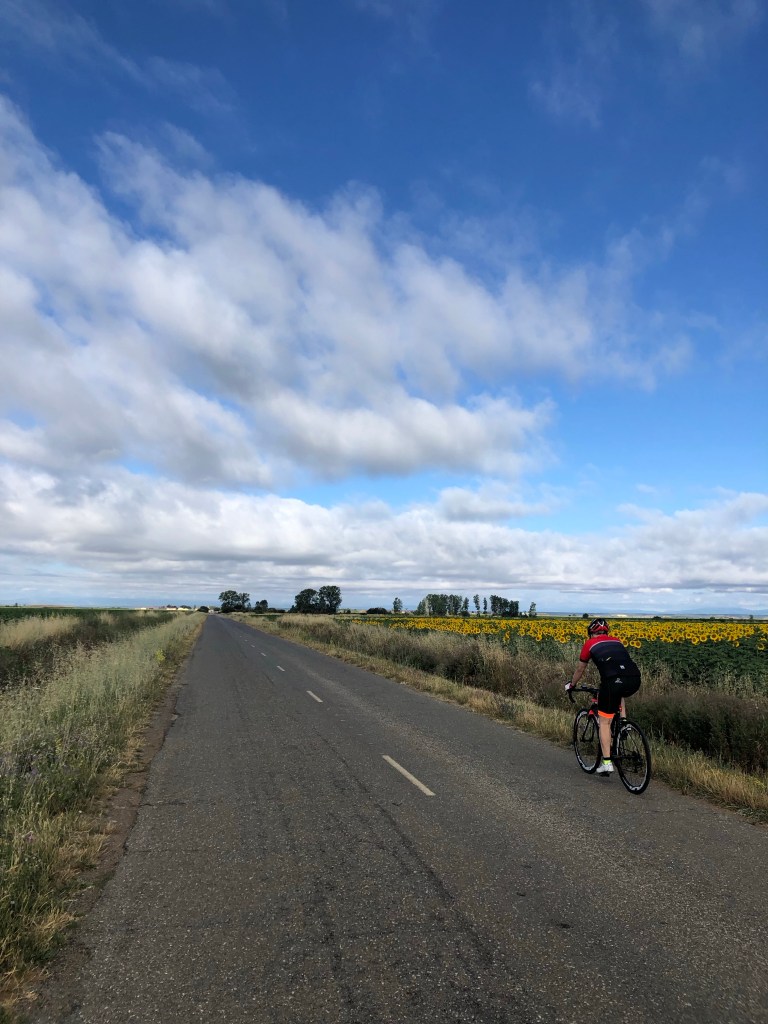
After yesterday’s easy 19km wander, I opted for the alternative scenic route via Villar de Mazarife. The original Camino follows the N-120 in an unbroken line for 32km, while the Mazarife road winds its way through the countryside to the south for 36km. I was up for a challenge, and I didn’t fancy another roadside walk, and for once, I know I made the right call.

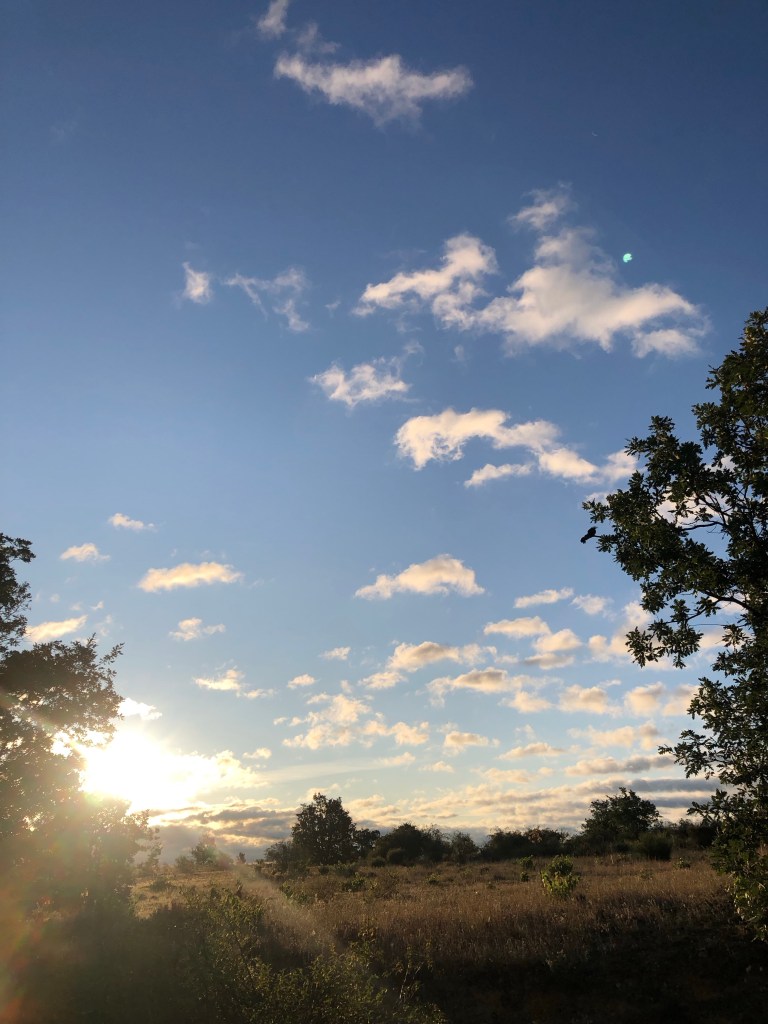
Southwest of León, the Camino carves a path through the scrubbier hinterlands of the Meseta. Fields of wheat and sunflowers give way to open dehesas, with sparse yellow grassland interspersed with stands of ancient oak trees. In a way, it felt like being back in Extremadura.

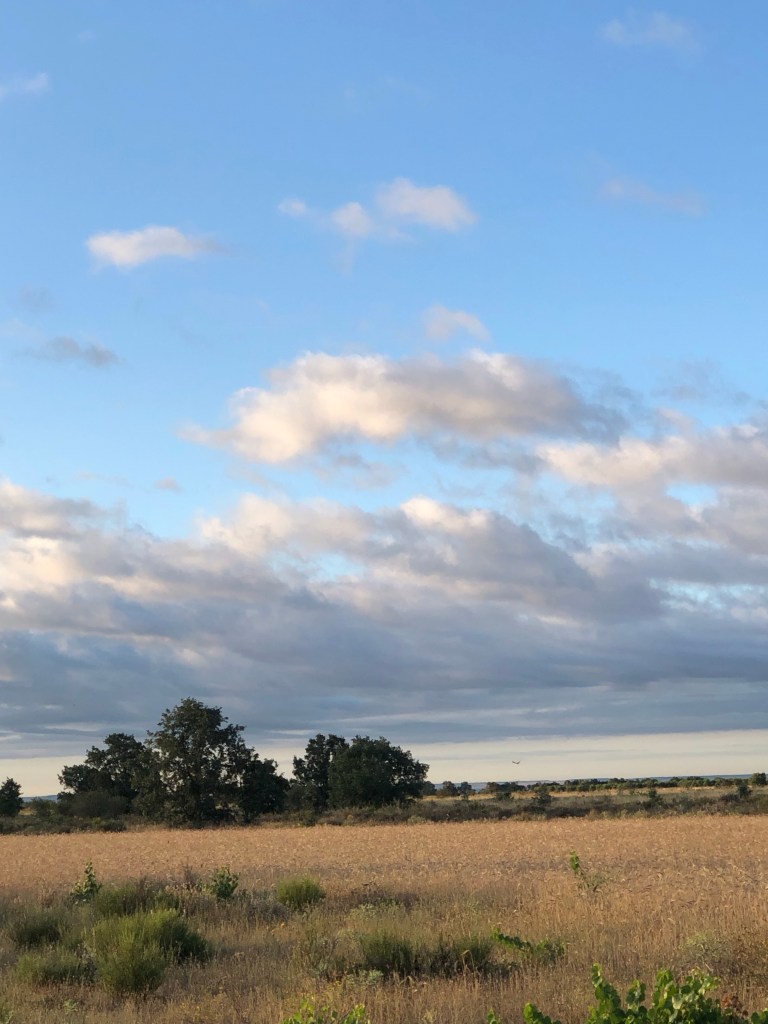
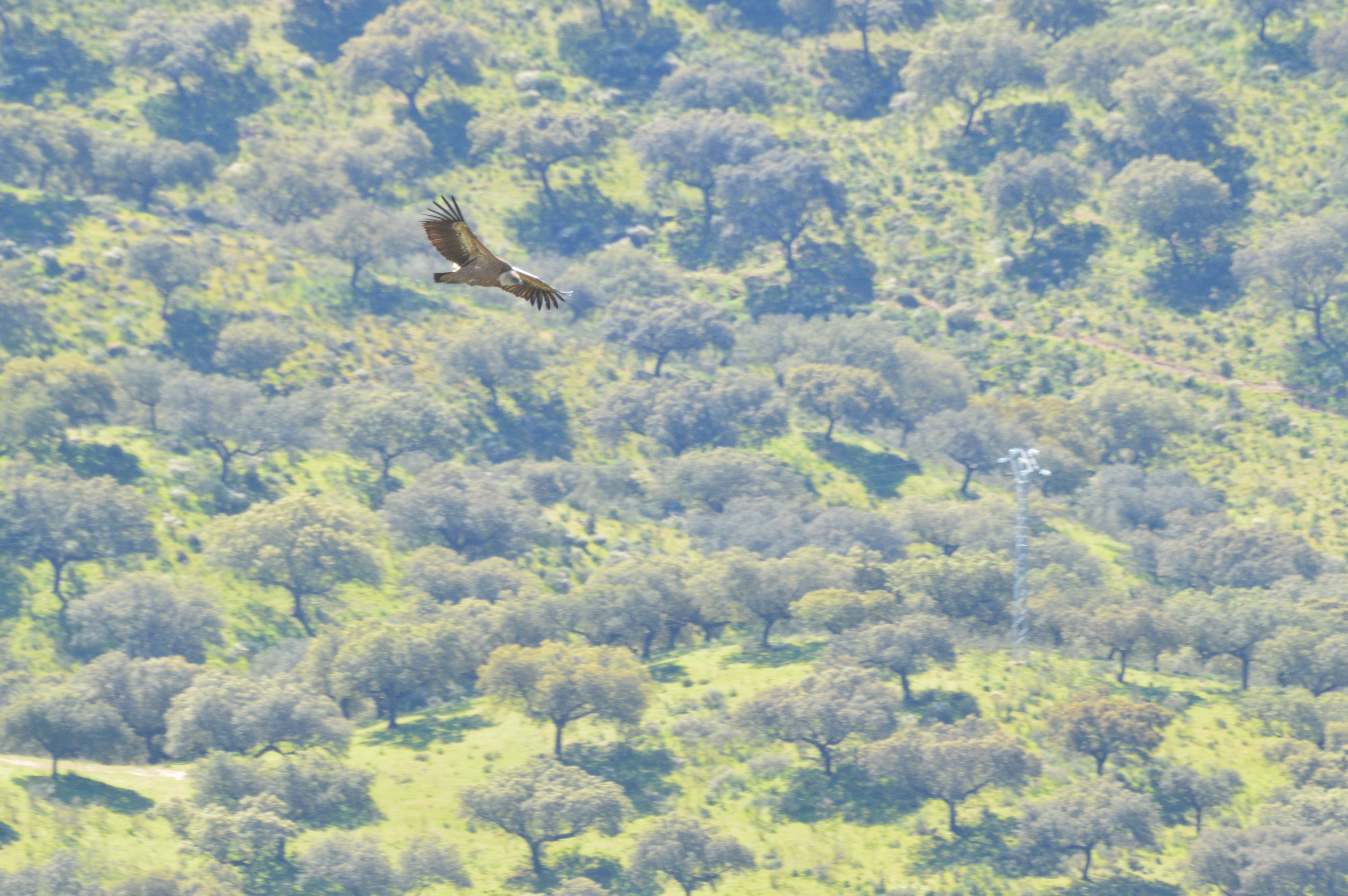
Better yet, the first hour after sunrise yielded some of the best birdwatching yet on the Camino. The usual backdrop of quail, turtle dove and stonechat provided some musical continuity to the meseta movement, with a colourful inclusion of golden oriole, blackcap and nightingale. There were quite a few kites about, whistling in that very plaintive way they do, and the calls of bee-eaters will never fail to make me smile. While I can also add great grey shrike, honey buzzard and whitethroat to my list this morning, I think it was the fleeting encounter with a greater spotted cuckoo that was the standout from today’s walk, tearing ahead through the scrub in front of me as I neared the first town on the trail, Chozas del Camino. As usual, a phone camera is next to useless for this kind of thing, but I did manage a snap before it was gone (look to the right of the second tree from the left).


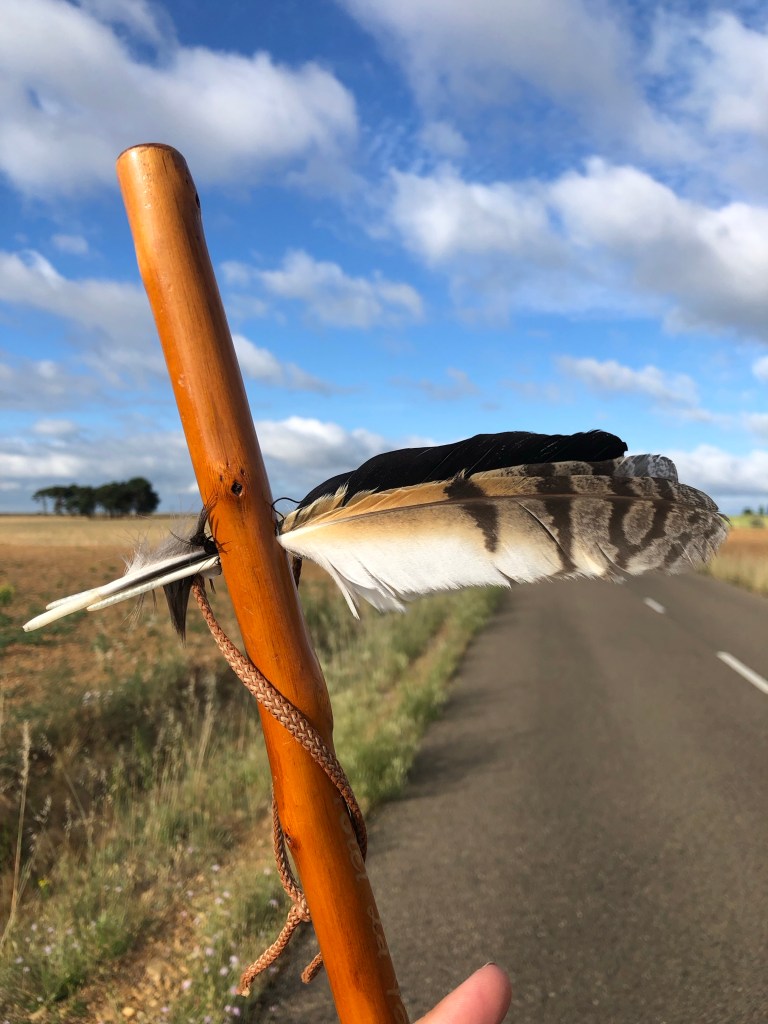
After narrowly avoiding a major desvío at Chozas, I followed the road to Mazarife for the next hour or so. Along the way, sensing rather than smelling death, I guess, I came upon a mass of feathers at the side of the road. On closer inspection, it was a long-eared owl, and a relatively young one at that. Given its condition, it must have been hit by a car less than a day ago, or else it would have been devoured long since. Acting on an intuition beyond simple curiosity, I picked up two of its wing feathers and fastened them alongside the raven feather to my staff. Besides the fact that owl feathers are one of nature’s most intriguing artefacts – they are engineered to move silently through the air – I think my desire was to give the unfortunate creature (a migratory species in most parts of Europe) one last journey, as it were. I will carry them to Santiago and Finisterre… and beyond, if I can.

With a feathered staff and a satchel full of pens, pencils and sharpenings, I’m rather conscious that I’m starting to take on the appearance of a tin-pot shaman. My silent reasoning that ravens represent life, light and hope (they brought the knowledge of fire to man in Scandinavian mythology) and owls death, darkness and wisdom (via the Greek tradition) probably doesn’t help, either. I’m still searching for a stork feather, though despite their abundance, these are proving hard to find.

All I can say is I had this coming. In my first teaching post in Uganda, I was given the moniker ‘Ojok’, meaning ‘healer’ or ‘witch doctor’. It wasn’t anything more than an attempt at humour by my hosts, but hey, I guess such titles should be earned, right?


From Villar de Mazarife, one of the straightest roads of the entire Camino leads for some ten kilometres to the hamlet of Villavante. With the exception of the occasional buen camino from a field worker clad in orange hi-vis overalls, and the need to duck and weave to avoid the mechanical water jets every now and then, it was a fairly uneventful walk, but a beautifully quiet one at that.


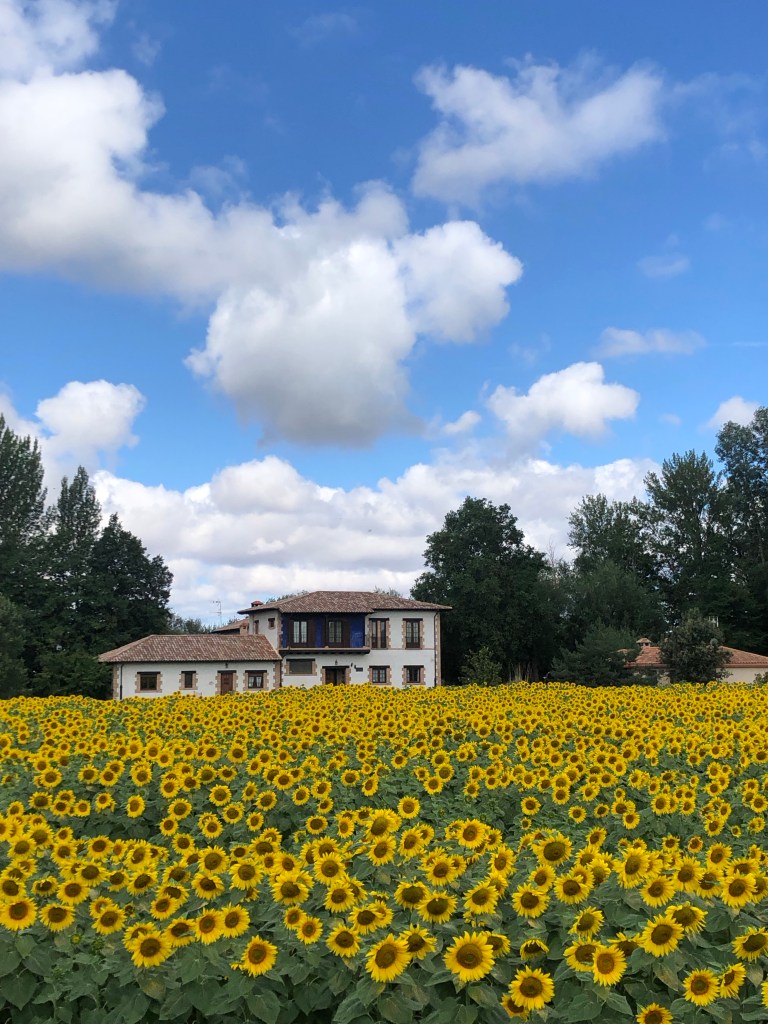
At Villavante, the Camino forks to the north to cross the León-Astorga railway line. It’s practically worth the trek for the view of the Casa Rural Los Molinos, nestled behind what appears to be a private tree-lined sunflower grove.


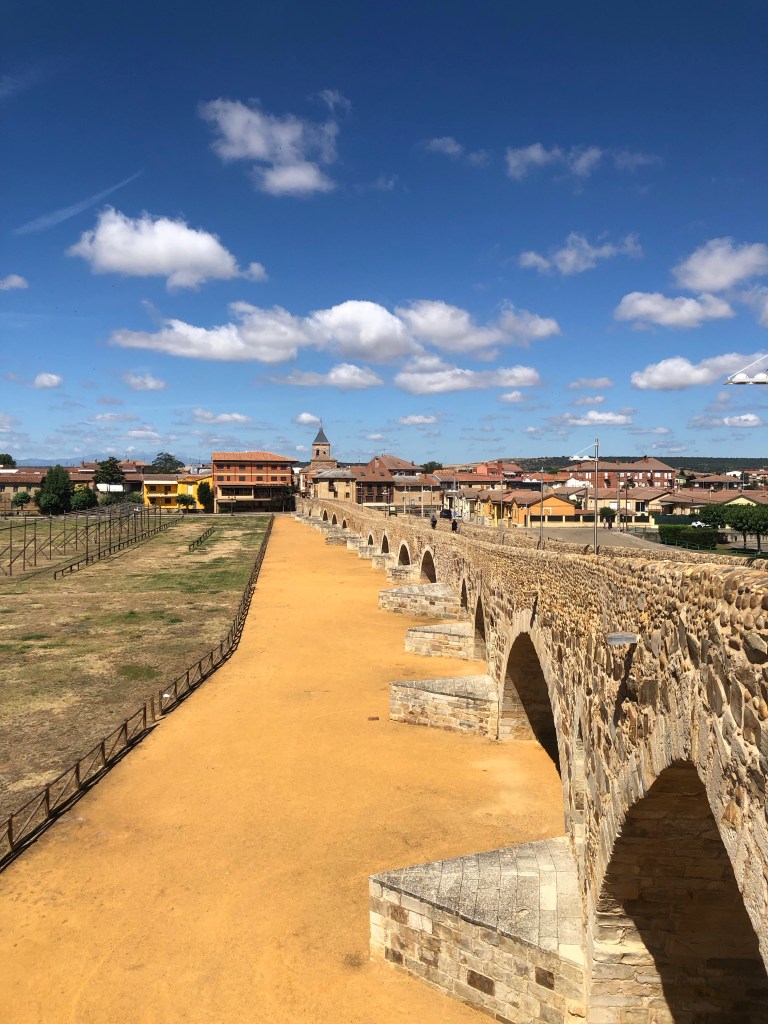
After that, it’s only a short distance to Hospital de Órbigo. It’s a good-sized town and, at 12pm on the dot and after nearly five hours’ walking (with a sum total of fifteen minutes’ break), I was more than ready to throw down my pack for the day. The entrance to the town over the medieval Puente Honroso (which I’m 90% sure featured in my dissertation) simply sealed the deal. This place is incredibly beautiful.


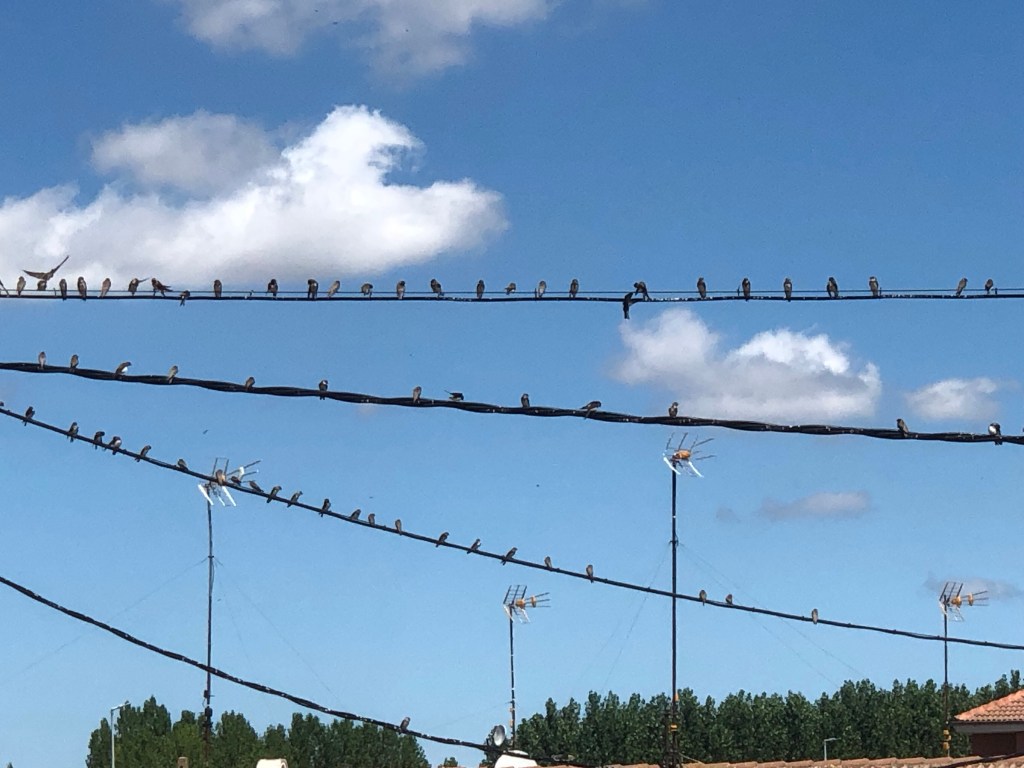
It’s said that a certain Don Suero, a local knight, challenged all comers to the bridge to win the heart of a lady, breaking 300 spears in as many jousts before an ever-growing crowd. The lords, the ladies and the medieval gaiety may be long gone, but the endlessly chattering sand martins lined up along the wires by the bridge make a good substitute.


Well, there goes my siesta. Tomorrow is a much shorter walk – three and a half hours at most – but I hear there’s a thousand-year-old oak tree near Santibáñez de Valdeiglesias, so I will extend my walk to take a look. Now I have the trappings of a new age shaman, I might as well play the part. BB x

They Bring the Summer

The year is turning. Can you feel it? The light in the morning has shifted ever so slightly, but it’s noticeable. We’re past the peak, and before long the red-gold winds of autumn will be upon us. Thanks to the fierce heat we had in July, some of the trees are already wearing their russet cloaks. I shouldn’t be surprised if we’re in for a long, dry winter this year. Perhaps that’s the way of things to come, perhaps not. Time will tell.

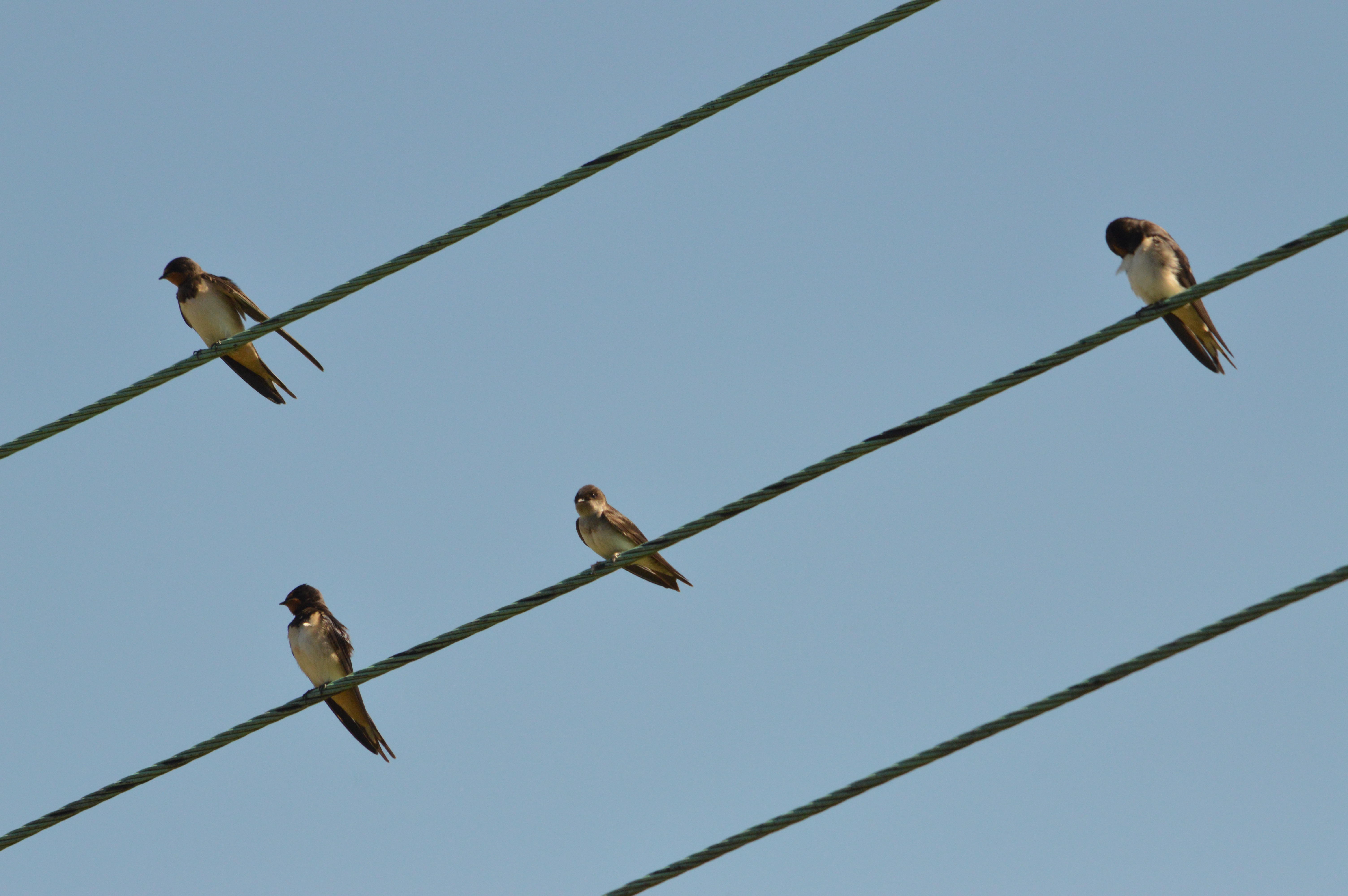
The family of swallows that nests in the barn near the house have had a very successful year. I counted eleven of them on the wires this morning: two parents with full streamers and nine noisy youngsters whose tails have yet to grow out in full. I had to count twice because of a sand martin who seems to prefer hanging out with swallows than his own kin, who have a colony in a field half a mile down the road. There comes a time every year, usually in September, when the swallows and martins suddenly gather en masse in a noisy spectacle before setting off for the south. We’re not quite there yet, no matter how abnormal this summer’s weather has been, but it sure felt like a nod to that day this morning.

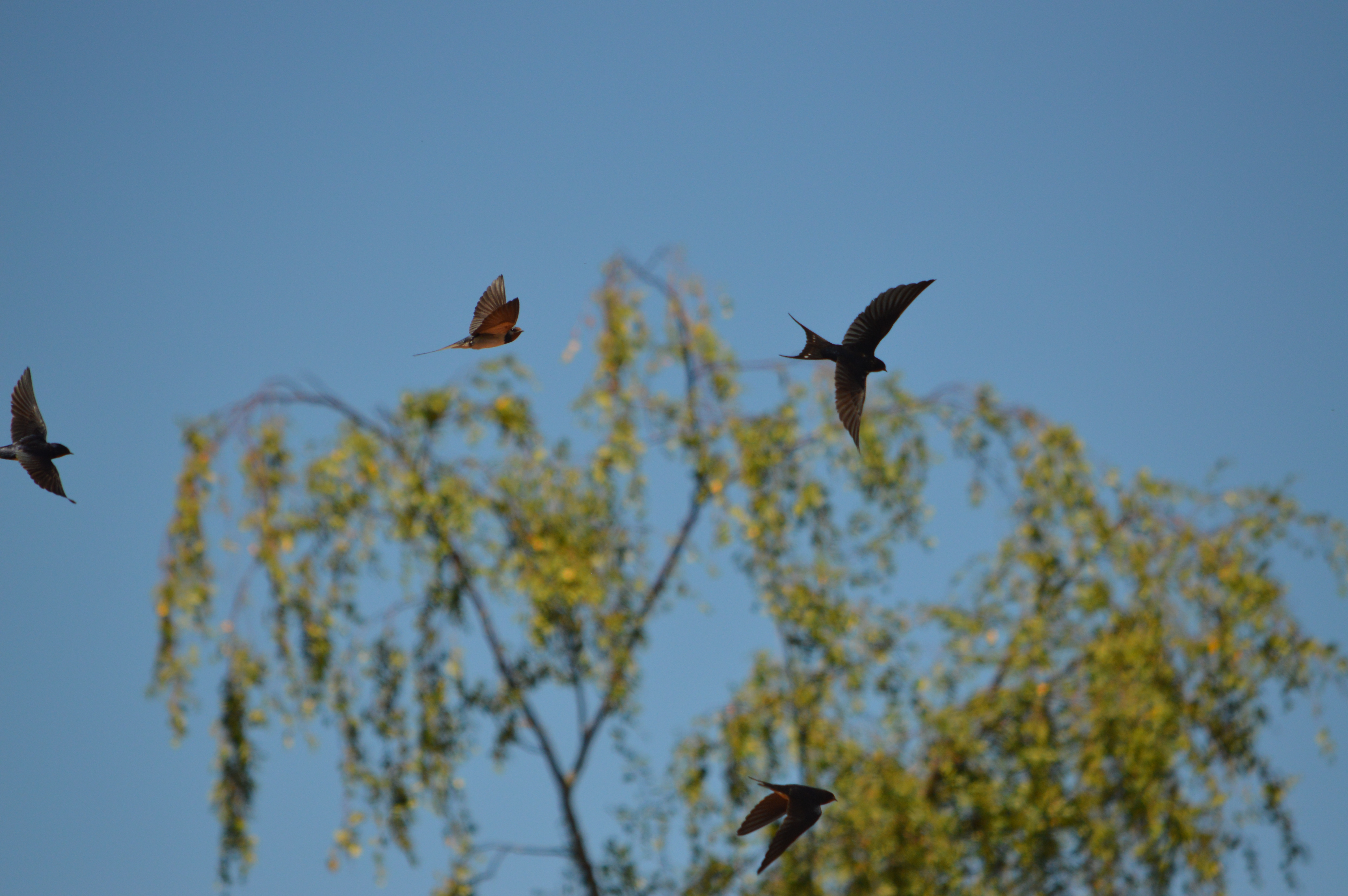
Swallows, swifts and martins – collectively known as hirundines, which might have something to do with the Latin word harundo, meaning the forked shaft of an arrow – really are some of nature’s miracles. The tiny flashes of blue and white that dance over the fields with such cheerful abandon in summer travelled around 9,700km from their wintering grounds in South Africa to get here, and in the space of a few short months they have to make the same journey all over again in reverse, this time with their young in tow. Most estimates have them traveling about 320km every day. That’s a bloody long way to go when you’re only a few months old!

This morning the family looked like they were getting some practice in for the long journey ahead. Mum and dad would sit with the youngsters on the wires for a while, chattering amongst each other while the kids preened endlessly, before suddenly taking off and wheeling about the garden with their offspring racing after them. They might have been hunting, of course, but some of the young ones were far more interested in playing keep-up with a pigeon feather, catching it and keeping it from touching the ground, the way children sometimes do with a balloon. It was really quite endearing to see.

In the past, where our swallows went each winter had us stumped. There were some truly bizarre theories floating around. Following in Aristotle’s footsteps, some thought they hibernated underground. Some thought that they slept at the bottom of deep lakes and ponds, since they spent a great deal of their time hawking over the water during the summer months. One 17th century theory, courtesy of Englishman Charles Morton, claimed the Moon as the swallows’ winter destination as the only logical explanation for their total disappearance. It sounds absurd, but it’s not so outlandish a theory when you try to imagine explaining that these tiny creatures travel further twice a year than most humans will in a lifetime. It even makes the underground hibernation theory seem plausible!

It’s an incredibly hazardous journey, and not every one of our brave swallows will make it there and back. There are all manner of dangers they have to face: sea crossings, storms, high winds, predation by hobbies (consummate swallow-catchers), not to mention human interference – some will be caught for food, and the Maltese in particular are infamous for their practice of trapping migrating birds by liming fences. And then, of course, there’s the mighty Sahara Desert. Michael Morpurgo wrote a fantastic children’s book about that journey – Dear Olly – which you should read if you want an idea.

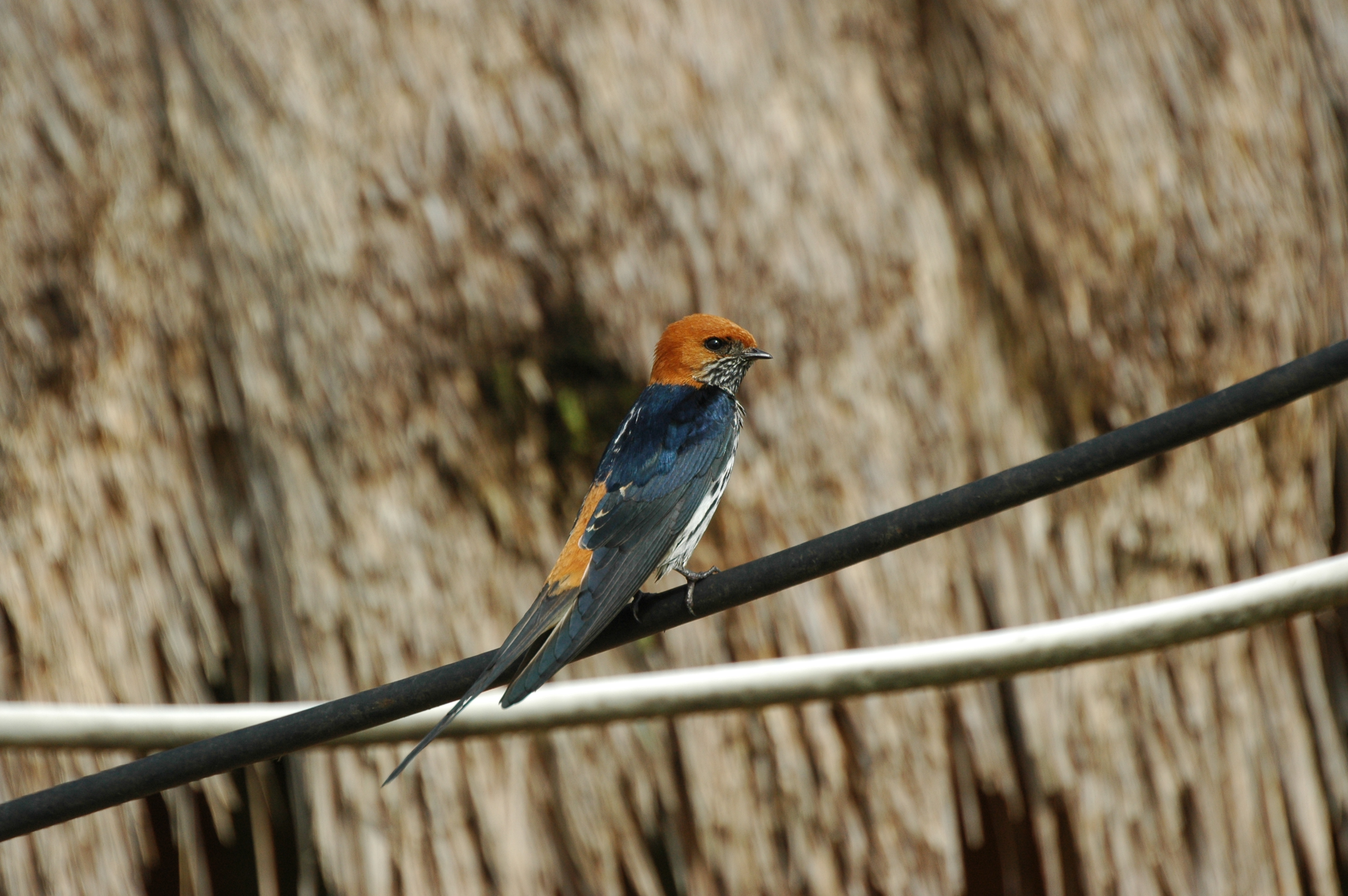
So why travel all that way? Competition might well have something to do with it. After all, Africa has plenty of swallows of its own (without all these European swallows “comin’ over ‘ere and takin’ our jobs” etc.) and fans of Monty Python will be well aware of the fact that African swallows are non-migratory. On my travels around Uganda during the rainy season (November) back in 2012, I saw plenty of familiar-looking swallows hawking over the White Nile, but most of the birds I clocked were local species that don’t travel far from home. Still, I couldn’t help wondering whether maybe just one of the brave little birds flitting by had crossed my path sometime before, either in Spain or the south of England. How’s that for a flight of fancy! <groan>

Greater striped swallow, Ishasha Lodge (Queen Elizabeth National Park) Uganda, 18th November 2012

Swallows are remarkable creatures to watch. While we still have a few weeks left of summer, try to find a few minutes to enjoy the little winged miracles. I’m sure they do wonders for one’s mental health, but to use less clinical terms, they sure can lift one’s spirits. Today, for the first time, I saw two of the youngsters doing something I’ve never seen swallows do before: sunbathing. Plenty of birds do this kind of thing to regulate body temperature, but it’s the first time I’ve seen swallows in the act. It was just two of them who kept leaning over in the sunlight – the others were far more interested in preening, though the sand martin looked as though he wanted to get in on the action!

One swallow does not a summer make, but their departure certainly puts an end to it! If you’ve enjoyed reading my homage to our chatty little neighbours, you might find the links below worth a browse, too. Until the next time! BB x
https://www.historytoday.com/archive/natural-histories/great-migration-mystery
https://www.rspb.org.uk/birds-and-wildlife/wildlife-guides/bird-a-z/swallow/migration/

Griffonheart

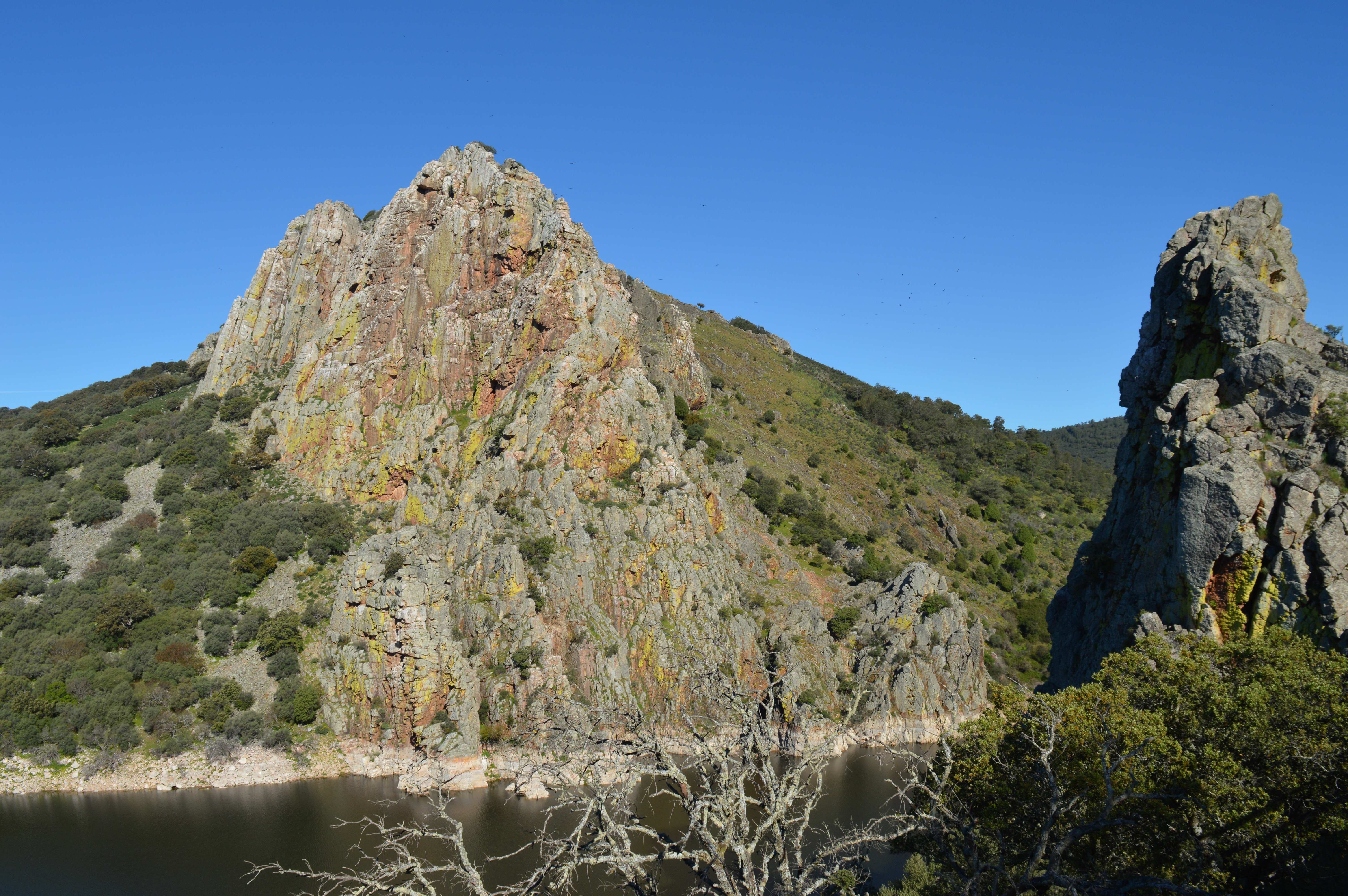
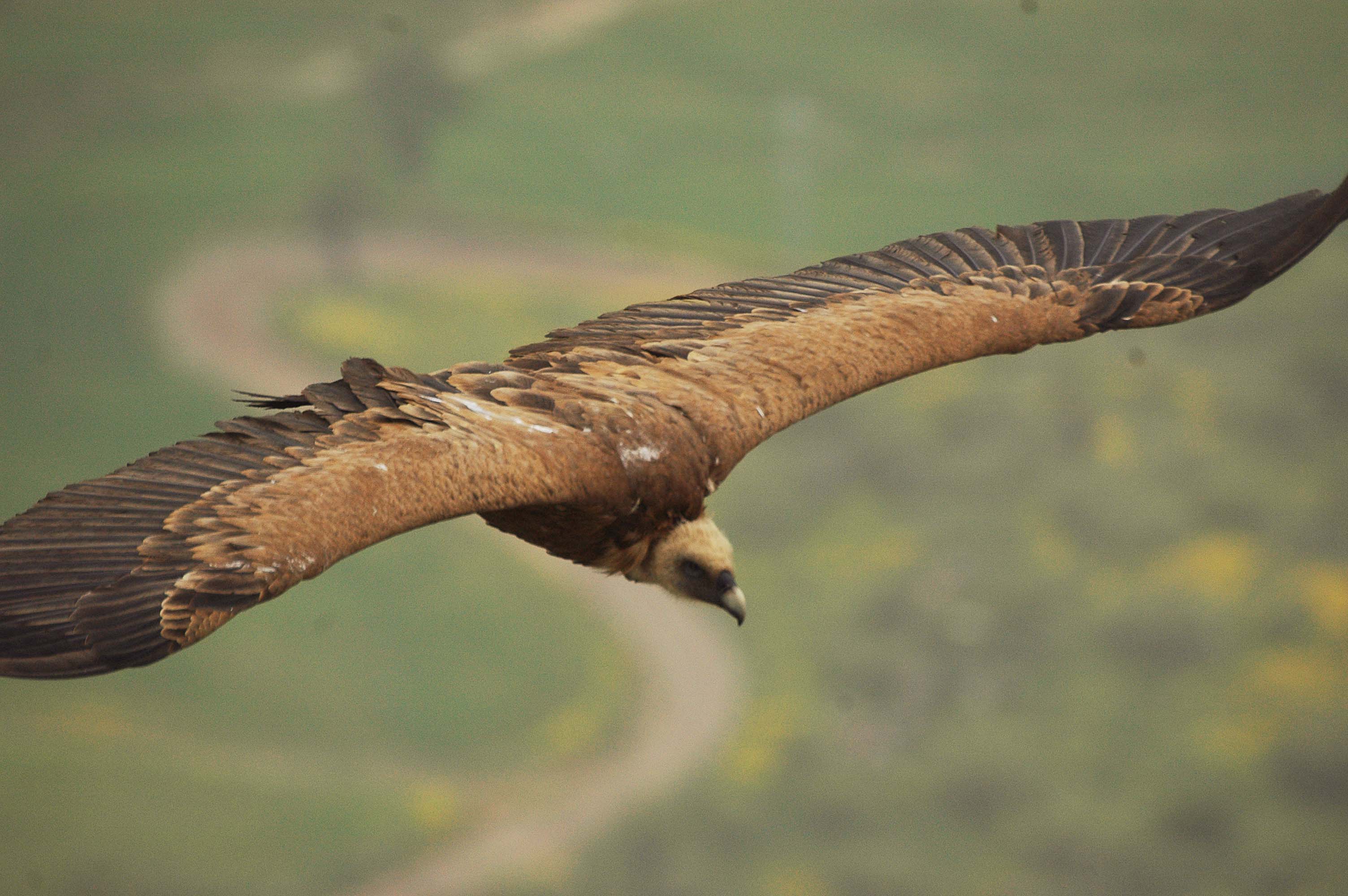
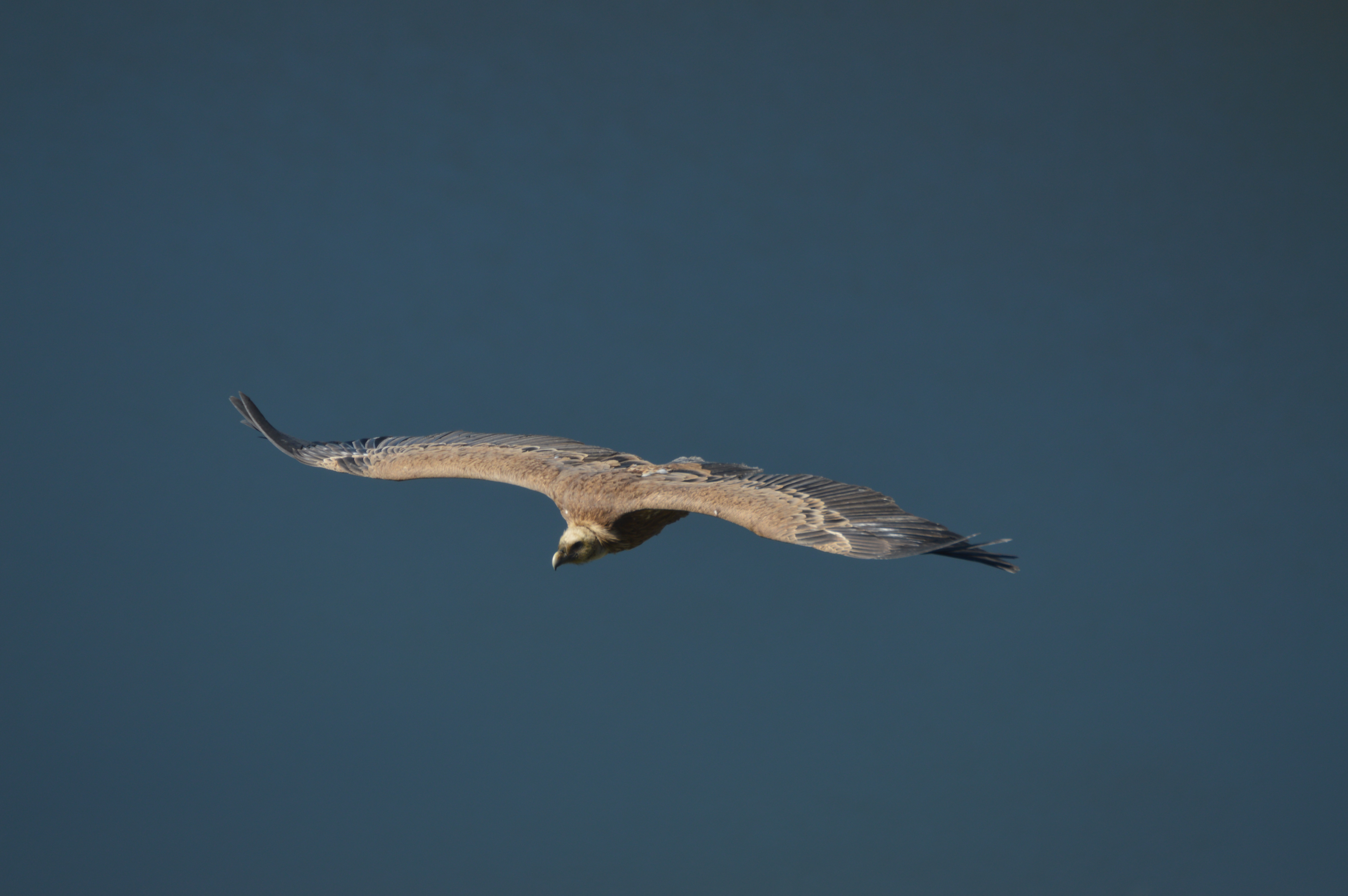
Sometimes, when a bird flies low over your head, you can hear the rush of wind through its wings. Swifts do that, from time to time. Swifts and pigeons. It’s a quiet, singing sound like a sudden release of breath, over and gone by the time you’ve worked out where it came from. Now try to picture the same scenario with a nine-foot wingspan. The result sounds something like a gale, a genuine roar of wind, every bit as impressive as those giant wings. This is Monfragüe and this is a griffon, truly one of the most spectacular creatures on the planet.

Griffon

I don’t really know what it is that attracts me to vultures so much. They’re not the most attractive creatures on the planet. Their heads are snake-like and feather-bare, their eyes are cold and sinister and they spend their entire lives feeding on dead things. If birds are supposed to sing, vultures sound like they have a bellyful of iron filings when they make a sound – and that isn’t often. But for some reason, I’m obsessed with the damned things, and always have been.

DSC_0610

Extremadura is a very special part of the world, but doubly so if you’re as much of a bird nut as I am. The immense blue skies are almost always dotted somewhere in the middle with a black speck wheeling round and round on the thermals: kite, eagle or vulture. I grew up in the south of England where the largest soaring bird you’re likely to see is a rook, and I still remember the sheer thrill of seeing my very first vulture when I was about nine years old. For me they represented Valmik Thapir’s India, of cliff-forts and desert kingdoms. To see them wheeling lazily about the Spanish sky was like something out of a dream. And so the love affair with the griffons began.

5385452975_2c3babecc1_o

Since then, they’ve got me stranded in the mountains, terrified my little brother, warned me of thunderstorms and – in quite possibly my favourite travel anecdote to date – they even got me arrested by the Spanish military police. I kid you not. Apparently photographing vultures isn’t a believable excuse for wandering about the countryside alone at fifteen without one’s passport…

4555278683_0c053028e4_o

(Not even for results like this…?)

If I’d had any idea what kind of scrapes my passion for vultures would get me into, I wonder whether I’d have had second thoughts. Somehow I doubt it. Something tells me I’d have found my way to the same spot sooner or later.

DSC_0761

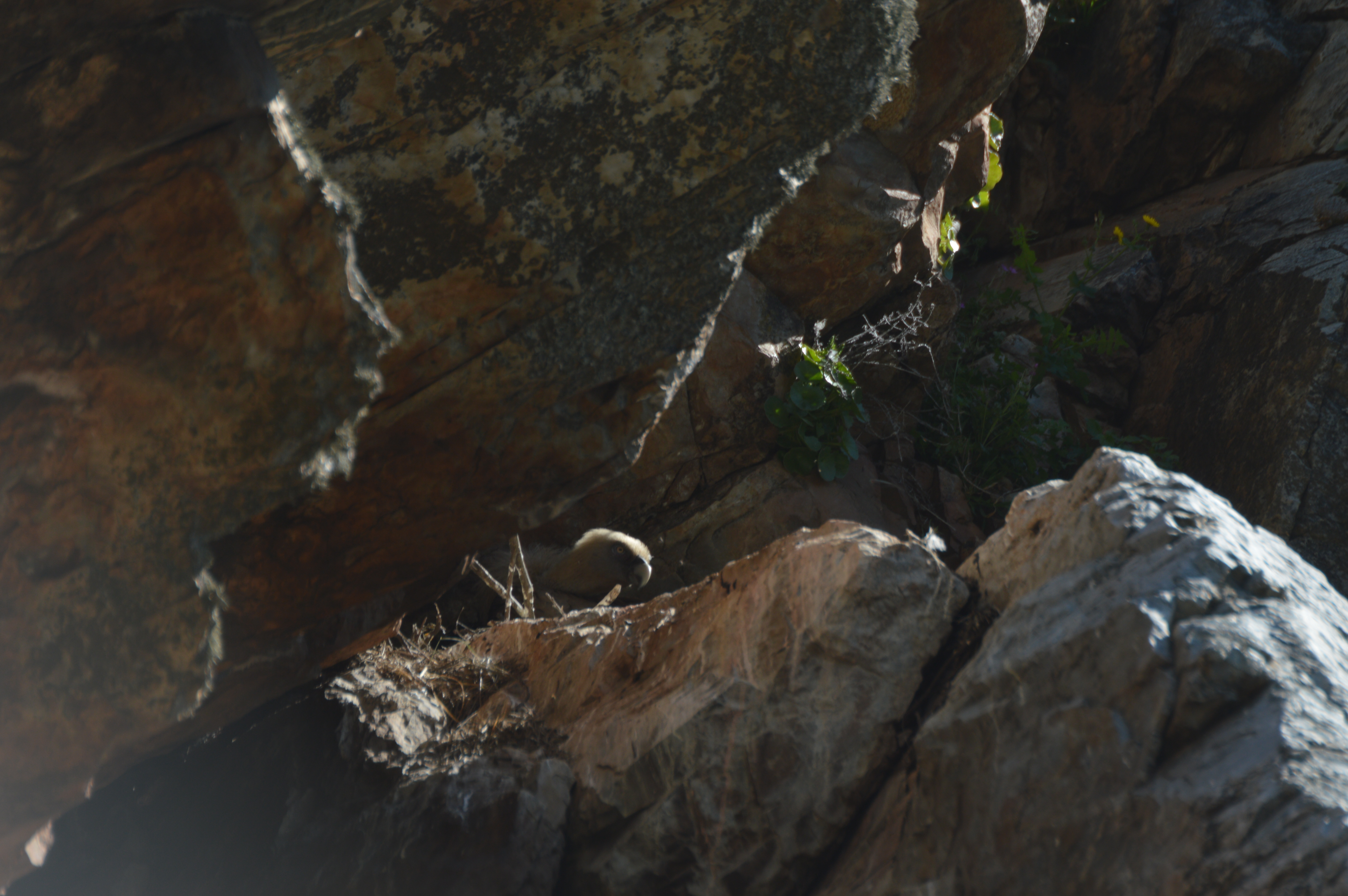
There are four kinds of vultures in Europe, and all four of them can be found in Spain – if you know where to look. The griffons are the most obvious and by far the most numerous, nesting in colonies that can number as many as a thousand strong. The other resident is the far rarer black vulture, recognisable by its sheer size alone; fully-grown adults measure three metres from wingtip to wingtip, making them one of the largest birds in the world. The Egyptian vulture is a smaller summer visitor from Africa, where they eat ostrich eggs by smashing them open with stones. But it is the fourth and final that is the most famous: the lammergeyer, a golden-bodied, diamond-tailed king of the skies that feeds almost entirely on bones. I’ve only ever seen one once, at an incredible distance, whilst in the French Pyrenees some seven years ago. It remains one of my greatest dreams to go chasing after the legendary quebrantahuesos, ‘the one that breaks bones’.

Like I said, I’m hooked on the creatures.

DSC_0857

I have to admit, they do have some seriously menacing eyes…

Dad was in a grouchy mood and didn’t let us stay very long. Must be something to do with the distance from Villafranca to Monfragüe (which, I should point out, is as beautifully in the middle of absolutely nowhere as are all of my favourite destinations). I could happily have spent five hours and more just stood atop the castle with the vultures wheeling about all around me, or sitting under the cliff and watching them plummeting out of the sky and onto the rock in a fierce rush of thunder.

DSC_0725

Needless to say I will be back. Everyone has their vice. Some like their drink, some like their fast cars, others have difficulty sitting still. I have this peculiar fascination with vultures and I’m not even close to understanding them. Yet. BB x

The Griffon

‘Si te intereses a las aves, hay un buitre al otro lado del río. Hay mucha gente allí esperando que los bomberos lo remuevan. Por si lo sabes…’

The last thing on the hostel TV last night, after the late night showing of Colombiana, was a brief news report documenting the beginnings of a rise in interest in ornithology in Extremadura. I have to say I’m impressed; surprised and impressed. In my experience of living and working in Spain, the most interest the majority of ‘folk here take in birds is whether or not they go well with olive oil. Spain’s not unique in this regard. As my secondary school Physics teacher once said when I explained the risk the Bristol wind farm posed to migrating waterfowl, ‘if it won’t end up on my plate, I couldn’t give a monkey’s’. And that was in England, the biggest nation of bleeding hearts. Well, here’s a little proof that Spain at least is finally taking a turn for the better.

I’ve got a fairly long wait until the bus home, so I thought I’d take a walk along the Guadiana again whilst I’m here and look across the river to Portugal. The cormorants were out on the rocks with their wings spread wide after a morning’s hunting, so I got my camera out for a few shots with Respighi’s The Pines of Rome playing in my ears. And that’s when I got a tap on the shoulder and a friendly local pointed me in the direction of a grounded vulture on the east bank of the river.

DSC_0243

I haven’t power-walked so fast in years. A vulture? Here, in the middle of Badajoz? It sounded too ridiculous a notion to be a lie, so I packed up my gear and left the bridge and the sunning cormorants I was photographing behind in the dust. At first I thought he might have confused buitre with any other large bird – it wouldn’t be the first time – but this just must be my lucky weekend or something, because just a short distance before the second bridge…

DSC_0248

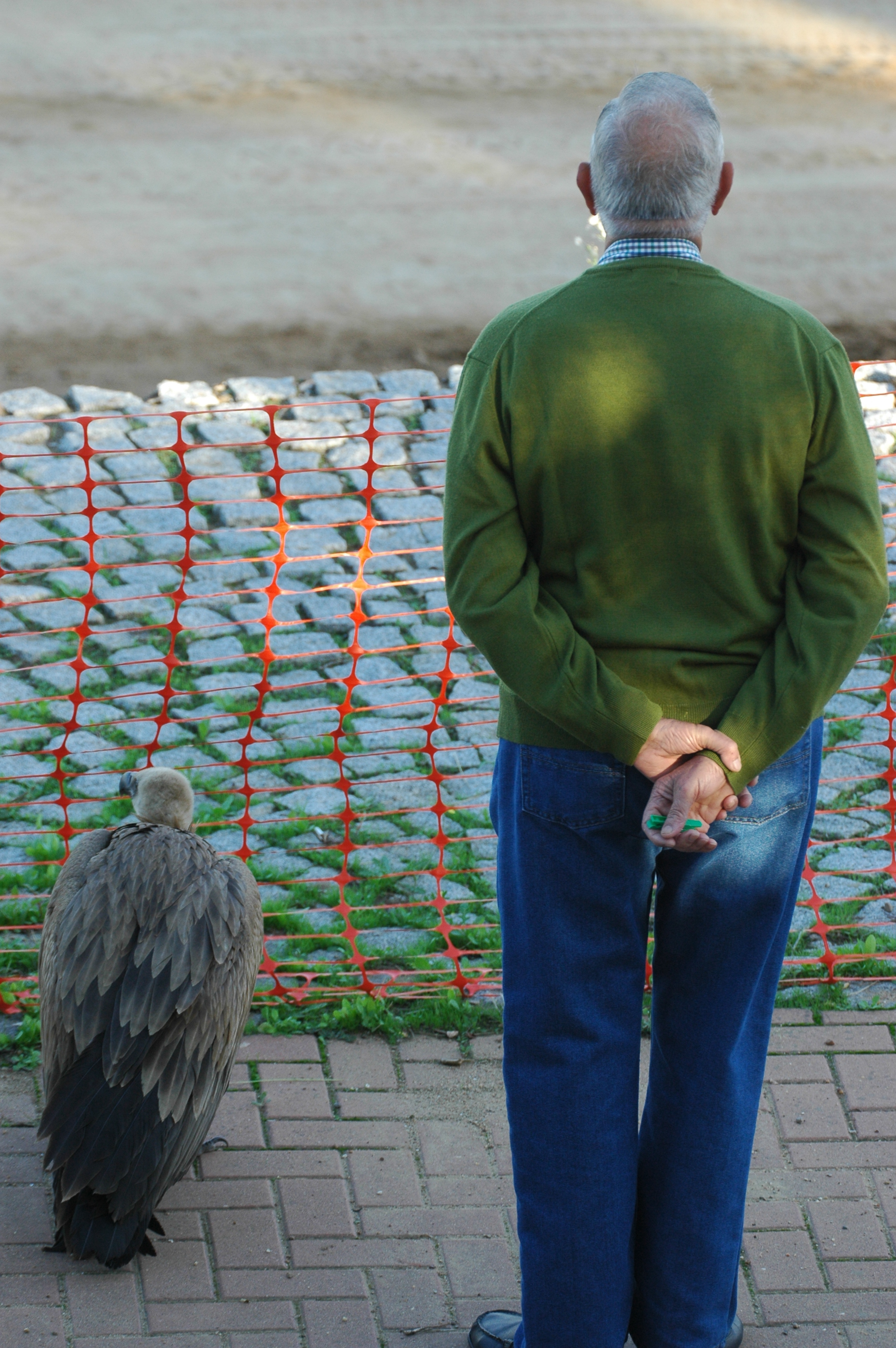
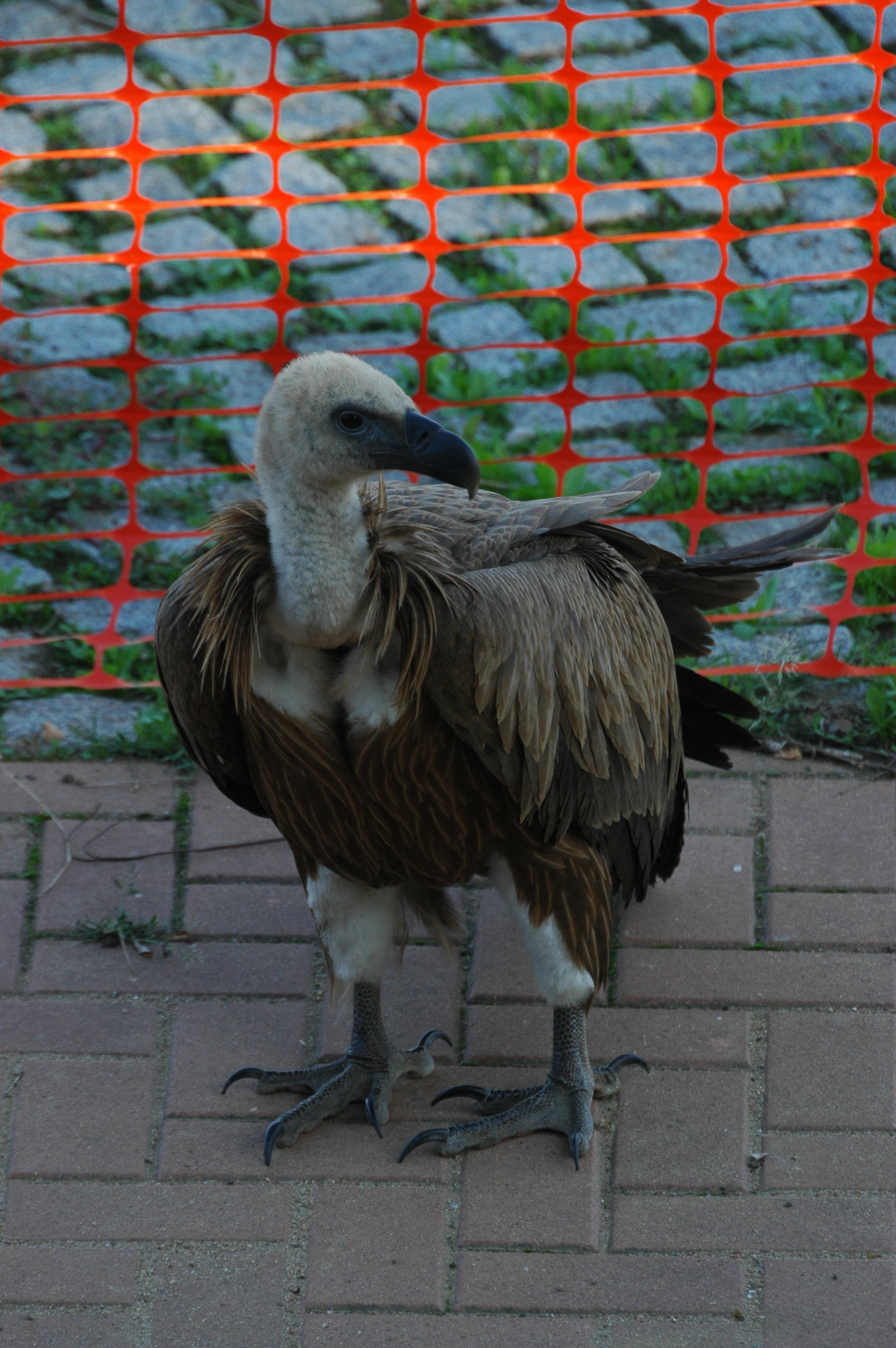
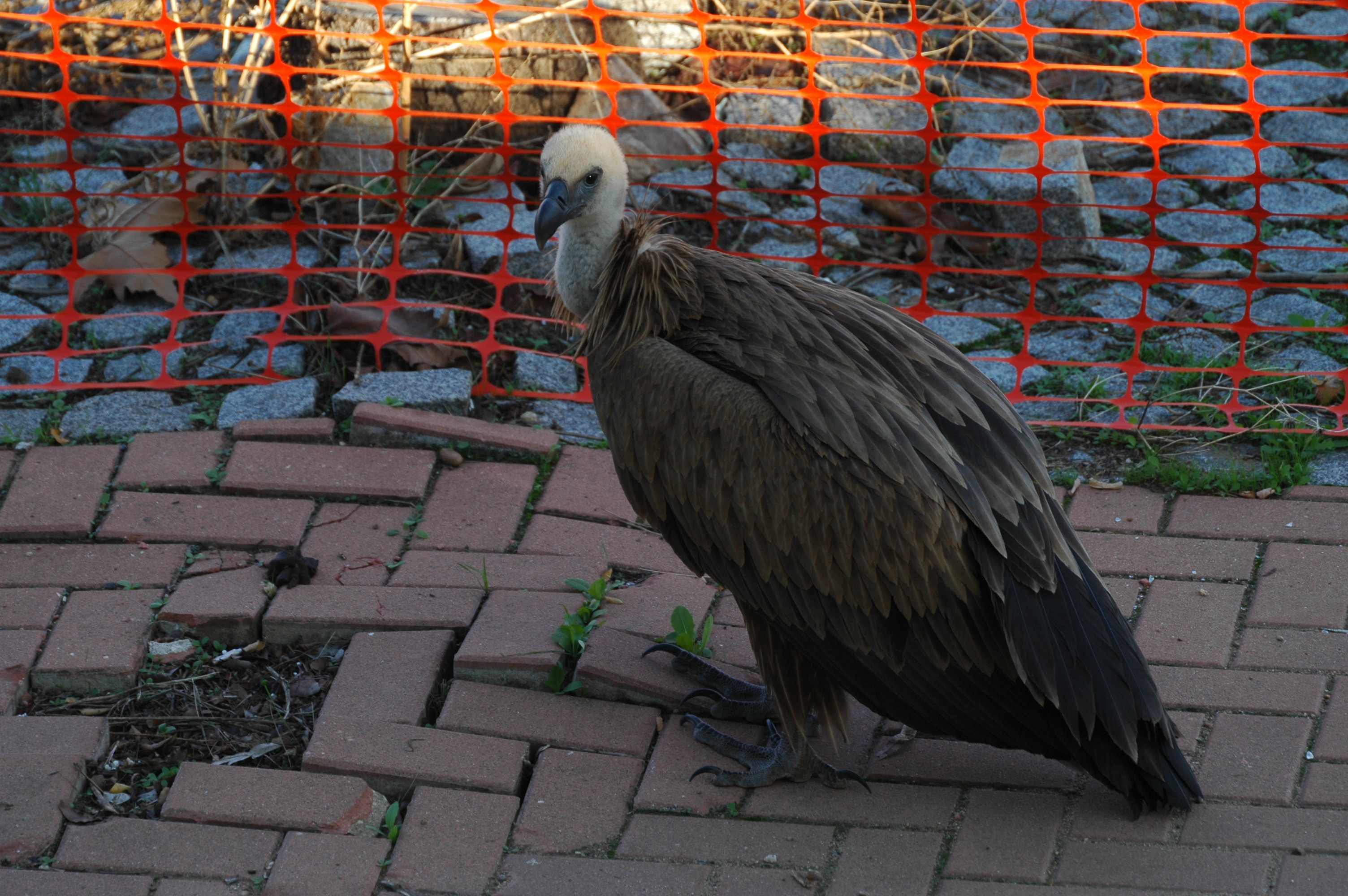
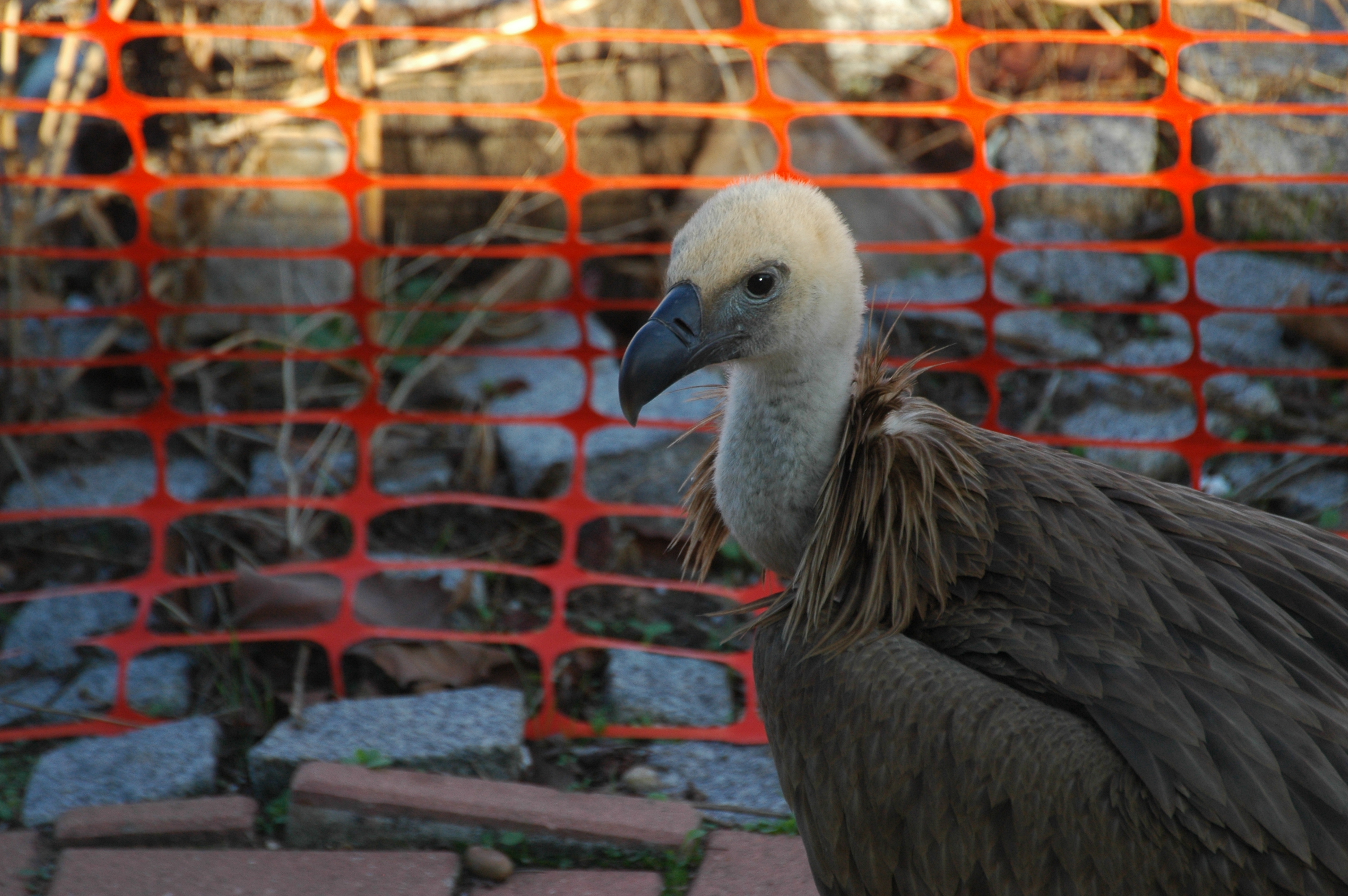
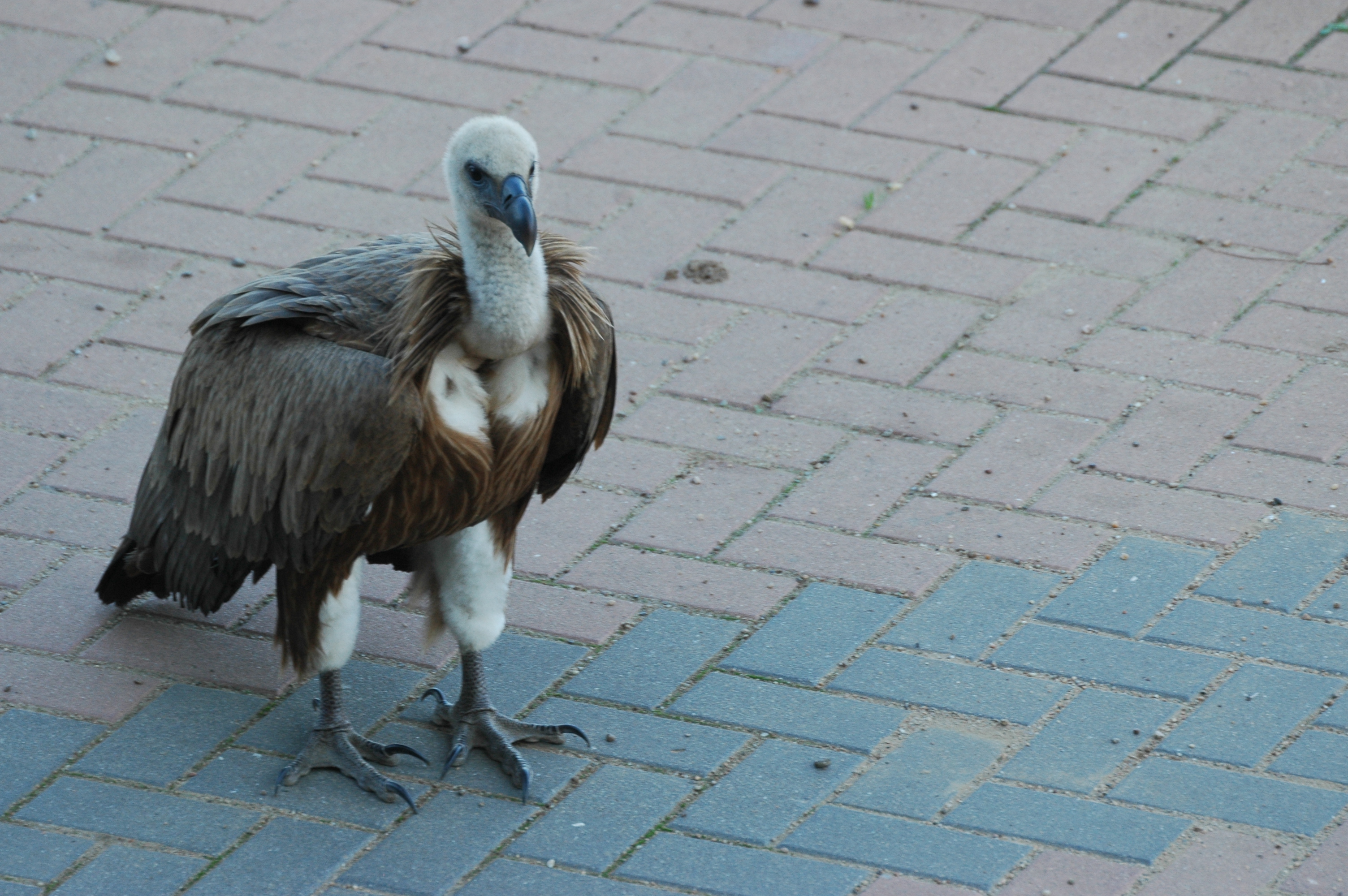
…boom. Sulking in the shade of the roadworks with a crowd of five or six startled onlookers. It could hardly be anything else: vultures are bloody huge, even youngsters like this one.

DSC_0257

I was worried that it might have a broken wing, as it didn’t seem particularly keen to get back into the air. What it was doing here, bang in the middle of the city, is anyone’s guess. Perhaps it was simply tired. At any rate, it wasn’t all too bothered by the two men who’d gone down to join it, both to have a closer look at something you normally only see high in the sky above, and to ward off any dog-walkers that might cause the bird any further distress. My heart goes out to those two.

DSC_0271

I have to admit, I probably won’t ever get a better viewing of a wild vulture than this. Not even in Monfragüe, which is the best place to see them in all of Spain. And here, in Badajoz, of all places! Bonkers.

DSC_0272

‘Watch out,’ said one of the onlookers as it came bouncing forward, ‘That thing’s got a beak that can bite through bone.’

DSC_0275

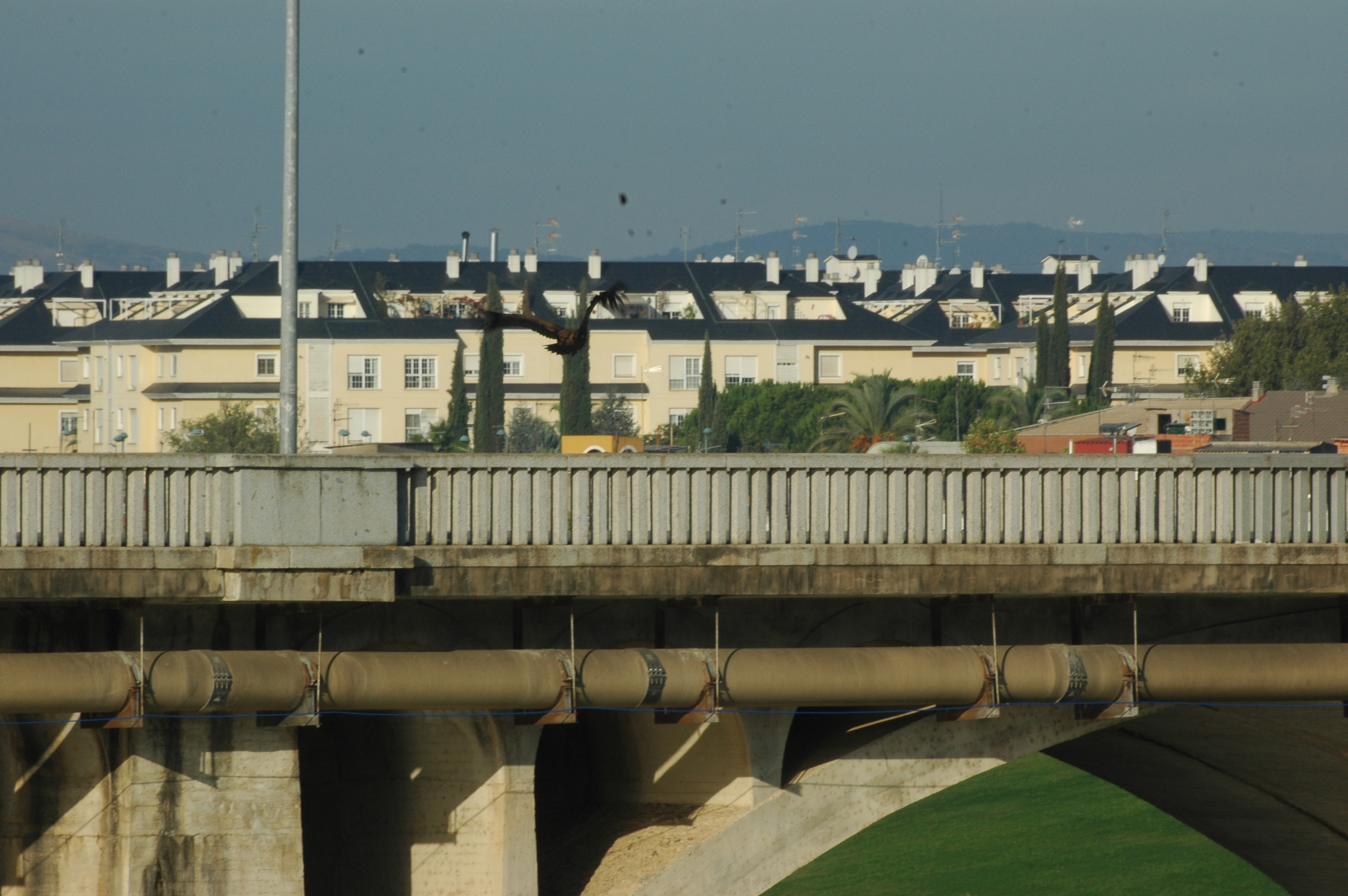
To everyone’s relief, there was nothing wrong with it in the end, because after some ten minutes it puffed up its feathers, made a few bounding leaps and took off into the air on two giant wings. It wheeled about over the river and almost flew headlong into the bridge, clearing it by little over a metre or so, and flew off in the direction of Portugal.

DSC_0280

Not something you see every day! And now I need to go in search of a USB cable or card reader of some description, because my memory card is chock-full. Well, gallinules, kingfishers, cranes and a griffon vulture, all in twenty-four hours of city-hopping! Now there’s a feathery micro-adventure for you. BB x