Camino II: Dawnbreaker

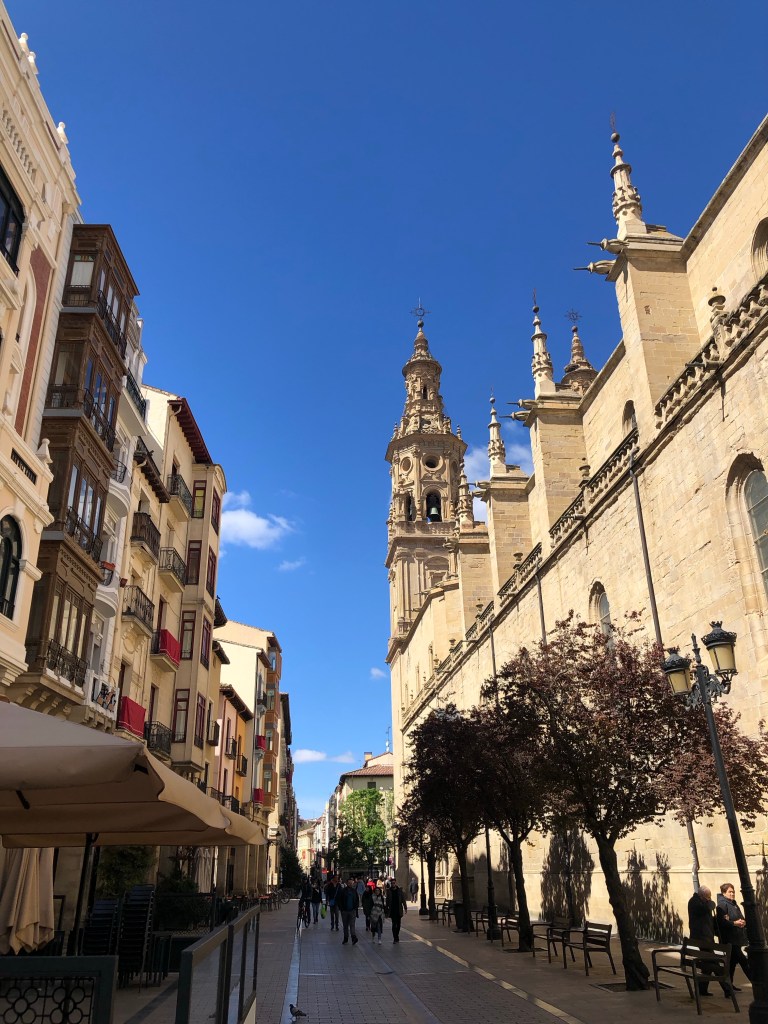
Holy Week got off to a flying start last night outside Logroño’s cathedral, Santa María de La Redonda. It isn’t always easy to tell which towns will have a serious procesión, but for the record, Logroño goes the distance. It looked as though all the brotherhoods were out in force last night, garbed in white, red, green, black and blue. Crucially for me, they also beat out the same halting drumbeat from my memories of Holy Week in the south. Not every town does it, but you’ll notice if they do: it’s the ever so slightly delayed drum roll during the march that, once you hear it, you can’t unhear. It’s the suspense of the last days of Jesus’ life, as his followers waited to see if he would save himself. At least, that’s one way of reading into it.

I had supper with a rather awkward American, the only other guest for dinner at the albergue. He wasn’t even staying there, but appeared to have wandered in looking for a menu peregrino (the cheap three-course fare offered to pilgrims on the Camino). He had his reservations about how sociable people are on the Camino and pined for the quieter stretches, and from his less than satisfied reaction to the ‘vegetarian option’ he’d asked for, I couldn’t help wondering what he was doing out here. He was quick to want to fact check my anecdote about his home state of California being one of the only places in the world named for a fictional location (it takes its name from the mythical island in Montalvo’s 16th-century chivalric novel, Las sergas de Esplandián) but I won’t begrudge him for it. After Trump and the fake news boom, who’d trust anyone?


I was definitely one of the first out of town this morning. Though I passed some pilgrims on the road a few hours in, from the speed at which they were walking I suspect they’d been lodging one or two towns ahead. As a result, I had pretty much the whole 30km hike to Nájera to myself – including the first hour and a half before sunrise, which is always one of the most magical times to walk the Camino.

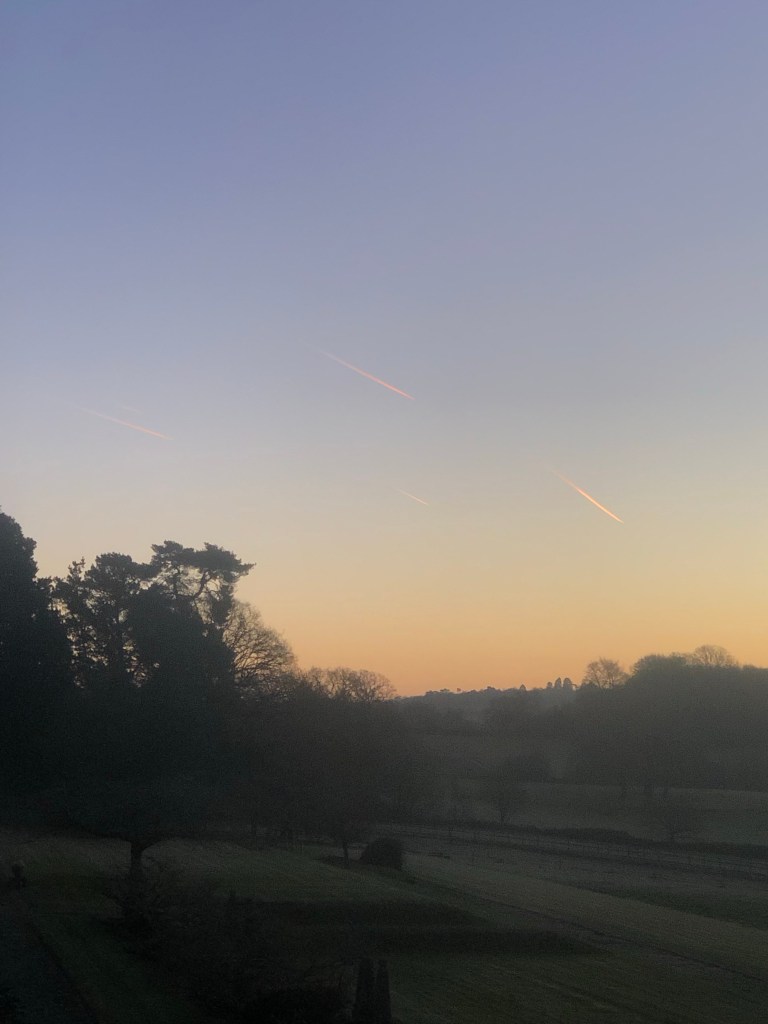
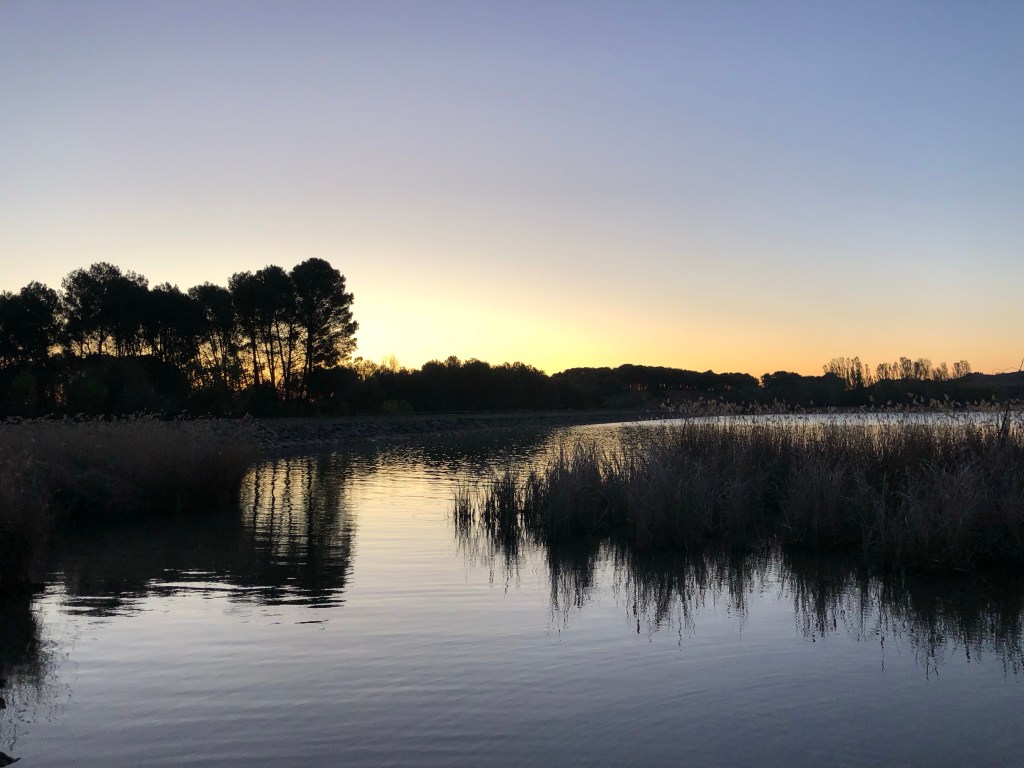
Approaching the Laguna de Grajera from the east, I counted about six or seven night herons flying in from their roost somewhere beyond Logroño. You can just about make out the silhouette of one of them in the photo above, as dawn was starting to break. There were rabbits everywhere – more than I’ve ever seen in this country – and the morning sky was alive with the songs of blackbirds and larks. I could have waited for company at any point, but I do love to have that part of the day to myself. Self indulgent, perhaps, but worth indulging all the same.
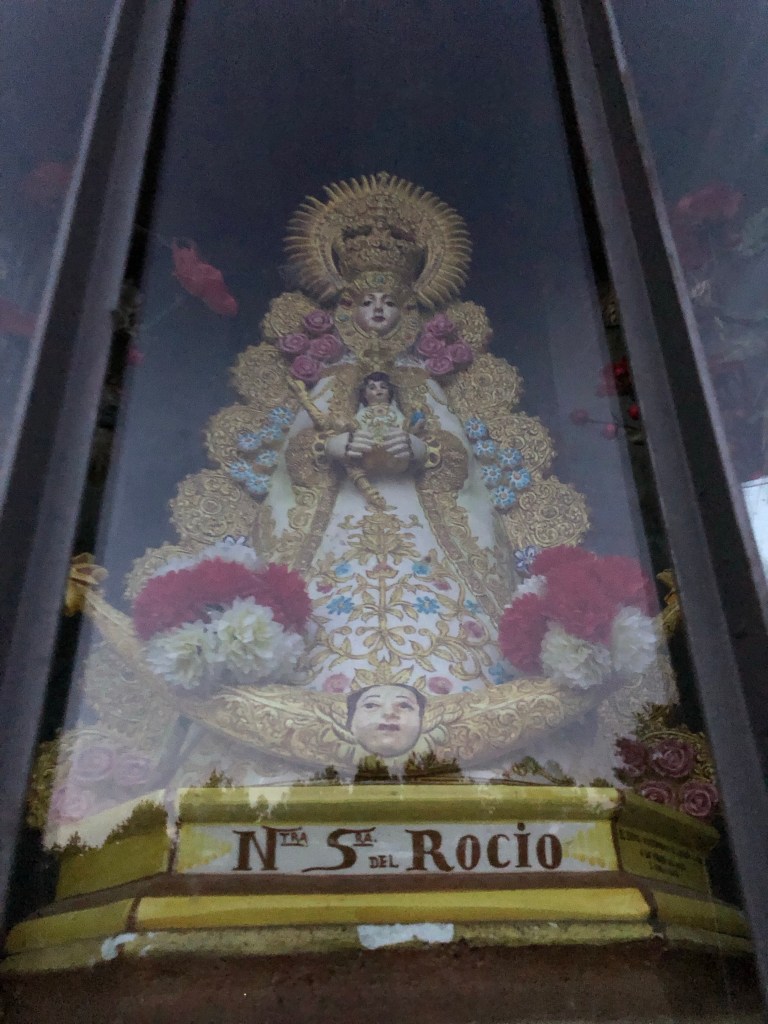
There was even an icon of Nuestra Señora del Rocío on the lakeside. Whether or not I sang her into existence through various repetitions of Las llanuras ardientes and El Rocío es un milagro as I was walking is conjecture. It felt special to find her here, so far from her usual haunt in the marismas down south.
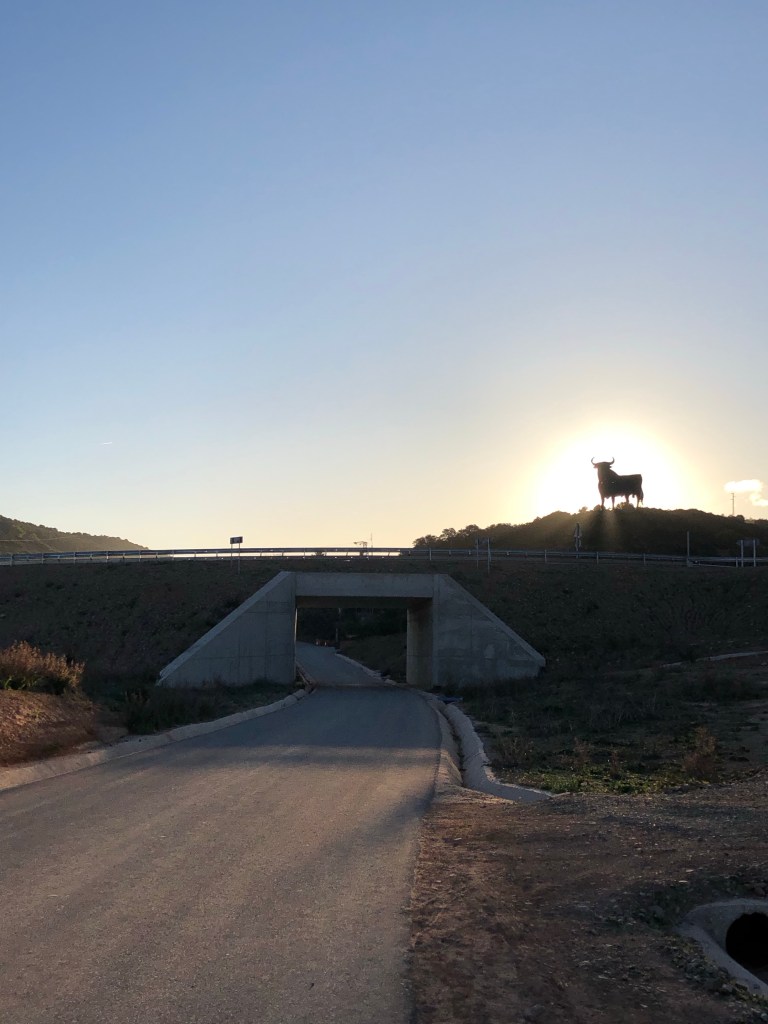
Now, while I needn’t have set off quite so early (the 8 hours in the guidebook is a joke, the trek is at the very most 6h30 with a stop for lunch) I did have my reasons, and one was to catch a very specific angle of the sunrise at just the right moment.

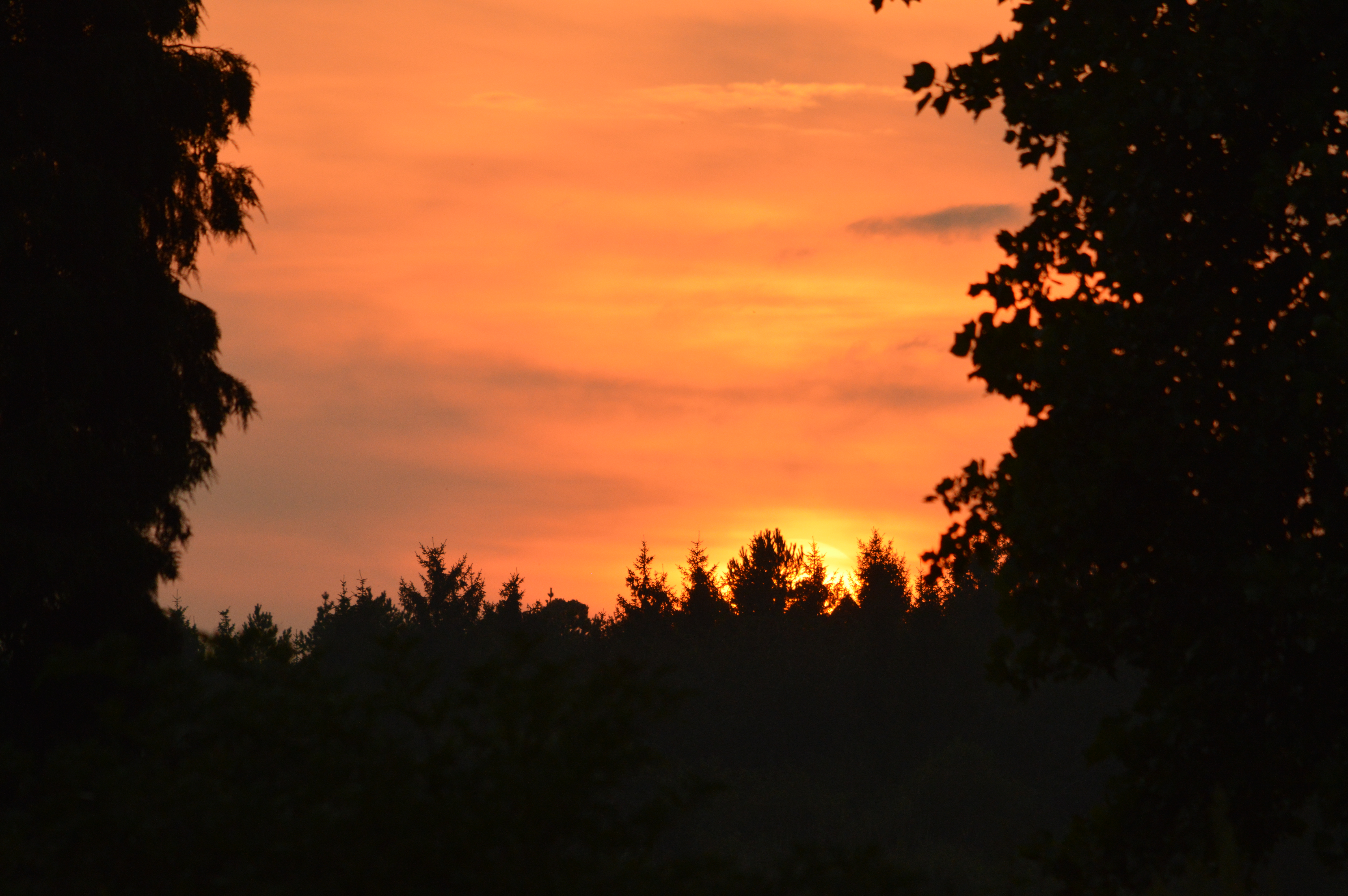
At the brow of a hill to the west of the laguna stands one of the famous Osborne bulls for which Spain is so famous. By the time I got clear of it – at around 8.20am – the sun was almost exactly behind it. I could not have timed it better. Point and shoot!
The rest of the walk was pretty straightforward. The ruins of the old pilgrims’ hospice at San Juan de Acre were picturesque and the Camino itself, though it cleaved close to the road on occasion, was quiet and easy underfoot. I let a couple of Dutch pilgrims overtake and continued to have the road to myself. The Sierra de Cebollera remained cloudbound for most of the walk, and I kept my hoodie on until I reached Nájera – it simply wasn’t hot enough to justify fewer layers, and that’s not bad thing!
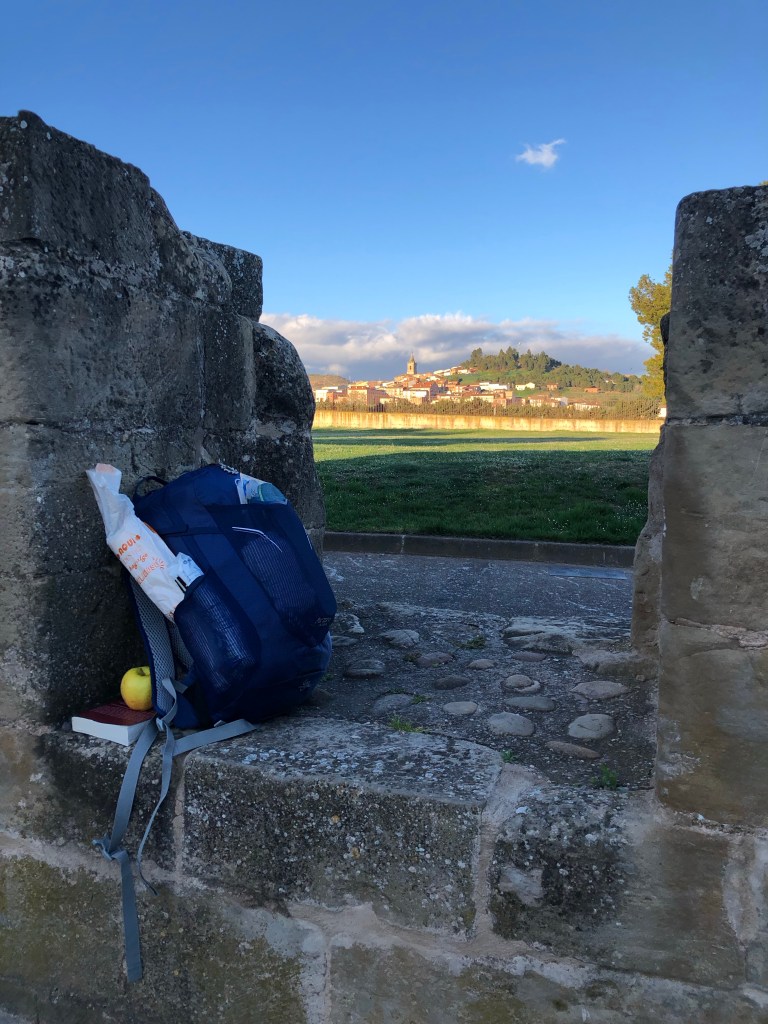
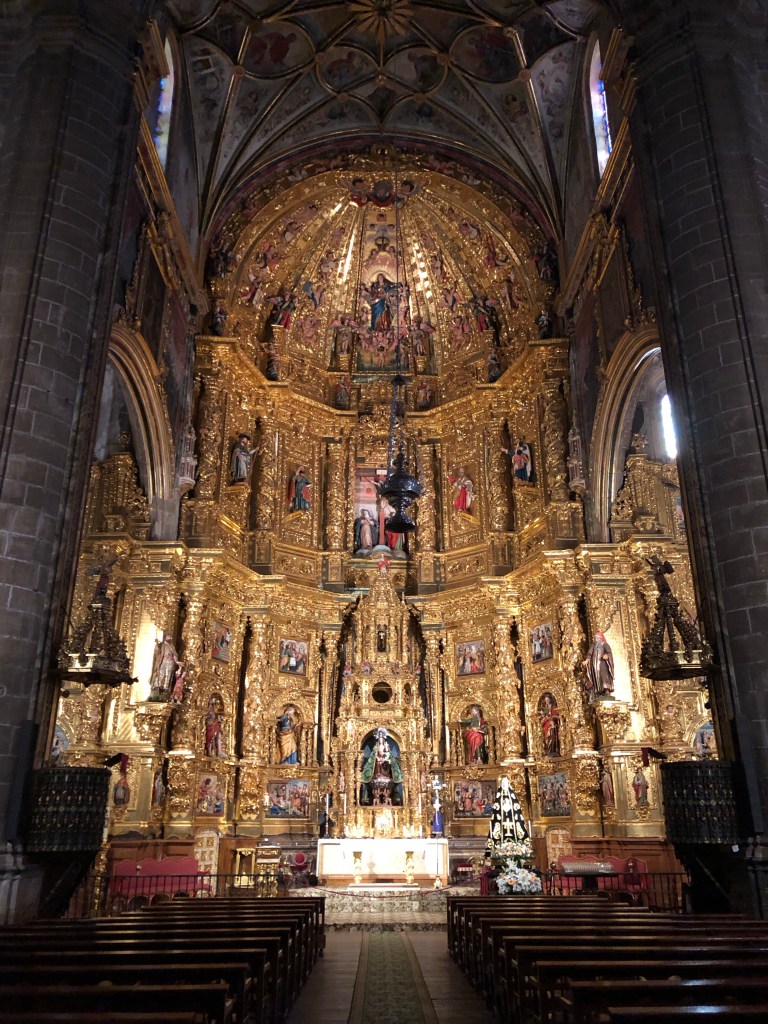
Navarrete was stunning – easily one of my favourite stations on the Camino so far. The church is a classic Spanish affair: pokey and generic on the outside, and an immense explosion of heavenly gold within. I lit a candle for abuelo, left a story in the visitor’s book, sang through Thomas Morley’s Nolo mortem peccatoris (since there was nobody there) and moved on.
From Navarrete, the final stretch rolled across the hills before sloping down toward the cliff face of Nájera. Legend has it the French hero Roland fought a Syrian giant on one of these hills in a single combat that went on for days, but I was happy enough to see the familiar silhouette of the giants of my childhood: griffon vultures, circling high above the meseta in the distance. I didn’t keep a tally, but there were raptors everywhere today. Kestrels and kites – both black and red – and buzzards and booted eagles, these last in both white and brown. Since it’s still early enough in the season, some of them were displaying still, climbing high and then plummeting down in a sharp V with wings tucked in. Between that and the flute-song of woodlarks that followed me for the last hour before Nájera, I have been in seventh heaven all morning. Oh Camino, I have missed you!

The Albergue Municipal is filling up. Maybe I’ll meet some of these people later. But for now, I’ve done my write-up for the day and I could use a little shut-eye before I seek further adventures in Nájera this evening. Until the next time, folks. BB x
Camino I: Plus Ultra

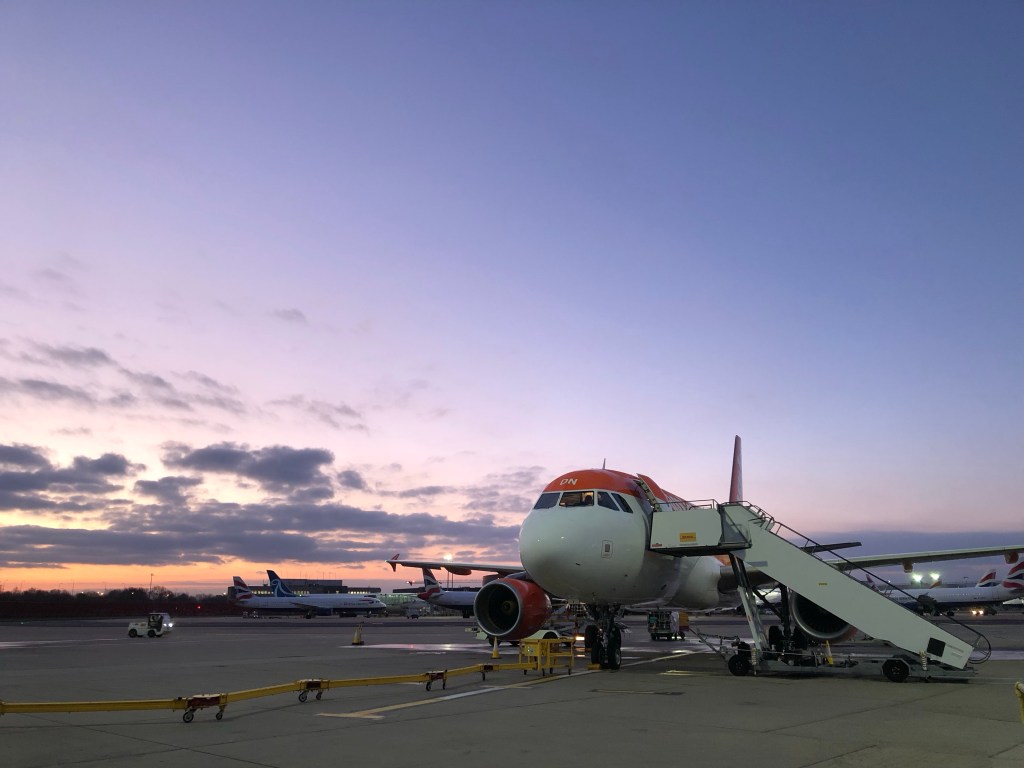
6.15am, Gatwick North Terminal

I left over an hour and a half to make my flight this morning, but I could easily have done it in less. Even with the extras (a few more items of clothing than originally planned in case of inclement weather), I’m traveling lighter than ever. Who’d have the fuss of a suitcase when the open road is so inviting?

I think I must have raced to the gate in my eagerness. It was almost deserted for some time when I got here. Only two or three others joined me in my vigil: a Spanish girl chaperoned by her mother, a Greek/English couple (yes, I googled the man’s passport symbol – call me a nosy Parker but the square cross had me stumped) and a woman who from her accent could only be Basque: one side of her head shaved, brow furrowed, a black hoodie emblazoned with the slogan ‘DESIGNED BY AN IMMIGRANT’ in block white capitals.

No tannoy for this flight – the attendant called out Bilbao almost as quietly as I did trying to call a student over in the canteen last week for his poor choice of language. She only changed her tune to ‘Speedy Boarding Only’ when the first six or seven of us were clear. Sometimes, just occasionally, it pays to arrive ahead of schedule.


10.18am, Bilbao Intermodal Bus Station

I’ll say this much for Bilbao Airport: it’s a lot less hassle than Gatwick. All in all I don’t think it took much more than fifteen minutes between touchdown and the shuttle bus.

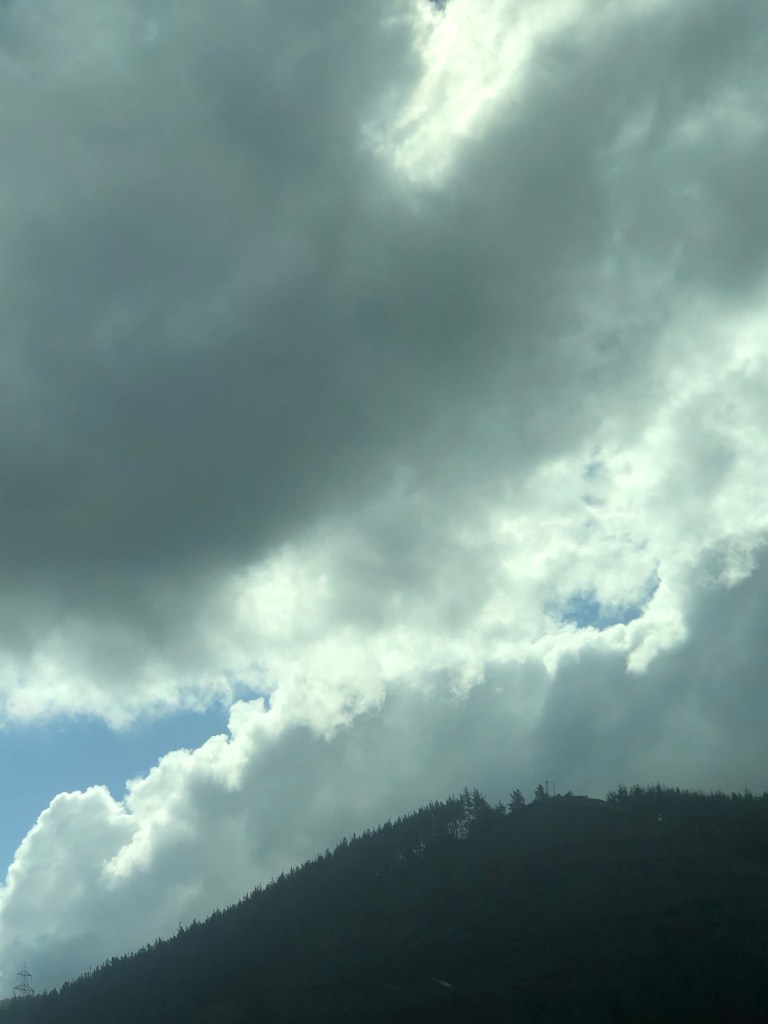
As I thought, the skies over Bilbao when we landed were clouded, grey and low. They always have been on my visits to this corner of Spain, to the extent that clouds and the Basque Country are virtually inseparable in my mind. The Spanish author Miguel Delibes once said that the sky over Castile is so high because the castellanos themselves put it there from staring at it so much. While my kith and kin chase the coy heavens plus ultra, always in search of the new, the ever practical Basques bring the skies down to their level, coveting the Viscayan rain and wrapping their dark forests in mist and cloud. I don’t expect to be free of that shroud until we reach the frontier.


11.56am, near Pobes

I’m now racing south on the Bilbao-Logroño bus, basking in the intermittent glow of the Spanish sun. Craters of blue have started to appear in the sky as though punched through by some celestial artillery, and still the Basque line of defence holds.

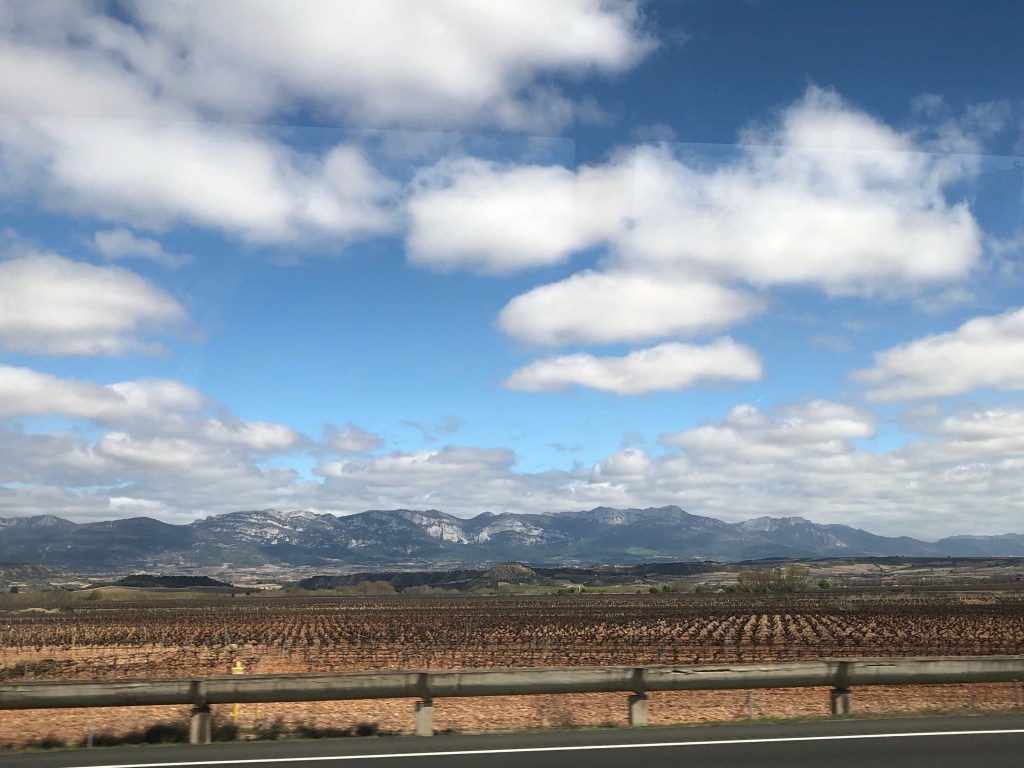
Here below, the landscape is changing. The military ranks of pines encamped around Bilbao suddenly give way to a gentle blanket of beech trees. Patches of brilliant green herald the coming of spring to these hills, and limestone crags scar the mountains like bones – first in uniform grey, then bleached with that warm golden stain that is so evocative of Spain’s highlands.

And then, suddenly, the dark hills of the Basque Country fall away and the plains of Castile are all around me: a forgivingly flat golden country, nestled between the high crags north of Haro and the snowbound peaks of the Sierra de Cebollera to the south. Castles and monasteries dating back to the time of a real frontier sit atop the hills and knolls like childish imitations of the limestone cliffs behind, the handiwork of the greatest craftsman of all.

And there, racing over the fields near an Alcampo petrol station, is my first swallow of the year. It’s only a fleeting glimpse as the bus races on past a bodega and a Lidl in quick succession, but it’s enough to make my heart soar – higher still than those Castilian skies.

I’m drunk on all this scenery, in case that wasn’t obvious (the overblown choice of a frontier semantic field was probably a dead giveaway). Rehab is the usual cure. However – to keep in line with this post’s choice of imagery – sod that for a game of soldiers. I have a week and more to wander around my grandfather’s country once again. I can’t think of a better rehab than this.


5.27pm, Albergue Santiago Apostol, Logroño

Logroño is climbing back out of its siesta. I’ve spent the afternoon here and there, though perhaps more here than there. Here being the Albergue Santiago Apostol, the same place I stayed when I last did the Camino four years ago. The only thing that seems to have changed is the stamp for my pilgrim’s passport. That, and I’ve come alone this time.

The albergue is quiet. I’ve only crossed paths with a handful of other pilgrims: Joan i Laura, a couple of peregrinos from Girona, a French family of three and a German family of four. I expected the Camino to be busier during Semana Santa, but I guess if you have a week’s holiday you’d do the stretch that can be done in a week or less – that is, the last 100km from Sarria. Out here in La Rioja, it’s likely to be rather quiet.

That will make for a rather soul-searching experience, which is no bad thing!

I’ve gone for dinner and breakfast at the albergue, 1) to make sure I actually eat and eat well and 2) to meet some of the other pilgrims ahead of the 31km stretch tomorrow. And also 3) because, at 16€ for dinner and breakfast, it’s a steal. I hadn’t forgotten how affordable the Camino is, but it is nice to rediscover, as it were.

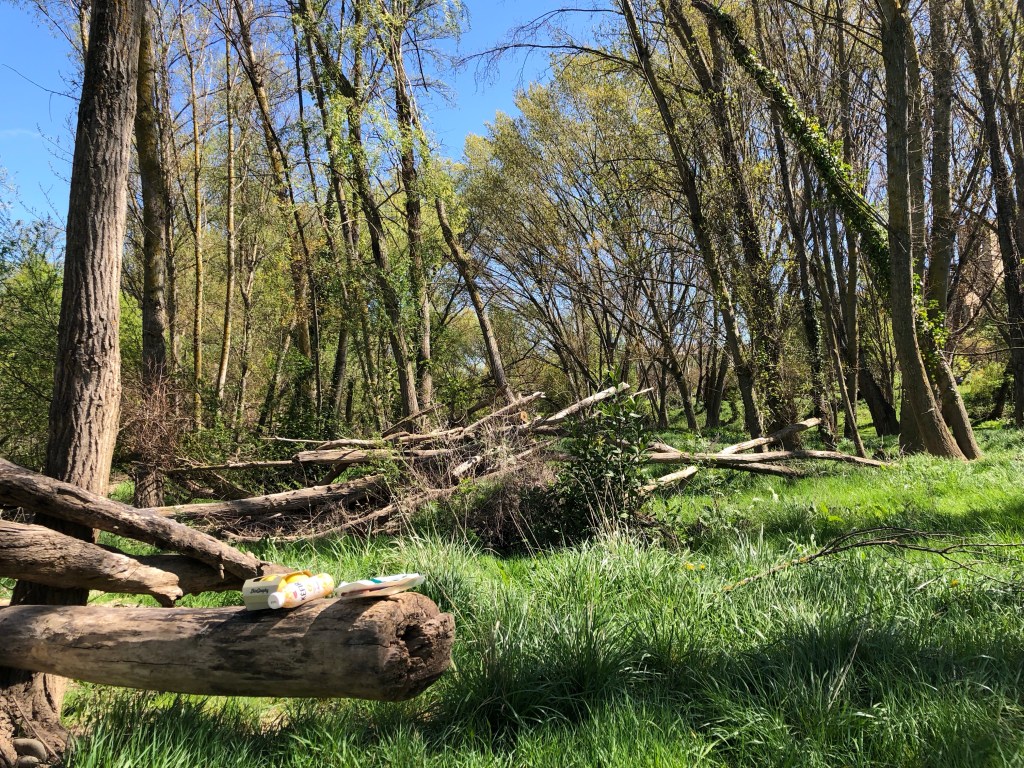
I ate my lunch (chorizo and queso curado in a fresh barra de pan) under a beech tree on the bank of the Ebro river. Spring may be slow in coming to England but she’s been here a while already. The beak-clicking display of the local storks can be heard every so often, even from the albergue, though a drumming woodpecker in the park was giving them a run for their money.

English and Spanish birdsong combined on the riverbank. Blackcaps, wrens and blackbirds supported a local chorus of serins, short-toed treecreepers and wrynecks. I don’t think I’ve seen (or heard) a wryneck since my first stint in Villafranca back in 2015, but I hadn’t forgotten its call. After scanning the branches for a minute or so I tracked it down to a lightning tree just a few metres from where I was sitting. They really do look bizarre, the way they move about mechanically, looking for all the world like the clockwork nightingale from Hans Christian Andersen’s fairy tale. The wryneck kept me company for most of my lunch and only took off when a dog walker came by, carrying an African grey parrot on his arm.

I’ll try to catch the first of the procesiones tonight. ‘It’s only Monday,’ said the hostalero at the desk, alluding to the fact that the pinnacle of Semana Santa is toward the end of the week. Even so, my pride as a Spanish teacher is at stake (I have just been teaching the topic to my Year 10s) and besides, I’m a fanatic for the pasos. You can blame my year in Andalucía for that. I’ll also see if I can’t locate the local legend of the Bookseller of Logroño that fellow English traveler George Borrow recounted in his book on the Gypsies of Spain, published a little under two hundred years ago – because what’s an adventure without a quest of some description? BB x

Spirits of the Forest

Winter is on the retreat. It began on Tuesday, when I heard a dunnock singing from the top of one of the trees by the church. A tiny foot soldier, the herald of the advance guard that has set up camp at the edge of the Weald, singing his heart out in defiance of the lingering cold. The dawn chorus grows in strength by the day. It woke me before my alarm did yesterday. There are still a few redwings about, but it’s been a long time now since I heard the cackle of a fieldfare, and the evenings are getting lighter. Spring is still a little way off, but it is finally on its way.

I’ve been a lot more mobile these last few months. No, it’s not because I finally have a set of wheels – I don’t, and that is still very much a work in progress – but all the same, it has meant I have spent even more time in the Weald than ever before. While my head and my heart have been busy elsewhere, my eyes and ears have not taken a day off. The shifting seasons and the changes they bring have always been a major source of happiness for me, and there have been so many things to see on my weekly commutes that I’ve been pretty spoilt for choice.

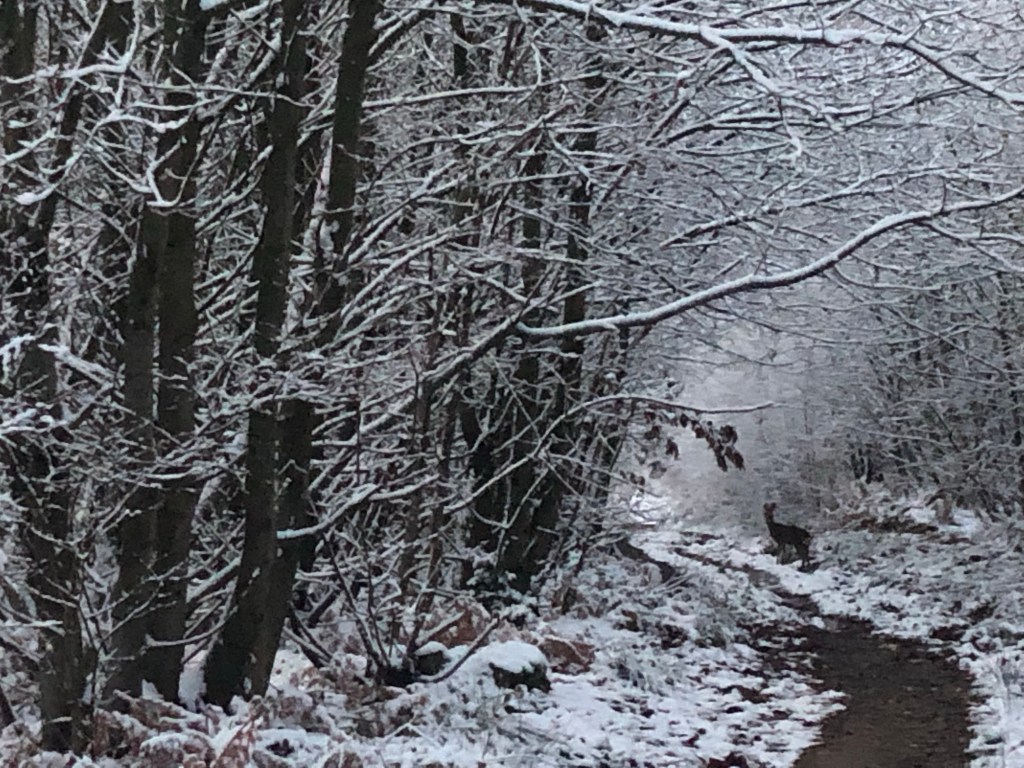
More than a couple of times, I’ve looked over my shoulder to see a roe buck staring back at me. I almost walked right past a couple on my way into town yesterday, and they stood their ground even when I stopped to stare right back. They’re easy to miss at this time of year, blending seamlessly into the starving ferns and leaf-litter, and I might well have missed them more than I’ve seen them. The only obvious sign you get is when they dash off into the woods, their tails flashing white like a signal behind them. When the snow came down in December, they were only too easy to spot. I very nearly missed my train into London because I stopped to let a small herd cross the path into the woods beyond, watching them until they disappeared into the gloom. It wouldn’t be the first time.

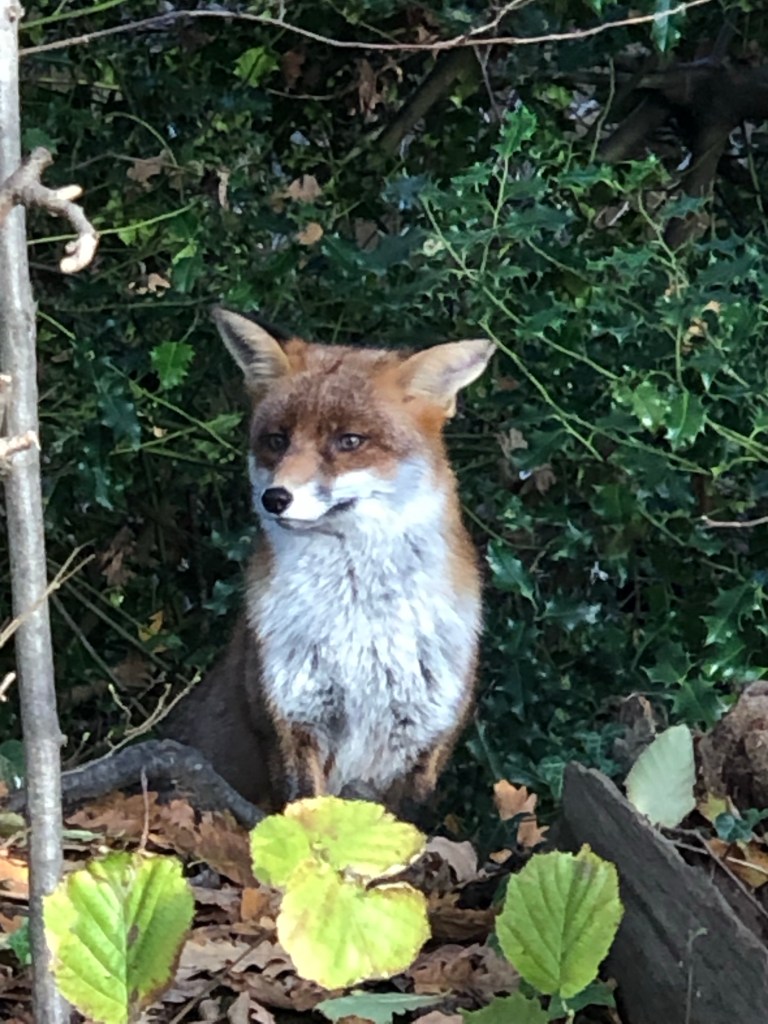
During a cold snap like the one we had before Christmas, it isn’t uncommon to see foxes out and about during the day, since the going gets tough for pretty much everything that lives in the forest. Last weekend I saw one curled up asleep in the open beside the Gatwick stream, one eye open and trained on me as I wandered by. Not too many weeks before, I had a close encounter with a younger tod on the edge of town, which was either so accustomed to people passing by or too hungry to care that I was sitting only a few metres away. Plenty of folk passed by without so much as a sideways glance, which is understandable, I suppose – foxes aren’t universally popular for a number of reasons – but the country boy in me can’t help but stop, and look, and listen. Whether or not they’re virus vectors or poultry pilferers, foxes are undeniably beautiful creatures when you get the chance to have a good look at them.

Then there’s all the voices of the Weald. Snatches of conversations in languages at once familiar and unfamiliar. The croak of the ravens that nest somewhere in the forest. The harsh cry of a hulking grey heron as it soars above the trees. The thin rattling wheeze of a wren, and the answering snare drum of a woodpecker. It’s all I can do to keep my head facing forward on my way to and from lessons at work, lest I make my love for these things painfully obvious. In a very real sense, I’ve been playing the same game since I was a schoolboy. That makes it twice as fun, I guess.

Boy, but it feels good to be writing again. I’m out of practice. I’ll report back when I have something to report. BB x

All Change

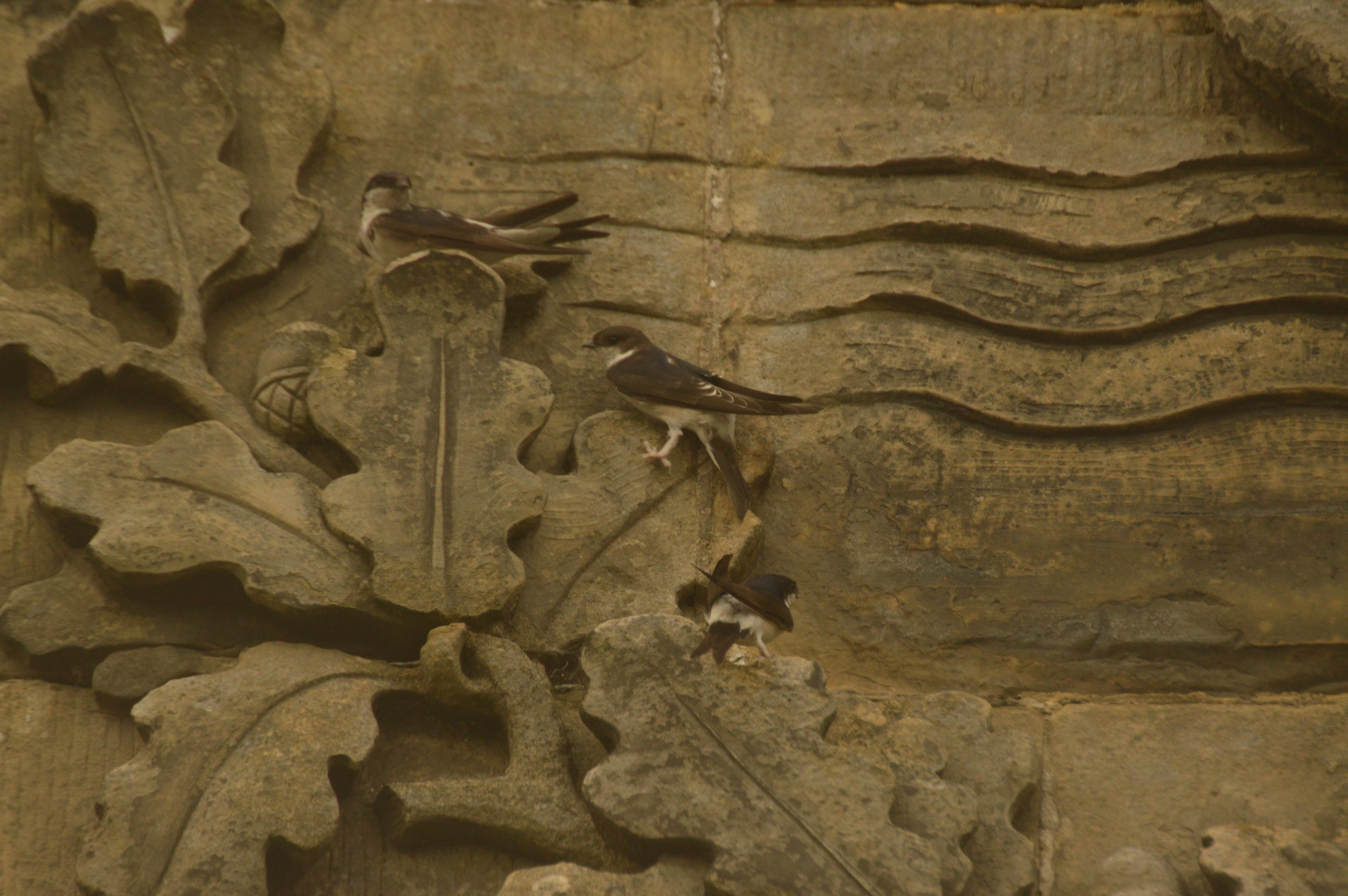
Autumn has come early this year. Following in the wake of the fierce heat of the hottest summer on record in the British Isles, many of the trees have started to shed their leaves almost two weeks earlier than usual. Two weeks does seem to be the number: the forest is thick with the musty air of fungus, and the colony of house martins that nest in the school have already started to muster on the roof as though they mean to depart any day now, though they are usually with us well into September. We’re in for a long winter when it comes.

The zenith of the summer stargazing season is behind us now. It’s one of the things I most look forward to about the summer, living where I do: despite the eternal glow from London to the north, the stars and the planets are surprisingly clear. Some of the summer nights this year were so hot it was possible to go out stargazing well after midnight without catching a chill, and I refamiliarised myself with the constellations: the twinkling ‘W’ of Cassiopeia; the Northern Cross; the winding enormity of Draco; and arrayed along the horizon, the bright lights of three planets: Jupiter, Saturn and Mars. It was so bright at the peak of the heatwave that I didn’t even need a torch to find my way around, thanks to the unfriendly glare of the hunter’s moon. While I couldn’t catch the planets with my camera, the Moon was easy enough.

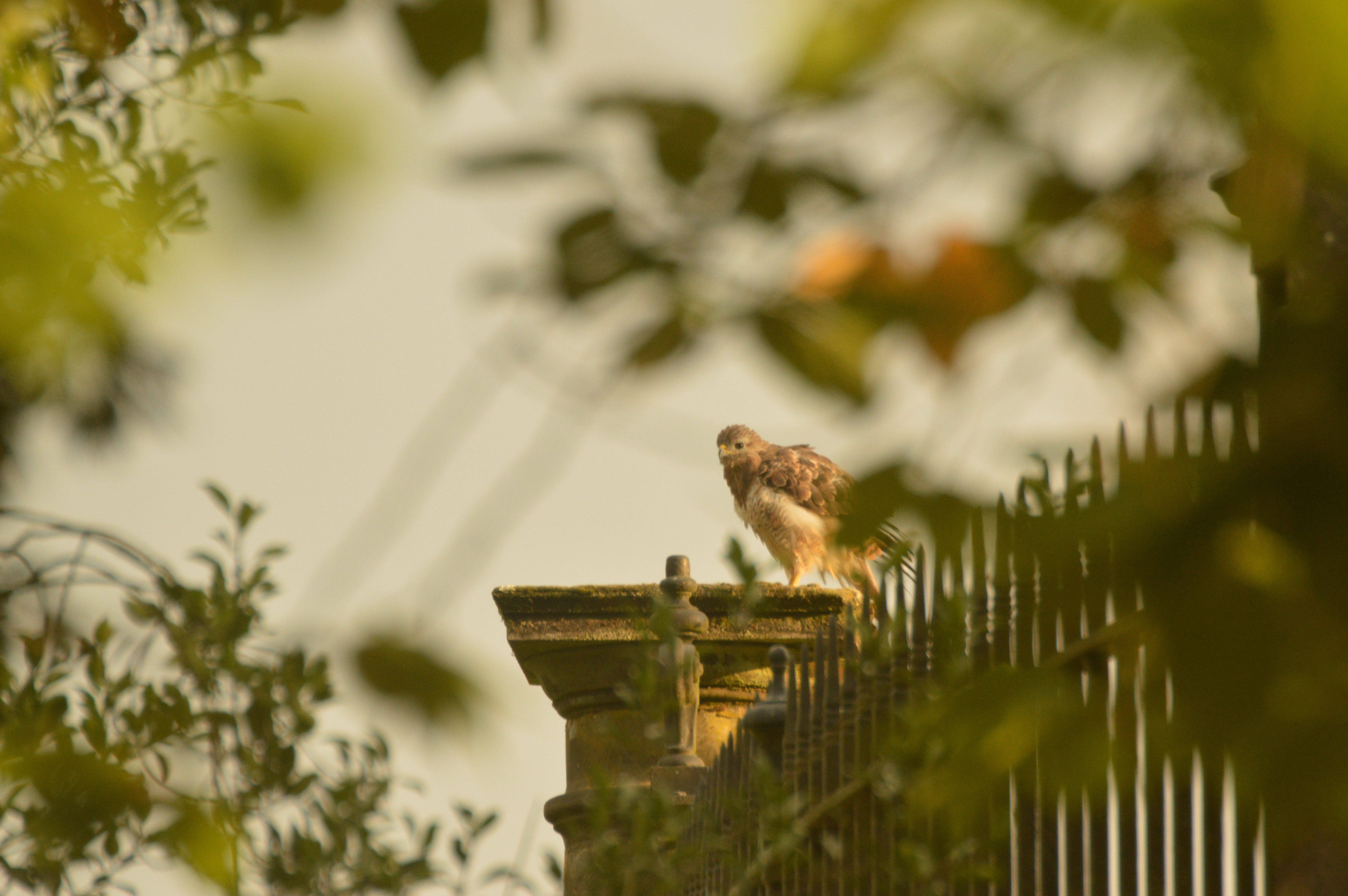
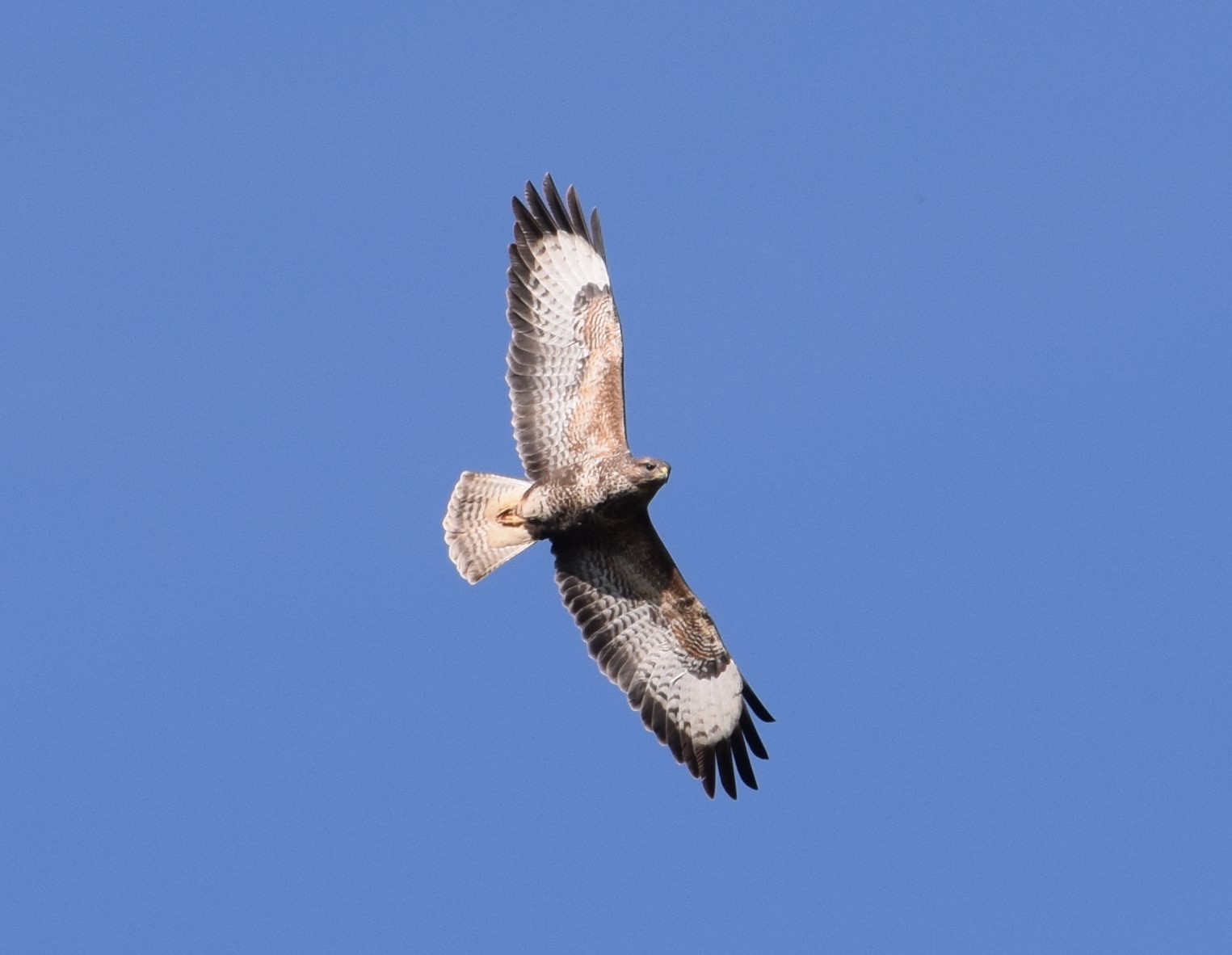
There’s a buzzard that lives in the forest which sometimes quarters the school grounds. A few days ago I saw her from the kitchen while I was having breakfast one morning, and on a childish whim I set out with my camera in hand. I used to be rather good at stalking for a good shot, but I’m a good number of years out of practice. I did manage to get close enough to see the hawk’s eyes with my own, which was the standard I always used to hold myself to back when I was a schoolboy, before it took off over the woods.


Words can’t describe how good it feels to be back at work. Usually, the two days of staff training can feel like a gut punch from the backstage crew as the curtain is yanked back – a kind of ‘playtime’s over, now get out there and earn a crust’. But this year, after eight weeks of on-and-off isolation, it could hardly be more welcome. I’ve been chomping at the bit to get back in the classroom since the end of July at least, and finally, it’s come around again. Only the bank holiday stands between the last few hours of the summer and blissful occupation.

I popped up to London yesterday and bought myself a new suit and shoes in a hollow attempt to pave the road to success this year, but also to treat myself after the success of my first ever GCSE cohort to sit exams came out shining. But will they detract from the beard? I find that doubtful.

Sir has been known to radically change his appearance before. I shaved my head once two years back and braved the raised eyebrows of my kids for months as it took its sweet time growing back. I’ve not cultivated a beard (or a ’tache, for that matter) since my time in Jordan, now seven years ago, and despite my initial apprehensions, I have to admit it’s starting to grow on me – faster than it’s growing in, anyway. I’ve accepted the fact that it’s going to leave me looking more like one of Leif Ericsson’s men than one of Hernán Cortés’ conquistadores – I am three-quarters English, after all, and what Spanish blood I have is more than a little rubio. Still, change is good. One can get too comfortable.


I tidied the flat a bit this morning. Took some clothes to a recycling centre. Did one last shopping trip before the portcullis comes down on Tuesday and ordered a grooming kit to keep this new project under control. The writing bug bit earlier this week, as it always does just before work begins. I guess I need to be busy to be productive.

As the clock runs down, I’m enjoying a warm mug of Cola Cao (courtesy of Garcia’s on Portobello Road) and leafing through one of the oldest books in my collection: a 138-year old copy of Washington Irving’s Life of Mahomet & Tales of the Alhambra. The writing is wonderfully poetic, and it even smells historical. One of my students is writing a project on the Alhambra, having fallen under the same spell that I did at his age – the same magic that ensnared Irving and countless other devotees long before us. It would do me a world of good to clue up on that old obsession once again.

It’s going to be a very busy year, but I’ll write as often as I can – it’s been really therapeutic, getting back into the writing game after a long hiatus. Until the next time, dear readers! BB x

They Bring the Summer

The year is turning. Can you feel it? The light in the morning has shifted ever so slightly, but it’s noticeable. We’re past the peak, and before long the red-gold winds of autumn will be upon us. Thanks to the fierce heat we had in July, some of the trees are already wearing their russet cloaks. I shouldn’t be surprised if we’re in for a long, dry winter this year. Perhaps that’s the way of things to come, perhaps not. Time will tell.

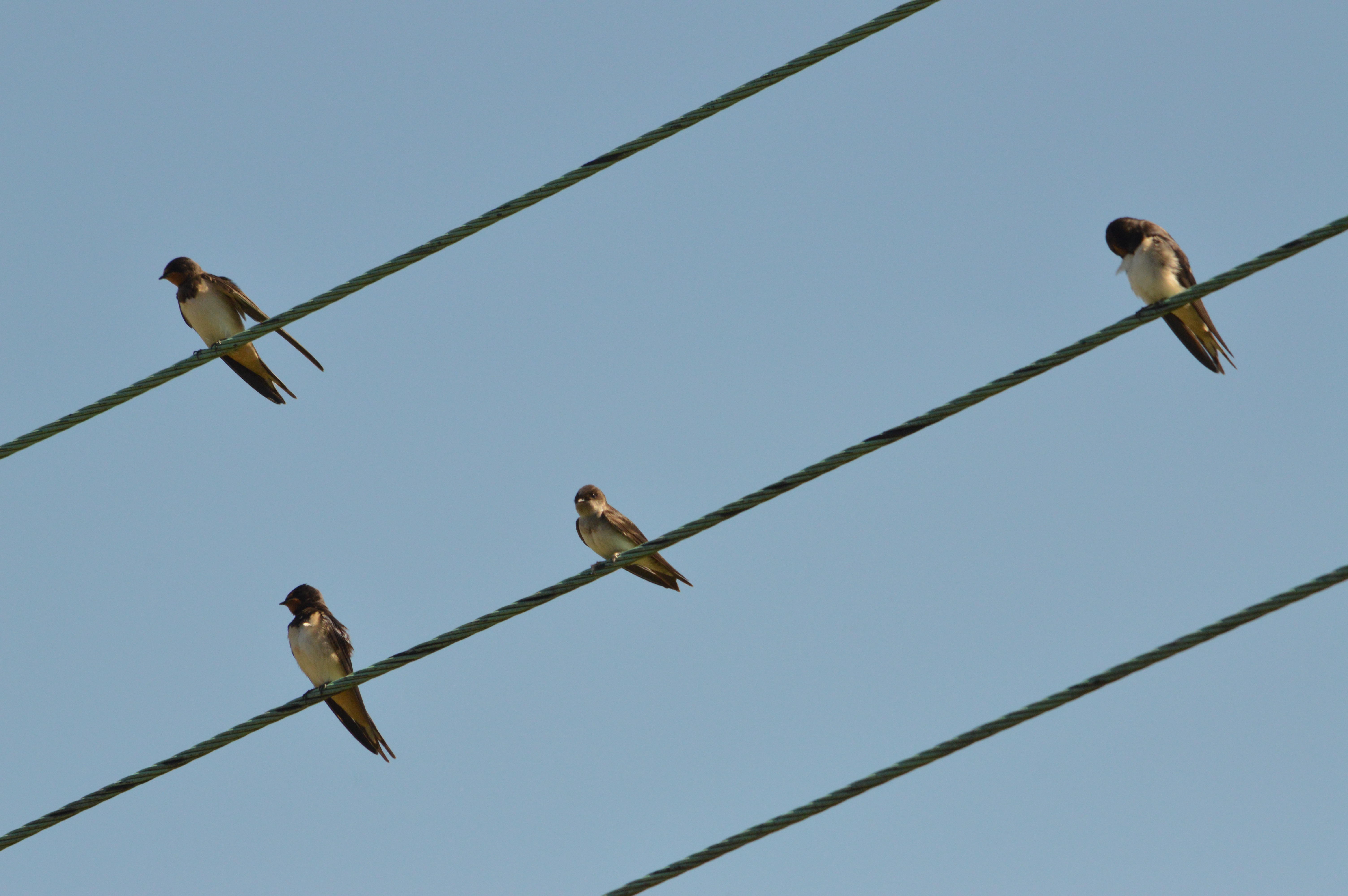
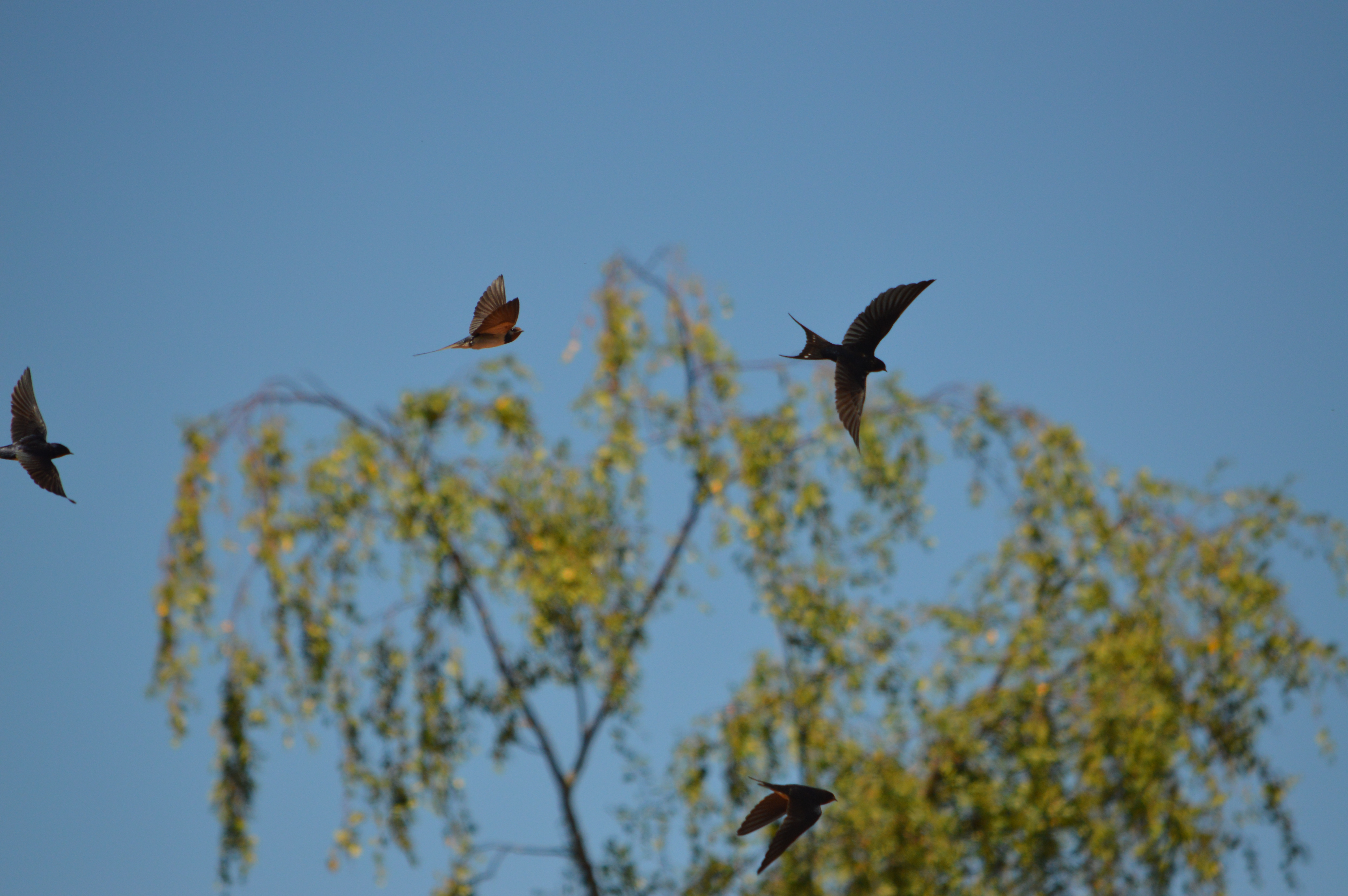
The family of swallows that nests in the barn near the house have had a very successful year. I counted eleven of them on the wires this morning: two parents with full streamers and nine noisy youngsters whose tails have yet to grow out in full. I had to count twice because of a sand martin who seems to prefer hanging out with swallows than his own kin, who have a colony in a field half a mile down the road. There comes a time every year, usually in September, when the swallows and martins suddenly gather en masse in a noisy spectacle before setting off for the south. We’re not quite there yet, no matter how abnormal this summer’s weather has been, but it sure felt like a nod to that day this morning.

Swallows, swifts and martins – collectively known as hirundines, which might have something to do with the Latin word harundo, meaning the forked shaft of an arrow – really are some of nature’s miracles. The tiny flashes of blue and white that dance over the fields with such cheerful abandon in summer travelled around 9,700km from their wintering grounds in South Africa to get here, and in the space of a few short months they have to make the same journey all over again in reverse, this time with their young in tow. Most estimates have them traveling about 320km every day. That’s a bloody long way to go when you’re only a few months old!

This morning the family looked like they were getting some practice in for the long journey ahead. Mum and dad would sit with the youngsters on the wires for a while, chattering amongst each other while the kids preened endlessly, before suddenly taking off and wheeling about the garden with their offspring racing after them. They might have been hunting, of course, but some of the young ones were far more interested in playing keep-up with a pigeon feather, catching it and keeping it from touching the ground, the way children sometimes do with a balloon. It was really quite endearing to see.

In the past, where our swallows went each winter had us stumped. There were some truly bizarre theories floating around. Following in Aristotle’s footsteps, some thought they hibernated underground. Some thought that they slept at the bottom of deep lakes and ponds, since they spent a great deal of their time hawking over the water during the summer months. One 17th century theory, courtesy of Englishman Charles Morton, claimed the Moon as the swallows’ winter destination as the only logical explanation for their total disappearance. It sounds absurd, but it’s not so outlandish a theory when you try to imagine explaining that these tiny creatures travel further twice a year than most humans will in a lifetime. It even makes the underground hibernation theory seem plausible!

It’s an incredibly hazardous journey, and not every one of our brave swallows will make it there and back. There are all manner of dangers they have to face: sea crossings, storms, high winds, predation by hobbies (consummate swallow-catchers), not to mention human interference – some will be caught for food, and the Maltese in particular are infamous for their practice of trapping migrating birds by liming fences. And then, of course, there’s the mighty Sahara Desert. Michael Morpurgo wrote a fantastic children’s book about that journey – Dear Olly – which you should read if you want an idea.

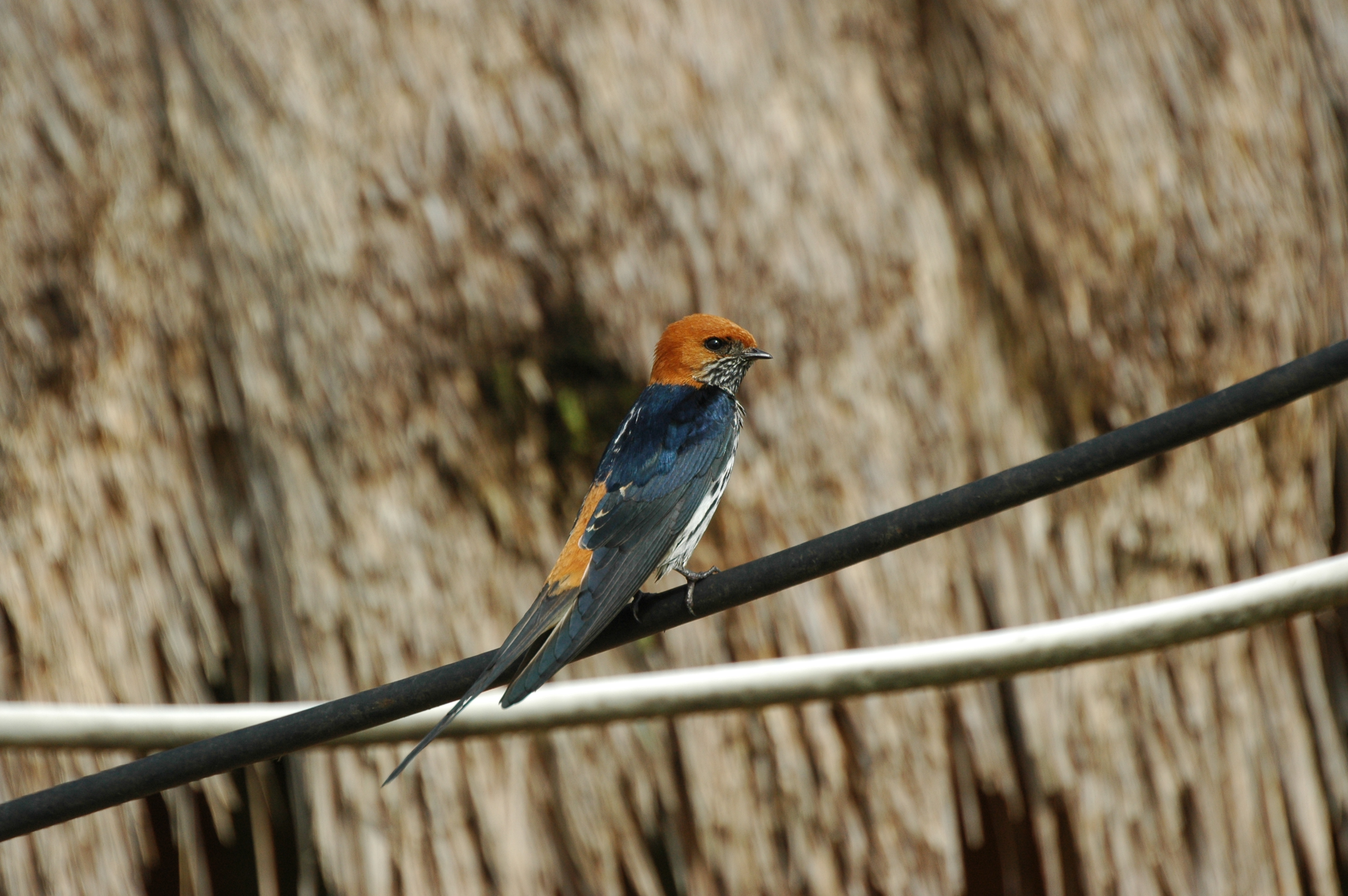
So why travel all that way? Competition might well have something to do with it. After all, Africa has plenty of swallows of its own (without all these European swallows “comin’ over ‘ere and takin’ our jobs” etc.) and fans of Monty Python will be well aware of the fact that African swallows are non-migratory. On my travels around Uganda during the rainy season (November) back in 2012, I saw plenty of familiar-looking swallows hawking over the White Nile, but most of the birds I clocked were local species that don’t travel far from home. Still, I couldn’t help wondering whether maybe just one of the brave little birds flitting by had crossed my path sometime before, either in Spain or the south of England. How’s that for a flight of fancy! <groan>

Greater striped swallow, Ishasha Lodge (Queen Elizabeth National Park) Uganda, 18th November 2012

Swallows are remarkable creatures to watch. While we still have a few weeks left of summer, try to find a few minutes to enjoy the little winged miracles. I’m sure they do wonders for one’s mental health, but to use less clinical terms, they sure can lift one’s spirits. Today, for the first time, I saw two of the youngsters doing something I’ve never seen swallows do before: sunbathing. Plenty of birds do this kind of thing to regulate body temperature, but it’s the first time I’ve seen swallows in the act. It was just two of them who kept leaning over in the sunlight – the others were far more interested in preening, though the sand martin looked as though he wanted to get in on the action!

One swallow does not a summer make, but their departure certainly puts an end to it! If you’ve enjoyed reading my homage to our chatty little neighbours, you might find the links below worth a browse, too. Until the next time! BB x
https://www.historytoday.com/archive/natural-histories/great-migration-mystery
https://www.rspb.org.uk/birds-and-wildlife/wildlife-guides/bird-a-z/swallow/migration/

Summer Ramble on a Ha-Ha

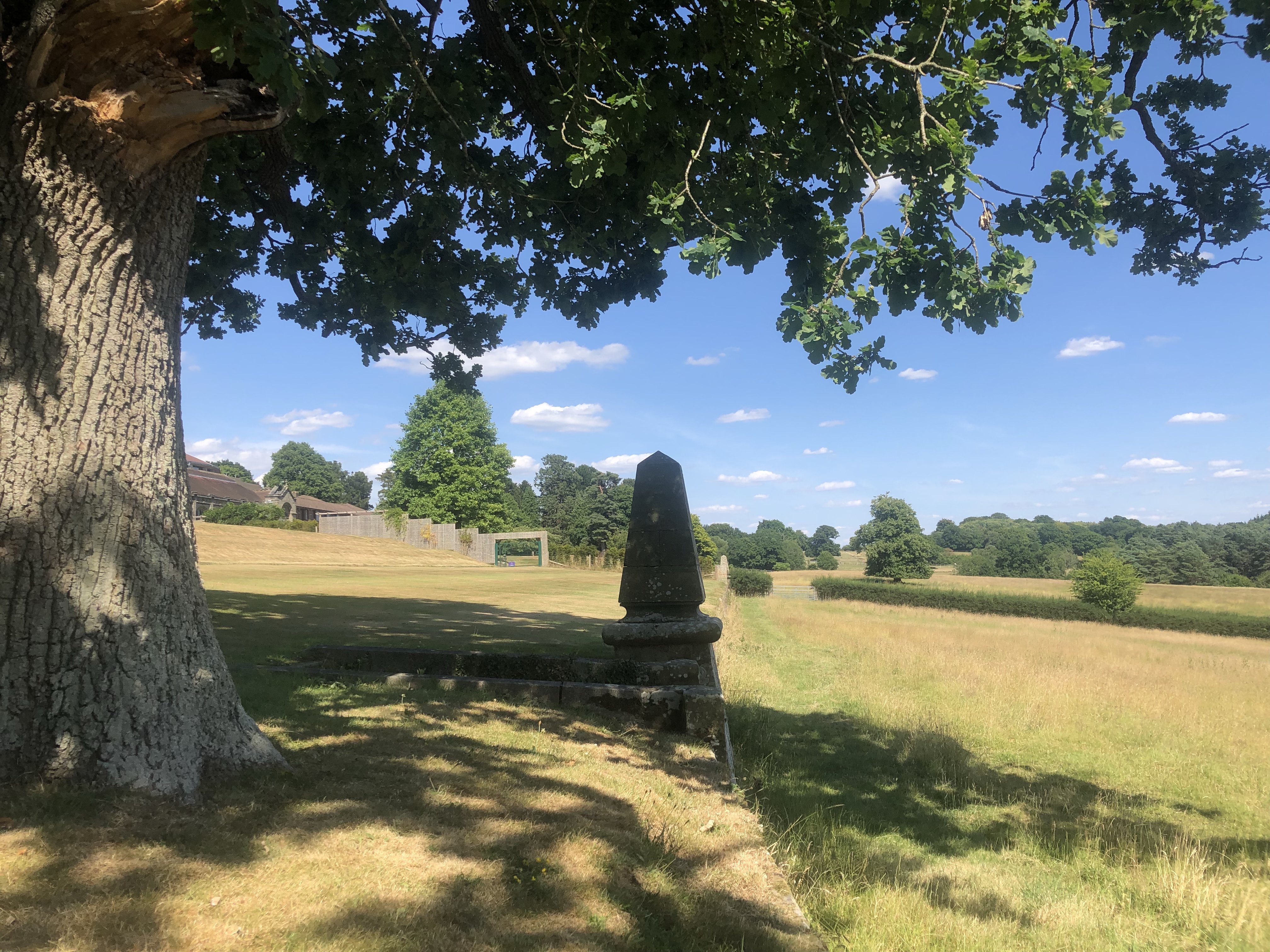
Bastille Day. The temperatures hit 26 degrees Celsius this afternoon. The BBC Weather app is predicting a high of 34 on Tuesday. The folks on the radio are starting to use the words ‘ration’ and ‘hosepipe ban’. I sat outside on the south-facing ha-ha and stared out across the Weald towards the South Downs for about an hour. I brought a few books to read – four more than I actually needed, as is my habit – and spent about ten minutes “reading” the mega-drawing, reliving the memories recorded on that gargantuan scroll.

I saw a monk in the quiet garden sitting in silent contemplation and reminded myself how lucky I am to live and work where I do. Isolation does no wonders for the human condition, but there’s a reason enlightenment is rarely sought in the cities. Sometimes the key to more positive thinking is just to get outside for an hour or two, even if there is no destination in mind. I certainly feel a lot happier for it.

Over the forest to the south, I saw a pair of hobbies displaying. I haven’t seen such a thing in a long, long time. I’d forgotten what masters of the air they are. Little wonder they’re among the few predators capable of catching a swallow on the swing. They cut through the air like feathered lightning, making the hovering kestrel nearby look like one of Da Vinci’s clumsy flying machines by comparison.

A few minutes later, the white buzzard flapped into view. It wasn’t around for more than half a minute, before two crows sent it back the way it had come, back into the wooded dark of the Weald. A hat-trick of British birds of prey in as little as five minutes. Reminded me of a sunny June afternoon when I was a kid, when to my disbelief I clocked no fewer than six raptor species circling above the house at once: kestrel, buzzard, sparrowhawk, hobby, two red kites and a peregrine. To this day I have no idea how they all came to be in the same place at the same time. In Gibraltar, maybe, but not in Kent.


The race for Boris’ replacement is picking up momentum. My parents were quick to bat aside my guess that Sunak would take the throne, but the odds seem to be in his favour at the moment. I’m no political pundit, but I feel it’s worth recording these things from time to time. Since reading Philipp Blom’s Nature’s Mutiny last year (a collection of anecdotes documenting the Little Ice Age), I’m all the more convinced it’s important that those of us who spend our free moments writing make a point of logging the everyday. Who knows what it might tell future generations about the way we lived?

I’m getting itchy feet again. I think I might go on just the one *little* adventure before the summer is over, and I’m thinking it ought to be France – not least of all because of the relative ease of getting there by boat. It sounds like nothing less than chaos surrounding airlines at the moment, which are struggling to meet the logjam of two years’ worth of cancelled summer holidays when they haven’t yet recovered from the post-COVID staff shortages. I don’t plan on going far, but I have always wanted to see the Bayeux Tapestry, and one of the better things to come out of 2021/22 has been a rediscovery of my love for French, thanks to an especially heartwarming Year 7 class I had the pleasure to teach this year. I confess I wasn’t overly enthusiastic about going back to teaching two languages at the start of the year (after my experience teaching lower set Year 9 in my PGCE year), but these kids really turned it all around. So… Normandy? I’d better do some research, but… I’ve got to say, the opportunity to spend even a couple of days in a place of such historical importance… It’s dangerously tempting! BB x

Half Time

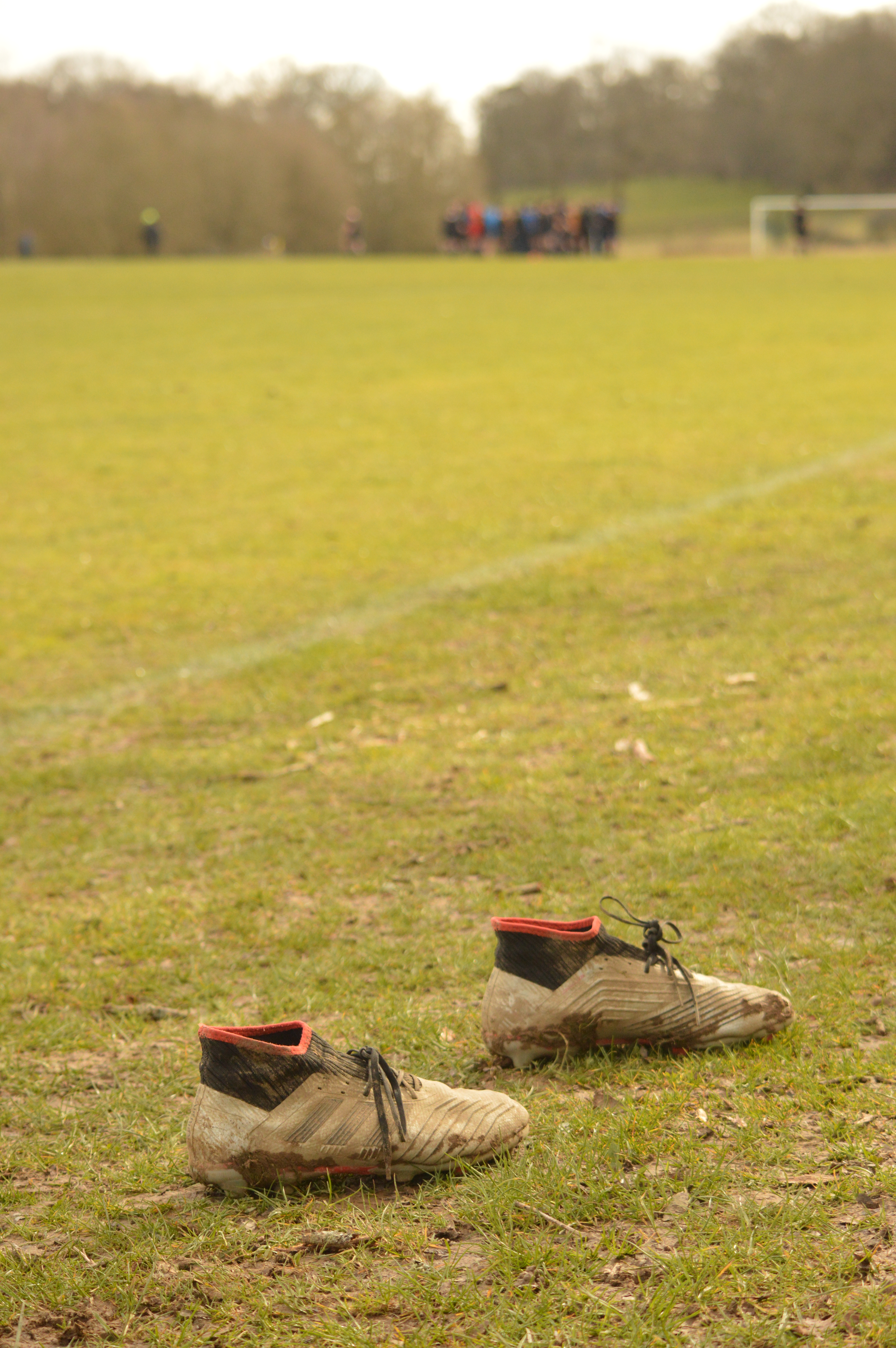
Saturday afternoon finds me out on the side lines, camera in hand, supporting the boys. We put up a valiant fight and place third, thanks to a surprise goal and some seriously impressive goalkeeping. The ball comes my way at some point and I aim to block it, but apparently the ball was way over there and my leg was somewhere else. One of the boys saw fit to rib me about it in house later. I can laugh it off now as I did then. Football has never been my forte, or any other sport for that matter.

Working in a boarding school has got me more invested in sports than I ever was at school. There’s something magnetic about watching your charges do themselves and their team proud, whether they win or lose, that I never really felt when I was obliged to play the game. It’s not that my parents didn’t try to get me into sports when I was younger – goodness knows they tried their best – it’s just that then, as ever, it wasn’t in my interest. Which is why I’m here, not far off the age of thirty, and I still couldn’t name you more than about ten footballers at best. Somewhere along the line it seemed a great deal more important to consign to memory the sight and sound of every single feathered animal in the UK. I guess my excuse for stretching myself thin with the things I do – making music, speaking five languages, writing books and knowing my way around the natural world – might be construed as compensating for the fact that I could never do the one thing that comes naturally to most boys… that is, kicking a ball.

I can’t really remember a great deal about my sports lessons at school. If the truth be told, I’m pretty sure I used what cunning I had back then to wangle my way out of sports for good by the time I was sixteen. I think it was along the lines of “rehearsals for a musical” that I managed to stretch over two years. At least in my first year at school I was given an excuse when an angry sixth former stoved in a few lockers, including mine, with my sports kit trapped blissfully inside. Two memories alone remain: being made to play on through a blizzard in woefully short football kit, and the humiliation of being made to keep attempting the high jump until I was finally able to clear it – by which point it was almost level with the mat. And while I’d normally pull a face at using the same verb twice in succession, “being made to…” sums up my sporting experience pretty well. Understandably, this air-headed naturalist wasn’t ever really at home on the sports pitch.

Which is why it’s all the more surprising to me that I get such a kick out of supporting my boys in their games at the weekend.

Because leopards never change their spots, I turned my camera skywards a couple of times on the buzzards that came drifting over the pitch, as I once did during the summer fixtures a decade ago. Spring is here and the birds are pairing off already. There’s a part of me that sighs, but a sunnier, more hopeful side that smiles, and I cross my fingers and I hope theirs is a successful pairing. Successful being the appropriate word, since happiness seems out of sorts. We still don’t know for sure whether birds feel emotions like we do, but I’d like to think they have something close to it. You see hints every so often that they might: a swallow mourning beside its partner’s tiny body, crows sliding down snow-bound rooves, choughs hurling themselves from great heights seemingly for the sheer thrill of it.

It’s uplifting seeing the smiles on my boys’ faces during a game, and I find myself wondering whether that’s the same electric feeling you get after a concert, or from sighting one of our island’s most beautiful creatures riding the spring thermals. And now the sun is out again, I might just go for another heart-healing walk in the Weald. The forest weaves a magic that never dies. BB x

Athene noctua

The students have gone home for half term. Silence hangs over the school. The corridors of the boarding house are dark, and a little cold, too. The floorboards creak under my foot with the kind of volume that only darkness can amplify. The dull glow from the torch on my phone casts long shadows. A friend of mine once explored an abandoned hospital on a dare. I did not go with him then, out of some primordial fear of the darkness within. And yet, here I am, haunting the empty corridors of this old house by night, the last man standing. Filling up a water bottle from the cooler on the Year 10 corridor becomes a quest in its own right.

I’ve had a lot of time to think lately. I guess coming out of a long term relationship will do that for you. One of the things I thought I might be able to recover was the fierce reading streak I had on my year abroad, but I just can’t find my mojo for that right now. Time just seems to slip through my fingers when I’m not at work. I wonder what the world does when it’s not working? I guess that’s what television is for, or Netflix, or whatever streaming service is in right now. But then, I’ve never been good at sitting down to movies or TV shows. My brain wants to be involved. There’s a precious few I’d happily watch over and over and over again, but it’s rare that I find a new picture out there that sinks in.

There’s not a day goes by where I don’t feel a genuine fulfilment in my line of work. Teaching is in my blood, a duty that my ancestors have carried out for generations. Knowing that I am the torch-bearer for my generation gives me a sense of purpose that is utterly unshakeable. And it’s not as though that purpose hasn’t been tested over the years. It’s just that, whenever something comes up to shake its fist in my direction, I know instinctively that there’s a greater mission behind it all, and that’s reason enough to persevere – even when my core beliefs are thrown into disarray. I wonder if my great-grandparents, Mateo and Mercedes, ever had such doubts?

There’s a little owl calling outside. It’s been piping away from the upper branches of the Atlas cedar in the drive for half an hour now. The foxes have been quiet for a week or so now. I suppose their noisy January antics in the front quad are over for the year. Three buzzards were soaring over the grounds the other day during morning break, but none of the students seemed to notice. The redwings and the fieldfares have moved on and the snowdrops are out. The daffodils will be on their heels soon enough. I escaped to Richmond Park a few weekends back, just as the first blooms were sprouting. It was good to see the wide world again, even if only through my own eyes.

No photo description available.

The meltwater of the long Covid winter is starting to run. Just like the birdsong and the subtle shift in the light over the last couple of days, change is in the air. Piece by piece, the last fragments of the old world are coming back. At the request of one of my students, I blew the dust off my long-neglected violin and rocked up to orchestra this week. I’m about as good on the thing as I ever was – that is, haphazard at best – but I’d forgotten how much fun it used to be. It’s one of those things that simply slipped through my fingers over the last couple of years.

I think I’ll take up the guitar this half term. A zealous diet of sevillanas have powered me through the darkness of the winter months this year, and I’m done with being able to sing along but never sing alone. At the very least it will give me something to do until my provisional arrives and I finally confront the long-delayed challenge of learning to drive, which I have put off for far too long.

I’m done with playing games. It’s high time I went on another adventure. The Easter holidays aren’t far off, and I could do with some more writing fuel. And spring is always such a hopeful time of year. BB x

Something Old, Something New

There’s a day in the second or third week of January that, at least in these cloud-ridden islands, marks the turning of the year. Not the first day of spring exactly, but an early harbinger that the dark days of winter are finally on the retreat. For me, it’s always marked by the first real blast of birdsong, and it usually goes hand in hand with a generous glow of sunlight after many days of cloud, or that infinite whitening of the sky that is so very well-known to those of us native to this rock. There’s no calling when exactly that day will fall, but when it does, it’s nothing more or less than exactly what the doctor ordered, as far as I’m concerned. I grab my journal and keys, leave the flat, walk up to the office and – boom. There it is. The dawn chorus is already in its final movement, but still going strong. The voices of robin and blackbird and woodpigeon and sparrow lift my heart skywards. I’m then in an irrepressible good mood for weeks which neither marking nor duty nights nor even thunder, rain and storm can stamp out.

I guess I can only apologise to my colleagues for the nauseous wave of positivity that nature washes over me. It’s almost first-year-of-university-level enthusiasm (which, for those of you who knew me then, you know…).

Perhaps spurred on by that wintry magic, I made two random throws this weekend. I bought a kite, and I decided to re-read one of my favourite childhood stories. The kite is easy enough to explain. I had a kite once, when I was a lot younger, which has Jeremy Fisher emblazoned on its face. If I remember correctly, it didn’t fly very well. I guess we never tried it out on a day when the winds were good. It just seemed to gather dust in one of the cupboards until, one day, it disappeared. Anyway, I’ve got the whimsically romantic notion in my head that kite-flying is one of those things I’d love to do with my kids someday, so I ordered one on that whim. It arrived yesterday, and if I get a moment’s peace this week, I’ll put it through its paces out on the South Downs.

As for the reading – alright, I confess, I didn’t do any reading per se. I had a fair amount of spring cleaning to do, but I wanted a soundtrack while I worked and I figured an audiobook would be just the ticket. I’d had Michelle Paver on my mind after dipping my toes back into her ghost stories a few days ago, which naturally conjured up memories of reading her Chronicles of Ancient Darkness series when I was at secondary school. I remember absolutely adoring the first in the series, Wolf Brother, and motoring through at least the first sequel through my school library. I cannot remember exactly whether I made it as far as Soul Eater, the third in the saga – if I did, I forgot the plot more completely than that of the second – but I remember the books rising out of a videogame-clogged adolescence like icebergs, one of precious few literary stepping stones across a goggle-eyed, pixelated river that ran at full strength for far too many years. Was it Paver’s intense attention to the natural world in her writing that hooked me? Probably. She is one of my favourite authors for precisely that reason: she knows her settings as though she has lived within them her whole life through.

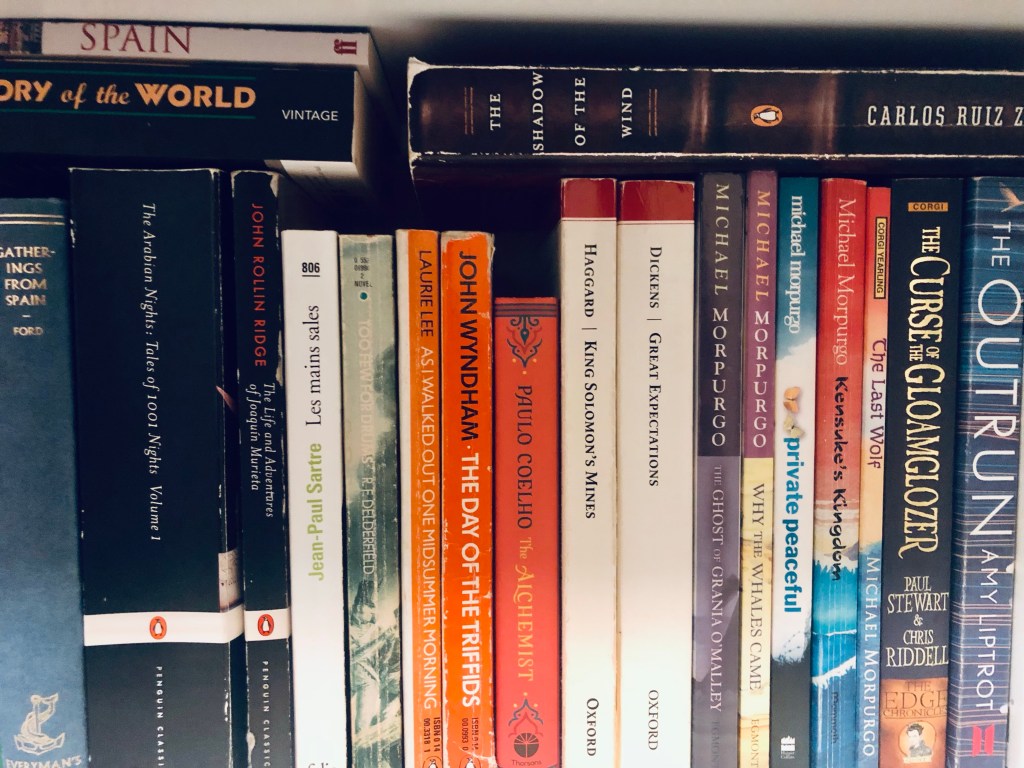
Wolf Brother had a lasting impact on me as a writer, more than I had previously suspected, and it took listening to the masterful narration of Sir Ian McKellen over the weekend to realise just how deep the roots of her magical storytelling stretched into my own creations. Naturally, my own stories have changed a great deal since I started writing them over twenty years ago, but if you look closely, you can see the tell-tale brush strokes of the authors who showed me the way. I could fire up my hard-drive right now, pull up a folder, pull out a chapter and point out the guiding hand of this or that storyteller. Here is some of Paver’s naturalism, and there’s some Rider Haggard gung-ho. Paul Stewart and Chris Riddell had no small part to play in the healthy dose of tragedy, and I’d wager a fair amount that there are traces of Michael Morpurgo spread throughout like watercolour, since at a certain point in my childhood I pretty much read nothing else. There was just something about his writing that spoke to me like no other writer could. He had me hooked on all his animal-centred storylines, his Scilly Isle adventures, and his occasional reference to something on my wavelength (like namedropping The Corrs in Arthur, High King of Britain). Kensuke’s Kingdom and Why the Whales Came rank near the top, and sit in pride of place by my desk alongside the other books that mark certain turning points in my life: Day of the Triffids for traveling solo, King Solomon’s Mines for going mad in Amman, The Arabian Nights from my university days and The Outrun for a dose of reality when I left that world behind… and The Tale of Benjamin Bunny… just because.

What were the stories that had the biggest impact on you as a child? Which authors colour your writing? I’ve ended the last couple of posts with a question, which is a) repetitive and b) pedantic and c) a sign of how much I’ve been teaching and how little I’ve been writing these past three years. But it’s something I love to ask people, when I get the chance. The power of storytelling has been precious to me since I was a bratty kid insisting on the fifteen-minute bedtime stories and not the three-minute tales (I swear I wasn’t just looking for an excuse to stay up late…!), and I hope it’s a joy I can share with my children someday.

When you come back to a book you enjoyed as a child, you see it through two pairs of eyes and two hearts: the eyes of a child embarking on a journey as though for the first time, and the eyes of a parent who knows the dangers ahead but cannot help hoping things turn out for the best. It’s incredible how the magic contained within the pages of those stories never fades, no matter how many times you come back to it. I make a point of re-reading Triffids every time I travel alone, but I’ve neglected the stories of my childhood for too long.

Once I’m done with the rest of Torak’s adventures, you’re next, Morpurgo!

BB x

Waldmusik

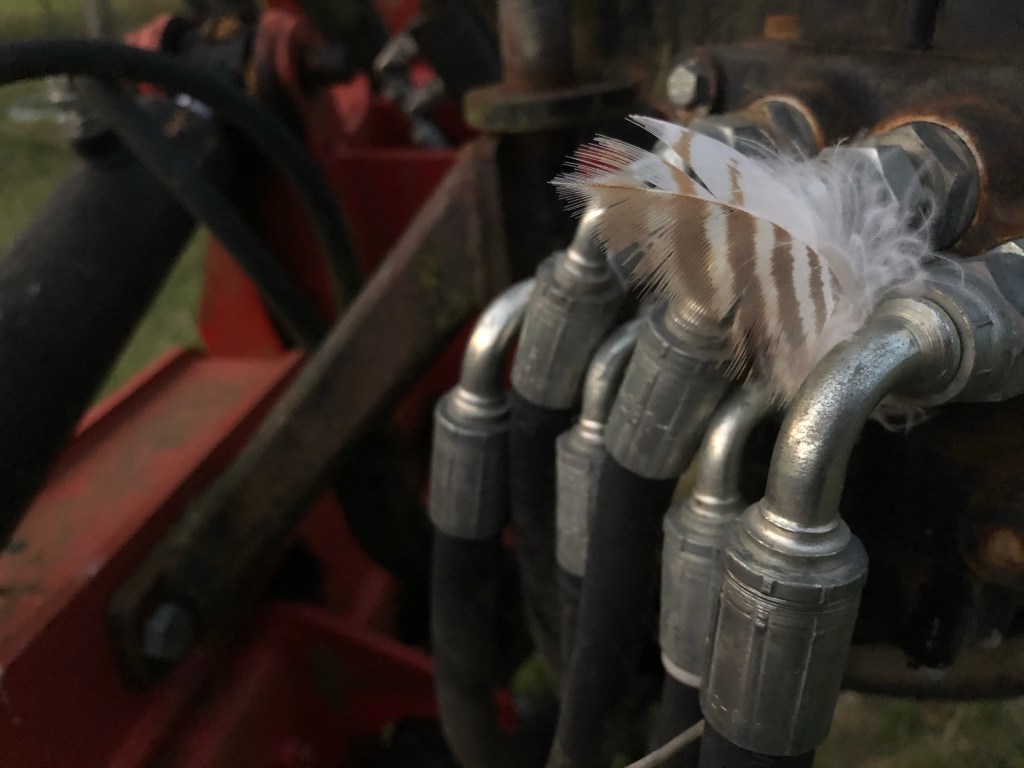
Monday night. Five weeks in. The first load of reports are due soon. I close my inbox, tired of leafing through the daily barrage of emails in my windowless office, and open my eyes. Packs of SureSan wipes on every shelf. Seven empty bottles of water from last week’s packed lunches, amassed in quiet protest. The number for the IT department scrawled in pink highlighter on a piece of paper folded and blue-tacked to the wall. A wall planner that hasn’t been updated since lockdown began. A chewed-up biro, an oak leaf and a buzzard feather. Karl Jenkins on Spotify. The ventilator roars overhead.

Tomorrow will be seven months to the day since the music died. Seven months since a final lucky fling at a friend’s wedding, which might as well have been a paean to the love of music itself. In retrospect I suppose “elegy” might be the better word. Rome burning and all that. COVID robbed the world of so much, and in the panic over its impact on work, health and the daily grind, music slipped quietly over the edge into silence.

I can’t think of a point in my life when music hasn’t been a constant. Having two music teachers for parents afforded me an incredibly privileged upbringing with regards to my musical education. I wanted for nothing, except perhaps an escape from Classic FM. Scarlatti and the Spice Girls. Klezmer, Raga and Jazz. The Stranglers, The Bee Gees and The Corrs. By the age of ten I had amassed a real symphony of diversity from all the CDs in the house, with an early preference for folk music and anything from the 1970s.Primary school, secondary school and university were a seamless pageant of choirs, bands and orchestras, with the occasional assignment as a reminder that education was happening somewhere within. Whether in a church or a school hall or a smoking stage, I was always singing.

The ventilator continues to growl. It’s about as close as I get to music without Spotify in here. The government directive against singing felled the school choir, the chamber choir and my gospel choir in a single axe stroke. Christmas waits at the end of the tunnel that is the Michaelmas term, but without the usual musical beacons to light the way, it simply doesn’t feel like it.

The last time I felt like this was half a lifetime ago, during my family’s earnest but ultimately unsuccessful attempt at a move to Spain. Then, too, the years of emerging into the frosty night after choir practice with carols ringing in your head melted away like snow in the sunshine. Spain has many beautiful musical traditions, but the buzz of advent – or, at least, the advent I had always known – isn’t one of them.

“Vosotros los ingleses, os flipáis con la música. No hay ese mismo afán por la música aquí, ¿sabes?”

Do I agree with her? The girl who told me that once? I do not know if I do. Years on, I’m still mulling it over.

Without the music, the days are long. They blur, one into the next. Web players and Bluetooth speakers are a poor imitation, like listening to the sound of the ocean in a seashell. There is nothing – nothing – like the exhilaration that comes from making music. It’s the difference between seeing and doing. Watching a cyclist and feeling the wind in your hair. The gulf is immeasurable. It’s the third half of my brain, the fifth chamber of my heart.

COVID cases continue to rise. Whole areas of the country are retreating back into lockdown. People stagger out of pubs at closing time and complain blindly at the loss of their freedom – or so the pictures in the Press seem to scream. Schools remain defiantly open as children come and go into and out of isolation. How long can it last, the question on everybody’s lips. In the music hall, silence hangs like mist.

I put on my hat and coat and set out into the evening. Music was always my tonic of choice, but if one elixir is out of stock, the other at least is deathless. It waits out there in the dying light, eternal. Autumn chill is in the air and the martins are long gone. Soon the hedges will be alive with the cackle and chatter of fieldfares, and the liquid sound of redwings traveling by night will follow me home from duty. For now, the old guard plays the same music it has always played in the forest beyond the fields. Blackbirds chatter down in the gully. The staccato of a wren breaking through the hedgerow. And, perched on the exposed branch of a dead tree, cock robin sings his heart out.

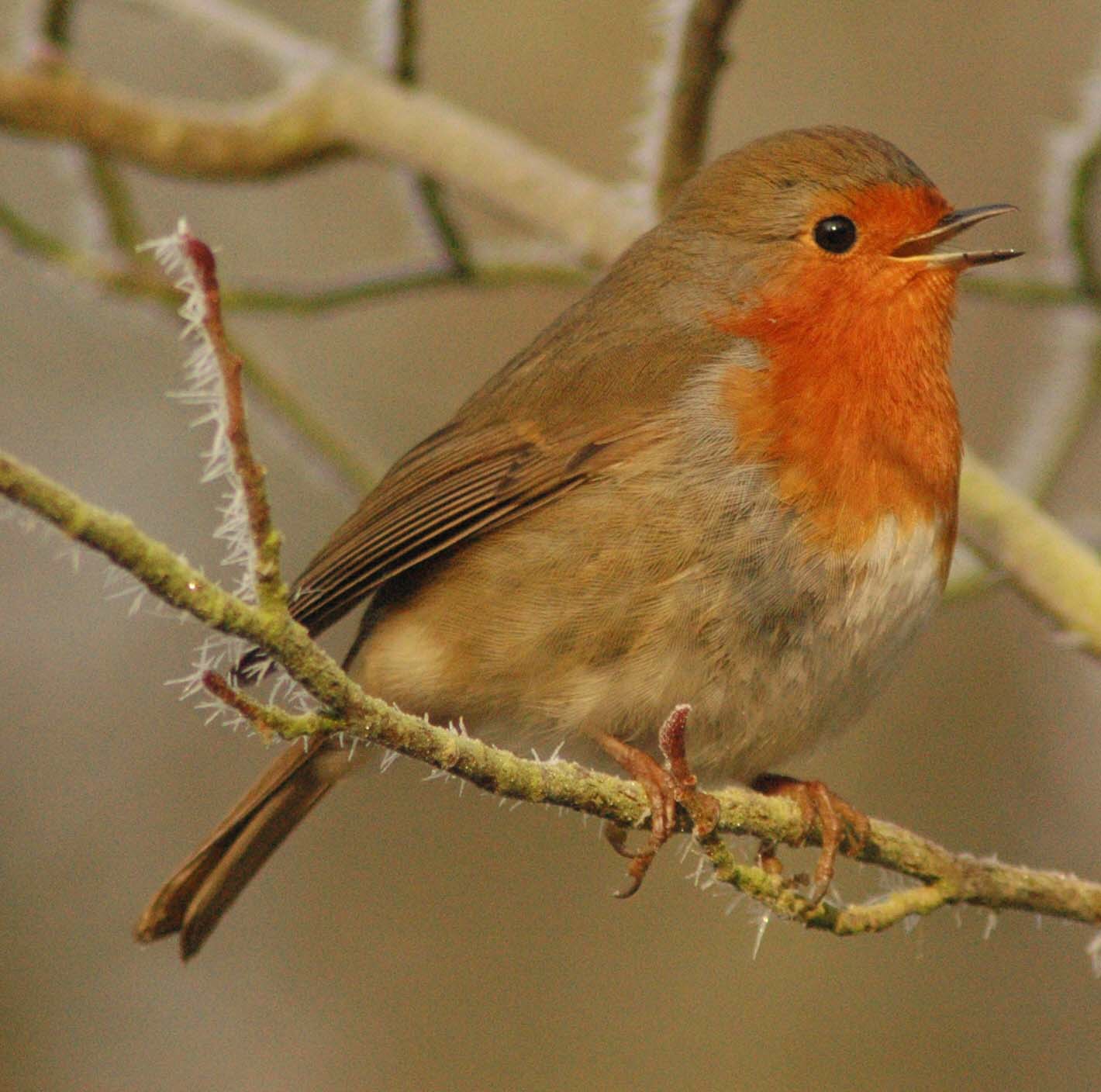
The song of the robin is, I think, the most beautiful music that England has ever known. Gentle, melodic, like water – it cannot be put into words. Not by an unqualified amateur such as myself, anyway. The robin for me is a symbol of hope. Maybe it’s his boldness, his charming friendly nature; his defiance of the cold on a January morning, as if to let the world know the darkness cannot last forever. He pays no heed to government directives or social distancing measures. He sings as his ancestors have sung for generations, since the world was cold and dark and unforgiving. Hearing his voice now, at a low ebb, it lifts my spirits again.

Half past nine. Directionless text books. Vocab tests, marked and unmarked. Me and the tuneless ventilator, and the memory of the robin’s song. I think I’ll call it a night.