Paradise Lost

Casa Tunki, Cusco. 23.20.

I’m back in Cusco. Same hotel, same room, same bed, even. I’m not sure if that makes the return better or worse. It’s like I never left… and yet so much has happened in the last six days. Can it really be true that I was in the Amazon Rainforest for nearly a week? Did I really see giant otters, quetzals, caimans and tapirs, or did I just dream it all?

In case you hadn’t picked it up already, I’m feeling genuinely quite sad. I’ve not had that feeling about leaving a place behind for a long time. It’s probably a combination of fatigue, consecutive 4.30am starts and extremely busy days, coupled with a legion of mosquito bites (the damned things seemed immune to even the highest factor DEET), but I imagine tangled up in all of that physical strain is also a genuine sense of loss.

I have never been to a place like Manu before. Where there are so many species of animal all around you all the time that you can barely keep track. Doñana comes close, but Doñana is relatively accessible. Bus timings aside, I could reach El Rocío within twenty-four hours of leaving my front door in England. Manu lies on the other side of the world and beyond: a full two to three days’ ride by boat and car from Cusco, over the Andes and far along the Madre de Diós River.

I will leave Peru in a few days’ time knowing I have seen and done all I came to see and do. I will be happy about that. But there is a Manu-sized hole in my heart. i didn’t feel this way about Bwindi, or Queen Elizabeth National Park, or Białowieza Forest. But I feel it here. I cannot explain why it affects me so. But it has.
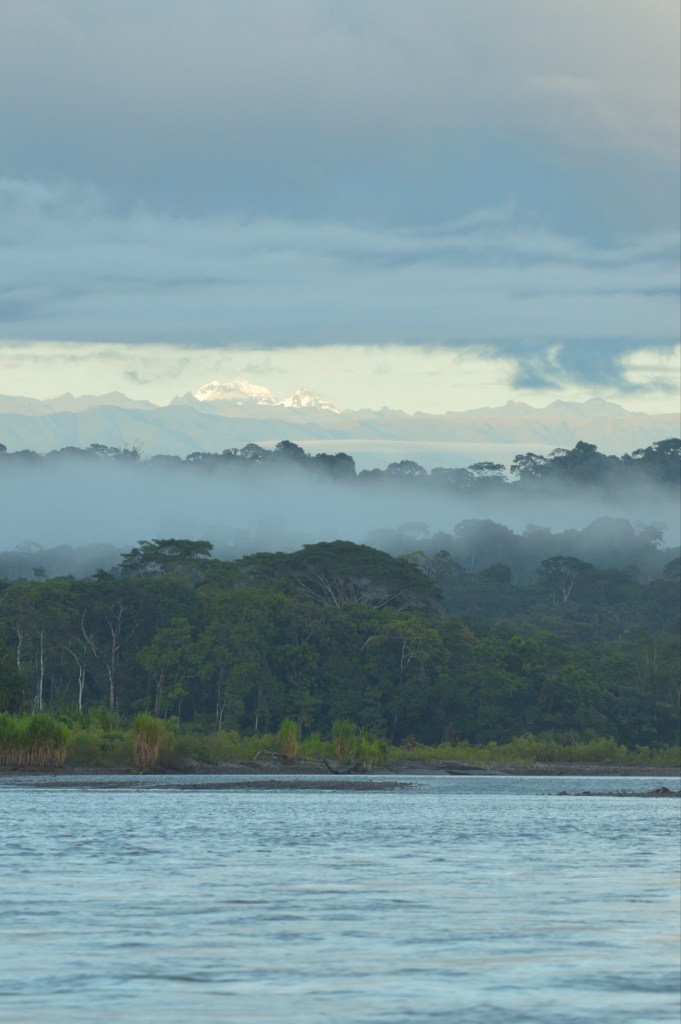

We left Bonanza Lodge at daybreak. The fishing boat was where we had left it the night before, cleaned of all the silt and stones and shining in the sunlight. Our boat was moored a little way downriver – we had to move it to give ourselves space to haul the skiff out of the water last night.
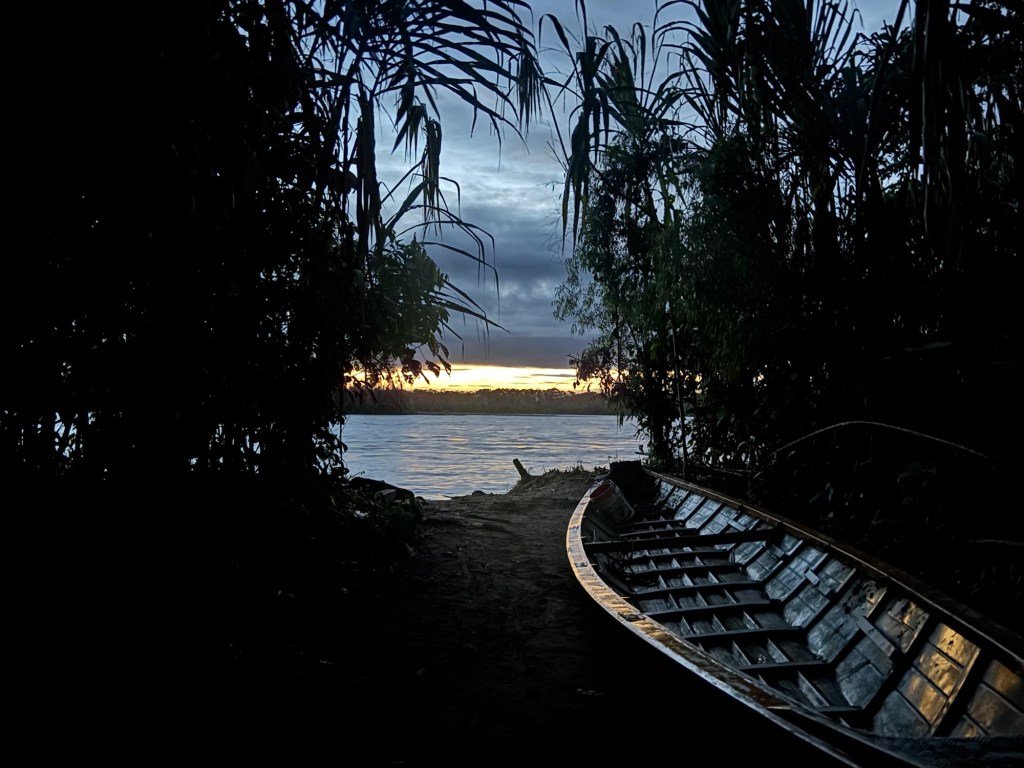

I dozed on and off during the four hour journey to Atalaya. We stopped a couple of times at sandbars for loo breaks. The weather could hardly have been better, and the river had shrunk considerably, creating islands where there had been none before. My only regret with Manu is that we had not set out on a day like today. The things we might have seen!
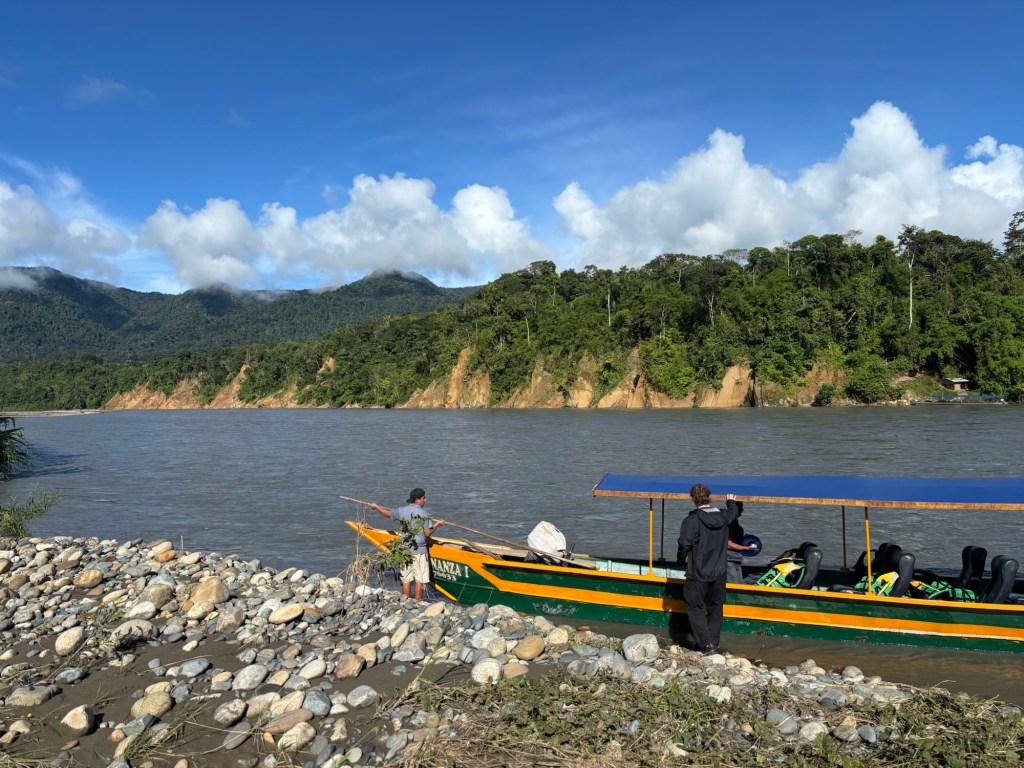

We got to Atalaya Port just after nine, where we encountered a couple of other tour groups: one headed into Manu, the other headed back to Cusco (a three-day variant). Quite what they expected to see or achieve in three days when it takes at least one and a half to reach the park is beyond me, though perhaps they came for the hot springs. The bunch of loutish English fellas who got off their tour bus and went straight to the bar to buy booze and cigarettes gave a strong indication that they had not come all the way out here to see cocoi herons and black-faced antthrushes.

We said goodbye to our captain Felipe and his boat boy, Hugh, sending them off with tips for their service. I noticed that Felipe cut the motor every time he saw me angle my lens at something while we were out on the river. I almost stopped shooting because of that, so as not to inconvenience the others, but in my heart I was extremely grateful for his charity.

We saw the Río Madre de Diós one last time from the mirador where we had stood a few days ago, on a far wetter and cloudier day, before it vanished behind the trees, out of sight and out of mind, but not out of memory.
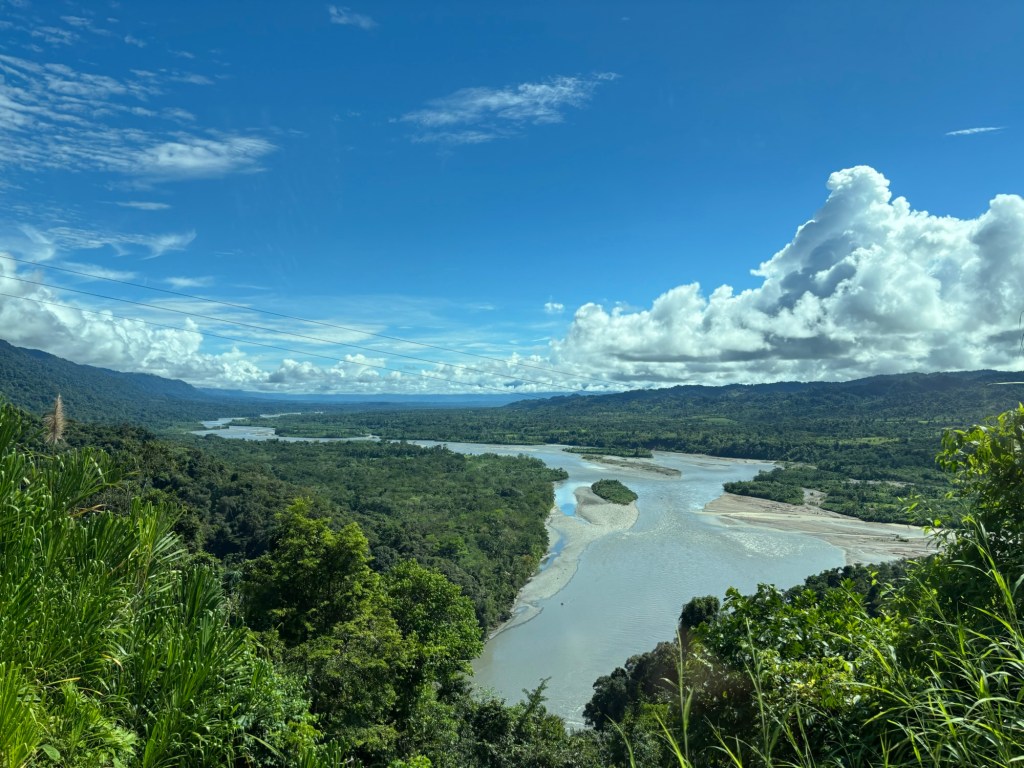

Having climbed steadily for most of the morning, the road from Atalaya forks sharply up into the cloud forests that mark the edge of the Andes. We stopped for lunch at a spot halfway up to Acjanaco (the pass over the mountains) where Rive had wanted to pause on the way down, only it had been raining hard then. Now, the sun was shining, so we could enjoy a short hike to see the twin waterfalls of Pachayoq – which may mean “master of the earth” in Quechua, if my work on piecing together their various suffixes is correct.
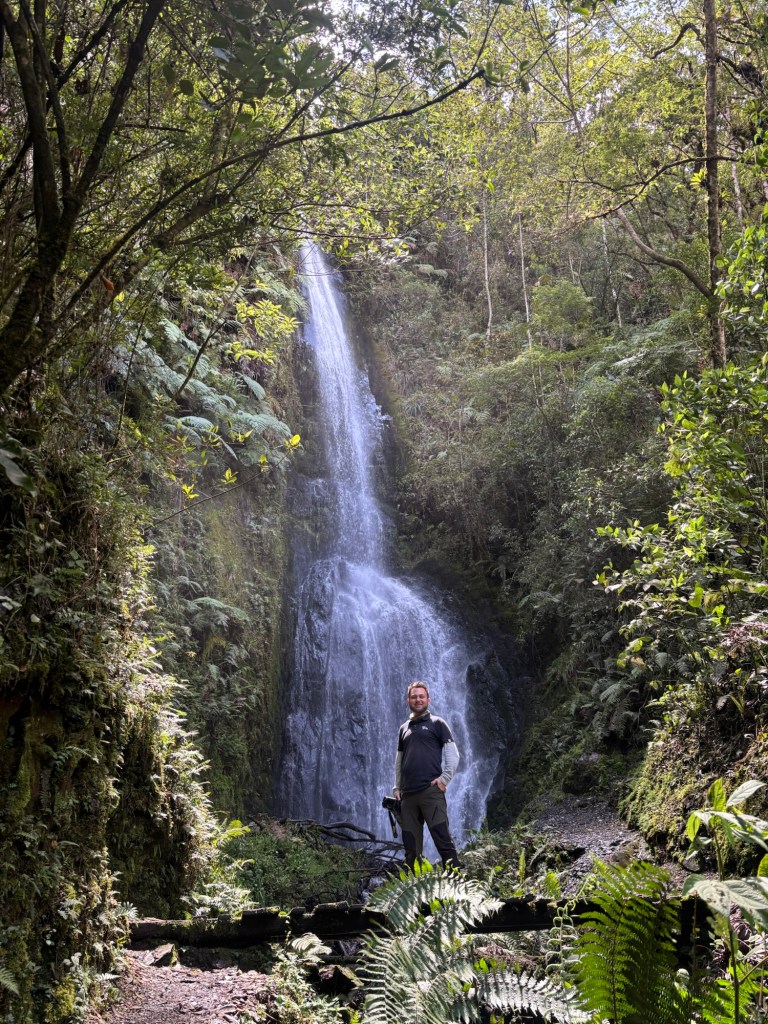

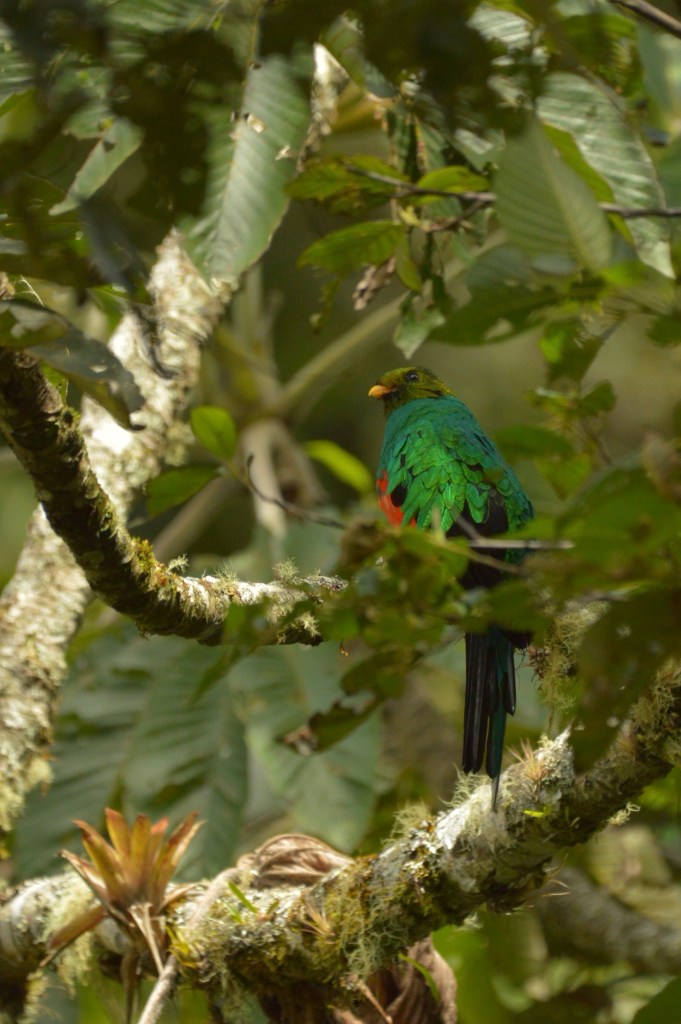
I guess I dawdled, because by the time I came down, the others had vanished. Rive too – but I soon realised where they had gone when I heard him whistle for my attention. They had gone up the road on Rive’s command, as he had found the thing he had brought us here for in the first place: not lunch, not waterfalls, but the real gem of the cloud forest: a quetzal.
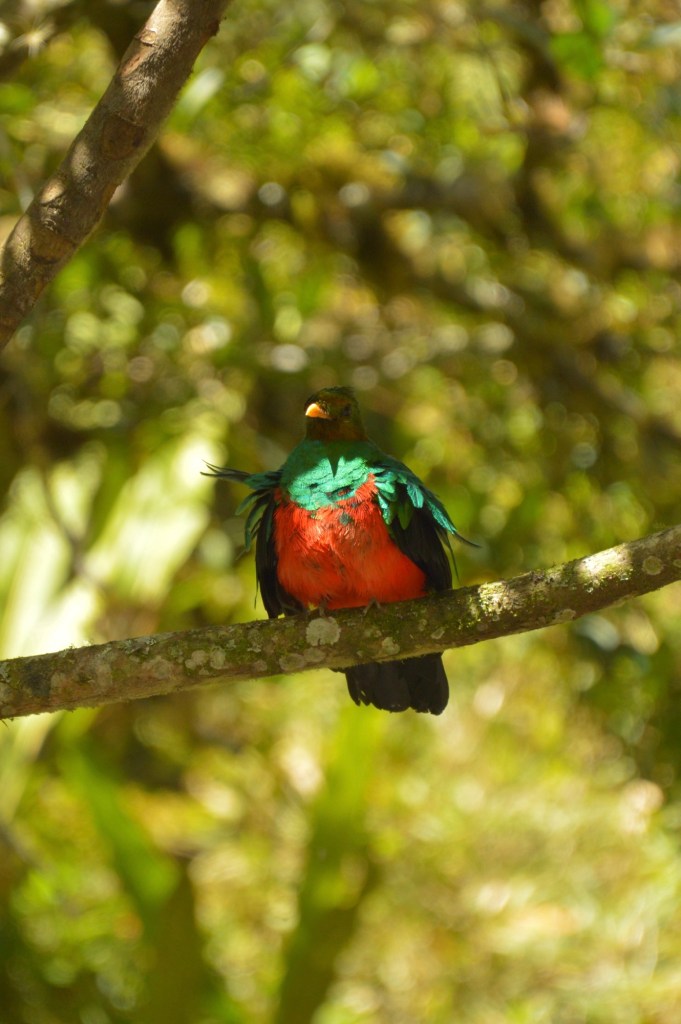

Like the hoatzin, the quetzal is a bird whose name originated in the Nahuatl language of pre-Colombian Mexico. There, they were highly prized by both the Aztec and the Mayans for their spectacular green feathers. Moctezuma, one of the last Aztec emperors, had a headdress made up of more than four hundred.

Here in Peru, however, they are a shy bird of the cloud forests, and eagerly sought after by all the tour groups who pass this way. Lucky for us, Rive knew exactly where to look.

It would be the last wild encounter of the tour – and what an incredible find to end the trip. Certainly a lot more than “just another bird – like we haven’t seen enough already”, as the English louts from Atalaya brayed aloud over our shoulders while waiting for their cook to set the table.

After Acjanaco, the scenery changes instantly. The endless rainforest is gone. The slopes on the south side of the Andes are comparatively naked, marked by a few terraces and patches of eucalyptus trees. It is still beautiful – far more impressive than anything in Somerset – but it is not Manu.

I will recover from this maudlin reverie, I promise. But it does feel a little like saying goodbye to a lover who you fear you may never see again. I will simply have to make sure that is not the case. I’m stubborn like that.
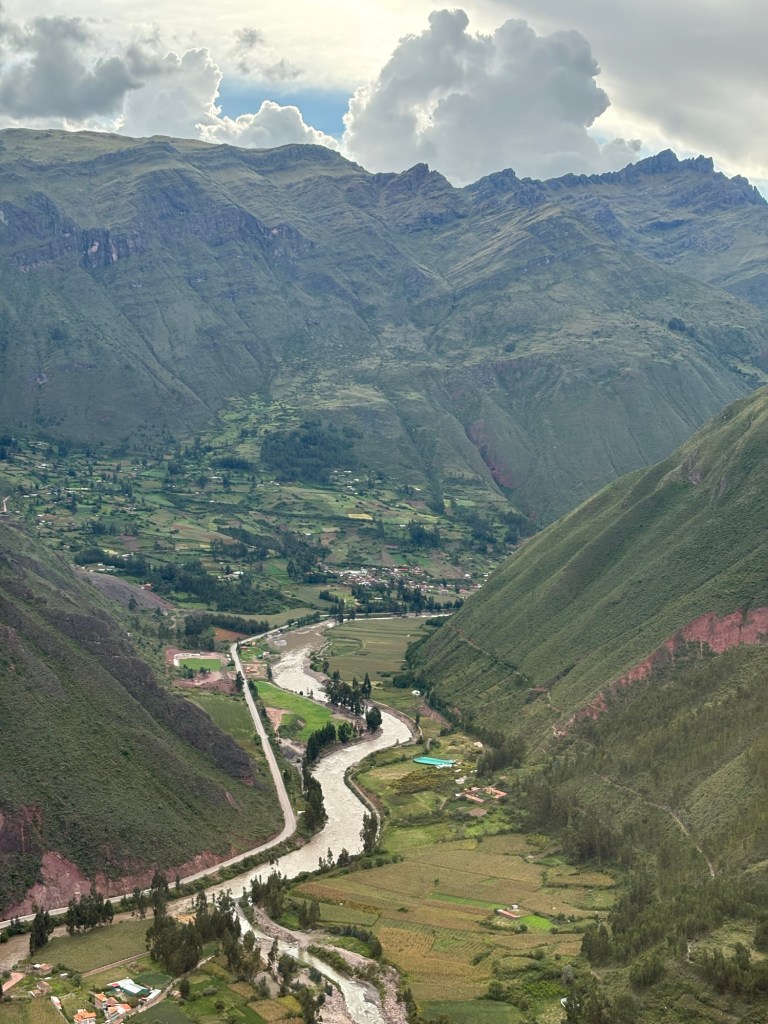

We reached Cusco shortly after five – an impressively swift journey, considering twelve hours prior we had been deep in the rainforest on the other side of the mountains. Our driver Ale dropped us off one by one: first Jace, the Danish girls Katrin and Isabella and our guide Rive; then the German couple, Vera and Robert; and then me. I said a fond farewell to our chef Bernadino, who has been the beating heart of this expedition, never deprived of his enormous smile. I will miss that man – and not just because of his sumptuous cooking.

Farewell, Manu. It has been an honour. Tomorrow, I will head to Ollantaytambo, the last stage of my journey, for a few days of peace and quiet in the Sacred Valley. Between my work snapping away for all of six days and our exertions salvaging the boat yesterday, I think I have earned them. BB x
Tzompantli: An Ode to Extremadura

On Monday, I kick off my new role as the middle school gifted and talented programme coordinator with a lecture on the Aztecs. It wasn’t the obvious choice, as Mexico is a country I have neither visited nor researched nearly as extensively as my grandfather’s country. As a matter of fact I made a conscious effort to steer well clear of Latin American affairs at university, cleaving to the Iberian modules even when it meant the pickings would be slim. If Durham’s only Cervantes specialist hadn’t been on maternity leave in my final year, I could have stayed quite happily in my fairy-tale world of knights and princesses and Moorish warlords and binged on ballads, and I wouldn’t have had to go anywhere near strap-on wielding Catalans and metaphysical Madrilenians. Oh Quijote, en mala hora me abandonaste!

Ordinarily, for such a school project I would have stuck to my guns and wheeled out some Moorish magic with a talk about Islamic Spain, something that is close to my heart; or El Cid, a man whose legend (and whose 1961 movie) is embedded, thorn-like, a couple of inches deeper. I even briefly considered whipping up something about pirates, but I haven’t read nearly enough to do that one justice. Not yet.

I landed upon the Aztecs for a couple of reasons. One, because the book I have chosen to read with my IB students is Laura Esquivel’s Malinche. Two, because my school – or rather, the people whose money built the house in which I now live and work – has a long history with Mexico, a connection that is plainly carved into the stone in several places.

But I think the main reason I wanted to explore the Mexica was because it ties me back, through the ruthless conquistadors, to a place that is still very dear to me: Extremadura.

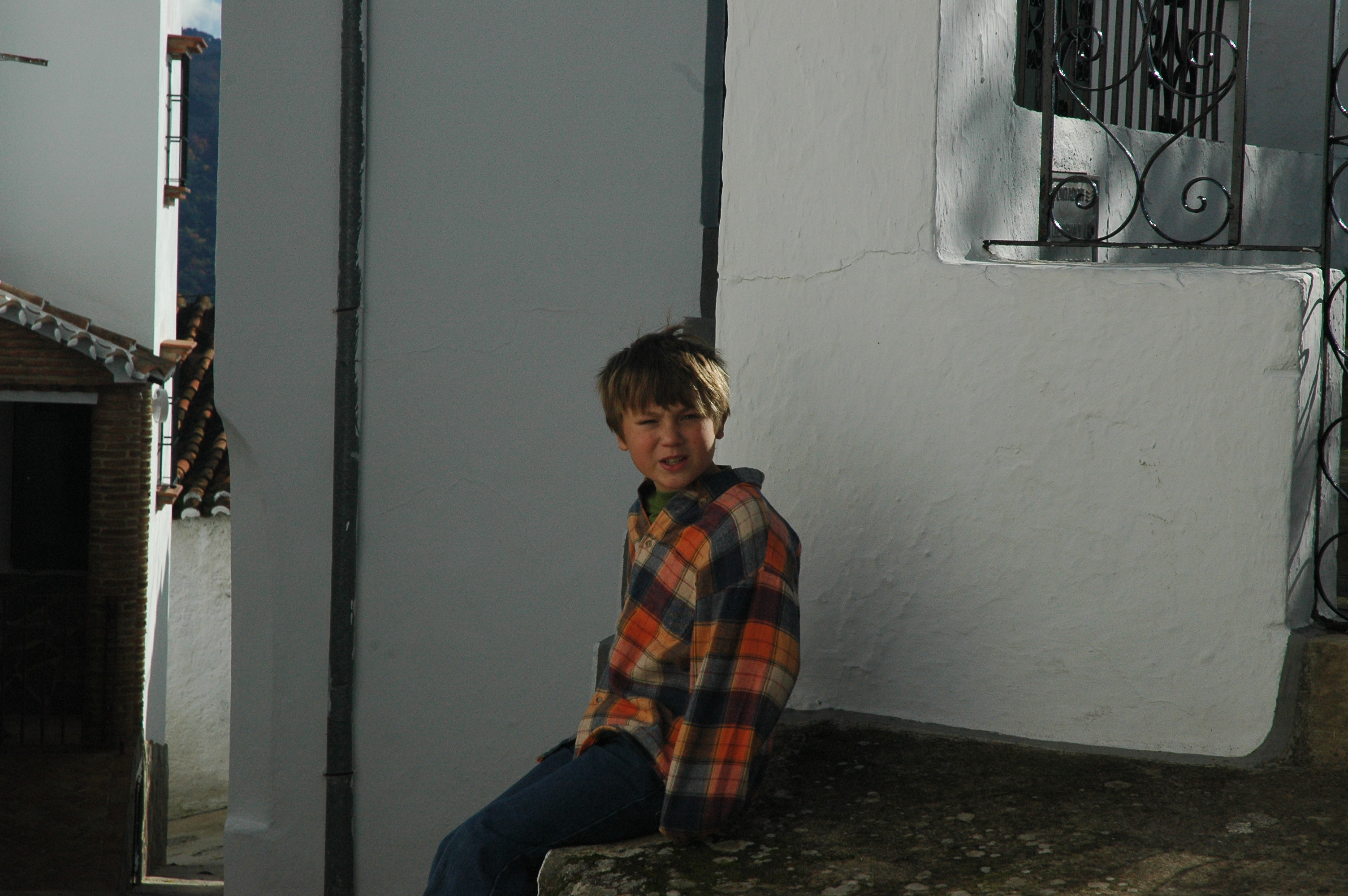
My first contact with Spain was with Andalusia, with her jagged crags and whitewashed mountain villages. If I wasn’t spellbound there and then, my mum and dad must have been, because they made the crazy decision to up sticks and move us there in 2006… right on the eve of the financial crisis that was already driving many of Spain’s expats out. It might not have been the wisest move for three out of the four of us, but after a year of weekend hikes in the surrounding sierras, gecko-hunts in the streets by night, Holy Week spectaculars and vulture-chasing in the misty heights of El Gastor, I was absolutely hooked. Andalusia was my polestar for many years to follow, and her light shone brightest on the paradise of the tierras rocieras of Doñana National Park.

(The author, blinded by the light since ’05)

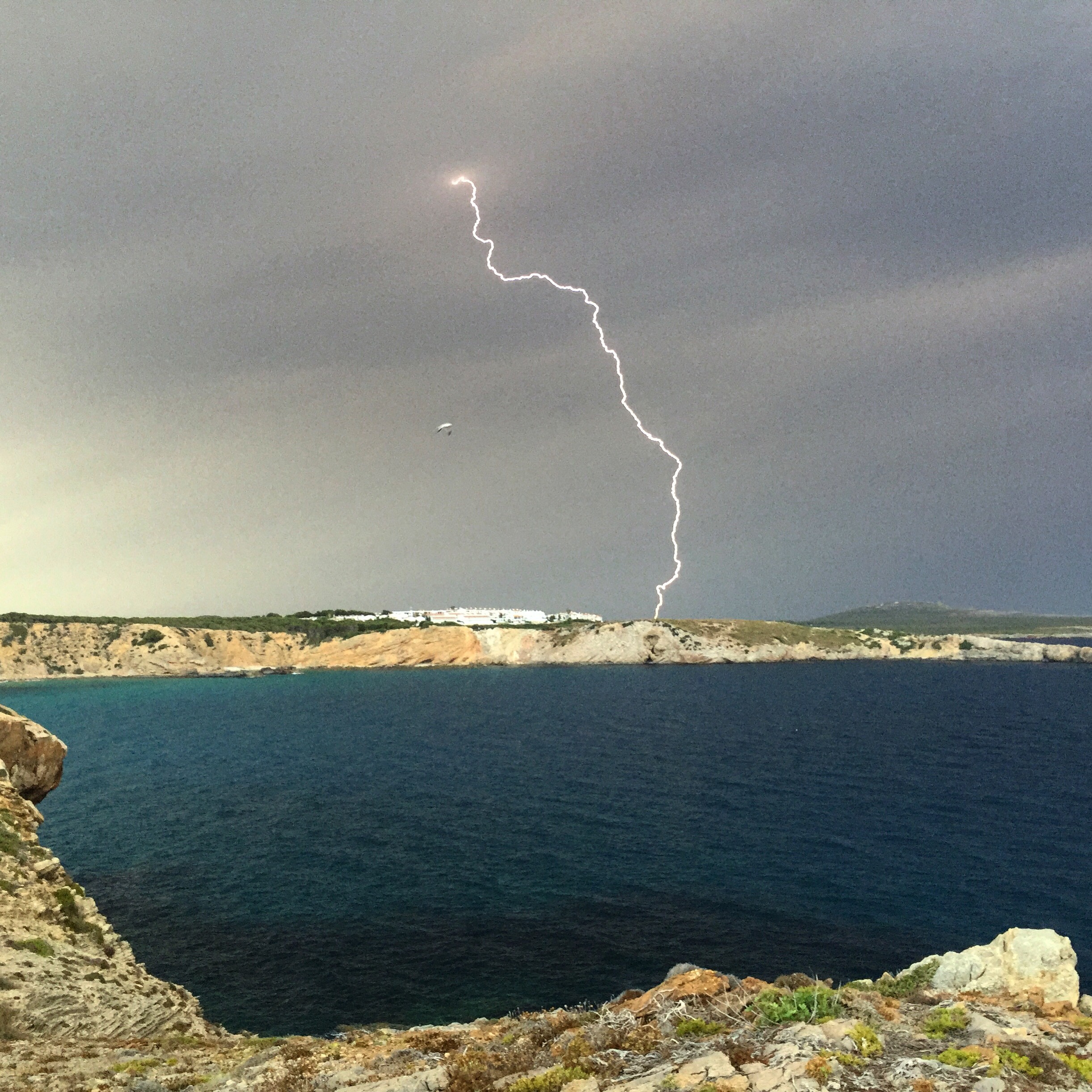
Over the years I braved her jealousy and flirted with her sisters: a school trip took me from Barcelona and the magical Mediterranean town of Tossa de Mar up and into the clouded dales of Cantabria and the foothills of austere Asturias. Legends of the Cid led me to Burgos and the empty plains of Old Castile, the guiding light of my ancestry led me home to la Mancha, and in recent years I’ve swum in the crystal waters of Mallorca and Menorca. Throw in flying visits to Aragon, Alicante, La Rioja and the Basque Country and it’s getting to the stage where there’s hardly a corner of the country I haven’t explored.

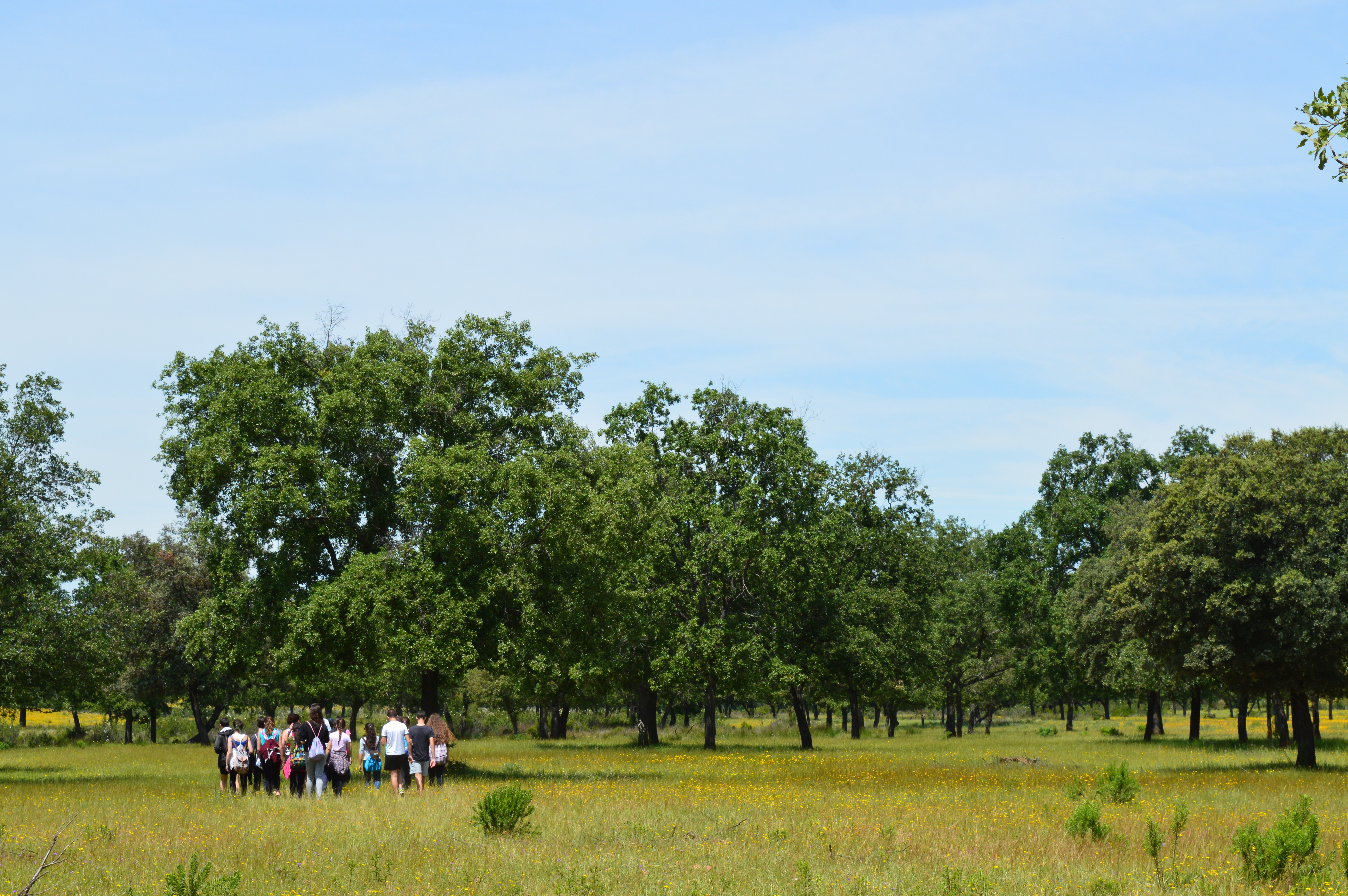
But I don’t think I could ever have anticipated the rawness of my obsession with Extremadura. From the moment I set foot on her soil I was lost. It honestly felt like falling in love for the first time. Not the high school crush kind of falling in love, but that kind of mature depth of feeling, that gut-wrenching, iron-tasting jolt in your upper body that tells you something’s starting functioning inside that was only dormant before.

Oh, cut the poetry already, BB. If you’ve been reading this blog as long as I’ve been writing it, you’ll know I didn’t actually talk like that when I arrived in Villafranca de los Barros on that hot September afternoon seven years ago. But hindsight is a wonderful thing, and any corner of the Earth that could convince me to jettison my plans for taking my teaching game over to South America for a second (and very almost a third) time must have an awesome power.

When Hernan Cortes and his men entered Tenochtitlan, one of the greatest cities of the world at the time, one of the things that shocked them most of all were the dreadful tzompantli, wooden scaffolds nearly two metres in height that carried between them the many thousands of impaled skulls of the sacrificial victims of the Aztecs. They came back to Spain telling wild tales of eagle warriors and war priests with matted hair and bleeding knives, and when one reads of the savagery wielded in the name of Castile upon the Mexica, it isn’t hard to understand why it’s been so popular until recently to discount the stories of tzompantli as a myth invented by the conquistadors to justify their actions. Until 2015, the year I moved to their homeland, when the bases of the huey tzompantli were uncovered in Mexico City, complete with row upon row of human skulls, laid out like so many candy calaveras on Dia de los Muertos. The conquistadors, for all their sins, must have had stories worth telling, if only people would listen.

Extremadura is one of those places I will probably write about again and again for the rest of my life. If Andalusia was my first crush, Extremadura was the lady who captured my heart for good. Not even the knowledge I have now that ties my bloodline more closely to Valencia than la Mancha can put a stain (no pun intended) on my devotion to her. Hers is a story I would tell and tell and tell until my tongue split in two.

Tzompantli: an image which struck no small amount of awe and fear. The presence of a God or Gods unknown (and a word that first threatened to split my tongue in two, but is now so satisfying to say that I have rather awkwardly made it the title of this post).

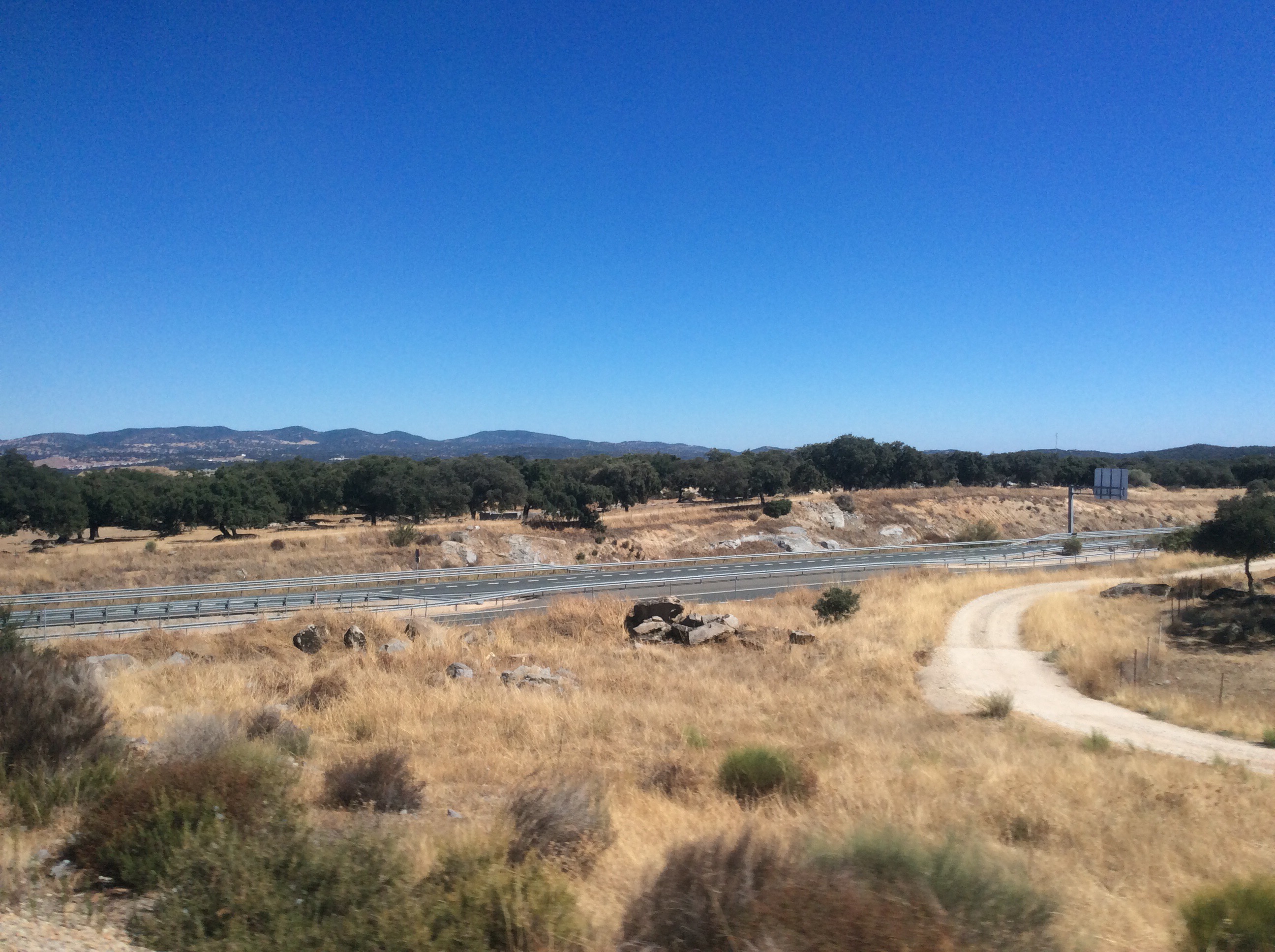
That is my Extremadura. Unknown. Disconnected. Hard to say. Trainless. Abandoned. The conquistadors couldn’t get out fast enough. Malaria festered in her hidden valleys long after it had been extirpated everywhere else, and the Mesta virtually enslaved her very earth to their will, subjecting her people to centuries of poverty. But it is precisely because of these fascinating tales – coupled with her unparalleled natural beauty – that I do believe Extremadura to be the jewel in Spain’s crown.

And oh, look – I started writing about Mexico and here we are, back in Spain. I’m nothing if not predictable. Some of us spend our lives traveling in search of that “something” that is just beyond our reach. I count myself amongst the lucky ones who found what I was looking for and need look no further – at least, no further than the light that shines on Spain’s shores. I can only hope Doña Extremadura forgives my curiosity.

Did Rodrigo, last of the Visigoth kings, truly disappear in her mountains after the fall of Merida? Did an army of ants reduce one of her villages to rubble? Were there really hordes of dwarves in Las Hurdes who descended into the valleys by night to terrify the locals? And what made Carlos, supreme ruler of the Spains, the Americas and all the Hapsburg Empire decide to spend the last years of his life in her wooded hills?

You will only find out if you go. Don’t hold on too tightly to your heart. BB x

P.S. Thinking about sharing some more stories from this part of the world… watch this space.