Seehund

2:45pm, 20th March. I’m sitting on a bench on Brighton’s Palace Pier, sheltering for a moment from the wind. A sign in front of me reads “It’s fun all year on Brighton Pier”. Somewhere down the coast to the east, there’s a few mad folk towelling off after a swim. The sea doesn’t exactly look inviting today. I look down through the slats. The bottle green waters of the Channel heave and swell about the centipede legs of the pier below. I wonder what creatures of the deep might be looking back up at me, besides the silent starfish in the silt.

Two men wander over to the parapet, gazing down at the beachgoers below. One of them watches in silence, nodding occasionally. His companion holds a recording device of some kind in his hand and is whistling a crude but not inaccurate imitation of the gulls. Is he trying to lure them in, perhaps? To what end? I can’t quite make out his game. He keeps it up the whole time, occasionally saying something in Arabic to his companion and chuckling, and then whistling his gull-call again. After a while, they move on, whistling. His friend must have the patience of a saint. You get all sorts in Brighton.

A few seconds later, a herring gull lands on the parapet. It’s not there for long, as a gang of girls in tracksuits race up the aisle towards the gloom of the arcade, screaming and swearing, sending the panicked bird into the air in their wake. Two scavengers in a truck trundle by in the opposite direction, trailing two heavy GLASS ONLY bins behind them. The planks tremble beneath my feet. I imagine, for a moment, the structure collapsing beneath its weight. In slow motion I see the bins rolling over backwards and a cascade of bottles plummeting into the sea below, some of them shattering on the struts of the pier before they hit the water. I have a pretty active imagination.

I move on up the pier, past the booming darkness of the arcade, which still seems to draw in a faithful clientele, despite the mobile lure of pocket entertainment. In fact, I’m actually pleasantly surprised by the absence of phones on the pier – for once, I’ve got mine out more than most as I take notes. Beyond the arcade, I reach a collection of outdoor game stands. Tin Can Alley with a bored-looking brunette in a red shirt waiting for custom. Dolphin Derby with an enthusiastic announcer who wouldn’t look out of place in a pinstripe waistcoat and boater a hundred years back. An Indian family points out across the water talking in a language that isn’t English. A couple walk past, hand in hand, one of them gamine with a grey-tinged ponytail over shaved sides and a nose ring, and her partner robust, black, ripped jeans and winged eyeliner, a rainbow lapel badge pinned to her sleeve. The air is thick with the pungent smells of Brighton: fish batter, candy floss and the distinctive damp tang of weed. The breeze coming in off the sea cancels out one of the three at a time, but not for long.

Behind the Tin Can Alley shack, a huddle of turnstones get some shut-eye. These often hyperactive creatures look out of place when static, and one wonders how they manage to get any rest at all with the thumping bass from the fairground rides at the end of the pier. It almost looks as though there’s a physical pecking order to the clan, and the ones at the bottom aren’t having much luck, hopping from strut to strut with remarkable dexterity. A passer-by sees what I’m looking at and stops to take a few photographs on her phone. The turnstones don’t seem to be fazed by me, or her, or any of this. After all, it’s fun all year on Brighton Pier. They’re probably used to it.

Nearer the fairground, an old gypsy-cart sits awkwardly beside the parapet, offering Tarot readings for a modest sum. Career, love, happiness and luck mingle strangely with Nestle, Astra Zeneca and Cornhill Insurance plc. I remember finding an abandoned gypsy-cart in the woods once when I was a child, its richly-painted woodwork fighting a losing battle with the forest’s silent army of moss, lichen and brambles. The gitanos in Tierra de Barros had no such fancies, eking out a living from beat-up cars and shabby tents. There is an old song of theirs I have consigned in part to memory, telling of their love for the Guadiana River, that came to mind:

The region of Chal was our dear native soil,
Where in fullness of pleasure we lived without toil,
Til dispersed through all lands ’twas our fortune to be,
Our steeds, Guadiana, must now drink of thee.

Gypsy ballad, translated by George Borrow (The Zincali, 1841)

I doubt the gitanos camped outside Villafranca de los Barros would know the song. It comes from an older world, much like the incongruous cart parked at the end of Palace Pier.

The fairground plies a busy trade for a chill-if-sunny Sunday in March. I feel like I’m walking through a childhood I haven’t known in twenty years, not since the distant summers in Dymchurch. Tea cups, log flumes and merry-go-rounds. A helter-skelter – see the Isle of Wight on a clear day! – painted up like a stick of Brighton Rock (or maybe the sticks are painted after the fashion of the fair). The static gilded horses on the merry-go-round look no less terrifying than they did when I was a boy. The ghost train reels in customers one at a time, lethargic, a chameleon in the cold. A father explains the “this high to ride” sign to his son, who is just a little too short for any of the attractions. I get the impression I’m snooping a little too much and wander away from the noise.

There’s a quiet spot behind one of the rides, looking out towards the mouldering wreck of the old pier. Seen from its sister with the city behind it, the Western Pier looks small and unimpressive. From the shore it looks a little more mysterious, where its mangled skeleton claws at the horizon like the blackened bones of a giant, mechanical whale, picked clean by the cormorants that sit on its ancient struts. In their oil-black funeral garb, they might as well be an extension of the wreckage. Brighton’s gargoyles.

Something bobs in the water closer to the Palace Pier, and without looking through any lens it looks too misshapen to be a buoy. It turns for a moment revealing long whiskers and those baleful black eyes, before sinking beneath the waves. I’ve been scanning the water all morning for that sight, and now I’ve found one, I can’t let the moment pass me by. I count the seconds. One, two, three…

Seals are such mesmerising creatures to watch. It could be their friendly faces, the way they seem genuinely curious about the world above the waves. For me, it’s all about their eyes. There are few creatures out there with eyes like a seal’s: enormous, black orbs that seem to see forever. You only see the whites of a seal’s eye when they’re really close, otherwise you might as well be looking into the dull glaze of a shard of volcanic glass. I used to watch them bobbing about in the waves from the white cliffs when I was a teenager, and once or twice I was lucky enough to see them closer still, lounging about on the mudflats of the Stour Estuary and snorting their indignation at the noisy ferry-boat off the Farne Islands.

Those were greys: hulking, dog-like beasts of considerable size, especially the bulls who came charging after the boat. It’s not hard to see why so many languages label the creatures sea-dogs, or sea-calfs, or even sea-cats. But unless you’re in the water with them, all you see is the inquisitive face, bobbing above the surface. The seal comes into its own beneath the waves. I should love to see one in its murky underwater kingdom one day.

Some creatures command the eye. The ghostly silence of the male hen harrier, or the aerial mastery of the kite. The sunken eyes of the fox and the stern gaze of the stag. I once sat in my bedroom poring over bird guides of Spain and the Mediterranean, bemoaning how drab our world was by comparison. With age comes understanding, I suppose. If the seal hadn’t drifted further and further out to sea, I could have watched for hours.

I spent most of my teenage years growing up on the pebbled shores of this same stretch of ocean. The salt breeze and yellow-grey skies of the Channel are written into my skin like age-lines. I should make a point of coming down to the coast more often in future, if not to blast the cobwebs of work aside with a healthy salt spray, then to find the writing material I’m always searching for. If I can find my way to a quieter spot than Brighton, I might even be able to sidestep the bookshops that always draw me in. Fortunately, I’ve been such a loyal customer to Waterstones over the last couple of months that I was able to walk away from today’s haul for a steal of a price. Just don’t ask how many books I bought – or how big the discount was. It’s all for a good cause. I’ll keep telling myself that. BB x
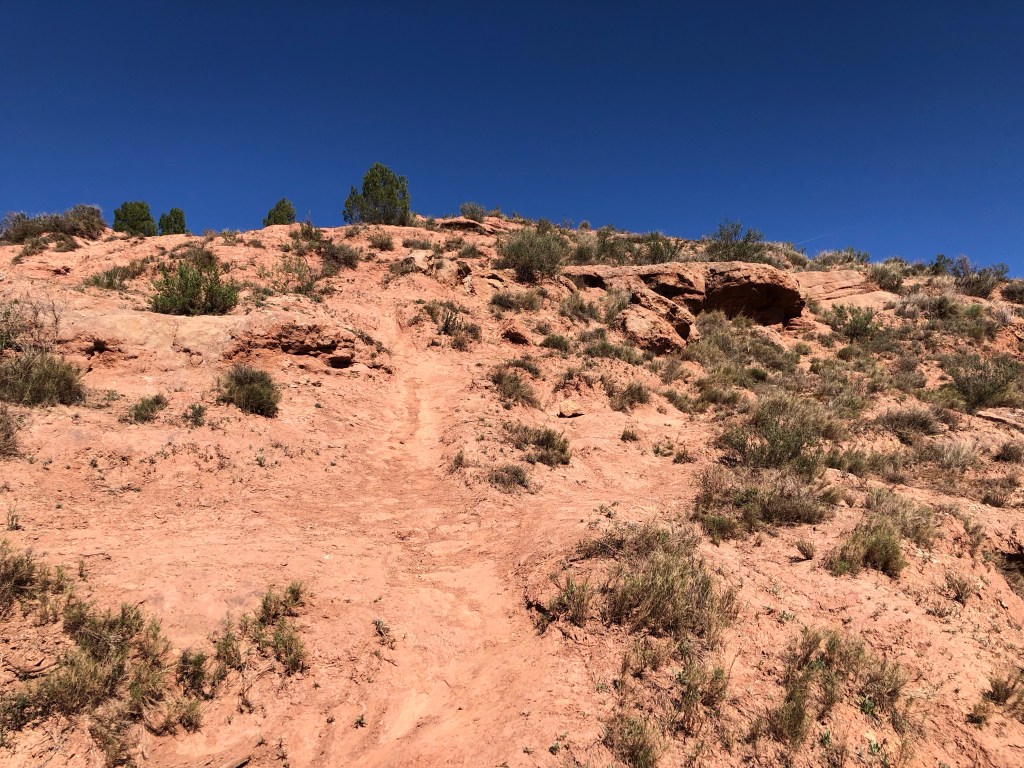
Half Time

Saturday afternoon finds me out on the side lines, camera in hand, supporting the boys. We put up a valiant fight and place third, thanks to a surprise goal and some seriously impressive goalkeeping. The ball comes my way at some point and I aim to block it, but apparently the ball was way over there and my leg was somewhere else. One of the boys saw fit to rib me about it in house later. I can laugh it off now as I did then. Football has never been my forte, or any other sport for that matter.

Working in a boarding school has got me more invested in sports than I ever was at school. There’s something magnetic about watching your charges do themselves and their team proud, whether they win or lose, that I never really felt when I was obliged to play the game. It’s not that my parents didn’t try to get me into sports when I was younger – goodness knows they tried their best – it’s just that then, as ever, it wasn’t in my interest. Which is why I’m here, not far off the age of thirty, and I still couldn’t name you more than about ten footballers at best. Somewhere along the line it seemed a great deal more important to consign to memory the sight and sound of every single feathered animal in the UK. I guess my excuse for stretching myself thin with the things I do – making music, speaking five languages, writing books and knowing my way around the natural world – might be construed as compensating for the fact that I could never do the one thing that comes naturally to most boys… that is, kicking a ball.

I can’t really remember a great deal about my sports lessons at school. If the truth be told, I’m pretty sure I used what cunning I had back then to wangle my way out of sports for good by the time I was sixteen. I think it was along the lines of “rehearsals for a musical” that I managed to stretch over two years. At least in my first year at school I was given an excuse when an angry sixth former stoved in a few lockers, including mine, with my sports kit trapped blissfully inside. Two memories alone remain: being made to play on through a blizzard in woefully short football kit, and the humiliation of being made to keep attempting the high jump until I was finally able to clear it – by which point it was almost level with the mat. And while I’d normally pull a face at using the same verb twice in succession, “being made to…” sums up my sporting experience pretty well. Understandably, this air-headed naturalist wasn’t ever really at home on the sports pitch.

Which is why it’s all the more surprising to me that I get such a kick out of supporting my boys in their games at the weekend.

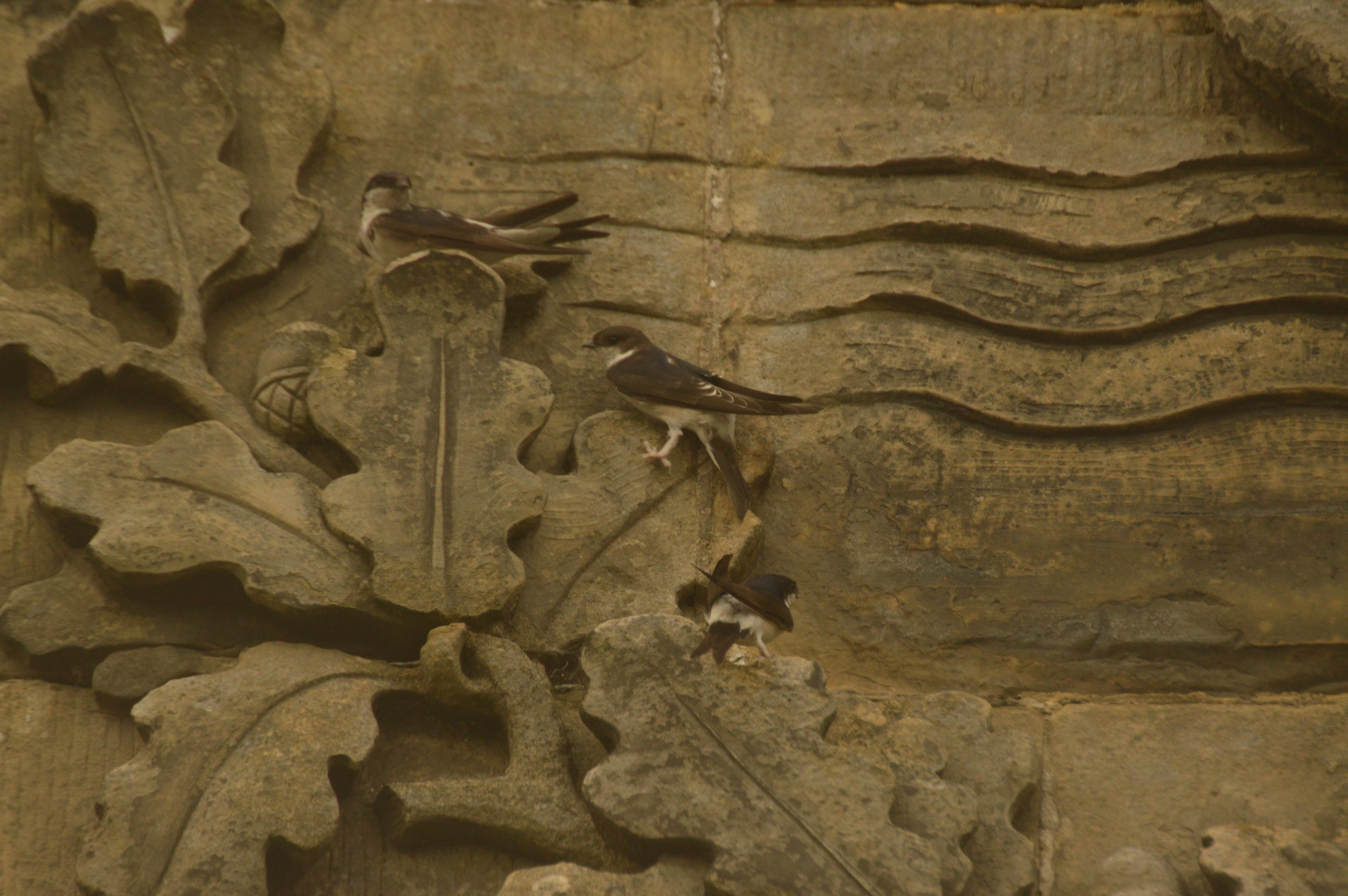
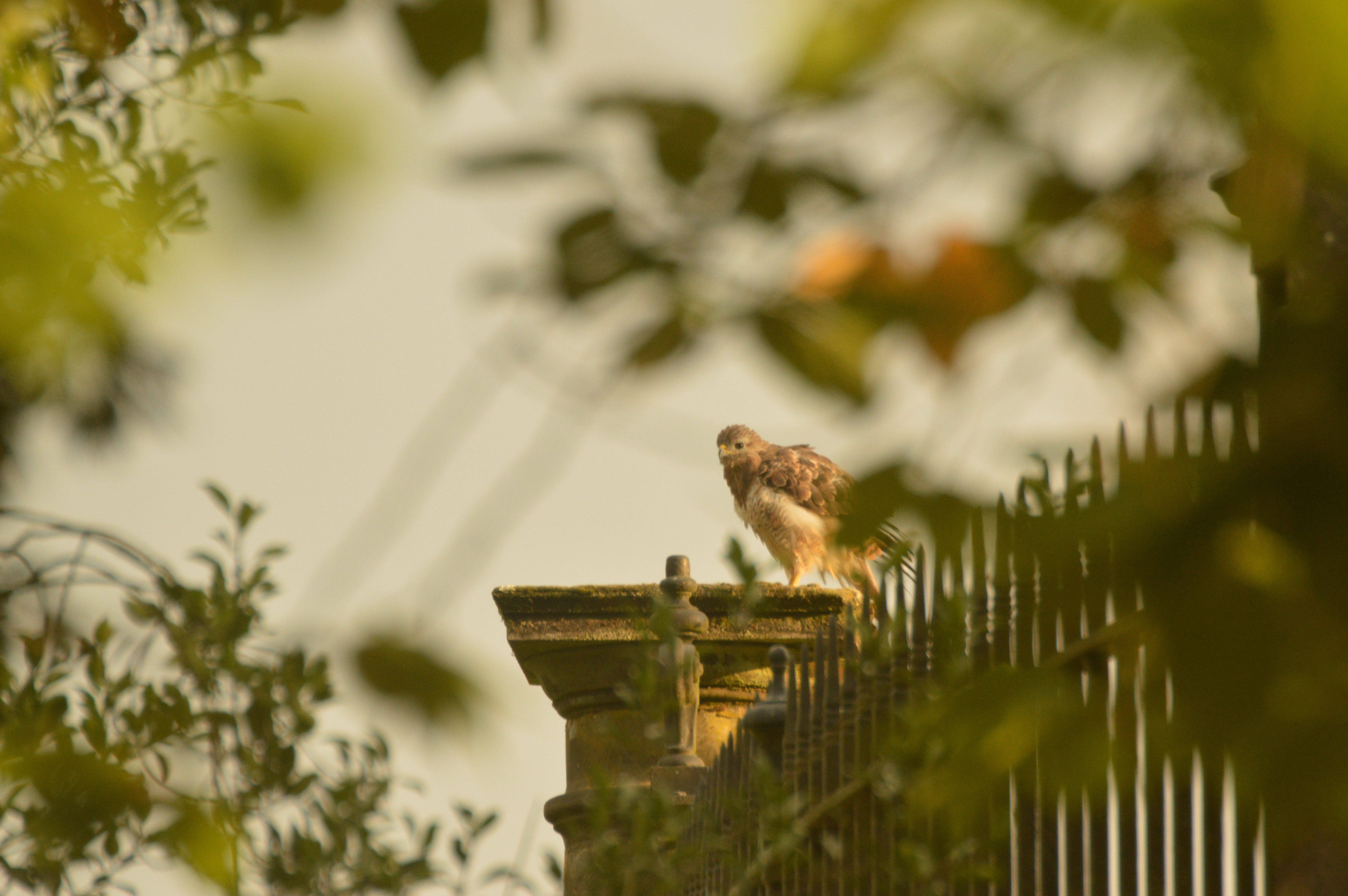
Because leopards never change their spots, I turned my camera skywards a couple of times on the buzzards that came drifting over the pitch, as I once did during the summer fixtures a decade ago. Spring is here and the birds are pairing off already. There’s a part of me that sighs, but a sunnier, more hopeful side that smiles, and I cross my fingers and I hope theirs is a successful pairing. Successful being the appropriate word, since happiness seems out of sorts. We still don’t know for sure whether birds feel emotions like we do, but I’d like to think they have something close to it. You see hints every so often that they might: a swallow mourning beside its partner’s tiny body, crows sliding down snow-bound rooves, choughs hurling themselves from great heights seemingly for the sheer thrill of it.

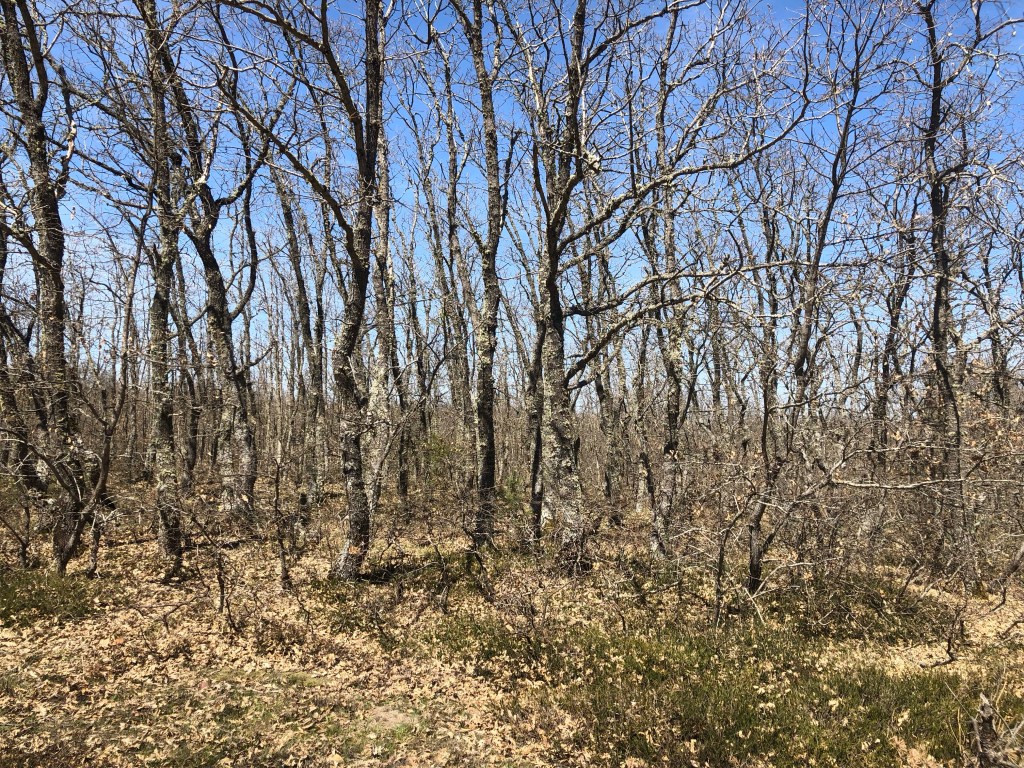
It’s uplifting seeing the smiles on my boys’ faces during a game, and I find myself wondering whether that’s the same electric feeling you get after a concert, or from sighting one of our island’s most beautiful creatures riding the spring thermals. And now the sun is out again, I might just go for another heart-healing walk in the Weald. The forest weaves a magic that never dies. BB x
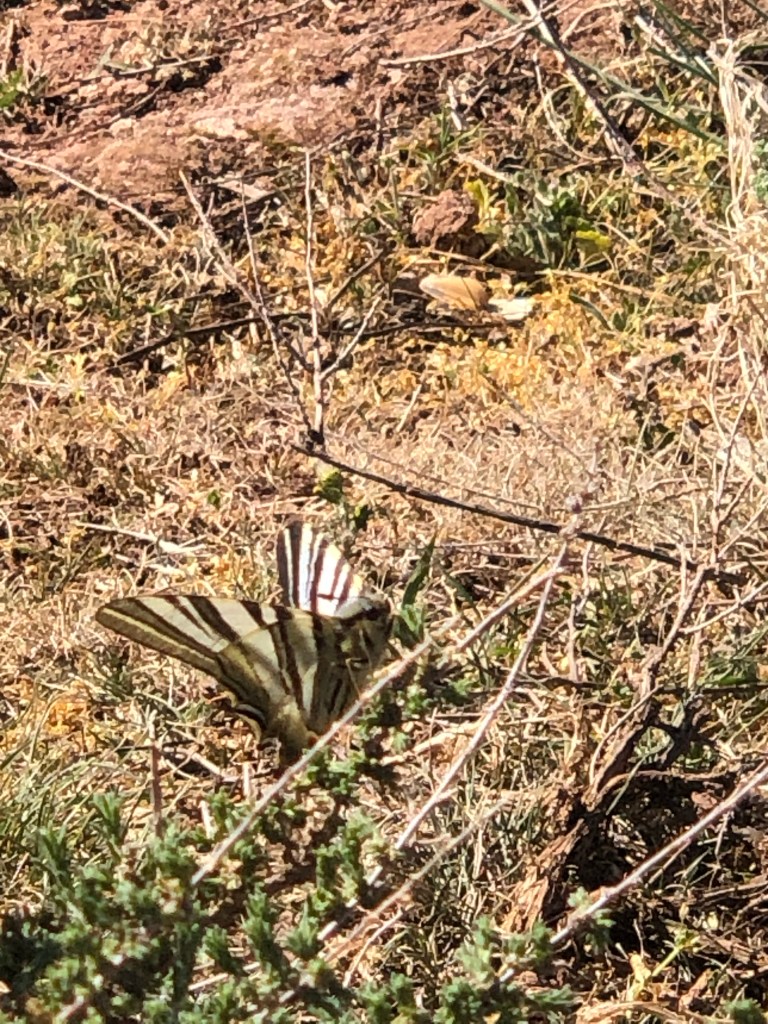
For the Sport of Your Own Crows

My phone is telling me I walked some twenty-five kilometres today. After trekking to Three Bridges Station there and back on foot, various perambulations through Reading and London and walking the Combe Gibbet Circular, I can’t say I’m surprised. What I can say is that I bloody well ought to learn to drive, because it’s frankly ridiculous how much of the world I could be exploring at weekends which is just too far away to reach on foot. Dammit.

Fortune favours the bold, which is another way of saying if you want to get lucky, you have to make your own luck. Fortunately, today’s little outing got off to a cracking start with luck knocking on my door. With the kids off site this weekend, the grounds were eerily quiet, even for a Sunday morning. I guess that’s why one of the forest’s more secretive residents made it all the way up onto the main drive this morning.

Muntjac deer are such fascinating little creatures. They keep some of our boys up at night with their barking in the summer, and unlike some deer species they’re quite fearless if you cross paths with one in the wild: I’ve had what can only be called a stand-off with a buck in the woods on my way into town more than once (and probably with the same individual). This one didn’t hang around for long, and if I’d not happened to look out of the window as I was getting dressed I’d probably have missed it.

I managed to make it out into the windswept wilds of Berkshire this weekend. I haven’t been up that way since a school retreat to Daoui a few years ago, and I remember feeling spellbound by the place then (well, I was certainly spellbound by the evening prayers, that much is true). On the way, signs that the year is very much on the turn were everywhere. Masses of frogspawn in the usual spots in the forest. Crocuses pushing up through the bracken as the snowdrops wilt away. The explosive chattering of a roving band of siskins in the treetops. And, Berkshire being Berkshire, red kites absolutely everywhere. I swear I saw more kites than pigeons today.

Climbing high up onto the downs above the hamlet of Inkpen, I even heard my first skylark of the year, merrily singing its heart out as it soared skywards. I haven’t seen any swallows or martins yet, but spring is certainly well on the way.

Standing tall upon the summit of Inkpen Beacon is a lonely-looking structure that can be seen for miles around: the Combe Gibbet. As we climbed towards it, my dear friend and learned guide Kate (one half of the dynamic duo that were Langlesby Travels) regaled me with its dark history: as the story goes, it was built in the year 1676 for the hanging of local murderers George Bromham and Dorothy Newman after the double murder of Bromham’s wife and son, the only obstacles to their unrequited love. For Bromham’s infidelity and the brutality of their actions – they supposedly bludgeoned the mother and child to death before hiding the bodies in a nearby dew pond – they were hanged by the neck in Winchester and their bodies displayed high upon the hilltop for all to see. Apparently the sight could be seen from “several counties”, which seems a bit of a stretch, though it really did feel like you were on top of the world up there on Inkpen Beacon. It’s always an incredible feeling when you’re looking down on the raptors wheeling through the air below.

I was particularly keen to see the gibbet because I’m currently looking into the Great Plague of Seville and the curious habits of the plague doctors of the 17th century. There – I’m sure you’ve got that image in your head already: the broad-rimmed hat, the long, heavy black robes, leather gloves and – of course – the sinister, raven-beaked mask. It’s hardly surprising that the plague doctor became associated with despair. I’ve read somewhere that when Venice was devastated by the plague, the bird-like plague doctors were quite a common sight along its canals. I’ll have to do some exploring to that effect when I’m out there in just over a month’s time.

We were followed on the way down the Beacon by one of the Combe’s kites, wheeling lazily in the spring sunshine, its forked tail steering it effortlessly over our heads without a single wingbeat. I’ve always been in awe of kites. If it weren’t for the utter majesty of the griffon vulture, I might well hold the kite close to my heart as my favourite bird of all. It’s certainly a bird that’s been a part of my life for years, from the black kites of the Raya Real to the termite-hunting horde that haunted the Bishop’s Residence in Lira, Uganda, almost a decade ago. A solitary raven drifted mightily on the wind on the way home, a couple of hares skidded up the banks and out of sight as we passed, and a bullfinch was singing its mournful song from the hedgerow as we reached Kate’s car. Berkshire’s an expensive part of the UK to live for various reasons, but I never knew just how healthily wild it was until today. I guess the downs I can see from my window are every bit as breath-taking, if I could only reach them somehow. Still – that’s something to look forward to, I suppose.

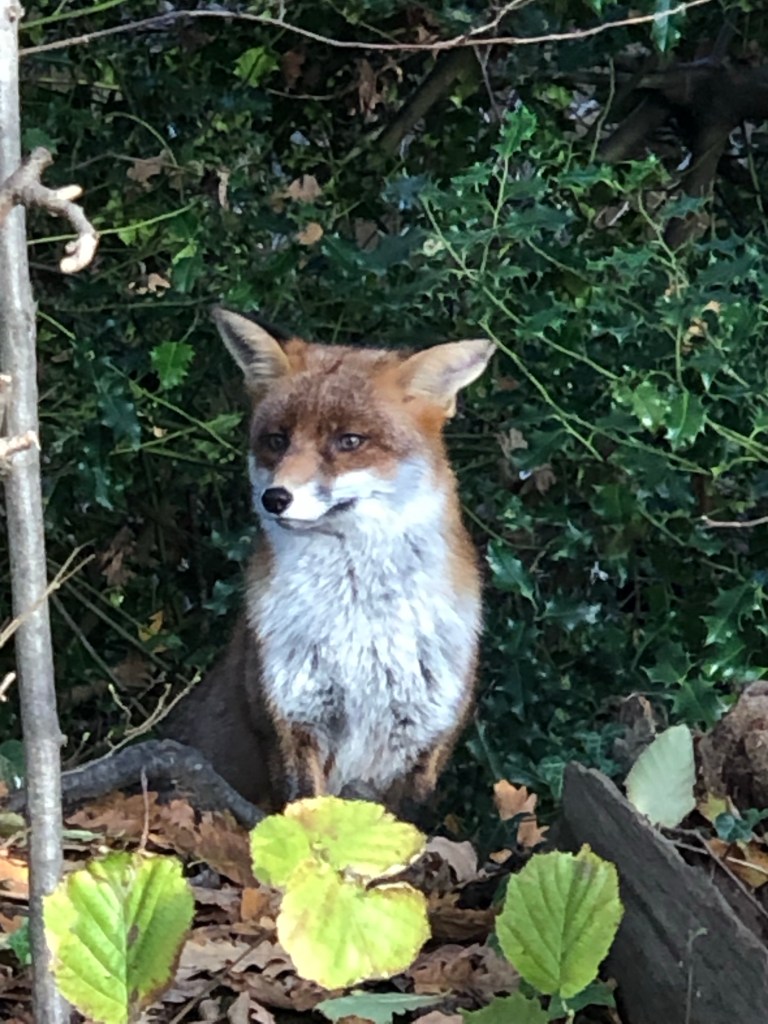
Walking home in the dark, I almost had a conversation with a fox. A vixen, I think it was – it didn’t have that long face with the sunken eyes that dog foxes do. She froze in the middle of the track like wild things sometimes do, and if a man hadn’t come by walking his dog, I could have sworn we might have gone on looking at each other. Dogs and foxes have something of a chequered past, though, and at the first sound of the approaching mutt it was off into the verge and gone without a trace.

Today was a wild day, and wild days are always easy to write about when you’re as big a nature nut as I am. Write what you know, I suppose. Now if only there weren’t already a famous nature writer called BB, I might just squeeze my way into that very cramped market. Since when was BB short for Denys Watkins-Pitchford, anyway? BB x
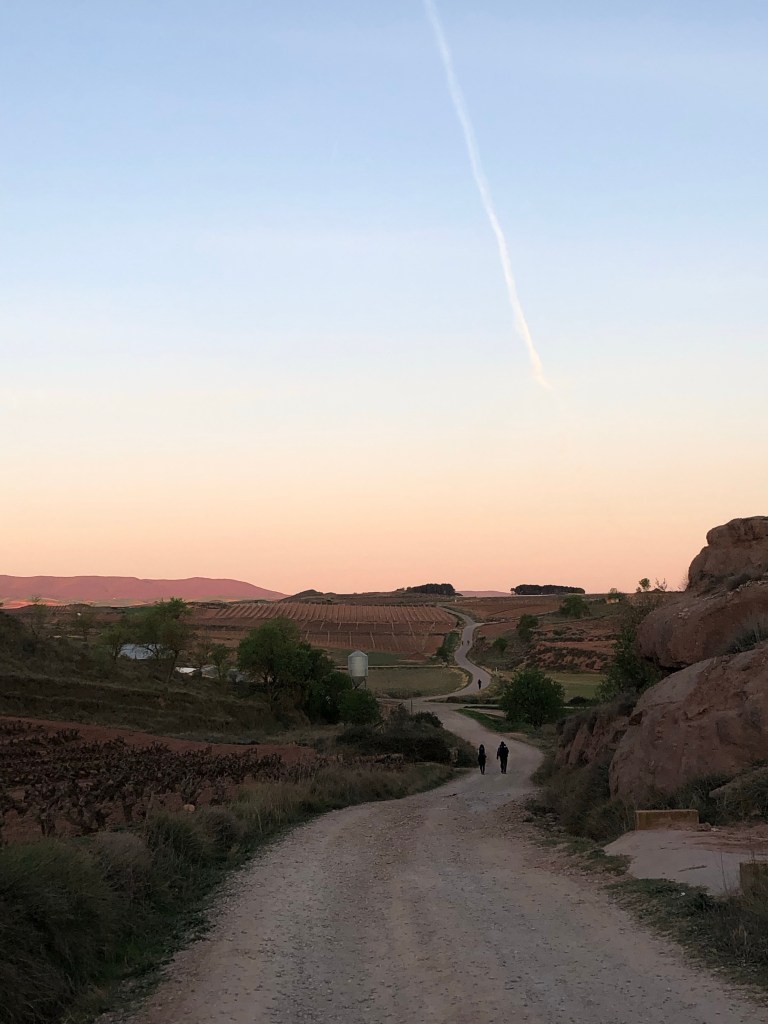
Something Old, Something New

There’s a day in the second or third week of January that, at least in these cloud-ridden islands, marks the turning of the year. Not the first day of spring exactly, but an early harbinger that the dark days of winter are finally on the retreat. For me, it’s always marked by the first real blast of birdsong, and it usually goes hand in hand with a generous glow of sunlight after many days of cloud, or that infinite whitening of the sky that is so very well-known to those of us native to this rock. There’s no calling when exactly that day will fall, but when it does, it’s nothing more or less than exactly what the doctor ordered, as far as I’m concerned. I grab my journal and keys, leave the flat, walk up to the office and – boom. There it is. The dawn chorus is already in its final movement, but still going strong. The voices of robin and blackbird and woodpigeon and sparrow lift my heart skywards. I’m then in an irrepressible good mood for weeks which neither marking nor duty nights nor even thunder, rain and storm can stamp out.

I guess I can only apologise to my colleagues for the nauseous wave of positivity that nature washes over me. It’s almost first-year-of-university-level enthusiasm (which, for those of you who knew me then, you know…).

Perhaps spurred on by that wintry magic, I made two random throws this weekend. I bought a kite, and I decided to re-read one of my favourite childhood stories. The kite is easy enough to explain. I had a kite once, when I was a lot younger, which has Jeremy Fisher emblazoned on its face. If I remember correctly, it didn’t fly very well. I guess we never tried it out on a day when the winds were good. It just seemed to gather dust in one of the cupboards until, one day, it disappeared. Anyway, I’ve got the whimsically romantic notion in my head that kite-flying is one of those things I’d love to do with my kids someday, so I ordered one on that whim. It arrived yesterday, and if I get a moment’s peace this week, I’ll put it through its paces out on the South Downs.

As for the reading – alright, I confess, I didn’t do any reading per se. I had a fair amount of spring cleaning to do, but I wanted a soundtrack while I worked and I figured an audiobook would be just the ticket. I’d had Michelle Paver on my mind after dipping my toes back into her ghost stories a few days ago, which naturally conjured up memories of reading her Chronicles of Ancient Darkness series when I was at secondary school. I remember absolutely adoring the first in the series, Wolf Brother, and motoring through at least the first sequel through my school library. I cannot remember exactly whether I made it as far as Soul Eater, the third in the saga – if I did, I forgot the plot more completely than that of the second – but I remember the books rising out of a videogame-clogged adolescence like icebergs, one of precious few literary stepping stones across a goggle-eyed, pixelated river that ran at full strength for far too many years. Was it Paver’s intense attention to the natural world in her writing that hooked me? Probably. She is one of my favourite authors for precisely that reason: she knows her settings as though she has lived within them her whole life through.

Wolf Brother had a lasting impact on me as a writer, more than I had previously suspected, and it took listening to the masterful narration of Sir Ian McKellen over the weekend to realise just how deep the roots of her magical storytelling stretched into my own creations. Naturally, my own stories have changed a great deal since I started writing them over twenty years ago, but if you look closely, you can see the tell-tale brush strokes of the authors who showed me the way. I could fire up my hard-drive right now, pull up a folder, pull out a chapter and point out the guiding hand of this or that storyteller. Here is some of Paver’s naturalism, and there’s some Rider Haggard gung-ho. Paul Stewart and Chris Riddell had no small part to play in the healthy dose of tragedy, and I’d wager a fair amount that there are traces of Michael Morpurgo spread throughout like watercolour, since at a certain point in my childhood I pretty much read nothing else. There was just something about his writing that spoke to me like no other writer could. He had me hooked on all his animal-centred storylines, his Scilly Isle adventures, and his occasional reference to something on my wavelength (like namedropping The Corrs in Arthur, High King of Britain). Kensuke’s Kingdom and Why the Whales Came rank near the top, and sit in pride of place by my desk alongside the other books that mark certain turning points in my life: Day of the Triffids for traveling solo, King Solomon’s Mines for going mad in Amman, The Arabian Nights from my university days and The Outrun for a dose of reality when I left that world behind… and The Tale of Benjamin Bunny… just because.

What were the stories that had the biggest impact on you as a child? Which authors colour your writing? I’ve ended the last couple of posts with a question, which is a) repetitive and b) pedantic and c) a sign of how much I’ve been teaching and how little I’ve been writing these past three years. But it’s something I love to ask people, when I get the chance. The power of storytelling has been precious to me since I was a bratty kid insisting on the fifteen-minute bedtime stories and not the three-minute tales (I swear I wasn’t just looking for an excuse to stay up late…!), and I hope it’s a joy I can share with my children someday.

When you come back to a book you enjoyed as a child, you see it through two pairs of eyes and two hearts: the eyes of a child embarking on a journey as though for the first time, and the eyes of a parent who knows the dangers ahead but cannot help hoping things turn out for the best. It’s incredible how the magic contained within the pages of those stories never fades, no matter how many times you come back to it. I make a point of re-reading Triffids every time I travel alone, but I’ve neglected the stories of my childhood for too long.

Once I’m done with the rest of Torak’s adventures, you’re next, Morpurgo!

BB x
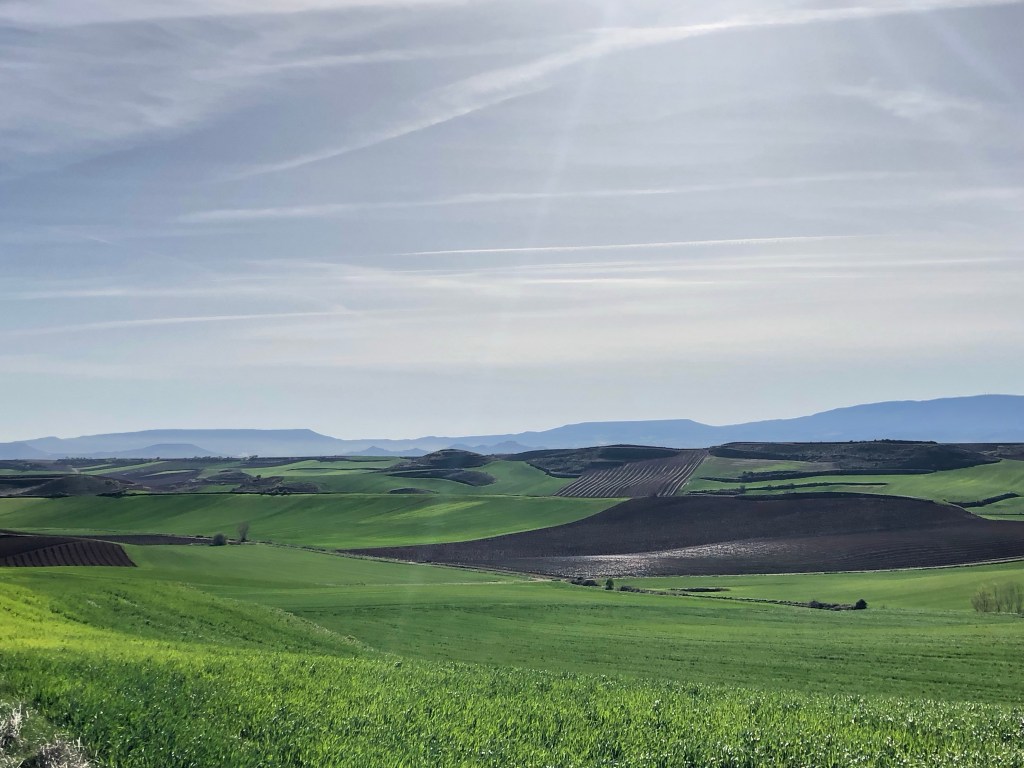
Under the Shadow of the Stone Pines

On a balmy September afternoon back in 2012, three friends and I were sitting on our suitcases in the bustling complex that is Heathrow Airport. We’d already played the find-the-most-expensive-item-in-duty-free game and were killing time for the gate to flare up on the departures board. We were bound for Uganda, to our partner school in the north, on what could so very easily be construed as your generic gap yah adventure. We were under no illusions as to that. Teddy made a joke about one of us ‘finding ourselves’ out there. Maddie was quick to reply that she’d already found herself right here in the terminal. That made me chuckle – probably because, with good reason, that joke about ‘finding yourself’ was squarely directed at me.

I’ll admit it. I have a habit of falling head over heels for things. Especially places. It goes with the terrain of being a self-confessed Romantic. Naturally, this obsession with location carries over into my reading. Setting is one of the first things that I look for when I read a book. Bother dialogue. Bother clever plot twists. If the cast doesn’t travel any further than their cul-de-sac then I’m out. Any author that can make the setting just as enthralling as the plot has me round their finger. That’s why I’ve always adored M.M. Kaye’s The Far Pavilions. India comes to life through her words, so vividly that at times I could almost hear it, smell it, feel it through the pages. Michelle Paver weaves a similar magic in her writing, and I earnestly try to conjure the same enchantments in my own efforts, though Spain is a fickle mistress and so very hard to please.

The funny thing about travel and this idea of ‘finding yourself’ is that no two people ever feel the same way about a place. I remember all the raised eyebrows when I used to tell colleagues that my favourite place in all of Spain was a town in the western marshes of Andalusia by the name of El RocĆ­o. Outside of romerĆ­a season, it’s ostensibly little more than a cluster of whitewashed houses overlooking a seasonal lagoon in arguably the flattest corner of the peninsula, where you can stare across the horizon and see nothing but mile upon mile of shimmering heat. And yet, there is something about that corner of Huelva that calls to me, some spell that weaved its secret magic on me a long time ago.

I’ve had the good fortune to travel across Spain a great deal over the last few years, and there are a number of contenders now for that ever-congested corner of my heart. The gorge at Ronda and the green hills of La Vera. The limestone maw of Zaframagon and the devil’s leap of Monfrague. The vast steppe of Caceres and fair Trujillo, a throne set upon Extremadura’s golden fields. The lonely silhouette of Olvera, and Hornachos, jewel in the Moriscos’ crown and once proud watchtower over the Sierra Grande. Putting my extremely biased affection for Andalusia and Extremadura into a basket, you can add the mysterious heights of Montserrat, the windmill-crowned slopes of La Mancha and the awesome majesty of the Picos de Europa that once guided the weary conquistadors home. All this, and I know I’ve only really scratched the surface.

All the same, though my heart is spread across Spain with a rigour that would reduce a piece of toast to crumbs, there is still one spot that reigns supreme over them all. If you’ve been reading this blog since the beginning, you’ll have seen it over and over again in the header up there. But in case you missed it, here it is again.

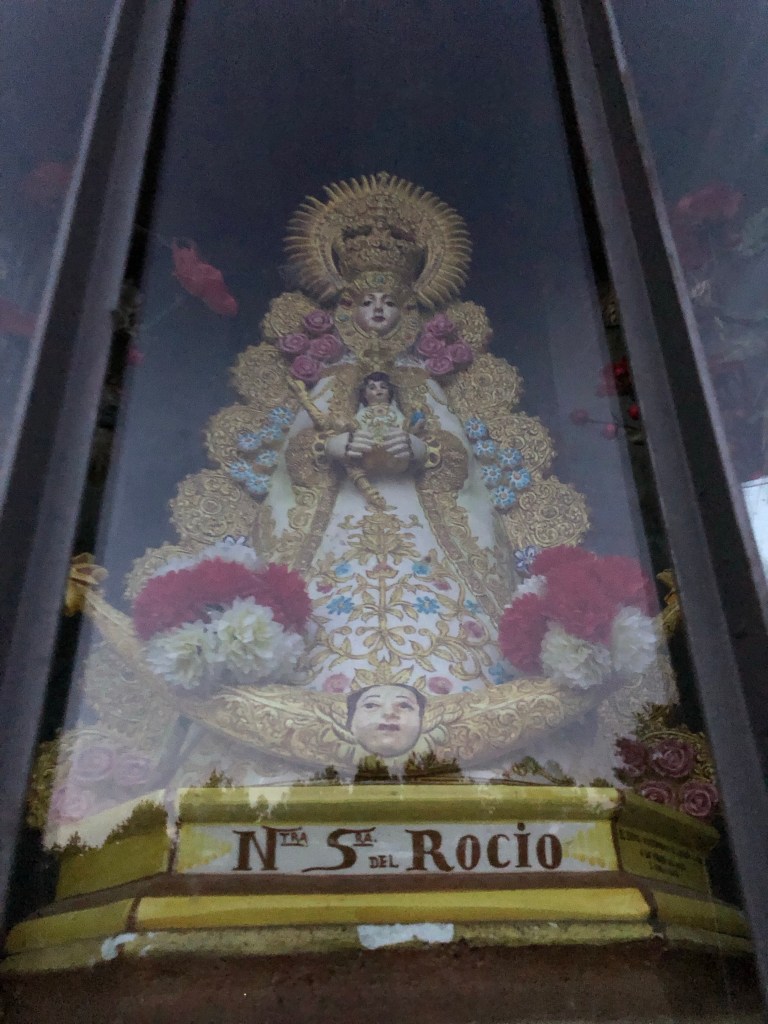
To the east of the sanctuary town of El RocĆ­o lies the Raya Real, a sandy track that cuts through the heart of the Parque Nacional de DoƱana. Once a year, it serves as the primary conduit for almost a million pilgrims who descend upon the town in colourful, bolshy gaiety (as only Spaniards can) to pay homage to the Blanca Paloma herself, the guardian patroness of the marshes. Like most pilgrimages, it’s as much about the journey as the destination, and listen to any one of the many sevillanas sung by the pilgrims and you’ll get a flavour for just how in tune they are with the world around them. What an excuse to journey through some of the most incredible scenery on God’s Earth, all while dressed to the nines!

This is all romantically hypothetical, of course. I’ve never seen the RomerĆ­a in full swing. All the same, there’s this one patch of the Raya Real that I can see in my mind’s eye right now, if I close my eyes for a moment. As for you, dear reader, you need only direct your eyes back up at the top of this post. It’s that tree on the left.

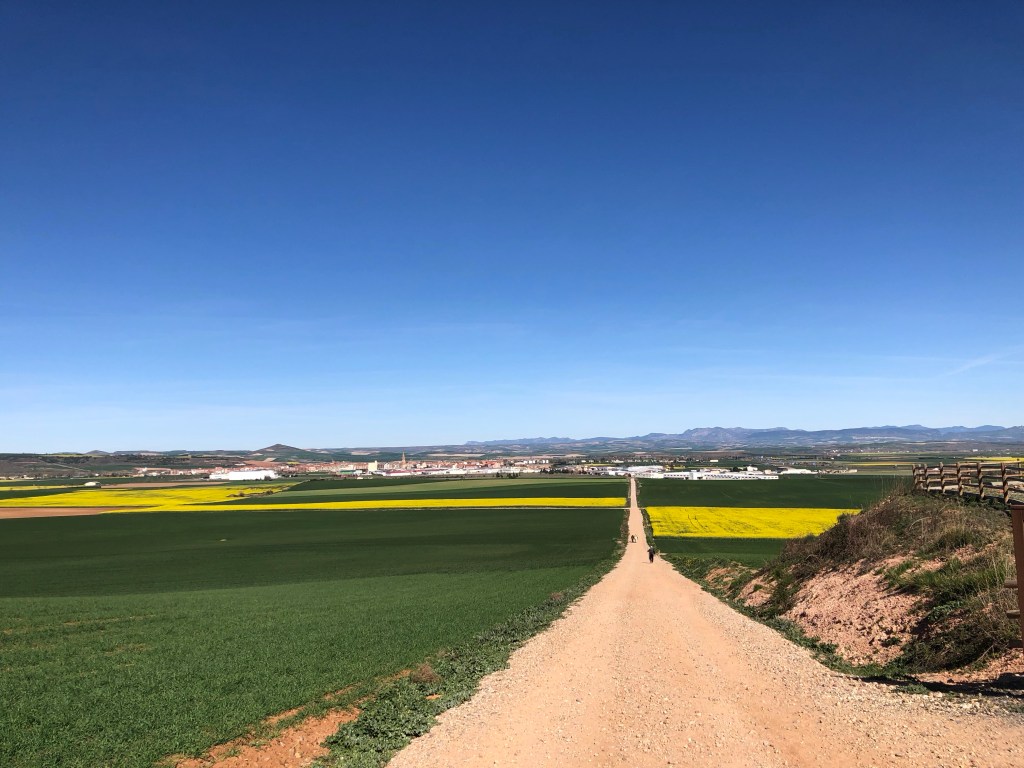
There’s a cluster of stone-pine trees (acebuches) that grow in an island of grass where the Raya Real forks temporarily, before the two tracks converge at the Puente del AjolĆ­, the last stop on the pilgrimage. A dead tree stands at its westernmost edge, which more often than not hides a gecko or two – I even spooked a Montpelier’s snake mid-hunt here once. A stand of ashes flank the edge of the great pinar, where cuckoos sometimes sing, and in the skies above the Raya Real, bee-eaters go wheeling and soaring in the spring, with bellies like sapphires, backs like rubies and voices like springwater.

Here, under the shadow of the stone pines, I used to sit when I was a boy and listen. After a few seconds you tune in to the silence and hear it all. The wind over the shimmering plains, the rustle of the ash trees. The whistling kites overhead and the mechanical clang of a butcher-bird in one of the branches nearby. From somewhere far off, a panzorrino (native) calling to his horses, or the bark of a dog. Open your eyes for a moment and stare into the blue, and you might see a tiny speck or two up high in the heavens; a griffon and his mate, perhaps, riding the thermals above the coto below. Just once I saw a Spanish Imperial Eagle here, soaring high above the kites below. Maybe that was the first wave of the wand for me – I was a highly impressionable novice birdwatcher at the time. And though it’s kites and booted eagles that have plied the skies on every return visit, the magic in those splayed wings is always there.

In my eighteenth year, I remember sitting beneath my tree, leafing through a copy of Lorca’s Yerma that I’d picked up in town, when a couple of horses rode down the track nearby, one mounted, one riderless. A local girl had fallen from her horse some way back and tried unsuccessfully to get back into the saddle for a few hundred metres. She asked if I could lend a hand, and so I did, giving her my hands to step up and back into the saddle. I watched them go, I heard them laugh and look back, and I went back to my tree, to Yerma and the kites. A golden opportunity to get to know the town of my dreams through its people slipped through my fingers like the sand on which it stands. I’d make some quip about the Virgen del RocĆ­o being a jealous woman, but I really think I had my head in the clouds then and there.

Fool.

Is there a place you return to in spirit, even if you can’t be there in person? This is mine, beneath the shade of the stone pines on the Raya Real. Millions pass by that tree every year without knowing the connection I have to that singular tree, to the kites that nested in its branches once, to the snakes and geckos and their game of cat-and-mouse about its roots. And why should they, when their goal is in sight? They don’t need to do any soul-searching: la Blanca Paloma waits with open arms.

I’ll leave you with a couple of lines from one of my favourite sevillanas that conjures up some of the magic where my words fail. If you like, you can listen to it here – sevillanas should never be read when they can be sung – performed by that band which takes its very name from the road of my dreams: Raya Real.

Las llanuras ardientes de la marisma
El ganado retinto con paso lento
Se acerca hasta el arroyo que esta sediento
Seco estĆ” el monte bajo, seco estĆ” el rio
Los pastos del invierno ya se han perdido

El Rocƭo es un milagro, una maƱana lo vi
Cuando Triana cruzaba el Puente del AjolĆ­

Until next time. BB x
Marmite Man (A London Story)

Marmite Man

Marmite Man arrives in his chariot. He walks into a library, hiding from the autumn sun. He climbs up to the second floor, carrying a weatherworn traveling rucksack on his back, and finds a table hidden away on the west side. It’s eleven o’clock on a Tuesday morning, there are only a few other people in the building: a couple of students, a woman in her mid-twenties looking for jobs on one of the desktop computers, a middle-aged gentleman or two. Anybody who can afford not to be working at eleven a.m. on a Tuesday.

Marmite Man takes off his windbreaker, lays it over his chair and slouches into the seat. His face is red and pockmarked, his beard more of a tired, uniform grey than cultivated salt-and-pepper. He looks about. Once. Twice. Pauses. Then he empties the contents of his rucksack noisily onto the desk.

First, a multipack bag of McCoys ridge-cut crisps. Then two bottles of water and a plastic Pret a Manger cup. A can of spray-on deodorant – no, two cans. A pack of Johnson’s baby wipes. A hairbrush and a bath scrubber. And, finally, four pots of Marmite.

He inspects three of the Marmite pots in turn, looks around, and after some rumination, opens the multipack bag and breaks into a bag of crisps. In the silence of the library, his feasting sounds like the construction work beyond the Bunhill Cemetery: an unhappy ruckus in a place of quiet. He munches and crunches his way through a second bag, then a third, and another, and another. It’s as though he is issuing a deliberate challenge to the librarian downstairs: come up and stop me, if you dare. But the librarian does not hear, or perhaps he does not choose to hear, and still Marmite Man goes on munching, crunching, sniffing, snuffling, belching and clearing his throat. He wipes his fingers, stuffing the empty packets into a plastic Tescos bag, and smacks his lips, looking around. There it is again: the challenge, who’s going to stop me? There are signs everywhere that say that eating is forbidden, and yet here he is, Marmite Man, rattling the sabre with his portable orchestra of sound: percussive plastic bags, guttural brass belches, woodwind grunts and groans. The anteroom stinks of synthetic flavour, a fabrication of burnt and powdered meat. He rubs his hands, his breathing loud and laboured, and applies a baby wipe tissue to his fingers and thighs. He rolls up his trousers and scrubs vigorously at his shins, scraping off a night’s worth of grime – or perhaps more. He stops – smarts – curses under his breath as he hits a sore.

Who are you, Marmite Man? Where have you come from? What brought you into the library today? The world has been unkind to you, I think. You swore at the man who left the anteroom a while ago, repulsed by the stench and the noise. “You got something to say? Fucking pig.” That’s what you said, through a mouth full of crisps. But maybe it was he who threw the first stone, the stone of silent judgment, as he turned his head, lifted his bag over his shoulder and promptly left the room. Perhaps what hurts the most is the silence, the everyday judgment of those who do not wish to see you. A vagabond is a part of the world gone wrong; a cog out of place, a dust blur on a family photograph; a purple brushstroke across the Mona Lisa’s coquettish face. We can choose not to see it if we so desire. But that doesn’t mean it’s not there.

I notice you have not picked up a book since you arrived. To you, perhaps, escapism is dangerous – or maybe you have enough unhappiness in your life without imagining it through the eyes of somebody else. What is fiction, if not an experience of somebody’s else’s misfortunes? It is armchair entertainment for the comfortable, who sympathise enough with the poor to read about them, and would happily become them for a quiet hour or two in the afternoon, with a cup of tea on hand and the day’s work put behind them, only to return to reality as Mr Smith of Fulham, associate, papers due by close of play tomorrow. True misery is intangible to Mr Smith: it is merely something to be considered from behind a glass, and frosted glass if at all possible; the bubbling mire at the bottom of the ladder.

Marmite Man knows the mire. He has been cleaning it from his shins for the last twenty minutes.

Marmite Man counts his coins onto the desk. He is frustrated. He does not have enough. He pockets them again and sighs heavily. He plugs a charger into the socket under the table and wires in his phone, and sits. Looks about. Once. Twice. Then gets up and shuffles off in search of the toilets.

I am no longer hemmed in to my corner of the anteroom. I take my leave, packing my things away quickly and quietly. As I leave, I see Marmite Man again. He is standing in the history aisle, leafing through a book on the First World War. He does not see me go.


The Ladybird Tree

Regent’s Park is wide-open and cold. I have never been here before, except perhaps once when I was a little boy, and London Zoo was the destination. I hear they are closing down the aquarium today. I overheard a man in the London Review of Books talking about it, about how he’d taken his time coming to work because he wanted to see it, before it disappeared. What will they do with the fish, asked his associate. Feeding time for the penguins, he joked. It’ll be another ten years before the new aquarium comes along, so frankly I wouldn’t be surprised.

The benches are taken. It’s early afternoon, but we’re into the half-term holiday and the park is alive with kids on the swings, the climbing frame, running up and down the knolls, whilst mum and dad – but invariably mum – sits beyond the fence. And why not – the weather is gorgeous. The ground isn’t wet, and there are no ants about – none that I can see, anyway – so I sit down beneath a tree to eat my lunch.

I can see a ladybird on the bark. It’s not the kind you grew up with in kids’ picture books, post-box red with big black spots. It’s beetle-black with two red eyes, giving its wing-cases the impression of a cartoonish snake’s head viewed from above.

I don’t think I’ve ever seen a ladybird like that before. Point of fact, I don’t think I’ve seen any of the ladybirds on this tree before either. There are yellow ladybirds with twenty spots or more. Red or orange ladybirds with no spots at all. I believe these might be the so-called harlequins, invading ladybirds from distant Asia. Up and down the trunk they go, in that apparently directionless march that beetles seem to adopt, racing in and out of the grooves in the bark. One stops. Its wings click open in a single motion, like the safety-catch on a gun, and then it takes off from the tree into the sunlight. As it goes, another arrives, jet black with those two red eyes like the first one.

There are no deer in Regent’s Park. I rather hoped there might be, but that just goes to show how little I know London. I think that’s Richmond Park – anyway, there are deer enough in my neck of the woods. I walked right past one the other day; a roe buck, fearless, much like the muntjac I’ve become rather used to encountering there. I did not move so much as a muscle as I walked past, which is doubly impressive as I believe I was singing George Michael’s Freedom ’90 at the top of my voice at the time. It just watched as I walked past, eyes unmoving but always facing me, like that illusion of Mickey Mouse’s ears. Teaching bottom set classes is both physically and mentally draining, but I do get the payoff of working in the countryside, and that’s a major payoff by any standards – but especially by mine.

The ladybirds seem to be increasing in number. I just had to brush one off my shirt. I think it’s time I took my leave. I’m not getting any reading done. It’s hard to read when it’s cold outside, no matter how bright the sun is shining. I remember reading somewhere that you’re supposed to kill harlequin ladybirds, as they’re an invasive species. The trouble is, how can you be sure you’re not killing the native ones? Spain had the same problem with red-eared terrapins, if I remember correctly. I found one as a kid in the national park. It’s not so easy to stomp on a baby terrapin, just because it shouldn’t be there. Easier with ladybirds, I guess. Perhaps size does count. Though that is, was, and always has been a rather unpalatable idea.


Hesperornis

At around eight o’clock in the morning, the sun isn’t quite all the way up yet and the beaches around Arenal d’en Castell are, for the most part, empty of swimmers. A few Speedo-wearing junkies hug the shoreline, and the running girl is back on the boardwalk as she was yesterday, same time, same place. Other than that, the beach is empty – except for one unexpected bather out for a morning swim.

The Mediterranean Shag – perhaps more appropriately dubbed in Spanish as the tufted cormorant – is a diving bird that one normally associates with the rugged cliffs and seabird colonies of the north. The last time I saw these odd-looking snake-necked seabirds I was standing atop the windswept cliffs of Inner Farne, where the birds had built their messy nests mere inches from the footpath. The Farne Islands are magical in their own right with their denizens so fearless and so close at hand, so I suppose I assumed the Farne birds to be a braver sort. In most other parts of the world, birds (and other animals for that matter) know well enough to steer clear of the capricious hand of man. The Great Auk didn’t – and is consequently no longer with us.

Before the tourism industry boomed in the Mediterranean, sea turtles and monk seals swam into the sandy coves to give birth and plovers nested on the shorelines. The human demand for a place in the sun has pushed many of these creatures to local extinction – the Mediterranean monk seal is now one of the rarest mammals on the planet – but some species have decided the only way to cope with the summer surge of noisy humanity is to simply go about their business as though nothing had changed. The shags of Arenal d’en Castell do not appear to mind the presence of their human neighbours in the slightest. The waters of the bay are still teeming with fish, and for this master fisherman, the presence of a few hardy toe-dippers is no obstacle to a morning’s hunting.

There are at least three shags in the bay, not counting those that haunt the rocky cliffs of the headland to the northeast. Like many “urban” animals, they lack the lustre of their wild counterparts. The shining bottle-green feathers of the Farne birds are absent here: Phalacrocorax aristotelis desmarestii dons a more humble suit, with a touch of the sandy-grey “pardel” colour that flecks the coats of all Spain’s beasts, from its mice and rabbits to its bears and wolves.

Or at least, this bunch of townies do.

They really are masterful swimmers. This youngster did an entire length of the bay in a matter of minutes, displaying incredible agility as it darted through the shallows, oftentimes passing within a few feet of the day’s first paddlers, and avoiding what obstacles it encountered with incredible dexterity – with one exception. Perhaps age will bring wisdom.

Every once in a while, nature, that ancient mechanic, finds a form it likes and seems to say to itself ‘yes, that’ll do – no need for further adjustments’. Sharks and sponges and jellyfish have filled an ecological niche since time immemorial, and there is much in the shag that harks back to some of the earliest birds, not least of all the fearsome Hesperornis, a seagoing avian dinosaur with sharp teeth on its beak. There are no teeth on its descendant, but as it floats along the surface of the water, snorkelling often and propelling itself along by its back legs, it seems an ancient creature; and when it finds what it was looking for, it kicks with its powerful legs and dives. And if it looked a capable swimmer on the surface, that is nothing compared to what it can achieve below the waves.

Would that I had an underwater camera and could show you just what I mean! Swimming around the headland this afternoon, I ran into the bird again, paddling only a few metres away without a care in the world. When it dived, I went under and followed it on its underwater hunt. Such speed! The bird moves like a torpedo through the water, powering ahead with powerful kicks of its bright yellow feet. I could only keep up for as long as it allowed; when it had enough of the lumbering tag-along, it kicked harder and took off through the depths. Were the sea calmer I might have watched it go, but the high winds stirred up the sand on the seabed and within seconds it disappeared into the gloom.

It’s moments like this that I wake up for. The flycatchers hawking around the climbing frame in the garden. The hummingbird hawkmoth that visits the hedge every day, the turtle doves that purr from the Aleppo pines, and the blue rock thrushes that warble from the cliffs of every rocky cove – and all of this within five minutes of the flat. Menorca is wild and, for the nature lover for whom a casual swim is simply not enough, it is a truly beautiful place to explore.

The high winds of the last few days are finally on the wane; the waves are not crashing upon the headland as they were this morning. Tomorrow I make for Fornells to explore the reefs on the northernmost cape of the island. I hear there are moray eels to be seen, though I should consider myself more fortunate if I should have the chance to swim with the shags once again. It was a real RSPB moment, up there with the vultures in the mist and the saltpan harrier, and I shall treasure it for years to come. BB x
Stormchasing

It only rained for three minutes this evening – four, at a push – but it was enough. The muggy, sweat-laundering heat that swallowed me body and soul from the moment I stepped out of the plane this morning is over, and with a night breeze blowing and the temperature pleasantly cool, the last three hours of the day are for writing. I’ve not had the time or mental energy to put pen to paper for several months, and I doubt I will at all next year. So tonight, and maybe for the next few nights, the sun is shining and a haymaker am I.

Sweet Caroline is playing on a loudspeaker in the hotel bar down the road. The only other sounds, besides the ever more distant rumblings of thunder, are the chirring of crickets, the metallic ring of a flagpole in the wind and snatches of conversation from the holidaymakers in the surrounding block. I thought tonight might be a night for geckos, but I can’t see or hear any tonight. Not on my balcony, anyway. The rain might have driven them off.

Beach holidays have been late in coming to me. As with so much in my life, I suppose I have been contrary: what appealed to everybody else must therefore be uninspired and dull. I’d love to say I’m still game to throw myself gung-ho into another madcap adventure, but after a year in a boarding school, I’m quite spent, and for once the idea of spending more than a couple of days on the beach isn’t quite as dreary as it once sounded.

Ok, scratch that. The storm that rolled in over the cliffs today lit a fire in my soul and I was up and out the door in a heartbeat.

Standing alone atop the wind-scarred wastes of the Cap des Redoble, I looked out to the west and watched the thunderstorm come rolling in. I have seen displays of grater majesty and covered my ears before more deafening drumrolls, but it felt truly sensational to stand alone, high atop a cliff, as thunderbolts great and small rained down all around me.

Some forked across the sky, skirting beneath the clouds like bubbles under ice, whilst others weaved in and out of the haze as though there were a holes in the clouds. Others still hurtled straight into the sea offshore, some thin and wispy, others monstrous and so bright they lit up the sea in their wake and pulsed in stasis upon the grey canvas of the sky behind before disappearing into the ether – invariably just before I’d pressed down the shutter on my camera.

I love a good thunderstorm. Who doesn’t? It is truly one of nature’s most awesome performances, and who can blame the ancients for believing gods great and wicked were behind such electric devilry. Only weeks ago I wandered out into the grounds at night to watch a silent storm from the hilltop, and stood in equally silent awe for almost half an hour as lightning danced across the sky in flashes of silver and violet, twelve strikes to a minute. And six years before that, in the garden of the bishop’s residence in Boroboro, I watched a similar storm paint the sky shades of purple I had never seen before.

I had planned this first post to be about swimming with tetras and breams and mullets and wrasse, but the thunderstorm that followed somewhat stole its… well. You get the idea.

Nature has always been my elixir. A reliable restorative that works every time, if only I allow myself the time to go out in search of it. That’s part of the draw of working in a rural boarding school, I guess – that at any given moment, if I have an hour or two to spare, I can strap on my walking shoes and be in the heart of an English forest within minutes. My fears are gone, the world is put to rights and my soul is singing. Amman simply couldn’t offer that and I suffered.

In The Power of One, one of Bryce Courtenay’s best and one of my favourite books of all time, the wise and humble Doc tells Peekay that, whatever the question, ‘the answer you shall find in nature‘. Wise words and I swear by ’em. I just wish I were wise enough to act on them more often. Next year is likely to be my greatest hurdle yet, and I will need every trick in my arsenal to pull through.

Four more days in Menorca are just what the doctor ordered. And when Menorca is but a distant memory, a thunderstorm or two like the one I saw today wouldn’t be so bad. BB x

The Strength of Blood

Seat eighty-six, coach two. A sky full of flat-bottomed clouds. The immensity of La Mancha racing by in a haze of olive green, dirty white and wine red, with scarlet carpets of poppies laid out in the tall grass of the wheat-fields. Ruined farmhouses crumbling amongst the endless vineyards, men and women bent double as they work the fields, and a lonely oak tree standing tall. Woodpigeons scattering in the wake of the train; a single kestrel perched high upon a telegraph pole; a pair of harriers wheeling overhead on slender wings, the female a living shadow of the earth below, the male a silver spirit of the sky above. I cannot see the bustards I saw on the way here, nor the rabbits or hares or even the magpies. But far off to the south the land rises, and I can see the blue hills of La Solana and Infantes, the vanguard of the sierras of Andalusia. Andalusia: where all of this began.

It seems strange, now, to imagine this whole Spanish adventure without my family at the heart of it. All those years spent wandering in the shade of the stone pines of DoƱana, hiking in the scrubby mountains around Grazalema and anchoring myself in one way or another to an ancient, characterful little corner (literally) of the province of CĆ”diz… I question why, a cup of cafĆ© con leche in hand, we did not simply come straight here to La Mancha, where the family is, was and always had been, rather than go chasing the same Andalusian dream that ruined so many British families before us. It would have made a lot more sense, certainly. But such is the way of things, and if we had, would I have half the story to tell? Would I even be where I am today? I think not.

The high sierras of Ronda. The stone pine forests of Huelva. The scent of snow in the Alpujarras, the Arabic lettering on the walls of the Alhambra and the pillared forest of the Great Mosque of Córdoba. And of course, the unspoilt wilds of Extremadura, from the plains of CÔceres to the paradise hills of La Vera. That is the Spain I know. The Spain I have come to love with all of my heart. Just as an athlete needs to warm up before a race, so too did I need to wander before finding my way. My mother chose the destination; I chose the road.

As I continue my wandering in the streets of AlcĆ”zar de San Juan, waiting for the connecting train to Madrid, I pass a small and modern church. Families pour out onto the street, shaking hands, exchanging kisses, the children playing chase in the street. I say to myself, aloud, “asĆ­ habrĆ­a sido mi vida, quizĆ”s…”. I walk in the direction of the windmills, knowing full well I will not make it there and back in the forty minutes at my disposal. I find a small park on the way and stop to eat a semicurado sandwich in a concrete ring decorated with painted tiles telling the story of Don Quijote. I must read that book, I really must. It’s nothing short of a crime to have come this far with my Spanish and not to have read the book.

An hour passes. The train sails through the lush greenery of Aranjuez. My mind races back to an August afternoon, many years ago, when my parents decided to break up the long drive south to our new home with a visit to the royal palace there. Twelve year-old me, with little to no idea what I was getting myself in for, crouched down over a pond staring at pumpkinseed fish. Leaving England behind meant nothing to me, then. I was going to live in a country with pumpkinseed fish, and eagles, and hoopoes, and vultures, and Cola Cao. I knew my priorities. These days I’m not so sure. I know what they are – that much I have learned – but which are the most pressing priorities, the ones I truly cannot live without… that is hard to say.

Without England, I would not have my music. My gospel choir. My a cappella group. My funk band and the chance to pour all my heart and soul into the most powerful necessity on the planet. But without Spain, I would not have my greatest love. I would not have my family, my ever-changing, ever-constant paradise, and the happiness machine that is the Spanish language itself (forgive the overuse of the word “my” – it is so very easy to feel possessive about the things you care the most about). For the last three years I have been forced to choose between the two, and it has done its level best to tear me apart.

Seat forty-eight, coach one. Getafe rises up and out of the fields, heralded by an advance guard of red tower blocks on the horizon. The wilderness is behind us now; the metropolis ahead. Last night I dreamed I was climbing a steep forested hill, when out of nowhere a stag, huge and thunderous with broad antlers, bolted out of the bushes, cleared the fence to my left in a single leap and came to a halt on the other side of the path, looking back at me as though to challenge me. Google says to dream of a stag is an augur of caution against making hasty decisions, and that a running stag foretells a great deal of luck in family life. It sounds like superstitious stuff and nonsense to me, but in truth, I have not had a dream so vivid in a long time. And I have been known to avoid walking under scaffolding.

By eight thirty tonight I will be back at work. With exam season in full swing I could hardly ask for more than I already have. But I return home full of light. Spending the weekend with my family has been everything I wanted it to be and more besides, just like it was this time last year, and the Easter before that. I have never known a happiness quite like it. Seeing the shock, the joy and the tears on my little cousin’s face when he saw me in the church of San Blas… it is a memory I will never forget. Last year it was the novelty of discovery that shook me. Now it is the strength of love and blood, the strongest of all ties. And it will keep me strong until we meet again. That much I know. BB x

Screamers

April isn’t normally a mad month. This one has been, though. Since getting back from La Mancha, I’ve been here, there and everywhere. Performing in the school play. Working at a Language Immersion weekend in Burguillos del Cerro with the local EOI. Attending extra Gospel Choir rehearsals in Zafra. Taking additional classes at school, cancelling my private classes (at last) and doing intensive research in the library. For what is supposed to be a twelve-hour working week, I’ve been rather busy. It’s never anything that I can’t handle, though, and with the end in sight now, lesson planning is becoming easier rather than harder. That’s some small relief.

DSC_0328

Parroquia de Santa Maria de la Encina y San Juan Bautista, Burguillos del Cerro

The weather, though… What is with the weather this year? Ignoring the fact that I’m English and that my first blog post in almost a month should naturally be to talk about the weather, it’s been one of the weirdest years for weather I’ve ever seen. First the cold, then the rain – three and a half weeks of it – then a week of glorious sunshine, then hard rain again, and now summer, with high humidity and thunderstorms forecast over the Puente de Mayo. It’s as though Spain just forgot to do Spring this year.

DSC_0325

I’m wondering whether that Star of David tucked away in there was intentional…

Winter was long, dry and freezing cold here in Tierra de Barros. Spanish houses are designed with the long, sweltering summers in mind, and though they’re well-adapted to shutting out the light and heat in August, they’re lamentably bad at keeping it in during the winter months. You basically need the brasero (a flat heater, often kept beneath a covered table) on every night. It’s a long battle between cold hands, feet and everything, and the bimonthly electricity bill, and the latest invoice that’s been lying on the kitchen table for the last fortnight serves as a reminder of the cost of the season’s war crimes. It’s a pity one can’t live in Spain for half the year and England for the other. You could make a killing on the savings.

DSC_0354 (2)

Booted Eagle (aguila calzada) from the castle at Burguillos

On a minor note, it’s impossible to get into a comfortable position on this sofa. There. I’ve acknowledged the elephant in the room. We can move on.

DSC_0340

Painted Lady taking a break on the castle top

I’ve been wondering what to write the next blog post about for a while. A couple of weeks ago the bee-eaters arrived, on the very day I’d commented on their absence, and that brought joy to my heart. Later, I had the Language Immersion, which raised some rather disconcerting news concerning my beloved Extremadura, but that wasn’t strictly blog-worthy. I also dug out the local library’s regional encyclopedias, which were filled to the brim with local information I could only dream about before… but at the risk of boring you all senseless, I’ll wait until I’ve properly processed the information before regurgitating it here and now. No, the answer, my friend, was blowing in the wind.

DSC_0409 (2)

Or should I say, screaming.

DSC_0502 - Copy

The swifts have been here for over a month now, hawking overhead on their way north alongside the hundreds of swallows, martins, kites and storks also bound for northern Europe, but the Villafranca contingent only arrived a few weeks ago. How do I know this? Well, it’s quite simple, really. I know this because the screaming only began a few weeks ago. The collective noun for a flock of swifts varies, with some opting for a box of swifts, or the more alliterative swoop of swifts, though in perfect honesty I’m going to tip my hat to the chappie who coined the phrase a ‘screaming frenzy’ of swifts – because anybody who’s familiar with these peculiar creatures will know that they’re not exactly the most inconspicuous of birds, to put it lightly.

DSC_0466 (2)

Swifts are odd-looking birds, to say the least. In flight, they’re right out of a kid’s drawing: long, tapering wings with no trailing fingers, a stubby, featureless face and a cigar-shaped body which makes them look more like a fish that grew feathers and took to the sky. At the same time, their large brown eyes and tiny mouths lend something mousy to their appearance, too. They’re not even that closely related to swallows and martins, with which they share the skies. But whatever they are, they’re endlessly fun to watch, as they duck and weave and scream and perform some of nature’s most endearing acrobatics on a summer evening, seemingly for the sheer thrill of it.

DSC_0483 (2)

The saying “one swallow does not a summer make” holds more and more weight here in Spain, especially now that in recent years many swallows never leave at all, opting instead to take their chances with the Spanish winter rather than brave the journey across the Sahara and back. Swifts, on the other hand, are die-hard migrants, spending almost their entire lives on the wing. They eat, sleep, mate and collect all the material they need to build their nests in the air. The ancients believed they never came down at all: their scientific name –Ā apus – derives from the Greek for ‘without feet’. Needless to say they do, like all birds, though they’re small and underdeveloped in comparison to their powerful wings. I’ve only ever seen a swift’s feet once, and that was because I found a dead fledgling beneath the eaves of the village church when I was thirteen. I remember Adisham being a haven for rare birds then: spotted flycatchers, yellow wagtails, corn buntings, grey partridges and even local rumours of a lonely corncrake. I wonder how it’s faring now.

DSC_0433 (2)

There are five species of swift in Spain: the common swift (above), the larger brown-and-white Alpine swift and the chunkier pallid swift, and the two newcomers from Africa, the white-rumped and little swifts (you’ll see the latter a lot more readily if you take a wander through the streets of Marrakesh, where they make a habit of weaving between the heads of the shoppers on their way to their nests). It’s the common swifts we get here in Villafranca, the same kind we see back home in England, even though theirs is a sound I have come to associate more and more with Spain than England. Like the cuckoo and the turtle dove, the early summer screams of the swift faded into memory as I grew up and they began to disappear. It can’t be easy, sharing our little island with Man.

DSC_0476 (2)

Look close and you’ll see the fly that once was

The older I get, the more I appreciate the simpler things. When I was younger, it was all about the bells and whistles: hoopoes with their punk-rocker crests, rollers with their shiny blue jackets and gallinules in their resplendent purple glory. I’m still mad about the gallinules, but a long detox from the serious bird-watching of my teen years has done me wonders. Swifts and starlings are just as worth watching these days as kites and eagles, with the added bonus being that they can be counted on to be outside my window at any given moment… Although, that being said, it’s a rare moment when I look out the window andĀ don’t find myself picking out a kite, stork or eagle in the blue sky. Yesterday I’d popped my head out for just a minute when a raven flew over. My flat seems to be on the flight path, because most everything I see passes right overhead.

DSC_0379 (2)

Time for bed, I think. Well, another chapter of Bryce Courtenay’sĀ The Power of One and then bed, anyway. There are some authors I just keep coming back to. Bryce Courtenay is one of them. BB x