Backwards and Forwards

Another year, another Christmas come and gone. I’m back at the flat after a week up north with the parents. Billy Ocean is playing on the Bluetooth speaker as I write – Stay the Night – and the torrential rain that followed me south stopped about an hour or two ago. Everything is more or less as I left it, with the exception of fresh sheets on the bed.

It’s been nearly six years since I took up my post here, moving back to England from Spain. I sometimes wonder what direction my life might have taken had I stayed on and taken up the teaching post I had on the cards in Galicia, but I know I made the right decision for my career. Over the course of those six years, I’ve earned my stripes (and, more importantly, qualifications) as a fully-fledged teacher within the British educational system, enrolled in a number of courses and taken on more responsibilities than I expected, up to and including being an Oxford-style debating judge. There hasn’t been a day in those six years when I’ve woken up dreading the day ahead or resenting my job – not even in my PGCE year, which was shot right through the heart by the COVID pandemic. I love teaching, I love my subject, and the knowledge that I am keeping up a family tradition that goes back generations gives me an eternal flame that cannot be extinguished.

But that’s not to say living and working in a boarding school has been without its doubts. I’ve definitely had some bad days – who hasn’t? – and I’m very aware that my choice of career (coupled with my lingering anxiety about responding to messages) has had a good hand in shrinking my social circle with every passing year. A senior member of staff at the school once described living and working in a boarding school as “submarining”; that is, disappearing from the rest of the world at the start of term and resurfacing only once the last child has left the building, some three months later. It’s an apposite analogy, and one that’s hard to sell to anybody outside the system.

I suspect that after six years in the same school – nearly long enough to see a generation of students through their whole educational journey – it’s natural to start to feel the need for a change. As for where that change will take me, I’m not yet sure. I only know that change is coming, and it would do me a world of good to seek my destiny somewhere beyond the horizon. Perhaps the idea came to me on the Camino and has been incubating ever since, or perhaps it crystallized after a conversation with a colleague about how it’s very easy to count the things you do for others in this line of work, but on reflection, it can be a lot harder to say what you’ve done for yourself. I’ve been lucky enough to have a partner to guide and support me through the greater part of those five-and-a-half years, but December finds me on my own once again, and as the months start to fall away before the big three-zero, I’m conscious that the career path I desire is out of reach until Lady Luck sees fit to give me another chance. And since the online dating scene has been about as generous as a paddling pool is to a fisherman of late, it’s probably time I upped sticks.

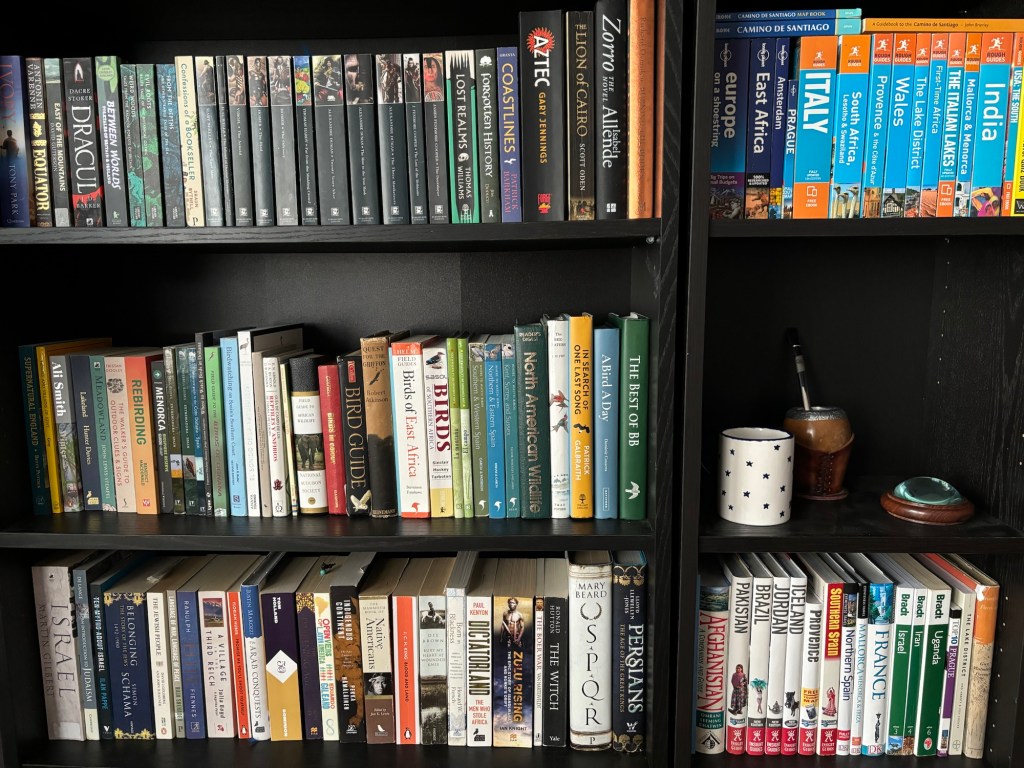
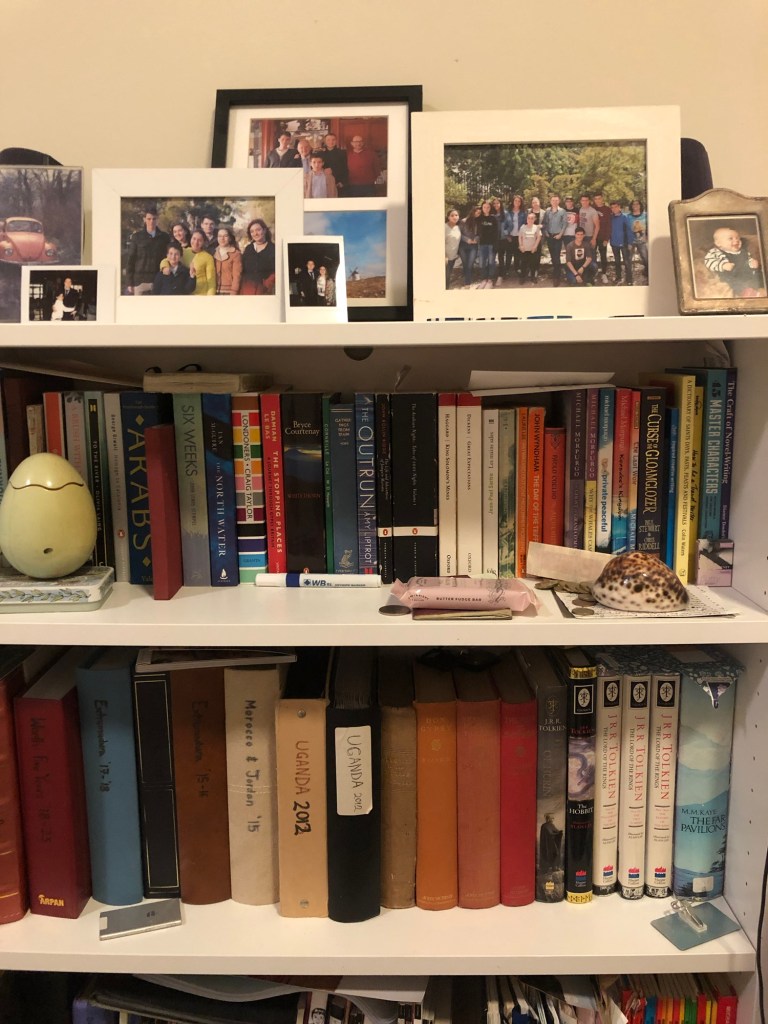
With that thought in mind, I’m starting to look at the world around me with fresh eyes. The flat that’s been my home for two years now seems more detailed than before. The cat-print mug on my desk that probably belongs to my housemaster, containing a shamrock-green bauble, a gift from a Colombian parent. The collage of photos in an IKEA frame of friends from my university days, all but two of whom I haven’t seen in years. Curios on my dresser: a boomerang, a vinyl cover of Fidder on the Roof and three chips from a Las Vegas casino. Photos on my bookshelf: my class of 4° ESO from Villafranca (my first real job), my cousins, the windmills of La Mancha and my mother’s first car, an orange Volkswagen beetle. The mirror that never made it onto the wall, and the blocky but practical Skorva bed that has put in a good year’s shift after the last one finally collapsed after a marathon service (it was a veteran when it came into my possession over a decade ago). Some of these things haven’t moved an inch in two years.

I’m not usually one for resolutions, but I am going to take more of a handle on my own future in 2024. I’ve already thrown the first stone by committing to weekly driving lessons, and while it may be some time yet before I have wheels of my own, that crucial piece is finally on the board. Fortune has given me a later return to work than usual, so I have seized the chance to ring in the New Year with my cousins in Spain, something I have wanted to do ever since we first reconnected back in 2018. It may be that my next post doesn’t have an international airport within walking distance, so I might as well make the most of it while I still can.

I’ll also try to write some more. I’ve been channeling my creative endeavours into the creation of a Spanish culture podcast, but it wouldn’t hurt to flex my writing arm some more on here every once in a while. Even if I’m the only one who comes back and re-reads these posts, it makes for an interesting insight into my mindset at various points of my career.

I’ll check in again tomorrow. Until then – tschuss! BB x

2023: A Year in Pictures

January

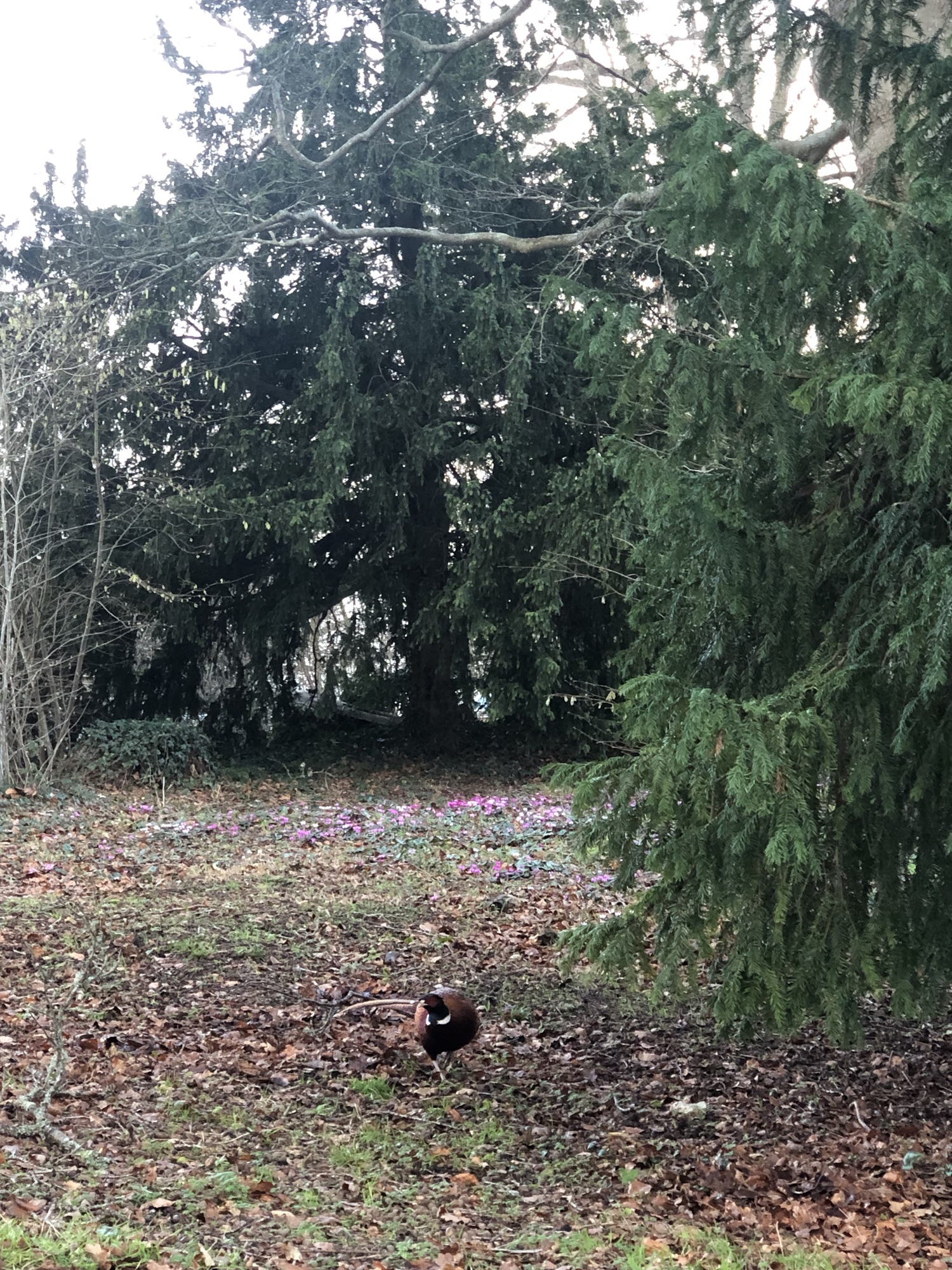
2023 begin much like it is today: wet and windy. In keeping with the last seven years, the year began somewhere new: this time, in an AirBnB in Wilpshire, some two hundred and thirty-five miles from home. It had been a wonderful New Year’s Eve, but a fleeting one: cracks were starting to form in my relationship. I decided to ignore them and looked inwards instead. A few weeks later I saw a pheasant on a stroll around Wakehurst and had no idea that the very same bird would seek me out when things began to unravel several months later. Hindsight is a curious thing.


February

The villagers of South Willingham lost their bid to save the local forest from being turned into a bike park. I know it will bring much-needed money to the area, but a part of my heart always breaks a little when somebody carves up another patch of the earth for human entertainment. I wandered among the trees and soaked in the winter light. No footpath leads through the woods, so I might be the last person to do so. I also passed my driving theory test, but didn’t tell anybody about that for a while.


March

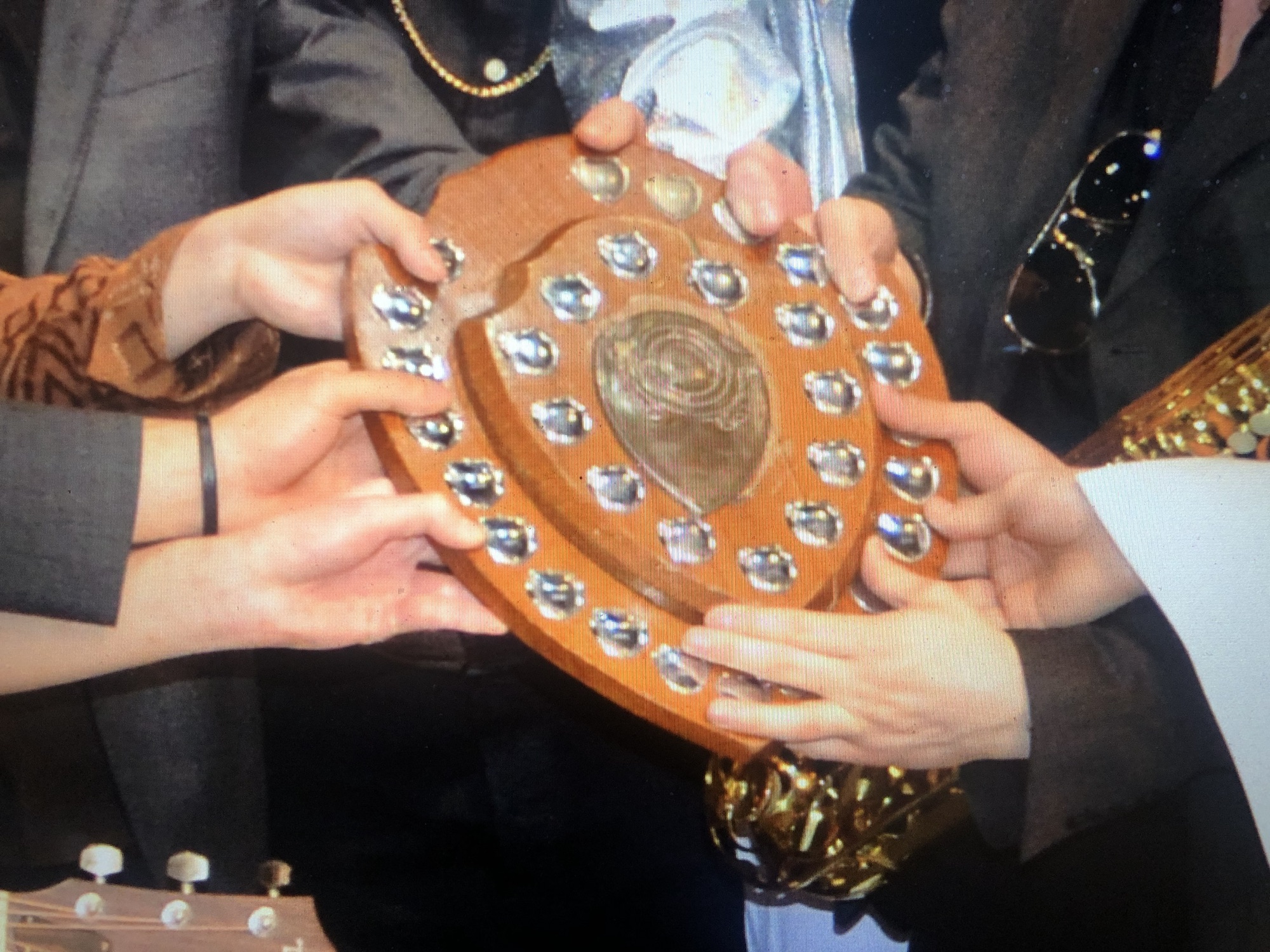
The man who doesn’t take a day off unless he’s dead or dying was very nearly brought down by a fever this term, reaching its peak the day of the House Music final. My very conscientious partner drove all the way up to my place to drop off a get-well-soon care package and gave me clear instructions to rest, but I dragged myself to the school theatre to support my boys in their bid for victory – and was not disappointed. Rutherford took home the House Music shield for the first time in over a decade. I didn’t fully recover until the following Monday, but I rode the high of their success for months afterward.


April

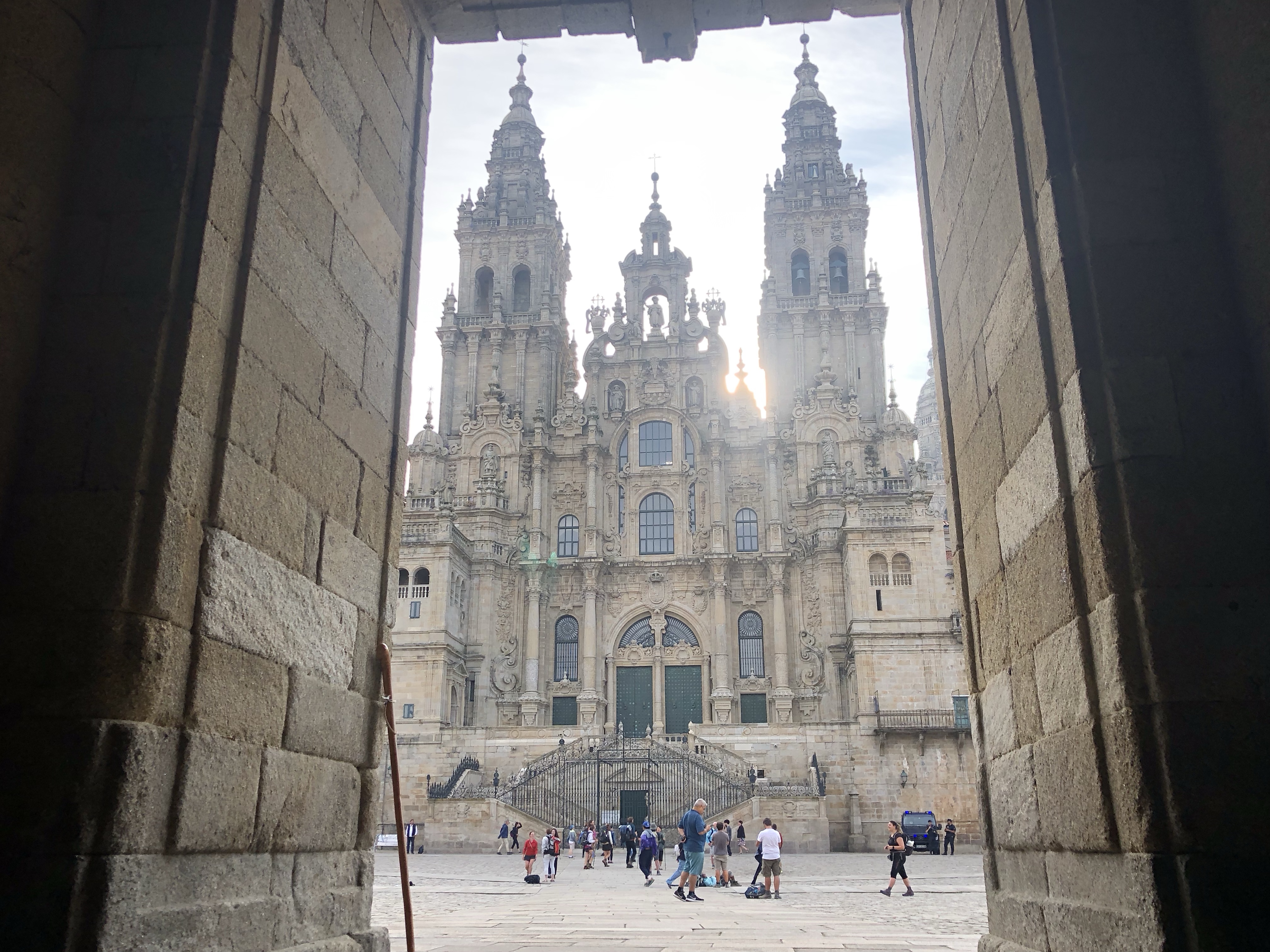
Seeking answers, I sought out the Camino – and the Camino provided. Within days I had found an incredible cast of characters, and had the Easter holidays been longer, I would have gone with them all the way to the end. I walked a hundred and thirty kilometres in just under a week with a Brit, a Dane, a Canadian, a Spaniard, a Dutch girl, a couple of Californians and the most charismatic Italian I have ever encountered – and I have encountered more than a few. I told myself I would be back to finish the job, but I didn’t think at the time that I would throw myself back at the Camino a few months later.


May

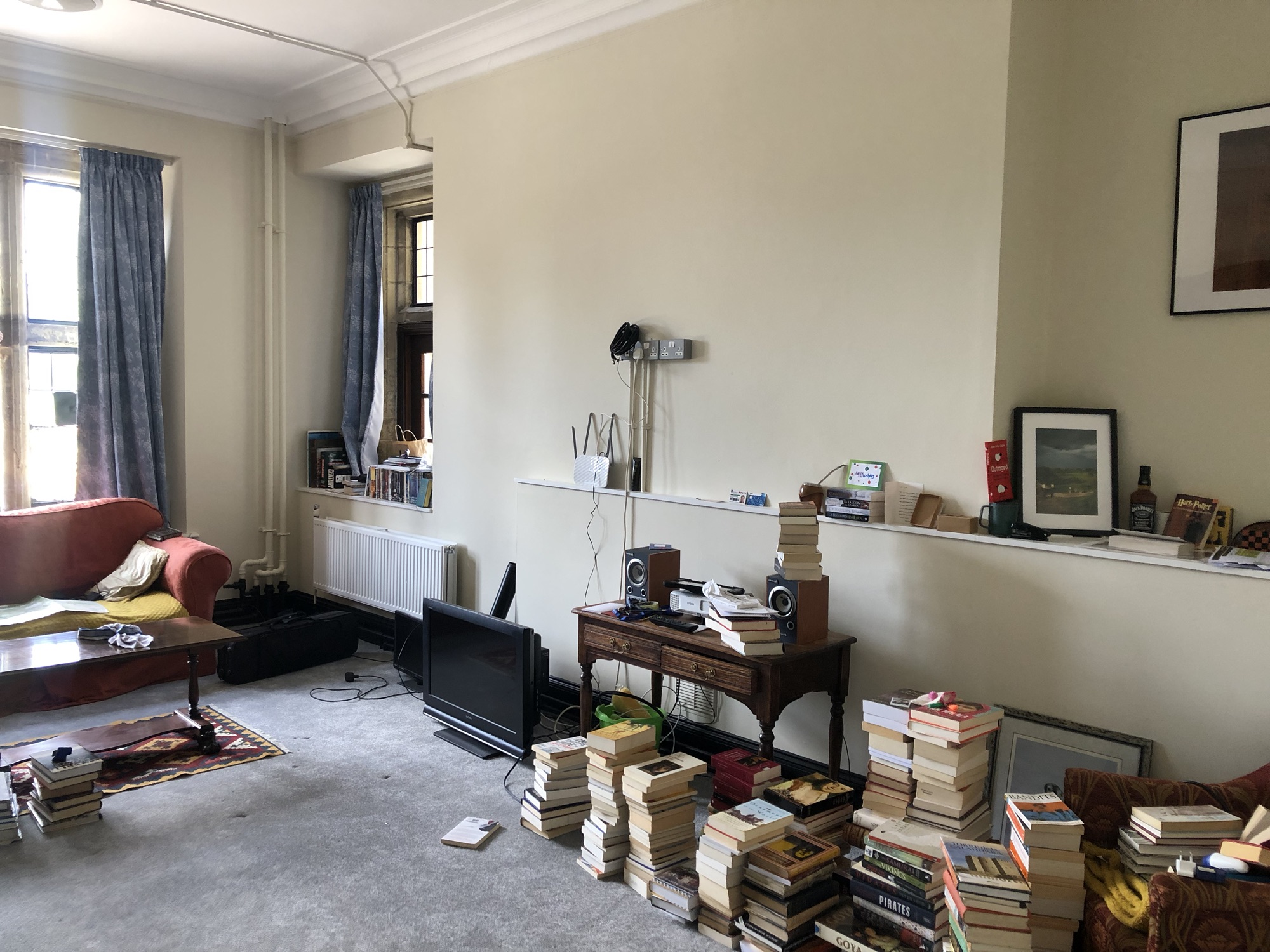
Matters of the heart came to a head. I drifted back to Wakehurst and sat on a grassy bank near the American plantation to clear my head. The pheasant appeared and sat beside me, keeping me company for the best part of half an hour. Say what you like, but animals seem to have a sixth sense for when humans are in distress. My mother’s cat made a beeline for my brother when he was in the doldrums in much the same way. It did not heal my heart but it did a lot to patch it back together. In the meantime, I went at my living room and restructured the place, hoping to find a new sense of direction by altering my perspective and my surroundings. It’s a lot easier to move a bookcase around when you don’t possess several hundred books, though.


June

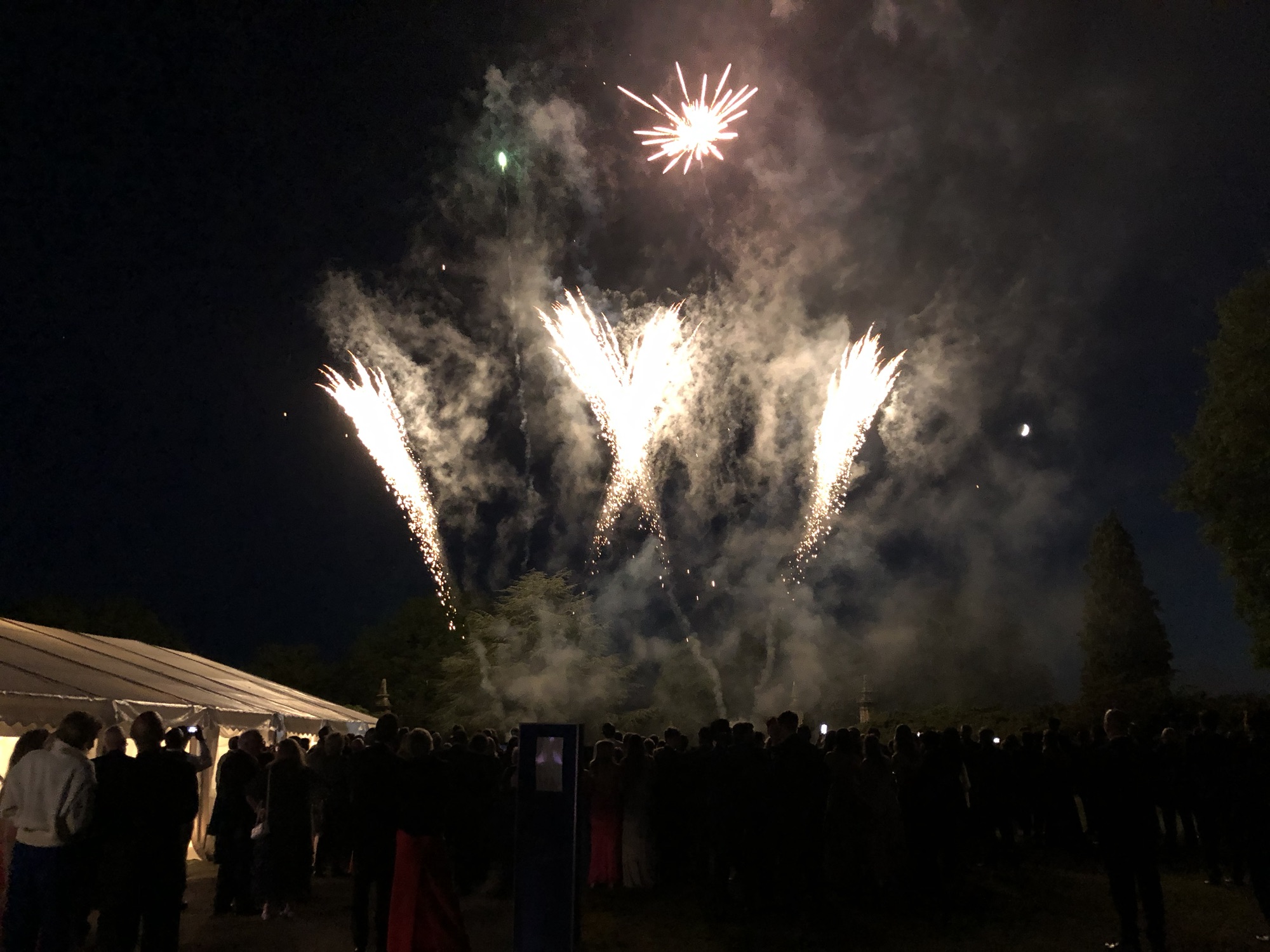
I broke things off with her and felt awful about it – but seventy-eight reports, a bout of vomiting sickness in the boarding house and preparations for the school trip to Seville helped me stay on track. The Leavers’ Ball was more of an event than a formality this year, seeing as it meant saying farewell to a cohort of students who had joined the school at the same time I had. An immensely nostalgic music tour to Salzburg rounded out the month and found me playing the violin at the same bandstand I had played back in 2006, some seventeen years ago. In a very up-and-down year, June was a particularly erratic rollercoaster of a month.


July

I’m quite convinced that the answer to most questions can be found on the Camino, and I had unfinished business from the Easter holidays, so a mere two days after returning from Austria I was back on a plane and bound for Bilbao once again. You’ve probably followed me on that particular journey already, but if you haven’t, you can always start again right here. Three weeks and nearly five hundred kilometres later, I arrived at the end of the world and stared across the Atlantic to America. Someday soon, I’ll take my adventures across that ocean. But not yet.


August

August was a quiet month. August always is. I popped up to London a couple of times and saw some old friends, which was much needed – I have distanced myself from a lot of old acquaintances after the way they upbraided me over the Gospel Choir fiasco, and it took quite a bit of courage to resurface, even though it’s been some two years since. The social current flows fast in the capital city. London remains a charming place to visit, but I’m sure glad I don’t live up there. I’m a lot better at dealing with cities than I used to be, but I’m definitely a country boy at heart.


September

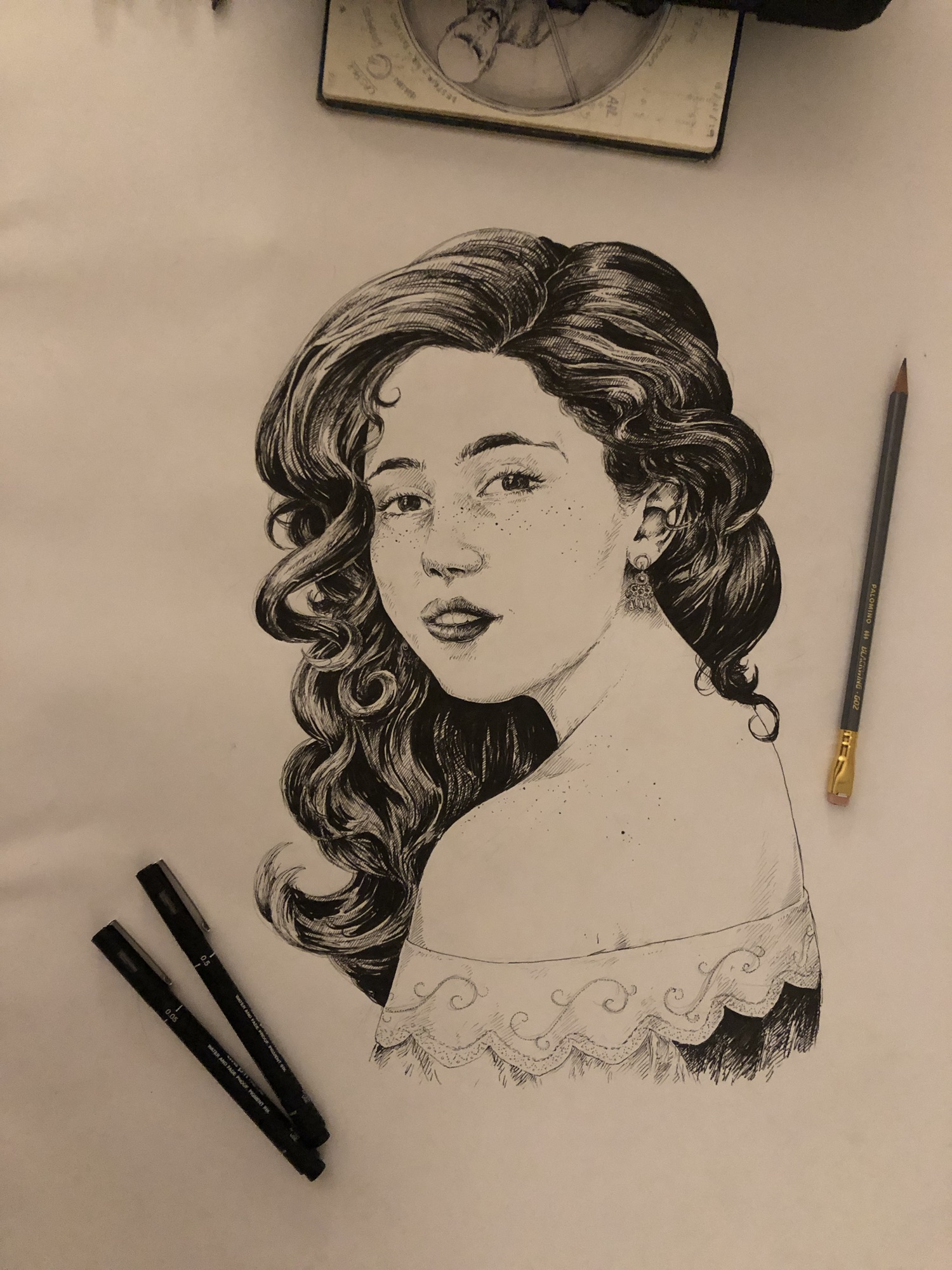
Term started late this year, meaning August was already over by the time the students returned. It wasn’t a scorcher like last summer, but the warm weather stayed with us for quite some time. A new wave of weekend activities and a house camera kept me busy at weekends, and I finally managed to host a party in the flat over the first Exeat of the year, using the old projector to beam karaoke onto one of my walls. I also got back into drawing, completing a giant poster for one of the walls.


October

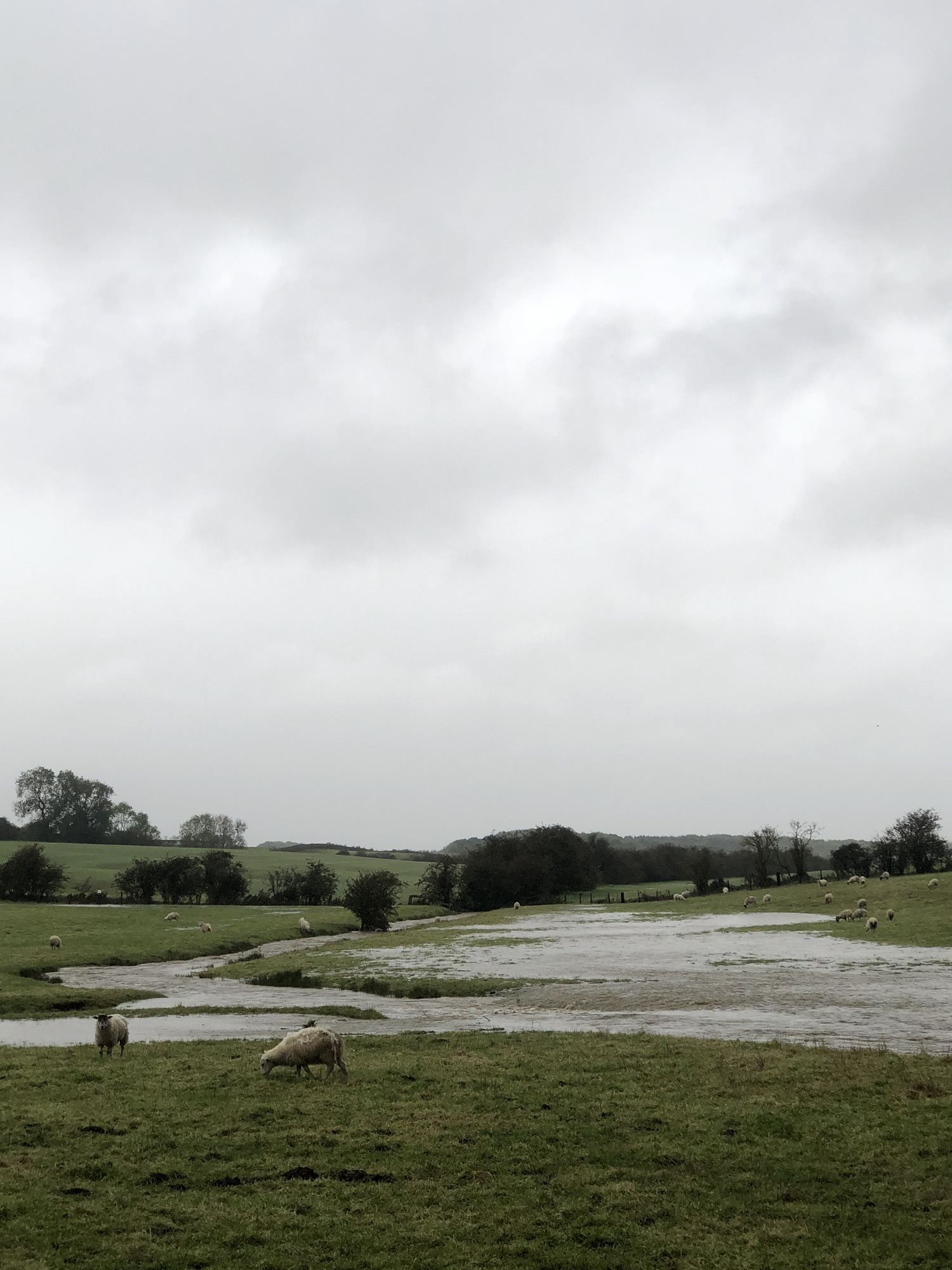
Storms Agnes and Babet tore across the British Isles and put an abrupt end to the long summer days. Sussex remained relatively stable while the roads of the Lincolnshire Wolds turned into rivers. I spent the October half term with my parents and even made it to Manchester to see my brother’s first ever publicly exhibited artwork on the first floor of a fancy riverside hotel. I also wrote a pantomime for my school, but internal politics made it impossible to get off the ground. At least I have the backbone of a script that I can carry over to whichever school I head to next.


November

We lost the first round of House Music, but only by a single point – so there’s hope for my boys yet. More importantly, I bit the bullet and started learning to drive. Finding the time to schedule in two hours of driving during a working week is ridiculous – and probably the biggest reason I’ve put it off for so many years – but, steadily, I’m starting to get the hang of it. Or rather, I was, until a combination of sickness and cover lessons made it impossible to schedule in the last two lessons of term. Here’s hoping I can pick up where I left off in the new year.


December

December hurtled around at the speed it always does, though this year the last stretch did seem longer than usual. I managed to strong-arm Riu Riu Chiu back into the Carol Service at last, which the kids seemed to love, and helped to draw up the motion for the Students vs. Alumni debate, though I was not especially fond of the heavy economical slant in which it dragged the proceedings. My brother spent Christmas with his partner, so it was just my mother and father and I this year. Midnight Mass was bizarre – half an hour of forced carols before the Mass itself began at midnight (rather than the usual 11.45pm start) – but, traditions must be maintained. I blew the dust off Duolingo and got back into learning Italian after more than a year’s hiatus, though I daresay I’ve picked up a little in that time from my students.


This time tomorrow I’ll be in Madrid. Since leaving university I’ve made a point of seeing in the New Year somewhere new, but this year, for the first time since we met, I can finally celebrate it with my Spanish family, so I’m headed for the pueblo to see in 2024. I haven’t seen some of my cousins since my youngest counsin’s first communion back in 2019, so it’s a reunion that’s been a long time coming. Here’s to a good one, folks. BB x

Wildwood

With the summer exams afoot, we’re entering “gained time”. Assessments replace lesson plans, trips take kids out of circulation more frequently, and savvier colleagues do a stock check on their red/green biros (delete as appropriate) for a lucrative summer of script-marking. Since my job description covers not just every year group but also all the conversation classes for the exam years as well, my timetable takes an even larger hit than most at this time of year. As of today, I’ve lost an enviable eighteen hours a fortnight. A man could go mad with that much idleness – so, as I do every year, I set myself a project to fill the time.

This one’s pretty straightforward: read a chapter a day of any book – just one chapter, no more, no less – and reflect on it in less than a thousand words. That way, I’m hoping I’ll develop a better reading habit, as well as keep my writing arm flexed well into the summer. It doesn’t pay £3 per throw like the exam scripts do, but it’s good practice. And who knows? One of these days, when I finally manage to convince somebody to let me try teaching English again, all of this reading might pay off. But until then, I have time to kill and a library to devour.


Guy Shrubsole, The Lost Rainforests of Britain

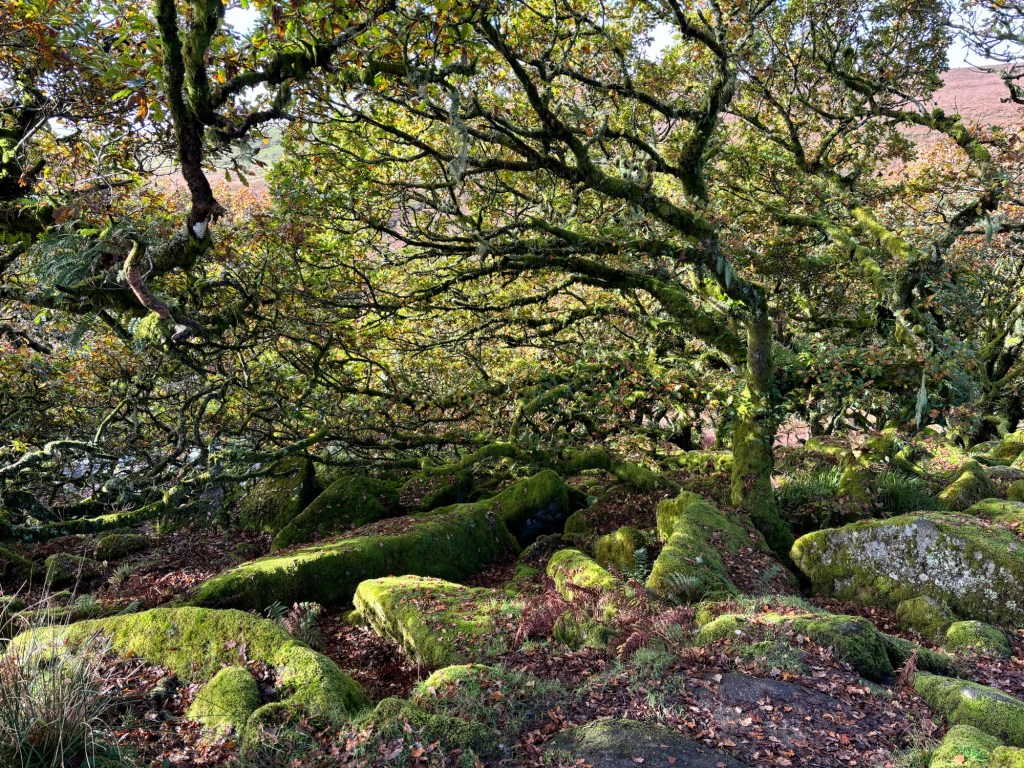
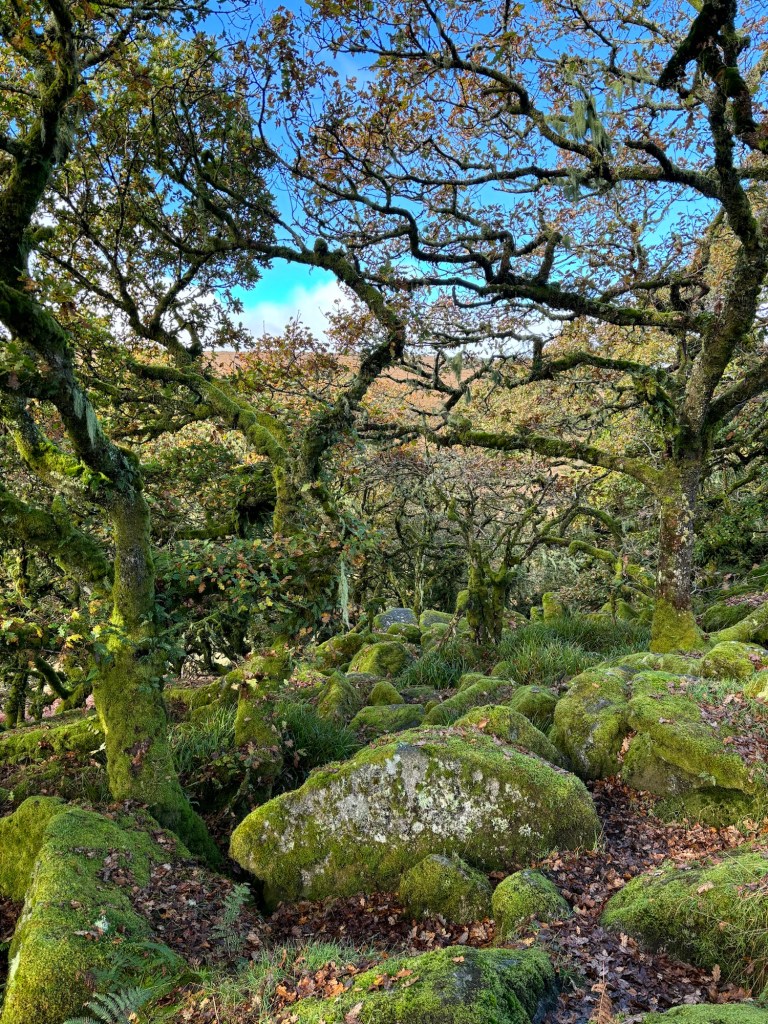
Here’s a book I’ve had my eye on for a while now. Shrubsole knew what he was doing when he hired the illustrator Alan Lee, of Tolkien fame, to design the cover of his paean to the vanishing temperate rainforests of Britain. The gnarled, mossy arms of Wistman’s Wood might as well be an early sketch for Fangorn Forest. Even the choice of a jay for the single flash of colour is inspired – for what bird could be more evocative of the deepwoods of the British Isles than the oak-sower, a creature almost singly responsible for the very existence of our oak forests?

There’s a medicine within the woods that has few equals. If I close my eyes and let my mind wander, I can picture the trees I sought out when my heart was in a bad place. Brabourne, Canterbury, Durham – and even as far as Plasencia. Now I think about it, those “healing trees” were invariably oaks, every one of them. I’m no spirit of the New Age – I live just a little too far north of Brighton for that – but I can’t help but draw something from that coincidence. Is it because they’re the largest trees in the forest? The oldest, and thus the wisest? Is it because their thick branches reach closer to the ground than other trees, like outstretched arms? While the regimented conifers bristle from trunk to treetop with their arms held high in a stiff salute, the oak tree is a serene creature. Motherly, almost.

Shrubsole’s passionately written text takes the reader by the hand into the soaking air of the last remaining rainforests in Britain. I confess I never really thought of rainforests as a British entity, though I would be the first to admit that, when living abroad, my fondest memories of England were of grey skies and the sound of autumn rain over an English wood. I’m incredibly fortunate to come from a line of amateur botanists: my mother was brought up knowing all the different plants and flowers and their uses (as well as which fungi were best avoided), and though I was stubbornly fixated on my animals, she did her best to pass on what she had learned to me. Consequently, I don’t need an app to tell my beeches from my birches. However, I know I’m on an island in more ways than one in that regard.

Since the last Ice Age, Shrubsole writes, we have cut down a third of all the forests in the world, and half of that in the last century alone. In that time, while we awakened to the plight of the shrinking rainforests in the tropics, our own green treasures have been quietly slipping over the edge and into oblivion. The ancient Britons revered the forests that once covered this island. Most of us, however, are a lot less likely to meet a druid than we are that one person who says something along the lines of “such a nice view, shame about the tree” – as though this land were ours to sculpt.

“Plant blindness” is a reality we must accept. Put simply – in the words of Tolkien’s Treebeard – “nobody cares for the woods anymore”. It’s easy to get excited about conservation when it’s got two shining eyes that straddle the line between beauty and vulnerability, but it’s that much harder to extend that zeal to the silent world of plants. Lack of knowledge leads to lack of empathy. As both a naturalist and a teacher, one of my cardinal rules is that once you can put a name to something, it means so much more to you. Perhaps the reverse is true: if you know nothing, your heart won’t bleed when you tread on a bluebell.

Recent studies showed that only 14% of A Level biology students could name more than three British plant species, while an even more alarming survey indicated that 83% of British children were unable to identify an oak leaf on sight. I suspect if I brought in a few leaves tomorrow and asked my Year 9 students to identify them, I’d fare little better. And yet, they’re very aware of the deforestation in Indonesia and the deleterious impact of the palm oil industry. The grass is always greener – or at least, it would be, if we could tell it was grass to begin with.

I’m learning to drive this summer, and I’m not ashamed to admit that one of the only things that genuinely excites me about having a car of my own is the freedom it will give me to explore even more of this country on foot. I appreciate the irony. But with avian flu decimating our seabird populations last year – an article in The Guardian put the death toll at 50,000 – and more and more common land disappearing under the pressure for affordable housing, I’ve never been more conscious of the need to see our green and pleasant land – before it’s gone. Before the baseline shifts, and we learn to accept what was once unacceptable.

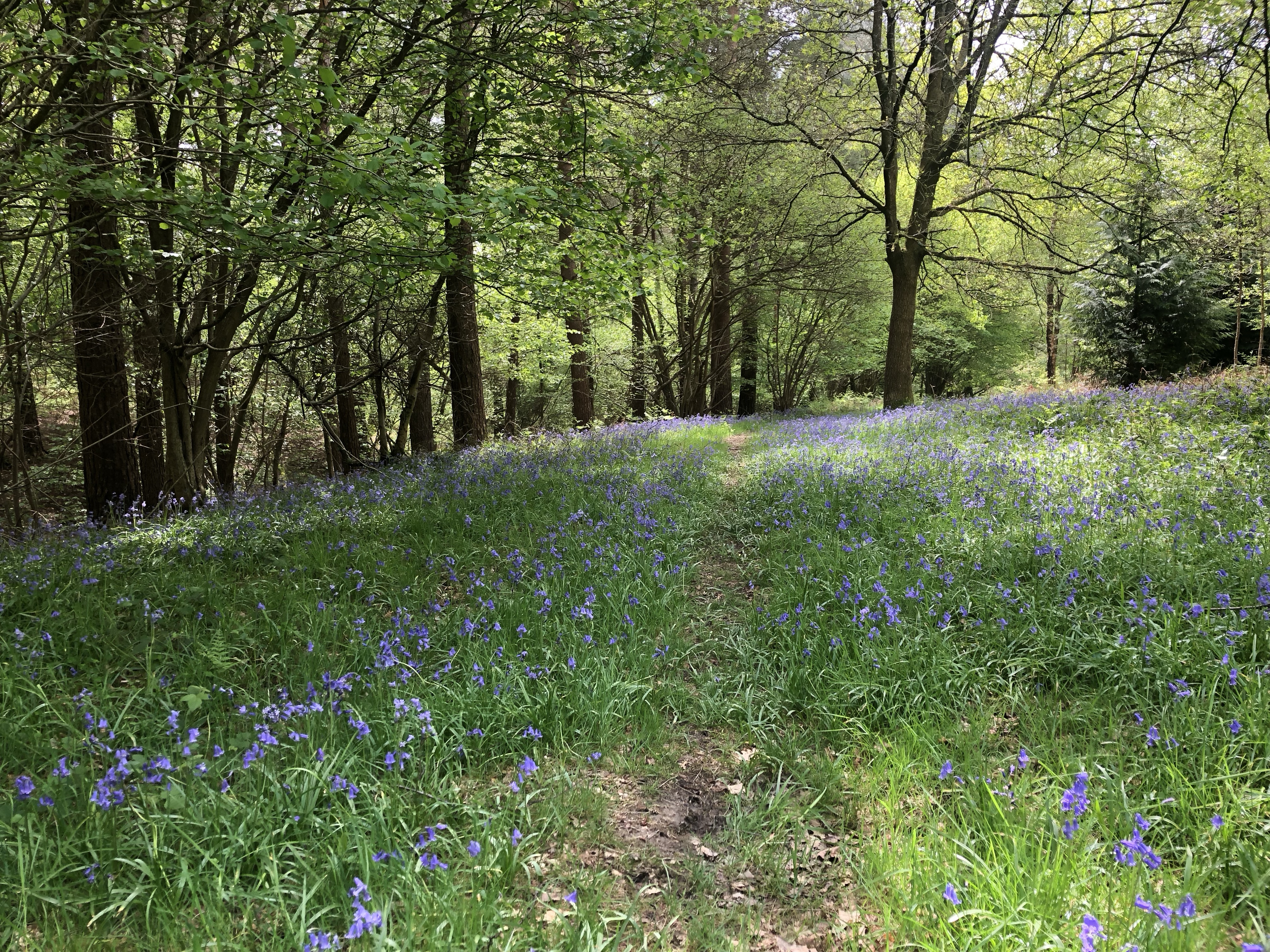
I had a couple of hours between lessons this afternoon, so I took myself for a wander through the estate. I found a toad beneath the remnants of a tarpaulin from the old forest school I used to run three years ago, and a merry carpet of bluebells in their dying days followed me to the deepwoods where a chalk stream gurgles southward on its journey to the sea. A silent pool of rainwater sparked into life as the sun came down, drawing three tadpoles into its warm gaze. Chiffchaffs sang at various intervals, and somewhere overhead, unseen, a buzzard mewed. I didn’t hear our ravens today, but I often do.

The druids were onto something. There really is a medicine in the woods. If only the whole world could see it! BB x


Further Reading:

What is plant blindness? (Kew Royal Botanic Gardens)

Do you suffer from plant blindess? Jon Moses, 5th April 2023

Who owns England? (Guy Shrubsole’s Blog)

Spirits of the Forest

Winter is on the retreat. It began on Tuesday, when I heard a dunnock singing from the top of one of the trees by the church. A tiny foot soldier, the herald of the advance guard that has set up camp at the edge of the Weald, singing his heart out in defiance of the lingering cold. The dawn chorus grows in strength by the day. It woke me before my alarm did yesterday. There are still a few redwings about, but it’s been a long time now since I heard the cackle of a fieldfare, and the evenings are getting lighter. Spring is still a little way off, but it is finally on its way.

I’ve been a lot more mobile these last few months. No, it’s not because I finally have a set of wheels – I don’t, and that is still very much a work in progress – but all the same, it has meant I have spent even more time in the Weald than ever before. While my head and my heart have been busy elsewhere, my eyes and ears have not taken a day off. The shifting seasons and the changes they bring have always been a major source of happiness for me, and there have been so many things to see on my weekly commutes that I’ve been pretty spoilt for choice.

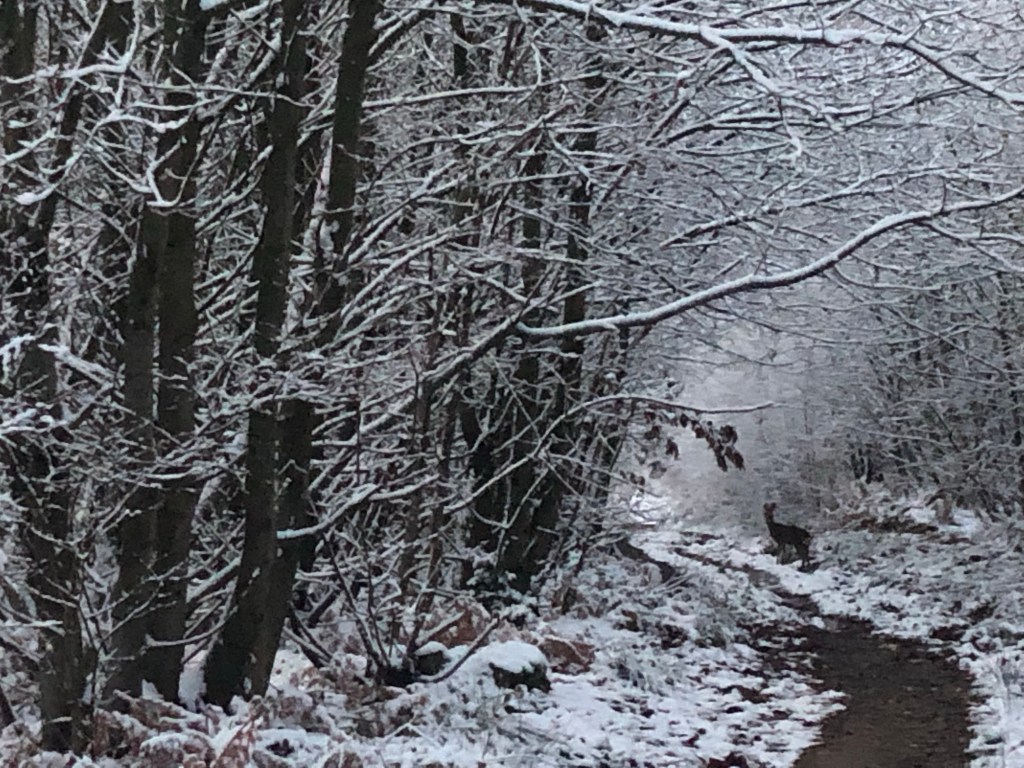
More than a couple of times, I’ve looked over my shoulder to see a roe buck staring back at me. I almost walked right past a couple on my way into town yesterday, and they stood their ground even when I stopped to stare right back. They’re easy to miss at this time of year, blending seamlessly into the starving ferns and leaf-litter, and I might well have missed them more than I’ve seen them. The only obvious sign you get is when they dash off into the woods, their tails flashing white like a signal behind them. When the snow came down in December, they were only too easy to spot. I very nearly missed my train into London because I stopped to let a small herd cross the path into the woods beyond, watching them until they disappeared into the gloom. It wouldn’t be the first time.

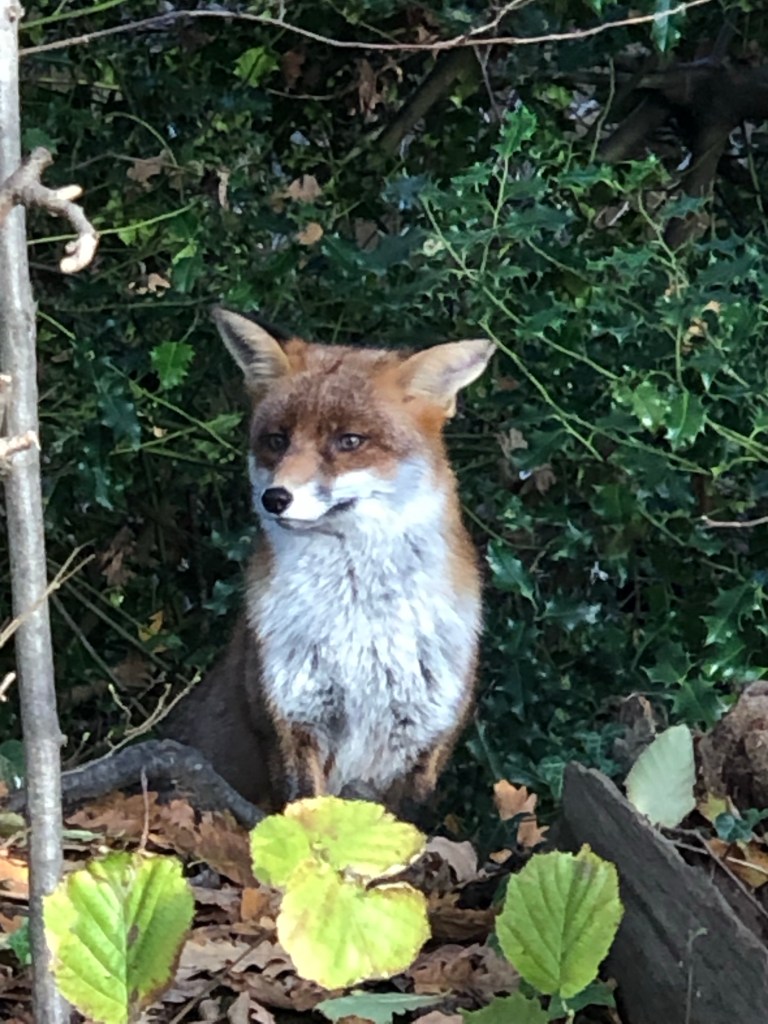
During a cold snap like the one we had before Christmas, it isn’t uncommon to see foxes out and about during the day, since the going gets tough for pretty much everything that lives in the forest. Last weekend I saw one curled up asleep in the open beside the Gatwick stream, one eye open and trained on me as I wandered by. Not too many weeks before, I had a close encounter with a younger tod on the edge of town, which was either so accustomed to people passing by or too hungry to care that I was sitting only a few metres away. Plenty of folk passed by without so much as a sideways glance, which is understandable, I suppose – foxes aren’t universally popular for a number of reasons – but the country boy in me can’t help but stop, and look, and listen. Whether or not they’re virus vectors or poultry pilferers, foxes are undeniably beautiful creatures when you get the chance to have a good look at them.

Then there’s all the voices of the Weald. Snatches of conversations in languages at once familiar and unfamiliar. The croak of the ravens that nest somewhere in the forest. The harsh cry of a hulking grey heron as it soars above the trees. The thin rattling wheeze of a wren, and the answering snare drum of a woodpecker. It’s all I can do to keep my head facing forward on my way to and from lessons at work, lest I make my love for these things painfully obvious. In a very real sense, I’ve been playing the same game since I was a schoolboy. That makes it twice as fun, I guess.

Boy, but it feels good to be writing again. I’m out of practice. I’ll report back when I have something to report. BB x

All Change

Autumn has come early this year. Following in the wake of the fierce heat of the hottest summer on record in the British Isles, many of the trees have started to shed their leaves almost two weeks earlier than usual. Two weeks does seem to be the number: the forest is thick with the musty air of fungus, and the colony of house martins that nest in the school have already started to muster on the roof as though they mean to depart any day now, though they are usually with us well into September. We’re in for a long winter when it comes.

The zenith of the summer stargazing season is behind us now. It’s one of the things I most look forward to about the summer, living where I do: despite the eternal glow from London to the north, the stars and the planets are surprisingly clear. Some of the summer nights this year were so hot it was possible to go out stargazing well after midnight without catching a chill, and I refamiliarised myself with the constellations: the twinkling ‘W’ of Cassiopeia; the Northern Cross; the winding enormity of Draco; and arrayed along the horizon, the bright lights of three planets: Jupiter, Saturn and Mars. It was so bright at the peak of the heatwave that I didn’t even need a torch to find my way around, thanks to the unfriendly glare of the hunter’s moon. While I couldn’t catch the planets with my camera, the Moon was easy enough.

There’s a buzzard that lives in the forest which sometimes quarters the school grounds. A few days ago I saw her from the kitchen while I was having breakfast one morning, and on a childish whim I set out with my camera in hand. I used to be rather good at stalking for a good shot, but I’m a good number of years out of practice. I did manage to get close enough to see the hawk’s eyes with my own, which was the standard I always used to hold myself to back when I was a schoolboy, before it took off over the woods.


Words can’t describe how good it feels to be back at work. Usually, the two days of staff training can feel like a gut punch from the backstage crew as the curtain is yanked back – a kind of ‘playtime’s over, now get out there and earn a crust’. But this year, after eight weeks of on-and-off isolation, it could hardly be more welcome. I’ve been chomping at the bit to get back in the classroom since the end of July at least, and finally, it’s come around again. Only the bank holiday stands between the last few hours of the summer and blissful occupation.

I popped up to London yesterday and bought myself a new suit and shoes in a hollow attempt to pave the road to success this year, but also to treat myself after the success of my first ever GCSE cohort to sit exams came out shining. But will they detract from the beard? I find that doubtful.

Sir has been known to radically change his appearance before. I shaved my head once two years back and braved the raised eyebrows of my kids for months as it took its sweet time growing back. I’ve not cultivated a beard (or a ’tache, for that matter) since my time in Jordan, now seven years ago, and despite my initial apprehensions, I have to admit it’s starting to grow on me – faster than it’s growing in, anyway. I’ve accepted the fact that it’s going to leave me looking more like one of Leif Ericsson’s men than one of Hernán Cortés’ conquistadores – I am three-quarters English, after all, and what Spanish blood I have is more than a little rubio. Still, change is good. One can get too comfortable.


I tidied the flat a bit this morning. Took some clothes to a recycling centre. Did one last shopping trip before the portcullis comes down on Tuesday and ordered a grooming kit to keep this new project under control. The writing bug bit earlier this week, as it always does just before work begins. I guess I need to be busy to be productive.

As the clock runs down, I’m enjoying a warm mug of Cola Cao (courtesy of Garcia’s on Portobello Road) and leafing through one of the oldest books in my collection: a 138-year old copy of Washington Irving’s Life of Mahomet & Tales of the Alhambra. The writing is wonderfully poetic, and it even smells historical. One of my students is writing a project on the Alhambra, having fallen under the same spell that I did at his age – the same magic that ensnared Irving and countless other devotees long before us. It would do me a world of good to clue up on that old obsession once again.

It’s going to be a very busy year, but I’ll write as often as I can – it’s been really therapeutic, getting back into the writing game after a long hiatus. Until the next time, dear readers! BB x

Leveret

The heavens opened last night. The water butts, which were pretty much exhausted yesterday, were filled right up to the brim and overflowing as the rain continued long into the morning. Then the winds blew in hot from the southwest, then the skies clouded over and a chill set in. Looks like we’re back to formula with a regular English summer once again.

I read a couple of articles in The Critic today. Oxford University in a bind over a Benedictine college. Simmering anger against the rising tide of wokery. In the news, US Congresswoman Nancy Pelosi landed in Taiwan against the wishes of the Chinese government, Beyonce changed the lyrics to her latest hit single after outcry against an offensive word and Big Brother announced its return. I could have added that the latter information was revealed at the end of this year’s season of Love Island, but the ambiguity is very much intentional on my part.

I quit the house for a bit, grabbing a worn Barbour coat and a pair of binoculars. Figures if I’m on the wrong side of history, I might as well look the part. Watching the swallows yesterday made me nostalgic for the long, quiet days of my childhood when I would set out into the countryside with my camera in search of nature. It was a bit warm for the Barbour, despite the clouds, but it’s a damn sight better for blending into the khaki hues of the English countryside than anything else in my wardrobe.

Lincolnshire seems to have quite a sizeable population of hares. You don’t see so many of these impressive creatures in the south-east. Being larger and more skittish than the rabbit, they don’t cope so well with how crowded it is down there. Neither the rabbit nor the hare are native to these islands. Both were brought over here by the Romans – for sport and for eating, if not for some early scientific whim. Our only native species is the mountain hare, and you’ll have to travel to the wildest parts of Great Britain and Ireland in order to find them. Ultimately, that’s neither here nor there: two thousand years have come and gone since the Romans were here, and the hares that race across the fields are by now as English as the oaks that have grown in our soil since time immemorial.

The hares I saw in the fields behind the house were only youngsters – leverets. They hadn’t developed the long and powerful back legs and enormous eyes that make adult hares so striking. They also weren’t as fleet-footed as adults, who will usually disappear in a black-and-tan dash into the middle distance long before you can get close. They let me approach further than I expected before deciding the Goldilocks line had been breached, and off they went. I followed, slowly, at a distance, and caught up with them by the sand martin colony. One hung back to watch me for a few moments before slipping through the fence and bounding after its sibling. After that, I climbed the fern-bound rise and scanned the forest for a while, listening to the wind in the trees and the buzzards calling. It feels good to be back in nature again.

When I get back home, I really must get back in the habit of spending more time in nature again. I’ve neglected this side of me for too long. At the end of the day, I love to try my hand at various things, but under all those layers is a naturalist. Life is a mosaic – you never lose who you were, or the people you’ve been at various stages of your life. You will always carry them with you in one shape or another. The largest shard in my mosaic is an earthy brown, like the soil; greenish-grey, like oak leaves; and bluish-white, like the sky. I need to go back to nature. I need to go back to being me again. BB x

They Bring the Summer

The year is turning. Can you feel it? The light in the morning has shifted ever so slightly, but it’s noticeable. We’re past the peak, and before long the red-gold winds of autumn will be upon us. Thanks to the fierce heat we had in July, some of the trees are already wearing their russet cloaks. I shouldn’t be surprised if we’re in for a long, dry winter this year. Perhaps that’s the way of things to come, perhaps not. Time will tell.

The family of swallows that nests in the barn near the house have had a very successful year. I counted eleven of them on the wires this morning: two parents with full streamers and nine noisy youngsters whose tails have yet to grow out in full. I had to count twice because of a sand martin who seems to prefer hanging out with swallows than his own kin, who have a colony in a field half a mile down the road. There comes a time every year, usually in September, when the swallows and martins suddenly gather en masse in a noisy spectacle before setting off for the south. We’re not quite there yet, no matter how abnormal this summer’s weather has been, but it sure felt like a nod to that day this morning.

Swallows, swifts and martins – collectively known as hirundines, which might have something to do with the Latin word harundo, meaning the forked shaft of an arrow – really are some of nature’s miracles. The tiny flashes of blue and white that dance over the fields with such cheerful abandon in summer travelled around 9,700km from their wintering grounds in South Africa to get here, and in the space of a few short months they have to make the same journey all over again in reverse, this time with their young in tow. Most estimates have them traveling about 320km every day. That’s a bloody long way to go when you’re only a few months old!

This morning the family looked like they were getting some practice in for the long journey ahead. Mum and dad would sit with the youngsters on the wires for a while, chattering amongst each other while the kids preened endlessly, before suddenly taking off and wheeling about the garden with their offspring racing after them. They might have been hunting, of course, but some of the young ones were far more interested in playing keep-up with a pigeon feather, catching it and keeping it from touching the ground, the way children sometimes do with a balloon. It was really quite endearing to see.

In the past, where our swallows went each winter had us stumped. There were some truly bizarre theories floating around. Following in Aristotle’s footsteps, some thought they hibernated underground. Some thought that they slept at the bottom of deep lakes and ponds, since they spent a great deal of their time hawking over the water during the summer months. One 17th century theory, courtesy of Englishman Charles Morton, claimed the Moon as the swallows’ winter destination as the only logical explanation for their total disappearance. It sounds absurd, but it’s not so outlandish a theory when you try to imagine explaining that these tiny creatures travel further twice a year than most humans will in a lifetime. It even makes the underground hibernation theory seem plausible!

It’s an incredibly hazardous journey, and not every one of our brave swallows will make it there and back. There are all manner of dangers they have to face: sea crossings, storms, high winds, predation by hobbies (consummate swallow-catchers), not to mention human interference – some will be caught for food, and the Maltese in particular are infamous for their practice of trapping migrating birds by liming fences. And then, of course, there’s the mighty Sahara Desert. Michael Morpurgo wrote a fantastic children’s book about that journey – Dear Olly – which you should read if you want an idea.

So why travel all that way? Competition might well have something to do with it. After all, Africa has plenty of swallows of its own (without all these European swallows “comin’ over ‘ere and takin’ our jobs” etc.) and fans of Monty Python will be well aware of the fact that African swallows are non-migratory. On my travels around Uganda during the rainy season (November) back in 2012, I saw plenty of familiar-looking swallows hawking over the White Nile, but most of the birds I clocked were local species that don’t travel far from home. Still, I couldn’t help wondering whether maybe just one of the brave little birds flitting by had crossed my path sometime before, either in Spain or the south of England. How’s that for a flight of fancy! <groan>

Greater striped swallow, Ishasha Lodge (Queen Elizabeth National Park) Uganda, 18th November 2012

Swallows are remarkable creatures to watch. While we still have a few weeks left of summer, try to find a few minutes to enjoy the little winged miracles. I’m sure they do wonders for one’s mental health, but to use less clinical terms, they sure can lift one’s spirits. Today, for the first time, I saw two of the youngsters doing something I’ve never seen swallows do before: sunbathing. Plenty of birds do this kind of thing to regulate body temperature, but it’s the first time I’ve seen swallows in the act. It was just two of them who kept leaning over in the sunlight – the others were far more interested in preening, though the sand martin looked as though he wanted to get in on the action!

One swallow does not a summer make, but their departure certainly puts an end to it! If you’ve enjoyed reading my homage to our chatty little neighbours, you might find the links below worth a browse, too. Until the next time! BB x
https://www.historytoday.com/archive/natural-histories/great-migration-mystery
https://www.rspb.org.uk/birds-and-wildlife/wildlife-guides/bird-a-z/swallow/migration/

Greenheart

I’ll be frank. Summer is my least favourite season. Summer is, in the vocabulary of my students, “dead”. Most of the birdsong is over for the year, the whole nation is out and about and the holidays stretch on for what feels like forever (especially when you work in a private school). There’s a dry stasis in the air that you don’t get in the changeling months of spring and autumn and you’re too cold to notice in winter. This summer, as is tradition, I’m spending my time between watching documentaries and watching the clock. There’s not all that much else to do when you find yourself in the countryside far away from everyone you know.

There are, however, massive perks to being here. A few days visiting my parents in Lincolnshire usually throws up a chance to explore somewhere new, and though today’s ramble was more of a wander “round the back” than an adventure per se, it was a beautiful reminder that there are some things that make an English summer worth seeing.

Up on the wolds near Donington, I heard a quail. It’s been years since I heard one in this country, but once heard, you never forget. That iconic wet-my-lips call carries for miles, especially under a hot midday sun when the only other sound is the wind. It reminded me of the green riverbanks of the Dehesa del Banco, where the call of quails was just one instrument in a wetland symphony: percussive reed warblers, the accelerando snare of the corn bunting, the indescribable beauty of the bee-eater’s woodwind and zitting cisticolas going zzzzit zzzzit zzzzit overhead. It sure felt nice to be taken back there from the sunlit uplands of Lincolnshire.

The skies here are immense. The land seems to go on forever in all directions. You get a real sense of eternity in this vast corner of England. Little wonder, then, that so many Lincolnshire folk hoist the red and green county flag over cars, windows and doors. And yet, as is so often the case in England (and why I really didn’t take too well to life in Jordan), you’re never too far from a dark forest, which – admittedly – are especially peaceful places in the quiet summer months.

I tried to explain to my companions in Amman again and again the importance to me of green spaces. I think at the time I said I needed more trees, and was quite rightly told there were plenty of trees in Amman’s parks. But there’s something very special to an Englishman about the quality of light that can be found filtering through the trees in an English wood. Something about the infinite shades of green, alder branching over ash, ivy climbing up oak, a ceaseless communication from leaf to leaf, tree to tree. Little wooden fences put up by one of the country folk using fallen branches. The sound of the wind in the leaves: the way it chatters and whispers through the oak trees, and sings without syllables in the firs. Stop and listen the next time you’re near one and you’ll see what I mean.

It’s a magical feeling, standing in the dappled shade of an English forest in summer, and the loss of it in Amman broke my heart, I think. It was, perhaps, the time in my life when I stopped hating on my English heritage and came to appreciate the land where I was born – which, I think, is a stage we must all go through at some point in our lives. Not making peace with the establishment, exactly; rather, making peace with one’s roots. Learning to love the land that made you who you are.

Ten years ago today, I was spending my final childhood summer gigging with my funk band in an attempt to distract from results day. Two months later found me teaching for the very first time in a private school in East Africa. It’s been a colourful decade since then. I feel like I’ve lived around the world in my twenties: Durham, Jordan, Morocco, Sussex, Dorset, Lincolnshire and various corners of Spain. I’ve also found a real fondness for Edinburgh, reawakened my love for France and started a love affair with Italy. And while all those LinkedIn “so grateful for” posts make me want to throw up into my hands, I have to admit I’m incredibly lucky to have had such a colourful decade. I wonder where the next ten years will take me?

I hope She is out there somewhere. I never lose faith in that. And faith, as always, keeps one believing in a better tomorrow. For now, there is the English countryside and the sounds of summer. I can live with that. BB x

For Whom the Bell Tolls

My provisional license arrived in the post yesterday. My second, I should say, since after a very thorough summer holiday shakedown of the flat I’m convinced I must have accidentally thrown my first one out with the trash months ago. It’s put a major stopper on the whole learning-to-drive this summer by holding up the theory stage, but now that it’s here I’ve got no excuses. I should get booking.

But first, I’m getting out of here for a few days. I’m done with scrolling, hoping for contact from the outside world and turning off the WiFi for a bit of enforced internet downtime. Summer holidays just drag on and on when you have nothing to do, so I’ve decided to get out there and do something.

So here I am in the ferry terminal in Portsmouth, waiting for the 22.45 to Caen. The overhead telescreens keep alternating between the blue departures board and the vivid blue and yellow banner of Ukraine. The BBC News app remains focused on the heatwave, though the magic number 40 has disappeared from the headlines – “temperature tops 38C and likely to rise”. Five stories down, Tugendhat is eliminated from the running for Tory leader.


It certainly was hot today, but it didn’t feel much like that blisteringly hot summer holiday in Jerez almost twenty years ago. Despite the threat of 40°C heat, the breeze rolling in across the Weald kept the school grounds pleasantly cool. Even so, the signs that this has been an unseasonably hot few days are clear. When I went out to do a little reading in the morning, the summer soundscape was there: the echoing whack of a tennis racket, the ceaseless chatter of the house martins, grasshoppers chirping lazily in the meadow. A few hours later, the whole place was silent. Only a lone crow broke the stillness, and that was just the once.

I thought the train journey would be problematic due to the hysteria in the news, but despite the grovelling apologies over the Southern Rail tannoy, the train was only ten minutes late pulling into Portsmouth – which is remarkable, given how prone to delays they can be outside of a national crisis.

It’s a beautiful train ride, the route from Crawley to Portsmouth – one of those British rail journeys you should tick off the list, like the one from Darlington to Edinburgh. I never get tired of passing Arundel Castle and the fens at its feet. A childhood spent in and out of various salt-marshes around Kent has left me rather fond of their bleak serenity. Herons stalking the water’s edge. Egrets bedecking the bushes like so many plastic bags snagged on the branches.

Suddenly, an intensive greenhouse-farm appears, concealed from the outside by a thick growth of trees. A ravenous human hand clawing the depths of the earth to satisfy a hungry world. And then it’s gone, the train is hurtling forwards and I’m back in the marshes. I could be looking into the past or the future. I remember the fate of El Acebuche, its silent reeds swaying in the wind, and I’m not sure I want to.

The French family in the seats behind me must be headed for the ferry port, too. At least, I guess they are – I’ve caught the word “bateau” often enough. The children swap in and out of French and English without much of an accent overlay in either. The father speaks only on French, until he stops the ticket inspector to ask if she can turn off the air conditioning. “Don’t you think it’s rather nice, as it’s so hot out there?” – “For five minutes is nice, but it’s freezing.” – “If I were you I’d enjoy it.” At the next stop, the father gets out to soak up the sun. His daughter only just coaxes him back on as the doors close. Before he returns to his seat, he steps into the next carriage, remarks that it’s warmer, and moves. Within minutes the rest of his children have followed suit. It seems petty, but they have a point – the air con was turned up so high I had goose-flesh for half the journey.

I haven’t been to Portsmouth before. The last time I caught a ferry in this neck of the woods was from Southampton, but that was many years ago and we didn’t stop. I had four hours to kill and not a lot to do, so I picked a spot in Victoria Park and watched the world go by. The bells of St John’s sounded for seven. They sounded strangely mournful, but though I hummed the melody back a couple of times, I couldn’t work out why. Two handsome women wander by, their accent West African and intensely musical. Three kids hurtle past, one on a scooter, two on skateboards. One wears a red-and-black chequered shirt tied around his waist (did everybody own one of those shirts at some point?). A family of cockatiels screeched from an aviary in the centre of the park, stolen away from their home far beyond the sea to entertain the fancy of the British public. An ancient Chinese bell stands nearby and seems to serve a similar function, pilfered – it says so in almost as many words on the plinth – during a campaign in Taku. A cryptically-worded message daubed above reads “Perpetual Felicity Achieved” in austere capitals. A breeze blows and the bell moves a little, but it makes no noise. Some cage birds stop singing after a while, too.

As the sun sets, I head to the port. The heat and the hysteria have driven everyone indoors. The high street is virtually empty. Just a couple of kids with drinks they’re nowhere near old enough to drink and a level of delirium to match, and a weatherbeaten gentleman sleeping in the shadow entrance to an Ann Summers store. A grey mannequin in turquoise lingerie poses suggestively through the window at him, blowing a kiss. He wipes his nose, shakes his head violently and turns the page in the book he’s reading.

There’s plenty of folk driving here and there, but nobody on foot. For several minutes I feel like the only human in the city. A couple of Deliveroo me go by on their bikes. A bearded man in a red-and-black chequered shirt worn over his t-shirt, bent over almost double. I pass an outpost of the Redeemed Christian Church of God in a backstreet, and later, the house where Charles Dickens was born. Everything is shut. The high rasp of a motorbike going by, the evening heat and the strangeness of a new place… It almost feels like I’m abroad already.


But no. I’m still here in the terminal. Boarding starts in ten minutes, so I suppose I’d better close there. A demain, mes amis. France is calling! BB x

For the Glory of Jellyfish

Tuesday 12th July, 11.13am
Hassocks Station

I needed to get out. While it was ultimately my decision to come back south to my flat and cut myself off once again – and I stand by that decision – it’s all too easy to go stir crazy in here on my own. I was angling on getting out and seeing friends for a couple of days, but as my plans fell apart, I’ve had to take the reins myself. So I decided to strike out for the coast. Brighton always makes for good writing, that perfectly bizarre city.

It’s clearly a school trip day today. The train south from Three Bridges was absolutely rammed with saaf Landan kids in high-vis jackets, their beleaguered teachers sitting close at hand, identifiable for the throbbing veins in their temples if not by their lanyards. Standing room only. It’s kind of noisy in the gangway, so I pop my headphones on. The Spinners’ Rubberband Man cancels out some of the angrier verses the kids are throwing around from their phones. I don’t understand the unbridled rage in that kind of music, much less its magnetic appeal to kids. Give me the laidback fun of the seventies any day.


12.40pm
Brighton Palace Pier

Somehow it took me all of an hour to get from the station to the pier. Time slips through my fingers in a bookshop. It’s as though Waterstones operates in its own dimension. That could well be because I’ve become a lot more tactical when it comes to book-buying, taking the time to really get a flavour for a book before deciding to add it to my collection. As a general rule, any and all books on Spain (pre-20th century) go straight into the basket, but I’ve genuinely reached the stage now where if I don’t have it, it’s not worth having. There’s still a wealth of material out there in Spain in Spanish, but with Spain’s ludicrous stance on FBP, shopping for books over there is simply not economically viable. At the moment I’m trying to pick up my European reading challenge where I left off a few years ago, so I sought out a Ukrainian book to add to the collection today. I thought I was onto a winner with Sholem Aleichem’s Tevye the Dairyman – the forefather of Fiddler on the Roof – only it turns out, predictably, my mother already bought the book years ago. Still, no matter. That’s one more book I can feel better about giving away someday.


1.27pm
Brighton SeaLife Centre

Yes, I visited the aquarium. Don’t judge! When I was a kid I used to love going to aquariums – or the more ecologically-sound sealife centres, as they are so often called these days. Nausicaa across the Channel in Boulogne was a personal favourite, but Hastings’ SeaLife Centre came a very close second.

It was pretty much deserted. A large primary school group came in after me, but they never made it any further than the cafe housed in the original Victorian aquarium. I felt like a kid again and challenged myself to name the fish whose names I’d furiously memorised more than twenty years ago. For some crazy reason it’s all still there. From loach, tench and trout (easy mode), to snakelocks anemones, garden eels and corkwing, rainbow and cuckoo wrasse (standard) and on to pacu, Bloody Henrys and discus fish (hard mode). It’s a safe bet that the reason I had such a hard time learning anything in science class was because that part of my brain was stuffed full of animal trivia. If only biology had been about animals and not plant cell structure…! Who knows, I might have gone on to study it. As it is, I was bored stiff and let it go as soon as I could.

I stood and watched the turtles for quite a while. I don’t think I’ve ever seen a live sea turtle before. My god, they’re huge. Nature found a perfect recipe over 100 million years ago and decided ‘yep, that doesn’t need any more work’. Like sharks, turtles have been around for millions of years. Watch a turtle fly through the water and you’re reminded of how pathetically short our time on this planet has been by comparison. Only, these turtles looked a little stereotypic. One bit the other on one pass. Creatures can develop odd behaviours when they’re cooped up in small quarters. Maybe that’s a window into what’s happened to me in my flat this summer!

On to the jellies. I could have come here for the jellyfish alone. They’re absolutely mesmerising to watch in flight, pulsing slowly through the water, their hair-like tentacles trailing behind them. Another perfect life form that has seen millions of years of evolution come and go. Almost all sci-fi flicks imagine aliens from other planets as bipedal if not all-but human in appearance (Doctor Who and Star Wars are the prime examples), but if I were a betting man, I’d stake a fair amount on extra-terrestrials looking more like jellyfish than man. Isn’t it rather selfish of us to assume that ours is the perfect life form when turtles, sharks and jellyfish – hell, even cockroaches – have outlived us by millions of years? And on that note, I’d better clear out of here before I sell out mankind to the invading jellies faster than Kent Brockman.


2.58pm
Artists’ Beach

After nearly betraying humanity over a jellyfish and admiring the beautiful world beneath the waves for an hour, I promptly went outside, climbed the steps up to the palace pier and ate a battered fish with chips and vinegar. The irony was fortunately lost on the hoarse chippie vendor, who barely got the order numbers out in a grating voice. A group of girls next to me got their orders in after me, but somehow got their orders out first. £8.20 for fishcakes and chips seemed a bit steep compared to the £5.40 deal just 200 metres from the pier, but it was good quality, and since I barely managed to finish it, I didn’t have to wash it down with a tot of buyer’s remorse.

Brighton was packed with graduands this afternoon, red-faced and sweating in their full academic dress for the 28°C degree heat. If they opted for modesty, the other beach goers didn’t get the memo. British flesh on florid display, ranging from lobster-red to milk-white. A few lucky sightseers with bronze skin seemed to walk a little taller, but they were definitely in the minority. Lifeguards, street vendors and tramps made up the rest. Folk who have little choice but to soak up the sun.

Freeze frame. I pop the chip-box in the bin and look around – and really look. Yuppies in “gap-yah” pants and strappy tops. A lady in a wheelchair, and two women at the traffic lights who get to discussing behind their hands how she might have ended up there (the kind of curiosity my generation loves to hound out as aggression). Goth-types with nose rings, vape-sticks protruding from their fingers. On that note, cryptic vape ads everywhere (what on earth is the appeal?). A squadron of Korean cyclists suiting up on the sidewalk. A cormorant flying east along the coast. The indefatigable enthusiasm of the man selling rides on the motionless merry-go-round. A boy with what looks like rickets going by. The blonde girl in her thirties singing her heart out to a crowd of beachgoers enjoying a late lunch. Nobody is looking up at her.


3.35pm
Preston Park Station

The train home is much emptier, but I still walk the length of the train to find a carriage to myself. I pop the headphones back on as the train begins to pull away and Manu Dibango comes on. Sax City, Africadelic and Soul Makossa. Dibango was one of the victims of COVID two years ago. Like Marvin, James and Luther, that’s one more of my favourite artists who I’ll never get the chance to see live (or alive, for that matter).

During the Gospel Choir debacle, I spoke to a colleague and asked for their thoughts. They said they had thought a lot about the issue of music in a post-BLM world, and questioned even having been to a soul music gig as a white person. That messed with my head for months. It’s not that I don’t rate musicians who look like me, but give me a choice between Ed Sheeran and Fela and it’s Fela every time. Pop is catchy, but disco is eternal – it just keeps on giving, fifty years later. Folk is clever but Soul finds notes that folk just can’t. And highlife is surely a candidate for the most feel-good music genre on the planet. How can you deny yourself the chance to listen to such wonders on account of a feeling of awkwardness?

I’m all for better representation in the music industry. It needs it. I just hope we don’t end up carving ourselves up into islands where we can only listen to people who look like us, think like us, talk like us. And I mean that literally as well as musically. Social media is doing that already. It’s a dangerous path we’re treading, and I hope we can weather the storm that’s coming.

Would you look at that. I’m back to sermonising. I think I was doing better with committing acts of high treason for the conquering jellyfish. Time to go. Blppp blppp blpppp. BB x