Retreat from the Heat

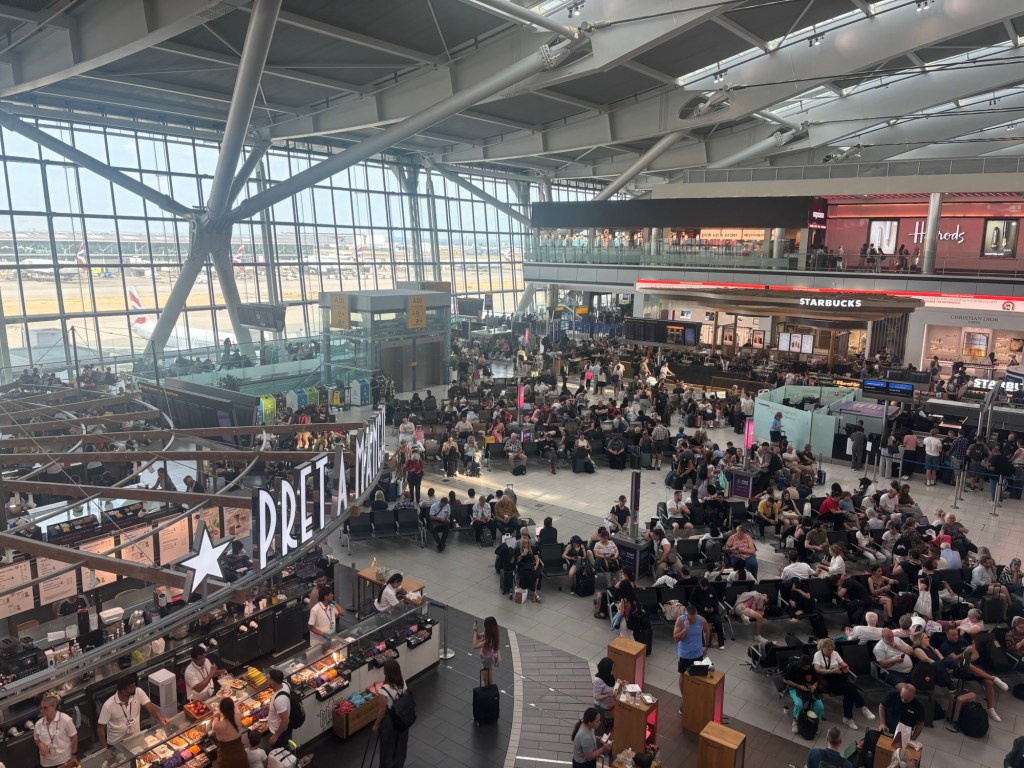
London Heathrow Terminal 5, London. 20.00.

So far so good! I hit the exact hurdle I expected at check-in – namely, Iberia failing to allow for middle names and slapping them on the end of my surname, making for one heck of a name – but the lady at the desk waved me on in without a fuss. My suitcase is off on its merry way, and in another half hour or so I’ll leave this charging station and set out after it.

It hadn’t really dawned on me quite how far a fourteen-and-a-half hour flight truly is until I saw it printed on my boarding pass. That’s an odyssey of a journey right there, and all of it in the dark, being one of those nightchaser flights that seemingly travels backwards in time.

My contact in Santiago has got in touch, so I no longer need concern myself with my suitcase once I reach the other side of the world – and that really is a load off my mind! I have an aisle seat at the very back of the plane, so I can’t guarantee I’ll have slept all that well by the time we arrive. I hope they have a decent film or two on tap! I’m conscious that I’m missing the France/Morocco quarterfinal as I write, but maybe it’ll be showing in one of the bars en route to the C Gates.


The news here is all about the heat – that, and Nigel Farage’s impending by-election against Count Binface. There are so many reasons I would move abroad – not least of all the number of colleagues who tell me (in the nicest possible way!) that they don’t think I belong here – but when it comes to political satire, we really are the best in the world. Where else would a would-be prime minister be forced to spend the summer debating against a man with a bin on his head?

Enough of this madness. Onwards! To a country of wonderful wine and breathtaking mountains where they speak my grandfather’s language. The forecast is eternally in flux, but it now looks like it’s set to snow throughout my stay in Puerto Natales. Strangely enough, it will be the first snow I’ve seen in nearly two years. I hope I have packed enough for the cold! BB x

Overencumbered

Carriage B, Delayed 16.05 to London Paddington. 18.07.

No adventure ever worth setting out on ever started easily. That’s what I’m telling myself as I lug all of this junk across country. I have to face the facts. It was my decision to maximise my time in Chile, leaving a single day’s pit stop in the UK before setting out again for Greece. Both occasions require formal wear, but Chile is in the grip of deepest winter and Greece will be just past the zenith of its summer fury. It felt decidedly odd packing my quilted coat, gloves and rain gear when the temperature was ticking past 31°C outside, but I have to be prepared for any eventuality. I really dislike traveling with anything more than a few changes of clothes and a backpack, but on this occasion I have no choice. Thankfully, I don’t have to lug my Greek summer wear around Chile. It’s just getting all of this junk out of Somerset that’s the kicker.


It’s pretty hot out there. The corridor is full of suitcases and a pram, most of them belonging to a retiree in a summer dress. I wondered at first whether she was a candidate for the most inattentive grandmother on the planet, since she only popped out into the corridor to check on the inhabitant of the pram twice over the space of an hour – until at last she scooped up the little thing, which turned out to be a little brown puppy. She proceeded to try to encourage it to drink from a metal bowl of water – most of which went onto her dress and the floor – and then took it into the toilet cubicle, picking up super absorbent puppy training wipes from her pram en route. The Japanese family trapped in the corridor with me seemed more than a little bemused.

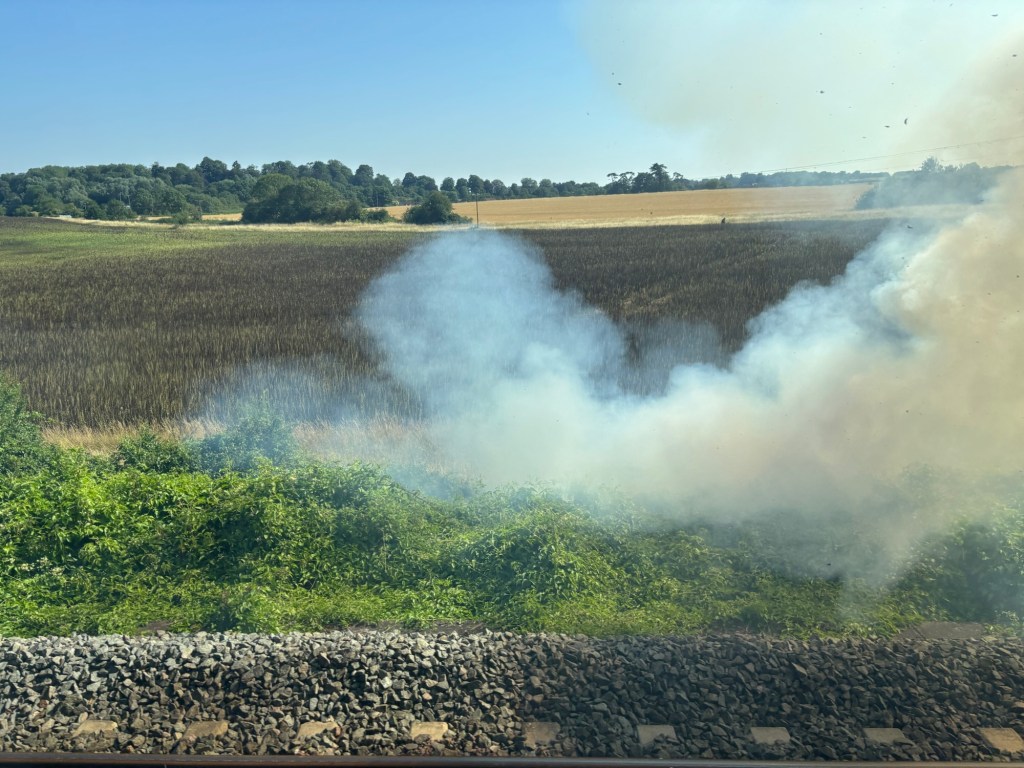
We were delayed again outside Castle Cary by a fire at the side of the track, which appeared to have started some five or ten minutes ago, judging by the speed of its advance and the trail of charred grass it had left in its wake.

Fires starting at the side of railway lines? Two heatwaves back to back? I’ve never known a summer like it. The sooner I am up in the air and down in the southern hemisphere, the better. I may have Spanish blood, but on this occasion the Englishman in me wins out. I’m really not a fan of this kind of heat.


23.03.

Check-in is officially open, but the website is telling me it’s “too early” to check in, despite the fact that this time tomorrow I’ll be one hour into my fourteen-and-a-half hour flight to Santiago. It’ll be something to do with the fact that it’s British Airways operating the flight out, not Iberia, and Iberia’s website usually forces me to input my middle names as part of my surname, since middle names don’t exist in Spanish society (but two surnames are expected). One of those two usual stumbling blocks.

I’m too tired to deal with it now. I’ve packed a proper headrest cushion for the journey, as it will be the longest flight I have ever been on in my life, so if I have to check in at the airport and get a rum deal as seats go, I guess them’s the breaks. At least I have Friday and Saturday to readjust! BB x

Waiting

The Flat, Taunton. 23.30.

Still no word from Chile. A voice in my head is trying to tell me that something is amiss, but I’m tempted to chalk that up to institutionalisation. I have to remind myself that I knew next to nothing about Villafranca de los Barros when I set out to live and work there for the best part of a year. I didn’t even have my accommodation thought through until a few days after I had arrived. There is simply a lot less stress in the way the Hispanics go about these things, and I should be on board with that – it’s the system I started out with. I wonder whether it’s just a psychosis of the English (or, perhaps, the Americans) that we need everything planned and sorted right down to the last detail.

I am not a planner. Sure, traveling twelve thousand kilometres without much of a plan might be reckless even by my standards, but it doesn’t trouble me. Not really. After all, if the worst comes to the worst, I can always store my luggage somewhere and go traveling.


England is back in the grip of another heatwave. This one isn’t as fierce as the last one, but it is noticeably hotter than usual. Perhaps I’m noticing that all the more because A) my barber’s has always been busy when I’ve gone by, so my hair is longer than usual; B) the fan in my air purifier has given up the ghost; and C) I’m packing for an austral winter, so I’ve had the odd experience of going through my winter wardrobe in 30 degree heat. The incoming El Niño may alter the weather in Chile while I’m out there in ways I cannot predict – it could be hotter, wetter or even colder than the average winter – so I have to pack for every eventuality. Thank goodness I paid for a suitcase this time around! I really hate traveling with suitcases, but at least it gives me the peace of mind to pack enough supplies to keep me comfortable, whatever the weather.


Just a short couple of posts for now – I don’t have an awful lot to report on. Just wanted to get back in the zone before the next adventure begins. Writing is an exercise, and like any sport, it needs a good warm-up! BB x

U-Turn

14.02, The Flat.

In the blink of an eye, my second year at Taunton has come and gone. It’s been another hurricane season, I won’t deny that. A little easier than last year, perhaps – if only because of the repetitive nature of teaching the same course – but every bit as busy. Since September, I’ve taken my student Funk Band out to their first external gig, joined a band of my own, taken a team to the Oxford Schools Finals Day for the second year in a row and led a public speaking workshop in the form of a legal practice (which, of course, I am totally qualified for…). I have returned to Extremadura under iron skies, taken yet another school trip to Barcelona and travelled all the way to Peru in search of the Andean condor on one of the most amazing adventures of my life. I have not found Her – Somerset is proving a very dry place – but I have made some good friends at work, which is a positive. I haven’t exactly had much time to commit to the search, and I have also spent almost every day of my holidays on the road, which is terribly self-indulgent of me, but it is how I survive the manic 24/7 existence that is working in a boarding school.

True to form, my summer holidays are set to follow the same trend. After a few days’ reprieve – just about enough time to tidy the flat and pack – I will be traveling across the Atlantic again, bound this time for Chile, nearly 1,500km further south than where I left off in April. Please don’t get me wrong – this one isn’t a purely self-indulgent adventure. I’m off to work at a school out there in Chile’s capital, Santiago, for three weeks or so. As to what form that work may take, I am still completely in the dark. I imagine any rational human being might balk at the idea of being less than a week away from traveling to the other side of the planet at no small expense without so much as an address or even the vaguest idea of what to expect, but I’m at that stage of my life where I am entirely my own agent and any change is welcome. The alternative is a rather static Somerset summer, alternating between driving lessons and debilitating bouts of hayfever. With my timetable for the next academic year allowing some time for the former, I think I can allow myself to dodge the latter by switching seasons in a Spanish-speaking country.

I won’t be hiding under an austral snowstorm all summer. When my five weeks are up, I’ve a wedding to attend in Athens, which I have been looking forward to for a very long time. Once again, I’ve only planned the beginning. How I get home after four days in the Greek capital remains up in the air. Maybe I’ll find a quiet spot in Thessaloniki and soak up the Mediterranean sun while I work on my novel. Or maybe I’ll travel back home across Europe, seeing Romania like I planned years ago. I haven’t decided yet.

I really don’t know what the next two months will bring. At the very least, I hope they bring change, whatever that looks like. My boss would really like me to stop saying yes to everything. She means well, I know. But if I don’t say yes to things like this, my youth will slip through my fingers and I will find myself in the same job ten years from now, still hoping that She will appear. The apps don’t work – everyone is exhausted – so, like a good scientist, I have to go and do the fieldwork. I don’t expect to find Her in Chile (let’s be honest, at a distance of nearly twelve thousand kilometres, it would probably be better for me if I didn’t), but it can’t hurt to try – and along the way, it would be nice to make some new friends and learn something new. I have work to do, of course – this Spanish Language A: Literature course won’t write itself – but with several long flights on the cards, that shouldn’t be a problem. With one “buffer” week on either side of my placement, I should have plenty of time to explore.

In short, I don’t know how this ends. I don’t know how it middles either. But I do know how it starts. Since I’m going all the way to the far side of the world, I figured I could go a little further. Before my placement begins – the day after the FIFA World Cup Final – I will be indulging my inner Attenborough once again in the desolate wilds of Patagonia. After a little shopping around, I’ve found a respectable guide who will take me in search of one of Chile’s most magical creatures: the puma. I didn’t have any luck with the jaguars in Manu this Easter, so hopefully Patagonia will deliver.

I hadn’t planned on going back to South America so soon – but here we are. Life is full of u-turns, but they aren’t always as exciting as this. So here’s to the summer of ’26! BB x

Heatwave

The Delayed 14.29 to Taunton, Reading. 14.51.

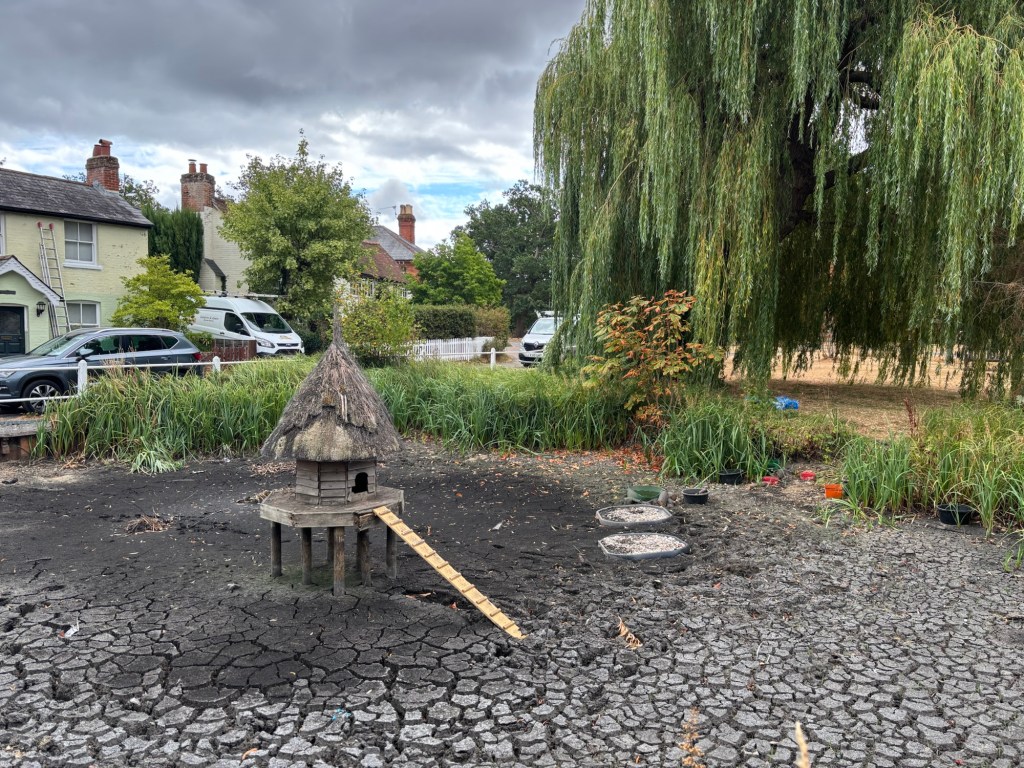
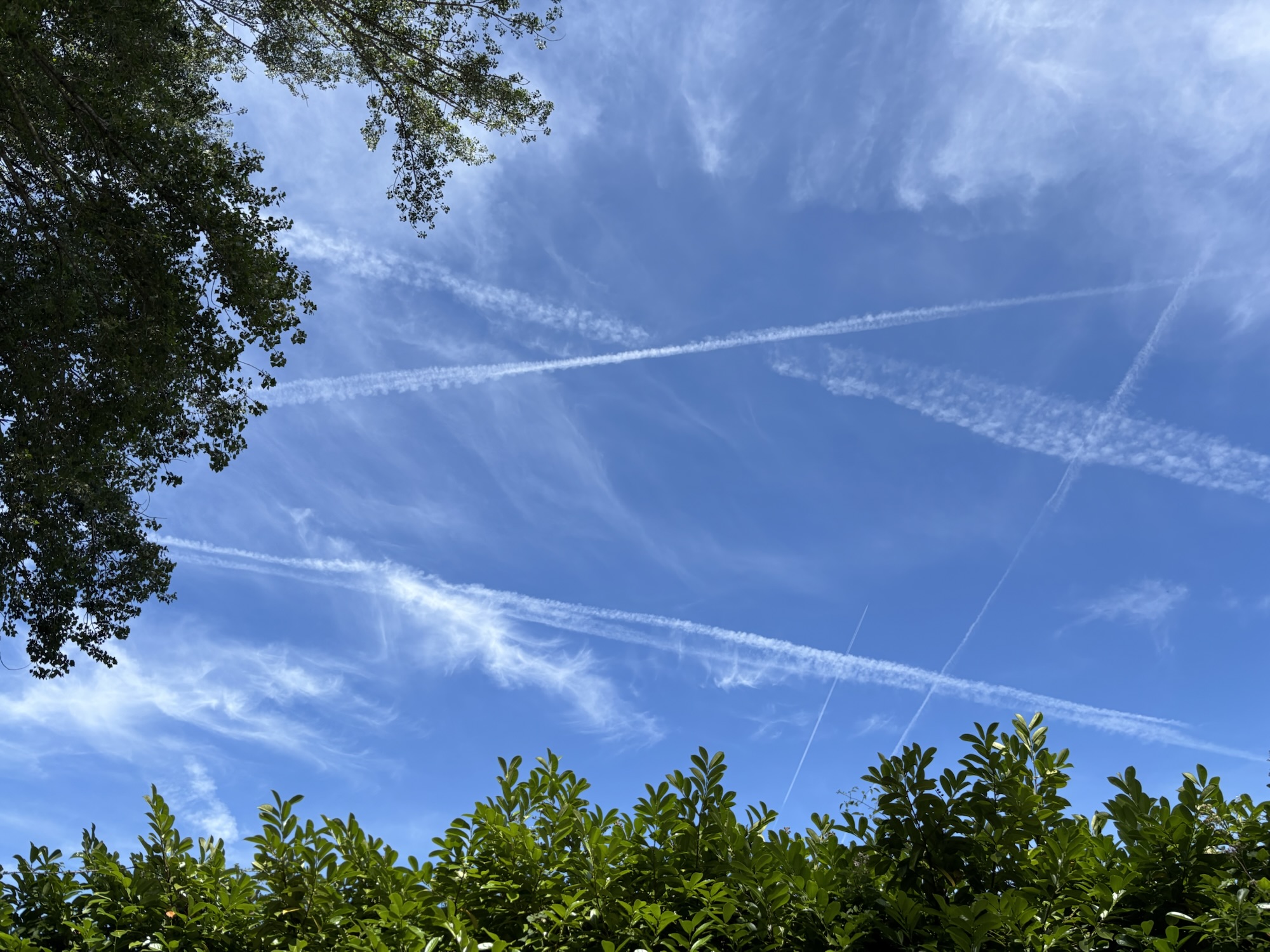
England swelters under the glare of an unseasonably ferocious sun. For the second day in a row, the temperature is pushing well into the thirties. It’s all the news can talk about. Trains are running slower due to speed restrictions, three children have “gotten into difficulties” while bathing (a tactful way of avoiding the potentially triggering d-words associated with fatal water incidents) and the whole of the South seems to have jumped into the car and carved out a four-square fiefdom on Bournemouth Beach.

I’ve hopped out east to pay my mother a visit, and in so doing stepped right into the hottest part of the country – bar London, of course, which is usually a couple of degrees warmer than the rest of the island. England is rather pretty in May, though she wears her best dress in the first two weeks of the month, when the flowers are still fresh and the wind is cool. Now, the early summer sun is at that particularly British angle where it’s high enough to burn but low enough to blind, and the heat feels more like the first week of August than the last week of May.

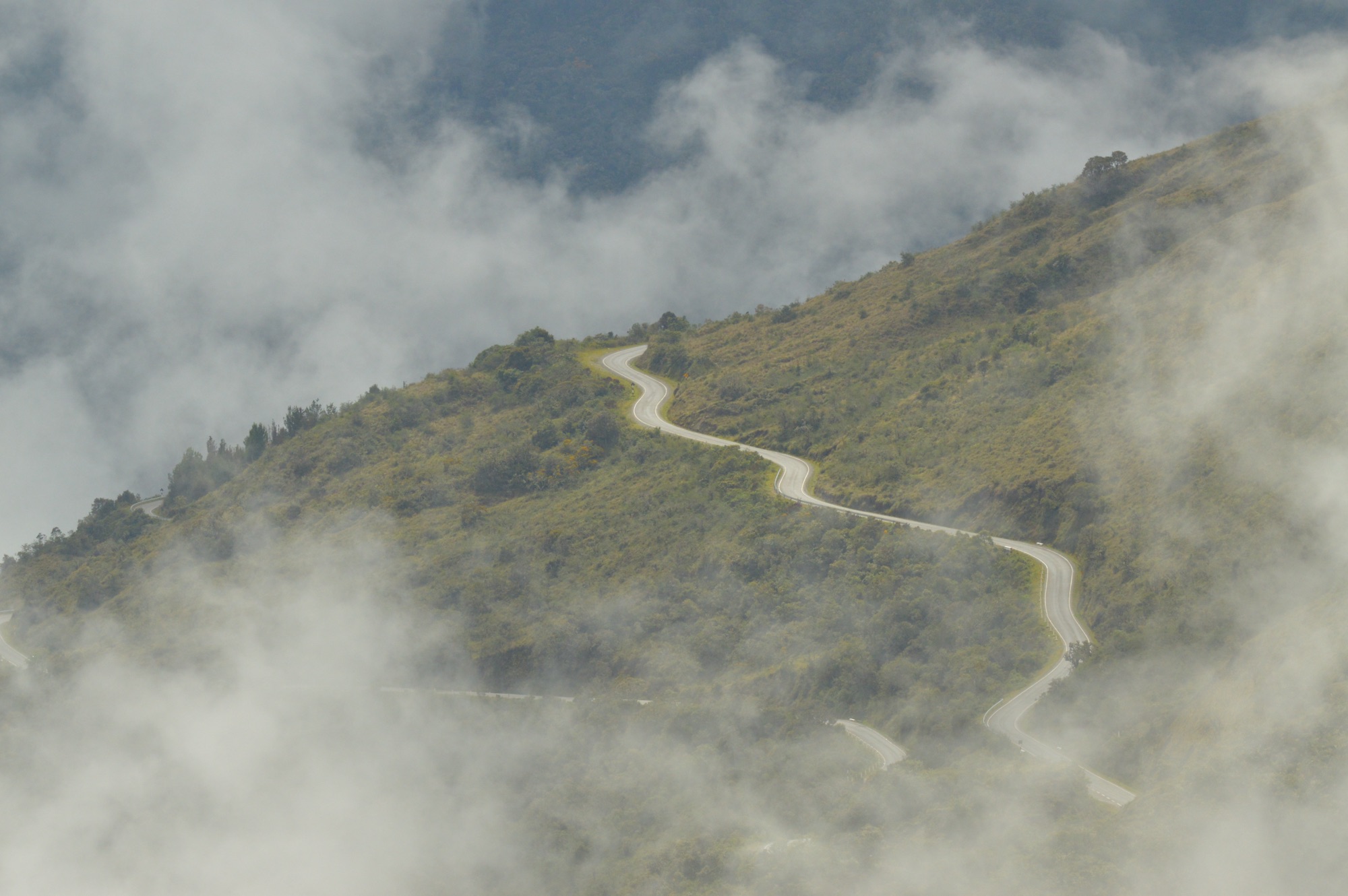
Retreating before the summer’s wrath, I have sought solace and shades along the banks of Hampshire’s rivers.


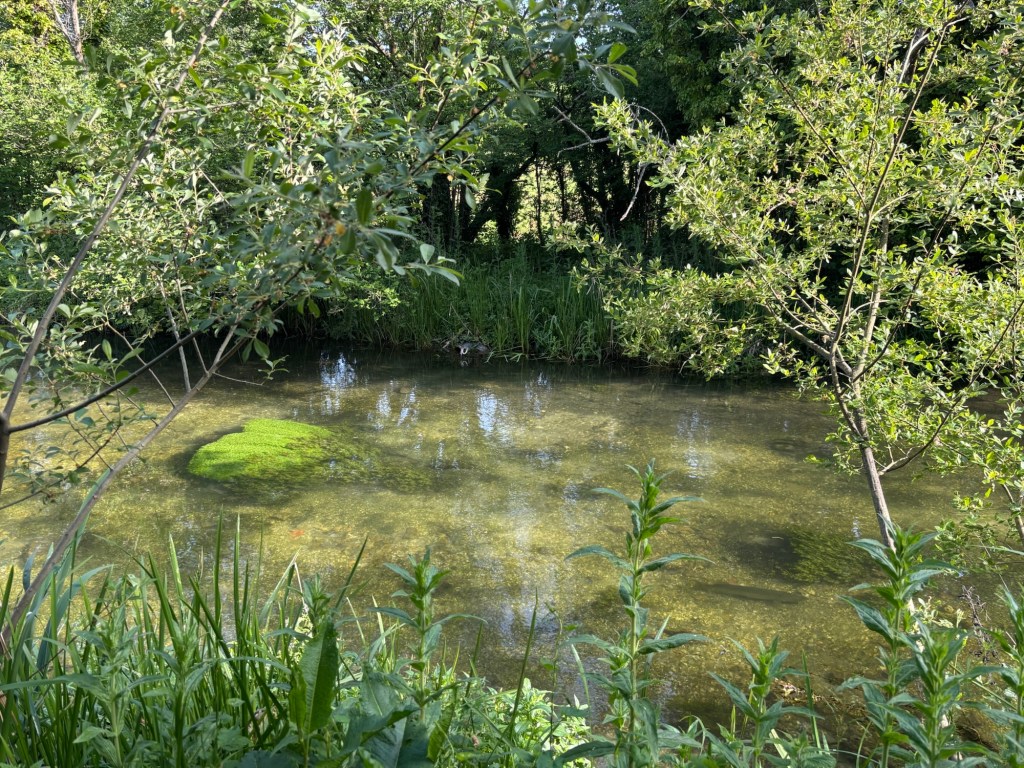
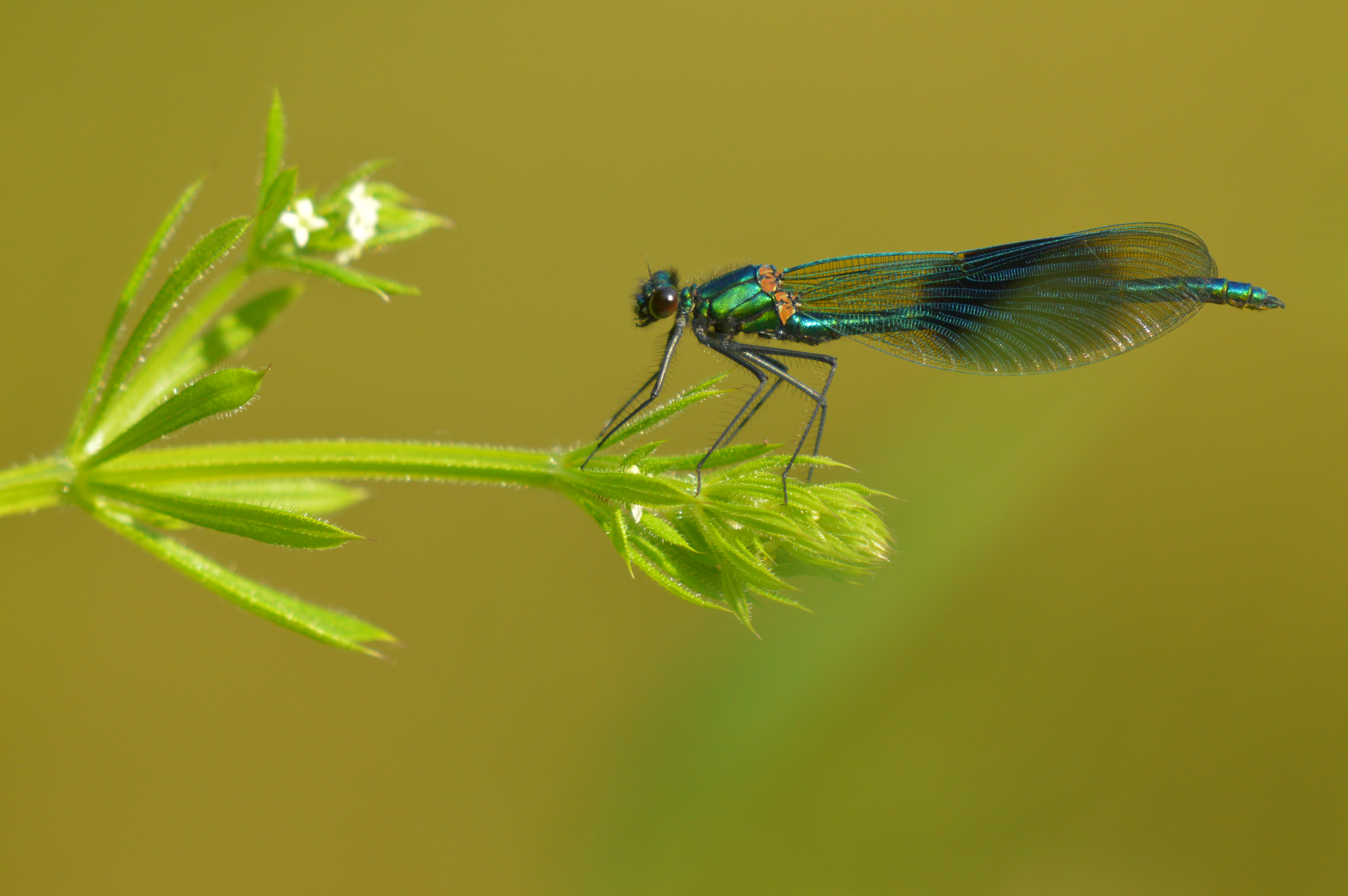
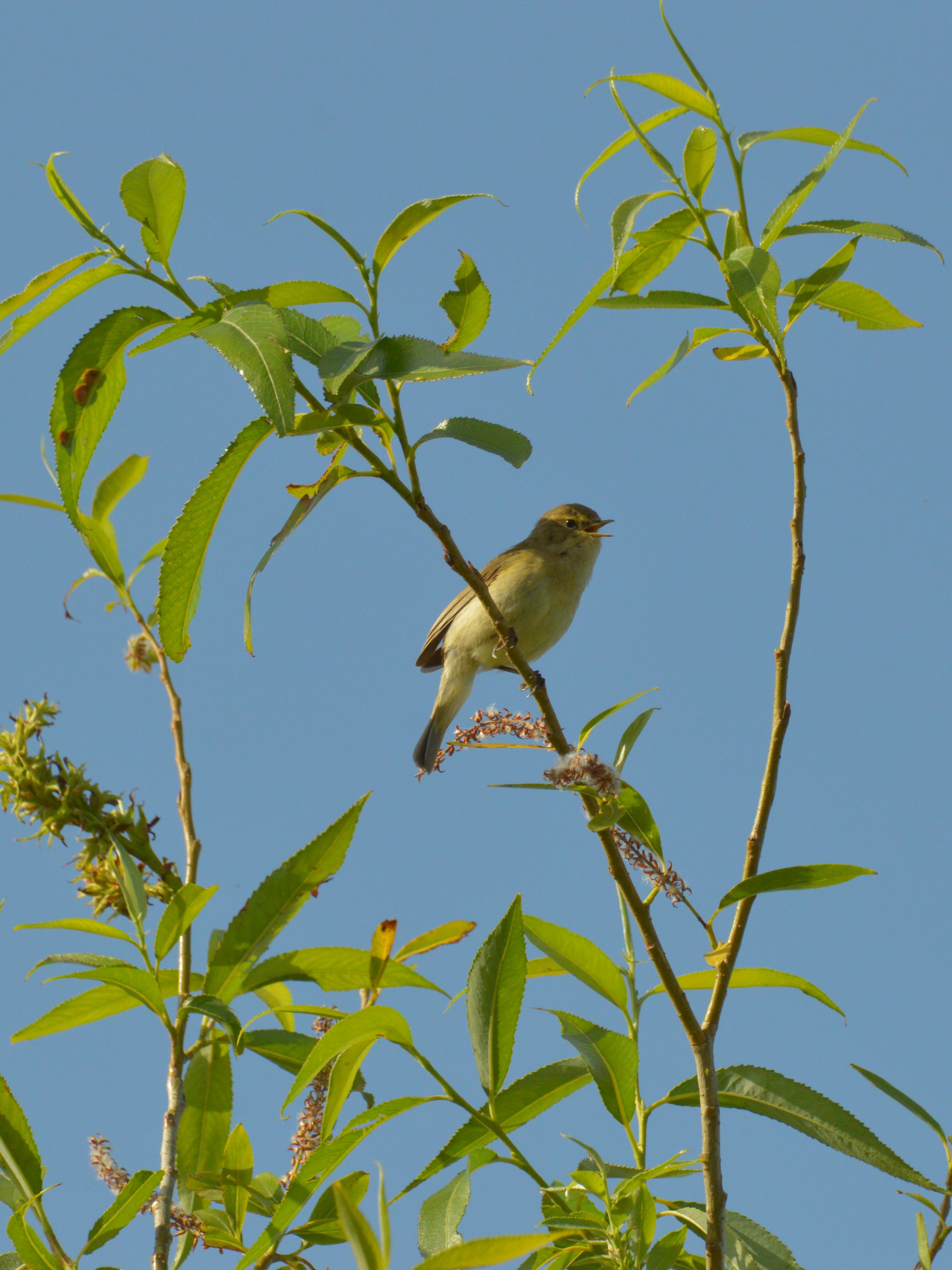
England is at its most beautiful wherever a river can be found. Crystal waters running over gravel, with shadowy trout and grayling darting from sunlight to shadow. Clumps of weeds and watercress wafting in the water as though in the wind. The trailing arms of a weeping willow gently tracing the water’s surface. Iridescent dragonflies of every shape and size – dragons, damsels and darters – hawking from bank to bank, playing a longer game than the mayflies, whose inert bodies drift downstream, their twenty-four hours spent. Chiffchaffs, wrens and blackcaps singing from the trees, the lazy purr of an overheated wood pigeon and, now and then, the explosive song of a Cetti’s warbler from deep within the darkest heart of a reedbed or thicket.

When I am traveling far from home, this is the image of England that I miss most of all.


Did you see the pike in that first picture? Don’t worry if you missed it – they are master ambush predators. Go back and see if you can spot it.

This corner of the River Alre passing through Alreston is supposed to have otters and kingfishers, but I was over the moon to see a pike. They were always my favourite fish when I was a lad, and it’s not hard to see the appeal for a young boy: fully grown, they’re huge, sinister, almost crocodilian monsters with soulless eyes and fins that move so slowly that their every twitch seems calculated. A perfect killing machine. Hardly surprising for a fish that outlived the dinosaurs, whose ancestors prowling Cretaceous rivers were not all that different from the river monsters that lurk in reedbeds outside Tescos and Sainsbury’s.

I can see why adventurous young lads might get a kick out of fishing up one of these ancient beasts, but I’m just as happy spotting one drifting between the weeds. It makes a change from chasing chiffchaffs through the branches of the tallest trees.


I’m racing home now, clearing the green fields of the Vale of Pewsey under a mercifully cloud-studded sky. I acquired a few books in a second-hand bookshop for a couple of pounds and a new sketchbook for a little more. I’ve been meaning to get my hands on the Horrible Histories books for a while, since they had an enormous impact on my art and my love for history and storytelling. Everyone seems to remember the enormously popular TV show (which, for my sins, I have never seen) but the books appear to have faded into collective oblivion. I dare say Martin Brown had more influence on my pen-and-line drawings than any other artist – besides the legendary Chris Riddell, of course.


Power’s running out. I’d better stop typing and leave enough juice on this thing to get me through the ticket barrier at Taunton station. See you around! BB x

Wilderness

The Flat, 18.41.

The preacher stands at the pulpit with a smile as bright as the sunlight streaming through the stained-glass windows behind him. He does not look the type, dressed in a blue hoodie and an oversized black baseball cap with the word “King” emblazoned in white capitals upon its front, but there is no mistaking the fervour of his faith when he speaks. He sees me, a newcomer, take a seat toward the back of the church and introduces himself immediately. He makes a point of singling me out for a special welcome in the introductory prayers. Half of the worship is in song form. They’re easy enough, but I recognise none of them. There is a testimony from one of the congregation, a passionate sermon on the theme of Pentecost, the partial revelation of a prophecy and one last unfamiliar worship song. As the service draws to a close, the preacher offers us the chance to come up for prayer – the laying on of hands. I feel it may be targeted at me and I briefly consider staying behind. It isn’t shyness that changes my mind – I am not the child I used to be – but a sense that this isn’t the place. As I leave, the preacher races to the door to bid me farewell. He must have moved fast; I could have sworn he had his back to the congregation when I got up to leave.

He has done all the right things to make me feel at home. But he cannot contend with the empty chairs and empty tables. Ruefully, I concede defeat, and cross another option off the list. I am seeking my generation, church by church, and struggling to find them.

I am thirty-one years old, Catholic, and looking for a spiritual community around my age in Somerset – and not having much luck. I am in the wilderness. The search for a church continues.


Since moving here a couple of years ago, I have flirted with the idea of having a church of my own. I left a friendly community behind when I left my last school, though by the nature of it being a school-based religious community, I was rather hoping that striking out somewhere new might give me the chance to meet others my own age in a setting removed from work. As ever, it seems, I have been swimming against the current of my generation. While the millennial salmon run crowds the concrete streams of London, I have ventured downstream for a change of scenery – so it should have come as no surprise that all the young folks I might have hoped to meet are long gone. On my head be it. However, I had hoped that the church might provide.

Sadly, this is not the case. I have tried quite a few churches around Taunton now, and everywhere I go it is the same story. A handful of young families – children under ten – and a slightly larger gathering of pensioners, but no middle line. In many cases, more than half of the congregation consists of immigrant families, who seem to be keeping our churches in business with their comparatively strong belief. The demographic that sits somewhere between twenty and forty, however, is nowhere to be found. They aren’t in the Catholic Church. They aren’t in the Anglican Church, and they aren’t even among the evangelicals. Where are they?

The simple answer, I suppose, is that they aren’t in Taunton. My friends in London and Edinburgh had larger and younger communities in their churches, this much is true, but those are the capital cities of their respective countries, so I feel they may be anomalies. The struggle I face here in Taunton is, perhaps, merely symptomatic of a far greater spiritual decline across the country, and my generation – with whom I have always been at odds – seem to have been leading the exodus all along.

I should preface this with a home truth or two. I am, by all accounts, a pretty poor Christian. I sin, I don’t go to church on Sundays and I don’t lead a Christ-centred life. I draw more strength from my prayers to the Virgin Mary than I do to those I make to Jesus, since I associate her so closely with the wellspring of light that is El Rocío. I am no evangelist, having a fierce aversion to the belief that there is only one truth, and I certainly don’t hold by the idea that salvation is a concept reserved for God’s chosen. In that sense, I am just as guilty of picking and choosing with the scriptures as the next man. However, in spite of these contradictions – and contrary to so many my age – I choose to believe. I have my doubts, of course, but I choose to believe precisely because I doubt. That is why it is called faith.

I wish I had others my age I could bounce these ideas off, but they are proving hard to find. While I worked at my previous school, I was living inside a bubble – but out here, in the real world, the faithful are on the retreat. A recent survey conducted by the Pew Reseach Center found that the UK now ranks among the top seven countries globally where no religion holds sway over the others, with the number of people identifying as Christian down from 71% in 2001 to 46% in 2026. In the past, most of us simply ticked the “Church of England” box on such surveys because we’d been baptised, whether we were practising Christians or not. These days – quite reasonably, I might add – there’s a lot more people questioning why they have to identify as something which has no meaning to them whatsoever.

The trouble is, for hundreds of years, going to church on a Sunday has never been about deepening your faith for the average Joe. There have always been more sceptics than true believers, I am sure, and for every prayer sent to the heavens over the last two thousand years, there must have been at least two or three sideways glances. What the church did provide – what it still does provide – is community. It takes a village to raise a family, as the saying goes, and at its best, the spiritual community generated quite naturally by a gathering of the faithful must have been a family like no other.

Which is why, every time I enter a new church, it breaks my heart a little to see all those empty chairs, and the front rows occupied only by the elderly, as though the gift of faith comes included with one’s pension and bus pass at the age of sixty-five.

I must confess myself a hypocrite at this junction. Spiritual growth has nothing to do with age, and there is much I could learn from my elders. But my heart longs for a community of kindred spirits, and my career in education only makes that longing for contemporaries all the keener. I spend six days out of seven and seven months out of twelve working with people less than half and more than twice my age. In much the same way that babies forge instant connections with others of the same age whom they perceive to be equals, it would be nice to meet some people of my own age for a change.

Where have they gone? Why have we traded away something that was once so central to our world? Everywhere I look in the news, it is all of woe. Frustration and rage against the situation in Israel and Palestine and the role of religion at its heart. Mental health concerns on the rise. Young people (like myself) exhausted with modern dating and struggling to find partners, despite there being more options than ever before. A generation obsessed with the way that it looks. A generation obsessed with itself.

I imagine I would have more luck finding people my own age if I joined a gym, since that seems to be the altar at which the millennials worship. But I cannot, will not set foot in one of those places. I have never been much of a sportsman (understatement of the millennium), but while I recognise their value in keeping an increasingly industrial community healthy, I fear for their impact on our children. Unchecked, they can twist a person’s self-image beyond recognition – and, sometimes, they can distrort the very person themselves. The idea that we might have traded a free community based around love, faith and spiritual growth for a subscription-based hall of mirrors unsettles me deeply.

Don’t get me wrong. There is nothing wrong with a healthy fitness routine – you cannot look after others unless you look after yourself, after all. But by throwing out God, the Church and the community that went with all of it, we have left ourselves with nothing but our own autonomy – and that is not all it is cracked up to be. We are sociable animals by design. To deprive us of that is, in the words of John Wyndham, “to maim us, to outrage [our] nature”.

I am speaking to the void. There is nobody here who can temper my spiritual ennui. And that is precisely the point I am getting at. But I will keep searching. I must. She may be out there, it is true, but she is proving hard to find, so before I find her, I should like to find a community with whom to share my faith.

The current is fierce. The tide is coming in and the dry land around my feet is receding, I know. But I remain hopeful. Hope, as ever, is my polestar. I will find you someday, I swear it. BB x

Five Hundred

When I set out for Peru next week, the number of bird species I will have seen in my lifetime will be a clean five hundred. I’d like to say I’m not usually the record-keeping sort, but that would be pretty unbelievable. The fact that I’ve kept this blog going for the best part of eleven years says otherwise. It’s not that there’s anything wrong with list-keeping, but it does border on the nerdier, birder side of birdwatching, and there is a lingering part of me that still raises a wary eyebrow at the prospect of becoming an anorak. However, since Peru is generally considered one of the world’s finest destinations for birdwatching, I thought I’d cave in for a change, do a little spring cleaning and get my affairs in order before I go. And that means working out just how many birds I have seen over the last thirty-two years or so. It took me a few days to collate the various lists I have held onto over the years, and longer still to whittle down some of the more fanciful additions that may or may not have been added in haste, leaving me with a perfectly square total of five hundred species exactly. It’s a start.

I have been very lucky. I haven’t been as committed to my old hobby as others my age, but even so, my travels have afforded me encounters with a number of species I might otherwise never have seen: pygmy cormorants in the silent marshes around Torcello, Berthelot’s pipits in the Teide caldera and Rwenzori double-collared sunbirds in the clouded hills of Uganda’s Bwindi Impenetrable Forest. I thought I’d share a few of my favourite encounters below.


Griffon Vulture

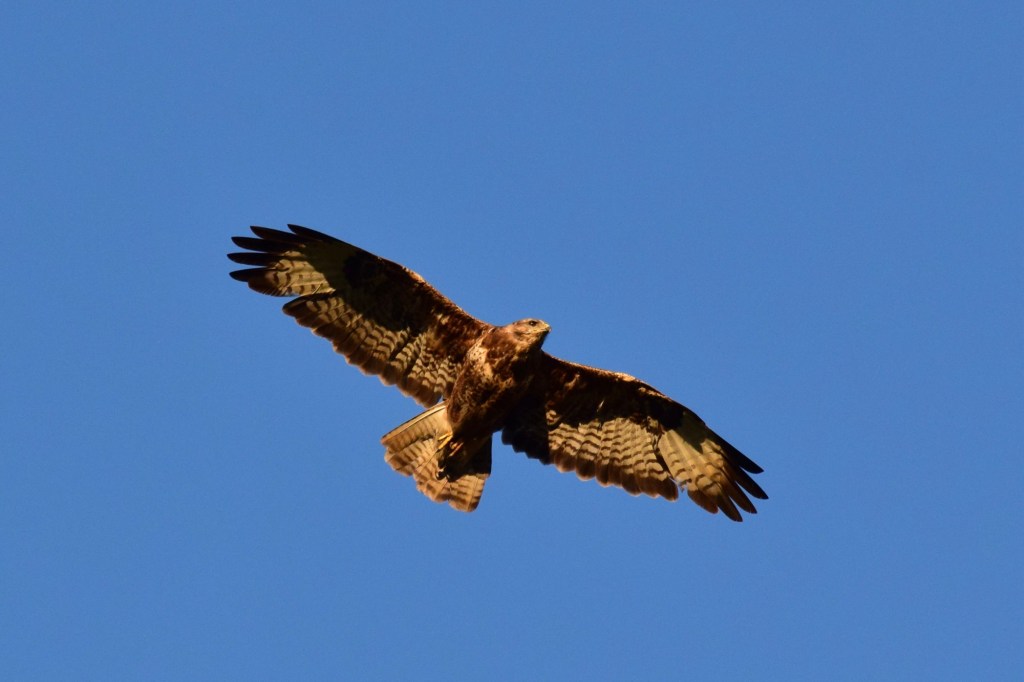
Vultures are far and away my favourite creatures on the planet and I make no secret of that. Cinerous, Egyptian, Palm Nut, White-backed, Hooded or Griffon – I’m not fussy. Something about their enormity, the way their wingtips spread wide like fingers, the silence with which they rule the skies… It’s spellbinding. They’re easily the fondest memory I have of my year in Spain when, aged eleven, I traded herring gulls for griffons for a year. I think I can be excused for being occasionally distracted in class when a tawny giant with a nearly three-metre wingspan happened to be passing by the window. I still get the shivers when I see that silhouette, so I’m keeping my fingers crossed for an even greater shadow in the sky when I go in search of an Andean condor in Peru’s Colca Canyon.


Nightjar

Something of a late discovery for me and inseparable from the Camino de Santiago, where it is the nocturnal yin to the diurnal yang of the stonechat – since both species seemed to follow me all the way from the French Pyrenees to Santiago. Nightjars can be found in the UK, but I’ve never seen them, despite searching the forests and heathlands where they are said to breed. On the Camino, however, one is so often up before the break of dawn that it’s virtually impossible not to run into these cryptic creatures at some point. Their endless churring sound must be very strange indeed to those who aren’t aware of its maker, sounding more like a giant cricket or a miniature UFO than a bird. Reports from Manu NP indicate that there may be nightjars to be found along the Madre de Dios river – I shall be keeping my eyes open.


Abyssinian Roller

I could have put any number of the more than two hundred and fifty species of bird I saw in Uganda on this post, but this one takes the top spot because of our story. Having never had any luck with European rollers in Spain, I was amazed to learn on the very first day of my stay in Uganda that there was a particularly handsome Abyssinian roller in the neighbourhood. But I’ll be damned if I thought photographing it might be a cinch – the bird gave me the run-around for most of my three-month stay, fearless and indifferent to my presence when I didn’t have my camera to hand and skittish in the extreme when I came prepared, as though it were camera-shy. In the end an act of God intervened on my behalf: an explosion of winged ants in the neighbour’s garden brought every winged insectivore within a hundred miles to the yard. With more than forty kites to worry about, plus a host of other raptors including shikras, lizard buzzards, grey kestrels and falcons, the roller had his mind on other things and I was able to get in a good shot or two. Sometimes it’s hard-fought encounters like that one that make a photo more compelling than all the editing in the world.


European Bee-Eater

Much like the roller, the bee-eater is an explosion of colour in avian form – at least, to a British birdwatcher’s eye, since most of our native birds are rather drab by comparison. They’re incredibly captivating creatures to watch as they flit through the air like oversized moths, but it’s their call that I love the most: a cheery whirrup that heralds the spring in Spain just like the merry twitter of the swallow in Britain. The sound alone makes me feel warmer – it takes me back to the sands of El Rocio and the dusty scrubland between the Madre de las Marismas and the Palacio del Acebron. One day, it may be warm enough for bee-eaters to colonise the UK. They have bred here with occasional success in the last few years, but it remains to be seen whether they will follow the example of the egrets and move in for good. A part of me hopes they don’t – they are far too tied to my image of Spain as a special paradise. Some things you should have to travel to behold, to see with your own eyes. That’s what I think.


Purple Swamphen

What list would be complete without one of my all-time favourites – the bird that probably kickstarted my obsession with Spanish birds? The purple swamphen is unmistakeable: a moorhen on steroids, with bigger feet, a bigger face-shield and a bigger attitude. I saw them first in El Acebuche, but since then I have found them in several other places: the rice paddies of the Brazo del Este, Uganda’s White Nile river and under the Roman Bridge in Merida. Like griffons, they lose nothing with each successive encounter, and I confess that my eyes are always on swivel-stalks whenever I’m crossing the bridge in Merida in the hope of catching one of them in the reeds below.


Red and Black Kites

WordPress won’t let me upload the images I have of the hoopoe, Iberian magpie and Montagu’s harrier, which would bring the total to ten, so I will have to finish with another old favourite: the kite. Specifically, it’s black kites that have always held sway in my heart, due to their association with the Elysian stone-pine forests of the Raya Real, but since red kites have pretty much exploded in number in the UK in my own lifetime, they’ve earned a spot in this list too. Despite nearly twenty years of active pursuit, I have yet to take a decent photograph of a black kite (in my defence, I have often been without my camera when the right moment presented itself). Had I brought my DSLR with me on the Camino last summer, I would have had the opportunity of a lifetime when I stumbled – quite by chance – upon a feeding frenzy for the local kite population in a rugby field a day’s march from the Spanish frontier. But, I didn’t, so I just took a few photos on my phone and watched the spectacle.

Kites are something of a bait-and-switch story for me. Since their whistling call was used in the BBC’s Land of the Tiger whenever vultures were on screen, I came to associate that sound with those kings of the sky. It wasn’t until I was much older that I realised that vultures are pretty much silent (when they’re not squabbling over a carcass, that is), but by then the spell had already been cast. I would travel all the way to the Raya Real just to hear that sound. Of course, I’d go for more than that: the music-box melodies of a nightingale, the flute-song of a golden oriole, the oop-oop-oop of a hoopoe, the beak-clacking serenade of a stork and the descending whistle of a woodlark. But even if all those voices should fall silent, leaving nothing but the trill of a kite, I’d still make that journey. That’s how precious a single sound can be.


T minus one week. It’s getting closer! BB x

Bitterns and Boomers

The Flat, 21.03.

It can be done! After living in Somerset for the best part of two years, I finally made it to the Avalon Marshes. It’s a little out of the way – as fenlands often are – and, being without a car of my own, impossible to reach outside of term-time, but with a little planning I managed to successfully navigate the one bus there and back again after school this morning. Worth it? Absolutely!


The Avalon Marshes are a network of pools, channels and reedbeds that stretch from the west of the festival town of Glastonbury across the Somerset Levels. Being naturally averse to crowds, Glastonbury and its ilk have never even crossed my mind as a way to spend the summer, so I’ve never had any cause to come this way before. Evidently, I was missing out. This mystical corner of the British Isles has a real charm to it. The 376 bus dropped me off outside The Royal Oak in neighbouring Street and I struck out across country for the marshes from there. Along the way, I walked in the sightline of the legendary Glastonbury Tor. It was a balmy spring day – the fourth in a run of consistently sunny days – so the Tor was drawing a growing crowd of sun-seekers, like a sweet on an anthill. If I had a little more time, I might have gone and had a look myself.


The magic started before I even reached the Glastonbury Canal that runs into the fens. I had just come upon the first of the reedbeds that herald the Avalon Marshes when I heard the sound that I had come here for: a low, pipe-like boom. A sound that inspired many a myth and folktale in the British Isles, and that once was surely heard all across this island. The noise belongs to the great bittern, a singularly beautiful and cryptic variety of heron that is surely the prince of the fens. I can’t remember whether or not I have ever conclusively heard a booming bittern before – my memories of a possible encounter with one in Stodmarsh when I was a lad are a bit hazy – so I have hesitated to add them to my life list thus far.

Today, however, I was left in no doubt. I must have heard at least six different individuals booming all across the fens, including one that was so close that I could swear I heard its resonant intake of breath before each boom. The great bittern is a master of camouflage, however, with a plumage so perfectly suited to its life within the reedbeds that it is almost completely invisible when “bitterning”, so despite the fact that they were making enough noise to be heard from Glastonbury, I never saw so much as a feather. But I wasn’t disheartened in the slightest. Just to hear that booming sound was worth the journey out here. I’ll have to do it again sometime.

While I was scanning the reeds for one of the bitterns, a swan came swimming by, giving me something to train the lens on.


The swans weren’t the only great white birds in the marshes. Another species that has drawn me to the Avalon Marshes today is the Great White Egret, a relative newcomer to the British Isles. The largest of the egrets is actually a heron, a fact that is obvious from its size, which is considerable. I’ve seen these beautiful birds before on the continent, but this would be the first time I’ve seen one here in the UK. When I was a kid, this would have been a very rare find, but much has changed since then. The Avalon Marshes have around fifty breeding pairs, which is frankly ridiculous, considering that they only started breeding here a few years ago. Even the other birdwatchers in the Avalon Hide barely batted an eyelid when one flew into view. It’s a sign that, no matter how bad things may seem, life always finds a way.


On that note, I feel I have to talk about one of the things I haven’t missed about birdwatching: the manspreading. The term didn’t exist when I was a kid, but it certainly does fit the bill.

I thought I’d check out the Avalon Hide to see if I could find one of those elusive bitterns, but it had been staked out by a very different group of boomers, who had each selected a window to themselves and laid out their gear all about them: a panoply of scopes, binoculars and cannon-like lenses that made even my monster zoom lens seem like a hand gun. Only one window was available, which looked out back the way I had come. I stuck around for about twenty-five minutes, listening to their familiar birder-talk, but it quickly became apparent that they meant to stick around until sunset to see if either the bitterns or the resident barn owl would make an appearance, and as I had to catch a bus home, I had to cede the hide to them.

I explored the “cattle class” alternative screens below the tower, very much aware of the scopes poking out of the windows above me like artillery. Sometimes a bird-hide can look a lot like a pill-box.


A friendly chap and his wife restored my faith in the hobby when they pointed me in the direction of a water rail they had just seen, but it never did reappear from its hiding place in the reeds, so we went out separate ways with a shrug. Fortunately for me, there was plenty to see: perhaps sixty or seventy shovelers out on the lake, along with attendant flocks of gadwall, mallard, tufted duck, teal and coot, as well as a few noisy great-crested grebes. Most of them were much too far for even my faithful 500mm, but a robin that followed me out of one of the hides was perfectly happy to let me take his photograph, which definitely made up for it.


As this was my first sortie to Avalon, I didn’t want to end up stranded by missing the last bus home, so I left with plenty of time to get back to Glastonbury. It was a quiet walk once I’d put the birders and the bitterns behind me, and I only ran into two other walkers out with their dogs along the trail. There seems to be a small gypsy community on the edge of the marshes – something about the layout of their encampment seemed strangely familiar, not to mention the presence of two old and very battered horse-drawn caravans in the yard. When I reached the edge of the marshes, I stopped to look back in the direction I had come, and when I turned back to Glastonbury I saw something staring back at me from the edge of the reeds. I thought it might have been a muntjac at first, but it was much too big for that. It was, of course, one of our native roe deer. Fearless as ever, it didn’t even flinch when I raised my camera.


One thing’s for sure: I’ll be back. It’s only a £3 bus ride from Taunton and, while the return journey is broken up with a layover in Somerton, it’s perfectly doable in a day. I’ll be back for the bitterns, either later in the spring or next year, depending on how busy my duty weekends are after the holidays.

This time next week, I’ll be in Madrid. From there it’s only a matter of hours until I set out for South America. That has come around shockingly fast. I’m starting to get very excited! I’ve had a full month to put the camera through its paces and I think I’ve got the hang of the lens and its demands now – the way it handles, the settings it requires for optimum output and, of course, its weight. Now all I need is to be out there already. Thank you Avalon for being the last stage of boot camp for my trusty Nikon companion. Here’s to the next grand adventure! BB x

Minor Adjustments

The Flat, 21.56.

Two weeks from now – right now – I will be sitting somewhere in the transit lounge in Bogotá’s El Dorado International Airport, awaiting my connecting flight to Peru. That’s about 5,300 miles (or 8,500 kilometres) from home, which will be the furthest I have ever been from home by a long shot, beating both Kampala and a brief layover in Dallas last year – and, if things go to plan, I may well find myself even further afield before the year is out. I will also be a full five hours out of sync before I even reach my final destination, so I will need to be careful and try to acclimatise with an altered sleep schedule a few days in advance.

We are very much into the preparation phase now. I have arranged the last of my accommodations for the journey in Ollantaytambo, where I hope to end my Peruvian adventure in the peace and quiet of the Sacred Valley. I have ordered a new pair of sturdy Merrell hiking books to see me around the altiplano and beyond. I should do a preparatory pack this weekend to see if I can fit everything into my rucksack. I’m a light traveller, but the zoom lens is likely to be the largest and heaviest of the equipment I will be lugging around. The jury’s still out as to whether I should take a book with me or simply use up the last of my Audible subscription credits and download more audiobooks than I could possibly hope to finish in that time. I’m leaning toward the latter, if only because I’m not particularly good at leaving a good book behind.

I’ve been meaning to get out and about and keep practising with the lens, but my time is very limited. Last week I managed to escape for just over an hour on Friday afternoon while the sun was out, but between report-writing, lesson planning, taking my team to Oxford Schools on Saturday and being on duty almost all of Sunday, I haven’t had much luck. The Netherclay Community Wood isn’t too far from home, but it had rained a lot on Friday so I didn’t explore the woods too much, as the ground beneath my feet had become little better than a squelching quagmire. Little wonder, then, that there were so few walkers out and about.

I went looking for the water rail that I heard last week, but I didn’t see or hear it. I did disturb a kingfisher on the other side of the pond, though, and while the halcyon bird was much too fast for me, I did have more luck with a young cormorant in the momentary interlude when the winter sun deigned to show its face.


Having something incredible to look forward to always makes the Lent term – by far the hardest of all the school terms – a lot easier to bear. Last year, the knowledge that I would be spending all of three weeks in and around Spain was enough. This time, I have pushed the boat out so far that there is a very real danger that the tide will carry it away. And once it does, where will it take me? I’ve lost track of the number of times I’ve caught myself exploring other destinations, other wildlife adventures, other places where I can run while I still have the light of life. This year it’s South America’s turn, but in the years to come, I would dearly like to see the rest of the world, now that the wanderlust has returned. I still harbour dreams of seeing the eerie saguaro stands of Sonora, but a number of other old ideas have started to rise to the surface, like bubbles beneath a frozen lake: KwaZulu-Natal, Kanha National Park, Svalbard and Borneo.

It may well be that in abandoning my search for Her, wherever she may be, and indulging in the thing that has always brought me the most joy, I am putting off the thing I want the most in life. It may also be that I find Her along the road. Either way, I am done waiting. The apps are drier than the Atacama these days and the conversations drier still. There is a world of light and life and joy out there and I can no longer ignore it. It is time for a change of scenery. BB x

A Warren Buffet

The Flat, 21.57.

I’m slowly starting to rebuild the life I left behind me. It’ll take a little while, but it’s starting to feel very familiar: the long walks, the eyes on swivel-stalks, the weight-training involved in swapping the zoom lens from one arm to the other. In a way, it’s like I never stopped – though it has been about fifteen years since I last did this sort of thing on the regular.

One of the first things to establish is a “patch” – that is, somewhere nearby that I can visit easily and regularly for a quick nature fix throughout the year. I’m still in the market, but I think I’ve decided upon the stretch of the River Tone that runs along Longrun Meadow and into the Netherclay Community Wood. It’s within easy walking distance and there’s plenty to see, including otters – though I dare say I’d be exceptionally lucky to find them out on a weekend wander.

The egrets around here are pretty fearless, though. The flooded banks of the Tone must be harbouring a number of small fish, because I was able to watch this one hunting for quite some time, catching a couple of tiddlers and a small eel. I wonder why great egrets are more skittish than the little and cattle egrets that have colonised so many towns and cities? Is it genetic, perhaps – or is it the memory of that obsessive slaughter for their feathers that keeps them at bay?


I added a few new locals to my “patch list” – namely, teal and buzzard – but spent most of the walk learning how best to cradle the heavy lens over a long distance. I think I’ll need a strap for the lens itself, because I don’t want to chance the weight of it putting undue strain on the camera itself.

I was looking at a tied-down weekend this week, but thanks to a couple of necessary swaps and the support of my wonderful Debating team, I worked Friday night instead and got the weekend off. Suddenly, I had a free Sunday. Coupled with the knowledge that my Railcard expired at midnight, putting a definitive end to many years of affordable train fares, I decided to put the lens through its paces in a new environment: Dawlish Warren.


I came out here at the end of October, when the sun was still shining and the beach was still packed with holidaymakers. In my memory it felt like the end of summer, but it must have been autumn, because the brants had already arrived in great numbers. They were very much in evidence today, numbering well over a hundred, and more than likely the same birds I saw back then.


Brant geese are a seafaring species of goose that spend the winter around the coasts of the British Isles, returning to their breeding grounds in the Arctic circle at the beginning of spring. Most of our geese – the dark-bellied kind – come from northern Russia and Siberia, though the odd light-bellied individual is often to be found among them, straggling over from its North American range.


In ancient times, before their migration routes were known, the people of the British Isles had no answer to explain what happened to the thousands of “burnt geese” that flocked to the coasts, saltmarshes and estuaries, only to disappear without a trace with the spring. Together with the closely-related barnacle geese – who once pulled a similar disappearing trick – they were believed to hatch from goose barnacles, which shared their colour palette. As such, being “not of flesh”, they were permitted on Christian fast-days – a practical solution in desperate times, it must be said.

It’s hard to see how anyone could have believed that old yarn about birds born from barnacles, but then again, the same people believed that swallows slept at the bottom of ponds during the winter. Sometimes we make up the most fanciful nonsense to avoid having to face the obvious reality, even when it is staring us in the face.


Out in the bay, I saw a silhouette I recognised immediately, diving and resurfacing in a small channel between the shore and a shrinking sandbank. The most common diving seabird around here is the cormorant, but in winter, there are quite a few birds that might dive beneath the surface: shags, sawbill ducks, scoters, grebes and divers. Only one of those comes close in size to the cormorant, and that particular bird holds its head level, unlike the cormorant, who swims with his bill upturned.

I didn’t need binoculars to know I had found a great northern diver – the first I’ve seen since my schooldays – and I went tearing across the beach to get a closer look.


The last time I saw one of these impressive creatures, it was far out to sea and flying east along the British Channel. I haven’t had the luxury of seeing one so close before – close enough to appreciate its terrifying red eyes, an evolutionary trait shared with grebes that filters light and helps them to see underwater.

I watched it hunting in the bay for a few minutes, before it decided to run the gauntlet of the shrinking sandbar and scour the southern shore. I counted the seconds between each dive. This one averaged out at 40 seconds, but the diver has been known to stay submerged for up to five minutes. Pretty impressive for such a small and fast-moving creature.


I made it back to Dawlish Warren’s station in plenty of time for the hourly train, but the sun was still shining and I hadn’t yet had enough, so I set out along the Warren Road to the north. The railway hugs the coastline, so the roads meanders a bit on its way north from the Warren. Eventually, after about an hour’s jaunt through the countryside, I came to the ferry town of Starcross. I decided against pushing on to the Exminster Marshes and set up shop at the station, which looks out over the estuary. I was rewarded for my patience with a family of punk-rock red-breasted mergansers, as well as a number of familiar waders probing the mudflats below: turnstones, redshanks, greenshanks and a couple of curlews.


There will always be a special place in my heart for curlews. Their mournful bubbling call was the backdrop to many a childhood adventure around Romney Marsh and the mudflats of Sandwich Bay, and followed me up into the highlands of Scotland on a couple of hiking adventures in my twenties.

Apart from that, they’re remarkably beautiful creatures, with their cryptic feathering and dark, thoughtful eyes. I’ve been very lucky with the egrets around Taunton, but I hope I can continue to observe these magnificent creatures and do justice to them with my new gizmo.


I might not get so flexible a weekend for a while now, so I’ve cashed in my chips early. But I’ll be back with more nature news in the near future, so stay tuned! BB x