Longhorns and Lightning

Tomorrow is the first day of a new life. After a long summer of alternating adventures, up-and-down driving lessons and watching the clock, it’s back to school for this bleeding heart. I’m determined to make a success of it. Once again, I find myself thinking back to my first teaching post in Uganda, nearly twelve years ago – where it all began. Did I know it then? I must have had an inkling – that was partly why I went, to see if teaching was for me – but I suspect I was blinded by the lure of seeing Africa with my own eyes. My lanyard is hanging from the door, my notebook is on my bedside table and the pen pot on my desk – a gift in the shape of a Dia de los Muertos mug – is stuffed with fully-loaded board markers. It’s nearly time to get started. But for now, let’s dive back into the realm of memories; to a remote farmstead on the banks of the White Nile…


9th October 2012
Ugandan Independence Day (50th Anniversary)

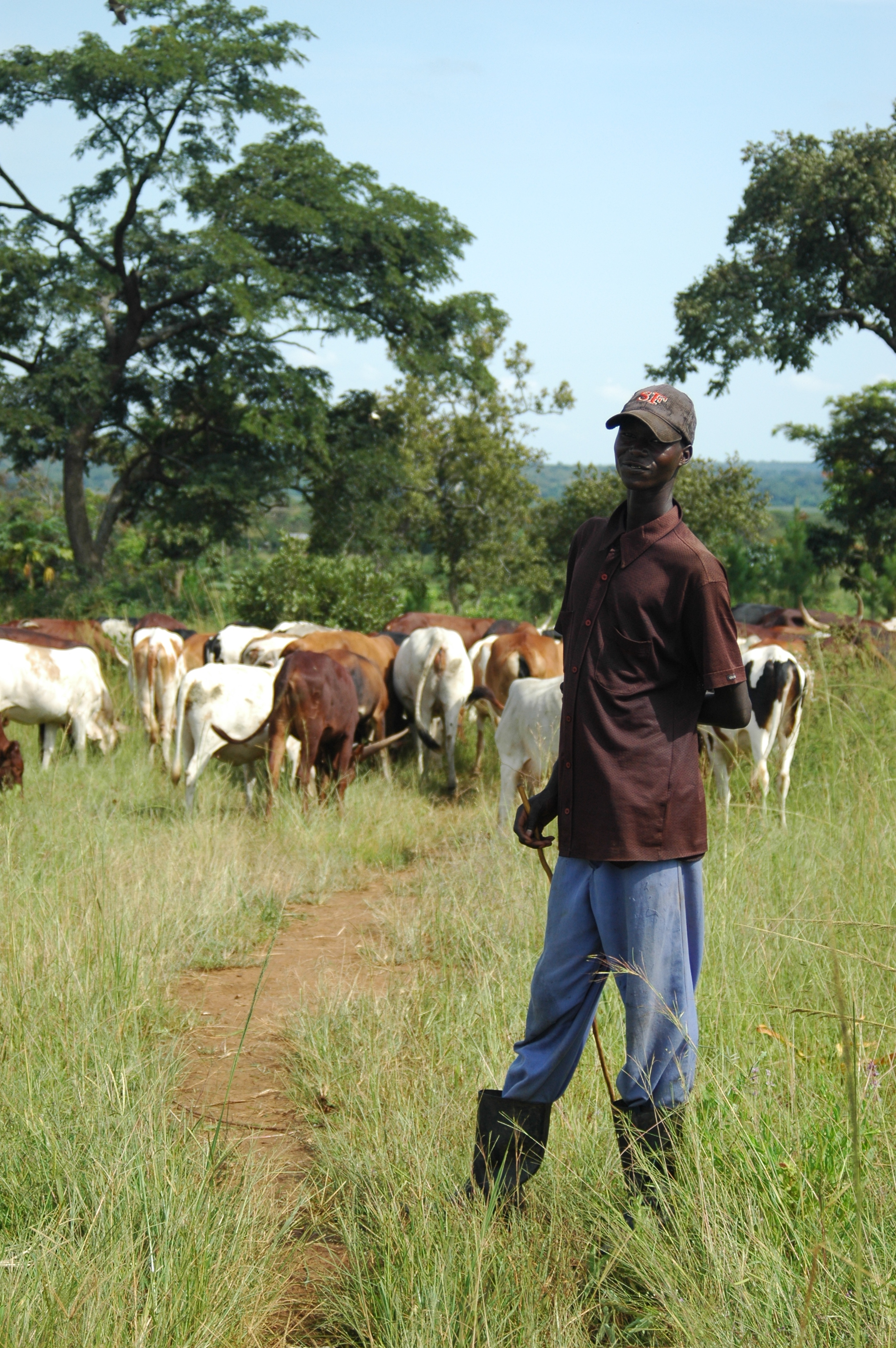
One month into our stay in Boroboro in northern Uganda, Luke Ojungu came trundling into the driveway of the Bishop’s compound in his enormous four-by-four. With Uganda on the brink of celebrating the fiftieth anniversary of its independence from Britain, we had an unexpected holiday on our hands and the former headmaster had offered to take us to stay at his farm in the Apac region to the southwest. The bishop said a prayer to bless our journey and send us on our way with God’s protection, though Luke’s impressive 6’5″ stature might well have been all the protection we needed. His plan? To show us a corner of Uganda we might not see otherwise, and to put us to work herding his cattle.

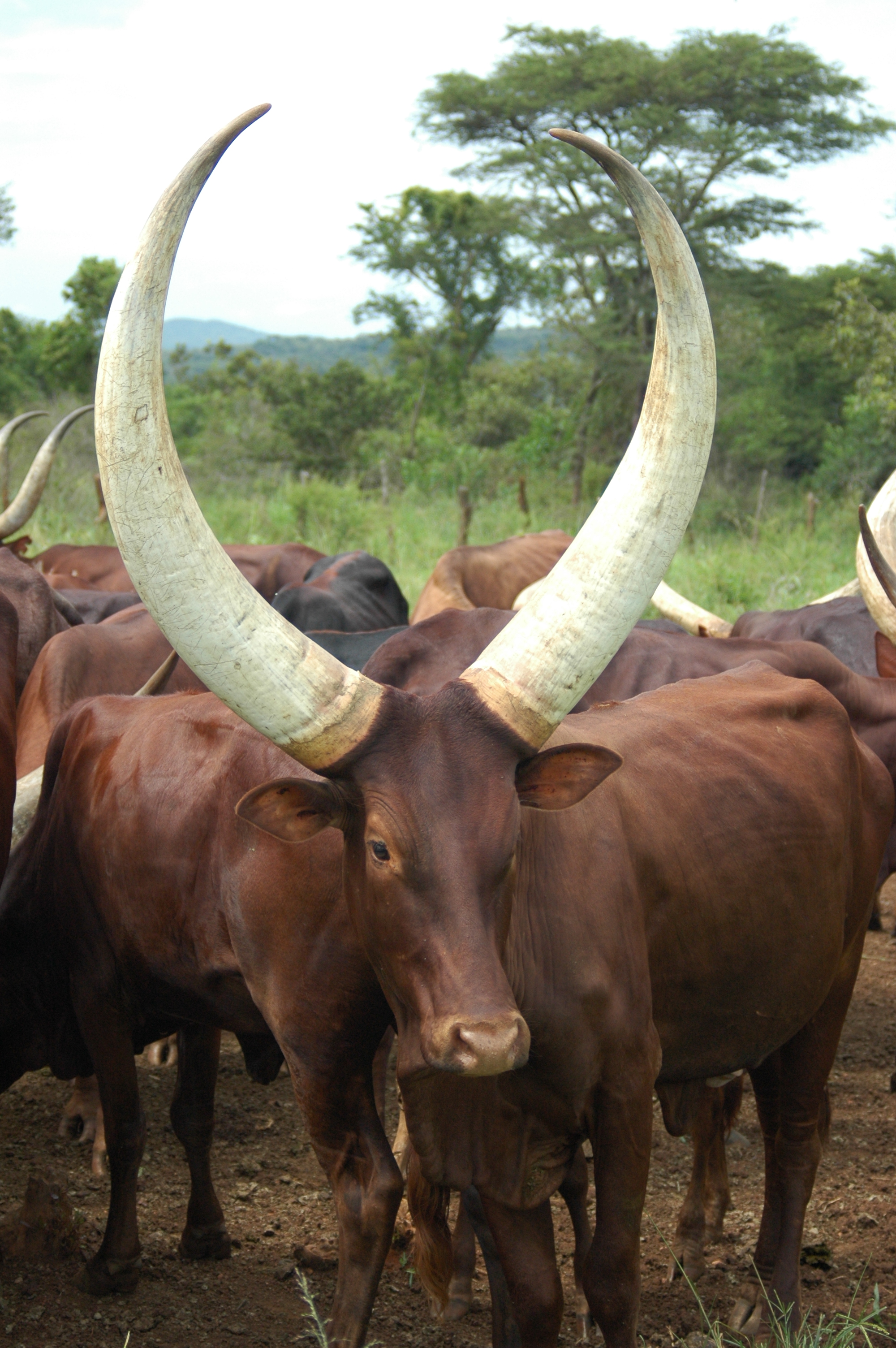
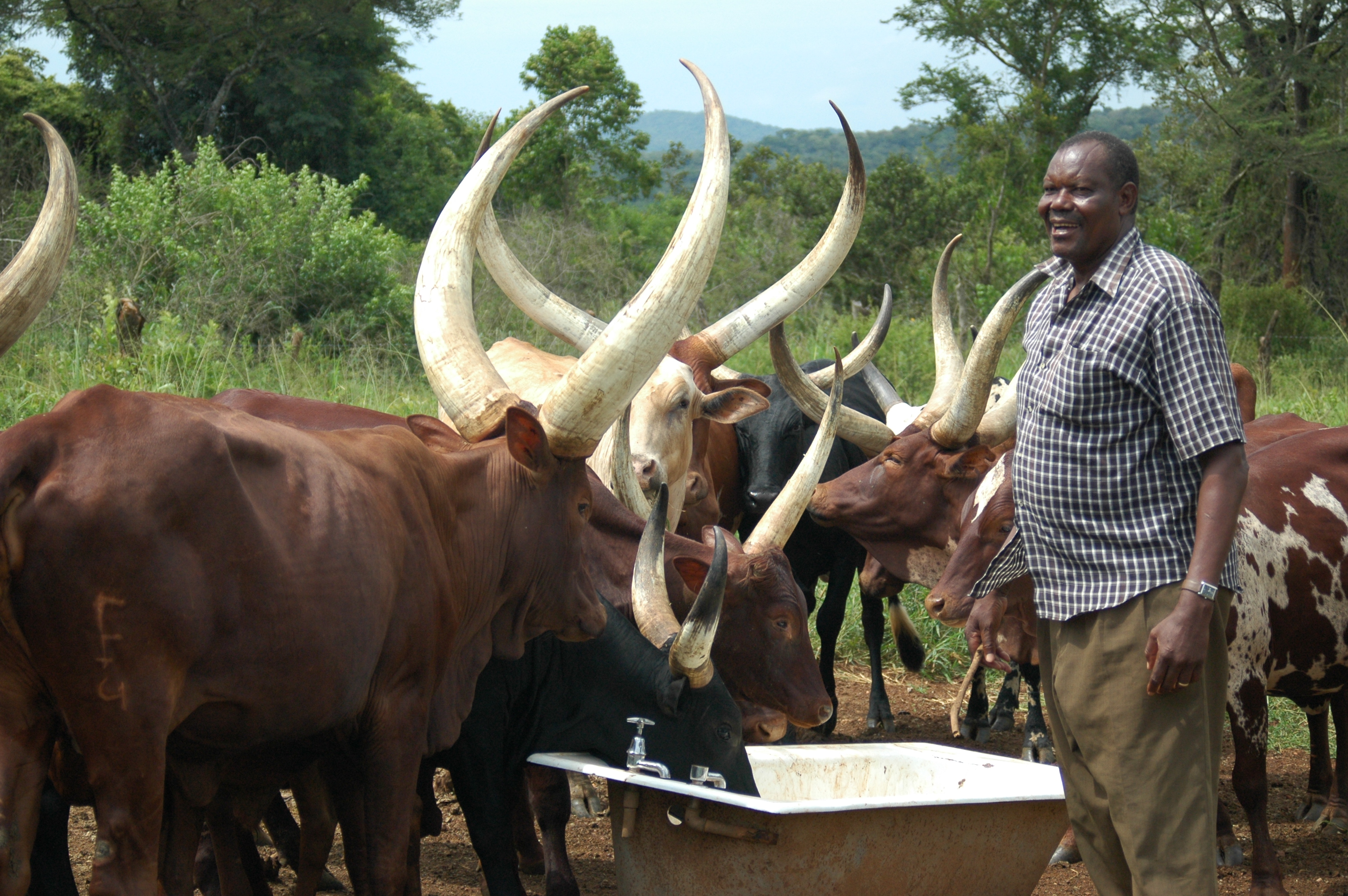
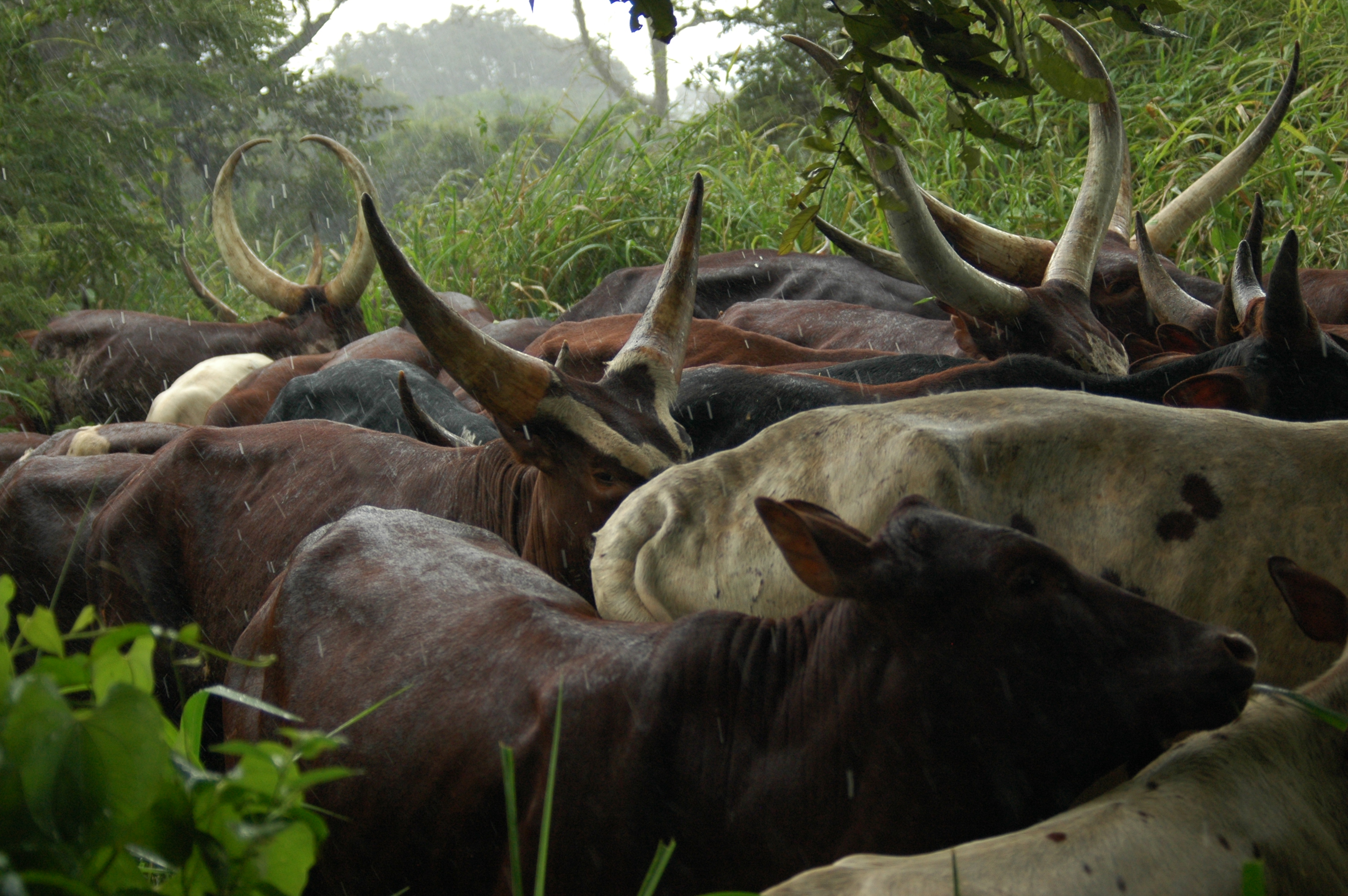
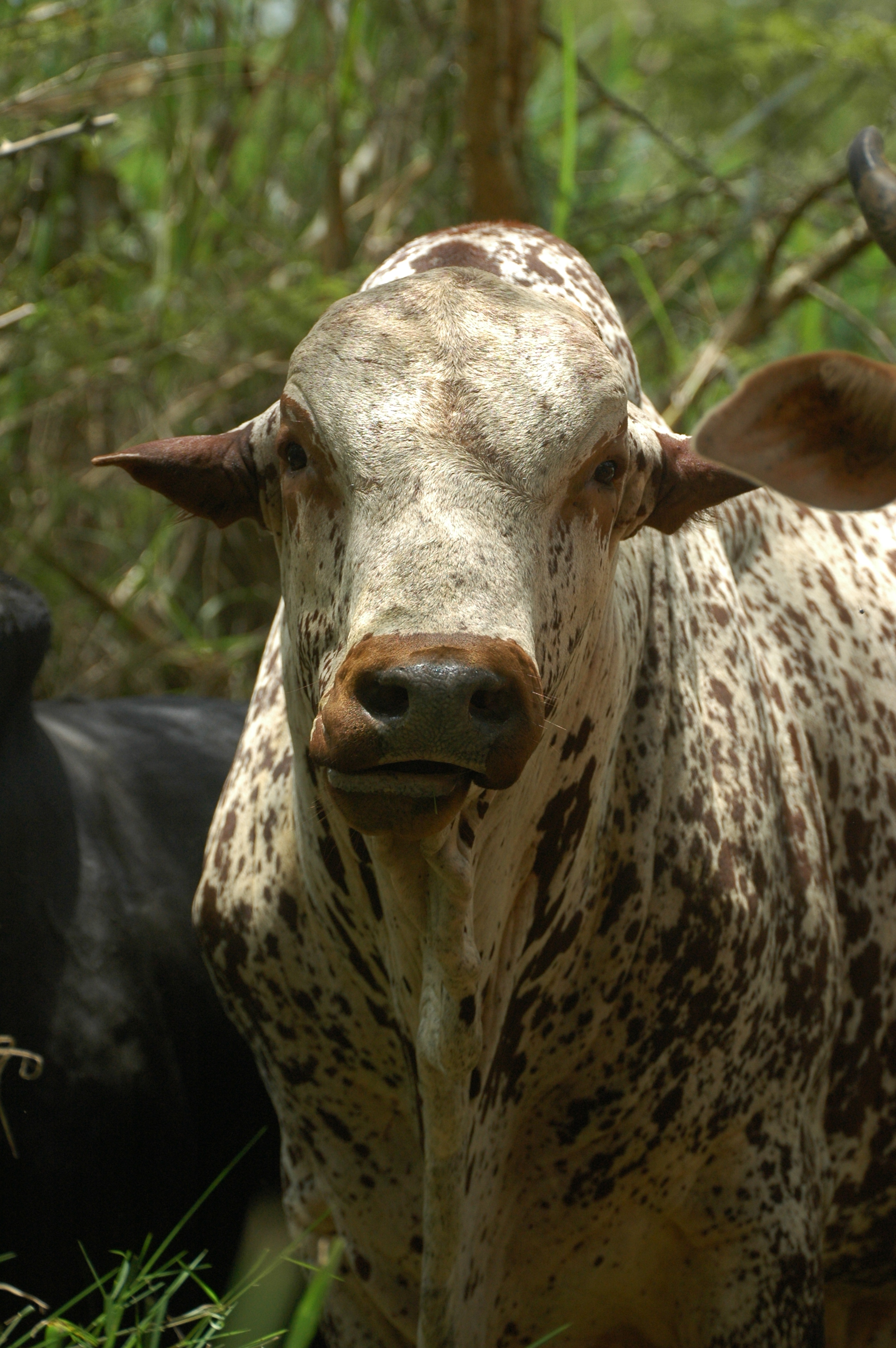
No visitor to Uganda who makes it out of the capital can possibly miss the famous Ankole cattle. For one thing, they’re everywhere, and for another, their enormous horns make them easy to spot over a great distance. I wonder if that was an intentional bit of genetic wizardry on the part of the cattlemen, so that they could keep stock of their herds from far away?


Luke had several hundred longhorn cattle spread across his lands south of the river, along with a large number of goats and chickens back on the home farm, which by Ugandan standards (or any standards, for that matter) made him a rather wealthy landowner. He was very keen to point out Matthew, the hornless bull he had named after the headmaster of our school back in England. It was hard to tell whether it was an affectionate gesture or somewhat tongue-in-cheek, choosing the one longhorn bull without horns for such an honour, but we had a laugh all the same. A running in-joke was born and Matthew “the most indie cow in the world” and his distaste for anything mainstream kept the four of us amused all weekend.


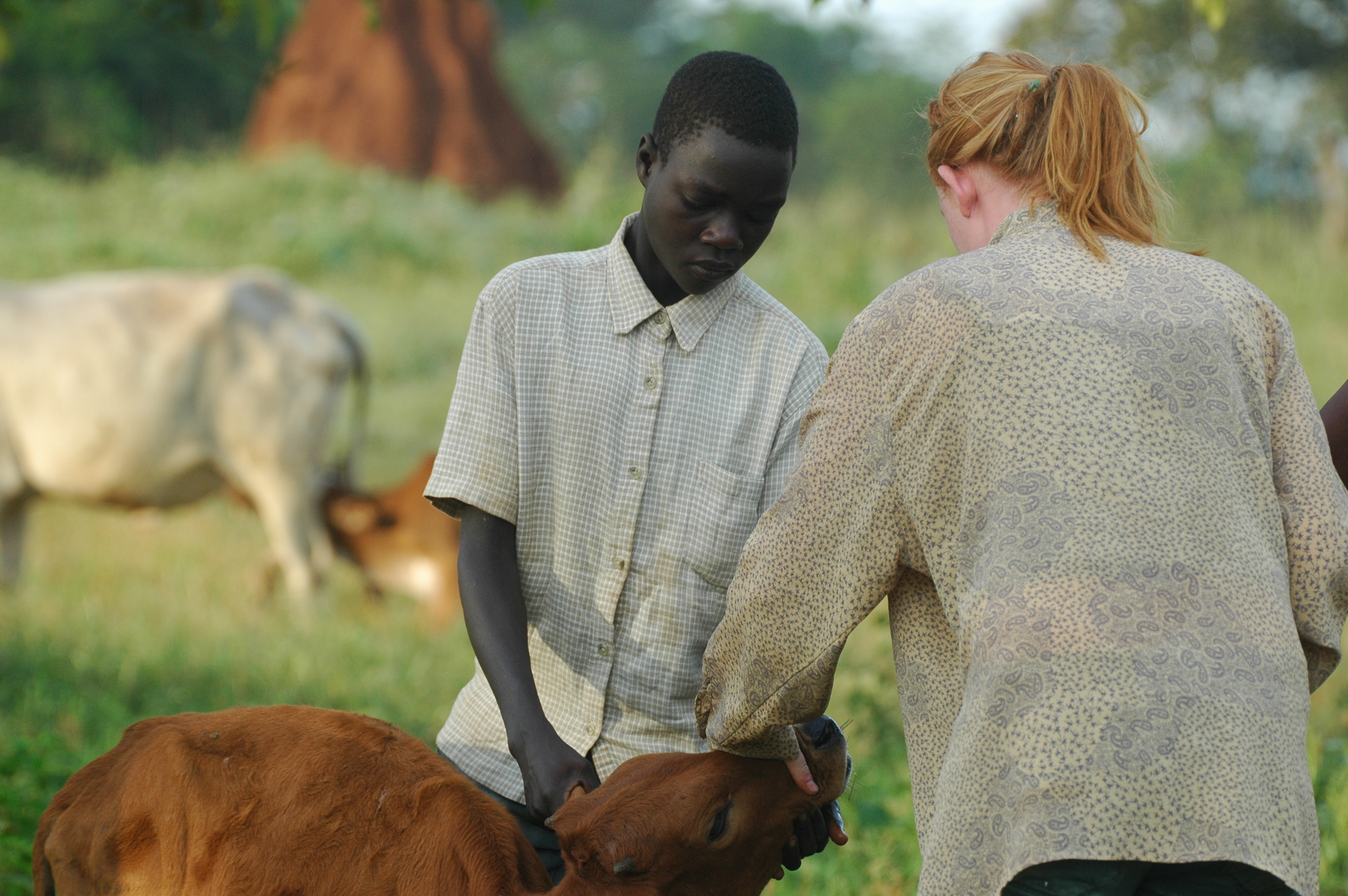
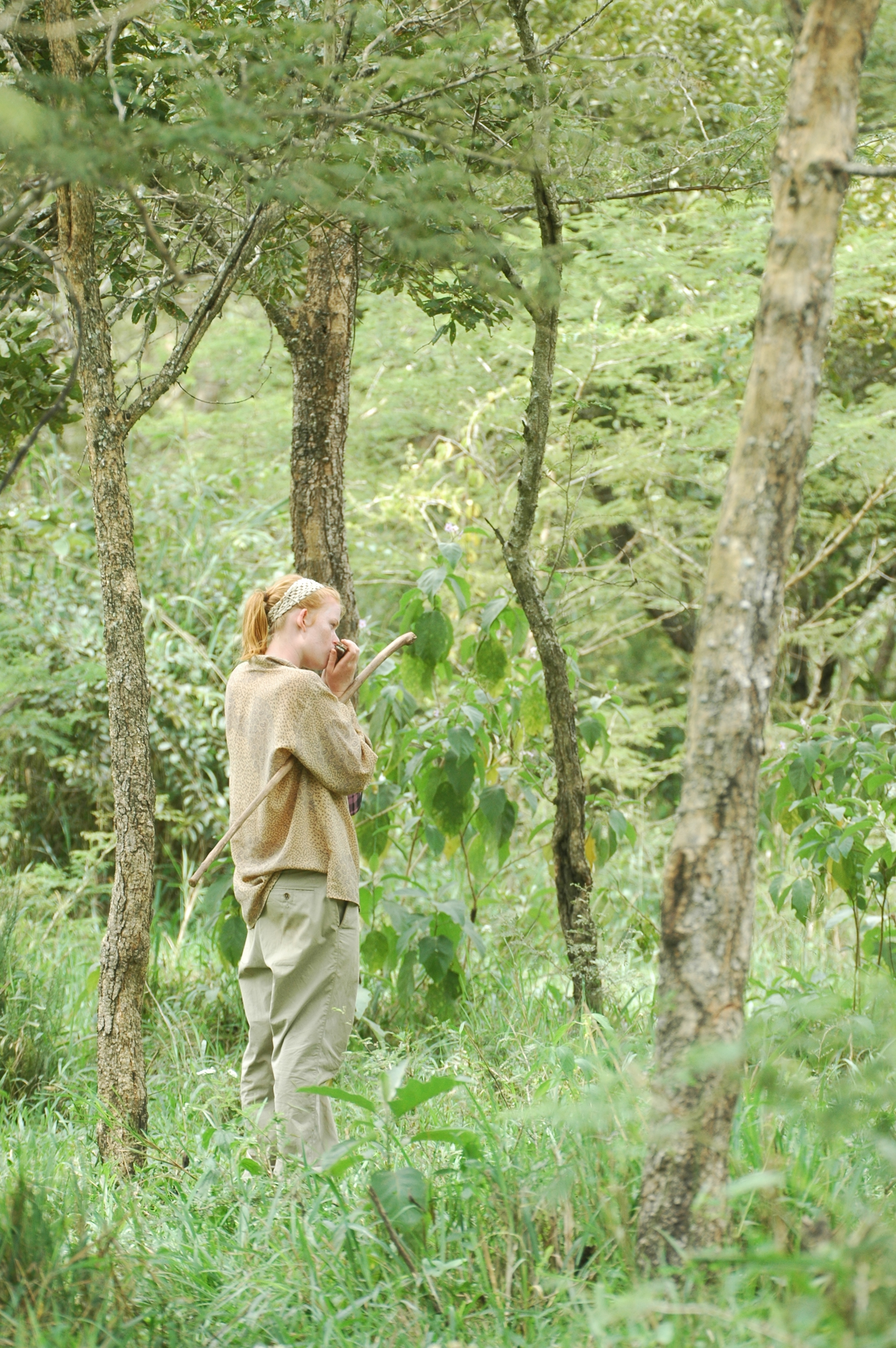
We arrived in time to help with administering the inoculations, which had already taken a couple of days, what with the herds spread out across the forested hills. Maddie, the team scientist, took the lead on this one, seeing a chance to do a little fieldwork ahead of the Biology degree ahead of her. Several years ahead of the rest of us in maturity and wisdom, if not in age, she was always out in front and seizing any and all opportunities that came floating our way, whether we joined her or not. It was Maddie’s idea to go to Uganda in person to snag a better deal on the national park permits. It was Maddie’s idea to spend all night dancing with locals down the road from our tumbledown hotel in Bwindi Impenetrable National Park. I should have followed her lead more often.

Mind you, it was also Maddie’s idea to ride along with the staff to a remote village in the north to the funeral of a colleague we’d never met, even though the service was conducted entirely in Lango (of which we understood perhaps four words between the four of us) and the return journey had me sandwiched between quite possibly the two largest women in Uganda.


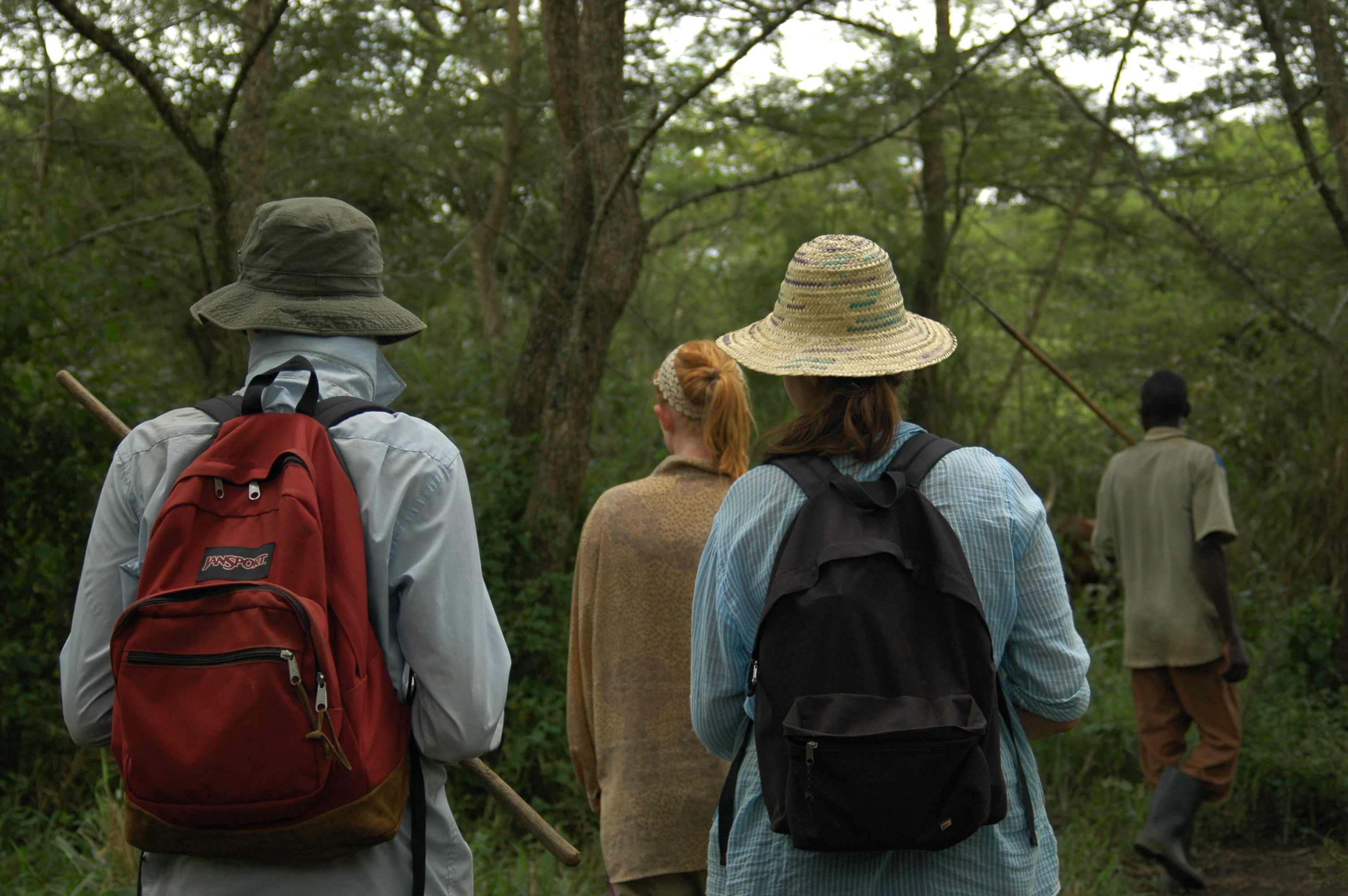
With jabs administered, Luke left us in the care of two of his cattlemen, Alphonse and Gideon (I definitely misheard Gideon as Geryon the first time around, since that’s what I wrote in my journal, though that would have been a very fitting name for a cattle herder!). Out in the bush, I got my wish: to explore a proper African wilderness. True, it was grazed by Luke’s hundred-strong herd of cattle, but there were wild things everywhere: drongos, hornbills, cuckoos, parrots and forest kingfishers. Overhead, the awkward silhouette of a pair of bateleurs kept us company across the open marches. In the course of a single cattle drive I counted at least forty species I’d never seen before, jotting down details of what I’d seen and sketching while the memory was fresh.

In short, I’d make a decent Darwin, but a useless cowherd.


The drive took us deep into the forest, which swallowed up the herd quite capably. The going was a little hard, with thorny acacia branches poking in all directions, and we got to wondering whether we were being watched by other, more sinister residents of the forest as we cut a path through the trees: our encounter with a troop of baboons at the crossing at Karuma the day before had left me with a deep-seated awe (and justified terror) of the things, and I couldn’t shake the idea that they might be hiding in the trees, watching us from evil, sunken eyes.

I needn’t have bothered: the great herd of longhorns drove most of the forest creatures before it like a scourge. But it’s funny what gets into your head.


What was waiting for us, however, was a tropical storm. We had reached the heart of the forest, where the bush was at its thickest, when Alphonse brought us to a stop at the sound of a heavy drumroll from the north. Gideon went on ahead to divert the herd, but we had gone no further than a hundred metres when the heavens opened. It did not happen gradually, as rainstorms do in the British Isles, but in an instant: one minute the sky was grey with promise, the next it was sheet-white and bucketing it down. It was as though somebody had turned on an almighty showerhead, the way it just came down all of a sudden, and it went on for the best part of an hour. At Alphonse’s suggestion we sheltered beneath the scant cover of the trees, holding the herd at a standstill while we waited for the worst of it to pass. The waterproof hiking boots which had endured similar conditions in the Lake District were waterlogged within minutes, and we were all of us soaked to the skin – it was hard to imagine that only moments before it had been a balmy thirty degrees and we had been bemoaning having run out of sun lotion. I don’t think I have ever been so utterly drenched. If I remember correctly, I was quite miserable. We all were.


Luke came to the rescue around midday, picking us up from the side of the road when we finally broke free of the forest and saw the Nile, our intended destination, winding across the valley ahead. Regardless of the conditions, it would still have been another couple of hours’ march to the river, and Luke was quite anxious that we would not catch our death of cold on his watch, so we were whisked back to the farm for a warm cup of tea and fresh clothes. Alphonse and Gideon bade us farewell and pushed on toward the river, even as the clouds threatened a second deluge with flash and thunder.

We conceded defeat before these incredibly hardy cattlemen and their herd, and returned to teaching the following week with a renewed sense of purpose: we had a lot more to offer in passing on what we had learned than in wandering blindly through the bush in the wake of men who had been herding cattle since they were children.

I said I was miserable – which, according to my diary, is a fact – but like most things that get me down, I’d do it all again in a heartbeat, if only to see the rain come down as ferociously as it did that day, and to feel that shudder in my heart when the first drumroll of the rainy season came thundering in. Matthew wouldn’t have thought all that much of it. After all, there’s all manner of cliches when one gets to talking of a thunderstorm, and Matthew is far too indie for any of that nonsense. BB x

The Devil’s Cauldron

The white IKEA bookcase in the corner of my bedroom holds my most treasured memories: cherished books from my childhood, photo albums fit to bursting and hand-written diaries that stretch back as far as 2012. One of these last, spineless and soft around the edges, features a Van der Grinten map of the world: an eighteenth birthday present from a friend. It contains the tales of my adventures in Uganda, the first teaching post I ever held. As I open it, a handful of photos fall out: a vulture, a much younger me in Kyambura Gorge and the misty mountains of Bwindi Impenetrable Forest. Memories come flooding back. Come with me down memory lane, and I’ll take you on one of the most breath-taking adventures I ever made.


19th September 2012

According to my diary, it was an early start. My alarm clock woke me up at 3am, and while I was dressed and ready to go, my companions were a little slower on the uptake. Can you blame them? I sat on the concrete porch of the little house in the garden of the Bishop’s residence, watching the stars. There is no night quite like the African night. It is a deeper black than you can possibly imagine in the West: enlightenment has left our world overlit. Without streetlights to pollute the sky, the heavens sparkle with an ethereal light that has not been seen in most of Europe for over a century. I counted more than twenty shooting stars before our driver arrived and whisked us away into the dawn.

The Langton Four – that was what they called us. We were the first student representatives to visit our partner school in Boroboro in the once troubled north of Uganda. There had been staff exchanges in the past, but with the Lord’s Resistance Army waging a private war in the region for the last two decades, the idea of any kind of student involvement was limited to non-uniform days until my final year at school. When the opportunity suddenly presented itself, I practically bit their arm off. I read the required BBC article on David Cameron’s threat to withdraw aid to Uganda over and over again, and I turned up to my interview with a portfolio of printed photographs (which I still have). I suppose I was hoping to angle my way in as the team journalist. The team was chosen on the night of the interviews and my name was among the four. I still think of it as one of the happiest nights of my life.

The sky began to glow red around 6.40am, and the sun was up moments later. African sunrises really are like the opening to Disney’s The Lion King – that is, visibly quick. Maddie got out for a run in the morning light – we had been on the road for two hours already – before we reached the town of Purongo, a collection of red-walled houses and small businesses on the northern edge of Murchison Falls National Park. This was our Ugandan “welcome wagon”, as it were: a trip to Uganda’s first national park at the end of our first week at the school. Getting in was complicated by the print-date of my US dollars – the Uganda Wildlife Authority (UWA) had taken the decision to refuse any dollars printed before 1981 – but on this occasion they let it slide. We were joined by Robert, one of the park rangers, which brought the total in the car up to seven. I drew the short straw and ended up on the left-side of the middle row, landing a window seat that looked straight into the rising sun.

We learned within the first half-hour of our safari that it was wiser to keep the windows closed: the tsetse flies that share a home with Africa’s megafauna have a taste for human blood, when they can get it. Forget the harmless bluebottles that hurl themselves at your window: tsetse flies are another beast entirely. They’re loud, they have a bite like a needle, and they’re very hard to kill once they get into the car, despite their size, which is considerable. They clung to the glass like remoras for most of the morning, just waiting for somebody to wind down the window for air.

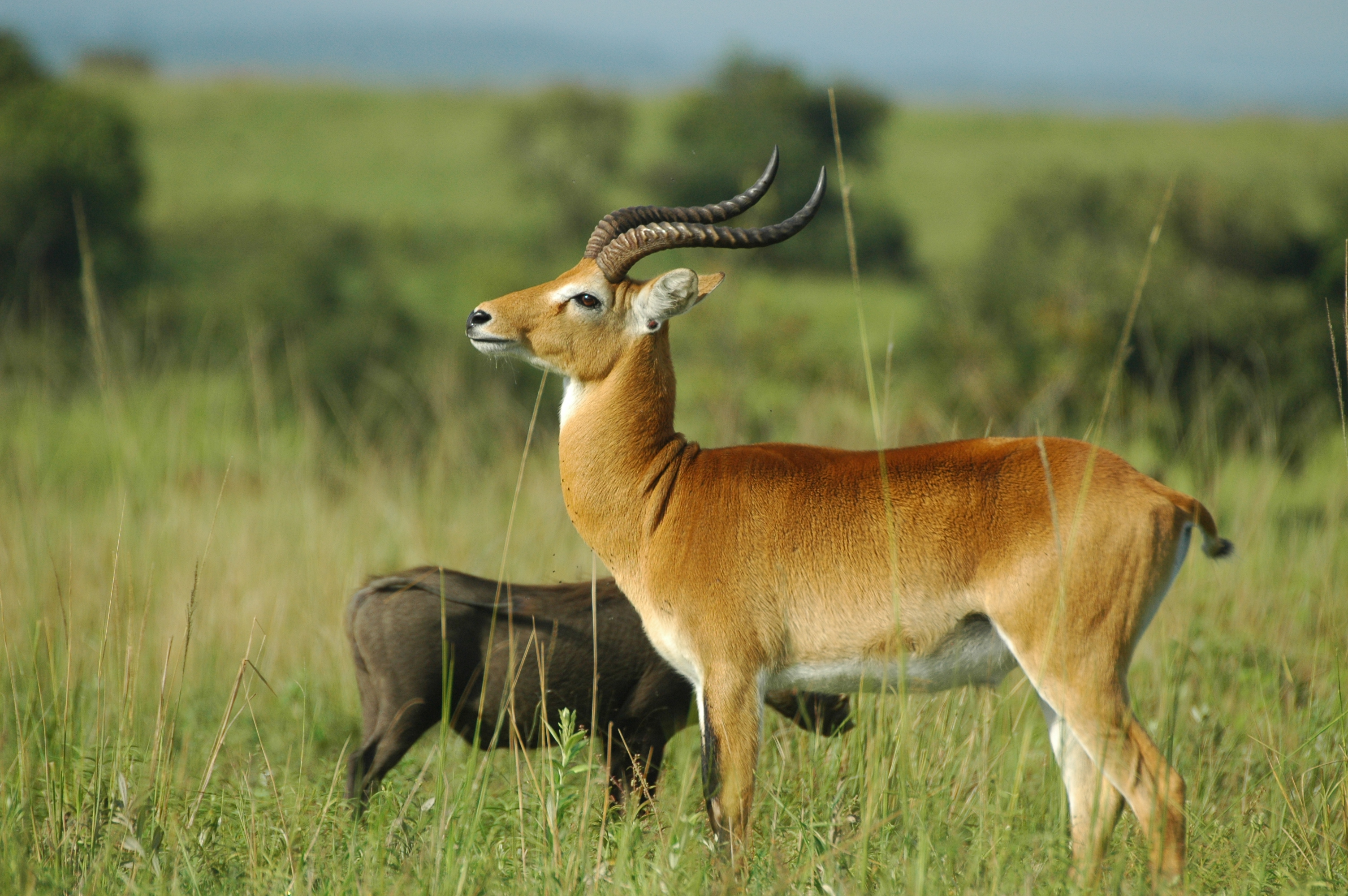
The first of the park’s larger inhabitants came into view just beyond the gates in the form of a herd of Ugandan kob, a stocky antelope that with the crowned crane forms one half of the Ugandan coat of arms. It was a modest start to the safari, and I was a lot more interested in the bizarre-looking hartebeest standing in their midst. With a head that might have given birth to the expression ‘why the long face?’, they look too warped to be real, like a badly stretched photo on a student PowerPoint. It spooked when the car came to a stop and bolted. They seem more skittish than other antelope species: though I saw several of the strange beasts during my time in Uganda, I never did get a good photo of one.


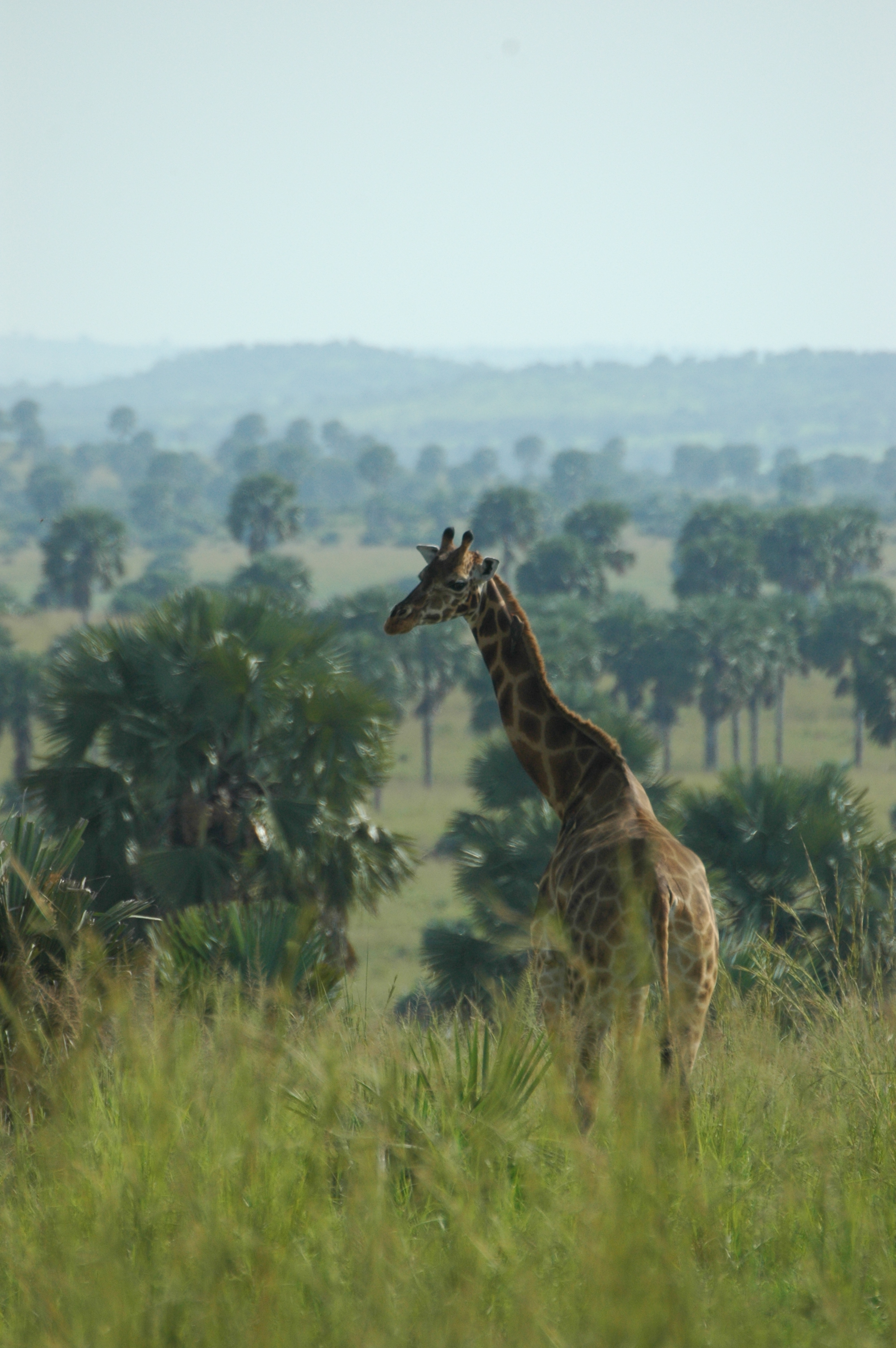
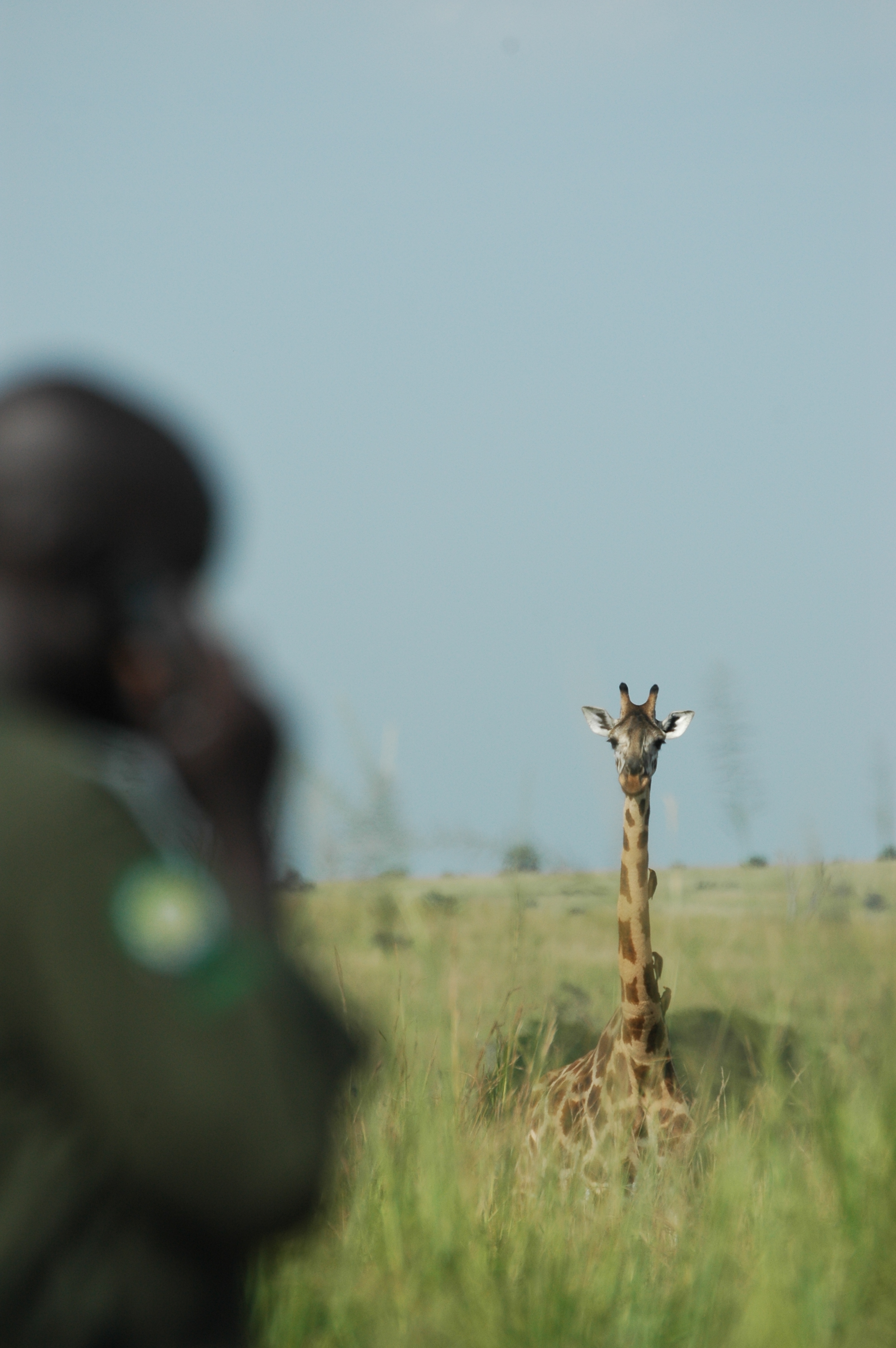
We didn’t have to go much deeper into the park before the park ranger pointed out a giraffe. He needn’t have bothered: at over five metres tall, they aren’t exactly hard to spot. Murchison Falls NP was one of the last holdouts of the giraffe in Uganda, after war and poaching drastically reduced their numbers in the last century. The giraffes that can be seen in Uganda are the nominate species, known as Nubian giraffes, and could once be found as far north as Egypt. Back in 2012, they were still known as Rothschild’s giraffes – they were reclassified in 2016 – so it looks as though they have been “decolonised”, dropping the name of a wealthy British banker and zoologist in favour of a name that conjures up their former homeland. Murchison Falls itself was similarly renamed under the Ugandan dictator, Idi Amin Dada, though the fact that he was the brains behind the switch may account for the fact that the park formerly known as Kabalega Falls has since reverted to its old colonial title, for better or for worse.


We reached Paraa around midday, where the Victoria Nile cuts right through the hearts of the national park. We missed the ferry by minutes so we parked up on the riverbank and waited for it to return under a thick cover of cloud. My friends had to stop me from getting too close to the water, as a large pod of hippos were dozing just metres from the bank. Some estimates hold that hippos are responsible for around 500 deaths a year, making them one of the more dangerous creatures on the continent – though not as dangerous as Africa’s snakes, which claim thousands of victims every year. I think I was actually more interested in the gangling jacana that was bobbing around at the water’s edge, but that’s by the by. Just like me to miss the wood for the trees.

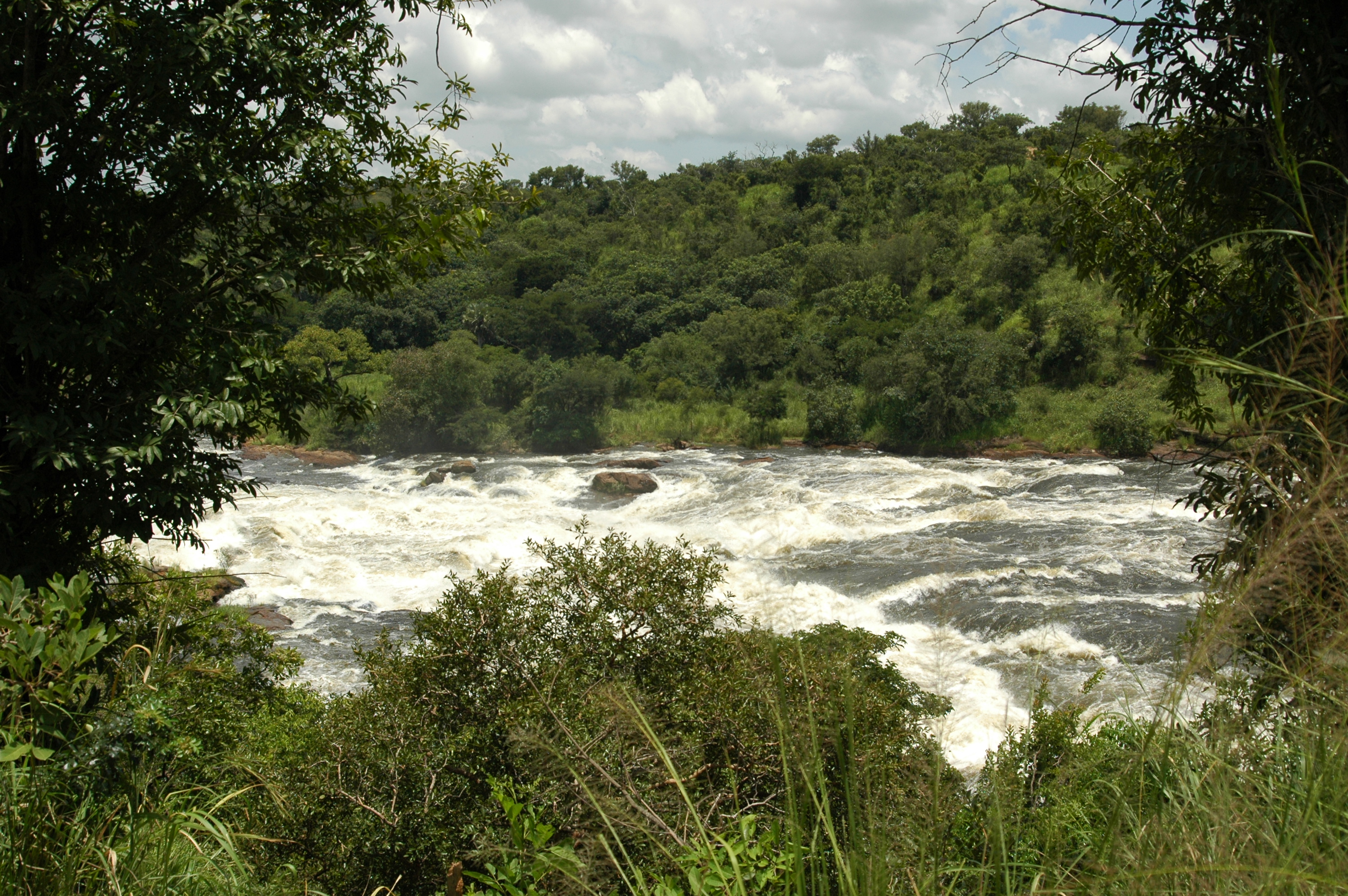
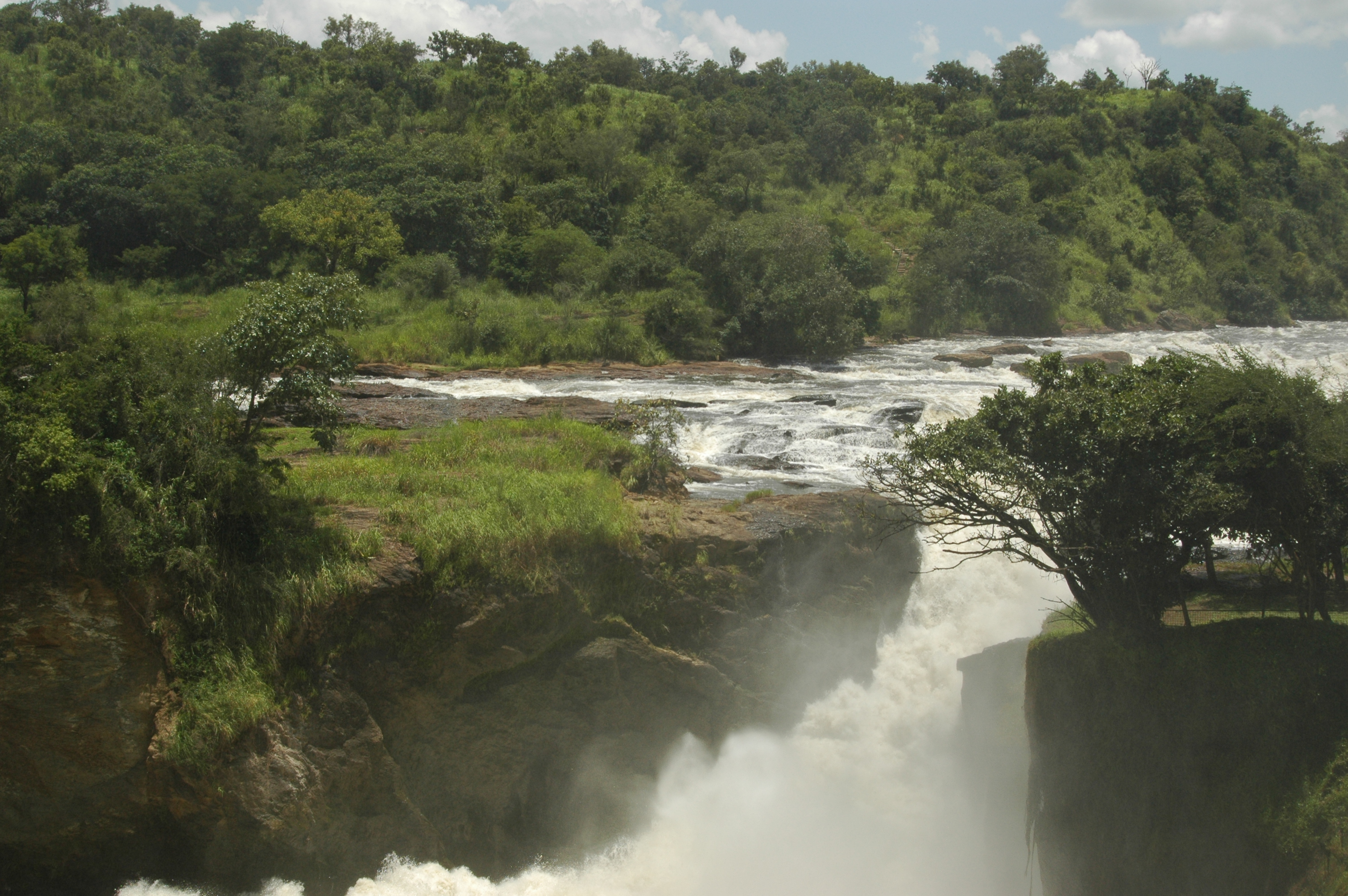
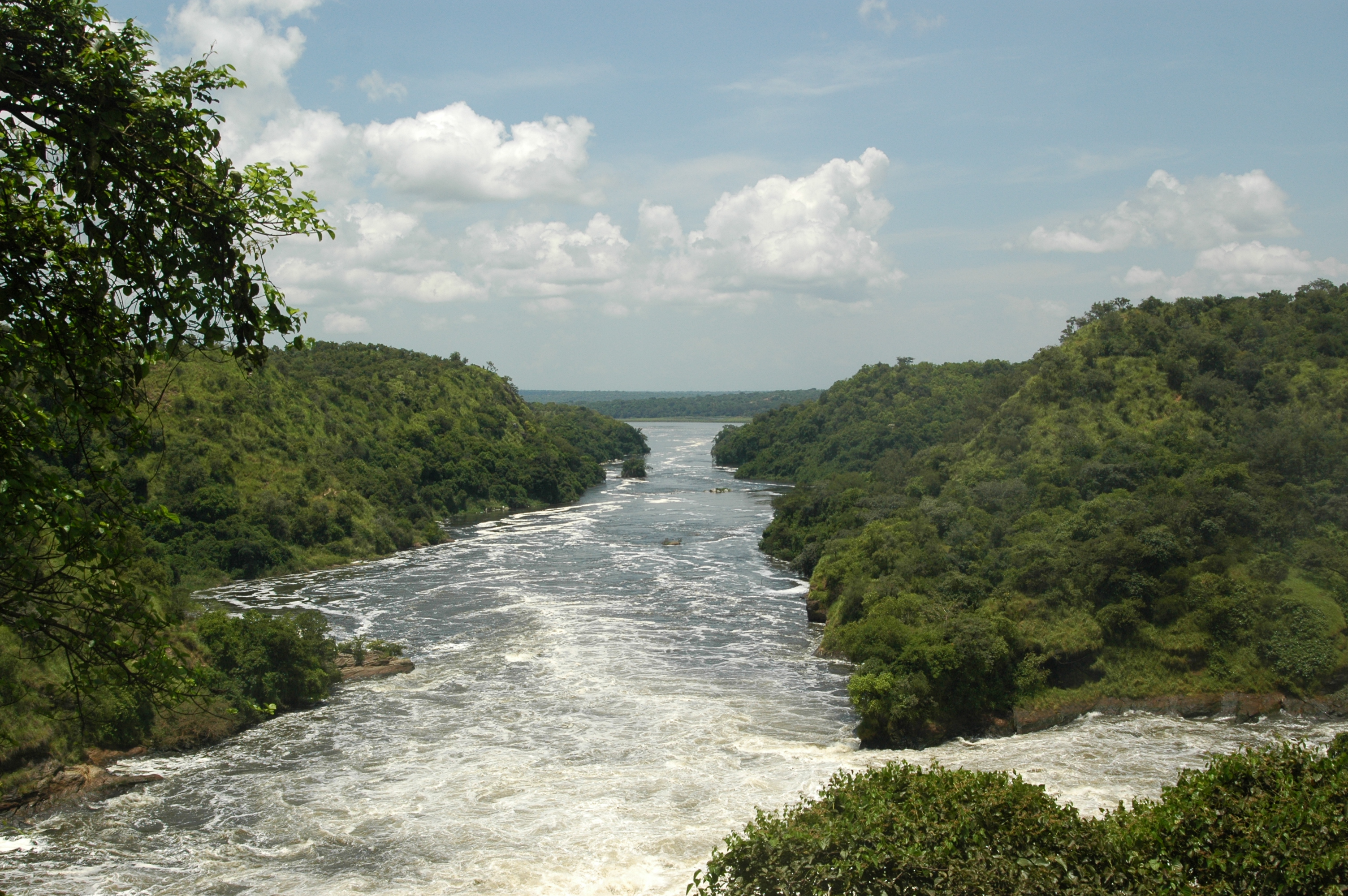
From Paraa, it’s a bumpy ride to the falls for which the park is named. I’ve described them in my journal as “royal”. Kabalega – Amin’s preferred name for the falls – comes from Chwa Kabalega II, King of the Bunyoro people who call this corner of Uganda home, so it’s not a poor choice of an adjective. Hailed by the UWA as “the world’s most powerful waterfall”, the Nile is forced through an eight-metre chokepoint, creating a thunderous spectacle as the full force of the world’s longest river is hurled into an abyss known as the Devil’s Cauldron. It really does have to be seen to be believed.


It’s incredible to think that this mighty river winds its way all the way up to the Mediterranean. For centuries, the origins of the Nile were a mystery to the Western World. The Banyoro knew of the great river, of course, but they would have been just as surprised to know that the river that thundered through their kingdom watered the deltas of the pharaohs, some two thousand miles to the north. It might seem strange that the source of such a historically important river remained a mystery well into the nineteenth century, but as the early explorers discovered, the Nile is a treacherous creature that holds onto its secrets with a jealous force almost as strong as its flow: once you reach Sudan, the river becomes heavily overgrown, making navigating by boat near impossible, and stands of reeds and papyrus hug the banks so densely that, in some parts of its course, it obscures the river entirely from view.

The Ancient Romans had a saying, Nili caput quaerere, “to seek the head of the Nile”, which meant to attempt the impossible. It’s possible the saying originated with the Emperor Nero who did just that, tasking a small expeditionary force of his Praetorian Guard to find the legendary source in the first century AD. The historical accounts claim they made it as far as Southern Sudan before finding their passage blocked, but some claim they may have made it as far as the thundering waterfalls of northern Uganda. It’s a strange thought, to picture the Praetorian Guard standing here, staring in awe at the falls in the same spot that shadowed Winston Churchill, Ernest Hemingway, Humphrey Bogart and, much later, myself.


What the photos don’t show is the spectacular double rainbow that forms over the Devil’s Cauldron as the Nile thunders through the gorge. We saw the falls shortly after a brief spell of heavy rain, so the force of the flow was especially ferocious. Two weeks later, when the full force of the wet season came down, it would have been near impossible to get as close to the falls as we got without being blasted with the spray. Apparently, these can sometimes be seen at night, when the moonlight is exceptionally strong: these are called “moonbows”, and have been spotted by birdwatchers who come here looking for the bizarre pennant-winged nightjars that nest in the surrounding forest. We didn’t stay long enough to find out, but I’m sure it must be a beautiful sight to behold.

The first thing I ever saw in Africa was a waterfall. The connecting flight from Heathrow to Addis Ababa rode the clouds for most of the journey, but shortly after waking up on that first morning, the clouds parted for just a moment, revealing a jaw-droppingly beautiful mountainscape, with a silver river launching itself over the edge of a high cliff the colour of bronze. Victoria Falls is the one that comes to mind for most, but for me, it’s a toss-up between Murchison Falls and that nameless cascade that first stopped my heart all those years ago. Maybe I should go in search of more waterfalls!


Honestly, I’m getting the travel bug just writing this. I think it’s time I blew the dust off the travel section in my library and started cooking up a plan. I know I’ve had a grand adventure this year to the States, and I’m grateful, but after a slightly abortive early finish, I feel like I haven’t quite sated the travel bug this time around. Let’s see… if I can pass my driving test, I think I will reward myself with another grand adventure – only next time, I will do it for me. It certainly makes for fun writing! BB x

On the Road Again

I’ve got my third driving lesson of the summer this afternoon. They’re not going too badly, considering I had a three month hiatus after my last instructor was rushed to hospital, forcing me to cancel just two weeks shy of my test. I wouldn’t say I’m test ready, by any stretch of the imagination, but it’s becoming more natural behind the wheel, and I’m hopeful that I will be on the road in wheels of my own before the end of my thirtieth year. That’s the goal, anyway.

Cruising around the unfamiliar roads of Somerset had me thinking about the freedom I will have with a car of my own. It’s the thing people tend to point out time and again when the subject of getting my driver’s licence comes up in conversation, but it’s honestly not something I think about all that often. Which is absurd, because when I do have the chance to get out and explore, I know I’ll be out most weekends if I can, especially in this wild and sometimes desolate corner of the British Isles. With Exmoor, Dartmoor and the Jurassic Coast on my doorstep, I’d be a fool not to.

I’ve been on a number of grand road trips over the course of my travels, and I thought I’d use some old photos as a launch to reminisce about a few of them: snapshots, if you will, of great adventures.

1. The Badia, Jordan. 3rd July 2015: 10:56am


At the end of my first week living in Jordan back in that sweltering summer of 2015, a couple of Dutch students from my language school, Bern and Marco, hired a van and offered to take a group of us out into the Eastern Desert, also known as the Badia, on a Jordanian road trip. It was a bit of a squeeze, fitting ten of us and our supplies into the damned thing, but it allowed us to see more of the country than the public transport system ever could.

Something that strikes you immediately about the Badia is how empty it is. The desert itself is vast, covering more than 72,000km. That’s larger than the Republic of Ireland, and it’s actually only a fraction of the greater Syrian Desert. Highway 40, the road that connects the oasis city of Azraq to the capital Amman, is a largely featureless drive across the edge of the Harrat as-Sham, often translated as the Black Desert. It is no misnomer. Forget your childish images of rolling sand dunes and palm trees. The Black Desert is an immense expanse of flat, black rock, stretching as far as the eye can see in all directions. The silence is almost as oppressive as the heat. One of my American friends, the enigmatic Washingtonian Mackenzie, used to play a game on the road, Camel or Human, every time something larger than a boulder appeared on the horizon. Usually it was a camel, but just every so often we’d pass a wanderer on the road, miles away from everything and everyone. Not exactly a forgiving place to break down.

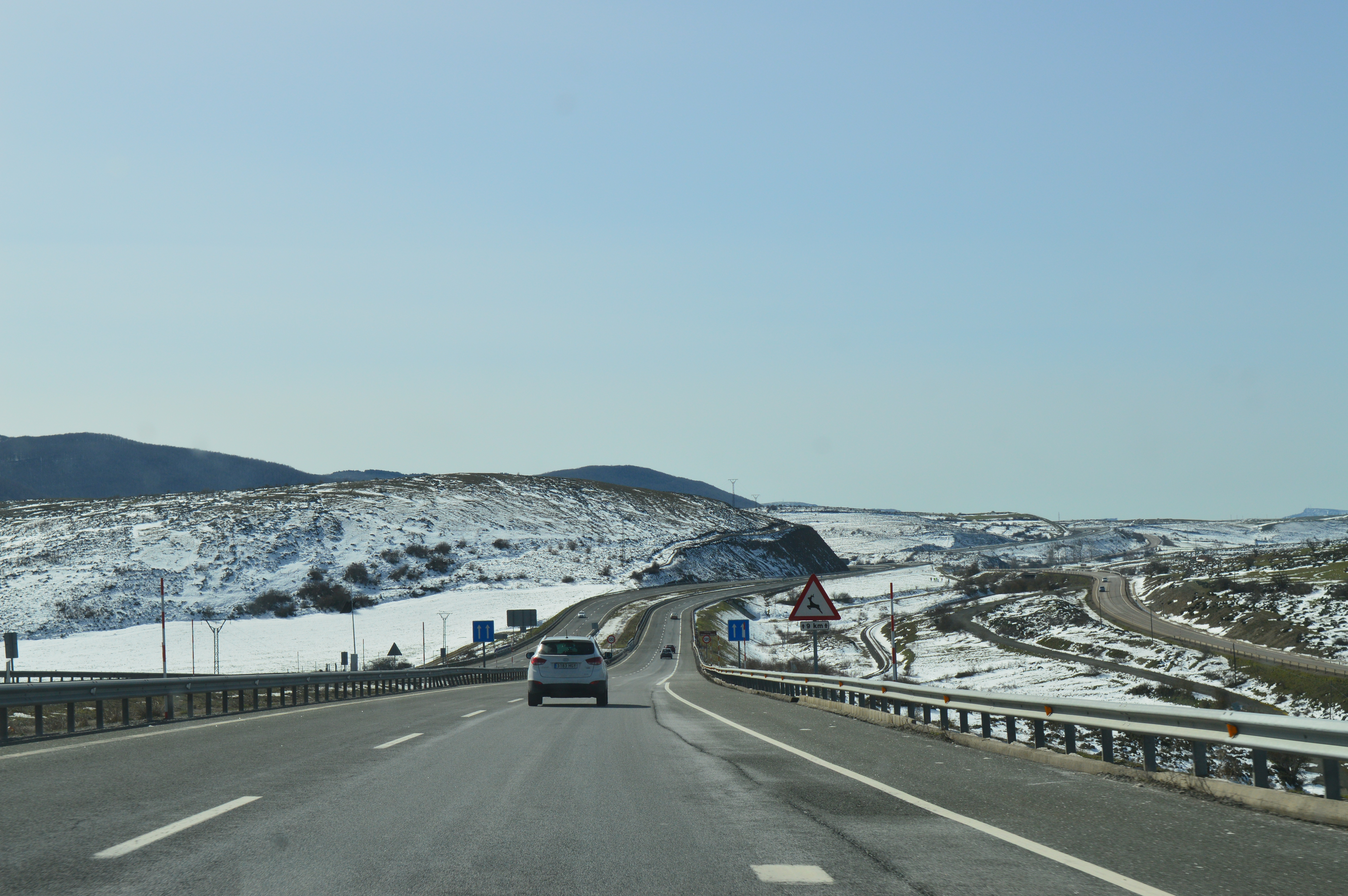
2. Reinosa, Spain. 21st February 2016: 11.46am


I used a variety of methods to travel around Spain when I lived out there: the carshare app BlaBlaCar, the short-distance Extremadura bus firm LEDA and, latterly, the superb train network RENFE. For the longest journeys I leaned heavily on ALSA, Spain’s answer to National Express. Cheap and efficient, provided you had time to spare, they serve most of Spain’s larger cities and provided a very reliable means of getting around. I took the bus one wintry weekend to see my friend Kate up in Cantabria. It was a ten-hour journey – not for those who get bored or travel-sick – but it does take you through some of Spain’s most breath-taking natural beauty: the wild steppe of Cรกceres, the cherry-blossom valleys of Plasencia, the high meseta of Old Castile and the snow-covered mountains of the Cordillera Cantรกbrica. Driving from south to north across Spain, you really do feel as though you have arrived in a totally different country when you step out of the car at the end of the day.

I hitched a ride south to get home with a friendly student who was heading back to Algeciras after visiting family in Santander. At over 1,000km, it’s probably one of the longest drives you can do in the country. Luckily for me, Villafranca de los Barros was on his way home. In a year where I hardly saw any snow – and where Durham got some of its best in a decade – it was spellbinding to see the northern reaches of Castile covered in a heavy blanket of snow and ice. I’ll have to come back and explore someday.

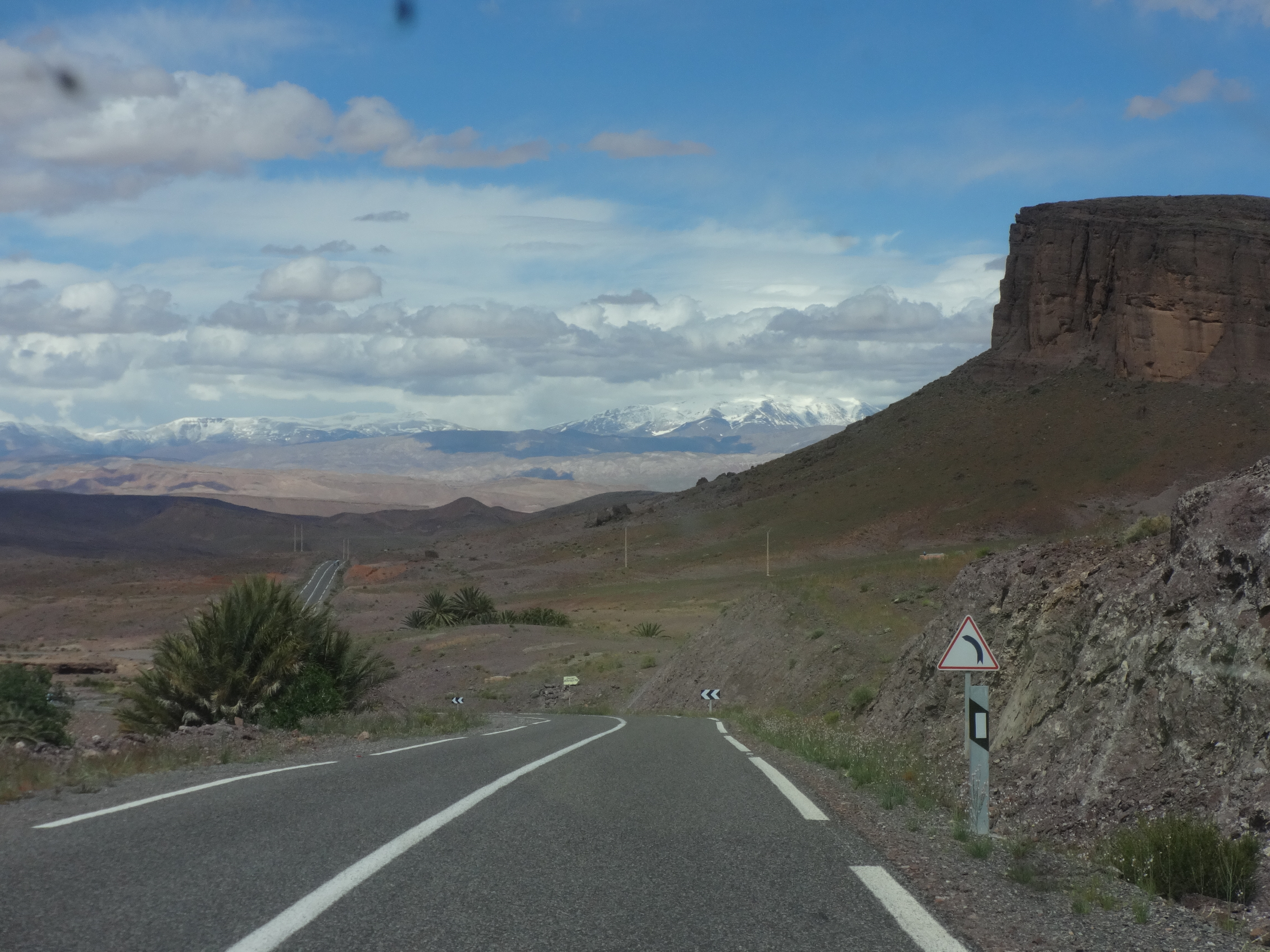
3. Piste 1507, Morocco. 20th March 2015. 11.45am


Another marathon road trip, and one of the most bizarre. My friend Archie and I hailed a grand taxi in Oulad Berhil for Ouarzazate, a desert town famous for being the location of choice for a number of movie studios who require a desert theme in a relatively safe location (including blockbusters like The Mummy and Gladitator). Our taxi driver, Ibrahim – whose name I only discerned from the badge on his windshield – was quite possibly the grouchiest, least sociable character I have ever encountered on my travels. Over the course of a three-and-a-half-hour drive across the rugged mountain valleys of Drรขa-Tafilalet, he never said a word, despite our intermittent attempts to engage him in conversation. Perhaps he found us tiresome, or perhaps he was cooking up the plan he would later carry out to quintuple the price we had agreed back in Oulad Berhil, safe in the knowledge that Archie’s rucksack (and passport) was locked up in the boot of his car. I’ll never know. Archie fell asleep for much of the trek, but I spent the greater part of it with my eyes glued to the window, watching the world beyond sail past. I love road trips for that. I don’t think I could ever get tired of seeing the world.

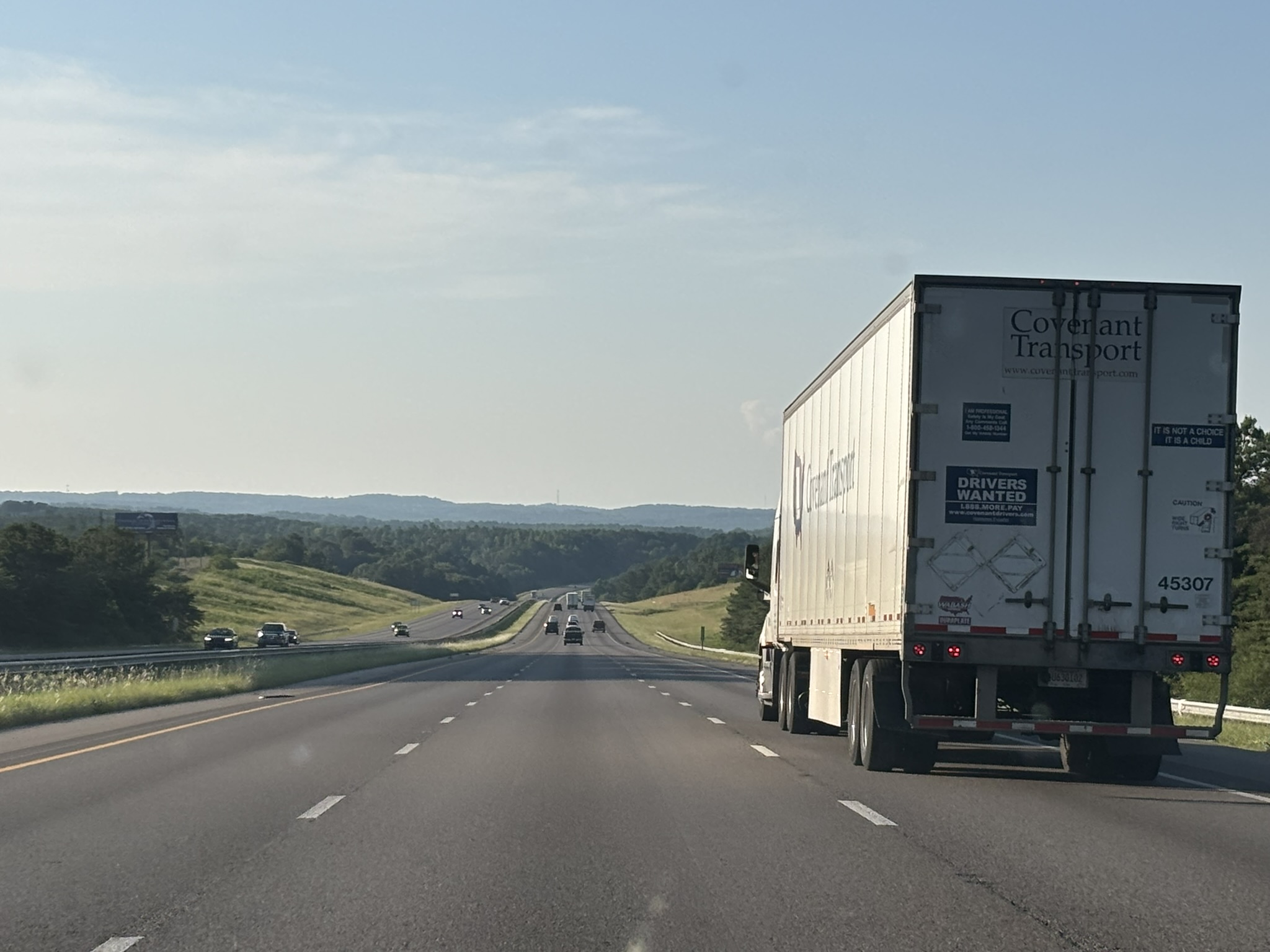
4. Interstate 65, Alabama, 3rd July 2024. 7.40pm


It’s one number shy of Route 66, but it was a phenomenal introduction to the American road trip. The highway in question travels north from Mobile on the south coast of Alabama all the way up to the shores of Lake Michigan in Gary, Indiana. I was only on the road for a fraction of it, from Birmingham up to Huntsville, but it was enough to make my eyes pop. Squashed armadillos, discarded tyre tracks and billboards were features I had anticipated to some degree, but the forests… I don’t think I was aware at all of just how forested North America truly was. The history books and the movies give the impression that most of the great tracts of forest were cut down, but in the American South – especially in the foothills of Appalachians – they go on for mile after mile, stretching across the land like an immense green carpet. The highways just cut right through them, dynamiting their way through hill and mountain as though they were merely molehills.

If I’d known how painful the destination would prove, would I have still made that journey?

Absolutely. Without a second’s hesitation. Some things are worth burning for. Some things are worth traveling all around the world to see, even if only for a moment in your life.

5. Boroboro, Uganda, 11th October 2012. 5.06pm


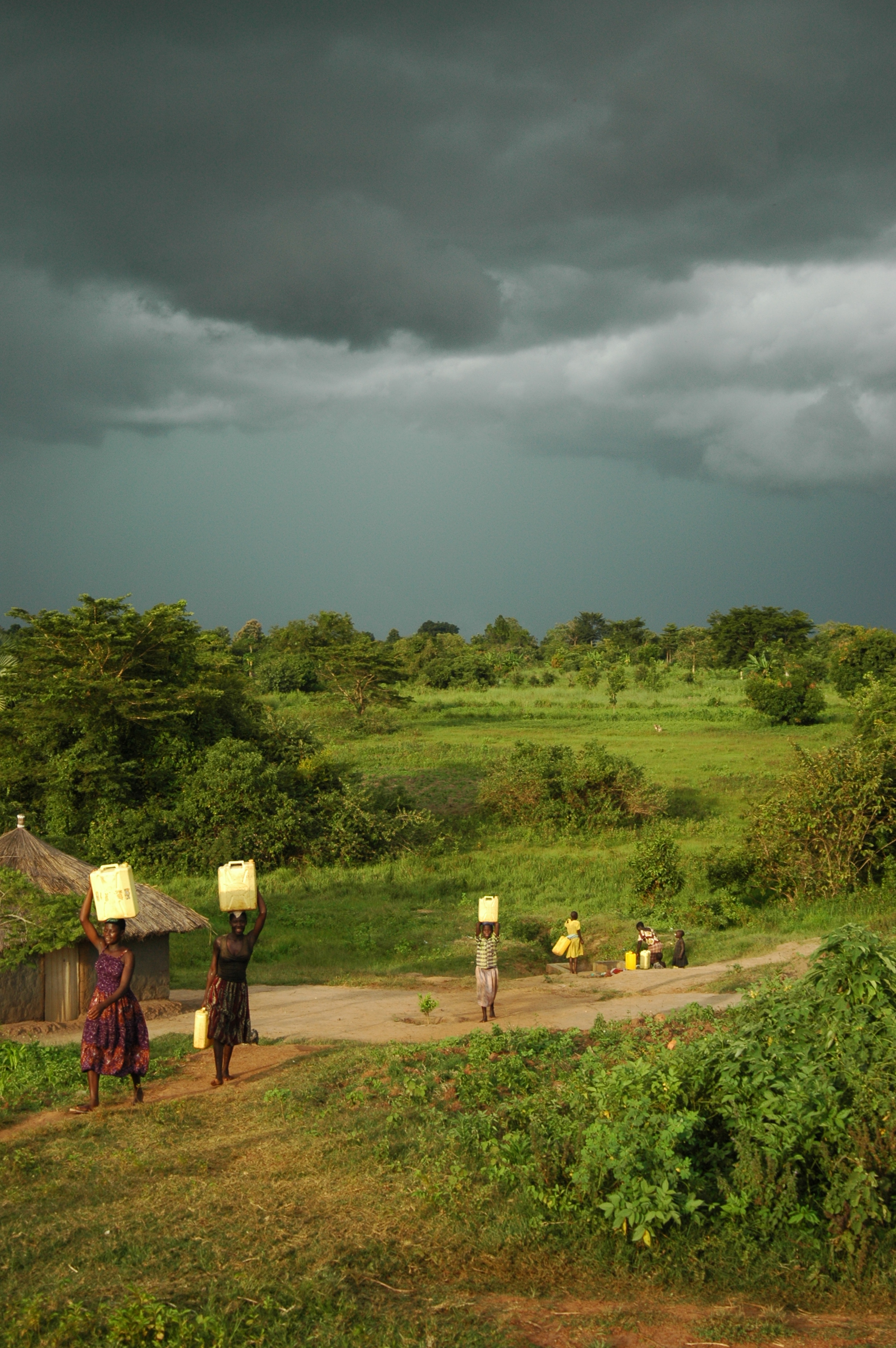
I thought I’d end this post with what is probably the best photo I’ve ever taken, and one that has a real story behind it.

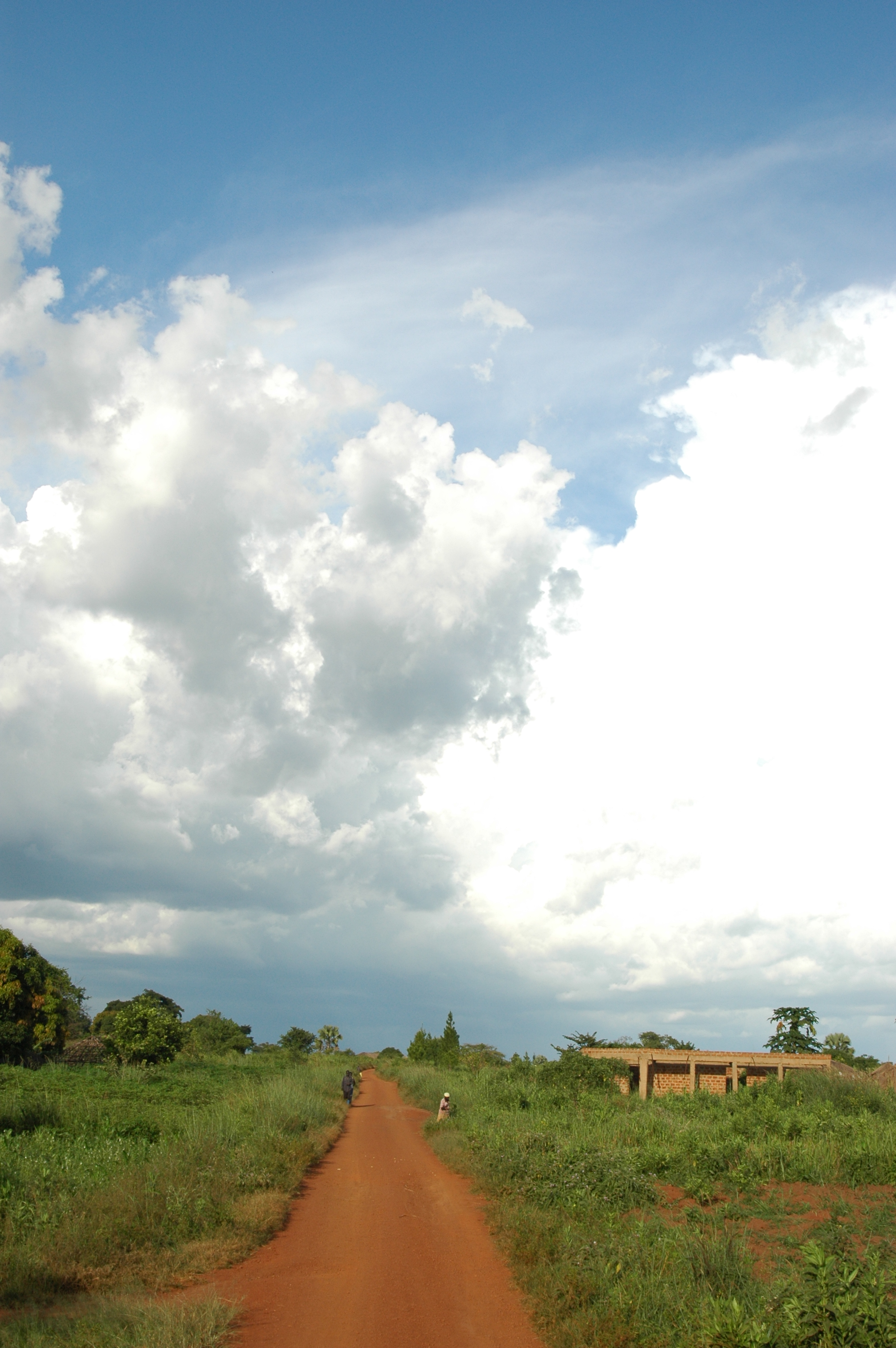
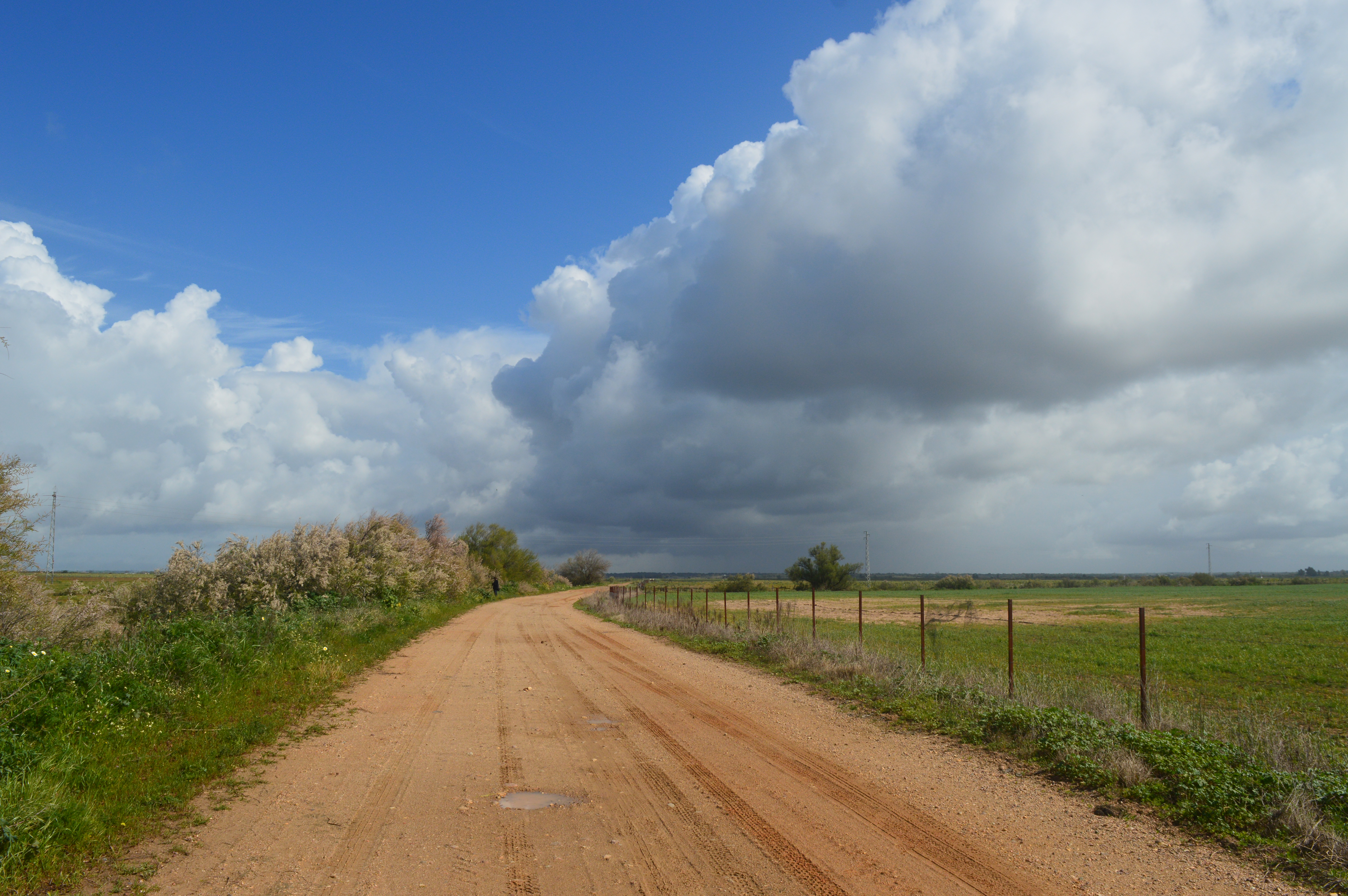
One month into my first teaching post in northern Uganda, I was invited to visit the former headmaster, Mr Ojungu Hudson Luke, on his farm on the banks of the White Nile. It was an incredible experience, herding Uganda’s famous longhorn cattle through the forests and the driving rain, with one of the world’s greatest rivers thundering away in the background, and perhaps I’ll tell you that story and more as the summer draws to a close. On the way home, after three days without access to electricity, my camera was out of charge, bringing my frenetic documentary spree to a standstill. Uganda’s roads can be treacherous and breakdowns are common, and when they do happen, they can be final: I will always remember the graveyard of trucks and lorries between Boroboro and Lira, rotting at the side of the road where they collapsed. Luckily, we made it back to Lira with little trouble, just in time to meet a tropical storm riding in on dark clouds.

The lighting was spectacular: brilliant evening sunshine, heavy, dark clouds, vivid colours all around. Red African soil and a thousand shades of green. Not for the first time in my life, I gave the finger to the sunburn on my skin and rode the last hour of the journey in the back of the truck so that I could see the world with my own eyes. Determined to capture the moment, I took the battery out of my camera and tried to breathe new life into it by rubbing it between my hands and – well – breathing on it. The first roll of thunder came rumbling down just as I pushed the battery back in and bought myself a couple of seconds. With Luke Ojungu still hurtling up the road at quite a pace, I grabbed two shots of the passing countryside from the back of the truck before the camera died.

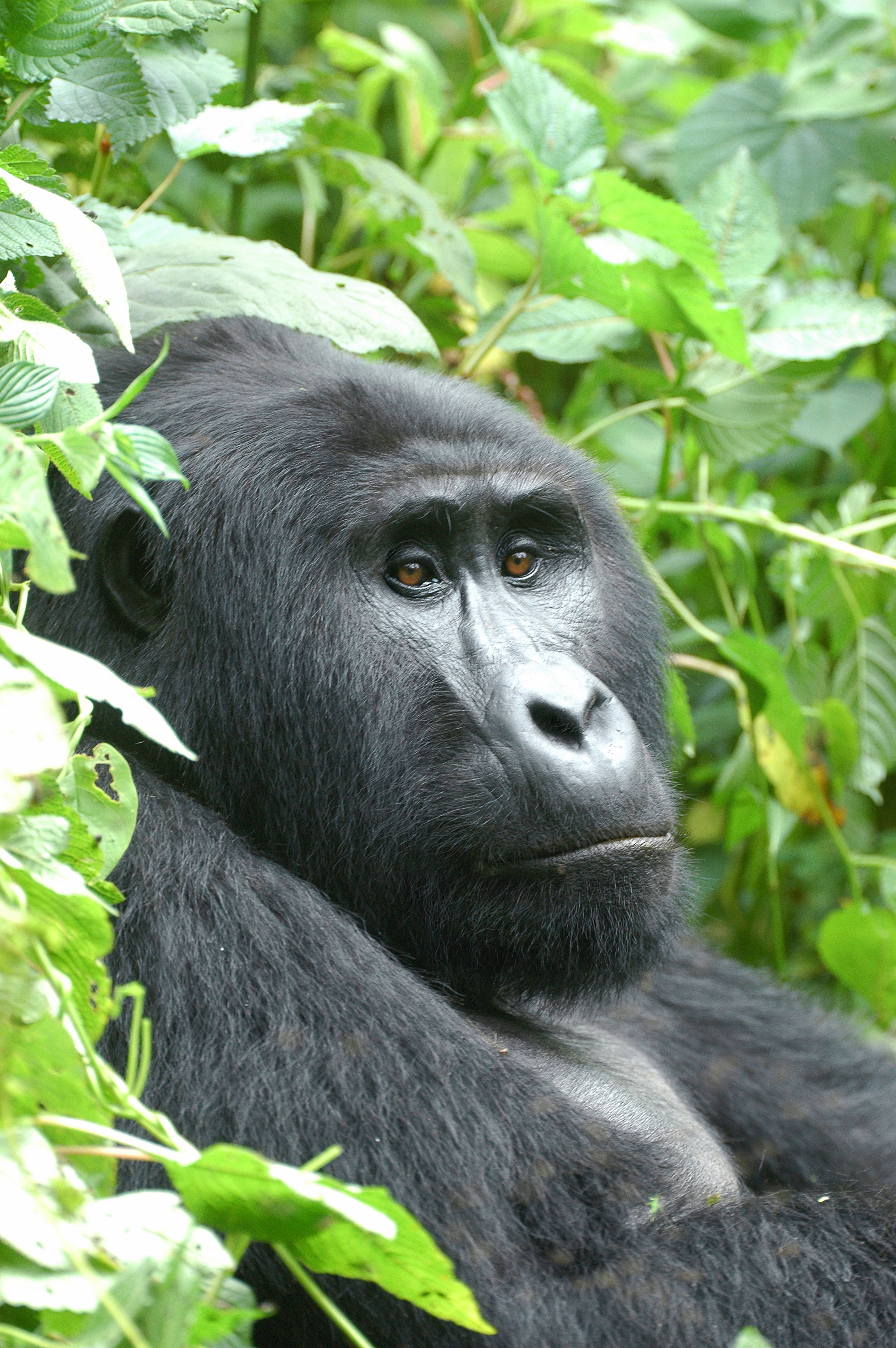
We were a hundred metres or so from home when a lightning bolt struck a tree just ahead of us, bringing half the trunk down across the telegraph wires, which exploded in a shower of brilliant sparks. We were lucky to avoid any harm, but we soon found out we would be without power for the best part of a week until the electricians came around to fix the problem. It was only after that, with power restored, that I was able to charge my camera and see what I had managed to capture: a beautifully evocative shot of the countryside around Boroboro, lined up almost as though on command. I have it framed in my living room beneath a matching frame of Kanyonyi, the silverback of the mountain gorilla troupe we tracked on that same expedition.

Do stay tuned – I think it might be fun to relive my Ugandan adventures with you, since they predated the blog by some three years! BB x

Abide with Me

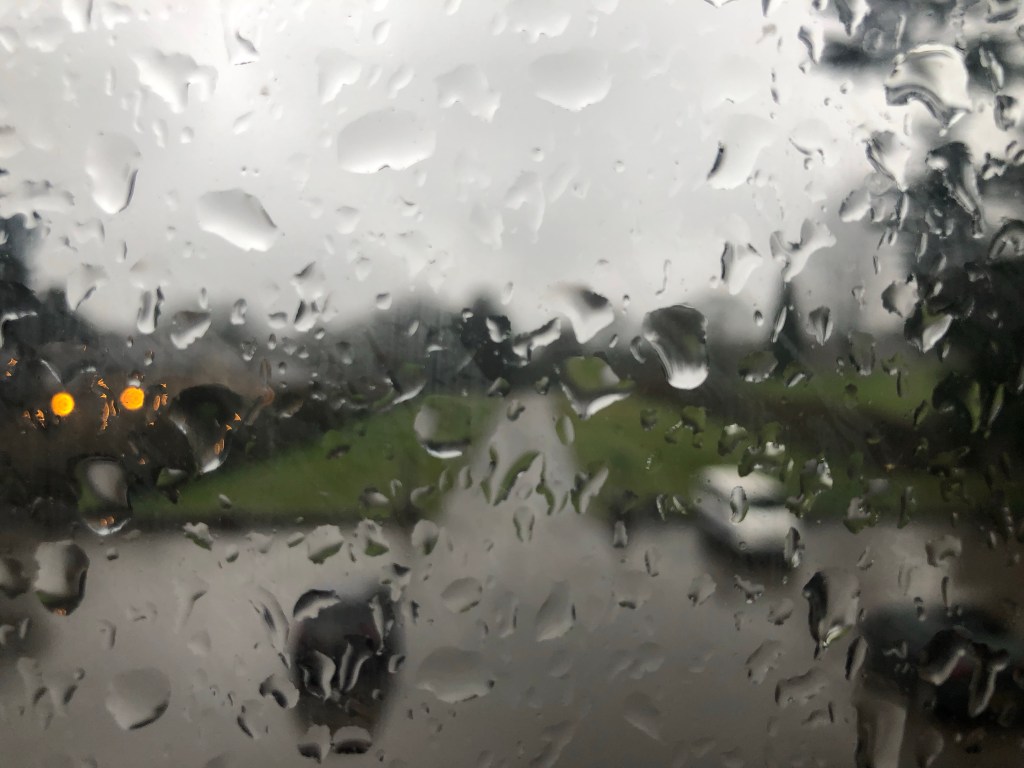
Today’s the last day of the February half term. Storm Eunice is on her way out, but she’s dragging her talons behind her. I’m cooped up with a blanket and a mug of Ovaltine in my study, looking out at the grey world beyond. Cars parked at angles. Wet tarmac mirroring the featureless sky. Winds of over fifty miles per hour howl across the grounds. One of the windows in my flat is permanently ajar due to some fault with its ancient locking mechanism, and the banshee wails moaning through the corridor sound like the Ice Cavern from Ocarina of Time (nostalgia trip here). Between the raging wind and the rattling tattoo of the flagpole two floors up, I might as well be at sea.

I came home from visiting my parents last night to find the whole site in darkness. From what I’ve seen and heard, Eunice had been busy while I was away, tearing her way along the coast like a hurricane and leaving great swathes of the south without power. It took me at least a minute or two scrolling through the UK Power Network website to find my postcode amidst the many hundreds reporting a power outage. After the fair number of power cuts we had last year, you would have thought I would have been prepared, but for the life of me I couldn’t find any of the candles I’d stockpiled over the years. I think my previous housemate used them all up for beer bottle decoration. Fortunately, some foresight – or hindsight – on my part led me to a hidden cache of hand-torches in a chest of drawers. The bulb had gone in the smaller one, but the other, though flickering as a match-flame, gave just about enough light to read by.

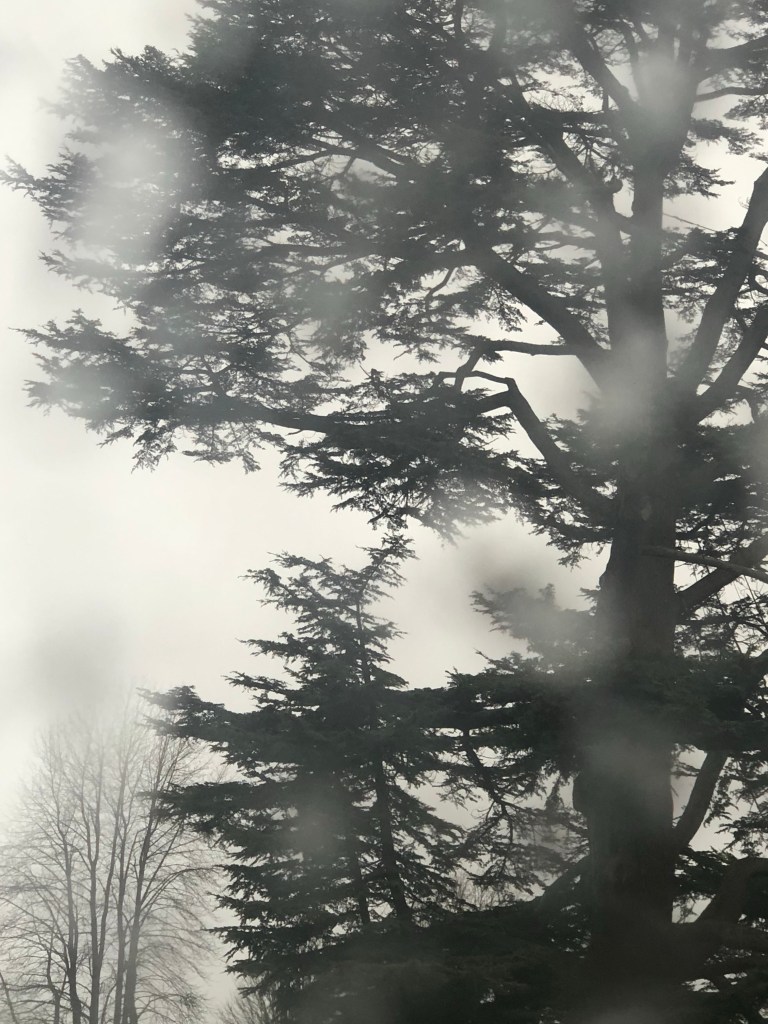
I half expected to come home to find the silhouette of the great Atlas cedar missing from the skyline, its mighty body bent and broken upon the drive like a fallen giant. Fortunately its roots go deep, like the mountains upon which its kin grow far away to the south, and there is strength in the old man still.

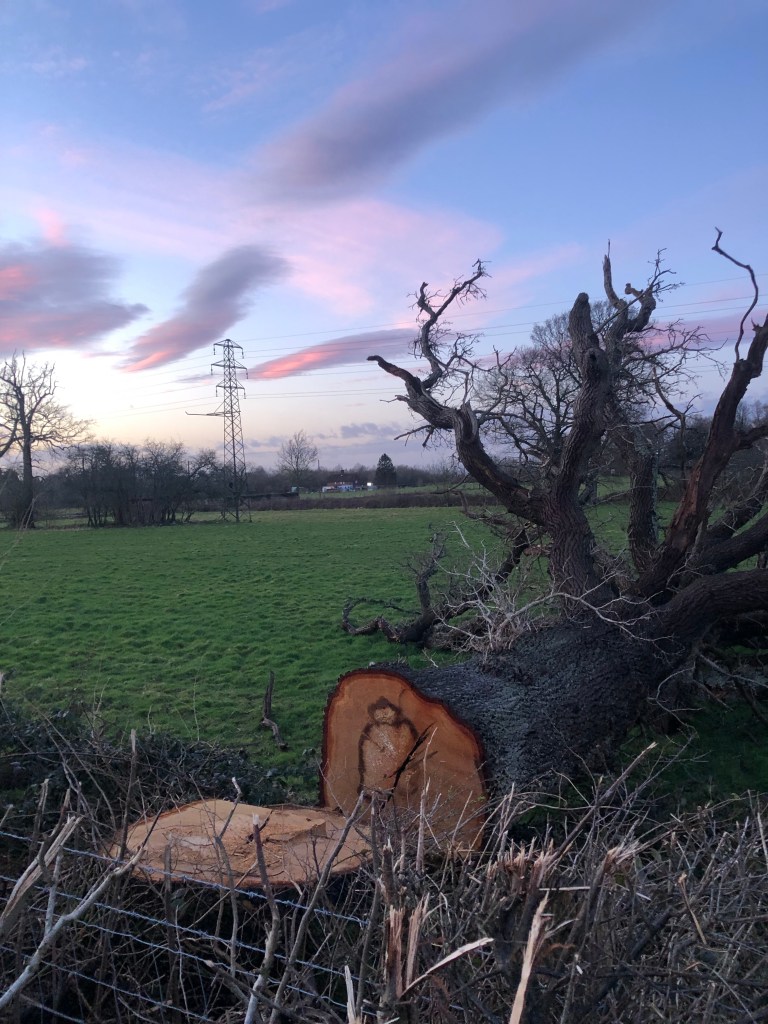
The same cannot be said of many of the free-standing trees that line the road into town. I promised myself I’d get a taxi home for the sake of my new trainers, but as usual, I went back on that promise, only this time it was not out of stinginess but a genuine curiosity to see the wreckage of the storm that I had only glimpsed from the train. Crawley wasn’t given a lashing quite like Brighton and Hove, but it had its fair share of casualties, scattered and trimmed across roads and gardens. The damage was less obvious deeper into the woods beyond. There is safety in numbers, it seems, even for trees: much of the forest was untouched by the storm. It was seriously muddy underfoot, though, and I spent a good ten minutes cleaning my trainers by torchlight once I’d made it home.

It seems unoriginal – not to mention extremely British – to go on so about the weather, but I feel as a writer there is nothing more important than taking the time to talk about the world around you every so often. It’s our duty to tell stories of the world as we see it, so that others who come after us can learn from us somehow. One of the books I actually read cover-to-cover last year, Nature’s Mutiny, pieces together the world of the Little Ice Age through diaries, sermons, letters, hymns and poems penned by those who saw it with their own eyes. Back then there was still a great fear of God tangled up in the awesome power of the weather, and a hundred years of savage winters had led a lot of Europeans to the natural conclusion that sin was to blame. Some resorted to witchcraft; some resorted to witch-burning. Others, of a more temperate nature, put their thoughts into verse:

In constant rancour we abide / and war is ruling far and wide

Envy and hatred everywhere / in all estates discord and fear

That too, is why the elements / reach out against us with their hands

Fear coming from the depth and sea / fear from the very air on high

In morning is the source of joy / the sun no longer sends bright rays

The clouds are raining like a fount / the tears too plentiful to count.

Paul Gerhard
Translated by Philipp Blom
(Nature’s Mutiny, 2019)

I wonder how many modern lyricists sing about the weather? Back in 2007, when the UK was plunged into its wettest summer since records began, Rihanna’s perfectly-timed Umbrella became a best-seller. There were even joking accusations on the internet that the singer was responsible for the unseasonal weather across the pond…

Now that it’s raining more than ever

Know that we’ll still have each other

You can stand under my umbrella

You can stand under my umbrella, ella, ella, eh, eh, eh

Rihanna (“Umbrella“)

Of course, Rihanna wasn’t thinking about the British summer yet to come when she wrote those lines, but four hundred years ago they might have burned her for a witch for such impeccably bad timing. Come to think of it, though, I do distinctly remember her name being on the list handed to me by the Prefect Witchfinder General at a school I worked at in Uganda, some five years later. Apparently the school’s witch-hunting guild had found a website listing known witches in the Western world? If they’d stumbled upon one of the various forums discussing the timing of Umbrella, perhaps it’s not an unprecedented conclusion. If I remember correctly, Wayne Rooney’s name was also on that list. The internet is a strange place.

Speaking of the internet, I decided to bite the bullet and give the online dating scene a whirl. Living and working in a boarding school doesn’t exactly facilitate an open line of communication with the outside world, so rather than sitting on the fence I thought I’d chase some stories for a change. After a brief browse it looks as though Bumble is the kindest of the Golden Triangle (with Hinge and Tinder), not least of all because it’s the most self-aware of the damage the online dating scene can do to the mental health of its users. It’s good to see that in an undeniably superficial meat market, some of the folks up top are aware of the dangers and offer support.

It’s almost certainly a silly idea, living as far from the city as I do, but, who’s to know? Shy bairns get nowt once again. If I had a penny for every variation of that phrase I’ve heard throughout my life, I might just have a pound. BB x

Pendulum

I’ve been teaching myself how to say goodbye this summer. It’s a skill that must be learned as much as any, and one that, like most other things in life, improves with practice. After an exercise like a year abroad – where one has ample opportunity – you get to be quite proficient at the procedure. Sooner or later, with school and university fading into the ether, it becomes all the more apparent that some of the friends you once thought so close will, like so many treasured sandcastles, fade away with the tide. Staying in touch with the ones you love is a choice; moving on is a fact of life. Work, love and death all conspire to put a strain on ties that were once inseparable, and in some cases, blot out all but memory. This summer I’ve witnessed all three.

DSC_0175

Whilst I was up in Durham rehearsing for our Edinburgh Fringe show, I received the sad news that my dear friend Maddie had passed away. For almost five years she had fought the cancer that beset her upon her return from Uganda. It took her in the end. I’d like to think that when the time came, it was her will to go. She was like that; she did things her way. I was so shocked by the revelation that I spilled out the entire story of our friendship and our Ugandan adventures to a man I’d really only just met, who very kindly shouldered the outpouring with sage understanding. If it hadn’t been for the show, it would have paralysed me for another day, I shouldn’t wonder.

DSC_0760

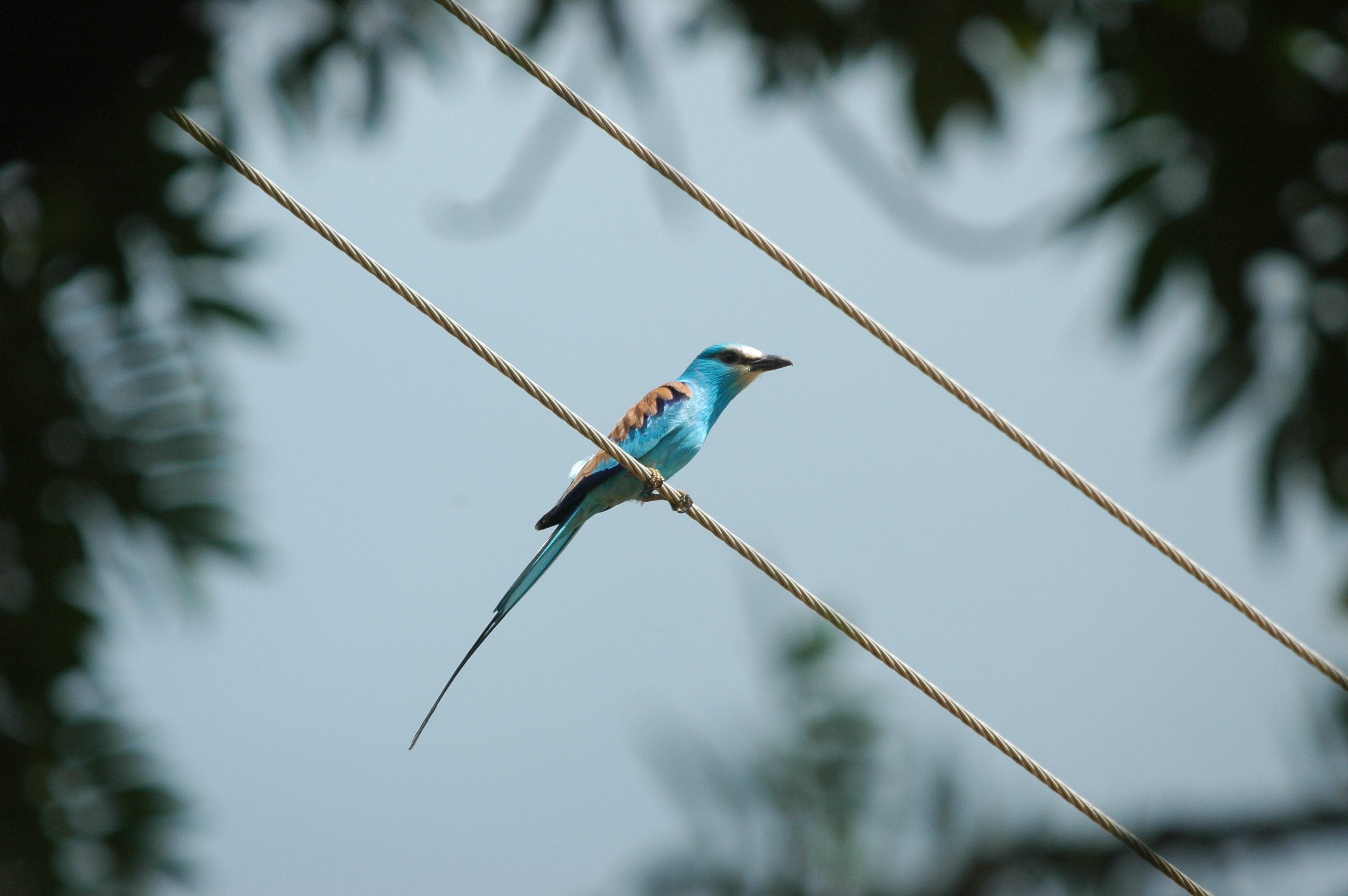
There’s surely a special place for you, wherever you are, Maddie. Rarely has any one person had such an impact on me as you did, and at so crucial a junction. Whenever I needed somebody to knock some common sense into my wandering mind, you were there, with your dry wit, your raw honesty and your harmonica. You were a star and a half, in a sky full of people whom I call stars on a regular basis. I’m sorry I didn’t come with you to the dance party in Buhoma, that I allowed my hunt for the roller to delay me from getting your class photo in time, and that I never did watchย Joyful Noiseย with the rest of you. I’ll remember you by theย Top Catย theme that was your alarm, your endless cut-off attempts atย Somewhere over the Rainbow and by the two machetes you insisted on having made for you. I’ll remember you also by your staunch refusal to search the dormitories, your ‘washing-up’ dance routine and your sheer bravery. But most of all, I’ll remember you by the fact that yours is the first real goodbye I’ve ever had to make.

Godspeed, Maddie. You’ll be a beacon to me forever.

DSC_1001

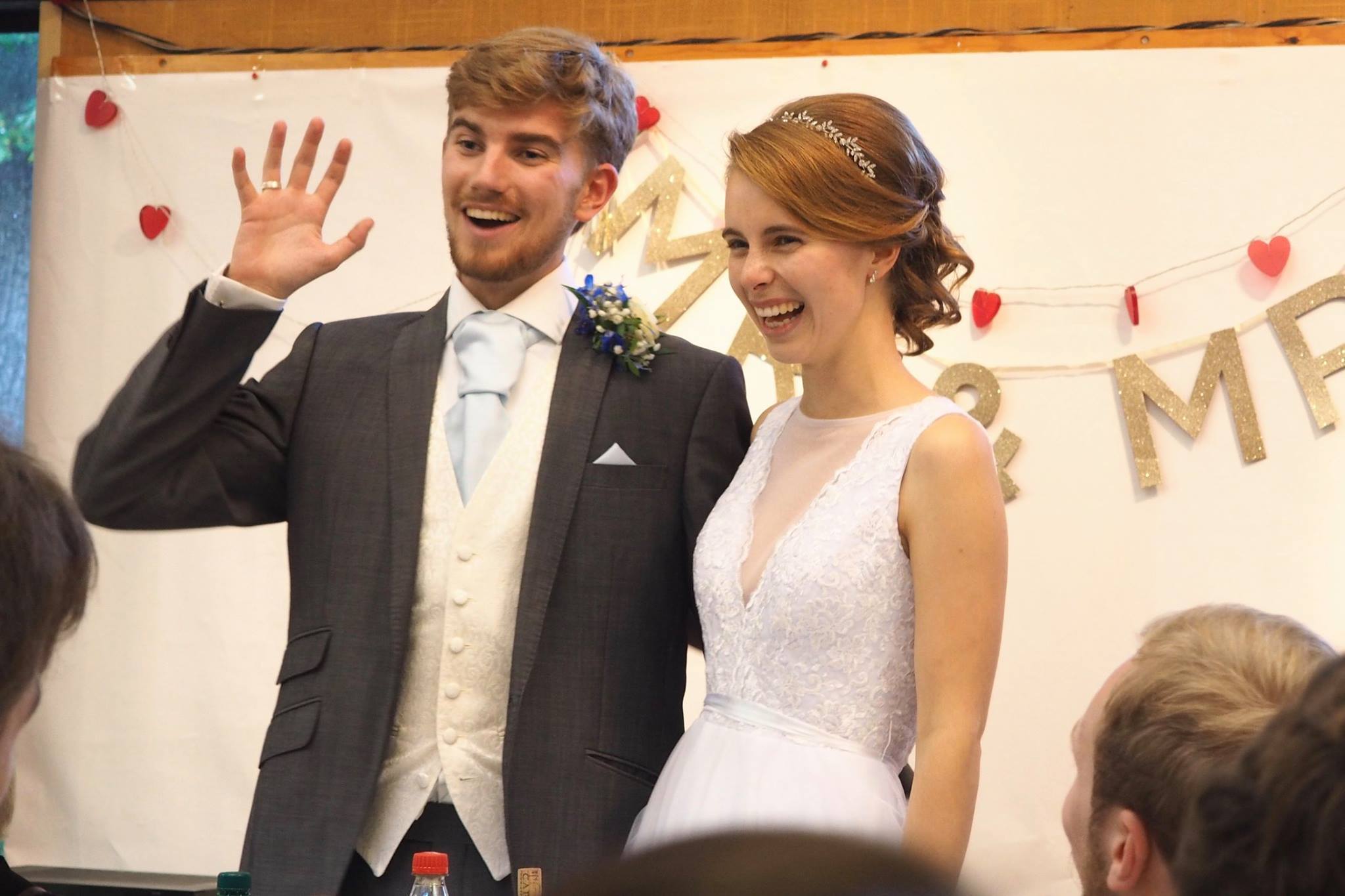
Having said my goodbyes to one dear friend, three weeks later found me making a different kind of farewell to another. Just as the Edinburgh Fringe was a delayed farewell to my beloved Lights, Andrew and Babette’s wedding was the moment delayed after Graduation to take my leave of some of my nearest and dearest from my degree. I surprised myself; where death and departure had brought me to the brink of tears, it took the spectacle of the first dance at the wedding reception for the dam to burst. I felt like I had known the man for fourteen years rather than four. I guess that’s what weddings do to you. This is where we diverge, the parting of the ways of a group that has been a core of my life for the last few years. And as you all set out to work in Albion, I’m the one leaving you all behind as I chase my dreams in Spain. Still I wish you all the best over the coming years, Mr and Mrs Moomin.

Godspeed, but not goodbye.

21762434_10155694607521407_3473413367796343855_o

A funeral and a wedding. A loss and a gain. The Lord giveth and he taketh away, and other such phrases to that effect. Two roads have split off from my own and gone down paths I cannot follow. I could hardly have asked for a more humbling way to take my leave of this fair country before I make my own way in the world. In autumn, of all seasons, just as England puts on her most beautiful coat of all.

DSC_0210

In my book, there are three kinds of goodbye, all of which I have now learned to use:

See you around. The easiest of the three. It could be a week or a while until we meet again, but I know that it will be soon enough.

Farewell. The second. The future is immense, and when and if we see each other again is beyond my knowledge. For my own sake, I hope that we do.

Goodbye. The last and the hardest. By my own definition, goodbye is final, and in all but the worst cases, made in the indefinite absence of the subject.

I must take my own road soon. It leads me first to Spain, that much I know, but beyond that is anyone’s guess. It has been a most educational summer. BB x

DSC_0409

When ‘No’ is a Cultural/Moral Faux-Pasย 

Of all the misadventures on this earth, I didn’t expect to wind up in the cardio ward of a general hospital during my stint in Morocco.

No, don’t worry. It’s not me. It’s the mother of my host family; there was an accident involving a police car and now she’s hospitalized. I’m just sitting here to show face, typing this up on the old iPad (and, if I might be so selfish, feeling very hungry). The entire family were here a couple of hours ago, but they’ve all filtered out and left one by one. It’s just the old guard, now. The old guard and me.

And of course, it’s Dฤrija on all sides. My posts from Jordan from last year imply that within two weeks I’d tuned unto 3mia. Not so with Dฤrija. It’s just too different a sound. Some of the words are the same but the accent is just too strong. I guess it’d be like studying the Queen’s English and then being exposed to Cajun. 

The trouble is, I was asked if I wanted to come along. I certainly could have stayed at home and got some more of that essay done, but what was I supposed to say? No, thank you, I’ve actually got a lot of work to do? How soulless is that?

But then, this is exactly how I’ve ended up in these scrapes before. I went to a funeral in Uganda once, for a family member of a former member of staff. We’d never met her, but one of my companions got it into her head that it would be kind of us to go along. That meant a five-hour drive out into deep country, far away from the English-speaking hub of Lira, to attend a lengthy service in a language none of us understood a word of for a woman none of us had ever met. That I spent the entire journey there and back wedged between the two fattest women in Africa didn’t help matters.

The trouble is, I guess, that I’m just very bad at saying no. I think a lot of Englishmen are. Maybe that’s why we have the word awkward and so many other languages don’t: we need it. What does that say about us as a nation? I’m just throwing ideas about here. Anything to take my mind off this Dฤrija.

Everyone’s off now, except the father, of course. One of the family took the car with them, which means I’m stuck here, I guess. Stuck in the general hospital with no power in my phone and a missing pen. For how long, I don’t know. We’ll just have to wait and see.

The good news is that the mother seems to be recovering. Also, food has arrived in the form of biscuits and a Danone yoghurt drink. I’m even feeling a little guilty for venting like that back there, I guess that’s what hunger does to you. Thank goodness Ramadan’s over. In a while, crocodile. Let’s hope it’s not all night. BB x