Peru: The Perfect Introduction to South America

Aeropuerto Internacional Alejandro Velasco Astete, Cusco. 12.27.

My journeys around Peru have come to an end – and with them, my first foray into Latin America is complete. It has taken a dreadfully long time for this Hispanist to cross the Atlantic and put my Spanish to the test in the New World, but I have done it. I return to my day job with a much stronger understanding of the South American angle of my subject.

Doubtless I won’t have much to report today, between transit after transit (leaving Ollantaytambo for Cusco, Cusco for Lima and then Lima for New York and home). As such, I thought it might be worth doing a quick TLDR version of my adventures for anyone interested in visiting Peru. Read on if you’re curious.

Language

First things first: Peru is a Spanish-speaking country, but much of its signage and a lot of its citizens (even the beggars on the streets of Cusco) have a good understanding of English because of the sheer number of tourists who come here. I stood my ground and spoke Spanish almost all the time, but I reckon you’d probably be alright out here without being fluent in Spanish – though it really does help to grease the wheels, make friends of the locals and avoid coming across as a total gringo.

Safety

One of the biggest deterrents to travel around South America is, of course, whether it’s safe to do so. I can only answer with a resounding yes. I have spent three weeks lugging a very expensive camera around the country, which ought to have made me quite the target (and, for the record, I don’t look very Hispanic, let alone Peruvian) but I haven’t had any trouble whatsoever. Naturally, you need to keep your eyes open and avoid certain areas after dark (Lima’s Callao, for example) but that advice applies just as much to travel at home as it does here. In short: Peru is a very safe country.

Oh, and while I remember, it’s not the massage vendors in Cusco you need to keep an eye on. It’s actually the painting sellers, who are really drug dealers in disguise. Just so you know.

Food

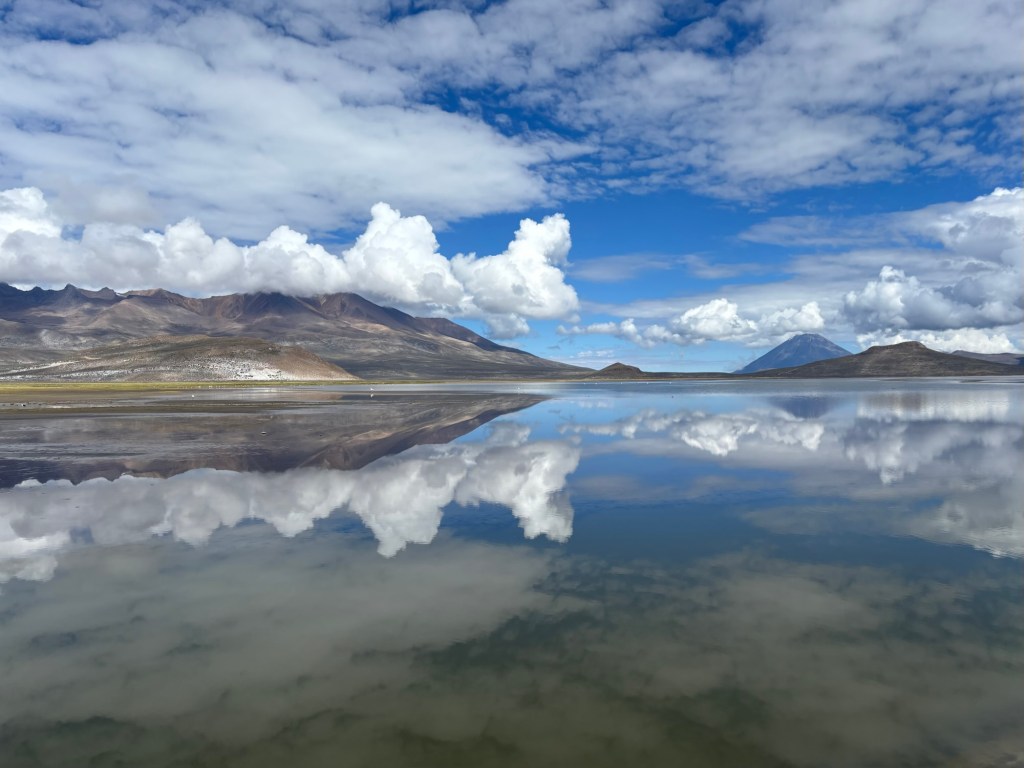
Peruvian cuisine is phenomenal. While I never did get around to trying the national favourite of cuy frito or fried guinea pig (too many bones) I have eaten some of the most wonderful dishes ever out here. Whether you’re on the coast and deciding between spicy ceviche or aromatic parihuela, or up in the mountains and sampling the delicious lomo saltado with a glass of chicha morada, there are a thousand flavours to choose from. It’s also a very vegetarian friendly country, with plenty of healthy meat-free options in most of the major cities. I come away from this place with a new obsession for amaranth in the form of kiwicha – a deliciously healthy Peruvian porridge spiced with cinnamon and clove. If I can get a hold of the ingredients back home, I’m teaching myself how to make it.

Weather

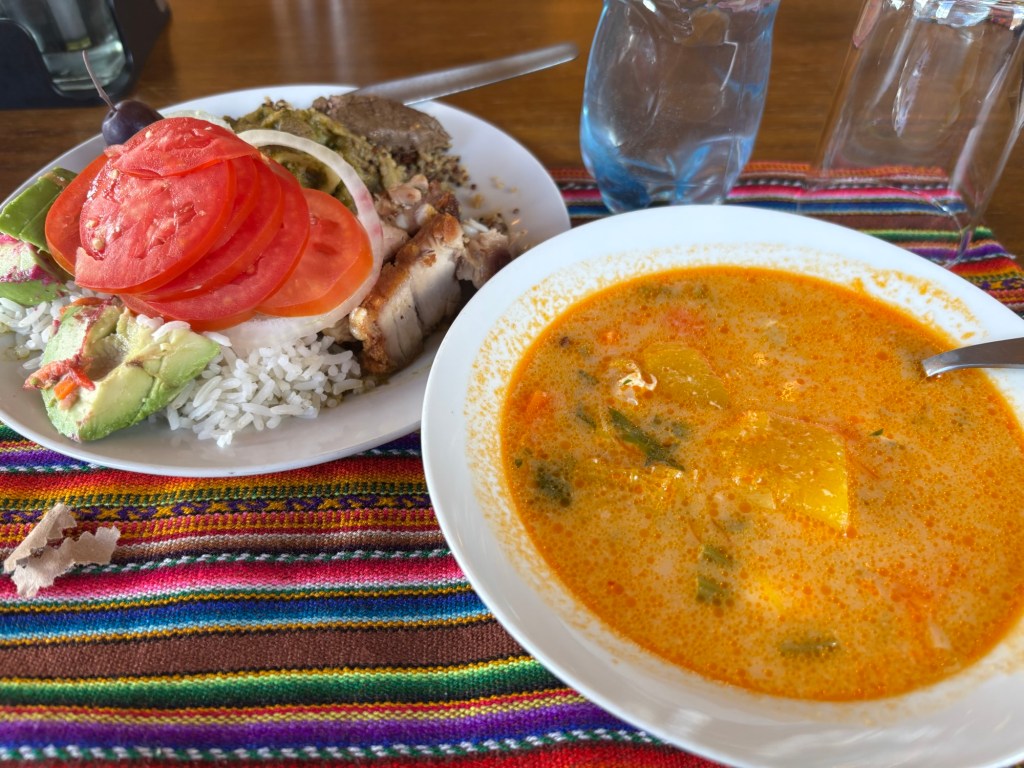
If you travel to Peru at this time of year (March/April), you need to be prepared for everything. Light clothing for the coast, where it can hit 30°C and the sun is fierce. Winter wear for the mountains, where it is a full twenty degrees colder, especially if you’re planning on hiking up to the snowbound peaks. Rain gear, for sure, as the rainy season doesn’t end until May. Finally, a high factor sun lotion, because whatever the weather, the UV risk is high here.

Cost

Getting to Peru is the expensive part – but there are ways to reduce your costs. By flying from Madrid, I took about £200 off the total cost, which was still a money-saving hack even after factoring in a flight to Madrid and a night there. I’m not sure whether the flight I found was anomalous, but there is definitely something to be said for waking up at 4am and checking SkyScanner – both of the deals I found were only that price in the small hours of the morning.

Once you’re here, it’s unbelievably cheap to get around. I’ve played it safe with the limited time I had and flown LatAm between my three main destinations of Lima, Arequipa and Cusco, but it still worked out very affordable. Travel by bus is cheaper still – considerably – but it does entail a lot of overnight rides that can last for more than ten hours. Uber is also an affordable and safe way to get around, especially to and from the country’s airports.

In total, I think I’ve managed to stick to my budget of £2000 – including flights, accommodation and everything in between – but I know I could have done it for even cheaper.

Tours and Activities

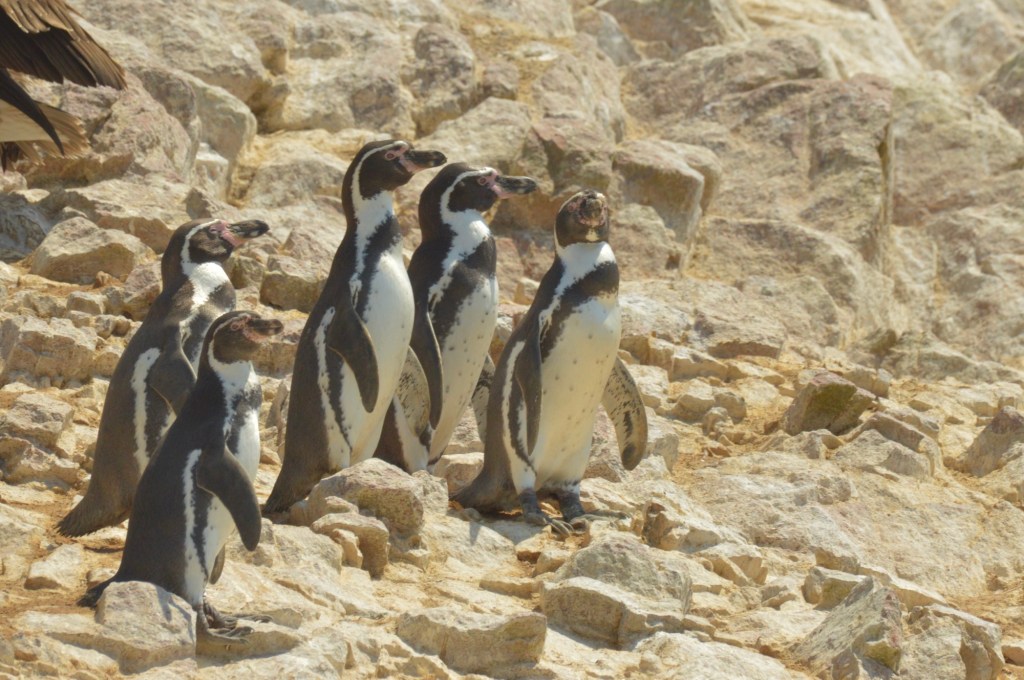
With the exception of a few days’ roaming, I have relied heavily on GetYourGuide out here, and it has not let me down yet. If you’re the type that likes everything planned out before you go, you can organise all of your activities before you even set out. Most of the day trips are rarely beyond the £40 mark and are great value for money in terms of what they allow you to access: faraway attractions like Colca Canyon and the Islas Ballestas are considerably more achievable thanks to the myriad of day trips on offer. If you’re short on time, I can’t recommend PeruHop more highly – they were incredibly warm and professional (a rare combination).

And of course, there’s Amazon Wildlife Peru. I loved my 6D/5N tour to Manu National Park so much that I’m seriously considering coming back for another tour with them someday. If you’re in the market for an Amazon adventure with phenomenal cooking but you don’t fancy a malaria-ridden location that requires a whole lot of jabs, check them out. You won’t regret it.

Wildlife

If I’m qualified to report on anything, it’s this. Peru is a naturalist’s dream come true. Over nineteen days, I’ve seen nearly three hundred species of birds, as well as dolphins, tapirs, capybara, black and white caimans, a fer-de-lance snake, bullet ants, stick insects and, of course, giant otters and monkeys galore. I could have seen even more if I’d done a few tailored birding excursions, which I passed up this time around (I thought 300$ for a private tour in search of a few endemic passerines was hard to justify for someone who isn’t really an anorak).

Peru has it all: deserts, coastlines, marshes, mountains, salt lakes, cloud forests and rainforests. Even if you only limited yourself to a week split between Cusco and Manu, you’d still see more animals than many people do in a lifetime.

I’ll be back.

Things I will miss

  • Kiwicha for breakfast
  • Coca tea
  • Hummingbirds absolutely everywhere
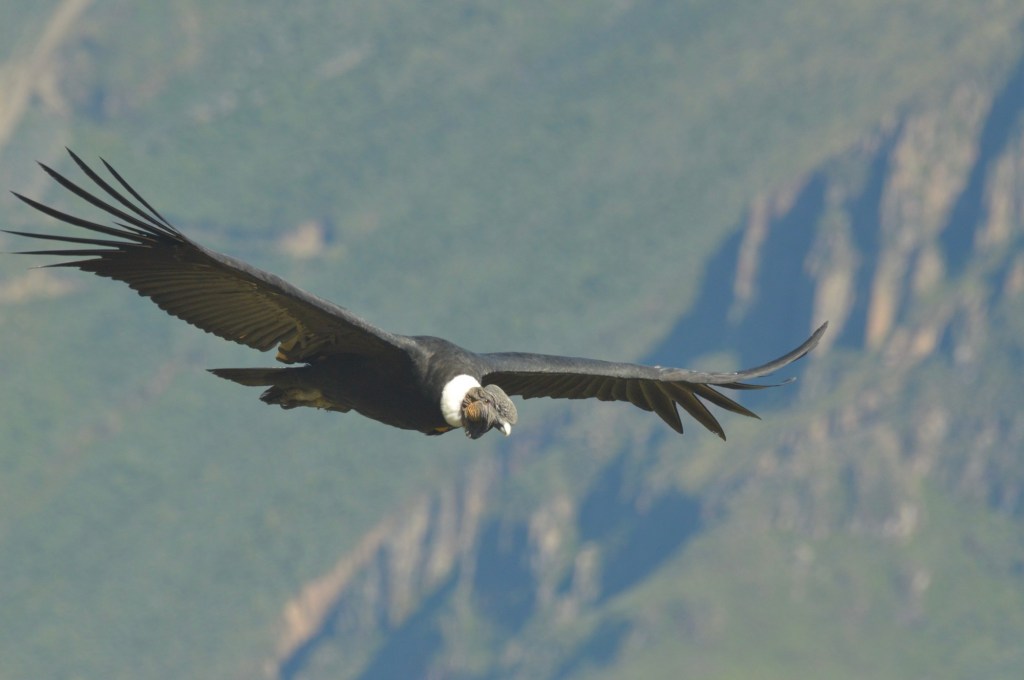
  • Condors
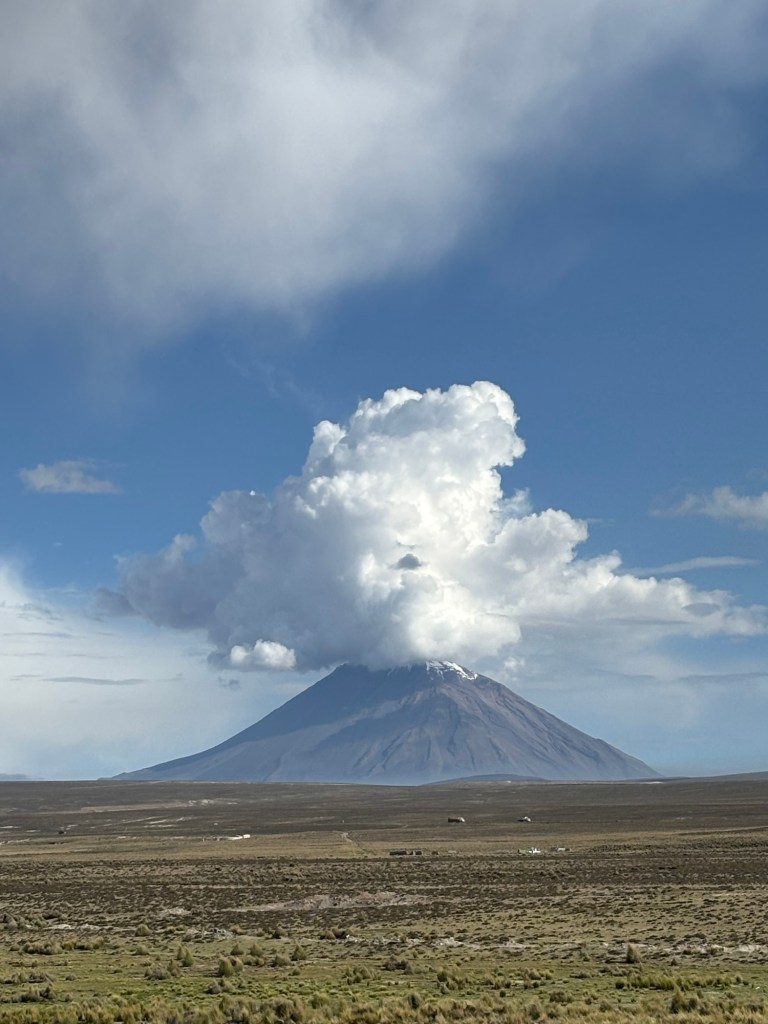
  • The snow-capped peaks of the Andes
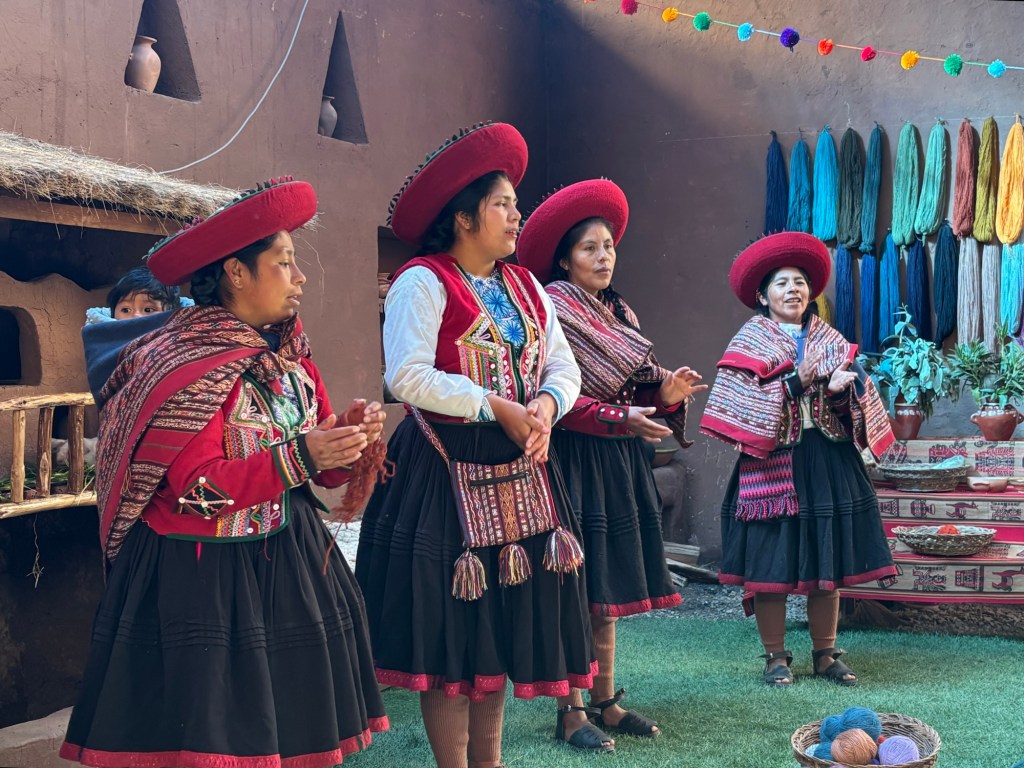
  • Huaynos (very romantic Andean music)
  • Being visible on a dating app for a change
  • The height of the average Peruvian
  • Manu National Park

Things I won’t miss

  • Gringos in ponchos (it’s not a good look)
  • DEET-resistant biting flies
  • Rain that lasts longer than three days
  • Seceo (give me a Castilian ethe any day)

I think that’ll do for now. It’s still a couple of hours until my flight to Lima starts boarding. I’ll ask the waitress for a tres leches cake when she comes around. I could use the energy! BB x
Thathanka

Local Time: 21.00

Bojarski Gościniec, Narewka

The temperature has risen a little since yesterday, though not by much. I’m still nursing a bad case of end-of-term-itis – it always hits me bad in the first few days of the holidays – so marching through the frosty Polish deepwoods with weak lungs and a headache was a bit of a challenge. But if I was properly breath-taken, it was on account of the incredible wildlife encounters I had this morning.

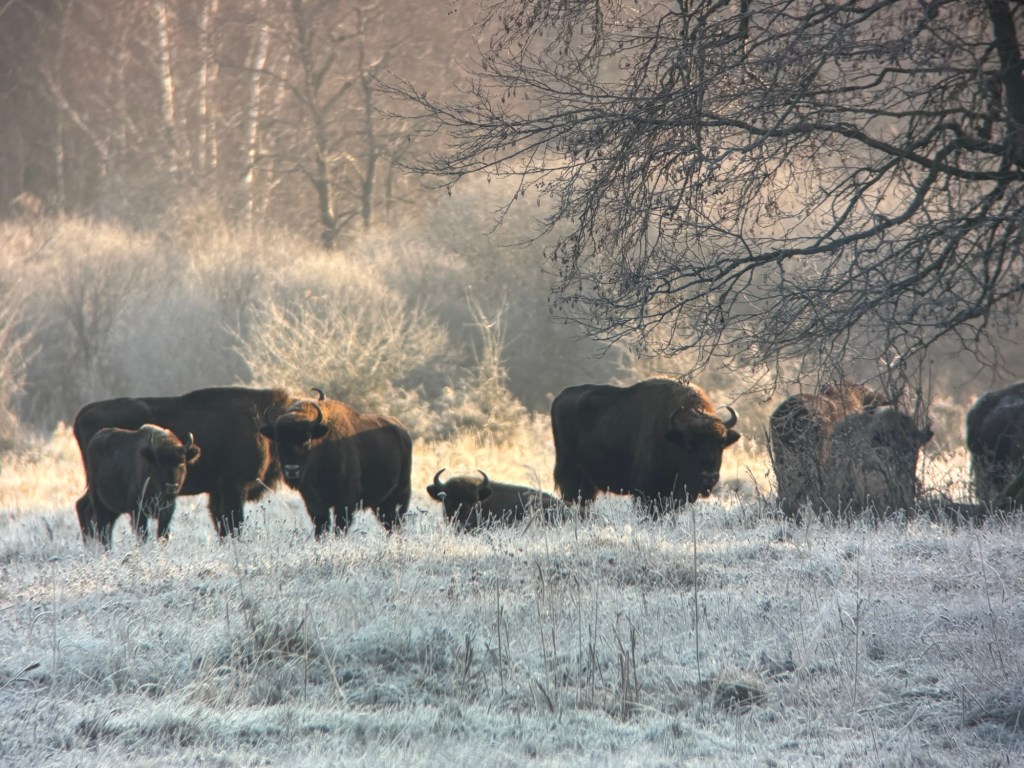
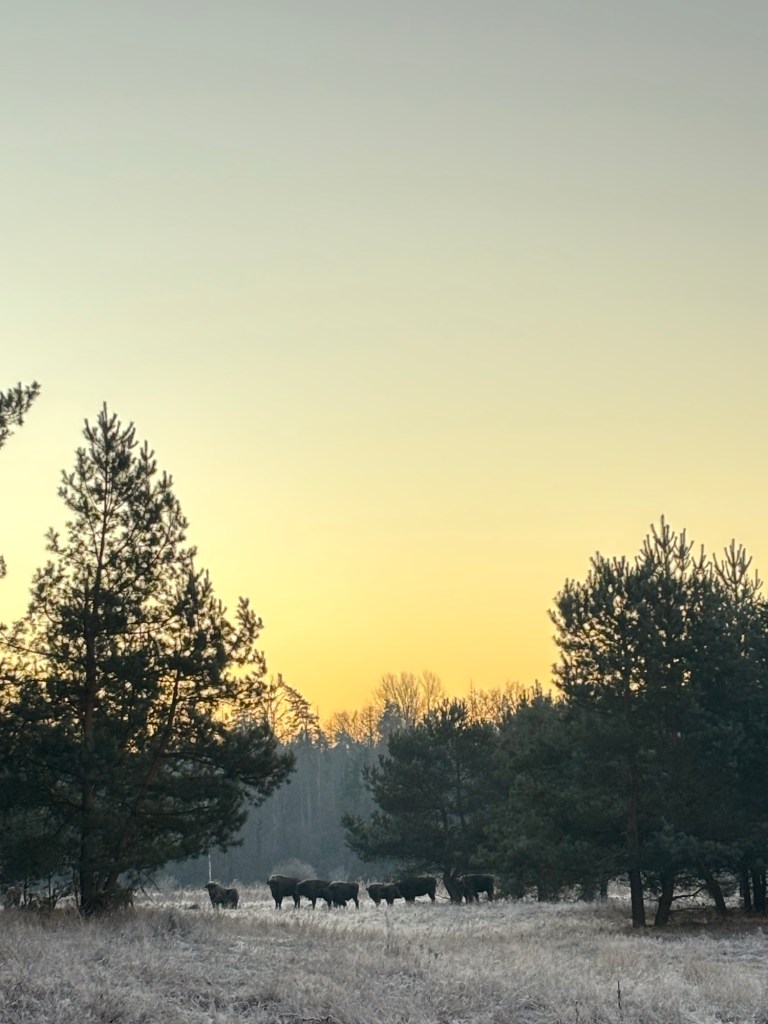
We must have set off shortly after 7am, about half an hour before sunrise. We had a couple of false starts – it turns out hay bales make very convincing bison half an hour before sunrise – but it didn’t take us long to track down a sizeable herd grazing in the fields.


The European Bison, or wisent, is one of conservation’s greatest success stories. What was once a ubiquitous symbol of Pleistocene Europe had been driven to extinction in all three of its holdouts by the end of the first quarter of the 20th century. Though strictly protected on the hunting preserves of the Russian Tsars, their numbers were already dwindling during the Early Modern Period and the last wild bison was shot here in Białowoeza in 1921, shortly after marauding German soldiers during WW1 whittled the herds down to just a few surviving beasts. With so many bison in zoos and private menageries spread across Europe, however, an effort was conceived to bring the wisent back from extinction. From an initial breeding stock of twelve, the population gradually recovered over the second half of the last century. The wild population now stands at around 4,000 individuals, headquartered along the Poland-Belarus border, with reintroduction projects from Blean Woods in Kent to Castelo Branco in Portugal – a truly remarkable rescue operation.


Our guide, Łukasz, took us to a number of places where the bison often leave the forest to graze. It’s been a good year for acorns, so they aren’t venturing out into the open as much as usual, browsing instead on the bumper crop in the dark heart of the ancient forest. Perhaps that’s why we had no luck after leaving the first herd to try our luck elsewhere.

We did find a solitary elk sitting beside the road, half covered in frost, which was an amazing stroke of luck.


Łukasz made the call to return to the herd we’d seen at sunrise, so we parked at the last spot we’d seen them and ventured out across the frosty meadow in search of our quarry.

It wasn’t hard. The heaviest land animal in Europe isn’t exactly inconspicuous.

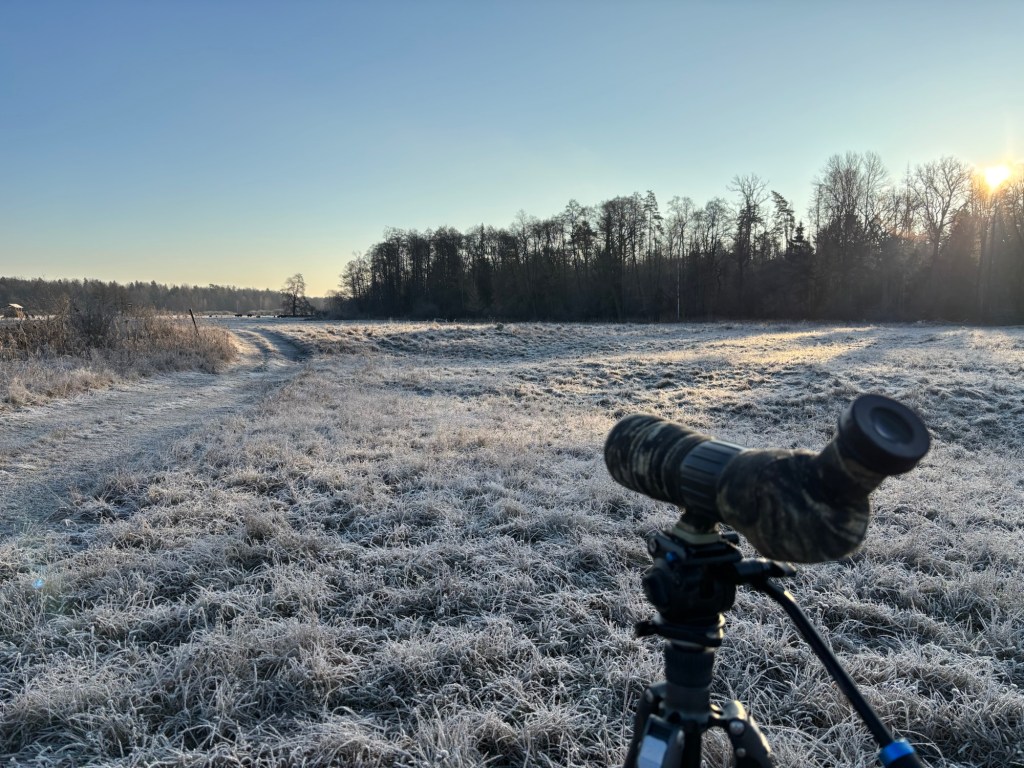
My camera didn’t really do the beasts justice – I don’t possess a supertelephoto lens like many amateur wildlife photographers – so I resorted to a little optical trickery by “digiscoping” – that is, holding my iPhone camera up to the viewfinder of Łukasz’ scope. It took some manoeuvring and I only got one usable shot, but the result was pretty good… for a phone.


Tomorrow, we set out in search of the reason I booked this holiday in the first place: wild wolves. I’m well aware the odds are stacked against us, and to be honest I’d settle for hearing them, or even just following their tracks, but it is set to snow tonight, so who knows – we may get lucky. Watch this space! BB x

The Borders Have Moved

Local time: 21.52

Bojarski Gościniec, Narewka

They weren’t kidding about the cold here in Poland. It’s hasn’t snowed properly yet this year, but the full moon is just a few days away and it’s set to bring the first snow in its wake. An icy vanguard has already won the field. The grass in the car park was already crunchy underfoot after lunch, and when I could take my eyes off the stars on my way back to my room tonight, the wood panelling outside glittered like stardust.

I’ve come out here on an organised tour run by Wild Poland, a firm that I must have recalled from ads in the wildlife magazines I read as a kid. Łukasz, our guide, met me outside a Costa coffee shop in the arrivals lounge of Warsaw-Chopin Airport, together with the other three members of our group. It’s definitely what you’d call a private tour – but that’s not how it’s always been. “We barely survived COVID”, Łukasz explained. “Back then, we had a team of maybe thirty people. Now it’s just me and Tomasz. Brexit didn’t help. Before Brexit, maybe fifty perfect of our clients were British. Then they stopped coming. Not altogether, but not as many as before. Maybe they were worried about getting stuck over here.”

We stopped for lunch at a hotel-restaurant outside Wyszkow. The couple of British retirees provided some entertainment in their desperate search for a vegetarian option on the menu, while the third member of the expedition, a French wildlife photographer from Zürich, wasted no time in wolfing down a bowl of flaczki (beef tripe soup) followed by a rare steak topped with two fat king prawns.


Tour-hoppers are an interesting sort. I haven’t met people like these since I went gorilla trekking back in 2012. The Frenchman seems to travel the world for work, taking every opportunity he can to spend an extended weekend “shooting animals” – with one of his two cameras, of course, though before the ambiguity was cleared it was very amusing to see the momentary alarm in the faces of the retired couple when he said he was going to spend his Christmas in the south of France shooting flamingoes.

The retirees themselves seem to have spent their entire lives traveling. Iraq, Libya, India, Lake Baikal, Switzerland, Costa Rica, South Africa… it doesn’t sound like there’s a place they haven’t been. They seem to have done bloody well for themselves for a couple who left school at sixteen without mentioning work once during the day’s conversation, but perhaps belonging to the generation that inherited houses bought on the cheap in London has something to do with it. Their speech smacked of the Grand Tour. I couldn’t quite square the lady’s worldly, highly tolerant attitude with her strict vegetarianism, but I guess it takes all sorts.


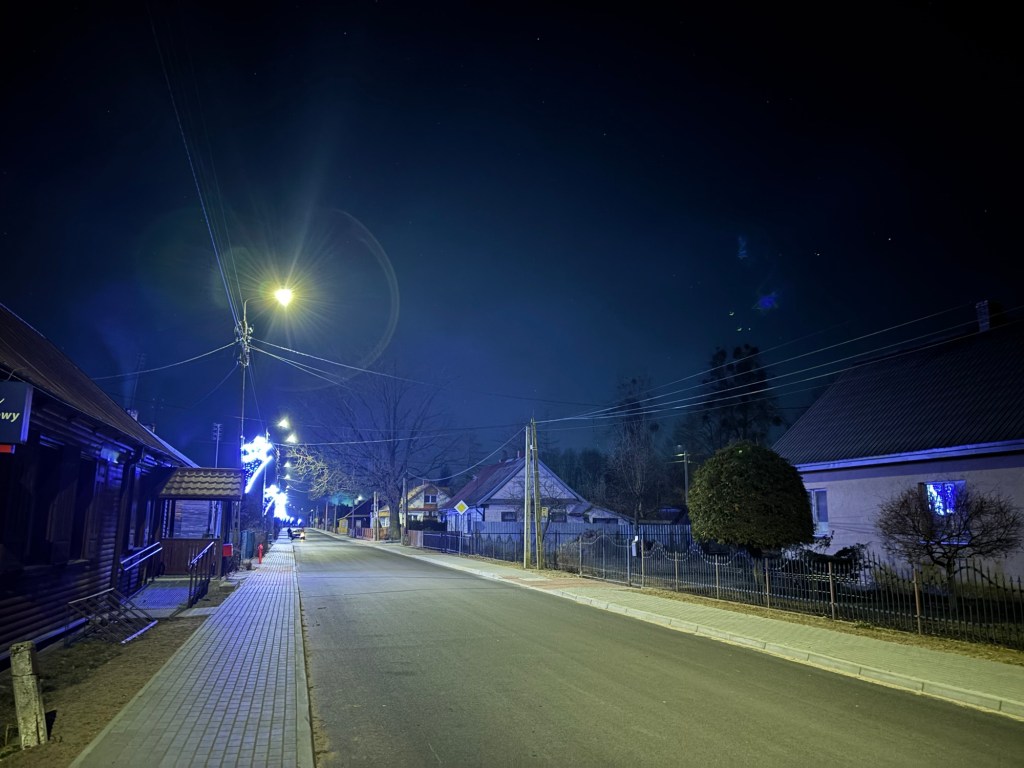
It’s very quiet here in Narewka. The forest crowds in on all sides, dark and unforgiving. The lurid green Christmas decorations hanging from the lamp-posts, wrought in the shape of half-trees look rather ridiculous – a pathetic artificial import of the real thing, which stands mere feet away, as the myriad stars of the winter night sky glitter and gleam between the branches of the ancient forest. Art imitates nature and, as usual, fails to match its majesty.

Over dinner, Łukasz takes out his map and shows us the plan for the next few days. On a table behind, five men in heavy blue policja overalls play cards, sometimes coming and going, sometimes replaced by a new face, but always totalling five.

“They’re here to patrol the border,” our guide explains. “They will work through the night.” The Belarusian border is only ten kilometres away as the crow flies, slicing right through the heart of the forest. It’s been a natural crossing point for immigrants over the last few years, so the police presence here is fairly notable. I’ve seen more officers than locals.

It feels odd to be so close to the border and to hear it talked about as though it were the Iron Curtain resurgent. It feels only all the more odd with these two retired Brits talking about their carefree travels in the 1970s, before the wall came down, and all the other borders went up – before the world was gentrified.

Not for the first time, I wonder if I was cheated out of an adventure on the Greyhound buses by every American I ever met, purely because of an inherited terror incubated over decades of a world beyond the safety of their own property. Now that you can travel without fear of risk, why would you travel any other way? Adventure – from the Latin advenire – implies something unexpected, something about to happen. Something alien to a generation of tourists who only want the social clout of a shiny new Instagram photo or another country on their roster. And with more and more influencers joining their ranks every day, it’s only set to get worse.

The age of adventure didn’t stop when the last corner of the world was discovered. It ended when we sent a marketing team there.

I’ve avoided organised tours for so long because I have a deep mistrust of others managing my travels for me. I appreciate my freedom, and I prefer it to be absolute – to allow me to meet the real people and get to know the place properly. In this case, my Polish isn’t up to scratch, and I want to see a proper wildlife tracker at work.

I also really, really want to see a wild wolf. So fingers crossed for a lucky weekend! BB x