The Quick and the Dead

Pizzería La Toscana, Santa Cruz de Tenerife. 19.55.

It’s raining here in Santa Cruz. There are quite a few guiris about – they’re the ones wearing shorts and popped-collar polo shirts despite the lowering grey skies – but they’re nowhere near as numerous as I thought they’d be. There are snatches of German, Dutch and Estuary English drifting from restaurants, but Spanish is by far the most common language spoken in the street. I find that encouraging, somehow.
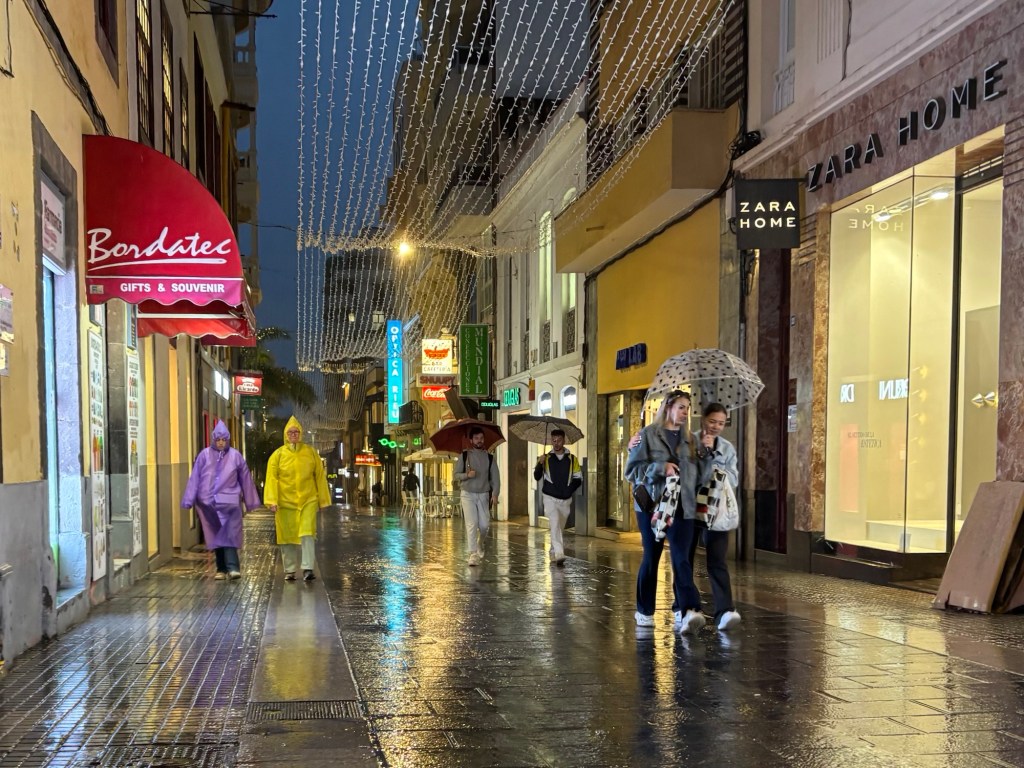

Santa Cruz is a world away from the Elysian bliss of Chinyero. It’s a busy, 24/7 port town sandwiched between Tenerife North Airport and the tourist resorts of the south coast. Its harbour, one of the busiest in Spain, is a major stopover for cruise ships plying the Atlantic, just as it was for the early European voyages to the Americas, riding the Canary Current in a wide arc to the Caribbean. It’s one of the two capitals of the Canary Islands (the other being Las Palmas) and as such commands a sizeable proportion of the island’s population: nearly half, by some estimates. Like the greater part of Granada, the city began as a military camp, built by the Spanish in 1494 during their campaign against the Guanches / invasion of the island, depending on your sympathies.

It can seem like a characterless tourist metropolis at first, but there’s a lot to see once you start to scratch away at the surface.


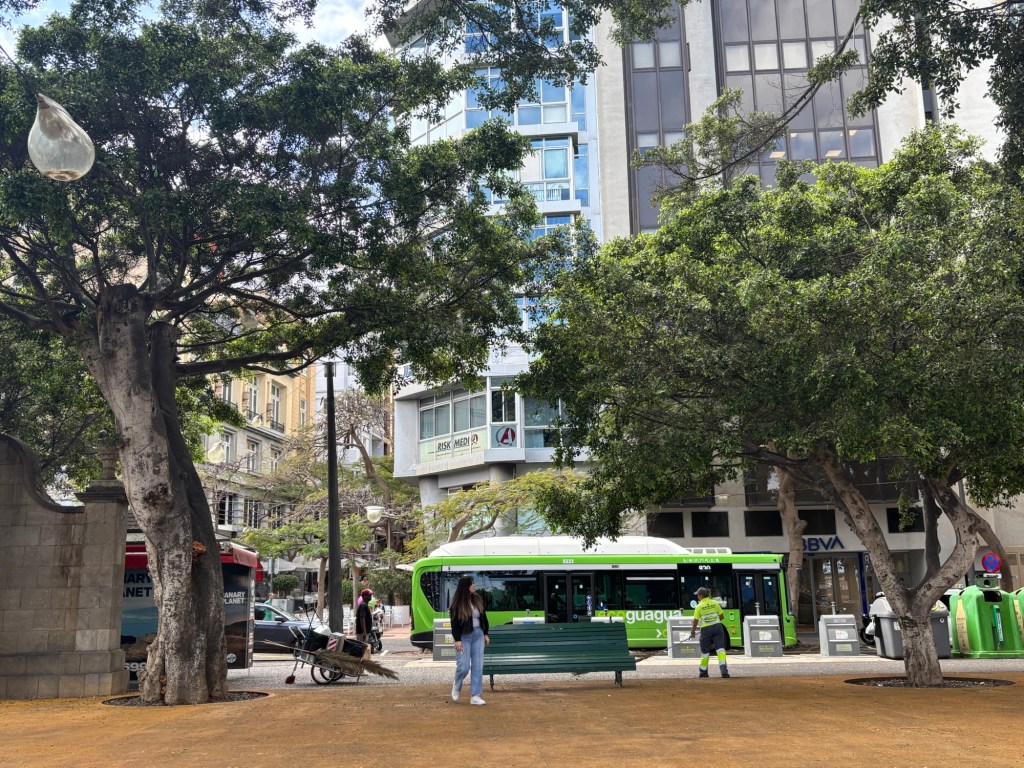
The Plaza de España is a good place to start. In most Spanish cities, a square with the same name is usually right at the heart of the city. Here, it’s on the seafront. A guagua goes by, proudly displaying its green credentials (more than 70% of its fleet are hybrid vehicles). Opposite the bench where I’m sitting, a sanitation worker in a matching shade of green has eschewed conventional tools for a palm branch, a far more traditional (and renewable) method for street-sweeping. Alongside the usual plane trees – an effective biofilter used across Europe – a number of more exotic trees spring up out of the parks and gardens, including a few isolated dragon trees. Santa Cruz is wickedly green, as cities go: more than 80% of its municipal territory is a natural area, largely due to the Anaga Park which shoots up to the heavens from the city’s edge. In ecological terms, here is a city that is punching above its weight.

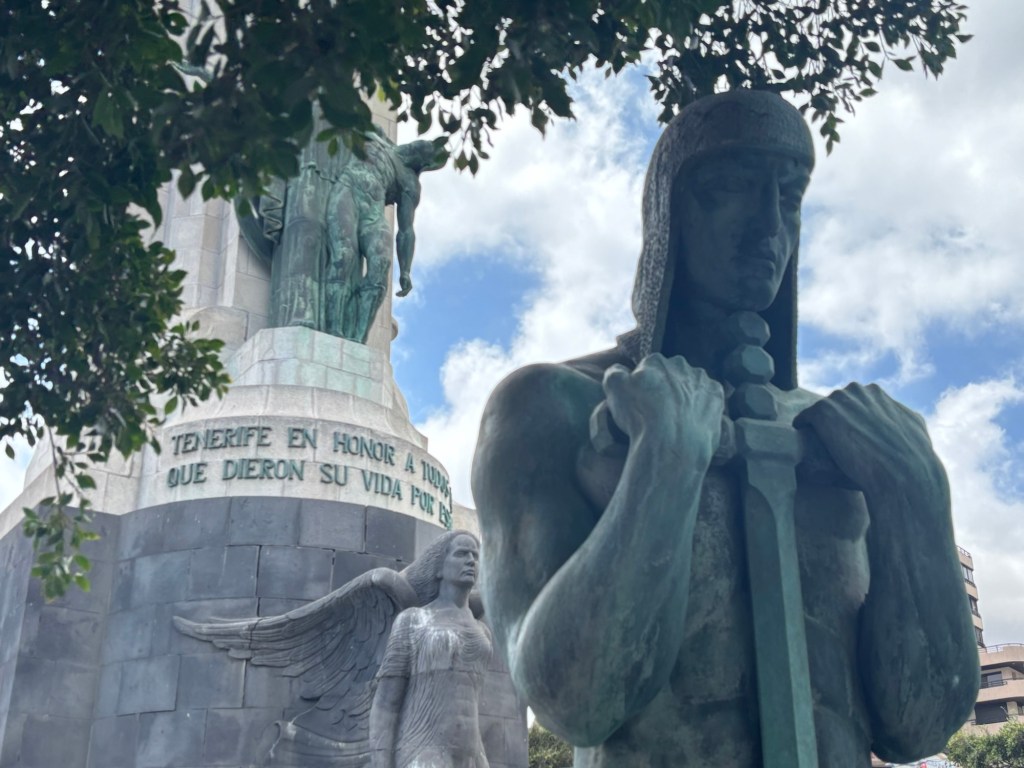
Next to the Plaza de España is an imposing sculpture, flanked by two silent watchmen: el Monumento a los Caídos, one of several Monuments to the Fallen that can be found across Spain. These sprung up under Franco’s dictatorship and many – including this one, if the stories are to be believed – were built using the forced labour of political prisoners. As such, there’s an ongoing campaign to have the monument altered to reflect the changing political landscape as Spaniards come to terms with the legacy of the dictatorship, nearly fifty years after Franco’s death.

It’s worth winding the clock back even further. What of the Guanches? Does this monument also honour those who gave their lives for Spain by taking these islands by the sword? I’m not one for presentism – it’s utterly absurd to judge the actions of those long dead by the quicksilver standards of contemporary ideologies – but I do think their story needs to be remembered.

One place that tells that story is Santa Cruz’s MUNA, the natural and archaeological museum. Don’t be put off by the reviews – it’s an incredible collection, but there are clearly a lot of half-arsed British tourists who visit and expect their monolingualism to be catered for, which is both arrogant and imbecilic. It’s also only 5€, which is a steal compared to some of the rates charged by similar museums in the UK… especially when you see what it contains.

The ground floor has an interesting feature on the formation of the islands, as well as some of its wildlife and how it came to be there. The first floor houses a collection of animals and insects (including a very large collection of butterflies) as well an array of archaeological finds from around the Canary Islands, from prehistory through to the time of the Romans and right up to the Spanish conquest in 1494.

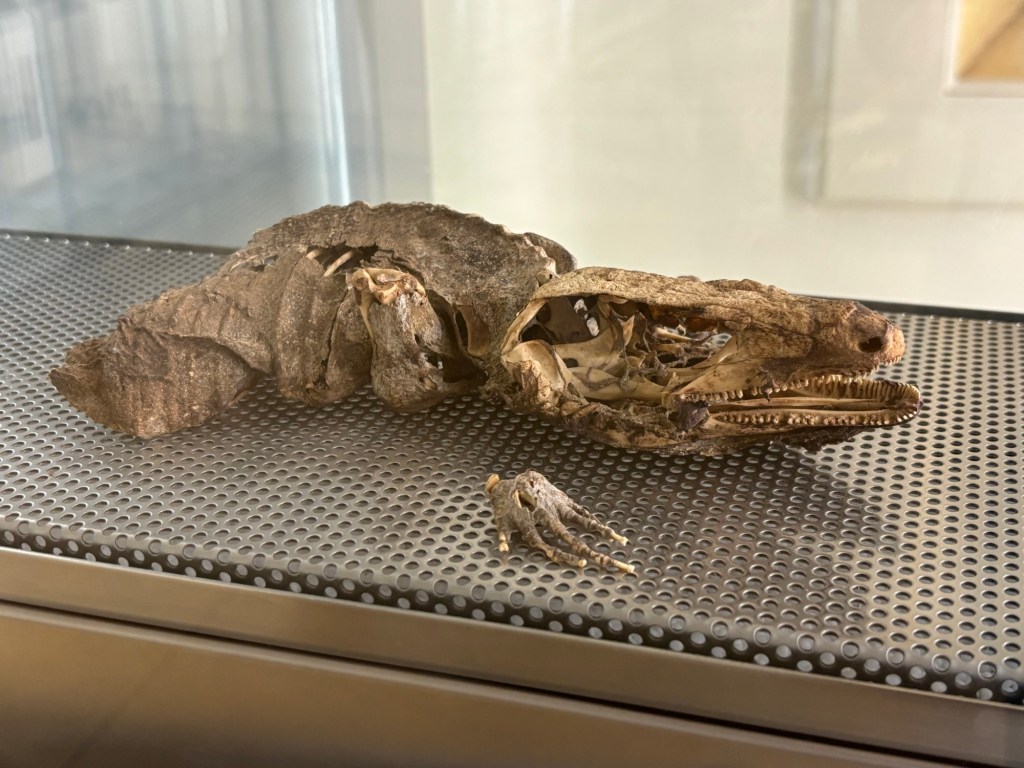
There are a few mysteries still waiting to be solved that the museum nods to: were there once ostriches on the islands? What happened to the giant tortoises? Were the islands named after the seal colonies, or the large dog skulls found on the island? Did the giant lizards disappear, or did they simply shrink over time? And were the Canaries the inspiration for the Hesperides, the islands at the edge of the world where Heracles performed his penultimate labour?

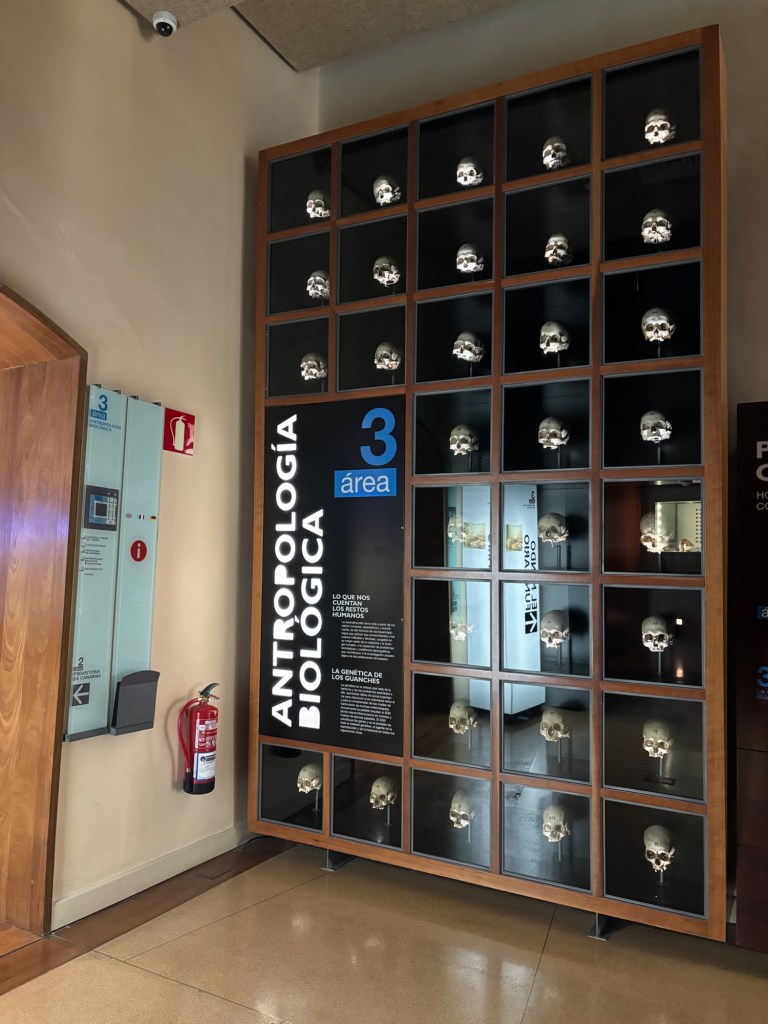
Something more flesh (though perhaps less blood) than these mysteries can be found on the second floor, where the MUNA keeps its most precious artefacts of all: the mummies of the ancient Guanche people.

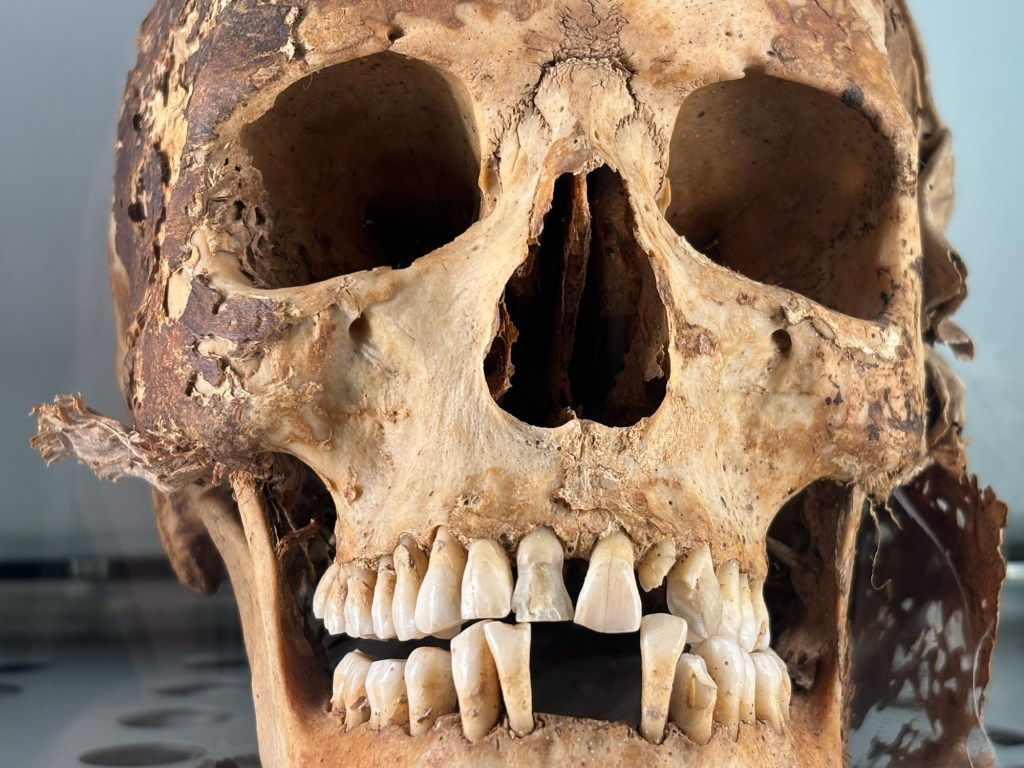
Before the Spanish came, the ancient Guanches of Tenerife had a custom not too dissimilar to the ancient Egyptians of mummifying their dead. Their origins along the Mediterranean coast of North Africa may go some way to explaining this practice, though it does not appear to have been a universal custom across the islands. Some of the mummies are in an incredibly well-preserved state, displaying most of their teeth and a full head of hair after nearly a thousand years. Wrapped in goatskin hides and concealed within caves and necropolises around the island, they have weathered the passage of time remarkably well.
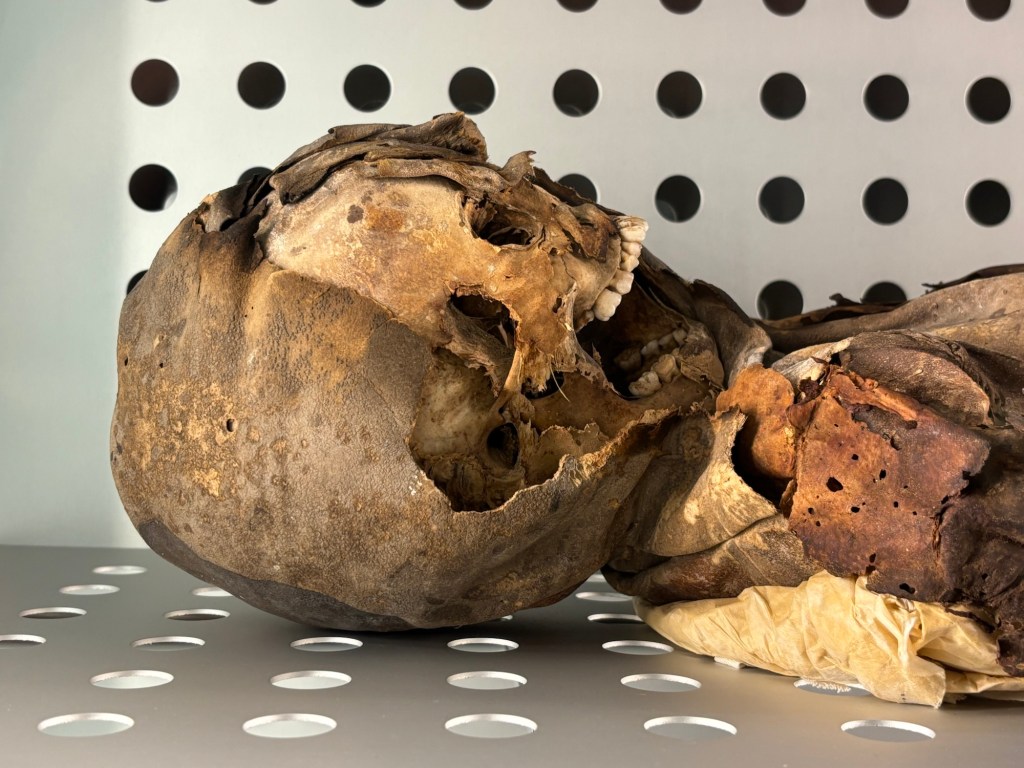

Time, perhaps, but not the passage of man. Napoleon’s invasion of Egypt led to the discovery of many ancient Egyptian tombs and their treasure, which was one of the factors that started the 19th century archaeology boom. Guanche artefacts – including their mummified skeletons – were part of this mania. For hundreds of years before that, mummies found on the island had been dug up and carried off by enterprising scavengers. One tomb, Uchavo, was said to have contained nearly one hundred mummies when it was discovered. Mere days after the news broke out, the public broke in, taking with them – of all things – an enormous number of lower mandibles, which seem to have been the most valuable (and probably transportable) part of the mummies.

It’s for this reason that so many of the remaining skulls housed within the MUNA are missing their jaws. As to where these ended up, that’s anybody’s guess: doubtless they are now scattered far and wide, not just across the island but around the world.

Who were they? Such care was taken with some of the dead that they must have been menceys or kings of the Guanches. Mummification was a royal prerogative in ancient Egypt, so it stands to reason that the Guanches might have thought along the same lines.

While Tenerife has made some successful overtures for the return of its dead – with two returning from as far as Argentina – at least ten of the Guanche mummies are still held in collections around the world, with six in Paris, and one each in Madrid, Cambridge, Göttingen and Canada.

Nobody knows how many others may be out there, or in what state they may be in, but it is likely to be at least in the double figures. Sadly, most of those transferred to Germany were lost – along with many other relics of the ancient world, including the remains of the enigmatic spinosaurus – during the allied air raids in World War Two, which saw a number of museums razed to the ground. A Viking funeral, then, for a Guanche king or two – though perhaps not what their families had envisioned for their journey to the afterlife.

A fitting coda to the fate of the Guanches can be found in a temporary exhibit in the museum’s basement. Here, in a large and well-lit room, is a collection of a more modern tragedy: the African migration to the Canary Islands. Known as the ruta canaria, it is one of the most dangerous immigration routes in the world, since those making the trek in simple dugout canoes are at the whims of both the sun and the Canarian current which, if poorly timed, will carry the little boats out into the merciless wastes of the Atlantic Ocean. Most who make it that far will perish long before their boat washes up on the coast of the Americas.

This is, of course, how the first Canarians arrived in these islands many years ago, but with tighter security around the shorter but in some ways even more treacherous Mediterranean crossing, many African migrants continue to put their lives on the line to reach European soil – even if that soil is closer to Africa than any European territory. It’s also a growing concern: 2024 saw the largest number of migrants yet arriving on the shores of the Canary Islands at 46,843.
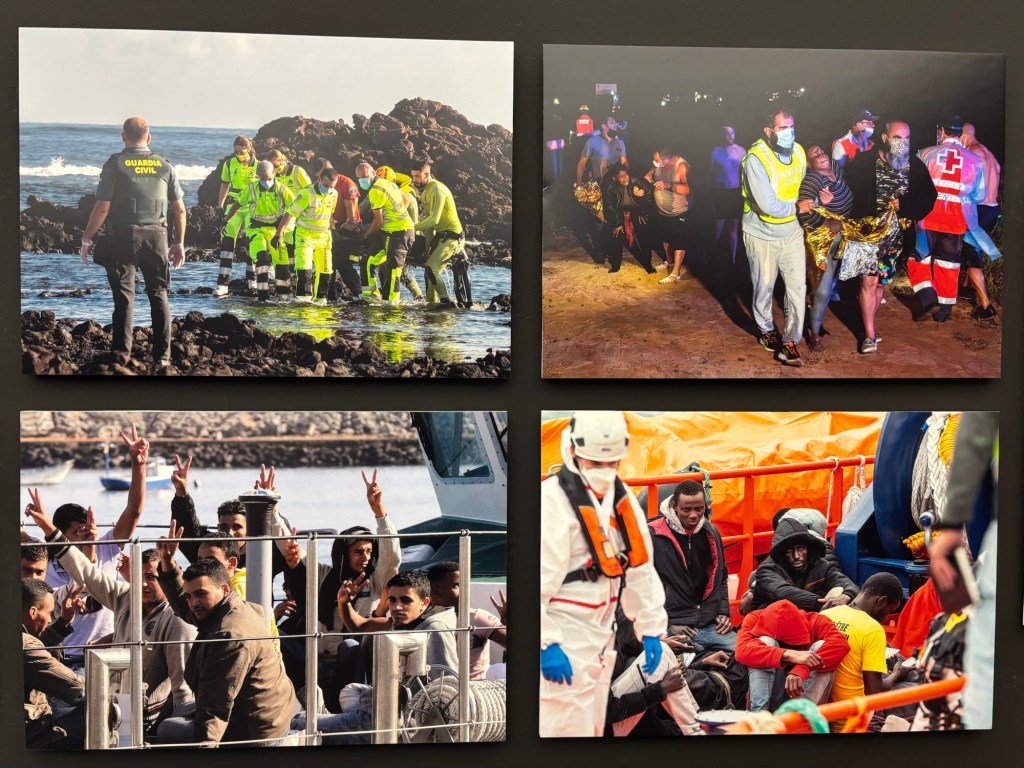

Behind each number is a harrowing personal journey, which is just as likely to end in misery or a body bag as it is in success. And even when they get here – what then? Do they find the Europeans any more welcoming than the countries they left behind them? What do they make of the hordes who descend upon these islands in the summer, riding in and out on cheap flights without a care in the world?

In one corner of the room there is a small exhibit, positioned almost exactly three floors below the Guanche mummies. It consists of an empty body bag on a rocky beach, scattered over with photographs like votive offerings. It’s a reminder that the dead who wash up on these shores, though faceless under black polyethylene veils, are not mere numbers, as the politicians would have you believe, but people whose journeys have come to an end. It’s our duty, if not our right, to make sure that their stories go on, so that their sacrifices are never forgotten.

The Guanches might be long gone, along with the giant rats and tortoises who came here before them, but the story of migration in these islands goes on. BB x

Black Sand and Starlight

Caserío los Partidos, Tenerife. 8.19am.

Well, if that wasn’t the best sleep I’ve had in a week, I don’t know what a good sleep is. The four-hundred-year old stone walls of my room might not look like the cosiest setup, but it couldn’t be more enchanting: a log-burning stove in the corner, a skylight above the bed so you can see the stars from the comfort of your bed, and a warm shower… I’d have settled for less, especially after several hours’ hiking around the ash flow of Chinyero, but it was nothing short of heaven on my return.


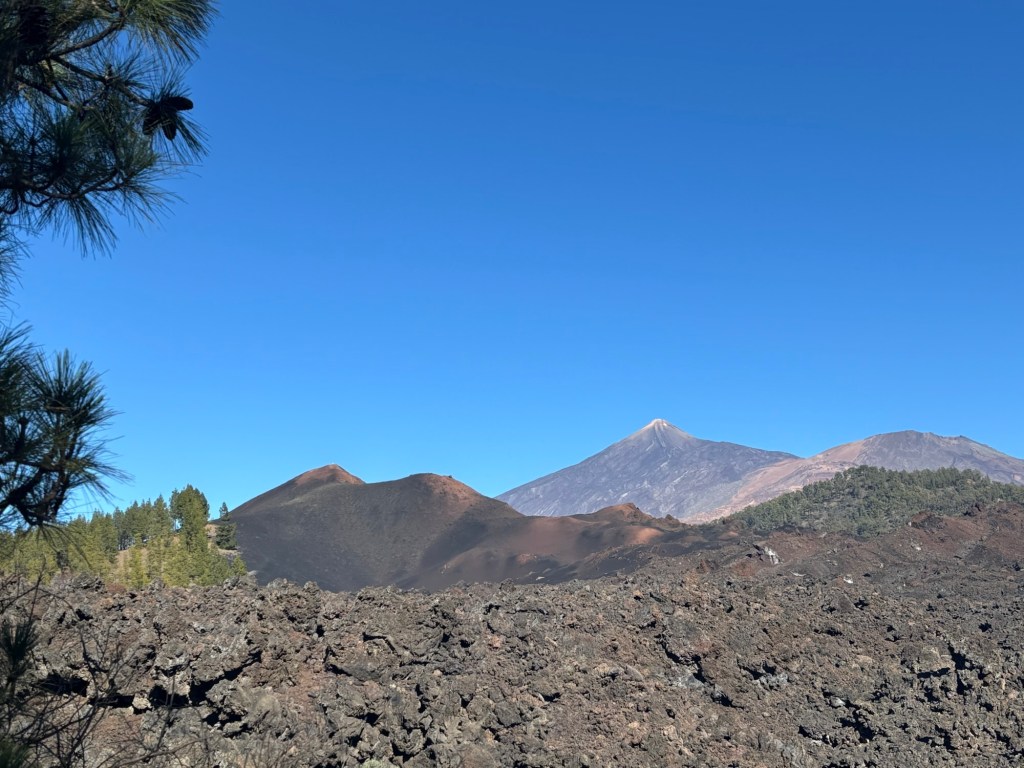
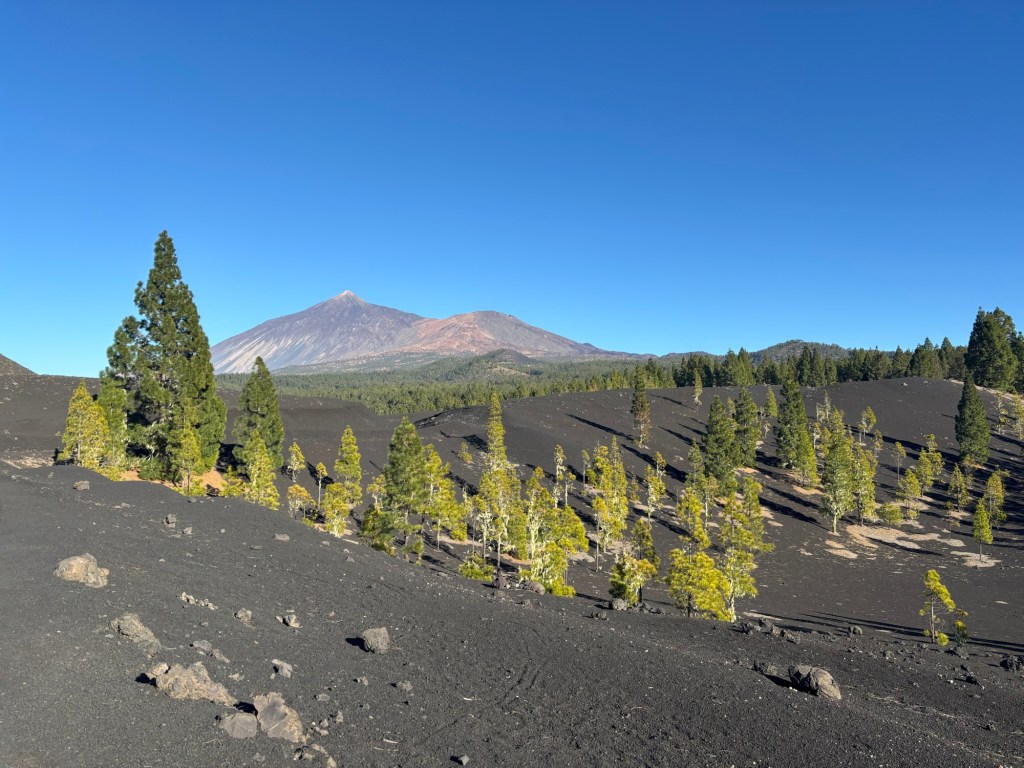
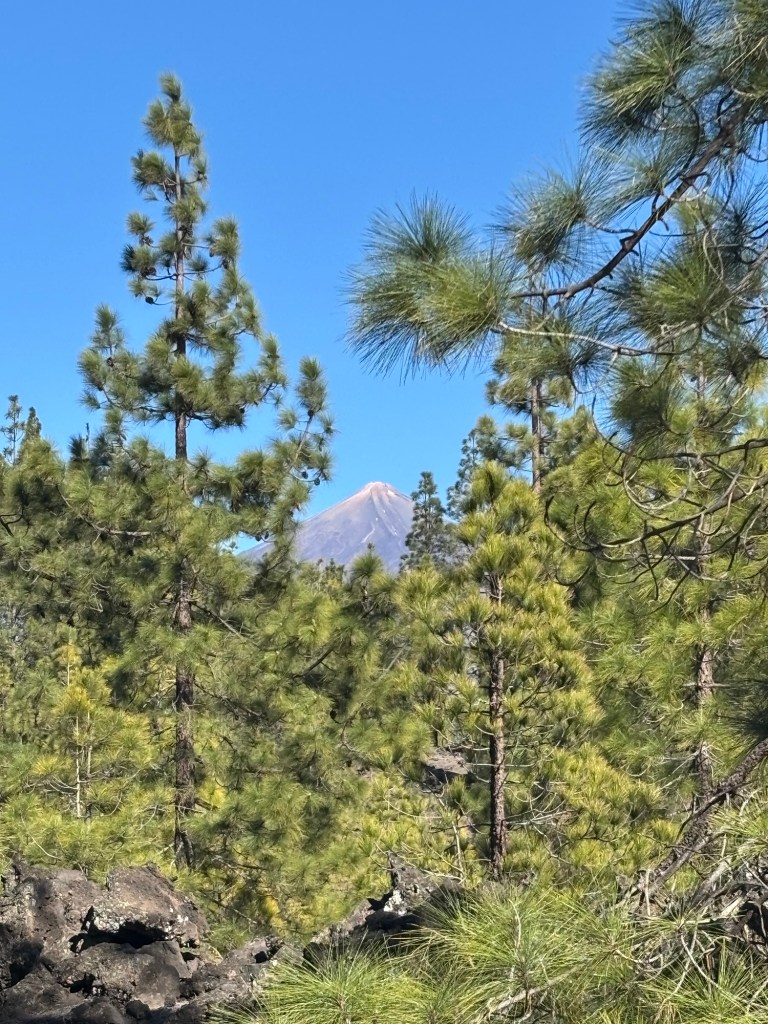
Chinyero is the reason I’m here. This is the site of the last eruption in 1909, Chinyero being one of the vents of Teide, which looms over everything to the west. This is also Teide’s best side: from here, it is perfectly conical, like a child’s drawing of a volcano, and at this time of year you can still see the last traces of snow and ice in the deep gulleys running down its peak. Sure, the Roque Cinchado may have been a worthy candidate for one of the Top Ten sights of this trip, but what I really wanted to see here in Tenerife was the black sand forest: a natural marvel growing out of the destruction wrought by Teide over a hundred years ago. I was not to be disappointed.


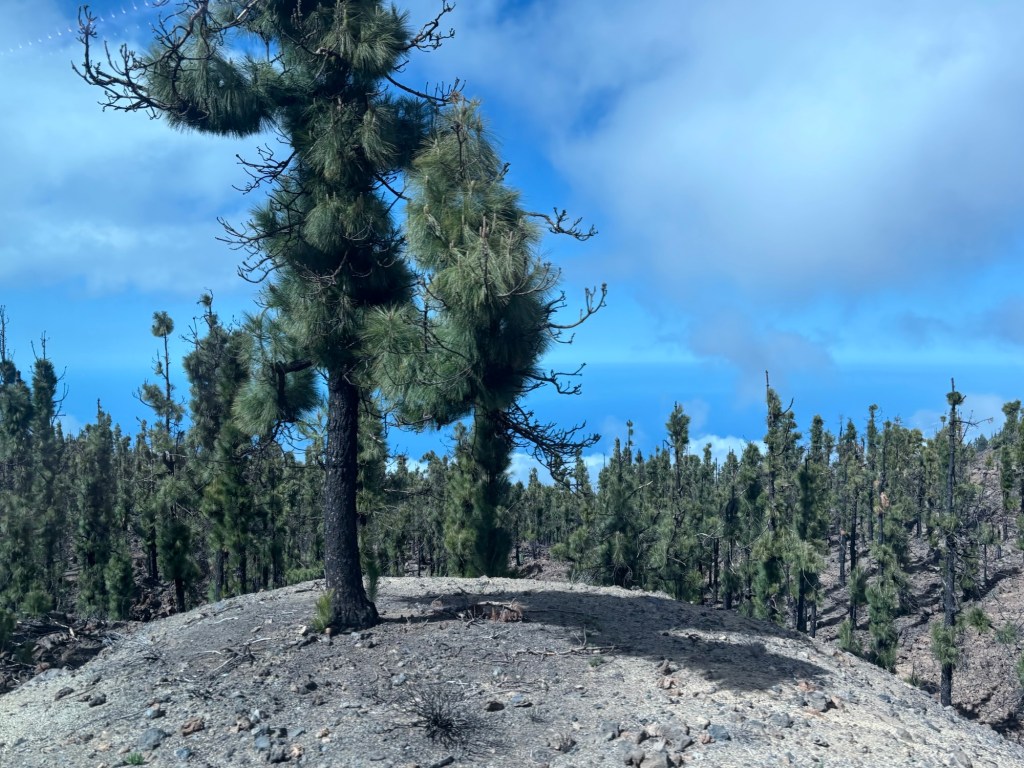
It’s a two and a half hour circular hike from Caserío up into the ash fields, most of it very well signposted and all over well-trodden paths, though the hardened basalt and steep climbs make for slow going at times. I saw three or four cyclists and one other hiker far off, but compared to Teide National Park, it’s a much more personal experience of the mountain on this side of the island. Most of the hike takes place in the shade of the Corona Forestal, the crown of pine trees that ring the mountain (but especially its fertile north face). Some of the trees look like they still bear the scars and scorch marks of the fires that raged through here when Chinyero erupted, long ago.


Did you ever see Fantasia 2000 as a kid? This place reminds me of the Firebird sequence, which plays Stravinsky’s masterpiece as the backdrop to the eruption and rebirth of a volcano. It also gives off major Primeval and Walking with Dinosaurs vibes, which is true for at least one of those TV shows, as the final episode of the first season of Primeval was filmed on the almost identical ash fields of Gran Canaria. All three creations draw on an ancient force in an even older setting, and the black sands of Chinyero really do feel like a walk back in time – if not on the surface of another planet.


There are very few mammals native to Tenerife, as is often the case with island fauna, which usually specialises in creatures with fins or wings (or those that had wings, once upon a time). I saw a couple of rabbits during my hike, which accounts for the presence of buzzards in these forests, but besides that, the ash fields seem almost deserted, unless you listen closely. The island’s canaries were singing away in the treetops, along with a few goldcrests, treecreepers, chiffchaffs and the local Canarian race of great tits. I counted at least three woodpeckers drumming at different frequencies on the descent, though I only saw one. Best of all was a brief encounter with a blue chaffinch, a special bird found only on the islands of Tenerife and Gran Canaria and only above the tree line. Tracking it by its call, I tried imitating it to get its attention, and it came to have a look. I got pretty close, but it must have thought me a very strange chaffinch indeed.

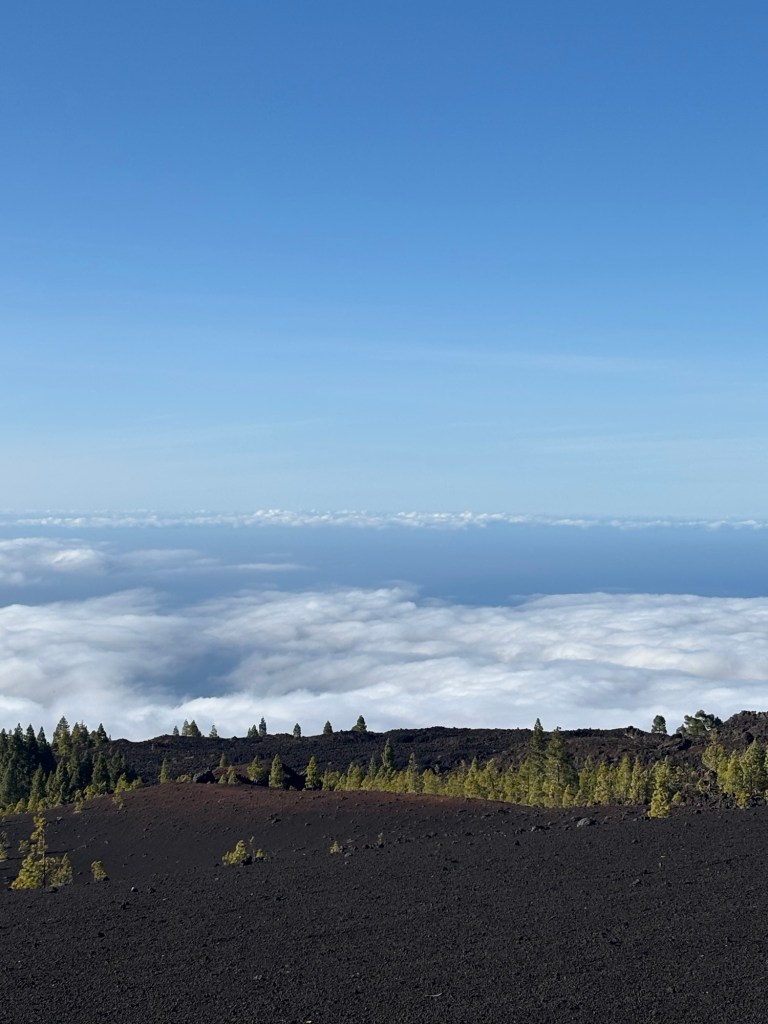
Meanwhile, to the north, the island seems to fall away into the sea, disappearing beneath the clouds. We really are very high up here.


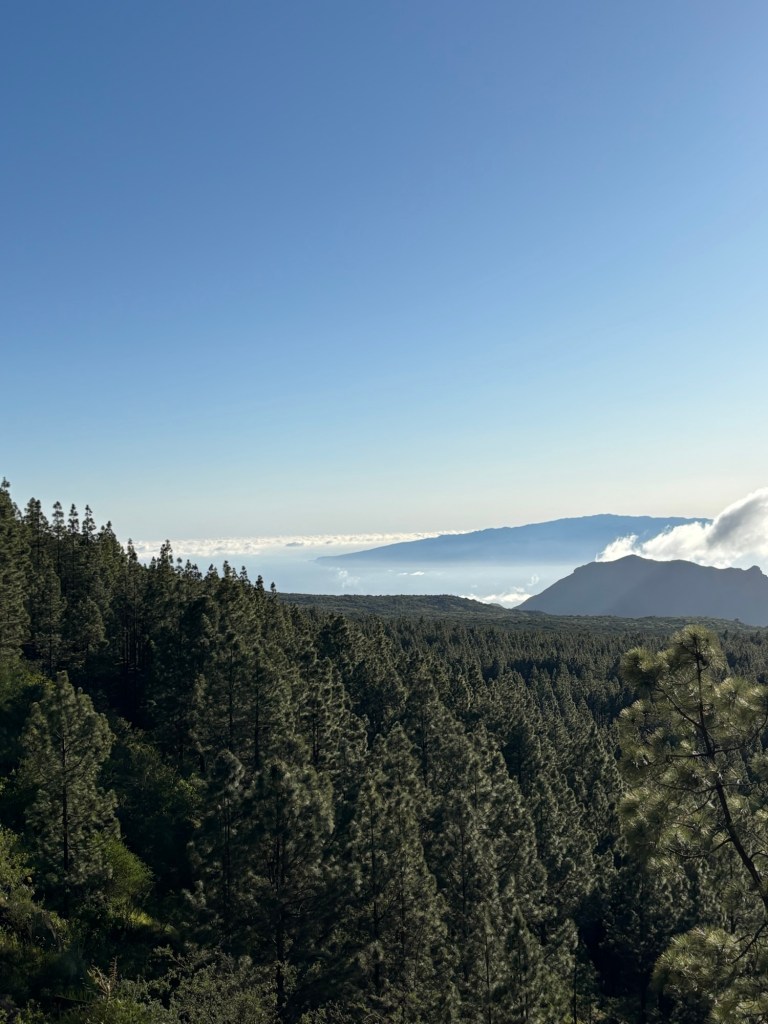
The views on the climb back down to Caserío are breathtaking, especially at the end of the day when the sun is beginning to sink into the Atlantic to the west. Stand at just the right spot and you can see the neighbouring islands of La Gomera and La Palma, flanking the Teno mountains on the westernmost point of Tenerife. I don’t know much about La Palma, but La Gomera harbours an otherworldly rainforest in its centre, the Garajonay National Park, full of gnarled and twisted trees and trailing beards of moss and lichen. If I should return, that would be near the top of my list.


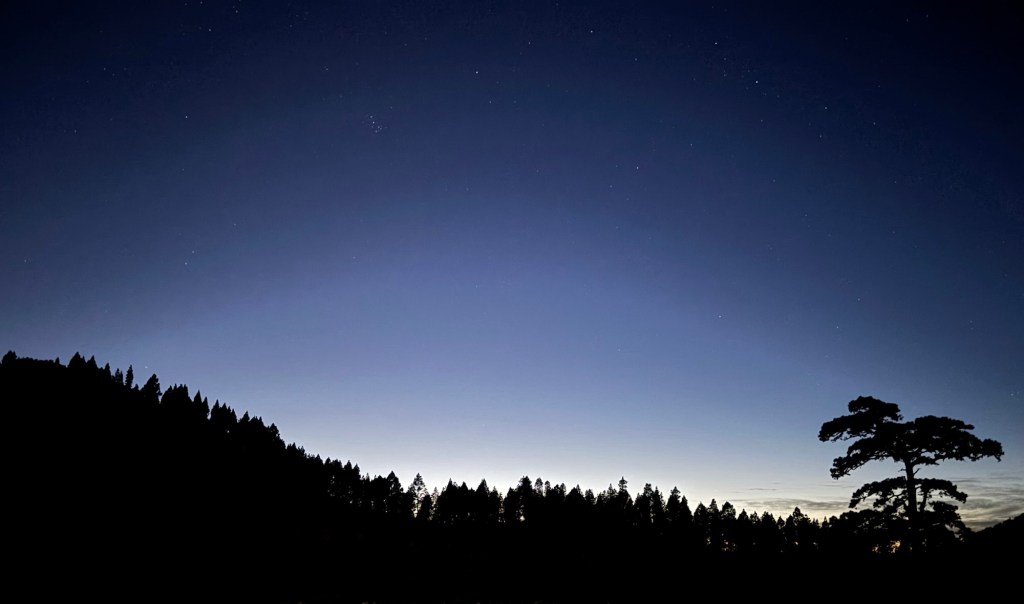
I had a well-earned dinner and a glass of wine back at Caserío, the last of which very nearly knocked me out – perhaps that explains the long sleep. But I did hold on to my senses long enough to properly appreciate the other thing I came all the way out here to see (not just to Chinyero, but the Canaries as a whole): the night sky. The English fixation with security and LED lighting means it’s hard to get an unpolluted view of the stars anywhere in the country (outside of Northumberland, anyway), since we seem to delight in stringing glaring yellow street lamps along our roads like fairy lights, and filling our towns and cities with floodlights.

Out here, however, the lighting is less pervasive and restricted to the larger cities. And up here in the mountains, there’s almost no lighting at all, so the stargazing is spectacular.


I didn’t see any shooting stars this time, but I’d be willing to bet that this is an incredible place to be at the peak of the Perseid meteor shower in the summer. I did count a number of constellations I haven’t properly seen before, blinking dimly behind the belt of Orion: Leo, Cancer, mighty Hercules and the Corona Borealis. And, of course, the full body of Ursa Major, not just the twinkling torso of the Plough.


My SLR would have struggled, but the iPhone did a remarkable job in the twilight. It may not be able to perform a quality zoom to save its life, but it does handle low light incredibly well.


Tomorrow is another day. Since I made it up to Chinyero a day early, I’ll take it easy. If I can, I’ll try to navigate round the south of the island to Santa Cruz for a change of scenery. I can’t say it’s the side of the island with the most appeal to me, being by far the more resort-heavy side, but that might make for something to write about in itself. But first, I have to find a bus to take me out of here – and that might be easier said than done! BB x

Under the Dragon Tree

Parque de San Marcos, Icod de los Vinos. 12.37.

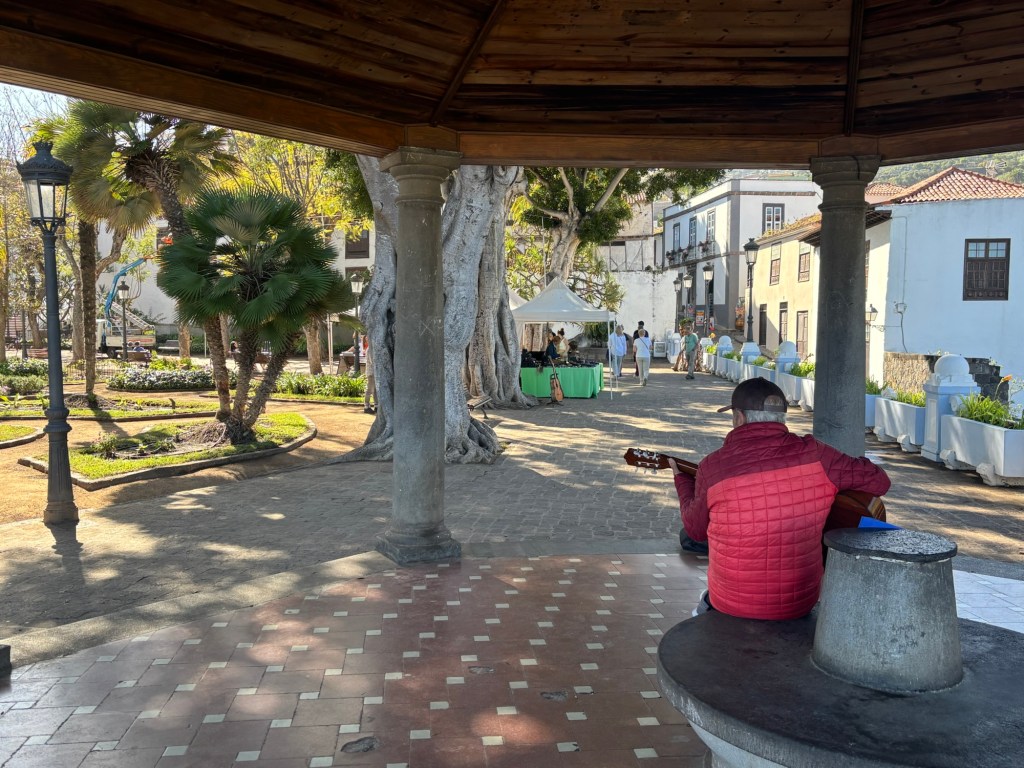
The bells of San Marcos are ringing for midday, a mournful two-tone chime that feels out of step with the rest of the world: the buzz of the artesanal market stalls, the constant roll of tyres over cobblestones, the cooing of collared doves and the merry twitter of Canarian chiffchaffs in the trees overhead. The guitarist sitting in the pagoda that looks out across the Atlantic has stopped his playing and looks on in contemplative silence. Three very trendy French tourists walk by, one wielding an iPhone, the other dragging on a vape. ‘Ouais, t’as raison, hein, on est en Afrique.’ A man walks by with his dog. Around its neck is a metal collar not dissimilar to the kind Cortés’ war dogs used to wear. And still the bells chime.


It’s an hour’s wait until my connecting bus to Erjos, so I’ve come here to sit in the shade and write. I’ve bought some supplies from the nearby Mercadona just in case they’re hard to come by – for the first (and only) time in this trip, there are no shops near my lodgings for the night. The Canarian bananas are riper than the kind we get back home – understandably, as they were grown all of fifty metres from the store itself – and the slice of tortilla I’ve obtained should do nicely for dinner this evening.

The guitarist has started up again: it’s Guantanamera this time. A German boy in dungarees and a white baseball cap and his mother watch as he plays an upbeat Latin tune. The boy was shy at first, but he seems captivated by the rhythm and is swaying along with a big smile. Judging by his mother’s reaction, he appears to have just learned how to clap. Thanks to the guitarist, he also just learned how to strum a chord and blow a kiss to the audience.


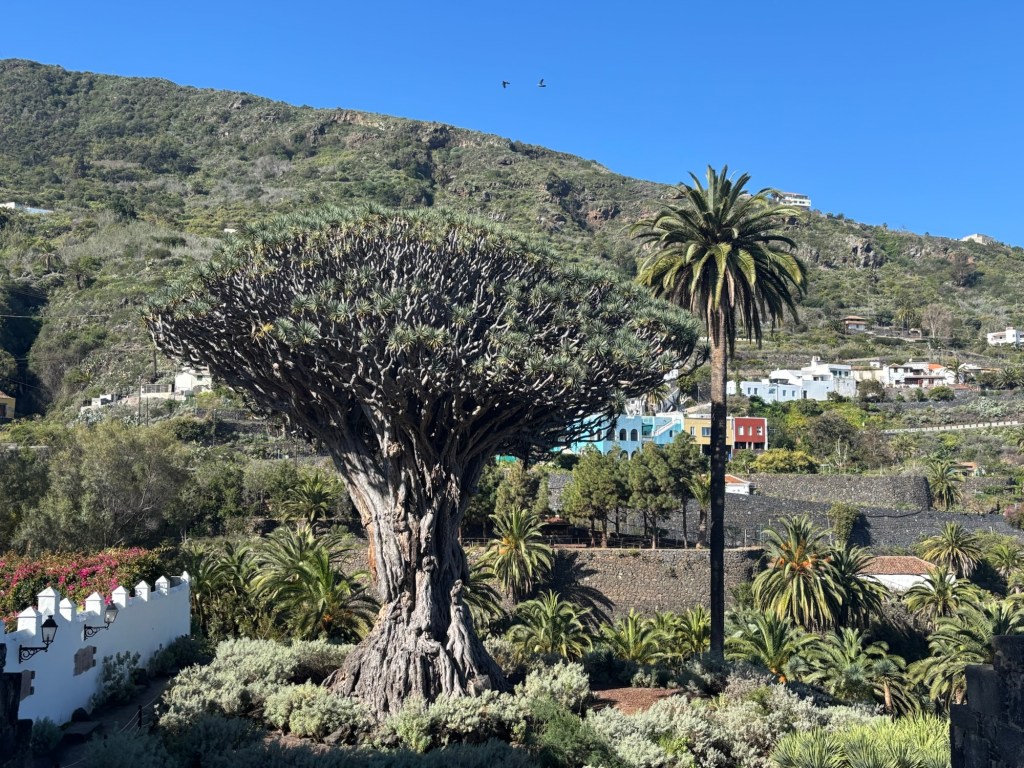
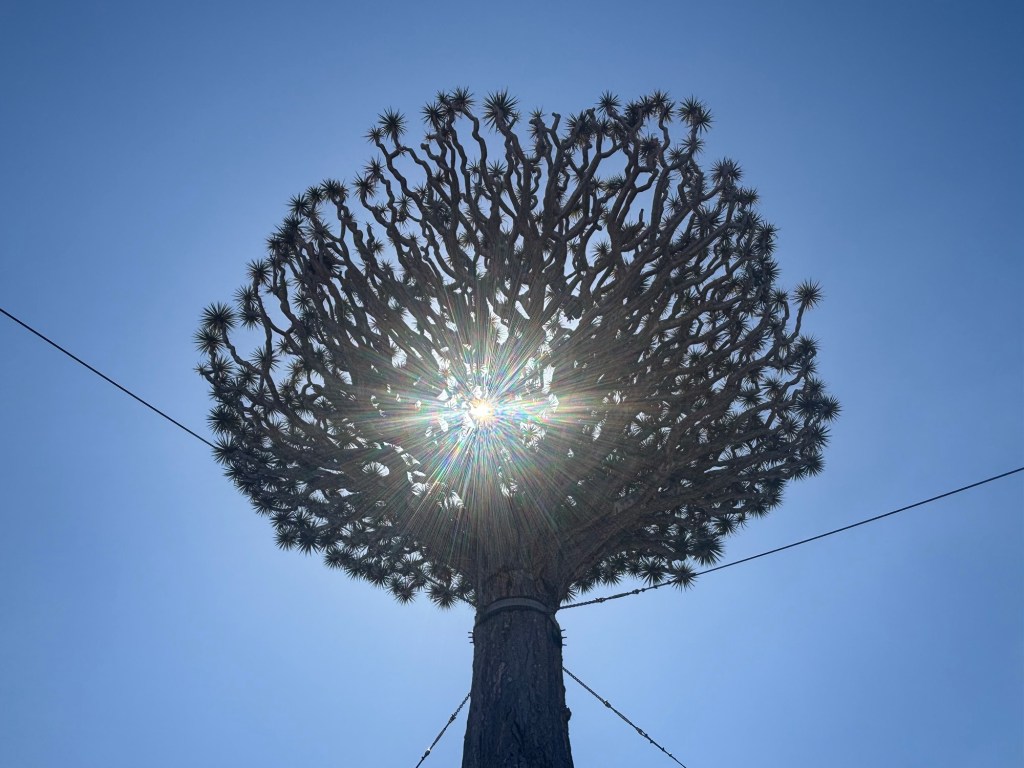
To the east of the park is the famous dragon tree, a bizarre and ancient tree endemic to the Atlantic islands that has supposedly stood in this spot for nearly a thousand years. Its leaves stick out at the ends of its myriad branches like frozen fireworks. The palm tree at its side, usually exotic in its own right, looks almost humdrum next to the dragon tree, which is as rare as it is odd-looking: you’d have to travel all the way to the island of Socotra off the coast of Yemen – the other side of Africa entirely – to find a similar kind of tree.


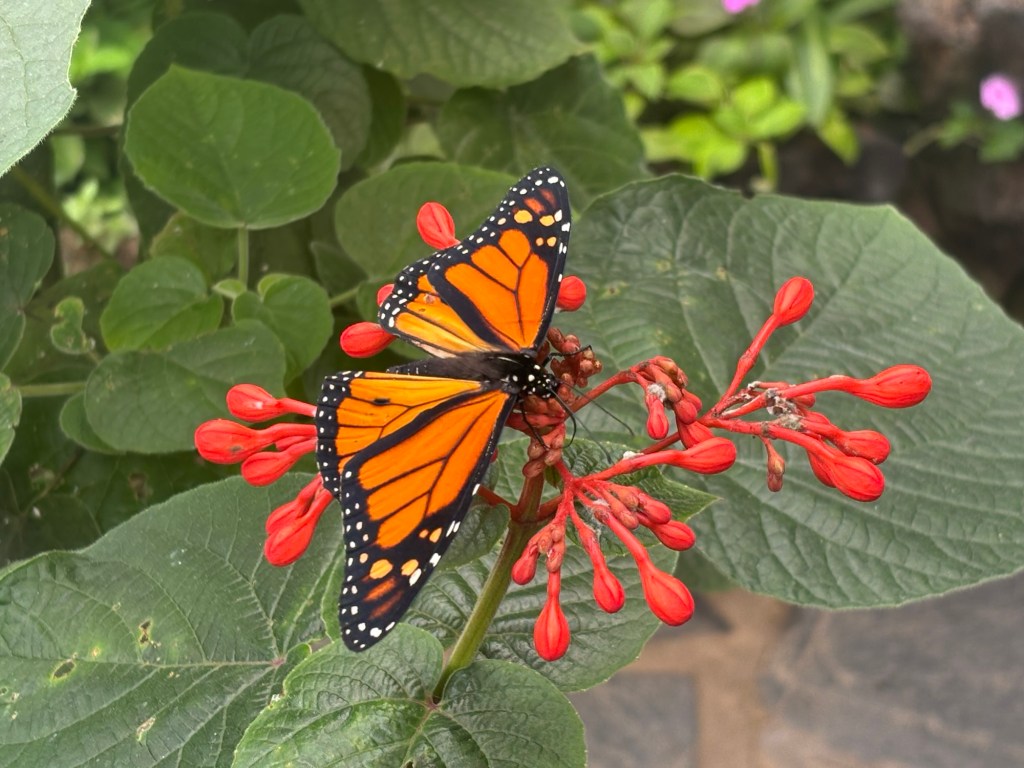
In the shadow of the park is Icod de los Vinos’ mariposario, a butterfly conservation centre. I’m not the biggest fan of zoos, but these sorts of places (where the butterflies are free to roam) are usually geared towards the captive breeding of endangered species, and with butterflies the world over starting to disappear, I fancied learning what I could about those native to the island.

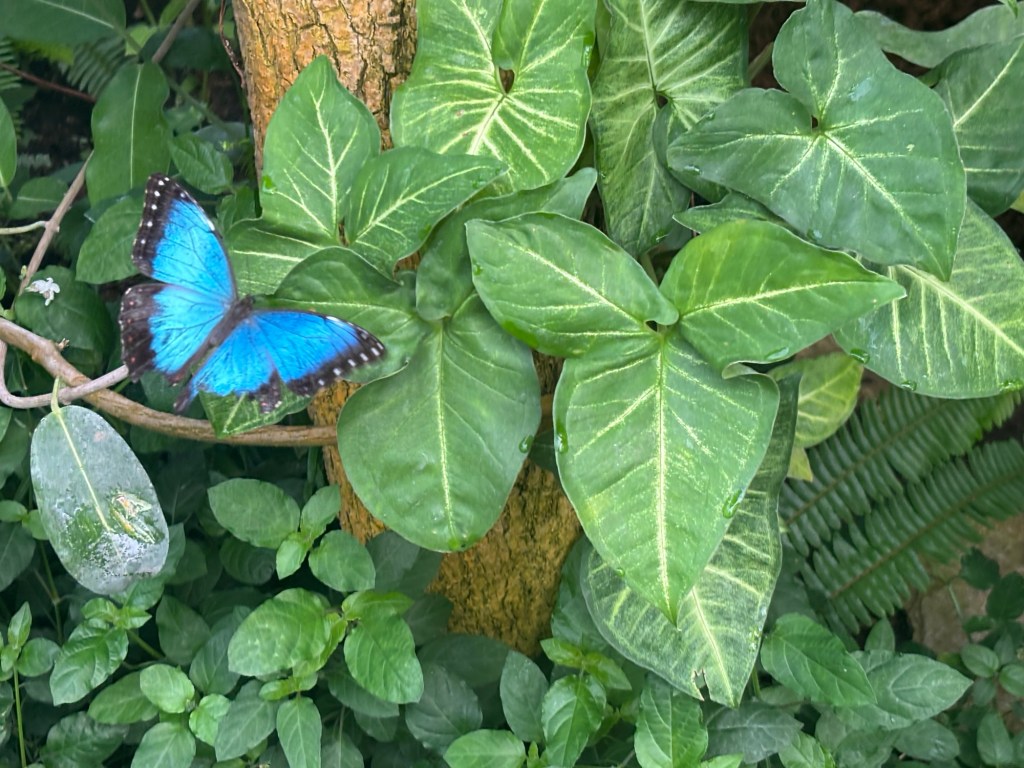
Icod’s mariposario hosts a number of ‘celebrity’ butterflies: the electric-blue morpho, the wandering monarch, and the gigantic Atlas moth. They’re a lot better at drawing in tourists than the endangered Canarian large white, I guess, a species which this local enterprise is working to protect. They’re a long way from home, usually haunting the dense rainforests of the Amazon basin, but they seemed more at home here than they would in a similar butterfly park in the UK.


It was the prospect of seeing the morphos which drew me in, I think, but I stayed for the monarchs. These impressive creatures, with wings the colour of an Atlantic sunset, are a cultural symbol of Central America. If I’d gone to Mexico – my original plan for the Easter holidays – I’d have gone looking for them over there. Not that I’d have had any guarantees of seeing one, of course – but it would have been fun to try.


Higher up the mountainside stands another dragon tree, el Drago de San Antonio. Younger than the drago milenario (but only by a few hundred years), this one is chained in place like a wild beast. It’s also guarded: two security guards in green overalls sat in the shade nearby, smoking a cigarette and watching me as I wandered over to have a look. There’s a motive for their caution: the tree had been ‘attacked’ twice in the last fifty years, first by an ambitious landowner who wanted it cut down and more recently by vandals. To ensure its safety, cameras have been installed in the neighbouring walls and a guard posted during daylight hours – not to mention the chains. I can only imagine these last have been affixed to keep the tree in place should the dormant dragon within decide to take flight someday.


Well, I’ve made it to my digs for the night in Caserio los Partidos, high up in the hills above Erjos. The restaurant is open, but the lady who sorts the lodging isn’t here. I guess she’ll be back at some point this afternoon. I hope she comes soon – I can never truly relax until I’ve got rid of my rucksack. There’s no signal this high up the mountain, but that’s exactly why I came all the way up here – to really get away. I need it after the last two days in touristic Tenerife. It’s a beautiful place, once you get away from the coast and the cities, but this will probably be my only visit. It might be a Spanish territory, and the natives might be Spanish speakers, but it’s not Spain. I’m already nostalgic for the mainland.


Still no sign of the dueña. At least it’s given me time to catch up on my writing and stay out of the worst of the midday sun. See you on the other side. BB x

Devils of Fire and Dust

Capsule 19, Atypicap, Puerto de la Cruz. 19.02.

The last post went off on a tangent about guaguas – so much so that I didn’t even get on to talking about the purpose of my voyage: to hike in the caldera of Spain’s tallest mountain and the symbol of Tenerife itself: Teide National Park.


Ignore the ads plastered across bus stations and billboards: Teide, not the widely advertised Loro Parque, is the true ‘must’ of Tenerife. There is so much about Teide that is worthy of a story. It is an active volcano, erupting most recently in 1909. It was sacred to the Guanche people (the native peoples of the Canaries before the Spanish conquest), who saw it as both a holy mountain and the jail of the fire demon Guayota, interred within the mountain by their supreme deity, Achamán.

What did Guayota do to deserve such a fate? He kidnapped Magec, the Guanche sun god, and trapped them inside the mountain, plunging the world into darkness. Despairing for their future, the islanders prayed to Achamán, who fought a fierce battle with Guayota and imprisoned him within the mountain forever.


Teide itself is a mighty thing indeed. Even from the caldera – which, it must be said, is not the mountain’s most beautiful side – it towers above everything else, dwarfing not just the high cliffs and mountains around Tenerife’s rim but the surrounding islands as well. One can only imagine the terror the islanders must have felt when it caused the earth to roar and spewed fire and fury out of its peak.

It was said that Teide’s eruptions were a sign of Guayota’s fury at his imprisonment, and that his children, in the form of demonic dogs known as tibicenas, haunted the mountainside by night.

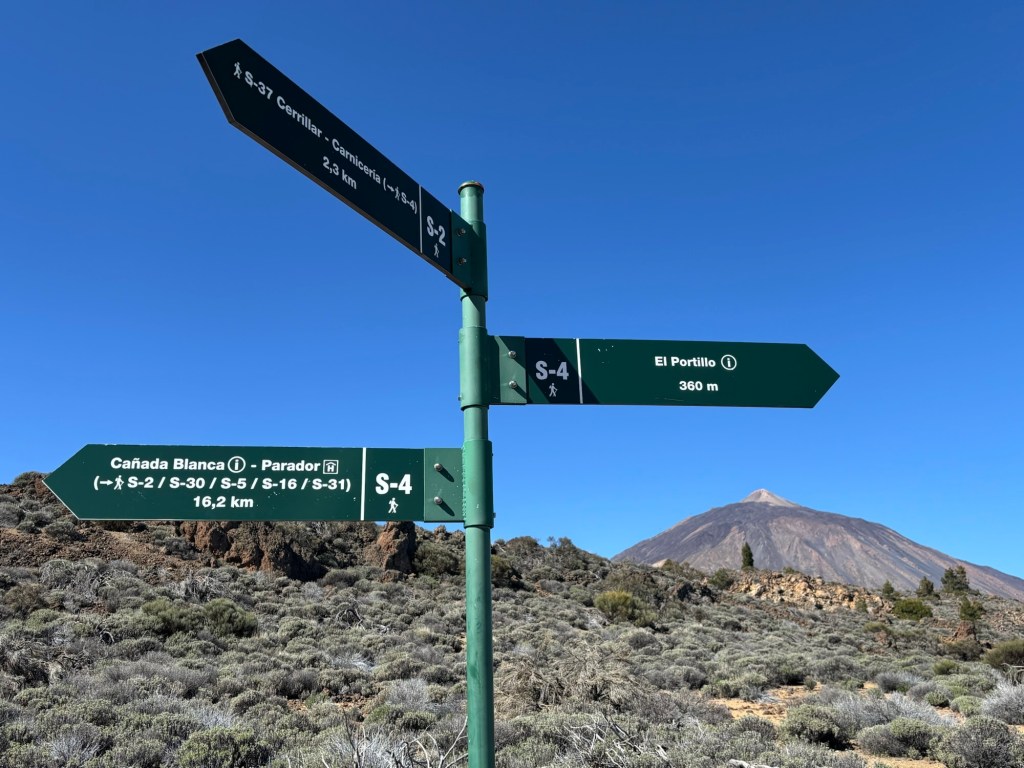
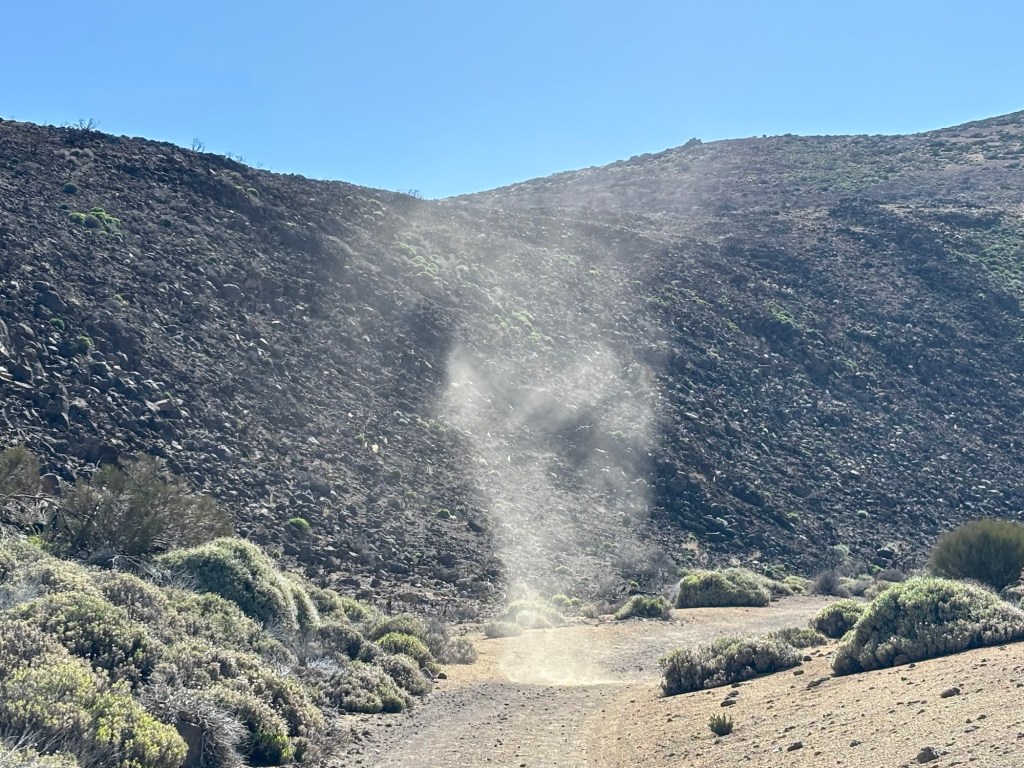
I didn’t see any hellhounds on my lap of the park, but I did see a dust devil as I set out from El Portillo. I used to see these quite frequently when I lived in Jordan, but outside of desert environments they are quite rare.


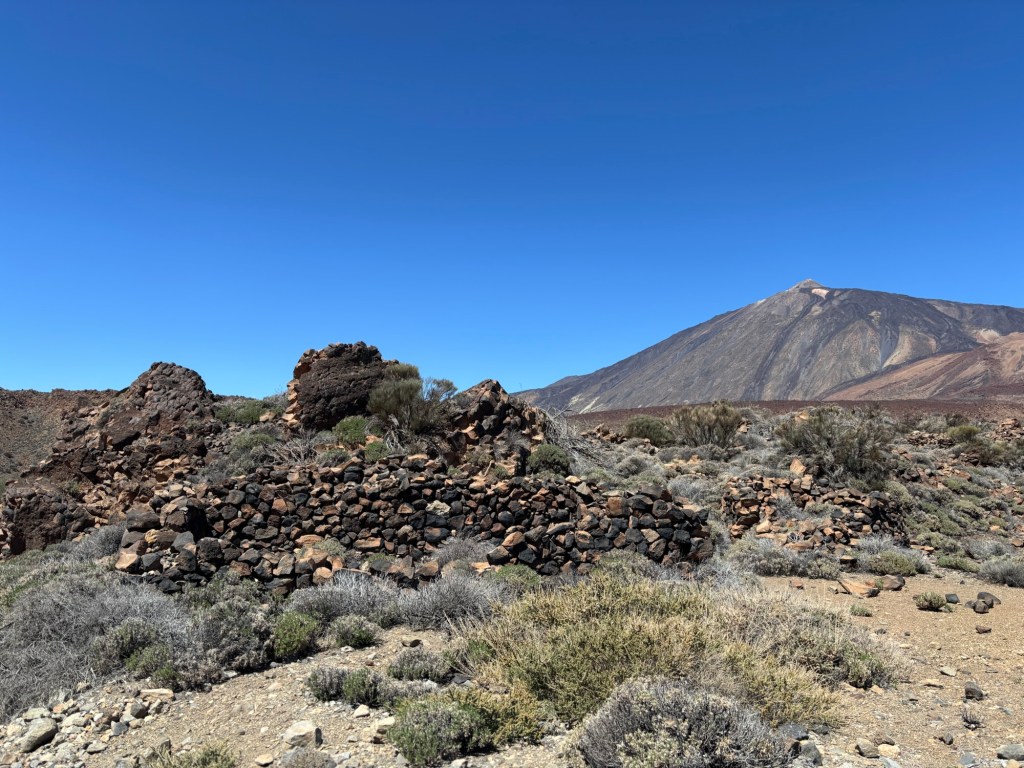
Scattered around the caldera floor are a number of unfinished or ruined dwellings built out of the scattered basalt rocks. These present a mystery to the casual hiker: what were they? The ancient dwellings of the Guanches? An initiative by the park authorities? Hunting refuges? In truth, they are none of these things: the caldera was far too hostile an environment for settlement by the Guanches, construction within the national park is tightly restricted, and hunting – naturally outlawed – would net a poor return, as the largest birds within the park are kestrels and the odd buzzard, and the only native mammals are bats.

No – they are actually the remains of a German attempt to build a sanatorium within the caldera in the early 20th century. A lack of funding, the eventual creation of the National park and, of course, two world wars put a bullet in the head of the project and now all that remains are the foundations of these houses, which now provide shelter for the enigmatic blue-bellied lizards that can only be found here on Tenerife.


These creatures are everywhere in the caldera, darting across the path and into the numerous crevices in the boulder-strewn ash field as you pass. There are two other species endemic reptiles within the park – the Tenerife skink and the Tenerife gecko – but the casual observer is much more likely to cross paths with the Tenerife lizard, especially around the Parador car park where they have become quite fearless.

The Canary Islands – curiously, named not for the species of finch that calls the islands home, but for the large population of monk seals (or sea dogs) that once lived here – are home to a large number of endemic reptiles, some of them textbook cases of island gigantism: that is, where a species has fewer natural predators and can thus grow to a size far greater than its mainland relatives. The largest of these, the El Hierro giant lizard, is a relic of precolonial times, when giant lizards were much more common in these islands, as well as much larger: fossils indicate that some could exceed a metre in length, right up until the arrival of the Spanish in the 1490s.


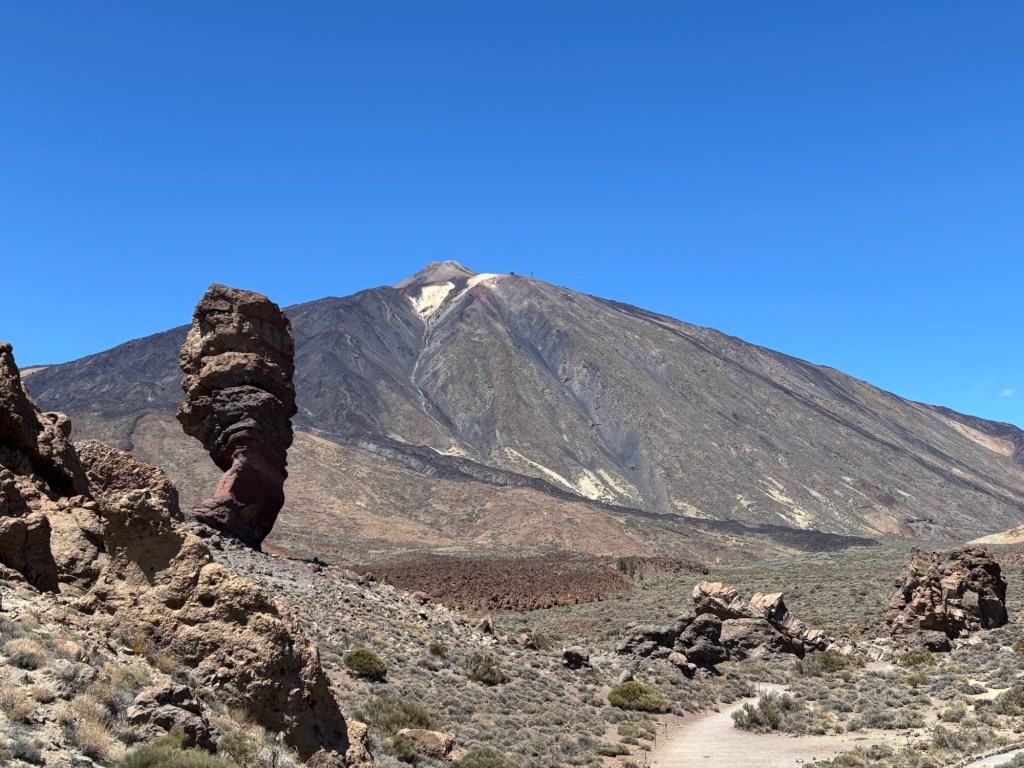
No visit to Teide would be complete without taking in the Roques de García, the roots of an ancient mountain even older than Teide itself. The most well-known of these has to be the Roque Cinchado, also known as ‘el árbol de piedra’ – the stone tree. Standing on the footpath a few paces from the car park provides you with one of the most famous views in all of Spain: the Roque Cinchado with Teide as its backdrop. The old man of the mountain and its son. I had to wait for a family testing out their drone to get a clear shot, but it was worth it.


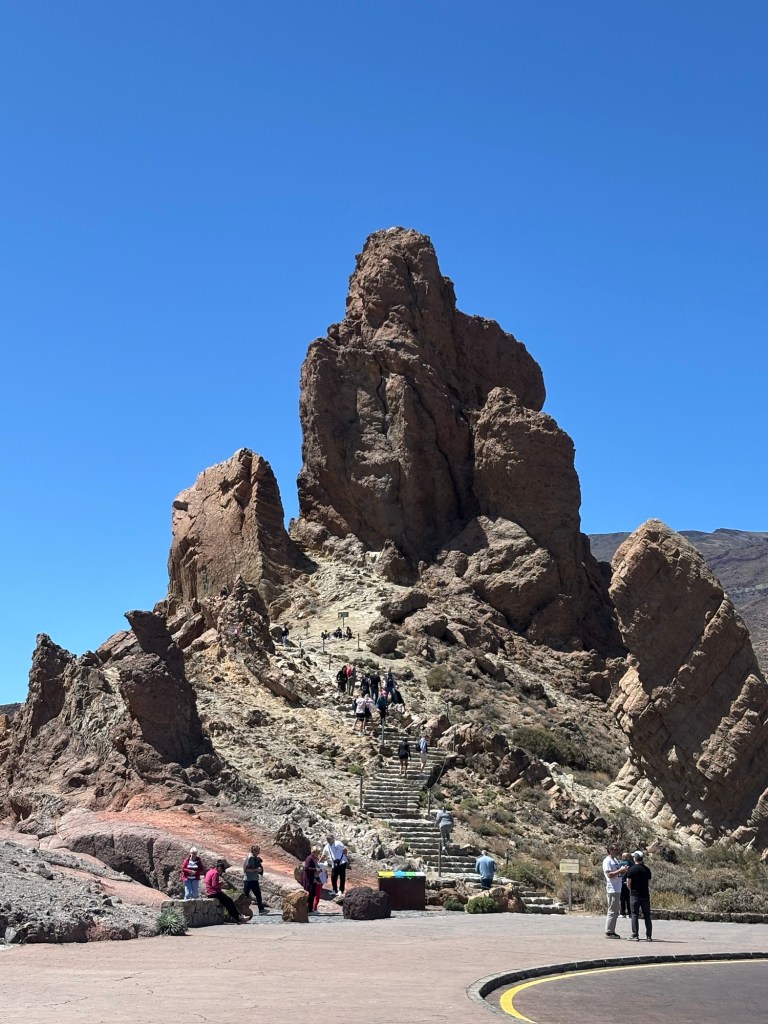
It’s not the only impressive rock formation in the caldera: there’s a mighty organ-like basalt structure down in the valley floor, and the largest of the Roques de García seems to have become – of all things – a beauty spot. Three Italian men sat at the top of the steps, sporting designer sunglasses and expensive shoes. A Ukrainian girl dressed in pink with her hair tied back in a high ponytail occupied one of the lower peaks for the best part of twenty minutes, turning her head this way and that while her friend took photographs. As a matter of fact, I was the odd one out for not wearing my best: it seems whole busloads of well-dressed teens and students come up here for the ultimate profile picture.

I wonder if they spared a thought for the ancient fire demon trapped with the mountain behind them – or whether they thought to learn about the Guanches, the true Canarians, whose fire was extinguished many hundreds of years ago. They were crushed as a mere prelude to the conquest of the Americas, and I don’t remember their story featuring much in my history classes in Spain. If there are any left, their bloodline had long since mingled with the Spanish to the point where it has all but faded away. Perhaps it is fate that they too, like the fire demon Guayota, now lie buried deep within the mountain.


Tomorrow I strike out west for the peace and quiet of Chinyero. It’s been a long time coming. BB x

Ga-ga for Guaguas

La Corona Forestal, Tenerife. 16.34.

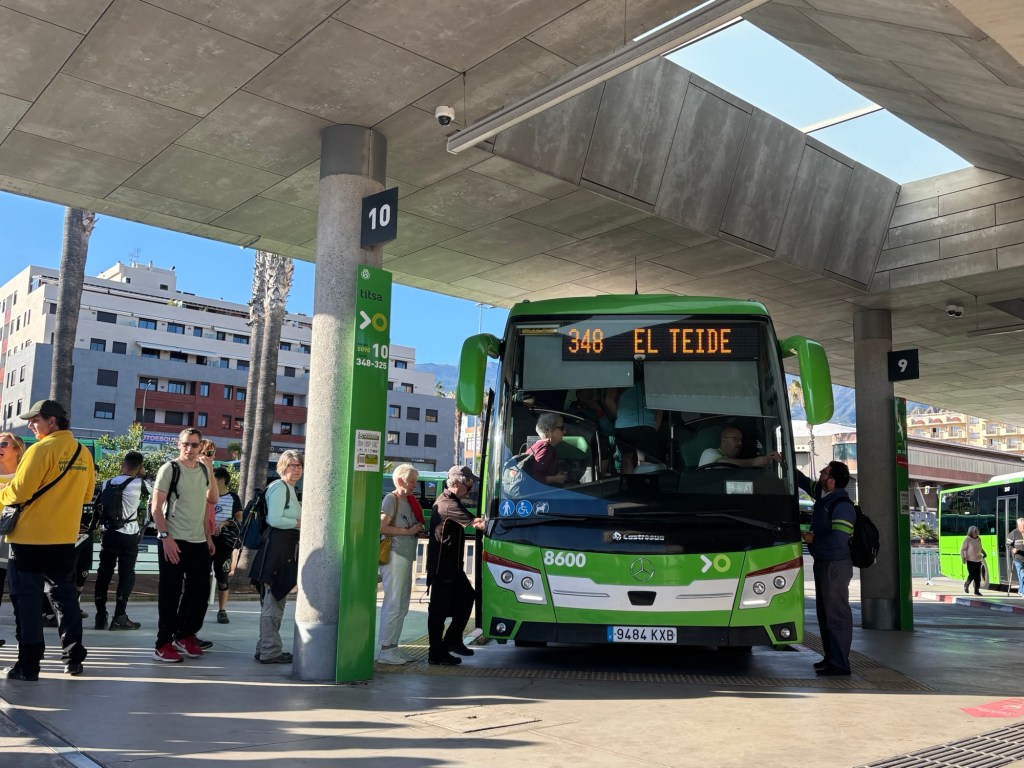
If there’s a hard mode for learning to drive, at least one of the levels must be the permit to drive the 348 from Puerto de la Cruz to Teide National Park. It’s utterly ridiculous. The vertiginous indifference required behind the wheel as the bus makes the sixteen sharp turns necessary to climb the two thousand metres from the city to the rim of the caldera – while negotiating said turns with the many tour buses that ply that route – is nothing short of medal-worthy. Truly, if you can drive here, you can probably drive anywhere.

And that’s as good a lead-in as any to the nub of today’s story: the legendary guaguas, the bus network of the Canary Islands.


Where did I leave things yesterday? In Santiago airport? Well, I made it safe and sound to Tenerife, some one thousand miles to the south. I was on high alert for most of the flight, as this is the one leg of the grand tour that I don’t know inside out. The plane took off a leisurely twenty minutes late, and I was so concerned that we’d miss the last bus to Puerto de la Cruz that I completely forgot to factor in the time difference… because the Canary Islands operate on British time! 

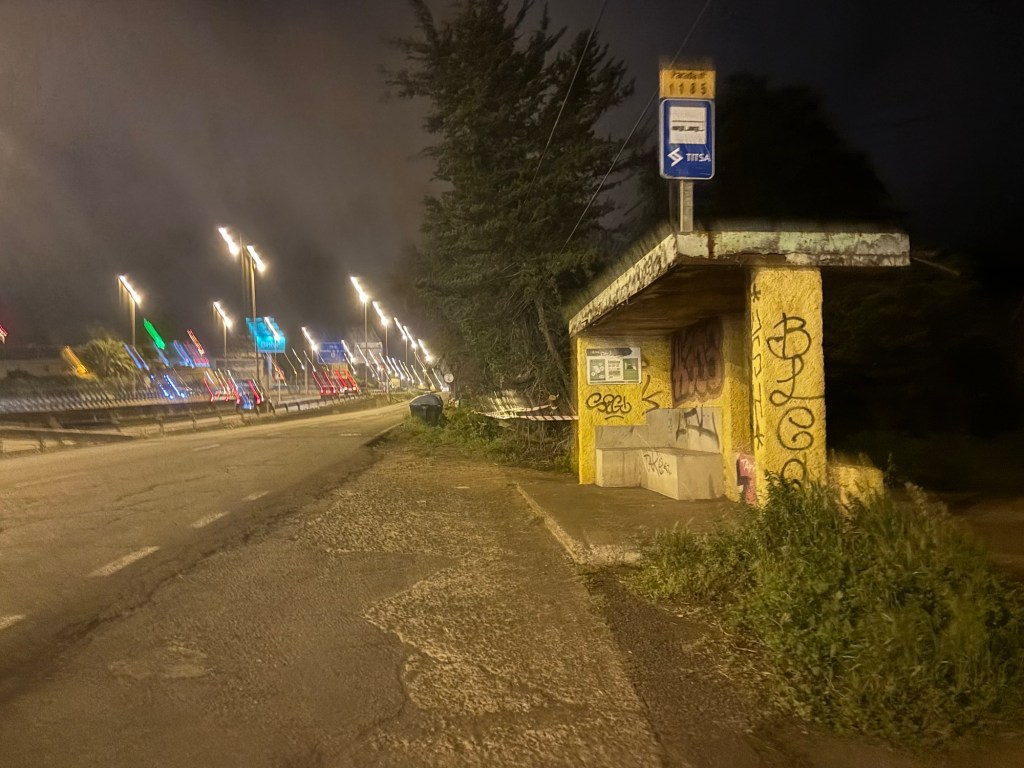
Using every second of the additional hour, I set out to find the bus lane. It wasn’t all that easy to find, and when I did, it was to learn that Google had got the times wrong: the last guagua for Puerto de la Cruz from Tenerife North leaves at 20.30 on Saturdays. So I’d missed it.

But, where there’s a will (and a stubborn won’t concerning the 75€ taxi alternative) there’s a way, so I gathered my belongings and set out into the night for the bus stop over the road from the airport.


I struck out over the road – well, more like along it, as Tenerife North isn’t very walkable. Still, I wasn’t hassled or beeped at en route (always a good sign), and I did manage to track down the bus stop outside a rather seedy establishment called Eclipse de Sol. Google assured me there was a bus on its way, which is just as well, as none of the QR codes on any of the signs around Tenerife seem to work – helpful, when they’ve decided to save on printing the timetables. But, somebody up there was watching over me, because the bus for La Orotava eventually turned up.

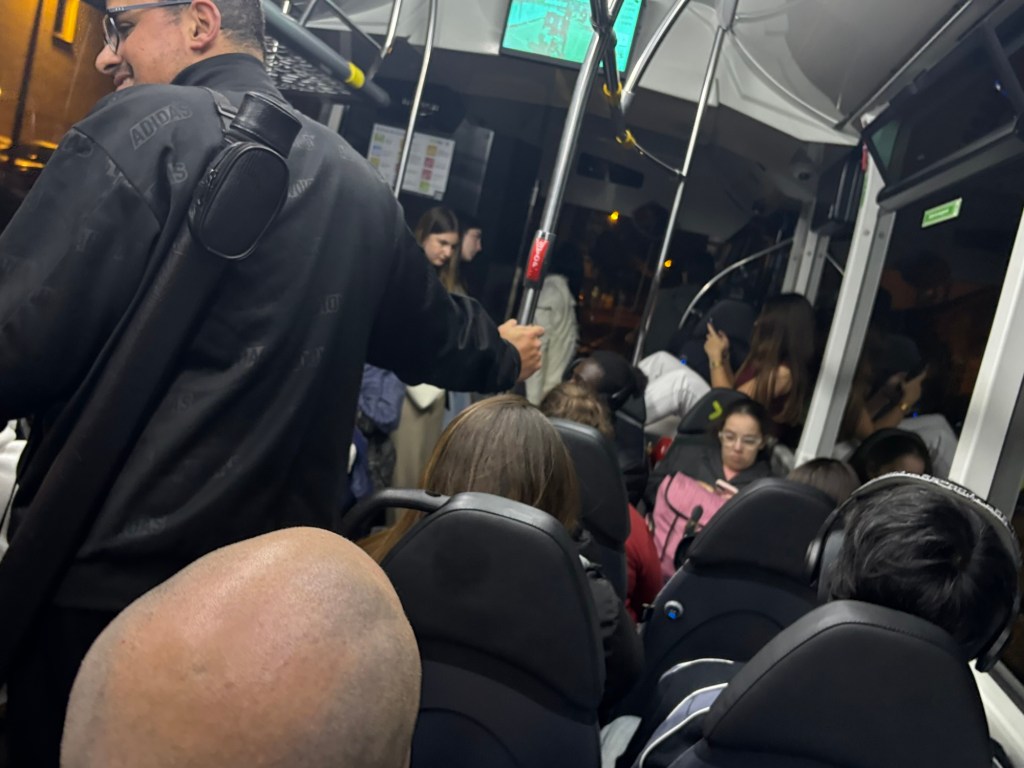
Let me tell you something for free: traveling by guagua is the perfect blend of European and African/South American public transport: all the bells and whistles and all of the noise that comes with it. It was packed to the gills: students sitting in each other’s laps, others crowded into the luggage racks, passengers stood two abreast in the aisle from the back of the bus all the way to the steps leading up to the driver. I was lucky to get on at all.


The sardine tin I managed to catch wasn’t even the right one, as it terminated in La Orotava – still a good five kilometres from my destination (and 360m up). I considered taking a chance on catching the right bus, which was on its way but twenty minutes late, but the prospect of it not being real and getting stuck at the junction in the middle of nowhere did not appeal. I thought about jumping into a taxi at La Orotava instead, but even as I thought that over, another bus arrived with “Puerto de la Cruz” emblazoned across its screen. I haven’t been so relieved to see a bus in years.

A similar story unfolded today en route to Teide National Park. There are only two buses per day: one there, one back. No exceptions. Given what I’ve already told you about the logistics, that’s not entirely surprising. But you’ve got to get there early, as it’s a very popular ride and the queue is always huge. I just about made it, despite being late due to my shopping quest for Factor 50 sunscreen on a Sunday morning (they’re all locked away behind a glass cabinet so I had to get a clerk to open it first). The travel card I bought was next to useless, so I paid in cash. I still don’t quite know how they work – there isn’t a flat rate for a single journey, as the website implies, as it’s 6,30€ to get to Teide from Puerto de la Cruz, and the driver wasn’t the friendliest – though when you’re having to deal with hapless guiris on the most popular bus in town, and then drive said bus up one of the steepest bus routes in Europe, I can’t say I blame the man.


Tomorrow, I’m braving the guaguas once again to get to Icod de los Vinos, partly to see the famous dragon tree, and partly to stock up on supplies for another hike around the ash flow of Chinyero, where I have booked a casa rural so that I can see the other thing that has brought me to Tenerife, besides the need to tick this last autonomous community off the list: the stars. Tenerife has some of the best stargazing in the world, once you get away from its coastline. I plan to make the most of that. BB x