Camino XIV: Stamped Out

I at least made an effort to wait for my fellow pilgrims this morning, but impatience got the best of me. When half an hour passed and all but a trickle of the pilgrims from my albergue had come and gone, I gave up and set out for León. I wasn’t in any particular hurry, but a conversation over dinner with an Italian veteran of the Camino (this would be his tenth rodeo) had me reflecting on his words: you can never do the Camino at any pace other than your own. Well, there I was, trying to match the speed of another pilgrim or two. In the end I have to be true to myself. So off I went.


It’s not far from Mansilla de las Mulas to León – four hours, tops, though I could probably have done it in a little over three. But for the Museo de los Pueblos Leoneses, which I really did want to visit, I might have pushed on yesterday and done two days’ work in one. But I am being kind to my feet, seeing so many pilgrims in varying states of deterioration, and so I made my way leisurely this morning.

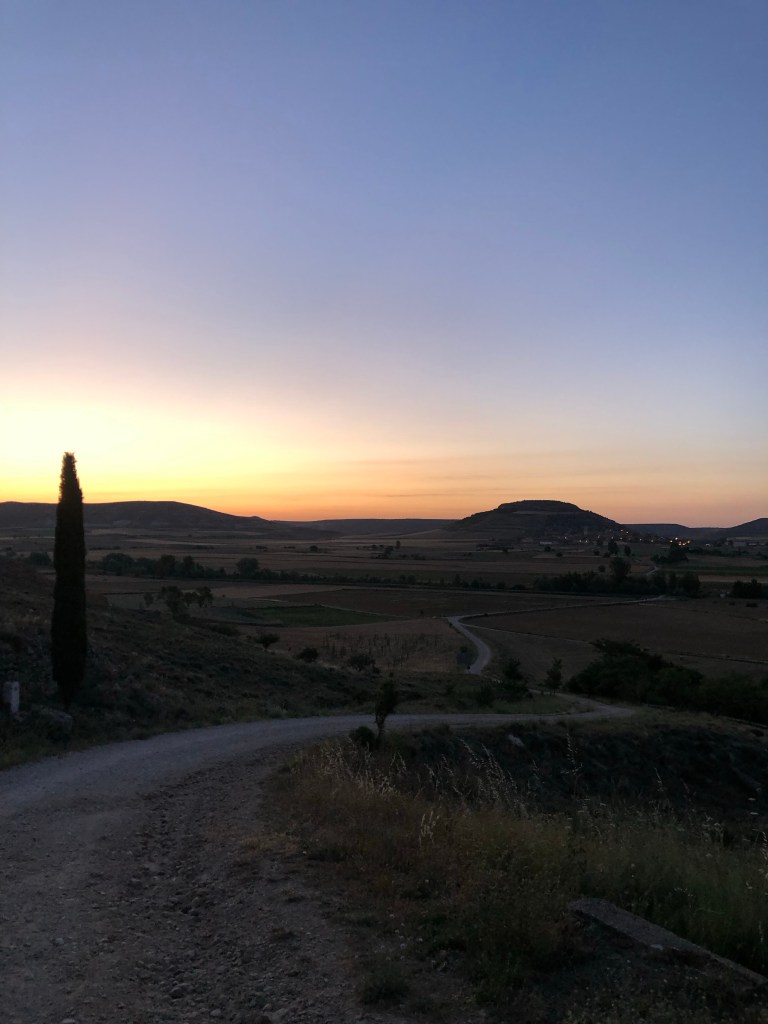
The approach to León is not the most scenic of the Camino by any standards – most of it passes through an extensive suburban industrial estate – but there was still some magic in the sunrise when it came over a roadside field where a large number of storks were flying in to feed from all directions.
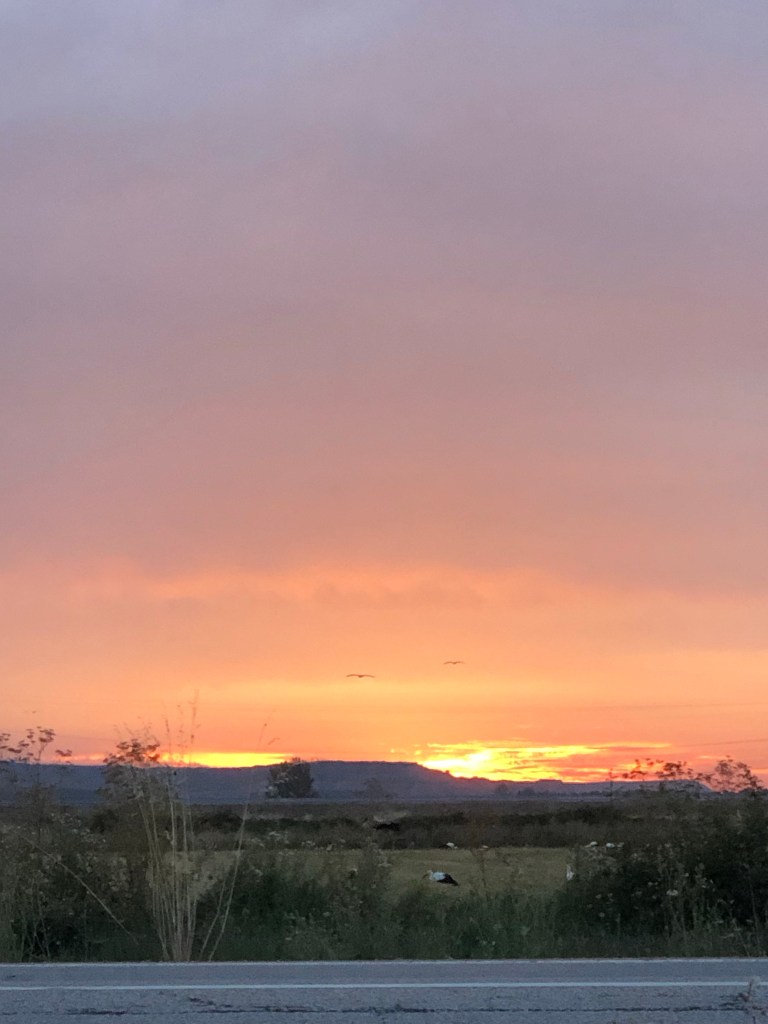

I dawdled for a bite to eat in Arcahueja, still in the hope that a few of my pilgrim companions would show up. They must have been tardy this morning, because I never did see them. Instead my French got a serious polishing over a conversation with Jean-Paul from Carcassonne and Adine from Versailles. It might be lacking the instant spark of my last Camino, but if I remember this leg for one thing, it will be the constant linguistic gymnastics – I don’t think I’ve had to bounce between languages so often ever before. It’s bloody good fun!

I reached the outskirts of León at around 10 but it was almost 11 by the time I reached the Benedictine albergue, my digs for the night. Of the old guard, only Sean the Irishman and Alan from Rennes elected to stay here – I haven’t seen anybody else I know. It’s equally possible others will join here. It’s an established fact that the road gets seriously busy from Sarria, so that’s something to look forward to.

For future reference, July is – surprisingly – low season. The Camino is at its busiest in May, June and then August and September. For whatever reason, July is a quiet month on the Camino. Well – now I know!
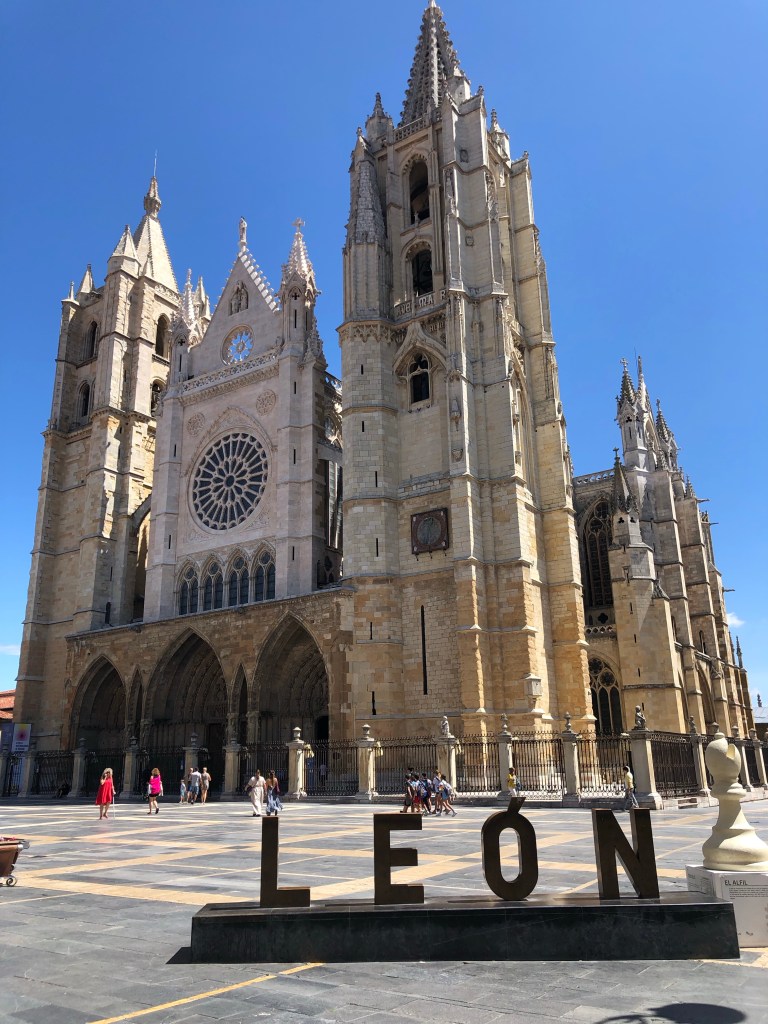

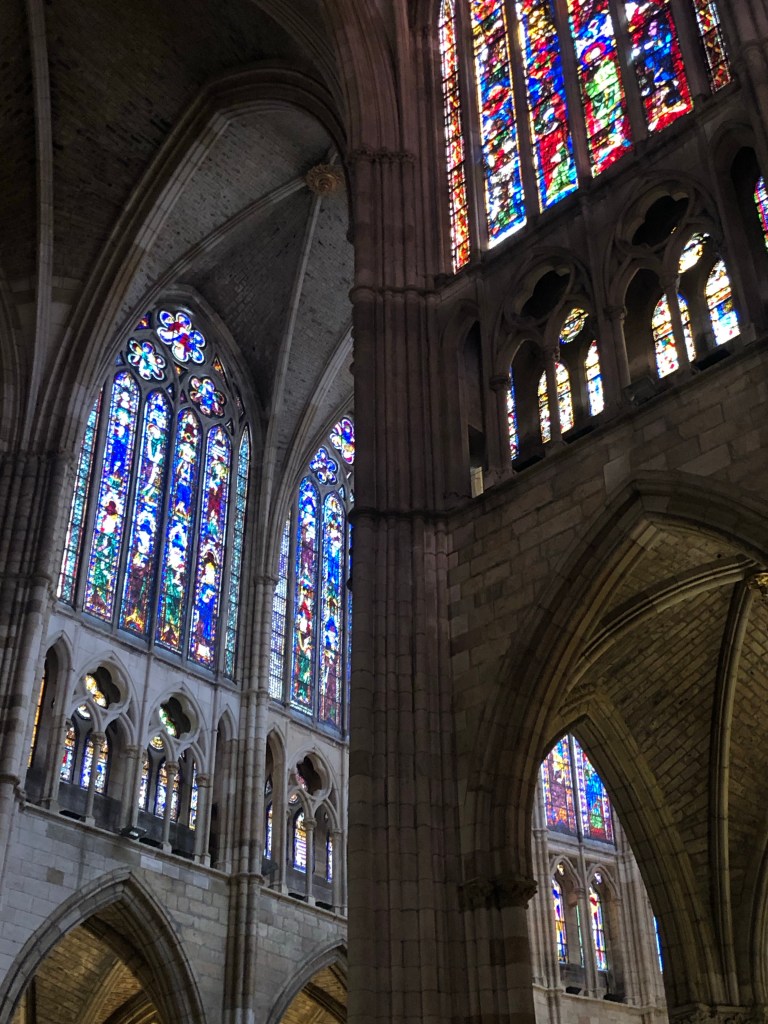
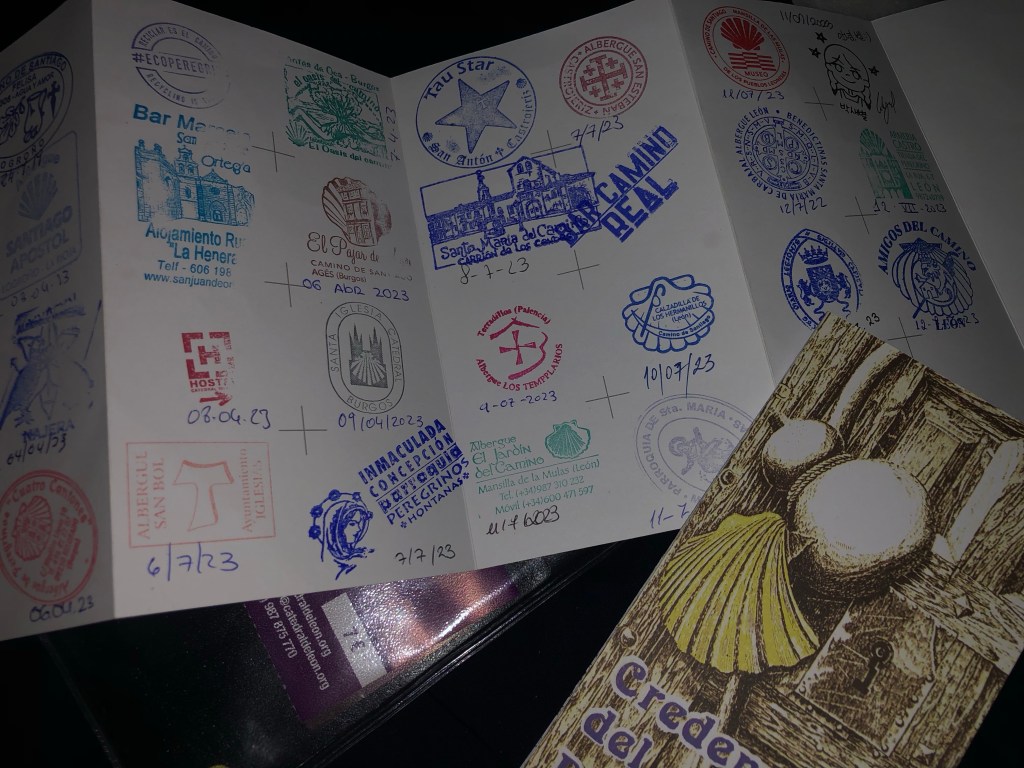
León’s enormous cathedral was under heavy scaffolding the last time I visited so I thought I’d pop inside. It’s pretty magnificent as cathedrals go, but I still think that spending so many hours of my childhood in Canterbury Cathedral has left me somewhat jaded when it comes to cathedrals. More importantly, it produced another stamp for the pilgrim passport, which is now dangerously close to completion…

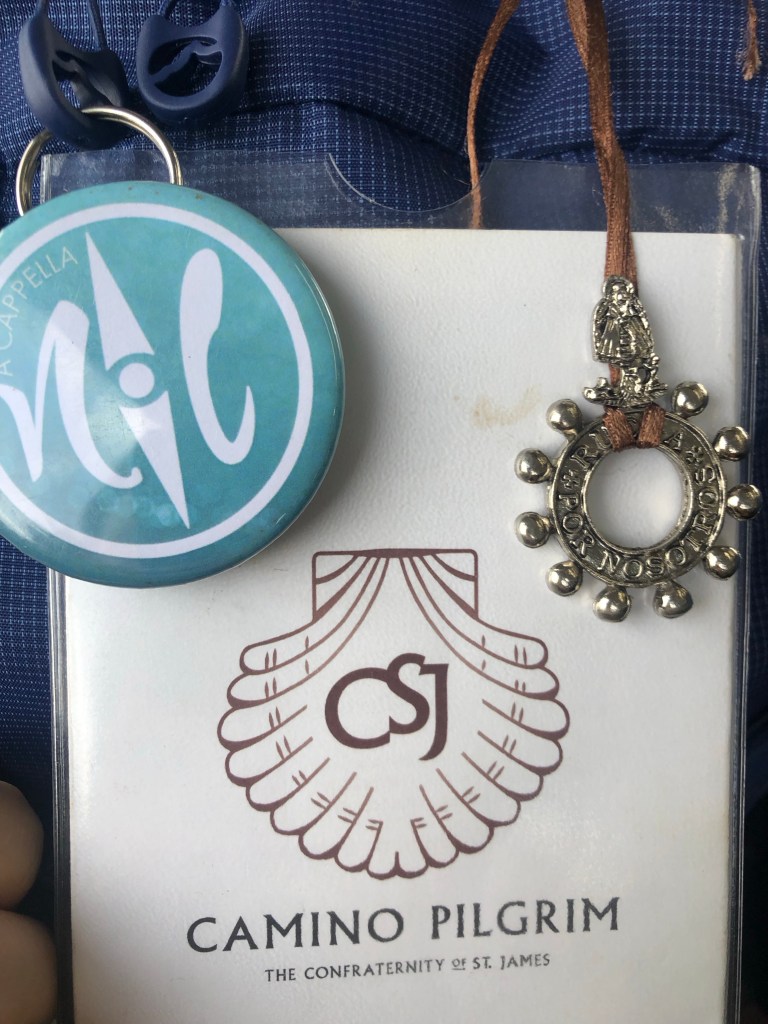
I had a snack lunch in the kitchen with a very cheap spread from a nearby Coviran and had a short siesta to while away the hours before everything reopened at 6pm. Conscious that the Galician stage requires a minimum of two stamps per day (or something like that), I went to the Asociación de Amigos del Camino de Santiago to seek a new credencial. It wasn’t immediately obvious, but rather, tucked away in an office on the fifth floor of an unassuming tower block above a bank near the Plaza Santo Domingo. The socios inside, however, were wonderfully friendly and I had a good long natter after their initial confusion over my names (Spaniards always seem to have issues gettin their heads around the British custom of middle names). Armed with a new credencial (and with my mood improved by a humorous argument about whether or not to stick the two credenciales together, which was a bone of contention between two of the socios), I am now prepared for the final two stages of the Camino. Bring on the stamps! BB x
Camino XIII: Birds of a Feather

I’ll say this much for Calzadilla de los Hermanillos: it’s a beautifully reflective way to end the meseta experience, before you say farewell to the plains and reach the Órbigo floodplains at Mansilla de las Mulas. Sure, I ditched the other pilgrims to strike out upon that road, but it was totally worth it.


The hostalera in the donativo laid out a real spread for breakfast, so I helped myself to a better start than I’ve had in days: boiled eggs, yoghurt, pastries, flat peaches, cherries and a sandwich and a half for the road. Fuelled on such a feast, I was more than ready to tackle the Roman Camino.

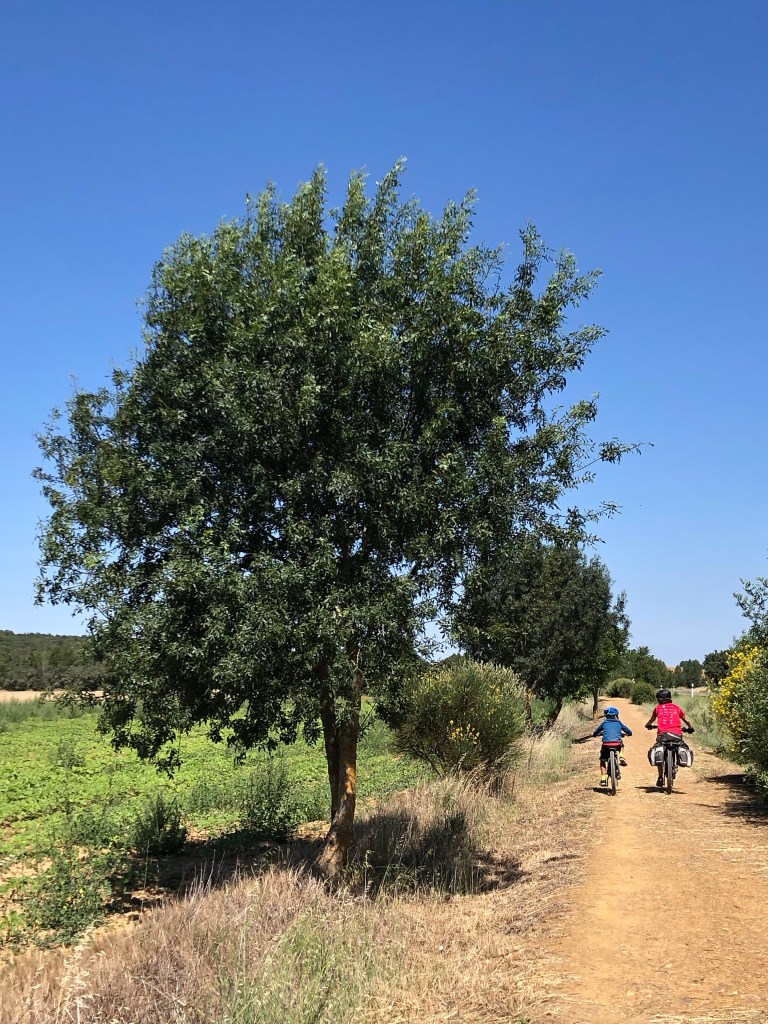
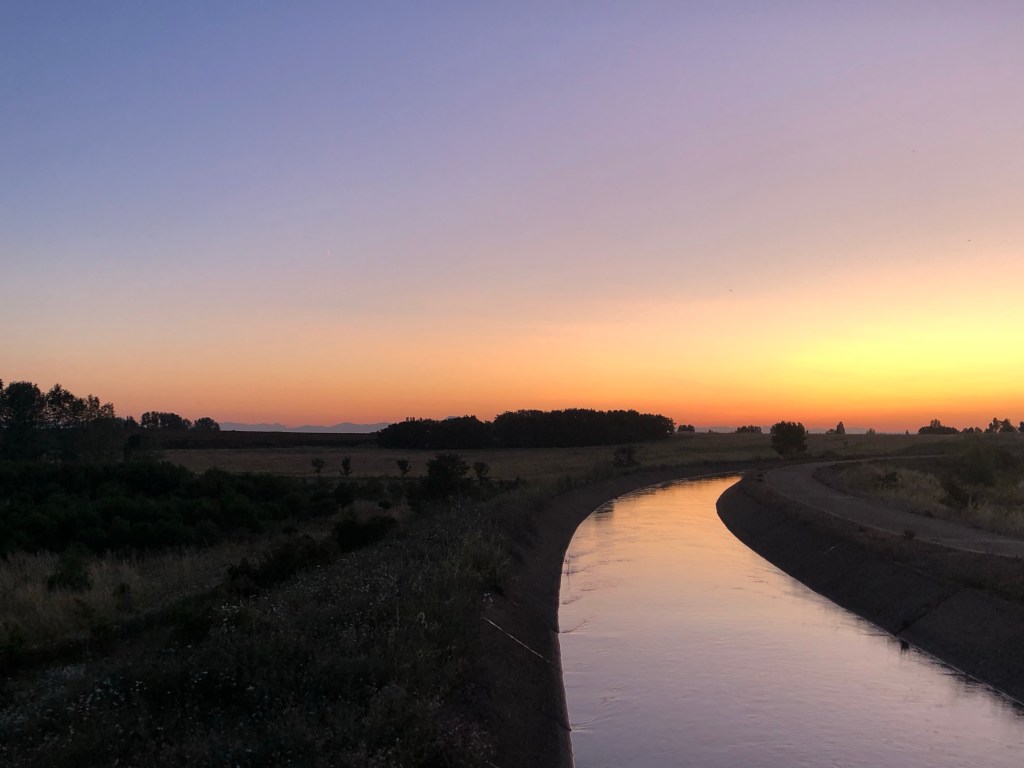
After outstripping the other pilgrims, I had the rest of the Calzada Romana – the ancient Roman raid to the mines – all to myself. And what a morning for it! From the rise, you can see all the way to the distant peaks of the Picos de Europa, ringed with fire by the rising sun. The intermittent canals that cut across the causeway worked like mirrors, carving mercurial strips out of the earth, so that each one seemed to be a continuation of the sky above, and the fields around it a floating world. One of the best sunrises I’ve had on the Camino yet, and I’ve had a good one every day.


You get a good sense of the infinite on the Camino, walking in the footsteps of a thousand years of pilgrims who came before you (the earliest recorded pilgrimage to Santiago was in 930 A.D.), but walking on an old Roman road added another level of grandeur to the experience. The rough stone path made a change from a week of dirt tracks and concrete, and while it may well be wishful thinking in my part, it’s possible, however unlikely, that my feet touched the same stone that some long-forgotten legionary trod two thousand years ago. Nuts!

Sadly I didn’t bump into any ghostly centurions in the early hours of the morning, but the irrigation system provided a jump scare of it’s own: one of the mechanisms was so close to the path that I only had a five second window to clear the distance if I didn’t want to get soaked! That sure woke me up.


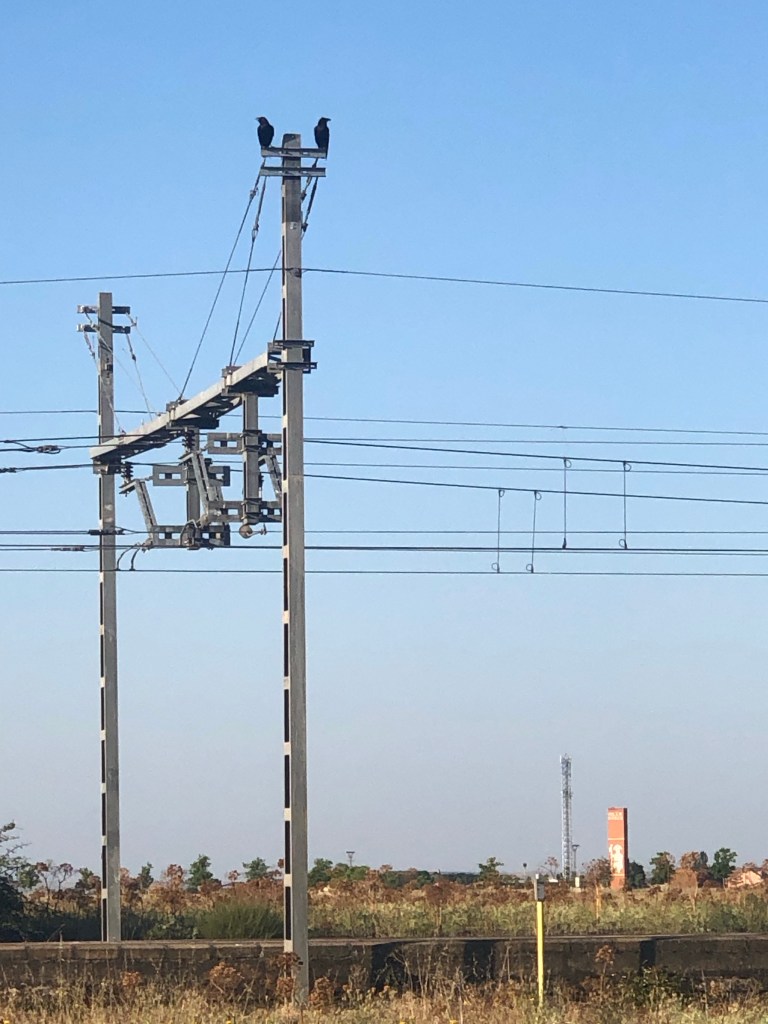
One huge plus of not taking the Bercianos route was the wildness of the calzada romana. I had my usual encounters with stonechats and wheatears (both northern and Iberian), but this unfrequented section of the Camino was a real gem for wildlife-watching. I saw my first quail whirring across the fields on tiny wings, and a couple of partridges, rabbits and a lone red deer rounded out this morning’s game. Every arroyo was alive with singing frogs – which is possibly how the nearby village of Burgo Ranero got its name – but a lonely nightingale had them beat toward the end of the road. A couple of ravens loitering around the ruined Villamarcos station chased off a buzzard that perched too close, then eyed me suspiciously as I walked on by. I found one of their feathers a little way on. It’s currently fastened to my walking pole for luck.

After several encounters with the grey males over the last few days, I finally saw a female Montagu’s harrier in the distance, and I must have clocked about nine or ten hoopoes by journey’s end. But best of all was a cuckoo that came out of nowhere during the morning’s only river crossing. Normally you hear these birds rather than see them, but this one was sitting in the middle of the road when a hoopoe gave it a merry chase for several minutes while I removed the grit from my sandals.


I got to Mansilla de las Mulas well ahead of schedule. I knew staying in Calzadilla would shorten today’s walk, but I still got to the albergue for 10.30am, meaning I had a good two and a half hours to kill before anything was open for business. All the same, this time it was as well that I did so: of the three albergues in Mansilla, one was fully booked and another, the municipal, was closed for renovations (and has been since April, at least), leaving me with no options but the pricier Jardín del Camino. I can’t complain after a very affordable night in a donativo, but when you’re used to paying 10€ as a standard, 16€ for a bed and a further 16€ for a menu peregrino is a bit steep… still! It’s all relative. Just think what that would cost back home….!

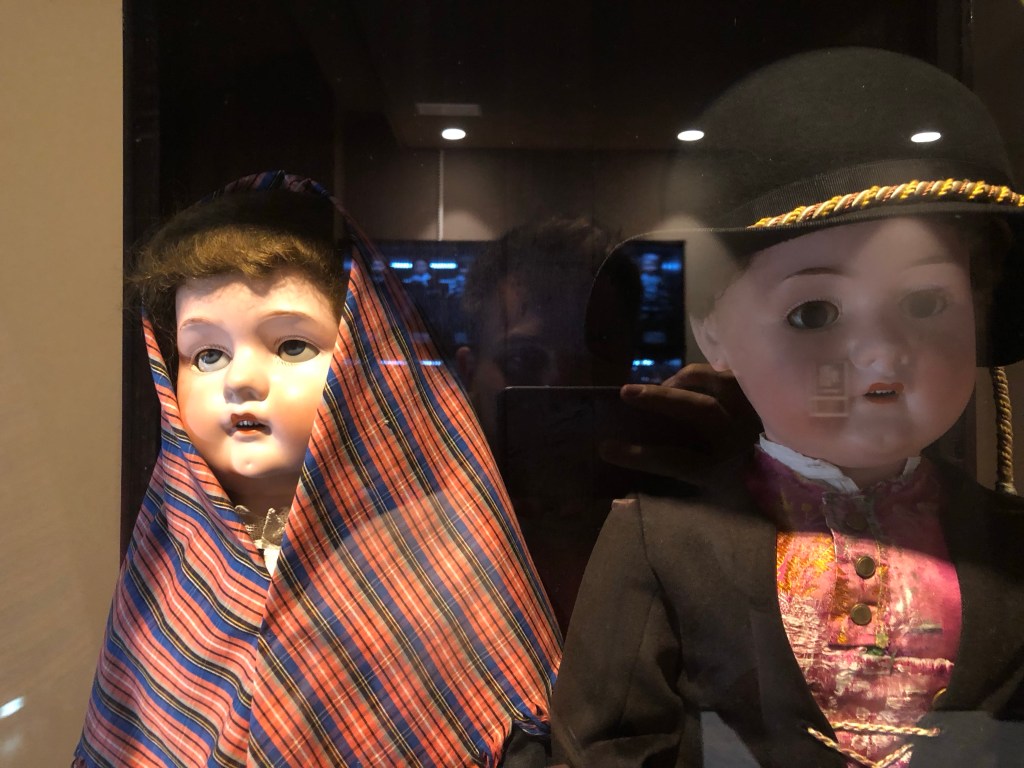
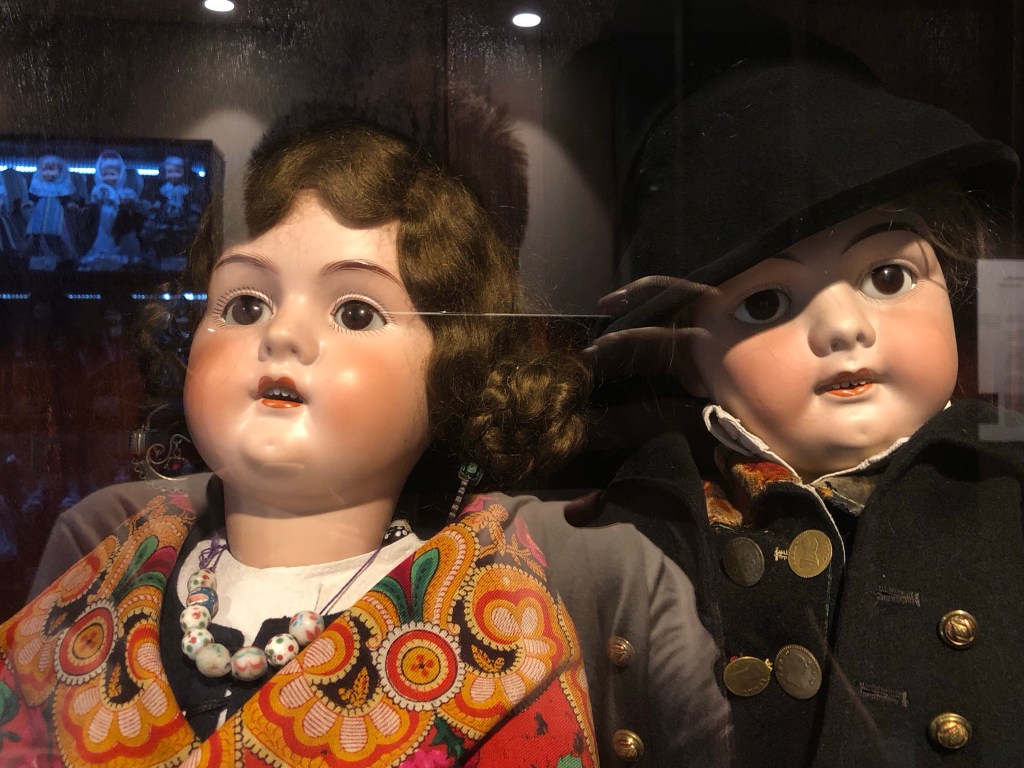
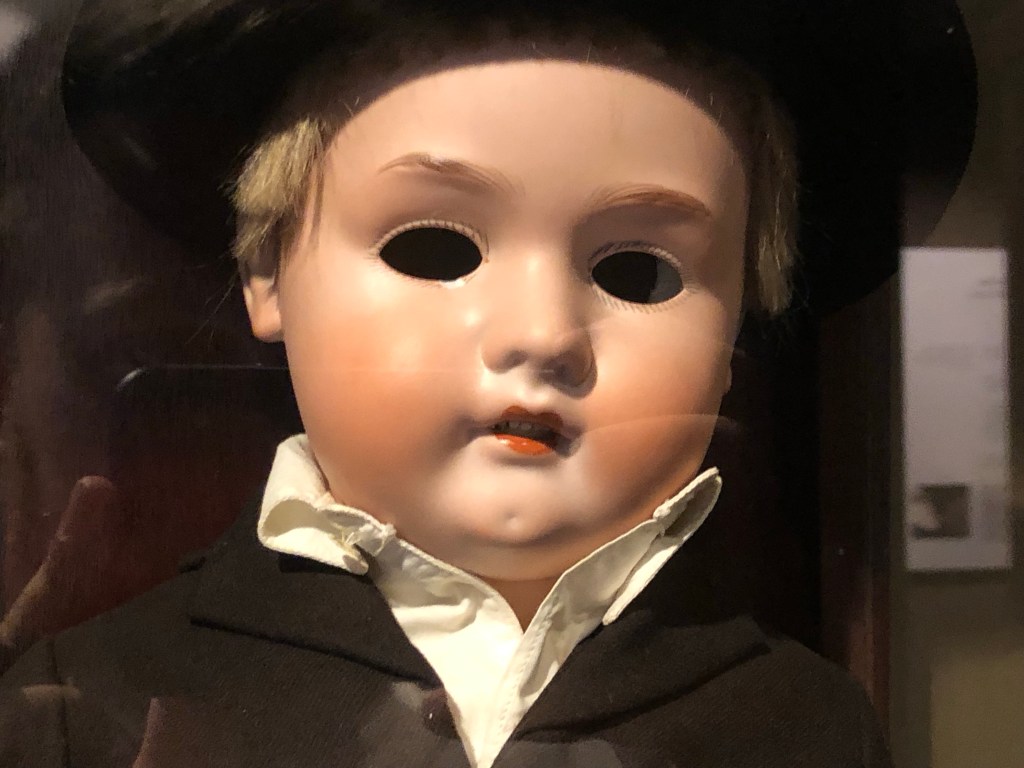
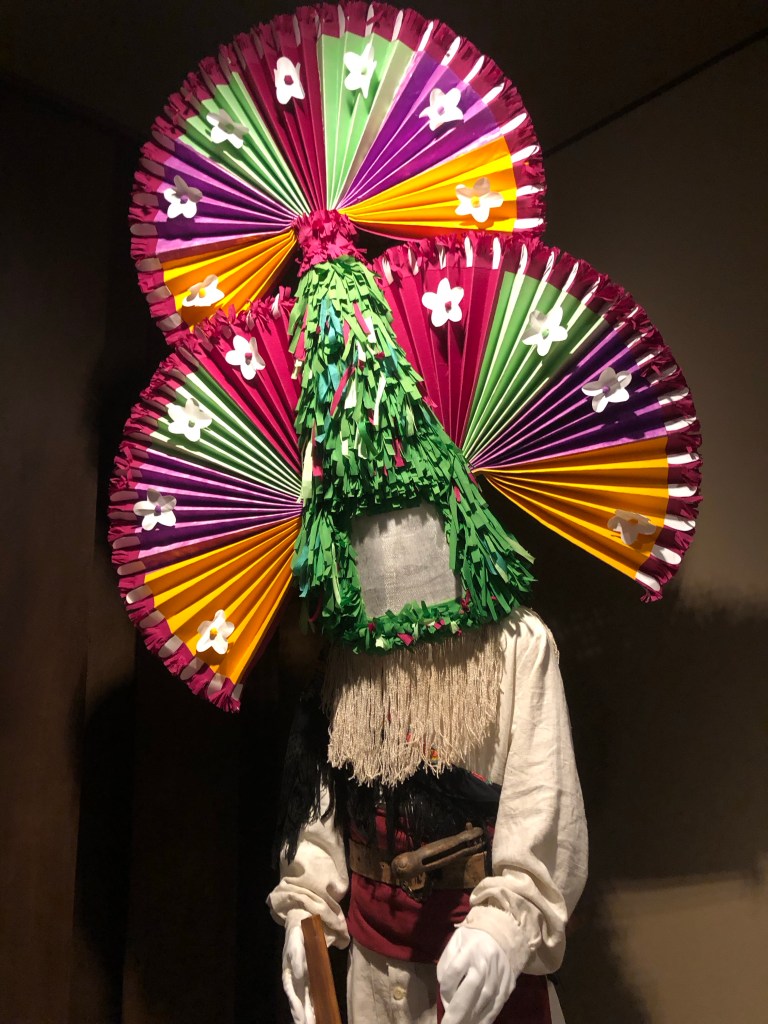
After a mid-afternoon snooze, I made a beeline for the Museo de los Pueblos Leoneses. Do check it out if you pass through – it’s a veritable gold mine of knowledge about the region and immaculately presented across three floors. I was especially interested in the local festivals and Maragatos, but the collection of dolls was equally memorable… though perhaps for all the wrong reasons!


I quizzed the lady at the desk about the signs and she laughed before I’d even finished the sentence. Apparently everybody asks the same question! Yes, she said, it’s not a random act of vandalism but rather the action of a movement which has deep roots in the region, thanks to the fiercely strong regional identity of the Leonese people. Given the chance, many would rather not be conflated with their neighbours. That much is clear from their local customs, costumes and festivals, which differ considerably from the Castilians. I’ve seen vaguely similar outfits in northern Extremadura (which was part of the kingdom of León at the zenith of its power) but the colourful guirrio is almost Latin American in its manic display. I was reminded of an Apache festival I saw in a book once. It’s funny how some people come up with the same concept despite a distance of many thousands of miles.


Tomorrow, I shoot for León. It’s not an overly long walk, or a particularly interesting one as it reaches the outlying industrial suburbs of the great city of the north, so I’ll tarry a little tomorrow and find some company on the road. I should probably also think about booking ahead for Santiago, since at the rate I’m going I really will be there in time for the festivities, and I hear they’re a spectacle that really oughtn’t to be missed if you can help it.

But until then, goodnight – everybody else has been in bed for a half hour already. Time to hit the hay! BB x

Camino XI: Sunflower State

It’s taken four days, but I’ve finally caught up with a “scene” – fellow pilgrims I can vibe with, that is. One of the strange constants of the Camino is the difference a single day can make. For three days I’ve stayed in hostels that were almost empty. After doing two days’ walking in one, for the last two nights I’ve been all but rubbing shoulders. I guess that mad 45km trek to Carrión yesterday paid off. Falling in and out of sync on the Camino can completely alter your experience.


Yesterday was a long day. After starting at 5.50am and reaching Carrión by 3.30pm, I had barely finished my blog for the day when I was swept along to Vespers, then a musical meet-and-greet, then Mass, before tracking down dinner in a nearby hostal. I was bloody efficient, even if my feet were killing me!

In summary, Carrión de los Condes is a must, and the Albergue Parroquial de Santa María totally lived up to its expectations as a highlight of the Camino. The nuns who serve at the albergue were not just the friendliest community I’ve met so far, they also got the guitars out and led all the pilgrims and the visiting Christian youth mission group, Jatari, in a singalong welcome event. A really unique Camino night and definitely one you should try not to miss!


If yesterday morning’s early start was a shock to the system after a few sluggish days, this morning was a full gear up. I was up at five when people started moving around, but within five minutes they’d all packed up and gone, stripping the beds and everything. I was still thinking of taking a rest day in Carrión at this point, but seeing the conviction of the other pilgrims gave me a boost and so I strapped on my sandals, pre-applied some blister plasters (prevention is better than cure) and set out.

Only this time, for once, not alone! My first companion on the road today was Carlos, a translator from Baja California, who walked with me until at least as far as the legendary food van (which I completely overlooked – one for next time). I defaulted to Spanish and we talked about the importance of sign language for a bit.

Along the way we fell into step with an American mother and daughter from Virginia, Elaine and Catherine, one powering on ahead, one following at a distance behind. I was asked why I’m on the Camino, which requires the full ten minute story about my grandfather José, but I’m getting pretty good at telling that story by now. At my merciless pace I ended up in step with Elaine and we came to a stop a couple of hours in to allow Catherine to catch up.

While waiting I met Alan, a Dreamer from Britanny, who had received enlightenment on the Camino in the form of a dream to set up his own donativo (donation-based hostel) back home in France. We swapped in and out of French and English where necessary, until bumping into another American, Chris from Wisconsin, and switching back to full English just before Calzadilla, where I was able to use a little Portuguese to order my first tortilla breakfast of the Camino from the Brazilian owners of the Camino Real bar.

Seriously, a humongous thank you to all the language teachers I’ve had over the years. Days like today make me remember how much I owe the lot of you!

The late breakfast stop was a real culture shift from the last three days of bombing it without stopping to the next albergue. I must have spent an hour shooting the breeze with some of my companions from the morning’s walk!


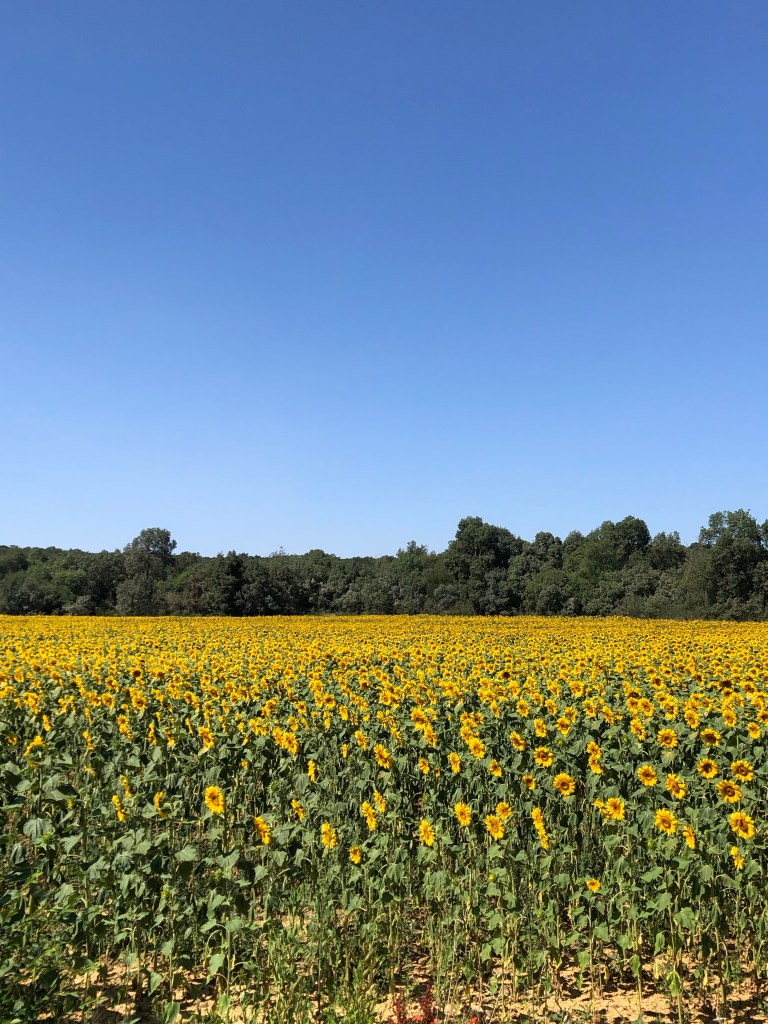
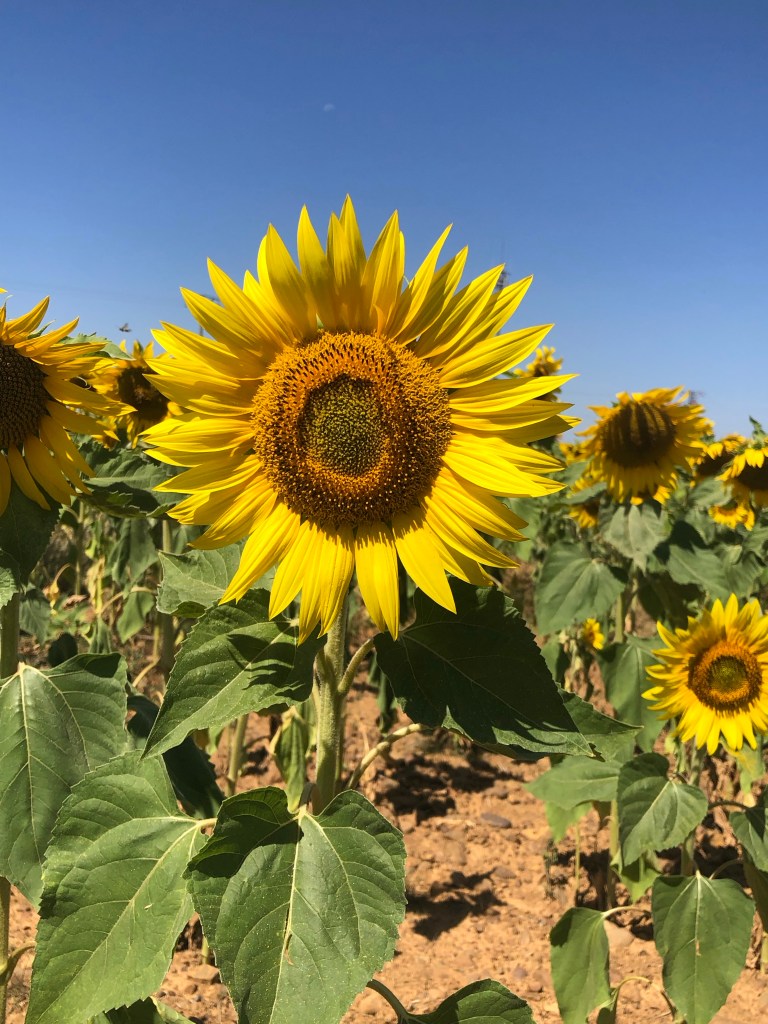
From Calzadilla, the remaining nine kilometres of the road marches past more sunflowers than I’ve ever seen in my life. With the sun at my back, as it almost always is on the Camino (if you’re walking in the morning, which is when you should get most of it done), the sunflowers were practically beaming at us the whole way, like fans cheering on a racer. None of them reached the height of my mother’s steroid sunflower (fed on a bizarre animal feed), but there was enough variety to resemble a crowd.


Basic high-school metaphors aside, they were a welcome sight after three days of wheat fields. 53% of the photos I took today are of sunflowers, which definitely makes sense.

One of the pilgrims today said walking the Camino was like following the seasons, which each stage a different time of year. I guess the meseta is the height of summer. One thing is certain: as the Camino pushes always westwards, you do always have the sun at your back. If you should get lost, it’s a safe bet that as long you position yourself with the sun behind you, you’ll find your way back to the road eventually. Perhaps that puts all of in a sort of sunflower state, looking for the sun every morning and keeping it at our backs. It would certainly be pretty merciless to do the reverse and walk into it for six hours a day!


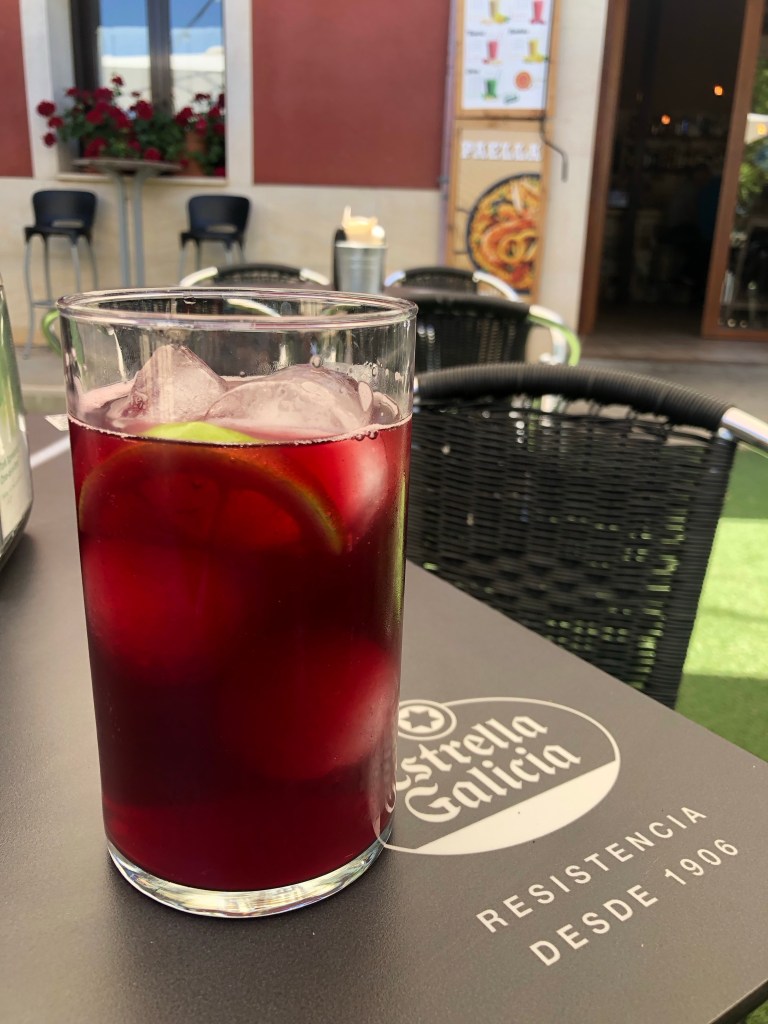
Shortly before Lédigos I caught up with my final companion for the day, Bridgette from Brisbane. By this point it was nearly twelve and the sun was beginning to work on us like an anvil, so when she suggested stopping for a drink before the last three kilometres I was more than game. A quick pit stop turned into a three hour rest over iced tinto de verano, and I was in no hurry to move, even when the clock threatened half past three and Bridgette considered a fifth glass of wine. But eventually we got a move on and cleared the last three kilometres to Terradillos in less than twenty minutes, to find the albergue less than half full, meaning we could snag an empty room. It just goes to show that arriving early isn’t always necessary! Though I expect it will become more of a thing as we get closer to Galicia…


It’s good to have company at last. It will make for less reflective and more anecdotal blogging, but that’s probably good for me and for you too, dear readers! After all, there’s only so many times I can spin a yarn about Montagu’s harriers and vast skies… BB x

Camino X: Carry On, Carrión

I’m here in Carrión de los Condes, a full day ahead of schedule. So much for not rushing this time. It was definitely not my intention to walk nearly fifty kilometres today, but here we are. At the very least, I think it’s safe to say I have put one of the more tedious stretches of the meseta behind me. My feet might be killing me, but silver linings and all that.


I got my comeuppance for being an early riser in Burgos this morning. By five o’clock half the dorm was already up and about, so at 5.15am I gave up trying to doze away the hour and got my things together. I’d had the foresight to buy breakfast the day prior, before a wander up to Castrojeríz’s ruined castle (as if I hadn’t walked enough already), so I chowed down on a Bolycao (childhood classic) and set off into the darkness.

One definite plus to setting out before dawn was the climb up the side of Mostelares, a steep banked plateau guarding the road to Itero. In the late morning sun I’m sure it would have been a sweaty, unforgiving affair, but with the sun still below the horizon (and the help of my trusty stick) it was relatively easy. I overtook the only other pilgrims on the road, bade farewell to the army of wind turbines blinking like distant artillery fire in the distance, and put Castrojeríz behind me.


A large riverside grove before Itero de la Vega broke the monotony of the wheat-fields for a bit (Theresa May could get seriously naughty in this part of the world), and I caught a glimpse of a deer between the Lorien-esque rows of birch trees. A talkative group of five Spanish women were on my tail by this point, so I let them overtake and take the clickity-clack of their guiri sticks with them. I’m not sure what their real name is in English, but my kids in Extremadura used to call them palos guiri and the name has stuck.


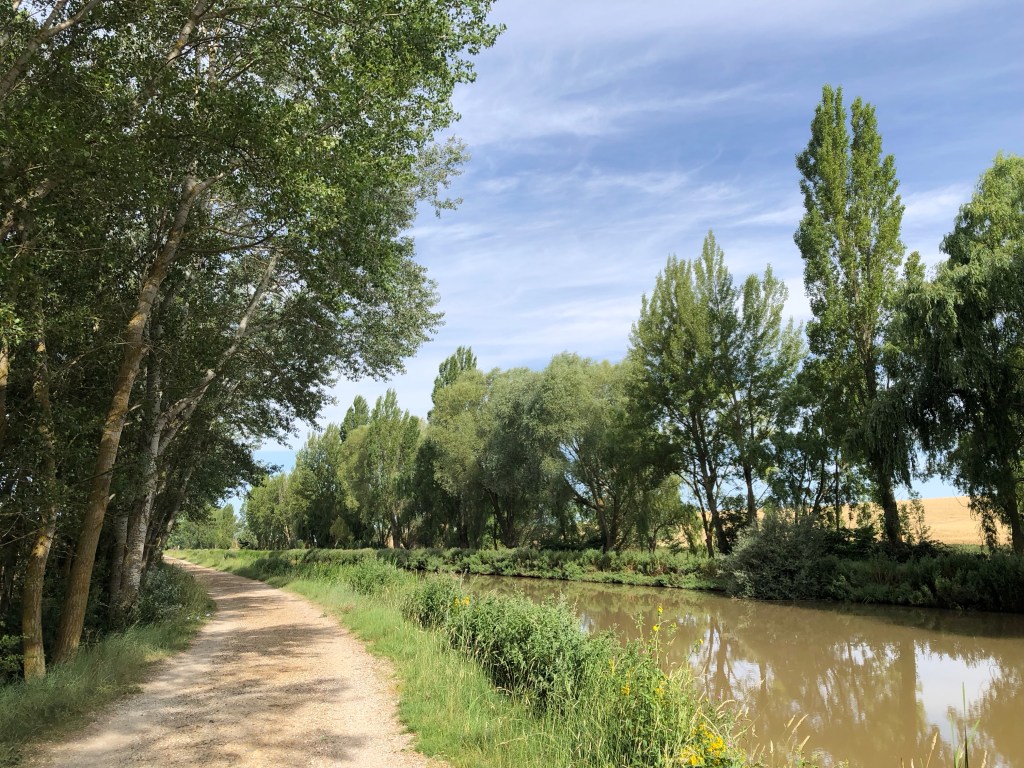
After Itero, the usual stop is Boadilla del Camino, but it was not even 10am so I decided to press on (this is becoming a running theme). The Camino follows the Canal de Castilla until Frómista, which was a welcome change of scenery, if a little bizarre in the middle of the meseta. I’m not sure the local wildlife knows quite what to make of it: I heard the odd reed warbler and saw a flock of lapwings land in a nearby field, but other than that it was an eerily quiet waterway, as man-made imitations of natural things often are. God is not mocked.


Frómista was… a strange place. It felt decidedly more like an urbanización than a town per se. I arrived around 11.15, two hours too early for most of the albergues which habitually re-open around 13.00-14.00 after a lightning quick clean. A couple of merry storks did their beak-clicking ceremony as I reached the town centre, but I got a strange vibe from the place and decided not to linger. Perhaps it was the fact that all the albergues would be shut for another two hours, or maybe it was the fact that the one recommended by all the guidebooks had so many vitriolic one-star reviews on Google complaining about the rudeness of the hostalero.

Whatever it was, a madness took me, and I decided to try my luck in the next town along.

Big mistake. Población de Campos is only a few kilometres on from Frómista, but by now it was noon and the midday sun was up. After an uninspiring slog along the side of a main road – the first of many – I dropped in on the first option, Albergue La Finca.


Well, there wasn’t any dust on the tables, and there were some papers on the front desk that looked recent, but that was about it. The garden looked as though it had seen better days, the gate was slightly ajar and there were no cars in the drive – or peregrinos, for that matter. I rang the doorbell a few times, waited, and then moved on to try my luck with the albergue municipal.

I didn’t fare much better there. The sign was missing, and after a brief search I found it stashed behind a bush. I decided to ask at the nearby hotel, where the kindly dueña informed me that, sadly, both albergues were closed for renovations. I could try at Villamentero, another 5km up the road. Her own Hotel would have set me back 40€, which isn’t ludicrously steep, but on the Camino that sum equates to five nights in an albergue, so I had to pass it up politely.

At this point, I got it into my head to push on all the way to Carrión. A stupid idea, but with prospects along the road ahead looking bleak, and zero desire on my part to backtrack to Frómista, the idea slowly began to seem more and more logical. and, I’ll admit, the whimsical desire to say I’d carried on to Carrión ultimately tipped the scales.


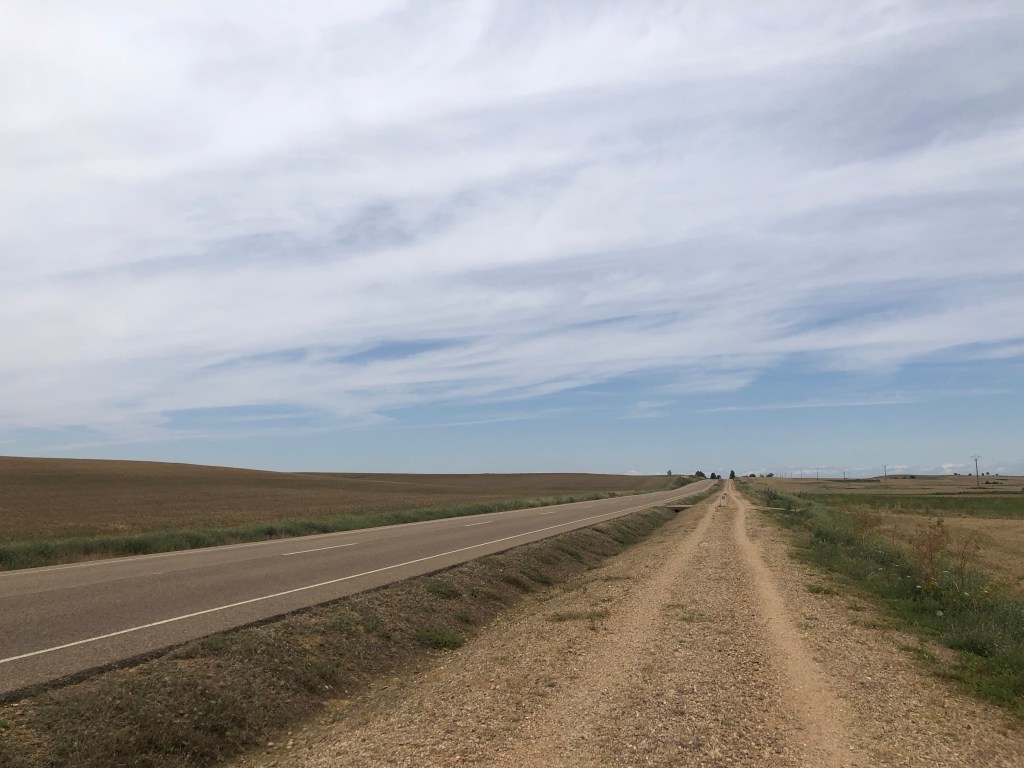
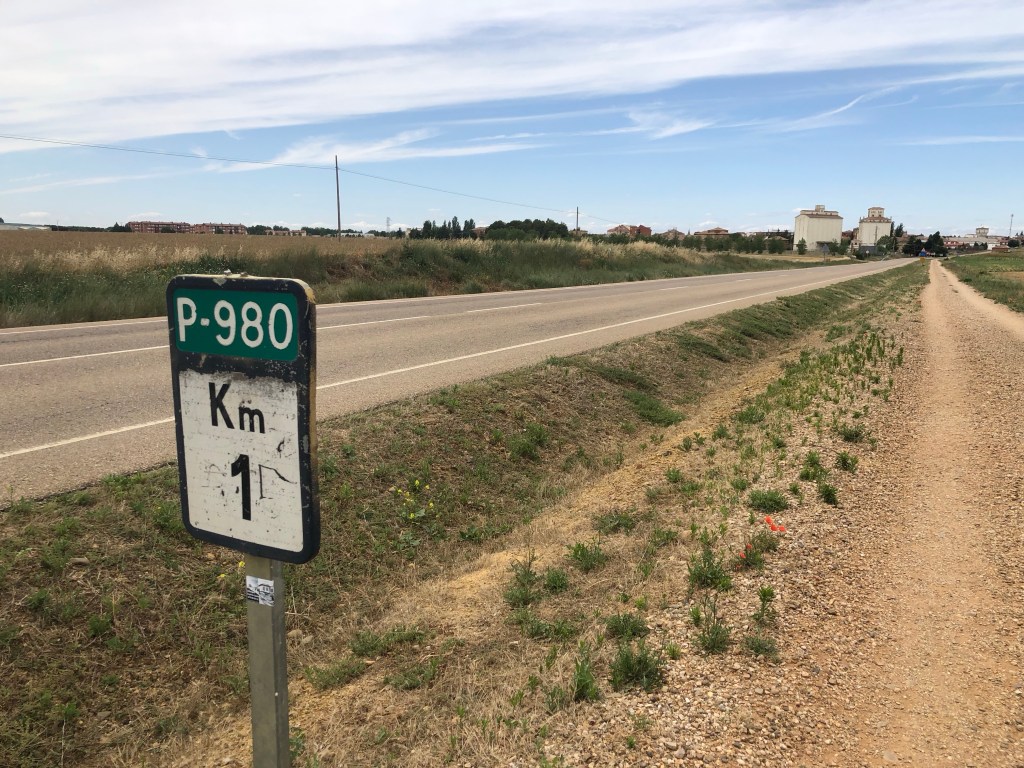
Cue the most tedious stretch of the Camino so far. Fifteen kilometres and three hours of featureless roadside walking. I guess this is what everyone was referring to when they said the meseta could drive a man mad. I clocked a couple of occelated lizards somewhere near Villalcázar – the enormous green buggers are unmistakeable – and claimed a bustard feather, but beyond that, and the chafing pain of my seriously overworked feet, I was genuinely counting the mileage signs all the way to Carrión.


When it finally appeared on the horizon, with the mountains of León in the background, I could have done a somersault out of relief – only, I don’t think I’ve ever been athletic enough for such a feat, and it would have been the death of my feet anyway. So I contented myself with a hallelujah and used the last of my reserves to power on past the silos and into the promised land.

Somebody up there was looking out for me today. A merciful blanket of cloud covered me all the way from Población de Campos, and when I reached Carrión, the Albergue Santa María still had beds going spare. The shower that followed was never more welcome, nor felt so good.

It seems very busy all of a sudden up here. I guess I was one day behind the crowd. Perhaps I’ll meet some of the younger peregrinos tonight. It would make a change from three days of walking the Camino alone. But let’s just see how things pan out! BB x

Camino VIII: Lonely Oasis

I’ve heard various accounts of the pilgrim road across the Meseta. It is so often described as the most arduous stretch of the Camino, skipped by those pilgrims who find its endless expanses of featureless wheat fields uninspiring and/or dull. A dear friend and former companion on the road wrote to me yesterday, calling it “demotivating and mentally draining”. So I haven’t come out here under any illusions.

I’m only one day in, so I haven’t yet got the full flavour of the Meseta. But I’ll tell you what it has in abundance: silence. Spain isn’t a country that is known for peace and quiet – quite the opposite, in fact, being a regular contender for Europe’s loudest country – but if there is a corner of the kingdom where silence is as golden as the fields over which it presides, this is


It should be said, setting off a full hour before daybreak probably didn’t help (yes, I am definitely that pilgrim). The others in the hostel in Burgos must have found my coming-and-going at a quarter past five in the morning frustrating, though I did what I could to soften my steps. I would have thought I had learned my lesson last time, but for whatever reason I’m still working on the assumption that most places fill up quickly around midday.

Burgos was softly lit by a clouded moon as I took my leave of the Cid’s city. Beside the storks, those speechless sentinels of Spanish skies, I only saw two other living things on my way out: a street-sweeper hosing down the steps above the cathedral, and a solitary Japanese peregrino who took a wrong turn. Everyone else with half a brain – the city’s entire population and the rest of the pilgrims on the trail, for that matter – was still in bed, enjoying a few hours’ more sleep.


The sun was up by the time I reached the outskirts of Villalba de Burgos, the first stop on the road. Still no pilgrims, but the Guardian Civil made a couple of appearances as they patrolled the road in their car. Here I took my leave of the Arlanzón river, stopping only to refill my water bottle at a park fountain and to listen to the flute-song of a golden oriole concealed somewhere within the poplar trees.

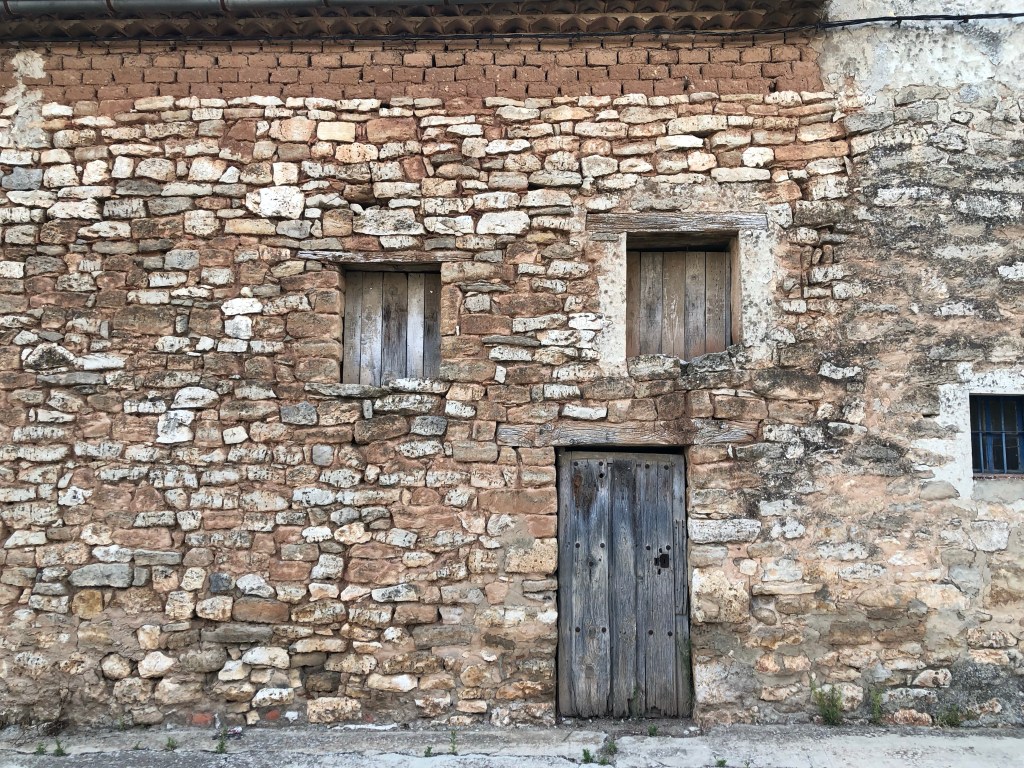
The Meseta begins to unravel in earnest after the sleepy town of Tardajos, which I imagine presents a good introduction of what is to come. Half the town seems deserted, and this time that has little to nothing to do with the time of day. Squat, single-storey townhouses rub shoulders with taller, more modern homes, though in some cases it is just as much the latter that have their windows boarded up as the former.


I stopped at Rabé de las Calzadas to see if the local church were open. No luck. It looks as though the parish priest serves multiple towns, celebrating Mass first at one church and then another. You can sometimes get stamps in these spots, but it’s really candles I’m looking for – when I can, I like to say a prayer for my grandfather and great-grandparents, for whom I walk this road. They say the reason is that pilgrims would probably try to sleep in them for free and might not be as respectful of their lodging if they did. Which is understandable. So far this year, I’ve only found one I could enter. I’ll keep looking, though.

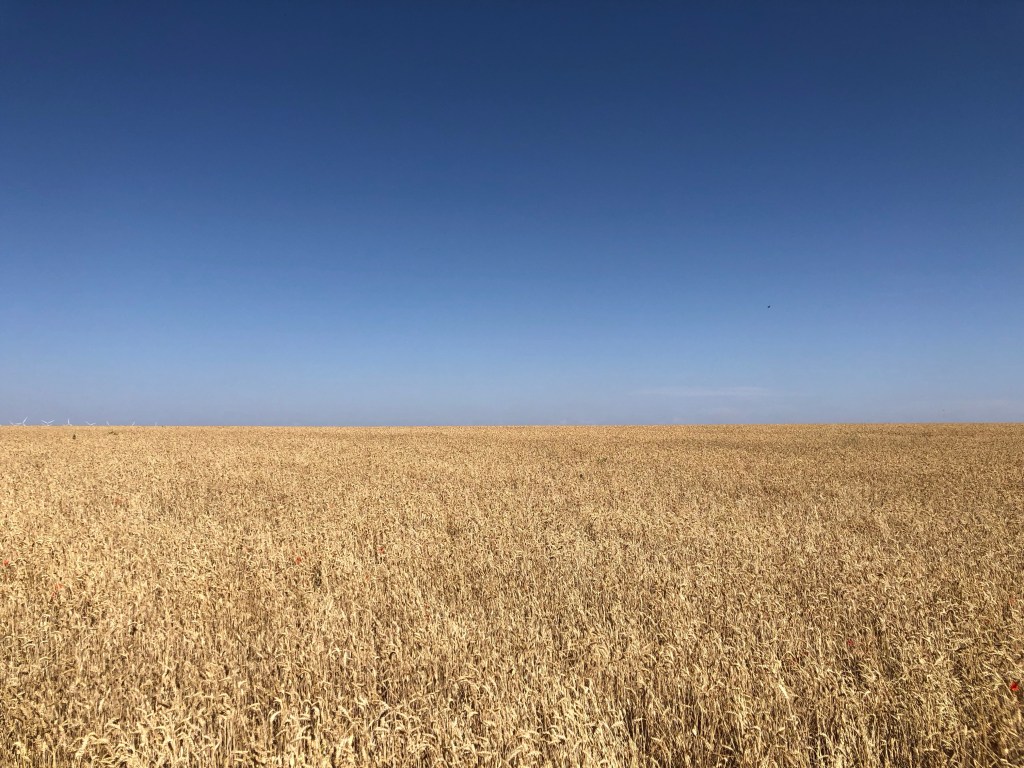
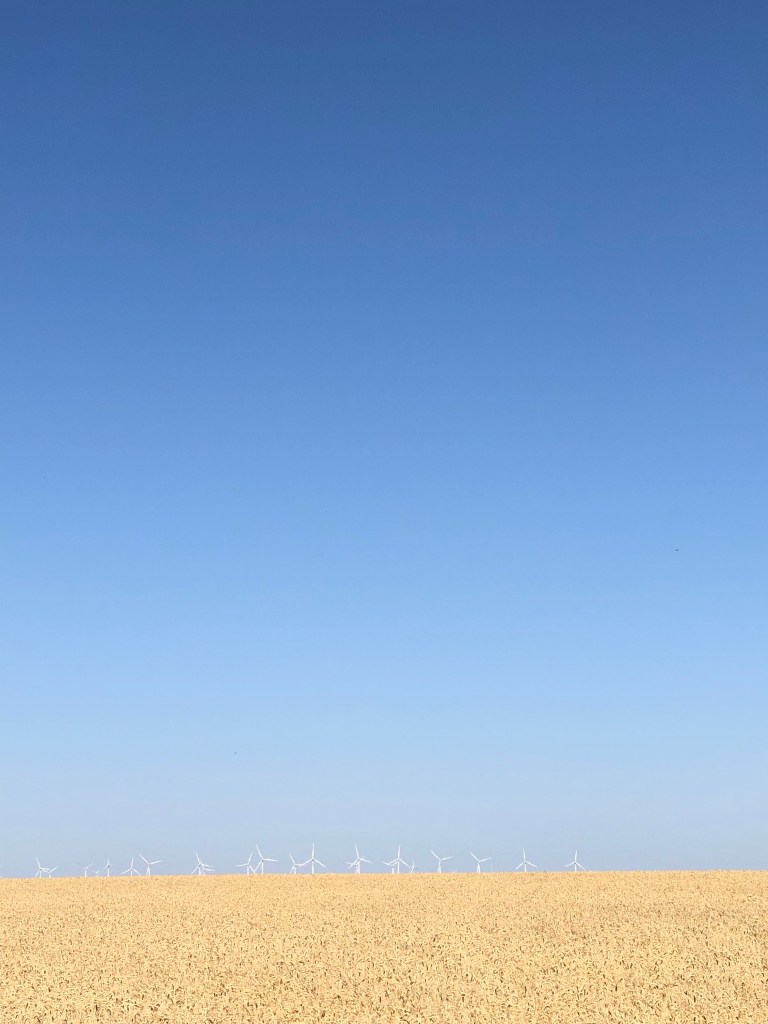
It’s a steep climb after Rabé up into the Meseta proper. The last green hills of Burgos give way to a sea of gold, unbroken at eye level but towered over by a host of wind turbines that make the place a dry parody of the North Sea: similarly featureless, though a great deal warmer.


I’m getting the feeling this is all coming across as rather maudlin. For a nature lover like me, however, this is bliss. If you can put a name to the sights and sounds around you, you’re never truly alone.

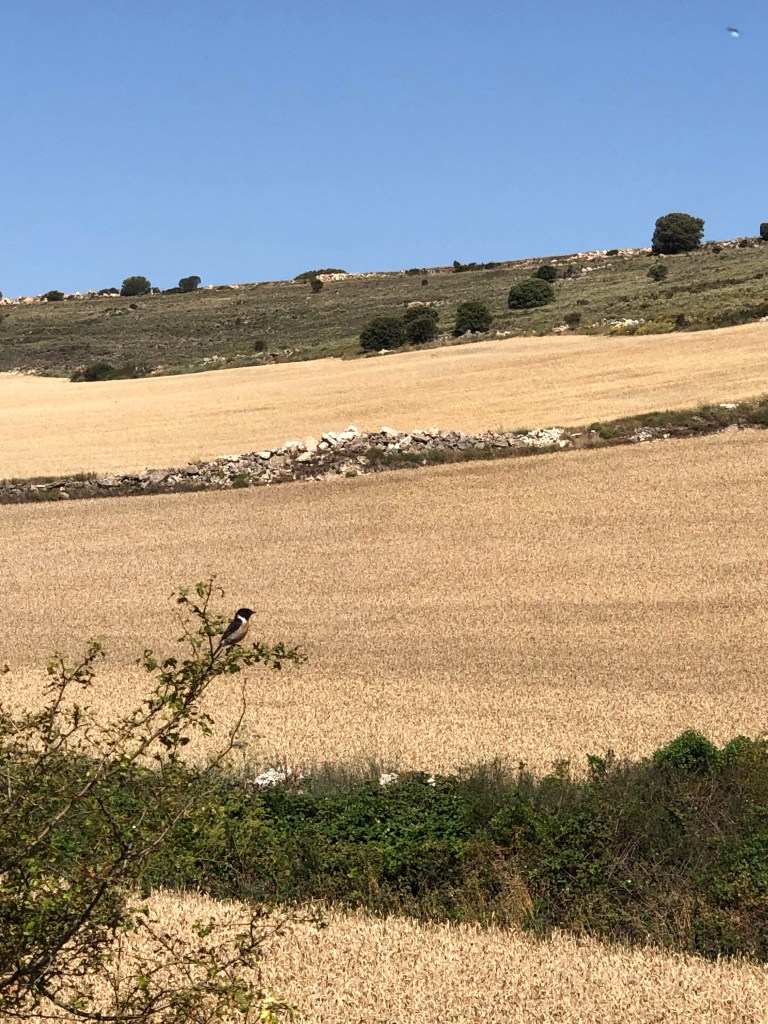
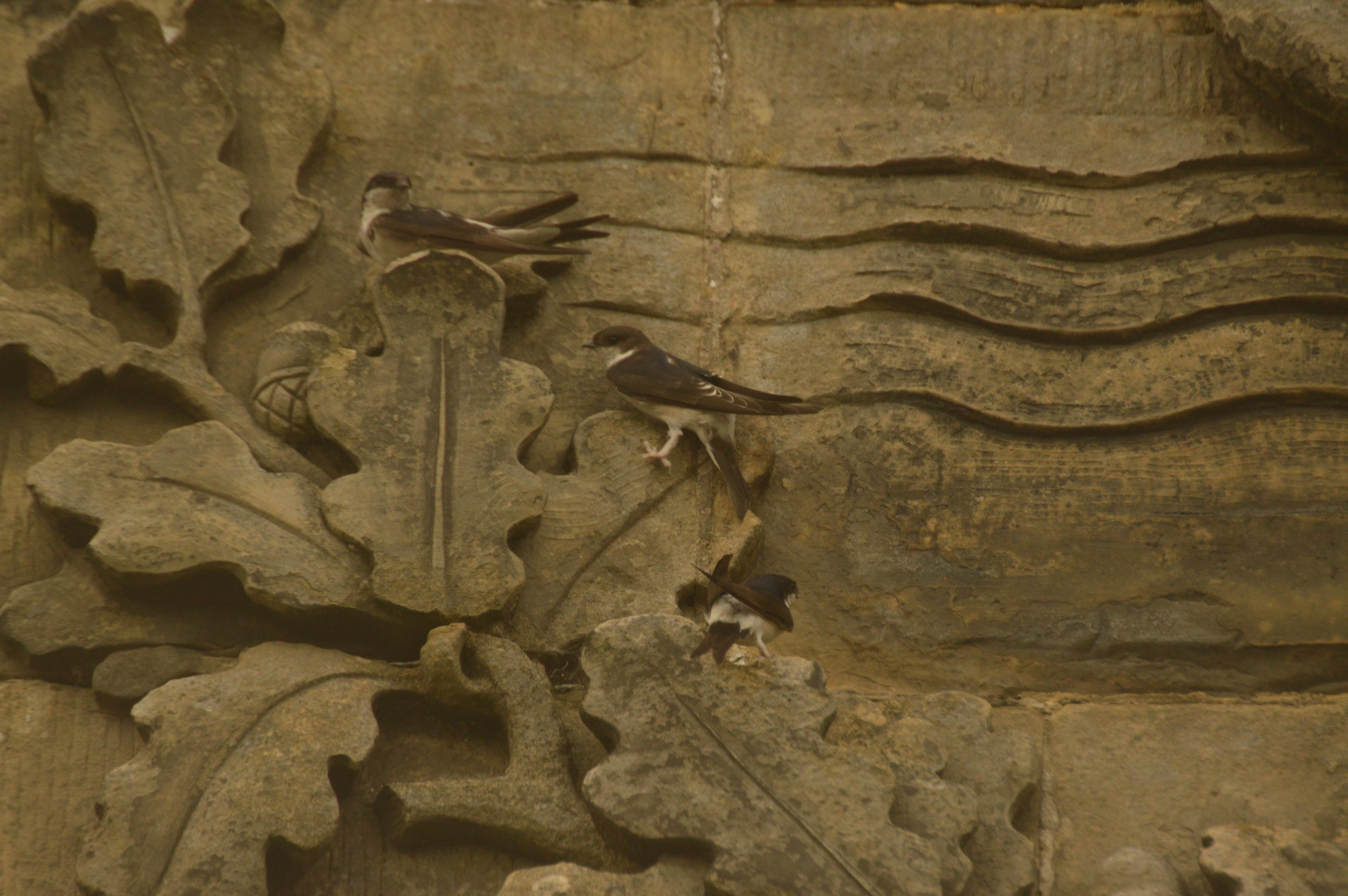
Since leaving Burgos, I’ve been accompanied most of the way by the friendly two-tone song of the stonechat. Families of three – a parent and two fledgelings – seem to pop up everywhere, unbothered by my passing in their tireless search for food. Warblers of every kind – willow, Sardinian, fan-tailed and Cetti’s – sing from the hedgerows, signalling the presence of a river long before it comes into view. Corn buntings, wagtails and jolly wheatears pop in and out of sight between the wheatsheafs. Swifts, swallows and martins fill the empty villages with sound, and hoopoes add a flash of brilliant black-and-white when disturbed in the parks and gardens along the way. In the vast Castilian skies, storks, kites, ravens and solitary griffons are a constant presence, and in the fields below, quail and turtle dove sing unseen, their purrs and whistles keeping the silence at bay. And butterflies of every colour and size are so abundant there’s a very real danger of stepping on them.

On the plateau above Hornillos, I even caught a glimpse of one of my favourite creatures of all: the slender, ghostly shape of a male Montagu’s harrier, quartering the fields like a runaway birdscarer. I haven’t seen one of those since my time in Extremadura, where they find the vast emptiness much to their liking.


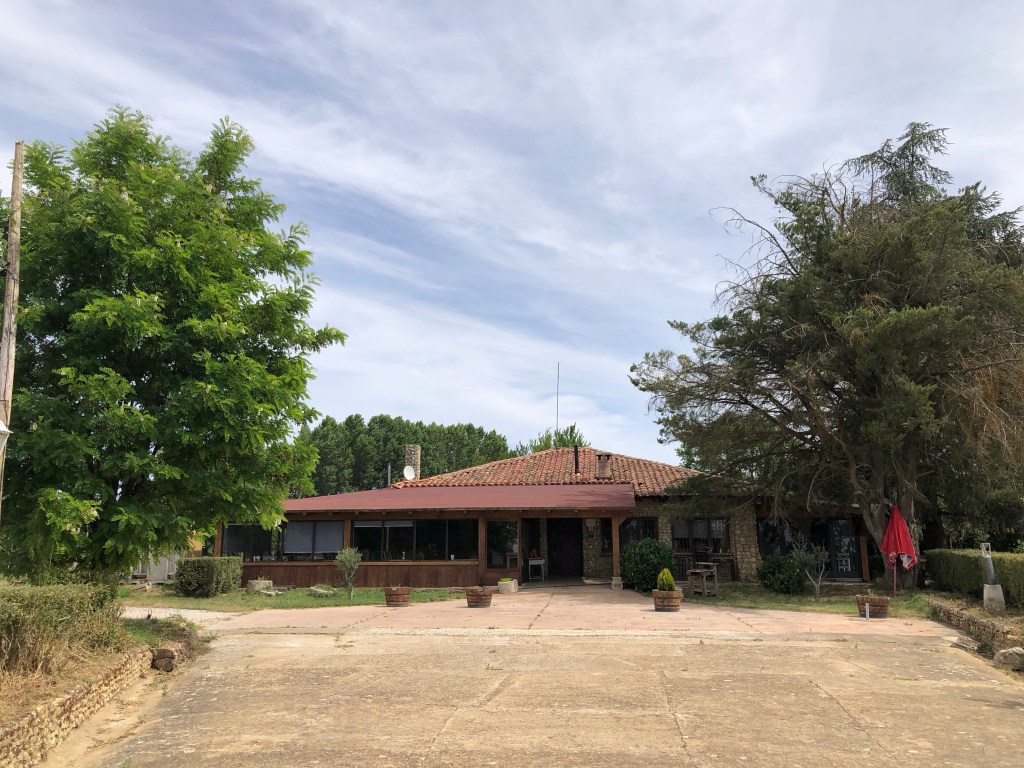
I’ve come to a halt in arguably the strangest stop of the Camino so far. Falling prey to my own hubris, as I am often wont to do, I left Hornillos behind and pressed on to what several guidebooks call a “Camino favourite”, the remote Albergue de San Bol. Tucked away in a river valley just five kilometres shy of Hontanas, it is easily missed, and with so many pilgrims keen to race through the Meseta, that’s understandable. I got here at half twelve and found the place deserted, with a sign on the door saying it would be opened at two. I stuck around, taking the opportunity to wash my feet and sandals in the small pool and do some reading while I waited.

Five or six curious pilgrims came by to investigate. None of them have stayed. The first one, a German by the sound of him, asked about a place to fill up his bottle, shrugged and moved on. Another two came by, but went on their way not five minutes afterwards. A Dutchman made noises about staying on but disappeared without a trace while I was washing my clothes. Two Italians rocked up an hour later, who could easily have been my age… only, they were fresh out of school and keen to press on to Hontanas. By this point I’d already made the decision to stay, so I bid them addió and nailed my colours to the mast when at last the local hostalera showed up.

From her I learned the truth – the Camino has been quiet for a few days, but April and May were absolutely heaving this year. That’s probably due to the backlog of pilgrims like myself who haven’t been able to take the road for two years due to COVID. At this time of year, few pilgrims stop at this stage, unless they’re traveling in a group. Would I be alright if I were the only guest tonight, she asked?

Well, so much for my first “communal feel” albergue. On the plus side, it allows me one more day to really be my own boss. It isn’t often on the Camino that you get an entire dormitory to yourself, or the chance to watch the sunset in a place so idyllic as this. I’ve already paid for my bed for the night with the last of the coins I had on me (I really should have taken cash out in Burgos, as banks and ATMs are few and far between out here) so I’m going to kick back and really enjoy having this slice of paradise to myself for once.


There will be plenty of time to socialise on the Camino. But I’m in no hurry – if anything I’d like to avoid the crush in Santiago on Saint James’ day three weeks from now – so I will take my time and allow myself a few later starts from now on. And who knows? If I tarry a while, I might just find more stories in these slumbering villages than I would in the pilgrims tearing through this lonely stage.

Peace out. I’m getting some serious peace in tonight. BB x

Camino VII: Heart of Granite

I’m back! The cloud kingdom of the Basques is as impressive as ever, and since the earliest bus I could catch was the three-hour pueblo bus, I’m being treated to a great deal more of it than I ever imagined. It’s been a good three months since I was last here, but it looks and feels as though it were just the other day – like the Camino has just been waiting for me to return all this time. It’s a passing fancy, nothing more, but if I were to say I didn’t feel this country calling to me, I’d be lying.

It was a fairly busy flight out here, but if I thought I might encounter a handful of fellow pilgrims, I had another thing coming. From snatches of conversation (and a distinct lack of pilgrim paraphernalia) I’ve learned of the Bilbao BBK music festival that kicks off tomorrow. Apparently it’s one of Europe’s most popular? Shows how much I know!

Leaving a trio of Australian festival-goers and their awful mullets and porno moustaches behind (some girls on dating sites go mad for them, apparently, though God knows why), I bought myself an onward ticket to Burgos through the ALSA machine as there was nobody manning the three booths (“ni un Cristo en la taquilla”, in the words of the lady behind me). Two teenage girls in denim shorts propped their phone up against a pillar and did a TikTok dance, watched cautiously by a sub-Saharan umbrella salesmen on his way up the stairs. I treated myself to my first tortilla y tomate sandwich of the trip and made my way into the maw of the terminus in search of Lane 22.


Whoever designed the seating plan on this bus is even worse at maths than I am. There doesn’t seem to be any logic to it whatsoever. Seats 39-40 are followed by 45-46. The opposite seats are in the twenties. Four rows back, the sticker for seats 43-44 has been ripped off, but since they’re the only unnumbered seats on the bus, I can only assume I’m in one of the right seats. If this were a German bus, somebody would be having a fit (I’ve had altercations on German buses before over incorrect seat numbering). Fortunately, this is Spain, and nobody seems to care overmuch.


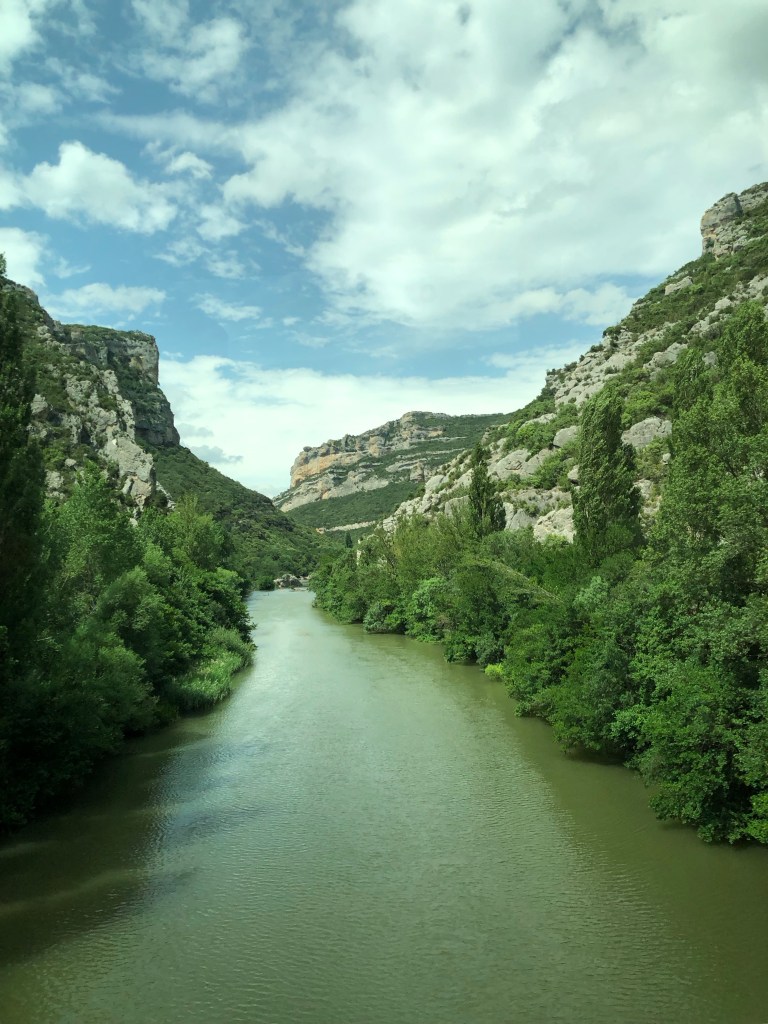
The bus is winding its way through the northern marches of Spain’s largest county, Castilla y León. A meandering river follows the road, and sleepy establishments dot the landscape: a host of cattle farms, ruined quarries, an ancient church or two, and an out-of-town brothel called ‘Las Vegas’ bearing a crude illustration of fishnet tights on the wall. For the last half hour we’ve been traveling in the shadow of the high cliffs of Lerdano, and beyond that… beyond that is the legendary Meseta. I’ve heard so much about it, I can hardly wait!

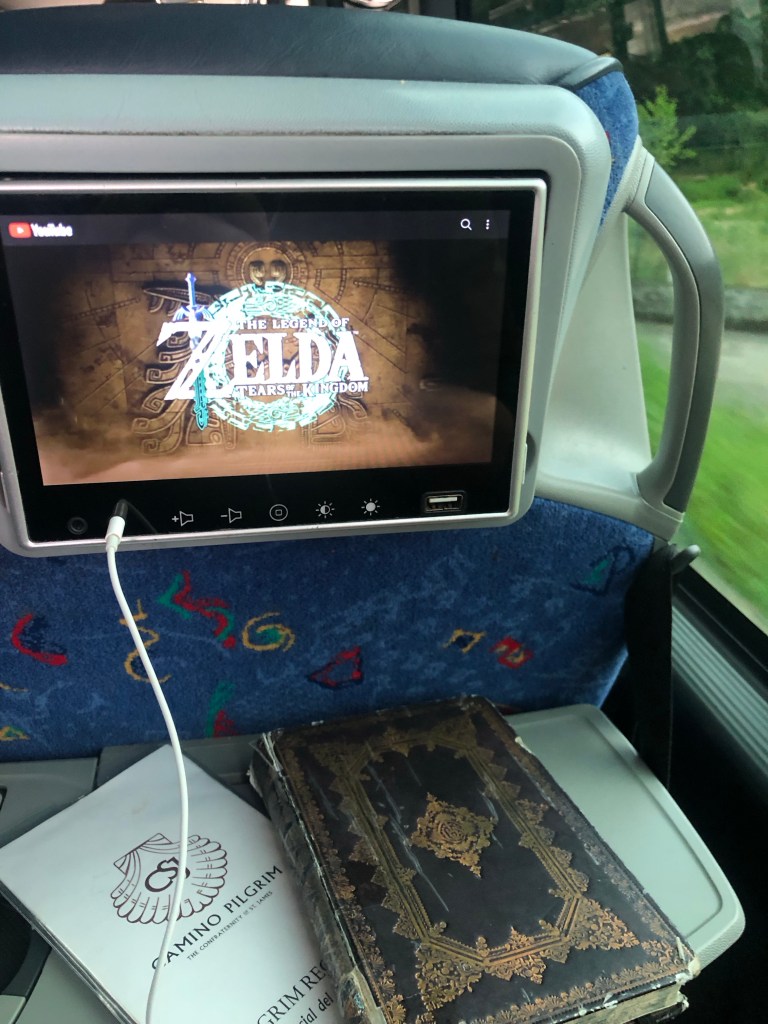
I’ve been trying to navigate the telescreen on the back of the seat in front of me. That nobody else except the noisy Moroccan family in front of me is doing the same should have been a clue. The tech is dated and hard to use. I was able to spin fifteen minutes of YouTube out of it after a few failed sign-in attempts (as it won’t let you scroll down to accept cookies), which meant I could enjoy the awesome soundtrack to The Legend of Zelda: Tears of the Kingdom for a bit. It’s been a bloody good palliative for a breakup, and while it’s unlikely to knock Ocarina of Time from the top spot (so much love for that classic) it’s easily become my second favourite game in the Zelda series. Plus the layering in the soundtrack is so bloody clever. I’m hooked.


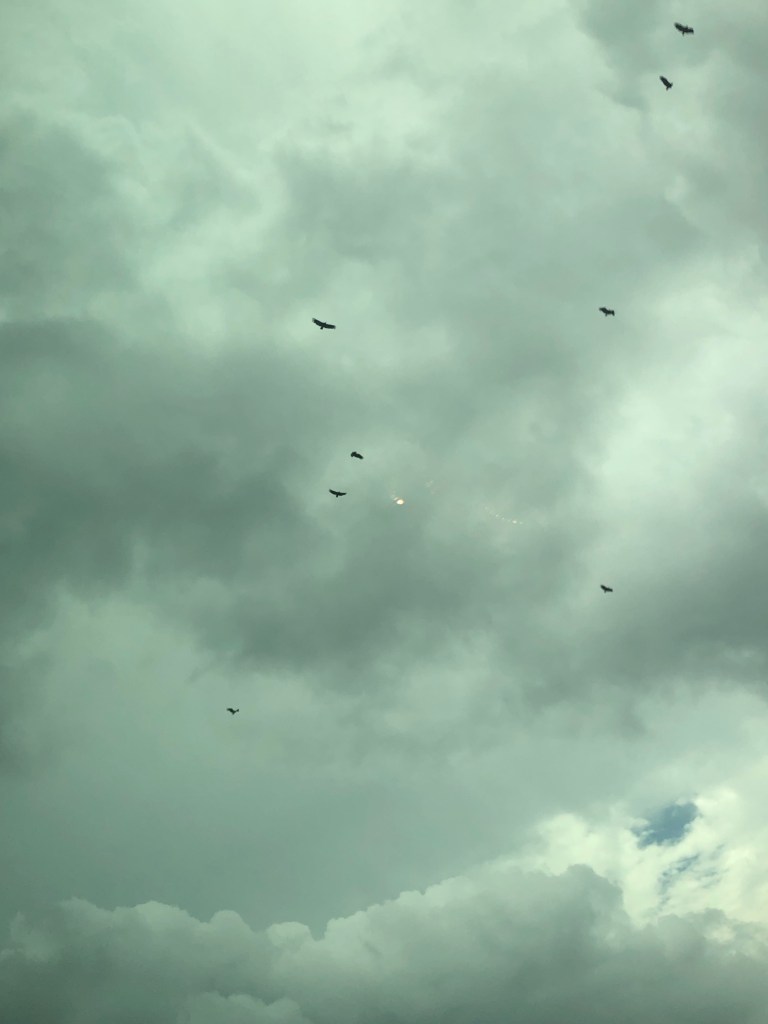
At Balmaseda, near the end of the Lerdano massif, I see my first vulture soaring overhead. It takes me a couple of seconds to see the rest of them: perhaps forty in all, racing toward a destination unseen behind me. I’m almost tempted to jump out the bus to investigate, if it weren’t for the very real possibility of ending up stuck in this backwater until the next pueblo bus, which could be a full twenty-four hours away. It’s a good thing I didn’t bring my camera, though, or I might just have chanced it.


The Moroccan family in the seats in front are making quite a scene. Or rather, their progeny are. The father appears to have given up on parenting his two year old, who has been screaming at the telescreen for the entire journey in a mixture of Spanish, Arabic and that nonsense parrot-speak that babies use. Dad is feigning sleep when he can. Half the remaining passengers appear to have found earplugs and put them to good use. Mine, unfortunately, are in the hold with my rucksack, so this is just something I’ve got to grin and bear. To add to the din, the veiled mother practically shouts down the phone to three friends in quick succession in a voice lucid enough for me to pick up what she’s on about, even with my rusty (and admittedly elementary) Arabic. Fourth time not so lucky: after a break she hears her phone ringing, picks it up, sees who is calling and promptly puts it back down. Seconds pass and it rings again. She lets it ring. Her husband casts a questioning side-eye her way, but their exchange is lost as the bus grinds around a corner. On the fourth attempt she rejects the call outright. The kid continues to wail at the telescreen, unable to understand the interface (which is all in English) or comprehend why hammering his tiny fists on the touchscreen keeps removing the game his father has long since given up reloading for him. So much for catching some Z’s on this bus.


We’ve stopped at a concrete-and-glass café near Villarcayo. It must be a nexus of some kind, because half the bus got off, to be replaced by just a handful of handsome locals. Not fifteen minutes later, we crossed the Ebro river, flanked on both sides by an even more handsome Sierra, its jaw-like granite crags sundered by the mighty river. There are few things more likely to make my jaw drop than a decent granite cliff. Maybe I’m just easily pleased, or maybe my heart is made of granite.

It doesn’t say in the Bible when God made Spain, but I figure it was somewhere towards the end of the week, because wherever I look I see such incomparable beauty. Which makes me just one more hopeless Romantic adventurer to this country before me. There’s quite the list…


Bloody hell, but it’s good to be traveling solo again. I know it’s not everyone’s cup of tea, but it is definitely santo de mi devoción. I’m not ashamed to admit I’m addicted to the unfettered freedom of it. I’m booked ahead for the night due to my late arrival in Burgos, but beyond that, the future is an open book. And that’s just the way I like it.

Roll on three weeks of uncertainty! At the very least, it makes for fantastic writing material. BB x

All Change

Autumn has come early this year. Following in the wake of the fierce heat of the hottest summer on record in the British Isles, many of the trees have started to shed their leaves almost two weeks earlier than usual. Two weeks does seem to be the number: the forest is thick with the musty air of fungus, and the colony of house martins that nest in the school have already started to muster on the roof as though they mean to depart any day now, though they are usually with us well into September. We’re in for a long winter when it comes.

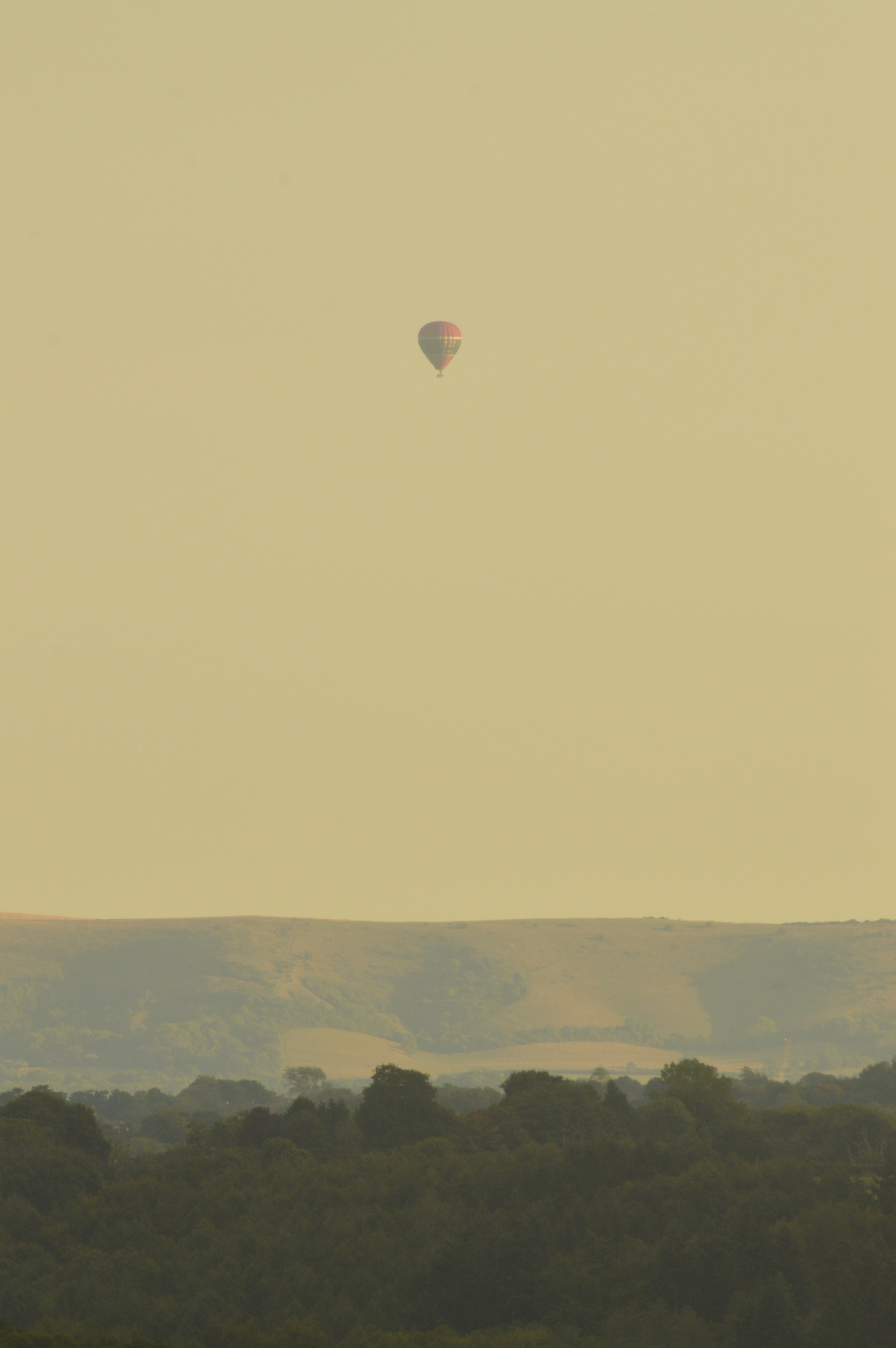
The zenith of the summer stargazing season is behind us now. It’s one of the things I most look forward to about the summer, living where I do: despite the eternal glow from London to the north, the stars and the planets are surprisingly clear. Some of the summer nights this year were so hot it was possible to go out stargazing well after midnight without catching a chill, and I refamiliarised myself with the constellations: the twinkling ‘W’ of Cassiopeia; the Northern Cross; the winding enormity of Draco; and arrayed along the horizon, the bright lights of three planets: Jupiter, Saturn and Mars. It was so bright at the peak of the heatwave that I didn’t even need a torch to find my way around, thanks to the unfriendly glare of the hunter’s moon. While I couldn’t catch the planets with my camera, the Moon was easy enough.

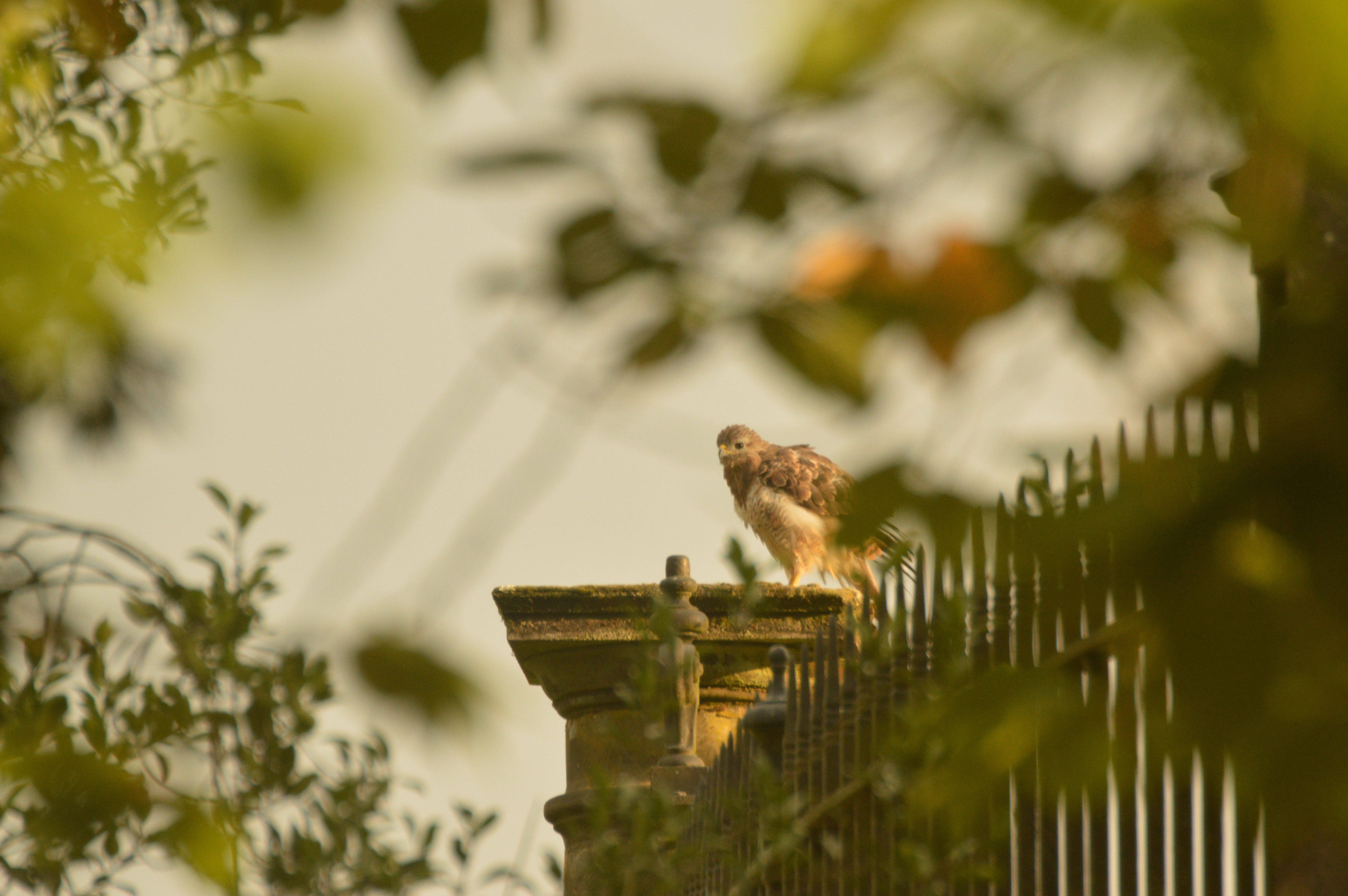
There’s a buzzard that lives in the forest which sometimes quarters the school grounds. A few days ago I saw her from the kitchen while I was having breakfast one morning, and on a childish whim I set out with my camera in hand. I used to be rather good at stalking for a good shot, but I’m a good number of years out of practice. I did manage to get close enough to see the hawk’s eyes with my own, which was the standard I always used to hold myself to back when I was a schoolboy, before it took off over the woods.


Words can’t describe how good it feels to be back at work. Usually, the two days of staff training can feel like a gut punch from the backstage crew as the curtain is yanked back – a kind of ‘playtime’s over, now get out there and earn a crust’. But this year, after eight weeks of on-and-off isolation, it could hardly be more welcome. I’ve been chomping at the bit to get back in the classroom since the end of July at least, and finally, it’s come around again. Only the bank holiday stands between the last few hours of the summer and blissful occupation.

I popped up to London yesterday and bought myself a new suit and shoes in a hollow attempt to pave the road to success this year, but also to treat myself after the success of my first ever GCSE cohort to sit exams came out shining. But will they detract from the beard? I find that doubtful.

Sir has been known to radically change his appearance before. I shaved my head once two years back and braved the raised eyebrows of my kids for months as it took its sweet time growing back. I’ve not cultivated a beard (or a ’tache, for that matter) since my time in Jordan, now seven years ago, and despite my initial apprehensions, I have to admit it’s starting to grow on me – faster than it’s growing in, anyway. I’ve accepted the fact that it’s going to leave me looking more like one of Leif Ericsson’s men than one of Hernán Cortés’ conquistadores – I am three-quarters English, after all, and what Spanish blood I have is more than a little rubio. Still, change is good. One can get too comfortable.


I tidied the flat a bit this morning. Took some clothes to a recycling centre. Did one last shopping trip before the portcullis comes down on Tuesday and ordered a grooming kit to keep this new project under control. The writing bug bit earlier this week, as it always does just before work begins. I guess I need to be busy to be productive.

As the clock runs down, I’m enjoying a warm mug of Cola Cao (courtesy of Garcia’s on Portobello Road) and leafing through one of the oldest books in my collection: a 138-year old copy of Washington Irving’s Life of Mahomet & Tales of the Alhambra. The writing is wonderfully poetic, and it even smells historical. One of my students is writing a project on the Alhambra, having fallen under the same spell that I did at his age – the same magic that ensnared Irving and countless other devotees long before us. It would do me a world of good to clue up on that old obsession once again.

It’s going to be a very busy year, but I’ll write as often as I can – it’s been really therapeutic, getting back into the writing game after a long hiatus. Until the next time, dear readers! BB x

Leveret

The heavens opened last night. The water butts, which were pretty much exhausted yesterday, were filled right up to the brim and overflowing as the rain continued long into the morning. Then the winds blew in hot from the southwest, then the skies clouded over and a chill set in. Looks like we’re back to formula with a regular English summer once again.

I read a couple of articles in The Critic today. Oxford University in a bind over a Benedictine college. Simmering anger against the rising tide of wokery. In the news, US Congresswoman Nancy Pelosi landed in Taiwan against the wishes of the Chinese government, Beyonce changed the lyrics to her latest hit single after outcry against an offensive word and Big Brother announced its return. I could have added that the latter information was revealed at the end of this year’s season of Love Island, but the ambiguity is very much intentional on my part.

I quit the house for a bit, grabbing a worn Barbour coat and a pair of binoculars. Figures if I’m on the wrong side of history, I might as well look the part. Watching the swallows yesterday made me nostalgic for the long, quiet days of my childhood when I would set out into the countryside with my camera in search of nature. It was a bit warm for the Barbour, despite the clouds, but it’s a damn sight better for blending into the khaki hues of the English countryside than anything else in my wardrobe.

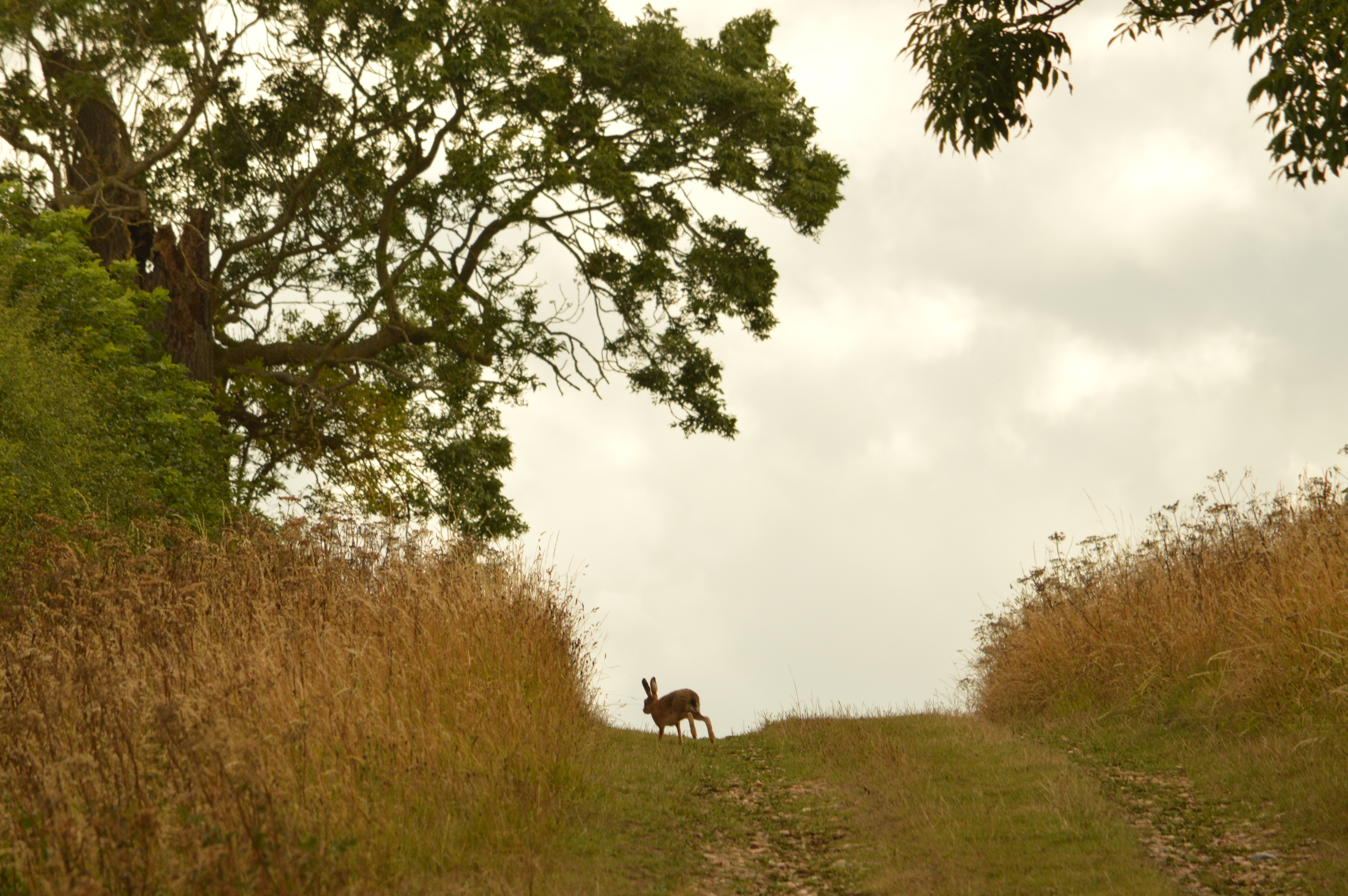
Lincolnshire seems to have quite a sizeable population of hares. You don’t see so many of these impressive creatures in the south-east. Being larger and more skittish than the rabbit, they don’t cope so well with how crowded it is down there. Neither the rabbit nor the hare are native to these islands. Both were brought over here by the Romans – for sport and for eating, if not for some early scientific whim. Our only native species is the mountain hare, and you’ll have to travel to the wildest parts of Great Britain and Ireland in order to find them. Ultimately, that’s neither here nor there: two thousand years have come and gone since the Romans were here, and the hares that race across the fields are by now as English as the oaks that have grown in our soil since time immemorial.

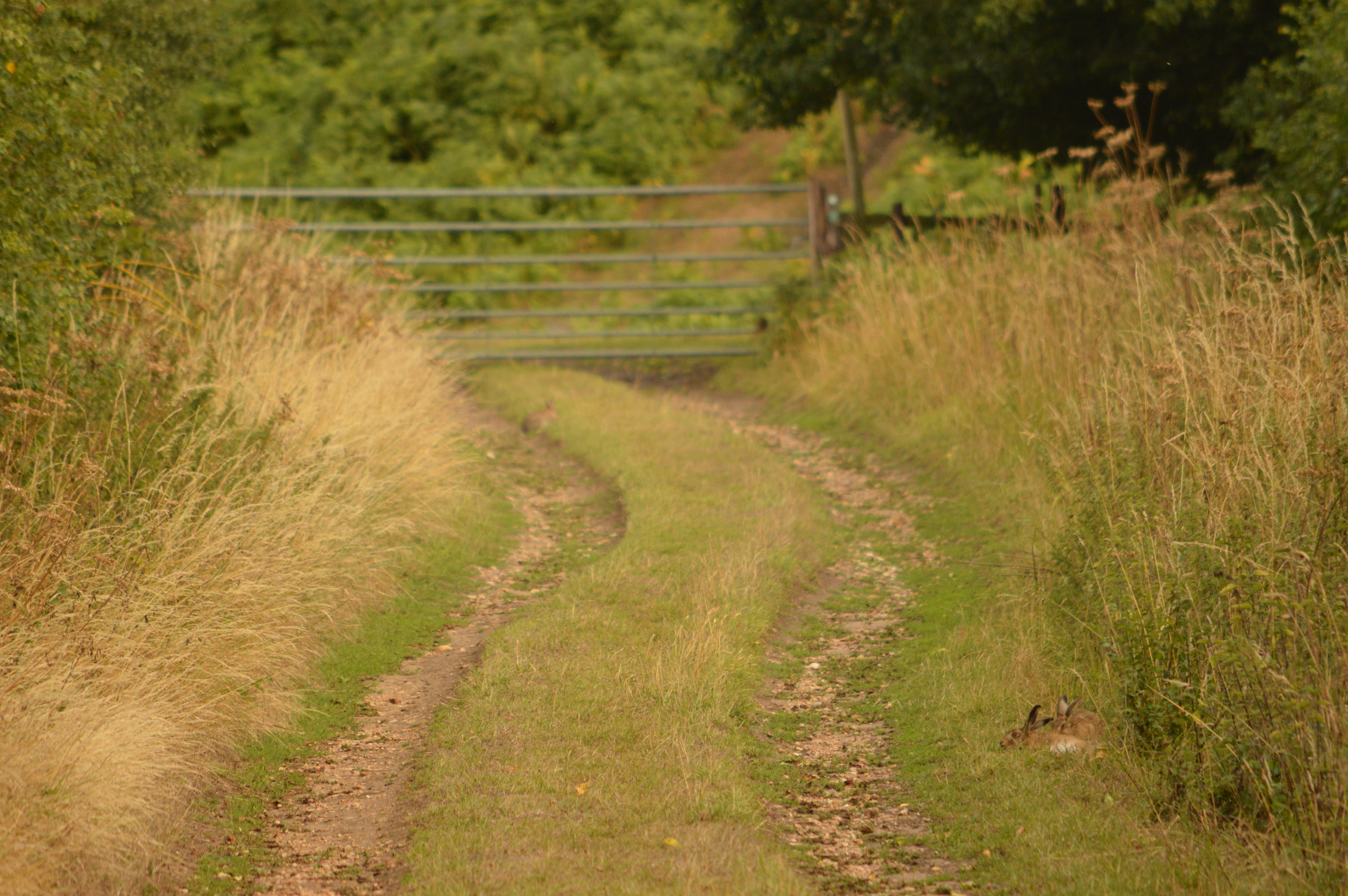
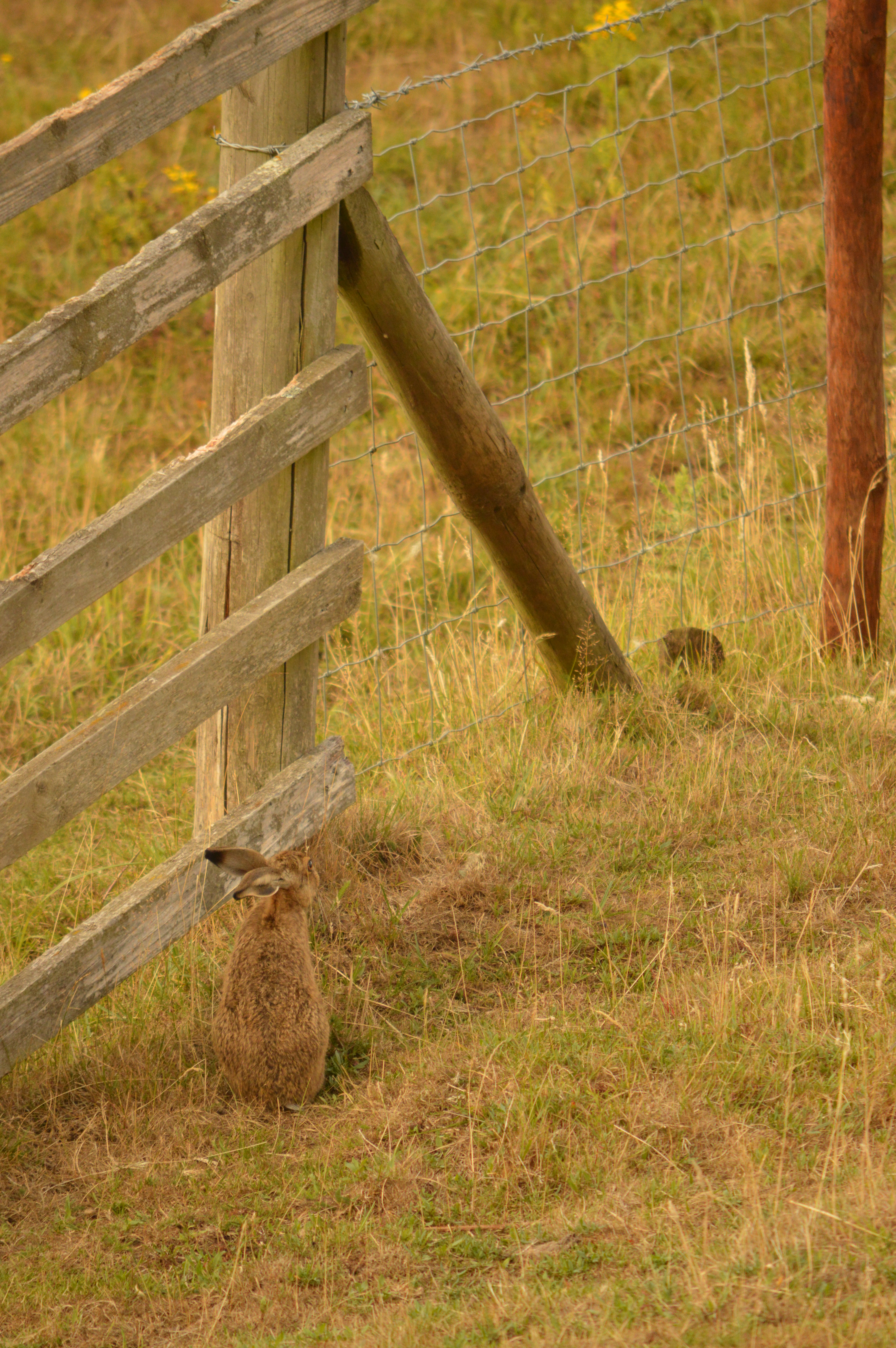
The hares I saw in the fields behind the house were only youngsters – leverets. They hadn’t developed the long and powerful back legs and enormous eyes that make adult hares so striking. They also weren’t as fleet-footed as adults, who will usually disappear in a black-and-tan dash into the middle distance long before you can get close. They let me approach further than I expected before deciding the Goldilocks line had been breached, and off they went. I followed, slowly, at a distance, and caught up with them by the sand martin colony. One hung back to watch me for a few moments before slipping through the fence and bounding after its sibling. After that, I climbed the fern-bound rise and scanned the forest for a while, listening to the wind in the trees and the buzzards calling. It feels good to be back in nature again.

When I get back home, I really must get back in the habit of spending more time in nature again. I’ve neglected this side of me for too long. At the end of the day, I love to try my hand at various things, but under all those layers is a naturalist. Life is a mosaic – you never lose who you were, or the people you’ve been at various stages of your life. You will always carry them with you in one shape or another. The largest shard in my mosaic is an earthy brown, like the soil; greenish-grey, like oak leaves; and bluish-white, like the sky. I need to go back to nature. I need to go back to being me again. BB x

They Bring the Summer

The year is turning. Can you feel it? The light in the morning has shifted ever so slightly, but it’s noticeable. We’re past the peak, and before long the red-gold winds of autumn will be upon us. Thanks to the fierce heat we had in July, some of the trees are already wearing their russet cloaks. I shouldn’t be surprised if we’re in for a long, dry winter this year. Perhaps that’s the way of things to come, perhaps not. Time will tell.

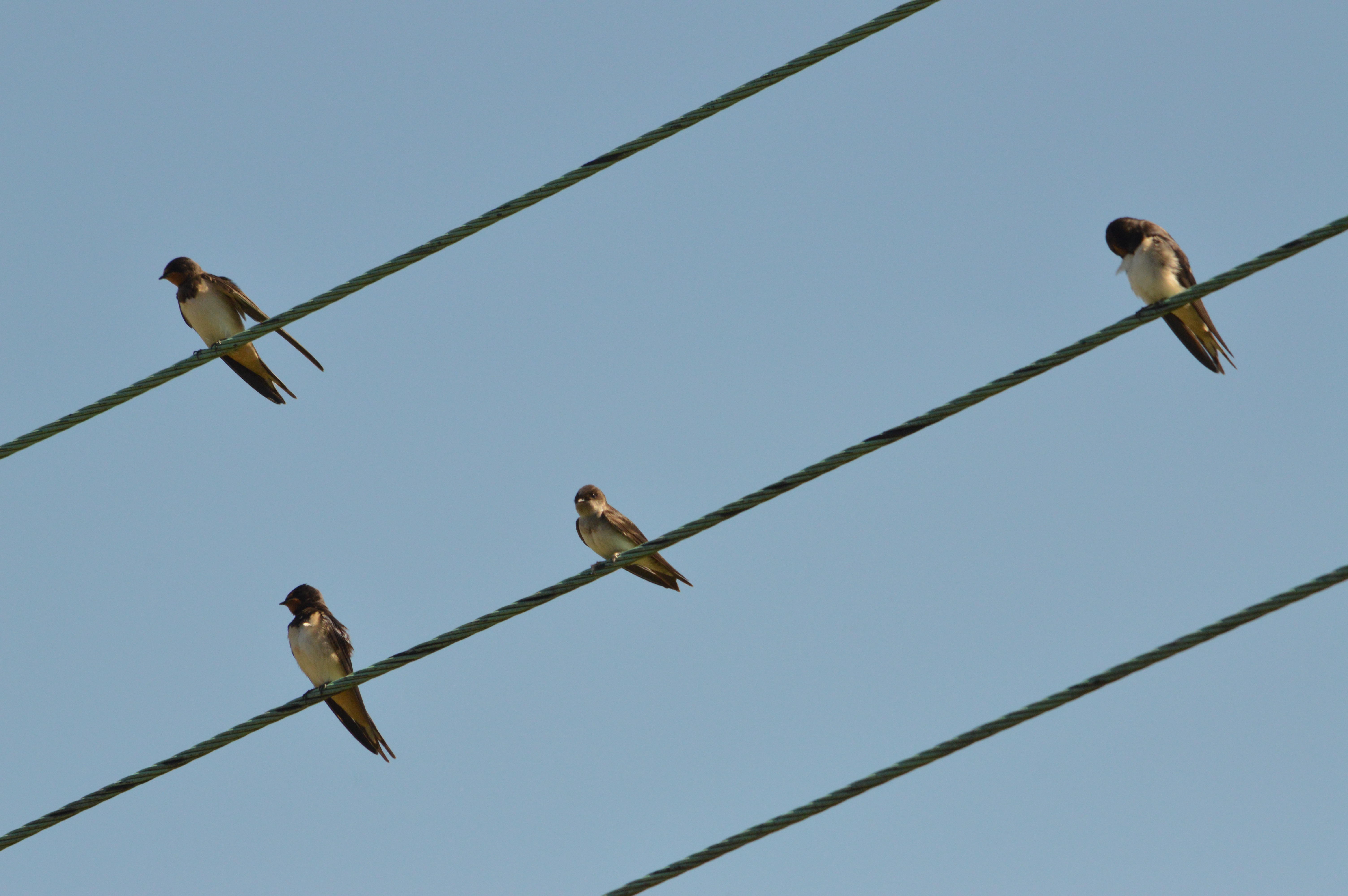
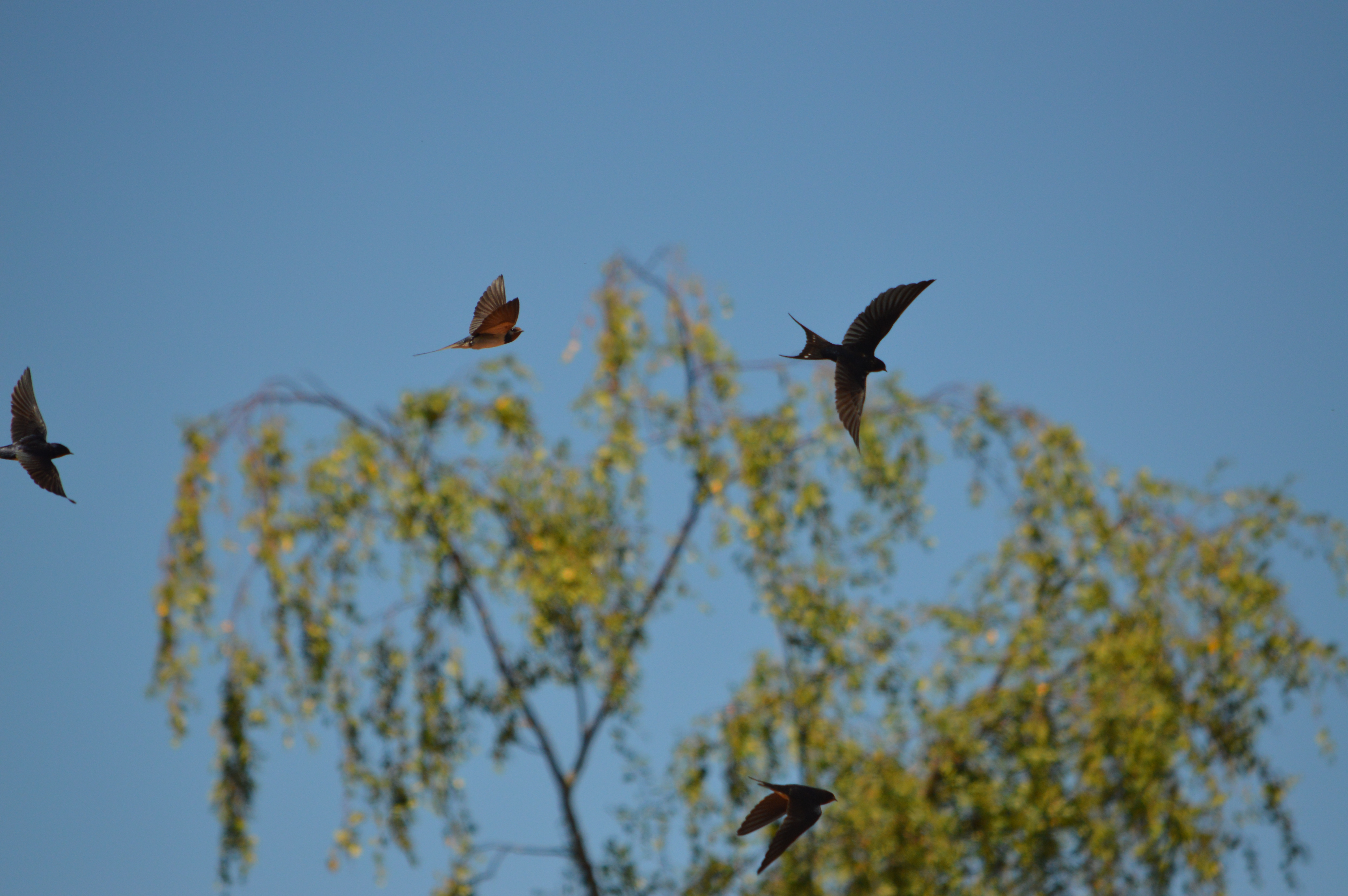
The family of swallows that nests in the barn near the house have had a very successful year. I counted eleven of them on the wires this morning: two parents with full streamers and nine noisy youngsters whose tails have yet to grow out in full. I had to count twice because of a sand martin who seems to prefer hanging out with swallows than his own kin, who have a colony in a field half a mile down the road. There comes a time every year, usually in September, when the swallows and martins suddenly gather en masse in a noisy spectacle before setting off for the south. We’re not quite there yet, no matter how abnormal this summer’s weather has been, but it sure felt like a nod to that day this morning.

Swallows, swifts and martins – collectively known as hirundines, which might have something to do with the Latin word harundo, meaning the forked shaft of an arrow – really are some of nature’s miracles. The tiny flashes of blue and white that dance over the fields with such cheerful abandon in summer travelled around 9,700km from their wintering grounds in South Africa to get here, and in the space of a few short months they have to make the same journey all over again in reverse, this time with their young in tow. Most estimates have them traveling about 320km every day. That’s a bloody long way to go when you’re only a few months old!

This morning the family looked like they were getting some practice in for the long journey ahead. Mum and dad would sit with the youngsters on the wires for a while, chattering amongst each other while the kids preened endlessly, before suddenly taking off and wheeling about the garden with their offspring racing after them. They might have been hunting, of course, but some of the young ones were far more interested in playing keep-up with a pigeon feather, catching it and keeping it from touching the ground, the way children sometimes do with a balloon. It was really quite endearing to see.

In the past, where our swallows went each winter had us stumped. There were some truly bizarre theories floating around. Following in Aristotle’s footsteps, some thought they hibernated underground. Some thought that they slept at the bottom of deep lakes and ponds, since they spent a great deal of their time hawking over the water during the summer months. One 17th century theory, courtesy of Englishman Charles Morton, claimed the Moon as the swallows’ winter destination as the only logical explanation for their total disappearance. It sounds absurd, but it’s not so outlandish a theory when you try to imagine explaining that these tiny creatures travel further twice a year than most humans will in a lifetime. It even makes the underground hibernation theory seem plausible!

It’s an incredibly hazardous journey, and not every one of our brave swallows will make it there and back. There are all manner of dangers they have to face: sea crossings, storms, high winds, predation by hobbies (consummate swallow-catchers), not to mention human interference – some will be caught for food, and the Maltese in particular are infamous for their practice of trapping migrating birds by liming fences. And then, of course, there’s the mighty Sahara Desert. Michael Morpurgo wrote a fantastic children’s book about that journey – Dear Olly – which you should read if you want an idea.

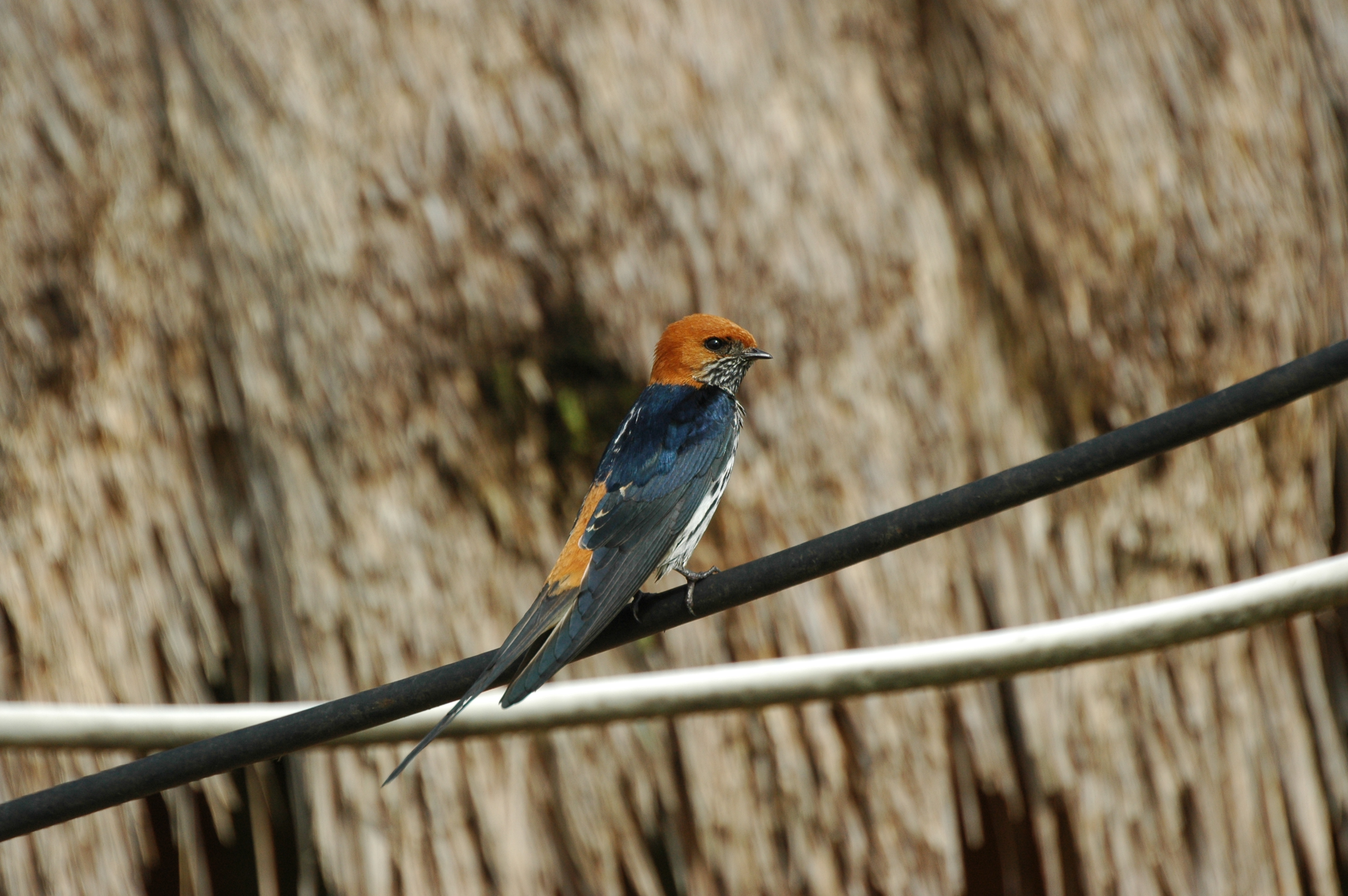
So why travel all that way? Competition might well have something to do with it. After all, Africa has plenty of swallows of its own (without all these European swallows “comin’ over ‘ere and takin’ our jobs” etc.) and fans of Monty Python will be well aware of the fact that African swallows are non-migratory. On my travels around Uganda during the rainy season (November) back in 2012, I saw plenty of familiar-looking swallows hawking over the White Nile, but most of the birds I clocked were local species that don’t travel far from home. Still, I couldn’t help wondering whether maybe just one of the brave little birds flitting by had crossed my path sometime before, either in Spain or the south of England. How’s that for a flight of fancy! <groan>

Greater striped swallow, Ishasha Lodge (Queen Elizabeth National Park) Uganda, 18th November 2012

Swallows are remarkable creatures to watch. While we still have a few weeks left of summer, try to find a few minutes to enjoy the little winged miracles. I’m sure they do wonders for one’s mental health, but to use less clinical terms, they sure can lift one’s spirits. Today, for the first time, I saw two of the youngsters doing something I’ve never seen swallows do before: sunbathing. Plenty of birds do this kind of thing to regulate body temperature, but it’s the first time I’ve seen swallows in the act. It was just two of them who kept leaning over in the sunlight – the others were far more interested in preening, though the sand martin looked as though he wanted to get in on the action!

One swallow does not a summer make, but their departure certainly puts an end to it! If you’ve enjoyed reading my homage to our chatty little neighbours, you might find the links below worth a browse, too. Until the next time! BB x
https://www.historytoday.com/archive/natural-histories/great-migration-mystery
https://www.rspb.org.uk/birds-and-wildlife/wildlife-guides/bird-a-z/swallow/migration/

Greenheart

I’ll be frank. Summer is my least favourite season. Summer is, in the vocabulary of my students, “dead”. Most of the birdsong is over for the year, the whole nation is out and about and the holidays stretch on for what feels like forever (especially when you work in a private school). There’s a dry stasis in the air that you don’t get in the changeling months of spring and autumn and you’re too cold to notice in winter. This summer, as is tradition, I’m spending my time between watching documentaries and watching the clock. There’s not all that much else to do when you find yourself in the countryside far away from everyone you know.

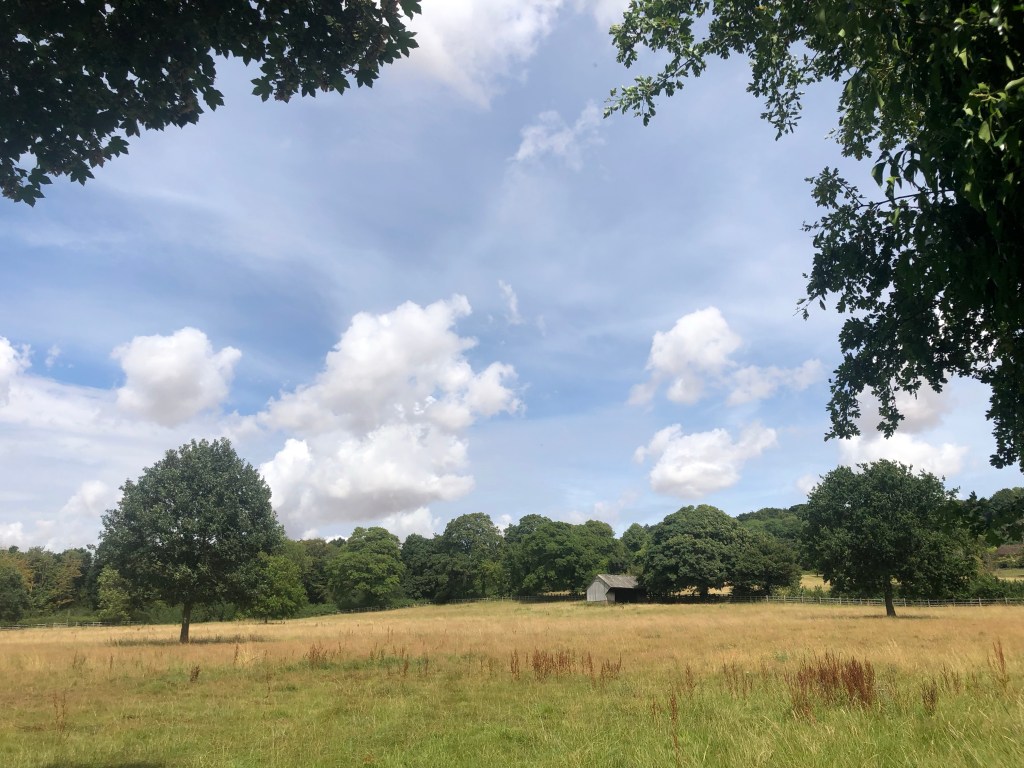
There are, however, massive perks to being here. A few days visiting my parents in Lincolnshire usually throws up a chance to explore somewhere new, and though today’s ramble was more of a wander “round the back” than an adventure per se, it was a beautiful reminder that there are some things that make an English summer worth seeing.

Up on the wolds near Donington, I heard a quail. It’s been years since I heard one in this country, but once heard, you never forget. That iconic wet-my-lips call carries for miles, especially under a hot midday sun when the only other sound is the wind. It reminded me of the green riverbanks of the Dehesa del Banco, where the call of quails was just one instrument in a wetland symphony: percussive reed warblers, the accelerando snare of the corn bunting, the indescribable beauty of the bee-eater’s woodwind and zitting cisticolas going zzzzit zzzzit zzzzit overhead. It sure felt nice to be taken back there from the sunlit uplands of Lincolnshire.

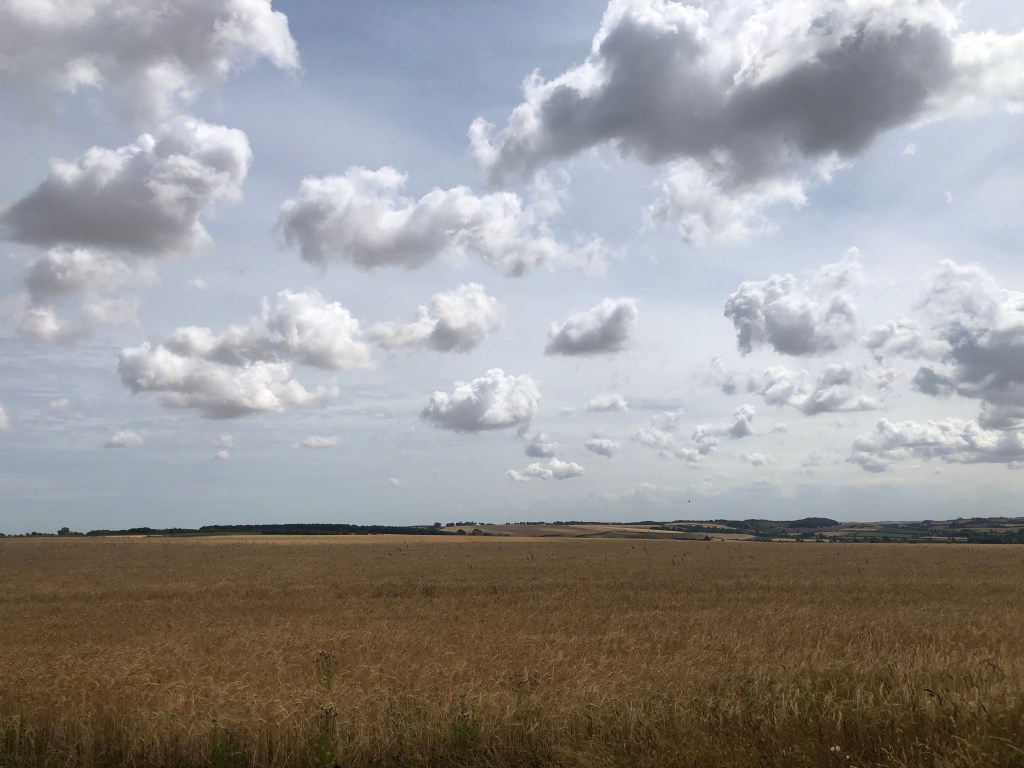
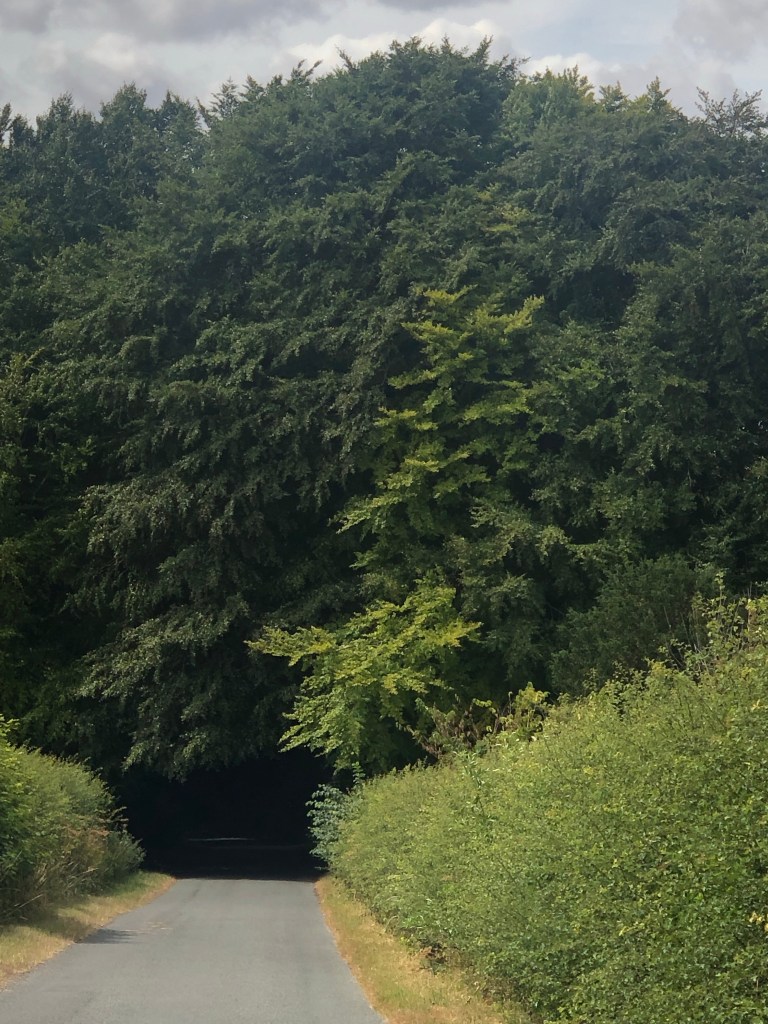
The skies here are immense. The land seems to go on forever in all directions. You get a real sense of eternity in this vast corner of England. Little wonder, then, that so many Lincolnshire folk hoist the red and green county flag over cars, windows and doors. And yet, as is so often the case in England (and why I really didn’t take too well to life in Jordan), you’re never too far from a dark forest, which – admittedly – are especially peaceful places in the quiet summer months.

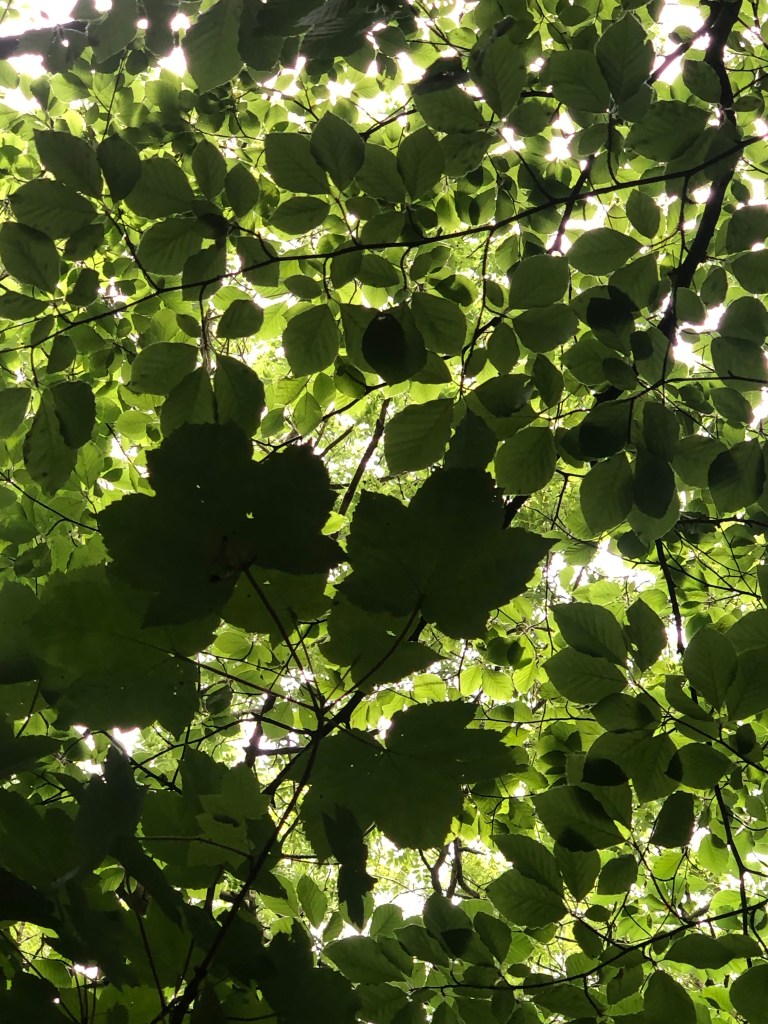
I tried to explain to my companions in Amman again and again the importance to me of green spaces. I think at the time I said I needed more trees, and was quite rightly told there were plenty of trees in Amman’s parks. But there’s something very special to an Englishman about the quality of light that can be found filtering through the trees in an English wood. Something about the infinite shades of green, alder branching over ash, ivy climbing up oak, a ceaseless communication from leaf to leaf, tree to tree. Little wooden fences put up by one of the country folk using fallen branches. The sound of the wind in the leaves: the way it chatters and whispers through the oak trees, and sings without syllables in the firs. Stop and listen the next time you’re near one and you’ll see what I mean.

It’s a magical feeling, standing in the dappled shade of an English forest in summer, and the loss of it in Amman broke my heart, I think. It was, perhaps, the time in my life when I stopped hating on my English heritage and came to appreciate the land where I was born – which, I think, is a stage we must all go through at some point in our lives. Not making peace with the establishment, exactly; rather, making peace with one’s roots. Learning to love the land that made you who you are.

Ten years ago today, I was spending my final childhood summer gigging with my funk band in an attempt to distract from results day. Two months later found me teaching for the very first time in a private school in East Africa. It’s been a colourful decade since then. I feel like I’ve lived around the world in my twenties: Durham, Jordan, Morocco, Sussex, Dorset, Lincolnshire and various corners of Spain. I’ve also found a real fondness for Edinburgh, reawakened my love for France and started a love affair with Italy. And while all those LinkedIn “so grateful for” posts make me want to throw up into my hands, I have to admit I’m incredibly lucky to have had such a colourful decade. I wonder where the next ten years will take me?

I hope She is out there somewhere. I never lose faith in that. And faith, as always, keeps one believing in a better tomorrow. For now, there is the English countryside and the sounds of summer. I can live with that. BB x