Bitterns and Boomers

The Flat, 21.03.

It can be done! After living in Somerset for the best part of two years, I finally made it to the Avalon Marshes. It’s a little out of the way – as fenlands often are – and, being without a car of my own, impossible to reach outside of term-time, but with a little planning I managed to successfully navigate the one bus there and back again after school this morning. Worth it? Absolutely!


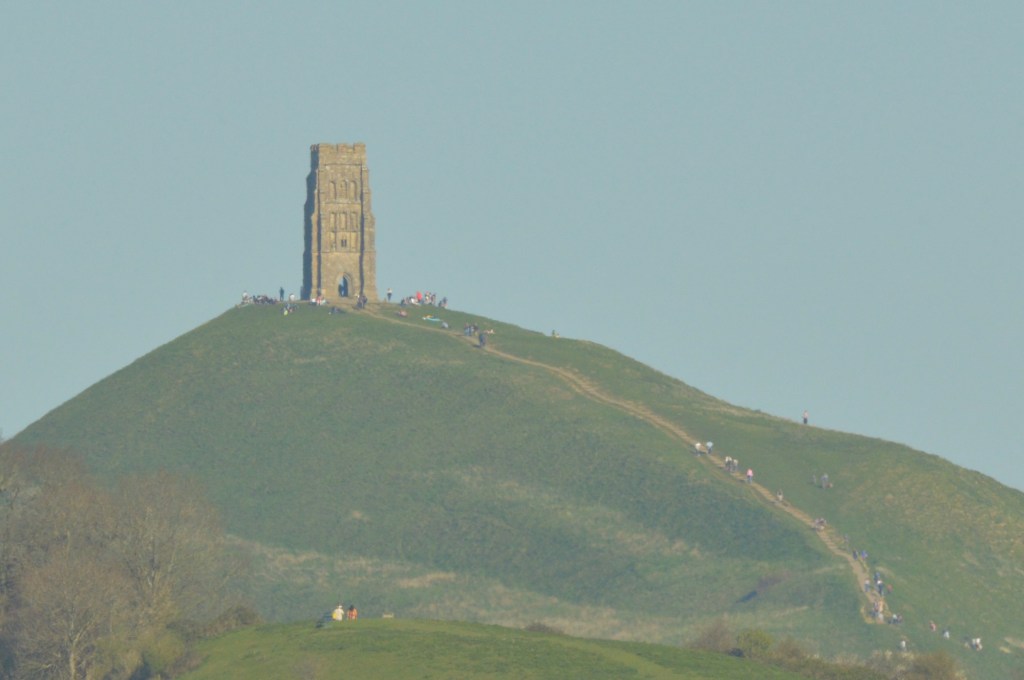
The Avalon Marshes are a network of pools, channels and reedbeds that stretch from the west of the festival town of Glastonbury across the Somerset Levels. Being naturally averse to crowds, Glastonbury and its ilk have never even crossed my mind as a way to spend the summer, so I’ve never had any cause to come this way before. Evidently, I was missing out. This mystical corner of the British Isles has a real charm to it. The 376 bus dropped me off outside The Royal Oak in neighbouring Street and I struck out across country for the marshes from there. Along the way, I walked in the sightline of the legendary Glastonbury Tor. It was a balmy spring day – the fourth in a run of consistently sunny days – so the Tor was drawing a growing crowd of sun-seekers, like a sweet on an anthill. If I had a little more time, I might have gone and had a look myself.

The magic started before I even reached the Glastonbury Canal that runs into the fens. I had just come upon the first of the reedbeds that herald the Avalon Marshes when I heard the sound that I had come here for: a low, pipe-like boom. A sound that inspired many a myth and folktale in the British Isles, and that once was surely heard all across this island. The noise belongs to the great bittern, a singularly beautiful and cryptic variety of heron that is surely the prince of the fens. I can’t remember whether or not I have ever conclusively heard a booming bittern before – my memories of a possible encounter with one in Stodmarsh when I was a lad are a bit hazy – so I have hesitated to add them to my life list thus far.

Today, however, I was left in no doubt. I must have heard at least six different individuals booming all across the fens, including one that was so close that I could swear I heard its resonant intake of breath before each boom. The great bittern is a master of camouflage, however, with a plumage so perfectly suited to its life within the reedbeds that it is almost completely invisible when “bitterning”, so despite the fact that they were making enough noise to be heard from Glastonbury, I never saw so much as a feather. But I wasn’t disheartened in the slightest. Just to hear that booming sound was worth the journey out here. I’ll have to do it again sometime.

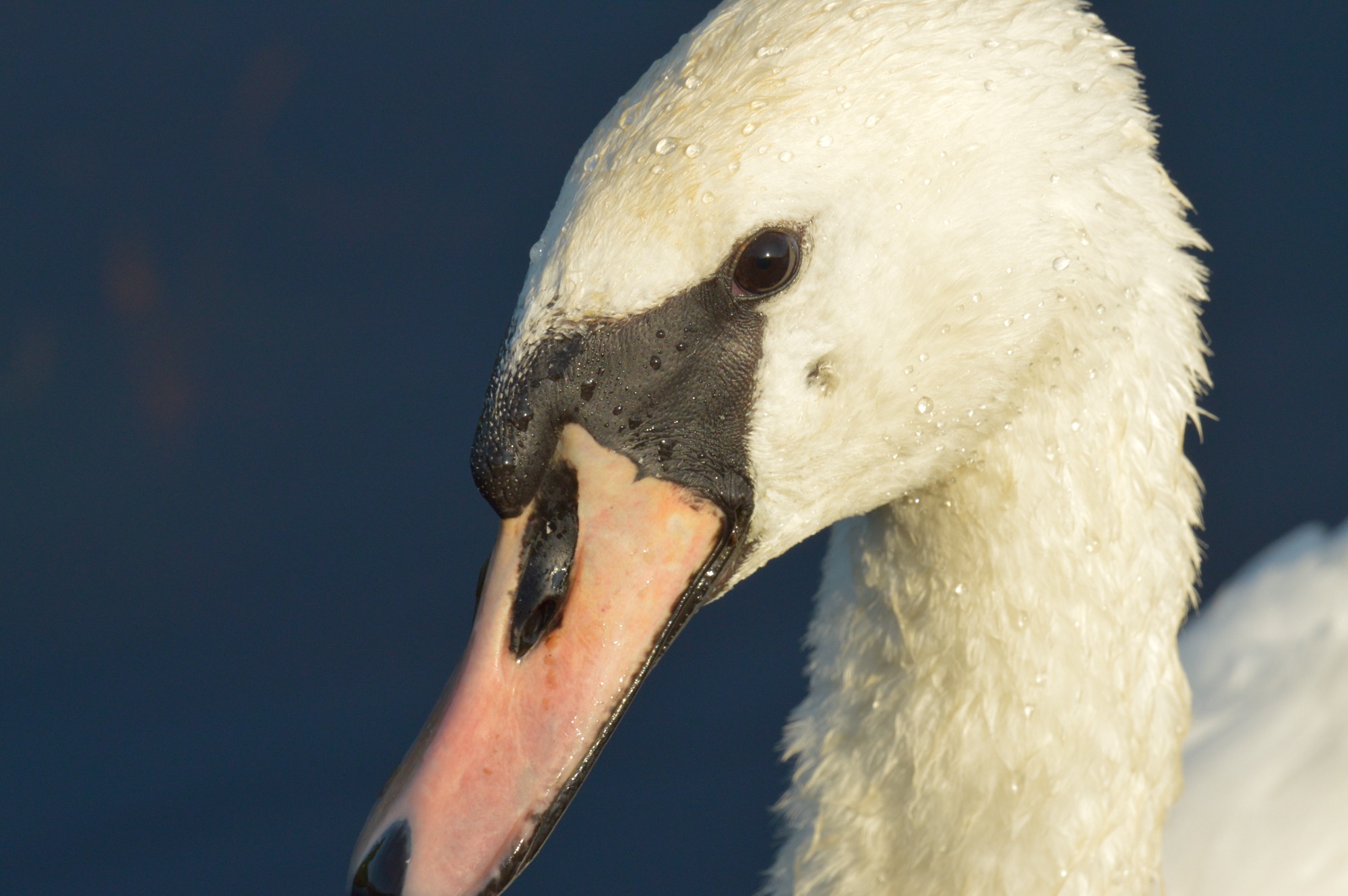
While I was scanning the reeds for one of the bitterns, a swan came swimming by, giving me something to train the lens on.

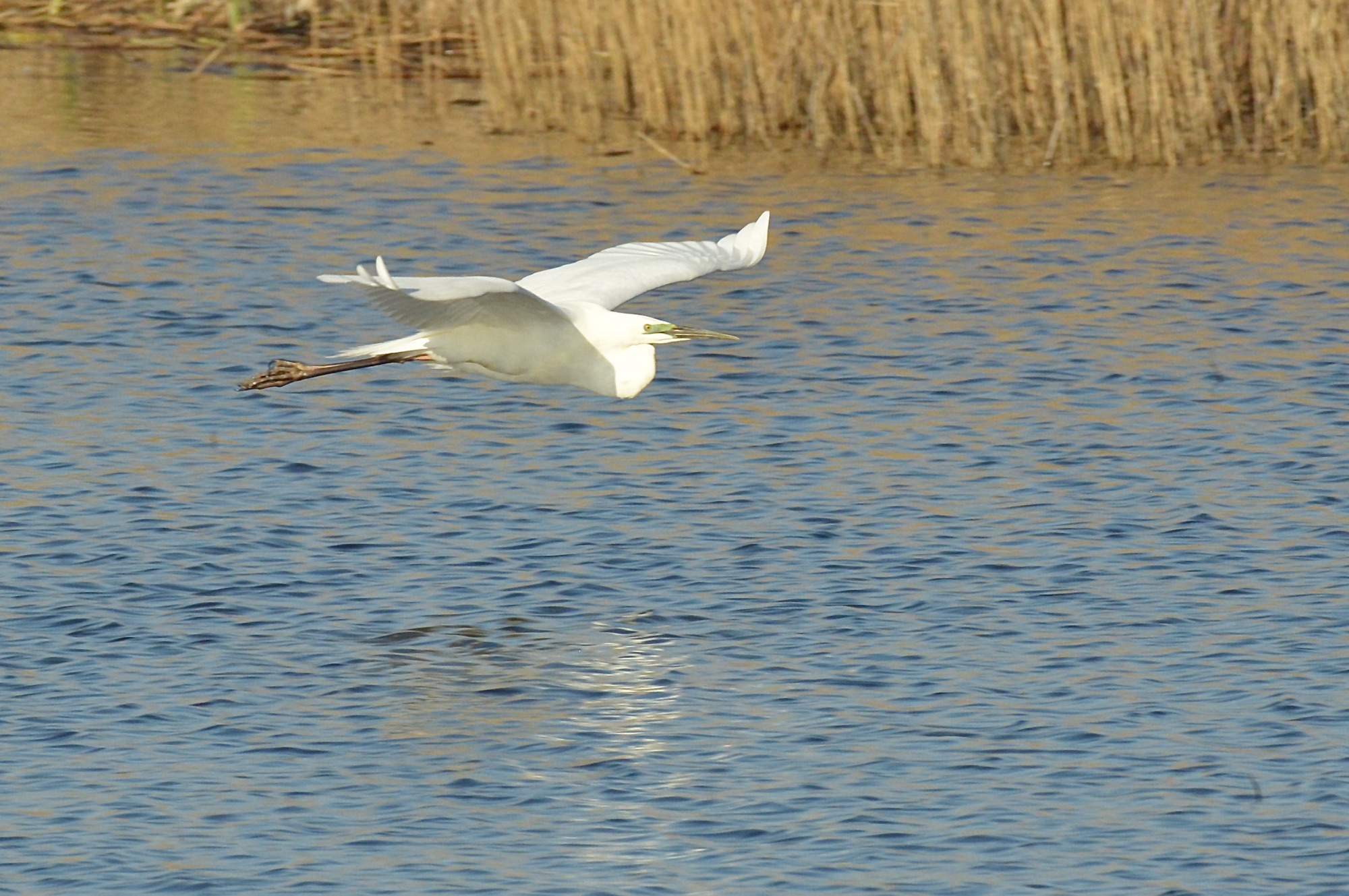
The swans weren’t the only great white birds in the marshes. Another species that has drawn me to the Avalon Marshes today is the Great White Egret, a relative newcomer to the British Isles. The largest of the egrets is actually a heron, a fact that is obvious from its size, which is considerable. I’ve seen these beautiful birds before on the continent, but this would be the first time I’ve seen one here in the UK. When I was a kid, this would have been a very rare find, but much has changed since then. The Avalon Marshes have around fifty breeding pairs, which is frankly ridiculous, considering that they only started breeding here a few years ago. Even the other birdwatchers in the Avalon Hide barely batted an eyelid when one flew into view. It’s a sign that, no matter how bad things may seem, life always finds a way.

On that note, I feel I have to talk about one of the things I haven’t missed about birdwatching: the manspreading. The term didn’t exist when I was a kid, but it certainly does fit the bill.

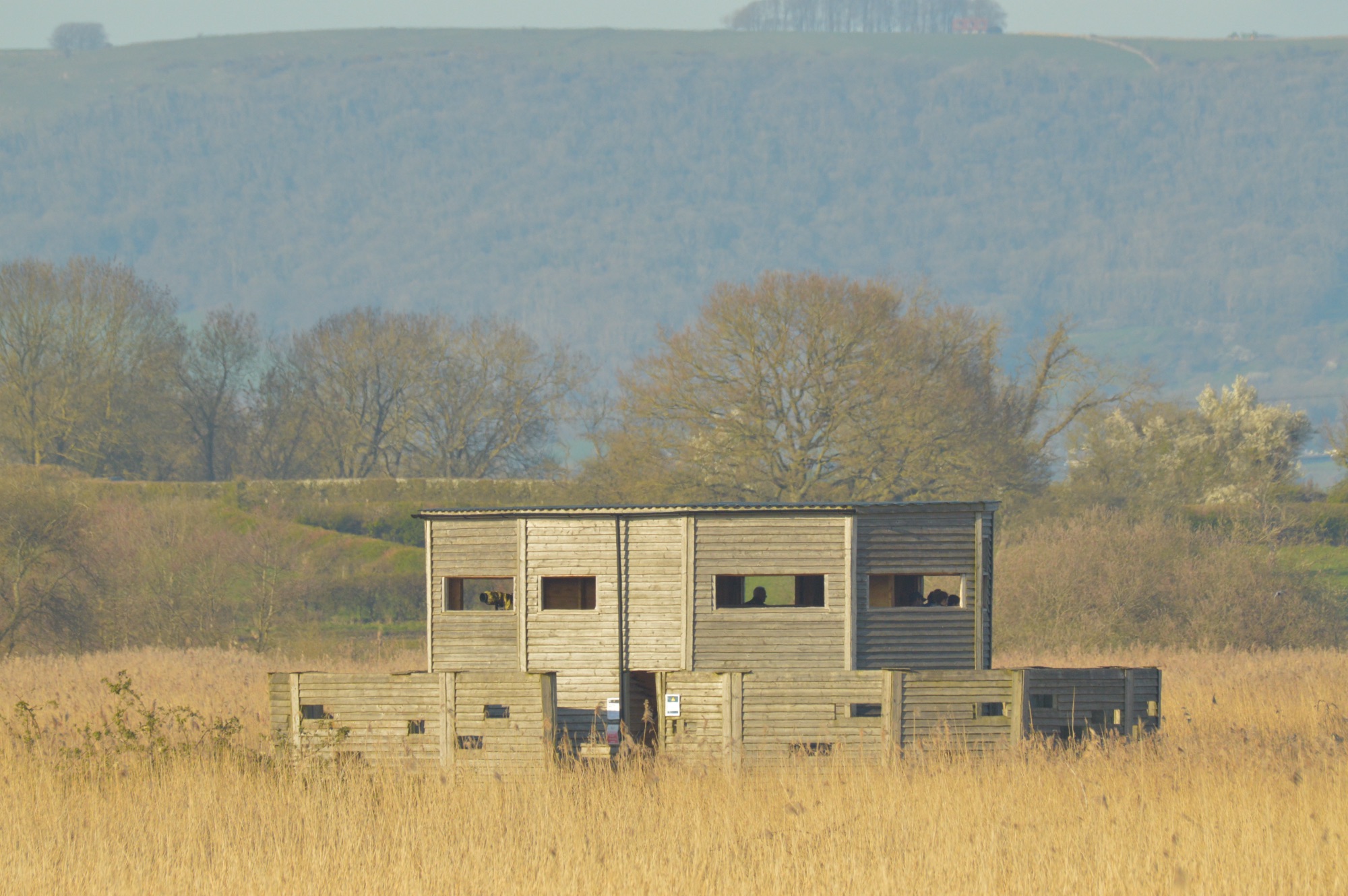
I thought I’d check out the Avalon Hide to see if I could find one of those elusive bitterns, but it had been staked out by a very different group of boomers, who had each selected a window to themselves and laid out their gear all about them: a panoply of scopes, binoculars and cannon-like lenses that made even my monster zoom lens seem like a hand gun. Only one window was available, which looked out back the way I had come. I stuck around for about twenty-five minutes, listening to their familiar birder-talk, but it quickly became apparent that they meant to stick around until sunset to see if either the bitterns or the resident barn owl would make an appearance, and as I had to catch a bus home, I had to cede the hide to them.

I explored the “cattle class” alternative screens below the tower, very much aware of the scopes poking out of the windows above me like artillery. Sometimes a bird-hide can look a lot like a pill-box.

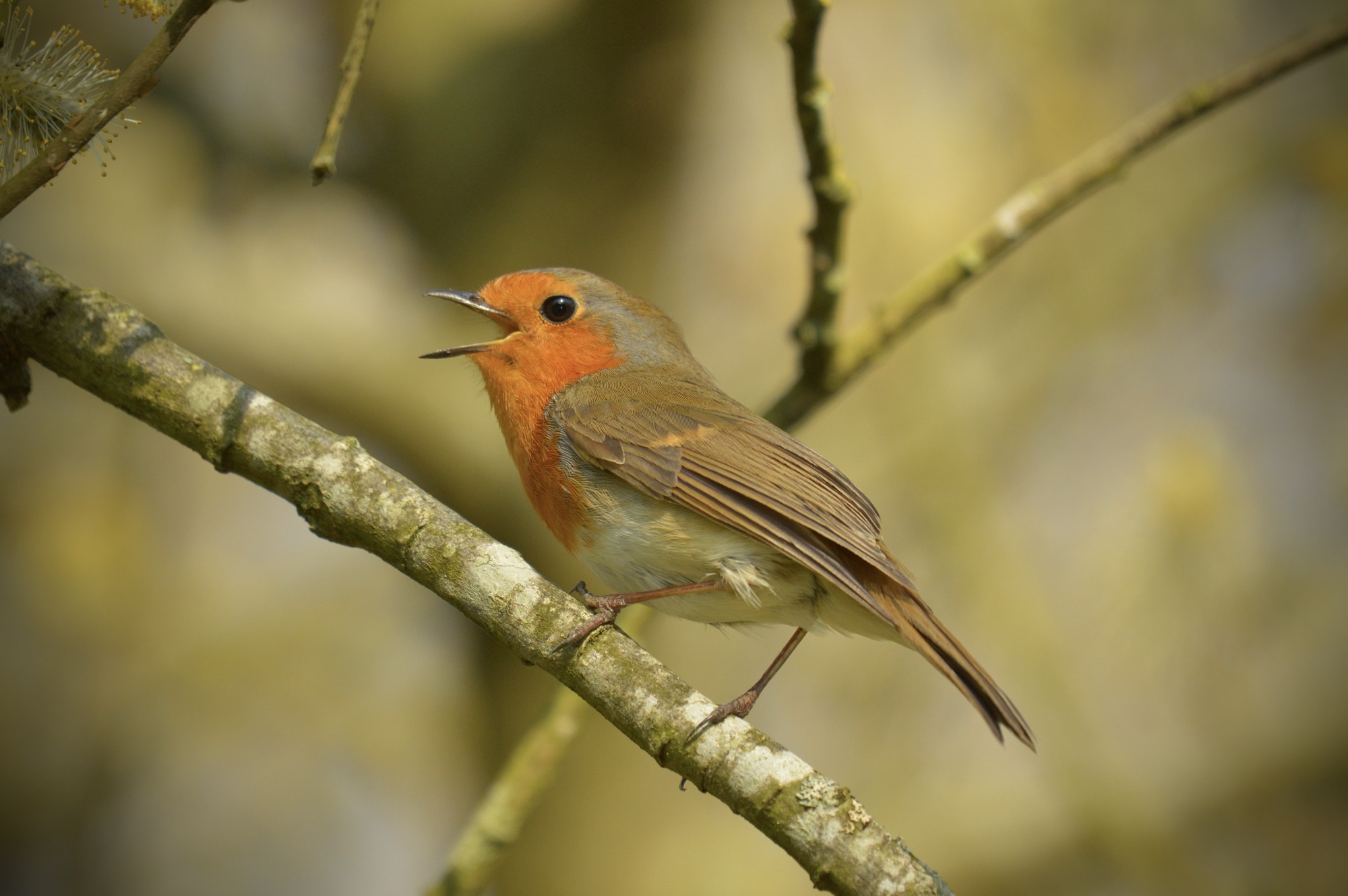
A friendly chap and his wife restored my faith in the hobby when they pointed me in the direction of a water rail they had just seen, but it never did reappear from its hiding place in the reeds, so we went out separate ways with a shrug. Fortunately for me, there was plenty to see: perhaps sixty or seventy shovelers out on the lake, along with attendant flocks of gadwall, mallard, tufted duck, teal and coot, as well as a few noisy great-crested grebes. Most of them were much too far for even my faithful 500mm, but a robin that followed me out of one of the hides was perfectly happy to let me take his photograph, which definitely made up for it.

As this was my first sortie to Avalon, I didn’t want to end up stranded by missing the last bus home, so I left with plenty of time to get back to Glastonbury. It was a quiet walk once I’d put the birders and the bitterns behind me, and I only ran into two other walkers out with their dogs along the trail. There seems to be a small gypsy community on the edge of the marshes – something about the layout of their encampment seemed strangely familiar, not to mention the presence of two old and very battered horse-drawn caravans in the yard. When I reached the edge of the marshes, I stopped to look back in the direction I had come, and when I turned back to Glastonbury I saw something staring back at me from the edge of the reeds. I thought it might have been a muntjac at first, but it was much too big for that. It was, of course, one of our native roe deer. Fearless as ever, it didn’t even flinch when I raised my camera.
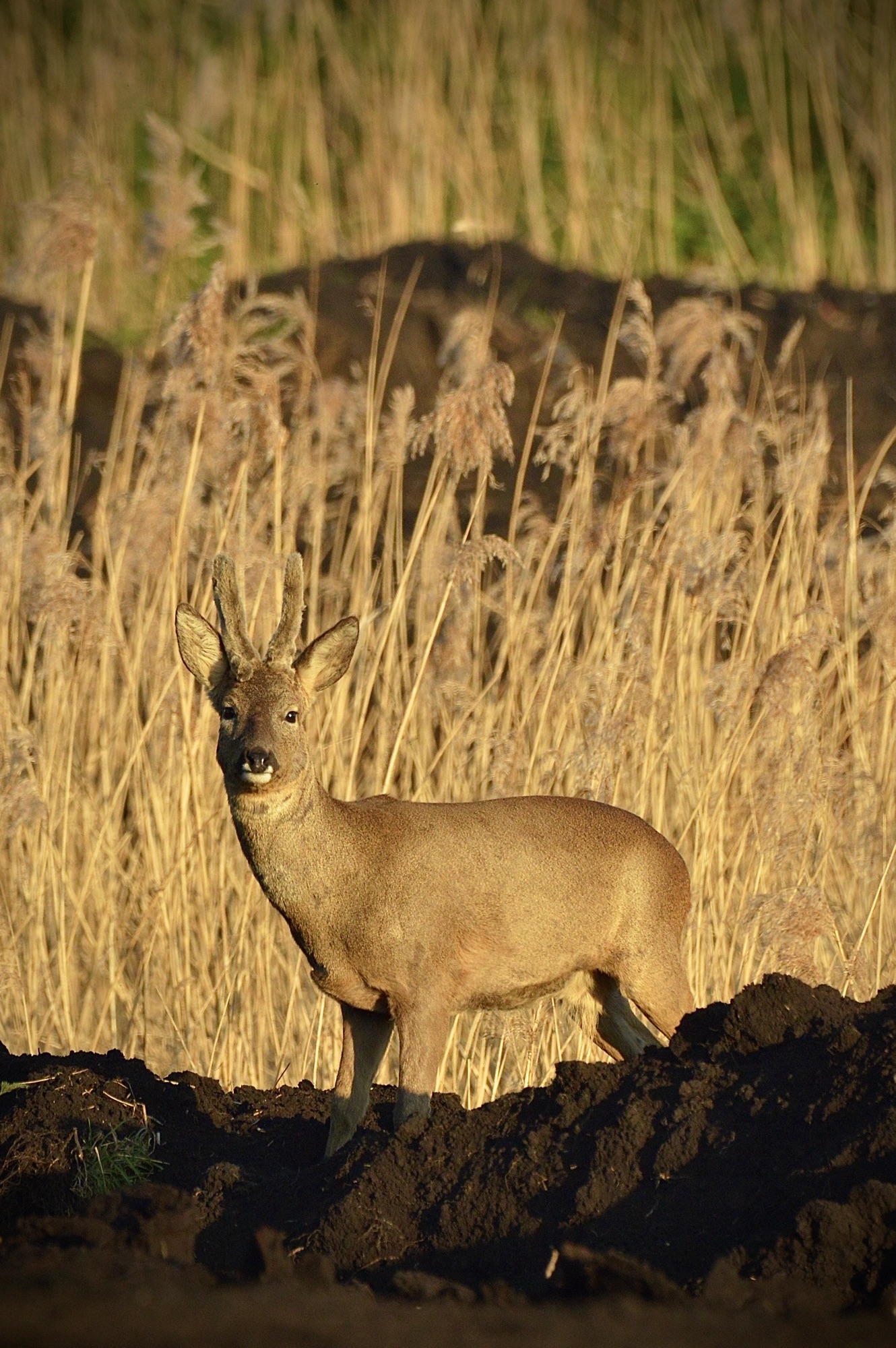

One thing’s for sure: I’ll be back. It’s only a £3 bus ride from Taunton and, while the return journey is broken up with a layover in Somerton, it’s perfectly doable in a day. I’ll be back for the bitterns, either later in the spring or next year, depending on how busy my duty weekends are after the holidays.

This time next week, I’ll be in Madrid. From there it’s only a matter of hours until I set out for South America. That has come around shockingly fast. I’m starting to get very excited! I’ve had a full month to put the camera through its paces and I think I’ve got the hang of the lens and its demands now – the way it handles, the settings it requires for optimum output and, of course, its weight. Now all I need is to be out there already. Thank you Avalon for being the last stage of boot camp for my trusty Nikon companion. Here’s to the next grand adventure! BB x
Back in Time

The Flat. 20.34.

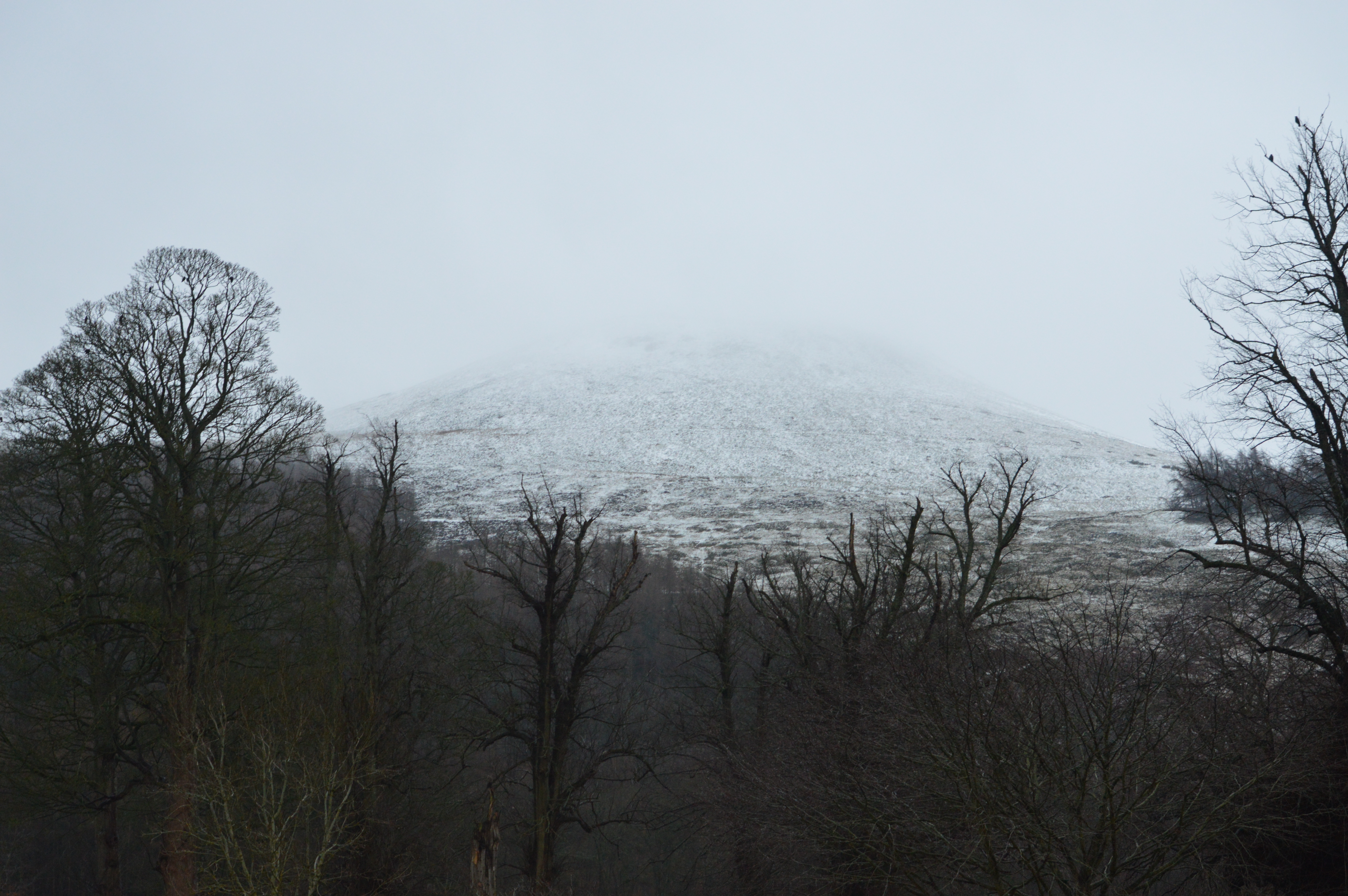
I’ve just come back from a wonderful five days in Scotland with some very dear friends. Apart from being a much-needed social fix, it was as good an excuse as any for a change of scenery. Unlike the rest of the UK, where it has so far managed to rain every single day since the new year began, Scotland and its particular brand of Celtic magic has contrived to turn some of that endless precipitation into flurries of snow, which still frosted the distant highlands beyond the Firth of Forth as my southbound train whisked me around the coast at Berwick. I ended up going north one day sooner than planned to tag along to a family hike in the Lomond Hills around Falkland, for which I was woefully overdressed. We popped in to Andy and Babette’s church first, so I had my Sunday best on, which wasn’t exactly the right fare for carrying a pushchair through ankle-deep mud and melted snow. Still – there’s got to be a first time for everything, right?

God – but Edinburgh is such a beautiful city. I don’t say that all that often about cities, but Edinburgh is special. If Spain doesn’t work out – and I am still holding out that it will – Edinburgh wouldn’t be a bad fallback. What a place to raise a child!


With my Peruvian adventure now just over a month away, I have started to get serious in my preparations. I have booked my first accommodation option in Cuzco, using the only dates of which I can be sure, and started to map out the various bus routes I will be taking. I have nineteen days, which isn’t nearly enough to see all that Peru has to offer, but I’ll give it a damned good try.

As I can’t be sure if I’ll return to Peru anytime soon, it occurred to me a few weeks ago that now might be the right time to invest in an upgrade to my trusty 75-300mm telephoto lens. The reliable little Nikkor lens has done a fine job for the last ten years – almost to the day – but in a country teeming with sights I have never seen before, a little more reach would be a very handy thing to have.

When I was starting out as a wildlife photographer, I used a second-hand Nikon D70 and 75-300mm lens and so I grew very accustomed to shooting with that focal length, but when I was around fourteen, my mother bought me a Sigma 150-500mm. I don’t want to think about how much it must have cost her back then (when we weren’t exactly in clover after our ruinous attempt to move to Spain), but it was one hell of an investment. Once I got the hang of the behemoth and its various quirks (notably its optimal range of 400mm, as it tended to blur beyond that range), it became nothing short of my right arm.

Goodness knows I had enough practice. Weekly sorties became routine. My homework diaries from Year 10 and 11 have a clearer record of my weekend plans than they do of any homework I might have been set. My usual haunts were scattered across East Kent: Stodmarsh, Sandwich Bay, Margate and my local patch at the Undercliff where the White Cliffs of Dover began; and sometimes further afield, to the lonely wetlands of Dungeness and the Elmley Marshes. I still find it ironic that I didn’t really get bit by the birdwatching bug until my last week living in Spain, by which point it was almost too late to appreciate what I had out there. Still, Kent was a wonderful place to learn that trade, and I even made something of a name for myself as the Young Kent Birder for the Kent Ornithological Society. That was also my first foray into blogging, as it happens – this particular endeavour is merely the successor to a record-keeping exercise that I have been working on since I was fourteen years old.

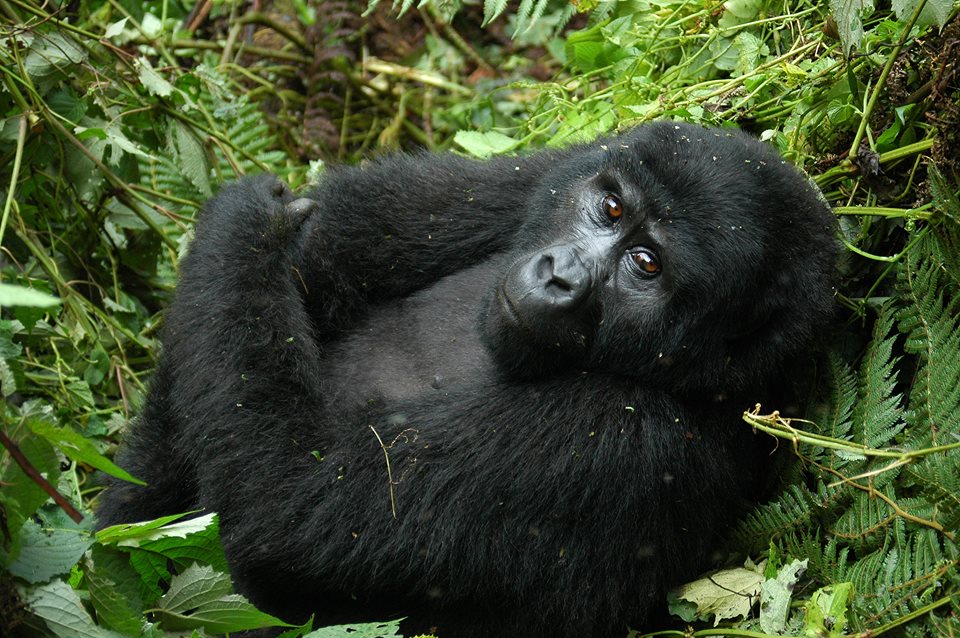
The Sigma lens came with me on many adventures, but it was absolutely invaluable when I went to work in Uganda during the first three months of my gap year. I honestly don’t know what I’d have done without it. I certainly wouldn’t have had nearly as much luck with the fish eagles, crowned cranes, tree-climbing lions and mountain gorillas as I did with the Sigma lens at my side.


Sadly, we leave some of our most cherished things behind when we grow up. When I became a man, I put away childish things, and for some reason, the Sigma lens – and the birdwatching world it had opened to me – was one of those “childish things” I put away when I left for university. Maybe I was only trying to fit in. Maybe all the time I would have spent out and about in nature was reassigned to making time for friends and rehearsals. One way or another, I sort of let go of something that had been a fundamental part of my childhood – and, if I’m being honest, my soul. I regret that, I guess.

The naturalist in me never went away. I distinctly recall keeping a quiet list of the birds I saw in a notebook while traveling around Morocco with some friends from my Arabic course. I remember also taking an unfettered delight in the sight of a sparrowhawk when it struck down a pigeon in my garden and proceeded to disembowel it in front of the kitchen window. And there was always an enormous grin on my face if and when I encountered the pair of goosanders that lived on the River Wear en route to a seminar in the morning. I think I even altered my route most days to try to see them.

After a few months in Spain during my year abroad, I used some of my Erasmus grant to buy myself a new camera. The new model – the D3200 that I have used ever since – was a budget model and thus did not come with an in-built focus motor. When I remembered the faithful Sigma and tried it out with my new kit, I realised that its days as a wildlife zoom lens were over. Let’s just say that tracking a 15cm kingfisher flying at 40kmph across the surface of a rushing river is hard enough with an autofocus-ready lens, and damned near impossible when you’re trying to catch it manually. Several years of neglect had also left it in a rusty state. While still perfectly functional, web-like fungus had grown across its inner rings, doubtless the result of its final foray in the cloud forests of Bwindi Impenetrable National Park.

Since then, I have done a decent job with my 75-300mm, but the glory days of wielding a mighty telephoto like a flanged mace felt like a distant memory. Until yesterday, when I bit the bullet and ordered a proper upgrade: introducing the Nikon 200-500mm AF-S. It’s not exactly the latest model – the lens went on the market in 2015, shortly before I bought the D3200 – but it is a huge step forward in terms of what I can do with my wildlife photography. I’m not really at the stage in my career where I feel I can justify splashing out on one of those titanic cannon-esque superzooms that the other Kentish birdwatchers used to lug around, but I am at the stage in my life when I want something to live for. Lady Luck is proving hard to find, so until she turns up, I’ve decided to step back in time and blow the dust off a hobby that used to have me grinning from ear to ear from week to week.

Some people find their joy in the gym or in park run. But for me, the answer is and has always been nature. Now that I am fully-armed once again – for the first time in nearly fourteen years – it’s time to get back out there and enjoy a hobby again.

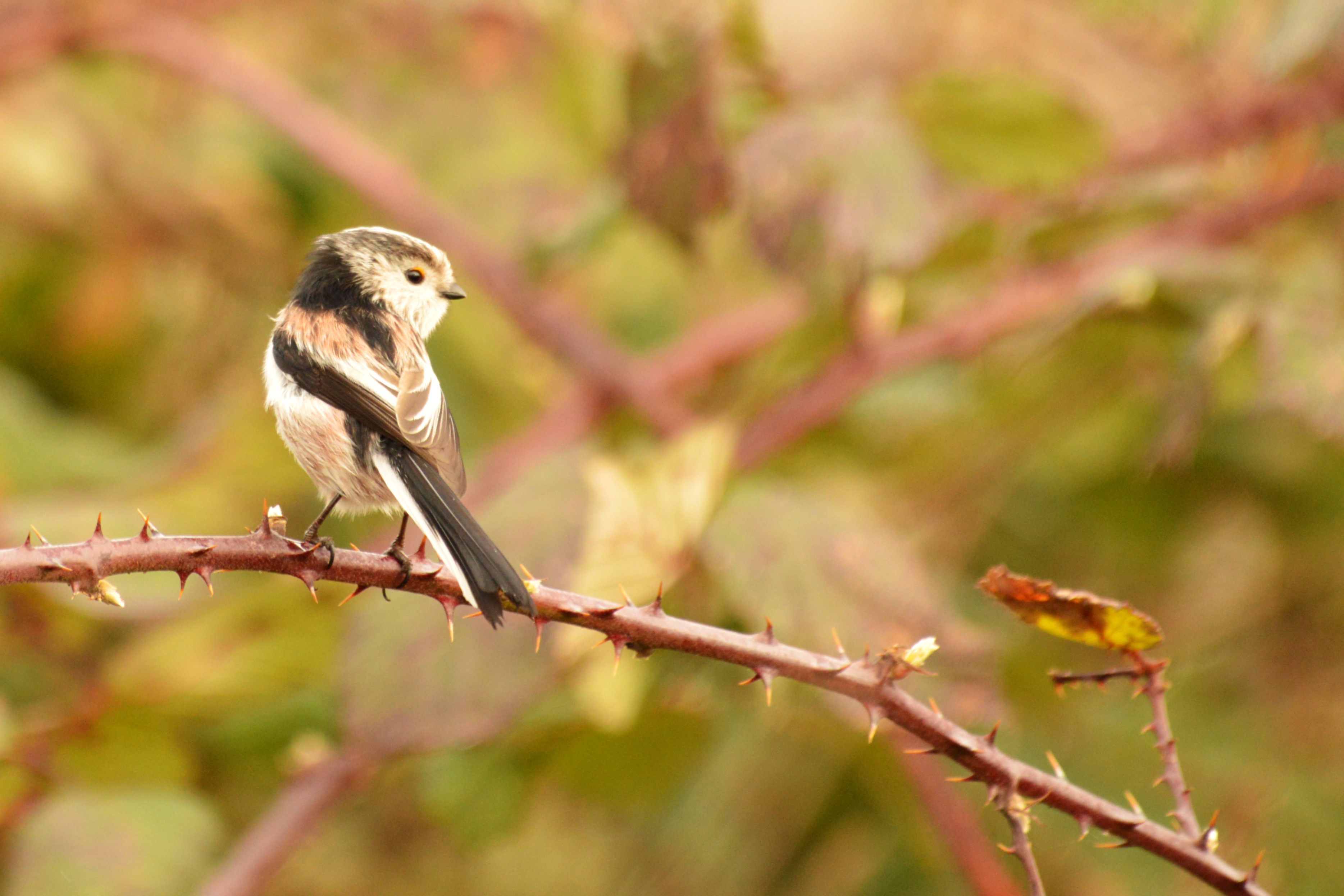
Long-tailed Tit (Aegithalos caudatus), River Tone.

I still don’t have wheels of my own, so my forays will be limited until such a time as I get my hands on a driver’s license, but for now, I intend to explore my immediate area. There’s plenty to see in the corner of Somerset where I live, and the local bus and train network is pretty handy. With the forecast looking none too promising (the rain continues), I thought I’d start with a wander up and down the River Tone, so that I could dash home in case the heavens opened. Fortunately, the worst I got was a gentle mist for the first five minutes, after which I had a very dry (if muddy) two hours’ walk.

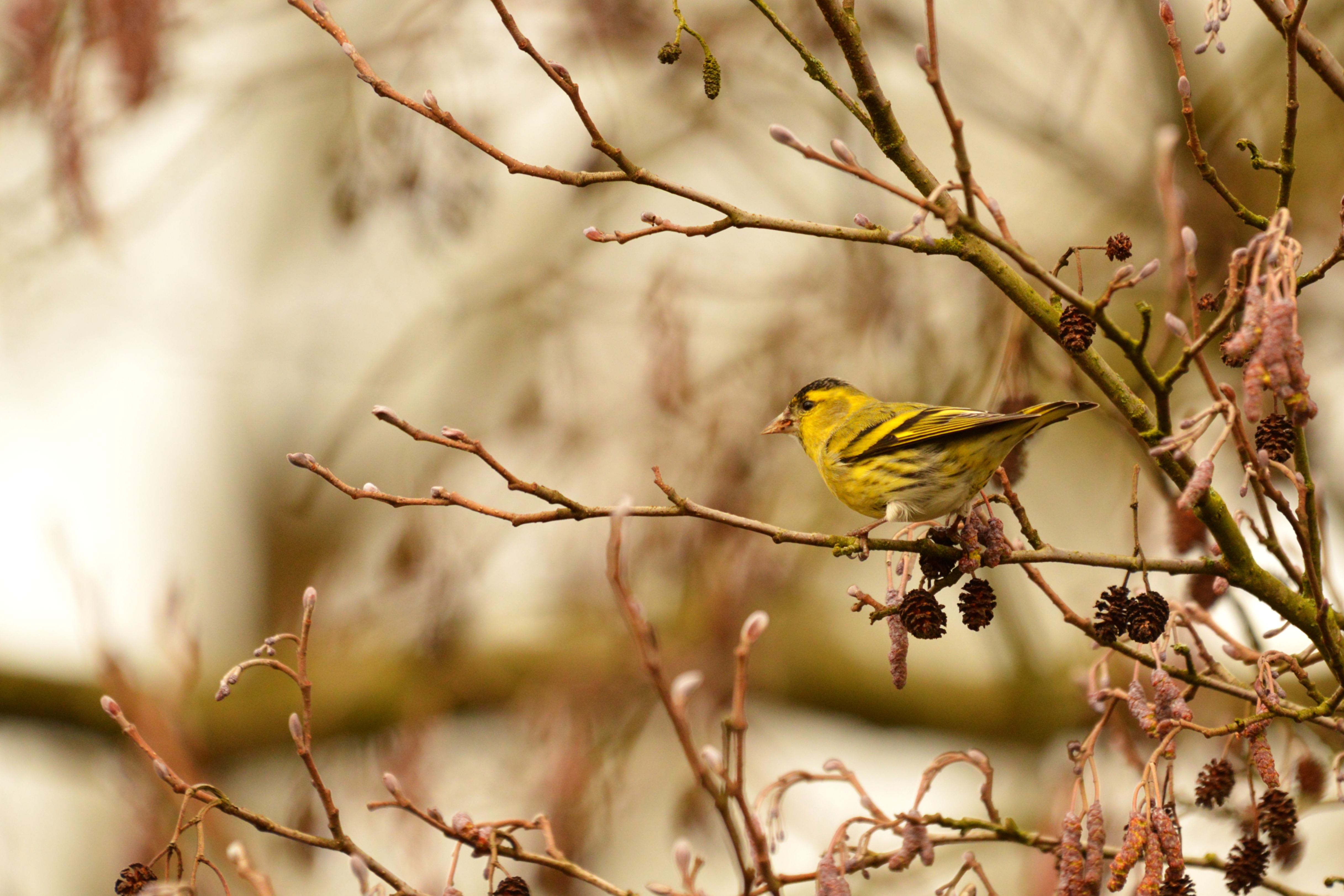
The Nikon 200-500mm is about the same length as the old Sigma, but it is both chunkier and heavier, so I found myself using the tripod grip as a handle. It also requires two spins of the barrel to extend to its full focal length (back in the day, I could wind out the Sigma to its precise maximum of 400mm in a single move), but in a major improvement on the Sigma, it loses none of its visual acuity at its full extension, so in a very real sense, I am working with a longer telephoto than I have ever operated before. I had plenty of opportunities to put it through its paces this morning with the roving flocks of passerines that were feeding along the river, and it did not disappoint, tracking the nimble movements of treecreepers, siskins, goldcrests and long-tailed tits as they hopped about between the leafless branches.

I’m a firm believer that it takes more than just an expensive camera or lens to make a decent wildlife photographer. What it really requires is a solid understanding of your subject and their fickle nature. Fortunately, I have spent most of my thirty-two years on this planet observing the world around me, so while I still can’t keep pace with the rest of my generation in many respects, I do know what I’m doing in the field of wildlife photography. I’m no professional, nor would I ever consider making this hobby into a side-hustle, but it does bring me immense joy.

Eurasian Siskin (Spinus spinus), River Tone.

It’s so good to be back. My arm is complete again. Let’s make this a year to remember! BB x

Article Ten

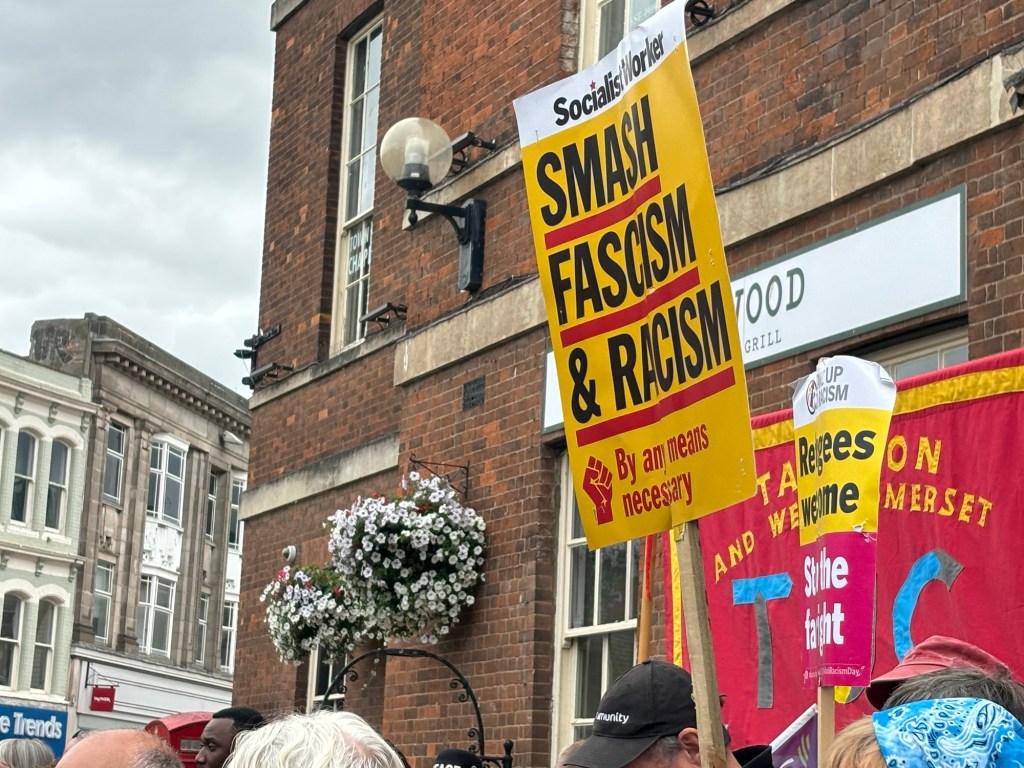
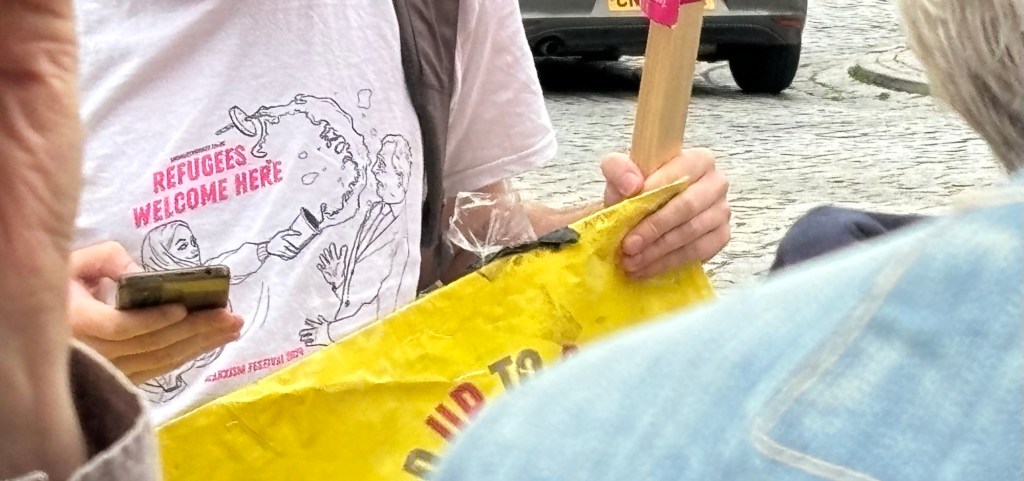
This morning I found myself in Taunton’s market square, standing shoulder-to-shoulder with a branch of the Stand Up To Racism movement, some of whom had come from as far afield as Bristol to head off the rumoured far-right protest that had been brewing here.

It was morbid curiosity that drew me into town, I suppose. My driving instructor inadvertently tipped me off about the planned protest, and the journalist in me wanted to see events unfold for myself rather than trust in the news, which is so very hard to do these days. I had no idea that the rally I would find would be the counter-protest, nor had I planned to join in, but curiosity turned into a burning sense that the right thing to do, the right place to be, was there with the peace rally.

My great-grandparents, Mateo and Mercedes, had little love for the fascist regime under Franco. My bisabuela went to the grave convinced that the state had murdered her husband on the operating table, as his Marxist beliefs were well-known. So in a way, it felt like carrying on their work, standing up to fascism, even in a small way, some seventy years after Mateo’s demise.


Trade unionists. Socialists. Artists. Refugees. Doctors, policewomen, teachers. English, German, Indian, Cameroonian, Brazilian. Shouts of Whose streets? Our streets! Representatives from other movements jumped aboard: Black Lives Matter and Free Palestine joined the fray. Some of the speakers pulled the rally in different directions: frustration against the super-rich coorporations, against Sunak, Patel and Braverman, against the police (who, credit where credit is due, had sent a small detachment to protect the rally today, so that last speaker’s targeting was poorly judged). I couldn’t help but be reminded of Orwell’s experience in Catalunya during the Civil War, however, with so many factions within the Republican camp and our own. If the opposition did come to meet us in force, theirs would be a militia to our band of mercenaries.

The minutes turned to hours, and the opposing force that were supposed to be marching on Market Square failed to materialise. A police officer let us know that the mustering point in Hamilton Park was still empty at one o’clock, when they were supposed to have gathered in force, and a cheer went up from the crowd. An elderly Indian man embraced everyone around him, gleefully repeating “We did it! We scared them off!”.

Scared is probably the wrong word. You can’t quell that kind of resentment that easily. They also weren’t entirely invisible this morning: an armoured car sporting four Union Jacks and a large gun mounted on the roof did make three threatening laps of the square towards the start of the rally, its driver staring at us with hostile, wordless eyes, before the police chased him off. I should be grateful that’s the closest we got to any kind of danger.


I confess I don’t exercise my civil right to protest nearly as much as I should. Going to a protest in London always felt dangerous, and just getting there and back was easier said than done, what with Thameslink and Southern Rail experiencing eternal delays. So it’s nice to be able to do my part here in Taunton, while I still have time and energy to spare.

It’s now after 4pm. The Avon and Somerset police issued a statement half an hour ago that the planned protest never did take place. They also counted us – at its peak, there were sixty of us in the square, beating back the prejudice and the hate with words alone. It’s a small victory, but if such a thing can be repeated nationwide, we will have made these islands a friendlier place for those who come here to seek their destiny.

To paraphrase one of the speakers today, immigrants are the backbone of our NHS, but they prop up the country in so many other ways. They give us new perspectives, open up our small worlds to larger spheres. If we can open our hearts and our minds, we can learn so much from them. The United Kingdom is not just a name, it’s an ideal: a kingdom of people from all walks of life, working together. We are so much the richer for it.

Life doesn’t always take us in the direction we want, but it does have a very good habit of setting us back on the right path in the end. Or, in another writer’s words:

The infinite will of God is always mysterious, mercifully granting us what we need more often than what we want.

Thomas Hoover, Moghul

See you around, folks. BB x

Upping Sticks

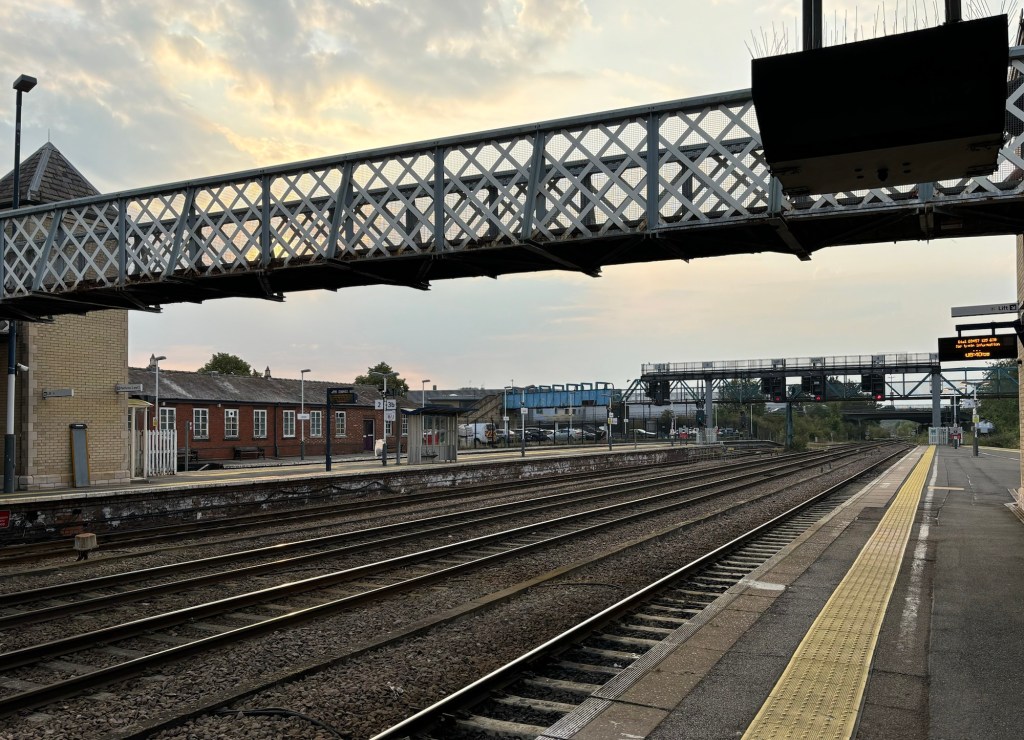
2nd August, 6:53am, Lincoln Train Station

Today is the first day of a new life. I’m moving to Somerset to take up a new job, a place where I’ve never lived before and where the only folks I know are my godparents who live in one of the neighbouring villages. I’ve done this kind of thing before several times now – Durham, Villafranca, Tetouan – but I’d be lying if I said I wasn’t nervous. I’ve got AC/DC’s Thunderstruck on repeat in my earphones to keep me looking up. It’s been my go-to pick-me-up of the summer.

Something always gets left behind on days like today – this time it was a carrier bag containing my laptop, my Switch and – really frustratingly – my satchel, which contains my journal. There’s nothing in there that I’m going to need per se over the next few days, but that journal travels with me everywhere. It feels strange not to have it on me on such an important day.


2nd August, 9.25am, London Paddington Station

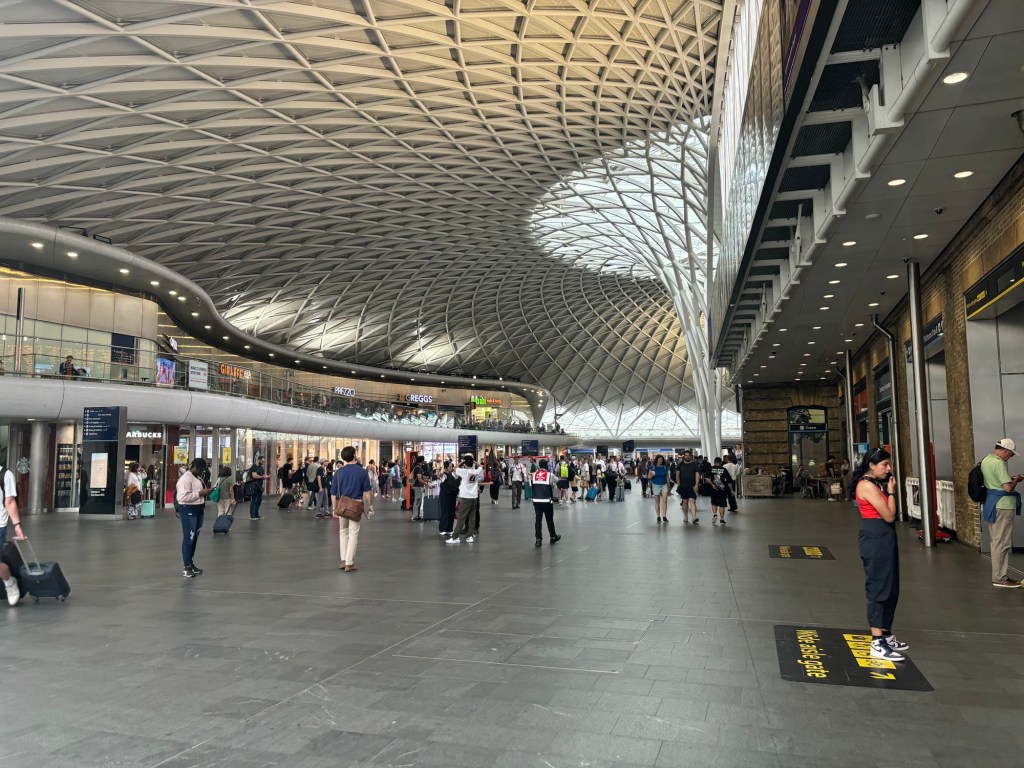
The queue for Platform 9¾ was already four rows wide when my train pulled into London King’s Cross. It’s absolutely blown up in popularity in the last ten years or so, which may be proof that, though J.K. Rowling’s fanbase may be divided about the author, the mania for her wizarding world is very much alive.

The moving team have arrived at my old house and have started what must be the Herculean task of loading all of my things into a Luton van. Meanwhile, I’m racing across country on the train ahead of them to sort things out at my end. Moving is always complicated, but moving between boarding schools adds another layer. I’ll be relieved when today is over – but it’s not all hard labour. A busy mind is a happy mind.

I heard singing on the underground and removed my headphones to see what was going on. A little gypsy lady in a face mask was shuffling down the train, singing with an alto voice so full of pain and passion that I was surprised nobody else was tuning in. Everywhere, up and down the train, AirPods were buried deep, eyes glued to screens, avoiding her eye. I caught snatches of familiar words that might have been Portuguese, or it might have been Romanian, or even Caló. She carried a small black plastic cup. There were no coins in it.

I got off the train and gave her a note. It was all I could find in my wallet that wasn’t euros or quarters. The Spanish have a saying:

Quién canta, sus males espanta.

It means something along the lines of “singing drives your pain away”. Gypsy music isn’t very good at that, since a lot of it deals with the overwhelming suffering and exclusion of the Rom, but it is powerful stuff, and it shook me from my reverie. That deserves a reward in itself.


2nd August, 3.12pm, Taunton

I’m here in my new flat in Taunton! It feels hollow without my things here, but the removal firm can only be half an hour away at this point, so I won’t be hearing my voice echoing about the place for too long. Because of that, I’m confined to barracks for the time being, so no exploring the town just yet. That, for the present, must wait, at least until I’ve put my bed together and the removal men are on their way home.

It turns out my Nintendo was flattened beneath my mum’s car as we left this morning – I must have left the carrier bag on the drive in a moment of fatigue. I should be more cut up: it’s been a trusty distraction over the last week (and the last four years come to think of it) but perhaps that’s a sign from up there that it’s time to put that world behind me. By some miracle, my laptop – in the same bag – survived unscathed, cushioned by the books I’d crammed in with it on either side. They, of course, aren’t damaged at all. Which just goes to show the superiority of books, right?


4th August, 2.11pm, Taunton

Well, I’ve done it. I’ve moved in, and I’m working on moving on. It isn’t easy, but I feel like I’m starting to get there. Perhaps you know the feeling: when you wake up one morning and they’re still on your mind, but the thought doesn’t hurt like it did the night before. It just… is. A kind of acceptance sets in. That’s healthy. What we had was beautiful, but it’s in the past now, and ahead lies only the future. I can face that now.

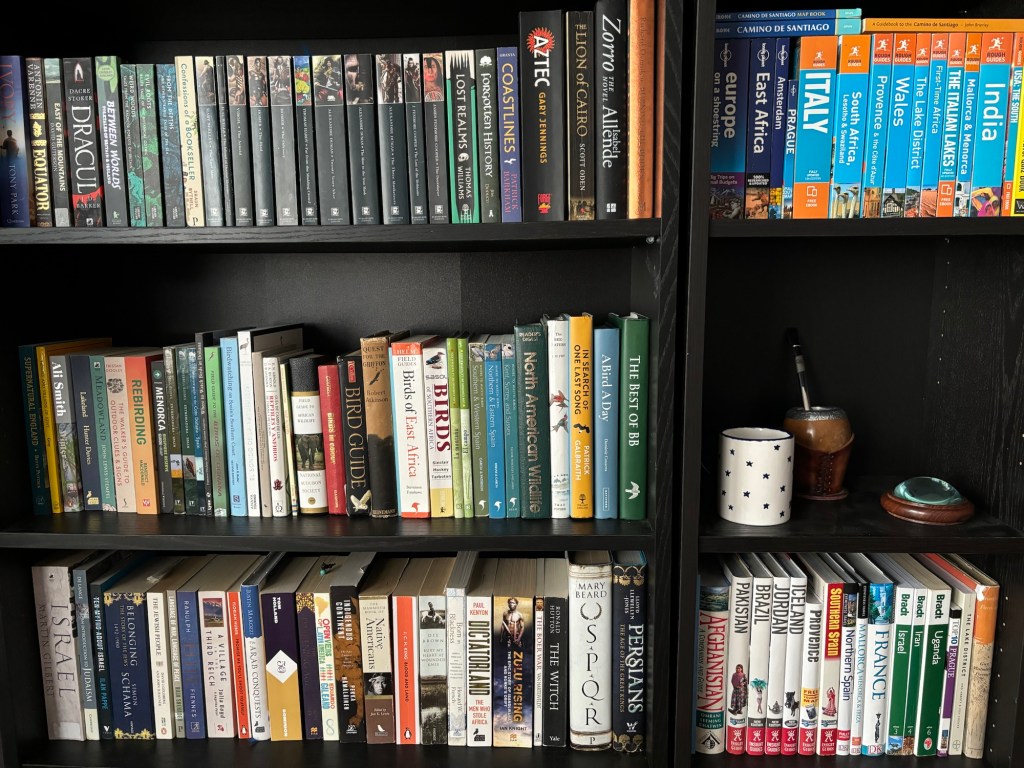
Luckily, I have enough books about me now to keep me occupied for months, or even years. The last month has been crazy, and after a month of living out of a rucksack I have a place to call home again. It’s strange, starting up in a new place where you don’t know anybody, and we’re a long way from the bright lights of yuppie London, but I’m hoping I can find some people on my level here in Somerset.

I was doing some reflective writing the other day and I realised I’ve had eighteen homes over the course of my life (that is, I have lived in eighteen different places for a period of more than two months). After a very stable childhood, I started moving around as a teenager and haven’t really stopped since, living in various places around the UK to far-off destinations like Spain, Jordan, Morocco and Uganda. Eighteen. That’s only twelve homes few than my age. No wonder I have a hard time finding a place to call home.

First driving lesson in several months tomorrow. Lord, if you’d be so kind, give me the strength to see this hurdle through. It would be jolly nice to be able to drive at last. Walking everywhere is fun and all, if only for the additional height it puts on people’s eyebrows when I tell them, but the joke is wearing thinner every year. BB x