There’s a great big mound of earth down in Downside Wood where the old bridge used to stand. The stream that once ran gaily beneath its mossy arches hiccups and lurches through two black plastic pipes, swallowed at one end of the slump and regurgitated out the other. The vegetation hangs back from the mire, keeping a cautious distance, thorns and nettles recoiling as though stung by the mud. Caesar’s legions made siege ramps that looked more sightly. At either end, where the track leads up and out of the forest, smoothed slabs of brickwork poke out of the mud like the bones of the bridge that was. The rest of the rubble lies buried deep beneath the mound, I suppose, making a barrow of the dell. Do bridges have ghosts? I suspect this one might.
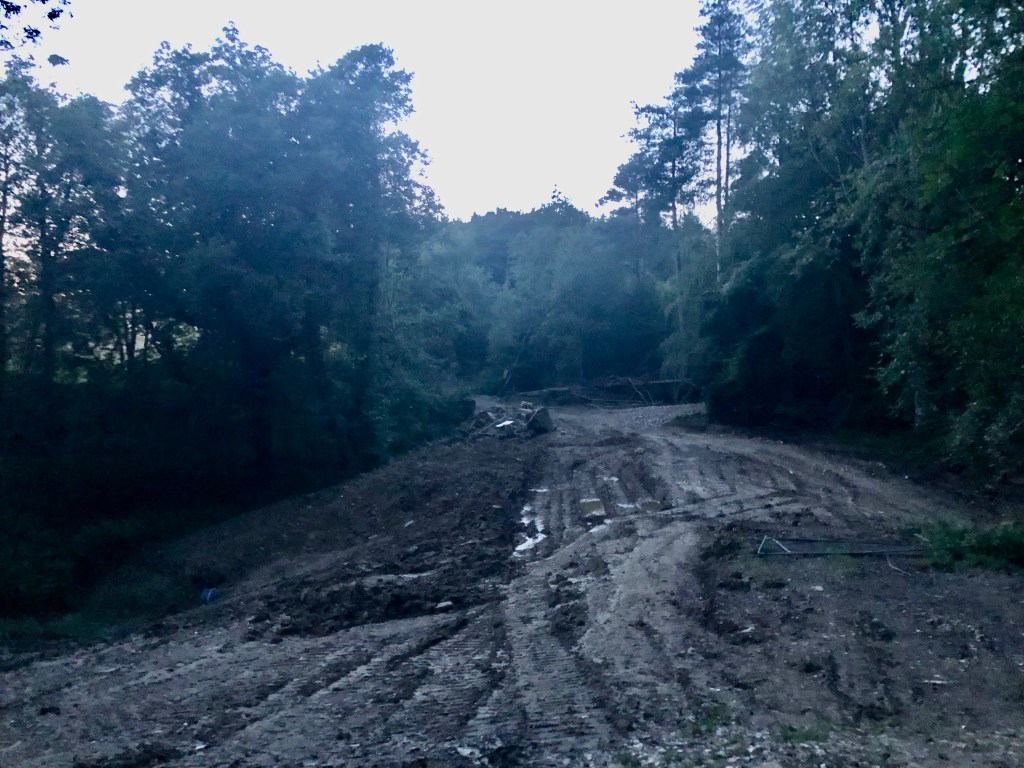
I sat up in the branches of a tree during a break between lessons one summer, listening to M.M. Kaye’s Trade Wind and taking in the view of the bridge as for the last time. That was the year I saw the first signs of what was coming: a waterlogged sheet of A4 paper in a plastic wallet, fastened to the masonry by a tag, bearing the stamp of the local council. The word “SAFETY” written in bold black ink is all I can remember, smudged and blued at the corners by a couple of days of dew and rain. Safety… how satisfying it must sound to the inspector, and how terrifying to the stonework of the old buildings of the world. If stone could shake, it might do so at the word.
The world cried out in despair when Palmyra and the Buddhas of Bamiyan went up in smoke, reduced to dust by religious bigotry, but when I see the Great Slump in Downside Wood, I wonder how many other beautiful works of man and God disappeared under the councilor’s red pen without a word of protest.
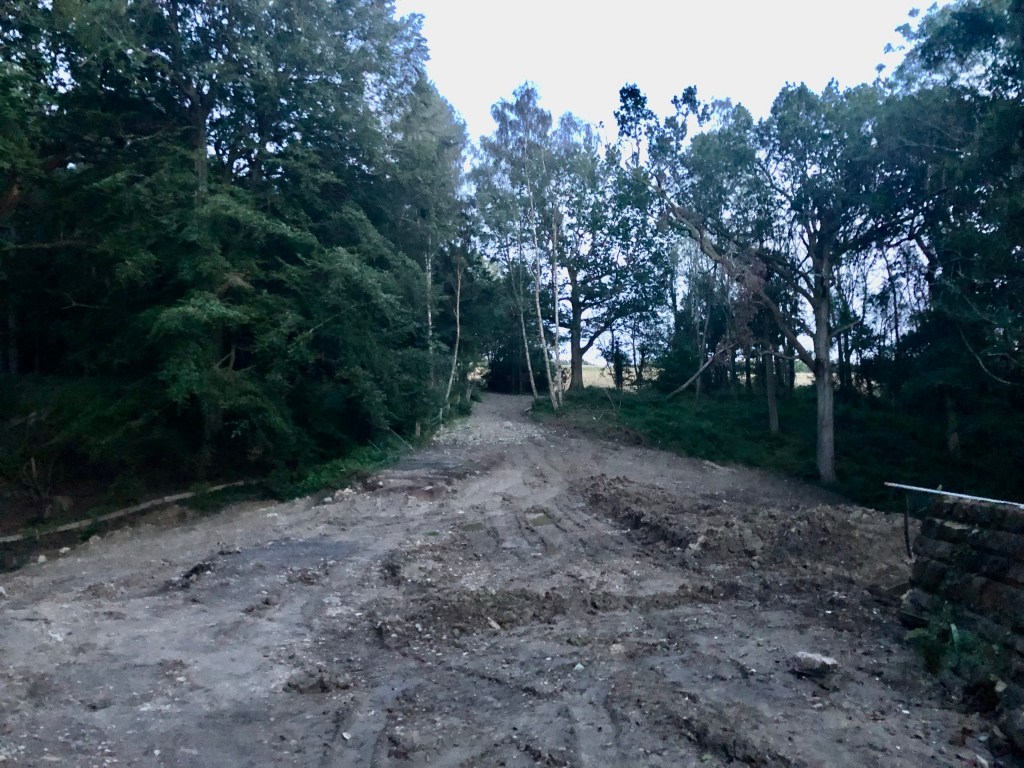
As I looked down upon the devastation, a nightmare from my childhood came back to me: a scene from a film that haunted me so terribly that I remember every word, every brush-stroke, every note pulled from the strings of the violins. I’m talking, of course, about the nightmare fuel that is the 1978 Watership Down:
Holly: Our warren… destroyed… Men came… filled in the burrows… couldn’t get out… There was a strange sound… hissing… the air turned bad… runs blocked with dead bodies… Couldn’t get out…. Everything turned mad. Warren, earth, roots, grass… All pushed into the air.
Richard Adams, Watership Down
Hazel: Men have always hated us.
Holly: No… they just destroyed the warren because we were in their way.
Fiver: They’ll never rest until they’ve spoiled the earth.
I know so little of the bridge that once stood in Downside Wood. Was it only a fanciful exercise by a local mason for the lord of the manor, or did it have stories to tell? Did lovers sit upon its parapets before the ramblers and the cross country team tramped across its back? Did a poet or writer pause for thought over the archway and listen to the buzzards crying over the meadow beyond, before cigarettes were hastily stamped out into the mud as somebody saw Sir coming?
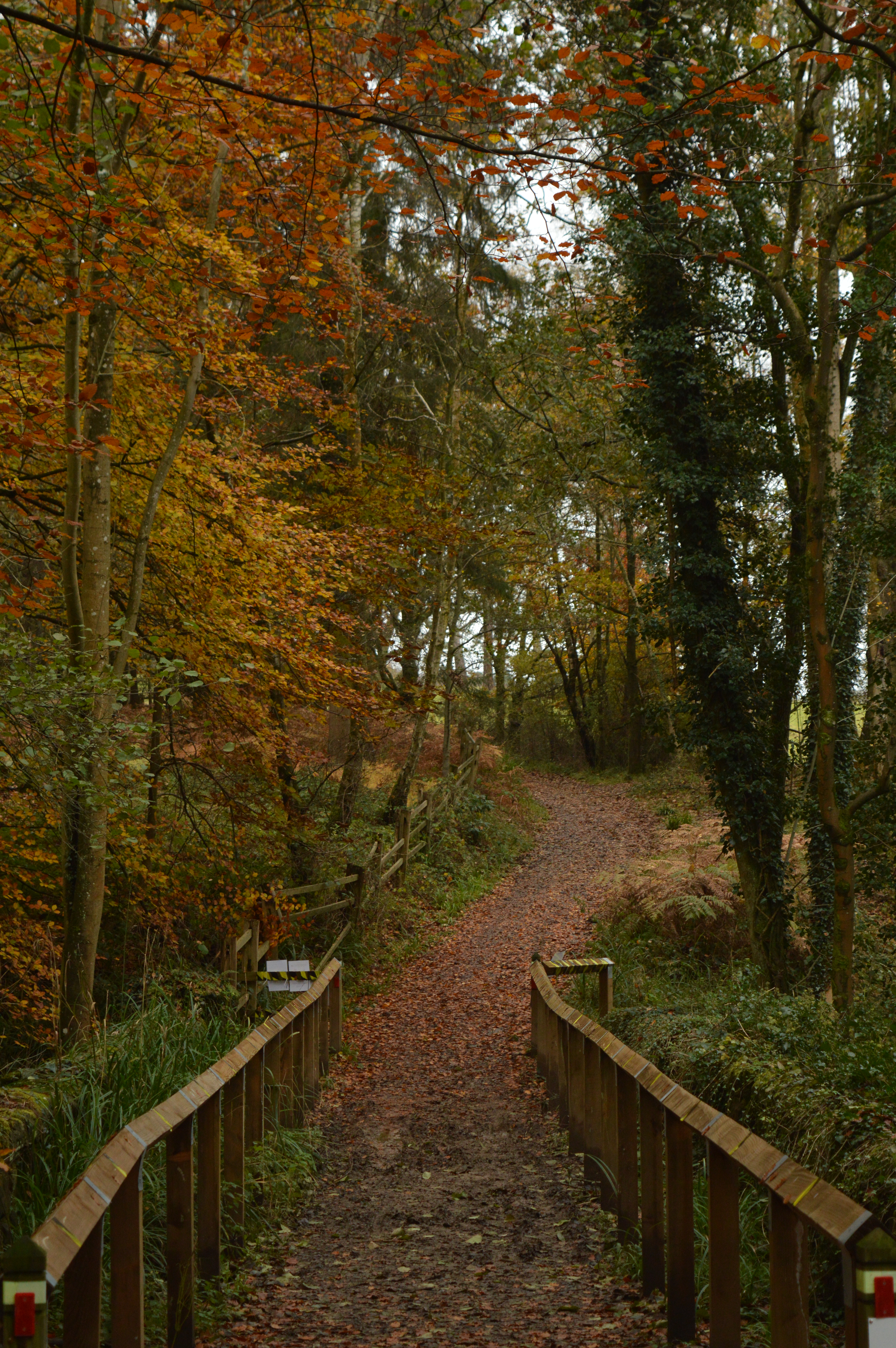
The bridge is gone. Safety and development swept it aside like so much that was beautiful. The old meadow behind St Aidan’s College, where I once saw a barn owl drifting in the evening air looking for voles, lies deep beneath a building site as the students choke the city. Like Richard Adams before me, I can only look on in dismay and add my voice to the thousands. There is a mystical beauty in the ruins of man’s work that is surely greater than any single life, if we can but look beyond our own existence for just a moment. These things around us, these rocks and trees, will be here long after we are gone, and will tell their own stories from generation to generation.
I hope that, one day, a generation will come along with mercy in its heart. It’s too late for the Downside Bridge, but not for a thousand other unsung relics scattered across this island. Not every fern is sacred, but in the grand scale of things, the world around us is worth more than a human accident. BB x

 The Book of Barnabas