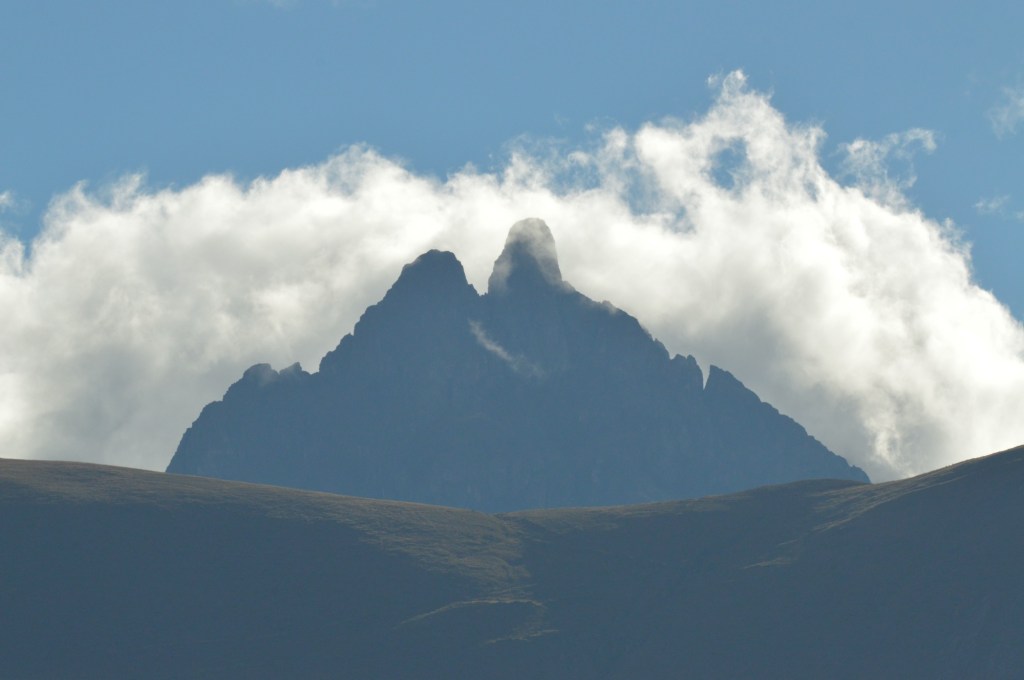
The Sun Gate

Casa Ollanta, Ollantaytambo. 20.15.

Today’s mission: Inti Punku, one of a number of “sun gates” scattered throughout the Sacred Valley. Situated atop a clouded mountain spur of snowbound Huayanay at around 3.830m above sea level, it is a formidable hike from Ollantaytambo, requiring a climb of over a thousand metres.

Since I had no intention of hiking the Inca trail to the gringo hotspot of Machu Picchu, the Inti Punku of Ollantaytambo was always the end goal of this adventure – the great hike at the end of my labours. I was told by a guide the other day that, provided I was young and fit, it would be no problem whatsoever.

Young is never going to be a problem. Fitness, however, is an interesting concept. I wouldn’t exactly describe myself as unfit, but I also would freely admit that I don’t exactly do a lot of exercise – beyond running about all over the place like a bumblebee at work. So the Inti Punku would be my test in more ways than one.
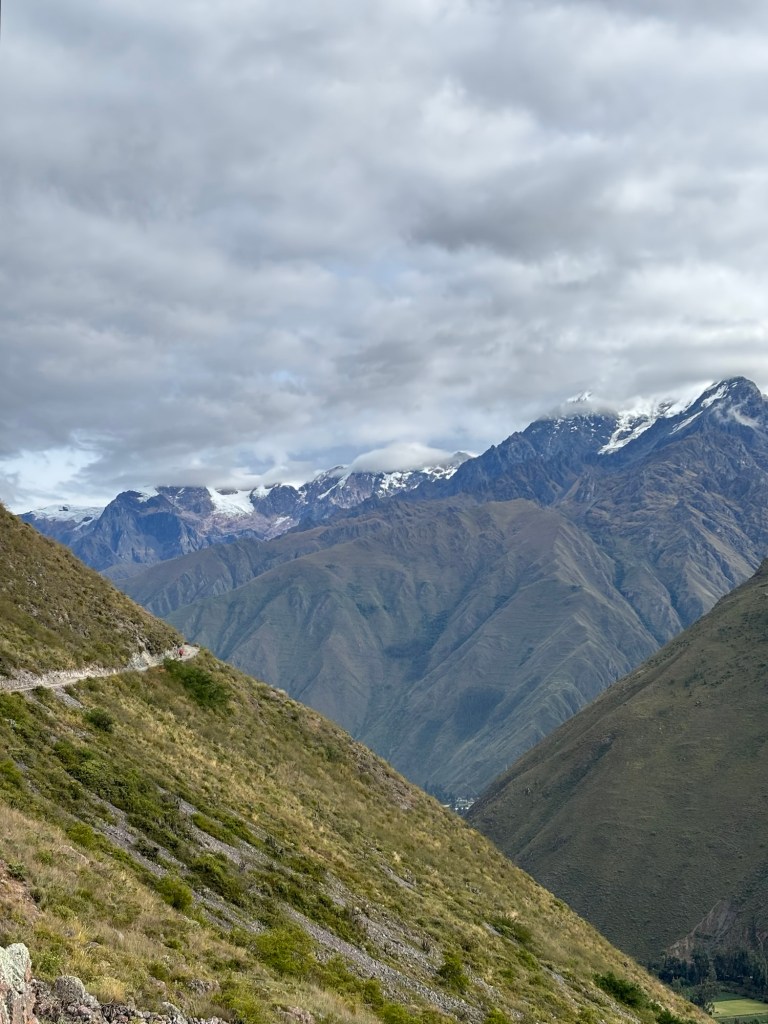

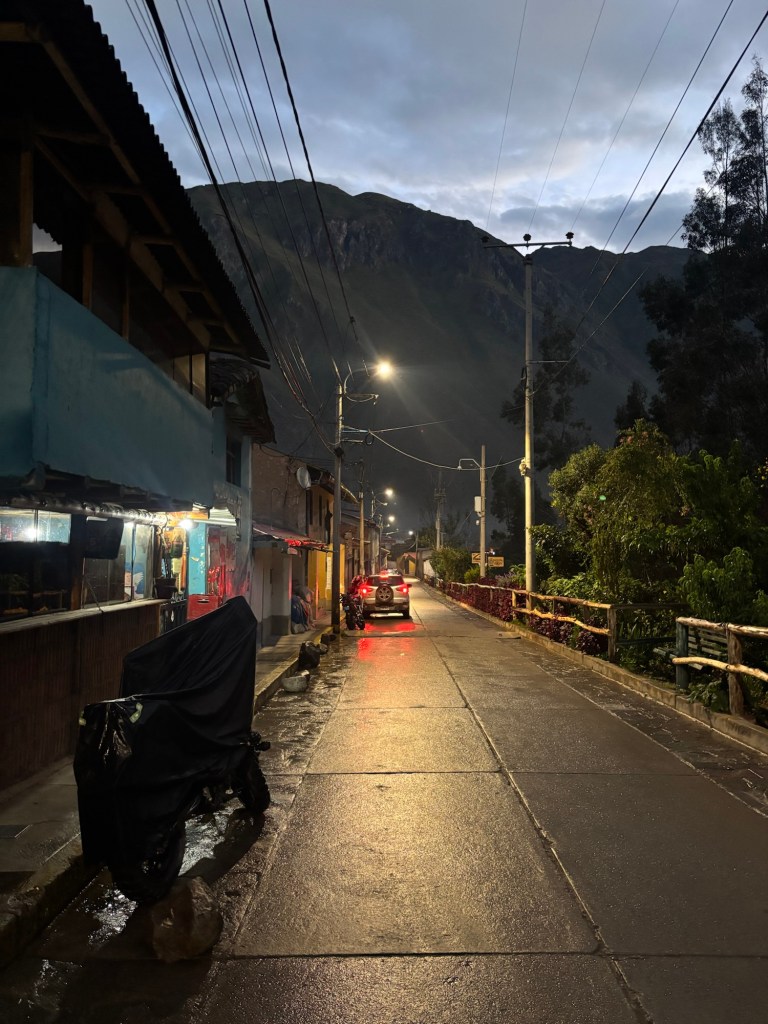
I set out early, but not too early. Too early for breakfast at the hotel, but not so early that the road was dark. I was lucky with the weather today: while the sun came and went throughout the morning, I was shielded from its high altitude fury by a merciful cover of cloud for most of the ascent. It rained on my descent, true, but not in the same way I experienced in the rainforest – more of a constant light shower, which was actually quite refreshing.

All the way up to the Sun Gate, I climbed in the shadow of Wakaywillque, more commonly known as Nevado Verónica, the largest of the mountains in the Sacred Valley.
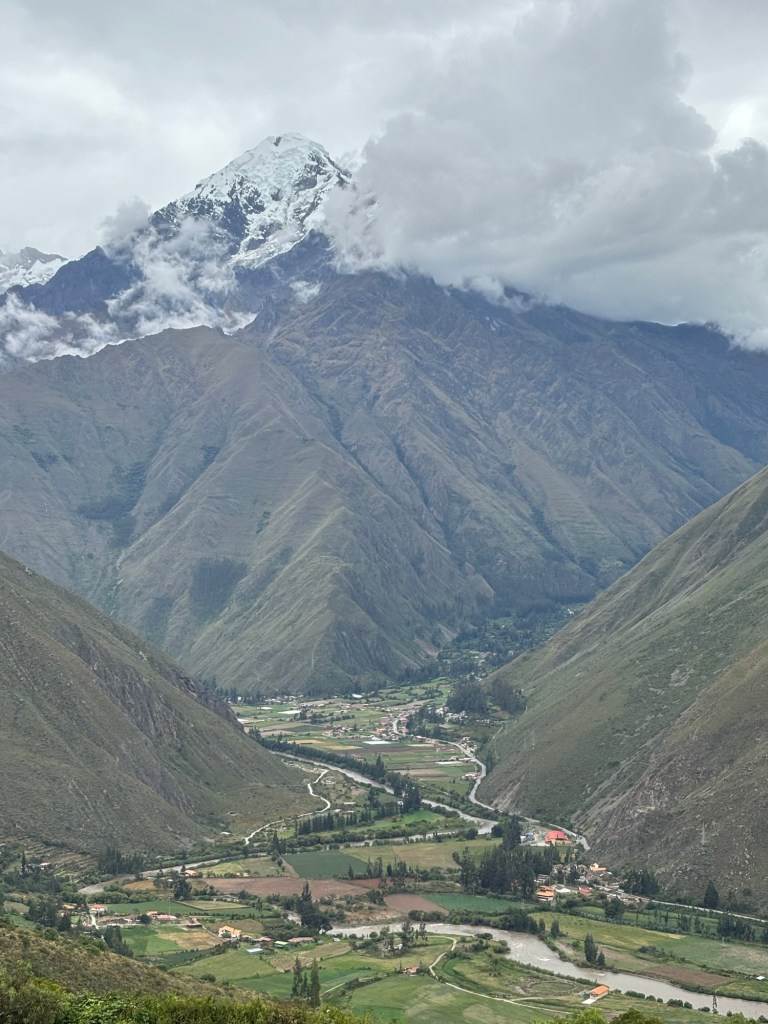

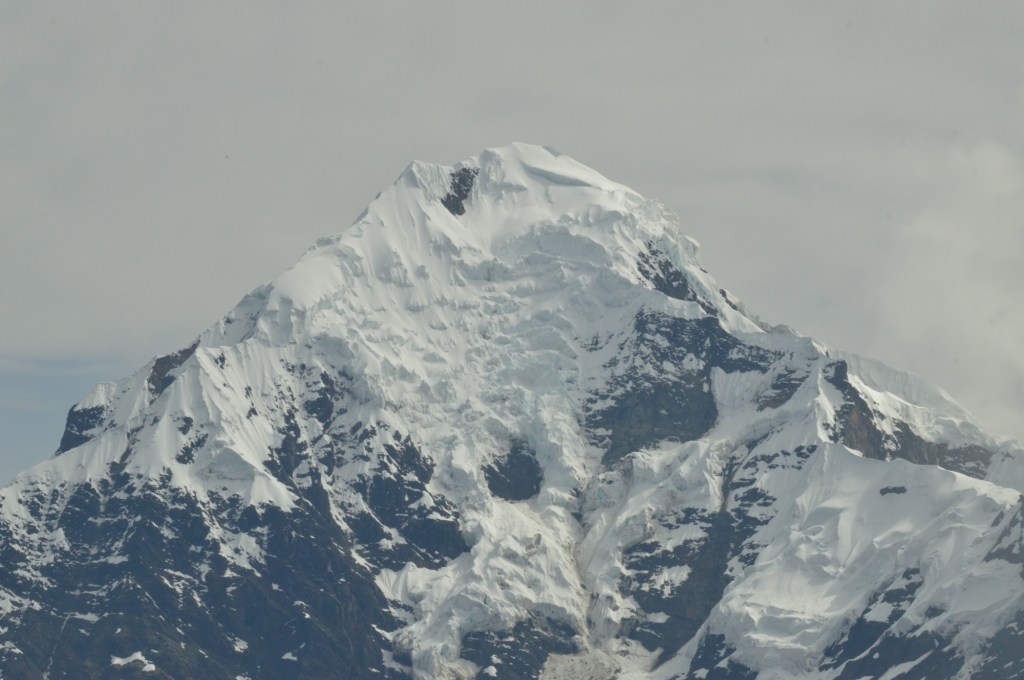
It’s not yet winter here in Peru, but the snows of Wakaywillque are here all year round. Glaciers cling to its peak like frozen tears – an apt description, as its Quechua name literally means “sacred tear”. It was so named, or so the story goes, after Manco Inca’s flight over the Abra Malaga pass, signalling the end of the reign of the Inca in Peru.

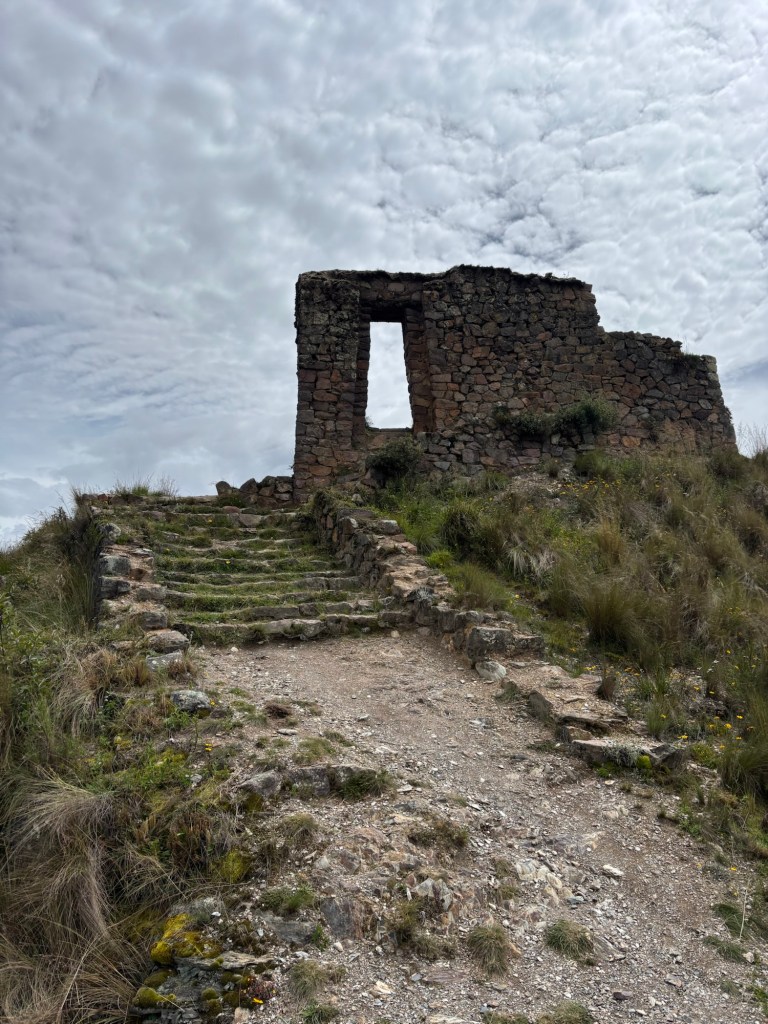
The empty frame of the Inti Punku looks out directly onto the mountain. The Inca sun gates were built with the summer solstice in mind, framing the Sun at its zenith on the right day of the year. But I can’t help but feel the fact that this one faces the mighty apu of Wakaywillque was an intentional decision on the part of its architects. It truly is a spectacular mountain.

Tourists do come up here, though not in the same numbers that visit the more famous Inti Punku at Machu Picchu. I passed one group of five gringos coming back down the mountain, topped and tailed by a red-shirted Peruvian guide, and another solitary traveler, also accompanied by her local sherpa. They seemed surprised to see me heading up the sun gate alone. It is not a hard path to follow, though the road is dreadfully steep and cannot be rushed.

It took me nearly four hours to reach the summit, which is only partly explained by constantly stopping to look and listen out for the mountain’s wildlife en route. At times I was stopping after every ten steps – a reflection of the altitude rather than my fitness, I should like to think. I have climbed a similar height before with Skiddaw back home in the Lake District, but that hike starts at around 68m above sea level, not 2.792m.

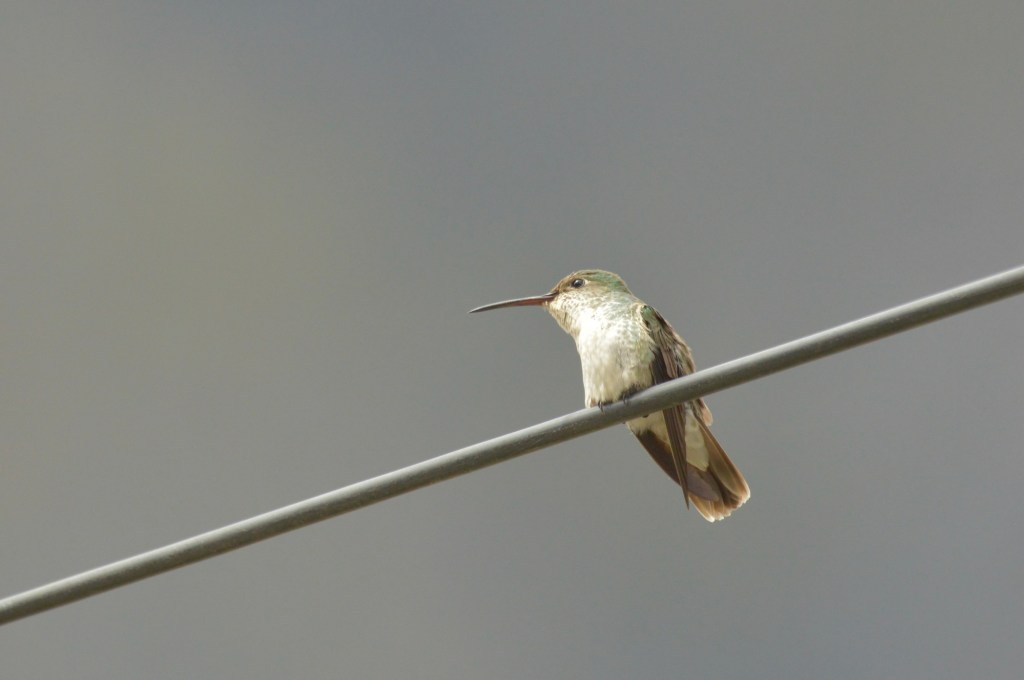
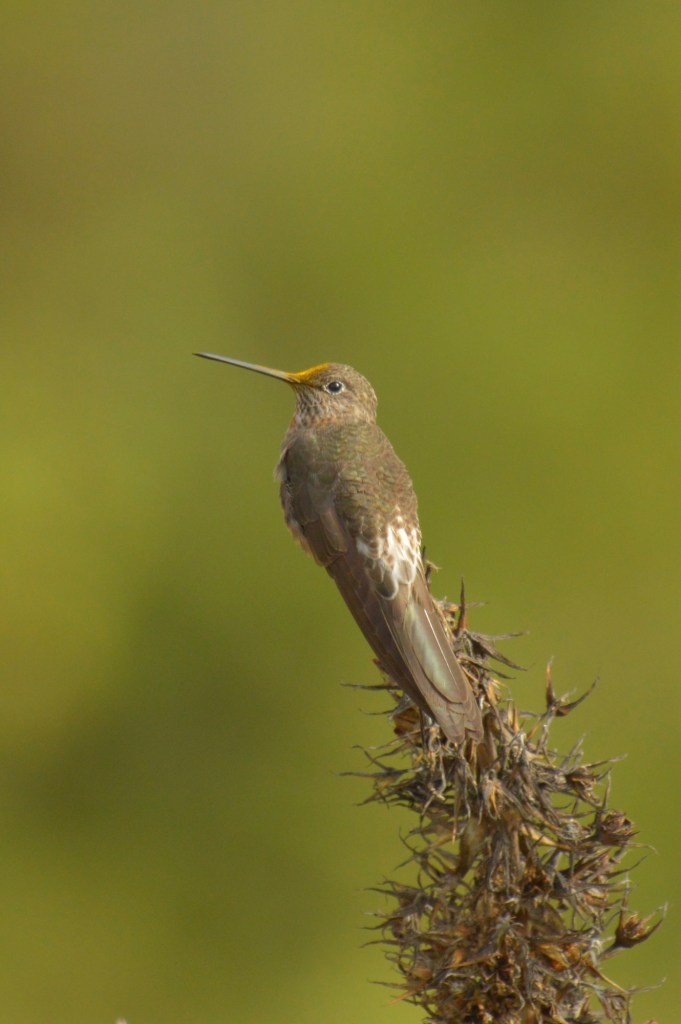
I clocked several new species during the ascent, including a mountain variety of cuy, but I was accompanied for most of the journey by hummingbirds. I counted several kinds: mostly sparkling violetears (they really are everywhere) but also lesser violetears, black-tailed trainbearers, white-bellied and giant hummingbirds, and – at the summit – an Andean hillstar. I have become quite used to the sight of them flitting about from branch to branch, holding themselves almost stationary in the air while feeding from flowers and launching themselves into the abyss of the valley on tiny, invisible wings. I shall miss them when I’m gone.

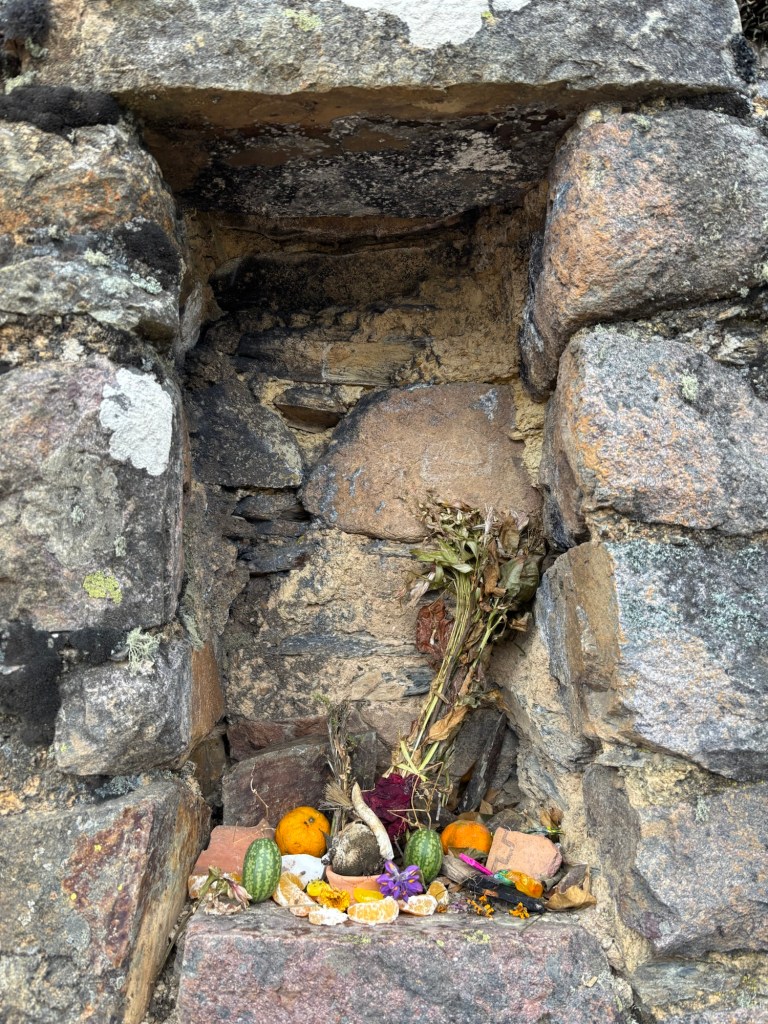
The time of the Inca is long gone, but it is clear that the locals continue to venerate the mountain and uphold its traditions. Niches in the wall of the Inti Punku contain offerings of coca leaves, dried but still pungent, while a more elaborate altar had been prepared in the largest window of the sun gate. The fruit was fresh – it can only have been laid out there less than a day ago. A bunch of wildflowers tied together with twine had been placed in one corner of the complex, facing the snowy peak of Wakaywillque.

I have heard stories of locals hiking up to these sacred places to make offerings to the old gods and the ancestors in other places, but I hadn’t seen it in practice until today. It only makes the Inti Punku a more magical place.

I think I saw a condor soaring high above the summit, but it was gone by the time I made it up there. There are other birds of prey in these mountains, but I’m fairly certain of what I saw. Nothing comes close to the size of the condor. The mountain caracaras, buzzard-eagles and Aplomado falcons that I encountered might as well be peons to that giant lord of the skies.

I gave myself nearly an hour at the summit, which I had entirely to myself. As the rain came down, I took shelter in the largest niche (which mirrors the gate itself) and had my lunch. I wondered how many others had come here over the many hundreds of years this sacred site has stood upon this ridge. What did they feel in this spot?

It took me a lot less time to go back down than it had to climb up: two hours and fifteen minutes compared to the four hour ascent. It helps that it is entirely downhill: there are no instances of climbing down and then back up again (which you certainly notice at this altitude).

I made it back to Ollantaytambo shortly after two and promptly fell asleep – I was quite spent after my exertions in the mountains. It is easily the most hiking I have done throughout the Peruvian adventure.

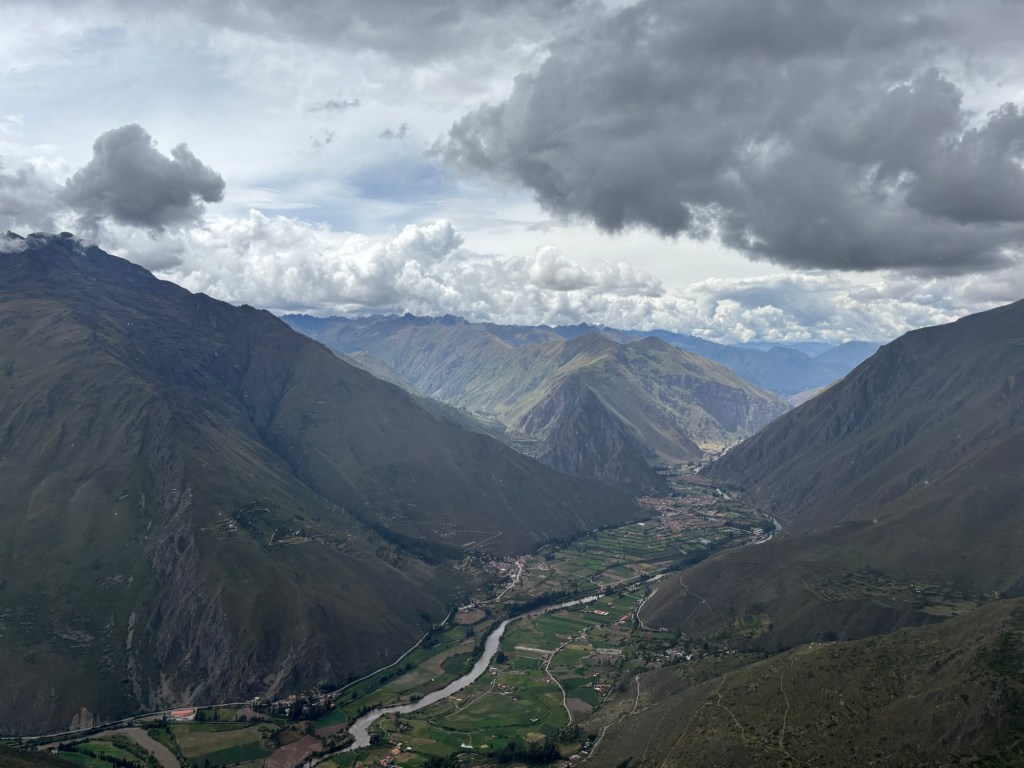
But it is done. I have sailed the Pacific in search of pelicans and penguins. I have walked the northernmost sands of the Atacama Desert. I have witnessed the majesty of the Andean condor at unbelievably close range and wandered the mirror lakes of the altiplano in search of South America’s three flamingos. I have beheld Cusco in its Inca glory, journeyed deep into the Peruvian Amazon and seen giant otters, macaws, tapirs, toucans and even uncontacted tribes with my own eyes. Now, as a final quest, I have climbed up to the Inti Punku and seen the entirety of the Sacred Valley under the deathless gaze of Wakaywillque.

I have achieved all that I set out to achieve. I can go home with my head held high.

There remains one last adventure before I arrive at my front door. I must return to Cusco, catch a flight back to Lima, and then journey to the legendary city that never sleeps – New York – where I have a few hours to explore one of the most famous cities on the planet before my final flight takes me back across the Atlantic to the familiar shores of England.

I have used every single day of my Easter holidays. By the time I make it home, I will have been on the road for twenty-three days. Work must resume mere hours after my return – but at least I go back to it knowing that I have not let even a single hour of my holidays go to waste.

I haven’t found Her. But then, I wasn’t looking for Her out here. I came here, quite selfishly, for me – and I could not be happier with how things have panned out.

I will ride this wave of adventure-fuelled optimism through the summer term with all of its ups and downs knowing that, whatever happens, I have rediscovered what it is to be alive once again, and to live for myself. I will treasure that to the end of my days. BB x
Boy Scout

Casa Ollanta, Ollantaytambo. 20.49.

I’m feeling much restored after a full day’s rest. As fun as it has been to have an extremely active holiday – chasing condors, salvaging boats and traveling the length and breadth of Peru – I definitely needed a break before the long journey home. After all, I will soon be back to the grind of lesson planning and curriculum design, so an ease-in to normality isn’t such a bad idea.


It was not an entirely unproductive day. I checked in to my flight back to Lima, packed my rucksack with the things I’m not going to need anymore and bought some supplies. I also managed to do a little wayfinding for tomorrow’s hike up to the Inti Punku – and it is as well that I did so, as the main road to the only bridge across the Urubamba River is out due to maintenance work. There is a side street that leads there by another road, but it took a couple of attempts to find, which will save me some time tomorrow morning.

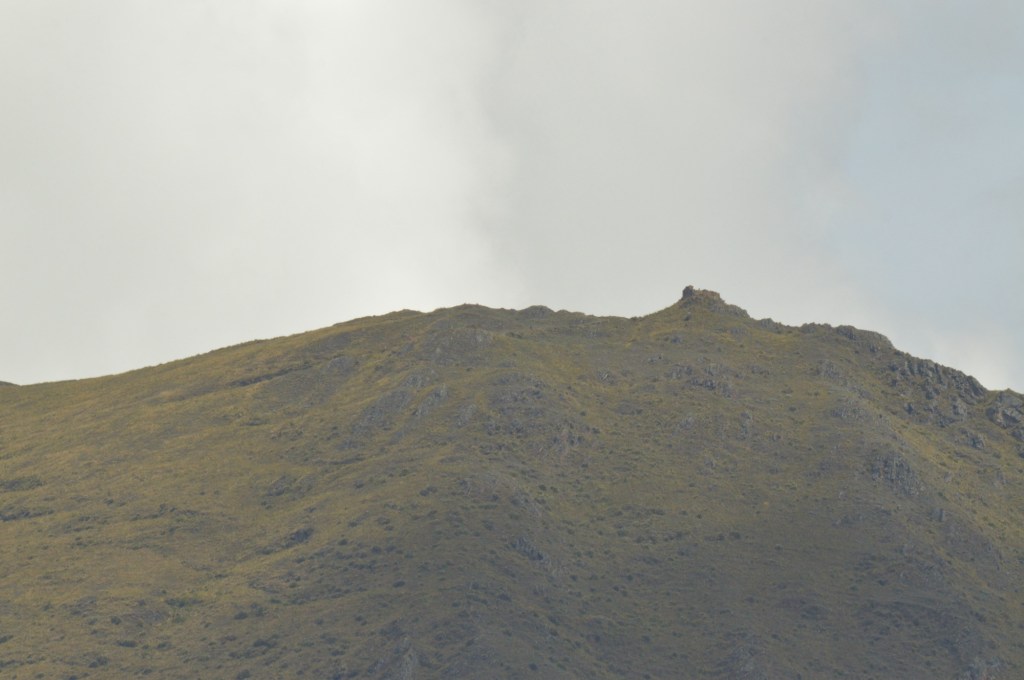
I scouted out the route ahead with the zoom lens (which I probably won’t take with me tomorrow, as it is a pretty monstrous ascent). It looks to be a fairly straightforward climb, though it does zigzag a bit past the first slope. High up on the ridge, only just visible against the white sky, was my target: the Sun Gate itself. Google and AllTrails estimate a three to four hour climb, making it a seven hour round trip, there or thereabouts. An early start, then. I will need to be prepared. Plenty of water, sun cream, a few snacks and – most importantly – I will need to take it slow. I’m a regular mountain goat on mountain trails back in Europe, but we’re already nearly three thousand metres up here, and I’m not foolish enough to race up the trail at this altitude.


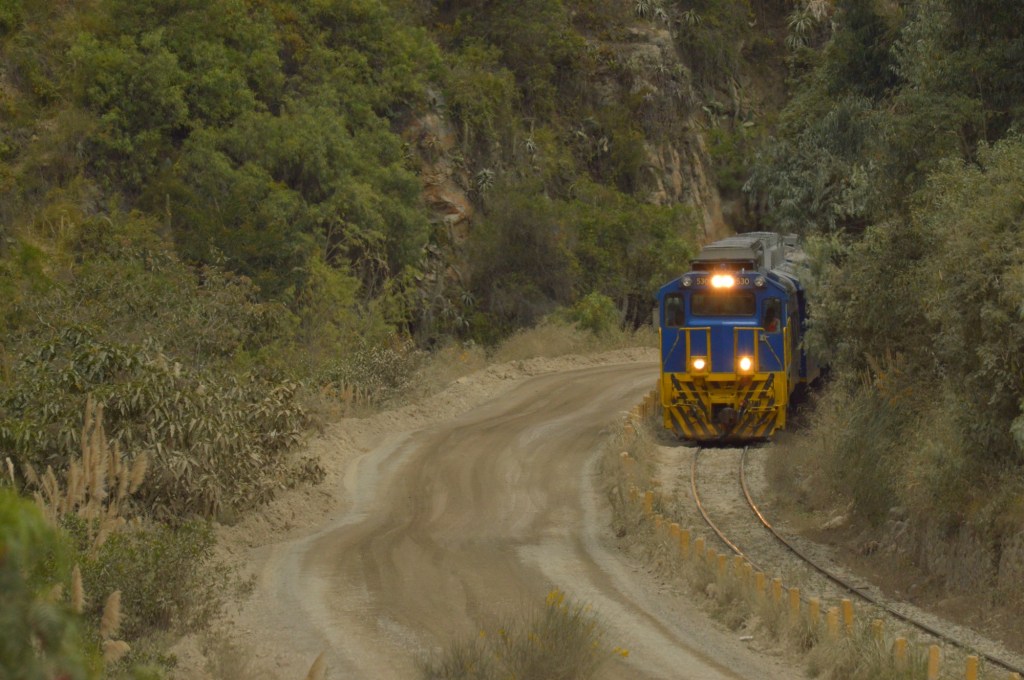
I sat up on a boulder just beyond the trailhead for a while and watched the world go by. The PeruRail came chugging by, moving at a crawl along the ancient rails. No wonder it takes so long to reach Aguas Calientes, the town at the feet of Machu Picchu, some fifty kilometres to the west.

I was curious about the cost of getting to Aguas Calientes, even if I had no intention of seeing Machu Picchu itself, if only because the famous Inca citadel lies within the same cloud forests that form the border of Manu. In short, I wanted to wind the clock back a week.

The train is clearly half the experience, as a one-way ticket price starts at 84$ for the unsociable hours, rising into the hundreds if you end up on the luxurious Hiram Bingham train. Tickets for Machu Picchu itself – for the curious – aren’t actually as expensive as the train fare, but they do need booking months in advance. When I checked the website, the earliest available slot was the 6th June. So it clearly can be done for considerably cheaper than the tour companies suggest. This is good to know, in case I ever get the urge to see the place one day… if there should ever be an ebb in the flow of the hordes of tourists. Somehow, I doubt that day will ever come.


The animal spectacular that was Manu, Paracas and the Pántanos de Villa is over. Ollantaytambo is full of exotic people, who have traveled from all around the world to begin their journey toward one of the new wonders of the world, but it is not exactly teeming with exotic species. Or perhaps I’ve simply acclimatised so quickly that the exotic has become normal.

I can now map my surroundings by sound. The birds, I mean. When I first arrived in Lima, I was lost. It was like being in a country where you don’t speak the language. After three weeks, however, my hearing has adjusted, and I can tell most of the common species by sound – in particular, eared doves, rufous-collared sparrows, Chiguanco thrushes, tanagers and hummingbirds. As such, I was able to identify a different hummingbird this morning on my way out, purely because it didn’t sound like a sparkling violetear at all.

I suppose it’s the same trick that I have always used with accents. I’ve recently stopped trying to alter my Spanish accent to the Peruvian, largely because it makes my Spanish sound less Spanish and more gringo. I didn’t grow up learning to use the letter S in place of the letters C and Z and I won’t start now.


Changing my accent isn’t something new. I do it all the time, even in English. The register I use varies wildly, depending on my location. The accent I employ when I’m dealing with parents at work is very different to the one I use when hailing a taxi, or when I find myself in the north of England. A friend of mine once said I was the only southerner he’d met who made their accent more northern – the reverse is a lot more common.

I may be a language teacher, but I’m not really a proper linguist – not in the strictest, grammarian sense. What I am is a pretty decent mimic, which makes accent acquisition relatively straightforward, and a good accent can mask a number of errors. But I’m done trying to adapt my Spanish out here. It’s taken years and a lot of listening to get my castellano to the stage where I can dupe even native speakers into thinking I’m a Spaniard, provided they hear me before they see me, and I’m not about to let go of that gift over an awkward desire to blend in.


I haven’t got as much reading done out here as I’d planned. I’ve been so busy during the days and I’ve fallen asleep within minutes of my head hitting the pillow each night, which hasn’t exactly made for good reading time. I fell asleep listening to Witi Ihimaeras Whale Rider. It didn’t grab me like I hoped it might. Tonight I’ll give Michelle Paver’s Rainforest a try. She never misses – and now, perhaps, I will be able to picture the world she describes with my own memories.

Wish me luck on the hike tomorrow – I’m going to need it as much as I will need the oxygen! BB x

Mines and Mountains

Casa de Ollanta, Ollantaytambo. 6.04.

My time in Peru is drawing to its end. In two days’ time, I will leave this beautiful country with its cloud forests, its condors and its coca tea and return to a land of Teams, terms and checking my emails on an hourly basis. I’m not vapid enough to lust after a life spent on the road – I strongly believe that at some point you have to be a responsible citizen and work for your community – but I always dread the returning shackles of my communication-based existence, with or without an adventure to sweeten the deal. I wish, if wishing were not in vain, that Teams and emails had never come to blight this world, to become a scourge for people like me – but the world is thus. Thus have we made the world.


I left Cusco at the slovenly hour of 6.40am yesterday with all of my belongings on my last organised tour of the trip: a guided tour of the Inca and pre-Inca sites of Chinchero, Moray, Maras and the unfinished citadel of Ollantaytambo, the last stop on my journey. It worked out cheaper than hiring a ride to Ollantaytambo direct from Cusco, and after six days in the Amazon I didn’t feel up to navigating the very affordable local bus service (which I’m sure is very reliable, but works entirely on know-how, which I am definitely lacking on this first visit to Peru).

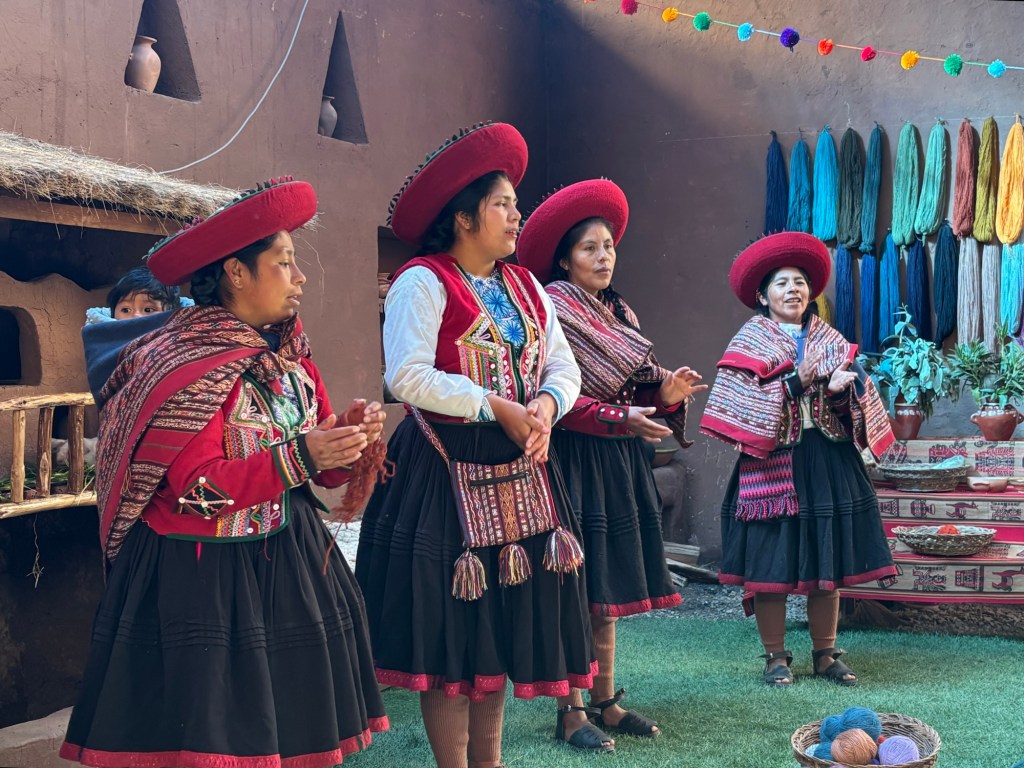
Chinchero, the first stop on the tour, involved a visit to a local cooperative, where we were shown how cochineal dye was made. It was obviously geared toward the tourist trade, but it allowed me to lay my hands on a decent souvenir: a snug alpaca wool jumper (which I definitely appreciate here in Ollanta, which is a lot colder than the other places I have been).


Chinchero is what Cusco used to be: a quiet Andean town where a lot of the population speak Quechua and learn Spanish. But change is coming. To relieve the strain on Cusco’s Alejandro Velasco Astete airport – and improve tourist traffic to nearby Machu Picchu – the Peruvian government is building a brand new international airport just outside the city. When it is complete – most likely in 2028 – it will be both Peru’s second international airport (after Lima) and the second-highest airport in South America (after Bolivia’s La Paz). Construction is about 40% complete, but has ground to a halt in the last few months as the country’s politics have shifted to the presidential election – which, at the time of writing, is still to be decided, some three days after the election took place (though it looks likely that Keiko Fujimori will win the day).

It would mean that any future intentions of visiting Manu will be a lot more straightforward, but I do worry for Machu Picchu. Can it handle the tide that is coming? Will the proximity of an international airport help this region to prosper, or will it only usher in more and more day-trippers who have come here just to gawp at the view and take the perfect selfie – only to plaster it on their dating app profiles to look well-travelled, the way my generation once did with the Tiger Temple and Elephant Jungle Sanctuary in Thailand?


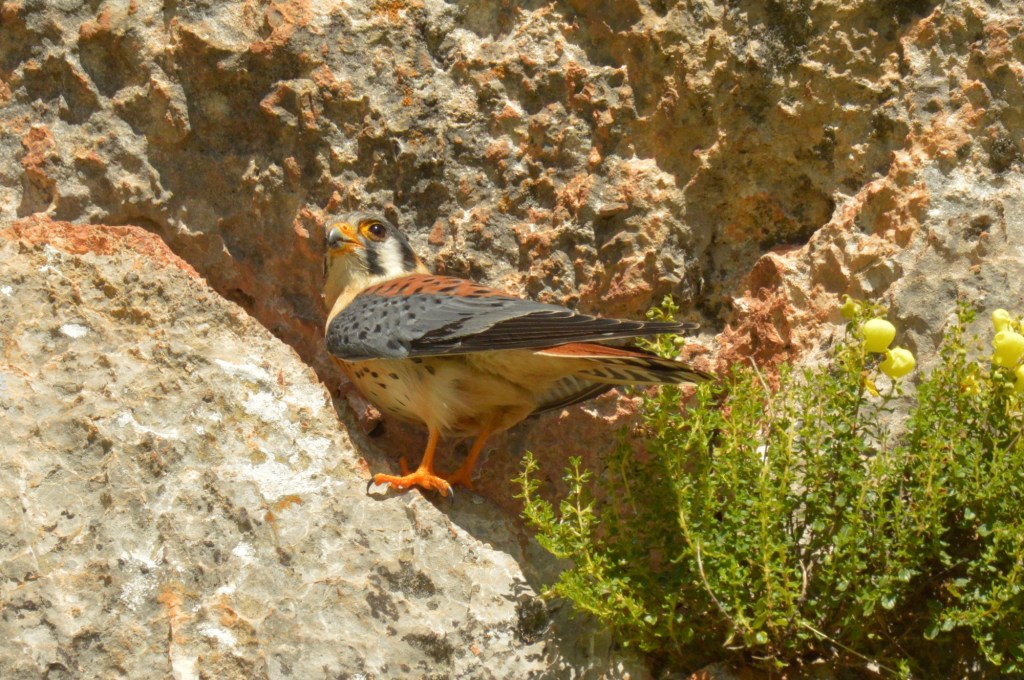
Our guide had the most mellifluous voice, whether he was speaking in Spanish or in American-accented English. It was almost hypnotic. He also really knew his stuff: I learned a lot about all of the places we visited during the day, even if I did wander off on occasion. A pair of American kestrels were nesting within the Chinchero ruins, and I had to observe these beautiful falcons for a little while. I had brought the zoom, after all – best it had some use on this fundamentally landscape-oriented adventure.


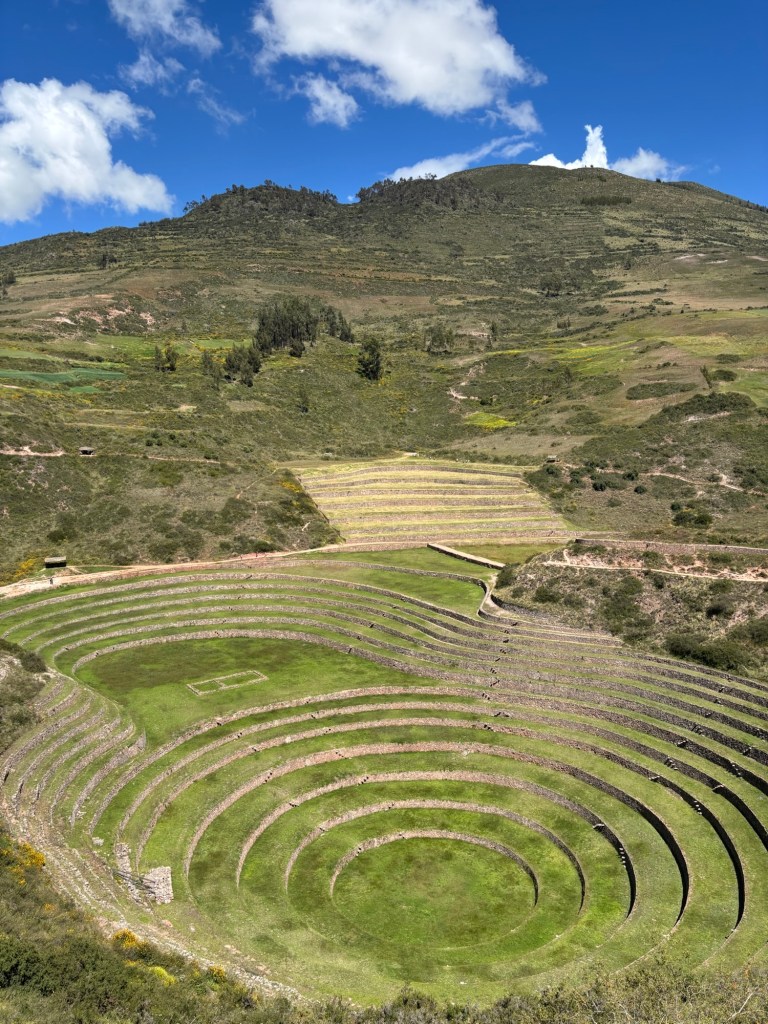
After Chinchero, we made for the bizarre terraces of Moray. These curious laddered circles carved into the earth are part of a potentially enormous complex that has yet to be fully uncovered. They were, I believe, a kind of pre-Columbian hothouse, an intricate agricultural system where each layer had a separate microclimate to the one immediately above, and could therefore be used to grow a large variety of crops. You can tell the difference for yourself just moving up and down the hillside, where the temperature rises and falls quite noticeably.


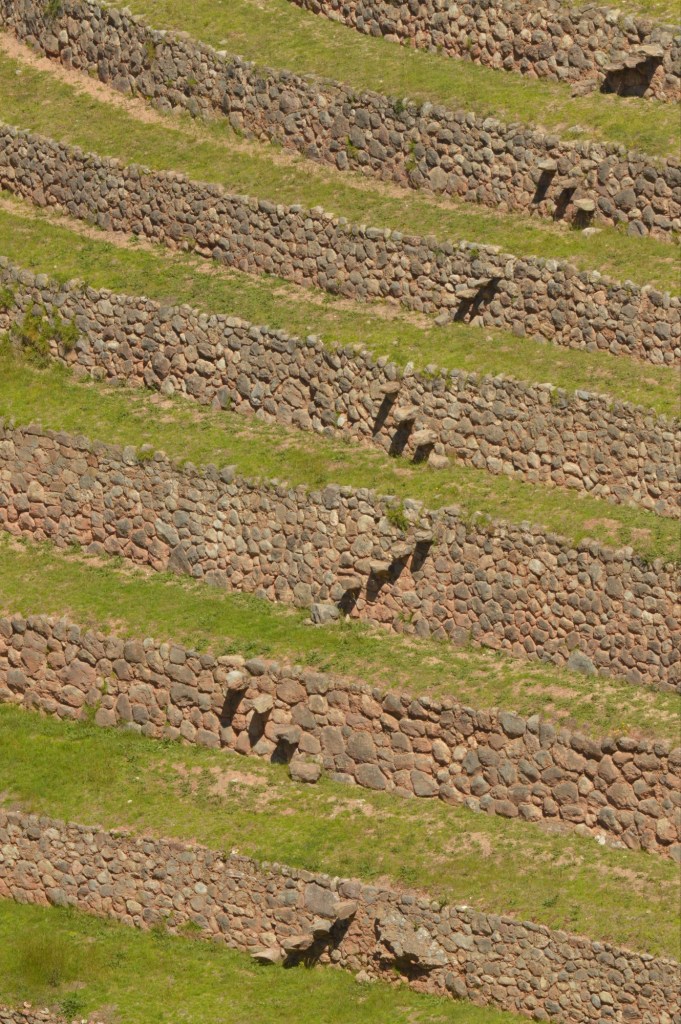
I’d seen the terraces of Moray countless times on GetYourGuide and various colourful billboards around Cusco city, but something I hadn’t appreciated were the tiny steps built into the walls, allowing passage from the lowest level right the way up to the top. I had always assumed people just climbed up and down – but then, the average Peruvian is very short, with men reaching a general maximum of 5’6”. I’d feel like a giant for the first time in my life if it weren’t for all these gangling Americans and German tourists spoiling my fun.

Tragically, perhaps that’s why my dating apps have really exploded out here. Maybe there really is something to be said for being 5’7” in a country where that isn’t considered short. Shallow, humbling, but potentially enlightening.


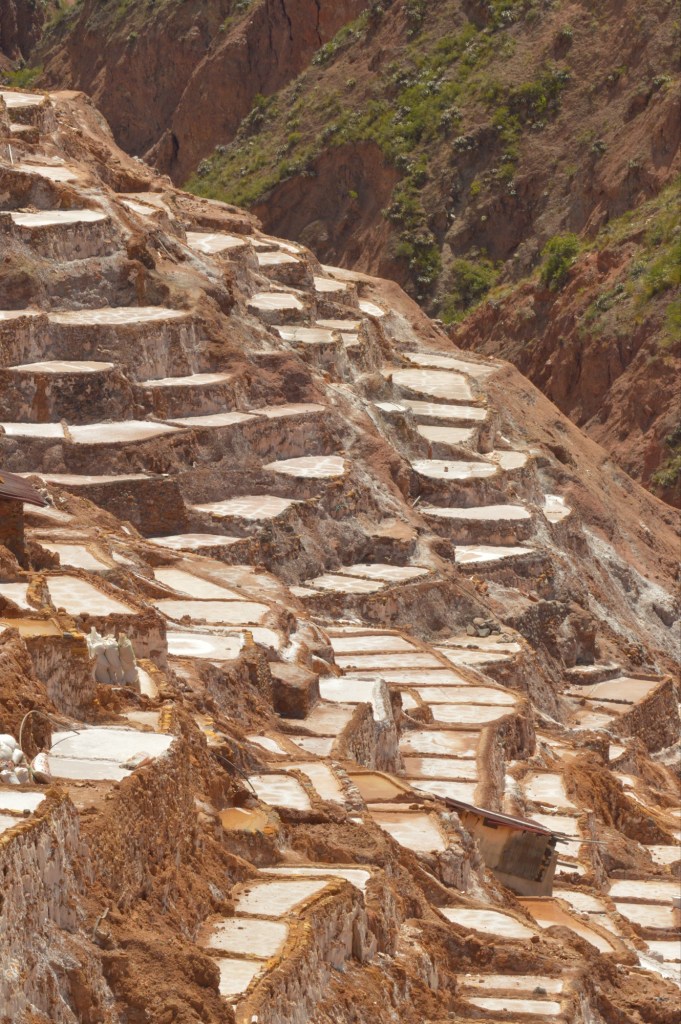
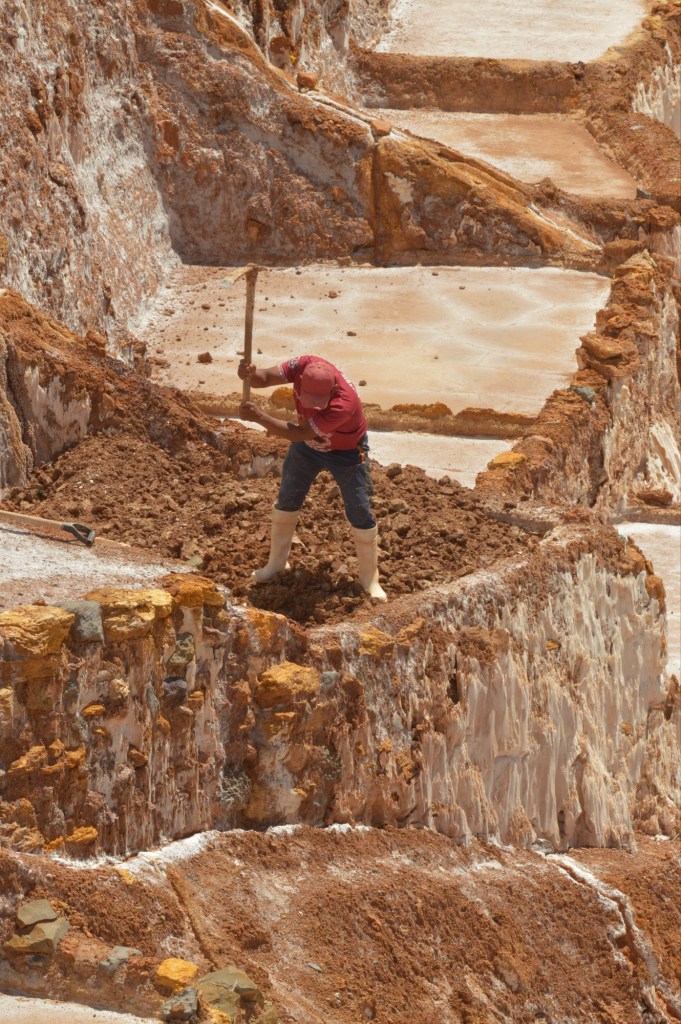
From Moray, we made a short hop through the town of Maras to the nearby salt mines upon which Maras’ fortunes were built. About 3,500 square basins of crystallised salt protrude from the mountainside, supplied by a saltwater stream that bubbles up from the rocks higher up. There were once five thousand of these salt wells, but erosion and regular earthquakes have destroyed many of them over the years, and the locals are (understandably) very protective of further exploration of what has been their primary source of income for potentially hundreds of years.


We’re still not quite out of the rainy season, so the mines aren’t in full working order just yet – that comes in July – but there were still a few local men toiling under the sun, shifting great sacks full of salt and restoring some of the dried-up salt wells.


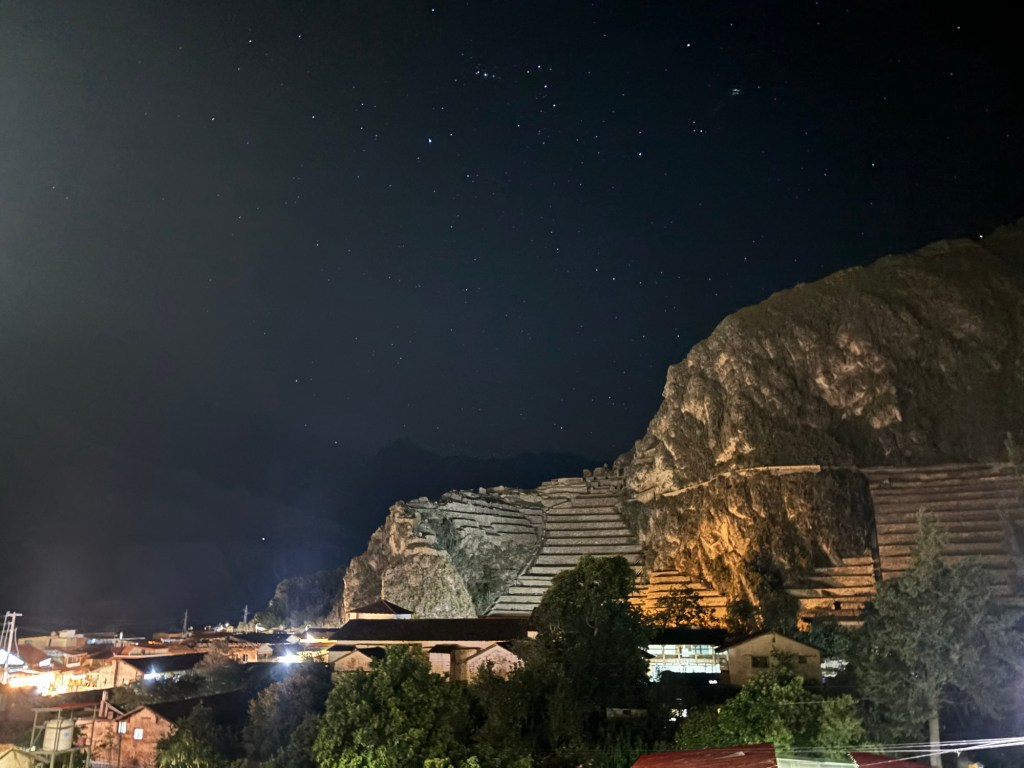
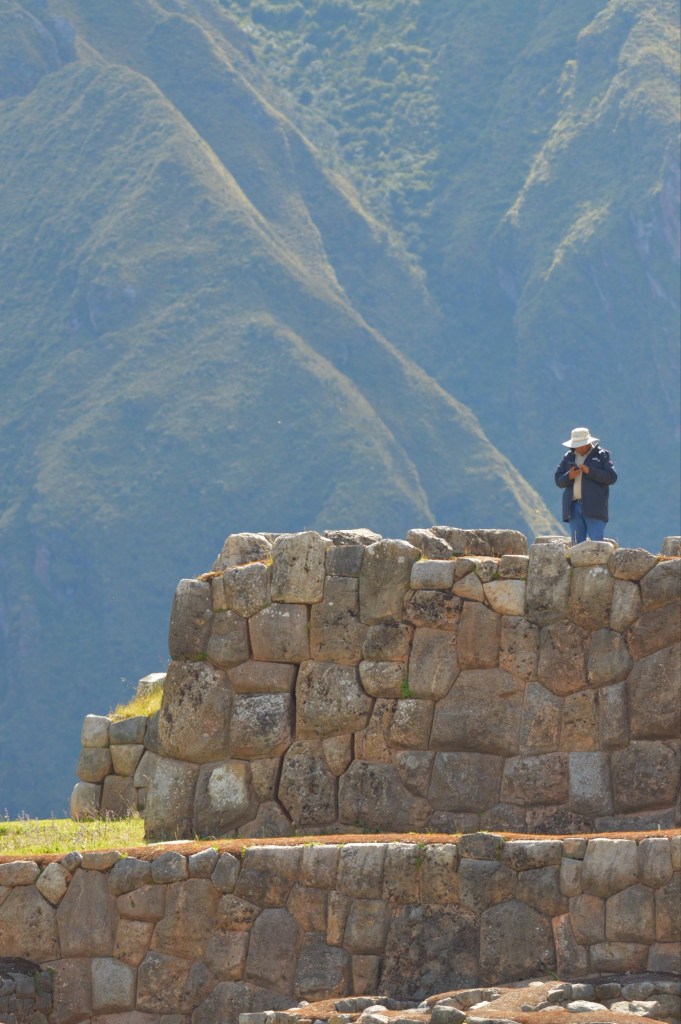
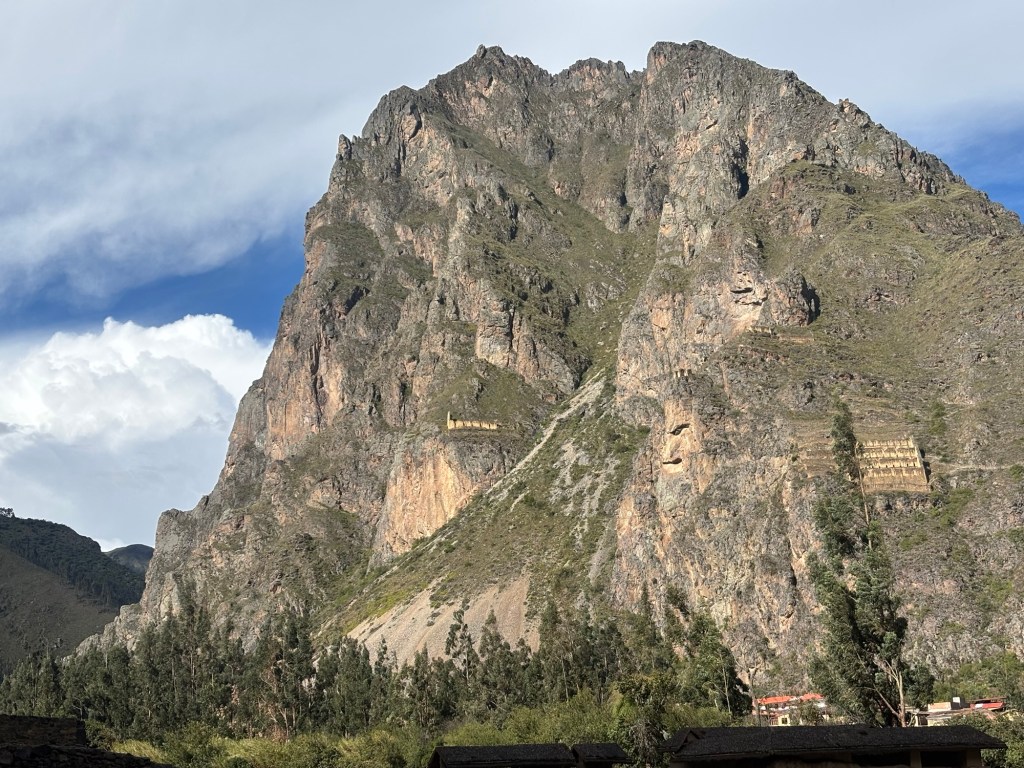
After a buffet lunch in Urubamba, the driver took us to our last stop of the tour: Ollantaytambo, the usual staging post for travelers making for the Inca trail to Machu Picchu (or taking the easier route by train). Ollantaytambo sits between two formidable cliffs, into which have been built a number of watchtowers, fortresses and storehouses, with the aim of protecting this vital Inca town in the heart of the Sacred Valley.


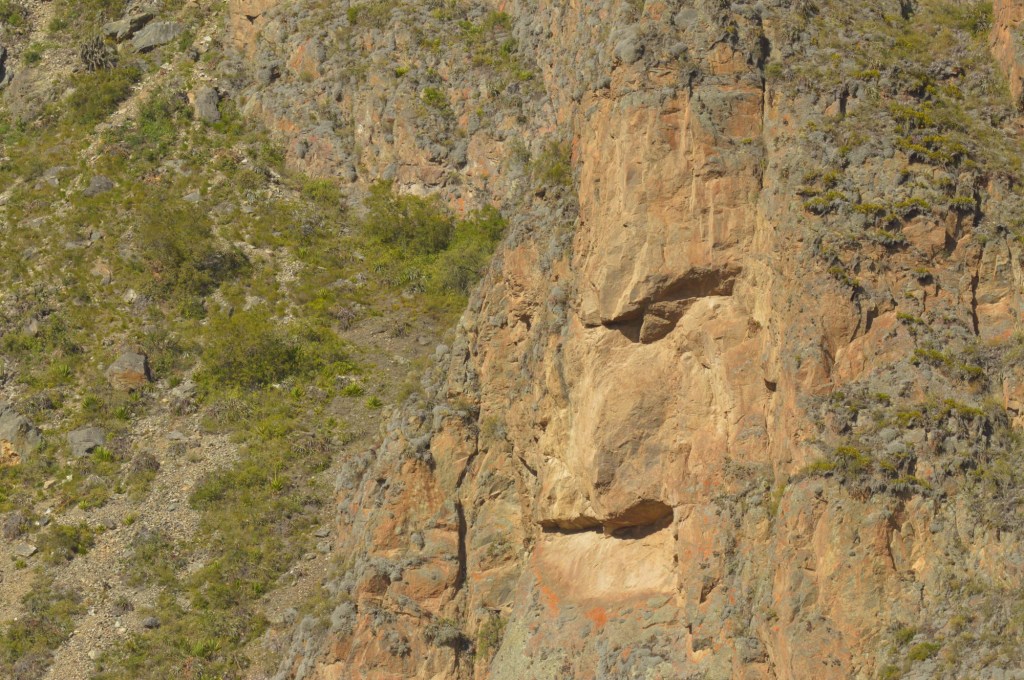
That’s not the only thing they carved into the mountainside either. Under the right light, it’s possibly to make out the unmistakable profile of a face between the two military buildings on the mountain’s western face. It’s possible that the design is a mistake of nature, but from the way the rock is worn around the base of what would be its nose – and it is an extremely Peruvian nose – it’s a lot more likely it was carved out of the rock by the ancient settlers of the Sacred Valley, in imitation of an apu, an Andean spirit or mountain god.

Quite how they achieved this Rushmore-esque feat hundreds of years ago on a gradient that would make Philippe Petit blanch is beyond my ability to understand – but I can’t help but admire those ancient Andean stonemasons. It almost makes the nearby Skylodge suites hanging from the mountainside seem like a joke – almost.


Well, it’s 9am and I’ve had breakfast. I guess I should go out and do some exploring. I’m taking it easy today before trekking up to the Inti Punku (the Sun Gate) tomorrow in what will be my final adventure here in Peru, as was always the plan.

It helps that it’s cloudy. On a sunnier day, I might feel I was wasting the opportunity for some serious mountain-gazing. But after more than two weeks of constant activity (I really have been doing something adventurous every single day), I think I can justify a relaxed itinerary just this once. BB x