Camino XIV: Black Eyes

Cafetería La Concha, Grañón. 16.15.

A red sky in the morning is usually a herald of rain. I saw the rising sun for just a fraction of a minute as I left Nájera: a huge blood-red disk, perfectly circular, disappearing almost as soon as it appeared behind a low curtain of cloud that stretched at least as far as Aragón, and perhaps beyond. It’s certainly true that it was a cooler and cloudier morning than most, but whatever promise of rain the sun made it the early hours was forgotten once it was out of sight, like a fickle lover. The clouds have almost entirely disappeared, leaving behind the immense blue heavens for which Spain is so famous.

I’m here in Grañón – ice cream in hand – and it couldn’t have worked out for the better.


I was woken in the night by a pillow to the face. In the half-light I saw the pilgrim on the bunk below standing there. He said something, but it was in German and I was half-asleep, so I neither understood nor recall what he said. I guess I might have been snoring, though that’s not usually a problem these days – but I was on the top bunk, which had no railings, so my sleeping posture probably wasn’t the best last night.

The others – my Camino family, as it were – were all still fast asleep, and their intention was to reach Santo Domingo de la Calzada (the guidebooks do have a strong hand in where pilgrims end up), so I set out alone. I have somewhat mastered the “Irish Exit” strategy, and the Camino lends itself very well to such a move.

The reward for striking out alone was a nightjar – and not just the sound of one, but the sight of one as well. They’re bizarre creatures, nightjars: shaped like a cuckoo, or maybe a small hawk, with an owl-like face, a whispered beak and enormous black eyes. They’re often heard in the places they frequent, but rarely seen due to their nocturnal habits, so it’s remarkable that they should have left such an impression as to have such an intensely evocative name in each language.

In German they’re nachtschwalben – night swallows. In Spanish, chotacabras – goat-suckers (the Italian succiacapre is much the same). The French use the term engoulevent – literally, wind-eater, on account of their hunting habit of flying through the twilight air with their beaks wide open. In English, I can only assume the name is phonic: because the nightjar’s call can only be described as a long, rasping jar or churr, which it can go on producing for hours with seemingly no need to rest.

I only saw it a few times as it moved beneath the forest canopy, with the jerky motion of a child’s toy glider, its wings held high as it manoeuvred dextrously through the trees. But it was enough. I consider that a very good start to the day.
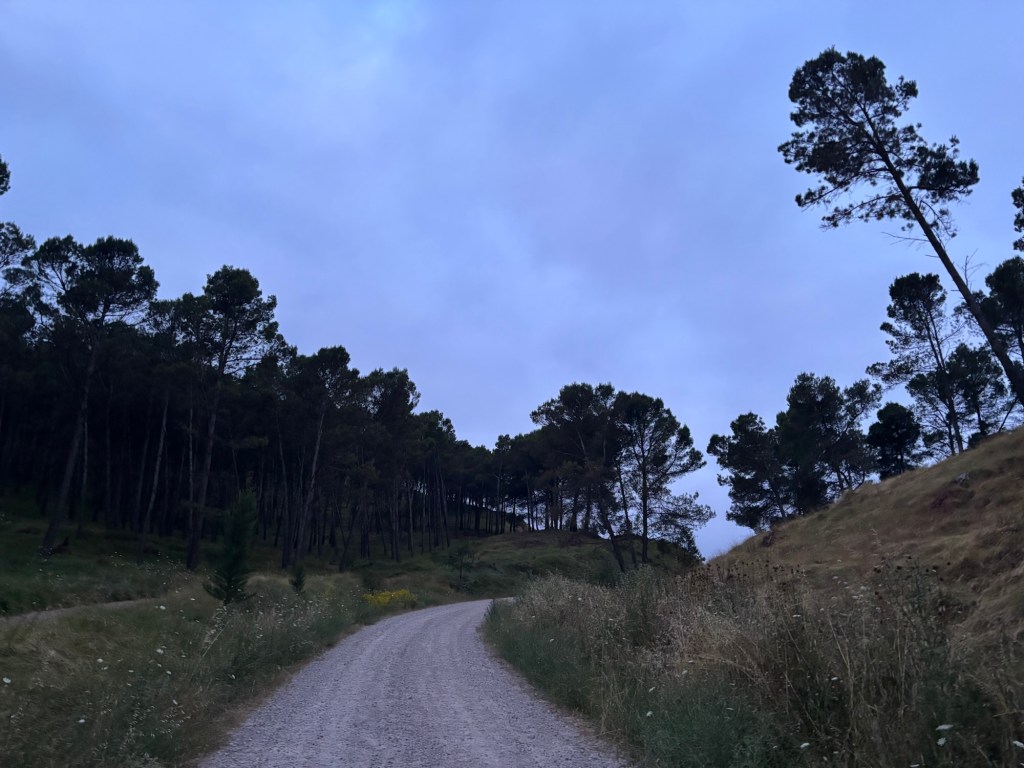

I came this way during the spring a few years ago and I remember needing gloves, it was so cold. There was even frost on the ground. Not so today: the endless green fields of shimmering wheat have since turned to gold, as though by the hand of Midas. With the merciful cover of the clouds, they were not blinding to the eye, so the loss of my sunglasses in Sansol the other day was no concern, though I did buy a new pair in Santo Domingo; it would be nothing short of madness to attempt the ceaseless flat of the Meseta without them (where it sometimes feels like you’re walking on the sky).


I stopped in Santo Domingo to have the rest of the pâté and bread I bought yesterday as a light lunch. The last time I came here, I was with Mikkel, Lachlan and Sophia and so I never got around to visiting the cathedral, so I made good on that today. Apart from netting me another couple of stamps for the credencial, it also housed a number of treasures that I wanted to investigate – not least of all the famous “resurrected chickens” that feature so prominently in the town’s history.


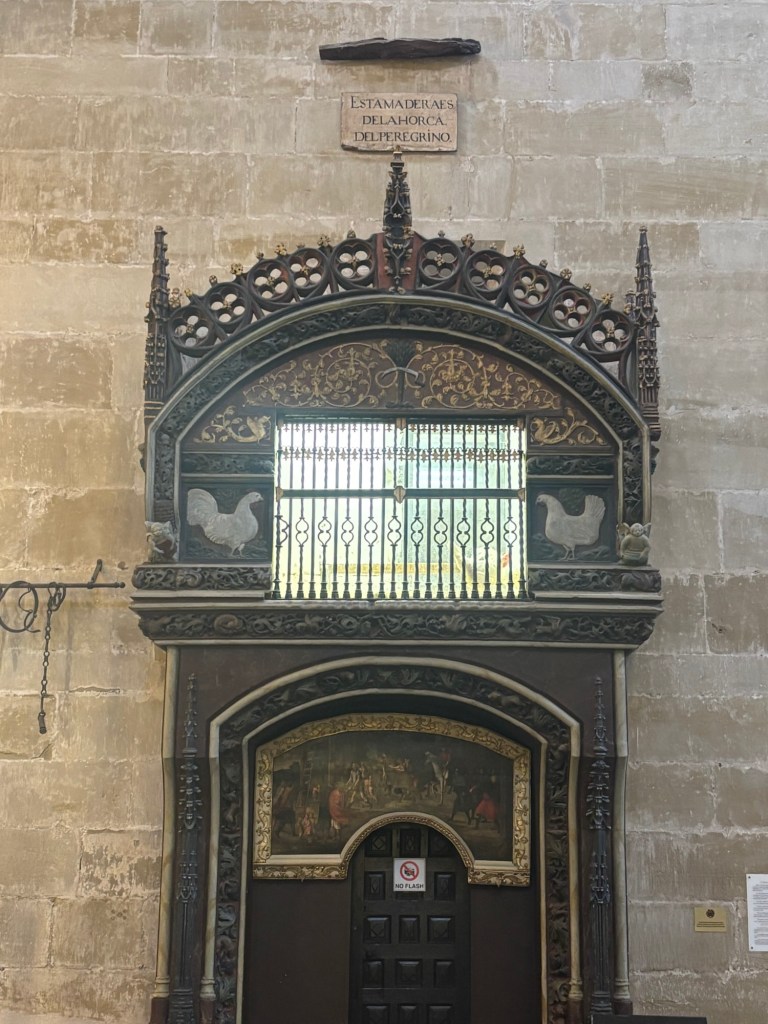
Santo Domingo de la Calzada, like so many towns along the Camino, was born on the pilgrim road, founded by the same Domingo García who gave the town its name. Its most famous legend tells of the execution of a young German pilgrim who, passing through the town, attracted the attention of the mesonera (innkeeper). After rejecting her amorous advances, the spiteful mesonera concealed a silver cup in the pilgrim’s bag before he left, for which he was accused of theft, sentenced to death and hanged on the spot. When his parents came to identify the body, they found him alive, claiming Santo Domingo had saved him. The sceptical mayor, who was fairly sure that the boy they had hanged the day before had been executed properly, claimed he was as alive as the chicken on his plate – which promptly stood up and crowed, testifying to the truth of the pilgrim’s fate.

Ever since, a pair of the descendants of the resurrected chickens (don’t ask me how they check) have been kept in the cathedral, together with a piece of the scaffold where they hanged – or tried to hang – the innocent pilgrim, all those centuries ago. Go figure.

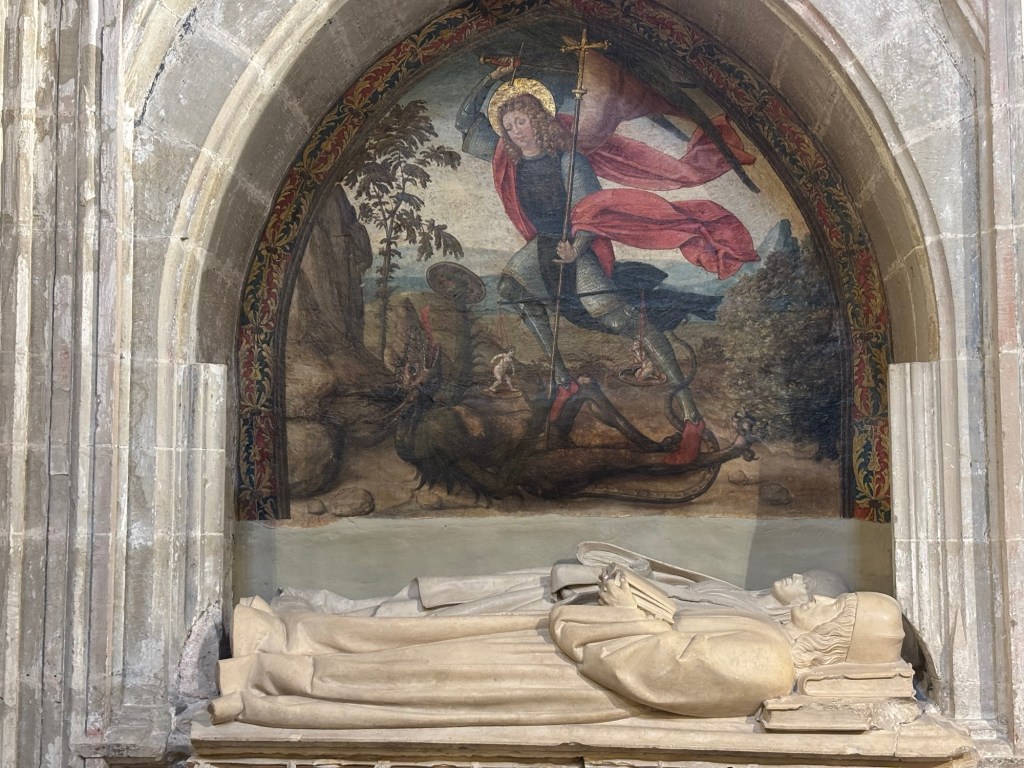
Santo Domingo’s cathedral, like many in Spain, is full of hidden treasures. I was particularly taken – as always – by the mythical creatures that pop up in the stonemasonry. Harpies, dragons, demons, griffins… for a faith that spent so much time and money driving all traces of paganism from the land, it sure is amusing to see that Spain’s churches are full to the rafters – quite literally – with frozen memories of that dark world.

One really stands out, especially after some recent reading. In one alcove, an icon of the Virgin Mary and child stands above the carved image of a griffin – in fact, there’s quite a few griffins watching over the chapel from the surrounding pillars. There’s a deeper poignancy at work here: griffins have been symbols of maternity since their invention over a thousand years ago.
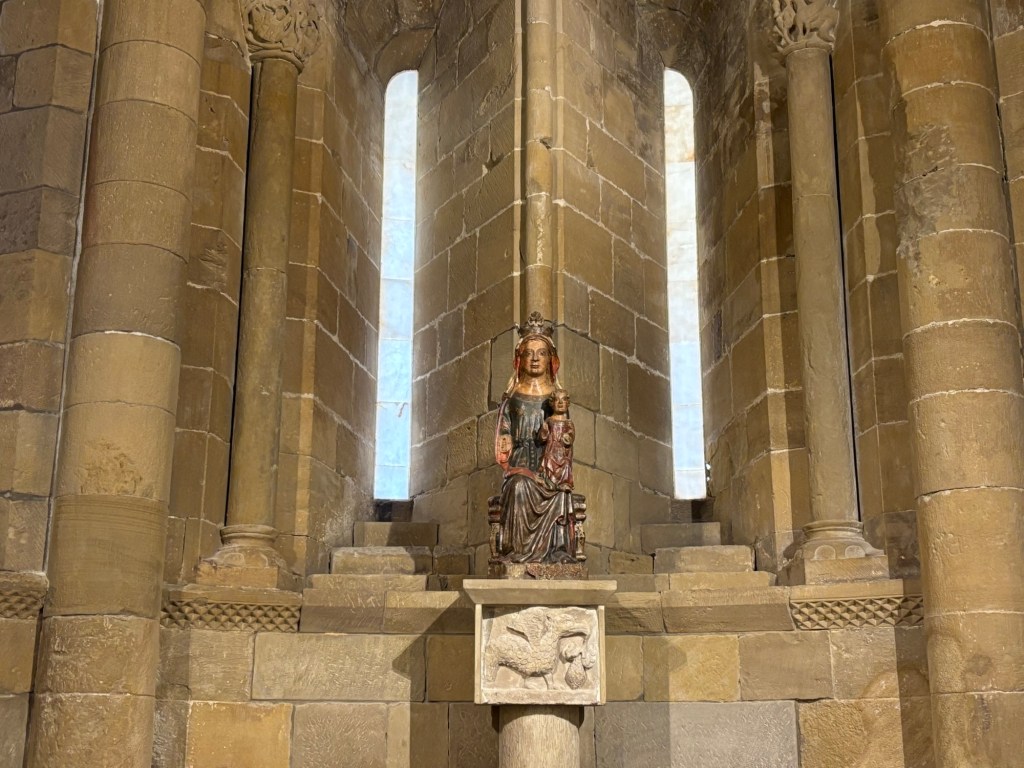

Unlike the other mythological beasts of the ancient world, like centaurs, unicorns and minotaurs – which have a solid grounding in Greek mythology – the griffin seems to spring into existence out of nowhere, but already fully-formed.

Adrienne Mayor has a very convincing theory that the griffin is an unmistakeable reimagining of the protoceratops, a Cretaceous era dinosaur often found protecting its young in the lands where griffins were believed to reside (Central Asia). As stories of such “griffins” reached Europe, they entered our heraldic system, and are often to be found around the Virgin Mary, the single most important symbol of maternity in the Christian faith. A seemingly bizarre pairing – but a perfectly logical one. Two ancient beliefs meeting in the middle.


Under the cathedral, where Santo Domingo is buried, a relatively recent mosaic stares out at you from a thousand shining tiles. The design is modern, but the style is almost Byzantine: teardrop-shaped faces line the wall with huge, almond eyes the colour of midnight.


This is the kind of religious art that I have always found especially compelling. There’s an otherworldliness to it that borders on the mystical, a connection to the faith of those first believers long ago. That’s what I sometimes think the modern church is missing, why so many lose interest: the more it tries to modernise, to catch up to the new generations “on their level”, the more it loses the mystery that made the early church so compelling. I know that for me, at least, it’s that connection to the ancient ways, to tradition, that speaks to me. And I get a piece of that when I see this kind of art, even in imitation. A mirror to the ancient world, when faith was new and hot like a flame.


It’s nearly half past five. I’d better head back to the albergue – I’m on dinner duty. That’s the price for arriving early! BB x
Knowledge – For its Own Sake

Bristol Temple Meads, 9.02am.

The May half term is drawing to a close. I’ve stayed put for a change, using the time to mentally decompress after another very busy term. Four weeks remain of the school year, and while there’s not as much teaching going on, it’s still going to be an intense gauntlet of exams, reports, events and rehearsals. I’ve done a lot of much-needed spring cleaning, idle Camino planning, bouncing ideas off ChatGPT and now, a little stir crazy, I fancy a day out. So I’ve grabbed some Y8 marking and a few books (Adrienne Mayor’s The First Fossil Hunters is my current obsession) and I am now on the train bound for Oxford.

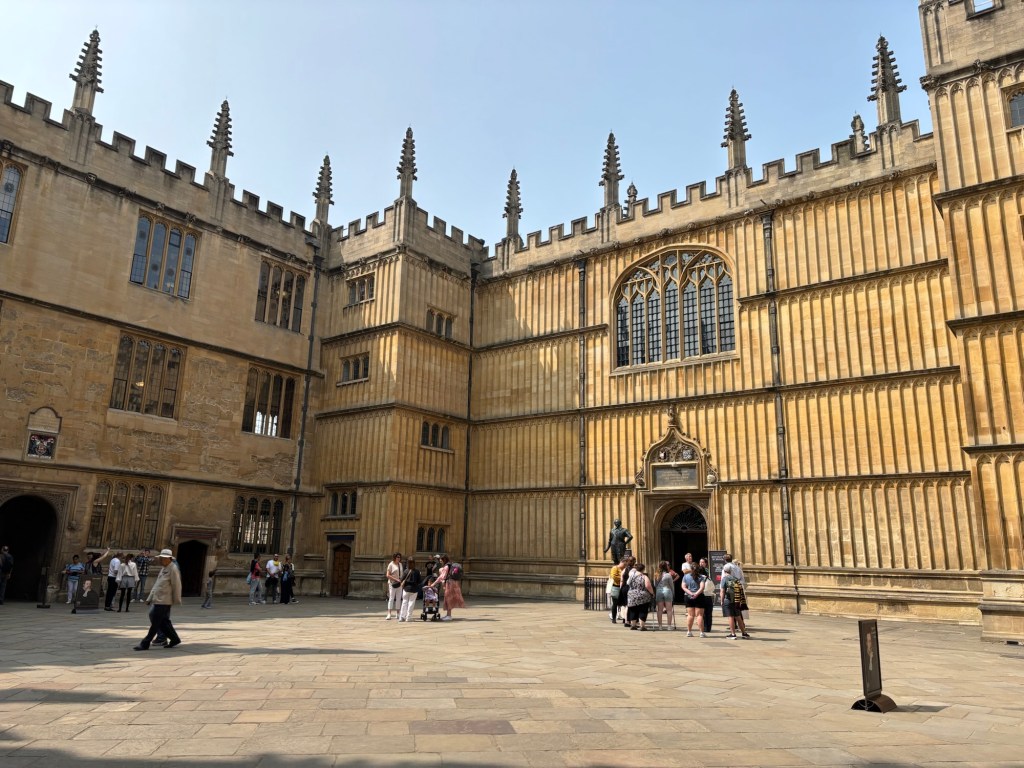
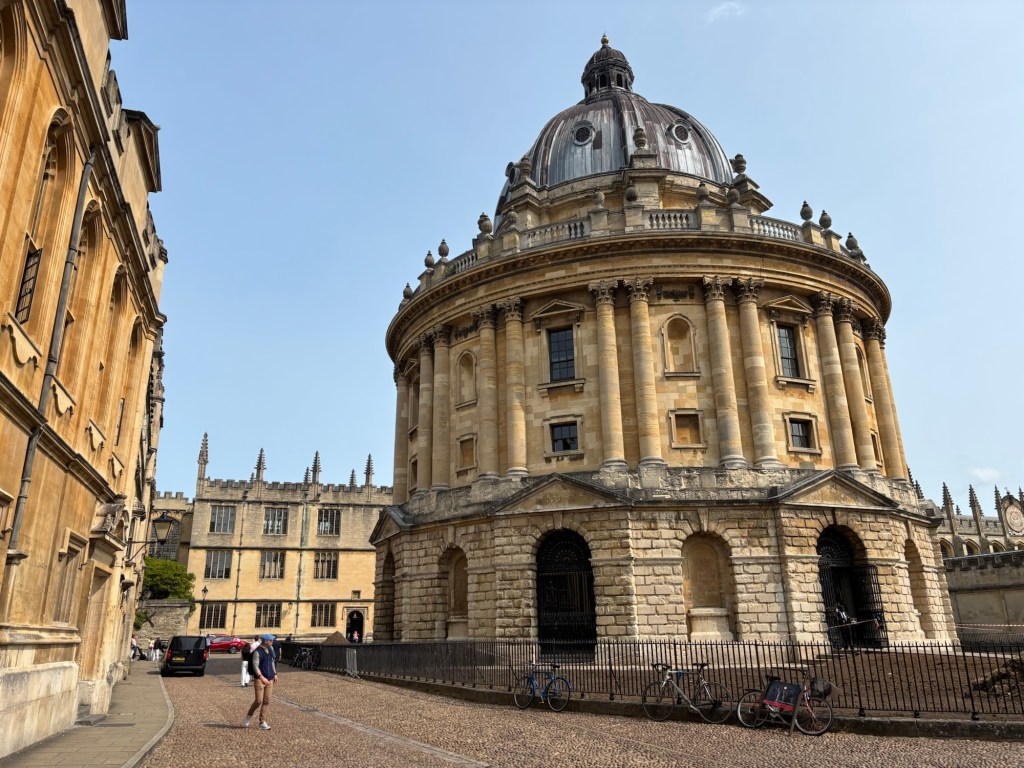
Why Oxford? Partly because I haven’t really been to Oxford before. I was there two months ago for the Oxford Schools Finals Day, but as I was leading a school trip I didn’t really have any time to appreciate the city for itself. It’s also partly for the Museum of Natural History, which is supposed to be exceptional (I never did grow out of the dinosaur phase). But it’s also because over the last few days I have started to flirt with the idea of a possible career change: setting my teaching and boarding duties aside to pursue a Master’s degree in Medieval Studies.


There’s a couple of travelers next to me on the train having a very interesting conversation. They are a curiously paired ensemble: one, with a patchy beard, AirPods in and his shirt unbuttoned to the sternum, talks in a streetwise drawl about how he stole a few cans of Red Bull from Tescos once, and how the worst thing in the world is that parents don’t discipline their kids right anymore – if he’d disrespected his dad, he’d have “had a black eye”. He drops his T’s in the words right and football and drops F bombs in the gaps. The man next to him, a young Asian in a smart shirt with his sleeves rolled up nearly to his elbows, calmly (and without a hint of profanity) explains the difference between Asia’s bullet trains and the UK’s privatised public transport system (which he calls the public torture system), the importance of location when investing in property and celebrates a model aircraft he recently won at an auction. That seems to be their connection – they’re model plane collectors. I was beginning to wonder what could possibly tie these two together.


Why a Master’s degree? Why Medieval Studies? And why has the idea only come to me now, eight years after graduating with a BA in Modern Languages and Cultures? To be honest, I’m not entirely sure. A number of reasons come to mind. Citing my Y9 class seems churlish, but it’s probably part of the bigger picture of just how much of a gear change this year has been. Challenging and engaging, but occasionally uncomfortable. I suppose that’s only natural when you up sticks completely and change schools. Perhaps that’s why some teachers never leave.

It’s a little deeper than that. I do miss academia. I have always loved the pursuit of knowledge for its own sake, and just occasionally, I find that hard to square with a job where success is so often scored against a mark scheme that shifts according to the national skill level.

I’ve just started to sink my teeth into A Level teaching, but I’m both disappointed and mildly alarmed by the lack of general knowledge of my students. Only one of mine could tell me what Scylla and Charybdis were, and that was a child in Year 10. I’ve had sixth formers before to whom I’ve had to spell out the story of Adam and Eve – we’re talking Catholic Europeans here, too – and mine was the only hand to go up in chapel two weeks ago when we were asked if we knew the parable of the man who built his house on the rock.

You could chalk that last one up to nobody wanting to look foolish putting their hand up in church on a Tuesday morning, but classical (and even general) knowledge of even the most basic sort seems to have fallen away by the time our kids reach sexual maturity. They all seem to know who Mr Beast is, though.


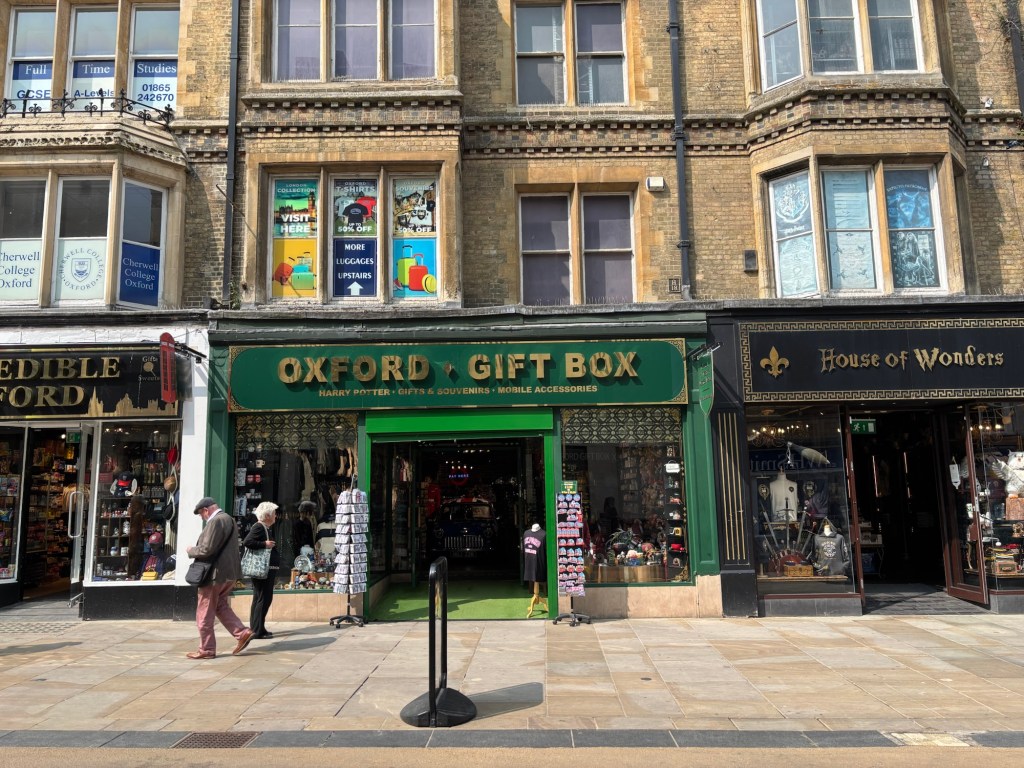
Something I wasn’t expecting in Oxford was the Pottermania. I deliberately haven’t waded in with an opinion on J.K. on here because, as with a number of topics, my thoughts are not in line with those of the rest of my generation. But one thing that is really quite depressing is that I ran into no fewer than five Harry Potter themed tours, pointing out turrets, windows and other locations used during the filming of the saga back in the early 2000s. It seems a little trite that tourists flock to a city that harbours one of the oldest universities in the world just to snap a selfie in the style of a still from a movie… I took a cohort of summer school kids on one of those trips once and they were deeply disappointed (I think they were expecting Harry Potter studios, not a Chinese woman with a ring bound pad of stills).


It’s times like this that I need a good kick in the shins – somebody (besides myself) to call me out for being so judgmental. Maybe that’s something I miss about university, too.


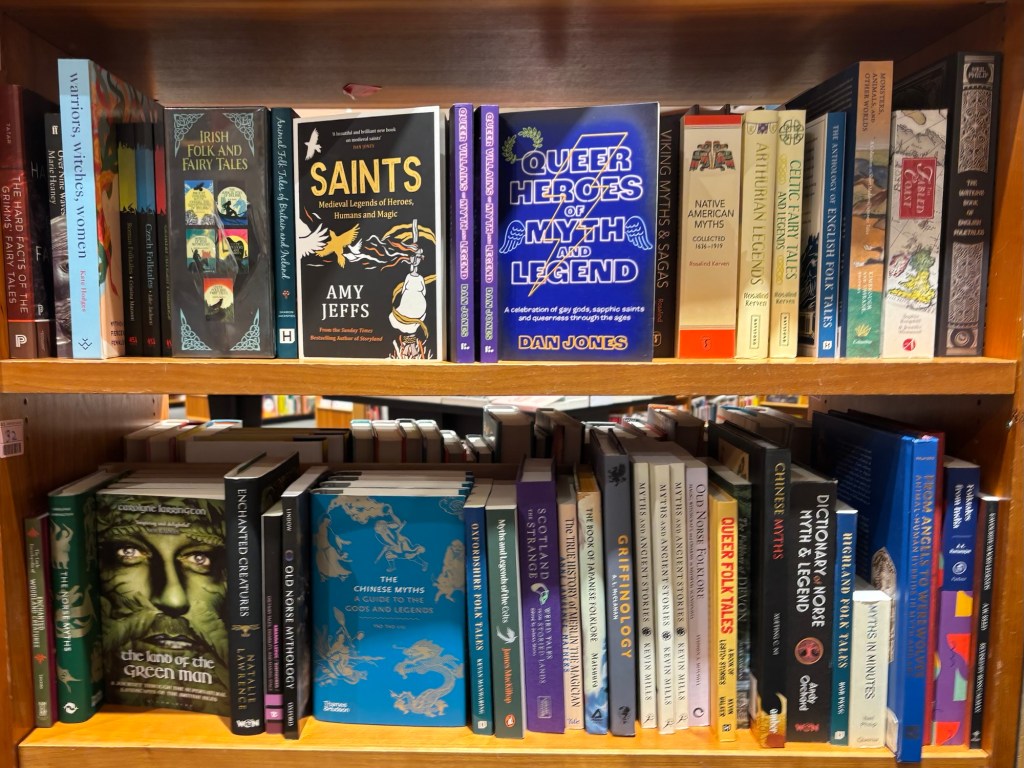
Before checking out the museum, I explored Blackwells, Oxford’s famous bookstore. The shop is particularly well-known for its Norrington Room, a literary Aladdin’s cave beneath the city that seems to have everything. I made a beeline for the Mythology and Folklore section and looked for anything Iberian.

Nothing. Tome upon tome on Norse mythology, endless volumes of British folktales, a beautiful gold-bound compilation of the tales of Anansi the Trickster and no fewer than five collections of Queer Fairytales – whatever those are – but nothing on Spain or Portugal. Nothing at all. Even Google didn’t seem to have anything.

Spain isn’t lacking in colourful folklore of its own. From my reading, it’s apparent that the combined efforts of the Almoravids, the Almohads, the Spanish Inquisition and Franco’s regime weren’t able to snuff it all out. But the literature simply doesn’t appear to exist.

I think somebody should write about it. And I’m starting to think that somebody should be me. Oxford University has a Masters course on Medieval Studies that occasionally covers Iberian founding mythology – the subject I chose for my undergraduate dissertation – and that just might be the way in… if I can get in.


I’m not really Oxbridge material. I got as far as an interview at Cambridge, but my meekness was torn to pieces in the French interview – and I really haven’t read enough of the classics. But I have read a lot of books.

I grew up on a privileged diet of literature. We had more books than anything else at home, largely on account of the fact that my mother rips through books in a single night and was thus always on the hunt for a replacement. The bookshelves in my bedroom were (and still are) crammed full of colourful dinosaurica, but sandwiched in among them was a mountain of mythology and a feast of fantasy. My mother may not have been an outspoken supporter of “fantasy shite” but she did encourage my voracious reading habits. And I know my Dad used to read to me a lot – he even read the Harry Potter books to me when they first came out.

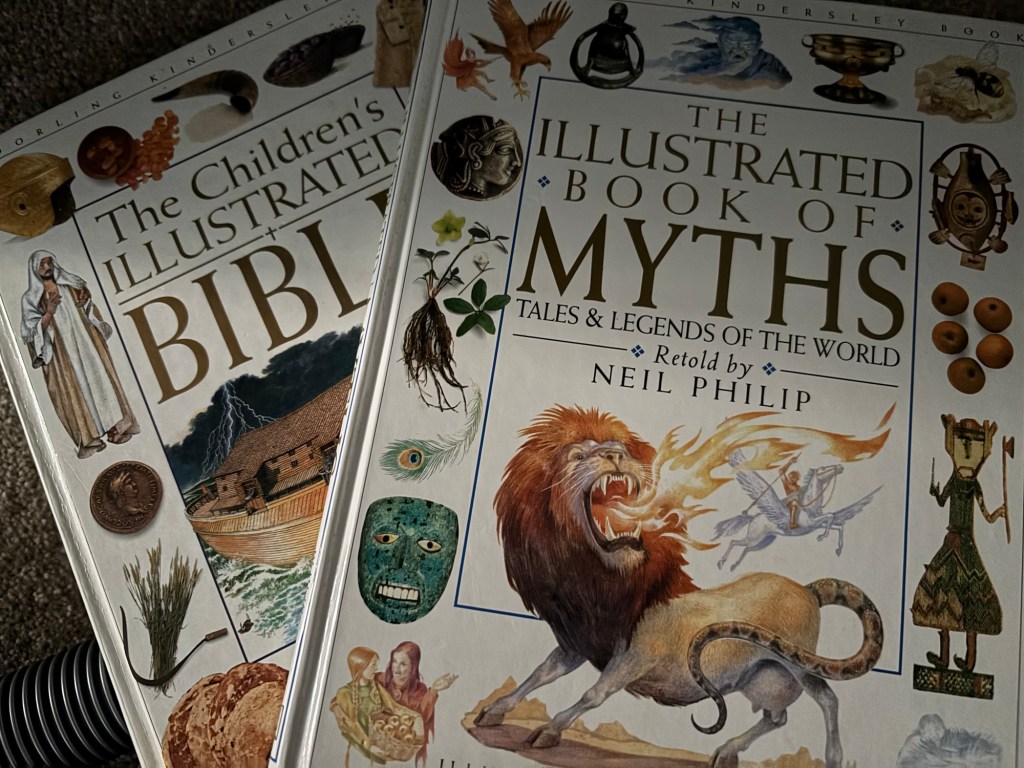
Neil Philip’s Illustrated Book of Myths played an especially large role in all of this. Atticus the Storyteller had a similar hand (and, to a lesser extent, the Age of Mythology games), but the colourful illustrations in the Dorking Kindersley compilation made it especially impactful. I must have spent literal days poring over the pictures in that book, cramming my childish head with stories of Athena and Anansi, Izanagi and Izanami, Glooscap and Gilgamesh. All tremendously important things to know – and none of it serving any practical purpose beyond the pages of the book where they were written. I haven’t even been able to use much of it in the odd pub quiz, which seem to rely on a more grounded understanding of Emmerdale and the last FA cup final than the exploits of Gilgamesh and Enkidu.

If I’m lucky enough to have children of my own someday, I will read to them from that book – even though I know most of the stories by heart. The pictures are so beautifully illustrated that I can see most of them still when I close my eyes, though it may be over twenty years since I last saw them.


Stories are how I make sense of the world. I’ve been writing stories for as long as I could write my own name. There’s not an awful lot of call for storytelling at work, but I do my best to share them with my students when the curriculum allows.

And it’s taken me a long time to realise that, after Spanish interest and natural history, the third largest collection of books in my library is all folklore and mythology – the oldest stories in the world.

Maybe – just maybe – I’m scratching the surface of the real me. I did always want to be a writer. I just didn’t ever think I could do it.


I’m still unsure. So much of my identity has been built upon the rock of being a teacher, and casting off those robes to dive into the world of myths and legends seems… well, childish at best, selfish and reckless at worst. And there’s the question of stability, job security, money and the fact that all I really want to do is find the One, raise a family and tell stories. But the void in all those bookshops is tremendously loud. Stories that aren’t told will eventually disappear, taking their worlds and their characters with them. It would be a terrible shame if the generations of the future looked back on our time and accused us of letting the ancient wisdom of the past slip through our fingers while we were so violently hypnotised by the bewitching glare of this or that Pied Piper of Instagram.

Who will remember Mr Beast five hundred years from now? What stories will they tell of him? Will his legend amaze and inspire, or will it push more and more children toward the worship of Mammon? I worry about that. I worry about that quite a lot.

I’ll give it some more thought. These are not decisions made lightly. The Camino will provide. It always does. BB x

The Pillars of Hercules

La Línea de la Concepción. 15.37.

Eighteen years ago, some family friends came out to visit us and spend a walking holiday in the sierras of southern Andalucía. That’s when I first saw the Rock.

Since then, it has loomed large over so much of my work. It was a talking point in my Year 13 Extended Project Qualification on the Islamic Legacy in Spain. It served as an illustration on the front of my final dissertation on Pedro de Corral and the Spanish founding myth at Durham University. It’s been a subject for discussion in goodness knows how many A Level, IB and GCSE classes I’ve taught over the years, and it’s going to feature once again in the talk I’m delivering next week to the local Hispanic society on Spain’s Islamic History.


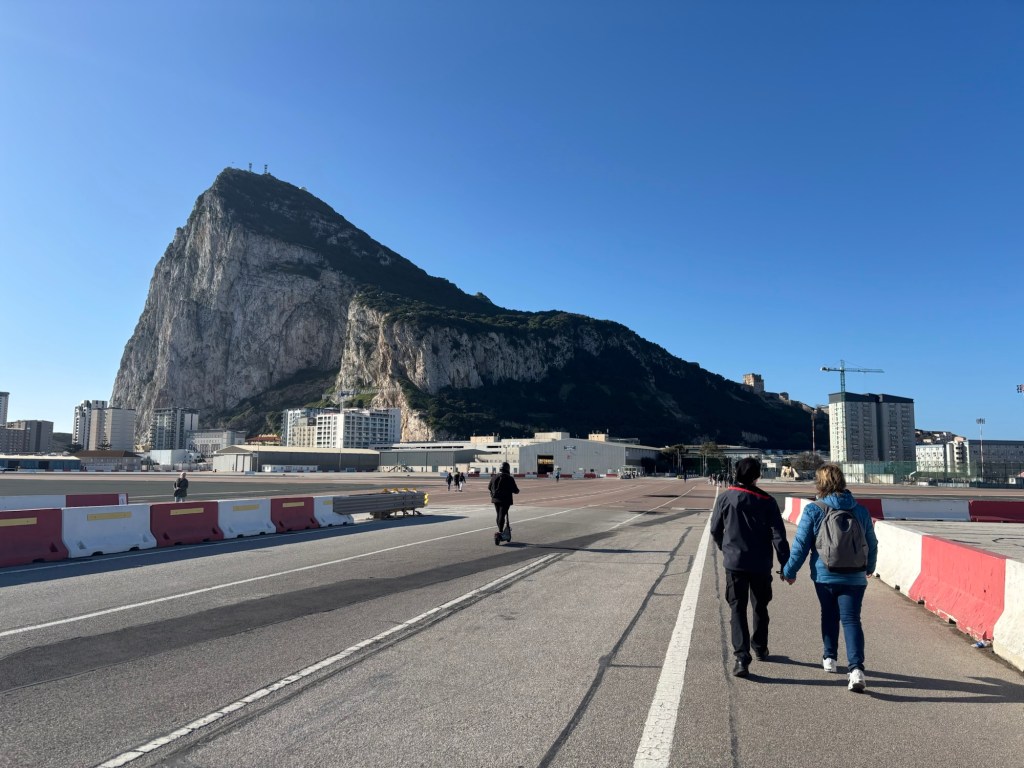
The Rock. Calpe. Tariq’s Mountain. One of the two pillars of Hercules. The key to the Mediterranean. Gibraltar has gone by many names over the centuries, indicating its enormous cultural footprint. So it’s easy to see why the Spanish get so cut up about the fact that this relatively small peninsula belongs, not to either of the countries that can see it – Spain and Morocco – but to the United Kingdom, an opportunistic seafaring nation that snapped up the city in 1704 during the War of the Spanish Succession. It was Spain – or rather the Spanish crown – that officially ceded the peninsula to Great Britain. It has been a decision they have regretted ever since.


Modern-day Gibraltar is a very strange place. You cross a staggeringly short airstrip and enter a completely different world – like a jigsaw piece from a different puzzle that fits, but looks totally out of place. It’s as though somebody has taken a slice of an English county town and dropped it incongruously on the Spanish coast. Not even the tourist-infested Costa del Sol matches its otherworldly vibe.

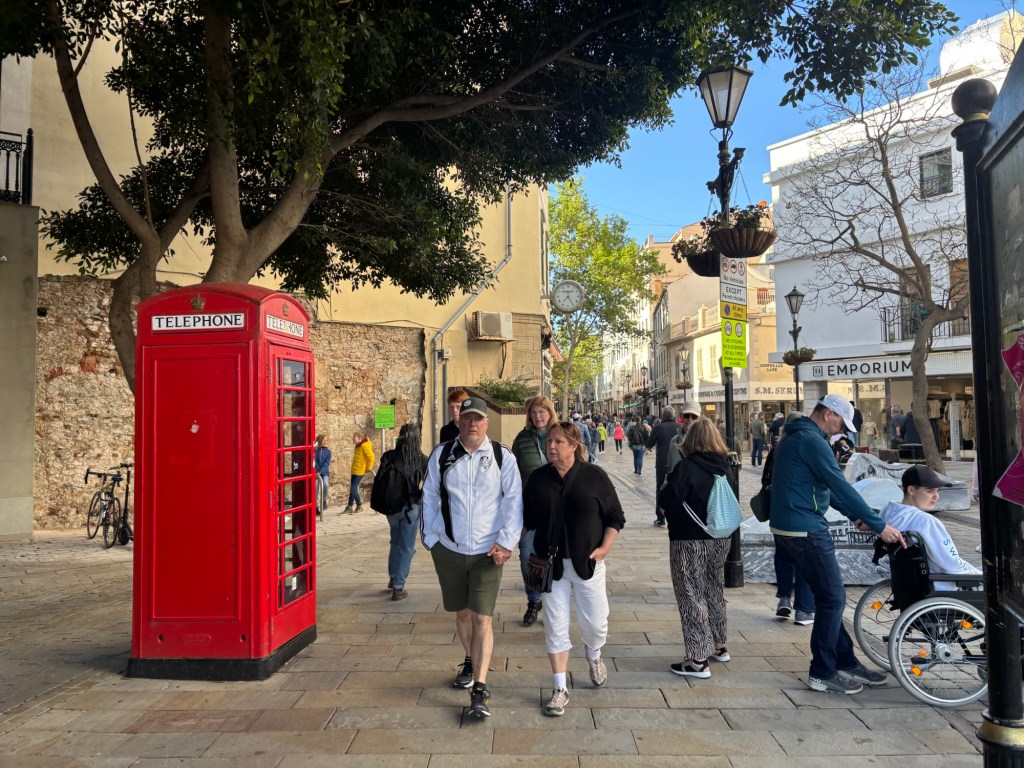
Red postboxes. English traffic signage. Curry, gin and Cadbury’s. Pubs bearing the faces of Lord Nelson and Queen Victoria. Even the layout of the high street is unmistakably English. If Spain truly wants Gibraltar back, it will have some serious landscaping to do.


As I recall, we were short of time on my last visit here. The bus from Málaga made the trip down the coast in record time, so I had all of six hours to explore – almost all of which I spent walking. My phone seems to think I’d clocked twenty-one kilometres by the end of it… which, given my roundabout route through town, to Europa Point and up and down the Rock, is probably not too far from the truth.

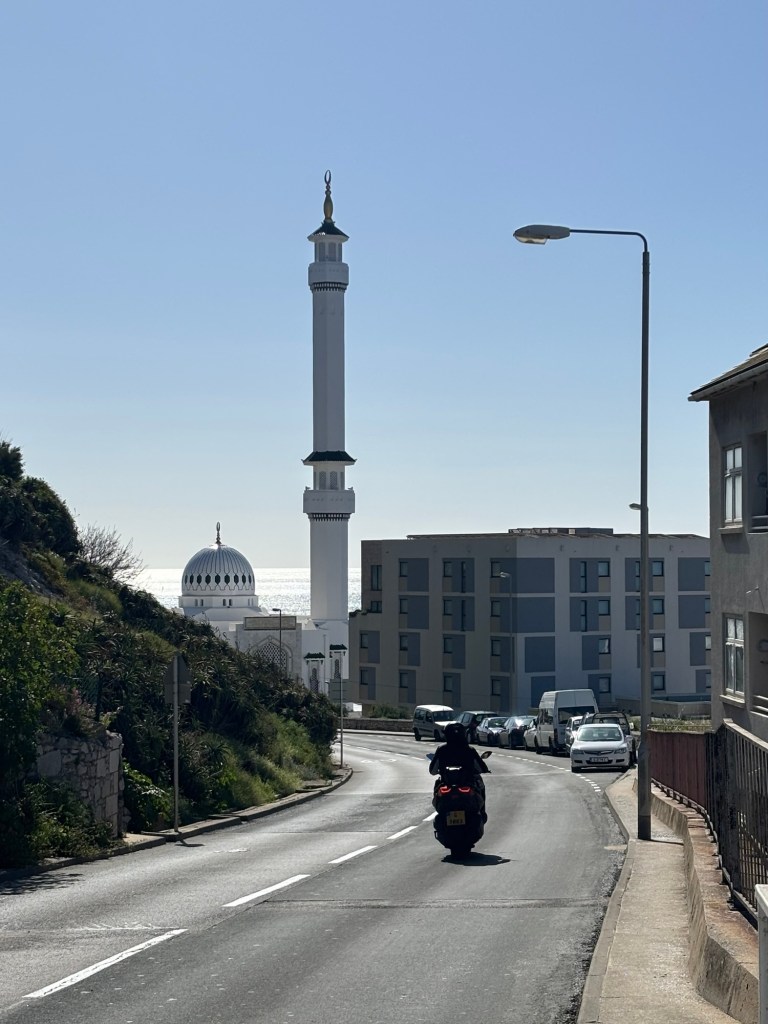
Hidden away at Europa Point is a symbol of the British subversion of the terms of the Treaty of Utrecht: the Jews’ Gate Cemetery, where many of its former rabbis are buried, and the Ibrahim al-Ibrahim Mosque, one of the largest in a non-Muslim country. Tucked away here on the south side of the rock, they’re not immediately obvious from the Spanish side, and while the mosque may be a recent addition (built in 1997), it’s thought that the cemetery was put there to conceal the presence of Gibraltar’s Jewish population from prying Spanish eyes. The Treaty of Utrecht was quite clear on the matter:

Her Britannic Majesty, at the request of the Catholic King, does consent and agree, that no leave shall be given under any pretence whatsoever, either to Jews or Moors, to reside or have their dwellings in the said town of Gibraltar.

Great Britain, unsurprisingly, largely ignored this clause of the Treaty, and Gibraltar has been a haven for a small enclave of Jews ever since. Lately, it seems a Muslim population has also returned to the Rock – large enough to warrant a sizeable mosque funded by the Saudis – fuelling some dissent from the Spanish side.


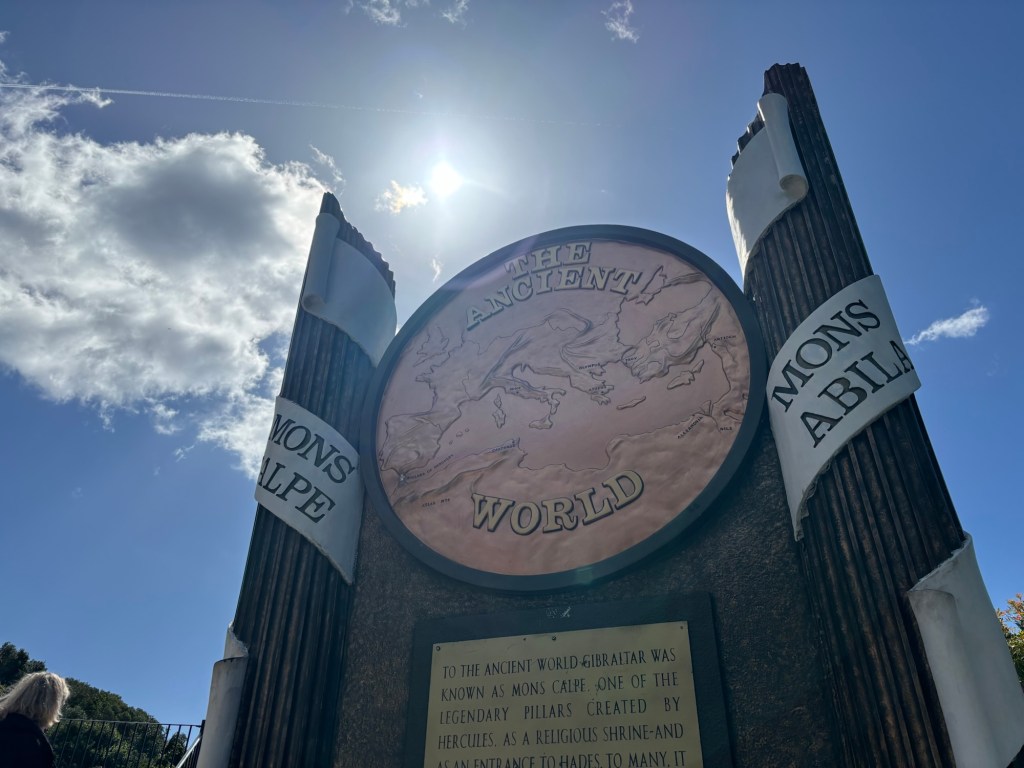
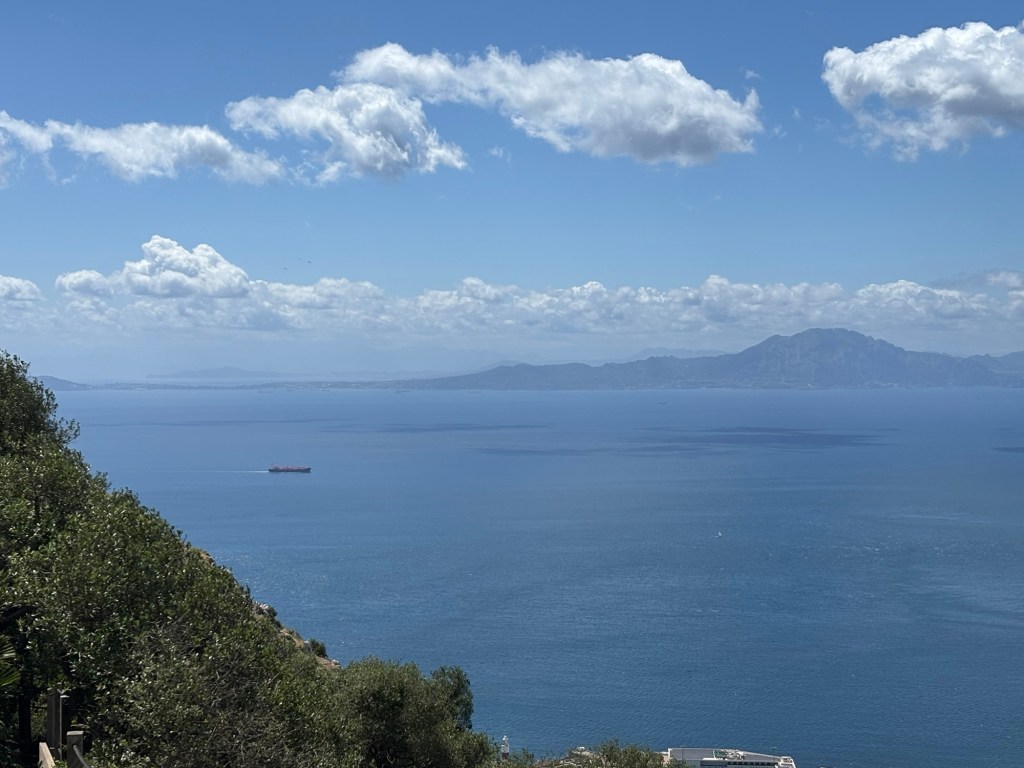
As you start to climb the rock at Jews’ Gate, the view across the Strait to the South becomes even more spectacular. What makes it all the more special to me is that I know those mountains very well, albeit from the other side, having climbed a few of them myself when I lived in Tetouan. I could just about see Ghorghez in the far distance, as well as the peninsula of Ceuta, but Jebel Musa is the most recognisable, being the most likely candidate for the southernmost of the Pillars of Hercules, the twin mountains that stand like sentinels at the mouth of the Mediterranean.

There’s an awful lot of lore here. The legend has it that the Greek hero Heracles split the original mountain in two in order to clear a passage to his tenth labour, the capture of the cattle of Geryon. While he was here, at the edge of the known world, he supposedly founded a city that would later become Seville. That’s why the Greek hero features so prominently in Spanish folklore – and on the Andalusian flag, for that matter. The legendary pillars themselves are on the Spanish cost of arms, emblazoned with the mantra ‘plus ultra’ or “further beyond” – the defiant Spanish response to an older inscription left on the rocks by the civilisations of old, non plus ultra, warning of the emptiness beyond: an emptiness that Christopher Columbus famously disproved in 1492.

Nowadays, both of the pillars bear the names of the two Muslim commanders who led the invasion of Spain: Musa bin Nusayr, the governor of Ceuta, and his subordinate, Tariq bin Ziyad. Though Tariq was executed on Musa’s orders for his hasty invasion (it’s not every day a raid turns into a regicide), it’s his name that has gone in history as Jebel Tariq – gradually mangled into Gibraltar.


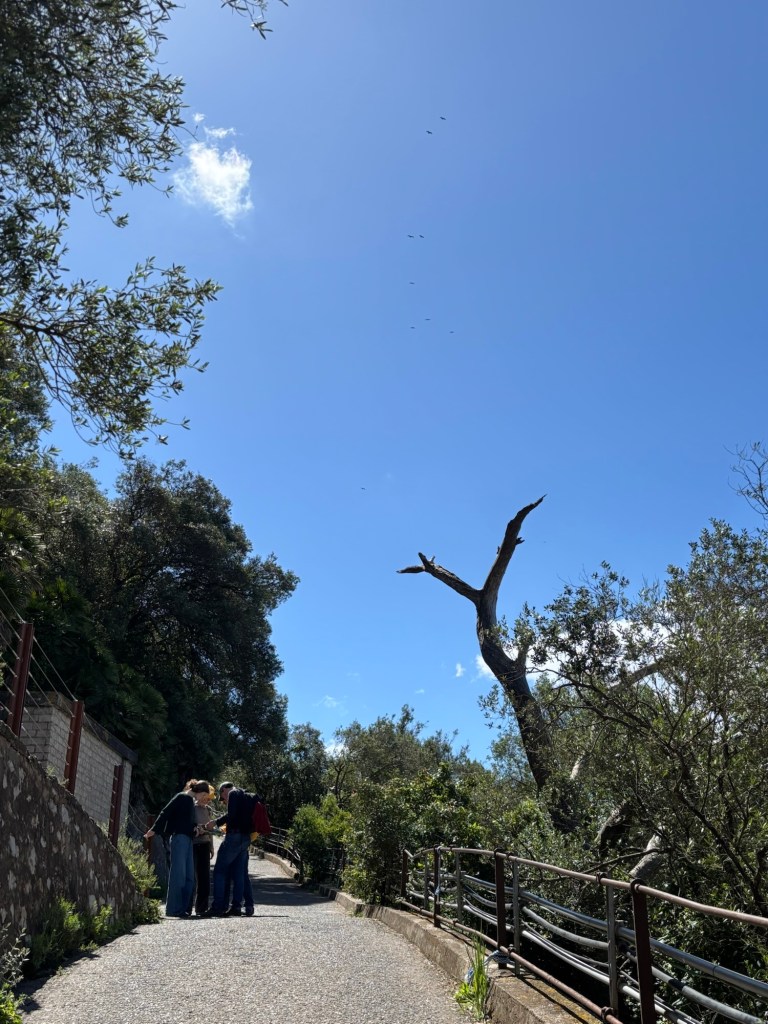
Being so close to Africa, Gibraltar is a natural (and phenomenal) place to observe the annual migration of birds traveling to and from their breeding grounds in spring and autumn. It’s especially good in spring, as the birds ride the thermals on the Moroccan coast and soar across the Strait with hardly a wingbeat, gradually descending and sometimes arriving on the European side at eye level.

My camera was a dead weight as it had run out of power shortly after arriving in Gibraltar, and I’d plum forgotten to bring the charger (which I could have used here, since Gibraltar uses English sockets). All the same, I could observe some of the migrating birds with the naked eye. I clocked around thirty black kites as I climbed the Rock, along with a number of honey buzzards and black storks. I thought I heard some bee-eaters, but they turned out to be an audio recording hidden in the bushes at the park’s entrance. How odd!


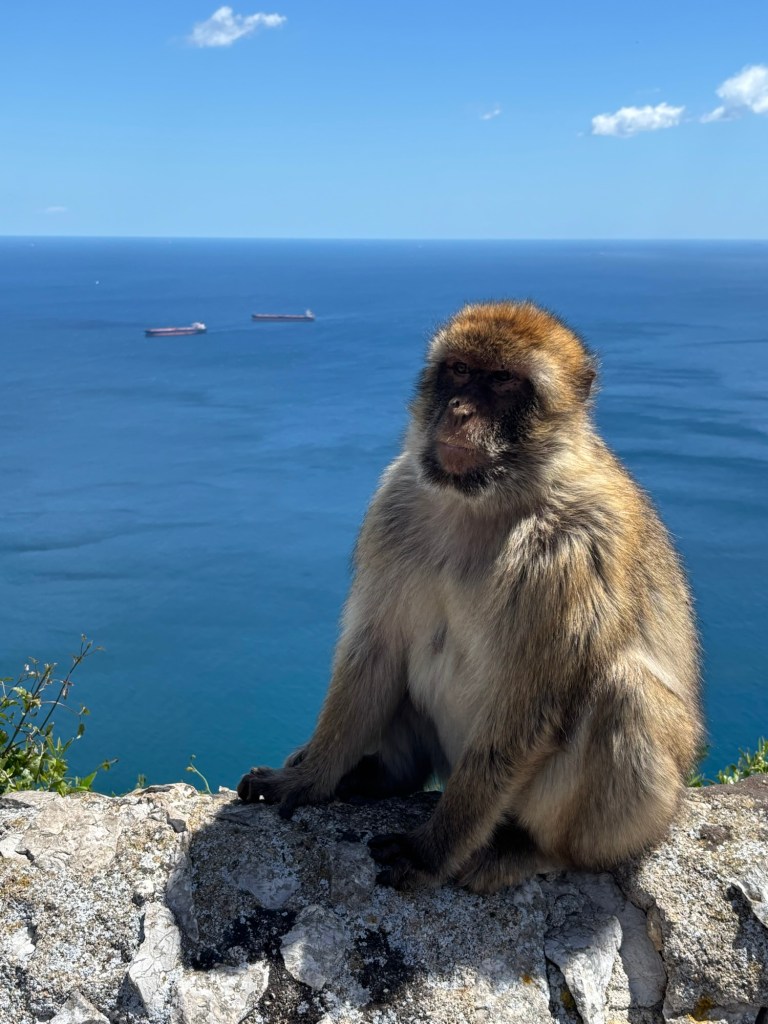
Let’s be honest, though – I came here to see the monkeys!


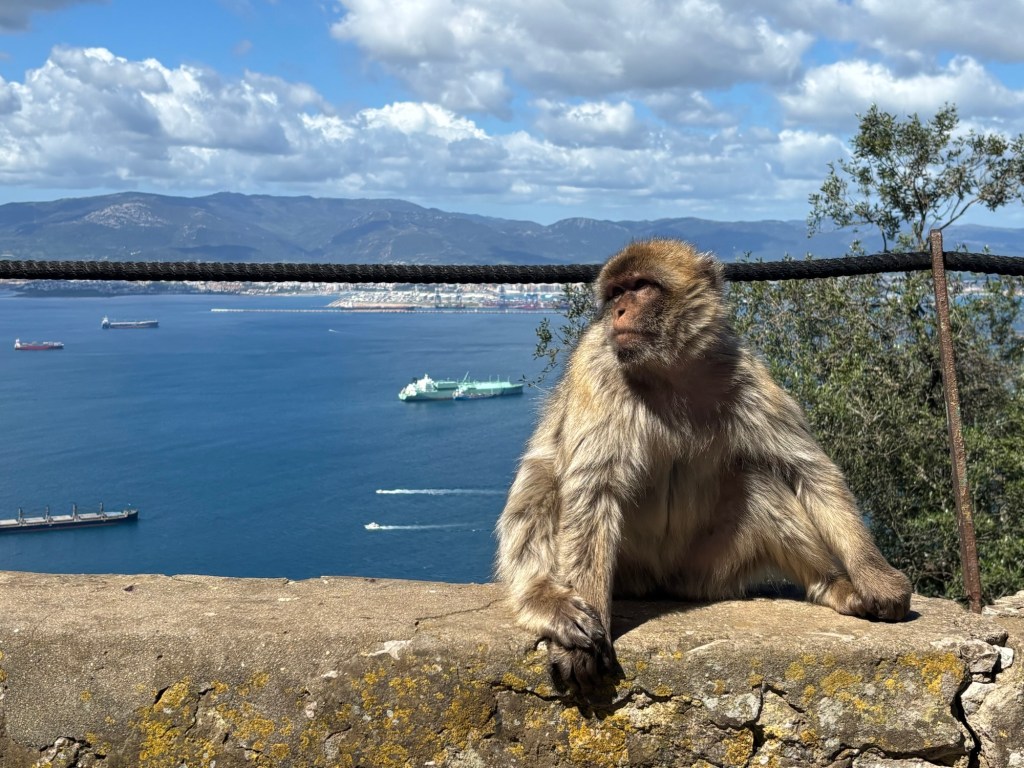
The Barbary macaque is the only species of monkey that you can find in the wild in Europe. The fossil record shows that they were once found across Europe during the Ice Age, but they can now only be found in the Rif Mountains of Morocco – and here in Gibraltar. It’s almost certain that these aren’t the last survivors of the European population, but rather a group brought over by the Moors (and later restocked on the orders of Winston Churchill himself). Nevertheless, they’re as much at home here as they are in the cedar forests of the Atlas Mountains across the Strait. Perhaps more so, since there are so many hapless tourists just asking to have their lunch stolen.


There’s plenty of food left out for the macaques every day, but there’s a further incentive for keeping your snacks under a close watch: it’s illegal to feed the monkeys, punishable by a fine of up to £4,000. That won’t stop them from trying to snatch what you’ve got, edible or otherwise, but it’s best to avoid any cases of mistaken identity by keeping your food and drink out of sight.

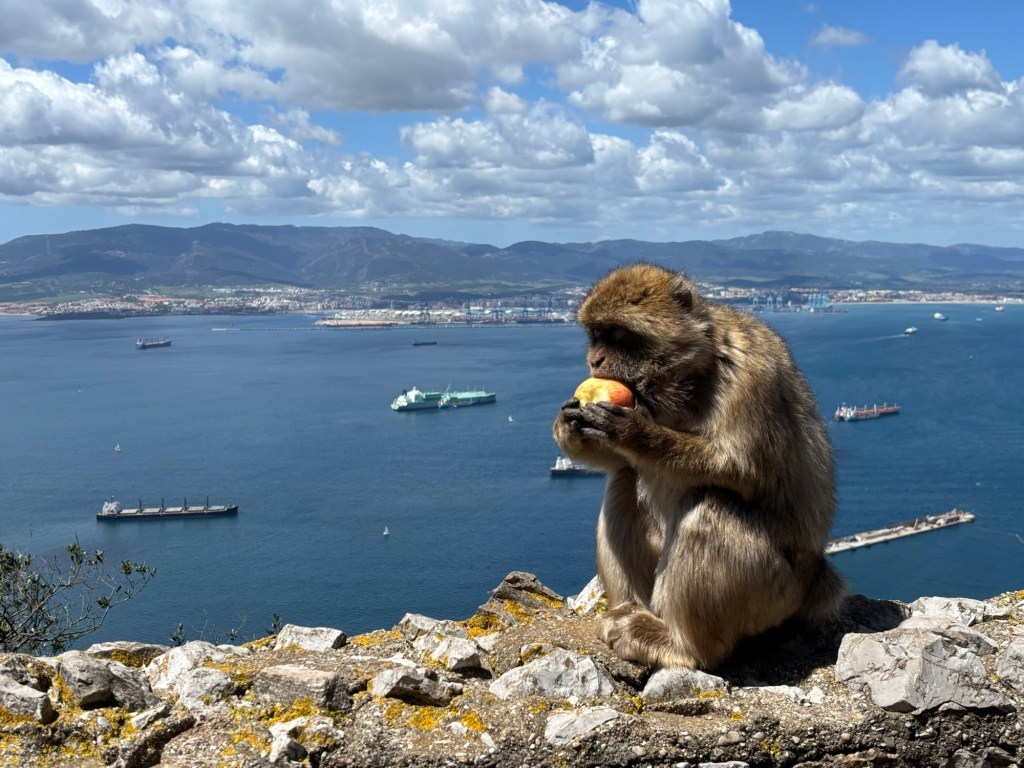
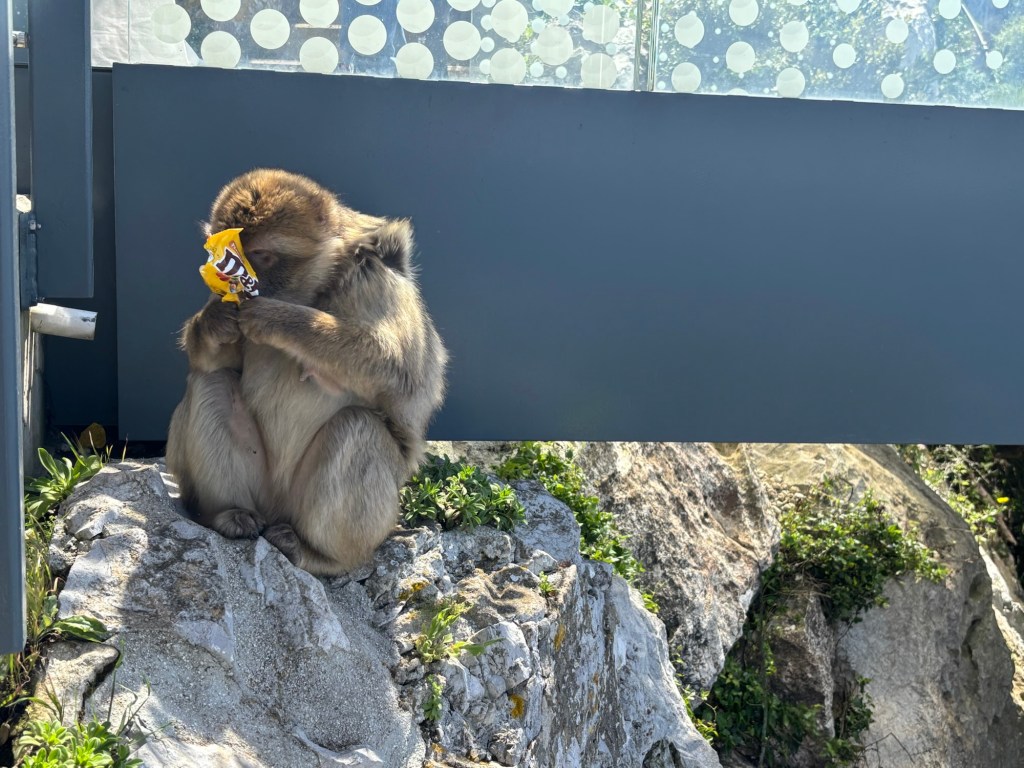
This one by the Skywalk was scoffing something that definitely wasn’t official monkey food. I wonder what they make of M&Ms? Do you suppose they taste any better to a monkey’s palate?


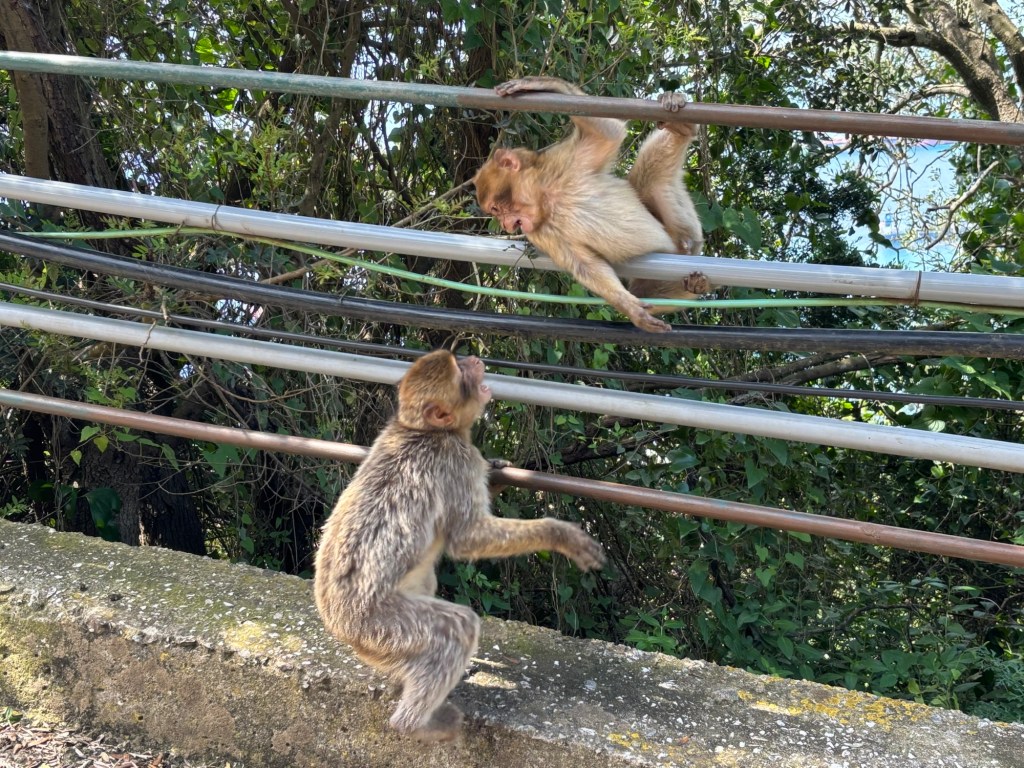
It’s a bizarre experience, walking around the Rock and seeing wild monkeys wandering about the place, like some African safari. The long lines of white tourist taxis crawling along the Queen’s Road and stopping for their passengers to take photos only add to the experience. Not that the macaques seem to mind overmuch – the youngsters are quite happy to play undisturbed.


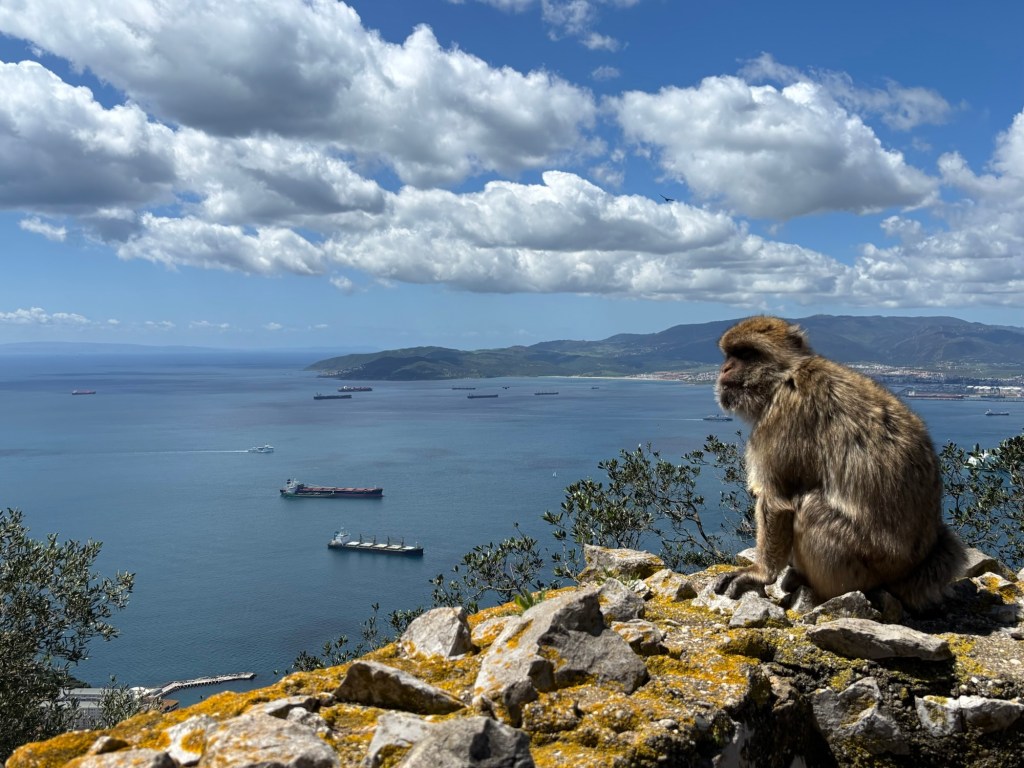
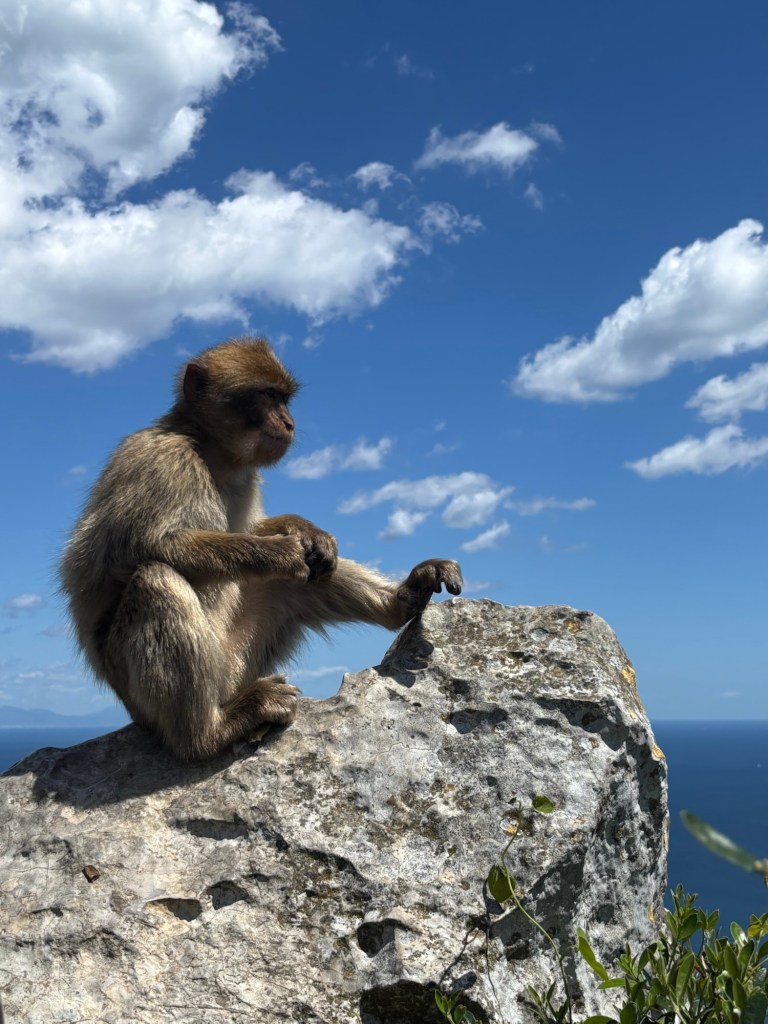
Alonso del Portillo, the first Spaniard to include Gibraltar in his chronicles, referred to the macaques as the “true owners” of the Rock, occupying its eastern face since “time immemorial”. Even so, I wonder if their not so inhuman brains ever stretch as far as thoughts of that land on the other side of the sea, where the rest of their kin can be found? They certainly seem to spend a lot of time looking out that way.


I’ve always been a keen naturalist, but my especial love for primates goes back to my time in Uganda, where I had the privilege of seeing mountain gorillas up close. That seems a more logical place to start, since it probably doesn’t stretch back as far as my last visit to Gibraltar, when one of the macaques welcomed me to the Rock by shitting down the back of my hoodie as I left the cable car.

No cable car this time – and no shit either. Cause and effect! (And also a financial dodge, as the cable car costs an extortionate 19€…)


The only downside to not taking the cable car was the climb back down the Rock. I took the steps down the Charles V wall, a 16th century fortification against the Barbary pirates who once plagued these waters. They’re bloody steep, they can only be walked down (or up) in single file, and there’s the added hazard that the macaques use them as well – and they don’t like to be cornered.

Fortunately, by the time I came down, it was well past noon and most of the macaques were dozing off the midday sun. These two barely batted an eyelid as I carefully stepped over them. I hope the tourists I passed at the bottom coming down were as considerate.


A local legend has it that Gibraltar will only fall when the monkeys go – much like the English legend about the ravens and the Tower of London. And just like the ravens, the government has stepped in to prevent that superstition from coming to pass in times of crisis. Winston Churchill had their numbers bolstered during the Second World War when their numbers dwindled to just seven individuals – no doubt relying on his friendly relations with the infamous Thami El Glaoui, the self-styled Lord of the Atlas Mountains.

El Glaoui was a wily tribal chieftain and the son of a slave who, through a number of deft political manoeuvrings, came to rule much of modern Morocco. He is said to have counted Winston Churchill as one of his close friends. I wonder what he really thought of the eccentric British bulldog? Or of his decision to resupply the apes to keep a British legend alive? In Morocco, these beautiful creatures are often caught and forced to perform in market squares for the amusement of tourists. At least here in Gibraltar they don’t have to wear humiliating dresses or chains and can claim the Rock as their home.


Unsurprisingly, it’s getting late. That took a long time to write. I should get some sleep, but the Guardia Civil are processing tonight and I’d love to see that before the Legion arrives tomorrow. And that really should be a special way to end my adventures. What a journey it’s been! BB x