The Quick and the Dead

Pizzería La Toscana, Santa Cruz de Tenerife. 19.55.

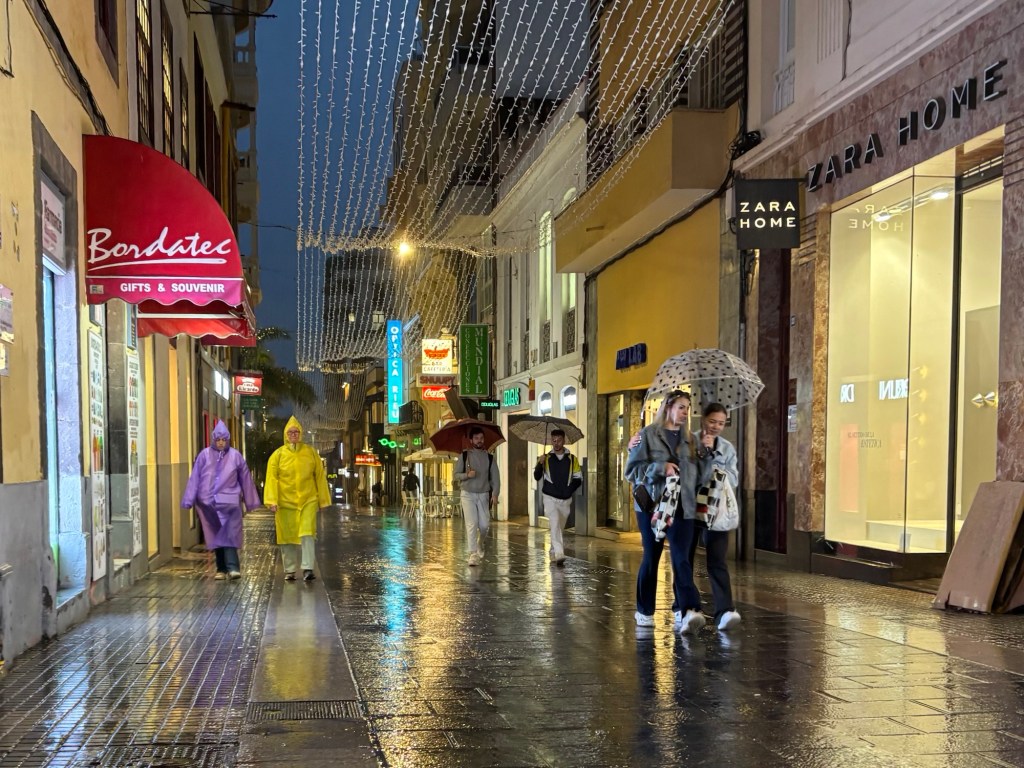
It’s raining here in Santa Cruz. There are quite a few guiris about – they’re the ones wearing shorts and popped-collar polo shirts despite the lowering grey skies – but they’re nowhere near as numerous as I thought they’d be. There are snatches of German, Dutch and Estuary English drifting from restaurants, but Spanish is by far the most common language spoken in the street. I find that encouraging, somehow.


Santa Cruz is a world away from the Elysian bliss of Chinyero. It’s a busy, 24/7 port town sandwiched between Tenerife North Airport and the tourist resorts of the south coast. Its harbour, one of the busiest in Spain, is a major stopover for cruise ships plying the Atlantic, just as it was for the early European voyages to the Americas, riding the Canary Current in a wide arc to the Caribbean. It’s one of the two capitals of the Canary Islands (the other being Las Palmas) and as such commands a sizeable proportion of the island’s population: nearly half, by some estimates. Like the greater part of Granada, the city began as a military camp, built by the Spanish in 1494 during their campaign against the Guanches / invasion of the island, depending on your sympathies.

It can seem like a characterless tourist metropolis at first, but there’s a lot to see once you start to scratch away at the surface.


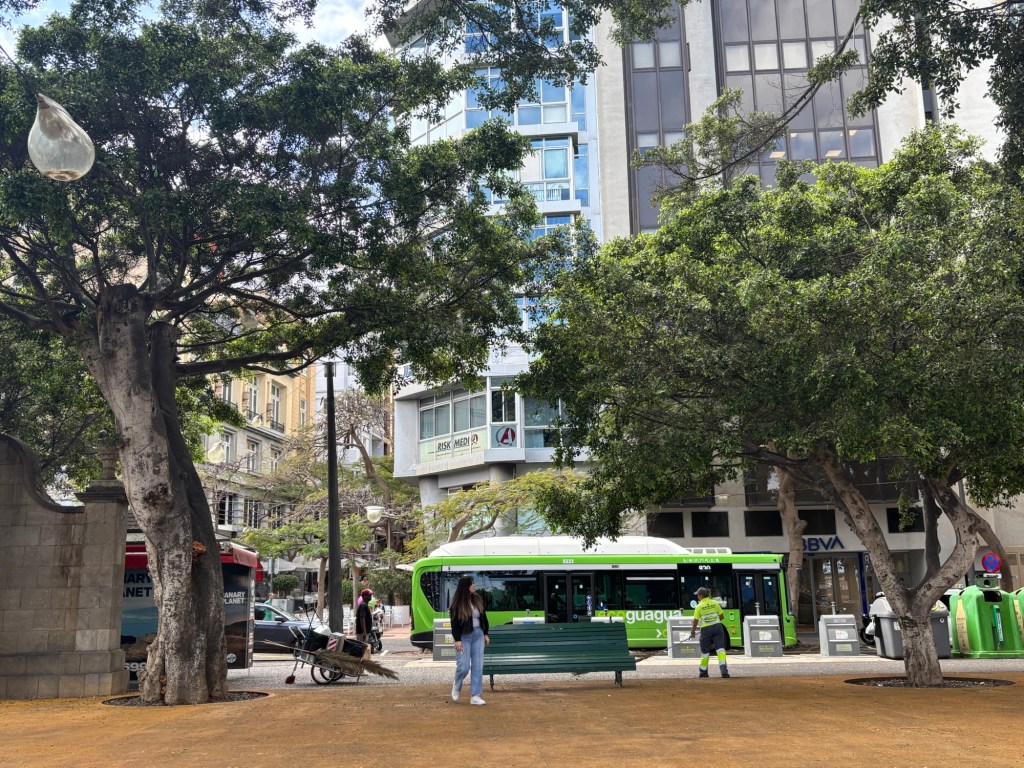
The Plaza de España is a good place to start. In most Spanish cities, a square with the same name is usually right at the heart of the city. Here, it’s on the seafront. A guagua goes by, proudly displaying its green credentials (more than 70% of its fleet are hybrid vehicles). Opposite the bench where I’m sitting, a sanitation worker in a matching shade of green has eschewed conventional tools for a palm branch, a far more traditional (and renewable) method for street-sweeping. Alongside the usual plane trees – an effective biofilter used across Europe – a number of more exotic trees spring up out of the parks and gardens, including a few isolated dragon trees. Santa Cruz is wickedly green, as cities go: more than 80% of its municipal territory is a natural area, largely due to the Anaga Park which shoots up to the heavens from the city’s edge. In ecological terms, here is a city that is punching above its weight.


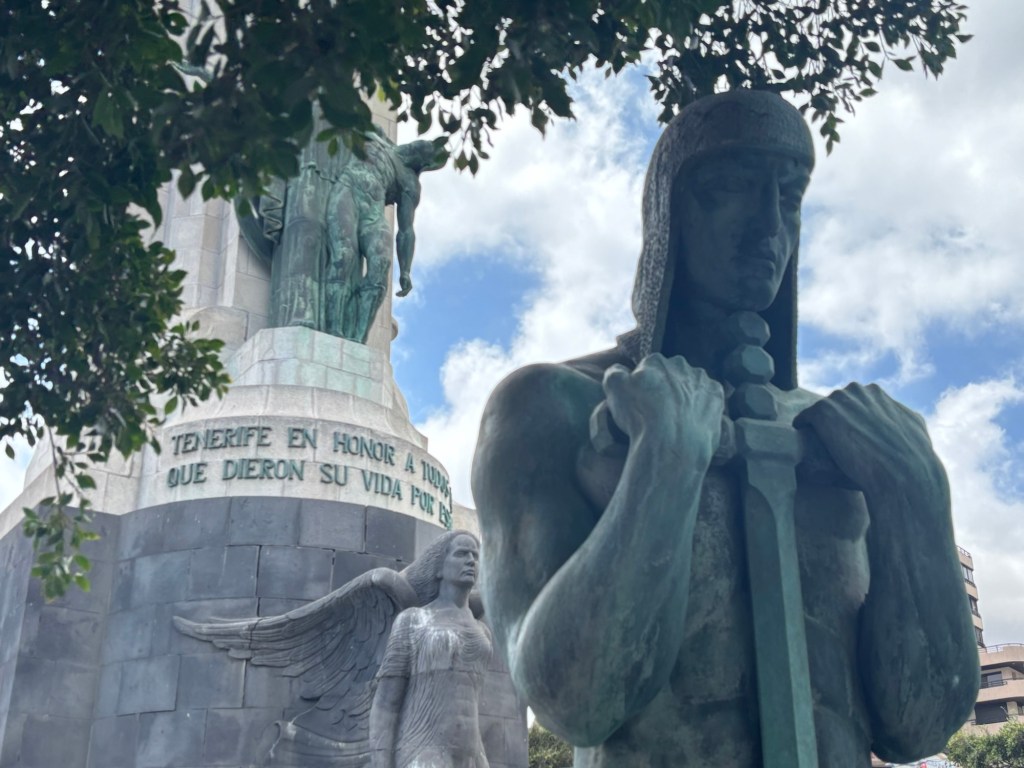
Next to the Plaza de España is an imposing sculpture, flanked by two silent watchmen: el Monumento a los Caídos, one of several Monuments to the Fallen that can be found across Spain. These sprung up under Franco’s dictatorship and many – including this one, if the stories are to be believed – were built using the forced labour of political prisoners. As such, there’s an ongoing campaign to have the monument altered to reflect the changing political landscape as Spaniards come to terms with the legacy of the dictatorship, nearly fifty years after Franco’s death.

It’s worth winding the clock back even further. What of the Guanches? Does this monument also honour those who gave their lives for Spain by taking these islands by the sword? I’m not one for presentism – it’s utterly absurd to judge the actions of those long dead by the quicksilver standards of contemporary ideologies – but I do think their story needs to be remembered.


One place that tells that story is Santa Cruz’s MUNA, the natural and archaeological museum. Don’t be put off by the reviews – it’s an incredible collection, but there are clearly a lot of half-arsed British tourists who visit and expect their monolingualism to be catered for, which is both arrogant and imbecilic. It’s also only 5€, which is a steal compared to some of the rates charged by similar museums in the UK… especially when you see what it contains.

The ground floor has an interesting feature on the formation of the islands, as well as some of its wildlife and how it came to be there. The first floor houses a collection of animals and insects (including a very large collection of butterflies) as well an array of archaeological finds from around the Canary Islands, from prehistory through to the time of the Romans and right up to the Spanish conquest in 1494.

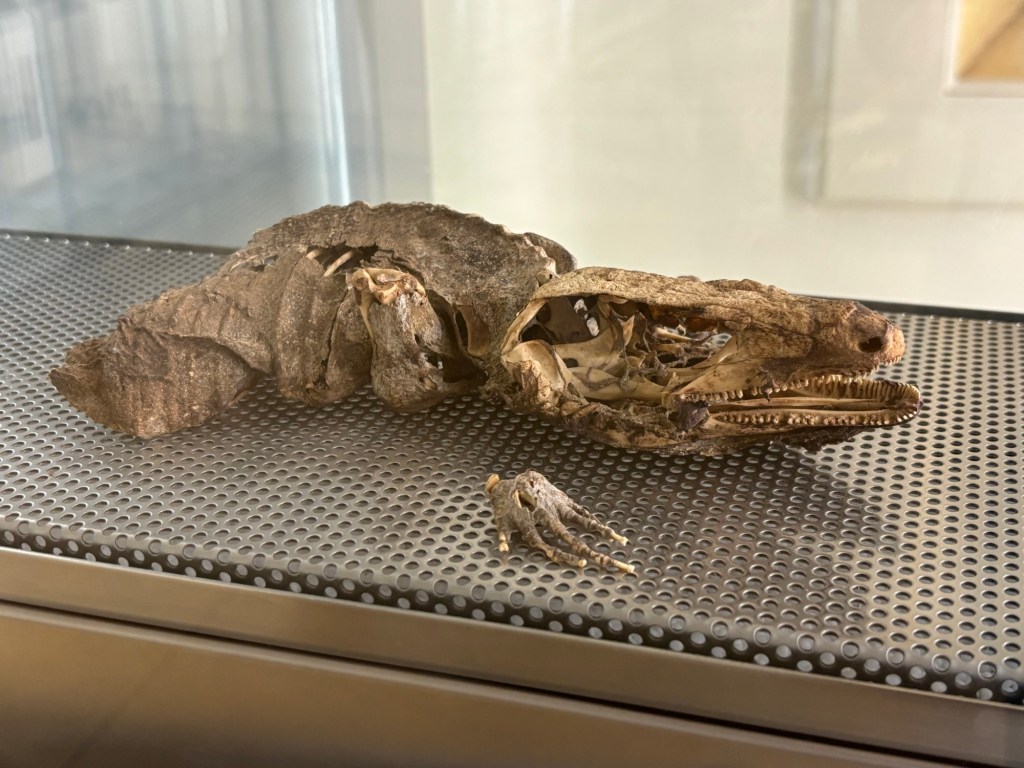
There are a few mysteries still waiting to be solved that the museum nods to: were there once ostriches on the islands? What happened to the giant tortoises? Were the islands named after the seal colonies, or the large dog skulls found on the island? Did the giant lizards disappear, or did they simply shrink over time? And were the Canaries the inspiration for the Hesperides, the islands at the edge of the world where Heracles performed his penultimate labour?


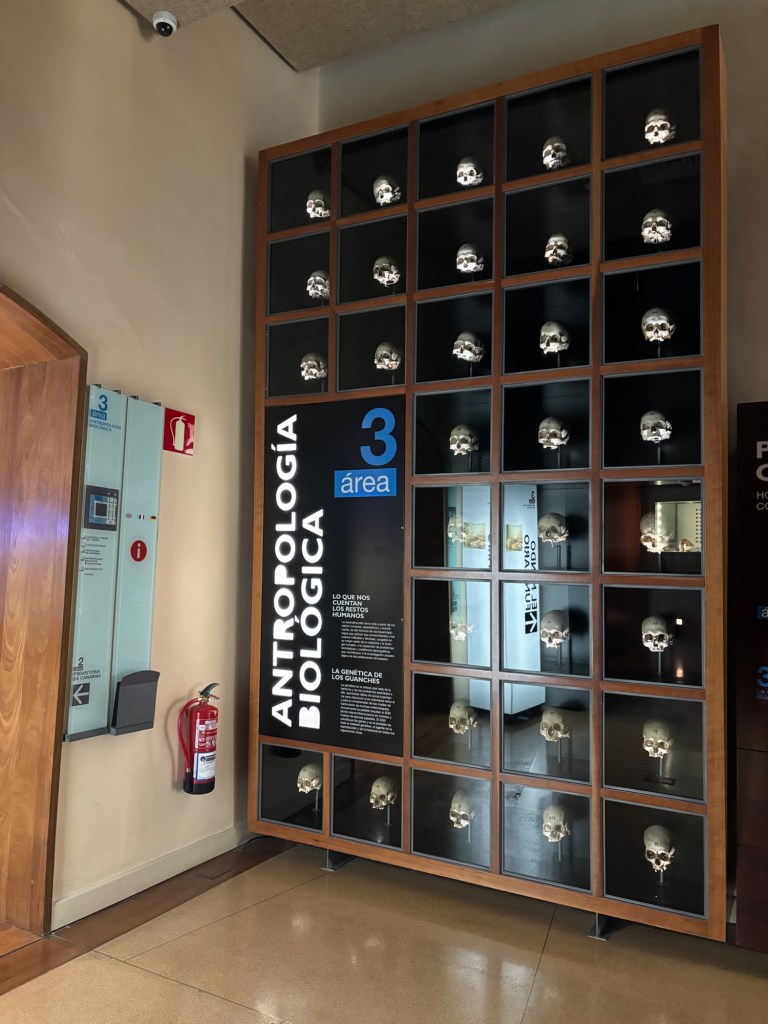
Something more flesh (though perhaps less blood) than these mysteries can be found on the second floor, where the MUNA keeps its most precious artefacts of all: the mummies of the ancient Guanche people.

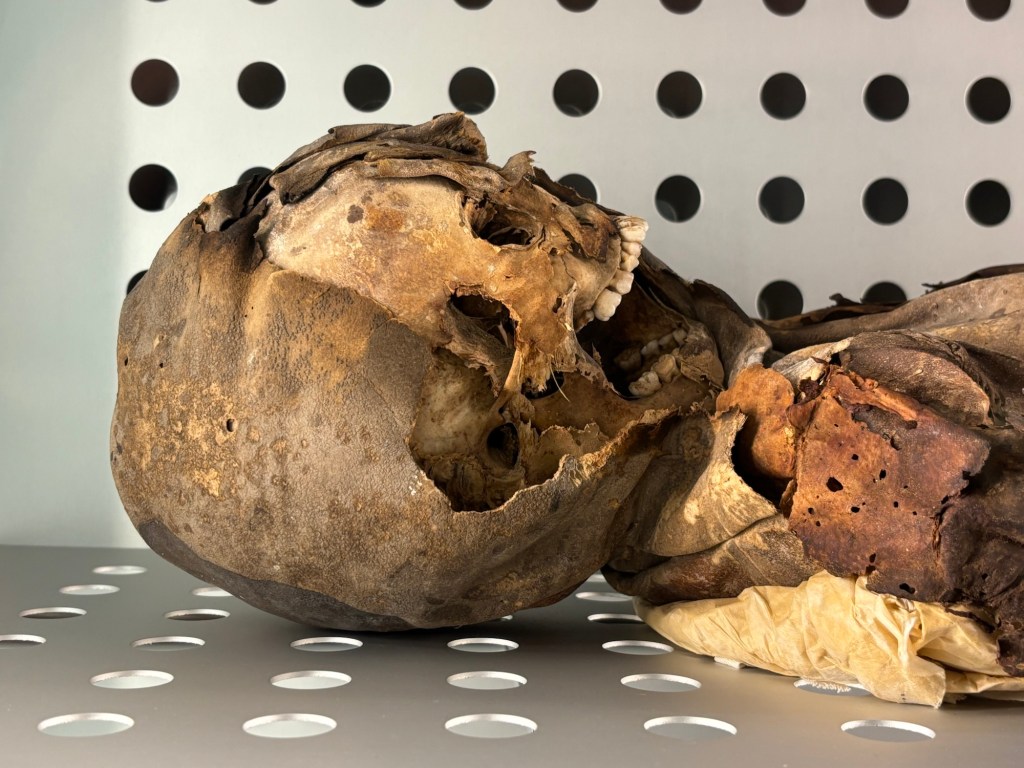
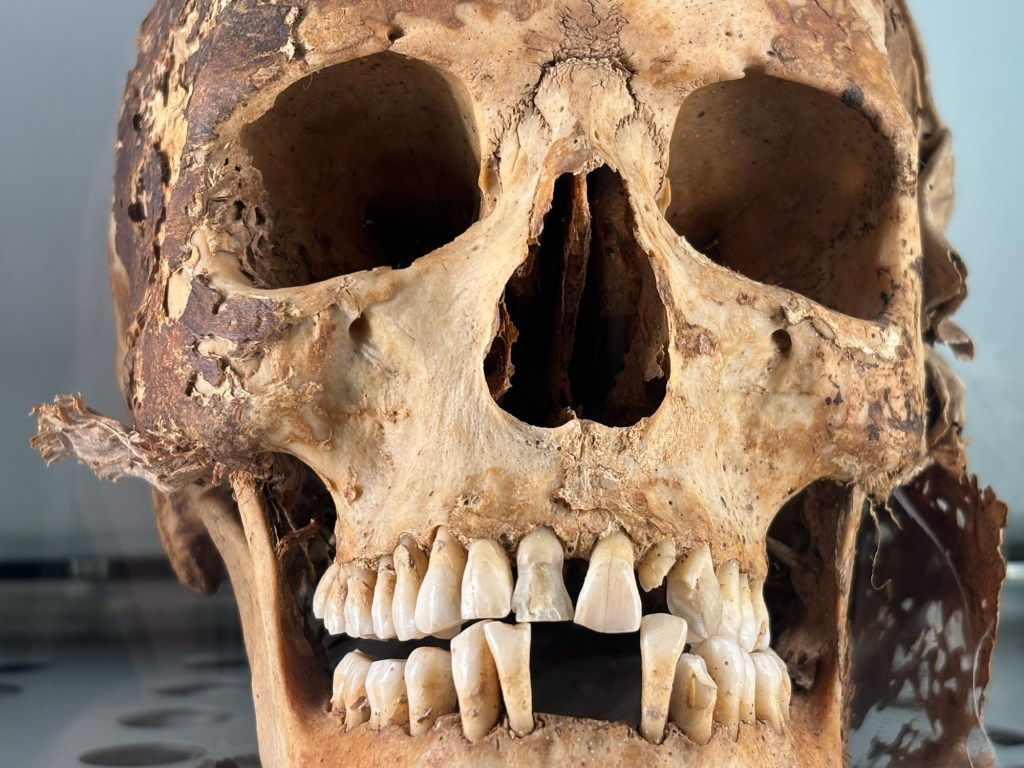
Before the Spanish came, the ancient Guanches of Tenerife had a custom not too dissimilar to the ancient Egyptians of mummifying their dead. Their origins along the Mediterranean coast of North Africa may go some way to explaining this practice, though it does not appear to have been a universal custom across the islands. Some of the mummies are in an incredibly well-preserved state, displaying most of their teeth and a full head of hair after nearly a thousand years. Wrapped in goatskin hides and concealed within caves and necropolises around the island, they have weathered the passage of time remarkably well.


Time, perhaps, but not the passage of man. Napoleon’s invasion of Egypt led to the discovery of many ancient Egyptian tombs and their treasure, which was one of the factors that started the 19th century archaeology boom. Guanche artefacts – including their mummified skeletons – were part of this mania. For hundreds of years before that, mummies found on the island had been dug up and carried off by enterprising scavengers. One tomb, Uchavo, was said to have contained nearly one hundred mummies when it was discovered. Mere days after the news broke out, the public broke in, taking with them – of all things – an enormous number of lower mandibles, which seem to have been the most valuable (and probably transportable) part of the mummies.

It’s for this reason that so many of the remaining skulls housed within the MUNA are missing their jaws. As to where these ended up, that’s anybody’s guess: doubtless they are now scattered far and wide, not just across the island but around the world.


Who were they? Such care was taken with some of the dead that they must have been menceys or kings of the Guanches. Mummification was a royal prerogative in ancient Egypt, so it stands to reason that the Guanches might have thought along the same lines.

While Tenerife has made some successful overtures for the return of its dead – with two returning from as far as Argentina – at least ten of the Guanche mummies are still held in collections around the world, with six in Paris, and one each in Madrid, Cambridge, Göttingen and Canada.

Nobody knows how many others may be out there, or in what state they may be in, but it is likely to be at least in the double figures. Sadly, most of those transferred to Germany were lost – along with many other relics of the ancient world, including the remains of the enigmatic spinosaurus – during the allied air raids in World War Two, which saw a number of museums razed to the ground. A Viking funeral, then, for a Guanche king or two – though perhaps not what their families had envisioned for their journey to the afterlife.


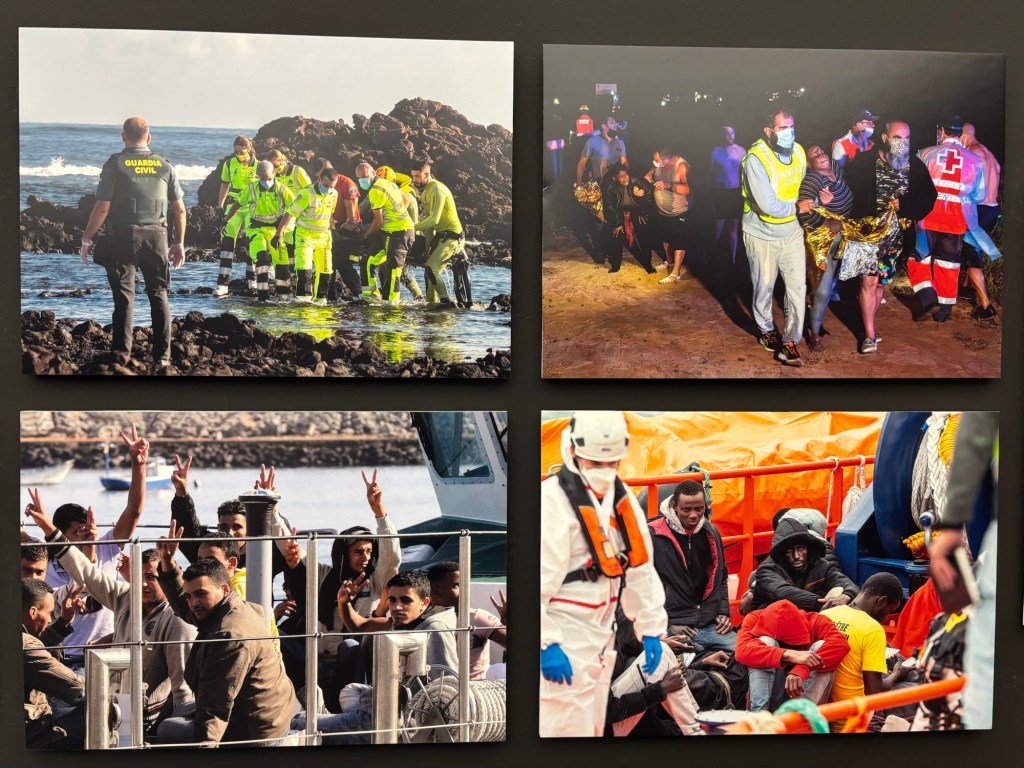
A fitting coda to the fate of the Guanches can be found in a temporary exhibit in the museum’s basement. Here, in a large and well-lit room, is a collection of a more modern tragedy: the African migration to the Canary Islands. Known as the ruta canaria, it is one of the most dangerous immigration routes in the world, since those making the trek in simple dugout canoes are at the whims of both the sun and the Canarian current which, if poorly timed, will carry the little boats out into the merciless wastes of the Atlantic Ocean. Most who make it that far will perish long before their boat washes up on the coast of the Americas.

This is, of course, how the first Canarians arrived in these islands many years ago, but with tighter security around the shorter but in some ways even more treacherous Mediterranean crossing, many African migrants continue to put their lives on the line to reach European soil – even if that soil is closer to Africa than any European territory. It’s also a growing concern: 2024 saw the largest number of migrants yet arriving on the shores of the Canary Islands at 46,843.


Behind each number is a harrowing personal journey, which is just as likely to end in misery or a body bag as it is in success. And even when they get here – what then? Do they find the Europeans any more welcoming than the countries they left behind them? What do they make of the hordes who descend upon these islands in the summer, riding in and out on cheap flights without a care in the world?

In one corner of the room there is a small exhibit, positioned almost exactly three floors below the Guanche mummies. It consists of an empty body bag on a rocky beach, scattered over with photographs like votive offerings. It’s a reminder that the dead who wash up on these shores, though faceless under black polyethylene veils, are not mere numbers, as the politicians would have you believe, but people whose journeys have come to an end. It’s our duty, if not our right, to make sure that their stories go on, so that their sacrifices are never forgotten.

The Guanches might be long gone, along with the giant rats and tortoises who came here before them, but the story of migration in these islands goes on. BB x

Amber and Ashes

Warsaw is a strange town. For a European, at least. It’s like looking at a replica – which is not so far from the truth at all, as the city was razed to the ground with unparalleled savagery on Hitler’s orders. It seems absurd that I stayed in buildings in the US this summer that were older. But, there we are. It’s a testament to the Poles’ love for their capital city that they rebuilt the place brick by brick, presumably at no small expense.

I’ve come to the centre of the Old Town in search of amber for my mother, to replace a pair of cherished earrings lost long ago. I wanted to visit the Polish Jewish Museum and the Warsaw Uprising Museum, but as luck would have it, those two museums – and only those two – are closed on Tuesdays. So I do one of my usual make-it-up-as-you-go walking tours instead.

The usual global parasites that infest the heart of Europe’s ancient cities have been mercifully kept outside the old town walls: the lurid glare of the Hard Rock Café, Costa coffee and the Golden Arches can be seen from its outermost streets, but no further. Along with the usual array of anachronistic American college jackets with Warsaw splashed across them, quite a few souvenir shops appear to be selling tee-shirts with the city’s name in Star Wars font. One even has a chibi Darth Vader next to the slogan “I love Warsaw”. It seems a little tasteless to have a man infamous for his hatred, wanton destruction, ruthless repression and stormtroopers (and who isn’t even the obvious real life counterpart) associated with a city like Warsaw, but perhaps the irony was lost on the designers.


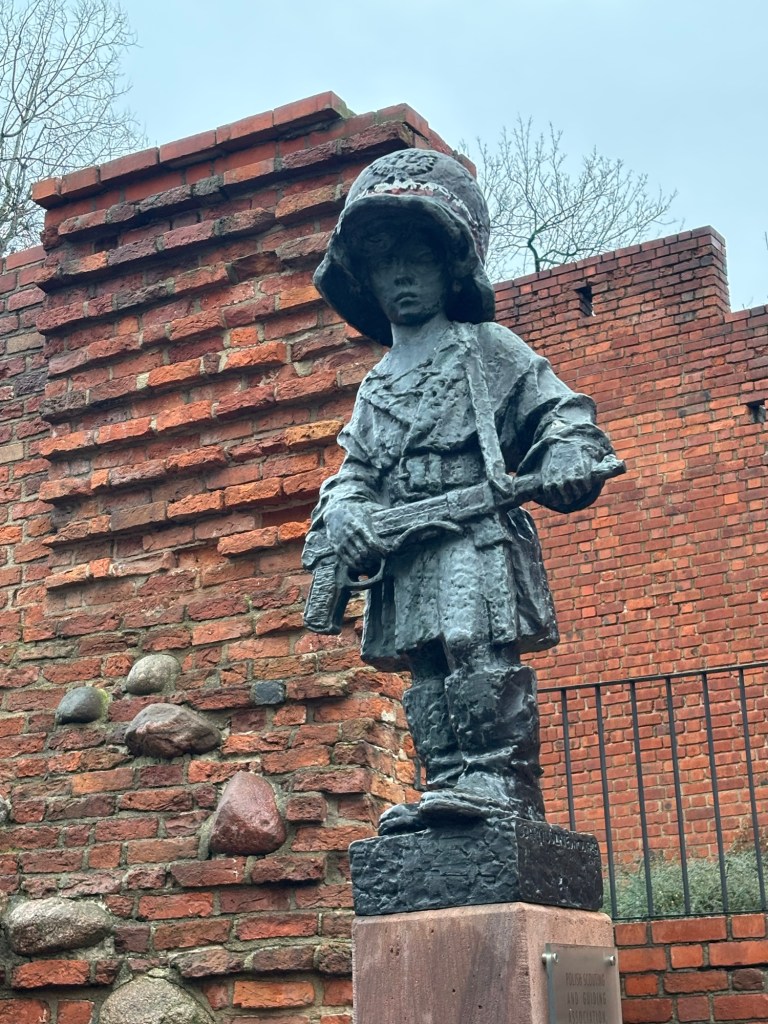
Not far from the city centre stands a miniature statue atop a plinth, just outside the city walls. It depicts a child soldier, an anonymous victim of the Warsaw Uprising. It is a stark reminder of just how young the rebels were: the average age of the insurgents was only seventeen. One has to hand it to the incredible courage of the Poles for standing up to the might of the Third Reich, when they were all but trapped under the heel of the Führer’s jackboot.


Nothing remains of the Jewish ghetto, which was considerable. Similar ghettos in Spanish cities are minute by comparison, despite Spain once housing a not insignificant percentage of the world’s Jews. There are nods to what once was: a metal plaque cuts across the road in places, marking where the perimeter walls once stood.

In a park nearby, a woman in a fur coat walks her dog. I arrive one minute too late to catch the start of the changing of the guard, but I do see the new sentries move into position beside the Tomb of the Unknown Soldier. A fire burns steadily in an iron grate between them. The chosen shelter for the tomb is the last remaining piece of a former palace complex, of which only three arches survived the destruction of war. A short wall on either side of the square bars access to what looks like an excavation site. Beyond that, the yellow squares of ceiling lights gleam from behind the glass of the office buildings. I have always been curious as to what it might be like to work in one of those places, though it’s the same kind of curiosity I harbour for how it might feel to tumble over a cliff or to sink to the bottom of the ocean. Perhaps I’m happier not knowing.


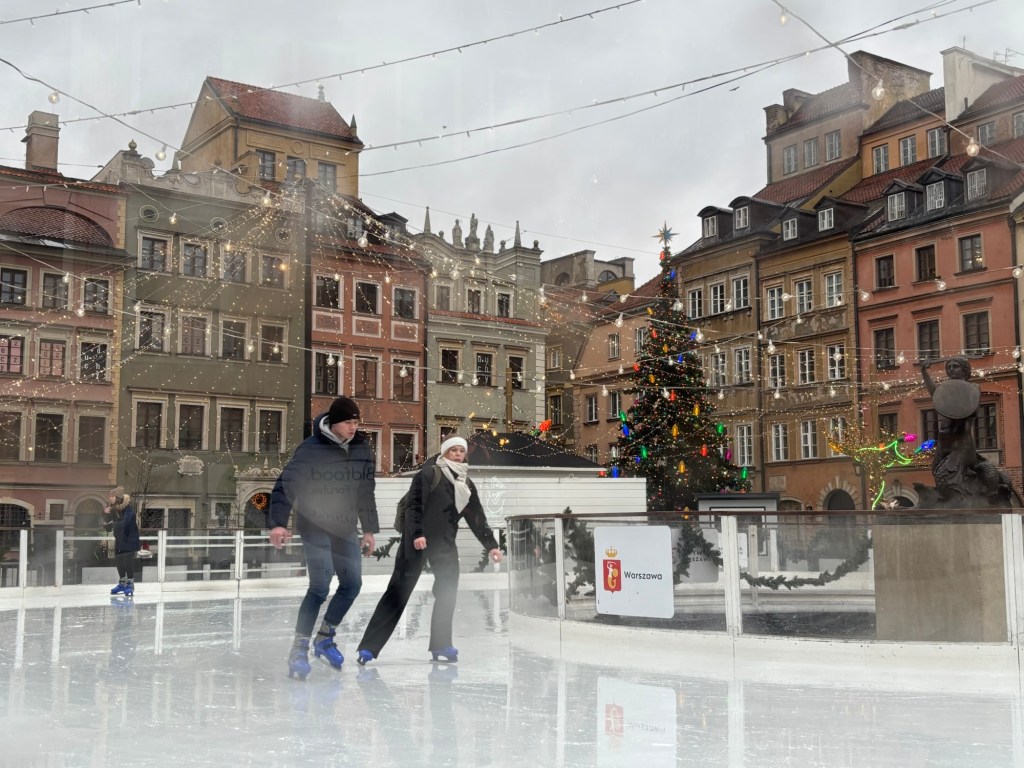
Night falls. Warsaw puts her Christmas clothes on. I consider going without supper, but one of the restaurants in the old town does flaki and I can never say no to offal. This time I can savour it in peace, without the tutting and sermonising of the vegetarian globetrotter who was so judgemental of my taste before. The pierogi are probably a bit much and I can’t finish them all, but I do an honest job of it. I suspect that flaki appeals to me because tripe stew isn’t too far from the Spanish dish of callos or any number of dishes I have eaten in Uganda and Morocco.


Back at the hotel, I have a lot of time to think. I pack my bags. I watch Polanski’s The Pianist and try to picture those things happening right beneath my hotel window, some eighty years ago. I tell myself I mustn’t sell myself so cheaply anymore, apologise to a few matches on Hinge and unmatch. I take a shower and read back through the blog to happier times, to the Camino, and wonder whether that ought to be my next grand adventure. After all, the end of the Camino isn’t the end of the road. It’s just the start of the next one. BB x

Camino XVIII: Festivals and Fetuses

I’m sitting at a table for one at the Bar Sevilla in the Plaza Mayor in Villafranca del Bierzo, after a 37km trek across the Valle del Bierzo this morning. I ordered a pizza almost without thinking, and now I’ve had a closer look, the menu del día looks fab. But, the caldo gallego and pig’s ears will have to wait until I’m in Galicia proper. The important thing is that I eat decently tonight, as I walked a lot today, and I’ve got a fair bit of climbing to do tomorrow.


I allowed myself a slightly later start this morning as breakfast was on offer at the albergue. I took the opportunity to make myself a sandwich for the road and warm myself up for the road ahead with a Cola Cao substitute, which was needed – it was quite a scramble down the mountain from El Acebo to the valley floor. If ever there were a bad day to be deprived of a good hiking stick, it was definitely today.

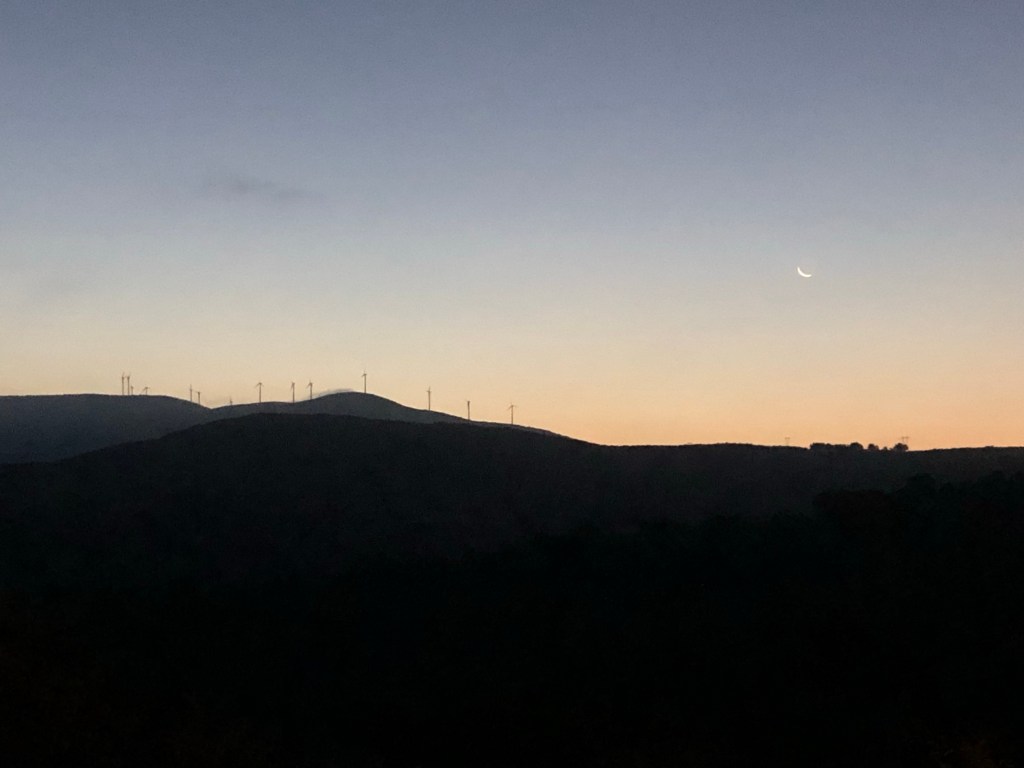
On the plus side, the mountains held the rising sun at bay long enough for me to get clear of the mountains, so I had a fairly cool descent. It’s always quiet high up in the mountains before sunrise, but the cheery song of blackcaps, the trill of a robin and the eerie, extraterrestrial whirr of a nightjar from somewhere in the valley below kept me company all the way down.


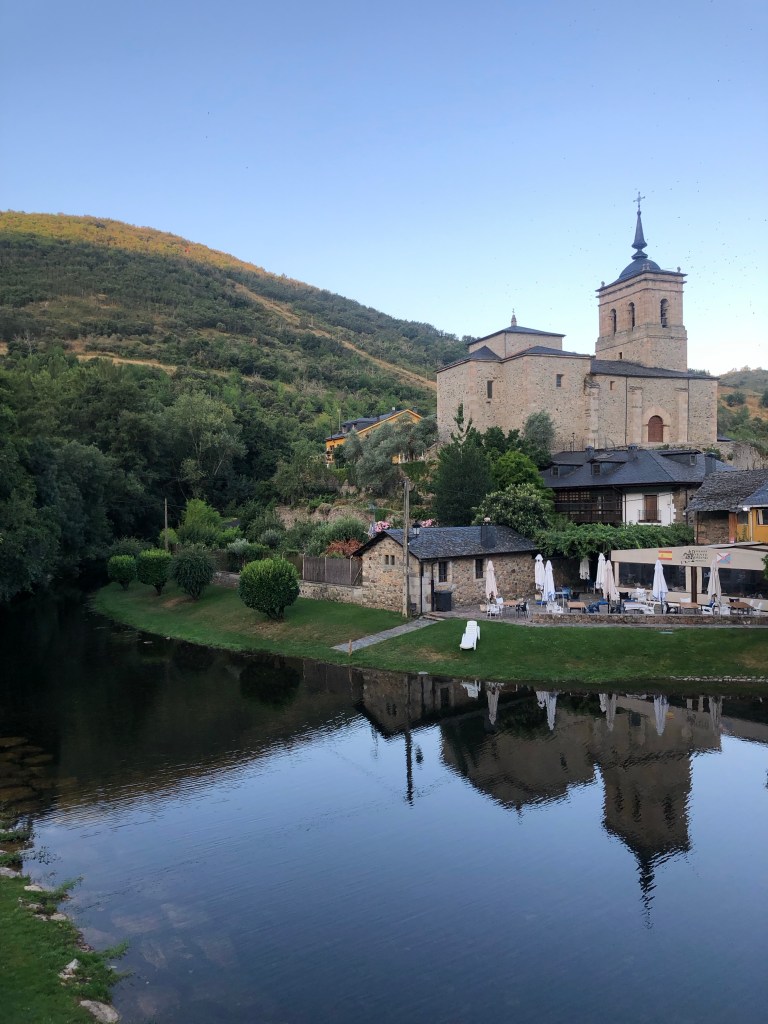
Molinaseca was a stunning slate-roofed chocolate-box town, albeit frozen in time by the fact that it was 7.30am on a Sunday morning when I arrived. Like Castrojeríz, it had a big sign declaring its status as one of the ‘pueblos más bonitos de España’, and I guess it deserves that title. I’ll just have to come back sometime – I’ve already marked it in my Camino guide for next time.


I managed to clear Ponferrada and its extensive suburbs in just over an hour. Rather than follow the way-marked route I made a straight shot through the heart of the city, following what must once have been the original Camino down an arrow-straight road called Calle Santiago that didn’t move an inch left or right until it had cleared at least two outlying towns. After that, the Camino reappeared and, once the minor matter of the motorway had been cleared, it led down into the green vineyard valley of El Bierzo.

I stopped for a drink and ate the sandwich I’d plain forgotten about in the shade of an oak by a stream. A few pilgrims were having a similar pause in the next town, but other than ducking into a church for a stamp and a prayer, I didn’t really stop for much longer than fifteen minutes all morning.

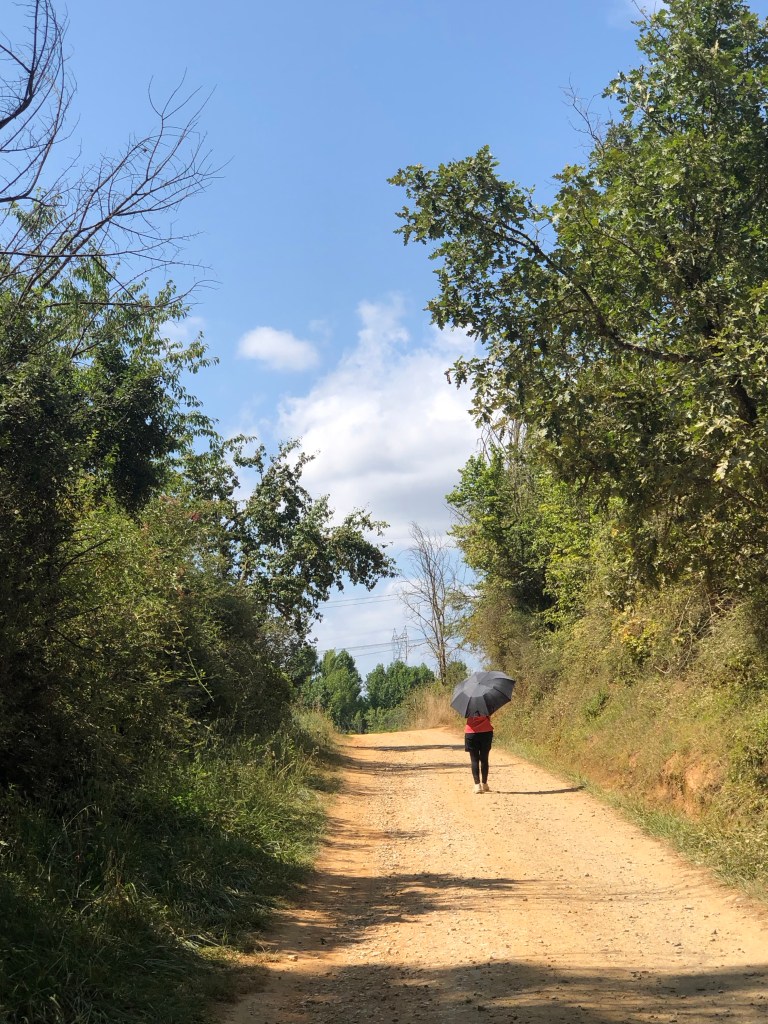
Finally, a few kilometres short of Villafranca, a few pilgrims came into view – always a promising sight. You can spot the Koreans a mile away: they’re often covered from head to foot, gloves and socks and all, to avoid tanning the pale skin that is so valued over there – or so they tell me. One was even carrying a parasol. Then again, am I any more sane for wearing no protective gear on my head or eyes whatsoever? (Ever since I lost a treasured flat cap years ago, I don’t do hats…)


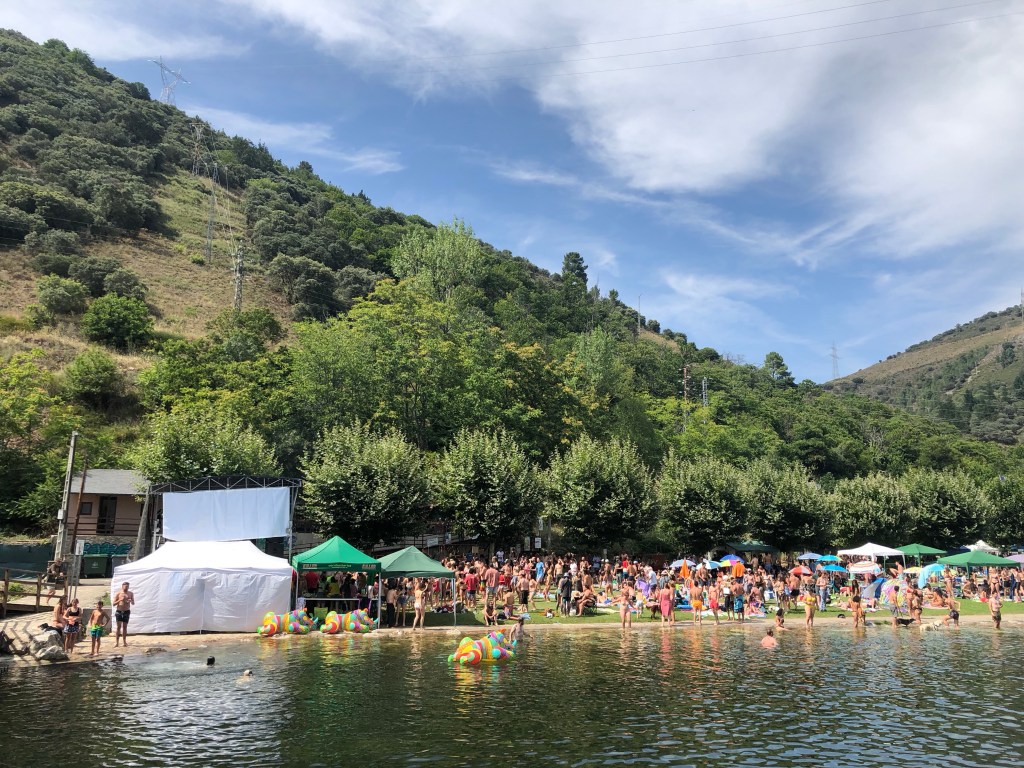
Villafranca del Bierzo seemed quiet when I got here, but I’d only got a few groggy minutes into my afternoon nap when I became vaguely aware of a throbbing bass from somewhere beyond the church on the opposite hill. One of the bicigrinos (cycling pilgrims) told me he’d heard there was a festival in town, so I tagged along with an American pilgrim and went to have a look.

I’m not quite sure what to make of it still. Did I miss a turning and end up back home in Brighton, or was it Woodstock? All I really remember is an endless stream of seriously groovy Afrobeat rhythms sailing across the river from a crowded lawn, where a stage had been set up, and a frantic crowd of party-goers in varying states of undress – with swimwear being as formal as it got, and starkers being the standard. They seemed to be having the time of their lives, but I felt more than a little voyeuristic, so I went back into town to find a less hedonistic way to spend the afternoon. Free weed, fire jugglers and naked breasts wherever you look might be a standard summer if you’re a festival follower, but I’m on pilgrimage here!


That being said, I could have picked a holier spot than the local natural history museum.

Set up by the Pauline Fathers, a religious order, it’s a small museum that contains a number of curios like Hispano-Roman and 17th century Spanish coins, fossils and crystals, an enormous collection of seashells and an impressive array of stuffed animals, with the quality of the taxidermy (and labelling) varying considerably.

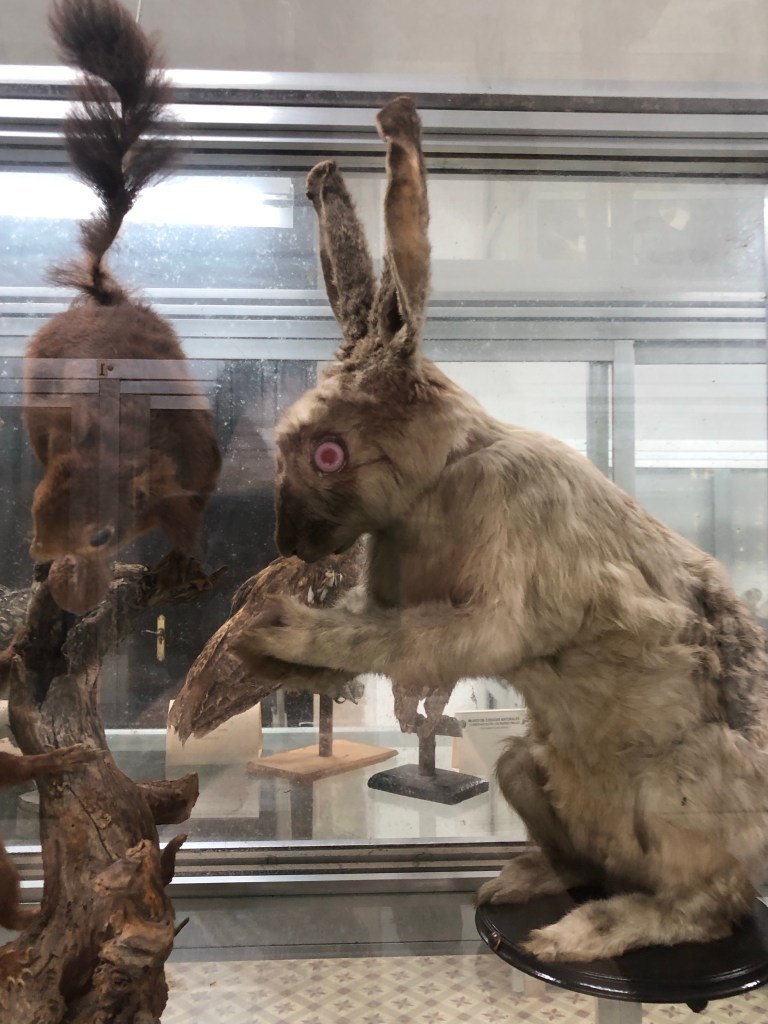
Some of the exhibits are unique to the museum, thanks to the collector’s taste for the bizarre. There are a number of mutant animals, including a two-headed goat (with two vestigial legs poking out of its back), a lamb with one head but two bodies, and a piglet with a similarly unfortunate birth defect. An enormous albino hare with bright red eyes threatened to knock the eyeless dolls of Mansilla from the top spot of creepiest museum artefact, and while the bird collection was clearly the work of an ornithologist, it’s always surprising how easy it is to botch a stuffed cat.


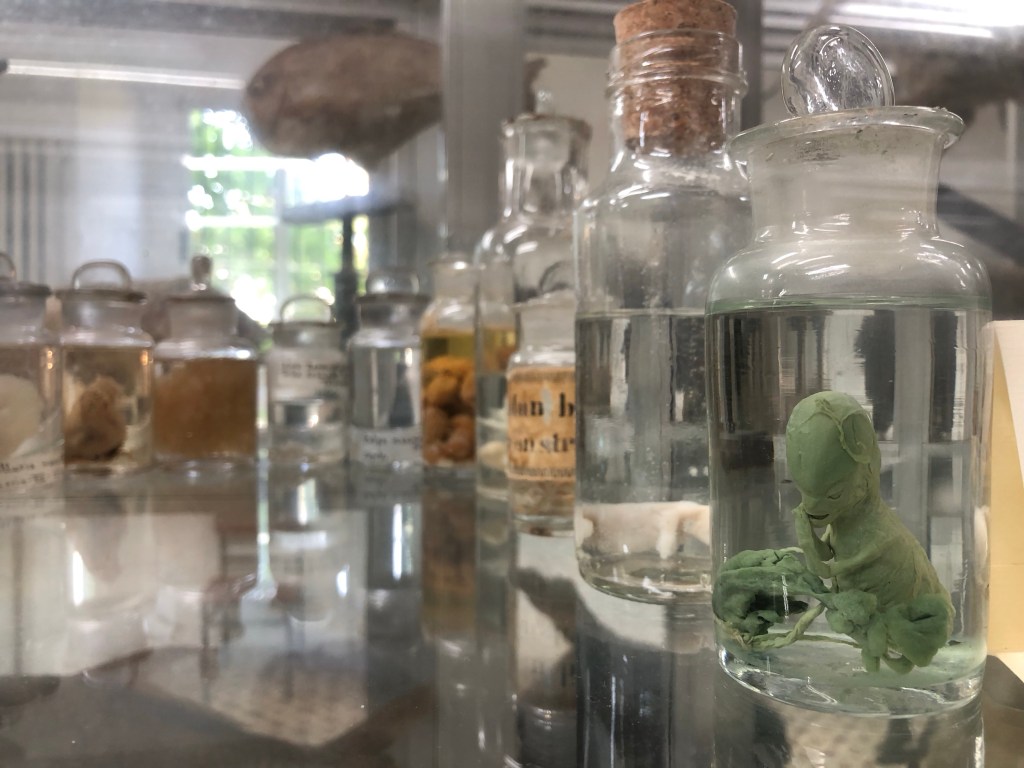
But perhaps the most disturbing exhibits were the specimens in the vinegar bottles. You expect to see the usual array of frogs, snakes and crustaceans in these soulless bottles, their contents looking a lot healthier of complexion than their stuffed neighbours, albeit a lot less alive. But while pickled geckoes was definitely a novelty, the two human fetuses on display were a nauseating shock. That the museum is housed inside the church of San Nicolás, and the collectors in question were monks, only adds to the disturbing nature of this particular exhibit.

Definitely worth a visit, but not for the faint of heart.


For a change of scene, I dropped in on the Colegiata de Santa Maria. Unlike the usual friendly old parishioner in charge of pilgrim stamps in churches along the Camino, a young lad in his late teens loitered near the desk inside. He looked as though he would have preferred to be at the festival which could still be dimly heard through the church’s stone walls, but was very well-spoken and wished me well on the road, so perhaps I misjudged him.

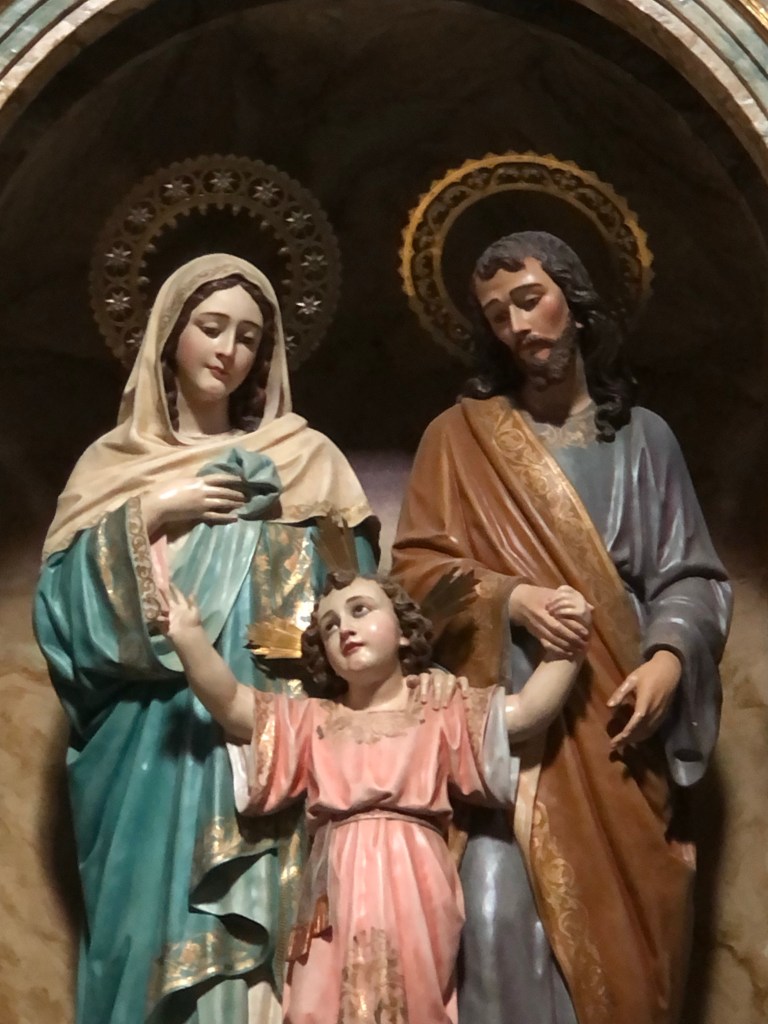
All I’ll say is to end on is that my last lap of the building took me to an image of La Sagrada Familia: Joseph, Mary and Jesus. I don’t think I’ve ever seen all three depicted together as a family so, and I was genuinely struck for a minute or so. The Bible talks a lot about Jesus coming down and becoming Man, but it stands to reason he was a Child before that. And in a country so intrinsically Marian in its devotional practices, it was quite something to see Joseph standing shoulder to shoulder with his wife, the halo about his head just as radiant as hers. The likeness between father and son – or at least the son depicted as a grown man elsewhere in the church – was an interesting detail.


Was the artist trying to make a statement? After all, the short form of José (Spanish for Joseph) is Pepe, which is the same sound as two P’s, standing for ‘padre putativo’ (probable father). Or maybe he just wanted to tie the son of God that bit closer to man on Earth. In any event, I was moved.

Tomorrow, I make for the frontier. I will either stop at La Faba, the last Leonese outpost before Galicia, or climb the last couple of kilometres up to O Cebreiro and be over the border by nightfall. Either way, I’m looking forward to a shorter day. Catch you later! BB x