They Bring the Summer

The year is turning. Can you feel it? The light in the morning has shifted ever so slightly, but it’s noticeable. We’re past the peak, and before long the red-gold winds of autumn will be upon us. Thanks to the fierce heat we had in July, some of the trees are already wearing their russet cloaks. I shouldn’t be surprised if we’re in for a long, dry winter this year. Perhaps that’s the way of things to come, perhaps not. Time will tell.

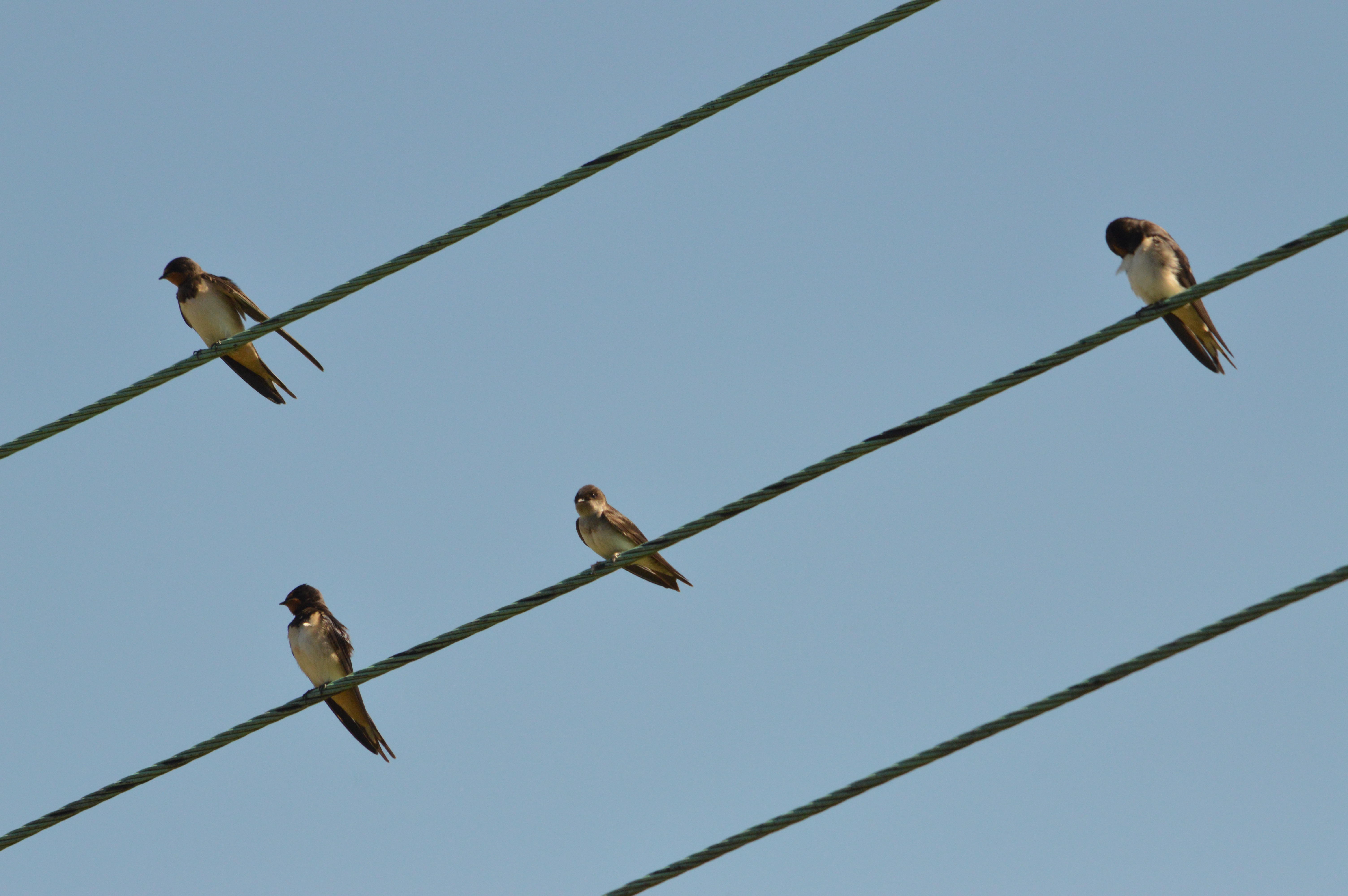
The family of swallows that nests in the barn near the house have had a very successful year. I counted eleven of them on the wires this morning: two parents with full streamers and nine noisy youngsters whose tails have yet to grow out in full. I had to count twice because of a sand martin who seems to prefer hanging out with swallows than his own kin, who have a colony in a field half a mile down the road. There comes a time every year, usually in September, when the swallows and martins suddenly gather en masse in a noisy spectacle before setting off for the south. We’re not quite there yet, no matter how abnormal this summer’s weather has been, but it sure felt like a nod to that day this morning.
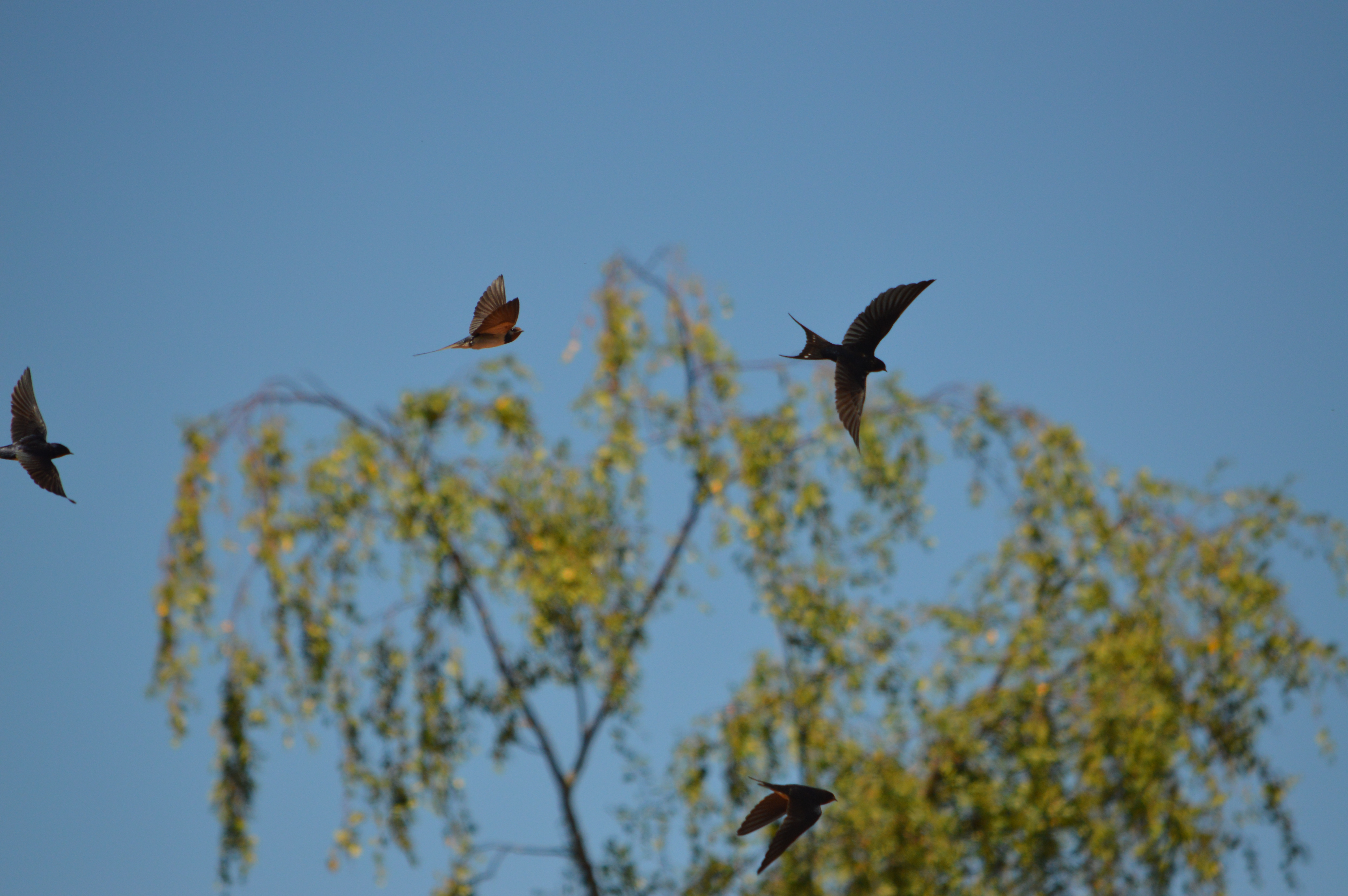
Swallows, swifts and martins – collectively known as hirundines, which might have something to do with the Latin word harundo, meaning the forked shaft of an arrow – really are some of nature’s miracles. The tiny flashes of blue and white that dance over the fields with such cheerful abandon in summer travelled around 9,700km from their wintering grounds in South Africa to get here, and in the space of a few short months they have to make the same journey all over again in reverse, this time with their young in tow. Most estimates have them traveling about 320km every day. That’s a bloody long way to go when you’re only a few months old!

This morning the family looked like they were getting some practice in for the long journey ahead. Mum and dad would sit with the youngsters on the wires for a while, chattering amongst each other while the kids preened endlessly, before suddenly taking off and wheeling about the garden with their offspring racing after them. They might have been hunting, of course, but some of the young ones were far more interested in playing keep-up with a pigeon feather, catching it and keeping it from touching the ground, the way children sometimes do with a balloon. It was really quite endearing to see.
In the past, where our swallows went each winter had us stumped. There were some truly bizarre theories floating around. Following in Aristotle’s footsteps, some thought they hibernated underground. Some thought that they slept at the bottom of deep lakes and ponds, since they spent a great deal of their time hawking over the water during the summer months. One 17th century theory, courtesy of Englishman Charles Morton, claimed the Moon as the swallows’ winter destination as the only logical explanation for their total disappearance. It sounds absurd, but it’s not so outlandish a theory when you try to imagine explaining that these tiny creatures travel further twice a year than most humans will in a lifetime. It even makes the underground hibernation theory seem plausible!

It’s an incredibly hazardous journey, and not every one of our brave swallows will make it there and back. There are all manner of dangers they have to face: sea crossings, storms, high winds, predation by hobbies (consummate swallow-catchers), not to mention human interference – some will be caught for food, and the Maltese in particular are infamous for their practice of trapping migrating birds by liming fences. And then, of course, there’s the mighty Sahara Desert. Michael Morpurgo wrote a fantastic children’s book about that journey – Dear Olly – which you should read if you want an idea.

So why travel all that way? Competition might well have something to do with it. After all, Africa has plenty of swallows of its own (without all these European swallows “comin’ over ‘ere and takin’ our jobs” etc.) and fans of Monty Python will be well aware of the fact that African swallows are non-migratory. On my travels around Uganda during the rainy season (November) back in 2012, I saw plenty of familiar-looking swallows hawking over the White Nile, but most of the birds I clocked were local species that don’t travel far from home. Still, I couldn’t help wondering whether maybe just one of the brave little birds flitting by had crossed my path sometime before, either in Spain or the south of England. How’s that for a flight of fancy! <groan>
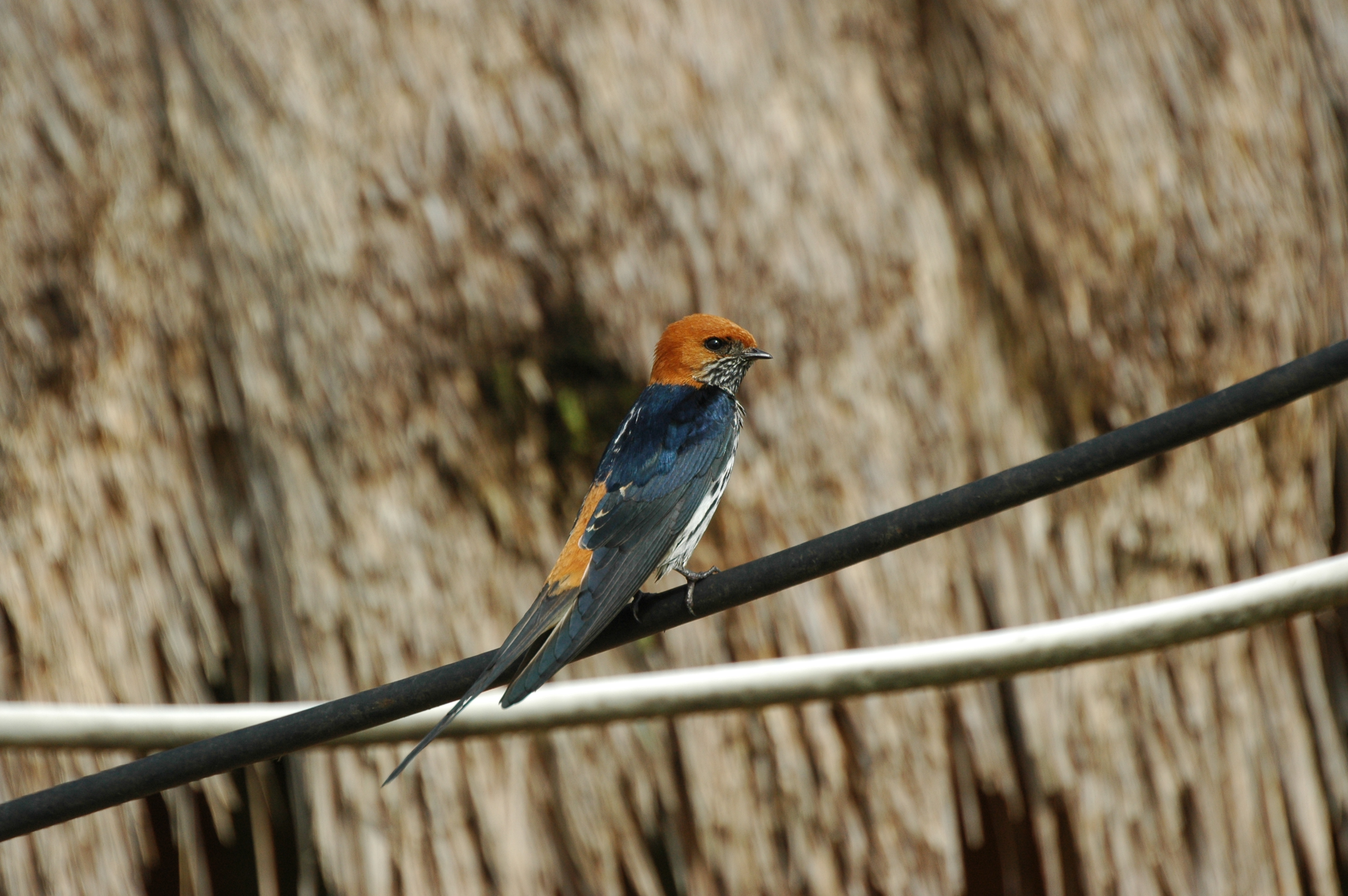
Greater striped swallow, Ishasha Lodge (Queen Elizabeth National Park) Uganda, 18th November 2012

Swallows are remarkable creatures to watch. While we still have a few weeks left of summer, try to find a few minutes to enjoy the little winged miracles. I’m sure they do wonders for one’s mental health, but to use less clinical terms, they sure can lift one’s spirits. Today, for the first time, I saw two of the youngsters doing something I’ve never seen swallows do before: sunbathing. Plenty of birds do this kind of thing to regulate body temperature, but it’s the first time I’ve seen swallows in the act. It was just two of them who kept leaning over in the sunlight – the others were far more interested in preening, though the sand martin looked as though he wanted to get in on the action!

One swallow does not a summer make, but their departure certainly puts an end to it! If you’ve enjoyed reading my homage to our chatty little neighbours, you might find the links below worth a browse, too. Until the next time! BB x
https://www.historytoday.com/archive/natural-histories/great-migration-mystery
https://www.rspb.org.uk/birds-and-wildlife/wildlife-guides/bird-a-z/swallow/migration/

Screamers

April isn’t normally a mad month. This one has been, though. Since getting back from La Mancha, I’ve been here, there and everywhere. Performing in the school play. Working at a Language Immersion weekend in Burguillos del Cerro with the local EOI. Attending extra Gospel Choir rehearsals in Zafra. Taking additional classes at school, cancelling my private classes (at last) and doing intensive research in the library. For what is supposed to be a twelve-hour working week, I’ve been rather busy. It’s never anything that I can’t handle, though, and with the end in sight now, lesson planning is becoming easier rather than harder. That’s some small relief.

DSC_0328

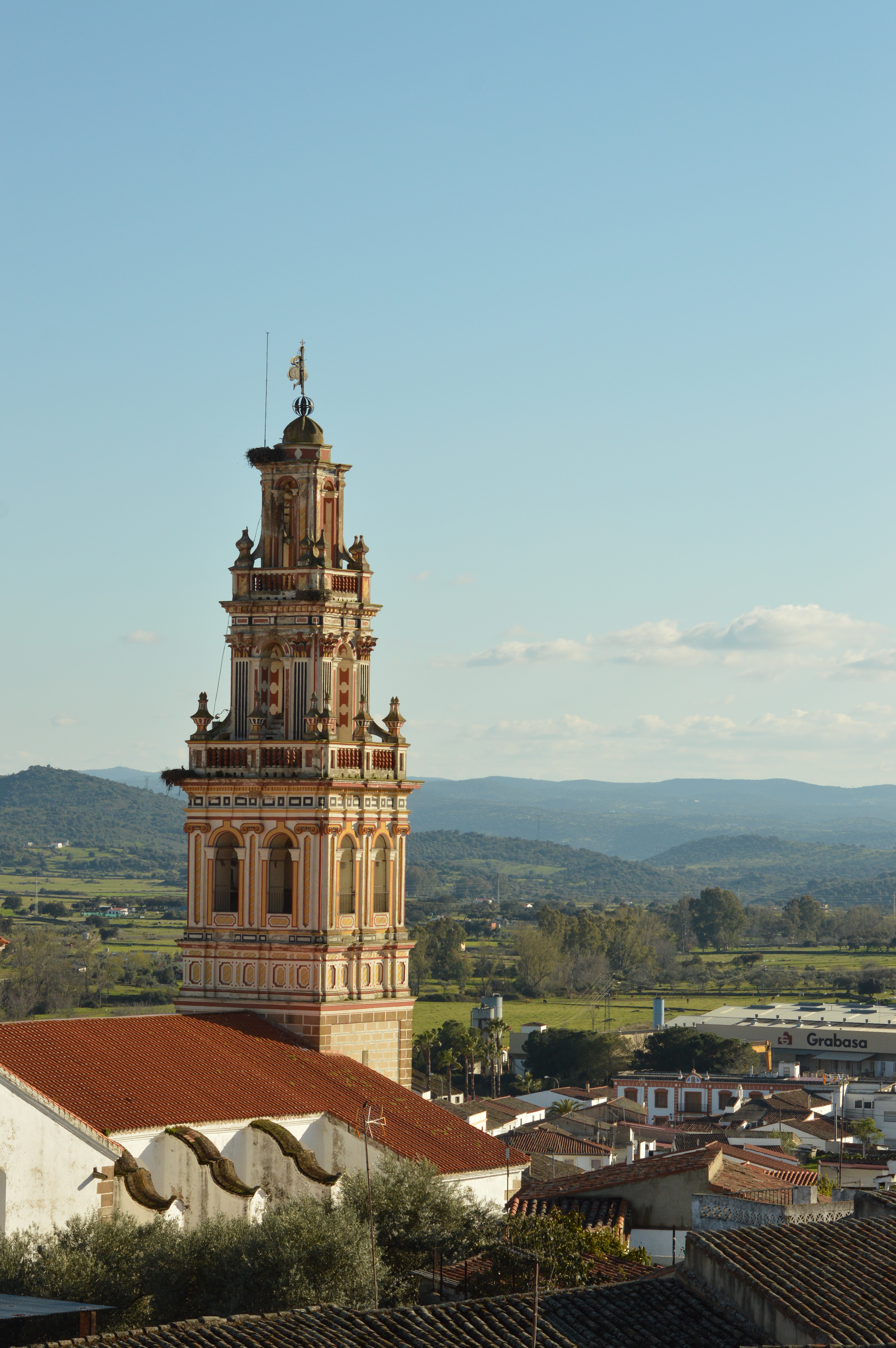
Parroquia de Santa Maria de la Encina y San Juan Bautista, Burguillos del Cerro

The weather, though… What is with the weather this year? Ignoring the fact that I’m English and that my first blog post in almost a month should naturally be to talk about the weather, it’s been one of the weirdest years for weather I’ve ever seen. First the cold, then the rain – three and a half weeks of it – then a week of glorious sunshine, then hard rain again, and now summer, with high humidity and thunderstorms forecast over the Puente de Mayo. It’s as though Spain just forgot to do Spring this year.

DSC_0325

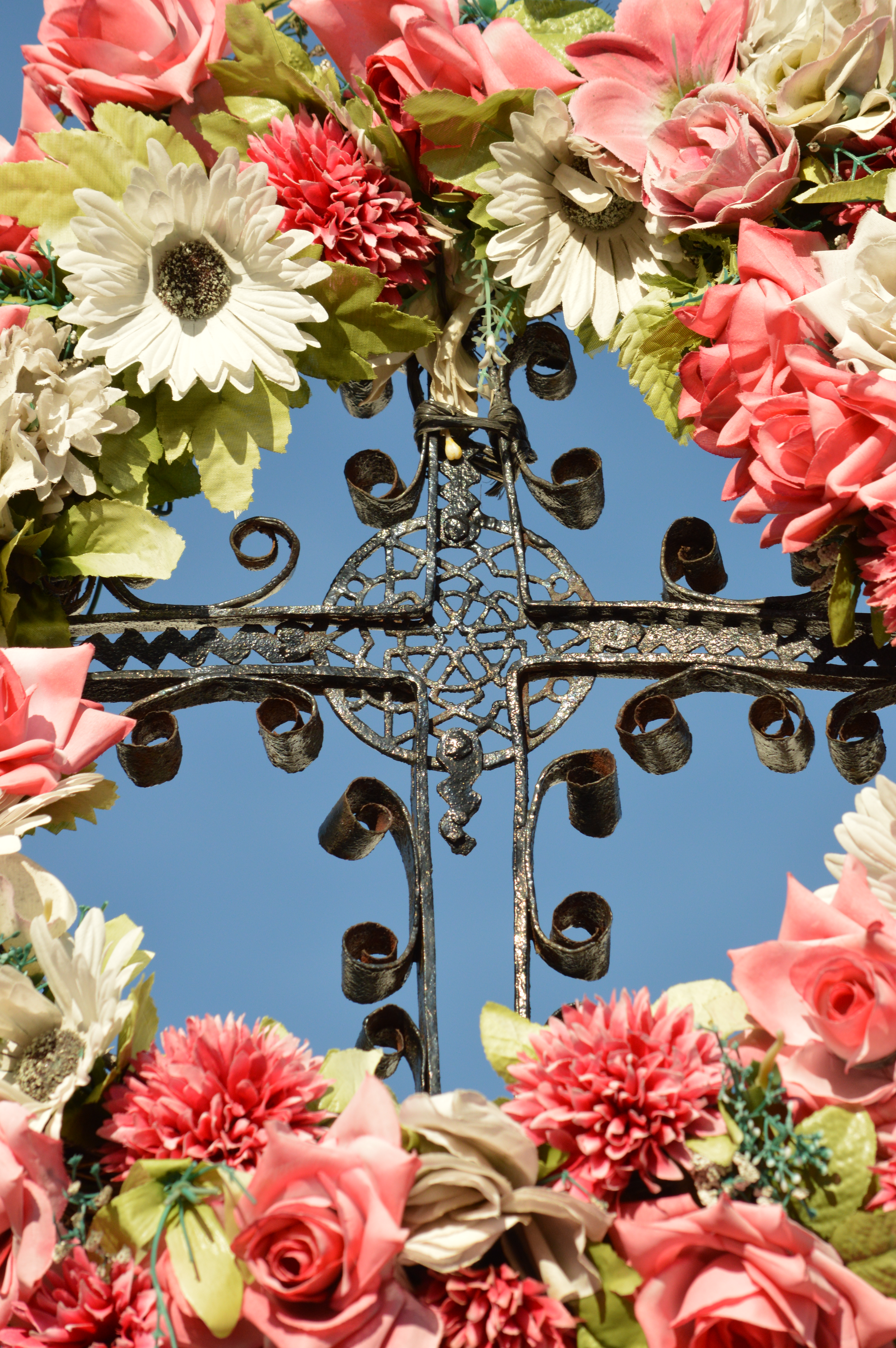
I’m wondering whether that Star of David tucked away in there was intentional…

Winter was long, dry and freezing cold here in Tierra de Barros. Spanish houses are designed with the long, sweltering summers in mind, and though they’re well-adapted to shutting out the light and heat in August, they’re lamentably bad at keeping it in during the winter months. You basically need the brasero (a flat heater, often kept beneath a covered table) on every night. It’s a long battle between cold hands, feet and everything, and the bimonthly electricity bill, and the latest invoice that’s been lying on the kitchen table for the last fortnight serves as a reminder of the cost of the season’s war crimes. It’s a pity one can’t live in Spain for half the year and England for the other. You could make a killing on the savings.

DSC_0354 (2)

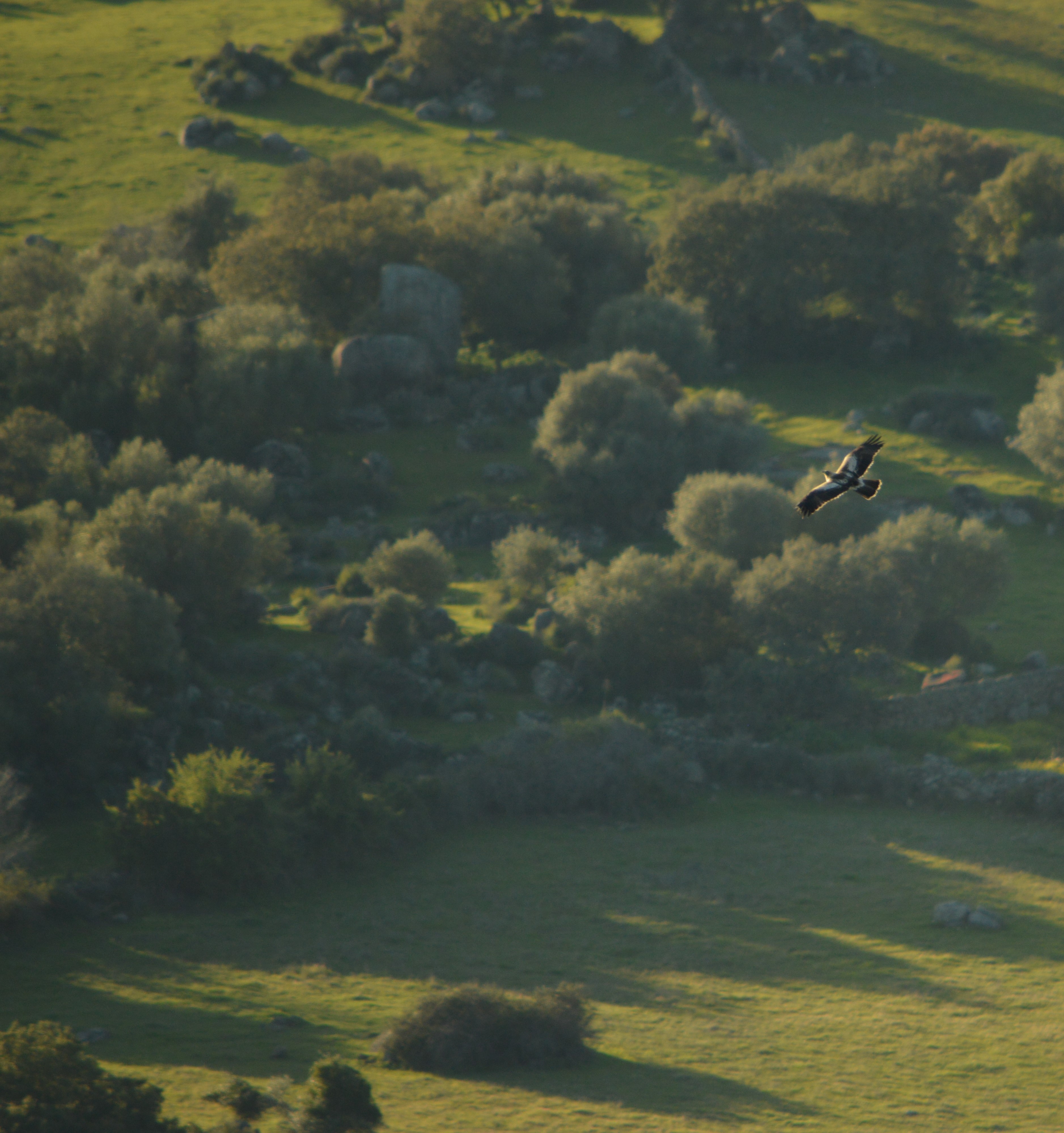
Booted Eagle (aguila calzada) from the castle at Burguillos

On a minor note, it’s impossible to get into a comfortable position on this sofa. There. I’ve acknowledged the elephant in the room. We can move on.

DSC_0340

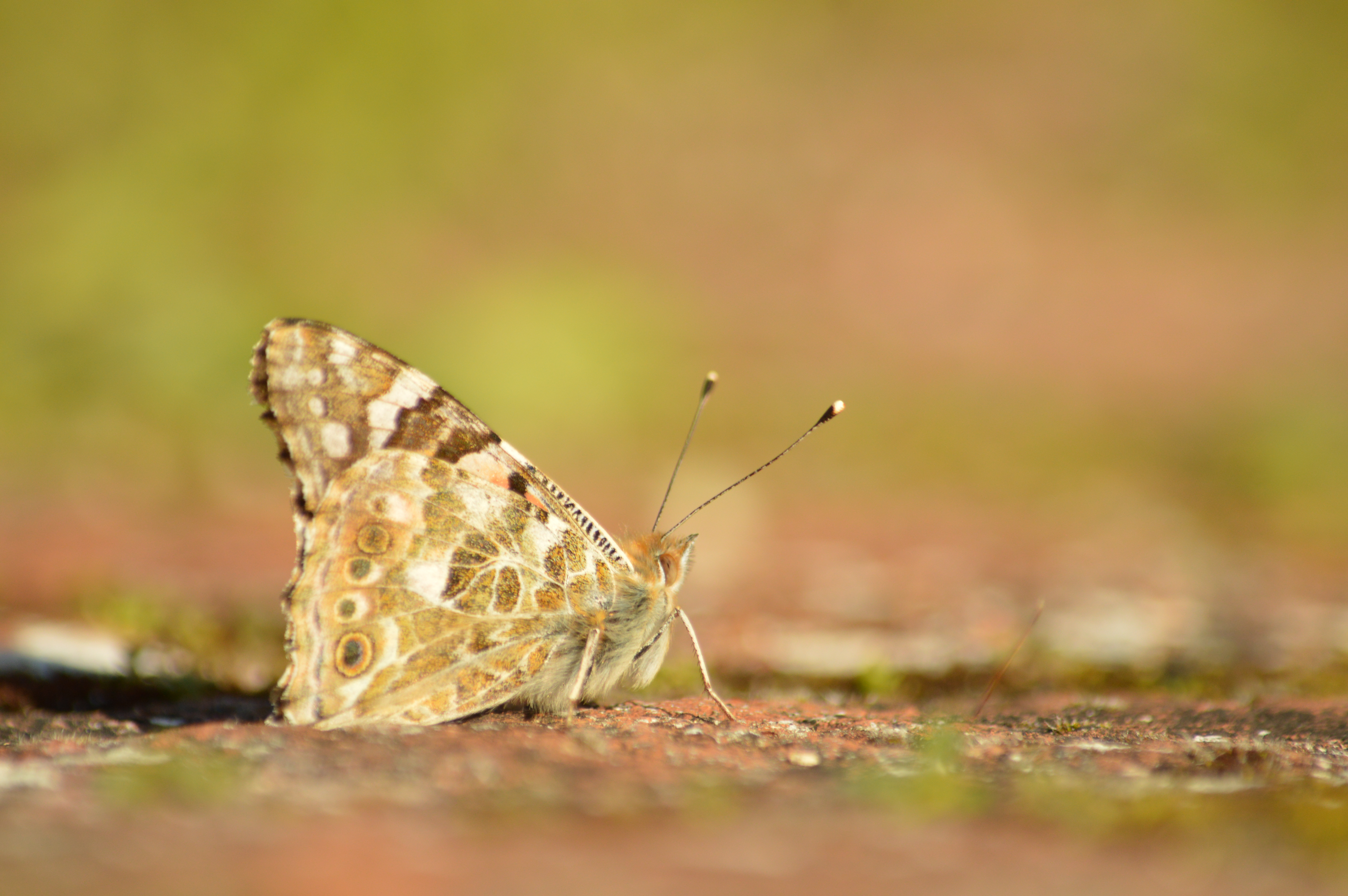
Painted Lady taking a break on the castle top

I’ve been wondering what to write the next blog post about for a while. A couple of weeks ago the bee-eaters arrived, on the very day I’d commented on their absence, and that brought joy to my heart. Later, I had the Language Immersion, which raised some rather disconcerting news concerning my beloved Extremadura, but that wasn’t strictly blog-worthy. I also dug out the local library’s regional encyclopedias, which were filled to the brim with local information I could only dream about before… but at the risk of boring you all senseless, I’ll wait until I’ve properly processed the information before regurgitating it here and now. No, the answer, my friend, was blowing in the wind.

DSC_0409 (2)

Or should I say, screaming.

DSC_0502 - Copy

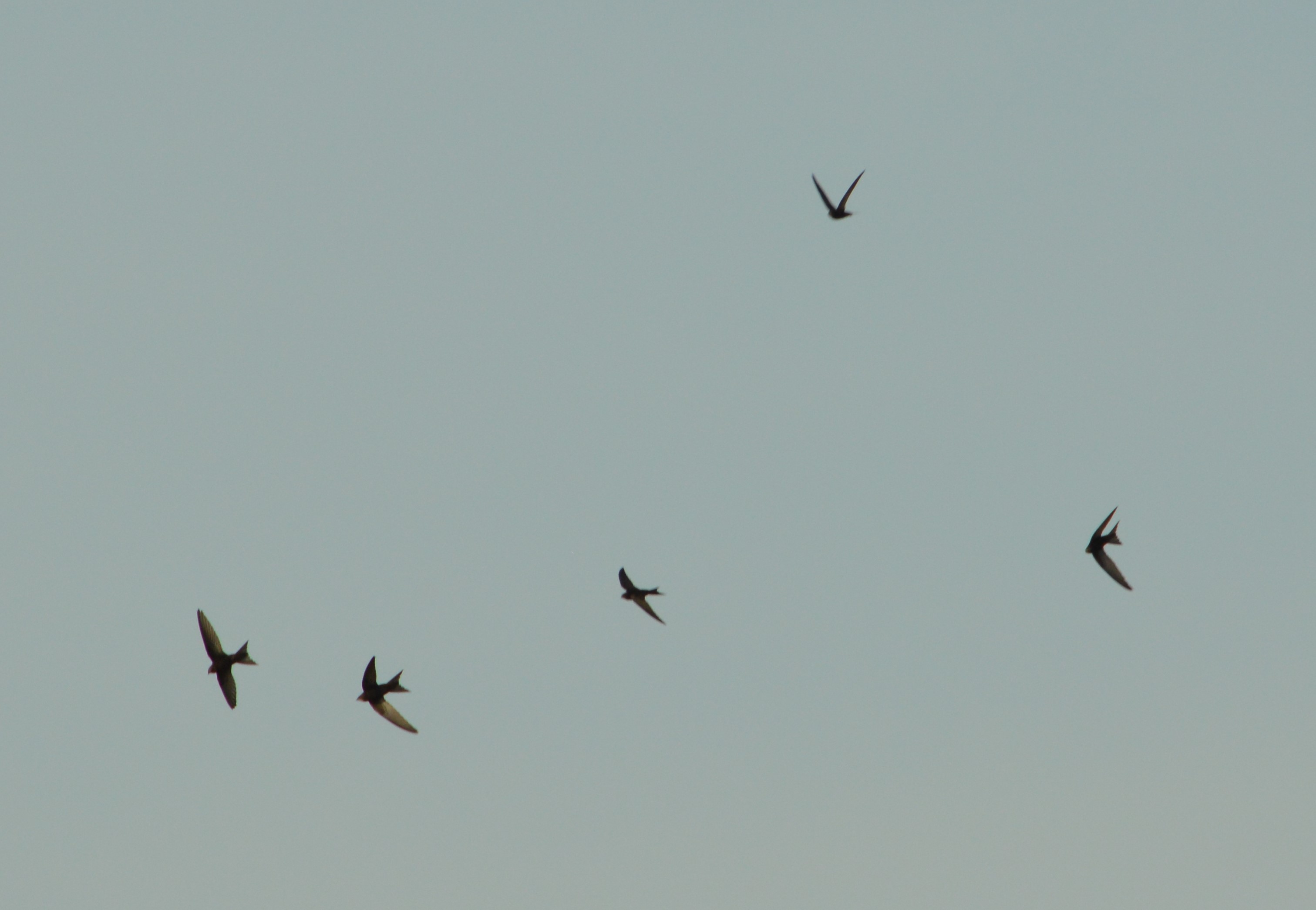
The swifts have been here for over a month now, hawking overhead on their way north alongside the hundreds of swallows, martins, kites and storks also bound for northern Europe, but the Villafranca contingent only arrived a few weeks ago. How do I know this? Well, it’s quite simple, really. I know this because the screaming only began a few weeks ago. The collective noun for a flock of swifts varies, with some opting for a box of swifts, or the more alliterative swoop of swifts, though in perfect honesty I’m going to tip my hat to the chappie who coined the phrase a ‘screaming frenzy’ of swifts – because anybody who’s familiar with these peculiar creatures will know that they’re not exactly the most inconspicuous of birds, to put it lightly.

DSC_0466 (2)

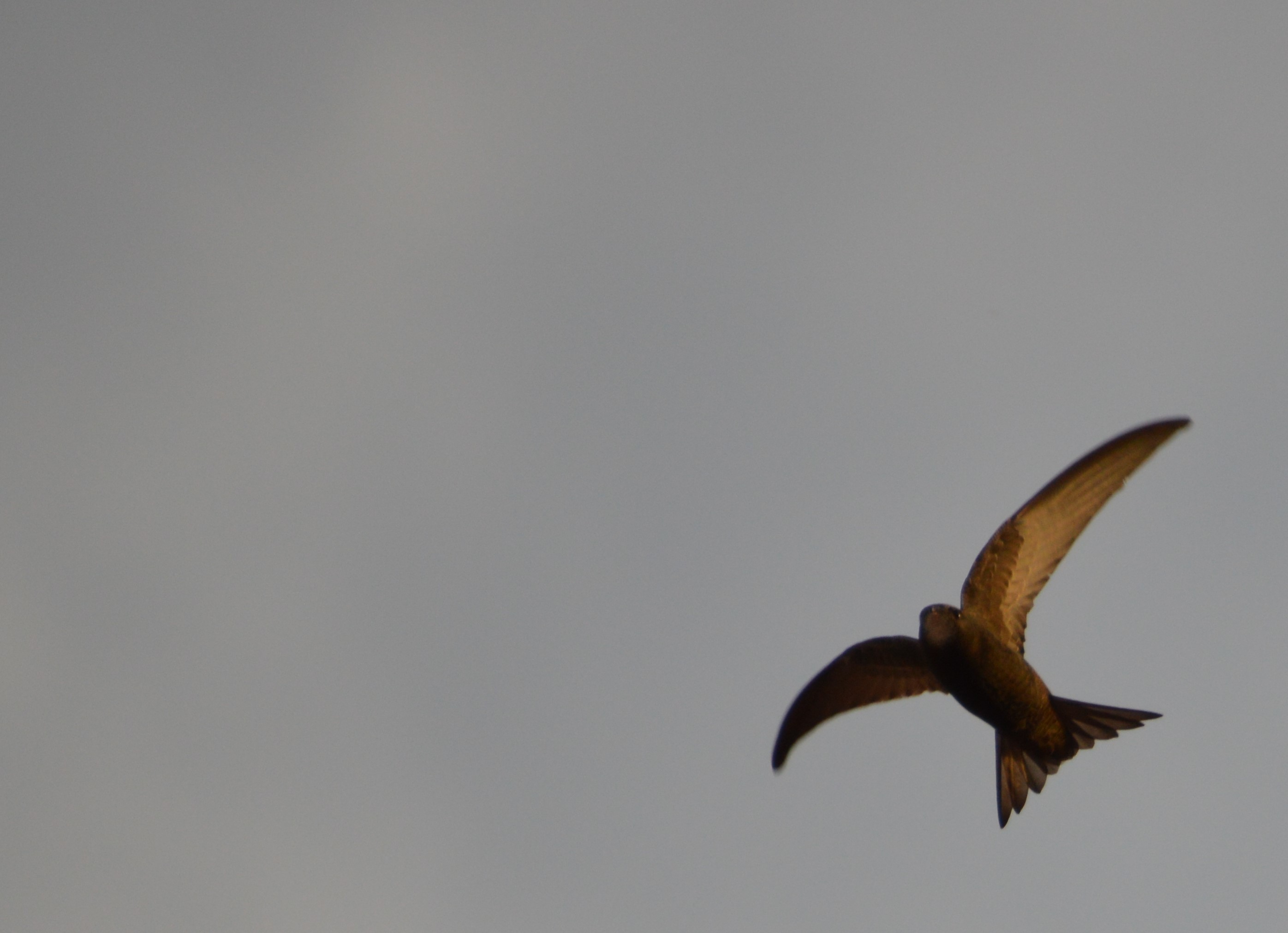
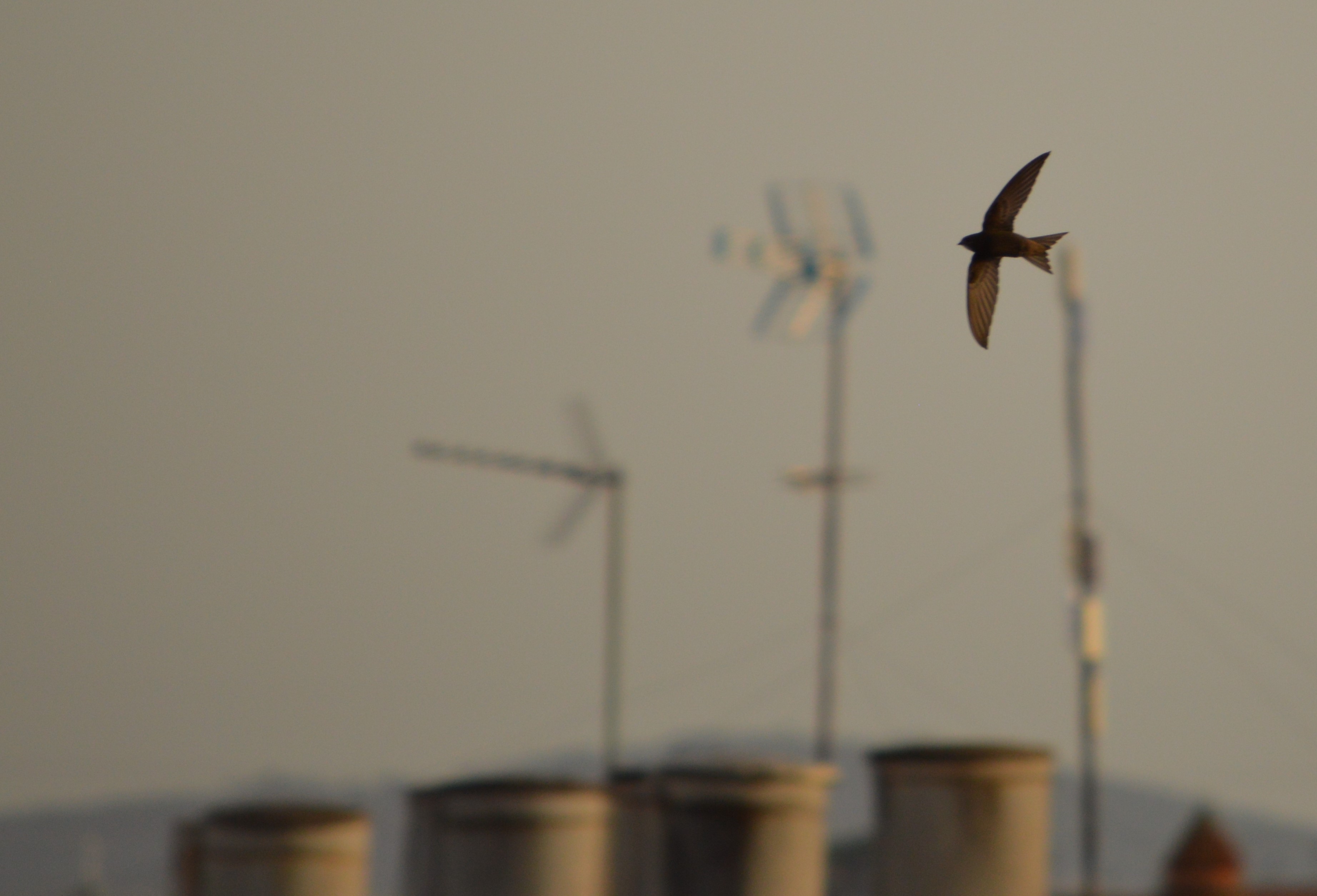
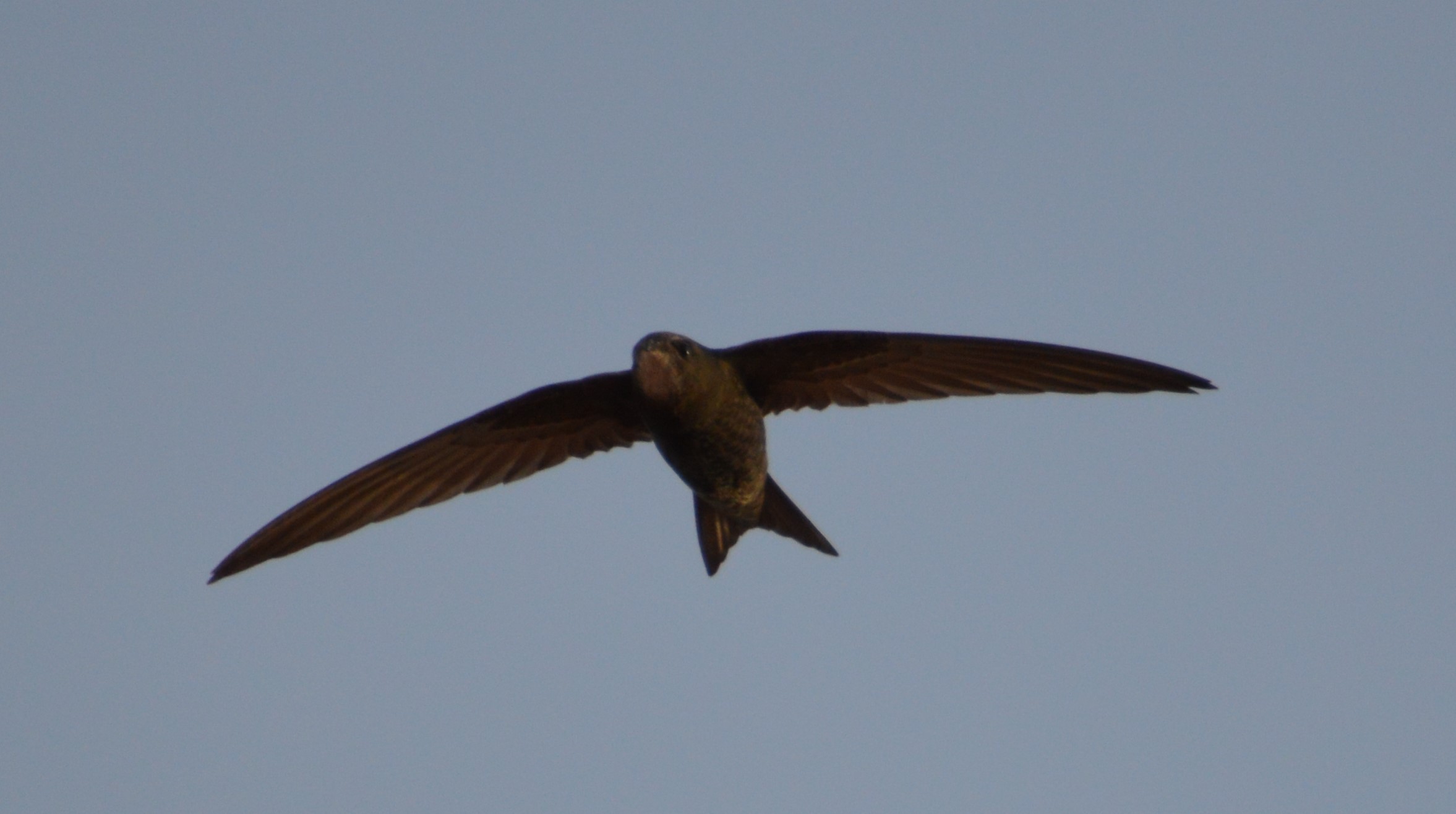
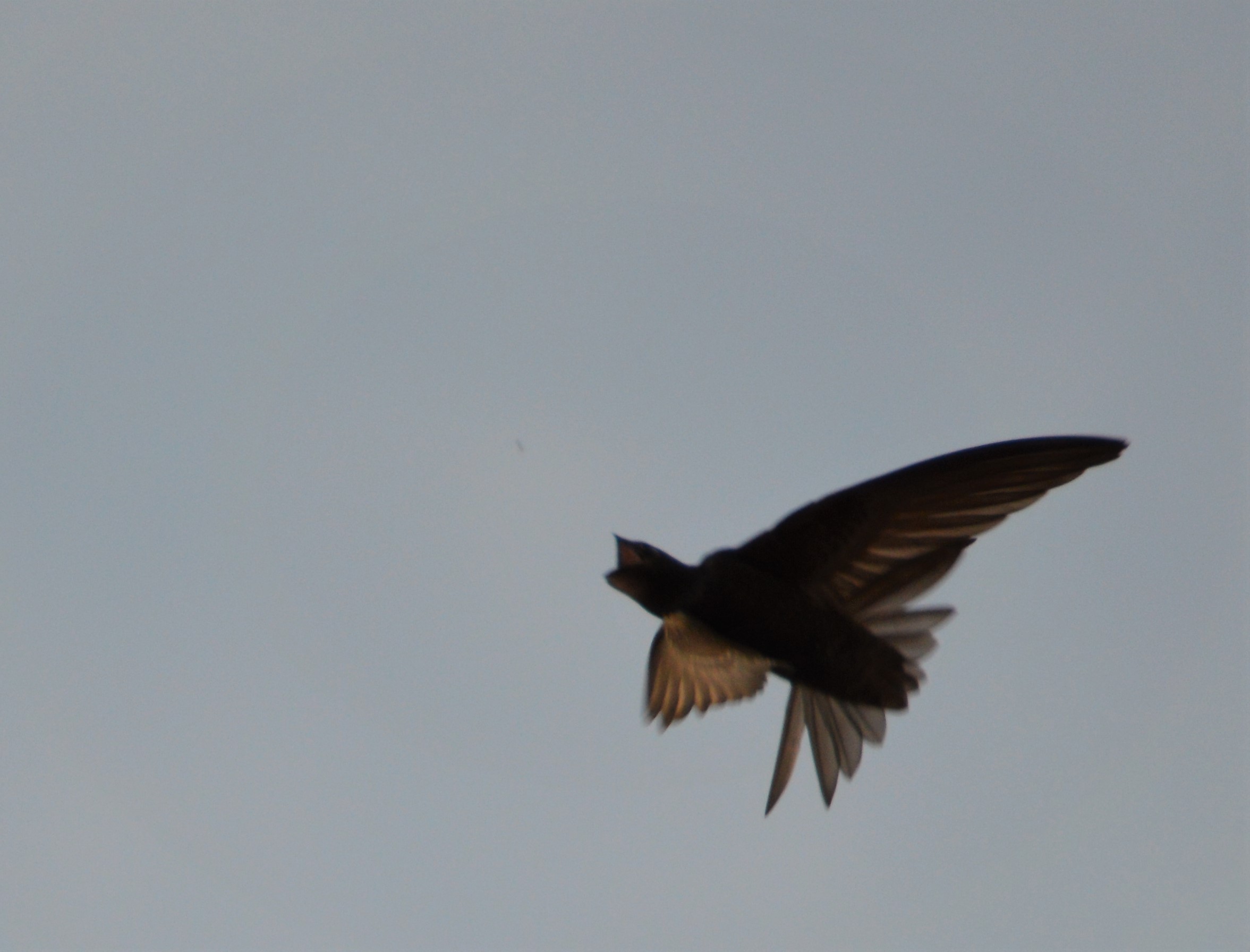
Swifts are odd-looking birds, to say the least. In flight, they’re right out of a kid’s drawing: long, tapering wings with no trailing fingers, a stubby, featureless face and a cigar-shaped body which makes them look more like a fish that grew feathers and took to the sky. At the same time, their large brown eyes and tiny mouths lend something mousy to their appearance, too. They’re not even that closely related to swallows and martins, with which they share the skies. But whatever they are, they’re endlessly fun to watch, as they duck and weave and scream and perform some of nature’s most endearing acrobatics on a summer evening, seemingly for the sheer thrill of it.

DSC_0483 (2)

The saying “one swallow does not a summer make” holds more and more weight here in Spain, especially now that in recent years many swallows never leave at all, opting instead to take their chances with the Spanish winter rather than brave the journey across the Sahara and back. Swifts, on the other hand, are die-hard migrants, spending almost their entire lives on the wing. They eat, sleep, mate and collect all the material they need to build their nests in the air. The ancients believed they never came down at all: their scientific name – apus – derives from the Greek for ‘without feet’. Needless to say they do, like all birds, though they’re small and underdeveloped in comparison to their powerful wings. I’ve only ever seen a swift’s feet once, and that was because I found a dead fledgling beneath the eaves of the village church when I was thirteen. I remember Adisham being a haven for rare birds then: spotted flycatchers, yellow wagtails, corn buntings, grey partridges and even local rumours of a lonely corncrake. I wonder how it’s faring now.

DSC_0433 (2)

There are five species of swift in Spain: the common swift (above), the larger brown-and-white Alpine swift and the chunkier pallid swift, and the two newcomers from Africa, the white-rumped and little swifts (you’ll see the latter a lot more readily if you take a wander through the streets of Marrakesh, where they make a habit of weaving between the heads of the shoppers on their way to their nests). It’s the common swifts we get here in Villafranca, the same kind we see back home in England, even though theirs is a sound I have come to associate more and more with Spain than England. Like the cuckoo and the turtle dove, the early summer screams of the swift faded into memory as I grew up and they began to disappear. It can’t be easy, sharing our little island with Man.

DSC_0476 (2)

Look close and you’ll see the fly that once was

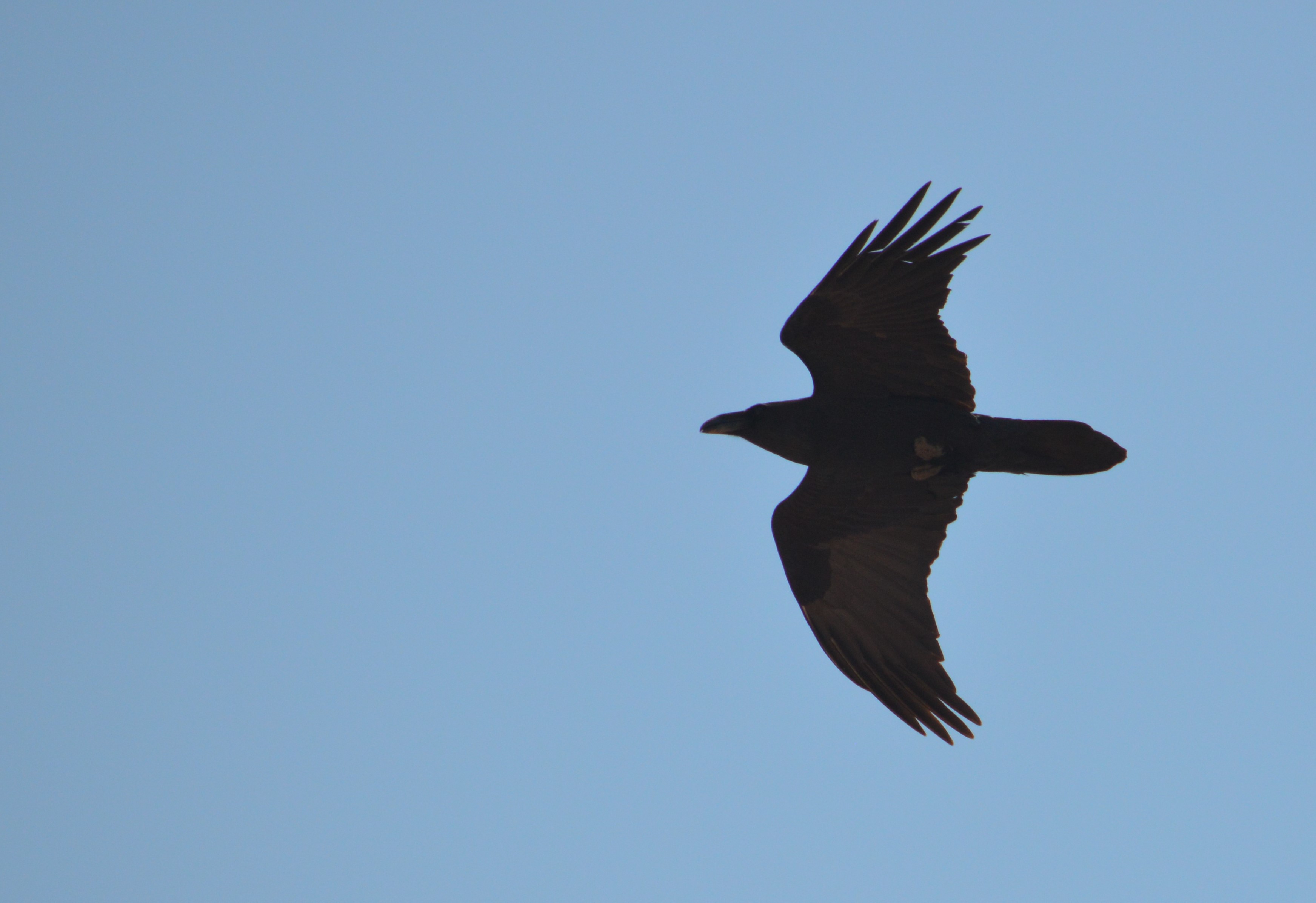
The older I get, the more I appreciate the simpler things. When I was younger, it was all about the bells and whistles: hoopoes with their punk-rocker crests, rollers with their shiny blue jackets and gallinules in their resplendent purple glory. I’m still mad about the gallinules, but a long detox from the serious bird-watching of my teen years has done me wonders. Swifts and starlings are just as worth watching these days as kites and eagles, with the added bonus being that they can be counted on to be outside my window at any given moment… Although, that being said, it’s a rare moment when I look out the window and don’t find myself picking out a kite, stork or eagle in the blue sky. Yesterday I’d popped my head out for just a minute when a raven flew over. My flat seems to be on the flight path, because most everything I see passes right overhead.

DSC_0379 (2)

Time for bed, I think. Well, another chapter of Bryce Courtenay’s The Power of One and then bed, anyway. There are some authors I just keep coming back to. Bryce Courtenay is one of them. BB x

Last Straw

Easter has arrived in Tierra de Barros. True to form, as it does every year, the glorious sunshine lasted only as long as the last week of term: now that the holidays are here, the clouds have returned. I remember reading once that it rains more on weekends than weekdays because of something to do with carbon emissions. I never did go down the rabbit hole, so to speak, but given the current state of affairs, it seems plausible.

I’ve made the decision to cancel all of my private classes as of this evening. It’s been on a slow-burner for the best part of a term (I might have considered it more carefully back in first term, were it not such a lucrative source of income). It’s going to be a financial dent, but it’s for the best. Had things panned out differently, I wouldn’t be so keen, but it’s beginning to take its toll on both me and my flatmate.

Making the decision to come to Villafranca de los Barros for a second time was, in part, a financial move, as I knew I had at least two potential second jobs waiting for me here and a healthy spread of contacts. Life, however, is seldom predictable, and as it turned out, I lost out on all three counts: my old job in a local concertado turned out to be in the hands of a local teacher this year; the spare auxiliar post at the prestigious private school across the road was streamlined into the wider auxiliar programme, cutting that option off as well; and, rather than granting me a healthy group of older students, my contacts this year inundated me with requests for classes for their under-10’s. And, like the fool I was, and without the financial security of the two second jobs I’d been holding out for, I took up the latter without thinking.

Since October, I’ve spent an hour every night from Monday to Friday dealing with raucous three-year olds, who have little to no interest in history, literature or current events, and would much prefer to yank the curtain pulls until they snap, or mangle my pencils, chalk my floor and otherwise wreak havoc in my flat. Were the flat mine I might be able to laugh it off, but it’s not, and the circle cannot hold. I moved most of the breakable materials into the storeroom within a couple of weeks, after the inquisitive little monsters found it in them to touch everything in sight, up to and including my flatmate’s school things, which despite my warnings he continued to leave in the line of fire on his return from work every day. And now, on the last day, the line has snapped: we found his satchel this morning with a broken strap.

It’s a shame that this had to come up on the last day, but I guess I shouldn’t have expected anything different. In his shoes, I’d have simply shrugged and gone to work with a broken satchel, taking it as part of the fruits of life, but then, it takes an awful lot to provoke me. Complaining and provoking slows life down and sullies the waters so, and I don’t hold by it; as long as you’re still breathing at the end of the day, there’s really no use crying over spilt milk. But he’s an Andalusian, and the six o’clock noise – bang in the middle of his siesta time – was going to drive him to the brink sooner or later. And I have myself to think of, too; my novel has ground to a slow trudge since taking on these lessons. Back in October, I was writing a chapter and a half a week. Since then, I’ve penned one a month. And isn’t that what this year was all about – to be here in Spain and to have the time to write? Next year I won’t have that luxury, mark my words.

So that’s that. The buck stops here.

It’s not all doom and gloom. The clouds are still here, and they say there’s more rain on the way, but the worst of the storm is over. The birds seem to know it, too: I’ve been lucky enough to see quite a lot of migration from the comfort of my own flat in the post-private lesson lull this week. On Monday I saw seven black kites heading in a straight line right over the flat, as though following the camino de plata in their northward journey. On the bus back from touring with the school play in Elvas on Tuesday, I saw several swifts racing overhead. And yesterday, circling high on the thermals, an enormous phalanx of storks filled the sky before reaching the perfect height and soaring on to the north on outstretched wings.

DSC_0009

One year, I’d love to be in Gibraltar when they come. I hear it’s quite the thing to see. BB x

No Going Back

Saying goodbye is never an easy thing to do. I’m certainly not particularly good at it. In fact, there are quite a few goodbyes I’d like the chance to go over again, given the opportunity. You know the kind: the ones where it was all too fleeting, or maybe you didn’t quite say everything you wanted to say, or maybe the real goodbye never came around and you were left with a last meeting that wasn’t really a send-off at all. Most likely you’ve encountered that oh-so-very British awkward goodbye at least once in your lifetime: the one where you say goodbye to somebody, only to bump into them a few minutes later. Don’t you find that situation crops up a lot? It certainly does in Durham, anyway…

For a chatty gossip like me (you’ll just have to imagine the deep sarcasm there), I don’t suppose there’s much point in an elaborate farewell. It’s only really an issue if you’re going to be out of contact for an extended period of time, like stepping off the plane into the abyss and severing all connections with the outside world. Which is essentially what I do every time I step off the train at Three Bridges. I have a phone, true, but I rarely use it. I think I sent a grand total of three texts over the last three months, and all three of them last Sunday. Radio silence on my part doesn’t necessarily mean I’m traveling – I’m probably a lot more talkative when I’m on the road – but it doesn’t mean I’m inactive, either. I simply enjoy going for long periods of radio silence. Anything that needs saying can surely be said best face-to-face, and anything that’s worth saying is always worth waiting for. That makes me quite a distant person, I guess – and not the easiest to track down. For somebody who spent almost all of two years on teenage texting tenterhooks, it’s a policy I’ve guarded jealously for some time now. So in that sense, setting off on another long adventure isn’t really all that different from any other end of term break, as far as contact is concerned.

I’m going off topic. I suppose I’d better come out with it. I’m heading off to Spain in two days’ time – less – to spend nine months working in a secondary school… and I’m not coming back in between.

The idea first came to me when I had a look at the Spanish school calendar for the coming year. That projected end of term date on the twenty-second of December shocked me at first, despite having been schooled in Spain at Christmastime before. It’s all about the reyes magos out there, and that’s not until January. I must have got it into my head early on, but it wasn’t until saying farewell (successfully, mind!) to Andrew at Gatwick Airport that it hit me: I want to be out there for the long haul. Taking a year abroad isn’t just about honing your language skills to fluency, it’s about growing up – and Lord knows I’ve still so much more of that to do. What better way than to strike out on your own for an entire year? Because that’s what it’s set to be, with my second Arabic stint in Morocco striking up almost as soon as I’m done in Extremadura at the end of May, meaning I won’t see the green hills of England again until August 2016, at the very earliest. That doesn’t trouble me as much as it should.

I'm going to miss autumn in England. No, I'm really, really, really going to miss it

I’m going to miss autumn in England. No, I’m really, really, really going to miss it

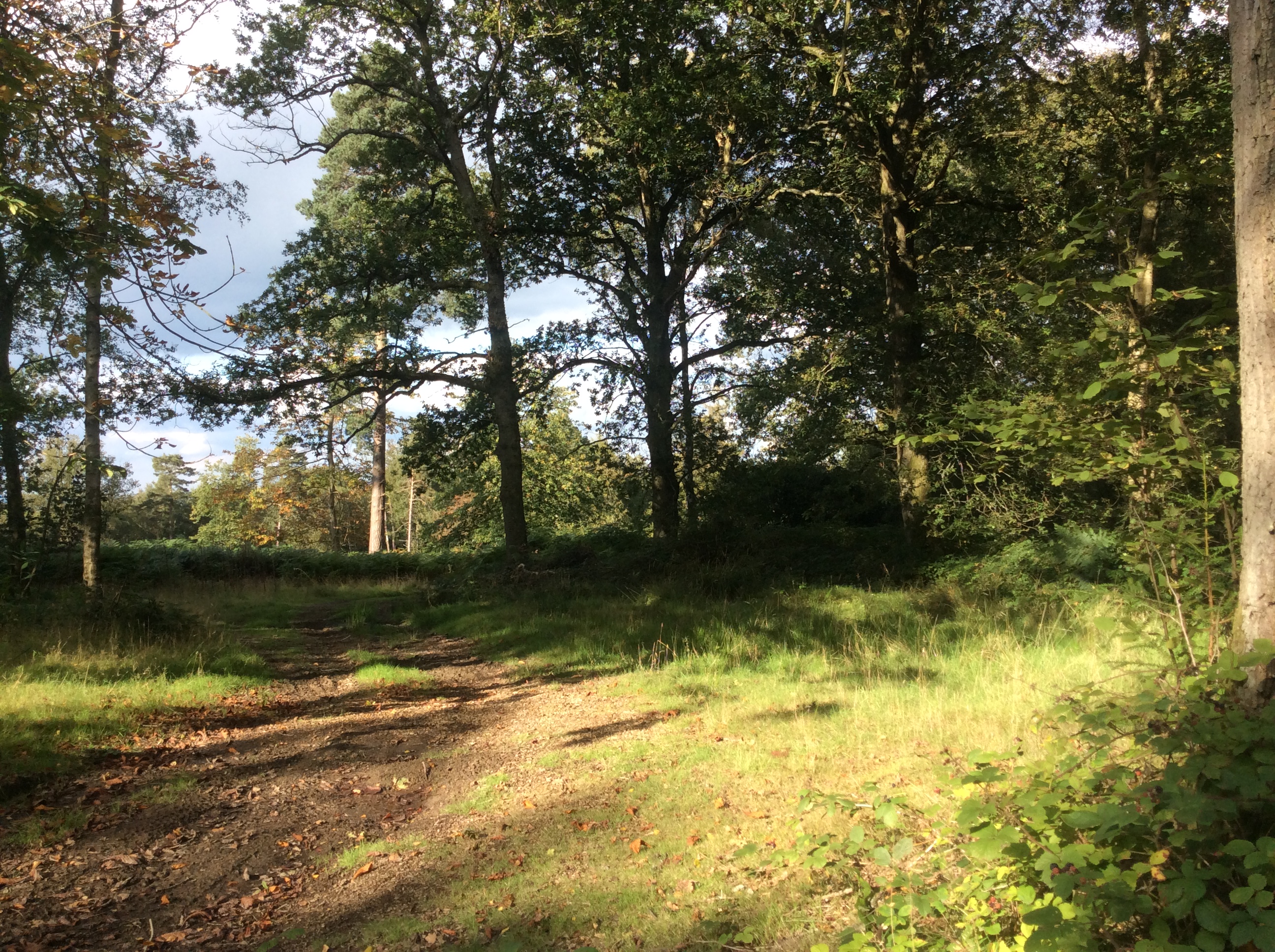
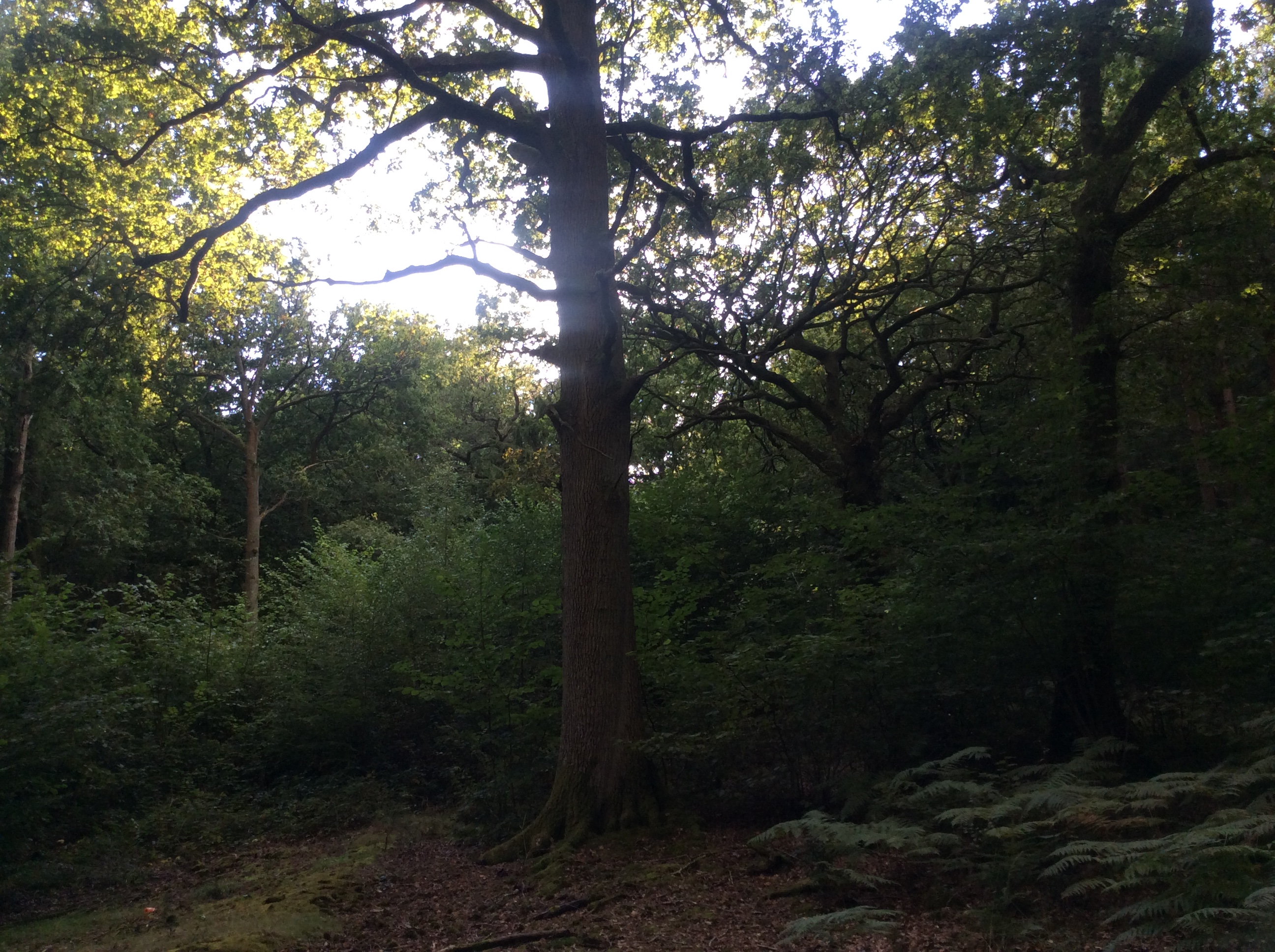
The last few days have been wonderful for a last taste of England. I consider myself extremely lucky to live in one of the most charming spots in West Sussex, overlooking a dream-sequence of rolling hills as far as the eye can see, right up to the point when they tumble into the sea to the south. Autumn’s in the air, the forest is full of mushrooms and the buzzards that nest deep in the woods are cartwheeling noisily through the skies as usual. Morpurgo described them ‘mewing’ in one of his books and I can’t think of a better way of putting it. This is England, and I’m going to miss it. But there’s something in the air, telling me it’s time I should be moving on. Maybe that’s autumn. The signs are everywhere. The leaves on the oak trees are going a gorgeous golden colour. Out on the school rugby pitches the odd wheatear sits taking a breather, whilst flycatchers and warblers hurry on through the hedgerows snatching a quick meal on their way home. But most telling of all are the great flocks of swallows and the martins streaming on southwards overhead, and in a couple of days I’ll be following them. Maybe I’ll even see some of the same individuals swooping by from Villafranca. Who knows?

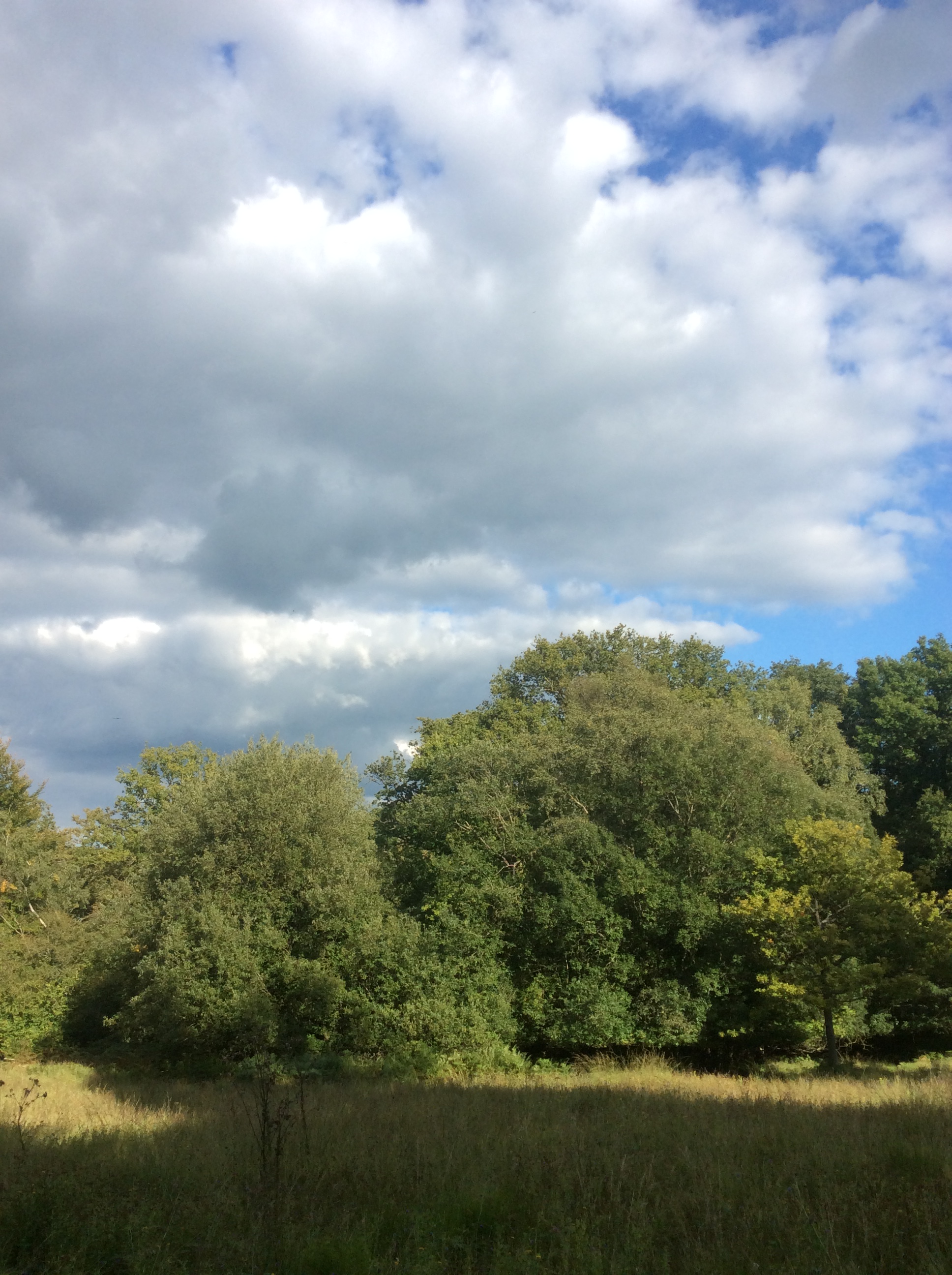
Ten points if you can see the buzzard in this one

Ten points if you can see the buzzard in this one

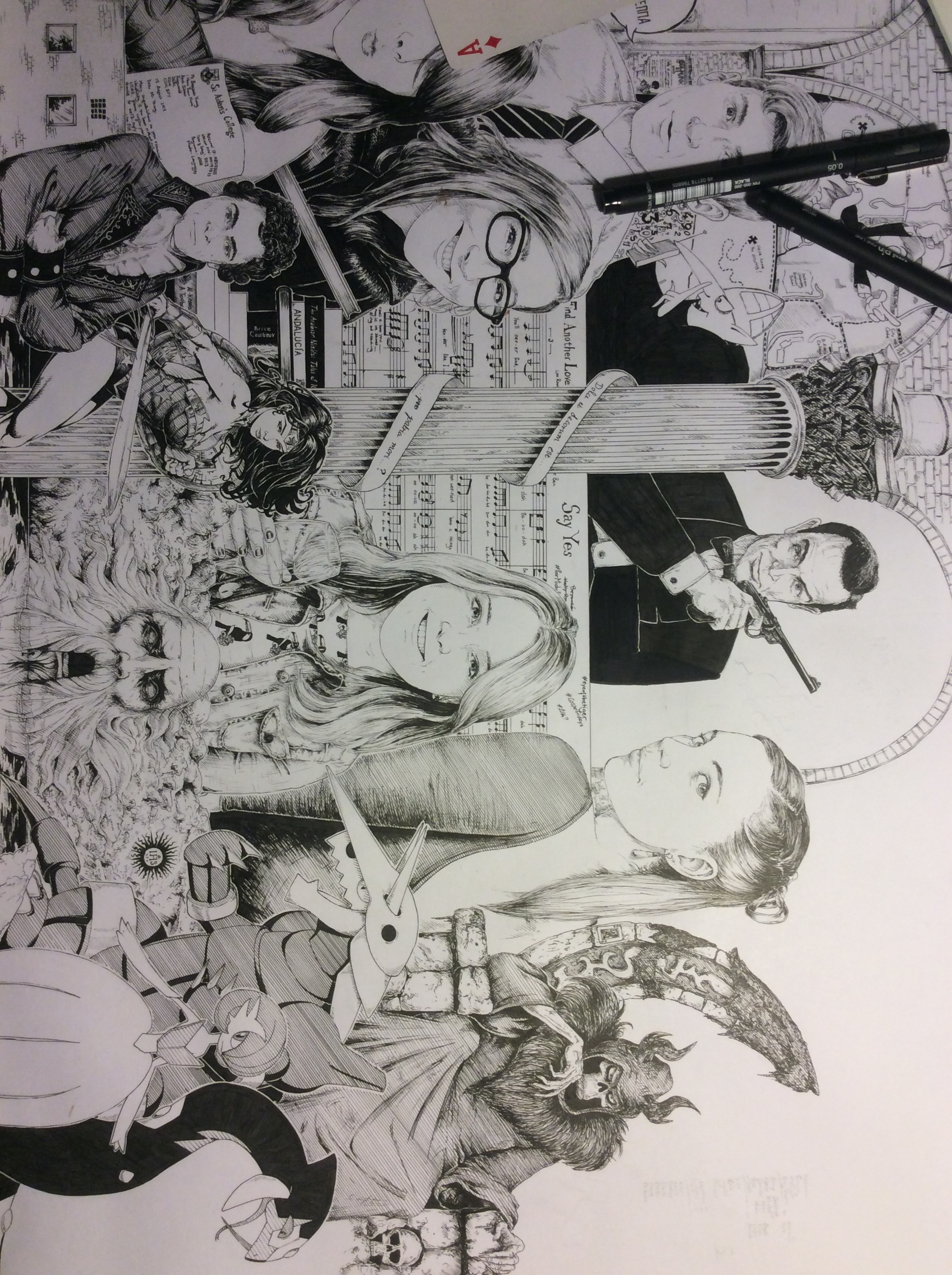
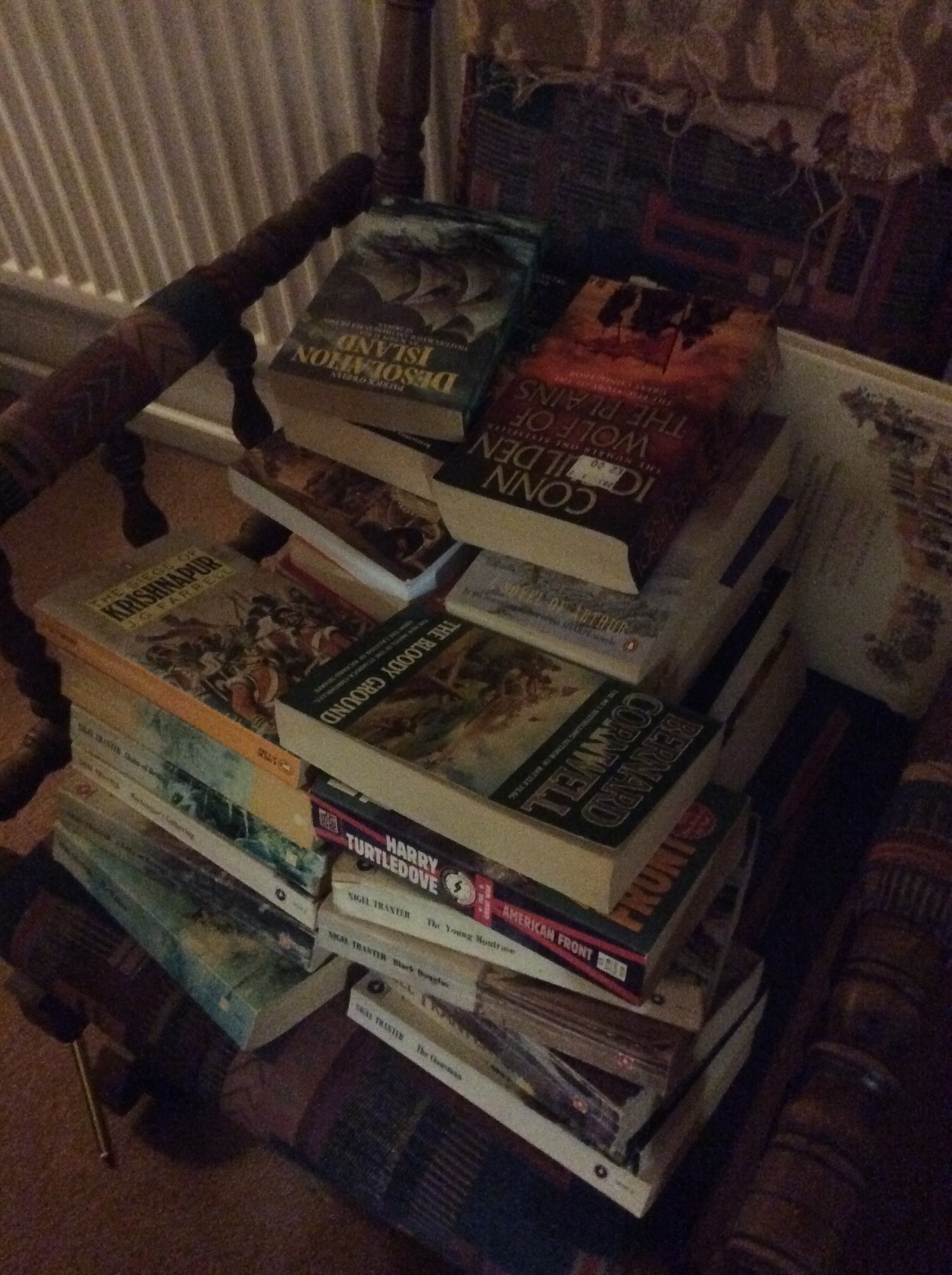
The hardest thing for me to leave behind – besides the monstrous tapestry, which is never going to be finished anytime soon – will be the growing mountain of books in my bedroom.

A year and a half, five metres in and still slaving away

A year and a half and still slaving away…

It’s pretty daft, but for an aspiring writer, I’m late into the fold as regards actually reading. I got it into my head once that if I never read any books that contained ideas similar to my own, I couldn’t get done for plagiarism, because I’d never have noticed the similarity. How very typically overcomplicated of me. The end result is that I haven’t read a decent book – besides Pavilions – in nigh on ten years. At least, one that hasn’t been prescribed by my course. Now I’m motoring through them at lightning speed, assisted by all the iBooks freebies, an immense library at home (courtesy of my equally bookish mother) that I never truly appreciated, and an all-too brief visit to a real bookshop over the weekend.

So many books, so little time...

So many books, so little time…

I say real to distinguish it from your average WHSmith or Waterstones. Seriously, this place had everything. All the historical fiction you could shake a stick at. The entire Hornblower saga. Flashman in abundance. Sharpe, Iggulden and even the master of the art herself, M.M. Kaye. All beautifully spined, deliciously musty and lovingly second-hand. A new gadget may be a good thing, but there’s nothing better than an old book. Mum found a particularly beautiful pair of illustrated Arabic dictionaries – formerly the property of a military attaché, as stamped. Oh, I could have died and gone to heaven. I was in kid-at-Christmas mode. If I’d had this newfound book obsession just two years earlier, I might have given languages the boot and applied for an English degree. The only thing holding me back at the time was a general reading apathy…

Today’s been the downer of the month for no other reason than that every so often I have a lonely spell where it takes a lot to lift me up. Fortunately I’m in the best place for it: start of term or not, the grounds of Worth Abbey are no less than the finest place I’ve ever encountered for soul-healing. Alright, so the stone-pine copse along the Raya Real with its attendant black kites just comes up trumps, but that’s not on my doorstep every morning. Not yet, anyway. Besides, when the loneliness birds come flying in, the open world is always there. Nature’s an unpredictable lady at the best of times, but she’s never let me down. I’ve said that before, and I’ll say it as often as it takes to drive this funk of mine away. Everything will look better in the light of a new morning. It always does.

Waldeinsamkeit - the feeling of being alone in the woods!

Waldeinsamkeit – the feeling of being alone in the woods!

These are curious things to dwell on when home will be so very far away for the next eleven months. But home is where the heart is, and mine has been in Spain for as long as I can remember, and that’s got to count for something. Maybe she’s out there, and maybe she’s not. That’s not for me to decide. If fate decides to cut me a break and give me a good turn, I’m ready to run with it. But one thing’s certain: I will leave Spain fluent. If I can leave the country at the end of the year as bilingual as the grandfather I never knew, I’ll have accomplished a dream two generations in the making. Being a quarter Spanish will mean so much more.

I will be fluent. And that’s a promise. BB x