Camino XXVII: Columbus Rides Again

Albergue de Peregrinos de Payares, Pajares. 19.30.

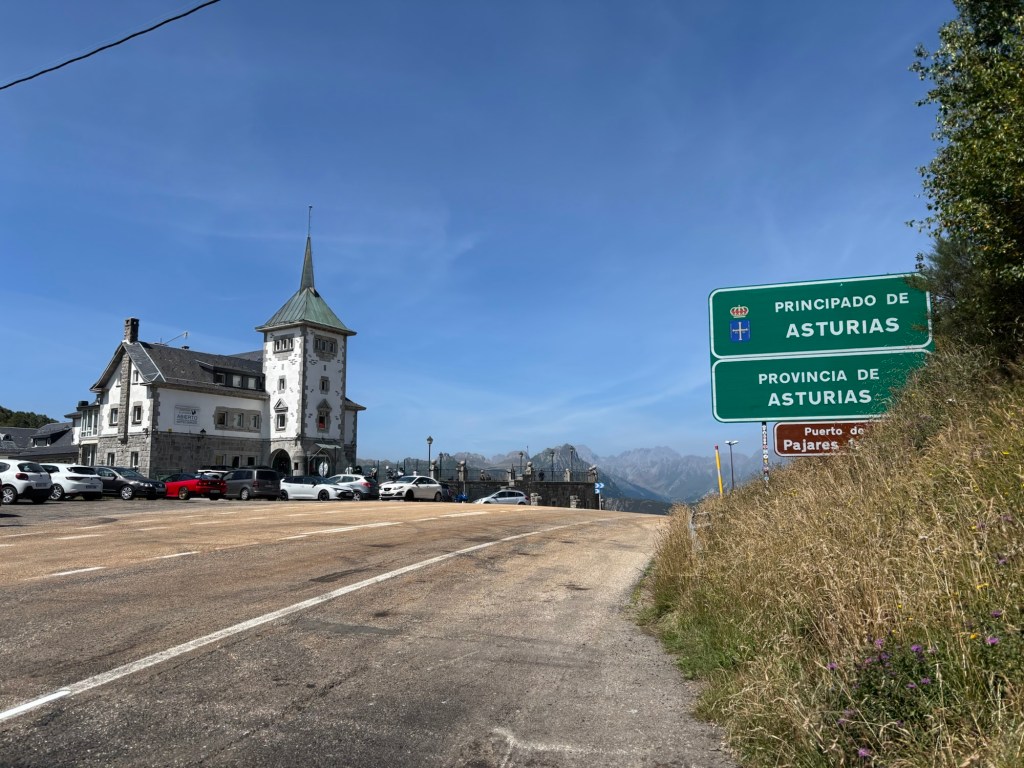
Shortly after one o’clock this afternoon, I crossed over into Asturias and crossed off the penultimate Spanish region on my list. After a flying visit to Tenerife earlier this year and a long march across Aragón at the start of the Camino, now only Murcia remains. Which is tremendously ironic, as my family are technically Murcian, since the borders of Spain’s autonomous communities were only redrawn in their present form in 1983, with both Albacete and Villarrobledo falling within the formerly extensive region of Murcia. But alas! It remains on my list as the very last region for me to visit. At least I won’t be short on options.

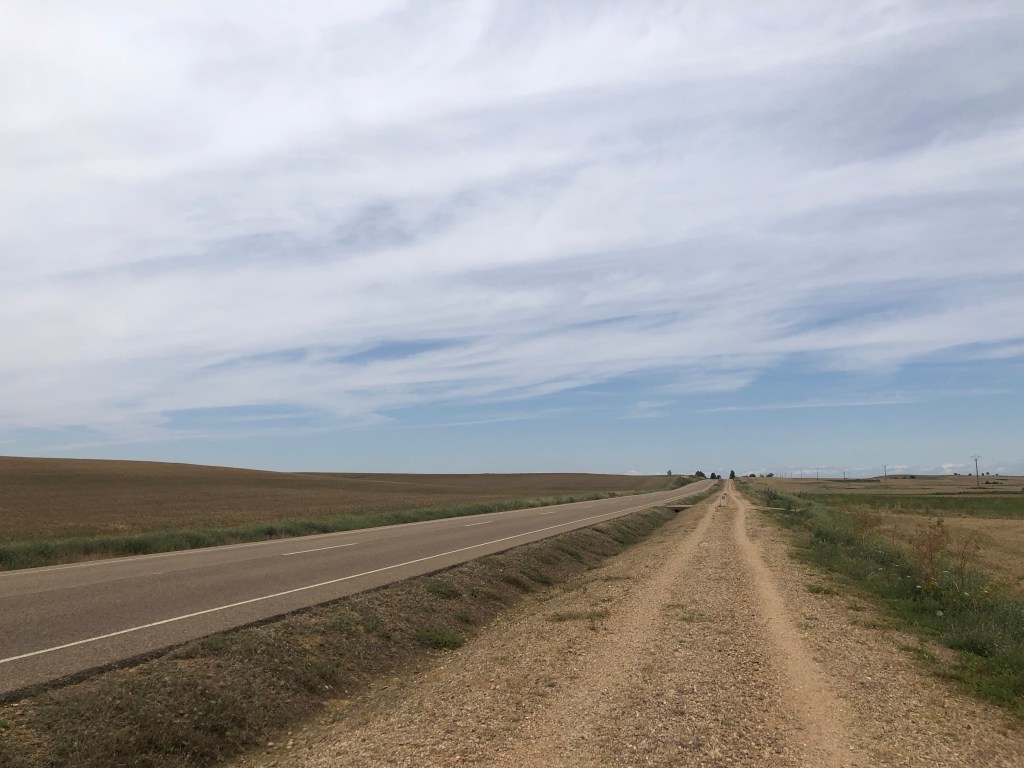
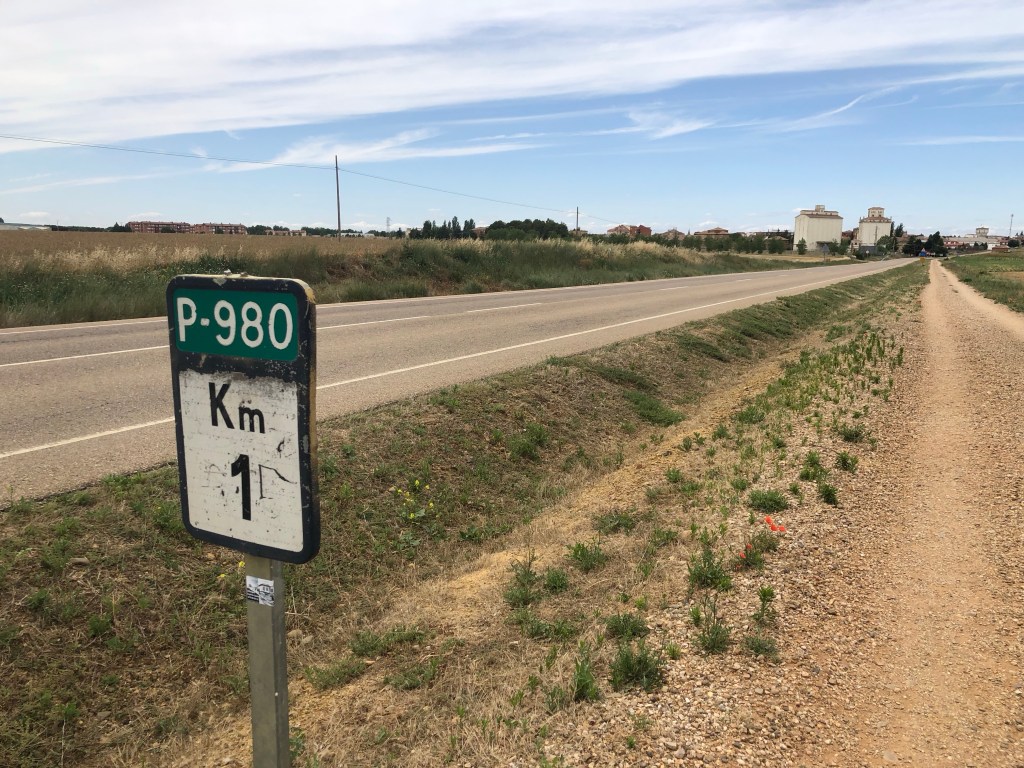
The other pilgrims were all up at 5am this morning, but I still managed to beat them out of the door and was on the road by 5.20. I still had the crazy idea of combining two days into one – crazy, not on account of the distance (38km is child’s play at this point) but the elevation, which was considerable. It was pretty chilly, so I kept my fleece on for the first couple of hours while I finished I, Claudius.

The young folks of Pola de Gordón were starting to head for home after a Saturday night out on the town (read: village) as I walked in around 7am, though there was still music playing in the town bar, Los Gatos Negros. The Dane overtook me as I was fixing the straps on my bag, but I passed him later on (I have a vicious pace when I get going) and did not see him again.

I have managed to acquire two more books: Spanish translations of the Hungarian author Laszlo Passuth’s Tlaloc Weeps over Mexico, bound in red leather. They were fading away in a book bank at the side of the road and, as I have been looking for this book for a while, I rescued them. I have now acquired six books since starting the Camino and jettisoned the one I came out with. They don’t add too much weight to my backpack, but they’re not as easy to fold away like my clothes… still. This leopard’s spots don’t change so easily, I suppose.

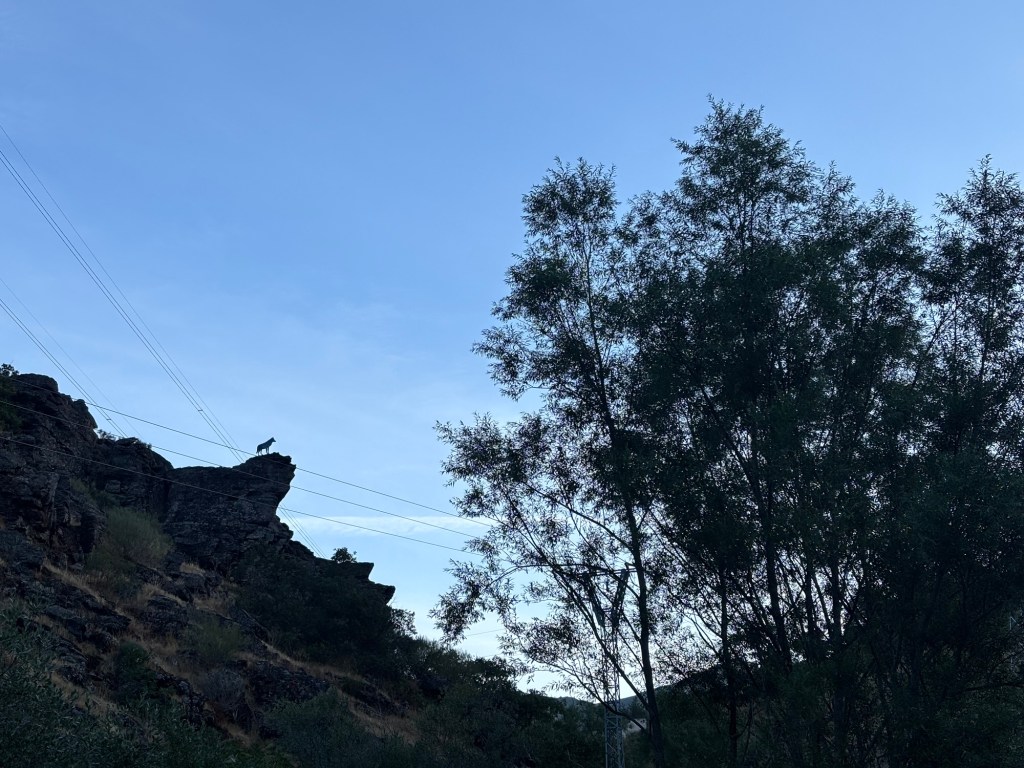
Before reaching Buiza, there’s a spooky silhouette on one of the rocky spurs that juts out of the mountains. We are very definitely in wolf country, and the Lobo de Buiza – a metal sculpture that watched the road into the mountains – would be very easy to mistake for the real thing if you didn’t know to look for it. It’s certainly big enough: my lasting memory of the wild wolves I saw in Poland this Christmas was their size, which little can prepare you for when you see one in the flesh (a true wolf can be taller at the shoulder than a mastiff).

Sadly, I didn’t see any wolves today, though I think I saw one of their tracks. Wolf and dog prints are very similar, but their gait is totally different: a dog walks with its front and hind legs splayed out in two lines, while a wolf trots in single file, like a fox. I did see a fox in the half-dark of the forest, shortly before daybreak.

Wolves aren’t the only large predators that dwell in this rugged corner of the peninsula. Somiedo Natural Park lies 50km to the west, beyond the formidable peaks of the Babia and Luna Mountains, and it is famous for being the final refuge of the Cantabrian Brown Bear. They were once widespread in Spain but can now only be found in the Cordillera Cantábrica, though recent sightings beyond Somiedo seem to suggest that they are starting to creep back into the fringes of their former range – and Pajares in right on their doorstep.

Thirty years ago, this Iberian offshoot of the European Brown Bear was on the verge of extinction, hunted without mercy by the Spanish (and the Romans before them). I remember visiting my friend Kate in Cabezón de la Sal and having dinner in a bar full of dead bears: mounted heads on the walls and black-and-white photographs of groups of hunters standing proudly about the carcass of a slain bear, as though the murder of such a beautiful creature were something to celebrate.

With both bears and wolves about, I was on full alert and so I nearly jumped out of my skin halfway up the mountain when something very large suddenly appeared on my left, crashing through the undergrowth. It was, of course, a cow, but it still gave me a fright. It’s a good thing its English was about as good as the local Asturians, so the torrent of expletives went right over its head.
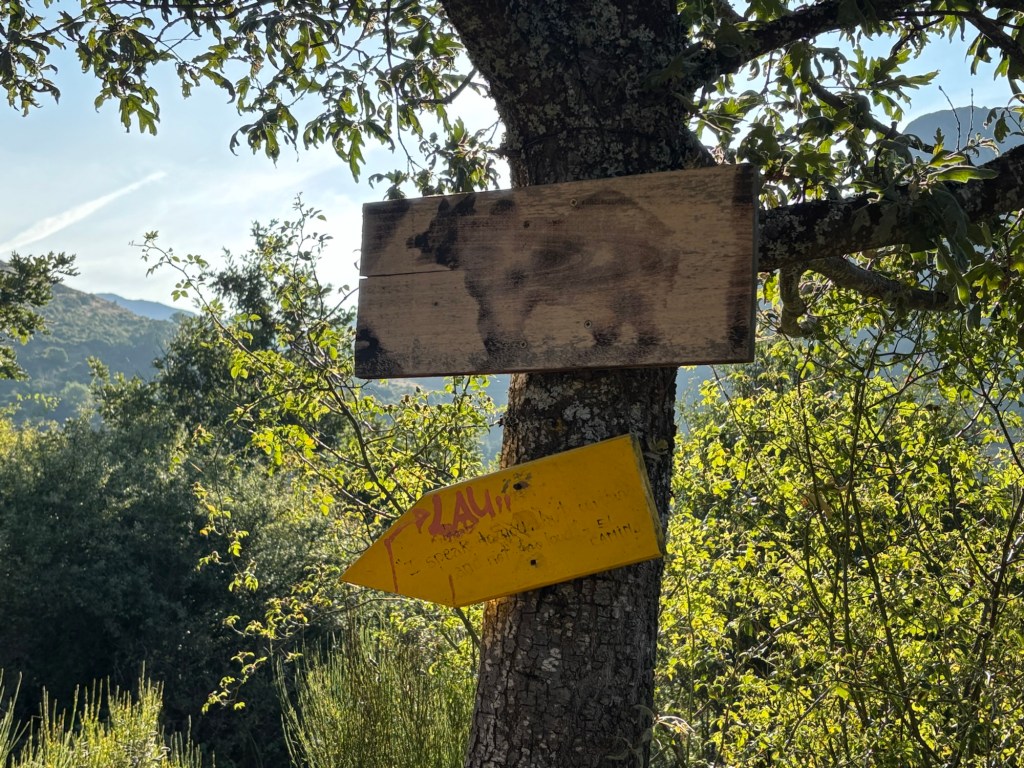

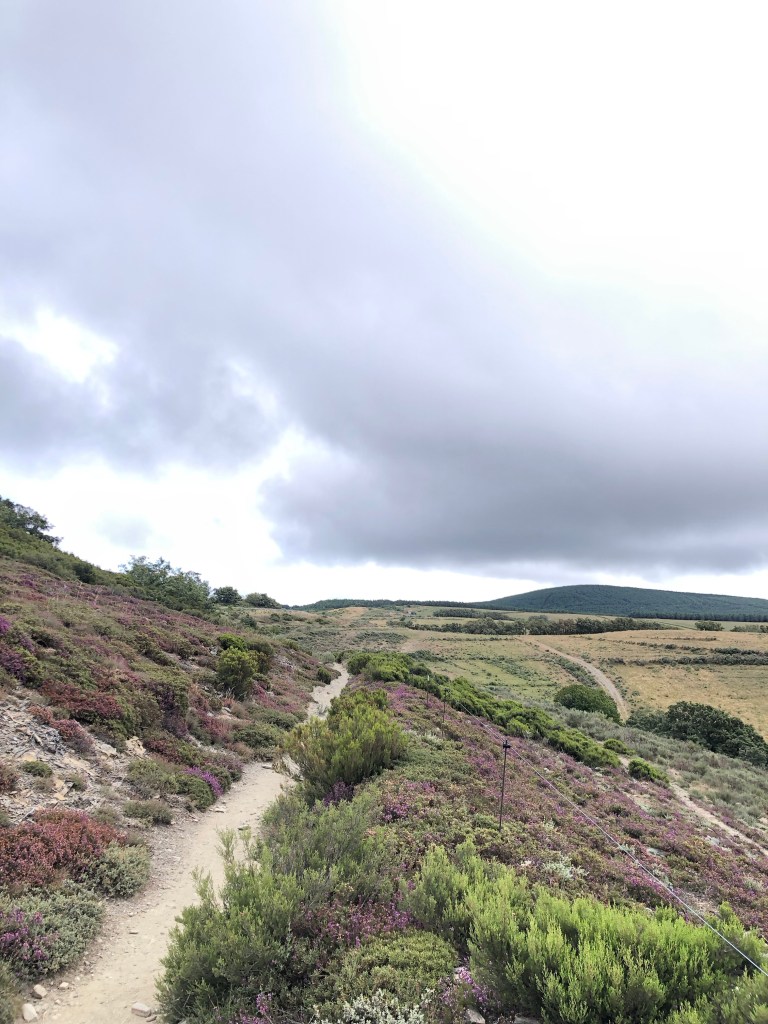
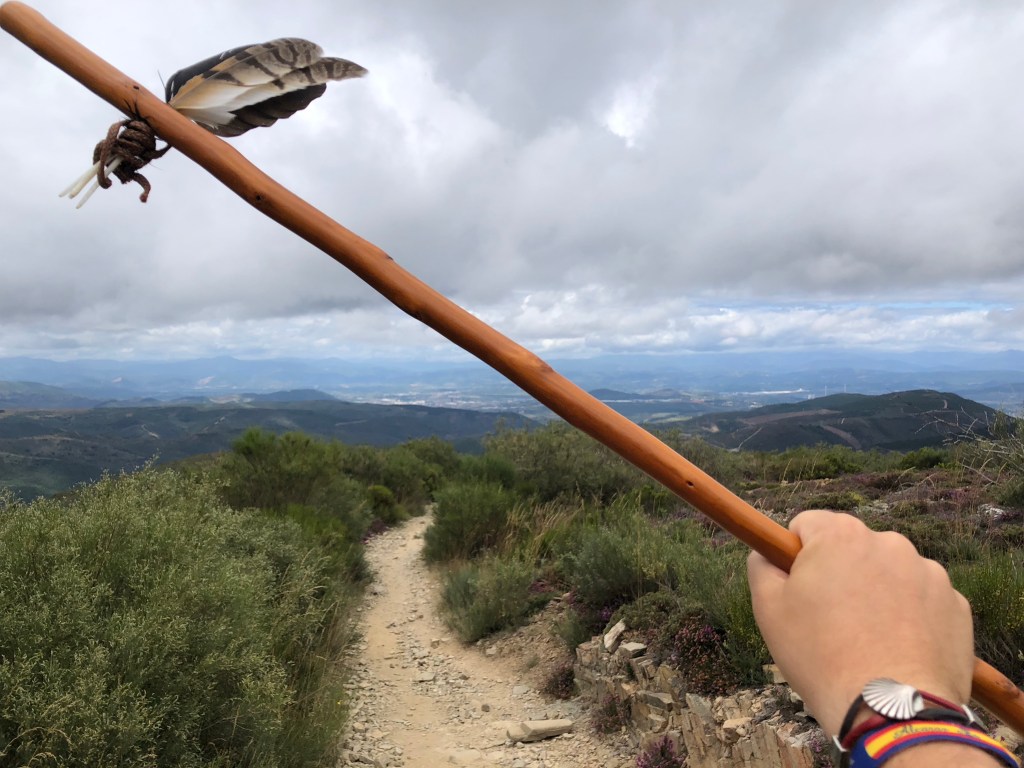
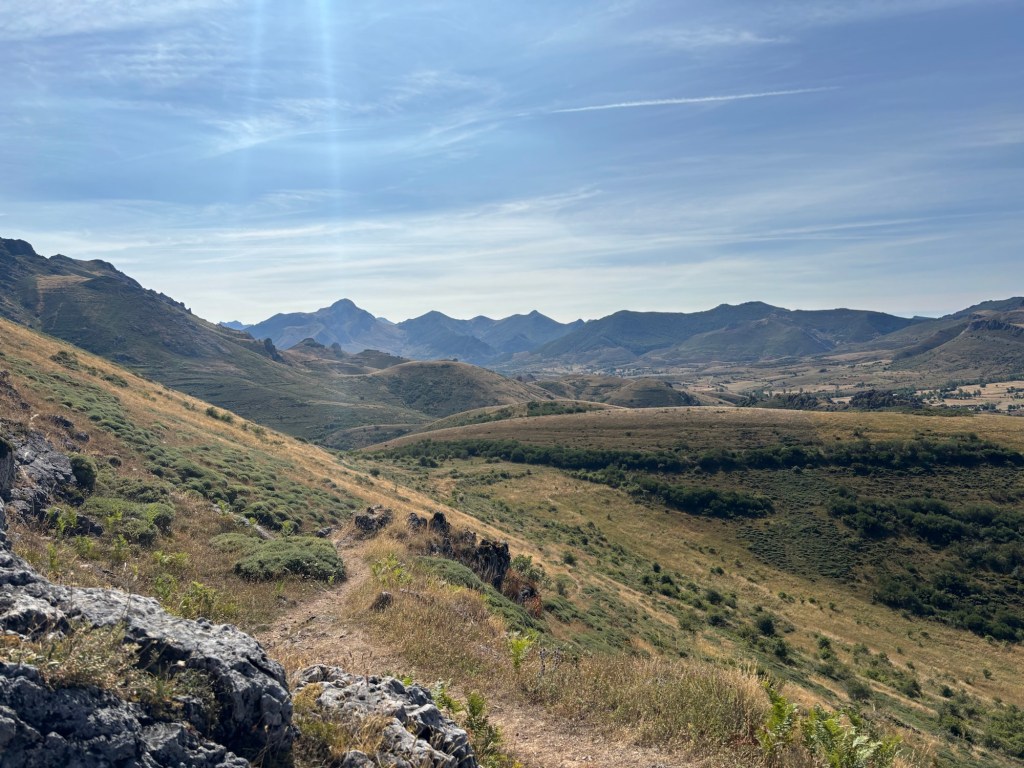
The climb from Buiza was formidable, but it was only Round One. By day’s end, I think I had climbed and descended no fewer than nine separate ridges, tackling most of the San Salvador’s cumulative 3000m elevation in one day. Little wonder my feet were complaining by the end of the walk! I’d have been done for if not for the valiant effort of Pinta and Niña, my two trusty walking sticks. How the pilgrims of old attempted this path in a time before clean water and blister plasters is beyond me. Faith truly is a powerful thing.

If only it were powerful enough to open the doors of the churches along the way, which have all been locked up since I left León!
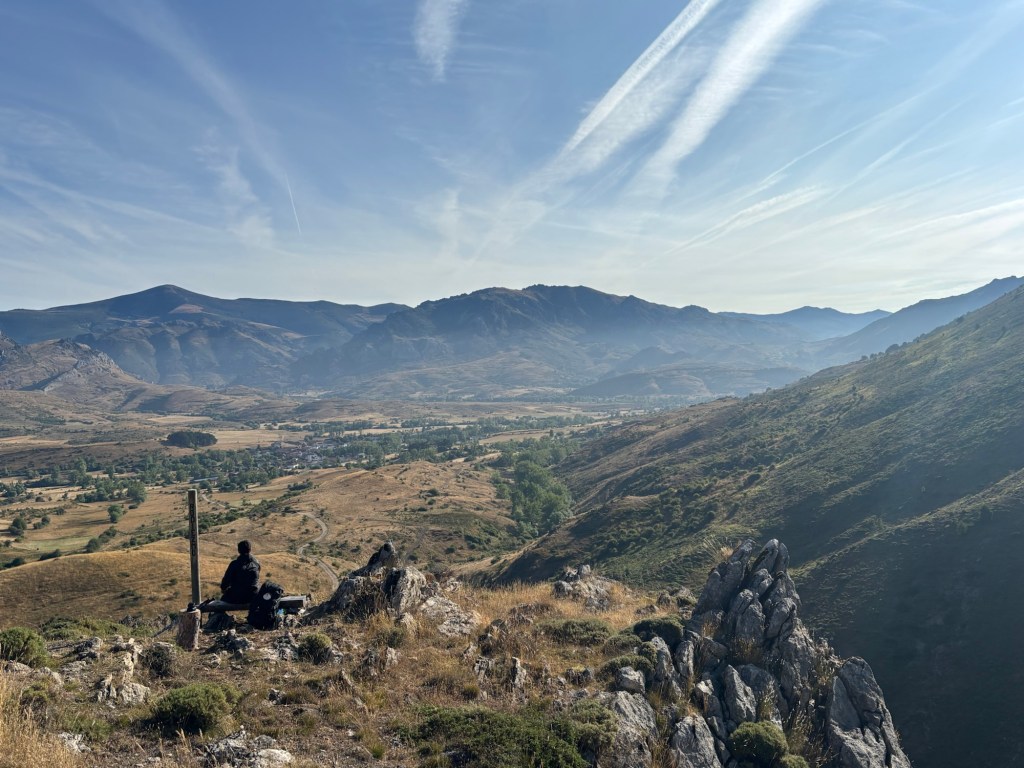

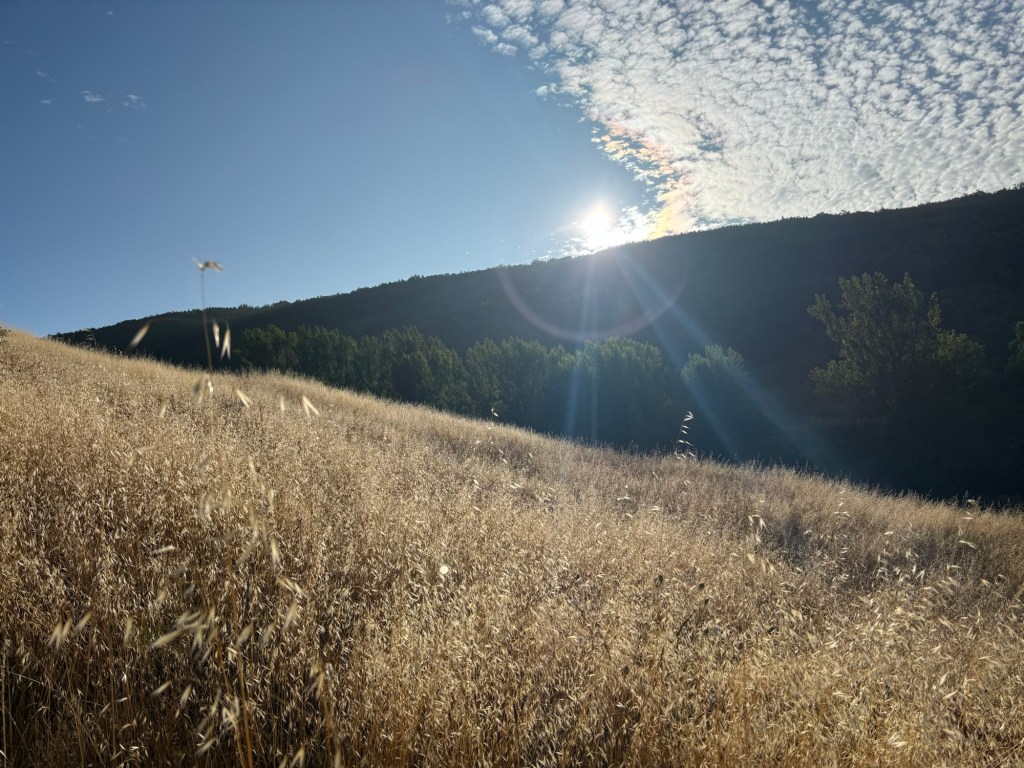
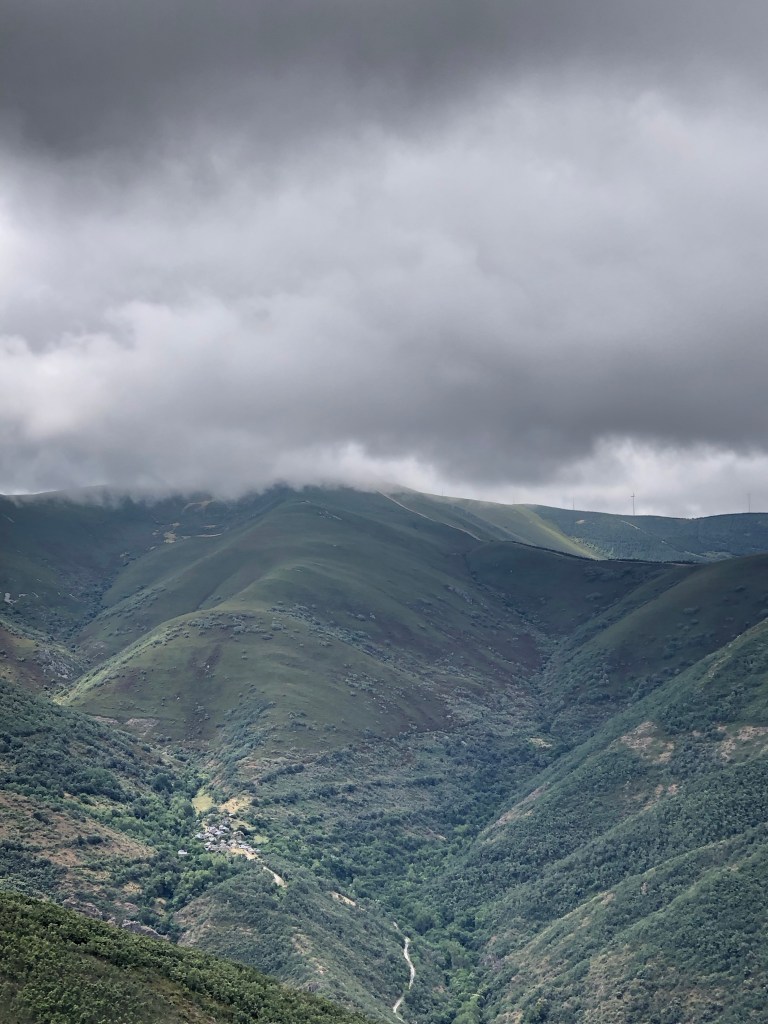
The scenery here is a world away from the meditative plains of the Meseta. It feels like I’ve stepped into a completely different country, and yet the Meseta is only a day’s walk to the south. The mighty cliffs of the Cordillera Cantábrica were always visible in the distance from the Camino Francés, but now I’m cutting a path straight through them, I can really appreciate their majesty. My soul will always belong to the stone pines and salt flats of Doñana, but my heart soars whenever I am in the mountains. It is an elixir like few others.

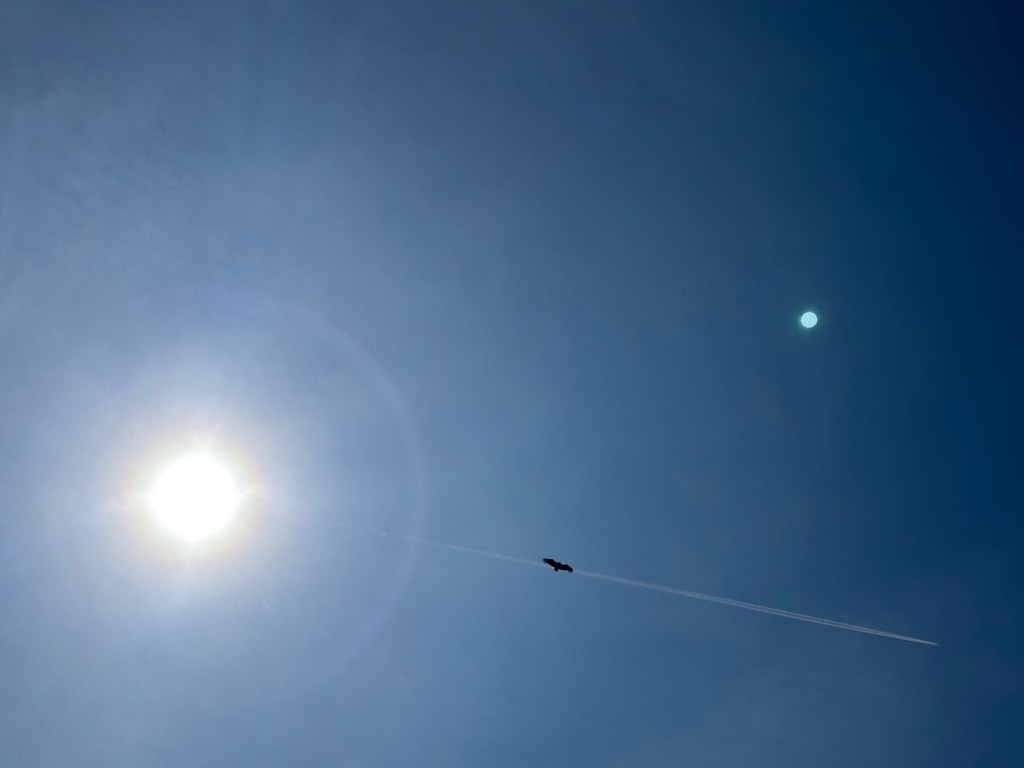
I had some fun counting contrails and trying to guess where the planes where going. Sometimes I’d look up and see a raptor in the blue: usually a kestrel, which are abundant up here, and sometimes a griffon, soaring silently through the ether; and just once, it was a hen harrier, wheeling about and beating its long wings like a child’s kite come to life.

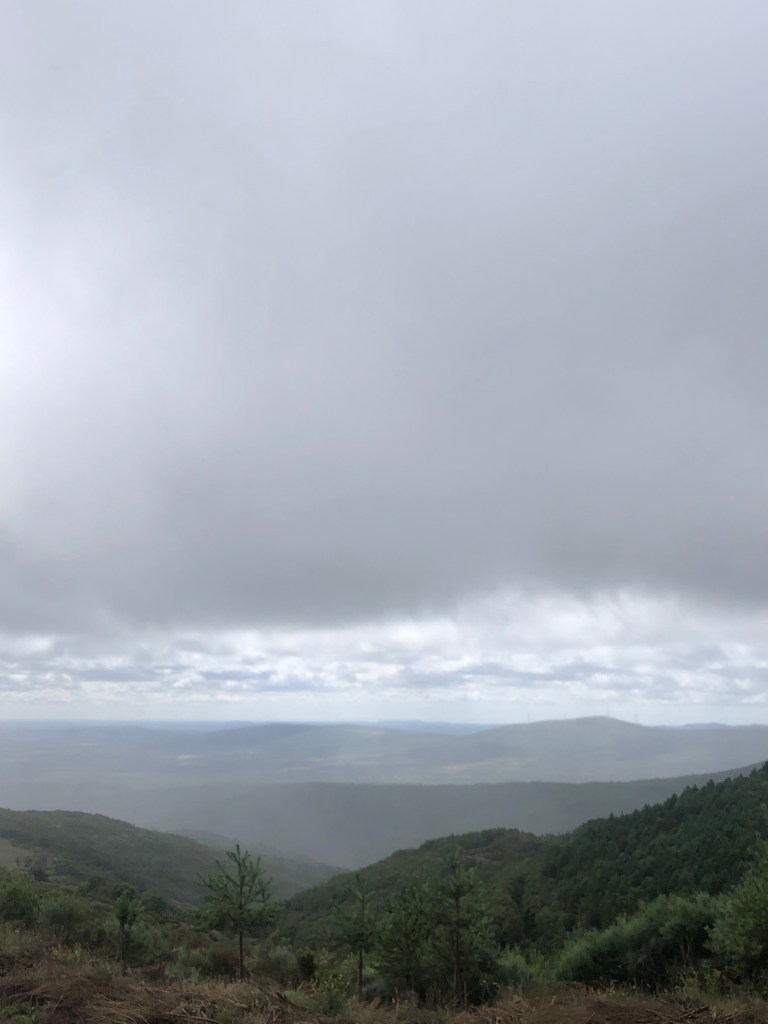
After a rough descent into cow country and its attendant muddy tracks (I had more than my fair share of that in France), the Camino hits the road and climbs up to Puerto de Pajares – climbs being the perfect word, as the farmers have put up a fence across the road, so I had to vault it where the barbed wire was at its least intrusive. The former parador which perches upon the ridge is little more than an empty shell, and its stripped foyer is rather eerie, but the cafeteria is still in action, no doubt kept alive by the fact that its terrace commands a spectacular view of the mountains of Asturias beyond. Access to the terrace is strictly limited to paying customers, which is a master stroke as without it I should be surprised if the café would survive at all.

The photos don’t quite do the view justice. This must be one of the best views of all of the Camino routes, including sunset from Finisterre and sunrise from O Cebreiro. My presence at the café drew no small amount of interest: as popular as the route seems to be right now, I don’t imagine they get many foreign pilgrims passing through, especially as young as me.


The descent from Puerto de Pajares was the toughest yet, compounded by the fact that it was now gone half past one and I had been climbing mountains for nearly seven hours. The sun was also fierce and I have now officially run out of sun lotion, so my right arm got burned on the way down. I’m currently rocking the classic “Camino tan” that consists of very brown calves and right arm, due to the constant north and westward trajectory of the Camino.

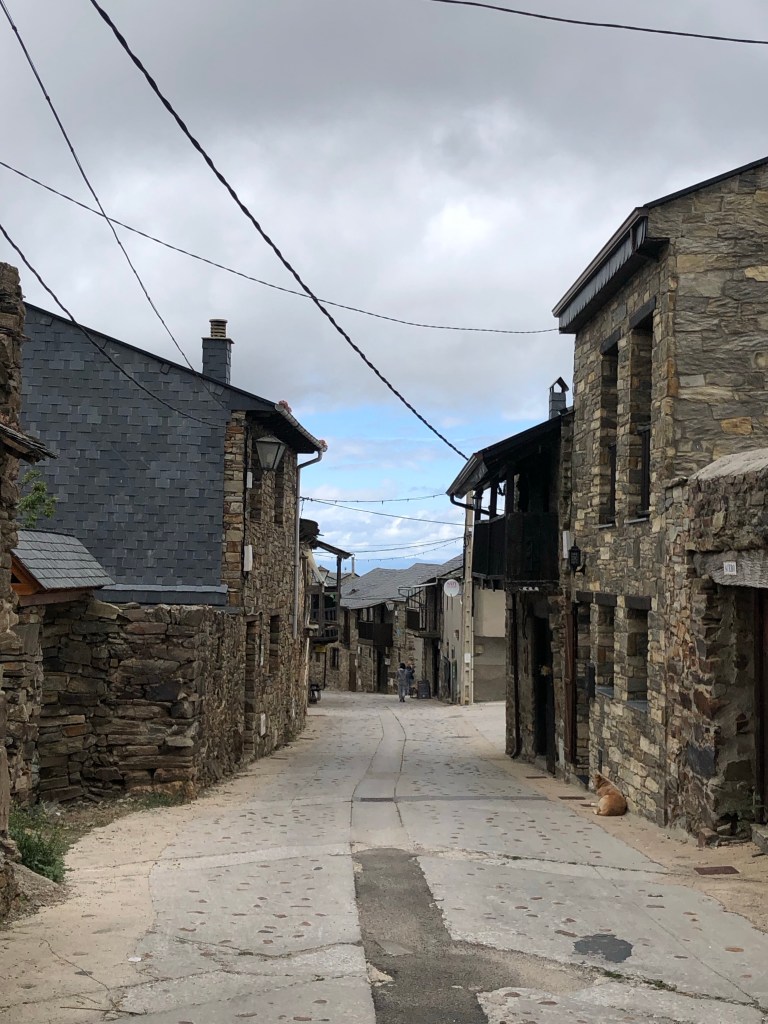
I reached Pajares at around 2.45pm, without being eaten by any bears (as one of my students thought might happen to me), and practically fell into bed – after climbing into the only top bunk remaining. The room I’m in is full of Catalans in their late 40s, most of whom have an odd habit of talking to themselves. Not whispering, talking. I was woken up twice from my nap by their charlitas. The hush and stealth of the Camino Francés seems a long way away.
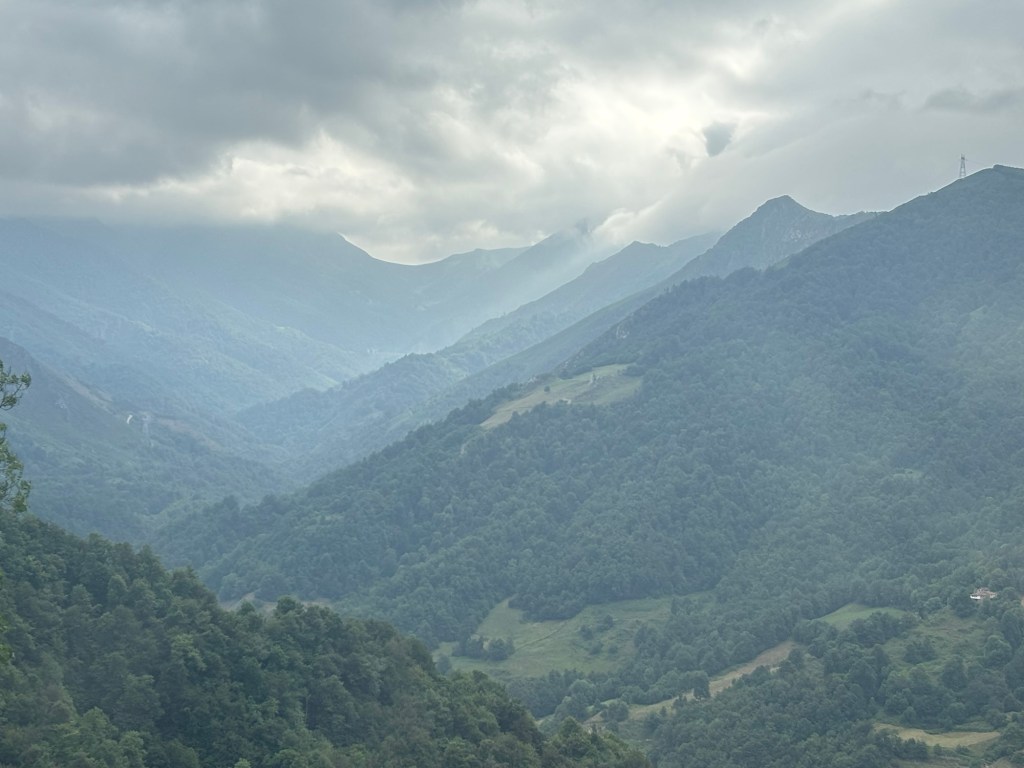

I won’t be doing another two days in one tomorrow, as I’m already technically doing so by bypassing Mieres the day after, so hopefully it will be an easier day. A belt of clouds have rolled in this evening, so I should probably prepare for rain – rain, and an earlier arrival time, just in case. Pola de Lena looks a bit more “happening” than Pajares, and it does have a supermarket, so I should be able to resupply before the final push to Oviedo. Here’s hoping! BB x
Camino XXVI: The Journey Continues

Albergue de Peregrinos, La Robla. 16.13.

I’ve just woken up from an hour’s nap. It might have been a little longer, I’m not so sure. All I know is that when I fall asleep there were only three of us in the albergue, and now it’s looking astonishingly busy. Mostly sporty Spanish types in their 40’s, mind: tall and lean, with hawklike handsomeness in their Roman profiles and dressed from head to foot in short-sleeved Lycra and health-tracking smartwatches. The exceptions are a greying Dane and a Japanese couple, neither of whom speak any Spanish whatsoever. To be honest, I wasn’t expecting company at all, but then, perhaps it’s hardly surprising that others beside myself should seek out a more rugged and quieter version of the Camino during high season.

Hopefully it doesn’t get too busy. I’ve come here for quiet reflection and a spiritual challenge, not a hiking holiday.


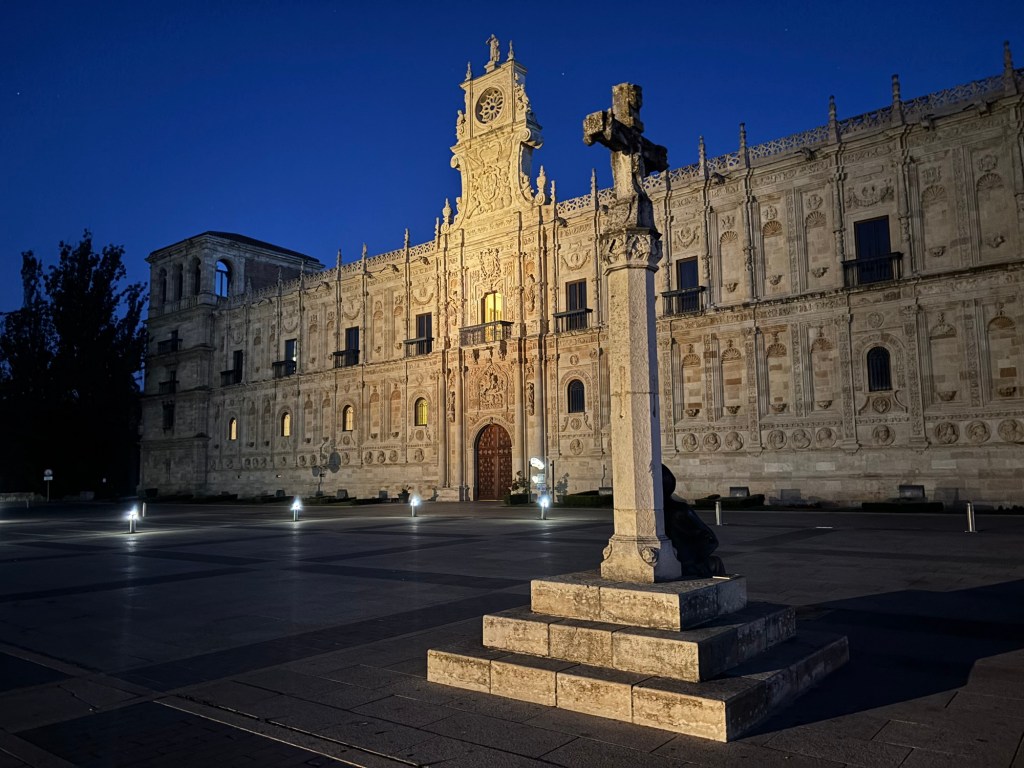
I left León shortly after six this morning and took the north road at the Convento de San Marcos, leaving the Camino de Santiago behind. I will not see that road again until I reach Melide, a little under two weeks from now.

I cast a glance down the westward road into the empty but well-lit streets of León’s industrial district, across the bridge where I said farewell to Audrey, Talia, Alonso and Steven yesterday morning. By now my companions will have reached Astorga and beyond a few manic longer days there is little hope of catching up to them before they arrive in Santiago, and with the terrain ahead I would be foolish to try. I have to let them go.


I had the Camino to myself all morning: no flashlight-wielding pilgrims in front, no Italian conversations behind. Just me, the morning and the voice of Derek Jacobi in his retelling of Robert Graves’ I, Claudius.

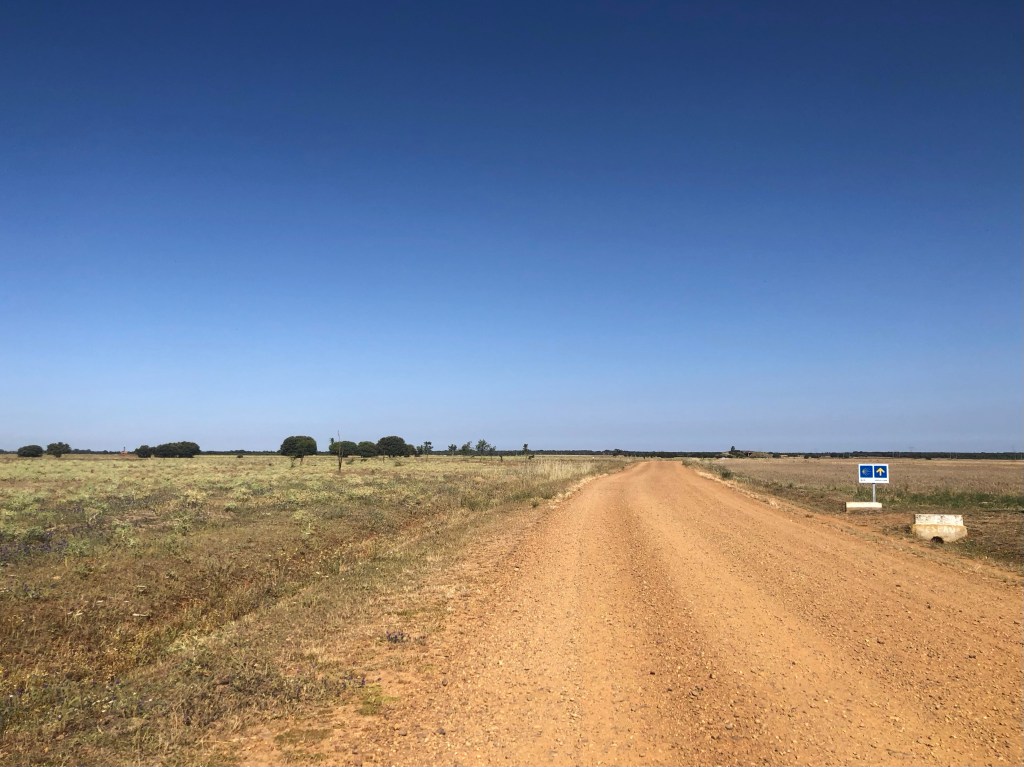
The pilgrim detritus of the Camino Francés is nowhere to be seen. This is what I had heard: this is the Camino as it once was, where the occasional painted stone, makeshift cross and shrine to the Virgin Mary indicate the way, not a scourge of senseless stickers and pilgrim graffiti. It was perfectly easy to follow, though I am glad I set out early, as the cloud cover began to fade before ten o’clock.

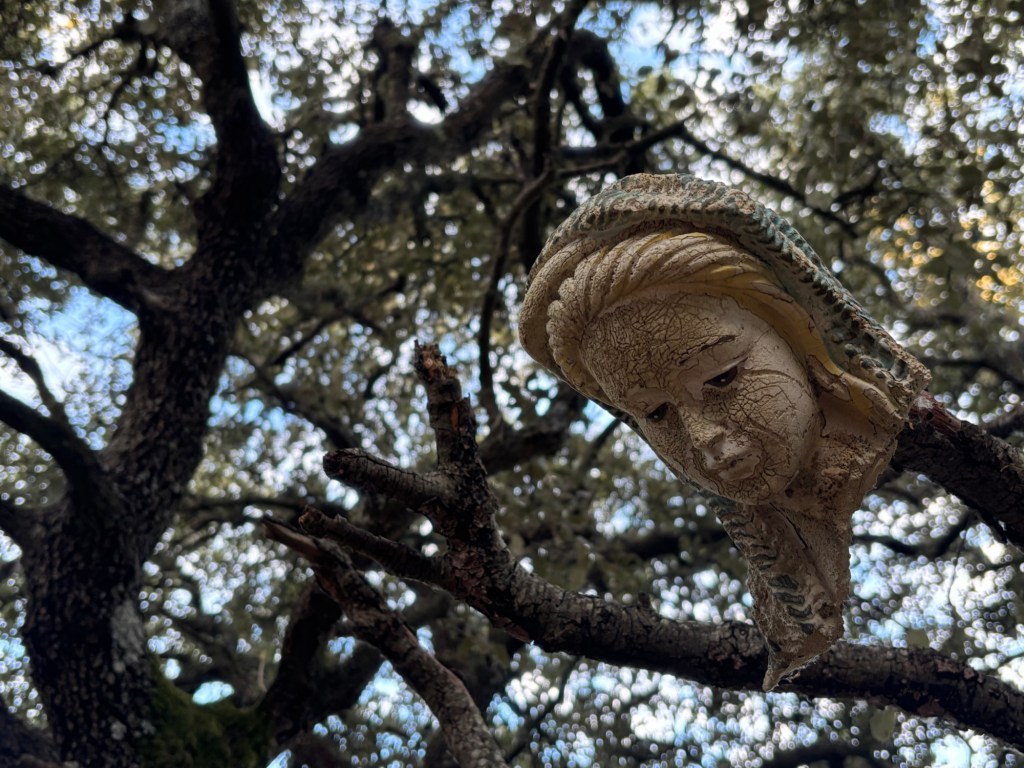
One such shrine to Mary was a little disturbing: her disembodied head had been impaled upon a branch staring down at the road, while her hands stretched across her chest to her sacred heart had been similarly affixed to a nearby branch. I could not find what became of her legs.


The Camino climbs up into the hills a couple of times, forging a path through the forest between the road and the river. Now and then it breaks out into the open, but for the most part I wandered beneath the canopy of ancient trees covered in carpets of trailing lichen. There was a strong smell in the forest that might have been fox, though it was different to any fox scent that I have ever caught. I thought at first it might have been wolf, but wolves are not as pungent as foxes – they also are good at covering their tracks by rolling in dirt to hide their scent so as to hunt more effectively. So I am not sure what it was.


I reached La Robla for 11.30 and considering pressing on to Buiza, but as tomorrow is Sunday, I figured it wiser to stop here, buy supplies for the road ahead (as nowhere will be open tomorrow), and rest. I popped into the local AlCampo supermarket to get some fruit, some bread and a few tinned meals in case of emergency. I took the flip-flops (a bad idea over anything but a short distance, but I needed a change of shoes) and managed to smash my big toe against the step when my flip-flop caught. It’s fine now, but it wasn’t a lot of fun at the time, though it may take some of the discomfort away from the blisters on my heels.

The lady at the checkout was very keen to get me an AlCampo card which they were “giving away”. The whole thing took around fifteen minutes to fix (as I had to use my long-since defunct Spanish mobile number and the town’s postcode, since the website wouldn’t accept either of my English credentials), but it may save me a little money in the long run – provided I shop at AlCampo. Which, I am sure, is the whole point.

The hospitalero still hasn’t appeared, but it’s nearly six, so I’m sure they’ll be here soon. In the meantime, I’m going to do some reading. BB x

Camino XXV: R&R

Albergue Parroquial de las Carbajales, León. 21.33.

I’m not entirely sure I needed a rest day. I could just as easily have pushed on to La Robla today and been well on my way to Oviedo, but I wouldn’t have got to say goodbye to my friends, and that was important. We had one final breakfast together at a bar opposite the Parque del Cid, and then I walked with them as far as the bridge of San Marcos. They set off with hearts full of light and I turned back to the city, alone.


Leaving the Camino for any reason is always a hard thing to do. Choosing to remain behind, however – that’s probably the hardest thing of all. Knowing that the companions who have been your world for the last two weeks are somewhere out there, still going strong, as you open the door to the place where you stayed to find the place dark and empty.

Chip, the friendly gentleman from Utah and the father figure of our little group, had gone by the time I returned. So it was just me. I’m perfectly happy with my own company, but that sudden void of emptiness still hit hard.

I didn’t have too long to wait. I sat in the square by the cathedral and watched people come and go for a little while. When twelve o’clock came around, I checked into the Albergue Carbajales (where I stayed two years ago), bought myself the Salvadorana credencial and struck out into the city for a little culture – something to take my mind off my sudden isolation.

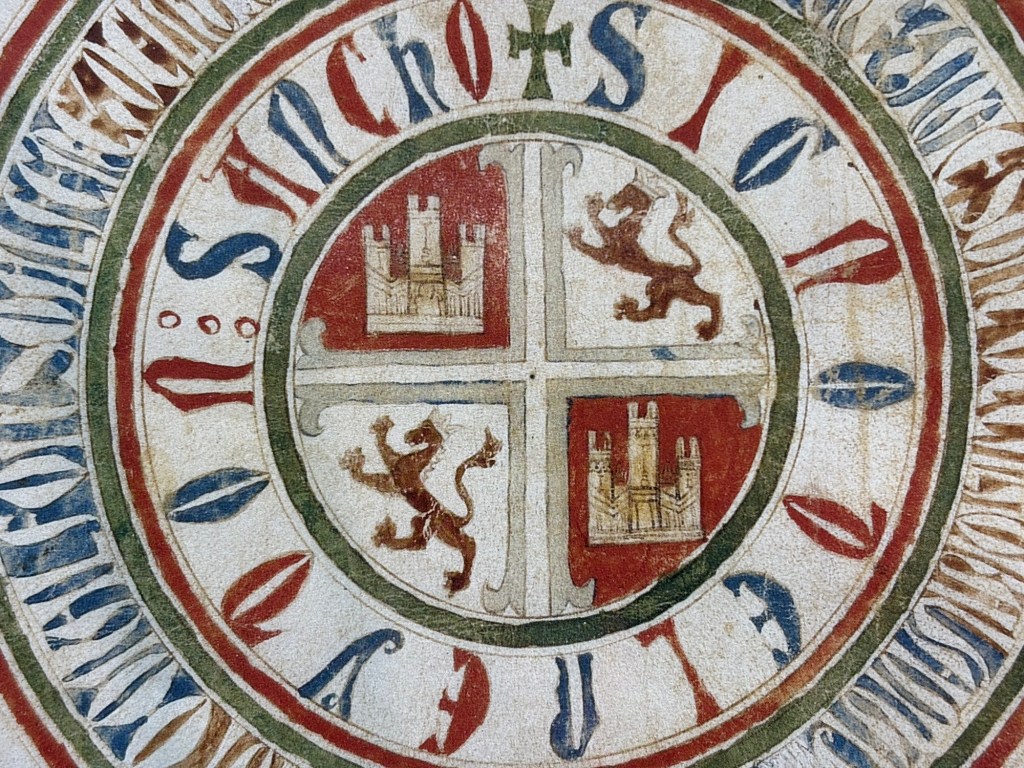
I’ve been to the Centro de Interpretación in the Palacio del Conde Luna before, but museums are always worth a second look. León is the rival faction in the alternative history saga that I’m writing, not Castilla, so I’m always looking for details in places such as this to help me build my world.

I especially love medieval art – particularly the Byzantine style with almost-shaped, almost cartoonish eyes. They are far more descriptive in their storytelling than any early modern masterpiece and very easy to replicate in my journal. I was lucky to arrive just in time for a free guided tour with a local historian, too, which was pretty special.


Today was mostly, however, about people watching. I saw a handful of familiar faces in town – the digital nomad couple from Texas, the retired American couple I met in Hornillos, the Effing Dutchman and two Texans from the other young group who took a rest day in León – but on the whole they were mainly stragglers, as the rest of the weekend wave all moved on today.

No – today was for watching the people of León.


León is a part of Spain I have got to know rather well thanks to the Camino. Andalucía and Extremadura will always have my heart, but there is a proud and noble beauty in this ancient corner of Iberia. Leonese Spanish is crystal clear, which is notable in that their regional dialect, llionés, is closer to being a language in its own right than a simple change in accent. If the Castilians hadn’t proved the greater of the two powers, the Spanish we speak today might have sounded very different indeed.

As it is, a combination of geographical, political and economic factors left the Leonese stranded, looking inwards, while the mobile Castilians raced to grab the former Muslim territories across the border and, in so doing, sow the seeds of one of the most successful languages of all time.


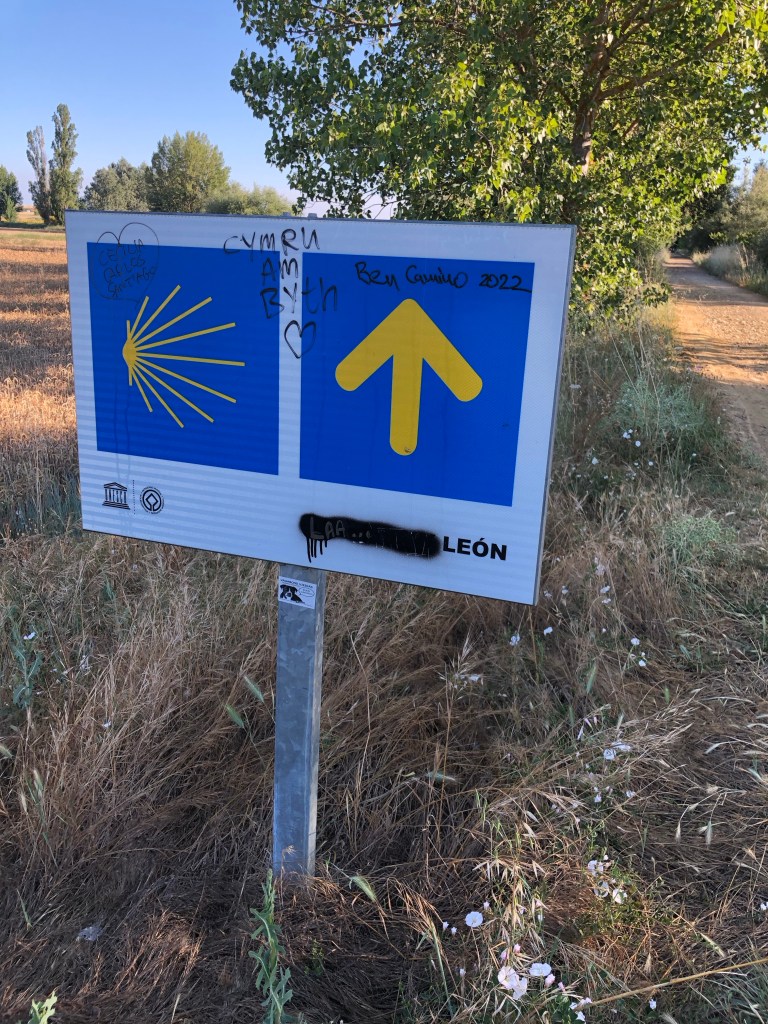
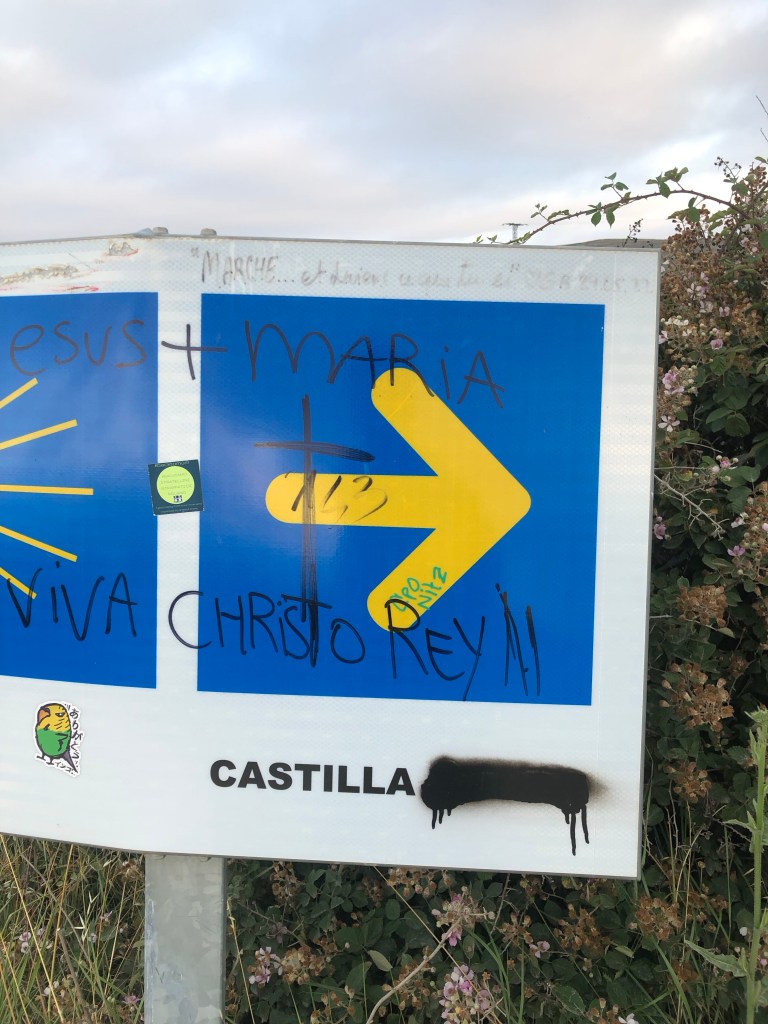
There‘s still some lingering resentment about León’s status as an autonomous community within Spain. If it wasn’t obvious from the Camino signs (where Castilla or León are scratched out on either side of the border), it’s even more so in León itself, where Leonese flags are sold on the cheap and some stores carry placards or banners in their windows promoting self-rule.

We focus a lot on Catalunya’s constant struggle for independence, but it’s worth remembering that Spain was once a republic comprised of individual states, many of which were once kingdoms in their own right. The Catalans are certainly vocal, but they’re not the only ones with a claim on self-rule: the Basques, the Galicians, the Leonese and even the Andalusians could all claim that their regions are distinct enough to warrant independence.

The Americans I have been walking with are young and carry that profound dislike for nationalism and state boundaries that is so common at that age. I remember it well. But for me, though I remain a fierce advocate of liberty and freedom of though, speech and expression, I am also a believer in the good that comes from having a sense of national identity. After all, in my case, finding out about my heritage in Spain has given me immense peace of mind. I’m not just play-acting at speaking Spanish anymore. It’s literally in my blood.


Tomorrow, we begin again. I’ve heard there may even be wolves up in the mountains. I’ll keep my eyes peeled. BB x

Camino XVII: Letting Go

I’ve made it to the mountain village of El Acebo, the first town of El Bierzo, León’s westernmost outpost before the green hills of Galicia. I didn’t mean to shoot this far, but after arriving at Foncebadón before 11am I decided to press on with a couple of other pilgrims. It’s been a long hike today, and one of the most beautiful of the whole Camino.


I was up before 5am, which is just as well, as one of the pilgrims in my dormitory was impervious to his 5 o’clock alarm, which continued to ring for well over ten minutes, waking everybody up but him. I’d had the foresight to dress for the road ahead of time, so I simply slipped away from the phoney alarm clock (ha ha) and retreated to the downstairs kitchen to pack.

The doors of the albergue were closed until 6am, but some of the pilgrims must have been impatient, because after I’d had my breakfast and went upstairs to wait, I found it already ajar. So, not too long after half past five, I was out in the windy streets of Astorga and on my way.

I did my first bit of serious journaling for a while last night, so I had the company of all the characters of my novel in my head for the first few hours of the morning. Spain is working its usual magic: just being here gives me ideas, threading new storylines into the patchwork where life in England simply leaves me in a creative block. I must have run through some of the same dialogues over and over to keep them fresh in my mind before reaching the picturesque village of Santa Catalina de Somoza, where I stopped in front of a giant stone die to watch the sunrise. The clouds tumbling over the mountains ahead glowed a fierce salmon pink for just a few seconds, which I missed by a whisker with my phone, but it was worth the early start to catch even a glimpse of that morning wonder.


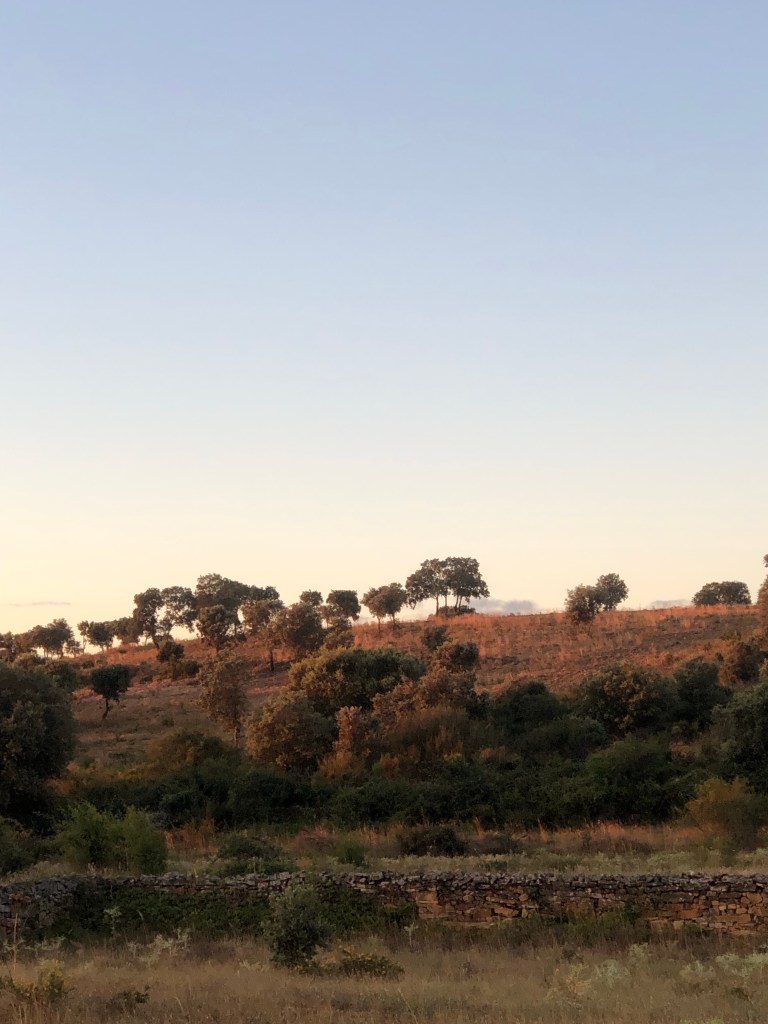
The meseta is well and truly behind me now. It was never low – most of the meseta from Belorado is over 800m above sea level – but from the lofty heights of the Montes de León, surrounded by a changing landscape of heather, broom and drystone walls, it feels a great deal more than two hundred metres down.

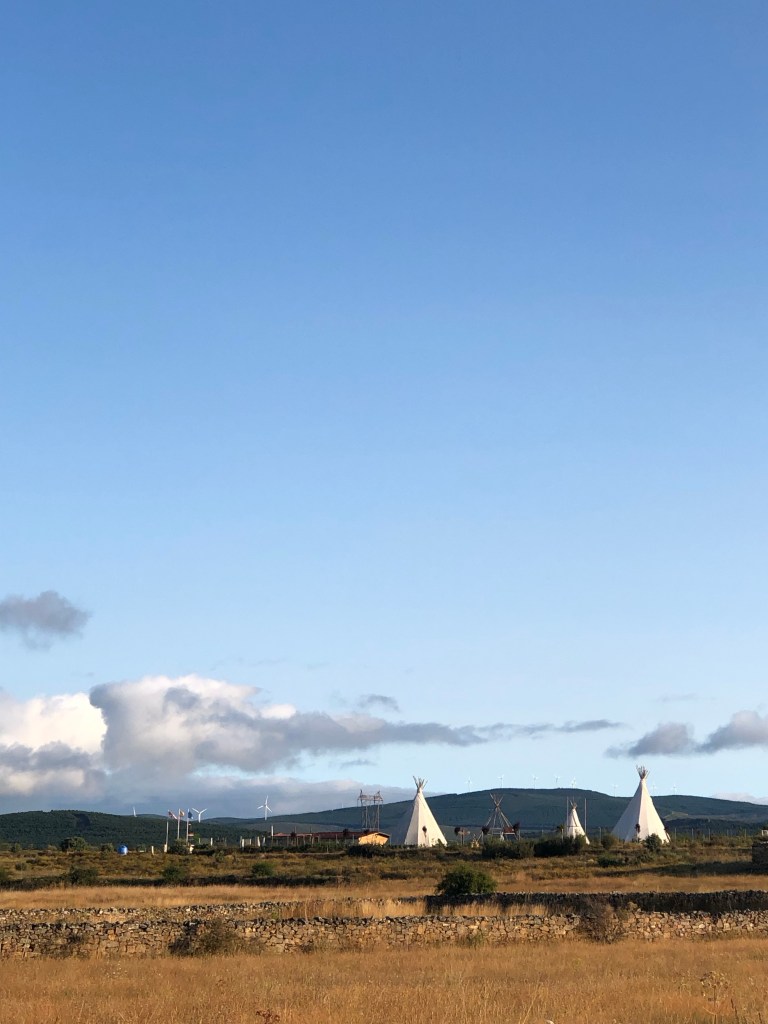
Even the wildlife has changed. Rock buntings replace corn buntings, and woodlarks sing in lieu of skylarks. The kites and kestrels of the plains are nowhere to be seen: instead, I clocked a peregrine and an eagle of some kind from a great distance, though I couldn’t tell what kind against the clouds. I practically stumbled upon a couple of red-backed shrikes near the decidedly out-of-place pueblo indio outside El Ganso, which is a first for me! You don’t find them further south than this.

The shrikes, I mean. I don’t know how far you’d have to go to find another faux-Indian setup like this one…


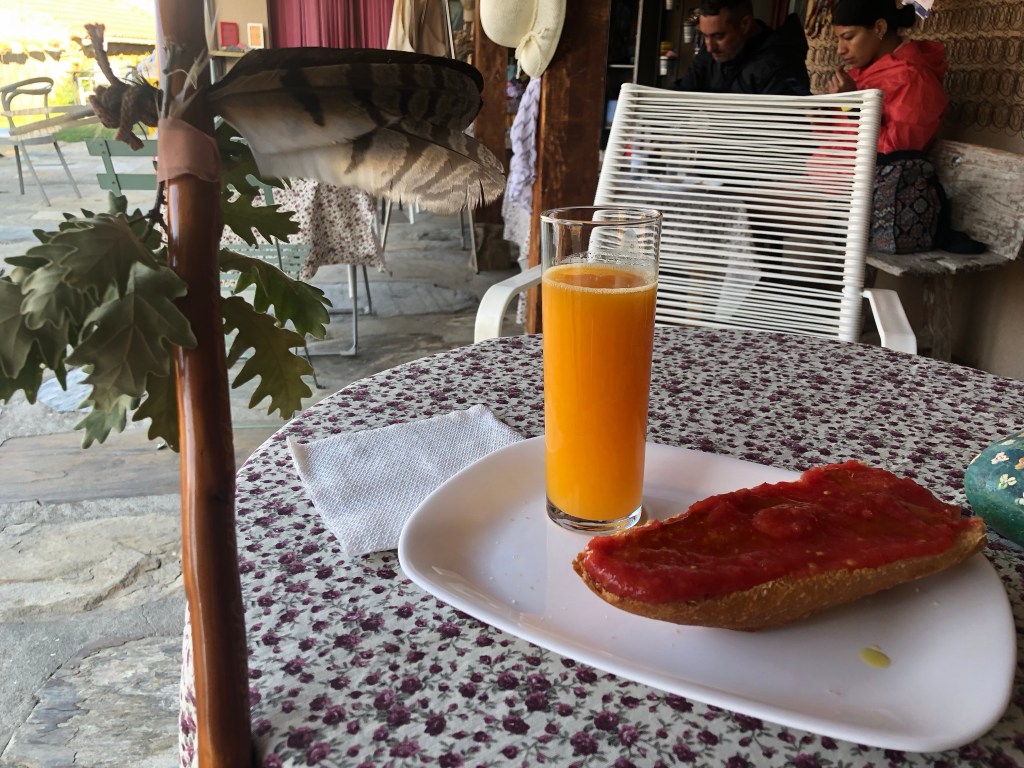
I made an uncharacteristic stop for breakfast in El Ganso, and what a fantastic idea that was. I had probably the best tostada con tomate y aceite of the whole Camino with a tall glass of fresh orange juice, and snagged a leather bracelet for the road as a keepsake. I missed the famous Cowboy pilgrim stop as it was too early, but at 5€ for the below, I think I found what I was really looking for.


Walking songs carried me on and up the mountainside toward Rabanal del Camino. I took advantage of my solitude in this forested part of the Camino and burned through my repertoire from Tolkein to all my favourite sevillanas, only shutting up when the town was in sight.

I shared the road thereafter with an Australian backpacker, Alex, for a little while, before reuniting with Belgian pilgrim Louis for the last push to Foncebadón. I even doubled down on my food pitstops and dropped into a bar for a cider. I even came away with a free tapa of tostada con jamón serrano. Win win!

And based on that boost, I threw caution to the wind and decided to press on with Louis to El Acebo. I’ll admit it was another linguistic flight of fancy on my part, based on his interpretation of the town’s name in French: là, c’est beau (it’s beautiful there).


The clouds descended to punish me for my hubris just a few minutes out of town. I haven’t needed my poncho thus far, so it was buried at the very bottom of my rucksack, and I needed to do a lightning-quick pack and unpack to retrieve it as the rain came down. As luck would have it, the shower was over only a minute later, but I kept the coat on, and the showers came and went intermittently throughout the climb. The only thing that got really bedraggled were my owl feathers, but then, owls aren’t exactly famous for being waterproof.


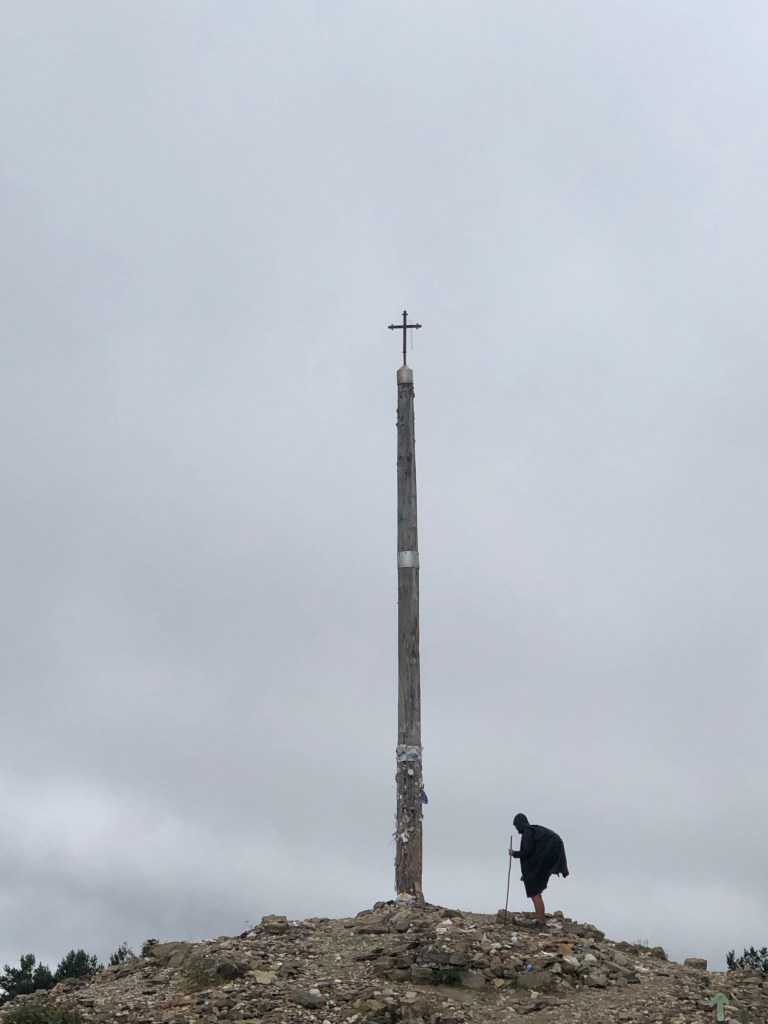
At 1498m above sea level, Cruz de Ferro marks the highest point of the Camino Francés. It’s perhaps more famous for the mountain of stone offerings at its base, which is a pilgrim tradition. I added my own to the stack and went on my way. I met Louis once again, who had gone on ahead but retreated because of a couple of stray dogs on the road. I’ll admit I hoped he’d stumbled upon some wolves, which are known to live in this part of the world, and I would dearly like to see one someday… but no, they were just a couple of strays. Louis’ wariness was understandable, and he wanted to go back and wait for them to pass, but there’s safety in numbers, so I led him past the dogs and back to the Camino. They followed us for a bit, but soon lost interest and returned to the road.


The rest of the hike winds its way through the spellbinding mountain countryside of the Bierzo borderlands, where the trees are covered in hanging moss and slate-roofed villages appear and disappear in clefts in the valley below. The bloody Welshman continues to make his presence known, daubing Cymru am byth in luminous white paint on roads, benches and even the odd boulder, but other than that, it’s a truly wild trek.


Finally, after what seemed like hours (and probably was), the ground underfoot began to descend and the city of Ponferrada came into view in the valley below. It was still some time before I was back below cloud level, but my feet were grateful for the sight of the finish line.


El Acebo is a stunning mountain village, and I’d probably have better memories of the place in future but for a minor disaster after my arrival.

I walked with Louis to the Casa del Peregrino, a new hostel touted as ‘the best albergue on the Camino’ with a shop, bar and swimming pool… Only, upon arrival, it turned out there was an additional charge for the pool, dinner came to the tune of 25€ and needed advance booking, and the whole place looked decidedly out of place – a chic hotel with a dorm option, rather than an albergue. I decided to double back in search of the albergue parroquial instead.


I realised I must have looked a sight in my bright red poncho and rainproofed rucksack, so I put my things down by a ruined barn to remedy the situation. I was a good 200m up the road when I realised I had my raincoat in one hand and my satchel in the other.

But no stick.

I kid you not, I legged it back to the barn where I’d propped it up against a door, but it was gone. I raced back to the other albergue to see if I’d left it there, but it wasn’t there either. I even went charging after the pilgrims I’d passed on the way up in case they’d picked it up, but they only had metal guiri sticks. I swore a lot – and badly at that – and had another look in town, but it was nowhere to be found. In the space of a single minute it had simply disappeared.

Oh, stick my stick! I was always going to have to leave it behind at some point – ideally near Finisterre – but the loss of it still bothered me more than it should have done. I can only hope that whoever took it away – pilgrim or child – finds some better use for it. And I suppose I did at least keep my word and give that owl one last journey, even if it wasn’t as long as I’d have hoped.


The Camino is all about letting go, when you think about it. From leaving the busy world behind and the ritual of placing stones on the cairns you find, to the very real possibility of losing weight along the way, it’s very easy to end the Camino with a great deal less than what you had when you started out. All the emotional baggage you carry out with you somehow finds its way through your fingers and out into the ether as you walk. There’s an ancient magic in that.

I’m not ashamed to admit my primary reason for throwing myself back onto the Camino this summer was to help with the healing process after a recent break-up. I know I made the right decision for both of us, but that doesn’t mean it hurt any the less to go through with it. Losing a partner often feels like losing a part of yourself. The Camino always provides, just as easily as it takes away, and I hoped it would help me to let go of the last of the hurt and find myself again.

Perhaps losing my faithful stick today was a reminder that, when it comes down to it, the only thing you need to be you is you.

What is life but loss upon loss, til life itself be lost? But in death, we may find all that we have lost.

Henry Rider Haggard, Allan’s Wife

Well, my brief sojourn as a shaman is over, and there’s no use grumbling about it. I’ll take a leaf out of another Haggard book and seek out a new stick for a new journey tomorrow. But for now, I’ll give my feet the rest they deserve. It’s been a hard day’s hike and then some. BB x

Camino XIV: Stamped Out

I at least made an effort to wait for my fellow pilgrims this morning, but impatience got the best of me. When half an hour passed and all but a trickle of the pilgrims from my albergue had come and gone, I gave up and set out for León. I wasn’t in any particular hurry, but a conversation over dinner with an Italian veteran of the Camino (this would be his tenth rodeo) had me reflecting on his words: you can never do the Camino at any pace other than your own. Well, there I was, trying to match the speed of another pilgrim or two. In the end I have to be true to myself. So off I went.


It’s not far from Mansilla de las Mulas to León – four hours, tops, though I could probably have done it in a little over three. But for the Museo de los Pueblos Leoneses, which I really did want to visit, I might have pushed on yesterday and done two days’ work in one. But I am being kind to my feet, seeing so many pilgrims in varying states of deterioration, and so I made my way leisurely this morning.

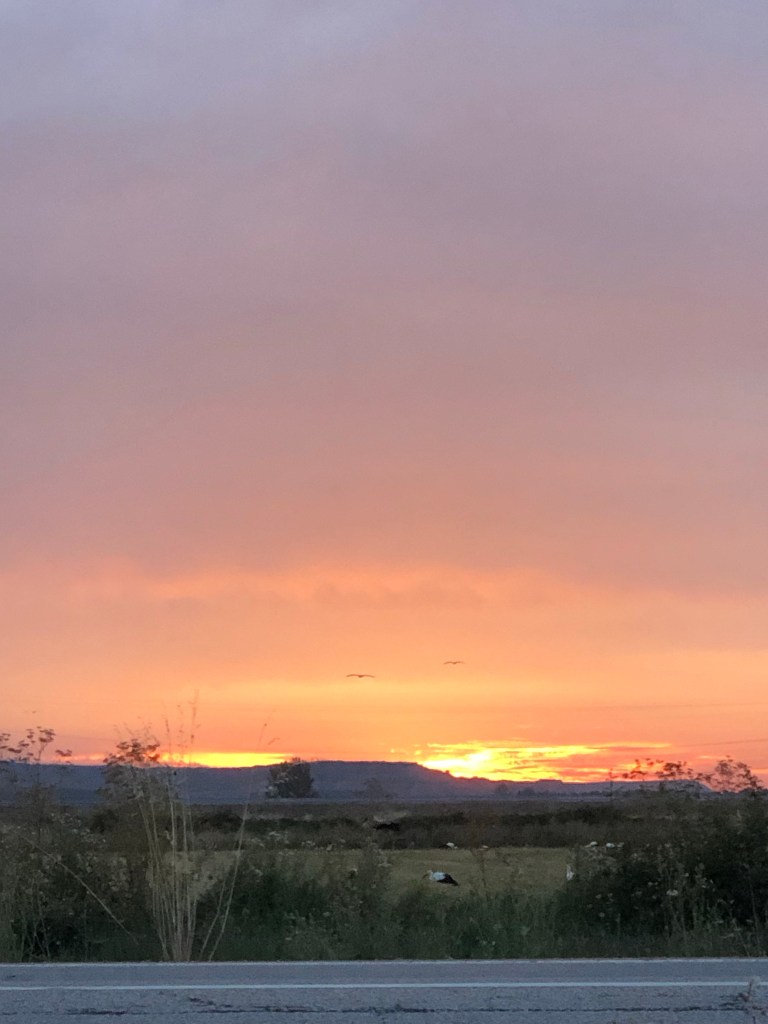
The approach to León is not the most scenic of the Camino by any standards – most of it passes through an extensive suburban industrial estate – but there was still some magic in the sunrise when it came over a roadside field where a large number of storks were flying in to feed from all directions.


I dawdled for a bite to eat in Arcahueja, still in the hope that a few of my pilgrim companions would show up. They must have been tardy this morning, because I never did see them. Instead my French got a serious polishing over a conversation with Jean-Paul from Carcassonne and Adine from Versailles. It might be lacking the instant spark of my last Camino, but if I remember this leg for one thing, it will be the constant linguistic gymnastics – I don’t think I’ve had to bounce between languages so often ever before. It’s bloody good fun!

I reached the outskirts of León at around 10 but it was almost 11 by the time I reached the Benedictine albergue, my digs for the night. Of the old guard, only Sean the Irishman and Alan from Rennes elected to stay here – I haven’t seen anybody else I know. It’s equally possible others will join here. It’s an established fact that the road gets seriously busy from Sarria, so that’s something to look forward to.

For future reference, July is – surprisingly – low season. The Camino is at its busiest in May, June and then August and September. For whatever reason, July is a quiet month on the Camino. Well – now I know!


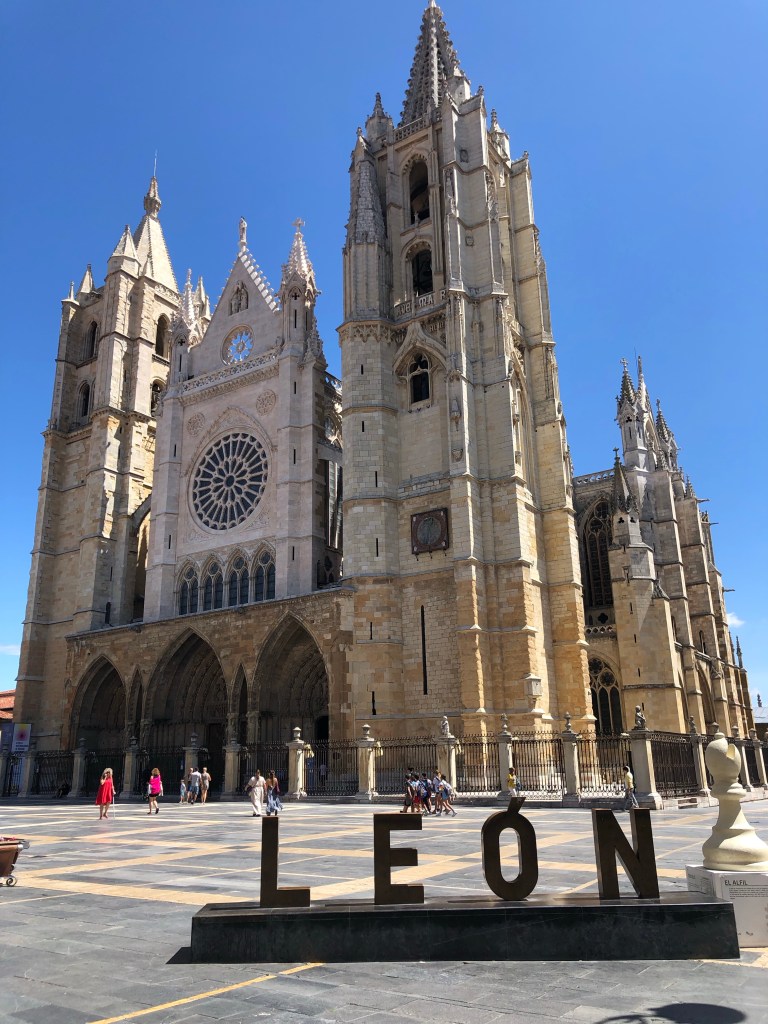
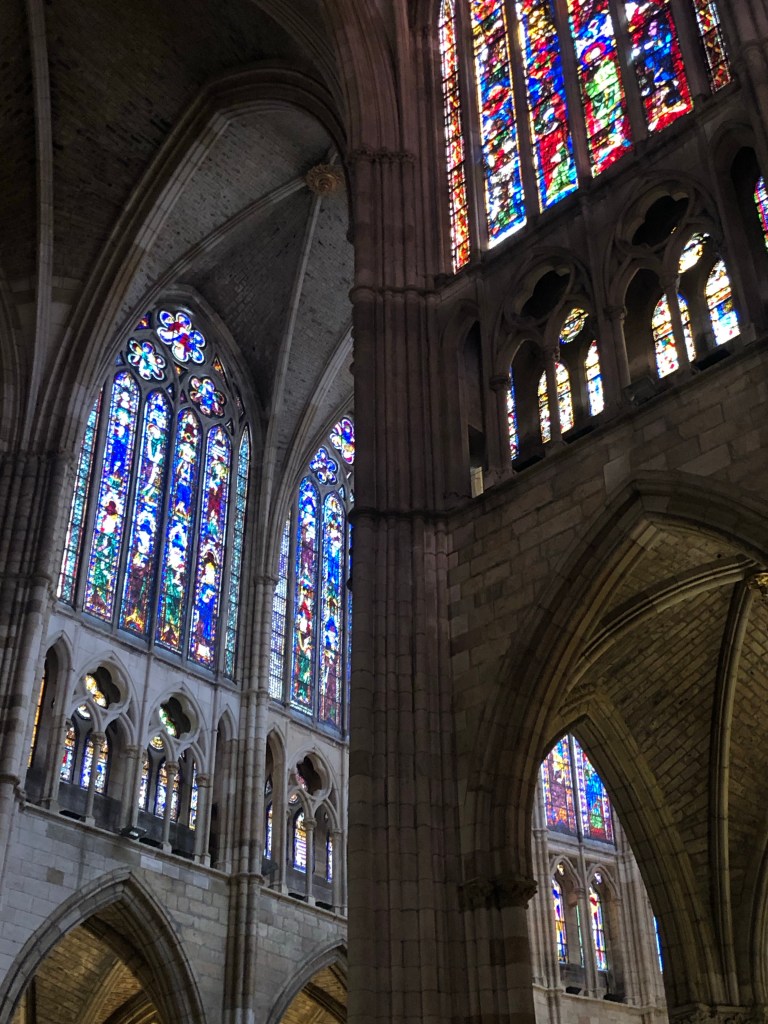
León’s enormous cathedral was under heavy scaffolding the last time I visited so I thought I’d pop inside. It’s pretty magnificent as cathedrals go, but I still think that spending so many hours of my childhood in Canterbury Cathedral has left me somewhat jaded when it comes to cathedrals. More importantly, it produced another stamp for the pilgrim passport, which is now dangerously close to completion…


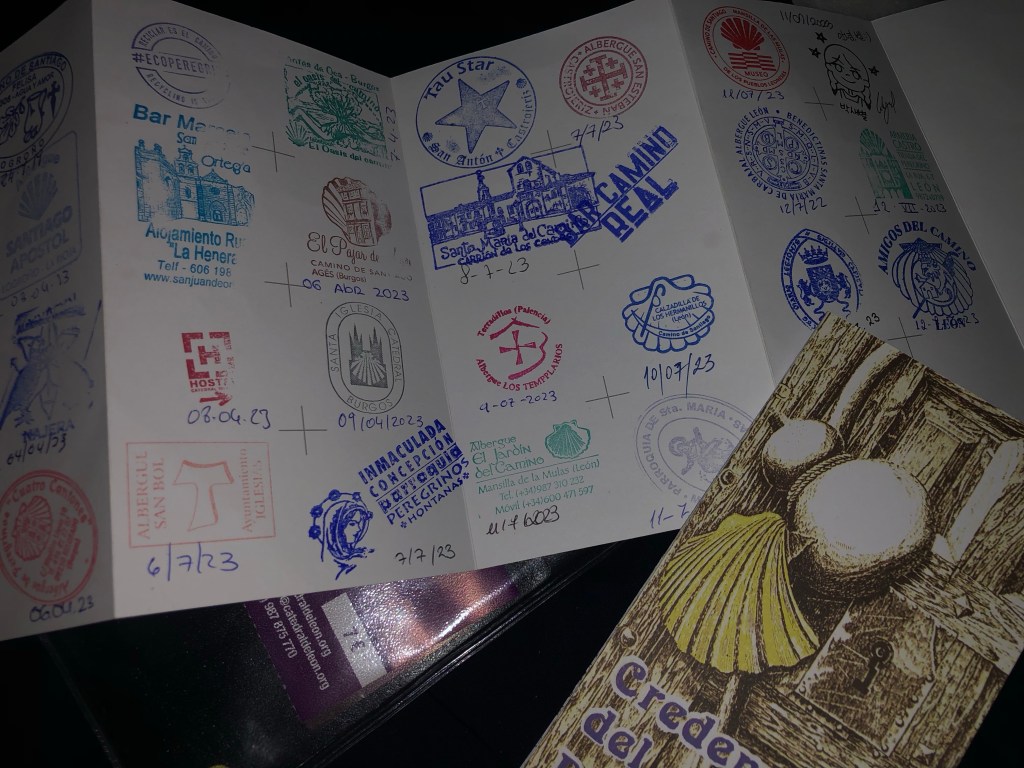
I had a snack lunch in the kitchen with a very cheap spread from a nearby Coviran and had a short siesta to while away the hours before everything reopened at 6pm. Conscious that the Galician stage requires a minimum of two stamps per day (or something like that), I went to the Asociación de Amigos del Camino de Santiago to seek a new credencial. It wasn’t immediately obvious, but rather, tucked away in an office on the fifth floor of an unassuming tower block above a bank near the Plaza Santo Domingo. The socios inside, however, were wonderfully friendly and I had a good long natter after their initial confusion over my names (Spaniards always seem to have issues gettin their heads around the British custom of middle names). Armed with a new credencial (and with my mood improved by a humorous argument about whether or not to stick the two credenciales together, which was a bone of contention between two of the socios), I am now prepared for the final two stages of the Camino. Bring on the stamps! BB x
Camino XIII: Birds of a Feather

I’ll say this much for Calzadilla de los Hermanillos: it’s a beautifully reflective way to end the meseta experience, before you say farewell to the plains and reach the Órbigo floodplains at Mansilla de las Mulas. Sure, I ditched the other pilgrims to strike out upon that road, but it was totally worth it.


The hostalera in the donativo laid out a real spread for breakfast, so I helped myself to a better start than I’ve had in days: boiled eggs, yoghurt, pastries, flat peaches, cherries and a sandwich and a half for the road. Fuelled on such a feast, I was more than ready to tackle the Roman Camino.

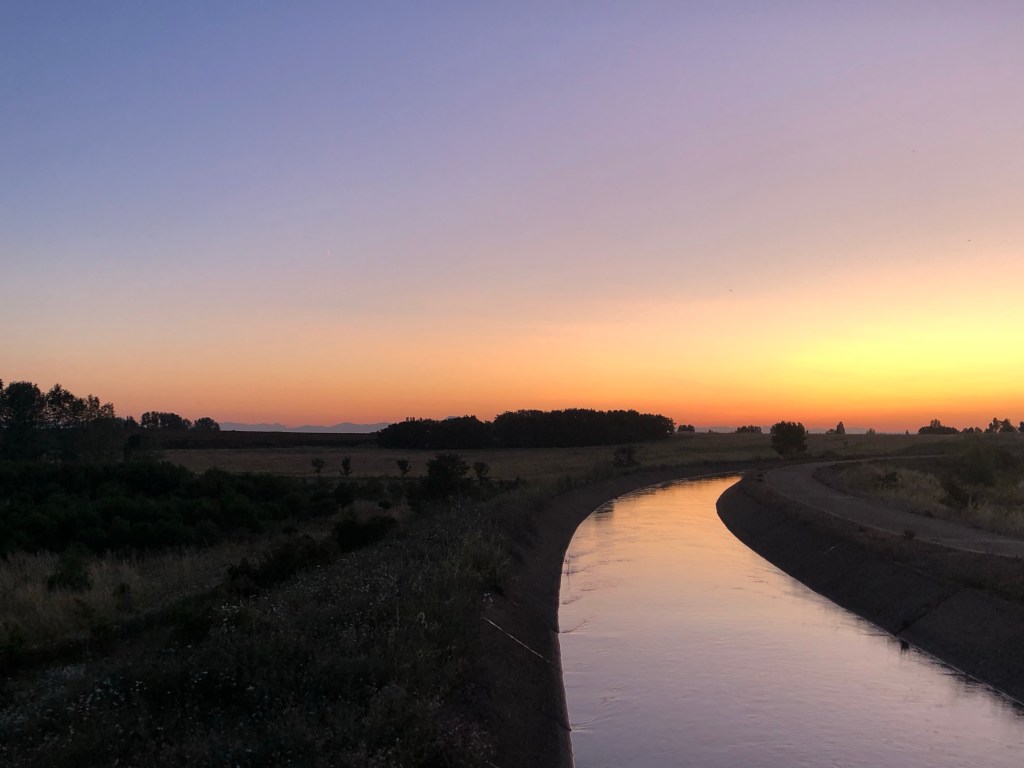
After outstripping the other pilgrims, I had the rest of the Calzada Romana – the ancient Roman raid to the mines – all to myself. And what a morning for it! From the rise, you can see all the way to the distant peaks of the Picos de Europa, ringed with fire by the rising sun. The intermittent canals that cut across the causeway worked like mirrors, carving mercurial strips out of the earth, so that each one seemed to be a continuation of the sky above, and the fields around it a floating world. One of the best sunrises I’ve had on the Camino yet, and I’ve had a good one every day.


You get a good sense of the infinite on the Camino, walking in the footsteps of a thousand years of pilgrims who came before you (the earliest recorded pilgrimage to Santiago was in 930 A.D.), but walking on an old Roman road added another level of grandeur to the experience. The rough stone path made a change from a week of dirt tracks and concrete, and while it may well be wishful thinking in my part, it’s possible, however unlikely, that my feet touched the same stone that some long-forgotten legionary trod two thousand years ago. Nuts!

Sadly I didn’t bump into any ghostly centurions in the early hours of the morning, but the irrigation system provided a jump scare of it’s own: one of the mechanisms was so close to the path that I only had a five second window to clear the distance if I didn’t want to get soaked! That sure woke me up.


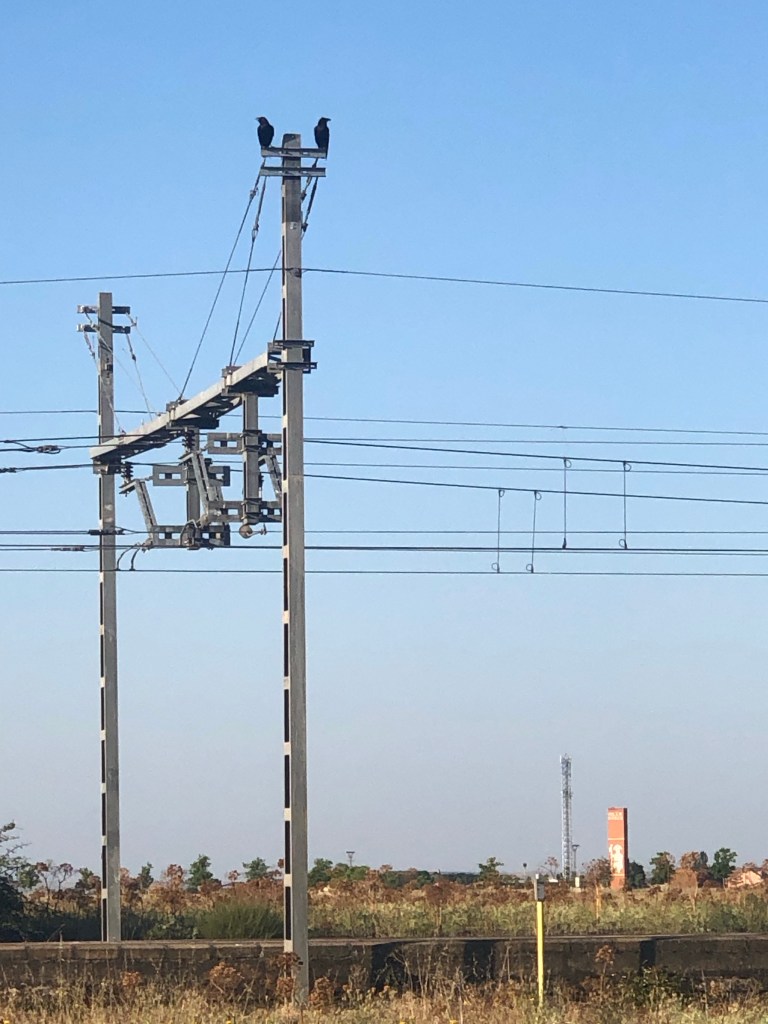
One huge plus of not taking the Bercianos route was the wildness of the calzada romana. I had my usual encounters with stonechats and wheatears (both northern and Iberian), but this unfrequented section of the Camino was a real gem for wildlife-watching. I saw my first quail whirring across the fields on tiny wings, and a couple of partridges, rabbits and a lone red deer rounded out this morning’s game. Every arroyo was alive with singing frogs – which is possibly how the nearby village of Burgo Ranero got its name – but a lonely nightingale had them beat toward the end of the road. A couple of ravens loitering around the ruined Villamarcos station chased off a buzzard that perched too close, then eyed me suspiciously as I walked on by. I found one of their feathers a little way on. It’s currently fastened to my walking pole for luck.

After several encounters with the grey males over the last few days, I finally saw a female Montagu’s harrier in the distance, and I must have clocked about nine or ten hoopoes by journey’s end. But best of all was a cuckoo that came out of nowhere during the morning’s only river crossing. Normally you hear these birds rather than see them, but this one was sitting in the middle of the road when a hoopoe gave it a merry chase for several minutes while I removed the grit from my sandals.


I got to Mansilla de las Mulas well ahead of schedule. I knew staying in Calzadilla would shorten today’s walk, but I still got to the albergue for 10.30am, meaning I had a good two and a half hours to kill before anything was open for business. All the same, this time it was as well that I did so: of the three albergues in Mansilla, one was fully booked and another, the municipal, was closed for renovations (and has been since April, at least), leaving me with no options but the pricier Jardín del Camino. I can’t complain after a very affordable night in a donativo, but when you’re used to paying 10€ as a standard, 16€ for a bed and a further 16€ for a menu peregrino is a bit steep… still! It’s all relative. Just think what that would cost back home….!

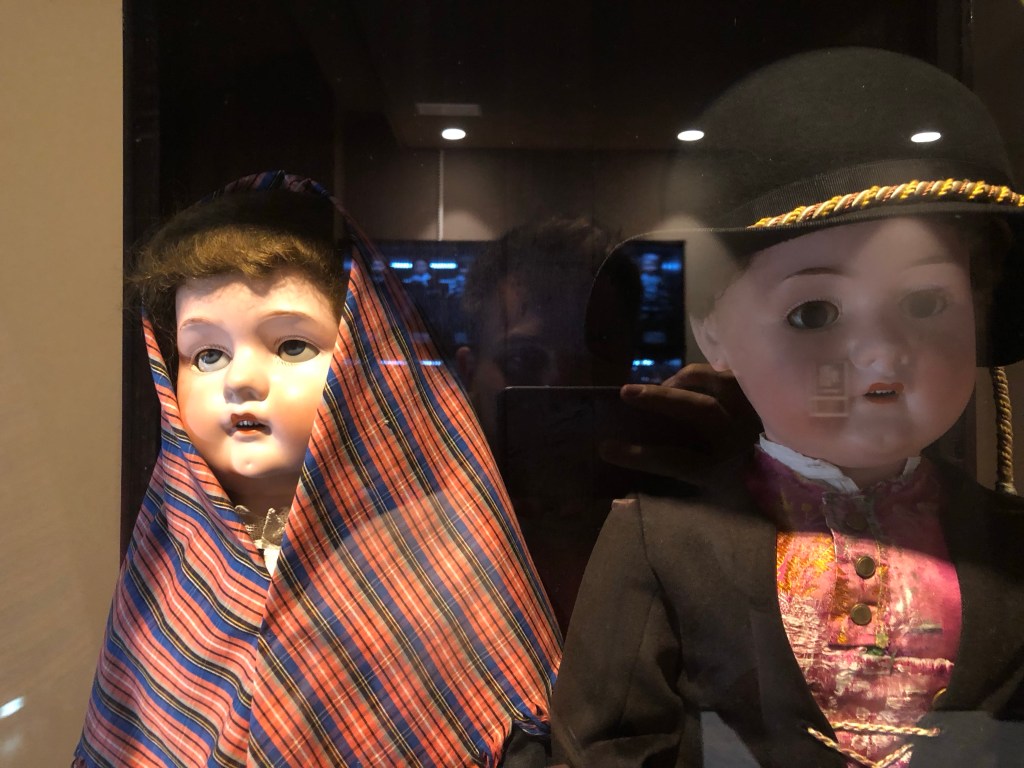
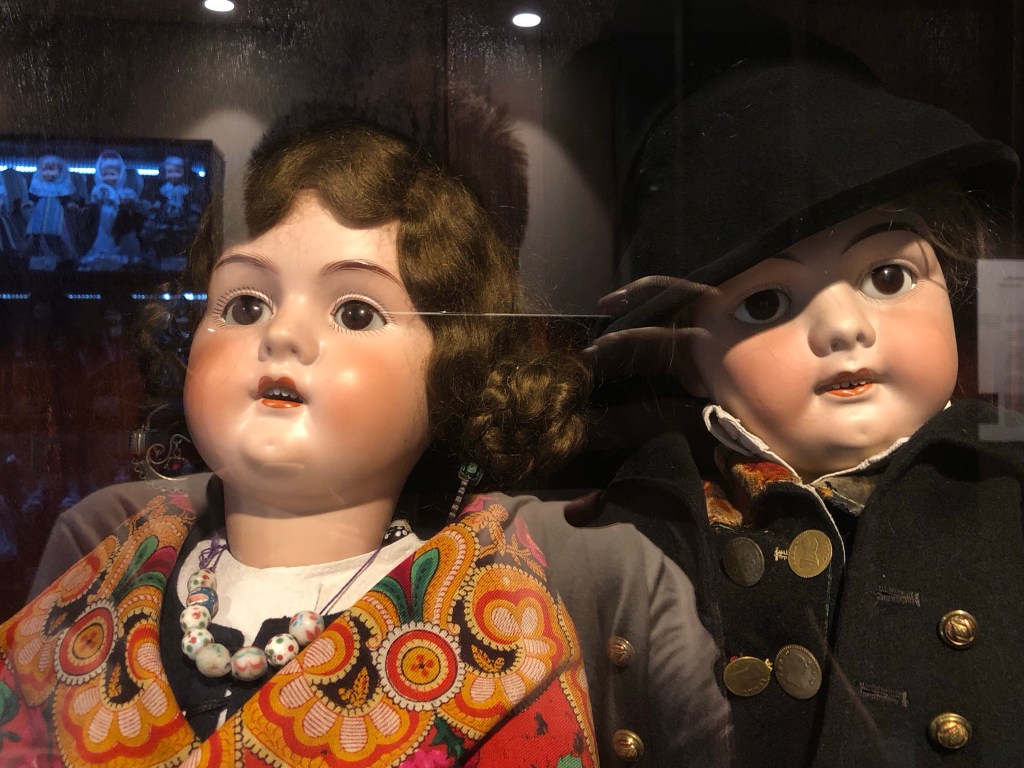
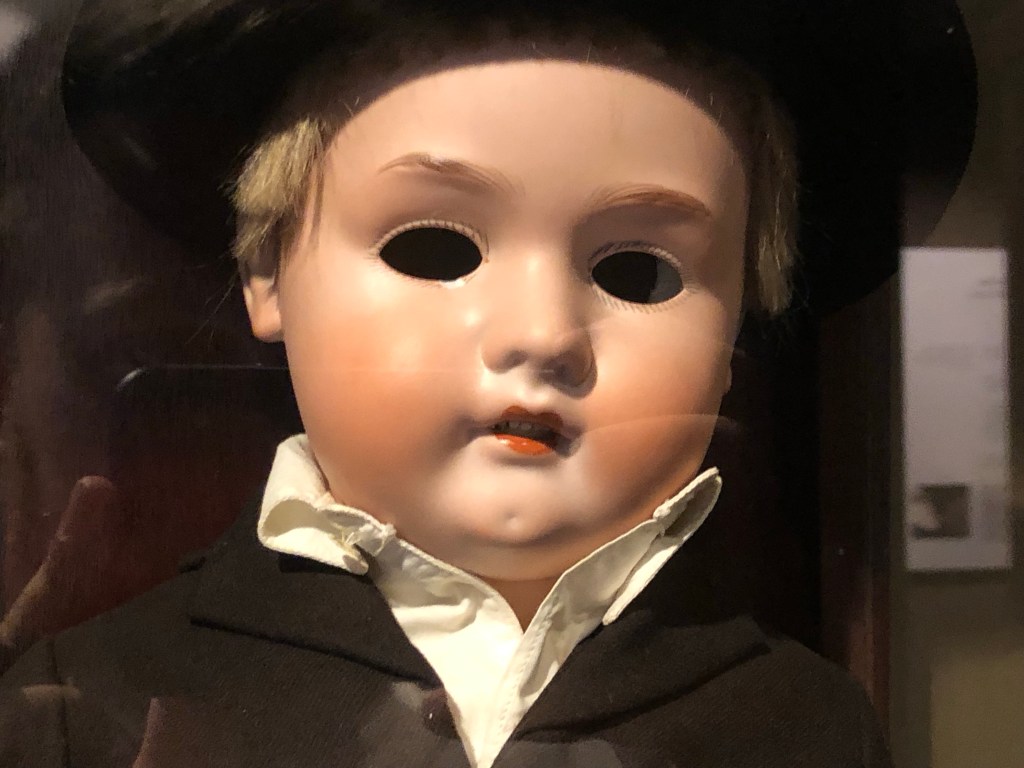
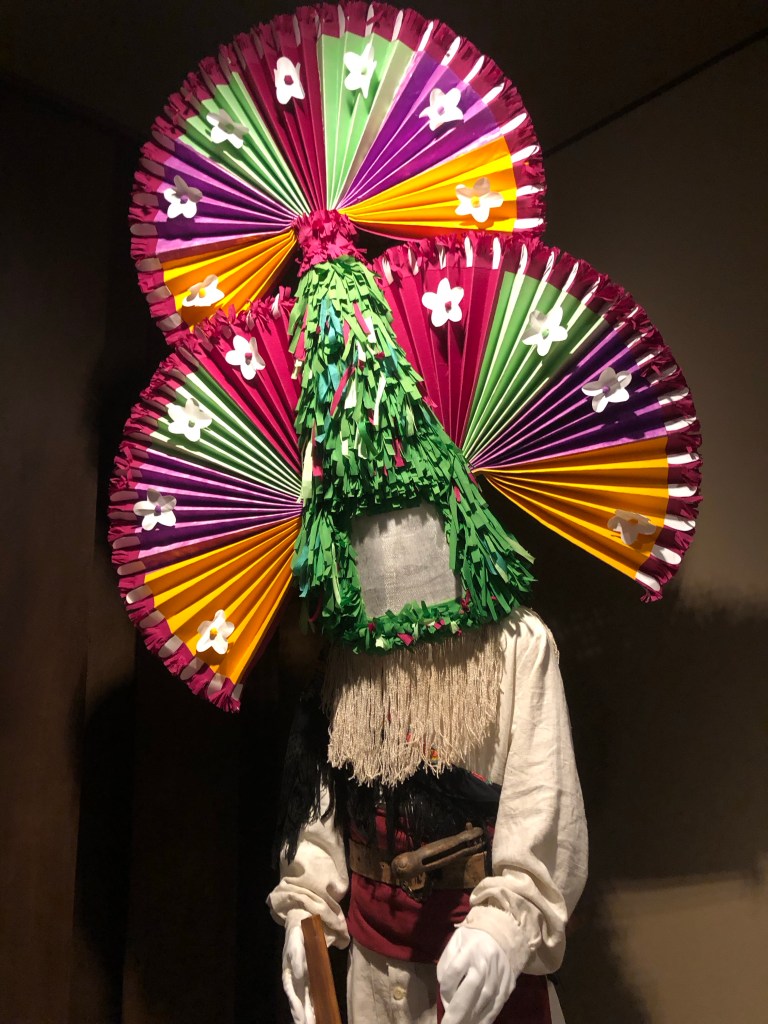
After a mid-afternoon snooze, I made a beeline for the Museo de los Pueblos Leoneses. Do check it out if you pass through – it’s a veritable gold mine of knowledge about the region and immaculately presented across three floors. I was especially interested in the local festivals and Maragatos, but the collection of dolls was equally memorable… though perhaps for all the wrong reasons!


I quizzed the lady at the desk about the signs and she laughed before I’d even finished the sentence. Apparently everybody asks the same question! Yes, she said, it’s not a random act of vandalism but rather the action of a movement which has deep roots in the region, thanks to the fiercely strong regional identity of the Leonese people. Given the chance, many would rather not be conflated with their neighbours. That much is clear from their local customs, costumes and festivals, which differ considerably from the Castilians. I’ve seen vaguely similar outfits in northern Extremadura (which was part of the kingdom of León at the zenith of its power) but the colourful guirrio is almost Latin American in its manic display. I was reminded of an Apache festival I saw in a book once. It’s funny how some people come up with the same concept despite a distance of many thousands of miles.


Tomorrow, I shoot for León. It’s not an overly long walk, or a particularly interesting one as it reaches the outlying industrial suburbs of the great city of the north, so I’ll tarry a little tomorrow and find some company on the road. I should probably also think about booking ahead for Santiago, since at the rate I’m going I really will be there in time for the festivities, and I hear they’re a spectacle that really oughtn’t to be missed if you can help it.

But until then, goodnight – everybody else has been in bed for a half hour already. Time to hit the hay! BB x
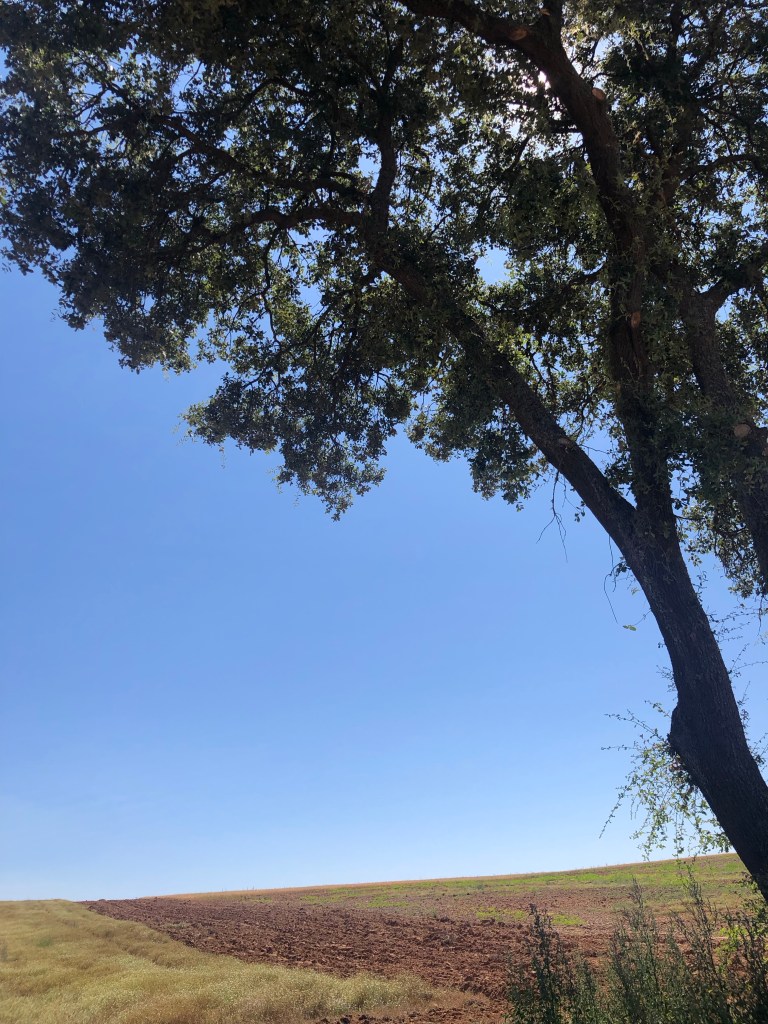
Camino XII: Strange Bedfellows

The pilgrims at the albergue talked a lot of game about getting on the road for 5.30am this morning, but when I was out the door today I was the first to leave by some twenty minutes at least. No matter how Spanish I feel sometimes, the Englishman in me is a stickler for a prompt schedule. On the plus side, I did pretty much have a room to myself last night, so I had a very good night’s sleep for once.


It was a cold start, and the sunrise when it came was a full fifteen minutes later than it was last Thursday – a sign that the year is already beginning to turn. Wandering alone gave me plenty of time to stop and enjoy the stillness, though, with the result that this morning was possibly one of the most magical I’ve had on the Camino so far.


I waited for dawn at the top of a small rise just beyond a tree-lined arroyo, where a flock of noisy bee-eaters were calling unseen somewhere downriver. The sunflowers in the fields were already facing east, and I let a number of pilgrims pass me by as I stood and waited. I counted four or five buzzards and kites heading out on a morning hunt and listened out for the distant sound of a quail, a less frequent accompaniment to the Camino as I leave the central plains of the meseta behind.


Finally, the warm glow beyond the horizon erupted into sunlight, saturating the sunflowers behind me with reddish light. I’ve got more photos of sunflowers now than I know what to do with, but it was totally worth it. Sometimes you have to stop on the Camino and wait for moments like these. You can tune out the two-tone crunch of gravel under your feet pretty easily, but you mustn’t tune out the rest of the world you walk through. It’s a soul-seeking pilgrimage, not a hike!


Passing through the mud-brick houses and hobbit holes of Moratinos, you leave the plains of Castilla behind and enter país leonés. And I say país (country) because of the fierce nationalism of the Leonese, whose old and bitter rivalry with their Castilian neighbours is more than obvious if you look below the self-help scrawls and incessant Welsh nationalism on the Camino waymarkers (we get it already!):


It was a similar story across the border in Burgos…


Castilla y León were merged in 1983, with the three Leonese provinces of Salamanca, Zamora and León joining the six territories of Castilla La Vieja (Old Castile) – excluding Santander and Logroño which elected to become autonomous regions of their own (Cantabria and La Rioja respectively). The Leonese have a strong regional identity and there are many who still believe the merge was a mistake, and that the Leonese territories should constitute their own autonomous community. An article in El País from earlier this year claims there are political differences at the heart of it, too. I’ve yet to pose that question to a local, but now that I’m in Leonese country – and they certainly have stronger feelings on the subject than the Castilians – I’ll see if I can’t do a little digging.

It’s little things like that which make for great inspiration. A lion sprayed in purple on a wall in Salamanca with the slogan ‘país leonés’ back in 2015 was what gave me the idea to make León, not Castile, the dominant power in my Spanish saga. If I don’t find a similar icon graffitied somewhere else over the next week or so, I’ll be surprised.


After a brief tortilla y zumo stop in Sahagún, the first Leonese town across the border with fellow pilgrim Bridgette, I made the decision to take the alternative route to the north via the Via Traiana, the old Roman road to the gold mines in Astorga. It meant a later arrival at my destination – and a considerable shade deficit – but I’m never one to turn down a challenge, and after a very sociable day on the Camino yesterday, paradoxically, I wanted a quiet one to myself. The heart wants what it wants, I guess!


The rest of the trek to Calzadilla de los Hermanillos has to be made beneath a blazing midday sun. I had plenty of suncream for the journey, but I left my sunglasses in Carrión a few days back and for once I found myself in need of them (they mostly sat unused on my head for the greater part of last week). I met only one other traveller on the road, a timid Irishman shielded from the glare by long sleeves and a sun hat who asked for the distance to Calzadilla in broken Spanish. Fighting through the last eight kilometres of scrubland, I kept my spirits up with a number of African walking songs my old drumming master taught me in my university days: Siyahamba, Uchikala, ba Tata. I might not be able to share them with the kids at school anymore, but there’s nothing to stop me enjoying them out on a march here in the open country.

It was uplifting singing my heart out in the woods, and I hardly noticed the blazing sun or the distance shrinking away at my feet. The kites and stonechats that accompanied me from forest’s edge must have thought me quite the unusual pilgrim – Spanish afternoons are decidedly not a time for jubilation. Perhaps that’s an old superstition about Pan, the Greek god of the wilderness, who legend has it would be angered by noise at midday. Or perhaps it’s just common sense!


Anyway, I’m here in Calzadilla de los Hermanillos. It’s a tiny frontier town, reminiscent of a Wild West set-up, with most of the townhouses clustered along both sides of the old Roman road. I’ve had a shower, washed my clothes, stocked up on supplies for tomorrow and packed accordingly. Now that the other French pilgrims staying here have quietened down, I’ll put my phone to charge and do a little reading before bed. Tomorrow is another day, and it would be good to meet up with the other pilgrims again. I’m somewhat doing my own thing this time, but a balance would be no bad thing. BB x
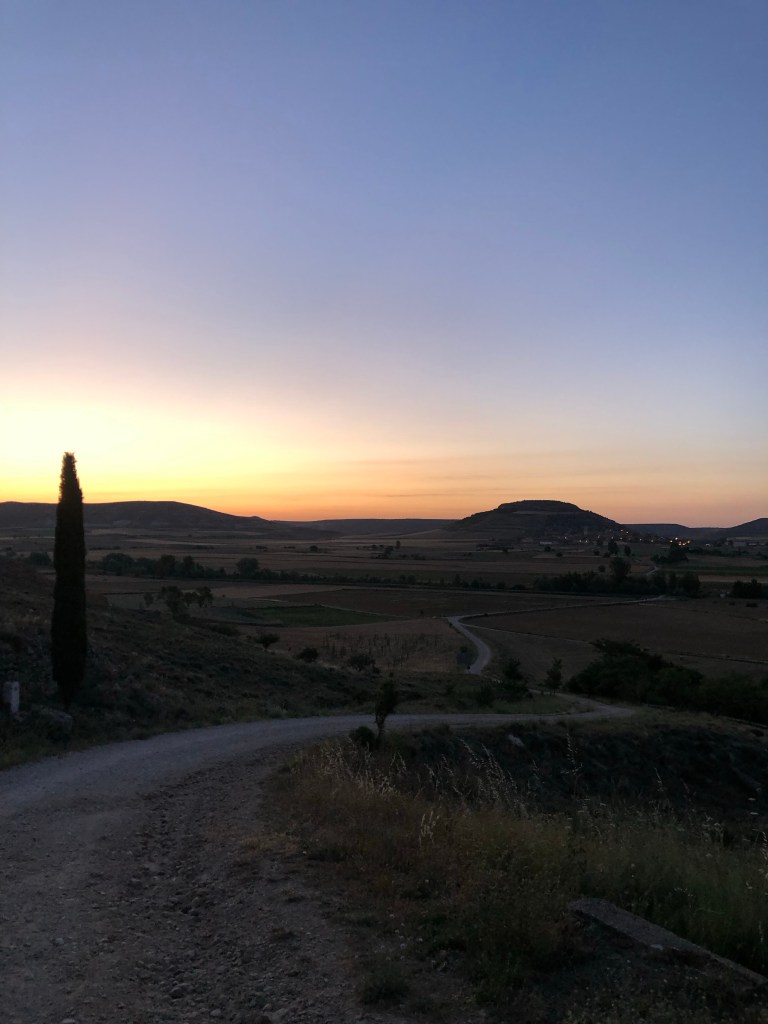
Camino X: Carry On, Carrión

I’m here in Carrión de los Condes, a full day ahead of schedule. So much for not rushing this time. It was definitely not my intention to walk nearly fifty kilometres today, but here we are. At the very least, I think it’s safe to say I have put one of the more tedious stretches of the meseta behind me. My feet might be killing me, but silver linings and all that.


I got my comeuppance for being an early riser in Burgos this morning. By five o’clock half the dorm was already up and about, so at 5.15am I gave up trying to doze away the hour and got my things together. I’d had the foresight to buy breakfast the day prior, before a wander up to Castrojeríz’s ruined castle (as if I hadn’t walked enough already), so I chowed down on a Bolycao (childhood classic) and set off into the darkness.

One definite plus to setting out before dawn was the climb up the side of Mostelares, a steep banked plateau guarding the road to Itero. In the late morning sun I’m sure it would have been a sweaty, unforgiving affair, but with the sun still below the horizon (and the help of my trusty stick) it was relatively easy. I overtook the only other pilgrims on the road, bade farewell to the army of wind turbines blinking like distant artillery fire in the distance, and put Castrojeríz behind me.


A large riverside grove before Itero de la Vega broke the monotony of the wheat-fields for a bit (Theresa May could get seriously naughty in this part of the world), and I caught a glimpse of a deer between the Lorien-esque rows of birch trees. A talkative group of five Spanish women were on my tail by this point, so I let them overtake and take the clickity-clack of their guiri sticks with them. I’m not sure what their real name is in English, but my kids in Extremadura used to call them palos guiri and the name has stuck.


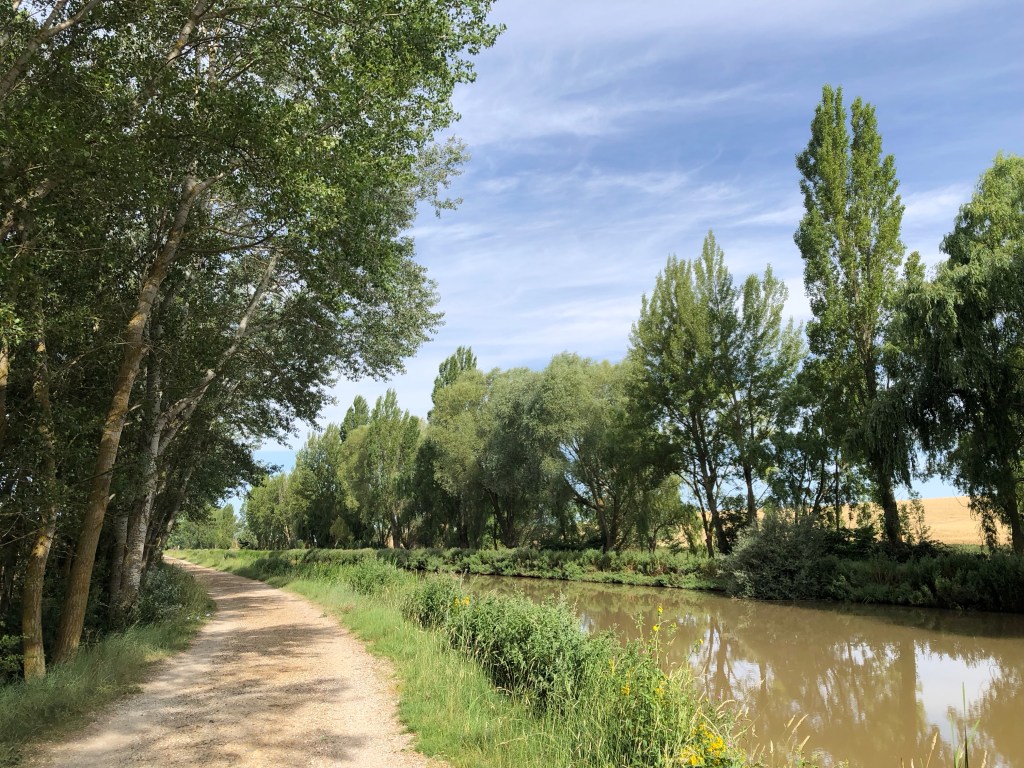
After Itero, the usual stop is Boadilla del Camino, but it was not even 10am so I decided to press on (this is becoming a running theme). The Camino follows the Canal de Castilla until Frómista, which was a welcome change of scenery, if a little bizarre in the middle of the meseta. I’m not sure the local wildlife knows quite what to make of it: I heard the odd reed warbler and saw a flock of lapwings land in a nearby field, but other than that it was an eerily quiet waterway, as man-made imitations of natural things often are. God is not mocked.


Frómista was… a strange place. It felt decidedly more like an urbanización than a town per se. I arrived around 11.15, two hours too early for most of the albergues which habitually re-open around 13.00-14.00 after a lightning quick clean. A couple of merry storks did their beak-clicking ceremony as I reached the town centre, but I got a strange vibe from the place and decided not to linger. Perhaps it was the fact that all the albergues would be shut for another two hours, or maybe it was the fact that the one recommended by all the guidebooks had so many vitriolic one-star reviews on Google complaining about the rudeness of the hostalero.

Whatever it was, a madness took me, and I decided to try my luck in the next town along.

Big mistake. Población de Campos is only a few kilometres on from Frómista, but by now it was noon and the midday sun was up. After an uninspiring slog along the side of a main road – the first of many – I dropped in on the first option, Albergue La Finca.


Well, there wasn’t any dust on the tables, and there were some papers on the front desk that looked recent, but that was about it. The garden looked as though it had seen better days, the gate was slightly ajar and there were no cars in the drive – or peregrinos, for that matter. I rang the doorbell a few times, waited, and then moved on to try my luck with the albergue municipal.

I didn’t fare much better there. The sign was missing, and after a brief search I found it stashed behind a bush. I decided to ask at the nearby hotel, where the kindly dueña informed me that, sadly, both albergues were closed for renovations. I could try at Villamentero, another 5km up the road. Her own Hotel would have set me back 40€, which isn’t ludicrously steep, but on the Camino that sum equates to five nights in an albergue, so I had to pass it up politely.

At this point, I got it into my head to push on all the way to Carrión. A stupid idea, but with prospects along the road ahead looking bleak, and zero desire on my part to backtrack to Frómista, the idea slowly began to seem more and more logical. and, I’ll admit, the whimsical desire to say I’d carried on to Carrión ultimately tipped the scales.


Cue the most tedious stretch of the Camino so far. Fifteen kilometres and three hours of featureless roadside walking. I guess this is what everyone was referring to when they said the meseta could drive a man mad. I clocked a couple of occelated lizards somewhere near Villalcázar – the enormous green buggers are unmistakeable – and claimed a bustard feather, but beyond that, and the chafing pain of my seriously overworked feet, I was genuinely counting the mileage signs all the way to Carrión.


When it finally appeared on the horizon, with the mountains of León in the background, I could have done a somersault out of relief – only, I don’t think I’ve ever been athletic enough for such a feat, and it would have been the death of my feet anyway. So I contented myself with a hallelujah and used the last of my reserves to power on past the silos and into the promised land.

Somebody up there was looking out for me today. A merciful blanket of cloud covered me all the way from Población de Campos, and when I reached Carrión, the Albergue Santa María still had beds going spare. The shower that followed was never more welcome, nor felt so good.

It seems very busy all of a sudden up here. I guess I was one day behind the crowd. Perhaps I’ll meet some of the younger peregrinos tonight. It would make a change from three days of walking the Camino alone. But let’s just see how things pan out! BB x