The Flat, 21.03.
It can be done! After living in Somerset for the best part of two years, I finally made it to the Avalon Marshes. It’s a little out of the way – as fenlands often are – and, being without a car of my own, impossible to reach outside of term-time, but with a little planning I managed to successfully navigate the one bus there and back again after school this morning. Worth it? Absolutely!
The Avalon Marshes are a network of pools, channels and reedbeds that stretch from the west of the festival town of Glastonbury across the Somerset Levels. Being naturally averse to crowds, Glastonbury and its ilk have never even crossed my mind as a way to spend the summer, so I’ve never had any cause to come this way before. Evidently, I was missing out. This mystical corner of the British Isles has a real charm to it. The 376 bus dropped me off outside The Royal Oak in neighbouring Street and I struck out across country for the marshes from there. Along the way, I walked in the sightline of the legendary Glastonbury Tor. It was a balmy spring day – the fourth in a run of consistently sunny days – so the Tor was drawing a growing crowd of sun-seekers, like a sweet on an anthill. If I had a little more time, I might have gone and had a look myself.
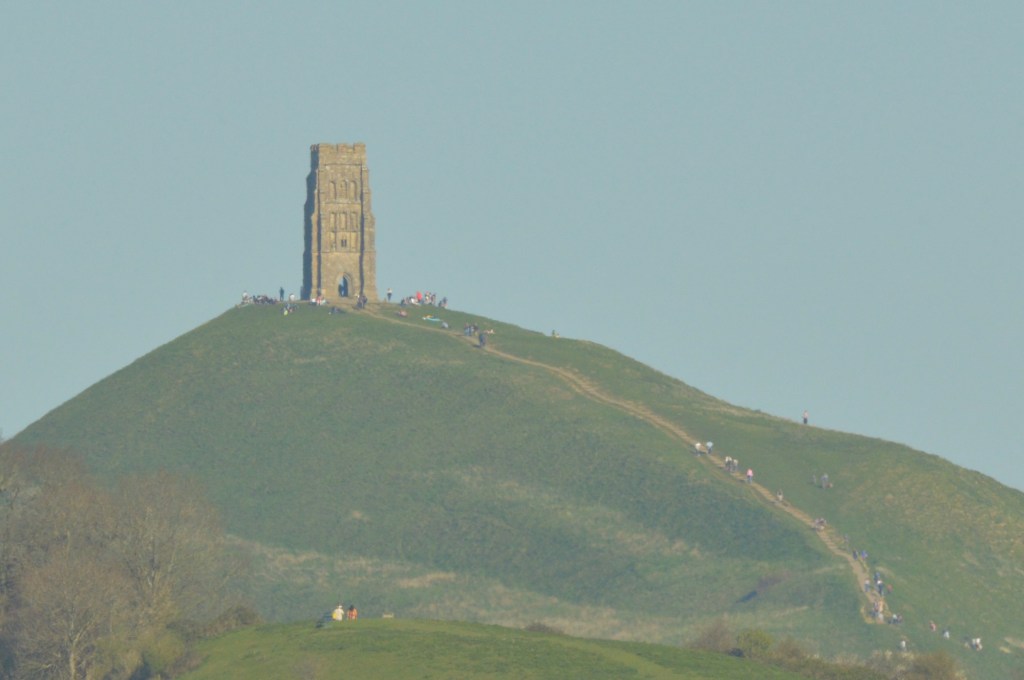
The magic started before I even reached the Glastonbury Canal that runs into the fens. I had just come upon the first of the reedbeds that herald the Avalon Marshes when I heard the sound that I had come here for: a low, pipe-like boom. A sound that inspired many a myth and folktale in the British Isles, and that once was surely heard all across this island. The noise belongs to the great bittern, a singularly beautiful and cryptic variety of heron that is surely the prince of the fens. I can’t remember whether or not I have ever conclusively heard a booming bittern before – my memories of a possible encounter with one in Stodmarsh when I was a lad are a bit hazy – so I have hesitated to add them to my life list thus far.
Today, however, I was left in no doubt. I must have heard at least six different individuals booming all across the fens, including one that was so close that I could swear I heard its resonant intake of breath before each boom. The great bittern is a master of camouflage, however, with a plumage so perfectly suited to its life within the reedbeds that it is almost completely invisible when “bitterning”, so despite the fact that they were making enough noise to be heard from Glastonbury, I never saw so much as a feather. But I wasn’t disheartened in the slightest. Just to hear that booming sound was worth the journey out here. I’ll have to do it again sometime.
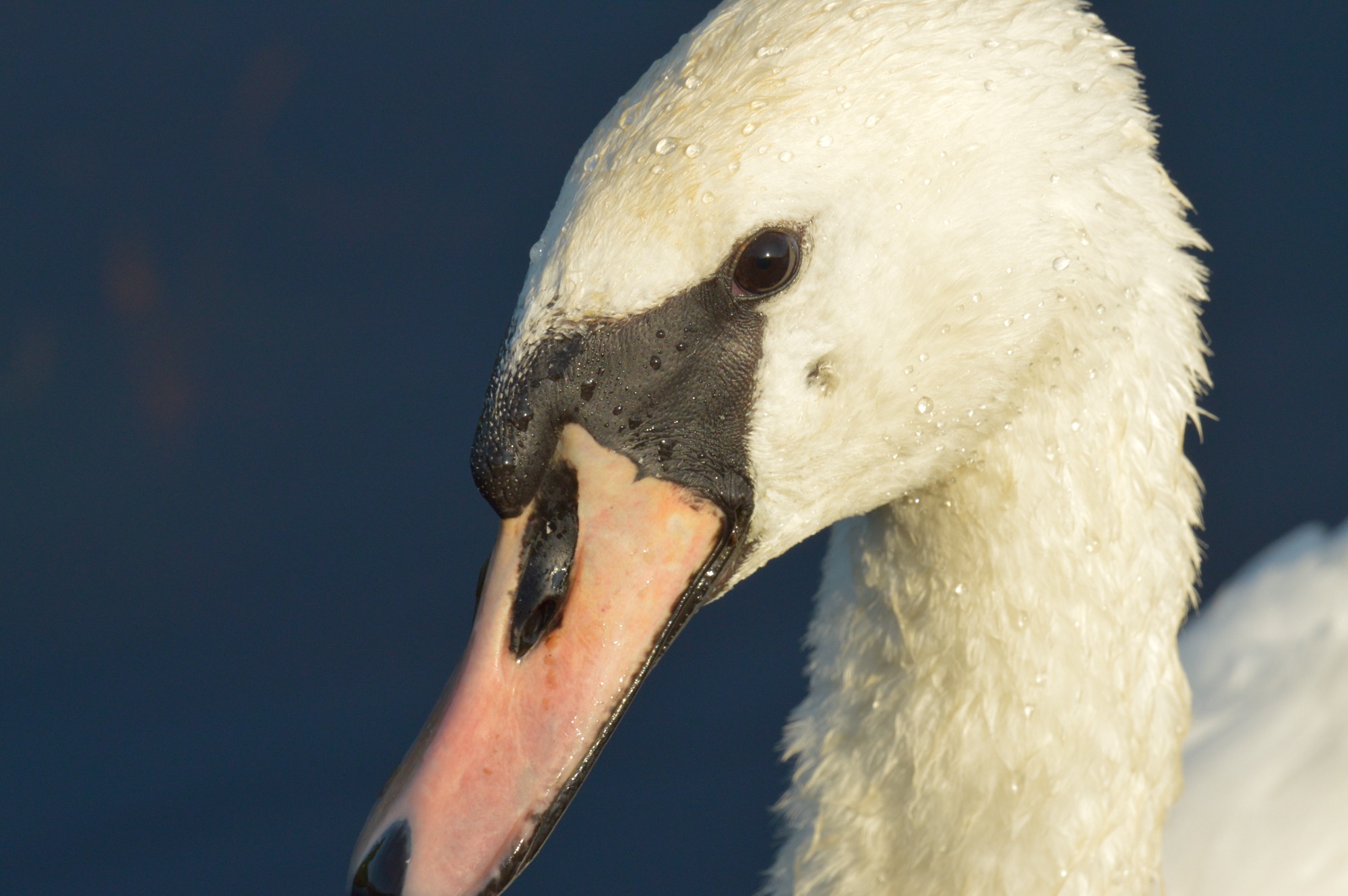
While I was scanning the reeds for one of the bitterns, a swan came swimming by, giving me something to train the lens on.
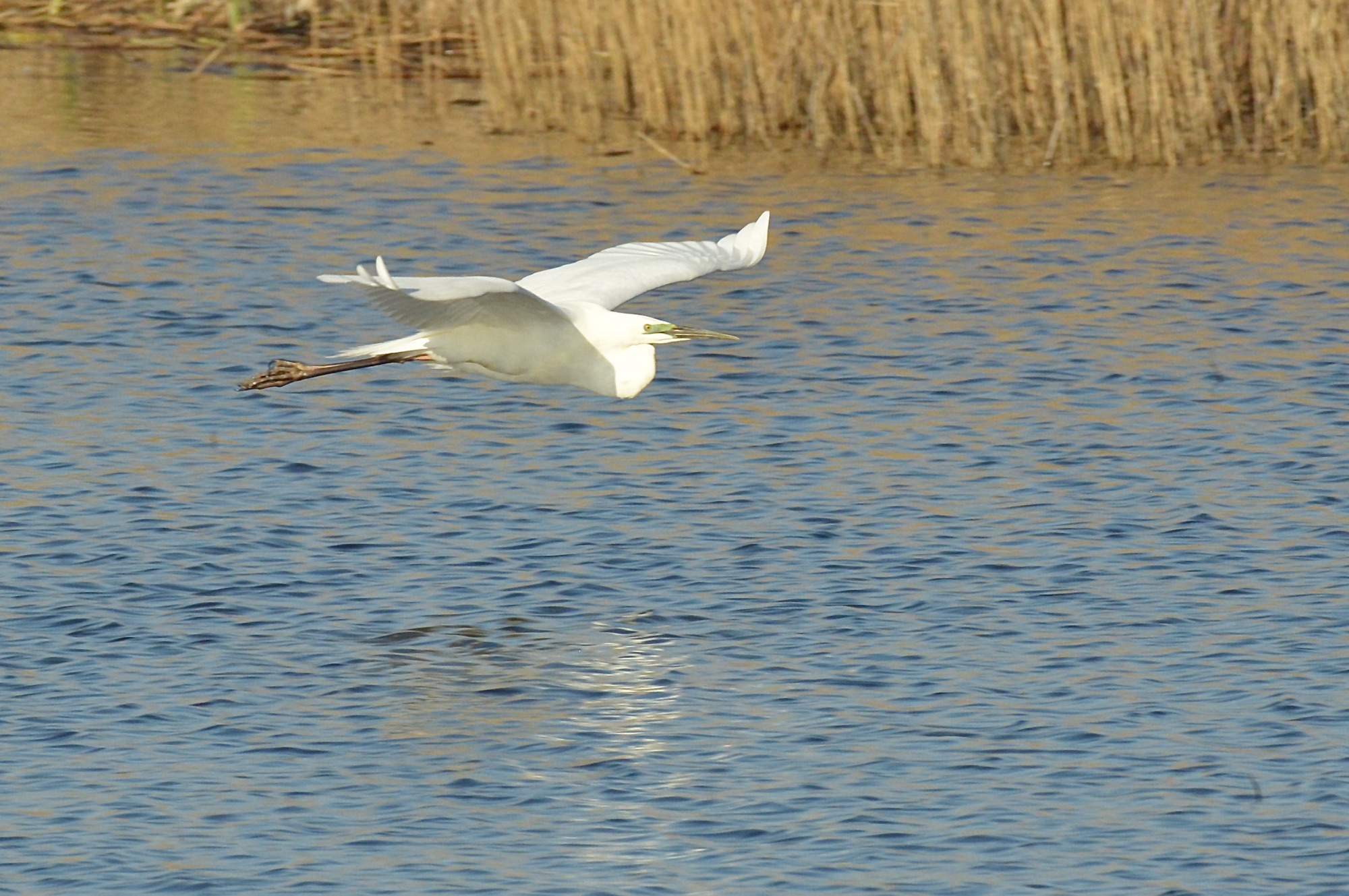
The swans weren’t the only great white birds in the marshes. Another species that has drawn me to the Avalon Marshes today is the Great White Egret, a relative newcomer to the British Isles. The largest of the egrets is actually a heron, a fact that is obvious from its size, which is considerable. I’ve seen these beautiful birds before on the continent, but this would be the first time I’ve seen one here in the UK. When I was a kid, this would have been a very rare find, but much has changed since then. The Avalon Marshes have around fifty breeding pairs, which is frankly ridiculous, considering that they only started breeding here a few years ago. Even the other birdwatchers in the Avalon Hide barely batted an eyelid when one flew into view. It’s a sign that, no matter how bad things may seem, life always finds a way.
On that note, I feel I have to talk about one of the things I haven’t missed about birdwatching: the manspreading. The term didn’t exist when I was a kid, but it certainly does fit the bill.
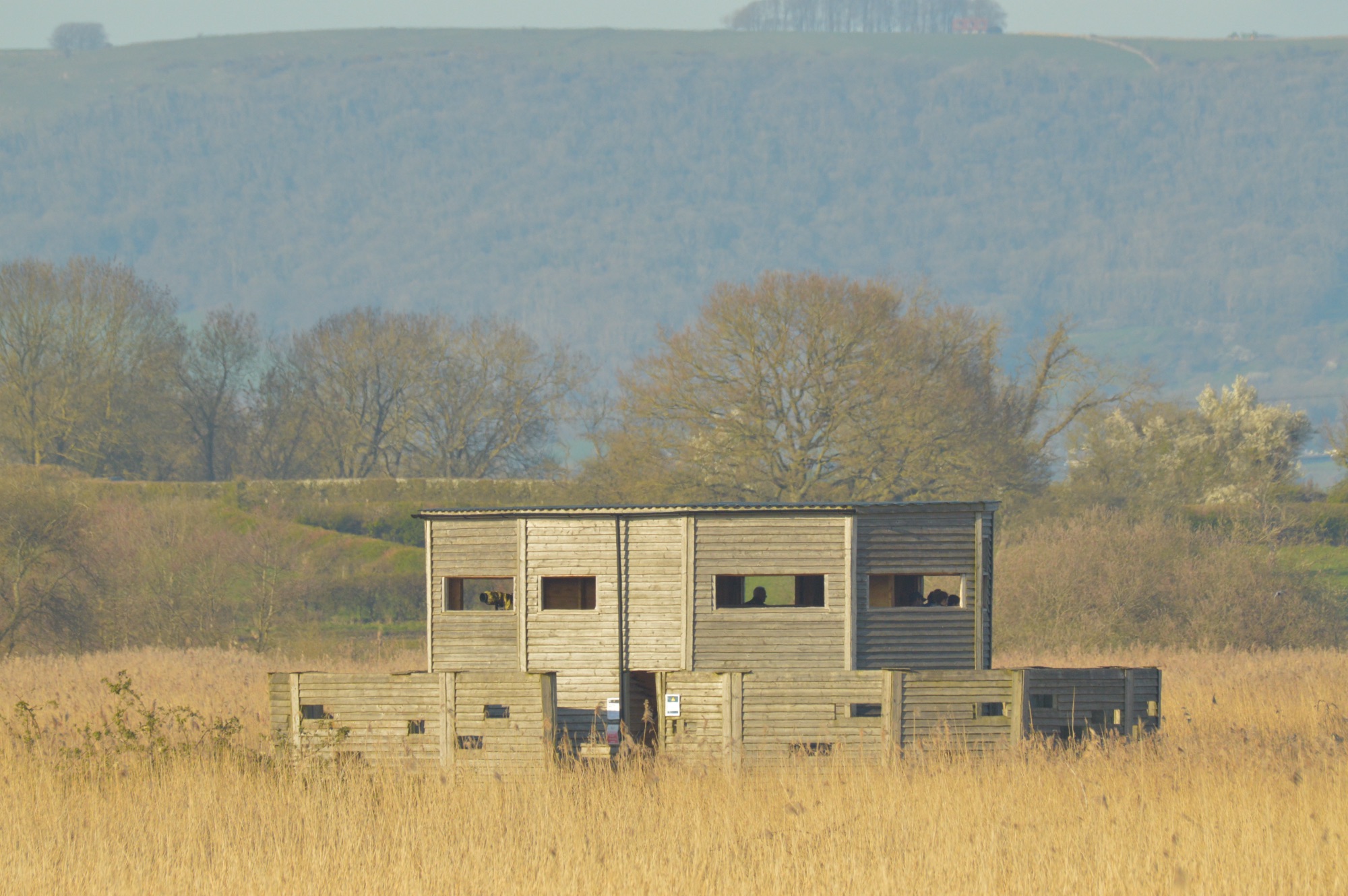
I thought I’d check out the Avalon Hide to see if I could find one of those elusive bitterns, but it had been staked out by a very different group of boomers, who had each selected a window to themselves and laid out their gear all about them: a panoply of scopes, binoculars and cannon-like lenses that made even my monster zoom lens seem like a hand gun. Only one window was available, which looked out back the way I had come. I stuck around for about twenty-five minutes, listening to their familiar birder-talk, but it quickly became apparent that they meant to stick around until sunset to see if either the bitterns or the resident barn owl would make an appearance, and as I had to catch a bus home, I had to cede the hide to them.
I explored the “cattle class” alternative screens below the tower, very much aware of the scopes poking out of the windows above me like artillery. Sometimes a bird-hide can look a lot like a pill-box.
A friendly chap and his wife restored my faith in the hobby when they pointed me in the direction of a water rail they had just seen, but it never did reappear from its hiding place in the reeds, so we went out separate ways with a shrug. Fortunately for me, there was plenty to see: perhaps sixty or seventy shovelers out on the lake, along with attendant flocks of gadwall, mallard, tufted duck, teal and coot, as well as a few noisy great-crested grebes. Most of them were much too far for even my faithful 500mm, but a robin that followed me out of one of the hides was perfectly happy to let me take his photograph, which definitely made up for it.
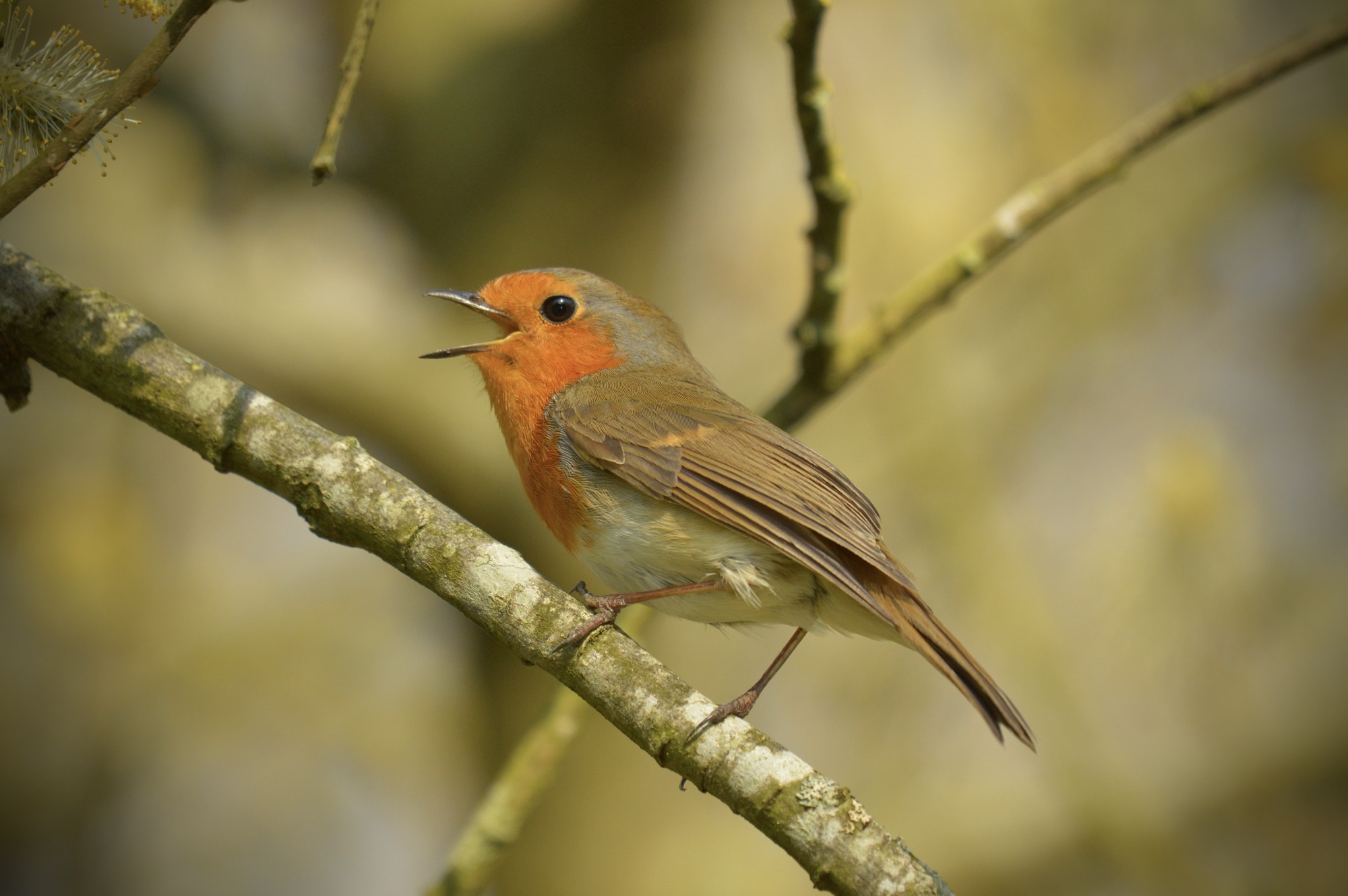
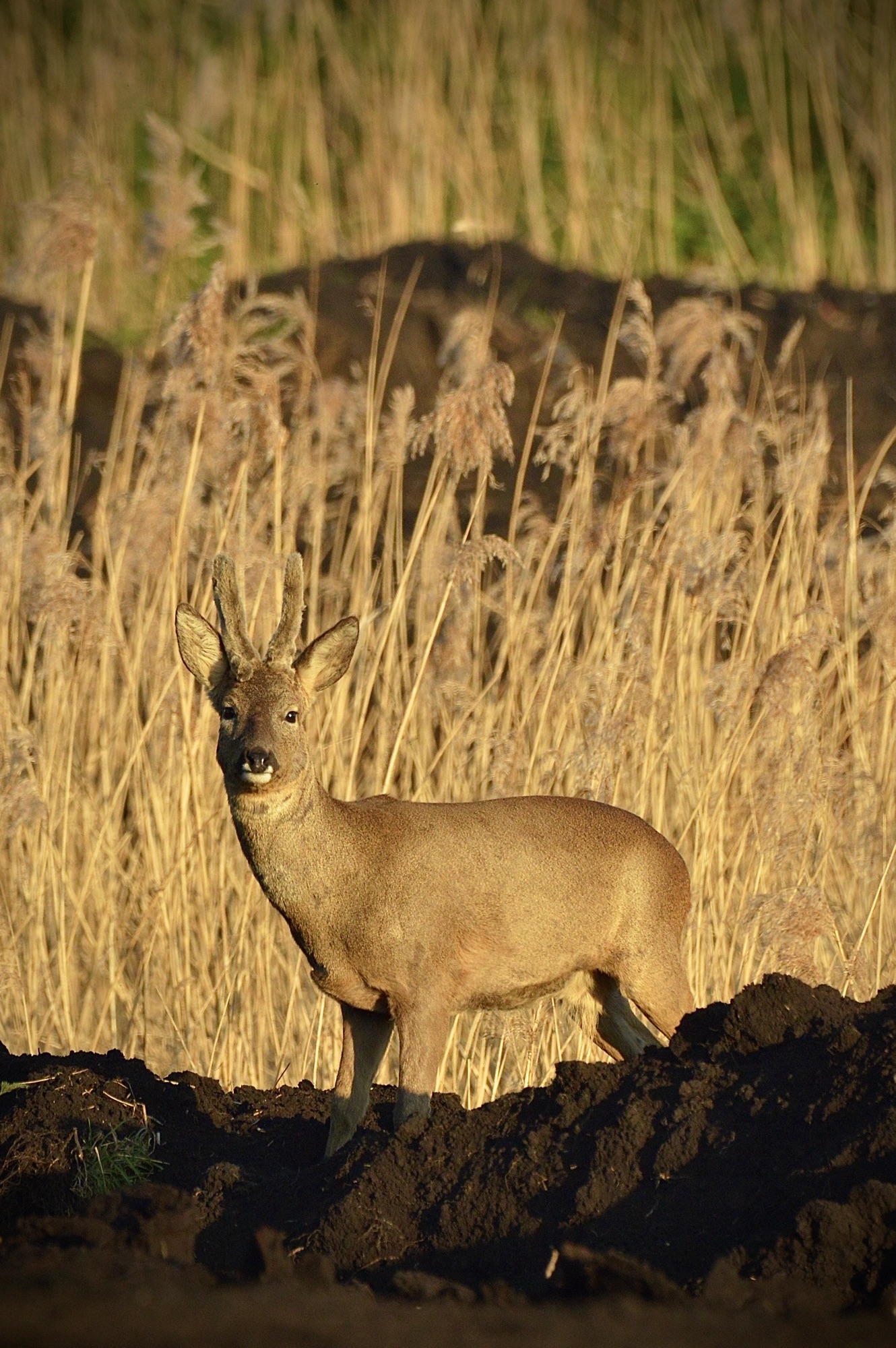
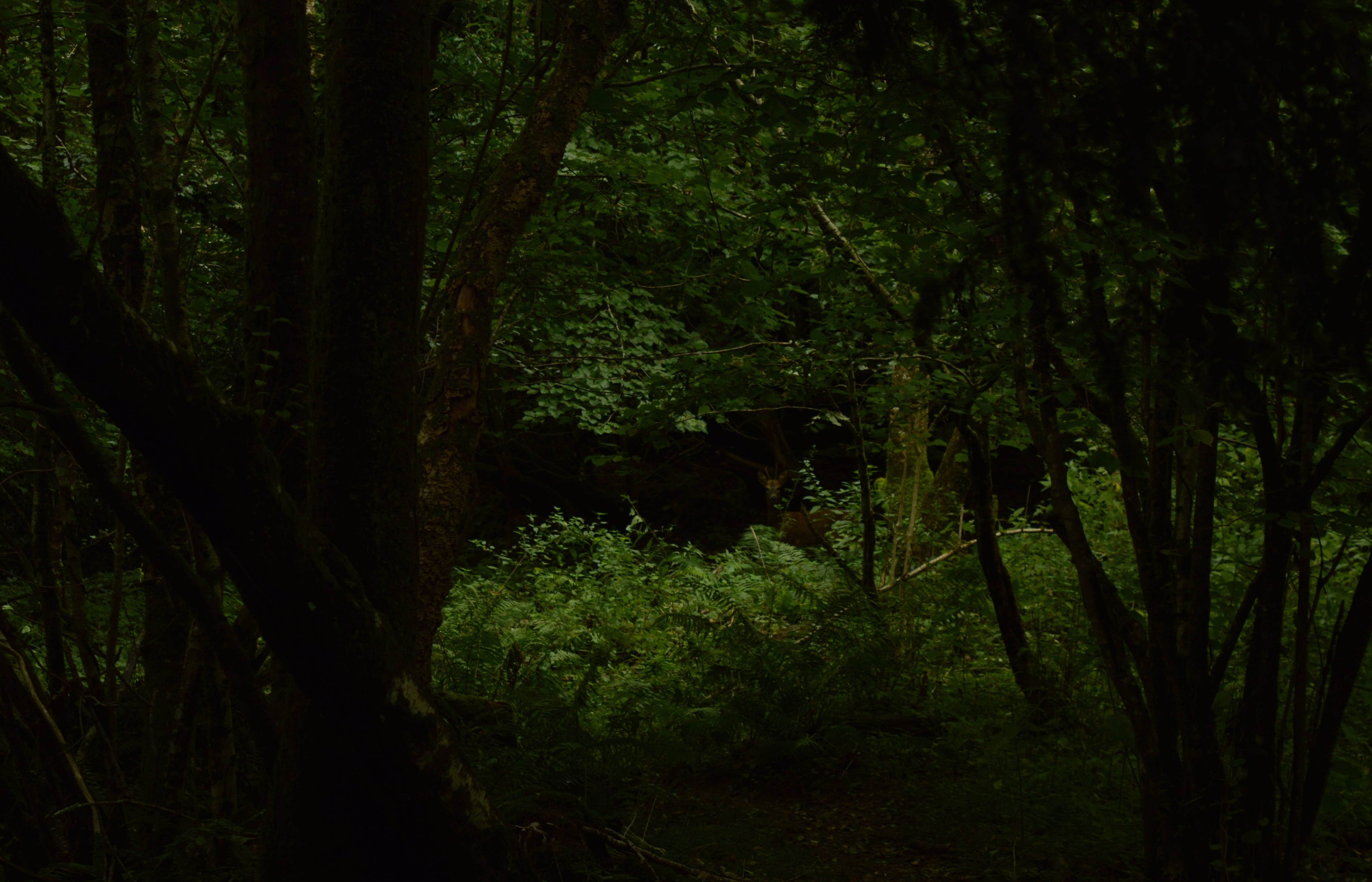
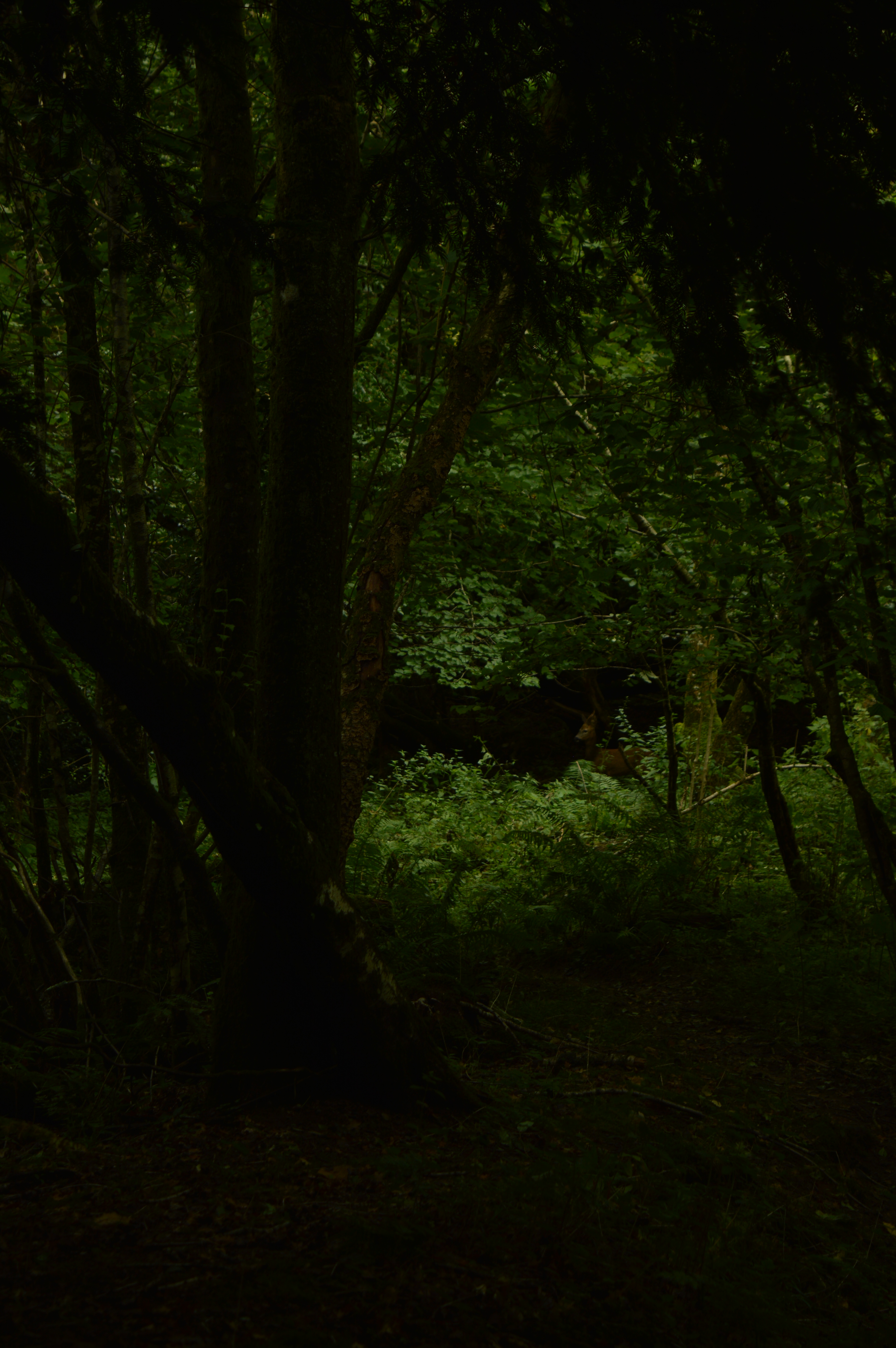
As this was my first sortie to Avalon, I didn’t want to end up stranded by missing the last bus home, so I left with plenty of time to get back to Glastonbury. It was a quiet walk once I’d put the birders and the bitterns behind me, and I only ran into two other walkers out with their dogs along the trail. There seems to be a small gypsy community on the edge of the marshes – something about the layout of their encampment seemed strangely familiar, not to mention the presence of two old and very battered horse-drawn caravans in the yard. When I reached the edge of the marshes, I stopped to look back in the direction I had come, and when I turned back to Glastonbury I saw something staring back at me from the edge of the reeds. I thought it might have been a muntjac at first, but it was much too big for that. It was, of course, one of our native roe deer. Fearless as ever, it didn’t even flinch when I raised my camera.
One thing’s for sure: I’ll be back. It’s only a £3 bus ride from Taunton and, while the return journey is broken up with a layover in Somerton, it’s perfectly doable in a day. I’ll be back for the bitterns, either later in the spring or next year, depending on how busy my duty weekends are after the holidays.
This time next week, I’ll be in Madrid. From there it’s only a matter of hours until I set out for South America. That has come around shockingly fast. I’m starting to get very excited! I’ve had a full month to put the camera through its paces and I think I’ve got the hang of the lens and its demands now – the way it handles, the settings it requires for optimum output and, of course, its weight. Now all I need is to be out there already. Thank you Avalon for being the last stage of boot camp for my trusty Nikon companion. Here’s to the next grand adventure! BB x




 The Book of Barnabas