Camino XVII: The Bones of Burgos

Albergue Casa del Cubo, Burgos. 22.55.

There’s a grumpy old Spanish guy in the bunk below mine. He made a point of asking me earlier if I snored in that direct, you had better not way that Spaniards do (‘No roncas, eh?’). He put the same question to my two companions just before bed. Well, after a couple of rounds of solitaire in his phone, he’s snoring away down there, along with the Koreans in the bunks next door. Like it matters…! You’d have thought a pilgrim might have learned a little patience by Burgos.


We got lucky yesterday. The Albergue in Atapuerca had a room of six beds so we had a room to ourselves, complete with an en suite bathroom. Along the way we’d picked up Gust, a seventeen-year-old Belgian student who was struggling with his blisters, so we took him under our wing for the rest of the day. There weren’t many restaurants in town, so I bought some supplies from the only shop in town (where the Central American shopkeeper was having a great time rapping to a backing track while I browsed the vegetable aisle) and rustled up a rice and vegetable pisto for the six of us. It felt good to cook for company again. It’s been a while.

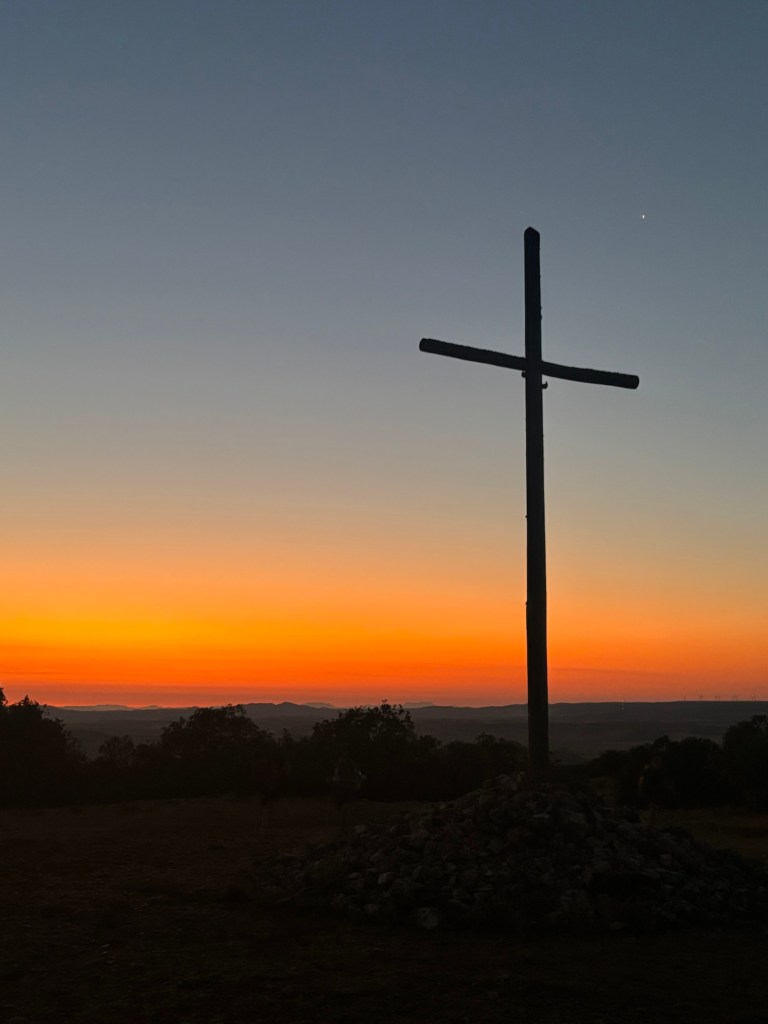
We set out shortly before sunrise, finding our way up the Sierra de Atapuerca by moonlight. The sun was not yet over the horizon when we crested the hill, and the soundscape was still very much that of the Spanish night: a couple of scops owls called their piping call from the trees, the high-pitched twittering of a bat occasionally caught my ears and, from somewhere far off, the unmistakeable churr of a nightjar.

We stopped for breakfast in Cardeñuela Riopico at the same place I came with Mikkel, Sofia and Lachlan two years ago. It was just as good as it was then, only this time, I allowed myself to stay and eat rather than tearing off harum-scarum for Burgos on my own.

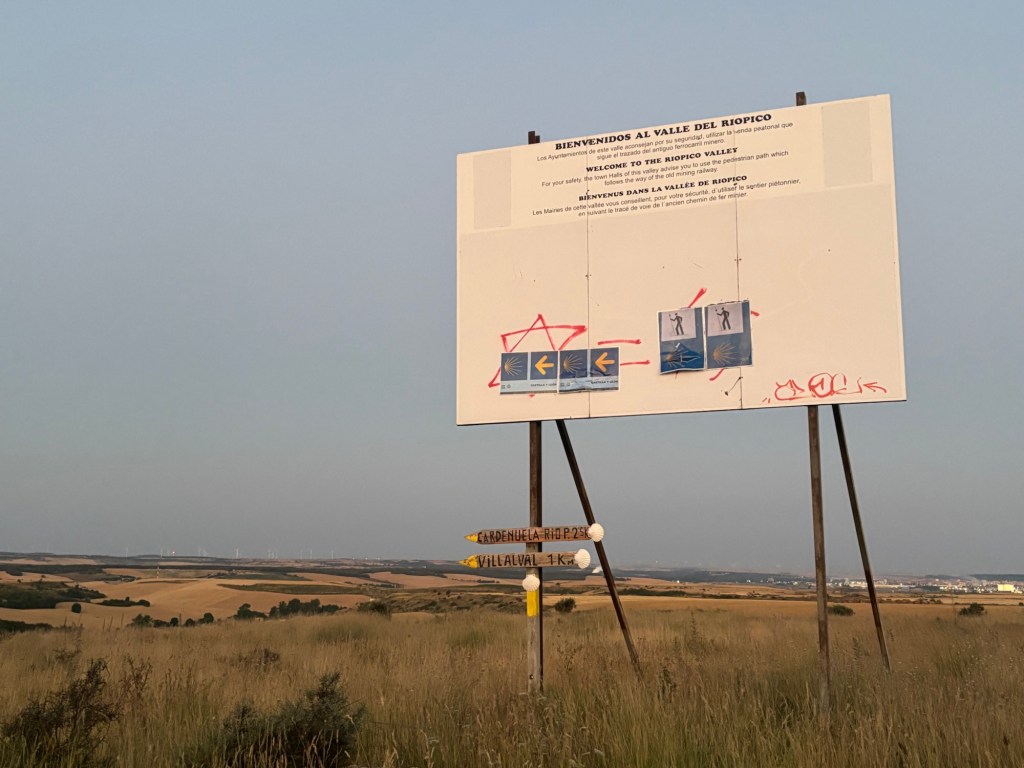
The signs are still defaced all over the place with images of the Star of David equaling a swastika. They’ve tried to cover them up with pilgrim pointers here and there, but the pilgrim preference for the Palestinian cause is obvious.

We reached Burgos early, despite missing the turnoff for the Río Arlanzón alternative (which I maintain is bloody well hidden, as I’ve now missed that turning twice). The result was at least half an hour of trudging through Burgos’ deeply unattractive industrial estate on the eastern side of the city, so we amused ourselves with a protracted game of Just a Minute, at which Talia proved to be a past master.

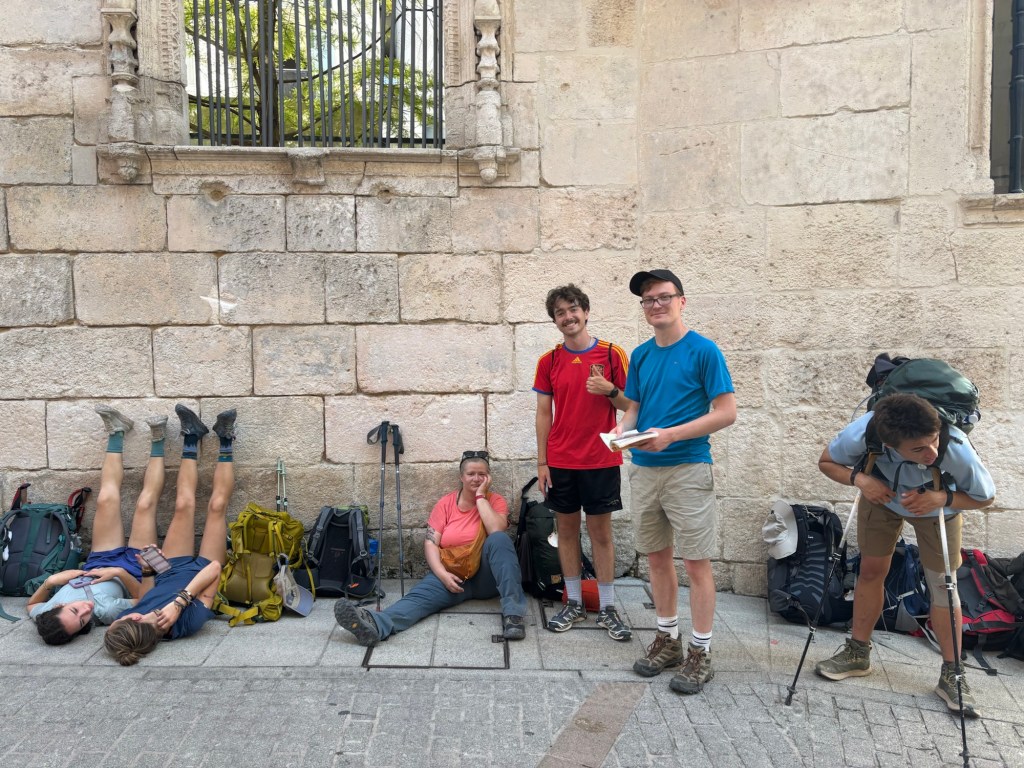
It was just before eleven when we reached the albergue, which meant we still had an hour to kill, so we took it in turns to do an ice cream run / sightseeing. Gust parted with us to meet up with his brother. We might run into him on the road, or we might not. I hope he looks after his feet – they were in a bad way.

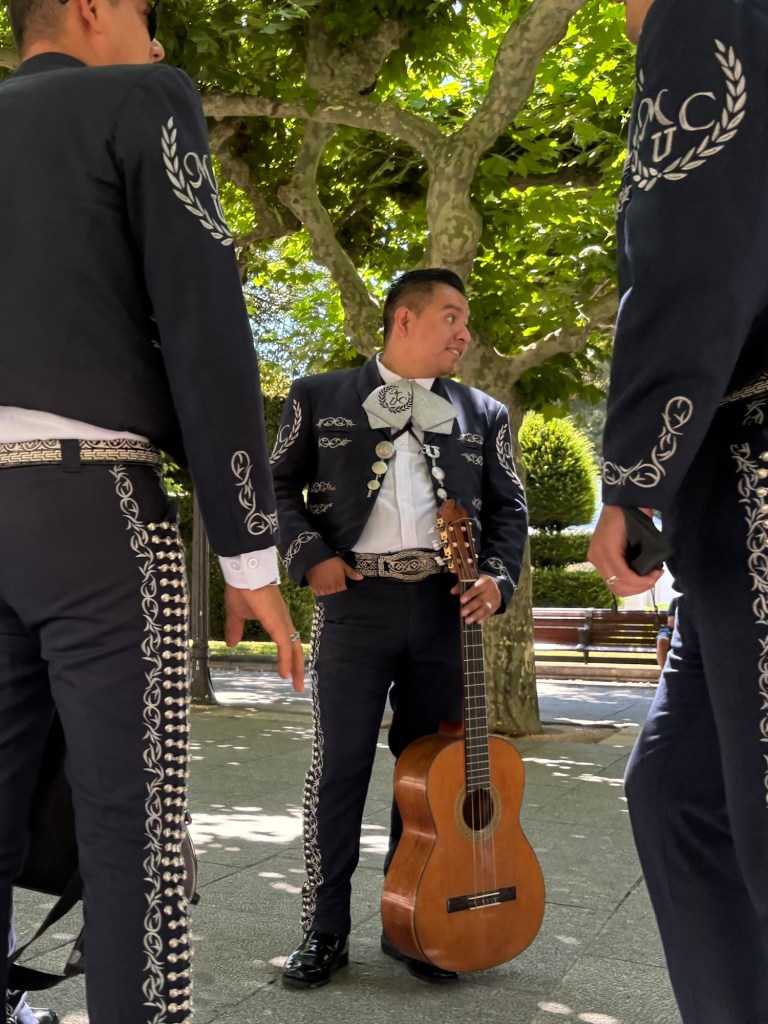
There was a Mexican wedding or quinceañera or some kind of celebration in town, dressed in the decorated black, white and red that could belong to just about any traditional European country – though the loitering mariachis rather gave the game away.

After an afternoon nap (complete with one snoring Spanish hypocrite), I set out to investigate the Museo de la Evolución Humana, one of the world’s best human evolution museums. I managed to convince the team to check it out, but set out ahead of them to take out some money for the meseta stage (where, if memory serves, ATMs are hard to come by).

I’ll be honest with you. Human evolution is one of those things that absolutely fascinates me. In another life I’d have studied anthropology and primatology. Maybe seeing chimpanzees and mountain gorillas in the wild drove it home all those years ago, or maybe it’s an offshoot of a childhood obsession with all things palaeontological, but it’s genuinely one of my major passions in life, albeit one I don’t talk about so much.

I had a similar experience with the Museo de Tenerife in the spring, but the MEH in Burgos is even more jaw-dropping. The knowledge that I was looking at the real bones of some of our earliest ancestors was genuinely spine-tingling.
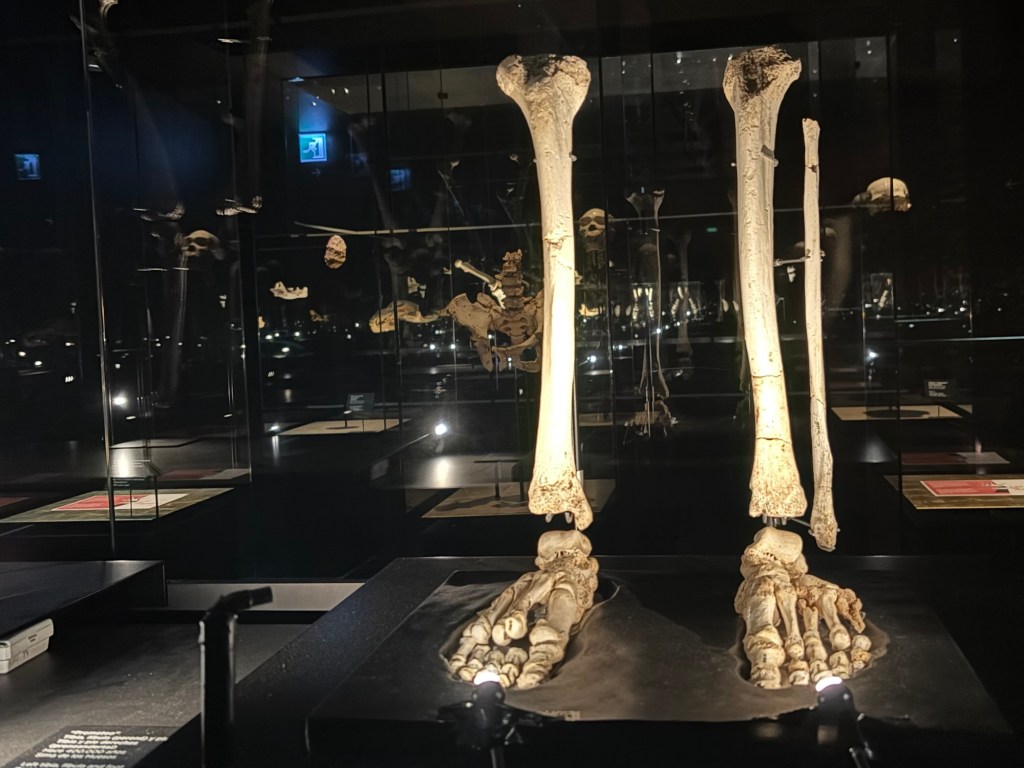

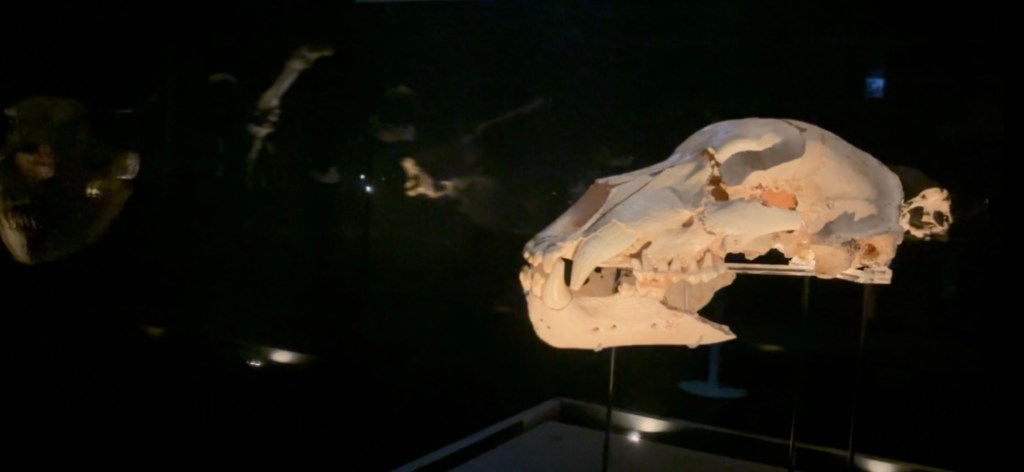
The caves of Atapuerca are one of the most valuable dig sites for the bones of ancient humans in the world, with over twenty-eight specimens found to date, alongside a host of other Pleistocene and earlier animals that no longer grace these hills, such as hyenas, jaguars, Irish Elk and the mighty cave bear.

I gleaned everything I could about our ancestors the last time came here in 2013, but there was plenty more to clue up on that if missed before: this time I learned a lot about Ramón y Cajal, Spain’s most eminent scientist and the man who discovered the neuron and its function. Maybe that’s why so many of the main streets and squares in Spanish towns and cities carry his name, connecting people and places like synapses firing daily.

In this morning’s walk-and-talk, one of my companions said she was intrigued by my quest for knowledge. That’s probably the biggest ego massage I’ve had in a while, but I’ll take it. I’m glad to have learned something very new, and it is very much an integral part of my personality to be always on the hunt for a new story, a new tale to tell.
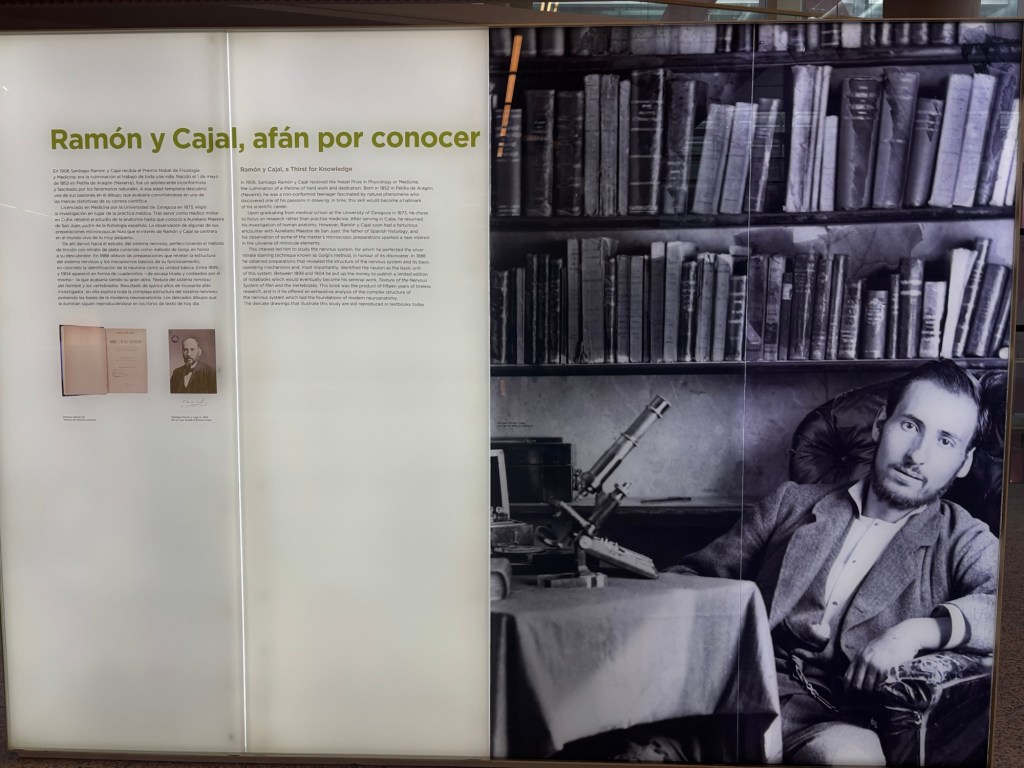

I’ll pick this last one to finish, because it’s getting late, I’m behind on my blogging and the Koreans next door are on the verge of creating an unconscious four-part harmony with their cacophonous snoring.

There’s a small replica on the third floor of the MEH that is, as the plaque reads, quite possibly one of the precious of all the treasures in the collection. It is a mammoth task carved into the shape of a human – but with one strange detail. The head isn’t human at all. Rather, it’s quite clearly the head of a cave lion: stocky, bull-nosed but intensely leonine. It’s known as the Löwenmensch figurine – or the Lion-man of Hohlenstein-Stadel, and its concrete evidence of our ancestors’ ability to imagine around 40,000 years ago. Quite possibly, it’s the earliest evidence for mythology out there: man-beast hybrids remain a fairly common feature of world mythology to this day. Just look at Hinduism.
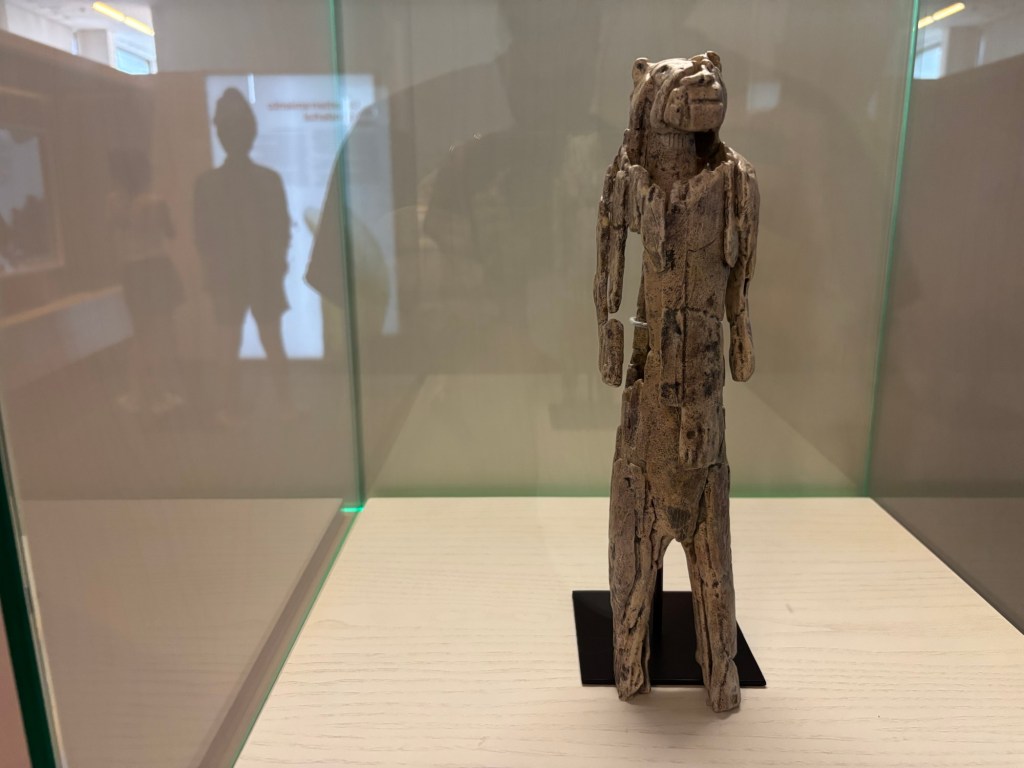

I’ll have to look into this incredible artefact some more when I get hole. But for now – sleep. I’ll be up again in five and a half hours… unless the Koreans wouldst wake Heaven with their snoring. BB x
Easter and El Cid

Ending any stage of the Camino is always a sad experience. I think I’d managed to put it out of my memory last time, but it came back to bite this morning. I guess it’s the routine sense of purpose the Camino provides so effortlessly: wake up, eat, walk to your next destination, wash your clothes, eat, sleep and repeat. You never need to worry about planning ahead, and that allows you to focus on the small pleasures: conversations on the road, birdsong in the morning, the joy of taking off your sandals at the end of the walk. Life can seem a little lacking in purpose when you step out of it.

So, unwilling to surrender entirely to sorrow, I strapped my sandals back on and set out to explore the beautiful city of Burgos, city of Spain’s greatest hero of all time: Rodrigo Díaz de Vivar, El Cid.


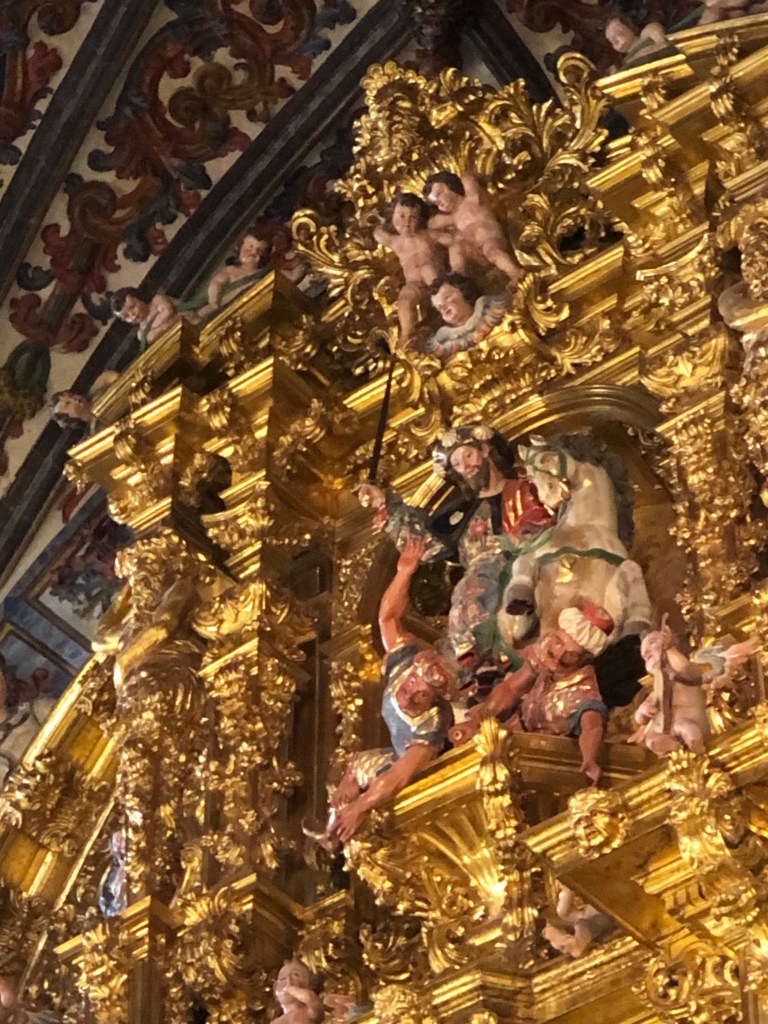
I went to Mass in the cathedral. There were two celebrations taking place in the chapels at the front of the cathedral ahead of the misa solemne. I opted to attend one of the smaller ones. For my sins I haven’t always been to church on Easter Sunday since becoming a Catholic, so it was extra special to turn that around here in one of Spain’s most beautiful cathedrals. Even if it did mean staring up at one of the least subtle icons of Santiago Matamoros.


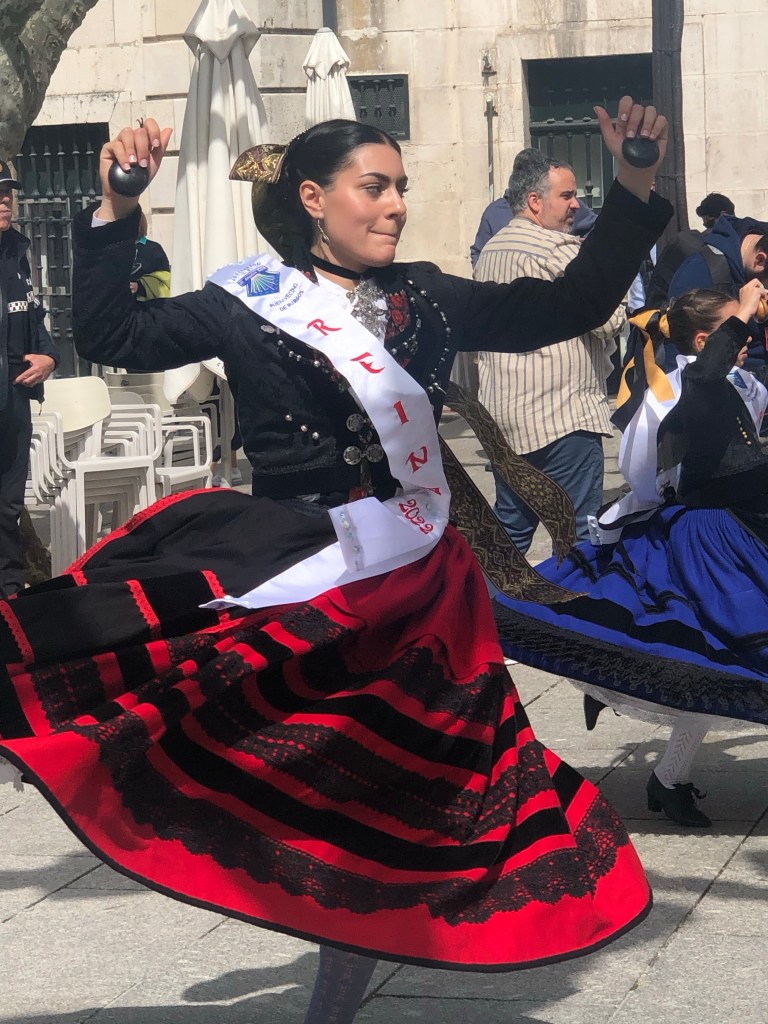
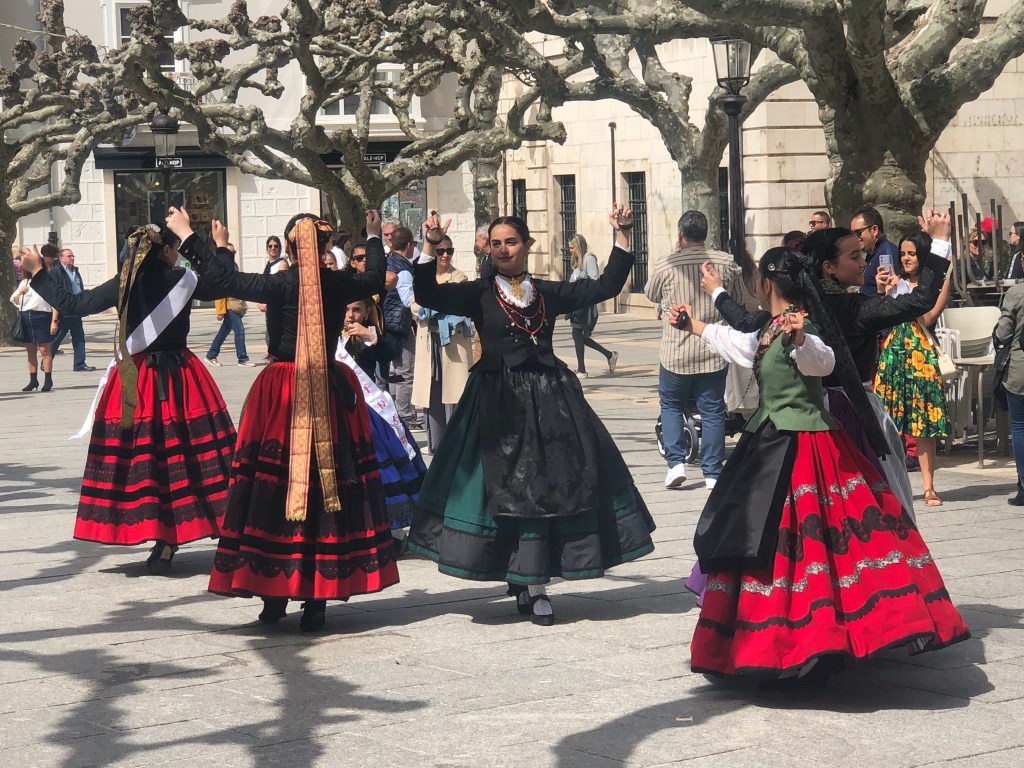
While soaking up the sunshine on the bank of the Arlanzón, I heard the sound of bells. A colourful procession was making its way down the Paseo Espolón, trailing a happy crowd of Sunday pedestrians. Gone were the solemn drums of the nightly pasos: the air was thick with the clean sound of hand bells and castanets. Gone too were the hoods that had so spooked the American pilgrims: these celebrants were welcoming the Easter season in with golden ribbons in their hair.


I’m a bit of a purist when it comes to Semana Santa. In the same way that I prefer enigmatic bulerías to happy-go-lucky sevillanas, I’ll always take the dark mystery of the nightly processions over the happier parades that bookend Semana Santa, Domingo de Ramos and Domingo de La Resurrección. Even so, the addition of an advance guard of local dances (in local dress) is a very nice touch: I don’t think I’ve ever been moved so by Easter Sunday’s celebrations.


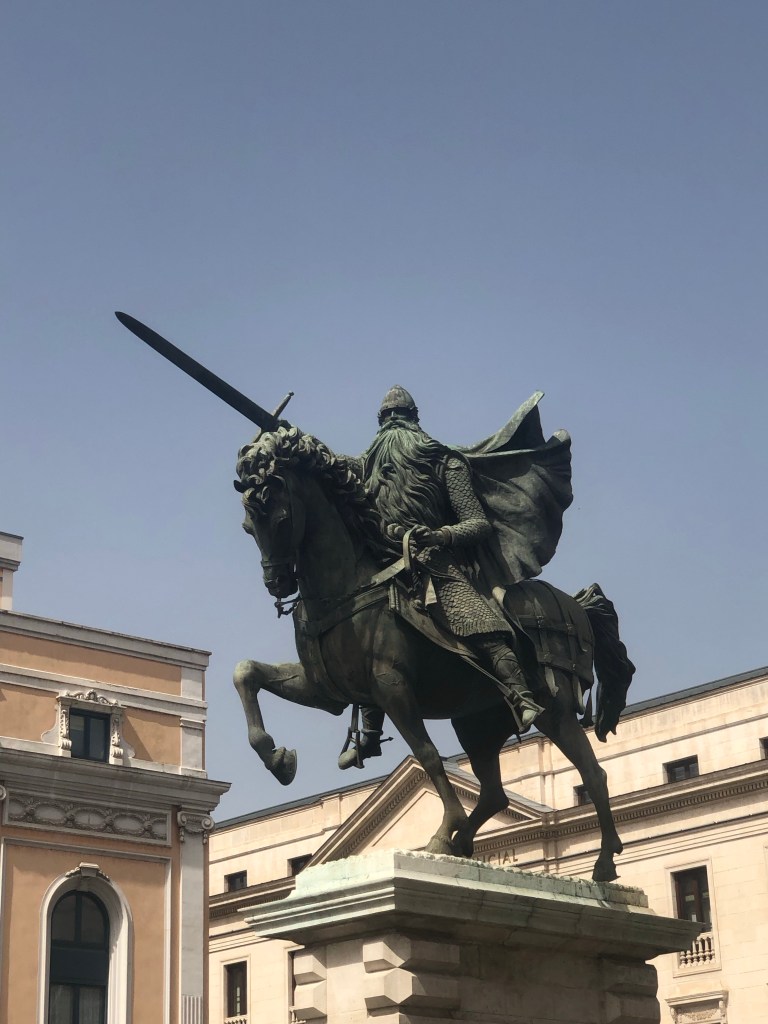
Leaving the celebrants behind, I made for the Puente de San Pablo, which is, frankly, a less than impressive name for what should really be called the Puente de los Héroes. Watching the passing traffic from eyes of stone are the primary characters of the Cantar del Mio Cid, among them Alvar Fáñez, his lieutenant and nephew; Jimena Díaz, his wife; and Abén Galbón, his Muslim friend and lord. At their head on the north bank stands the Cid himself, an imposing figure astride his war-horse Bavieca with the sword Tizona in his hand. I’ve been obsessed with the legend of El Cid since I was a boy, and none of that has faded as I approach thirty. I still get a giddying kick in the guts at the sight of that statue. Whatever the real Rodrigo Díaz might have been – warlord, mercenary, king in all but name – I will always be a fan of the legend. It is, truly, one of the greatest stories to come out of Spain.


It occurred to me that I had not actually been inside the cathedral proper on my last visit ten years ago, so I decided to make good on that this time. After all, it isn’t every day you get to pay your respects at the resting place of a real-life legend – and at half the price, as a peregrino (5€ with a credential – that’s a steal!).

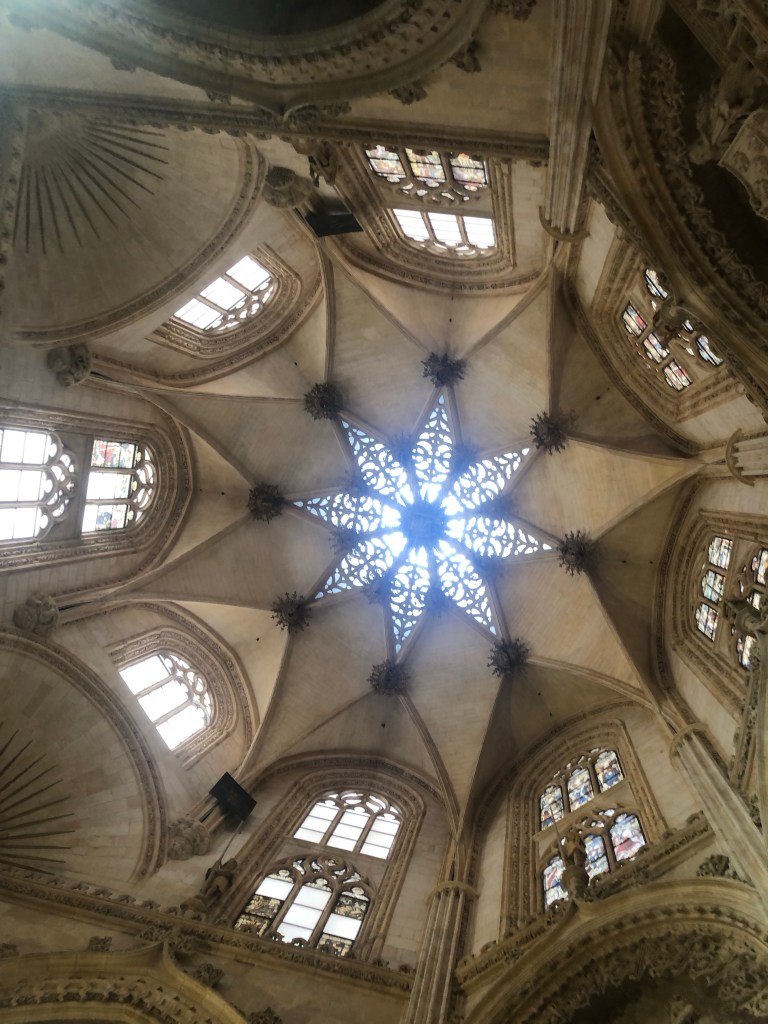
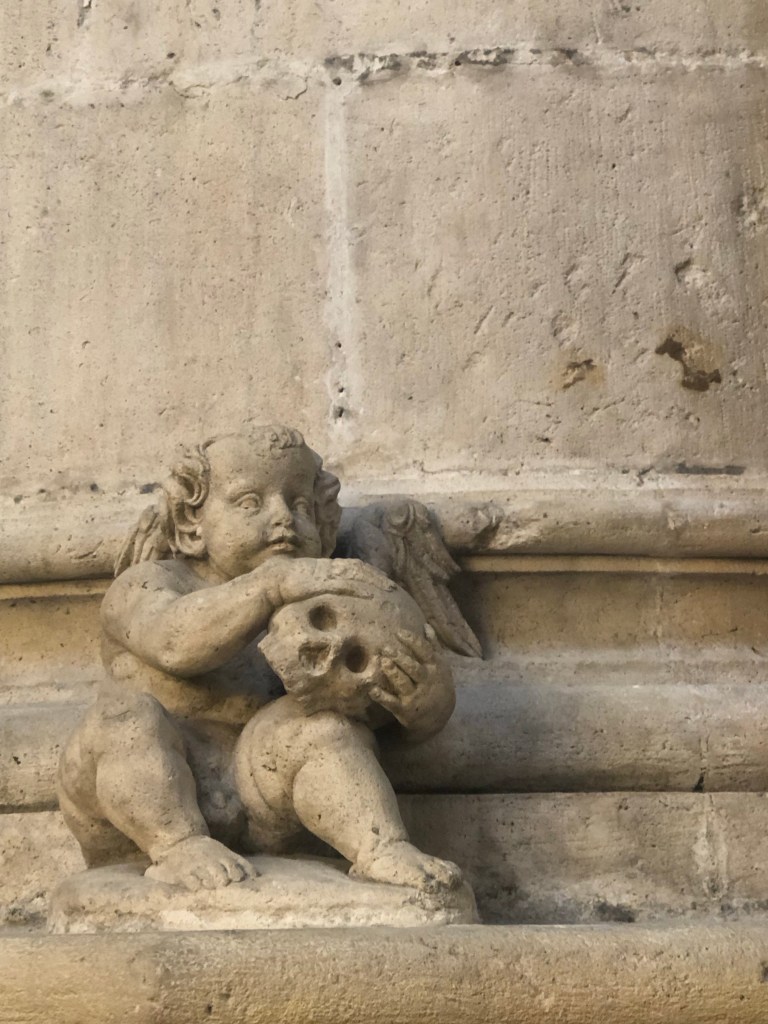
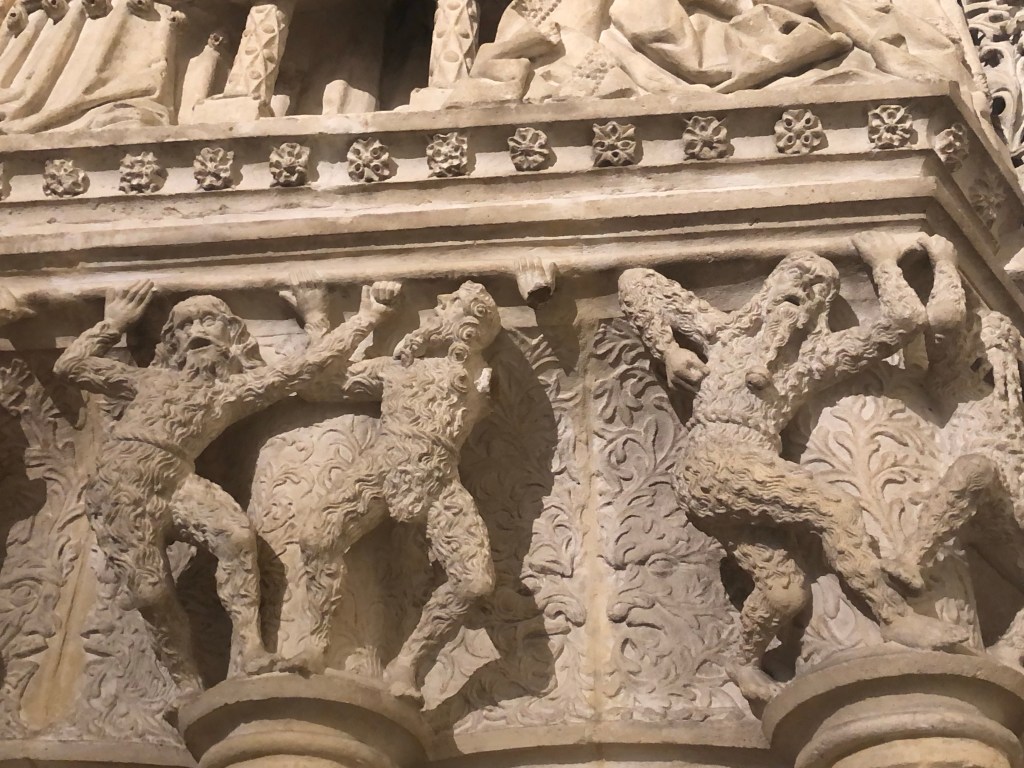
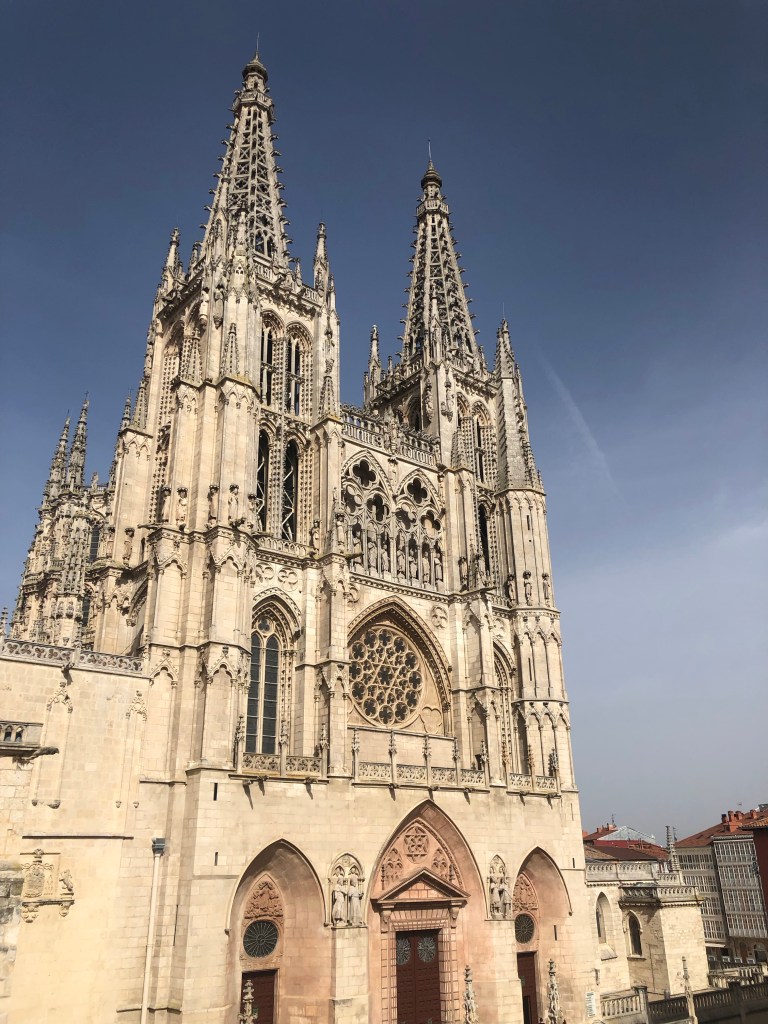
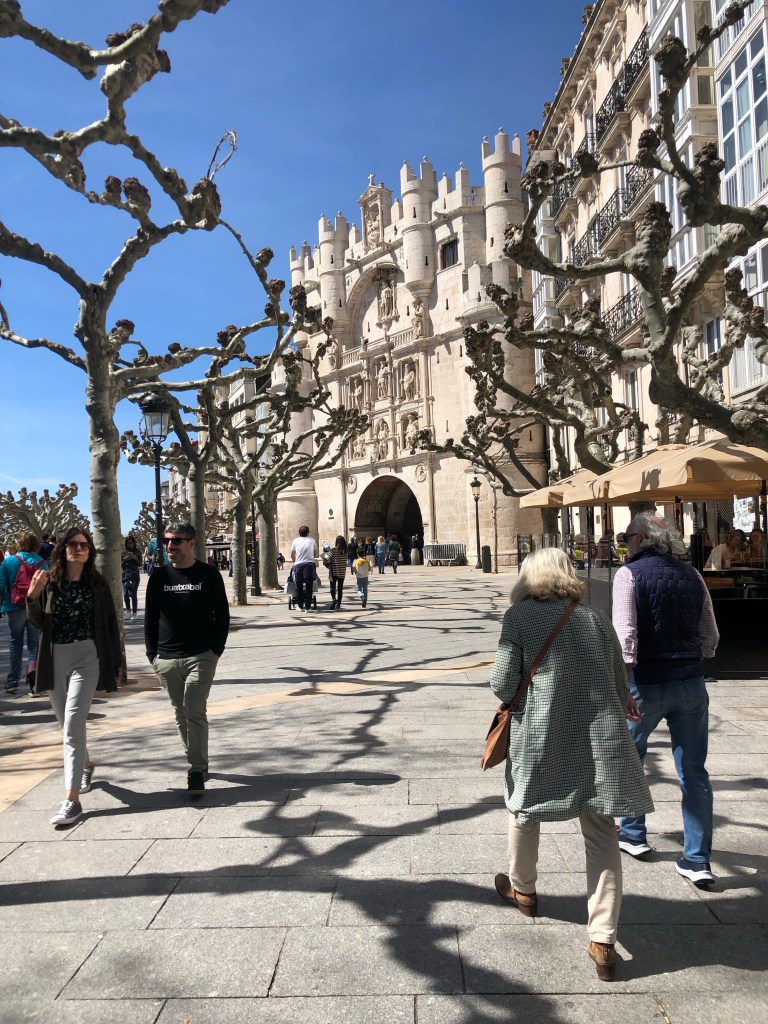
Now, I’ve spent my life in and out of cathedrals – I know Canterbury’s so well I could probably navigate it blindfolded – but Burgos is something else. I’ve heard people say it’s more impressive outside than in. While it’s easily one of Spain’s most breathtaking cathedrals to behold, the interior of Burgos’ cathedral is no slouch. Come for the tomb of El Cid (or what remains of his the French didn’t loot as trophies during the Peninsular War) but stay for the incredible stonework. There really is something to see at every turn, from starburst-like windows in the upper vaults to stone carvings of skulls, savage beasts and wild men.


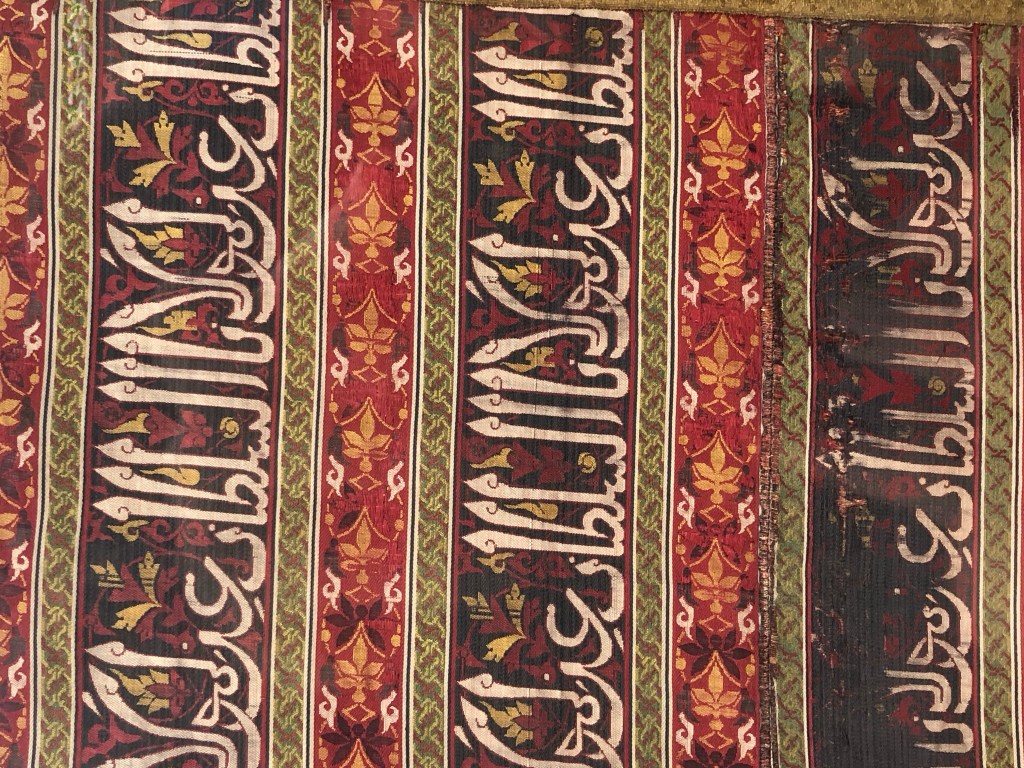
The treasure rooms in the lower chambers also hold a number of interesting relics, including the Cid’s legendary chest of sand, the silver hand of Saint Thomas A’Beckett (of Canterbury, of all places!) and a beautiful Moorish cloak emblazoned with the motto “Glory to the Sultan”. I wasn’t expecting to see any Moorish treasures so that last was an unexpected bonus!


With my tour of the vaults complete I popped into one of the only food stores still open and had a snack dinner of mejillones en escabeche – a solo travel staple of mine – overlooking the cathedral. A pair of ravens circled the twin spires for about an hour, their usually impressive stature dwarfed by the Gothic masonry. I couldn’t get into the bottled tinto de verano I bought on a whim – foolishly, I didn’t think to check if it would need a bottle opener. It’s still sitting unopened on my beside table as I write.


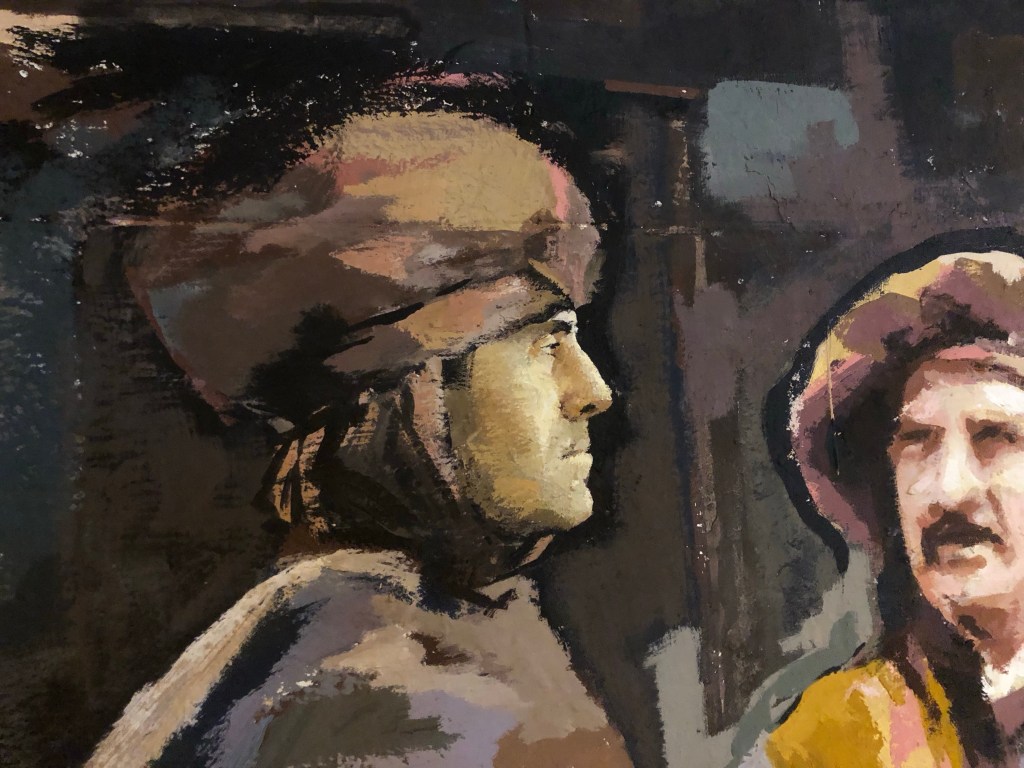
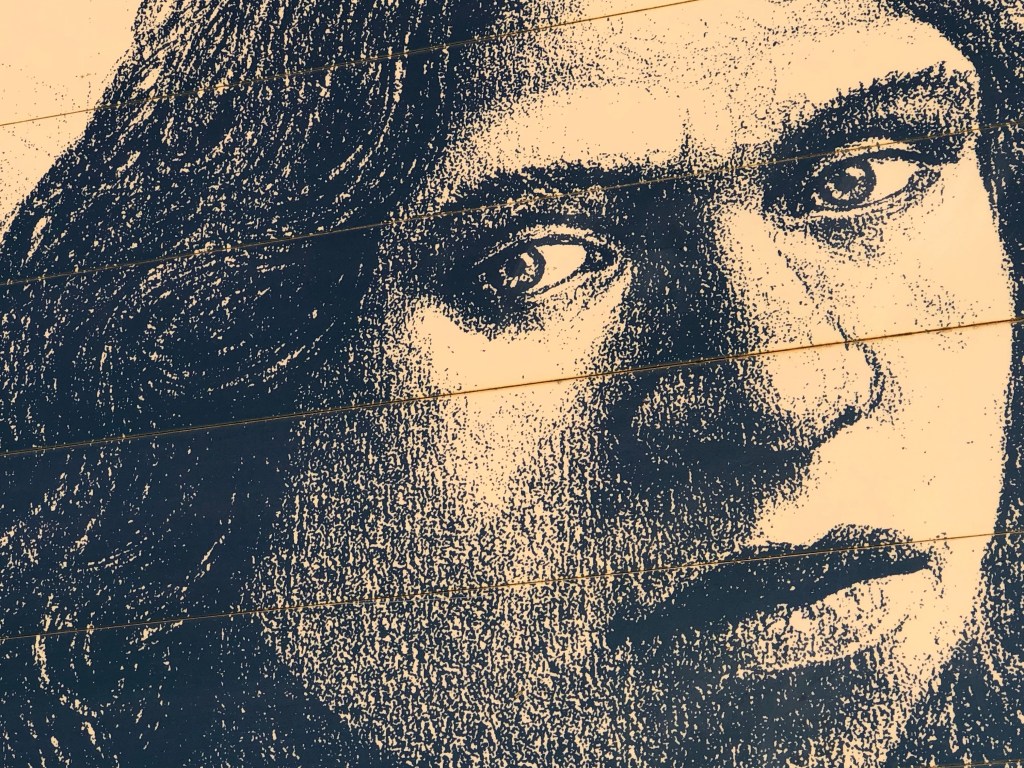
Finally, I went out for a beer with Francisco, the Mexican from the hostel. He was keen to draw my attention to a mural near the bar, where the Cid once again leapt off the page of legend into life. I was most impressed to see one detail in particular: the moros watching from the corner were striking for how un-Moorish they looked. Why, without their turbans, they might just as easily have been as Castilian as the other citizens of Burgos.

Which is exactly the point. We can be fairly certain that, by the time of the Cid (the mid to late 11th century), many if not most of Iberia’s Muslims would have been native to the peninsula for generations, not the lean, bearded Syrian stereotype that is so often thrown about when painting this period of history. Major props to the artist – it’s a brave stroke but a necessary one.


I have now made landfall in Bilbao. I’ve scouted the bus and train stations and they seem navigable enough. Tomorrow, I strike out for the highlands that followed me all the way along the Camino. I’ve had two days to recover and my feet are feeling much better. One final challenge stands between me and my flight home. Let’s hope I’m up to it! BB x

Camino VI: Parenthesis

In Burgos, the journey comes to an end. One leaves for home, two pack for their flight tomorrow and one more digs in to stay, leaving four of the gang to push on toward Santiago tomorrow. Perhaps mine is the hardest, watching the others move on or away, knowing that if it weren’t for my flight (and my beleaguered feet) I’d have long since decided to chuck in my plans and make for Leon with them. But life is full of farewells, and I could never have gone with them all the way to Santiago in the week of holiday that remains. So here I am, at the end of this run at the Camino, putting my thoughts into words.


Today’s leg was a special one. Impatient after a crush in Bar El Alquimista over breakfast – I’m still not especially good at dealing with loud and crowded spaces – I set out ahead of the others this morning, nursing a doctored but still painful blister and conscious it would likely slow me down. It didn’t feel great leaving the group behind, but the crush in the bar threw me off a bit and I needed some time on my own on the road as a remedy.


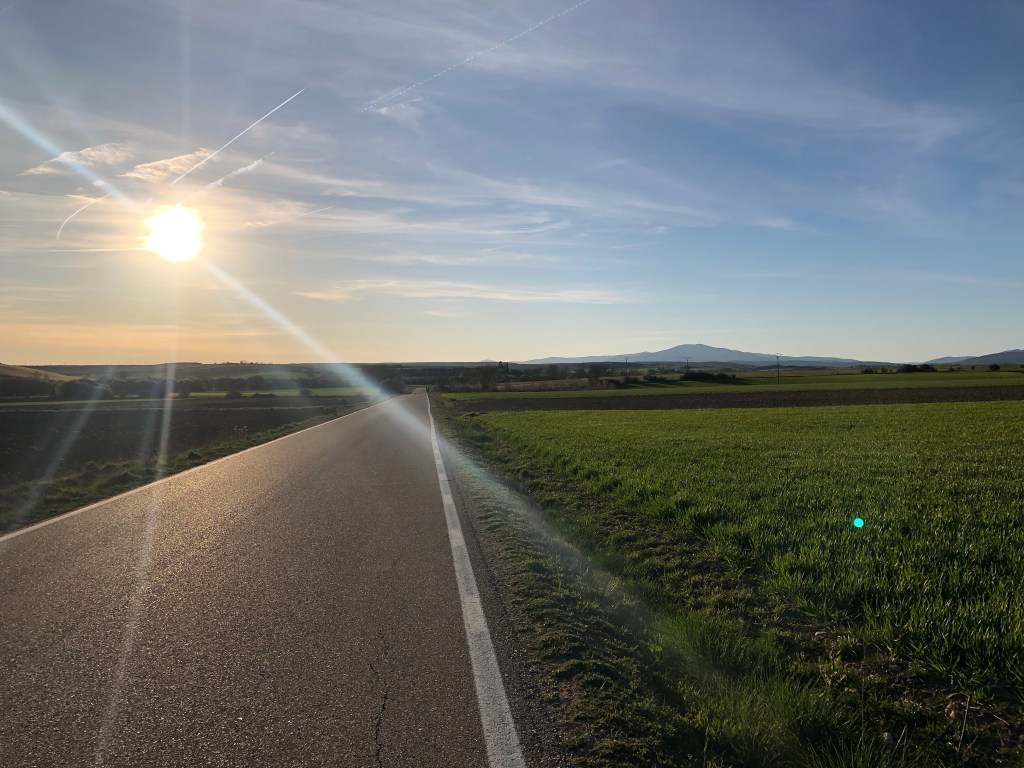
Leaving behind the slumbering town of Agés, I followed the road westward toward Atapuerca. This is possibly one of the most mystical waypoints of the Camino de Santiago, but blink and you’ll miss it – because Atapuerca is the resting place of the oldest known hominids in Europe. Not far from where the Camino crosses the Sierra lies the Sima de los Huesos, a pit that contains the bones of ancient humans who have lain there for nearly a million years. Walk this stage of the Camino and you really do get the sense you’re following in the footsteps, not just of a thousand years of Christian pilgrims, but almost a million years of human wayfarers. One of my fellow pilgrims pointed out that there are far older pilgrim routes in India, but if you think of the first humans pushing toward the end of the known world (where Finisterre stands today) as the first Camino pilgrims, I’d like to think the Camino de Santiago is a fair contender for the top spot.


I made the climb alone, taking with me a sprig of mistletoe, a fallen olive branch and a strip of blackthorn blossom: something wicked, something old and something new. It seemed like the right thing to do. Meanwhile the birdsong up the mountain was spellbinding: hoopoes, cuckoos and woodlarks on all sides, and these last especially, becoming for me the quintessential sound of this stretch of the Camino. I’ve recorded a video so I can share some of that magic with you.


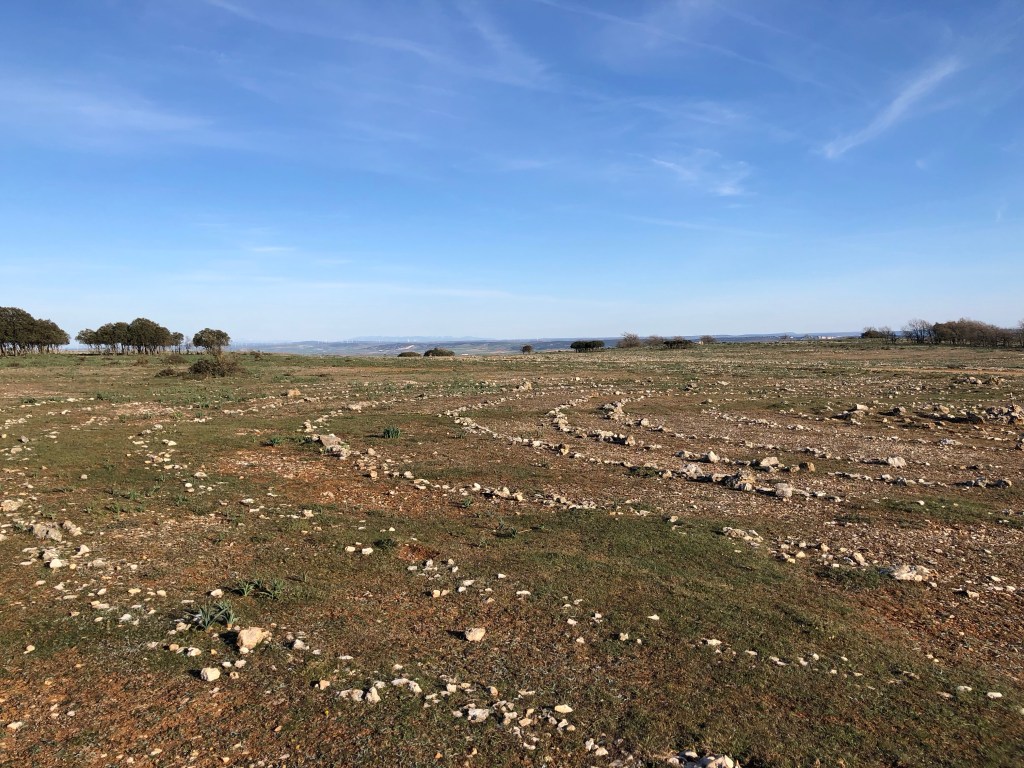
From the mystical heights of ancient Atapuerca with its lonely wooden cross and stone circle, you look down from the last high place upon the city of Burgos and the seemingly endless reach of the Meseta beyond, with the daunting white cliffs of the Picos de Europa clearly visible over 130km away.


Having waited for my companions at the cross, I joined them for the descent into Burgos, but when their stop for a mid-morning snack threatened to stretch over an hour, my itchy feet swept me back onto the road again. It would be the last time I spoke English on the Camino this year, because from there on out the only people I encountered were Spaniards on the road (they took long enough to find!).

For the final twelve kilometres into Burgos I was joined on the road by Fran, a programmer from Soria in his twenties who was an enlightening companion. From him I learned that the Spaniards, as I suspected, had indeed done the Camino for Semana Santa, but they had started at the beginning of the national holiday and were thus a few days ahead. I also learned about his home town of Soria and how the Mesta have monetised their trade, turning what was once an affordable experience following the shepherds’ route into a glamorous eco-tourism experience to the tune of 200-300€. He also gave his thoughts on the Catalan question, likening it to a dog barking furiously at a door which, when it is finally opened, suddenly goes quiet – it is easier to hate when you cannot see what it is that troubles you. Or something like that. I was just happy to be speaking Spanish – and flattered to be told that if I hadn’t revealed I was English in the first five minutes I’d have had him stumped, as he was genuinely ‘confundido’ by my Spanish.


I took my leave of Fran outside Burgos’ enormous cathedral, after a brief conversation with a local (‘De dónde sois?’ : ‘Yo de Soria,’ / ‘Y yo de Inglaterra, pero con familia en La Mancha.’ / ‘Soria e Inglaterra? Menuda familia los dos.’). Fran took off to catch his BlaBlaCar home and I set out in search of my hostel.

I didn’t get much of a siesta, because the next guest to arrive was another Francisco, this time from Puebla, México. After a brief exchange over the subtle numbering of the hostel beds we ended up talking for close on two hours about a number of topics, with him asking after my thoughts on Italy, Spain and the British Empire and me asking for his wisdom on La Malinche and nahuatl. He is on a quest much like I was years ago: on his tour of Europe he has come to far-flung Burgos to seek out the village of Grijalba, from which he believes his father’s ancestors may have hailed (through the legendary explorer Juan de Grijalva).

It is always heartwarming to meet another traveler on the road, but especially so when they are on a quest – you don’t meet many of that kind these days. Perhaps it is fate that the day started in Bar El Alquimista, named for Paolo Coelho’s famous novella.

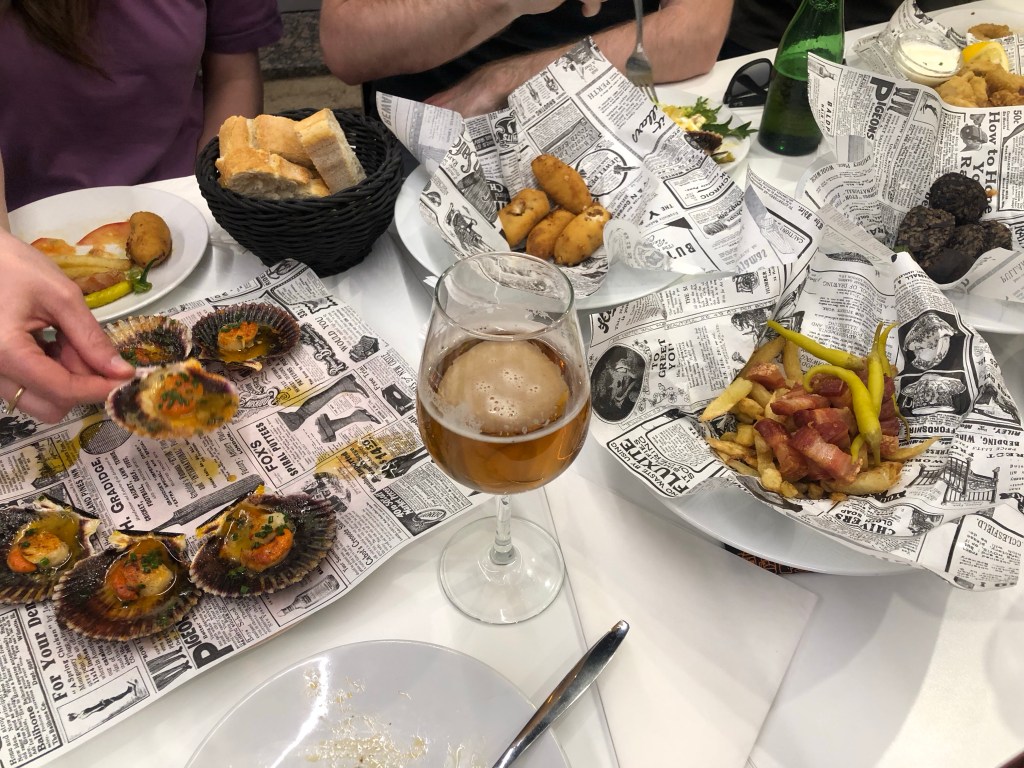
After one more conversation in Spanish which left me feeling more confident than ever before, I led the pilgrims of our group that remained down a side street in search of dinner. It couldn’t have been a better choice: six raciones and a salad split between us made a feast such as we hadn’t had yet. Morcilla, croquetas, calamares and sepia a la plancha, torreznos and zamburiñas (what more fitting food for pilgrims than scallops?)… it was far and away the best I’ve eaten on the trail.


And I didn’t have to pay a cent, since the generous Dane in our number footed the bill before we twigged what he was up to. I’d done something similar a few days prior, so I guess he was paying me back, but that kind of generosity is what makes the Camino so special. For our last meal as a group, I could not have asked for more.

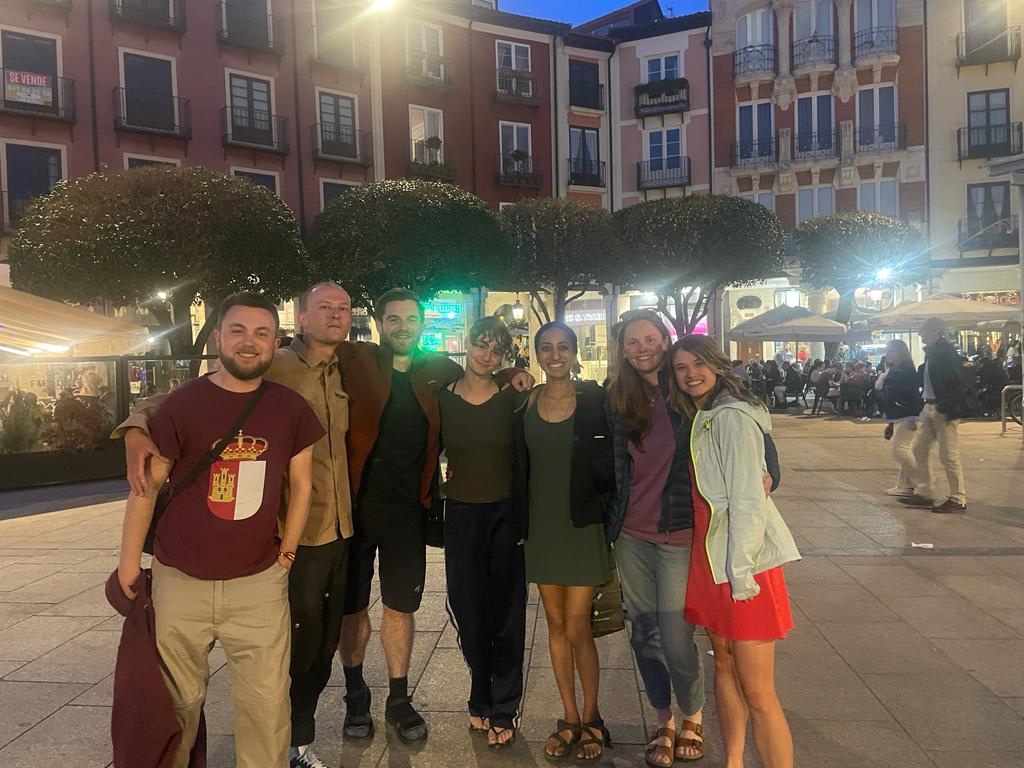
I’ve never bonded with other peregrinos quite so quickly, and I wish I could take the road with them to the end. But every road leads to a parting, and we part as friends.

It is not the end of the road for me, but rather a parenthesis. One day I will come back here, to the ancient city of Burgos, and pick up the Camino where I left it. Hopefully I’ll meet other pilgrims like them who will make the road an adventure with friends once again. Sophia’s charm and maturity. Mikkel’s wit and his generosity. Katie’s wisdom and Lachlan’s humour, courage and peace of mind.

Domenico the Carabiniere. Enrique the Arriero. Phil the Professor. I have met so many characters on the Camino this time. That has been the real blessing of the road this Easter. I’m glad I came. Truly. (And especially since it was a whim decision just over a couple of weeks ago).


It’s now half past eight in the morning. By now they will have left Burgos and will be somewhere on the road to their next destination. All I can do now is wish the four of them all the best on their road to Santiago. And someday, sooner or later, I will take up my shell once more and follow them. BB x