For the Glory of Jellyfish

Tuesday 12th July, 11.13am
Hassocks Station

I needed to get out. While it was ultimately my decision to come back south to my flat and cut myself off once again – and I stand by that decision – it’s all too easy to go stir crazy in here on my own. I was angling on getting out and seeing friends for a couple of days, but as my plans fell apart, I’ve had to take the reins myself. So I decided to strike out for the coast. Brighton always makes for good writing, that perfectly bizarre city.

It’s clearly a school trip day today. The train south from Three Bridges was absolutely rammed with saaf Landan kids in high-vis jackets, their beleaguered teachers sitting close at hand, identifiable for the throbbing veins in their temples if not by their lanyards. Standing room only. It’s kind of noisy in the gangway, so I pop my headphones on. The Spinners’ Rubberband Man cancels out some of the angrier verses the kids are throwing around from their phones. I don’t understand the unbridled rage in that kind of music, much less its magnetic appeal to kids. Give me the laidback fun of the seventies any day.


12.40pm
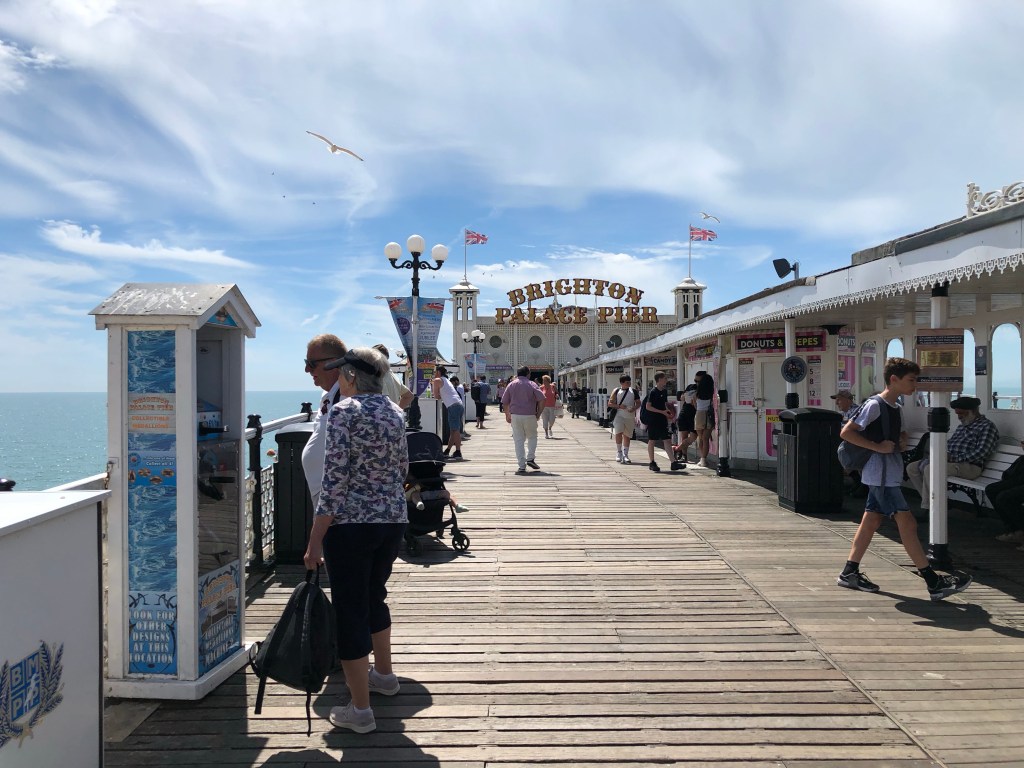
Brighton Palace Pier

Somehow it took me all of an hour to get from the station to the pier. Time slips through my fingers in a bookshop. It’s as though Waterstones operates in its own dimension. That could well be because I’ve become a lot more tactical when it comes to book-buying, taking the time to really get a flavour for a book before deciding to add it to my collection. As a general rule, any and all books on Spain (pre-20th century) go straight into the basket, but I’ve genuinely reached the stage now where if I don’t have it, it’s not worth having. There’s still a wealth of material out there in Spain in Spanish, but with Spain’s ludicrous stance on FBP, shopping for books over there is simply not economically viable. At the moment I’m trying to pick up my European reading challenge where I left off a few years ago, so I sought out a Ukrainian book to add to the collection today. I thought I was onto a winner with Sholem Aleichem’s Tevye the Dairyman – the forefather of Fiddler on the Roof – only it turns out, predictably, my mother already bought the book years ago. Still, no matter. That’s one more book I can feel better about giving away someday.

1.27pm
Brighton SeaLife Centre

Yes, I visited the aquarium. Don’t judge! When I was a kid I used to love going to aquariums – or the more ecologically-sound sealife centres, as they are so often called these days. Nausicaa across the Channel in Boulogne was a personal favourite, but Hastings’ SeaLife Centre came a very close second.
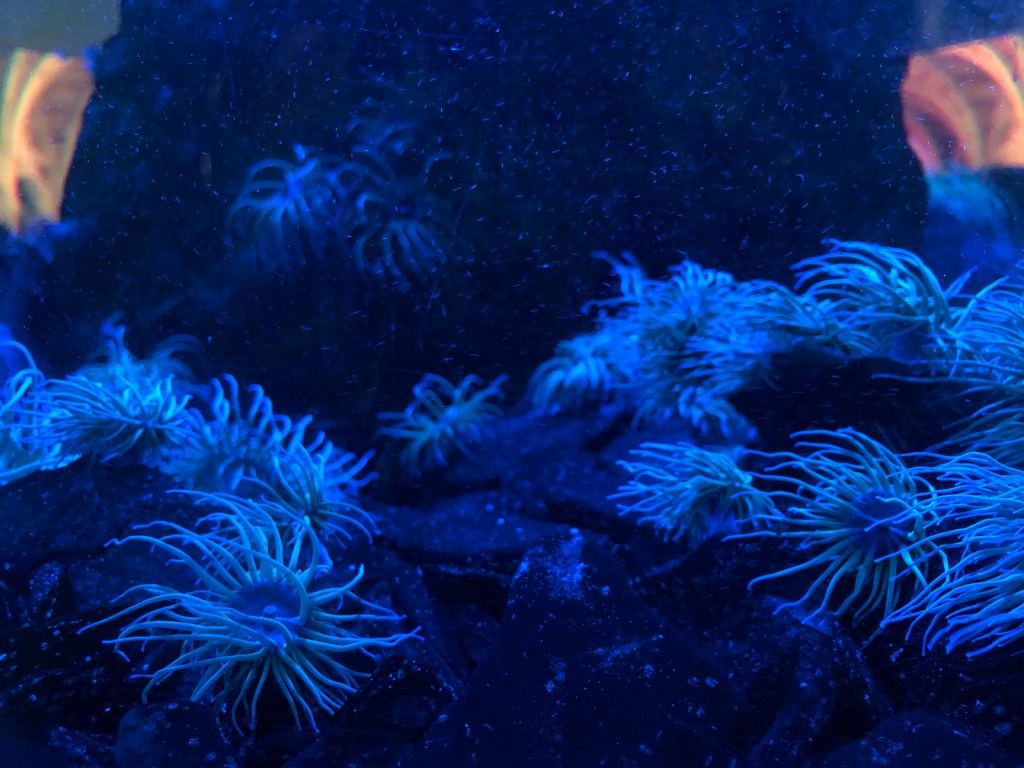
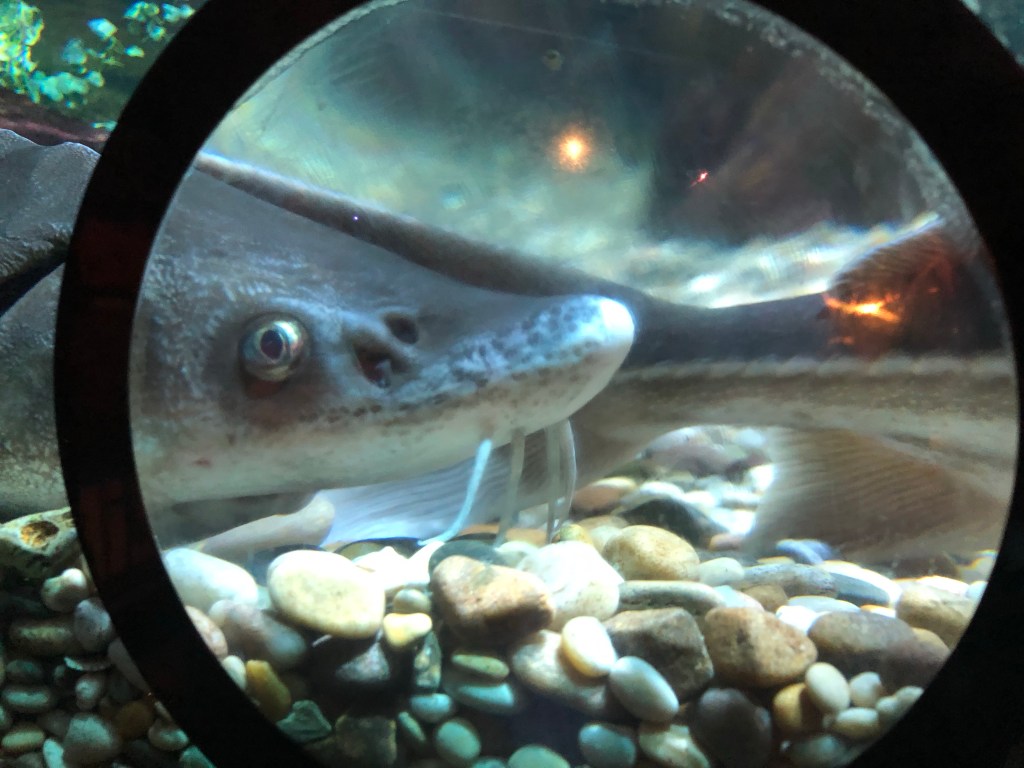
It was pretty much deserted. A large primary school group came in after me, but they never made it any further than the cafe housed in the original Victorian aquarium. I felt like a kid again and challenged myself to name the fish whose names I’d furiously memorised more than twenty years ago. For some crazy reason it’s all still there. From loach, tench and trout (easy mode), to snakelocks anemones, garden eels and corkwing, rainbow and cuckoo wrasse (standard) and on to pacu, Bloody Henrys and discus fish (hard mode). It’s a safe bet that the reason I had such a hard time learning anything in science class was because that part of my brain was stuffed full of animal trivia. If only biology had been about animals and not plant cell structure…! Who knows, I might have gone on to study it. As it is, I was bored stiff and let it go as soon as I could.
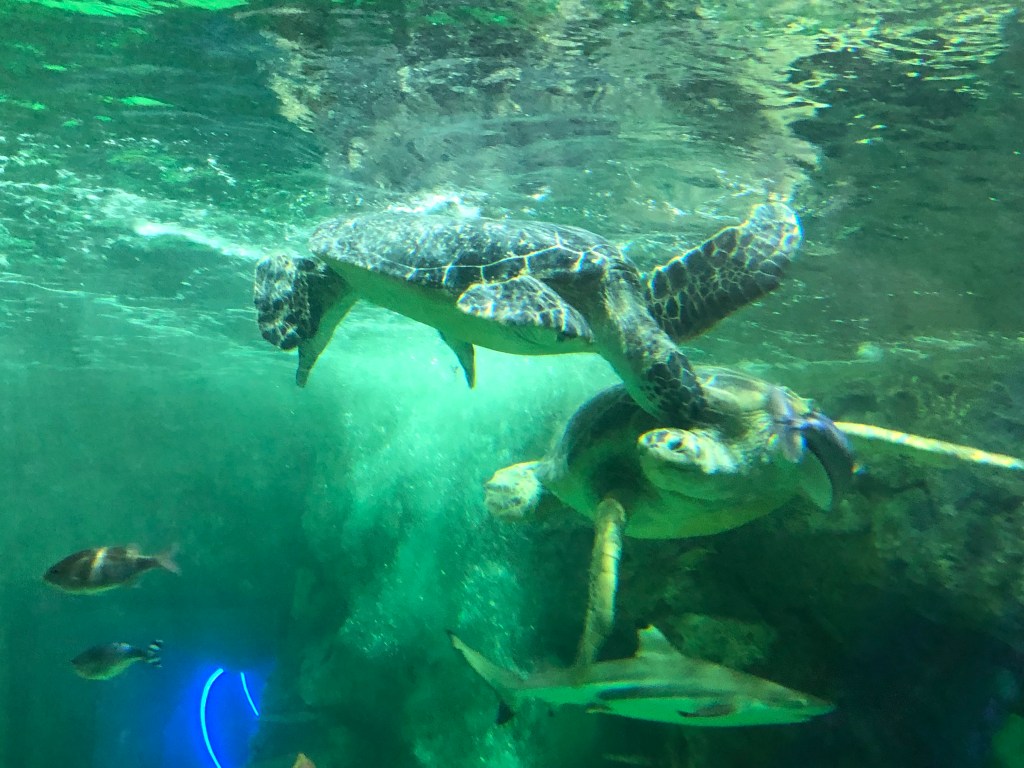
I stood and watched the turtles for quite a while. I don’t think I’ve ever seen a live sea turtle before. My god, they’re huge. Nature found a perfect recipe over 100 million years ago and decided ‘yep, that doesn’t need any more work’. Like sharks, turtles have been around for millions of years. Watch a turtle fly through the water and you’re reminded of how pathetically short our time on this planet has been by comparison. Only, these turtles looked a little stereotypic. One bit the other on one pass. Creatures can develop odd behaviours when they’re cooped up in small quarters. Maybe that’s a window into what’s happened to me in my flat this summer!
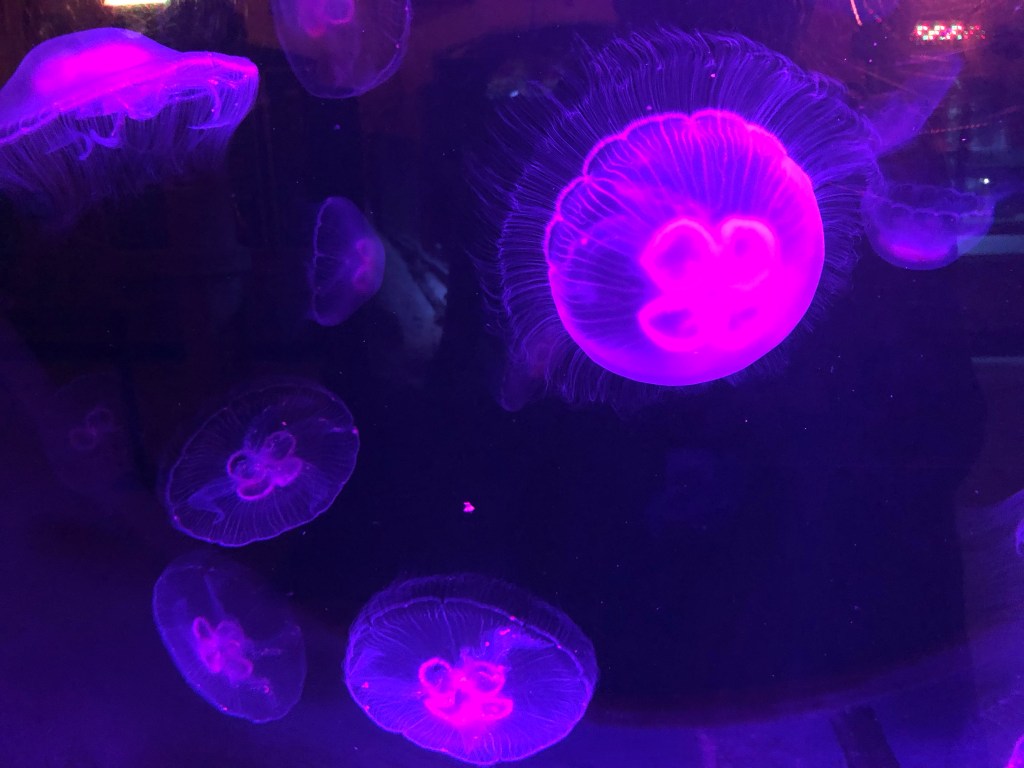
On to the jellies. I could have come here for the jellyfish alone. They’re absolutely mesmerising to watch in flight, pulsing slowly through the water, their hair-like tentacles trailing behind them. Another perfect life form that has seen millions of years of evolution come and go. Almost all sci-fi flicks imagine aliens from other planets as bipedal if not all-but human in appearance (Doctor Who and Star Wars are the prime examples), but if I were a betting man, I’d stake a fair amount on extra-terrestrials looking more like jellyfish than man. Isn’t it rather selfish of us to assume that ours is the perfect life form when turtles, sharks and jellyfish – hell, even cockroaches – have outlived us by millions of years? And on that note, I’d better clear out of here before I sell out mankind to the invading jellies faster than Kent Brockman.

2.58pm
Artists’ Beach

After nearly betraying humanity over a jellyfish and admiring the beautiful world beneath the waves for an hour, I promptly went outside, climbed the steps up to the palace pier and ate a battered fish with chips and vinegar. The irony was fortunately lost on the hoarse chippie vendor, who barely got the order numbers out in a grating voice. A group of girls next to me got their orders in after me, but somehow got their orders out first. £8.20 for fishcakes and chips seemed a bit steep compared to the £5.40 deal just 200 metres from the pier, but it was good quality, and since I barely managed to finish it, I didn’t have to wash it down with a tot of buyer’s remorse.

Brighton was packed with graduands this afternoon, red-faced and sweating in their full academic dress for the 28°C degree heat. If they opted for modesty, the other beach goers didn’t get the memo. British flesh on florid display, ranging from lobster-red to milk-white. A few lucky sightseers with bronze skin seemed to walk a little taller, but they were definitely in the minority. Lifeguards, street vendors and tramps made up the rest. Folk who have little choice but to soak up the sun.

Freeze frame. I pop the chip-box in the bin and look around – and really look. Yuppies in “gap-yah” pants and strappy tops. A lady in a wheelchair, and two women at the traffic lights who get to discussing behind their hands how she might have ended up there (the kind of curiosity my generation loves to hound out as aggression). Goth-types with nose rings, vape-sticks protruding from their fingers. On that note, cryptic vape ads everywhere (what on earth is the appeal?). A squadron of Korean cyclists suiting up on the sidewalk. A cormorant flying east along the coast. The indefatigable enthusiasm of the man selling rides on the motionless merry-go-round. A boy with what looks like rickets going by. The blonde girl in her thirties singing her heart out to a crowd of beachgoers enjoying a late lunch. Nobody is looking up at her.


3.35pm
Preston Park Station

The train home is much emptier, but I still walk the length of the train to find a carriage to myself. I pop the headphones back on as the train begins to pull away and Manu Dibango comes on. Sax City, Africadelic and Soul Makossa. Dibango was one of the victims of COVID two years ago. Like Marvin, James and Luther, that’s one more of my favourite artists who I’ll never get the chance to see live (or alive, for that matter).

During the Gospel Choir debacle, I spoke to a colleague and asked for their thoughts. They said they had thought a lot about the issue of music in a post-BLM world, and questioned even having been to a soul music gig as a white person. That messed with my head for months. It’s not that I don’t rate musicians who look like me, but give me a choice between Ed Sheeran and Fela and it’s Fela every time. Pop is catchy, but disco is eternal – it just keeps on giving, fifty years later. Folk is clever but Soul finds notes that folk just can’t. And highlife is surely a candidate for the most feel-good music genre on the planet. How can you deny yourself the chance to listen to such wonders on account of a feeling of awkwardness?

I’m all for better representation in the music industry. It needs it. I just hope we don’t end up carving ourselves up into islands where we can only listen to people who look like us, think like us, talk like us. And I mean that literally as well as musically. Social media is doing that already. It’s a dangerous path we’re treading, and I hope we can weather the storm that’s coming.

Would you look at that. I’m back to sermonising. I think I was doing better with committing acts of high treason for the conquering jellyfish. Time to go. Blppp blppp blpppp. BB x

Seehund

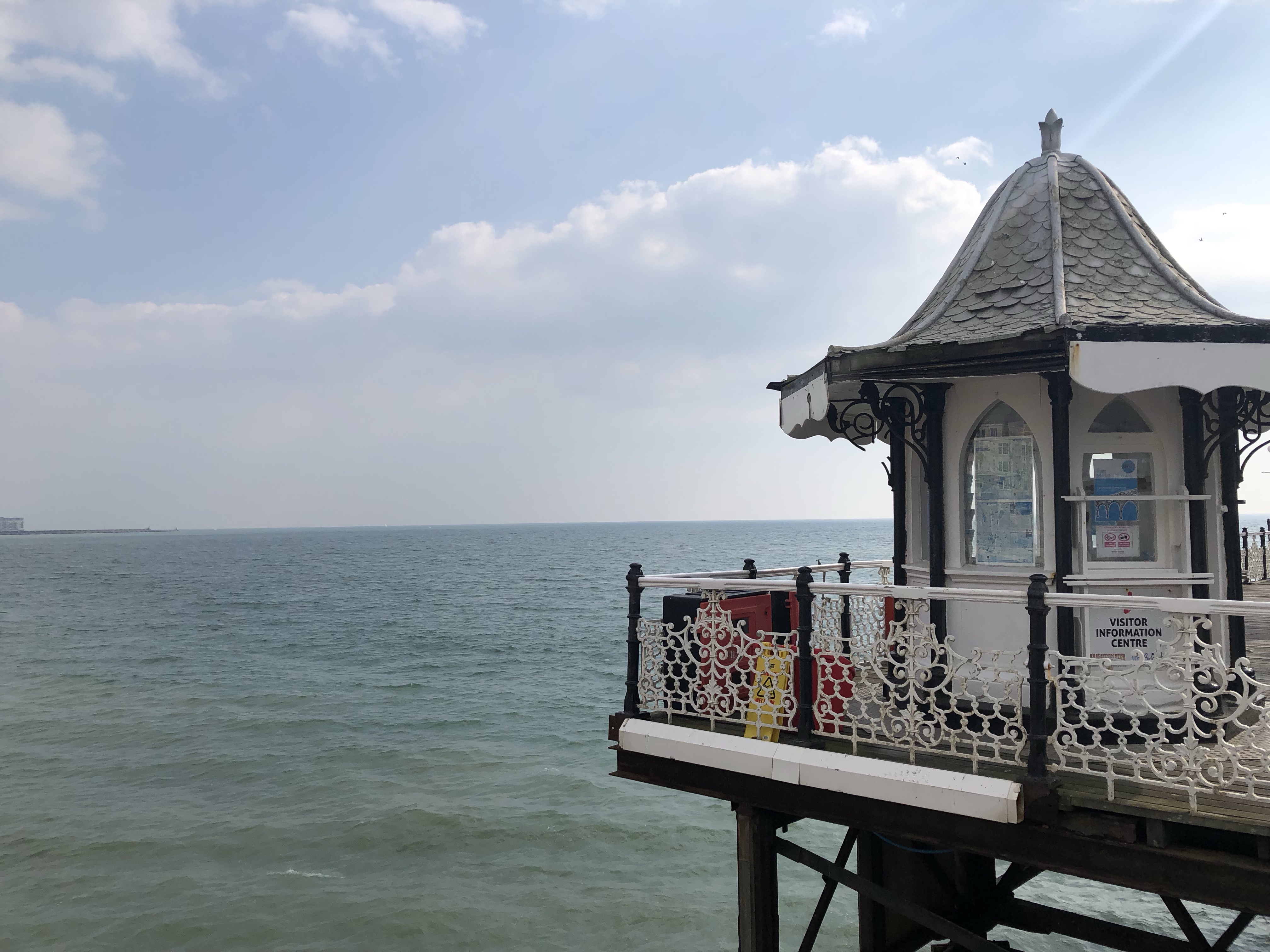
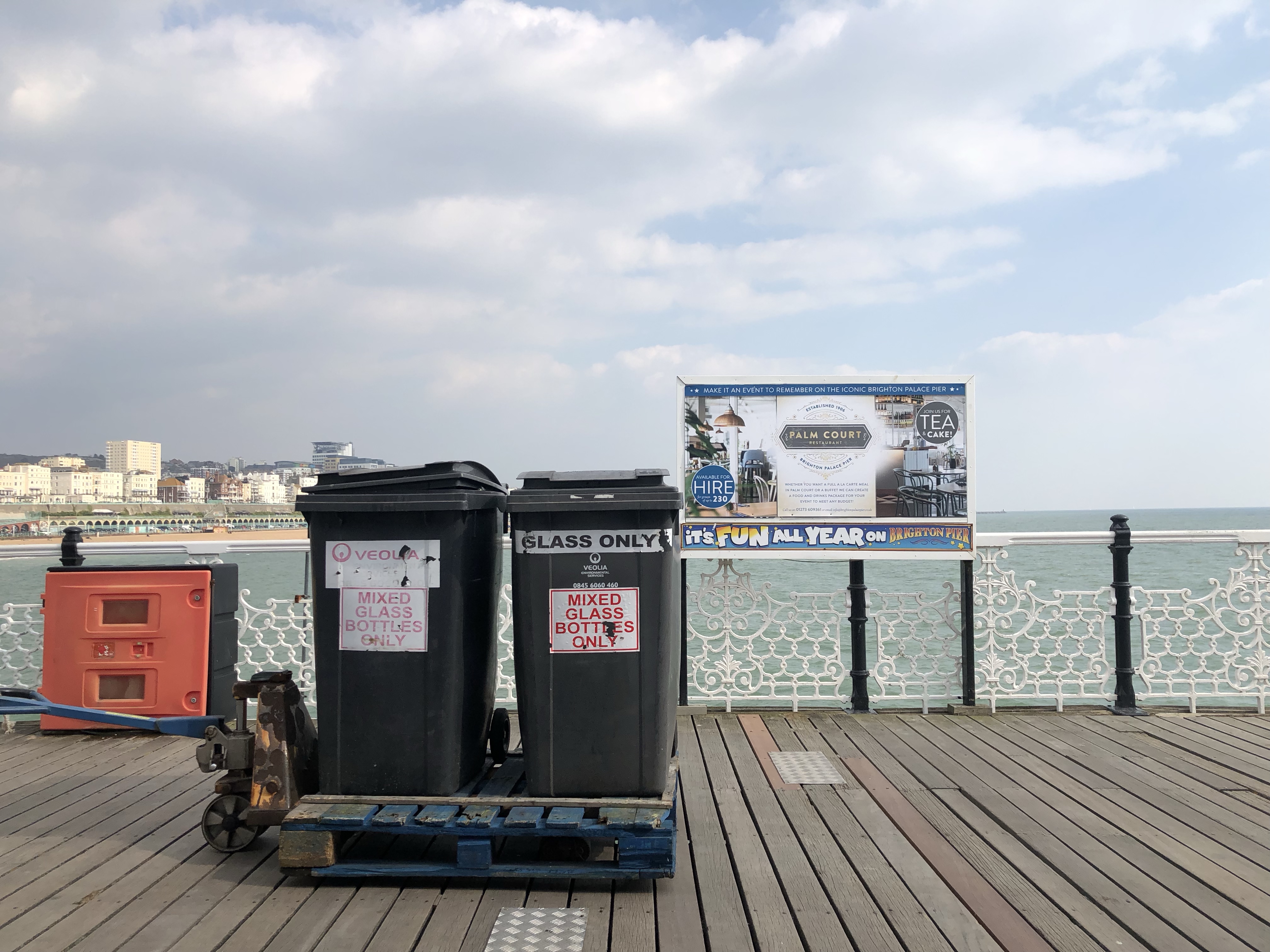
2:45pm, 20th March. I’m sitting on a bench on Brighton’s Palace Pier, sheltering for a moment from the wind. A sign in front of me reads “It’s fun all year on Brighton Pier”. Somewhere down the coast to the east, there’s a few mad folk towelling off after a swim. The sea doesn’t exactly look inviting today. I look down through the slats. The bottle green waters of the Channel heave and swell about the centipede legs of the pier below. I wonder what creatures of the deep might be looking back up at me, besides the silent starfish in the silt.

Two men wander over to the parapet, gazing down at the beachgoers below. One of them watches in silence, nodding occasionally. His companion holds a recording device of some kind in his hand and is whistling a crude but not inaccurate imitation of the gulls. Is he trying to lure them in, perhaps? To what end? I can’t quite make out his game. He keeps it up the whole time, occasionally saying something in Arabic to his companion and chuckling, and then whistling his gull-call again. After a while, they move on, whistling. His friend must have the patience of a saint. You get all sorts in Brighton.

A few seconds later, a herring gull lands on the parapet. It’s not there for long, as a gang of girls in tracksuits race up the aisle towards the gloom of the arcade, screaming and swearing, sending the panicked bird into the air in their wake. Two scavengers in a truck trundle by in the opposite direction, trailing two heavy GLASS ONLY bins behind them. The planks tremble beneath my feet. I imagine, for a moment, the structure collapsing beneath its weight. In slow motion I see the bins rolling over backwards and a cascade of bottles plummeting into the sea below, some of them shattering on the struts of the pier before they hit the water. I have a pretty active imagination.

I move on up the pier, past the booming darkness of the arcade, which still seems to draw in a faithful clientele, despite the mobile lure of pocket entertainment. In fact, I’m actually pleasantly surprised by the absence of phones on the pier – for once, I’ve got mine out more than most as I take notes. Beyond the arcade, I reach a collection of outdoor game stands. Tin Can Alley with a bored-looking brunette in a red shirt waiting for custom. Dolphin Derby with an enthusiastic announcer who wouldn’t look out of place in a pinstripe waistcoat and boater a hundred years back. An Indian family points out across the water talking in a language that isn’t English. A couple walk past, hand in hand, one of them gamine with a grey-tinged ponytail over shaved sides and a nose ring, and her partner robust, black, ripped jeans and winged eyeliner, a rainbow lapel badge pinned to her sleeve. The air is thick with the pungent smells of Brighton: fish batter, candy floss and the distinctive damp tang of weed. The breeze coming in off the sea cancels out one of the three at a time, but not for long.

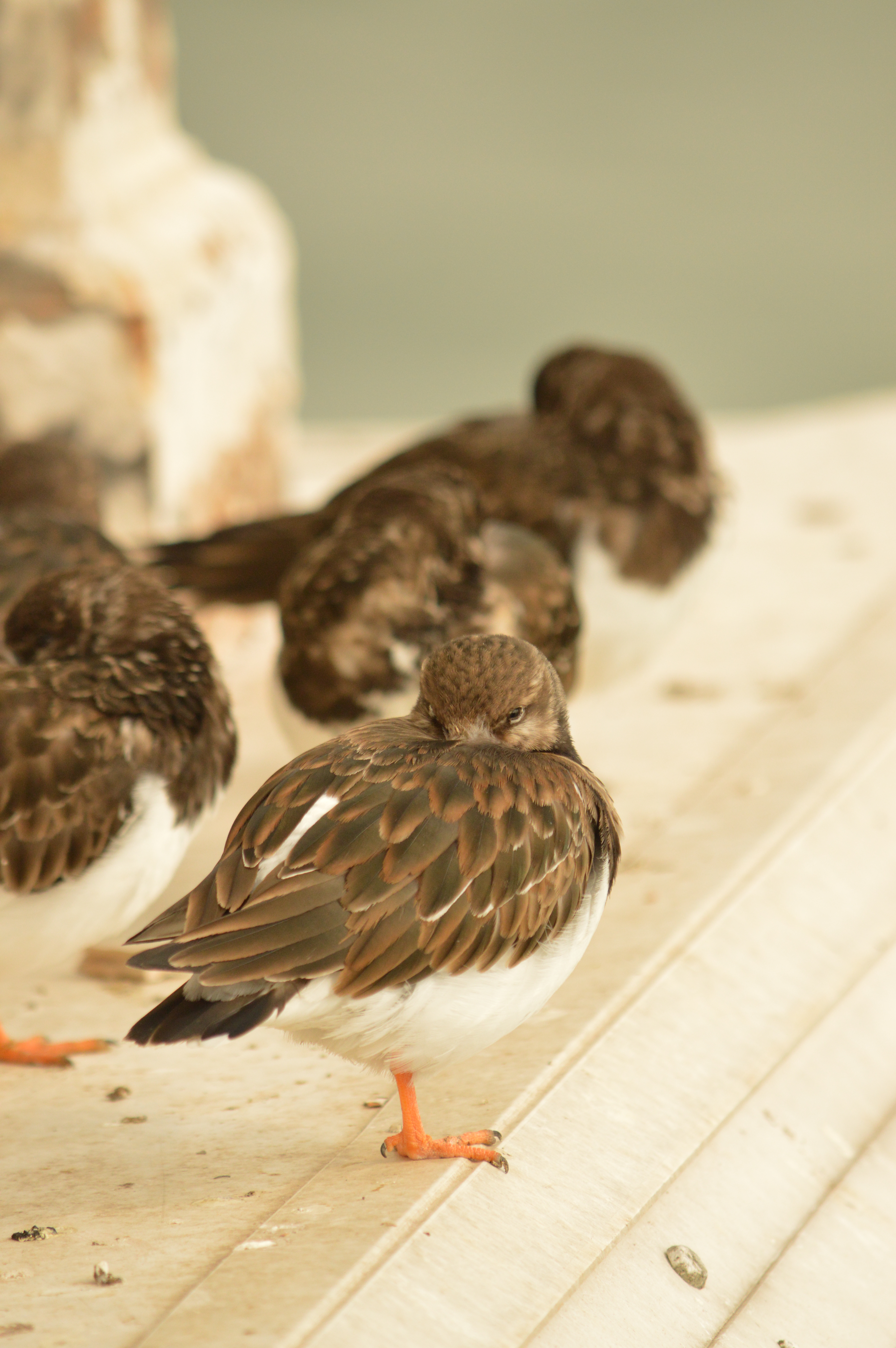
Behind the Tin Can Alley shack, a huddle of turnstones get some shut-eye. These often hyperactive creatures look out of place when static, and one wonders how they manage to get any rest at all with the thumping bass from the fairground rides at the end of the pier. It almost looks as though there’s a physical pecking order to the clan, and the ones at the bottom aren’t having much luck, hopping from strut to strut with remarkable dexterity. A passer-by sees what I’m looking at and stops to take a few photographs on her phone. The turnstones don’t seem to be fazed by me, or her, or any of this. After all, it’s fun all year on Brighton Pier. They’re probably used to it.

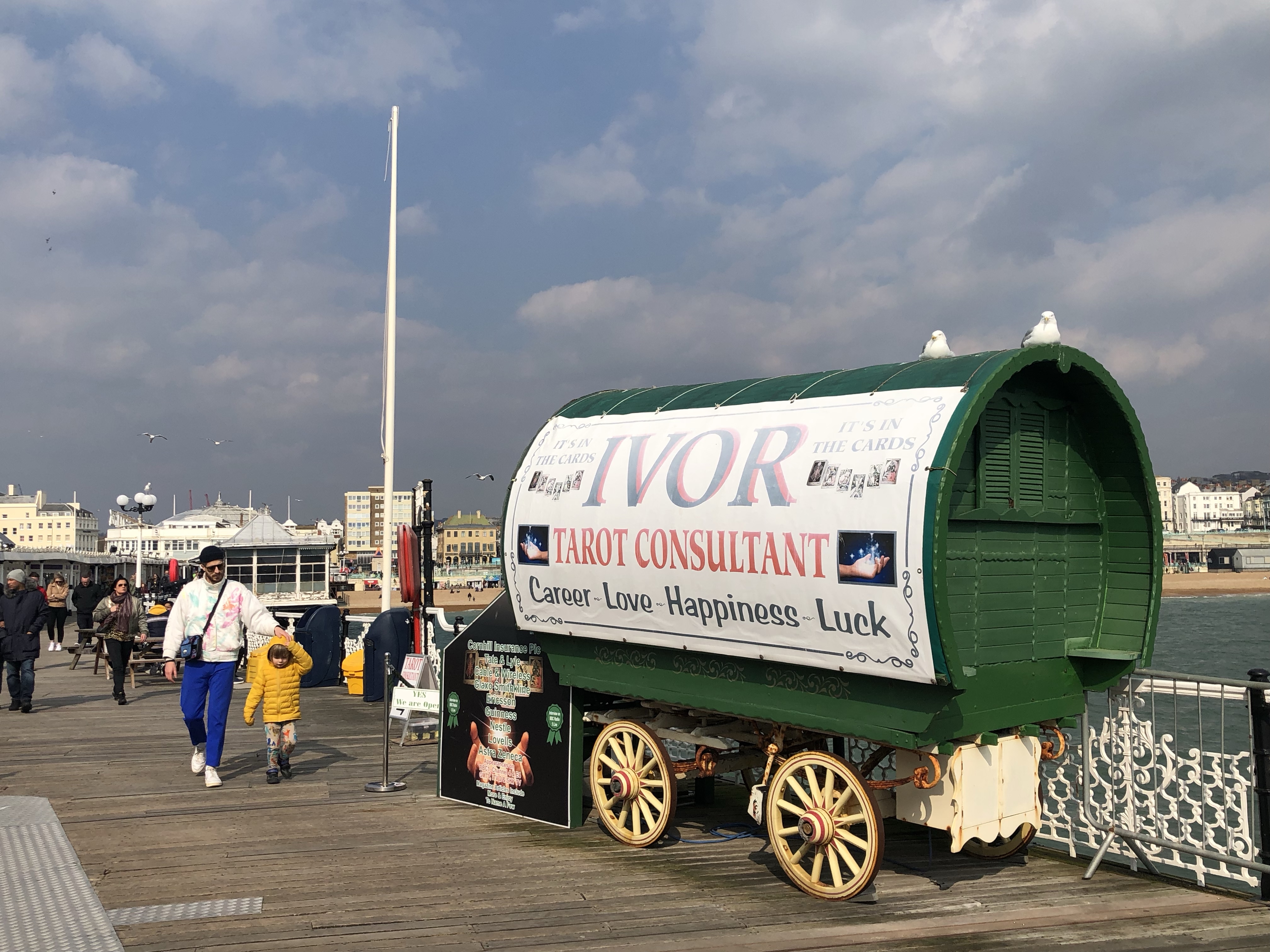
Nearer the fairground, an old gypsy-cart sits awkwardly beside the parapet, offering Tarot readings for a modest sum. Career, love, happiness and luck mingle strangely with Nestle, Astra Zeneca and Cornhill Insurance plc. I remember finding an abandoned gypsy-cart in the woods once when I was a child, its richly-painted woodwork fighting a losing battle with the forest’s silent army of moss, lichen and brambles. The gitanos in Tierra de Barros had no such fancies, eking out a living from beat-up cars and shabby tents. There is an old song of theirs I have consigned in part to memory, telling of their love for the Guadiana River, that came to mind:

The region of Chal was our dear native soil,
Where in fullness of pleasure we lived without toil,
Til dispersed through all lands ’twas our fortune to be,
Our steeds, Guadiana, must now drink of thee.

Gypsy ballad, translated by George Borrow (The Zincali, 1841)

I doubt the gitanos camped outside Villafranca de los Barros would know the song. It comes from an older world, much like the incongruous cart parked at the end of Palace Pier.

The fairground plies a busy trade for a chill-if-sunny Sunday in March. I feel like I’m walking through a childhood I haven’t known in twenty years, not since the distant summers in Dymchurch. Tea cups, log flumes and merry-go-rounds. A helter-skelter – see the Isle of Wight on a clear day! – painted up like a stick of Brighton Rock (or maybe the sticks are painted after the fashion of the fair). The static gilded horses on the merry-go-round look no less terrifying than they did when I was a boy. The ghost train reels in customers one at a time, lethargic, a chameleon in the cold. A father explains the “this high to ride” sign to his son, who is just a little too short for any of the attractions. I get the impression I’m snooping a little too much and wander away from the noise.

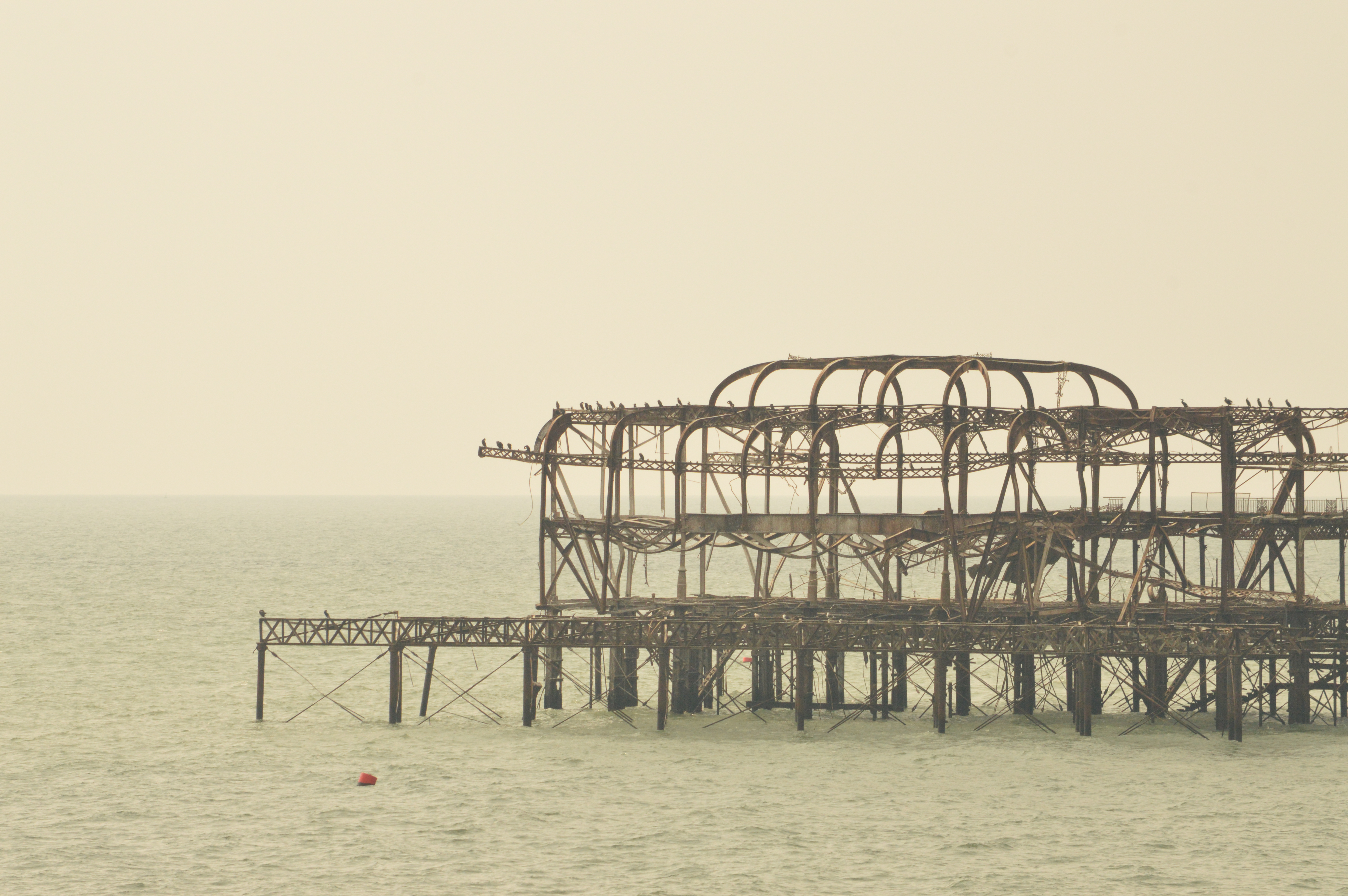
There’s a quiet spot behind one of the rides, looking out towards the mouldering wreck of the old pier. Seen from its sister with the city behind it, the Western Pier looks small and unimpressive. From the shore it looks a little more mysterious, where its mangled skeleton claws at the horizon like the blackened bones of a giant, mechanical whale, picked clean by the cormorants that sit on its ancient struts. In their oil-black funeral garb, they might as well be an extension of the wreckage. Brighton’s gargoyles.

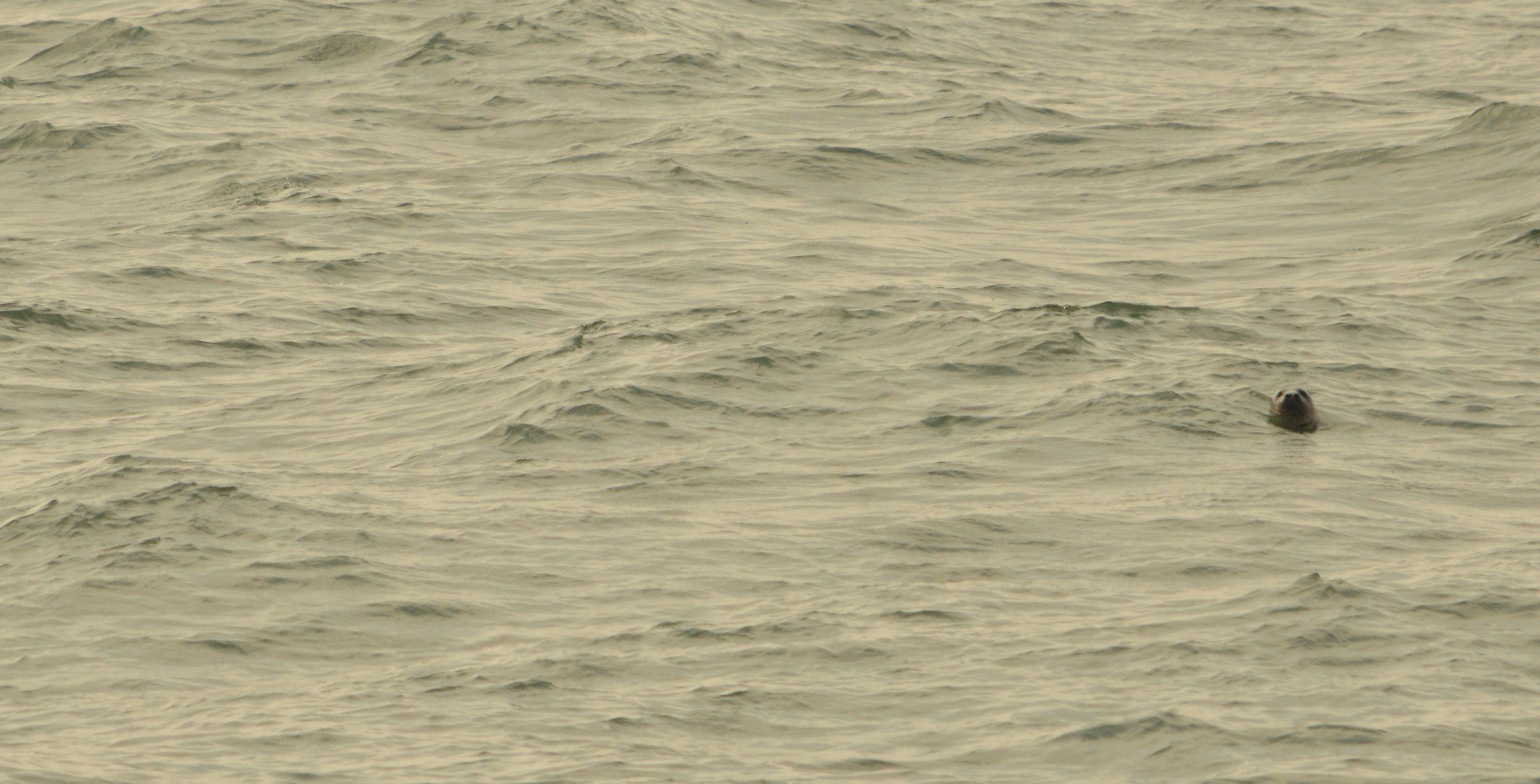
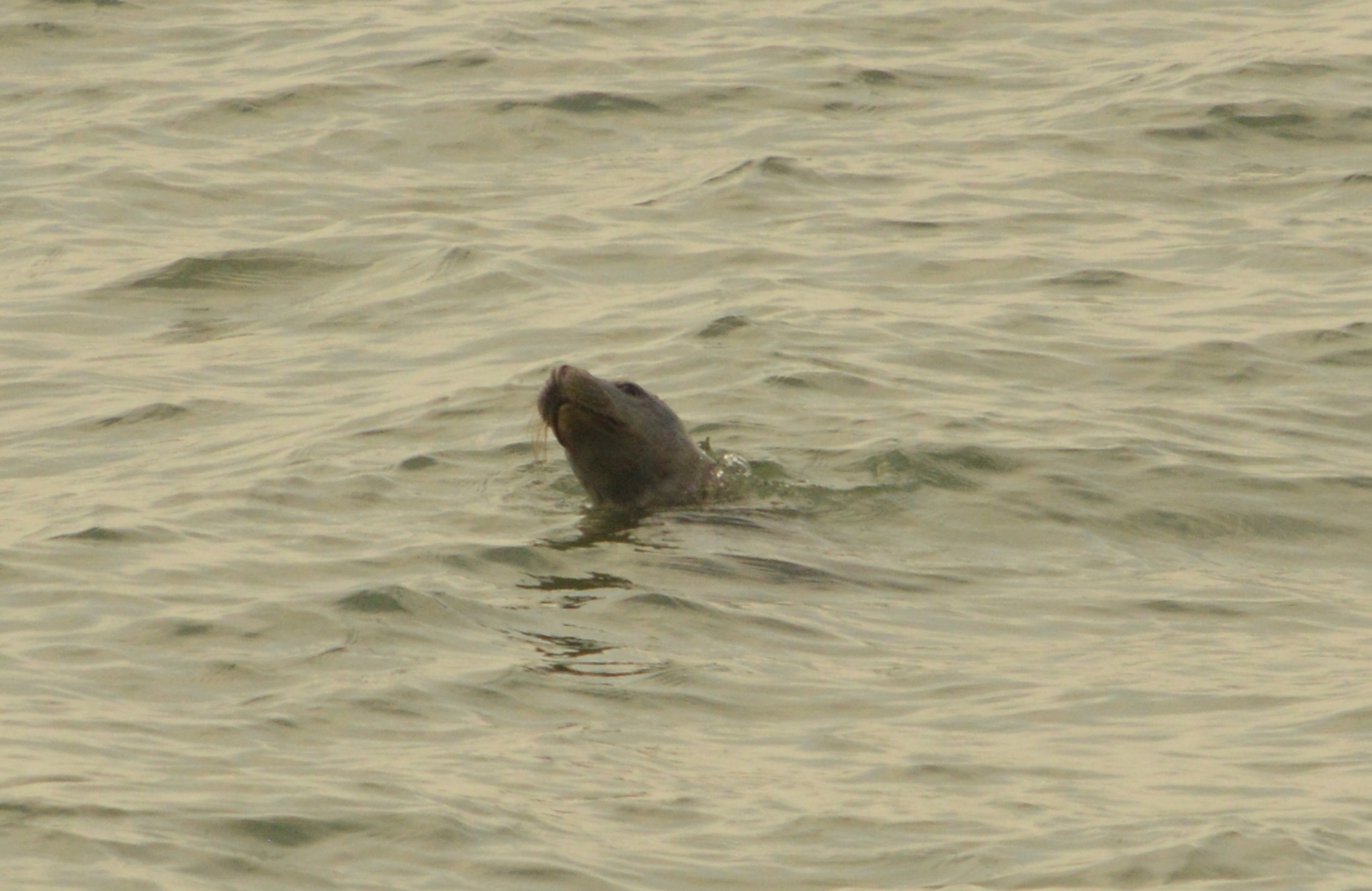
Something bobs in the water closer to the Palace Pier, and without looking through any lens it looks too misshapen to be a buoy. It turns for a moment revealing long whiskers and those baleful black eyes, before sinking beneath the waves. I’ve been scanning the water all morning for that sight, and now I’ve found one, I can’t let the moment pass me by. I count the seconds. One, two, three…

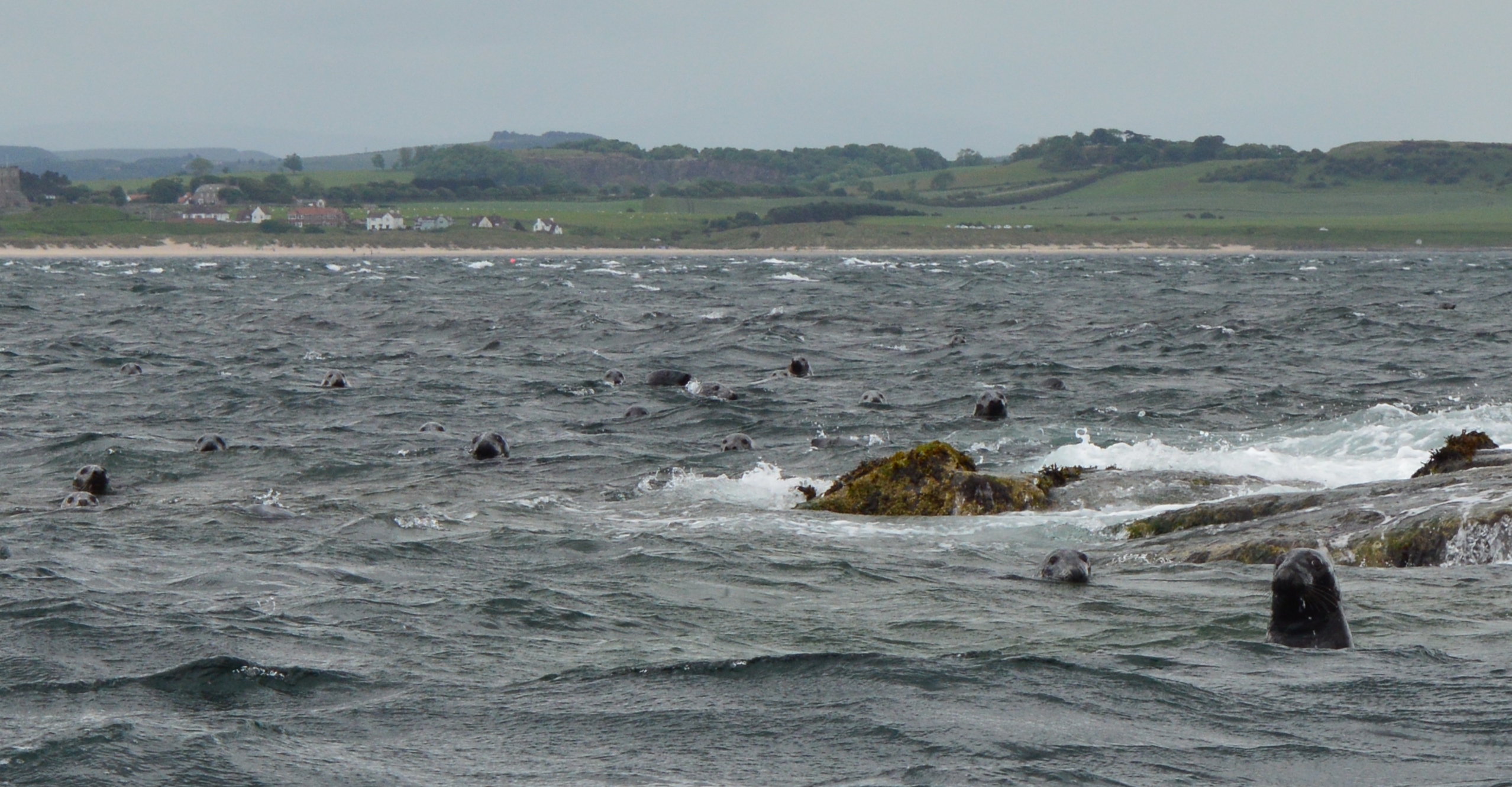
Seals are such mesmerising creatures to watch. It could be their friendly faces, the way they seem genuinely curious about the world above the waves. For me, it’s all about their eyes. There are few creatures out there with eyes like a seal’s: enormous, black orbs that seem to see forever. You only see the whites of a seal’s eye when they’re really close, otherwise you might as well be looking into the dull glaze of a shard of volcanic glass. I used to watch them bobbing about in the waves from the white cliffs when I was a teenager, and once or twice I was lucky enough to see them closer still, lounging about on the mudflats of the Stour Estuary and snorting their indignation at the noisy ferry-boat off the Farne Islands.

Those were greys: hulking, dog-like beasts of considerable size, especially the bulls who came charging after the boat. It’s not hard to see why so many languages label the creatures sea-dogs, or sea-calfs, or even sea-cats. But unless you’re in the water with them, all you see is the inquisitive face, bobbing above the surface. The seal comes into its own beneath the waves. I should love to see one in its murky underwater kingdom one day.

Some creatures command the eye. The ghostly silence of the male hen harrier, or the aerial mastery of the kite. The sunken eyes of the fox and the stern gaze of the stag. I once sat in my bedroom poring over bird guides of Spain and the Mediterranean, bemoaning how drab our world was by comparison. With age comes understanding, I suppose. If the seal hadn’t drifted further and further out to sea, I could have watched for hours.

I spent most of my teenage years growing up on the pebbled shores of this same stretch of ocean. The salt breeze and yellow-grey skies of the Channel are written into my skin like age-lines. I should make a point of coming down to the coast more often in future, if not to blast the cobwebs of work aside with a healthy salt spray, then to find the writing material I’m always searching for. If I can find my way to a quieter spot than Brighton, I might even be able to sidestep the bookshops that always draw me in. Fortunately, I’ve been such a loyal customer to Waterstones over the last couple of months that I was able to walk away from today’s haul for a steal of a price. Just don’t ask how many books I bought – or how big the discount was. It’s all for a good cause. I’ll keep telling myself that. BB x