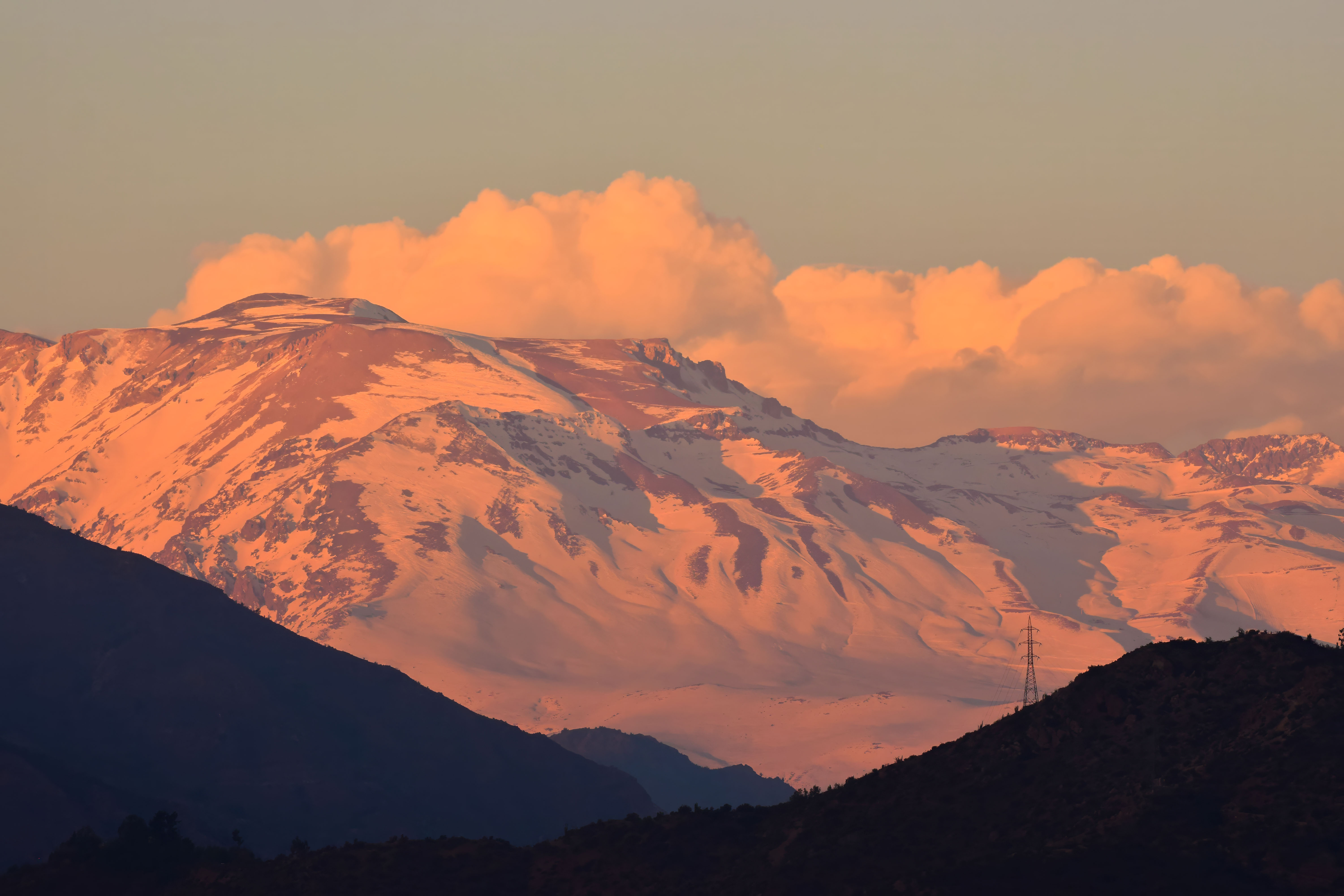
Chilean Memories #9: Snowy Sunset
Las Condes, Santiago de Chile. 17.14.
It’s getting to that stage of my time in Chile where I’m starting to take advantage of every moment remaining. Over the last few weeks I’ve gotten quite used to the sight of the Andes, the caracaras that seem to be constantly somewhere on the horizon and the wheezy call and response of the characterful meadowlarks. But soon I’ll have to say goodbye. So, while the weather holds at least, I’ll try to get out after work and soak up as much of that view as I can.
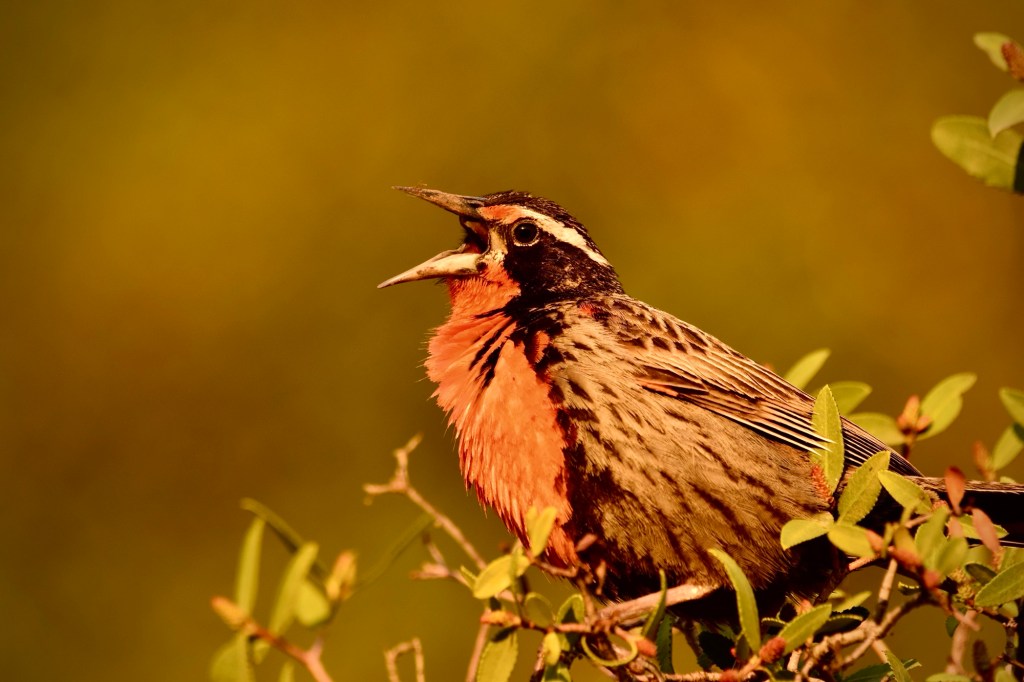
After a productive day spent exploring Carol Ann Duffy’s poetry (specifically Quickdraw, Demeter, Shooting Stars and Delilah) and hanging out with the Senior English team, I popped in to grab my camera and went straight back up the road to Observatory Hill (Cerro Calán). It was smoggy and overcast on my way up, but by the time I reached the summit, the sun had found a breach in the cloud line near the horizon and came shining through – just in time to light up the meadowlarks that were scrambling about the summit.

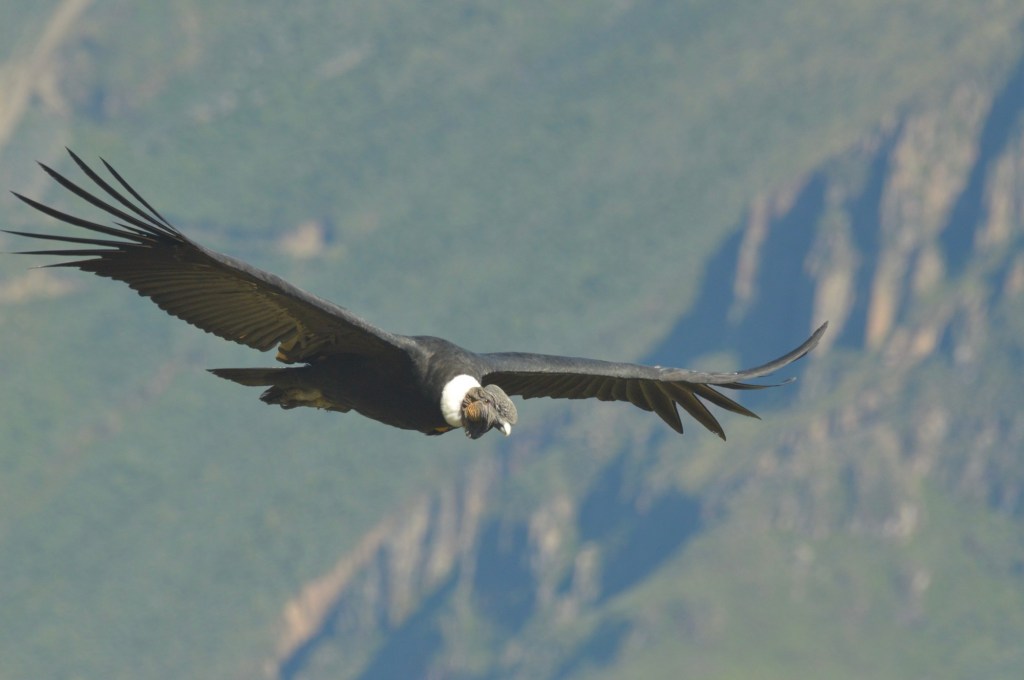
I went all the way to Patagonia for pumas and took a boat out into the Pacific to see an albatross, but the meadowlarks have been a feature wherever I’ve gone. For me, they’re probably the bird of Chile – after all, national bird or not, I’ve seen condors in Peru, albeit perhaps not as frequently as I have here.
If I had more time – and the weather were kinder – I’d head south again in search of the chucao, a smart little Chilean speciality, and try my luck in search of the Magellanic woodpeckers that reside within the forests of Chiloe. I’d also try to track down the elusive tucúquere, the largest of the owls of Chile, that has thus far eluded me. I suspect I’ll be absolutely knackered when I return from my final adventure next week, but if the sun decides to make a very overdue return, I might make one last jaunt out to Batuco, a wetland reserve to the north of the city, in the hope that I might find the burrowing owls that live around the lake.
Until then, I’m quite content to watch the meadowlarks bousting about.
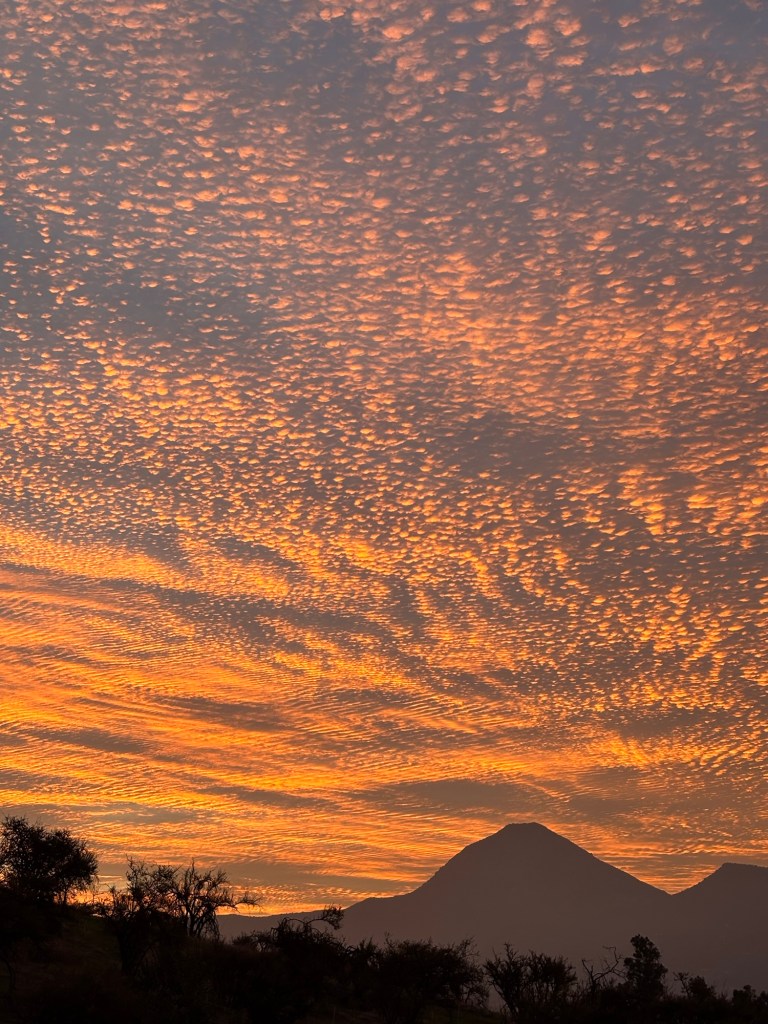
When the sun can be seen, Santiago experiences an incredible second sunset. The dying embers of dusk catches the peaks of the mountains and showers them in golden light, before they fade to an imperial grey against the iron skies beyond. Then, just when you think it’s over, the mountains erupt in an incredible crimson light. I’m not sure what triggers that second burst of light. Maybe it’s the sun hitting the Pacific, or some trick of the clouds. Either way, it’s breathtaking.

As I walked back down the road toward Avenida Charles Hamilton, the clouds became a mirrored beach, like so much stippled sand. To the north, the triangular summit of Cerro Manquehue rose into the ether like a child’s drawing. It’s been the eternal backdrop of my stay here in Santiago, visible from both my home in Las Condes and my office in Craighouse on the other side of the mountain.
Before I came here, Manquehue was just the name of a Chilean Catholic community who I met once in Durham, many years ago. Now it’s one of my favourite waymarkers in the Valle Central.
Tomorrow brings an observation – one of my last – and a planning session with the Deputy Head for a fully-fledged 90-minute lesson of my own on Thursday. If I didn’t know better, I’d say they were testing me. It almost feels like a job interview.
I saw a fox near the car park as I left today – a gold and silver vixen, rooting around the trees just beyond the fence. These culpeos are a lot closer to wolves and jackals than they are to true foxes, but nature clearly likes the design of the fox, because the culpeo and its cousin the chilla have both evolved to fill that niche.
I’ll take that as a good sign. Nothing that beautiful could be anything else. BB x
Aeropuerto Internacional Alejandro Velasco Astete, Cusco. 12.27.
My journeys around Peru have come to an end – and with them, my first foray into Latin America is complete. It has taken a dreadfully long time for this Hispanist to cross the Atlantic and put my Spanish to the test in the New World, but I have done it. I return to my day job with a much stronger understanding of the South American angle of my subject.
Doubtless I won’t have much to report today, between transit after transit (leaving Ollantaytambo for Cusco, Cusco for Lima and then Lima for New York and home). As such, I thought it might be worth doing a quick TLDR version of my adventures for anyone interested in visiting Peru. Read on if you’re curious.
Language
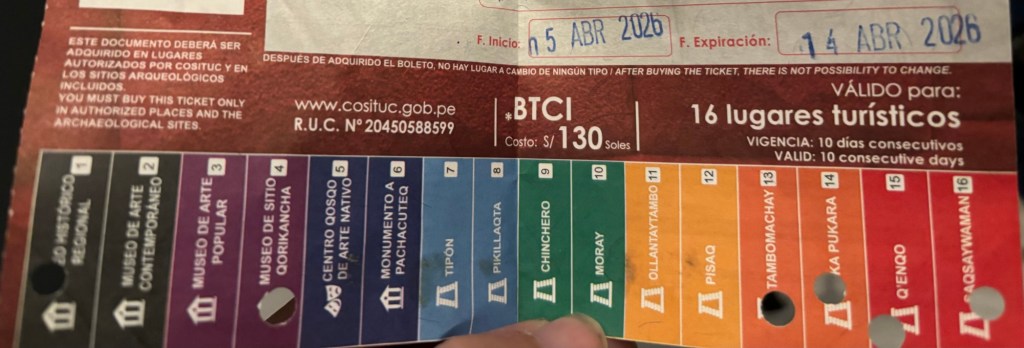
First things first: Peru is a Spanish-speaking country, but much of its signage and a lot of its citizens (even the beggars on the streets of Cusco) have a good understanding of English because of the sheer number of tourists who come here. I stood my ground and spoke Spanish almost all the time, but I reckon you’d probably be alright out here without being fluent in Spanish – though it really does help to grease the wheels, make friends of the locals and avoid coming across as a total gringo.
Safety
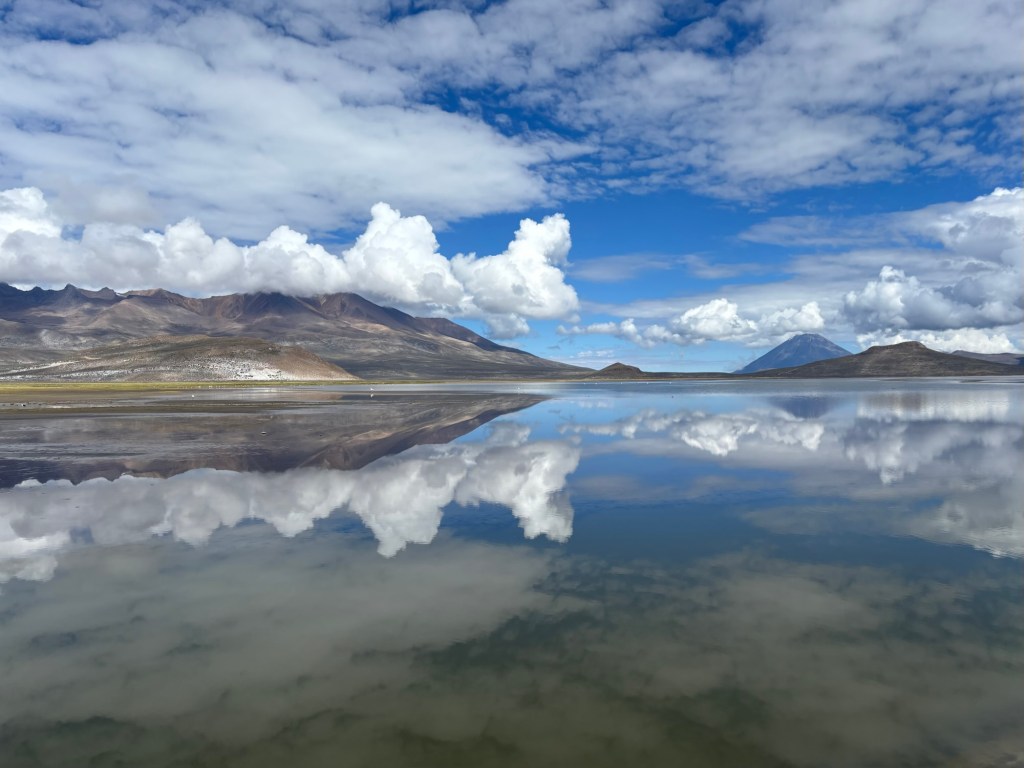
One of the biggest deterrents to travel around South America is, of course, whether it’s safe to do so. I can only answer with a resounding yes. I have spent three weeks lugging a very expensive camera around the country, which ought to have made me quite the target (and, for the record, I don’t look very Hispanic, let alone Peruvian) but I haven’t had any trouble whatsoever. Naturally, you need to keep your eyes open and avoid certain areas after dark (Lima’s Callao, for example) but that advice applies just as much to travel at home as it does here. In short: Peru is a very safe country.
Oh, and while I remember, it’s not the massage vendors in Cusco you need to keep an eye on. It’s actually the painting sellers, who are really drug dealers in disguise. Just so you know.
Food
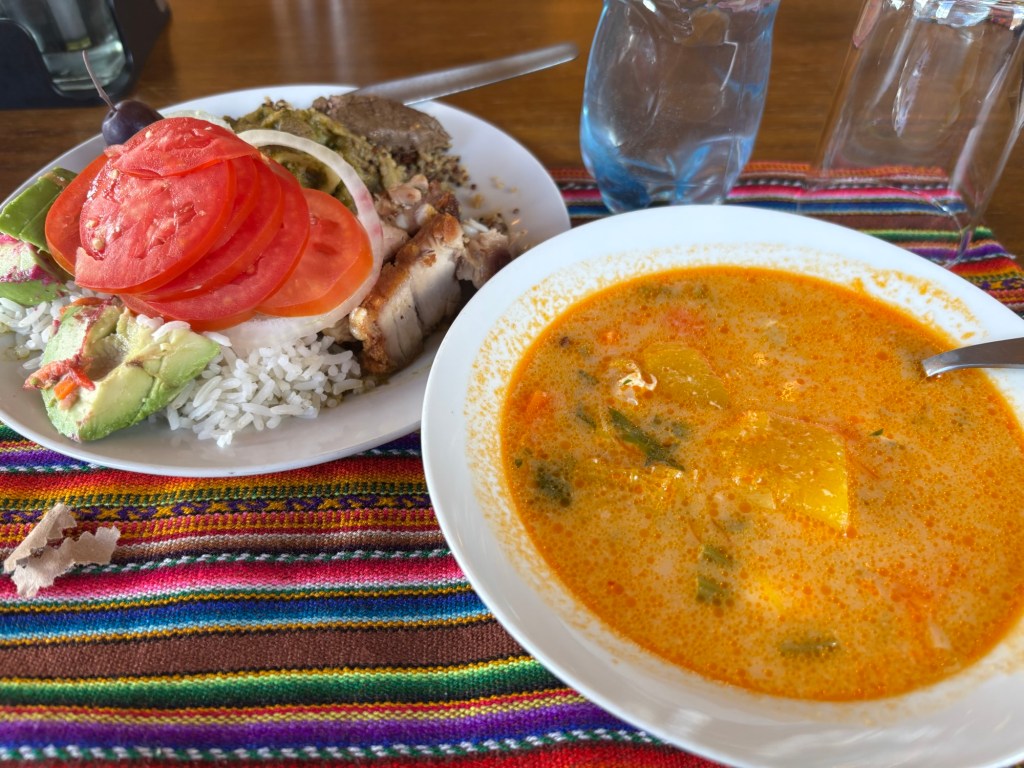
Peruvian cuisine is phenomenal. While I never did get around to trying the national favourite of cuy frito or fried guinea pig (too many bones) I have eaten some of the most wonderful dishes ever out here. Whether you’re on the coast and deciding between spicy ceviche or aromatic parihuela, or up in the mountains and sampling the delicious lomo saltado with a glass of chicha morada, there are a thousand flavours to choose from. It’s also a very vegetarian friendly country, with plenty of healthy meat-free options in most of the major cities. I come away from this place with a new obsession for amaranth in the form of kiwicha – a deliciously healthy Peruvian porridge spiced with cinnamon and clove. If I can get a hold of the ingredients back home, I’m teaching myself how to make it.
Weather
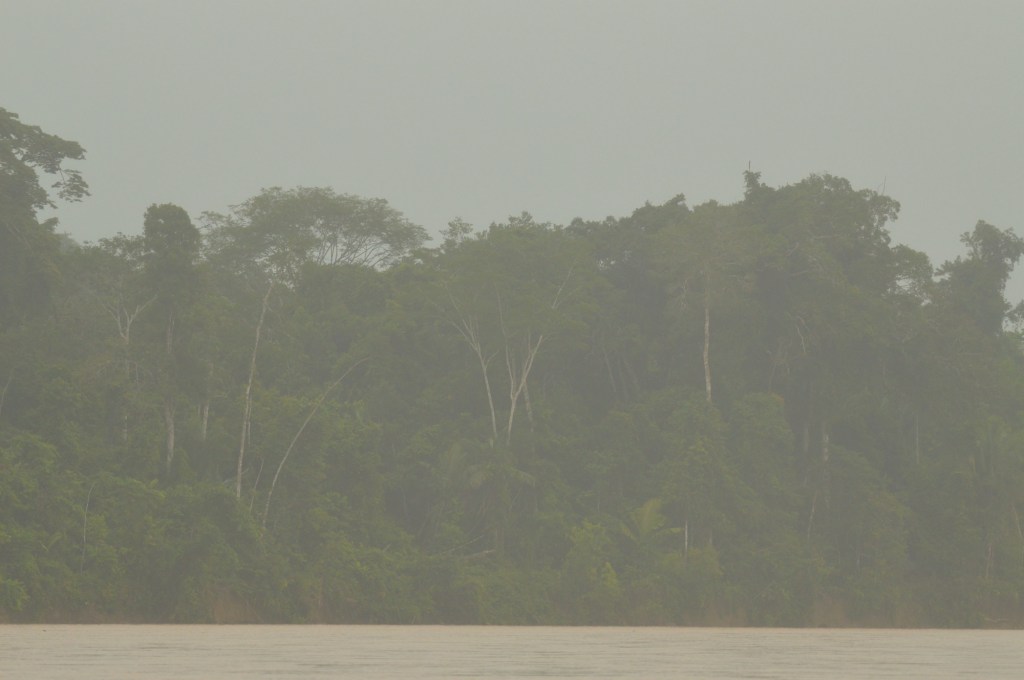
If you travel to Peru at this time of year (March/April), you need to be prepared for everything. Light clothing for the coast, where it can hit 30°C and the sun is fierce. Winter wear for the mountains, where it is a full twenty degrees colder, especially if you’re planning on hiking up to the snowbound peaks. Rain gear, for sure, as the rainy season doesn’t end until May. Finally, a high factor sun lotion, because whatever the weather, the UV risk is high here.
Cost
Getting to Peru is the expensive part – but there are ways to reduce your costs. By flying from Madrid, I took about £200 off the total cost, which was still a money-saving hack even after factoring in a flight to Madrid and a night there. I’m not sure whether the flight I found was anomalous, but there is definitely something to be said for waking up at 4am and checking SkyScanner – both of the deals I found were only that price in the small hours of the morning.
Once you’re here, it’s unbelievably cheap to get around. I’ve played it safe with the limited time I had and flown LatAm between my three main destinations of Lima, Arequipa and Cusco, but it still worked out very affordable. Travel by bus is cheaper still – considerably – but it does entail a lot of overnight rides that can last for more than ten hours. Uber is also an affordable and safe way to get around, especially to and from the country’s airports.
In total, I think I’ve managed to stick to my budget of £2000 – including flights, accommodation and everything in between – but I know I could have done it for even cheaper.
Tours and Activities
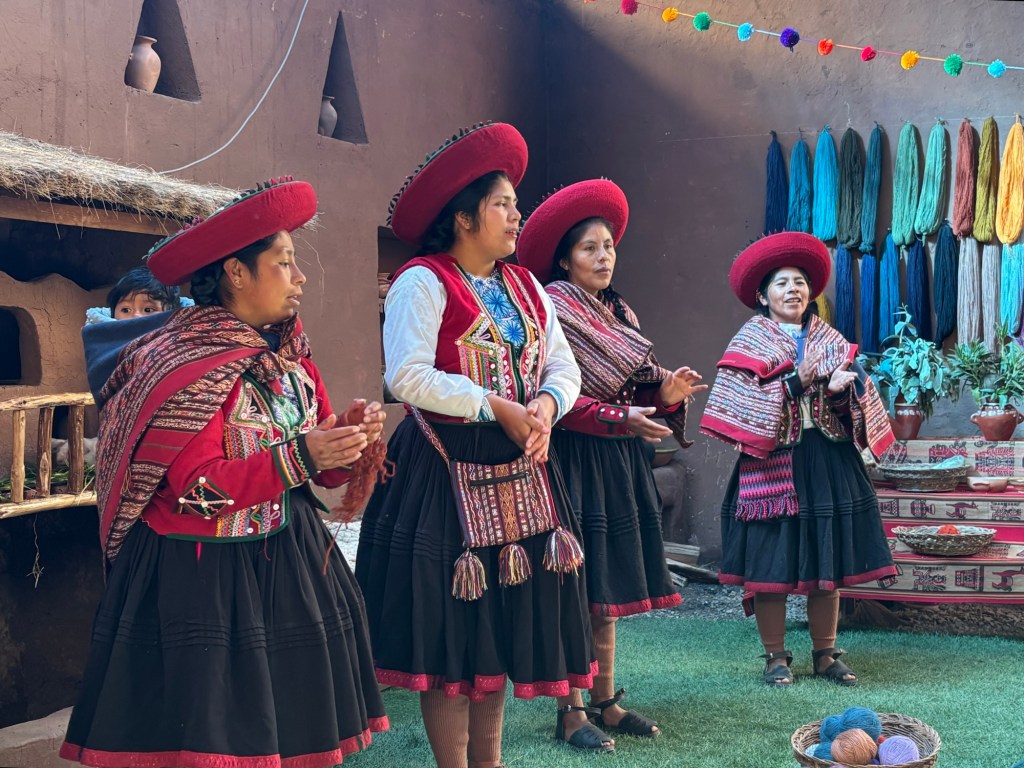
With the exception of a few days’ roaming, I have relied heavily on GetYourGuide out here, and it has not let me down yet. If you’re the type that likes everything planned out before you go, you can organise all of your activities before you even set out. Most of the day trips are rarely beyond the £40 mark and are great value for money in terms of what they allow you to access: faraway attractions like Colca Canyon and the Islas Ballestas are considerably more achievable thanks to the myriad of day trips on offer. If you’re short on time, I can’t recommend PeruHop more highly – they were incredibly warm and professional (a rare combination).
And of course, there’s Amazon Wildlife Peru. I loved my 6D/5N tour to Manu National Park so much that I’m seriously considering coming back for another tour with them someday. If you’re in the market for an Amazon adventure with phenomenal cooking but you don’t fancy a malaria-ridden location that requires a whole lot of jabs, check them out. You won’t regret it.
Wildlife
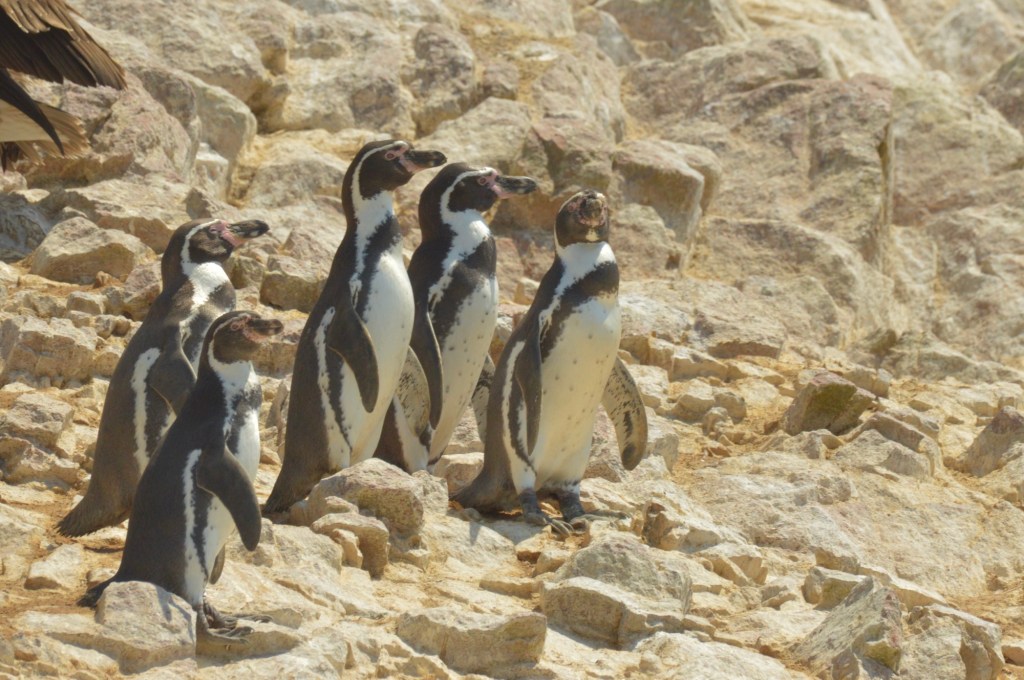
If I’m qualified to report on anything, it’s this. Peru is a naturalist’s dream come true. Over nineteen days, I’ve seen nearly three hundred species of birds, as well as dolphins, tapirs, capybara, black and white caimans, a fer-de-lance snake, bullet ants, stick insects and, of course, giant otters and monkeys galore. I could have seen even more if I’d done a few tailored birding excursions, which I passed up this time around (I thought 300$ for a private tour in search of a few endemic passerines was hard to justify for someone who isn’t really an anorak).
Peru has it all: deserts, coastlines, marshes, mountains, salt lakes, cloud forests and rainforests. Even if you only limited yourself to a week split between Cusco and Manu, you’d still see more animals than many people do in a lifetime.
I’ll be back.
Things I will miss
Things I won’t miss
I think that’ll do for now. It’s still a couple of hours until my flight to Lima starts boarding. I’ll ask the waitress for a tres leches cake when she comes around. I could use the energy! BB x
Rainforest Lodge, Manu NP. 17.57.
I probably didn’t get enough sleep last night. I woke up several times between eleven and four and, in the end, I gave up trying to get to sleep. Honestly? I genuinely haven’t been this excited for a very long time.
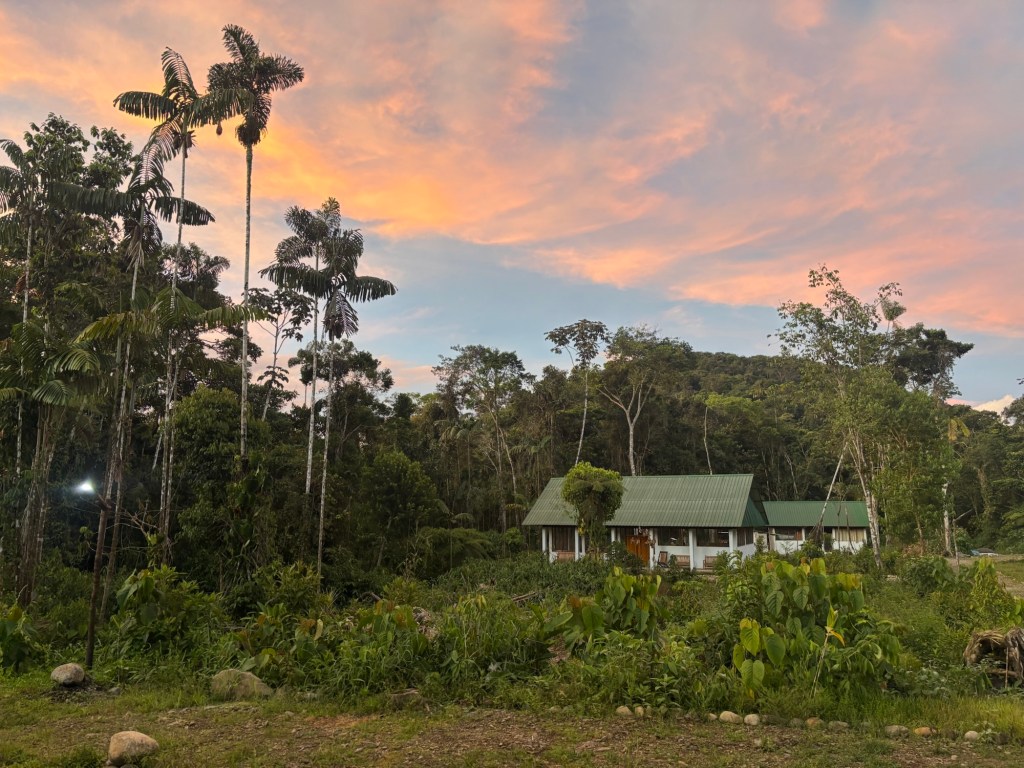
Let me describe it to you. I’m sitting in a very comfy chair in Rainforest Lodge, on the edge of the Amazon Rainforest. No – within that rainforest. We hit the Amazon when the stands of eucalyptus trees died away on the southern slope of the Andes to be replaced with mile after mile of endless indigenous forest.
Frogs croaking. Crickets chirping. The shriek of macaws flying in to roost. The heavy wingbeat of a guan, a kind of Amazonian turkey. I can still see its silhouette up in one of the trees above the main lodge. Earlier, I heard the piping song of a toucan, and the quiet hoot of a faraway tinamou. And up above, enormous banks of cloud, like I’ve never seen before – unless it was in wildlife documentaries about this vast forested part of the world.
Rive, our guide, picked me up from Casa Tunki shortly after five thirty. It was a fairly quiet drive out of Cusco, as we had a lot of ground to cover. We passed Huacarpay early doors – I’m glad I’m not shelling out 180$ for a private tour to that place. It looked like a bit of a step down from Lima’s Pantanos de Villa (which, though a whim decision, really was top notch).
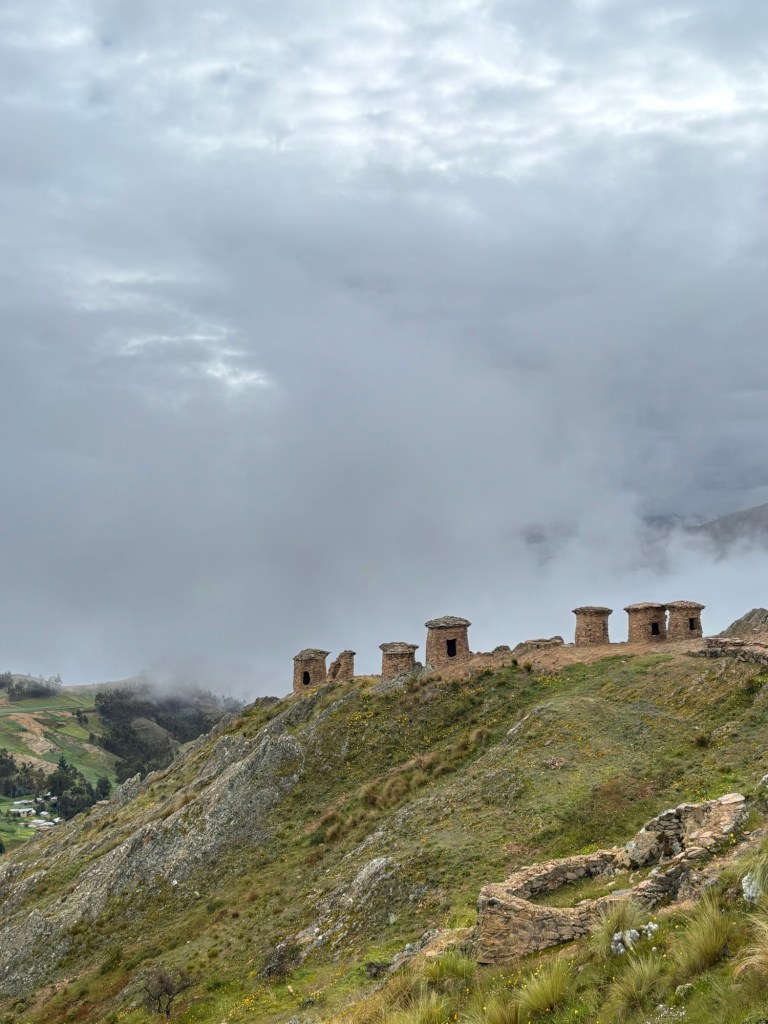
We made two stops. One in Paucartambo for breakfast, and another just before at the Chullpas of Ninamarca, a collection of pre-Inca tombs the Spanish ransacked years ago – but that the locals still visit with offerings in memory of their ancestors from time to time.
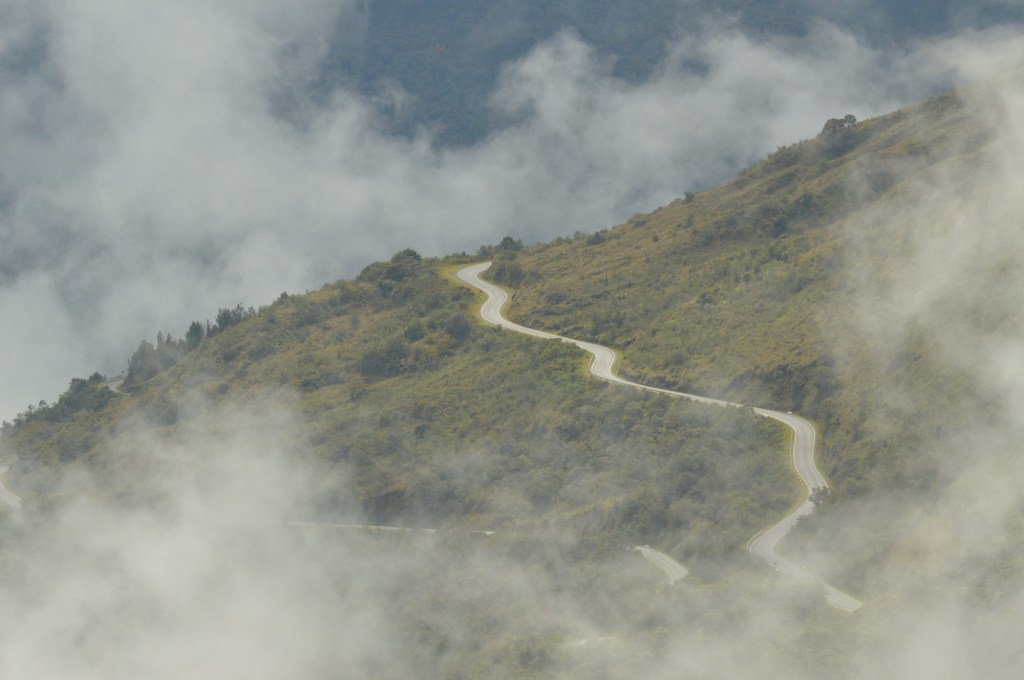
The Manu Road is famous for the quality of its birdwatching. Of the more than a thousand species that can be found in Manu, some five hundred or so can be encountered along the road. We didn’t see anywhere near that many of them, but that’s mostly because of the rain that came down hard during our passage of the long and winding road down through the mountains.
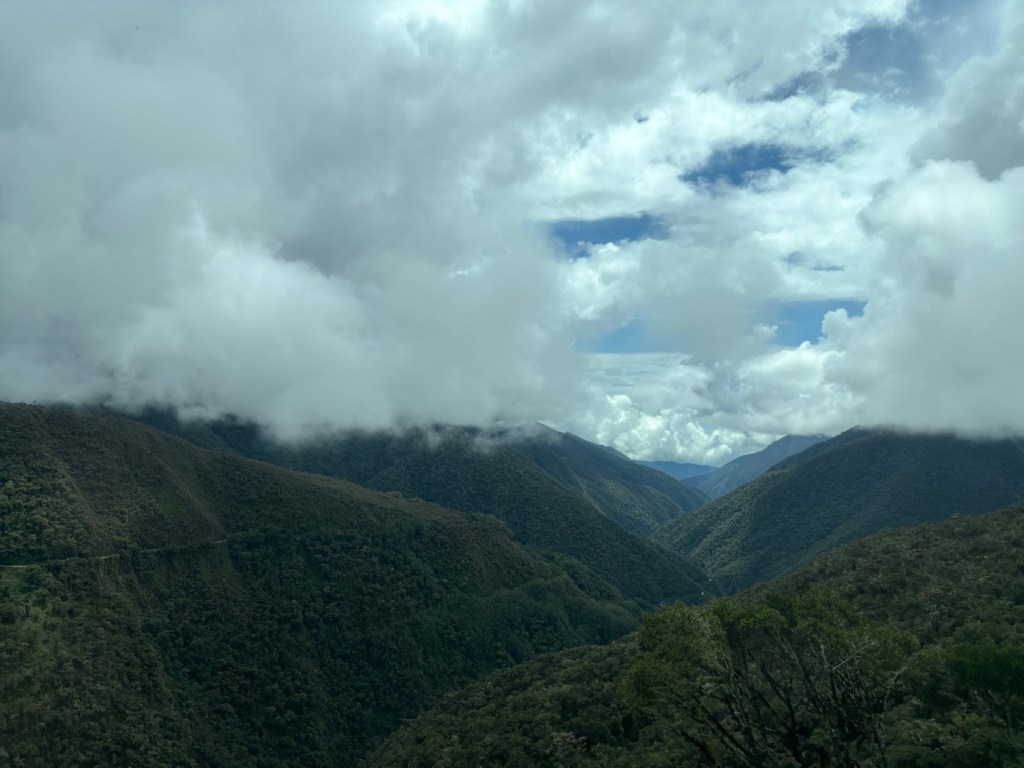
The forest seems infinite, and we haven’t even reached the reserved zone yet. These are what are known as the “habitable quarters” – the zona cultural. Already, in the last hour alone, I have seen more species than I could ever hope to see in Taunton in a single year.
This is a very special place.
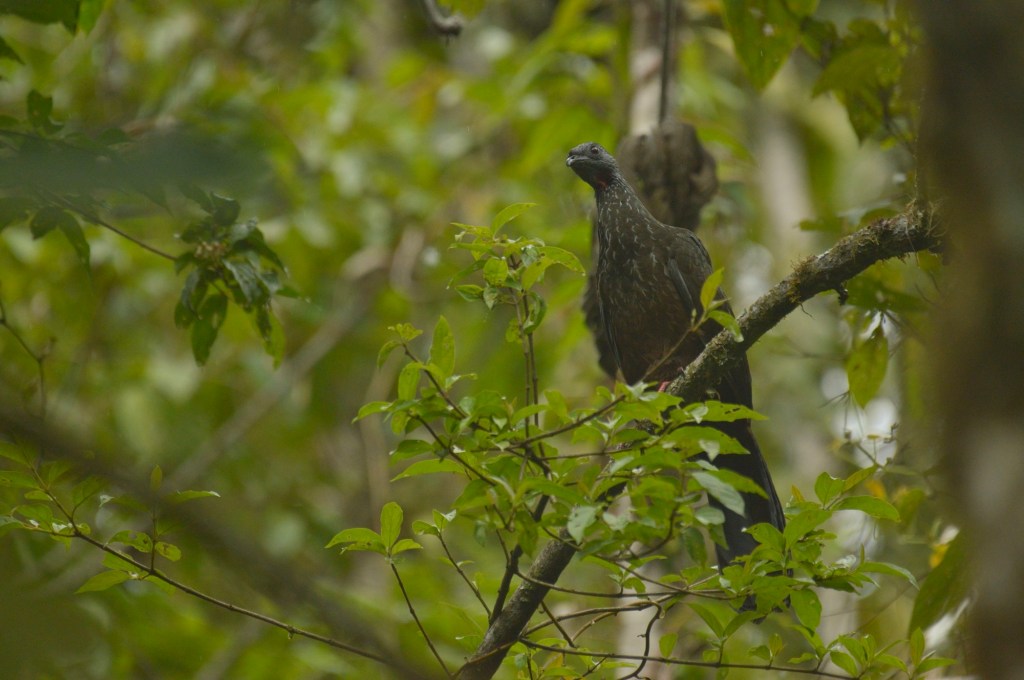
We took a short walk along the road (as the rain came down) in search of cloud forest species. Most of them kept well hidden, though our guide did locate an Andean guan watching us from the side of the road.
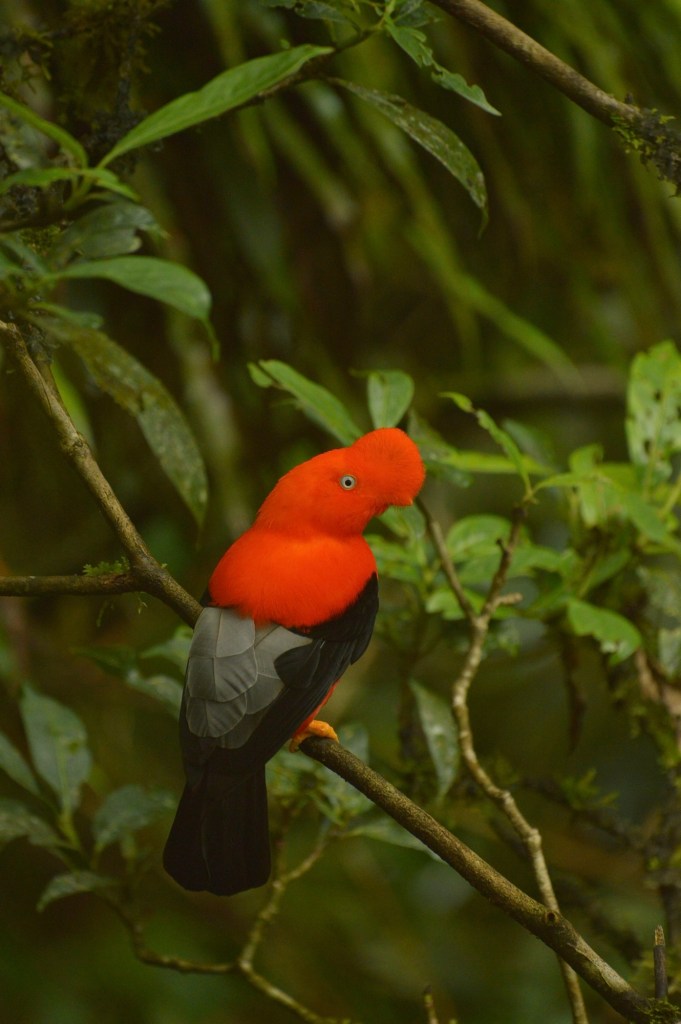
We had a lot more luck after lunch with the hunt for Peru’s national bird, the Andean Cock-of-the-Rock (in case I didn’t already have enough Andean birds on my list). The breeding season may not be for several months – kicking off in September – but the local males keep a strict routine at their lek, cleaning their favourite perches and practising their dances for when the females come looking.
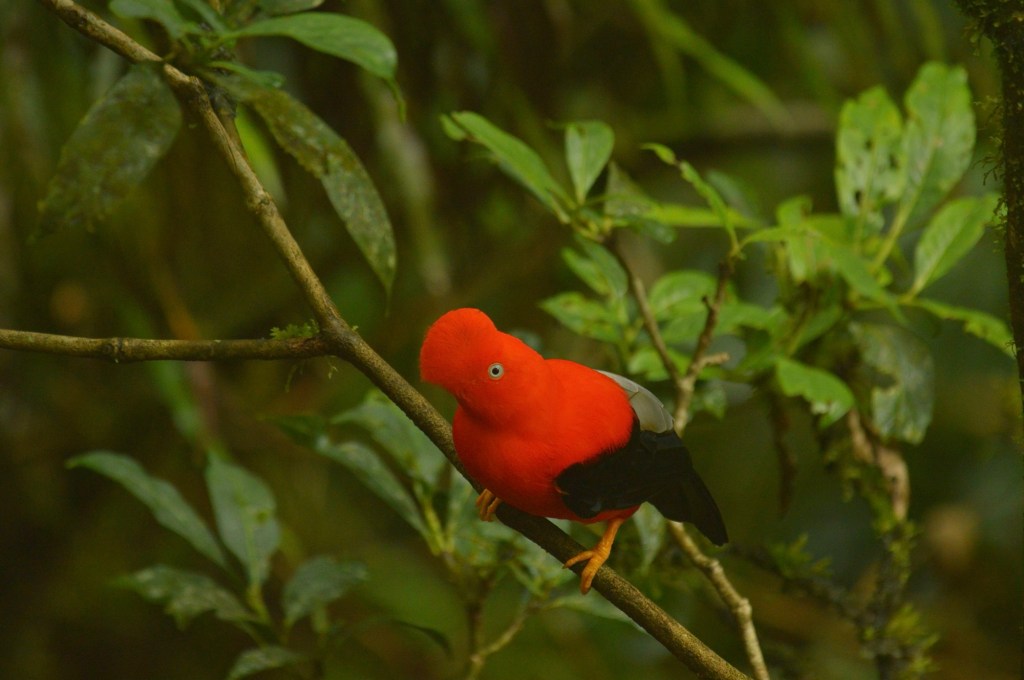
They’re fairly hard to miss, being a shade of orange so loud they might well be visible in the dark. I’m going into Manu without expectations – the thing I wanted to see most of all was a condor, and I was truly blessed on that front – but it was really special to see a bird so important to the Peruvians that they made it their national bird.
The lodge itself is an explosion of rainforest life. I’m having to lean heavily on the Merlin app to help me identify what I can hear: toucans, tinamous, tanagers, parrots, macaws, honeycreepers, earthcreepers and oropendolas. None of which I’ve ever seen or heard before.
I can’t see any charging stations, so I’d better leave it there. We set out early tomorrow for the Madre de Dios river at Atalaya. I have signal, which I wasn’t expecting (a begrudging thanks to Elon Musk’s Skylink) but I might run out of power at some point. So I’ll stop writing now and enjoy the sounds of the rainforest for a while. Dinner isn’t until seven – and I know it will be incredible, because our chef Bernardino is an absolute legend.
Wish me luck! BB x
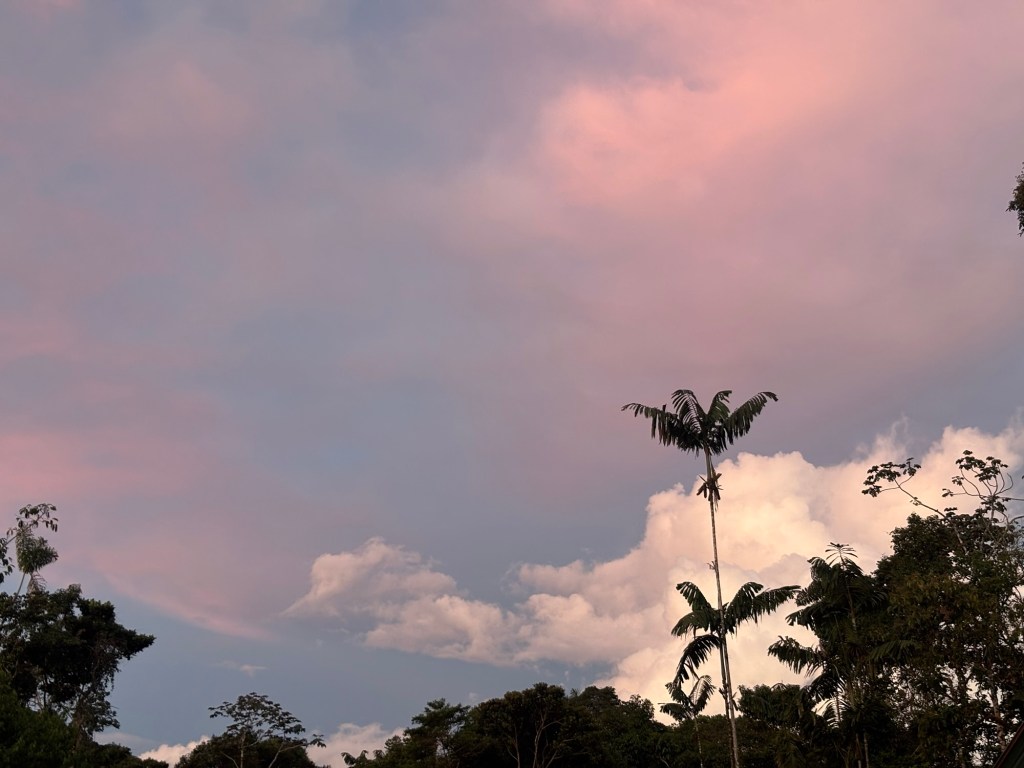
N.B. Dinner was amazing, the night sky is even better (I saw a shooting star!) and there’s a changing station in the lodge – but not tomorrow, so I need to be prepared. But right now it’s raining with biblical proportions out there, so I’ll wait a bit for my phone to finish charging before making a break for it to my cabin!
Notes, field guides and micro-memoirs
A Solo Travel and Literature Blog
All about trees
Barcelona · Spain · Food · Travel
A glimpse of the world through my lens
Synastry & Karmic Astrology
A Journey of Travels, Teachings, and Truths Told Plainly
Musings of a trekking author
Inspiration and Spirituality **Award Free**
Illustrations to make you smile, laugh, and sometimes make you see things from a different perspective 😉
a woman with wings travelling the world solo

