Wishes and Migas

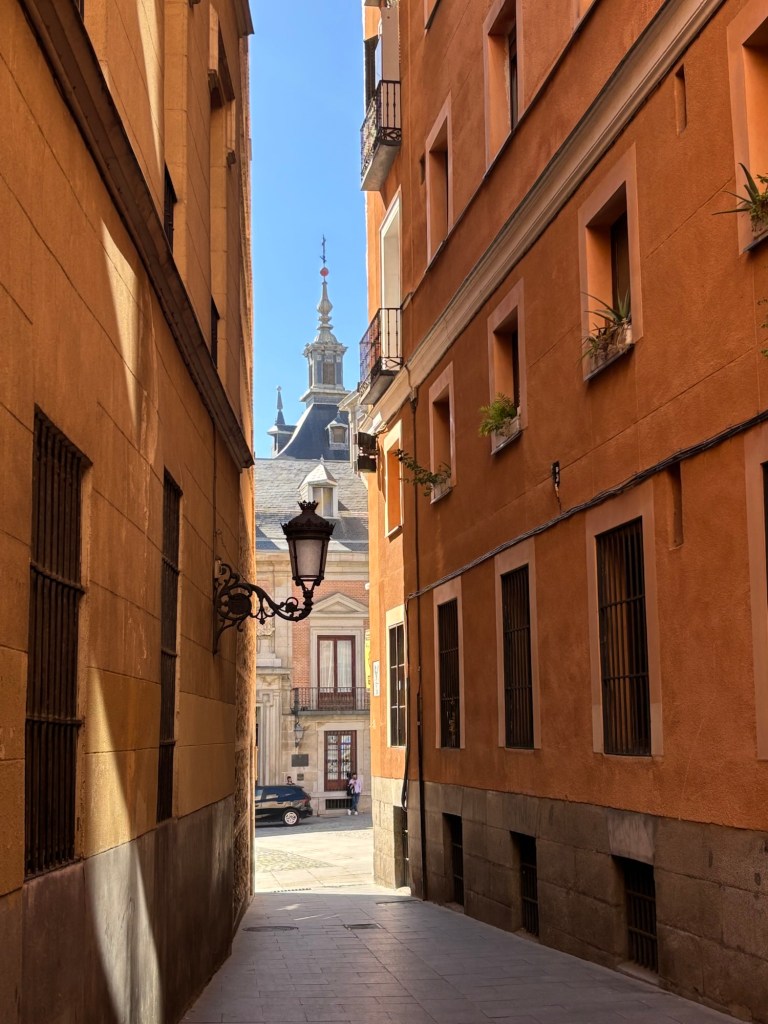
Calle de San Millán, Madrid. 20.09.

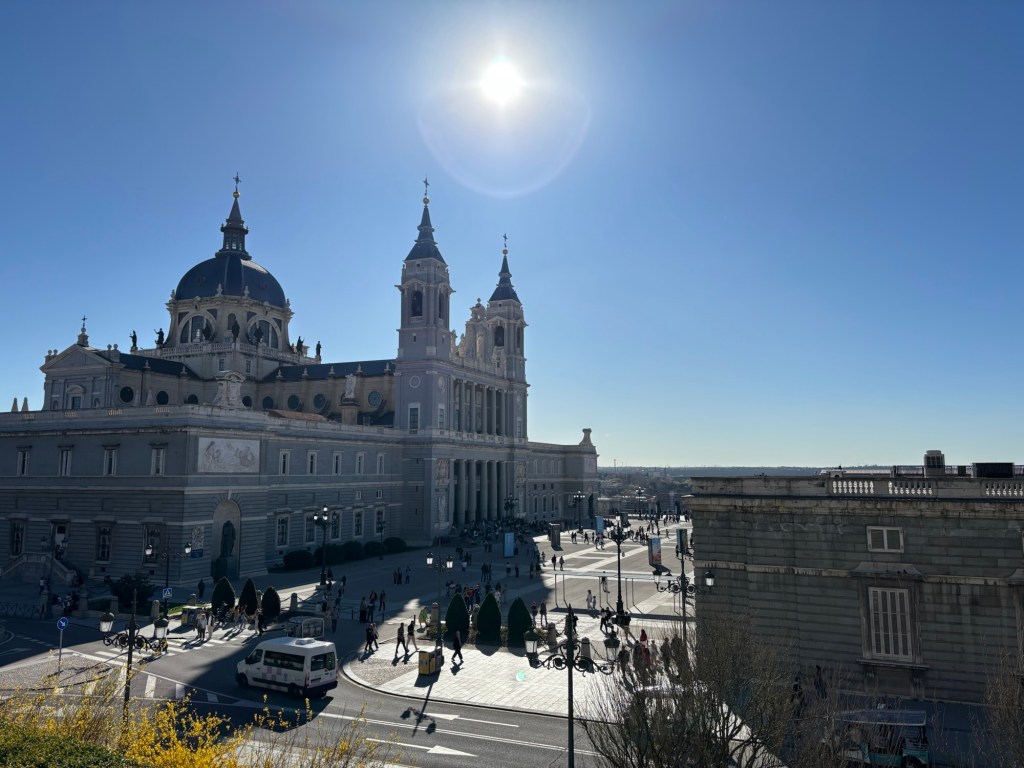
The sun is just starting to set beyond the skyline. Down in the street below, Madrid’s colourful denizens are out for an evening paseo, dressed to the nines to the last man (and woman). The rumble of motorbikes is a constant accompaniment to the general hubbub and the occasional police siren soars above it all every now and then. The lodgings I’ve managed to snag come with a balcony that looks out over the crossroads below, so I’m treating myself to the noise of Madrid for a few days before retreating to the quieter shores of Finisterre, at the end of the world.


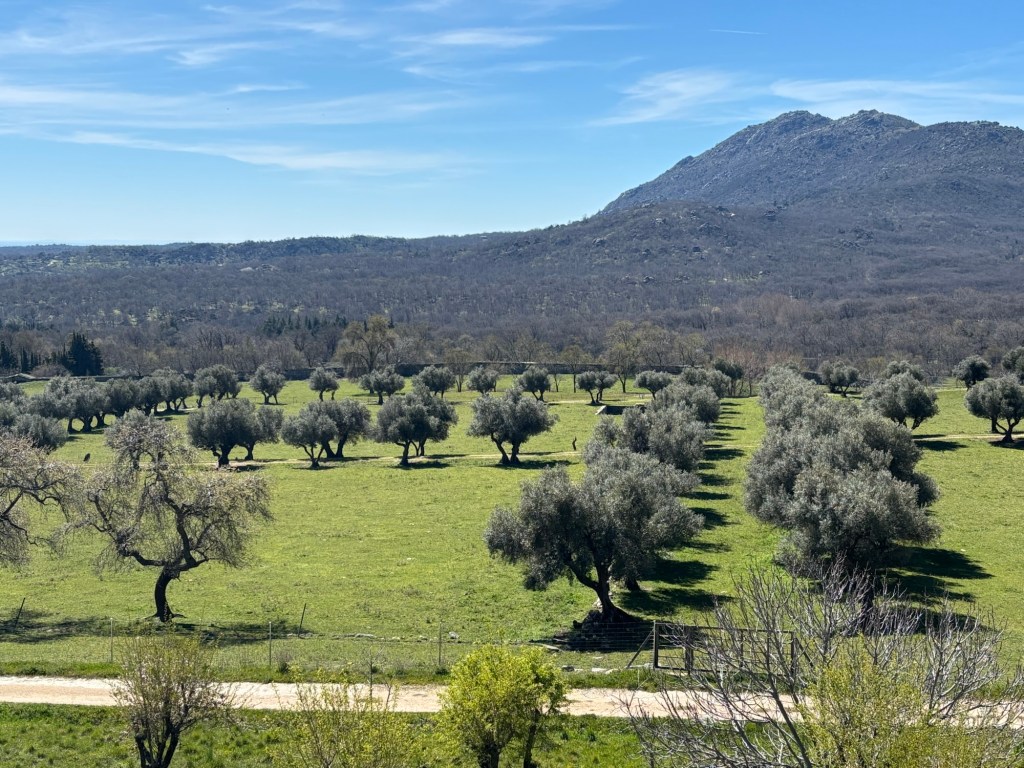
The capital is much as I remember it from my last visit, several years ago, though it makes a change to see the place under the warm spring sunshine rather than wrapped up in the chestnut smoke of winter. It’s inching toward 20°C outside, but the madrileños are still going about in puffer jackets and (fashionable) greatcoats as though it were 5°C. I haven’t brought any heavy-duty winter wear as I have to carry everything with me from Madrid to Galicia to the Canary Islands and beyond on this latest adventure, but I might pick up a few Spanish clothing supplies while I’m here in the city. I haven’t overpacked, for once.


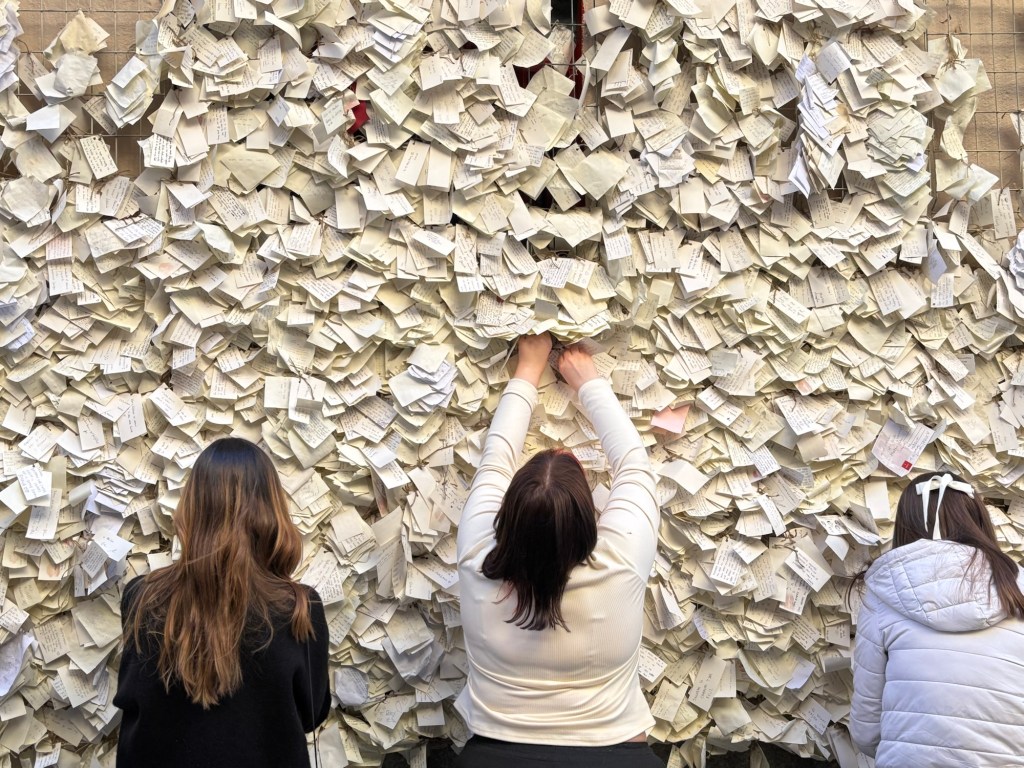
During the course of my wanderings I stumbled (quite by accident) upon the Tienda de Deseos again. I found this strange corner of Madrid last Christmas, its walls covered with the scribbled desires of a hundred passers-by fluttering in the winter wind. Last year there were quite a few lonely hearts on here. This year there seem to be a lot more general “wishing for all the best in life” requests. I made a wish last year to find her – “wherever she may be”. This year I was a bit more specific. Beautiful though it was, I don’t think I’m quite ready for another trans-Atlantic situationship.


Even in the heart of the capital, there are clear signs that spring is here. The cherry trees lining the Calle del Arenal are dressed all in white. The swifts are here early, too – they must have come hurtling in on the wings of the rainclouds, because I’ve never seen the Río Manzanares so full.

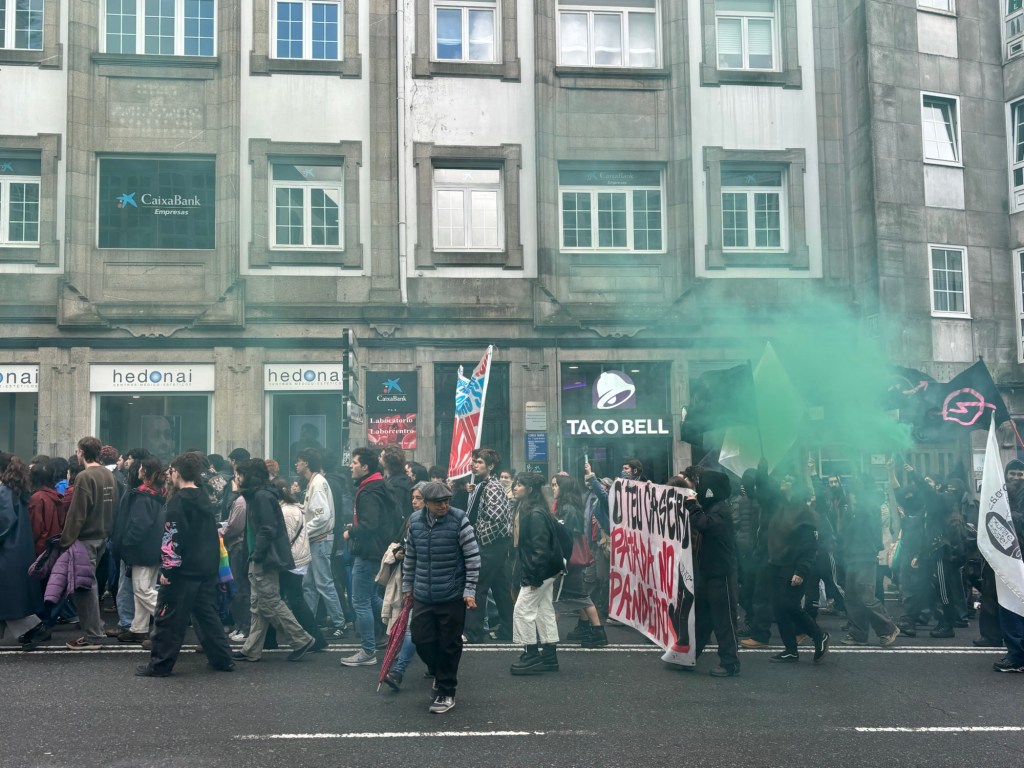
There were a few posters on some of the bollards advertising an anti-hate march in defense of the Trans community, which I really ought to have stuck around to watch, as it’s one of the A Level topics for Spanish at the moment. A smaller group of protesters were picketing the Corte Inglés just off Sol, sporting the usual V for Vendetta masks and carrying telescreens displaying the slaughter of fish off the Spanish coast. Nobody seemed to be paying them much attention.


I treated myself at dinner with a rather upmarket restaurant modelled on Arturo Pérez-Reverte’s Capitán Alatriste books – dishes, decor and all. It didn’t disappoint one bit. I had my first migas in seven years and tried cochinillo for the first time. It was incredible, even though my taste buds hadn’t quite recovered from the usual end of term knockout cold.

On my first grand adventure across Spain many years ago, food was a luxury I rather recklessly decided to do without. Now that I have the means, I intend to make good on that dreadful error by exploring the best dishes the country has to offer as I go. I haven’t found any callos yet, but they’re on my list!


Please excuse the rather humdrum post today. I haven’t had any grand escapades yet! The real adventures start tomorrow… BB x

Shuffling Along

I’m sitting in the rest area at Bristol Parkway Station, watching the blinking lights of cars cruise around below me in circles like so many coloured beetles in the darkness. If I’d made my original train, I’d be at my mum’s place by now. But there was an incident on the 20.35 from Bristol that the authorities had to deal with, so a twenty minute delay has turned into an hour’s setback as I missed my changeover. I’d chalk it up to some Friday night jollities from some of my ruddy-faced countrymen in the next carriage. The only highlight was the very comical collective groan from the other passengers when the announcement came through. Can I still use the term passengers? It’s been recently outlawed by National Rail, who apparently fear it sounds “too formal” – what has the world come to?

So, I’m stuck here for another half hour. I’ve wolfed down a meal deal and am now watching the world go by with my Spotify on shuffle. The holidays are here at last, so I guess it’s time to blow the dust off the blog and flex my rusty writing arm with a little exercise. I’ll use the first five songs on shuffle as a jump-off point and see where we go from there.


Stronger – Kanye West

Ah, the latter days of 2007. After largely eschewing popular music, my brother and I were simultaneously introduced to modernity with Now That’s What I Call Music! 65 around Christmas 2006, our first away from home during our short-lived attempt to up sticks and move to Spain. Maybe it was because it was a link back to the world we’d left behind, but I leapt upon the novelty, and it’s fairly safe to say that my awakening as an explorer started with that CD. I used to get almost all of my music from those Now! compilations. Thank goodness Spotify came along and broadened my horizons!

It was a good time for music, anyway. Rihanna was still pumping out hit after hit (Don’t Stop the Music had just hit the scene), Ed Sheeran was unheard of, and Kanye was famous for his beats and his bars, and not his antisemitism or his (now ex) wife’s rather large bottom. Those were happier times.


Bailando – Enrique Iglesias

Wind the clock forward around ten years. Durham’s Music Society released the theme for the summer concert (Around the World) and the Northern Lights – then in the early days of our ascendancy – hit the books to find a suitable number to fit the bill. I wasn’t anywhere near as talented as some of my peers (at least four of whom have gone on to moonlight as professional musicians since) so this was my one chance to take the reins with a song where I might be able to do something the others couldn’t – that is, singing in another language.

By that point, aged 22 and fresh from the year abroad, I was spoilt for choice. But let’s face it, it would have been a tall order to get an English a cappella group to sing the Arabic smash hit M3allem, and all the sevillanas I had committed to memory were much too demanding, even for those who could speak a little Spanish. Luckily, Enrique Iglesias was famous enough to provide a bridge between the two languages, and after some negotiation with my musical director, I managed to get Bailando onto the set. I put my heart and soul into my Grapevine arrangement, but I honestly had a lot more fun performing Bailando with the gang, not least of all on account of the choreography.


Mammati – Willie Mohlala

Somewhere at my dad’s place is a little red memory stick containing a number of MP3 files: mostly obscure Ugandan pop and folk music, with a few Dolly Parton numbers sprinkled in for a little variety. That playlist was the soundtrack to the various marathon road trips of my time in Uganda, since the full playlist was never enough to span the enormous distances we used to travel. Shazam still struggles to identify the greater part of that playlist, and since Willie Mohlala was one of the only artists labelled on the tracklist, he was one of the few to travel with me out of Africa. Him and Dolly, of course, though quite how she wound up in central Africa beats me.


AM to PM – Christina Milian

Given my guilty pleasure for early noughties R&B, I’m surprised it took me until the summer of 2024 to discover this banger. I have vivid memories of boogying to this one in a club in town with a girl I’d met on Hinge, the first of several attempts to move on from my American heartbreak. It didn’t come to anything. None of my dates have since. But I did pick up this little number, so I did manage to take something away from the experience. I’ve been using the same excuse to justify traveling more than four thousand miles to discover AC/DC’s Thunderstruck, but since that electric anthem has catapulted itself into my top ten, I’ll allow the hyperbole.


Get Me Home – Foxy Brown ft. Blackstreet

I did a Spotify audit the other day and found I’d amassed about 97 playlists. More than half of them (52, to be precise) are ones I made myself. One of them is definitely a ‘mood’ collection, staffed by Missy Elliott, Blue Six and the legendary Foxy Brown. It’s not one that gets an awful lot of airtime, but it is seriously groovy.


I Go to the Rock – Whitney Houston (with the Georgia Mass Choir)

The London Community Gospel Choir did a school visit to the girls’ school over the road when I was around fifteen. This was back before they were a big deal – and back when there was such a thing as the subject specialist initiative in schools that provided money for that sort of thing. I Go to the Rock was the song they taught us that day.

Like so many of the greats in the music industry of old, gospel was where I truly learned to love singing. It was a true release from years of staid hymnals – which I look back on fondly, but not with the same awesome power that gospel provided. It felt like singing from the deepest reaches of my soul. It’s probably no great leap to say that I wouldn’t have launched myself at the funk band if I hadn’t had that crucial awakening through gospel.

It’s a shame that global politics prevented me from sharing that pivotal joy for so many years. I will always carry that scar, I suppose. At least these days I am in a more tolerant establishment that understands the importance of offering diversity through music. I dread to think where the other road leads. I don’t doubt the talents of Taylor Swift and Ed Sheeran, but if that’s what people like me will be limited to in years to come, my music tastes will be so much the poorer for it.


For the Love of Money – The O’Jays

Well, would you look at that. When I started writing this post, I was shivering in the upstairs waiting area at Bristol Parkway. I’m now inching closer to the rammed check-in desk at Gatwick Airport. Turns out most everyone on this flight has the same problem: directed to the check-in desk to collect their boarding pass, due to the sheer number of people on board. I could have dodged this by buying priority, maybe. But with prices up everywhere (the Alhambra visit is costing me nearly £100!) I decided to dodge the £8 priority add-on this time. That’s on me!

Money is the root of all evil – do funny things to some people. Spain is in the throes of an anti-tourist rebellion, centred on Barcelona, Mallorca and the Canary Islands. And not without reason: the tourist trade has been allowed to run rampant in some parts of the country, to the point where it has utterly destabilised life for the locals, forcing a dependence upon tourist money that only comes but a few times a year. Unlike Santa Claus, however, it doesn’t seem to be spreading much joy. Some protesters vented their frustration last year by hosing down tourists at cafés along Las Ramblas with water pistols.

I’m hoping to investigate this blight a little during my adventures over the next three weeks. I appreciate the irony of doing so as a tourist, but I’d like to think that by avoiding resorts and foreign hotels, I’m doing my part to contribute to the local economy in parts of the country that aren’t necessarily overrun. Speaking Spanish helps.


Well, ten minutes until take-off. My arm feels exercised. See you on the other side! BB x

Amber and Ashes

Warsaw is a strange town. For a European, at least. It’s like looking at a replica – which is not so far from the truth at all, as the city was razed to the ground with unparalleled savagery on Hitler’s orders. It seems absurd that I stayed in buildings in the US this summer that were older. But, there we are. It’s a testament to the Poles’ love for their capital city that they rebuilt the place brick by brick, presumably at no small expense.

I’ve come to the centre of the Old Town in search of amber for my mother, to replace a pair of cherished earrings lost long ago. I wanted to visit the Polish Jewish Museum and the Warsaw Uprising Museum, but as luck would have it, those two museums – and only those two – are closed on Tuesdays. So I do one of my usual make-it-up-as-you-go walking tours instead.

The usual global parasites that infest the heart of Europe’s ancient cities have been mercifully kept outside the old town walls: the lurid glare of the Hard Rock Café, Costa coffee and the Golden Arches can be seen from its outermost streets, but no further. Along with the usual array of anachronistic American college jackets with Warsaw splashed across them, quite a few souvenir shops appear to be selling tee-shirts with the city’s name in Star Wars font. One even has a chibi Darth Vader next to the slogan “I love Warsaw”. It seems a little tasteless to have a man infamous for his hatred, wanton destruction, ruthless repression and stormtroopers (and who isn’t even the obvious real life counterpart) associated with a city like Warsaw, but perhaps the irony was lost on the designers.


Not far from the city centre stands a miniature statue atop a plinth, just outside the city walls. It depicts a child soldier, an anonymous victim of the Warsaw Uprising. It is a stark reminder of just how young the rebels were: the average age of the insurgents was only seventeen. One has to hand it to the incredible courage of the Poles for standing up to the might of the Third Reich, when they were all but trapped under the heel of the Führer’s jackboot.


Nothing remains of the Jewish ghetto, which was considerable. Similar ghettos in Spanish cities are minute by comparison, despite Spain once housing a not insignificant percentage of the world’s Jews. There are nods to what once was: a metal plaque cuts across the road in places, marking where the perimeter walls once stood.

In a park nearby, a woman in a fur coat walks her dog. I arrive one minute too late to catch the start of the changing of the guard, but I do see the new sentries move into position beside the Tomb of the Unknown Soldier. A fire burns steadily in an iron grate between them. The chosen shelter for the tomb is the last remaining piece of a former palace complex, of which only three arches survived the destruction of war. A short wall on either side of the square bars access to what looks like an excavation site. Beyond that, the yellow squares of ceiling lights gleam from behind the glass of the office buildings. I have always been curious as to what it might be like to work in one of those places, though it’s the same kind of curiosity I harbour for how it might feel to tumble over a cliff or to sink to the bottom of the ocean. Perhaps I’m happier not knowing.


Night falls. Warsaw puts her Christmas clothes on. I consider going without supper, but one of the restaurants in the old town does flaki and I can never say no to offal. This time I can savour it in peace, without the tutting and sermonising of the vegetarian globetrotter who was so judgemental of my taste before. The pierogi are probably a bit much and I can’t finish them all, but I do an honest job of it. I suspect that flaki appeals to me because tripe stew isn’t too far from the Spanish dish of callos or any number of dishes I have eaten in Uganda and Morocco.


Back at the hotel, I have a lot of time to think. I pack my bags. I watch Polanski’s The Pianist and try to picture those things happening right beneath my hotel window, some eighty years ago. I tell myself I mustn’t sell myself so cheaply anymore, apologise to a few matches on Hinge and unmatch. I take a shower and read back through the blog to happier times, to the Camino, and wonder whether that ought to be my next grand adventure. After all, the end of the Camino isn’t the end of the road. It’s just the start of the next one. BB x

A Parting Gift

A loud knocking at my door woke me this morning. It was only Łukasz checking I was up and about, but it caught me off guard all the same. I must have passed out the night before. I guess I was more worn out than I thought. My phone was on about 18% battery and the bathroom light was on. I sheepishly turned it off, threw on some clothes and all but inhaled a cup of green tea so as not to hold the others up any longer. Talk about a bad start.

I needn’t have been so flustered. It was absolutely miserable outside, the earth damp from a night of rain and melted snow and the sky dark with the threat of more. The temperature had risen by about six degrees, which was something, but it was hardly what you’d call perfect wildlife watching conditions.

Nature, however, is and always has been fickle, and we were in for more than one surprise before we bade farewell to Białowieża.


We agreed to try for the bison once again, after our lucky encounter with the wolves the day before. We found the herd even faster than on the first morning, grazing in a field just outside Narewka. They seemed unapproachable at first, but Łukasz had a better idea.


A hidden track ran through the forest on the other side, allowing us to get a lot closer than we’d managed on the previous occasion. Of course, the conditions were awful for photography. The focus assist light on my camera kept blinking in its struggle to focus on the dark shapes which Łukasz admonished me for, fearing it might spook the herd. I gave up pretty quickly and contented myself with watching the bison through my binoculars. I did manage a grab shot through them with my phone again, though.


A squall came in and we backed down. Łukasz concluded it was not the herd we’d seen before, which had numbered some thirty-nine individuals and hadn’t featured the bull with the twisted horn. Hoping to show us more in the time we had left, he took us back to the last place we’d seen the larger herd. He offered to go out and run to the spot where we’d left them. I volunteered to go with him. We had barely gone more than a few yards when he suddenly stopped in his tracks, held up his hand and said ‘Wolf!’.

I dropped to my knees and followed his line of sight. And there it was, standing on a rise at the edge of the forest: a white wolf, its winter coat lightly flecked with grey and brown. Like an echo from yesterday, it soon got wind of our attention and slinked back into the trees and out of sight. Łukasz tried calling after it, but there was no response.

After waiting for several minutes, we counted our stars for a second encounter with wolves in as many days and started heading back to the car. I must have been on high alert since being all but shaken out of bed this morning, because I saw it first: a second wolf, barely fifty metres away, watching us from the field adjacent to the track. This time it was me that gave the signal. I’d made the choice to leave my camera behind on this quick sortie, but I didn’t care. With only my binoculars to rely on, I was spared the frustration of staring through a viewfinder and getting poor results, and instead had the joy of watching the beautiful creature bounding away across the field as though it were only feet away.

I can’t show you what I saw. So let me describe it to you.

A tall and powerfully built creature, with the faintest of black lines down its legs. A warm buff colour lines its flanks, the colour of undercooked gingerbread, but its eyes – a lot more visible at such close range – are an amber so intense that not even the best of Warsaw’s jewellers could hope to replicate it. It runs as gracefully as though it were sailing across the field, and its body moves like a wave, arching and falling with every step. When it stops to look back – and it does this only once, and for just a moment – the black lips on its white muzzle are drawn into a grin. And then it turns away with a swish of its tail and lopes off into the forest.

This is Białowieża’s farewell: a final encounter with one of its most handsome creatures of all.

It is magnificent. I am lost for words.


The car is now flying through the vast flats of Eastern Poland. Scenery I remember seeing only in picture books of the East plays beyond the window like a zoetrope: stands of towering, limbless spruce trees, bending under the weight of the wind; lonely cabins and hunting hides in the fields; water towers and the bulbous spires of Orthodox churches rising out of the low-lying villages we pass.

It’s unlike any place I’ve ever been before – but then, I guess I haven’t ever traveled this far east. Go any further than Białowieża and you’ll run headlong into the Belarus border wall – a reminder that Iron Curtain of the previous century was, true to its name, only drawn back, and not ripped down for good.


One day, if the fates allow, I would love to see Siberia. I suspect that kind of adventure is absolutely off the cards for now, but until then, I can only hope things do not spiral out of control the way they did before.

There is too much that is beautiful in this part of the world, too much that has been done to save these treasures from the brink of oblivion. Too much to sacrifice on the altar of ambition. Well – that’s my ten cents on the matter, anyway. BB x

Forest of the Dead

I’m kneeling in the snow, staring down an arrow-straight road carved through the forest by the Russians more than a century ago. Our guide makes a signal and tells us to wait. We could be here for up to an hour. The fever that has followed me since stepping out of the plane in Warsaw has not broken yet: I’m still nursing a headache and a bad cough, my back hurts, and I’m starting to freeze from the feet up. But I’d suffer it all again to see what I just saw: a genuine forest spirit, a shadow of the ancient world, loping out of the trees and onto the road. A wild wolf.


When I woke up this morning, it was to a frozen world. The snow hadn’t started falling when I turned in around midnight, but there must have been quite a lot of it during the night, because there wasn’t a single track to be seen in the village. That may have more to do with the fact that we were up and gone by six thirty, a full hour before sunrise, and on a Sunday morning to boot.


After a short drive through the frozen forest, Łukasz brought the car to a sudden stop and jumped out to show us what he had seen: a single set of footprints in the snow, larger than those of any dog I’d ever seen. Following a tip-off from a friend of his, we set off into the forest to try our luck with one of the wolf packs that inhabit Białowieża Forest.

We didn’t have to go for before we found another set of prints. And another. And another. In all, we counted around eleven sets of prints in the snow. They had to be recent: the snow had only started in the early hours of the morning, and it was still very early. We pushed on to the crossroads, hoping to catch a glimpse of our quarry crossing the road in one of four possible directions.


We waited. A couple of red deer broke the cover of the trees, but they didn’t look particularly perturbed – not a good sign when you’re tracking a creature that puts the fear of God into nearly everything that moves in the forest. Łukasz tried calling out to them – and a bloody convincing mimic he is, too – but the forest was silent. Wherever the wolves were, they were doing what they done since we first crossed paths as a species hundreds of thousands of years ago: giving us a very wide berth.

We moved on, taking a chance on the left road. A couple of minutes into the walk, we came to a sudden halt at the sign of a dark shadow in the road at the top of the rise. On closer inspection through the binoculars, it was another tracker and his party staring right back at us through a pair of binoculars of his own.

We met halfway. Łukasz and the other guide swapped information. They’d come from the other side of the quadrant and had found tracks on the road leading into the woods, but nothing on the forest trail, meaning the pack of eleven had to be in there still. They might well have been watching us all the while, invisible between the thousand arms of the trees within.

Well, some of them, anyway. One of the women from the other party suddenly pointed back down the road and said something. My head turned so quick it might have snapped – and then I saw it. A lone wolf standing in the road, staring straight at us. Łukasz gave a signal and we all dropped to the ground, some on their bellies, since wolves are more likely to be spooked by a standing human silhouette than a prone one.

It didn’t hang around. Before my companions could get their cameras ready, it had loped off into the cover of the trees on the other side and was gone.

We waited there for quite some time. Where there was one, the other ten were sure to be nearby. Just as we were getting restless, three red deer came hurtling through the trees to our right, from the part of the forest where the wolves were hiding. Had they been spooked by the pack? The others were momentarily distracted and in that moment I had my eyes on the road, and that’s when I saw it: a second wolf, emerging right where the first had come and gone. Unlike the first, this one didn’t cross the road in one go, but instead came trotting towards us. I motioned to the others and tried a few photos, but my poor camera was struggling in the low light, so I contented myself with the binoculars instead.


Nothing quite prepares you for the size of the wolf. You expect a dog, or something like it, but it is so much more. Bigger. Stronger. A restless hunger in its yellow eyes. An untamed purpose in its gait. Even its footprints tell you you’re in the presence of something magnificent: there’s no graceless wrinkles or adapted opposable thumbs in its pug, just a perfect symmetry of power.


We never did see the other nine members of the pack. It’s possible they made a kill during the night and decided to remain close to their prey, sending the two we saw ahead as scouts. Who knows? Eventually, we elected to abandon the vigil and leave them be, since by now the pack must have worked out where we were and how to avoid us. We left the forest by the same road we came, but not before a lone bull bison emerged from the trees just a hundred metres or so down the road. Poland, you sure know how to pull out all the stops!


We ventured into the strictly protected area of Białowieża Forest after breakfast, hoping to try our luck with some of the park’s rare bird species, but a combination of high wind and sleet cast a spell on the woods. A single mistle thrush cackling at the gates was the only sound we ever heard: neither the croak of a raven, the wittering tattoo of a nuthatch, nor the hoot of an owl, the mew of a buzzard or the drumbeat of one of the nine species of woodpecker that call the forest home. Nothing. Even the wind died away as we wandered deeper into the woods, where some of the trees are hundreds of years old, and others older still.

Białowieża Forest is famous for being one of Europe’s last remaining primeval forests, but what is even more fascinating – if a little disturbing – is that an astonishing 30% of its trees are dead (some figures indicate it may even be nearly 50%). It is, in a way, a forest of the dead, albeit one so full of life in the spring and summer that you could be forgiven for missing that small detail.

Not so in the bleak midwinter, however. The towering spruce trees look more like the charred pillars of a gutted cathedral, while those that have crashed to the ground seem like the carcasses of enormous serpents, their curving branches like shattered ribs on the forest floor. Everywhere is the sweet smell of decay and black fungus grows on the stumps of the fallen giants. The presence of several stones and crosses marking the mass execution site of hundreds of Polish Jews by the Nazis only adds to the creeping dread.

We spent around three hours in the woods, learning about the ancient trees and the various species of fungi that call the forest home, but the eerie silence of the birds was sorely noted.

We did not leave disappointed, however. Something far more beautiful and far more chilling took its place.

Just a hundred metres or so from the main gate, an unmistakeable howl broke the silence, echoed a few seconds later by another. It’s amazing how a sound that you must have imagined and read about in books for years can still make the blood run cold on instinct.

I would have settled for hearing a wolf over seeing one on this trip, and I got both. I may not have been the luckiest in love this year, but I’ve taken all the chips home with the wolves on this trip. Maybe it’s a sign that I’m doing something right at last – reconnecting with the younger version of me who was far more interested in the natural world than anything else.

If I have any budding resolutions for the New Year, it’s to do something like this again. I am, and always will be, a naturalist first and foremost, and everything else I claim to be second. I should reclaim that part of me. It is, it must be said, a genuinely happy and fulfilled part of me, and the greatest gift I could give to any children I should be lucky enough to have someday. BB x

Thathanka

Local Time: 21.00

Bojarski Gościniec, Narewka

The temperature has risen a little since yesterday, though not by much. I’m still nursing a bad case of end-of-term-itis – it always hits me bad in the first few days of the holidays – so marching through the frosty Polish deepwoods with weak lungs and a headache was a bit of a challenge. But if I was properly breath-taken, it was on account of the incredible wildlife encounters I had this morning.

We must have set off shortly after 7am, about half an hour before sunrise. We had a couple of false starts – it turns out hay bales make very convincing bison half an hour before sunrise – but it didn’t take us long to track down a sizeable herd grazing in the fields.


The European Bison, or wisent, is one of conservation’s greatest success stories. What was once a ubiquitous symbol of Pleistocene Europe had been driven to extinction in all three of its holdouts by the end of the first quarter of the 20th century. Though strictly protected on the hunting preserves of the Russian Tsars, their numbers were already dwindling during the Early Modern Period and the last wild bison was shot here in Białowoeza in 1921, shortly after marauding German soldiers during WW1 whittled the herds down to just a few surviving beasts. With so many bison in zoos and private menageries spread across Europe, however, an effort was conceived to bring the wisent back from extinction. From an initial breeding stock of twelve, the population gradually recovered over the second half of the last century. The wild population now stands at around 4,000 individuals, headquartered along the Poland-Belarus border, with reintroduction projects from Blean Woods in Kent to Castelo Branco in Portugal – a truly remarkable rescue operation.


Our guide, Łukasz, took us to a number of places where the bison often leave the forest to graze. It’s been a good year for acorns, so they aren’t venturing out into the open as much as usual, browsing instead on the bumper crop in the dark heart of the ancient forest. Perhaps that’s why we had no luck after leaving the first herd to try our luck elsewhere.

We did find a solitary elk sitting beside the road, half covered in frost, which was an amazing stroke of luck.


Łukasz made the call to return to the herd we’d seen at sunrise, so we parked at the last spot we’d seen them and ventured out across the frosty meadow in search of our quarry.

It wasn’t hard. The heaviest land animal in Europe isn’t exactly inconspicuous.

My camera didn’t really do the beasts justice – I don’t possess a supertelephoto lens like many amateur wildlife photographers – so I resorted to a little optical trickery by “digiscoping” – that is, holding my iPhone camera up to the viewfinder of Łukasz’ scope. It took some manoeuvring and I only got one usable shot, but the result was pretty good… for a phone.


Tomorrow, we set out in search of the reason I booked this holiday in the first place: wild wolves. I’m well aware the odds are stacked against us, and to be honest I’d settle for hearing them, or even just following their tracks, but it is set to snow tonight, so who knows – we may get lucky. Watch this space! BB x

The Borders Have Moved

Local time: 21.52

Bojarski Gościniec, Narewka

They weren’t kidding about the cold here in Poland. It’s hasn’t snowed properly yet this year, but the full moon is just a few days away and it’s set to bring the first snow in its wake. An icy vanguard has already won the field. The grass in the car park was already crunchy underfoot after lunch, and when I could take my eyes off the stars on my way back to my room tonight, the wood panelling outside glittered like stardust.

I’ve come out here on an organised tour run by Wild Poland, a firm that I must have recalled from ads in the wildlife magazines I read as a kid. Łukasz, our guide, met me outside a Costa coffee shop in the arrivals lounge of Warsaw-Chopin Airport, together with the other three members of our group. It’s definitely what you’d call a private tour – but that’s not how it’s always been. “We barely survived COVID”, Łukasz explained. “Back then, we had a team of maybe thirty people. Now it’s just me and Tomasz. Brexit didn’t help. Before Brexit, maybe fifty perfect of our clients were British. Then they stopped coming. Not altogether, but not as many as before. Maybe they were worried about getting stuck over here.”

We stopped for lunch at a hotel-restaurant outside Wyszkow. The couple of British retirees provided some entertainment in their desperate search for a vegetarian option on the menu, while the third member of the expedition, a French wildlife photographer from Zürich, wasted no time in wolfing down a bowl of flaczki (beef tripe soup) followed by a rare steak topped with two fat king prawns.


Tour-hoppers are an interesting sort. I haven’t met people like these since I went gorilla trekking back in 2012. The Frenchman seems to travel the world for work, taking every opportunity he can to spend an extended weekend “shooting animals” – with one of his two cameras, of course, though before the ambiguity was cleared it was very amusing to see the momentary alarm in the faces of the retired couple when he said he was going to spend his Christmas in the south of France shooting flamingoes.

The retirees themselves seem to have spent their entire lives traveling. Iraq, Libya, India, Lake Baikal, Switzerland, Costa Rica, South Africa… it doesn’t sound like there’s a place they haven’t been. They seem to have done bloody well for themselves for a couple who left school at sixteen without mentioning work once during the day’s conversation, but perhaps belonging to the generation that inherited houses bought on the cheap in London has something to do with it. Their speech smacked of the Grand Tour. I couldn’t quite square the lady’s worldly, highly tolerant attitude with her strict vegetarianism, but I guess it takes all sorts.


It’s very quiet here in Narewka. The forest crowds in on all sides, dark and unforgiving. The lurid green Christmas decorations hanging from the lamp-posts, wrought in the shape of half-trees look rather ridiculous – a pathetic artificial import of the real thing, which stands mere feet away, as the myriad stars of the winter night sky glitter and gleam between the branches of the ancient forest. Art imitates nature and, as usual, fails to match its majesty.

Over dinner, Łukasz takes out his map and shows us the plan for the next few days. On a table behind, five men in heavy blue policja overalls play cards, sometimes coming and going, sometimes replaced by a new face, but always totalling five.

“They’re here to patrol the border,” our guide explains. “They will work through the night.” The Belarusian border is only ten kilometres away as the crow flies, slicing right through the heart of the forest. It’s been a natural crossing point for immigrants over the last few years, so the police presence here is fairly notable. I’ve seen more officers than locals.

It feels odd to be so close to the border and to hear it talked about as though it were the Iron Curtain resurgent. It feels only all the more odd with these two retired Brits talking about their carefree travels in the 1970s, before the wall came down, and all the other borders went up – before the world was gentrified.

Not for the first time, I wonder if I was cheated out of an adventure on the Greyhound buses by every American I ever met, purely because of an inherited terror incubated over decades of a world beyond the safety of their own property. Now that you can travel without fear of risk, why would you travel any other way? Adventure – from the Latin advenire – implies something unexpected, something about to happen. Something alien to a generation of tourists who only want the social clout of a shiny new Instagram photo or another country on their roster. And with more and more influencers joining their ranks every day, it’s only set to get worse.

The age of adventure didn’t stop when the last corner of the world was discovered. It ended when we sent a marketing team there.

I’ve avoided organised tours for so long because I have a deep mistrust of others managing my travels for me. I appreciate my freedom, and I prefer it to be absolute – to allow me to meet the real people and get to know the place properly. In this case, my Polish isn’t up to scratch, and I want to see a proper wildlife tracker at work.

I also really, really want to see a wild wolf. So fingers crossed for a lucky weekend! BB x

Saying Yes, Saying No

I had my probation meeting today. No, don’t worry, it’s nothing to worry about – just the first part of the “settling in” process of the new job. It’s always good to get constructive feedback on your teaching, and even better to get positive feedback from kids, colleagues and parents alike. Emails remain the bane of my existence, my beast to be slain, and I dare to say that, had I gone into the teaching profession a hundred years ago, before the days of instant communication, I might even have been an exemplary teacher.

Most of all, however, I can’t help but find it delightfully ironic that my main piece of constructive criticism was that I still have a tendency to “say yes to everything”. Saying yes was something of a New Year’s resolution, and it’s been a bloody good one, to be honest. So far “saying yes” has given me: a new job, a short-lived but precious romance with an American beauty, a string of adventures from Paris and Prague to Poland, the chance to teach French again after several years’ oblivion, the title of Head of Debating & Public Speaking and, finally, a well-intentioned caution.

In fact, probably the only thing I’ve said no to this term was tonight’s post-carols drinks with the staff, and that was only because I’d have missed my train if I’d delayed even a minute longer.

I guess that’s just as well. I don’t think I’ve ever felt more exhausted after a Christmas term. It’s been pretty full-on, even by my standards.


I’m off to Poland tomorrow. Polish is absolutely not one of the languages I claim as part of my arsenal, so communication is going to be a bit ropey – but, hey, that’s nothing new to me. It has nothing in common at all with any of the languages I speak, so learning has been slow… on top of everything else I’ve had on this term. Sometimes I have to take a step back and think about all the plates I’m spinning at work:

  • Teaching French and Spanish to Years 7-13 (spanning two different exam boards for GCSE as well as A Level and the IB)
  • Heading up the Debating & Public Speaking events and competitions
  • Living on-site as a boarding house deputy and working two overnight shifts a week
  • Volunteering with a local school
  • Tenoring in the Chapel Choir and staffing any and all music trips
  • Attending as many home fixtures as I can to support the boys

No small wonder I’ve had no time for a relationship or driving lessons this term…! The stress of the latter might just have broken me, if I’d managed to fit my lessons in anywhere at all into my crammed schedule – which is highly unlikely. I think the only reason I managed last year was because I was six years into the job and had taught most of the kids for years, so I could walk straight from my driving lesson into teaching Year 10 GCSE Spanish without batting an eyelid.

Most rational teachers would be practically collapsing into bed tonight after a term like this one. Instead, I’m lugging two rucksacks across the country to catch an early morning flight to Warsaw, so that I can spend the first four days of the Christmas holidays in some bleak corner of Eastern Europe searching for wolves (or traces of wolves). I blame all that time spent reading The Tiger this summer. I’d be tracking Siberian tigers if I could, but I’ve traveled across the world once already this year in search of a dream, so I’m settling for an adventure a little closer to home this time.

At least it’s meant I have something to say in return when my students tell me about their Christmas plans in India, Florida and/or the Maldives. “Wolf tracking” seems to fall under the banner of decidedly unusual responses to the question “any plans for the holidays?”.

Thunderstruck is playing in the one functioning ear of my earphones. The train is fifteen minutes late but racing to make up for lost time. I’ve fired off the usual end-of-term fusillade of messages to friends and family, bursting upon the surface of my WhatsApp in two-minute intervals like an underwater volcanic vent. Old habits die hard. Thunderstruck was the great gift of my American adventure, and it’s been a real mood-lifter ever since. Unsurprisingly, it’s my most played song on Spotify this year.

I think I’ll listen to it a couple times more as the train nears its destination. I could use a boost. BB x
Fall

There’s a small oak tree that grows beside the boarding house. It shed its leaves a couple of weeks ago, briefly covering the tarmac in a golden-brown carpet, before the groundskeepers swept them all up into the back of a truck and took them away to the tip. A beautiful gift of death tossed into the trash. Word must have got around, in that silent way that trees have, as so many of the trees around the school have since held jealously onto their leaves well into the usual falling season. My oak, stripped to the skin, looks cold. Winter will soon be here and it has lost its coat.


The world seems a little darker right now. It’s not just the longer nights. The news is full of it. Abuse in the Church of England. Treachery and death in the Middle East. A self-confessed day-one-dictator returning to the White House. Politicians who once laughed at the Man spinelessly throwing in their lot behind the future power base. Shadows creeping over Ukraine. I expected to see more of it on my social media feed, but there’s been surprisingly little said about the US elections. Perhaps the folks I know have listened to the voices in the wind and decided that now is not the time to voice their concerns online. Perhaps they vented their frustration elsewhere. Or perhaps – and I suspect this to be the grim truth – most of them just didn’t care overmuch.


There’s a quote often attributed to the Anglo-Irish philosopher Edmund Burke that runs along the lines of ‘evil triumphs when good men do nothing’. As is the way with so much these days, there’s almost no evidence that he actually said such a thing. We have learned to doubt everything. In that light, how can you blame a nation for putting their confidence in a self-confessed liar?

Burke did, however, say something similar, albeit a lot more profound:

When bad men combine, the good must associate; else they will fall, one by one, an unpitied sacrifice in a contemptible struggle.
Thoughts on the Cause of the Present Discontents (1770)

He might have been writing a little over two hundred and fifty years ago, but he might just as well have been describing the world as it is today. It is always rather chilling when the voices of history stretch their pale and clammy hands into the present.

Until we learn to put our differences aside and work together – even with those with whom we do not, cannot or simply will not see eye to eye – our future will be in somebody else’s hands. Until the educated West accepts this reality, there will be no end to the head-scratching and the bewilderment. I have beat upon this drum since my schooldays, where it was doubtless drummed into me by my teachers, but I still believe this to be true: that you should always be prepared to listen and engage in conversation, no matter what you believe. Cancel culture does not work. It just fans the flames of those who feel their needs are being ignored and their voices silenced. We are marching into an increasingly intolerant age, and it worries me that those who fight for tolerance’s sake are among the vanguard, whether they know it or not. Men like Trump ride into power on the backs of such virtue-signallers.

I’m reading my way through a number of books to try to see the world through somebody else’s eyes. It’s my way of dealing with the situation – particularly when my profession is to help children to make their way in the world. I’ve started with Douglas Murray’s The Strange Death of Europe in an attempt to understand the growing immigration frustration in my country (having been an immigrant myself, however briefly). Ilan Pappé is in the wings. I can’t say I agree with everything I read, but it’s broadening my perspective a little more, and that’s no bad thing.


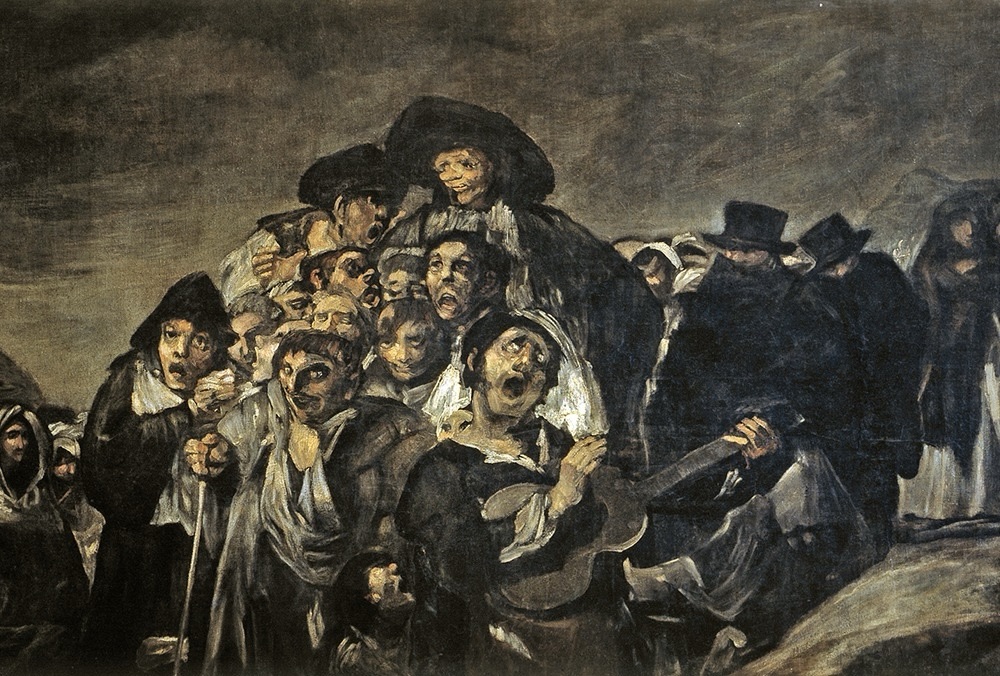
In the spirit of remembrance, they read the list of names of former students of the school who lost their lives in the two world wars in front of the war memorial yesterday. All of the numbered fallen had one thing in common: not a single one had died on the field of battle. Died in a collision during training. Run over by a lorry near base camp. Killed by an explosive during a training exercise. Shot down by friendly anti-aircraft fire after returning from a successful mission. The senseless waste of war was never more plain. When I was younger I had the morbid suspicion I would see another such great war in my lifetime. It was only ever a whimsy, but these days I am not so sure.

Some of the students were dressed in their military uniform. I had a grim vision of a towering cenotaph. Etched into the cold marble slab were names from every corner of the globe. I hope it does not come to that.


On closer inspection, my little oak has not lost everything. Not yet. A few golden leaves have held onto life, a full fortnight after the rest bowed to the inevitable. It just so happens that they are growing on the branch that reaches closest to the light. I wonder if that is what is keeping them alive.

We can’t give up hope. Hope is one of the things that makes us human. As winter draws near and the world darkens a little more every day, remember to hold on to the light in whatever form that takes for you. It is a warm and precious thing. BB x

Tiny Wings

3rd October, 10.40pm. The Flat

The October half term holiday came to a rather unorthodox end this evening with a last minute trip into town to catch a talk by celebrated English nature-writer, John Lewis-Stempel, on his latest release: England: A Natural History. It isn’t every day you get to meet people who you have grown up reading, and as this is a year for saying yes to things, why not? I came away with a signed copy and a really interesting chat with the author about the importance of names – not just the scientific names of the animals and plants around us, mind, but the old English names that are disappearing even faster than some of the creatures themselves: you might have heard of a peewit or yaffle, or possibly even a dumbledore, but would you know a bumbarrel or cuddy bear* if they were sitting in a tree in your garden? (Answers at the end!)


I’m feeling much recharged after ten days’ leave. These boarding school terms really do knock the stuffing out of you, though as I like to say, I’m happiest when I’m up to my eyeballs – it leaves less time for dwelling on things. I left it a little late for any far-flung adventures this year, but I did make it to Dartmoor a few nights back, taking advantage of the last few days of the public bus service that crosses the moors before they shut down over the winter.


Why Dartmoor? Possibly because it’s arguably easier to get to by public transport than Exmoor, which is a lot closer, but mainly because I had an insatiable itch to see the legendary Wistman’s Wood, a tiny sliver of temperate rainforest nestled deep in the heart of the national park. It popped up in a number of ghost stories I read a while back and again in Guy Shrubsole’s The Lost Rainforests of Britain. The desire to see that last fragment of the Great Wood that once covered this island ended up pressing against the inside of my skull like Wistman’s own stunted trees.

I was holding out for mist and fog, but I had neither. The weather was actually remarkably pleasant for fickle Dartmoor, so instead of mirk and mystery I was treated to soft clouds and sunlight through the ancient branches; the kind of warm glow that Tolkien bestowed for a moment upon Fangorn Forest, an ancient wood of his own design. Did he pass through here, I wonder? His faithful illustrator Alan Lee certainly must have done at some point.


Just as it sits in a valley in the innermost chamber of Dartmoor’s heart, so too is Wistman’s Wood at the heart of much of Dartmoor’s folklore. It is said to be haunted by the spirit of a terrier who can still be heard scampering through the boulders, while by night it is prowled by the far more sinister wisht hounds, a local variant of the hell-hound myth that can be found across the British Isles, from the gytrash and Barghest to the Beast of Bodmin. The wisht hounds were believed to be kennelled in Wistman’s Wood by Old Crockern himself, the ancient pagan spirit of the moor whose foreboding tor rides the crest of the hills a short distance to the west of the woods.

There were no malevolent spirits during my brief stay, of course – at least, none that I could see from my perch atop a boulder on the fringes of the forest (visitors are no longer allowed to enter the wood proper, so as to protect the longevity of this sacred and truly unique ecosystem). But that is not to say the place was lifeless: quite the contrary, in fact. There was no wind, but the trees were alive with rustling leaves that turned out to be the beating of tiny wings. In the space of a single minute I clocked three species of tit (blue, great and coal), blackbirds, redwings, wrens, robins, tiny treecreepers and the truly pint-sized goldcrest, our smallest native bird. I haven’t seen a forest so alive in a long time. Even the air itself felt different, a fact that would have been obvious to all but the senseless by the thick, mossy lichen growing on every surface, a perfect natural yardstick for a healthy forest.


I spent the next five hours or so wandering in a wide arc around the surrounding moorland, following a rather makeshift path swiped from the internet the night before. I haven’t hiked around Dartmoor since I was at primary school, so I’d forgotten that, up on the moors, river crossings are often not bridges but rows of stepping stones. Which are a delightful challenge in balmy summer weather, no doubt, but something of a roadblock after the first heavy rains of autumn. I made the tactical decision to not tempt fate and so I took off boots, rolled my trousers up to my knees and waded across.

I hardly need to point out that Dartmoor’s rivers are devilishly chilly – and surprisingly deep. I was just shy of the other bank when the water came almost up to my waist. Thank goodness I’d brought a spare pair of trousers, or I’d have had a very wet hike back to the inn!


Luckily, as I crested the hills due south of Two Bridges, the sun came out to guide me home. It seemed to turn the grass to gold, in a wave that washed down the hillside until I was stranded in an ocean of golden blades. I straggled up to the Crock of Gold, a small stone-strewn vantage point where, as if on cue, a shining rainbow daubed itself across the grey sky to the north. No leprechauns on this occasion, but I got my gold one way or another.


Well, I’d better put down my proverbial pen and get some sleep. Back to work tomorrow, and another busy term awaits! BB x

*Bravo for holding out for the answers! A peewit is of course a lapwing, a yaffle is a green woodpecker and a dumbledore is a bumblebee, while cuddy bear and bumbarrel are old English names for the wren and long-tailed tit respectively! Go figure!