On the Road Again

I’ve got my third driving lesson of the summer this afternoon. They’re not going too badly, considering I had a three month hiatus after my last instructor was rushed to hospital, forcing me to cancel just two weeks shy of my test. I wouldn’t say I’m test ready, by any stretch of the imagination, but it’s becoming more natural behind the wheel, and I’m hopeful that I will be on the road in wheels of my own before the end of my thirtieth year. That’s the goal, anyway.

Cruising around the unfamiliar roads of Somerset had me thinking about the freedom I will have with a car of my own. It’s the thing people tend to point out time and again when the subject of getting my driver’s licence comes up in conversation, but it’s honestly not something I think about all that often. Which is absurd, because when I do have the chance to get out and explore, I know I’ll be out most weekends if I can, especially in this wild and sometimes desolate corner of the British Isles. With Exmoor, Dartmoor and the Jurassic Coast on my doorstep, I’d be a fool not to.

I’ve been on a number of grand road trips over the course of my travels, and I thought I’d use some old photos as a launch to reminisce about a few of them: snapshots, if you will, of great adventures.

1. The Badia, Jordan. 3rd July 2015: 10:56am


At the end of my first week living in Jordan back in that sweltering summer of 2015, a couple of Dutch students from my language school, Bern and Marco, hired a van and offered to take a group of us out into the Eastern Desert, also known as the Badia, on a Jordanian road trip. It was a bit of a squeeze, fitting ten of us and our supplies into the damned thing, but it allowed us to see more of the country than the public transport system ever could.

Something that strikes you immediately about the Badia is how empty it is. The desert itself is vast, covering more than 72,000km. That’s larger than the Republic of Ireland, and it’s actually only a fraction of the greater Syrian Desert. Highway 40, the road that connects the oasis city of Azraq to the capital Amman, is a largely featureless drive across the edge of the Harrat as-Sham, often translated as the Black Desert. It is no misnomer. Forget your childish images of rolling sand dunes and palm trees. The Black Desert is an immense expanse of flat, black rock, stretching as far as the eye can see in all directions. The silence is almost as oppressive as the heat. One of my American friends, the enigmatic Washingtonian Mackenzie, used to play a game on the road, Camel or Human, every time something larger than a boulder appeared on the horizon. Usually it was a camel, but just every so often we’d pass a wanderer on the road, miles away from everything and everyone. Not exactly a forgiving place to break down.

2. Reinosa, Spain. 21st February 2016: 11.46am


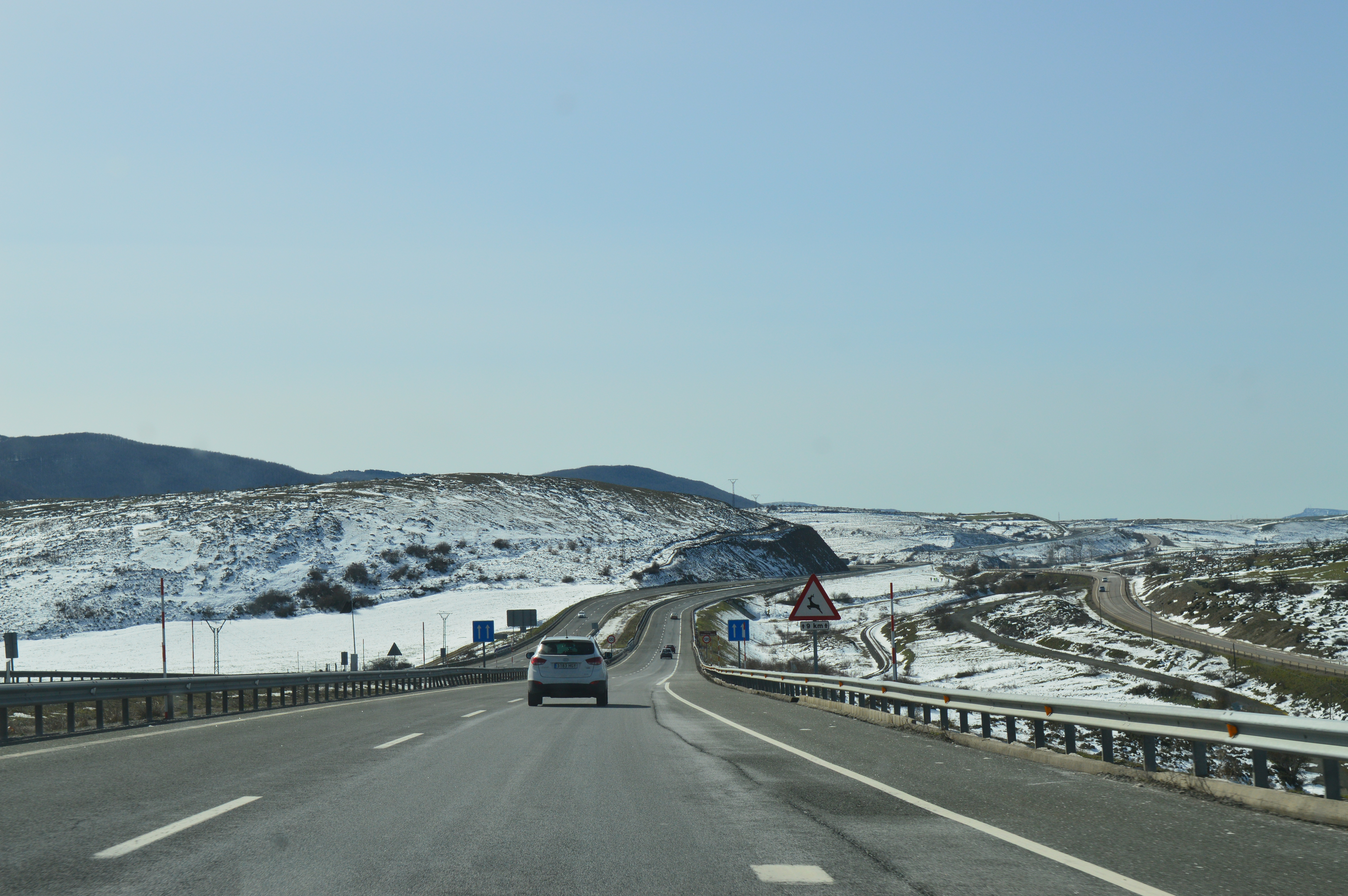
I used a variety of methods to travel around Spain when I lived out there: the carshare app BlaBlaCar, the short-distance Extremadura bus firm LEDA and, latterly, the superb train network RENFE. For the longest journeys I leaned heavily on ALSA, Spain’s answer to National Express. Cheap and efficient, provided you had time to spare, they serve most of Spain’s larger cities and provided a very reliable means of getting around. I took the bus one wintry weekend to see my friend Kate up in Cantabria. It was a ten-hour journey – not for those who get bored or travel-sick – but it does take you through some of Spain’s most breath-taking natural beauty: the wild steppe of Cáceres, the cherry-blossom valleys of Plasencia, the high meseta of Old Castile and the snow-covered mountains of the Cordillera Cantábrica. Driving from south to north across Spain, you really do feel as though you have arrived in a totally different country when you step out of the car at the end of the day.

I hitched a ride south to get home with a friendly student who was heading back to Algeciras after visiting family in Santander. At over 1,000km, it’s probably one of the longest drives you can do in the country. Luckily for me, Villafranca de los Barros was on his way home. In a year where I hardly saw any snow – and where Durham got some of its best in a decade – it was spellbinding to see the northern reaches of Castile covered in a heavy blanket of snow and ice. I’ll have to come back and explore someday.

3. Piste 1507, Morocco. 20th March 2015. 11.45am


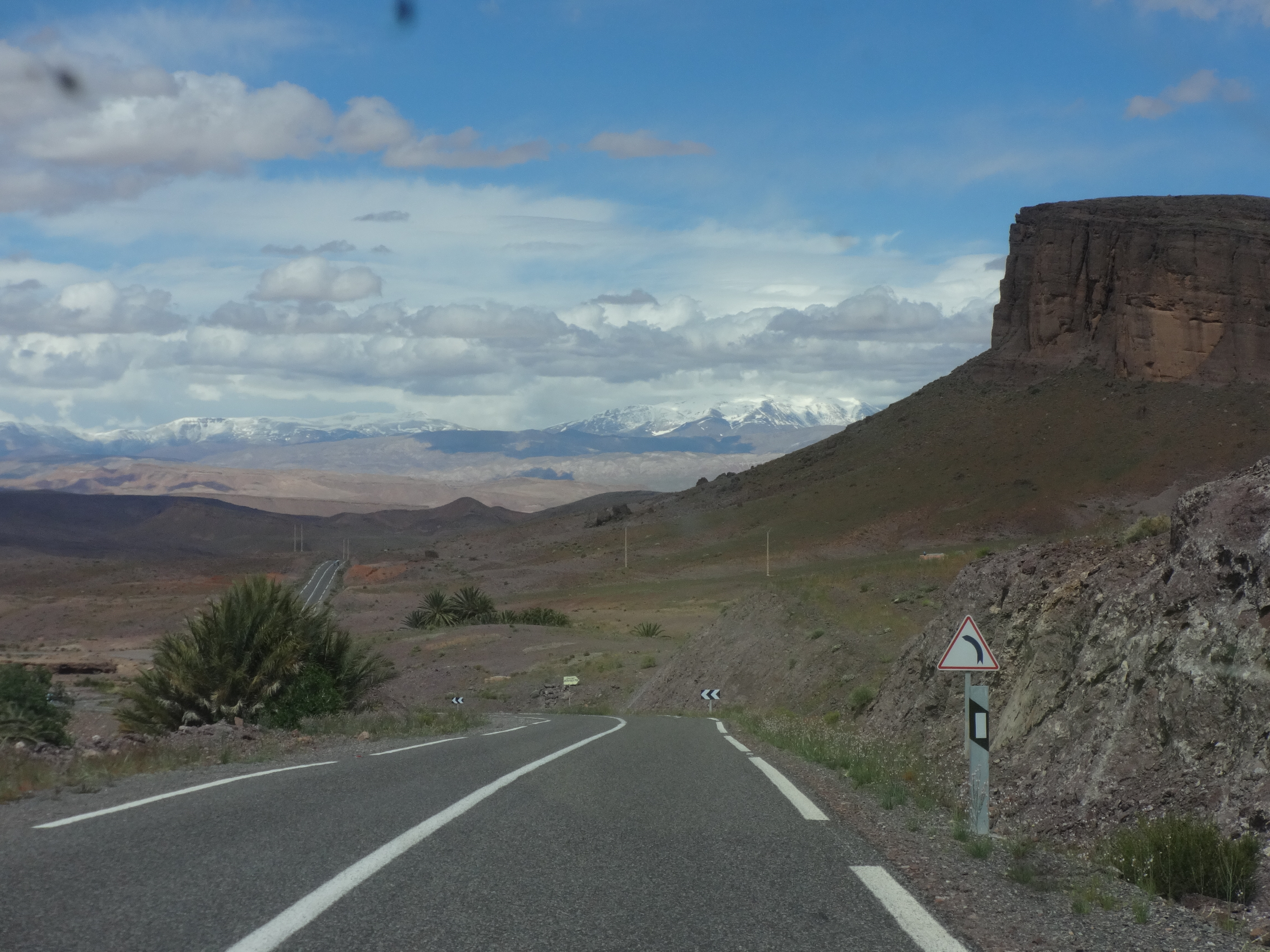
Another marathon road trip, and one of the most bizarre. My friend Archie and I hailed a grand taxi in Oulad Berhil for Ouarzazate, a desert town famous for being the location of choice for a number of movie studios who require a desert theme in a relatively safe location (including blockbusters like The Mummy and Gladitator). Our taxi driver, Ibrahim – whose name I only discerned from the badge on his windshield – was quite possibly the grouchiest, least sociable character I have ever encountered on my travels. Over the course of a three-and-a-half-hour drive across the rugged mountain valleys of Drâa-Tafilalet, he never said a word, despite our intermittent attempts to engage him in conversation. Perhaps he found us tiresome, or perhaps he was cooking up the plan he would later carry out to quintuple the price we had agreed back in Oulad Berhil, safe in the knowledge that Archie’s rucksack (and passport) was locked up in the boot of his car. I’ll never know. Archie fell asleep for much of the trek, but I spent the greater part of it with my eyes glued to the window, watching the world beyond sail past. I love road trips for that. I don’t think I could ever get tired of seeing the world.

4. Interstate 65, Alabama, 3rd July 2024. 7.40pm


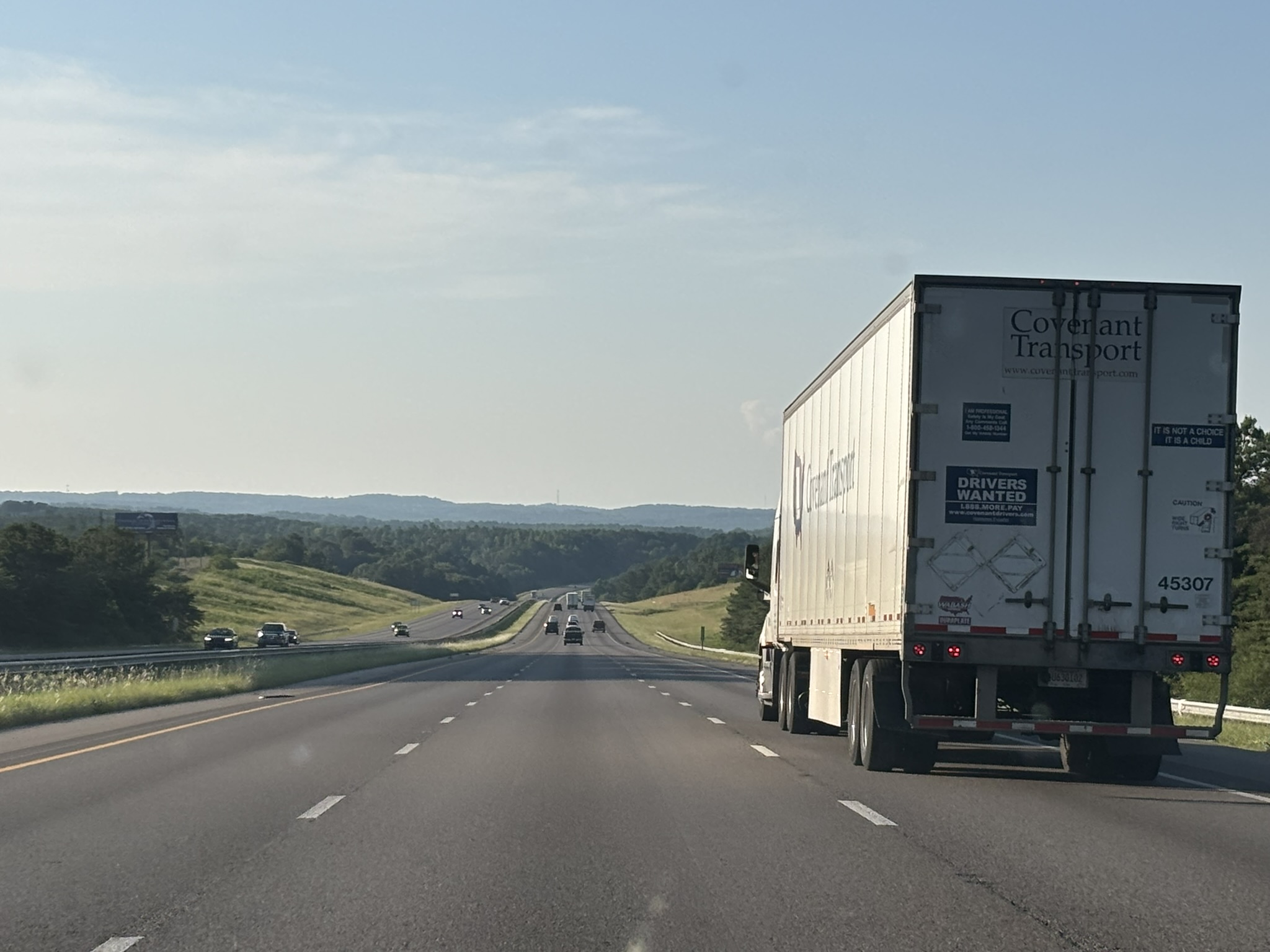
It’s one number shy of Route 66, but it was a phenomenal introduction to the American road trip. The highway in question travels north from Mobile on the south coast of Alabama all the way up to the shores of Lake Michigan in Gary, Indiana. I was only on the road for a fraction of it, from Birmingham up to Huntsville, but it was enough to make my eyes pop. Squashed armadillos, discarded tyre tracks and billboards were features I had anticipated to some degree, but the forests… I don’t think I was aware at all of just how forested North America truly was. The history books and the movies give the impression that most of the great tracts of forest were cut down, but in the American South – especially in the foothills of Appalachians – they go on for mile after mile, stretching across the land like an immense green carpet. The highways just cut right through them, dynamiting their way through hill and mountain as though they were merely molehills.

If I’d known how painful the destination would prove, would I have still made that journey?

Absolutely. Without a second’s hesitation. Some things are worth burning for. Some things are worth traveling all around the world to see, even if only for a moment in your life.

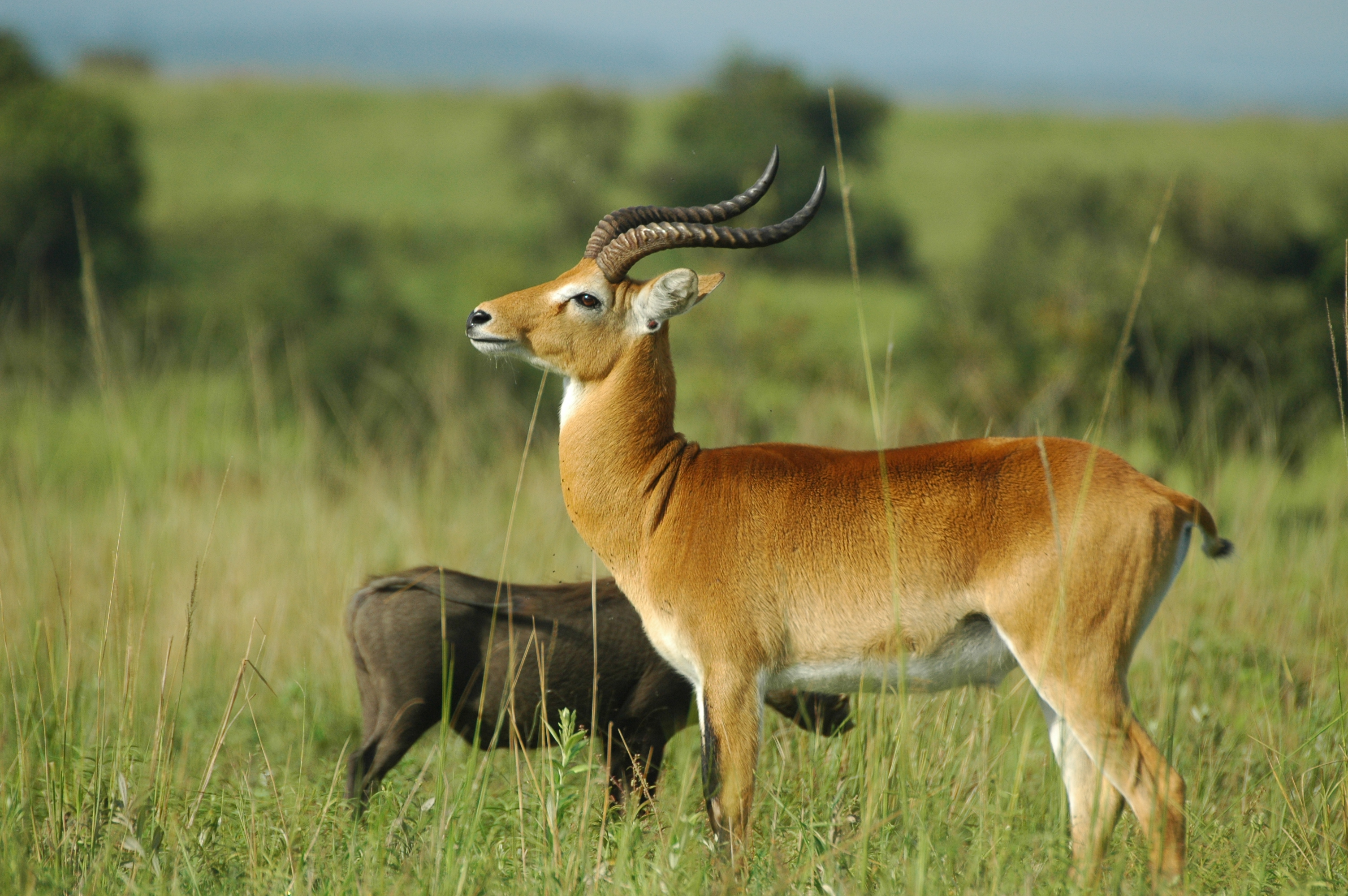
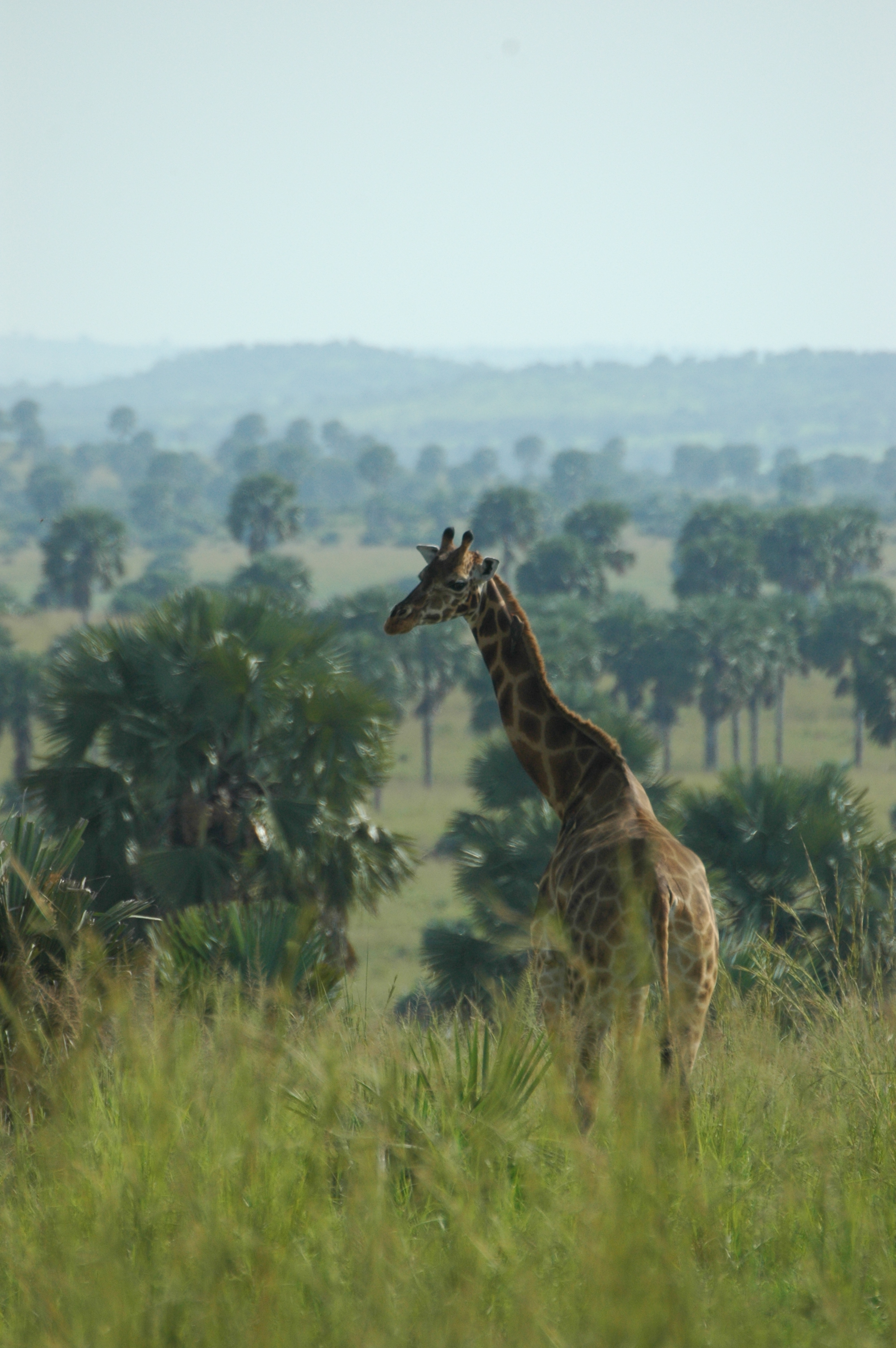
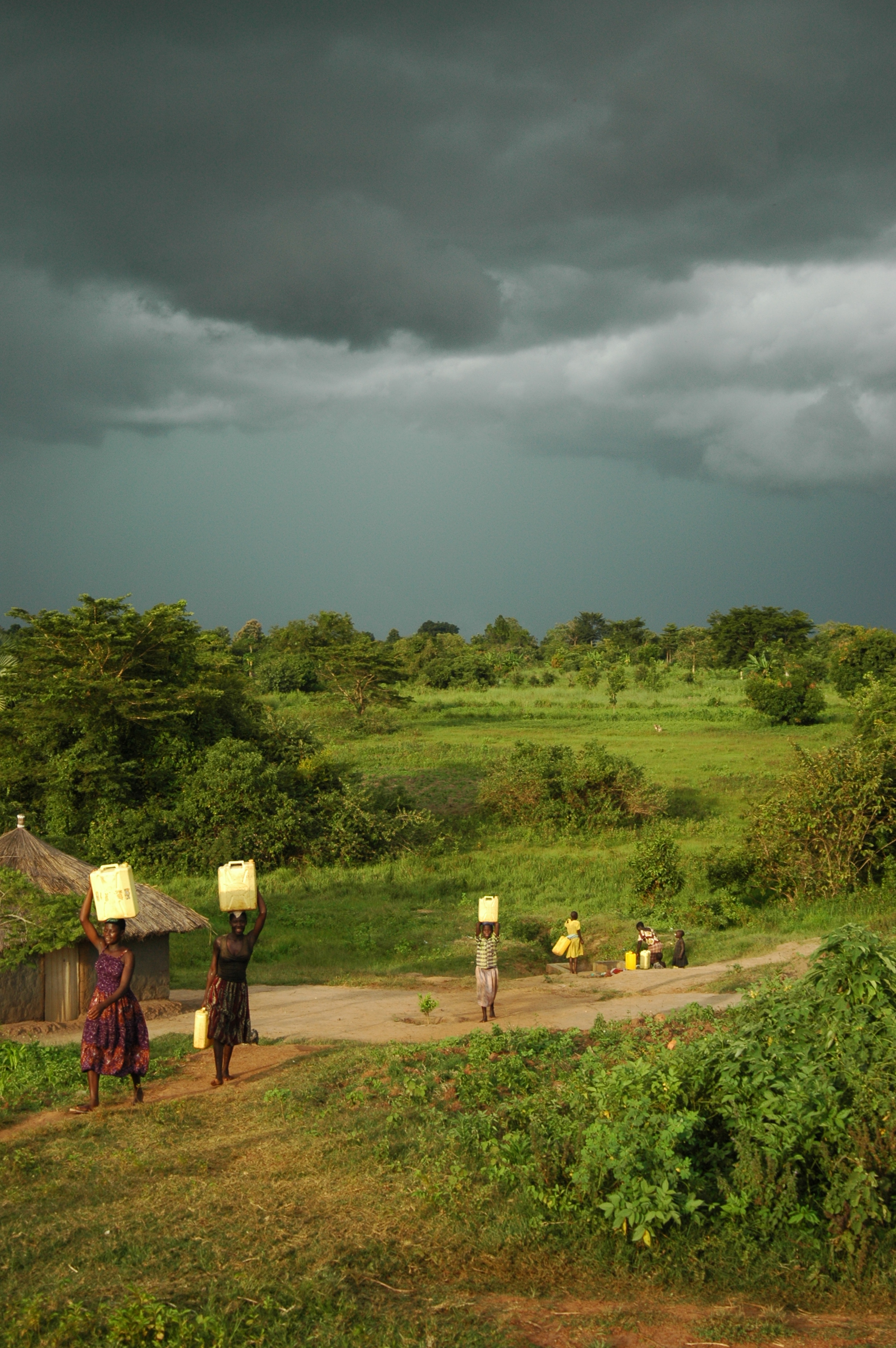
5. Boroboro, Uganda, 11th October 2012. 5.06pm


I thought I’d end this post with what is probably the best photo I’ve ever taken, and one that has a real story behind it.

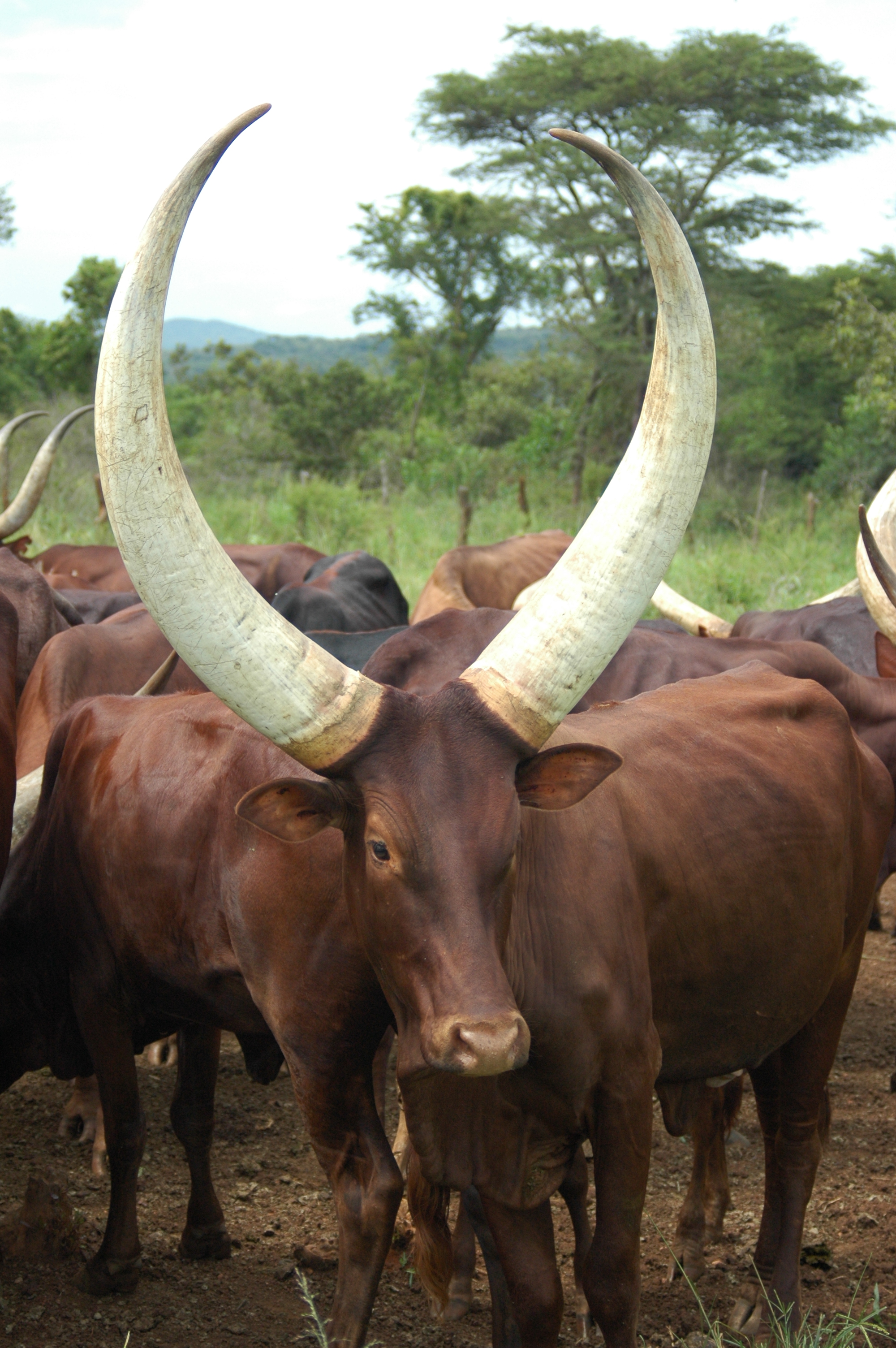
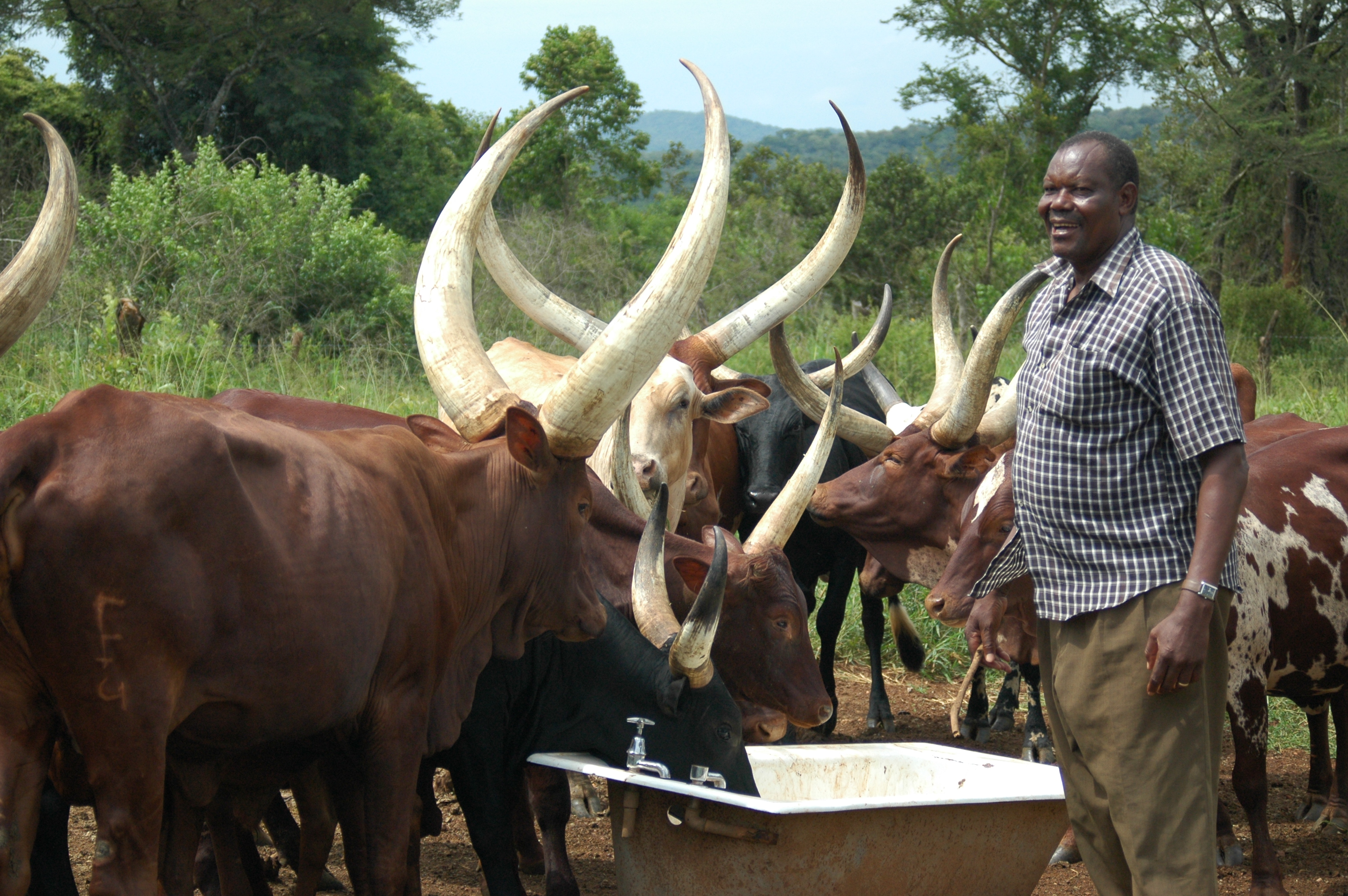
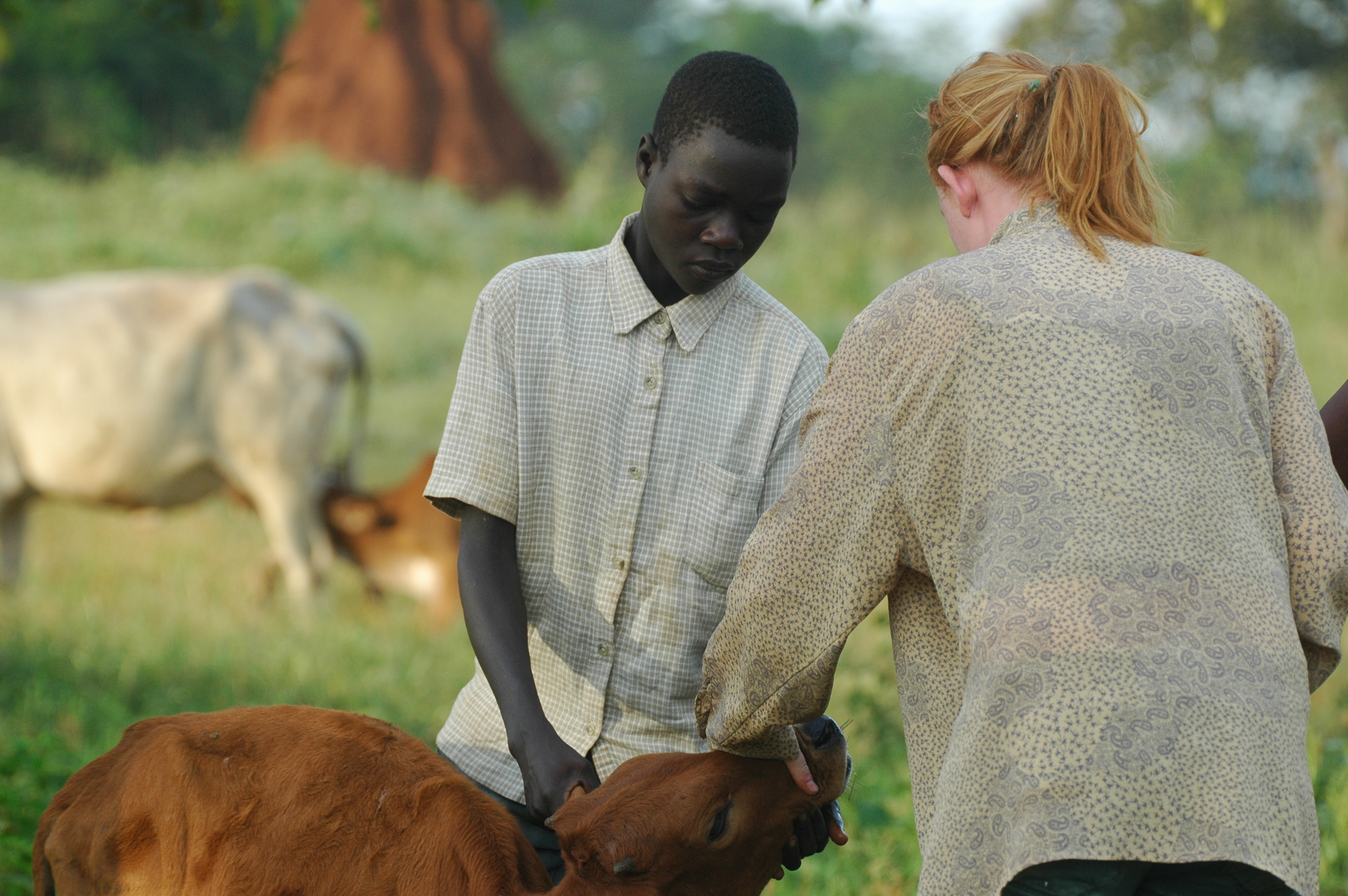
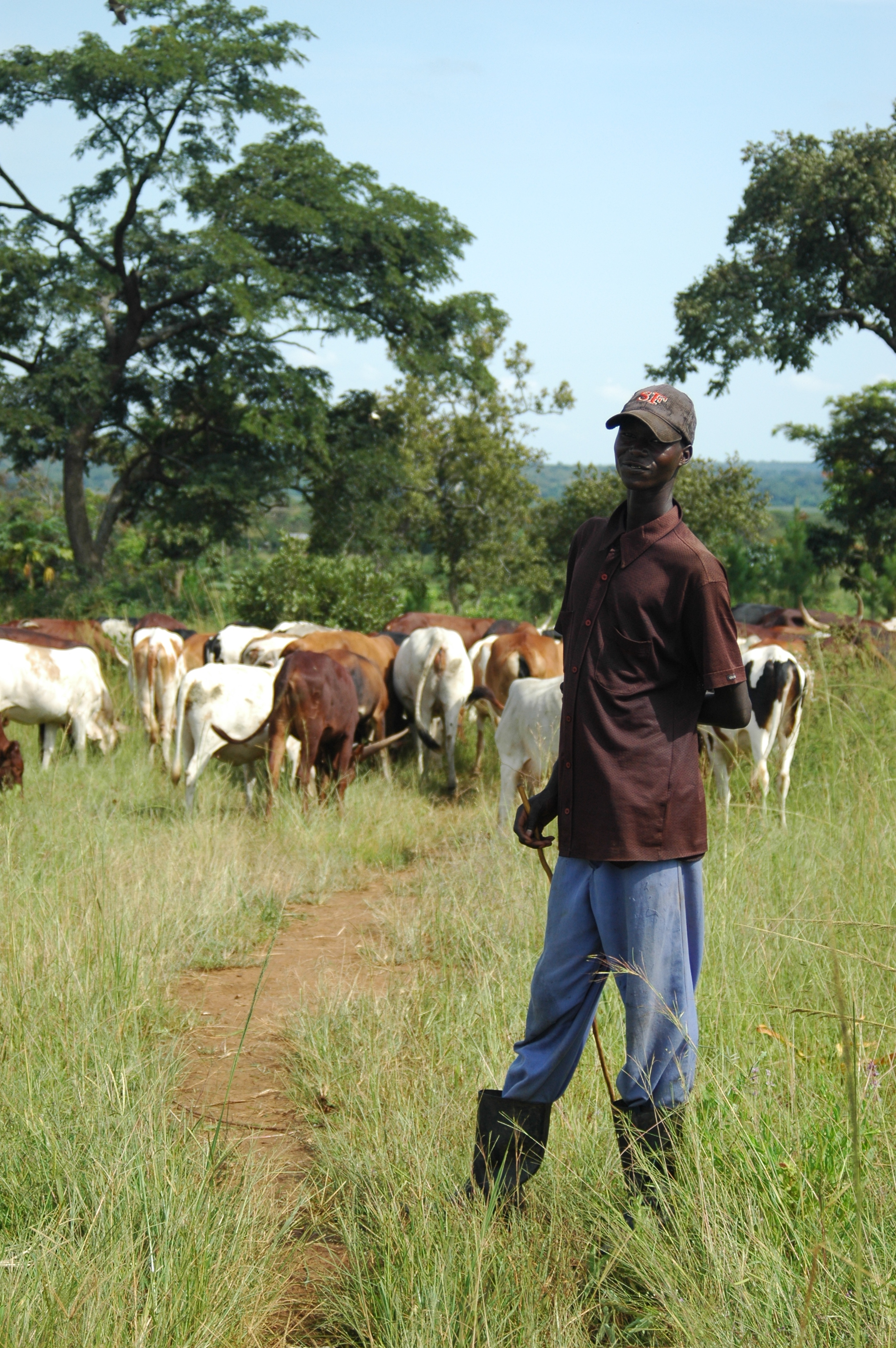
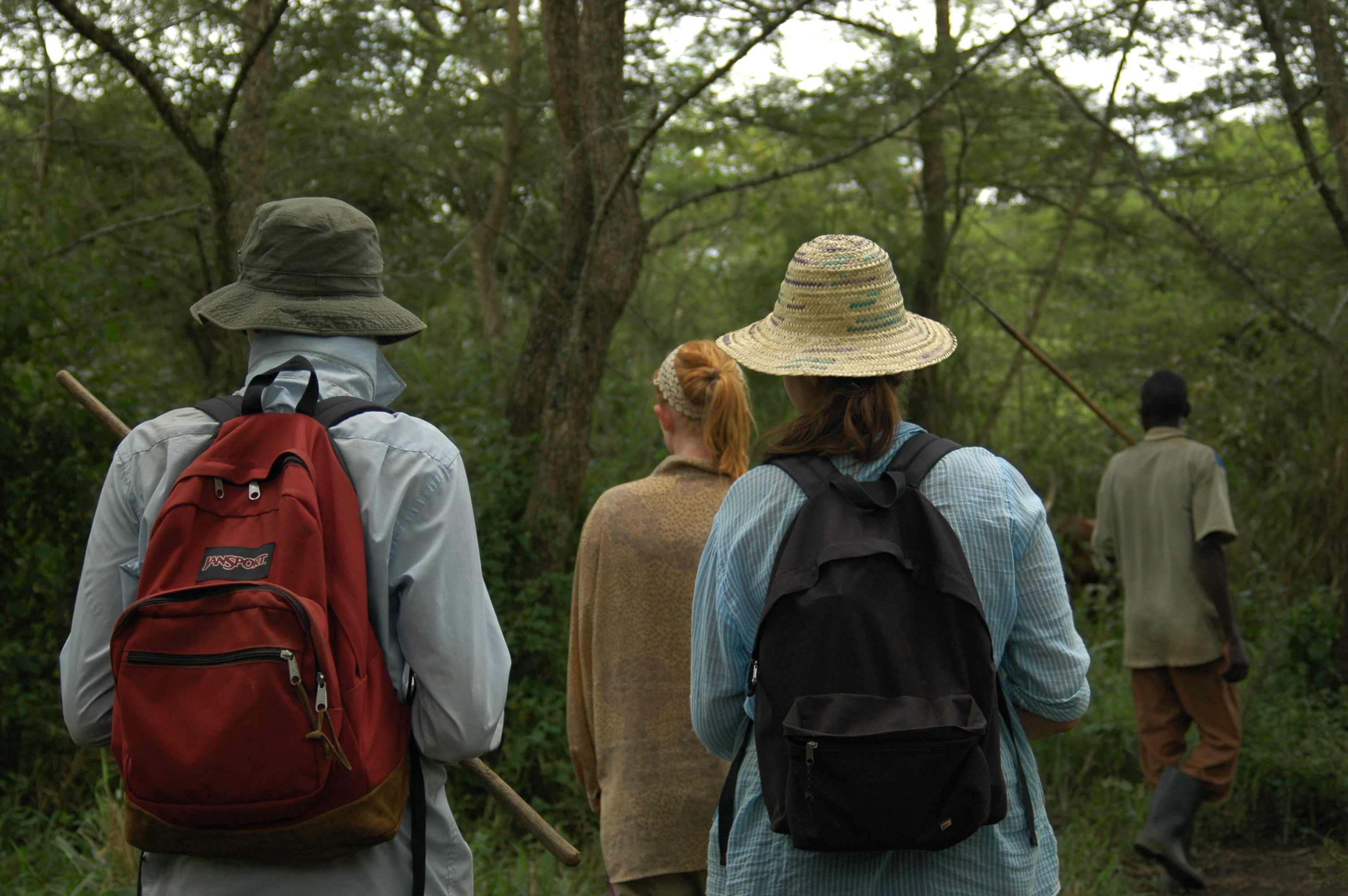
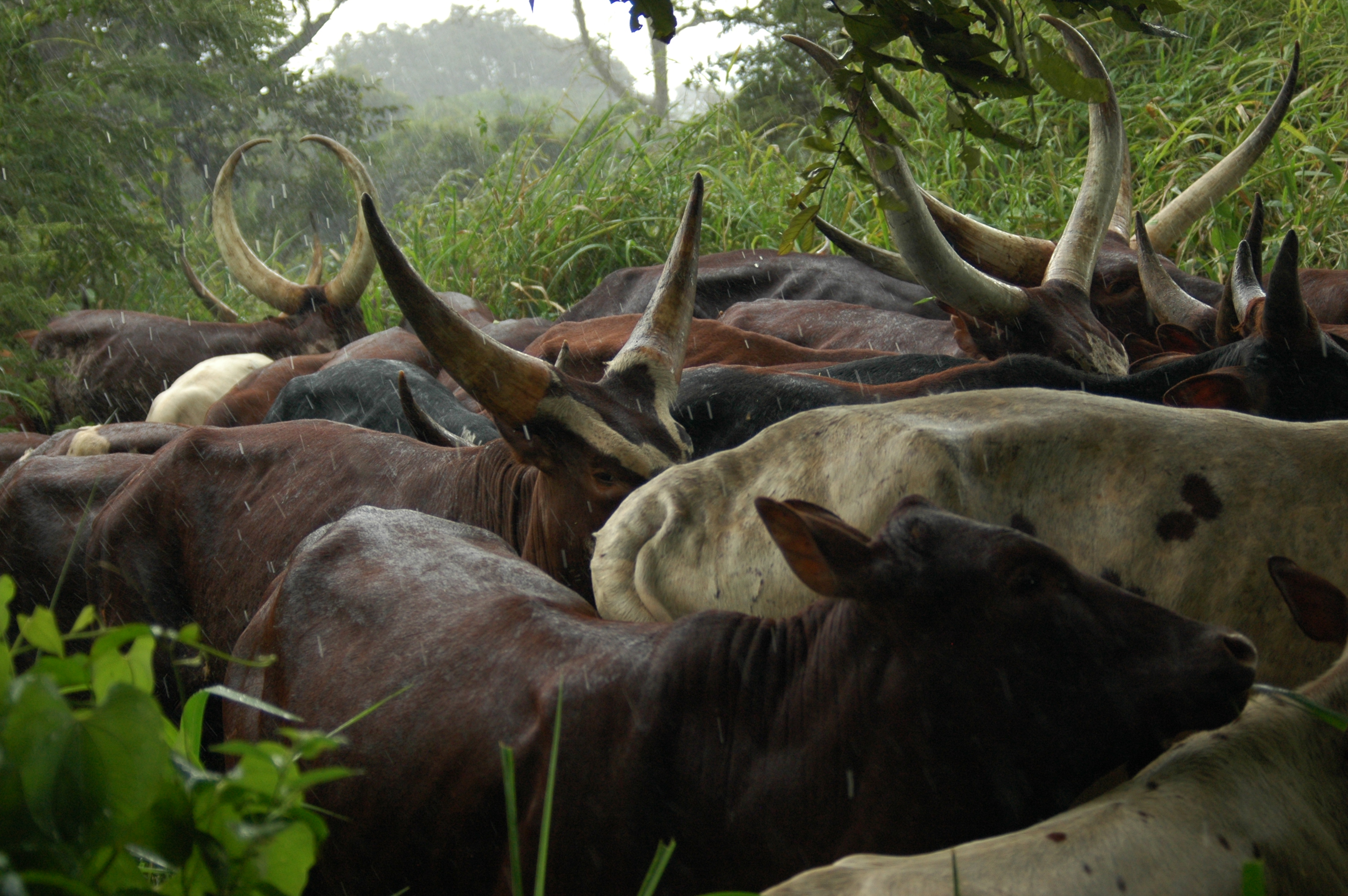
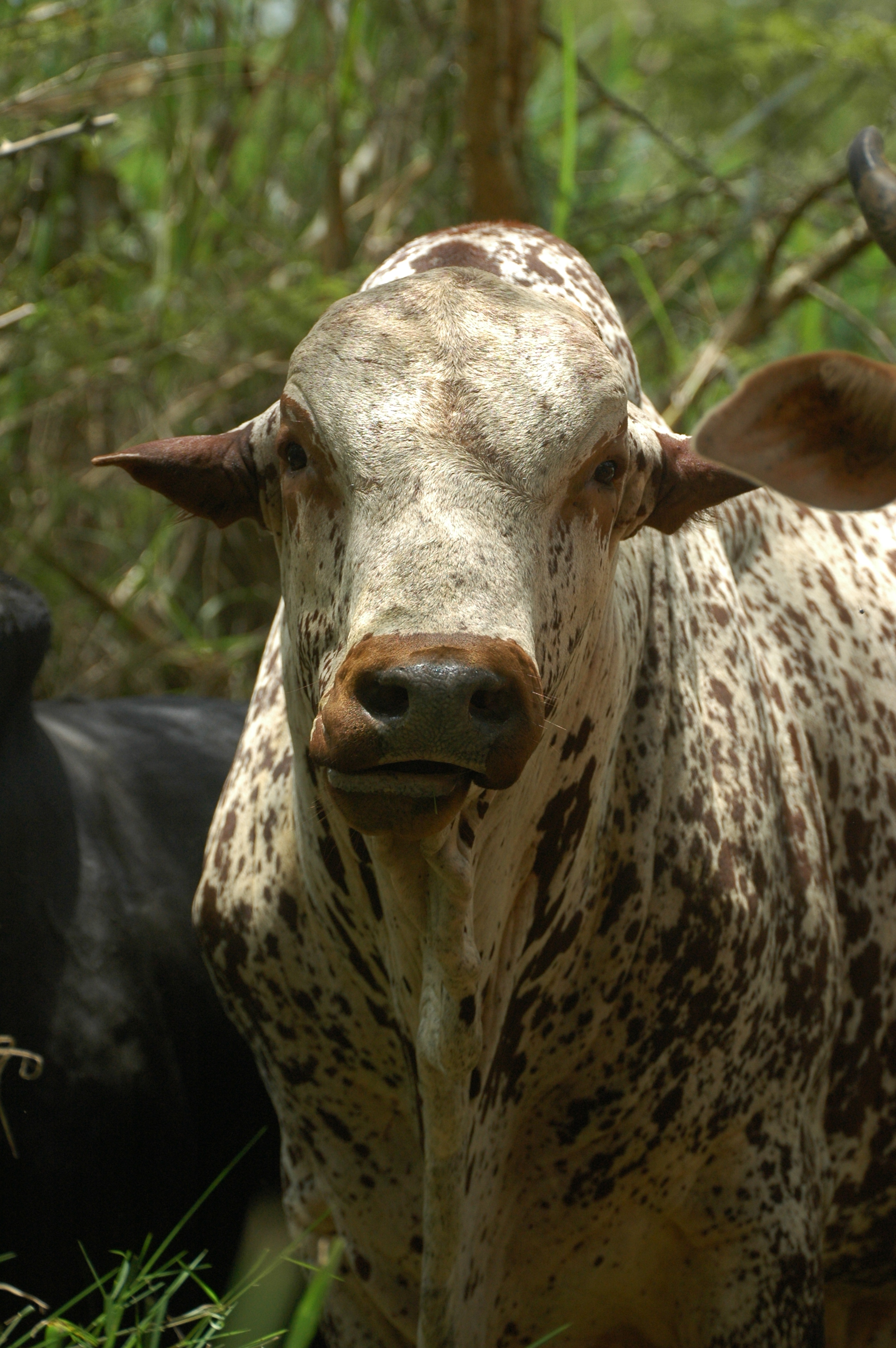
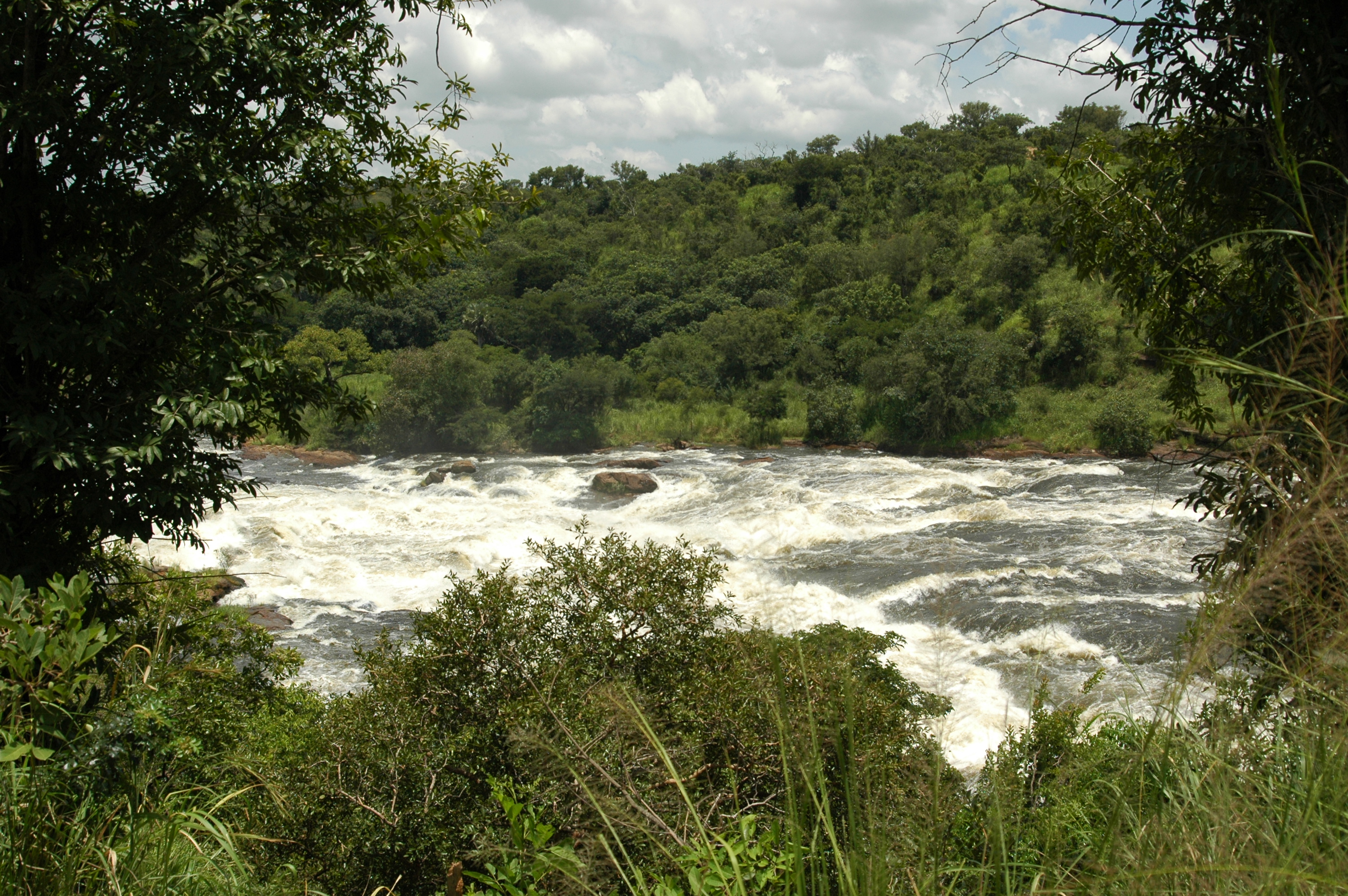
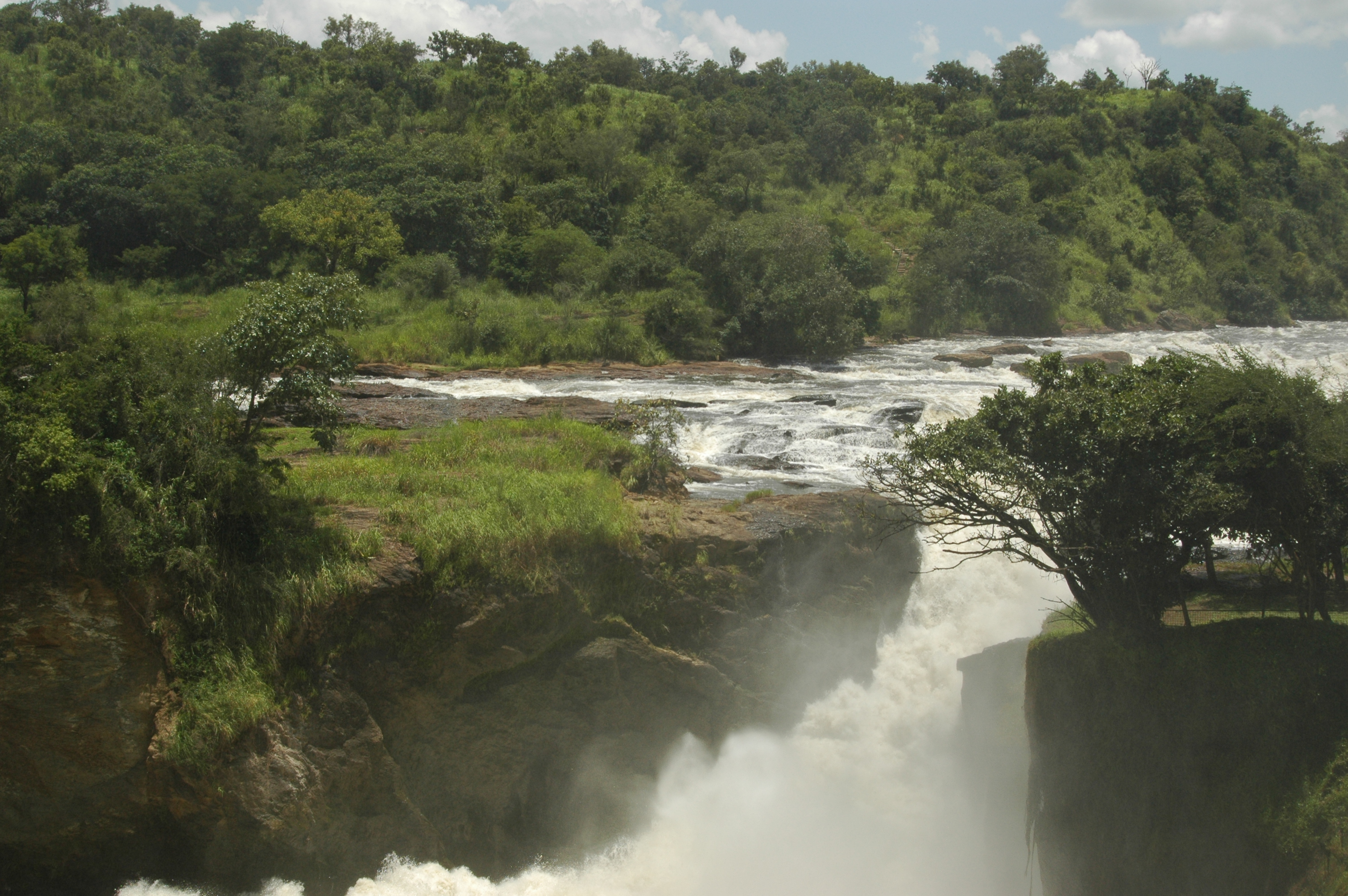
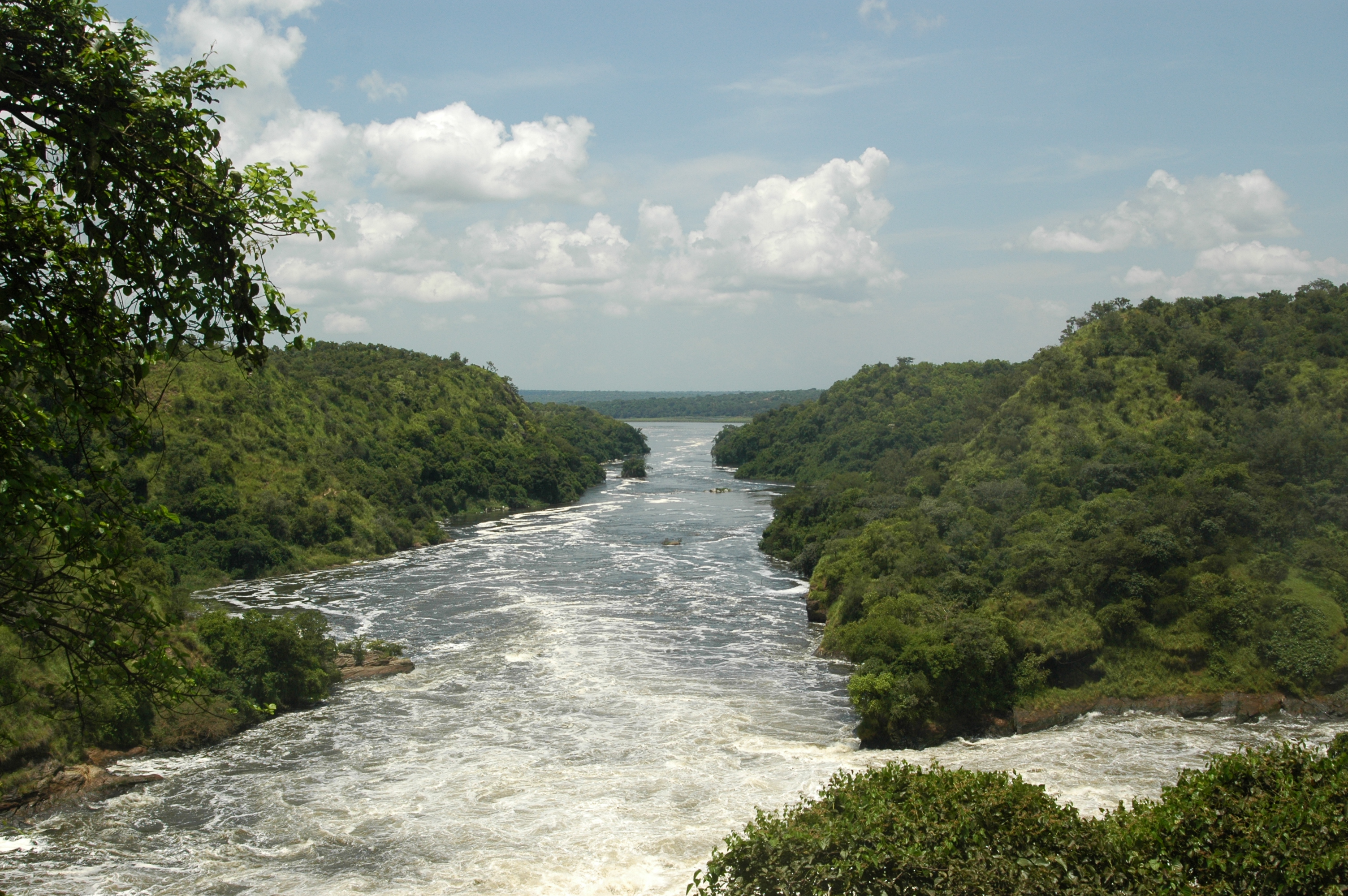
One month into my first teaching post in northern Uganda, I was invited to visit the former headmaster, Mr Ojungu Hudson Luke, on his farm on the banks of the White Nile. It was an incredible experience, herding Uganda’s famous longhorn cattle through the forests and the driving rain, with one of the world’s greatest rivers thundering away in the background, and perhaps I’ll tell you that story and more as the summer draws to a close. On the way home, after three days without access to electricity, my camera was out of charge, bringing my frenetic documentary spree to a standstill. Uganda’s roads can be treacherous and breakdowns are common, and when they do happen, they can be final: I will always remember the graveyard of trucks and lorries between Boroboro and Lira, rotting at the side of the road where they collapsed. Luckily, we made it back to Lira with little trouble, just in time to meet a tropical storm riding in on dark clouds.

The lighting was spectacular: brilliant evening sunshine, heavy, dark clouds, vivid colours all around. Red African soil and a thousand shades of green. Not for the first time in my life, I gave the finger to the sunburn on my skin and rode the last hour of the journey in the back of the truck so that I could see the world with my own eyes. Determined to capture the moment, I took the battery out of my camera and tried to breathe new life into it by rubbing it between my hands and – well – breathing on it. The first roll of thunder came rumbling down just as I pushed the battery back in and bought myself a couple of seconds. With Luke Ojungu still hurtling up the road at quite a pace, I grabbed two shots of the passing countryside from the back of the truck before the camera died.

We were a hundred metres or so from home when a lightning bolt struck a tree just ahead of us, bringing half the trunk down across the telegraph wires, which exploded in a shower of brilliant sparks. We were lucky to avoid any harm, but we soon found out we would be without power for the best part of a week until the electricians came around to fix the problem. It was only after that, with power restored, that I was able to charge my camera and see what I had managed to capture: a beautifully evocative shot of the countryside around Boroboro, lined up almost as though on command. I have it framed in my living room beneath a matching frame of Kanyonyi, the silverback of the mountain gorilla troupe we tracked on that same expedition.

Do stay tuned – I think it might be fun to relive my Ugandan adventures with you, since they predated the blog by some three years! BB x

Article Ten

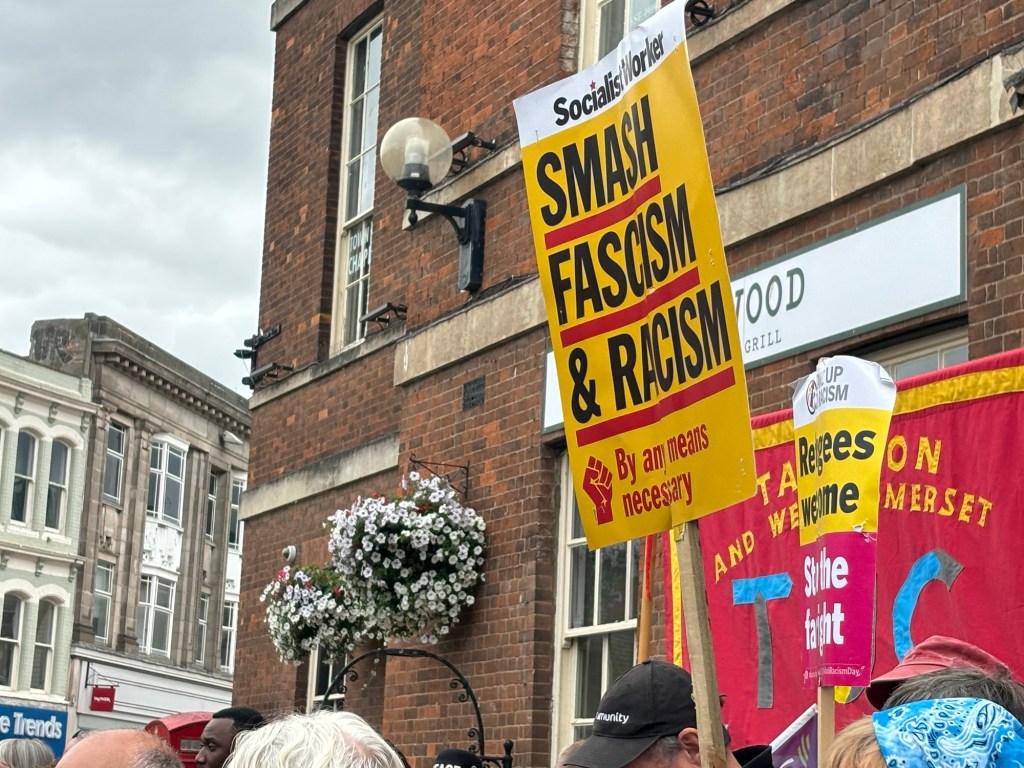
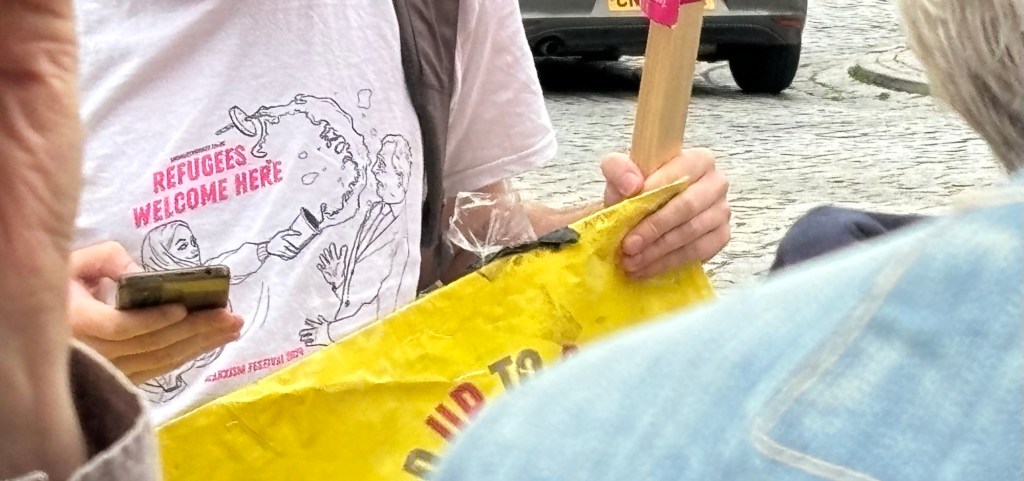
This morning I found myself in Taunton’s market square, standing shoulder-to-shoulder with a branch of the Stand Up To Racism movement, some of whom had come from as far afield as Bristol to head off the rumoured far-right protest that had been brewing here.

It was morbid curiosity that drew me into town, I suppose. My driving instructor inadvertently tipped me off about the planned protest, and the journalist in me wanted to see events unfold for myself rather than trust in the news, which is so very hard to do these days. I had no idea that the rally I would find would be the counter-protest, nor had I planned to join in, but curiosity turned into a burning sense that the right thing to do, the right place to be, was there with the peace rally.

My great-grandparents, Mateo and Mercedes, had little love for the fascist regime under Franco. My bisabuela went to the grave convinced that the state had murdered her husband on the operating table, as his Marxist beliefs were well-known. So in a way, it felt like carrying on their work, standing up to fascism, even in a small way, some seventy years after Mateo’s demise.


Trade unionists. Socialists. Artists. Refugees. Doctors, policewomen, teachers. English, German, Indian, Cameroonian, Brazilian. Shouts of Whose streets? Our streets! Representatives from other movements jumped aboard: Black Lives Matter and Free Palestine joined the fray. Some of the speakers pulled the rally in different directions: frustration against the super-rich coorporations, against Sunak, Patel and Braverman, against the police (who, credit where credit is due, had sent a small detachment to protect the rally today, so that last speaker’s targeting was poorly judged). I couldn’t help but be reminded of Orwell’s experience in Catalunya during the Civil War, however, with so many factions within the Republican camp and our own. If the opposition did come to meet us in force, theirs would be a militia to our band of mercenaries.

The minutes turned to hours, and the opposing force that were supposed to be marching on Market Square failed to materialise. A police officer let us know that the mustering point in Hamilton Park was still empty at one o’clock, when they were supposed to have gathered in force, and a cheer went up from the crowd. An elderly Indian man embraced everyone around him, gleefully repeating “We did it! We scared them off!”.

Scared is probably the wrong word. You can’t quell that kind of resentment that easily. They also weren’t entirely invisible this morning: an armoured car sporting four Union Jacks and a large gun mounted on the roof did make three threatening laps of the square towards the start of the rally, its driver staring at us with hostile, wordless eyes, before the police chased him off. I should be grateful that’s the closest we got to any kind of danger.


I confess I don’t exercise my civil right to protest nearly as much as I should. Going to a protest in London always felt dangerous, and just getting there and back was easier said than done, what with Thameslink and Southern Rail experiencing eternal delays. So it’s nice to be able to do my part here in Taunton, while I still have time and energy to spare.

It’s now after 4pm. The Avon and Somerset police issued a statement half an hour ago that the planned protest never did take place. They also counted us – at its peak, there were sixty of us in the square, beating back the prejudice and the hate with words alone. It’s a small victory, but if such a thing can be repeated nationwide, we will have made these islands a friendlier place for those who come here to seek their destiny.

To paraphrase one of the speakers today, immigrants are the backbone of our NHS, but they prop up the country in so many other ways. They give us new perspectives, open up our small worlds to larger spheres. If we can open our hearts and our minds, we can learn so much from them. The United Kingdom is not just a name, it’s an ideal: a kingdom of people from all walks of life, working together. We are so much the richer for it.

Life doesn’t always take us in the direction we want, but it does have a very good habit of setting us back on the right path in the end. Or, in another writer’s words:

The infinite will of God is always mysterious, mercifully granting us what we need more often than what we want.

Thomas Hoover, Moghul

See you around, folks. BB x

Saudade

SAUDADE – (n.) a deep nostalgic longing for someone or something absent, infused with a melancholic awareness that it may never return.

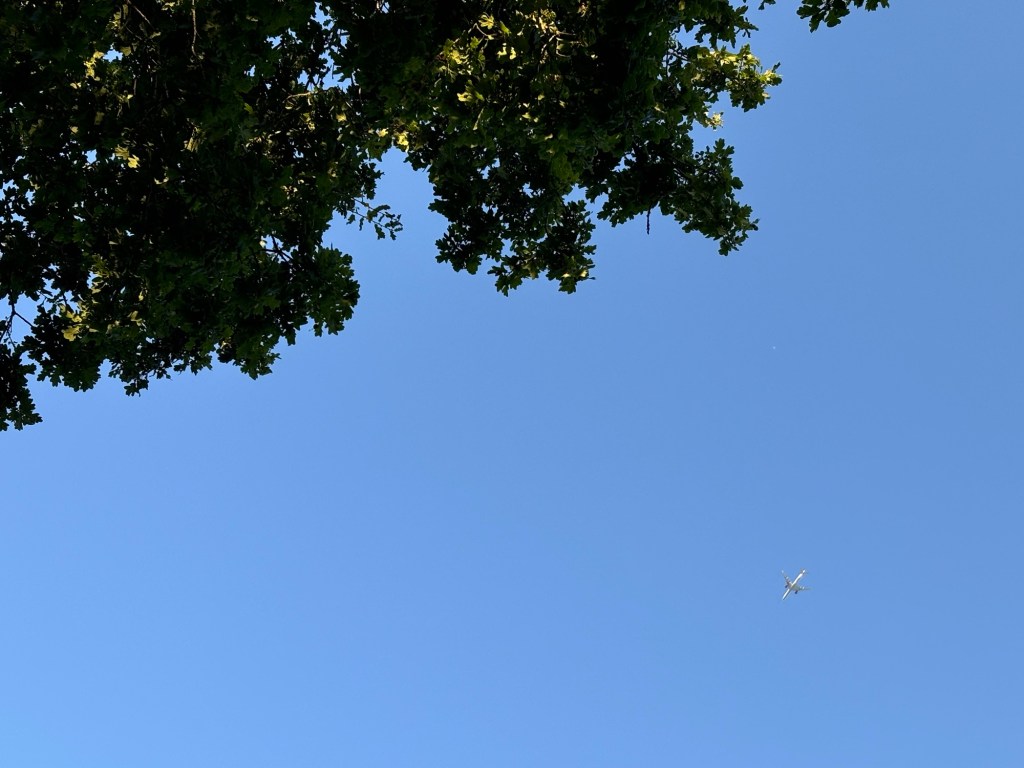
I looked up last night and saw a plane coming in to land at Heathrow. One of the big ones that comes in from across the Atlantic, like the one I flew home on nearly five weeks ago. It made me think of that Monday morning, seeing the sunrise over London, knowing in my head – even if I didn’t want to admit it in my heart – that I had come to the end of a cheery chapter in my life.

A plane like that one brought her here to this cloud-covered island many months ago. I wonder what my summer would have looked like if it hadn’t?


The Portuguese have this wonderful untranslatable expression called ‘saudade’. It’s often taken to mean the feeling of missing someone or somewhere, or more precisely a sense of longing for that thing, but many Portuguese and Brazilians will tell you that it’s a lot more subtle than that. There’s a sense of finality to it, also: an understanding that what you once had may never come back at all, an acceptance of that, but a wistful longing for it all the same. Not the raw kind that breaks you in the days and weeks that follow, but a tempered and reflective sense of nostalgia for what once was and what could have been.

It’s not unique to the Portuguese, but it is especially common in their culture – and perhaps even more so among the Brazilians. It is said that the expression may have evolved during the Age of Discoveries, when the wives of the great explorers of the day bade farewell to their husbands and lovers as they set out for the Americas (how ironic) knowing full well that they may never see them again, and that if they did, they would return as changed men.

Among the Brazilians, it has taken on the sense of a nostalgia for a lost future: a golden country that never was. The American dream isn’t just limited to the States – a shard of it can be found embedded like a splinter in the subconscious of all the descendants of the colonists, I believe. Why else should they have made such a journey if not in hope of a better tomorrow?

I feel that way about Spain, sometimes. Perhaps that’s the generational shockwave of my grandfather’s death in his mid-twenties, rippling across the years to the present, an echo of a lost world that could have been. Spain calls to us. It has been calling for sixty years. Come back. Come home. Sometimes you spend hours, days and even weeks waiting for somebody to reply (looking at you, folks on Hinge) without realising that something greater has been waiting for you all the time, if only you knew how to answer.

I have been the architect of my own saudade by choosing to devote my life to gazing upon that dream from afar: teaching Spanish to the English, sharing my love for a country I can only touch a few times a year. It is a test of endurance, to look upon a thing of beauty and not to touch. Spain has always been that thing. It fills me with awe, excitement, a deep-seated admiration and an infectious appreciation for life itself, but a sense of longing all the same, knowing that it is in my heart, but beyond my reach. Like there’s something blocking the way that I can’t see. Perhaps it’s akin to sleeping beside a former lover, after the love has gone.


I wandered through the woods as the sun came down. I think the nightjars have already gone back to Africa – there must be plenty of them around for a local bar to bear the name The Nightjar – but I was followed across the heath by a pair of stonechats. In that year I spent growing up in the Andalusian sierras, that was a sound that accompanied me every weekend on my forays down to the abandoned railway at the foot of the mountain where we lived: a whistle followed by a song like the clash of two small stones.

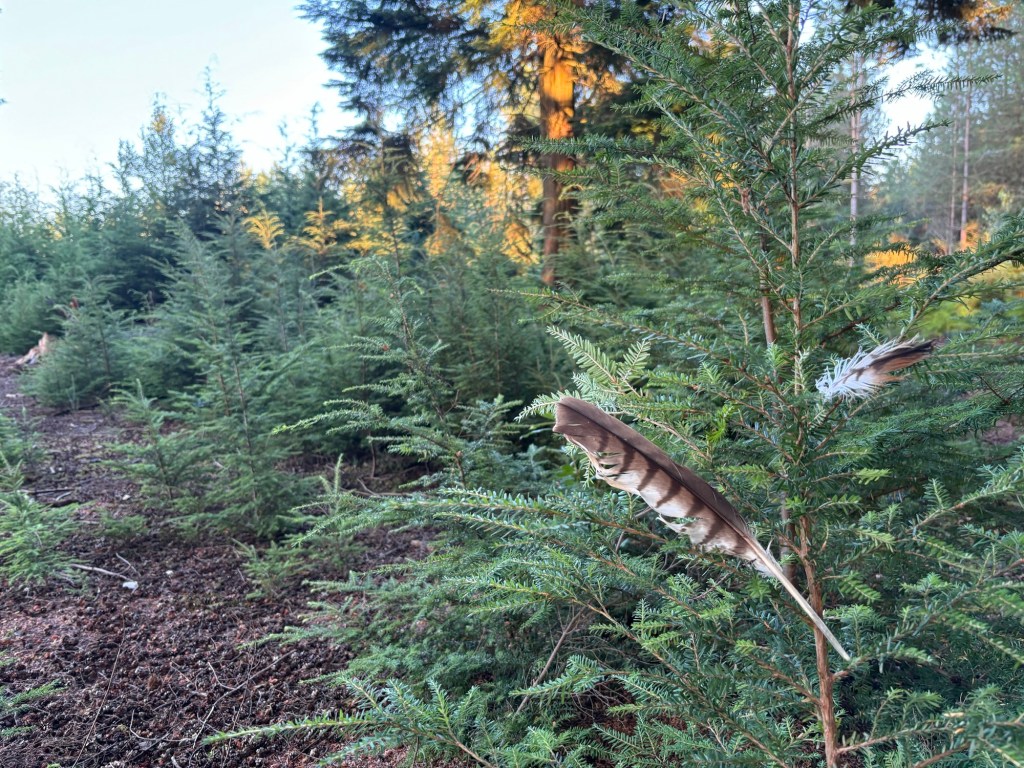
Further in, I found a couple of kite feathers. There are so many in these woods. When I was a child, you would have been lucky to see a buzzard – poison and poor public perception very nearly wiped them out – but now they’re everywhere once again. The red kites that once quartered the streets of London before their extirpation in the 19th century have also come back with a bang, and their feathers turn up in the forest quite regularly. I left some in a small tree for another person to find – some bright-eyed kid like me, perhaps, who might take them home as a treasure. Something they can look back on in years to come, and remember the day, remember the smell of the forest, remember the one who took them there by the hand – the feel of their hand, the sunlight in their laugh. I’d like to think that. BB x


Before the Storm

Three weeks of the summer holidays remain, which I must now try to fill somehow. Yesterday I went up to Bristol – for better shopping, primarily, but also because I’d never been, and there’s at least a couple of things in this city that I wanted to achieve: a new suit for work, and a close encounter with arguably one of the most famous statues in the country.


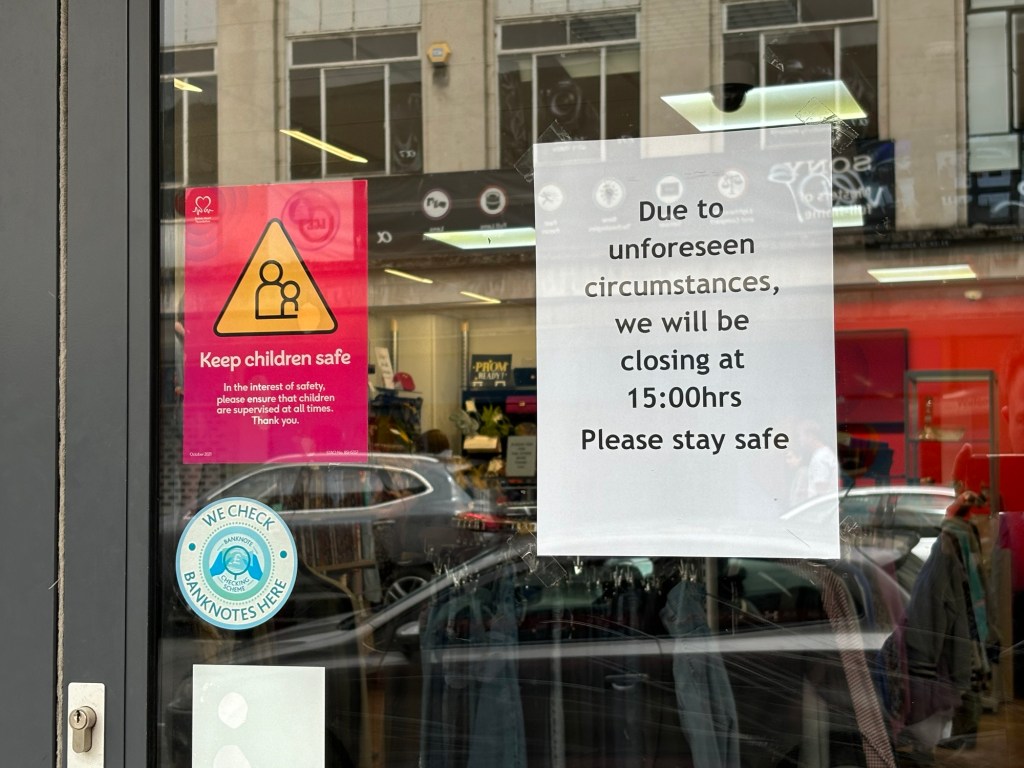
Bristol was not as busy as I expected, but then, with all this talk of protest in the air, perhaps that’s not surprising. Despite the official line from the police to the contrary, at least two shopkeepers warned me to get out of town before 6pm. They said that a mob was being gathered online to march on an immigration legal aid firm in the Old Market district, not more than five minutes or so from Bristol Temple Meads Station. I passed several shops with signs in the windows indicating an early closure, and I saw at least one being boarded up, just in case things got out of hand.

Part of me considered sticking around to see what went down, but for once, the rational part of my brain (which usually plays second-fiddle to the romantic up there) took charge and sent me home. Still, it was quite something to see a city preparing for potentially violent civil unrest, like a quiet siege. It was rather eerie. I’ve never seen anything like it before.

As it happens, there was a protest march that evening – but not the one that was expected. Nearly two thousand anti-racists staged a peaceful counter-protest in Bristol’s Old Market, where the anti-immigration rally was due to take place. My faith in this country has been restored, even if only by a little.


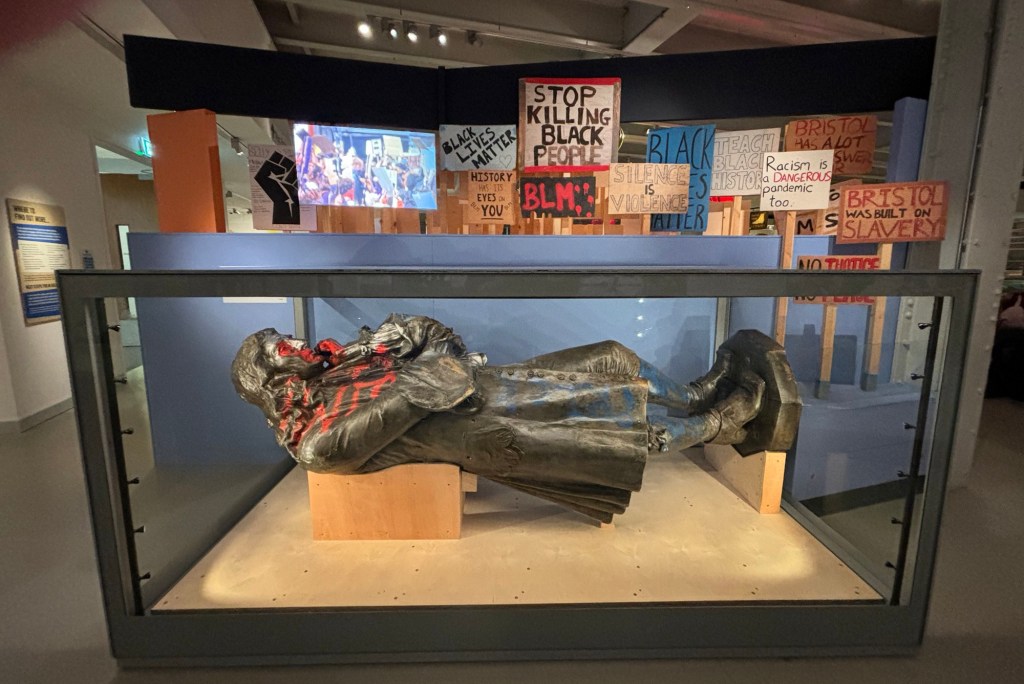
I visited the M Shed Museum in the Bristol dockyards, where the statue of Edward Colston can now be seen after it was recovered from the bottom of the harbour. Social media played a decisive role in mobilising the mob back then, too, albeit under very different circumstances.

Colston rests in a glass sarcophagus surrounded by a collection of placards borne by those who tore him from his plinth back in 2020. It looks almost like one of the stone effigies you might find in a cathedral, with homemade banners replacing the coats of arms.


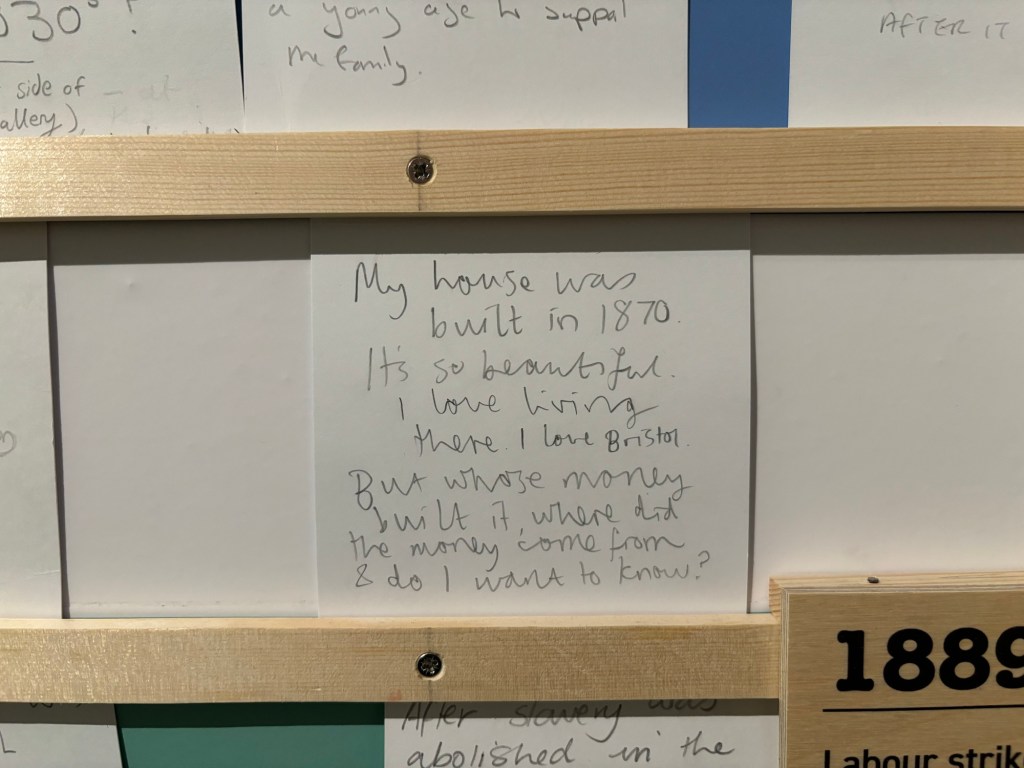
Colston used much of the wealth that he accrued from his involvement with the Atlantic slave trade to philanthropic ends in Bristol and beyond, establishing almshouses and sponsoring schools. For more than two hundred years, he was even something of a local hero. But times have changed since the events of 2020, and a much-needed revision of the history books has shed a new darkness on men like Colston who, for all their good deeds, were active participants in a system which brought unimaginable misery, pain and slaughter to millions. Colston had many hats, but “slave trader” is usually the first title next to his name in most accounts.

I wonder if history will see modern “heroes” like Steve Jobs in the same light someday for their involvement in the rape of the Congo and its people for the coltan that powers our phones. We may be reliant on the damned things for just about everything these days, but that’s a poor excuse, when you think about it. After all, we used a similar excuse to justify the entire slave trade once upon a time.


I did a little window-shopping before popping into a second-hand vinyl store in search of a couple of albums for my wall. I’m in the process of making my house a really happy space, and I figured I’d take a leaf out of the book of my old bandleader (and great inspiration), Mr D, and frame a few LP sleeves. I was tempted by a couple of colourful Fela Kuti numbers, but in the end I came away with just the one LP: Marvin Gaye’s What’s Going On, one of “the Big Three” albums that changed my life, alongside MJ’s Thriller and The Corrs’ Forgiven Not Forgotten. I’ll hunt the other two down on eBay.

Until the next time! BB x

Upping Sticks

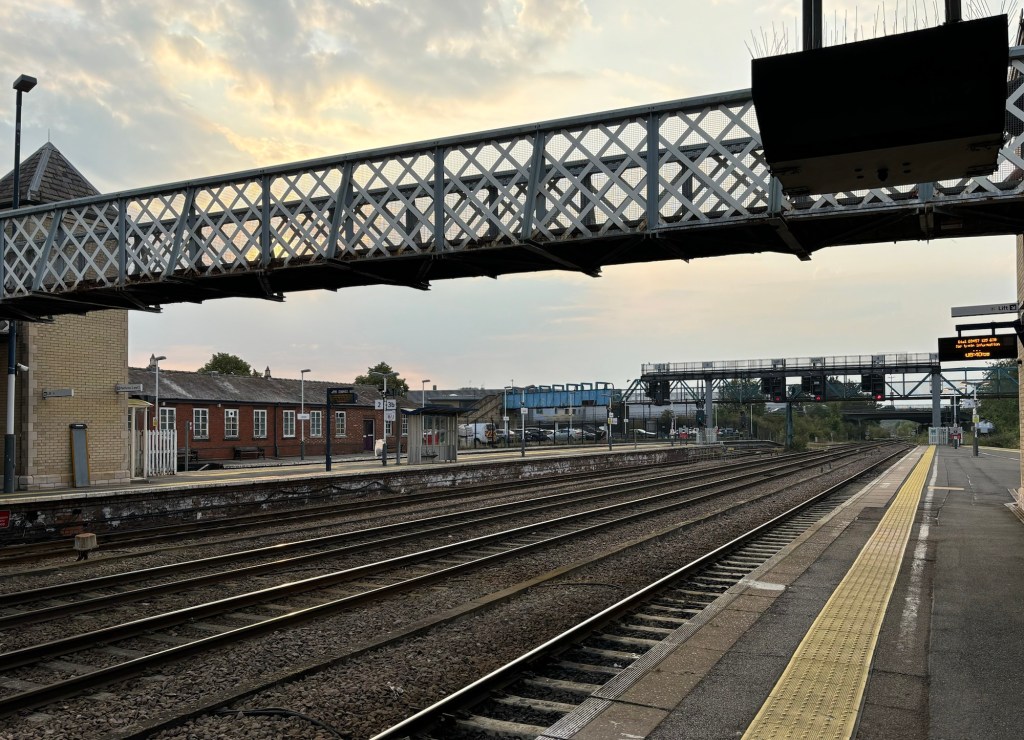
2nd August, 6:53am, Lincoln Train Station

Today is the first day of a new life. I’m moving to Somerset to take up a new job, a place where I’ve never lived before and where the only folks I know are my godparents who live in one of the neighbouring villages. I’ve done this kind of thing before several times now – Durham, Villafranca, Tetouan – but I’d be lying if I said I wasn’t nervous. I’ve got AC/DC’s Thunderstruck on repeat in my earphones to keep me looking up. It’s been my go-to pick-me-up of the summer.

Something always gets left behind on days like today – this time it was a carrier bag containing my laptop, my Switch and – really frustratingly – my satchel, which contains my journal. There’s nothing in there that I’m going to need per se over the next few days, but that journal travels with me everywhere. It feels strange not to have it on me on such an important day.


2nd August, 9.25am, London Paddington Station

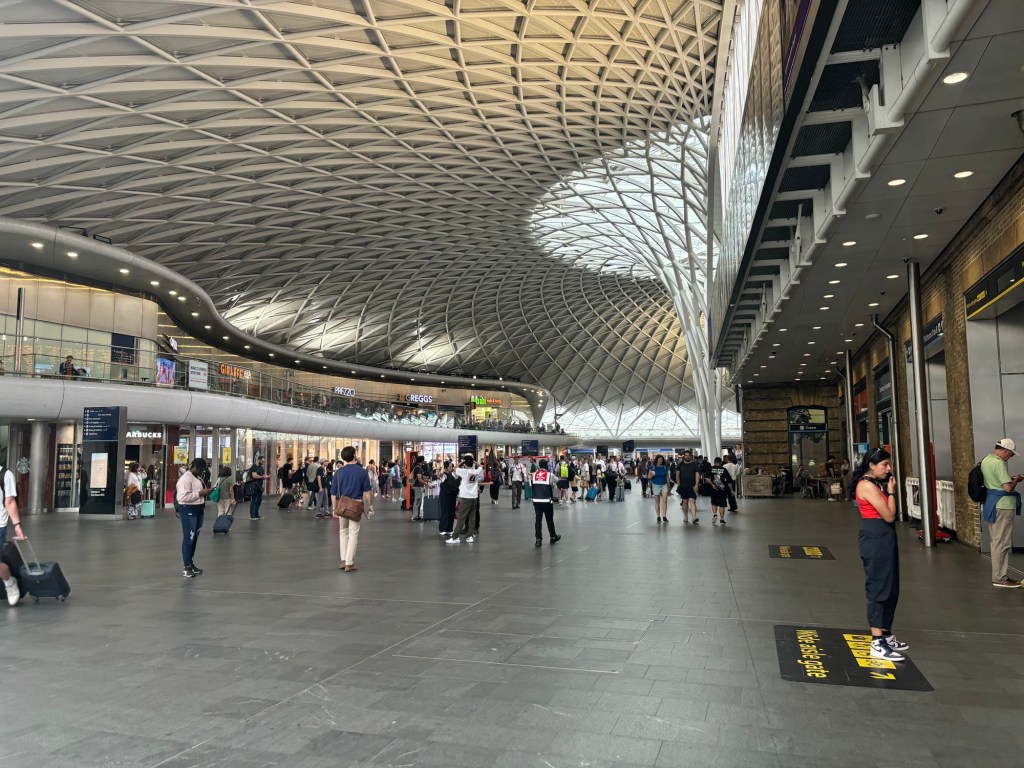
The queue for Platform 9¾ was already four rows wide when my train pulled into London King’s Cross. It’s absolutely blown up in popularity in the last ten years or so, which may be proof that, though J.K. Rowling’s fanbase may be divided about the author, the mania for her wizarding world is very much alive.

The moving team have arrived at my old house and have started what must be the Herculean task of loading all of my things into a Luton van. Meanwhile, I’m racing across country on the train ahead of them to sort things out at my end. Moving is always complicated, but moving between boarding schools adds another layer. I’ll be relieved when today is over – but it’s not all hard labour. A busy mind is a happy mind.

I heard singing on the underground and removed my headphones to see what was going on. A little gypsy lady in a face mask was shuffling down the train, singing with an alto voice so full of pain and passion that I was surprised nobody else was tuning in. Everywhere, up and down the train, AirPods were buried deep, eyes glued to screens, avoiding her eye. I caught snatches of familiar words that might have been Portuguese, or it might have been Romanian, or even Caló. She carried a small black plastic cup. There were no coins in it.

I got off the train and gave her a note. It was all I could find in my wallet that wasn’t euros or quarters. The Spanish have a saying:

Quién canta, sus males espanta.

It means something along the lines of “singing drives your pain away”. Gypsy music isn’t very good at that, since a lot of it deals with the overwhelming suffering and exclusion of the Rom, but it is powerful stuff, and it shook me from my reverie. That deserves a reward in itself.


2nd August, 3.12pm, Taunton

I’m here in my new flat in Taunton! It feels hollow without my things here, but the removal firm can only be half an hour away at this point, so I won’t be hearing my voice echoing about the place for too long. Because of that, I’m confined to barracks for the time being, so no exploring the town just yet. That, for the present, must wait, at least until I’ve put my bed together and the removal men are on their way home.

It turns out my Nintendo was flattened beneath my mum’s car as we left this morning – I must have left the carrier bag on the drive in a moment of fatigue. I should be more cut up: it’s been a trusty distraction over the last week (and the last four years come to think of it) but perhaps that’s a sign from up there that it’s time to put that world behind me. By some miracle, my laptop – in the same bag – survived unscathed, cushioned by the books I’d crammed in with it on either side. They, of course, aren’t damaged at all. Which just goes to show the superiority of books, right?


4th August, 2.11pm, Taunton

Well, I’ve done it. I’ve moved in, and I’m working on moving on. It isn’t easy, but I feel like I’m starting to get there. Perhaps you know the feeling: when you wake up one morning and they’re still on your mind, but the thought doesn’t hurt like it did the night before. It just… is. A kind of acceptance sets in. That’s healthy. What we had was beautiful, but it’s in the past now, and ahead lies only the future. I can face that now.

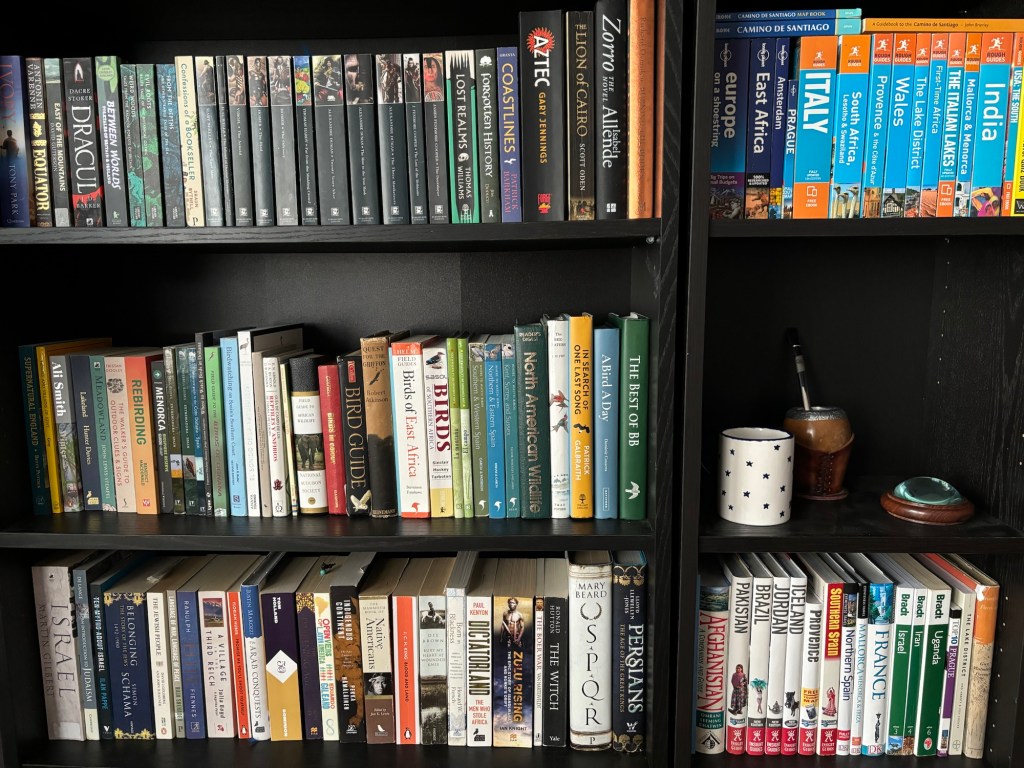
Luckily, I have enough books about me now to keep me occupied for months, or even years. The last month has been crazy, and after a month of living out of a rucksack I have a place to call home again. It’s strange, starting up in a new place where you don’t know anybody, and we’re a long way from the bright lights of yuppie London, but I’m hoping I can find some people on my level here in Somerset.

I was doing some reflective writing the other day and I realised I’ve had eighteen homes over the course of my life (that is, I have lived in eighteen different places for a period of more than two months). After a very stable childhood, I started moving around as a teenager and haven’t really stopped since, living in various places around the UK to far-off destinations like Spain, Jordan, Morocco and Uganda. Eighteen. That’s only twelve homes few than my age. No wonder I have a hard time finding a place to call home.

First driving lesson in several months tomorrow. Lord, if you’d be so kind, give me the strength to see this hurdle through. It would be jolly nice to be able to drive at last. Walking everywhere is fun and all, if only for the additional height it puts on people’s eyebrows when I tell them, but the joke is wearing thinner every year. BB x

The Wind that Shakes the Barley

What a vast gulf there is between love and loved! It is measureless. Still, most people have crossed it in their lives, some of them more than once.

Henry Rider Haggard, The People of Mist


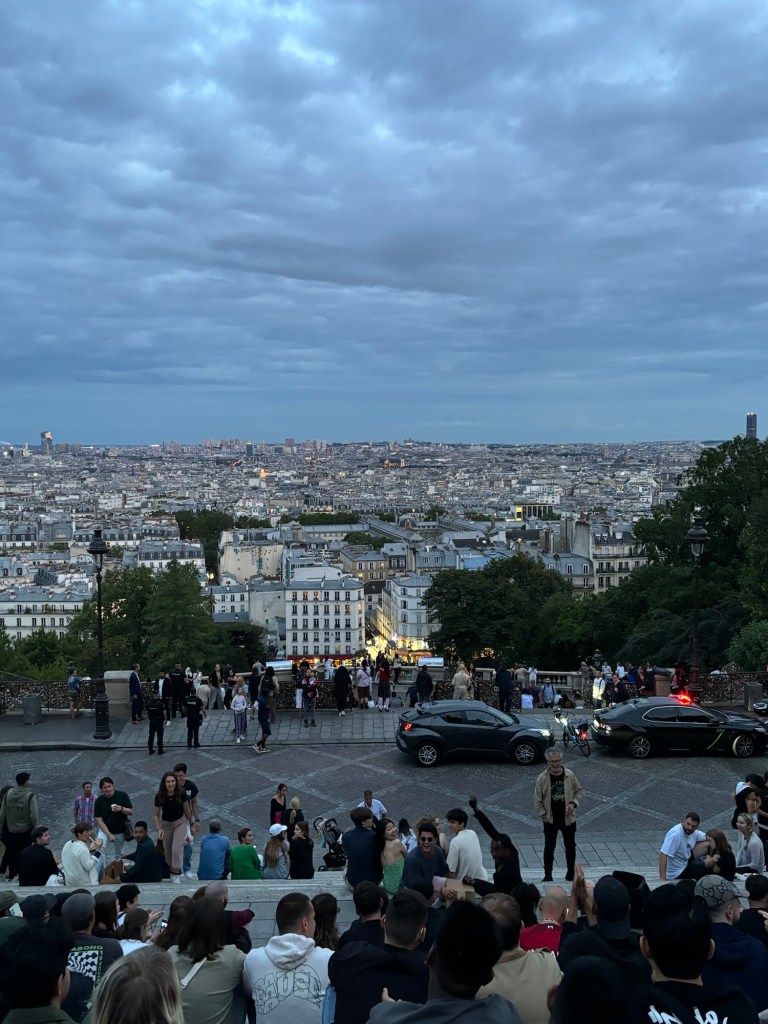
Summer rumbles along. August yawns before me, and once I’m settled into my new home at the end of the week it will be a quieter month than this very to-and-fro, up-and-down July. I’ve managed to book in some driving lessons starting next week, despite the ongoing national shortage of instructors, so I should count my blessings. I’ve also been very lucky to have traveled so far. I mean, honestly: four weeks ago today I was wandering around New Orleans. Three weeks ago I was on an island. Two weeks ago I was sitting atop Montmartre in Paris, eating frites and watching the sunset.

I really have moved around a lot this summer. I should be grateful. That’s what I tell myself.


The summer holidays are a rough time to handle heartache. There’s never a good time, but the holidays really are the worst. For dealing with affairs of the heart, the best things to have around you are friends and family who will listen, advise and support you, if not a job that will keep you too busy to dwell overmuch. All of these are close at hand when you live and work in a boarding school (or any school, for that matter, though the boarding scene does amplify most things).

Come the holidays, however, and you can find yourself cut off. Marooned. It’s like floating in a wide, wide sea, in a boat that has lost its motor, looking and hoping for the afterglow of the stars you’ve been chasing, even though you know both the looking and the hoping will hurt your eyes.

I love a good quest. It gives one’s life meaning, purpose. Something to come home and tell stories about. Seeking out my long-lost family in Spain – that was a quest. Walking the Camino for my grandfather José – that was another. Even the ten-metre colossus of a drawing I created at university was a quest after a fashion. In short, any endeavour that you put your heart and soul into is a quest. So perhaps you might forgive me for trying to catch a shooting star this summer, knowing full well that they are so precious precisely because they are fleeting.

It’s just because it’s in those fleeting moments that we truly feel alive that we hunger for them so.


The hardest relationships to walk away from are the ones where you both still care about each other. Where, by whatever divine prank, the whole world stood between you, telling you to listen to reason and face the enormity of the Ocean, even as you railed against it. Bloody Hinge! Bloody Atlantic! Bloody bleeding heart!

One of you must be the brave one and make the bitterest of choices. Somebody needs to be the one to say “good bye”. Good-bye is a powerful word, and one I try to avoid – it is so much more final than “farewell”. And even when it is the right word to say, it’s never easy to cut yourself off entirely from the person with whom you have come to share a corner of your heart. But one of you must do this, and that will always leave the other with questions. What more could I have done? Did I let the flame die out from a lack of attention, or did I snuff it out from too much? Had I the winged sandals of Hermes or the might of Moses to part the sea between us, would it have been enough?

Questions come easily in the silence of the summer holidays. So I’ve been going out in the evenings for long walks to clear my head and focus on the beauty of the world around me, as the year turns.


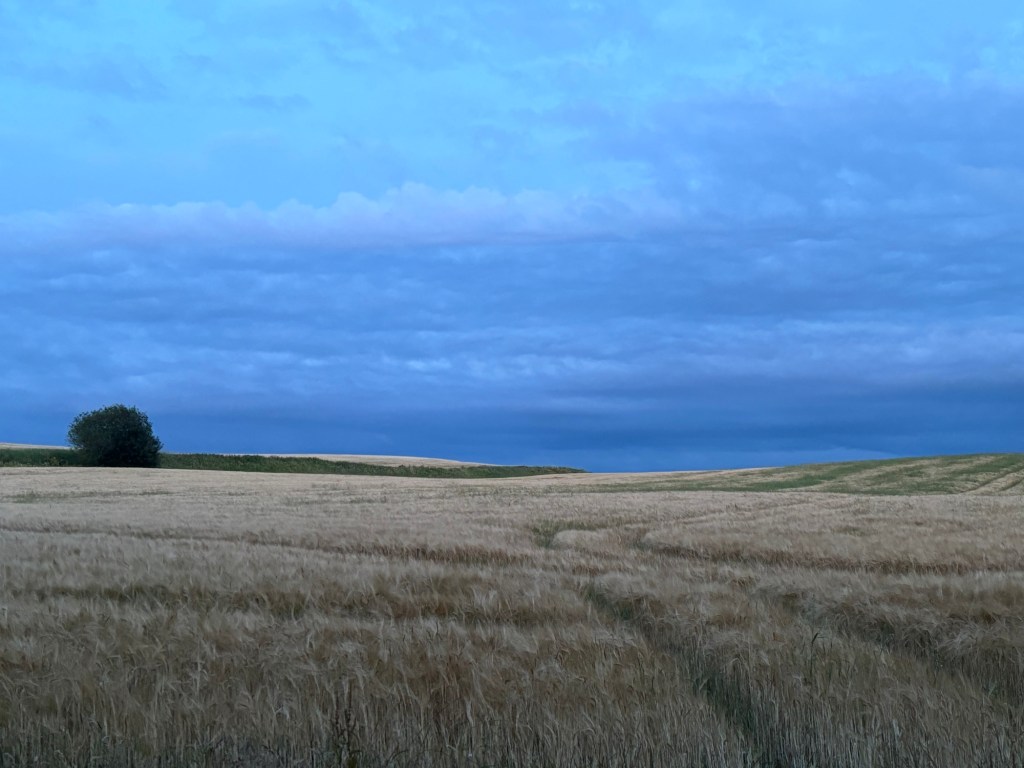
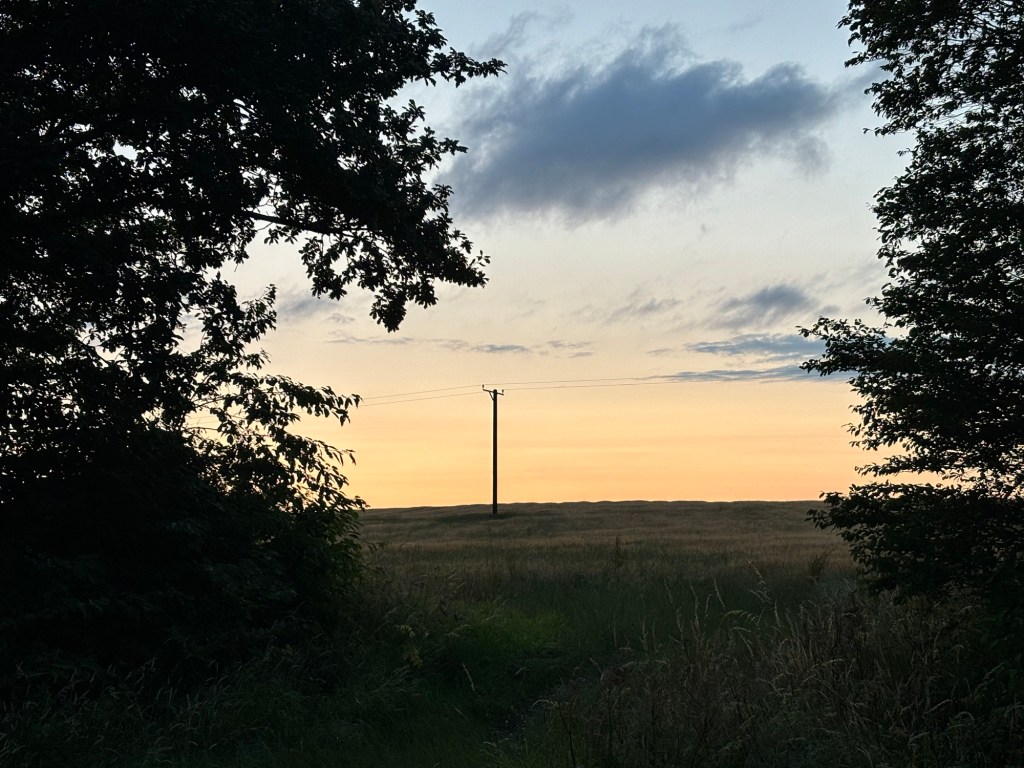
The harvest season has begun, and the wind among the gentle fields of barley can hardly be heard over the distant roar of the combine harvesters up on the golden hills. Hay is in the air and, every now and then, the faint smell of mushrooms. Autumn is waiting in the wings. Change is coming.

One thing I’ve noticed this year is that there are so many owls up here in Lincolnshire. More than I’ve ever seen in the south, that’s for sure. Owls are an omen of bad luck in many parts of the world, but here in Europe we chose to see in them wisdom. Perhaps that’s on account of their enormous eyes, or their ability to turn their head in seemingly all directions.

Last night I saw a barn owl quartering the fields after sundown, a ghostly silhouette against the evening sky as it flapped noiselessly overhead – or rather, noiseless in its wings, for it was shrieking as it went.

Barn owls. Flamingoes. Rollers. Swans. It’s a strange quirk that the most beautiful creatures make the most alarming sounds. There is nothing alarming about the wind in the barley tonight. It rustles softer than any sigh.

Nature is a powerful healer, and so is writing. I will make good use of both in the weeks to come, until life and work begins again. A new world is waiting! I have waited long enough. BB x

Marooned

13.25. High summer. Somewhere in the Lincolnshire Wolds.

English summer skies are blinding. There’s an intensity to the white clouds that blanket this island in summer that demands a permanent squint, or a pair of good sunglasses. America – and even Europe – seem a long, long way away from here.

Six days ago I was sitting on a low wall among the ruins of an old boathouse on the largest of the Chausey Islands, a collection of low-lying islands in the bay of Saint-Malo. I’d never heard of them until the day before, when I saw that a local ferry company was offering day trips out that way, but I do love an adventure, especially one that goes well off the beaten track. Due to its remote location, there were only two boats a day from Saint-Malo: one to the island, and one from. Which is how I ended up spending seven hours on an island measuring just 1.5km across.


The Chausey Islands are a magical place. Quiet. Peaceful. Cut-off. It’s not so far from the coast that you feel lost – neighbouring Granville over in Normandy is a little nearer than Calais is to Dover, and in good sunlight you can see as far as the spires of Saint-Malo on the Breton coast – but far enough to feel like you’ve put some distance between yourself and the world. Even on a cloudy day, you can see the ghostly pyramid of Mont-Saint-Michel rising out of the sea to the south like Atlantis. Or should that be Ys?

People have been living in these islands for centuries. The Vikings of old used to stop here regularly en route to their raids along the mainland, and you can still see the holes they bored into some of the rocks to anchor their longboats. The narrow channel between Grand Île and the other islands still carries a Viking name: the Chausey Sound, the southernmost “sound” in Europe. There were once a few farms here, and even a school until the last century. Now it plays home to French holidaymakers, who pass their jealously-guarded homes down through the generations, so I’m told.


I have a habit of winding up in places like this. Others travel to meet people, have a great time, see the world. I always seem to end up by myself, searching for myself, marooned with my thoughts. It’s not that I don’t set out in search of those things too – I just find my way to these spots quite naturally.

I found the spot I was searching for to the west of the island, on a low islet overlooking the ebbing tide beneath a crown of standing stones. But for the hulking black-backed gulls, a couple of oystercatchers and the odd lizard, I had the bay to myself.

I let my mind wander. I thought about a great many people, and wondered what they were doing at that moment in time. Were they happy? Were they wandering like me? Had they ever found just such a place and turned their thoughts to friends and lovers past? I think so. I think it’s in our nature to do just that in the far-flung corners of the world. Maybe that’s why I’ve always been a sucker for a good Western: nothing sends you on a greater inward journey than the wilderness.


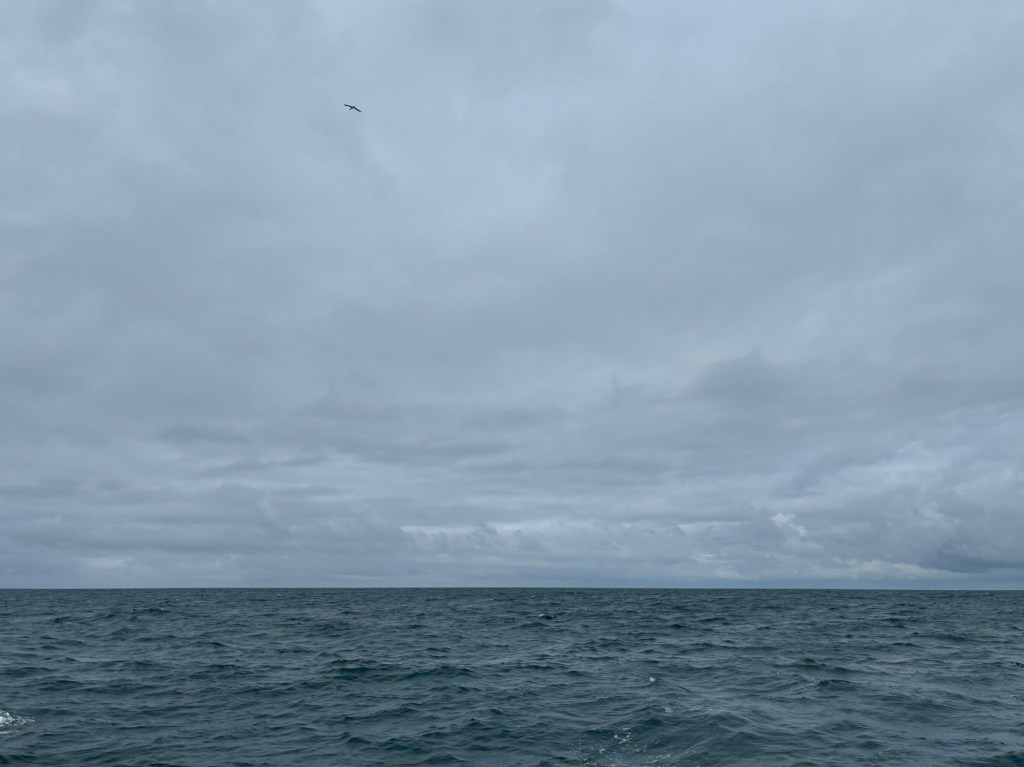
I had questions, but the answers didn’t come to me as readily as they did on the Camino last year, so I waited out the hours on a beach, reading Breton fairytales and burning under the sun. When the boat did come, it was to carry me back to Saint-Malo across a choppy sea that left half the passengers on the deck soaked to their skin, though the sun was shining bright.

I didn’t see as many seabirds as I hoped, but I did clock a guillemot taking its fledgling on what might well have been its first swim as the sun came out. I also came away with a number of close encounters with the lizards that call the island home – all of them a lot less skittish than their cousins on the mainland. I used to love looking for lizards in the countryside when I was a kid, so after the nostalgia of rockpool rediscovery, it was refreshing to turn another leaf of the history books.


Until the next adventure, folks. BB x

Winds, Waves and Words

It’s 18.00 over here in Saint-Malo and the heavens have opened. An Atlantic wind is battering against the windows and the heavyset black-backed gull that chased off Hector has given up on attacking the ashtray on the windowsill and taken his leave. I might head into town for dinner later, but for now, I’m quite content curled up on the sofa of my AirBnB with a book, a hot chocolate and the time to write. So I thought I’d start today’s post with a little history.


Saint-Malo has a long and complicated past. Originally a 6th century refuge for Welsh monks, including the venerable Maclou of Aleth who gave the town its name, the rocky outpost became a haven for Bretons fleeing the advancing “North-men” or Normans some two hundred years later. In the 17th century, its strategic location made it a natural hub for state-licensed piracy or “privateering”, which elevated its fortunes considerably and paved the way for a generation of wealthy explorers: Jacques Cartier, a native malouin, is credited with giving Canada its name (via the Iroquois kanata) and Louis-Antoine de Bougainville, another son of Saint-Malo, established the first European settlement in the Falkland Islands, which – at least in Spanish – still bear their original Breton name: las Islas Malvinas, from the French Îles Malouines.


The city fell to the Germans during the Second World War as part of their Atlantikwall stratagem, and the skeletons of their fortifications still dot the Breton coastline: in Saint-Malo, the levelled ruins of German pillboxes rub shoulders with 17th century Vauban forts. Surprisingly, much of what you see today was carefully reconstructed, as around 80% of the city was destroyed by the Allies in their dogged attempt to drive the Germans from the old pirate stronghold.

Allied bombers over Saint-Malo in August 1944. The fortified isle of Grand-Bé is at the centre of the blast

Most of the German fortifications have long since been torn down, but you can still see the concrete bases of many structures on the cliffs beneath the city wall and on the surrounding islets of Grand-Bé. They make very comfortable places to sit and watch the sunset.


In case it wasn’t obvious, the town’s rich history is one of the biggest reasons I’m here. But the other is its wildness: there are plenty of sandy beaches in the south, but I don’t get any real kick out of sea-swimming unless there are rocky areas to explore. The southeast coast of England with its famous white cliffs is quite a sight to behold, but it doesn’t quite have the jagged beauty that the west has in abundance, and Brittany has it to spare.

I spent many of the happiest days of my childhood scouring the rock pools of Folkestone for tiny critters: gobies, blennies, butterfish, velvet swimming crabs and even, just the once, a pipefish. Brittany is only the other side of the Channel, so much of the shoreline is familiar. I can’t help keeping an eye out for anemones when I’m out on the rocks, especially the snakelocks variety – I always thought they were especially interesting.


Across the bay from Saint-Malo stands the islet of Grand-Bé, which can be reached on foot at low tide via a barnacle-encrusted causeway. A similar road stretches on to the Vauban fort on Petit-Bé, though a small section of that road remains under a foot of water even at low tide and must be forded with shoes in hand.

Grand-Bé offers a glimpse of what Saint-Malo must once have been: a windswept escarpment just off the mainland, inhabited only by lizards, gulls, a small colony of shags and a company of oystercatchers that can be heard all across the bay. Two of these noisy seabirds were standing in attendance upon Chateaubriand’s tomb, as though to keep him company. From this spot, on a clear day, you can hear the twittering of goldfinches, the cries of gulls, the occasional grunt from one of the shags and the endless piping of oystercatchers on the rocks below or in the sky above – and, of course, the ringing of the bells of Saint Vincent’s cathedral across the bay.

I wonder if the old Romantic was as bewitched by the wild birds of his native Brittany as his writing implies? He certainly had a real flair when it came to writing about nature. Perhaps that’s why he chose this spot.


I spent some time last night watching the sunset over Grand-Bé. I had left my Camino bracelet in the apartment, but I had brought a few other tokens with me. I often take a number of “lucky” objects on my travels: little souvenirs and keepsakes to remind me of home when I’m on the road.

Well, not home exactly. With no fewer than ten moves under my belt at the age of thirty (and just under half of them international) I’m still not entirely sure where home is. But they remind me of friendships and memories that mean a lot to me, and that helps with the loneliness that is a natural side-effect of traveling alone.

In my satchel, ever at my side, I carry my journal, my fifth and longest-serving since I took up the art twelve years ago. It’s coming apart at the seams and bound inexpertly by sellotape – hardly surprising for a little book that has come with me to work every day for the last five years, as well as on every adventure I’ve been on in that time. Concealed within is my lucky dollar, a ticket to the Prado in Madrid, a tawny owl feather, the plectrum that one of my Rutherford boys used to win House Music two years in a row and a perfumed letter.

There is one more keepsake that has been sharing the road with me this summer. It even came with me to America, traversing the Bayou, the Mississippi and the bright lights of Nashville. It’s a card from one of my students, one of many I received in my last week at Worth. The lengths this particular student went to so as to ensure I got the card, as well as the maturity of its message from one so young, are just two of the reasons this one in particular has come with me. I am many things, and a great many less, but I would be a writer – and so that is why I have always believed that the greatest gift I can ever receive is in the form of words. No physical object can ever surpass the depth of feeling that comes from such expression.

I have a bad habit of making people cry when I write them farewell letters (an equally bad habit I’ve adopted for leaving students), but I very nearly met my match with this one. The student in question signed off with a favourite quote of theirs from Lin-Manuel Miranda: “sometimes words fail me”. There’s any number of reasons they could have chosen that one for me – I might well have said the line verbatim in reaction to the behaviour of that class at least once – but it’s a powerful message for a would-be writer.

Words do fail me, and often. There have been moments this year where I have been genuinely speechless, from shock or awe or wonder. It is comforting to know that such a consummate wordsmith shares that affliction.


Tomorrow, I have decided upon a rather spontaneous adventure. I have already bought my ticket. All I can do now is hope that the weather holds. Then – we shall see what we shall see. BB x

Bagpipes on the Beach

The sun is going down on my second night in Saint-Malo, an enchanting walled port city on the north coast of Brittany. Hector, the herring gull that seems to come with the AirBnB where I am staying, has gone up to the roof to roost. Swifts are still screaming outside and the moon, two days away from its full phase, is already creeping up behind the district of Saint-Servan across the harbour to the southeast.

I’m not entirely sure why I settled on Saint-Malo. My first intention was to make for Saint-Jean-de-Luz on the Basque coast, following a tip-off from a French student at Worth. One way or another, I ended up being drawn to the northwest, and Saint-Malo seemed the natural choice as a base of operations: easily accessible by train, ferry links to Portsmouth, a good combination of sandy and rocky beaches and a former pirate town to boot. It’s also not far from Normandy, and I did so love Normandy the last time I was here. After all, that’s what this whole trip is about, isn’t it? Finding something about France that will spark my interest?

I think I first heard of Saint-Malo in the famous French sea shanty Santiano by Hugues Aufray. My dear friend Andrew slipped that track my way a few years ago, so I owe him for this discovery. It really is a very special place.


When I arrived yesterday, a local folk band, the Green Lads, were playing a merry medley of familiar folk songs. A few hours later I ran into another trio of buskers, Celtic Whirl, entertaining tourists with a run of similarly Celtic songs, including the theme to Last of the Mohicans. One of the players even whipped out a set of Breton bagpipes, known here as binioù braz (a 19th century Scottish redesign of the local Breton variety). I stuck around for about half an hour in both spots and couldn’t help tipping generously and tapping my feet. It’s strange that neither of the two groups have a French name – they’re both clearly French – but maybe it appeals more readily to the tourist trade (who – he adds with poorly concealed contempt – don’t seem to make much of an effort to speak any French).


Galicia. Brittany. Cornwall. There’s obviously something that draws me to these Celtic corners of the world. Maybe it’s the fact that my instrument is the violin (despite all the noise I make about playing the bass guitar), and that I found a sanctuary in jigs, reels and hornpipes when all the studies, scales and exam pieces got too stultifying for my teenage mind. Perhaps there’s more to it than that, though what it is, I really cannot guess. But I do believe that if I had not taken up the post at Worth seven years ago and instead gone on to a teaching post in Galicia, as was the plan, I might well have stayed there. I think it was the discovery of Galician folk band Luar na Lubre which forced my hand. Galicia is notorious in the British Council auxiliar programme for its charm: few apply for the place, but those who end up there have nothing but gushing praise for the quality of life when they get there.

It just strikes me as odd that, for all my obsessive investigations into the Jewish and Islamic influences on Western Europe, it’s the Celtic corners that I keep coming back to. I wonder why that is? My mother was always very keen to point me in the direction of my Spanish heritage, but I think I’ve been doomed since the moment I heard the first five notes of The Corrs’ Erin Shore.


Yes. That must be it. I blame the Corrs. They’re definitely responsible. I used to listen to Forgiven not Forgotten obsessively on the way to and from school when I was younger, and the fact that they got a shout-out from my favourite childhood author, Michael Morpurgo, probably didn’t help. They have weathered every new wave, every genre, and the aforementioned album remains stubbornly in the top spot of my all-time favourites. I still have the cassette and its case. I think I always will.


I enjoyed a delicious dinner of moules marinières before watching the sunset over Grand-Bé, the larger of the two islets. The French Romantic Chateaubriand is buried there, and when the tide is out tomorrow I will go in search of him, and see why he chose that spot for his forever resting place. As a fellow Romantic, I can’t say I blame him for choosing this town. Saint-Malo is as shining as the shimmering stardust on its shores, when the tide pulls it back out to sea. BB x


Equestrian

Wandering the streets of Paris, it’s easy to understand why the city was surrendered to the Germans without a fight in the summer of 1940. I have been lucky enough to see a number of beautiful cities all around the world, but there is something truly exceptional about the French capital – calm, curated, unspoiled. As the official line went in that dreadful summer, as Britain stood alone on the edge of a darkening Europe, “no valuable strategic result justified the sacrifice of Paris”. The West is full of cities scarred by the ravages of war, and while it may have earned them an unfair reputation for cowardice in popular culture, you really have to admire the gall of the French for putting their beloved city above their freedom, the first and foremost of their three sacred values. It gleams to this day.


A personal mission took me to Versailles, on the outskirts of Paris. My Metro pass was only for Zones 1-3, which was one stop shy of the Château itself, but I was very grateful for the break. The half-hour walk to the famous 18th century palace takes you through the tranquil suburbs of verdant Viroflay, and with the mottled darkness of the Meudon Forest rising up and over the hill behind you, Paris seems a lot more than half an hour away.

I came here in search of a shot glass, of all things, but I found something far more arresting: an exhibition of equestrian paintings of immeasurable beauty. So I’ll take you on a little tour of the inside of my head as I stood there in awe.

The first one to catch my eye was an enormous tableau by the 19th century artist Evariste-Vital Luminais, known as the painter of the Gauls. Titled La fuite de Gradlon, it tells the story of the escape of King Gradlon from the legendary city of Ys, the Breton counterpart to Atlantis. The tale tells that Ys was destroyed when the king’s wayward daughter, Dahut, opened the dikes that protected the city from the sea, ostensibly to allow her lover in to see her. Fleeing the destruction across the sinking floodplain, Gradlon’s friend and advisor, Saint Gwénnolé, implored him to cast off the demon he brought out of Ys, or risk losing his own life in the endeavour. Dahut was thrown into the merciless sea, and Gradlon and Gwénnolé escaped with their lives. I guess that makes it the oldest account of the “begone thot” meme.

I have always been captivated by stories of Atlantis. Dig deep enough and you’ll find stories of sunken cities all over Europe: Tartessos, Akra, Saeftinghe and Rungholt. Tolkien’s Numenor might even be considered a fanciful addition to that list. I should give this Ys legend a closer look.


No prizes for guessing the subject of this one: it’s the naked ride of Lady Godiva by the English pre-Raphaelite painter John Collier. Most depictions of this legend have her riding side-saddle, an enduring medieval custom that preserved a woman’s modesty by keeping her knees together while reducing the risk of an accidental tear of the hymen (the age-old proof of virginity). Collier has her riding astride, all the stronger for her position, focusing on her dauntless courage in the face of her husband’s oppression.

It isn’t easy to remember one’s sexual awakening, or when and where it began. I’ve seen various authors ascribe theirs to a range of sources, from the older siblings of friends and schoolteachers to National Geographic magazines and Uma Thurman’s role in Pulp Fiction. I didn’t exactly gobble up popular culture in the Nineties and Noughties with the same fervour as my classmates, so I think mine started with an illustration of Lady Godiva in a children’s book of folktales and legends – if not with the Little Mermaid (setting in motion a lifelong fascination with red hair that has proved impossible to shake).


You couldn’t have an equestrian exhibition without at least one painting of the famous Valkyries of Norse legend, shield-maidens and psychopomps that herd the souls of the slain to Valhalla, the Hall of the Dead. It’s a dark and moody piece, but I would have given a great deal to see Peter Arbo’s more famous painting, Åsgårdsreien, which depicts Odin’s “Wild Hunt”, a spectral apparition said to appear on stormy nights as a herald of woe and disaster for the beholder. I’ve had a thing for that folktale since I found its equivalent in Cataluña, centred on the doomed Compte Arnau who rides again at night with skin afire, pursued by his hungry hounds. There’s even a country song by Stan Jones about the famous “Ghost Riders in the Sky” that Johnny Cash went on to cover, which has the Valkyries of old trade in their helmets for stetsons.

I do love it when a myth goes global.


One painting in particular caught my eye (and not just because the leading lady has red hair!): Crepúsculo by the Spanish painter Ulpiano Checa y Sanz. Even without the aid of the title, you know straight away what you’re looking at by the colours alone: the halcyon flash of twilight, as the last rays of the setting sun scatter across the darkening world in a brilliant array of colours. Am I glad that the painting that really took my breath away was crafted by a Spaniard? You bet. The landscape below reminds of the opening crawl of the Charlton Heston El Cid film, and in its strange and featureless way, it is so very Spanish. Foreign painters of Spanish scenes often play up to the Romantic stereotype of dusky maidens with hooded eyes lounging on street corners with flowers in their hair, so it’s nice to see a native sharing my weakness for a change.


Finally, a painting I really didn’t expect to see, but one that must have been at Versailles for some time, as it was not in the equestrian exhibition but in the palace’s Galérie des Batailles. As patriotic paintings go, it’s got to be up there with La Liberté guidant le peuple by Delacroix (though perhaps not as widely known). This is Charles de Steuben’s Bataille de Poitiers en octobre 732, and it tells the story of the decisive battle between the Frankish forces under Charles Martel, “the Hammer”, and the invading Umayyad army Abd al-Rahman al-Ghafiqi. I must have seen this painting a thousand times for it is tied up with the history of Spain, and of Europe itself: had the Umayyads not been stopped so decisively, they might well have gone on to conquer the rest of Europe. It’s one of those real watershed moments that comes around but rarely in history, and I was amazed to see the real thing – which is, like the armies it portrays, vast.

Not a good time to be a horse, or a European for that matter, but what a find!


Well, that’s quite enough painting perambulations for one post. I’ve just arrived in the pirate city of Saint-Malo where the sun is shining and the water is crystal clear. I think I’ll go for a dip while the weather holds! BB x