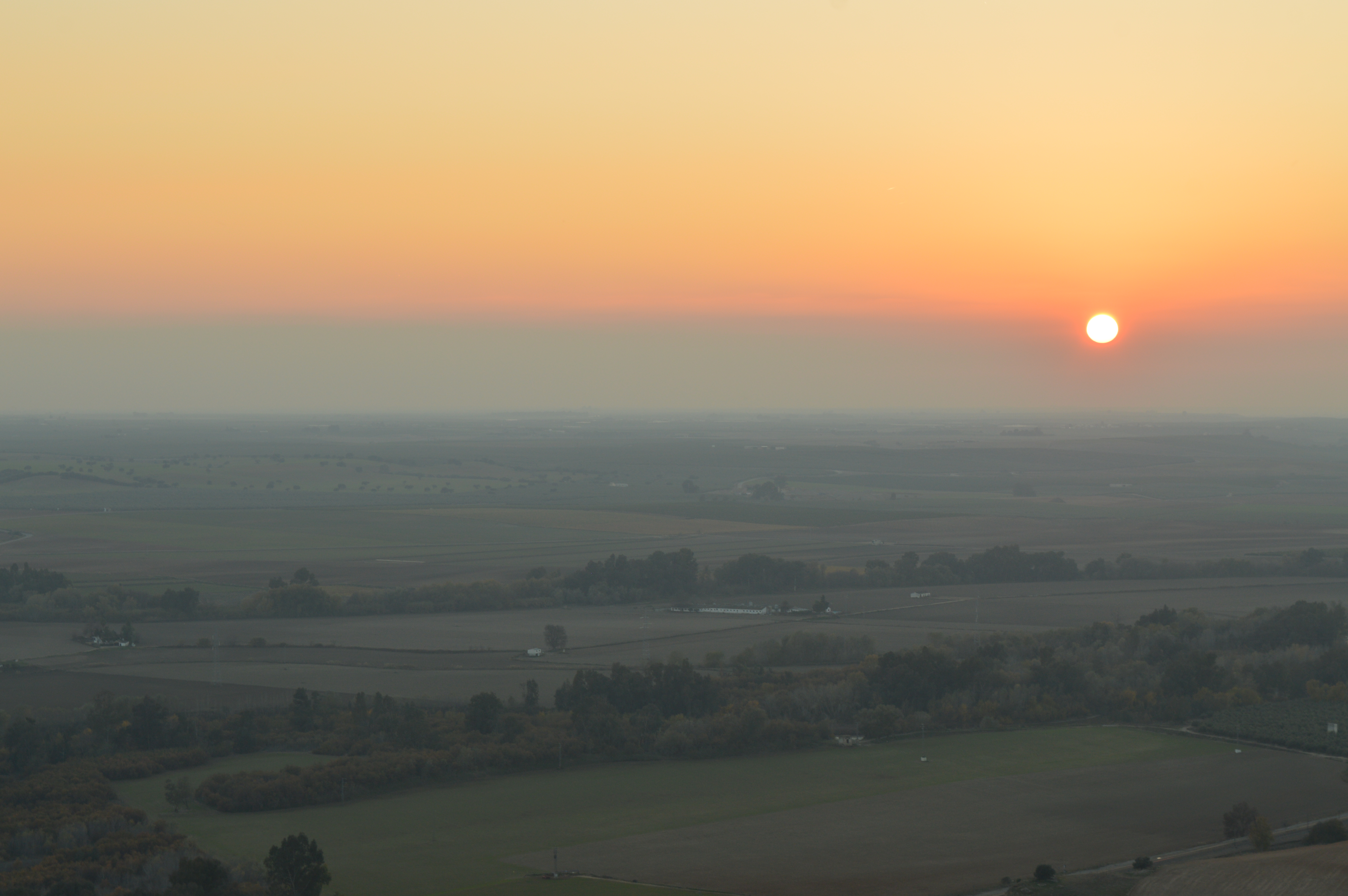
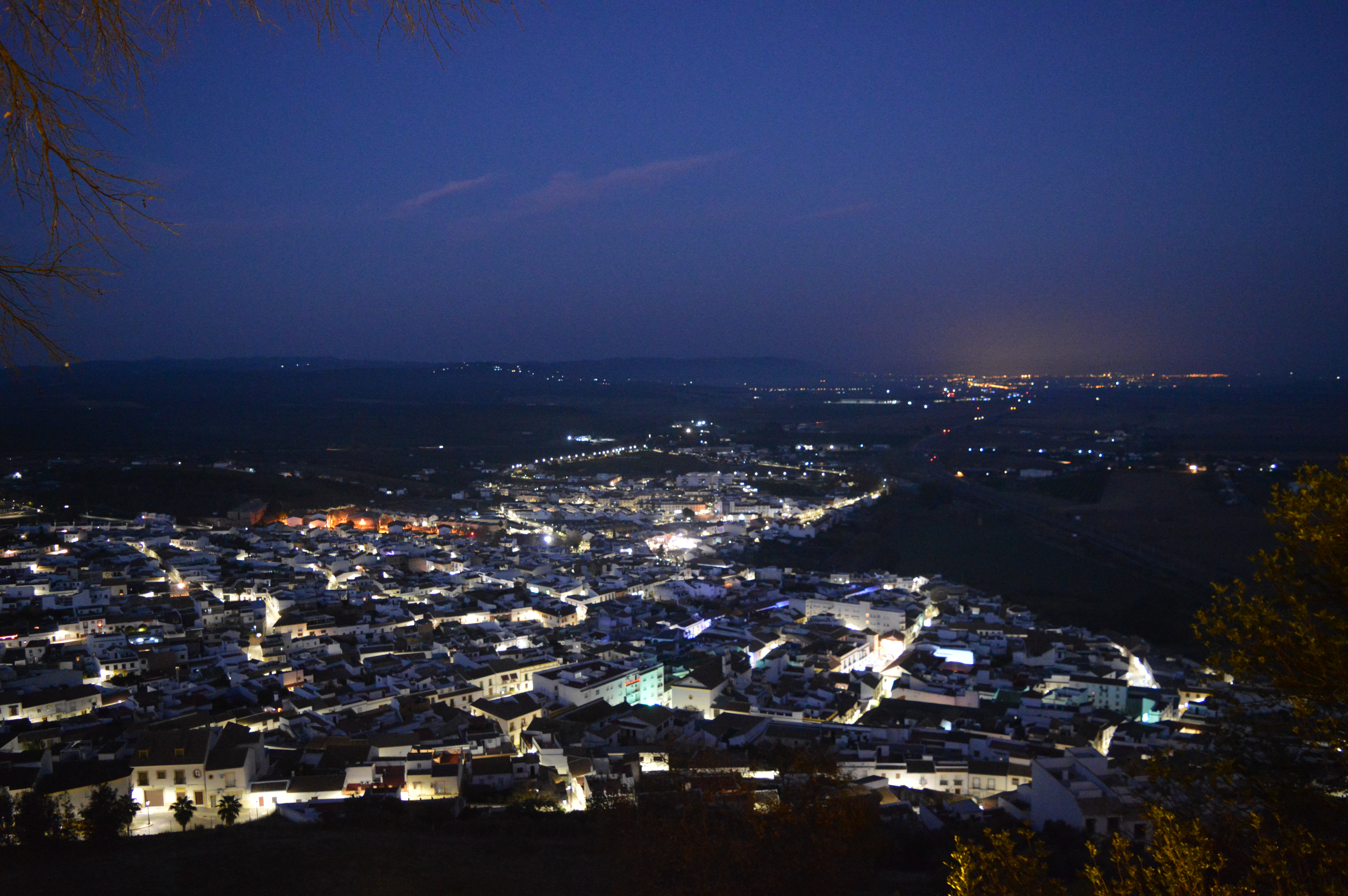
Two Men Skilled in Climbing Mountains

We did it. We conquered Ghorghez. It’s been staring us in the face for all of six weeks but now I can put my hand on my heart and say with all honesty that the beast has been vanquished. Call it the human desire to tame the wild in me, but I could never have left Tetouan with my head held high if I’d never managed to tackle that mountain.

Fortunately, Alex was of a similar opinion, so at nine o’clock this morning we hailed a cab and off we went.

DSC_0256

King of Tetouan (or that obligatory tourist photo)

We didn’t have the best of starts. My host father very kindly gave me the use of his topographic map and took me up to the roof to explain the route we could take; he would have come with us, if his wife was not still hospitalized from the accident. But when he asked how many of us were going, I had to lie and say five. If I’d told him the truth – that Alex and I alone were going – he’d probably have tried to stop us. The last time he went on a fossil-hunting excursion up in the mountains, he was attacked by a group of thugs and severely injured.

In that knowledge, Alex and I arrived at Ain Bou Anane and set off on our journey.

DSC_0263

Don’t be fooled… It wasn’t anywhere near as easy it looks

For the first ascent we had it easy, as there was a reliable, well-trodden path to begin with. Emphasis on ‘begin with’; after a hundred metres or so it vanished into the sea of thorns and scrub that covers most of Ghorghez and we were forced to resort to free-navigating the mountainside, cutting from goat track to goat track with the occasional wayward boulder as a bridge between the paths. And just as well: the tracks often vanished into thin air like fireflies in the night, leaving us stranded in the scrub.

The mountain wasn’t entirely wild. What I took at first for bird calls turned out to be the Ghorghez shepherds out on the slopes with their flocks. I’d quite forgotten how far sound travels in the mountains. More than once I thought we’d been followed, only to see the source of the noise sitting atop a boulder watching over his goats on the far side of the valley. I must admit, due to my host father’s tales, I was more wary than usual around these hill-folk. Seeing their silhoettes appearing and disappearing between the rocks set my teeth on edge. More than once I let slip that we might have to make a break for it if they ‘came back with reinforcements’.

But they didn’t, and Alex smiled and waved at them, and some of them waved back. I think we could all do with a reminder from time to time that, at the end of the day, everybody’s human. A smile and a wave could change everything.

DSC_0266

Now that’s what I call a hike!

As for their fences… Seriously. Fuck fences. The amount of backtracking we had to do to find a way around the vast sections of the mountainside that had been cordoned off was unfair, unhelpful and unnecessary. Who even builds fences on a mountain anyway? I guess they’re for the few cows we saw munching through the scrub, but what kind of a sadistic individual drives their cattle up into the mountains and then fences them in with barbed wire and brambles? Fuck those fences.

DSC_0274

You’ve got to hand it to Maroc Telecom. Fully functional 3G up in the mountains is impressive

Delaying our hike by one day was one of my better decisions. Not only was Alex fully recovered from his late late Friday night, but the weather couldn’t have been better. The sun shone out from behind the clouds all morning, and the wind, though strong, was cool and refreshing. Compared to the Azla trek, it was a much easier ascent. Which is jammy, for double the height.

DSC_0284

Ghorghez’ summit in the clouds

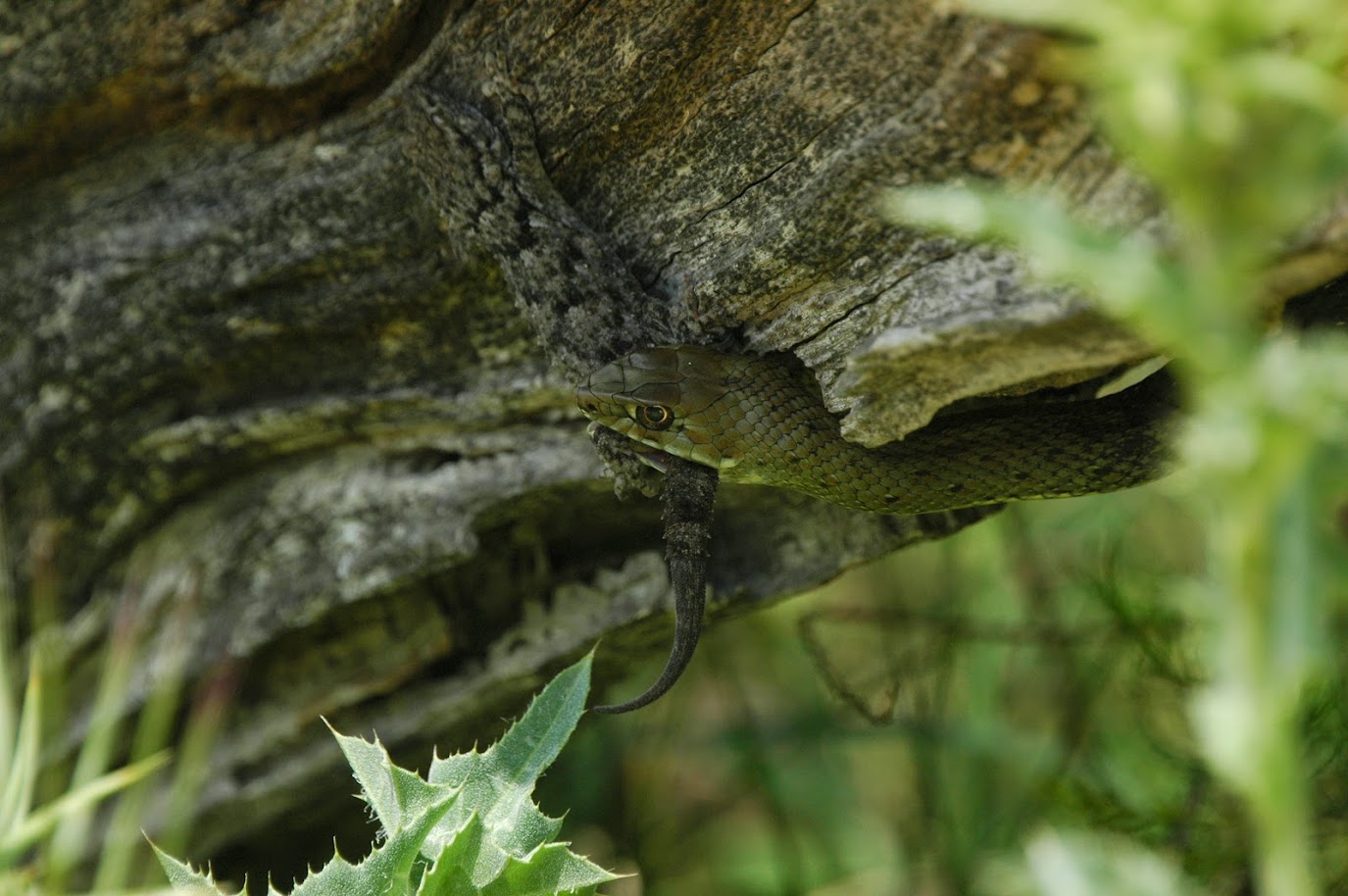
Alex had a run-in with a rather large snake on the way down. I know because one minute I was powering ahead with my trusty bamboo cane, and the next he was racing past, raving about snakes and putting about as much distance as he could between the cliff and himself. ‘I don’t like snakes. No one likes snakes. There isn’t a culture in the works that likes snakes. There’s just some things that nobody likes. Donald Trump, snakes… Oh, it was more than a metre long, easily.’ Ladies and gentlemen, Indiana Jones. ‘We don’t even have any antidote’. True, when I was packing this morning, I didn’t really think about preparing for a snake attack. I was too busy filling up five water bottles.

Five. I’d like to emphasize that five. Ben’s clearly learned his lesson from last year’s Dana disaster (you can read about that here).

DSC_0303

The coolest overhang in geology (or possibly the Wall from Game of Thrones)

Not sure about the snakes, but the cicadas were absolutely massive. Blood-dripping-from-their-fangs massive, as my parents would put it.

DSC_0311

Who needs Pokémon Go? I found a Ninjask without my mobile, thank-you-very-much

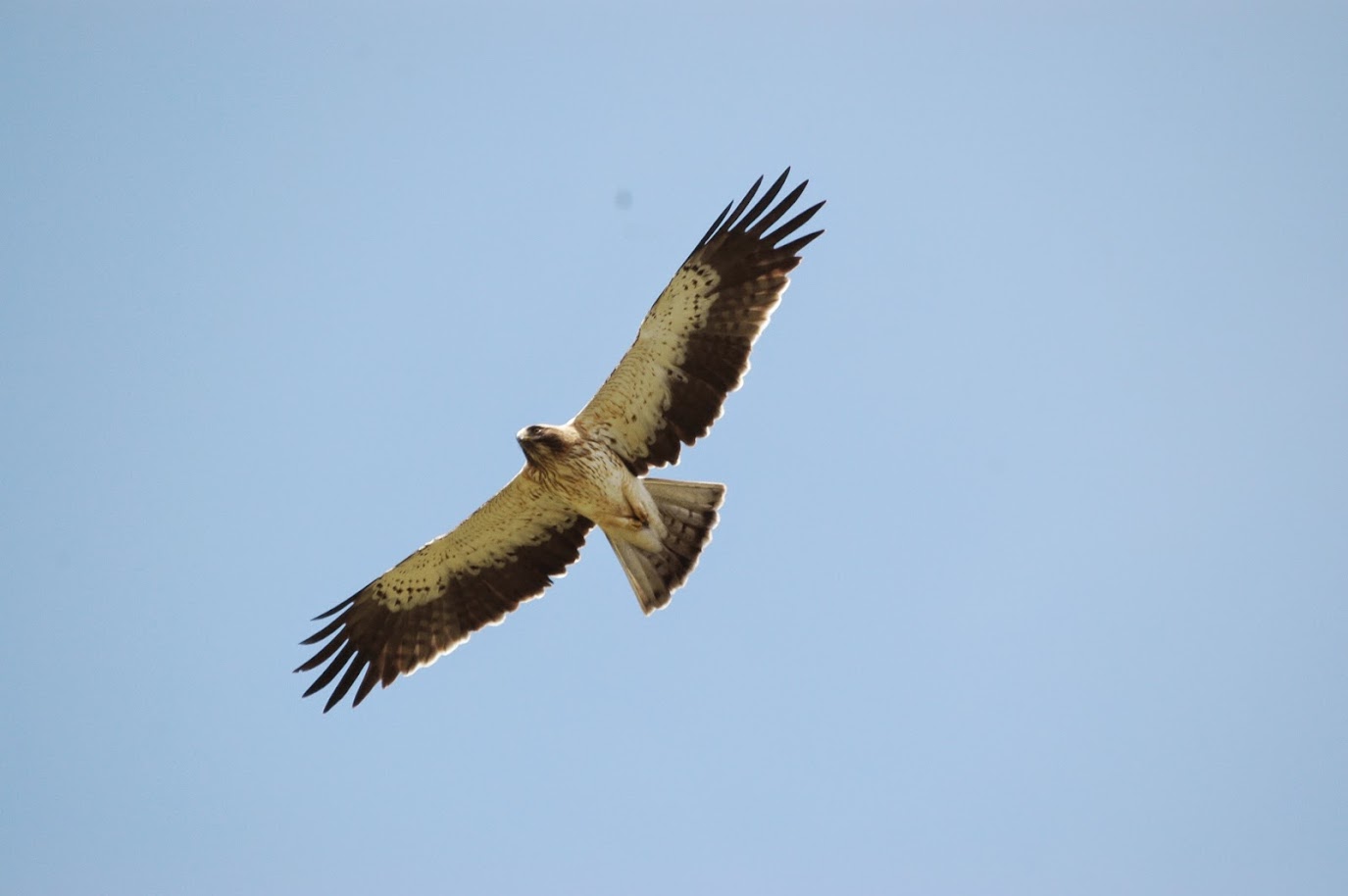
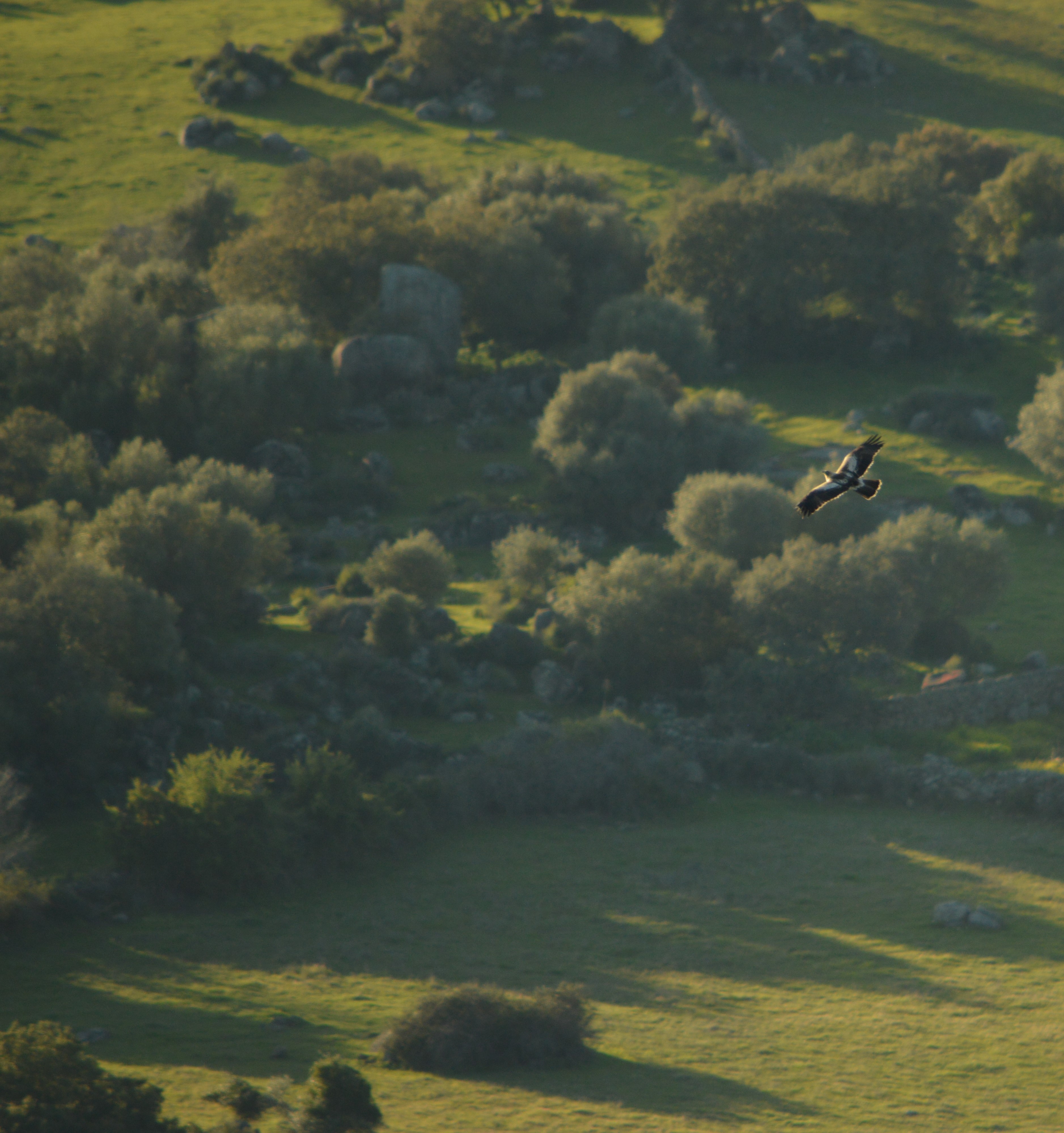
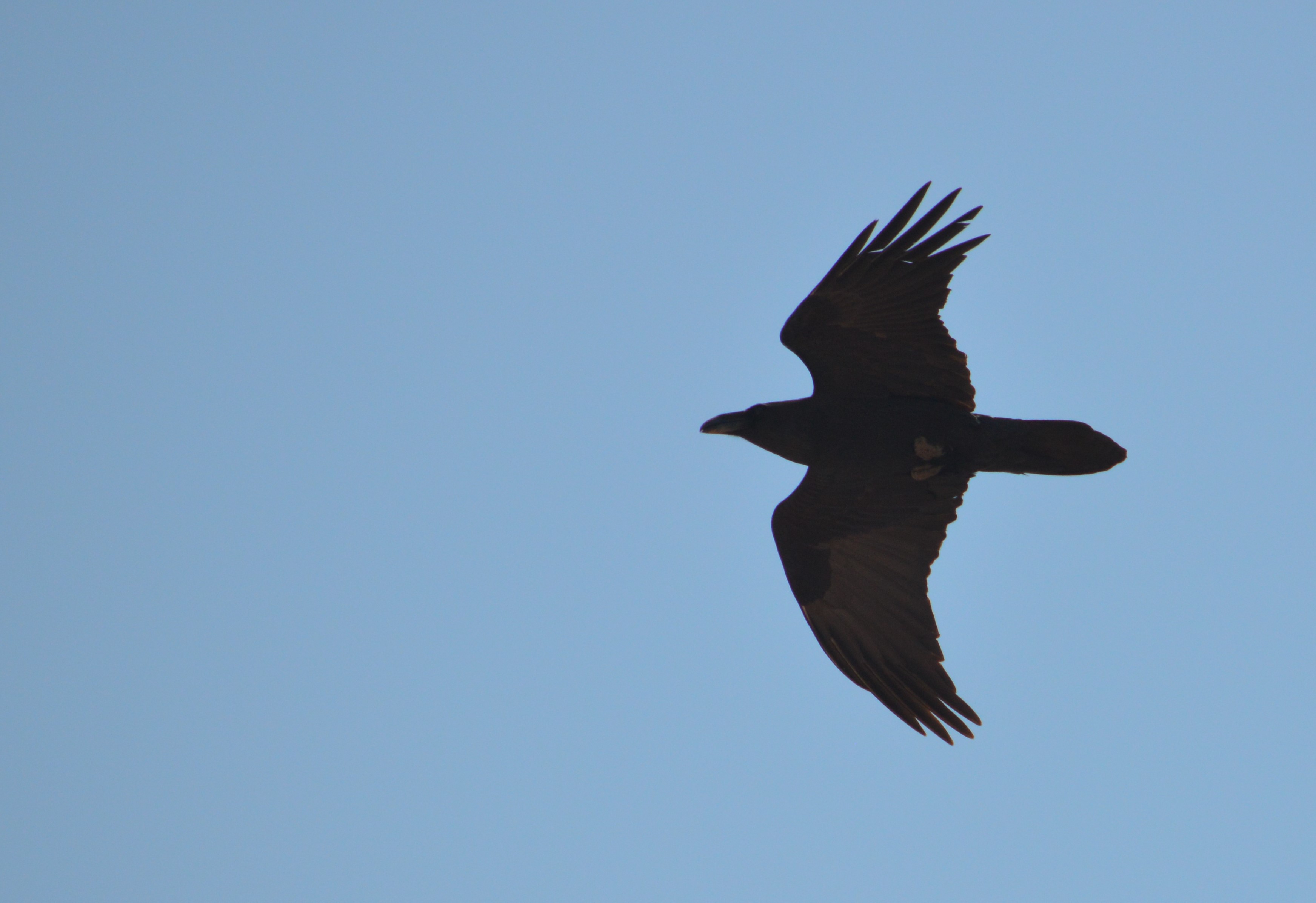
Besides the creepy crawlies, the mountain was spectacular for wildlife. That’s probably my favourite thing about mountains: the wonderful creatures it brings you into contact with. Mountains are some of the last truly wild bastions on the earth. Especially for birds, and birds of prey in particular. For a city, Tetouan’s got its fair share of wildlife, namely the local kestrels and cattle egret colonies, as well as the flyover storks and kites, but if you want a really wild experience, you have to go out into the sticks. I watched a pair of booted eagles wheeling and diving and whistling overhead from the summit, as well as clocking a flyby peregrine, a couple of kestrels, a few buzzards, five or six kites, ten ravens and an Isengard-level swarm of choughs. Saruman the White couldn’t summon such a flock.

The scenery up at the top might have been taken from that very scene from The Fellowship of the Ring, strewn with jagged rocks and sparse bushes. But if Saruman was indeed watching our passage south, he must have tired of his vigil before long and gone for a coffee break because, as is the way with mountaineering, coming down was three times harder than going up.

DSC_0312

‘Let’s not throw ourselves to our deaths just yet.’

Finding our way up the mountain had been easy enough, since the next crest was always in sight. You’d think that the same might be said for the descent, but mountains are fickle. Not only do they play with sound, they also throw your perspective off frequently. More than once we followed the latest road/path/goat-track/dry river to its end only to find ourselves staring into abyss as it plunged fifty feet down over the edge of a cliff we’d never seen coming.

The resulting backtracking led us back into bramble country, which didn’t bother me and my long sleeves too much, but it ripped Alex’s exposed limbs to shreds. By the time we made it to open country again he looked as though he’d been mauled by a particularly savage beast. We couldn’t even use the wild boar we’d seen as an excuse, as it took off into the scrub as soon as it heard us coming. Nope, that’s just the bush at work.

DSC_0314

Ain Zarqa at the feet of the Great Pyramid and Saddle Mountain

Seven hours since setting out from Ain Bou Anane we found our way back down the mountain to the village of Wargane, completing the arc that had taken us around most of the Ghorghez ridge. I left my trusty bamboo cane at the side of the road (again) and Alex flagged down a cab to take us back to Tetouan. Three mountains in one. All in a day’s work.

Ghorghez is down. Mission accomplished. BB x

Volver

‘What is he saying?’
‘It’s closed.’
‘Wakha. Fermé. No ferry.’
‘Closed? Why?’
‘I think he said there’s a strike… Huelga? Uh… grève? Est-ce qu’ils ne travaillent pas aujourd-hui?’
‘Ah! No lanchan ferry! Wakha, sadiqii, wakha!’
‘Pero, en serio Ben, tu te has enterado?’
‘A mí me gustaría mucho enterarme…’

You know what I was saying a couple of posts back about loving the multilingual melange that is Tangier? Well, I guess I got my comeuppance this afternoon. After a long shopping trip in the medina, loaded down with suitcases and food for the return journey, we hailed down a grand taxi for the harbour. But for the photography hiccup in Chaouen (and Booking.com refusing to refund me for a bungled payment), our four-day trip to Morocco had gone without a hitch.

So it’s only natural that the taxi driver would leave it until we got to the harbour to tell us that, due to exceptionally strong winds, the port was closed. This was swiftly backed up by both the police and the FRS office, as if we weren’t already doing a bad job of playing the trust card. If we wanted to get home, there was only really one viable option: we’d have to catch the big FRS ferry from Tanger Med near Ksar Es-Seghir, some forty kilometres up the coast.

DSC_0610

We should have seen this coming just looking out from the hotel, really…

That’s how I found myself still in the same taxi some twenty minutes later, rounding the bends of the twisting coast road for the port and trying to make one intelligible sentence out of the five-language jumble of our taxi driver. His Classical Arabic, French, Spanish and English were all perfectly reasonable, but his mixing-up of all four of them mid-sentence with his native Dārija made it nigh-on impossible to understand a word of what he was saying. Speaking four languages is one thing, but trying to make sense of them all at once is a step too far for me.

DSC_0608

So green – but how much longer will it last?

By some streak of luck we made it to the docks in time, and for a fair price, too; 180MAD for the car from Tangier, for the record, and not quite the 2500MAD that was his first offer (trumping even the villainous Oulad Berhil cabbie in greed). Predictably enough, we weren’t the only ones caught with our pants down by the closure of the Tangier port: at least two other boatloads turned up for the 14.00h, which was necessarily shunted back to 15.00h, and then 16.00h. Passport control was, for the once, the least of our concerns; a succession of connecting buses came and went, none of them bound for the FRS service. I don’t suppose I minded too much. I spent the last hour playing Peep-O and making silly faces at a little girl who seemed only too pleased at the diversion. By the time the FRS shuttle pulled in it was coming on to five minutes to four and tempers were running short. Mufasa would have been all too familiar with the stampede that followed.

a

God, I’m so evil

Despite repeated warnings from the bridge, I spent almost the entire journey out on deck in the hopes of seeing a shearwater (I’d seen a few dusky shapes in the gloom on the way out, but I needed to be sure). The Strait is also a very good place to look for whales and dolphins, so I had an eye out for them, too… whenever it wasn’t shut tight in a wince in the game-force winds, that is. The sea was choppier than I’ve ever seen it, making whale-watching a no-go and rendering photography difficult. At its worst, the ferry was tilting at a twenty-five degree angle from side to side, giving spectacular views down the deck into the ocean or the open sky at any given moment.

DSC_0683

Not the healthiest angle for a ferry

A sensible mind would have given up the ghost and retreated. But I’m not all that sensible, and I was rewarded for my obstinacy just short of the bay of Gibraltar by a single, chocolate-coloured seabird gliding effortlessly between the waves and a far-off but recognisable vertical jet of steam. Stubbornness has its rewards.

DSC_0689

The Bay of Gibraltar (plus very distant shearwaters)

Let’s just take a step back for a moment. This is now the third extracurricular adventure I’ve had with my colleagues, following Andorra and the Romanian exchange. Before Meléndez Valdés I’d never imagined life as a teacher to be anything like this. I’m completely and utterly sold on this way of life. This is my life, opening up before me: traveling Extremadura as a qualified English teacher until I have enough experience under my belt to settle for good. The oposiciones sound tough, but my colleagues here are encouraging me to come back and go for it, which makes it all the more worthwhile. Spain, you just keep winning me over. How I love you with all of my heart and more…

It’s coming up to ten o’clock, Spanish time. The sun set an hour or so ago. Eight o’clock start tomorrow morning. Ive had worse. On the whole it’s been a very good weekend, and my appetite for the summer is more than whetted. Only next time, I think I’ll catch the plane. BB x
Griffonheart

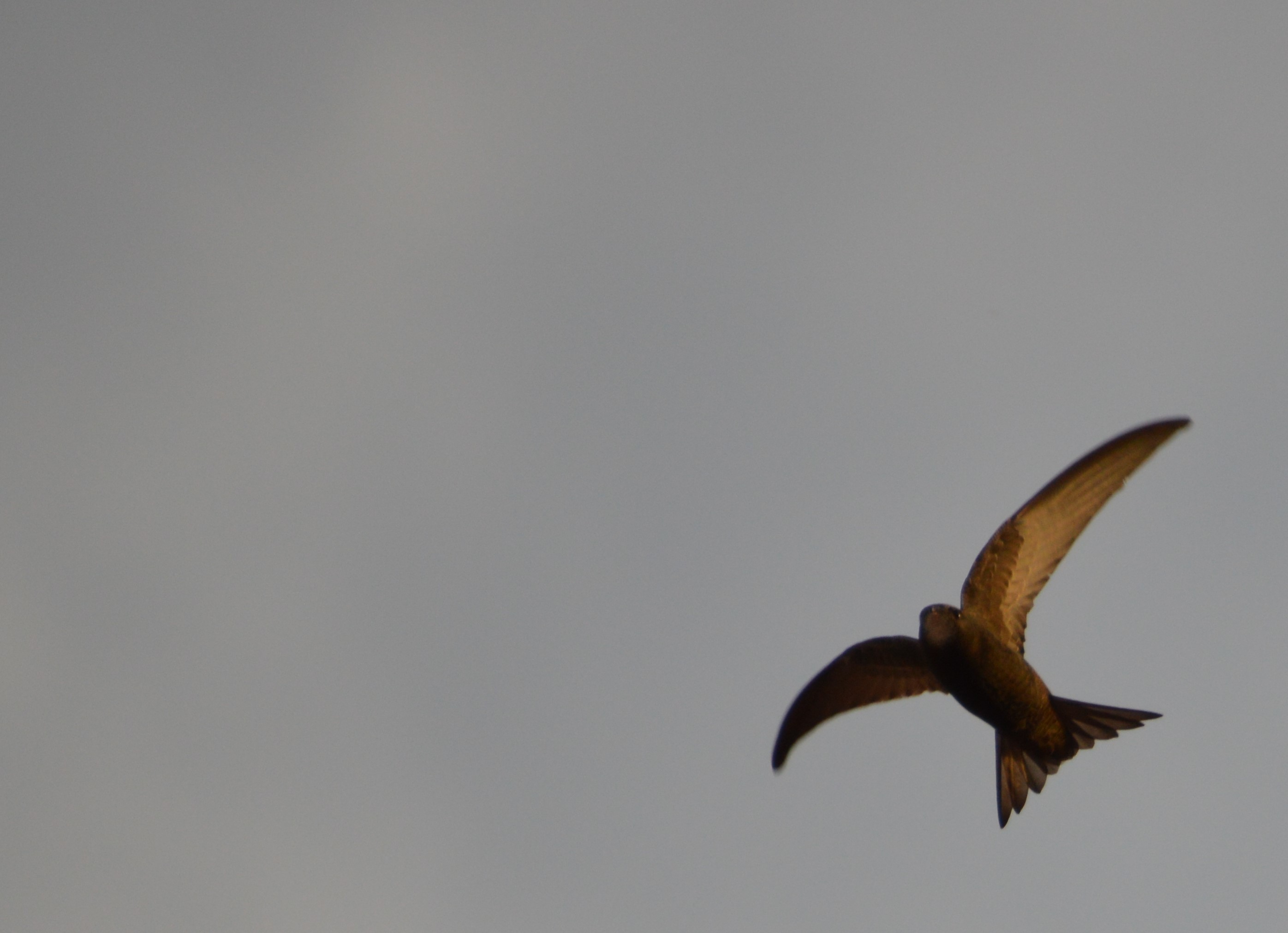
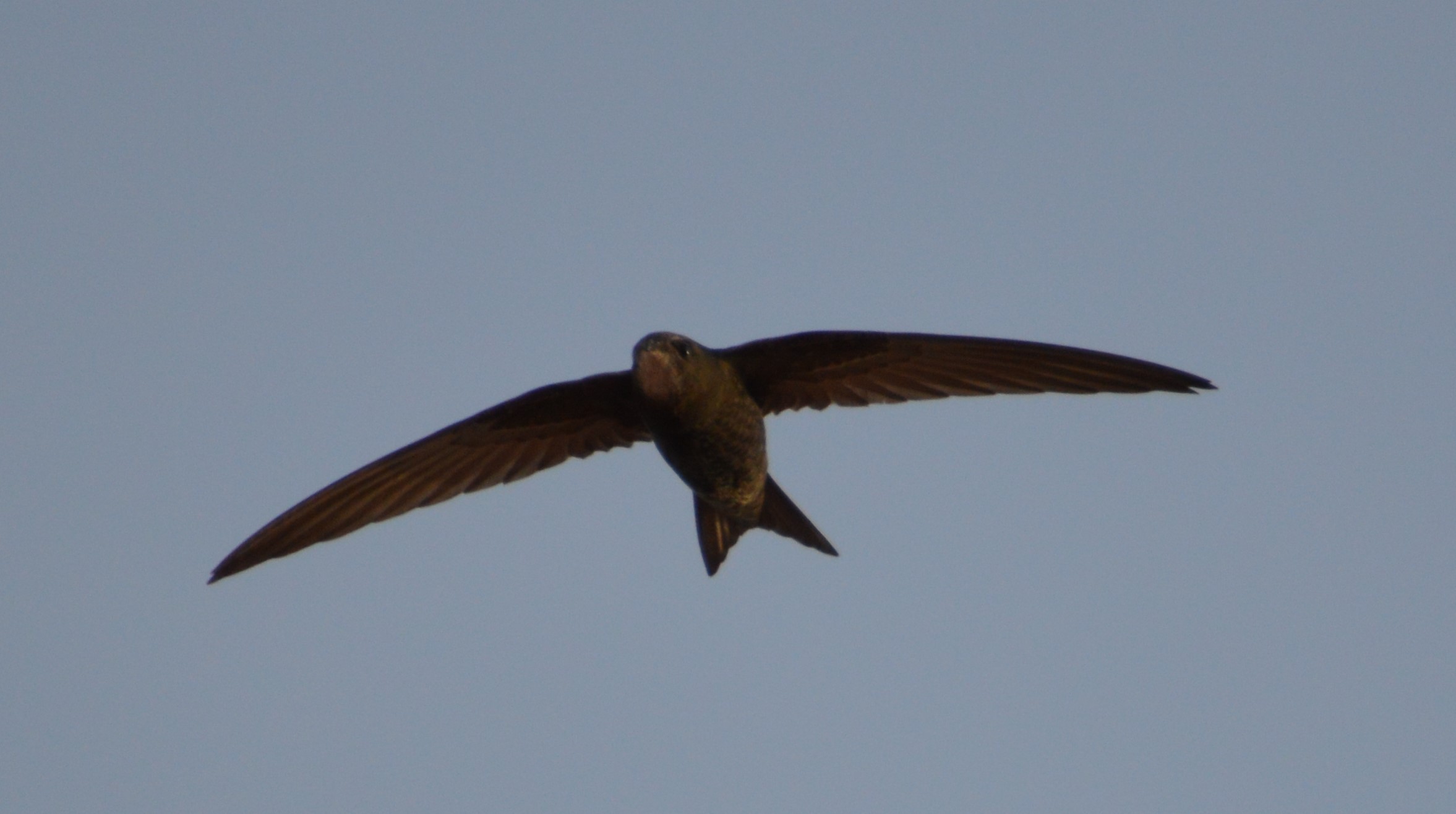
Sometimes, when a bird flies low over your head, you can hear the rush of wind through its wings. Swifts do that, from time to time. Swifts and pigeons. It’s a quiet, singing sound like a sudden release of breath, over and gone by the time you’ve worked out where it came from. Now try to picture the same scenario with a nine-foot wingspan. The result sounds something like a gale, a genuine roar of wind, every bit as impressive as those giant wings. This is Monfragüe and this is a griffon, truly one of the most spectacular creatures on the planet.

Griffon

I don’t really know what it is that attracts me to vultures so much. They’re not the most attractive creatures on the planet. Their heads are snake-like and feather-bare, their eyes are cold and sinister and they spend their entire lives feeding on dead things. If birds are supposed to sing, vultures sound like they have a bellyful of iron filings when they make a sound – and that isn’t often. But for some reason, I’m obsessed with the damned things, and always have been.

DSC_0610

Extremadura is a very special part of the world, but doubly so if you’re as much of a bird nut as I am. The immense blue skies are almost always dotted somewhere in the middle with a black speck wheeling round and round on the thermals: kite, eagle or vulture. I grew up in the south of England where the largest soaring bird you’re likely to see is a rook, and I still remember the sheer thrill of seeing my very first vulture when I was about nine years old. For me they represented Valmik Thapir’s India, of cliff-forts and desert kingdoms. To see them wheeling lazily about the Spanish sky was like something out of a dream. And so the love affair with the griffons began.

5385452975_2c3babecc1_o

Since then, they’ve got me stranded in the mountains, terrified my little brother, warned me of thunderstorms and – in quite possibly my favourite travel anecdote to date – they even got me arrested by the Spanish military police. I kid you not. Apparently photographing vultures isn’t a believable excuse for wandering about the countryside alone at fifteen without one’s passport…

4555278683_0c053028e4_o

(Not even for results like this…?)

If I’d had any idea what kind of scrapes my passion for vultures would get me into, I wonder whether I’d have had second thoughts. Somehow I doubt it. Something tells me I’d have found my way to the same spot sooner or later.

DSC_0761

There are four kinds of vultures in Europe, and all four of them can be found in Spain – if you know where to look. The griffons are the most obvious and by far the most numerous, nesting in colonies that can number as many as a thousand strong. The other resident is the far rarer black vulture, recognisable by its sheer size alone; fully-grown adults measure three metres from wingtip to wingtip, making them one of the largest birds in the world. The Egyptian vulture is a smaller summer visitor from Africa, where they eat ostrich eggs by smashing them open with stones. But it is the fourth and final that is the most famous: the lammergeyer, a golden-bodied, diamond-tailed king of the skies that feeds almost entirely on bones. I’ve only ever seen one once, at an incredible distance, whilst in the French Pyrenees some seven years ago. It remains one of my greatest dreams to go chasing after the legendary quebrantahuesos, ‘the one that breaks bones’.

Like I said, I’m hooked on the creatures.

DSC_0857

I have to admit, they do have some seriously menacing eyes…

Dad was in a grouchy mood and didn’t let us stay very long. Must be something to do with the distance from Villafranca to Monfragüe (which, I should point out, is as beautifully in the middle of absolutely nowhere as are all of my favourite destinations). I could happily have spent five hours and more just stood atop the castle with the vultures wheeling about all around me, or sitting under the cliff and watching them plummeting out of the sky and onto the rock in a fierce rush of thunder.

DSC_0725

Needless to say I will be back. Everyone has their vice. Some like their drink, some like their fast cars, others have difficulty sitting still. I have this peculiar fascination with vultures and I’m not even close to understanding them. Yet. BB x
Paradise Lost and Found

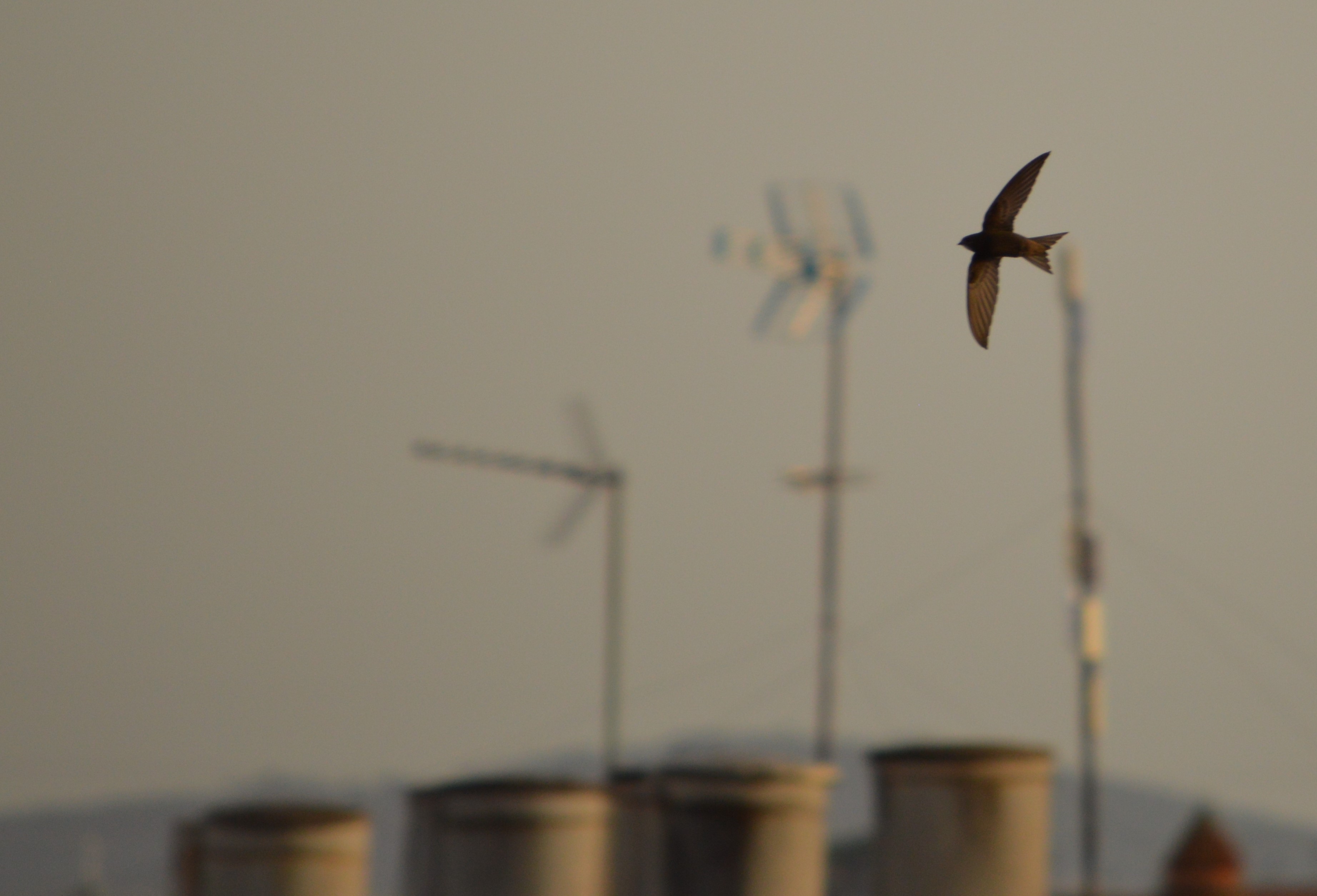
I wish I could tell you I’d read Milton’s poems, from which I’ve shamelessly adopted the title of this post. I haven’t. But even if I had, I doubt a throwaway quote here or there would be necessary. I’m in a place that fills me right up to the top with pure and simple happiness, gives an edge to my writing hand and recharges my well-worn batteries. Paradise has a name and though this one may sound like a cross between a stud and an aviary and smell like a sweet mixture of manure and marshwater, it’s perfection for a country boy like me.

DSC_0314

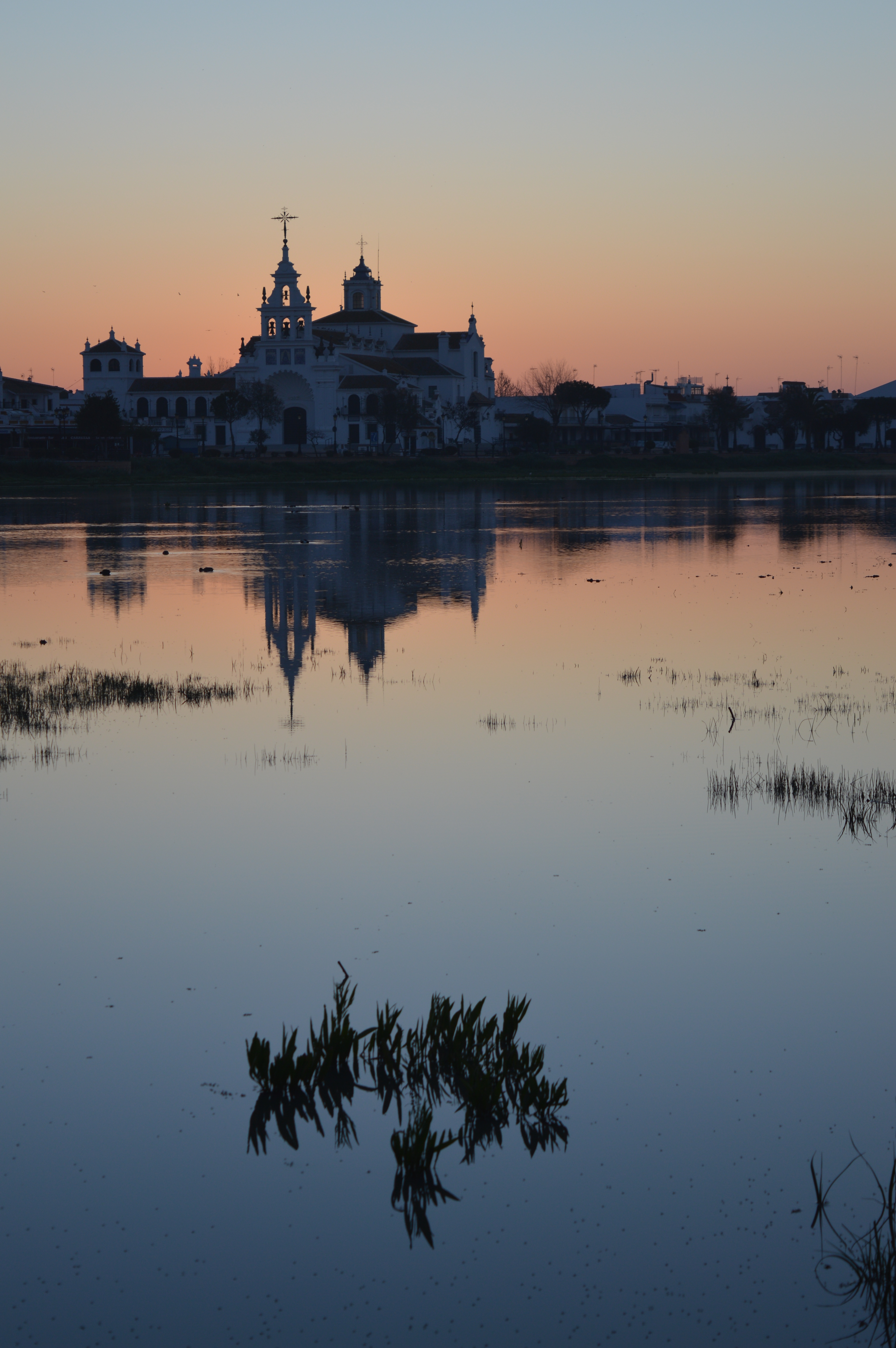
El Rocío. More correctly known as Aldea del Rocío, as that is exactly what it is: a village. It may be the size of a small town, but looks can be deceiving: over half of the townhouses are empty for the larger part of the year. Once a year in May, El Rocío plays host to one of the largest, loudest and more colourful celebrations of the Iberian peninsula, the Romería deal Rocío. As many as a million Spaniards, dressed to the nines in rustic splendour, descend upon the village from all over the country to pay homage to the Madre de las Marismas, El Rocío’s very own Virgin Mary.

DSC_0390

This is a very big deal. Accommodation in that week is normally booked out months in advance, if not years. To give you some kind of idea, have a look at the price hike in this particular hostel below:


My mental maths isn’t brilliant, but I’d say that’s at least ten times the price I’m paying per night, if not twenty. That gives you an idea as to just how popular the festival is.

Semana Santa, on the other hand, is a minimal affair. A couple of special Masses and a single daytime procession on Holy Friday. So what on earth am I doing here now?

DSC_0520

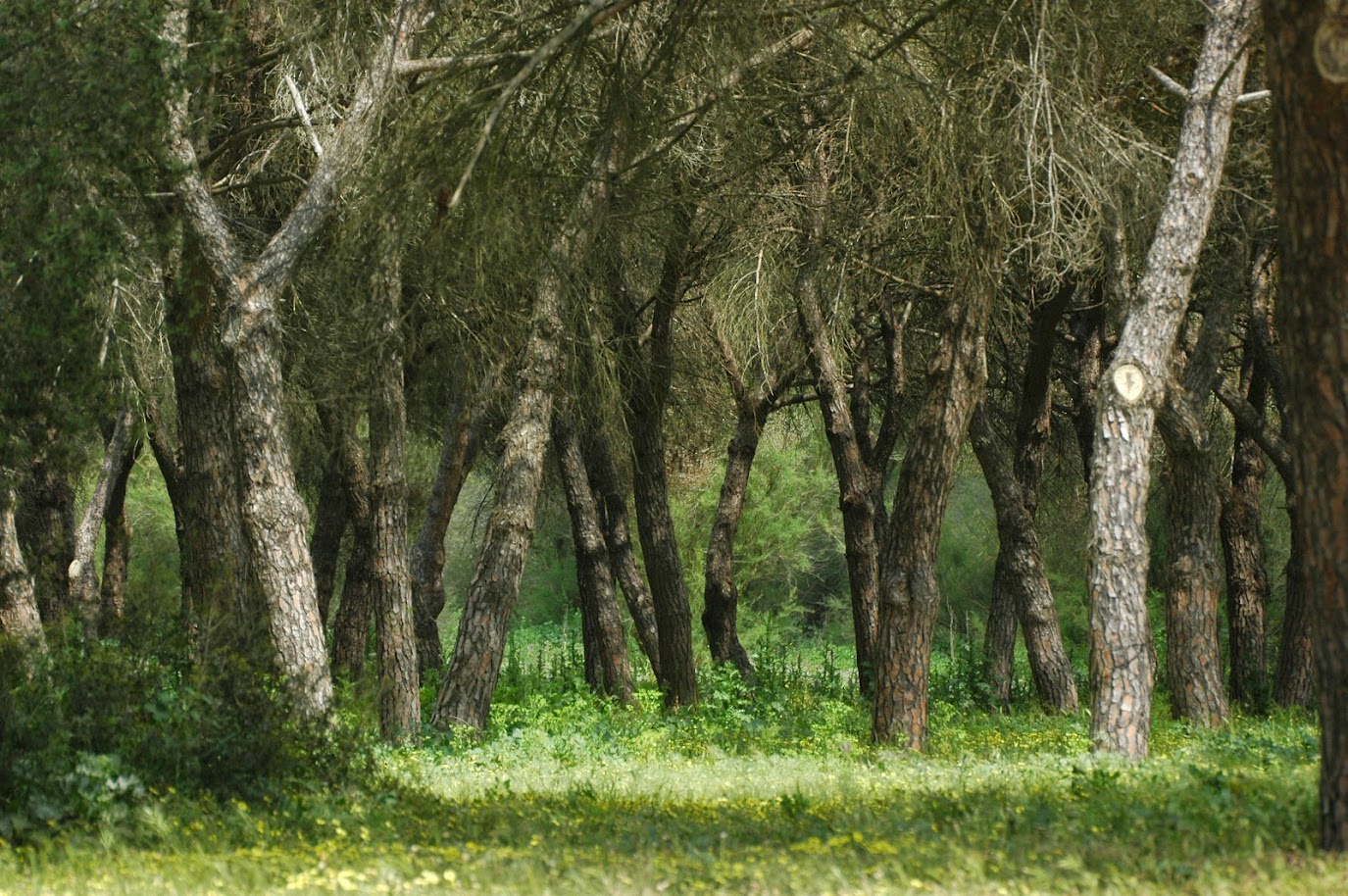
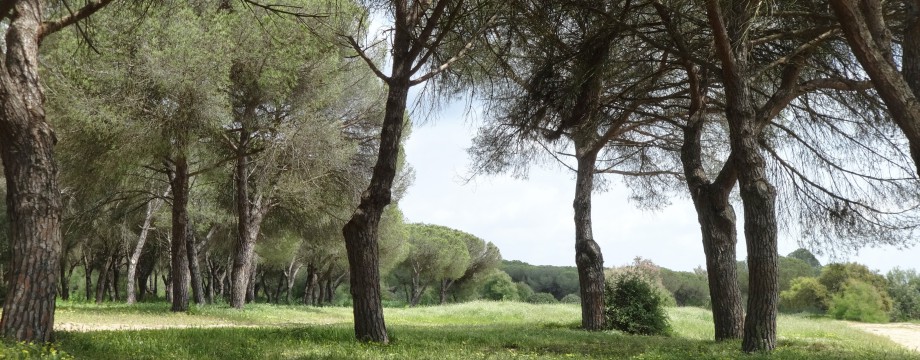
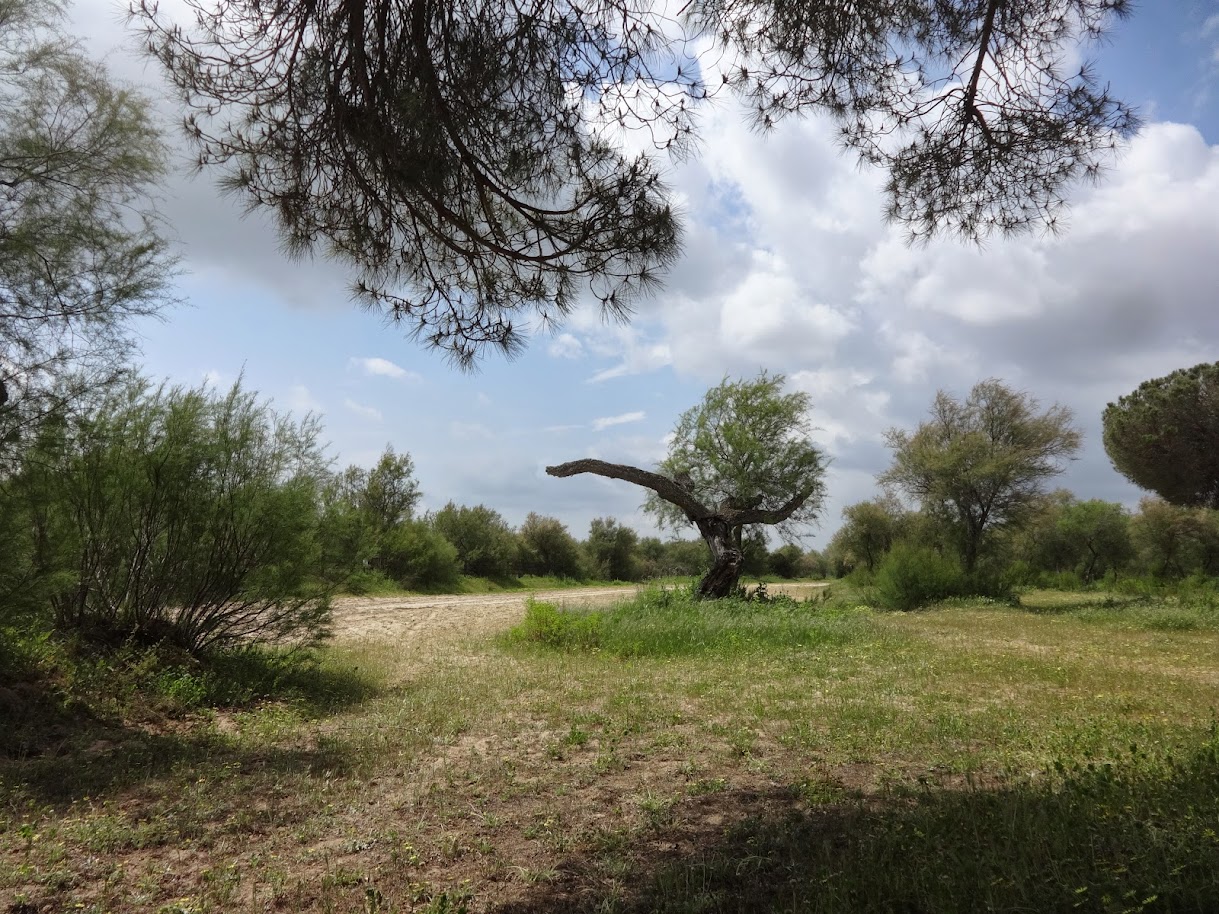
The answer is all around me. El Rocío is drop-dead gorgeous, but better still is the countryside that surrounds it: the skirts of Doñana National Park, one of Europe’s most beautiful remaining wildernesses. Sandy forests of stone-pines stretching into the infinite. Scrubby heaths awash with colourful spring flowers of yellow and white and powder blue. Shimmering lakes and marshes teeming with flocks of noisy flamingoes and an eternally blue sky that almost always has at least one kite whirling about in the distance, whistling a beautiful trill into the mix of carriage bells, chattering swallows, whirrupping bee-eaters and the incessant oop-oop-oop of a hoopoe. This place is as close to paradise as this world allows. It’s also a place where absolutely everyone wears a cap or riding boots or both, so it suits me down to a T. Especially now, when my hair is a triple-crown disaster of a birds’ nest and in bad need of a cut – and therefore hidden under my very own flat ‘at.

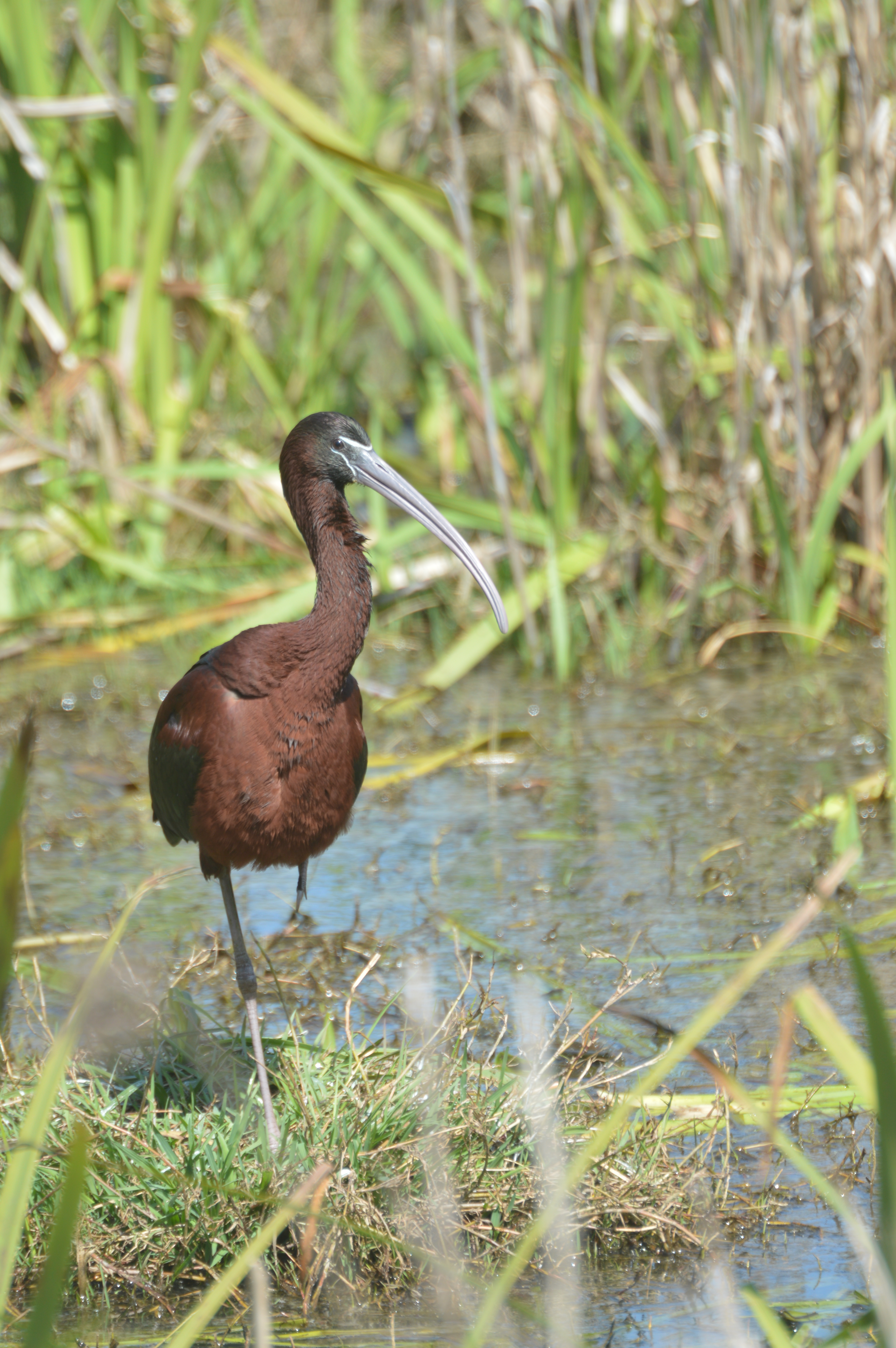
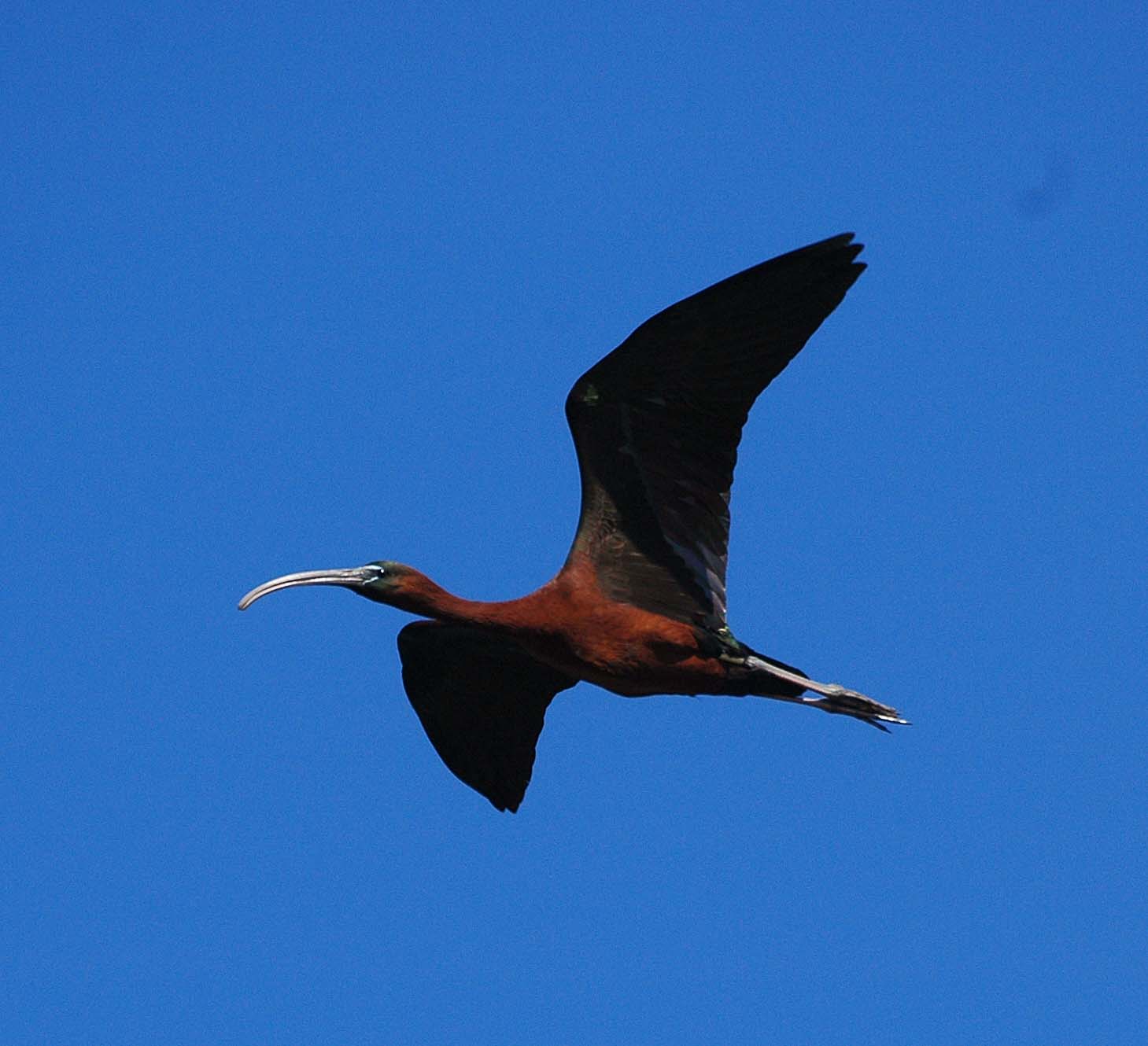
I won’t bore you to death with five hundred words about my birdwatching adventures. It’s not a passion that everybody understands. What I will say about it is that it is deeply rewarding, endlessly unpredictable and that Doñana National Park is the very embodiment of that unpredictability. I swear that it’s different every single year, and I’ve been coming here for the best part of a decade now. In some years it’s half-drowned in rainwater, in others mild after a dry winter. I’ve seen boar, deer and mongooses in one year and never again since. The same goes for the gallinules, herons, pratincoles, harriers and marsh terns; each of them in one good year apiece, but never together. This year’s treasure is the glossy ibis, a Doñana regular that I’ve never been able to get that close to… until now.

DSC_0608

Doñana is one of those places where I can sit and do nothing and watch the world go by without feeling in the least bit guilty. Time just seems to stand still here. That the entire populace of El Rocío seems to prefer the saddle to the driving seat goes a long way to entrenching that romanticism, naturally, but there’s a similarly timeless feeling to be found in sitting in the shade of a stone-pine on the Raya Real and listening to the wind. Every once in a while the blue-winged magpies cease their chattering, the hoopoe calls it a day and all that you can hear is the dry whisper of the wind. It’s spellbinding. Like Merlin to Morgana, I’m ensnared. But it is a very beautiful enchantment.

DSC_0792

At some point I’m going to have to turn my feet back in the direction of town and head for the bus stop (this town’s not big enough for a bus station, especially since they diverted the main road). This morning I was almost keen to move on, in that snug-in-bed-with-a-good-book way – this one’s Shadow of the Moon by my favourite author, M.M. Kaye – but three steps outside and I was entranced once again. Oh, to live here and to spend my days in the saddle! I get romantic notions of owning an Andalusian stallion called Suleiman and riding about the stone-pine woods with the One, whoever and wherever she may be.

That’s quite enough of that. I’ll see you in Seville. BB x
Pilgrim

That’s the first time I’ve ever walked twenty kilometres to get home after a night out. Suffice to say, I also sincerely hope it’s the last. Talk about a walk of shame…

Why did I do it? Because I could? Very possibly. I think it was more the thought of sitting shivering in the dark until the nine thirty bus that made me decide to walk the distance. It certainly wasn’t stinginess on my part; the Almendralejo bus fare is a paltry 1,31€. Perhaps I thought I could beat the earliest bus back to Villafranca on foot. That’s vaguely logical… in a very roundabout-Ben-way-of-thinking. But then, it was five forty-five in the morning. I don’t think I had any real sense of what I was doing. I just remember saying to myself “Alright, let’s do this” before marching off into the darkness like a low-budget Leeroy Jenkins.

As the crow flies, it’s just under twenty kilometres from Almendralejo to Villafranca. I had to take a detour to cross the motorway, so I reckon I clocked just over that. At night the distance looks deceptively close; the twinkling orange lights of the polígono merge with those of the hospital in the middle of the two towns, presumably so situated for industrial accidents in the field. Most of it is traced by the Via de la Plata, the pilgrim road to Santiago from Seville, so it wasn’t exactly a challenging hike. It’s also probably the first time I’ve been sincerely grateful for the vast, empty flat of the Tierra de Barros: navigation is as easy as pie when the nearest hills are a good forty kilometres behind your destination. 

The whole walking-at-night bit didn’t bother me in the slightest. I’d put that down to a six a.m. lack of awareness too, but then, it never has. Of all the things that frighten and frighten horribly in this world, I’ve never been afraid of the night. I learned a long time ago to consider night as just another shade of the day. It’s the same world, only somebody turned off the lights. No deep-seated fears of a shadowy assault or mugging either: I do believe that even the dullest criminal mind would have more sense than to be lying in wait in the countryside in the small hours. The countryside is safety. It always has been, in my eyes. In fact the only mildly unsettling thing in the whole walk was the occasional startled growls of the caged dogs in the farmsteads that dotted the early stages of the route. Alsatians, most of them. It’s a popular breed here. I remember saying to myself “Why can’t you people just keep cats?” and not for the first time. 

Besides the dogs, the soundscape of the early morning Tierra de Barros was really quite magical: roosters crowing, ravens croaking, the tinkle of a pipit overhead and, from somewhere far across the plains, the lonely cry of a stone-curlew. All of this as the sun rose dim and yellow into the clouds on the horizon. My feet might be punishing me two days later, but I don’t regret that walk for an instant. I just don’t think I’ll be repeating it all that soon. It’s a bit like that Spain north-to-south adventure of mine a few years back: it was there, it had to be done, and I did it. Now I can move on.

I don’t think I even stopped for one second to consider what I’d do if it started to rain. The forecast for the weekend was set to bucket it down. I guess I forgot all about that. That I will blame on my fatigue. If it had rained, I’d have been well and truly drenched, and in my best clothes, no less. Why is it that I’m always wearing my best clothes when I set out on these ridiculous adventures? At any rate, it did; a royal thunderstorm hit on the following night, sheet rain, lightning and all the works. Luckily by then I was holed up in my apartment with a cola cao and The Mummy: Tomb of the Dragon Emperor on TV. Someone up there likes me.

I’d like to think that it’s due to foolish misadventures like this that I get to see a side of Spain that most modern travelers simply pass over. You could be forgiven for thinking that Spain, like much of Europe, was fully humanised a long time ago: the sweep of olive plantations and vineyards in the Tierra de Barros certainly gives that impression. But all you have to is close your eyes and listen: the world survives on the fringes. The stone-curlews of these tilled fields and the mournful plovers that ply the once-pristine sands of the raped Costa del Sol hark back to an older Spain, one more ancient than even the oldest of the moorish forts that dot the distant hills. It puts me back in touch with that world to hear them again, just as though I were playing a record from a forgotten world.

It’s not a purely avian nostalgia. As I arrived on the fringes of Villafranca I saw another scene from a bygone age: a muddle of tents positioned about a small campfire where a couple of ragged-looking men stood cooking a light breakfast. Spain’s native gypsies (if such a term is not a misnomer) are a heavily romanticized lot and were mostly squeezed out if their old ways by government programs decades ago, but this new generation of travelers – Romanians, mostly – have taken their place. When I say tents I don’t mean the bright canvas of a modern traveler, nor the UNICEF-stamped donations you might encounter in a war-torn country. These ones might have been cut out of a picture book from the 1930s. Situated on the very fringes of the town, hidden from sight by the town’s waterworks, it’s the very definition of a gypsy encampment. And I thought such echoes had long since faded into history.

You don’t see them in Villafranca proper. The only encounters I’ve had with them so far have all been in Dia supermarket, where they are instantly recognizable by their clothes, by their language and by their complexion; a rich, ochre-brown, marbled like the soil. I’d like to get to know them, to know why they’re here, where they came from and what other stories they might have brought with them, but the townsfolk only have dirt to say on their account. And in my propensity for romanticising the underdog, am I really any better?

Seeing the Romanian encampment made me think of home for some reason, but I was really too tired by then to dwell on it for long. It was purely because I was still moving that I didn’t collapse from fatigue; on the two occasions I paused to get my bearings my head began to spin and I very nearly dozed off. It was only later that night, when sorting through my music collection and The Land Before Time‘s Whispering Winds came on, that my thoughts took me home again. I cried. Profusely. I always do when I hear that one. Damn you, Don Bluth, for producing a film that still brings tears to my eyes some twenty years later. Damn your genius.

Many auxiliares use the holidays to go home to be with their families. Some of my closest friends out here have done just that. It’s a very sensible move, but it’s only when I stumble over such memories that I remember how vulnerable and human I really am. Whispering Winds is on my iPod for exactly that reason; 1608 times around I can put my weaknesses aside and soldier on alone, but there’s that 1609th song that’s there to remind me that neither home nor family is ever truly put aside.

I won’t be seeing home until August. I won’t have time to do so until then, since the third and final leg of my year abroad across the Strait begins almost as soon as I’m done here. Fortunately my parents are coming out to visit me in a couple of weeks, so I don’t have to. I won’t deny that I’m looking forward to having a car at my disposal – being in Europe’s bird capital and relying on public transport is nothing less than tortuous – but more than that, I miss my parents. And there’s absolutely nothing wrong with that. Sometimes I need to remind myself of that. There’s only four of us left; my family is precious to me, no matter what impression my aloofness might give.

A lot of things have happened over the past year. Some good, some not so good. Now that I’ve got the time, I’m retreating for a couple of days to the one place in the whole world that makes me truly happy. It’s a place that has answers… of a sort. My rock, my cradle, my very own Shangri-La. BB x
Ned Stark was Wrong

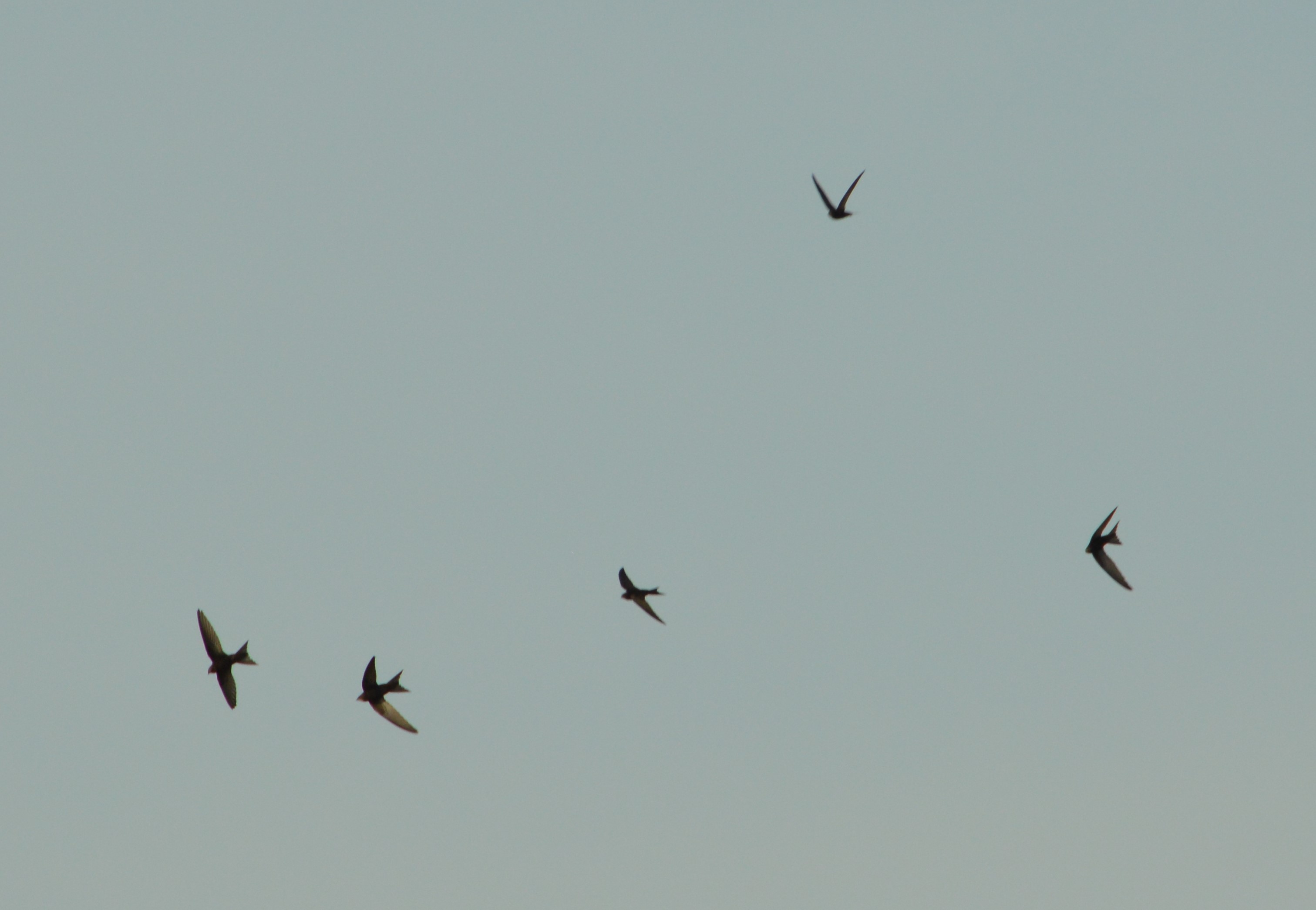
Two weeks ago I saw the first martins wheeling about over the bus station. Last week the first swallows began to arrive and the lonely stork on the chimney of the old factory was joined by his mate. This weekend the chiffchaffs have finally joined in on the dawn chorus and, whilst it’s hardly been what you’d call wintry around these parts, today suddenly feels decidedly spring-y. The sun is blazing away in a sky of cloudless blue and everybody is out in the town square, soaking up the good weather and generally having a good Sunday of it.

The truth of the matter is, quite honestly, that winter has simply not come this year.

DSC_0733

Maybe I’ve been in the north of England for too long, but it stills feels like I’ve been cheated of a season out here. Extremadura is, as its name suggests, a land of extremes: of fiercely hot summers and bitterly cold winters. There are people in Villafranca who remember whole years when it never rained at all. It has rained here, but not often; about four or five times since I arrived, all in all. And whilst the presence of the cranes is a sure sign that it’s winter somewhere, it looks a great deal more like spring right now. The cherry blossom is already in bloom, over a month early, which is more than can be said for the unseasonably early arrival of the migrants. I think I’ll head on down to Tarifa next weekend to check on how things are going in the Strait. If spring has come early anywhere, it’ll be there for sure.

Which reminds me, I really must go looking for the cranes before they leave.

DSC_0736

To celebrate the gloriously early return of spring (alright, so that wasn’t really the reason), a local friend and our would-be guide, Jesús, threw a barbecue gathering in his casa de campo out in the vineyards of the Tierra de Barros. A casa de campo is a real Spanish boon that I’m still struggling to translate. Country house might work, but that conveys a sense of grandeur that most such buildings – merely glorified sheds where your average town-dwelling Spaniard stores his produce, spare furniture and ‘all the shit that doesn’t go anywhere else’ – simply do not have. Ask a Spaniard to show you their casa de campo and you’ll quickly see why Spanish houses are so ludicrously tidy.

DSC_0650

A common mistake that foreigners make is that these are dwellings in their own right. Far from it. They’re almost all two-room bungalows, equipped with sofas, plenty of chairs and a kitchenette, purely for the purposes of hosting summer gatherings like the one Jesús held yesterday. The locals will pay regular visits to their campo, especially during harvest season when they’re more practical than pleasurable, but most of them would never stay in one. It’s simply not done. Would you sleep in the tool-shed?

DSC_0646

Jesús had invited a fair crowd, with an equal balance of Spaniards and guiris, the latter representing England, Wales and three American states. The Almendralejo crew, in all but name. I had the audacity to avoid them almost entirely last term, stopping by only twice, for fear of being sucked into an English-speaking failure of a year abroad (I speak enough English for my job). That was poorly done indeed. Quite unlike the infamous all-English compounds in many a Spanish town, the Almen lot are very much half and half. As the most fluent of the guiris (a title the Spaniards themselves have given me and which I cherish above all other compliments), I get more than enough practice in my grandfather’s language as the ultimate go-between and little could make me happier.

DSC_0655

Although, that said, the copious offerings of grilled chorizo, crackling and manchego cheese on offer yesterday did a damned good job of it.

DSC_0660

No campo gathering would be complete without una vueltecita, or stroll. Jesús’ casa de campo is just off the Vía de la Plata, the lesser known northbound Camino de Santiago and the old road from Seville to the silver mines in the Asturias. We didn’t stroll particularly far, but then, you don’t have to; the Tierra de Barros is so vast and flat that you can see for miles in all directions. It’s hard to imagine when you compare it, but the village of Hornachos, sat astride the high Sierra which shares its name, is as far from Villafranca as Walmer is from Canterbury. Twenty seven kilometers, or fifteen miles, there or thereabouts. And you can see one from the other. It’s that flat.

DSC_0672

We didn’t find any unicorns (don’t ask) but we did find two very excitable dogs and an emu. And a characteristically gorgeous sunset over the olive trees.

DSC_0700

Andalucía, that dusky southern beauty, might have stolen my heart years ago, but honest Extremadura is doing her hardest to win me over and very nearly succeeding. If I end up returning to this land of endless steppe, of Kings and buses named after Zeus’ lovers and home of quite possibly the hardiest of all of Spain’s assistants (I maintain that you have to be at least a few screws loose to choose Extremadura as your home for a year), it wouldn’t surprise me in the least.

DSC_0717

Carnaval is coming, but it’s not here yet, and before that yawns our second five-day weekend; the best we get by way of a ‘holiday’ besides Christmas and Easter compared to the French assistants (a necessary sacrifice, I suppose, for being in a superior country). I’ll sign off before the Spanish blood in me goes to my head. BB x
Back in Action

It’s been a while!

I kept my word, it seems. It’s been about two weeks since my last post. Probably more. In that time I’ve not honestly been up to much at all, hence the dearth of posts, though that probably has more to do with a real need to take some serious time-out; last term was pretty hectic, especially towards the finishing line.

Coming home for Christmas was never part of the original plan, but I’m glad I did. England at this time of year is pretty magical, with the mist, the frost and the rain in the pine woods about the house. Doubly so this year, as it’s been all of three months since the last time I saw rain in Spain. Apparently global warming is to blame. Whoever the culprit may be, it’s impressed upon me just how much I like rain. I don’t know whether that’s ineffably English or the reverse. I don’t really mind either way. I wasn’t really complaining about the gorgeous blue skies and twenty-two degree heat right up until my last day in the country (the twenty-second of December, in fact). All I hope is that it keeps for one week longer at least, so that it doesn’t put a damper on my stay in Madrid next week… more on that later.

That said, I haven’t sung a single Christmas carol this year, and that makes me feel more than a little wierd. Not even Silent Night. That must be the first time in my life where I haven’t. Next year had better make up for that.

I haven’t made anywhere near as much progress on the grand drawing as I’d have liked. Nor have I finished my series of 2015 doodles. What I have achieved over the last two weeks, however, is a new camera. The trusty old Nikon D70 has done me wonders over the last ten years, but… ten years is a long time. Especially in the fast-moving world of digital photography. I got my comeuppance for my loyalty when I went into Extremadura’s biggest camera store and was roundly told by the head clerk that nowhere stocked the ‘gigantic’ CompactFlash memory cards that the D70 runs off anymore. Time, perhaps, to move on.

Fortunately, I’ve been working two jobs and several private lessons over the last three months, so I’ve enough set aside for such adventures.

Introducing the Nikon D3200. In all its 24 megapixel glory.

DSC_0007

Tech that can crack out magazine quality prints on AUTO mode is worth the investment. Sadly, most of my lenses are a little out of date too, and the autofocus doesn’t work, so it’s been an ordeal learning to use manual (finally). A necessary one, but an ordeal nonetheless. Manual and nuthatches simply don’t mix.

To put it through its paces, I took it to Deal for a final coffee with the family before I jet off back to Spain for the unforeseeable future. Even on manual mode alone, it did a fine job.

The phrase ‘a kid at Christmas’ springs to mind; but then, I am a kid at heart, and this is technically still the Christmas season, so there you have it. I’m waiting on baited breath for my kit lens and the ol’ telephoto to have a functional autofocus (I haven’t been able to check thus far as I left them in Spain), but in the meantime, I’ll just keep practising with manual.

DSC_0039

A gannet far out to sea (Sigma 500mm, where are you when I need you?)

Apart from getting back into some serious camera hijinks, it was worth coming home for a reunion with two very special friends, and a whole panoply of others close to my heart. That’s what Christmas time is for; being with your nearest and dearest. A phrase I heard bandied about a lot this Christmas was that people had learned to distance themselves from those they ‘simply no longer really had time for’. I guess that’s a good ethos, and a strong marker of that over-the-hill feeling that is turning twenty-two. The first winnowing of friendships that were once so strong, and at the same time the moment when you see clearly, perhaps for the first time, who the people are that you will fight to keep in touch with. Having always had it in mind to leave these rainy shores to chase my dreams in Spain, I’ve never allowed myself to grow too attached to anybody here in England, but for two shining lights I would return home anytime and oft, and you know I would. You know who you are. Thank you.

DSC_0032

Things you’d be hard-pressed to find in Spain: a tankard of whipped-cream-topped hot chocolate

Well, Kent is behind me now, I’m back in West Sussex – where the rain and the darkness has not ceased for several days – and counting down the hours until my plane whisks me back to Seville and home. But for the wind, the place is as silent as the grave. That hasn’t stopped the birds from letting me know that they have not appreciated my absence, so I made sure to throw out some New Years’ seed for them. They’ve got to be so tame now that I hardly need to freeze when the camera’s out.

DSC_0055DSC_0064

Such is the power of that camera that neither of those have been zoomed in or edited whatsoever. Oh, but we’re going to have some serious fun with this thing.

Well, I’ll keep you posted. My next insert will probably be from Spain, but whether that will be pre- or post-Madrid depends entirely on whether the Bar Atalaya WiFi is in operation. In any case, hasta pronto, amigos. The rain in Spain falls mainly on England x

The Griffon

‘Si te intereses a las aves, hay un buitre al otro lado del río. Hay mucha gente allí esperando que los bomberos lo remuevan. Por si lo sabes…’

The last thing on the hostel TV last night, after the late night showing of Colombiana, was a brief news report documenting the beginnings of a rise in interest in ornithology in Extremadura. I have to say I’m impressed; surprised and impressed. In my experience of living and working in Spain, the most interest the majority of ‘folk here take in birds is whether or not they go well with olive oil. Spain’s not unique in this regard. As my secondary school Physics teacher once said when I explained the risk the Bristol wind farm posed to migrating waterfowl, ‘if it won’t end up on my plate, I couldn’t give a monkey’s’. And that was in England, the biggest nation of bleeding hearts. Well, here’s a little proof that Spain at least is finally taking a turn for the better.

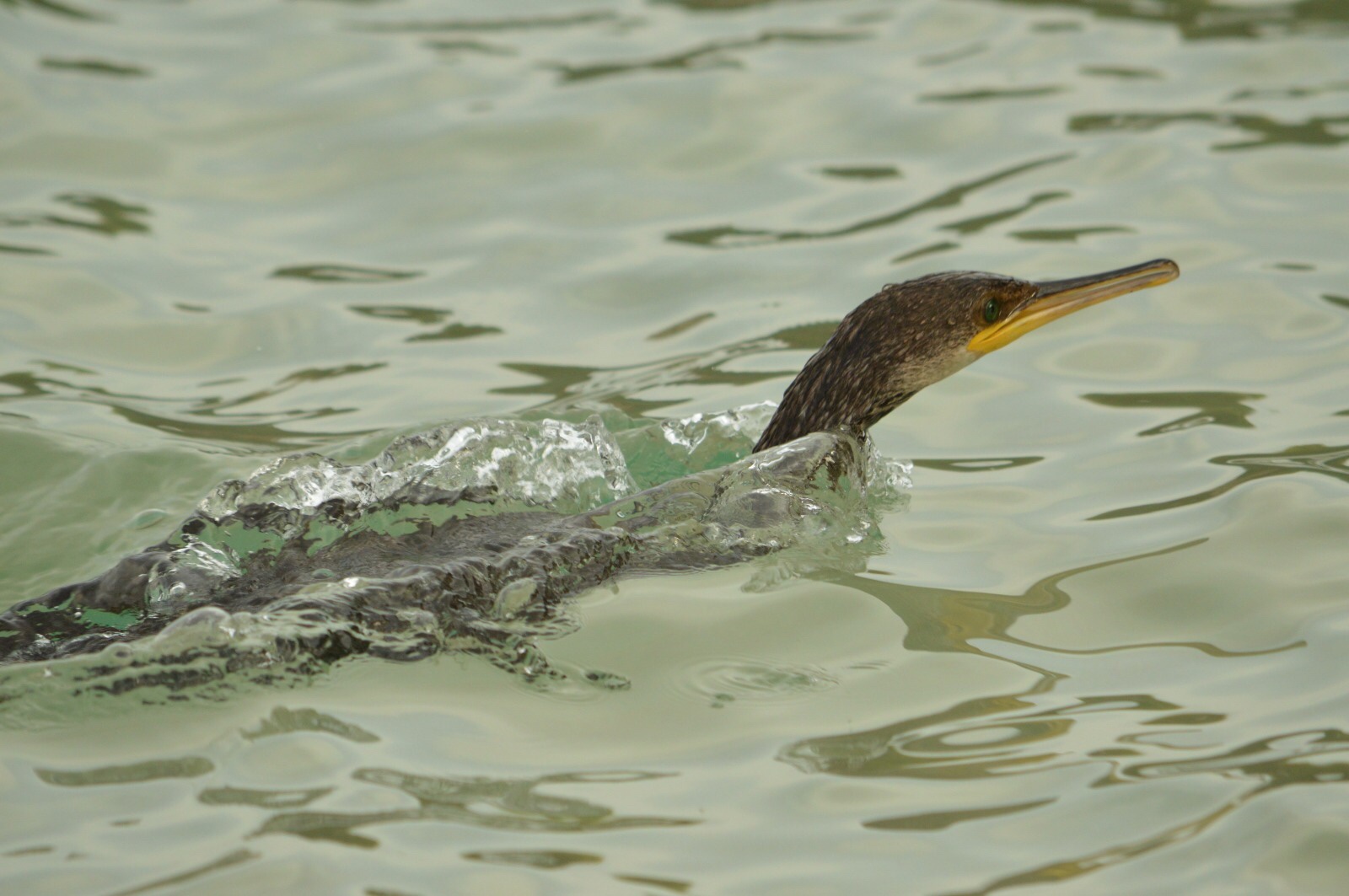
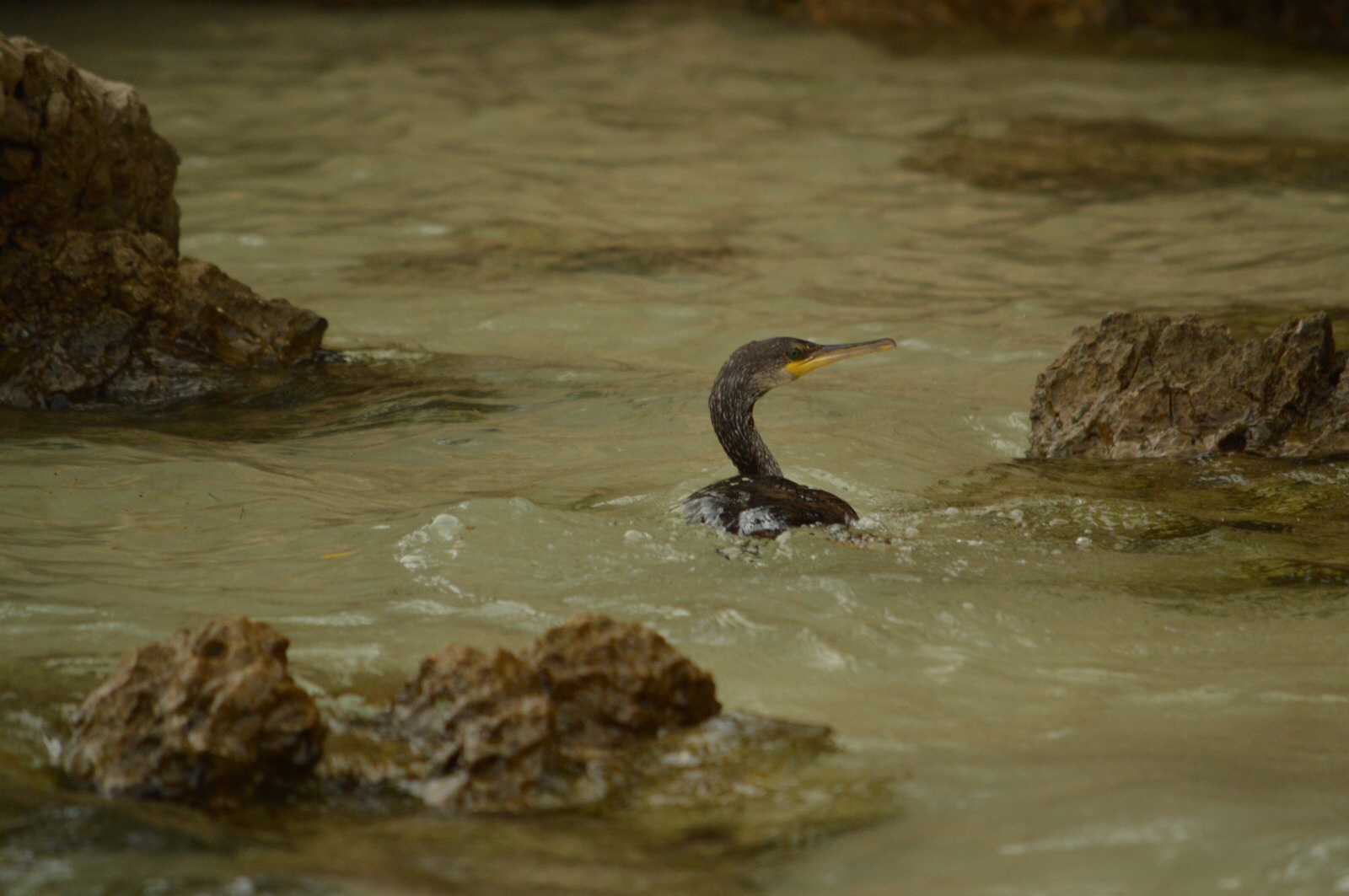
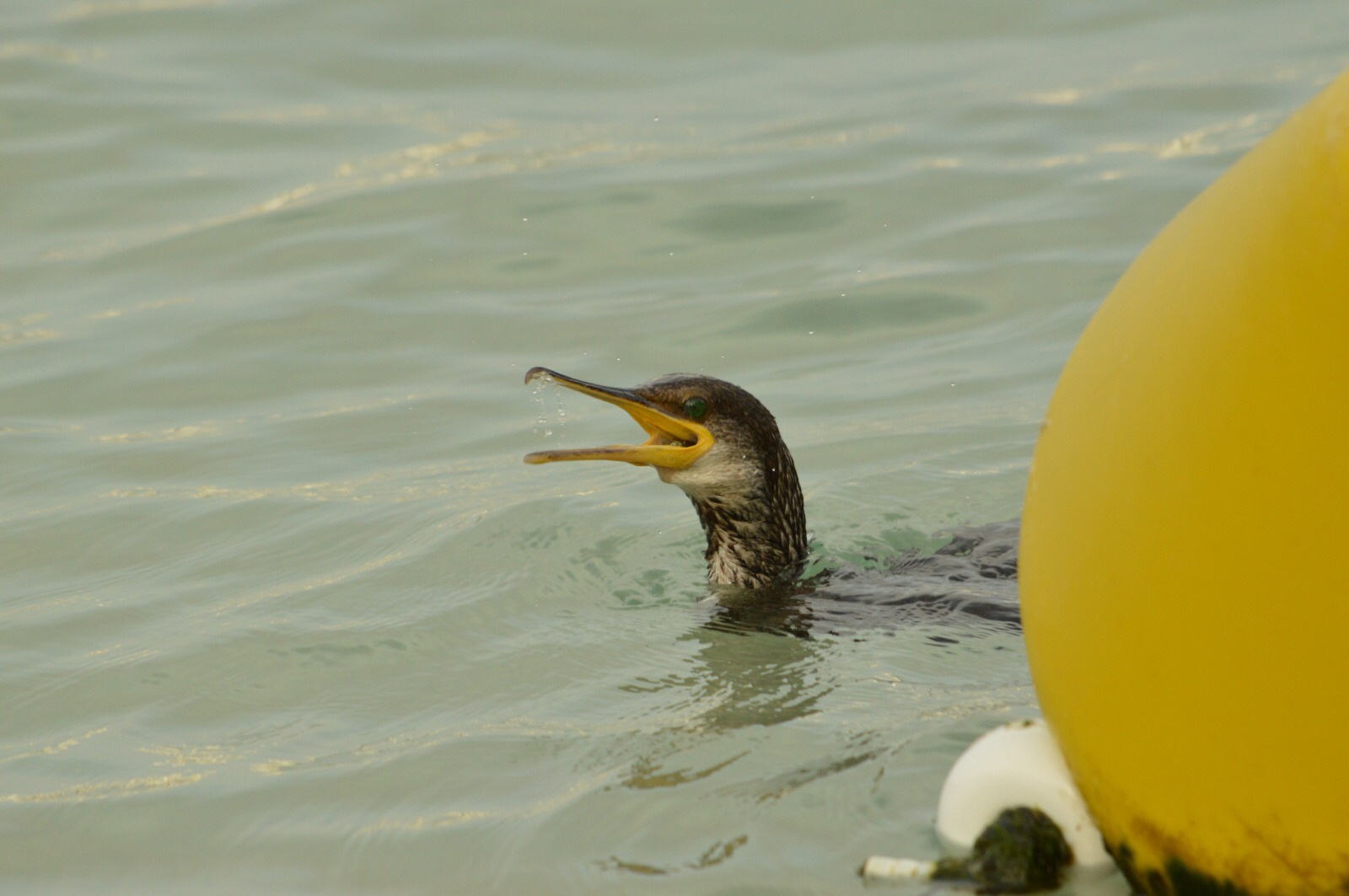
I’ve got a fairly long wait until the bus home, so I thought I’d take a walk along the Guadiana again whilst I’m here and look across the river to Portugal. The cormorants were out on the rocks with their wings spread wide after a morning’s hunting, so I got my camera out for a few shots with Respighi’s The Pines of Rome playing in my ears. And that’s when I got a tap on the shoulder and a friendly local pointed me in the direction of a grounded vulture on the east bank of the river.

DSC_0243

I haven’t power-walked so fast in years. A vulture? Here, in the middle of Badajoz? It sounded too ridiculous a notion to be a lie, so I packed up my gear and left the bridge and the sunning cormorants I was photographing behind in the dust. At first I thought he might have confused buitre with any other large bird – it wouldn’t be the first time – but this just must be my lucky weekend or something, because just a short distance before the second bridge…

DSC_0248

…boom. Sulking in the shade of the roadworks with a crowd of five or six startled onlookers. It could hardly be anything else: vultures are bloody huge, even youngsters like this one.

DSC_0257

I was worried that it might have a broken wing, as it didn’t seem particularly keen to get back into the air. What it was doing here, bang in the middle of the city, is anyone’s guess. Perhaps it was simply tired. At any rate, it wasn’t all too bothered by the two men who’d gone down to join it, both to have a closer look at something you normally only see high in the sky above, and to ward off any dog-walkers that might cause the bird any further distress. My heart goes out to those two.

DSC_0271

I have to admit, I probably won’t ever get a better viewing of a wild vulture than this. Not even in Monfragüe, which is the best place to see them in all of Spain. And here, in Badajoz, of all places! Bonkers.

DSC_0272

‘Watch out,’ said one of the onlookers as it came bouncing forward, ‘That thing’s got a beak that can bite through bone.’

DSC_0275

To everyone’s relief, there was nothing wrong with it in the end, because after some ten minutes it puffed up its feathers, made a few bounding leaps and took off into the air on two giant wings. It wheeled about over the river and almost flew headlong into the bridge, clearing it by little over a metre or so, and flew off in the direction of Portugal.

DSC_0280

Not something you see every day! And now I need to go in search of a USB cable or card reader of some description, because my memory card is chock-full. Well, gallinules, kingfishers, cranes and a griffon vulture, all in twenty-four hours of city-hopping! Now there’s a feathery micro-adventure for you. BB x