The Jolly Company

Gate 23, Bristol Airport. 16.20.

I can’t remember the last time I flew Ryanair. It’s definitely pre-Covid, but it might be even as far back as 2017, which isn’t that far off a decade ago. If memory serves, that last flight under the sign of Brian Boru’s harp was so dreadfully delayed out of Toulouse that my flatmate had to pick me up well after midnight from Sevilla Santa Justa airport – back when Sevilla was a conduit rather than a destination, nearly a lifetime ago.

But, at £15 for a flight to Madrid, I could hardly say no. It isn’t often that I can escape to Spain for less than it costs me to get to the airport. My grandfather’s country has become something of an elixir of late, and one upon which I have become heavily reliant… So here I am, once again, hightailing it out of the country less than twenty-four hours after the end of term, in search of peace, joy and healing – and three blissfully Teams-free weeks.


The train up from Taunton was absolutely packed with revellers, cackling and guffawing and generally reeking of booze, weed or the cheap, sickly stink of vape smoke. A new party seemed to jump on board at every station en route to Bristol, before the 13.18 stopped in its tracks at Weston-super-Mare and, at a signal from the station manager, disgorged the contents of its swollen stomach onto a smaller Great Western train on the opposite platform.

I tried to zone out with a copy of Samantha Harvey’s The Western Wind which I had swiped off my bookshelf before I left – a hasty decision, admittedly, as I don’t tend to return the books I take on holiday, so it needed to be fiction. I got about a hundred pages in before losing interest in the plot when I realised it was marching backwards in time. I’m not the easiest to please when it comes to fiction, but I do tend to blanch pretty quickly at any kind of narrative structure that deviates from a logical chronology.

Here’s hoping my fallback, S.J. Deas’ The Royalist, is a little easier to read. Failing that, I’ve downloaded the audiobook for Dune – and there’s always Madrid’s Casa del Libro.


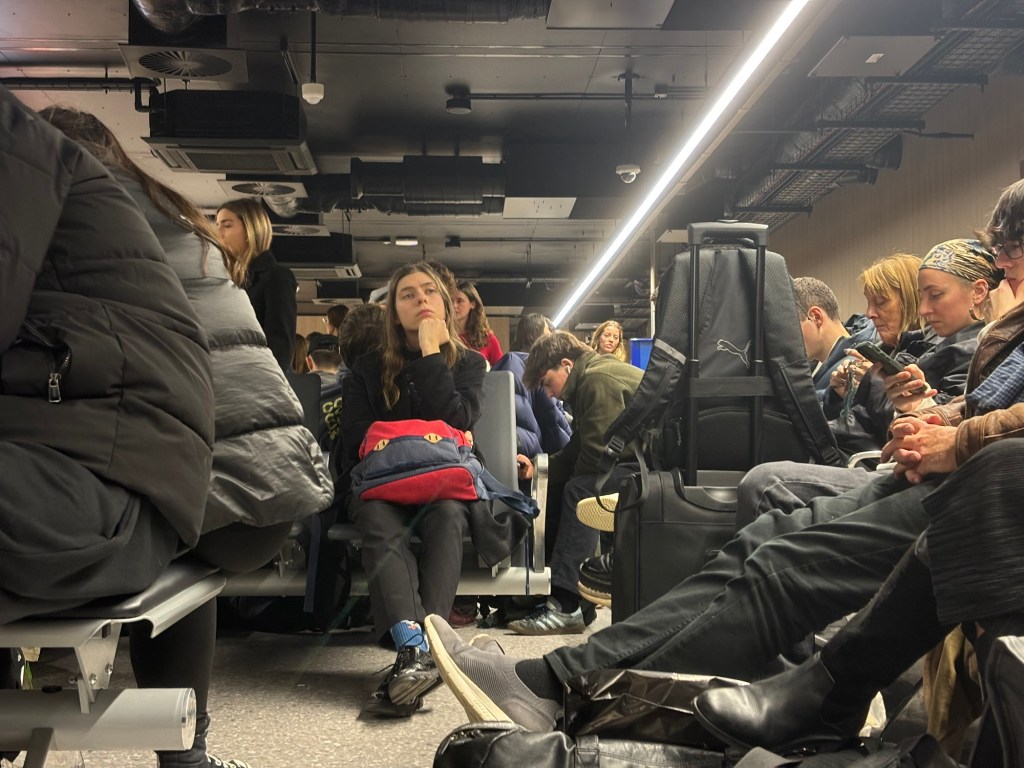
It’s going to be a rather full flight. There’s a large and boisterous throng now gathered here at Gate 23, most of them under the age of twenty. Either Bristol’s entire population of Spaniards are riding this flight home, or several school trips are coming back for Christmas (though I can’t see any teachers). Either way, it’s a good thing I’ve packed light, as I don’t imagine there’s going to be much room on the plane.


They may be noisy, but their language is a lot sweeter on the ear than the F-bomb-littered slurring speech of the revellers on the train. The older I get, the more I feel the sands of time slipping through my fingers. Destiny is calling me back to Spain – I must not turn my head from her. I cannot. BB x

Come and See

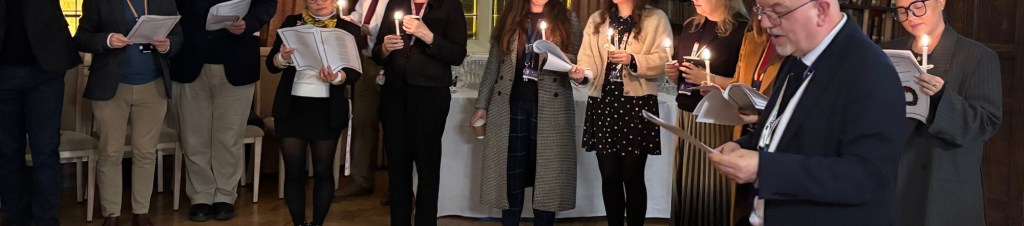
The theme of the Commemoration Service and Prize-giving Ceremony today was Come and see. To that end, the school Chaplain chose John 1:35-51 – the one where Jesus calls together his first disciples. I think the message was intended to convey the importance of getting involved, because that’s something that our kids here really do more than anywhere else I’ve ever worked. But for me, it had a second layer. My disciples, as it were, had assembled for the first time, and delivered one of the best performances I’ve seen in thirteen years.

I have a funk band again. And I couldn’t be prouder of them.


There’s a very real danger of this entry sounding selfish. I admit it freely – it would be foolish of me to claim that my efforts with the school funk band have been entirely selfless. After all, I have wanted a funk band for thirteen years.

Ever since I left my funk band behind at the end of my schooldays, I have had a band-shaped void in my heart. Durham’s Northern Lights, African Singing and Drumming Society and the Gospel Choir were decent placeholders, as were the various choirs and house music ensembles that I’ve cobbled together over the years, but they’ve only ever been pale imitations of what I once had. The fear of cultural appropriation that came in the wake of the BLM movement put all my attempts on ice after 2020, and with the way the workload was piling up as I took on more responsibilities at work, I’d pretty much given up hope of ever giving back the magic… until a year ago, when I sent off a few job applications in a bid for some interview experience.

As soon as I heard that one of the schools I’d applied to had a functioning funk band, the die was cast. I had found what I was looking for. I would consider nowhere else.


I have always loved music. Perhaps the Spanish blood in my heart beats with its own tempo, or maybe it’s because I had two music teachers for parents. Either way, I’ve been making music since the moment I could bash a keyboard with my infant fists. School was a gauntlet of choirs, orchestras and musicals, but it wasn’t until I got involved with the Soul and Funk Band at the school over the road that I ever truly loved performing. My bandleader, a living legend by the name of Mr D, was in a very similar fix to the one I’m in now: he’d been in a band himself, found himself in teaching, and channeled his love for the music right at us, giving us one of the best experiences of my entire school career – and my life, come to think of it. If I have become a carbon copy of that man, it is not at all unintentional. When I was wrangling with teenage relationship troubles and other trivial affairs, he directed me to the microphone and gave me something to take my mind off all of the noise. I got my chance when one of the girls didn’t show up for her solo, and I took over one of the James Brown numbers. James was right: it felt good – so good. It turned me from a shy and reclusive wallflower into a confident vocalist, and eventually, the band’s frontman.

My first teaching post in Uganda set me on the path to being a teacher, heading up Public Speaking and Debating here has turned me into an orator, and Spain made me whole like nothing else could, but it was Mr D and the Soul & Funk Band that really made me the man I am today.

So yes – I have recklessly pursued my lost band for thirteen years, and now that I’ve found one, I have done everything I can to turn an already gifted bunch of musicians into a powerhouse – like we were, when we were young, but even better. But it is not just a selfish nostalgic streak on my part. It is my way of giving back what I was given, all those years ago. And maybe, just maybe, along the way, I can do for some of these kids what Mr D did for me, and set them on the path to the happiest days of their lives. BB x


Set List:

+ Play that Funky Music (Wild Cherry)

+ September (Earth, Wind & Fire)

+ Doo Wop (That Thing) (Lauryn Hill)

Shuffling Along

I’m sitting in the rest area at Bristol Parkway Station, watching the blinking lights of cars cruise around below me in circles like so many coloured beetles in the darkness. If I’d made my original train, I’d be at my mum’s place by now. But there was an incident on the 20.35 from Bristol that the authorities had to deal with, so a twenty minute delay has turned into an hour’s setback as I missed my changeover. I’d chalk it up to some Friday night jollities from some of my ruddy-faced countrymen in the next carriage. The only highlight was the very comical collective groan from the other passengers when the announcement came through. Can I still use the term passengers? It’s been recently outlawed by National Rail, who apparently fear it sounds “too formal” – what has the world come to?

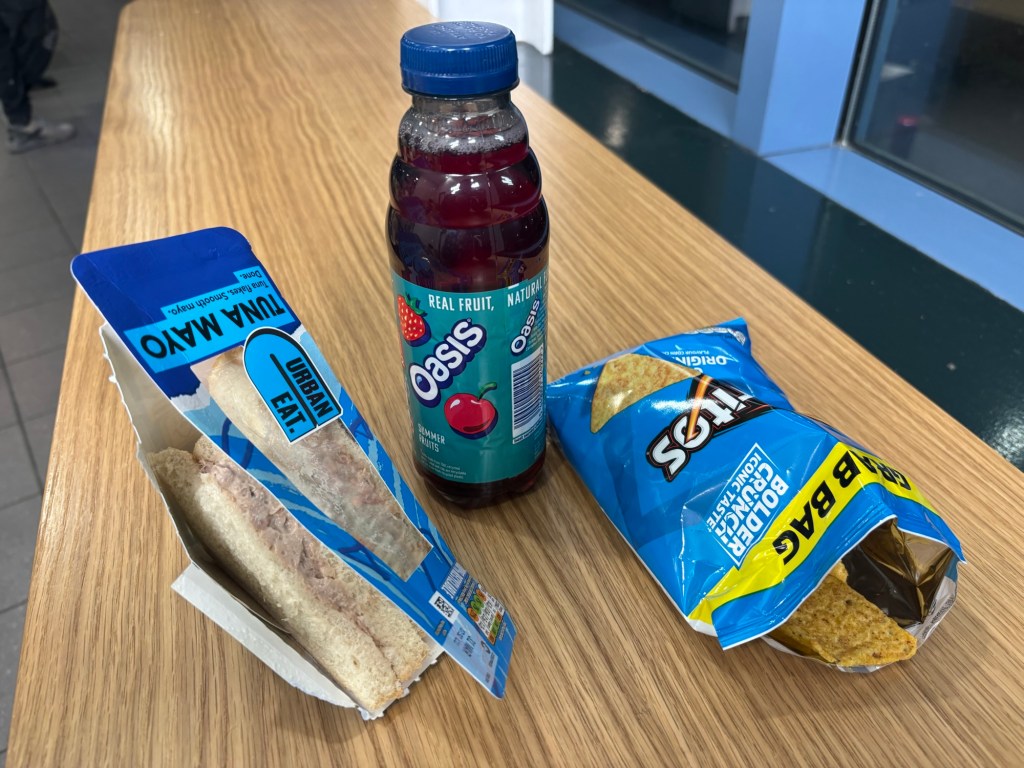
So, I’m stuck here for another half hour. I’ve wolfed down a meal deal and am now watching the world go by with my Spotify on shuffle. The holidays are here at last, so I guess it’s time to blow the dust off the blog and flex my rusty writing arm with a little exercise. I’ll use the first five songs on shuffle as a jump-off point and see where we go from there.


Stronger – Kanye West

Ah, the latter days of 2007. After largely eschewing popular music, my brother and I were simultaneously introduced to modernity with Now That’s What I Call Music! 65 around Christmas 2006, our first away from home during our short-lived attempt to up sticks and move to Spain. Maybe it was because it was a link back to the world we’d left behind, but I leapt upon the novelty, and it’s fairly safe to say that my awakening as an explorer started with that CD. I used to get almost all of my music from those Now! compilations. Thank goodness Spotify came along and broadened my horizons!

It was a good time for music, anyway. Rihanna was still pumping out hit after hit (Don’t Stop the Music had just hit the scene), Ed Sheeran was unheard of, and Kanye was famous for his beats and his bars, and not his antisemitism or his (now ex) wife’s rather large bottom. Those were happier times.


Bailando – Enrique Iglesias

Wind the clock forward around ten years. Durham’s Music Society released the theme for the summer concert (Around the World) and the Northern Lights – then in the early days of our ascendancy – hit the books to find a suitable number to fit the bill. I wasn’t anywhere near as talented as some of my peers (at least four of whom have gone on to moonlight as professional musicians since) so this was my one chance to take the reins with a song where I might be able to do something the others couldn’t – that is, singing in another language.

By that point, aged 22 and fresh from the year abroad, I was spoilt for choice. But let’s face it, it would have been a tall order to get an English a cappella group to sing the Arabic smash hit M3allem, and all the sevillanas I had committed to memory were much too demanding, even for those who could speak a little Spanish. Luckily, Enrique Iglesias was famous enough to provide a bridge between the two languages, and after some negotiation with my musical director, I managed to get Bailando onto the set. I put my heart and soul into my Grapevine arrangement, but I honestly had a lot more fun performing Bailando with the gang, not least of all on account of the choreography.


Mammati – Willie Mohlala

Somewhere at my dad’s place is a little red memory stick containing a number of MP3 files: mostly obscure Ugandan pop and folk music, with a few Dolly Parton numbers sprinkled in for a little variety. That playlist was the soundtrack to the various marathon road trips of my time in Uganda, since the full playlist was never enough to span the enormous distances we used to travel. Shazam still struggles to identify the greater part of that playlist, and since Willie Mohlala was one of the only artists labelled on the tracklist, he was one of the few to travel with me out of Africa. Him and Dolly, of course, though quite how she wound up in central Africa beats me.


AM to PM – Christina Milian

Given my guilty pleasure for early noughties R&B, I’m surprised it took me until the summer of 2024 to discover this banger. I have vivid memories of boogying to this one in a club in town with a girl I’d met on Hinge, the first of several attempts to move on from my American heartbreak. It didn’t come to anything. None of my dates have since. But I did pick up this little number, so I did manage to take something away from the experience. I’ve been using the same excuse to justify traveling more than four thousand miles to discover AC/DC’s Thunderstruck, but since that electric anthem has catapulted itself into my top ten, I’ll allow the hyperbole.


Get Me Home – Foxy Brown ft. Blackstreet

I did a Spotify audit the other day and found I’d amassed about 97 playlists. More than half of them (52, to be precise) are ones I made myself. One of them is definitely a ‘mood’ collection, staffed by Missy Elliott, Blue Six and the legendary Foxy Brown. It’s not one that gets an awful lot of airtime, but it is seriously groovy.


I Go to the Rock – Whitney Houston (with the Georgia Mass Choir)

The London Community Gospel Choir did a school visit to the girls’ school over the road when I was around fifteen. This was back before they were a big deal – and back when there was such a thing as the subject specialist initiative in schools that provided money for that sort of thing. I Go to the Rock was the song they taught us that day.

Like so many of the greats in the music industry of old, gospel was where I truly learned to love singing. It was a true release from years of staid hymnals – which I look back on fondly, but not with the same awesome power that gospel provided. It felt like singing from the deepest reaches of my soul. It’s probably no great leap to say that I wouldn’t have launched myself at the funk band if I hadn’t had that crucial awakening through gospel.

It’s a shame that global politics prevented me from sharing that pivotal joy for so many years. I will always carry that scar, I suppose. At least these days I am in a more tolerant establishment that understands the importance of offering diversity through music. I dread to think where the other road leads. I don’t doubt the talents of Taylor Swift and Ed Sheeran, but if that’s what people like me will be limited to in years to come, my music tastes will be so much the poorer for it.


For the Love of Money – The O’Jays

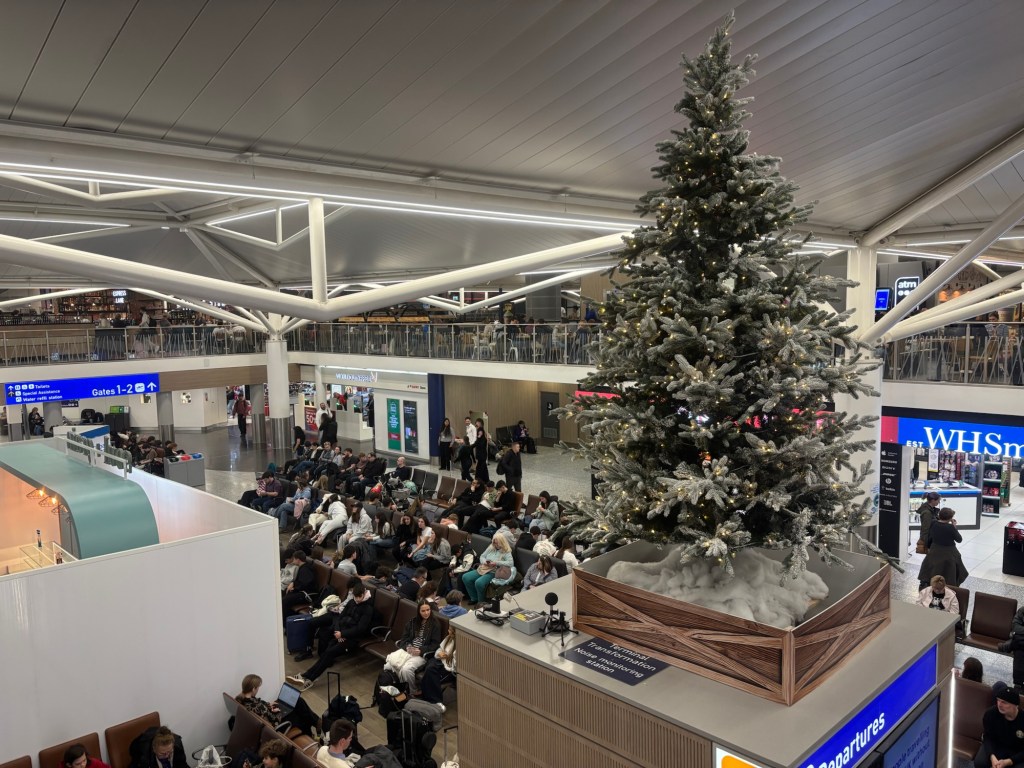
Well, would you look at that. When I started writing this post, I was shivering in the upstairs waiting area at Bristol Parkway. I’m now inching closer to the rammed check-in desk at Gatwick Airport. Turns out most everyone on this flight has the same problem: directed to the check-in desk to collect their boarding pass, due to the sheer number of people on board. I could have dodged this by buying priority, maybe. But with prices up everywhere (the Alhambra visit is costing me nearly £100!) I decided to dodge the £8 priority add-on this time. That’s on me!

Money is the root of all evil – do funny things to some people. Spain is in the throes of an anti-tourist rebellion, centred on Barcelona, Mallorca and the Canary Islands. And not without reason: the tourist trade has been allowed to run rampant in some parts of the country, to the point where it has utterly destabilised life for the locals, forcing a dependence upon tourist money that only comes but a few times a year. Unlike Santa Claus, however, it doesn’t seem to be spreading much joy. Some protesters vented their frustration last year by hosing down tourists at cafés along Las Ramblas with water pistols.

I’m hoping to investigate this blight a little during my adventures over the next three weeks. I appreciate the irony of doing so as a tourist, but I’d like to think that by avoiding resorts and foreign hotels, I’m doing my part to contribute to the local economy in parts of the country that aren’t necessarily overrun. Speaking Spanish helps.


Well, ten minutes until take-off. My arm feels exercised. See you on the other side! BB x

Saying Yes, Saying No

I had my probation meeting today. No, don’t worry, it’s nothing to worry about – just the first part of the “settling in” process of the new job. It’s always good to get constructive feedback on your teaching, and even better to get positive feedback from kids, colleagues and parents alike. Emails remain the bane of my existence, my beast to be slain, and I dare to say that, had I gone into the teaching profession a hundred years ago, before the days of instant communication, I might even have been an exemplary teacher.

Most of all, however, I can’t help but find it delightfully ironic that my main piece of constructive criticism was that I still have a tendency to “say yes to everything”. Saying yes was something of a New Year’s resolution, and it’s been a bloody good one, to be honest. So far “saying yes” has given me: a new job, a short-lived but precious romance with an American beauty, a string of adventures from Paris and Prague to Poland, the chance to teach French again after several years’ oblivion, the title of Head of Debating & Public Speaking and, finally, a well-intentioned caution.

In fact, probably the only thing I’ve said no to this term was tonight’s post-carols drinks with the staff, and that was only because I’d have missed my train if I’d delayed even a minute longer.

I guess that’s just as well. I don’t think I’ve ever felt more exhausted after a Christmas term. It’s been pretty full-on, even by my standards.


I’m off to Poland tomorrow. Polish is absolutely not one of the languages I claim as part of my arsenal, so communication is going to be a bit ropey – but, hey, that’s nothing new to me. It has nothing in common at all with any of the languages I speak, so learning has been slow… on top of everything else I’ve had on this term. Sometimes I have to take a step back and think about all the plates I’m spinning at work:

  • Teaching French and Spanish to Years 7-13 (spanning two different exam boards for GCSE as well as A Level and the IB)
  • Heading up the Debating & Public Speaking events and competitions
  • Living on-site as a boarding house deputy and working two overnight shifts a week
  • Volunteering with a local school
  • Tenoring in the Chapel Choir and staffing any and all music trips
  • Attending as many home fixtures as I can to support the boys

No small wonder I’ve had no time for a relationship or driving lessons this term…! The stress of the latter might just have broken me, if I’d managed to fit my lessons in anywhere at all into my crammed schedule – which is highly unlikely. I think the only reason I managed last year was because I was six years into the job and had taught most of the kids for years, so I could walk straight from my driving lesson into teaching Year 10 GCSE Spanish without batting an eyelid.

Most rational teachers would be practically collapsing into bed tonight after a term like this one. Instead, I’m lugging two rucksacks across the country to catch an early morning flight to Warsaw, so that I can spend the first four days of the Christmas holidays in some bleak corner of Eastern Europe searching for wolves (or traces of wolves). I blame all that time spent reading The Tiger this summer. I’d be tracking Siberian tigers if I could, but I’ve traveled across the world once already this year in search of a dream, so I’m settling for an adventure a little closer to home this time.

At least it’s meant I have something to say in return when my students tell me about their Christmas plans in India, Florida and/or the Maldives. “Wolf tracking” seems to fall under the banner of decidedly unusual responses to the question “any plans for the holidays?”.

Thunderstruck is playing in the one functioning ear of my earphones. The train is fifteen minutes late but racing to make up for lost time. I’ve fired off the usual end-of-term fusillade of messages to friends and family, bursting upon the surface of my WhatsApp in two-minute intervals like an underwater volcanic vent. Old habits die hard. Thunderstruck was the great gift of my American adventure, and it’s been a real mood-lifter ever since. Unsurprisingly, it’s my most played song on Spotify this year.

I think I’ll listen to it a couple times more as the train nears its destination. I could use a boost. BB x

Tiny Wings

3rd October, 10.40pm. The Flat

The October half term holiday came to a rather unorthodox end this evening with a last minute trip into town to catch a talk by celebrated English nature-writer, John Lewis-Stempel, on his latest release: England: A Natural History. It isn’t every day you get to meet people who you have grown up reading, and as this is a year for saying yes to things, why not? I came away with a signed copy and a really interesting chat with the author about the importance of names – not just the scientific names of the animals and plants around us, mind, but the old English names that are disappearing even faster than some of the creatures themselves: you might have heard of a peewit or yaffle, or possibly even a dumbledore, but would you know a bumbarrel or cuddy bear* if they were sitting in a tree in your garden? (Answers at the end!)


I’m feeling much recharged after ten days’ leave. These boarding school terms really do knock the stuffing out of you, though as I like to say, I’m happiest when I’m up to my eyeballs – it leaves less time for dwelling on things. I left it a little late for any far-flung adventures this year, but I did make it to Dartmoor a few nights back, taking advantage of the last few days of the public bus service that crosses the moors before they shut down over the winter.


Why Dartmoor? Possibly because it’s arguably easier to get to by public transport than Exmoor, which is a lot closer, but mainly because I had an insatiable itch to see the legendary Wistman’s Wood, a tiny sliver of temperate rainforest nestled deep in the heart of the national park. It popped up in a number of ghost stories I read a while back and again in Guy Shrubsole’s The Lost Rainforests of Britain. The desire to see that last fragment of the Great Wood that once covered this island ended up pressing against the inside of my skull like Wistman’s own stunted trees.

I was holding out for mist and fog, but I had neither. The weather was actually remarkably pleasant for fickle Dartmoor, so instead of mirk and mystery I was treated to soft clouds and sunlight through the ancient branches; the kind of warm glow that Tolkien bestowed for a moment upon Fangorn Forest, an ancient wood of his own design. Did he pass through here, I wonder? His faithful illustrator Alan Lee certainly must have done at some point.


Just as it sits in a valley in the innermost chamber of Dartmoor’s heart, so too is Wistman’s Wood at the heart of much of Dartmoor’s folklore. It is said to be haunted by the spirit of a terrier who can still be heard scampering through the boulders, while by night it is prowled by the far more sinister wisht hounds, a local variant of the hell-hound myth that can be found across the British Isles, from the gytrash and Barghest to the Beast of Bodmin. The wisht hounds were believed to be kennelled in Wistman’s Wood by Old Crockern himself, the ancient pagan spirit of the moor whose foreboding tor rides the crest of the hills a short distance to the west of the woods.

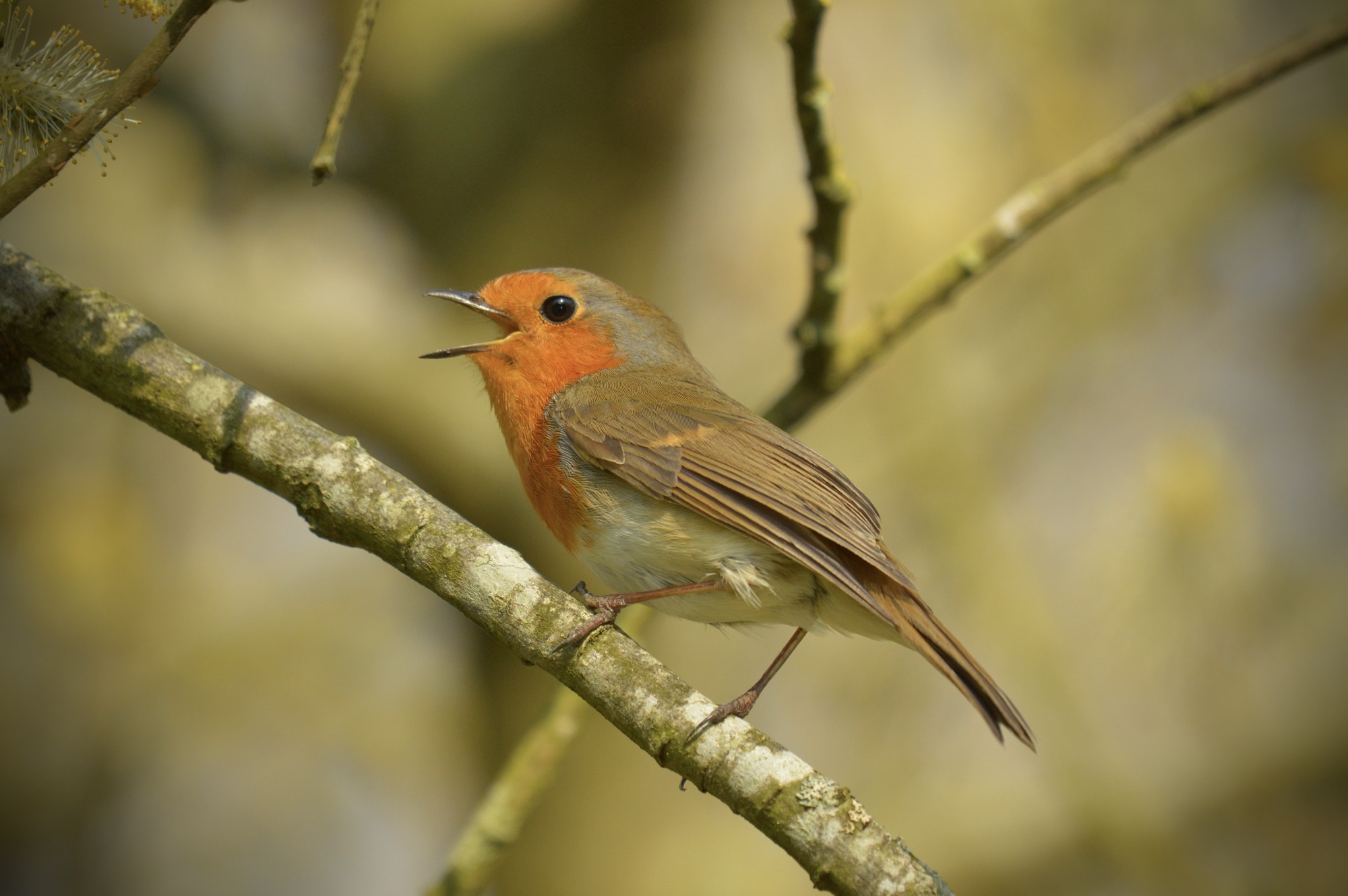
There were no malevolent spirits during my brief stay, of course – at least, none that I could see from my perch atop a boulder on the fringes of the forest (visitors are no longer allowed to enter the wood proper, so as to protect the longevity of this sacred and truly unique ecosystem). But that is not to say the place was lifeless: quite the contrary, in fact. There was no wind, but the trees were alive with rustling leaves that turned out to be the beating of tiny wings. In the space of a single minute I clocked three species of tit (blue, great and coal), blackbirds, redwings, wrens, robins, tiny treecreepers and the truly pint-sized goldcrest, our smallest native bird. I haven’t seen a forest so alive in a long time. Even the air itself felt different, a fact that would have been obvious to all but the senseless by the thick, mossy lichen growing on every surface, a perfect natural yardstick for a healthy forest.


I spent the next five hours or so wandering in a wide arc around the surrounding moorland, following a rather makeshift path swiped from the internet the night before. I haven’t hiked around Dartmoor since I was at primary school, so I’d forgotten that, up on the moors, river crossings are often not bridges but rows of stepping stones. Which are a delightful challenge in balmy summer weather, no doubt, but something of a roadblock after the first heavy rains of autumn. I made the tactical decision to not tempt fate and so I took off boots, rolled my trousers up to my knees and waded across.

I hardly need to point out that Dartmoor’s rivers are devilishly chilly – and surprisingly deep. I was just shy of the other bank when the water came almost up to my waist. Thank goodness I’d brought a spare pair of trousers, or I’d have had a very wet hike back to the inn!


Luckily, as I crested the hills due south of Two Bridges, the sun came out to guide me home. It seemed to turn the grass to gold, in a wave that washed down the hillside until I was stranded in an ocean of golden blades. I straggled up to the Crock of Gold, a small stone-strewn vantage point where, as if on cue, a shining rainbow daubed itself across the grey sky to the north. No leprechauns on this occasion, but I got my gold one way or another.


Well, I’d better put down my proverbial pen and get some sleep. Back to work tomorrow, and another busy term awaits! BB x


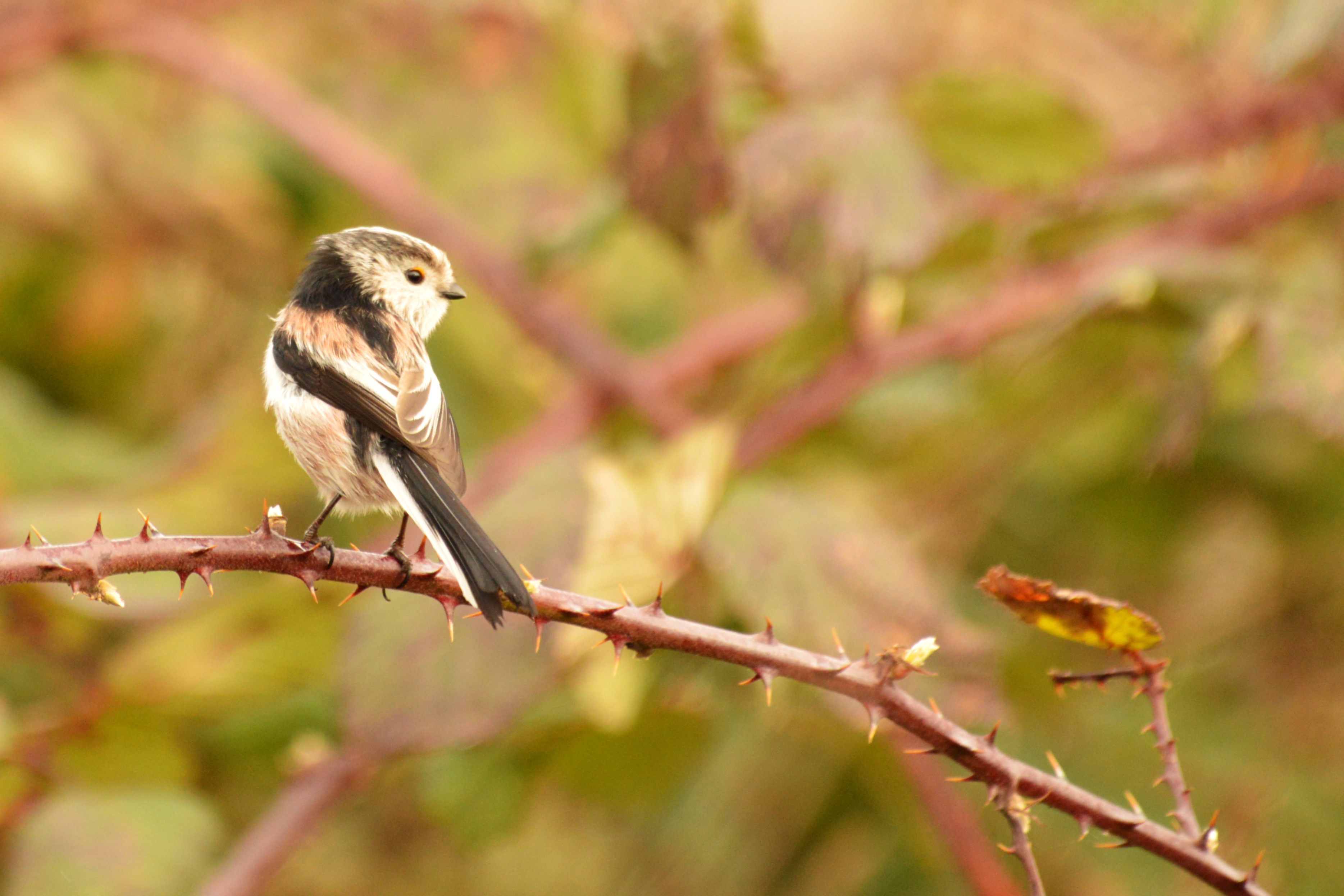
*Bravo for holding out for the answers! A peewit is of course a lapwing, a yaffle is a green woodpecker and a dumbledore is a bumblebee, while cuddy bear and bumbarrel are old English names for the wren and long-tailed tit respectively! Go figure!

Article Ten

This morning I found myself in Taunton’s market square, standing shoulder-to-shoulder with a branch of the Stand Up To Racism movement, some of whom had come from as far afield as Bristol to head off the rumoured far-right protest that had been brewing here.

It was morbid curiosity that drew me into town, I suppose. My driving instructor inadvertently tipped me off about the planned protest, and the journalist in me wanted to see events unfold for myself rather than trust in the news, which is so very hard to do these days. I had no idea that the rally I would find would be the counter-protest, nor had I planned to join in, but curiosity turned into a burning sense that the right thing to do, the right place to be, was there with the peace rally.

My great-grandparents, Mateo and Mercedes, had little love for the fascist regime under Franco. My bisabuela went to the grave convinced that the state had murdered her husband on the operating table, as his Marxist beliefs were well-known. So in a way, it felt like carrying on their work, standing up to fascism, even in a small way, some seventy years after Mateo’s demise.


Trade unionists. Socialists. Artists. Refugees. Doctors, policewomen, teachers. English, German, Indian, Cameroonian, Brazilian. Shouts of Whose streets? Our streets! Representatives from other movements jumped aboard: Black Lives Matter and Free Palestine joined the fray. Some of the speakers pulled the rally in different directions: frustration against the super-rich coorporations, against Sunak, Patel and Braverman, against the police (who, credit where credit is due, had sent a small detachment to protect the rally today, so that last speaker’s targeting was poorly judged). I couldn’t help but be reminded of Orwell’s experience in Catalunya during the Civil War, however, with so many factions within the Republican camp and our own. If the opposition did come to meet us in force, theirs would be a militia to our band of mercenaries.

The minutes turned to hours, and the opposing force that were supposed to be marching on Market Square failed to materialise. A police officer let us know that the mustering point in Hamilton Park was still empty at one o’clock, when they were supposed to have gathered in force, and a cheer went up from the crowd. An elderly Indian man embraced everyone around him, gleefully repeating “We did it! We scared them off!”.

Scared is probably the wrong word. You can’t quell that kind of resentment that easily. They also weren’t entirely invisible this morning: an armoured car sporting four Union Jacks and a large gun mounted on the roof did make three threatening laps of the square towards the start of the rally, its driver staring at us with hostile, wordless eyes, before the police chased him off. I should be grateful that’s the closest we got to any kind of danger.


I confess I don’t exercise my civil right to protest nearly as much as I should. Going to a protest in London always felt dangerous, and just getting there and back was easier said than done, what with Thameslink and Southern Rail experiencing eternal delays. So it’s nice to be able to do my part here in Taunton, while I still have time and energy to spare.

It’s now after 4pm. The Avon and Somerset police issued a statement half an hour ago that the planned protest never did take place. They also counted us – at its peak, there were sixty of us in the square, beating back the prejudice and the hate with words alone. It’s a small victory, but if such a thing can be repeated nationwide, we will have made these islands a friendlier place for those who come here to seek their destiny.

To paraphrase one of the speakers today, immigrants are the backbone of our NHS, but they prop up the country in so many other ways. They give us new perspectives, open up our small worlds to larger spheres. If we can open our hearts and our minds, we can learn so much from them. The United Kingdom is not just a name, it’s an ideal: a kingdom of people from all walks of life, working together. We are so much the richer for it.

Life doesn’t always take us in the direction we want, but it does have a very good habit of setting us back on the right path in the end. Or, in another writer’s words:

The infinite will of God is always mysterious, mercifully granting us what we need more often than what we want.

Thomas Hoover, Moghul

See you around, folks. BB x

Before the Storm

Three weeks of the summer holidays remain, which I must now try to fill somehow. Yesterday I went up to Bristol – for better shopping, primarily, but also because I’d never been, and there’s at least a couple of things in this city that I wanted to achieve: a new suit for work, and a close encounter with arguably one of the most famous statues in the country.


Bristol was not as busy as I expected, but then, with all this talk of protest in the air, perhaps that’s not surprising. Despite the official line from the police to the contrary, at least two shopkeepers warned me to get out of town before 6pm. They said that a mob was being gathered online to march on an immigration legal aid firm in the Old Market district, not more than five minutes or so from Bristol Temple Meads Station. I passed several shops with signs in the windows indicating an early closure, and I saw at least one being boarded up, just in case things got out of hand.

Part of me considered sticking around to see what went down, but for once, the rational part of my brain (which usually plays second-fiddle to the romantic up there) took charge and sent me home. Still, it was quite something to see a city preparing for potentially violent civil unrest, like a quiet siege. It was rather eerie. I’ve never seen anything like it before.

As it happens, there was a protest march that evening – but not the one that was expected. Nearly two thousand anti-racists staged a peaceful counter-protest in Bristol’s Old Market, where the anti-immigration rally was due to take place. My faith in this country has been restored, even if only by a little.


I visited the M Shed Museum in the Bristol dockyards, where the statue of Edward Colston can now be seen after it was recovered from the bottom of the harbour. Social media played a decisive role in mobilising the mob back then, too, albeit under very different circumstances.

Colston rests in a glass sarcophagus surrounded by a collection of placards borne by those who tore him from his plinth back in 2020. It looks almost like one of the stone effigies you might find in a cathedral, with homemade banners replacing the coats of arms.


Colston used much of the wealth that he accrued from his involvement with the Atlantic slave trade to philanthropic ends in Bristol and beyond, establishing almshouses and sponsoring schools. For more than two hundred years, he was even something of a local hero. But times have changed since the events of 2020, and a much-needed revision of the history books has shed a new darkness on men like Colston who, for all their good deeds, were active participants in a system which brought unimaginable misery, pain and slaughter to millions. Colston had many hats, but “slave trader” is usually the first title next to his name in most accounts.

I wonder if history will see modern “heroes” like Steve Jobs in the same light someday for their involvement in the rape of the Congo and its people for the coltan that powers our phones. We may be reliant on the damned things for just about everything these days, but that’s a poor excuse, when you think about it. After all, we used a similar excuse to justify the entire slave trade once upon a time.


I did a little window-shopping before popping into a second-hand vinyl store in search of a couple of albums for my wall. I’m in the process of making my house a really happy space, and I figured I’d take a leaf out of the book of my old bandleader (and great inspiration), Mr D, and frame a few LP sleeves. I was tempted by a couple of colourful Fela Kuti numbers, but in the end I came away with just the one LP: Marvin Gaye’s What’s Going On, one of “the Big Three” albums that changed my life, alongside MJ’s Thriller and The Corrs’ Forgiven Not Forgotten. I’ll hunt the other two down on eBay.

Until the next time! BB x

Upping Sticks

2nd August, 6:53am, Lincoln Train Station

Today is the first day of a new life. I’m moving to Somerset to take up a new job, a place where I’ve never lived before and where the only folks I know are my godparents who live in one of the neighbouring villages. I’ve done this kind of thing before several times now – Durham, Villafranca, Tetouan – but I’d be lying if I said I wasn’t nervous. I’ve got AC/DC’s Thunderstruck on repeat in my earphones to keep me looking up. It’s been my go-to pick-me-up of the summer.

Something always gets left behind on days like today – this time it was a carrier bag containing my laptop, my Switch and – really frustratingly – my satchel, which contains my journal. There’s nothing in there that I’m going to need per se over the next few days, but that journal travels with me everywhere. It feels strange not to have it on me on such an important day.


2nd August, 9.25am, London Paddington Station

The queue for Platform 9¾ was already four rows wide when my train pulled into London King’s Cross. It’s absolutely blown up in popularity in the last ten years or so, which may be proof that, though J.K. Rowling’s fanbase may be divided about the author, the mania for her wizarding world is very much alive.

The moving team have arrived at my old house and have started what must be the Herculean task of loading all of my things into a Luton van. Meanwhile, I’m racing across country on the train ahead of them to sort things out at my end. Moving is always complicated, but moving between boarding schools adds another layer. I’ll be relieved when today is over – but it’s not all hard labour. A busy mind is a happy mind.

I heard singing on the underground and removed my headphones to see what was going on. A little gypsy lady in a face mask was shuffling down the train, singing with an alto voice so full of pain and passion that I was surprised nobody else was tuning in. Everywhere, up and down the train, AirPods were buried deep, eyes glued to screens, avoiding her eye. I caught snatches of familiar words that might have been Portuguese, or it might have been Romanian, or even Caló. She carried a small black plastic cup. There were no coins in it.

I got off the train and gave her a note. It was all I could find in my wallet that wasn’t euros or quarters. The Spanish have a saying:

Quién canta, sus males espanta.

It means something along the lines of “singing drives your pain away”. Gypsy music isn’t very good at that, since a lot of it deals with the overwhelming suffering and exclusion of the Rom, but it is powerful stuff, and it shook me from my reverie. That deserves a reward in itself.


2nd August, 3.12pm, Taunton

I’m here in my new flat in Taunton! It feels hollow without my things here, but the removal firm can only be half an hour away at this point, so I won’t be hearing my voice echoing about the place for too long. Because of that, I’m confined to barracks for the time being, so no exploring the town just yet. That, for the present, must wait, at least until I’ve put my bed together and the removal men are on their way home.

It turns out my Nintendo was flattened beneath my mum’s car as we left this morning – I must have left the carrier bag on the drive in a moment of fatigue. I should be more cut up: it’s been a trusty distraction over the last week (and the last four years come to think of it) but perhaps that’s a sign from up there that it’s time to put that world behind me. By some miracle, my laptop – in the same bag – survived unscathed, cushioned by the books I’d crammed in with it on either side. They, of course, aren’t damaged at all. Which just goes to show the superiority of books, right?


4th August, 2.11pm, Taunton

Well, I’ve done it. I’ve moved in, and I’m working on moving on. It isn’t easy, but I feel like I’m starting to get there. Perhaps you know the feeling: when you wake up one morning and they’re still on your mind, but the thought doesn’t hurt like it did the night before. It just… is. A kind of acceptance sets in. That’s healthy. What we had was beautiful, but it’s in the past now, and ahead lies only the future. I can face that now.

Luckily, I have enough books about me now to keep me occupied for months, or even years. The last month has been crazy, and after a month of living out of a rucksack I have a place to call home again. It’s strange, starting up in a new place where you don’t know anybody, and we’re a long way from the bright lights of yuppie London, but I’m hoping I can find some people on my level here in Somerset.

I was doing some reflective writing the other day and I realised I’ve had eighteen homes over the course of my life (that is, I have lived in eighteen different places for a period of more than two months). After a very stable childhood, I started moving around as a teenager and haven’t really stopped since, living in various places around the UK to far-off destinations like Spain, Jordan, Morocco and Uganda. Eighteen. That’s only twelve homes few than my age. No wonder I have a hard time finding a place to call home.

First driving lesson in several months tomorrow. Lord, if you’d be so kind, give me the strength to see this hurdle through. It would be jolly nice to be able to drive at last. Walking everywhere is fun and all, if only for the additional height it puts on people’s eyebrows when I tell them, but the joke is wearing thinner every year. BB x

The Wind that Shakes the Barley

What a vast gulf there is between love and loved! It is measureless. Still, most people have crossed it in their lives, some of them more than once.

Henry Rider Haggard, The People of Mist


Summer rumbles along. August yawns before me, and once I’m settled into my new home at the end of the week it will be a quieter month than this very to-and-fro, up-and-down July. I’ve managed to book in some driving lessons starting next week, despite the ongoing national shortage of instructors, so I should count my blessings. I’ve also been very lucky to have traveled so far. I mean, honestly: four weeks ago today I was wandering around New Orleans. Three weeks ago I was on an island. Two weeks ago I was sitting atop Montmartre in Paris, eating frites and watching the sunset.

I really have moved around a lot this summer. I should be grateful. That’s what I tell myself.


The summer holidays are a rough time to handle heartache. There’s never a good time, but the holidays really are the worst. For dealing with affairs of the heart, the best things to have around you are friends and family who will listen, advise and support you, if not a job that will keep you too busy to dwell overmuch. All of these are close at hand when you live and work in a boarding school (or any school, for that matter, though the boarding scene does amplify most things).

Come the holidays, however, and you can find yourself cut off. Marooned. It’s like floating in a wide, wide sea, in a boat that has lost its motor, looking and hoping for the afterglow of the stars you’ve been chasing, even though you know both the looking and the hoping will hurt your eyes.

I love a good quest. It gives one’s life meaning, purpose. Something to come home and tell stories about. Seeking out my long-lost family in Spain – that was a quest. Walking the Camino for my grandfather José – that was another. Even the ten-metre colossus of a drawing I created at university was a quest after a fashion. In short, any endeavour that you put your heart and soul into is a quest. So perhaps you might forgive me for trying to catch a shooting star this summer, knowing full well that they are so precious precisely because they are fleeting.

It’s just because it’s in those fleeting moments that we truly feel alive that we hunger for them so.


The hardest relationships to walk away from are the ones where you both still care about each other. Where, by whatever divine prank, the whole world stood between you, telling you to listen to reason and face the enormity of the Ocean, even as you railed against it. Bloody Hinge! Bloody Atlantic! Bloody bleeding heart!

One of you must be the brave one and make the bitterest of choices. Somebody needs to be the one to say “good bye”. Good-bye is a powerful word, and one I try to avoid – it is so much more final than “farewell”. And even when it is the right word to say, it’s never easy to cut yourself off entirely from the person with whom you have come to share a corner of your heart. But one of you must do this, and that will always leave the other with questions. What more could I have done? Did I let the flame die out from a lack of attention, or did I snuff it out from too much? Had I the winged sandals of Hermes or the might of Moses to part the sea between us, would it have been enough?

Questions come easily in the silence of the summer holidays. So I’ve been going out in the evenings for long walks to clear my head and focus on the beauty of the world around me, as the year turns.


The harvest season has begun, and the wind among the gentle fields of barley can hardly be heard over the distant roar of the combine harvesters up on the golden hills. Hay is in the air and, every now and then, the faint smell of mushrooms. Autumn is waiting in the wings. Change is coming.

One thing I’ve noticed this year is that there are so many owls up here in Lincolnshire. More than I’ve ever seen in the south, that’s for sure. Owls are an omen of bad luck in many parts of the world, but here in Europe we chose to see in them wisdom. Perhaps that’s on account of their enormous eyes, or their ability to turn their head in seemingly all directions.

Last night I saw a barn owl quartering the fields after sundown, a ghostly silhouette against the evening sky as it flapped noiselessly overhead – or rather, noiseless in its wings, for it was shrieking as it went.

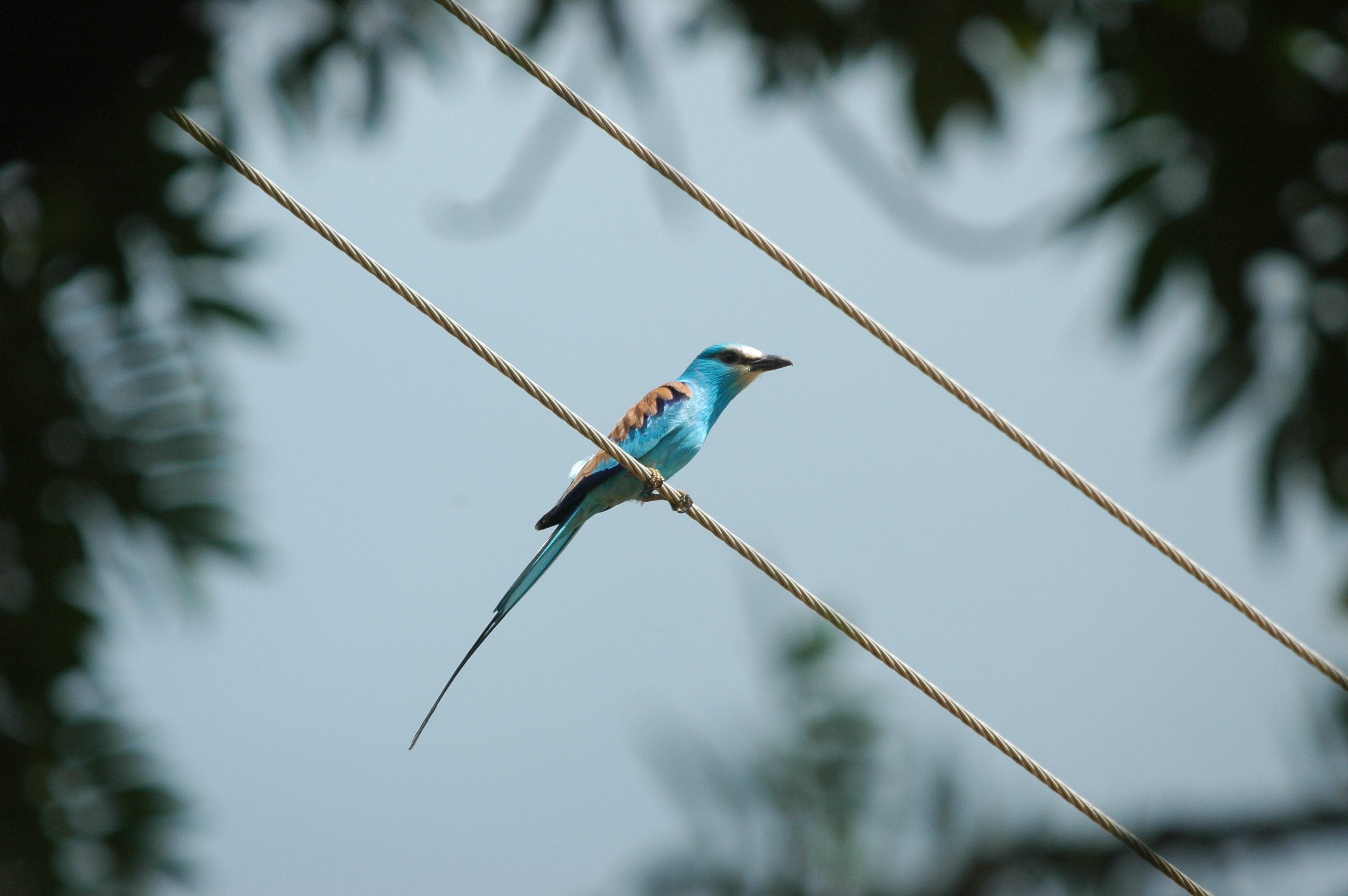
Barn owls. Flamingoes. Rollers. Swans. It’s a strange quirk that the most beautiful creatures make the most alarming sounds. There is nothing alarming about the wind in the barley tonight. It rustles softer than any sigh.

Nature is a powerful healer, and so is writing. I will make good use of both in the weeks to come, until life and work begins again. A new world is waiting! I have waited long enough. BB x

Underdog

It’s been quite a ride, following the tail end of the UEFA Euro Championship this year. I’m no football aficionado by any stretch of the imagination – I probably sound like Roger Nouveau’s soccer fan from The Fast Show when I’m ever foolish enough to air an opinion about the Beautiful Game – but I do make a point of checking in once the quarterfinals are underway. Apart from anything else, in a European context, the politics behind the scenes can become very interesting.

This year’s final was a contentious one for me, having both English and Spanish heritage, but I confess myself a Spanish supporter from the off. Never mind their superior performance, I had a lot riding on a Spanish victory and the impact it would have on what is currently a very divided nation, particularly when the Spanish team’s leading lights Yamal and Williams – both the children of immigrants – became a rallying flag for both sides of the political divide.

England played tenaciously last night, but Spain were far and away the stronger side. What saddens me the most is that the match ended in more or less the same disappointing fashion as the last Euros. And I’m not talking about Southgate or the players, who I thought did a phenomenal job.

I’m talking about the reception. About us, as a nation, and how we respond to failure.


Let me take you back to 2021, when Italy dashed England’s hopes of “football coming home”. The nation held its breath during the penalties, before breaking out in disgusting eruptions of prejudice and wounded pride when Rashford, Sancho and Saka all failed to score. I very nearly missed my train home for a mob of red-faced England supporters, beer in hand, chanting all the various Italian dishes that “you can shove […] up your arse”. It wasn’t all that long ago that English football clubs were banned from European competitions for six years after a riot at the Heysel Stadium disaster left thirty-nine dead and around six hundred injured. The Liverpool fans – the worst offenders – were banned for longer still.

We are infamous for the rowdy behaviour of our fans, even beyond Europe: it is telling that the Japanese creators behind Pokémon Sword and Shield (set in a fictionalised version of England) decided to make Team Yell, the box villains of the game, a bunch of noisy, troublemaking hooligans (co-incidentally headquartered in what can only be a fictionalised version of Liverpool).

Things have cooled off a little since then, but our scrappy mentality still remains.


For several days leading up to the final, articles in papers and online were chock-full of references to England’s last cup victory in 1966. Others carried images of Southgate’s hangdog expression, patiently awaiting an end to England’s “58 years of pain” like a state-sponsored Greyfriars Bobby. If it weren’t for the assassination attempt on US Presidential candidate Donald Trump, there would have been room for little else in the media on this side of the Atlantic.

Simply put, we love to play the underdog. As a nation we take some kind of gloomy satisfaction in being the scrappy candidate, the ever-hopeful outsider long starved but nevertheless confident of victory. Perhaps it feeds into our psyche as a little island nation on the edge of a great continent.

A casual glance at the Spanish media in the run-up to Sunday’s game says a lot. I had to dig quite deep into my El País subscription to find an article on the upcoming game (in all fairness, it was competing for airtime with Alcaraz’s equally impressive showing at Wimbledon). That’s not to say that the Spanish cared less for the outcome – quite the opposite, in fact, as my social media feed was awash with ecstatic scenes from Spain mere seconds after the whistle blew – but as a nation they simply don’t make as much of a drama out of the whole affair as we do.

Poor Southgate came in for an immediate hounding after the game. How did he reflect on another heartbreak? Why did he bring Kane off? Is it one disappointment too many? Quite rightly, he fielded the questions as best he could and asked for time for his players who were “hurting” – as anyone would be with such a crushing weight of expectation bearing down on them. Southgate himself remarked that Spain were the better side, and yet the aftermath commentary over on BBC Sport reeled off a cutting self-critique from pundits and armchair experts alike.


We have a morbid obsession with our own failings. Unlike our American cousins, whose hope for the future is always burning bright, we revel in our own mediocrity and the gritty reality it entails. Just compare the US Office to the UK version and you’ll see what I mean.

English pundits and commentators have a nasty habit of discussing their players’ failings during match commentary in a way that is almost uniquely British. Watch a Spanish football game (or any Latin American game for that matter) and there’s no trace of that. I suppose we grow up on a steady diet of cynicism over here: a lot of our finest humour revolves around scathing remarks and cutting witticisms, and that naturally finds its way onto the pitch. Some of our infamous football chants are pretty witty, others are downright abominable and the best are a combination of the two. It’s hard for somebody who is such an acolyte of the waspish humour of the British Isles to properly critique this approach when I find the alternative really rather stale, but one can’t help but listen to the human touch of the Americas and wish we had a sunnier disposition every now and then.


I went off on a proper tangent there – I guess that’s even more proof that journalism was never really on the cards for a career. I guess the point I want to end on is that we could stand to focus less on our own failings and celebrate instead the success of our rivals, who are, after all, living in the same world and sharing the same love for a sport which really does bring the world together. The behaviour of our footballers has come such a long way since the debauchery of the 90s, but some of the fans still have much to learn.

England will make it someday – I know it will. Until then I’m very much of the opinion that if football should ever come home, it will do so like a vampire – once it’s invited! BB x