F*ck U(sted)

“Con el arroz con leche… Seventeen pounds. Cash or card?”

“Bueno, con tarjeta, si se puede.”

“Uy, perdón. No sabía. Vi tu cara y…”

“Bueno si, es verdad que tengo la cara guiri, y que soy inglis, pero hay que esforzarse un poco al viajar, no?”

“Bien dicho. Pues, la tarjeta aquí… gracias.”

“A usted.”

“Otra vez, perdón. Y por favor, no me vuelvas a llamar ese usted.”

Exchange at the Air Food One, Santiago Airport

When I teach the verb forms in class, I sometimes get asked by my students about usted. Etymologically, I’ve always found it something of a doozy. While I’ve always been rather fond the Arabic origin theory via the phonetically similar “ustaadh” (meaning doctor or teacher), the general consensus (backed up by the RAE) is that it comes from an abbreviation of ‘vuestra merced’, an old honorific meaning “your mercy” or “your worship”. The old way of writing the letter U as V, paired with the increasingly shorter abbreviation to “Vd”, gradually distilled the honorific into a single world, usted, which is now used around the Spanish-speaking world as a polite term of address.

Except in Spain, in my experience, where it’s usually regarded as an affront.


Until this week, I’ve used usted just once in my life, and it was wrong. I’ll admit, I avoided it for years purely out of laziness. Like the French vous, usted requires a different person when addressing somebody: where vous takes the second person plural, usted takes the third person singular. Think of it like a waiter in a very fancy restaurant (“would sir like a bottle of the house wine?”). When you’re learning a language, it’s hard enough to get the tenses right, never mind the societal conditions dictating whether one should use formal or informal speech.

The one time I did experiment with usted, I got laughed out of court. After spending years trying to locate my Spanish family and finally tracking them down to a pueblo de La Mancha (you can read that saga here), I spent a long evening being introduced to my kin. One of my uncles, the venerable Don Augusto, worked in the local bank and seemed to command some sway as one of the family patriarchs. Here, I thought, was a textbook case for usted: a term reserved “for older people and those to whom you want to show more respect”, to quote the oft-used student resource, BBC Bitesize.

Augusto’s response? “Usted? Pero, ¿por qué usted? Somos familia.” Augusto isn’t a blood relation, but that means little in Spain where family is still everything. We had a little laugh about it and I never used usted again.

Until this week, where for whatever reason I’ve been using it daily in my interactions in shops, restaurants and pensiones. I can only assume it’s the subtle influence of my increased use of French, where the polite form is not only more common, but mandatory in certain contexts. The French even have two verbs to distinguish the point when you must use formal speech (vouvoyer) and relax into informal speech (tutoyer).

Latin Americans love their formality. They held onto the deferential vos (a close relation of the French vous) in lieu of long after the Spanish gave it up as a lower class symbol, and usted is used all over. Using outside of close-knit circles of family and friends is actually considered overly familiar to the point of being vulgar.

But in speech, as in other ways, Latin Americans and Spaniards must not be conflated. The Spaniard’s innate love of familiarity and hostility toward authority make for infertile soil for formal speech. It may have been more common in the last century under the dictatorship, but like much that was once sacred, it is sliding steadily into the void. And is that such a bad thing? Why hold someone at arm’s length when there is a potential friend to be made? Warmer climes make for warmer people, and the Spanish are no exception to that rule whatsoever.

My brief exchange with the tiller at the airport café is a classic example: Spaniards may consider the uninvited use of usted to be an affront, a way of saying “you and I are doing business only, nothing more”. A short soujourn in Morocco, Spain’s southern neighbour and the ancestral home of many of its people, will show you the paramount importance attached to friendly, familiar interactions in even the briefest of dealings: no item can be bought or sold without engaging in witty banter over family and friends over a glass of mint tea. It’s a habit the Spanish have never quite been able to shake, and one that would have been a worthy addition to my EPQ on Spain’s Islamic heritage, had I known about it at the time.

Well, I’ve had my slice of humble pie (or tortilla). It’s back to the books for now. I’ll bow out gracefully, and informally. They seem to prefer things that way here! BB x

Family Reunion: Part One

10:52

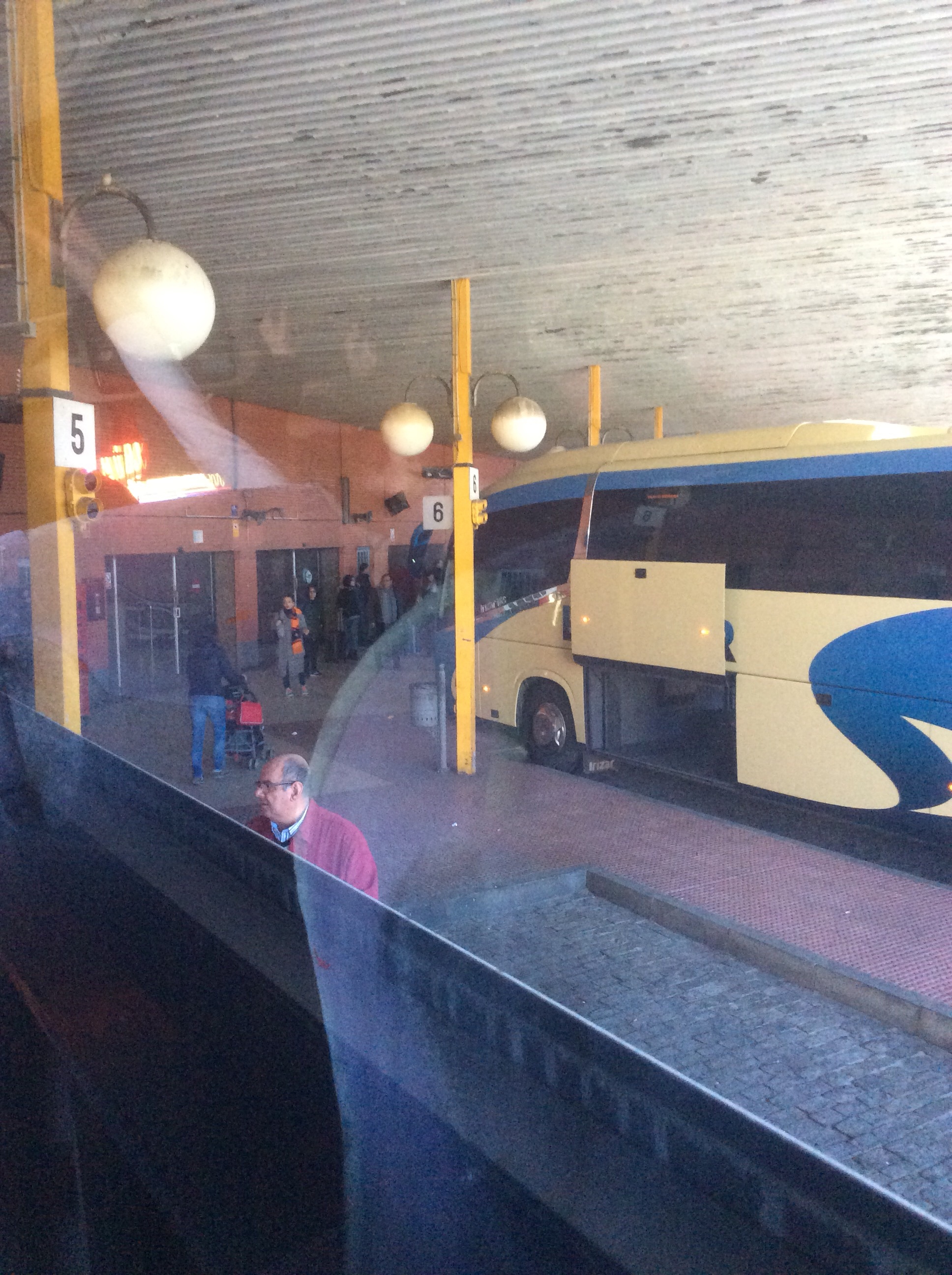
It begins in Salamanca. It’s not exactly where I thought it was going to begin, but it’s a more auspicious starting point than Villafranca, I guess. The other passengers around me are reshuffling their seats on the bus. The lady on the seat next to me scrolls blindly through her Instagram feed. Flighty pigeons patrol the bus station roof and a few fluffy clouds pepper the sky. Suitcases roll in, buses roll out and people chat about what they’ll be having for lunch. It’s just another day in Salamanca – but not for me. Today’s the day I find my family.

It’s hard to say exactly how I’m feeling right now. Three days ago, when Rafael called, I was nervous. So nervous I waited until the call went through to my answerphone so I could deal with the matter calmly and indirectly. I’d already gone through the business of psyching myself up a couple of weeks ago, when I first made plans to visit. Spurred on by Coco, and some of Bella’s heartbreaking family stories, I decided I could wait no longer. Then Rafael’s sudden hospitalisation put our reunion on hold and I had to wait.

Now I’m racing across the sunny fields of old Castile with the cathedral of Salamanca shrinking into the distance, and my new quest – perhaps the greatest quest of my life so far – has begun.

12:58

The snows on the highest peaks of the Guadarrama seem as smooth as flour. San Rafael, the quiet town that harboured me once when I came down tired and hungry from a sixty kilometre trek across the mountains, looked warm and unfamiliar in the sunlight. I only remember it in the dark of the night. I have left the granite boulders and high sierras of old Castile behind me. Madrid stretches out across the plain with queer mountains of tower blocks and skyscrapers. The Buddenbrooks film they have playing on the monitor is drawing to its sad and depressing finale, a world away from the hopeful sunshine outside. Nineteenth-century Germany and sunlit Madrid could hardly be further apart.

I see a magpie. I count to ten. A second appears. I breathe again.

14:43

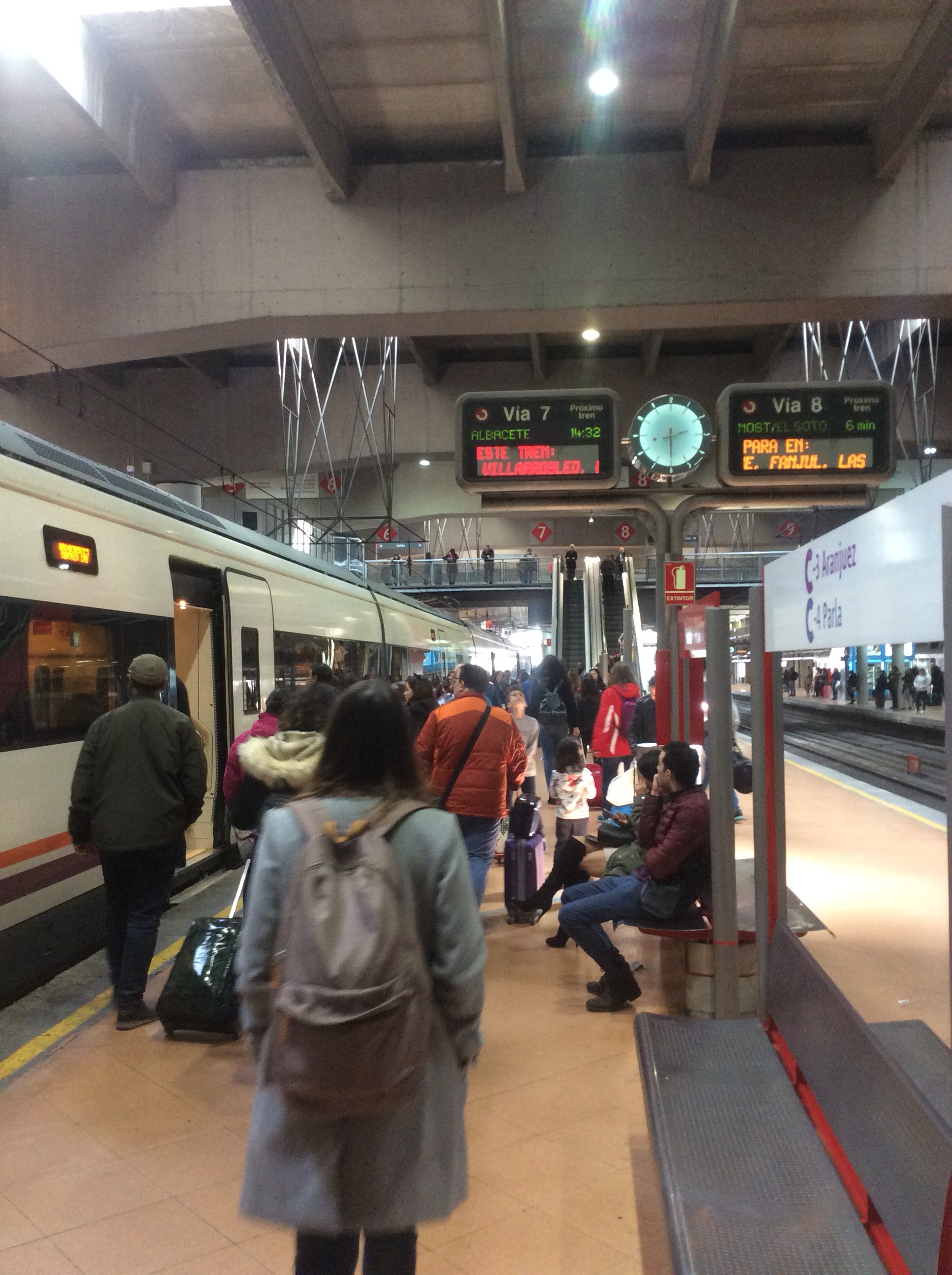
Every quest has a dragon to be slain, and today’s is Atocha Station. On the bus I briefly entertained the idea of a small paseo in the Retiro, should I find my way through the station easily. It’s as well that I didn’t. It took me several bewildered attempts to navigate the terminus. Atocha makes London King’s Cross seem like the Dunkeld and Birnam railway station. Stairs criss-crossing each other in all directions. Media distancia here, larga distancia there, high-speed AVE lines elsewhere. The icing on the cake: the platform is not revealed until minutes before the train arrives, or, in this case, withheld until the thing is just pulling in. I was a bag of nerves back there and I’m not proud of it. I love travel, but I don’t like cities. I never have. And it’ll only be harder on the way back when I have half the time to get from Atocha to Estación Sur. But the dragon is slain, and I’m headed south into New Castile and the immense emptiness of La Mancha.

15:08

Where do I begin? What questions do I ask the only man on Earth who knew my grandfather when he was still alive? It’s hard to know where to start. Rafael may be my first cousin twice removed, and his descendants more distant still, but they’re all that’s left of my family and I have to find them. I have to know. It’s what’s been driving this whole Spanish adventure from the very beginning. My grandfather José… When was he born? What was he like? Is there anything left of him in his hometown, or has he passed, like the Moorish kings, into memory? I can only hope for some small detail, a shred of the faintest of proofs. In truth I do not really know what awaits me in Villarrobledo, but I can wait no longer.

15:40

Some etymologists believe the Roman word “Hispania”, from which we derive the modern name of Spain, came via an old Punic-Hebrew cognate “i-shfania”, meaning “Island of Rabbits”. The rabbits are dying out by degrees – I haven’t seen one in months – so perhaps “Island of Magpies” might be a better term today. The kites and the swallows come and go, but I see magpies wherever I go in this country. I used to associate them with the oak tree that grew on the verge by my house when I was growing up. Nowadays I think of Spain when I see them. I’m not sure where we get the word “magpie” from, but the Spanish urraca is supposedly onomatopoeic, like the Arabic ‘āqāq. There was even a Spanish queen called Urraca once. I wonder why they called her that?

The earth is red. We’re rolling into Alcázar de San Juan. Three stops remain. Just to spite me, a pair of rabbits watched our train pass by from the sleepers on the opposite line. Hispania lives on.

17:29

The first words I heard on entering Villarrobledo were not in Spanish at all, but in American English. I’m not sure whether that marred my first experience or not. Villarrobledo looks like a lot like Villafranca, picked up and dropped in the middle of La Mancha. And I thought Extremadura was flat… I’ve never seen such horizons.

The hotel Rafael arranged for me has everything I need, except the little zing of extra courage I could do with right now. To be fair, there’s probably plenty of courage in the couple of Dueros I brought as presents for my family, but if I can soldier through twenty-two years of teetotal trials, I can manage this one sober. I’ve had a shower, freshened up and put today’s date in my journal. There’s nothing left to do but to step out of the hotel room and finish my quest. Some food wouldn’t go amiss, but as it’s Jueves Santo, I doubt anywhere will be open. Besides, needs must: there’s a greater cause at stake. Grandfather, this is for you. It always has been.

Ps. I’ve forward-dated this post, so by the time you read this, I’ll have met my family already. I’ll keep you posted.

Where to next…?

It’s getting mighty cold here in Tierra de Barros. I went to sleep clutching at my knees and somehow managed a decent night’s rest, only to wake up and find I’d left the window slightly ajar. I think I need to invest in a winter duvet more than a bike. I’m still not used to this system of alternating between summer and winter duvets. I almost miss the English climate. Almost…

We’re now three weeks away from the end of term. Yes, term ends on the 22nd December, and this year that falls on a Friday. Late, but not too late. Today’s a regular Monday. I’m sitting in the living room, easily the warmest room in the flat, having just turned the heating off after a generous couple of hours’ life-giving warmth. I have a private class with the kiddos at six (hopefully they’ll behave better this week – but then, they are only three years old), and I need to go shopping, as when I went this afternoon it took picking up the first item in the fruit and veg aisle for me to realise I’d left both my cash and my card at home.

So what’s to do? Well, it’s the time of year when I need to start thinking about where I’d like to be next year. Amongst other cards I have on the table – up to and including the JET programme in a few years’ time – the original plan still stands, which is to carry on with the British Council assistant jig for another year, albeit this time not in IES Meléndez Valdés, 06220 Villafranca de los Barros, Badajoz. The school has been wonderful to me and I could hardly have asked for a better host for two years, but I ought to spread my wings and discover somewhere new whilst I can. After all, Spain is a kingdom of many worlds: Extremadura may be one of her most beautiful, but there are other jewels in the crown!

So, for my own benefit – and for those who are interested in applying for the programme – I’ve decided to go through each region, in alphabetical order, to assess the strengths and drawbacks of working in each. Coming back to Villafranca was easy… it’s time to step back into the unknown!

(Ed.: I’ve used my own photos where possible – Andalucía, Cantabria, Extremadura and Madrid – but the rest are various stock images!)


Andalucía

DSC_0208

Where: South
Weather: Hot
Dialects: No (though Andalú, the regional accent, might as well be)
Visited?: Yes (far too often)

Ah, Andalucía. My old homeland! And, until recently, the region of Spain I knew best. In many ways the ‘classic’ Spain that comes to mind, Andalucía is – understandably – very oversubscribed as a destination. The Americans tend to have their eyes on it, and thanks to their system, which allows preferential treatment to consecutive-year assistants, they tend to end up there eventually, too (after doing time in equally beautiful backwater regions). Andalucía isn’t necessarily more spectacular than any of the other regions, but it offers a lot more bang-for-your-buck over the distance it spans: cities like Granada, Córdoba, Cádiz, Ronda and Sevilla ooze Romantic charm, and then there’s the natural beauty of the Alpujarras, Doñana National Park, the Sierra Morena and the all-too-often-overlooked beaches of the Costa de la Luz. It’s a fantastic region in which to fall in love with Spain, but because it’s so well known, it can be difficult to escape… unless, of course, you end up in somewhere like Olvera.

Probability: 7/10

Aragón
Where: Northeast
Weather: Cold
Dialect: Aragonese, Catalan (only in the high north and west)
Visited?: Yes

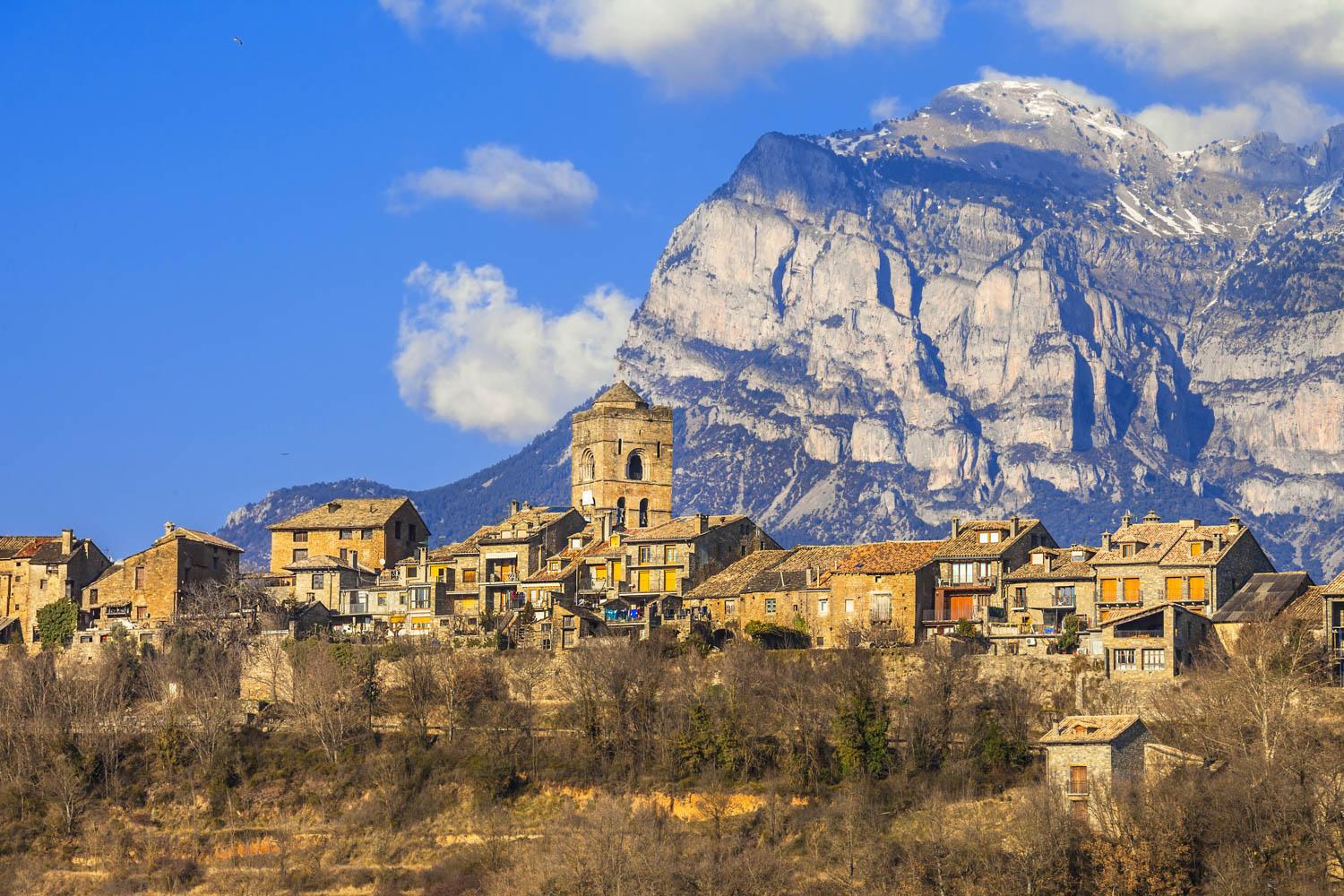
Alright, so a service station and a brief visit to Calatayud don’t exactly count as visiting Aragón per se… Aragón is a lot like Extremadura. Lots of people pass through it on their way to somewhere else. Zaragoza is probably its most famous city, but what of the rest of the region? Huesca in the north plays host to some of the most beautiful Pyrenean landscapes out there, and Teruel would kindly like to remind you that it does exist, despite what the rest of Spain will tell you. Aragonese, a local dialect, survives to the present, but as Spanish is the only ‘official’ language, there’s no cause for concern. High on the Spanish plateau, it gets mighty chilly in winter, but it is also the home of the Comarca de Monegros, a vast expense of semi-desert. And, like Extremadura, its comparatively unknown status makes it a very good place to go native.

Probability: 8/10

Asturias
Where: North
Weather: Cold
Dialects: No
Visited: Yes

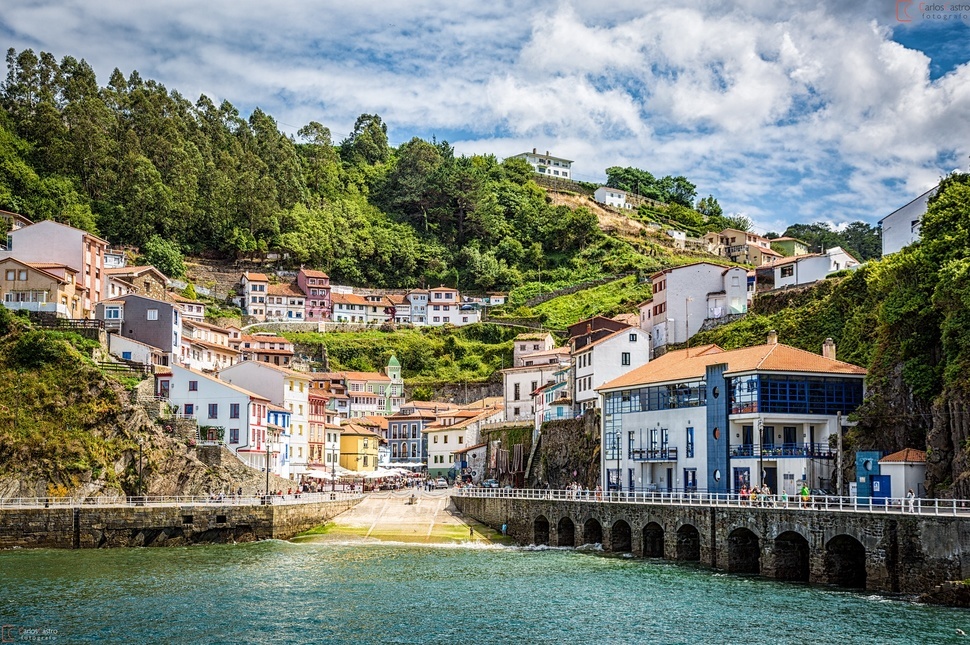
A popular choice amongst second-years, Asturias is where modern Spain was born. With pretty seaside towns, Alpine comforts and forested hills that actually go brown in autumn, in some ways it’s the perfect antidote to the Spanish south. For those used to endless heat, readily available paella and Moorish castles, it can seem like a very different world… which it is. The Spanish is very clear here, and it has some of the most beautiful beaches on the peninsula, even if they aren’t exactly the warmest. It’s a little harder to get to, but Santander’s airport offers cheap flights and is only just across the border. It is, however, a little on the expensive side.

Probability: 8/10

Cantabria
DSC_0201

Where: North
Weather: Cold
Dialects: No
Visited: Yes

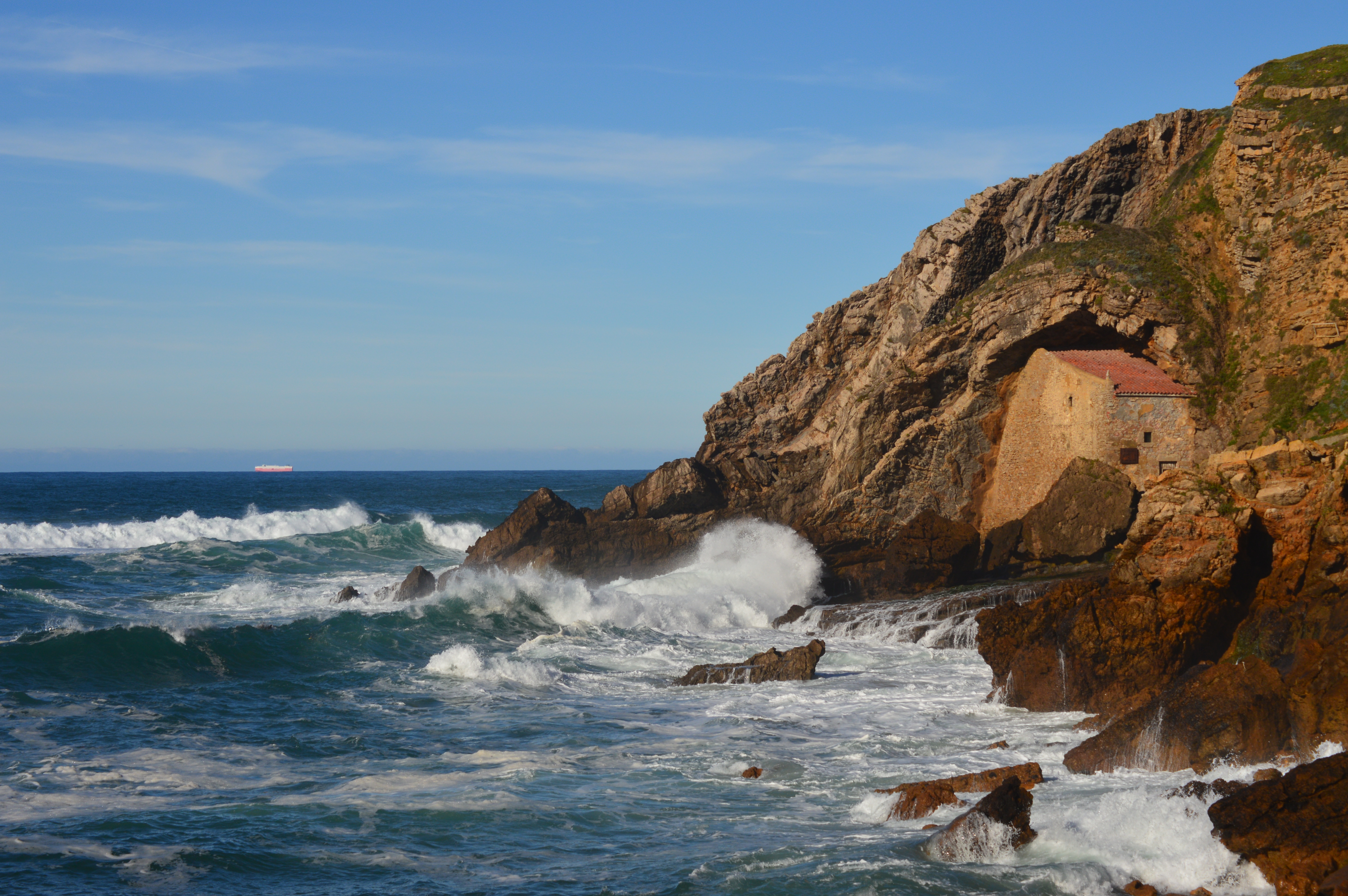
Cantabria, after Andalucía and Extremadura, is the region of Spain I’ve visited the most. No, scratch that. Technically speaking, Santillana del Mar is the third region of Spain I’ve visited the most, as for some reason I ended up there on all three occasions. A marginally less mountainous version of Asturias, Cantabria is a good choice for the British auxiliar who doesn’t want to leave behind too many creature comforts. Quesada pasiega, a local speciality, is unheavenly good (like most of the Iberian peninsula’s takes on the custard tart), and the stereotype is true: I’ve seen more cows and tractors here than in any other part of Spain. It doesn’t have the quasi-African feel of the south, but what it does have is a cheap and reliable train network, which is a huge plus in any world.

Probability: 5/10

Castilla La Mancha

Where: South-central
Weather: Hot/cold
Dialects: No
Visited: Yes

Like Aragón, Castilla La Mancha is a region I can hardly claim to have visited, having spent just a few days in Toledo a few years back. If Andalucía is the Spain sold to tourists, Castilla La Mancha is the one you find in picture books. It’s Don Quijote country, and any bus ride from Madrid to the south will show you that: seemingly endless fields stretch as far as the eye can see, dotted in various locations with mountain ranges and the iconic windmills (see Consuegra, above). It’s also, coincidentally, the land of my ancestors; my grandfather was from Villarrobledo, a town near Albacete. An immense region where it is very easy to go native, but perhaps not the most awe-inspiring on offer. Toledo, however, is easily one of the world’s most beautiful cities…

Probability: 4/10

Castilla y León

Where: Northwest
Weather: Cold
Dialects: Leonese (in León province)
Visited: Yes

Make no bones about it. Castilla y León is gorgeous. It has its less interesting parts (the Camino de Santiago goes through them), and is in part a mirror of sister-province Castilla La Mancha to the south, but drawn across the meseta are some of Spain’s most striking landscapes. The Duero river gorge is breath-taking, as are the old Roman gold mines of Las Medulas (see above), and the granite-strewn scenery to the north of Burgos looks like something out of a Lord of the Rings film (but then, this was where El Cid was born). Here they speak the ‘purest’ Spanish, so you’ll have absolutely no problems with the language here. It’s clear, crisp and, whilst no slower than the usual Spanish machine-gun delivery, easier to understand than, say, any of the southern accents. The cuisine is also spectacular; in my humble opinion, most of Spain’s best food is its earthy, country food, and you’ll find a lot of it here. The cities of León, Burgos and especially Salamanca are wonders in their own right. Just watch out for the slow-burning Leonese separatist movement.

Probability: 8/10

Cataluña

Where: Northwest
Weather: Warm
Dialects: Catalan (official language)
Visited: Yes

This year would have been a very interesting year to be working in Spain’s black-sheep region. Even after the failure of Puigdemont’s half-hearted rebellion, I suspect it’d be worth a punt for the next few years. I’ve been to Barcelona a couple of times; school trips on both occasions, so I’ve barely begun to scratch to the surface of the place. The Costa Brava is undeniably beautiful, with stunning Mediterranean coves and sparkling white beaches. The Catalonian interior, however, is what grabs me: like neighbouring Aragón, Cataluña has some spectacular mountains. This is Serrallonga’s country, and I’d sure like to find out some more about the gang warfare between the Nyerros and the Cadells of old… if it weren’t for the language barrier. Now more than ever do I regret taking a Persian module over Catalan at university! You should bear in mind that Cataluña’s relative affluence makes it a little more expensive than the other comunidades, especially so in Barcelona itself. But if you’re after a more cosmopolitan experience, this is the place for you!

Probability: 6/10

Ceuta and Melilla

Where: North coast of Morocco
Weather: Hot
Dialect: No (though strong Arabic presence)
Visited: No

Despite the fact that I lived in Tetouan for an entire summer last year, I never did visit Ceuta. For one reason or another, something always came up to stop me going. Which is a shame, really: as the Spanish territories go, they’re pretty unique. Expect a very Moroccan vibe, with the North African kingdom literally within a stone’s throw at any given moment. If it weren’t for their size and the general cost and difficulty in getting to and from them if I ever wanted to travel, I’d probably sign up right away. It would, at the very least, give me an excuse to keep my Arabic polished. Most of the placements are in the two cities, though, which is a bit of a turn-off for me.

Probability: 4/10

Extremadura
DSC_0546

Where: West
Weather: Hot/cold
Dialects: No
Visited: Yes

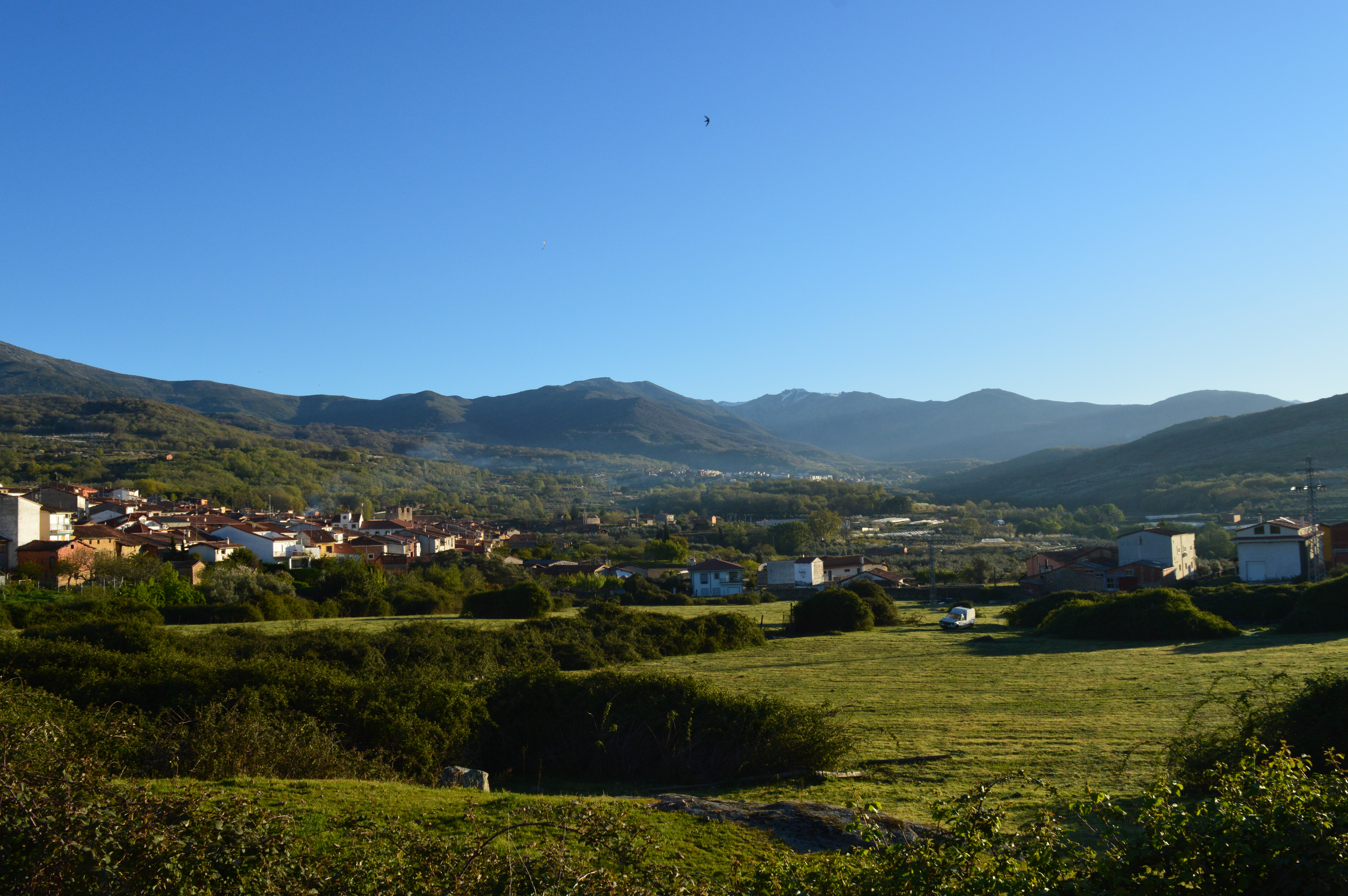
Of course, I could always stay put, but ask for a more northerly location: specifically, the green hills of Cáceres. There’s no denying Extremadura is by far my favourite region, and with good reason: it’s wild, it’s still relatively undiscovered, it’s lacking in other guiris and the people are some of the friendliest I’ve ever met. Plus, La Vera. Plus, Hornachos. Plus, the book. Heck, I’d stay just to be closer to Tasha and Miguel, who were pivotal in my return to Villafranca this year. With its welcoming vibe and its off-the-wall auxiliares, it’d be my top recommendation to anybody, though I’d concede you have to be prepared to be out in the sticks to be here. For me, however, it’s something of a safe option, and I’d much rather use this chance whilst I have it to explore some more of my grandfather’s beautiful country. Even if Extremadura is the best. Period. I’ll be coming back to this place for the rest of my life.

Probability: 7/10

Galicia
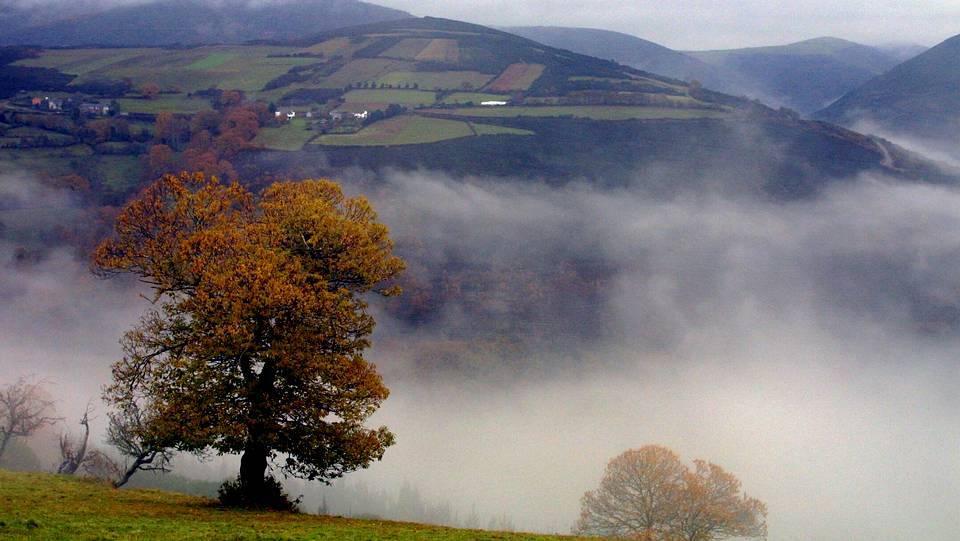
Where: Northwest
Weather: Cold
Dialects: Gallego (official language)
Visited: No

It rains a lot. Now that we’ve got that out of the way, let’s look at Galicia. Galicia is the Ireland of Spain, where the country’s Celtic roots are strongest. I mean, when their folk bands deliberately cover songs made famous by The Corrs, the ties are hard to miss. Galicia is about as far from the Spanish south as you can get on the mainland, in both distance and culture. Gallego is a thing, but I’m not above learning a new language. The word on the street is that the auxiliar programme there is one of the best in the country, if not the best. That, combined with the cheapness of living and otherworldliness that this region offers, make it the standout competitor for my attention this time around. And I never thought I’d consider it, which makes it all the more appealing. After all, I had no idea what or where Extremadura was, once upon a time. I’d very much like Galicia to be my next miraculous discovery.

Probability: 9/10

Islas Baleares

Where: Mediterranean Sea
Weather: Hot
Dialects: Catalan
Visited: No

Mallorca, Menorca and Ibiza. Party destinations in summer… and for the rest of the year? Well, EasyJet and Ryanair are always offering such cheap flights that there must be something to do there in January… right? If it weren’t for the fact that they’re islands, I might seriously consider the Baleares. But I like having room to manoeuvre, and I don’t know whether I’d feel trapped on an island. Plus, they speak a lot of Catalan there. Once again, I wish I’d not gone chasing Persian down the rabbit hole.

Probability: 2/10

Islas Canarias

Where: Off the west coast of Morocco
Weather: Hot
Dialects: No
Visited: No

First things first: it’s quite a long way from Spain. The Canary Islands, like the Baleares, can seem a very remote posting. Cheap flights are readily available to the UK and elsewhere, thanks to a steady flow of tourists, but I’m not sure I’d be thrilled if I were posted there – not least of all because it’s quite difficult to distance yourself from the touristic side, upon which the Canary Islands depend. I wouldn’t mind going in search of the islands’ Houbara bustards though, or taking a stroll in the misty laurel forests of the Garajonay National Park.

Probability: 3/10

La Rioja

Where: North
Weather: Warm
Dialects: No
Visited: No

I’m going to be perfectly honest. I know next to nothing about La Rioja, except for the fact that it’s a small region with a justifiable fame for its wine. Given its positioning, I expect it’s a little more pricey than what I’m used to, but don’t hold me to that. I’ll leave you to discover La Rioja in my stead.

Probability: 2/10

Madrid
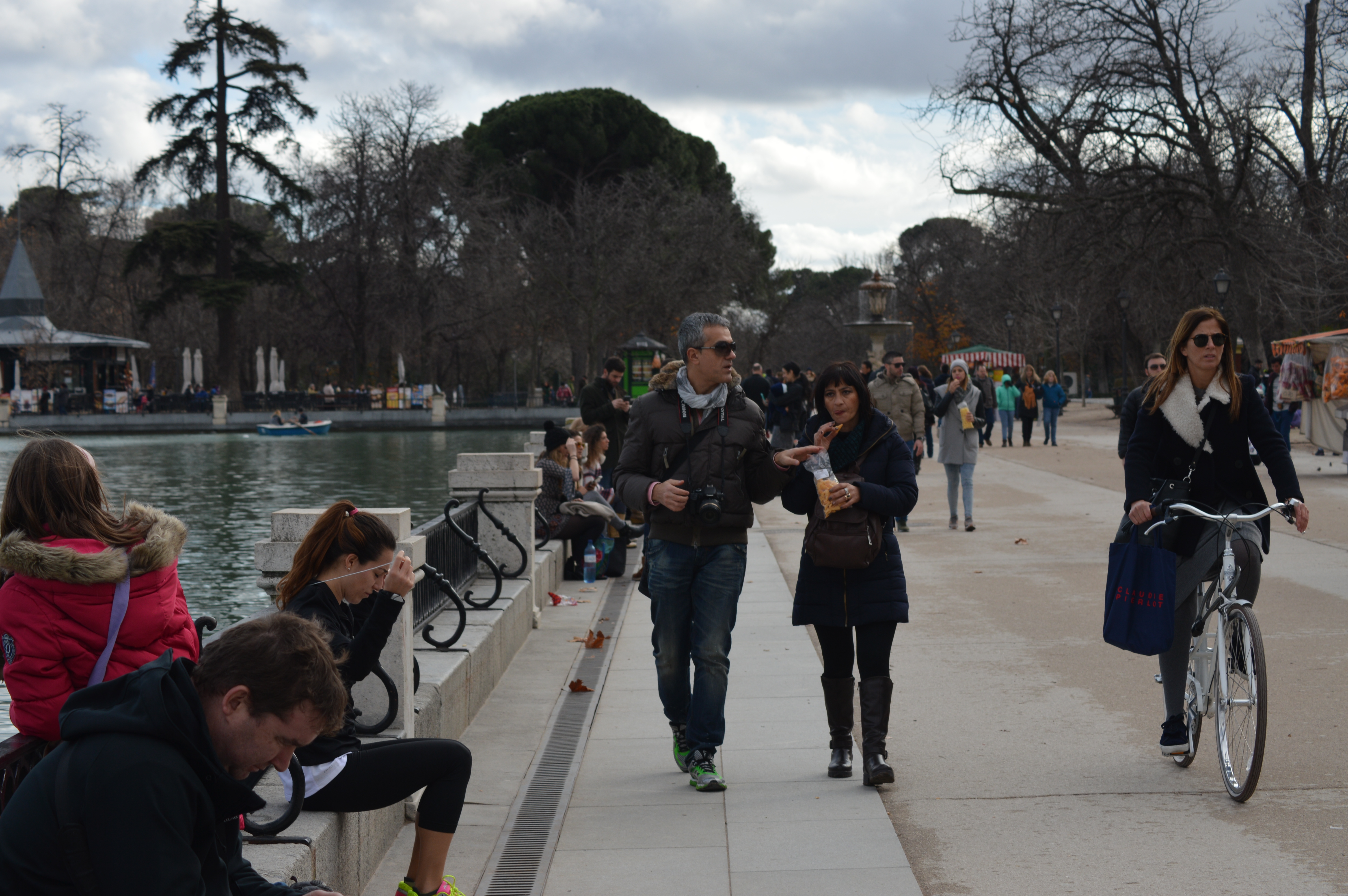
DSC_0341

Where: Central
Weather: Hot
Dialects: No
Visited: Yes

One word. No. The surrounding countryside of Madrid is unquestionably beautiful, no doubt about that, but I would rather leave the country than work in Madrid itself. As cities go, Madrid’s not so bad, but I’m a country boy; cities are for visiting, not for living in. Auxiliares posted in Madrid earn 1000€ instead of the usual 700€ to compensate for the higher living costs and also work 16 hours per week instead of 12, though after calculating the going rate for private lessons and such, I don’t half wonder whether that’s entirely fair – or even financially viable. No; for me, Madrid is just too big a move. I’d recommend the Sierra de Guadarrama, El Rey León and the Parque del Retiro, though (pictured).

Probability: 1/10

Murcia

Where: Southeast
Weather: Hot
Dialects: No
Visited: No

This year’s auxiliares are complaining about the fact we haven’t been paid for October and November yet. If what I’ve heard about Murcia is true, the auxiliares posted there are never paid on time. Murcia is one of Spain’s hidden gems: like Aragón and Extremadura, it often gets overlooked because it has more glamorous neighbours that have more of what it has and better. In Murcia’s case, that’s Valencia and Andalucía. I know a few lovely people from Murcia and I’d love to visit one day, but as year on year it becomes a larger wing of Almeria’s enormous European greenhouse, I find myself drawn to the greener, wilder parts of Spain.

Probability: 4/10

Navarra

Where: North
Weather: Cold
Dialects: No
Visited: No

A former kingdom in its own right (which, you could argue, is an accolade held by most of the Spanish realms), Navarra sits at the feet of the Pyrenees as a less extreme though equally wondrous region in the Spanish north. A friend of mine was based in Tudela last year and had a great time there, so it seems to be to be a good place to work. Like the Canary Islands, it’s also more popular with Brits than Americans, so expect less encounters with scotch tape, candies and Fall. It’s also rather well situated, allowing easy access to several of Spain’s more attractive destinations.

Probability: 6/10

País Vasco

Where: North
Weather: Cold
Dialects: Basque
Visited: Yes

The Basque Country got a positive makeover recently in the film Ocho Apellidos Vascos and its sequel, not doing away with but helping to redirect attention from the ETA bombings of the past to the more attractive aspects of Basque culture. If the Catalans are independent, it’s nothing compared to the Basques, whose regional language – Euskera – is so far removed from Spanish that it feels as though you’ve skipped five countries rather than one region. Situated in the industrial north, the Basque Country plays host to much of Spain’s industry (just look at all the Basque banks), and is therefore afforded a more affluent lifestyle. That makes it more expensive, which is a drawback, but many would argue it’s worth it. The Basques are, after all, the stuff of legend…

Probability: 5/10

Valencia

Where: East
Weather: Hot
Dialects: Valencian
Visited: No

There’s a good deal more to Valencia than the corruption and the coast, even if that is the image most people have. I’ve never made it to El Cid’s triumphal city, it never having been quite on my radar, and though I have many friends who have been up and down the coast, I’ve never quite felt the pull to go. Another more costly region, Valencian – a variant of Catalan – is widely spoken here, though Spanish is also used in its capacity as the kingdom’s official language. It played a large role in the expulsion of the Moriscos though, and that’s something I’d like to look into, albeit over a short period of time. Maybe for holidays, but for me, not for work.

Probability: 3/10


I’m more or less decided on the northwest, but I’m still open to ideas. Now that Senegal is an option for language assistant placements, it’s that little bit harder to say no to the world beyond Spain (that would have turned my world upside down if it had been an option in my second year. I would very probably have dropped Arabic, studied French and continued to wing it with Spanish). However, a promise is a promise, and I’m determined to do what I can to become truly fluent in Spanish, however long it takes, wherever it leads me.

The deadline for next year is 12th February 2018. I have a couple of months to decide. BB x
The Big Graduation Post

It doesn’t happen like you think it will, graduation. I suppose the same can be said of all those grand rites of passage of life: like as not, you speculate a great deal about how it’s going to be, until the day itself is over before you know it, and a lot less grand an affair than you thought it was.

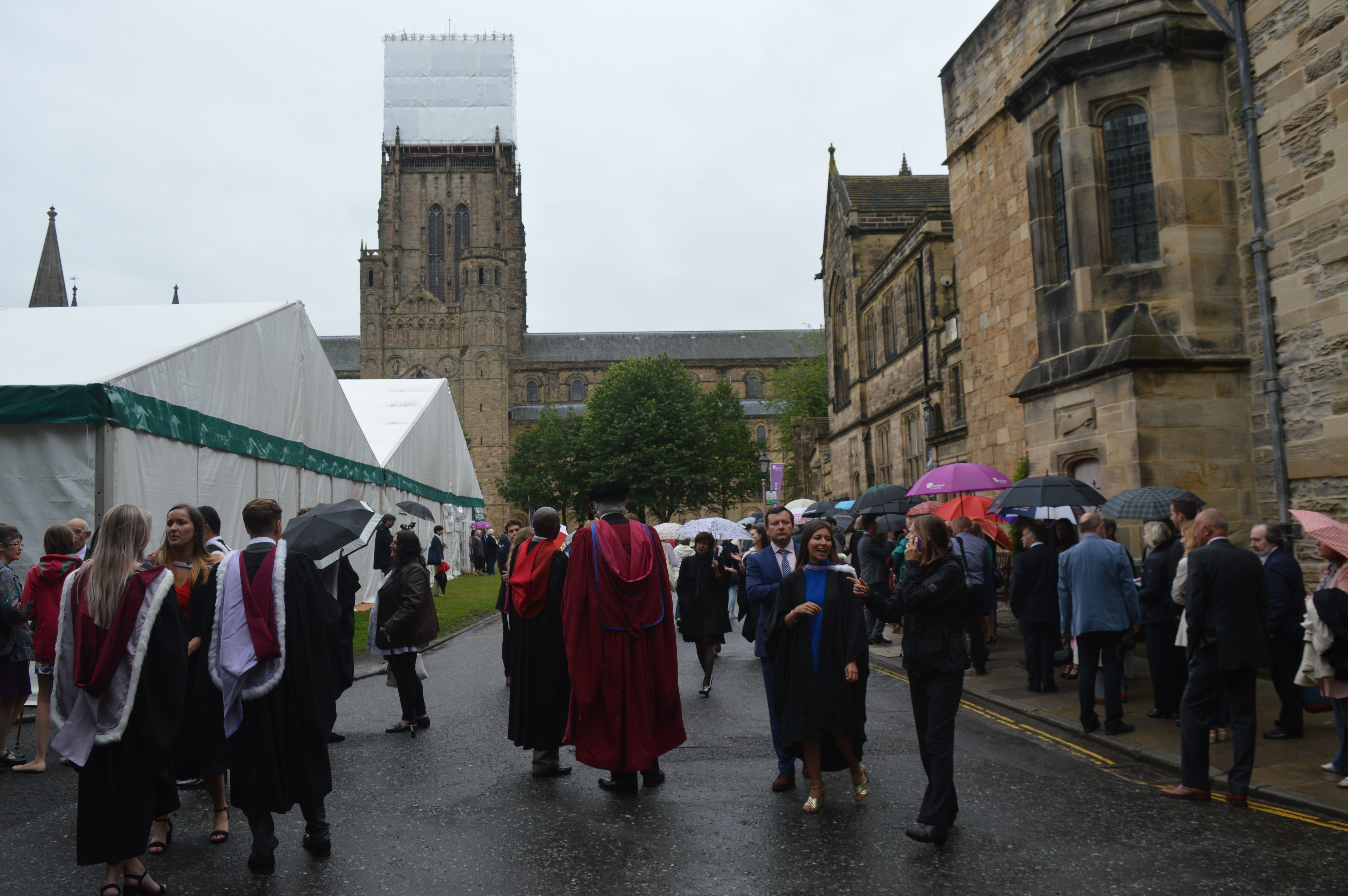
Certainly, when I tried to imagine what graduating from Durham would be like four years ago, I didn’t ever imagine that the cathedral tower would be under scaffolding. You win some, you lose some.

DSC_1071

One of the most difficult things about graduating is that it’s so very easy to use it as your last chance to say goodbye. It makes sense; for some, it might be the last time in a while you see the people who have been your friends through thick and thin for three or four years. Regrettably, for others it might even be the last time you see them at all. That’s a humbling thought. If I have any advice to give, it’s to say your farewells before the big day. Of course there is time for the odd one here or there on the day, but with everybody mingling with friends and family alike, it can be nigh-on impossible to track everybody down in time – especially if you end up on a time limit yourself.

DSC_0042

I’ve had a lot of time to think over the past few weeks, and a lot of things to think about. One of the most enlightening conclusions I’ve come to (and late in the realisation, too) is that, for all of my best efforts, I am not first and foremost a linguist. And if it took missing a First Class degree by less than one percent to realise that, it was a lesson well learned. Language tests, and perhaps grammar in general, have never been my forte, not that that’s ever stopped me from trying. Writing is, was and always will be my trump card. If I hadn’t been so pig-headed about not reading fiction back in Year 13, I might well have let my doubts get the better of me and gone for a degree in English Literature instead.

The fact remains that I didn’t. For all the disparity between my English marks and my marks in French and Spanish, I went for a degree in modern foreign languages. Why? Precisely because of that; because languages were not my strongest point. Talking to people was something I really struggled with. I had no opinions of my own, I felt hopelessly outclassed whenever I had to take part in any kind of intellectual discussion and I tended to avoid any unnecessary socialising.

And in my own particularly sadistic way, I threw myself headlong into the one degree that would give me no choice but to talk to people, to face my fears head-on. And when you’re getting yourself into an extra £9000 of debt per year, it makes no sense whatsoever to go on studying what you’re best at.

Jailbreak

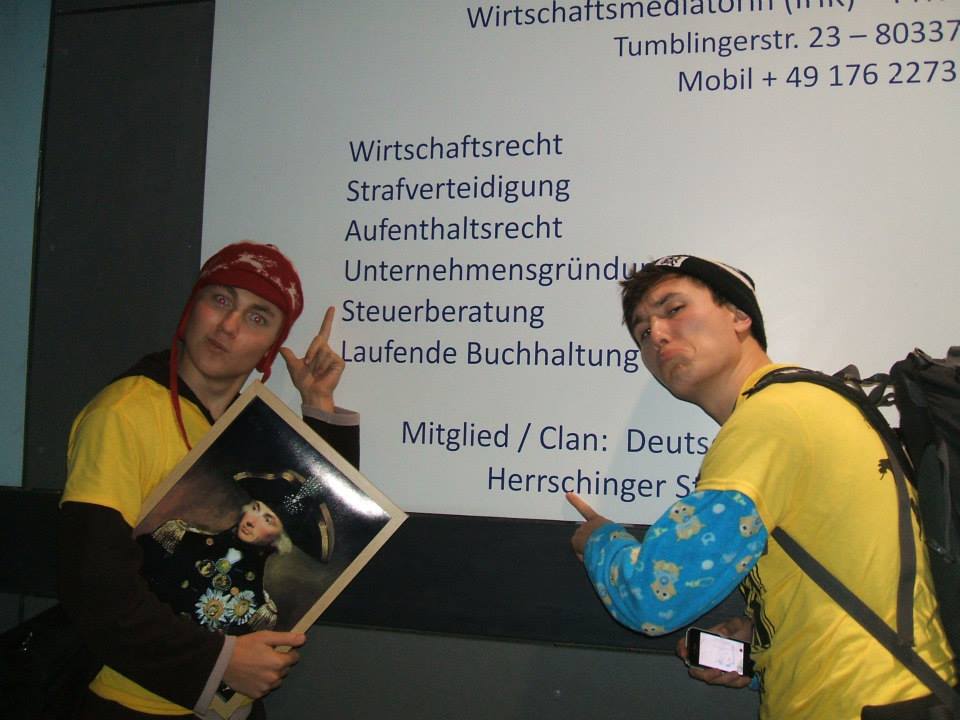
My time as an undergraduate at Durham has been, without a shadow of a doubt, the best four years of my life so far. I might have been to some extraordinary places had I gone for my second choice, St. Andrews, but I most likely would not have found myself in a metro station in Münich with a portrait of Admiral Lord Nelson. I might well have had access to researchers in my primary field of interest, al-Andalus and the Maghreb, but I probably wouldn’t have written such a cracking essay on Spanish banditry. And I might have got involved in a musical, or a choir, or maybe even the funk band I longed for since my schooldays, but I almost certainly would not have found myself wrapped up heart and soul in the collegiate a cappella scene.

Gala Show (35)

Thanks to one last fling with the Northern Lights at the 70th Edinburgh Fringe Festival this summer, graduation was not as final an affair as it otherwise might have been. Knowing that I’d be back in Durham in just over a month took much of the sting out of the farewells, and I left the city dry-eyed and carefree – which is not how I imagined it, but just the way I wanted it. I find that written words often carry meaning a good deal further than the spoken word ever can, and so I made my fondest goodbyes in card form, in case I didn’t get the chance to say so in person. That, too, made the process a lot easier to deal with. In a way, I’d said everything that needed to be said. I could do no more.

YearAbroad (62)

I didn’t have a great deal of say in the matter of coming to Durham. My own mother dropped the name of the place so often as I grew up that by the time UCAS came around, it seemed sacrilegious to even consider anywhere else. And that’s exactly how it panned out, after an initial rejection and a gap year to try again. Bother the prospectuses, there was simply something magical about Durham. I had to go there.

It’s been one long week of thank you’s. To all the friends that supported me, both at home, at university and abroad. To the staff who inspired my interests and discouraged my careless wanderings. To my college principal, who sowed the seed of interest in a PhD in me; to my first Arabic lecturer, who through discipline fashioned a mature love for the language out of nervous enthusiasm; to those who have lived with me these last four years, for putting up with the day-to-day trivial madnesses and misinformed ramblings of yours truly. And of course, to music, for adding so much more to my degree than just books.

The wide world awaits with, at least for now, a smiling, familiar face (and a very strong Villafranqués accent). The far future – the beyond – remains as elusive as ever, but perhaps it doesn’t do to look that far ahead. Three months remain, and then I leave this country for Spain, only this time it will be for a much longer stint than anything I’ve ever attempted before. I can hardly wait.

And you bet I’ll be back to blogging for the whole affair. Just you wait. BB x

The Happiness Machine

There’s a new kid on the block in my host family. My replacement, ready and waiting not twelve hours before I’m out of this joint. The expression ‘not even cold in the grave’ springs to mind… But he’s Spanish (an Andalusian, to be precise) and his name is José María and he’s more than happy to let me witter away in Spanish for my final hours in this country and therefore I couldn’t be happier.

My host family were quick to notice the change. Very quick. ‘Ése Ben que salió por la puerta esta mañana, ¿dónde esta?‘. He’s gone. The quiet, hesitant, reluctant Englishman who used to come home at irregular hours of the afternoon, sit in what he thought to be companionable silence and then retreat to his room is now mouthing off like a human Gatling gun, in Arabic as well as Spanish. He’s gone, and in his place is this loud, jokey and irrepressibly good-humored Spaniard. Talk about schizophrenia. I have a very bad case of Jekyll and Hyde when it comes to my two linguistic personalities. Never mind getting that dual nationality, I’m still struggling with dual identity.

The host family were quite taken aback. I don’t think they were expecting such a drastic change in personality. The father even went so far as to show me the difference between the two Bens by means of a few crude imitations. Was I really that quiet? Did I really sit at the table with my hands by my side and say as little as possible? No me lo creo ni yo. After just an hour or two speaking Spanish to this Andalusian my whole personality has changed just like that.

I’d quite forgotten just how good it felt, just to be speaking that language again. Why? What’s the reason? How can a language make me so happy? Is there a linguistic reason? Is that why Spaniards are such jolly people, by and large? Or maybe has it got something to do with the drastic increase in body language, which makes me feel like a teacher again? Or is it because it’s the language of my grandfather, speaking through me? I’d like to think that. But in truth I can’t explain it. It’s just magic. My perpetual happiness machine. In goes Spanish, out comes happiness. It’s as simple as that. I just needed reminding.

And a good thing, too. This time tomorrow I’ll be back in Guirilandia and probably pulling into the drive round about now. No more Arabic study. No more al-Kitaab. Just one whole year with the Happiness Machine. I cannot wait.

The host father came in to bid us goodnight. I apologized for not being this way over the last two months. I’m grinning like a gargoyle and laughing and switching freely between Spanish and Arabic and it’s all because I had an hour ‘in the machine’, so to speak. It’s such an amazing feeling. It’s like the whole world is bright and sunny and full of colour. I need to be living in a country where they speak this godly language. I need to be living in Spain.

In perfect honesty, this is not at all how I expected to be ending my time in Morocco. I was expecting one last chastisement over something trivial, or a panicked search for something lost, a friendlier-than-usual dinner, or something along those lines. Instead I ended it in Spanish mode. Curious, perhaps, but it bodes very well for the future, and it’s reminded me – yet again – what I need to do to be happy in this life.

I just need to talk. Y ya que sabemos cómo se utiliza esa máquina de felicidad, no hay ninguna duda sobre mis planes para el futuro. España, vengo por ti. BB x

Go with Peace

Jimminy. One more week and it’s all over. This year abroad, at times both the fastest and slowest year of my life, is drawing to a close. The old tablecloth analogy is back in force: somebody gave the table a tilt back in April (or was it September?) and now everything’s sliding towards the edge at an increasing rate (which is a real shame, because Tetouan was beginning to feel like home). As has been the case throughout the rest of the year, I’ve a fair few goodbyes to make, though as any frequent traveler will know, these get easier every time. So I’ve one last farewell to make before the end.

Or not. Because it’s not just goodbye to the team at Dar Loughat. It’s a bigger step by far.

It’s goodbye to Arabic studies.

Hey, now, don’t give me that look. If you’ve been reading carefully throughout the year, you’ll have seen this coming a long way off. You might even have cottoned on sooner, since I didn’t really make up my mind until the last days of June.

The blog, however, speaks for itself. It tells a tale of depression and despair in Amman and the golden friends I found there; and perhaps, the beginning of the end. It tells the story of how I fell in love with my grandfather’s country all over again; how Spanish became more than just a language, but the key to happiness itself; how I found in Extremadura the paradise I’ve been searching for for so long. Of the One-that-could-have-been and the opening of my eyes to the rest of Iberia. And in amongst all the musing posts in between, it reveals a slow but steady swing towards the heart of the matter, a realignment with the most important thing of all: finding where I belong. In retrospect, it’s obvious. It was always going to happen. It was simply a question of when. And in one of life’s great paradoxes, that realization came when I was more confident with my Arabic than I’ve ever been in my life.

Happiness was the key. I had to be truly happy to see the truth.


I reckon I still have a fair amount of explaining to do. I built up a bit of a reputation for myself in first and second year as the keenest Arabic nut alive (though I outright refuse the term BNOC). Granted, all of that time spent juggling societies, subjects and a social life in second year wore me down a bit, but at heart I was still a bloody keen bean. Always on time, always ahead of the game… Almost always optimistic. (Seriously, I was insufferable in first year, just ask any of my classmates). As a result, this is probably still a shock move for those of you who know me. Well, I’ll do my best to explain my decision.

  1. Spain happened. Specifically, the British Council assistant placement. We were warned; I didn’t listen; I fell in love. Because if you seriously want to push ahead with two languages, it’s absolutely essential to balance them, especially when it comes to…
  2. …the Year Abroad. Ya3ni, at least half of the class will have spent a minimum of six months in an Arabic-speaking country by October. That’s two more than me, and considering the speed at which I advanced in Tetouan, I’d be tempted even to discount any and all ‘progress’ I might have made in…
  3. …Amman. And in all honesty, I don’t really want to use Amman as an excuse, but it is. My time in Jordan was certainly eye-opening, full of highs, lows and plenty of laughs, but I don’t think I’ve ever been more drained in my life. This is honestly the least of reasons, but because of the effect it had on my attitude towards Arabic, it’s a reason nonetheless.
  4. Career paths. My companions have such noble ambitions with Arabic. Not me. I’ve mapped out the next five or six years of my life and they don’t stray very far from a homely little village somewhere in Spain. In light of this, improving my Arabic further seemed a little pointless.
  5. Priorities. A lot of people learn languages to travel, to communicate, for work, for business etc. the list goes on. But I don’t want to learn Spanish. I want to master it. As in, not just to speak it like a native, but to be able to write it as though it were my mother tongue. That’s going to take commitment, drive and serious levels of focus, the kind you can’t share with an Arabic degree.
  6. Simple credit-crunching. With 80 credits from Arabic last year, the language is already going on my degree title, so I’d be gaining nothing by moving on. If anything, I’d be risking…
  7. …a shot at a potential First. Arabic 2B, brilliant though it was, cost me dear last year and brought me crashing down to an overall 67. A First-class degree at Durham is something even my own mother never managed, so to achieve that… It’d be nothing short of legendary.
  8. The book. I started learning Arabic, amongst other reasons, because I needed it for my book. How could I ever hope to write convincingly about the Arabs if I couldn’t understand their language? Well, I’ve got to the stage where I can speak, read and write Arabic with respectable fluency. I’ve even learned calligraphy along the way. My work here is done. Which reminds me…
  9. …I never actually intended to take Arabic beyond the first year of university. Looking at my plans from school and the gap year that followed, I apparently meant to go on with French. It looks like Arabic simply took French’s place in my heart. And that’s completely, wholly and unashamedly down to…
  10. …the group vibe. Durham’s Arabic class of ’17 is no more and no less than the most wonderful, capable and hilarious bunch of people I’ve ever known, and they have been the lifeblood of my degree thus far. But in perfect, mercenary honesty, that’s not the best reason to jeopardize a First. I applied to Durham partly because of the fantastic college system, but to be honest, I never really fitted in at Aidan’s. I made a few unforgettable friends there, but it was in my degree that I met the people most important to me. And isn’t that how it’s supposed to be?

It wasn’t an easy decision to make. In fact, it took all of three weeks to fully sort out, in the end. But I worked my way this far and I succeeded. I can speak Arabic with almost the same confidence as Spanish, even though my vocabulary is only half the size. I can discuss Barbary corsairs, Tuareg mythology and Andalusian heritage with my teachers at speed. Gone are the days of Assad drinks milk, fathers that work in the United Nations and being fa3lan wahiid all the time. I’m walking out with my head held high.

I’m really going to miss sharing class with these wonderful folks!


Next year isn’t going to be drastically easier. Far from it. What with a short-fat module, the dissertation and the inevitable music commitments, the first term alone is going to be a serious uphill climb. But Spanish is my weapon, my Tizona, and I am determined to make this work. I know, at last, where I belong. BB x

First Conditional

I’m sitting here in the town park, leeching off the café wifi for presumably the last time this year. It’s a glorious afternoon and I have the place mostly to myself. You’d hardly know this was a town of some fourteen thousand inhabitants at all at four o’clock on a Saturday afternoon. The place is dead.

Oh, for pity’s sake. I said that and now it’s clouded over and a wind has picked up. If that’s not a metaphor I don’t know what is. Change is a-comin’. In four days’ time I’ll have left Villafranca. Another three and I’ll be in Morocco, ready and waiting to begin my third and final year abroad placement in the Dar Loughat International Language Centre in Tetouan. Perhaps it would be better to say ‘waiting’; after almost nine months with no Arabic practice, I hardly think ‘ready’ is the appropriate term. I even had al-Kitaab brought out to me and I’ve barely touched it. Why would I, when my heart is here and mastering Spanish is so much more important?

I should be excited for Morocco. I loved it the last time I was there. Both of them. But the sadness of leaving behind Villafranca, my two schools and far and away the happiest year of my life cancels that out somewhat. The thing is, it’s all about a good mindset. I proved that to myself with Jordan. I expected the worst, and I got it. Conversely I came out here with a fierce desire to make it work – and it did. Positive affirmations and all of that self-help fluff. Don’t knock it, though. It really does work. At the dire risk of sounding like a queasy, turtleneck-donning life guru, a positive attitude makes for a positive life. Truth.

I’m leaving this country with a healthy tan, a bagload of farewell gifts, a new, more suitable dress sense and a very acceptable level of Spanish, if I might be so immodest. I’m leaving behind several books, a veritable skipload of old clothes, a healthy bank account ready and waiting for when I return, my exhausted if popular converses and, apparently, bigger shoes of a different nature. I’ve told my kids to be nice to the next auxiliar, and assured them that he or she will most likely do a better job than me, though I have little doubt there’ll be no more ludicrous Trump impressions, eight a.m. blackboard drum-rolls and spontaneous performances of the Lion King.

Here’s a tip for anybody striking out as a British Council assistant next year. The most useful tool to have at your disposal, besides a reasonable ability with chalk for when the interactive whiteboard or projector or computer isn’t working (and those are stackable odds, by the way), is a firm base of general knowledge. I’m not talking dates of World Cup victories and key mathematical equations. I’m talking geography, history, music, art and all the little things that make kids tick. Without overstepping the mark, I’ve found that dropping the occasional hint that you know more than you’re letting on to be a real winner. Little things like sketching Celebi or Doraemon in a lesson on time travel, name-dropping a local star in a lesson on music or having enough of an idea of world geography to draw a map of any particular country without reference to a computer.

I don’t profess to have the best general knowledge in the world at all. In fact it’s precisely because I know next to nothing about sport or mathematics that I was so quick to write them off back there. But whilst I admit that a little sporting knowledge would certainly be a major plus, being unafraid to display an understanding of a broad range of topics will make your kids a lot more interested. You don’t have to nerd out over the details for the sake of those who show an immediate interest. In fact you really shouldn’t. Not only will it alienate the others, it will also alienate you. But a harmless name-drop from time to time will do wonders. That’s a trick I’ve learned this year.

You might say I’ve got one step closer to learning to keep my mouth shut. Which would be a major step forward.

Another little piece of advice for the year abroad. Don’t let your guard down because of a pair of big goo-goo eyes. Don’t do it. Phil was right. I spent my entire first term and most of Christmas sallying to and from the same little town because I’d managed to convince myself that I’d found her. That was the time when I should have been looking for friends here in Extremadura, of course. But I didn’t see it that way then. Granted, falling for girls who don’t lead you on would be a boon. But you can’t control such things. What you can control is what you choose to do with the situation.

I don’t regret any of it. If anything, all those WhatsApp conversations and dinner dates that went nowhere were the perfect trampoline for my Spanish. But next time I’ll try harder to find a friend – and a friend – closer to home. Frankly, I’m tired of being led on, let down and cast aside. I’ve always been better off alone anyway. It’s time to live for me.

True to form, the pressure of the last few days has done wonders for my writing. In a single morning I’ve fully plotted out five of the six novels in my series, which until today had been skeleton texts with a clear start, a clear finish a handful of events scattered in between. My TLRP could sure do with some of that magic, but until I have stable internet, I’ve said a straight no to that. It’s just no good trying to do your research on a single-tab phone on mobile data, or on the pages you’ve saved on Google Books, which expire the instant you scroll up or down. And what of it? My books are my life. And one day, I hope, I will have them in book-format in my hands to read to my children before they go to bed. That’s the dream.

In other news, the hoopoes are feeding well today. There’s at least five of them in the park, but it could just as easily be the same one that keeps going backwards and forwards in that bouncing, butterfly flight behind me. I’m going to miss them, too. Durham might have Reggaeton-free clubs, but it hasn’t got any hoopoes. BB x

The Notebook Kid

My parents used to tell me it was exceptionally bad manners to carry my drawing book around with me. Something along the lines of attention-seeking, they said. In my defence, the idea behind was quite the opposite. As a kid I was simply looking for just about any means of avoiding conversation. That it usually backfired and had people asking me about my drawings was beside the point. It was a defence mechanism and a habit I never really grew out of, as proved by the fact that even today, in my job as a teaching assistant, I still give classes with a sketchbook on my person at all times.

The hardest thing for me to do in any language is to explain my novel, for no other reason than that I have difficulty summing it up in English. It’s one of those books that requires a fair amount of backtracking, it being historical fiction. Until the day I find a means of summing it up succinctly in English, attempting to do so in Spanish or even Arabic should be beyond me. But that doesn’t stop me from trying. And as carrying the sketchbook around with me practically guarantees that somebody will ask after the subject, I put myself in the firing line on an almost daily basis. It’s a real bastard of a task, but I do have a knack for constantly setting myself up for challenges that are very almost beyond me. You’ve got to keep yourself on your toes, after all. There’s no use in securing the moat when besieging the keep is the perfect practice.

In two weeks’ time it will all be over and I’ll be at home, enjoying the second half of a forty-eight hour respite between shifts before I’m needed in Tetouan. But let’s not talk about that. It hurts.

Villafranca isn’t half rolling out the party parade for my final week. I’ve got a two day trip to the countryside coming up with my 3° ESO class, which will largely consist of forty-eight hours of birdwatching, hiking and singing campfire songs. And, of course, speaking the most beautiful language on God’s earth. Then it’s two more days with the Carmelitas, and a whole bunch of farewells there – especially to my seniors, who I will miss terribly when they’re gone. It was the Day of Santa Joaquina yesterday and the school took the day off to celebrate in style. Touchingly, the lower sixth put on a celebration last night for the upper sixth; a fifteen-minute sequence of dance from the entire year group, ranging from classical dance to salsa – at which almost all of them were reasonably professional. Something you wouldn’t expect in an English school.

For some reason I don’t get much contact with the upper sixth in either school. There’s just a handful of leavers in my Cambridge FIRST class, and the others know me only because they usually stop to wave and scream at me when they’re going past one of my classes on a Thursday afternoon. Kids. Last night I went to watch the show (under orders from lower sixth to photograph the event) and the leavers seized upon the chance to grab a conversation last night. Two on-the-go portraits and several photoshoots later, I was enjoying a decent conversation with two of the girls, who I’d met – apparently – on a night out in Alemdralejo once. I should show face to these of events more often.

It’s only recently occurred to me that I no longer need that warm-up period to get into the driving seat as far as Spanish is concerned. These days it’s simply a case of jumping in and off we go. I thought I’d settle any lingering doubts by taking that CEFR Spanish Language Assessment that’s been hanging over me for some time. When I left, it graded me at B2 level, which stung a little. I had high standards.

This time it came back C2.

So, officially, I’ve done it. Fluent. I already knew I could handle myself in just about any situation in Spanish now, but it takes something like an official grading to drive the point home. It’s easy to overlook how far you’ve got until you’re out of the native country. I recall feeling like I was failing massively when I left Olvera, only to find myself half-fluent when I got home. It’s all a matter of perspective.

Must dash – the upper sixth are graduating today and I do believe I’m expected. And tonight, the final gathering of the guiris in Almendralejo. It promises to be a grand finale. BB x
Adventures in Cow Country

Good morning Cantabria!

DSC_0069

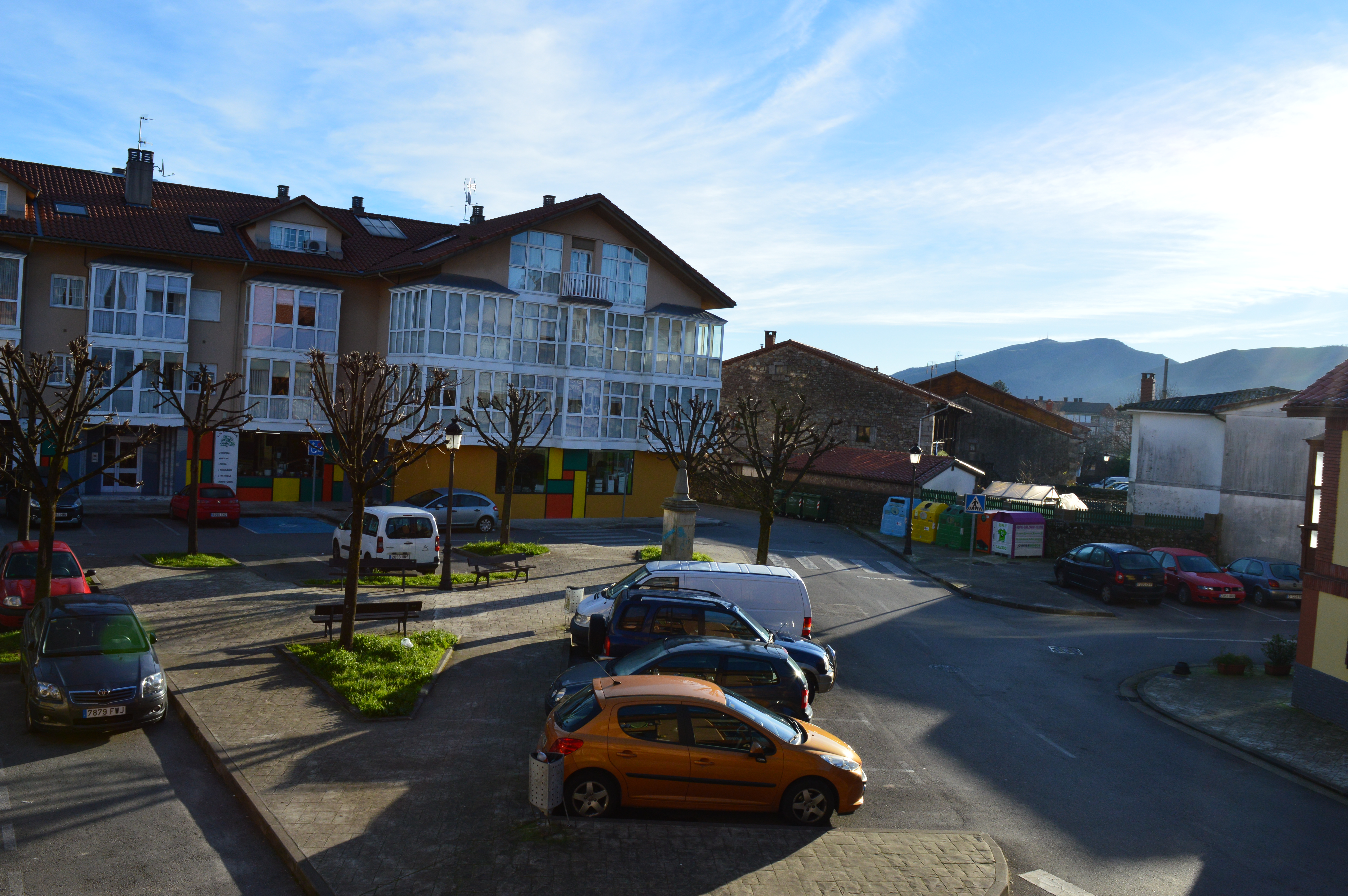
Cabezón de la Sal is a simply gorgeous mountain village sat in a cleft between the hills of Santillana and the Escudo de Cabuérniga, a mighty ridge stretching in a straight line all the way to the Asturian border. What makes it so immediately different from the south is the layout of the town: if anything, it’s more English than Spanish. Where small two-story flats hold the monopoly in the town centre, semidetached houses dominate almost everywhere else. Long gone are the snake-like rows of white houses with barred windows and marble porches; the Cantabrian norm is stone-brick dwellings with wooden roofs and quaint, upper-storey balconies. It’s charming, if a little alien to a habituated southerner like me.

DSC_0292

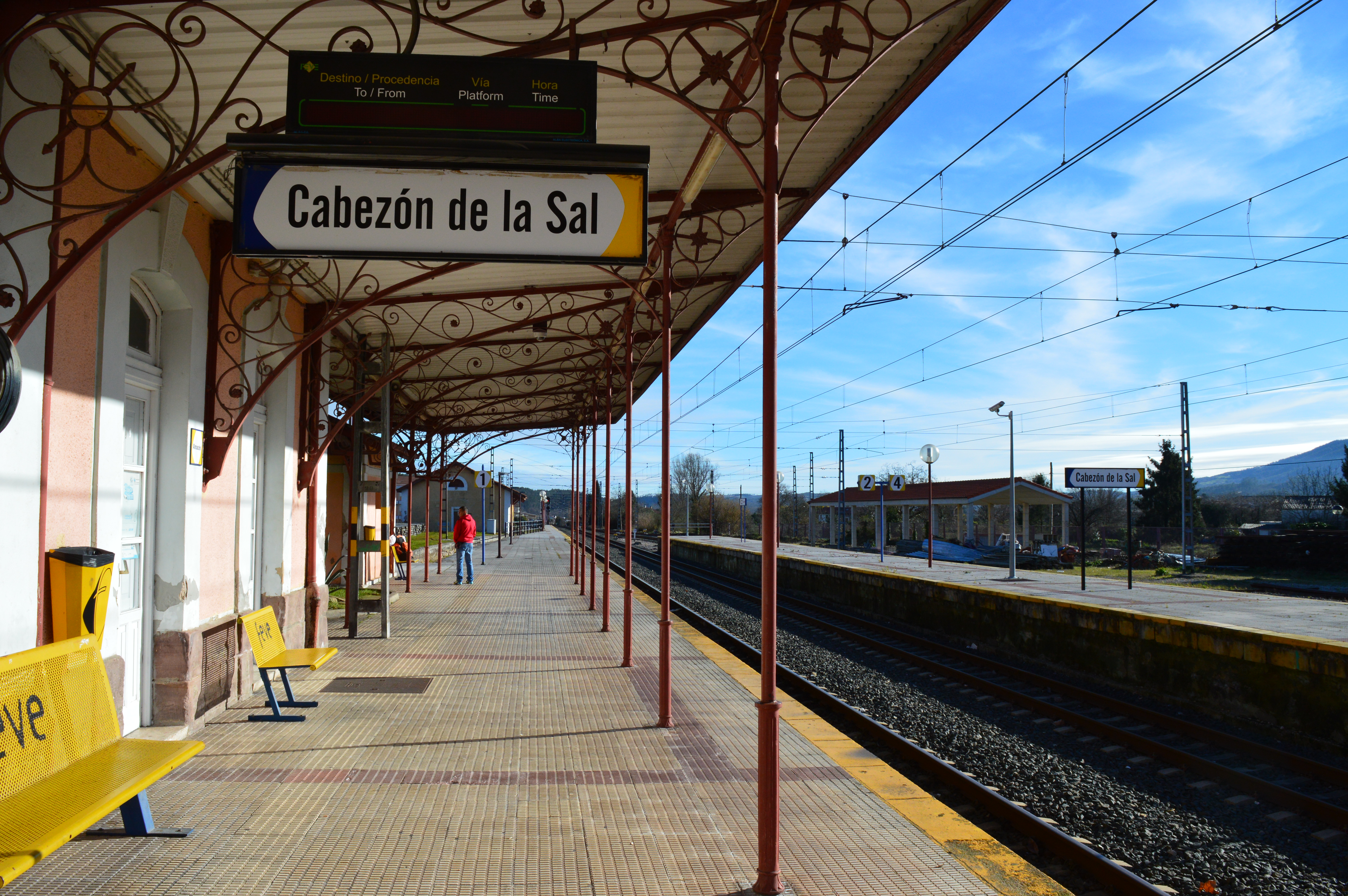
There are buses – apparently – but it’s the local train service that holds sway here. Quiet, comfortable and cheap at the price, Cantabria’s FEVE provides a reliable alternative to Extremadura’s LEDA – provided you arrive in town before ten to nine at night, that is.

DSC_0080

‘Let’s go to Potes,’ says Kate, ‘for a little walk.’ So off we went to Torrelavega, that city of burgeoning factories and towering flat-blocks that I passed through twice four years ago in the early days of my trans-Iberian adventure. In the sunlight, Torrelavega looks…

DSC_0089

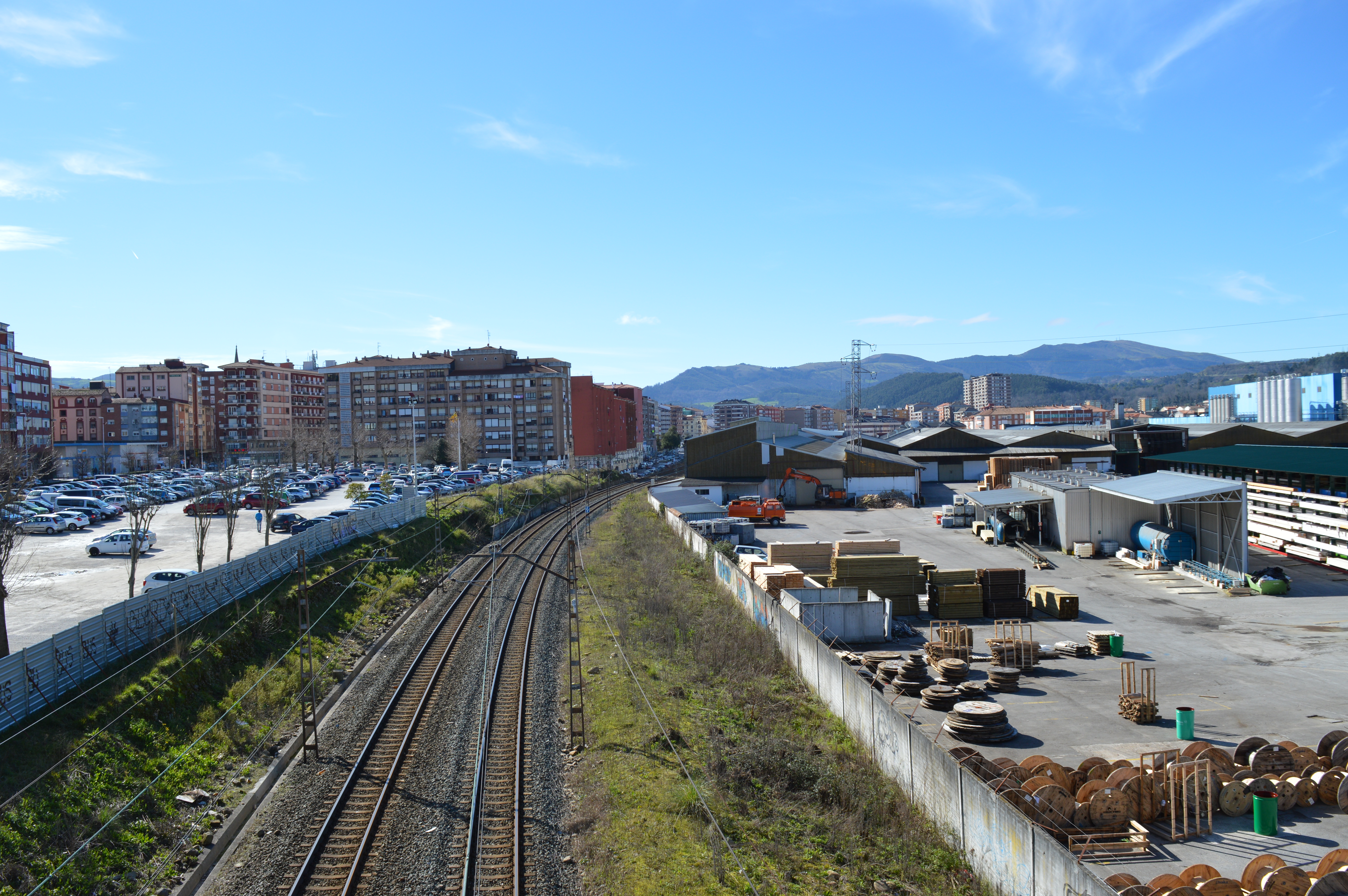
…well, I’ll not beat about the bush. Torrelavega is not exactly Paris. If Cabezón is a more rustic version of Villafranca, Torre is the Almendralejo equivalent in Kate’s neck-o’-the-woods. But like Almendralejo, it’s got its own charms. One of them goes by the name of red velvet sponge-cake.

DSC_0087

We arrived in Torrelavega looking for the bus to Potes, but the bus station proved singularly unhelpful, and a quick browse of the internet told us that the bus we were looking for left not from the bus station, but from the Palomera office by the train station we’d just left behind. In a scene which echoed the night before (albeit in slow motion), we half-ran back to the station… but there was absolutely no sign of the bus. Or any bus. Or even a bus stop, for that matter. Unless the Potes bus is a mystical bus which flies through the air and receives its passengers from the balcony of the Palomera offices on the second floor, I declare that bus stop to be an enigma. The city of Atlantis and the fabled kingdom of Shangri-La have captivated the imagination of man for centuries. Now I shall brazenly add the Palomera bus stop to that box of unsolved mysteries.

DSC_0088

Thinking on our feet, we dabbled with the idea of catching the train into Asturias in search of the equally mysterious inland bay of Gulpiyuri, but after all of that faffing around with the Potes bus we’d just missed the only practical train to Llanes by five minutes. As though calling out from a memory, Santillana del Mar came to mind and I decided we would grab the next train back to Cabezón and strike out for the coast via the Town of Three Lies. Public transport has as its advantages, but as a species, we should never forget that it was learning to walk on our own two feet that got us where we are today. And so off we went.

DSC_0096

The strangest thing about this last-minute change of plan was that it meant retracing my steps almost pace for pace from that ridiculous adventure, now some four years ago, right down to getting off at the very station where the driving rain turned me back to the shelter of Santillana del Mar. But for a few forks in the road, I had the entire route embedded in my mind as though I’d walked it ten times over rather than once. Perhaps that’s fate. She’s been playing a long game with me.

DSC_0119

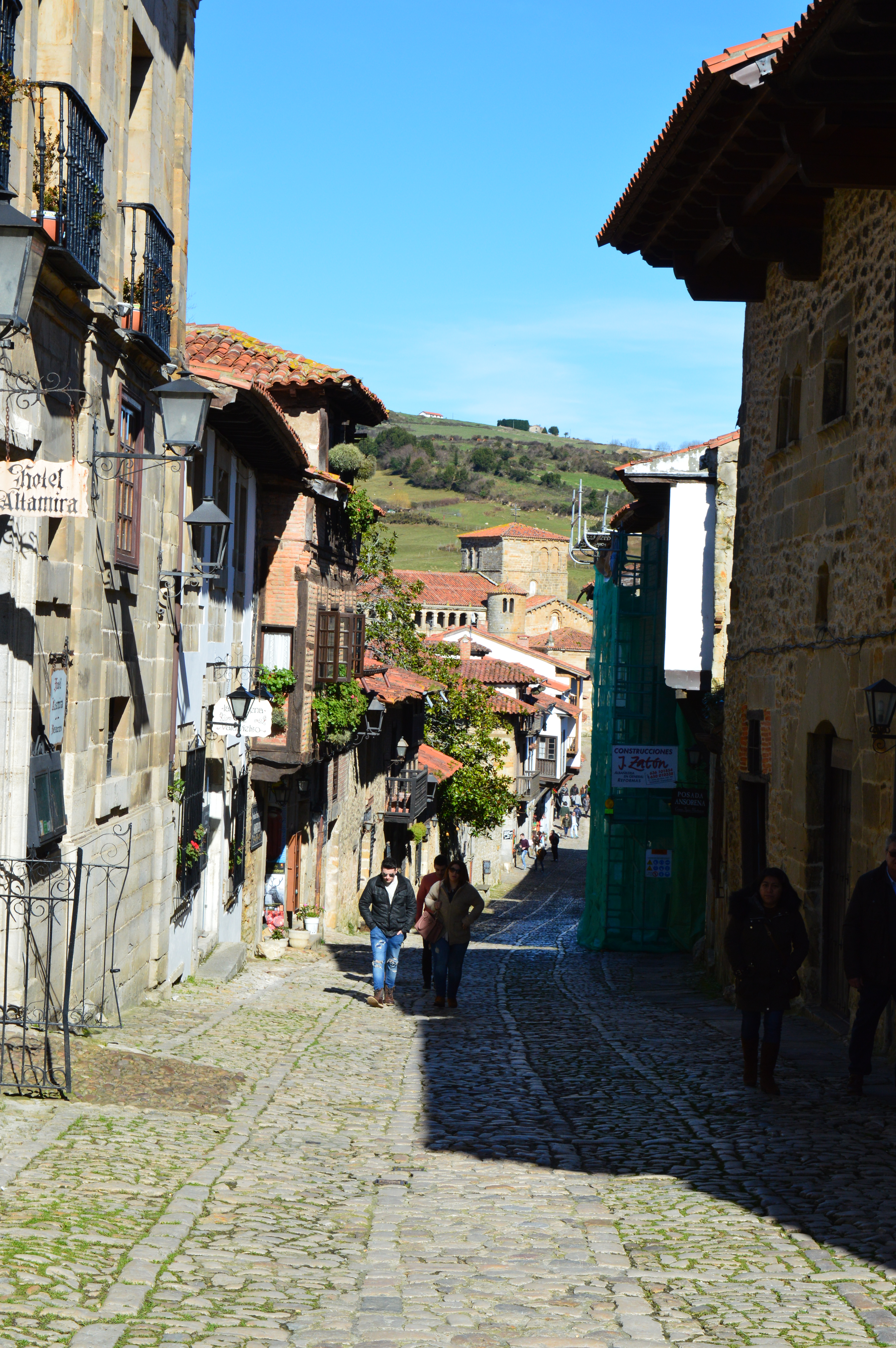
It felt decidedly weird coming down out of the hills into the cobbled streets of Santillana all over again. As Spanish villages go, Santillana has got to be amongst the very prettiest. It’s known as the town of three lies – being neither holy, flat, nor by the sea – but if that is so, then it’s a damned beautiful liar. As I so often find myself doing, I made sure to revisit all of the places I’d been before: the same church, the same quesada shop, the same Savage Culture boutique that I still don’t fully understand. I can’t explain it, but something about this town keeps pulling me back.

DSC_0130

We had a picnic lunch of peanut butter sandwiches on the steps of the Colegiata de Santa Juliana and basked in the afternoon sun. 15 degrees Celsius… not bad for Cantabria. In all the bad weather Spain’s north coast has been having of late, I must confess I think myself bloody lucky to have landed a whole twenty-four hours of glorious sunshine in the one day I had to explore the place. I could hardly have asked for better: better weather, or better countryside, or better company.

DSC_0160

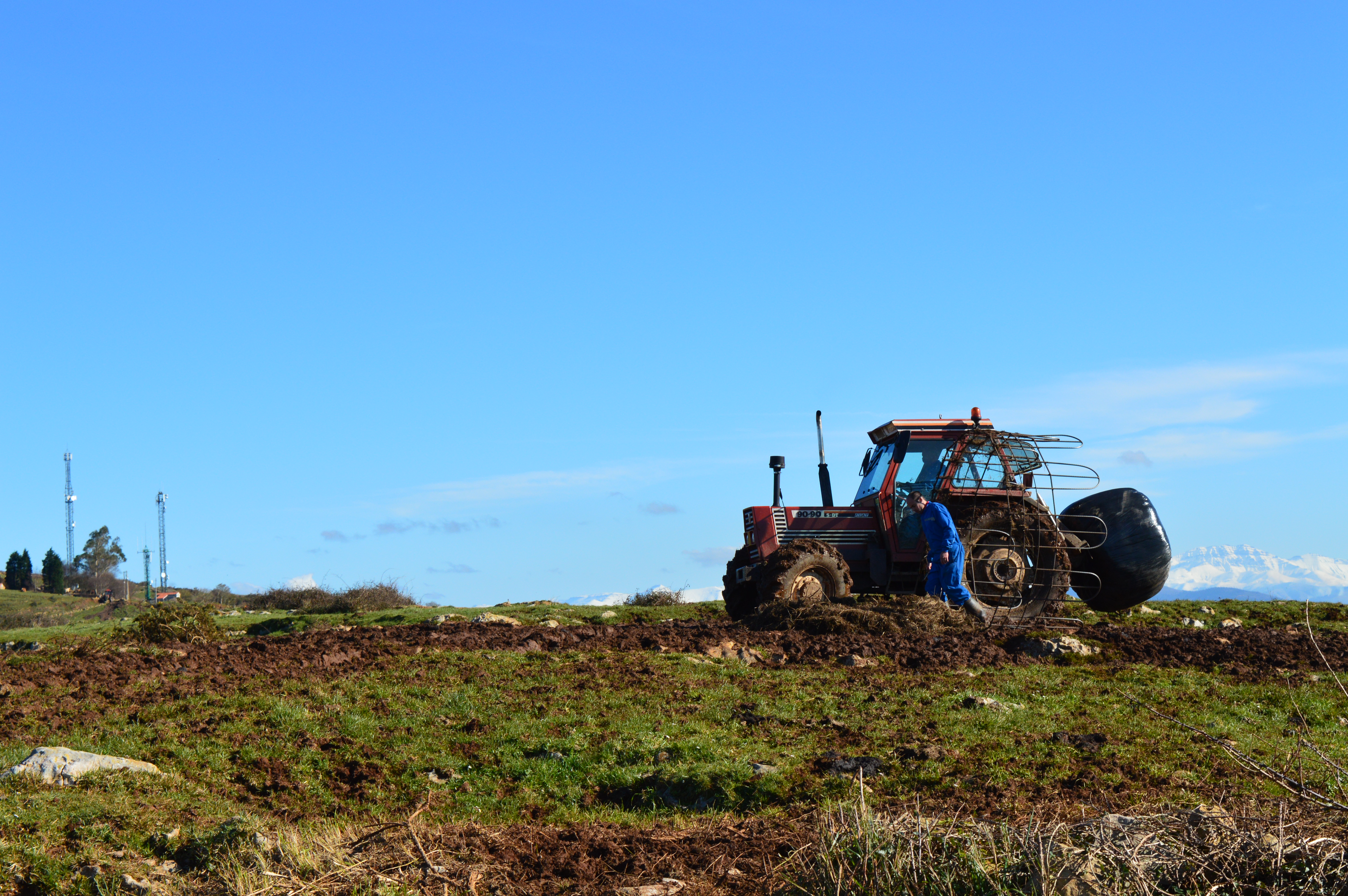
Leaving Santillana behind, we climbed steadily northwards across the rolling hills to the coast. Along the way we were misled by the Arch-Deceiver that is HERE Maps, which tried to convince us that what looked suspiciously like an overgrown stream was actually a main road, and we were caught up in a high-speed chase with a tractor, like an extremely low-budget Cantabrian version of Need for Speed. The stereotype lives: Cantabria truly is a land of green hills, of cows and of tractors.

DSC_0146

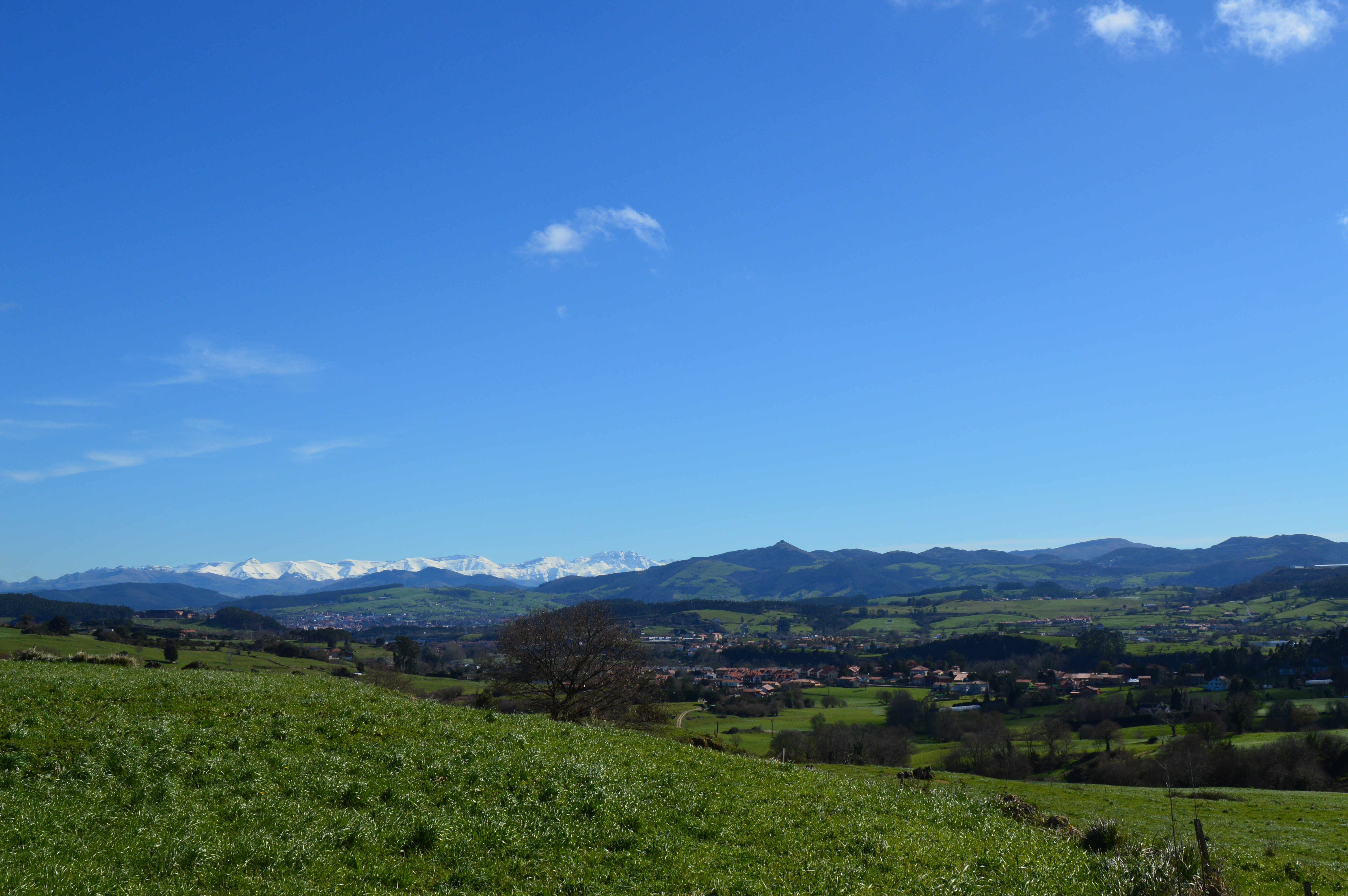
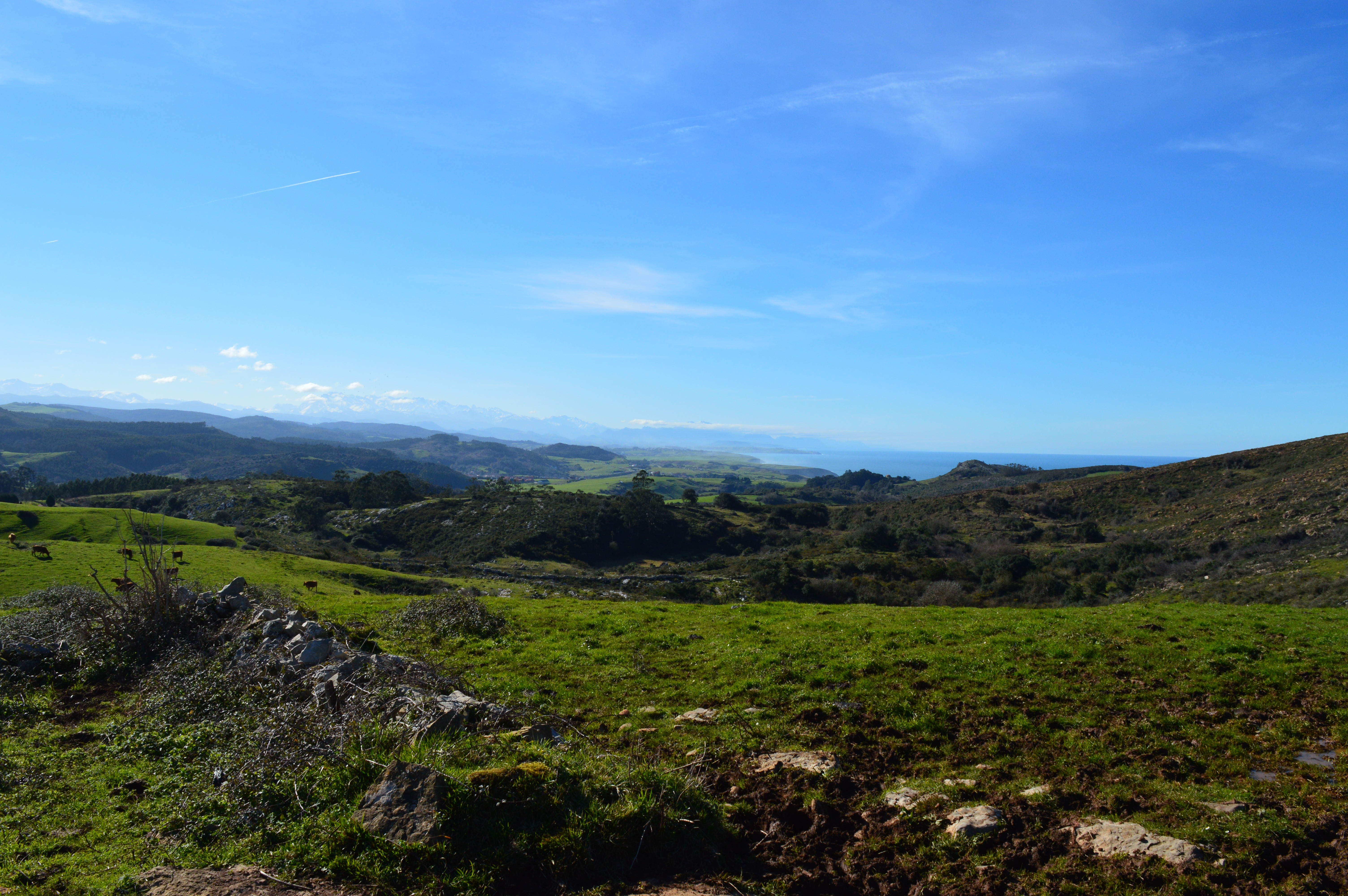
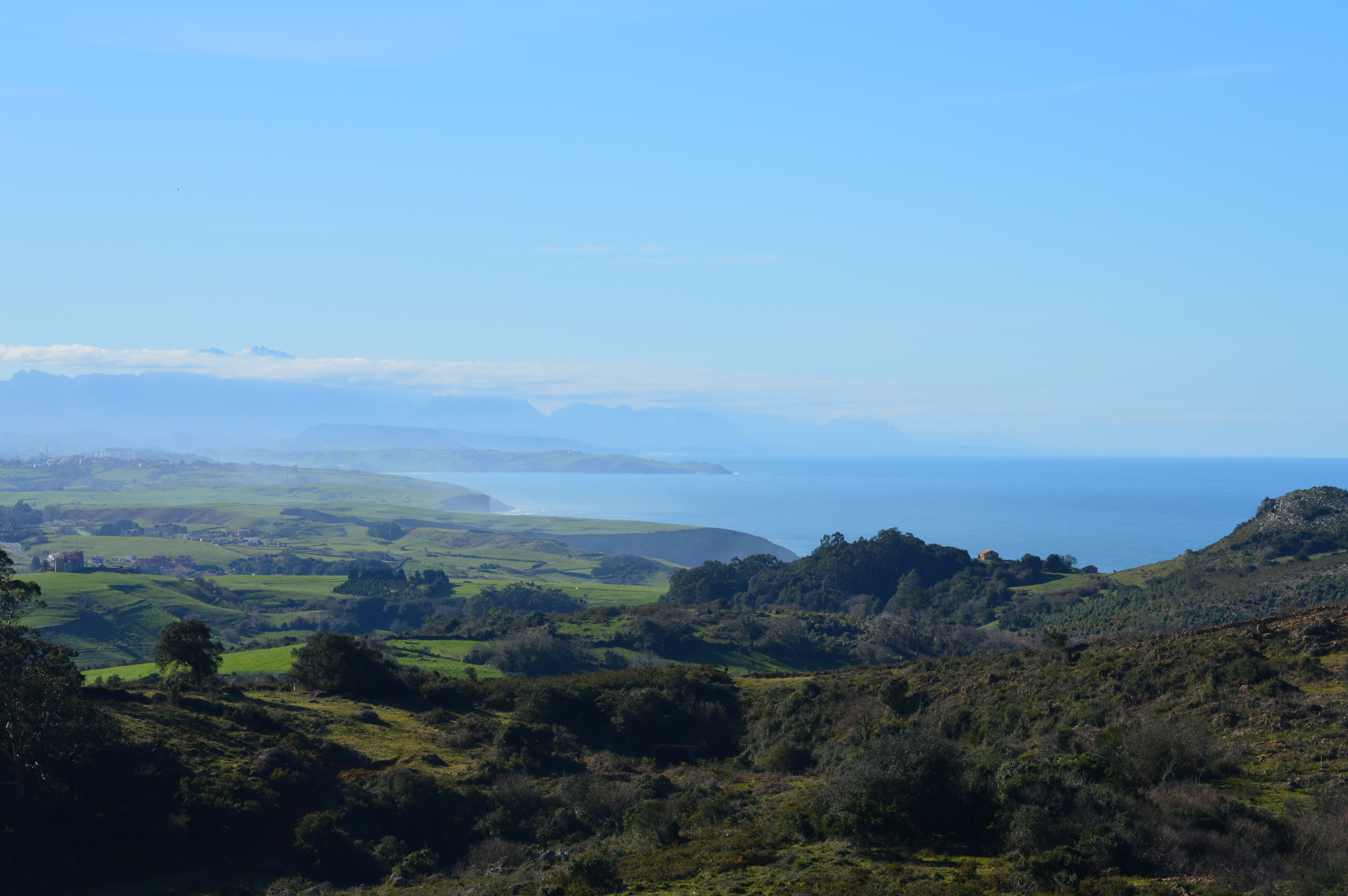
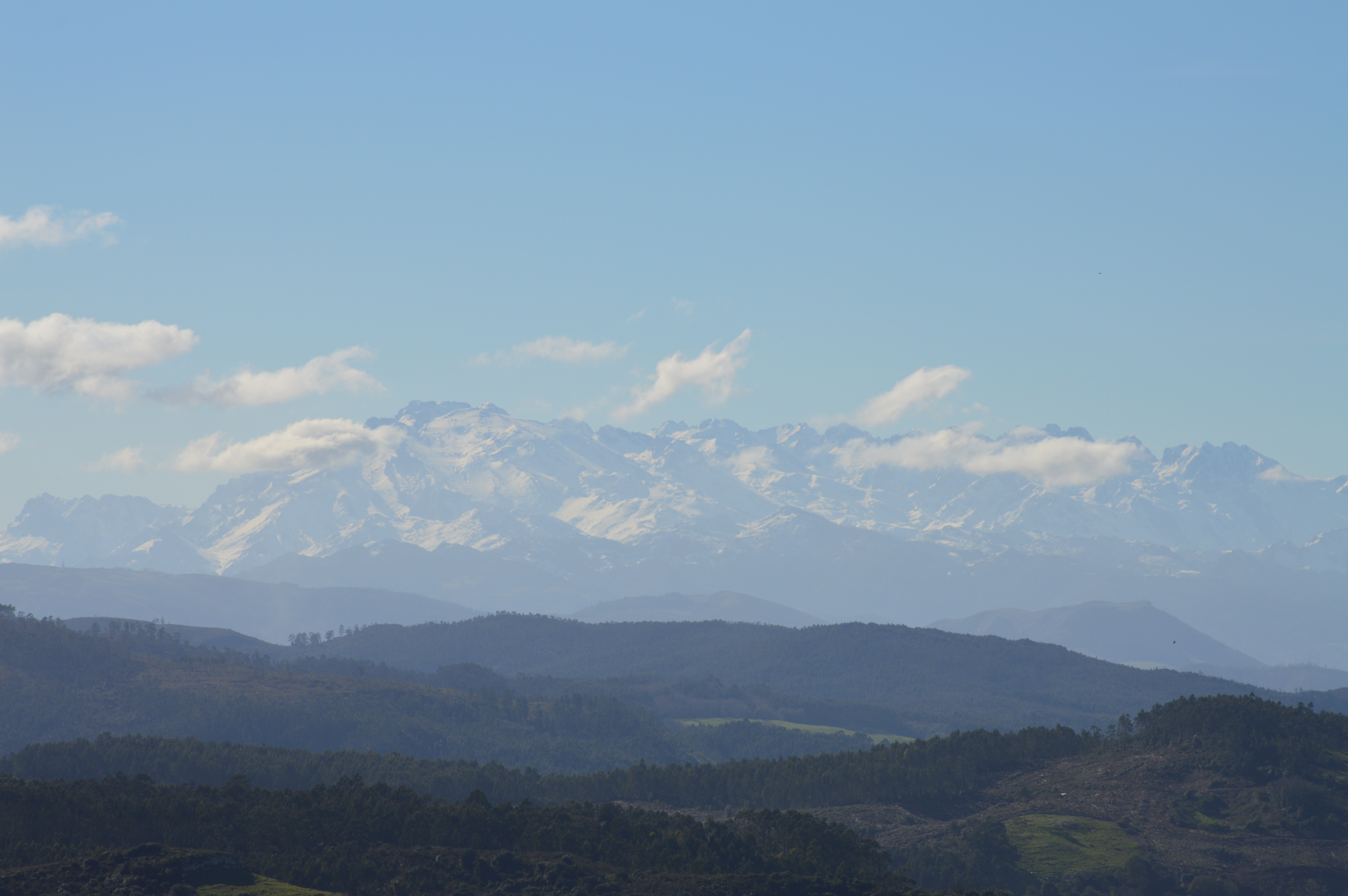
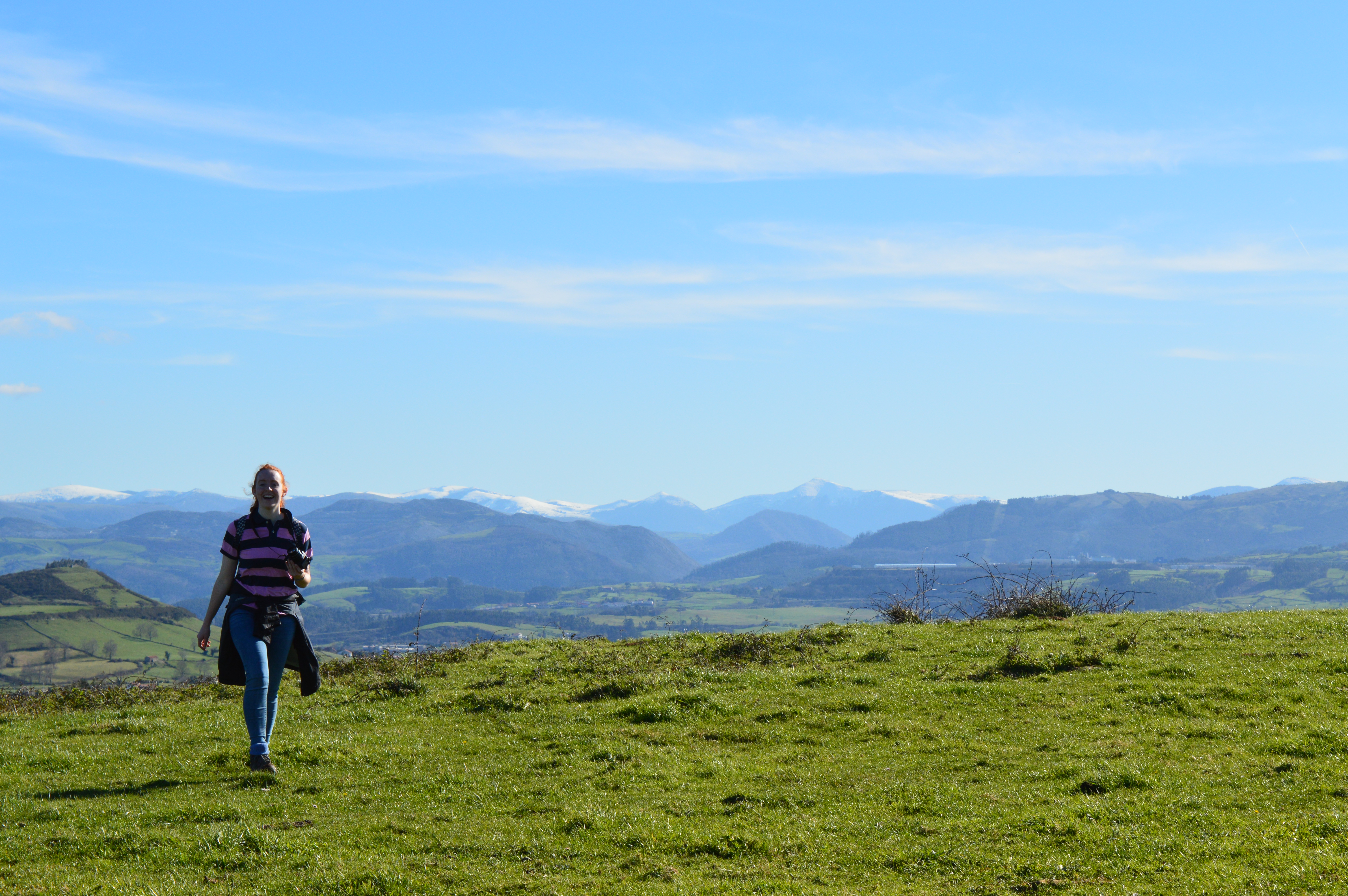
The last time I wandered these hills, the skies were iron-grey and I could only see as far as the next range of hills for the glowering rainclouds. I can’t have known it at the time, but I was seriously missing out. After abandoning the path and freelancing our way up a hill, Watership Down fashion, we were treated to what must be the most awe-inspiring landscape I’ve seen since I first stepped onto the plains of Caceres.

For once, I had the full works on me, so you can enjoy the view three times over, with the wide-angle 18mm…

DSC_0150

…and the macro 200mm…

DSC_0153

…and the telephoto 500mm.

DSC_0154

Sadly, the Nikon-compatible Sigma 500mm doesn’t come with an in-built autofocus motor, so it won’t be the powerhouse it has always been for rapid-fire avian photography, but at least I got some use out of it this weekend.

It was a beautiful view and all of that, but it was an equally beautiful dead end, so we had to climb back down the hill, cross the cow-fields and roll under a possibly electrified fence in order to get back to the road down to the sea (we didn’t check to find out – not when we were so close to our goal). After a very long and very winding road down one last hill, we made it – at last – to the sea.

DSC_0237

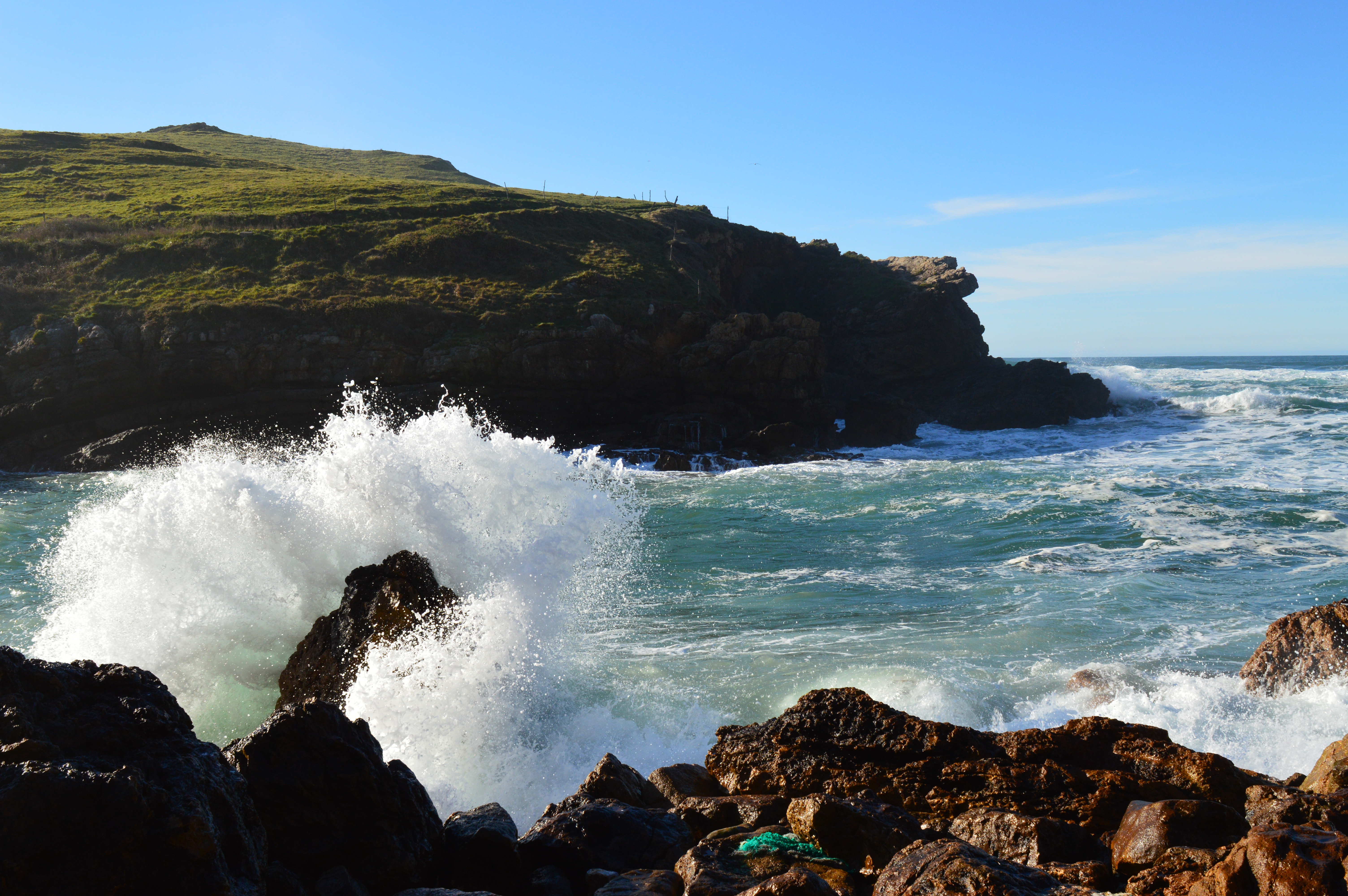
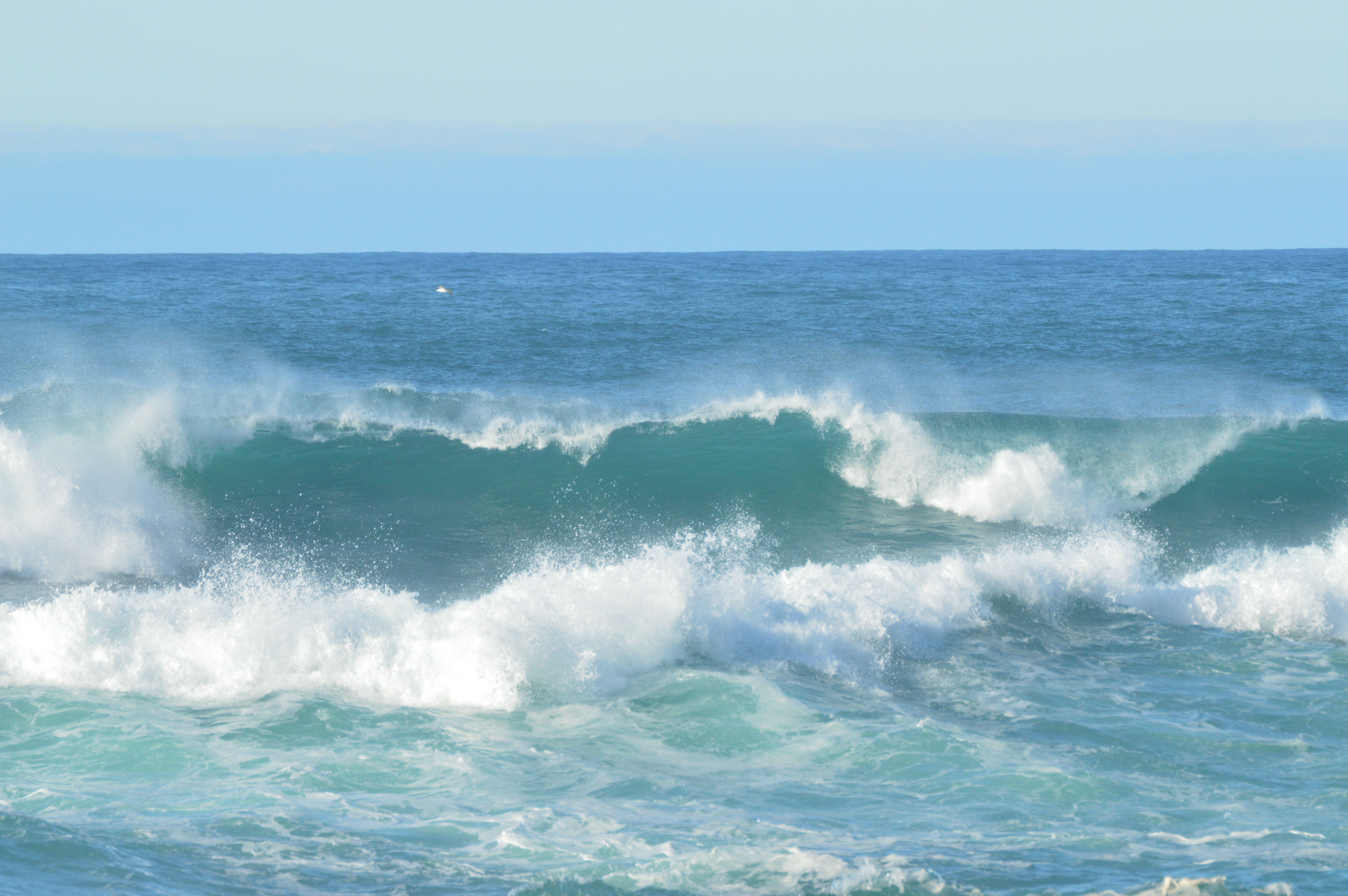
Extremadura has so much to offer, but there’s one thing it really lacks: the sea. You don’t notice until you think about it. Discounting Uganda, I’ve never lived more than an hour from the sea (much less in the UK) so Extremadura is the most inland location I’ve ever had to deal with. To see the Atlantic in all its cold fury once again was a real sight for sore eyes. The storm-force winds and murderous waves of the previous week are gone, but the waves still put on a formidable display for us.

DSC_0188

We spent about an hour by the sea, Kate and I, watching the waves pounding the shore and snacking on Cantabria’s finest delicacy, quesada pasiega. Yum yum. There’s a little ermita built into a cave in the cliffs which we didn’t get the time to visit, but I doubt it would have looked any more impressive up close than from afar. Imagine living in a place like that, with the sound of the Atlantic roaring all about you, twenty-four hours a day. The focus you would have to have – or learn to have – borders on the superhuman. Little wonder, then, that it is what it is. I wonder how an estate agent might describe it?

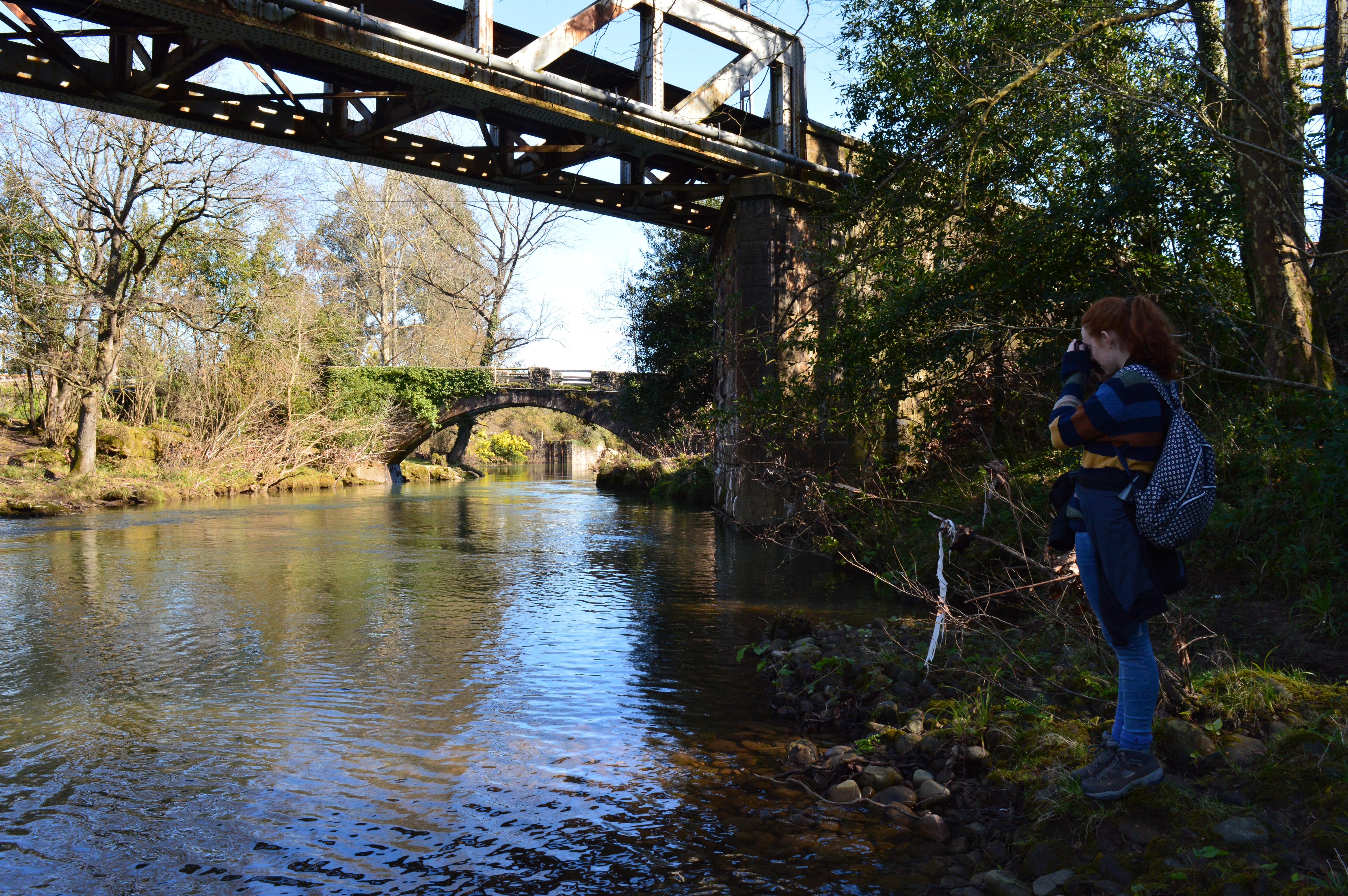
DSC_0201

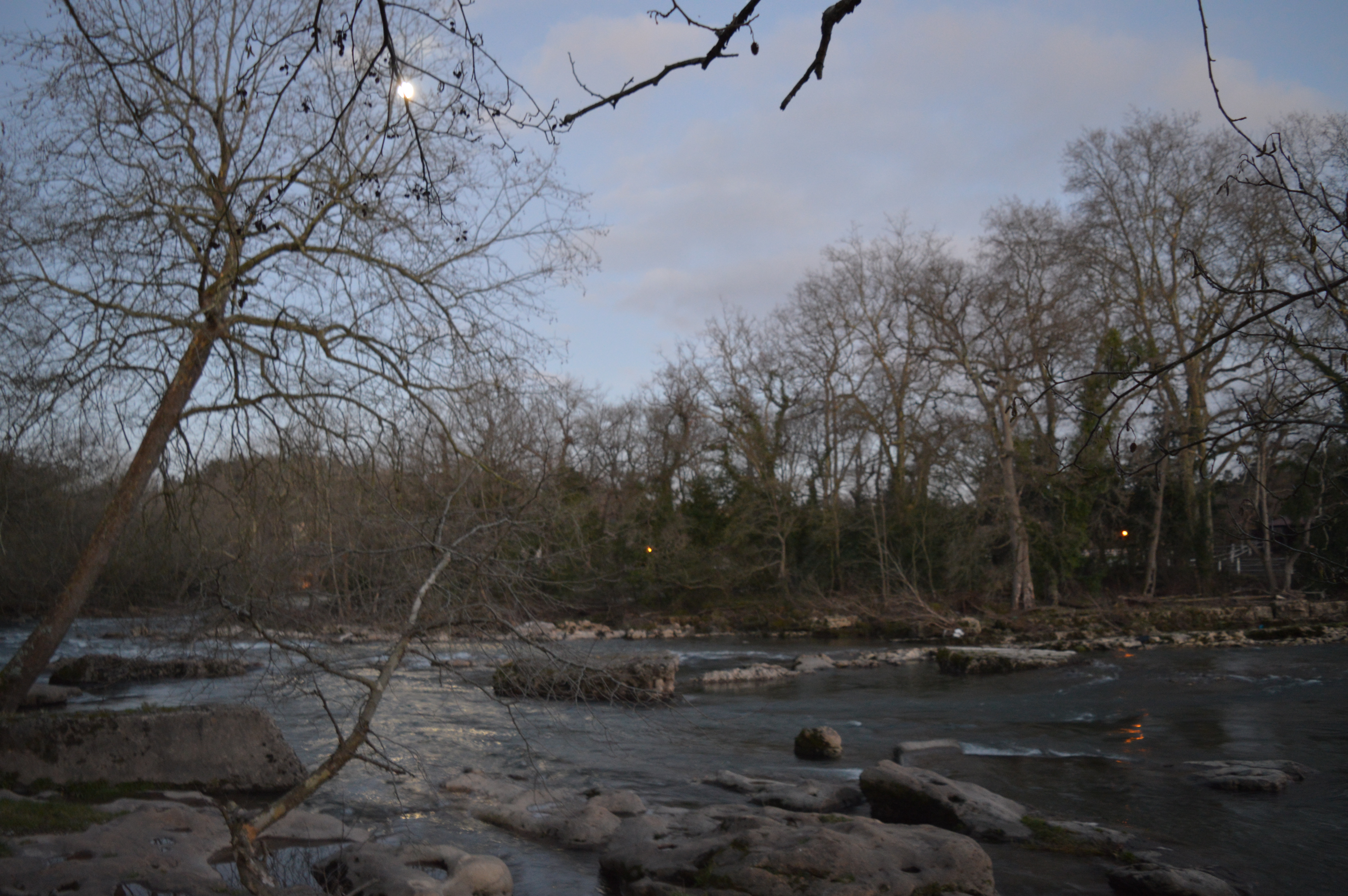
It’s getting to that time of year when the sun starts to set later, but sunset was already fast approaching as we turned back for Santillana at about six o’clock. In the gloom of the oncoming night, we finished off the quesada on the banks of the Saja river by moonlight and killed time by making for Rudagüera, the next stop along the Cabezón line… and then legging it back the way we came when it became apparent that it was a little further than we’d thought (one last flick of the claw from HERE Maps) and that we’d probably miss the next train.

DSC_0261

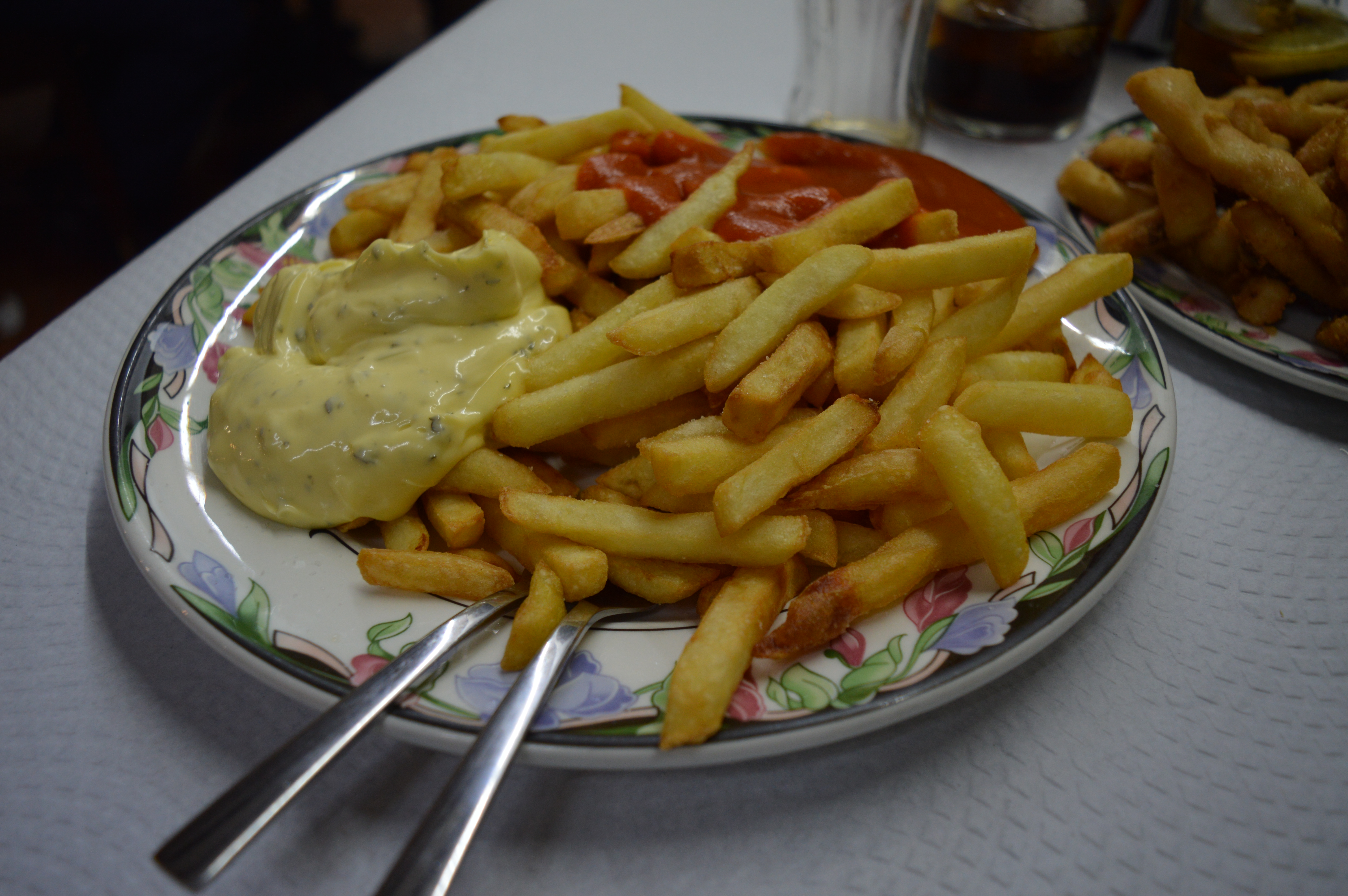
Back in Cabezón, after a drink at a local hunters’ bar, complete with mounted boar heads and numerous black-and-white stills of hunting men of old stood proudly over the carcasses of Cantabria’s once widespread brown bears, Kate took me to visit one of her favourite eateries, El Paraíso. At 2,45€, I thought a ración of patatas bravas would be enough to fill a corner after so much walking (we crammed in about thirty kilometres today, all in all), but I forgot…

DSC_0276

We’re in the north. In my experience, northerners in any country seem to have a much better idea as to what constitutes a decent portion size. Maybe it’s the climate. Who knows? In my earlier traveling days, food was the last thing I was prepared to fork out for. How things have changed since then! Coming back from that Spain trek dangerously underweight four years ago has left a profound mark, and these days food is the one luxury I’m prepared to spend on, and spend well. A long day’s walking deserves a long night’s eating, and I think I did pretty well on both fronts.

So, all in all, it was a very successful trip, albeit a very brief one! I was lucky enough to get a BlaBlaCar on the way back that didn’t mess me around. Better yet, he was no more and no less than a gaditano. Oh, to hear that accent again after twenty-four hours and more of people pronouncing their s’s…! You have no idea how happy it made me.

DSC_0323

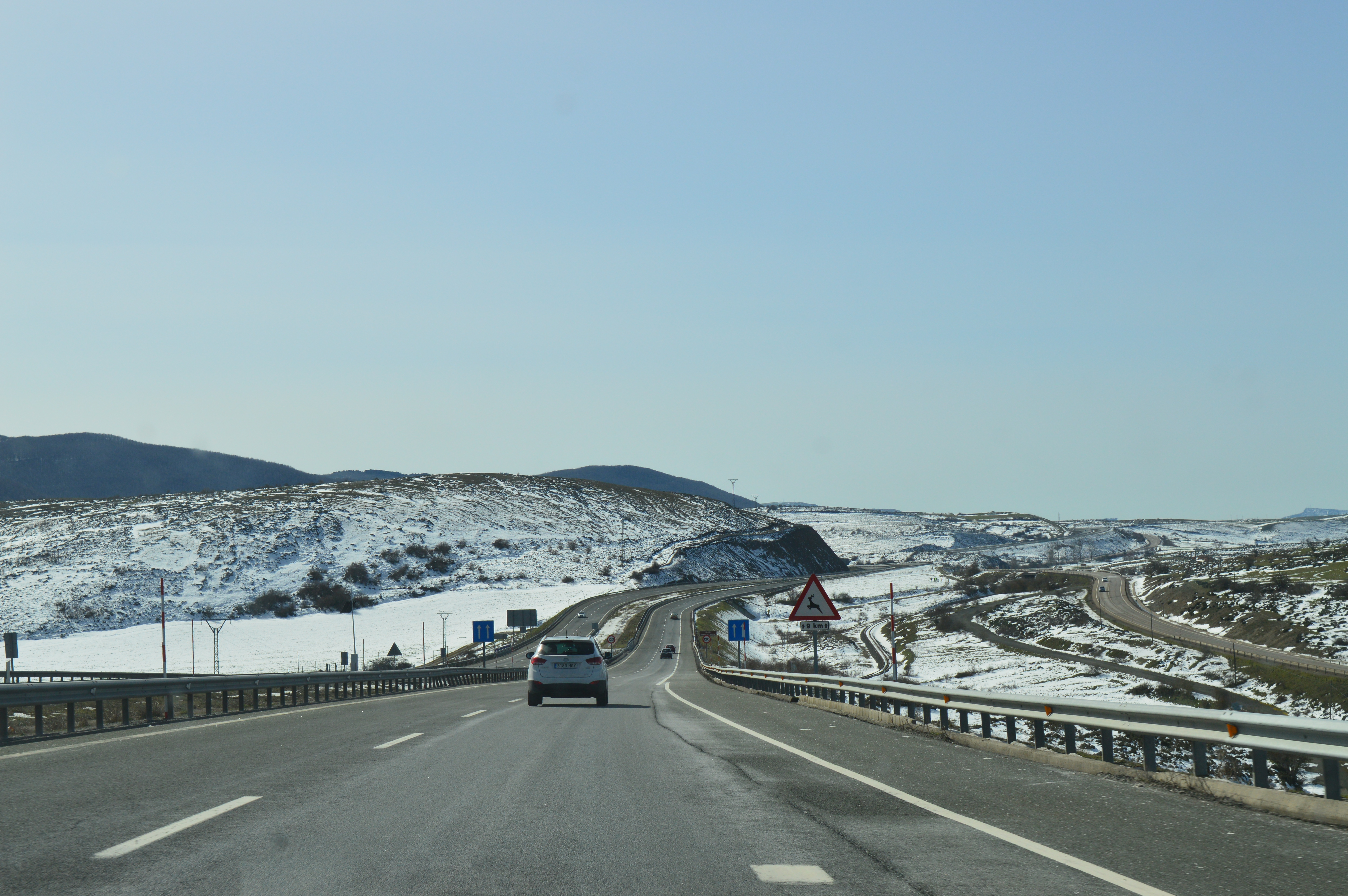
Cabezón de la Sal to Villafranca is still a bloody long way to go, but where the bus took all of nine hours, Rafa made it for me in six. In those six hours, taking in the windswept, snowy heights of Reinosa, I was treated to the finest conversation BlaBla can offer, up to and including:

  • Franco’s suppression of the education system
  • The legacy of al-Andalus
  • An anthropological history of Cadiz
  • The true nature of corruption in Spain
  • The Spanish Civil War
  • Gibraltan Spanglish
  • The rationality of England’s outside stance on the EU
  • Podemos and the total absence of a government at the moment
  • Why and how dubbing came to be one of Spain’s biggest businesses (and blights)
  • Piracy in the Old Mediterranean
  • The Growth of the Spanish film industry

I could go on. There were at least five or six hours of it. And all of it in Spanish, and in the very finest gaditano. Talk about a workout… and politics! The eighteen year-old me would never have believed a word of it.

Needless to say, my faith in BlaBlaCar is restored and I’ll be bound for Cadiz proper at some point to make good on that drink I’ve been offered. If I am to live up to the title of ‘Él que va conociendo al mundo’ that I’ve been given, BlaBlaCar is a damned good way of going about it.

DSC_0164

But last of all, I’d like to air high-five my good friend Kate for putting me up (and putting up with me) for two nights and a day in Cantabria. Yours truly is not the most pleasant company in a city, but in the countryside where he belongs, he’s just as insufferable, if only on the other side of the positive/negative spectrum. Kate’s seen me at my lowest in Amman and probably at my highest – quite literally – in the life-giving paradise that is Cantabria. Thank you, Kate, and I hope to return the favour when you’re down in the south! The adventure never ends. Not really. Not ever. BB x

PS. You can read about her side of things here. It’s a lot more tongue-in-cheek than mine.

Tractor Beam

Andalucia and Extremadura have plenty in common. They’re both southern, they’re both gorgeously hot and sunny most of the time and the language in both of them borders on the incomprehensible. So you can understand why I applied for both when I got myself into this auxiliar malarkey just over a year ago. My third choice, unmentioned since my very first blog posts back in May, was Cantabria. Land of cows, snow-capped mountains, green hills and tractors. The Iberian Alps, the Spanish Yorkshire. About as far away from the dusky south as you can get. So what in Creation drove me there this weekend – besides a frustratingly slow bus?

I’ll put it like this. You can’t keep a good man down, and you most definitely can’t shut up a wanderer in his house for long.

Besides hopping down to Olvera for Carnaval, I’ve done no traveling since Madrid back in the first week of January. That’s only a couple of months back, granted, but compared to the madness of last term, I’ve been doing a lot of nothing of late. In any case, I got a bad case of itchy feet last week and, watching the weather forecast, I made a spontaneous decision to visit my dear friend Kate in Cantabria – on the other side of the country. She’s working as an auxiliar up there and we’ve got much the same setup, right down to the state/private school split. If you haven’t already been keeping up with her adventures, check them out over at Langlesby Travels. Besides being jolly good fun, it makes for a lot easier reading than most of my biweekly outpourings!

I’d planned on two full days up north, as for the first time since I started trawling the site last year there was a super-convenient BlaBlaCar bound for Santander at midnight on Thursday, meaning I’d be in Cantabria for seven o’clock in the morning. It was just too good to be true…!

And so it proved. After a fourth BlaBlaBlunder where the driver changed his mind and shifted the drive six hours earlier, bang in the middle of my afternoon classes, any hopes of arriving early were dashed, so I resigned myself instead to one day in Cow Country and one whole day on the bus. Thanks, BlaBlaCar. I feel like it’s important to point out that as a system it’s by no means foolproof, as so many headstrong young things would have you think. It’s done me some very good turns and I do believe it really is the way forward, but it’s screwed me over in equal measure. You win some, you lose some. In that sense, perhaps BlaBlaCar is a good metaphor for life.

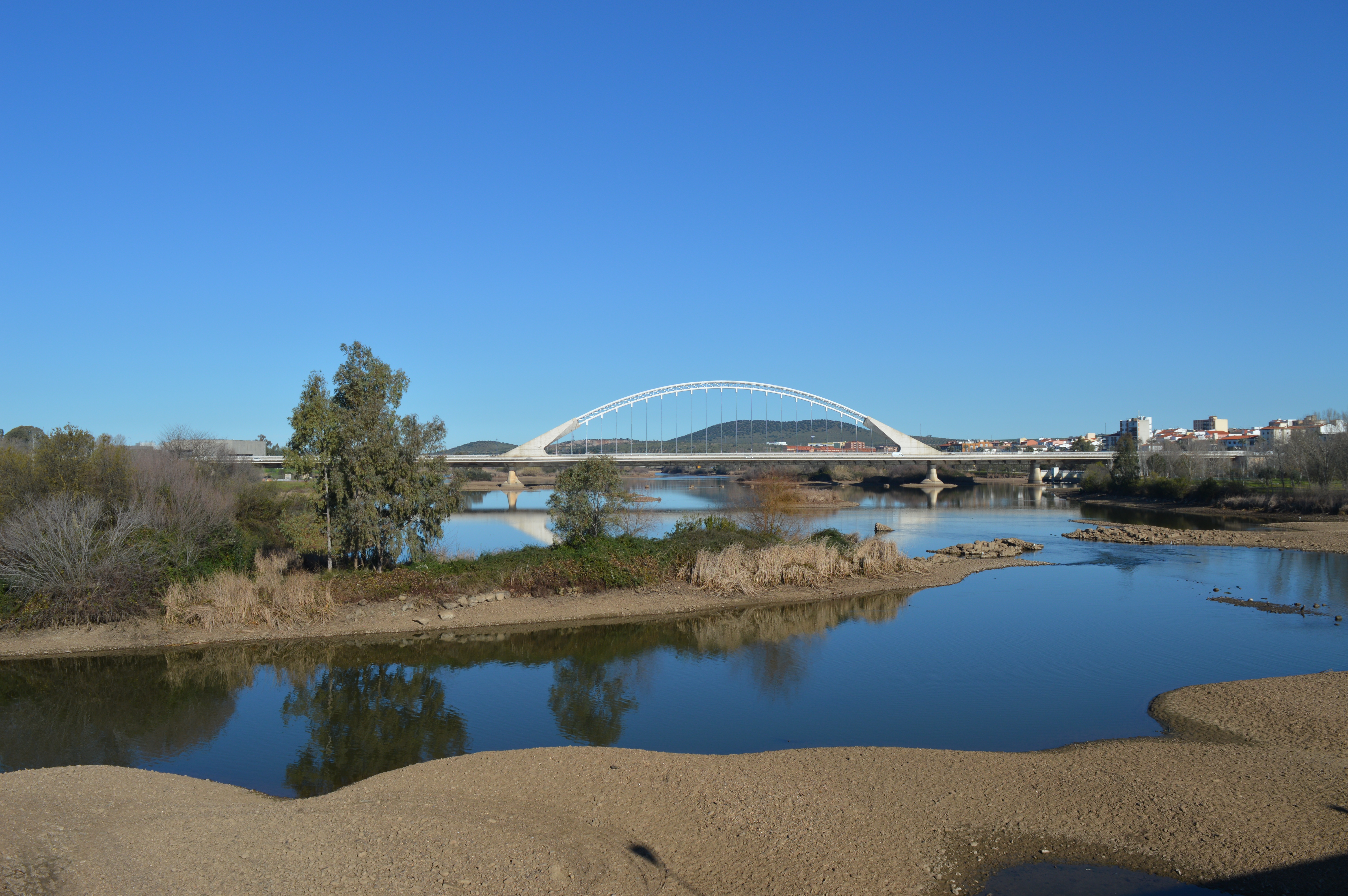
The journey began, as they so often do, in Mérida, where I found myself on the Roman bridge, scanning the reeds for a ridiculously early little bittern. Villafranca and its endlessly repetitive surroundings lack a viable soul spot, which Mérida offers in the ever-changing Guadiana. Mérida may always seem to be lacking something, but the river has never let me down. There’s something beautifully elemental about rivers. This one in particular is never the same. The first time I saw it, the river was playing host to several families of purple gallinules, frolicking about in the reeds. A month later the whole stretch was clogged with water hyacinth. Three weeks after that, half of it had been siphoned off and the rest was being heaped onto the banks by a team of gumboots. This weekend, the river was barely ankle-deep, with only the deepest stretch in full flow – only to be magically restored to life two days later. Oh Guadiana, you baffle me.

DSC_0003

What gives, Guadiana?

The journey north was fairly uneventful. I spent almost all of it trying to read Cavell’s Moghul, but more often than not staring out of the window at the changing scenery and, before sundown, came to the conclusion that Cáceres province truly is one of the most beautiful places on Earth. If you don’t believe me, visit Plasencia. If Spain has an Eden outside of Doñana, it may be found there.

img_3567

Snow on the mountains in Castilla y Leon

Despite reassurances from the driver that we were perfectly on schedule, we still pulled into Torrelavega a full twenty minutes late – which, coincidentally, is the exact amount of time I’d factored on giving myself to get from the bus station to the train station. Sprint as fast as I did – I may not be much of a sportsman, but I consider myself half-decent over a short distance – I arrived at the station just as the last train was leaving. Last year’s BB would have cried in frustration at this oh-so predictable turn of events; this year’s BB shrugged it off and chartered a taxi. It ended up costing me almost as much to go the last few kilometres to Cabezón de la Sal as it did to come all the way from Mérida, and at least three times the train fare, but that’s taxes for you. I’ve told you before… I don’t like taxis. Period.

DSC_0051

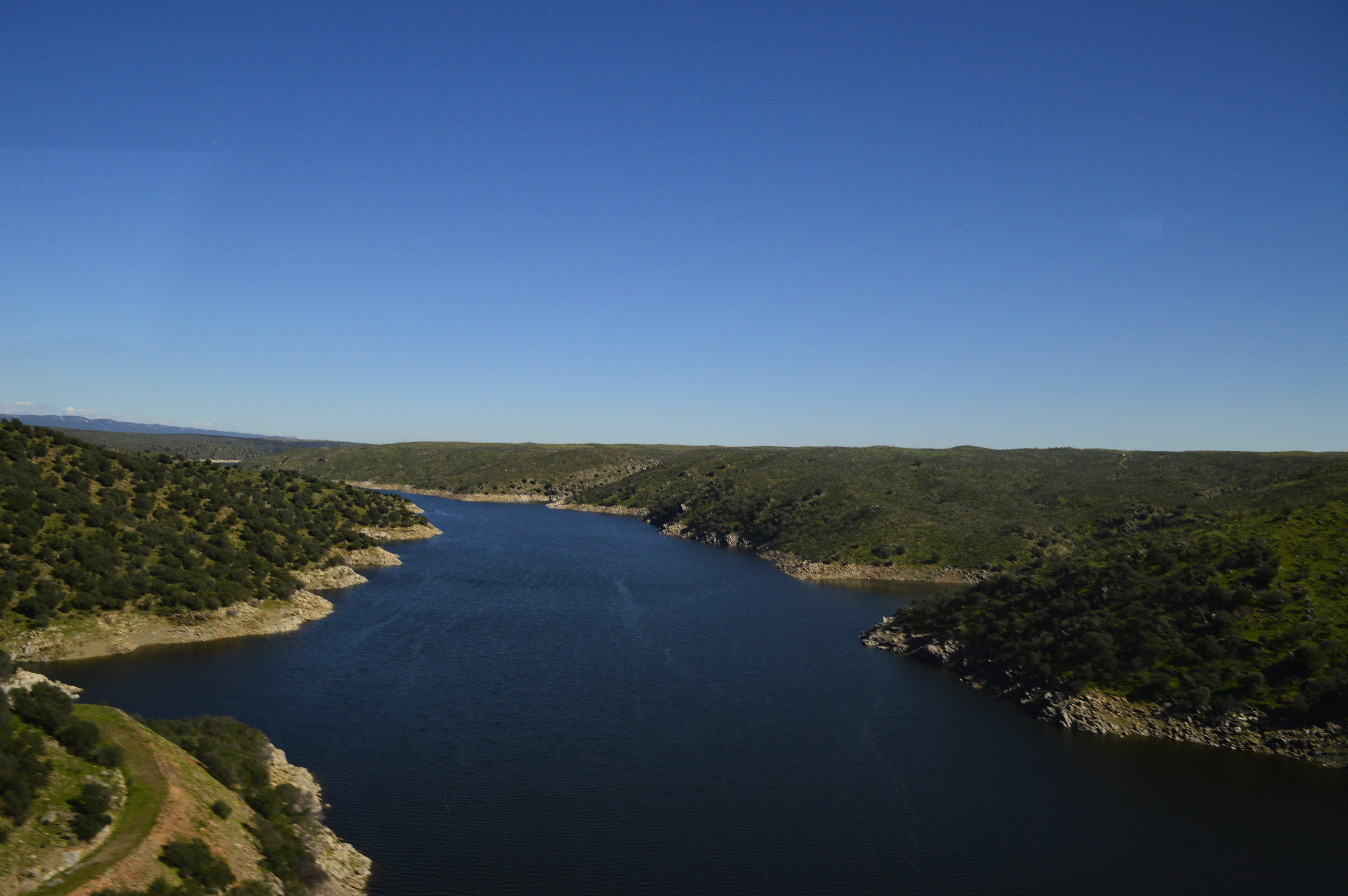
The River Tagus in the plains of Caceres

At any rate, I made it to Cabezón de la Sal and, after wandering aimlessly in the dark, lost in the Alpine beauty of the place, Kate finally found me, introduced me to her friend Almu and I had my southern accent swiftly corrected. That can only mean one thing: all those weekends in Olvera are paying off. They’ll make a guiritano out if me yet.

The following day’s adventures require a post in their own right, so I’ll give them that much. Keep your eyes peeled for the second installment! BB x