The Rain in Spain

Snow doesn’t like me. Every time it falls I’m in the wrong country. The last time I remember snow good enough to build a decent snowman was early in 2013, when I was on my abortive gap year and had precious little else to do. Going north to university was supposed to bring better weather; living as close to the coast as I did, pretty much every weather front we got had dissipated by the time it reached us.

Not so. In my first year at Durham we had a light dusting, and second year delivered only a little better. In my third year the powers that be decided to deliver a decent fall… but of course, I was in Spain at the time, and didn’t see any snow whatsoever. The following year I returned to Durham, where it was cold, but not enough for snow. Spain, on the other hand, got a lashing so strong it covered most of Andalusia – one of Spain’s hottest regions – in an impressive layer. And now this Beast from the East lays waste to the UK with snowfall like it hasn’t seen in decades, and here I am in the one part of Europe that was spared.

It’s obvious. Snow and me simply aren’t compatible.

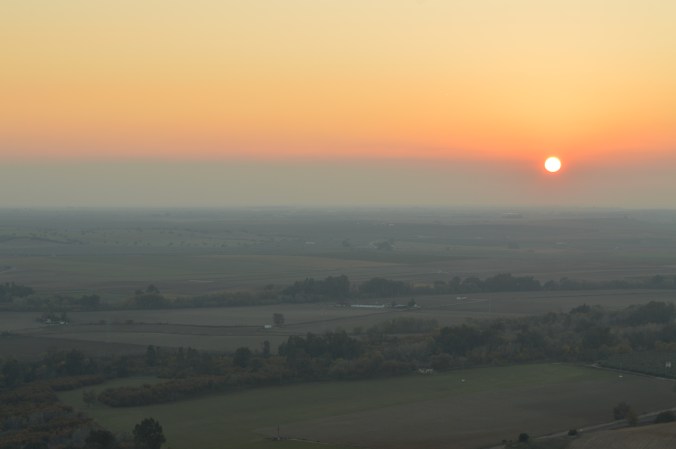
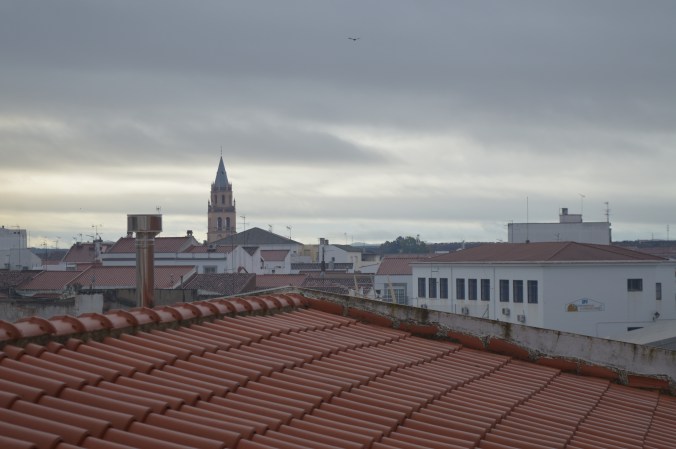
DSC_0142

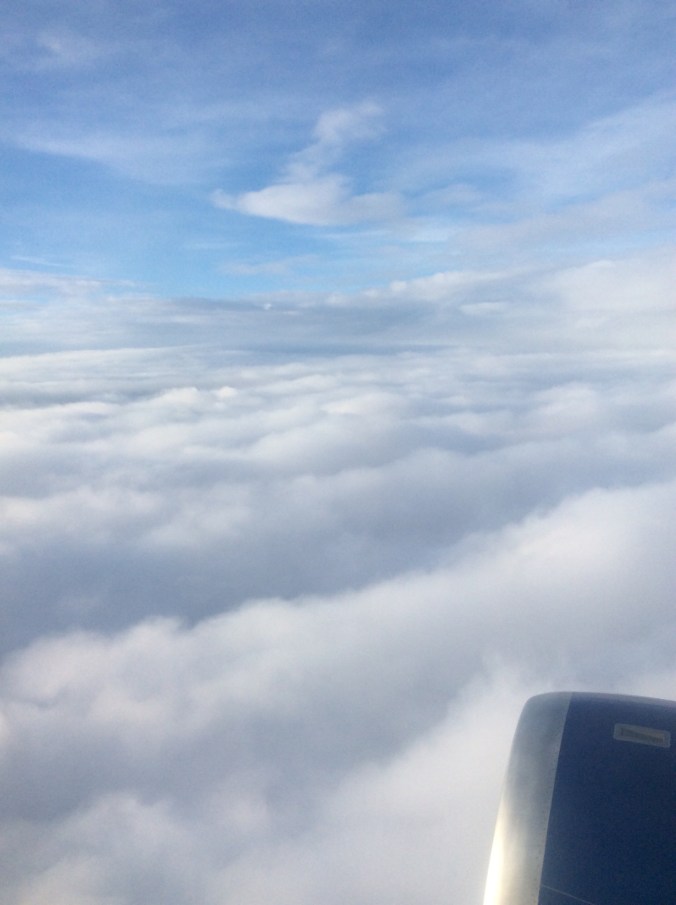
What are we getting here in Spain? Guess. I’ll give you a clue: they had a fair idea when they wrote My Fair Lady.

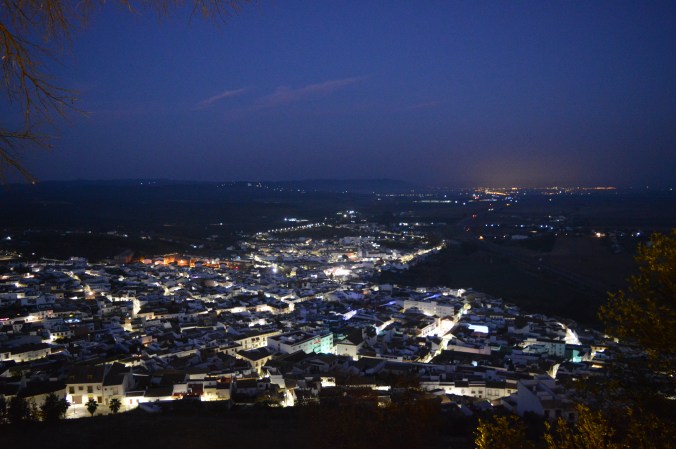
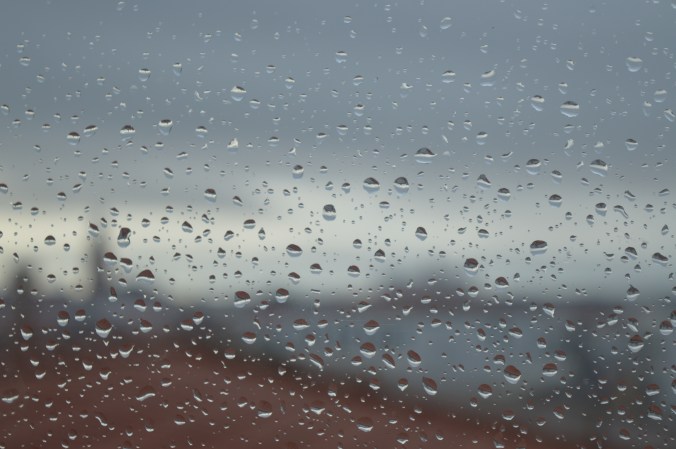
DSC_0141

You want the Beast from the East? Try the Pest from the West. It’s supposed to rain for a full fortnight.

There are just over a couple of weeks to go until Semana Santa. I haven’t been blogging much, partly because of the taxing nature of private lessons with under tens, but mainly because any writing I don’t commit to my novels seems like a betrayal, especially with the workload (and the salary) set to treble next year, and by my own hand. I’ll keep you posted. BB x

Slow Clocks and White Socks

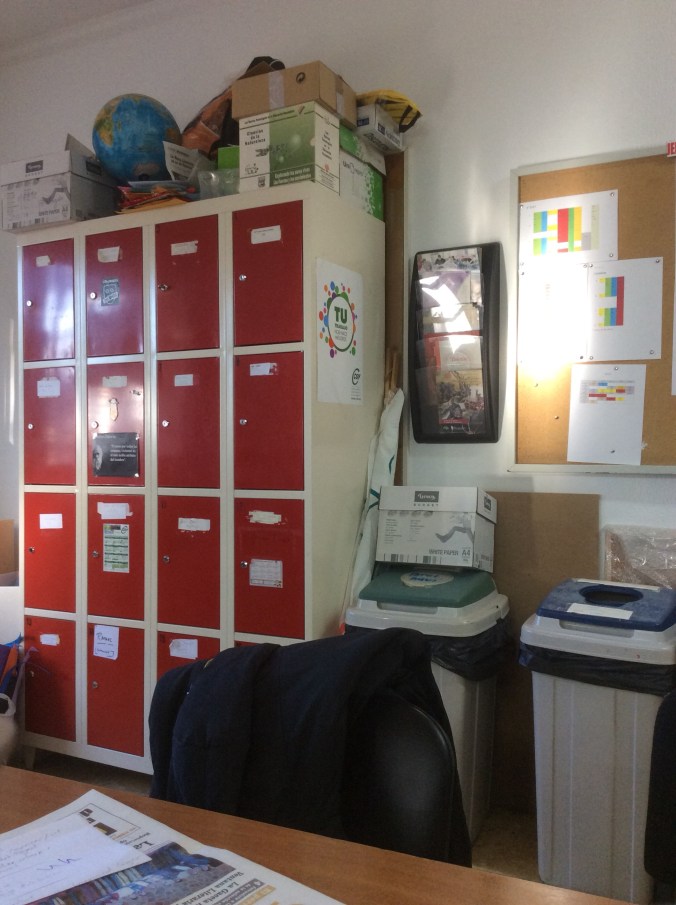
Good morning from the staff room. My second 1°ESO class are busy preparing posters on British food for next week’s Semana Cultural this morning, so I’m off the hook for an hour. It’s a shame, really; they’re probably the one class that could have really benefited from a presentation on the UK, seeing as it’s what they’re working on right now. My other 1°ESO class loved it, and I dare say the addition of a Honchkrow to explain ‘honcho’ helped a lot in the ‘foreign words in English’ section. Not that honcho – a Japanese term for ‘big boss’ – is a word you expect to come across all that often, but it makes the language learning process a lot more colourful. Going over the same ‘how much is a ticket’ dialogue every week gets a bit dry, eventually.
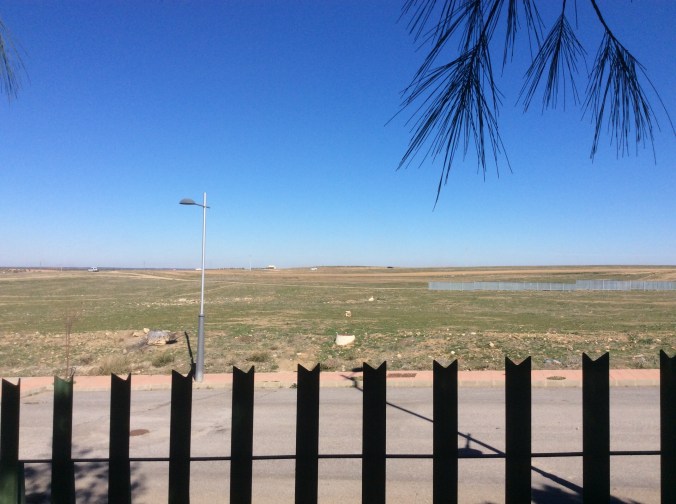
I went for a walk in the park yesterday. It’s been so warm and sunny recently, I simply couldn’t justify going straight home from work. Tired as I was, I slapped a small lunch together, downloaded a few In Our Time podcasts and crossed the road into the park. It was a little windier than I’d have liked, so I didn’t stay all that long in the end. Without it, it might have been as warm as 18°C. In February. But here in the plains of Extremadura, we’re ruled by the terrain. The wind that blows across the flats is cold and loud, like something out of the Old West. You half expect a tumbleweed to pass you by. It’s a shame that we think immediately of America when we hear that name: with its wide open plains, rocky cliffs and canyons teeming with bandits, and its historic code of honour and justice, I’d like to think Spain was the real Old West; the Ancient West, if you will.
The swallows are here. I watched a few of them twittering noisily as they careered about the pond, whilst one of the town’s storks soared lazily overhead. The trees were alive with goldfinches, and I saw a huge bat on its way to the park from my flat the other night. It was a lot easier to consider a job in England a month ago, I’m telling you, before Spain started thinking about her Spring clothes. Now that it’s feasible to go to bed without having the heater on for a full hour, and the blue skies are no longer laden with a biting cold air, I find myself in love once again. The saying goes: ‘nueve meses de invierno y tres de infierno’ – nine months of winter and three of Hell – but Spain can be equally unforgiving in the grip of winter.

I spent a little while watching a robin – always one of my favourite birds – and a couple of hoopoes flapping about like oversized butterflies. Symbols of England and Spain, in my head. I should go to the park more often.
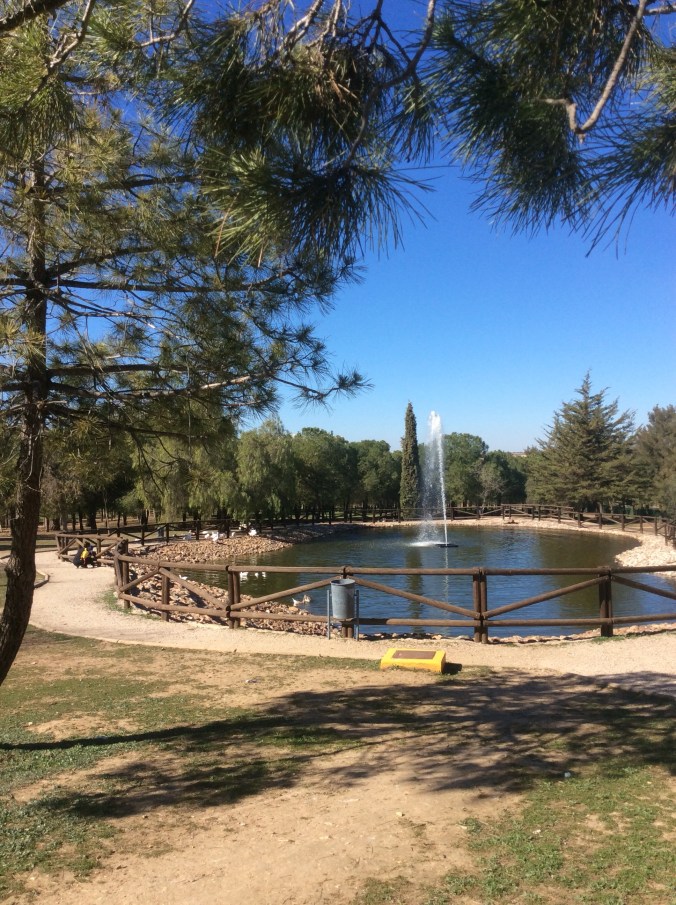
It’s hard to see the change in the seasons here in Tierra de Barros, with the park full of evergreens and the surrounding eternity of vineyards and olive trees, but the animals tell you. And where they fail, the town drummers do a pretty good job. Carnaval is over, and I thought that might be the end of their incessant weekly drumming, but I was wrong: last night as I lay dozing in the living room, I heard the unmistakeable march of the Holy Week procession. It’s a good month away, but preparations have begun in earnest. But I’m not complaining: Semana Santa is far and away one of my favourite things in Spain and I never want to be anywhere else when it’s on. Like countless Brits before me, I’m shamelessly enthralled by the primal magic of it.

And, like countless Brits before me, I’m steadily coming to understand that our humour and theirs – or anybody else’s, perhaps – simply don’t mix. My jape about my countrified accent got cut from the play this morning. I guess they didn’t see the funny side. One of my students did point out to me recently that imitating their accent is one of the few things guaranteed to rile an extremeño. As a guiri, perhaps I’m allowed a certain amount of leverage – it’s always funny to see a foreigner having a go, I guess – but patience, in the end, wears thin. Especially when I have to make that same joke at twenty-five minutes past eight every Thursday morning.

A few weeks ago there was an article in The Times titled ‘How to be Spanish‘ that caused uproar on Spanish social media. The Spanish, it seems, don’t like being told how to be Spanish by an Englishman (a puto guiri, to quote various Twitter users). Surprise of the century. Spaniards came out with war flags, claiming the author had no idea what country he was talking about. Whoever these folks were who eat tapas at the bar and never at the tables, swear so liberally and have a slightly more relaxed attitude to time than the hyper-punctual English, they certainly weren’t Spanish.

Shortly afterwards, the Spanish retaliated with an article of their own on how to be British, citing such customs as queuing for everything, wearing white socks, wall-to-wall carpeting and, of course, our penchant for exaggeration. It was a childish exchange, but you have to admit, there were a few cultural nuances both sides got spot-on.

It was a lot of fun to discuss in class, I’ll give you that, but whilst I agree that the original author could have been a little less damning in his exaggerations – a flaw I’m often party to (see the war flags remark) – it seems to me that the problem lies not in the content itself, but in how it was received. Of course not all Spaniards act the way the author describes, but then, he doesn’t go out of his way to make that clear. And, of course, it wouldn’t be so funny if every observation in the article carried a disclaimer. Remember those jokes that your friends make that you didn’t get, and they then had to explain? Yeah… They weren’t funny at all.

As Brits, we read such things with a smile, seeing the irony and the humorous comparisons, because as a nation that’s what we do best: ridicule. We love to laugh, to laugh at others, and (sometimes) to be laughed at in turn. It’s not a universal attitude, but trying to be funny on a regular basis is, I think, an inherently British custom. Most everybody else has a life to be getting on with. Great Britain is cold, rainy and – according to some – has potentially the worst cuisine in the world (the very un-English chicken tikka massala was our most popular dish for years), but we are fantastic at making light of this and everything else, from our politicians and our history to our friends and neighbours, even if the rest of the world looks on in confusion. I gave up trying to introduce my kids to Blackadder and Monty Python a long time ago. It requires too much explanation. By contrast, Mr Bean works like a dream… because there’s no dialogue whatsoever. Which, given that he’s portrayed by easily one of our wisest and wittiest comedians, is a crying shame.

So that’s all it is. The British like being funny. And when our jokes involve people beyond our remit, we get confused when they take offence. Why can’t they see the funny side? The answer is simple: they don’t have to. That’s not to say we shouldn’t make jokes anymore. British humour is, in the humble opinion of this author, king. But we could be try to be a little more aware of what cultural difference means. If the Spanish come across as having a lax approach to time, it’s only because we’re unreasonably pernickety about it. The whole and ungeneralised truth lies somewhere in between.

Jokes are fine. Our problem is that we expect others to take a joke, to know when we’re being funny and when we’re not… and it’s not always easy. Especially in print. BB x
Soundbites II

14:18

Gatwick South Terminal never changes. Every third man and their mother is hunched over their phone/tablet and speechless, lips pouted, eyes disinterested. The rush of noise in the waiting lounge is metallic; a firm ground bass of escalators and flight case wheels is cut through by the soaring soprano of children in the play area and the sparkling SFX of the last-stop speaker shops. A man eats a sandwich out of a yellow-and-brown cardboard box. A mother explains something in Polish to her son with a good deal of clapping, then takes a selfie with him. The advertising screen displays the latest range of Boohoo Man. And my eye itches. I should probably stop rubbing it.

14:34

Gate information is still a good twenty minutes away. But it’s not all about waiting. The longest, coldest month of the year is gone. I’ve never seen a January run its course so quickly. But it has, and here we are halfway through February. Popping home to England for a job interview (and to see my family, whom I haven’t seen since September) was a good idea. I’ve missed England, more than I thought I might. One’s home country exerts a powerful force over the psyche if you leave it behind for so long. Tierra de Barros is not exactly the most spectacular place to be in winter, no matter how much the sun shines. Knowing my luck, however, Spain will put on its spring dress in a couple of weeks and I’ll wonder why I ever dreamed of England, perhaps on the very day I find out whether work will call me home or not. The point remains, however: January was short. I ought to make a habit of spending January with my girlfriend. It’s always dragged on so before.

14:57

I definitely, definitively, undoubtedly heard somebody say acho in the queue for this flight. I also got off on the wrong foot by sitting near the desk; these Spaniards surprised me by forming an orderly queue rather than sitting in the waiting area. Or perhaps they were English tourists with a more generous complexion than mine. Over a decade of practice and all the fluency time can buy will never make me a Spaniard, thanks to blue eyes and blond hair. According to the tannoy, the flight to Seville this afternoon is extremely busy, quite unlike the way out. It remains to be seen whether they’ll slap my rucksack in the hold, but at least if they do, they won’t charge me for it. This is only the second British Airways flight I’ve ever taken and I already prefer it.

15:32

This plane is packed. They’ve just declared that’s there’s no room for large cases in the overhead lockers. I got in just in time. There must be a Valentine’s Day rush to Seville. I saw plenty of roses sticking out of people’s handbags on the way in. A couple of Londoners out in front kept me entertained in the queue: the girl waxed lyrical about using her friend as a source of air-miles and the husband kept trying to read his paper in the gaps in her conversation. It helped to ease the nerves somewhat. Behind the grumbles, the problematic passports and the enormous wheelie-suitcases, the other passengers are only fellow human beings.

At least, that’s what I keep telling myself. It helps.

19:08

We left some twenty-five minutes late and we’re landing only five minutes behind schedule. I’m impressed. It still wouldn’t have been enough time to catch the bus to Plaza de Armas and then onwards to Villafranca, but that doesn’t matter; Fran’s picking me up. Sweet relief. It’s odd, to be going from the plane one night to work the following morning, but that’s adult life, I suppose. I guess it only feels weird because as kids we’re used to the holidays wrapping our trips abroad in precious time. It’s a reason to stay in the education sector, and that’s a fact.

20:21

The Spain I took off from on Thursday is a whole lot greener today. I guess it rained over Carnaval weekend. It always rains over Carnaval weekend. You’d be surprised how much of a difference that makes. I loved being back in England for the green trees, the gentle grassy slopes of the South Downs, the brooks and streams and the sea… I need that. I wasted away in Jordan without it, despite the best efforts of my companions. And Tierra de Barros, it must be said, could be an awful lot greener. But spring is on its way, a good deal earlier than I thought, and I’m about to fall in love again. I think I missed the cranes – they normally take their leave this weekend – but if I hop on my bike this weekend, I might just catch one of the hen harriers I’ve seen ghosting about the fields, though I doubt I’ll be lucky enough to run into the sandgrouse I saw from the bus. If I can’t write authentically about the wildlife here yet, it’s because I’ve yet to have the time to go out and soak in it. This weekend will be my first weekend in months where I have no immediate plans. I intend to make the most of that. I might not make it as far as Hornachos, but I intend to get out. And now that I have my thermals – a Lycra equivalent is apparently essential for cycling out here – I won’t look like a foreign jerk. It’s the details that make the picture. BB x
Dust and Ashes

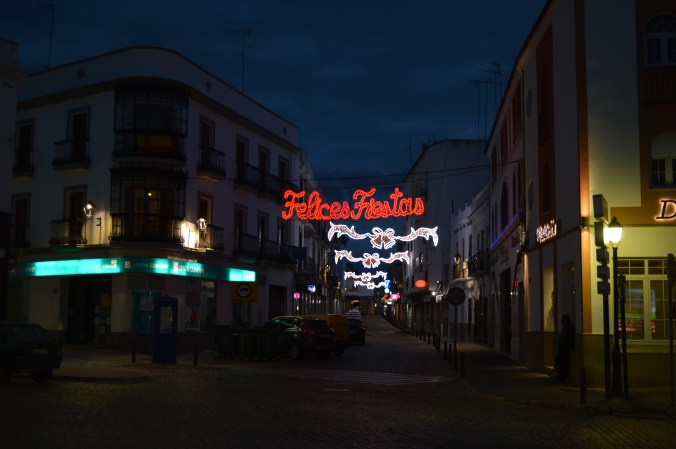
I watched a house being torn down on my way home yesterday. The sun was setting behind, casting beautiful golden rays through the dust as the maw of the digger ripped the walls apart. Destruction is an odd thing to witness. It obviously has its pull; there were some four or five others standing by who, like me, had paused in their perambulations to watch: an old man, a chap in blue overalls, a man and his dog, a mother and her daughter, and me; all of us gathered there to witness the last moments of a 60’s flat block. The walls came down like sand.

I once heard it said that it can be a thrill to watch somebody on a downward spiral. I never did understand what it meant, though I suppose it’s along the same lines as the death of the flat block. It’s a spectacle. We don’t pay to see movies where the hero overcomes every single obstacle and has a wonderful life thank-you-very-much, with no end to his or her wish-you-were-here lifestyle. We want to see suffering. We want to know they’re as vulnerable as us. And if they succeed, and they don’t always succeed, we want to know it came at a cost. Nobody is invincible, but everybody is human to some degree. It’s about what rises out of the ashes, rather than the ashes themselves.

I’ll have to think about that downward spiral case some more.

DSC_0012

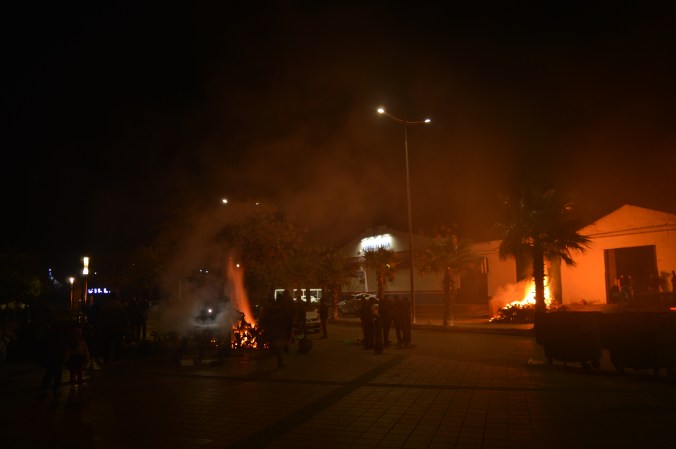
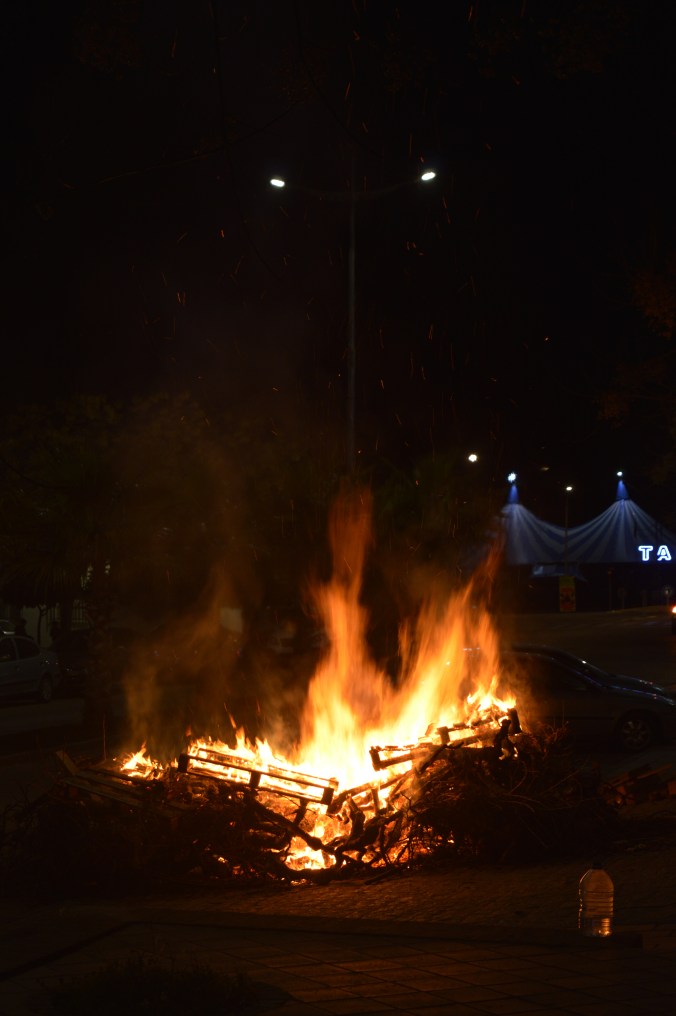
Villafranca celebrated Candelas last night. It’s a local festival, similar to the English custom of Bonfire Night only in that the main ingredient is a number of bonfires. Folk were gathered in front of the main bars in town, where a handful of small bonfires had been laid out and set alight. Whatever they were putting on them was coughing up thick smoke and a hellish rain of sparks. Beyond, on the town outskirts, the neon lights of a visiting circus glared through the haze. It looked like something out of a Don Bluth film. I tried to imagine the first candelas, four hundred years ago and more, then the only lights in this dark land. A friendlier festival than Halloween – or, perhaps, what Halloween has become – if only I had somebody around to share it with. That night I wandered the streets alone, knowing once again after a long time how it feels to be on your own.

DSC_0023

Our electricity bill is almost double what it was last term. That’s hardly surprising; since then, we discovered the flat’s heaters – both the presence of and the real need for them. No biggie. I’m keeping my options open on the job front, looking for work in both Spain and England. It may be some time before I have the enviable position of being able to make such a decision from a position of comfortable stability. Until then, I need to put Reinette through her paces (Hornachos is still beckoning), read a few more books, write a few more letters and apply some serious muscle to my novel. Time is in my favour this year, but still it slips through my fingers by the second. Orion watches from the night sky as he has for millennia, and the sight of him comforts me.

DSC_0030 (2)

I’ll be back in England in under a week. It’s a nice way round to have it, I’ll grant you, living in Spain and holidaying in England. There’s also talk of an upcoming gig for the Northern Lights which I might feasibly be able to make. The ground beneath my feet is moving. In the meantime, I’m relying on Thomas Hardy, Marvin Gaye and a never-diminishing rota of classroom games to keep my mind at work.

In other words, life goes on. I’ll see you around. BB x

Morito

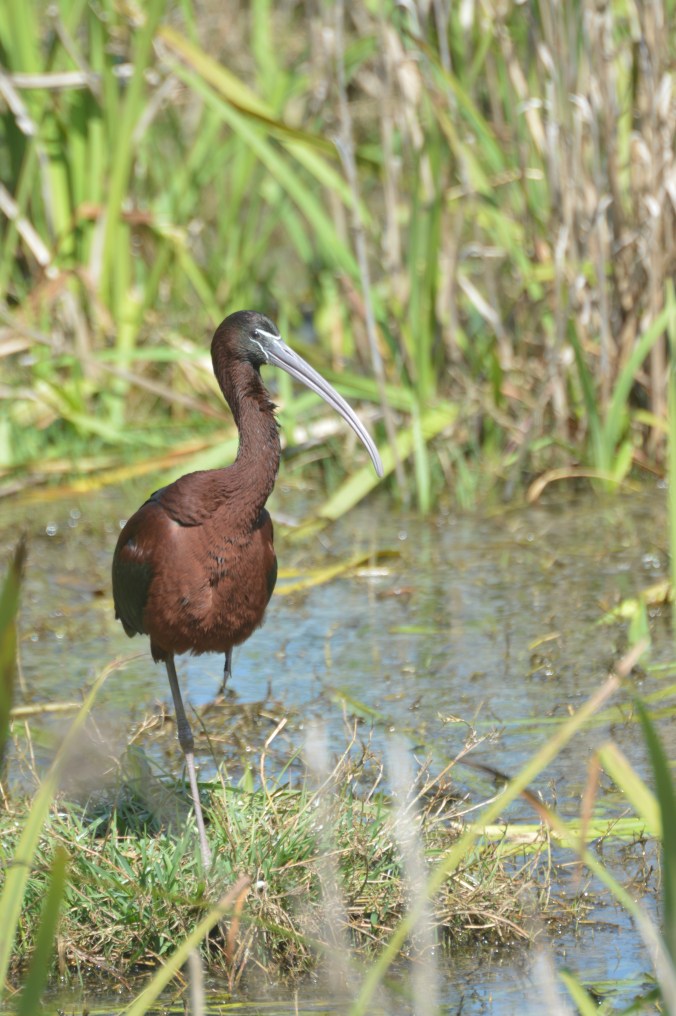
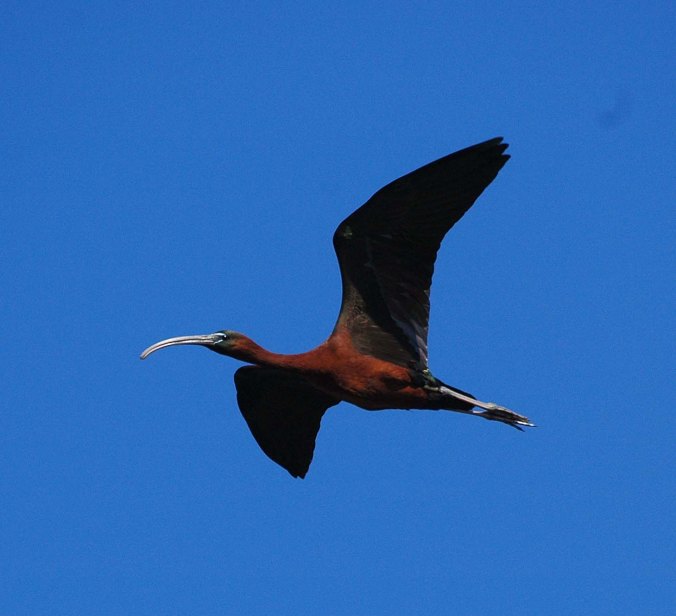
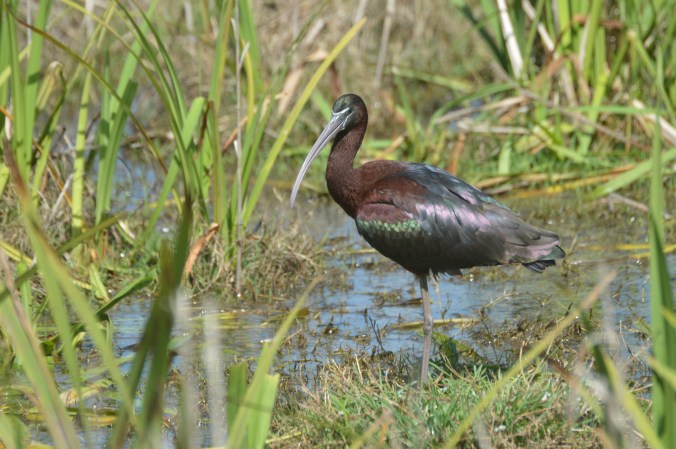
Little Moor. That’s one translation for one of Spain’s most beautiful natural treasures, a gaudy creature of swamps and marshes that we know as the glossy ibis. Dressed as it is in chocolate brown with feathers that flash green and purple in the sunlight, it’s easy to see how this characterful bird got its name: its very being evokes another world, one that lies across the Mediterranean sea, of men of small stature dressed in jewels and shimmering silks. The Moors and their Spanish kingdom are long gone, but there are hints of that world all around to this day – if you know where to look.

DSC_0608

You can spot a flock of ibises from a long way off by their colour alone. The wetlands in which they live, such as the Doñana National Park, teem with white herons, egrets, spoonbills and flamingos, all of which stand out a mile against the Spanish skies. Down on the ground, however, the ibis is a good deal more conspicuous, rummaging around in the water in groups that can number as much as a hundred strong. Like their wading cousins, ibises fly in a loose V-formation. It’s quite a sight to watch them going to and from their roosts as the sun sets at the end of the day, with flocks departing in waves for the security of the trees. I’ve lost count of the number of times I used to stand on the rusty fences that border the village of El Rocío to watch hundreds of ibises, egrets, herons and ducks all making their way into the park interior.

You might think a bird as beautiful as the ibis would have a beautiful voice to match. You’d be wrong. As is so often the case in the world of birds, the best feathers do not necessarily mean the best voice. Ibises, like flamingoes, have a very inelegant call, low and grunting, not too dissimilar to a cow on helium. They make a whole host of other sounds at their roost sites, but I’ll leave you to discover that for yourself. It’s quite the experience. And, I might add, quite the smell, too.

3436175734_527e434ac8_o

These are the ibises that the Egyptians worshipped. Thoth, the Egyptian god of wisdom, was often portrayed with an ibis’ head. According to one legend, a plague of winged serpents descended upon Egypt every spring, only to be stopped at a mountain pass by scores of ‘ibis birds’ which devoured them all. Herodotus claimed that the birds of this particular legend were jet-black, which points towards the morito. This leaves their close cousins, the stately sacred ibises, in a bit of a fix; and if you have ever seen their kind rummaging around in refuse dumps as they are wont to do, their smaller, darker morito appears far more worthy of worship.

DSC_0663

Morito surely is a fitting name for such a princely creature. Spain has a long love-hate relationship with its African past, which centuries of church doctrine and cultural genocide have failed to quell. Al-Andalus faded into the fabric of history centuries ago, but it left behind the ibis, and it soothes my heart a little to think that maybe, just maybe, I am watching the spirits of that most beautiful and industrious past when I see a flock of moritos flying by.

BB x

A New Christmas

I’m back in Villafranca after a five-day sojourn in Córdoba. It was sunny when I left. The skies are grey and heavy with cloud now. There’s a strong wind in the air, and it’s blowing against the blinds, which are rattling all through the house. Olivia Ong’s bossa nova vocals fill the room, and keys click and thump intermittently as I type. Cars pass by. My family are so close and so far away. I find myself wishing I was back in Córdoba.

DSC_0622

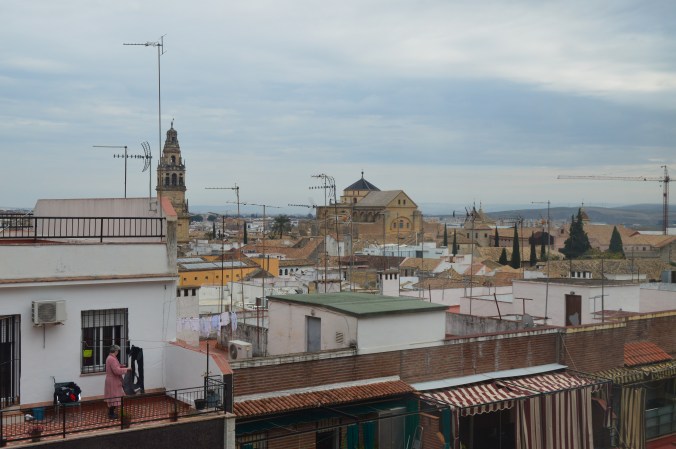
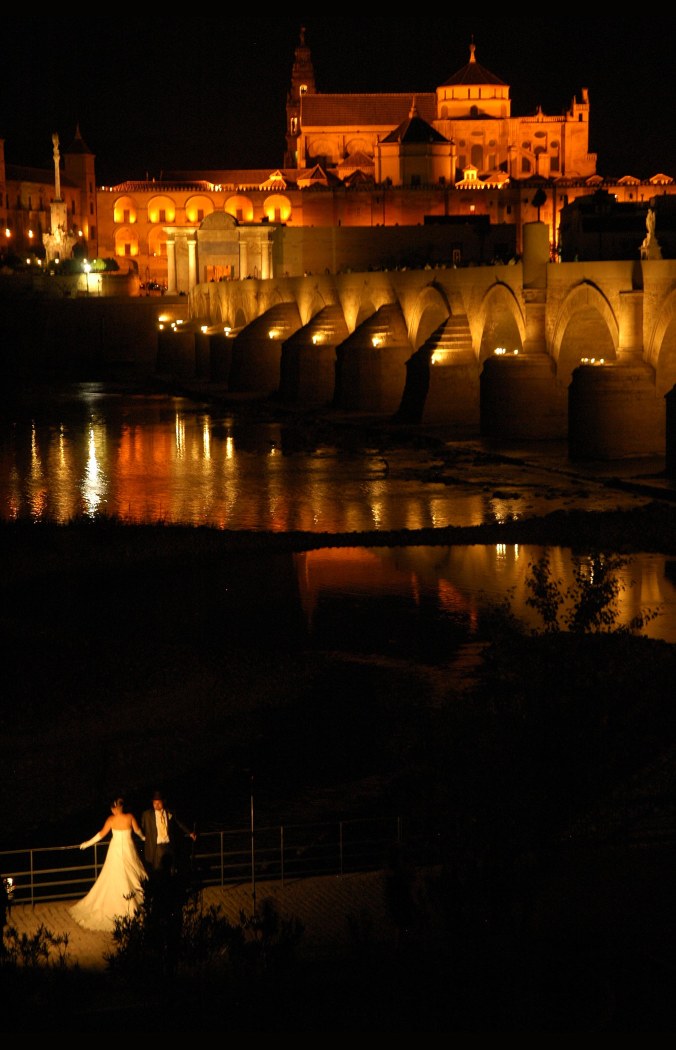
There’s something truly special about Córdoba at any time of year. Granada is undeniably beautiful, Málaga has plenty of charm and Seville needs no introduction, but Córdoba is, surely, the jewel in the southern crown. After all, few other cities in Andalusia – or Spain, for that matter – can claim to have been one of the world’s greatest in their heyday. Like Granada, it’s been raped and meddled with over the centuries, but what remains is shadowy and beautiful in its fusion. I still get the shivers when I wander along the winding streets of the Jewish quarter, and if you stand on the Roman bridge after sunset and look towards the city from the south bank, the mosque shines like liquid gold in the river.

6319387365_2f4333ca2b_o

(No weddings this year, I took that one six years ago on a research trip here)

Normally on Christmas Eve I’d go to Midnight Mass with my mother. I could have done so here, but for me, the Great Mosque of Córdoba (or so-called Mosque-Cathedral) is like setting foot in the Holy Land. It’s an intensely emotional experience every time and I could not bring myself to open my heart in a place denied to those for whom it was far more important (have a read of this article to dig a little deeper). So I stayed at home instead, surrounded by a thousand babies on red carpets.

DSC_0623

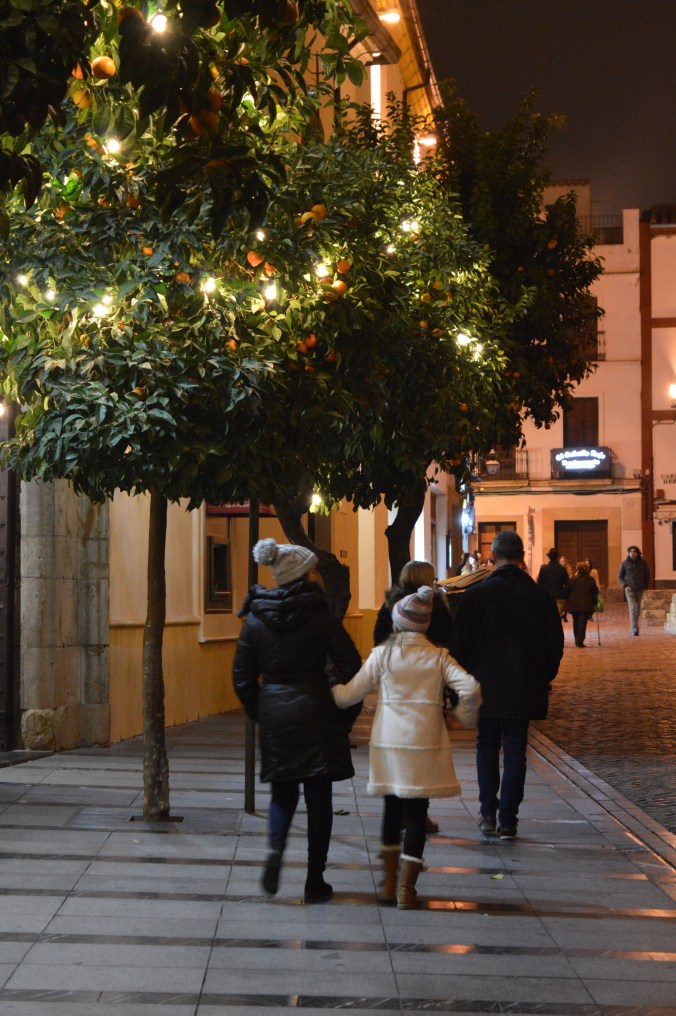
Christmas Day in Spain came with the ringing of the bells across the city. Clouds drifted in from across the Sierra Morena, but as the day went by, sunlight came streaming down through the odd pocket here and there. I’ve never had a Christmas quite like it, but it was wonderful in a new way, seeing Christmas Day celebrated from start to finish in a very different family. We get glimpses into Christmastime when we visit friends and family, but it isn’t often you get treated to the whole twenty-four hour affair.

Doubly so, perhaps, when the food is also very different, too.

DSC_0643

Roast chicken with fios de ovos –

Córdoba is one of those cities that is well worth a prolonged stay. That’s where AirBnB comes up trumps. For a short time, it’s as though I was living in the former capital of al-Andalus. Like most Spanish flats, the building looked unimpressive and samey on the outside – many of them are so identical as to fool you into thinking they’re carbon copies – but on the inside it was dreamily homey. Just what you need at Christmastime!

DSC_0686

A short distance to the west of Córdoba, perched atop a formidable hill overlooking the Guadalquivir valley, is the castle of Almodóvar del Río. At a half-hour’s drive from town, and just ten minutes beyond the ruins of Medina Azahara, it’s well worth the trip for the day. Lovingly restored at the savvy hands of Adolfo Fernánez Casanova, it makes a welcome change from the rubble of the surrounding ruins. There’s also a fantastic asador at its feet that provides the perfect opportunity to wait out the hours until the sunset. I recommend the brocheta. It’s nothing short of divine.

DSC_0360

And that, of course, is precisely what we did. And we timed it just right to catch the winter sun as it was on its way down over the hills to the west.

DSC_0362

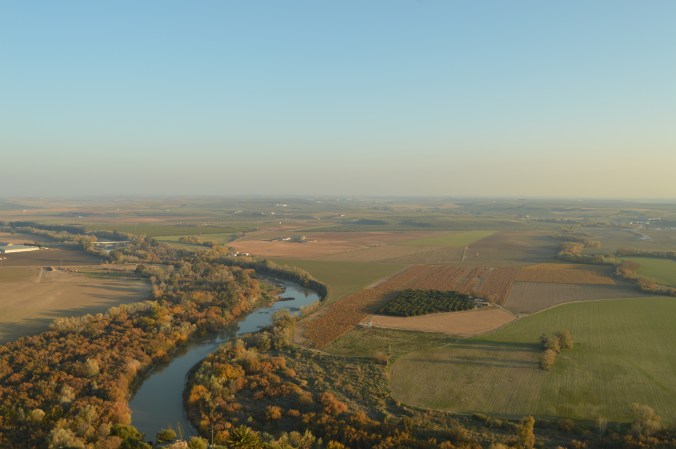
The fields around Almodóvar made Tierra de Barros feel like a barren wasteland. Crag martins zoomed about the castle walls, soaking in the last of the sun’s heat on the buttresses. Egrets and herons stalked the river, a single vulture flapped lazily overhead and I swear I heard the piping trill of a kingfisher. Best of all, within the space of five minutes I saw three black-shouldered kites on the road to the castle, a delicate, stunning little hawk I’ve never laid eyes upon with certainty before. I might just have to come back in search of them one day. In my books, vultures will always be king, but kites are the princes of my feathery kingdom. And what princes they are!

DSC_0379

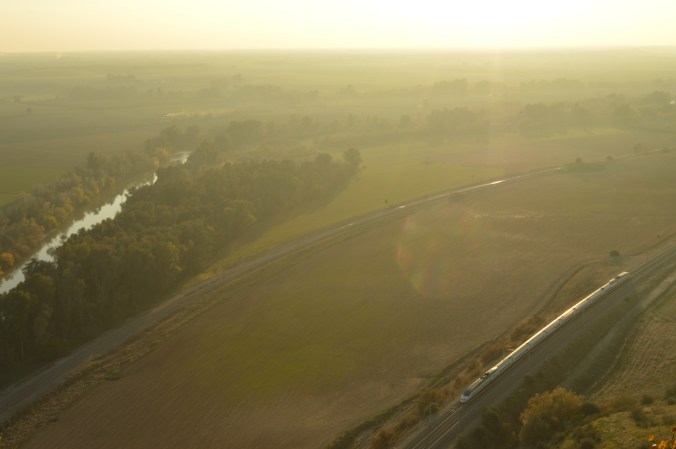
A couple of trains shuttled back and forth as we waited for the sun to go down. I haven’t travelled much on Spain’s train network. Besides the short trip I took with Kate in Cantabria last time I was here, the only train ride I’ve ever taken here was the one from Ávila to Madrid. I’m told the railroad passes through some truly stunning scenery. Perhaps I should give it a go someday. It’s something that yet to come our way (see the Tren Digno Ya cause for more) but in other parts of Spain, it’s a doozy.

DSC_0487

Winter sunsets. Moorish castles. Mosque-cathedrals. Rolling hills. Night herons, kingfishers and cranes in the cornfields in their hundreds. The entire province of Córdoba is a jewel. If I could say for certain that I’d have a shot at being placed here, I’d be sorely tempted to put Andalucía higher up on my list for next year. But I stand by my beliefs: comfort is dangerous. It’s time I thought about moving on, before I take for granted what I have here. Spain is more than one city. She is more than one province. And, if the last few months have taught us anything, she is, quite clearly, more than one country. The city of Córdoba alone is proof enough of that. Vamos, kid. It’s time to see the rest of this land. BB x

DSC_0577

Walk Before You Run

Today was just one of those days when I got to the last five minutes of my last class of the day and found myself disappointed it was already over. It’s the last week of term, and whereas in England that would mean an entire week (or two) of ‘Sir, can we have a fun lesson?’ and other such pleas, there’s none of that here. It’s not that the kids aren’t vocal – they’ve been clamouring for their exam marks for weeks – it’s just that they’re less whiny. Maybe that’s a good thing that comes out of the absence of Christmas fever.

We’ve been playing Jeopardy today. I forgot how long the game can take, leaving it – as usual – to the last twenty-five minutes of the lesson. ESL Jeopardy can take as long as forty minutes, if not an hour, if the questions are stimulating enough. And it is immensely entertaining to see them show off both what they’ve learned and what they know. Though I’ve yet to have a class crack the $500 Cities question (namely: Game of Thrones’ House Lannister is based on the English House of Lancaster. House Stark is based on what northern English city?). It’s a toughie, but there’s an imaginary $500 riding on it. And it’s fun to be the game-master for a week… or even a year.

DSC_0307

Reinette did me proud on her first spin. I wish I could say the same about me! Suffice to say that after two months of reading and writing (and let’s not even count the university years), I was probably getting ahead of myself to expect to do 45km over rough terrain on my first attempt. Not for want of trying, though! I had three alarms set within ten minutes of each other around six thirty in the morning, wolfed down a breakfast, geared up and rode out into the frozen morning.

I got as far as Ribera del Fresno, the next town, in time to watch the rising sun shine golden upon the mist. It’s easy to think that we’re in a total flatzone here in Tierra de Barros, but once you’re out in the sticks on a bike, you learn very quickly that looks are deceiving: the terrain is as marbled in elevation as it is in colour. There and back again was a good 21km, which isn’t a bad first attempt for a guy who hasn’t done any decent exercise in the best part of a year or two (give or take the odd run).

DSC_0309

The Lycra is real, though. I think I encountered five or six other cyclists that morning, and only one wasn’t clad from head to foot in skin-tight branding. And he happened to be an old-timer in grubby blue overalls and a thick campo coat. I must have looked a little odd, riding off into the countryside in a worn Valecuatro jacket and denims. I suppose I was committing a major cycling faux-pas. Ever keen to fit in, I guess I’ll have to invest in one of those nightmarish sports-suits at some point in the near future. When I’m good enough at cycling to justify the expense, that is.

DSC_0311

It’s been a frosty last couple of weeks. Not frost as I know it back in England – the crystalline, sparkling frost that brings out the kettles and car-scrapers – but a hard, dry frost that you only find out in the shadows of the countryside.

I stopped outside of Ribera to take a breather. I’ve become less dependent on my camera of late to record my memories, and also of my journal. I’m trying to train my memory instead. It’s such an easy thing to lose, especially when everything is at the touch of a button these days. So let me show you what I saw. Mist in the valley. A tatty sign with the word veneno daubed in big red letters. A couple of plastic bottles frozen stiff above the ground, and the white lid of a chemical tub, half filled with ice. Ravens calling somewhere far away. A kite on the wind. Cars racing down the road. A campesino stood by his van, looking out across the valley with thoughts probably not too dissimilar to my own.

This is why I cycle. Not to get fit. Not to get from A to B. It’s to get out there and see the little things. And long may it be that way. BB x

Losing All Control

Term’s winding up here. Four work days remain, and I’m umming and ahhing about taking on another lucrative private class offer. An extra 24€ per week wouldn’t go amiss, certainly, but do I really want to be taking on yet another three-year old? Four years of university education and I’m spending three hours per week making kids watch Nursery Rhymes. It’s admirable that so many parents want to ‘initiate’ their kids into English conversation, but conversation is hardly the right word. Where are the older kids? Years of swotting up on interesting facts and stories is lost on three-year olds who are busy learning their own mother tongue. The brain might not be a muscle in the strictest sense of the word, but it needs a workout, and I don’t know whether I can justify giving myself over to more hours of daddy day-care, even if it is for an extra hundred euros per month. I have a book to write.

img_6840

The Gideons’ efforts at the school gates fell on deaf ears

I spent about forty minutes going through our latest Vodafone bill with Fran last night, as it looked to be anomalous. It turns out they included a month’s adelantado, which they could have spelled out. It certainly wasn’t the clearest bill I’ve ever seen, with costs added and discounted all over the place. Our electricity bill was cause for a breath of relief, so I can’t complain, especially when we saw just how little of Fran’s salary came through after taxes… Our landlord told him to plan ahead ‘pá que no te desmadres’. In a little over thirteen years of learning Spanish, I have to say, I’ve yet to encounter a word quite as fantastic as desmadrarse, meaning to lose control. To de-parent oneself… Fantastic language, Spanish. Now all it needs is a word that describes the certain kind of location-specific road rage that one finds in mobile phone shops the world over.

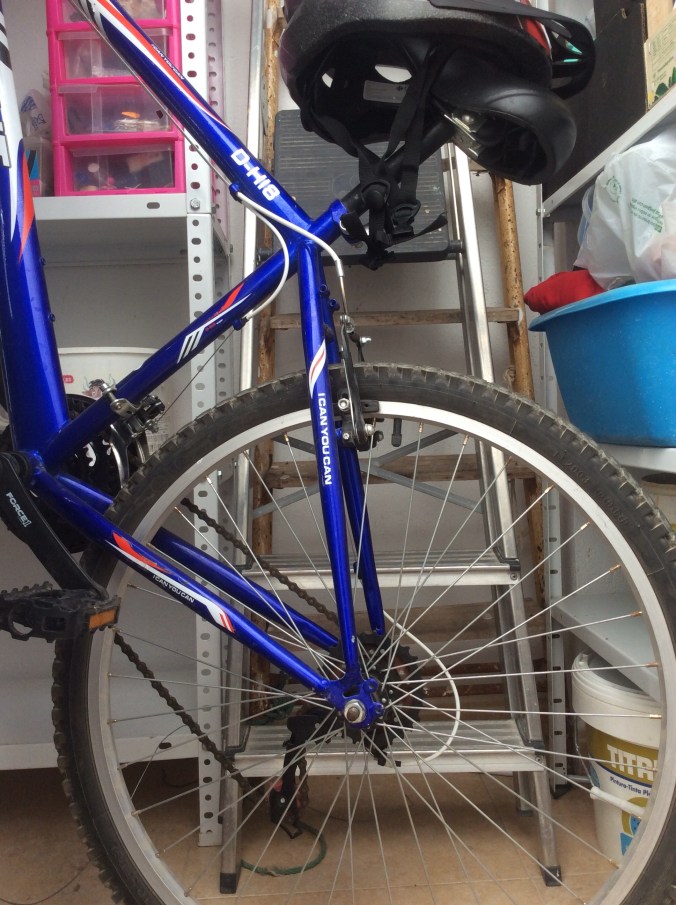
On the subject of losing all control… I’ve got wheels (they’re multiplying)! And it doesn’t even need that much Grease… It took long enough, but after various setbacks, I finally have a functional mountain bike at my disposal. Spain being the small world it is, the girl from whom I bought the thing turned out to be none other than one of my star students from my 4º class two years back. It needed a few necessary amenities, but after a (rather expensive) wave of the magic wand at Carrefour, I’m all tacked up and ready to take her for a spin.

img_6899

And yes, it’s a she. I’ve christened her Reinette, though I couldn’t say why. Reinette has always seemed like a good name for a bike in my mind. Maybe I once saw a Reiner as a kid and got confused. Regardless, Reinette she is. I’m going to wake up bright and early tomorrow and take her for her first adventure. The destination: Hornachos. It’s been so very long since I had a bike of my own, and it felt absolutely exhilarating to be back in the saddle when I took her for a test run last week.

img_6902

I give it a couple of months before I give in and buy Lycra

I’ve had enough of clinging to the heaters on these short, wintry mornings. It’s time to hit the road. BB x

Don’t Mention the Catalans

It’s 21.14 on a Sunday night, I’m still a little sleep-deprived and mulling over how I can make my lessons on Illness and Disease interesting the third time around for my 2° class tomorrow morning. As for news, I more or less wrote this Puente off as far as traveling is concerned. After briefly toying with the idea of a flying visit to Galicia to investigate its potential for next year, I decided instead to stick around and stick to my writing.

At least, that was the plan. But if life’s taught me anything, it’s that planning to take the emptier road usually leads to getting involved in more than you bargained for.

DSC_0276

And then Archie and Viresh showed up in Seville.

DSC_0279

It’s been far too long since I last saw these two fantastic comrades of mine, so it was a wonderful surprise to hear that they were on their way to Spain at the very time I had off! After the singular honour of being here to welcome Biff and Rosie, little could have made me happier than to be here to welcome more old friends. Leaving England and my friends behind has not been easy, so it’s magical moments like this that make the decision all the easier.

DSC_0290

The Belén market is in full swing, and the city air is thick with the smell of turrón and roast chestnuts. It’s Christmas in another country. The city was packed to its limits this weekend with the rush of Christmas shoppers and holidaymakers taking advantage of the Puente de Diciembre to get their money’s worth. Rather than spending two nights in the city – impossible at such short notice – I took the equally-crowded bus home and returned early the following morning, which worked out cheaper than even the cheapest hostel on offer, had there been any on offer at all. That’s LEDA for you. Thank heavens for the bus network.

DSC_0280

Between the catching-up, the memory-sharing and the tapas, we decided to hit the town at night, something I’ve never done before. From careful inspection I can report that Alfalfa is a fantastic place to start when looking for both decent restaurants and music bars. We found a nice spot where two groups of partygoers had broken out into song. I’m not sure whether your average Englishman takes a guitar on a night out, nor whether he can expect not just his friends but half of the bar to sing along with his songs, but it was entertaining to watch. If I knew any sevillanas, I’d probably have joined in, too.

I learned a lot about India that I didn’t have entirely clear from Viresh this weekend. My knowledge of the Indian subcontinent is bitty at best, gleaned in pieces from a DK Guide to World Mythology, Age of Empires III, The Far Pavilions and Valmik Thapar’s Land of the Tiger series, amongst other chance encounters. So to have both the traditional Indian wedding ritual and the Ramayana summarised – the latter in a mere ten minutes, the former stretched (rightfully so) over the best of an hour – was a real privilege. My love for India is sufficiently rekindled. I think it’s time I re-read Pavilions, too.

DSC_0301

In one of the bars, we got talking to a chatty Sevillano and his friends, who were quick to out us as guiris… Apparently only an Englishman would wear a Valecuatro jacket (I’m not sure how that works, since Valecuatro is a brand we can’t get hold of in Albion, but that’s beside the point). Archie decided to joke with him that he was actually Catalan, which made the guy unnecessarily angry. Before my eyes, it got out of hand very quickly, with the Sevillano hurling abuse at Archie and, by default, the Catalans at large, calling him a ‘puto guiri’ for ‘defending something he knew nothing about’. Hardly fair, when the guy studied Catalan for three years and lived with a Catalan family for several months last year. It’s not the kind of timeframe which makes one an expert on Catalan affairs, but it is a great deal more than knowing ‘nothing’.

It’s a telling response, though. That the very mention of Cataluña should provoke such a hostile reaction from a young Andalusian tells you a lot about the underlying anger resulting from the events of October. Not that Andalusians have a particularly sturdy leg to stand on – they, too, have their fair share of separatist stories, such as the Green Banner Revolts of 1642 – but the Cataluña question still has the power to raise hackles here. I wonder where my grandfather stood on the matter, having relinquished his family home in La Mancha to make a living on the young Costa Brava…

Christmas is coming. I felt naughty and opened a couple of Advent calendar chocolates two days in advance when my energy was running low. I’ll make amends for that in one way or the other over the next few days.

I do hope you Brits are enjoying the snow. BB x

DSC_0306

P.S. I have a bike! After months of half-hearted searching, I finally have a sturdy little mountain bike at my disposal! Hornachos, I’m coming for you!

Where to next…?

It’s getting mighty cold here in Tierra de Barros. I went to sleep clutching at my knees and somehow managed a decent night’s rest, only to wake up and find I’d left the window slightly ajar. I think I need to invest in a winter duvet more than a bike. I’m still not used to this system of alternating between summer and winter duvets. I almost miss the English climate. Almost…

We’re now three weeks away from the end of term. Yes, term ends on the 22nd December, and this year that falls on a Friday. Late, but not too late. Today’s a regular Monday. I’m sitting in the living room, easily the warmest room in the flat, having just turned the heating off after a generous couple of hours’ life-giving warmth. I have a private class with the kiddos at six (hopefully they’ll behave better this week – but then, they are only three years old), and I need to go shopping, as when I went this afternoon it took picking up the first item in the fruit and veg aisle for me to realise I’d left both my cash and my card at home.

So what’s to do? Well, it’s the time of year when I need to start thinking about where I’d like to be next year. Amongst other cards I have on the table – up to and including the JET programme in a few years’ time – the original plan still stands, which is to carry on with the British Council assistant jig for another year, albeit this time not in IES Meléndez Valdés, 06220 Villafranca de los Barros, Badajoz. The school has been wonderful to me and I could hardly have asked for a better host for two years, but I ought to spread my wings and discover somewhere new whilst I can. After all, Spain is a kingdom of many worlds: Extremadura may be one of her most beautiful, but there are other jewels in the crown!

So, for my own benefit – and for those who are interested in applying for the programme – I’ve decided to go through each region, in alphabetical order, to assess the strengths and drawbacks of working in each. Coming back to Villafranca was easy… it’s time to step back into the unknown!

(Ed.: I’ve used my own photos where possible – Andalucía, Cantabria, Extremadura and Madrid – but the rest are various stock images!)


Andalucía

DSC_0208

Where: South
Weather: Hot
Dialects: No (though Andalú, the regional accent, might as well be)
Visited?: Yes (far too often)

Ah, Andalucía. My old homeland! And, until recently, the region of Spain I knew best. In many ways the ‘classic’ Spain that comes to mind, Andalucía is – understandably – very oversubscribed as a destination. The Americans tend to have their eyes on it, and thanks to their system, which allows preferential treatment to consecutive-year assistants, they tend to end up there eventually, too (after doing time in equally beautiful backwater regions). Andalucía isn’t necessarily more spectacular than any of the other regions, but it offers a lot more bang-for-your-buck over the distance it spans: cities like Granada, Córdoba, Cádiz, Ronda and Sevilla ooze Romantic charm, and then there’s the natural beauty of the Alpujarras, Doñana National Park, the Sierra Morena and the all-too-often-overlooked beaches of the Costa de la Luz. It’s a fantastic region in which to fall in love with Spain, but because it’s so well known, it can be difficult to escape… unless, of course, you end up in somewhere like Olvera.

Probability: 7/10

Aragón

Where: Northeast
Weather: Cold
Dialect: Aragonese, Catalan (only in the high north and west)
Visited?: Yes

Alright, so a service station and a brief visit to Calatayud don’t exactly count as visiting Aragón per se… Aragón is a lot like Extremadura. Lots of people pass through it on their way to somewhere else. Zaragoza is probably its most famous city, but what of the rest of the region? Huesca in the north plays host to some of the most beautiful Pyrenean landscapes out there, and Teruel would kindly like to remind you that it does exist, despite what the rest of Spain will tell you. Aragonese, a local dialect, survives to the present, but as Spanish is the only ‘official’ language, there’s no cause for concern. High on the Spanish plateau, it gets mighty chilly in winter, but it is also the home of the Comarca de Monegros, a vast expense of semi-desert. And, like Extremadura, its comparatively unknown status makes it a very good place to go native.

Probability: 8/10

Asturias

Where: North
Weather: Cold
Dialects: No
Visited: Yes

A popular choice amongst second-years, Asturias is where modern Spain was born. With pretty seaside towns, Alpine comforts and forested hills that actually go brown in autumn, in some ways it’s the perfect antidote to the Spanish south. For those used to endless heat, readily available paella and Moorish castles, it can seem like a very different world… which it is. The Spanish is very clear here, and it has some of the most beautiful beaches on the peninsula, even if they aren’t exactly the warmest. It’s a little harder to get to, but Santander’s airport offers cheap flights and is only just across the border. It is, however, a little on the expensive side.

Probability: 8/10

Cantabria

DSC_0201

Where: North
Weather: Cold
Dialects: No
Visited: Yes

Cantabria, after Andalucía and Extremadura, is the region of Spain I’ve visited the most. No, scratch that. Technically speaking, Santillana del Mar is the third region of Spain I’ve visited the most, as for some reason I ended up there on all three occasions. A marginally less mountainous version of Asturias, Cantabria is a good choice for the British auxiliar who doesn’t want to leave behind too many creature comforts. Quesada pasiega, a local speciality, is unheavenly good (like most of the Iberian peninsula’s takes on the custard tart), and the stereotype is true: I’ve seen more cows and tractors here than in any other part of Spain. It doesn’t have the quasi-African feel of the south, but what it does have is a cheap and reliable train network, which is a huge plus in any world.

Probability: 5/10

Castilla La Mancha

Where: South-central
Weather: Hot/cold
Dialects: No
Visited: Yes

Like Aragón, Castilla La Mancha is a region I can hardly claim to have visited, having spent just a few days in Toledo a few years back. If Andalucía is the Spain sold to tourists, Castilla La Mancha is the one you find in picture books. It’s Don Quijote country, and any bus ride from Madrid to the south will show you that: seemingly endless fields stretch as far as the eye can see, dotted in various locations with mountain ranges and the iconic windmills (see Consuegra, above). It’s also, coincidentally, the land of my ancestors; my grandfather was from Villarrobledo, a town near Albacete. An immense region where it is very easy to go native, but perhaps not the most awe-inspiring on offer. Toledo, however, is easily one of the world’s most beautiful cities…

Probability: 4/10

Castilla y León

Where: Northwest
Weather: Cold
Dialects: Leonese (in León province)
Visited: Yes

Make no bones about it. Castilla y León is gorgeous. It has its less interesting parts (the Camino de Santiago goes through them), and is in part a mirror of sister-province Castilla La Mancha to the south, but drawn across the meseta are some of Spain’s most striking landscapes. The Duero river gorge is breath-taking, as are the old Roman gold mines of Las Medulas (see above), and the granite-strewn scenery to the north of Burgos looks like something out of a Lord of the Rings film (but then, this was where El Cid was born). Here they speak the ‘purest’ Spanish, so you’ll have absolutely no problems with the language here. It’s clear, crisp and, whilst no slower than the usual Spanish machine-gun delivery, easier to understand than, say, any of the southern accents. The cuisine is also spectacular; in my humble opinion, most of Spain’s best food is its earthy, country food, and you’ll find a lot of it here. The cities of León, Burgos and especially Salamanca are wonders in their own right. Just watch out for the slow-burning Leonese separatist movement.

Probability: 8/10

Cataluña

Where: Northwest
Weather: Warm
Dialects: Catalan (official language)
Visited: Yes

This year would have been a very interesting year to be working in Spain’s black-sheep region. Even after the failure of Puigdemont’s half-hearted rebellion, I suspect it’d be worth a punt for the next few years. I’ve been to Barcelona a couple of times; school trips on both occasions, so I’ve barely begun to scratch to the surface of the place. The Costa Brava is undeniably beautiful, with stunning Mediterranean coves and sparkling white beaches. The Catalonian interior, however, is what grabs me: like neighbouring Aragón, Cataluña has some spectacular mountains. This is Serrallonga’s country, and I’d sure like to find out some more about the gang warfare between the Nyerros and the Cadells of old… if it weren’t for the language barrier. Now more than ever do I regret taking a Persian module over Catalan at university! You should bear in mind that Cataluña’s relative affluence makes it a little more expensive than the other comunidades, especially so in Barcelona itself. But if you’re after a more cosmopolitan experience, this is the place for you!

Probability: 6/10

Ceuta and Melilla

Where: North coast of Morocco
Weather: Hot
Dialect: No (though strong Arabic presence)
Visited: No

Despite the fact that I lived in Tetouan for an entire summer last year, I never did visit Ceuta. For one reason or another, something always came up to stop me going. Which is a shame, really: as the Spanish territories go, they’re pretty unique. Expect a very Moroccan vibe, with the North African kingdom literally within a stone’s throw at any given moment. If it weren’t for their size and the general cost and difficulty in getting to and from them if I ever wanted to travel, I’d probably sign up right away. It would, at the very least, give me an excuse to keep my Arabic polished. Most of the placements are in the two cities, though, which is a bit of a turn-off for me.

Probability: 4/10

Extremadura

DSC_0546

Where: West
Weather: Hot/cold
Dialects: No
Visited: Yes

Of course, I could always stay put, but ask for a more northerly location: specifically, the green hills of Cáceres. There’s no denying Extremadura is by far my favourite region, and with good reason: it’s wild, it’s still relatively undiscovered, it’s lacking in other guiris and the people are some of the friendliest I’ve ever met. Plus, La Vera. Plus, Hornachos. Plus, the book. Heck, I’d stay just to be closer to Tasha and Miguel, who were pivotal in my return to Villafranca this year. With its welcoming vibe and its off-the-wall auxiliares, it’d be my top recommendation to anybody, though I’d concede you have to be prepared to be out in the sticks to be here. For me, however, it’s something of a safe option, and I’d much rather use this chance whilst I have it to explore some more of my grandfather’s beautiful country. Even if Extremadura is the best. Period. I’ll be coming back to this place for the rest of my life.

Probability: 7/10

Galicia

Where: Northwest
Weather: Cold
Dialects: Gallego (official language)
Visited: No

It rains a lot. Now that we’ve got that out of the way, let’s look at Galicia. Galicia is the Ireland of Spain, where the country’s Celtic roots are strongest. I mean, when their folk bands deliberately cover songs made famous by The Corrs, the ties are hard to miss. Galicia is about as far from the Spanish south as you can get on the mainland, in both distance and culture. Gallego is a thing, but I’m not above learning a new language. The word on the street is that the auxiliar programme there is one of the best in the country, if not the best. That, combined with the cheapness of living and otherworldliness that this region offers, make it the standout competitor for my attention this time around. And I never thought I’d consider it, which makes it all the more appealing. After all, I had no idea what or where Extremadura was, once upon a time. I’d very much like Galicia to be my next miraculous discovery.

Probability: 9/10

Islas Baleares

Where: Mediterranean Sea
Weather: Hot
Dialects: Catalan
Visited: No

Mallorca, Menorca and Ibiza. Party destinations in summer… and for the rest of the year? Well, EasyJet and Ryanair are always offering such cheap flights that there must be something to do there in January… right? If it weren’t for the fact that they’re islands, I might seriously consider the Baleares. But I like having room to manoeuvre, and I don’t know whether I’d feel trapped on an island. Plus, they speak a lot of Catalan there. Once again, I wish I’d not gone chasing Persian down the rabbit hole.

Probability: 2/10

Islas Canarias

Where: Off the west coast of Morocco
Weather: Hot
Dialects: No
Visited: No

First things first: it’s quite a long way from Spain. The Canary Islands, like the Baleares, can seem a very remote posting. Cheap flights are readily available to the UK and elsewhere, thanks to a steady flow of tourists, but I’m not sure I’d be thrilled if I were posted there – not least of all because it’s quite difficult to distance yourself from the touristic side, upon which the Canary Islands depend. I wouldn’t mind going in search of the islands’ Houbara bustards though, or taking a stroll in the misty laurel forests of the Garajonay National Park.

Probability: 3/10

La Rioja

Where: North
Weather: Warm
Dialects: No
Visited: No

I’m going to be perfectly honest. I know next to nothing about La Rioja, except for the fact that it’s a small region with a justifiable fame for its wine. Given its positioning, I expect it’s a little more pricey than what I’m used to, but don’t hold me to that. I’ll leave you to discover La Rioja in my stead.

Probability: 2/10

Madrid

DSC_0341

Where: Central
Weather: Hot
Dialects: No
Visited: Yes

One word. No. The surrounding countryside of Madrid is unquestionably beautiful, no doubt about that, but I would rather leave the country than work in Madrid itself. As cities go, Madrid’s not so bad, but I’m a country boy; cities are for visiting, not for living in. Auxiliares posted in Madrid earn 1000€ instead of the usual 700€ to compensate for the higher living costs and also work 16 hours per week instead of 12, though after calculating the going rate for private lessons and such, I don’t half wonder whether that’s entirely fair – or even financially viable. No; for me, Madrid is just too big a move. I’d recommend the Sierra de Guadarrama, El Rey León and the Parque del Retiro, though (pictured).

Probability: 1/10

Murcia

Where: Southeast
Weather: Hot
Dialects: No
Visited: No

This year’s auxiliares are complaining about the fact we haven’t been paid for October and November yet. If what I’ve heard about Murcia is true, the auxiliares posted there are never paid on time. Murcia is one of Spain’s hidden gems: like Aragón and Extremadura, it often gets overlooked because it has more glamorous neighbours that have more of what it has and better. In Murcia’s case, that’s Valencia and Andalucía. I know a few lovely people from Murcia and I’d love to visit one day, but as year on year it becomes a larger wing of Almeria’s enormous European greenhouse, I find myself drawn to the greener, wilder parts of Spain.

Probability: 4/10

Navarra

Where: North
Weather: Cold
Dialects: No
Visited: No

A former kingdom in its own right (which, you could argue, is an accolade held by most of the Spanish realms), Navarra sits at the feet of the Pyrenees as a less extreme though equally wondrous region in the Spanish north. A friend of mine was based in Tudela last year and had a great time there, so it seems to be to be a good place to work. Like the Canary Islands, it’s also more popular with Brits than Americans, so expect less encounters with scotch tape, candies and Fall. It’s also rather well situated, allowing easy access to several of Spain’s more attractive destinations.

Probability: 6/10

País Vasco

Where: North
Weather: Cold
Dialects: Basque
Visited: Yes

The Basque Country got a positive makeover recently in the film Ocho Apellidos Vascos and its sequel, not doing away with but helping to redirect attention from the ETA bombings of the past to the more attractive aspects of Basque culture. If the Catalans are independent, it’s nothing compared to the Basques, whose regional language – Euskera – is so far removed from Spanish that it feels as though you’ve skipped five countries rather than one region. Situated in the industrial north, the Basque Country plays host to much of Spain’s industry (just look at all the Basque banks), and is therefore afforded a more affluent lifestyle. That makes it more expensive, which is a drawback, but many would argue it’s worth it. The Basques are, after all, the stuff of legend…

Probability: 5/10

Valencia

Where: East
Weather: Hot
Dialects: Valencian
Visited: No

There’s a good deal more to Valencia than the corruption and the coast, even if that is the image most people have. I’ve never made it to El Cid’s triumphal city, it never having been quite on my radar, and though I have many friends who have been up and down the coast, I’ve never quite felt the pull to go. Another more costly region, Valencian – a variant of Catalan – is widely spoken here, though Spanish is also used in its capacity as the kingdom’s official language. It played a large role in the expulsion of the Moriscos though, and that’s something I’d like to look into, albeit over a short period of time. Maybe for holidays, but for me, not for work.

Probability: 3/10


I’m more or less decided on the northwest, but I’m still open to ideas. Now that Senegal is an option for language assistant placements, it’s that little bit harder to say no to the world beyond Spain (that would have turned my world upside down if it had been an option in my second year. I would very probably have dropped Arabic, studied French and continued to wing it with Spanish). However, a promise is a promise, and I’m determined to do what I can to become truly fluent in Spanish, however long it takes, wherever it leads me.

The deadline for next year is 12th February 2018. I have a couple of months to decide. BB x