Camino III: Over the Frontier

Albergue Elías Valiña, Canfranc. 15.10.

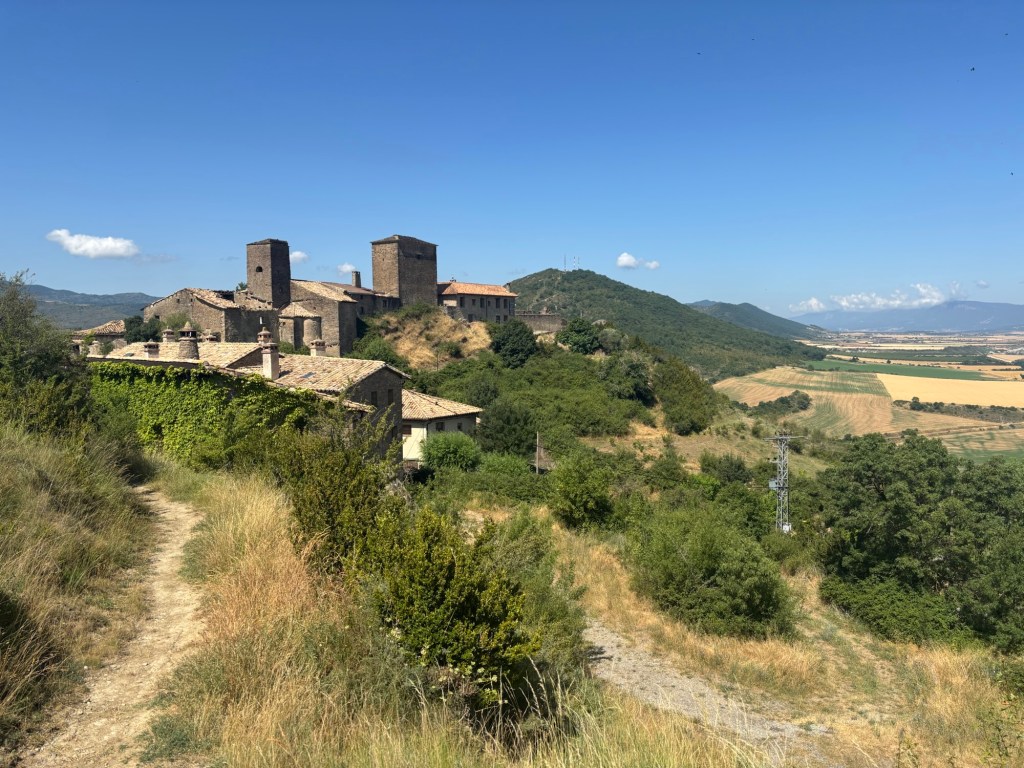
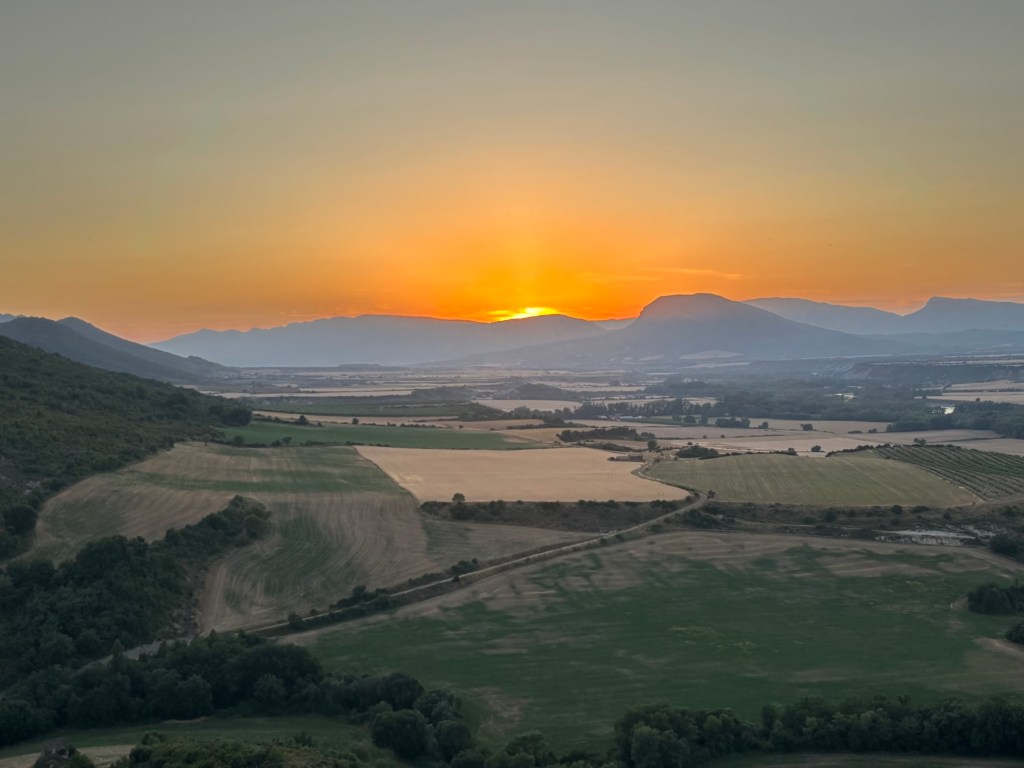
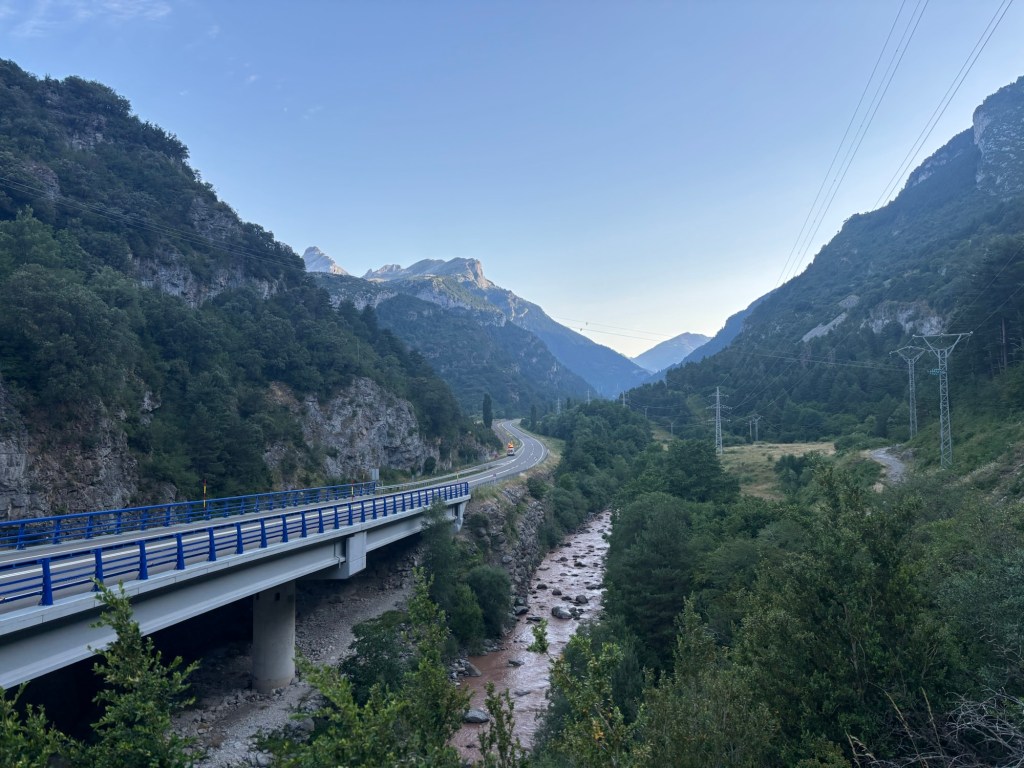
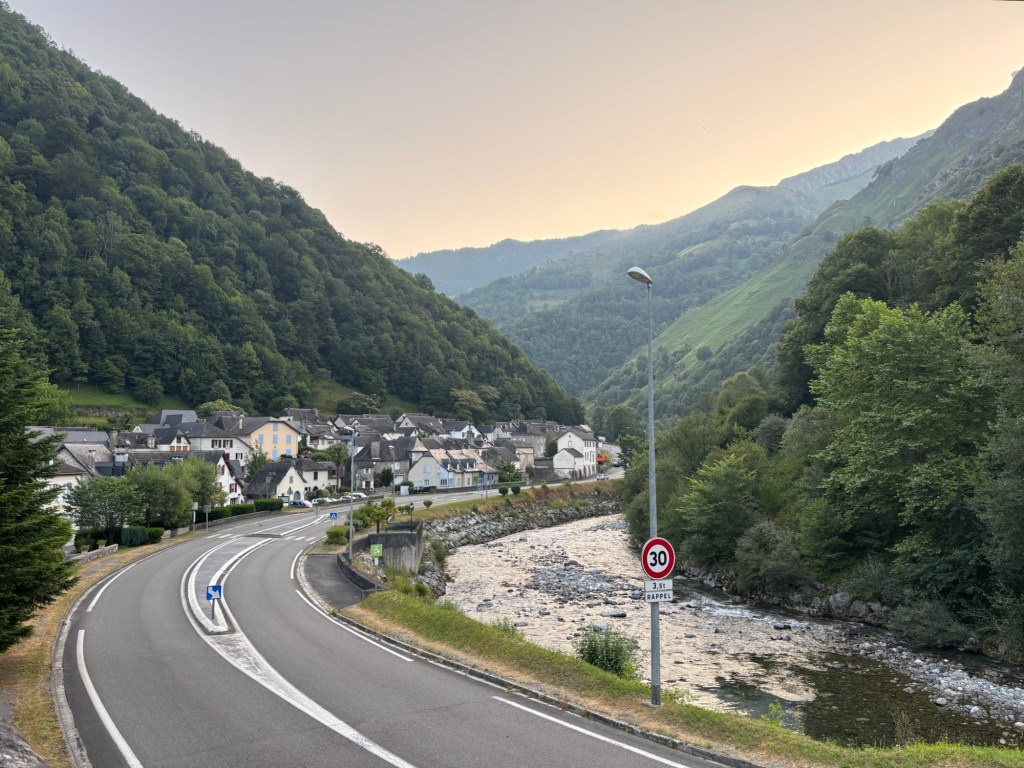
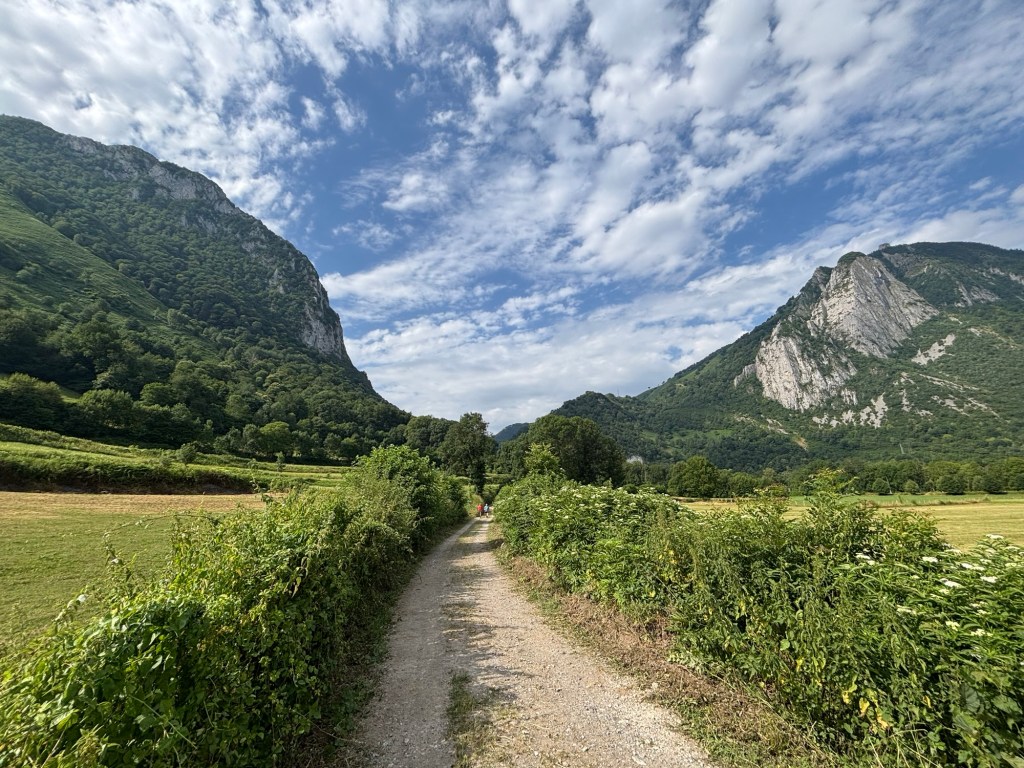
I’ve made it over the border and into Spain! Canfranc is a beautifully quiet Aragonese mountain town, but it was one hell of a trek getting here from Borce, way over on the other side of the Pyrenees.


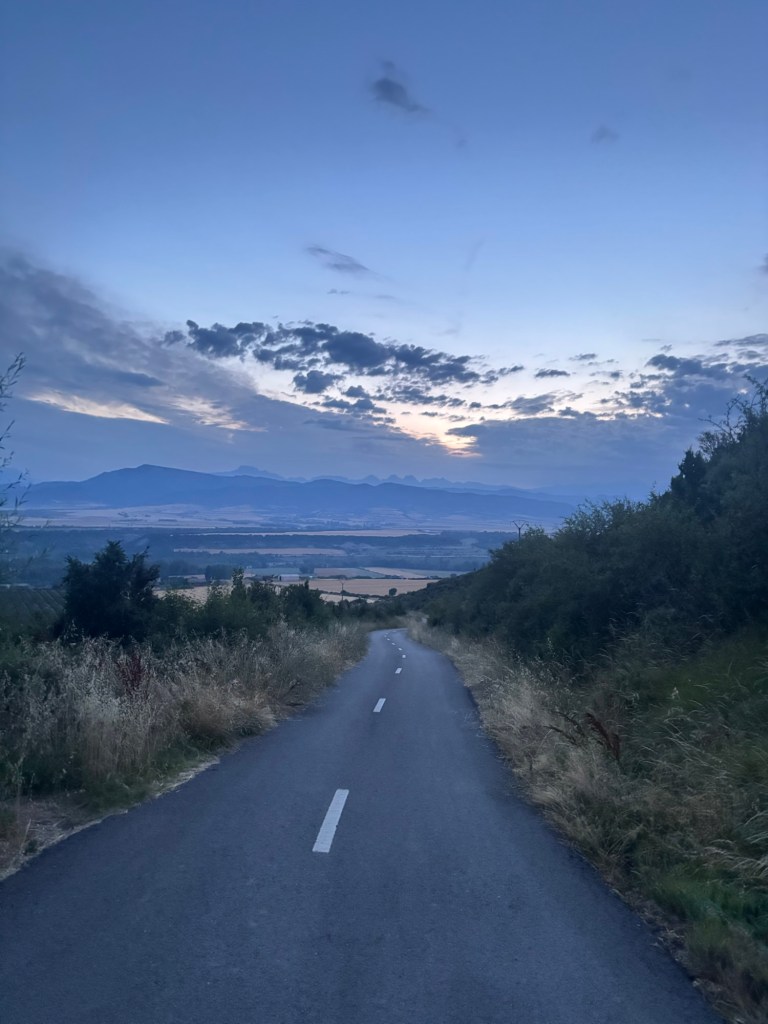
I set out a lot earlier than usual this morning, leaving Borce at 5.40am, a full hour before sunrise. I needed the extra hour to make it up the mountain, over the border and back down to Canfranc, the third village down from the pass on the Spanish side.

My intention to bypass the usual stop at Somport wasn’t as mad as it sounds. There were some pretty scathing reviews online about the Albergue, which I’d been tempted to write off as foreign ignorance, but there was also the matter of the considerable descent, which would have required another early start – not to mention the dangerous terrain underfoot should the weather turn foul. So, a full hour earlier than yesterday, I set out into the darkness.


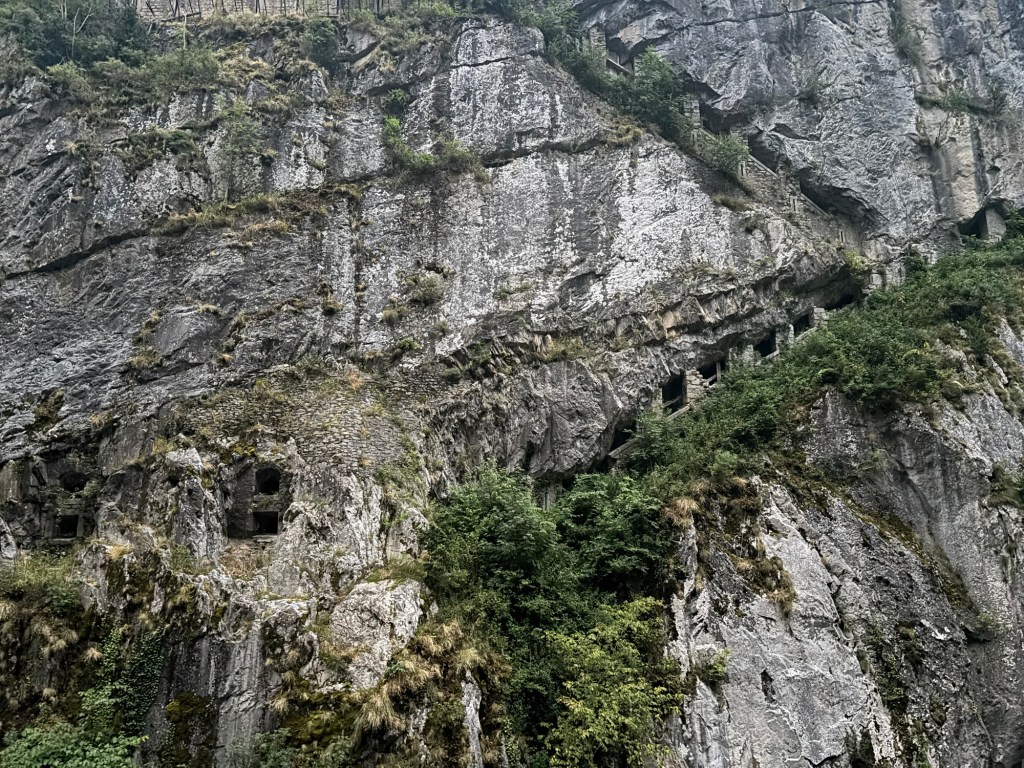
It took me about an hour to reach Urdos, the last French commune before the frontier, and along the way I passed the formidable Fort Portalet, a 19th century fortress carved into the mountainside to guard the pass.

Arguably the most impressive thing about it was the network of bunkers and tunnels that seemed to burrow their way down the cliffside, presumably to allow the French garrison to snipe at any attempted invaders. I don’t even want to think about how they managed such a feat in 1842.


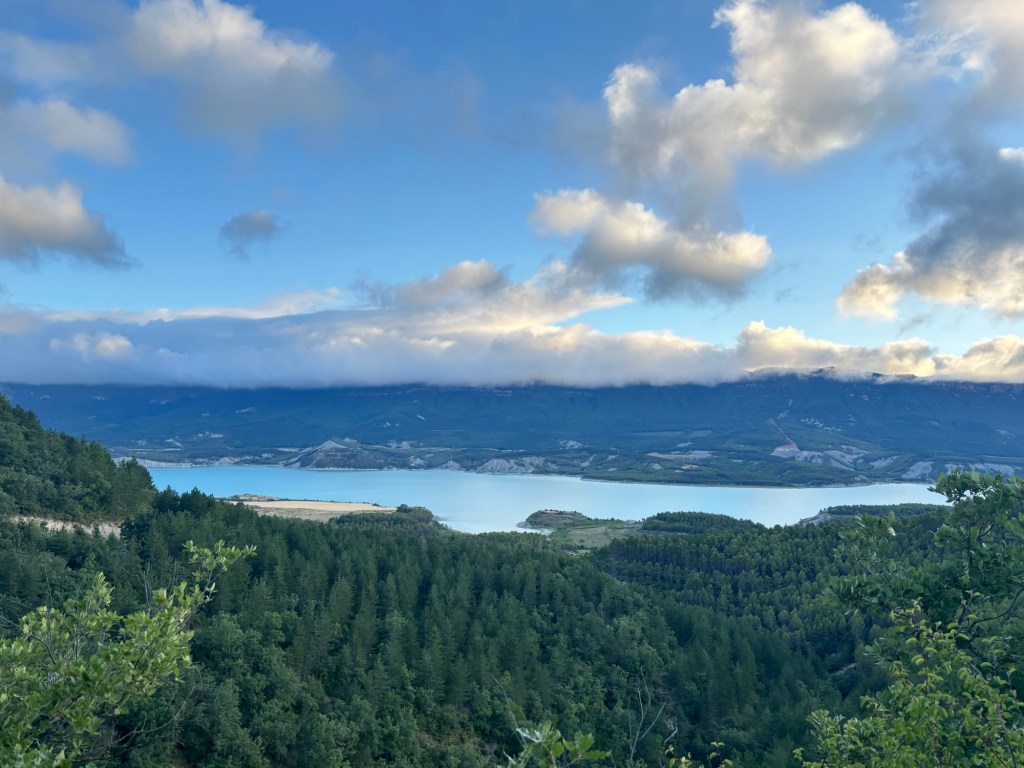
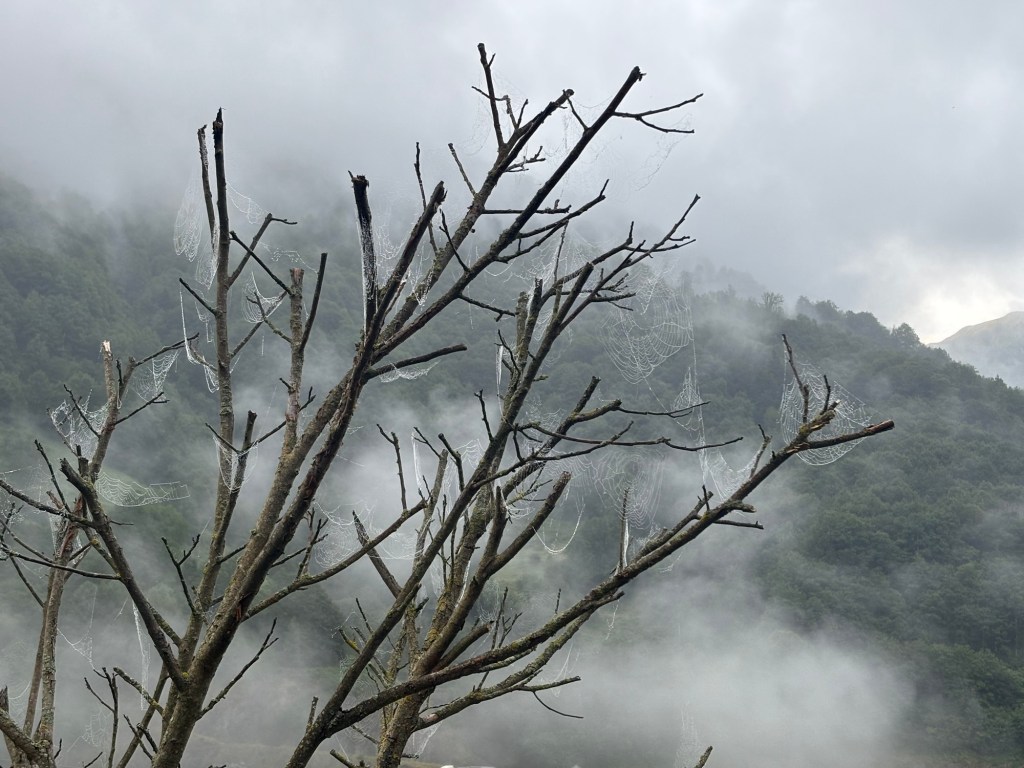
The sun came up just as I reached Urdos, or at least I think it did, because the Lescun valley was shrouded in a thick belt of cloud. The mountains must work like some kind of giant bowl, trapping the cold air inside. The result was a vast moisture net, turning all the vegetation within the valley floor into a living, breathing lake. For at least the first half of the morning, it was very beautiful to look at, and nothing further.


The Camino deviates from the main road a lot – perhaps a lot more than necessary – and one long deviation rides up the eastern slopes of the mountains above Urdos, where one of the tributaries of the Aspe river can be found. It also harboured my first non-Albergue stamp of the Camino Aragonés, in a small pilgrim station set out under a fir tree by a farmstead in the hamlet of Marrassaa. Some kind soul had put out some hot water, a selection of teas and sugars and a notebook with a stamp, along with a few walking sticks, should the Somport-bound pilgrim be lacking.


As it happens, as of twenty minutes before the stop, I wasn’t. Two hazel-wood sticks of near perfect size (one was a few inches shorter than the other) were lying in the road, the last remnant of what must have once been a fence, as they still had a very frayed but intact wire strung between them. Seeing an act of Providence – it would have been foolhardy to attempt the pass without them – I took them (and the wire) along with me, until they had smoothed enough in my hand to work the wire free.

When I was confronted by a far superior collection of sticks at Marrassaa, I was tempted to let the shorter one go, but found that I couldn’t separate the one from the other – it felt wrong, somehow. So I pressed on with my two fenceposts, which I dubbed the Palos de la Frontera – a play on the place I found them, and the Andalusian port from which Columbus set out for the Americas.

Boy, did I need them today.


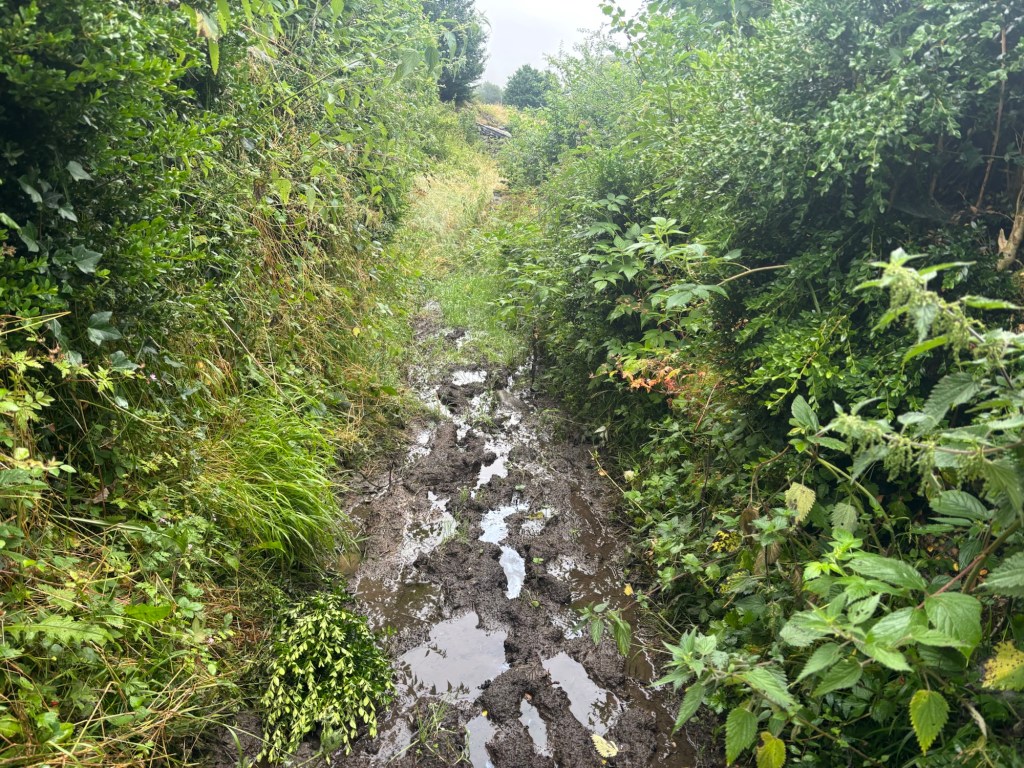
The descent from the Urdos deviation was… costly. The sodden undergrowth all but drowned my feet, and as I was considering a change of socks, it provided a final challenge: a gauntlet of ankle-deep mud and nettles. I got as far as I could with both feet astride the ditch, until the gap became too wide and too dangerous to attempt. I could either endure the wrath of a tangle of nettles or face the mud. In the end, still feeling the sting of yesterday’s nettles, I swallowed my pride and sloshed straight through the mud. Vile.

Naturally, I washed my socks in the river at the foot of the valley, did my best to dry my sandals, and swapped in a pair of warm hiking socks. Thank goodness I had spares.


After a short stint along the road, the Camino climbed back up into the forest on the eastern side. I may have been cautious about leaving the road again – which wasn’t exactly heaving with traffic – but it was the fastest route to the top, so I stuck to it.

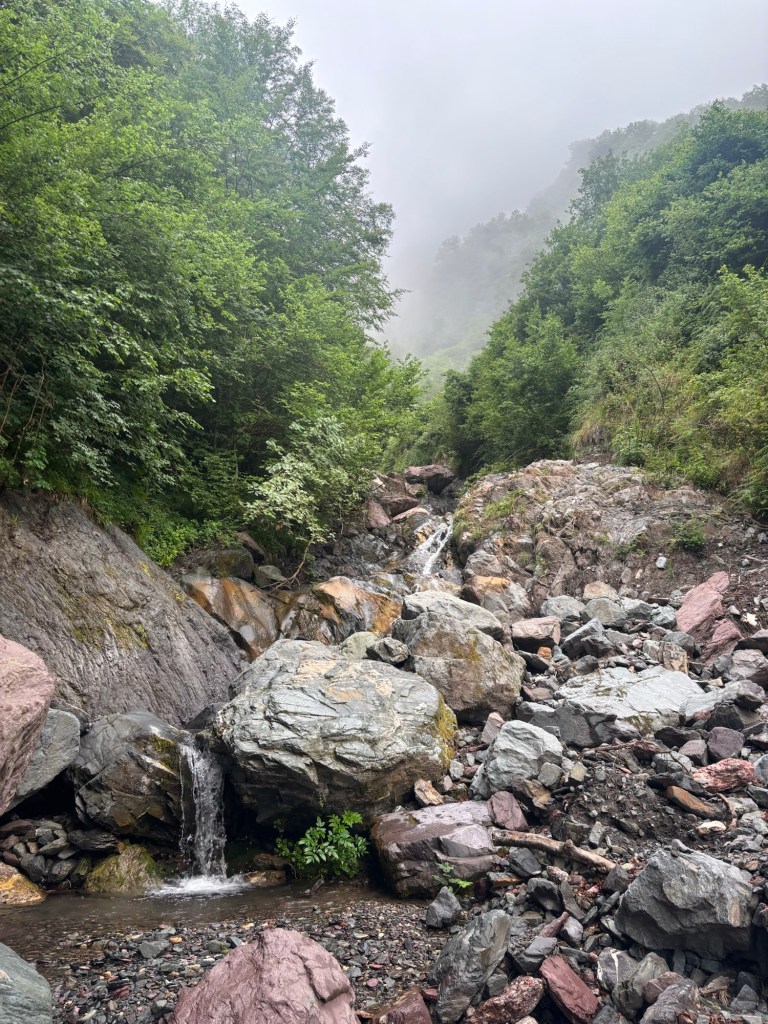
The cloud forest was mesmerisingly beautiful, especially as I hit the cloud level and seemed to be burrowing my way through the mist. The stretches of open grassland, however, were dreadful. Up here, in the thick of the clouds, the grass was even wetter than on the valley floor. I might as well have swum up the mountain. More treacherous by far, the path was so overgrown that it was perilously easy to miss the edge of the path and lose your footing – as I did at least once, very nearly tumbling down the mountainside. The sticks genuinely saved my neck.


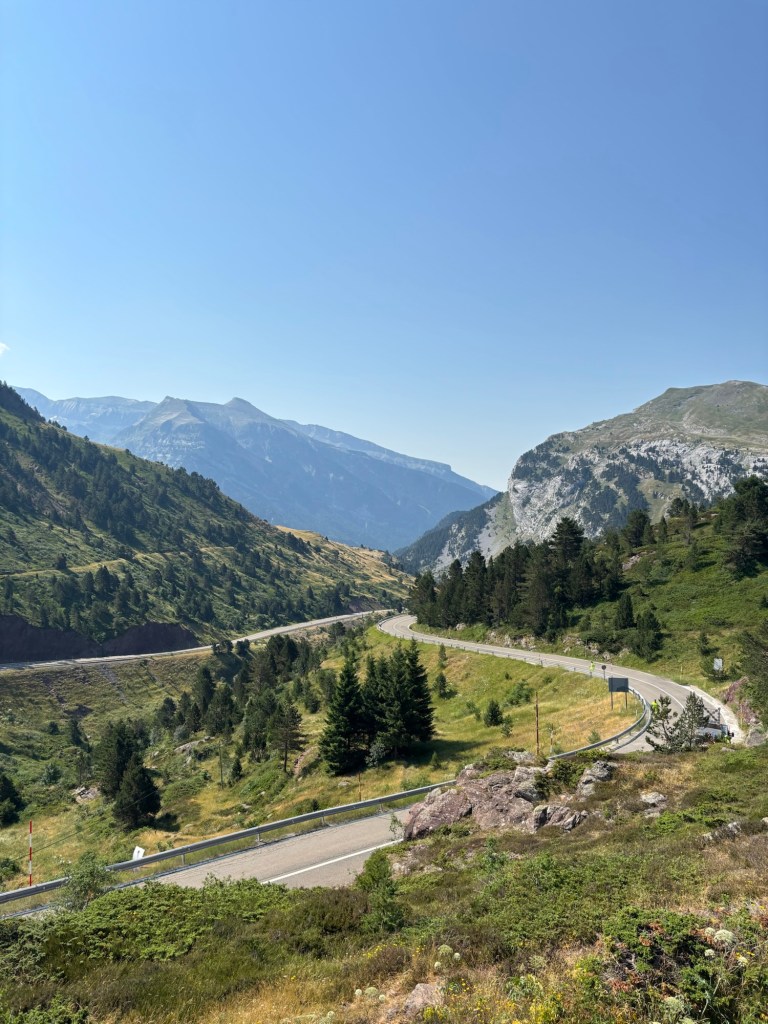
It didn’t get any easier until I reached the road at the top of the mountain, where suddenly, as if by magic, the clouds disappeared entirely. It was easier to see why when I’d gone a little further, where the road turned to show me the huge belt of cloud trapped in the valley. Up here, above the clouds, it was as hot and sunny as any Spanish summer morning.


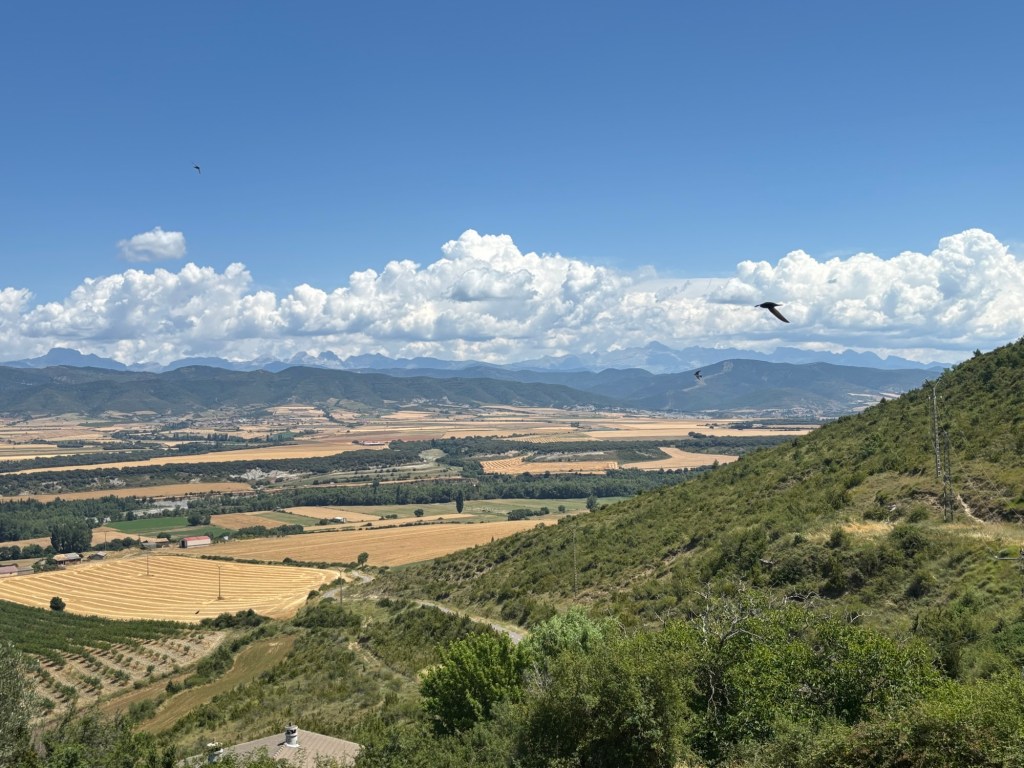
Somport itself was eerily quiet. I thought I’d earned myself a celebratory elevenses-lunch at the Albergue Aysa café, but a glance through the window showed no signs of life at all. The old border gate looked to be gathering dust, too, defunct since the arrival of the Schengen zone some forty years ago. No chance of an early lunch on the border, then – but I did say a prayer at the shrine of Mary, and I did appreciate the spectacular views down the Spanish side of the border.


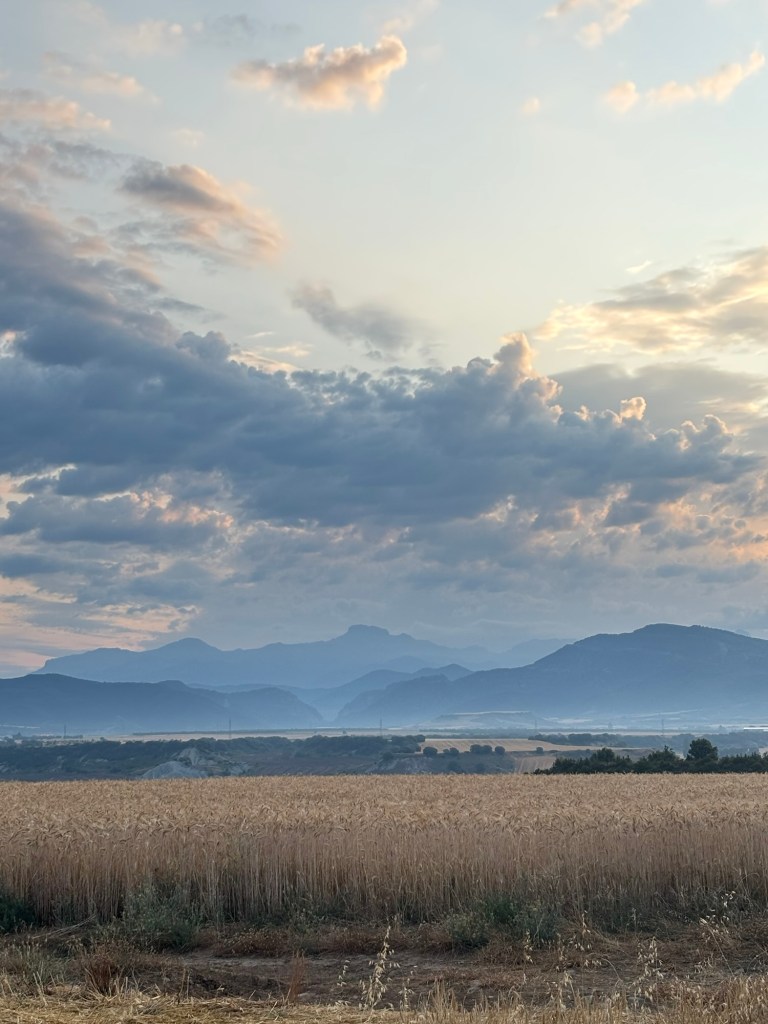
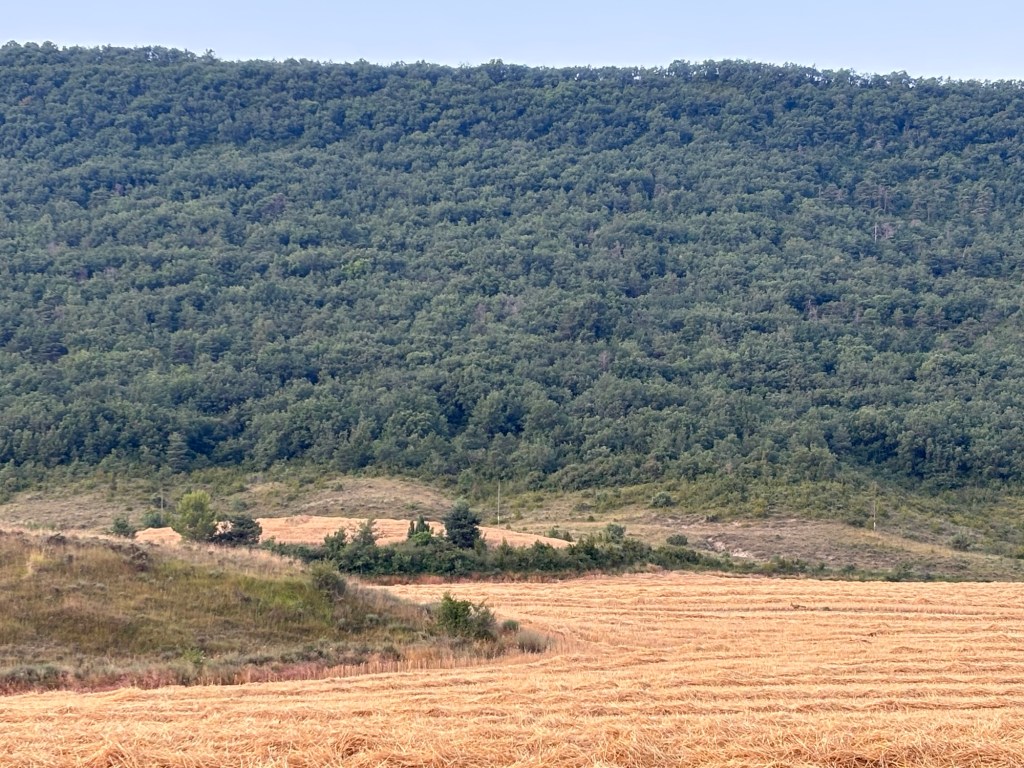
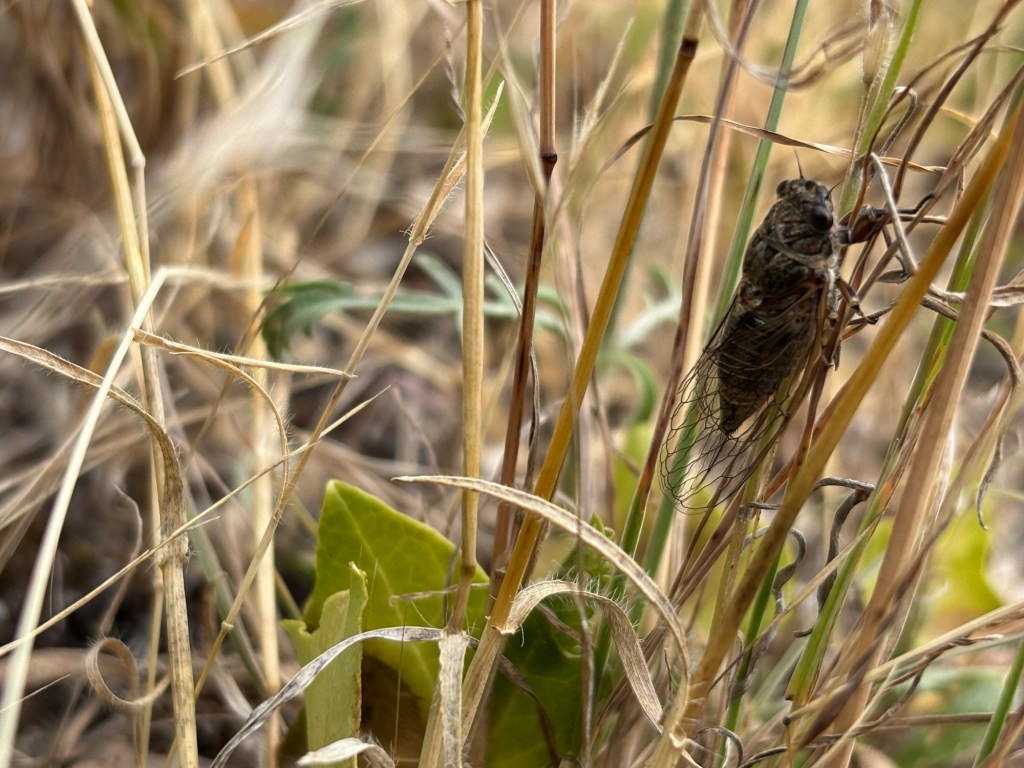
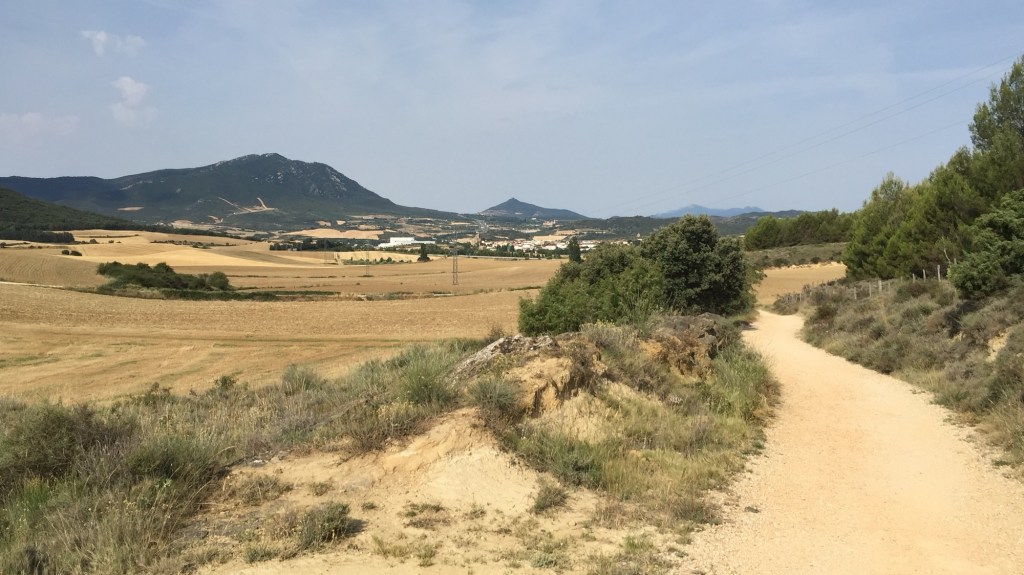
In a heartbeat, I was suddenly in Spain. It’s amazing how quickly the world changes, national border or no. The lush vegetation of the French side was gone, replaced by a warm and dry boulder-strewn landscape, where the clustered forests gave way to spread-out stands of conifers. Crickets and cicadas replaced the chaffinches and blackbirds that had accompanied me up the other side, and all the hikers said buenas instead of bonjour.

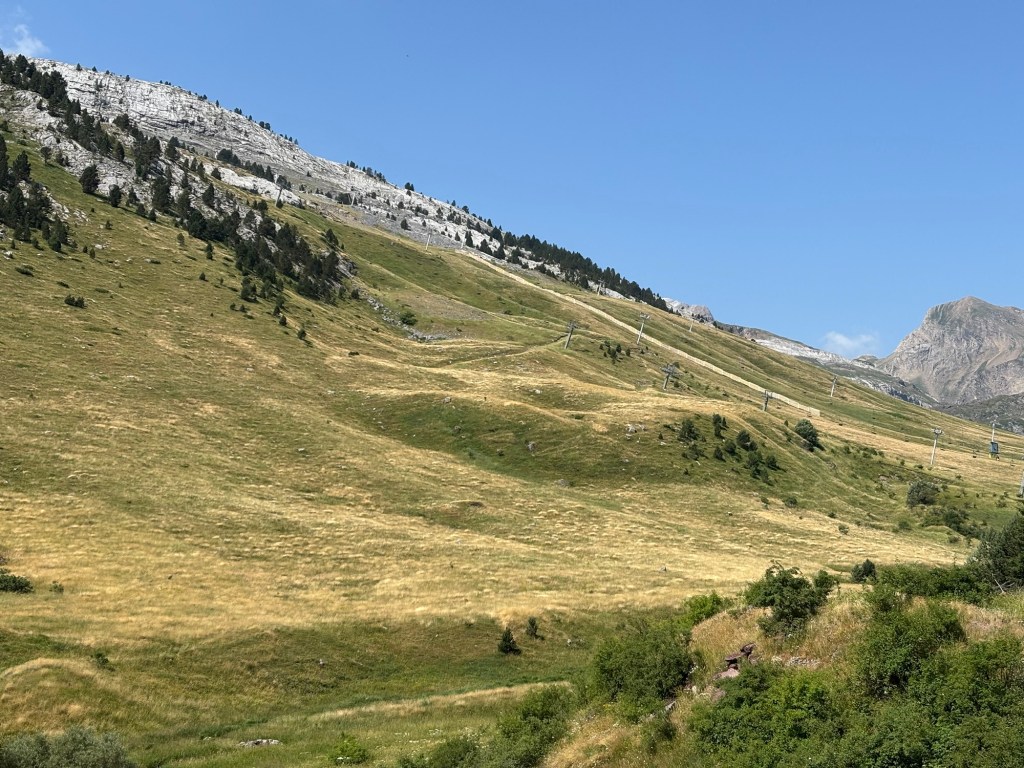
Most striking of all were the carpets of English Iris, a Pyrenean flower of singular beauty that grew all over the place in the high meadows. They brought life to the place, which was much needed, as the ski station of Candanchú was little more than a ghost town. No shops, no traffic, no children in the park. All the ski lifts frozen in place where they ground to a halt several months ago. Just the sound of a door slamming shut in one of the apartment blocks I walked past. It was quite eerie.


It took me just shy of two hours to descend to Canfranc-Estación, the first living town on the Spanish side after Somport. Powered on by my fourth Nak’d bar (I brought eight out with me, but I was saving these for today’s trek), I made it down the mountain in reasonably good time. I changed my socks again just before descending, which was a very good idea – I wasn’t going to risk the blisters that might have ensued from a further three hours’ march in sodden feet. My sandals dried out quickly in the heat, which was a small blessing.

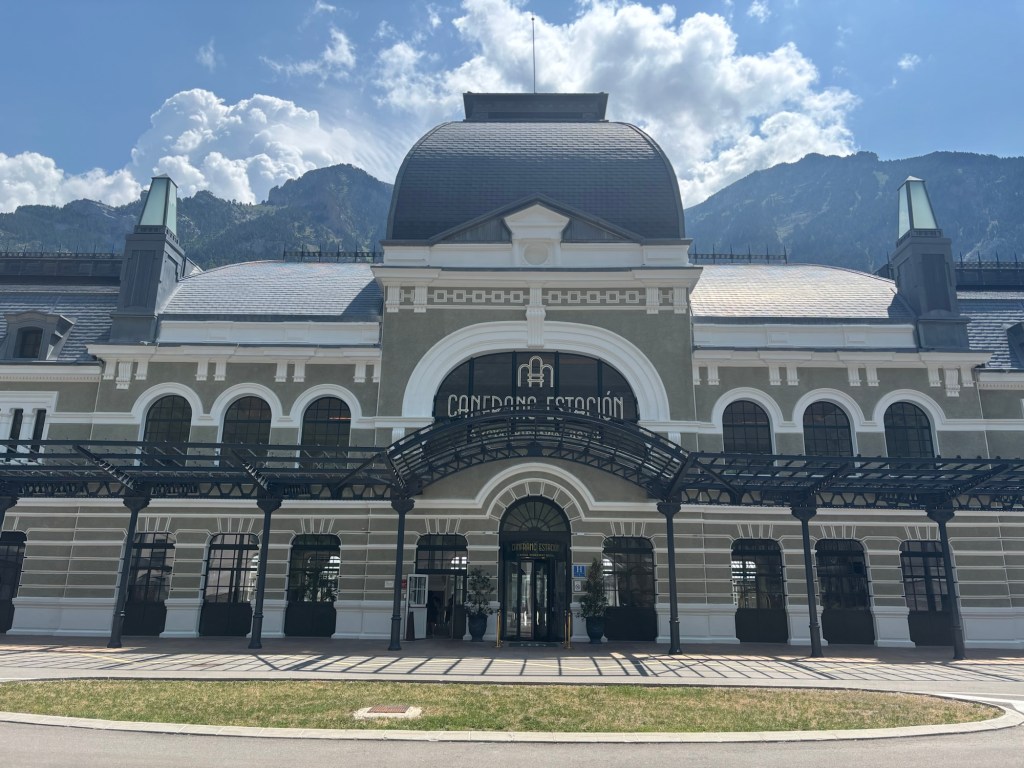
Canfranc-Estación is a curious affair, seemingly built around the enormous international railway station in 1928. The monstrous project paid minimal returns, and the station closed down in 1970 after a number of disasters included a fire in 1944 that destroyed almost all the homes in the town, driving the townsfolk to relocate to the village of Los Arañones further down the valley. There’s supposed to be plans afoot to get the station working again, but for now, the building serves as a rather grandiose hotel.


There are a few private albergues in Canfranc-Estación, but I had my heart set on the municipal in Canfranc Pueblo, which was still an hour’s walk away. It was already one o’clock, which is a silly time of day to be walking the Camino in summer, but I was adamant, so I decided to forgo the extremely tempting aromas coming from the asadores in town and press on.

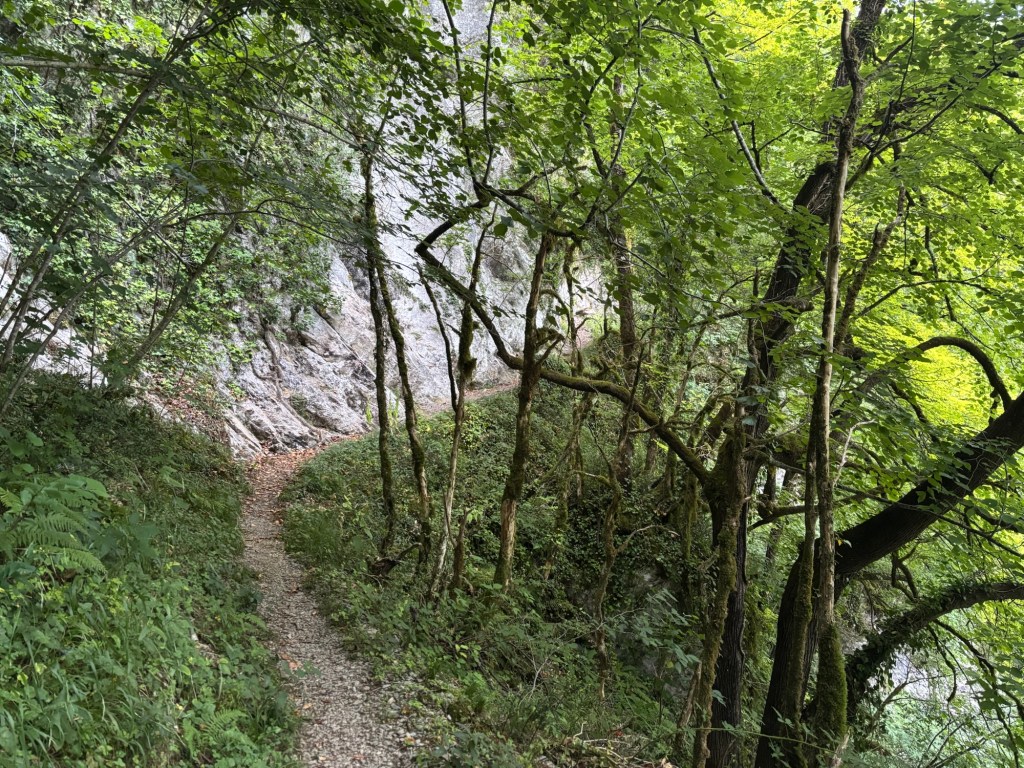
Beyond the grand station, the Camino weaves its way down the mountainside through a series of shady forests and warm meadows. Quite a few locals had set up shop beside the pools created by the many rivers tumbling down into the valley, but I had a schedule to keep – I would have to be quick if I were to reach Canfranc in time for the 14.00 opening time of the municipal Albergue.

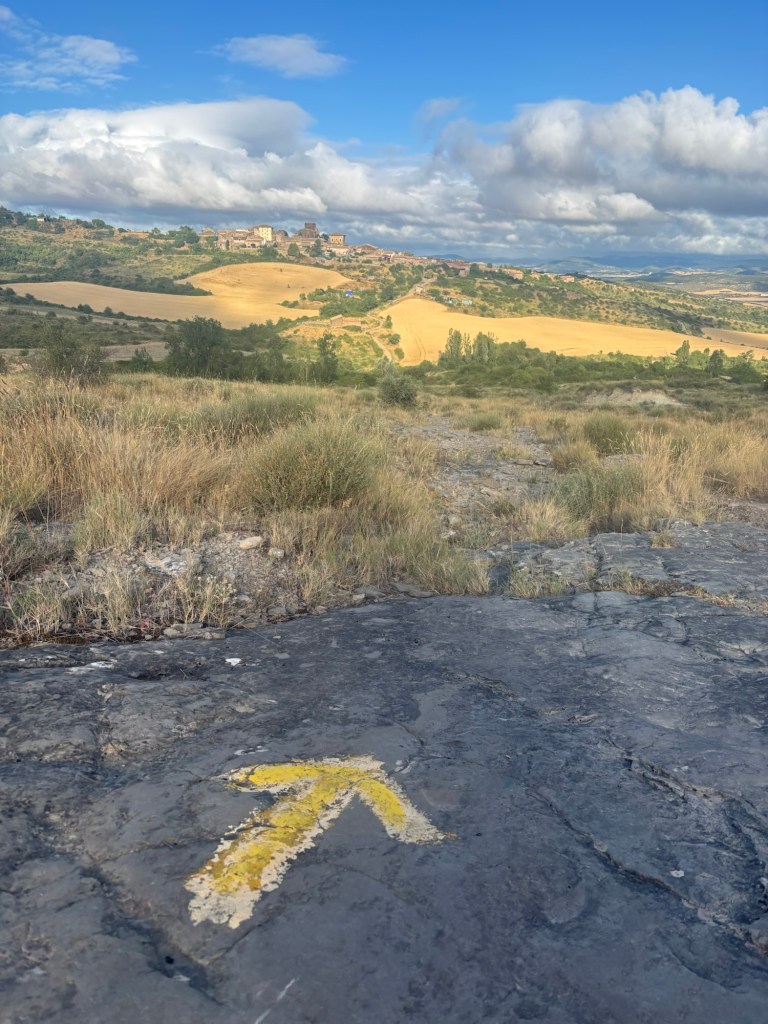
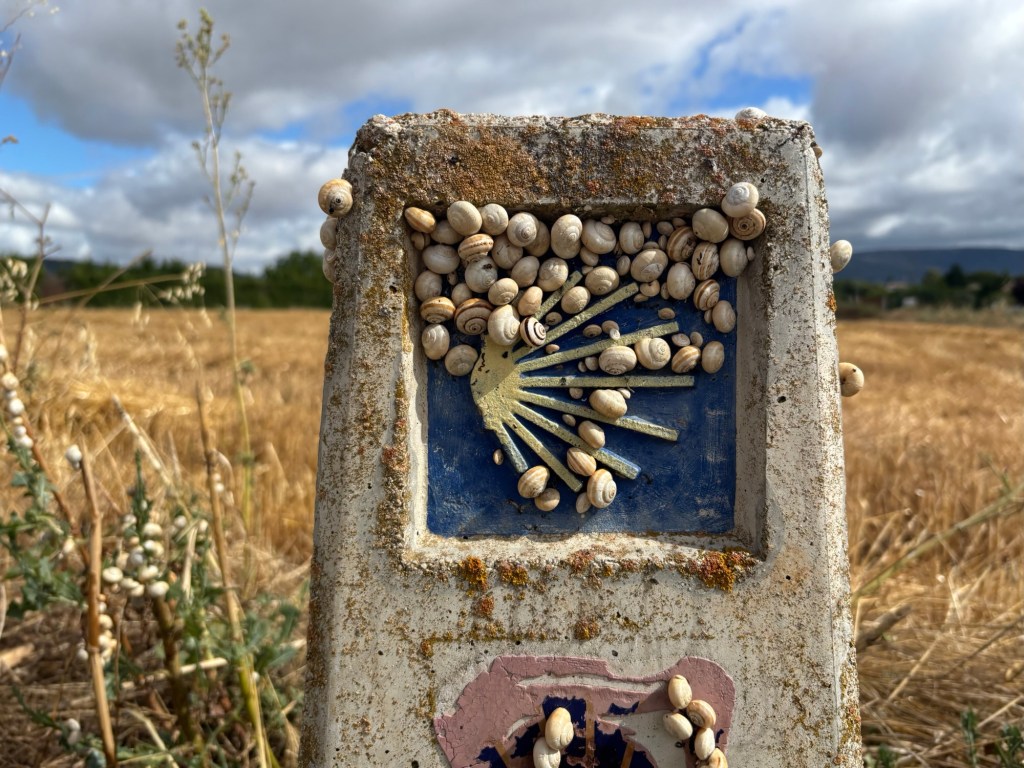
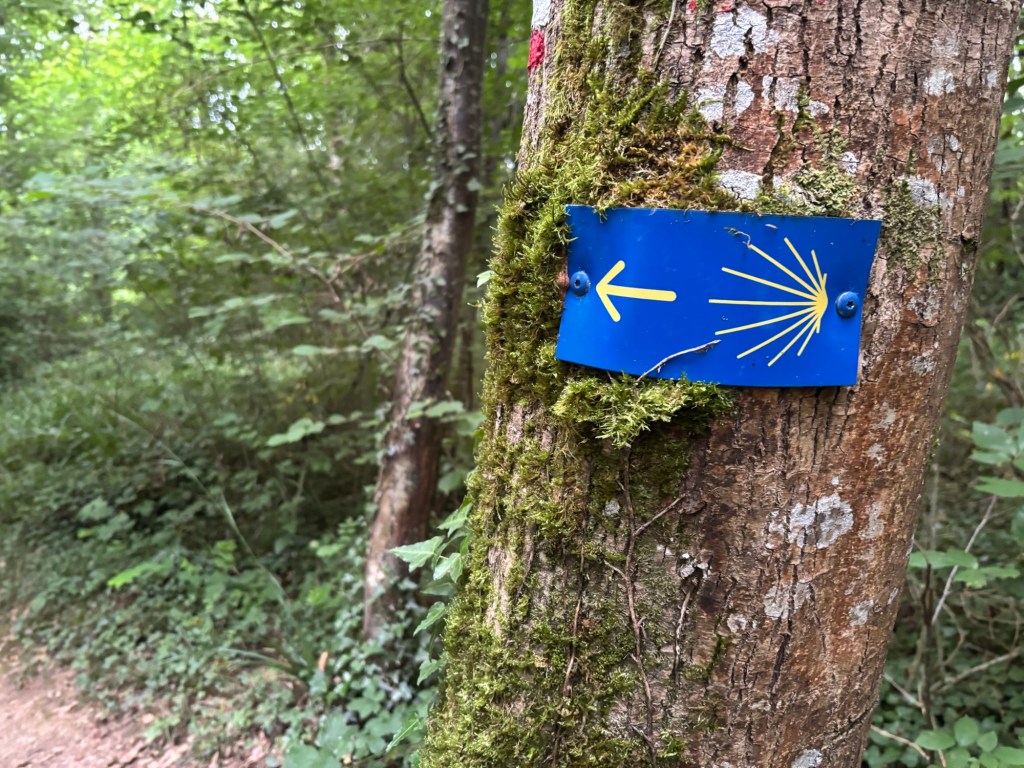
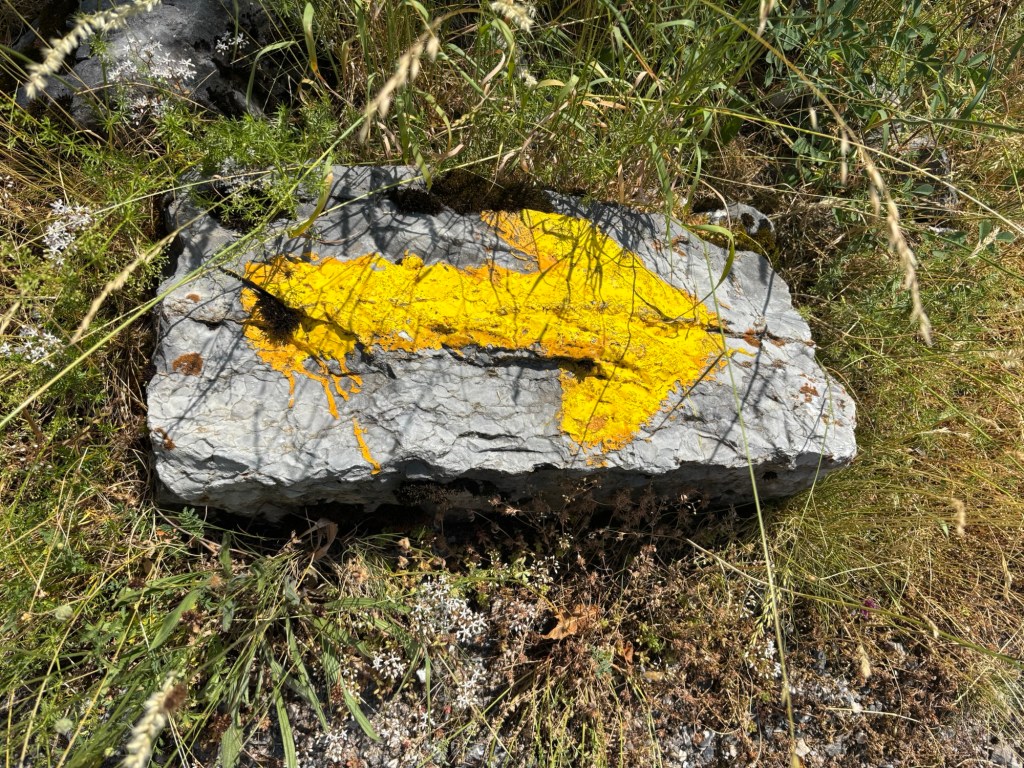
Fortunately, I had no need to check my phone to navigate anymore. The yellow trail markers have returned, almost as soon as I crossed the border. These flechas amarillas make it very hard to get lost on the Camino, making it surely one of the most welcoming of long-distance hikes in the world. I’ll tell you sometime about the man who came up with the idea. But that, I think, is enough for today.


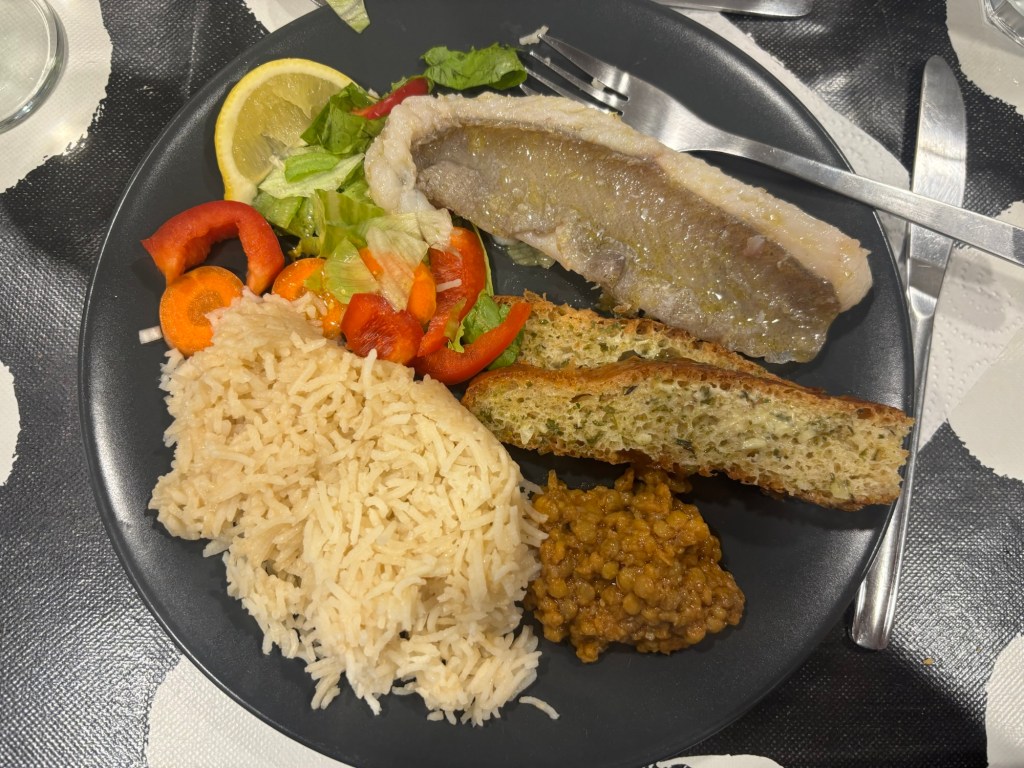
The Norwegian couple who run this donativo albergue have offered to make both dinner and breakfast for the four of us sheltered here tonight. And what a donativo…! It’s one of the best set-ups I’ve seen in an albergue this side of Galicia. No wonder it was so highly praised online!

Time, I think, for a nap before dinner. At an estimated 1,300m of ascent and a further 700m of descent over 29km, I’ve earned it. BB x
Camino II: Wings and Stings

Hôpital de Saint-Jacques, Borce. 14.42.

Today’s march was only a little under two kilometres more than yesterday, but boy, did it feel every step of them!

I set out from Sarrance just before 7am, conscious once again that I didn’t want to book it to Borce. I had at the back of my mind that it might be sensible to push on to Urdos, if only to save me some mileage during the long climb up to Somport tomorrow, but I’m very aware that I have to keep these legs of mine in decent shape for six weeks, so no unnecessary bursts of speed or marathon days for me, thank you.


Much of the Camino today followed precarious paths along the river or the road. Arguably, the road stretches were considerably safer: rockfalls and erosion have conspired to make the cross-country sections of the road rather dangerous. Some thoughtful soul had fixed sturdy metal cords to the cliff wall for balance, but it’s plain enough that this section of the Camino sees considerably less traffic than the others.


This is most obvious in the jungle of thorns and nettles that grow about the path. For most of the morning I had to tread a jaunty path through the stinging undergrowth (overgrowth might be a better term), moving with the precision of a mountain goat to avoid the worst of them – especially when the alternative was a steep plunge into the rocky riverbed far below. I didn’t get particularly lucky, as the scars and the great red welts on my shins and neck will testify.

Between them and the mozzies, it’s been a pretty rough start to the Camino as far as bites and stings are concerned!


I crossed the threshold of the morning sun as I reached the outskirts of Bedous, disturbing a whole pack of caged hunting dogs as I did so. Their mournful barking must have been audible across the entire valley. It reminded me of a hunt I heard once when traveling through France, with the curious blast of the horn rising over the excited barks of the hunting dogs. This lot weren’t going anywhere fast, but I had a sense of the primal fear they must invoke in their quarry.


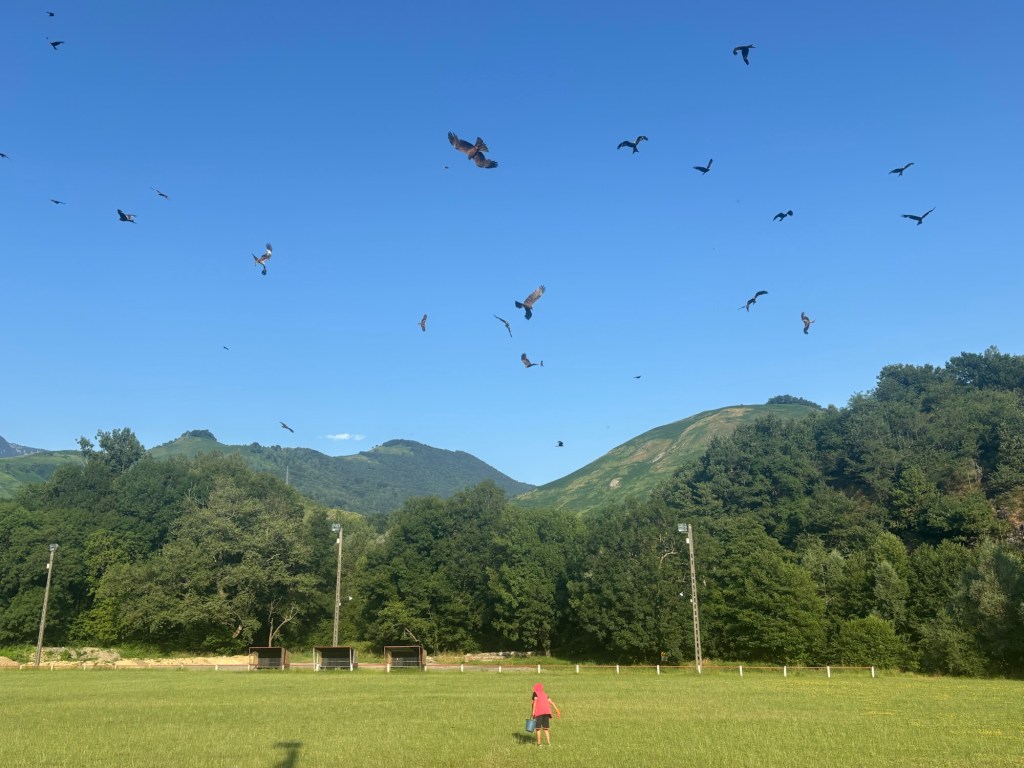
A far more pleasant sound became more and more strident as I entered Bedous: the plaintive whistles of kites. There were quite a few of them gathering in the trees around the Stade de Pierre Leyrat, the town’s rugby pitch (definitive proof that we are still in France). I didn’t give it too much thought as to why until I was flagged down by a local man out for a stroll, who pointed the kites out to me and asked me if I wanted to see a ‘spectacle’. I’m not much in the habit of saying no, so I stuck around to see what he was getting at. He was beaming and kept saying ‘ils sont impatients, ces milans… ils savent qu’il est en retard’.


Just who it was that was running late became apparent a few minutes later, when a man dressed in a red hoodie and one red glove appeared, carrying a bucket in his hand. Within seconds the kites seemed to double in number. There must have been at least forty of them, or even fifty. I haven’t seen so many in one place since the day of the winged ants in Uganda.


A small huddle of locals had gathered to watch, so I just got incredibly lucky arriving just as the kites were gathering. The man in red only apologised that the vultures were missing: ‘c’est formidable, mais ils manquent les vautours’.


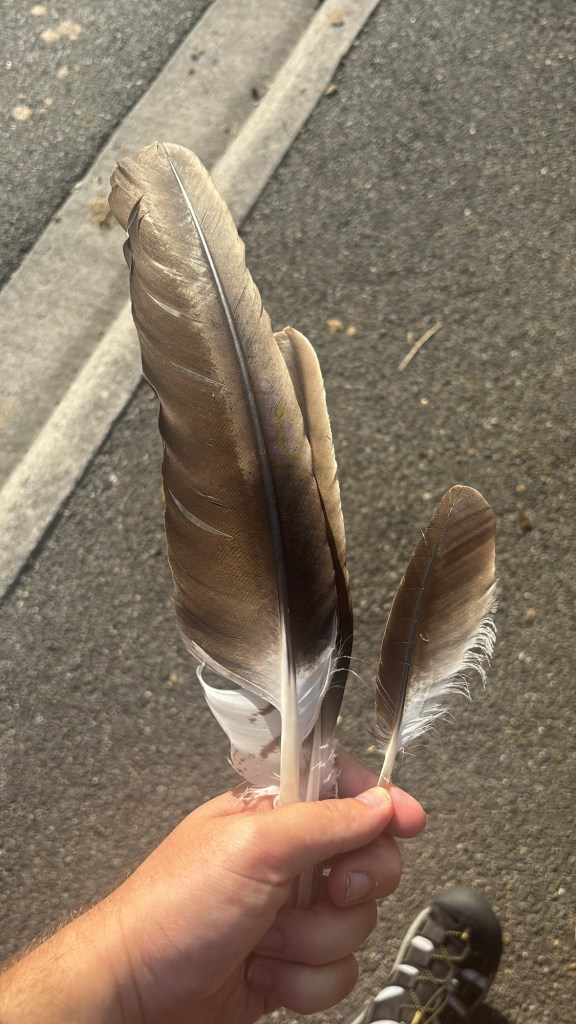
They weren’t entirely missing, though. I could see at least two of them riding the thermals up above the peaks of the mountains. And they’d left a trace of their presence behind on the pitch, because when I went to collect the feathers I’d spotted from the stands, I found one which was far too big to belong to a kite. A feather from quite possibly my favourite animal in all creation: I couldn’t have asked for a greater totem to carry with me on the Camino this summer.


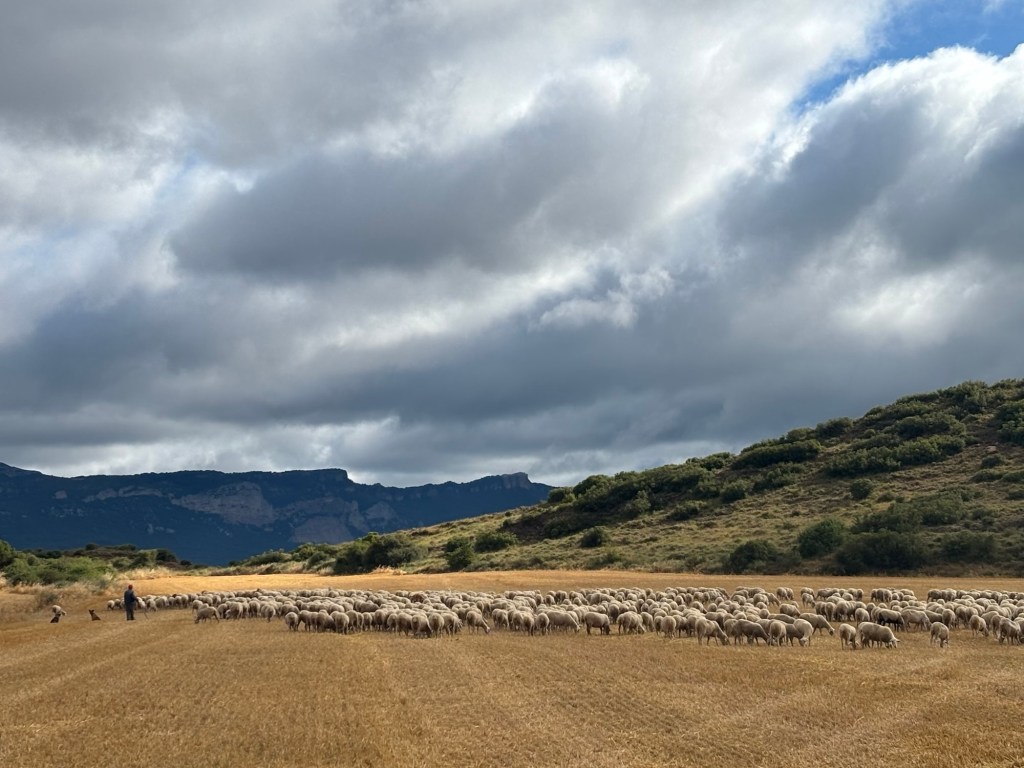
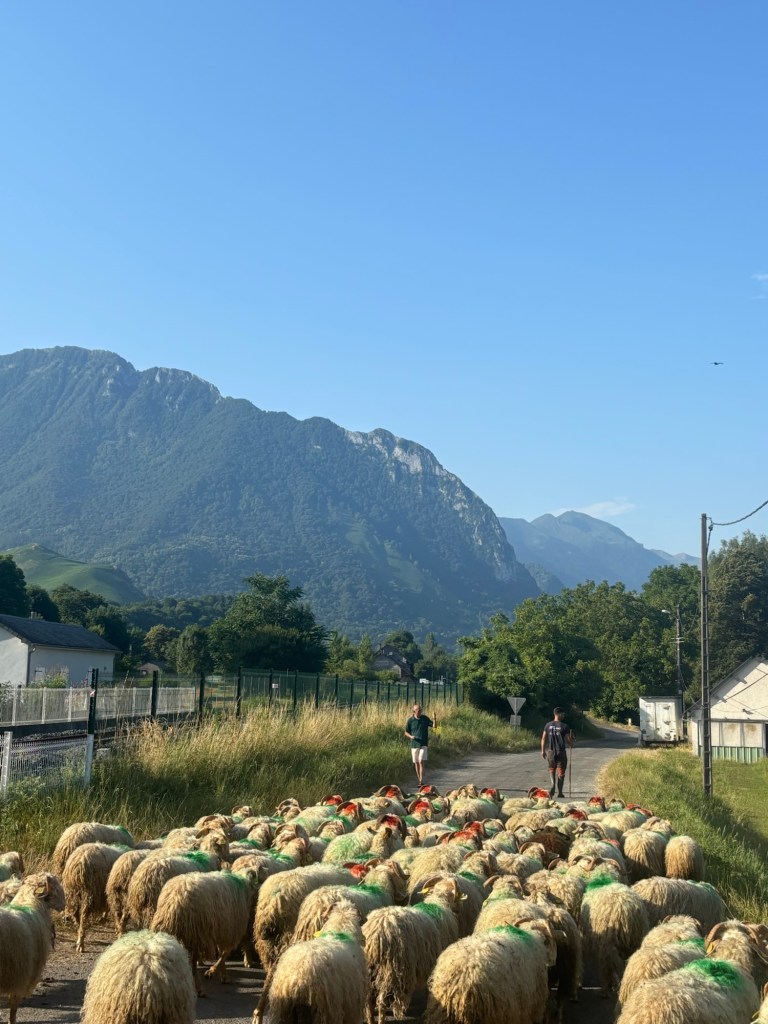
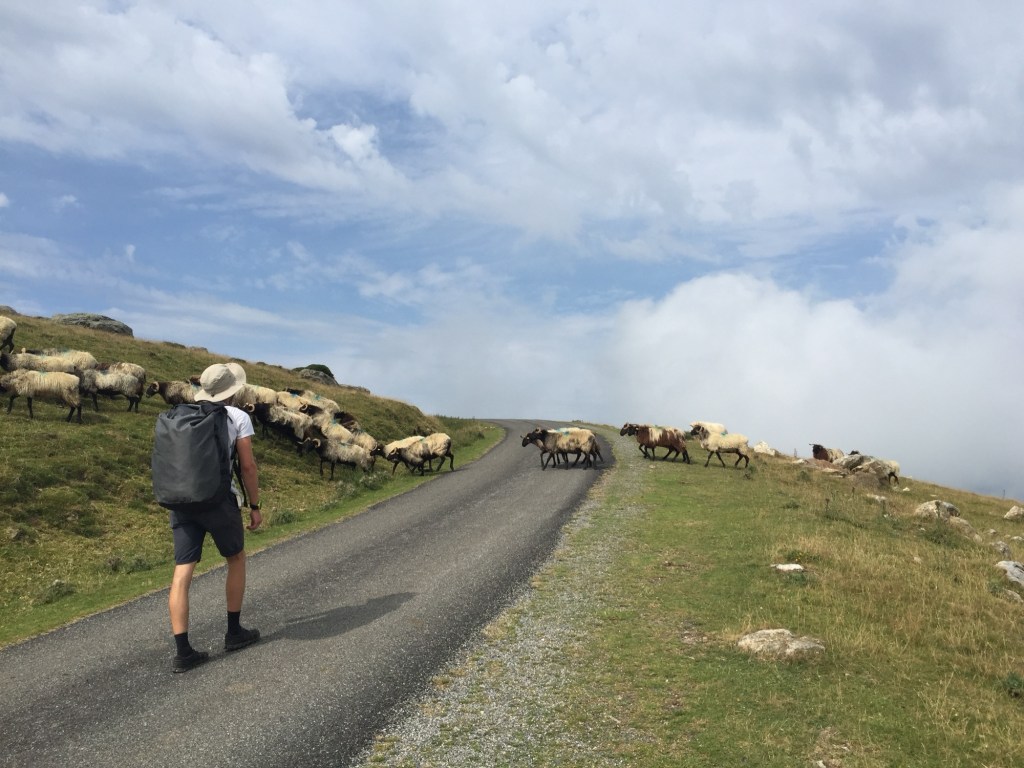
In case that wasn’t enough, a shepherd came down out of the hills with his dog and his flock of sheep. They seemed rather non-plussed by the small crowd gathered to watch the kites, and needed quite a bit of chivvying on from the shepherd and his dog before breaking into a run to catch up to him. Is it really a mountain adventure if you don’t see something like this?


Leaving Bedous and its kites behind, I followed the Camino about forty minutes later out of town and into the mountains. The road cut straight through a formidable gorge before winding a twisting path through via an EDF hydroelectric power station, fed by a pair of huge pipes running right up to the top of the mountains. The place seemed to be in full flow, but the only soul I could see was a woman smoking a cigarette outside the gates.


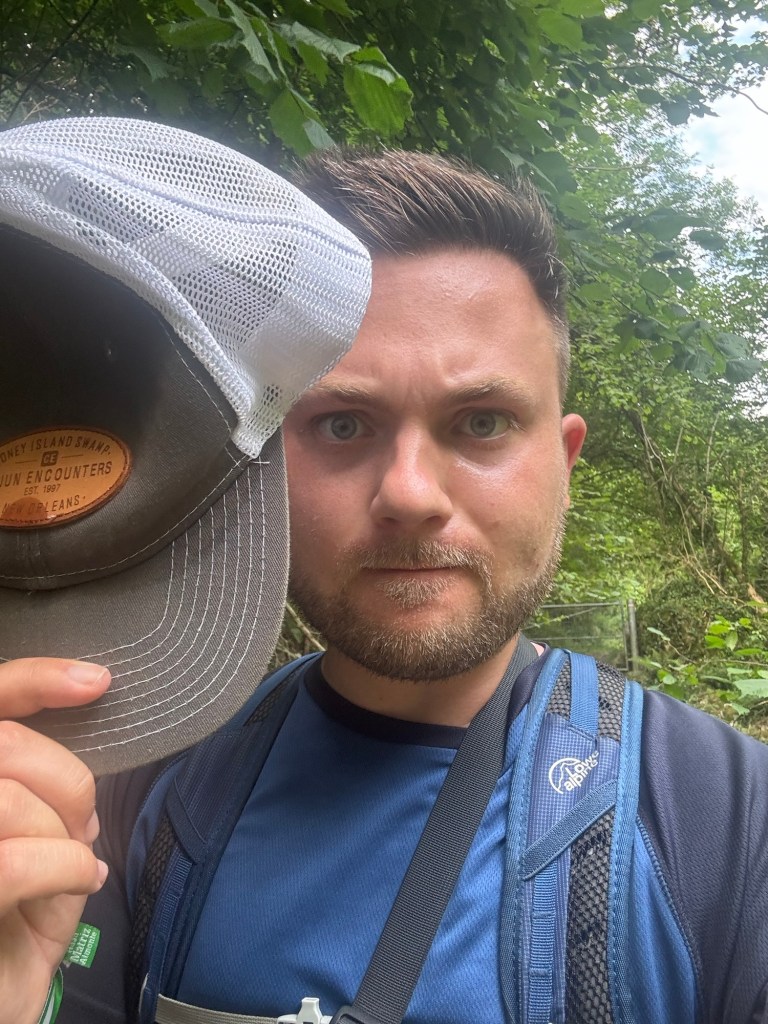
The following hour or so can only be described as an ordeal. After a brief stop in the woods, the Camino all but disappeared, and I had to improvise a path through several cattle fields. The cattle were nowhere to be seen, so their attendants – the murderous horseflies – turned their attention on me instead. And damn, they were persistent. For the best part of forty minutes or so I had to swing my baseball cap left and right like a medieval flail to keep the buggers off, and still they followed me, swarming about my head and legs through field and forest, determined to get a stab at me.

I think one of them got through, but it was hard work, flailing my arms around for so long. I guess they got as much of a workout as my legs today.

They only left me alone once I reached the cattle, at which point they must have decided that there were far easier targets than the fool with the baseball cap who had wandered carelessly into their lair.


It was quite a relief to see the road again. There wasn’t much traffic because of the repairs they’re making to the road surface, which was focused on the exact spot where the Camino rejoins the road. With any luck, that will mean they’re finished with the section between Borce and Urdos, which pilgrims have been catching the bus to avoid over the last few weeks.

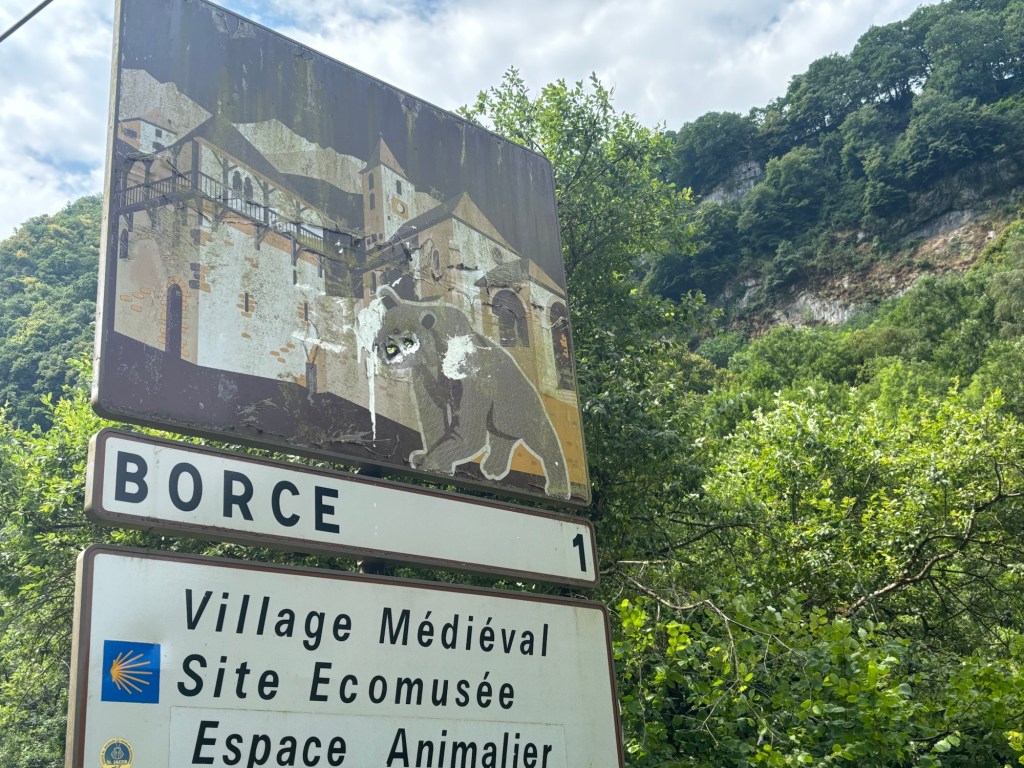
The signs for Borce told a story of their own. It’s believed to come from an Occitan word, bòrça, which means farm or hamlet, but its phonic similarity to the French word for bear – ours – seems to have left a mark in its identity. Bears feature prominently in town, from local artwork and murals to the official signage on the road. And it’s this last that is the most interesting, because on both signs announcing the turnoff for Borce, you can quite clearly see the impact of a shotgun blast.


It could have been an accident, but the fact that it appears on the second sign – and only on the image of the bear – confirms that this is a local act of protest against the reintroduction of bears to the Pyrenees, after the last native bear was shot in 2004. The bears are back, thanks to conservation efforts involving the considerable population of bears in Slovenia, and they’re actually growing in number, but that’s not something that’s been welcomed by everyone.


When I was a boy, my parents took me on holiday to Les Cabannes, a mountain town on the eastern side of the French Pyrenees. There, they’d daubed the words ‘Non aux ours’ – no bears – in huge yellow letters on many of the roads (or rather, as I remember it, ours aux non, as they’d painted it in such a way that you’d read the words as you drove forward).

That was around fifteen years ago. The fury is still raw, with a local 81-year-old hunter jailed for four months for killing a bear that attacked him while he was out hunting in the mountains.

Spain has a similar problem with wolves, with one Cantabrian town leaving the severed heads of a local wolfpack on the steps of the town hall as a warning to those who would try to bring the wolf back from the edge of extinction. It’s been hundreds of years since we drove the wolf and the bear out of their homes in Europe, but the ancient fear we harbour towards these beautiful animals is still painfully present, so long as we try to share their world.


But I’m doing Borce a disservice. The village is tremendously charming, and full of running water – the most important amenity after such an arduous trek. Christian met me by one of the fountains, having lately returned from Canfranc; he and Miguel had caught the bus to the Spanish border this morning to see the impressive station, and Miguel had decided to press on from there, while Christian returned to Borce as his last stop before his journey home tomorrow. The two fellows have been a jolly presence for the first three days of the Camino, and I shall miss their company. Fortunately, it looks as though I won’t be alone for long, as there were quite a few pilgrims in Borce. It must be its status as the first (and last) stop after the train terminus in Bedous before Somport, the starting point of the Camino Aragonés.

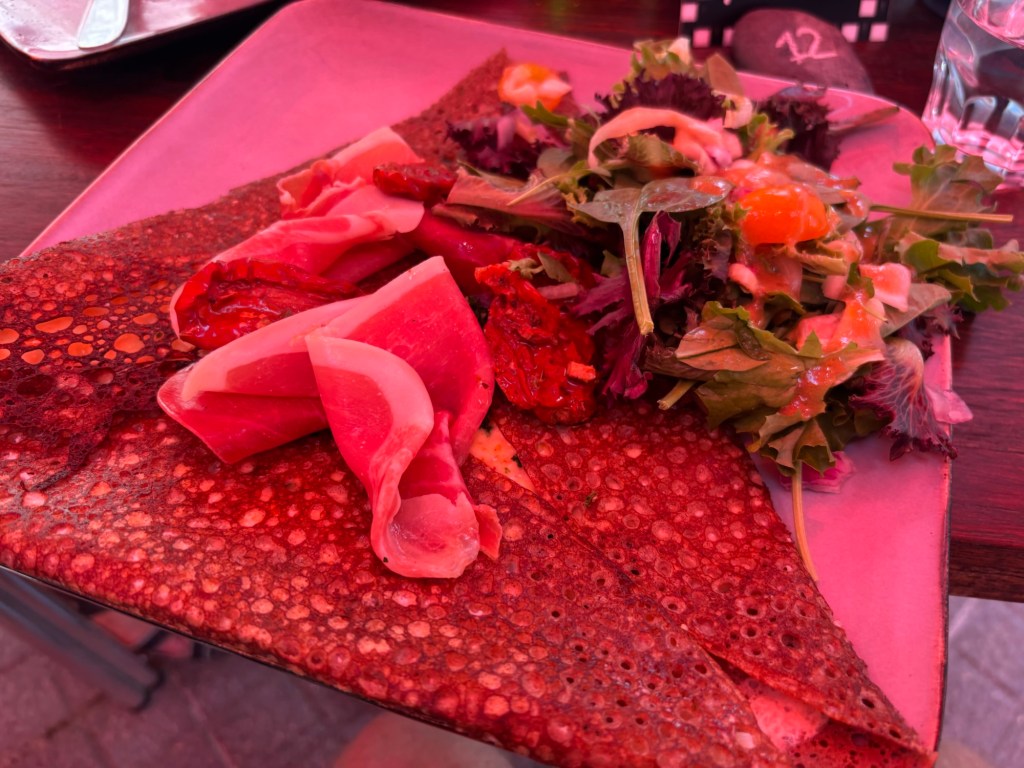
So this time tomorrow – with any luck – I shall be in Spain. To celebrate, I had a Borçoise crêpe at the Auberge de l’Ours, following a tip-off Christian had received from the bus driver. It really was quite spectacular, and I couldn’t have left France without having one of these delicious French specialities.


Well, that’s quite enough for one day. There’s no WiFi here, so I’m relying on data to get this through to you. It’ll cost me, I’m sure, but that’s what all the hard work over the last year is for, right? That’s what I keep telling myself, anyway. À demain! BB x

Camino I: The Wall

Monastère de Sarrance, Sarrance. 15.07.

I’m sitting in the garden of Sarrance’s Premonstratensian monastery after a good morning’s walk. I didn’t have too far to go today: just over 20km, all in all, which is a good distance for the first couple of days as my feet get used to walking long distances again.

Sarrance is a quiet little village, perched on the west bank of the Aspe river which snakes its way north out of the mountains. Every now and then I see great shadows on the mountainside, cast by the hulking shape of a griffon vulture. There must be about eight or nine of them up there, circling above the craggy ridge of Escot. It feels good to be back in griffon country. It feels like home.


I left Oloron at seven on the dot this morning. Late, by summer Camino standards, but as I wasn’t aiming to travel far, there seemed no point in rushing a decent breakfast only to have to wait at the other end. There aren’t many pilgrims on this Camino, but I had a lovely communal dinner with Christian and Miguel, a Frenchman from Toulouse and a Belgian (rather, a Spaniard from Málaga who has lived in Belgium for almost his entire life and is now, to all intents and purposes, as Belgian as Leffe beer).

I set out on my own, as is my Camino tradition (and also because I know my pace tends to outstrip most pilgrims). Mercifully, somebody sent down from on high a great belt of clouds, so for the first half of the morning I was sheltered from the heatwave that is raging across Europe right now.

Which is just as well, as I was absolutely mauled by mosquitoes last night (it was far too hot to slip under even the flimsy sheet provided, never mind my sleeping bag liner), so the last thing I needed was a full morning’s sunburn to worry about on top!


Today’s stretch involved quite a bit of off-roading through the dark Pyrenean forests that cover the valley floor. There isn’t as much signposting here as there is on the Camino francés, but the reliable GR symbol (the red and white stripes) and the occasional seashell serve as decent waymarkers. I didn’t get lost once today, and that’s the important thing, because in this heat, every detour and reroute becomes a proper trial.


By nine o’clock the sun was back with a vengeance, clearing all the cloud cover in a minutes. I was sweating buckets at this point, so thank goodness for breathable fabric, or putting my backpack on after every stop would have been very unpleasant!

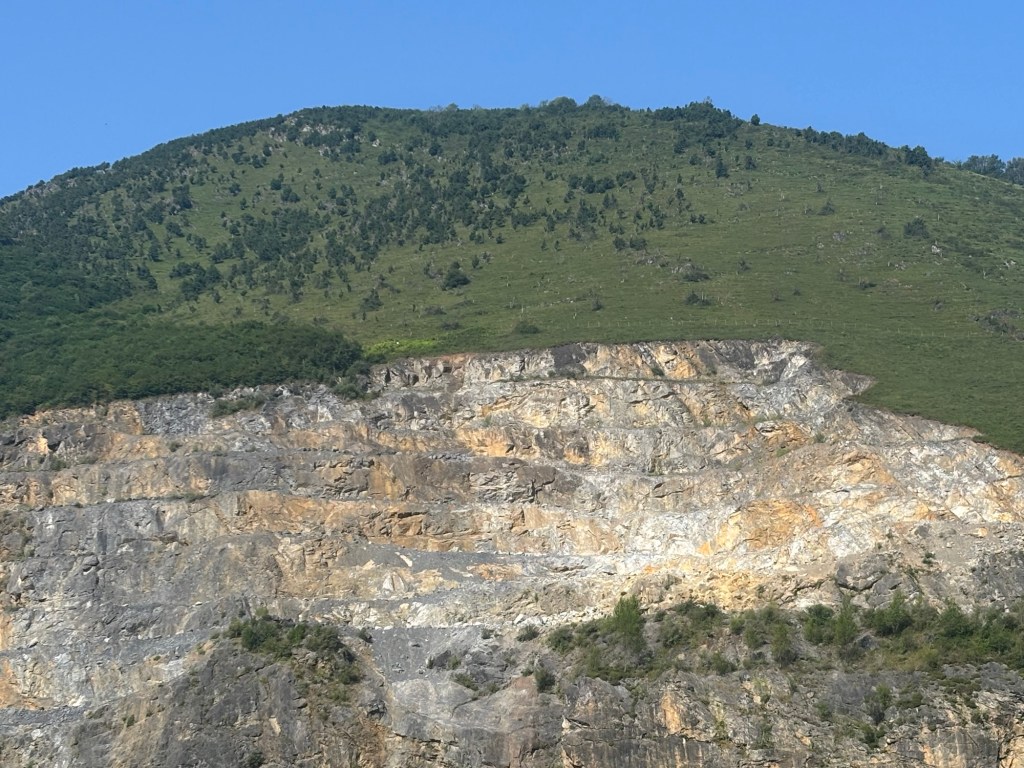
There’s a huge quarry carved into the mountainside just south of Lurbe-Saint-Christau. I don’t think I’d have given it much thought beyond ‘Jesus, who’d be working in this heat’ and ‘what kind of demon thinks it’s a good idea to take a huge bite out of a mountain’ until a deafening explosion caught my attention not longer after I’d passed it by. I couldn’t quite tell, but from the column of smoke and the enormous boulder tumbling down the slope it looked like the workers had dynamited a piece of the mountain.

I wonder if quarry workers ever feel a sense of remorse for what they do. It takes millions of years to build a mountain, and seconds to punch a hole in it. Or maybe I’m just being sentimental.


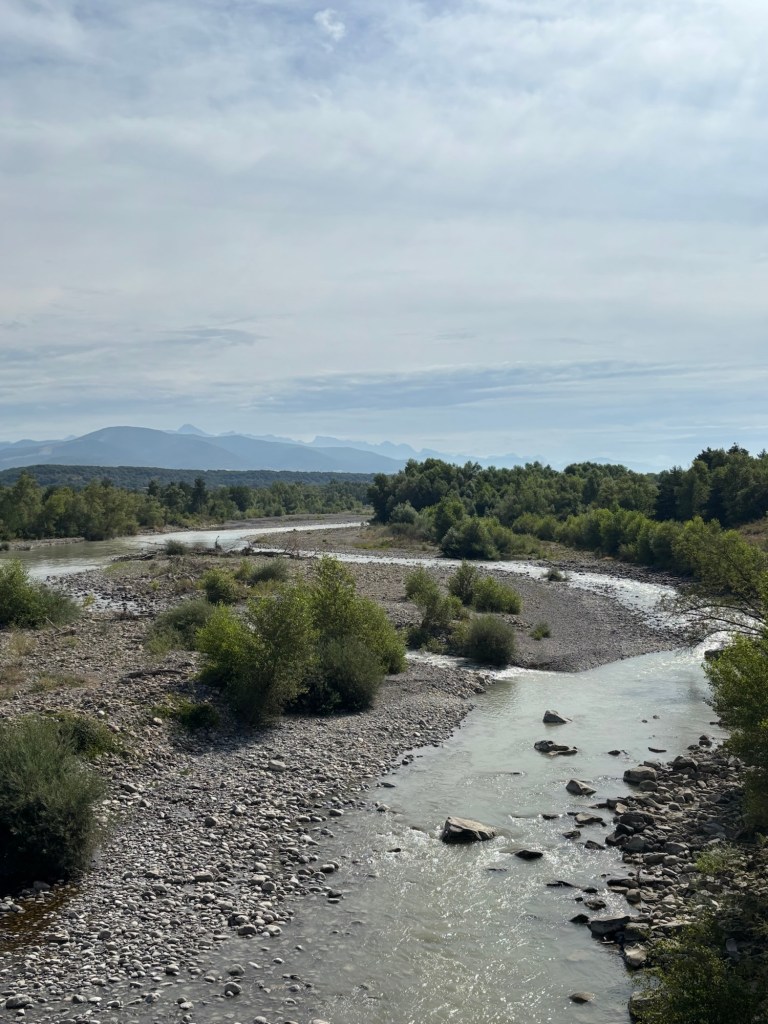
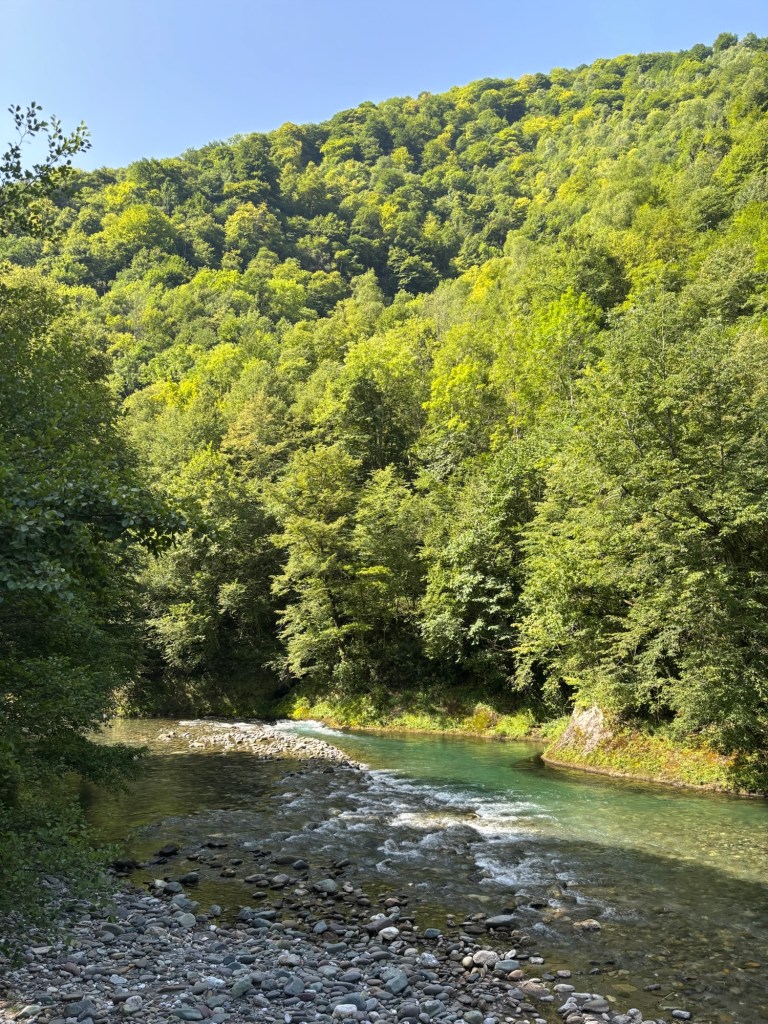
After the hamlet of Escot, the Camino winds its way through the forest along the banks of the Aspe River. There’s really nothing quite so pure and beautiful as a mountain stream, and I was drinking in the sight and sound of it for all of an hour and a half. It was all I could do not to strip down to my shorts and dive into the water (though I bet it would have been teeth-chatteringly chilly). I kept an eye out for otters, kingfishers, and even the Pyrenean desman, but no luck. Plenty of other critters kept me company along the road, like black redstarts, woodlarks, robins and a couple of red-backed shrikes, here near the westernmost limit of their range.


I got to Sarrance at around 11.30, making it a four-hour trek (with a half hour’s rest stop halfway). I thought I’d be far too early to check in, but one of the volunteers spotted me in the shade after the midday Mass and let me into the monastery to shower and wash my clothes, which was nothing short of bliss. Christian and Miguel showed up a couple of hours later, and we had a Leffe beer each at Miguel’s insistence while I counted raptors in the sky above. Within the space of half an hour I had clocked buzzards, honey buzzards, red and black kites, a booted eagle, kestrels and griffon vultures, all in the same airspace. No lammergeiers yet, but I’m keeping my eyes wide open for a sign of that diamond-shaped tail.


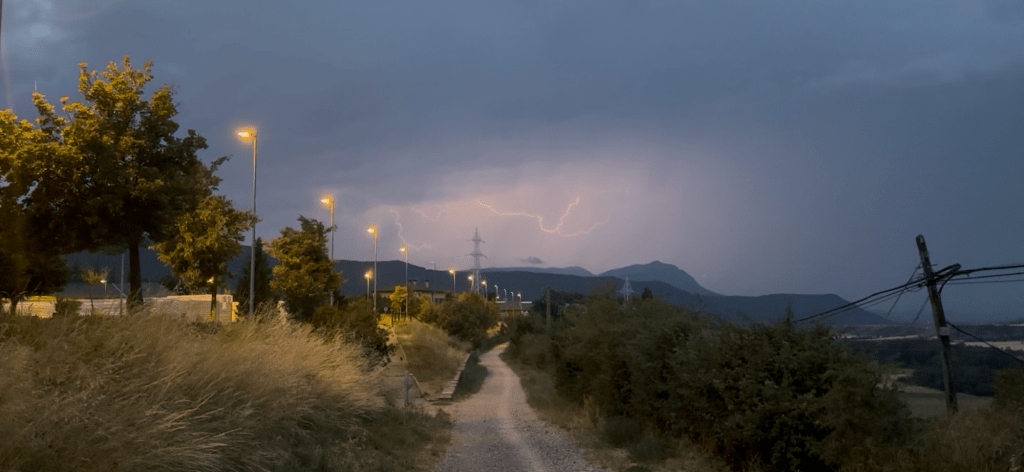
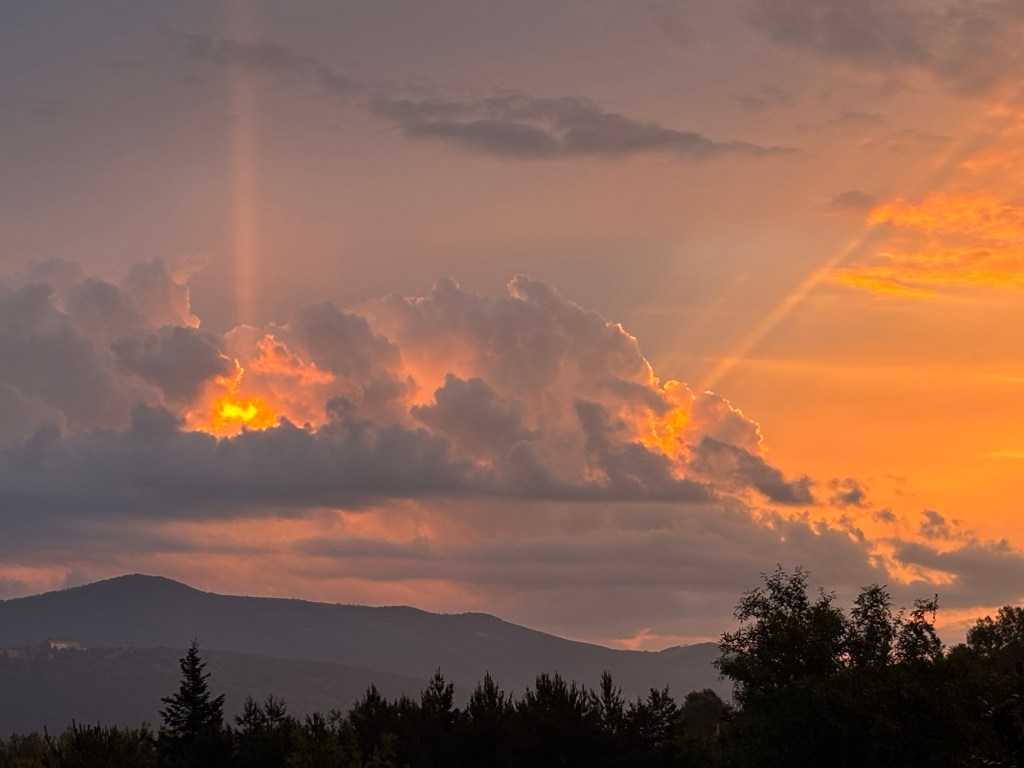
I spent most of the afternoon in the gardens, watching the vultures circling over the mountains. For about an hour there was a nearly constant drumroll of thunder to the south, but such is the natural wonder of the Pyrenees: the high mountains form one of Europe’s most imposing natural barriers, a great wall of stone that, throughout history, has cut the Iberian Peninsula off from the rest of Europe, dividing everything but the Basques and their language. A great belt of storm clouds had built itself up like mountains above the mountains, but it never did reach us here in Sarrance, breaking on the Spanish side like a besieging army. All we got was the wind, which was just what I needed after a long and hot walk.

The Premonstratensian fathers invited us to Vespers in their chapel before dinner, which was a warm and sociable affair. Christian and Miguel will take different route tomorrow, both by bus, so it may be that I find myself alone in Borce – I haven’t seen any other pilgrims on the road.

A quick leaf through the guestbook showed that the English are by far the least represented of all the nationalities on the Camino. I wonder why that is? Time was when we had one of the most famous pilgrim routes in Europe, the road to Saint Thomas A’Beckett’s tomb in Canterbury. What happened?

Naturally, we’re not a Catholic country, but I wonder if it’s deeper than that: after all, there are plenty of Europeans (and Americans) who do the Camino with no faith-oriented motivation whatsoever. Have we simply lost the culture of pilgrimage? The long and arduous journey on foot? Are we so wrapped up in our small island concerns and independence that the idea of schlepping across a landmass like Europe seems downright insane? I could name plenty of friends who consider themselves experienced walkers, but none of them has ever done the Camino. It’s not unheard of. It’s just not on our radar.

Anyway, that’s the first day of the Camino done! Only another forty-five or so to go! Here’s to them being mozzie-free, or I might just go mad. BB x

Southbound

Gare SNCF de Dax. 10.04.

If you’d asked me what accent would be the first I’d hear on arrival in Bordeaux, gaditano would not have been my first guess. As it was, there was a family of gitanos from Cádiz waiting at the metro stop outside the airport, and they didn’t have to mention their hometown in conversation before I clocked that iconic intonation (and volume) that can only come from the southwest coast of Spain. It’s the accent that I grew up with, so I’d recognise that accent anywhere.

I had a good night’s sleep in my hostel in Bordeaux, and a proper breakfast, too, so it’s been a gentle start to this year’s Camino. It was a half-hour walk to the station from the city centre, so I had some time to appreciate the city before taking my leave.

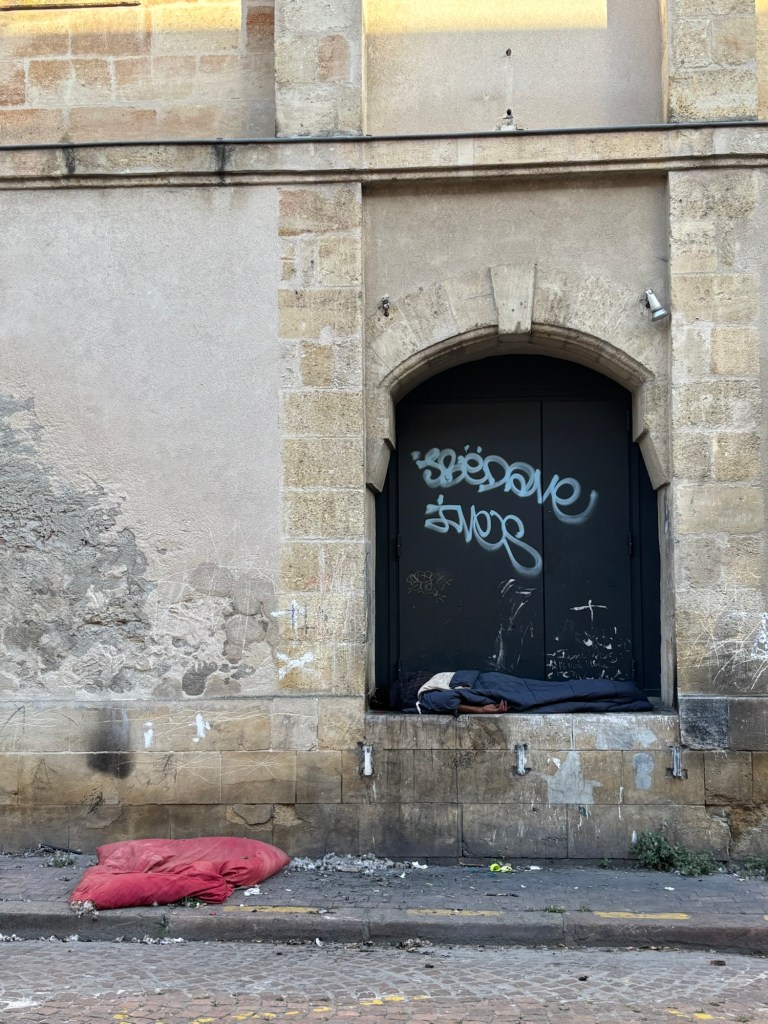
I don’t envy the homeless in this heat. They seem to be a lot more numerous here than in similarly-sized cities in England – or maybe they’re just more visible. Sometimes I wasn’t sure whether I was looking at a sandbag or an occupied sleeping bag. Now that I’m teaching A Level French as well as Spanish, I’m trying to keep both eyes open to these things.


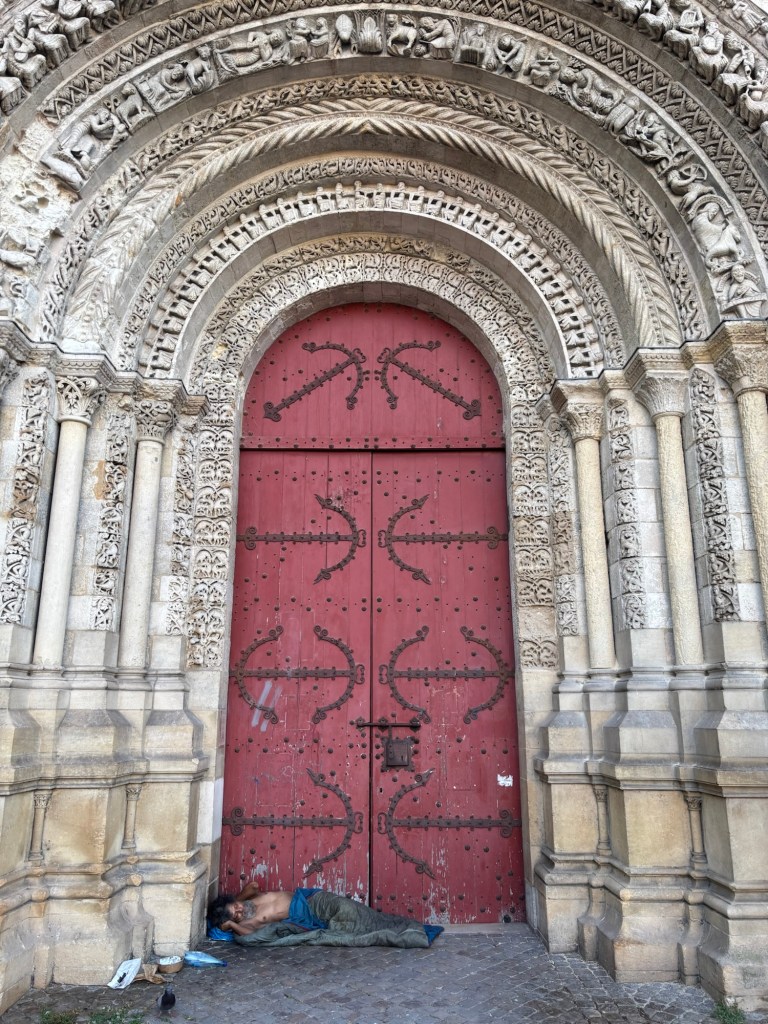
I was so enthralled by the stonemasonry on the portal of one of Bordeaux’s churches that I almost didn’t notice the man sleeping in the doorway. He looked like a dead ringer for a down-on-his-luck Alexandre Dumas. The way he was stretched out in sleep, he might have been a fallen detail from the paradise arches, come to life.

Granada’s Alhambra must have looked like this, once upon a time: the crumbling ruins of a peerlessly beautiful palace, its walls carved with ancient stories, become the roost of the city’s poor and dispossessed.


There was quite a surge for the southbound train at Bordeaux’s Saint-Jean station. I noticed at least one or two travellers who might have been pilgrims. I can’t think of anyone else foolish enough to have a heavy backpack on in the middle of summer, with the temperatures set to soar as high as 40°C today. In a rare turn-up for the books, there’s a beautiful French woman in a cherry-red dress in the seat next to me, but she’s fast asleep. I’ve been chatty enough already with the staff at airport security and the hostel, so I’ll save any more chitchat for the road.

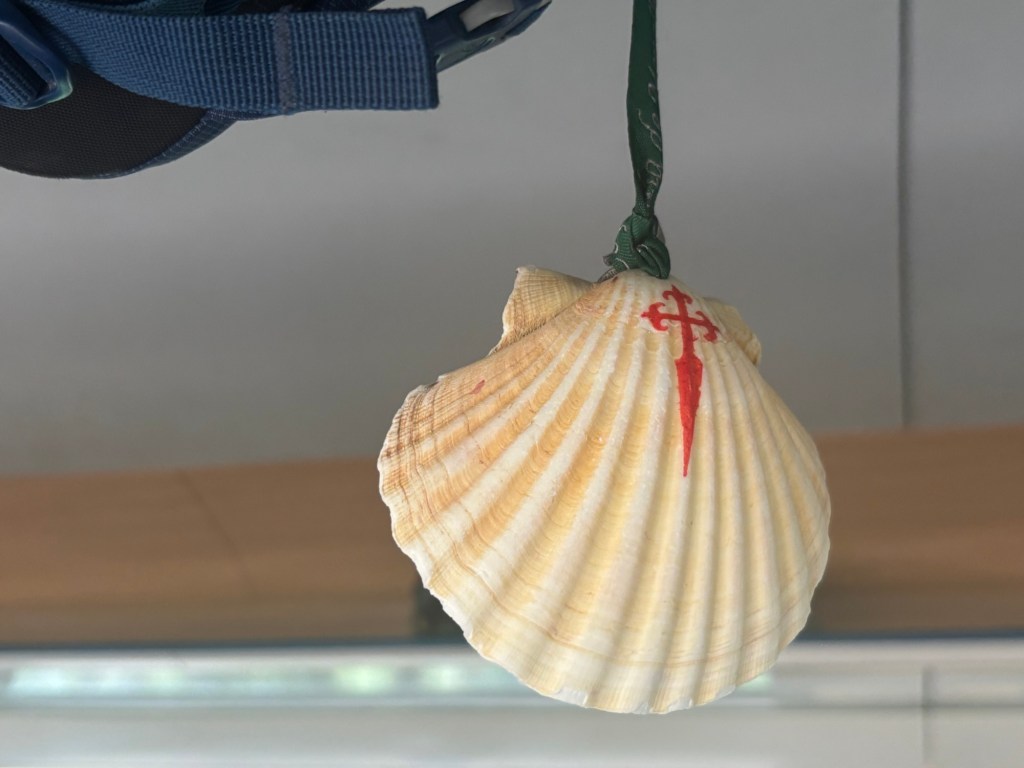
As the train rattles through the sandy forests of the southern reaches of Nouvelle Aquitaine, let me show you the shell I’m taking with me.


The first time I did the Camino, I picked up a shell from a shop in Saint-Jean-Pied-de-Port. It felt a little undeserved, buying the shell from a shop, but it is something of a Camino tradition. In the early days of the Camino, the shells were not just a pilgrim’s badge of office but also an essential part of their kit, primarily serving as vessels for drinking water from the fountains along the pilgrim road. These days, of course, they’re completely ornamental – keepsakes for the wall or mantelpiece, next to your compostela.

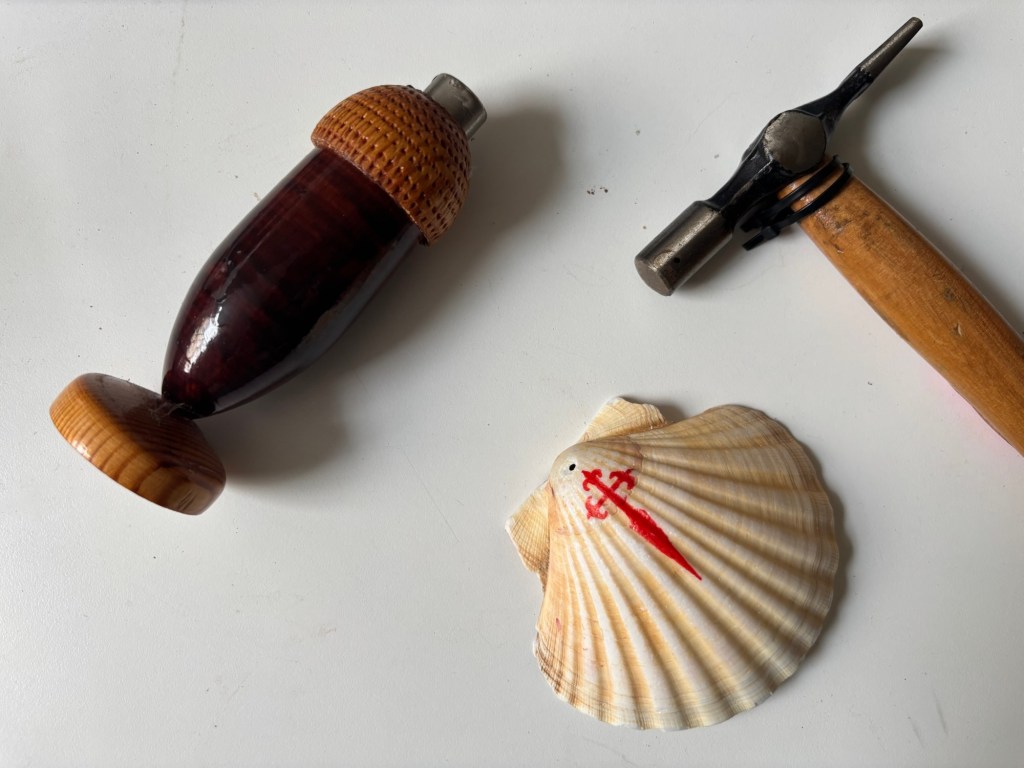
My original shell lasted all of five days, before shattering when I had to remove my rucksack in a hurry after a wasp went up my sleeve and got trapped (the five or six stings it gave me on its way out were with me for weeks!). I took it with me on my last Camino, but I had to have it tucked into one of the outer pockets in its smashed-up state. I didn’t want to buy a shell this time, so instead, I’ve made one of my one using a scallop shell I brought home from Saint-Malo last summer.

It’s really quite easy to do. Seashells are rather brittle, but if you heat one up over a flame, it softens the shell a little, making it a lot easier to perforate the surface without cracking the structure. I did this in my kitchen with a lighter, a hammer and a small nail.

For the cross of Santiago, I used a red Sharpie. I didn’t have any string lying around, so I made an improvised knot with the wristband from the Cofradía de Mengíbar that I picked up three years ago. That brings the total of Saints guiding me to Santiago de Compostela to four: La Virgen de la Cabeza (the Mengíbar wristband), La Virgen de la Caridad (my aunt’s rosary), La Virgen del Rocío (la más santa de mi devoción), and Santiago himself. Well, technically I suppose that’s only two, since three of them are the same person, but Spain (and the Catholic faith) would be a poorer place with only one incarnation of the Virgin Mary!

I wouldn’t say I’m necessarily that religious. Spiritual, maybe. But it is nice to know you’re not alone on the road, and because of my faith I am never alone.


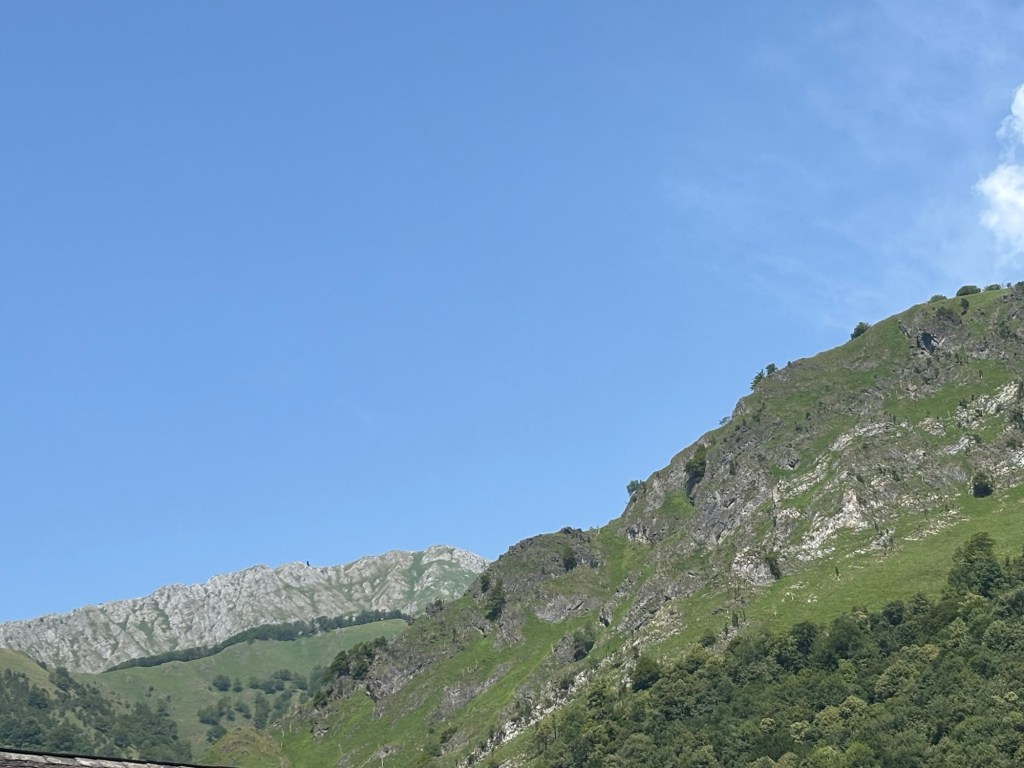
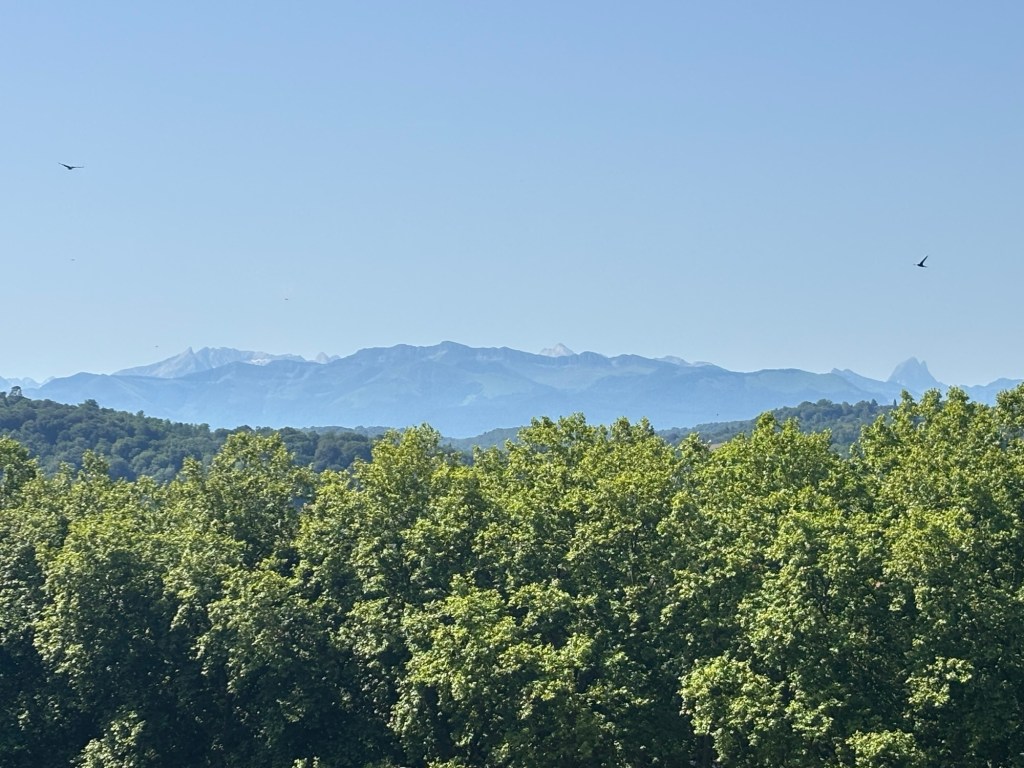
And there they are. The jagged peaks of the Pyrenees. They were only ever a faraway vision in the east before, but now they’re towering above me, a colossal natural barrier between me and my grandfather’s country. It was easy to say I wanted a proper challenge from the comfort of my sofa back home, but now that I’m here, they look quite daunting. Somport – from summus portus, the high gate – looks like it will live up to its name. I hope I have the stamina.


Église Saint Martin, Pau. 11.39am.

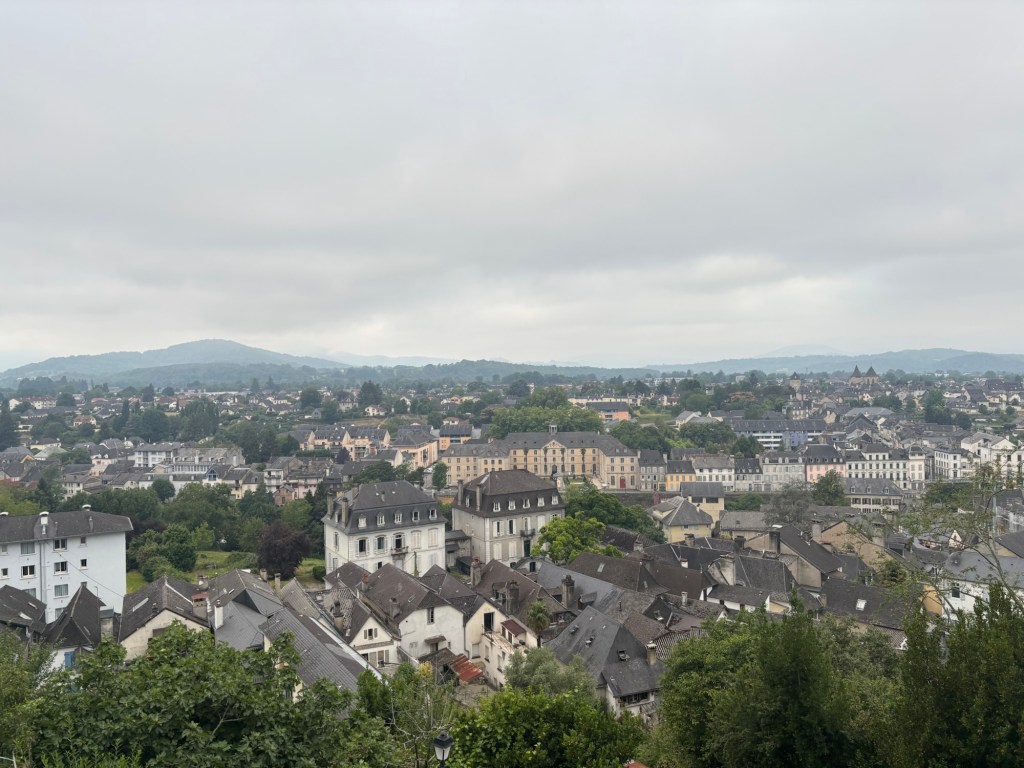
The streets of Pau are almost empty – hardly surprising, with the temperatures soaring. I found a shop selling sturdy-looking walking sticks, but they had childish carvings of lions and eagles on the top, so I passed on. New journey, new stick… but not that stick. I can wait for the right one.

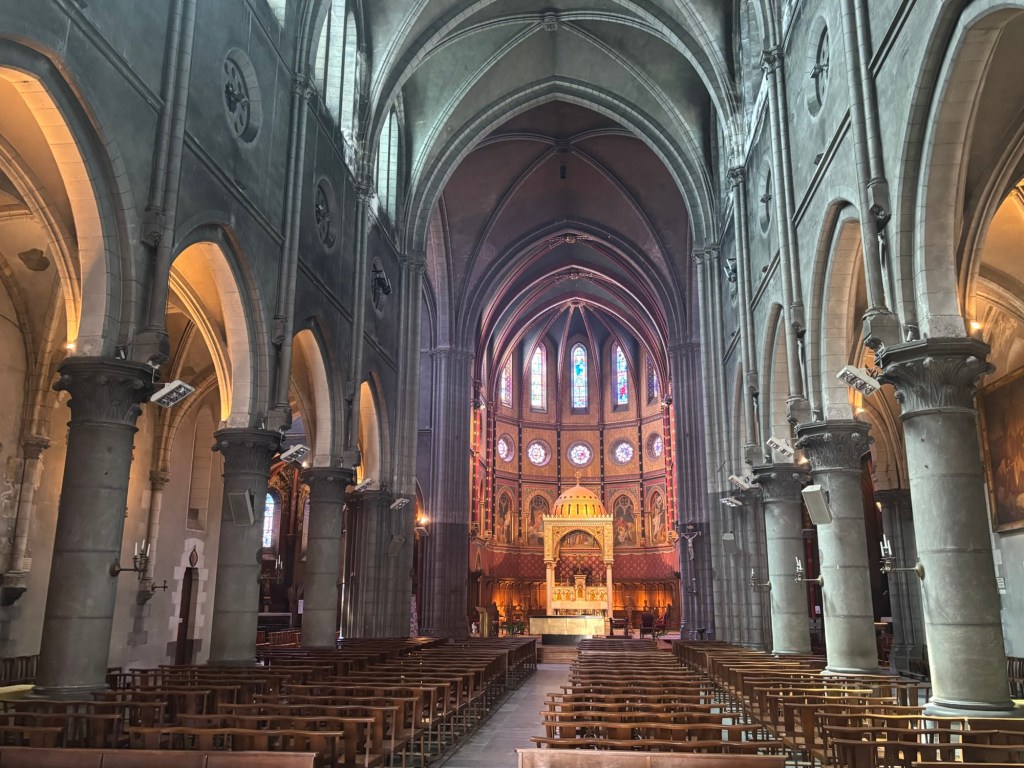
I’ve retreated into the shade of the Église Saint Martin. There were two tourists wandering around, but no pilgrims – I’m not yet on the Camino. That said, I saw at least three Japanese pilgrims in the station. They didn’t seem to speak any French. If they’re still there when I get back, I’ll see if they need a hand. Lord knows I’ve fallen foul of the French train system before!

I lit the first of many candles, said my prayers in the Lady chapel and took my leave. No stamps here, but it would be disingenuous to collect any before I get to Oloron, the real starting point of this year’s Camino. All the same, I can feel my credencial burning a hole in my pocket. The stamp fever is real!


Oloron-Sainte-Marie. 14.03.

If this isn’t a heatwave, then I’ve never experienced one. The merciless sun has driven just about everyone indoors. There’s a gentle breeze coming down from the mountains, and the twin rivers of the Ossau and Aspe sure do make the place sound less hot than Pau, where the screams of swifts seemed to increase the temperature by several degrees, but there’s no escaping the fact that it is hot out here. The Relais du Bastet, Oloron’s pilgrim hospital, doesn’t open until 3pm, so I’ve grabbed a cold bottle of water from a nearby magasin and have set up shop in the public gardens, where the sound of the fountain provides a temporary relief.

I’ll have to play it carefully over the next few days if this goes on. Early starts, absolutely, but it’s how you play the waiting game when you reach your destination, as almost all albergues shut for midday – by which point you should have stopped walking, if you value your skin – that’s the real question.

No stamps yet. I guess I’ll have to wait until I check in for stamp number one.


Well – here we are. I’ve checked into the Relais du Bastet and had a shower. The daily rhythm of the Camino will be a welcome return after the madness of the summer term. Once I’ve had a rest, I’ll go in search of some more stamps. Christian, one of the two French-speaking pilgrims on the Voie d’Arles who is sharing a room with me, has offered to cook for us this evening, so that’s dinner taken care of. I’ve missed this.

À bientôt x

Scorchio

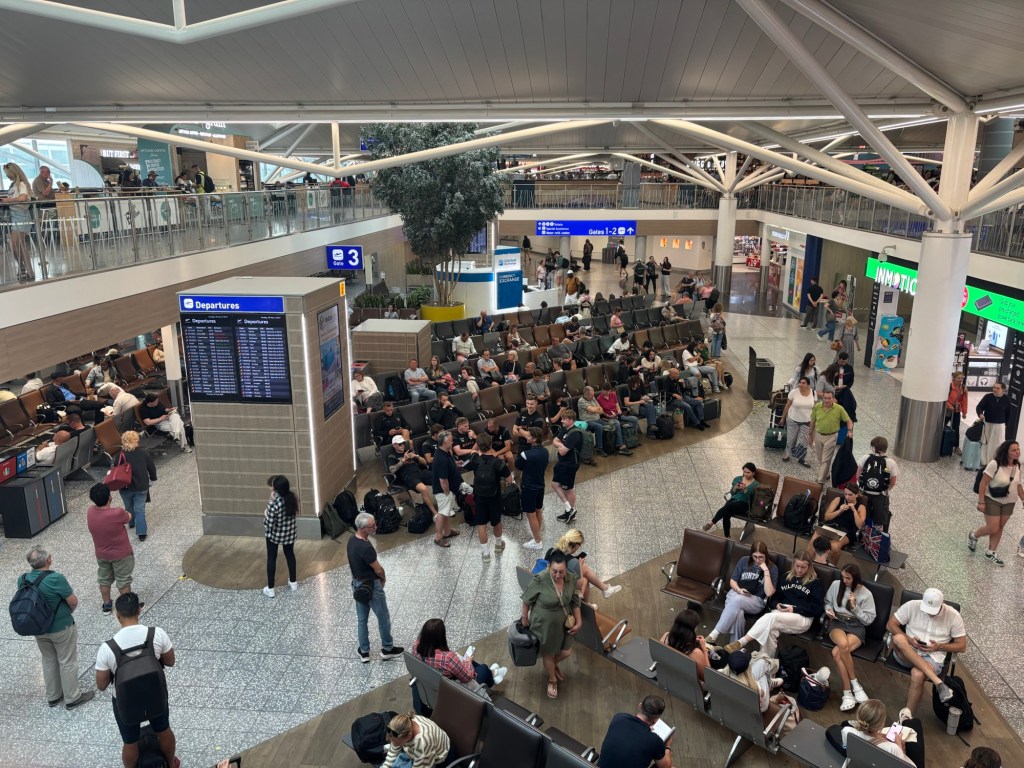
Gate 17, Bristol Airport. 18.52.

Blimey, but it’s hot outside. If the hordes of ruddy topless locals in the streets of Bristol weren’t enough of an indication, then the winged ants might have been. They always seem to appear out of nowhere when the heat reaches its apogee. Where I’m going, it’s a full ten degrees hotter, and here I am with a cardigan tied about my waist. I felt just slightly insane packing the cardigan, but it’s best to be prepared for all eventualities – especially when I’m up in the mountains. Heatwave or no heatwave, a lot can happen over the course of six weeks.


Check-in at Bristol was a breeze – unless you count the security team selecting my satchel for “explosive checks”. I’m not sure what they expected to find in there: seven different grades of black pen, a rubber, a pencil sharpener, three pencils, three empty pilgrim passports, a hand-drawn map, a very battered journal and a rosary of La Virgen del Rocío… but no explosives. I’m not sure they’d fit! My rucksack might be light but my satchel is, as ever, full to bursting.


I broke the habit of a lifetime and lingered in duty free, where I picked up a few last minute supplies: namely, a solar battery pack and a watch. I’ve left the guidebooks behind this time, and I’m trusting in the plans I scribbled down on three flashcards (spot the teacher), but if it comes to it, I’ll need my phone for navigation. There’s a few stops without electricity on my itinerary, and sometimes you don’t get a bed near the sockets, so a battery pack is a pretty good investment for a trip like this.

Lord knows I’ll be moving and removing the watch a lot this summer to avoid getting a watch-strap tan, but I figured it was high time I had something to look at when I hold up my wrist.


It’s funny how regional Bristol feels. Half the tannoy voices are human (London’s human airport staff bowed out of their tannoy duties years ago), and with the automated RP infiltrating just about every corner of the country these days, it’s curious to hear the voice over the speakers drag the not-so-gentle R in airport. Sometimes it feels like the only place you’ll find the West Country burr that was once so widespread is on public transport. It’s a shame. It’s really quite endearing.

My flight is at 19.25, so I had an early dinner. My usual compulsion for continuity set in, so I grabbed a burrito from the Real California stand upstairs. I had my first non-school burrito in Chicago O’Hare International Airport at the end of my American adventure, so it makes sense to start the next grand adventure with one, too.


It’s a busier flight than I expected. Mind, it is a Sunday night – if anybody were here for the weekend, I suppose this would be the obvious flight home. I’m hoping the public transport situation at the other end is more reliable than the one in Tenerife, as I don’t really fancy another late night wander. All being well, I should be in bed by midnight, and it’s not a dreadfully early start tomorrow to catch the southbound train, but I would like to see a little of the city before I go, so I might start the early morning routine and grab a bite to eat.

After Bordeaux, we’re into the swing of things. I haven’t booked anything beyond the connecting train to Oloron-Sainte-Marie, so I’m putting my trust in God and the road. For somebody who genuinely despises planning in advance, the Camino is the very best sort of holiday. I have no doubt that there will be trials ahead, but that only makes the adventure all the more exciting. We don’t get an awful lot of real adventures in the day-to-day of adult life, so I’m off chasing dreams again. Only this time they’re not red-haired and American, but European and full of light and love.

I’d better save my phone battery and stop blogging. I expect we’ll be boarding soon. Oh – and there’s the bell. À bientôt.

BB x
A Farewell to Armchairs

The Flat, Taunton. 21.49.

Jumpin’ Jack Flash – The Rolling Stones

Tonight is my last night in the comfort of my own home. By this time tomorrow, I will have checked into my hostel in Bordeaux, the first of six weeks of bunk beds, temperamental showers and creaky metal lockers. Six weeks is as long as a half term – I have to keep reminding myself of that fact. Six weeks is a very long time to be on the road. But my bag is nearly packed and I’m starting to get itchy feet. Let’s hope that’s the only condition my feet suffer from over the next month and a half!


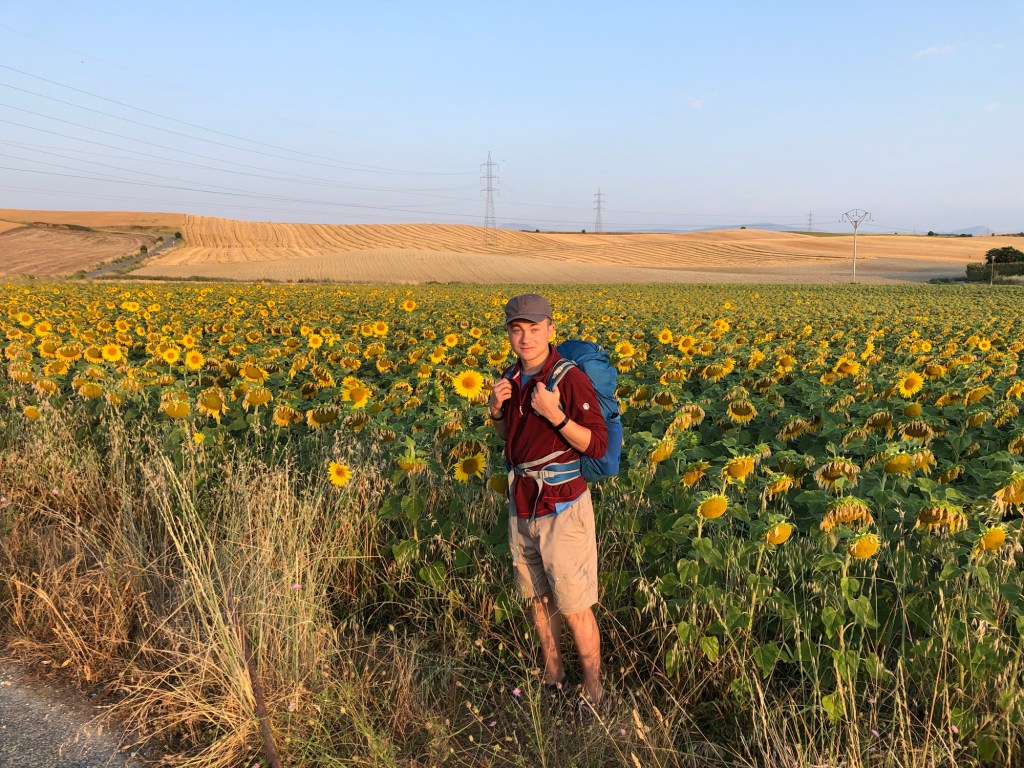
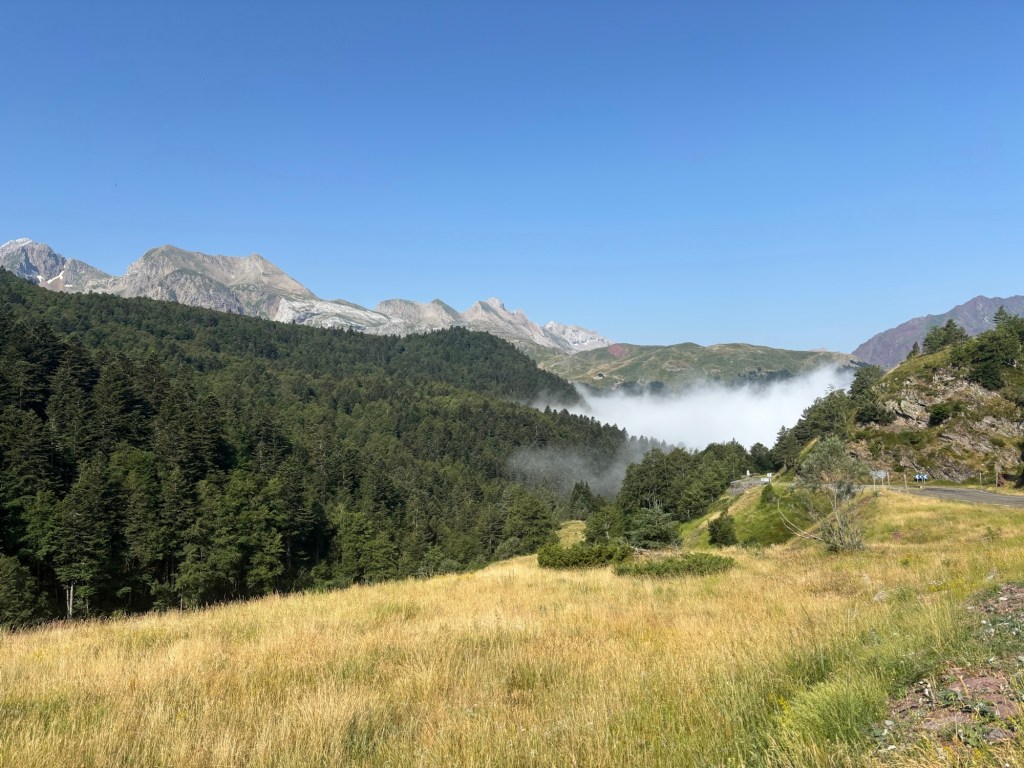
That’s me – a much younger version of me, that is – on my first Camino, some six years ago. A lot has changed since then! Back then, I was still a humble teaching assistant, without the PGCE or the workload that comes with it. I couldn’t walk more than a week or so of the Camino because I was being ousted from my house on site, which had caught the eye of an ambitious young minister, and I had my PGCE Numeracy skills test to revise for (which was nowhere near as hard as I thought it would be). The girl I was with at the time would also not have been overly keen on me staying away so long, so it was only an eight day affair, from St-Jean-Pied-de-Port to Logroño.


I considered various Caminos this summer, including the Norte and the Plata. The fiendish heat forecast for the summer put me off the Plata, which would have taken me through easily my favourite regions of Spain – Andalucía and Extremadura – and the tarmac trails and relatively high cost ultimately dissuaded me from the Norte. Rumours are currently circulating that they’re filming the sequel to Martin Sheen’s The Way on the Norte this summer, so I think I’ve made the right choice.

I’ve done the Francés before, so why am I doing it again? For the same reason I second-guessed the Plata: you are more likely to find people on the Francés, and it’s the people who make or break the Camino. I met an ensemble cast of characters on my last run: Mikkel the Dane, Domenico the Carabiniere, the Professor, Mamasita the German drunkard and Simas, who walked with me to the end of the road in Fisterra. People from all walks of life can be found on the Camino, and especially on the Francés, which is by far the most affordable of all the available options.

But I’m not doing the same route. Not entirely. This year I’m starting in Oloron-Sainte-Marie, some sixty-five kilometres to the east of Saint-Jean-Pied-de-Port. The Camino Aragonés – by some accounts, the “original” Camino Francés – starts a few days’ march to the south at the pass of Somport, but I want to enjoy the unbridled majesty of the Pyrenees, so rather than catching a bus to the border, I’m going to walk the last few days of the Chemin d’Arles, one of the French pilgrim roads that leads up into the mountains.


The more popular Napoleon Route from Saint-Jean-Pied-de-Port begins with a monstrously steep climb up and over Lepoeder summit at the western edge of the Pyrenees. I walked that way years ago with three Italian guys. One of them had done the Aragonés before and was full of praise for its natural beauty, and so it is to him, I suppose, that I owe the seeds of this itinerary.

The scenery on the Napoleon route is spectacular, and the elevation is certainly nothing to sniff at, but if memory serves, it felt more like a giant hill than a mountain (or, at the very least, a Scottish highland). The Camino Aragonés, on the other hand, cuts straight through the heart of the Pyrenees.

I’m rather picky when it comes to mountains, largely on account of having been dreadfully spoilt by a year in the rugged limestone-scarred hills of the Sierra de Grazalema as a kid. Unless it’s sheer, craggy and haunted by the hulking shadows of an eagle, it’s not mountain enough for me.

Maybe I’ll get lucky and see a lammergeier – easily identifiable by their diamond-shaped tails. Maybe. Right now, I’d settle for some mountain air. My flat has only one window that can open, and all the others are frosted and quintuple-glazed – one of the downsides of living attached to a boarding house.


After Somport, the Camino Aragonés winds down to the Aragonese city of Jaca before arcing around to the west. I’ll be joining the Camino Francés at Puente La Reina, after which I will be on familiar territory as far as León. The meseta is legendarily testing, but I wouldn’t walk it any other time of year. There’s something powerful about taking the pilgrim road straight across the Sun’s anvil.

Well, I suppose I’d better start packing my bag, and then try to get some sleep. I’ve a routine to get into, after all. See you on the other side. BB x
Come and See

The theme of the Commemoration Service and Prize-giving Ceremony today was Come and see. To that end, the school Chaplain chose John 1:35-51 – the one where Jesus calls together his first disciples. I think the message was intended to convey the importance of getting involved, because that’s something that our kids here really do more than anywhere else I’ve ever worked. But for me, it had a second layer. My disciples, as it were, had assembled for the first time, and delivered one of the best performances I’ve seen in thirteen years.

I have a funk band again. And I couldn’t be prouder of them.


There’s a very real danger of this entry sounding selfish. I admit it freely – it would be foolish of me to claim that my efforts with the school funk band have been entirely selfless. After all, I have wanted a funk band for thirteen years.

Ever since I left my funk band behind at the end of my schooldays, I have had a band-shaped void in my heart. Durham’s Northern Lights, African Singing and Drumming Society and the Gospel Choir were decent placeholders, as were the various choirs and house music ensembles that I’ve cobbled together over the years, but they’ve only ever been pale imitations of what I once had. The fear of cultural appropriation that came in the wake of the BLM movement put all my attempts on ice after 2020, and with the way the workload was piling up as I took on more responsibilities at work, I’d pretty much given up hope of ever giving back the magic… until a year ago, when I sent off a few job applications in a bid for some interview experience.

As soon as I heard that one of the schools I’d applied to had a functioning funk band, the die was cast. I had found what I was looking for. I would consider nowhere else.


I have always loved music. Perhaps the Spanish blood in my heart beats with its own tempo, or maybe it’s because I had two music teachers for parents. Either way, I’ve been making music since the moment I could bash a keyboard with my infant fists. School was a gauntlet of choirs, orchestras and musicals, but it wasn’t until I got involved with the Soul and Funk Band at the school over the road that I ever truly loved performing. My bandleader, a living legend by the name of Mr D, was in a very similar fix to the one I’m in now: he’d been in a band himself, found himself in teaching, and channeled his love for the music right at us, giving us one of the best experiences of my entire school career – and my life, come to think of it. If I have become a carbon copy of that man, it is not at all unintentional. When I was wrangling with teenage relationship troubles and other trivial affairs, he directed me to the microphone and gave me something to take my mind off all of the noise. I got my chance when one of the girls didn’t show up for her solo, and I took over one of the James Brown numbers. James was right: it felt good – so good. It turned me from a shy and reclusive wallflower into a confident vocalist, and eventually, the band’s frontman.

My first teaching post in Uganda set me on the path to being a teacher, heading up Public Speaking and Debating here has turned me into an orator, and Spain made me whole like nothing else could, but it was Mr D and the Soul & Funk Band that really made me the man I am today.

So yes – I have recklessly pursued my lost band for thirteen years, and now that I’ve found one, I have done everything I can to turn an already gifted bunch of musicians into a powerhouse – like we were, when we were young, but even better. But it is not just a selfish nostalgic streak on my part. It is my way of giving back what I was given, all those years ago. And maybe, just maybe, along the way, I can do for some of these kids what Mr D did for me, and set them on the path to the happiest days of their lives. BB x

Set List:

+ Play that Funky Music (Wild Cherry)

+ September (Earth, Wind & Fire)

+ Doo Wop (That Thing) (Lauryn Hill)

Preparations

Reports written. Exams marked and feedback given. A couple of workshops with the Y12s on character strengths and interview skills given. With the exception of six lessons at the start of next week, the school year is all but finished. I had nothing to do this afternoon, so I popped into town to get some Camino supplies. In two weeks’ time I’ll be on the road, and for six weeks at that – the longest adventure I’ll have ever taken – so I need to make sure everything is in place.

One thing I won’t be short of this time is stamp space. The credenciales I ordered from Santiago have arrived: two, plus a freebie with the guide I ordered to the Camino Primitivo. Each one has space for about 78 stamps, so even if I collect three stamps per day every day across those six weeks, two should cover it nicely. I can hold onto the spare for myself, or give it to a pilgrim who is running low. I’ll take all three in any event.


Am I hoping to meet some people around my age? Of course I am. There weren’t all that many the last time I did the Camino in the summer of ’23 (compared to the spring, that is) but maybe I just timed it wrong. Being a teacher, summer is all I really have to work with, so summer it is.

I’ve been walking in my new Keane sandals, and they’re as reliable as ever. I have some new Merino wool socks that should help with the prevention of blisters, and I have dug up my supplies of Compeed blister plasters from whatever hole they’d disappeared into since the last Camino – I was surprised by how many I still had. I didn’t pick up a First Aid kit today, but that might be an airport job, as there are useful implements that I wouldn’t be able to take through security anyway.


Not too much to report. It might not be such a bad idea to get back into the habit of blogging daily before I go – writing requires regular exercise, just like training for a hike. Maybe I’ll try to do something with the books I’ve been reading. That might be illuminating. BB x
Quarantine: No Phones in the Library

Starting tonight, this is the last blog post I will write from my library. That was the last scroll through Instagram in here and the last YouTube video. Starting tonight, I’m making one room in my flat a phone-free zone.

I’ve already put a sign up on the door. The threshold has been established. Now I just have to stick to it.


I’ve gone cold turkey on tech in the past with variable success. The odd social media blackout that a few of us have trialled once or twice, you know? Perhaps for a day, perhaps for a month. Inevitably, we all came back. Tragically, in the world we live in today, it’s simply not possible to ditch the phone like it once might have been. Everything we do involves our phones in some way, from providing music and facilitating everyday communication to keeping time, providing torchlight and paying for goods and services. Even writing this blog post. And Microsoft Teams isn’t helping at all.

Luddite as I am, I held out against joining the rest of the world in the acquisition of mobile data, before begrudgingly bending the knee in the summer of 2016 at the tail end of my year abroad. The world has never looked back since.


Why is this on my mind tonight? There could be a number of reasons. Seeing one more wedding montage featuring old friends might have been the spark, though. It should go over my head, really, but it served as a reminder of just how cut off I have become, technology or no technology. Granted, I have allowed that drift to happen – through a combination of distance, time and a five-year-old wound – but I must admit that I can no longer hide behind the truth: my need to keep these portals open on the off-chance that my friends of old may or may not reach out has long since expired. They stayed in the city, and they stayed together. I moved away – several times – and took a job that required me to devote all my time and energy to the children in my care. I believe in what I do – it is surely one of the most sacred professions in existence – but it comes at a cost.

Like a soldier gone to war, I must accept that my job requires me to be itinerant. Rootless. And that means accepting that the close friendships I see others holding onto is, at least for now, necessarily beyond me. Perhaps it’s a factor behind the last few relationships that I have reckless thrown myself at, hoping to patch up the gaps.


But I’m done waiting. Instead, I’m going to start to take back control, and the revolution starts in my library. I’m hoping that one immediate benefit will be that I get back to devouring my books again, as I’ve been acquiring them at a significantly faster rate than I’ve been reading them. The most I ever read was in that first year abroad in Spain when I had no Wi-Fi. I must have motored through forty or fifty books that year. If I could somehow replicate that, even in just one room of my flat, it would be enough, I think.

My early thirties are upon me. My social circle has shrivelled, so I must build up the temple of my life with the stones provided to me. They’re mostly paperback, but the knowledge contained within them is strength enough. They’ll do.

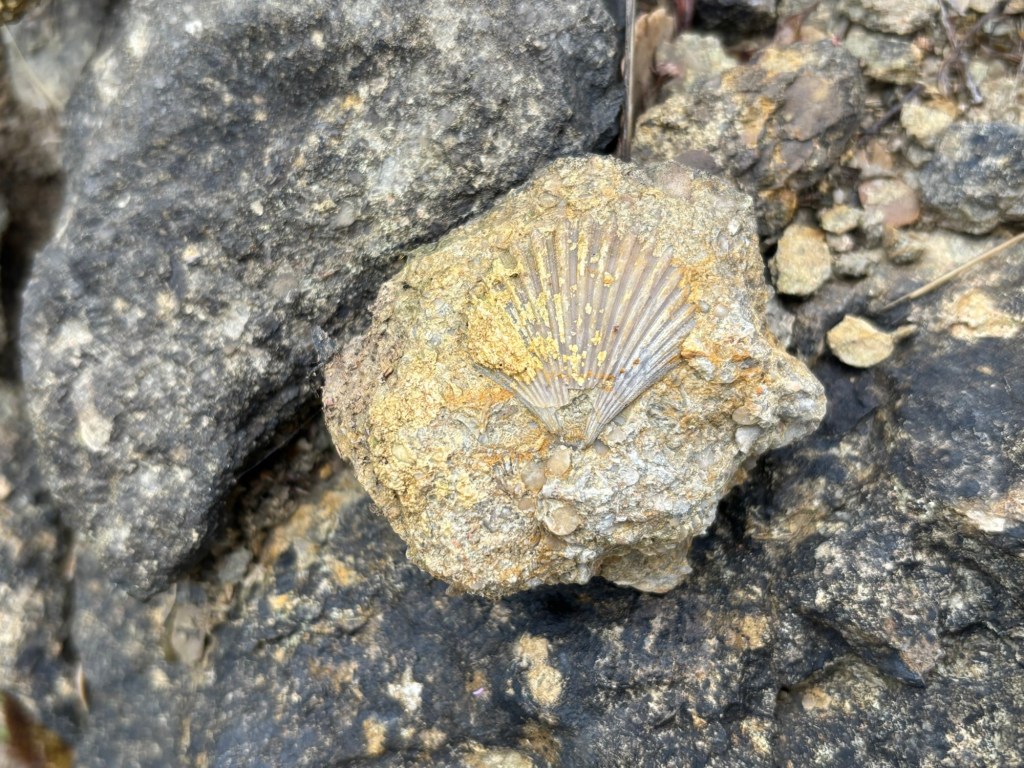
Speaking of stones, did you ever consider that all the giants and monsters of myth and legend were just our ancestors’ attempts to explain the fossilised remains of the great beasts of the past? I suppose that should take some of the magic out of it, but it’s had quite the opposite effect on me. I’m now more intrigued than ever by the folklore and fairy tales of the world, and of the real life stories that inspired them.

Maybe I really should pursue that Masters. But first – let’s hit the books. My phone can do one. BB x
The Long Road


It’s been nearly a year since I left my post at Worth School and moved to the West Country. I’m supposed to be making a start on my Year 9 reports tonight, but it’s my birthday, for pity’s sake – I could use a break. Between house duties, calendar committee meetings, end of year speaking exams, invigilation, improv workshops and regular teaching, I’ve barely had time to sit down today.

The summer holidays are drawing near. My original plan was to spend them learning to drive, but I’ve kicked that can down the road for another year. This year has been hard work, and the last thing I need is to give myself something to dread once a week for every week of the summer holidays. I’ve never been good at doing things I don’t enjoy, and I really don’t enjoy driving. My last instructor was a vocal and humourless Brexiteer, who reminded me a lot of the father of an ex-girlfriend, and just a few lessons with him pretty much put me off driving since.

It’s a hurdle I definitely need to overcome, but not this summer. I need something uplifting after the manic year I’ve had, and I firmly believe there’s no cure like the Camino. So tonight I’m booking my flight to Bordeaux so I can do what I’ve never really done before: a full run at the Camino Francés.

Well – I suppose that’s not strictly true. I’m planning to start in Somport this time and begin with the Camino Aragonés, joining the Camino Francés proper a week later. I’ve also pencilled into my plans to travel north from León via the Salvadorana to Oviedo and then walk the last stretch along the toughest and oldest of all the Caminos, the Camino Primitivo. It will take me around six weeks, in all likelihood. Six weeks that will be tough on the feet but good on the heart. Six tiring but purposeful (and very affordable) weeks in the most beautiful country on earth, meeting people from all around the world and telling stories. What’s not to like?

I will, of course, be back to journaling as I go, so expect a flurry of activity on here towards the end of this month. You can follow me on my journey if you’d like. There’ll be stages that I’ve done before, but it’ll be a very different cast of characters this summer, and it’s so often the people that make the stories.

It’s also now mandatory to collect two stamps a day, so I’ve already ordered my credencial. I’ve ordered three, on the logic that the two I had last time only just got me to Fisterra, and that was with careful rationing toward the end – and over a fragmented span of five weeks. Over six, I can afford to go stamp-hunting with a little more reckless abandon. And who doesn’t love the stamp-collecting element of the Camino?

Escapism? Absolutely. But for once, perfectly justifiable. I don’t say it often, but I could use a holiday. BB x