Five Hundred

When I set out for Peru next week, the number of bird species I will have seen in my lifetime will be a clean five hundred. I’d like to say I’m not usually the record-keeping sort, but that would be pretty unbelievable. The fact that I’ve kept this blog going for the best part of eleven years says otherwise. It’s not that there’s anything wrong with list-keeping, but it does border on the nerdier, birder side of birdwatching, and there is a lingering part of me that still raises a wary eyebrow at the prospect of becoming an anorak. However, since Peru is generally considered one of the world’s finest destinations for birdwatching, I thought I’d cave in for a change, do a little spring cleaning and get my affairs in order before I go. And that means working out just how many birds I have seen over the last thirty-two years or so. It took me a few days to collate the various lists I have held onto over the years, and longer still to whittle down some of the more fanciful additions that may or may not have been added in haste, leaving me with a perfectly square total of five hundred species exactly. It’s a start.

I have been very lucky. I haven’t been as committed to my old hobby as others my age, but even so, my travels have afforded me encounters with a number of species I might otherwise never have seen: pygmy cormorants in the silent marshes around Torcello, Berthelot’s pipits in the Teide caldera and Rwenzori double-collared sunbirds in the clouded hills of Uganda’s Bwindi Impenetrable Forest. I thought I’d share a few of my favourite encounters below.


Griffon Vulture

Vultures are far and away my favourite creatures on the planet and I make no secret of that. Cinerous, Egyptian, Palm Nut, White-backed, Hooded or Griffon – I’m not fussy. Something about their enormity, the way their wingtips spread wide like fingers, the silence with which they rule the skies… It’s spellbinding. They’re easily the fondest memory I have of my year in Spain when, aged eleven, I traded herring gulls for griffons for a year. I think I can be excused for being occasionally distracted in class when a tawny giant with a nearly three-metre wingspan happened to be passing by the window. I still get the shivers when I see that silhouette, so I’m keeping my fingers crossed for an even greater shadow in the sky when I go in search of an Andean condor in Peru’s Colca Canyon.


Nightjar

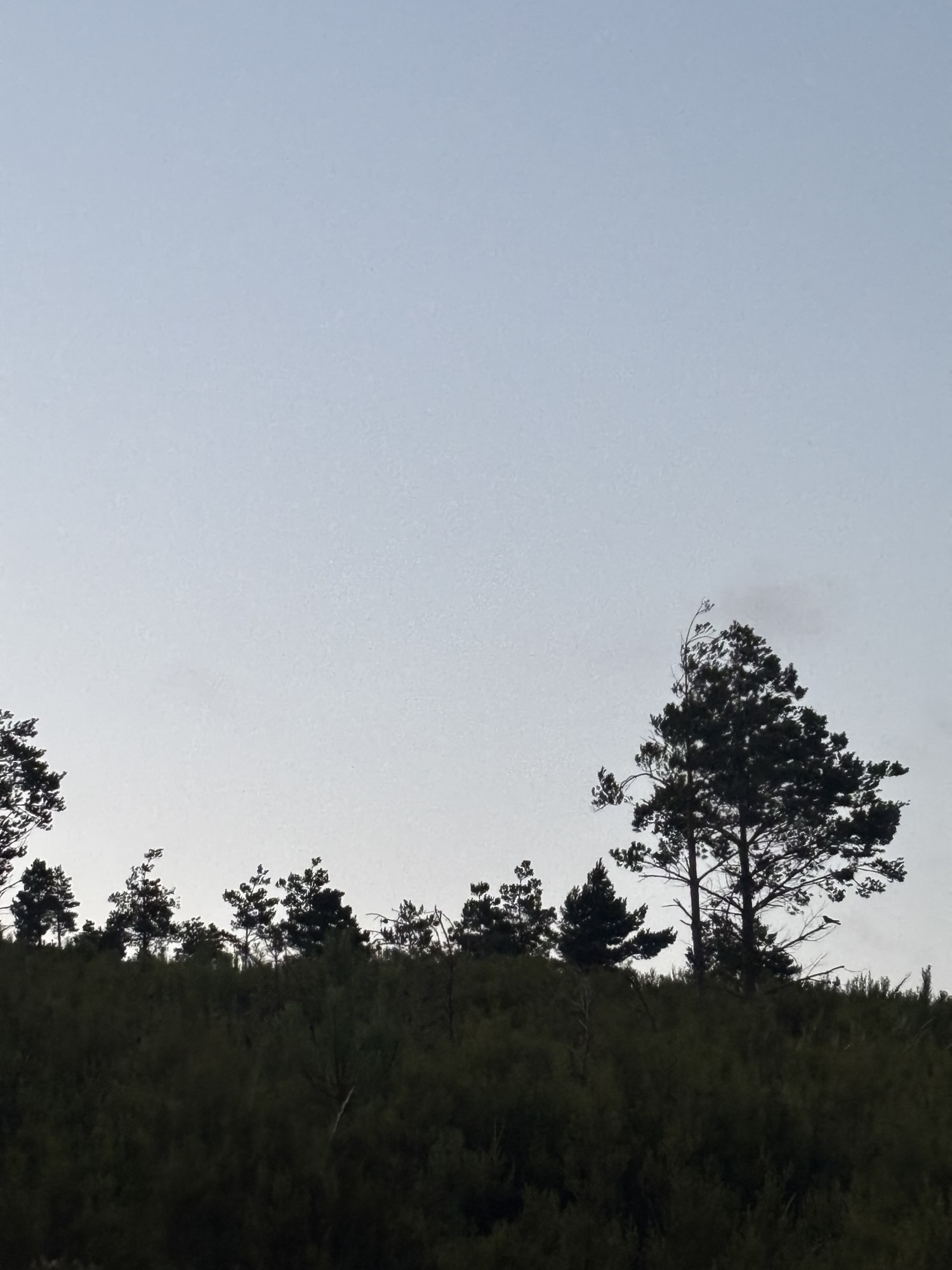
Something of a late discovery for me and inseparable from the Camino de Santiago, where it is the nocturnal yin to the diurnal yang of the stonechat – since both species seemed to follow me all the way from the French Pyrenees to Santiago. Nightjars can be found in the UK, but I’ve never seen them, despite searching the forests and heathlands where they are said to breed. On the Camino, however, one is so often up before the break of dawn that it’s virtually impossible not to run into these cryptic creatures at some point. Their endless churring sound must be very strange indeed to those who aren’t aware of its maker, sounding more like a giant cricket or a miniature UFO than a bird. Reports from Manu NP indicate that there may be nightjars to be found along the Madre de Dios river – I shall be keeping my eyes open.


Abyssinian Roller

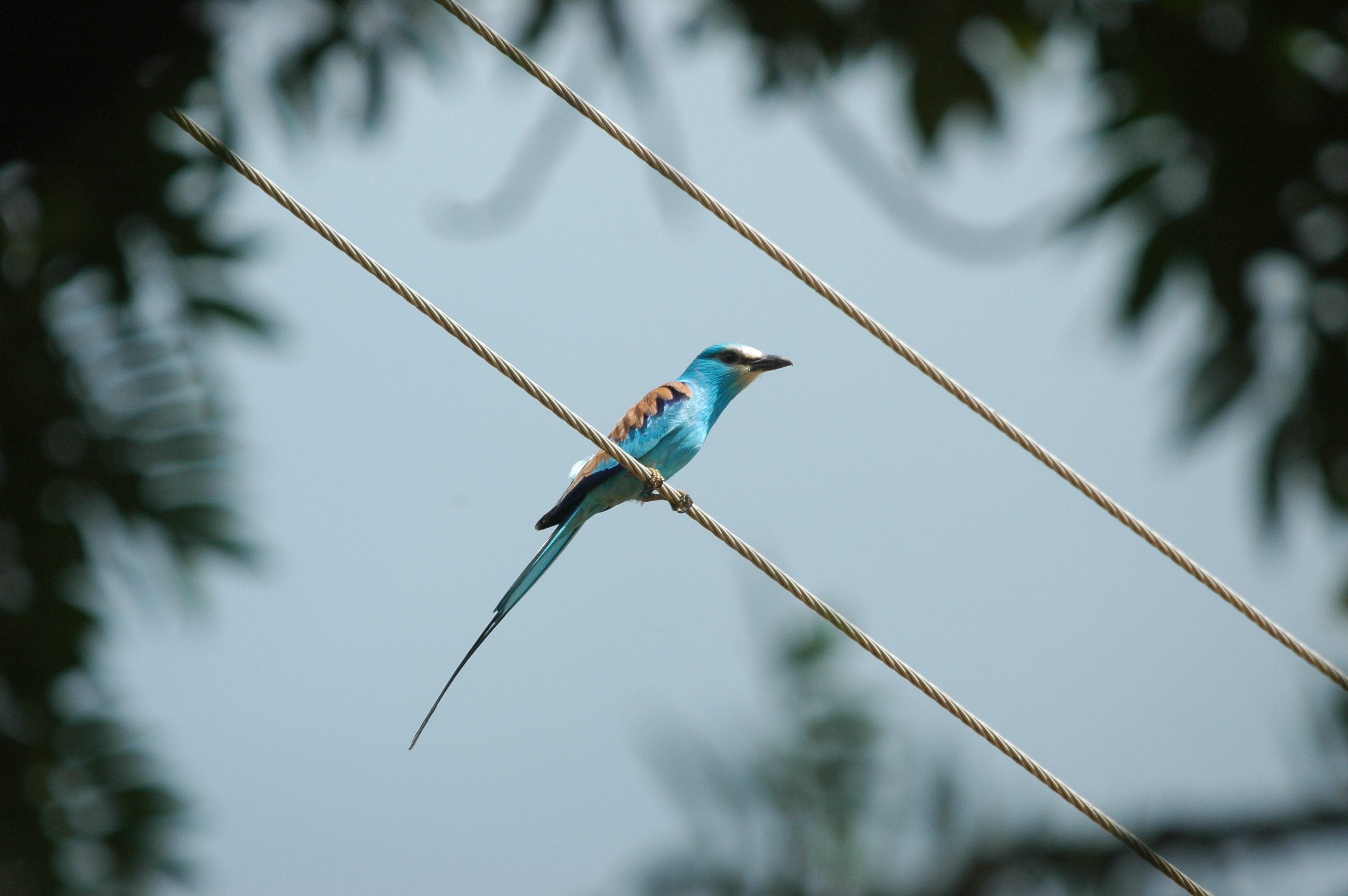
I could have put any number of the more than two hundred and fifty species of bird I saw in Uganda on this post, but this one takes the top spot because of our story. Having never had any luck with European rollers in Spain, I was amazed to learn on the very first day of my stay in Uganda that there was a particularly handsome Abyssinian roller in the neighbourhood. But I’ll be damned if I thought photographing it might be a cinch – the bird gave me the run-around for most of my three-month stay, fearless and indifferent to my presence when I didn’t have my camera to hand and skittish in the extreme when I came prepared, as though it were camera-shy. In the end an act of God intervened on my behalf: an explosion of winged ants in the neighbour’s garden brought every winged insectivore within a hundred miles to the yard. With more than forty kites to worry about, plus a host of other raptors including shikras, lizard buzzards, grey kestrels and falcons, the roller had his mind on other things and I was able to get in a good shot or two. Sometimes it’s hard-fought encounters like that one that make a photo more compelling than all the editing in the world.


European Bee-Eater

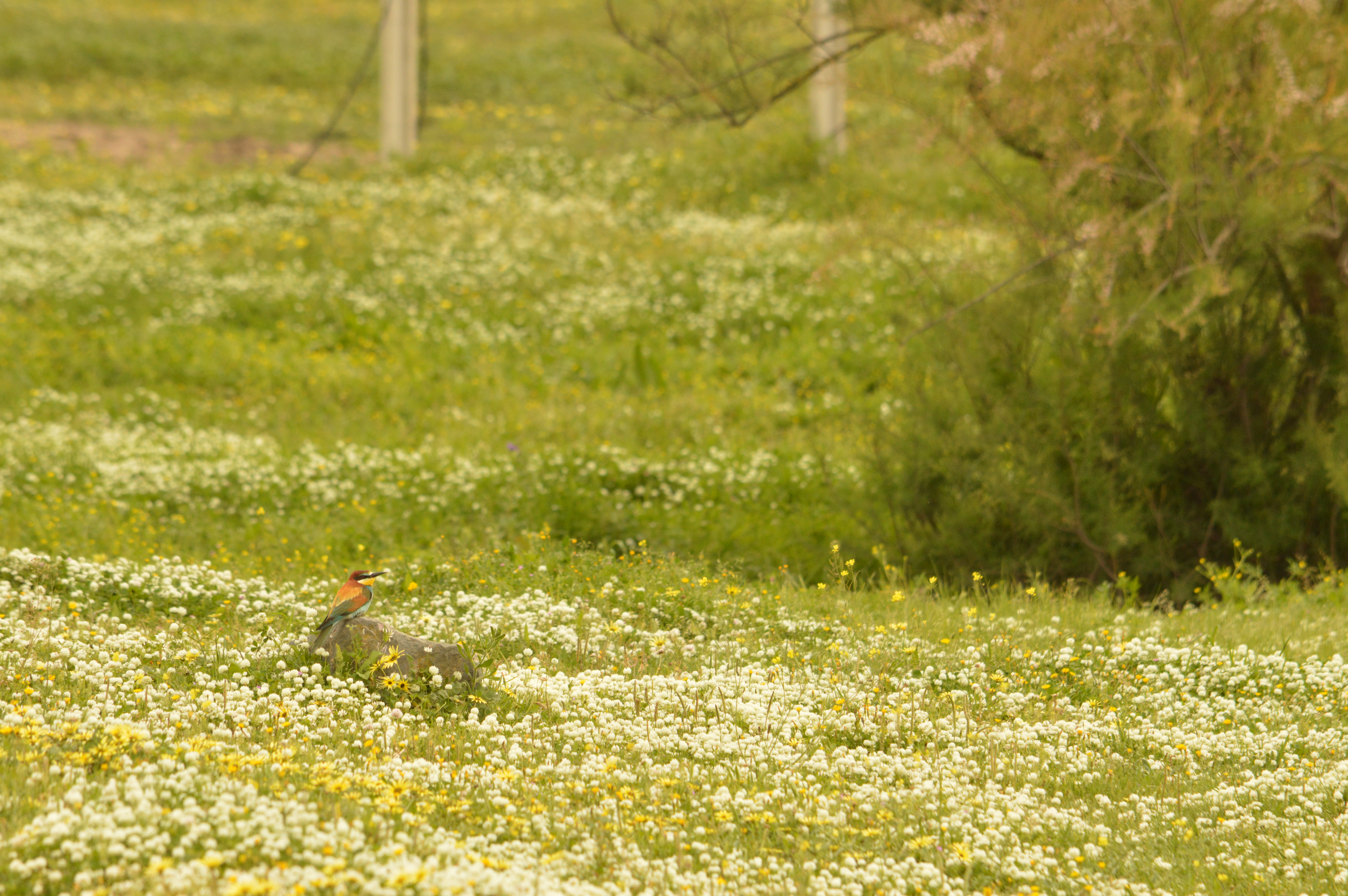
Much like the roller, the bee-eater is an explosion of colour in avian form – at least, to a British birdwatcher’s eye, since most of our native birds are rather drab by comparison. They’re incredibly captivating creatures to watch as they flit through the air like oversized moths, but it’s their call that I love the most: a cheery whirrup that heralds the spring in Spain just like the merry twitter of the swallow in Britain. The sound alone makes me feel warmer – it takes me back to the sands of El Rocio and the dusty scrubland between the Madre de las Marismas and the Palacio del Acebron. One day, it may be warm enough for bee-eaters to colonise the UK. They have bred here with occasional success in the last few years, but it remains to be seen whether they will follow the example of the egrets and move in for good. A part of me hopes they don’t – they are far too tied to my image of Spain as a special paradise. Some things you should have to travel to behold, to see with your own eyes. That’s what I think.


Purple Swamphen

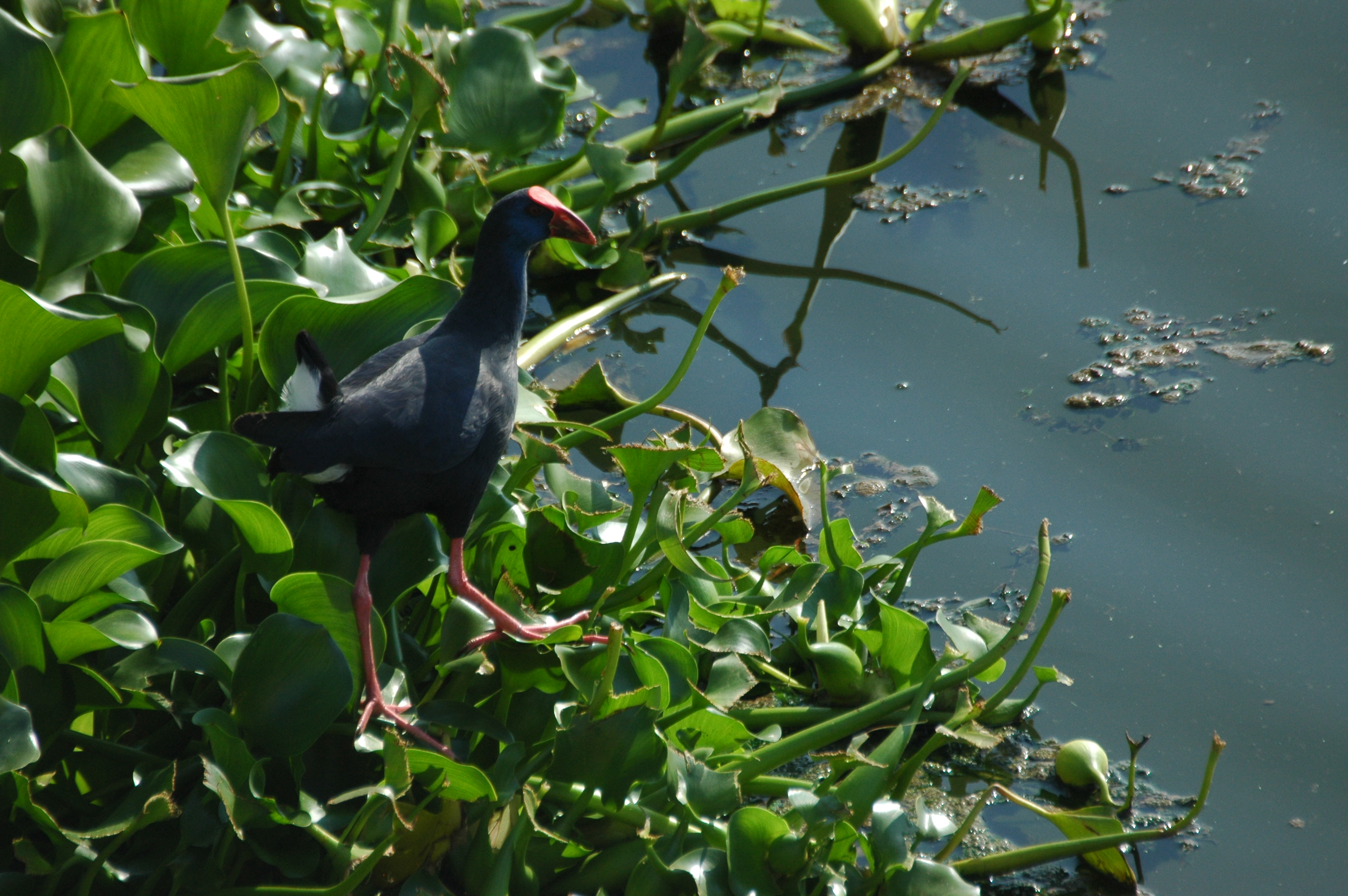
What list would be complete without one of my all-time favourites – the bird that probably kickstarted my obsession with Spanish birds? The purple swamphen is unmistakeable: a moorhen on steroids, with bigger feet, a bigger face-shield and a bigger attitude. I saw them first in El Acebuche, but since then I have found them in several other places: the rice paddies of the Brazo del Este, Uganda’s White Nile river and under the Roman Bridge in Merida. Like griffons, they lose nothing with each successive encounter, and I confess that my eyes are always on swivel-stalks whenever I’m crossing the bridge in Merida in the hope of catching one of them in the reeds below.


Red and Black Kites

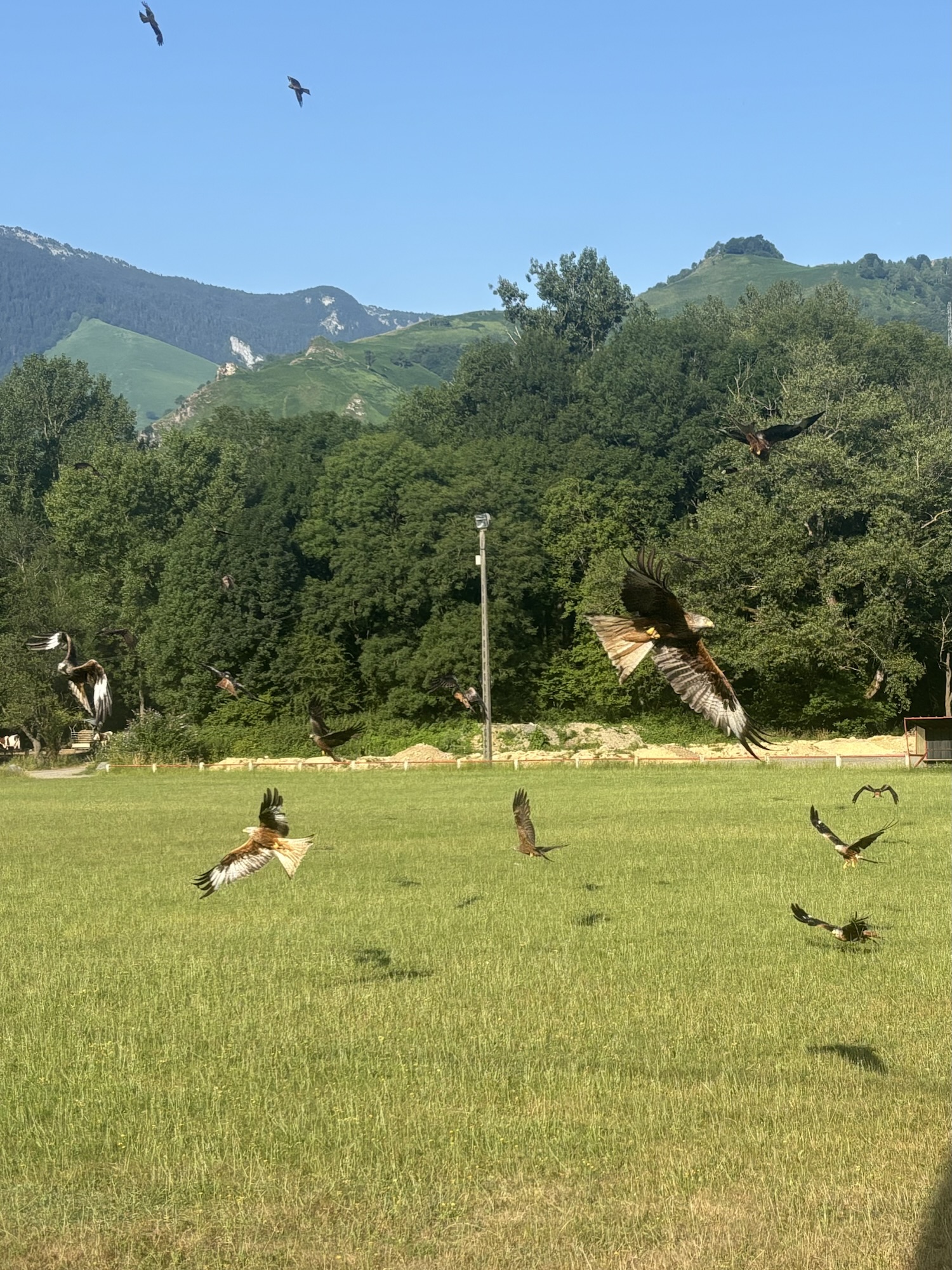
WordPress won’t let me upload the images I have of the hoopoe, Iberian magpie and Montagu’s harrier, which would bring the total to ten, so I will have to finish with another old favourite: the kite. Specifically, it’s black kites that have always held sway in my heart, due to their association with the Elysian stone-pine forests of the Raya Real, but since red kites have pretty much exploded in number in the UK in my own lifetime, they’ve earned a spot in this list too. Despite nearly twenty years of active pursuit, I have yet to take a decent photograph of a black kite (in my defence, I have often been without my camera when the right moment presented itself). Had I brought my DSLR with me on the Camino last summer, I would have had the opportunity of a lifetime when I stumbled – quite by chance – upon a feeding frenzy for the local kite population in a rugby field a day’s march from the Spanish frontier. But, I didn’t, so I just took a few photos on my phone and watched the spectacle.

Kites are something of a bait-and-switch story for me. Since their whistling call was used in the BBC’s Land of the Tiger whenever vultures were on screen, I came to associate that sound with those kings of the sky. It wasn’t until I was much older that I realised that vultures are pretty much silent (when they’re not squabbling over a carcass, that is), but by then the spell had already been cast. I would travel all the way to the Raya Real just to hear that sound. Of course, I’d go for more than that: the music-box melodies of a nightingale, the flute-song of a golden oriole, the oop-oop-oop of a hoopoe, the beak-clacking serenade of a stork and the descending whistle of a woodlark. But even if all those voices should fall silent, leaving nothing but the trill of a kite, I’d still make that journey. That’s how precious a single sound can be.


T minus one week. It’s getting closer! BB x

Bitterns and Boomers

The Flat, 21.03.

It can be done! After living in Somerset for the best part of two years, I finally made it to the Avalon Marshes. It’s a little out of the way – as fenlands often are – and, being without a car of my own, impossible to reach outside of term-time, but with a little planning I managed to successfully navigate the one bus there and back again after school this morning. Worth it? Absolutely!


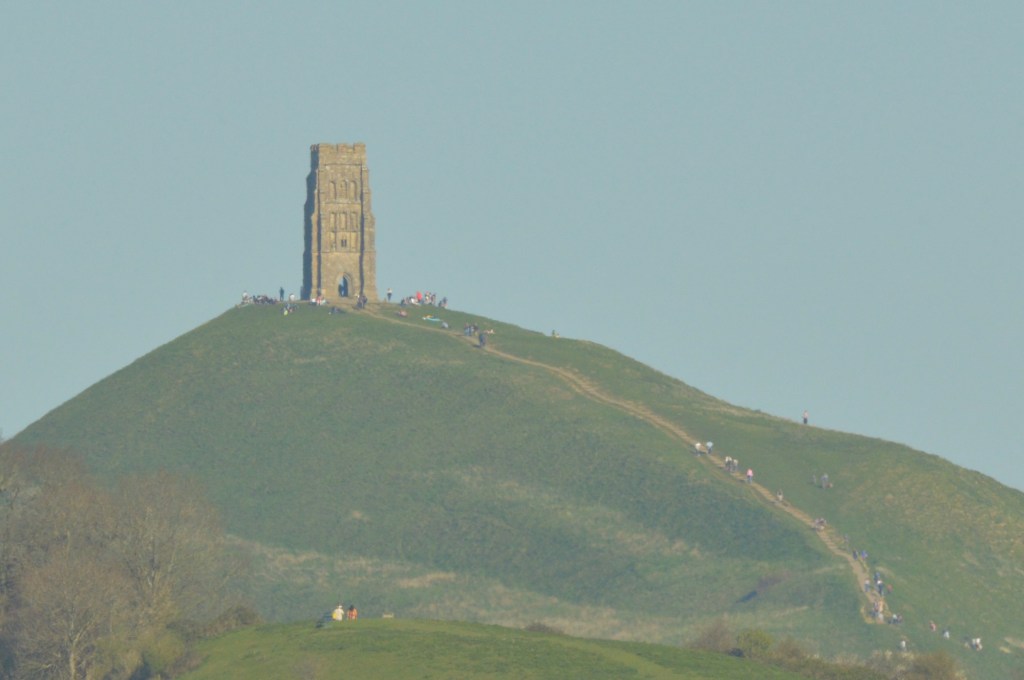
The Avalon Marshes are a network of pools, channels and reedbeds that stretch from the west of the festival town of Glastonbury across the Somerset Levels. Being naturally averse to crowds, Glastonbury and its ilk have never even crossed my mind as a way to spend the summer, so I’ve never had any cause to come this way before. Evidently, I was missing out. This mystical corner of the British Isles has a real charm to it. The 376 bus dropped me off outside The Royal Oak in neighbouring Street and I struck out across country for the marshes from there. Along the way, I walked in the sightline of the legendary Glastonbury Tor. It was a balmy spring day – the fourth in a run of consistently sunny days – so the Tor was drawing a growing crowd of sun-seekers, like a sweet on an anthill. If I had a little more time, I might have gone and had a look myself.


The magic started before I even reached the Glastonbury Canal that runs into the fens. I had just come upon the first of the reedbeds that herald the Avalon Marshes when I heard the sound that I had come here for: a low, pipe-like boom. A sound that inspired many a myth and folktale in the British Isles, and that once was surely heard all across this island. The noise belongs to the great bittern, a singularly beautiful and cryptic variety of heron that is surely the prince of the fens. I can’t remember whether or not I have ever conclusively heard a booming bittern before – my memories of a possible encounter with one in Stodmarsh when I was a lad are a bit hazy – so I have hesitated to add them to my life list thus far.

Today, however, I was left in no doubt. I must have heard at least six different individuals booming all across the fens, including one that was so close that I could swear I heard its resonant intake of breath before each boom. The great bittern is a master of camouflage, however, with a plumage so perfectly suited to its life within the reedbeds that it is almost completely invisible when “bitterning”, so despite the fact that they were making enough noise to be heard from Glastonbury, I never saw so much as a feather. But I wasn’t disheartened in the slightest. Just to hear that booming sound was worth the journey out here. I’ll have to do it again sometime.

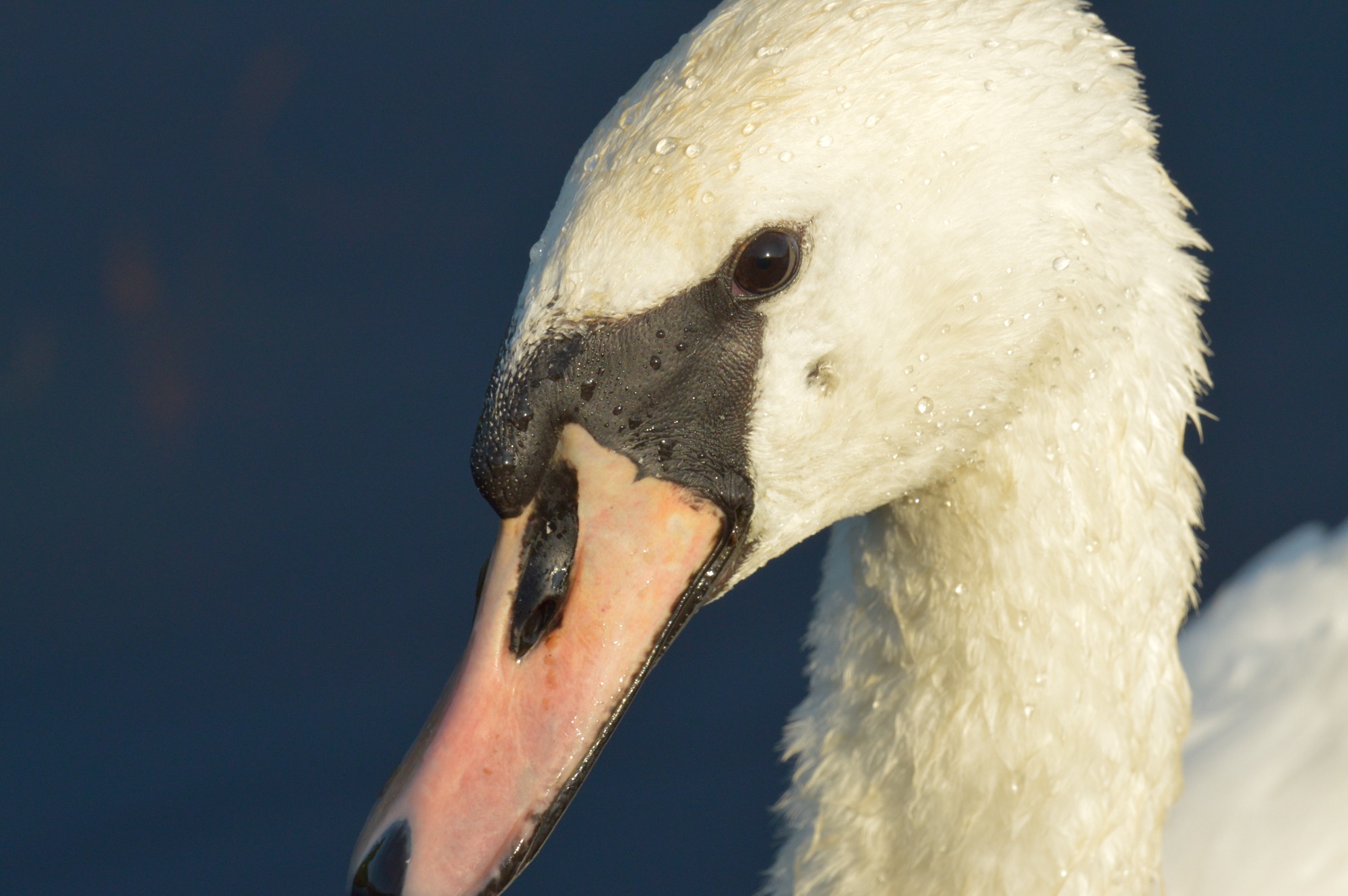
While I was scanning the reeds for one of the bitterns, a swan came swimming by, giving me something to train the lens on.


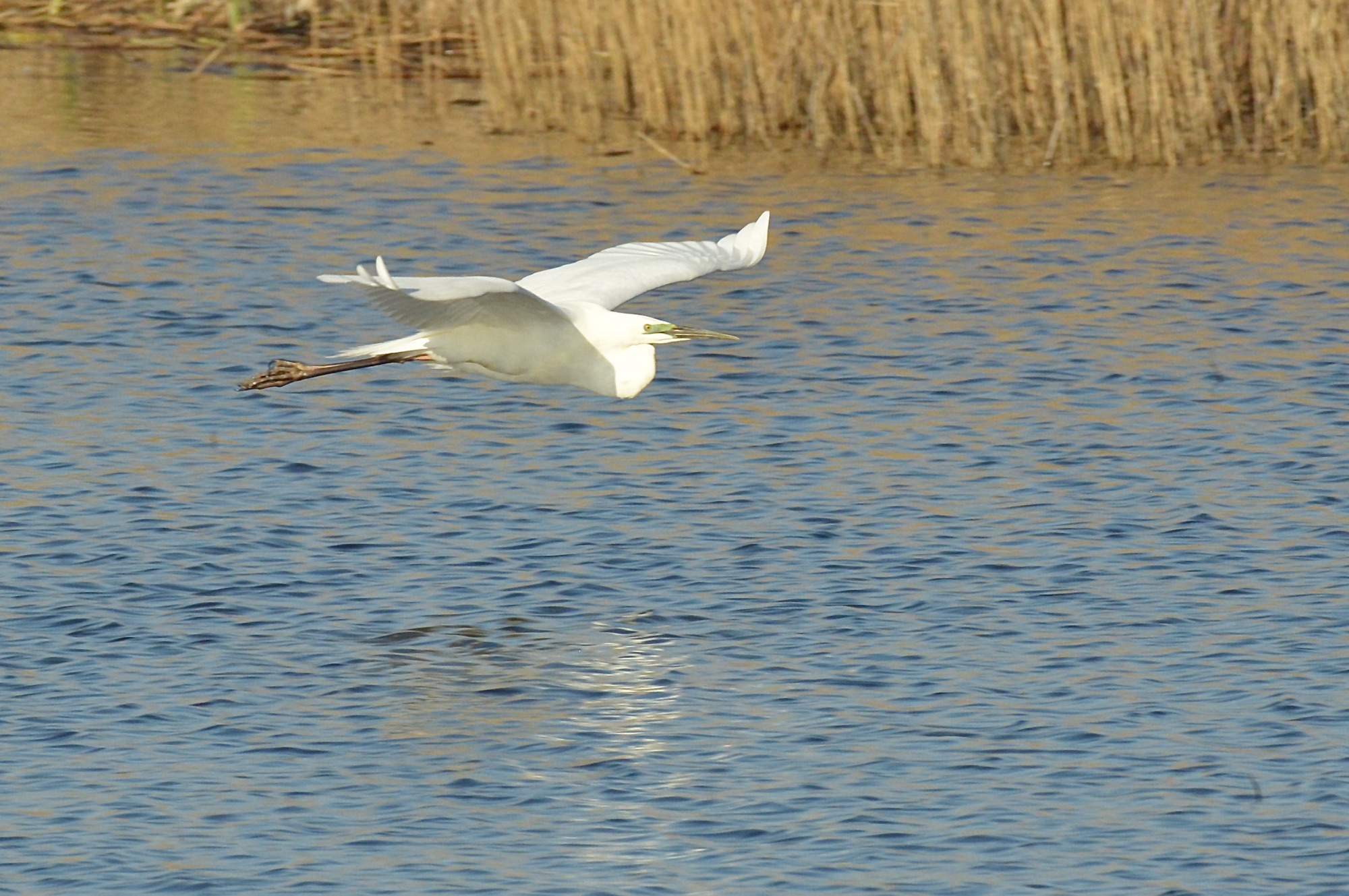
The swans weren’t the only great white birds in the marshes. Another species that has drawn me to the Avalon Marshes today is the Great White Egret, a relative newcomer to the British Isles. The largest of the egrets is actually a heron, a fact that is obvious from its size, which is considerable. I’ve seen these beautiful birds before on the continent, but this would be the first time I’ve seen one here in the UK. When I was a kid, this would have been a very rare find, but much has changed since then. The Avalon Marshes have around fifty breeding pairs, which is frankly ridiculous, considering that they only started breeding here a few years ago. Even the other birdwatchers in the Avalon Hide barely batted an eyelid when one flew into view. It’s a sign that, no matter how bad things may seem, life always finds a way.


On that note, I feel I have to talk about one of the things I haven’t missed about birdwatching: the manspreading. The term didn’t exist when I was a kid, but it certainly does fit the bill.

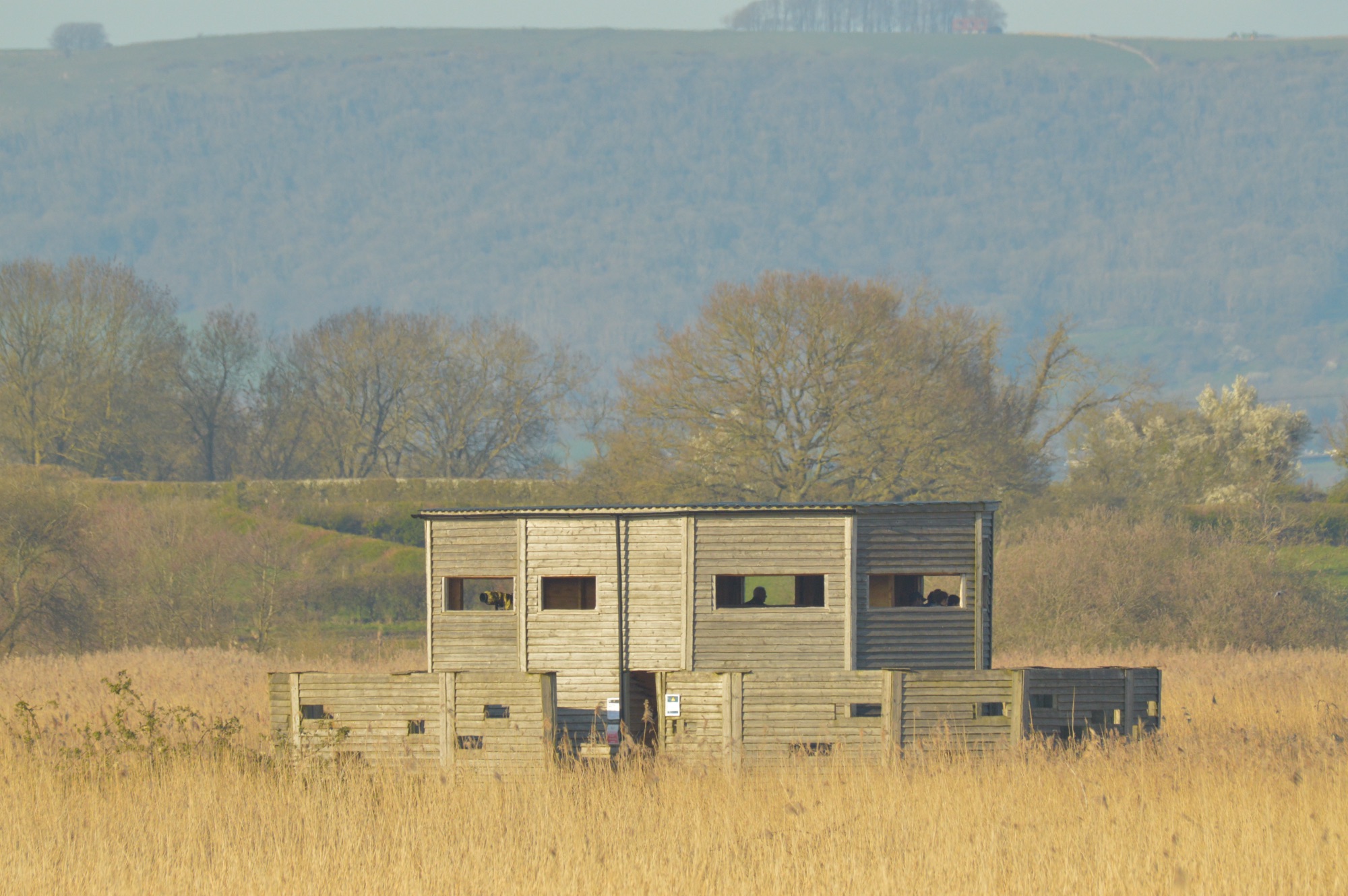
I thought I’d check out the Avalon Hide to see if I could find one of those elusive bitterns, but it had been staked out by a very different group of boomers, who had each selected a window to themselves and laid out their gear all about them: a panoply of scopes, binoculars and cannon-like lenses that made even my monster zoom lens seem like a hand gun. Only one window was available, which looked out back the way I had come. I stuck around for about twenty-five minutes, listening to their familiar birder-talk, but it quickly became apparent that they meant to stick around until sunset to see if either the bitterns or the resident barn owl would make an appearance, and as I had to catch a bus home, I had to cede the hide to them.

I explored the “cattle class” alternative screens below the tower, very much aware of the scopes poking out of the windows above me like artillery. Sometimes a bird-hide can look a lot like a pill-box.


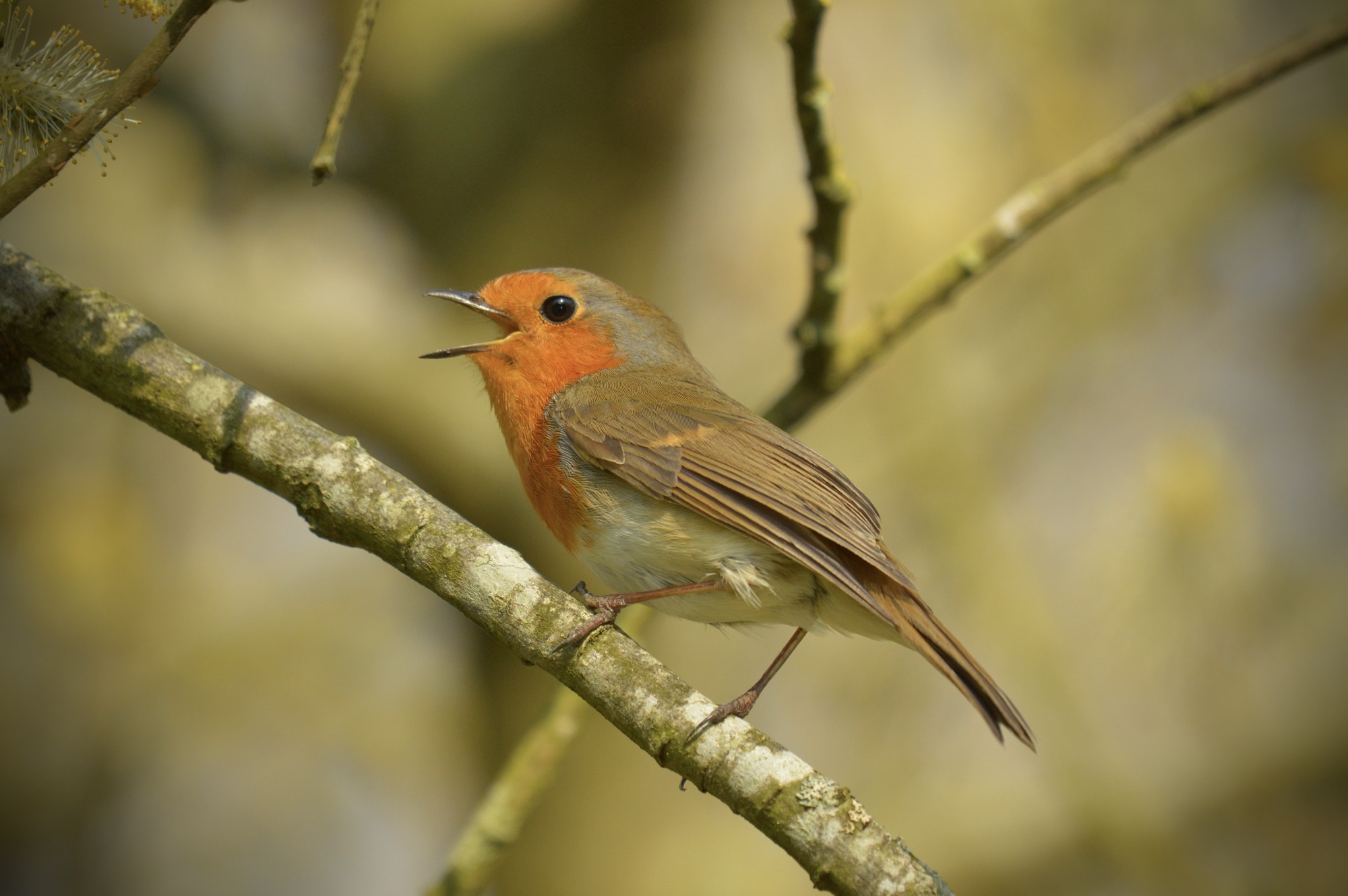
A friendly chap and his wife restored my faith in the hobby when they pointed me in the direction of a water rail they had just seen, but it never did reappear from its hiding place in the reeds, so we went out separate ways with a shrug. Fortunately for me, there was plenty to see: perhaps sixty or seventy shovelers out on the lake, along with attendant flocks of gadwall, mallard, tufted duck, teal and coot, as well as a few noisy great-crested grebes. Most of them were much too far for even my faithful 500mm, but a robin that followed me out of one of the hides was perfectly happy to let me take his photograph, which definitely made up for it.


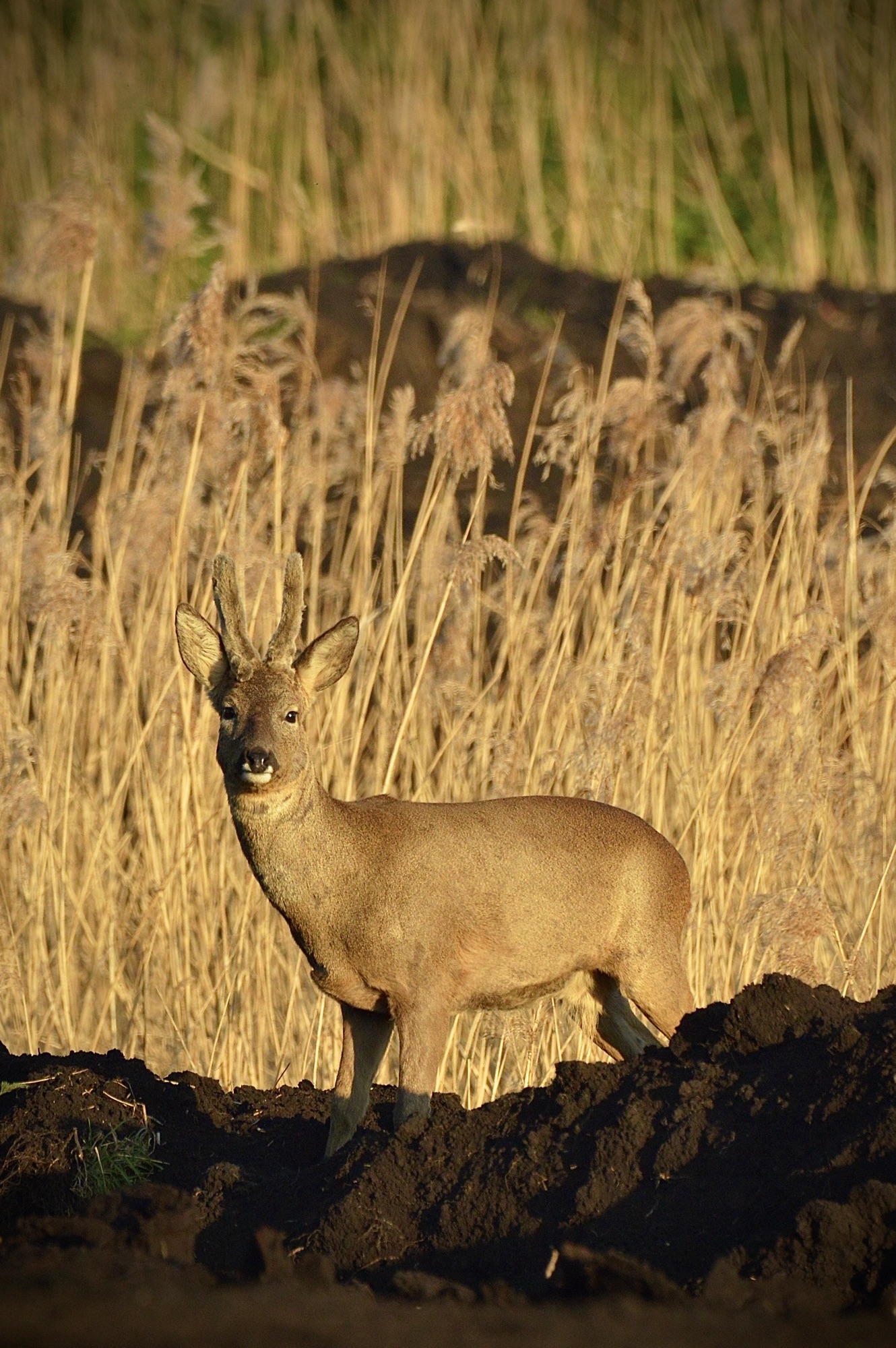
As this was my first sortie to Avalon, I didn’t want to end up stranded by missing the last bus home, so I left with plenty of time to get back to Glastonbury. It was a quiet walk once I’d put the birders and the bitterns behind me, and I only ran into two other walkers out with their dogs along the trail. There seems to be a small gypsy community on the edge of the marshes – something about the layout of their encampment seemed strangely familiar, not to mention the presence of two old and very battered horse-drawn caravans in the yard. When I reached the edge of the marshes, I stopped to look back in the direction I had come, and when I turned back to Glastonbury I saw something staring back at me from the edge of the reeds. I thought it might have been a muntjac at first, but it was much too big for that. It was, of course, one of our native roe deer. Fearless as ever, it didn’t even flinch when I raised my camera.


One thing’s for sure: I’ll be back. It’s only a £3 bus ride from Taunton and, while the return journey is broken up with a layover in Somerton, it’s perfectly doable in a day. I’ll be back for the bitterns, either later in the spring or next year, depending on how busy my duty weekends are after the holidays.

This time next week, I’ll be in Madrid. From there it’s only a matter of hours until I set out for South America. That has come around shockingly fast. I’m starting to get very excited! I’ve had a full month to put the camera through its paces and I think I’ve got the hang of the lens and its demands now – the way it handles, the settings it requires for optimum output and, of course, its weight. Now all I need is to be out there already. Thank you Avalon for being the last stage of boot camp for my trusty Nikon companion. Here’s to the next grand adventure! BB x
Minor Adjustments

The Flat, 21.56.

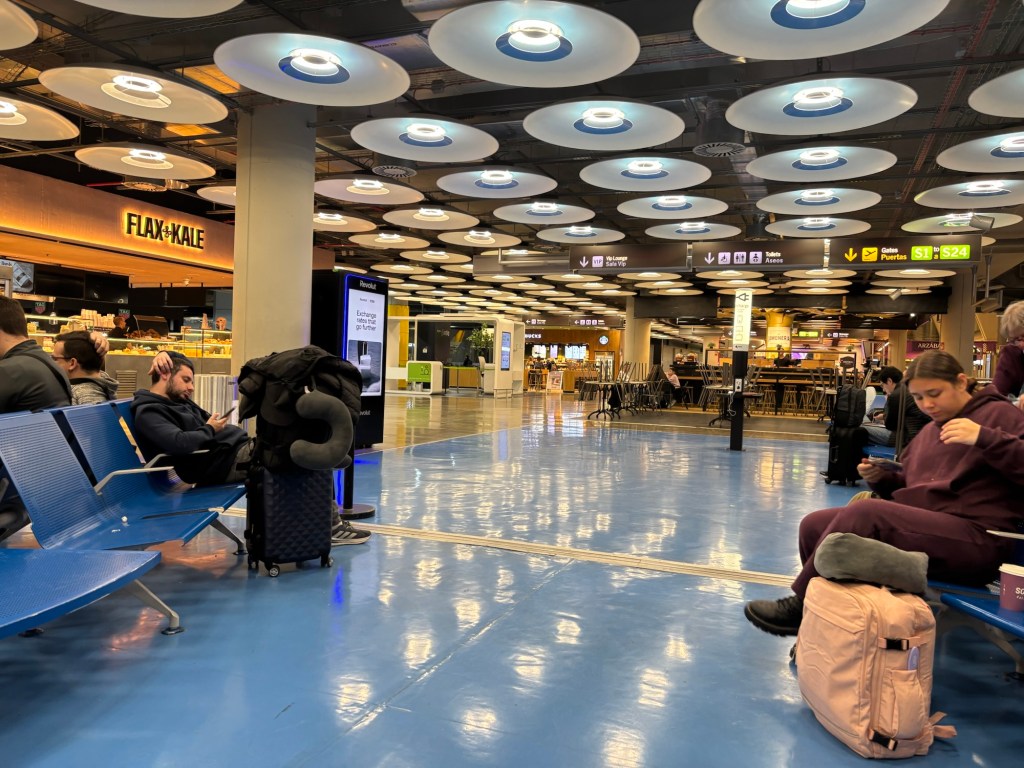
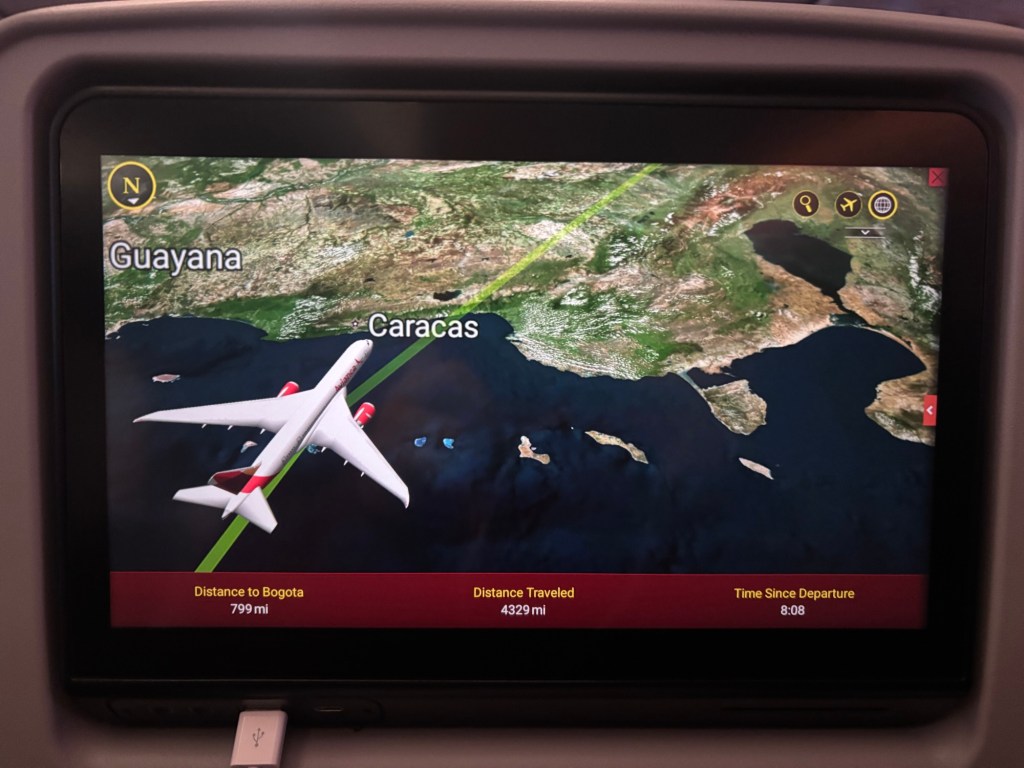
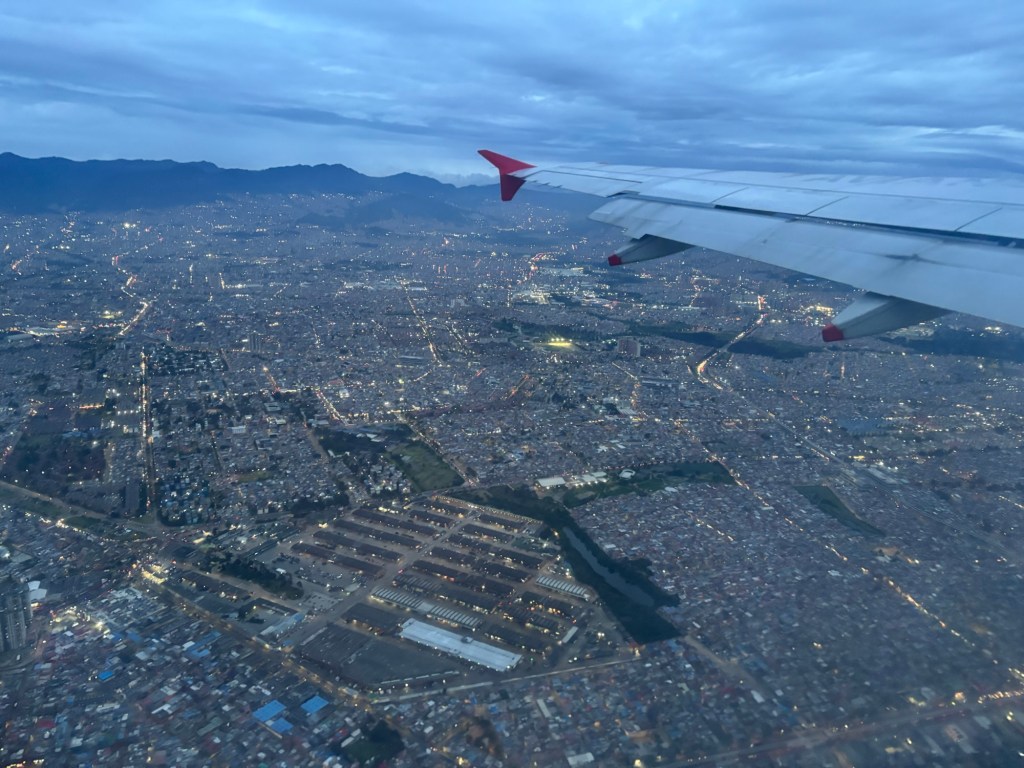
Two weeks from now – right now – I will be sitting somewhere in the transit lounge in Bogotá’s El Dorado International Airport, awaiting my connecting flight to Peru. That’s about 5,300 miles (or 8,500 kilometres) from home, which will be the furthest I have ever been from home by a long shot, beating both Kampala and a brief layover in Dallas last year – and, if things go to plan, I may well find myself even further afield before the year is out. I will also be a full five hours out of sync before I even reach my final destination, so I will need to be careful and try to acclimatise with an altered sleep schedule a few days in advance.

We are very much into the preparation phase now. I have arranged the last of my accommodations for the journey in Ollantaytambo, where I hope to end my Peruvian adventure in the peace and quiet of the Sacred Valley. I have ordered a new pair of sturdy Merrell hiking books to see me around the altiplano and beyond. I should do a preparatory pack this weekend to see if I can fit everything into my rucksack. I’m a light traveller, but the zoom lens is likely to be the largest and heaviest of the equipment I will be lugging around. The jury’s still out as to whether I should take a book with me or simply use up the last of my Audible subscription credits and download more audiobooks than I could possibly hope to finish in that time. I’m leaning toward the latter, if only because I’m not particularly good at leaving a good book behind.

I’ve been meaning to get out and about and keep practising with the lens, but my time is very limited. Last week I managed to escape for just over an hour on Friday afternoon while the sun was out, but between report-writing, lesson planning, taking my team to Oxford Schools on Saturday and being on duty almost all of Sunday, I haven’t had much luck. The Netherclay Community Wood isn’t too far from home, but it had rained a lot on Friday so I didn’t explore the woods too much, as the ground beneath my feet had become little better than a squelching quagmire. Little wonder, then, that there were so few walkers out and about.

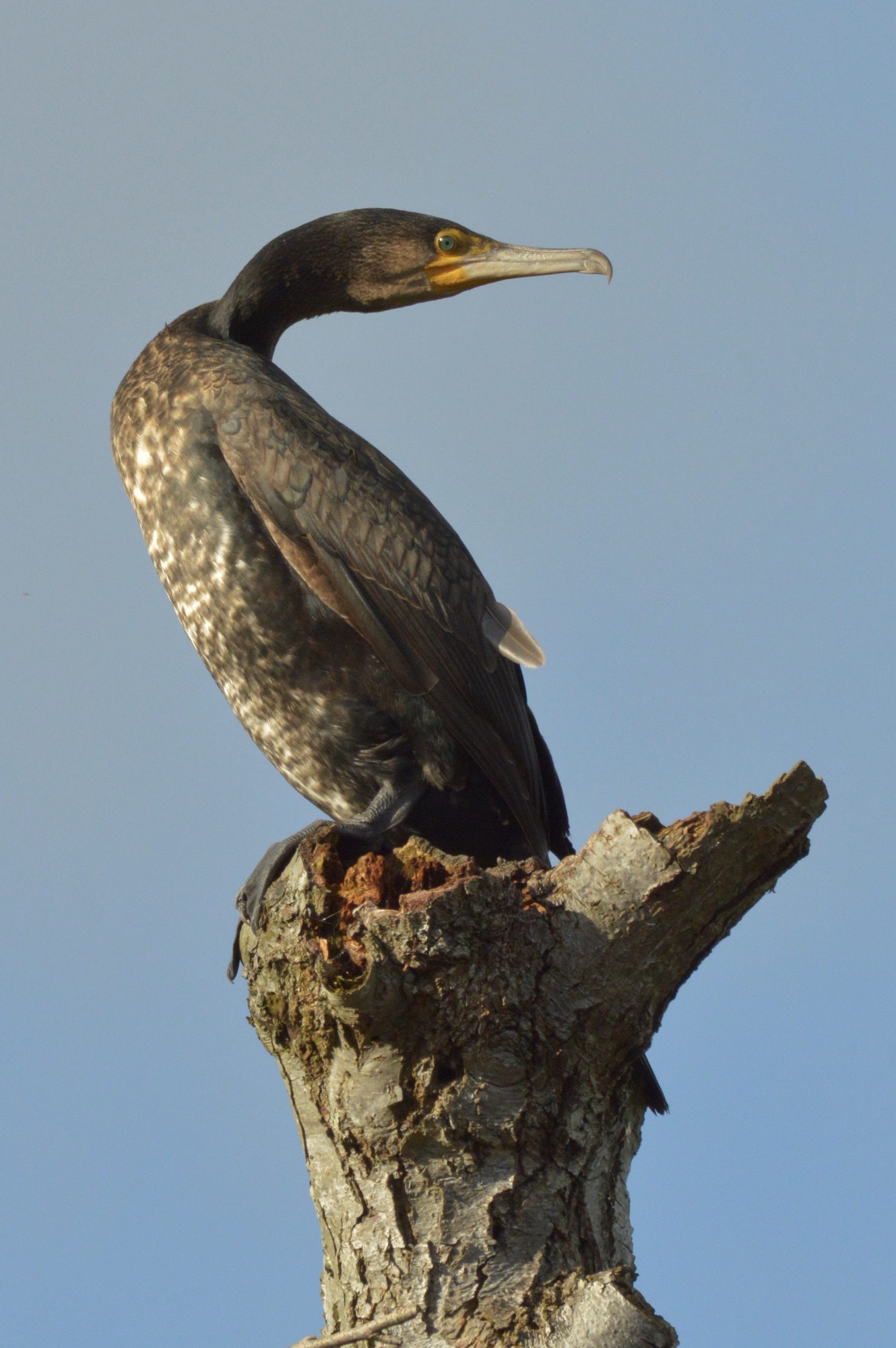
I went looking for the water rail that I heard last week, but I didn’t see or hear it. I did disturb a kingfisher on the other side of the pond, though, and while the halcyon bird was much too fast for me, I did have more luck with a young cormorant in the momentary interlude when the winter sun deigned to show its face.


Having something incredible to look forward to always makes the Lent term – by far the hardest of all the school terms – a lot easier to bear. Last year, the knowledge that I would be spending all of three weeks in and around Spain was enough. This time, I have pushed the boat out so far that there is a very real danger that the tide will carry it away. And once it does, where will it take me? I’ve lost track of the number of times I’ve caught myself exploring other destinations, other wildlife adventures, other places where I can run while I still have the light of life. This year it’s South America’s turn, but in the years to come, I would dearly like to see the rest of the world, now that the wanderlust has returned. I still harbour dreams of seeing the eerie saguaro stands of Sonora, but a number of other old ideas have started to rise to the surface, like bubbles beneath a frozen lake: KwaZulu-Natal, Kanha National Park, Svalbard and Borneo.

It may well be that in abandoning my search for Her, wherever she may be, and indulging in the thing that has always brought me the most joy, I am putting off the thing I want the most in life. It may also be that I find Her along the road. Either way, I am done waiting. The apps are drier than the Atacama these days and the conversations drier still. There is a world of light and life and joy out there and I can no longer ignore it. It is time for a change of scenery. BB x
Wish List

With Chile now a very real possibility this summer, it’s time to bury the heartbreak hatchet with the Americas and accept the fact that I’m ridiculously excited about crossing the Atlantic again. Somehow, between the red hair and the po’ boys, I missed out on the opportunity of a lifetime to linger in the New World and enjoy all the sights and sounds of a place I’d never seen before. Instead, I beat a hasty retreat home to nurse my wounded pride. This time I have my priorities straight: I’m going out there for me.

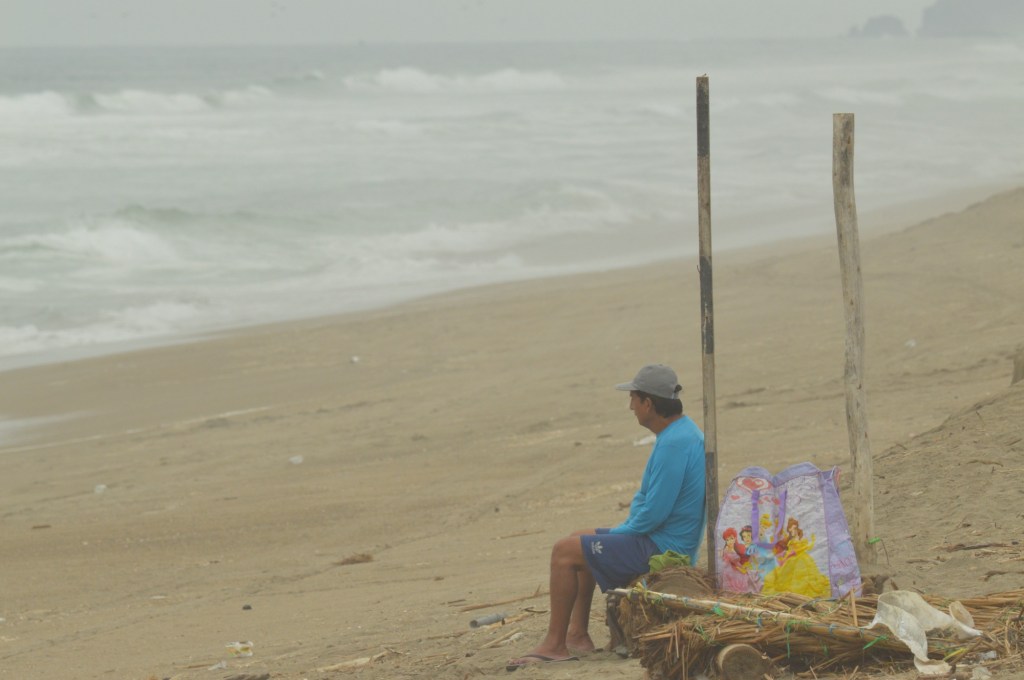
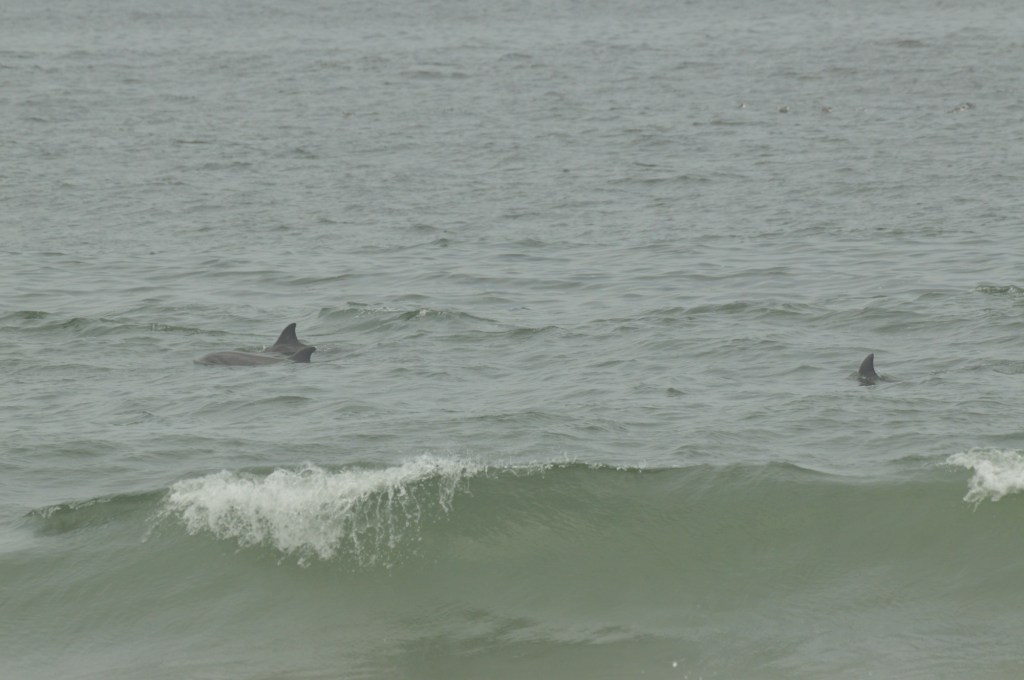
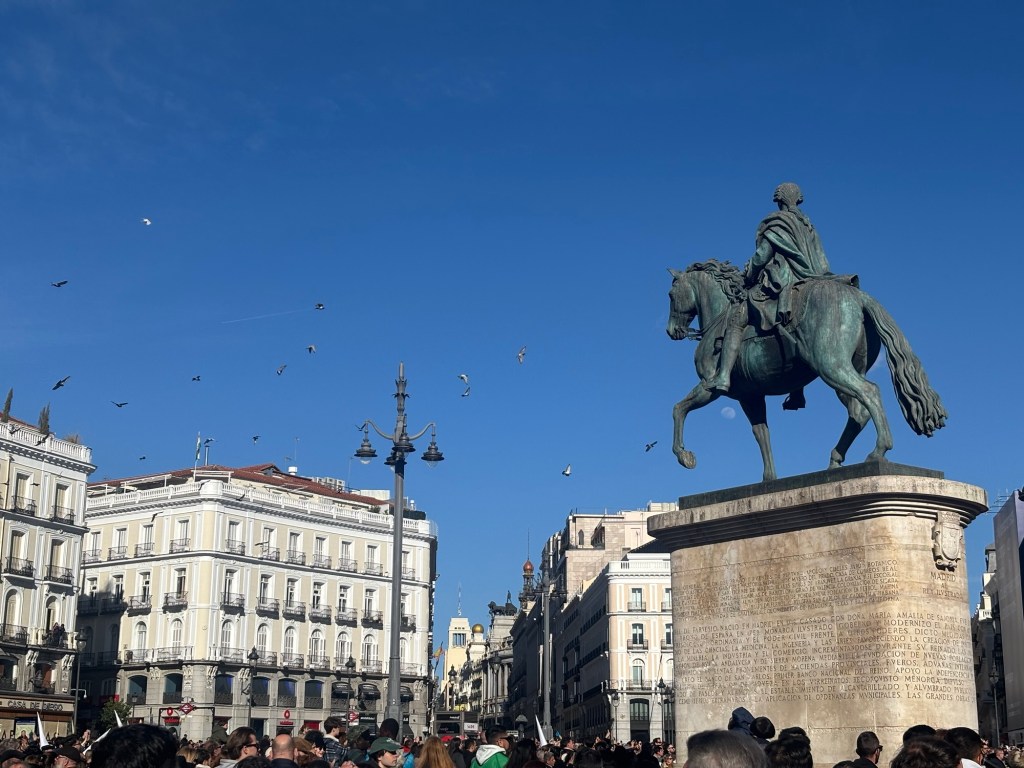
There is so much to look forward to this year: from a brief pitstop in Madrid and Colombia’s El Dorado Airport to my first ever encounter with the Pacific Ocean on the grey shores of tearless Lima; the guano colonies of Paracas and the altiplano around Arequipe; the cloud forests of the Sacred Valley and the pristine jungles of the Amazon; and then, after a brief return to reality, the snow-capped mountains of Santiago de Chile, the starlit expanse of the Atacama Desert and the desolate shores of Tierra del Fuego; and at the end of it all, a wedding in Athens and the quiet of Lake Kerkini. If the world is going to hell in a handcart, I’m going to see it all before it’s gone.


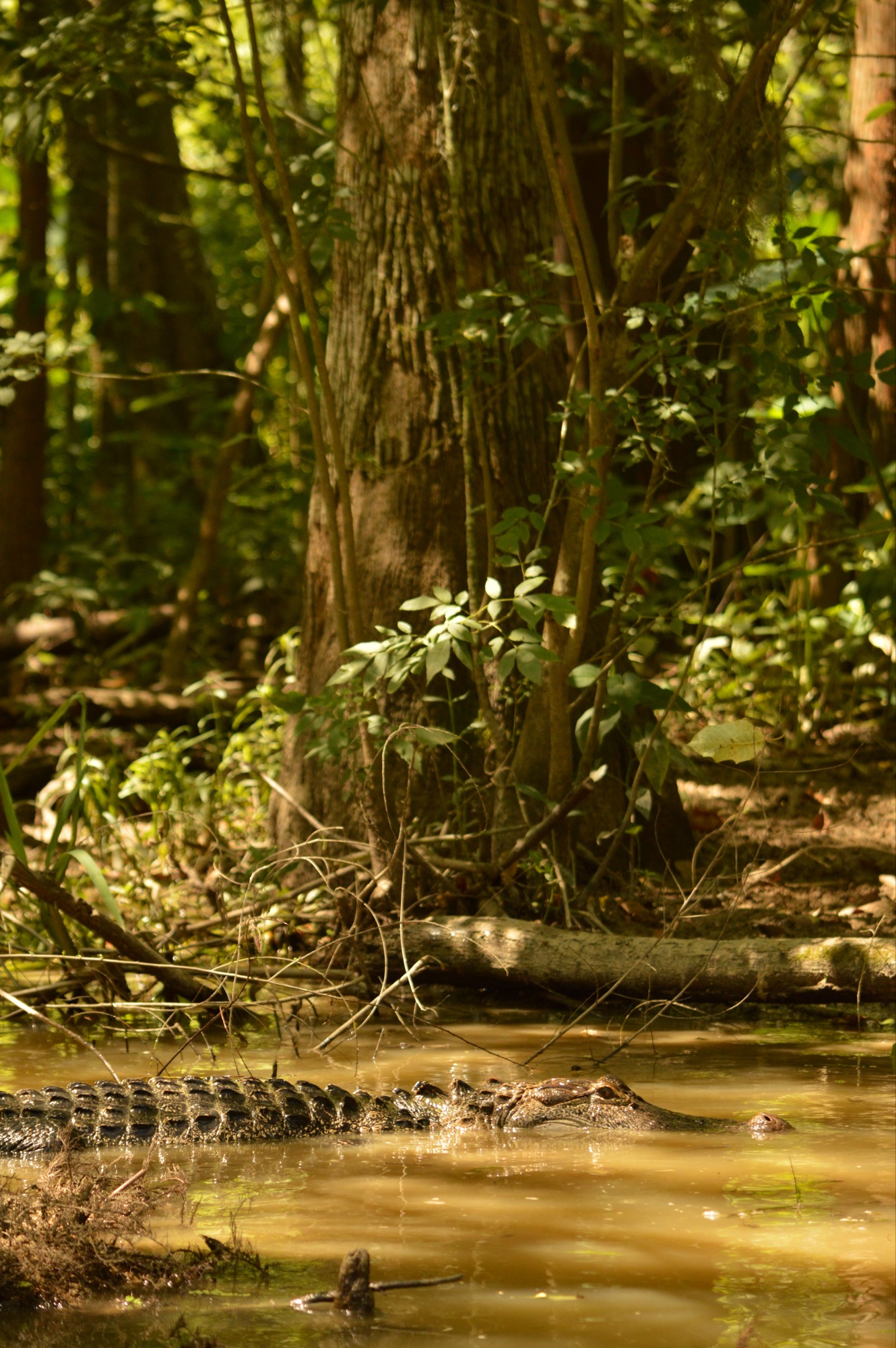
My only real wild encounters during my last trip to the Americas – if you don’t count a brief glimpse of a bald eagle from the train – were in the Louisiana bayou, where I chartered a boat and captain to take me up the Pearl River of Slidell’s Honey Island Swamp (which you can read about here). During my six days in the States, I saw only a handful of American birds, and most of them were on my Bayou side-quest: cardinals, chickadees and blue jays around the visitor centre (commonplace to most Americans but brand new to me), wood ducks and whistling ducks in the forest and spoonbills and anhingas along the river. The alligators, on the other hand, were everywhere. You could hardly miss them. I also saw a family of scruffy-looking racoons, rounding out the American classic collection. Short of a white-tailed deer or two, I think I ticked off most of the North American beginner’s collection.

But South America… now, that will be a different ball game entirely.


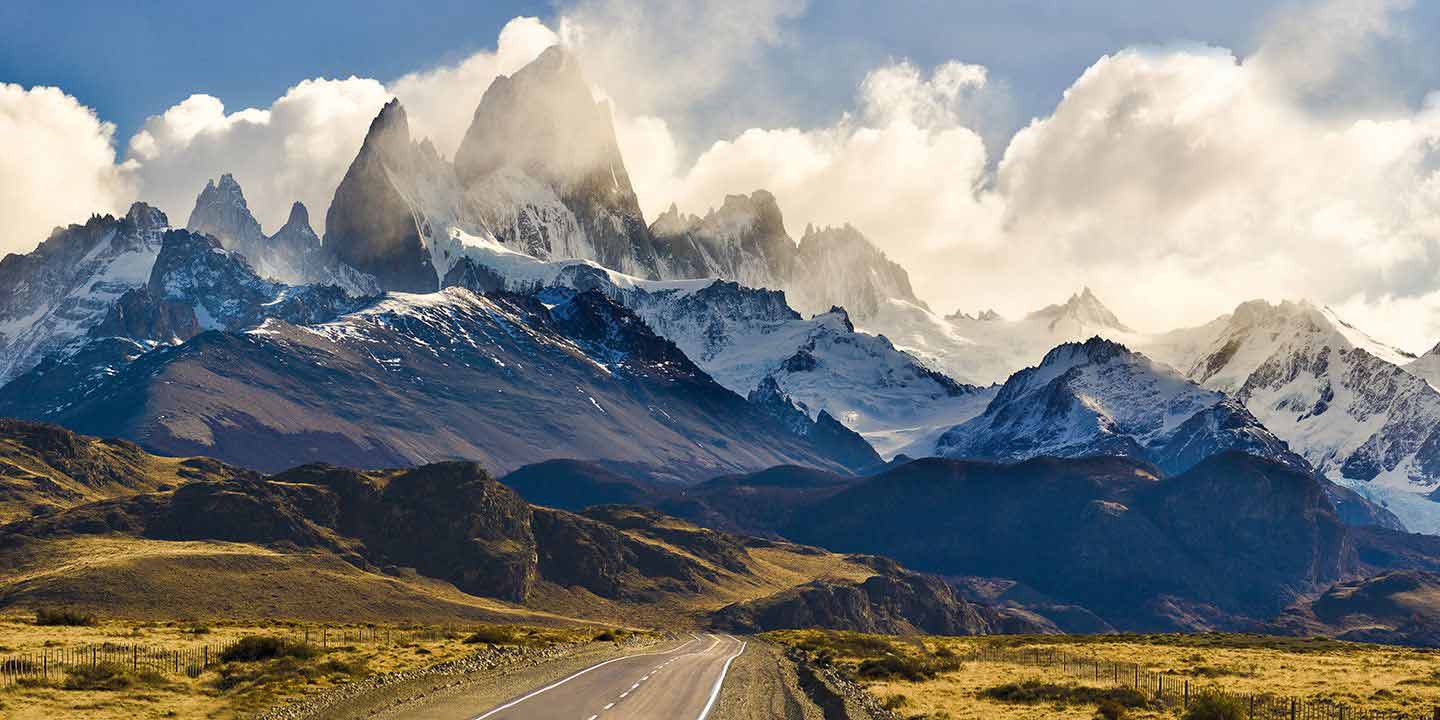
I included Patagonia on my wish list years ago, but I never thought I’d actually end up going there someday. Now that it’s real, I can’t shake it from my head. There are so many things I want to see and do, and I haven’t even begun to learn them all properly.

So I thought I’d write a list – nothing obsessive, mind, just something to look back on when I return. My itinerary for Peru is nearly finished, and my plans for Chile will have to wait until I have a clearer idea of what lies ahead (and what I will actually be doing out there). For now, at least, I can indulge in a little harmless wish-listing – starting with the essentials…

  1. Andean Condor the only one that I’m really pinning my hopes on (my itinerary will accommodate multiple attempts)
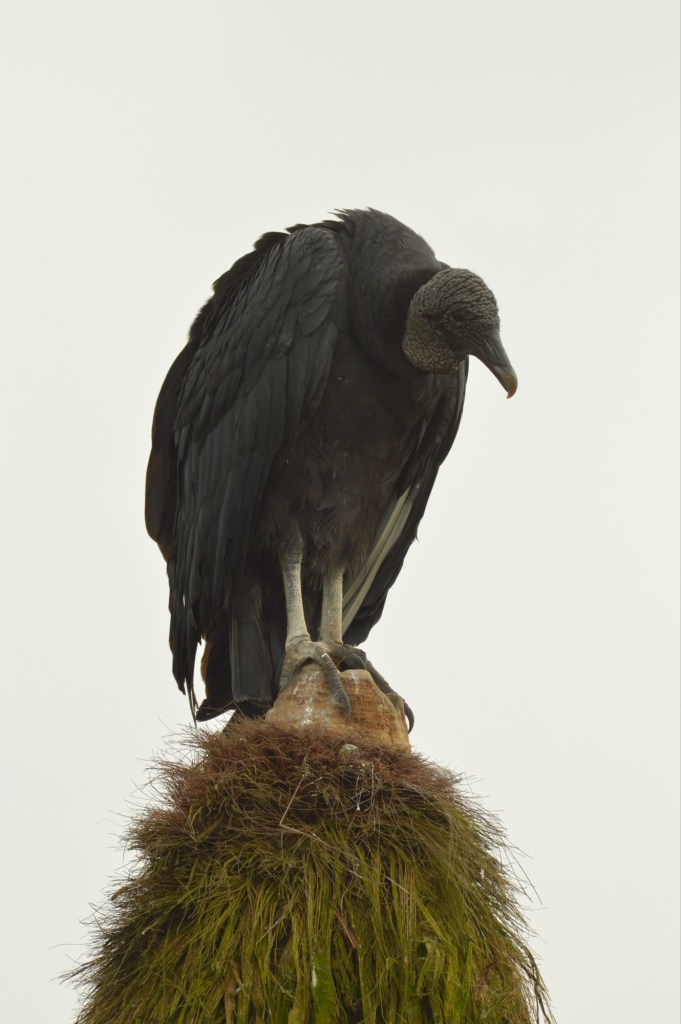
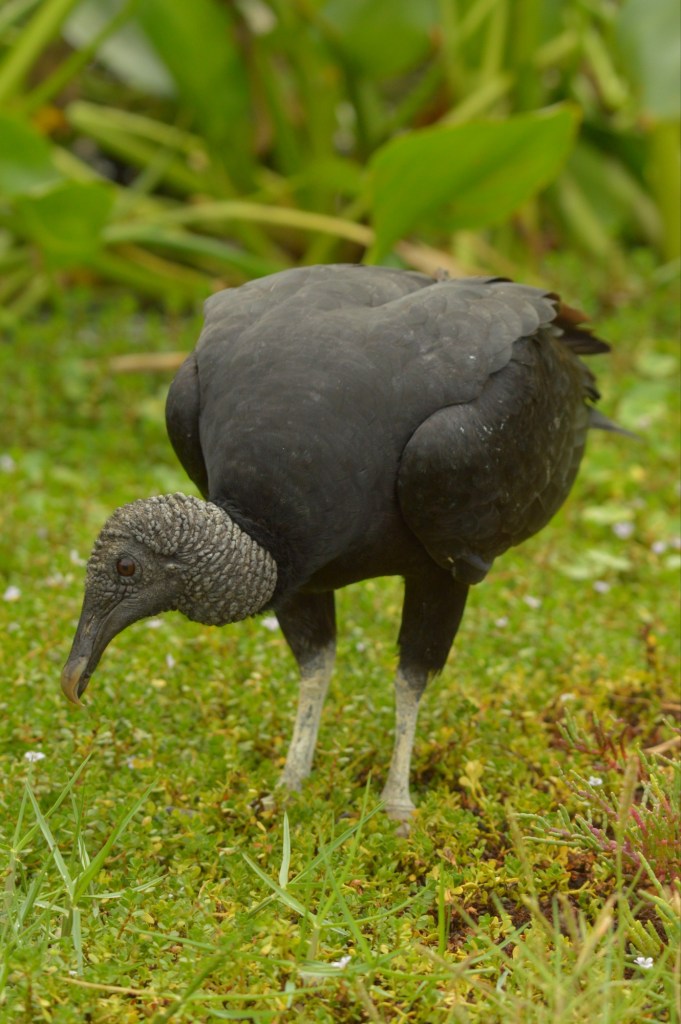
  2. Black, Turkey or King Vultures – in case it wasn’t obvious, I’ve got a real soft spot for vultures!
  3. Hummingbirds – I’m not fussed about the species, I just fancy seeing the sunbirds’ transatlantic cousins!
  4. Pumas – it’ll have to wait for my Patagonian adventure, but it would beat even the wolves of Poland
  5. Jaguars – I’m not expecting to see them in Manu, but it would be incredible if I did
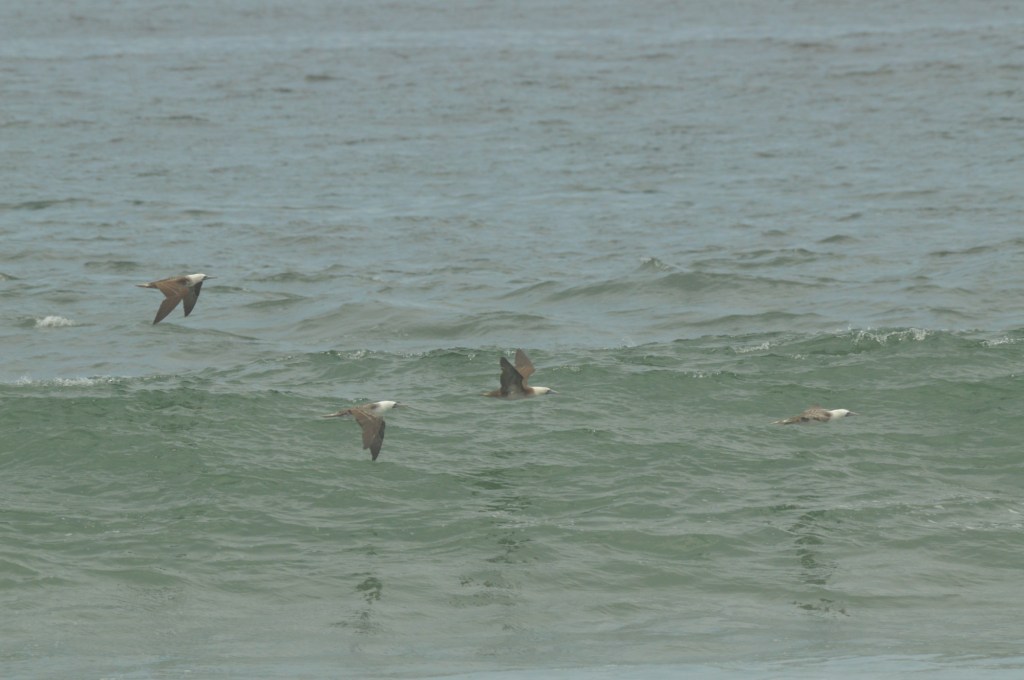
  6. Pelicans – in my head, a line of pelicans flying over the water is the image of the Pacific I’m after
  7. Guanacos – llamas are great and all, but nothing beats seeing their wild cousins
  8. Howler monkeys – something tells me I may regret putting these muditos on the list
  9. Giant otters – regular otters are rare enough, so maybe the Amazon will provide!
  10. Capybaras – because my Year 7 & 8 students are counting on me to bring them photos
  11. Rheas – another gem I don’t expect to see, but one that I will have to come back for!
  12. Sloths – something that won’t disappear into the jungle in the blink of an eye, maybe?
  13. Anacondas – to see just how large they truly are
  14. Hoatzin – surely the most bizarre bird of the Americas!
  15. Penguins – Humboldt, Magellanic or King, depending on the country
  16. Tinamous – because their names are simply wonderful on the ear
  17. Tapirs – the closest I’ll get to megafauna on this adventure
  18. Boobies – not going all the way to the Americas just for the boobies this time, but they’d be a nice reward!
  19. Macaws – the symbol of the Amazon, right?
  20. Cacti – fine, this one’s no animal, but it’s definitely American enough to warrant a spot on this list

There’s a blackbird singing outside. They’re getting earlier and earlier as the year turns. I, too, should turn in. BB x
A Warren Buffet

The Flat, 21.57.

I’m slowly starting to rebuild the life I left behind me. It’ll take a little while, but it’s starting to feel very familiar: the long walks, the eyes on swivel-stalks, the weight-training involved in swapping the zoom lens from one arm to the other. In a way, it’s like I never stopped – though it has been about fifteen years since I last did this sort of thing on the regular.

One of the first things to establish is a “patch” – that is, somewhere nearby that I can visit easily and regularly for a quick nature fix throughout the year. I’m still in the market, but I think I’ve decided upon the stretch of the River Tone that runs along Longrun Meadow and into the Netherclay Community Wood. It’s within easy walking distance and there’s plenty to see, including otters – though I dare say I’d be exceptionally lucky to find them out on a weekend wander.
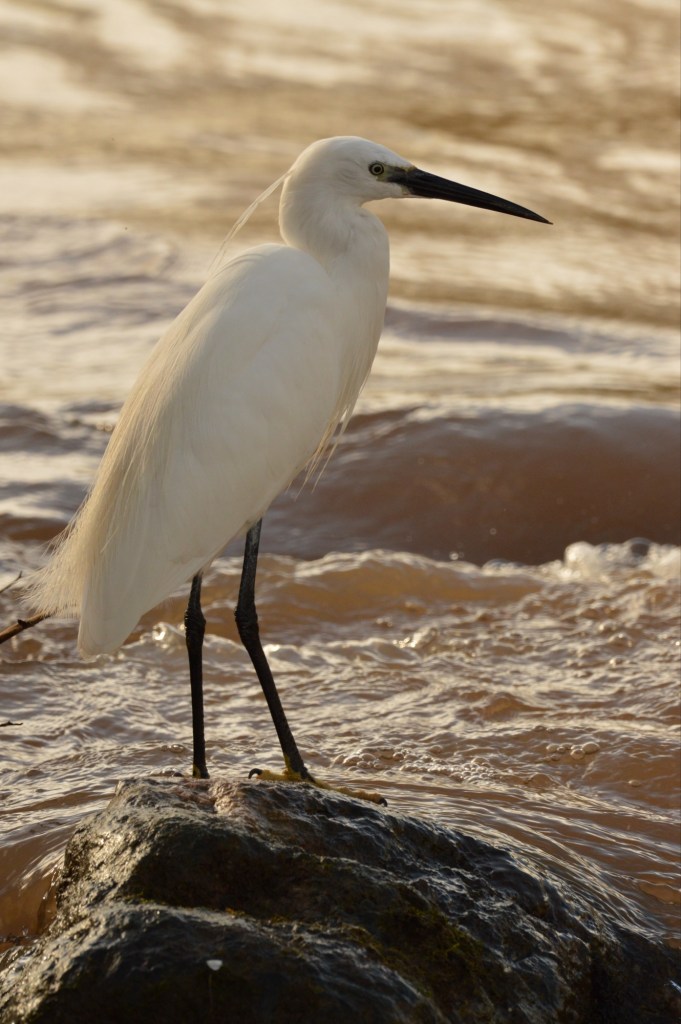
The egrets around here are pretty fearless, though. The flooded banks of the Tone must be harbouring a number of small fish, because I was able to watch this one hunting for quite some time, catching a couple of tiddlers and a small eel. I wonder why great egrets are more skittish than the little and cattle egrets that have colonised so many towns and cities? Is it genetic, perhaps – or is it the memory of that obsessive slaughter for their feathers that keeps them at bay?


I added a few new locals to my “patch list” – namely, teal and buzzard – but spent most of the walk learning how best to cradle the heavy lens over a long distance. I think I’ll need a strap for the lens itself, because I don’t want to chance the weight of it putting undue strain on the camera itself.

I was looking at a tied-down weekend this week, but thanks to a couple of necessary swaps and the support of my wonderful Debating team, I worked Friday night instead and got the weekend off. Suddenly, I had a free Sunday. Coupled with the knowledge that my Railcard expired at midnight, putting a definitive end to many years of affordable train fares, I decided to put the lens through its paces in a new environment: Dawlish Warren.


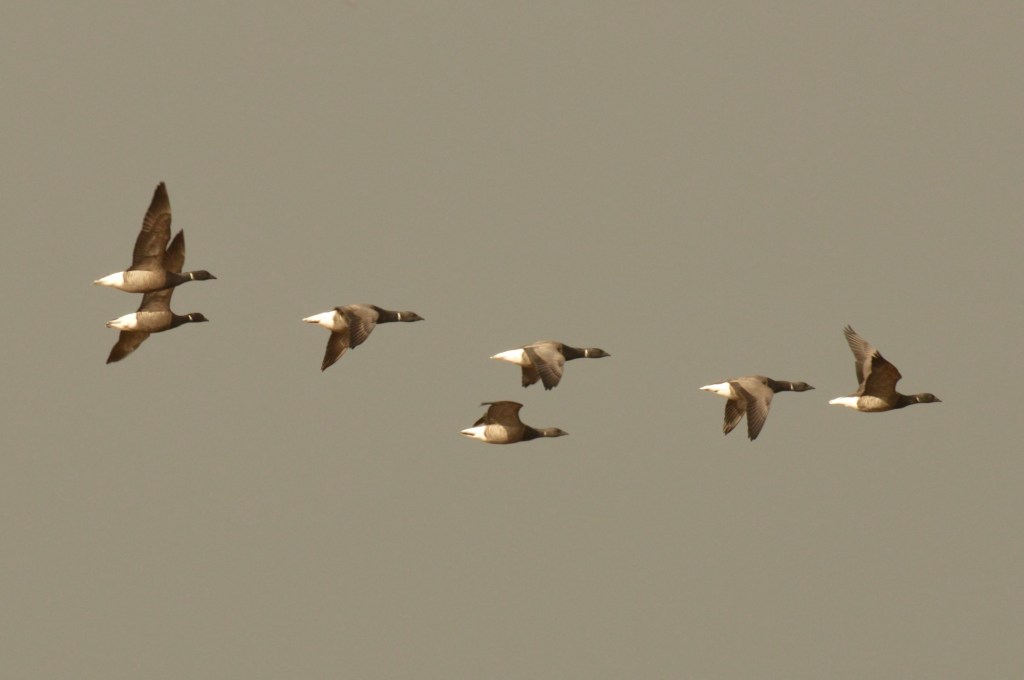
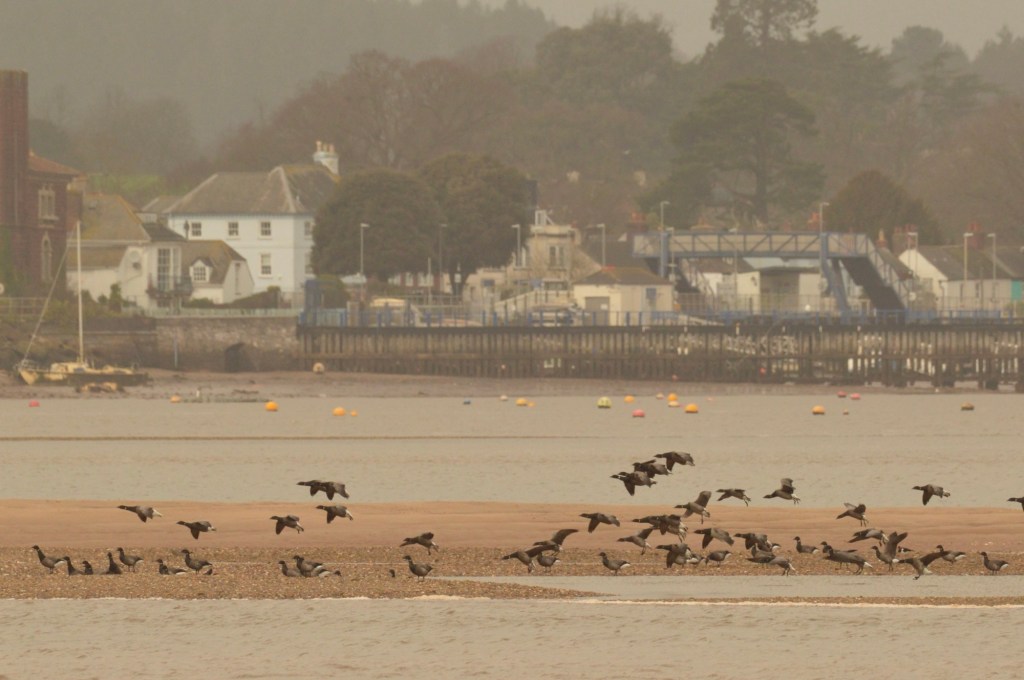
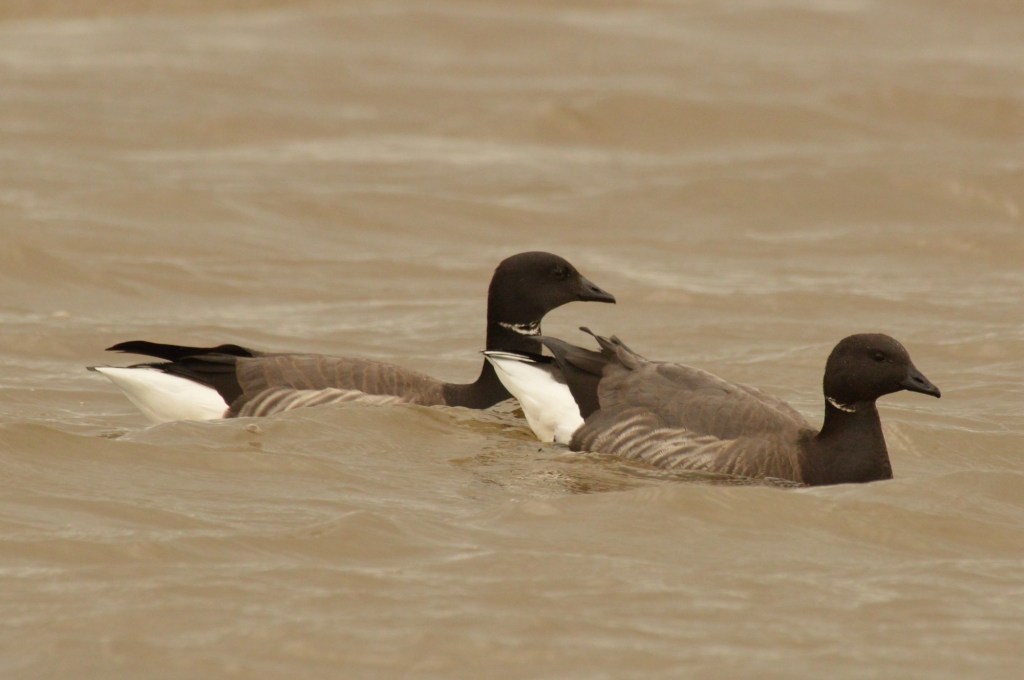
I came out here at the end of October, when the sun was still shining and the beach was still packed with holidaymakers. In my memory it felt like the end of summer, but it must have been autumn, because the brants had already arrived in great numbers. They were very much in evidence today, numbering well over a hundred, and more than likely the same birds I saw back then.


Brant geese are a seafaring species of goose that spend the winter around the coasts of the British Isles, returning to their breeding grounds in the Arctic circle at the beginning of spring. Most of our geese – the dark-bellied kind – come from northern Russia and Siberia, though the odd light-bellied individual is often to be found among them, straggling over from its North American range.


In ancient times, before their migration routes were known, the people of the British Isles had no answer to explain what happened to the thousands of “burnt geese” that flocked to the coasts, saltmarshes and estuaries, only to disappear without a trace with the spring. Together with the closely-related barnacle geese – who once pulled a similar disappearing trick – they were believed to hatch from goose barnacles, which shared their colour palette. As such, being “not of flesh”, they were permitted on Christian fast-days – a practical solution in desperate times, it must be said.

It’s hard to see how anyone could have believed that old yarn about birds born from barnacles, but then again, the same people believed that swallows slept at the bottom of ponds during the winter. Sometimes we make up the most fanciful nonsense to avoid having to face the obvious reality, even when it is staring us in the face.


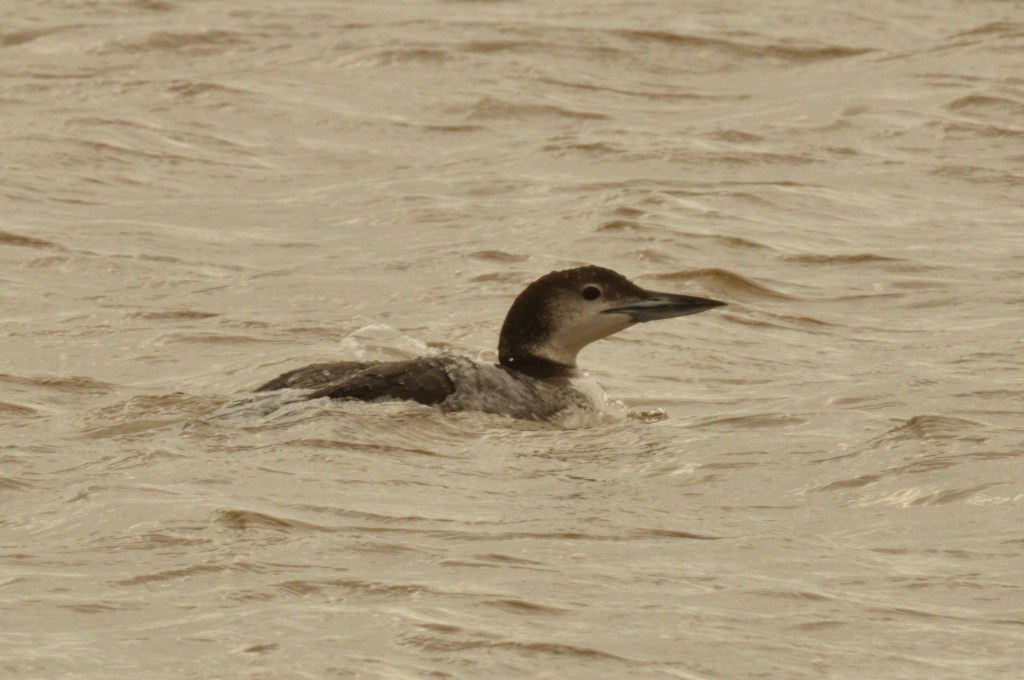
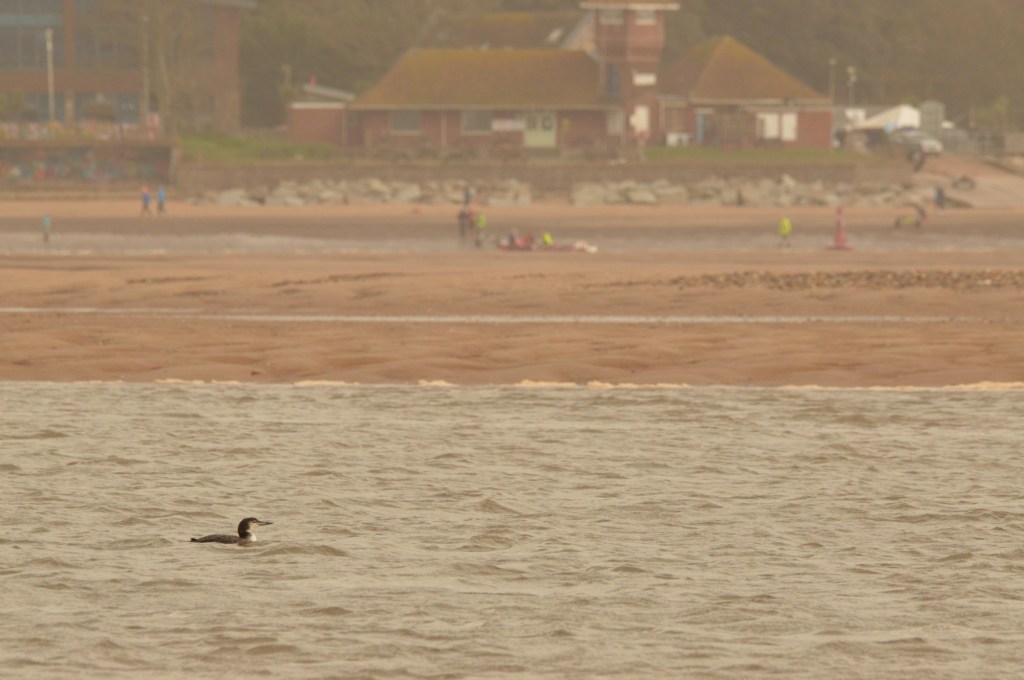
Out in the bay, I saw a silhouette I recognised immediately, diving and resurfacing in a small channel between the shore and a shrinking sandbank. The most common diving seabird around here is the cormorant, but in winter, there are quite a few birds that might dive beneath the surface: shags, sawbill ducks, scoters, grebes and divers. Only one of those comes close in size to the cormorant, and that particular bird holds its head level, unlike the cormorant, who swims with his bill upturned.

I didn’t need binoculars to know I had found a great northern diver – the first I’ve seen since my schooldays – and I went tearing across the beach to get a closer look.


The last time I saw one of these impressive creatures, it was far out to sea and flying east along the British Channel. I haven’t had the luxury of seeing one so close before – close enough to appreciate its terrifying red eyes, an evolutionary trait shared with grebes that filters light and helps them to see underwater.

I watched it hunting in the bay for a few minutes, before it decided to run the gauntlet of the shrinking sandbar and scour the southern shore. I counted the seconds between each dive. This one averaged out at 40 seconds, but the diver has been known to stay submerged for up to five minutes. Pretty impressive for such a small and fast-moving creature.


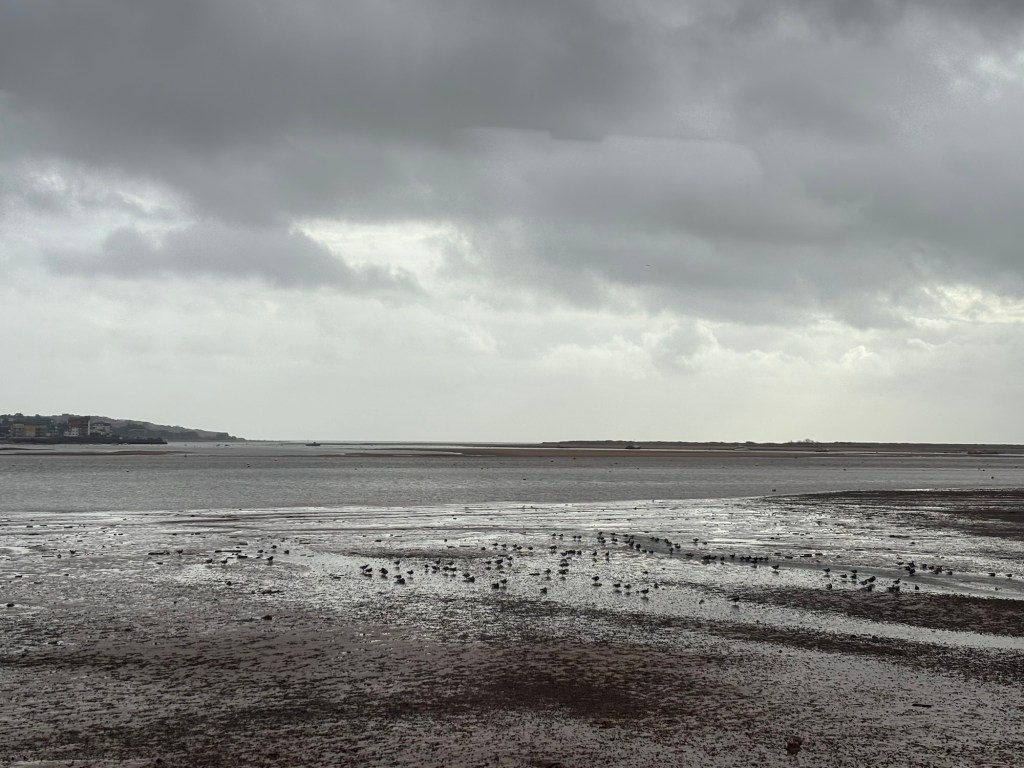
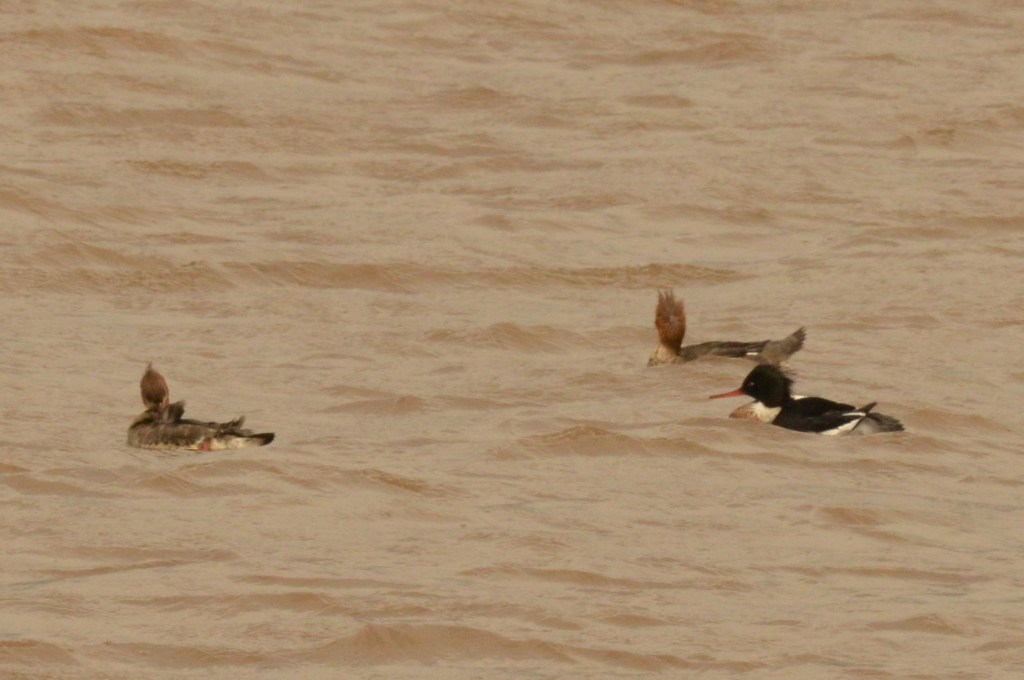
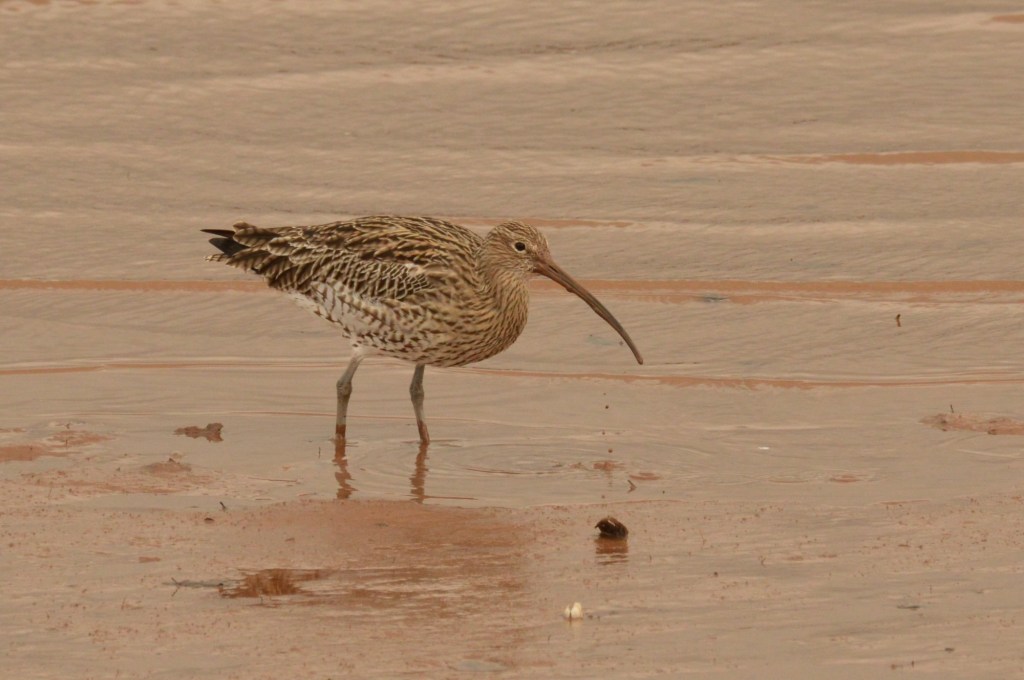
I made it back to Dawlish Warren’s station in plenty of time for the hourly train, but the sun was still shining and I hadn’t yet had enough, so I set out along the Warren Road to the north. The railway hugs the coastline, so the roads meanders a bit on its way north from the Warren. Eventually, after about an hour’s jaunt through the countryside, I came to the ferry town of Starcross. I decided against pushing on to the Exminster Marshes and set up shop at the station, which looks out over the estuary. I was rewarded for my patience with a family of punk-rock red-breasted mergansers, as well as a number of familiar waders probing the mudflats below: turnstones, redshanks, greenshanks and a couple of curlews.


There will always be a special place in my heart for curlews. Their mournful bubbling call was the backdrop to many a childhood adventure around Romney Marsh and the mudflats of Sandwich Bay, and followed me up into the highlands of Scotland on a couple of hiking adventures in my twenties.

Apart from that, they’re remarkably beautiful creatures, with their cryptic feathering and dark, thoughtful eyes. I’ve been very lucky with the egrets around Taunton, but I hope I can continue to observe these magnificent creatures and do justice to them with my new gizmo.


I might not get so flexible a weekend for a while now, so I’ve cashed in my chips early. But I’ll be back with more nature news in the near future, so stay tuned! BB x