The Flat. 20.34.
I’ve just come back from a wonderful five days in Scotland with some very dear friends. Apart from being a much-needed social fix, it was as good an excuse as any for a change of scenery. Unlike the rest of the UK, where it has so far managed to rain every single day since the new year began, Scotland and its particular brand of Celtic magic has contrived to turn some of that endless precipitation into flurries of snow, which still frosted the distant highlands beyond the Firth of Forth as my southbound train whisked me around the coast at Berwick. I ended up going north one day sooner than planned to tag along to a family hike in the Lomond Hills around Falkland, for which I was woefully overdressed. We popped in to Andy and Babette’s church first, so I had my Sunday best on, which wasn’t exactly the right fare for carrying a pushchair through ankle-deep mud and melted snow. Still – there’s got to be a first time for everything, right?
God – but Edinburgh is such a beautiful city. I don’t say that all that often about cities, but Edinburgh is special. If Spain doesn’t work out – and I am still holding out that it will – Edinburgh wouldn’t be a bad fallback. What a place to raise a child!
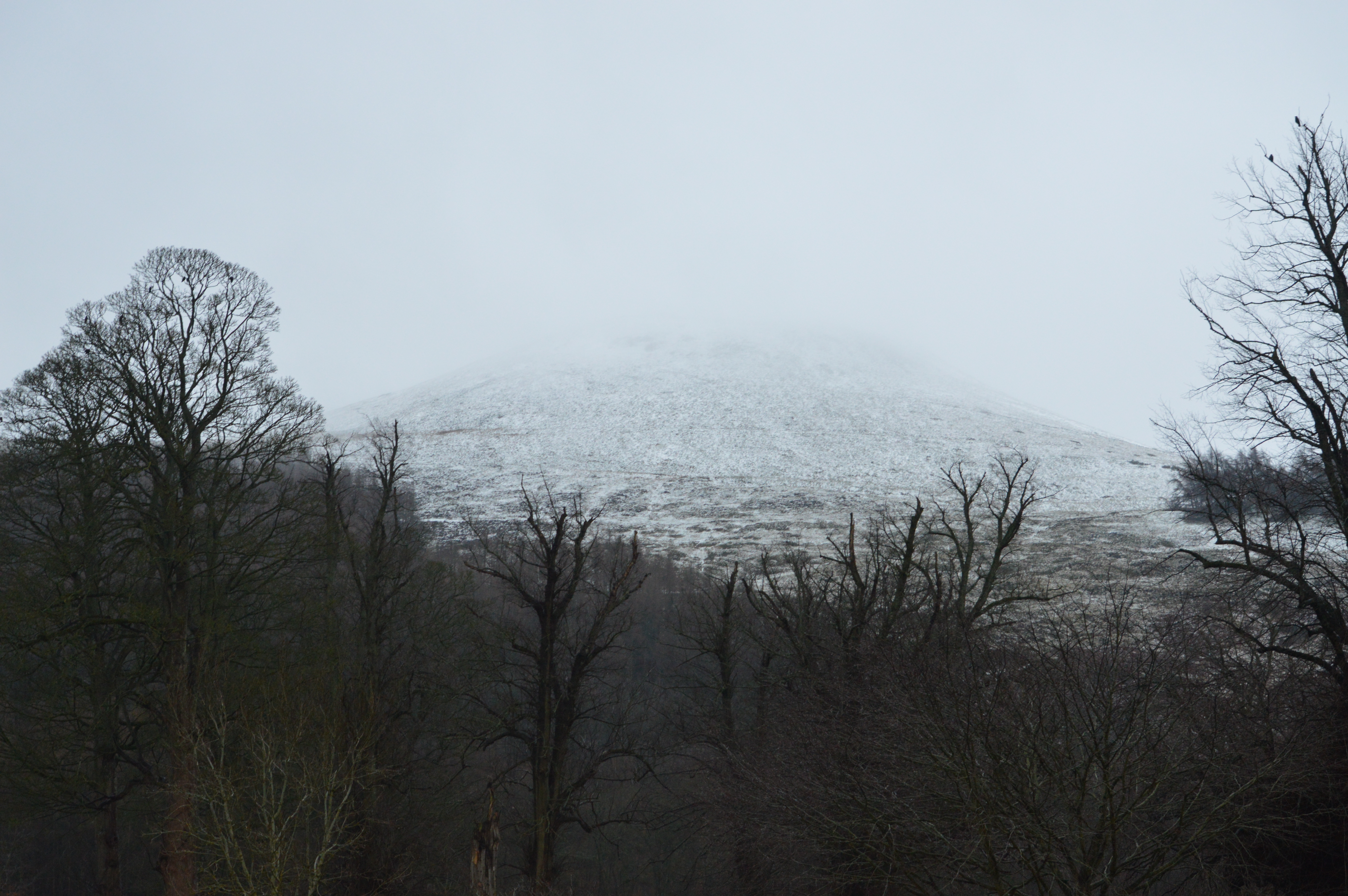
With my Peruvian adventure now just over a month away, I have started to get serious in my preparations. I have booked my first accommodation option in Cuzco, using the only dates of which I can be sure, and started to map out the various bus routes I will be taking. I have nineteen days, which isn’t nearly enough to see all that Peru has to offer, but I’ll give it a damned good try.
As I can’t be sure if I’ll return to Peru anytime soon, it occurred to me a few weeks ago that now might be the right time to invest in an upgrade to my trusty 75-300mm telephoto lens. The reliable little Nikkor lens has done a fine job for the last ten years – almost to the day – but in a country teeming with sights I have never seen before, a little more reach would be a very handy thing to have.
When I was starting out as a wildlife photographer, I used a second-hand Nikon D70 and 75-300mm lens and so I grew very accustomed to shooting with that focal length, but when I was around fourteen, my mother bought me a Sigma 150-500mm. I don’t want to think about how much it must have cost her back then (when we weren’t exactly in clover after our ruinous attempt to move to Spain), but it was one hell of an investment. Once I got the hang of the behemoth and its various quirks (notably its optimal range of 400mm, as it tended to blur beyond that range), it became nothing short of my right arm.
Goodness knows I had enough practice. Weekly sorties became routine. My homework diaries from Year 10 and 11 have a clearer record of my weekend plans than they do of any homework I might have been set. My usual haunts were scattered across East Kent: Stodmarsh, Sandwich Bay, Margate and my local patch at the Undercliff where the White Cliffs of Dover began; and sometimes further afield, to the lonely wetlands of Dungeness and the Elmley Marshes. I still find it ironic that I didn’t really get bit by the birdwatching bug until my last week living in Spain, by which point it was almost too late to appreciate what I had out there. Still, Kent was a wonderful place to learn that trade, and I even made something of a name for myself as the Young Kent Birder for the Kent Ornithological Society. That was also my first foray into blogging, as it happens – this particular endeavour is merely the successor to a record-keeping exercise that I have been working on since I was fourteen years old.
The Sigma lens came with me on many adventures, but it was absolutely invaluable when I went to work in Uganda during the first three months of my gap year. I honestly don’t know what I’d have done without it. I certainly wouldn’t have had nearly as much luck with the fish eagles, crowned cranes, tree-climbing lions and mountain gorillas as I did with the Sigma lens at my side.
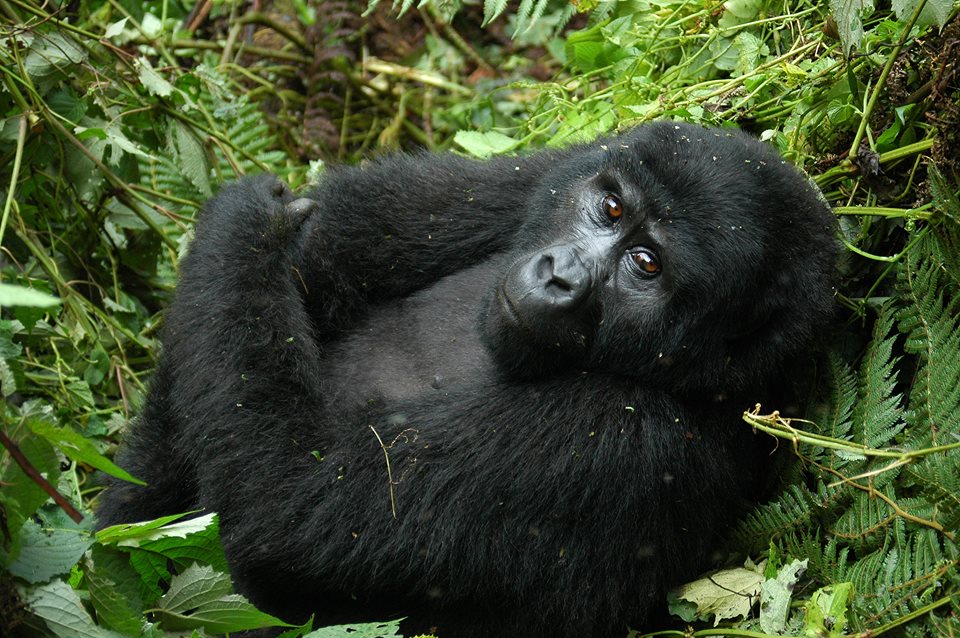
Sadly, we leave some of our most cherished things behind when we grow up. When I became a man, I put away childish things, and for some reason, the Sigma lens – and the birdwatching world it had opened to me – was one of those “childish things” I put away when I left for university. Maybe I was only trying to fit in. Maybe all the time I would have spent out and about in nature was reassigned to making time for friends and rehearsals. One way or another, I sort of let go of something that had been a fundamental part of my childhood – and, if I’m being honest, my soul. I regret that, I guess.
The naturalist in me never went away. I distinctly recall keeping a quiet list of the birds I saw in a notebook while traveling around Morocco with some friends from my Arabic course. I remember also taking an unfettered delight in the sight of a sparrowhawk when it struck down a pigeon in my garden and proceeded to disembowel it in front of the kitchen window. And there was always an enormous grin on my face if and when I encountered the pair of goosanders that lived on the River Wear en route to a seminar in the morning. I think I even altered my route most days to try to see them.
After a few months in Spain during my year abroad, I used some of my Erasmus grant to buy myself a new camera. The new model – the D3200 that I have used ever since – was a budget model and thus did not come with an in-built focus motor. When I remembered the faithful Sigma and tried it out with my new kit, I realised that its days as a wildlife zoom lens were over. Let’s just say that tracking a 15cm kingfisher flying at 40kmph across the surface of a rushing river is hard enough with an autofocus-ready lens, and damned near impossible when you’re trying to catch it manually. Several years of neglect had also left it in a rusty state. While still perfectly functional, web-like fungus had grown across its inner rings, doubtless the result of its final foray in the cloud forests of Bwindi Impenetrable National Park.
Since then, I have done a decent job with my 75-300mm, but the glory days of wielding a mighty telephoto like a flanged mace felt like a distant memory. Until yesterday, when I bit the bullet and ordered a proper upgrade: introducing the Nikon 200-500mm AF-S. It’s not exactly the latest model – the lens went on the market in 2015, shortly before I bought the D3200 – but it is a huge step forward in terms of what I can do with my wildlife photography. I’m not really at the stage in my career where I feel I can justify splashing out on one of those titanic cannon-esque superzooms that the other Kentish birdwatchers used to lug around, but I am at the stage in my life when I want something to live for. Lady Luck is proving hard to find, so until she turns up, I’ve decided to step back in time and blow the dust off a hobby that used to have me grinning from ear to ear from week to week.
Some people find their joy in the gym or in park run. But for me, the answer is and has always been nature. Now that I am fully-armed once again – for the first time in nearly fourteen years – it’s time to get back out there and enjoy a hobby again.
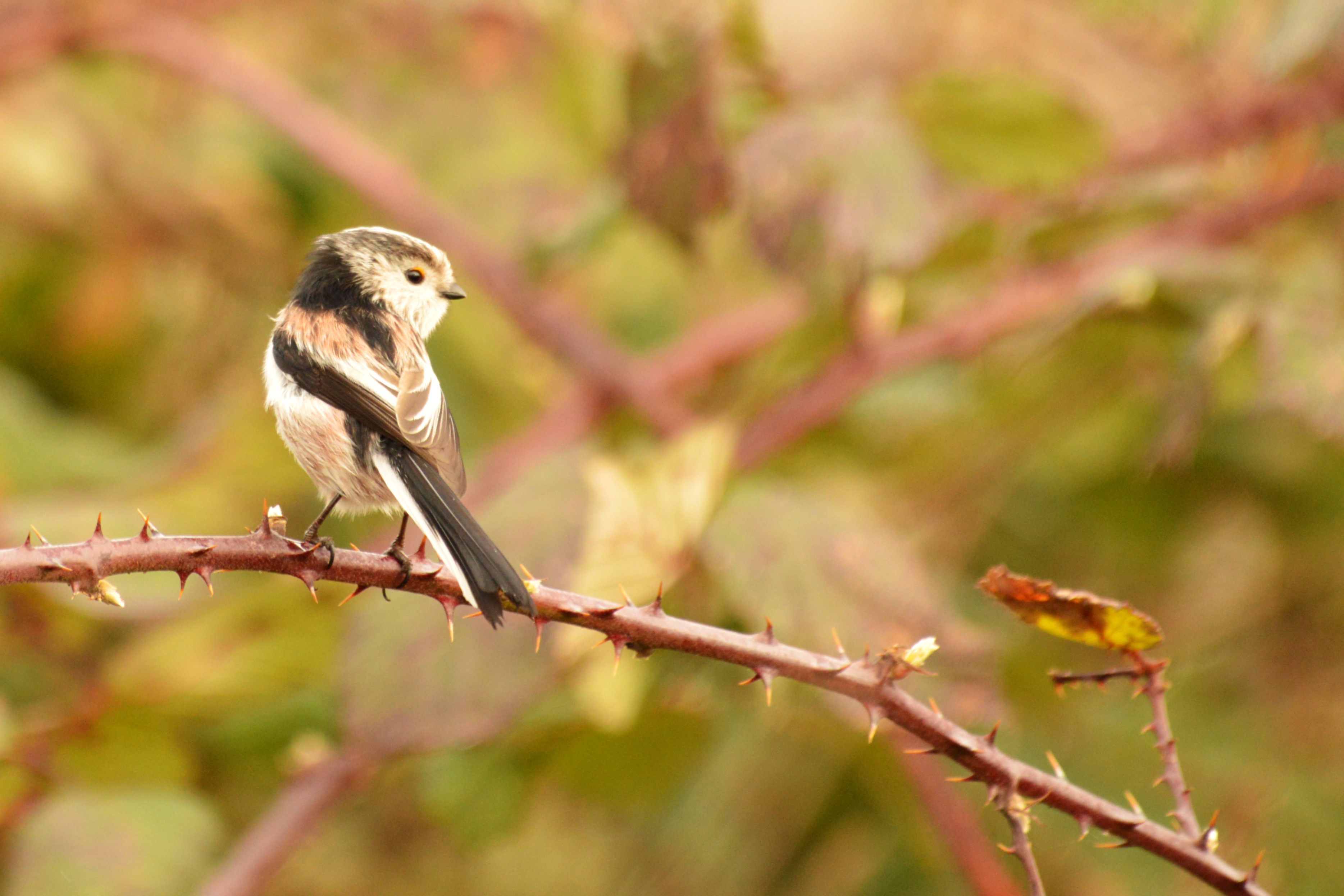
I still don’t have wheels of my own, so my forays will be limited until such a time as I get my hands on a driver’s license, but for now, I intend to explore my immediate area. There’s plenty to see in the corner of Somerset where I live, and the local bus and train network is pretty handy. With the forecast looking none too promising (the rain continues), I thought I’d start with a wander up and down the River Tone, so that I could dash home in case the heavens opened. Fortunately, the worst I got was a gentle mist for the first five minutes, after which I had a very dry (if muddy) two hours’ walk.
The Nikon 200-500mm is about the same length as the old Sigma, but it is both chunkier and heavier, so I found myself using the tripod grip as a handle. It also requires two spins of the barrel to extend to its full focal length (back in the day, I could wind out the Sigma to its precise maximum of 400mm in a single move), but in a major improvement on the Sigma, it loses none of its visual acuity at its full extension, so in a very real sense, I am working with a longer telephoto than I have ever operated before. I had plenty of opportunities to put it through its paces this morning with the roving flocks of passerines that were feeding along the river, and it did not disappoint, tracking the nimble movements of treecreepers, siskins, goldcrests and long-tailed tits as they hopped about between the leafless branches.
I’m a firm believer that it takes more than just an expensive camera or lens to make a decent wildlife photographer. What it really requires is a solid understanding of your subject and their fickle nature. Fortunately, I have spent most of my thirty-two years on this planet observing the world around me, so while I still can’t keep pace with the rest of my generation in many respects, I do know what I’m doing in the field of wildlife photography. I’m no professional, nor would I ever consider making this hobby into a side-hustle, but it does bring me immense joy.
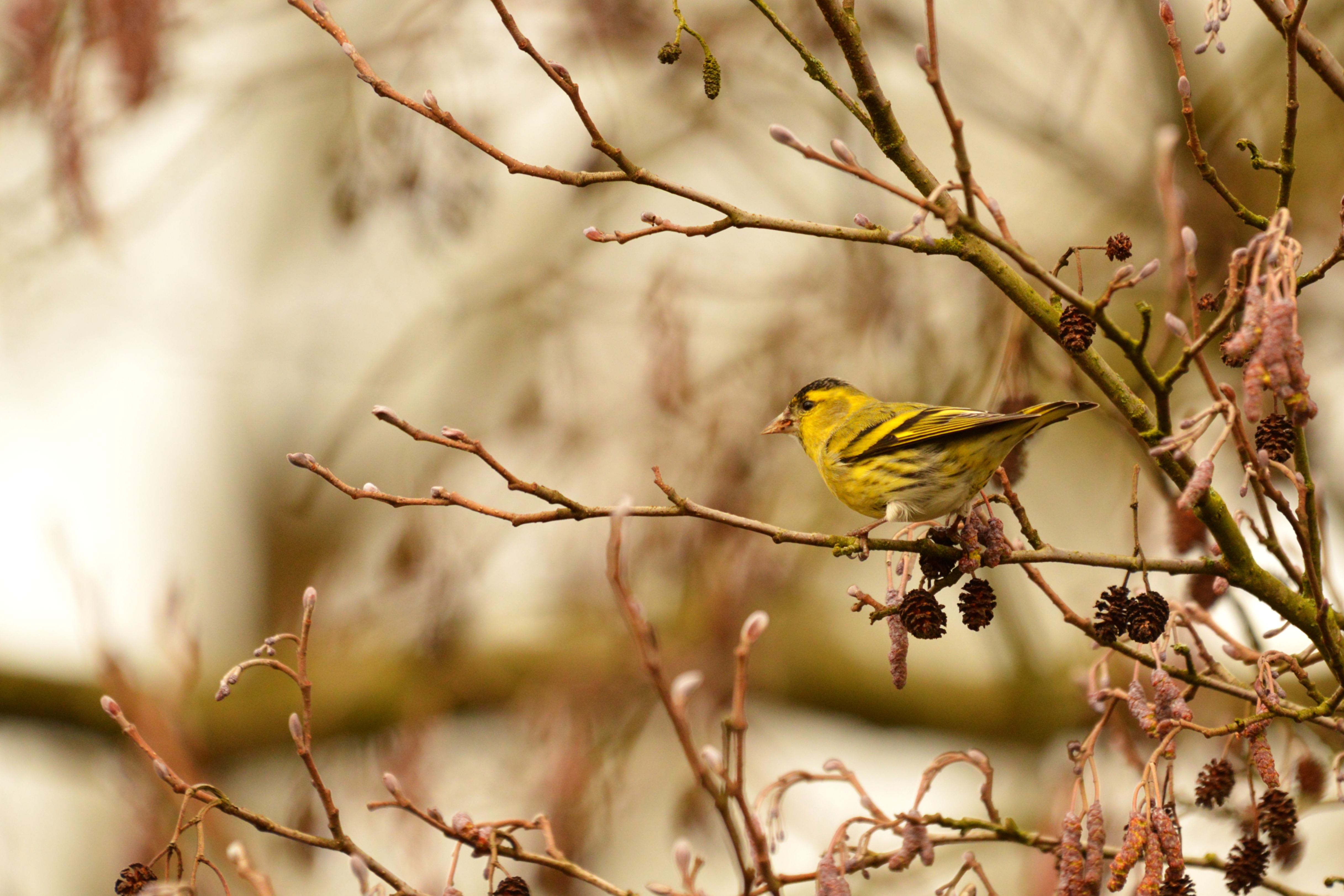
It’s so good to be back. My arm is complete again. Let’s make this a year to remember! BB x
 The Book of Barnabas