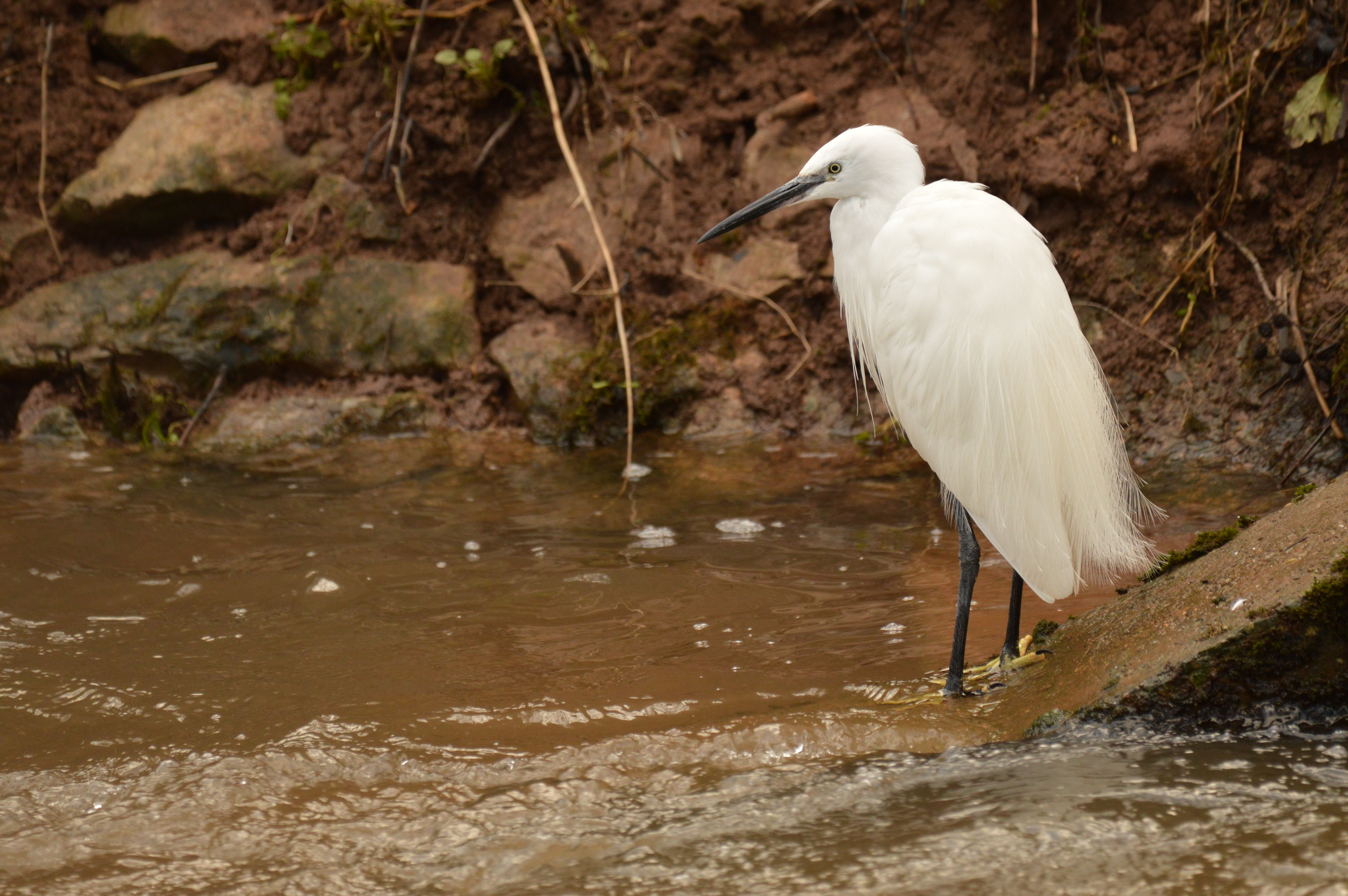
Little Egret (Egretta garzetta) – River Tone. 22/2/26
On my afternoon wander along the Tone yesterday I came across an egret fishing on the concrete steps of a flow measuring station. I’m so used to the snowy white shapes of these beautiful birds in and around the rivers and fields of the English countryside that it’s sometimes hard to remember a time when these were a very rare sight indeed.
When I was not yet ten, the presence of an egret in the area was something my family or friends found newsworthy. That’s not exactly surprising. Compared to our native (and undeniably stately) grey herons, they do have an exotic look about them. Maybe it’s the silky plumes (or aigrettes) of their breeding plumage, or maybe it’s the smart yellow galoshes they seem to wear on their feet. The speed of their colonisation of the British Isles gave the Roman Empire a run for its money: by the time I was fifteen, they were already such a feature of the Kentish wetlands and saltmarshes that they had somewhat lost their star appeal, if not their lustre. They no longer triggered a rare bird alert on twitchers’ pagers up and down the country, and their names no longer appeared in bold capital letters on the “Recent Sightings” blackboards at nature reserves.
But first, some myth-busting. It’s not as though the egret is an exotic immigrant to our shores. Far from it. Various species of egrets could be found in the British Isles throughout history, before a combination of over-hunting and the insatiable demand for egret feathers wiped them out. Such was the obsession for aigrettes – which once bedecked the headwear of noble lords and ladies alike – that the little egret and its cousin, the great white egret, were driven out of much of Western Europe as well, seeking sanctuary along the sheltered shores of the Mediterranean. It wasn’t until a pioneering group of Englishwomen came together in 1889 to form the Society for the Protection of Birds (the forerunner to the cherished RSPB) that the egret’s fortunes began to change, first by petitioning powerful high-society types to eschew feathers from their wardrobe, then lobbying the government to ban them outright. It clearly caught on, because the Americans set up a similar initiative of their own over in Oregon, where the native great and snowy egrets were suffering a similar fate. Gradually, with aigrette feathers off the market, the birds began to reappear in the fields and fenlands they had once called home. It would be another hundred years before they attempted to recolonise the British Isles, but once they did, they came back in droves.
I bought a magazine once in the late 2000s that predicted the arrival of the rest of Europe’s heron and egret species in the UK as global warming made these cold islands more favourable to birds more at home in southern Europe. It wasn’t wrong. Since then, both the cattle and great white egret have secured a foothold in Britain, with all three species present in the Avalon Marshes over in the Somerset Levels. If it weren’t for the fact that I work six days out of seven – and Sunday trains and buses are awful in this part of the world – I’d be over there like a shot. Somehow, I fear the open wilds of the Avalon Marshes will have to wait until I have wheels, because after a few sums, it would actually work out cheaper for me to fly to Europe and back than to spend a night or two in Glastonbury in order to visit the Levels. Mad how that works.
Not that I’d say not to being back in Europe, of course – though I am still waiting for my temporary ban to lift, as I hit the ninety day limit last year and would very much like to go back to my grandfather’s country without having to pay a fine. I always try to keep an open mind, but sometimes, Brexit, I really do wish you hadn’t screwed up my life quite so much.
Anyway. These papers won’t mark themselves. Just thought I’d muse a little on something uplifting before getting back to the grind. BB x
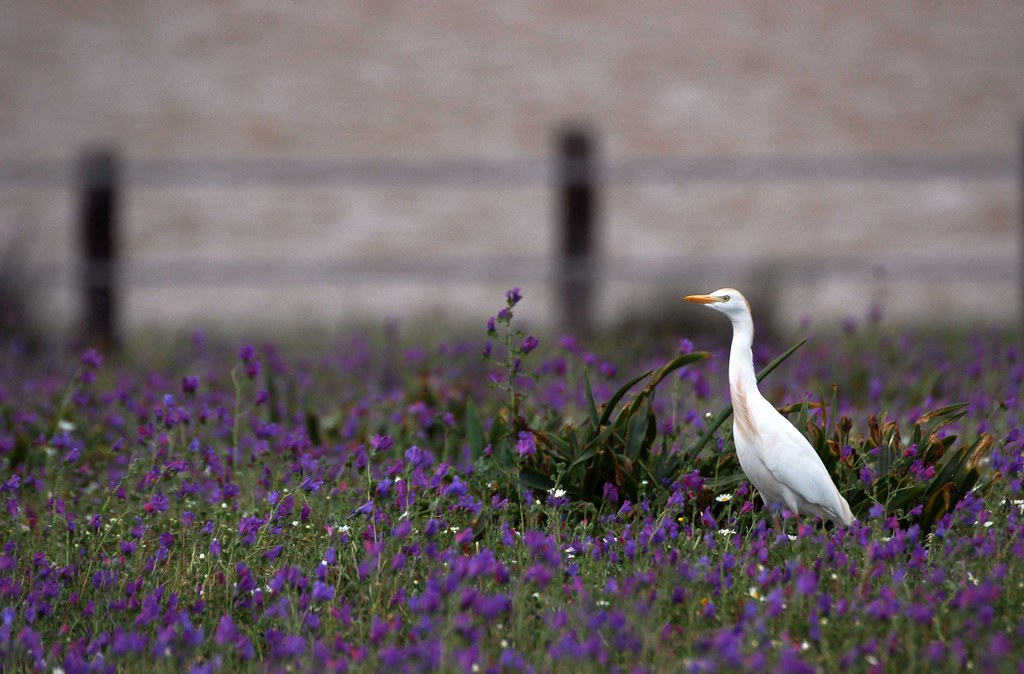
Cattle Egret (Ardea ibis) – Dehesa de Abajo, Spain. 26/4/10
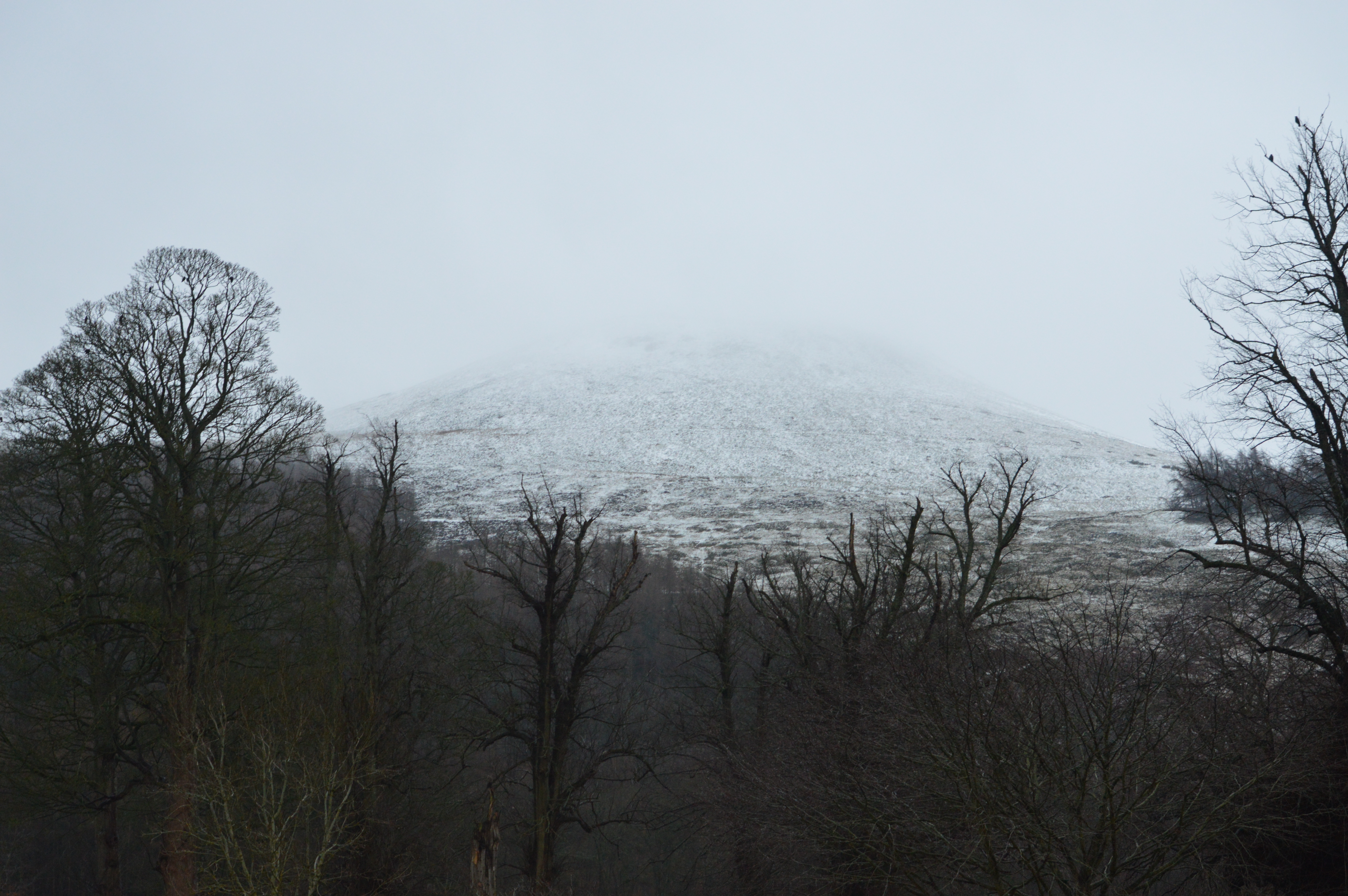
I’ve just come back from a wonderful five days in Scotland with some very dear friends. Apart from being a much-needed social fix, it was as good an excuse as any for a change of scenery. Unlike the rest of the UK, where it has so far managed to rain every single day since the new year began, Scotland and its particular brand of Celtic magic has contrived to turn some of that endless precipitation into flurries of snow, which still frosted the distant highlands beyond the Firth of Forth as my southbound train whisked me around the coast at Berwick. I ended up going north one day sooner than planned to tag along to a family hike in the Lomond Hills around Falkland, for which I was woefully overdressed. We popped in to Andy and Babette’s church first, so I had my Sunday best on, which wasn’t exactly the right fare for carrying a pushchair through ankle-deep mud and melted snow. Still – there’s got to be a first time for everything, right?
God – but Edinburgh is such a beautiful city. I don’t say that all that often about cities, but Edinburgh is special. If Spain doesn’t work out – and I am still holding out that it will – Edinburgh wouldn’t be a bad fallback. What a place to raise a child!
With my Peruvian adventure now just over a month away, I have started to get serious in my preparations. I have booked my first accommodation option in Cuzco, using the only dates of which I can be sure, and started to map out the various bus routes I will be taking. I have nineteen days, which isn’t nearly enough to see all that Peru has to offer, but I’ll give it a damned good try.
As I can’t be sure if I’ll return to Peru anytime soon, it occurred to me a few weeks ago that now might be the right time to invest in an upgrade to my trusty 75-300mm telephoto lens. The reliable little Nikkor lens has done a fine job for the last ten years – almost to the day – but in a country teeming with sights I have never seen before, a little more reach would be a very handy thing to have.
When I was starting out as a wildlife photographer, I used a second-hand Nikon D70 and 75-300mm lens and so I grew very accustomed to shooting with that focal length, but when I was around fourteen, my mother bought me a Sigma 150-500mm. I don’t want to think about how much it must have cost her back then (when we weren’t exactly in clover after our ruinous attempt to move to Spain), but it was one hell of an investment. Once I got the hang of the behemoth and its various quirks (notably its optimal range of 400mm, as it tended to blur beyond that range), it became nothing short of my right arm.
Goodness knows I had enough practice. Weekly sorties became routine. My homework diaries from Year 10 and 11 have a clearer record of my weekend plans than they do of any homework I might have been set. My usual haunts were scattered across East Kent: Stodmarsh, Sandwich Bay, Margate and my local patch at the Undercliff where the White Cliffs of Dover began; and sometimes further afield, to the lonely wetlands of Dungeness and the Elmley Marshes. I still find it ironic that I didn’t really get bit by the birdwatching bug until my last week living in Spain, by which point it was almost too late to appreciate what I had out there. Still, Kent was a wonderful place to learn that trade, and I even made something of a name for myself as the Young Kent Birder for the Kent Ornithological Society. That was also my first foray into blogging, as it happens – this particular endeavour is merely the successor to a record-keeping exercise that I have been working on since I was fourteen years old.
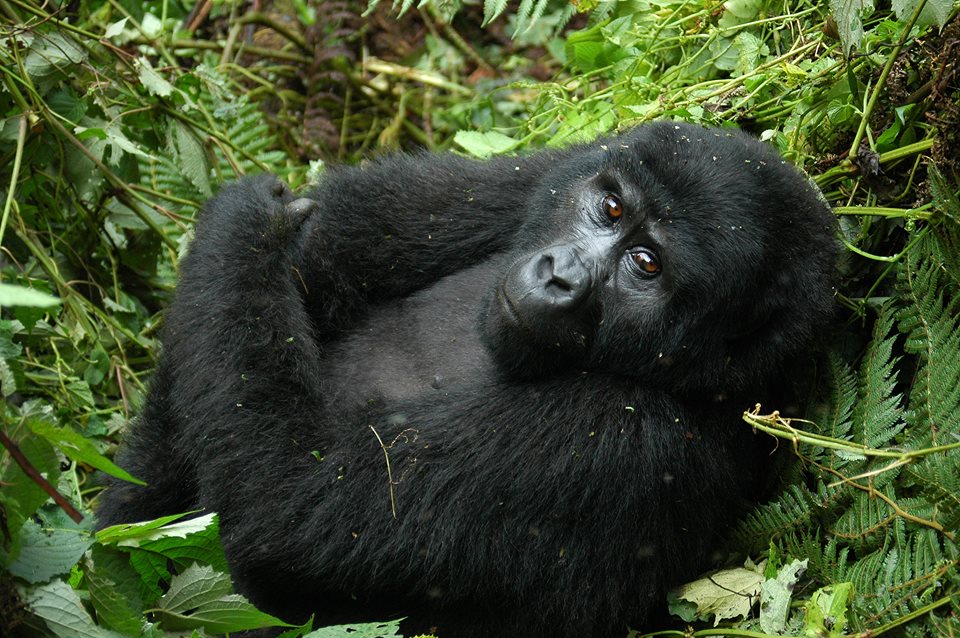
The Sigma lens came with me on many adventures, but it was absolutely invaluable when I went to work in Uganda during the first three months of my gap year. I honestly don’t know what I’d have done without it. I certainly wouldn’t have had nearly as much luck with the fish eagles, crowned cranes, tree-climbing lions and mountain gorillas as I did with the Sigma lens at my side.
Sadly, we leave some of our most cherished things behind when we grow up. When I became a man, I put away childish things, and for some reason, the Sigma lens – and the birdwatching world it had opened to me – was one of those “childish things” I put away when I left for university. Maybe I was only trying to fit in. Maybe all the time I would have spent out and about in nature was reassigned to making time for friends and rehearsals. One way or another, I sort of let go of something that had been a fundamental part of my childhood – and, if I’m being honest, my soul. I regret that, I guess.
The naturalist in me never went away. I distinctly recall keeping a quiet list of the birds I saw in a notebook while traveling around Morocco with some friends from my Arabic course. I remember also taking an unfettered delight in the sight of a sparrowhawk when it struck down a pigeon in my garden and proceeded to disembowel it in front of the kitchen window. And there was always an enormous grin on my face if and when I encountered the pair of goosanders that lived on the River Wear en route to a seminar in the morning. I think I even altered my route most days to try to see them.
After a few months in Spain during my year abroad, I used some of my Erasmus grant to buy myself a new camera. The new model – the D3200 that I have used ever since – was a budget model and thus did not come with an in-built focus motor. When I remembered the faithful Sigma and tried it out with my new kit, I realised that its days as a wildlife zoom lens were over. Let’s just say that tracking a 15cm kingfisher flying at 40kmph across the surface of a rushing river is hard enough with an autofocus-ready lens, and damned near impossible when you’re trying to catch it manually. Several years of neglect had also left it in a rusty state. While still perfectly functional, web-like fungus had grown across its inner rings, doubtless the result of its final foray in the cloud forests of Bwindi Impenetrable National Park.
Since then, I have done a decent job with my 75-300mm, but the glory days of wielding a mighty telephoto like a flanged mace felt like a distant memory. Until yesterday, when I bit the bullet and ordered a proper upgrade: introducing the Nikon 200-500mm AF-S. It’s not exactly the latest model – the lens went on the market in 2015, shortly before I bought the D3200 – but it is a huge step forward in terms of what I can do with my wildlife photography. I’m not really at the stage in my career where I feel I can justify splashing out on one of those titanic cannon-esque superzooms that the other Kentish birdwatchers used to lug around, but I am at the stage in my life when I want something to live for. Lady Luck is proving hard to find, so until she turns up, I’ve decided to step back in time and blow the dust off a hobby that used to have me grinning from ear to ear from week to week.
Some people find their joy in the gym or in park run. But for me, the answer is and has always been nature. Now that I am fully-armed once again – for the first time in nearly fourteen years – it’s time to get back out there and enjoy a hobby again.
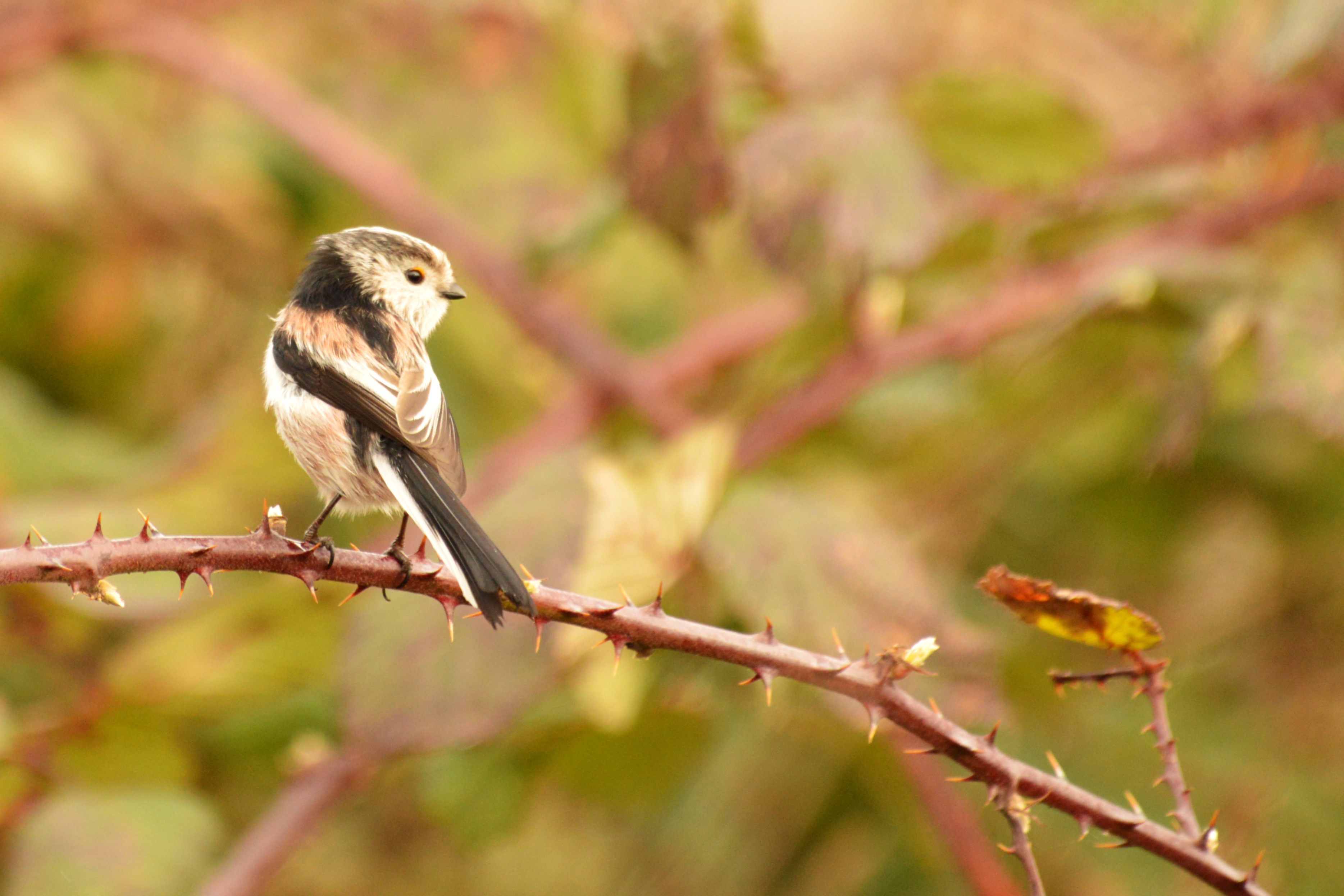
Long-tailed Tit (Aegithalos caudatus), River Tone.
I still don’t have wheels of my own, so my forays will be limited until such a time as I get my hands on a driver’s license, but for now, I intend to explore my immediate area. There’s plenty to see in the corner of Somerset where I live, and the local bus and train network is pretty handy. With the forecast looking none too promising (the rain continues), I thought I’d start with a wander up and down the River Tone, so that I could dash home in case the heavens opened. Fortunately, the worst I got was a gentle mist for the first five minutes, after which I had a very dry (if muddy) two hours’ walk.
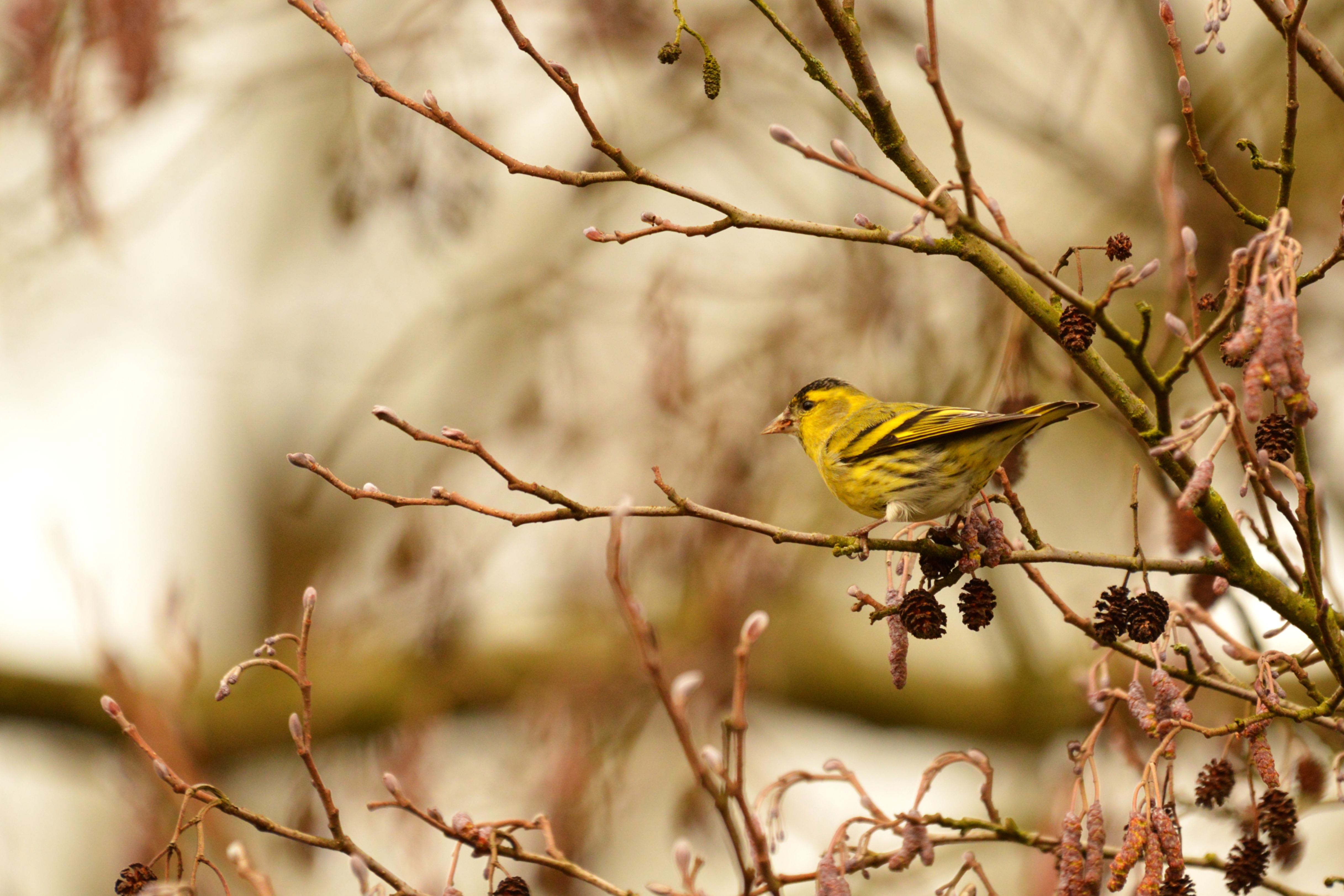
The Nikon 200-500mm is about the same length as the old Sigma, but it is both chunkier and heavier, so I found myself using the tripod grip as a handle. It also requires two spins of the barrel to extend to its full focal length (back in the day, I could wind out the Sigma to its precise maximum of 400mm in a single move), but in a major improvement on the Sigma, it loses none of its visual acuity at its full extension, so in a very real sense, I am working with a longer telephoto than I have ever operated before. I had plenty of opportunities to put it through its paces this morning with the roving flocks of passerines that were feeding along the river, and it did not disappoint, tracking the nimble movements of treecreepers, siskins, goldcrests and long-tailed tits as they hopped about between the leafless branches.
I’m a firm believer that it takes more than just an expensive camera or lens to make a decent wildlife photographer. What it really requires is a solid understanding of your subject and their fickle nature. Fortunately, I have spent most of my thirty-two years on this planet observing the world around me, so while I still can’t keep pace with the rest of my generation in many respects, I do know what I’m doing in the field of wildlife photography. I’m no professional, nor would I ever consider making this hobby into a side-hustle, but it does bring me immense joy.
Eurasian Siskin (Spinus spinus), River Tone.
It’s so good to be back. My arm is complete again. Let’s make this a year to remember! BB x
I suppose I ought to comment on Bad Bunny’s Superbowl performance earlier this week. I confess I haven’t seen it in its entirety just yet – give me a few more days and then we’ll be on half term, and I’ll give it the attention it justly deserves. Instead, I thought I’d explore something else I saw on my newsfeed today.
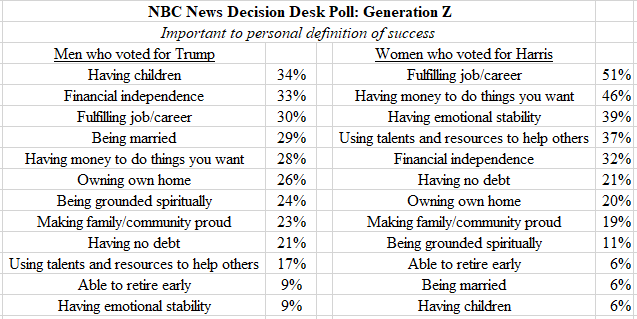
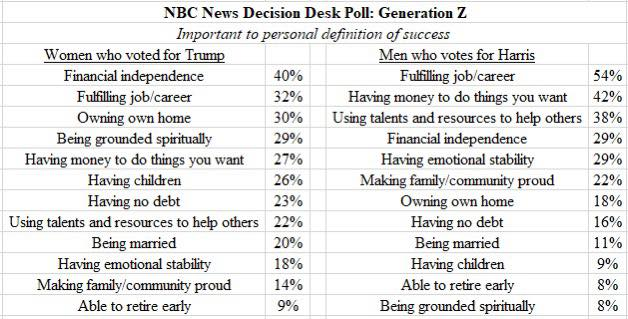
Let’s talk about success and what it looks like. According to a survey conducted a few months ago by NBC’s News Decision Desk Poll on Gen Z – a generation from which I am removed by only a few years – the parameters for what constitutes success vary wildly between men and women on opposite ends of the political spectrum. I tend to do a bit of digging when I see stories like this, since you can’t take any news items at face value these days, but the results are certainly very believable.
The fact that neither children nor marital status were a priority for any demographic other than Trump-voting men is not really a surprise. When I asked my debating team to rank the success factors this afternoon, all three groups had children as their least important, and they are the demographic in the survey.
It’s equally unsurprising to see money concerns so high up the list for both male and female responses in both the Trump and Harris camps. There’s no dodging the fact that we’re living through a cost of living crisis in the West right now, and that Gen Z – and, it should be said, the tail end of the millennial generation, like myself – have been screwed over in a number of wicked ways: the rise of the smartphone, the surge in housing prices and university tuition and the creeping dread of AI, not to mention the anxiety crisis that has taken root in the fertile soil left behind by an almost total absence of conflict in the Western world and the genuine terror that has inspired for much of human history. When I was a kid and had yet to give the matter all that much thought, I remember wondering whether what the world needed was another damned good scrap just to let off some steam. Now that I’m older and potentially wiser, I’m not sure if I have entirely shaken that belief, though my reasoning may have changed somewhat.
If I have read the rubric correctly, those surveyed were asked to select the three factors that most aligned with their personal definition of success. Out of curiosity to see how I square with the generation below, I thought I’d rank them myself.
Having a job or a career you find fulfilling
Having children
Being married
Using your talents and resources to help others
Having enough money to do the things you want to do
Making your family or community proud
Achieving financial independence
Being spiritually grounded
Having emotional stability
Owning your own home
Having no debt
Fame and Influence
Being able to retire early
Now, it’s not an entirely fair test, as I am neither a true Gen Z-er, nor am I American, nor did I vote in the US election. But it does throw up a number of concerns – namely, that my responses to the survey align more closely with the average male Trump voter. My students have often described me as one of the most liberal-minded teachers in the school – so do these responses say more about their world view or my ability to mask my true beliefs?
I’m not sure. To me, success is not something that can be quantified in wealth or status. It is inextricably tied up with the pursuit of destiny. Life is nothing but a cycle without a quest, and quests are all about success. If at first you don’t succeed, you simply pick yourself up and try again.
In two of my three success factors, I confess I am failing miserably. Despite my (apparently) outwardly liberal persona, I am deeply traditional at heart, and it should come as no surprise to any in my circle that I want nothing more from life than a wife and children someday. That would be the ultimate success. Love, companionship and parenthood – these are surely the greatest quests of all. Everything else is a gift.
My generation seems to have always been at odds with the idea of raising a family, continually bumping it down the to-do list until it has fallen into the dark gap behind the sofa, somewhere beneath going on holiday more than once a year and running the London Marathon. Perhaps that explains why the birth rate here in the UK is at its lowest point since records began, averaging around 1.4 children to each woman. In an increasingly faithless world, we have put personal success (with the emphasis on the silent letter “I” in personal) on a pedestal and worshipped it to excess, and now we are paying the price for it. Being thecontrarianthat I am, it is all I can do to fight a current that is doing its very best to drown me.
So while I have the rare privilege of finding my job endlessly fulfilling (I only considered leaving it once, and that was at the height of COVID’s online learning period), I must admit that, by my own definitions of success, I am – for the present – relatively unsuccessful.
But there are plenty of reasons to be happy in my success.
I love my job. It allows me to spend almost all of my waking hours using my knowledge and resources to help others.
By carrying the torch as a teacher for the fifth generation, I know that I am making my family proud, and that gives me an enormous sense of fulfilment.
For all the churches and services I have attended throughout my life, I may not have found a spiritual community that speaks to me just yet – not even along the Camino – but then, my faith has always been a very personal thing, and I do feel grounded under the aegis of la Virgen del Rocio, whose mark I have borne on my wrist for the best part of a year.
I don’t own my own home – I can’t think of many in my generation who do, besides a few of the privately-educated folks I was at university with – but again, I’m not an American, and I suspect that level of privacy and property has a lot more currency across the pond.
Debt is simply a fact of life for my generation, so I’m not even sure why that’s on the list, and while I have little time for fame or influence, I care even less for the idea of retiring early when the job I have to do is so important, so I’m quite happy for it to languish at the bottom of the list. Maybe my thoughts on that will change when I am older. I hope not.
Half term is around the corner. I’m going to try to get some more writing in ahead of Peru. Do stay tuned for updates on the itinerary! BB x
 The Book of Barnabas