Ending any stage of the Camino is always a sad experience. I think I’d managed to put it out of my memory last time, but it came back to bite this morning. I guess it’s the routine sense of purpose the Camino provides so effortlessly: wake up, eat, walk to your next destination, wash your clothes, eat, sleep and repeat. You never need to worry about planning ahead, and that allows you to focus on the small pleasures: conversations on the road, birdsong in the morning, the joy of taking off your sandals at the end of the walk. Life can seem a little lacking in purpose when you step out of it.
So, unwilling to surrender entirely to sorrow, I strapped my sandals back on and set out to explore the beautiful city of Burgos, city of Spain’s greatest hero of all time: Rodrigo Díaz de Vivar, El Cid.
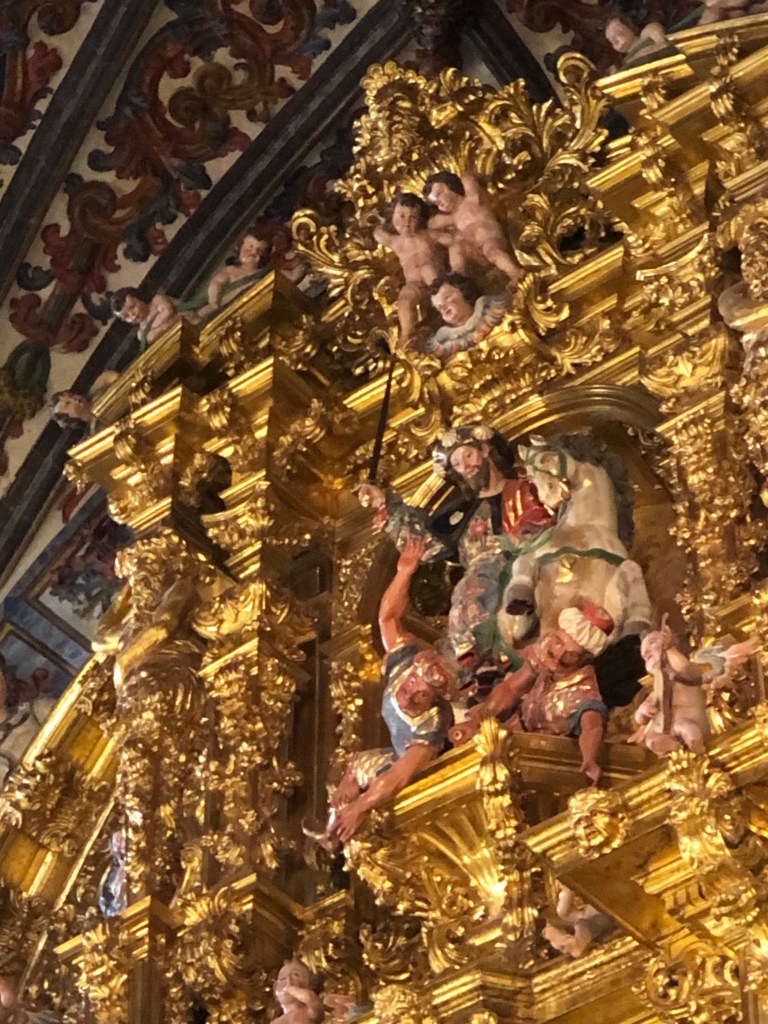
I went to Mass in the cathedral. There were two celebrations taking place in the chapels at the front of the cathedral ahead of the misa solemne. I opted to attend one of the smaller ones. For my sins I haven’t always been to church on Easter Sunday since becoming a Catholic, so it was extra special to turn that around here in one of Spain’s most beautiful cathedrals. Even if it did mean staring up at one of the least subtle icons of Santiago Matamoros.
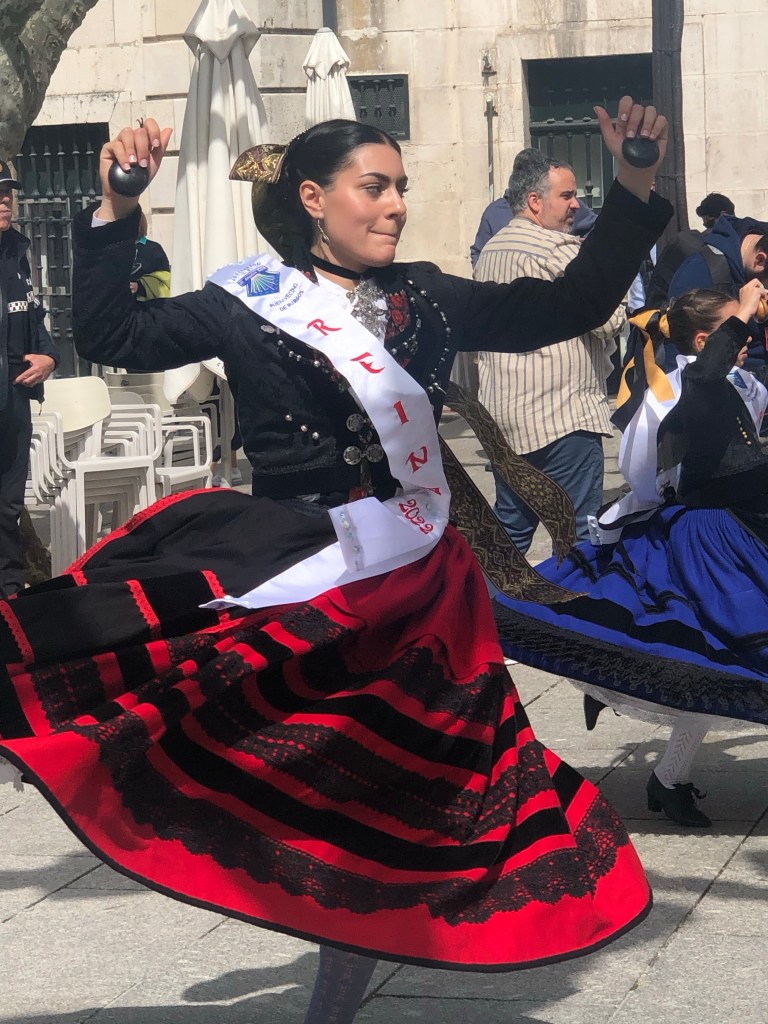
While soaking up the sunshine on the bank of the Arlanzón, I heard the sound of bells. A colourful procession was making its way down the Paseo Espolón, trailing a happy crowd of Sunday pedestrians. Gone were the solemn drums of the nightly pasos: the air was thick with the clean sound of hand bells and castanets. Gone too were the hoods that had so spooked the American pilgrims: these celebrants were welcoming the Easter season in with golden ribbons in their hair.
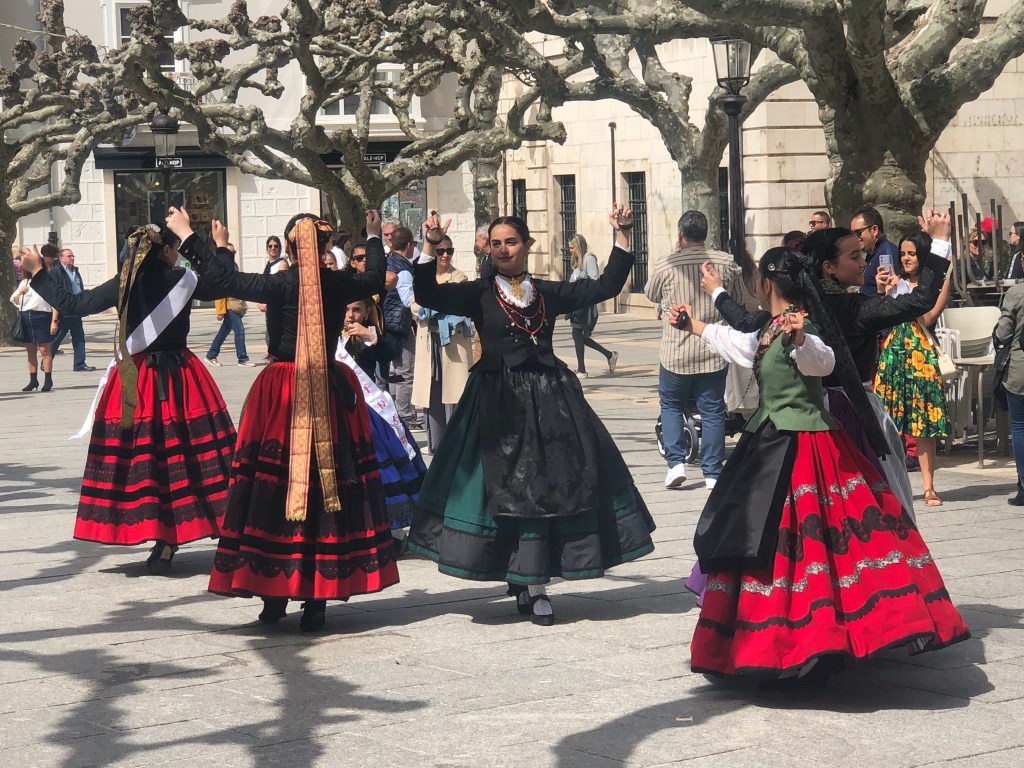
I’m a bit of a purist when it comes to Semana Santa. In the same way that I prefer enigmatic bulerías to happy-go-lucky sevillanas, I’ll always take the dark mystery of the nightly processions over the happier parades that bookend Semana Santa, Domingo de Ramos and Domingo de La Resurrección. Even so, the addition of an advance guard of local dances (in local dress) is a very nice touch: I don’t think I’ve ever been moved so by Easter Sunday’s celebrations.
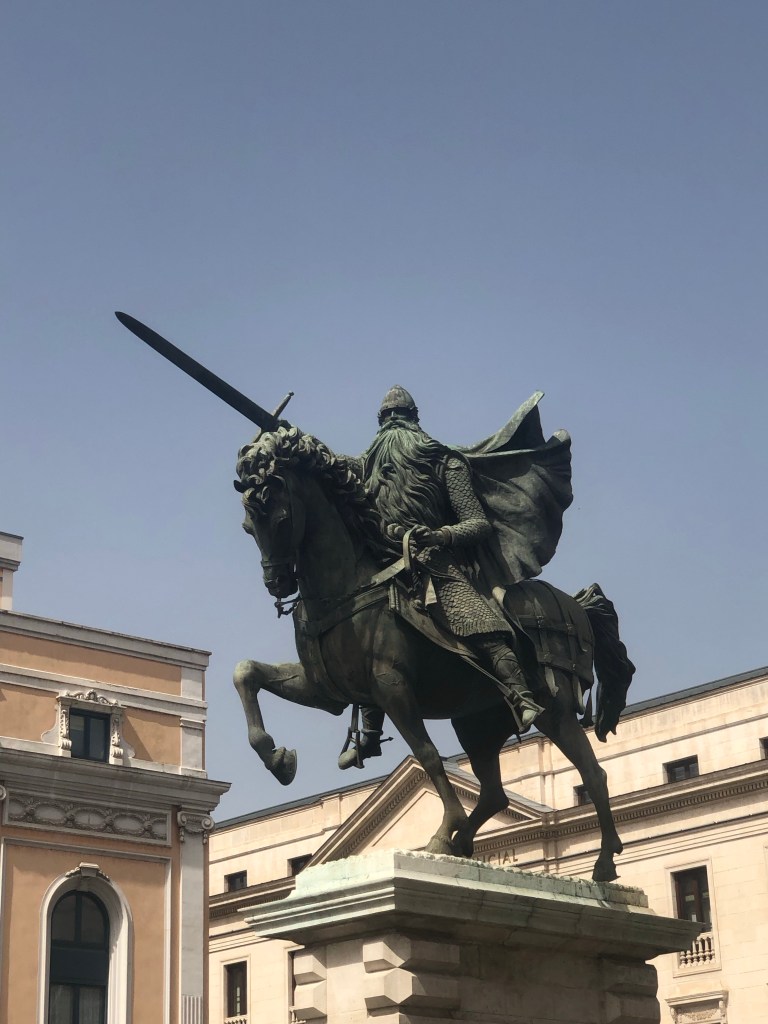
Leaving the celebrants behind, I made for the Puente de San Pablo, which is, frankly, a less than impressive name for what should really be called the Puente de los Héroes. Watching the passing traffic from eyes of stone are the primary characters of the Cantar del Mio Cid, among them Alvar Fáñez, his lieutenant and nephew; Jimena Díaz, his wife; and Abén Galbón, his Muslim friend and lord. At their head on the north bank stands the Cid himself, an imposing figure astride his war-horse Bavieca with the sword Tizona in his hand. I’ve been obsessed with the legend of El Cid since I was a boy, and none of that has faded as I approach thirty. I still get a giddying kick in the guts at the sight of that statue. Whatever the real Rodrigo Díaz might have been – warlord, mercenary, king in all but name – I will always be a fan of the legend. It is, truly, one of the greatest stories to come out of Spain.
It occurred to me that I had not actually been inside the cathedral proper on my last visit ten years ago, so I decided to make good on that this time. After all, it isn’t every day you get to pay your respects at the resting place of a real-life legend – and at half the price, as a peregrino (5€ with a credential – that’s a steal!).
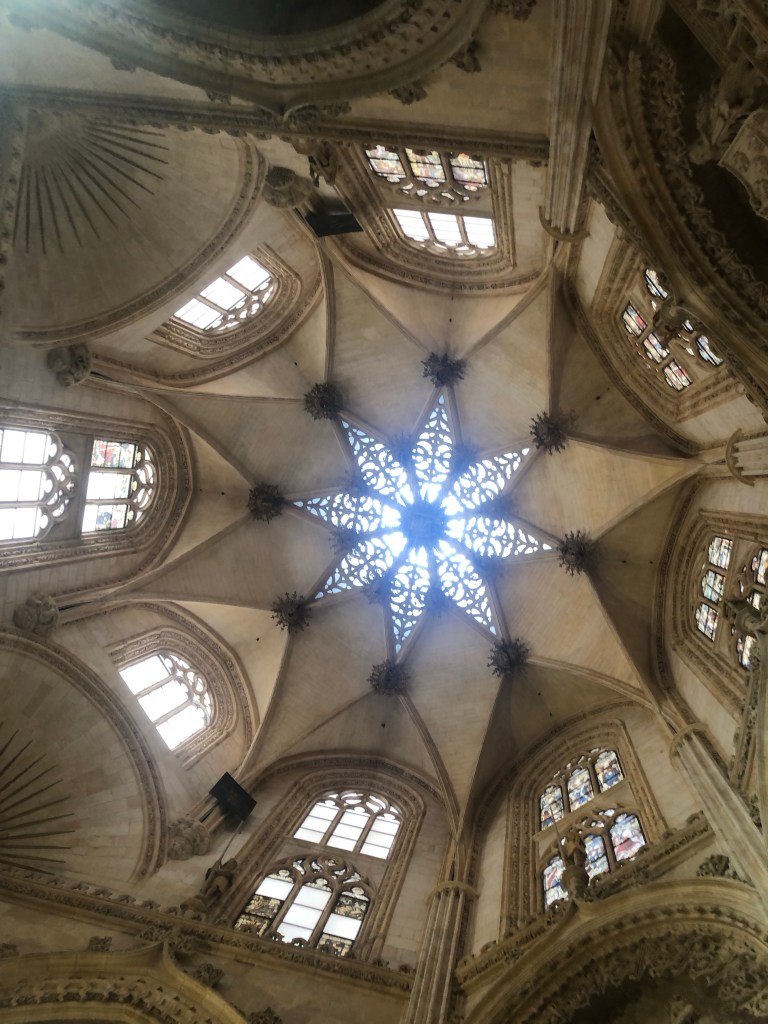
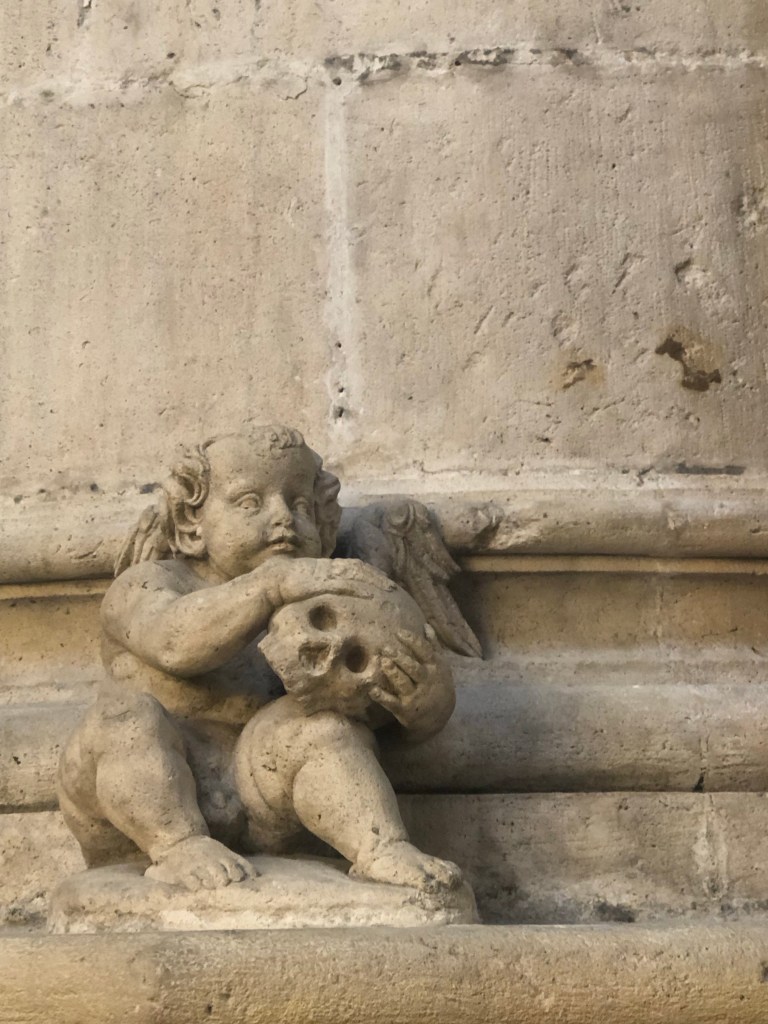
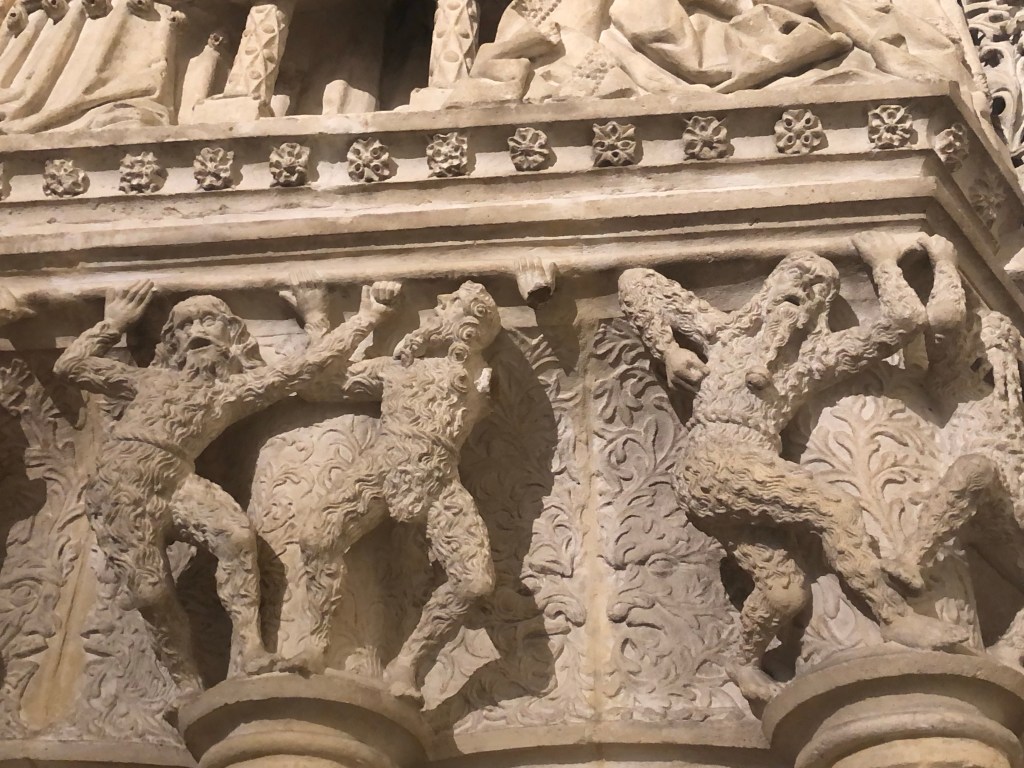
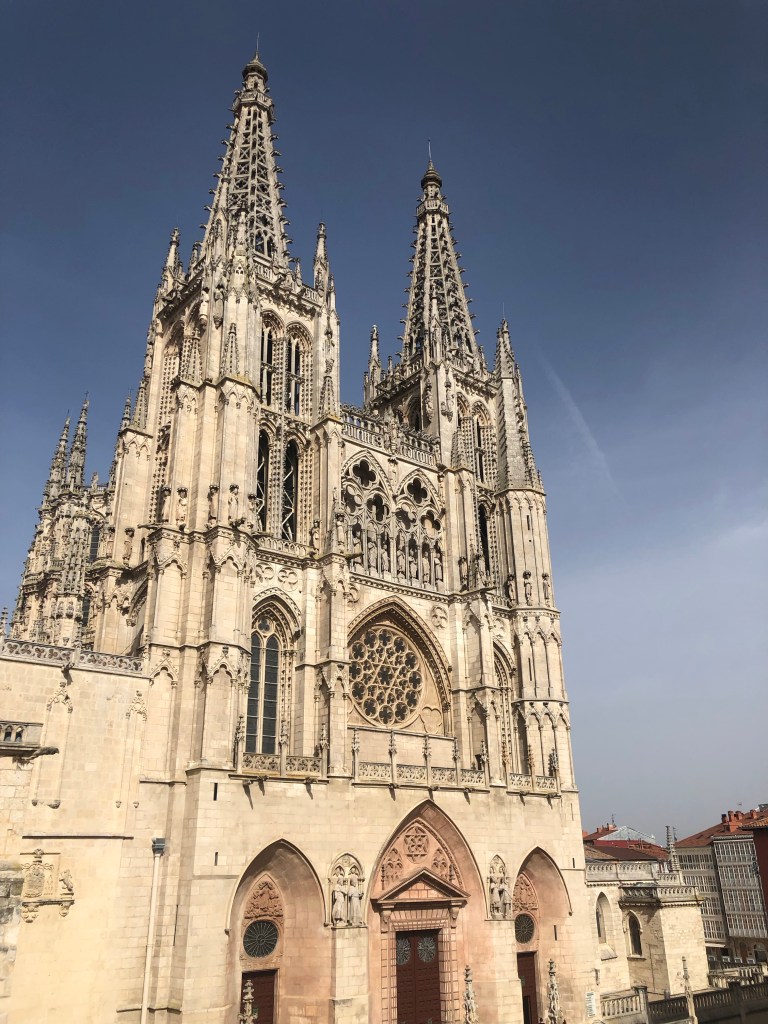
Now, I’ve spent my life in and out of cathedrals – I know Canterbury’s so well I could probably navigate it blindfolded – but Burgos is something else. I’ve heard people say it’s more impressive outside than in. While it’s easily one of Spain’s most breathtaking cathedrals to behold, the interior of Burgos’ cathedral is no slouch. Come for the tomb of El Cid (or what remains of his the French didn’t loot as trophies during the Peninsular War) but stay for the incredible stonework. There really is something to see at every turn, from starburst-like windows in the upper vaults to stone carvings of skulls, savage beasts and wild men.
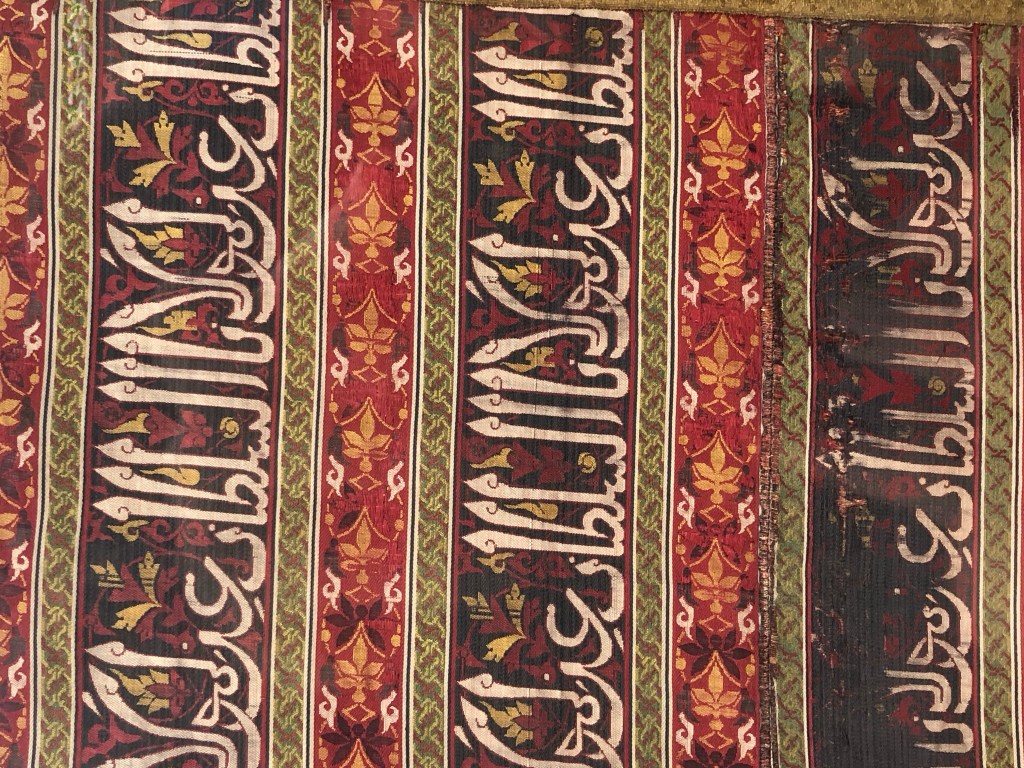
The treasure rooms in the lower chambers also hold a number of interesting relics, including the Cid’s legendary chest of sand, the silver hand of Saint Thomas A’Beckett (of Canterbury, of all places!) and a beautiful Moorish cloak emblazoned with the motto “Glory to the Sultan”. I wasn’t expecting to see any Moorish treasures so that last was an unexpected bonus!
With my tour of the vaults complete I popped into one of the only food stores still open and had a snack dinner of mejillones en escabeche – a solo travel staple of mine – overlooking the cathedral. A pair of ravens circled the twin spires for about an hour, their usually impressive stature dwarfed by the Gothic masonry. I couldn’t get into the bottled tinto de verano I bought on a whim – foolishly, I didn’t think to check if it would need a bottle opener. It’s still sitting unopened on my beside table as I write.
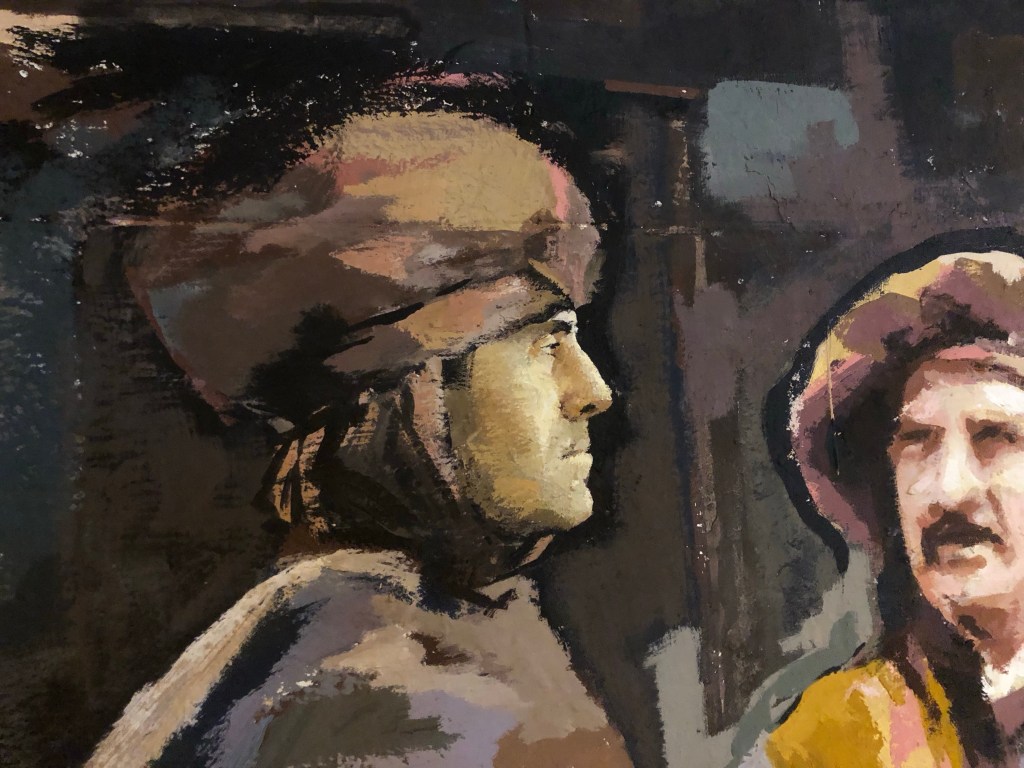
Finally, I went out for a beer with Francisco, the Mexican from the hostel. He was keen to draw my attention to a mural near the bar, where the Cid once again leapt off the page of legend into life. I was most impressed to see one detail in particular: the moros watching from the corner were striking for how un-Moorish they looked. Why, without their turbans, they might just as easily have been as Castilian as the other citizens of Burgos.
Which is exactly the point. We can be fairly certain that, by the time of the Cid (the mid to late 11th century), many if not most of Iberia’s Muslims would have been native to the peninsula for generations, not the lean, bearded Syrian stereotype that is so often thrown about when painting this period of history. Major props to the artist – it’s a brave stroke but a necessary one.
I have now made landfall in Bilbao. I’ve scouted the bus and train stations and they seem navigable enough. Tomorrow, I strike out for the highlands that followed me all the way along the Camino. I’ve had two days to recover and my feet are feeling much better. One final challenge stands between me and my flight home. Let’s hope I’m up to it! BB x
 The Book of Barnabas