All Change

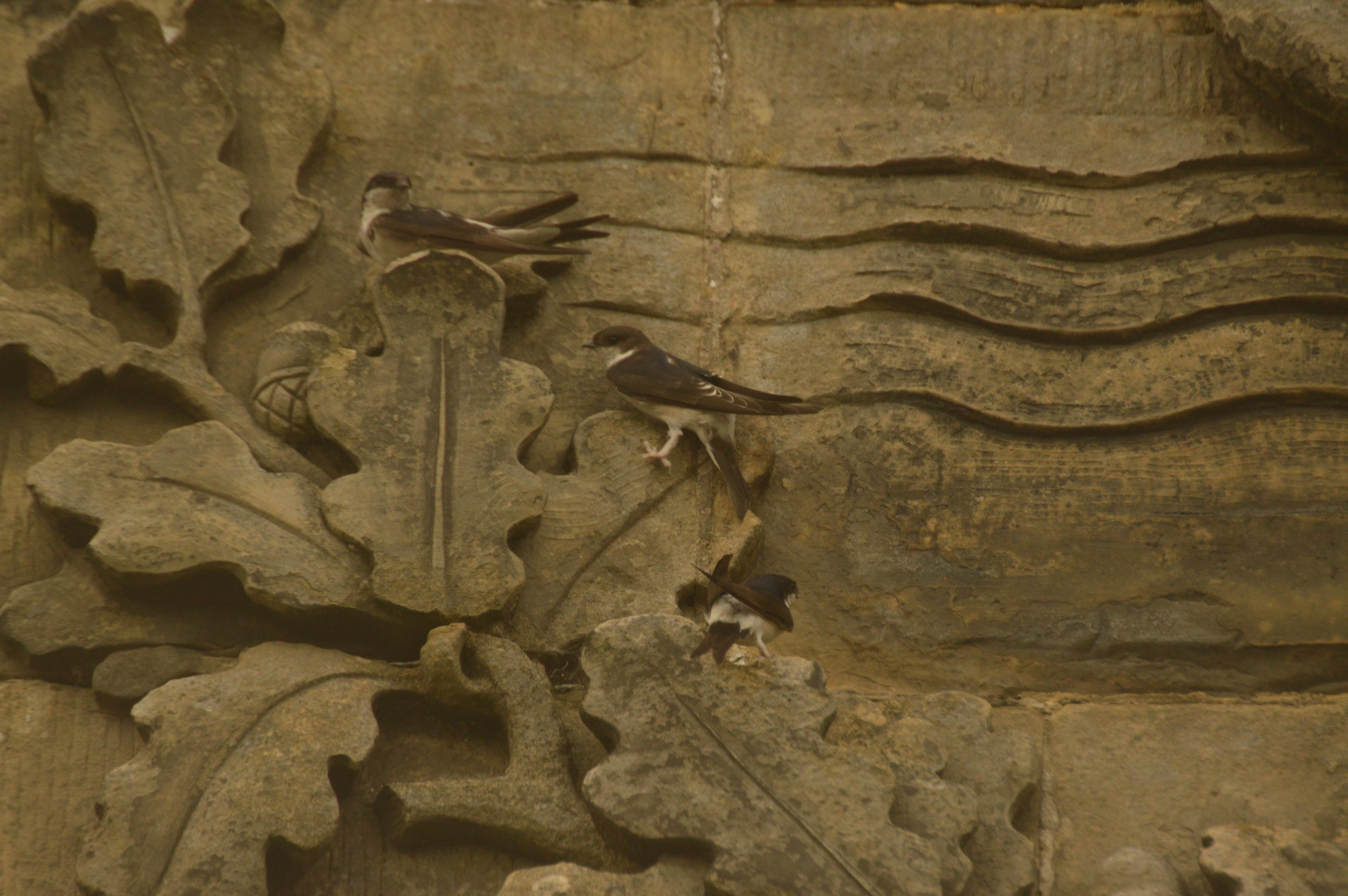
Autumn has come early this year. Following in the wake of the fierce heat of the hottest summer on record in the British Isles, many of the trees have started to shed their leaves almost two weeks earlier than usual. Two weeks does seem to be the number: the forest is thick with the musty air of fungus, and the colony of house martins that nest in the school have already started to muster on the roof as though they mean to depart any day now, though they are usually with us well into September. We’re in for a long winter when it comes.
The zenith of the summer stargazing season is behind us now. It’s one of the things I most look forward to about the summer, living where I do: despite the eternal glow from London to the north, the stars and the planets are surprisingly clear. Some of the summer nights this year were so hot it was possible to go out stargazing well after midnight without catching a chill, and I refamiliarised myself with the constellations: the twinkling ‘W’ of Cassiopeia; the Northern Cross; the winding enormity of Draco; and arrayed along the horizon, the bright lights of three planets: Jupiter, Saturn and Mars. It was so bright at the peak of the heatwave that I didn’t even need a torch to find my way around, thanks to the unfriendly glare of the hunter’s moon. While I couldn’t catch the planets with my camera, the Moon was easy enough.

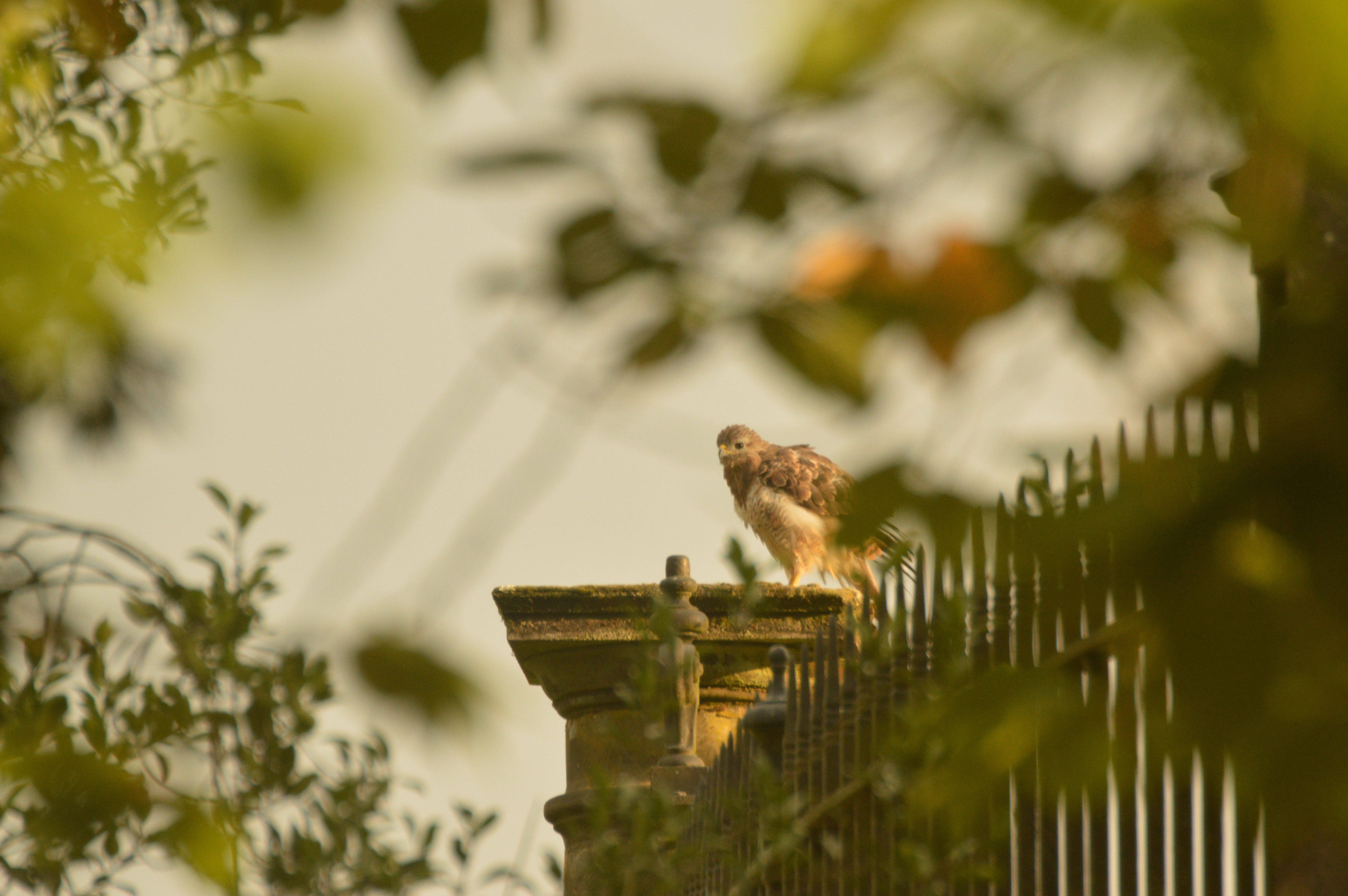
There’s a buzzard that lives in the forest which sometimes quarters the school grounds. A few days ago I saw her from the kitchen while I was having breakfast one morning, and on a childish whim I set out with my camera in hand. I used to be rather good at stalking for a good shot, but I’m a good number of years out of practice. I did manage to get close enough to see the hawk’s eyes with my own, which was the standard I always used to hold myself to back when I was a schoolboy, before it took off over the woods.

Words can’t describe how good it feels to be back at work. Usually, the two days of staff training can feel like a gut punch from the backstage crew as the curtain is yanked back – a kind of ‘playtime’s over, now get out there and earn a crust’. But this year, after eight weeks of on-and-off isolation, it could hardly be more welcome. I’ve been chomping at the bit to get back in the classroom since the end of July at least, and finally, it’s come around again. Only the bank holiday stands between the last few hours of the summer and blissful occupation.
I popped up to London yesterday and bought myself a new suit and shoes in a hollow attempt to pave the road to success this year, but also to treat myself after the success of my first ever GCSE cohort to sit exams came out shining. But will they detract from the beard? I find that doubtful.

Sir has been known to radically change his appearance before. I shaved my head once two years back and braved the raised eyebrows of my kids for months as it took its sweet time growing back. I’ve not cultivated a beard (or a ’tache, for that matter) since my time in Jordan, now seven years ago, and despite my initial apprehensions, I have to admit it’s starting to grow on me – faster than it’s growing in, anyway. I’ve accepted the fact that it’s going to leave me looking more like one of Leif Ericsson’s men than one of Hernán Cortés’ conquistadores – I am three-quarters English, after all, and what Spanish blood I have is more than a little rubio. Still, change is good. One can get too comfortable.


I tidied the flat a bit this morning. Took some clothes to a recycling centre. Did one last shopping trip before the portcullis comes down on Tuesday and ordered a grooming kit to keep this new project under control. The writing bug bit earlier this week, as it always does just before work begins. I guess I need to be busy to be productive.

As the clock runs down, I’m enjoying a warm mug of Cola Cao (courtesy of Garcia’s on Portobello Road) and leafing through one of the oldest books in my collection: a 138-year old copy of Washington Irving’s Life of Mahomet & Tales of the Alhambra. The writing is wonderfully poetic, and it even smells historical. One of my students is writing a project on the Alhambra, having fallen under the same spell that I did at his age – the same magic that ensnared Irving and countless other devotees long before us. It would do me a world of good to clue up on that old obsession once again.

It’s going to be a very busy year, but I’ll write as often as I can – it’s been really therapeutic, getting back into the writing game after a long hiatus. Until the next time, dear readers! BB x

Leveret

The heavens opened last night. The water butts, which were pretty much exhausted yesterday, were filled right up to the brim and overflowing as the rain continued long into the morning. Then the winds blew in hot from the southwest, then the skies clouded over and a chill set in. Looks like we’re back to formula with a regular English summer once again.

I read a couple of articles in The Critic today. Oxford University in a bind over a Benedictine college. Simmering anger against the rising tide of wokery. In the news, US Congresswoman Nancy Pelosi landed in Taiwan against the wishes of the Chinese government, Beyonce changed the lyrics to her latest hit single after outcry against an offensive word and Big Brother announced its return. I could have added that the latter information was revealed at the end of this year’s season of Love Island, but the ambiguity is very much intentional on my part.

I quit the house for a bit, grabbing a worn Barbour coat and a pair of binoculars. Figures if I’m on the wrong side of history, I might as well look the part. Watching the swallows yesterday made me nostalgic for the long, quiet days of my childhood when I would set out into the countryside with my camera in search of nature. It was a bit warm for the Barbour, despite the clouds, but it’s a damn sight better for blending into the khaki hues of the English countryside than anything else in my wardrobe.

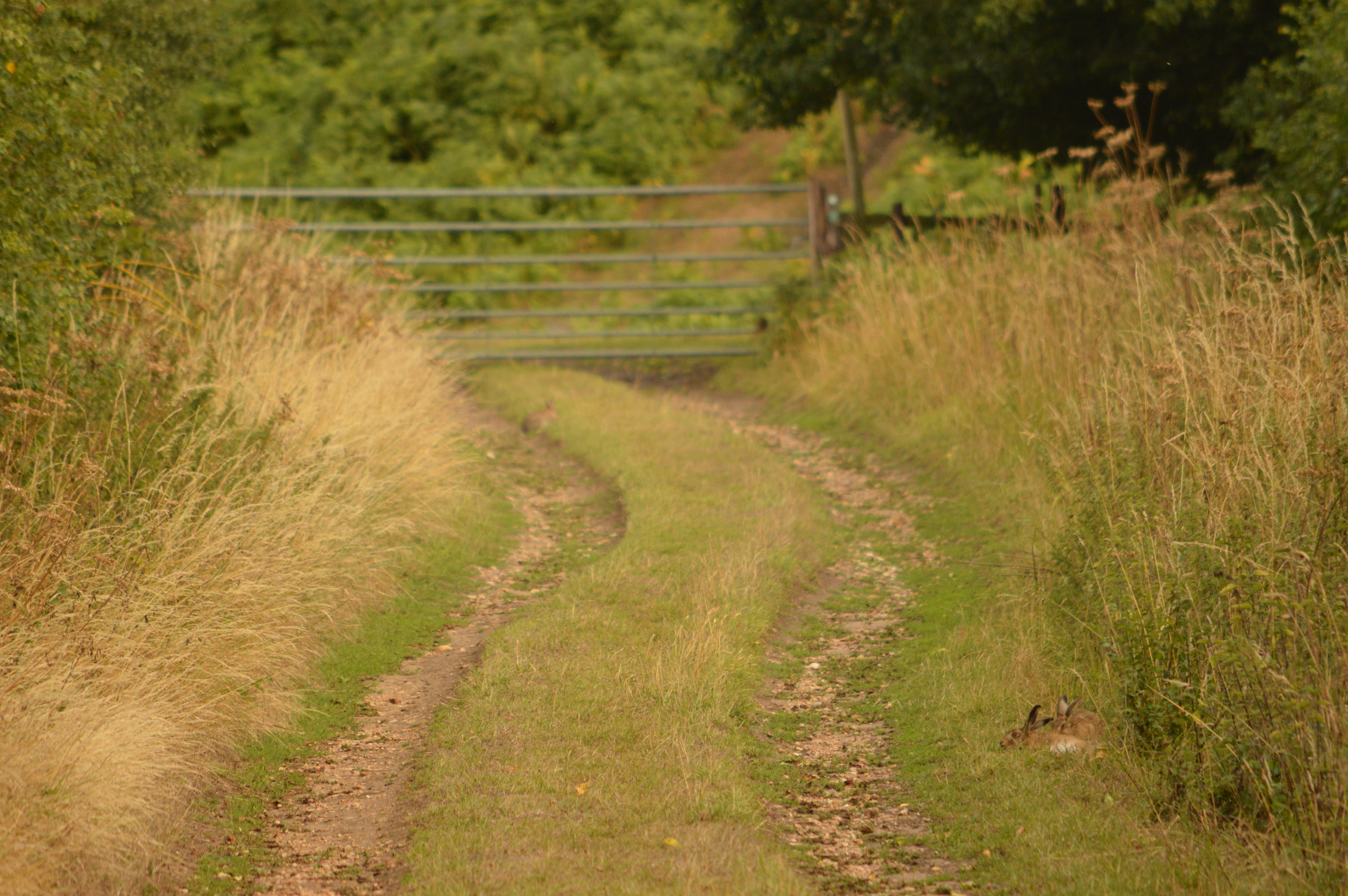
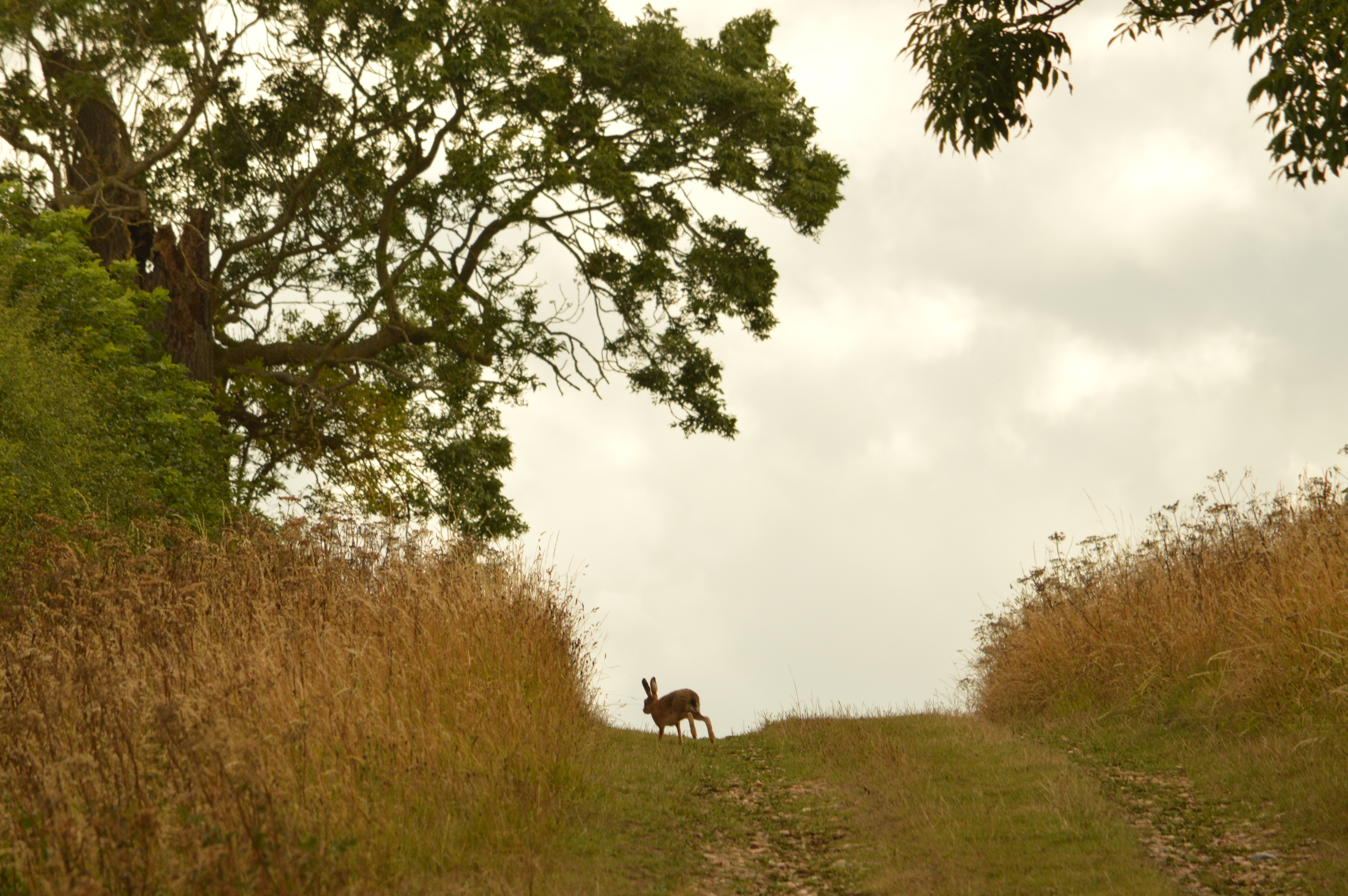
Lincolnshire seems to have quite a sizeable population of hares. You don’t see so many of these impressive creatures in the south-east. Being larger and more skittish than the rabbit, they don’t cope so well with how crowded it is down there. Neither the rabbit nor the hare are native to these islands. Both were brought over here by the Romans – for sport and for eating, if not for some early scientific whim. Our only native species is the mountain hare, and you’ll have to travel to the wildest parts of Great Britain and Ireland in order to find them. Ultimately, that’s neither here nor there: two thousand years have come and gone since the Romans were here, and the hares that race across the fields are by now as English as the oaks that have grown in our soil since time immemorial.

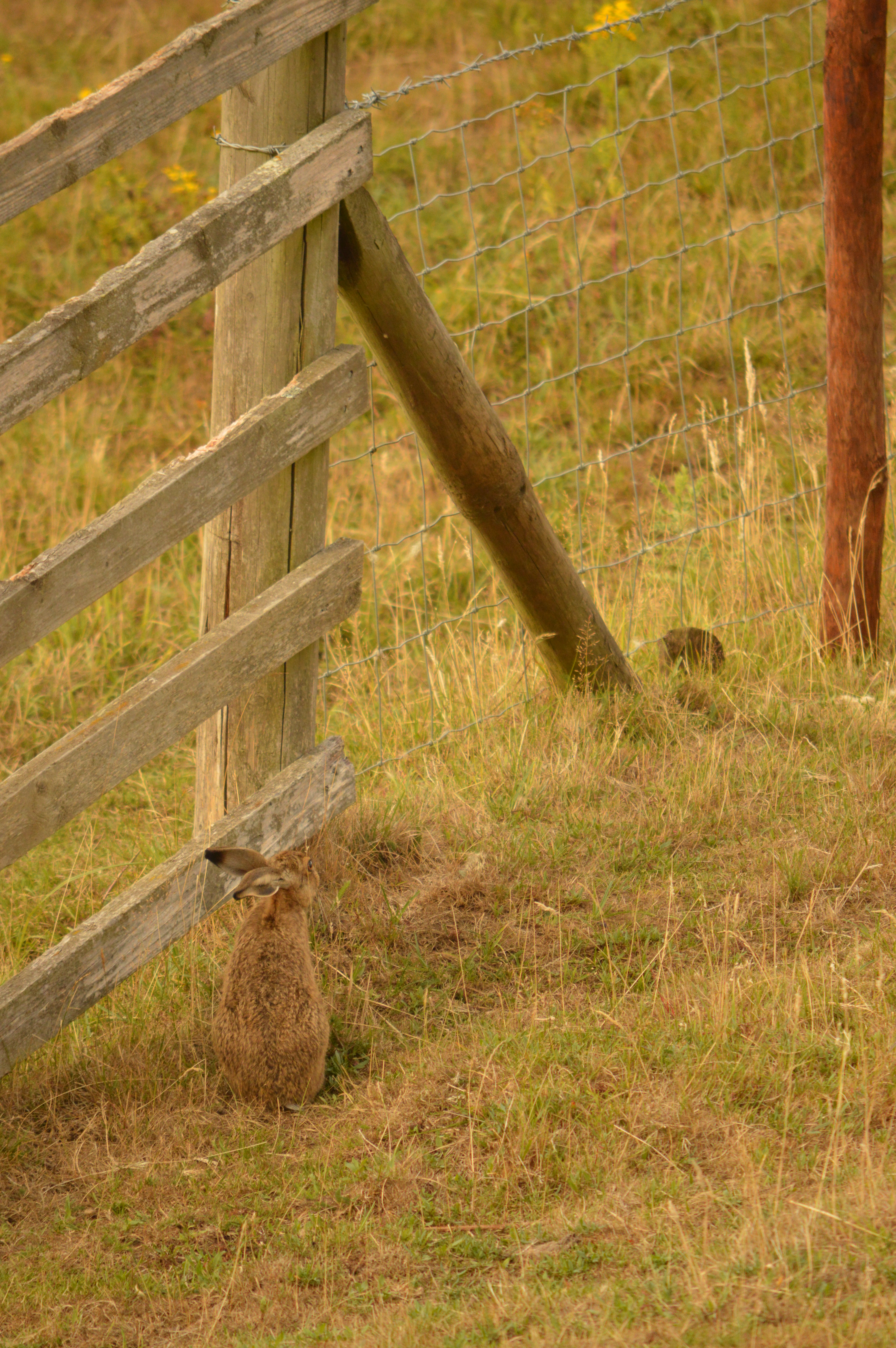
The hares I saw in the fields behind the house were only youngsters – leverets. They hadn’t developed the long and powerful back legs and enormous eyes that make adult hares so striking. They also weren’t as fleet-footed as adults, who will usually disappear in a black-and-tan dash into the middle distance long before you can get close. They let me approach further than I expected before deciding the Goldilocks line had been breached, and off they went. I followed, slowly, at a distance, and caught up with them by the sand martin colony. One hung back to watch me for a few moments before slipping through the fence and bounding after its sibling. After that, I climbed the fern-bound rise and scanned the forest for a while, listening to the wind in the trees and the buzzards calling. It feels good to be back in nature again.

When I get back home, I really must get back in the habit of spending more time in nature again. I’ve neglected this side of me for too long. At the end of the day, I love to try my hand at various things, but under all those layers is a naturalist. Life is a mosaic – you never lose who you were, or the people you’ve been at various stages of your life. You will always carry them with you in one shape or another. The largest shard in my mosaic is an earthy brown, like the soil; greenish-grey, like oak leaves; and bluish-white, like the sky. I need to go back to nature. I need to go back to being me again. BB x

They Bring the Summer

The year is turning. Can you feel it? The light in the morning has shifted ever so slightly, but it’s noticeable. We’re past the peak, and before long the red-gold winds of autumn will be upon us. Thanks to the fierce heat we had in July, some of the trees are already wearing their russet cloaks. I shouldn’t be surprised if we’re in for a long, dry winter this year. Perhaps that’s the way of things to come, perhaps not. Time will tell.

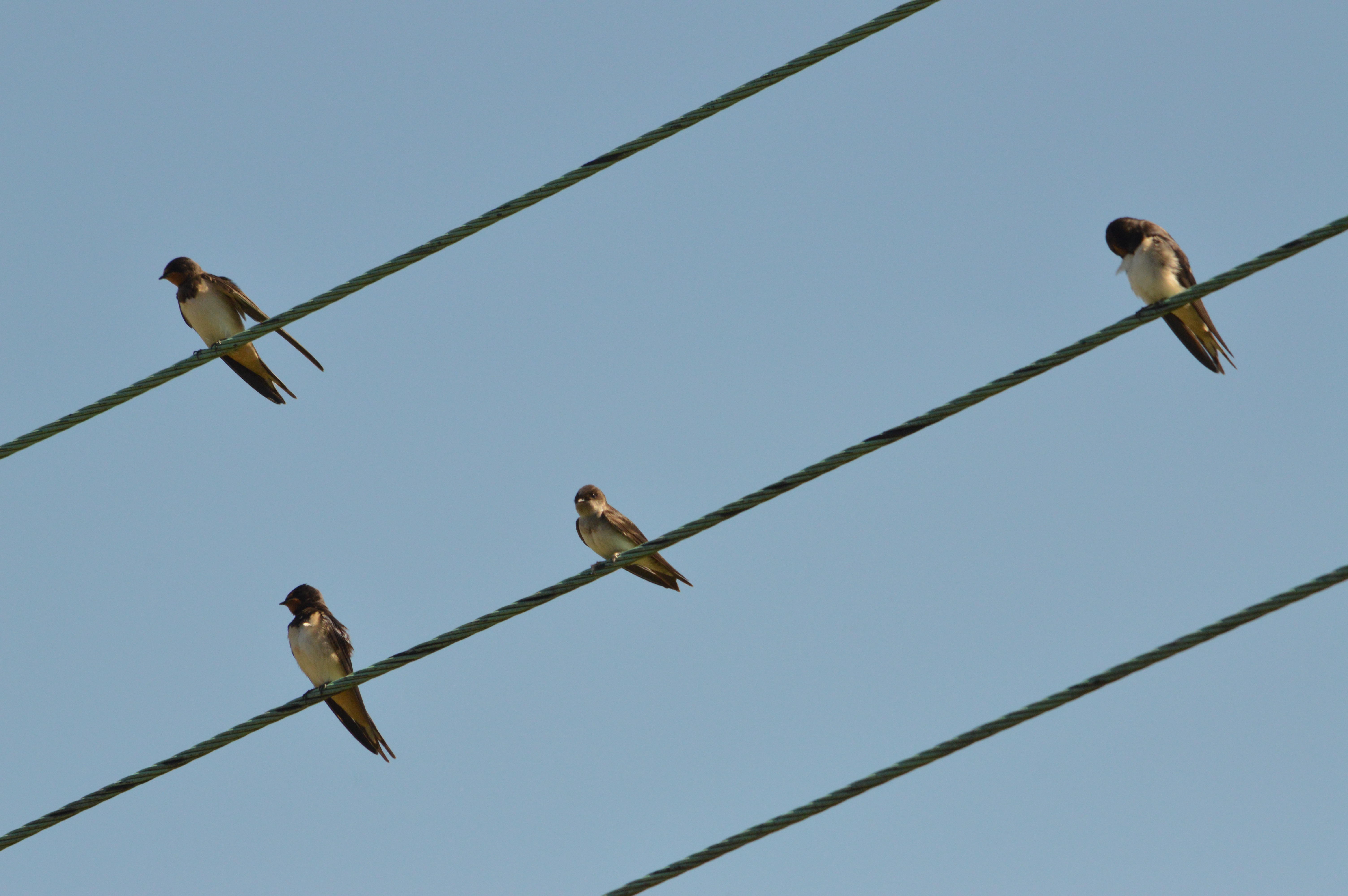
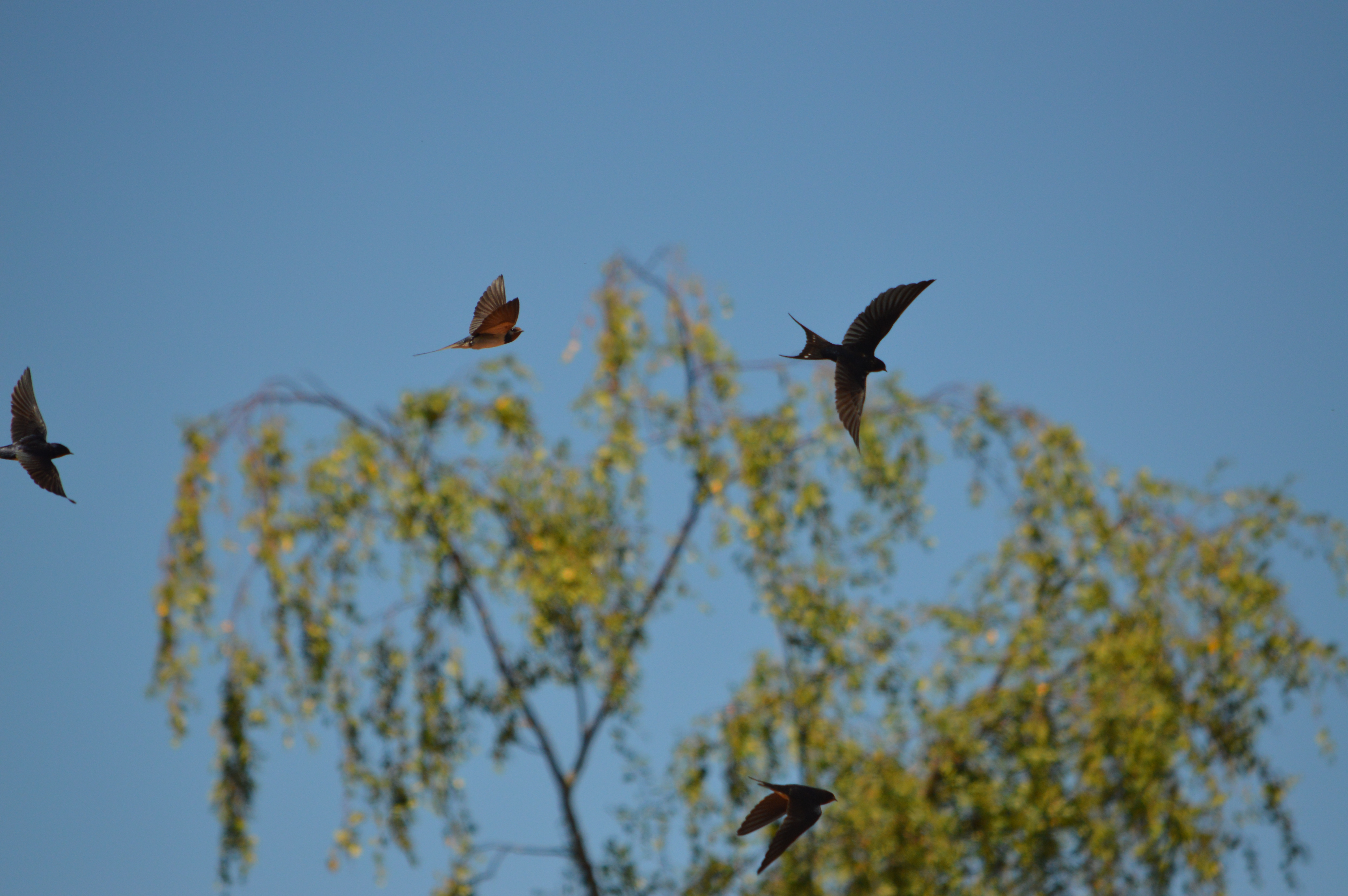
The family of swallows that nests in the barn near the house have had a very successful year. I counted eleven of them on the wires this morning: two parents with full streamers and nine noisy youngsters whose tails have yet to grow out in full. I had to count twice because of a sand martin who seems to prefer hanging out with swallows than his own kin, who have a colony in a field half a mile down the road. There comes a time every year, usually in September, when the swallows and martins suddenly gather en masse in a noisy spectacle before setting off for the south. We’re not quite there yet, no matter how abnormal this summer’s weather has been, but it sure felt like a nod to that day this morning.

Swallows, swifts and martins – collectively known as hirundines, which might have something to do with the Latin word harundo, meaning the forked shaft of an arrow – really are some of nature’s miracles. The tiny flashes of blue and white that dance over the fields with such cheerful abandon in summer travelled around 9,700km from their wintering grounds in South Africa to get here, and in the space of a few short months they have to make the same journey all over again in reverse, this time with their young in tow. Most estimates have them traveling about 320km every day. That’s a bloody long way to go when you’re only a few months old!

This morning the family looked like they were getting some practice in for the long journey ahead. Mum and dad would sit with the youngsters on the wires for a while, chattering amongst each other while the kids preened endlessly, before suddenly taking off and wheeling about the garden with their offspring racing after them. They might have been hunting, of course, but some of the young ones were far more interested in playing keep-up with a pigeon feather, catching it and keeping it from touching the ground, the way children sometimes do with a balloon. It was really quite endearing to see.

In the past, where our swallows went each winter had us stumped. There were some truly bizarre theories floating around. Following in Aristotle’s footsteps, some thought they hibernated underground. Some thought that they slept at the bottom of deep lakes and ponds, since they spent a great deal of their time hawking over the water during the summer months. One 17th century theory, courtesy of Englishman Charles Morton, claimed the Moon as the swallows’ winter destination as the only logical explanation for their total disappearance. It sounds absurd, but it’s not so outlandish a theory when you try to imagine explaining that these tiny creatures travel further twice a year than most humans will in a lifetime. It even makes the underground hibernation theory seem plausible!

It’s an incredibly hazardous journey, and not every one of our brave swallows will make it there and back. There are all manner of dangers they have to face: sea crossings, storms, high winds, predation by hobbies (consummate swallow-catchers), not to mention human interference – some will be caught for food, and the Maltese in particular are infamous for their practice of trapping migrating birds by liming fences. And then, of course, there’s the mighty Sahara Desert. Michael Morpurgo wrote a fantastic children’s book about that journey – Dear Olly – which you should read if you want an idea.

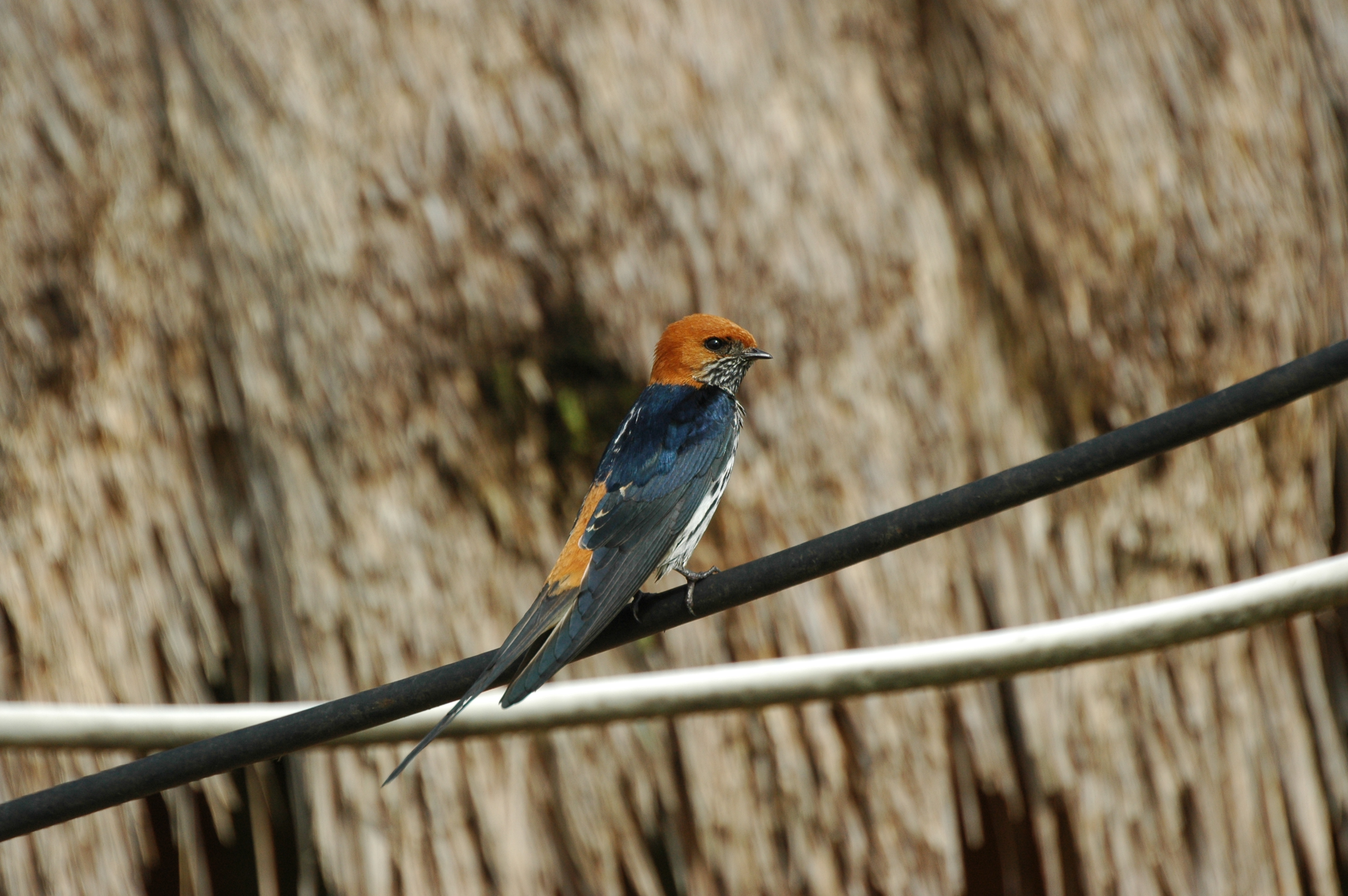
So why travel all that way? Competition might well have something to do with it. After all, Africa has plenty of swallows of its own (without all these European swallows “comin’ over ‘ere and takin’ our jobs” etc.) and fans of Monty Python will be well aware of the fact that African swallows are non-migratory. On my travels around Uganda during the rainy season (November) back in 2012, I saw plenty of familiar-looking swallows hawking over the White Nile, but most of the birds I clocked were local species that don’t travel far from home. Still, I couldn’t help wondering whether maybe just one of the brave little birds flitting by had crossed my path sometime before, either in Spain or the south of England. How’s that for a flight of fancy! <groan>

Greater striped swallow, Ishasha Lodge (Queen Elizabeth National Park) Uganda, 18th November 2012

Swallows are remarkable creatures to watch. While we still have a few weeks left of summer, try to find a few minutes to enjoy the little winged miracles. I’m sure they do wonders for one’s mental health, but to use less clinical terms, they sure can lift one’s spirits. Today, for the first time, I saw two of the youngsters doing something I’ve never seen swallows do before: sunbathing. Plenty of birds do this kind of thing to regulate body temperature, but it’s the first time I’ve seen swallows in the act. It was just two of them who kept leaning over in the sunlight – the others were far more interested in preening, though the sand martin looked as though he wanted to get in on the action!

One swallow does not a summer make, but their departure certainly puts an end to it! If you’ve enjoyed reading my homage to our chatty little neighbours, you might find the links below worth a browse, too. Until the next time! BB x
https://www.historytoday.com/archive/natural-histories/great-migration-mystery
https://www.rspb.org.uk/birds-and-wildlife/wildlife-guides/bird-a-z/swallow/migration/