The 1942 Disney classic Bambi really ought to have been a PG. It might well have been by its own standards if it were released today. It’s dark, there’s more than one traumatic death (one only just off-screen) and some of the music is even more anxiety-inducing than the Jaws theme, which it may well have inspired. Man, the ever-present danger and the film’s primary antagonist, was justifiably placed at number 20 on AFI’s list of the greatest movie villains of all time, ranking higher than all but one of all the animated villains ever created – and we never even see him.
But I’m not going to talk about Man. We know our own capacity for wickedness. I’d rather muse over the one aspect of that movie that used to genuinely terrify me as a child.
I’m talking, of course, about the dogs.
From the moment the music cuts out and the barking starts, it’s a solid couple of minutes of pure terror. The artists could hardly have drawn them to be more terrifying, with shining white teeth and cruel, heartless eyes of featureless white or soulless black. The constant baying of the hunting pack stays in your head years later, drawing near like drums whenever you hear the soundtrack – and it’s not a mile away from the reality either. I remember hearing a hunting horn sound in the countryside somewhere in the south of France when I was younger and the distant thunder of a pack of dogs on the scent. It’s a sound lost to England many years ago, but one you still might come across if you travel around the quieter corners of Europe.
That chase sequence in Bambi has stuck with me for years. It’s not an outright vilification of hunting, but it is an awesome depiction of unbound savagery from a darker time in our past, before hunting regulation and wildlife protection laws were brought into force. We never see the film’s primary villain, but his capacity for monstrous carnage is more than evident in the beasts he has created, the beasts of our own making.
It’s only recently that I’ve started to take an interest in dogs. It’s possible that Bambi put me off them early on. Or the ones from the horror-show that is the 1954 animated film Animal Farm. Or the dog from Manor Farm in 1978’s Watership Down (there were some horrific portrayals of man’s best friend in 20th century children’s movies). Or maybe it’s just because I’ve spent the last twenty-eight years of my life living with cats that I’ve naturally picked the opposing team. Regardless, the tide, if not turning exactly, is beginning to even out.
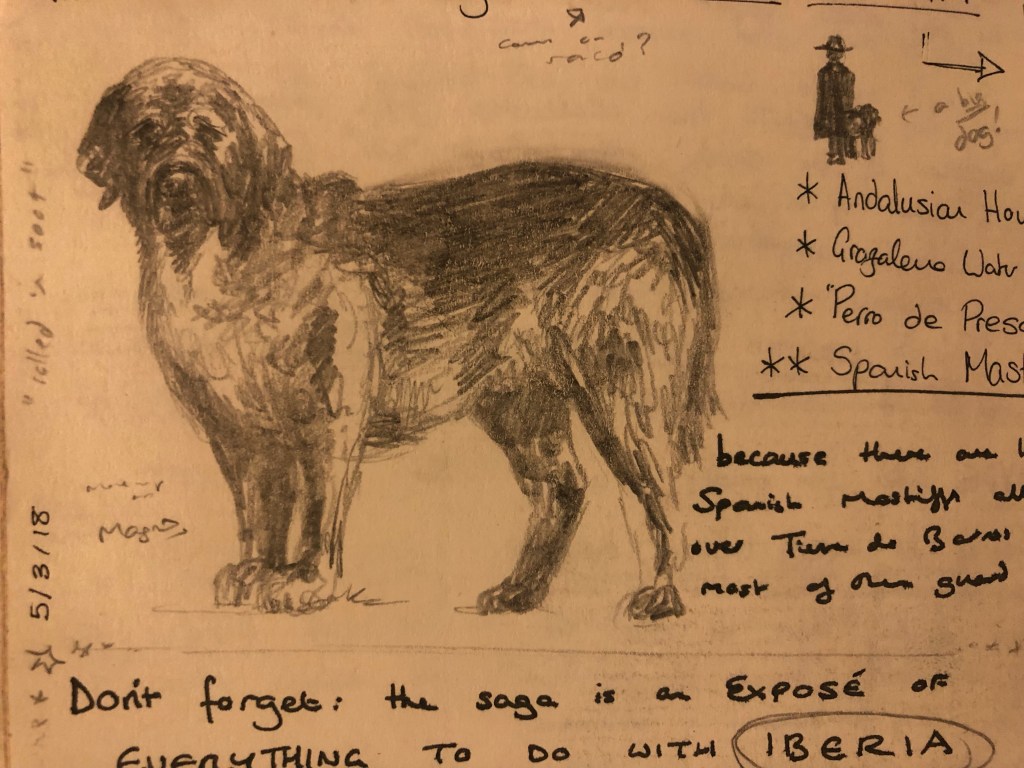
When I lived in Extremadura, I remember finding some of the largest dogs I’ve ever seen out in the countryside, lazing about in the shadows within fenced enclosures and barking at anything and anyone that came near. Not just any bark, either, but a terrible, three-throated bellow that you can hear from a great distance, the kind you might expect from Cerberus. I’m talking about the Spanish Mastiff, an impressive breed once used by the shepherds of La Mesta, Spain’s ancient “wool mafia”, as a guard dog for their valuable Merino sheep. A working dog bred for its size and strength, it’s not hard to imagine this beast in action against the wolves and bears that once roamed the forests of Iberia. They were popular combatants in bear-baiting, a sport which was just as popular in parts of Spain as it was in medieval England, to the detriment of the country’s bear population. Dog after dog would have been sent against the great beasts until they could fight no longer.
These days, of course, there are probably more mastiffs in Spain than there are wolves and bears put together, and the giant bear-killers look like old soldiers gone to seed in their enclosures under the Spanish sun. There was only one victor in their fight against the country’s predators, and it wasn’t the vanishing wolves, the ghost-like bears or even the mastiff, chained to its post in the quiet Spanish countryside. It’s quite sad, when you think about it.

It wasn’t only the wild beasts of Spain’s interior that the mastiff was trained to fight. There are plenty of stories of the use of perros de guerra in the Spanish conquest of Mexico. Given the diminutive size of the dogs native to the Americas upon the Spanish arrival (see the xolo dog for an example), it’s hardly surprising the Spanish saw fit to use their monstrous dogs as additional leverage in their fight for the American interior. Becerrillo, a war dog owned by the conquistador Juan Ponce de León, is the most famous example. Whether it was the mastiff, the alano or even the greyhound the Spanish employed, the results speak for themselves, and monstrous armoured dogs appear in a number of contemporary recollections of the conquest – there’s an especially telling (and graphic) depiction in the Coyoacan Codex. Whether you choose to believe all the details of the so-called “black legend” concerning Spain’s atrocities in the New World, there’s no denying the awesome power of these war dogs if you ever encounter one in the Spanish countryside.
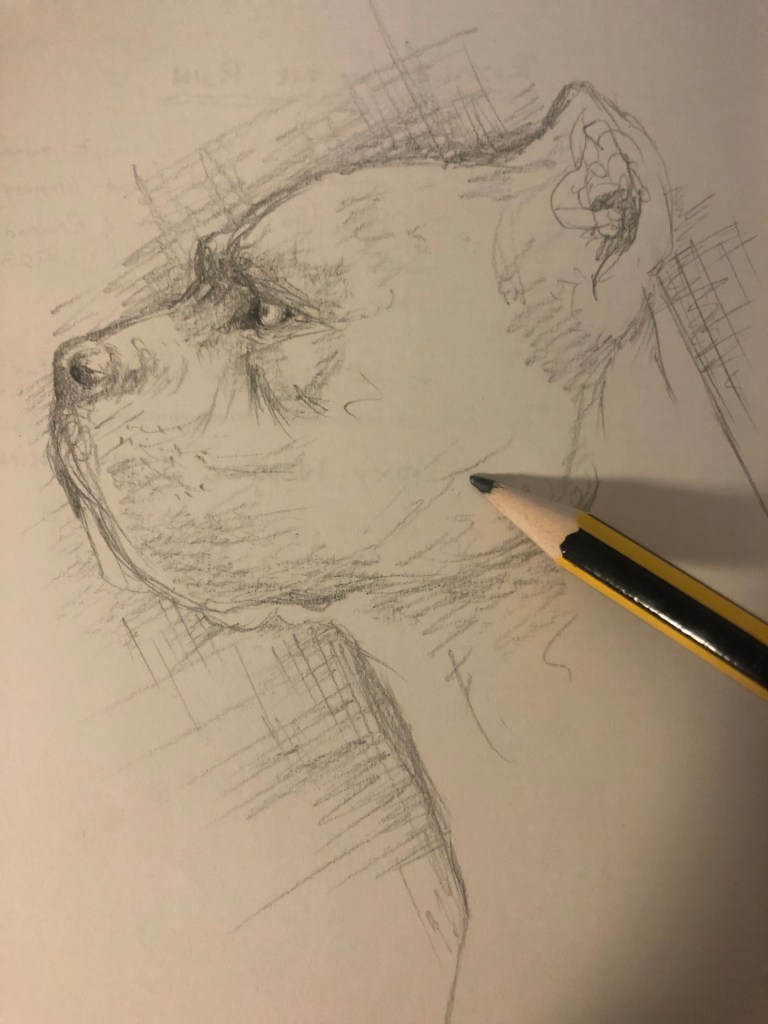
Naturally, I’ve written one into my book, as a faithful companion to my leading lady. It’s not as simple as you’d think, writing a dog breed into a book, as by its very nature, dog-breeding is an ever-changing world. Many of the dogs we know today have only been around for a few hundred years or so. The Spanish mastiff we know today is already a very different animal to the kind used at the start of the twentieth century: the original mastiff was still a sturdy, powerfully-built working dog, but not at all like the lumbering giant you see around the Spanish countryside today.
Other dogs that were more familiar to our ancestors have long since disappeared: the stocky Old English bulldogs bred for the sport of bull-baiting, long-since replaced by the squat, hyperbrachycephalic creatures we know today; the alaunt, the rache and the Talbot hound, the mainstays of medieval nobles and huntsmen; and, of course, the mighty Molossus, the ancient war dog of the Greeks and Romans. In our endless desire to bend nature to our will – bigger, smaller, stronger, more obedient, less intelligent – we have warped our old enemy, the wolf, into an absurd array of shapes and sizes. It’s a testament to man’s ingenuity that, long ago, we were able to turn our most hated rival into our best friend, but my word, did we do some terrible things to him along the way. I wonder what a wolf thinks when it crosses paths with a pug or a dachshund. Is there a flicker of recognition, do you think, or have thousands of years of man’s meddling twisted their kin into shapes they cannot begin to understand as one of their own?
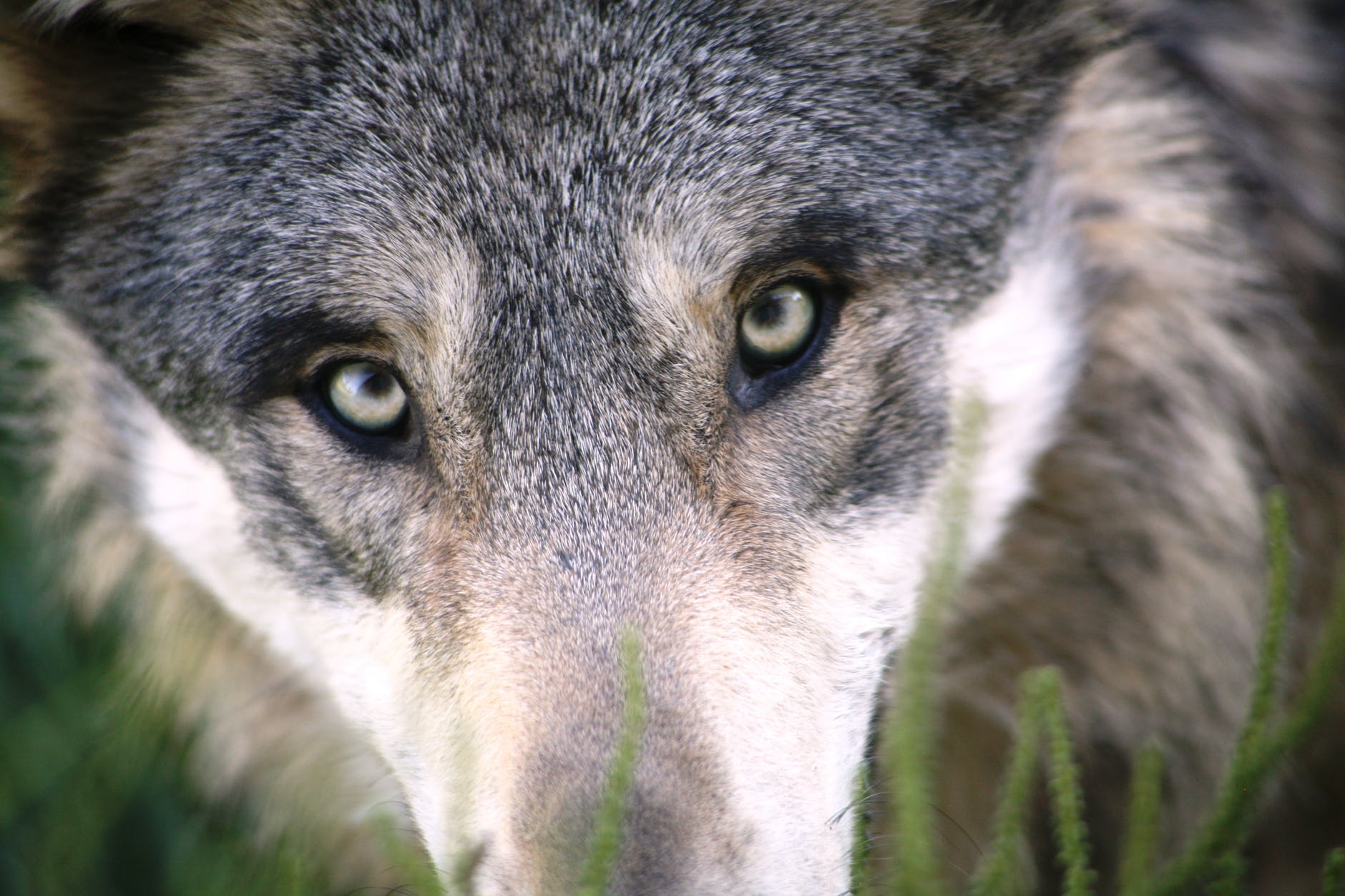
I’d really like to track wolves in the wild someday. I’ve heard that one of the better places to do that in Europe is in the wild Abruzzo region of central Italy. I don’t think I’ll manage it this time – as you might expect from one of Italy’s last refuges for the symbol of Rome, it’s not exactly a hop, skip and a jump on public transport. But if years of nature-watching has taught me anything, it’s patience, and I can wait for an experience like that. Spain’s Sierra de la Culebra is also supposed to be a good place to search for wolves, and when last I heard from the place, a pack had been seen in Extremadura, though memory fails me as to where.
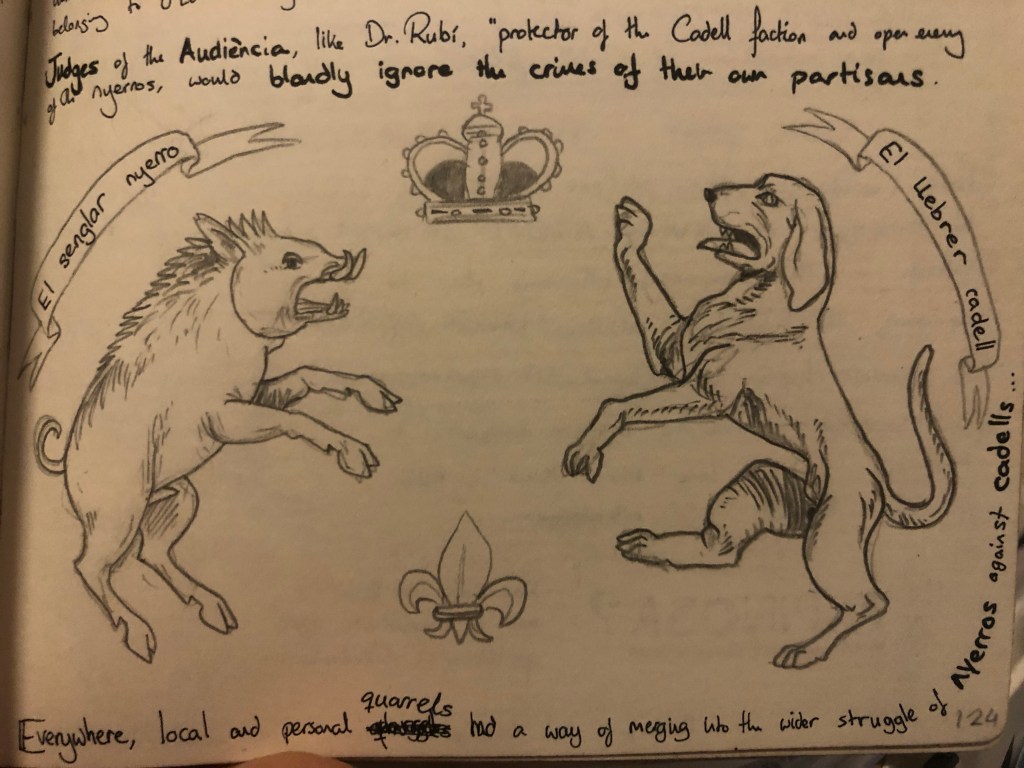
In the meantime, I will read up some more on Spain’s dogs, if only for the sake of my novel. If there’s a place for the loyal mastiff, I’m sure I can find a space for something like the nightmare fuel from Bambi, too. BB x
 The Book of Barnabas