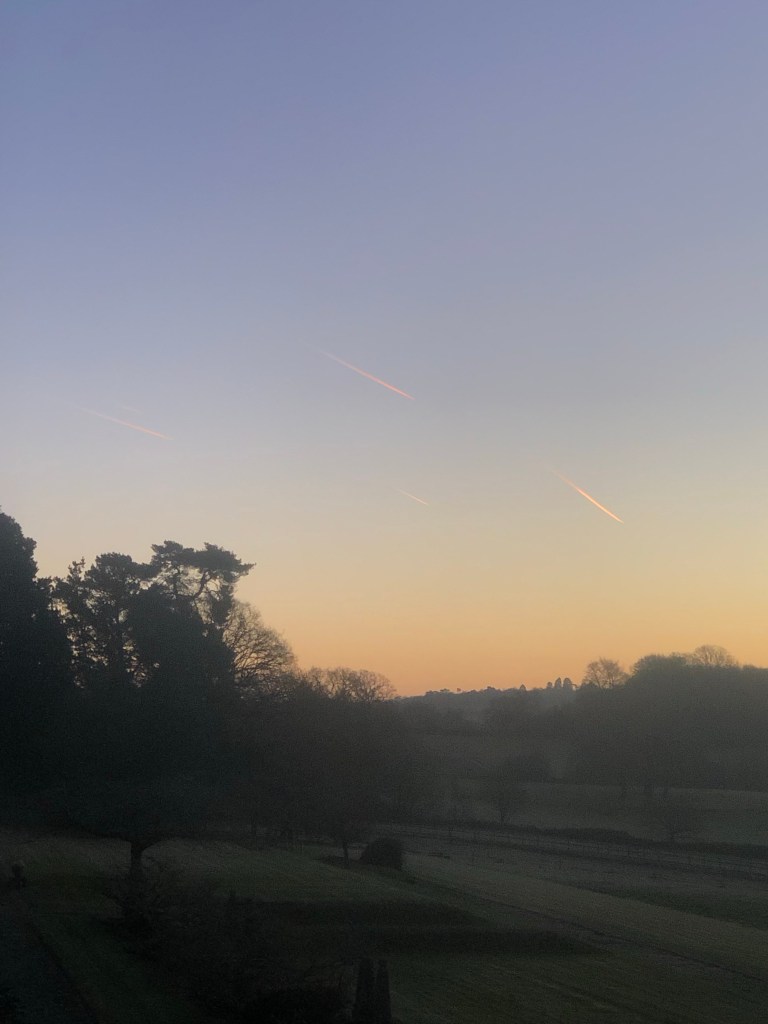
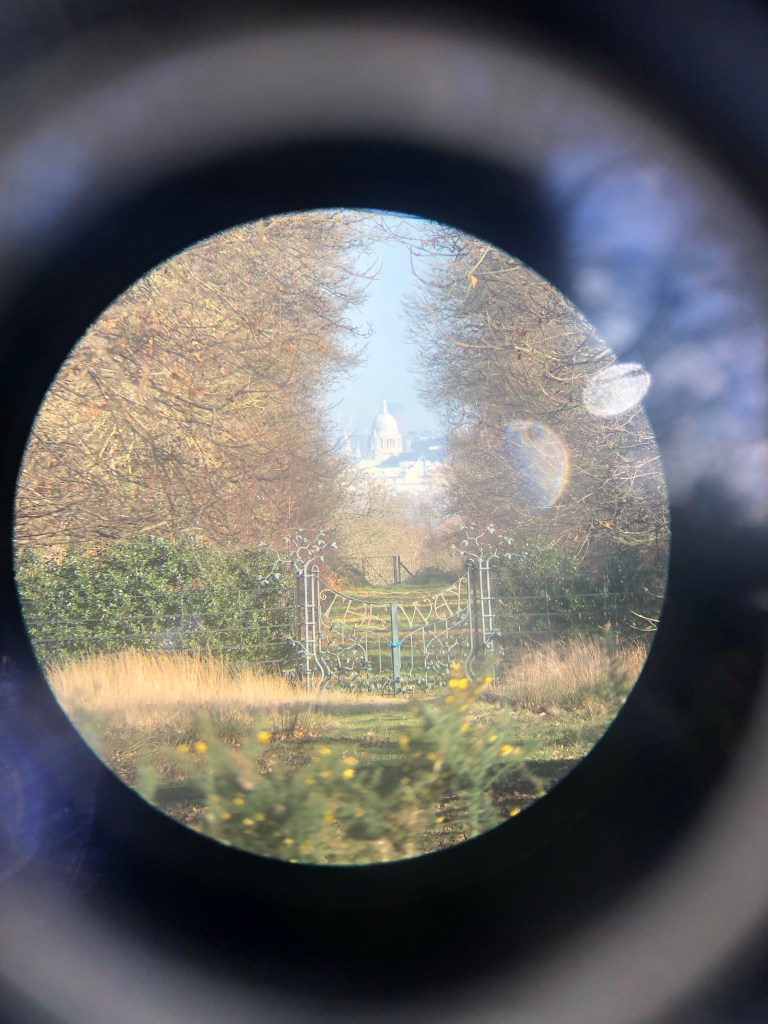
Worldbuilding

I have a confession to make. For a wannabe author, I’ve always been rather guarded about my stories. As a teacher I make no secret about the fact that of my various hobbies I love writing best of all, above drawing, above being out and about in nature – and, yes, even above music. Why? Because writing is one of the few things in the world that you can truly call your own. You can’t compare your voice to somebody else’s any more than you can compare your ability to think. But, for all the show of carrying a journal around and self-consciously dropping into conversation now and then that I write for pleasure, I don’t really talk overmuch about my books.

There’s a couple of reasons for that. The first one is simple self-defence, the fear that somebody could steal your ideas and tell your own stories as though they were their own. Laugh if you will at that idea – what story hasn’t been told and retold a thousand times over since the dawn of time? – but an incident involving my artwork, DeviantArt and an alarming case of identity theft back in my schooldays has left me cautious about putting my work out there. In that case, I was lucky that the thief had been indiscriminate in their robbery: though some of the drawings they claimed as their own were odds and sods from the novel, more than a few were portraits of friends from school, so it wasn’t just my intellectual property on the line. Together with some friends, we kicked up a fuss and had the thief’s account taken down. To their credit, DeviantArt were pretty quick. I don’t suppose I’ll ever know who the culprit was, though reason tells me it could only have been somebody I knew. I learned a valuable lesson, though: art is easy to steal.

The second reason is the simplest one: there’s just too much to say in one sitting. I can see that on those occasions when somebody leafs through one of my journals. There’s so much going on in there and none of it in any particular order, and without a map, you’d never know where to start. Entering into a writer’s world is probably a rather daunting experience, like arriving at a house party and finding you don’t know any of the guests. You could try. You could sum up the Lord of the Rings saga by saying it’s all about a quest to destroy a magical ring, but that leaves out the silent terror of the Mines of Moria, the treachery of Gollum and the mournful autumnal kingdom of the elves; the details that make the world come to life. Story-telling is a necessarily one-sided pastime, and since my day job places such an emphasis on listening, my favourite hobby is something I try to avoid at all costs, because it feels selfishly out of sync.

Today, I’m going to break a habit. I’m going to let you into my world.

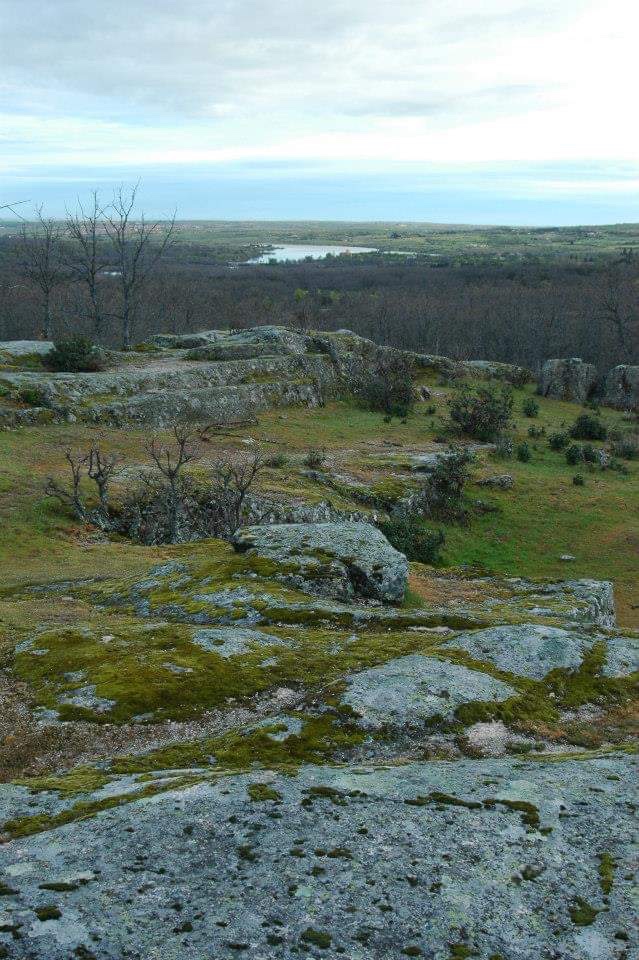
We can start where it all began. Where it all began to take shape, I mean. According to my journal, that was at 15.30 on Friday 13th November, 2015, on a rocky outcrop beside the Santuario de Nuestra Señora de la Montaña just outside the city of Cáceres. I’d been writing “the book” for about twelve years by then – I can trace the first draft back to 2003 – but it was here in Extremadura that everything suddenly fell into place. As I looked out across the plains of Cáceres and upon the city thrown into shadow by the setting sun, something magical happened. It was as though I was staring at a giant jigsaw puzzle that was suddenly arranging itself into perfect order before my eyes. I wrote myself a note in my journal – “What might this place have looked like in the 1600s?”. Sometime later I pencilled in two words above that line: “it begins!”.

And so it began. The cast of characters I had carried in my head and in my heart for over a decade moved to Spain, and the kingdom of Meridia was born.
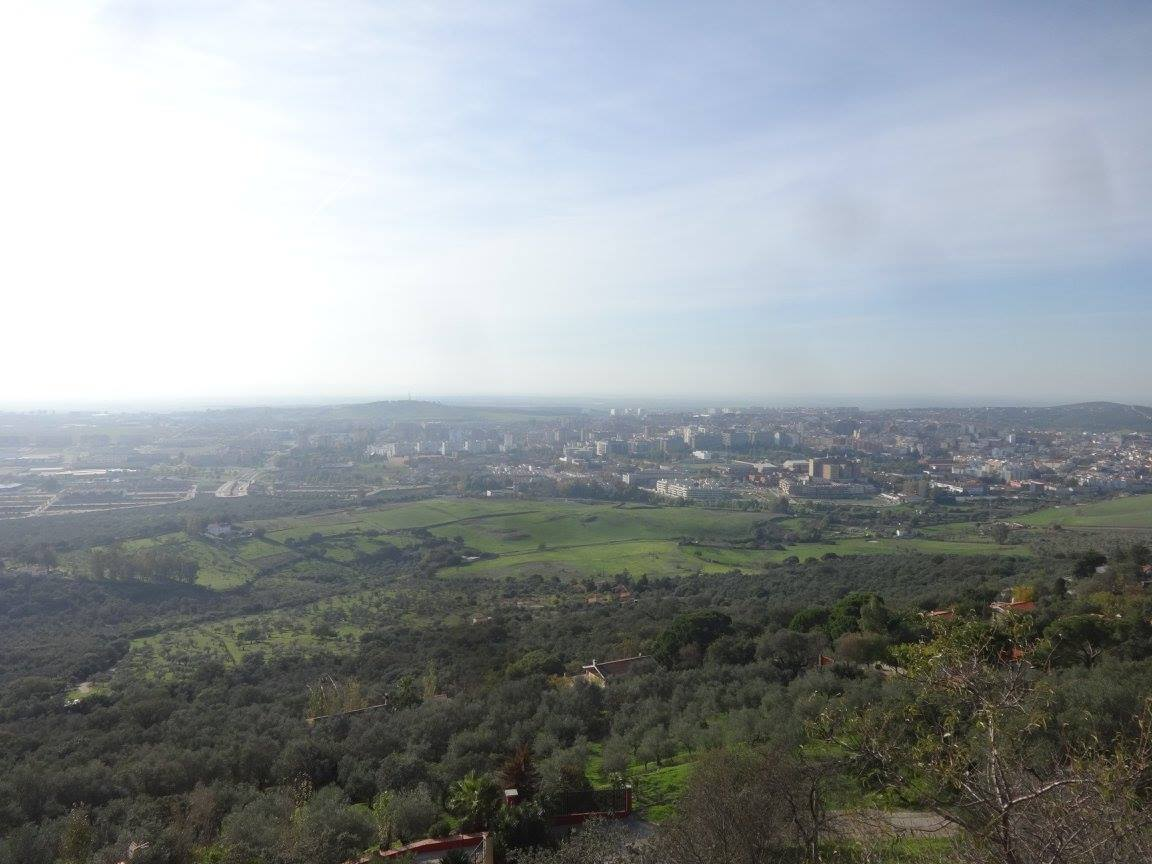
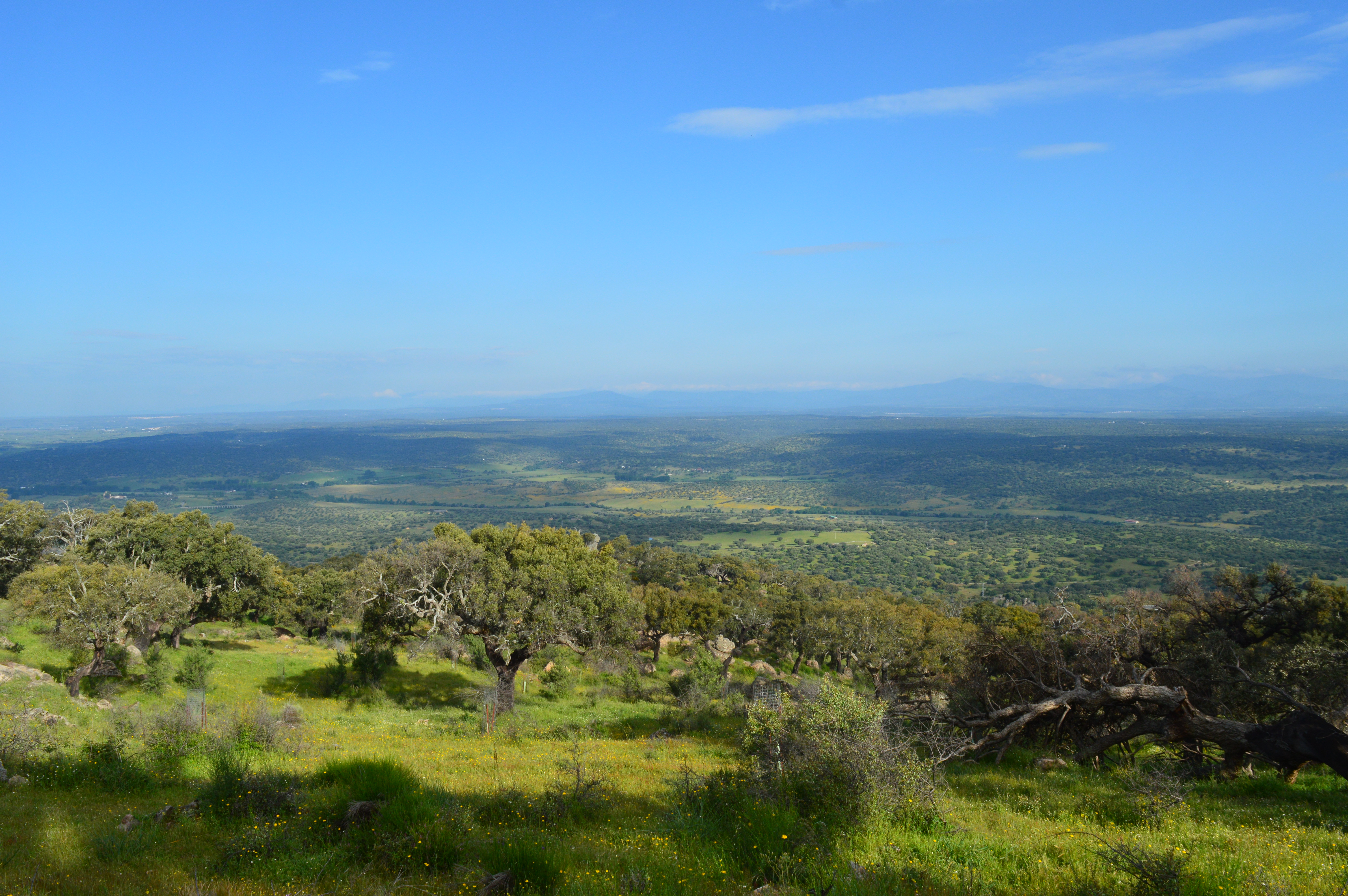
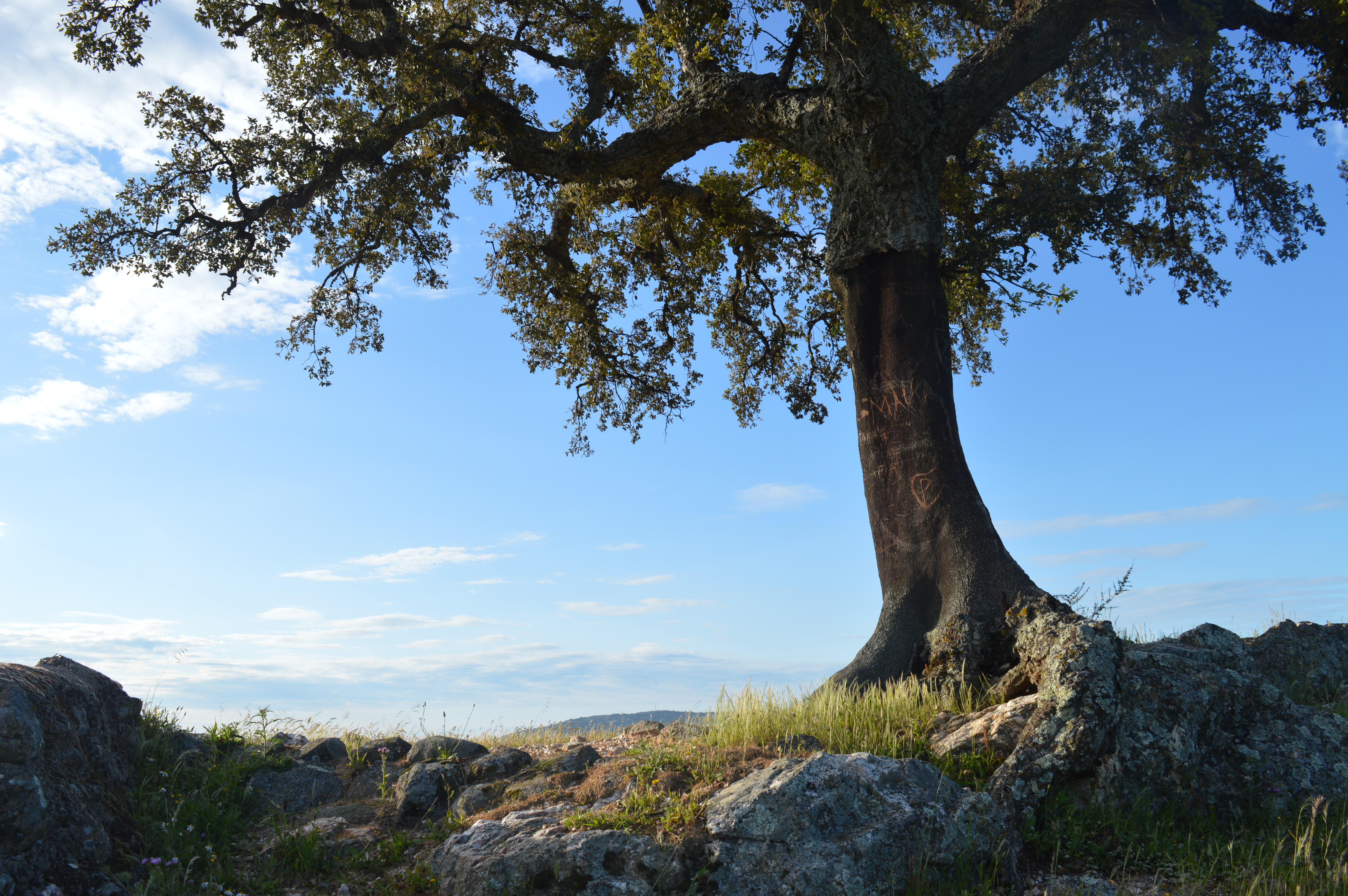
Picture a corner of the world where the fields go on forever. A land of immense blue skies and sparsely-populated hill-towns, clustered like barnacles about the few slopes that rise out of the motionless sea of earth, where the merciless sun comes down with unfettered fury in summer, and in winter, chill winds howl unimpeded across the plains. A kingdom that has seen people come and go: Moorish forts atop the limestone crags that the vultures have not claimed for their own; Roman arches and theatres rising out of the earth like the bones of some long-dead giant; and, deep in the mountains that ring this hidden kingdom, the faded artwork of a people so ancient that they have long since faded into oblivion. And such mountains! Look to the north on a clear day and you can see them towering mightily over the fields, vast and blue like the sky above, their peaks scarred with snow well into the spring. That’s where the old forests cling on, fugitives from the axes that carved the Roman Empire from Spanish lumber many centuries ago. And where the forests give way to the water, powerful rivers bubble up from the deep, thundering through the hills and carving sheer ravines through the finger-like ridges that splay across the plains from the Sistema Central.

The best of it is that I don’t have to invent this world at all, because it actually exists, and her name is Extremadura. All I had to do was to imagine her in somebody else’s hands. My hands.
When I first set out to create Meridia – named, of course, for the city of Mérida – I initially wanted to keep the real-world location a secret, until the close of the story, at least. It didn’t take me long to realise just how impossible that was going to be from a worldbuilding perspective, particularly over a saga spanning seven books, but since “big reveals” are and always have been a majorly appealing part of story-telling, I played along for a time. I was also still reluctant to fully transition to the use of Spanish people and place names, so I had a go at creating names of my own.

Casiers. Barosse. Meroon. Looking back now, I’m cringing already at how disgustingly English they sound. But then, few tales come into being in a matter of moments. Worldbuilding takes a long time, longer by far than it takes to tell the story itself. I can only guess at how many hours Tolkien must have poured into the creation of Arda. It’s taken me all of twenty years.
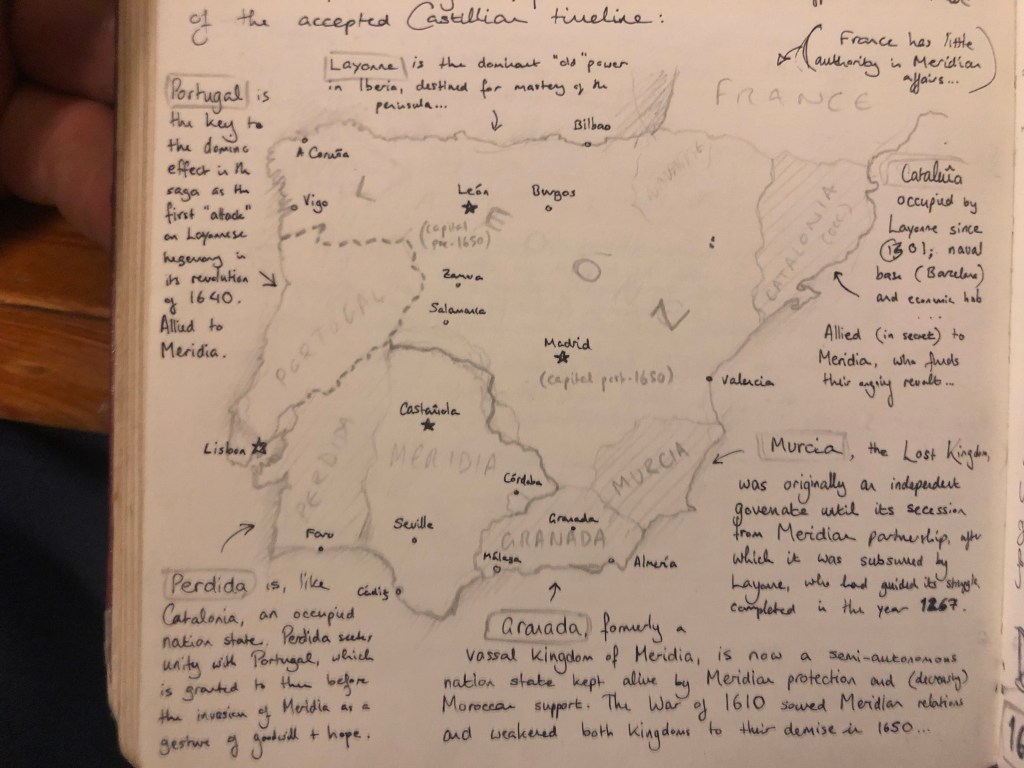
Here’s the same map, drawn about a year later. It’s the eighth of a total of ten maps of the peninsula in the same journal (when students ask me how I can draw a map of Spain from memory… this. This is how). It’s probably the most accurate, and the one I still use today when mapping out the events of the saga, the exception being the retroactive introduction of the “corredor cordobés” that cuts a swathe from Córdoba to the city of Cádiz, separating Meridia from Granada and providing a political flashpoint for the plot. Ringing the map, you can see the history I’ve had to build up around it. I tell you, writing a historical novel is one thing, but writing allohistory – that is, an alternative timeline – is a messy, time-consuming business. If I didn’t keep a journal, I doubt I’d remember all the details. Nevertheless, they’re absolutely essential to giving your world an identity of its own, just as the “Greatest Generation” and the “fight them on the beaches” speech are integral parts of our collective memory.

Creating five hundred years of history for a kingdom which never existed is quite the task. Beginning it is easy, as is the wrapping it all up at the end. It’s what you do in between that’s the trouble. How do you explain away, for example, the men who changed the world who hailed from that corner of the real world? How do you rewrite an essentially Spanish history in a timeline where Granada did not fall until the middle of the seventeenth century, where Seville was in foreign hands for the greater part of the Age of Discoveries, and – perhaps most importantly of all – where almost all of Spain’s conquistadors from Cortés and Pizarro to Francisco de Orellana and Núñez de Balboa hailed from a land that did not carry the flag of Castile?

To be honest, that’s half of the fun, trying to find radically new ways of retelling history. It’s why I wrote my dissertation on the Cronica sarracina, arguably one of the greatest works of fiction ever sold as fact in Spain (or was it fact sold as fiction?). I’m doing the same thing with Meridia: I’m telling the story of Spain through a glass darkly, holding up a devil’s mirror to the country I know best.

And once the world has taken shape in your head, it’s time to set your characters running across its empty plains, so your voice can follow them, painting their footprints with words.
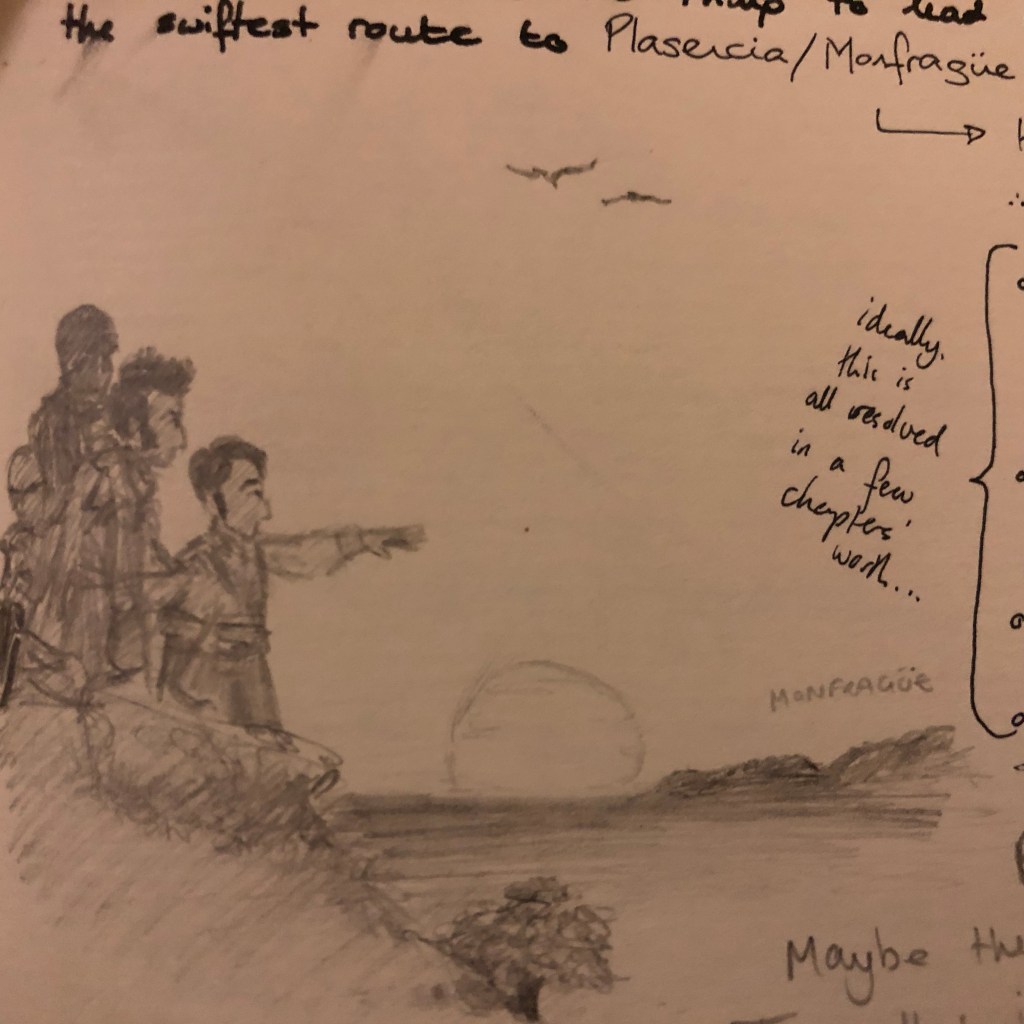
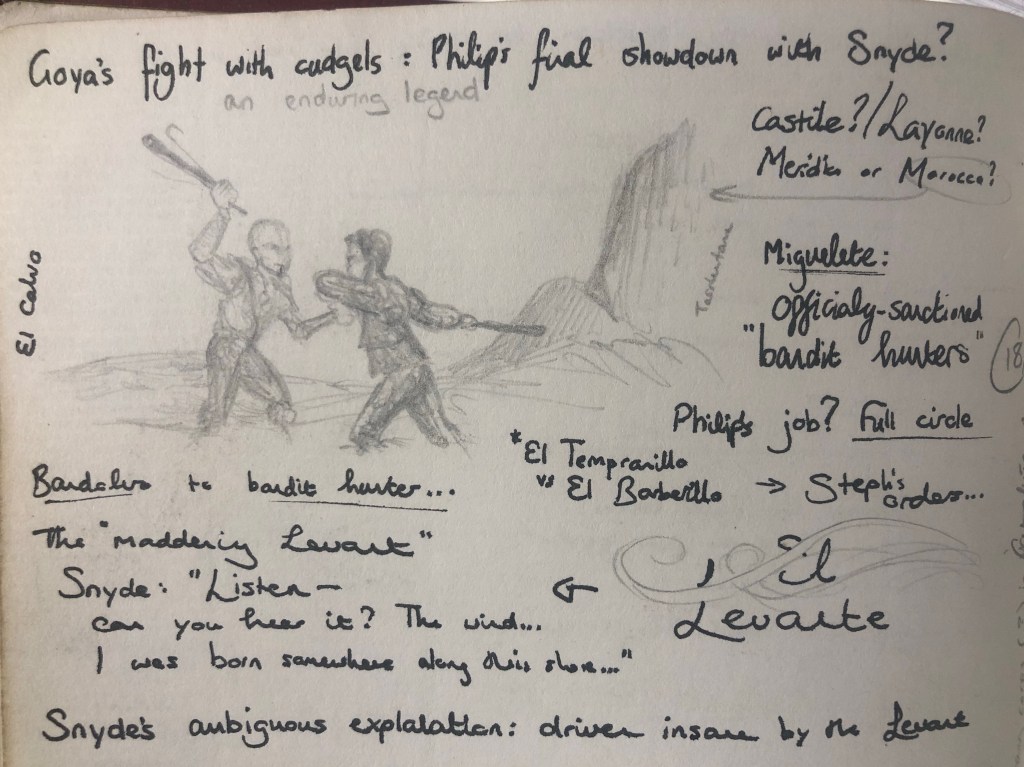
I take my inspiration from the world around me. From books, mostly, but also from photographs, legends, paintings and even conversations with strangers. More than one character has slipped between the pages of the book over the years after a brief encounter with one of those larger-than-life types. In essence, the saga is my paean to my grandfather’s country, so I try to weave as many details in as I can. The madmen of the Hurdes. The seven chairs of Mérida. Goya’s fight with cudgels. The mystery of who really got to the New World first and the Lisbon Earthquake. The odd real person makes a cameo appearance from time to time: Diego Velázquez, Michiel de Ruyter and the lost children of the sack of Baltimore. I get the same satisfaction threading their tales into the narrative as I did from peppering each and every essay I wrote at university with “ursulas” (unnecessarily farfetched sidetracks that somehow relate back to the essay question, named for the sea witch in The Little Mermaid). When you’ve been writing the same story for twenty years, you’ve got to find new ways to keep the game fresh.
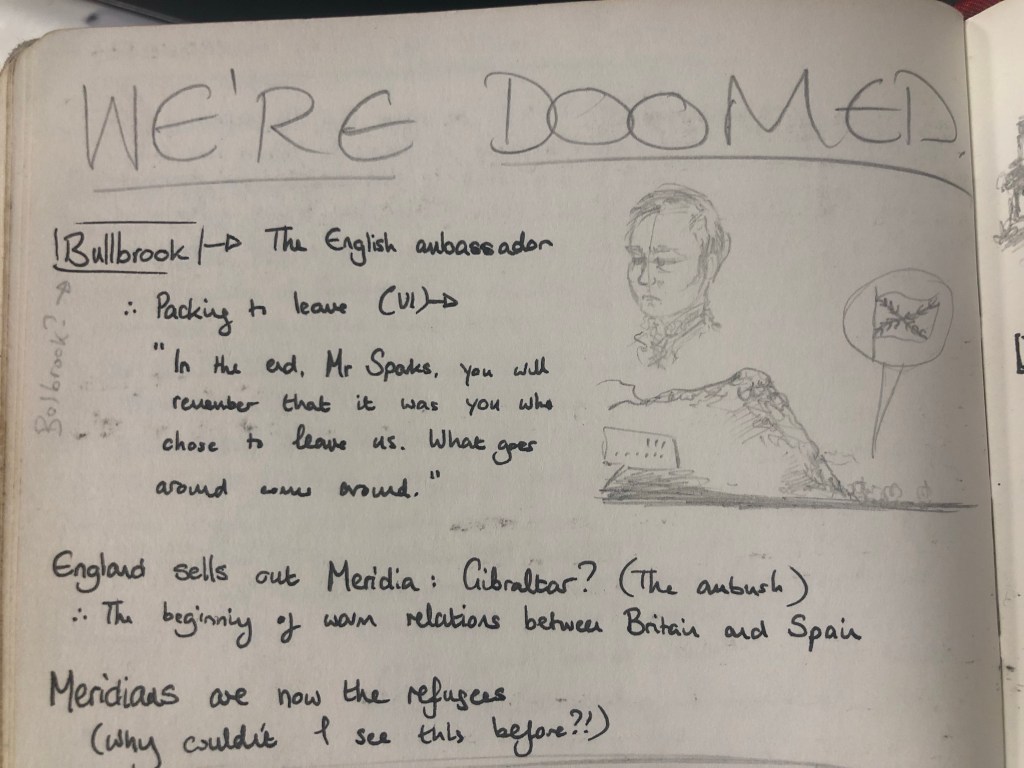
And sometimes, it’s not a book or a person that finds its way into the worldbuilding effort, but the real world itself, in real time. Like this little snippet from the journal. I’ll leave you with the date (24/6/2016) and let you guess what it’s referring to.
Worldbuilding is laborious. It takes a bloody long time if you plan to do it right. It took me a matter of seconds to decide to move the fictional kingdom of my childhood into Extremadura, but it’s taken my characters all of five years to finish unpacking. The central characters of the story have only borne their new Spanish names for a little over a year. But it’s easily one of the most entertaining parts of the story-telling business, and it doesn’t half smooth out the writing process when you finally find the time to sit down at the computer and have a solid crack at the next chapter.
So… what would you like to know? Asking for somebody else’s thoughts on what is nothing more or less than the single most precious creation of one’s life is more than a little unnerving – I’m not afraid to admit I got the shivers writing that question – but the purpose of story-telling is to share, and I could do with airing the world inside my head for a change.

Alternatively, if you’re a writer too, does my experience with the worldbuilding process sound familiar? I’d love to hear your thoughts. BB x
Byzantine

Alright, so first things first – why the name change? That I can tell you in two words. Assassin’s Creed. To be precise, give me three: Assassin’s Creed: Odyssey.

Up until a few years ago, the old blog was easy to find, not least of all because my choice of a pen name is not exactly one of the most commonplace names around. When was the last time you met a Barnabas?

Then, suddenly, 2018 saw the next instalment in the Assassin’s Creed series, and would you believe it, one of the many “side quests” in the game was actually titled “Barnabas Abroad”. Curious, I read up on the mission and spoke to a couple of people who have played the game, and I still can’t find a legitimate excuse as to why they chose that title. It has seemingly no bearing on the in-game mission whatsoever (mind you, since I’ve been grounded for the last four and a half years, it wasn’t really an honest title for my own blog anymore). Anyway, what that meant in a nutshell is that hits for my blog plummeted. Time was when Googling “Barnabas Abroad” took you straight here. Not anymore. Even if you knew the name of the blog, you’d have to sift through two pages of Wikis and related forums about Assassin’s Creed in order to find any of my content.

So this is me, BB, the artist formerly known as Barnabas Abroad, rebranding.

And no, it’s got nothing to do with The Book of Boba Fett either. Nor the Gospel of Barnabas, though I’ll admit I like the connection. Honestly? I just wanted something that started with the letter B.


I heard it said that in London you’re always looking for either a job, a house or a lover.

Amy Liptrot, The Outrun

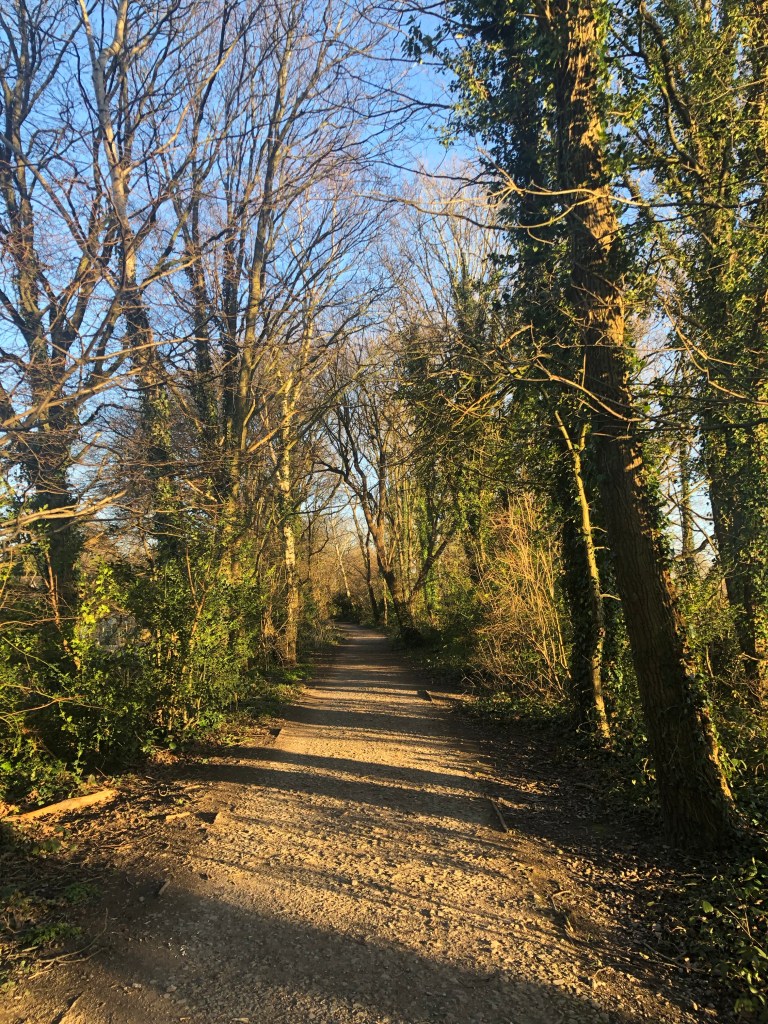
Spring in the air. Robins singing. Long shadows on the drive. An electric blue sky and the promise of summer. Crocuses, snowdrops and daffodils. A deepening red hue in the silvery-ochre wash of the Weald. In the forest, masses of frogspawn in the usual spot, most of which will be gobbled up by the thrushes long before the hatchlings see the light of day. Hope stamped out but not extinguished. Despair has no place in the springtime.

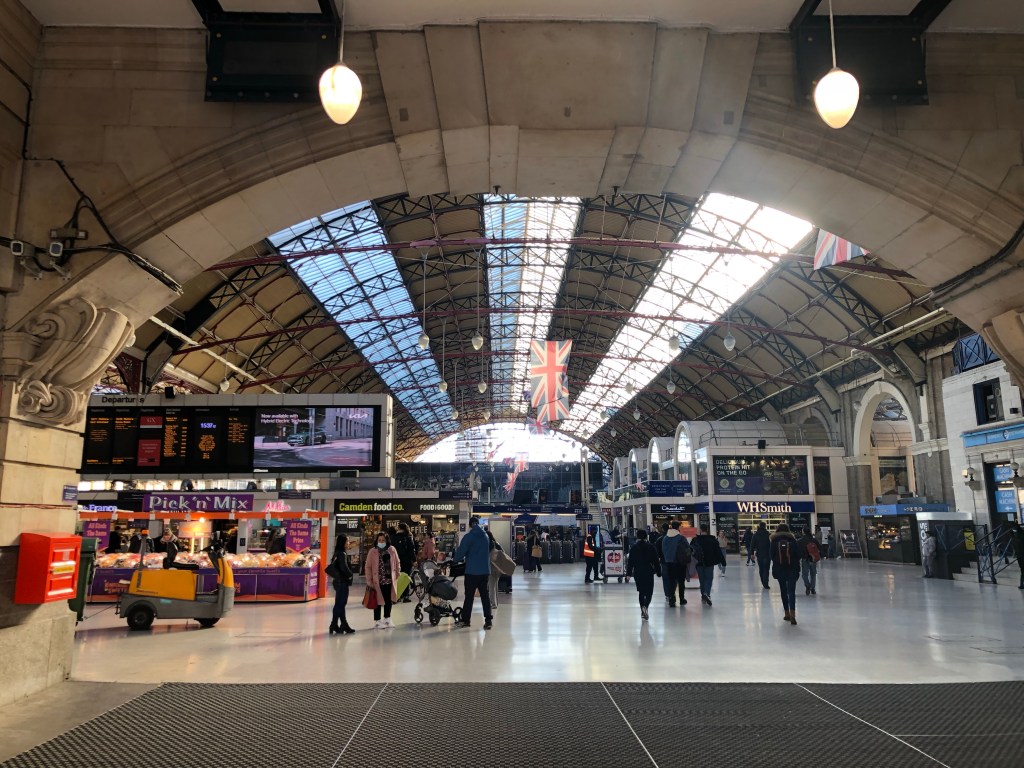
Today was an odd day. So much of it felt like walking backwards through time. And not stepping back to a specific point in the past, I mean literally walking backwards. I spent the morning moving a tumble-dryer into the flat with a colleague. I took a taxi to the station, with the company I used to use a year ago, before our school changed its providers. I remembered the driver – you get to know them pretty well when they’re your only rapid means of getting to and from work, wheel-less as I am. I went to Victoria in the sunlight with a giant suitcase for a friend. I handed it over, talked things over, and left the station, more than one load the lighter.

I think my mind was elsewhere, so my brain went into autopilot. My feet took me into the nearest Waterstones. I found myself in the philosophy section. My great-grandfather was something of a philosophy nut, if his letters are anything to go by. Maybe, when we’re at a loss, the spirits of our ancestors come back to guide us. I’d like to think so. I couldn’t find Mill’s On Liberty (recommended to me by a student a few weeks back), so I found the nearest thing: Andrew Doyle’s Free Speech and Why It Matters. Figures that if I’m to cleave to the value I hold dearest – and the one that’s always proved the most divisive in my various circles – I should see what others of a similar persuasion have to say.

The quote at the top of today’s entry comes from a book I read while I was up at the Edinburgh Fringe five years ago. Something about the frankness of the writing style appealed to me like no other nature writer had. Nature writing lends itself very well to the sort of comfortable, fatherly, did-you-know style of speech that isn’t always what you want when you’re after a page-turner. The Outrun was something different, and I felt I could resonate with so much of it. It came to mind this afternoon, or rather, that quote did. Though to be honest, what I was really looking for in London this afternoon was a bit of peace and quiet. It’s been quite a hectic term.

I’ve been in orbit for a few months now, enthusiastic as ever in my job, listless in my spare time. Writing has helped. Reading has sort of helped, when I’ve had the will for it. Running a new choir after the upheaval of last term has been a real palliative, doubly so since my hearing has fully recovered. And yet, there it is. That sense that the future isn’t as clear as it used to be. I still have the vague notion of where I want to be, and it still very much looks like a boarding school on the outskirts of Madrid, but where before the rope bridge stretched across a river, the abyss below seems void and limitless. A myriad paths I could take, crossing and weaving and leading down roads I don’t fully understand. I don’t suppose I realised how much I had built my future upon the present, until that present shifted beneath my feet. It’s just as well that the news right now is all chaos; if nothing else, it provides a healthy reality check.

I’m hoping that my adventures in Italy break the back of this funk when they come around. I’ll travel light, I think. Take only my journal, a camera and some changes of clothes. No headphones, no travel guides, no extras. Just the one book – and a slim one, at that.

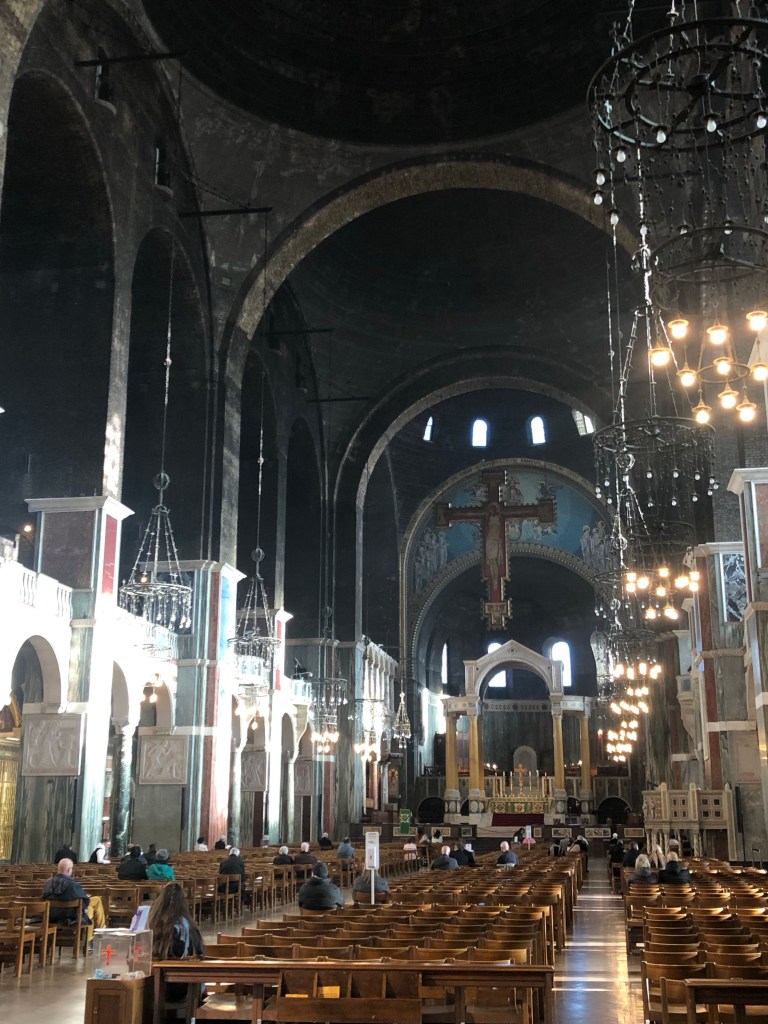
The Waterstones near Victoria looks out upon the impressive façade of Westminster Cathedral, and that’s where I headed next. There’s a silent solace in bookshops, but something greater and more powerful can be found in the holy places of this world (see my account of the climb to Montserrat a few years ago). I found a chair, made the sign of the cross and shut my eyes.

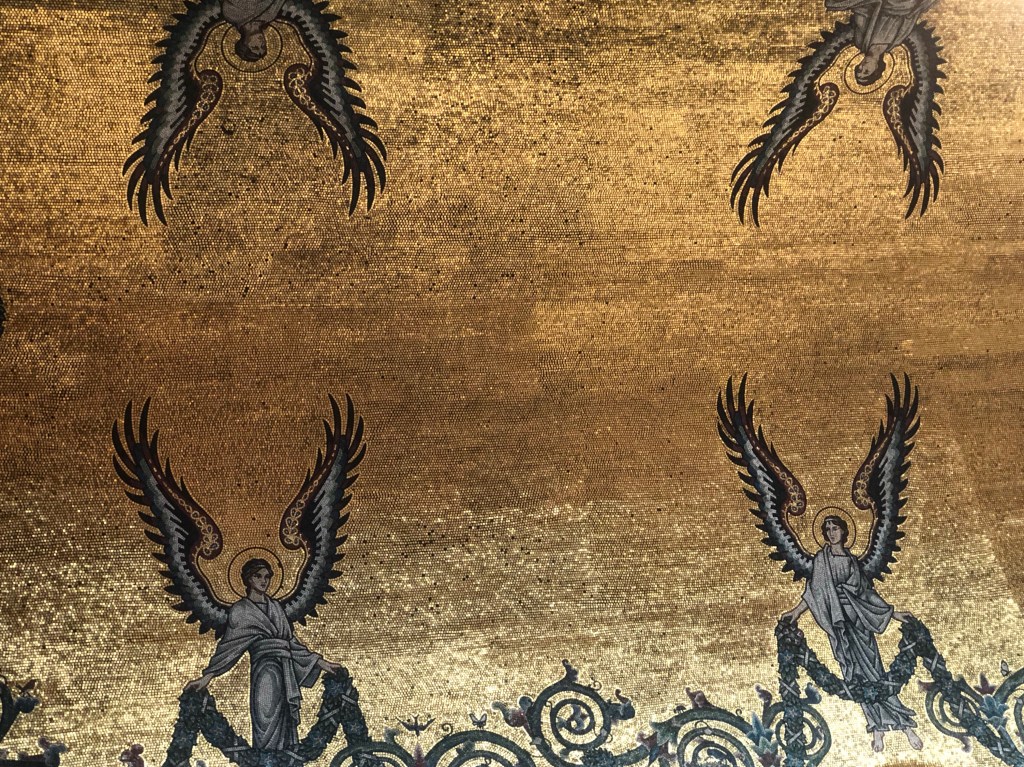
The rumble of the buses outside was drowned out by the magisterial rumble of the organ overhead, then piping and blasting, then humming and whispering. I caught snatches of Spanish in the pews to my right. Byzantine eyes burned into my temples from the glittering walls of the aisles. I counted the stations of the cross as far as I could see them and thought about my abortive visit to Jerusalem, laid low by Covid the week the schools closed. Simon of Cyrene carrying the cross, and a man propping his smartphone up against his feet in the nave to take a full-length photo down the aisle, once, twice, three times. A lady in a wimple watching three rows down with an expression that might have been contempt or indifference. Me, a pretender with a Daunt Books tog-bag I forgot I had, crossing myself once again and leaving.

I sought answers in a church once before, during a summer school trip to Crawley town mall many years back. I think I had similar questions then. But now it’s gone ten on a Sunday night, and there are more important lessons to think about. The weekend, thankfully, is come and gone. Life goes on! BB x

Wailing World

“Sir, what’s your opinion on Russia v Ukraine?”

In the vocabulary of a child, it sounds harmless, like a friendly football match. It tears away the shock and the hysteria. It tells a story of immediate information, of children monitoring the dawn of war on the screens of their smartphones. It seems almost absurd, watching a war unfold in real time.

I couldn’t answer the student because I don’t know enough about what’s going on in Ukraine to give anything like an informed opinion of my own. My meddling with Russian affairs amounted to nothing more than a short-lived attempt at after-school Russian classes in my sixth form days. The two other chaps in the class went on to study Russian at Oxbridge. I had no such intentions. I happened to be studying the Russian Civil War in A Level History, I was intrigued by the art style of the Soviet propaganda machine and felt like learning a new language. Not for the first time in my life, I felt like a foolish hobbyist amongst eager professionals. I don’t think I ever made it to the second class.

I chose to focus on Arabic instead, for equally casual reasons. I didn’t want to be a spy, or a civil servant, or an ambassador. I don’t have the cunning or the sense of national pride. All I wanted to do was to read my history books, and to draw back the curtain on al-Andalus. I had the chance to explore an entirely different world, and I took the other road. God only knows where my life might have taken me had I made it to that second Russian class.

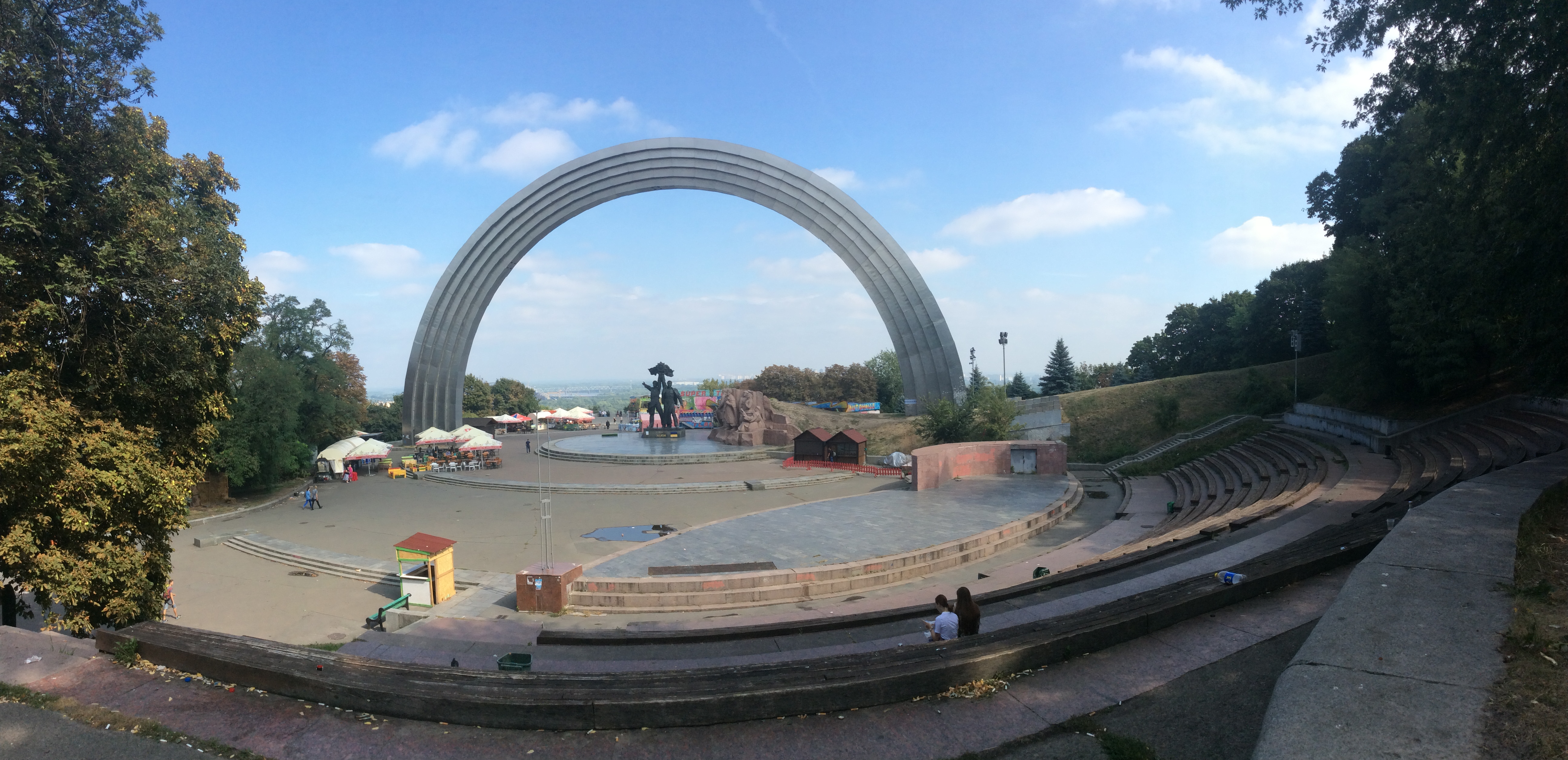
As the fighting intensifies in Kiev, I remember flashes of my brief stop in the city almost seven years ago. Bearded, sweat-scarred and looking forward to coming home, however briefly, after two trying months in Amman. The decision to take advantage of a twelve-hour layover and make a flying trip out to Kiev from Boryspil Airport was a fool’s fancy on my part, as it so often is, but it did mean that I got to see with my own eyes a city that is now in headlines around the world.

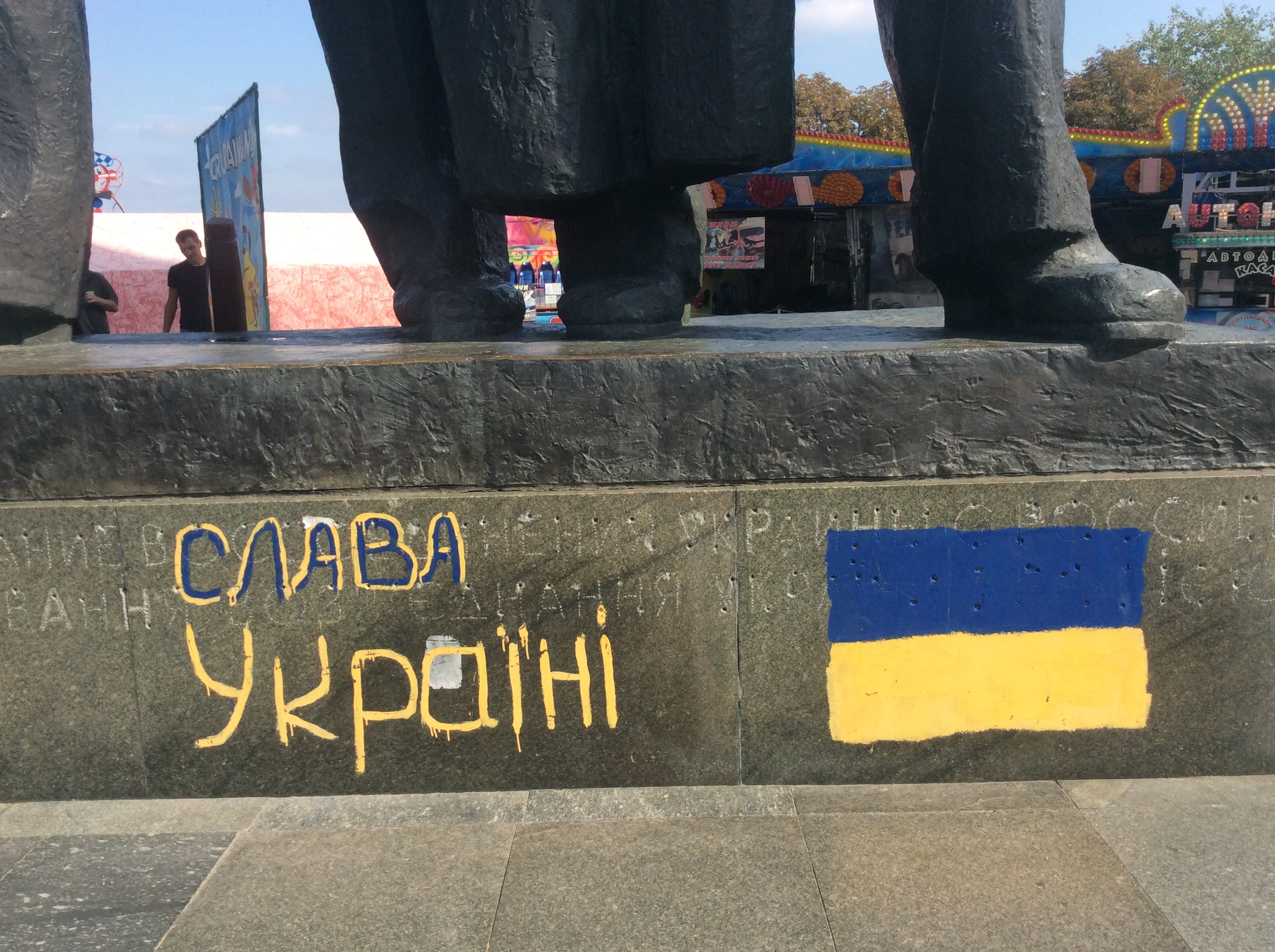
That was back in 2016, only a couple of years after the Revolution of Dignity and the subsequent annexation of the Crimea. The city was quiet, but the stress lines were there to see, if you looked closely. Beneath the People’s Friendship Arch, a monument to Russian and Ukrainian unity, a messaged daubed in Cyrillic: “Slava Ukraini” – Glory to Ukraine. The nationalist call-sign, forbidden during the years of the Soviet Union.

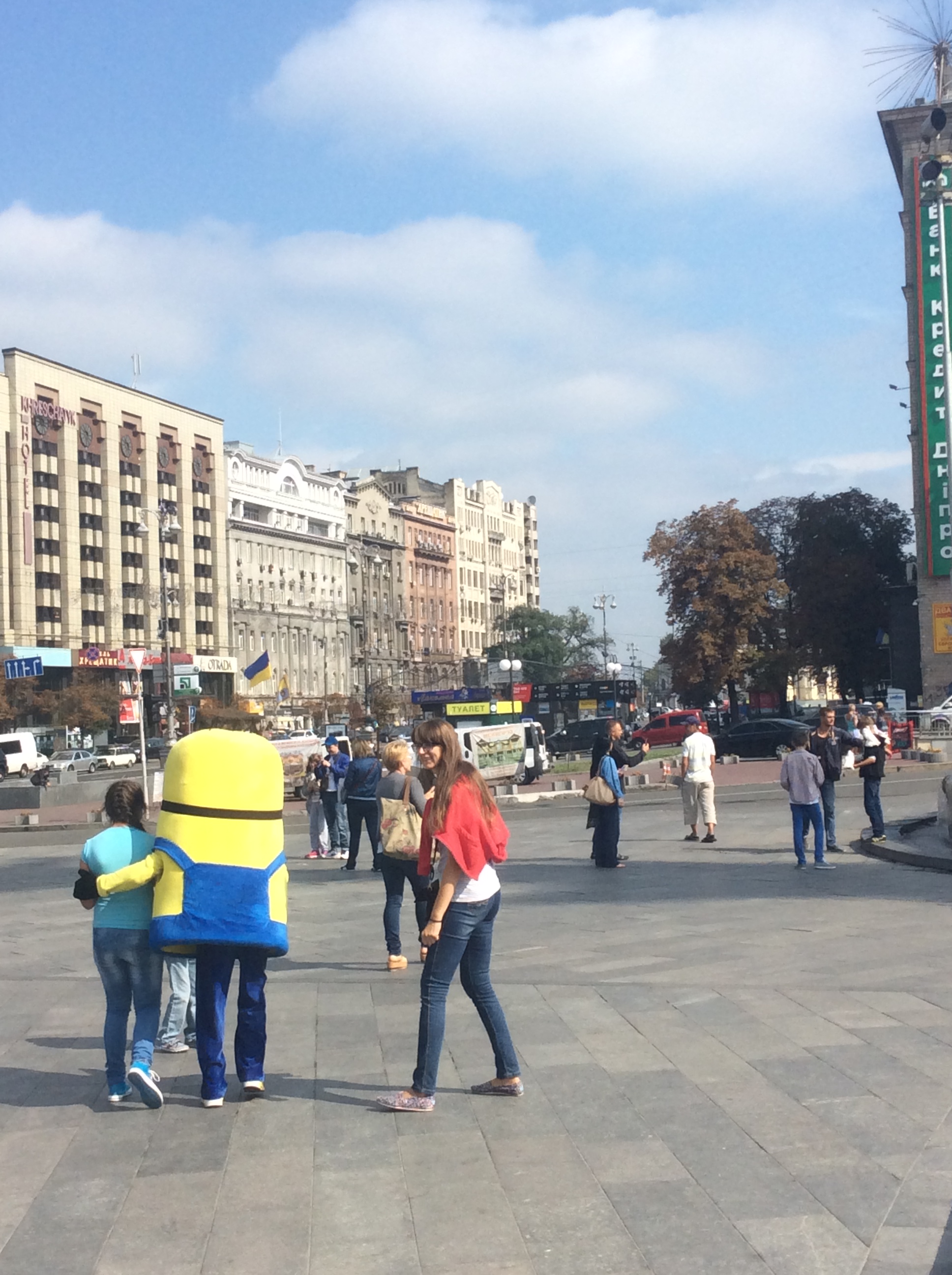
The blue and yellow of the national flag was everywhere, almost as fiercely ubiquitous as the rojigualda in the months following the 2017 Catalan rebellion. Even the street artist dressed as a minion in the Maidan Nezalezhnosti (Independence Square) seemed intentionally patriotic.

The blue and yellow from the city streets of Kiev has since fanned out across the web. Profile pictures bear its bicoloured hue. Thoughts, prayers and shares tell the story of the conflict to millions. And while part of me feels this is the way things should be, there’s something that keeps cropping up that I feel the need to talk about.

As is becoming customary in the Instagram Era, there’s just as much anger on my social media feed about the underrepresentation of conflicts happening elsewhere in the world as there is about the fighting taking place in Ukraine. For every “thoughts and prayers” post there’s a story bemoaning how much less of a fuss was made over Israel’s actions in Palestine, or the Indian occupation of Kashmir, or the assault on Yemen, as though one ought to be losing one’s head every time a gun is fired anywhere around the world. All of them immensely valid causes, no more or less than the chaos unfurling in the land of the Rus right now. Still, the phrase “pick your battles” comes to mind, and perhaps I’ve never used it more accurately. You can’t fight every war.

War. It’s not a word I’m used to using in the present tense, jaded as we are in the West by decades of relative peace. Thousands of us – maybe even millions – have never known what war means beyond what we studied at school. There’s a strong argument against the virtue-signalling “thoughts and prayers” response trending across social media, but maybe that’s just the knee-jerk reaction of a generation so far-removed from war that the word has all but lost its meaning.

Thoughts and prayers for the people of Paris after the Notre-Dame fire. Thoughts and prayers for the people of Afghanistan. Thoughts and prayers, but never enough of them, and never going to all the right places at the right time.

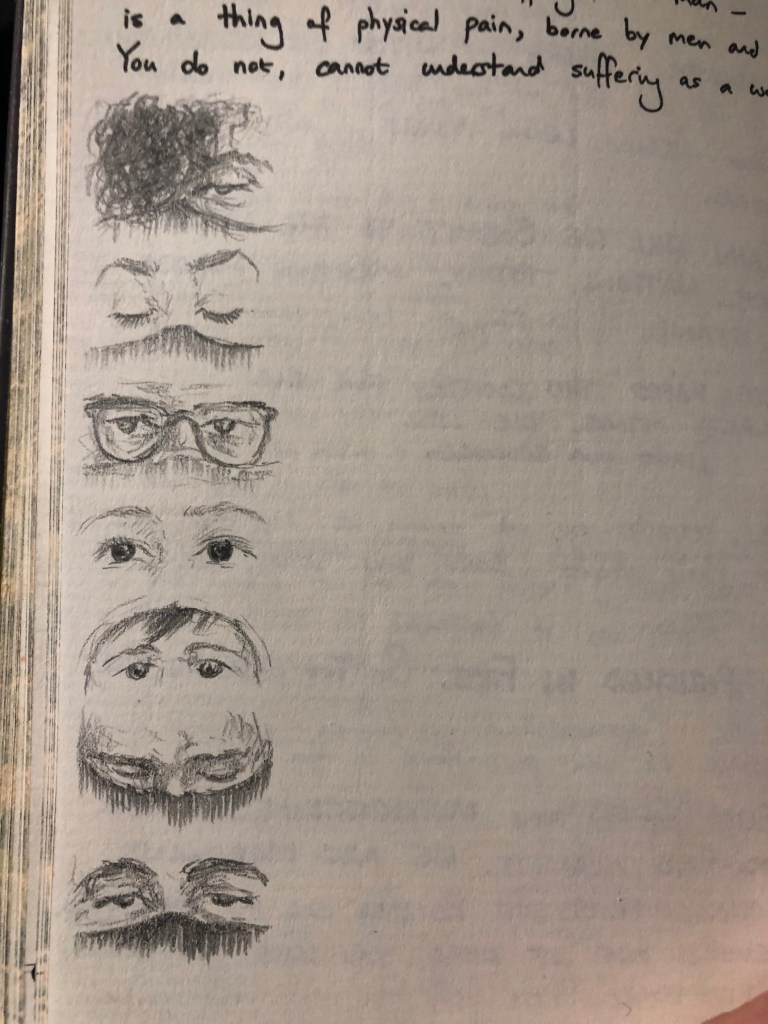
There’s so much human suffering that the whole world should be wailing.”

Joy Chambers, My Zulu, Myself

Taking the colonialist argument off the table, just for a moment, I don’t know whether we’re even capable of feeling a genuine sense of outrage at every injustice there is in the world – even my generation, which does a very good line in being outraged and incensed at everything. Every injustice, though? How can you fight for every cause and still remain true to your own beliefs? That much pain would be enough to tear the soul apart. It’s bad enough being a bleeding heart about the natural world – which, when the chips are down, is the first thing people forget to care about.

Fight, by all means. Resist. Shout about the things you care about. But pick your battles, and don’t attack those who didn’t come when you called, just because the fire in their hearts was not burning so bright.

What’s my opinion, then? Bewilderment. Jaded bewilderment, like so many of my generation. Bewilderment at the aggression. Bewilderment at the inaction. Bewilderment at the comparison to the Sudetenland saga I’ve heard so many times this week.

I studied the Soviet Union for years, but I’m no nearer an answer than any other armchair expert – probably because of my innate aversion to 20th century history, having studied it to the exclusion of every other century at school. Before I speak out, though, I will do what I do best. I will read. I will research. I will inform myself, as we were so often commanded to do during the BLM movement. I will speak to those who know more than I do, when the time is right.

While the world watched the city of Kiev, five islanders returned from the Chagos Archipelago in the Indian Ocean. It was their first independent trip home since they were forcibly removed by the British authorities during the 1970s as part of a deal to secure Mauritian independence. Mauritius wants its territory back. The Chagossians just want to go home.

Just one more injustice to add to the pile. Perhaps the whole world should be wailing – but for whom? Our world is full of people who think differently, and long may that be so. I will defy my generation and risk the use of a colonial poet to conclude, because I do believe Kipling had the right of it in this verse… BB x

Oh, East is East, and West is West, and never the twain shall meet,
Till Earth and Sky stand presently at God’s great judgement seat,
But there is neither East nor West, Border, nor breed, nor birth,
When two strong men stand face to face, though they come from the ends of the Earth!

Rudyard Kipling, The Ballad of East and West

Tooth and Claw

The 1942 Disney classic Bambi really ought to have been a PG. It might well have been by its own standards if it were released today. It’s dark, there’s more than one traumatic death (one only just off-screen) and some of the music is even more anxiety-inducing than the Jaws theme, which it may well have inspired. Man, the ever-present danger and the film’s primary antagonist, was justifiably placed at number 20 on AFI’s list of the greatest movie villains of all time, ranking higher than all but one of all the animated villains ever created – and we never even see him.

But I’m not going to talk about Man. We know our own capacity for wickedness. I’d rather muse over the one aspect of that movie that used to genuinely terrify me as a child.

I’m talking, of course, about the dogs.

From the moment the music cuts out and the barking starts, it’s a solid couple of minutes of pure terror. The artists could hardly have drawn them to be more terrifying, with shining white teeth and cruel, heartless eyes of featureless white or soulless black. The constant baying of the hunting pack stays in your head years later, drawing near like drums whenever you hear the soundtrack – and it’s not a mile away from the reality either. I remember hearing a hunting horn sound in the countryside somewhere in the south of France when I was younger and the distant thunder of a pack of dogs on the scent. It’s a sound lost to England many years ago, but one you still might come across if you travel around the quieter corners of Europe.

That chase sequence in Bambi has stuck with me for years. It’s not an outright vilification of hunting, but it is an awesome depiction of unbound savagery from a darker time in our past, before hunting regulation and wildlife protection laws were brought into force. We never see the film’s primary villain, but his capacity for monstrous carnage is more than evident in the beasts he has created, the beasts of our own making.

It’s only recently that I’ve started to take an interest in dogs. It’s possible that Bambi put me off them early on. Or the ones from the horror-show that is the 1954 animated film Animal Farm. Or the dog from Manor Farm in 1978’s Watership Down (there were some horrific portrayals of man’s best friend in 20th century children’s movies). Or maybe it’s just because I’ve spent the last twenty-eight years of my life living with cats that I’ve naturally picked the opposing team. Regardless, the tide, if not turning exactly, is beginning to even out.

El mastin español – guardian of the Tierra de Barros

When I lived in Extremadura, I remember finding some of the largest dogs I’ve ever seen out in the countryside, lazing about in the shadows within fenced enclosures and barking at anything and anyone that came near. Not just any bark, either, but a terrible, three-throated bellow that you can hear from a great distance, the kind you might expect from Cerberus. I’m talking about the Spanish Mastiff, an impressive breed once used by the shepherds of La Mesta, Spain’s ancient “wool mafia”, as a guard dog for their valuable Merino sheep. A working dog bred for its size and strength, it’s not hard to imagine this beast in action against the wolves and bears that once roamed the forests of Iberia. They were popular combatants in bear-baiting, a sport which was just as popular in parts of Spain as it was in medieval England, to the detriment of the country’s bear population. Dog after dog would have been sent against the great beasts until they could fight no longer.

These days, of course, there are probably more mastiffs in Spain than there are wolves and bears put together, and the giant bear-killers look like old soldiers gone to seed in their enclosures under the Spanish sun. There was only one victor in their fight against the country’s predators, and it wasn’t the vanishing wolves, the ghost-like bears or even the mastiff, chained to its post in the quiet Spanish countryside. It’s quite sad, when you think about it.

It wasn’t only the wild beasts of Spain’s interior that the mastiff was trained to fight. There are plenty of stories of the use of perros de guerra in the Spanish conquest of Mexico. Given the diminutive size of the dogs native to the Americas upon the Spanish arrival (see the xolo dog for an example), it’s hardly surprising the Spanish saw fit to use their monstrous dogs as additional leverage in their fight for the American interior. Becerrillo, a war dog owned by the conquistador Juan Ponce de León, is the most famous example. Whether it was the mastiff, the alano or even the greyhound the Spanish employed, the results speak for themselves, and monstrous armoured dogs appear in a number of contemporary recollections of the conquest – there’s an especially telling (and graphic) depiction in the Coyoacan Codex. Whether you choose to believe all the details of the so-called “black legend” concerning Spain’s atrocities in the New World, there’s no denying the awesome power of these war dogs if you ever encounter one in the Spanish countryside.

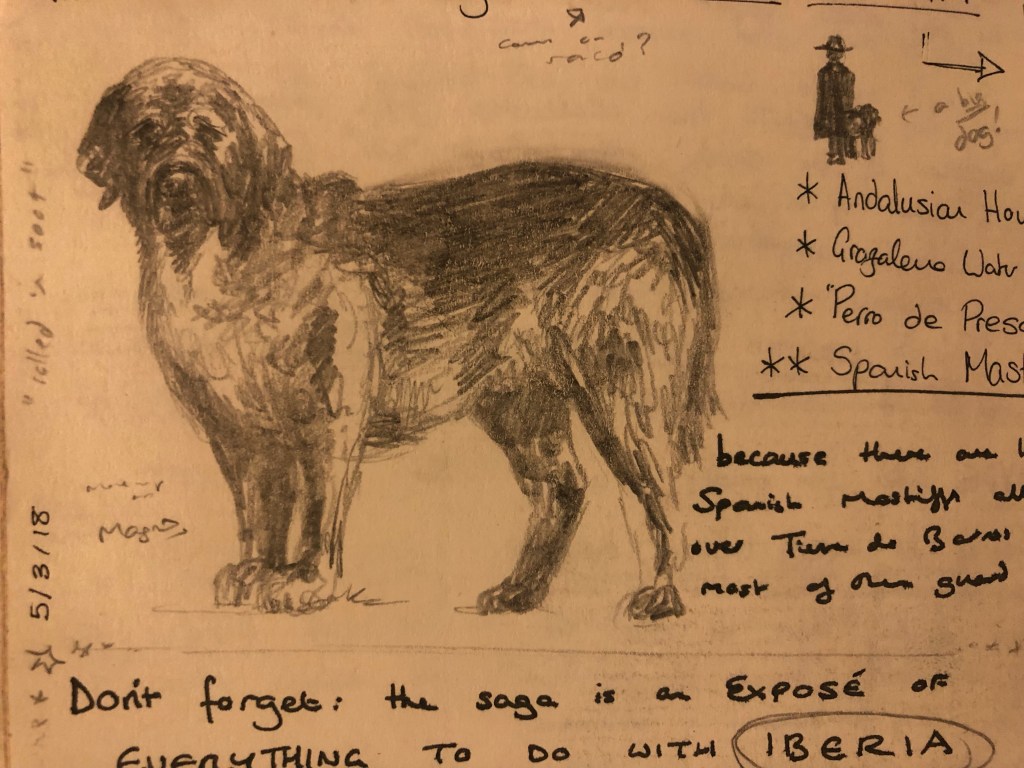
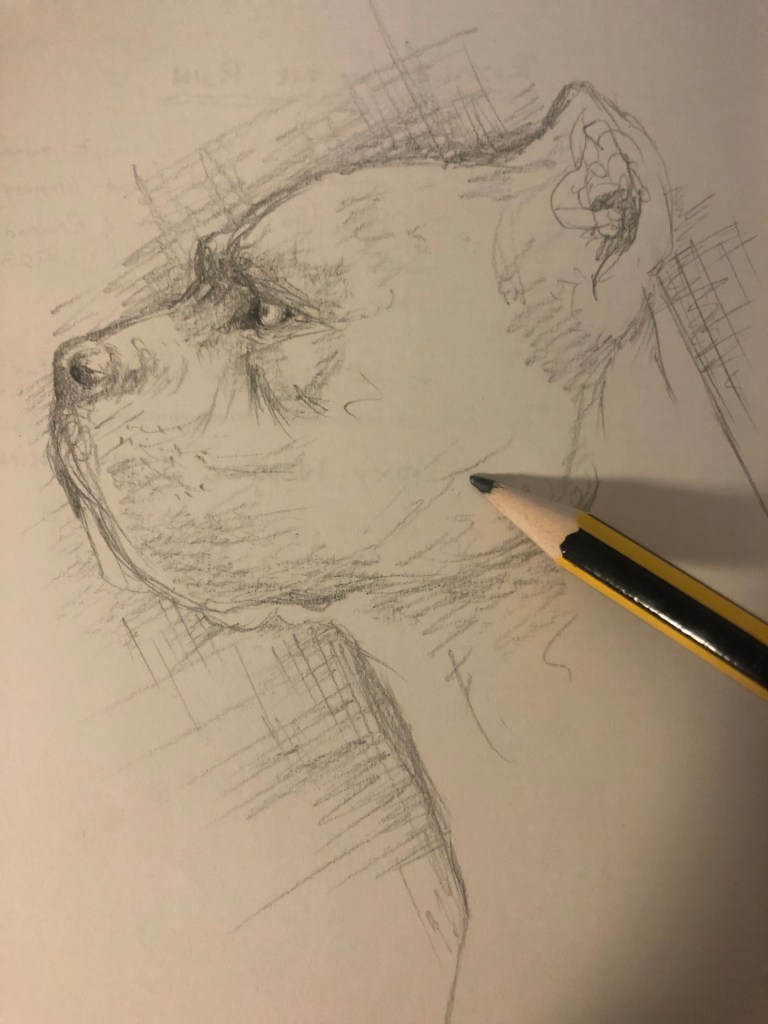
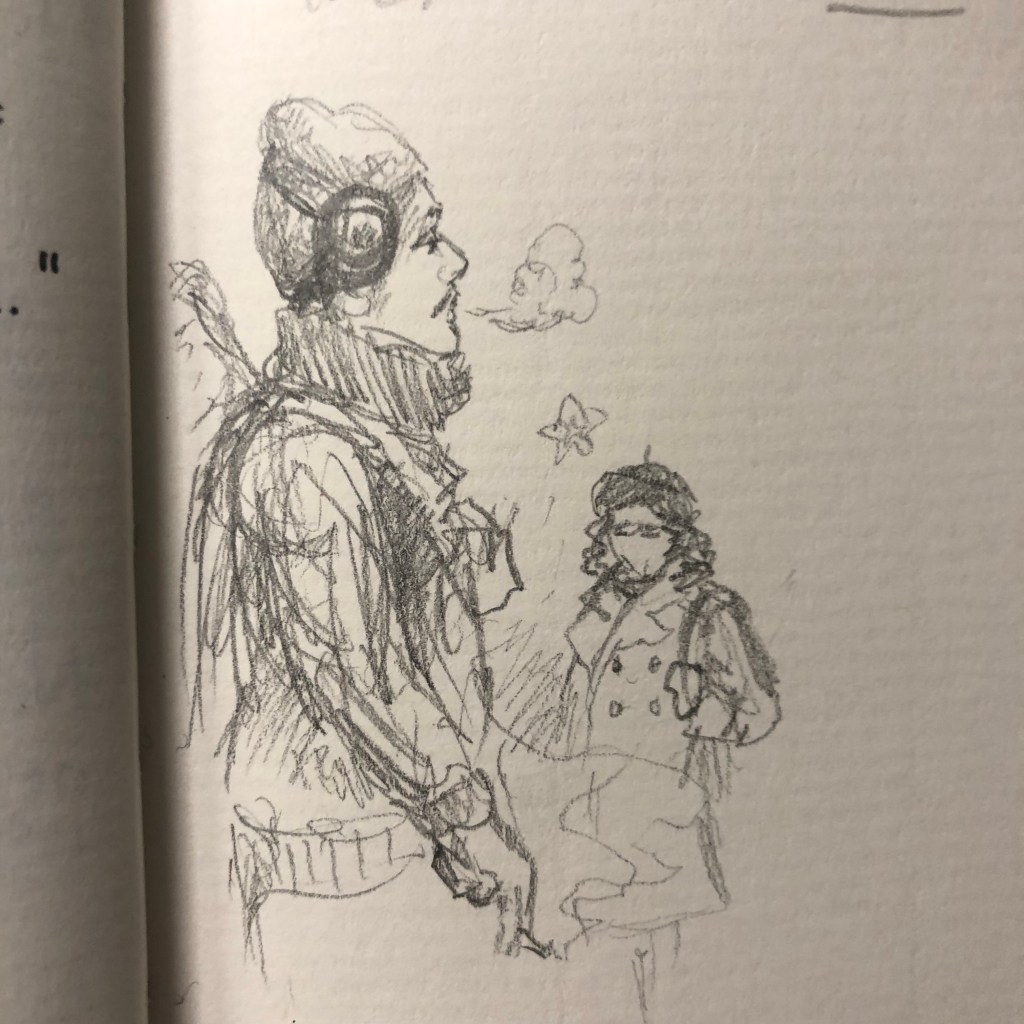
A quick sketch of a Spanish alano, scribbled into the journal between Church and tutor today

Naturally, I’ve written one into my book, as a faithful companion to my leading lady. It’s not as simple as you’d think, writing a dog breed into a book, as by its very nature, dog-breeding is an ever-changing world. Many of the dogs we know today have only been around for a few hundred years or so. The Spanish mastiff we know today is already a very different animal to the kind used at the start of the twentieth century: the original mastiff was still a sturdy, powerfully-built working dog, but not at all like the lumbering giant you see around the Spanish countryside today.

Other dogs that were more familiar to our ancestors have long since disappeared: the stocky Old English bulldogs bred for the sport of bull-baiting, long-since replaced by the squat, hyperbrachycephalic creatures we know today; the alaunt, the rache and the Talbot hound, the mainstays of medieval nobles and huntsmen; and, of course, the mighty Molossus, the ancient war dog of the Greeks and Romans. In our endless desire to bend nature to our will – bigger, smaller, stronger, more obedient, less intelligent – we have warped our old enemy, the wolf, into an absurd array of shapes and sizes. It’s a testament to man’s ingenuity that, long ago, we were able to turn our most hated rival into our best friend, but my word, did we do some terrible things to him along the way. I wonder what a wolf thinks when it crosses paths with a pug or a dachshund. Is there a flicker of recognition, do you think, or have thousands of years of man’s meddling twisted their kin into shapes they cannot begin to understand as one of their own?

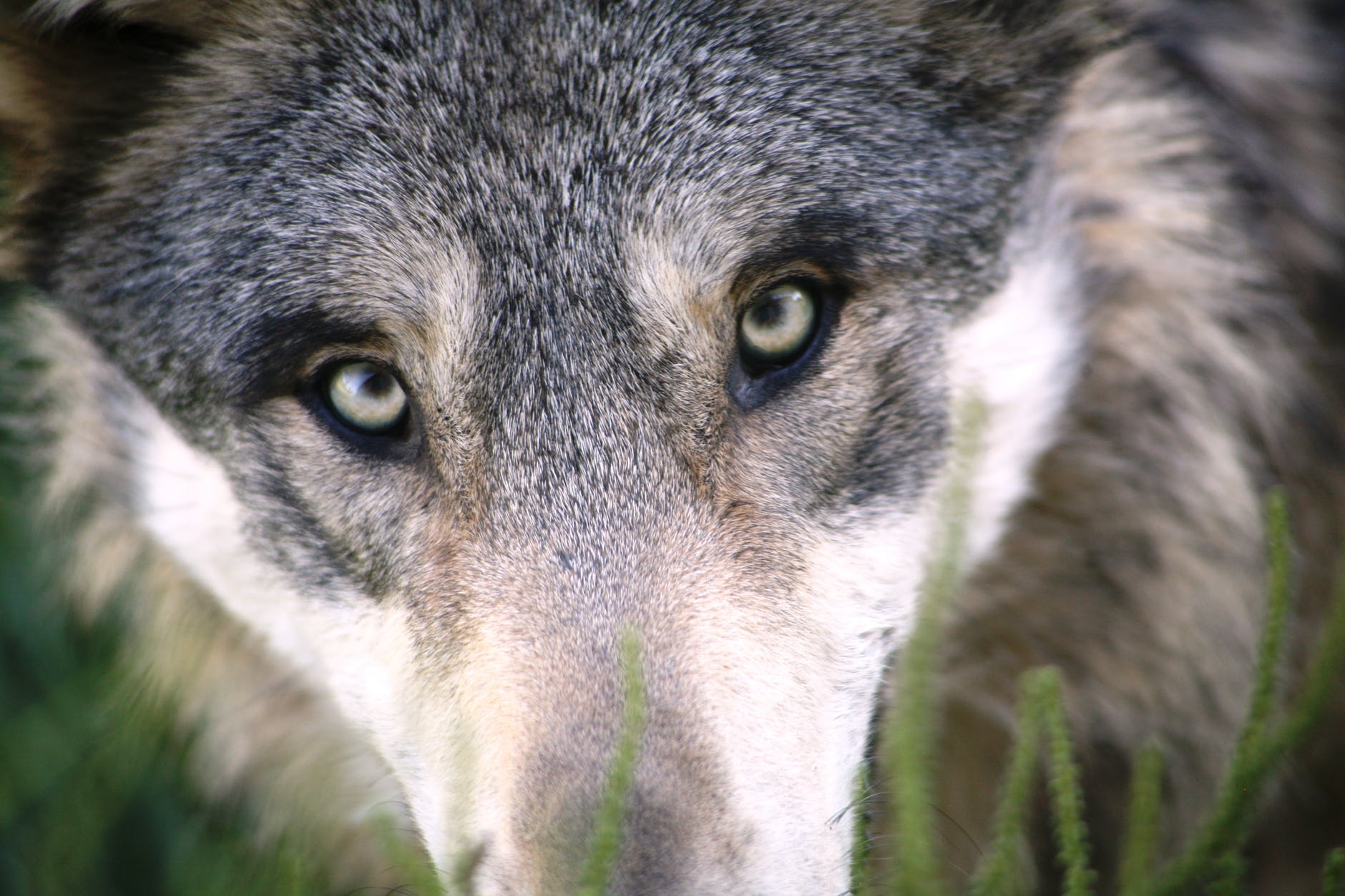
Photo by Brenda Timmermans on Pexels.com

I’d really like to track wolves in the wild someday. I’ve heard that one of the better places to do that in Europe is in the wild Abruzzo region of central Italy. I don’t think I’ll manage it this time – as you might expect from one of Italy’s last refuges for the symbol of Rome, it’s not exactly a hop, skip and a jump on public transport. But if years of nature-watching has taught me anything, it’s patience, and I can wait for an experience like that. Spain’s Sierra de la Culebra is also supposed to be a good place to search for wolves, and when last I heard from the place, a pack had been seen in Extremadura, though memory fails me as to where.

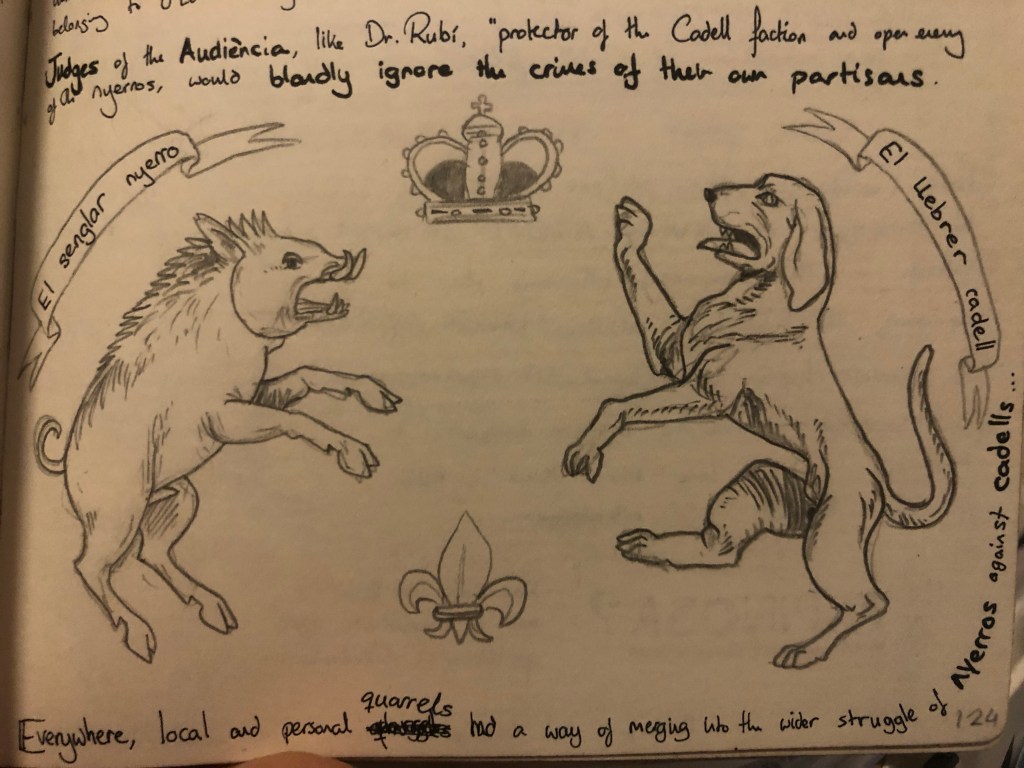
The llebrer (R), symbol of one of Catalunya’s most notorious 17th century gangs, the Cadells

In the meantime, I will read up some more on Spain’s dogs, if only for the sake of my novel. If there’s a place for the loyal mastiff, I’m sure I can find a space for something like the nightmare fuel from Bambi, too. BB x
Abide with Me

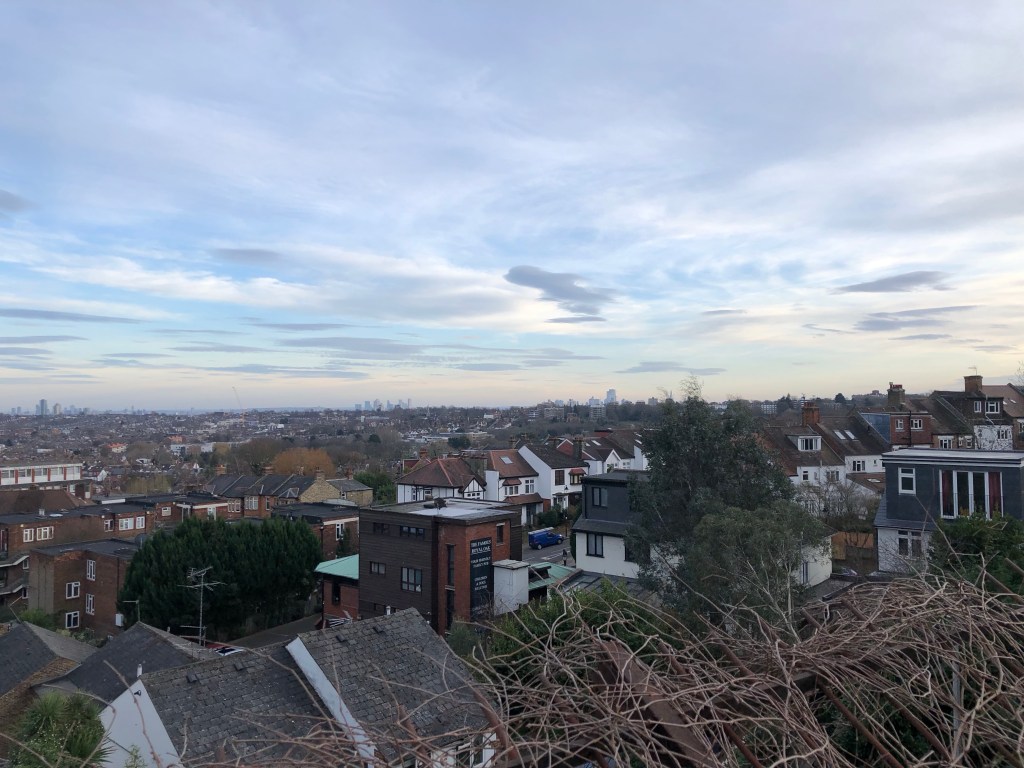
Today’s the last day of the February half term. Storm Eunice is on her way out, but she’s dragging her talons behind her. I’m cooped up with a blanket and a mug of Ovaltine in my study, looking out at the grey world beyond. Cars parked at angles. Wet tarmac mirroring the featureless sky. Winds of over fifty miles per hour howl across the grounds. One of the windows in my flat is permanently ajar due to some fault with its ancient locking mechanism, and the banshee wails moaning through the corridor sound like the Ice Cavern from Ocarina of Time (nostalgia trip here). Between the raging wind and the rattling tattoo of the flagpole two floors up, I might as well be at sea.

I came home from visiting my parents last night to find the whole site in darkness. From what I’ve seen and heard, Eunice had been busy while I was away, tearing her way along the coast like a hurricane and leaving great swathes of the south without power. It took me at least a minute or two scrolling through the UK Power Network website to find my postcode amidst the many hundreds reporting a power outage. After the fair number of power cuts we had last year, you would have thought I would have been prepared, but for the life of me I couldn’t find any of the candles I’d stockpiled over the years. I think my previous housemate used them all up for beer bottle decoration. Fortunately, some foresight – or hindsight – on my part led me to a hidden cache of hand-torches in a chest of drawers. The bulb had gone in the smaller one, but the other, though flickering as a match-flame, gave just about enough light to read by.

I half expected to come home to find the silhouette of the great Atlas cedar missing from the skyline, its mighty body bent and broken upon the drive like a fallen giant. Fortunately its roots go deep, like the mountains upon which its kin grow far away to the south, and there is strength in the old man still.

The same cannot be said of many of the free-standing trees that line the road into town. I promised myself I’d get a taxi home for the sake of my new trainers, but as usual, I went back on that promise, only this time it was not out of stinginess but a genuine curiosity to see the wreckage of the storm that I had only glimpsed from the train. Crawley wasn’t given a lashing quite like Brighton and Hove, but it had its fair share of casualties, scattered and trimmed across roads and gardens. The damage was less obvious deeper into the woods beyond. There is safety in numbers, it seems, even for trees: much of the forest was untouched by the storm. It was seriously muddy underfoot, though, and I spent a good ten minutes cleaning my trainers by torchlight once I’d made it home.

It seems unoriginal – not to mention extremely British – to go on so about the weather, but I feel as a writer there is nothing more important than taking the time to talk about the world around you every so often. It’s our duty to tell stories of the world as we see it, so that others who come after us can learn from us somehow. One of the books I actually read cover-to-cover last year, Nature’s Mutiny, pieces together the world of the Little Ice Age through diaries, sermons, letters, hymns and poems penned by those who saw it with their own eyes. Back then there was still a great fear of God tangled up in the awesome power of the weather, and a hundred years of savage winters had led a lot of Europeans to the natural conclusion that sin was to blame. Some resorted to witchcraft; some resorted to witch-burning. Others, of a more temperate nature, put their thoughts into verse:

In constant rancour we abide / and war is ruling far and wide

Envy and hatred everywhere / in all estates discord and fear

That too, is why the elements / reach out against us with their hands

Fear coming from the depth and sea / fear from the very air on high

In morning is the source of joy / the sun no longer sends bright rays

The clouds are raining like a fount / the tears too plentiful to count.

Paul Gerhard
Translated by Philipp Blom
(Nature’s Mutiny, 2019)

I wonder how many modern lyricists sing about the weather? Back in 2007, when the UK was plunged into its wettest summer since records began, Rihanna’s perfectly-timed Umbrella became a best-seller. There were even joking accusations on the internet that the singer was responsible for the unseasonal weather across the pond…

Now that it’s raining more than ever

Know that we’ll still have each other

You can stand under my umbrella

You can stand under my umbrella, ella, ella, eh, eh, eh

Rihanna (“Umbrella“)

Of course, Rihanna wasn’t thinking about the British summer yet to come when she wrote those lines, but four hundred years ago they might have burned her for a witch for such impeccably bad timing. Come to think of it, though, I do distinctly remember her name being on the list handed to me by the Prefect Witchfinder General at a school I worked at in Uganda, some five years later. Apparently the school’s witch-hunting guild had found a website listing known witches in the Western world? If they’d stumbled upon one of the various forums discussing the timing of Umbrella, perhaps it’s not an unprecedented conclusion. If I remember correctly, Wayne Rooney’s name was also on that list. The internet is a strange place.

Speaking of the internet, I decided to bite the bullet and give the online dating scene a whirl. Living and working in a boarding school doesn’t exactly facilitate an open line of communication with the outside world, so rather than sitting on the fence I thought I’d chase some stories for a change. After a brief browse it looks as though Bumble is the kindest of the Golden Triangle (with Hinge and Tinder), not least of all because it’s the most self-aware of the damage the online dating scene can do to the mental health of its users. It’s good to see that in an undeniably superficial meat market, some of the folks up top are aware of the dangers and offer support.

It’s almost certainly a silly idea, living as far from the city as I do, but, who’s to know? Shy bairns get nowt once again. If I had a penny for every variation of that phrase I’ve heard throughout my life, I might just have a pound. BB x
Dagobah: The Longest Night of my Life

Planning ahead for Italy this April has got me thinking about the last time I travelled solo, now almost a decade ago.

When I was eighteen years old, my mother gave me a copy of Laurie Lee’s As I Walked Out One Midsummer Morning and a map of northern Spain. I joined the dots and bought myself a one way flight to Santander, planning to walk south as he did, until I reached the Mediterranean Sea.

It didn’t exactly pan out like that, but it was and is to this day one of the toughest and most formative adventures I’ve ever made in my life.

Travelling solo is not for everyone. You’ve got to be comfortable with your own company for long periods of time. You have to be able to think on your feet and adapt to whatever happens around you, because nobody is going to look out for you but yourself. Most importantly of all, you need to be brave. You’ll hear plenty of stories about the kindness of strangers, but nine times out of ten, it’s a case of shy bairns get nowt; if you aren’t prepared to talk to people, the loneliness birds will start to circle.

That’s what happened to me, all those years ago. My Spanish was good – more than good enough to hold my own in a conversation – but my courage was lacking. The bottomless charisma that comes almost by osmosis from working in a private school hadn’t sunk in yet, and I would have rather bitten my own tongue than enter into a conversation with a stranger. Consequently, I spent the greater part of those four and a half weeks in what can only be described as a state of monastic silence.

As a rule, I’ve tried to find a travel partner on every adventure since, as there are few things more reassuring than good company on the road. Back then, halfway through my gap year, I was cut off like never before: everybody I knew was either at university, at work or halfway across the globe on gap years of their own. So I didn’t have much choice.

I was young, inexperienced, and woefully naïve about how much I ought to be spending daily on food. Little wonder, then, that when I came home I was dangerously underweight. That first encounter with solo travel taught me a lot, but most of all it taught me never to skimp on food. Ever.

Looking back, it’s so easy to focus on the negatives, largely because of how didactic they all were. One stands clear above the others like a lonely mountain. Sleeping rough in the mountains above Madrid with nothing but a sleeping bag and a rucksack for a pillow. That endless night will be with me forever. Let me paint it for you.


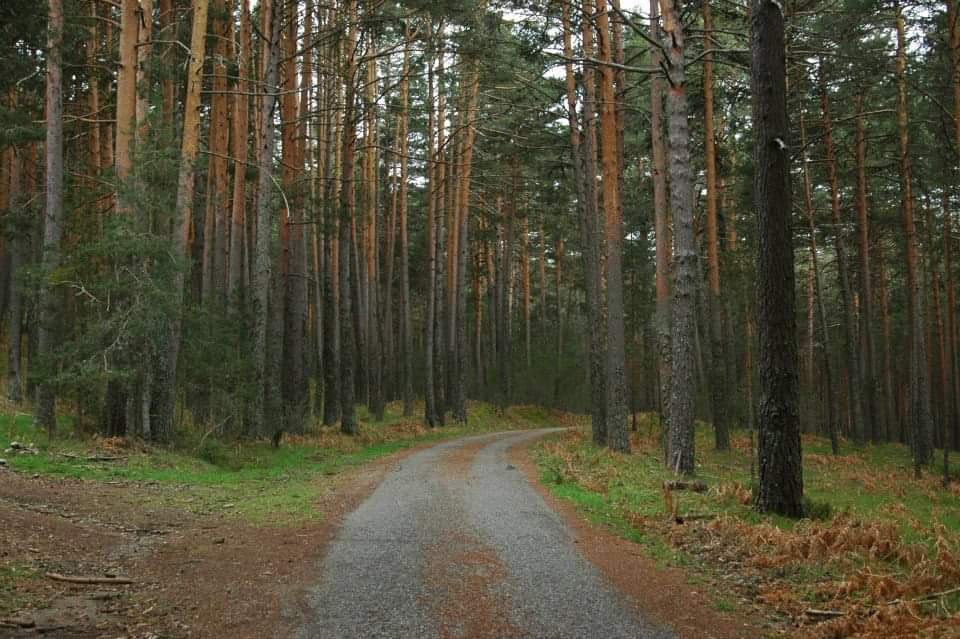
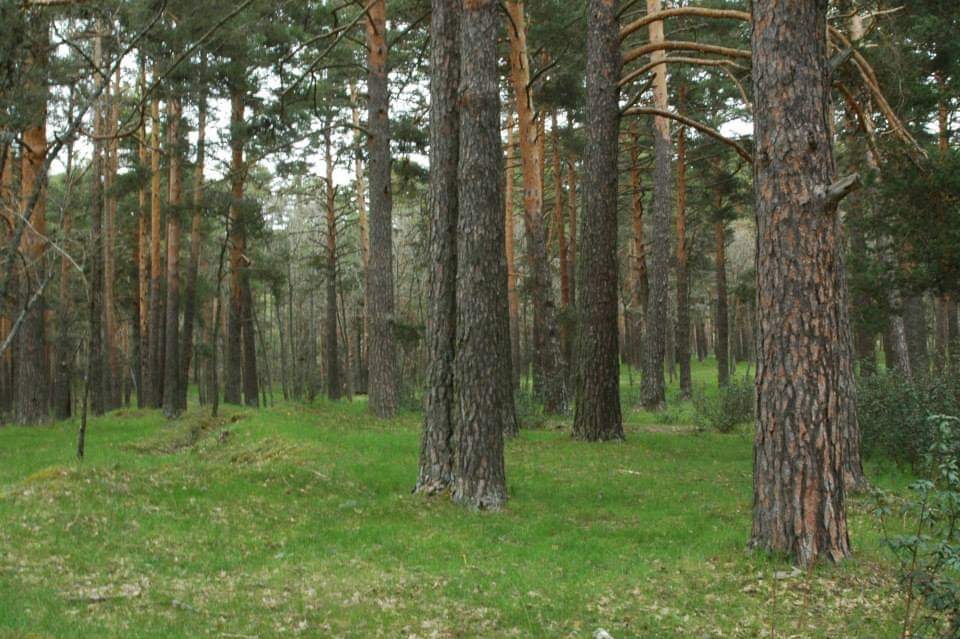
Picture it. A patch of relatively stable ground in the heart of a dark pine forest, on the lower slopes of the mountains. At least two hours’ walk from the nearest settlement. Pine needles where the grass doesn’t grow, and the roots of the trees poking out of the ground here and there like toes in the sand. The light fading as dusk sets in, no sunset, just a gradual darkening of the grey light between the trees as the world before your eyes starts to fuzz and crackle like static on an old television. From somewhere far off, a raven croaks, and once or twice, an owl.

You put your head on your rucksack and try to shut your eyes, but sleep doesn’t come. Maybe it’s because it’s still light out there. Minutes feel like hours. You turn on your iPod and ration a few songs to pass the time. Maybe fatigue will get you in the end. But it doesn’t.

Night falls, but there’s no moon. The ground under your sleeping bag is cold. Wet. It sinks through the lining and into your skin. Your teeth are chattering. You put on all the clothing you’ve brought; three layers of socks, two sweaters and a makeshift scarf. It doesn’t stop the chattering. Then there’s the gentle sound of rain as the clouds roll across the mountainside, scattering water through the trees.

You check your watch. It’s only been twenty minutes. It’s still only just after nine o’clock. Most Spaniards aren’t even in bed at this time. You ration some more music.

The darkness is almost absolute. You can only just make out the silvery light of the trunks of the nearest trees, lit by the ghost of the moon, buried deep in the clouded night. The patter of rain echoes through the whole forest.

Suddenly, a harsh bark breaks the silence. It shouldn’t scare you out of your wits, but it does. You freeze, listening, half expecting – wait! There it is again. It’s a roe deer, you know that. You’re sure of it. You’ve heard that barking cry so many times before back home. It’s just a deer. Harmless. But what good is that knowledge when you’re wrapped up in a sleeping bag, alone, and nobody knows you’re up there? And what if you’re not so sure? What if it’s something… else?

It’s funny how the mind plays tricks on you in the darkness. How quickly you can unravel. For a time I am certain I had managed to convince myself it was not deer but wolves I was hearing – that ancient terror of the deep forest that all of us carry, buried deep inside.

The barking goes on for hours. Or maybe minutes. The minutes feel like hours. The hours feel like days. Time seems to have slowed to a crawl. The night is endless. No moon, no stars, no light from the distant towns. Just the static darkness that creeps through the trees, and the rain, the endless, endless rain.

You count the barks. You count sheep. You call home, consider bailing there and then. You talk to yourself, argue with yourself. You turn to God, perhaps for the first time. You swear. You laugh. You cry. You drain the iPod to zero to keep your spirits up, trying not to picture the prowling things between the trees that your eyes are so keen to paint.

Sleep is fleeting: a minute or two of semi-consciousness here and there, leaving you more and more tired, and yet less able to find that rest you now desire above all things.

And when the dawn comes, that first blessed grey light between the trees, you don’t even care anymore how little you’ve slept. You hardly notice the gnawing aches in your legs, or the numbness in your teeth from all the chattering. You’re just overjoyed to see the light once again – because there’s a magic in the dawn that is timeless. The darkness is on the run, and there’s a new day on the way. Dawn was ever the hope of men.


Looking back now, there’s so much I didn’t do that I know I should have done. I didn’t tell anybody where I was going. I didn’t pack enough food. And any of you with even a little camping experience will have spotted one glaring absence: never mind the obvious lack of a tent, I didn’t even bring a roll mat. No wonder I spent the night shivering.

One thing’s for certain: there’ll be no repeats of that night in the Guadarrama, not in Italy, not ever. I’ve had some long and painful nights in my life, but that one stands head and shoulders above the others. I don’t think I’ve ever felt more alone. But that makes it all the more powerful a memory. It’s a lightning-rod for my fears. Whenever I’m feeling down for whatever reason, I think of that night in the mountains. I was miserable, I was lonely, I was terrified – but I survived.

In the old Star Wars stories, Master Yoda went into exile on the swamp world of Dagobah, a planet with a strong connection to the dark side of the Force. Hubris had laid his order low and taken everything from him; only by humbling himself in isolation and communing with the dark was he able to understand it – and, in so doing, learn to rise above it all.

At some point in our lives, we all need to be brought to our knees, if only to understand who we really are when it all falls apart. I wouldn’t say I look back on that night with pride – the whole enterprise was nothing short of madness to begin with – but it did settle once and for all what I believed.

Darkness is not something to run from. It cannot be escaped. There’s darkness in all of us, as sure as shadows lengthen in the light. But, like a shadow, it must be faced head on if you would not be afraid. We have to confront our fears if we wish to understand them – and to understand how we react it to them. And to face your demons, whatever and wherever they may be, you need your starlight. I call that starlight Hope.

Hope and despair. The light and the dark. All that I am today is built on that bedrock. Hope is my raison d’etre, my polestar, my core value if you will, and it was forged in that endless night on Guadarrama.

Travelling alone can be tough – especially if you’re inclined to sadistic escapades like sleeping rough in the mountains like I was – but I can think of few better ways to find the meaning of life.

And if you’re wondering why I put myself through that ordeal, there’s a perfectly logical answer: there’s a chapter in my book where my protagonist is abandoned in the wild, and my English teacher once told me to “write only about what you know”! The things we do for art…

I don’t expect anything nearly as dramatic in Italy. Heck, I’m mainly going to fill some pages in my journal. But I am going with a hopeful heart once again, to feel that brush with the world beyond.

And to find a better Margherita pizza than the ones they make at Lirios. Maybe. BB x
Kicking the Habit

I can’t believe it. I’ve done the unthinkable: I’ve booked myself a holiday, and for once, it’s not Spain. Well, that’s not strictly true. I should say I’ve booked half a holiday that isn’t in Spain, because there’s nowhere else in the world I’d rather be in Holy Week than with my family, especially since the procesiones haven’t happened for two years now. But after an evening spent stuck in a rut over where to go and what to do in the week prior, I decided it was high time I broke the mould and explored somewhere new for a change. It’s a place I’ve never been before, and yet it’s also a place I’ve had so much to do with over the years that it would be nothing short of criminal to keep ignoring it.

The destination…? Italy!

For years the excuse for passing over Italy has been my (completely unfounded) belief that “everything Italy can do, Spain can do better… plus they speak Spanish”. Spoken like a true tercio, but not exactly the most grounded of opinions, nor a particularly sensible idea for somebody who’s supposed to be a modern foreign languages teacher.

So I’m giving myself a week out there to open my eyes and blow my mind.

I have six weeks to teach myself some basic Italian. Given the almost daily contact I have with Italians at work, that shouldn’t be too difficult – and hey, I could use a challenge.

Part of me feels I’m getting a little old for this solo travel malarkey, and yet there’s another part of me that’s been getting restless for months. I need something to take my mind off how messy 2021 was, something to jumpstart the thrill of adventure I used to feel all those years ago… and, most important of all, something that will give me stories to tell on here that aren’t always about my grandparents. I could certainly do with some fresh material for a change.

A slightly mad move on my part, but if I have to spend another holiday at home I’ll almost certainly go mad. 2017 Me is wagging a finger and calling this kind of behaviour entitled, but then, 2017 Me thought he had it all figured out – and he had just spent a week up at the Edinburgh Fringe, which was probably one of the most expensive holidays I’ve ever had. To throw more fuel on the fire, this year’s summer holidays are going to be little but driving lessons, and as the Camino de Santiago has yet to return to normal, I have no excuses. So it all hangs on Easter.

I have a start point in Venice. And I have an end point in Rome. Eight days is what I have to play around with. I suspect there’s so much to see in both cities that I ought to split the week in half between the two rather than trying to cram in anywhere else en route, but I’ll cross that bridge later. For now, I have a language to learn.

Gee, I haven’t felt this motivated in ages. It’s time to fall in love with the open road once again. Fatti sotto, Italia! BB x
Cherry Red

Masks are becoming a much less common sight around town these days. Most of the signs in shops still carry the warning to wear a face covering or face a penalty, but only the employees appear to follow the rules nowadays. John Q. Public seems to have taken Boris at his word and thrown caution the wind in favour of a return to the way things were. The lurid rojigualda of my own face mask is more notable for its presence than for its colour scheme.

Though perhaps less so today, when red is absolutely everywhere, in the name of love, romantic, commercial or otherwise.

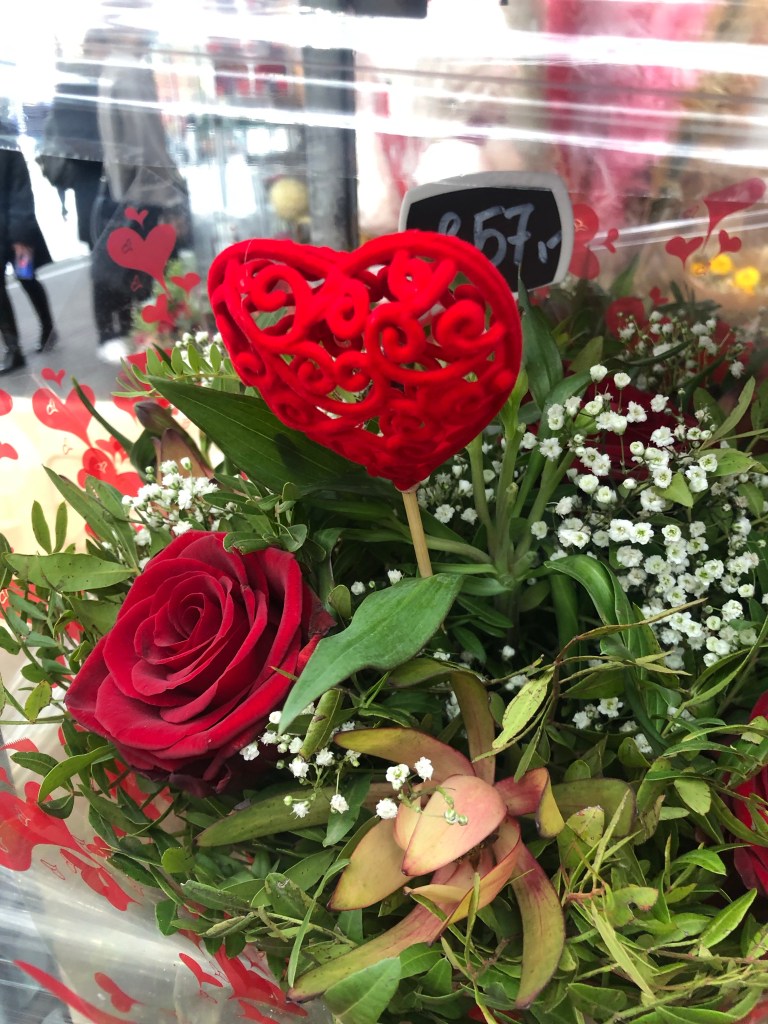
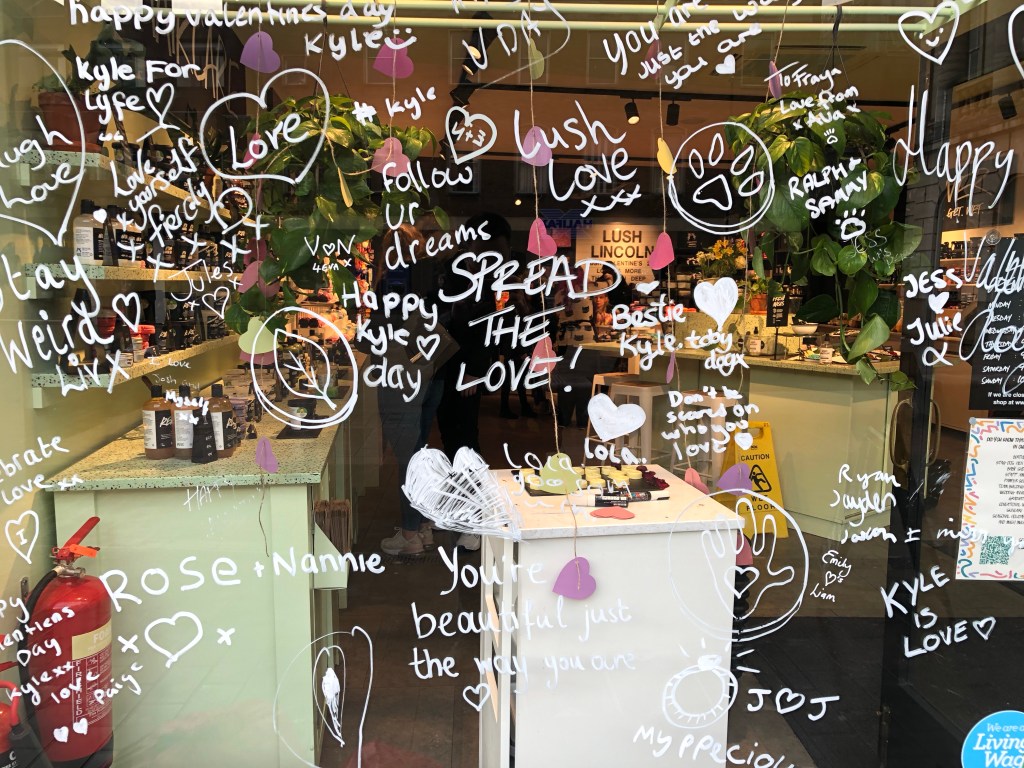
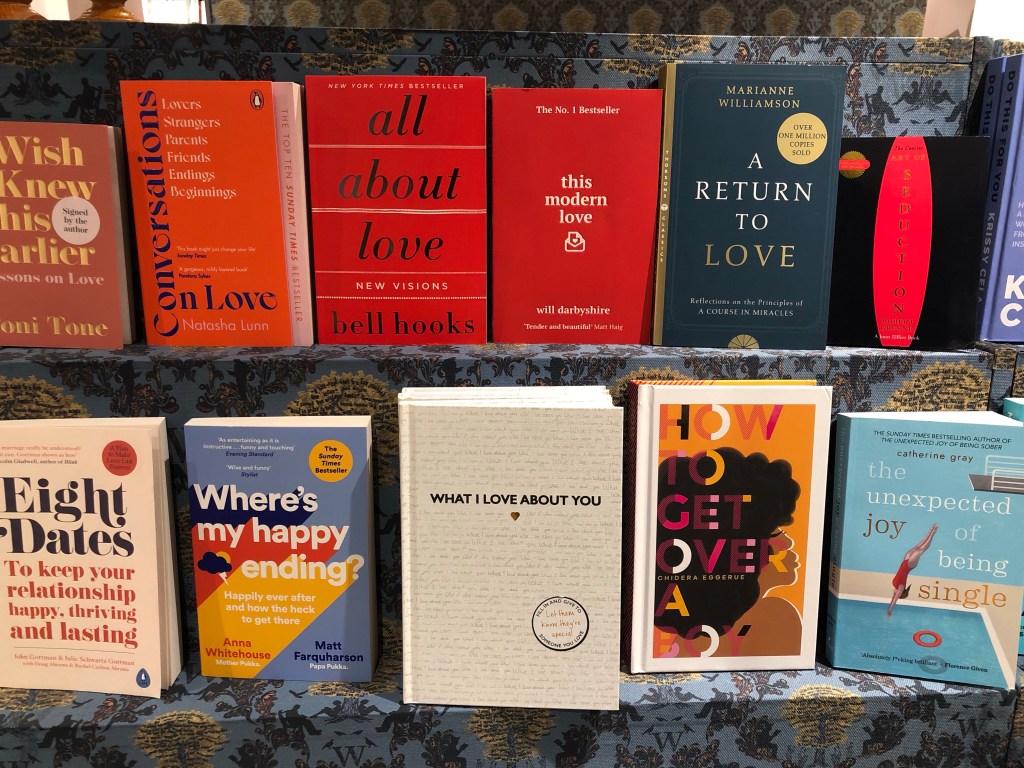
There’s been a pretty serious push for Valentine’s Day this year. Did you notice? I suppose it’s because we’ve had two years of two-metre rules and vaccination anxiety which has thrown the world’s dating community into total disarray. Still – it looks as though all the usual suspects are making up for lost time. Couples wandering about, hand in hand, head on shoulder. Trendy-looking young men scribbling hasty cards in cafes. Groups of girls carrying bouquets and single roses around every corner. Supplying them all, flowers stalls plied a roaring trade in every train station, booksellers put all their romcom collections in the window and Lush had its usual ‘leave a message’ montage daubed across its front.

I’ve never been one to hate on Valentine’s Day. Somehow all those years at an all-boys grammar school didn’t manage to quash the romantic in me. Sure, it’s got a commercial side these days, but then, what doesn’t? It may seem a little strange to celebrate the death of a third-century Roman saint by giving and eating (or just eating) a confectionery staple that the Mayans used to snack on, but is it really any weirder than Santa Claus’ transformation over the centuries from Turk to Coca Cola-chugging Nord?

I was raised on Disney movies, so of course I’m going to fight love’s corner. The same mega corporation that imbued us all with a considerable mistrust of employers (seriously, how many Disney villains use contracts or bargains?) has hammered home the message that true love conquers all since 1959. And though Sleeping Beauty gets its fair share of scrutiny these days, there’s a no less powerful dialogue from The Sword in the Stone that cuts (ha) right to it:

Merlin: “You know lad, that love business is a powerful thing.”

Arthur: “Greater than gravity?”

Merlin: “Well, yes, boy, in its way… yes, I’d say it’s the greatest force on earth.”

The Sword in the Stone (1963)

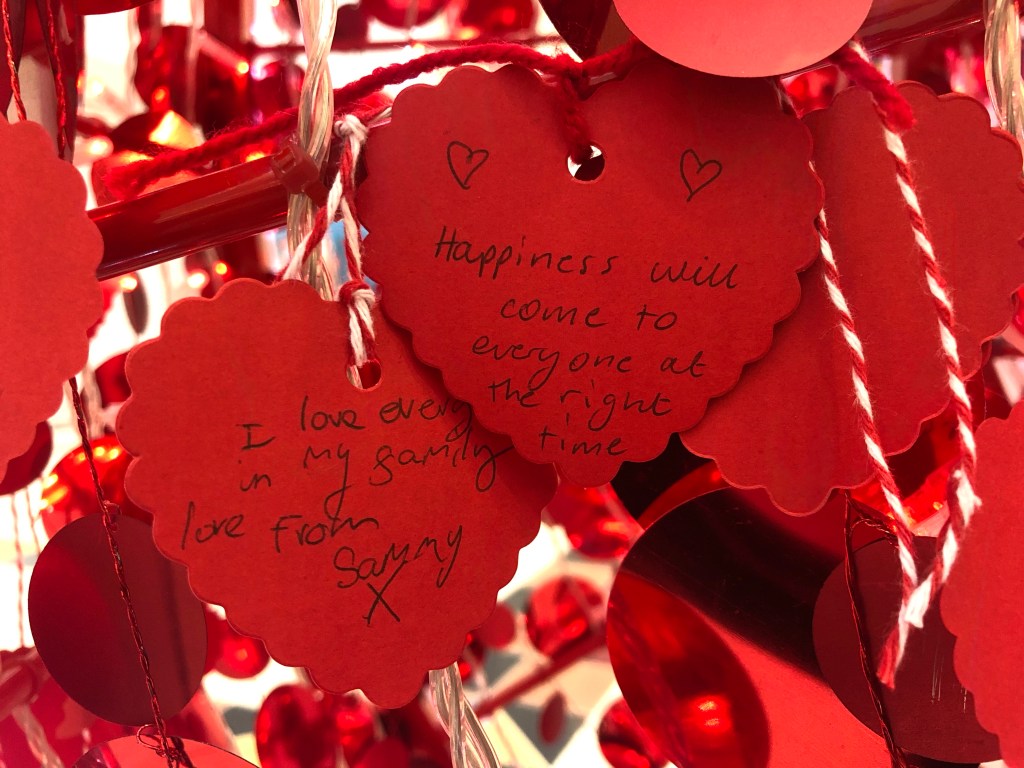
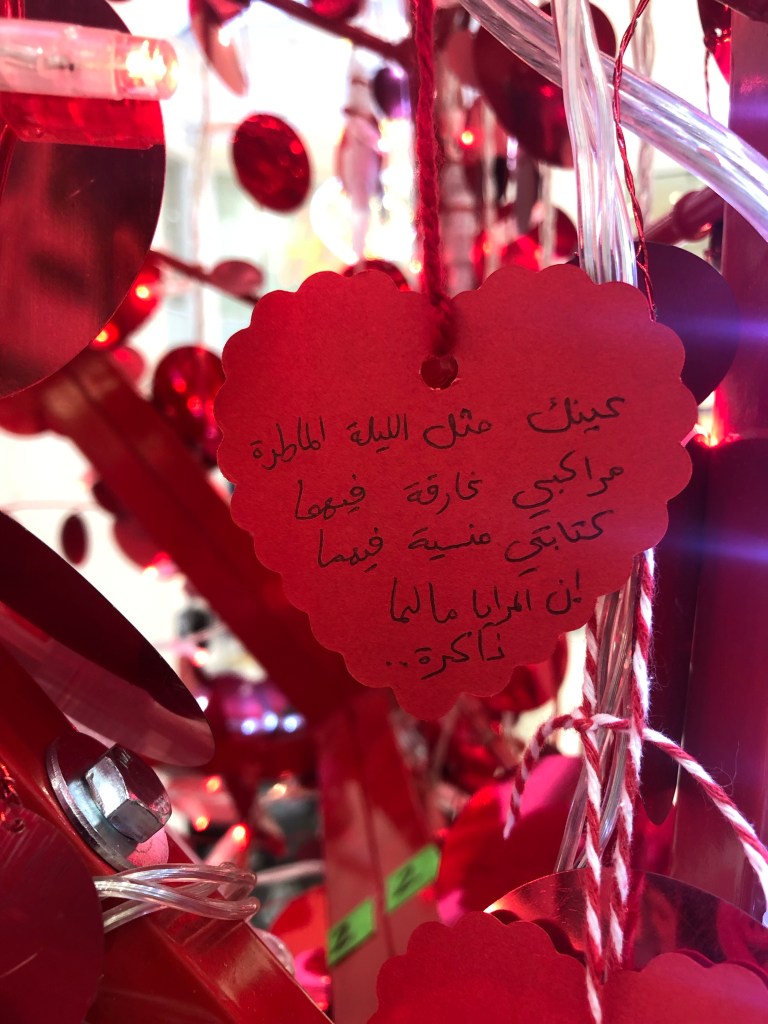
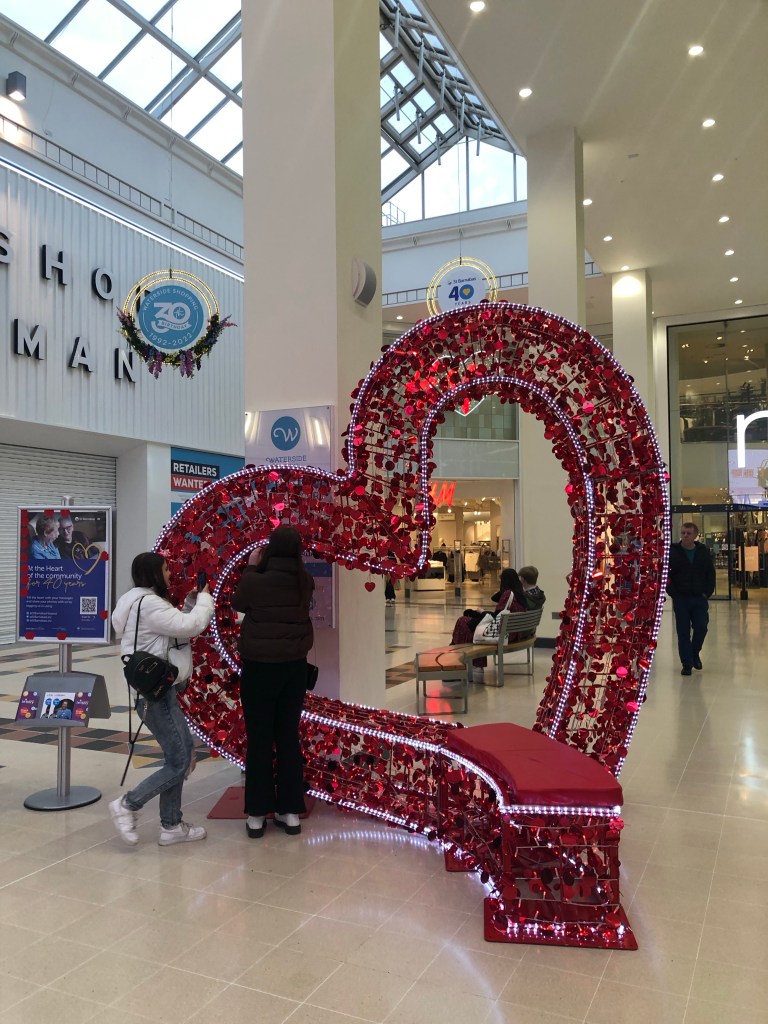
Lincoln’s town mall had an oversized display up which was drawing a small but steady stream of contributors, so I had a look. Folk had scribbled messages on little red hearts and strung them up from the display for all to see. Lots of “luv u Dave!! xoxo” type notelets, but a fair scattering of wise words threaded in: “Happiness will come to everyone at the right time”, “Don’t look for love it will find you”… “Snap me @.”

When I woke up this morning with this post in mind, I meant to read some good old love poetry and reel off that. I could only find a few that were to my liking in my poetry collection, namely a couple of Shakespeare sonnets (18 and 116) and Yeats’ He Wishes for the Cloths of Heaven. It wasn’t until I reached the garish display in Lincoln’s mall that I suddenly remembered one of the greatest poets to ever put love into verse: the Syrian wordsmith, Nizar Qabbani.

I’ve been a devotee of Qabbani’s work since I was introduced to him in my second year at university. There’s not a single one of his poems that I don’t adore. Even in translation his words hold their magic. His poems find their way into my journals at least once per book, and I couldn’t resist an opportunity to transcribe one of his verses here, for want of anything better to write. I’ll translate below:

Your eyes are like a rainy night

My boats sink in them

My writing disappears in their reflection

Mirrors have no memory…

Nizar Qabbani

Three local girls were busy penning their thoughts as I strung up my contribution and set off to catch my train. When I glanced back at the door, they’d all gathered to see what I’d written. I hope they find the words as powerful as I do.

As is so often the way after such highfalutin flights of fancy, I was brought back to reality with a crash when not even a minute later I was stopped by a drunk almost as soon as I’d stepped out into the street. Between slurred speech and staggered gait he managed to convey that he had ‘no credit’, the taxi people ‘weren’t talking to him’ and that he needed to get to ‘Cherwillingum’, though he couldn’t say where exactly. After we’d established that his destination was Cherry Willingham (which, apparently, is how the locals say it – I maintain that British place names make English the most unhelpful language on the planet), I called him a taxi and wished him good luck, hoping that the three-hour wait would find him in a more sober state. Fingers crossed for you, buddy!

The sun sets on another Valentine’s Day. Eros and Mammon join hands once a day every year, and frankly, I say let ’em have their fling. It’s very easy to roll your eyes at the consumerism and mawkish PDA everywhere, but I can’t help feeling there’s nothing wrong with one day out of 365 devoted to romantic love. That leaves at least 364 others to be a cold-hearted cynic, if you’re that way inclined. BB x

Streets of London

2.20am. I’m riding home on the 2.08 from London Victoria. I didn’t even know trains still ran at that ungodly hour of the morning. Apparently they do: one every hour at eight minutes past the hour. They lock the station until ten minutes or so before the train leaves, and there’s quite a crowd loitering outside the gates just before they open them. Three Bridges is clearly the place to be at two in the morning. Who’d have thought it?

I did some much needed “getting out” today. With a couple of exceptions I’ve more or less turtled for four years or more. I guess that’s the nature of life in a boarding school: whereas most other folks can play their weekends and snatch evenings here and there, in teaching you block out your free time by your holidays…

The chap two seats ahead is fast asleep in his seat. His phone alarm is going off for the third time. The lads on the row of seats opposite looked annoyed at first, but one of them has struck up a conversation with the sleeper and asked if he’s going to get home OK.

I killed some time with my sketchbook on the Underground this afternoon, and again waiting in the street in Holborn before the party. A homeless man wandered over, cap in hand, to ask for help. Normally I have to admit I’d probably turn a callous blind eye, but something about London draws me in, makes me think differently. I asked for his name and we got talking. He said his name was James, and that he was trying to find a place that would take both him and his dog for the night. I gave him something to start his hunt – for once I happened to have a loose note on me. We shook hands and he set off at a run.

I didn’t have to make the trek home quite so soon. A friend offered me the key to his place for the night, if I could find my way there. I turned it down, partly out of habit, partly out of pride, and partly because of James. Having such an easy solution in London when so many are out on the streets… for some reason it didn’t sit right. You think in a different key in the small hours.

I remember sleeping rough in the wastelands beyond Almeria years ago. Gaunt from a month of under budgeting and undereating and feeling hollow. I remember the fear of that first night, the isolation. It could never compare to the real thing, of course, but I was young, foolhardy, and I wanted to have an idea of how it felt. One night I was curled up in the dunes when a couple of cars rolled up onto the beach around two in the morning. Men with flashlights climbed out and scanned the beach. I got the jitters and decided to move – they were probably night-fishing, but your brain plays all kinds of tricks at night. I don’t think I’ll ever forget the genuine pit-of-my-stomach terror when, barely a few yards down the beach, I saw two of the torch beams slowly sweep the beach and lock onto me. I ran. My God, did I run. I don’t think I’ve ever run so fast in my life. I must have gone at least a kilometre or more before I collapsed in the dunes.

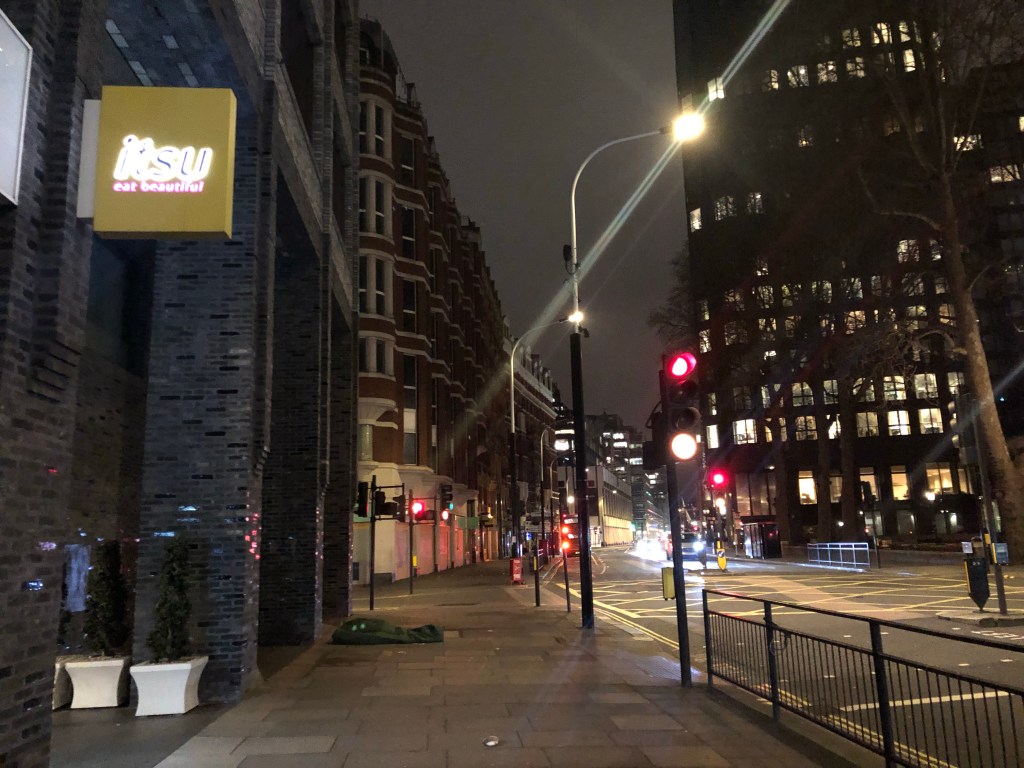
Almeria seems a long way away. London is surprisingly busy in the small hours. Not the city that never sleeps, per se, but one that keeps at least one eye open all night. Offices lit up, calendars and Macs on desks. Lads coming home from the lash. A girl tottering home on heels, makeup streaming, eyes weeping. And many, many sleeping bags in doorways.

It felt good to go out again. I haven’t danced in years – not since university, I shouldn’t wonder. And as it’s London, the music was both a) quality and b) perfect for dancing shoes. I should do this again sometime. Not that I’d make a habit out of catching the 2.08, though.

Gatwick Airport ahead. Only another five minutes or so to go, and then it’s the long walk back through the forest. I’ll probably be in bed by 4, with or without the moonlight to guide me – I’ve made that journey so often I could probably do it blind.

I’ll sign off now so my phone has enough juice for another chapter or so of Michelle Paver’s Ghost Hunter on Audible. That will take me at least as far as the forest – there, at least, I will feel safe again. BB x
Athene noctua

The students have gone home for half term. Silence hangs over the school. The corridors of the boarding house are dark, and a little cold, too. The floorboards creak under my foot with the kind of volume that only darkness can amplify. The dull glow from the torch on my phone casts long shadows. A friend of mine once explored an abandoned hospital on a dare. I did not go with him then, out of some primordial fear of the darkness within. And yet, here I am, haunting the empty corridors of this old house by night, the last man standing. Filling up a water bottle from the cooler on the Year 10 corridor becomes a quest in its own right.

I’ve had a lot of time to think lately. I guess coming out of a long term relationship will do that for you. One of the things I thought I might be able to recover was the fierce reading streak I had on my year abroad, but I just can’t find my mojo for that right now. Time just seems to slip through my fingers when I’m not at work. I wonder what the world does when it’s not working? I guess that’s what television is for, or Netflix, or whatever streaming service is in right now. But then, I’ve never been good at sitting down to movies or TV shows. My brain wants to be involved. There’s a precious few I’d happily watch over and over and over again, but it’s rare that I find a new picture out there that sinks in.

There’s not a day goes by where I don’t feel a genuine fulfilment in my line of work. Teaching is in my blood, a duty that my ancestors have carried out for generations. Knowing that I am the torch-bearer for my generation gives me a sense of purpose that is utterly unshakeable. And it’s not as though that purpose hasn’t been tested over the years. It’s just that, whenever something comes up to shake its fist in my direction, I know instinctively that there’s a greater mission behind it all, and that’s reason enough to persevere – even when my core beliefs are thrown into disarray. I wonder if my great-grandparents, Mateo and Mercedes, ever had such doubts?

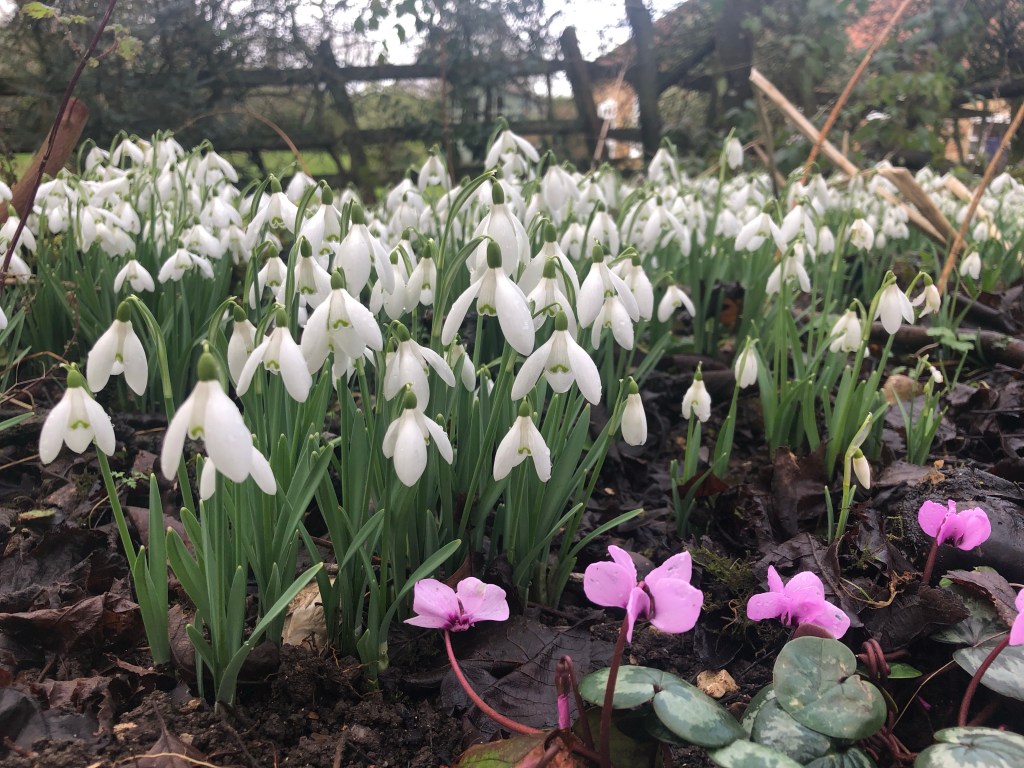
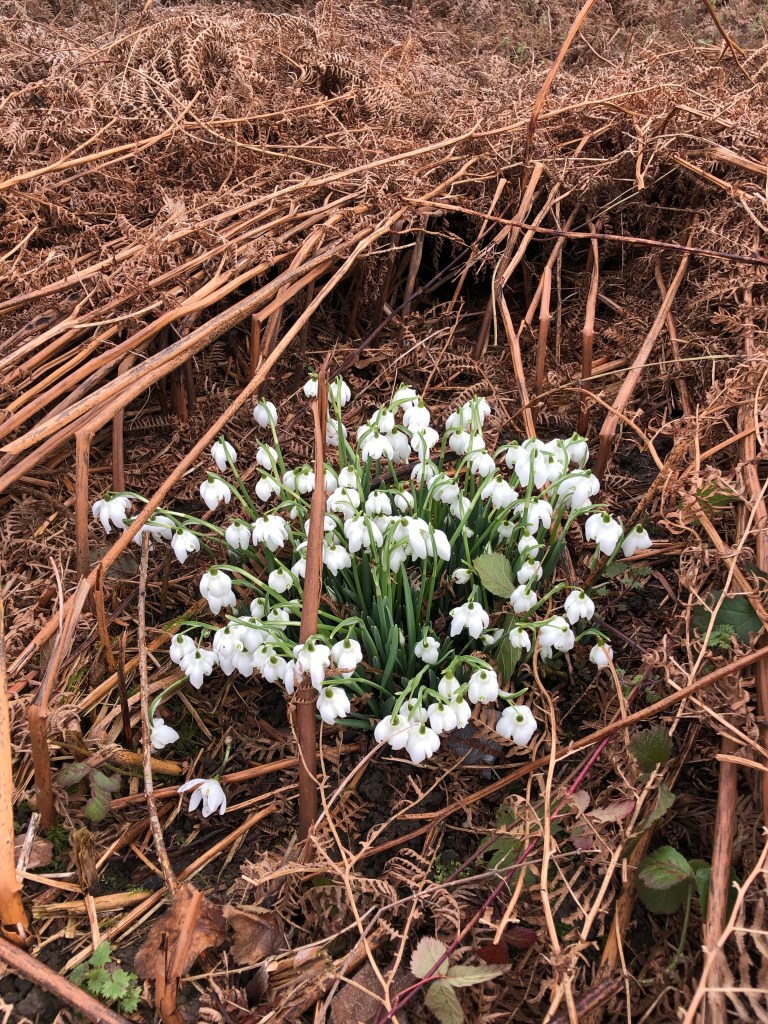
There’s a little owl calling outside. It’s been piping away from the upper branches of the Atlas cedar in the drive for half an hour now. The foxes have been quiet for a week or so now. I suppose their noisy January antics in the front quad are over for the year. Three buzzards were soaring over the grounds the other day during morning break, but none of the students seemed to notice. The redwings and the fieldfares have moved on and the snowdrops are out. The daffodils will be on their heels soon enough. I escaped to Richmond Park a few weekends back, just as the first blooms were sprouting. It was good to see the wide world again, even if only through my own eyes.

No photo description available.

The meltwater of the long Covid winter is starting to run. Just like the birdsong and the subtle shift in the light over the last couple of days, change is in the air. Piece by piece, the last fragments of the old world are coming back. At the request of one of my students, I blew the dust off my long-neglected violin and rocked up to orchestra this week. I’m about as good on the thing as I ever was – that is, haphazard at best – but I’d forgotten how much fun it used to be. It’s one of those things that simply slipped through my fingers over the last couple of years.

I think I’ll take up the guitar this half term. A zealous diet of sevillanas have powered me through the darkness of the winter months this year, and I’m done with being able to sing along but never sing alone. At the very least it will give me something to do until my provisional arrives and I finally confront the long-delayed challenge of learning to drive, which I have put off for far too long.

I’m done with playing games. It’s high time I went on another adventure. The Easter holidays aren’t far off, and I could do with some more writing fuel. And spring is always such a hopeful time of year. BB x